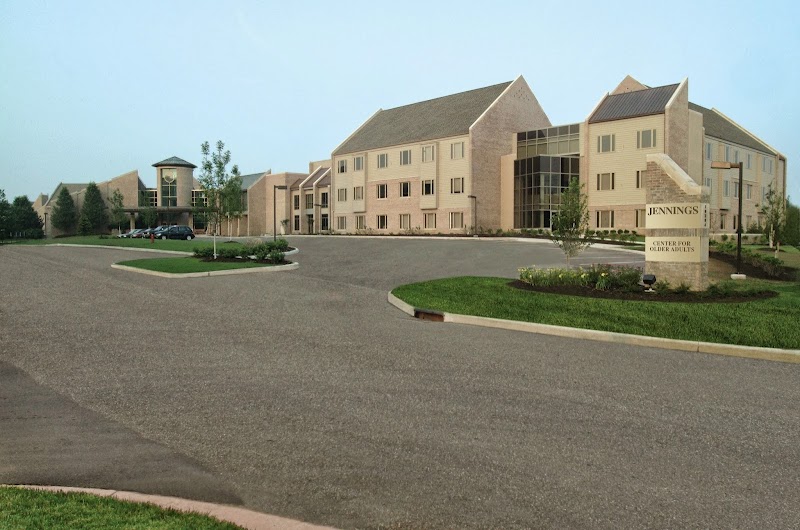
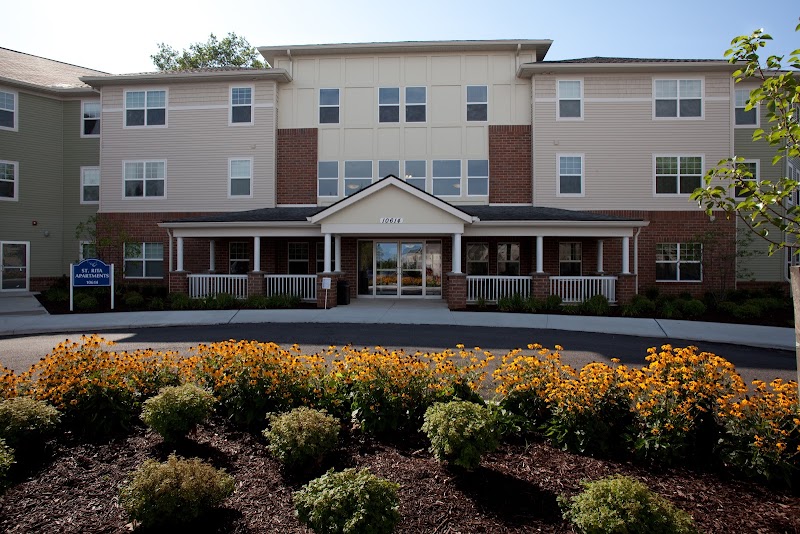
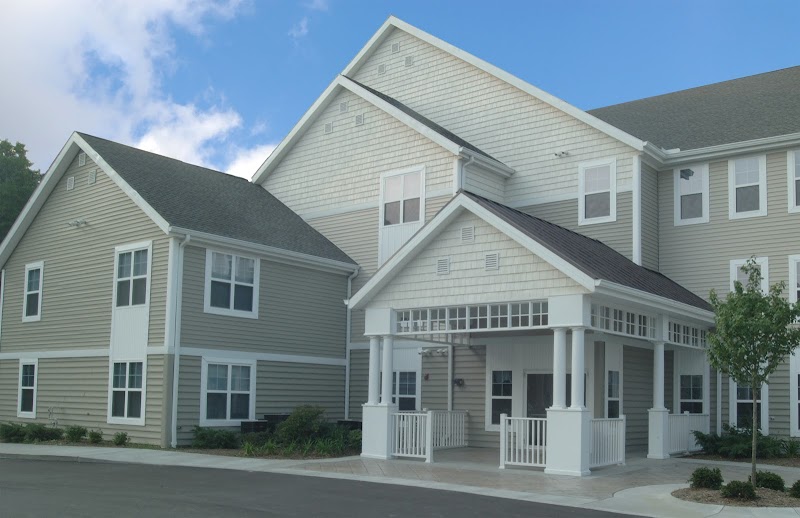
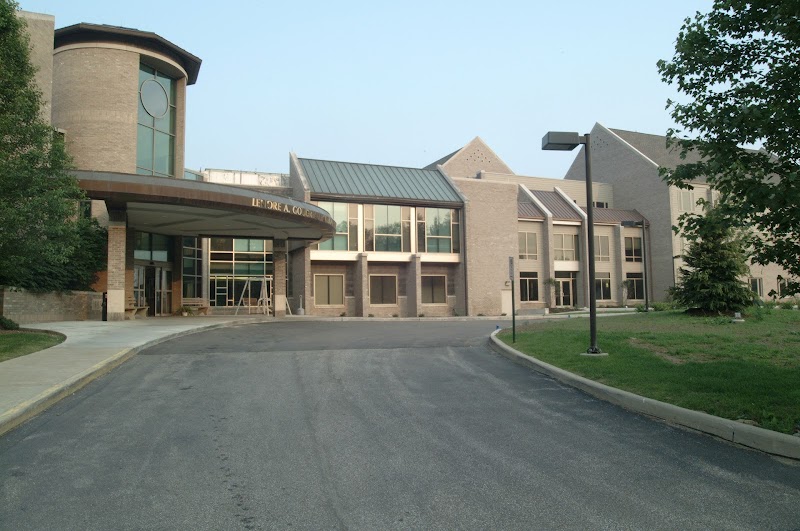
JENNINGS HALL

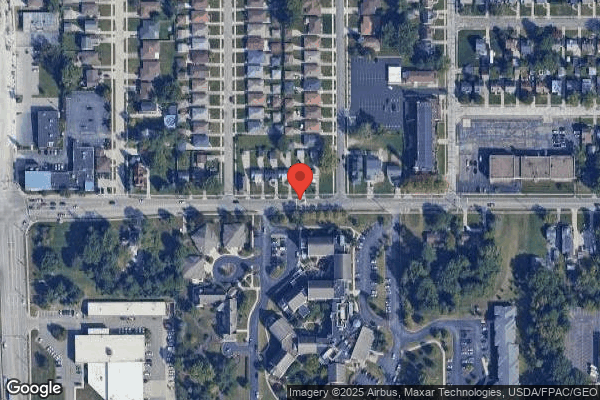
10204 GRANGER ROAD, GARFIELD HEIGHTS, OH 44125 (216) 581-2900
Non profit - Corporation 174 Beds Independent Data: November 2025
Trust Grade
75/100
#279 of 913 in OH
Last Inspection: September 2024

Within standard 12-15 month inspection cycle. Federal law requires annual inspections.

Overview

Jennings Hall has received a Trust Grade of B, indicating it is a good choice for families, ranking #279 out of 913 facilities in Ohio, which places it in the top half of the state. The facility's trend shows improvement, with the number of issues decreasing from 6 in 2023 to 5 in 2024. Staffing is a mixed bag; while the turnover rate is relatively low at 36%, indicating staff stability, RN coverage is concerning as it is lower than 84% of facilities in Ohio. Notably, the facility has no fines on record, which is a positive sign. However, there are some weaknesses to consider. Recent inspections revealed issues with food sanitation, as a kitchen staff member was not wearing a beard net, and there were problems with the sanitizer not being at the appropriate level. Additionally, infection control procedures were not properly followed after caring for COVID-19 patients, potentially affecting all residents. Lastly, some residents experienced delays in having their call lights answered, which could impact their safety and comfort. Overall, Jennings Hall has its strengths, but families should be aware of these concerns when making a decision.

Trust Score
B
75/100
In Ohio
#279/913
Top 30%
Safety Record
Low Risk
No red flags
Inspections
Getting Better
6 → 5 violations
Staff Stability
○ Average
36% turnover. Near Ohio's 48% average. Typical for the industry.
Penalties
✓ Good
No fines on record. Clean compliance history, better than most Ohio facilities.
Skilled Nurses
⚠ Watch
Each resident gets only 26 minutes of Registered Nurse (RN) attention daily — below average for Ohio. Fewer RN minutes means fewer trained eyes watching for problems.
Violations
⚠ Watch
17 deficiencies on record. Higher than average. Multiple issues found across inspections.
★★★★☆
4.0
Overall Rating
★★★☆☆
3.0
Staff Levels
★★★★☆
4.0
Care Quality
★★★★☆
4.0
Inspection Score
Stable
2023: 6 issues
2024: 5 issues

The Good

  • 4-Star Quality Measures · Strong clinical quality outcomes
  • Full Sprinkler Coverage · Fire safety systems throughout facility
  • No fines on record
  • Staff turnover below average (36%)

    12 points below Ohio average of 48%

Facility shows strength in quality measures, fire safety.

The Bad

Staff Turnover: 36%

Near Ohio avg (46%)

Typical for the industry

The Ugly 17 deficiencies on record

Sept 2024 3 deficiencies
CONCERN (D)

Potential for Harm - no one hurt, but risky conditions existed

Assessment Accuracy (Tag F0641)

Could have caused harm · This affected 1 resident

Based on record review and interview, the facility failed to ensure comprehensive discharge assessments were completed at discharge. This affected two (Resident's #27 and #162) of 38 residents reviewe...

Read full inspector narrative →
Based on record review and interview, the facility failed to ensure comprehensive discharge assessments were completed at discharge. This affected two (Resident's #27 and #162) of 38 residents reviewed. The facility census was 169. Findings include 1. Review of Resident #27's medical record revealed a 03/15/24 admission date with diagnoses including hyperlipidemia, dementia and malnutrition. Review of the Minimum Data Set (MDS) 3.0 Assessments revealed an admission MDS was completed 03/28/24. There was no evidence of a subsequent MDS. Review of the nurse notes included the resident discharged home with family 04/16/24. Interview 09/12/24 at 10:05 A.M. with Licensed Practical Nurse (LPN) #659 verified the facility failed to submit a discharge MDS Assessment. LPN #659 included it was human error. On 09/12/24 at 4:07 P.M. the Administrator emailed the facility did not have a discharge MDS policy. 2. Review of Resident #162's medical record revealed a 12/18/22 admission with diagnoses including renal insufficiency, dementia, and arthritis. Review of the MDS 3.0 Assessments revealed a Quarterly MDS was completed 04/04/24. There was no evidence of a subsequent MDS. Review of the nurse notes included the resident discharged home with family 04/16/24. Interview 09/12/24 at 10:05 A.M. with Licensed Practical Nurse (LPN) #659 verified the facility failed do submit a discharge MDS Assessment. LPN #659 included it was human error.
CONCERN (D)

Potential for Harm - no one hurt, but risky conditions existed

Deficiency F0692 (Tag F0692)

Could have caused harm · This affected 1 resident

**NOTE- TERMS IN BRACKETS HAVE BEEN EDITED TO PROTECT CONFIDENTIALITY** Based on observation, record review, and interview, the facility failed to provide nutritional care and services consistent with...

Read full inspector narrative →
**NOTE- TERMS IN BRACKETS HAVE BEEN EDITED TO PROTECT CONFIDENTIALITY** Based on observation, record review, and interview, the facility failed to provide nutritional care and services consistent with Resident #88's assessed needs for eating meals to maintain nutritional status. This affected one resident (#88)of three residents reviewed for nutrition. The census was 169. Findings include: Record review of Resident #88 revealed she was admitted [DATE] and had diagnoses including glaucoma, unspecified visual loss, and unspecified protein-calorie malnutrition. An order dated 09/05/24 called for her to receive a divided dish with meals. Her dietician assessment dated [DATE] revealed she had symptoms of possible swallowing disorder including residual food in the mouth after meals and coughing or choking during meals. Record review of therapy documentation for Resident #88 revealed on 08/21/24 they trialed use of a divided dish to improve her independence with meals. A note on 08/21/24 revealed staff did not provide sufficient cueing for the resident, and a note on 09/02/24 revealed the resident's caregiver did not know she had vision difficulties. The resident demonstrated memory impairment. The divided plate was noted to have a positive impact on her ability to scoop food and locate food items. She was discharged from occupational therapy on 09/02/24 with a recommendation of supervision or touching assistance and a divided dish for all meals. Observation on 09/09/24 at 9:55 A.M. revealed Resident #88 was in bed eating breakfast. Her head was positioned at approximately a 30 degree incline and she had no fluids within reach. The breakfast was served on a normal plate. A sign behind her back noted she was on strict reflux precautions and was to be upright for all meals. Another sign labeled swallowing precautions noted she was to alternate liquids and solids when eating and sit up as close to 90 degrees as possible. She had some small coughing while eating. Interview with Resident #88 on 09/09/24 at 9:55 A.M. revealed she was waiting for something to drink. She said her head of bed should be higher when eating, and independently used the control to raise the head of the bed when the surveyor questioned if she was comfortable. She said it was sometimes hard to get enough to drink. She had poor eyesight and required setup assistance for eating. She denied knowledge of any need for assistive devices such as a divided plate. She did not recall anyone teaching her to sit up for meals or alternate food and liquids to assist swallowing. Observation on 09/09/24 at 10:04 A.M. revealed an aide entered the room and gave Resident #88 a small glass of juice. The resident drank the glass quickly over the course of the surveyor interview and asked the surveyor to get her more to drink. Interview with Registered Nurse #780 on 09/09/24 at 10:17 A.M. confirmed the above findings. Interview with Speech Therapist #793 on 09/10/24 at 10:37 A.M. revealed Resident #88 was referred to her service after weight loss. The resident was to be sitting up at least 45 degrees and ideally 90 degrees during meals. The resident needed setup assistance mostly due to vision problems. Interview with Dietician #724 on 09/10/24 at 2:42 P.M. revealed she was not involved in the decision to place Resident #88 on a divided dish. To her knowledge it was only put in place around 09/09/24, because she did not see the resident using a divided dish until recently.
CONCERN (F)

Potential for Harm - no one hurt, but risky conditions existed

Food Safety (Tag F0812)

Could have caused harm · This affected most or all residents

Based on observation, interview and facility policy review, the facility failed to ensure food was prepared and served under sanitary conditions. This affected all 164 residents receiving meals from t...

Read full inspector narrative →
Based on observation, interview and facility policy review, the facility failed to ensure food was prepared and served under sanitary conditions. This affected all 164 residents receiving meals from the kitchen, as the facility identified five residents (#10, #13, #38, #71 and #359) who did not consume meals by mouth. The facility census was 169. Findings include: Observation on 09/09/24 at 10:13 A.M. with Dietary Manager (DM) #642 during the initial kitchen tour revealed DM #642 had a full facial beard from ear to ear approximately one-inch long hair growth and was not wearing a beard net while working in the kitchen. DM #642 confirmed he was not wearing a beard net and should have been. Observation on 09/09/24 at 10:35 A.M. of DM #642 testing the level of quaternary sanitizer with a test strip for the three compartment sink revealed when he dipped the strip into the sanitizer water the strip did not change color. DM #642 confirmed the test strip did not change color so there was not an appropriate amount of sanitizer in the water to sanitize dishes. DM #642 was unable to provide evidence of the past month chemical testing logs. Observation on 09/10/24 at 3:56 P.M. of DM #642 revealed he continued to have a full facial beard approximately one inch in hair length and was not wearing a beard net while working in the kitchen. Dietary Manager #64 confirmed he did not have a beard net on. Observation on 09/11/24 at 12:35 P.M. of [NAME] #707 serving the resident lunch meal revealed he reached to get something out of the cabinet behind him using his gloved hand and then proceeded to use the same gloved hand to grab a handful of lettuce out of the lettuce container for a resident taco salad meal. Interview at the time of the observation with [NAME] #707 confirmed he used his gloved hand to open the cabinet door behind him to reach for an item out of the cabinet and then proceeded to grab lettuce for the resident meal and had not washed his hands or changed gloves in between time. [NAME] #707 confirmed he did not have a serving utensil for the lettuce and went back to the kitchen to get one. [NAME] #707 returned with the appropriate size serving spoon for the lettuce at 12:45 P.M. and meal service resumed. Interview on 09/11/24 at 1:05 P.M. with Dietitian #724 confirmed [NAME] #707 should have used a serving spoon to prevent any chance of sanitation concern and should not have used his hands. Review of the facility policy dated May 2018 called Culinary Services revealed culinary services will function according to the regulations established by the Ohio Department of Health. Interview on 09/12/24 at 1:12 P.M. with the Administrator confirmed the facility policy called; Culinary Services did not address specifics about hand washing procedures for the kitchen or when hair and beard nets were needed and stated they were unable to find a policy that addressed those concerns.
Jan 2024 2 deficiencies
CONCERN (D) 📢 Someone Reported This

A family member, employee, or ombudsman was alarmed enough to file a formal complaint

Potential for Harm - no one hurt, but risky conditions existed

Deficiency F0692 (Tag F0692)

Could have caused harm · This affected 1 resident

Based on record review, interview, and policy review the facility failed to obtain weights as ordered by the physician and according to the policy for Resident #164. This affected one resident (#164) ...

Read full inspector narrative →
Based on record review, interview, and policy review the facility failed to obtain weights as ordered by the physician and according to the policy for Resident #164. This affected one resident (#164) of three residents review for weight loss. The facility census was 163. Findings include: Review of the closed medical record for Resident #164 revealed an admission date of 05/27/21. Diagnoses included arthritis, anemia, anorexia, stage four chronic kidney disease, and dysphagia. Resident #164 expired on 12/26/23 at the facility. Review of the Minimum Data Set (MDS) assessment for Resident #164 dated 11/09/23 revealed the resident was moderately cognitively impaired. She had an impairment to both sides of her body on the upper and lower halves, required substantial or maximum assistance for eating, oral hygiene, personal hygiene, toileting, showering or bathing, and upper body dressing. She was totally dependent on staff for lower body dressing. The resident had no swallowing disorders or dental issues. She had weight loss of 5% or more in the last month or 10% or more in the last six months and was on a mechanically altered diet. She received hospice services. Review of the plan of care dated 10/01/23 for Resident #164 revealed the resident had the potential for inadequate food intake due to anorexia and hospice with a goal to consume more than 25% of meals. Interventions included documenting meal intake amounts, providing snacks and preferences, assisting as needed, and monitoring weights and labs as ordered. Review of the physician orders for Resident #164 revealed an order for a Boost supplement twice per day (BID) beginning on 09/20/23 and weekly weights beginning 10/23/23. Review of the resident's vital signs revealed Resident #164's weight was obtained on 08/02/23 and she weighed 171.4 pounds, 10/11/23 she weighed 137 pounds and 11/03/23 when she weighed 127 pounds. There was no documented evidence a reweight was obtained after the 10/11/23 weight of 137 pounds which was a 19.7% (significant) weight loss in two months. There was no documented evidence that the resident refused to be weighed. There was no documented evidence that the dietitian or physician were notified of the severe weight loss. Interview on 01/16/23 at 8:56 A.M. with Diet Tech #209 revealed weights were to be obtained monthly unless otherwise ordered by the physician, and refusals to be weighed would be documented in the resident's medical record. She added it was the facility's policy to discontinue weekly weights when a resident was placed on hospice. She could provide no documented evidence a weight had been obtained for Resident #164 in September 2023. Interview on 01/16/24 at 12:26 P.M. with Medical Doctor (MD) #208 revealed Resident #164's health had been declining for several months after she contracted COVID in January of 2023. She had been in and out of the hospital for multiple issues including thyroid related issues which may have led to some issues with her weight. She revealed Resident #164 did not want any type of invasive procedure and only wanted to be comfortable therefore, MD #208 did not discuss the potential for a feeding tube with Resident #164. She also added a feeding tube was not indicated because the resident had already been significantly overweight and expressed multiple times that she was not interested in invasive procedures. MD #208 also felt the residents' health would not withstand a procedure of that nature. Review of the facility policy titled Weight policy, dated September 2023, revealed weights would be obtained once per month unless otherwise ordered, weekly weights would be obtained per physician orders, if a weight deviated plus or minus five pounds from the previously recorded weight, a reweigh would be completed, the dietitian or diet tech would be notified on the day of the variance and would complete a nutritional assessment, documenting their findings in the electronic medical record (EMR) with interventions as appropriate. Refusals would be documented in the EMR. This deficiency represents noncompliance investigated under Complaint Number OH00149924.
CONCERN (D) 📢 Someone Reported This

A family member, employee, or ombudsman was alarmed enough to file a formal complaint

Potential for Harm - no one hurt, but risky conditions existed

Medical Records (Tag F0842)

Could have caused harm · This affected 1 resident

**NOTE- TERMS IN BRACKETS HAVE BEEN EDITED TO PROTECT CONFIDENTIALITY** Based on record review, interview, and facility policy review the facility failed to ensure complete, thorough, and accurate med...

Read full inspector narrative →
**NOTE- TERMS IN BRACKETS HAVE BEEN EDITED TO PROTECT CONFIDENTIALITY** Based on record review, interview, and facility policy review the facility failed to ensure complete, thorough, and accurate medical record for Resident #164. This affected one resident (#164) of three residents reviewed for documentation. The facility census was 163. Findings include: Review of the closed medical record for Resident #164 revealed an admission date of 05/27/21. Diagnoses included arthritis, anemia, anorexia, stage four chronic kidney disease, and dysphagia. The resident expired in the facility on 12/26/23. Review of the comprehensive Minimum Data Set (MDS) assessment dated [DATE] revealed Resident #164 was moderately cognitively impaired. She had an impairment to both sides of her body on the upper and lower halves, required substantial or maximum assistance for eating, oral hygiene, personal hygiene, toileting, showering or bathing, and upper body dressing. She was totally dependent for lower body dressing. The resident had no swallowing disorders or dental issues. She had weight loss of 5% or more in the last month or 10% or more in the last six months and was on mechanically altered diet. She received hospice services. Review of the plan of care dated 10/01/23 for Resident #164 revealed the resident had the potential for inadequate food intake due to anorexia and hospice with a goal to consume more than 25% of meals. Interventions included documenting meal intake amounts, providing snacks and preferences, assisting as needed, and monitoring weights and labs as ordered. Review of physician orders for Resident #164 revealed an order for weekly weights beginning 10/23/23 and ending 11/13/23. Review of the resident's vital signs in the electronic medical record (EMR) revealed Resident #164's weight was obtained on 11/03/23. No weights were entered in the medical record for 10/23/23, 10/30/23, 11/06/23 or 11/13/23. Review of the document provided by the facility titled QAPI Stand Up dated 10/24/23 revealed Resident #164 was weighed on 10/24/23 and 10/30/23. There were no weights listed for 11/06/23 or 11/13/23. The document was not signed, and the weights were not entered into the resident's medical record. Interview on 01/16/24 at 1:38 P.M. with Registered Nurse (RN) #211 confirmed the facility provided weights for Resident #164 on 10/24/23 and 10/30/23 were on the document titled QAPI Stand Up and were not included in the resident's medical record and as a result, the medical record was incomplete. Review of the facility policy titled Weight policy, dated September 2023, revealed weights would be obtained once per month unless otherwise ordered, weekly weights would be obtained per physician orders, if a weight deviated plus or minus five pounds from the previously recorded weight, a reweigh would be completed, the dietitian or diet tech would be notified on the day of the variance and would complete a nutritional assessment, documenting their findings in the electronic medical record (EMR) with interventions as appropriate. Refusals would be documented in the EMR. This deficiency represents noncompliance investigated under Complaint Number OH00149924.
Nov 2023 2 deficiencies
CONCERN (D) 📢 Someone Reported This

A family member, employee, or ombudsman was alarmed enough to file a formal complaint

Potential for Harm - no one hurt, but risky conditions existed

ADL Care (Tag F0677)

Could have caused harm · This affected 1 resident

**NOTE- TERMS IN BRACKETS HAVE BEEN EDITED TO PROTECT CONFIDENTIALITY** Based on family and staff interviews, medical record review, review of the facility's Self-Reported Incidents, and review of cam...

Read full inspector narrative →
**NOTE- TERMS IN BRACKETS HAVE BEEN EDITED TO PROTECT CONFIDENTIALITY** Based on family and staff interviews, medical record review, review of the facility's Self-Reported Incidents, and review of camera footage, the facility failed to ensure a resident who was dependent on staff for activities of daily living (ADL) was safely repositioned in bed. This affected one (Resident #1) of three residents reviewed for ADL care. The facility census was 158. Findings include: Review of Resident #1's medical record revealed Resident #1 was admitted to the facility on [DATE]. Diagnoses included dementia, depression, and anxiety. Review of the Minimum Data Set (MDS) assessment dated [DATE] revealed Resident #1 had severe cognitive impairment and required substantial/maximal assistance from staff to roll to the right and left side. Review of the facility's Self-Reported Incident (SRI) dated 11/06/23 revealed Resident #1's power of attorney (POA) (also Resident #1's grandson) reported an allegation of physical abuse towards Resident #1. The POA stated when watching the video of care provided to Resident #1 revealed on 11/04/23 (the facility had 11/04/23 but the video was marked 11/05/23), State Tested Nursing Aide (STNA) #317 repositioned Resident #1 in bed and resulted in Resident #1 hitting her head on the railing. STNA #317 did not console or check to see if Resident #1 was okay after Resident #1 hit her head on the railing during repositioning. The POA also reported STNA #317 was rough with getting Resident #1 dressed over the weekend (11/04/23 or 11/05/23) as well. STNA #317 received safe repositioning education, abuse, customer service, and adverse events. The abuse was unsubstantiated based off the review of the video and STNA #317's statement where the head bump on the railing was not intentional on 11/14/23. Further review of the facility's SRIs dated 10/122/23 revealed STNA #317 was mentioned as an alleged perpetrator in a physical abuse allegation towards another resident (Resident #102). As a result of the investigation dated 10/30/23, staff received education on how to safely transfer Resident #102. Review of the video clip from Resident #1's room dated 11/05/23 at 1:03 P.M. with Resident #1's POA revealed a nurse and STNA #317 transferred Resident #1 to her bed. The nurse leaves the room and STNA #317 pulls Resident #1's hip and right arm towards her and then Resident #1 hits her head on the siderail. Resident #1 stated ouch my head. STNA #317 does not respond to Resident #1's comment and continues to remove the Hoyer pad and does not reposition Resident #1 off the siderail. Resident #1's head was resting on the siderail when Resident #1 was turned over and Resident #1 told STNA #317 she would hit her and bite her. STNA #317 continued to remove the pad and did not check Resident #1's head for any injury. Telephone interview on 11/08/23 at 12:33 P.M. with the POA revealed he has a video camera in Resident #1's room. On 11/05/23 at 1:03 P.M., Resident #1 was being cared for by STNA #317 and the STNA was being too rough. When the STNA #317 was rolling her over, Resident #1 hit her head on the siderail and yelled out Ouch that hurt my head. STNA #317 did not console Resident #1. STNA #317 just kept doing her care. The POA stated he went in the next day and spoke with Supervisor Registered Nurse (RN) #305 about the incident and showed her the video clip of the incident. RN #305 did not know anything about the incident of Resident #1 hitting her head on the siderail. RN #305 stated this was the first time she heard about the incident, STNA #317 had not reported the incident. Interview on 11/08/23 at 1:42 P.M. with RN #305 verified the POA showed her the video of Resident #1 being turned in bed and hitting her head on the siderail. STNA #317 did nothing and did not tell anyone of the incident immediately. RN #305 stated Resident #1's POA showed the video to her on Monday evening (11/06/23). When the POA told her of the incident, STNA #317 was suspended, she notified the Administrator, and started an investigation. RN #305 stated from her perception of the video, STNA #317 did not intentionally bump Resident #1's head. RN #305 stated the interview she had with STNA #317 revealed she did not think Resident #1 hit her head hard and may have turned her with more force than needed causing her to hit her head. RN #305 verified STNA #317 should have checked Resident #1 for an injury or should have asked her if she was ok. RN #305 verified STNA #317 should have reported the incident to the nurse immediately. Interview on 11/15/23 11:05 A.M. with STNA #317 revealed she was the aide taking care of Resident #1 on 11/05/23. STNA #317 stated she was removing the lift pad from under Resident #1 when she pulled Resident #1 towards her making Resident #1 hit her head on the bed. She did not think she hit her head very hard, and she did not see any red mark. STNA #317 stated she was busy and forgot to notify the nurse that Resident #1 hit her head on the siderail, and it slipped her mind to tell the nurses. This deficiency represents non-compliance investigated under Complaint Number OH00147500.
CONCERN (D) 📢 Someone Reported This

A family member, employee, or ombudsman was alarmed enough to file a formal complaint

Potential for Harm - no one hurt, but risky conditions existed

Pharmacy Services (Tag F0755)

Could have caused harm · This affected 1 resident

**NOTE- TERMS IN BRACKETS HAVE BEEN EDITED TO PROTECT CONFIDENTIALITY** Based on record review, review of camera footage and picture, and family and staff interviews, the facility failed to ensure all...

Read full inspector narrative →
**NOTE- TERMS IN BRACKETS HAVE BEEN EDITED TO PROTECT CONFIDENTIALITY** Based on record review, review of camera footage and picture, and family and staff interviews, the facility failed to ensure all residents received medication as ordered by the physician. This affected one (Resident #1) of five residents reviewed for medication administration. The facility census was 158. Findings include: Review of the medical record for Resident #1 revealed an admission date 07/02/23. Diagnoses included dementia, atrial fibrillation, hypertension, and pulmonary disease. Review of the Minimum Data Set (MDS) assessment dated [DATE] revealed Resident #1 had severe cognitive impairment. Review of the physician orders for November 2023 revealed Xanax 0.25 milligram (mg) tablet as needed every four hours for anxiety was discontinued on 11/03/23. Xanax 0.25 mg half tablet as needed every four hour for anxiety was started on 11/03/23. Review of the camera footage from Resident #1's room revealed on 11/03/23 at 4:56 P.M., Resident #1's grandson was visiting Resident #1. Licensed Practical Nurse (LPN) #319 came into Resident #1's room to administer Resident #1's medication. LPN #319 came into the room with a medication cup with pudding and crushed medications in it. As she was giving Resident #1 her medications by spoon, the grandson was giving sips of nectar thickened water. LPN #319 was by the side of Resident #1's bed, and the grandson heard something drop. The nurse picked up the medicine cup off the floor and turned to leave. She threw the spoon and medication cup in the garbage. The grandson asked if LPN #319 if she was done administering Resident #1's medications and she replied yes and walked out of the room. The grandson walked over to the trash can and took the pill cup and spoon from Resident #1's garbage can. There was still pudding and medications on the spoon and in the cup. The grandson took a picture of the spoon and cup and left the room with the items. Review of the grandson's picture taken on 11/03/23 at 4:56 P.M. revealed there was crushed medications in the pill cup and medications and pudding on the spoon. Telephone interview on 11/08/23 at 12:56 P.M. with Resident #1's grandson revealed on 11/03/23 at 4:56 P.M., he was visiting Resident #1 and LPN #319 came into Resident #1's room to give Resident #1 her afternoon medication. LPN #319 came into the room with a medication cup with pudding and crushed medications in it. LPN #319 threw the spoon and medicine cup in the Resident #1's garbage can inside her room. The grandson asked if she was done giving Resident #1's medications and she stated yes and walked out of the room. The grandson walked over to the trash can, saw the pill cup and spoon in the garbage and noticed there was still pudding and medications on the spoon and in the cup. The grandson took it out of the trash, took a picture of it and took it to Registered Nurse (RN) #305 and told her what happened. She stated what can I say. Interview on 11/08/23 at 12:56 P.M. with Supervisor Registered Nurse (RN) #305 verified she observed the picture and contents of the medication cup the grandson showed her on 11/03/23. RN #305 verified Resident #1 did not receive all of her medications and the nurse should have given all the pudding that had medications in it as ordered by the physician. This deficiency represents non-compliance investigated under Complaint Number OH00147500.
Apr 2023 4 deficiencies
CONCERN (D) 📢 Someone Reported This

A family member, employee, or ombudsman was alarmed enough to file a formal complaint

Potential for Harm - no one hurt, but risky conditions existed

Notification of Changes (Tag F0580)

Could have caused harm · This affected 1 resident

Based on record review, family interview and staff interview, the facility failed to ensure resident representatives were notified of significant changes, including medication changes, for Resident #2...

Read full inspector narrative →
Based on record review, family interview and staff interview, the facility failed to ensure resident representatives were notified of significant changes, including medication changes, for Resident #268. This affected one resident (#268) of three residents reviewed for notification of change. The census was 164. Findings include: Review of the medical record for Resident #268 revealed an admission date of 10/11/22 and discharge date of 12/07/22. Diagnoses included fracture of the right rib, mild cognitive impairment, and dementia with anxiety. Review of the physician's orders for October 2022 identified orders for Lexapro (an antidepressant) five milligrams (mg) once daily for behaviors, ordered on 10/12/22. Review of the comprehensive Minimum Data Set (MDS) 3.0 assessment, dated 10/17/22, revealed Resident #268 had a severe cognitive impairment, required extensive assistance for activities of daily living (ADLs), and received an antidepressant medication for five out of seven days for the seven day lookback. Review of the Medication Administration Record (MAR) for October 2022 through November 2022 revealed Resident #268 received Lexapro daily from 10/13/22 to 11/15/22. Review of the nurses notes from October 2022 identified no documentation of notification to Resident #268's representative regarding the addition of Lexapro. A note dated 10/14/22 at 2:42 P.M. revealed a care conference was held with Resident #268's family and there was nothing indicating medications were reviewed at the care conference. Review of Physician #322's note dated 10/12/22 revealed Resident #268 was anxious. The note indicated Lexapro five mg daily was being added for underlying anxiety. Resident #268 had a fair to poor prognosis. On 04/12/23 at 5:00 P.M., interview with Resident #268's representative stated she was not notified about the addition of Lexapro. On 04/17/23 at 1:24 P.M., interview with Director of Nursing (DON) #313 stated the floor nurse or the physician would notify resident representatives of any changes and the notification would be documented in the chart. She said if there was no documentation of the notification, there was no way to guarantee the notification occurred. On 04/17/23 at 2:40 P.M., interview with DON #312 verified there was no evidence that Resident #268's family was notified of the new order for Lexapro. She stated the floor nurse or the physician were responsible for making the notification. She also stated the floor nurse who signed the telephone order for the Lexapro was an agency nurse who no longer worked in the facility. On 04/18/23 at 1:50 P.M., interview with Physician #322 verified he ordered Lexapro for Resident #268 for anxiety and stated he did not call the family. He stated the facility nurse was responsible for notifying the family of medication changes if the family was not present at the time of the physician visit. Physician #322 stated Resident #268 was alert at the time of his visit, so it was likely that he discussed the new order for Lexapro with Resident #268 during the visit instead of discussing it with her representative. This deficiency represents non-compliance investigated under Complaint Number OH00139480.
CONCERN (D) 📢 Someone Reported This

A family member, employee, or ombudsman was alarmed enough to file a formal complaint

Potential for Harm - no one hurt, but risky conditions existed

Quality of Care (Tag F0684)

Could have caused harm · This affected 1 resident

**NOTE- TERMS IN BRACKETS HAVE BEEN EDITED TO PROTECT CONFIDENTIALITY** Based on interview and record review, the facility failed to ensure Resident #256's CPAP (continuous positive airway pressure) m...

Read full inspector narrative →
**NOTE- TERMS IN BRACKETS HAVE BEEN EDITED TO PROTECT CONFIDENTIALITY** Based on interview and record review, the facility failed to ensure Resident #256's CPAP (continuous positive airway pressure) machine was maintained in a clean and sanitary manner. The affected one resident (Resident #256) of three residents reviewed for use of CPAP machines. The facility census was 164. Findings include: Record review for Resident #256 revealed an admission date of 03/17/23. Diagnosis included chronic obstructive pulmonary disease (COPD). Record review of the Minimum Data Set (MDS) 3.0 assessment dated [DATE] revealed Resident #256 was cognitively intact. Resident #256 required extensive assistance of two for bed mobility and transfers. Record review of the care plan for Resident #256 revealed the potential for altered respiratory status related to chronic obstructive pulmonary disease (COPD) as evidence by use of CPAP machine. Interventions included to provide oxygen as ordered. Record review of the physician orders revealed Resident #256 had an order to use the CPAP machine at night and off at 6:00 A.M. Further review of the physician orders revealed no orders were present for cleaning the CPAP. Interview on 04/13 23 at 1:51 P.M. with Resident #256 confirmed staff placed her CPAP on at night and removed it in the morning. Resident #256 revealed she had been at the facility for nearly one month and no one had ever cleaned her CPAP machine including the water reservoir, tubing, masks nor anything else on the machine. Resident #256 revealed the CPAP she had at home had to be cleaned two times a week by her daughter. Interview on 04/13/23 at 12:25 P.M. with DON #312 confirmed Resident #256 did not have orders for cleaning her CPAP machine but should have. The CPAP machine should have been cleaned weekly on Sundays. DON #312 confirmed the CPAP machine had not been cleaned while at the facility. This deficiency represents non-compliance investigated under Complaint Number OH00135223.
CONCERN (E) 📢 Someone Reported This

A family member, employee, or ombudsman was alarmed enough to file a formal complaint

Potential for Harm - no one hurt, but risky conditions existed

Resident Rights (Tag F0550)

Could have caused harm · This affected multiple residents

**NOTE- TERMS IN BRACKETS HAVE BEEN EDITED TO PROTECT CONFIDENTIALITY** Based on observation, interview, and record review, the facility failed to ensure call lights were within reach and/or answered ...

Read full inspector narrative →
**NOTE- TERMS IN BRACKETS HAVE BEEN EDITED TO PROTECT CONFIDENTIALITY** Based on observation, interview, and record review, the facility failed to ensure call lights were within reach and/or answered timely for all residents. This affected four residents ( #129, #142, #184 and #208) of five residents observed for call light response. The facility census was 164. Findings include: 1.Review of the open medical record for Resident #142 revealed an admission date of 03/16/22. Diagnoses included pulmonary fibrosis, vascular dementia, and osteoarthritis. Review of the comprehensive Minimum Data Set (MDS) 3.0 Assessment, dated 03/06/23, revealed Resident #142 had a severe cognitive impairment and required extensive assistance for activities of daily living (ADLs). Review of the care plan dated 04/15/23 revealed Resident #142 had the potential for self-care deficit related to vascular dementia and a history of falls. Interventions included assist with care and tasks, Resident #184 was unable to complete herself, create a safe environment by keeping obstacles from path, and call bell within reach, monitor ability and limitations, and ensure call light was within reach at all times. Observation on 04/12/23 at 10:40 A.M. revealed Resident #142 was sitting in her lounge chair. The call light was placed over the night stand several feet away from Resident #142. Resident #142 verified she was unable to reach the call light. Observation and interview on 04/12/23 at 10:42 A.M. with Registered Nurse (RN) #332 confirmed Resident #142 could not stand without assistants and Resident #142 was unable to reach her call light. 2. Review of the open medical record for Resident #184 revealed an admission date of 07/20/22. Diagnoses included chronic kidney disease, chronic obstructive pulmonary disease, and vascular dementia. Review of the quarterly Minimum Data Set (MDS) Assessment, dated 03/06/23, revealed Resident #184 had a severe cognitive impairment and required extensive assistance for activities of daily living (ADLs). Review of the care plan dated 04/15/23 revealed Resident #184 had the potential for self-care deficit related to malaise, muscle weakness, osteoarthritis, and dementia. Interventions included assist with care and tasks Resident #184 was unable to complete herself, create a safe environment by keeping obstacles from path and call bell within reach, monitor ability and limitations, and ensure call light was within reach at all times. Observation on 04/12/23 at 11:00 A.M. revealed Resident #184 was sitting up in her chair in her room next to her bed. Observation revealed the call light was bundled up and located behind the nightstand out of reach of Resident #184. Resident #184 verified she was unable to reach the call light. Observation and interview on 04/12/23 at 11:02 A.M. with Speech Therapist #333 verified Resident #184's call light was behind the night stand and Resident #184 would not be able to reach the call light. 3. Record review for Resident #208 revealed an admission date of 06/12/19. Diagnosis included Parkinson's disease, unspecified convulsions, and dysphagia. Record review of the MDS dated [DATE] revealed Resident #208 had severe cognitive impairment and required extensive assistants of one to two for ADLS. Record review of the care plan for Resident #208 dated 03/12/23 revealed Resident #208 had a potential for self-care deficit related to lack of coordination, muscle weakness and Parkinson's disease. Interventions included call light within reach at all times. Observation on 04/13/23 at 3:32 P.M. revealed Resident #208 was up in his chair. As the surveyor was passing Resident #208's room, Resident #208 called out to the surveyor for assistants. Observation revealed Resident #208 was unable to reach his call light located on his bed and no other staff was in the area. Resident #208 was requesting assistants. Observation and interview on 04/13/23 at 3:35 P.M. with Licensed Practical Nurse (LPN) #325 confirmed Resident #208 was not able to reach or get to his call light located on the bed. 4. Review of the open medical record for Resident #129 revealed an admission date of 09/10/21. Diagnoses included vascular dementia with agitation, anxiety disorder, and unspecified psychosis. Review of the quarterly Minimum Data Set (MDS) 3.0 Assessment, dated 03/30/23, revealed Resident #129 had a moderate cognitive impairment and required extensive assistance for activities of daily living (ADLs). Review of the care plan dated 04/15/23 revealed Resident #129 had the potential for self-care deficit related to dementia, general muscle weakness, somnolence, and bilateral upper extremity muscle wasting. Interventions included assist with care and tasks Resident #129 was unable to complete herself, create a safe environment by keeping obstacles from path and call bell within reach, monitor ability and limitations, and ensure call light was within reach. On 04/13/23 at 2:03 P.M., observation of the memory care unit revealed Resident #129's call light was on and there was no audible indicator for the call light. Resident #129's room was around the corner from the unit entrance and was not visible from the entrance. At that time, the three staff members for the unit were congregated by the unit entrance talking amongst themselves. At 2:10 P.M., the Administrator entered the unit, spoke to the staff by the entrance, and then left the unit. At 2:14 P.M., staff began making popcorn in the kitchenette by the unit entrance. At 2:23 P.M., Licensed Practical Nurse (LPN) #310 entered the memory care unit and began walking down the hallway. At 2:24 P.M., LPN #310 answered Resident #129's call light, 21 minutes after it was observed to be on. No other staff on the unit walked down the hallway between 2:03 P.M. and 2:24 P.M. On 04/13/23 at 2:26 P.M., interview with LPN #310 verified she answered Resident #129's call light as soon as she entered the unit. She confirmed Resident #129's call light indicator was not visible from the unit entrance and there was no audible indicator for the call light. LPN #310 stated staff were supposed to have pagers for the call lights and staff should have been walking the halls to ensure call lights were answered. The deficiency resulted from incidental findings during the investigation of Complaint Numbers OH00141855, OH00139480, OH00138154 and OH00135223.
CONCERN (F) 📢 Someone Reported This

A family member, employee, or ombudsman was alarmed enough to file a formal complaint

Potential for Harm - no one hurt, but risky conditions existed

Infection Control (Tag F0880)

Could have caused harm · This affected most or all residents

Based on record review, observation, interview and review of Centers for Disease Control (CDC) guidance, the facility failed to follow proper infection control procedures while doffing Personal Protec...

Read full inspector narrative →
Based on record review, observation, interview and review of Centers for Disease Control (CDC) guidance, the facility failed to follow proper infection control procedures while doffing Personal Protective Equipment (PPE) after exiting Resident #245 and Resident #237's rooms who were diagnosed with COVID-19. This had the potential to affect all 164 residents in the facility. The facility census was 164. Findings include: 1. Review of the medical record for Resident #245 revealed an admission date of 04/01/22. Diagnoses included hemiplegia following cerebral infarction, heart failure, and vascular dementia. Review of the COVID-19 testing results dated 04/04/23 revealed Resident #245 tested positive for COVID-19. Review of the nurses notes from April 2023 revealed Resident #245 was on quarantine for COVID-19 from 04/04/23 to 04/13/23. Observation on 04/12/23 at 2:01 P.M. revealed State Tested Nursing Assistant (STNA) #329 donned an N-95 mask, gown and gloves and entered Resident #245's room who was on isolation for COVID-19. Observation on 04/12/23 at 2:05 P.M. revealed STNA #329 exited Resident #245's room. STNA #329 did not change her N-95 mask after exiting the room and before walking up the hall. STNA #329 revealed she received one N-95 a day and confirmed she worked with residents with covid 19 and without COVID-19 during the same shift. STNA #329 revealed she placed a new N-95 mask on in the morning when she started her shift then threw it away at the end of her 7.5-hour shift. STNA #329 confirmed she did not wear goggles while caring for Resident #245. Observation on 04/12/23 at 3:56 P.M. revealed STNA #330 donned an N-95 mask, gown, hair cap and gloves and entered Resident #245's room who was on isolation for COVID-19. STNA #330 had prescription eyeglasses on. Observation on 04/12/23 at 4:01 P.M. revealed STNA #330 exited Resident #245's room, placed hair cap in her shirt pocket, did not change the N-95 mask then walked across the hall and entered Resident #186's room (who was not on isolation) and assisted Resident #186. Observation on 04/12/23 at 4:05 P.M. revealed STNA #330 left Resident #186's room and began to enter Resident #194's room (who was not on isolation) when she was stopped by the surveyor. STNA #330 confirmed she did not wear goggles while caring for Resident #245 who was positive for COVID-19, she did not change the N-95 mask after caring for Resident #245 and she placed the hair net she wore in Resident #245's room in her shirt pocket after exiting the room. STNA #330 revealed she only changed the N-95 mask once a day, at the beginning of her shift and confirmed she did not wear any goggles. STNA #330 revealed she kept the hair net in her shirt pocket to reuse. STNA #330 confirmed she worked with residents with COVID-19 and without COVID-19 during the same shift. Interview on 04/12/23 at 4:10 P.M. with Director of Nursing (DON) #313 revealed staff should be wearing a face shield or goggles, a gown, gloves, and an N-95 mask before entering a resident room diagnosed with COVID-19. The mask should be changed if soiled and at least once a day except when going into a COVID-19 room, the mask should be changed when exiting the room. Interview on 04/12/23 at 4:39 P.M. with the Administrator revealed each staff member changed their mask once a day, staff did not change their mask between caring for residents with COVID-19 and non-COVID-19 because she thought there was still a mask shortage. Administrator confirmed she had no difficulty in ordering masks and masks were available at multiple resources including online. 3. Review of the open medical record for Resident #237 revealed an admission date of 02/07/22. Diagnoses included peripheral vascular disease, cognitive communication deficit, and hemiplegia. Review of the COVID-19 testing results dated 04/06/23 revealed Resident #237 tested positive for COVID-19. Review of the nurses notes for April 2023 revealed Resident #237 was on quarantine for COVID-19 from 04/06/23 to 04/16/23. Review of the physician's orders for Resident #237 for April 2023 identified no orders regarding isolation or quarantine for COVID-19. Observation on 04/13/23 at 11:47 A.M. of medication administration revealed Licensed Practical Nurse (LPN) #327 donned PPE including a gown, goggles, N-95 mask and gloves to enter Resident #237's room. LPN #327 administered medications to Resident #237, doffed the PPE except for the goggles. LPN #327 did not doff or clean the goggles worn in Resident #237's room. LPN #327 verified he did not clean his goggles after exiting Resident #237's room revealing he cleaned his goggles at the end of each shift and obtained new goggles once a week. LPN #327 confirmed he worked with residents with covid 19 and without COVID-19 during the same shift and revealed he was never instructed to clean or remove his goggles after exiting a room with COVID-19. Review of the CDC guidance titled Use Personal Protective Equipment (PPE) When Caring for Patients with Confirmed or Suspected COVID-19 dated, 06/03/20, included before caring for patients with confirmed or suspected COVID-19, healthcare personnel (HCP) must receive comprehensive training on when and what PPE is necessary, how to don (put on) and doff (take off) PPE, limitations of PPE, and proper care, maintenance, and disposal of PPE. HCP must demonstrate competency in performing appropriate infection control practices and procedures. PPE must be removed slowly and deliberately in a sequence that prevents self-contamination. A step-by-step process should be developed and used during training and patient care: remove gloves, remove gown, HCP may now exit patient room, perform hand hygiene, remove face shield or goggles, remove and discard respirator, perform hand hygiene after removing the respirator. Record review of the facility COVID-19 line list revealed the first positive resident case for COVID-19 at the facility was Resident #265 who tested positive on 03/23/23. Resident #159 tested positive for COVID-19 on 04/03/23. An additional 13 residents, Resident #245, #130, #270, #170, #178, #271, #272, #237, #214, #273, #274, #158, and #126 tested positive from 04/04/23 through 04/10/23. Review of facility policy titled Covid 19 Isolation, dated 05/26/22, did not include what the staff member was to donn or how to doff PPE. This deficiency represents non-compliance investigated under Complaint Number OH00141855.
May 2022 6 deficiencies
CONCERN (D)

Potential for Harm - no one hurt, but risky conditions existed

MDS Data Transmission (Tag F0640)

Could have caused harm · This affected 1 resident

**NOTE- TERMS IN BRACKETS HAVE BEEN EDITED TO PROTECT CONFIDENTIALITY** Based on record review and interview the facility failed to ensure accurate and complete transmission of Minimum Data Set (MDS) ...

Read full inspector narrative →
**NOTE- TERMS IN BRACKETS HAVE BEEN EDITED TO PROTECT CONFIDENTIALITY** Based on record review and interview the facility failed to ensure accurate and complete transmission of Minimum Data Set (MDS) assessments. This affected two residents (Resident #2 and Resident #3) out of three residents reviewed for resident assessment. The facility census was 162 residents. Findings include: 1. Review of Resident #2's medical record revealed an admission date of 09/10/21 and diagnoses including generalized anxiety disorder, dementia with behavioral disturbance, pneumonia and acute and chronic respiratory failure. Review of the MDS assessment lookup tab indicated Resident #2 discharged on 04/26/22 but no date of submission or acceptance was listed. Interview on 05/12/22 at 8:12 A.M. with MDS Licensed Practical Nurse (LPN) #605 verified Resident #2's discharge MDS assessment had not been submitted. Further review of the discharge MDS assessment during the interview indicated sections A, J and O were also incomplete. MDS LPN #605 verified questions A0310, A1200, J0200, J1100, J1550 and O0400 on the MDS assessment were not completed and should have been. MDS LPN #605 indicated the facility did not have a scrubber or other system to check for MDS errors. 2. Review of Resident #3's record revealed an admission date of 08/25/21 and diagnoses including COVID-19, hypothyroidism, Alzheimer's disease with late onset and muscle weakness. Review of the MDS assessment lookup tab indicated Resident #3 had a quarterly assessment dated [DATE] but no date of submission or acceptance was listed. Interview on 05/12/22 at 8:12 A.M. with MDS LPN #605 verified Resident #3's quarterly MDS assessment was not completed, submitted or accepted even though it was signed. MDS LPN #605 verified question M1040 on the MDS assessment was not completed and should have been. MDS LPN #605 indicated the facility did not have a scrubber or other system to check for MDS errors.
CONCERN (D)

Potential for Harm - no one hurt, but risky conditions existed

ADL Care (Tag F0677)

Could have caused harm · This affected 1 resident

2. Review of Resident #155's record revealed an admission date of 04/08/22 with diagnoses including hypertension, urinary incontinence, falls and spinal stenosis. Review of Resident #155's admission M...

Read full inspector narrative →
2. Review of Resident #155's record revealed an admission date of 04/08/22 with diagnoses including hypertension, urinary incontinence, falls and spinal stenosis. Review of Resident #155's admission Minimum Data Set (MDS) assessment revealed Resident #155 was moderately cognitively impaired and required the extensive assistance of one staff for hygiene care. Nurses' notes did not indicate that Resident #155 refused nail care. Observation on 05/09/22 at 12:03 P.M. of Resident #155 revealed his nails were long, jagged and dirty. Interview with Resident #155 at the time of observation revealed his nails were last cut about a month ago and it was annoying because his nails would chip and then be jagged. Observation on 05/10/22 at 3:53 P.M. of Resident #155 revealed his nails were still long and dirty and he was seated in his wheelchair watching television. Observations on 05/11/22 at 8:52 A.M., 11:51 A.M. and 2:40 P.M. revealed Resident #155's nails remained long, dirty and jagged as he was seated in his wheelchair in his room. Interview on 05/11/22 at 4:06 P.M. with Licensed Practical Nurse (LPN) #607 indicated Resident #155 did not refuse care. LPN #607 accompanied the surveyor to observe Resident #155's nails during the interview and verified his nails should not be long, dirty and jagged. Interview on 05/11/22 at 4:10 P.M. with State Tested Nursing Assistant (STNA) #608 indicated Resident #155 did not refuse care. STNA #608 stated nail care was to be provided on shower days or upon request. Interview on 05/11/22 at 5:07 P.M. with Registered Nurse (RN) #609 verified nail care was to be provided on shower days and was unaware of any residents with nail care not being provided in a timely manner. Based on observations, interview and record review, the facility failed to complete nail care for residents who could not provide self-care. This affected two (Resident #101 and Resident #155) of 10 residents reviewed for nail care. The facility census was 162 residents. Findings include: 1. Review of medical record for Resident #101 revealed an admission date of 07/04/20. Diagnoses included vascular dementia and major depression. Review of the quarterly Minimum Data Set (MDS) assessment, dated 03/05/22, revealed Resident #101 had impaired cognition and required extensive assistance for bed mobility, toilet use and personal hygiene. Observation on 05/09/22 at 9:40 A.M. revealed Resident #101's fingernails were long and jagged with brown material located under the nails. Interview with Resident #101 at the time of the observation revealed he would like to have his nails trimmed because they were long. Interview on 05/09/22 at 2:40 P.M. with State Tested Nurse Assistant (STNA) #602 revealed Resident #101 was not resistant to nail care and the activity staff trimmed resident nails. Interview on 05/09/22 at 2:45 P.M. with Licensed Practical Nurse (LPN) #603 revealed nursing staff were responsible for trimming resident fingernails. LPN #603 stated she observed Resident #101's nails and they were horrific and LPN #603 trimmed the nails. LPN #603 stated Resident #101 played with his feces at times.
CONCERN (D)

Potential for Harm - no one hurt, but risky conditions existed

Deficiency F0761 (Tag F0761)

Could have caused harm · This affected 1 resident

**NOTE- TERMS IN BRACKETS HAVE BEEN EDITED TO PROTECT CONFIDENTIALITY** Based on observations, interview, and review of manufacturer instructions, the facility failed to date insulin vials when opened...

Read full inspector narrative →
**NOTE- TERMS IN BRACKETS HAVE BEEN EDITED TO PROTECT CONFIDENTIALITY** Based on observations, interview, and review of manufacturer instructions, the facility failed to date insulin vials when opened and remove expired insulin vials from the medication cart. This affected three (Resident #27, Resident #36, and an unidentified resident) of 15 residents who received insulin. The facility census was 162 residents. Findings include: Observations of medication cart on the main level on [DATE] at 10:36 A.M. revealed an opened vial of Lantus insulin which was not dated for Resident #27, an opened Humalog insulin vial dated [DATE] for Resident #36 and a used Toujeo Solostar (glargine) insulin pen with no name or date. Interview with Licensed Practical Nurse (LPN) #500, at the time of the observation, verified the Lantus insulin was not dated as to when it was opened, the opened vial of Humalog insulin was expired, and the insulin pen did not have a name or date. Review of the manufacturer instructions dated [DATE] revealed open (in use) Lantus insulin vials should be thrown away 28 days after the first use even if it still had insulin in it. Review of the manufacturer instructions dated [DATE] revealed in use (opened) Taujeo SoloStar single-patient use prefilled pens stored at room should be discarded after 56 days. Review of the manufacturer instructions dated [DATE] revealed for open (in use) Humalog insulin the vial should be thrown away 28 days after the first use even if it still had insulin in it.
CONCERN (D)

Potential for Harm - no one hurt, but risky conditions existed

Deficiency F0888 (Tag F0888)

Could have caused harm · This affected 1 resident

Based on the unprecedented global pandemic that resulted in the Presidential declaration of a State of National Emergency dated 03/13/20, review of Centers for Medicare and Medicaid Services (CMS) mem...

Read full inspector narrative →
Based on the unprecedented global pandemic that resulted in the Presidential declaration of a State of National Emergency dated 03/13/20, review of Centers for Medicare and Medicaid Services (CMS) memorandum QSO-22-09-ALL , review of the staff COVID-19 vaccination list, review of the respiratory surveillance line list, review of the facility policy, observation, and interview, the facility failed to ensure that all staff specified were fully vaccinated for COVID-19, except for those staff who have been granted exemption to the vaccination requirement, or staff for whom COVID-19 vaccination must be temporally delayed, as recommended by the CDC. This affected all 162 residents who resided in the facility. The census was 162. Findings include: Review of the undated facility staff COVID-19 vaccination list revealed the facility had a total of 316 employees. There were 304 employees fully vaccinated for COVID-19, 11 employees had granted exemptions and one staff had a pending medical exemption. The current staff completed vaccination rate was 99.7 percent (%). This included Physician #301, who had a pending medical exemption. Review of the medical exemption for Physician #301 revealed an email dated 05/11/22 timed 11:34 A.M. from Physician #301's employer indicating the initial medical exemption request for the COVID-mandate vaccination was submitted. The exemption was pending due additional medical information requested. Interview 05/11/22 at 4:40 P.M. with Licensed Nursing Home Administrator (LNHA) #300 revealed Physician #301 provided services for residents on Monday, Tuesday, Wednesday, and Friday's. The medical exemption from Physician #301's hospital system needed more information before granting the medical exemption. Physician #301's hospital system was behind in granting the medical exemptions and Physician's #301's exemption should be granted within the month. Observation and interview on 05/16/22 at 12:00 P.M. with Physician #301 revealed she was sitting in the secured unit at the nurses' station documenting on the computer. Physician #301 was wearing eye protection and a N95 respirator. Interview at this time with Physician #301 revealed a medical exemption was filed with the hospital system in which she was employed and she was told additional information was needed before granting the medical exemption. Physician #301 needed to meet with infectious disease and complete other requirements. Physician #301 stated she complied with the facility's requirements and wore eye protection and a N95. Review of the facility's undated respiratory surveillance line list revealed three residents (Resident #90, #121, #154) were diagnosed with COVID-19 in the past four weeks. Interview on 05/18/22 at 10:39 A.M. with LNHA #300 revealed Resident #90 and Resident #154 were sent to hospital for non-COVID reasons and contacted COVID-19 during their stay. Resident #121 tested positive for COVID-19 when outbreak testing was completed on 05/08/22. Resident #108 tested positive for COVID-19 on 05/09/22 and was transferred to the hospital and subsequently admitted related to COVID-19 symptoms. Review of the Verification of National Health Care Safety Network (NHSN) data dated 04/12/22 revealed the facility had 96.4% percentage rate of staff who are fully vaccinated. Review of the Center for Medicare and Medicaid Services (CMS) data tracker for county transmission rates dated from 05/03/22 through 05/07/22 revealed the county had a high transmission rate. Review of the facility policy titled COVID-19 Staff Vaccine Mandate dated 11/16/21 revealed the facility required in its credentialing policies for credentialed physicians and other practitioners that all such individuals who qualified as staff were vaccinated in compliance with the vaccine mandate and provide evidence of vaccination or exemption upon request. Review of Centers for Medicare & Medicaid Services (CMS) memorandum, QSO-22-09-ALL regarding COVID-19 health care staff vaccination, dated 01/14/22, revealed CMS expected all providers' and suppliers' staff to have received the appropriate number of doses by the time frames specified in the QSO-22-07 unless exempted as required by law, or delayed as recommended by the Centers for Disease Control (CDC). Facility staff vaccination rates under 100% constitute non-compliance under this rule. Within 90 days and thereafter following issuance of this memorandum, facilities failing to maintain compliance with the 100% standard may be subject to enforcement action.
CONCERN (E)

Potential for Harm - no one hurt, but risky conditions existed

Deficiency F0583 (Tag F0583)

Could have caused harm · This affected multiple residents

**NOTE- TERMS IN BRACKETS HAVE BEEN EDITED TO PROTECT CONFIDENTIALITY** Based on observation and interview the facility failed to ensure residents were provided privacy during COVID-19 testing. This a...

Read full inspector narrative →
**NOTE- TERMS IN BRACKETS HAVE BEEN EDITED TO PROTECT CONFIDENTIALITY** Based on observation and interview the facility failed to ensure residents were provided privacy during COVID-19 testing. This affected four residents (Resident #42, Resident #73, Resident #78, and Resident #145) of 17 residents who resided in the [NAME] Garden unit. Findings include: Observation on 05/09/22 at 10:45 A.M. of the [NAME] Garden dementia unit revealed a table of six residents doing activities in the common area dining room. Resident #42 was sitting at a dining room table by himself, Resident #45 was sitting at another table by herself, and Resident #73 was sitting at a third table by herself. Laboratory Technician #302 approached Resident #42 and swabbed his nose for COVID-19 testing. Interview on 05/09/22 at 10:53 A.M. with Laboratory Technician (LT) #302 revealed she worked for a contracted company and was responsible for completing the COVID-19 testing for residents. LT #302 stated the process was quicker if the residents were in a common area and residents were easily identified by staff as she completed the testing. Observation on 05/09/22 at 10:56 A.M. revealed Resident #145 sitting at the table in the common area. LT #302 approached Resident #135 and swabbed her nose for COVID-19. Observation on 05/09/22 at 11:10 A.M. revealed Resident #78 walking out of his room into the main area with two state tested nursing assistants (STNAs). LT #302 walked up to Resident #78 and swabbed his nose. Observation on 05/09/22 at 11:15 A.M. revealed Resident #73 sitting at a table in the common area. LT #302 approached Resident #73 and swabbed her nose for COVID-19. Interview on 05/10/22 at 2:00 P.M. with STNA #303 verified the above observations and stated on COVID-19 testing days residents were tested between 10:00 A.M. and 12:00 P.M. The STNAs gathered the residents in a common area for testing. STNA #303 stated staff was able to identify the residents to the laboratory technician for testing. Review of the facility's policy titled Resident Rights dated 06/12/18 revealed it was the responsibility of every staff member to promote and to protect the rights of the residents.
CONCERN (E)

Potential for Harm - no one hurt, but risky conditions existed

Respiratory Care (Tag F0695)

Could have caused harm · This affected multiple residents

Based on observation, interview, record review and policy review the facility failed to ensure oxygen tubing was dated to ensure timely replacement. This affected six residents (Residents #1, #2, #65,...

Read full inspector narrative →
Based on observation, interview, record review and policy review the facility failed to ensure oxygen tubing was dated to ensure timely replacement. This affected six residents (Residents #1, #2, #65, #164, #266 and #270) of seven residents reviewed for respiratory care. The facility census was 162 residents. Findings include: 1. Review of Resident #1's medical record revealed an order dated 04/14/22 for keeping nasal cannula oxygen at three liters with goal of 88% [oxygen saturation] and an order dated 05/07/22 for two to four liters of oxygen via nasal cannula continuously. Observation on 05/12/22 starting at 4:43 P.M. with the Interim Director of Nursing (IDON) verified Resident #1's oxygen tubing was not dated. Interview with the IDON during the observation revealed nasal cannulas and oxygen tubing were to be changed weekly and dated at that time. 2. Review of Resident #2's medical record revealed an order dated 05/11/22 indicating do not go above two liters of oxygen due to increased cannula, call physician if pulse oxygenation is less than 88; continuous for oxygen. Observation on 05/12/22 starting at 4:43 P.M. with the IDON verified Resident #2's oxygen tubing was not dated. Interview with the IDON during the observation revealed nasal cannulas and oxygen tubing were to be changed weekly and dated at that time. 3. Review of Resident #65's medical record revealed an order dated 05/05/22 for oxygen via nasal cannula three liters continuously. Observation on 05/12/22 starting at 4:43 P.M. with the IDON verified Resident #65's oxygen tubing and humidifier bottle were not dated. Interview with the IDON during the observation revealed nasal cannulas and oxygen tubing were to be changed weekly and dated at that time. 4. Review of Resident #164's medical record revealed an order dated 05/10/22 for oxygen via nasal cannula two liters continuously. Observation on 05/12/22 starting at 4:43 P.M. with the IDON verified Resident #164's oxygen tubing was not dated. Interview with the IDON during the observation revealed nasal cannulas and oxygen tubing were to be changed weekly and dated at that time. 5. Review of Resident #266's medical record revealed an order dated 04/30/22 for oxygen via nasal cannula three liters continuously. Observation on 05/12/22 starting at 4:43 P.M. with the IDON verified Resident #266's oxygen tubing was not dated. Interview with the IDON during the observation revealed nasal cannulas and oxygen tubing were to be changed weekly and dated at that time. 6. Review of Resident #270's medical record revealed an order dated 04/30/22 for oxygen two liters via nasal cannula continuously. Observation on 05/12/22 starting at 4:43 P.M. with the IDON verified Resident #270's oxygen tubing was not dated. Interview with the IDON during the observation revealed nasal cannulas and oxygen tubing were to be changed weekly and dated at that time. Review of the facility policy, Oxygen, dated 09/26/05 revealed the concentrator filter, prefilled humidifier bottle, tubing and plastic bags were changed weekly by the service tech from the oxygen service company and the humidifier bottles and tubing would be labeled with the date, resident's name and room number. This deficiency substantiates Complaint Number OH00132637.
Understanding Severity Codes (click to expand)
Life-Threatening (Immediate Jeopardy)
J - Isolated K - Pattern L - Widespread
Actual Harm
G - Isolated H - Pattern I - Widespread
Potential for Harm
D - Isolated E - Pattern F - Widespread
No Harm (Minor)
A - Isolated B - Pattern C - Widespread

Questions to Ask on Your Visit

  • "Can I speak with families of current residents?"
  • "What's your RN coverage like on weekends and overnight?"

Our Honest Assessment

Strengths
  • • No major safety red flags. No abuse findings, life-threatening violations, or SFF status.
  • • No fines on record. Clean compliance history, better than most Ohio facilities.
  • • 36% turnover. Below Ohio's 48% average. Good staff retention means consistent care.
Concerns
  • • 17 deficiencies on record. Higher than average. Multiple issues found across inspections.
Bottom line: Generally positive indicators. Standard due diligence and a personal visit recommended.

About This Facility

What is Jennings Hall's CMS Rating?

CMS assigns JENNINGS HALL an overall rating of 4 out of 5 stars, which is considered above average nationally. Within Ohio, this rating places the facility higher than 99% of the state's 100 nursing homes. This rating reflects solid performance across the metrics CMS uses to evaluate nursing home quality.

How is Jennings Hall Staffed?

CMS rates JENNINGS HALL's staffing level at 3 out of 5 stars, which is average compared to other nursing homes. Staff turnover is 36%, compared to the Ohio average of 46%. This relatively stable workforce can support continuity of care.

What Have Inspectors Found at Jennings Hall?

State health inspectors documented 17 deficiencies at JENNINGS HALL during 2022 to 2024. These included: 17 with potential for harm.

Who Owns and Operates Jennings Hall?

JENNINGS HALL is owned by a non-profit organization. Non-profit facilities reinvest revenue into operations rather than distributing to shareholders. The facility operates independently rather than as part of a larger chain. With 174 certified beds and approximately 161 residents (about 93% occupancy), it is a mid-sized facility located in GARFIELD HEIGHTS, Ohio.

How Does Jennings Hall Compare to Other Ohio Nursing Homes?

Compared to the 100 nursing homes in Ohio, JENNINGS HALL's overall rating (4 stars) is above the state average of 3.2, staff turnover (36%) is near the state average of 46%, and health inspection rating (4 stars) is above the national benchmark.

What Should Families Ask When Visiting Jennings Hall?

Based on this facility's data, families visiting should ask: "Can I visit during a mealtime to observe dining assistance and food quality?" "How do you handle medical emergencies, and what is your hospital transfer rate?" "Can I speak with family members of current residents about their experience?"

Is Jennings Hall Safe?

Based on CMS inspection data, JENNINGS HALL has a clean safety record: no substantiated abuse findings (meaning no confirmed cases of resident harm), no Immediate Jeopardy citations (the most serious violation level indicating risk of serious injury or death), and is not on the Special Focus Facility watch list (a federal program monitoring the lowest-performing 1% of nursing homes). The facility has a 4-star overall rating and ranks #1 of 100 nursing homes in Ohio. While no facility is perfect, families should still ask about staff-to-resident ratios and recent inspection results during their visit.

Do Nurses at Jennings Hall Stick Around?

JENNINGS HALL has a staff turnover rate of 36%, which is about average for Ohio nursing homes (state average: 46%). Moderate turnover is common in nursing homes, but families should still ask about staff tenure and how the facility maintains care continuity when employees leave.

Was Jennings Hall Ever Fined?

JENNINGS HALL has no federal fines on record. CMS issues fines when nursing homes fail to meet care standards or don't correct problems found during inspections. The absence of fines suggests the facility has either maintained compliance or corrected any issues before penalties were assessed. This is a positive indicator, though families should still review recent inspection reports for the full picture.

Is Jennings Hall on Any Federal Watch List?

JENNINGS HALL is not on any federal watch list. The most significant is the Special Focus Facility (SFF) program, which identifies the bottom 1% of nursing homes nationally based on persistent, serious quality problems. Not being on this list means the facility has avoided the pattern of deficiencies that triggers enhanced federal oversight. This is a positive indicator, though families should still review the facility's inspection history directly.