SNF-THE VILLA AT MARYMOUNT
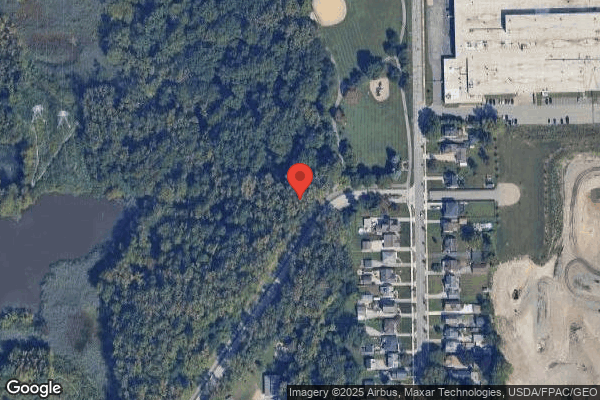
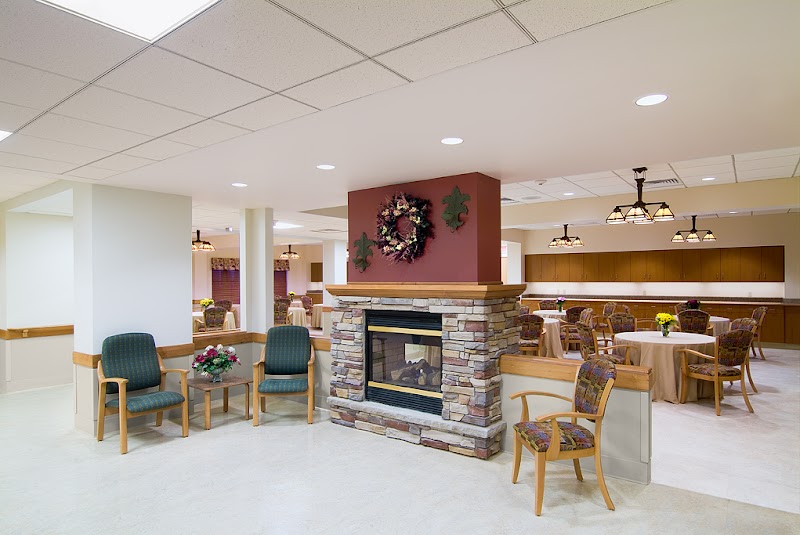
5200 MARYMOUNT VILLAGE DRIVE, GARFIELD HEIGHTS, OH 44125 (216) 332-1100
For profit - Limited Liability company 130 Beds Independent Data: November 2025 1 Immediate Jeopardy citation
Trust Grade
8/100
#783 of 913 in OH
Last Inspection: March 2025

Within standard 12-15 month inspection cycle. Federal law requires annual inspections.

Overview

The Villa at Marymount has received a Trust Grade of F, indicating serious concerns about the quality of care provided at this facility. Ranking #783 out of 913 in Ohio places it in the bottom half of nursing homes in the state, and at #75 out of 92 in Cuyahoga County, it is one of the least favorable options available locally. The facility is worsening, with issues increasing from 7 in 2024 to 10 in 2025. Staffing is rated at 3 out of 5 stars, but with a concerning 68% turnover rate, indicating that many staff members leave, which can affect resident care. Additionally, the facility has incurred $99,542 in fines, which is higher than 88% of Ohio facilities, suggesting ongoing compliance problems. Specific incidents of concern include a critical failure to supervise a resident who left on a leave of absence and was unaccounted for for over 42 hours, risking her safety. Another serious incident involved a resident who fell and fractured a hip because he was not assisted by the two staff members required for his care. Additionally, a resident with a pressure ulcer experienced deterioration in their condition due to inadequate care and failure to follow professional standards. While the facility has some strengths in quality measures, these significant weaknesses raise serious questions for families considering care options.

Trust Score
F
8/100
In Ohio
#783/913
Bottom 15%
Safety Record
High Risk
Review needed
Inspections
Getting Worse
7 → 10 violations
Staff Stability
⚠ Watch
68% turnover. Above average. Higher turnover means staff may not know residents' routines.
Penalties
⚠ Watch
$99,542 in fines. Higher than 84% of Ohio facilities, suggesting repeated compliance issues.
Skilled Nurses
⚠ Watch
Each resident gets only 25 minutes of Registered Nurse (RN) attention daily — below average for Ohio. Fewer RN minutes means fewer trained eyes watching for problems.
Violations
⚠ Watch
26 deficiencies on record. Higher than average. Multiple issues found across inspections.
★★☆☆☆
2.0
Overall Rating
★★★☆☆
3.0
Staff Levels
★★★★★
5.0
Care Quality
★☆☆☆☆
1.0
Inspection Score
Stable
2024: 7 issues
2025: 10 issues

The Good

  • 5-Star Quality Measures · Strong clinical quality outcomes
  • Full Sprinkler Coverage · Fire safety systems throughout facility
  • No fines on record

Facility shows strength in quality measures, fire safety.

The Bad

2-Star Overall Rating

Below Ohio average (3.2)

Below average - review inspection findings carefully

Staff Turnover: 68%

21pts above Ohio avg (46%)

Frequent staff changes - ask about care continuity

Federal Fines: $99,542

Well above median ($33,413)

Moderate penalties - review what triggered them

Staff turnover is elevated (68%)

20 points above Ohio average of 48%

The Ugly 26 deficiencies on record

1 life-threatening 3 actual harm
Mar 2025 10 deficiencies 1 Harm
SERIOUS (G) 📢 Someone Reported This

A family member, employee, or ombudsman was alarmed enough to file a formal complaint

Actual Harm - a resident was hurt due to facility failures

Accident Prevention (Tag F0689)

A resident was harmed · This affected 1 resident

**NOTE- TERMS IN BRACKETS HAVE BEEN EDITED TO PROTECT CONFIDENTIALITY** Based on record review, hospital record review, and interview, the facility failed to ensure Resident #16 was safely assisted wi...

Read full inspector narrative →
**NOTE- TERMS IN BRACKETS HAVE BEEN EDITED TO PROTECT CONFIDENTIALITY** Based on record review, hospital record review, and interview, the facility failed to ensure Resident #16 was safely assisted with activities of daily living to prevent a fall with major injury. Actual harm occurred on 02/06/25 when Resident #16, who was comprehensively assessed and ordered to need two staff members to assist when giving personal care, received incontinence care by only one staff member, resulting in a fall, hospitalization, and fractured hip. This affected one resident (#16) of five residents reviewed for falls. The total census was 110. Findings include: Review of Resident #16's medical record revealed the resident was admitted to the facility on [DATE] and had diagnoses including multiple sclerosis, disorder of bone density, and obesity. A plan of care dated 10/11/24 revealed the resident required two people to be present when providing care. Record review revealed the resident had an active physician order dated 10/13/24 for two people to be present when providing care. Resident #16's Minimum Data Set (MDS) assessment dated [DATE] revealed the resident was cognitively intact and dependent on staff for turns in bed. Review of the MDS instruction manual revealed residents were coded as dependent if the helper completed the activities for the resident, or the assistance of two or more helpers was required for the resident to complete the activities. Resident #16's fall risk assessment dated [DATE] revealed the resident was at moderate risk for falls. Review of a progress note revealed on 02/06/25 at 2:30 P.M. the resident's wife alerted the nurse that the resident was on the floor. The resident was found on his knees facing the wall hunched over with a Certified Nursing Assistant (CNA) supporting him in a kneeling position. The CNA said the resident fell out of bed while turning to the left. The resident was assisted off the floor in a Hoyer sling. No distress was noted, and the resident did not want to go to the hospital. The certified nurse practitioner was notified and ordered x-rays. The resident was subsequently hospitalized [DATE] for a fracture to the right femur head and returned to the facility 02/08/25. Review of the incident report for Resident #16's fall on 02/06/25 revealed post-fall investigation identified a bruise to the resident's left lower leg, pain to the right groin and right upper leg, and a right femoral head fracture. The witness statement by CNA #900 stated that she entered (the resident's room) with the resident around 2:35 P.M. to give care. She had the resident on his side after getting cleaned and was placing the incontinence pad when he lost balance and fell. The resident did not hit his head. Review of the radiology results report for Resident #16 dated 02/06/25 revealed the resident had an acute fracture to the right femoral neck. Review of Resident #16's hospital notes dated 02/07/25 to 02/08/25 revealed he presented with acute pain in the right hip. An X-ray showed him to have a hip fracture. Orthopedic staff were consulted and signed off after the patient and family elected to pursue conservative measures. Interview with Resident #16 and his wife on 03/10/25 at 2:31 P.M. revealed the resident had multiple falls in the facility. During the most recent fall (on 02/06/25), only one staff was providing care and the resident fell off the bed when the staff member turned him. The resident/wife reported the resident was supposed to have two staff providing care when being repositioned. X-rays identified the resident had a broken hip and he was hospitalized . Resident #16 and his wife elected to not pursue surgery (for the fracture) and the resident returned to the facility the next day. During the interview, a concern was voiced that there had been multiple occasions when the resident was repositioned with only one staff member, which they stated created a safety hazard. Interview with Licensed Practical Nurse (LPN) #258 on 03/12/25 at 11:29 A.M. revealed Resident #16 had a fall in February (2025) which resulted in a hip fracture. The resident rolled out of bed during care and initially did not want to go to the hospital, however x-rays revealed a hip fracture and the resident was sent out. The LPN recalled the nurse aide providing the care was the only staff in the room at the time of the incident but indicated the resident's wife was also present in the room. LPN #258 stated she believed only one staff member was needed to turn the resident. Interview with Certified Nurse Aide (CNA) #900 on 03/12/25 at 1:32 P.M. revealed she was an agency aide who was providing care when Resident #16 fell on [DATE]. She said she received a paper report form which said Resident #16 only needed one person for assistance with care. She was providing incontinence care with no other staff in the room, and when she set him on his side, he rolled forward away from her off the bed. She stated she assisted lowering the resident to the ground. Resident #16's wife was in the roommate's section talking with the roommate during the event, and she stated after the incident she ran into the hall to get help. The above findings were confirmed with the Director of Nursing during an interview on 03/12/25 at 3:34 P.M. This deficiency represent noncompliance investigated under Complaint Number OH00161932.
CONCERN (D) 📢 Someone Reported This

A family member, employee, or ombudsman was alarmed enough to file a formal complaint

Potential for Harm - no one hurt, but risky conditions existed

Resident Rights (Tag F0550)

Could have caused harm · This affected 1 resident

**NOTE- TERMS IN BRACKETS HAVE BEEN EDITED TO PROTECT CONFIDENTIALITY** Based on record review, observation, interviews and review of facility policy, the facility failed to ensure staff treated resid...

Read full inspector narrative →
**NOTE- TERMS IN BRACKETS HAVE BEEN EDITED TO PROTECT CONFIDENTIALITY** Based on record review, observation, interviews and review of facility policy, the facility failed to ensure staff treated residents with respect and dignity. This affected one resident (Resident #81) of four residents reviewed for dignity. The facility census was 110. Findings include: Record review revealed Resident #81 was an [AGE] year-old male admitted to the facility on [DATE] with diagnoses of hemiplegia and hemiparesis following cerebral infarction affecting right dominant side, other nontraumatic intracerebral hemorrhage, muscle weakness, adjustment disorder with mixed anxiety and depressed mood. Pertinent medication orders included (Remeron Oral Tablet (antidepressant) 15 milligrams (MG) once daily for depression. Review of the Minimum Data Set (MDS) 3.0 assessment dated [DATE] revealed a Brief Interview of Mental Status (BIMS) score of 13 of 15, indicating the resident was cognitively intact. Resident #81 was usually understood, usually understands. Resident #81 required set up with eating, supervision with oral care, was dependent with bathing and toileting, and required substantial assistance with hygiene and dressing. Observation of Resident #81 on 03/10/25 at 10:16 A.M. revealed the resident lying shirtless in his bed leaning to his right side. The surveyor observed a large brown stain to the left side of Resident's fitted bed sheet and observed his hospital gown balled up next to him with large brown stains. The resident stated Certified Nurse Aide (CNA) #402 threw his breakfast tray down and spilled coffee all over him and his bed. Observation on 03/10/25 at 10:37 A.M. revealed CNA #402 responded to Resident #81's call light; CNA #402 did not knock on entry to room. Resident #81 began angrily saying that she threw his tray on him. CNA #402 angrily and loudly said, Don't say I threw your tray down. I know exactly what I did. No sir! Interview with CNA #402 on 03/10/25 at 10:39 A.M. revealed she said she took his tray to the room, and it was on the floor when she returned. The surveyor confirmed the above findings and CNA #402 said she wasn't arguing with Resident #81 but we've had a lot of trouble with him. Review of the facility's Dignity policy dated February 2021 revealed staff was expected to knock and request permission before entering residents' rooms and staff was to speak respectfully to residents at all times. This deficiency represents noncompliance investigated under Complaint Number OH00161932.
CONCERN (D) 📢 Someone Reported This

A family member, employee, or ombudsman was alarmed enough to file a formal complaint

Potential for Harm - no one hurt, but risky conditions existed

ADL Care (Tag F0677)

Could have caused harm · This affected 1 resident

**NOTE- TERMS IN BRACKETS HAVE BEEN EDITED TO PROTECT CONFIDENTIALITY** Based on observations, interviews and record review, the facility failed to ensure residents received adequate timely assistance...

Read full inspector narrative →
**NOTE- TERMS IN BRACKETS HAVE BEEN EDITED TO PROTECT CONFIDENTIALITY** Based on observations, interviews and record review, the facility failed to ensure residents received adequate timely assistance with eating and oral hygiene. This affected two residents (Resident #16 and Resident #223) of three residents investigated for activities of daily living (ADL) care. The facility census was 110. Findings include: Resident #16 was an [AGE] year-old male admitted to the facility on [DATE] with diagnoses of Multiple Sclerosis, fracture of unspecified part of neck of right femur, subsequent encounter for closed fracture with routine healing, and other specified disorders of bone density and structure. Review of Resident #16's Minimum Data Set (MDS) 3.0 assessment dated [DATE] revealed he had mild or no cognitive impairment and required substantial/maximal assistance for hygiene care. Review of Resident #16's care plan dated 02/11/25 revealed the resident had an ADL self-care performance deficit due to impaired balance, had Multiple Sclerosis, and bilateral lower extremities weakness. Goals included the resident would improve current level of function in bed mobility, transfers, eating, dressing, toilet use and personal hygiene, and ADL Score through the review date. Interventions included personal hygiene/oral care: the resident was dependent with personal hygiene and oral care. Interview with Resident #16 and his wife on 03/10/25 at 2:31 P.M. revealed his teeth were not being brushed routinely and he would like to have them brushed daily. Observation of resident's teeth revealed them to appear unclean. Interview with Resident #16 on 03/11/25 at 3:05 P.M. revealed the resident stated he had no oral care that morning or the previous day. Observation of resident's teeth revealed them to appear unclean. Interview with CNA #402 on 03/11/25 at 3:12 P.M. revealed CNA said Resident #16 was eating breakfast when she went in for A.M. care and she got busy with other residents, so she did not do A.M. oral care for him. She is to do the care on her shift. Observation of Resident #16 on 03/12/25 at 10:09 A.M. revealed him to be awake and alert in bed. He stated no oral care had been provided to him that morning. Observation of resident's teeth revealed them to appear unclean. Observation of Resident #16 on 03/12/25 at 2:24 P.M. revealed him sitting up in bed awake and alert. He stated he received no oral care that day. The surveyor observed a new unopened toothbrush on the tray table along with a partially used tube of toothpaste and a small bottle of partially used mouthwash. Resident #16 stated it bothered him that his teeth weren't being cleaned daily and would like to have them brushed every morning after breakfast. Interview with CNA #402 on 03/12/25 at 3:01 P.M. who stated Resident #16 was dependent on staff for ADL care and stated she performed oral care for the resident this morning but hadn't been able to get into the computer so it wouldn't be documented anywhere. Review of the task sheet in Resident #16's medical record on 03/12/25 revealed completion of oral care had not been documented since 03/09/25 which was verified with CNA #402. 2. Resident #223 was admitted to the facility on [DATE]. Medical diagnosis included hemiplegia, fractured right humerus, hypertension, orthopedic follow up surgical amputation, type two diabetes, acute kidney failure, and dementia. Review of Minimum Data Set ( MDS) 3.0 dated 02/28/25 in progress revealed cognitive status was pending, maximum assistance was needed to roll in bed, maximum assistance was needed to lie back in bed, maximum assistance was needed to sit up in bed and was dependent on staff for transfers out of bed. Resident #223 did not attempt to walk ten feet and was always incontinent. Review of admission assessment dated [DATE] revealed Resident #223 was on a regular diet , oriented to person and place. Pain was in the upper arm and shoulders due to broken arm. Maximal assistance for eating and maximal assistance for oral hygiene. Review of Care Plan dated 03/03/25 Resident # 223 had an ADL self-care performance intervention including staff assist with set up and assist as needed with eating. Observation on 03/12/25 at 1:30 P.M. revealed Resident #223 was lying in bed flat with an unopened food tray across the room. Resident #223 stated she did not eat lunch. Resident #223 resided on the second floor. Interview on 03/12/25 at 1:43 P.M. with CNA #402 revealed Resident #223 needed assistance to eat. CNA #402 stated Resident #223 was not fed because other residents needed assistance. Interview on 03/12/25 at 3:38 P.M. with Dietary Manager # 347 revealed residents on the second floor lunch trays arrived between 12:15 P.M. and 12:30 P.M. daily. This deficiency represents noncompliance investigated under Complaint Number OH00161932.
CONCERN (D) 📢 Someone Reported This

A family member, employee, or ombudsman was alarmed enough to file a formal complaint

Potential for Harm - no one hurt, but risky conditions existed

Deficiency F0692 (Tag F0692)

Could have caused harm · This affected 1 resident

**NOTE- TERMS IN BRACKETS HAVE BEEN EDITED TO PROTECT CONFIDENTIALITY** Based on record review, and interview the facility failed to monitor and implement nutrition oral supplements as recommended by ...

Read full inspector narrative →
**NOTE- TERMS IN BRACKETS HAVE BEEN EDITED TO PROTECT CONFIDENTIALITY** Based on record review, and interview the facility failed to monitor and implement nutrition oral supplements as recommended by the registered dietitian and implement weekly weights as ordered by the physician. This affected one resident ( Resident # 166) of three residents reviewed for nutrition. The facility census was 110. Findings include: Review of Resident's #166 medical record revealed an admission date of 01/08/25 with diagnoses included pressure ulcer of sacral region stage four, type two diabetes, neuromuscular dysfunction of bladder, urinary tract infection, major depressive disorder, sepsis, anemia, protein calorie malnutrition, gastro-esophageal reflux, dementia, fracture of right lower leg, fracture of tibia. Review of Resident #166 admission Minimum Data Set ( MDS) 3.0 assessment dated [DATE] revealed cognition was moderately impaired. Resident #166 had no rejection of care. Set up clean up assistance was needed for eating, and personal hygiene. Moderate assistance was needed to roll left and right in bed. Resident #166 was dependent on staff to sit on the side of the bed and maximum assistance was needed to lie back in bed. Resident #166 did not attempt to walk ten feet. No swallowing difficulties. No weight change on admission and Resident #166 was on a therapeutic diet. Review of Resident #166's plan of care dated 01/12/25 revealed she was at risk for altered nutrition related to inadequate oral intake, increased nutrient needs, pressure injuries, diabetes, sepsis, hypertension, infections and protein calorie malnutrition. Interventions included determining food preferences, monitoring weight, labs and skin status. Provide supplements as ordered. Administer medication as ordered. Monitor, record and report to medical doctor as needed signs and symptoms of malnutrition such as significant weight loss of five percent in one month, seven and one half percent in three months and greater than ten percent in six months, monitor intake and record meal every meal. Registered Dietitian ( RD) to evaluate and make change recommendations as needed. Weigh as ordered. Review of Resident #166's admission weight dated 01/10/25 revealed a weight of 153.6 lbs. Review of weight record dated 01/30/25 revealed Resident #166 weighted 150.0 lbs. Review of Resident #166 physician order dated 02/18/25 revealed a consistent carbohydrate diet, regular texture and thin liquids. Review of Resident #166 physician order dated 02/18/25 revealed the dietitian may change, alter, or modify dietary orders. Review of weight record dated 02/25/25 revealed Resident #166 weighed 140.2 lbs. Resident #166 was reweighed on 02/25/25 that revealed a weight of 140.2 lbs. Resident #166 had a 6.3 percent (%) weight loss in one month. Review of physician order start date 02/25/25 at 7:00 A.M. revealed an order for Resident #166 to have weekly weights in wheel chair no leg rests on chair Tuesday. Review of Dietitian Progress Note dated 02/26/25 at 7:58 P.M. revealed Resident #166 current body weight was 140.2 lbs. on 02/25/25 that triggered a 9.8 pound or 6.5 percent weight loss since 01/30/25. Resident #166 was on a controlled carbohydrate diet, regular texture, thin liquid. Meal intake varied from 25 to 100 percent. Resident #166 had a pressure ulcer to sacrum and altered skin to right lower leg. The dietitian recommended to start Ensure Plus 120 milliliters ( ml) three times a day for added calories and protein support and would continue to monitor as needed. Review of Resident#166 medical record from 02/25/25 to 03/11/25 revealed no indication Resident 166 was reweighed or Ensure Plus 120 ml three times a day was implemented. Review of Medication Administration Record and Treatment Administration Record revealed Ensure Plus 120 ml three times a day was not ordered or documented. Interview on 03/11/15 at 4:43 P.M. with Licensed Practical Nurse ( LPN) #999 stated there was no physician order for 120 ml Ensure Plus three times a day therefore no nutrition supplement was provided. LPN #999 also verified the weekly weights were not done since 02/25/25 because Resident #166 was a Hoyer lift. LPN #999 also stated if a weekly weight was obtained the weight would be documented in the electronic medical record under the weight vitals. Interview on 03/11/25 at 4:50 P.M. with Resident #166 revealed she was a poor historian and could not give a nutrition history or weight history. An interview on 03/12/25 at 10:06 A.M. with Registered Dietitian ( RD) #902 stated the dietitian could write a nutrition supplement order and nursing would verify the order in the medical record. RD #902 verified 03/04/25 weekly weight was missed in the medical record and Ensure Plus 120 ml order was not placed therefore Resident #166 did not receive a nutrition supplement. Review of policy titled Weighing and Measuring the Resident, undated, revealed the following information should be recorded in the resident's medical record, the date and time the procedure was performed, the name of the individual who performed the procedure, and if the resident refused the procedure. This deficiency represents non-compliance investigated under Complaint Number OH00161681.
CONCERN (D)

Potential for Harm - no one hurt, but risky conditions existed

Deficiency F0757 (Tag F0757)

Could have caused harm · This affected 1 resident

**NOTE- TERMS IN BRACKETS HAVE BEEN EDITED TO PROTECT CONFIDENTIALITY** Based on record review and interview, the facility failed to ensure Resident #216's antibiotic medication was discontinued timel...

Read full inspector narrative →
**NOTE- TERMS IN BRACKETS HAVE BEEN EDITED TO PROTECT CONFIDENTIALITY** Based on record review and interview, the facility failed to ensure Resident #216's antibiotic medication was discontinued timely following notification of a negative urine culture. This finding affected one (Resident #216) of six residents reviewed for medication administration. Findings include: Review of Resident #216's medical record revealed the resident was admitted on [DATE] with diagnoses including adult T-Cell lymphoma not having achieved remission, essential hypertension and hyperlipidemia. Review of Resident #216's Minimum Data Set (MDS) 3.0 assessment dated [DATE] revealed the resident exhibited intact cognition. Review of Resident #216's physician orders revealed an order dated 02/24/25 to give Cephalexin capsule 500 milligrams (mg) one capsule by mouth three times a day for an infection until the sensitivity was available. Review of Resident #216's medication administration records (MARS) from 03/01/25 to 03/11/25 revealed the Cephalexin antibiotic was due at 6:00 A.M., 2:00 P.M. and 10:00 P.M. and the antibiotic was administered for all doses except the dose on 03/04/25 at 10:00 P.M. (blank). The resident received 11 additional doses from 03/08/25 to 03/11/25 following the negative urine culture identified in the Lab Results Report form dated 03/07/25. Review of Resident #216's Lab Results Report form dated 03/07/25 revealed the urine culture was negative for growth. Interview on 03/12/25 at 2:25 P.M. with Registered Nurse (RN) Unit Manager (UM) #257 confirmed the results of the culture were obtained on 03/07/25 but antibiotic was not stopped until 03/11/25. Interview on 03/13/25 at 9:30 A.M. with Nurse Practitioner (NP) #701 revealed Resident #216's urine culture was returned to the facility on [DATE] and she was not made aware of the results until 03/11/25 at which time the antibiotic was discontinued. NP #701 confirmed the resident received additional doses of the antibiotic after the negative urine culture was received by the facility.
CONCERN (D) 📢 Someone Reported This

A family member, employee, or ombudsman was alarmed enough to file a formal complaint

Potential for Harm - no one hurt, but risky conditions existed

Infection Control (Tag F0880)

Could have caused harm · This affected 1 resident

**NOTE- TERMS IN BRACKETS HAVE BEEN EDITED TO PROTECT CONFIDENTIALITY** Based on observation, record review and interview, the facility failed to ensure the glucometer blood glucose testing (BGT) mach...

Read full inspector narrative →
**NOTE- TERMS IN BRACKETS HAVE BEEN EDITED TO PROTECT CONFIDENTIALITY** Based on observation, record review and interview, the facility failed to ensure the glucometer blood glucose testing (BGT) machine was appropriately sanitized and disinfected to prevent the potential of cross contamination of blood borne pathogens. This finding affected two residents (Residents #80 and #166) of three residents (Residents #80, #166 and #209) who receive medications from the Hall One medication administration cart. Findings include: 1. Review of Resident #209's medical record revealed the resident was admitted on [DATE] with diagnoses including type two diabetes, difficulty in walking and muscle weakness. Review of Resident #209's physician orders revealed an order dated 02/16/25 for BGT before meals and at bedtime for hypo/hyerglycemia and diabetes. Review of Resident #209's medication administration records (MARS) from 03/01/25 to 03/10/25 revealed the BGT's were due at 6:00 A.M., 11:00 A.M., 4:00 P.M. and 9:00 P.M. The documentation confirmed Licensed Practical Nurse (LPN) #650 obtained a BGT at 11:00 A.M. with a result of 98 and no insulin was administered. Observation on 03/10/25 at 12:00 P.M. revealed LPN #650 went into Resident #209's room with the BGT machine, laid the machine on the bed, picked up the machine and obtained the resident's BGT with a result of 98. On 03/10/25 at 12:08 P.M., LPN #650 walked out of the room, laid the glucometer on the medication administration cart and cleaned the glucometer with a 70% alcohol prep pad. Interview on 03/10/25 at 12:05 P.M. with LPN #650 confirmed she disinfected the BGT machine with a 70% alcohol prep pad. 2. Review of Resident #166's medical record revealed the resident was readmitted on [DATE] with diagnoses including type two diabetes, neuromuscular dysfunction of the bladder and major depressive disorder. Review of Resident #166's physician orders revealed an order dated 02/19/25 for BGT before meals and at bedtime. Review of Resident #166's MARS from 03/01/25 to 03/10/25 revealed the BGT's were due at 6:00 A.M., 11:00 A.M., 4:00 P.M. and 9:00 P.M. The documentation confirmed LPN #650 obtained a BGT due at 11:00 A.M. with a result of 105 and no insulin was administered. Observation on 03/10/25 at 12:21 P.M. revealed LPN #650 obtained Resident #166's BGT with a result of 105. LPN #650 was observed to place the BGT machine in her left side scrub top pocket, walk out of the resident's room and walk into the women's bathroom outside in the hall. LPN #650 came out of the women's bathroom and the glucometer was still observed in the left side pocket. The nurse placed the BGT machine on the medication administration cart and the BGT machine was not sanitized and disinfected. 3. Review of Resident #80's medical record revealed the resident was admitted on [DATE] with diagnoses including diabetes type with with ketoacidosis without coma, repeated falls and muscle weakness. Review of Resident #80's physician orders revealed an order dated 03/05/25 for BGT before meals and at bedtime and an order dated 03/06/25 for contact isolation due to possible Clostridium Difficile (C. diff or a contagious bacterium that can cause diarrhea, abdominal pain and tenderness). Review of Resident #80's MARS from 03/01/25 to 03/10/25 revealed the BGT's were due at 6:00 A.M., 11:00 A.M., 4:00 P.M. and 9:00 P.M. The documentation confirmed LPN #650 obtained a BGT due at 11:00 A.M. of 120 and no insulin was administered. On 03/10/25 at 12:53 P.M. revealed LPN #650 had donned a yellow isolation gown and gloves, picked up the glucometer and walked into Resident #80's room to obtain a blood sugar with a result of 106. The nurse disposed of the yellow isolation gown and gloves, performed hand hygiene and walked out of Resident #80's room with the BGT machine in the nurse's right pant leg pocket. Interview on 03/10/25 at 12:56 P.M. with LPN #650 confirmed she had placed the BGT machine in her right leg pocket prior to leaving Resident #80's room and the resident was in contact isolation precautions for C. diff. The nurse confirmed she had not sanitized and disinfected the BGT machine because she did not know what to sanitize and disinfect the machine with to prevent the potential of cross contamination of blood borne pathogens. Review of the Obtaining a Fingerstick Glucose Level policy dated 10/2011 revealed to clean and disinfect reusable equipment between uses according to the manufacturer's instructions and current infection control standards of practice. Review of the undated Blood Glucose Monitoring and Equipment Cleaning Competency form revealed in step 24 to disinfect the BGT meter before and after each use, or when the monitor was visibly soiled by using a Super Sani-Cloth Germicidal Disposable Wipe to wipe down the meter using caution not to get liquid in the test strip and key code parts of the meter. Allow the meter to dry completely before using for the next resident. If a Super-Sani Cloth was not available, use a 1:10 sodium hypochlorite solution and a soft cloth. The deficiency represents non-compliance investigated under Complaint Number OH00163622.
CONCERN (E)

Potential for Harm - no one hurt, but risky conditions existed

Deficiency F0883 (Tag F0883)

Could have caused harm · This affected multiple residents

**NOTE- TERMS IN BRACKETS HAVE BEEN EDITED TO PROTECT CONFIDENTIALITY** Based on record review and interview, the facility failed to ensure residents and/or representatives were provided education reg...

Read full inspector narrative →
**NOTE- TERMS IN BRACKETS HAVE BEEN EDITED TO PROTECT CONFIDENTIALITY** Based on record review and interview, the facility failed to ensure residents and/or representatives were provided education regarding the benefits and potential side affects of the influenza and pneumococcal immunizations and the resident's records reflected the consent or refusal of the vaccines and the education provided. This finding affected four (Residents #80, #166, #215 and #217) of five residents reviewed for immunizations. Findings include: 1. Review of Resident #80's medical record revealed the resident was admitted on [DATE] with diagnoses including acute kidney failure, diabetes and muscle weakness. Review of Resident #80's immunization section of the medical record revealed the resident refused the influenza and pneumococcal vaccines. There was no evidence the resident received a Vaccine Conset Form with education regarding the vaccine. Interview on 03/11/25 at 3:08 P.M. with Registered Nurse (RN) Infection Preventionist (IP) #338 confirmed these findings and revealed she was new to the IP role as of 03/10/25 and was unaware residents were not provided the Vaccine Consent Form for the influenza and pneumococcal vaccines which confirmed education on the risks and benefits including the right to refuse the vaccines were provided to the residents and/or resident representatives. Review of the Influenza policy revised 03/2022 revealed prior to the vaccination, the resident or resident's legal representative or employee would be provided information and education regarding the benefits and potential side effects of the influenza vaccine. Provision of such education shall be documented in the resident's/employee's medical record. Review of the Pneumococccal Vaccine policy revised 03/2022 revealed before receiving a pneumococcal vaccine, the resident or legal representative receives information and education regarding the benefits and potential side effects of the pneumococcal vaccine. Provision of such education was documented in the resident's medical record. Review of the undated Vaccine Consent Form revealed a yes or no was listed because the Pneumococcal Vaccine. The form stated the resident authorized or did not authorize the pneumococcal vaccine on admission. The resident was 65 or older and had not received the vaccine in the past or had received the vaccine before age [AGE] and it had been five years since the first dose. The resident did not have allergies to any vaccine component, nor had the resident had an adverse reaction in the past. The resident had been informed of the side effects and was aware of the right to refuse. The resident understands that he/she may be billed for the vaccination if it was not covered under the insurance provider. Review of the undated Vaccine Consent Form revealed a yes or no was listed beside the Influenza (flu) Vaccine. The form stated the resident authorized the flu vaccine to be administered yearly during the time period of 10/01 through 03/31 for the length of the residence. The resident did not have any allergies to eggs or any other vaccine component, nor had the resident ever had an adverse reaction in the past. The resident had been informed of the side effects and was aware of the right to refuse. The resident understands that he/she may be billed for the vaccination if not covered by the insurance provider. 2. Review of Resident #166's medical record revealed the resident was readmitted on [DATE] with diagnoses including diabetes, anemia and essential hypertension. Review of Resident #166's immunization section of the medical record did not list the influenza and pneumococcal vaccines. Review of Resident #166's medical record did not have evidence the resident and/or representative signed a Vaccine Consent form for the influenza and pneumococcal vaccines. Interview on 03/11/25 at 3:08 P.M. with RN IP #338 confirmed these findings and revealed she was new to the IP role as of 03/10/25 and was unaware residents were not provided the Vaccine Consent Form for the influenza and pneumococcal vaccines which confirmed education on the risks and benefits including the right to refuse the vaccines were provided to the residents and/or resident representatives. Review of the Influenza policy revised 03/2022 revealed prior to the vaccination, the resident or resident's legal representative or employee would be provided information and education regarding the benefits and potential side effects of the influenza vaccine. Provision of such education shall be documented in the resident's/employee's medical record. Review of the Pneumococccal Vaccine policy revised 03/2022 revealed before receiving a pneumococcal vaccine, the resident or legal representative receives information and education regarding the benefits and potential side effects of the pneumococcal vaccine. Provision of such education was documented in the resident's medical record. Review of the undated Vaccine Consent Form revealed a yes or no was listed because the Pneumococcal Vaccine. The form stated the resident authorized or did not authorize the pneumococcal vaccine on admission. The resident was 65 or older and had not received the vaccine in the past or had received the vaccine before age [AGE] and it had been five years since the first dose. The resident did not have allergies to any vaccine component, nor had the resident had an adverse reaction in the past. The resident had been informed of the side effects and was aware of the right to refuse. The resident understands that he/she may be billed for the vaccination if it was not covered under the insurance provider. Review of the undated Vaccine Consent Form revealed a yes or no was listed beside the Influenza (flu) Vaccine. The form stated the resident authorized the flu vaccine to be administered yearly during the time period of 10/01 through 03/31 for the length of the residence. The resident did not have any allergies to eggs or any other vaccine component, nor had the resident ever had an adverse reaction in the past. The resident had been informed of the side effects and was aware of the right to refuse. The resident understands that he/she may be billed for the vaccination if not covered by the insurance provider. 3. Review of Resident #215's medical record revealed th resident was readmitted on [DATE] with osteomyelitis, unspecified dementia and diabetes. Review of Resident #215's immunization section of the medical record revealed the resident refused the influenza vaccine and received the pneumococcal vaccine on 11/13/19. There was no evidence the resident received a Vaccine Conset Form with education regarding the vaccine. Interview on 03/11/25 at 3:08 P.M. with RN IP #338 confirmed these findings and revealed she was new to the IP role as of 03/10/25 and was unaware residents were not provided the Vaccine Consent Form for the influenza and pneumococcal vaccines which confirmed education on the risks and benefits including the right to refuse the vaccines were provided to the residents and/or resident representatives. Review of the Influenza policy revised 03/2022 revealed prior to the vaccination, the resident or resident's legal representative or employee would be provided information and education regarding the benefits and potential side effects of the influenza vaccine. Provision of such education shall be documented in the resident's/employee's medical record. Review of the Pneumococccal Vaccine policy revised 03/2022 revealed before receiving a pneumococcal vaccine, the resident or legal representative receives information and education regarding the benefits and potential side effects of the pneumococcal vaccine. Provision of such education was documented in the resident's medical record. Review of the undated Vaccine Consent Form revealed a yes or no was listed because the Pneumococcal Vaccine. The form stated the resident authorized or did not authorize the pneumococcal vaccine on admission. The resident was 65 or older and had not received the vaccine in the past or had received the vaccine before age [AGE] and it had been five years since the first dose. The resident did not have allergies to any vaccine component, nor had the resident had an adverse reaction in the past. The resident had been informed of the side effects and was aware of the right to refuse. The resident understands that he/she may be billed for the vaccination if it was not covered under the insurance provider. Review of the undated Vaccine Consent Form revealed a yes or no was listed beside the Influenza (flu) Vaccine. The form stated the resident authorized the flu vaccine to be administered yearly during the time period of 10/01 through 03/31 for the length of the residence. The resident did not have any allergies to eggs or any other vaccine component, nor had the resident ever had an adverse reaction in the past. The resident had been informed of the side effects and was aware of the right to refuse. The resident understands that he/she may be billed for the vaccination if not covered by the insurance provider. 4. Review of Resident #217's medical record revealed the resident was readmitted on [DATE] with diagnoses including pneumonia, acute bronchospasm and hyperlipidemia. Review of Resident #12's immunization section of the medical record revealed the resident received the influenza vaccine on 11/11/24 (prior to admission) and refused the pneumococcal vaccine. There was no evidence the resident received a Vaccine Conset Form with education regarding the vaccine. Interview on 03/11/25 at 3:08 P.M. with RN IP#338 confirmed these findings and revealed she was new to the IP role as of 03/10/25 and was unaware residents were not provided the Vaccine Consent Form for the influenza and pneumococcal vaccines which confirmed education on the risks and benefits including the right to refuse the vaccines were provided to the residents and/or resident representatives. Review of the Influenza policy revised 03/2022 revealed prior to the vaccination, the resident or resident's legal representative or employee would be provided information and education regarding the benefits and potential side effects of the influenza vaccine. Provision of such education shall be documented in the resident's/employee's medical record. Review of the Pneumococccal Vaccine policy revised 03/2022 revealed before receiving a pneumococcal vaccine, the resident or legal representative receives information and education regarding the benefits and potential side effects of the pneumococcal vaccine. Provision of such education was documented in the resident's medical record. Review of the undated Vaccine Consent Form revealed a yes or no was listed because the Pneumococcal Vaccine. The form stated the resident authorized or did not authorize the pneumococcal vaccine on admission. The resident was 65 or older and had not received the vaccine in the past or had received the vaccine before age [AGE] and it had been five years since the first dose. The resident did not have allergies to any vaccine component, nor had the resident had an adverse reaction in the past. The resident had been informed of the side effects and was aware of the right to refuse. The resident understands that he/she may be billed for the vaccination if it was not covered under the insurance provider. Review of the undated Vaccine Consent Form revealed a yes or no was listed beside the Influenza (flu) Vaccine. The form stated the resident authorized the flu vaccine to be administered yearly during the time period of 10/01 through 03/31 for the length of the residence. The resident did not have any allergies to eggs or any other vaccine component, nor had the resident ever had an adverse reaction in the past. The resident had been informed of the side effects and was aware of the right to refuse. The resident understands that he/she may be billed for the vaccination if not covered by the insurance provider.
CONCERN (F)

Potential for Harm - no one hurt, but risky conditions existed

Deficiency F0804 (Tag F0804)

Could have caused harm · This affected most or all residents

**NOTE- TERMS IN BRACKETS HAVE BEEN EDITED TO PROTECT CONFIDENTIALITY** Based on observation and interview the facility did not ensure food was served at a palatable temperature. This had the potentia...

Read full inspector narrative →
**NOTE- TERMS IN BRACKETS HAVE BEEN EDITED TO PROTECT CONFIDENTIALITY** Based on observation and interview the facility did not ensure food was served at a palatable temperature. This had the potential to affect 107 residents who received food from nutrition services. The facility census was 110. Findings include: Observation was conducted on 03/11/25 at 11:40 A.M. during meal service. The food temperatures were taken with a calibrated thermometer as follows: roasted chicken 185 degrees Fahrenheit ( F), green beans 165 degrees F, twice baked potato 165 degrees F, and entrée substitute was 185 degrees F. The test tray was placed on the [NAME] Unit hall cart at 12:40 P.M. where nurse staff passed the [NAME] Unit trays. At 12:56 P.M a test tray was taken from the [NAME] Unit food cart, after the last tray was passed. The Dietary Manager #347 proceeded to take the food temperatures with the facility digital thermometer confirming the temperatures. The test tray temperatures were as followed: roasted chicken 112 degrees F, green beans 107 degrees F, twice baked potato 121 degrees F, coffee was missing from the tray, apple juice 65 degrees F, and 2 percent one pint milk was 49.5 degrees F. The test tray food was tasted and revealed the chicken and green beans mildly warm and the twice baked potato had hard edges and crusted cheese on top was observed. Interviews on 03/10/25 during initial tour revealed Resident #163, #161, #68 and #40 stated the food did not taste good or was cold when delivered. Review of the 2019 Food Code - Chapter 3717-1-03 Reference Guide revealed cold temperature controlled ( TCF) for safety cold food should be 41 degrees F or less and TCF hot food should be 130 degrees F or above. Review of facility policy titled Minimum Cooking, Holding and Reheating Temperatures, dated, January 2024, revealed all food must be cooked, held and reheated according to Food and Drug Administration guidelines to ensure food safety.
CONCERN (F)

Potential for Harm - no one hurt, but risky conditions existed

Food Safety (Tag F0812)

Could have caused harm · This affected most or all residents

Based on observation, staff interview and facility policy review the facility failed to ensure the kitchen was clean and sanitary. This had the potential to affect all 107 residents receiving food fro...

Read full inspector narrative →
Based on observation, staff interview and facility policy review the facility failed to ensure the kitchen was clean and sanitary. This had the potential to affect all 107 residents receiving food from the kitchen as three residents (Resident #30, #102, and #167) received no food by mouth. The facility census was 110. Findings include: Observation during initial kitchen tour on 03/10/25 between 08:36 A.M. and 9:30 A.M. with Dietary Manager #347 revealed the following concerns: • Hand drying paper towels were not available at the employee handwashing station. • Cooler doors were not clean with food residue stuck on the door handles. • The tray line cooler contained opened American cheese that was not dated, along with food debris throughout the cooler. An expired one half gallon on milk dated 03/08/25, expired lime juice dated 11/09/24, and no expiration date was on the gallon size mayonnaise container. • The griddle had multiple food items charred on it. Food was charred on the stove top with food debris under the stove. The range broiler window was coated in grease and food was burnt to the bottom of the range broiler. • The service ware drawer contained four spatulas with ripped and frayed edges. Dirt, grease and food debris were present in the service ware drawers by the cook station. At the time of the observation the Food Service Manager # 347 confirmed areas of concern. Review of policy titled, Marymount Sanitation Kitchen Sanitation, undated, revealed employees would recognize sanitation problems as evidenced by completion of Sanitation checklist.
CONCERN (F)

Potential for Harm - no one hurt, but risky conditions existed

Deficiency F0868 (Tag F0868)

Could have caused harm · This affected most or all residents

Based on record review and interview the facility failed to have quarterly Quality Assurance meetings. This had the potential to affect all residents. The census was 110. Findings Include: Review of t...

Read full inspector narrative →
Based on record review and interview the facility failed to have quarterly Quality Assurance meetings. This had the potential to affect all residents. The census was 110. Findings Include: Review of the Quality Assurance (QA) meeting minutes revealed minutes starting in October 2024 to current date. Interview on 03/13/25 at 2:22 P.M. with the Administrator revealed he developed the QA program when he started at the facility in October 2024. He stated there were no prior meeting minutes for review.
Dec 2024 4 deficiencies
CONCERN (D) 📢 Someone Reported This

A family member, employee, or ombudsman was alarmed enough to file a formal complaint

Potential for Harm - no one hurt, but risky conditions existed

Free from Abuse/Neglect (Tag F0600)

Could have caused harm · This affected 1 resident

THE FOLLOWING DEFICIENCY REPRESENTS AN INCIDENT OF PAST NONCOMPLIANCE THAT WAS SUBSEQUENTLY CORRECTED PRIOR TO THIS SURVEY. Based on medical record review, review of facility Self-Reported Incidents (...

Read full inspector narrative →
THE FOLLOWING DEFICIENCY REPRESENTS AN INCIDENT OF PAST NONCOMPLIANCE THAT WAS SUBSEQUENTLY CORRECTED PRIOR TO THIS SURVEY. Based on medical record review, review of facility Self-Reported Incidents (SRIs), review of facility investigation documents, resident interview, staff interview, and review of the facility policy, the facility failed to ensure residents were free from abuse. This affected one (Resident #10) of three residents reviewed for abuse. The facility census was 88 residents. Findings include: Review of the medical record for Resident #10 revealed an admission date of 10/09/24 with diagnoses including hemiplegia and hemiparesis following cerebral infarction. diabetes with diabetic neuropathy, and repeated falls. Review of the Minimum Data Set (MDS) assessment for Resident #10 dated 11/05/24 revealed the resident had intact cognition. Review of the SRI and facility investigation for Resident #10 dated 11/19/24 revealed Resident #10 made an allegation of abuse to the Director of Nursing (DON) regarding Certified Nursing Assistant (CNA) #427. Resident #10 reported when CNA #427 came into her room the aide was upset that she had to change the resident. Resident #10 alleged CNA #427 pushed her toward the wall and hit the resident in the head. Resident #10 stated she had not reported the incident to anyone at the time, and she waited until the morning and called her daughter. Further review of the SRI revealed the facility substantiated abuse had occurred and CNA #427 was terminated. Review of a written statement regarding Resident #10 dated 11/19/24 revealed Licensed Practical Nurse (LPN) # 302 brought CNA#427 to Resident #10's room and the resident identified the CNA as the person who hit her. Review of the written statement regarding Resident #10 dated 11/19/24 revealed CNA #427 denied ever pushing, hitting, or yelling at Resident #10. Interview on 12/12/24 at 9:58 A.M. with Resident #10 confirmed the staff treated her well except for an aide that had yelled at her and hit her. Resident #10 confirmed the facility staff told her the aide was fired and there had been no problems since then. Interview on 12/12/24 at 12:04 P.M. with the DON and the Administrator confirmed the facility had substantiated abuse had occurred per CNA #427 towards Resident #10. The CNA was terminated and the facility implemented corrective action following the incident. Review of the facility policy titled Abuse undated revealed residents would be protected from abuse while they were in the facility and no abuse or harm of any type towards a resident would be tolerated. The deficient practice was corrected on 11/19/24 when the facility implemented the following corrective actions: • On 11/19/24 CNA #427 was suspended. • On 11/19/24 Resident #10 was interviewed. • On 11/19/24 the DON notified Resident #10's family of the resident's allegation of abuse per CNA #427. • On 11/19/24 the DON/designee interviewed all residents on the unit who were cognitively intact with no concerns related to the allegation. • On 11/19/24 the DON/designee completed full skin assessments on all residents on the unit who were unable to be interviewed with no concerns identified. • On 11/19/24 the DON educated all the staff in building on the Abuse policy and reporting. Staff who were not on duty were educated by phone, those that were unable to be reached were educated prior to the next shift. All newly hired staff will be educated on the abuse process during orientation. • On 11/19/24 CNA #427 was terminated. • On 11/19/24 the Administrator notified Resident #10 and the resident's family of the outcome of the abuse investigation and that CNA #427 was no longer employed with the facility. This deficiency represents noncompliance investigated under Complaint Number OH00160124.
CONCERN (D) 📢 Someone Reported This

A family member, employee, or ombudsman was alarmed enough to file a formal complaint

Potential for Harm - no one hurt, but risky conditions existed

Unnecessary Medications (Tag F0759)

Could have caused harm · This affected 1 resident

Based on medical record review, observation, staff interview, and review of the facility policy the facility failed to ensure a medication administration error rate of less than five percent (%.) This...

Read full inspector narrative →
Based on medical record review, observation, staff interview, and review of the facility policy the facility failed to ensure a medication administration error rate of less than five percent (%.) This affected two (Resident #12 and Resident #85) of four residents observed during medication administration. The medication error rate was eight % with 37 medication opportunities and three errors. The facility census was 88 residents. Findings include: 1.Review of the medical record for Resident #12 revealed an admission date of 12/10/24 with diagnoses including gastroparesis, gastroesophageal reflux disease, urinary retention, chronic pain syndrome, chronic kidney disease, depression, high blood pressure. Review of the December 2024 physician's orders for Resident #12 revealed an order for multivitamin one tablet by mouth daily. Observation of medication administration on 12/11/24 at 8:19 A.M. for Resident #12 per Licensed Practical Nurse (LPN) #287 revealed the nurse administered a multivitamin tablet with minerals to the resident. Interview on 12/11/24 at 11:05 A.M. with LPN #287 confirmed she administered a multivitamin tablet which contained minerals to Resident #12 instead of multivitamin tablet without minerals per the physician's order. 2. Review of the medical record for Resident #85 revealed an admission date of 9/09/22 with diagnoses including multiple sclerosis, depression, anxiety, high blood pressure, and atherosclerotic heart disease. Review of the December 2024 physician's orders for Resident #85 revealed orders for the following medications to be administered at 9:00 A.M. along with the resident's other medications: apply triamcinolone acetonide external cream to the neck topically, Biotene dry mouth moisturizing mouth/throat solution, administer one spray for dry mouth. Observation on 12/11/24 at 8:58 A.M. of medication administration for Resident #85 per LPN #294 revealed the nurse administered Resident #85's oral medications but had not administered triamcinolone cream or Biotene spray. Interview on 12/11/24 at 8:58 A.M. with LPN #294 confirmed she had not administered Resident #85's triamcinolone cream or Biotene spray as ordered. Review of the facility policy titled Medication Administration revealed medications are to be administered as prescribed and in accordance with good nursing principles and practices. This deficiency represents noncompliance investigated under Complaint Number OH00159325.
CONCERN (D) 📢 Someone Reported This

A family member, employee, or ombudsman was alarmed enough to file a formal complaint

Potential for Harm - no one hurt, but risky conditions existed

Deficiency F0761 (Tag F0761)

Could have caused harm · This affected 1 resident

Based on medical record review, observation, staff interview, and review of the facility policy, the facility failed to ensure medications were not left unattended at the resident bedside. This affect...

Read full inspector narrative →
Based on medical record review, observation, staff interview, and review of the facility policy, the facility failed to ensure medications were not left unattended at the resident bedside. This affected two (Residents #56 and #85 ) of four residents observed for medication administration. The facility census was 88 residents. Findings include: 1.Review of the medical record for Resident #56 revealed an admission date of 12/12/24 with diagnoses including stroke with left sided paralysis, inguinal hernia, high blood pressure, heart failure, osteoarthritis, and Alzheimer's dementia. Review of the December 2024 physician's orders for Resident #56 revealed an order dated 12/01/24 for Miralax 17 grams, dissolve in four ounces of liquid once daily. Observation on 12/11/24 at 8:50 A.M. of medication administration for Resident #56 per Licensed Practical Nurse (LPN)#307 revealed the nurse left the resident's Miralax dose dissolved in liquid at the resident's bedside, instructed the resident to make sure to consume the medication, and then exited the room. Interview on 12/11/24 at 8:51 A.M. with LPN #307 confirmed she did not ensure Resident #56 consumed the Miralax dose. LPN #307 stated it would take too long if she had to watch all the residents consume all of their medications. 2. Review of the medical record for Resident #85 revealed an admission date of 09/09/22 with diagnoses including multiple sclerosis, depression, anxiety, high blood pressure, and atherosclerotic heart disease. Review of the December 2024 physician's orders for Resident #85 revealed an order for the resident to swish with Peridex oral solution mouth wash at 9:00 A.M. Observation on 12/11/24 at 8:58 A.M. of medication administration for Resident #85 per LPN #294 revealed the nurse left Resident #56's 9:00 A.M. dose of Peridex mouthwash on the resident's bedside and exited the room. Interview on 12/11/24 at 8:58 A.M. with LPN #294 confirmed she had left Resident #85's Peridex oral solution ordered at 9:00 A.M. at the resident's bedside and the nurse had not ensured the order was carried out. Review of the facility policy titled Medication Administration revealed the nurse should always observe the resident after administration to ensure that the dose was completely ingested.
CONCERN (D) 📢 Someone Reported This

A family member, employee, or ombudsman was alarmed enough to file a formal complaint

Potential for Harm - no one hurt, but risky conditions existed

Infection Control (Tag F0880)

Could have caused harm · This affected 1 resident

Based on medical record review, observation, staff interview, and review of the facility policy, the facility failed to ensure staff performed proper hand hygiene during medication administration. Thi...

Read full inspector narrative →
Based on medical record review, observation, staff interview, and review of the facility policy, the facility failed to ensure staff performed proper hand hygiene during medication administration. This affected three (Residents #12, #17, and #37) of four residents observed for medication administration. The facility census was 88 residents. Findings include: 1.Review of the medical record for Resident #12 revealed an admission date of 12/10/24 with diagnoses including gastroparesis, gastroesophageal reflux disease, urinary retention, chronic pain syndrome, chronic kidney disease, depression, high blood pressure. Observation on 12/11/24 at 8:19 A.M of medication administration for Resident #12 per Licensed Practical Nurse (LPN) #287 revealed the nurse did not perform hand hygiene prior to taking the resident's medications from the cart and administering the medications to the resident. Interview on 12/11/24 at 8:20 A.M. with LPN #287 confirmed she had not performed hand hygiene prior to taking Resident #12's medications from the cart and administering them to the resident. 2. Review of the medical record for Resident #17 revealed the resident was admitted with diagnoses including multifocal leukoencephalopathy, hyperlipidemia, vascular dementia, gastroenteritis, colitis, uterovaginal prolapse, syncope with collapse, hydronephrosis, and chronic kidney disease. Observation on 12/11/24 at 8:21 A.M. of medication administration for Resident #17 per LPN #426 revealed the nurse did not perform hand hygiene prior to taking the resident's medications from the cart and administering the medications to the resident. Interview on 12/11/24 at 8:22 A.M. with LPN #426 confirmed she had not performed hand hygiene prior to taking Resident #17's medications from the cart and administering them to the resident. 3. Review of the medical record for Resident #37 revealed an admission date of 07/10/23 with diagnoses including high blood pressure, hypokalemia, malnutrition, heart arrhythmia, cerebral vascular disease, and dysphagia. Observation on 12/11/24 at 8:35 A.M. of medication administration for Resident #37 per LPN #307 revealed the nurse donned a pair of disposable gloves without performing hand hygiene, prepared the medications, and administered them to the residents. Interview on 12/11/24 at 8:36 A.M. with LPN #307 confirmed she had not performed hand hygiene prior to donning gloves, taking Resident #37's medications from the cart and administering them to the resident. Review of the facility policy for medication administration revealed the nurse should adhere to good hand hygiene, which included washing hands thoroughly before beginning a medication pass, prior to handling any medication, and after coming into direction contact with a resident.
Feb 2024 3 deficiencies 1 Harm
SERIOUS (G) 📢 Someone Reported This

A family member, employee, or ombudsman was alarmed enough to file a formal complaint

Actual Harm - a resident was hurt due to facility failures

Pressure Ulcer Prevention (Tag F0686)

A resident was harmed · This affected 1 resident

**NOTE- TERMS IN BRACKETS HAVE BEEN EDITED TO PROTECT CONFIDENTIALITY** Based on closed medical record review, policy review and interview, the facility failed to provide preventive care consistent wi...

Read full inspector narrative →
**NOTE- TERMS IN BRACKETS HAVE BEEN EDITED TO PROTECT CONFIDENTIALITY** Based on closed medical record review, policy review and interview, the facility failed to provide preventive care consistent with professional standards of practice to promote healing of a pressure ulcer wound for Resident #98. This affected one (Resident #98) of three residents reviewed for pressure ulcers. The census was 97. Actual harm occurred for Resident #98 when a Stage I pressure ulcer (intact skin with a localized area of non-blanchable erythema/redness) to the resident's coccyx, which was identified on 01/10/24, was noted to have deteriorated to a deep tissue injury (intact skin with localized area of persistent non-blanchable deep red, maroon, purple discoloration due to damage of underlying soft tissue) on 01/23/24 after the facility did not implement pressure-reducing interventions, did not consistently implement physician wound care orders, did not explore reasoning as to why Resident #98 refused a dressing change, and did not educate Resident #98 on the importance of dressing changes after refusal. Findings include: Review of the closed medical record for Resident #98 revealed an admission date of 12/10/23, discharge date of 02/10/24 with diagnoses of chronic systolic heart failure, diabetes, chronic kidney disease stage three, and chronic atrial fibrillation. Review of the Minimum Data Set (MDS) 3.0 admission assessment dated [DATE] revealed Resident #98 was cognitively intact, required partial/moderate assistance with toileting and rolling left and right in bed and was at risk for developing pressure ulcers. Review of the physician order dated 01/09/24 revealed Resident #98 was to have a pressure redistributing cushion. The order did not indicate where the pressure redistributing cushion was to be placed. Review of the skin documentation assessment dated [DATE] revealed Resident #98 had a Stage I pressure ulcer to the coccyx measuring 8 centimeters (cm) by 7 cm by 0 cm. The skin assessment further noted bony area of coccyx. Review of the physician order dated 01/10/24 revealed to clean coccyx with normal saline, pat dry, apply A&D ointment (emollient that protects and moisturizes skin) and large foam dressing daily. Review of the skin documentation assessment dated [DATE] revealed Resident #98 had a Stage I pressure ulcer to the coccyx measuring 6.0 cm by 4.0 cm by 0.0 cm. Review of the January 2024 Treatment Administration Record (TAR) revealed there was no evidence Resident #98's coccyx dressing was changed on 01/13/24, 01/14/24, 01/19/24 and 01/20/24. It was documented Resident #98 refused the coccyx dressing change on 01/21/24. Review of the nursing progress notes from 01/13/24 to 01/20/24 revealed there was no evidence Resident #98's coccyx dressing was changed on 01/13/24, 01/14/24, 01/19/24 and 01/20/24. Review of the nursing progress note dated 01/17/23 authored by Wound Nurse (WN) #1 revealed WN #1 assessed Resident #98. A recliner was placed in room to help keep Resident #98's bilateral lower extremities (BLE) elevated. Review of the physician orders dated 01/17/24 revealed Resident #98 was to have a recliner in room to assist with keeping BLE elevated when out of the bed. There was no order for a pressure-reducing cushion to be placed on the seat of the recliner. Review of the nursing progress note dated 01/19/24 authored by WN #1 revealed Resident #98 was resting in the recliner with lower extremities elevated. Review of the nursing progress note dated 01/21/24 revealed there was no evidence of why Resident #98 refused the dressing change to his coccyx or evidence of Resident #98 being educated on the importance of the coccyx dressing change. Review of the nursing progress note dated 01/23/24 revealed WN #1 and Wound Nurse Practitioner #6 completed treatment on coccyx and noted purple skin color to coccyx. The note indicated the area was now a deep tissue injury (a deep tissue injury [DTI] results from intense and/or prolonged pressure and shear forces at the bone-muscle interface). Review of the skin documentation assessment dated [DATE] revealed Resident #98 had a suspected DTI to the coccyx measuring 9.0 cm by 9.0 cm by [unable to assess]. The documentation further indicated the coccyx pressure ulcer was now a DTI. Review of the wound nurse practitioner progress note dated 01/23/24 revealed Resident #98 had a pressure ulcer of deep tissue of sacral region of discolored purple area with no drainage measuring 9.0 cm by 9.0 cm by 0.0 cm. Plan included pressure reduction devices. Review of the physician orders dated 01/31/24 revealed Resident #98 was ordered a waffle cushion to the recliner. Review of the pressure ulcer care plan updated 02/06/24 revealed Resident #98 had potential for pressure ulcers related to disease processes such as diabetes, immobility, incontinence, poor intake, and malnutrition. Resident #98 had a Stage I pressure ulcer to the coccyx which changed to a DTI. Interventions included administer treatments as ordered and monitor for effectiveness; if the resident refused treatment, confer with resident, interdisciplinary team and family to try to determine why and try alternative methods to gain compliance; document alternative methods, and waffle cushion to recliner. During an interview on 02/12/24 at 4:30 P.M. with the Director of Nursing (DON), with the Administrator and WN #1 present, the DON verified there was no evidence Resident #98's coccyx dressing was changed 01/13/24, 01/14/24, 01/19/24 and 01/20/24. Interview on 02/13/24 at 12:05 P.M. and 12:36 P.M. with Agency Registered Nurse (RN) #8 revealed on 02/22/24 when RN #8 completed the dressing change, Resident #98's coccyx was not red. RN #8 described Resident #98's coccyx as having an oval-shaped area with a dark purplish/bruising color. Agency RN #8 would have classified the coccyx wound as DTI. RN #8 did not report the suspected DTI because she was not aware it was a change from the previous assessment/classification. Interview on 02/13/24 at 1:35 P.M. with Agency Licensed Practical Nurse (LPN) #9 confirmed she worked at the facility on 01/21/24 however Agency LPN #9 did not remember Resident #98. A follow-up interview on 02/13/24 at 2:05 P.M. with the DON (with WN #1 and Administrator present) verified there was no evidence a pressure-reduction cushion was placed in the seat of Resident #98's recliner until 01/31/24 and there was no evidence of why Resident #98 refused the coccyx dressing change or was educated on the importance of the dressing change on 01/21/24. The DON, Administrator and WN #1 verified Resident #98's coccyx worsened from a stage one pressure injury to a DTI between 01/19/24 to 01/23/24. Interview on 02/20/24 at 10:30 A.M. with Physician #10 revealed although he signed a form indicating Resident #98 had an unavoidable coccyx pressure ulcer on 01/25/24, Physician #10 was not aware Resident #98's coccyx dressing change was not completed on multiple, consecutive days. Physician #10 was not aware Resident #98 was not educated regarding the risks of refusing the dressing change or the benefits of the daily wound care and assessment after refusing the coccyx dressing change. In addition, Physician #10 was not aware a pressure reduction cushion was not placed in the recliner when Resident #98 began to use the chair but was placed in the chair on 01/31/24, eight days after the DTI was discovered. Review of the facility's Wound Care policy revised October 2010 revealed the following information should be recorded in the resident's medical record: the type of wound care given, the date and time the wound care was given .if the resident refused the treatment and the reasons why, and the signature and title of person recording the data. This deficiency represents non-compliance investigated under Complaint Number OH00150259.
CONCERN (D) 📢 Someone Reported This

A family member, employee, or ombudsman was alarmed enough to file a formal complaint

Potential for Harm - no one hurt, but risky conditions existed

ADL Care (Tag F0677)

Could have caused harm · This affected 1 resident

**NOTE- TERMS IN BRACKETS HAVE BEEN EDITED TO PROTECT CONFIDENTIALITY** Based on observation, medical record review, policy review and interview, the facility failed to ensure Resident #92, who was ca...

Read full inspector narrative →
**NOTE- TERMS IN BRACKETS HAVE BEEN EDITED TO PROTECT CONFIDENTIALITY** Based on observation, medical record review, policy review and interview, the facility failed to ensure Resident #92, who was care-planned as one-staff assistance with meals, was assisted with a meal. This affected one (Resident #92) of three residents reviewed for meal assistance. The census was 97. Findings include: Review of the medical record for Resident #92 revealed an admission date of 03/20/22 with diagnoses of palliative care, protein-calorie malnutrition, pressure ulcer stage 3, anxiety disorder, and major depressive disorder. Resident #92 was on hospice services. Resident #92's family member was the emergency contact for Resident #92. Review of the Minimum Data Set (MDS) 3.0 quarterly assessment dated [DATE] revealed Resident #92 was cognitively impaired, had impaired vision, required partial/moderate assistance with eating and was dependent on staff for rolling left and right in bed. Review of the activities of daily living (ADL) care plan updated 07/21/23 revealed Resident #92 had a ADL self-care performance deficit related to mild spine wound infection, chronic obstructive pulmonary disease (COPD) and anxiety. Interventions included Resident #92 required the assistance of one staff for eating. Review of the nutrition care plan updated 01/22/24 revealed Resident #92 had nutritional concerns related to diagnoses of palliative care/wound care, past medical history of protein-calorie malnutrition, stage 3 pressure ulcer, arthritis compression fracture of the lumbar and thoracic vertebra, advanced age, being at nutritional risk, and assistance needed at times with meal set-up. Interventions included encourage oral intake. Review of the medical nutrition therapy review note dated 01/29/24 revealed Resident #92's meal intake was 25% to 75% and Resident #92 needed assistance with feeding. Resident #92 was ordered a Magic Cup (nutritional supplement) at lunch and dinner which was sometimes refused and sometimes 50% to 100% was consumed. Review of the meal intake documentation in the electronic medical record from 01/31/24 to 02/12/24 revealed Resident #92 usually consumed 0% to 50% of her meal. Review of the February 2024 physician orders revealed Resident #92 was ordered Morphine Sulfate Extended-Release (ER) oral tablet 30 milligrams (mg) by mouth three times a day for pain, to be given with Morphine Sulfate ER oral tablet 15 mg to equal 45 mg. The medication administration was scheduled for 9:00 A.M., 1:00 P.M. and 6:00 P.M. daily. Observation on 02/12/24 at 12:11 P.M. revealed State Tested Nurse Aide (STNA) #4 walking into Resident #92's room carrying Resident #92's lunch meal tray. Resident #92 was lying in bed with her upper body leaning to the left side of the bed, almost against the left handrail. STNA #4 placed the meal tray on the overbed table that was over the resident's bed. STNA #4 poured creamer in the coffee cup, removed the lid from the Magic Cup and removed the lid from the plate of food which included roast beef and potatoes and carrots with a slice of chocolate cream pie. STNA #4 assisted Resident #92 with sitting up straight in bed by pulling on her right arm. STNA #4 exited the room without assisting Resident #92 with eating or cuing the resident. STNA #4 continued passing meal trays to other residents eating in their rooms. At 12:15 P.M., Resident #92 was observed holding a full cup of coffee with her right hand, the cup was tilted towards her mouth and coffee was spilling on the bed linens. An attempt to interview Resident #92 during the observation was unsuccessful due to cognitive impairment. At 12:18 P.M., Resident #92 was observed lying in bed, awake with her head rested against her pillow and her right hand on the coffee cup which was sitting on the meal tray. At 12:20 P.M., 12:22 P.M., 12:25 P.M. and 12:30 P.M., Resident #92 was observed asleep in bed with her right hand on the coffee cup; the food was untouched. At 12:33 P.M., Resident #92 continued to sleep but her hand was no longer on the coffee cup. At 12:35 P.M., 12:38 P.M., and 12:40 P.M. Resident #92 was observed sleeping. At 12:44 P.M., STNA #4 walked past Resident #92's room, peered into the room and kept walking down the hall. At 12:48 P.M., Resident #92 continued to sleep with her upper body leaned to the left side of the bed, almost against the left handrail. At 12:57 P.M., Resident #92 was awake, calling out, is anyone else there? From 12:11 P.M. to 1:05 P.M. no staff entered Resident #92's room to cue or assist Resident #92 with her meal. At 1:05 P.M., STNA #4 entered Resident #92's room and asked the resident, what about eating your lunch? Do you want me to leave it here? I'll leave it here for a while. Resident #92's meal tray contained untouched pot roast, potatoes, carrots, chocolate cream pie and a Magic Cup. Interview, during the observation, with STNA #4 revealed Resident #92 did not eat a lot and was able to feed herself. STNA #4 verified Resident #92 had not touched any of her food. Interview on 02/12/24 at 1:18 P.M. with Resident #92's family member revealed Resident #92 could usually feed herself however the resident had been very sleepy since getting Morphine for pain. Interview on 02/12/24 at 2:55 P.M. with the Director of Nursing (DON), with the Administrator and Wound Nurse #1 present, revealed it was the expectation that Resident #92 be assisted with her meal if the plan of care indicated she was a one-person assistance with eating. Review of the facility's Assistance with Meals policy revised 01/24/24 revealed nursing staff and/or feeding assistants would feed those residents needing full assistance. Residents who could not feed themselves would be fed with attention to safety, comfort and dignity. This deficiency represents non-compliance investigated under Complaint Number OH00150259.
CONCERN (D) 📢 Someone Reported This

A family member, employee, or ombudsman was alarmed enough to file a formal complaint

Potential for Harm - no one hurt, but risky conditions existed

Quality of Care (Tag F0684)

Could have caused harm · This affected 1 resident

**NOTE- TERMS IN BRACKETS HAVE BEEN EDITED TO PROTECT CONFIDENTIALITY** Based on closed medical record review, policy review and interview, the facility failed to consistently implement physician woun...

Read full inspector narrative →
**NOTE- TERMS IN BRACKETS HAVE BEEN EDITED TO PROTECT CONFIDENTIALITY** Based on closed medical record review, policy review and interview, the facility failed to consistently implement physician wound care orders for a skin tear and vascular wounds for Resident #98. This affected one (Resident #98) of three residents reviewed for non-pressure wounds. The census was 97. Findings include: Review of the closed medical record of former Resident #98 revealed an admission date of 12/10/23, discharge date of 02/10/24 with diagnoses of chronic systolic heart failure, diabetes, chronic kidney disease stage three, and chronic atrial fibrillation. Review of the Minimum Data Set (MDS) 3.0 admission assessment dated [DATE] revealed Resident #98 was cognitively intact, required partial/moderate assistance with toileting and rolling left and right in bed and had a skin tear. Review of the nursing progress note dated 12/14/23 revealed Wound Nurse (WN) #1 was in to assess Resident #98's right lower extremity (RLE). Upon assessment WN #1 noted skin tear to RLE. Resident #98 stated the skin tear occurred during transfer the previous night with a State Tested Nurse Aide (STNA). The area was cleansed, measured and a treatment was put in place. Review of the skin documentation assessment dated [DATE] revealed Resident #98 had a RLE skin tear measuring 3.0 centimeters (cm) by 3.5 cm with moderate bleeding. Review of the skin documentation assessment dated [DATE] revealed Resident #98 had a RLE skin tear measuring 2.9 cm by 3.4 cm with moderate bleeding. Review of the skin documentation assessment dated [DATE] revealed Resident #98 had a RLE skin tear measuring 3.0 cm by 3.5 cm by 0.1 cm with moderate clear drainage and increased edema. Review of the skin documentation assessment dated [DATE] revealed Resident #98 had a RLE skin tear measuring 3.1 cm by 2.8 cm by 0.1 cm with light bleeding drainage. Review of the nursing progress note dated 01/03/24 revealed Resident #98 was sent to the hospital for a change in condition related to breathing. Review of the nurse progress note dated 01/09/24 revealed Resident #98 was readmitted to the facility. Review of the skin documentation assessment dated [DATE] revealed Resident #98 had a RLE skin tear measuring 2.4 cm by 2.5 cm with light bleeding drainage and 10% eschar (dead hard tissue/scab) to wound and scabs to left lower extremity (LLE). Review of the physician order dated 01/10/24 revealed to clean RLE with normal saline, pat dry, apply Xeroform (petroleum based gauze), foam dressing and Ace wrap daily. Review of the January 2024 Treatment Administration Record (TAR) revealed there was no evidence Resident #98's RLE dressing was changed on 01/12/24, 01/13/24 and 01/14/23. Review of the nursing progress notes from 01/12/24 to 01/14/24 revealed there was no evidence Resident #98's RLE dressing was changed on 01/12/24, 01/13/24 and 01/14/23. Review of the skin documentation assessment dated [DATE] revealed Resident #98 had a RLE skin tear measuring 6.5 cm by 4 cm by 0.1 cm with light drainage. A new blister was noted to the LLE and two new areas below RLE skin tear measuring together. Review of the skin/wound note dated 01/16/24 authored by Agency Licensed Practical Nurse (LPN) #7 revealed Resident #98's RLE and LLE were bruised and bleeding. The resident also had a new vessel to right RLE. The LLE had opened back up and soaked the treatment bandages. Pungent and greenish pale drainage was noted to the RLE and LLE. Review of the nursing progress note dated 01/17/23 revealed WN #1 was in to assess Resident #98. Bilateral lower extremities (BLE) redness chronic to both legs warm to touch, positive pedal pulses to feet (stronger in right foot). RLE skin tear measuring 6.5 cm by 3.5 cm by 0.1 (previous skin tear but due to edema coming and going, area had not resolved) area red with skin flap to wound, scant bloody drainage to skin tear. Two small open areas under skin tear, pink and yellow in color. No drainage or odor noted. Triad (zinc oxide based hydrophilic paste that adheres to moist wound beds and protects periwound skin. Autolytic action loosens dried eschar) applied to two small areas due to yellow to wound. Xeroform to skin tear. Assessment to LLE blister measuring 5.9 cm by 5 cm by unable to examine with scab to top of area. No drainage noted. All areas cleaned, measured and treatment in place. BLE was assessed by nurse practitioner. Appointment made with Vascular for 01/19/24. Recliner placed in room to help keep resident's BLE elevated. Review of the Vascular physician progress note dated 01/19/24 revealed Resident #98 was seen for chronic lower extremity wounds on the shins and in the [NAME] distribution (area below the knee and above the ankle). The resident presented with chronic ulceration on bilateral lower extremities with severe edema in both legs. Resident #98 had pitting edema to bilateral extremities up to high thighs, venous ulcerations on lateral shins bilaterally with bleeding and exposed fat layer. Lower extremity wounds were debrided in the office and cleaned followed by placement of dressings and Unna boot (compression dressing used in the treatment on venous stasis ulcers). Review of the nursing progress note dated 01/19/24 revealed Resident #98 returned from Vascular appointment with Unna boots to BLE. Both legs were saturated with drainage. The nurse called Vascular for follow up orders. Was instructed to remove Unna boot if saturated and apply ABD/Kerlix/Ace wrap. Resident to follow up with Vascular on Tuesday. While at appointment, LLE blister was removed, noted red fresh tissue. Treatment completed to BLE. Review of the physician order dated 01/19/24 revealed to clean BLE with normal saline or wound cleanser, pat dry, apply adaptic/ABD/Kerlix/Ace wrap twice a day. Review of the January 2024 TAR revealed there was no evidence Resident #98's BLE dressing was changed on 01/20/24 during the evening shift. Review of the nursing progress notes from 01/20/24 to 01/21/24 revealed there was no evidence Resident #98's RLE dressing was changed on 01/20/24 during the evening shift. Review of the nursing progress note dated 01/23/24 revealed WN #1 and Wound Nurse Practitioner (WNP) #6 were in to complete treatment to BLE. There were macerated areas to LLE due to drainage and treatment was changed. Review of the wound nurse practitioner progress note dated 01/23/24 revealed follow-up for skin tear and new left leg wounds. New ulcer to left leg with red moist base. BLE with large amount of swelling and serous drainage. Periwound with maceration. Resident previously went to Vascular and an Unna boot was applied but there was large amount of serous drainage due to diuresis. Review of the physician order dated 01/23/24 revealed to clean RLE with normal saline, pat dry, apply adaptic/ABD/Kerlix/ace wrap twice a day. Review of the January 2024 TAR revealed there was no evidence Resident #98's RLE and LLE dressings were changed on 01/25/24 during day shift. Review of the Vascular physician progress note dated 01/30/24 revealed Resident #98 presented for a vascular surgery follow-up visit for nonhealing wounds at both lower legs. Resident #98 had lots of drainage from both lower extremities. The LLE venous ulcer measured 4.7 cm by 5.2 cm by 0.1 cm with a large amount of serous drainage. The RLE venous ulcer cluster measured 4.0 cm by 2.5 cm by 0.2 cm with a large amount of serous drainage. Review of the skin care plan updated 02/06/24 revealed Resident #98 had potential for injury development related to disease processes such as diabetes, immobility, incontinence, poor intake, and malnutrition. Resident #98 had skin tear to the right lower extremity (RLE) and a blister to left lower extremity (LLE). Interventions included administering treatments as ordered and monitoring for effectiveness; if the resident refused treatment, staff were to confer with resident, interdisciplinary team and family to try to determine why and try alternative methods to gain compliance, and document alternative methods. Interview on 02/12/24 at 4:30 P.M. with the Director of Nursing, with the Administrator and WN #1 present, verified there was no evidence Resident #98's RLE dressing was changed on 01/12/24, 01/13/24 and 01/14/24. The DON verified there was no evidence Resident #98's BLE dressings were changed on 01/20/24 during evening shift. The DON verified there was no evidence Resident #98's LLE and RLE dressings were changed on 01/25/24 during the day shift. Review of the facility's Wound Care policy revised October 2010 revealed the following information should be recorded in the resident's medical record: the type of wound care given, the date and time the would care was given .if the resident refused the treatment and the reasons why, and the signature and title of person recording the data. This deficiency represents non-compliance investigated under Complaint Number OH00150259.
Nov 2023 4 deficiencies
CONCERN (D) 📢 Someone Reported This

A family member, employee, or ombudsman was alarmed enough to file a formal complaint

Potential for Harm - no one hurt, but risky conditions existed

Incontinence Care (Tag F0690)

Could have caused harm · This affected 1 resident

**NOTE- TERMS IN BRACKETS HAVE BEEN EDITED TO PROTECT CONFIDENTIALITY** Based on medical record review, resident and staff interview interview, and review of a facility policy, the facility failed to ...

Read full inspector narrative →
**NOTE- TERMS IN BRACKETS HAVE BEEN EDITED TO PROTECT CONFIDENTIALITY** Based on medical record review, resident and staff interview interview, and review of a facility policy, the facility failed to ensure residents with indwelling urinary catheters were provided routine catheter care and urinary output was monitored. This affected one (#206) of three residents reviewed for urinary catheters. The census was 100. Findings include: Record review of Resident #206 revealed the resident was admitted on [DATE] with diagnoses including sepsis, urinary tract infection, bacteremia, acute kidney failure, and congestive heart failure. Review of Resident #206's urinary catheter care plan dated 11/22/23 revealed the resident was to have catheter care every shift and urine output monitored per policy. Review of Resident #206's November 2023 physician orders revealed an order regularly flush the resident's urinary catheter, however, there were no orders to monitor urine output, the frequency of emptying the catheter collection bag, or frequency to cleanse the urinary catheter insertion site. Review of Resident #206's medical record revealed no documented evidence of Resident #206's urinary output being done, with the exception of a progress note dated 11/28/23 at 6:51 A.M. indicating the resident's urinary output was 350 milliliters with no context to the duration the urine was collected. Further review of Resident #206's medical record contained no evidence staff were cleaning the urinary catheter insertion site. Interview with Resident #206 on 11/27/23 at 9:34 A.M. revealed staff did not perform regular urinary catheter care for her suprapubic catheter insertion site. Interview with Charge Nurse #953 on 11/28/23 at 11:50 A.M. revealed residents with urinary catheters should have their urine output monitored and tracked, and the urinary catheter insertion sites should be cleaned every shift with soap and water. Charge Nurse #953 confirmed there was no evidence of Resident #206's urine output being monitored or the insertion site being cleansed. Review of the facility undated catheter care policy revealed catheter collection bags were to be emptied every eight hours. Urine levels should be observed for noticeable changes, and changes or lack of output was to be reported to the supervisor. Routine hygiene care was to be provided. This deficiency is a recite to the complaint survey completed 11/08/23.
CONCERN (D)

Potential for Harm - no one hurt, but risky conditions existed

Respiratory Care (Tag F0695)

Could have caused harm · This affected 1 resident

**NOTE- TERMS IN BRACKETS HAVE BEEN EDITED TO PROTECT CONFIDENTIALITY** Based on observation and resident and staff interview, the facility failed to ensure oxygen tubing was changed as ordered. This ...

Read full inspector narrative →
**NOTE- TERMS IN BRACKETS HAVE BEEN EDITED TO PROTECT CONFIDENTIALITY** Based on observation and resident and staff interview, the facility failed to ensure oxygen tubing was changed as ordered. This affected one (#29) of one resident reviewed for oxygen. The facility census was 100. Findings include: Review of the medical record for Resident #29 revealed an admission date of 06/27/13 with diagnoses that included heart disease, dementia, schizoaffective disorder, and pneumonia. Review of the annual Minimum Data Set (MDS) assessment dated [DATE] revealed Resident #29 was assessed with moderate cognitive impairment and required oxygen therapy. Review of the care plan dated 11/01/23 revealed Resident #29 had a history of asthma. Interventions included applying oxygen at two liters via nasal cannula to keep oxygen saturation at or greater than 92 percent (%). Review of a physician order dated 03/24/21 revealed an order to administer oxygen per nasal cannula at two liters with humidification and keep oxygen saturation greater than 90%. Review of a physician order dated 10/08/23 revealed an order to change the humidity bottle and oxygen tubing (wall and wheelchair) once a week every Sunday evening shift. Observation on 11/27/23 at 10:47 A.M. revealed Resident #29 laying in her bed with her oxygen running via nasal cannula and tubing in place. Observation revealed the oxygen tubing led from Resident #29 to the container of sterile water mounted to the wall adjacent to the bed. Observation of the oxygen tubing revealed, Resident #29 9/6/23, written on a small translucent piece of tape affixed to the tubing. Interview on 11/27/23 at 10:48 A.M., with Resident #29 revealed she utilized oxygen every day and did not know when the last time her oxygen tubing was changed. Resident #29 revealed she had shortness of breath and used oxygen for breathing issues. Resident #29 revealed her nose was congested and dry. Observation and interview on 11/27/23 at 10:55 A.M., with Licensed Practical Nurse (LPN) #986 stated Resident #29's oxygen tubing was to be changed weekly. LPN #986 verified Resident #29's oxygen tubing was outdated, and was last changed on 09/06/23.
CONCERN (F)

Potential for Harm - no one hurt, but risky conditions existed

Food Safety (Tag F0812)

Could have caused harm · This affected most or all residents

Based on observation, staff interview, and policy review, the facility failed to ensure proper sanitation was maintained during food preparation, failed to ensure dishes were adequately cleaned, and f...

Read full inspector narrative →
Based on observation, staff interview, and policy review, the facility failed to ensure proper sanitation was maintained during food preparation, failed to ensure dishes were adequately cleaned, and failed to ensure the dishwasher was maintained in optimal condition to properly clean dishes, eating utensils, and food preparation utensils. This had the potential to affect all 98 residents who the facility identified as receiving food from the kitchen. The facility identified two (#55 and #207) residents who do not eat food prepared in the kitchen. The facility census was 100. Findings include: 1. During the initial tour of the kitchen on 11/27/23 between 8:45 A.M. and 9:30 A.M., with the Regional Kitchen Manager (RKM) #699, revealed the high temperature dishwashing machine's wash cycle had a reading of 150 degrees Fahrenheit (F), and the rinse cycle had a reading of 120 degrees F after multiple cycles. Further observation revealed the dishwashing machine's booster heater was in the off position. Interview with RKM #699 during the observation of the dishwasher on 11/27/23 between 8:45 A.M. and 9:30 A.M. verified the booster heater was off, and stated the dishwasher should reach a minimum of 150 degrees F during the wash cycle and 180 degrees F during the rinse cycle. RKM #699 revealed the dishwashing machine was a recent purchase within the last two to three weeks. 2. Observation of the kitchen on 11/27/23 between 11:30 A.M. and 12:00 P.M. with RKM #699 revealed Dietary [NAME] (DC) #965 was wearing personal protective equipment (PPE) that included a surgical mask and gloves. DC #965 was observed slicing roast beef by using one hand to slice the meat and the other to hold the meat in place. DC #965 then proceeded to reach up and pull down his surgical mask, adjust it, and continued to slice the roast beef. Interview with RKM #699 on 11/27/23 between 11:30 A.M. and 12:00 P.M. verified DC #965 was not handling food in a sanitary manner while slicing the roast beef during the observation of food preparation. 3. Observation on 11/28/23 at 3:23 P.M. of the Memory Care Unit (MCU) dining area revealed 14 maroon colored coffee mugs and bowls placed on the countertop to be utilized. Further observation revealed multiple stains throughout the coffee mugs and bowls. Interview and observation on 11/28/23 at 3:23 P.M. with State Tested Nurse Aide (STNA) #716 revealed the coffee mugs and bowls were brought from the kitchen to be used by residents and were visibly stained with dark black and brown residue. STNA #716 revealed the coffee mugs and bowls were considered cleaned and scheduled to be used for the dinner meal. Demonstration of the cleanliness of the coffee mugs and bowls with Kitchen Staff (KS) #788 and KS #893 on 11/28/23, following confirmation by STNA #716 of the residue on the mugs and bowls, revealed a white napkin was used to wipe around the inside of the mugs and bowls and produced dark black and brown residue. Demonstration revealed the stains were able to be removed by wiping with the napkin. Interview with KS #788 and KS #893 at the time of the demonstration confirmed and verified the findings. Review of the facility document titled, Sanitation Inspection, dated June 2023, revealed the facility had a policy in place that staff would inspect dishwasher temperatures daily. Review of the document revealed the facility did not implement the policy.
CONCERN (F)

Potential for Harm - no one hurt, but risky conditions existed

Infection Control (Tag F0880)

Could have caused harm · This affected most or all residents

Based on observation, review of email correspondence, review of infection control tracking documents, staff interview, and review of facility policies, the facility failed to maintain an infection sur...

Read full inspector narrative →
Based on observation, review of email correspondence, review of infection control tracking documents, staff interview, and review of facility policies, the facility failed to maintain an infection surveillance program which adequately tracked location, organisms, antibiotic use, and other metrics to determine infection trends. Additionally, the facility failed to ensure staff had means to sanitize their hands in the laundry room. This had the potential to affect all 100 residents in the facility. The census was 100. Findings include: 1. Review of the facility's infection tracking information revealed a 2023 report sheet which only identified the total number of infections in different categories and where they were acquired each month. The facility could only furnish monthly tracking forms from September to November 2023, which only documented the room number, resident initials, and general infection category for each case. Interview with the Administrator on 11/30/23 at 2:36 P.M. confirmed the above findings regarding the facility's infection tracking information. The Administrator stated the previous administration only reviewed infection tracking in meetings without any formal tracking documentation. The facility was aware more information should be tracked than what was on the forms they furnished and were working on implementing a new system. Review of the undated infection surveillance policy revealed the purpose of surveillance was to identify individual cases and trends to guide appropriate interventions and prevent future infections. Surveillance data was to include laboratory records, infection control rounds, antibiotic review, and other metrics. 2. Observation of the laundry room with Maintenance Director #854 on 11/28/23 at 1:44 P.M. revealed there were no means for staff to cleanse their hands including available hand sanitizer, soap, sinks, or paper towels in the soiled laundry room. Interview with Maintenance Director #854 on 11/28/23 at 1:50 P.M. confirmed the above findings. Review of an email sent by the Administrator on 11/29/23 revealed the facility was supposed to have hand sanitizer posted in the soiled linen room and acknowledged the hand sanitizer was not present in the past week. Further review of the email also acknowledged there was no handwashing sink available in the soiled laundry room. Review of the standard precautions policy dated 09/2022 revealed hand hygiene was to be done with soap and water when the hands were visibly soiled, after contact with contaminated surfaces, and after caring for residents with C. difficile infection. Hand hygiene was to be done immediately after removing gloves to avoid transfer of microorganisms to other environments. Soiled linens were to be handled in a manner that prevents exposure and avoids transfer of microorganisms to other residents and environments.
Nov 2023 3 deficiencies 1 IJ
CRITICAL (J) 📢 Someone Reported This

A family member, employee, or ombudsman was alarmed enough to file a formal complaint

Immediate Jeopardy (IJ) - the most serious Medicare violation

Accident Prevention (Tag F0689)

Someone could have died · This affected 1 resident

**NOTE- TERMS IN BRACKETS HAVE BEEN EDITED TO PROTECT CONFIDENTIALITY** Based on medical record review, staff interview, power of attorney (POA) interview, resident interview, review of a Self -Report...

Read full inspector narrative →
**NOTE- TERMS IN BRACKETS HAVE BEEN EDITED TO PROTECT CONFIDENTIALITY** Based on medical record review, staff interview, power of attorney (POA) interview, resident interview, review of a Self -Reported Incident (SRI) and investigation, review of facility sign out sheets, and review of the facility policy for signing residents out, the facility failed to provide supervision and follow the facility policy for a resident signing out for a leave of absence (LOA) to ensure the whereabouts for one resident (Resident #87) who had left the facility after reporting she was leaving on a LOA. This resulted in Immediate Jeopardy and the potential for serious harm, injury or death, on 10/24/23 at approximately 4:30 P.M. when Resident #87, who had mild dementia and required supervision and assistance for activities of daily living, informed staff she was leaving with a friend for an LOA. The staff were unaware of the sign out procedure and did not have the resident sign out. The resident did not return to the facility and facility staff did not recognize she had not returned for over 42 hours. On 10/26/23 at 11:00 A.M. the resident was discovered alone at her home without food, utilities, or a means to call for assistance. The resident was transported to the hospital via emergency medical services and was admitted to the hospital for treatment of pneumonia. This affected one resident (#87) of one resident reviewed for being on a LOA. The facility census was 104. On 11/01/23 at 2:39 P.M., the Administrator and the Director of Nursing (DON), were notified Immediate Jeopardy began on 10/24/23 at approximately 4:30 P.M. when Resident #87 informed staff she was leaving the facility for a LOA with a friend. The facility staff were unaware of the sign out procedure, therefore the resident did not follow the sign out policy. The friend took Resident #87 to her home, which was without utilities, and left the resident alone without any food or means to call for assistance. The facility did not recognize Resident #87 had not returned to the facility from the LOA until 10/26/23 at 11:00 A.M., over 42 hours after she had left, when a staff member identified the resident as missing. Resident #87 was subsequently located at her home and transported to the hospital where she was admitted with pneumonia. The Immediate jeopardy was removed on 11/03/23 when the facility implemented the following corrective action: • On 10/26/23, at or around 12:00 P.M., Licensed Practical Nurse (LPN) #115, LPN #110, LPN #116, and Registered Nurse (RN) #117 completed a head count of all residents in the facility to ensure all were accounted for. No additional residents were identified to be missing. • On 10/26/23, LPN #110 completed an elopement risk assessment for residents on the affected unit (unit Resident #87 resided on) to ensure appropriate safety measures were in place. • On 10/26/23, the DON and the Administrator began educating all staff on LOA policies and procedures. • On 10/26/23, the facility updated Resident #87's plan of care to include a picture pf the resident at the nursing station with a notation stating Resident #87 could only leave the facility with her power of attorney (POA). • On 10/26/23, notifications were posted at exit doors reminding visitors and residents they were to enter/exit at the front entrance only by the reception desk. • On 10/26/23, a notice was posted at the internal elevator indicating that the use of the elevator was only for employees. • On 10/27/23, the Administrator began educating families on the directive to sign in and out of facility utilizing the front door as the only means of entering and exiting the facility. The education was completed for 129 residents and or resident family members using the Call Multiplier system which is a voice broadcasting and mass texting service. • On 10/27/23, the employee elevator was taken out of service so it could not potentially be used by visitors to reach an alternate exit that would bypass the reception desk and sign in/out area. • On 11/01/23, the Administrator educated the Social Worker on ensuring staff and the Interdisciplinary Team were updated when a change in LOA requests were made by the resident and/or responsible party. • On 11/01/23, the LOA policy was revised to include follow-up measures if a resident does not return from an LOA when they indicated they would return. • On 11/01/23, the DON began education with all nursing staff and agency staff on the new LOA policy and the missing person policy. New agency staff would be educated via an orientation binder at each desk that must be reviewed and signed before the staff member begins working. The facility implemented a plan for all nursing staff to be educated by 11/02/23. Staff not educated by 11/02/23 would not pe permitted to work until in-service education was completed. • On 11/2/2023, the Administrator posted a notice at entrance/exits; the reception desk, all nursing units, and the elevators reminding residents and/or visitors of the sign out/sign in policy. This notice was also given to residents who were capable of understanding. • On 11/02/23, and ad hoc Quality Assurance Performance Improvement (QAPI) meeting was held with the DON, the Administrator, the charge nurse of the [NAME] Hall Unit, the Social Worker, the Medical Director, the Chief Operating Officer, and the Chief Nursing Officer to review and approve the facility action plan. • Beginning 11/03/23, the DON or designee will conduct audits of the LOA book to ensure residents are signing in/out as required and appropriate follow-up occurs by staff if the policy is not followed. The audits will be completed daily for two weeks and then three times a week for two weeks. The QAPI committee will monitor the results of the audits and follow-up as needed. • On 11/03/23, elopement risk assessments were completed on all facility residents to ensure appropriate safety measures are in place. • On 11/03/23 at 11:00 A.M. interviews with State Tested Nurse Aide (STNA) #120, STNA #121, and RN #122 revealed they were trained in the procedure for signing out residents who left the facility for a LOA. The staff were able to locate the LOA resident sign-out log and state the process for signing out a resident who was leaving the facility for a LOA. The Immediate Jeopardy was removed on 11/03/23, however the facility remained out of compliance at Severity Level 2 (no actual harm with potential for more than minimal harm that is not Immediate Jeopardy) as the facility was in the process of implementing their corrective action plan and monitoring to ensure on-going compliance. Findings include: Review of the medical record revealed Resident #87 was admitted on [DATE] with diagnoses including dementia, vascular dementia, hypertensive chronic kidney disease, protein-calorie malnutrition, morbid obesity, chronic obstructive pulmonary disease, asthma, and cognitive communication deficit. Resident #87 had identified medical conditions which included muscle weakness, difficulty walking, and unspecified abnormalities of gait and mobility. Review of Resident #87's plan of care, initiated on 12/14/22 and revised on 06/27/23, revealed the resident had an activity of daily living self-care deficit related to impaired balance. Interventions on the plan of care included to provide extensive assistance of one staff member for transfers, toileting, and bathing. Resident #87 needed limited assistance of one staff member for bed mobility, dressing, and personal hygiene/oral care. Review of the Minimum Data Set (MDS) assessment, dated 10/26/23, revealed Resident #87 had moderately impaired cognition and needed (staff) supervision with bed mobility, dressing, personal hygiene, transfers, and ambulation. Resident #87 used a wheelchair for locomotion and was occasionally incontinent of urine. Review of Resident #87's electronic clinical record included an undated special instruction located on the profile page of the record which stated Resident #87 was only to leave the facility with power of attorney (POA). A review of the facility Self Repotered Incident (SRI), dated 10/26/23, revealed Resident #87 left the building without proper authorization on 10/24/23 at 4:00 P.M. The DON notified the Administrator Resident #87 was not in her room and had left the faciity on a LOA and had not returned to the community. Resident #87's family was notified and informed the facility Resident #87 was not with the family. The facility conducted an investigation and found a visitor had signed into the facility on [DATE] at 3:54 P.M. to visit with Resident #87. The visitor was a friend of Resident #87. Resident #87's friend was contacted, and he reported to the facility he had transported Resident #87 to her private home per the resident's request. The police were notified and found Resident #87 at her private residence. There was no documentation in Resident #87's medical record identifying the resident had left for a LOA on 10/24/23. There was no documentation the resident had not been at the facility from 10/24/23 through 10/26/23. An interview on 10/31/23 at 1:23 P.M. with Resident #87's POA revealed Resident #87 had dementia and was unable to care for herself. The POA stated Resident #87 was able to make some decisions with assistance due to her diagnosis of dementia. The facility had informed the POA Resident #87 was missing from the facility on 10/26/23 at approximately 11:30 A.M. The POA stated the facility had informed her a visitor had taken Resident #87 from the facility on 10/24/23 at approximately 4:00 P.M. The POA stated she had previously informed Social Service Designee (SSD) #111 Resident #87 should not leave the facility without family notification. The facility did not inform her of Resident #87's departure from the facility with a visitor until 10/26/23. The POA stated Resident #87 had called the visitor and asked him to take her home to her private residence. Resident #87's home had been vacant for an extended period of time and had all the utilities, including her phone line, turned off. Resident #87's private residence was in deplorable condition and Resident #87 was found lying on the couch complaining she was cold and hungry. The ambulance service was called and transported Resident #87 to the hospital where she was admitted with a diagnosis of pneumonia. An interview with Administrator on 10/31/23 at 3:57 P.M. revealed LPN #110 had informed her Resident #87 was not in the building on 10/26/23 at around 11:00 A.M. A search of the facility was conducted, and it was determined Resident #87 was not in the building. The facility notified the police and reported Resident #87 was missing. The facility contacted Resident #87's POA and was informed by the POA that Resident #87 was not with her family. The POA had informed the facility she was not notified of Resident #87's leave of absence. The Administrator stated State Tested Nursing Assistant (STNA) #112 was assigned to care for Resident #87 on 10/24/23. Resident #87 had informed STNA #112 she was leaving the facility with a visitor to see her house. STNA #112 informed LPN #113 Resident #87 was leaving the facility on a LOA. LPN #113 informed the nursing supervisor (LPN #114) of Resident #87's request to leave the facility. LPN #114 told LPN #113 it was okay for Resident #87 to leave the facility. The Administrator stated Resident #87 had exited the facility with the visitor via the side door of the facility, assisted Resident #87 to his vehicle, and left the facility with Resident #87. Resident #87 had not left via the front entrance of the facility and had not signed out of the facility at the time she left on the LOA. The Administrator stated the nursing staff had not communicated during shift report that Resident #87 had left for a few hours and had reported she was with her family. The nursing staff continued to communicate during shift-to-shift report that Resident #87 was out with her family therefore, the nursing staff did not identify Resident #87 was missing until 10/26/23. A review of the Resident Sign Out Sheet dated 10/01/23 to 10/31/23 had no documentation of Resident #87 leaving the facility for a LOA. Interviews on 10/31/23 at 3:45 P.M. with STNA #118, LPN #110, LPN #119, and LPN #120 revealed they were unaware of where the LOA resident sign out sheet was located and thought it was located on a different nursing unit. An interview with LPN #116 on 10/31/23 at 4:00 P.M. verified there was no documentation of Resident #87 leaving the facility on the Resident Sign Out Log dated 10/01/23 to 10/31/23. An interview with the DON on 11/01/23 at 9:34 A.M. revealed on 10/26/23 LPN #110 was conducting a monthly assessment of the residents and had reported Resident #87 was not in her room. An interview with Resident #87 on 11/01/23 at 10:18 A.M. revealed she had called her friend to come to the facility and asked him to take her to see her private home. Resident #87 stated her friend dropped her off at her home. Resident #87 didn't realize the utilities had been turned off, including her phone line. She did not have a cellular phone and could not contact anyone to assist her with her daily needs. Resident #87 stated she did not have money or a way to call for food to be delivered and there was no food in the house. Resident #87 stated eventually an ambulance came and took her to the hospital where she was admitted with a diagnosis of pneumonia. Resident #87 could not remember how long she was at her home prior to the ambulance transporting her to the hospital or if she used the toilet. An interview on 11/01/23 at 10:33 A.M. with LPN #110 revealed on 10/26/23 at approximately 10:00 A.M. she had entered Resident #87's room to perform her monthly assessment and found Resident #87 was not in her room. LPN #110 stated she checked the LOA log and Resident #87's clinical record and could find documentation Resident #87 was signed out of the facility. LPN #110 stated there was no documentation of when Resident #87 had left the facility, who had taken Resident #87 out of the facility, where Resident #87 was transported, or when the facility should expect Resident #87 to return to the facility. LPN #110 stated residents were supposed to sign out on the LOA log on the nursing unit and before exiting the building at the front entrance of the facility. An interview on 11/01/23 at 10:47 A.M. with SSD #111 revealed early in the month of 08/2023 Resident #87's POA had met with him to discuss some financial issues. During the meeting the POA had informed SSD #111 Resident #87 should not leave the facility without informing the POA prior to leaving. The POA was worried that due to Resident #87's poor memory and diagnosis of dementia somebody in the community could take advantage of Resident #87. SSD #111 stated he had placed the special instruction in Resident #87's clinical record but did not communicate the information to the administrative or direct care staff. SSD #111 stated Resident #87's plan of care should have been updated to include the special instructions. SSD #11 verified he had not informed the nursing staff to revise the plan of care. An interview on 11/01/23 at 11:09 A.M. with STNA #112 revealed she was assigned to care for Resident #87 on 10/24/23. STNA #112 stated she saw Resident #87 preparing to leave the facility and asked Resident #87 who she planned to visit. Resident #87 informed her she was leaving to check on her private home. STNA #112 stated she informed LPN #113 of Resident #87 leaving the facility and LPN #113 told her Resident #87 had until 12:00 A.M. on 10/25/23 to return to the facility. Review of the facility policy titled Signing Residents Out, revised 08/2006, revealed all residents leaving the premises must be signed out. A sign-out register was located at each nurses' station. Registers must indicate the resident's expected time of return. Medication that must be administered while the resident is out will be given to the resident/person signing the resident out of the facility. Staff observing a resident leaving the facility and having doubts about the resident being properly signed out, should notify their supervisor. Restrictions on the resident's chart concerning who may not sign the resident out must be honored unless prohibited by facility policy or state/federal law governing such releases. If a resident chooses to go with an individual, the Director of Nursing services and/or Administrator must be contacted and informed of the situation. Residents must be signed back into the facility upon their return to the facility. This deficiency is non-compliance discovered during the investigation of Complaint Number OH00147846 and Complaint Number OH00147804.
SERIOUS (G) 📢 Someone Reported This

A family member, employee, or ombudsman was alarmed enough to file a formal complaint

Actual Harm - a resident was hurt due to facility failures

Pressure Ulcer Prevention (Tag F0686)

A resident was harmed · This affected 1 resident

**NOTE- TERMS IN BRACKETS HAVE BEEN EDITED TO PROTECT CONFIDENTIALITY** Based on observation, record review, facility policy review, staff interview, and resident interview, the facility failed to dev...

Read full inspector narrative →
**NOTE- TERMS IN BRACKETS HAVE BEEN EDITED TO PROTECT CONFIDENTIALITY** Based on observation, record review, facility policy review, staff interview, and resident interview, the facility failed to develop and implement a comprehensive and individualized pressure ulcer prevention program to prevent the development of a pressure ulcer for Resident #33. Actual Harm occurred on 10/09/23 when Resident #33, who required extensive assistance from staff for bed mobility and activity of daily living care including turning and repositioning, developed an unstageable pressure ulcer to the left buttocks without being provided adequate pressure relief. Additionally, the resident was left soiled with stool that was in contact with the pressure ulcer wound. This affected one resident (#33) of three residents reviewed for pressure ulcers. Findings include: Record review revealed Resident #33 was admitted to the facility on [DATE] from the hospital with diagnoses including COVID-19 infection, diabetes mellitus with a right below the knee amputation, pulmonary embolism, high blood pressure, atherosclerotic heart disease, peripheral vascular disease, stroke, cognitive communication deficit, and morbid obesity. Resident #33 had medical conditions including generalized muscle weakness, difficulty walking and low back pain. Resident #33's admission skin assessment, dated 09/21/23, revealed he had normal skin color, turgor, and had a reddened area under his abdominal fold. Resident #33's Braden Scale for Predicting Pressure Sore Risk, dated 09/21/23 revealed the resident had a risk for the development of pressure ulcers, had occasionally moist skin, had very limited bed mobility and required moderate to maximum assistance in moving. Complete lifting without sliding against sheets was impossible. The resident required frequent position changes and required maximum assistance with position changes. Resident #33's plan of care, initiated on 09/22/23, revealed Resident #33 had a potential to develop a pressure ulcer/injury related to decreased mobility, incontinence, diabetes mellitus, and peripheral artery disease. Interventions on the plan of care included to apply a cushion to the wheelchair. On 10/06/23 the plan of care was updated to apply an air mattress to the bed. A review of Resident #33's Minimum Data Set (MDS) assessment, dated 09/25/23, revealed the resident was dependent on staff to assist with transfers, needed extensive assistance for bed mobility and dressing, and used a wheelchair for locomotion. The MDS assessment revealed the resident had bladder incontinence, was not a candidate for a toileting program, and had no pressure ulcers. Review of the wound progress note dated 10/09/23 identified Resident #33 developed an unstageable wound (intact or non-intact skin with localized area of persistent non- blanchable deep red, maroon, purple discoloration or epidermal separation revealing a dark wound bed or blood-filled blister. This injury results from intense and/or prolonged pressure and shear forces at the bone/muscle interface.) on the left buttocks measuring 1.5 centimeters (cm) in length by 2 cm width with undetermined depth. Resident #33's physician orders noted on 10/09/23 to place a low air loss mattress on Resident #33's bed. Review of a nursing progress note dated 10/10/23 revealed Resident #33 was currently on a regular foam mattress. An interview with Wound Licensed Practical Nurse (WLPN) #125 on 11/02/23 at 7:33 A.M. revealed Resident #33 had a risk of developing pressure ulcers due to his obesity, diagnoses of diabetes mellitus, and his mobility problems. WLPN #125 stated Resident #33 was placed on a regular foam mattress upon admission and should have had a low air mattress in place on admission to prevent the development of pressure ulcers. WLPN #125 agreed Resident #33's pressure ulcer could have been prevented if the facility had obtained the low air loss mattress sooner. An interview on 11/01/23 at 8:03 A.M. Resident #33 stated he had developed a wound on his buttocks following his admission to the facility. Resident #33 stated the wound was painful and he was unsure if the wound was improving. Resident #33 stated he was admitted to the hospital with a COVID-19 infection and was very weak and unable to turn and reposition himself. Resident #33 stated the staff had encouraged him to change his position but stated he had been unable to without the assistance of staff. Resident #33 stated while he was in isolation for the COVID-19 infection the staff did not assist him out of bed or routinely assist him with frequently turning and repositioning. Resident #33 stated the facility changed his regular foam mattress to a low air loss mattress after the development of his pressure ulcer wound but was unable to remember the exact day the low air mattress was placed on his bed. An observation of Resident #33's wound treatment on 11/02/23 at 8:03 A.M. revealed the wound dressing was soiled with feces. WLPN #125 removed Resident #33's incontinence brief and noted the resident had been incontinent of liquid brown stool which soiled the left buttock wound treatment foam dressing. WLPN #125 notified State Tested Nursing Assistant (STNA) #126 Resident #33 was incontinent and needed changed. STNA #126 informed WLPN #125 the STNA, STNA #127, assigned to care for Resident #33 was late and would arrive for work at 8:10 A.M. On 11/02/23 at 8:35 A.M. Resident #33 received his meal tray and started eating breakfast and stated the staff had not provided incontinence care as of this time. On 11/02/23 at 8:45 A.M. an interview with STNA #127 revealed she was unaware Resident #33 needed incontinence care. STNA #127 stated she arrived to the facility after 8:00 A.M. and assisted the staff with passing meal trays and was not informed Resident #33 needed incontinence care. On 11/02/23 at 8:55 A.M. STNA #127 provided Resident #33 with incontinence care. An interview on 11/02/23 at 10:15 A.M. with Licensed Practical Nurse (LPN) #124 revealed she was informed WLPN #125 was unable to perform Resident #33's wound treatment because she had to leave the facility for an appointment. LPN #124 stated she would perform the wound treatment after Resident #33 received his shower. Resident #33 completed his shower at 10:12 A.M. and was seated in a shower chair in his room awaiting staff to assist him back to bed. At 10:28 A.M. Resident #33 was assisted back to bed and the wound treatment performed. LPN #124 revealed Resident #33 had a left buttock wound the approximate size of a 50 cent coin. The wound had full thickness tissue loss with fatty tissue and yellow slough present in the wound base. An interview on 11/02/23 at 11:21 A.M. with Nurse Practitioner (NP) #123 revealed Resident #33 was bedridden, weak and unable to move himself. NP #123 stated she had completed an unavoidable development of pressure ulcer form dated 10/09/23 in error. NP #123 stated she felt Resident #33's pressure ulcer could have been prevented if the appropriate care and treatment was provided in a timely manner. A review of the facility policy and procedure titled Skin Condition Treatment, revised 02/20/12, revealed the policy was to reduce or eliminate causative factors for skin integrity alteration: pressure, shear, friction, moisture, circulatory impairment and neuropathy. Implement treatment of skin conditions. Provide systemic support for wound healing by providing nutritional and fluid support and control of systemic conditions affecting wound healing. Prevent further skin breakdown. The policy indicated to initiate appropriate pressure redistributing and/or prevention measures, including: Incontinence care every one to two hours and as needed and initiate pressure redistributing appliances as indicated by resident's functional mobility status. This deficiency is non-compliance discovered during the investigation of Complaint Number OH00147345.
CONCERN (D) 📢 Someone Reported This

A family member, employee, or ombudsman was alarmed enough to file a formal complaint

Potential for Harm - no one hurt, but risky conditions existed

Incontinence Care (Tag F0690)

Could have caused harm · This affected 1 resident

**NOTE- TERMS IN BRACKETS HAVE BEEN EDITED TO PROTECT CONFIDENTIALITY** Based on observation, record review, staff interview, resident interview, and review of facility policy, the facility failed to ...

Read full inspector narrative →
**NOTE- TERMS IN BRACKETS HAVE BEEN EDITED TO PROTECT CONFIDENTIALITY** Based on observation, record review, staff interview, resident interview, and review of facility policy, the facility failed to ensure incontinence care was provided in a timely manner to one (#33) out of three residents reviewed for bowel and bladder incontinence. The facility census was 104. Findings include: Record review revealed Resident #33 was admitted to the facility on [DATE] from the hospital with diagnoses including COVID-19 infection, diabetes mellitus with a right below the knee amputation, pulmonary embolism, high blood pressure, atherosclerotic heart disease, peripheral vascular disease, stroke, cognitive communication deficit, and morbid obesity. Resident #33 had medical conditions including generalized muscle weakness, difficulty walking and low back pain. Review of Resident #33's Minimum Data Set (MDS) assessment, dated 09/25/23, revealed he was dependent on staff to assist with transfers, had bladder incontinence, and was not a candidate for a toileting program. Resident 33's plan of care initiated on 09/22/23 revealed Resident #33 had bladder incontinence related to impaired mobility and medication side effects. Interventions on the plan of care included to check Resident #33 for incontinence every two hours and provide incontinence care when needed. Encourage fluids during the day and establish voiding patterns. An interview on 11/01/23 at 8:03 A.M. Resident #33 stated he was unable to use the toilet due to his weakness and needed routine assistance with incontinence care. An observation of Resident #33 on 11/02/23 at 8:03 A.M. with Wound Licensed Practical Nurse (WLPN) #125 revealed he was incontinent of liquid brown stool which soiled the left buttock wound treatment foam dressing. WLPN #125 notified State Tested Nursing Assistant (STNA) #126 that Resident #33 was incontinent and needed changed. STNA #126 informed WLPN #125 the STNA, STNA #127, assigned to care for Resident #33 was late and would arrive for work at 8:10 A.M. On 11/02/23 at 8:35 A.M. Resident #33 received his meal tray, started eating breakfast and stated the staff had not provided incontinence care. On 11/02/23 at 8:45 A.M. an interview with STNA #127 revealed she was unaware Resident #33 needed incontinence care. STNA #127 stated she arrived to the facility after 8:00 A.M., assisted the staff with passing meal trays, and was not informed Resident #33 needed incontinence care. On 11/02/23 at 8:55 A.M. STNA #127 provided Resident #33 with incontinence care. A review of the facility policy titled Urinary Continence and Incontinence - Assessment and Management, revised 08/2006, revealed the policy was for the staff and practitioner would appropriately screen for, and manage, individuals with urinary incontinence. The policy included care of residents who do not respond well to a toileting trial would use the check and change strategy. A check and change strategy involves checking the resident's continence status at regular intervals and using incontinence devices/garments. The primary goals were to maintain dignity and comfort and to protect the skin. An interview with Administrator and Director of Nursing on 11/02/23 at 1:15 P.M. verified the above findings. This deficiency is non-compliance discovered during the investigation of Complaint Number OH00147345.
Jun 2021 2 deficiencies
CONCERN (D)

Potential for Harm - no one hurt, but risky conditions existed

Quality of Care (Tag F0684)

Could have caused harm · This affected 1 resident

**NOTE- TERMS IN BRACKETS HAVE BEEN EDITED TO PROTECT CONFIDENTIALITY** Based on interview and record review, revealed the facility failed to ensure Resident #301 who had an order to test her stool fo...

Read full inspector narrative →
**NOTE- TERMS IN BRACKETS HAVE BEEN EDITED TO PROTECT CONFIDENTIALITY** Based on interview and record review, revealed the facility failed to ensure Resident #301 who had an order to test her stool for occult blood (a test to check for hidden blood in the stool) was completed as ordered and/ or the physician or nurse practitioner was notified the ordered test was not completed. This affected one resident (Resident #301) out of one resident (Resident #301) reviewed for change in condition. The facility census was 93. Finding include: Review of medical record for Resident #301 revealed an admission date of 05/06/21 and diagnoses included gastro-esophageal reflux, diabetes, cerebral infarction, repeated falls, dementia, and heart failure. Review of lab report dated 05/10/21 revealed Resident #301 had a complete blood count (CBC) completed that showed a hemoglobin level of 11.8 which was within normal limits and a low hematocrit of 35.4. Review of bowel pattern per point click documentation revealed Resident #301 had a large bowel movement on 05/11/21, large bowel movement on 05/14/21, large bowel movement on 05/16/21, medium bowel movement on 05/17/21, medium bowel movement on 05/18/21, large bowel movement on 05/20/21, and a large and medium bowel movement on 05/21/21. The documentation revealed no documentation for bowel movements from 05/23/21 to 06/03/21. Review of Medicare five-day Minimum Data Set (MDS) dated 05/12/ 21 revealed Resident #301 had impaired cognition. She required extensive assist of two person assist with bed mobility, transfers, and toileting. She was always incontinent of bowel. Review of Nurse Practitioner #900 progress note dated 05/17/21 at 1:40 P.M. revealed she reviewed Resident #301 lab work and noted her hemoglobin and hematocrit was trending down and she ordered her stool to be tested for occult blood and to repeat lab work of a CBC on 05/20/21. Review of physician order dated 05/17/21 revealed Resident #301 had an order to check for occult blood in her stool times three and report results to the physician. Review of nursing notes and lab reports for Resident #301 dated 05/17/21 to 06/02/21 revealed no documentation Resident #301's stool was checked for occult blood per physician order or the physician or nurse practitioner was notified of unable to complete at ordered. Review of lab report dated 05/20/21 revealed Resident #301 had a CBC completed that showed a decrease with her hemoglobin level from 11.8 to 10.5 and her hematocrit level decreased from 35.4 to 31.5. Review of lab report dated 05/26/21 revealed Resident #301 had CBC completed that showed a further decrease in her hemoglobin level from 10.5 to 8.8 and a further decrease with her hematocrit level from 31.5 to 26.8. Review of lab report dated 05/28/21 revealed Resident #301 had a CBC completed that showed her hemoglobin level was 9.2 and her hematocrit level was 28. Review of nursing notes dated 05/30/21 at 2:04 P.M. revealed no stool this shift as still need sample for occult. Review of lab report dated 06/01/21 revealed Resident #301 had CBC completed that showed her hemoglobin level was 9.0 and her hematocrit level was 27.6. Interview on 06/02/21 at 1:17 P.M. with Registered Nurse (RN)/ Unit Manager #107 verified there was an order dated 05/17/21 for Resident #301 to have her stool checked for occult blood since her hemoglobin and hematocrit were trending downward and she verified she had no documentation this was completed or that the physician had been contacted that the facility was unable to obtain. Review of care plan dated 06/03/21 revealed Resident #301 was on anticoagulant therapy related to atrial fibrillation. Interventions included encourage not to bump self, labs as ordered and report abnormal results to the physician and monitor, document and report to physician sign and symptoms of anticoagulant complications including black tarry stools, dark and bright red blood in stools, diarrhea and significant or sudden changes. Interview on 06/03/21 at 12:45 P.M. with Registered Nurse/ Unit Manager #107 revealed Resident #301 had bowel movements on 05/25/21, 05/28/21 and a bowel movement on 06/02/21. Review of undated facility procedure labeled, Determining the Presence of Occult Blood in Stool revealed the facility was to refer to medical record, care plan or [NAME] and then gather supplies. The procedure did include if unable to obtain stool sample and notification to the physician if unable to obtain. Review of facility policy, Change in a Resident's Condition or Status dated August 2011 revealed the facility shall promptly notify the resident, his or her attending physician, and resident representative of changes in the resident's medical or mental status. The facility failed to implement the policy as the policy indicated the nurse would notify the residents physician when there was refusal of treatment or medications two or more consecutive times.
CONCERN (F)

Potential for Harm - no one hurt, but risky conditions existed

Food Safety (Tag F0812)

Could have caused harm · This affected most or all residents

**NOTE- TERMS IN BRACKETS HAVE BEEN EDITED TO PROTECT CONFIDENTIALITY** Based on observation and interview the facility failed to maintain a clean and sanitary kitchen to prepare food. This had the po...

Read full inspector narrative →
**NOTE- TERMS IN BRACKETS HAVE BEEN EDITED TO PROTECT CONFIDENTIALITY** Based on observation and interview the facility failed to maintain a clean and sanitary kitchen to prepare food. This had the potential to affect 92 out of 93 residents residing in the facility. One resident (Resident #32) did not receive food from the kitchen. Facility census was 93. Finding Include: 1. On 06/01/21 the initial tour of the kitchen from 8:43 A.M. through 9: 21 A.M. revealed the oven, shelf over the oven, stovetop, fryer, and steamer all had dried food spatters down the sides, and accumulated grease, dust, and/or grime on them. The handles and knobs of the equipment had accumulated grease and grime. The vents over the equipment were greasy. The small [NAME] mixer stand had dried spatters on the side of the mixer and on the stand. 2. On 06/01/21 at 12:47 P.M. dietary aide #345 was observed taking temperatures of the foods on the steam table in the memory care unit using a probe thermometer. Dietary aide #345 pulled the probe thermometer from the cover and stuck the probe into the noodles, chicken, fish, carrots, pureed chicken, pureed fish, pureed vegetables, mechanical chicken and pureed noodles one after the other without wiping off the food residue and without sanitizing the probe. Proper procedure to prevent cross contamination was not followed when checking the food temperatures. Interview with Registered Nurse #35 on 06/01/21 at 12:55 P.M. reported no resident on the memory care unit had an allergy to fish to her knowledge. These observations were verified at the time of observation by Dietary Director #157.
Understanding Severity Codes (click to expand)
Life-Threatening (Immediate Jeopardy)
J - Isolated K - Pattern L - Widespread
Actual Harm
G - Isolated H - Pattern I - Widespread
Potential for Harm
D - Isolated E - Pattern F - Widespread
No Harm (Minor)
A - Isolated B - Pattern C - Widespread

Questions to Ask on Your Visit

  • "What changes have you made since the serious inspection findings?"
  • "Why is there high staff turnover? How do you retain staff?"
  • "Can I speak with families of current residents?"
  • "What's your RN coverage like on weekends and overnight?"

Our Honest Assessment

Strengths
  • • Licensed and certified facility. Meets minimum state requirements.
Concerns
  • • Multiple safety concerns identified: 1 life-threatening violation(s), 3 harm violation(s), $99,542 in fines, Payment denial on record. Review inspection reports carefully.
  • • 26 deficiencies on record, including 1 critical (life-threatening) violation. These warrant careful review before choosing this facility.
  • • $99,542 in fines. Extremely high, among the most fined facilities in Ohio. Major compliance failures.
  • • Grade F (8/100). Below average facility with significant concerns.
Bottom line: Trust Score of 8/100 indicates significant concerns. Thoroughly evaluate alternatives.

About This Facility

What is Snf-The Villa At Marymount's CMS Rating?

CMS assigns SNF-THE VILLA AT MARYMOUNT an overall rating of 2 out of 5 stars, which is considered below average nationally. Within Ohio, this rating places the facility higher than 0% of the state's 100 nursing homes. A rating at this level reflects concerns identified through health inspections, staffing assessments, or quality measures that families should carefully consider.

How is Snf-The Villa At Marymount Staffed?

CMS rates SNF-THE VILLA AT MARYMOUNT's staffing level at 3 out of 5 stars, which is average compared to other nursing homes. Staff turnover is 68%, which is 21 percentage points above the Ohio average of 46%. High turnover can affect care consistency as new staff learn residents' individual needs.

What Have Inspectors Found at Snf-The Villa At Marymount?

State health inspectors documented 26 deficiencies at SNF-THE VILLA AT MARYMOUNT during 2021 to 2025. These included: 1 Immediate Jeopardy (the most serious level, indicating potential for serious harm or death), 3 that caused actual resident harm, and 22 with potential for harm. Immediate Jeopardy findings are rare and represent the most serious regulatory concerns. They require immediate corrective action.

Who Owns and Operates Snf-The Villa At Marymount?

SNF-THE VILLA AT MARYMOUNT is owned by a for-profit company. For-profit facilities operate as businesses with obligations to shareholders or private owners. The facility operates independently rather than as part of a larger chain. With 130 certified beds and approximately 101 residents (about 78% occupancy), it is a mid-sized facility located in GARFIELD HEIGHTS, Ohio.

How Does Snf-The Villa At Marymount Compare to Other Ohio Nursing Homes?

Compared to the 100 nursing homes in Ohio, SNF-THE VILLA AT MARYMOUNT's overall rating (2 stars) is below the state average of 3.2, staff turnover (68%) is significantly higher than the state average of 46%, and health inspection rating (1 stars) is much below the national benchmark.

What Should Families Ask When Visiting Snf-The Villa At Marymount?

Based on this facility's data, families visiting should ask: "What changes have been made since the serious inspection findings, and how are you preventing similar issues?" "How do you ensure continuity of care given staff turnover, and what is your staff retention strategy?" "Can I visit during a mealtime to observe dining assistance and food quality?" "How do you handle medical emergencies, and what is your hospital transfer rate?" These questions are particularly relevant given the facility's Immediate Jeopardy citations and the facility's high staff turnover rate.

Is Snf-The Villa At Marymount Safe?

Based on CMS inspection data, SNF-THE VILLA AT MARYMOUNT has documented safety concerns. Inspectors have issued 1 Immediate Jeopardy citation (the most serious violation level indicating risk of serious injury or death). The facility has a 2-star overall rating and ranks #100 of 100 nursing homes in Ohio. Families considering this facility should ask detailed questions about what corrective actions have been taken since these incidents.

Do Nurses at Snf-The Villa At Marymount Stick Around?

Staff turnover at SNF-THE VILLA AT MARYMOUNT is high. At 68%, the facility is 21 percentage points above the Ohio average of 46%. High turnover means new staff may not know residents' individual needs, medications, or preferences. It can also be disorienting for residents, especially those with dementia who rely on familiar faces. Families should ask: What is causing the turnover? What retention programs are in place? How do you ensure care continuity during staff transitions?

Was Snf-The Villa At Marymount Ever Fined?

SNF-THE VILLA AT MARYMOUNT has been fined $99,542 across 2 penalty actions. This is above the Ohio average of $34,074. Fines in this range indicate compliance issues significant enough for CMS to impose meaningful financial consequences. Common causes include delayed correction of deficiencies, repeat violations, or care failures affecting resident safety. Families should ask facility leadership what changes have been made since these penalties.

Is Snf-The Villa At Marymount on Any Federal Watch List?

SNF-THE VILLA AT MARYMOUNT is not on any federal watch list. The most significant is the Special Focus Facility (SFF) program, which identifies the bottom 1% of nursing homes nationally based on persistent, serious quality problems. Not being on this list means the facility has avoided the pattern of deficiencies that triggers enhanced federal oversight. This is a positive indicator, though families should still review the facility's inspection history directly.