GENEVA CENTER FOR REHABILITATION AND NURSING
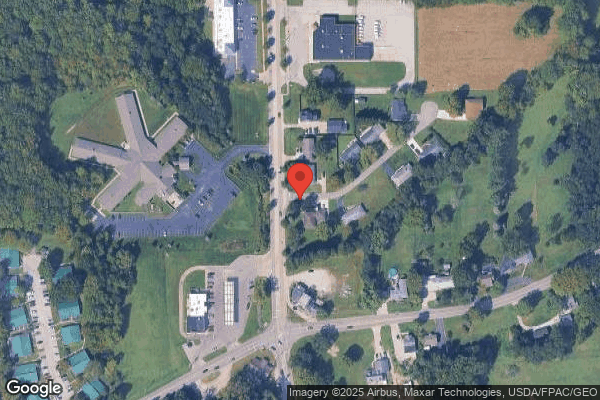

1140 SOUTH BROADWAY, GENEVA, OH 44041 (440) 466-5809
For profit - Corporation 80 Beds AOM HEALTHCARE Data: November 2025
Trust Grade
40/100
#686 of 913 in OH
Last Inspection: June 2024

Within standard 12-15 month inspection cycle. Federal law requires annual inspections.

Overview

The Geneva Center for Rehabilitation and Nursing has a Trust Grade of D, indicating below-average quality and some significant concerns. It ranks #686 out of 913 nursing homes in Ohio, placing it in the bottom half of facilities in the state, and #10 out of 12 in Ashtabula County, meaning there are only two local options that are worse. While the number of reported issues has improved from 14 in 2024 to just 1 in 2025, the facility still has serious deficiencies, including a failure to provide adequate care for a resident with a pressure ulcer, which led to hospitalization. Staffing has an average rating of 3 out of 5 stars, but the turnover rate is concerning at 62%, significantly higher than the state average. On a positive note, the facility has not incurred any fines, which is a good sign, and it has excellent quality measures, although the overall health inspection rating is poor.

Trust Score
D
40/100
In Ohio
#686/913
Bottom 25%
Safety Record
Moderate
Needs review
Inspections
Getting Better
14 → 1 violations
Staff Stability
⚠ Watch
62% turnover. Above average. Higher turnover means staff may not know residents' routines.
Penalties
✓ Good
No fines on record. Clean compliance history, better than most Ohio facilities.
Skilled Nurses
○ Average
Each resident gets 38 minutes of Registered Nurse (RN) attention daily — about average for Ohio. RNs are the most trained staff who monitor for health changes.
Violations
⚠ Watch
25 deficiencies on record. Higher than average. Multiple issues found across inspections.
★★☆☆☆
2.0
Overall Rating
★★★☆☆
3.0
Staff Levels
★★★★★
5.0
Care Quality
★☆☆☆☆
1.0
Inspection Score
Stable
2024: 14 issues
2025: 1 issues

The Good

  • 5-Star Quality Measures · Strong clinical quality outcomes
  • Full Sprinkler Coverage · Fire safety systems throughout facility
  • No fines on record

Facility shows strength in quality measures, fire safety.

The Bad

2-Star Overall Rating

Below Ohio average (3.2)

Below average - review inspection findings carefully

Staff Turnover: 62%

16pts above Ohio avg (46%)

Frequent staff changes - ask about care continuity

Chain: AOM HEALTHCARE

Part of a multi-facility chain

Ask about local staffing decisions and management

Staff turnover is elevated (62%)

14 points above Ohio average of 48%

The Ugly 25 deficiencies on record

1 actual harm
May 2025 1 deficiency
CONCERN (D) 📢 Someone Reported This

A family member, employee, or ombudsman was alarmed enough to file a formal complaint

Potential for Harm - no one hurt, but risky conditions existed

Deficiency F0657 (Tag F0657)

Could have caused harm · This affected 1 resident

**NOTE- TERMS IN BRACKETS HAVE BEEN EDITED TO PROTECT CONFIDENTIALITY** Based on record review, interview and review of the facility policy, the facility failed to ensure Resident #63's comprehensive ...

Read full inspector narrative →
**NOTE- TERMS IN BRACKETS HAVE BEEN EDITED TO PROTECT CONFIDENTIALITY** Based on record review, interview and review of the facility policy, the facility failed to ensure Resident #63's comprehensive care plan was revised regarding her desire to live in the community and failed to assist Resident #63 with her discharge planning. This affected one resident (#63) out of three residents reviewed for discharge planning. The facility census was 62. Findings include: Review of the closed medical record for Resident #63 revealed an admission date of 12/31/24 with diagnoses including multiple sclerosis (MS), diabetes, anxiety disorder, bipolar disorder, schizoaffective disorder and major depression. Review of the care plan dated 12/31/24 revealed Resident #63's discharge planning was long-term placement. The care plan revealed Resident #63 stated she would stay at the facility, for now. Interventions included allowing resident choices, assessing resident's understanding and ability in safety during transfers, mobility, and activities of daily living, and offering opportunity to verbalize feelings related to placement. Review of the nursing note dated 12/31/24 at 2:41 P.M. and completed by Social Service Designee (SSD) #604 revealed she met with Resident #63, and she stated her plan was to stay at the facility, for now. Review of the admission Minimum Data Set (MDS) assessment dated [DATE] revealed Resident #63 was cognitively intact and had no behaviors. Review of the nursing note dated 03/27/25 at 11:51 A.M. and completed by Former Administrator #605 revealed Former Administrator #605 and Former Director of Nursing (DON) #608 met with Resident #63 as she returned from the hospital emergency department today, 03/27/25. Resident #63 reported that she wanted to leave the facility and get an apartment. She reported she planned to contact an apartment complex to see if she could move there. Resident #63 revealed she had been previously evicted from the apartment complex as she owed the complex money and had a melt down while living at the complex. Resident #63 revealed she was hopeful the apartment complex would reconsider. The note revealed she was offered assistance with discharge and/or transfer, but Resident #63 declined stating she did not want to go to another facility. There were no other nursing notes regarding follow up with Resident #63 regarding her request to leave the facility and/or discharge planning. Review of the nursing note dated 04/07/25 at 8:00 A.M. completed by Registered Nurse (RN) #607 revealed Resident #63 signed herself out and placed her mother as her responsible party with her mother's phone number and included she anticipated returning at 4:00 P.M. and was dressed appropriately for the weather. Review of the nursing note dated 04/07/25 at 10:10 A.M. completed by RN #607 revealed Resident #63 left at this time. Review of the nursing note dated 04/07/25 at 8:58 P.M. completed by RN #613 revealed Resident #63 called the facility and stated, have them get my stuff, I will be there tomorrow and before the nurse could ask any questions she hung up. Review of the nursing note dated 04/08/25 at 1:06 P.M. completed by Former Administrator #605 revealed she received a call from Facility Driver #606 who reported she located Resident #63, but Resident #63 refused to return to the facility as Resident #63 stated she rather be homeless than be in a facility. Facility Driver #606 asked Resident #63 if she would sign an against medical device (AMA) form, and Resident #63 stated she would not sign any papers for the facility. Interview on 05/13/25 at 9:47 A.M. with SSD #604 revealed when Resident #63 first moved in she stated she was fine with living at the facility as indicated in the care plan. She revealed Resident #63 then expressed a desire to live in the community and not at the facility. She revealed Resident #63 had expressed an interest in moving to an apartment complex, but she had been evicted previously as she owed the complex money. She offered to send referrals to other facilities, but Resident #63 did not want to live in another facility. She verified she had not discussed other community options, and Resident #63's care plan was not revised indicating her request to not live at the facility and/or interventions regarding her interest in returning to the community. Interview on 05/14/25 at 10:42 A.M. and 11:21 A.M. with Resident #63's mother (Power of Attorney of Healthcare) revealed Resident #63 had expressed an interest not to live at a facility as she wanted to live in the community. Resident #63's mother felt the facility did not assist her daughter in finding any community options and/or offer any interventions to work towards a discharge according to Resident #63's preference. She felt Resident #63 had no other option but to just leave the facility. Review of the facility policy labeled, Comprehensive Person- Centered Care Planning Policy and Procedure, dated 2025, revealed the facility would provide each resident with the right to a dignified existence, self- determination, and access to persons and services. The policy revealed in consultation with the resident and resident's representative regarding the resident's preference and potential for future discharge, the facility would document whether the resident desired to return to the community and any referrals to local contact agencies and/or appropriate entities. The policy revealed discharge plans were to be in the comprehensive care plan as appropriate. The policy revealed the facility would develop and implement an effective discharge planning process that focused on resident's discharge goals, and the preparation of effective transition to post discharge care. The care plan revealed if the resident indicated an interest in returning to the community the facility must document any referrals to local contact agencies or other appropriate entities. The facility would update the care plan in response to information received from referrals and if the discharge to the community was determined to not be feasible then the facility must document who made that determination and why. This deficiency represents non-compliance investigated under Complaint Number OH00165526.
Jun 2024 14 deficiencies 1 Harm
SERIOUS (G)

Actual Harm - a resident was hurt due to facility failures

Pressure Ulcer Prevention (Tag F0686)

A resident was harmed · This affected 1 resident

**NOTE- TERMS IN BRACKETS HAVE BEEN EDITED TO PROTECT CONFIDENTIALITY** Based on observation, record review, facility policy review and interview the facility failed to provide comprehensive, individu...

Read full inspector narrative →
**NOTE- TERMS IN BRACKETS HAVE BEEN EDITED TO PROTECT CONFIDENTIALITY** Based on observation, record review, facility policy review and interview the facility failed to provide comprehensive, individualized and necessary pressure ulcer assessment and care for Resident #56. This affected one resident (#56) of two residents reviewed for pressure related wound care. The facility census was 63. Actual harm occurred on 03/26/24 when the facility failed to adequately assess and implement pressure ulcer wound care for Resident #56, a new admission who had impaired cognition and bowel incontinence. On 03/28/24 the resident was transferred to the emergency room where hospital staff identified an extensive coccyx/sacral pressure ulcer with surrounding cellulitis and additional concern for osteomyelitis. The facility had not implemented any type of pressure ulcer wound care for the resident prior to the hospitalization. The resident was admitted for wound care intervention with intravenous antibiotic treatment due to the facility's lack of monitoring and adequate wound care following initial admission. Subsequently, Resident #56's was re-admitted to the facility on [DATE] for continued wound care and treatment, however treatment was not initiated until 04/04/24. Findings include: Review of the medical record for Resident #56 revealed an initial admission date of 03/26/24, discharge date of 03/28/24 due to hospitalization, and re-admission on [DATE]. Resident #56 had diagnoses including diabetes mellitus type II, gastrostomy status, chronic obstructive pulmonary disease, encephalopathy, and protein calorie malnutrition. Review of the nursing progress note for admission dated 03/26/24 at 4:56 P.M. revealed Resident #56 was admitted for wound care and a new enteral feeding tube. Review of the admission assessment completed 03/26/24 indicated Resident #56 had a pressure ulcer (stage not identified) to the coccyx which measured 10 centimeters (cm) length, 8 cm width and 3 cm depth. There was no documented evidence of the resident's wound status or of a wound treatment being initiated or provided. Review of Resident #56's baseline plan of care completed 03/26/24 revealed there was a sacral pressure ulcer with treatment per physician orders and the functional goal was improvement of wound. Review of the hospital discharge information dated 03/25/24 revealed a coccyx wound with a treatment order to cleanse with wound cleanser, pat dry, apply Vashe (wound solution for cleansing, irrigating, moistening, debridement and removal of microorganisms and debris from exudating or dirty wounds) moistened gauze, cover with sacral foam daily and as needed if not intact, damp, moist or saturated. There was no documented evidence of a wound infection which required antibiotic treatment. Review of Resident #56's admission orders for March 2024 revealed no orders for wound related care or treatment, or antibiotic therapy required for a wound infection. Review of the medication and treatment administration records for March 2024 revealed no wound related care or treatments were provided for Resident #56 following the resident's admission. Review of the nursing progress note dated 03/27/24 at 10:00 A.M. revealed Resident #56 had severe cognitive impairment, new onset of bowel incontinence, an indwelling urinary catheter in place to prevent soiling of a Stage III or IV pressure ulcer (wound that extends into deeper tissue reaching fat, muscle, tendon or bone) and a coccyx pressure ulcer (stage not identified) with slough (thick material in a wound bed made up of dead cells, pus and other accumulated debris). There was no documented evidence of wound infection, or wound treatment initiated or provided. Review of the nursing progress note dated 03/27/24 at 11:48 P.M. indicated Resident #56's enteral feeding tube was clogged by medications and after multiple attempts to clear the tubing was ineffective. The physician was notified. Review of the nursing progress note dated 03/28/24 at 10:30 A.M. revealed Resident #56's primary care physician (PCP) came to the facility to assist with the clogged enteral tube which was unsuccessful. The PCP ordered for transport to the emergency room for evaluation and treatment. Emergency services was contacted at 11:14 A.M. and provided transport. A nurse to nurse phone call was completed at 11:30 A.M. with the emergency room (ER). Information related during the phone call was not documented. Review of the nursing progress note dated 03/29/24 at 4:03 A.M. revealed the ER contacted the facility and informed staff the enteral feeding tube was replaced but when Resident #56 had an episode of bowel incontinence, a coccyx wound was then identified. The hospital physician determined the wound to be extensive and requested information from the facility on treatment orders. The facility explained there were no active orders in place regarding a coccyx wound so Resident #56's prior hospital records were checked and wound treatment orders were found which were ultimately relayed to the ER. The ER physician determined Resident #56 required hospitalization not for enteral tube replacement but for the coccyx wound due to being a candidate for intravenous antibiotic therapy. Review of the admission note dated 04/01/24 at 6:33 P.M. revealed Resident #56 was re-admitted to the facility for wound care. There was no documented evidence of wound status, or wound treatment initiated or provided. Review of the hospital discharge information dated 04/01/24 revealed Resident #56 presented on 03/28/24 with a large sacral decubitus wound with concern for osteomyelitis. A computed tomography (CT) scan determined the wound measured up to 10 cm in length and had associated surrounding cellulitis without abscess or evidence of osteomyelitis. Physical examination indicated a sacral wound which measured 10 cm length and 5 cm width and had surrounding erythema (skin redness). Initially, the resident presented to the ER for an enteral tube malfunction but was found to have a sacral wound with cellulitis. Review of the admission assessment dated [DATE] revealed Resident #56 had a sacral pressure ulcer unstageable (the base of the ulcer was obscured by eschar (dead skin) or slough so the true depth of the wound was difficult to determine). The wound measurements included 10 cm length and 9.5 cm width. Review of the nursing progress notes from 04/01/24 to 04/03/24 revealed Resident #56 had a coccyx pressure ulcer (stage not identified) which measured 8 cm length, 10 cm width and 3 cm depth with slough present and received antibiotic therapy. There was no documented evidence of wound treatment initiated or provided at the time of the resident's re-admission. Review of the PCP progress note dated 04/04/24 revealed Resident #56 had a complicated medical history with frequent and prolonged hospitalizations and an enteral feeding tube was placed for nutrition. The resident was hospitalized from [DATE] until 03/26/24 at which time the resident was admitted to the facility. Upon examination, the resident had a clogged enteral feeding tube and attempt to clear it was unsuccessful so he was transferred to the ER for further evaluation and ultimately the enteral feeding tube was exchanged. Resident #56 was set for discharge back to the facility when he was found to have cellulitis around the sacral wound upon providing incontinence care. A CT scan revealed a large sacral decubitus ulcer with surrounding cellulitis and no evidence of abscess or osteomyelitis. The resident was admitted to the hospital and received intravenous antibiotics before being discharged back to the facility on [DATE] and continued antibiotics orally. The plan was to continue dressing changes per the wound team. Review of Resident #56's physician orders for April 2024 revealed a wound order initiated 04/04/24 to cleanse coccyx wound, pat dry, apply calcium alginate (a dressing used to treat moderate or heavily draining wounds) and cover with a foam border dressing daily and as needed for pressure injury. Review of the medication and treatment administration records for April 2024 revealed wound care was initiated on 04/04/24 and was completed daily thereafter. Review of the nursing progress note from 04/06/24 at 3:45 P.M. revealed Resident #56 received an antibiotic twice daily for wound infection. Review of the admission and Medicare 5-day MDS (Minimum Data Set) assessment completed 04/08/24 revealed Resident #56 had severe cognitive impairment, an indwelling urinary catheter, was always incontinent of bowel and had one stage III pressure ulcer present upon admission. Review of the initial wound care evaluation completed 04/08/24 by the wound nurse practitioner indicated the facility requested Resident #56 be evaluated for a concerning area to Resident #56's bottom, a sacral pressure ulcer stage III which was present upon admission. The wound measured 8.8 cm length, 7.4 cm width and 2.2 cm depth. The wound treatment was updated to cleanse with normal saline, apply calcium alginate and cover with a clean dry dressing daily. Observation on 05/29/24 at 10:27 A.M. of wound care with Registered Nurse (RN) #640 revealed Resident #56 had a large coccyx/sacral wound which appeared as a deep crater and slough was present at the base of the wound. Wound drainage was moderate with an unpleasant odor, and the wound minimally bled upon removal of the old dressing. Interview on 05/29/24 at 11:23 A.M. with Assistant Director of Nursing (ADON) #601 indicated acting as the wound nurse and described wound orders being placed upon admission with regular wound rounds completed weekly. Additional interview on 05/30/24 at 12:36 P.M. with ADON #601 confirmed the above findings and verified no wound care or treatment was provided to Resident #56 from 03/26/24 to 03/28/24 before being admitted to the hospital for a wound infection, and then again upon re-admission on [DATE], until wound care was initiated on 04/04/24, and the wound nurse practitioner made an initial wound evaluation on 04/08/24. Interview on 05/30/24 at 3:57 P.M. with Administrator and Regional Travel Director of Nursing (RTDON) #662 (after review of hospital discharge information printed 03/18/24) revealed Resident #56's wound was noted to be chronically infected however, RTDON #662 verified there was no evidence a wound infection was present including cellulitis at the time of facility admission on [DATE] until Resident #56 was transferred to the hospital on [DATE]. In addition, RTDON #662 confirmed there remained no documented evidence that the facility provided wound care or treatment after initial admission on [DATE] and again on 04/01/24 to prevent infection until it was first initiated on 04/04/24. Review of the facility policy, Pressure Ulcers/Skin Breakdown - Clinical Protocol, revised April 2018 revealed nursing staff and practitioner would examine the skin of newly admitted residents for evidence of existing pressure ulcers and the physician would order pertinent wound treatments, including pressure reduction surfaces, wound cleansing and debridement approaches, dressing, and application of topical agents.
CONCERN (D)

Potential for Harm - no one hurt, but risky conditions existed

Resident Rights (Tag F0550)

Could have caused harm · This affected 1 resident

Based on observation, record review and interview, the facility failed to provide privacy for urinary catheter drainage bags. This affected three residents (#25, #56 and #264) of four residents review...

Read full inspector narrative →
Based on observation, record review and interview, the facility failed to provide privacy for urinary catheter drainage bags. This affected three residents (#25, #56 and #264) of four residents reviewed for urinary catheters. The facility census was 63. Findings include: 1. Observation on 05/28/24 at 9:29 A.M. from the hallway outside Resident #25's room revealed Resident #25 lying in bed with a urinary catheter drainage bag secured to the right bedside facing the room entrance door. There was no privacy covering over the urinary drainage bag. Interview on 05/29/24 at 9:31 A.M. with State Tested Nursing Assistant (STNA) #630 verified there was no privacy covering over Resident #25's urinary catheter drainage bag or it was not placed on the opposite side of the bed out of public view. Review of the medical record for Resident #25 revealed an admission date of 11/20/23. Diagnoses included neuromuscular dysfunction of bladder, urinary tract infection, multiple sclerosis, and diabetes mellitus type II. The plan of care dated 11/20/23 indicated Resident #25 had a suprapubic catheter for neuromuscular bladder. Interventions included positioning the catheter bag and tubing below the level of the bladder and away from the entrance room door. 2. Observation on 05/29/24 at 7:13 A.M. from the hallway outside Resident #56's room revealed Resident #56 lying in bed with a urinary catheter drainage bag secured to the right bedside facing the room entrance door. There was no privacy covering over the urinary drainage bag. Interview at the time of the observation with Registered Nurse (RN) #640 verified there was no privacy covering over Resident #56's urinary catheter drainage bag or it was not placed on the opposite side of the bed out of public view. RN #640 indicated the privacy bag was still attached to Resident #56's wheelchair and was not moved over after being transferred to bed. Review of the medical record for Resident #56 revealed an admission date of 04/01/24. Diagnoses included urinary tract infection, diabetes mellitus type II, and retention of urine. The plan of care revised 04/24/24 indicated Resident #56 had an indwelling urinary catheter for urinary retention. Interventions included positioning the catheter bag and tubing below the level of the bladder and away from the entrance room door. 3. Observation on 05/28/24 at 9:21 A.M. from the hallway outside Resident #264's room revealed Resident #264 lying in bed with a urinary catheter drainage bag secured to the left bedside facing the room entrance door. There was no privacy covering over the urinary drainage bag. Interview at the time of the observation with STNA #630 verified there was no privacy covering over Resident #264's urinary catheter drainage bag or it was not placed on the opposite side of the bed out of public view. STNA #630 indicated Resident #264 was recently admitted so a privacy bag was not in place but usually privacy bags were used. Review of the medical record for Resident #264 revealed an admission date of 05/24/24. Diagnoses included pneumonia, chronic kidney disease stage III, and diabetes mellitus. The baseline plan of care completed 05/24/24 indicated Resident #264 had an indwelling urinary catheter.
CONCERN (D)

Potential for Harm - no one hurt, but risky conditions existed

Quality of Care (Tag F0684)

Could have caused harm · This affected 1 resident

**NOTE- TERMS IN BRACKETS HAVE BEEN EDITED TO PROTECT CONFIDENTIALITY** Based on interview, observation, record review and review of the facility policy, the facility failed to ensure Resident #16 and...

Read full inspector narrative →
**NOTE- TERMS IN BRACKETS HAVE BEEN EDITED TO PROTECT CONFIDENTIALITY** Based on interview, observation, record review and review of the facility policy, the facility failed to ensure Resident #16 and Resident #60's embolic stockings (tight stockings applied to lower extremities to reduce edema) were applied as ordered by the physician. This affected two residents (#16 and #50) out of two residents reviewed for edema. This had the potential to affect five additional residents (#3, #4, #7, #38, and #42) identified by the facility as residents who had orders for embolic stockings. The facility census was 63. Findings include: 1. Review of the medical record for Resident #16 revealed an admission date of 08/04/21 with diagnoses including congestive heart failure, hypertension, and chronic obstructive pulmonary disease. Review of the care plan dated 08/11/21 revealed Resident #16 was on diuretic therapy due to edema. Interventions included administering diuretic medications as ordered, monitor, document, and report any adverse effects, and apply TED hose (embolic stockings) to her bilateral lower extremities as tolerated by donning in the morning and doffing at night. Review of the quarterly Minimum Data Set (MDS) assessment dated [DATE] revealed Resident #16 had intact cognition and was independent with dressing and applying footwear. Review of the May 2024 physician orders revealed Resident #16 had an order for TED hose (embolic stockings) to be on in the morning and off at night due to bilateral lower extremity edema. Review of the May 2024 Treatment Administration Record (TAR) revealed Agency Registered Nurse (RN) #665 signed off that Resident #16's embolic stockings were applied on 05/29/24. Review of the Visual/ Bedside [NAME] as of 05/29/24 revealed Resident #16 required supervision with dressing. There was nothing in her [NAME] regarding embolic stockings applied to Resident #16's bilateral lower extremities. Interview and observation on 05/28/24 at 9:54 A.M. revealed Resident #16 was lying in bed and was unable to provide any detailed information regarding her edema and/or use of embolic stockings. Observation on 05/29/24 at 7:09 A.M. revealed staff were in Resident #16's room assisting her with her activities of daily living (ADL), including getting her dressed and transferring her to the wheelchair using a mechanical lift. Observation on 05/29/24 at 7:23 A.M. revealed staff brought Resident #16 down to the dining room in a wheelchair without embolic stockings in place. Resident #16 was observed with a moderate amount of edema to her lower extremities. Observation on 05/29/24 at 9:49 A.M. revealed Resident #16 was sitting in the lounge area up in her wheelchair without embolic stockings in place. Observation on 05/29/24 at 10:57 A.M. revealed Resident #16 was up in her wheelchair in her room without embolic stockings in place, and her bilateral lower extremities continued to have moderate edema. Interview on 05/29/24 at 11:03 A.M. with State Tested Nurse Aide (STNA) #616 revealed she was the aide assigned to Resident #16 and verified Resident #16 did not have embolic stockings on. She was not aware she had a physician's order for the embolic stockings as she went by the [NAME], and the [NAME] did not identify that Resident #16 was to have embolic stockings. She revealed Resident #16 always had quite a lot of swelling in her lower extremities. She revealed Resident #16 had a significant decline over the last few weeks and now required assistance with most all her ADL, including dressing. Interview on 05/29/24 at 11:05 A.M. with Agency Registered Nurse (RN) #665 revealed that it was the first time that she worked at the facility. She verified that Resident #16 had an order for embolic stockings and that she signed off on 05/29/24 that Resident #16 had them on. She stated, I assumed the aide just applied and verified she had not checked that they were applied before signing it off. She verified that Resident #16's order for embolic stockings was not on the [NAME] and/or on the task bar of the electronic medical record. She verified Resident #16 was up in her wheelchair without embolic stockings in place as ordered. Interview on 05/30/24 at 8:52 A.M. with MDS/RN #605 verified Resident #16's [NAME] did not have instructions for applying embolic stockings to control her edema. MDS/RN #605 verified that the STNA's utilize the [NAME] to know what care a resident requires, including stockings. 2. Review of the medical record for Resident #50 revealed an admission date of 10/04/22 with diagnoses including difficulty walking, hypertension, hemiplegia, and hemiparesis following cerebral infarction affecting right dominant side, and aphasia. Review of the care plan dated 11/06/22 revealed Resident #50 had an ADL self-care performance deficit related to traumatic subdural hemorrhage requiring surgical intervention leaving her with right sided hemiparesis. She required minimal staff assistance with dressing, personal hygiene, and transfers. There was nothing in the care plan regarding Resident #50's edema and that she was to wear embolic stockings every day. Review of the current physician's orders revealed an order dated 03/07/24 for Resident #50 to apply compression (embolic) stockings in the morning and remove at night every shift for edema. Review of the quarterly MDS assessment dated [DATE] revealed Resident #50 had impaired cognition as her Brief Interview Mental Status (BIMS) score was a four out of 15. She required partial to moderate staff assistance with lower body dressing and putting on and taking off footwear. Observation on 05/28/24 at 9:48 A.M. revealed Resident #50 was up in her wheelchair in her room and had swelling to her bilateral lower legs. She was not wearing embolic stockings. Unable to interview Resident #50 due to cognitive ability. Review of the Visual/Bedside [NAME] as of 05/29/24 revealed Resident #50 required minimal staff assistance with dressing. There was nothing in her [NAME] regarding embolic stockings for Resident #50. Review of the May 2024 TAR revealed Agency RN #665 signed off that Resident #50's embolic stockings were applied on 05/29/24. Observation on 05/29/24 at 7:57 A.M. revealed Resident #50 was up in her wheelchair in the dining room without embolic stockings in place. She had regular socks and tennis shoes on. Observation on 05/29/24 at 9:52 A.M. revealed Resident #50 was propelling herself in her wheelchair towards her room and continued to not have embolic stockings in place. Interview on 05/29/24 at 10:14 A.M. with Resident #50's brother revealed he had not ever seen Resident #50 wear embolic stockings and did not know she had an order to wear them. Observation on 05/29/24 at 11:00 A.M. revealed Resident #50 was sitting in her wheelchair in the activity room without embolic stockings in place. Her bilateral lower extremities were noted to have edema. Interview on 05/29/24 at 11:03 A.M. with STNA #616 revealed she was the aide assigned to Resident #50 and verified Resident #50 did not have embolic stockings on. She revealed she was not aware she had a physician's order for the stockings as she went by the [NAME], and the [NAME] it did not identify that Resident #50 was to have embolic stockings. She verified that Resident #50 had some swelling to her lower extremities. Interview on 05/29/24 at 11:05 A.M. with Agency RN #665 revealed that it was the first time that she worked at the facility. She verified that Resident #50 had an order for embolic stockings and that she had signed off on 05/29/24 that Resident #50 had them on. She stated, I assumed the aide just applied and verified she had not checked that they were applied. She verified that Resident #50's order for embolic stockings was not on the care plan, [NAME] and/or on the task bar in the electronic medical record. She verified Resident #50 was sitting in the activity room and did not have her embolic stockings in place as ordered. Interview on 05/30/24 at 8:52 A.M. with MDS/RN #605 verified Resident #50's [NAME] and care plan did not have anything regarding Resident #50's order to have embolic stockings applied to control her edema. She verified that the STNA's utilize the [NAME] to know what care a resident requires, including stockings. Review of the facility policy labeled, Applying Anti- Emboli Stockings (TED Hose), dated October 2010, revealed the purpose was to improve venous return to the heart, improve arterial circulation to the feet, to minimize edema to the legs and feet, and prevent complications associated with deep vein thrombosis (blot clot). The policy revealed staff were to verify there was an order for the stockings and review the care plan to assess any special needs of the residents. The policy revealed stockings should be applied in the morning prior to the resident getting out of bed.
CONCERN (D)

Potential for Harm - no one hurt, but risky conditions existed

Incontinence Care (Tag F0690)

Could have caused harm · This affected 1 resident

**NOTE- TERMS IN BRACKETS HAVE BEEN EDITED TO PROTECT CONFIDENTIALITY** Based on observation, interview and record review, the facility failed to obtain physician's orders and provide sufficient care ...

Read full inspector narrative →
**NOTE- TERMS IN BRACKETS HAVE BEEN EDITED TO PROTECT CONFIDENTIALITY** Based on observation, interview and record review, the facility failed to obtain physician's orders and provide sufficient care for an indwelling urinary catheter. This affected one resident (#264) of four residents reviewed for urinary catheters. The facility census was 63. Findings include: Observation on 05/28/24 at 9:21 A.M. from the hallway outside Resident #264's room revealed Resident #264 lying in bed with a urinary catheter drainage bag secured to the left bedside facing the room entrance door. Interview at the time of the observation with State Tested Nurse Aide (STNA) #630 verified Resident #264 was recently admitted and had an indwelling urinary catheter. Review of the medical record for Resident #264 revealed an admission date of 05/24/24. Diagnoses included pneumonia, chronic kidney disease stage III, and diabetes mellitus. The baseline plan of care completed 05/24/24 indicated Resident #264 had an indwelling urinary catheter. Review of Resident #264's physician's orders for May 2024 revealed no evidence of orders to monitor, maintain, or care for the urinary catheter upon admission on [DATE]. On 05/30/24 after surveyor intervention, orders were initiated to provide catheter care every shift, change the indwelling urinary catheter drainage bag every 48 hours as needed, document urinary catheter output every shift, and change the urinary catheter every 24 hours as needed if occluded. Review of Resident #264's medication and treatment administration records revealed no evidence of monitoring, maintaining, or caring for the urinary catheter from 05/24/24 to 05/29/24. Interview on 05/30/24 at 12:51 P.M. with Assistant Director of Nursing (ADON) #601 verified the above findings.
CONCERN (D)

Potential for Harm - no one hurt, but risky conditions existed

Deficiency F0694 (Tag F0694)

Could have caused harm · This affected 1 resident

**NOTE- TERMS IN BRACKETS HAVE BEEN EDITED TO PROTECT CONFIDENTIALITY** Based on interview, observation, record review and review of the facility policy, the facility failed to ensure Resident #16's m...

Read full inspector narrative →
**NOTE- TERMS IN BRACKETS HAVE BEEN EDITED TO PROTECT CONFIDENTIALITY** Based on interview, observation, record review and review of the facility policy, the facility failed to ensure Resident #16's midline (intravenous catheter inserted in the upper arm with the tip located just below the axilla area) catheter was appropriately monitored and maintained. This affected one resident (#16) out of one resident reviewed for intravenous (IV) access and had the potential to affect two residents (#16 and #313) identified by the facility with IV access. The facility census was 63. Findings included: Review of the medical record for Resident #16 revealed an admission date of 08/04/21 with diagnoses including congestive heart failure, hypertension, and chronic obstructive pulmonary disease. Review of the undated comprehensive care plan for Resident #16 revealed nothing regarding Resident #16 having a midline IV catheter, including monitoring and/or maintaining it. Review of the quarterly Minimum Data Set (MDS) assessment dated [DATE] revealed Resident #16 had intact cognition and had no IV therapy. Review of the nursing note dated 05/26/24 at 8:04 P.M. and completed by Licensed practical Nurse (LPN) #643 revealed Nurse Practitioner (NP) #900 ordered Resident #16 to have one liter of IV fluids to run at 100 milliliters (ml) per hour. Review of the nursing note dated 05/26/24 at 8:05 P.M. and completed by LPN #643 revealed she had attempted to obtain IV access on Resident #16 but was unable. She contacted an outside company to have them come in to obtain IV access. The note revealed NP #900 was notified. Review of the nursing note dated 05/27/24 at 2:39 P.M. revealed RN #633 attempted twice to start IV access to administer Resident #16's IV fluids but was unable. She contacted the outside agency to obtain an update on the time they would be able to start IV access, and they were unable to provide a time due to the holiday weekend. NP #900 was updated. Review of the Midline Insertion Sheet dated 05/27/24 at 5:15 P.M. revealed the outside company (Registered Nurse (RN) #901) inserted a midline intravenous line to Resident #16's left arm without any difficulty. The midline instruction sheet revealed Resident #16 received a Power Midline Catheter and the recommended guidelines given to the facility included to maintain according to protocol including to flush each lumen of the catheter with ten ml sterile water every 12 hours or after each use. Post insertion complications included catheter dislodgment, catheter infection, inflammation of vein wall, catheter occlusion, hematoma at catheter site, and blood clot inside the vein near the catheter wall. Review of the May 2024 physician's orders revealed an order for a peripheral IV to be placed by outside company for one time that was signed off as completed by RN #633 on 05/27/24 at 5:27 P.M., and dextrose with sodium chloride one liter IV one time for dehydration that was signed off as administered by RN #633 on 05/28/24 at 10:32 A.M. Resident #16 did not have orders to maintain and monitor the midline IV catheter including no flush order, no dressing changes, and/or no orders to monitor for signs of infection. Interview and observation on 05/28/24 at 9:54 A.M. revealed Resident #16 had a midline IV intravenous catheter to her left arm with no signs of infection. Resident #16 was unable to provide any details regarding the IV access including how long she had it for and/or the reason for it. Interview on 05/30/24 at 8:52 A.M. with MDS/RN #605 revealed she did not know Resident #16 had a midline IV catheter as of 05/28/24. She verified there was no care plan regarding maintaining and/or monitoring her midline IV catheter. Interview on 05/30/24 at 9:23 A.M. with Assistant Director of Nursing (ADON)/ LPN #601 verified Resident #16 had a midline IV catheter that was inserted on 05/27/24. She verified that Resident #16 received one liter of IV fluids that was documented on 05/28/24. She verified after the IV fluids, there were no further orders to maintain the midline IV catheter, including flushing the catheter to ensure patency and checking the catheter site to ensure there were no signs of infection. She verified that usually if an IV catheter was not receiving IV medication and/or fluids through it, that they maintain patency per their facility policy by flushing it at least every 24 hours and the nurse should be checking the IV site for signs of infection every shift. She verified there were no physician orders and/or documented evidence in the medical record that Resident #16's midline IV catheter was being monitored and or maintained by flushing per the facility policy and/or the manufacturers guideline. Review of the facility policy labeled, Peripheral and Midline Intravenous (IV) Catheter Flushing and Locking, dated March 2022, revealed the purpose was to maintain catheter patency and function. The policy revealed for midline catheters used for intermittent infusion, flush the catheter and aspirate for blood return prior to each infusion and/or at least every 24 hours to assess catheter function. The policy revealed the nurse was then to document in the treatment administration record as well as note the condition of insertion site.
CONCERN (D)

Potential for Harm - no one hurt, but risky conditions existed

Respiratory Care (Tag F0695)

Could have caused harm · This affected 1 resident

**NOTE- TERMS IN BRACKETS HAVE BEEN EDITED TO PROTECT CONFIDENTIALITY** 2. Review of the medical record for Resident #264 revealed an admission date of 05/24/24. Diagnoses included pneumonia, chronic ...

Read full inspector narrative →
**NOTE- TERMS IN BRACKETS HAVE BEEN EDITED TO PROTECT CONFIDENTIALITY** 2. Review of the medical record for Resident #264 revealed an admission date of 05/24/24. Diagnoses included pneumonia, chronic respiratory failure with hypoxia (oxygen deficiency), and chronic obstructive pulmonary disease. Review of the baseline plan of care completed 05/24/24 indicated Resident #264 required continuous oxygen at three LPM (liters per minute), and oxygen at six LPM during CPAP (continuous positive airway pressure) machine use. Resident #264's physician's orders for May 2024 revealed no evidence of oxygen related orders including monitoring for blood oxygenation saturation. Observation on 05/28/24 at 11:16 A.M. revealed Resident #264 was sitting in a wheelchair with oxygen being administered via nasal cannula at three LPM. There was a CPAP machine at the bedside and no oxygen safety signage in place. Interview at the time of the observation with Licensed Practical Nurse (LPN) #637 confirmed Resident #264 received oxygen continuous at three LPM and used a CPAP with oxygen during the night hours. LPN #637 verified no oxygen related orders were in place including monitoring for blood oxygenation saturation, and there was no oxygen safety signage posted. Review of the facility policy, Oxygen Administration, revised October 2010, revealed to verify there was a physician's order before administering oxygen. While a resident receives oxygen, assess vital signs and oxygen saturation if applicable for signs and symptoms of hypoxia, and place an Oxygen in Use sign on the outside of the room entrance door. Based on interview, observation, record review and review of the facility policy, the facility failed to ensure residents had oxygen orders, oxygen was secured safely, and/or residents had oxygen signs indicating oxygen was in use. This affected two residents (#52 and #264) out of two residents reviewed for respiratory care. This had the potential to affect ten residents (#2, #9, #12, #25, #52, #56, #211, #264, #311, and #312) that were identified by the facility with oxygen. The facility census was 63. Findings include: 1. Review of the medical record for Resident #52 revealed an admission date of 04/05/24 with diagnoses including congestive heart failure, hypertension, and/or abnormalities with gait and mobility. Review of the undated comprehensive care plan revealed there was nothing in the care plan regarding Resident #52's use of oxygen. Review of the admission Minimum Data Set (MDS) assessment dated [DATE] revealed Resident #52 was cognitively impaired. He wandered one to three days during the seven-day assessment reference period. Review of the May 2024 physician's orders revealed Resident #52 had an order for oxygen at two liters via nasal cannula as needed for shortness of breath and low oxygen saturation level. Observation on 05/27/24 at 9:34 A.M. revealed Resident #52 was lying in bed with two liters of oxygen being administered per his oxygen concentrator via nasal cannula. There was no sign on the outside of his room indicating oxygen was in use. Observation revealed next to his nightstand by his bed was a green E- cylinder (a cylinder containing oxygen that was combustible) not secured in a rack and/or proper holder to prevent from tipping over. Attempted interview revealed Resident #52 was cognitively impaired. Interview on 05/27/24 at 10:44 A.M. with the Director of Nursing (DON) verified Resident #52 was wearing oxygen while lying in bed and that there was no sign on the outside of his room indicating oxygen was in use. She also verified there was one E-cylinder that was free standing next to his nightstand not in a rack and/or proper holder. Interview on 05/30/24 at 8:52 A.M. with MDS/Registered Nurse (RN) #605 verified there was nothing in Resident #52's care plan regarding his use of oxygen. Review of the undated facility policy labeled, Oxygen Handling and Storage revealed the policy was to coordinate and manage the handling and storage of medical gas cylinders (oxygen only). The policy revealed to never leave an oxygen tank freestanding, not even for a moment. The policy revealed cylinders were to be in appropriate storage racks or cabinet.
CONCERN (D)

Potential for Harm - no one hurt, but risky conditions existed

Drug Regimen Review (Tag F0756)

Could have caused harm · This affected 1 resident

**NOTE- TERMS IN BRACKETS HAVE BEEN EDITED TO PROTECT CONFIDENTIALITY** 3. Review of the medical record for Resident #25 revealed an admission date of 11/20/23. Diagnoses included multiple sclerosis, ...

Read full inspector narrative →
**NOTE- TERMS IN BRACKETS HAVE BEEN EDITED TO PROTECT CONFIDENTIALITY** 3. Review of the medical record for Resident #25 revealed an admission date of 11/20/23. Diagnoses included multiple sclerosis, emphysema and diabetes mellitus type II. Review of the quarterly MDS assessment completed 02/28/24 indicated Resident #25 had no cognitive impairment and received opioid medication during the assessment period. Resident #25's physician orders specified an order dated 12/04/23 for acetaminophen 650 mg (milligrams) (analgesic and fever reducer) every eight hours PRN (as needed) for pain and an order dated 02/16/24 for Norco (hydrocodone-acetaminophen) 5-325 mg (opioid pain medication) every six hours PRN for pain. Review of the monthly pharmacist review recommendation dated 03/25/24 revealed the pharmacist indicated the PRN medications acetaminophen and Norco both had a diagnosis of pain but requested the physician be more specific when each medication should be used, i.e., mild pain for one and moderate/severe pain for the other, by type of pain, or consider using a pain scale for each medication. The recommendation was not completed. There was no documented evidence on the recommendation form that the physician was notified or addressed the recommendation. Review of the monthly pharmacist review recommendation dated 04/28/24 revealed the pharmacist indicated the PRN medications acetaminophen and Norco both had a diagnosis of pain but requested the physician be more specific when each medication should be used, i.e., mild pain for one and moderate/severe pain for the other, by type of pain, or consider using a pain scale for each medication. The recommendation was not completed. There was no documented evidence on the recommendation form that the physician was notified or addressed the recommendation. Review of Resident #25's physician orders effective May 2024 revealed no changes were made to the PRN orders for acetaminophen and Norco to specify parameters for use. Review of the facility policy, Medication Therapy, revised April 2007, revealed all medication orders were supported by appropriate care processes and practices. The staff and practitioner reviewed an individual's current medication regimen to identify whether the frequency of administration and during use were appropriate. 2. Review of the medical record for Resident #21 revealed an admission date of 04/06/23 with diagnoses including major depression, anxiety disorder, legal blindness, and hypothyroidism. Review of the pharmacy recommendation dated 06/12/23 and completed by Consultant Pharmacist #667 revealed he had reviewed Resident #21's medical record for indications to support the use of the patient's medication. Consultant Pharmacist #667 revealed Seroquel (anti-psychotic medication) lacked a proper diagnosis and could be considered unnecessary. He recommended to consider discontinuing the medication if the medication was no longer needed. The recommendation was unsigned. Review of the pharmacy recommendation dated 07/17/23 and completed by Consultant Pharmacist #667 revealed he had reviewed Resident #21's medical record for indication to support the use of the patient's medication. Consultant Pharmacist #667 revealed Seroquel lacked a proper diagnosis and could be considered unnecessary. He recommended to consider discontinuing the medication if the medication was no longer needed. The recommendation was unsigned. Review of the pharmacy recommendation dated 08/23/23 and completed by Consultant Pharmacist #667 revealed he had reviewed Resident #21's medical record for indication to support the use of the patient's medication. Consultant Pharmacist #667 revealed Seroquel lacked a proper diagnosis and could be considered unnecessary. He recommended to consider discontinuing the medication if the medication was no longer needed. The recommendation was unsigned. Review of the pharmacy recommendation dated 09/21/23 and completed by Consultant Pharmacist #667 revealed Resident #21 was receiving Seroquel but lacked an allowable diagnosis to support its use. Consultant Pharmacist #667 provided a list of appropriate diagnosis/ conditions that supported the use of the Seroquel. The recommendation was unsigned. Review of Medication Administration Records (MAR) April 2023 through October 2023 revealed Resident #21 received Seroquel 37.5 mg tablet by mouth at bedtime from 04/06/23 till 10/17/24 without a supporting diagnosis. Interview on 05/29/24 at 11:27 A.M. with Regional Travel Director of Nursing (DON) #662 verified Resident #21's pharmacy recommendations dated 06/12/23, 07/17/23, 08/23/23, and 09/21/23 all recommended to either have Resident #21's Seroquel discontinued and/or have a diagnosis added that would support the use of. Regional Travel DON #662 verified the recommendations were all unsigned and not addressed timely as Resident #21 had remained on Seroquel from 04/06/24 to 10/17/23 without a supporting diagnosis. Based on record review, interview and facility policy review, the facility failed to ensure pharmacy recommendations were addressed by the physician in a timely manner. This affected three residents (#15, #21, and #25) of five residents reviewed for unnecessary medications. The facility census was 63. Findings include: 1. Review of the medical record for Resident #15 revealed an admission date of 11/24/21. Diagnoses included vascular dementia with anxiety, gastrointestinal hemorrhage, insomnia, and major depressive disorder. Review of the quarterly Minimum Data Set (MDS) assessment dated [DATE] revealed Resident#15 had intact cognition. Review of the 06/12/23 Pharmacist Recommendation to Physician revealed Resident #15 had an order for trazadone 50 milligrams (mg) (antidepressant and sedative). Take a half tablet by mouth daily. The pharmacist recommended that due to multiple problems associated with administering half tablets, the physician consider an alternate dosing regimen so that whole pills were used. The form was unsigned. Review of the 07/17/23 Pharmacist Recommendation to Physician revealed Resident #15 had an order for trazadone 50 mg. Take a half tablet by mouth daily. The pharmacist recommended that due to multiple problems associated with administering half tablets, the physician consider an alternate dosing regimen so that whole pills were used. The form was unsigned. There was no change in medication until 10/17/23. Interview on 05/29/24 at 11:29 A.M. with Regional Travel Director of Nursing (DON) #662 verified the forms were not signed, and the requested action was not completed in a timely manner.
CONCERN (E)

Potential for Harm - no one hurt, but risky conditions existed

Comprehensive Care Plan (Tag F0656)

Could have caused harm · This affected multiple residents

**NOTE- TERMS IN BRACKETS HAVE BEEN EDITED TO PROTECT CONFIDENTIALITY** Based on interview, observation, record review and review of the facility policy, the facility failed to ensure comprehensive ca...

Read full inspector narrative →
**NOTE- TERMS IN BRACKETS HAVE BEEN EDITED TO PROTECT CONFIDENTIALITY** Based on interview, observation, record review and review of the facility policy, the facility failed to ensure comprehensive care plans and/or [NAME]'s were complete for Residents #14, #16, #50, and #52. This affected four residents (#14, #16, #50, and #52) out of 22 resident's care plans reviewed. The facility census was 63. Findings include: 1. Review of the medical record for Resident #16 revealed an admission date of 08/04/21 with diagnoses including congestive heart failure, hypertension, and chronic obstructive pulmonary disease. Review of the care plan dated 08/11/21 revealed Resident #16 was on diuretic therapy due to edema. Interventions included administering diuretic medications as ordered, monitor, document and report any adverse effects, and apply TED hose/embolic stockings (tight stockings applied to lower extremities to reduce edema (swelling caused by fluid trapped in body's tissues) to her bilateral lower extremities as tolerated by donning in the morning and doffing at night. The comprehensive care plan for Resident #16 revealed nothing regarding Resident #16 having a midline (intravenous catheter inserted in the upper arm with the tip located just below the axilla area) intravenous catheter including monitoring and/or maintaining it. Review of quarterly the Minimum Data Set (MDS) assessment dated [DATE] revealed Resident #16 had intact cognition and was independent with dressing and applying footwear. She was not on intravenous therapy. Review of the May 2024 physician orders revealed Resident #16 had an order for embolic stockings to be on in the morning and off at night due to bilateral lower extremity edema. In addition, there was an order for an intravenous (IV) to be placed by an outside company. Resident #16 did not have any orders to maintain and monitor her midline IV catheter including no flush order, no dressing changes, and/or no orders to monitor for signs of infection. Review of the May 2024 Treatment Administration Record (TAR) revealed Agency Registered Nurse (RN) #665 signed off the TAR that Resident #16's embolic stockings were applied on 05/29/24. Review of the Midline Insertion Sheet dated 05/27/24 at 5:15 P.M. revealed the outside company (RN #901) inserted a midline IV line to Resident #16's left arm without any difficulty. The midline instruction sheet revealed Resident #16 received a Power Midline Catheter and the recommended guidelines given to the facility included to maintain according to protocol including to flush each lumen of the catheter with ten milliliter (ml) sterile water every 12 hours or after each use. Post insertion complications included catheter dislodgment, catheter infection, inflammation of vein wall, catheter occlusion, hematoma at catheter site, and blood clot inside the vein near the catheter wall. Interview and observation on 05/28/24 at 9:54 A.M. revealed Resident #16 was lying in bed with a midline IV catheter to her left arm and she was unable to provide any detailed information regarding her edema, use of embolic stockings and/or IV access. Review of the Visual/ Bedside [NAME] as of 05/29/24 revealed Resident #16 required supervision with dressing. There was nothing in her [NAME] stating Resident #16 was to have embolic stockings applied to her bilateral feet. Observation on 05/29/24 at 7:09 A.M. revealed staff were in Resident #16's room assisting her with her activities of daily living (ADL), including getting her dressed and transferring her into her wheelchair with a mechanical lift. Observation on 05/29/24 at 7:23 A.M. revealed staff brought Resident #16 down to the dining room in a wheelchair without embolic stockings in place. Resident #16 was observed with a moderate amount of edema to her lower extremities. Observation on 05/29/24 at 9:49 A.M. revealed Resident #16 was sitting in the lounge area up in her wheelchair without embolic stockings in place. Observation on 05/29/24 at 10:57 A.M. revealed Resident #16 was up in her wheelchair in her room without embolic stockings in place, and her bilateral lower extremities continued to have moderate edema. Interview on 05/29/24 at 11:03 A.M. with State Tested Nurse Aide (STNA) #616 revealed she was the aide assigned to Resident #16 and verified Resident #16 did not have embolic stockings on. She was not aware Resident #16 had a physician's order for the embolic stockings as she went by the [NAME], and the [NAME] it did not identify that Resident #16 was to have embolic stockings. She revealed Resident #16 always had quite a lot of swelling in her lower extremities. She revealed Resident #16 had a significant decline over the last few weeks and now required assistance with most all her ADL including dressing. Interview on 05/29/24 at 11:05 A.M. with Agency RN #665 revealed it was the first time she worked at the facility. She verified that Resident #16 had an order for embolic stockings, and that she had signed off on 05/29/24 that Resident #16 had them on. She stated, I assumed the aide just applied and verified she had not checked that they were applied before signing it off on the TAR. She verified that Resident #16's order for embolic stockings was not on the [NAME] and/or on the task bar in the electronic medical record. She verified Resident #16 was up in her wheelchair without embolic stockings in place as ordered. Interview on 05/30/24 at 8:52 A.M. with MDS/RN #605 revealed the facility did not have one specific staff person responsible for updating the resident's [NAME] as either the Director of Nursing (DON), Assistant Director of Nursing (ADON)/ Licensed Practical Nurse (LPN) #601, staff nurses and/or herself all tried to keep them up to date the best that they could. MDS/RN #605 verified Resident #16's [NAME] did not have embolic stockings to control her edema. MDS/ RN #605 verified that the STNA's utilize the [NAME] to know what needs a resident required, including stockings. Also, she stated she did not know Resident #16 had a midline IV catheter as of 05/28/24. She verified there was no care plan regarding maintaining and/or monitoring her midline IV catheter. Interview on 05/30/24 at 9:23 A.M. with ADON/LPN #601 verified Resident #16 had a midline IV catheter that was inserted on 05/27/24. She verified that Resident #16 received one liter of IV fluids that were documented on 05/28/24. She verified after the IV fluids, there were no further orders to maintain the midline IV catheter, including flushing the catheter to ensure patency and checking the catheter site for signs of infection. She verified that usually a midline IV catheter not receiving IV medication and/or fluids through it, they maintain patency per their facility policy by flushing at least every 24 hours, and the nurse should be checking the IV site for signs of infection every shift. She verified there were no physician orders and/or documented evidence in the medical record that Resident #16's midline IV catheter was being monitored and/or maintained by flushing per the facility policy and/or the manufacturers guideline. 2. Review of the medical record for Resident #50 revealed an admission date of 10/04/22 with diagnoses including difficulty walking, hypertension, hemiplegia, and hemiparesis following cerebral infarction affecting right dominant side, and aphasia. Review of the care plan dated 11/06/22 revealed Resident #50 had an ADL self-care performance deficit related to traumatic subdural hemorrhage requiring surgical intervention leaving her with right sided hemiparesis. She required minimal staff assistance with dressing, personal hygiene, and transfers. There was nothing in the care plan regarding Resident #50's edema and that she was to wear embolic stockings every day. Review of the physician's order dated 03/07/24 revealed Resident #50 had an order to apply compression stockings in the morning and remove at night every shift for edema. Review of the quarterly MDS assessment dated [DATE] revealed Resident #50 had impaired cognition as her Brief Interview Mental Status (BIMS) score was a four out of 15. She required partial to moderate staff assistance with lower body dressing and putting on and taking off footwear. Review of the May 2024 TAR revealed Agency RN #665 had signed off that Resident #50's embolic stockings were applied on 05/29/24. Observation on 05/28/24 at 9:48 A.M. revealed Resident #50 was up in her wheelchair in her room and had swelling to her bilateral lower legs. She was not wearing embolic stockings. Resident #50 was not interviewable due to cognitive ability. Review of the Visual/Bedside [NAME] as of 05/29/24 revealed Resident #50 required minimal staff assistance with dressing. There was nothing in her [NAME] regarding having embolic stockings applied to her bilateral feet. Observation on 05/29/24 at 7:57 A.M. revealed Resident #50 was up in her wheelchair in the dining room without embolic stockings in place. She had regular socks and tennis shoes on. Observation on 05/29/24 at 9:52 A.M. revealed Resident #50 was propelling herself in her wheelchair towards her room and continued to not have embolic stockings in place. Interview on 05/29/24 at 10:14 A.M. with Resident #50's brother revealed he had not ever seen Resident #50 wear embolic stockings and did not know she had an order to wear them. Observation on 05/29/24 at 11:00 A.M. revealed Resident #50 was sitting in her wheelchair in the activity room without embolic stockings in place. Her bilateral lower extremities were noted to have edema. Interview on 05/29/24 at 11:03 A.M. with STNA #616 revealed she was the aide assigned to Resident #50 and verified Resident #50 did not have embolic stockings on. She revealed she was not aware she had a physician order for the stockings as she went by the [NAME], and the [NAME] did not identify that Resident #50 was to have embolic stockings. She verified that Resident #50 had some swelling to her lower extremities. Interview on 05/29/24 at 11:05 A.M. with Agency RN #665 revealed that it was the first time that she worked at the facility. She verified that Resident #50 had an order for embolic stockings and that she had signed off on 05/29/24 that Resident #50 had them on. She stated, I assumed the aide just applied and verified she had not checked that they were applied. She verified that Resident #50's order for embolic stockings were not on the care plan, [NAME] and/or on the task bar in the electronic medical record. She verified Resident #50 was sitting in the activity room and did not have her embolic stockings in place as ordered. Interview on 05/30/24 at 8:52 A.M. with MDS/RN #605 verified Resident #50 did not have anything on her [NAME] and/or her care plan anything regarding the need to have embolic stockings applied to control her edema. She verified that the STNA's utilize the [NAME] to know what needs a resident requires, including stockings. 3. Review of the medical record for Resident #52 revealed an admission date of 04/05/24 with diagnoses including congestive heart failure, hypertension, and/or abnormalities with gait and mobility. Review of the undated comprehensive care plan revealed there was nothing in his care plan regarding Resident #52's use of oxygen. Review of the admission MDS assessment dated [DATE] revealed Resident #52 was cognitively impaired as his BIMS score was a six out of 15. He wandered one to three days during the seven-day assessment reference period. Review of the May 2024 physician orders revealed Resident #52 had an order for oxygen at two liters via nasal cannula as needed for shortness of breath and low oxygen saturation level. Observation on 05/27/24 at 9:34 A.M. revealed Resident #52 was lying in bed with two liters of oxygen being administered per his oxygen concentrator via nasal cannula. There was no sign on the outside of his room indicating oxygen was in use. Observation revealed next to his nightstand by his bed was a green E- cylinder (a cylinder containing oxygen that was combustible) not secured in a rack and/or proper holder to prevent from tipping over. Attempted interview revealed Resident #52 was cognitively impaired. Interview on 05/27/24 at 10:44 A.M. with the DON verified Resident #52 was wearing oxygen while lying in bed, and that there was no sign on the outside of his room indicating oxygen was in use. She also verified there was one E-cylinder that was free standing next to his nightstand not in a rack and/or proper holder. Interview on 05/30/24 at 8:52 A.M. with MDS/RN #605 verified there was nothing in Resident #52's care plan regarding his use of oxygen. 4. Review of the medical record for Resident #14 revealed an admission date of 12/13/22 with diagnoses including diabetes, excoriation (skin-picking) disorder, anxiety disorder, and chronic kidney disease. Review of the quarterly MDS assessment dated [DATE] revealed Resident #14 had impaired cognition. Review of the physician's orders for Resident #14 revealed an order dated 08/10/23 for the resident to wear a right wrist hand orthotic during hours of sleep (HS) and remove for range of motion (ROM) and hygiene. Review of the current care plan for Resident #14 revealed no care plan was developed to address the resident's right-hand contraction. Review of the current [NAME] revealed no mention of Resident # 14's order for a right-hand wrist orthotic. Review of the TAR for May 2024 revealed the order for Resident #14 to wear a right wrist hand orthotic during HS and remove for ROM and hygiene was not on the TAR. Interviews 05/29/24 at 2:56 P.M. with STNA #612 and STNA #618 revealed Resident 14's right hand was contracted, but he had never worn a splint that they were aware. Interview on 05/29/24 at 3:17 P.M. with LPN #639 revealed she had not heard anything about Resident #14's hand contraction. Interview on 05/30/24 at 12:49 P.M. with Certified Occupational Therapy Assistant (COTA)/ Director of Rehab #651 revealed Resident #14 had an order for a resting hand sprint, and he was given one. The resident usually refused to wear it. The splint was as needed. He could wear it anytime. There was not a set time frame. Interview on 05/30/24 at 1:00 P.M. with LPN #642 revealed she had never seen the splint or been instructed to use one for Resident #14. Interview on 05/30/24 at 1:04 P.M. with the Administrator verified she was unable to locate a care plan, TAR, or [NAME] for Resident #14 that addressed the use of a hand splint. Review of the facility policy labeled, Care Plans, Comprehensive Person-Centered, dated March 2022, revealed a comprehensive person-centered care plan was to include measurable objectives and timetables to meet the resident's physical, psychosocial, and functional needs was developed and implemented for each resident. The comprehensive person-centered care plan included services that were to be furnished to attain or maintain the highest practicable physical, mental, and psychosocial well-being.
CONCERN (E)

Potential for Harm - no one hurt, but risky conditions existed

Deficiency F0804 (Tag F0804)

Could have caused harm · This affected multiple residents

Based on observation and interview, the facility failed to puree all items in a manner that preserved nutrient value and taste. This had the potential to affect the five residents (#13, #18, #31, #46,...

Read full inspector narrative →
Based on observation and interview, the facility failed to puree all items in a manner that preserved nutrient value and taste. This had the potential to affect the five residents (#13, #18, #31, #46, and #213) identified by the facility as receiving pureed consistency foods. The facility census was 63. Findings include: Observation on 05/29/24 at 11:41 A.M. of the preparation of puree green beans revealed [NAME] #656 added green beans and their cooking water to a blender. There was a lot of cooking water. The green bean mixture was blended. [NAME] #656 checked the consistency and found it was too thin. The cook added food thicker and blended again. This was completed three times. The resulting puree green beans had an appropriate consistency but tasted diluted. This amount of water and thickener also diluted the nutrient density. [NAME] #656 verified there had been too much water in the mixture requiring additional thickener to be needed to reach the correct consistency.
CONCERN (F) 📢 Someone Reported This

A family member, employee, or ombudsman was alarmed enough to file a formal complaint

Potential for Harm - no one hurt, but risky conditions existed

Deficiency F0730 (Tag F0730)

Could have caused harm · This affected most or all residents

Based on record review and interview, the facility failed to ensure state-tested nursing aides (STNAs) received annual performance evaluations. This affected two STNAs (#604 and #614) of three reviewe...

Read full inspector narrative →
Based on record review and interview, the facility failed to ensure state-tested nursing aides (STNAs) received annual performance evaluations. This affected two STNAs (#604 and #614) of three reviewed for completed employee files. This had the potential to affect all 63 residents residing in the facility. Findings include: Record review of the employee files for STNA #604 revealed she was hired 12/21/22. Record review of the employee file for STNA #614 revealed she was hired 12/22/22. No documented evidence could be found in either employee file indicating they received annual performance evaluations. Interview with Human Resources Director #663 on 05/29/24 at 4:05 P.M. confirmed the above findings. She said the facility did not perform annual evaluations for their employees.
CONCERN (F)

Potential for Harm - no one hurt, but risky conditions existed

Food Safety (Tag F0812)

Could have caused harm · This affected most or all residents

Based on observation and staff interview, the facility failed to ensure the kitchen was maintained in a clean and sanitary manner and the dish machine was monitored to ensure all service ware, cutlery...

Read full inspector narrative →
Based on observation and staff interview, the facility failed to ensure the kitchen was maintained in a clean and sanitary manner and the dish machine was monitored to ensure all service ware, cutlery, and utensils were sanitized effectively. This had the potential to affect 63 residents residing in the facility. The facility identified no residents received nothing by mouth. Findings include: An initial kitchen tour was conducted on 05/28/24 between 8:59 A.M. and 9:22 A.M. with Dietary Manager (DM) #655. Observation of the low temperature dish machine revealed the following: • Dietary Worker/Cook #661 did not know what the temperature of dish machine should be or how to test the chemical level. DM #665 tested the dish machine rinse with a test strip usually used for testing Quaternary solutions used in the three compartment sinks and sanitizing buckets. Quaternary solutions should be maintained at 150 to 200 parts per million (ppm) concentration. The test strip did not show any results because it was the wrong type of strip. • Low temperature dish washers use chemical sanitization. Wash temperature must hit 120 degrees Fahrenheit (F), and the chemical solution must be maintained at the correct concentration, based on periodic testing, at least once a shift. The Final Rinse must be 50 to 100 ppm hypochlorite (chlorine) on the dish surface in the final rinse. • During the tour, Dietary Worker/Cook #661 was observed using the same gloved hands to scrape dirty dishes and pans as well as empty the clean dishes from the dish machine. The utensil drawer had crumbs and other greasy dirt inside, and the carts used in kitchen were very dirty with spills and food debris on them. This was verified by DM #655 at the time of observation. • On 05/28/24 at 10:14 A.M. Dietary Workers #657 and #659, in the dish room, did not know how to test the chemical level of the dish machine, or what strips to use. • On 05/28/24 at 10:19 A.M. review of the monthly record of the dish machine temperatures and chemical level for May 2024 revealed the record form had been filled out for the month as if the final rinse had been 50 to 100 ppm every shift. The facility did not have the correct test available to measure the chemical being used. On 05/28/24 at 10:19 A.M. interview with DM #655 verified they had not been testing the dish machine sanitization level correctly, and that the monthly record for May 2024 was inaccurate/falsified. On 05/29/24 at 3:47 P.M. interview with DM #655 verified they had been using the wrong test strips for a while, she was not sure how long.
CONCERN (F)

Potential for Harm - no one hurt, but risky conditions existed

Infection Control (Tag F0880)

Could have caused harm · This affected most or all residents

Based on observation, interview, record review, facility policy review, and review of the memorandum from the Department of Health and Human Services, the facility failed to initiate and use enhanced ...

Read full inspector narrative →
Based on observation, interview, record review, facility policy review, and review of the memorandum from the Department of Health and Human Services, the facility failed to initiate and use enhanced barrier precautions (EBP) when appropriate for Residents #56, #262, #264, and #313. This affected four residents (#56, #262, #264 and #313) of seven residents reviewed for infection prevention and control and had the potential to affect all 63 residents residing in the facility. Findings include: 1. Observation and interview on 05/28/24 at 9:08 A.M. with Resident #262 revealed a PICC (peripherally inserted central catheter) in the right arm. There was no EBP posted and no personal protective equipment (PPE) available at the room entrance. Review of the medical record for Resident #262 revealed an admission date of 04/23/24. Diagnoses included osteomyelitis, diabetes mellitus type II, and urinary tract infection. The physician orders and medication administration records from April 2024 to May 2024 indicated an intravenous (IV) antibiotic was infused daily via PICC from admission until 05/26/24. PICC line flushes were completed twice daily and continued after 05/26/24. Interview on 05/28/24 at 9:55 A.M. with Licensed Practical Nurse (LPN) #639 verified Resident #262 had a PICC line for IV antibiotic therapy. The antibiotic therapy was completed on 05/26/24, but the twice daily flushes continued. LPN #639 confirmed there were no EBPs in place for Resident #262. 2. Observation and interview on 05/28/24 at 9:21 A.M. with Resident #264 revealed an indwelling urinary catheter was in place with a urinary drainage bag secured to the left bedside. There was no EBP posted and no PPE available at the room entrance. Observation on 05/28/24 at 9:47 A.M. revealed State Tested Nursing Assistants (STNA) #621 and #630 entered Resident #264's room and placed one opened package of gowns and one box of gloves onto the floor just inside the entrance door to the right. Each STNA obtained a gown and gloves from the supply which was placed onto Resident #264's floor and donned the PPE. Interview at the time of the observation with STNAs #621 and #630 verified there were no EBPs in place for Resident #264, so they put the gowns and gloves on the floor for use until it was set up. Review of the medical record for Resident #264 revealed an admission date of 05/24/24. Diagnoses included pneumonia, chronic kidney disease stage III, and diabetes mellitus. The baseline plan of care completed 05/24/24 indicated Resident #264 had an indwelling urinary catheter. 3. Review of the medical record for Resident #56 revealed an admission date of 04/01/24. Diagnoses included urinary tract infection, diabetes mellitus type II, atrial fibrillation, hypertension, chronic obstructive pulmonary disease, and gastrostomy status. The plan of care revised 04/08/24 indicated Resident #56 required an enteral feeding tube related to dysphagia (difficulty swallowing). Observation on 05/29/24 at 8:15 A.M. of medication administration for Resident #56 revealed Registered Nurse (RN) #640 prepared 12 medications for enteral administration. There was a sign posted for EBP and PPE located just inside Resident #56's room to the left of the doorway. RN #640 entered the room, donned gloves and administered the medications via Resident #56's enteral feeding tube. RN #640 did not wear a gown during the medication administration procedure. Interview at the time of the observation with RN #640 confirmed no gown was worn for EBP as required. 4. Review of the medical record for Resident #313 revealed an admission date of 05/18/24. Diagnoses included cellulitis of the left lower limb, necrotizing fasciitis, and diabetes mellitus type II. The baseline plan of care completed 05/20/24 indicated a right arm PICC line for IV antibiotic administration. Observation on 05/29/24 at 11:48 A.M. of medication administration for Resident #313 revealed Assistant Director of Nursing (ADON) #601 obtained one IV antibiotic medication for administration. ADON #601 entered Resident #313's room. There was a sign posted for EBP and PPE located just inside the room to the right of the doorway. ADON #601 donned gloves and administered the IV medication into Resident #313's right arm PICC line. ADON #601 did not wear a gown during the medication administration procedure. Interview at the time of the observation with ADON #601 confirmed no gown was worn for EBP as required. Review of the memorandum, QSO-24-08-NH, entitled Enhanced Barrier Precautions in Nursing Homes, dated 03/20/24, by the Centers for Medicare & Medicaid Services, Department of Health & Human Services revealed enhanced barrier precautions are indicated for residents with wounds and/or indwelling medical devices even if the resident is not known to be infected or colonized with a multi-drug resistant organism (MDRO). The effective date for implementation of enhanced barrier precautions under the guidelines was 04/01/24. Review of the facility policy, Policy on Disease-Specific Isolation/Precautions, initiated 04/01/24, revealed EBP were used in conjunction with standard precautions and expand the use of PPE to donning of gown and gloves during high-contact resident care activities. EBP was indicated for residents with indwelling medical devices even if the infectious status was unknown. Indwelling medical devices include central lines and urinary catheters.
MINOR (B)

Minor Issue - procedural, no safety impact

Deficiency F0567 (Tag F0567)

Minor procedural issue · This affected multiple residents

Based on record review and interview, the facility failed to ensure they received signed and witnessed authorizations before managing resident funds. This affected three residents (#55, #39, and #61) ...

Read full inspector narrative →
Based on record review and interview, the facility failed to ensure they received signed and witnessed authorizations before managing resident funds. This affected three residents (#55, #39, and #61) of five residents reviewed for funds management. The facility census was 63. Findings include: 1. Record review of Resident #55 revealed he had $50.00 deposited in the facility's resident trust account. The facility furnished an authorization form that did not include any witness signature. 2. Record review of Resident #39 revealed she had $5.00 deposited in the facility's resident trust account. The facility could not furnish documented evidence of a signed or witnessed authorization form permitting them to manage her personal money. 3. Record review of Resident #61 revealed he previously had funds managed by the facility in a trust account closed on 10/12/23. The facility could not furnish documented evidence of a signed or witnessed authorization form permitting them to manage his personal money. Interview with Human Resources Director #663 on 05/29/24 at 1:50 P.M. confirmed the above findings.
MINOR (C)

Minor Issue - procedural, no safety impact

Employment Screening (Tag F0606)

Minor procedural issue · This affected most or all residents

Based on record review and interview, the facility failed to ensure all staff members received reference checks before hire. This affected four employees, Licensed Practical Nurse (LPN) #642, State-Te...

Read full inspector narrative →
Based on record review and interview, the facility failed to ensure all staff members received reference checks before hire. This affected four employees, Licensed Practical Nurse (LPN) #642, State-Tested Nursing Aide (STNA) #604, STNA #614, and Maintenance Director (MD) #603, of six employees reviewed for completed employee files. This had the potential to affect all 63 residents residing in the facility. Findings include: Record review of the employee files for LPN #642, STNA #604, STNA #614, and MD #603 revealed no evidence the facility made reference checks or other attempts to check information from past or current employers before hiring the staff members. Interview with Human Resources Director #663 on 05/29/24 at 4:05 P.M. confirmed the above findings, and follow-up interview with her on 05/30/24 at 8:25 A.M. revealed the facility could not locate any documented evidence reference checks were attempted for the affected employees.
May 2023 8 deficiencies
CONCERN (D)

Potential for Harm - no one hurt, but risky conditions existed

Notification of Changes (Tag F0580)

Could have caused harm · This affected 1 resident

**NOTE- TERMS IN BRACKETS HAVE BEEN EDITED TO PROTECT CONFIDENTIALITY** Based on record review and interview, the facility failed to ensure the physician was notified of a significant weight loss for ...

Read full inspector narrative →
**NOTE- TERMS IN BRACKETS HAVE BEEN EDITED TO PROTECT CONFIDENTIALITY** Based on record review and interview, the facility failed to ensure the physician was notified of a significant weight loss for Resident #12. This affected one resident (#12) of seven reviewed for weight loss. The facility census was 54. Findings include: Review of the medical record for Resident #12 revealed an admission date of 12/13/22. Diagnoses included lymphoma, diabetes, hypertension, and hyperlipidemia. Review of the quarterly Minimum Data Assessment (MDS) dated [DATE] revealed Resident #12 was moderately cognitively impaired. He required extensive assistance of two people for bed mobility, total assistance of two people for transfers, extensive assistance of one person for dressing, toilet use and hygiene and supervision and set up help for eating. He was not on a weight loss regime and had no mouth pain or missing teeth. Review of the care plan dated 04/15/23 revealed Resident #12 had a nutritional problem due to diagnosis of diabetes. Interventions included maintaining weight and evaluating and making diet changes as needed. Review of the nutritional note date 02/10/23 revealed Resident #12 had a significant weight loss of 7.5 in two months. There was no documented evidence that the physician was notified. Review of the physician's progress notes for 03/04/23, 04/13/23, and 05/03/23 revealed no evidence the physician had addressed Resident #12's significant weight loss. Interview on 05/10/23 at 1:35 PM with the Administrator confirmed there was no evidence the physician had addressed Resident #12's significant weight loss.
CONCERN (D)

Potential for Harm - no one hurt, but risky conditions existed

Deficiency F0657 (Tag F0657)

Could have caused harm · This affected 1 resident

Based on observation, interview, and record review the facility failed to ensure the fall prevention care plan and resulting interventions were updated for Resident #35. This affected one resident (#3...

Read full inspector narrative →
Based on observation, interview, and record review the facility failed to ensure the fall prevention care plan and resulting interventions were updated for Resident #35. This affected one resident (#35) of four residents reviewed for accidents. The facility census was 54. Findings include: Review of the medical record for Resident #35 revealed an admission date of 12/16/22. Diagnoses included Parkinson's, a history of falling, muscle wasting, and atrophy. Review of the quarterly Minimum Data Set (MDS) assessment, dated 02/03/23, revealed Resident #35 had impaired cognition. The resident required extensive assistance of two staff for bed mobility, transfers, toilet use, and personal hygiene. The resident required supervision for locomotion. Review of the fall risk assessments dated 05/02/23, 04/28/23, 04/25/23, 04/20/23, and 03/09/23 revealed the resident was at high risk for falls. Review of the plan of care dated 01/15/23 revealed Resident #35 was at risk for falls due to deconditioning, gait/balance problems, and psychoactive drug use. Interventions included: 02/27/23 - Floor mat to the right side of the bed. 02/27/23 - Every 30-minute check. 03/18/23 - Offer to assist resident with toileting more frequently throughout the shift. 03/09/23 - Resident to wear nonskid footwear while in bed. 04/19/23 - Rearrange furniture in the room to make common items more accessible to the resident. Review of physician orders for May 2023 identified orders for a mat to floor on right side of bed every shift for safety had been ordered 02/27/23. Review of the nurse's note dated 04/27/23 at 11:46 A.M. revealed the nurse was called to the room and found Resident #35 laying on his right side on right side of bed in front of his wheelchair. There were no injuries. Review of the fall investigation dated 04/27/23 revealed Resident #35 had an unwitnessed fall. The resident stated he wanted the rubber mat up. The immediate action taken were neuro checks, and the resident was educated on the importance of calling for assistance. Review of the nurse's note dated 05/02/23 at 9:15 A.M. revealed Resident #35 was observed on the floor on his knees in his bedroom. The resident said he was trying to get a piece of food off the floor and slid out of his chair. There were no injuries. Review of the fall investigation dated 05/02/23 revealed the immediate intervention was the floor was cleaned and it was reiterated to the resident to ring for help when he needed something. On 05/03/23 the interdisciplinary team (IDT) team met to discuss residents fall and the new intervention was medication review. The care plan was updated. Observation on 05/07/23 at 1:06 P.M. revealed a fall mat was on the floor on the right side of the bed as ordered. Resident #35 tripped over it and almost fell while transferring himself from the wheelchair to the bed. The resident was wearing sneakers. Interview on 05/09/23 at 8:30 A.M. with Resident #35 revealed he felt the fall mat made it more likely for him to fall because it tripped him up. He felt non-slip strips would help more. Interview on 05/09/23 at 11:59 A.M. with Licensed Practical Nurse (LPN) #222 revealed it would be better for Resident #35 if the fall mat was moved out of the way when he was up. Interview on 05/10/23 at 11:11 A.M. with Regional Director of Clinical Operations #252 verified the care plan regarding fall prevention needed to be updated.
CONCERN (D) 📢 Someone Reported This

A family member, employee, or ombudsman was alarmed enough to file a formal complaint

Potential for Harm - no one hurt, but risky conditions existed

Deficiency F0661 (Tag F0661)

Could have caused harm · This affected 1 resident

Based on record review, interview, and facility policy review the facility failed to ensure discharges were thoroughly documented in the medical record. This affected one resident (#55) of four reside...

Read full inspector narrative →
Based on record review, interview, and facility policy review the facility failed to ensure discharges were thoroughly documented in the medical record. This affected one resident (#55) of four residents reviewed for discharge. The facility census was 54. Findings include: Review of the medical record for Resident #55 revealed an admission date of 11/08/21 and a discharge date of 02/03/22. Diagnoses included congestive heart failure (CHF), dementia, depression, and anxiety. Review of the comprehensive Minimum Data Set (MDS) assessment, dated 11/10/21, revealed Resident #55 had impaired cognition. He required extensive assistance of two people for bed mobility, transfers, and toilet use, extensive assistance of one person for dressing and hygiene and supervision and set-up help for eating. Review of the discharge care plan dated 11/16/21 revealed Resident #55's plan was to discharge home. Review of the physician order dated 02/03/22 revealed an order to discharge home without home health care. Interview on 05/10/23 at 8:39 A.M. with Social Service Designee (SSD) #214 revealed she had no knowledge of the discharge plan or process for Resident #55 because she was not working at the facility at the time. Interview on 05/10/23 at 8:39 A.M. with the Administrator confirmed there was no other information regarding the discharge plan for Resident #55 in the medical record. Interview on 05/10/23 at 10:44 A.M. with Licensed Practical Nurse (LPN) #211 revealed Resident #55 insisted on discharge. He did not want home health care because he didn't think it was necessary. She confirmed he refused to sign his order summary on discharge. Interview on 05/10/23 at 12:63 P.M. with Certified Occupational Therapy Assistant (COTA) #256 revealed she completed a therapy evaluation for Resident #55 and would have placed any recommendations in the social service discharge summary. Review of the undated facility policy titled Resident Transfer and Discharge Policy and Procedure revealed the facility would ensure discharges were documented in the medical record and included any information relevant to the next care provider. This deficiency represents non-compliance investigated under Complaint Number OH00139577.
CONCERN (D)

Potential for Harm - no one hurt, but risky conditions existed

ADL Care (Tag F0677)

Could have caused harm · This affected 1 resident

**NOTE- TERMS IN BRACKETS HAVE BEEN EDITED TO PROTECT CONFIDENTIALITY** Based on record review, interview, and facility policy review the facility failed to ensure Resident #26 received routine shower...

Read full inspector narrative →
**NOTE- TERMS IN BRACKETS HAVE BEEN EDITED TO PROTECT CONFIDENTIALITY** Based on record review, interview, and facility policy review the facility failed to ensure Resident #26 received routine showers per preference and as scheduled. This affected one resident (#26) of four residents reviewed for showers/activity of daily living care. The facility census was 54. Findings include: Review of the medical record for Resident #26 revealed an admission date of 11/28/22. Diagnoses included Parkinson's disease, glaucoma, diabetes, and heart disease. Review of the quarterly Minimum Data Set (MDS) assessment dated [DATE] revealed Resident #26 had moderately impaired cognition. He required extensive assistance of one person for bed mobility, transfers, dressing, and toilet use and limited assistance of one person for hygiene. Review of the facility shower schedule revealed Resident #26 was scheduled to receive a shower every Wednesday and Sunday. Review of the shower sheets for Resident #26 revealed the resident received a shower on 03/05/23, 03/15/23, 03/22/23, 03/26/23, 04/05/23, 04/09/23, 04/11/23, 04/15/23, 04/19/23, and 04/24/23. Review of the State Tested Nurse Aide (STNA) tasks revealed Resident #26 received a shower 04/03/23, 04/05/23, 04/17/23, 04/18/23, 04/19/23 and 04/24/23. Interview on 05/07/23 at 9:23 A.M. with Resident #23 revealed he only received a shower once every two weeks and would prefer to shower at least once a week. Interview on 05/10/23 at 12:55 P.M. with the Administrator confirmed Resident #26 was not getting showers based on the shower schedule, and the information reviewed was inconsistent. She could not confirm which days Resident #26 received showers. Interview on 05/10/23 at 2:03 P.M. with Registered Nurse (RN) #252 confirmed it is the resident's right to receive a shower when they choose to. Review of the facility policy titled Activities of Daily Living, supporting, dated March 2018, revealed residents who needed assistance with hygiene would obtain the necessary services according to their preference.
CONCERN (D)

Potential for Harm - no one hurt, but risky conditions existed

Pressure Ulcer Prevention (Tag F0686)

Could have caused harm · This affected 1 resident

**NOTE- TERMS IN BRACKETS HAVE BEEN EDITED TO PROTECT CONFIDENTIALITY** Based on record review, interview, and facility policy review the facility failed to ensure interventions were in place to promo...

Read full inspector narrative →
**NOTE- TERMS IN BRACKETS HAVE BEEN EDITED TO PROTECT CONFIDENTIALITY** Based on record review, interview, and facility policy review the facility failed to ensure interventions were in place to promote healing of a pressure ulcer for Resident #28. This affected one resident (#28) of two residents reviewed for pressure ulcers. The facility census was 54. Findings include: Review of the medical record for Resident #28 revealed an admission date of 11/29/18. Diagnoses included anxiety, stroke affecting the right dominant side, depression, and gastric ulcer. Review of the quarterly Minimum Data Set (MDS) dated [DATE] revealed Resident #28 required extensive assistance of two people for bed mobility, total assistance of two people for transfers and toilet use, total assistance of one person for dressing and hygiene and extensive assistance of one person for eating. She had a stage three pressure ulcer (full thickness tissue loss, subcutaneous fat may be visible, but bone, tendon or muscle are not exposed, slough may be present but does not obscure the depth of tissue loss, may include undermining and tunneling) to the coccyx. Review of the care plan dated 03/20/23 revealed Resident #28 had impaired skin integrity due to the stage three pressure ulcer to her coccyx. Interventions included an air mattress at a setting of two, elevating her heels off the surface of the mattress as tolerated, and offloading boots as tolerated while in bed. Observation on 05/08/23 at 11:38 A.M. revealed Resident #28 was lying in bed. Her heels were not off loaded, and she was not wearing offloading boots. Her air mattress was set at four. Interview at the time of the observation with Licensed Practical Nurse (LPN) #211 revealed the offloading boots were not in her room, her heels were not offloaded, and the bed was set at four. Review of the facility policy titled Pressure Ulcers/Skin Breakdown - Clinical Protocol, dated April 2018, revealed the nurse would document current treatments and the physician would guide the plan of care.
CONCERN (D)

Potential for Harm - no one hurt, but risky conditions existed

Accident Prevention (Tag F0689)

Could have caused harm · This affected 1 resident

**NOTE- TERMS IN BRACKETS HAVE BEEN EDITED TO PROTECT CONFIDENTIALITY** Based on observation, record review, and interview the facility failed to maintain interventions to prevent Resident #258's fall...

Read full inspector narrative →
**NOTE- TERMS IN BRACKETS HAVE BEEN EDITED TO PROTECT CONFIDENTIALITY** Based on observation, record review, and interview the facility failed to maintain interventions to prevent Resident #258's fall. This affected one resident (#258) out of three residents reviewed for falls. The facility census was 54. Findings include: Review of the medical record revealed Resident #258 was admitted on [DATE] with diagnoses including follicular lymphoma, cancer of esophagus, chronic kidney disease, anemia, high blood pressure, and esophageal reflux disease. A review of Resident #258's fall assessment dated [DATE] indicated he was at moderate risk for falls. A review of Resident #258's clinical record indicated he sustained a fall on 04/30/23. There was no plan of care initiated to attempt to prevent falls until 05/07/23. Review of the Minimum Data Set (MDS) assessment dated [DATE] indicated Resident #258 had balance problems during transition indicated transfers between bed and chair were not steady and only able to stabilize with staff assistance. A plan of care was triggered to be initiated to prevent falls. A review of Resident #258's fall investigation dated 04/30/23 indicated Resident #258 was found sitting on the floor. Resident #258 indicated he was attempting to adjust his bed. The fall investigation indicated Resident #258 was attempting to ambulate without assistance. The interdisciplinary team meeting dated 05/01/23 indicated Resident #258's fall was discussed and an additional intervention was initiated to use his call light to alert staff when he needed help. A review of Licensed Practical Nurse (LPN) #253's witness statement dated 04/30/23 indicated the aide informed her Resident #258 was found seated on the floor beside his bed in his room. The fall was unwitnessed, and Resident #258 was in bed prior to the fall. LPN #253's witness statement indicated it was unknown if: Resident #258's bed was in the locked position, if Resident #258 was wearing nonskid socks or shoes, when Resident #258 was last toileted, if Resident #258 was incontinent at the time of the incident, when Resident #258 last ate, if Resident #258 had inflicted self-injury, if Resident #258 exhibited behaviors that placed him at risk for this type of incident. An observation of Resident #258 on 05/09/23 at 9:05 A.M. indicated he was seated in bed with the bed in a high position. Resident #258's over-the-bed table had his breakfast tray placed on the table. The over-the bed table was unable to be placed over his bed for him to eat his breakfast due to the bed was in the high position. An interview with Resident #258 on 05/09/23 at 9:08 A.M. indicated he was unable to verbalize the details of the fall on 04/30/23 and was having difficulty communicating verbally. An observation at 9:10 A.M. on 05/09/23 revealed State Tested Nurse Aide (STNA) #213 entered Resident #258's room and lowered the height of his bed so the over-the-bed table could be positioned over Resident #258's lap so he could reach and eat his breakfast meal. STNA #213 verified Resident #258's bed was not in the low position. An interview with STNA #213 on 05/09/23 at 9:20 A.M. stated she was unaware Resident #258 had a risk for falls or that he had sustained a fall on 04/30/23. When asked how she was informed if a resident was at risk for falls or had sustained a fall, STNA #213 responded the STNA working the previous shift would inform her during shift-to-shift report. STNA #213 indicated there was no interventions on Resident #258's care [NAME] located on the electronic point of care [NAME]. STNA #213 indicated there was a graph of the residents assigned to her with x's marked under different areas for each resident. STNA #213 indicated she did not know what the x's were used to represent on the care [NAME]. An interview with Regional Director of Clinical Operations (RDCO) #252 on 05/09/23 at 10:00 A.M. verified the above findings. An interview with STNA #235 on 05/10/23 at 8:56 A.M. verified the electronic care [NAME] the STNA staff used to locate information and care interventions about the residents assigned to her had no documentation if a resident had a risk for falls or a history of falls. STNA #235 stated Resident #258 was not at risk for falls and was unaware he had sustained a fall recently. An interview with Licensed Practical Nurse (LPN) #211 (MDS Nurse) on 05/10/23 at 10:04 A.M. indicated the standard interventions for the facility included to maintain resident's bed in a low position and develop and individualized plan of care to attempt to prevent falls for residents assessed as a risk of falling. LPN #211 verified the above findings. The facility policy and procedure titled Falls - Clinical Protocol, revised 03/2018, indicated the staff would identify interventions related to the resident's specific risks and causes to try and prevent the resident from falling and try to minimize complications from falling. The staff with input from the physician would implement a resident-centered fall prevention plan to reduce the specific risk factors of falls for each resident at risk for falls.
CONCERN (D)

Potential for Harm - no one hurt, but risky conditions existed

Deficiency F0692 (Tag F0692)

Could have caused harm · This affected 1 resident

**NOTE- TERMS IN BRACKETS HAVE BEEN EDITED TO PROTECT CONFIDENTIALITY** Based on record review, interview, and facility policy review the facility failed to follow recommendations to ensure Resident #...

Read full inspector narrative →
**NOTE- TERMS IN BRACKETS HAVE BEEN EDITED TO PROTECT CONFIDENTIALITY** Based on record review, interview, and facility policy review the facility failed to follow recommendations to ensure Resident #12 maintained weight or did not continue to lose weight. This affected one resident (#12) of seven resident reviewed for weight loss. The facility census was 54. Findings include: Review of the medical record for Resident #12 revealed an admission date of 12/13/22. Diagnoses included lymphoma, diabetes, hypertension, and hyperlipidemia. Review of the quarterly Minimum Data Assessment (MDS) dated [DATE] revealed Resident #12 was moderately cognitively impaired. He required extensive assistance of two people for bed mobility, total assistance of two people for transfers, extensive assistance of one person for dressing, toilet use and hygiene and supervision and set up help for eating. He was not on a weight loss regime and had no mouth pain or missing teeth. Review of the care plan dated 04/15/23 revealed Resident #12 had a nutritional problem due to diagnosis of diabetes. Interventions included maintaining weight and evaluating and making diet changes as needed. Review of the nutritional note date 02/10/23 revealed Resident #12 had a significant weight loss of 7.5 percent in two months. He was to start weekly weights. Review of the medical record revealed he was weighed on 02/22/23, 03/15/23, and 04/07/23. Interview on 05/09/23 at 2:16 P.M. with Dietitian #254 revealed she identified a significant weight loss for Resident #12 and recommended weekly weights. She verified there was no documented evidence weekly weights had been obtained. She revealed she sees residents with significant weight loss weekly or reviews weights weekly. She last saw Resident #12 on 04/15/23. Interview on 05/10/23 at 1:04 A.M. with Licensed Practical Nurse (LPN) #222 revealed the Medication Administration Record (MAR) would include when weekly weights should be obtained. She confirmed there was no evidence of weekly weights for Resident #12 on the MAR. Review of the facility policy titled Nutrition (Impaired)/Unplanned Weight Loss - Clinical Protocol, dated September 2017, revealed the facility would identify necessary interventions to address weight loss and monitor nutritional status in response to the interventions.
CONCERN (D)

Potential for Harm - no one hurt, but risky conditions existed

Infection Control (Tag F0880)

Could have caused harm · This affected 1 resident

**NOTE- TERMS IN BRACKETS HAVE BEEN EDITED TO PROTECT CONFIDENTIALITY** Based on observation, record review, interview, and facility policy review the facility failed to follow infection control stand...

Read full inspector narrative →
**NOTE- TERMS IN BRACKETS HAVE BEEN EDITED TO PROTECT CONFIDENTIALITY** Based on observation, record review, interview, and facility policy review the facility failed to follow infection control standards for Resident #28 during wound care to prevent possible cross-contamination of germs. This affected one resident (#28) out of three residents reviewed for wound care. The facility census was 54. Findings include: Review of the medical record revealed Resident #28 was admitted on [DATE] with diagnoses including hemiplegia and hemiparesis following a stroke affecting the right dominant side, aphasia, anxiety, dysphagia, gastronomy tube, central pain syndrome, poly neuropathy, obesity, osteoarthritis, coagulation deficit, hearing loss, anemia, fatty liver, kidney cyst, peripheral vascular disease, depression, myasthenia gravis, uterine cancer, and hyperlipidemia. Resident #28 developed the coccyx wound in the facility on 10/06/21. A review of Resident #28's wound assessment dated [DATE] indicated the presence of a stage III pressure ulcer (full thickness tissue loss, subcutaneous fat may be visible, but bone, tendon or muscle are not exposed, slough may be present but does not obscure the depth of tissue loss, may include undermining and tunneling) located on the coccyx and measuring 1.9 centimeters (cm) by 1.5 cm by 0.5 cm deep. The coccyx wound had undermining at the one o'clock position for a maximum of 0.4 cm with scant clear exudate. The coccyx wound had 100 percent granulation (pink or beefy red tissue with a shiny, moist granular appearance). The skin surrounding the wound was healthy and pink. The wound treatment recommendation was to use collagen and cover with foam dressing and offload the wound by turning. The wound status had improved. Resident #28's physician order, dated 05/01/23, indicated to cleanse the coccyx wound with wound cleanser, pat dry, apply collogen, and cover with a foam dressing daily and as needed. An observation on 05/09/23 at 9:40 A.M. of Licensed Practical Nurse (LPN) #249 perform Resident #28's wound treatment revealed concerns with following infection control standards. LPN #249 entered Resident #28's room and did not wash her hands and placed the wound treatment supplies directly on Resident #28's over-the-bed table without sanitizing the surface of the table or placing a barrier on the table to place the supplies. LPN #249 proceeded to remove the foam dressing from the manufacturer's packaging and set the dressing back on the over-the-bed table. LPN #249 washed her hands and applied a pair of disposable gloves. LPN #249 carried the wound treatment supplies from the over-the-bed table and placed the supplies directly on Resident #28's bed linens without placing a clean barrier on the bed. LPN #249 proceeded to cleanse Resident #28's coccyx wound with wound cleanser and patted the wound dry with gauze. LPN #249 did not wash her hands or remove her gloves after cleaning the coccyx wound. LPN #249 proceeded to apply the collagen powder to the wound with a cotton swab and then covered the wound with a foam dressing. LPN #249 repositioned Resident #28 on her left side and gathered the soiled/used wound supplies and placed them in the trash receptacle. LPN #249 proceeded to leave Resident #28's room without removing the soiled supplies from Resident #28's room. An interview with LPN #249 on 05/09/23 at 9:50 A.M. verified the above findings. The facility policy and procedure titled Handwashing/Hand Hygiene, revised 08/2019, indicated all personnel shall follow the handwashing/hand hygiene procedures to help prevent the spread of infections in the facility. Use of alcohol-based hand rub containing at least 62 percent alcohol; or, alternatively, soap, and water in the following situations: • Before and after coming on duty. • Before and after direct contact with residents. • Before preparing and handling medications. • Before performing any non-surgical invasive procedures. • Before and after handling an invasive device. • Before donning sterile gloves. • Before handling clean or soiled dressings, gauze pads, etc. • Before moving from a contaminated body site to a clean body site during resident care. • After contact with a resident's intact skin. • After contact with blood or body fluids. • After handling used dressings, contaminated equipment, etc. • After contact with objects in the immediate vicinity of the resident. • After removing gloves. • Before and after entering isolation precaution settings. • Before assisting a resident with their meal. • Before and after eating or handling food. • After personal use of the toilet or conducting your personal hygiene. The facility policy and procedure titled Wound Care, revised 10/2010, indicated to use a disposable cloth to establish a clean field on the resident's over-the-bed table. Place all items to be used during the procedure on the clean field. Arrange the supplies so they can be easily reached. Wash and dry hands thoroughly. Position the resident and place a disposable cloth next to the resident to serve as a barrier to protect the bed linen and other body sites. Donn an exam glove to remove the soiled dressing and discard the glove with the soiled dressing in appropriate receptacle. Wash and dry hands thoroughly. Donn another set of disposable gloves. Cleanse the wound with a gauze pad. Apply treatments as indicated. Dress the wound. Place initials and date on the wound treatment with tape. Remove disposable cloth next to the resident and discard in the designated container. Wash hands. Saturate the field with alcohol and wipe the over-the-bed table before placing the table in reach of the resident. Wash and dry hands before leaving the room.
Mar 2020 2 deficiencies
CONCERN (D)

Potential for Harm - no one hurt, but risky conditions existed

Incontinence Care (Tag F0690)

Could have caused harm · This affected 1 resident

Based on observation, record review and interview the facility failed to ensure Resident #3's indwelling Foley catheter (a thin sterile tube inserted into the bladder to drain urine) bag was emptied p...

Read full inspector narrative →
Based on observation, record review and interview the facility failed to ensure Resident #3's indwelling Foley catheter (a thin sterile tube inserted into the bladder to drain urine) bag was emptied properly to prevent potential complications for the resident. This affected one resident (#3) of one resident reviewed for catheters. Findings include: Review of the medical record for Resident #3 revealed an admission date of 11/24/19 with diagnoses including chronic respiratory failure, chronic kidney disease, neuromuscular dysfunction of the bladder, benign prostatic hyperplasia with lower tract symptoms and spinal stenosis. Review of the care plan, dated 11/25/19 revealed Resident #3 required alternate means of urinary elimination of a Foley catheter due to neurogenic bladder, benign prostatic hyperplasia with lower urinary tract symptoms, urinary tract infection and sepsis. Interventions included catheter care every shift and as needed, monitor catheter patency every shift, position drainage bag below the level of the bladder and keeping the bag and tubing off the floor always. There was nothing in the care plan regarding emptying the catheter drainage bag. Review of physician's orders for March 2020 revealed Resident #3 had an order for an indwelling Foley catheter to continuous drainage and catheter care every shift. There were no physician orders regarding emptying the Foley catheter drainage bag. Observation on 03/02/20 at 11:29 A.M. revealed Resident #3's indwelling Foley catheter drainage bag laying on the floor while Resident #3 was in bed. Resident #3's catheter drainage bag was all the way full of urine and the urine was backing up into the catheter tubing. His drainage bag was leaking out the bottom of the catheter bag and the bag was laying in a puddle of urine. Interview and observation with the Director of Nursing on 03/02/20 at 11:32 A.M. verified the indwelling Foley catheter bag was overfull causing the urine to back up into the catheter tubing as well as leak out of the bottom of the catheter bag. She verified the catheter bag should have been emptied and not had this amount of urine in the bag. The Director of Nursing emptied the urinary catheter bag and measured the urine content and she revealed the urinary output measured 3000 cubic centimeters (cc). Review of manufacturer guidelines, SteriGear the Fig Leaf with a model number of 10270 revealed Resident #3's urinary drainage bag had a capacity of 2000 milliliters. The guidelines revealed to hang the bag utilizing the hanger or rope and do not place the bag on the floor. The guidelines also revealed to periodically check the fluid level in the bag by lifting the Fig Leaf cover or by viewing through the Quick View Port and empty the bag. Review of facility policy titled, Catheter Care, Urinary dated 05/22/13 revealed it was the policy of the facility to provide appropriate care for urinary catheters and to prevent catheter- associated urinary tract infections. The policy revealed to be sure the catheter tubing and drainage bag were kept off the floor and empty the drainage bag regularly using a separate clean collection container for each resident. The policy revealed the bag should be emptied at least every eight hours.
CONCERN (D)

Potential for Harm - no one hurt, but risky conditions existed

Unnecessary Medications (Tag F0759)

Could have caused harm · This affected 1 resident

Based on observation, record review and interview the facility failed to maintain a medication rate less than five percent. The facility medication error rate was calculated to be 12.90% and included ...

Read full inspector narrative →
Based on observation, record review and interview the facility failed to maintain a medication rate less than five percent. The facility medication error rate was calculated to be 12.90% and included four medication errors out of 31 medication administration opportunities. This affected one resident (#43) of five residents observed for medication administration. Findings include: Review of the medical record for Resident #43 revealed an admission date of 01/23/20 and diagnoses including gastro-esophageal reflux disease, hypertension, hypokalemia (low potassium), chest pain and major depression. Review of Resident #43's quarterly Minimum Data Set (MDS) 3.0 assessment, dated 02/12/20 revealed she had intact cognition. Observation on 03/03/20 at 8:25 A.M. of medication administration for Resident #43 completed by Licensed Practical Nurse (LPN) #600 revealed Resident #43 requested her medication be crushed and placed in applesauce. LPN #600 crushed all Resident #43's medications including Cymbalta capsule delayed release 30 milligrams one capsule by mouth for major depression, Isosorbide mononitrate tablet extended release 30 milligram by mouth for chest pain, Pantoprazole sodium delayed release 40 milligram tablet by mouth for gastro-esophageal reflux and Potassium chloride extended release 20 milliequivalent tablet by mouth for hypokalemia (low potassium). LPN #600 did not educate Resident #43 prior to administering the delayed release or extended release medication on risk factors of these medications being crushed or call the physician prior to these medications being crushed and administered. Interview on 03/03/20 at 8:30 A.M. with LPN #600 verified she crushed all of Resident #43's medications including her Cymbalta delayed release, Isosorbide mononitrate extended release, Pantoprazole sodium delayed release and her Potassium chloride extended release. She verified these medications should not have been crushed and she revealed she should have called the physician prior to crushing the medications and administering. Interview on 03/03/20 at 9:55 A.M. with Facility Pharmacist #601 verified Resident #43's Cymbalta delayed release, Isosorbide mononitrate extended release, Pantoprazole sodium delayed release and her Potassium chloride extended should not be crushed as extended release medications were formulated for a resident to receive the medication slowly over time and delayed release medications were enteric coated designed to delay the release of the medication until the tablet had passed through the stomach to prevent the medication from being destroyed or inactivated by gastric juices or where it may irritate the gastric lining. Review of facility policy titled Medication Administration- Crushing of Medications, dated 06/21/17 revealed medications which were enteric coated, extended release, sublingual or otherwise noted by the manufacturer as inappropriate to crush, may not be crushed. If crushing of the medication was authorized by the physician, the pharmacy should be notified, and documentation must be made in the resident's record. If the physician orders the crushing of a Do Not Crush medication the physician must document in the resident's chart to indicate that the benefits of crushing the medication outweigh the risk of crushing the medication.
Understanding Severity Codes (click to expand)
Life-Threatening (Immediate Jeopardy)
J - Isolated K - Pattern L - Widespread
Actual Harm
G - Isolated H - Pattern I - Widespread
Potential for Harm
D - Isolated E - Pattern F - Widespread
No Harm (Minor)
A - Isolated B - Pattern C - Widespread

Questions to Ask on Your Visit

  • "Why is there high staff turnover? How do you retain staff?"
  • "Can I speak with families of current residents?"
  • "What's your RN coverage like on weekends and overnight?"

Our Honest Assessment

Strengths
  • • No fines on record. Clean compliance history, better than most Ohio facilities.
Concerns
  • • 25 deficiencies on record, including 1 serious (caused harm) violation. Ask about corrective actions taken.
  • • Grade D (40/100). Below average facility with significant concerns.
  • • 62% turnover. Above average. Higher turnover means staff may not know residents' routines.
Bottom line: Trust Score of 40/100 indicates significant concerns. Thoroughly evaluate alternatives.

About This Facility

What is Geneva Center For Rehabilitation And Nursing's CMS Rating?

CMS assigns GENEVA CENTER FOR REHABILITATION AND NURSING an overall rating of 2 out of 5 stars, which is considered below average nationally. Within Ohio, this rating places the facility higher than 0% of the state's 100 nursing homes. A rating at this level reflects concerns identified through health inspections, staffing assessments, or quality measures that families should carefully consider.

How is Geneva Center For Rehabilitation And Nursing Staffed?

CMS rates GENEVA CENTER FOR REHABILITATION AND NURSING's staffing level at 3 out of 5 stars, which is average compared to other nursing homes. Staff turnover is 62%, which is 16 percentage points above the Ohio average of 46%. High turnover can affect care consistency as new staff learn residents' individual needs.

What Have Inspectors Found at Geneva Center For Rehabilitation And Nursing?

State health inspectors documented 25 deficiencies at GENEVA CENTER FOR REHABILITATION AND NURSING during 2020 to 2025. These included: 1 that caused actual resident harm, 22 with potential for harm, and 2 minor or isolated issues. Deficiencies causing actual harm indicate documented cases where residents experienced negative health consequences.

Who Owns and Operates Geneva Center For Rehabilitation And Nursing?

GENEVA CENTER FOR REHABILITATION AND NURSING is owned by a for-profit company. For-profit facilities operate as businesses with obligations to shareholders or private owners. The facility is operated by AOM HEALTHCARE, a chain that manages multiple nursing homes. With 80 certified beds and approximately 59 residents (about 74% occupancy), it is a smaller facility located in GENEVA, Ohio.

How Does Geneva Center For Rehabilitation And Nursing Compare to Other Ohio Nursing Homes?

Compared to the 100 nursing homes in Ohio, GENEVA CENTER FOR REHABILITATION AND NURSING's overall rating (2 stars) is below the state average of 3.2, staff turnover (62%) is significantly higher than the state average of 46%, and health inspection rating (1 stars) is much below the national benchmark.

What Should Families Ask When Visiting Geneva Center For Rehabilitation And Nursing?

Based on this facility's data, families visiting should ask: "How do you ensure continuity of care given staff turnover, and what is your staff retention strategy?" "Can I visit during a mealtime to observe dining assistance and food quality?" "How do you handle medical emergencies, and what is your hospital transfer rate?" "Can I speak with family members of current residents about their experience?" These questions are particularly relevant given the facility's high staff turnover rate.

Is Geneva Center For Rehabilitation And Nursing Safe?

Based on CMS inspection data, GENEVA CENTER FOR REHABILITATION AND NURSING has a clean safety record: no substantiated abuse findings (meaning no confirmed cases of resident harm), no Immediate Jeopardy citations (the most serious violation level indicating risk of serious injury or death), and is not on the Special Focus Facility watch list (a federal program monitoring the lowest-performing 1% of nursing homes). The facility has a 2-star overall rating and ranks #100 of 100 nursing homes in Ohio. While no facility is perfect, families should still ask about staff-to-resident ratios and recent inspection results during their visit.

Do Nurses at Geneva Center For Rehabilitation And Nursing Stick Around?

Staff turnover at GENEVA CENTER FOR REHABILITATION AND NURSING is high. At 62%, the facility is 16 percentage points above the Ohio average of 46%. High turnover means new staff may not know residents' individual needs, medications, or preferences. It can also be disorienting for residents, especially those with dementia who rely on familiar faces. Families should ask: What is causing the turnover? What retention programs are in place? How do you ensure care continuity during staff transitions?

Was Geneva Center For Rehabilitation And Nursing Ever Fined?

GENEVA CENTER FOR REHABILITATION AND NURSING has no federal fines on record. CMS issues fines when nursing homes fail to meet care standards or don't correct problems found during inspections. The absence of fines suggests the facility has either maintained compliance or corrected any issues before penalties were assessed. This is a positive indicator, though families should still review recent inspection reports for the full picture.

Is Geneva Center For Rehabilitation And Nursing on Any Federal Watch List?

GENEVA CENTER FOR REHABILITATION AND NURSING is not on any federal watch list. The most significant is the Special Focus Facility (SFF) program, which identifies the bottom 1% of nursing homes nationally based on persistent, serious quality problems. Not being on this list means the facility has avoided the pattern of deficiencies that triggers enhanced federal oversight. This is a positive indicator, though families should still review the facility's inspection history directly.