ASTORIA HEALTH & REHAB CENTER
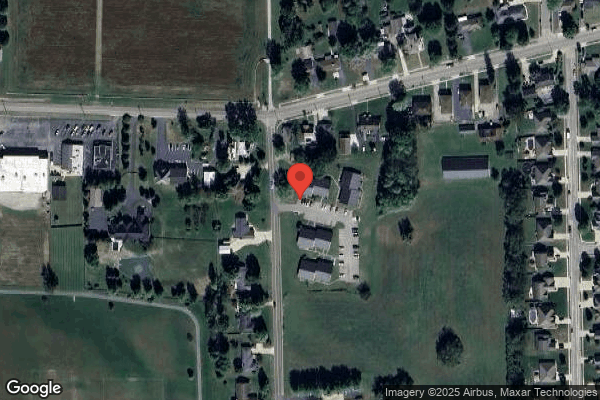
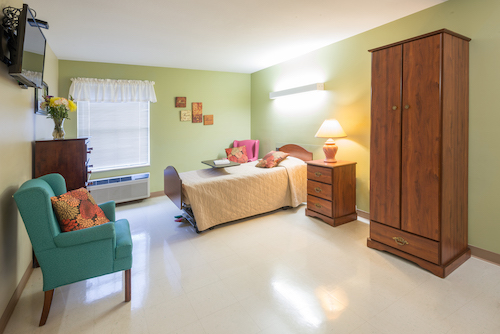
300 ASTORIA ROAD, GERMANTOWN, OH 45327 (937) 855-2363
For profit - Corporation 50 Beds SABER HEALTHCARE GROUP Data: November 2025
Trust Grade
90/100
#16 of 913 in OH
Last Inspection: July 2022

Over 2 years since last inspection. Current conditions may differ from available data.

Overview

Astoria Health & Rehab Center in Germantown, Ohio, has received an excellent Trust Grade of A, indicating a high level of quality care. It ranks #16 out of 913 facilities in Ohio, placing it in the top half of all nursing homes in the state, and is the top facility out of 40 in Montgomery County. The facility is improving, with issues decreasing from five in 2018 to none in 2022. Staffing is rated 3 out of 5 stars, with a turnover rate of 42%, which is better than the Ohio average, suggesting that many staff members remain long-term. While there have been no fines, which is a positive sign, there were five concerns identified during inspections, including failure to provide important bed hold information to hospitalized residents and inaccuracies in residents' medical assessments, which could potentially impact their care.

Trust Score
A
90/100
In Ohio
#16/913
Top 1%
Safety Record
Low Risk
No red flags
Inspections
Getting Better
5 → 0 violations
Staff Stability
○ Average
42% turnover. Near Ohio's 48% average. Typical for the industry.
Penalties
✓ Good
No fines on record. Clean compliance history, better than most Ohio facilities.
Skilled Nurses
○ Average
Each resident gets 36 minutes of Registered Nurse (RN) attention daily — about average for Ohio. RNs are the most trained staff who monitor for health changes.
Violations
✓ Good
Only 5 deficiencies on record. Cleaner than most facilities. Minor issues only.
★★★★★
5.0
Overall Rating
★★★☆☆
3.0
Staff Levels
★★★★★
5.0
Care Quality
★★★★★
5.0
Inspection Score
Stable
2018: 5 issues
2022: 0 issues

The Good

  • 5-Star Quality Measures · Strong clinical quality outcomes
  • Full Sprinkler Coverage · Fire safety systems throughout facility
  • No fines on record
  • Staff turnover below average (42%)

    6 points below Ohio average of 48%

Facility shows strength in quality measures, fire safety.

The Bad

Staff Turnover: 42%

Near Ohio avg (46%)

Typical for the industry

Chain: SABER HEALTHCARE GROUP

Part of a multi-facility chain

Ask about local staffing decisions and management

The Ugly 5 deficiencies on record

Mar 2018 5 deficiencies
CONCERN (D)

Potential for Harm - no one hurt, but risky conditions existed

Deficiency F0625 (Tag F0625)

Could have caused harm · This affected 1 resident

**NOTE- TERMS IN BRACKETS HAVE BEEN EDITED TO PROTECT CONFIDENTIALITY** Based on closed medical record review and staff interview, the facility failed to provide bed hold information to residents when...

Read full inspector narrative →
**NOTE- TERMS IN BRACKETS HAVE BEEN EDITED TO PROTECT CONFIDENTIALITY** Based on closed medical record review and staff interview, the facility failed to provide bed hold information to residents when hospitalized . This affected one Resident (#46) of one resident reviewed for hospitalizations. The facility census was 44. Findings include: Review of the closed medical record revealed Resident #46 was admitted on [DATE] with diagnoses including severe sepsis with septic shock, dysphagia, type II diabetes mellitus, Wernicke's encephalopathy, acute embolism and thrombosis of deep veins of lower extremity, ileus, and gastrointestinal hemorrhage. The admission Minimum Data Set (MDS) assessment dated [DATE] documented the resident had adequate hearing, clear speech, vision impairment, a Brief Interview for Mental Status (BIMS) score of 13 out of 15, signs of delirium, and fluctuating periods and severity of inattention and disorganized thinking. The assessment further indicated the resident required extensive assist to total dependence for activities of daily living (ADLs). A review of the medical record revealed the resident was transferred to an acute care hospital emergency room on [DATE] after an acute change in condition. The medical record contained no evidence that bed hold information was provided to the resident or the resident's representative at the time of the hospitalization. Interview with Business Office Manager (BOM) #90 on 03/28/18 at 2:37 P.M. verified no bed hold notice was provided at the time of the hospitalization. BOM #90 further reported a bed hold notice was not warranted because the resident was discharged . Interview with Social Service Director (SSD) #50 on 03/28/18 at 3:41 P.M. revealed the resident's representative was planning to have the resident discharged to a different long term care facility, but the discharge had not occurred prior to the resident's hospitalization. SSD #50 verified the resident was hospitalized on [DATE] and not yet discharged . Review of a Bed Hold Notice provided by the facility documented, This notice is to be provided to the resident and his/her representative at the time of the transfer. In the case of an emergency, the paperwork should be provide within 24 hours.
CONCERN (D)

Potential for Harm - no one hurt, but risky conditions existed

Assessment Accuracy (Tag F0641)

Could have caused harm · This affected 1 resident

**NOTE- TERMS IN BRACKETS HAVE BEEN EDITED TO PROTECT CONFIDENTIALITY** 3. Review of the medical record revealed Resident #43 was admitted on [DATE]. A review of the admission physician order sheet si...

Read full inspector narrative →
**NOTE- TERMS IN BRACKETS HAVE BEEN EDITED TO PROTECT CONFIDENTIALITY** 3. Review of the medical record revealed Resident #43 was admitted on [DATE]. A review of the admission physician order sheet signed and dated by the resident's physician on 02/16/18 documented diagnoses of anxiety disorder, major depressive disorder, and schizophrenia. The facility completed a comprehensive admission Minimum Data Set (MDS) assessment dated [DATE]. Section I of the assessment, which pertained to active diagnoses, contained no documentation of the resident's active diagnoses of anxiety, depression, or schizophrenia. Interview on 03/29/18 at 2:11 P.M. with Registered Nurse (RN) #100 verified the order sheet contained diagnoses of anxiety, major depression, and schizophrenia and the admission MDS dated [DATE] did not include these diagnoses. Based on resident record review and staff interview, the facility failed to accurately complete minimum data set (MDS) assessments. This affected three Resident's (#34,#27 and #43) of 14 reviewed. The facility census was 44. Findings include: 1. Review of the medical record for Resident #34 revealed the resident was initially admitted to the facility on [DATE]. Diagnoses included diabetes mellitus type two, bipolar disorder, lack of coordination, hypertension, pneumonia, hyperlipidemia, chronic obstructive pulmonary disease, muscle weakness, acidosis, cerebrovascular disease, and hypoxia. Review of the document titled, Evaluation of Oral/Dental Status dated 04/03/17, revealed the resident had no teeth. Continued review of the medical record for Resident #34 revealed the resident was assessed by the dentist on 01/30/18. Dental assessment documentation revealed the resident was edentulous. Review of Resident #34's admission minimum data set (MDS) assessment dated [DATE], section L specific to dental, section B. No natural teeth or tooth fragments (edentulous) was documented no. Interview on 03/28/18 at 1:57 P.M. with Registered Nurse (RN) #100 verified the admission MDS assessment dated [DATE], section L specific to dental status was incorrect. RN #100 verified Resident #34 was edentulous. 2. Review of the medical record for Resident #27 revealed the resident was admitted to the facility on [DATE]. Diagnoses included congestive heart failure, anemia, blind in left eye, coronary artery disease, diabetes mellitus type two, edema, hyperlipidemia, hypertension, osteoarthritis, pneumonia, pressure ulcer stage three, ulcerative colitis, and a history of uterine cancer. Review of the document titled, Foley Catheter Justification dated 02/21/18, revealed Resident #27 had a urinary catheter in place to assist in healing of a perineal wound. Review of the admission MDS assessment dated [DATE], section H specific to bowel and bladder revealed no documentation of the indwelling catheter utilized by Resident #27. Observation on 03/27/18 at 9:39 A.M. of Resident #27 revealed a indwelling urinary catheter was in place. Interview on 03/27/18 at 9:40 A.M. with Resident #27 revealed the indwelling catheter was placed prior to admission to the facility. Resident #27 revealed the catheter was being used to assist with the healing of a pressure wound. Interview on 03/28/18 at 1:54 P.M. with RN #100 revealed Resident #27 had an indwelling catheter in place when the resident was admitted to the facility. RN #100 verified section H of the admission MDS assessment dated [DATE], for Resident #27 did not identify the use of an indwelling catheter.
CONCERN (D)

Potential for Harm - no one hurt, but risky conditions existed

PASARR Coordination (Tag F0644)

Could have caused harm · This affected 1 resident

**NOTE- TERMS IN BRACKETS HAVE BEEN EDITED TO PROTECT CONFIDENTIALITY** Based on medical record review, review of Minimum Data Set (MDS) assessments and staff interview the facility failed to have res...

Read full inspector narrative →
**NOTE- TERMS IN BRACKETS HAVE BEEN EDITED TO PROTECT CONFIDENTIALITY** Based on medical record review, review of Minimum Data Set (MDS) assessments and staff interview the facility failed to have resident's re-screened for pre-admission screening and resident review (PASARR) level II services. This affected one Resident (#20) of two reviewed for PASARR II services. The facility census was 44. Findings include: Review of Resident #20's medical record revealed an admission date of 06/09/15 with diagnoses included muscle weakness, anxiety disorder, atrial fibrillation, major depressive disorder, insomnia, panic disorder, major depressive disorder and post-traumatic stress disorder (PTSD). Further review revealed the diagnoses of major depressive disorder and PTSD were added on 06/02/17 and panic disorder was added on 08/02/17. Review of a pre-admission screen (PAS) dated 06/16/15 revealed under section D (indications of serious mental illness) Resident #20 was documented as not having any of the mental disorders listed. Resident #20 was marked as being not applicable for PASARR II screening/services. Review of a significant change MDS assessment dated [DATE] revealed anxiety disorder, depression and PTSD were checked as active diagnoses. Resident #20 did not have active diagnoses of Alzheimer's disease or non-Alzheimer's dementia. Resident #20's brief interview for mental status (BIMS) score on this assessment was 15, cognitively intact. During further review of Resident #20's medical record no further PAS/PASARR screenings were found. During an interview on 03/28/18 at 4:52 P.M. Social Services Director (SSD) #50 confirmed Resident #20 was not be re-screened for PASARR level II services determination after the addition of major depressive disorder, panic disorder and PTSD to her diagnoses or after her significant change MDS assessment dated [DATE] was completed.
CONCERN (D)

Potential for Harm - no one hurt, but risky conditions existed

Deficiency F0657 (Tag F0657)

Could have caused harm · This affected 1 resident

**NOTE- TERMS IN BRACKETS HAVE BEEN EDITED TO PROTECT CONFIDENTIALITY** Based on medical record review, staff and resident interview, and review of facility policy, the facility failed to document the...

Read full inspector narrative →
**NOTE- TERMS IN BRACKETS HAVE BEEN EDITED TO PROTECT CONFIDENTIALITY** Based on medical record review, staff and resident interview, and review of facility policy, the facility failed to document the resident's participation in developing the care plan. This affected one Resident (#33) of one reviewed for care planning. The facility census was 44. Findings include: Resident #33 was admitted on [DATE] with diagnoses including Alzheimer's disease, anxiety disorder, hypertension, and major depressive disorder. The quarterly Minimum Data Set (MDS) assessment dated [DATE] documented the resident had adequate hearing and vision, usually made self understood and understood others, had a Brief Interview for Mental Status (BIMS) score of three out of 15, had no potential indicators of psychosis, and required supervision for activities of daily living (ADLs). A Care Plan Conference Summary dated 03/06/18 revealed a care plan conference was attended by members of the interdisciplinary team and the resident's representative attended via telephone. The medical record contained no evidence the care plan was discussed with the resident or that it was not practicable for the resident to attend the care plan meeting. During an interview on 03/27/18 at 10:28 A.M., Resident #33 denied being invited to a meeting to discuss a care plan. Interview on 03/28/18 at 9:32 A.M. with Social Service Director (SSD) #50 revealed Resident #33 did not attend the care plan meeting because of the resident's cognition. SSD #50 verified the medical record contained no evidence that the resident was invited to or participated in the care plan meeting, or that it was not feasible for the resident to attend. Review of the Care Conference facility policy with revision date of 8/2015 revealed the facility would hold regular interdisciplinary care conferences for the purpose of providing resident, family, and team communication in planning and developing an individualized plan of care. The policy further indicated, Each resident shall be invited to participate in their conference. At the resident's discretion, the family shall be invited to participate also. The coordination of the care conference and documentation is the responsibility of the MDS Coordinator or his/her designee.
CONCERN (D)

Potential for Harm - no one hurt, but risky conditions existed

Deficiency F0776 (Tag F0776)

Could have caused harm · This affected 1 resident

**NOTE- TERMS IN BRACKETS HAVE BEEN EDITED TO PROTECT CONFIDENTIALITY** Based on record review and staff interview, the facility failed to timely schedule diagnostic services. This affected one (#34) ...

Read full inspector narrative →
**NOTE- TERMS IN BRACKETS HAVE BEEN EDITED TO PROTECT CONFIDENTIALITY** Based on record review and staff interview, the facility failed to timely schedule diagnostic services. This affected one (#34) of six residents reviewed for ancillary services. The census was 44. Findings include: Review of the medical record for Resident #34 revealed the resident was initially admitted to the facility on [DATE]. Diagnoses included diabetes mellitus type two, bipolar disorder, lack of coordination, hypertension, pneumonia, hyperlipidemia, chronic obstructive pulmonary disease, muscle weakness, acidosis, cerebrovascular disease, and hypoxia. Review of neurological consultation documentation dated 01/19/18, revealed Resident #34 was scheduled for magnetic resonance imaging (MRI) of the cervical spine on 01/30/18. Review of the progress note dated 01/29/18 at 2:11 P.M. revealed the MRI scheduled on 01/30/18 for Resident #34 was canceled due to payer source. Further review of the progress note dated 02/23/18 at 2:58 P.M. revealed the MRI for Resident #34 was rescheduled for 02/26/18. The medical record contained no documentation of the facility attempting to reschedule the appointment prior to 02/23/18. Interview on 03/29/18 at 2:00 P.M. with the Director of Nursing verified the medical record for Resident #34 contained no documentation of the facility attempting to reschedule the MRI until 26 days after the appointment was canceled.
Understanding Severity Codes (click to expand)
Life-Threatening (Immediate Jeopardy)
J - Isolated K - Pattern L - Widespread
Actual Harm
G - Isolated H - Pattern I - Widespread
Potential for Harm
D - Isolated E - Pattern F - Widespread
No Harm (Minor)
A - Isolated B - Pattern C - Widespread

Questions to Ask on Your Visit

  • "Can I speak with families of current residents?"
  • "What's your RN coverage like on weekends and overnight?"

Our Honest Assessment

Strengths
  • • Grade A (90/100). Above average facility, better than most options in Ohio.
  • • No major safety red flags. No abuse findings, life-threatening violations, or SFF status.
  • • No fines on record. Clean compliance history, better than most Ohio facilities.
  • • Only 5 deficiencies on record. Cleaner than most facilities. Minor issues only.
Concerns
  • • No significant concerns identified. This facility shows no red flags across CMS ratings, staff turnover, or federal penalties.
Bottom line: Generally positive indicators. Standard due diligence and a personal visit recommended.

About This Facility

What is Astoria Health & Rehab Center's CMS Rating?

CMS assigns ASTORIA HEALTH & REHAB CENTER an overall rating of 5 out of 5 stars, which is considered much above average nationally. Within Ohio, this rating places the facility higher than 99% of the state's 100 nursing homes. This rating reflects solid performance across the metrics CMS uses to evaluate nursing home quality.
How is Astoria Health & Rehab Center Staffed?

CMS rates ASTORIA HEALTH & REHAB CENTER's staffing level at 3 out of 5 stars, which is average compared to other nursing homes. Staff turnover is 42%, compared to the Ohio average of 46%. This relatively stable workforce can support continuity of care.

What Have Inspectors Found at Astoria Health & Rehab Center?

State health inspectors documented 5 deficiencies at ASTORIA HEALTH & REHAB CENTER during 2018. These included: 5 with potential for harm.
Who Owns and Operates Astoria Health & Rehab Center?

ASTORIA HEALTH & REHAB CENTER is owned by a for-profit company. For-profit facilities operate as businesses with obligations to shareholders or private owners. The facility is operated by SABER HEALTHCARE GROUP, a chain that manages multiple nursing homes. With 50 certified beds and approximately 39 residents (about 78% occupancy), it is a smaller facility located in GERMANTOWN, Ohio.
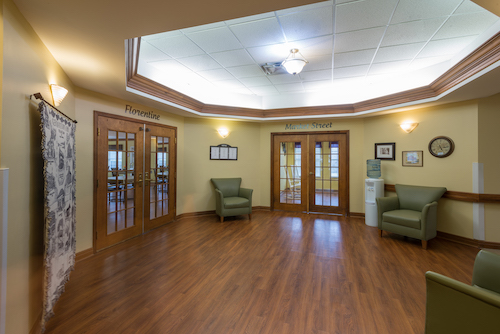
How Does Astoria Health & Rehab Center Compare to Other Ohio Nursing Homes?

Compared to the 100 nursing homes in Ohio, ASTORIA HEALTH & REHAB CENTER's overall rating (5 stars) is above the state average of 3.2, staff turnover (42%) is near the state average of 46%, and health inspection rating (5 stars) is much above the national benchmark.

What Should Families Ask When Visiting Astoria Health & Rehab Center?

Based on this facility's data, families visiting should ask: "Can I visit during a mealtime to observe dining assistance and food quality?" "How do you handle medical emergencies, and what is your hospital transfer rate?" "Can I speak with family members of current residents about their experience?"

Is Astoria Health & Rehab Center Safe?

Based on CMS inspection data, ASTORIA HEALTH & REHAB CENTER has a clean safety record: no substantiated abuse findings (meaning no confirmed cases of resident harm), no Immediate Jeopardy citations (the most serious violation level indicating risk of serious injury or death), and is not on the Special Focus Facility watch list (a federal program monitoring the lowest-performing 1% of nursing homes). The facility has a 5-star overall rating and ranks #1 of 100 nursing homes in Ohio. While no facility is perfect, families should still ask about staff-to-resident ratios and recent inspection results during their visit.

Do Nurses at Astoria Health & Rehab Center Stick Around?

ASTORIA HEALTH & REHAB CENTER has a staff turnover rate of 42%, which is about average for Ohio nursing homes (state average: 46%). Moderate turnover is common in nursing homes, but families should still ask about staff tenure and how the facility maintains care continuity when employees leave.

Was Astoria Health & Rehab Center Ever Fined?

ASTORIA HEALTH & REHAB CENTER has no federal fines on record. CMS issues fines when nursing homes fail to meet care standards or don't correct problems found during inspections. The absence of fines suggests the facility has either maintained compliance or corrected any issues before penalties were assessed. This is a positive indicator, though families should still review recent inspection reports for the full picture.

Is Astoria Health & Rehab Center on Any Federal Watch List?

ASTORIA HEALTH & REHAB CENTER is not on any federal watch list. The most significant is the Special Focus Facility (SFF) program, which identifies the bottom 1% of nursing homes nationally based on persistent, serious quality problems. Not being on this list means the facility has avoided the pattern of deficiencies that triggers enhanced federal oversight. This is a positive indicator, though families should still review the facility's inspection history directly.