SHEPHERD OF THE VALLEY LIBERTY
1501 TIBBETTS WICK ROAD, GIRARD, OH 44420 (330) 544-0771
Non profit - Corporation 79 Beds Independent Data: November 2025
Trust Grade
60/100
#545 of 913 in OH
Last Inspection: October 2023

Over 2 years since last inspection. Current conditions may differ from available data.

Overview

Shepherd of the Valley Liberty in Girard, Ohio, has a Trust Grade of C+, which means it is slightly above average but not exceptional. It ranks #545 out of 913 facilities in Ohio, placing it in the bottom half, and #8 out of 17 in Trumbull County, indicating that only a few local options are better. The facility’s trend is improving, with issues decreasing from 7 in 2023 to just 1 in 2025. Staffing is rated average with a turnover rate of 46%, which is slightly better than the state average, and there have been no fines reported, which is a positive sign. However, there have been some serious concerns, including a fall incident where a resident sustained significant injuries because their fall prevention measures were not properly implemented, as well as cleanliness issues in resident rooms that could affect overall health.

Trust Score
C+
60/100
In Ohio
#545/913
Bottom 41%
Safety Record
Moderate
Needs review
Inspections
Getting Better
7 → 1 violations
Staff Stability
⚠ Watch
46% turnover. Above average. Higher turnover means staff may not know residents' routines.
Penalties
✓ Good
No fines on record. Clean compliance history, better than most Ohio facilities.
Skilled Nurses
○ Average
Each resident gets 39 minutes of Registered Nurse (RN) attention daily — about average for Ohio. RNs are the most trained staff who monitor for health changes.
Violations
⚠ Watch
18 deficiencies on record. Higher than average. Multiple issues found across inspections.
★★★☆☆
3.0
Overall Rating
★★★☆☆
3.0
Staff Levels
★★★☆☆
3.0
Care Quality
★★★☆☆
3.0
Inspection Score
Stable
2023: 7 issues
2025: 1 issues

The Good

  • Full Sprinkler Coverage · Fire safety systems throughout facility
  • No fines on record

Facility shows strength in fire safety.

The Bad

3-Star Overall Rating

Near Ohio average (3.2)

Meets federal standards, typical of most facilities

Staff Turnover: 46%

Near Ohio avg (46%)

Higher turnover may affect care consistency

The Ugly 18 deficiencies on record

1 actual harm
May 2025 1 deficiency
CONCERN (F) 📢 Someone Reported This

A family member, employee, or ombudsman was alarmed enough to file a formal complaint

Potential for Harm - no one hurt, but risky conditions existed

Safe Environment (Tag F0921)

Could have caused harm · This affected most or all residents

**NOTE- TERMS IN BRACKETS HAVE BEEN EDITED TO PROTECT CONFIDENTIALITY** Based on observation, interview and record review the facility failed to maintain a clean environment, including mechanical lift...

Read full inspector narrative →
**NOTE- TERMS IN BRACKETS HAVE BEEN EDITED TO PROTECT CONFIDENTIALITY** Based on observation, interview and record review the facility failed to maintain a clean environment, including mechanical lifts. This affected Resident #3 and had the potential to affect all 65 residents residing in the facility. Findings include: On 05/07/25 between 9:30 A.M. and 10:30 A.M. an initial tour of the building was conducted with the Assistant Director of Nursing (ADON) #112. Resident #3's room was noted to have a dirty floor with visible crumbs and a visible dust buildup behind the door. The toilet in Resident #3's room was noted to have a yellow and streaks around the outer bowl of the toilet. There was also a brown spot on the wall between the toilet and the sink that appeared to be dried feces. The baseboards in the 500 hall were noted to have a white dust buildup on them. The fireplaces in the 500 and 600 halls were noted to have a heavy dust buildup at the bases of each unit. The table in the hall between the skilled nursing unit and the common area was noted to have a heavy dust buildup on the bottom ring. There were no housekeepers noted in the resident areas. The [NAME] lift (a mechanical lift devise used to assist residents from a sit to stand position) located in the 500 hall was noted to have a white buildup on each of the side pads and a dirt buildup on the foot rest. A Hoyer lift (a mechanical lift utilized to lift a resident) located in the 500 hall was noted to have a visible dirt buildup at the base and a buildup ,of visible crumbs and debris on the foot rest. A Hoyer lift located in room [ROOM NUMBER] was noted to have a visible dirt build up at the base of the unit. The aforementioned findings were verified by ADON #112 at the time of the observation. On 05/07/25 at 10:35 A.M. an interview with Environmental Services Supervisor (ESS) #165 revealed resident rooms do not get cleaned every day. They get cleaned every three days. ESS #165 stated housekeeping services are subcontracted out to Serve Pro. ESS #165 stated he audits five rooms daily for cleanliness. ESS #165 also stated Serve Pro sends him pictures of rooms that were cleaned as they are completed. ESS #165 stated Resident #3's was cleaned on 05/05/25 and had pictures of the bathroom. A review of the photo titled the room number Resident #3 resided in revealed the toilet had visible brown and yellow streaks on the outer bowl. The photo also revealed the brown spot located on the wall between the toilet and the sink in Resident #3's room. ESS #165 verified the visible brown and yellow streaks on the outer bowl of the toilet and the brown spot located on the wall between the toilet and the sink in the picture. ESS #165 stated the porter is responsible for baseboard, fireplace and table cleaning. ESS #165 stated there is no set schedule for the porter cleaning but if they see dust they should clean it. On 05/07/25 at 10:45 A.M. an interview with Serve Pro Manager (SPM) #161 revealed housekeeping was provided to the facility seven days a week from 7:30 A.M. until 3:30 P.M. SPM #161 stated the facility cut housekeeping over the weekends to one person and cleaning in the skilled nursing units is only done as needed on the weekends. SPM #161 stated the porter is an employee of Serve Pro and should have wiped down the baseboards and the base of the fireplaces when they saw the dust on them. On 05/07/25 at 2:35 P.M. an interview with Housekeeper (HK) #162 revealed some rooms are cleaned daily and some rooms are cleaned every other day. HK #162 stated she cleans resident bathrooms as needed. A review of Resident Council meeting minutes dated 03/27/25 revealed ESS #165 was following up on Serve Pro issues. A review of Resident Council meeting minutes dated 04/24/25 revealed there are to be two Serve Pro employees in nursing every day. A review of the Resident Handbook page 20 that was undated revealed it is the goal to provide a clean and comfortable living arrangement and housekeeping will do a thorough cleaning once every day. A review of the document title; Porter Workflow Sheet that was undated revealed carpets on all nursing units are to be vacuumed twice per week. The flow sheet revealed walls are to be cleaned as you see them marked or have food on them. The flow sheet also revealed, If you see it, clean it. A review of the document titled; Audit Tool for Routine Daily Patient Room Cleaning dated 10/12/12 revealed toilets including attached seats, handle and underside of flush rim are to be cleaned. A review of the document titled; Nursing Environmental Audit that was undated revealed under the subtitle bathroom, the commode is cleaned and sanitized inside and out clear to the floor. This deficiency represents non-compliance investigated under Complaint Number OH00163463.
Oct 2023 7 deficiencies 1 Harm
SERIOUS (G)

Actual Harm - a resident was hurt due to facility failures

Accident Prevention (Tag F0689)

A resident was harmed · This affected 1 resident

**NOTE- TERMS IN BRACKETS HAVE BEEN EDITED TO PROTECT CONFIDENTIALITY** Based on observation, record review, interview, and facility policy review the facility failed prevent a fall with injury for Re...

Read full inspector narrative →
**NOTE- TERMS IN BRACKETS HAVE BEEN EDITED TO PROTECT CONFIDENTIALITY** Based on observation, record review, interview, and facility policy review the facility failed prevent a fall with injury for Resident #20. Actual Harm occurred on 07/13/23 when Resident #20 who required extensive assistance of one person for bed mobility, did not have fall prevention interventions in place, fell from bed and sustained large left periorbital and front scalp hematomas (an injury that causes blood to collect and pull under the skin) and a fracture involving the left orbital roof extending into the left frontal sinus. This affected one resident (#20) of three residents reviewed for falls. The facility census was 60. Findings include: Review of the medical record for Resident #20 revealed an admission date of 11/28/22 with diagnosis including diabetes, kidney failure, heart disease, and dementia. Review of the fall risk evaluation dated 05/23/23 revealed Resident #20 was at risk for falls. Review of the care plan dated 06/26/23 revealed Resident #20 was at risk for falls due to confusion, incontinence, and balance problems. Interventions included a falling star magnet on the doorway to alert staff to risk of frequent falls, a fall mat to the open side of the bed when the resident was in bed, and the bed was to be against the wall and in the lowest position when in the resident was in bed. Review of the quarterly Minimum Data Set (MDS) 3.0 assessment dated [DATE] revealed Resident #20 was severely cognitively impaired. The assessment revealed the resident required extensive assistance of two people for transfers and toilet use, extensive assistance of one person for bed mobility, dressing, and hygiene and supervision of one person for eating. The MDS revealed the resident had sustained one fall since the previous assessment. Review of a progress note dated 07/13/23 and timed 10:04 P.M. revealed Resident #20 was calling out when the State Tested Nursing Assistant (STNA) and nurse walked into her room and found her on the floor. The (resident's) bed was at hip level and there was no fall mat on the floor. Resident #20 had a hematoma noted to her left eye, small skin tears to her right arm and left knee, and her right knee appeared swollen. Vitals were obtained and the resident was transferred to the Emergency Department (ED) via 911. Review of the hospital paperwork dated 07/14/23 revealed Resident #20 was treated for an unwitnessed fall from her bed. She had a hematoma above her left eye, abrasions on her left leg, and a bruise to her left upper lip. An x-ray of her left knee was obtained with no fracture identified and a computerized tomography (CT) scan of the head was completed with large left periorbital and front scalp hematomas discovered. Review of the fall investigation dated 07/14/23 revealed Resident #20 was observed on the floor in her room. She had a large hematoma to her left eye and a skin tear to her arm and leg. She was sent to the ED for evaluation. She was being treated for a urinary tract infection (UTI) at the time. The investigation revealed the resident had multiple interventions due to previous falls. However, there was no mat to the left side of her bed and her bed was not in the lowest position. The Treatment Administration Record (TAR) revealed the nurse had verified the interventions were in place. Interview on 10/04/23 at 2:36 P.M. with Licensed Practical Nurse (LPN) #515 revealed on 07/13/23 she and the agency STNA she was working with heard yelling which sounded like Resident #20. They went to her room and found her lying on the floor, her bed was at hip level, and there was no fall mat on the floor which was an ordered intervention. She revealed she told the agency STNA earlier in the shift to make sure they (the fall mat and bed in low position) were in place earlier, but she must not have. The resident was flat on her back and her face was bruised. She put a pillow under the resident's head while the STNA stayed with the resident, and called the family, the physician, and 911. She took the resident's vital signs, and her blood pressure was elevated. She revealed a hematoma over her left eye developed quickly, but she never lost consciousness. The LPN could not recall if the resident could tell her what she was doing, but stated she was often confused. LPN #515 revealed staff needed to do better about ensuring interventions were in place. She revealed she was not asked to complete a witness statement as part of a fall investigation, just a fall report. Interview on 10/05/23 at 9:42 A.M. with the Director of Nursing (DON) confirmed the investigation of the fall for Resident #20 revealed fall interventions were not in place at the time of the fall. If the fall interventions had been in place, Resident #20 may not have sustained the injuries she did. Review of the facility policy titled Falls Reduction Policy, dated 01/01/15, revealed the facility would put interventions in place to reduce falls and minimize the risk of injury.
CONCERN (D)

Potential for Harm - no one hurt, but risky conditions existed

Deficiency F0602 (Tag F0602)

Could have caused harm · This affected 1 resident

**NOTE- TERMS IN BRACKETS HAVE BEEN EDITED TO PROTECT CONFIDENTIALITY** THE FOLLOWING DEFICIENCY REPRESENTS AN INCIDENT OF PAST NON-COMPLIANCE THAT WAS SUBSEQUENTLY CORRECTED PRIOR TO THIS SURVEY. Bas...

Read full inspector narrative →
**NOTE- TERMS IN BRACKETS HAVE BEEN EDITED TO PROTECT CONFIDENTIALITY** THE FOLLOWING DEFICIENCY REPRESENTS AN INCIDENT OF PAST NON-COMPLIANCE THAT WAS SUBSEQUENTLY CORRECTED PRIOR TO THIS SURVEY. Based on record review, staff interview, police report review, and facility self-reported incident (SRI) review the facility failed to ensure Resident #43 was free from misappropriation. This affected one resident (#43) out of twenty-one residents reviewed for misappropriation of property. The facility census was 60. Findings include: Review of the medical record revealed Resident #43 was admitted to the facility on [DATE] with diagnoses including dementia, anxiety disorder, major depressive disorder, and type two diabetes. Review of the significant change Minimum Data Set (MDS) 3.0 assessment dated [DATE] revealed Resident #43 was severely impaired cognitively and exhibited disorganized thinking and altered level of consciousness behaviors which fluctuated. Resident #43 required limited assistance from one staff member for completion of his activities of daily living. Review of facility SRI tracking number (#) 231572 dated 01/29/23 revealed Resident #43's daughter reported to the nurse that her father's debit card was stolen from his wallet and someone was using it. Review of the police report titled Investigative Report Supplement, dated 01/29/23, incident #23-0001124, revealed Detective #703 spoke with Resident #43's daughter, who stated her father's debit card was being used. She stated on 01/29/23 there were purchases made in [NAME], Ohio at Target for 5.95 dollars, Pandora for 80.00 dollars, and Buffalo Wild Wings for 15.78 dollars. There were also purchases made at [NAME] Wireless for 66.00 dollars and a Shell station for ten dollars. On 01/30/23 Resident #43's daughter stated to Detective #703 on 01/28/23 unknown persons attempted to make online transactions with the card at Amazon, CashApp, and T-Mobile; however, they were unsuccessful due to the person not having the proper security codes. Review of the police report titled Investigative Report Supplement, dated 03/16/23, incident #23-0001124, revealed on 02/07/23 Group Home Supervisor #701, where Hospitality Aide #700 resided, was shown video evidence of the fraudulent transactions by Detective #704, which Group Home Supervisor #701 confirmed was completed by Hospitality Aide #700. When asked about the debit card by Detective #704, Hospitality Aide #700 claimed to have found the card on the ground and had not stolen it from Resident #43. Hospitality Aide #700 stated to Detective #704 she no longer was in possession of the card. Guardian #702 was informed by Detective #704 of Hospitality Aide #700's case and was made aware criminal charges would be forthcoming. Interview on 10/03/23 at 8:18 A.M. with Resident #43 confirmed his credit card had been stolen and someone used it. He stated they found the person, and there was a court case. Interview on 10/05/23 at 9:28 A.M. with the Director of Nursing (DON) stated the police had brought in a jump drive of videos of Hospitality Aide #700 using Resident #43's debit card for her to view. The DON stated she saw Hospitality Aide #700 in those videos using Resident #43's card in Target and Starbucks and confirmed she had taken Resident #43's debit card. The DON stated Resident #43's bank had either reimbursed or stopped payment for items purchased with card. Review of personnel file for Hospitality Aide #700 revealed a hire date of 01/16/23. Hospitality Aide #700 was terminated 02/02/23 because the criminal background check, completed by the Ohio Bureau of Criminal Investigation, showed criminal charges of theft. The deficient practice was corrected on 02/13/23 when the facility implemented the following corrective actions: • Resident #43 was reimbursed on 01/29/23. • All staff were re-educated on the Abuse Prohibition Policy on 1/30/23. • Hospitality Aide #700 was terminated 02/02/23. • On 02/03/23, the DON interviewed interviewable residents who were on the same hallway, and no other residents voiced concerns of misappropriated property. • On 02/06/23, the police shared the video footage with the facility which also confirmed it was Hospitality Aide #700 using Resident #43's debit card. • Beginning on 02/13/23 the DON/Designee randomly interviewed three staff members from all departments three times a week for three weeks on the Abuse Prohibition Policy.
CONCERN (D)

Potential for Harm - no one hurt, but risky conditions existed

Abuse Prevention Policies (Tag F0607)

Could have caused harm · This affected 1 resident

**NOTE- TERMS IN BRACKETS HAVE BEEN EDITED TO PROTECT CONFIDENTIALITY** THE FOLLOWING DEFICIENCY REPRESENTS AN INCIDENT OF PAST NON-COMPLIANCE THAT WAS SUBSEQUENTLY CORRECTED PRIOR TO THIS SURVEY. Bas...

Read full inspector narrative →
**NOTE- TERMS IN BRACKETS HAVE BEEN EDITED TO PROTECT CONFIDENTIALITY** THE FOLLOWING DEFICIENCY REPRESENTS AN INCIDENT OF PAST NON-COMPLIANCE THAT WAS SUBSEQUENTLY CORRECTED PRIOR TO THIS SURVEY. Based on record review, staff interview, police records review, self-reported incident (SRI) review, and facility policy review the facility failed to ensure their abuse policy was implemented to prevent staff misappropriation of property from Resident #43. This affected one resident (#43) of twenty-one residents reviewed for abuse, neglect, and misappropriation. The facility census was 60. Findings include: Review of the medical record revealed Resident #43 was admitted to the facility on [DATE] with diagnoses including dementia, anxiety disorder, major depressive disorder, and type two diabetes. Review of the significant change Minimum Data Set (MDS) 3.0 assessment dated [DATE] revealed Resident #43 was severely impaired cognitively and exhibited disorganized thinking and altered level of consciousness behaviors which fluctuated. Resident #43 required limited assistance from one staff member for completion of his activities of daily living. Review of facility SRI tracking number (#)231572 dated 01/29/23 revealed Resident #43's daughter reported her father's debit card was stolen from his wallet and someone was using it. Interview on 10/03/23 at 8:18 A.M. with Resident #43 confirmed his credit card (debit) was stolen and someone used it. He stated they found the person, and there was a court case. Interview on 10/05/23 at 9:28 A.M. with the Director of Nursing (DON) verified their policy was not implemented as the video evidence brought in by Detective #704 on 02/06/23 confirmed Hospitality Aide #700 had taken Resident #43's debit card and used it to purchase items at Target and Starbucks. Review of the police report related to SRI #231572 revealed on 02/07/23 Group Home Supervisor #701, where Hospitality Aide resided, was shown video evidence by Detective #704 of fraudulent transactions, which Group Home Supervisor #701 confirmed was Hospitality Aide #700. When asked about the debit card by Detective #704, Hospitality Aide #700 claimed to have found the card on the ground and had not stolen it from Resident #43. Hospitality Aide #700 told Detective #704 she no longer was in possession of the card. Guardian #702 was informed by Detective #704 of Hospitality Aide #700's case and was made aware criminal charges would be forthcoming. Review of personnel file for Hospitality Aide #700 revealed a hire date of 01/16/23. Hospitality Aide #700 was terminated 02/02/23 because the criminal background check, completed by the Ohio Bureau of Criminal Investigation, showed criminal charges of theft. Review of the facility policy titled Abuse Prohibition, revised 06/27/23, revealed residents would be free of misappropriation, the deliberate wrongful use of a resident's belongings or money without the resident's consent. The deficient practice was corrected on 02/13/23 when the facility implemented the following corrective actions: • Resident #43 was reimbursed on 01/29/23. • All staff were re-educated on the Abuse Prohibition Policy on 1/30/23. • Hospitality Aide #700 was terminated 02/02/23. • On 02/03/23, the DON interviewed interviewable residents who were on the same hallway, and no other residents voiced concerns of misappropriated property. • On 02/06/23, the police shared the video footage with the facility which also confirmed it was Hospitality Aide #700 using Resident #43's debit card. • Beginning on 02/13/23 the DON/Designee randomly interviewed three staff members from all departments three times a week for three weeks on the Abuse Prohibition Policy.
CONCERN (D)

Potential for Harm - no one hurt, but risky conditions existed

Respiratory Care (Tag F0695)

Could have caused harm · This affected 1 resident

**NOTE- TERMS IN BRACKETS HAVE BEEN EDITED TO PROTECT CONFIDENTIALITY** Based on observation, interview, record review, and facility policy review the facility failed to administer oxygen to Resident ...

Read full inspector narrative →
**NOTE- TERMS IN BRACKETS HAVE BEEN EDITED TO PROTECT CONFIDENTIALITY** Based on observation, interview, record review, and facility policy review the facility failed to administer oxygen to Resident #15 as ordered by the physician. This affected one resident (#15) of three residents review for respiratory care. The facility census was 98. Findings include: Review of the medical record for Resident #15 revealed an admission date of 10/04/18. Diagnoses included diabetes, chronic obstructive pulmonary disease (COPD), colitis, and osteoarthritis. Review of the comprehensive Minimum Data Set (MDS) assessment dated [DATE] revealed Resident #15 was severely cognitively impaired. He required total assistance of two people for bed mobility, transfers and toilet use, total assistance of one person for hygiene, extensive assistance of one person for dressing and limited assistance of one person for eating. He was on oxygen. Review of the physician's orders for October 2023 revealed an order for three liters of oxygen continuously. Review of the care plan dated 08/10/23 revealed nothing related to oxygen use or respiratory care for Resident #15. Observation on 10/02/23 at 4:17 P.M. revealed Resident #15's oxygen was in use and set to one liter. Interview on 10/02/23 at the time of the observation with State Tested Nurses Assistant (STNA) #534 confirmed the oxygen tank was set to one liter. Interview on 10/02/23 at 4:19 P.M. with Licensed Practical Nurse (LPN) #513 confirmed the order for Resident #15's oxygen was three liters. She entered Resident #15's room, confirmed the oxygen tank was set at one liter, and adjusted it to the correct setting of three liters. Review of the facility policy titled Oxygen Administration, dated 05/06/15, revealed the facility would review and verify the physician's order prior to oxygen administration.
CONCERN (E)

Potential for Harm - no one hurt, but risky conditions existed

Resident Rights (Tag F0550)

Could have caused harm · This affected multiple residents

Based on observation, staff interviews, and facility policy review the facility failed to ensure Residents were fed in a dignified manner. This affected six residents (#5, #18, #21, #22, #37, #50) out...

Read full inspector narrative →
Based on observation, staff interviews, and facility policy review the facility failed to ensure Residents were fed in a dignified manner. This affected six residents (#5, #18, #21, #22, #37, #50) out of eighteen residents the facility identified as needing physical assistance with meals. The facility census was 60. Findings include: Observation on 10/03/23 from 8:29 A.M. to 8:52 A.M. of staff members feeding and assisting resident with breakfast revealed the following concerns: • Restorative Registered Nurse (RN) #507 was observed standing in the middle of a half circle table feeding Residents #5, #22, and #50 while standing up. • Licensed Practical Nurse (LPN) #520 was observed feeding Residents #18 and #37 sitting at a square table standing up. • State Tested Nursing Assistant (STNA) #538 was observed feeding Residents #21 and #22, who were sitting at the half circle table, while standing up. • RN #503 was observed feeding Resident #18, who was sitting at a square table, while standing up. Interview on 10/03/23 at 8:52 A.M., Speech Therapist #705 confirmed four staff members were standing while feeding residents their breakfast. Interview on 10/04/23 at 4:01 PM, Diet Technician #572 confirmed staff should be seated when feeding residents. Review of the facility policy titled Assistance with Meals, revised February 2014, revealed staff would not stand over residents while assisting them with meals.
CONCERN (E)

Potential for Harm - no one hurt, but risky conditions existed

Comprehensive Care Plan (Tag F0656)

Could have caused harm · This affected multiple residents

**NOTE- TERMS IN BRACKETS HAVE BEEN EDITED TO PROTECT CONFIDENTIALITY** 3. Review of the medical record for Resident #56 revealed an admission date of [DATE], medical diagnoses included Alzheimer's di...

Read full inspector narrative →
**NOTE- TERMS IN BRACKETS HAVE BEEN EDITED TO PROTECT CONFIDENTIALITY** 3. Review of the medical record for Resident #56 revealed an admission date of [DATE], medical diagnoses included Alzheimer's disease with late onset and saddle embolus of pulmonary artery with acute cor pulmonale. Review of the physician orders for Resident #56 revealed an order [DATE] to take coumadin (anticoagulant) 3 milligrams (mg) by mouth daily at 10:00 P.M. Review of the care plan dated [DATE] for Resident #56 revealed the care plan did not include that Resident #56 took an anticoagulant. Interview with LPN #520 on [DATE] at 3:22 P.M. confirmed Resident #56's care plan did not reflect that the resident took an anticoagulant. Based on medical record review, staff interviews, and facility policy review the facility failed to develop comprehensive care plans for Residents #15, #56, #60, and #67. This affected four residents (#15, #56, #60, and #67) out of 20 residents reviewed for care plans. The facility census was 60. Findings include: 1. Review of the medical record for Resident #60 revealed an admission date of [DATE]. Diagnoses included acute respiratory failure with hypoxia, anoxic (deficient in oxygen) brain damage, dysphagia (difficulty swallowing), persistent vegetative state, type two diabetes, and dependence on respirator status. Review of the quarterly Minimum Data Set (MDS) assessment dated [DATE] revealed Resident #60 was in a persistent vegetative state with no discernible consciousness; required total dependence on two persons for all activities of daily living; was on oxygen; needed suctioned; had a tracheostomy and used an invasive mechanical ventilator. Review of the care plan for Resident #60, initiated on [DATE], revealed there was no care plan for his tracheostomy. Interview on [DATE] at 8:20 A.M. with Registered Nurse (RN) #506 regarding Resident #60's care plan confirmed there should have been a care plan for his tracheostomy, but there was not one. She stated it was due to a lack of oversight. 2. Review of the medical record for Resident #67 revealed an admission date of [DATE] and a discharge date of [DATE]. Diagnoses included end stage renal disease, dependence on renal dialysis, anemia in chronic kidney disease, and hyperkalemia (high potassium levels in blood). Review of the admission/Medicare five-day MDS assessment revealed Resident #67 had moderate cognitive impairment; required extensive assistance of two persons for bed mobility, total dependence of one person for locomotion, dressing, eating, toilet use, and personal hygiene, total dependence of two persons for transfers; and was on dialysis. Review of the progress note dated [DATE] revealed Resident #67 had expired in the facility. Review of the facility document Record of Discharge/Expiration revealed a final diagnosis of End Stage Renal Disease (ESRD), and his cause of death was from ESRD. Review of the care plan initiated [DATE] revealed there was no care plan for dialysis. Interview with Corporate Registered Nurse (RN) #706 on [DATE] at 4:01 P.M. confirmed there should have been a care plan for dialysis for Resident #67, but there was not one.4. Review of the medical record for Resident #15 revealed an admission date of [DATE]. Diagnoses included diabetes, chronic obstructive pulmonary disease (COPD), colitis, and osteoarthritis. Review of the comprehensive MDS assessment dated [DATE] revealed Resident #15 was severely cognitively impaired. He required total assistance of two people for bed mobility, transfers and toilet use, total assistance of one person for hygiene, extensive assistance of one person for dressing, and limited assistance of one person for eating. He was on oxygen. Review of the physician's orders for [DATE] revealed an order for three liters of oxygen continuously. Review of Resident #15's care plan dated [DATE] revealed nothing related to oxygen use or respiratory care. Interview on [DATE] at 4:01 P.M. with LPN #520 confirmed oxygen had not been addressed in Resident #15's care plan. Review of the facility policy titled Care Plans-Comprehensive, dated [DATE], revealed each resident's comprehensive care plan would be designed to incorporate identified problem areas and incorporate risk factors associated with identified problems. Assessments of the residents would be ongoing and care plans would be revised as information about the resident and the resident's condition changed. The Care Planning/Interdisciplinary team would be responsible for the review and updating of care plans.
CONCERN (E)

Potential for Harm - no one hurt, but risky conditions existed

Deficiency F0657 (Tag F0657)

Could have caused harm · This affected multiple residents

**NOTE- TERMS IN BRACKETS HAVE BEEN EDITED TO PROTECT CONFIDENTIALITY** 3. Review of the medical record for Resident #43 revealed an admission date of [DATE] and medical diagnoses including necrotizin...

Read full inspector narrative →
**NOTE- TERMS IN BRACKETS HAVE BEEN EDITED TO PROTECT CONFIDENTIALITY** 3. Review of the medical record for Resident #43 revealed an admission date of [DATE] and medical diagnoses including necrotizing fasciitis and cutaneious abscess of abdominal wall. Observation on [DATE] 4:38 P.M. of Resident #43's room revealed a sign on the door stating Resident #43 was in contact isolation. Review of the physician orders for Resident #43 revealed an order [DATE] stating contact isolation for possible carbapenem-resistant Enterobacteriaceae (CRE) of the abdominal wound. Review of the care plan dated [DATE] for Resident #43 revealed care plan did not include that Resident #43 was in contact isolation. Interview with Licensed Practical Nurse (LPN) #520 on [DATE] at 3:22 P.M. confirmed care plan for Resident #43 did not include contact isolation for possible CRE of the abdominal wound. 4. Review of the medical record for Resident #56 revealed an admission date of [DATE], medical diagnoses included Alzheimer's disease with late onset and saddle embolus of pulmonary artery with acute cor pulmonale. Review of the physician orders for Resident #56 revealed an order [DATE] to take coumadin (anticoagulant) 3 milligrams (mg) by mouth daily at 10:00 P.M. Review of the care plan dated [DATE] for Resident #56 revealed the care plan did not include that Resident #56 took an anticoagulant. Interview with LPN #520 on [DATE] at 3:22 P.M. confirmed Resident #56's care plan did not reflect that the resident took an anticoagulant. Based on medical record review, staff interviews, and facility policy review the facility failed to ensure care plans were updated timely for Residents #15, #43, #56, #60, and #67. This affected five residents (#15, #43, #56, #60, and #67) out of 20 residents reviewed for care plans. The facility census was 60. Findings include: 1. Review of the medical record for Resident #60 revealed an admission date of [DATE]. Diagnoses included acute respiratory failure with hypoxia, anoxic (deficient in oxygen) brain damage, dysphagia (difficulty swallowing), persistent vegetative state, type two diabetes, and dependence on respirator status. Review of the quarterly Minimum Data Set (MDS) assessment dated [DATE] revealed Resident #60 was in a persistent vegetative state with no discernible consciousness; required total dependence on two persons for all activities of daily living; was on oxygen; needed suctioned; had a tracheostomy and used an invasive mechanical ventilator. Review of the care plan for Resident #60, initiated on [DATE], revealed there was no care plan for his tracheostomy. Interview on [DATE] at 8:20 A.M. with Registered Nurse (RN) #506 regarding Resident #60's care plan confirmed there should have been a care plan for his tracheostomy, but there was not one. She stated it was due to a lack of oversight. 2. Review of the medical record for Resident #67 revealed an admission date of [DATE] and a discharge date of [DATE]. Diagnoses included end stage renal disease, dependence on renal dialysis, anemia in chronic kidney disease, and hyperkalemia (high potassium levels in blood). Review of the admission/Medicare five-day MDS assessment revealed Resident #67 had moderate cognitive impairment; required extensive assistance of two persons for bed mobility, total dependence of one person for locomotion, dressing, eating, toilet use, and personal hygiene, total dependence of two persons for transfers; and was on dialysis. Review of the progress note dated [DATE] revealed Resident #67 had expired in the facility. Review of the facility document Record of Discharge/Expiration revealed a final diagnosis of End Stage Renal Disease (ESRD), and his cause of death was from ESRD. Review of the care plan initiated [DATE] revealed there was no care plan for dialysis. Interview with Corporate Registered Nurse (RN) #706 on [DATE] at 4:01 P.M. confirmed there should have been a care plan for dialysis for Resident #67, but there was not one. 5. Review of the medical record for Resident #15 revealed an admission date of [DATE]. Diagnoses included diabetes, chronic obstructive pulmonary disease (COPD), colitis, and osteoarthritis. Review of the comprehensive MDS assessment dated [DATE] revealed Resident #15 was severely cognitively impaired. He required total assistance of two people for bed mobility, transfers and toilet use, total assistance of one person for hygiene, extensive assistance of one person for dressing, and limited assistance of one person for eating. He was on oxygen. Review of the physician's orders for [DATE] revealed an order for three liters of oxygen continuously. Review of Resident #15's care plan dated [DATE] revealed nothing related to oxygen use or respiratory care. Interview on [DATE] at 4:01 P.M. with LPN #520 confirmed oxygen had not been addressed in Resident #15's care plan. Review of the facility policy titled Care Plans-Comprehensive, dated [DATE], revealed each resident's comprehensive care plan would be designed to incorporate identified problem areas and incorporate risk factors associated with identified problems. Assessments of the residents would be ongoing and care plans would be revised as information about the resident and the resident's condition changed. The Care Planning/Interdisciplinary team would be responsible for the review and updating of care plans.
Jul 2021 3 deficiencies
CONCERN (E)

Potential for Harm - no one hurt, but risky conditions existed

Transfer Notice (Tag F0623)

Could have caused harm · This affected multiple residents

**NOTE- TERMS IN BRACKETS HAVE BEEN EDITED TO PROTECT CONFIDENTIALITY** Based on medical record review and staff interview the facility failed to ensure the Ombudsman was notified in writing of reside...

Read full inspector narrative →
**NOTE- TERMS IN BRACKETS HAVE BEEN EDITED TO PROTECT CONFIDENTIALITY** Based on medical record review and staff interview the facility failed to ensure the Ombudsman was notified in writing of residents' transfer or discharge to the hospital. This affected four residents (Residents (#1, #17, #32 and #63 ) of four reviewed for hospitalization. The facility census was 55. Findings include: 1. Review of the medical record revealed Resident #17 was admitted [DATE]. Diagnoses included intractable epilepsy, delirium due to a known physiological condition, non- traumatic intracerebral hemorrhage in cortical hemisphere and major depressive disorder. Review of the discharge Minimum Data Set (MDS) dated [DATE] revealed the resident had an unplanned discharge to the acute hospital with return anticipated. Review of the medical record from 05/24/21 revealed the resident was admitted to the hospital on [DATE] and discharged back to the facility on [DATE] with primary diagnosis of metabolic encephalopathy . Review of the medical record revealed it was absent of any notification to the Ombudsman regarding the hospitalization. 2. Review of the medical record revealed Resident #32 was admitted to the facility on [DATE] with diagnoses including sepsis, encephalopathy, hemiplegia, hydrocephalus, cholecystitis, abdominal pain, altered mental status, and nausea with vomiting. The 5-day MDS dated [DATE] revealed the resident required extensive assistance of two people for bed mobility and toilet use. The resident was totally dependent for transfers and locomotion and needed the extensive assistance of one person for dressing and personal hygiene. The Brief Interview of Mental Status (BIMS) score of 08 indicated moderate cognitive impairment. A review of the progress notes from 03/21/21 through 07/27/21 revealed Resident #32 was hospitalized on [DATE], 04/04/21, 04/05/21, 04/16/21, 04/25/21, and 05/13/21. The Ombudsman was not notified of any of the hospitalizations. 3. Review of the medical record for Resident #63 revealed an admission date of 05/08/21. Diagnoses included heart failure, paroxysmal atrial fibrillation, type two diabetes, peptic ulcer and embolism and thrombosis of iliac artery. She was discharged to the hospital on [DATE] and did not return to the facility. Review of progress notes dated 05/09/21 revealed Resident #63's lower left extremity was mottled and cold. The physician was called and an order was obtained to send to the emergency room for evaluation and treatment. The son was also called and selected preferred hospital. Review of the medical record revealed there was no notification of transfer to the Ombudsman. 4. Review of medical record for Resident #1 revealed an admission date of 08/01/19 and diagnoses included hypertensive heart disease with heart failure, diabetes, chronic kidney disease, and schizoaffective disorder. There was no documentation in her medical record the Ombudsman was notified of her transfer to the hospital on [DATE]. Review of the annual MDS dated [DATE] revealed Resident #1 had impaired cognition. She had verbal, and physical behaviors. Review of nursing notes authored by Licensed Practical Nurse (LPN) #605 dated 06/30/21 at 9:01 A.M. revealed Resident #1 was having emesis with taking of medication and pulling out her intravenous access. Resident #1's Primary Care Physician #606 was notified and ordered to have Resident #1 sent to the emergency room. Review of nursing note authored by Registered Nurse (RN) #607 dated 06/30/21 at 11:29 P.M. revealed Resident #1 was admitted to the hospital with a diagnosis of failure to thrive. Interview on 7/29/21 at 8:52 A.M. with Admissions/Marketing coordinator #310 revealed she had been sending the list of transfers and discharges to the Ohio Department of Health (ODH). She had not sent the list of transfers and discharges to the Ombudsman. Admissions/Marketing coordinator #310 was not aware that needed to be done. Review of facility policy labeled, Procedure for Bed Hold/ Transfer Notice Notification dated 05/15/18 revealed nearly all hospital transfers, even if planned, would be considered facility initiated and a list of transfers would be emailed to the Ombudsman within 30 days.
CONCERN (F)

Potential for Harm - no one hurt, but risky conditions existed

Deficiency F0868 (Tag F0868)

Could have caused harm · This affected most or all residents

Based on record review, staff interview, and review of facility policy the facility failed to ensure they met quarterly for the Quality Assurance and Performance Improvement (QAPI) committee and faile...

Read full inspector narrative →
Based on record review, staff interview, and review of facility policy the facility failed to ensure they met quarterly for the Quality Assurance and Performance Improvement (QAPI) committee and failed to have the Medical Director in attendance. This had the potential to affect all 55 residents currently residing in the facility. Findings include: Review of the QAPI meeting attendance sign in sheets from 07/29/20 through 07/29/2021 revealed the facility only met on 04/29/21 and 07/21/21. There was no Medical Director signature on the 04/29/21 minutes. Interview on 07/29/21 at 4:15 P.M. with the Director of Clinical Services (DCS) #900 verified the facility only met on 04/29/21 and 07/21/21 and she stated she believed due to the COVID-19 pandemic they did not have to meet. She stated they met virtually prior to this, however, they did not have attendance sheets or minutes. DCS #900 stated the Medical Director was in Florida during the 04/29/21 meeting and there was no evidence he reviewed the meeting minutes on his return. She stated prior to April 2021, the last in person QAPI meeting was held in March 2020. Interview on 07/29/21 at 5:34 P.M. with DCS #900 revealed she found additional QAPI meeting minutes dated 02/10/21 and a signature page which included the Medical Director's signature. She verified they still had not met for quarterly meetings nor had the Medical Director present. Review of the undated facility policy titled Quality Assurance Performance Improvement Plan revealed the committee should be made of the administrative staff, the medical director, and other staff representatives. The policy stated the committee should meet quarterly and maintain an attendance record and meeting minutes.
CONCERN (F)

Potential for Harm - no one hurt, but risky conditions existed

Deficiency F0886 (Tag F0886)

Could have caused harm · This affected most or all residents

Based on interview, record review and facility policy the facility failed to ensure agency staff were tested for COVID-19 by the facility or verified agency staff vaccination or testing status. This a...

Read full inspector narrative →
Based on interview, record review and facility policy the facility failed to ensure agency staff were tested for COVID-19 by the facility or verified agency staff vaccination or testing status. This affected two employees (Agency State Tested Nursing Assistant (STNA) #600, and #601) out of three agency employees reviewed and had the potential to affect all 55 residents residing in the facility. Findings include: Interview on 07/27/21 at 10:06 A.M. with Registered Nurse (RN) #604 and RN/ Infection Control #603 revealed they utilized agency staff routinely at the facility. They revealed they did not track the vaccination or testing status of the agency staff that worked at the facility. They revealed they did not test any of the agency staff that worked at the facility unless the staff wanted to be tested. Interview on 07/28/21 at 10:15 A.M. with Agency STNA #600 revealed she had worked at the facility routinely through an agency. She revealed she was not vaccinated for COVID-19 and stated the facility had not asked her regarding her vaccination status. She confirmed she was not tested by the facility and was last tested over a month ago which was completed at another facility. Interview on 07/28/21 at 11:38 A.M. with Agency STNA #601 revealed she worked at the facility routinely through an agency. She revealed she was not vaccinated for COVID-19 and that the facility had not asked her regarding her vaccination or testing status. She reported she worked at other facilities and it depended if another facility required testing as to how often she was tested. Sometimes it was once a week but other times it was longer. Interview on 07/28/21 at 11:40 A.M. with Agency STNA #602 revealed she was vaccinated but the facility had never asked her for her vaccination status. Interview on 07/29/21 at 9:05 A.M. with the Director of Nursing (DON) and RN #604 verified they did not have COVID-19 testing documentation for unvaccinated Agency STNA #600 and Agency STNA #601 of when they were tested last for COVID-19 or have evidence of Agency STNA #602's vaccination. Review of the facility COVID-19 testing log from 06/01/21 to 07/28/21 revealed the facility did not test or have evidence of when agency staff were tested including Agency STNA #600, and #601. Review of facility policy labeled, Coronavirus Testing last updated 05/05/21 revealed all fully vaccinated staff do not need to be routinely tested. The policy revealed all unvaccinated staff would be tested at least twice per week. The policy did not include how the facility would ensure agency staff was tracked regarding their vaccination or testing status. Review of Ohio Department of Health Amended Directors Order labeled, RE: Director's Amended Order for the Testing of the Residents and Staff of all Nursing Homes dated 05/04/21 revealed each nursing home licensed by the Ohio Department of Health or certified by the United States (U.S.) Department of Health and Human Services Centers for Medicare and Medicaid and Medicaid Services (CMS) shall perform COVID-19 testing for residents and staff in order to protect the health and safety of the residents and staff. The order revealed all unvaccinated staff would be tested at least twice per week. The order revealed unvaccinated referred to a person who does not fit the definition of being fully vaccinated including people whose vaccination status was not known for the purpose of this order. The order revealed fully vaccinated staff do not have to be routinely tested. The order defined fully vaccinated staff as a person who was greater than two weeks following receipt of the second dose in a two- dose series or greater than two weeks following receipt of one dose of a single-dose vaccine.
Mar 2019 7 deficiencies
CONCERN (D)

Potential for Harm - no one hurt, but risky conditions existed

Free from Abuse/Neglect (Tag F0600)

Could have caused harm · This affected 1 resident

**NOTE- TERMS IN BRACKETS HAVE BEEN EDITED TO PROTECT CONFIDENTIALITY** Based on interview and record review the facility failed to prevent resident to resident sexual abuse for Resident #32. This aff...

Read full inspector narrative →
**NOTE- TERMS IN BRACKETS HAVE BEEN EDITED TO PROTECT CONFIDENTIALITY** Based on interview and record review the facility failed to prevent resident to resident sexual abuse for Resident #32. This affected one of three residents reviewed for abuse. The facility census was 63. Findings include: Resident #32 was admitted to the facility on [DATE] and had diagnoses including anxiety, osteoarthritis and psychosis. The Minimum Data Set (MDS) 3.0 assessment dated [DATE] indicated the resident was alert and oriented, with no cognitive impairment. On 03/18/19 at 10:38 A.M. interview with Resident #32 was conducted. She said a long time ago, a male resident walked into her room about 3:00 A.M. and started groping her chest. She said she was asleep and it woke her. She put her call light on then yelled for help. She said staff came to her room. The staff took the male resident out of her room. She said the male resident was transferred out of the facility the next day. Resident #32 denied she was physically hurt and denied emotional distress. Review of the self-reported incident dated 05/16/18 at 12:25 P.M. indicated on 5/16/18 at 3:00 A.M. Resident #32 was heard calling for help. Her call light was activated. State Tested Nurse Aide (STNA) #504 and STNA #505 entered the resident's room and observed Resident #106 standing next to the bed of Resident #32. Resident #106 was holding onto the assist bar of the bed. Resident #106 was redirected out of the room. Resident #32 did not indicate that Resident #106 touched her. On 05/16/18 at 7:50 A.M. Resident #32 told Licensed Practical Nurse (LPN) #302 that a resident came into her room and put his hands on her chest. Registered Nurse (RN) #304 interviewed Resident #32. Resident #32 admitted she did not initially report that Resident #106 touched her. Resident #32 refused a physical assessment and stated she was not physically hurt. An investigation was conducted, including resident and staff interviews. The results of the investigation indicated sexual abuse was substantiated. Review of the closed medical record for Resident #106 revealed he was admitted [DATE] with diagnoses including dementia with behavioral disturbance, fractured right rib and degenerative disease of the nervous system. The MDS 3.0 assessment dated [DATE] indicated the resident had severe cognitive impairment and wandered. The resident was on 15 minute checks due to high risk for elopement and recent medication changes. After the incident with Resident #32 on 05/16/18, Resident #106 was placed on 1:1 supervision with staff or family. On 05/16/18 at 6:05 P.M. Resident #106 was discharged home with family on Hospice care. On 03/20/19 at 9:06 A.M. interview with the Director of Nurses verified Resident #106 sexually abused Resident #32 on 05/16/18.
CONCERN (D)

Potential for Harm - no one hurt, but risky conditions existed

Abuse Prevention Policies (Tag F0607)

Could have caused harm · This affected 1 resident

Based on record review, interview and review of the abuse policy the facility failed to ensure they implemented their abuse policy related to investigation and reporting of an allegation of physical a...

Read full inspector narrative →
Based on record review, interview and review of the abuse policy the facility failed to ensure they implemented their abuse policy related to investigation and reporting of an allegation of physical abuse for Resident #51. This affected one (Resident #51) of three residents reviewed for abuse. The facility census was 63. Findings include: Review of the medical record for Resident #51 revealed an admission date of 01/25/12. Diagnoses included type two diabetes mellitus, chronic kidney disease, and hypertension. Review of the admission Minimum Data Set (MDS) assessment, dated 02/27/19, revealed Resident #51 had severe cognitive impairment. Review of facility investigation dated 01/22/19 (untimed) revealed on 01/22/19, a daughter of Resident #51 notified the Director of Nursing (DON) of a bruise she found on Resident #51's left wrist. The daughter reported that a State Tested Nurse Aide (STNA), STNA #502 had injured Resident #51 during a transfer and the daughter did not like the STNA. The DON initiated an investigation and notified the resident's daughter of the investigation. The DON documented she interviewed STNA #502 by telephone and received a statement from her. The DON also obtained written statements from other staff members. There were no pertinent resident statements included with the DON's investigation. The investigation included a statement dated 01/23/19 written by STNA #502 indicating she was unaware of any bruises on Resident #51 until the previous week when someone on afternoon shift found a bruise on Resident #51 while getting her ready for bed. The investigation included a statement dated 01/22/19 written by Registered Nurse (RN) #306 indicating, on some unspecified date, he was asked by Resident #51's daughter about a bruise or scratch on the resident's arm. He stated he attempted to look up in the computer to see if there was a bruise or scratch on the resident's arm and could not find any references about the injury. After finding the information he was unable to locate the daughter and did not assess the resident. He stated, about four or five days later while providing care to Resident #51, he noted a bruise to the resident's arm and the resident stated they bumped it when he questioned her about the bruise. Interview on 03/18/19 at 1:03 P.M. with Resident #51's family member revealed several weeks ago she came for a visit with the resident and found a bruise on the resident's left hand. The family member stated Resident #51 pointed to STNA #502 and made a statement indicating the STNA had hurt her while transferring her to the bathroom and caused the bruise to her hand. The family member stated she asked one of the nurses to look at the bruise on her mother's hand, but he did not do anything about it nor check the resident's hand. The family member stated she then approached the DON a few days later and asked her about the bruise on Resident #51's hand. Interview on 03/20/19 at 12:23 P.M. with RN #306 revealed, on some unspecified date in January 2019, a family member of Resident #51 asked him about a bruise on the resident's arm. He stated he checked the computer and could not find any information about a bruise on Resident #51's hand or arm. He stated, when he turned back, the family member was gone and he could not find her. He admitted he did not assess the resident after the family member's inquiry. He stated he did not think anything of the inquiry by the family member at the time. He stated, a few days later, he became aware of the bruise and notified the DON about the bruise. Interview on 03/20/19 at 12:31 P.M. with the DON verified her staff had not initiated their abuse policy and procedure when notified of a bruise to Resident #51's hand until 01/22/19 when she was approached by the family member who reported the bruise to her. The DON stated she interviewed STNA #502 and RN #306 and other staff about the bruise and concluded the bruise must have been caused by a transfer of the resident. Review of facility Abuse Prohibition policy revised 09/26/17 revealed employees must always report any abuse or suspicion of abuse immediately to the administrator or designee and investigate immediately to rule out abuse.
CONCERN (D)

Potential for Harm - no one hurt, but risky conditions existed

Report Alleged Abuse (Tag F0609)

Could have caused harm · This affected 1 resident

Based on record review, interview and review of the abuse policy the facility failed to ensure an allegation of physical abuse was reported appropriately for Resident #51. This affected one (Resident ...

Read full inspector narrative →
Based on record review, interview and review of the abuse policy the facility failed to ensure an allegation of physical abuse was reported appropriately for Resident #51. This affected one (Resident #51) of three residents reviewed for abuse. The facility census was 63. Findings include: Review of the medical record for Resident #51 revealed an admission date of 01/25/12. Diagnoses included type two diabetes mellitus, chronic kidney disease, and hypertension. Review of the admission Minimum Data Set (MDS) assessment, dated 02/27/19, revealed Resident #51 had severe cognitive impairment. Review of facility investigation dated 01/22/19 (untimed) revealed on 01/22/19, a daughter of Resident #51 notified the Director of Nursing (DON) of a bruise she found on Resident #51's left wrist. The daughter reported that a State Tested Nurse Aide (STNA), STNA #502 had injured Resident #51 during a transfer and the daughter did not like the STNA. The DON initiated an investigation and notified the resident's daughter of the investigation. The DON documented she interviewed STNA #502 by telephone and received a statement from her. The DON also obtained written statements from other staff members. The investigation included a statement dated 01/23/19 written by STNA #502 indicating she was unaware of any bruises on Resident #51 until the previous week when someone on afternoon shift found a bruise on Resident #51 while getting her ready for bed. The investigation included a statement dated 01/22/19 written by Registered Nurse (RN) #306 indicating, on some unspecified date, he was asked by Resident #51's daughter about a bruise or scratch on the resident's arm. He stated he attempted to look up in the computer if there was a bruise or scratch on the resident's arm and could not find any references about the injury. After finding the information he was unable to locate the daughter and did not assess the resident. He stated about four or five days later while providing care to Resident #51, he noted a bruise to the resident's arm and the resident stated they bumped it when he questioned her about the bruise. Interview on 03/18/19 at 1:03 P.M. with the Resident #51's family member revealed several weeks ago she came for a visit with the resident and found a bruise on the resident's left hand. The family member stated Resident #51 pointed to STNA #502 and made a statement indicating the STNA had hurt her while transferring her to the bathroom and caused the bruise to her hand. The family member stated she asked one of the nurses to look at the bruise on her mother's hand, but he did not do anything about it nor check the resident's hand. The family member stated she then approached the DON a few days later and asked her about the bruise on Resident #51's hand. Interview on 03/20/19 at 12:23 P.M. with RN #306 revealed, on some unspecified date in January 2019, a family member of Resident #51 asked him about a bruise on the resident's arm. He stated he checked the computer and could not find any information about a bruise on Resident #51's hand or arm. He stated, when he turned back, the family member was gone and he could not find her. He admitted he did not assess the resident after the family member's inquiry. He stated he did not think anything of the inquiry by the family member at the time. He stated, a few days later, he became aware of the bruise and notified the DON about the bruise. Interview on 03/20/19 at 12:31 P.M. with the DON verified she did not immediately report the allegation of abuse reported to her on 01/22/19. She stated, because of the timeline of her investigation and conclusion, she did not report the abuse allegations, externally. Review of facility Abuse Prohibition policy revised 09/26/17 revealed abuse allegations were to be reported per Federal and State Law.
CONCERN (D)

Potential for Harm - no one hurt, but risky conditions existed

Investigate Abuse (Tag F0610)

Could have caused harm · This affected 1 resident

Based on interview, record review, and review of the facility abuse policy the facility failed to thoroughly investigate an allegation of physical abuse of Resident #51. This affected one resident (Re...

Read full inspector narrative →
Based on interview, record review, and review of the facility abuse policy the facility failed to thoroughly investigate an allegation of physical abuse of Resident #51. This affected one resident (Resident #51) of three residents reviewed for abuse. The facility census was 63. Findings include: Review of the medical record for Resident #51 revealed an admission date of 01/25/12. Diagnoses included type two diabetes mellitus, chronic kidney disease, and hypertension. Review of the admission Minimum Data Set (MDS) assessment, dated 02/27/19, revealed Resident #51 had severe cognitive impairment. Review of a facility investigation dated 01/22/19 (untimed) revealed on 01/22/19, a daughter of Resident #51 notified the Director of Nursing (DON) of a bruise she found on Resident #51's left wrist. The daughter reported that a State Tested Nurse Aide (STNA), STNA #502 had injured Resident #51 during a transfer and the daughter did not like the STNA. The DON initiated an investigation and notified the resident's daughter of the investigation. The DON documented she interviewed STNA #502 by telephone and received a statement from her. The DON also obtained written statements from other staff members. There were no pertinent resident statements included with the DON's investigation. The investigation included a statement dated 01/23/19 written by STNA #502 indicating she was unaware of any bruises on Resident #51 until the previous week when someone on afternoon shift found a bruise on Resident #51 while getting her ready for bed. The investigation included a statement dated 01/22/19 written by Registered Nurse (RN) #306 indicating, on some unspecified date, he was asked by Resident #51's daughter about a bruise or scratch on the resident's arm. He stated he attempted to look up in the computer if there was a bruise or scratch on the resident's arm and could not find any references about the injury. After finding the information he was unable to locate the daughter and did not assess the resident. He stated about four or five days later while providing care to Resident #51, he noted a bruise to the resident's arm and the resident stated they bumped it when he questioned her about the bruise, Interview on 03/18/19 at 1:03 P.M. with the Resident #51's family member revealed several weeks ago she came for a visit with the resident and found a bruise on the resident's left hand. The family member stated Resident #51 pointed to STNA #502 and made a statement indicating the STNA had hurt her while transferring her to the bathroom and caused the bruise to her hand. The family member stated she asked one of the nurses to look at the bruise on her mother's hand, but he did not do anything about it nor check the resident's hand. The family member stated she then approached the DON a few days later and asked her about the bruise on Resident #51's hand. Interview on 03/20/19 at 12:23 P.M. with RN #306 verified he had not initiated an investigation into a report of an injury to Resident #51's hand. Interview on 03/20/19 at 12:31 P.M. with the DON verified she had not conducted other relevant resident interviews while she was investigating allegations of abuse of Resident #51. The DON stated she only interviewed staff members and Resident #51's daughter about the abuse allegation. Review of facility Abuse Prohibition policy revised 09/26/17 revealed reports of abuse would be promptly and thoroughly investigated.
CONCERN (D)

Potential for Harm - no one hurt, but risky conditions existed

Deficiency F0685 (Tag F0685)

Could have caused harm · This affected 1 resident

**NOTE- TERMS IN BRACKETS HAVE BEEN EDITED TO PROTECT CONFIDENTIALITY** Based on record review, observation and interviews the facility failed to address in a timely manner Resident #18's need for a r...

Read full inspector narrative →
**NOTE- TERMS IN BRACKETS HAVE BEEN EDITED TO PROTECT CONFIDENTIALITY** Based on record review, observation and interviews the facility failed to address in a timely manner Resident #18's need for a replacement hearing aide. This affected one of one resident reviewed for communication and sensory problems. The facility census was 63. Findings include: Record review for Resident #18 revealed the resident was admitted to the facility on [DATE] with diagnoses that included hearing loss. The Minimum Data Set (MDS) annual assessment dated [DATE] revealed Resident #18 had no cognitive impairment, was hearing impaired, did not have hearing aides and was independent with mobility, transfer, toileting and hygiene. Primary insurance was Medicaid. Review of Progress Notes dated 04/29/18 authored by Licensed Practical Nurse (LPN) #709 revealed Resident #18's right hearing aide was out for repair and the resident was alert and oriented to person, place and time. Review of the Progress Note dated 06/23/18 authored by LPN #709 revealed Resident #18 was hard of hearing and waiting for new hearing aide to right ear due to old hearing aide sent out for repair and unable to be fixed. Review of the audiology assessment titled, 360 Care Audiology Visit, dated 07/11/18 and authored by Audiologist #710 revealed Resident #18 was seen due to difficulty hearing for the past four months and bilateral hearing aides were recommended. The assessment noted that a Certificate of Medical Necessity (CMN) form was left at the facility for her physician to sign and return to the audiologist. Once the signed CMN form was returned Audiologist #710 noted she would submit it to Medicaid for authorization to obtain the hearing aides. Review of the electronic medical record revealed there was evidence of the CMN form for Resident #18 being left for the facility on 07/11/18 for physician signature. Review of the audiology assessment titled, 360 Care Audiology Visit, dated 08/21/18 and authored by Nurse Practitioner (NP) #711 revealed there were no hearing aides currently in use and the resident was anxiously awaiting new hearing aides. Observation on 03/19/19 at 9:55 A.M. revealed Resident #18 laying on her bed in her room with closed eyes. She did not hear the surveyor knocking on her door and when approached in her room could not hear the surveyor until the voice level was raised to the point of it being a yell. Once alerted to the surveyor's presence she informed that she was hard of hearing because she still did not have her hearing aides. When asked what happened to her hearing aides she informed her old hearing aides stopped working in April 2018, could not be fixed and she thought her new hearing aides were ordered in July 2018 when she saw a lady about not being able to hear. Resident #18 stated that she wanted her hearing aides as soon as possible and April 2019 would mark one year she has been unable to hear because of not having hearing aides. Interview on 03/19/19 at 3:51 P.M. with Licensed Social Worker (LSW) #712 revealed that Medical Records Employee (MRE) #704 was in charge of overseeing any paperwork left from audiology such as the CMN form for Resident#18. LSW #712 informed that MRE #704 had been corresponding with Audiologist #710 and provided copies of the email correspondence. Review of the email correspondence from Audiologist #710 to MRE #704 dated 07/11/18 revealed that Audiologist #710 was recommending hearing aides for Resident #18, had attached the CMN form to the email and asked that MRE #704 have the physician sign it and return it to her office so that it could be submitted to Medicaid. Interview on 03/20/19 at 9:18 A.M. with MRE #704 revealed Resident #18's physician was available to the facility once a week and as needed for signatures and could be reached by fax for signatures on CMN forms. MRE #704 verified that she was in charge of CMN forms given by audiology and did not obtain a signature from the physician until 10/03/18, as she somehow overlooked it. MRE #704 stated it usually took Medicaid up to six months to give authorization for new hearing aides, so delaying getting the CMN form signed by the doctor would delay the process. MRE #704 verified she had received an email from Audiologist #710 on 07/11/18 which contained the CMN form to have the physician sign. Review of the CMN form for Resident #18 dated 07/11/18 by Audiologist #701 revealed the physician signature on the form was dated 10/03/18.
CONCERN (D)

Potential for Harm - no one hurt, but risky conditions existed

Deficiency F0692 (Tag F0692)

Could have caused harm · This affected 1 resident

**NOTE- TERMS IN BRACKETS HAVE BEEN EDITED TO PROTECT CONFIDENTIALITY** Based on record review, observation and interviews the facility failed to provide evidence of timely and effective nutritional i...

Read full inspector narrative →
**NOTE- TERMS IN BRACKETS HAVE BEEN EDITED TO PROTECT CONFIDENTIALITY** Based on record review, observation and interviews the facility failed to provide evidence of timely and effective nutritional interventions for Resident #40. This affected one of five residents reviewed for nutrition. The facility census was 63. Findings include: Record review for Resident #40 revealed the resident was admitted to the facility on [DATE] with diagnoses including diabetes mellitus, anemia, dementia, anxiety, depression and history of pressure ulcers. Physician orders dated 12/08/18 noted a diet order of carbohydrate controlled, no added salt with a diabetic snack at bedtime. On 12/10/18 an order for Fortified Fruit Beverage with meals for supplement and Prosource 30 cubic centimeters (CC) twice a day. On 01/03/19 the Prosource was discontinued per physician order and Remeron 15 milligram tablet by mouth at bedtime for appetite stimulant was written as an order. The Minimum Data Assessment (MDS) dated [DATE] revealed the resident had mild cognitive impairment, did not reject care, total dependence on two staff for bed mobility, transfers, dressing and toileting and needed extensive assistance of one person physical assistance for eating. The MDS also revealed she had a significant, unplanned weight loss and took insulin everyday for her diabetes. Review of the weight records revealed the following weights: 07/05/18 - 197.5 pounds. 08/17/18 - 181.8 pounds. 09/11/18 - 168.6 pounds. 10/05/18 - 160.4 pounds. 11/07/18 - 152.4 pounds. 12/07/18 - 152.5 pounds. 12/11/18 - 151.5 pounds. 01/03/19 - 147.0 pounds. 01/16/19 - 135.5 pounds. 02/06/19 - 139.0 pounds. 03/06/19 - 137.6 pounds. 03/20/19 - 133.4 pounds. Record of the Nutritional Risk Assessments dated 11/23/18, 12/10/18 and 02/12/19 authored by Dietetic Technician (DT) #707 revealed Resident #40 was high nutritional risk, had abnormal nutritional labs, progressive weight loss, and needed supervision to total dependence for meals. Review of the Dietary Progress Notes from 12/10/18 through 03/18/19 revealed a 12/10/18 note authored by DT#707 indicating Resident #40 was readmitted [DATE] from a hospital stay, her meal intakes were poor to fair, there was unstageable skin impairment and low blood proteins ( albumin 2.5 and total protein 5.8) for which she recommended resuming Prosource (protein supplement) twice a day and fortified fruit beverage three times a day. Her nutritional needs were calculated at 1665-1815 calories per day, 65-77 grams of protein per day and 1475-1770 cc of fluid per day. Review of the fluid intake records from 12/10/18 to 03/18/19 revealed a range of 240 cc to 1060 cc total fluids per day with the majority of the days at 660 cc total per day. On 12/20/18, DT #707 noted in the Dietary Progress Notes Resident #40's acceptance of the fortified fruit beverage was varied and her average meal consumption was 49%. On 12/21/18 Registered Dietitian (RD) #705 noted her weight loss in three months was 8.5% (14 pounds) and 24% ( 47.6 pounds) in six months which were noted as significant due to poor intakes and would only accept the fortified fruit beverage in varied amounts. On 01/18/19, RD #705 noted the resident had been refusing the Prosource so an order was written to discontinue it. RD #705 also noted the resident would only accept the fortified fruit beverage and often refused it. On 02/12/19, DT#707 noted the resident's weight was down 11.5 pounds in two weeks, 14.5 pounds in one month and 18.3 pounds in three months due to poor intakes averaged at 50% with mostly refusals of the fortified fruit beverage. DT #707 noted the fortified fruit beverage was the only supplement the resident would take. On 02/14/19 through 03/18/19 DT #707 continued to document the fortified fruit beverage remained in place with refusals to varied acceptance. There was no evidence in the documentation indicating why Resident #40 did not like the fortified fruit drink or that any other nutritional supplements beside Prosource or fortified fruit beverage had been tried since being readmitted from the hospital 12/07/18. Review of recorded meal intakes and activity of daily living task bar for eating for Resident #40 from 02/19/19 to 03/20/19 revealed she mostly consumed 25-50% and 51 to 75% of her meals and was unsupervised for most meals with set up only by staff. Review of the Medication Administration Record from 01/01/19 through 03/21/19 revealed recorded intakes of the fortified fruit beverage supplement and diabetic snack at bedtime. Resident #40 consumed 0% the supplement 65 administrations in January 2019, 50 refusals in February 2019 and 46 refusals up to March 21, 2019. She refused the diabetic snack at bedtime 23 times in January 2019, nine times in February 2019 and seven times in March 2019. Observation on 03/20/19 at 5:20 P.M. revealed Resident #40 laying in her bed on her left side with pillows propped behind her back to position her on her left side in bed. Her left side was flaccid and she was using her right hand to reach for objects on her tray table. At 5:21 P.M., State Tested Nursing Assistant (STNA) #700 entered the resident's room carrying a tray. The tray contained a printed tray ticket, coverage main plate, Styrofoam cup with diet gingerale and dessert cup of cherry cheesecake type dessert. The tray ticket indicated the resident was to have a fortified juice beverage on her tray but there was none on the tray. STNA #700 verified the fortified fruit beverage was not served to the resident and explained that she did not drink it so STNA #700 did not bring it for her due to her history of not drinking it. Resident #40 interjected that she did not drink the fortified fruit beverage and did not want it because it made her stomach sick too many times. On the main plate was a grilled peanut butter jelly sandwich which she rejected and asked STNA #700 to get her a deli meat sandwich. At 5:26 P.M., STNA #700 returned with the deli sandwich and she fed 100% of it to herself with only set up assistance. STNA #700 explained that Resident #40 only needed tray set up and was not supervised during meals. Observation and interview on 03/21/19 at 12:07 P.M. with Resident #40 revealed she did not eat in the dining room because staff did not lay her down quickly enough after meals and sitting up too long after a meal caused her tail bone pain. On her bed side stand was an opened pack of peanut butter crackers with five of six crackers remaining in the package. She explained that she received the crackers the night prior for a snack but she did not eat them because she did not like the taste. She said she did not want to drink the fortified fruit beverage because it made her stomach sick and she kept telling the dietary staff and nursing staff she did not want it but they kept sending it to her anyway three times a day so she tried to drink it but usually she could not tolerate it. Interview on 03/21/19 at 9:12 A.M. with DT #707 revealed Resident #40 had been on weekly weights since approximately August 2018 when she started losing weight. DT #707 verified that despite continued refusals of the fortified fruit beverage it remained in place as a nutrition intervention for weight loss. DT #707 explained the facility had a very limited selection of supplements and besides the Prosource, house supplement and fortified fruit beverage she did not have any other options to offer the resident. DT #707 was asked if she knew the resident's reason why she did not want to drink the fortified fruit beverage and she responded the resident just did not want to drink it and that was the only supplement she would accept so she continued to offer it. When asked what bedtime snack was being sent to the resident she stated that it was cheese crackers and milk or graham crackers and milk. DT #707 verified that Resident #40 often refused her bedtime snack.
CONCERN (F)

Potential for Harm - no one hurt, but risky conditions existed

Food Safety (Tag F0812)

Could have caused harm · This affected most or all residents

Based on record review, observation and interviews the facility failed to prepare and serve foods under sanitary conditions. This had the potential to affect all residents receiving meals from the kit...

Read full inspector narrative →
Based on record review, observation and interviews the facility failed to prepare and serve foods under sanitary conditions. This had the potential to affect all residents receiving meals from the kitchen excluding four Residents ( #12,#47,#53 and #160 ) who had physician orders for nothing by mouth. The facility census was 63. Findings include: 1. Observation of the facility kitchen on 03/18/19 with Food Service Director (FSD) #703 at 8:59 A.M. revealed Dietary Employee (DE) #708 was standing at a food preparation table chopping red peppers underneath a wall mounted fan that was blowing in the direction of the red peppers being chopped. The protective fan blade cover had a moderate amount of dust across the entire surface of the cover spanning approximately 12 inches in diameter. To the left of Dietary Employee #708 was a table mounted can opener. The blade of the can opener was heavily crusted with red residue and yellow flaky residue all along the blade. DE #708 indicated she used the can opener on a daily basis to prepare resident food. The kitchen had fire suppression hoods in two areas of the kitchen over top the ranges and grill. The metal, removable vents within the hoods were visibly dirty with a moderate amount of dust build up across the entire row of removable vents in all areas of the hoods. In the walk in freezer the protective fan covers had a light to moderate build up of black dust and an approximately four foot long by two feet wide span of the ceiling in front of the fans was coated in a heavy build up of dust accumulation which hung directly over an area where it could fall onto containers of food. Interview on 03/18/19 at 9:11 A.M. with FSD #703 revealed it was the maintenance directors responsibility to clean the fans in the kitchen and if the hood vents needed cleaned she would notify him of that need. FSD #703 stated that she had told the maintenance director that the fans over the food preparation areas needed cleaned and the hood vents were dusty but he had not gotten to them yet. FSD #703 explained that she had not considered inspecting the ceiling of the walk in freezer and was not aware that it was covered in dust until it was pointed out. FSD #703 verified the can opener needed cleaned and she would have to include the ceilings in the kitchen cleaning regimen. FSD #703 explained that the maintenance department kept a monthly schedule for when they would clean the kitchen fans. Interview on 03/18/19 at 9:44 A.M. with Director of Maintenance (DM) #500 revealed that his housekeeping staff cleaned the wall mounted fans in the kitchen once a month but had not gotten to it yet in March 2019. DM #500 explained that as far as the hood vents were concerned a contracted company took care of that so he would call them in to clean the hood vents. He did not know when the hood vents were last cleaned but thought it was monthly. Review of the Housekeeping Schedule dated 02/10/19 to 03/23/19 revealed the fans in the kitchen were last cleaned on 02/11/19 and were due to be cleaned again on 03/19/19. 2. Observation on 03/20/19 from 11:37 A.M. to 12:19 P.M. with FSD #703 revealed Dietary [NAME] (DC) #702 taking lunch tray line temperatures and serving lunch tray line in the first floor kitchenette servery. The first floor kitchenette servery was located in the main dining room and all resident room trays were served from this area. DC #702 had her hair pulled back into a small bun with a hair net covering the bun. On each side of her head from her temple area there were approximately four to five inch long by one fourth inch wide strands of loose hair. Interview with FSD #703 at 12:09 P.M. revealed she thought DC #702 had a hair net in place. FSD#703 moved closer to DC #702 and asked where her hair restraint was and she replied she had a hair net on her bun. FSD #703 verified that the loose strands of hair were not restrained. During the tray line service on 03/20/19 at 12:17 P.M. State Tested Nurse Aide (STNA) #701 entered the servery area without a hair restraint. STNA #701 had long hair and without putting on a hair cover began dishing up bowls of pineapple out of a gallon container that had been sitting off to the side on a utility cart. STNA #701 stated she would often come into the servery to dish up food for the meals and was told she did not have to wear a hair net. STNA #700 also entered the servery without a hair net on and was placing uncovered plates of salad onto trays from the cooler. Interview on 03/20/19 at 12:18 P.M. with FSD #703 revealed since STNA #700 and #701 were not kitchen employees she did not think they had to wear hair coverings. FSD #703 verified that both STNAs were in the kitchenette servery without hair restraints. FSD #703 said she did not have any extra hair nets in the kitchenette servery. Review of the facility policy titled Hair Restraints, dated 06/15/01 revealed hair restraints must be worn at all times in kitchens to effectively keep hair from contacting exposed food, clean equipment and utensils.
Understanding Severity Codes (click to expand)
Life-Threatening (Immediate Jeopardy)
J - Isolated K - Pattern L - Widespread
Actual Harm
G - Isolated H - Pattern I - Widespread
Potential for Harm
D - Isolated E - Pattern F - Widespread
No Harm (Minor)
A - Isolated B - Pattern C - Widespread

Questions to Ask on Your Visit

  • "Can I speak with families of current residents?"
  • "What's your RN coverage like on weekends and overnight?"

Our Honest Assessment

Strengths
  • • No fines on record. Clean compliance history, better than most Ohio facilities.
Concerns
  • • 18 deficiencies on record, including 1 serious (caused harm) violation. Ask about corrective actions taken.
Bottom line: Mixed indicators with Trust Score of 60/100. Visit in person and ask pointed questions.

About This Facility

What is Shepherd Of The Valley Liberty's CMS Rating?

CMS assigns SHEPHERD OF THE VALLEY LIBERTY an overall rating of 3 out of 5 stars, which is considered average nationally. Within Ohio, this rating places the facility higher than 0% of the state's 100 nursing homes. This mid-range rating indicates the facility meets federal standards but may have areas for improvement.
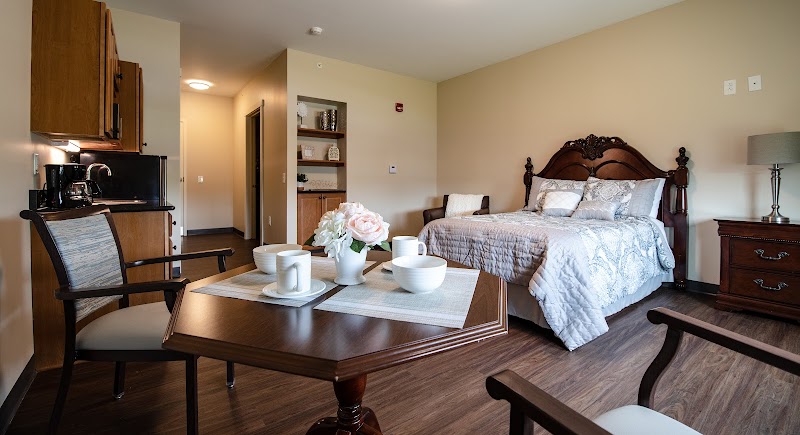
How is Shepherd Of The Valley Liberty Staffed?

CMS rates SHEPHERD OF THE VALLEY LIBERTY's staffing level at 3 out of 5 stars, which is average compared to other nursing homes. Staff turnover is 46%, compared to the Ohio average of 46%. This relatively stable workforce can support continuity of care.

What Have Inspectors Found at Shepherd Of The Valley Liberty?

State health inspectors documented 18 deficiencies at SHEPHERD OF THE VALLEY LIBERTY during 2019 to 2025. These included: 1 that caused actual resident harm and 17 with potential for harm. Deficiencies causing actual harm indicate documented cases where residents experienced negative health consequences.
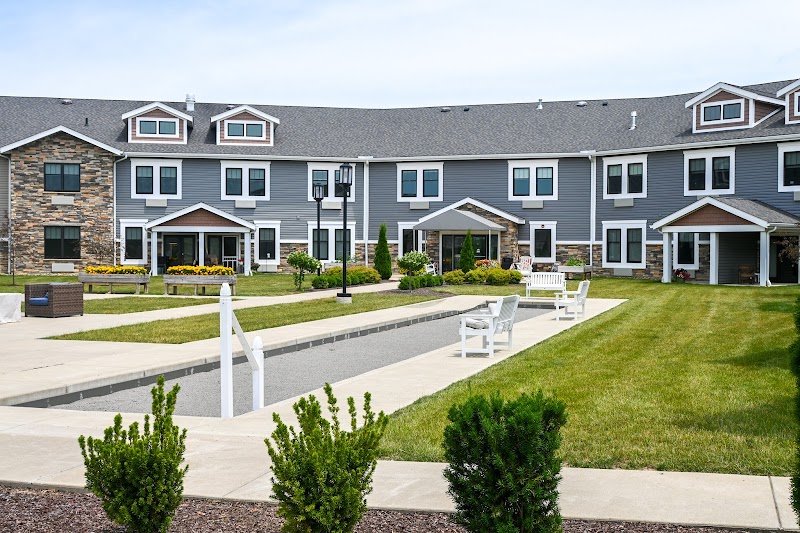
Who Owns and Operates Shepherd Of The Valley Liberty?

SHEPHERD OF THE VALLEY LIBERTY is owned by a non-profit organization. Non-profit facilities reinvest revenue into operations rather than distributing to shareholders. The facility operates independently rather than as part of a larger chain. With 79 certified beds and approximately 65 residents (about 82% occupancy), it is a smaller facility located in GIRARD, Ohio.

How Does Shepherd Of The Valley Liberty Compare to Other Ohio Nursing Homes?

Compared to the 100 nursing homes in Ohio, SHEPHERD OF THE VALLEY LIBERTY's overall rating (3 stars) is below the state average of 3.2, staff turnover (46%) is near the state average of 46%, and health inspection rating (3 stars) is at the national benchmark.

What Should Families Ask When Visiting Shepherd Of The Valley Liberty?

Based on this facility's data, families visiting should ask: "Can I visit during a mealtime to observe dining assistance and food quality?" "How do you handle medical emergencies, and what is your hospital transfer rate?" "Can I speak with family members of current residents about their experience?"

Is Shepherd Of The Valley Liberty Safe?

Based on CMS inspection data, SHEPHERD OF THE VALLEY LIBERTY has a clean safety record: no substantiated abuse findings (meaning no confirmed cases of resident harm), no Immediate Jeopardy citations (the most serious violation level indicating risk of serious injury or death), and is not on the Special Focus Facility watch list (a federal program monitoring the lowest-performing 1% of nursing homes). The facility has a 3-star overall rating and ranks #100 of 100 nursing homes in Ohio. While no facility is perfect, families should still ask about staff-to-resident ratios and recent inspection results during their visit.

Do Nurses at Shepherd Of The Valley Liberty Stick Around?

SHEPHERD OF THE VALLEY LIBERTY has a staff turnover rate of 46%, which is about average for Ohio nursing homes (state average: 46%). Moderate turnover is common in nursing homes, but families should still ask about staff tenure and how the facility maintains care continuity when employees leave.

Was Shepherd Of The Valley Liberty Ever Fined?

SHEPHERD OF THE VALLEY LIBERTY has no federal fines on record. CMS issues fines when nursing homes fail to meet care standards or don't correct problems found during inspections. The absence of fines suggests the facility has either maintained compliance or corrected any issues before penalties were assessed. This is a positive indicator, though families should still review recent inspection reports for the full picture.

Is Shepherd Of The Valley Liberty on Any Federal Watch List?

SHEPHERD OF THE VALLEY LIBERTY is not on any federal watch list. The most significant is the Special Focus Facility (SFF) program, which identifies the bottom 1% of nursing homes nationally based on persistent, serious quality problems. Not being on this list means the facility has avoided the pattern of deficiencies that triggers enhanced federal oversight. This is a positive indicator, though families should still review the facility's inspection history directly.