AYDEN HEALTHCARE OF GREENVILLE
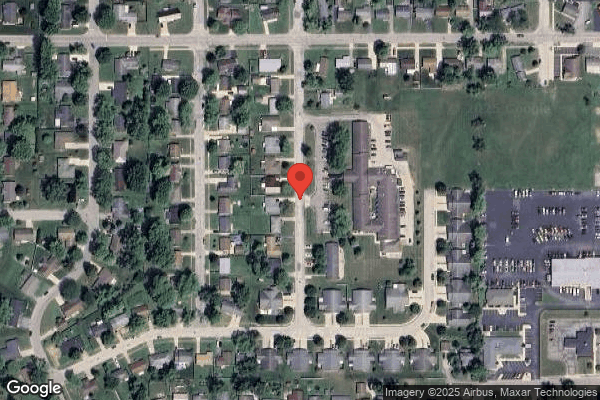
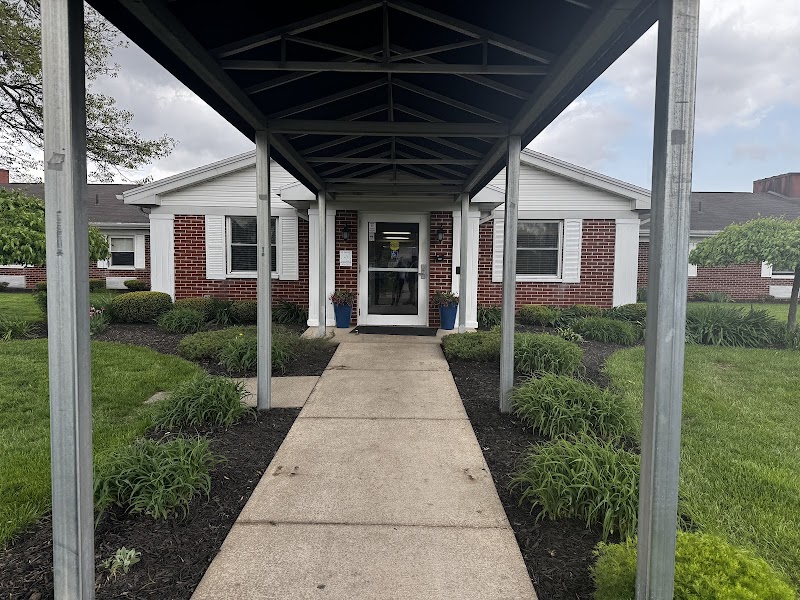
243 MARION DRIVE, GREENVILLE, OH 45331 (937) 548-3141
For profit - Limited Liability company 92 Beds AYDEN HEALTHCARE Data: November 2025 1 Immediate Jeopardy citation
Trust Grade
18/100
#835 of 913 in OH
Last Inspection: June 2023

Over 2 years since last inspection. Current conditions may differ from available data.

Overview

Ayden Healthcare of Greenville has a Trust Grade of F, indicating significant concerns about the quality of care provided at this facility. With a state rank of #835 out of 913 facilities in Ohio, they fall in the bottom half, and they rank last in Darke County at #6 out of 6. The facility's trend is stable, with 6 issues reported consistently over the past two years. Staffing is a weakness here, earning a 1 out of 5 stars, and they have a turnover rate of 57%, which is above the state average. Additionally, the facility has incurred $35,672 in fines, which is concerning as it is higher than 81% of other Ohio facilities, suggesting ongoing compliance problems. While the facility does have good quality measures, with a score of 4 out of 5, there are serious deficiencies that families should consider. A critical incident involved a failure to notify a physician about a resident's significant change in condition, leading to hospitalization and death. Other concerns include unpaid services for extermination, risking infestations, and instances where staff providing care lacked active licenses. Overall, while there are some strengths in quality measures, the significant weaknesses in staffing, compliance, and critical incidents may be concerning for families searching for care for their loved ones.

Trust Score
F
18/100
In Ohio
#835/913
Bottom 9%
Safety Record
High Risk
Review needed
Inspections
Holding Steady
6 → 6 violations
Staff Stability
⚠ Watch
57% turnover. Above average. Higher turnover means staff may not know residents' routines.
Penalties
✓ Good
$35,672 in fines. Lower than most Ohio facilities. Relatively clean record.
Skilled Nurses
○ Average
Each resident gets 40 minutes of Registered Nurse (RN) attention daily — about average for Ohio. RNs are the most trained staff who monitor for health changes.
Violations
⚠ Watch
28 deficiencies on record. Higher than average. Multiple issues found across inspections.
★☆☆☆☆
1.0
Overall Rating
★☆☆☆☆
1.0
Staff Levels
★★★★☆
4.0
Care Quality
★★☆☆☆
2.0
Inspection Score
Stable
2024: 6 issues
2025: 6 issues

The Good

  • 4-Star Quality Measures · Strong clinical quality outcomes
  • Full Sprinkler Coverage · Fire safety systems throughout facility
  • No fines on record

Facility shows strength in quality measures, fire safety.

The Bad

1-Star Overall Rating

Below Ohio average (3.2)

Significant quality concerns identified by CMS

Staff Turnover: 57%

11pts above Ohio avg (46%)

Frequent staff changes - ask about care continuity

Federal Fines: $35,672

Above median ($33,413)

Moderate penalties - review what triggered them

Chain: AYDEN HEALTHCARE

Part of a multi-facility chain

Ask about local staffing decisions and management

Staff turnover is elevated (57%)

9 points above Ohio average of 48%

The Ugly 28 deficiencies on record

1 life-threatening
Jul 2025 2 deficiencies
CONCERN (D) 📢 Someone Reported This

A family member, employee, or ombudsman was alarmed enough to file a formal complaint

Potential for Harm - no one hurt, but risky conditions existed

Quality of Care (Tag F0684)

Could have caused harm · This affected 1 resident

**NOTE- TERMS IN BRACKETS HAVE BEEN EDITED TO PROTECT CONFIDENTIALITY** Based on record review, staff interview, and review of facility policy, the facility failed to ensure the physician was updated ...

Read full inspector narrative →
**NOTE- TERMS IN BRACKETS HAVE BEEN EDITED TO PROTECT CONFIDENTIALITY** Based on record review, staff interview, and review of facility policy, the facility failed to ensure the physician was updated regarding a wound change affecting Resident #10. The facility also failed to ensure wound treatments and assessments were obtained timely affecting two (#10, #13) of three reviewed for wounds. The facility census was 63.1.Review of medical record for Resident #10 revealed an admission date of 04/16/25. Diagnoses included malignant neoplasm of mouth, tracheostomy and gastrostomy tubes, and skin graft to the right forearm. The resident was discharged on 05/09/25 to the hospital and did not return.Review of the admission Minimum Data Set (MDS) dated [DATE] revealed a Brief Interview Mental Status (BIMS) score of 10 indicating impaired cognition. Resident #10 was dependent on eating and required maximum assistance for toileting hygiene, bed mobility and moderate assistance for transfers. Resident #10 was documented to be frequently incontinent of bowel and occasionally incontinent of urine and was noted to have a surgical wound. Review of Resident #10's care plan contained no reference to the resident having a surgical wound and contained no information regarding Resident #10's dressing changes.Review of the physician orders to start 04/19/25 revealed Resident #10's right forearm surgical graft site was to be cleansed daily with normal saline, covered with xeroform followed by a nonadherent surgical dressing and wrapped with rolled bandage. The right arm was then to be wrapped with a Coban wrap (an adherent wrap used to secure and protect primary dressing).Review of the weekly nurse skin assessments revealed Resident #10 had a surgical graft site to the right forearm, however the assessments contained no description of the graft site.Review of a wound assessment note completed by the wound nurse dated 05/02/25 revealed Resident #10 had a right forearm surgical skin graft, the wound measured 5.2 centimeters (cm) by 2.6 cm. The wound description stated the wound had a pink base with scattered slough.Review of the 05/08/25 hospital documentation revealed Resident #10 was sent to the Emergency Department (ED) for altered mental status changes. Resident #10 was documented as alert and oriented to person at the time of arrival in the ED. The ED assessment revealed a wound to the right forearm with purulent drainage. The right forearm wound was cleansed and redressed. Resident # 10 was given an oral antibiotic and returned to the nursing facility with an antibiotic prescription. The ED discharge summary revealed Resident #10 was diagnoses with cellulitis of the right arm and altered mental status changes.Interview on 07/01/25 at 1:32 P.M. with Wound Nurse Licensed Practical Nurse (WNLPN) #101 revealed she had been off on medical leave and had not assessed Resident #10's wound until 05/02/25. WNLPN #101 verified the right forearm wound had a pink base with scattered slough during her assessment. WNLPN #101 verified previous wound assessments completed by nursing contained measurements but no description of the wound. WNLPN #101 stated she had not communicated with the physician regarding her assessment of Resident #10's right forearm wound. Interview on 07/02/25 at 1:12 P.M. with the Director of Nursing (DON) revealed the facility wound physician had not seen Resident #10 and added, the wound physician had seen a limited number of residents because the facility had obtained another wound company, and that company was scheduled to start in a few weeks. The DON verified the treatment and monitoring for Resident #10's wound were grouped together as one task on the Treatment Administration Record. The DON explained the expectation there should be a task for completing the wound care treatment ordered and another task for monitoring the wound site for signs and symptoms of infection. The DON verified Resident #10's progress notes and the weekly skin assessments did not contain a description of the wound and acknowledged it would be difficult to know if there were changes to a wound without such information. The DON also verified WNLPN #101 was not wound certified, however, stated WNLPN #101 did have wound care experience because she rounded with the wound physician. Interview on 07/02/25 at 3:26 P.M. with Physician #115 revealed he was unaware the wound physician had not seen Resident #10 and further stated the staff had not contacted him with any concerns regarding Resident #10's wounds. 2. Review of medical record for Resident #13 revealed admission date of 11/14/21 with diagnoses including diabetes mellitus type II, morbid obesity, depression and chronic obstructive pulmonary disease.Review of the quarterly Minimum Data Set (MDS) dated [DATE] revealed a Brief Interview Mental Status (BIMS) score of 15 indicating intact cognition. Resident #13 required supervision for meals and was dependent upon staff for bed mobility, transfers and toileting hygiene.Review of the 06/30/25 skin assessment completed by Registered Nurse (RN) #106 revealed documentation of a stage two pressure area to Resident #13's left buttocks. The assessment documented the area was not new. The documentation contained no measurements or any further description of the wound. Review of the current physician orders on 06/30/15 and 07/01/25 revealed no dressing treatment order for the left coccyx wound.Observation on 07/01/25 at 2:42 P.M. of care by Certified Nursing Assistant (CNA) #108 for Resident #13 revealed CNA #108 had a bordered dressing on her left buttock. CNA #108 removed the soiled dressing in preparation of providing incontinence care. An approximate 2.5 cm by 2.0 cm area was observed with no obvious discoloration to the surrounding skin. Interview on 07/01/25 at 9:59 A.M. with RN #106 revealed she had been informed Resident #13 had an open area to her coccyx during her 06/30/25 shift. She stated during her skin assessment she observed a border dressing covering the wound. RN #106 stated, she peeled the dressing back to assess the wound and then reattached the dressing. RN #106 verified she did not measure the area, stating after her assessment she contacted WNLPN #101 to ensure she was aware of the wound. RN #106 stated WNLPN #101 had informed her she was.Interview on 07/01/25 at 1:44 P.M. with WNLPN #105 denied she had been informed of a new skin concern for Resident #13. WNLPN #105 stated Resident #13 had areas of concerns on her coccyx in the past but they had resolved.A second interview on 07/01/25 at 4:05 P.M. with WNLPN #105 revealed she had assessed Resident #13's left buttock wound and believed the area to be moisture associated skin damage, Physician #115 was notified of the new area and treatment orders were received. Interview on 07/02/25 at 1:12 P.M. with the Director of Nursing (DON) revealed CNA's have been educated not to remove a dressing during incontinence care. She shared it was the expectation the CNA to provide incontinence care and then get the nurse to remove the dressing, clean the area if needed and replace the dressing. The DON explained this would reduce the risk of contamination.Review of the facility policy titled Wound Care, revised 04/28/25 provided guidelines for the care of wounds to promote healing and stated the resident's care plan should assess any special needs of the resident.This deficiency represents non-compliance investigated under Complaint Number 1383066.
CONCERN (D) 📢 Someone Reported This

A family member, employee, or ombudsman was alarmed enough to file a formal complaint

Potential for Harm - no one hurt, but risky conditions existed

Infection Control (Tag F0880)

Could have caused harm · This affected 1 resident

Based on record review, observation, staff interview and policy review the facility failed to ensure proper infection control practices were followed during incontinence care. This affected one (#13) ...

Read full inspector narrative →
Based on record review, observation, staff interview and policy review the facility failed to ensure proper infection control practices were followed during incontinence care. This affected one (#13) of three residents reviewed for incontinence care. The facility census was 63.Review of medical record for Resident #13 revealed an admission date of 11/14/21 with diagnoses including diabetes mellitus type II, morbid obesity, depression and chronic obstructive pulmonary disease.Review of the quarterly Minimum Data Set (MDS) assessment for Resident #13 dated 04/09/25 revealed a Brief Interview Mental Status (BIMS) score of 15, indicating intact cognition. Resident #13 required supervision for meals and was dependent upon staff for bed mobility, transfers and toileting hygiene.Observation on 07/01/25 at 2:42 P.M. of incontinence care by Certified Nursing Assistant (CNA) #108 for Resident #13 revealed CNA #108 donned required personal protective equipment (PPE) prior to entering the room, Resident #13 was found lying on her back in bed. CNA #108 unfastened the incontinence product and used a wipe to cleanse her peri area. Resident #13 had also been incontinent of stool. CNA #108 disposed of the wipe and assisted Resident #13 onto her left side. A soiled bordered dressing was observed on the left buttock. CNA #108 peeled the dressing off with her right hand and disposed of it in a clear trash bag. A shallow open area, approximately quarter-sized was observed. CNA #108 proceeded to grab a wipe from the package and cleanse the resident of stool. Using her right-hand CNA #108 wiped stool from resident and was observed to fold the wipe with her left hand and wiped the resident again before disposing the soiled wipe into the clear trash bag. CNA #108 then obtained another wipe from the package and was observed to wipe stool from resident #13's buttocks, fold the wipe with her left hand and then wipe over the open area on the left buttock. Just prior to the completion of care, CNA #108 wiped both the anal area and open left buttock wound in one motion with the same wipe before disposing of the wipe. CNA #108 then asked Resident #13 to return to her back and explained she would find the nurse to reapply the dressing. CNA #108 then removed her gloves, disposed of them in the trash bag, and removed the bag from the can. CNA #108 tied the trash bag and proceeded into the hallway where she opened the door to the soiled utility room and disposed of the trash bag. CNA #108 stepped back into the hall and then into Resident #13's room beside the soiled utility room and applied hand sanitizer. Interview with CNA #108 immediately after this observation, verified the dressing removed from Resident #13's left buttock had been soiled, but was intact when she removed it. CNA #108 also verified she did not perform hand hygiene immediately after care, prior to leaving Resident #13's room as she should have and further verified hand hygiene was completed after she returned to Resident #13's room after disposing of the soiled items into the soiled utility room.Interview on 07/02/25 at 1:12 P.M. with the Director of Nursing (DON) revealed CNA's have been educated not to remove a dressing during incontinence care. She shared it was the expectation the CNA to provide incontinence care and then get the nurse to remove the dressing, clean the area if needed and replace the dressing. The DON explained this would reduce the risk of contamination. The DON also verified hand hygiene should be completed immediately after providing care and prior to leaving a resident's room. Review of the facility policy, Incontinence Care, revised 04/28/25 documented if a resident was incontinent of feces at the time of the care, enclose the feces in a fold of incontinent product using toilet tissue, then cleanse, rinse and dry area thoroughly and remove soiled gloves and perform hand hygiene.This deficiency represents non-compliance investigated under Complaint Number 1383066.
May 2025 4 deficiencies
CONCERN (D) 📢 Someone Reported This

A family member, employee, or ombudsman was alarmed enough to file a formal complaint

Potential for Harm - no one hurt, but risky conditions existed

Deficiency F0605 (Tag F0605)

Could have caused harm · This affected 1 resident

Based on medical record reviews, staff interview, and policy review, the facility failed to ensure psychotropic medications had appropriate documentation for medical use and failed to ensure as needed...

Read full inspector narrative →
Based on medical record reviews, staff interview, and policy review, the facility failed to ensure psychotropic medications had appropriate documentation for medical use and failed to ensure as needed (PRN) psychotropic medications had a date for re-evaluation of use or duration of use dates. This affected two (#05 and #16) residents out of three residents reviewed for medication administration. The facility census was 60. Findings include: 1. Review of the medical record for Resident #05 revealed an admission date of 01/15/25 with medical diagnoses of dysphagia, tremors, dementia, osteoarthritis, and adult failure to thrive. Review of the medical record for Resident #05 revealed an admission Minimum Data Set (MDS) assessment, dated 01/31/25, indicated Resident #05 was cognitively intact and required partial/moderate staff assistance for eating, substantial/maximum staff assistance for transfers, and was dependent upon staff for toilet hygiene and bathing. Review of the medical record for Resident #05 revealed a physician order dated 04/14/25 for Lorazepam (antianxiety medication) 0.5 milligram (mg) one tablet by mouth every 12 hours as needed (PRN) for anxiety. The order did not indicate a date for re-evaluation of use or duration use dates. Review of the medical record revealed the Lorazepam order was changed on 05/05/25 to 0.5 mg one tablet by mouth every 12 hours PRN for 14 days. Review of the medical record for Resident #05 revealed the April Medication Administration Record (MAR) which indicated Resident #05 received Lorazepam daily on 04/14/25 to 04/20/25, daily 04/22/25 to 04/26/25, and 04/28/25. Review of Resident #05's May MAR revealed Lorazepam was administered daily 05/01/25 to 05/05/25. 2. Review of the medical record for Resident #16 revealed an admission date of 03/07/25 with medical diagnoses encephalopathy, hypotension, Alzheimer's disease, and atrial fibrillation. Review of the medical record revealed a discharge date of 04/30/25. Review of the medical record for Resident #16 revealed an admission MDS assessment, dated 03/17/25, which indicated Resident #16 was never/rarely understood and had cognitive impairment. Review of the MDS indicated Resident #16 required supervision with eating, partial/moderate staff assistance with transfers, substantial/maximum staff assistance for bathing and bed mobility and was dependent upon staff for toilet hygiene. Review of the MDS indicated Resident #16 received antipsychotic medication daily. Review of the medical record for Resident #16 revealed a physician order dated 03/14/25 for Haloperidol (antipsychotic medication) 5 mg one tablet by mouth every eight hours PRN for agitation. The order did not indicate a date for re-evaluation of use or duration of use dates. Review of the medical record for Resident #16 revealed the March 2025 MAR revealed documentation to support Resident #16 received Haloperidol daily on 03/14/25 to 03/16/25, 03/18/25, 03/22/25, 03/23/25, 03/26/25 to 03/30/25. Further review revealed the April 2025 MAR which indicated Resident #16 received Haloperidol daily on 04/01/25, 04/02/25, 04/07/25 to 04/10/25, 04/17/25, and 04/22/25 to 04/24/25. Review of the medical record for Resident #16 revealed a pharmacy Medication Regimen Review, dated 03/17/25, recommended to re-evaluate the use of Haloperidol 5 mg one tablet by mouth every eight hours PRN to see if the medication was still needed and to consider adding a 14 day stop date. The review was signed by the physician on 04/29/25 with a note which stated the resident was discharging on 04/30/25 and would review if repeat admission. Interview on 04/29/25 at 3:26 P.M. with Director of Nursing (DON) confirmed Resident #05's order for Lorazepam was changed from routine to PRN on 04/14/25 because Resident #05 was having difficulty waking up in the morning. DON confirmed Resident #05's order dated 04/14/25 for Lorazepam 0.5 mg one tablet by mouth every eight hours PRN did not have a re-evaluation of use date or duration of use dates. DON also confirmed Resident #16's Haloperidol was ordered PRN and did not have a re-evaluation of use date or duration of use dates. DON confirmed Resident's Medication Regimen Review, dated 03/17/25, was not reviewed or signed by the physician until 04/29/25. DON also confirmed Resident #16's indication for use of haloperidol was agitation and Resident #16 did not have a medical diagnosis for use of the medication. Review of the facility policy titled, Unnecessary Medications, dated 04/28/25, stated the facility's policy that each resident's entire drug/medication regimen is managed and monitored to promote or maintain the resident's highest practicable mental, physical, and psychosocial well-being free from unnecessary meds. The policy stated the attending physician would assume leadership in medication management by developing, monitoring, and modifying the medication regimen in collaboration with residents and/or representatives, other professionals, and the interdisciplinary team. Each resident's drug regimen would be reviewed on an ongoing basis, taking into consideration the following elements: dose, duration of use, indications and clinical need for medication, and adequate monitoring for efficacy and adverse consequences, preventing, identifying, and responding to adverse consequences. The policy also stated the resident's medical record would show adequate indications for the medication's use and the diagnosed condition for which it was prescribed.
CONCERN (D) 📢 Someone Reported This

A family member, employee, or ombudsman was alarmed enough to file a formal complaint

Potential for Harm - no one hurt, but risky conditions existed

Pressure Ulcer Prevention (Tag F0686)

Could have caused harm · This affected 1 resident

Based on medical record review, observations, staff interviews, and policy review, the facility failed to properly measure pressure ulcers and ensure treatments were completed as ordered. This affecte...

Read full inspector narrative →
Based on medical record review, observations, staff interviews, and policy review, the facility failed to properly measure pressure ulcers and ensure treatments were completed as ordered. This affected one (#36) resident out of three residents reviewed for adequate wound care and services. The facility census was 60. Findings include: Review of the medical record for Resident #36 revealed an admission date of 08/21/2020 with medical diagnoses of multiple sclerosis (MS), myelodysplastic syndrome, quadriplegia, anxiety, and schizophrenia. Review of the medical record for Resident #36 revealed a quarterly Minimum Data Set (MDS) assessment, dated 02/17/25, which indicated Resident #36 had severely impaired cognition and was dependent for all activities of daily living. The MDS indicated Resident #36 had a Stage IV pressure ulcer which was present upon admission. Review of the medical record for Resident #36 revealed a weekly wound assessment, dated 05/01/25, which indicated Resident #36 had a pressure ulcer to her coccyx which measured 6.1 centimeters (cm) by 5.6 cm by 0.4 cm and the wound was stable. The assessment stated the wound was beefy pink and area was improving. No other documentation noted to the description of the pressure ulcer was present. The wound assessment was completed by Wound Care Clinician (WCC) #285. Review of the medical record for Resident #36 revealed a physician order dated 07/16/24 to cleanse area to right buttock/sacrum with normal saline, pat dry, apply zinc to wound bed, cover with calcium alginate with silver, cover with abdominal (ABD) pad, do not apply tape and to change daily and as needed. Review of the medical record revealed a physician order dated 05/07/25 to cleanse area to right buttock/sacrum times two with normal saline, pat dry, apply zinc to wound bed, cover with calcium alginate with silver, cover with abdominal (ABD) pad, do not apply tape and to change daily and as needed Observation with interview on 05/07/25 at 9:49 A.M. of Resident #36's wound care by Licensed Practical Nurse (LPN) #247 and LPN #242 revealed LPN #242 positioned Resident #36 on her left side. LPN #247 washed her hands and applied gloves and gown prior to wound care. LPN #242 removed Resident #36's old dressing which revealed a small amount of serosanguinous drainage. LPN #242 removed gloves, washed hands, and applied new gloves. The observation revealed Resident #36 had two distinct wounds to her right buttock/sacrum area. A wound was observed to be located on Resident #36's upper right buttock which was oblong in shape, about 3 cm long and 1 cm wide with a red wound bed and small amount of yellowish substance noted in wound bed. The observation also revealed a second wound noted posterior and lateral to the oblong wound. The second wound was circular in shape, about 3 cm long by 3 cm wide with red wound bed and a small amount of yellow substance noted in wound bed. Observation revealed LPN #247 cleansed Resident #36's circular wound with normal saline, applied zinc to the wound bed, covered with calcium alginate with silver, and covered with ABD pad. The ABD pad also covered the oblong wound. LPN #247 was observed to remove her gloves and wash her hands after discarding all soiled supplies. Interview with LPN #247 confirmed Resident #36 had two distinct wounds to her right buttock/sacrum area and that she did not complete treatment to the oblong wound located on the right upper buttock. LPN #247 stated the wound documentation for Resident #36 did not indicate a second pressure ulcer to her right buttock/sacrum area, so she only completed treatment to the circular wound located posterior and lateral to oblong wound. Interview on 05/07/25 at 1:27 P.M. with WCC #285 confirmed Resident #36 did not see a wound physician per family request and the facility staff completed weekly wound measurements and treatment orders. WCC #285 stated Resident #36 admitted to the facility with multiple pressure ulcers and the pressure ulcer to right buttock/sacrum had been present since admission. WCC #285 confirmed Resident #36 had two distinct pressure ulcers to right buttock/sacrum area, but the weekly wound assessment indicated the measurements for the entire area containing both pressure ulcers. WCC #285 confirmed the weekly wound assessment did not contain descriptions of each of Resident #36's pressure ulcers to right buttock/sacrum. WCC #285 stated she was not aware that staff were only completing treatment to one of Resident #36's pressure ulcers but confirmed the pressure ulcers have been stable. Review of the facility policy titled, Pressure injury treatment, revised 04/28/25, stated residents with pressure injuries would be treated with consistent treatment protocols to aid in the healing process. The policy stated residents with pressure injuries would have an individualized treatment program that provides the appropriate treatment to facilitate healing and that assesses and addresses comorbid conditions in a systematic manner. This deficiency represents non-compliance investigated under Complaint Number OH00164283.
CONCERN (D) 📢 Someone Reported This

A family member, employee, or ombudsman was alarmed enough to file a formal complaint

Potential for Harm - no one hurt, but risky conditions existed

Pharmacy Services (Tag F0755)

Could have caused harm · This affected 1 resident

Based on medical record review, observation, staff interview, and policy review, the facility failed to ensure medications were available for administration. This affected one (#10) resident out of th...

Read full inspector narrative →
Based on medical record review, observation, staff interview, and policy review, the facility failed to ensure medications were available for administration. This affected one (#10) resident out of the three residents reviewed for medication administration. The facility census was 60. Findings include: Review of the medical record for Resident #10 revealed an admission date of 02/11/25 with medical diagnoses of heart disease, diabetes mellitus, atrial fibrillation, depression, and bipolar disorder. Review of the medical record for Resident #10 revealed an admission Minimum Data Set (MDS) assessment, dated 02/11/25, which indicated Resident #10 was cognitively intact and required supervision with eating, partial/moderate staff assistance with toilet hygiene and bed mobility, and substantial/maximum staff assistance with bathing and transfers. Review of the medical record for Resident #10 revealed a physician order dated 02/12/25 for Venlafaxine (antidepressant) extended release (ER) 150 milligram (mg) one tablet by mouth daily for depression. Observation with interview on 05/06/25 at 7:55 A.M. revealed Registered Nurse (RN) #236 prepared Resident #10's medications for administration. The observation revealed RN #236 was not able to locate Resident #10's Venlafaxine ER 150 mg dose due that morning in the medication cart, in medication overflow, or in the facility emergency box. Interview with RN #236 confirmed Resident #10's Venlafaxine ER 150 mg tablet was not available for administration. Review of the facility policy titled, Administering Medications, reviewed 04/28/25, stated medications shall be administered in a safe and timely manner, and as prescribed. This deficiency represents non-compliance investigated under Complaint Number OH00164459.
CONCERN (D) 📢 Someone Reported This

A family member, employee, or ombudsman was alarmed enough to file a formal complaint

Potential for Harm - no one hurt, but risky conditions existed

Deficiency F0761 (Tag F0761)

Could have caused harm · This affected 1 resident

Based on medical record review, observation, staff interview, and policy review, the facility failed to ensure insulin injector pens were dated when opened. This affected one (#09) resident out of thr...

Read full inspector narrative →
Based on medical record review, observation, staff interview, and policy review, the facility failed to ensure insulin injector pens were dated when opened. This affected one (#09) resident out of three residents reviewed for medication administration. The facility census was 60. Findings include: Review of the medical record for Resident #09 revealed an admission date of 02/15/25 with medication diagnoses of gas gangrene, chronic osteomyelitis of right ankle/foot, diabetes mellitus (DM) , peripheral vascular disease, and hypertension. Review of the medical record for Resident #09 revealed an admission Minimum Data Set (MDS) assessment, dated 02/20/25, which indicated Resident #09 was cognitively intact and required set-up assistance with eating, partial/moderate staff assistance with showers, and substantial/maximum staff assistance with toilet hygiene, bed mobility, and transfers. The MDS indicated Resident #09 received six days of insulin injections. Review of the medical record for Resident #09 revealed a physician order dated 04/14/25 for Insulin Lispro pen to inject 10 units subcutaneous (SQ) daily for DM and an order dated 04/15/25 for Insulin Glargine SQ solution to inject 35 units SQ daily for DM. Observation on 05/06/25 at 8:08 A.M. revealed Registered Nurse (RN) #236 prepare Resident #09's medications for administration. RN #236 primed Insulin Glargine injection pen with two units of insulin and then set the pen to 35 units. RN #236 then primed Insulin Lispro injection pen with two units then set the pen to 10 units. Observation revealed neither insulin injection pen indicated a date the pens were opened. Observation revealed RN #236 administer insulin injections to Resident #09 as ordered. Interview on 05/06/25 at 8:10 A.M. with RN #236 confirmed she administered Insulin Glargine and Insulin Lispro to Resident #09 via injection pens and neither injection pen indicated a date in which the pens were opened. Review of the facility policy titled, Administering Medications, reviewed 04/28/25, stated medications shall be administered in a safe and timely manner, and as prescribed. The policy stated the expiration/beyond use date on the medication label must be checked prior to administration. When opening a multi-dose container, the date opened shall be recorded on the container.
Dec 2024 4 deficiencies
CONCERN (D) 📢 Someone Reported This

A family member, employee, or ombudsman was alarmed enough to file a formal complaint

Potential for Harm - no one hurt, but risky conditions existed

Deficiency F0696 (Tag F0696)

Could have caused harm · This affected 1 resident

**NOTE- TERMS IN BRACKETS HAVE BEEN EDITED TO PROTECT CONFIDENTIALITY** Based on observation, record review, resident interview, staff interview, protocol review, the facility failed to ensure a resid...

Read full inspector narrative →
**NOTE- TERMS IN BRACKETS HAVE BEEN EDITED TO PROTECT CONFIDENTIALITY** Based on observation, record review, resident interview, staff interview, protocol review, the facility failed to ensure a resident with a prosthesis was able to use the device, when the facility failed to timely treat the device for bed bugs. This affected one (#12) of two residents reviewed for prostheses. The current census is 67. Findings include: Review of Resident #12's medical record revealed an admission date of 10/18/24. Diagnoses for Resident #12 included encephalopathy, traumatic leg amputation, failure to thrive, and pneumonia. Review of physician assistant progress note dated 10/21/24 at 8:17 A.M., revealed Resident #12 seen for readmission. Resident #12 was infested with bed bugs upon admission. Resident #12 prosthetic needed to be completely decontaminated and cleaned prior to giving it to him. This has not been returned at this time, which has him somewhat agitated. The plan included: the physician assistant spent a lot of time reassuring Resident #12 that this will be returned to him as soon as it is properly cleaned in addition to his wallet. Review of medical practitioner progress note dated 10/24/24 at 10:42 A.M., revealed Resident #12 complained of severe pain and spasms in the left leg. Resident #12 was found at home in a very debilitated state infested with bed bugs. Resident #12 reacts every several minutes to severe cramping and pain in the posterior left leg. Stump on the left looks normal. Will continue with physical therapy and increase dose of gabapentin. Social services is working on the other issues including replacing prosthetic which is 30+ years old. Review of the comprehensive Minimum Data Set (MDS) assessment dated [DATE] revealed the resident had mostly intact cognition and was a one-person assist for Activities of Daily (ADL). Per the assessments the resident had no prosthetic during the assessment period. Review of Resident #12's therapy notes dating from 11/06/24 revealed the therapist documented a barrier impacting Resident #12's therapy session was no prosthetic available on 11/06/24, 11/07/24, and 11/11/24. Per the note dated 11/18/24, the therapist documented the resident does have a lower leg prosthetic and is more independent when using it, but the prosthetic is not available for therapy session. Resident demonstrates with an amputated limb on the left lower extremity and has prosthetic, however, resident does not have prosthetic and has an appointment set up in December at the hanger to get fitted for a new prosthetic to improve mobility and independence in order to progress towards goals and to prior level of living. Review of Resident #12's care plans with initiated date of 11/26/24 revealed a focus for amputation of left leg below the knee. Interventions included exercises per therapy, monitor and document signs of depression and changes in behaviors, and therapy evaluations as ordered. There is no mention of prosthetic leg. Observation and interview on 12/23/24 at 1:12 P.M., with Resident #12, revealed the resident was observed in his wheelchair ambulating towards his room. Resident #12's left leg appeared to be amputated below the knee with no prosthetic leg visible. Resident #12 stated to the surveyor, They took my leg. Resident #12 did not elaborate or answer any questions from the surveyor regarding his leg. Further attempts to interview Resident #12 were unsuccessful. Interview on 12/26/24 at 10:30 A.M., with Licensed Social Worker (LSW) #1, revealed when Resident #12 was admitted from the hospital on [DATE], he returned to the hospital and then re-admitted to the facility on [DATE]. Per LSW #1, the resident's personal belongings were bagged up and taken to a contained area outside of the facility. LSW #1 stated she was informed by the resident that the hospital had bagged up all his belongings when he first admitted to the emergency room due to him having bed bugs in his home. LSW #1 stated the resident's prosthetic leg was also bagged up at the hospital and placed with the belongings due to being infested with bed bugs. LSW #1 stated upon admission to the facility Resident #12 was assessed per protocol and there were no bugs found on his person. Resident #12 was then admitted to a semi-private room and placed in isolation per protocol. LSW #1 stated the resident's leg was still infested with bed bugs due to the facility not being able to hire an exterminator to come and treat the infested items. LSW #1 stated she attempted to spray an insecticide on the resident's prosthetic, but she was unable to rid the prosthetic leg of bed bugs. LSW #1 did state she was not trained in pest extermination and stated she did not know which chemicals were to be used to safely clean the prosthetic leg. LSW #1 stated she then attempted to get Resident #12 a new prosthetic and was able to schedule an appointment for a new prosthetic in October 2024. LSW #1 claimed the outside clinic refused to make a new prosthetic for the resident due to not being able to measure and use the infested prosthetic. LSW #1 stated as of 12/26/24, she did not know if the resident would receive a new prosthetic leg. Interview on 12/26/24 at 11:13 A.M., with Environmental Manager (EM) #500 revealed when Resident #12 was admitted he came to the facility with all his personal items having been bagged up and placed into a safe contained area outside of the facility due to an infestation of bed bugs. EM #500 stated no one had attempted to rid the items of the bed bugs per her knowledge. EM #500 stated the facility had not contacted the contracted exterminator due to having an unpaid balance and the exterminator refused to come to the facility. EM #500 stated at the time of the survey all of Resident #12's belongings remained isolated in the contained area, including his prosthetic leg, due to bed bugs still being visibly alive on all of the items. Interview on 12/26/24 at 2:00 P.M., with Administrator revealed Resident #12 did attend an appointment with the prosthetic clinic to receive a new prosthetic leg on 12/10/24. Per the Administrator the physician and facility are working with the clinic to have a new prosthetic available to the resident. Per the Administrator all other personal items have been replaced by the facility for Resident #12 as of 12/10/24, the day after the surveyor entered the facility for the investigation. Interview on 12/26/24 at 3:35 P.M., with the Administrator verified the extermination services had not been paid by the facility since August 2024. Per the Administrator the facility planned to pay the invoices and have the exterminator resume their contracted services. The Administrator verified there had been no extermination services provided to the facility since August 2024. Review of the undated protocol titled Bed Bug Protocol, revealed the staff will bag up and treat all personal items infested with bed bugs. Once treated all personal items are to be returned to the resident for use. This deficiency represents non-compliance found during the complaint investigation for Complaint Number OH00159874.
CONCERN (F) 📢 Someone Reported This

A family member, employee, or ombudsman was alarmed enough to file a formal complaint

Potential for Harm - no one hurt, but risky conditions existed

Administration (Tag F0835)

Could have caused harm · This affected most or all residents

**NOTE- TERMS IN BRACKETS HAVE BEEN EDITED TO PROTECT CONFIDENTIALITY** Based on review of contractor services invoices, interview with outside contractor service, and staff interview, the facility fa...

Read full inspector narrative →
**NOTE- TERMS IN BRACKETS HAVE BEEN EDITED TO PROTECT CONFIDENTIALITY** Based on review of contractor services invoices, interview with outside contractor service, and staff interview, the facility failed to remain solvent by paying all contractors for their services. This had the potential to affect all 67 residents residing in the facility. The current census is 67. Findings include: Review of the facility's contract with the extermination services revealed the exterminators were scheduled to provide services for the facility monthly and treat for any infestations. The contract was for 12 months of service beginning February 2024. Further review revealed the facility had no invoices for the contractor after 08/20/24. Interview on 12/26/24 at 12:08 P.M., with the Receptionist #100, from the exterminator contracted service company, revealed as of August 2024, the facility had an unpaid balance and the extermination service were no longer providing any treatments to the facility due to nonpayment. Interview on 12/26/24 at 10:30 A.M., with Licensed Social Worker, (LSW) #1, revealed when Resident #12 was admitted from the hospital on [DATE], returned to the hospital and the re-admitted to the facility on [DATE]. Per LSW #1, the resident's personal belongings were bagged up and taken to a contained area outside of the facility. LSW #1 stated due to the facility owing money to the contracted exterminator there had been no extermination services provided to eradicate the bed bugs from Resident #12's personal items. Interview on 12/26/24 at 3:35 P.M., with the Administrator verified the extermination services had not been paid by the facility since August 2024. Per the Administrator the facility planned to pay the invoices and have the exterminator resume their contracted services. The Administrator verified there had been no extermination services provided to the facility since August 2024. This deficiency represents non-compliance discovered during the complaint investigation for Complaint Numbers OH00160209 and OH00159874.
CONCERN (F) 📢 Someone Reported This

A family member, employee, or ombudsman was alarmed enough to file a formal complaint

Potential for Harm - no one hurt, but risky conditions existed

Deficiency F0839 (Tag F0839)

Could have caused harm · This affected most or all residents

**NOTE- TERMS IN BRACKETS HAVE BEEN EDITED TO PROTECT CONFIDENTIALITY** THE FOLLOWING DEFICIENCY REPRESENTS AN INCIDENT OF PAST NON-COMPLIANCE THAT WAS SUBSEQUENTLY CORRECTED PRIOR TO THIS SURVEY Base...

Read full inspector narrative →
**NOTE- TERMS IN BRACKETS HAVE BEEN EDITED TO PROTECT CONFIDENTIALITY** THE FOLLOWING DEFICIENCY REPRESENTS AN INCIDENT OF PAST NON-COMPLIANCE THAT WAS SUBSEQUENTLY CORRECTED PRIOR TO THIS SURVEY Based on staff interview, review of resident records, review of employee files, review of license verification via the Ohio Board of Nursing database, review of facility corrective action, and review of staffing schedules the facility failed to ensure all nurses who were providing care to resident had active licenses. This had the potential to affect all residents residing in the facility. The current census is 67. Findings include: Review of Ohio Board of Nursing License Verification database revealed Licensed Practical Nurse (LPN) #150's the nurse's licensed had expired as of [DATE]. Review of the facility's daily nursing schedules dating from [DATE] to [DATE] revealed LPN #150 had been scheduled to work on [DATE]. Review of LPN #150's employee file revealed her license had not been renewed as of [DATE], no new license verification evidence was noted in the employee file. Interview on [DATE] at 10:00 A.M., with Human Resource Manager (HRM) #2 revealed LPN #150 did have an expired license on her last day of work, [DATE]. Per HRM #2, the nurse was terminated on [DATE] and had not returned back to the facility. Interview on [DATE] at 3:10 P.M., with Interim Director of Nursing (IDON) revealed all nurses licenses have been checked for validity and as of [DATE], all nurses currently employed and working the facility have licenses in good standing. IDON verified LPN #150 had worked after her nursing license expired. IDON stated the issue was discovered on [DATE] and immediately handled by the management. IDON stated they suspended LPN #150 and she was eventually terminated due to her license being expired. IDON stated they put a plan of correction in place at the time of the discovery. IDON stated she assessed all residents cared for by LPN #150 and found no issues or concerns with the nursing care. IDON stated she did an audit of all medications administered by LPN #150 and found no errors. IDON stated all nurses and HRM were educated on license verification and renewal on [DATE]. Review of the facility's corrective action revealed the following actions were implemented and the deficiency corrected as of [DATE]: • Beginning on [DATE], and completed on [DATE], the Director of Nursing verfiied all nurse's (licensed practical nurse and registered nurses) licenses were fully up to date and active in the Ohio Board of Nursing license verification database. • On [DATE], LPN #150 was sent home and suspended from the schedule until the nurse's license could be verified as renewed. LPN #150's employment was terminated as of [DATE] per the employee file. • Beginning on [DATE] to [DATE], the Director of Nurses conducted a nursing assessment of all residents being cared for by LPN #150 from [DATE] to [DATE]. Per the DON, no issues were discovered during the assessments. • Beginning [DATE] to [DATE], DON conducted license verifications on all new nurses applying to the facility. • Review of 11/2024 and 12/2024 audits for licensed staff revealed the audits were completed to ensure all nursing staff continued to have active licenses. • Review of three additional resident records (#4, #5, and #6) for residents treated by LPN #150 on [DATE], revealed no concern with the nursing care documented in the medical charts. • Review of the education dated [DATE] revealed all nursing staff were educated on the renewal requirement of their licenses. This deficiency represents non-compliance found during the complaint investigation for Complaint Numbers OH00160579 and OH00159874.
CONCERN (F) 📢 Someone Reported This

A family member, employee, or ombudsman was alarmed enough to file a formal complaint

Potential for Harm - no one hurt, but risky conditions existed

Deficiency F0925 (Tag F0925)

Could have caused harm · This affected most or all residents

**NOTE- TERMS IN BRACKETS HAVE BEEN EDITED TO PROTECT CONFIDENTIALITY** Based on review of contractor services invoices, interview with outside contractor service, policy review, and staff interview, ...

Read full inspector narrative →
**NOTE- TERMS IN BRACKETS HAVE BEEN EDITED TO PROTECT CONFIDENTIALITY** Based on review of contractor services invoices, interview with outside contractor service, policy review, and staff interview, the facility failed to maintain a pest control program in accordance with policy. This had the potential to affect all 67 residents residing in the facility. The current census is 67. Findings include: Review of the facility's contract with the extermination services revealed the exterminators were scheduled to provide services for the facility monthly and treat for any infestations. The contract was for 12 months of service beginning February 2024. Further review revealed the facility had no invoices for the contractor after 08/20/24. Interview on 12/26/24 at 12:08 P.M., with the Receptionist #100, from the exterminator contracted service company, revealed as of August 2024, the facility had an unpaid balance and the extermination service were no longer providing any treatments to the facility due to nonpayment. Interview on 12/26/24 at 10:30 A.M., with Licensed Social Worker (LSW) #1, revealed when Resident #12 was admitted from the hospital on [DATE], returned to the hospital and the re-admitted to the facility on [DATE]. Per LSW #1, the resident's personal belongings were bagged up and taken to a contained area outside of the facility. LSW #1 stated due to the facility owing money to the contracted exterminator there had been no extermination services provided to eradicate the bed bugs from Resident #12's personal items. Interview on 12/26/24 at 3:35 P.M., with the Administrator verified the extermination services had not been paid by the facility since August 2024. Per the Administrator the facility planned to pay the invoices and have the exterminator resume their contracted services. The Administrator verified there had been no extermination services provided to the facility since August 2024. Review of the policy titled, Pest Control, dated October 2019, revealed the facility will maintain an effective pest control program. The facility maintains an on-going pest control program to ensure that the building is kept free of insects and rodents. Pest control services are provided on a routine basis by a contracted pest control services. This deficiency represents non-compliance discovered during the complaint investigation for Complaint Number OH00159874.
Sept 2024 2 deficiencies
CONCERN (D) 📢 Someone Reported This

A family member, employee, or ombudsman was alarmed enough to file a formal complaint

Potential for Harm - no one hurt, but risky conditions existed

Report Alleged Abuse (Tag F0609)

Could have caused harm · This affected 1 resident

**NOTE- TERMS IN BRACKETS HAVE BEEN EDITED TO PROTECT CONFIDENTIALITY** Based on record review, observations, review of the facility policy, review of the Self-Reporting Incident (SRI) database, and s...

Read full inspector narrative →
**NOTE- TERMS IN BRACKETS HAVE BEEN EDITED TO PROTECT CONFIDENTIALITY** Based on record review, observations, review of the facility policy, review of the Self-Reporting Incident (SRI) database, and staff interviews, the facility failed to report an injury of unknown origin to the State Agency. This affected one (#15) out of 11 residents reviewed for abuse allegations not being reported. The current census is 68. Findings include: Record review of Resident #15 revealed the resident was admitted to the facility on [DATE]. Diagnoses for Resident #15 include dementia, retrograde amnesia, falls, and asthma. Review of the comprehensive Minimum Data Set (MDS) assessment dated [DATE] revealed the resident had impaired cognition and was a complete assist for Activities of Daily (ADL). Review of Resident #15's care plans dated 08/16/24 revealed no focus for behaviors. Further review of the care plans revised on 08/19/24 revealed a focus for actual skin impairment to skin integrity of right posterior calf. Interventions included follow protocols for treatments of injury, identify and document potential causative factors to eliminate or resolve where possible. Review of Resident #15's skin assessments dated 08/19/24 revealed the resident had a laceration to her right lower leg measuring 6 centimeters (cm) by 4.8 cm. On 08/27/24 the laceration to the right lower leg measured 3.5 cm by 2.6 cm and was noted as healing. On 09/16/24 the laceration to the lower right leg measured 2.5 cm by 1.2 cm. Review of Resident #15's vital signs on 08/18/24 at 5:00 A.M. Resident #15 complained of pain at a 7 out of 10 level. Per the vital signs the resident denied any pain during further assessments. Review of Resident #15's progress notes dated 08/18/24 at 5:39 A.M. the nurse documented the aide was conducting bed rounds and called for help to the resident's room. Resident #15 was noted to be on the side of the bed semi-curled up with a 'skin tear' to the posterior right calf. Per the note the resident was unable to verbalize how she got the wound. The nurse assessed the wound and applied a dressing. Per the note the nurse noted the wound was greater than 1 cm deep and was unable to be closed by the skin flap. The nurse then notified the physician and family. Per the note the resident was sent out to the hospital for treatment. Further review of the progress notes revealed on 08/18/24 at 12:04 A.M. the nurse had assessed the resident with no open wounds. Per the note dated 08/18/24 at 8:30 A.M. Resident #15 returned to the facility with a new order for antibiotics. On 08/18/24 at 9:51 A.M. Resident #15 was moved from her current room to a room across from the nurses' station. Further review of the medical record and facility documentation revealed there was no further documentation or investigation as to what caused Resident #15's laceration to her lower posterior calf on 08/18/24. Review of the SRI database revealed the facility had not reported Resident #15's injury of unknown source at the time of the survey on 09/19/24. Observation on 09/19/24 at 9:10 A.M. of Resident #15 revealed the resident sitting in her wheelchair in the dining room after breakfast. Resident #15 did not speak to the surveyor but did not appear to be in any distress or scared at the time of the observation. Observation at 2:15 P.M. Resident #15 sitting in the hallway by the nurses' station with other residents, appeared calm and without distress. Interview on 09/19/24 at 11:27 A.M. with Licensed Practical Nurse (LPN) #111 revealed on 08/18/24 she was working the 10:00 P.M. to 6:00 A.M. shift on Resident #15's unit. Per LPN #111 she was called into the room by another nurse to examine Resident #15's leg wound. LPN #111 stated it did not appear to be a skin tear or wound caused by a fall or the bed frame. LPN #111 stated she was there when another nurse who found scissors on the floor which appeared to have blood on them. LPN #111 stated she was witness to LPN #100 on 08/18/24 reporting the findings to the Director of Nursing (DON) and stating the scissors belonged to the roommate. Interview on 09/19/24 at 1:10 P.M. with Registered Nurse (RN) #400 revealed she was the nurse who assisted LPN #100 after Resident #15 was being transferred to the hospital. RN #400 stated when she arrived for her shift on 08/18/24, LPN #100 was preparing to transport Resident #15 to the hospital and the emergency squad was already in the building prior to 6:00 A.M. RN #400 stated she saw scissors on the floor in Resident #15's room and they appeared to have blood on them. RN #400 stated she examined the bed for sharp areas which could have caused the injury but found none. RN #400 stated she reported to the DON the injury had an unknown cause. Interview on 09/19/24 at 1:20 P.M. with the DON revealed on 08/18/24 in the early morning LPN #100 had reported Resident #15's injury and the scissors being found on the floor. Per the DON, the injury had an unknown cause. The DON verified the facility did not investigate the injury or report it per the facility's policy and regulation. Review of the facility policy titled, 'Abuse, Neglect, Exploitation, or Misappropriation - Reporting and Investigating' dated 04/2021 revealed all reports of abuse including injury of unknown source must be reported to the state agencies and thoroughly investigated by the facility. Findings of all investigations must be documented and reported. This deficiency represents non-compliance in regards to the complaint OH00157346.
CONCERN (D) 📢 Someone Reported This

A family member, employee, or ombudsman was alarmed enough to file a formal complaint

Potential for Harm - no one hurt, but risky conditions existed

Investigate Abuse (Tag F0610)

Could have caused harm · This affected 1 resident

**NOTE- TERMS IN BRACKETS HAVE BEEN EDITED TO PROTECT CONFIDENTIALITY** Based on record review, observations, review of the facility policy, review of the Self-Reporting Incident (SRI) database, and s...

Read full inspector narrative →
**NOTE- TERMS IN BRACKETS HAVE BEEN EDITED TO PROTECT CONFIDENTIALITY** Based on record review, observations, review of the facility policy, review of the Self-Reporting Incident (SRI) database, and staff interviews, the facility failed to investigate an injury of unknown origin. This affected one (#15) out of 11 residents reviewed for abuse allegations not being reported. The current census is 68. Findings include: Record review of Resident #15 revealed the resident was admitted to the facility on [DATE]. Diagnoses for Resident #15 include dementia, retrograde amnesia, falls, and asthma. Review of the comprehensive Minimum Data Set (MDS) assessment dated [DATE] revealed the resident had impaired cognition and was a complete assist for Activities of Daily (ADL). Review of Resident #15's care plans dated 08/16/24 revealed no focus for behaviors. Further review of the care plans revised on 08/19/24 revealed a focus for actual skin impairment to skin integrity of right posterior calf. Interventions included follow protocols for treatments of injury, identify and document potential causative factors to eliminate or resolve where possible. Review of Resident #15's skin assessments dated 08/19/24 revealed the resident had a laceration to her right lower leg measuring 6 centimeters (cm) by 4.8 cm. On 08/27/24 the laceration to the right lower leg measured 3.5 cm by 2.6 cm and was noted as healing. On 09/16/24 the laceration to the lower right leg measured 2.5 cm by 1.2 cm. Review of Resident #15's vital signs on 08/18/24 at 5:00 A.M. Resident #15 complained of pain at a 7 out of 10 level. Per the vital signs the resident denied any pain during further assessments. Review of Resident #15's progress notes dated 08/18/24 at 5:39 A.M. the nurse documented the aide was conducting bed rounds and called for help to the resident's room. Resident #15 was noted to be on the side of the bed semi-curled up with a 'skin tear' to the posterior right calf. Per the note the resident was unable to verbalize how she got the wound. The nurse assessed the wound and applied a dressing. Per the note the nurse noted the wound was greater than 1 cm deep and was unable to be closed by the skin flap. The nurse then notified the physician and family. Per the note the resident was sent out to the hospital for treatment. Further review of the progress notes revealed on 08/18/24 at 12:04 A.M. the nurse had assessed the resident with no open wounds. Per the note dated 08/18/24 at 8:30 A.M. Resident #15 returned to the facility with a new order for antibiotics. On 08/18/24 at 9:51 A.M. Resident #15 was moved from her current room to a room across from the nurses' station. Further review of the medical record and facility documentation revealed there was no further documentation or investigation as to what caused Resident #15's laceration to her lower posterior calf on 08/18/24. Review of the SRI database revealed the facility had not reported Resident #15's injury of unknown source at the time of the survey on 09/19/24. Observation on 09/19/24 at 9:10 A.M. of Resident #15 revealed the resident sitting in her wheelchair in the dining room after breakfast. Resident #15 did not speak to the surveyor but did not appear to be in any distress or scared at the time of the observation. Observation at 2:15 P.M. Resident #15 sitting in the hallway by the nurses' station with other residents, appeared calm and without distress. Interview on 09/19/24 at 11:27 A.M. with Licensed Practical Nurse (LPN) #111 revealed on 08/18/24 she was working the 10:00 P.M. to 6:00 A.M. shift on Resident #15's unit. Per LPN #111 she was called into the room by another nurse to examine Resident #15's leg wound. LPN #111 stated it did not appear to be a skin tear or wound caused by a fall or the bed frame. LPN #111 stated she was there when another nurse who found scissors on the floor which appeared to have blood on them. LPN #111 stated she was witness to LPN #100 on 08/18/24 reporting the findings to the Director of Nursing (DON) and stating the scissors belonged to the roommate. Interview on 09/19/24 at 1:10 P.M. with Registered Nurse (RN) #400 revealed she was the nurse who assisted LPN #100 after Resident #15 was being transferred to the hospital. RN #400 stated when she arrived for her shift on 08/18/24, LPN #100 was preparing to transport Resident #15 to the hospital and the emergency squad was already in the building prior to 6:00 A.M. RN #400 stated she saw scissors on the floor in Resident #15's room and they appeared to have blood on them. RN #400 stated she examined the bed for sharp areas which could have caused the injury but found none. RN #400 stated she reported to the DON the injury had an unknown cause. Interview on 09/19/24 at 1:20 P.M. with the DON revealed on 08/18/24 in the early morning LPN #100 had reported Resident #15's injury and the scissors being found on the floor. Per the DON, the injury had an unknown cause. The DON verified the facility did not investigate the injury or report it per the facility's policy and regulation. Review of the facility policy titled, 'Abuse, Neglect, Exploitation, or Misappropriation - Reporting and Investigating' dated 04/2021 revealed all reports of abuse including injury of unknown source must be reported to the state agencies and thoroughly investigated by the facility. Findings of all investigations must be documented and reported. This deficiency represents non-compliance in regards to the complaint OH00157346.
Dec 2023 2 deficiencies 1 IJ
CRITICAL (J) 📢 Someone Reported This

A family member, employee, or ombudsman was alarmed enough to file a formal complaint

Immediate Jeopardy (IJ) - the most serious Medicare violation

Quality of Care (Tag F0684)

Someone could have died · This affected 1 resident

**NOTE- TERMS IN BRACKETS HAVE BEEN EDITED TO PROTECT CONFIDENTIALITY** THE FOLLOWING DEFICIENCY REPRESENTS AN INCIDENT OF PAST NONCOMPLIANCE THAT WAS SUBSEQUENTLY CORRECTED PRIOR TO THIS SURVEY. Bas...

Read full inspector narrative →
**NOTE- TERMS IN BRACKETS HAVE BEEN EDITED TO PROTECT CONFIDENTIALITY** THE FOLLOWING DEFICIENCY REPRESENTS AN INCIDENT OF PAST NONCOMPLIANCE THAT WAS SUBSEQUENTLY CORRECTED PRIOR TO THIS SURVEY. Based on open and closed medical record review, review of hospital records, review of an emergency medical service (EMS) report, review of the facilities self-reported incident (SRI), staff interviews, review of witness statements, physician interview, review of the American Heart Association website, and review of facility policy, the facility failed to timely notify the physician of a significant change of condition for one resident (Resident #75). This resulted in Immediate Jeopardy and the potential for serious life-threatening harm, negative health outcomes, and/or death when Resident #75 experienced low blood pressure, with no notification to the physician of the abnormal level resulting in hospitalization and subsequent death. This affected one (Resident #75) of four residents reviewed for change in condition and death. The facility census was 71. On [DATE] at 5:53 P.M., the Administrator and the Director of Nursing (DON) were notified via phone that Immediate Jeopardy began on [DATE] at 1:00 P.M. when former Licensed Practical Nurse (LPN) #200 failed to notify a physician regarding a significantly low blood pressure level for Resident #75. Resident #75 ' s blood pressure on [DATE] at 11:45 A.M. was 86/49 millimeters of mercury (mmHg) (normal levels are above 90 systolic and above 60 diastolic). Documentation of the next blood pressure was not obtained until 4:15 P.M. when LPN #72 obtained Resident #75 ' s blood pressure levels at 88/54 mmHg. No attempts were made to contact a physician regarding the low blood pressure from 11:45 A.M. to 4:15 P.M. On [DATE] at 4:30 P.M., LPN #72 notified Medical Director (MD) #500 of the change in condition and contacted the EMS. The EMS arrived at the hospital at 5:17 P.M. and Resident #75 expired at the hospital on [DATE] at 10:07 P.M. Although the Immediate Jeopardy was removed on [DATE] the facility remained out of compliance at Severity Level 2 (no actual harm with potential for more than minimal harm that is not Immediate Jeopardy) until the deficiency was corrected on [DATE] when the facility implemented the following corrective actions: • On [DATE] at 4:30 P.M., the DON was made aware by LPN #72 that Resident #75 was sent out to the hospital and later deceased . • On [DATE], the DON reviewed Resident #75 ' s medical record and identified that LPN #200, who was Resident #75 ' s attending nurse on [DATE], had not notified the physician of resident ' s change in condition. • On [DATE] at approximately 7:00 P.M., the DON notified MD #500 and reviewed the findings with him. • On [DATE] at approximately 9:45 A.M., LPN #200 was suspended pending the completion of the investigation. • On [DATE] at approximately 10:00 A.M., the DON notified Director of Clinical Services (DCS) #550 and DCS #550 gave directives for auditing like residents, auditing notification of physician, education to be given to all licensed nurses and nurse aides, auditing change of condition of all residents, auditing that nurse assessments being completed and physician notification made as applicable. • On [DATE] at approximately 10:15 A.M., and continued [DATE], State Tested Nursing Assistants (STNA) and licensed nurses were verbally educated on nursing assessment, reporting of resident refusal of care and decline/change in condition, physician notification of resident decline/change in condition, and documentation standards by the DON. A group/formal in-service was scheduled to be conducted on [DATE] by the DON. • On [DATE] at approximately 11:15 A.M., DCS #550 arrived at the facility and assisted with the review of documentation, interviewing employees, and meeting with MD #500 via phone. Investigation ongoing; nurse in question (LPN #200) remains suspended pending conclusion of investigation. • On [DATE], the DON reviewed all residents on North Hall, to identify any resident that was acutely ill and could suffer serious outcome. Medical records were reviewed to validate that all residents had been assessed and to identify any resident that may have warranted the physician being notified. • On [DATE], an impromptu Quality Assurance and Performance Improvement (QAPI) meeting was held with the Administrator, MD #500, the DON, Human Resource Director (HRD) #350, and DCS #550 regarding Resident #75, and the lack of physician notification by LPN #200 on [DATE]. MD #500 did not have any further recommendations. • On [DATE] and ongoing daily, the DON and/or the Assistant DON (ADON) or designee, will continue to review the 24-hour shift change report as well as the 24-hour clinical report to identify residents that may have had a change in condition. For those residents identified as having a change in condition, the DON/ADON/designee will monitor that residents are being assessed and physician notified as appropriate. • Monitoring will occur five times a week for four weeks and then randomly thereafter, the DON/ADON/designee will conduct rounds on all units to identify residents that may have a change in condition. If any residents are identified as declining in condition, a review of the medical record documentation will be conducted to validate assessment by a nurse and the physician has been notified if appropriate. • Audit results will be submitted to the QAPI committee on an ongoing basis, as needed, for further recommendations. • On [DATE], an in-service was conducted by the DON on chain of command, walking rounds, reporting to nurse, vital signs, reporting any resident refusals of care and significant change, and documenting all incidents with all nursing staff including STNAs and all licensed nurses and was completed on [DATE]. • On [DATE], the medical records for three additional residents (#14, #59 and #85) were reviewed for changes in condition and/or death, with no concerns noted. • Interview on [DATE] at 3:20 P.M. with Residents # 09, #14 and #59, who had condition changes, revealed no concerns regarding the staff care and treatment pertaining to timely nurse assessments. • Observation on [DATE] at 2:48 P.M. revealed STNA #62 obtaining and reporting vitals of residents on the Main Unit to LPN #65. • On [DATE] at 8:30 A.M., from 1:38 P.M through 3:10 P.M., interviews with LPN #65, LPN #90, LPN #70, Registered Nurse (RN) #80, STNA #50, STNA #55, STNA #60, and STNA #62, stated they received education on notification of changes and re-assessing residents. Findings Include: Review of the closed medical record for Resident #75 revealed the resident was admitted to the facility on [DATE] and discharged to the hospital on [DATE]. The resident expired at the hospital on [DATE]. Diagnoses for Resident #75 include malignant neoplasm of rectum with colon resection surgery on [DATE], diabetes, morbid obesity, chronic kidney disease, and heart failure. The resident was a Full Code status. Review of the Minimum Data Set (MDS) comprehensive assessment dated [DATE] revealed the resident had intact cognition and required partial assistance for mobility, and extensive assistance for toileting and bathing. Review of handwritten nurses ' notes, listed as late entry for [DATE], former LPN #200 documented on [DATE] at 8:00 A.M. Resident #75 took all of her medication. At 11:30 A.M., therapy staff notified former LPN #200 that Resident #75 ' s blood pressure was low, respirations were 18 breaths per minute, and oxygen saturation was 91 percent (%) with the electronic vitals machine. Therapist #100 stated therapy would not be delivered due to the resident stating she did not feel good. At 11:45, the former LPN #200 documented blood pressure was completed with manual equipment and the value was 87/49 mmHg. The resident was sleeping at 12:30 P.M. and at 1:20 P.M. the resident was sleeping. Another late entry dated [DATE] at 1:55 P.M revealed former LPN #200 passed onto the second shift nurse, LPN #72, that Resident #75 was starting to decline due to her blood pressure measuring 87/49 mmHg and to keep an eye on her as Resident #75 wasn ' t feeling well. Review of nursing progress notes in the Electronic Medical Record (EMR), dated [DATE] at 9:53 P.M., revealed the second shift nurse, LPN #72, was called to Resident #75 ' s room when the resident refused incontinence care multiple times. Upon rolling the resident on her side, the resident vomited coffee ground emesis and had loose bloody stool. The resident ' s respirations were 28 breaths per minute and the pulse was 54 beats per minute (bpm). The resident refused medication. MD #500 was notified and ordered the resident sent to hospital via EMS. After the EMS call was completed, the resident was reassessed with respirations of 7 breaths per minute, with labored breathing. The EMS arrived, resumed care, and transported the resident to the hospital. There were no nursing notes in the EMR on [DATE] on the first shift by former LPN #200. Review of Resident #75 ' s clinical vital log documentation dated [DATE] at 10:36 P.M. by LPN #72, revealed Resident #75 ' s blood pressure was 88/54 mmHg, pulse 54 beats per minute, respirations 28 breaths per minute, blood sugar 95 milligrams per deciliter, and oxygen saturation 90 % on room air. Previous blood pressure included on admission dated [DATE] was 124/49 mmHg, on [DATE] was 116/63 mm/Hg, on [DATE] was 142/47 mmHg, on [DATE] was 115/44 mmHg, on [DATE] was 126/60 mmHg and on [DATE] was 129/51 mm/Hg. There were no vital signs recorded for Resident #75 by the first shift former LPN #200. Review of the EMS report dated [DATE] revealed the EMS was contacted at 4:39 P.M. on [DATE], arrived at 4:47 P.M., and transported Resident #75 to the hospital at 5:15 P.M. The report revealed, upon arrival at the facility, Resident #75 was unresponsive with a blood pressure of 65/32 mmHg with pulse of 36 beats per minute and oxygen saturation of 81 %. The resident had sinus bradycardia, was mottled and diaphoretic. The resident had rapid breathing and was unable to verbally respond. An attempt to insert a intravenous line was unsuccessful, and the resident was transported to the hospital. Resident #75 was taken to the emergency room, became pulseless and was intubated. The resident expired. Review of the hospital emergency room documents dated [DATE] at 6:20 P.M. revealed Resident #75 arrived at the emergency room on [DATE] at 5:17 P.M. and expired at 10:07 P.M. The resident arrived with a diagnosis of hypotension, cardiac dysthymia and full cardiac arrest. The resident was intubated and had no cardiac activity. The resident was 12 days post-surgery for rectal cancer with decline in responsiveness over past several days. Review of an investigation statement dated [DATE] by first shift STNA #30 revealed on [DATE] she reported to former LPN #200 multiple times on the day shift that Resident #75 was refusing care, meals, and vitals. The former LPN #200 was not observed to check on Resident #75 during the shift. Review of an investigation statement dated [DATE] by first shift LPN #70 revealed on [DATE] at 1:00 P.M. she heard STNA #30 report to former LPN #200 that Resident #75 was refusing care. LPN #70 suggested to former LPN #200 that Resident #75 needed assessed. Former LPN #200 continued sitting at the nurses station and was not noted to assess Resident #75. Review of an investigation statement dated [DATE] by STNA #40 revealed she took STNA #30 into Resident #75 ' s room to provide care and attempt to obtain vitals. The blood pressure was not reading, and former LPN #200 was notified. Former LPN #200 did not notably respond to two additional times during the shift of STNA #40 ' s concerns of Resident #75 ' s care refusals and pain. The second shift STNA #45 was notified of Resident #75 ' s refusals of care during shift change at 2:00 P.M. Review of an investigation statement dated [DATE] by second shift STNA #45 revealed on [DATE] she received shift report at 2:00 P.M. from STNA #30. STNA #30 reported Resident #75 refused care, meals and had reported the information to former LPN #200 throughout the day. STNA #30 had stated former LPN #200 had not checked on the resident after being notified several times of Resident #75 ' s refusals. At 2:30 P.M., STNA #45 told second shift LPN #72 of Resident #75 ' s refusals. LPN #72 stated she had not been notified by former LPN #200 of Resident #75 ' s refusals. At 4:15 P.M., LPN #72 assisted STNA #45 with incontinence care of Resident #75 when the resident began vomiting and had loose stools. The EMS was called, and the EMS transported Resident #75 to the hospital. Review of the written investigation statement dated [DATE] by former LPN #200 revealed she was called to Resident #75 ' s room by Therapist #100 due to the resident was short of breath and had low blood pressure. The resident stated she did not feel good. Therapist #100 reported she was unable to get a good blood pressure with the electronic vital machine. Former LPN #200 documented that she obtained vitals with manual equipment on a handwritten late entry nurse ' s note and could not recall the exact blood pressure value and respirations were 16. Former LPN #200 told Therapist #100 the therapy session could not be provided due to the resident stated she did not feel well and had low blood pressure. She documented the resident went to sleep and was resting comfortably the remainder of the shift with no nausea or vomiting. The resident had refused the lunch meal. Former LPN #200 reported vitals and the resident condition to second shift LPN #72 because former LPN #200 felt the resident was declining. Review of the investigation statement dated [DATE] and physical therapy documentation dated [DATE] at 1:56 P.M., Therapist #100 revealed the visit with Resident#75 on [DATE] noted Resident #75 ' s blood pressure was obtained of a value of 82/19 mmHg. Therapist #100 reported the low blood pressure to former LPN #200. Former LPN #200 responded she was going to finish her medication pass and would reassess the blood pressure with manual equipment. Therapist #100 noted former LPN #200 directed no therapy to be provided due to decline in medical status. Review of an investigation statement dated [DATE] by second shift LPN #72 verified the nurses' notes entered on [DATE] at 9:53 P.M., LPN #72 revealed upon arrival of the shift starting at 2:00 P.M. on [DATE], former LPN #200 reported Resident #75 had refused care and may be declining but thought Resident #75 was doing OK. At 3:30 P.M., STNA #45 reported Resident #75 had been refusing incontinence care and needed care. Resident #75 resisted and then permitted LPN #72 and STNA #45 to provide incontinence care. The resident had coffee ground vomiting and loose bloody stool. Review of facilities SRI, submitted by the facility Administrator on [DATE], revealed LPN #72 reported former LPN #200 did not assess Resident #75. Former LPN #200 was terminated due to failure to maintain honest and accurate records of services as well as inefficiency, lack of productive effort or other unsatisfactory work performance. Review of the investigation statement of LPN #65 revealed on [DATE] on second shift report at 2:00 P.M, former LPN #200 reported to LPN #72, Resident #75 ' s blood pressure was 86/46 mmHg, and the resident was declining. At 4:20 P.M., LPN #72 reported to LPN #65, EMS had been called as Resident #75 was vomiting, and had diarrhea. LPN #65 called former LPN #200. Former LPN #200 reported Resident #75 had not vomited, had no diarrhea, and verified the blood pressure was 86/46 mmHg. Interview on [DATE] at 10:43 A.M, the DON verified the investigation of Resident #75 ' s change of condition, resulting in hospitalization and death, was not acted upon by former LPN #200. Former LPN #200 did not notify the physician during the first shift of [DATE] when blood pressure was verified at 86/46 mmHg at 11:45 A.M. The investigation revealed STNAs #30 and #40 notified former LPN #200 throughout first shift of Resident #75 ' s refusal of care, meals and general decline in condition. The DON verified Therapist #100 had notified former LPN #200 of the resident ' s low blood pressure and general weakness at 11:35 A.M. The DON verified former LPN #200 did not document progress notes of Resident #75 ' s conditional changes or vitals obtained during the first shift of [DATE]. The DON stated former LPN #200 documented, with inaccurate dates, and late entry documentation on [DATE] during the investigative interview. The handwritten late entry documentation was not contained in Resident #75 ' s medical record. The DON verified the former LPN #200 was suspended during the investigation and employment terminated on [DATE]. The DON verified former LPN #200 was terminated due to lack of documentation of Resident #75 ' s assessment, recording of blood pressure in the medical record, did not respond to notification from STNAs #30 and #40 of resident condition change, had inaccurate late entry documentation and did not use facility nurses reporting documentation on the second shift nursing report. The DON stated the nurse written shift report could not be located during the investigation to confirm or deny Resident #75 ' s blood pressure was communicated to the second shift nurse. The DON verified the second shift LPN #72, reporting to work at 2:00 P.M., did not assess Resident #75 until 3:30 P.M. Interview on [DATE] at 11:05 A.M. with MD #500 revealed discussion with Resident #75 ' s Emergency Physician on [DATE] that Resident #75 was most likely having a cardiac event during the day of [DATE]. MD #500 stated he was not notified until 4:35 P.M. by second shift LPN #72 of the low blood pressure, vomiting, loose stools and general change in condition. MD #500 stated the first shift nurse, former LPN #200, should have contacted him when the low blood pressure of 86/49 mmHg was first assessed at 11:45 A.M., in addition to refusal of meals and general not feeling well. Interview on [DATE] at 11:18 A.M., LPN #70 verified she had suggested to former LPN #200 to assess Resident #75 after STNA #30 had reported the resident ' s refusal of care. Former LPN #200 was not observed to act immediately to assess the resident. Interview on [DATE] at 11:40 A.M. with second shift LPN #65 verified she had heard former LPN #200 give shift report to second shift LPN #72 including blood pressure of 86/49 mmHg and a general decline in condition of Resident #75. LPN #65 verified the blood pressure value and decline in condition was sufficient assessment information to notify the physician immediately. LPN #65 verified LPN #72 did not report having contacted MD #500 and EMS until 4:20 P.M. Interview on [DATE] at 12:07 P.M. with second shift nurse LPN #72 verified she received written shift report from former LPN #200 which did not have blood pressure values and there was no vital or progress record in the EMR from former LPN #200. LPN #72 revealed former LPN #200 stated the resident was in decline but was stable. The verbal clinical report contained no blood pressure values. LPN #72 verified she started her medication pass and did not assess Resident #75 until STNA #45 reported Resident #75 needed assessment due to refusal of care and general decline. During incontinence care, Resident #75 started vomiting and had loose stool, with a blood pressure of 88/54 mmHg, pulse 54 beats per minute and respirations of 27 breaths per minute. EMS was contacted at about 4:15 P.M and the respirations had decreased to 6 breaths per minute. LPN #72 stated she should have made resident visual rounds at the start of her shift to ensure the residents on her assignment had been assessed accurately. Interview on [DATE] at 1:20 P.M., Therapist #100 verified she had obtained Resident #75 ' s blood pressure on [DATE] at about 12:30 P.M. and the blood pressure was 82/19 mmHg. Therapist #100 verified she reported immediately to former LPN #200 the low blood pressure value. Former LPN #200 directed no therapy be provided due to the condition change. Former LPN #200 stated she would obtain a blood pressure with manual equipment. Therapist #100 stated she did observe former LPN #200 taking Resident #75 ' s blood pressure with manual equipment about 15 minutes later. Interview on [DATE] at 1:30 P.M., former LPN #200 verified Resident #75 took her medications without difficulty at the 8:00 A.M. medication pass. Former LPN #200 denied STNAs #30 and #40 reported the resident had refused care, refused meals, refused vitals and had a general decline. She stated around 12:00 P.M. Therapist #100 notified her of Resident #75 ' s low blood pressure with the electronic vital machine of 80/19 mmHg and pulse of 70 beats per minute. The resident had reported not feeling well, wanted to be left alone and sleepy. Former LPN #200 stated she obtained a blood pressure 15 minutes later with manual equipment and the blood pressure was 86/49 mmHg at around 1:00 P.M. Former LPN #200 stated since the resident ' s admission on [DATE], the resident had been lowly motivated, and spent much time in bed. She stated she checked on Resident #75 at 1:50 P.M and the resident was sleeping so she did not obtain new vitals. Former LPN #200 stated the low blood pressure changes, refusal and general decline had not concerned her enough to contact MD #500. She stated she had reported, in written shift report and verbally, the blood pressure of 86/49 mmHg to second shift LPN #72. Since Resident #75 ' s blood pressure was assessed at approximately at 1:00 P.M., and former LPN #200 ' s shift ended at 2:00 P.M, former LPN #200 stated the second shift nurse, LPN #72, should have followed up on Resident #75 ' s decline. Review of former LPN #200 ' s personnel record revealed a date of hire of [DATE] and termination date of [DATE]. The termination was described by the DON as failure to maintain honest and accurate records of service provided, inefficiency, lack of proactive effort or other unsatisfactory work performance. Former LPN #200 was suspended on [DATE] during the investigation which ended on [DATE]. The disciplinary termination notice was signed by the DON on [DATE] and former LPN #200 refused to sign. Review of the facility policy titled Change in a Resident's Condition, dated February 2021 revealed the nurse supervisor/charge nurse will notify the resident's attending physician or on-call physician when there has been a change in resident condition. This includes a significant change in the resident ' s mental condition, refusal of treatment, or a major decline in the resident's status which will not normally resolve itself without intervention by staff. According to the American Heart Association at www.heart.org, titled Understanding Blood Pressure Readings, a blood pressure reading of systolic less than 90 and diastolic less than 60 is considered hypotensive and a clinical abnormal value. This deficiency represents non-compliance investigated under Complaint Number OH00148885.
CONCERN (D) 📢 Someone Reported This

A family member, employee, or ombudsman was alarmed enough to file a formal complaint

Potential for Harm - no one hurt, but risky conditions existed

Medical Records (Tag F0842)

Could have caused harm · This affected 1 resident

**NOTE- TERMS IN BRACKETS HAVE BEEN EDITED TO PROTECT CONFIDENTIALITY** Based on record review, staff interview and policy review, the facility failed to document in the resident record a medical chan...

Read full inspector narrative →
**NOTE- TERMS IN BRACKETS HAVE BEEN EDITED TO PROTECT CONFIDENTIALITY** Based on record review, staff interview and policy review, the facility failed to document in the resident record a medical change in condition and accurately document the care and services provided. This affected one (#75) of four resident records reviewed for accurate documentation. The facility census was 71. Findings include: Review of Resident #75's closed medical record revealed the resident was admitted to the facility on [DATE] and discharged to the hospital on [DATE]. The resident expired at the hospital on [DATE]. Diagnoses for Resident #75 included malignant neoplasm of the rectum with colon resection surgery on [DATE], diabetes, morbid obesity, chronic kidney disease, and heart failure. Review of the comprehensive Minimum Data Set, (MDS) assessment dated [DATE], revealed the resident had intact cognition and required partial assistance for mobility, and extensive assistance for toileting and bathing. Review of a handwritten nurse notes, provided by the Director of Nursing, (DON), revealed the notes were listed as late entry documentation of [DATE], by Former Licensed Practical Nurse (LPN) #200. Former LPN #200 documented on [DATE] at 8:00 A.M., the resident (#75) took all of her medication. At 11:30 A.M., therapy staff notified Former LPN #200 of Resident #75's blood pressure was low, respiration of 18, and oxygen saturation at 91 percent with the electronic vital machine. Therapist #100 stated therapy would not be delivered due to the resident stating she did not feel good. At 11:45 A.M., Former LPN #200 documented blood pressure was completed with manual equipment and the value was 87/49 millimeters of mercury, (mmHg). The resident was sleeping at 12:30 P.M. At 1:20 P.M., the resident was sleeping. A late entry dated [DATE] at 1:55 P.M., revealed Former LPN #200 reported to the second shift nurse, LPN #72 that Resident #75 was starting to decline due to her blood pressure was 87/49 mmHg and to keep an eye on her, and wasn't feeling well. The late entry handwritten nurse notes were not located in any chart of Resident #75. There was no documentation of nursing progress notes, no assessments, and no documentation of the resident's vital values in the electronic resident chart or hard chart. Interview on [DATE] at 10:43 A.M., with the Director of Nursing, (DON) verified the investigation of Resident #75's change condition, resulting in hospitalization and death, was not acted upon by Former LPN #200. Former LPN #200 did not notify the physician during the first shift of [DATE] when blood pressure was verified at 86/46 mmHg at 11:45 A.M. The DON verified Former LPN #200 was terminated on [DATE] due to lack of accurate documentation of Resident #75's condition change assessment and did not record vital signs, including blood pressure in the medical record. The DON verified the handwritten late entry documentation provided by Former LPN #200 nurse was inaccurate and was not located in any medical chart. Interview on [DATE] at 1:30 P.M., with Former LPN #200 verified Resident #75 took her medications without difficulty at the 8:00A.M. medication pass. LPN #200 denied State Tested Nurse Aide (STNA) #30 and #40 reported the resident had refused care, refused meals, refused vital assessment, and had a general decline. LPN #200 stated around 12:00 P.M., the Therapist #100 notified her of Resident #75's low blood pressure with the electronic vital machine of 80/19 mmHg and pulse of 70. The resident had reported not feeling well, wanted to be left alone and sleepy. Former LPN #200 stated she obtained a blood pressure 15 minutes later with manual equipment and the blood pressure was 86/49 mmHg at around 1:00 P.M. Former LPN #200 stated since the resident's admission on [DATE], the resident had been lowly motivated, and spent much time in bed. LPN #200 stated she checked on Resident #75 at 1:50 P.M and the resident was sleeping so she did not obtain new vitals. Former LPN #200 verified she did not document nursing progress notes, assessments and did not document of the resident's vital values in the electronic resident chart. Former LPN #200 stated she was directed by the DON on [DATE] to write out a handwritten late entry documentation of the events on [DATE] regarding Resident #75's clinical care and condition changes. Former LPN #200 stated she could not recall the complete blood pressure value or timelines, as the time had lapsed since [DATE]. She verified the date of [DATE] listed was inaccurate and the handwritten documentation was not in the chart. Review of the policy titled, Change in a Resident's Condition, dated February 2021, revealed the nurse will record in the resident's medical record information relative to changes in the resident's medical condition or status. This deficiency represents non-compliance investigated under Complaint Number OH00148885.
Jun 2023 6 deficiencies
CONCERN (D)

Potential for Harm - no one hurt, but risky conditions existed

Deficiency F0578 (Tag F0578)

Could have caused harm · This affected 1 resident

**NOTE- TERMS IN BRACKETS HAVE BEEN EDITED TO PROTECT CONFIDENTIALITY** Based on record review and interview, the facility failed to have an order or documentation of advance directives for Resident #...

Read full inspector narrative →
**NOTE- TERMS IN BRACKETS HAVE BEEN EDITED TO PROTECT CONFIDENTIALITY** Based on record review and interview, the facility failed to have an order or documentation of advance directives for Resident #37. This affected one (Resident #37) of 24 residents reviewed for advanced directives. The facility census was 73. Findings: Review of the medical record for Resident #37 revealed he was admitted [DATE] with diagnoses to including Parkinson's disease, dysphasia, aphasia, chronic atrial fibrillation, major depressive disorder, dementia, mixed hyperlipidemia, personal history of transient ischemic attack and cerebral infarction, hypertension, gastro-esophageal reflux disease and chronic pain. Review of the Minimum Data Set (MDS) assessment dated [DATE] revealed Resident #37's Brief Interview for Mental Status (BIMS) score was 14, indicating he was cognitively intact. Resident#37 required supervision with eating and extensive assistance with activities of daily living (ADL's). Review of the Physician's Orders for Resident #37 revealed no order for advanced directives. Further review the medical record revealed no evidence of an advanced directive on file. During an interview on 06/14/23 at 9:50 A.M. with Licensed Practical Nurse (LPN) #75 verified there was no order for advance directives nor information in either the hard chart or the electronic record for Resident #37, to indicate his code status. She stated she did not know his code status and would not have known how to proceed in a medical emergency due to the lack of information available. During an interview on 06/14/23 at 10:12 A.M. LPN #75 reported she contacted Resident #37's Power of Attorney (POA) who stated she wanted his advance directives to reflect a Do Not Resuscitate Comfort Care (DNRCC) code status.
CONCERN (D)

Potential for Harm - no one hurt, but risky conditions existed

Comprehensive Care Plan (Tag F0656)

Could have caused harm · This affected 1 resident

**NOTE- TERMS IN BRACKETS HAVE BEEN EDITED TO PROTECT CONFIDENTIALITY** Based on record reviews, staff interviews, and review of Resident Assessment Instrument (RAI) manual 3.0, the facility failed to...

Read full inspector narrative →
**NOTE- TERMS IN BRACKETS HAVE BEEN EDITED TO PROTECT CONFIDENTIALITY** Based on record reviews, staff interviews, and review of Resident Assessment Instrument (RAI) manual 3.0, the facility failed to develop a comprehensive care plan for one (Resident #51) of three residents reviewed for care plan development. The facility census was 73. Findings included: 1. Review of the medical record for Resident #51 revealed an admission date of 02/25/23 with medical diagnoses of chronic obstructive pulmonary disease (COPD), diabetes mellitus, congestive heart failure (CHF), major Depression, and chronic pain syndrome. Review of the admission Minimum Data Set (MDS) assessment dated [DATE] indicated Resident #51 was cognitively intact and required extensive assistance with bed mobility, transfers, dressing, toileting, and bathing. Further review revealed under the section, Care Area Assessment (CAA), revealed the facility would proceed with a care plan for Activities of Daily Living (ADLs), vision, communication, urinary incontinence, psychosocial well-being, and mood. Further review of the medical record revealed no documentation to support a person-centered care plan was developed to address Resident #51's ADLs, vision, communication, urinary incontinence, psychosocial well-being, and mood. Interview on 06/13/23 at 11:25 A.M. with Licensed Practical Nurse (LPN) #94 confirmed Resident #51 did not have person-centered comprehensive care plan to address ADLs, vision, communication, urinary incontinence, psychosocial well-being, and mood as indicated in the MDS. Interview on 06/13/23 at 11:49 A.M. with Director of Nursing (DON) stated the facility utilizes the RAI manual as their policy for comprehensive care plan development and implementation.
CONCERN (D)

Potential for Harm - no one hurt, but risky conditions existed

ADL Care (Tag F0677)

Could have caused harm · This affected 1 resident

**NOTE- TERMS IN BRACKETS HAVE BEEN EDITED TO PROTECT CONFIDENTIALITY** Based on record review, resident and staff interviews, and policy review, the facility failed to provide showers/baths as schedu...

Read full inspector narrative →
**NOTE- TERMS IN BRACKETS HAVE BEEN EDITED TO PROTECT CONFIDENTIALITY** Based on record review, resident and staff interviews, and policy review, the facility failed to provide showers/baths as scheduled. This affected one (Resident #6) of one resident reviewed for showers/bathing. The facility census was 73. Findings included: Review of the medical record for Resident #6 revealed an admission date of 03/13/15 with medical diagnoses of hypertension, arthritis, and transient ischemic attack (TIA). Review of the quarterly Minimum Data Set (MDS) dated [DATE] indicated Resident #6 was cognitively intact and required extensive assistance with bed mobility, transfers, toileting and was dependent upon staff for bathing. Review of Resident #6's care plan revealed the resident had an ADL deficit related to physical limitations and arthritis. Interventions included assisting Resident #6 with bath/showers as needed. Further review of the medical record revealed Resident #6 was scheduled for bath/showers on Tuesdays and Fridays each week. Review of the physician progress note dated 01/30/23 at 10:10 P.M. revealed Resident #6 had a complaint related to missing her baths. Resident #6 reported she would get a rash underneath her breasts, which caused discomfort if she did not get her baths as scheduled. Review of shower sheets revealed Resident #6 received a bed bath on 05/11/23, 05/16/23, 05/25/23, 05/30/23, and 06/07/23, indicating the resident was not receiving a bath and/or shower twice a week as scheduled. Interview on 06/11/23 at 3:03 P.M. with Resident #6 revealed she was scheduled for bed bathes on Tuesdays and Fridays each week but did not receive them as scheduled. Interview on 06/13/23 at 2:10 P.M. the Director of Nursing (DON) confirmed Resident #6 did not receive her bed baths as scheduled. Review of the facilities activities of daily living policy revised March 2018, stated residents will be provided care, treatment and services as appropriate to maintain or improve their ability to carry out the ADLs. Residents who are unable to carry out activities of daily living independently will receive the services necessary to maintain good nutrition, grooming, and personal and oral hygiene. Services include assistance with bathing.
CONCERN (D)

Potential for Harm - no one hurt, but risky conditions existed

Drug Regimen Review (Tag F0756)

Could have caused harm · This affected 1 resident

**NOTE- TERMS IN BRACKETS HAVE BEEN EDITED TO PROTECT CONFIDENTIALITY** Based on medical record review and staff interview, the facility failed ensure the physican addressed pharmacy recommendations i...

Read full inspector narrative →
**NOTE- TERMS IN BRACKETS HAVE BEEN EDITED TO PROTECT CONFIDENTIALITY** Based on medical record review and staff interview, the facility failed ensure the physican addressed pharmacy recommendations in a timely manner. This affected two (Residents #20 and #57) of five residents reviewed for phamacy recommendations. The facility census was 73. Findings: 1. Medical record review for Resident #20 revealed an admission date of 08/01/22. Diagnoses included chronic obstructive pulmonary disease, type II diabetes, moderate protein-calorie malnutrition, osteoarthritis, hyperlipidemia, occlusion and stenosis of carotid artery, peripheral vascular disease, gastroenteritis and colitis, major depressive disorder, anxiety disorder, and hypertension. Review of Resident #20's Minimum Data Set (MDS) assessment dated [DATE] revealed her Brief Interview for Mental Status (BIMS) score was 15, indicating she was cognitively intact. Resident #20 required supervision with eating and dressing, limited assistance with personal hygiene, and extensive assistance with toileting, bed mobility and transfers. Review of Resident #20's physician's orders revealed orders for Prozac (Selective Serotonin Reuptake Inhibitor [SSRI]) 30 milligrams, Zoloft (SSRI) 50 milligram and Mirtazapine (antidepressant) 7.5 milligrams, all prescribed for a diagnosis of depression. Review of Resident #20's pharmacy recommendations dated 08/22/22 revealed an irregularity with duplicate therapy of Zoloft and Prozac with a recommendation to discontinue one of the SSRIs immediately, to decrease risk of serotonin syndrome. There was no evidence the recommendation being reviewed, signed or addressed by the physician. There was an additional recommendation dated 01/24/23 recommending a trial reduction of Mirtazapine 7.5 milligrams, which also had no evidence of being reviewed, signed or addressed by the physician. Interview on 06/14/23 at 10:05 A.M. with the Director of Nursing (DON) verified Resident #20 had a pharmacy recommendation on 08/22/22 regarding duplicate therapy with two medications for depression and another recommendation 01/24/23 for a trial reduction of Mirtazapine, with neither recommendation addressed by the physician. The DON reported she asked the physician specifically about the recommendation for duplicate therapy and was told he would review the recommendation at the next visit, however he never reviewed the recommendation. 2. Medical record review for Resident #57 revealed he was initially admitted initially on 05/13/21 with re-entry 07/06/21. Diagnoses included encephalopathy, hypokalemia, hematuria, bipolar disorder, gastro-eosphgeal reflux disease, acute kidney failure, hyperosmolality and hypernatremia, major depressive disorder, hypertension, dementia, mild cognitive impairment and generalized anxiety disorder. Review of Resident #57's Minimum Data Set (MDS) assessment dated [DATE] revealed his Brief Interview for Mental Status (BIMS) score was not assessed as he was rarely understood. He required extensive assistance for eating and toileting and was totally dependent for dressing, personal care, bed mobility and transfers. Review of the Resident #57's physician's orders revealed an order for Ativan (medication used to treat anxiety) 0.5 miligrams. Give one tablet by mouth every four hours as needed for anxiety with a start date of 12/30/21. Review Resident #57's pharmacy reviews revealed a pharmacy recommendation dated 08/22/22 requesting a time frame for the as needed Ativan. There was no evidence the physician reviewed, signed, or addressed the recommendation. On 09/29/22, the pharmacy recommended a 14-day limit on the as needed Ativan. The physician reviewed the order on 10/03/23 and extended the medication and would re-evaluate in two months. Further review revealed on 10/27/22, the pharmacy recommended a 14-day limit on the as needed Ativan. There was no evidence the physician reviewed, signed, or addressed this recommendation. On 11/27/22, the pharmacist recommended discontinuing the as needed Ativan and the physician recommended no changes on 12/01/22. On 01/24/23, the pharmacy recommended either to discontinue the as needed Ativan or set a 14-day limit. There was no evidence the physician reviewed, signed, or addressed the recommendation. On 02/24/23, the pharmacy recommended discontinuing the as needed Ativan as it should be limited to 14-days. The physician did not review the recommendation until 04/13/23 at which time he chose to continue the order as written with no stop date. Interview on 06/14/23 at 10:05 A.M. with the Director of Nursing (DON) verified the physician had not timely addressed pharmacy recommendations related to Ativan and the 14-day limit on the as needed medications. Review of the policy for 'Tapering Medications and Gradual Drug Dose Reduction' revised April 2007 revealed after medications were ordered for a resident, the staff and practitioner should seek an appropriate dose and duration for each medication that minimizes the risk of the adverse consequences. All medications should be considered for possible tapering. Residents who used anti psychotic drugs should receive gradual does reductions. Tapering should be considered when the residents clinical condition had improved, target symptoms resolved, non-pharmacological interventions had been effective or the resident had not responded to the treatment. A Physician should review periodically whether current medications were still necessary in their current dose and order appropriate tapering of medications as indicated. Within the first year after a resident was admitted on an anti psychotic medication or after starting on an anti-psychotic medication a gradual dose reduction shall be attempted in two separate quarters unless clinically contraindicated.
CONCERN (D)

Potential for Harm - no one hurt, but risky conditions existed

Deficiency F0883 (Tag F0883)

Could have caused harm · This affected 1 resident

**NOTE- TERMS IN BRACKETS HAVE BEEN EDITED TO PROTECT CONFIDENTIALITY** Based on record reviews, staff interview, and policy review, the facility failed to ensure residents were offered the pneumococc...

Read full inspector narrative →
**NOTE- TERMS IN BRACKETS HAVE BEEN EDITED TO PROTECT CONFIDENTIALITY** Based on record reviews, staff interview, and policy review, the facility failed to ensure residents were offered the pneumococcal vaccine. This affected two (Residents #4 and #51) of the five reviewed for vaccinations. The facility census was 73. Findings included: 1. Review of the medical record for Resident #4 revealed an admission date of 11/02/21 with medical diagnoses of Alzheimer's disease, hyperlipidemia, hypothyroidism, and hypertension. Review of the quarterly Minimum Data Set (MDS) assessment dated [DATE] indicated Resident #4 had severe cognitive impairment and required extensive staff assistance with bed mobility, transfers, toileting, dressing, and was dependent upon staff for bathing. Further review of the medical record revealed no documentation to support Resident #4 received the pneumococcal vaccine. The medical record did not contain documentation to support the facility provided Resident #4 or the resident's representative with education regarding the pneumococcal vaccine or offered the pneumococcal vaccine. 2. Review of the medical record for Resident #51 revealed an admission date of 02/25/23 with medical diagnoses of chronic obstructive pulmonary disease, diabetes mellitus, convulsions, depression, hypertension, and chronic pain syndrome. Review of the quarterly MDS assessment dated [DATE] indicated Resident #51 was cognitively intact and required extensive staff assistance with bed mobility, transfers, dressing toileting and bathing. Further review of the medical record revealed no documentation to support Resident #51 received the pneumococcal vaccine. The medical record did not contain documentation to support the facility provided Resident #51 with education regarding the pneumococcal vaccine or offered the pneumococcal vaccine. Interview on 06/14/23 at 9:13 A.M. with Director of Nursing (DON) confirmed the medical records for Residents #4 and #51 did not contain documentation to support the facility offered education about or offered the pneumococcal vaccine to either resident. Review of the policy titled, Pneumococcal Vaccine, revised October 2019 stated all residents would be offered the pneumococcal vaccine to aid in preventing pneumonia/pneumococcal infections.
CONCERN (F)

Potential for Harm - no one hurt, but risky conditions existed

Staffing Information (Tag F0732)

Could have caused harm · This affected most or all residents

Based on observations and staff interview, the facility failed to post daily staffing information as required. This had the potential to affect at 73 residents residing in the facility. The facility c...

Read full inspector narrative →
Based on observations and staff interview, the facility failed to post daily staffing information as required. This had the potential to affect at 73 residents residing in the facility. The facility census was 73. Findings included: Observations on 06/12/23 at 8:30 A.M., 06/13/23 at 7:30 A.M. and 06/14/23 at 7:50 A.M. revealed no evidence of daily staffing information posted in a prominent area visible to residents and visitors. Observation on 06/14/23 at 7:55 A.M. revealed a staffing schedule form posted on the back wall at the main nurse's station. The form was behind a four-foot-tall medical record chart rack, which was filled with resident charts. The form was not visible from the nurse's station counter. The form included the names of the nurses and aides working that day on each shift but did not have documentation to support the census or the total number of actual hours worked per shirt for licensed and unlicensed staff responsible for care. Interview on 06/14/23 at 7:59 A.M. with the Director of Nursing (DON) confirmed the facility did not have daily staffing information posted, which included the census, the total number of actual hours worked per shift for licensed and unlicensed staff responsible for care.
Jun 2023 2 deficiencies
CONCERN (D) 📢 Someone Reported This

A family member, employee, or ombudsman was alarmed enough to file a formal complaint

Potential for Harm - no one hurt, but risky conditions existed

Report Alleged Abuse (Tag F0609)

Could have caused harm · This affected 1 resident

Based on record review, staff interviews, policy review, and review of the employee handbook, the facility failed to report an allegation of potential staff to resident sexual abuse to the State Surve...

Read full inspector narrative →
Based on record review, staff interviews, policy review, and review of the employee handbook, the facility failed to report an allegation of potential staff to resident sexual abuse to the State Survey Agency. This affected one (#152) out of three residents reviewed for abuse. The facility census was 73. Findings include: Review of the medical record for Resident #152 revealed an admission date of 04/05/21 with medical diagnoses of left above the knee amputation, peripheral vascular disease, hypertension, and depression. The medical record revealed Resident #152 was discharged to the community on 05/19/23. Review of the medical record for Resident #152 revealed an annual Minimum Data Set (MDS) 3.0 assessment, dated 04/11/23, which indicated Resident #152 was cognitively intact and required supervision with bed mobility, transfers, toileting, and was independent with bathing. Review of the medical record for Resident #152 revealed a social service note dated 05/19/23 at 3:59 P.M. which stated the new home address for Resident #152 upon discharge to the community. Interview on 06/02/23 at 9:18 A.M. with Occupational Therapy Assistant (OTA) #175 stated she observed Resident #152 kissing Licensed Practical Nurse (LPN) #41 outside of the facility near the therapy gym windows. OTA #175 stated she couldn't remember the date but stated she informed the Director of Nursing (DON) of her concerns related to a possible inappropriate relationship between Resident #152 and LPN #41. Interview on 06/02/23 at 11:54 A.M. was conducted with Administrator via phone and DON. DON confirmed OTA #175 reported her concerns related to a possible inappropriate relationship between Resident #152 and LPN #41 around 05/17/23 or 05/18/23. DON confirmed Resident #152 was still a resident at the facility at the time the allegation was brought to DON's attention. Administrator stated he, along with employee #21, spoke with LPN #41 the day after the concern was brought to DON's attention and LPN #41 denied the allegation. Administrator confirmed he did not report the allegation to the State agency or thoroughly investigate the allegation of an inappropriate relationship between LPN #41 and Resident #152. Review of the employee personnel file for LPN #41 revealed the nurse signed the acknowledgement of the Employee Handbook and staff Code of Conduct on 11/10/22. Further review of the personnel record for LPN #41 revealed her home address listed was the same home address as Resident #152's discharge address. Review of the Employee Handbook revealed the company prohibits employees from taking residents off the premises or from visiting residents outside the scope and course of their employment. Review of the facility policy titled, Abuse Investigation, stated reports of resident abuse, neglect, and injuries of an unknown source shall be promptly and thoroughly investigated by the facility management. The investigations would include interviewing the person(s) involved, any witnesses, and resident's roommate, family, and visitors. The policy also stated employees accused of abuse shall be suspended from duty until the investigation has been completed. The policy continued to state the Administrator will provide a written report of the results of the investigation and appropriate actions taken to the state survey and certification agency within five days of the reported incident. This deficiency represents non-compliance investigated under Complaint Number OH00143068.
CONCERN (D) 📢 Someone Reported This

A family member, employee, or ombudsman was alarmed enough to file a formal complaint

Potential for Harm - no one hurt, but risky conditions existed

Investigate Abuse (Tag F0610)

Could have caused harm · This affected 1 resident

Based on record review, staff interviews, policy review, and review of the employee handbook, the facility failed to thoroughly investigate an allegation of potential staff to resident sexual abuse. T...

Read full inspector narrative →
Based on record review, staff interviews, policy review, and review of the employee handbook, the facility failed to thoroughly investigate an allegation of potential staff to resident sexual abuse. This affected one (#152) out of three residents reviewed for abuse. The facility census was 73. Findings include: Review of the medical record for Resident #152 revealed an admission date of 04/05/21 with medical diagnoses of left above the knee amputation, peripheral vascular disease, hypertension, and depression. The medical record revealed Resident #152 was discharged to the community on 05/19/23. Review of the medical record for Resident #152 revealed an annual Minimum Data Set (MDS) 3.0 assessment, dated 04/11/23, which indicated Resident #152 was cognitively intact and required supervision with bed mobility, transfers, toileting, and was independent with bathing. Review of the medical record for Resident #152 revealed a social service note dated 05/19/23 at 3:59 P.M. which stated the new home address for Resident #152 upon discharge to the community. Interview on 06/02/23 at 9:18 A.M. with Occupational Therapy Assistant (OTA) #175 stated she observed Resident #152 kissing Licensed Practical Nurse (LPN) #41 outside of the facility near the therapy gym windows. OTA #175 stated she couldn't remember the date but stated she informed the Director of Nursing (DON) of her concerns related to a possible inappropriate relationship between Resident #152 and LPN #41. Interview on 06/02/23 at 11:54 A.M. was conducted with Administrator via phone and DON. DON confirmed OTA #175 reported her concerns related to a possible inappropriate relationship between Resident #152 and LPN #41 around 05/17/23 or 05/18/23. DON confirmed Resident #152 was still a resident at the facility at the time the allegation was brought to DON's attention. Administrator stated he, along with employee #21, spoke with LPN #41 the day after the concern was brought to DON's attention and LPN #41 denied the allegation. Administrator confirmed he did not report the allegation to the State agency or thoroughly investigate the allegation of an inappropriate relationship between LPN #41 and Resident #152. Review of the employee personnel file for LPN #41 revealed the nurse signed the acknowledgement of the Employee Handbook and staff Code of Conduct on 11/10/22. Further review of the personnel record for LPN #41 revealed her home address listed was the same home address as Resident #152's discharge address. Review of the Employee Handbook revealed the company prohibits employees from taking residents off the premises or from visiting residents outside the scope and course of their employment. Review of the facility policy titled, Abuse Investigation, stated reports of resident abuse, neglect, and injuries of an unknown source shall be promptly and thoroughly investigated by the facility management. The investigations would include interviewing the person(s) involved, any witnesses, and resident's roommate, family, and visitors. The policy also stated employees accused of abuse shall be suspended from duty until the investigation has been completed. The policy continued to state the Administrator will provide a written report of the results of the investigation and appropriate actions taken to the state survey and certification agency within five days of the reported incident. This deficiency represents non-compliance investigated under Complaint Number OH00143068.
May 2021 6 deficiencies
CONCERN (D)

Potential for Harm - no one hurt, but risky conditions existed

Deficiency F0657 (Tag F0657)

Could have caused harm · This affected 1 resident

**NOTE- TERMS IN BRACKETS HAVE BEEN EDITED TO PROTECT CONFIDENTIALITY** 2. Review of the medical record for Resident #27 revealed an admission date of 09/26/17 with a diagnosis of chronic obstructive ...

Read full inspector narrative →
**NOTE- TERMS IN BRACKETS HAVE BEEN EDITED TO PROTECT CONFIDENTIALITY** 2. Review of the medical record for Resident #27 revealed an admission date of 09/26/17 with a diagnosis of chronic obstructive pulmonary disease (COPD). The resident was noted to be cognitively intact. Review of care conference note for Resident #27 dated 05/27/20 revealed the facility held a care conference with the resident and the social worker in attendance. There was no evidence of another care conference from 05/2020 through 04/2021. Interview on 04/27/21 at 11:19 A.M. with Resident #27 confirmed the facility had not had a care conference for her since last year. Interview on 04/29/21 at 11:06 A.M. with the Director of Nursing (DON) confirmed Resident #27's record included no evidence of care conference since 05/27/20. Review of the facility policy titled, Care Planning, dated September 2013, revealed the resident, the resident's family and/or the resident's legal representative/guardian or surrogate were encouraged to participate in the development of and revisions to the resident's care plan and every effort would be made to schedule care plan meetings at the best time of the day for the resident and family. Based on medical record review, staff interview, resident interview, and facility policy review, the facility failed to develop a care plan for a resident who received hospice services. This affected one Resident (#44) of three reviewed for hospice services. Additionally, the facility failed to update and hold a care conference for one Resident (#27) of 18 reviewed for care planning. The facility census was 66. Findings include: 1. Review of the medical record revealed Resident #44 was admitted to the facility on [DATE] with diagnoses including amputation of right leg, anxiety, cerebral infarction, diabetes type two, and convulsions. Review of Resident #44's physician orders dated 07/14/20 revealed the resident was to receive hospice services. Review of Resident #44's care plans dated 03/2021 revealed no evidence of a care plan for hospice care. Interview on 04/29/21 at 10:10 A.M. with the Minimum Data Set Licensed Practical Nurse, (MDS-LPN) revealed Resident #44 was coded for hospice service in 07/2020. MDS-LPN nurse verified there was no care plan for the hospice services. It was also verified the resident was still receiving hospice services. Review of the facility policy titled, Care Planning, dated 09/2013, revealed the care plan is developed based on the residents minimum data set assessments.
CONCERN (D)

Potential for Harm - no one hurt, but risky conditions existed

Quality of Care (Tag F0684)

Could have caused harm · This affected 1 resident

**NOTE- TERMS IN BRACKETS HAVE BEEN EDITED TO PROTECT CONFIDENTIALITY** Based on medical record review, resident interview and staff interview, the facility failed to ensure appropriate bowel monitori...

Read full inspector narrative →
**NOTE- TERMS IN BRACKETS HAVE BEEN EDITED TO PROTECT CONFIDENTIALITY** Based on medical record review, resident interview and staff interview, the facility failed to ensure appropriate bowel monitoring for constipation was in place for one Resident (#8) of one reviewed for constipation. The facility census was 66. Findings include: Medical record review for Resident #8 revealed an admission date on 11/22/19 with diagnoses including heart failure, chronic respiratory failure, and gastroesophageal reflex disease. Review of most recent quarterly Minimum data Set ( MDS) assessment dated [DATE] assessment for Resident #8 revealed the resident had intact cognition. Review of Resident #8's bowel and bladder elimination tracking document in the electronic health record (EHR) dated 04/16/21 through 04/29/21 revealed no evidence the resident had a bowel movement between 04/21/21 to 04/26/21 (five days). Interview on 04/27/21 at 5:45 P.M. with Resident #8 revealed the resident had complained of constipation to the nurse and requested medication for relief that morning. Interview on 04/29/21 at 2:10 P.M. with Licensed Practical Nurse (LPN) #420 revealed the State Tested Nursing Assistants (STNAs) document the occurrence of bowel movements in the EHR. The EHR will alert the nurse if the resident did not have a bowel movement for three days, then the physician would be contacted for additional directions. LPN #420 verified there was no evidence Resident #8 had a bowel movement for five days between 04/21/21 to 04/26/21, and the physician was not notified. Interview on 04/29/21 at 2:16 P.M. with Assistant Director of Nursing (ADON) verified there was no evidence Resident #8 had a bowel movement for five days. The ADON further verified the physician was not notified of lack of bowel movement,and after the third day without a bowel movement, the physician should have been notified of complaints.
CONCERN (D)

Potential for Harm - no one hurt, but risky conditions existed

Drug Regimen Review (Tag F0756)

Could have caused harm · This affected 1 resident

Based on medical record review, staff interview, review of pharmacy recommendations, and review of facility policy, the facility failed to respond to and implement pharmacy recommendations approved by...

Read full inspector narrative →
Based on medical record review, staff interview, review of pharmacy recommendations, and review of facility policy, the facility failed to respond to and implement pharmacy recommendations approved by the physician. This affected one Resident (#30) of seven residents reviewed for unnecessary medications. The census was 66. Findings include: Review of the medical record for Resident #30 revealed an admission date of 08/20/20 with a diagnosis of cerebral infarction (stroke). The resident was noted to be cognitively impaired. Review of pharmacist recommendation for Resident #30 dated 03/11/21 revealed resident had been on a routine daily dose of the antihistamine loratadine since August of 2020. The recommendation revealed the facility should document reason for continued therapy with a long term antihistamine, consider changing to an as needed dose, or consider discontinuing the medication. The Nurse Practitioner responded to the recommendation on 03/19/21 and wrote to change Resident #30's loratadine to an as needed dose. Review of the March 2021 and April 2021 Medication Administration Records (MARs) for Resident #30 revealed resident received loratadine every day. Interview on 04/29/21 at 11:11 A.M. with the Director of Nursing (DON) confirmed the pharmacist had made recommendations regarding Resident #30's long term use of loratadine on 03/11/21, and the NP responded on 03/19/21 to change resident's routine loratadine dose to an as needed dose. The DON further confirmed the resident had remained on the routine dose for the remainder of March 2021 and was still on the routine dose in April 2021. Review of the facility policy titled, Pharmacy Recommendations, dated 12/01/18, revealed the DON or Assistant DON would ensure recommendations made by the pharmacist were implemented as directed by they physician.
CONCERN (D)

Potential for Harm - no one hurt, but risky conditions existed

Deficiency F0760 (Tag F0760)

Could have caused harm · This affected 1 resident

Based on medical record review, review of hospital records, resident interview, staff interview, and review of online medication information, the facility failed to implement a physician's order to ad...

Read full inspector narrative →
Based on medical record review, review of hospital records, resident interview, staff interview, and review of online medication information, the facility failed to implement a physician's order to administer an oral medication to regulate blood sugar. This affected one Resident (#271) of seven residents reviewed for medications. The facility census was 66. Findings include: Review of the medical record for Resident #271 revealed an admission date of 04/22/21 with a diagnosis of diabetes mellitus. Review of the hospital record for Resident #271 dated 04/21/21 revealed the resident the resident was to continue the same oral medications taken at home and referred to the discharge medication list. Review of the hospital discharge medication list for Resident #271 dated 04/21/21 revealed orders for 20 units of insulin to be given by injection at bedtime, and the oral medication Metformin to be taken twice daily for treatment of diabetes mellitus. Review of the April 2021 Medication Administration Record (MAR) for Resident #271 revealed no evidence the ordered Metformin was transcribed on the MAR, nor was it administered. Interview on 04/27/21 at 10:52 A.M. with Resident #271 confirmed she had been at the facility since 04/22/21 and her blood sugars had been running high. Resident #271 confirmed she routinely took insulin and Metformin for her diabetes management. Interview on 04/29/21 at 11:06 A.M. with the Director of Nursing (DON) confirmed Resident #271's discharge medication list from the hospital dated 04/22/21 included an order for Metformin, however the order had not been transcribed. DON further confirmed the resident's blood sugars had been running high and ranged from a low of 296 to a high of 438. Review of medication information per Medscape at https://reference.medscape.com/drug/glucophage-metformin-342717#91 revealed Metformin should not be stopped with physician's approval and before stopping the medication the physician should be consulted to discuss how the change might affect blood sugar.
CONCERN (E)

Potential for Harm - no one hurt, but risky conditions existed

Food Safety (Tag F0812)

Could have caused harm · This affected multiple residents

Based on observation, staff interview, and facility policy review, the facility failed to ensure food stored in the walk in refrigerator had expiration dates, and failed to label food when opened. Thi...

Read full inspector narrative →
Based on observation, staff interview, and facility policy review, the facility failed to ensure food stored in the walk in refrigerator had expiration dates, and failed to label food when opened. This had the potential for affect all resident residing in the facility with the exception of three Residents (#34, #41, and #60) identified by the facility who did not received food from the kitchen. The facility census was 66. Findings include: Observation on 04/26/21 at 2:30 P.M. of walk in cooler revealed the following food items to not have expiration dates, or a label with the date they were opened; two 46 ounce boxes of ready care thickened water, one Smucker's squeeze bottle of caramel flavored plate scrapers, one bottle of Smucker's raspberry flavored plate scrapers dessert topping, a large bag of shredded lettuce, and a bag of shredded cheese. Interview with Dietary Manager at the time of the observation confirmed the above findings. Review of the facility policy titled, Use by Date, dated 04/07/06, revealed food items will have an expiration date or use by date.
CONCERN (E)

Potential for Harm - no one hurt, but risky conditions existed

Infection Control (Tag F0880)

Could have caused harm · This affected multiple residents

Based on observation, staff interview, facility policy review, and review of the Centers for Medicare and Medicaid Services (CMS) resources, the facility failed to ensure staff completed appropriate h...

Read full inspector narrative →
Based on observation, staff interview, facility policy review, and review of the Centers for Medicare and Medicaid Services (CMS) resources, the facility failed to ensure staff completed appropriate hand hygiene during meal service. This had the potential to effect 63 of 66 residents who consumed food from the kitchen. The facility identified three Residents (#34, #41, and #60) who did not consume food from the kitchen. Findings include: Observation on 04/29/21 at 11:25 A.M. revealed Dietary Aide (DA) #800 went into dietary office, pulled her N-95 mask down with her ungloved right hand, and touching the front of the mask seam. The DA then took a drink from a soda bottle. The DA sat the bottle down and replaced her N-95 mask on her face without completing hand hygiene or the donning of gloves before returning to the steam table. The DA then placed napkins, silverware, and individual condiments on trays for the residents' meal. At 11:30 A.M. the DA pulled her N-95 mask down below her chin exposing her mouth while on a personal phone and facility walkie talkie. She then replaced the personal phone and walkie talkie into her pants pocket. Hand Hygiene was not completed and the DA took out desert cups, and placed in on a meal tray. Interview with Dietary Manager on 04/29/21 at 11:45 A.M. verified DA #800 should have completed hand hygiene before returning to the steam table after touching her N-95 facial mask. Observation on 04/29/21 at 12:10 P.M. of DA #800 revealed she pulled the N-95 mask down below her chin, reached into her pocket with an ungloved hand and removed a personal phone and a facility walkie talkie. The DA announced to the floor staff that food cart was leaving the kitchen and then put the personal phone and facility walkie talkie into her pants pocket. The DA did not perform hand hygiene before returning to the steam table. Dietary Manager verbally cued the DA to wash her hands. Review of the facility policy titled, Covid-19 N95 use and Conservation, dated 04/21, revealed care should be taken to prevent touching the front of the mask and hand hygiene should be preformed after putting the mask on and following the removal.
Understanding Severity Codes (click to expand)
Life-Threatening (Immediate Jeopardy)
J - Isolated K - Pattern L - Widespread
Actual Harm
G - Isolated H - Pattern I - Widespread
Potential for Harm
D - Isolated E - Pattern F - Widespread
No Harm (Minor)
A - Isolated B - Pattern C - Widespread

Questions to Ask on Your Visit

  • "What changes have you made since the serious inspection findings?"
  • "Why is there high staff turnover? How do you retain staff?"
  • "Can I speak with families of current residents?"
  • "What's your RN coverage like on weekends and overnight?"

Our Honest Assessment

Strengths
  • • Licensed and certified facility. Meets minimum state requirements.
Concerns
  • • Multiple safety concerns identified: 1 life-threatening violation(s), $35,672 in fines. Review inspection reports carefully.
  • • 28 deficiencies on record, including 1 critical (life-threatening) violation. These warrant careful review before choosing this facility.
  • • $35,672 in fines. Higher than 94% of Ohio facilities, suggesting repeated compliance issues.
  • • Grade F (18/100). Below average facility with significant concerns.
Bottom line: Trust Score of 18/100 indicates significant concerns. Thoroughly evaluate alternatives.

About This Facility

What is Ayden Healthcare Of Greenville's CMS Rating?

CMS assigns AYDEN HEALTHCARE OF GREENVILLE an overall rating of 1 out of 5 stars, which is considered much below average nationally. Within Ohio, this rating places the facility higher than 0% of the state's 100 nursing homes. A rating at this level reflects concerns identified through health inspections, staffing assessments, or quality measures that families should carefully consider.
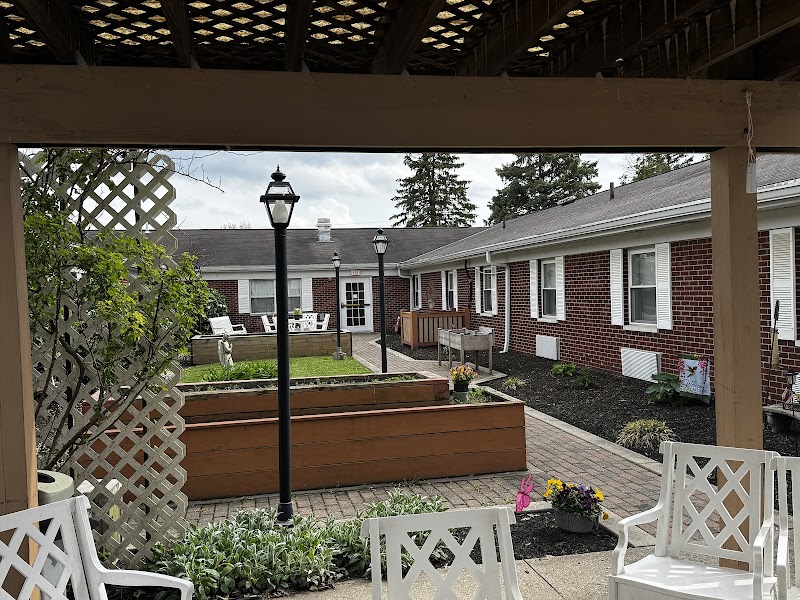
How is Ayden Healthcare Of Greenville Staffed?

CMS rates AYDEN HEALTHCARE OF GREENVILLE's staffing level at 1 out of 5 stars, which is much below average compared to other nursing homes. Staff turnover is 57%, which is 11 percentage points above the Ohio average of 46%. High turnover can affect care consistency as new staff learn residents' individual needs. RN turnover specifically is 78%, which is notably high. RNs provide skilled clinical oversight, so turnover in this role can affect medical care quality.

What Have Inspectors Found at Ayden Healthcare Of Greenville?

State health inspectors documented 28 deficiencies at AYDEN HEALTHCARE OF GREENVILLE during 2021 to 2025. These included: 1 Immediate Jeopardy (the most serious level, indicating potential for serious harm or death) and 27 with potential for harm. Immediate Jeopardy findings are rare and represent the most serious regulatory concerns. They require immediate corrective action.
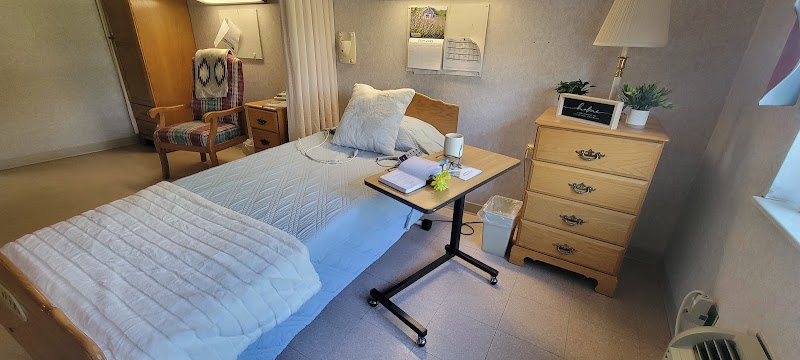
Who Owns and Operates Ayden Healthcare Of Greenville?

AYDEN HEALTHCARE OF GREENVILLE is owned by a for-profit company. For-profit facilities operate as businesses with obligations to shareholders or private owners. The facility is operated by AYDEN HEALTHCARE, a chain that manages multiple nursing homes. With 92 certified beds and approximately 62 residents (about 67% occupancy), it is a smaller facility located in GREENVILLE, Ohio.
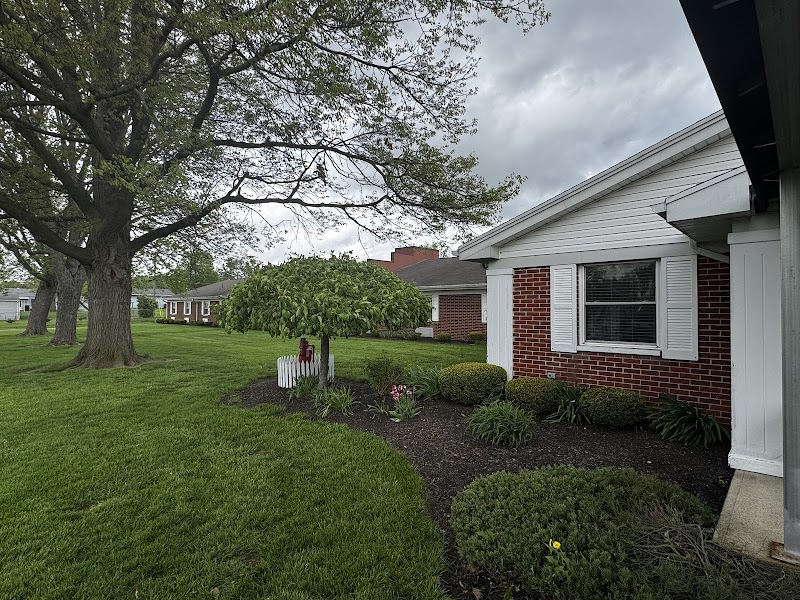
How Does Ayden Healthcare Of Greenville Compare to Other Ohio Nursing Homes?

Compared to the 100 nursing homes in Ohio, AYDEN HEALTHCARE OF GREENVILLE's overall rating (1 stars) is below the state average of 3.2, staff turnover (57%) is significantly higher than the state average of 46%, and health inspection rating (2 stars) is below the national benchmark.

What Should Families Ask When Visiting Ayden Healthcare Of Greenville?

Based on this facility's data, families visiting should ask: "What changes have been made since the serious inspection findings, and how are you preventing similar issues?" "How do you ensure continuity of care given staff turnover, and what is your staff retention strategy?" "Can you walk me through typical staffing levels on day, evening, and night shifts?" "Can I visit during a mealtime to observe dining assistance and food quality?" These questions are particularly relevant given the facility's Immediate Jeopardy citations, the facility's high staff turnover rate, and the below-average staffing rating.

Is Ayden Healthcare Of Greenville Safe?

Based on CMS inspection data, AYDEN HEALTHCARE OF GREENVILLE has documented safety concerns. Inspectors have issued 1 Immediate Jeopardy citation (the most serious violation level indicating risk of serious injury or death). The facility has a 1-star overall rating and ranks #100 of 100 nursing homes in Ohio. Families considering this facility should ask detailed questions about what corrective actions have been taken since these incidents.

Do Nurses at Ayden Healthcare Of Greenville Stick Around?

Staff turnover at AYDEN HEALTHCARE OF GREENVILLE is high. At 57%, the facility is 11 percentage points above the Ohio average of 46%. Registered Nurse turnover is particularly concerning at 78%. RNs handle complex medical decisions and coordinate care — frequent RN changes can directly impact care quality. High turnover means new staff may not know residents' individual needs, medications, or preferences. It can also be disorienting for residents, especially those with dementia who rely on familiar faces. Families should ask: What is causing the turnover? What retention programs are in place? How do you ensure care continuity during staff transitions?

Was Ayden Healthcare Of Greenville Ever Fined?

AYDEN HEALTHCARE OF GREENVILLE has been fined $35,672 across 5 penalty actions. The Ohio average is $33,436. While any fine indicates a compliance issue, fines under $50,000 are relatively common and typically reflect isolated problems that were subsequently corrected. Families should ask what specific issues led to these fines and confirm they've been resolved.

Is Ayden Healthcare Of Greenville on Any Federal Watch List?

AYDEN HEALTHCARE OF GREENVILLE is not on any federal watch list. The most significant is the Special Focus Facility (SFF) program, which identifies the bottom 1% of nursing homes nationally based on persistent, serious quality problems. Not being on this list means the facility has avoided the pattern of deficiencies that triggers enhanced federal oversight. This is a positive indicator, though families should still review the facility's inspection history directly.