BRETHREN RETIREMENT COMMUNITY
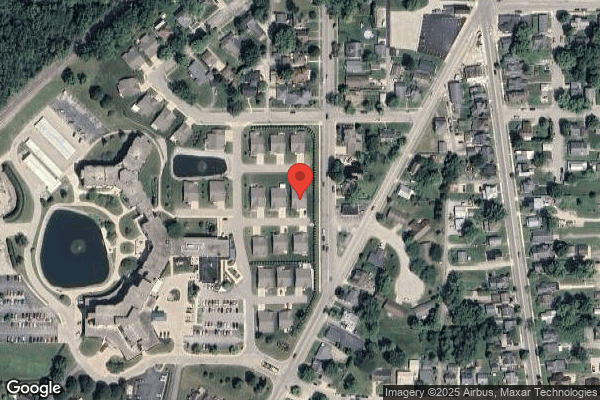
750 CHESTNUT STREET, GREENVILLE, OH 45331 (937) 547-8000
Non profit - Corporation 80 Beds Independent Data: November 2025
Trust Grade
55/100
#421 of 913 in OH
Last Inspection: March 2025

Within standard 12-15 month inspection cycle. Federal law requires annual inspections.

Overview

Brethren Retirement Community in Greenville, Ohio has received a Trust Grade of C, indicating it is average and positioned in the middle of the pack for nursing homes. It ranks #421 out of 913 facilities in Ohio, placing it in the top half, but is #5 out of 6 in Darke County, suggesting that there are better local options available. The facility is experiencing a worsening trend, with issues increasing from 1 in 2024 to 9 in 2025. Staffing is rated 4 out of 5 stars, with a turnover rate of 43%, which is better than the Ohio average, indicating that staff tend to stay and build relationships with residents. However, the facility has less RN coverage than 80% of Ohio facilities, which could impact the quality of care, and specific incidents include a resident developing a serious pressure ulcer due to delayed treatment and another resident at risk for falls being observed not wearing the required non-skid socks. Overall, while there are strengths in staffing stability, there are significant concerns that families should consider.

Trust Score
C
55/100
In Ohio
#421/913
Top 46%
Safety Record
Moderate
Needs review
Inspections
Getting Worse
1 → 9 violations
Staff Stability
○ Average
43% turnover. Near Ohio's 48% average. Typical for the industry.
Penalties
✓ Good
No fines on record. Clean compliance history, better than most Ohio facilities.
Skilled Nurses
○ Average
Each resident gets 31 minutes of Registered Nurse (RN) attention daily — about average for Ohio. RNs are the most trained staff who monitor for health changes.
Violations
⚠ Watch
19 deficiencies on record. Higher than average. Multiple issues found across inspections.
★★★☆☆
3.0
Overall Rating
★★★★☆
4.0
Staff Levels
★★★★☆
4.0
Care Quality
★★★☆☆
3.0
Inspection Score
Stable
2024: 1 issues
2025: 9 issues

The Good

  • 4-Star Staffing Rating · Above-average nurse staffing levels
  • 4-Star Quality Measures · Strong clinical quality outcomes
  • Full Sprinkler Coverage · Fire safety systems throughout facility
  • No fines on record
  • Staff turnover below average (43%)

    5 points below Ohio average of 48%

Facility shows strength in staffing levels, quality measures, fire safety.

The Bad

3-Star Overall Rating

Near Ohio average (3.2)

Meets federal standards, typical of most facilities

Staff Turnover: 43%

Near Ohio avg (46%)

Typical for the industry

The Ugly 19 deficiencies on record

2 actual harm
Apr 2025 1 deficiency
CONCERN (D) 📢 Someone Reported This

A family member, employee, or ombudsman was alarmed enough to file a formal complaint

Potential for Harm - no one hurt, but risky conditions existed

Free from Abuse/Neglect (Tag F0600)

Could have caused harm · This affected 1 resident

**NOTE- TERMS IN BRACKETS HAVE BEEN EDITED TO PROTECT CONFIDENTIALITY** THE FOLLOWING DEFICIENCY REPRESENTS AN INCIDENT OF PAST NONCOMPLIANCE THAT WAS SUBSEQUENTLY CORRECTED PRIOR TO THIS SURVEY. Base...

Read full inspector narrative →
**NOTE- TERMS IN BRACKETS HAVE BEEN EDITED TO PROTECT CONFIDENTIALITY** THE FOLLOWING DEFICIENCY REPRESENTS AN INCIDENT OF PAST NONCOMPLIANCE THAT WAS SUBSEQUENTLY CORRECTED PRIOR TO THIS SURVEY. Based on medical record review, staff interviews, review of self-reported incident (SRI), review of witness statements, review of in-service, review of employee file, review of corrective action, and review of policy, the facility failed to protect residents from neglect/physical abuse. This affected one (#1) of three residents reviewed for abuse. The facility census was 67. Findings include: Review of the medical record of Resident #1 revealed an admission date of 05/24/23. Diagnoses include Alzheimer's disease, dementia without behavioral disturbance, and symptoms and signs involving cognitive functions and awareness. Review of the significant change Minimum Data Set (MDS) assessment dated [DATE] revealed Resident #1 was cognitively impaired and required extensive assistance with personal hygiene. Review of the facility investigation revealed a hand-written statement from the Certified Nurse Assistant (CNA) #109 with date of observation 03/15/24 (all others in investigation dated 03/15/25) with a statement I accidentally wiped a bed matt and then used the same cloth to wash a resident's face. I'm sorry won't ever happen again. I'm so upset and preoccupied by losing my friend an it's been very hard to concentrate since finding this out. Review of a hand-written statement written by Licensed Practical Nurse (LPN) #107, dated 03/17/25, with a date of incident 03/15/25 at 2:00 P.M. to 2:45 P.M., revealed Housekeeper #105 had reported to CNA #103 she had witnessed CNA #109 wipe Resident #01's face with a feces-stained wash cloth. The Director of Nursing (DON) and Administrator were called. The DON spoke with CNA #109, who immediately began to yell at Housekeeper #105 for reporting her. CNA #109 reportedly stated I have a car payment, and everyone here was after her. LPN #107 told CNA #109 to stop yelling. CNA #109 grabbed some papers and left the unit. Review of a hand-written statement written by Housekeeper #105, dated 03/15/25, with date of observation 03/15/25 estimated time 1:15 P.M. to 2:00 P.M., revealed Housekeeper #105 heard a loud plop coming from Resident #01's room. Upon entering the room Housekeeper #105 witnessed Resident #1 crying and CNA #109 said She was mad at me. Housekeeper #105 reported seeing CNA #109 wipe feces from the bed and use the same cloth to wipe Resident #1's face. Review of a hand-written statement written by CNA #103, dated 03/17/25, with observation date on 03/15/25 between 2:30 P.M. and 3:30 P.M., revealed CNA #103 arrived to work and approximately 2:30 P.M., Housekeeper #105 reported having witnessed CNA #109 wiping a stool stain from Resident #1's bed then used the same cloth to wipe Resident #1's face. CNA #103 reported having overheard a phone conversation where CNA #109 stated Well I did it, but it was an accident. A short while after the incident CNA #103 heard CNA #109 yelling at Housekeeper #105 How could you do this to me, I have a house and car payment, and again admitted to doing it. CNA #109 reportedly stated she used a different part of the washcloth. CNA #103 entered Resident #1's room and noted a stool stain on the bed. Resident #1 was immediately given a bed bath, and the bed linens were changed. Review of SRI #258292 with submission date of 03/17/25 at 5:17 P.M. The date of occurrence was listed as 03-15/25 at 1:45 P.M. The alleged neglect incident was described as Housekeeper #105 went into Resident #1's room and witnessed Certified Nurse Assistant (CNA)#109 pick up a wash cloth, wipe bowel movement (BM) from bed pad and then wipe Resident #1's face with the same soiled cloth. Housekeeper #105 informed Licensed Practical Nurse (LPN) #107 of incident witnessed. LPN #107 assessed Resident #1, with no injury or redness noted. LPN #107 called the Director of Nursing (DON). DON interviewed CNA #109. CNA #109 admitted to the incident, stating it was an accident. DON informed CNA #109 she needed to leave the building and she is off the schedule until investigation complete. The investigation was completed and filed on date of 03/20/25 at 2:22 P.M. The facility substantiated neglect occurred. Interview on 04/14/25 at 2:00 P.M. with Certified Nursing Assistant #103 revealed she had arrived to work shortly after the incident and was told by Housekeeper #105 of the incident and immediately informed Licensed Practical Nurse #107 who immediately removed CNA #109 from the floor and called the Administrator. Review of the employee file of CNA #109 revealed a hire date of 03/07/16 and a date of termination 03/19/25. Review of the policy titled Abuse, Neglect and Exploitation: implemented 10/24/22 revealed the facility prohibits abuse. The facility will develop and implement written policies and procedures to prohibit and prevent abuse. Establish policies and procedures to investigate any such allegations. Train new and existing staff on activities that constitute abuse. Coordinate and report to the Quality Assurance and Performance Improvement team. The facility will provide ongoing oversight and supervision of staff to assure the policies are implemented as written. As a result of the incident, the facility took the following actions to correct the deficient practice by 03/20/25: • On 03/15/25, immediate removal of CNA #109 from the schedule. • On 03/15/25, Resident #1 assessed with no negative findings, all other residents assessed with no negative findings by nursing staff. • On 03/15/25, facility investigation initiated by administrative staff. • On 03/15/25 and 03/16/25, all staff in the facility were in-serviced on the facility's abuse, neglect, and misappropriation policy by the Administrator and completed by 03/20/25. • On 03/15/25, audits began, by interview, of resident satisfaction and safety were conducted weekly by the Social Service department for four weeks. • On 03/19/25, CNA #109 was terminated from employment on 03/19/25. • Interviews on 04/14/25 from 8:00 A.M. to 11:30 A.M., with three CNAs, two Licensed Practical Nurses, two Housekeepers, and two kitchen staff revealed all had received education on the abuse policy within the last month. This deficiency represents non-compliance investigated under Complaint Number OH00164015.
Mar 2025 8 deficiencies 1 Harm
SERIOUS (G)

Actual Harm - a resident was hurt due to facility failures

Pressure Ulcer Prevention (Tag F0686)

A resident was harmed · This affected 1 resident

**NOTE- TERMS IN BRACKETS HAVE BEEN EDITED TO PROTECT CONFIDENTIALITY** Based on medical record review, staff interview, and review of facility policies, the facility failed to ensure pressure ulcer c...

Read full inspector narrative →
**NOTE- TERMS IN BRACKETS HAVE BEEN EDITED TO PROTECT CONFIDENTIALITY** Based on medical record review, staff interview, and review of facility policies, the facility failed to ensure pressure ulcer care treatments were initiated timely and wound assessments were thoroughly completed to prevent the worsening of a pressure ulcer. Actual harm occurred to Resident #12 when the resident was readmitted to the facility with a stage II pressure ulcer (partial-thickness skin loss with exposed dermis) on assessment and no treatment orders were implemented until concerns were voiced by the resident's representative several days later. This resulted in Resident #12's pressure ulcer worsening to a stage III pressure ulcer (full-thickness skin loss) and associated deterioration and drainage. This affected one (#12) of three residents reviewed for pressure ulcers. The facility census was 69. Findings included: Review of the medical record for Resident #12 revealed an admission date of 01/30/24 with diagnoses including diabetes mellitus, osteoarthritis, hypothyroidism, hypertension, atrial fibrillation, and congestive heart failure. Further review of Resident #12's medical record revealed the resident was discharged to the hospital on [DATE] and readmitted to the facility on [DATE]. Resident #12 was hospitalized again on 02/06/25 and readmitted to the facility on [DATE]. Review of Resident #12's annual Minimum Data Set (MDS) assessment dated [DATE] revealed Resident #12 had moderate cognitive impairment and was dependent on staff for transfers, bed mobility, and toilet hygiene. Review of Resident #12's weekly wound evaluation dated 01/22/25 revealed the resident was readmitted to the facility from the hospital with a stage II pressure ulcer to the coccyx which measured 10.0 millimeters (mm) long by 10.0 mm wide by 4.0 mm deep. Further review revealed the physician and resident representative were notified and a treatment order was given. Review of Resident #12's physician orders revealed no documentation to support an order for wound care treatment on 01/22/25. Review of a nursing progress note dated 01/28/25 at 12:26 P.M. revealed Resident #12's daughter expressed concerns regarding the wound nurse practitioner assessing the open area to Resident #12's coccyx. Further review revealed a nurse requested the physician or wound nurse practitioner see Resident #12 as soon as possible. Review of Resident #12's weekly wound evaluation dated 01/28/25 revealed the pressure ulcer to Resident #12's coccyx had worsened and treatment was ordered. The evaluation did not have documentation to support measurements were completed. Review of a nursing progress note dated 01/29/25 at 1:45 P.M. revealed a new treatment order was received and the wound nurse practitioner would follow Resident #12. Review of Resident #12's physician orders revealed an order dated 01/29/25 to pack the coccyx wound with Vashe soaked gauze and cover with border foam two times per day and as needed. Review of Resident #12's treatment administration record (TAR) for January 2025 revealed no documentation to support treatment to Resident #12's pressure ulcer to coccyx was initiated until 01/29/25. Review of a wound nurse practitioner progress note dated 02/03/25 revealed documentation of an initial visit for Resident #12's coccyx wound with measurements of 2.0 centimeters (cm) long by 2.0 cm wide by 1.4 cm deep. Further review revealed the wound had 40 percent (%) slough (non-viable yellow, tan, gray, green or brown tissue; usually moist, can be soft, stringy and mucinous in texture) and a moderate amount of serous drainage (watery, clear, or slightly yellow/tan/pink fluid that has separated from the blood and presents as drainage). Further review of the note indicated new treatments orders were given. Review of Resident #12's physician orders revealed an order dated 02/06/25 to cleanse the coccyx wound with wound cleanser, apply collagen to the wound bed, pack the wound with Vashe soaked gauze, and cover with bordered foam two times per day and as needed. Further review revealed a new treatment order was given 02/25/25 to cleanse the wound with wound cleanser, apply Santyl to the wound bed, pack with Vashe soaked gauze, and cover with bordered foam daily. Review of a wound nurse practitioner progress note dated 02/24/25 revealed Resident #12 continued with a stage III pressure ulcer to the coccyx with measurements of 2.0 cm long by 2.0 cm wide by 2.0 cm deep with 90% slough and a treatment in place. Interview on 03/06/25 at 11:27 A.M. with the Director of Nursing (DON) confirmed the medical record for Resident #12 did not contain documentation to support a wound treatment was initiated on 01/22/25 when Resident #12 was noted to have a stage II pressure ulcer to the coccyx. The DON also confirmed Resident #12's pressure ulcer worsened to a stage III pressure ulcer on 01/28/25 and verified there was no full assessment of the wound between 01/22/25 and 02/03/25 to determine the wound size. Review of the policy titled, Pressure ulcers/skin breakdown - Clinical Protocol, revised April 2018, revealed nursing staff and practitioner will assess and document an individual's significant risk factors for developing pressure ulcers. In addition, the nurse shall describe and document or report a full assessment of the pressure sore including location, stage, length, width, and depth, presence of exudates or necrotic, pain assessment, resident's mobility status, and current treatments. Further review revealed the physician will order pertinent wound treatments. Review of the policy titled, Wound Care, revised October 2010, revealed the purpose was to provide guidelines for the care of wounds to promote healing. Staff are to verify there is a physician's order for the procedure.
CONCERN (D)

Potential for Harm - no one hurt, but risky conditions existed

Resident Rights (Tag F0550)

Could have caused harm · This affected 1 resident

Based on observation, a resident representative interview, and staff interview, the facility failed to ensure residents were provided a dignified dining experience when residents were not provided mea...

Read full inspector narrative →
Based on observation, a resident representative interview, and staff interview, the facility failed to ensure residents were provided a dignified dining experience when residents were not provided meals timely. This affected three (#19, #47, and #53) of ten residents observed in the 500 Hall dining room. The facility census was 69. Findings included: Observation on 03/05/25 from 11:37 A.M. to 1:13 P.M. revealed, at 11:37 A.M., staff assisted residents to the 500 Hall dining room and started to serve the residents drinks. Observation at 11:58 A.M. revealed 10 residents to be sitting in the dining room. Observation at 12:04 P.M. revealed staff started to serve residents their lunch trays in the dining room and meal trays were delivered to the rooms of the residents who did not come to the dining room for lunch. Observation at 12:35 P.M. revealed three (#19, #47, and #53) residents out of the 10 residents in the dining room had not been served a lunch tray while the other seven residents were actively eating their meals or had finished their meals and were leaving the dining room. Observation at 12:40 P.M. revealed Resident #19 received her lunch tray. Observation at 12:44 P.M. revealed Resident #53 received one chicken tender and was informed by Dietary Aide (DA) #477 the mashed potatoes with gravy she requested were being delivered from the kitchen. Observation at 12:46 P.M. revealed Resident #53's mashed potatoes and gravy were delivered to the resident. Observation at 1:13 P.M. revealed Resident #47 left the dining room without receiving a meal tray. Interview on 03/05/25 at 12:36 P.M. with Licensed Practical Nurse (LPN) #475 confirmed Resident #19, Resident #47, and Resident #53 had not received a lunch meal tray while the other seven residents in the dining room were eating or had already finished their meals. LPN #475 also confirmed meal trays were served to residents in their rooms prior to all the residents being served at the same time in the dining room. Interview on 03/05/25 at 12:38 P.M. with DA #477 confirmed Resident #19, Resident #47, and Resident #53 were not served a lunch tray at the same time as the seven other residents in the dining room. Interview on 03/05/25 at 1:17 P.M. with Resident #53's brother stated the residents who eat in the dining room normally have to wait 45 minutes or more to be served meals once they are brought to the dining room.
CONCERN (D)

Potential for Harm - no one hurt, but risky conditions existed

Safe Environment (Tag F0584)

Could have caused harm · This affected 1 resident

Based on observation, staff interview, and policy review, the facility failed to ensure wheelchairs were maintained in a clean and sanitary manner. This affected one (#1) of five reviewed for wheelcha...

Read full inspector narrative →
Based on observation, staff interview, and policy review, the facility failed to ensure wheelchairs were maintained in a clean and sanitary manner. This affected one (#1) of five reviewed for wheelchair cleanliness. The facility census was 69. Findings include: Observation on 03/03/25 at 9:58 A.M. revealed Resident #1's wheelchair had a thick coating of food particles on the left side covering the lower rails and the left side of the seat cushion. Observation and interview on 03/04/25 at 2:43 P.M. with Certified Nurse Aide (CNA) #491 verified the appearance of Resident #1's wheelchair during the observation. CNA #491 stated it was the responsibility of the third shift CNAs to clean resident wheelchairs. Interview on 03/04/25 at 3:00 P.M. with Chief Clinical Officer #505 provided additional verification of the appearance of Resident #1's wheelchair. Review of the undated policy titled, Cleaning and Disinfection of Resident-Care Equipment, revealed resident-care equipment will be cleaned.
CONCERN (D)

Potential for Harm - no one hurt, but risky conditions existed

Deficiency F0657 (Tag F0657)

Could have caused harm · This affected 1 resident

**NOTE- TERMS IN BRACKETS HAVE BEEN EDITED TO PROTECT CONFIDENTIALITY** Based on medical record review, resident representative interview, staff interview, and policy review, the facility failed to en...

Read full inspector narrative →
**NOTE- TERMS IN BRACKETS HAVE BEEN EDITED TO PROTECT CONFIDENTIALITY** Based on medical record review, resident representative interview, staff interview, and policy review, the facility failed to ensure care conferences were completed as required. This affected one (#32) of one residents reviewed for care conferences. The facility census was 69. Findings included: Review of the medical record for Resident #32 revealed an admission date of 06/03/24 with diagnoses of dementia, osteoarthritis, congestive heart failure, and chronic kidney disease stage III. Review of Resident #32's Minimum Data Set (MDS) assessment dated [DATE] indicated Resident #32 had severely impaired cognition and required partial/moderate staff assistance with toilet hygiene, bed mobility, transfers and substantial/maximum assistance with bathing. Review of the medical record for Resident #32 revealed no documentation to support the facility conducted a care conference since the initial care conference in June 2024. Interview on 03/03/25 at 3:23 P.M. with Resident #32's representative stated the facility had not held a care conference with the resident and representative in a very long time. Interview on 03/06/25 at 10:52 A.M. with the Administrator confirmed there was no evidence of a care conference held for Resident #32 since the initial care conference in June 2024. Review of the facility policy titled, Care Planning-Resident Participation, revealed the facility supports the resident's right to be informed of, and participate in, his or her care planning and treatment (implementation of care). The policy revealed the facility would honor the resident's right to participate with establishing the expected goals and outcome of care, the type, amount, frequency, and duration of care, and any other factors related to the effectiveness of the plan of care.
CONCERN (D)

Potential for Harm - no one hurt, but risky conditions existed

Drug Regimen Review (Tag F0756)

Could have caused harm · This affected 1 resident

**NOTE- TERMS IN BRACKETS HAVE BEEN EDITED TO PROTECT CONFIDENTIALITY** 2. Review of the medical record for Resident #31 revealed an admission date of 06/21/24. Diagnoses include anxiety and depressio...

Read full inspector narrative →
**NOTE- TERMS IN BRACKETS HAVE BEEN EDITED TO PROTECT CONFIDENTIALITY** 2. Review of the medical record for Resident #31 revealed an admission date of 06/21/24. Diagnoses include anxiety and depression. Review of the quarterly MDS assessment dated [DATE] revealed Resident #31 was mildly cognitively impaired. Review of the form titled, Consultant Pharmacist Recommendations, dated 12/06/24, revealed a notation to consider a GDR of Resident #31's antianxiety medication lorazepam 0.5 mg by mouth once daily and antianxiety medication buspirone 5 mg by mouth three times daily. The recommendation was marked as contraindicated with the reasons noted as previous attempts caused symptom recurrence and/or worsening, additional attempts may increase the risk of decompensating due to history of psychiatric instability, and target symptoms persist. The form was signed on 12/18/24. Review of Resident #31's behavior monitoring documentation revealed only five notations of anxiousness or restlessness and two panic episodes in the timeframe between 10/01/24 to 11/30/24. Interview on 03/05/25 at 4:30 P.M. with Chief Clinical Officer #505 confirmed the GDR responses on Resident #31's Consultant Pharmacist Recommendations document dated 12/06/24 were not accurate as the resident had not been at the facility for long and the GDRs recommenced for the resident would have been the first attempts to the facility's knowledge. Review of the policy titled, Medication Regimen Review Practice Guide, dated December 2024, revealed nursing management will review the signed recommendations and process any orders. Based on medical record review, staff interviews, and policy review, the facility failed to ensure pharmacy recommendations were reviewed by the physician and failed to ensure physician responses to pharmacy recommendations were accurate. This affected two (#11 and #31) of the five residents reviewed for medications. The facility census was 69. Findings included: 1. Review of the medical record for Resident #11 revealed an admission date of 09/05/23 with diagnoses of dementia, Parkinson's disease, asthma, chronic obstructive pulmonary disease (COPD), depression, and anxiety. Review of Resident #11's quarterly Minimum Data Set (MDS) assessment, dated 02/14/25, revealed the resident had severe cognitive impairment, required partial/moderate staff assistance with bathing and bed mobility, substantial/maximum assistance with toilet hygiene and transfers and received antipsychotic and antidepressant medications. Review of Resident #11's physician orders revealed an order dated 09/06/23 for the antidepressant medication duloxetine 60 milligrams (mg) one tablet by mouth every bedtime. Resident #11 also had physician orders dated 09/09/24 for the cognitive-enhancing medication memantine 10 mg one by mouth every evening and an order dated 09/30/24 for the cognitive-enhancing medication Aricept five (5) mg one tablet by mouth daily. Review of the medical record for Resident #11 revealed a pharmacy recommendation dated 07/17/24 which noted a gradual dose reduction (GDR) for the antidepressant medication mirtazapine 15 milligram (mg) by mouth daily and duloxetine 60 mg by mouth daily was recommended. Review of the form revealed no documentation to support the facility completed the GDR or notified the physician of the pharmacy recommendation. Review of the pharmacy recommendation dated 11/06/24 revealed a recommendation to titrate the memantine daily dose by 5 mg every week until a maximum daily dose of 20 mg in divided doses was reached. Review of the form revealed no documentation to support the physician reviewed the recommendation. Interview on 03/06/25 at 10:13 A.M. with Administrator confirmed the facility did not have documentation to support the physician reviewed the pharmacy recommendations for Resident #11 dated 07/17/24 and 11/06/24.
CONCERN (D)

Potential for Harm - no one hurt, but risky conditions existed

Medication Errors (Tag F0758)

Could have caused harm · This affected 1 resident

Based on medical record review and staff interview, the facility failed to ensure recommendations for gradual dose reductions of psychotropic medications were attempted or completed as required. This ...

Read full inspector narrative →
Based on medical record review and staff interview, the facility failed to ensure recommendations for gradual dose reductions of psychotropic medications were attempted or completed as required. This affected one (#11) of five residents reviewed for medications. The facility census was 69. Findings included: Review of the medical record for Resident #11 revealed an admission date of 09/05/23 with diagnoses of dementia, Parkinson's disease, asthma, chronic obstructive pulmonary disease (COPD), depression, and anxiety. Review of Resident #11's quarterly Minimum Data Set (MDS) assessment, dated 02/14/25, revealed the resident had severe cognitive impairment, required partial/moderate staff assistance with bathing and bed mobility, substantial/maximum assistance with toilet hygiene and transfers, and received antipsychotic and antidepressant medications. Review of the medical record for Resident #11 revealed a physician order dated 09/06/23 for the antidepressant medication duloxetine 60 milligrams (mg) one tablet by mouth every bedtime. Review of the medical record for Resident #11 revealed a pharmacy recommendation dated 07/17/24 which noted a gradual dose reduction (GDR) for duloxetine 60 mg by mouth daily was recommended. Review of the form revealed no documentation to support the facility completed or attempted the GDR. Interview on 03/06/25 at 10:13 A.M. with the Administrator confirmed the facility did not have documentation to support a GDR was attempted or completed for Resident #11 per pharmacy recommendations on 07/17/24. Review of the policy titled, Medication Regimen Review Practice Guide, dated December 2024, revealed nursing management will review the signed recommendations and process any orders.
CONCERN (D)

Potential for Harm - no one hurt, but risky conditions existed

Deficiency F0825 (Tag F0825)

Could have caused harm · This affected 1 resident

**NOTE- TERMS IN BRACKETS HAVE BEEN EDITED TO PROTECT CONFIDENTIALITY** Based on observation, staff and resident interview, nurse practitioner interview, and medical record review, the facility failed...

Read full inspector narrative →
**NOTE- TERMS IN BRACKETS HAVE BEEN EDITED TO PROTECT CONFIDENTIALITY** Based on observation, staff and resident interview, nurse practitioner interview, and medical record review, the facility failed to ensure residents received specialized rehabilitative services as determined by their comprehensive plan of care to assist them to attain, maintain or restore, their highest practicable level of physical, mental, functional and psycho-social well-being. This affected one (#28) of two residents reviewed for activities of daily living. The census was 69. Findings include: Review of the medical record for Resident #28 revealed an admission date of 10/20/23. Diagnoses included hemiplegia following a stroke affecting the left dominant side, depression, type two diabetes mellitus, and congestive heart failure. Review of the quarterly Minimum Data Set (MDS) assessment dated [DATE] revealed Resident #28 was cognitively intact, required assistance with eating, and was dependent for toileting hygiene, bed mobility, and transfers. Review of Resident #28's care plan revealed the resident was at risk due to left hemiplegia, poor balance, and inability to bear weight on the legs and potential medication side effects. Interventions included providing activities that promote exercise and strength building if bedbound and physical therapy consultation for strength and mobility. Further review of the resident's care plan revealed the resident had a focus area of being resistive to care but no evidence of refusing care. Review of a physician note dated 07/22/24 revealed Resident #28 continued to require extensive assistance from staff and requested physical and occupational therapy. Further review of the assessment revealed the resident had increased weakness. Review of a progress note dated 07/29/24 revealed Resident #28 refused to get out of bed and physical therapy came to his room to discuss his desire to ambulate. Further review revealed the resident needed to get out of bed five days in a row for a therapy evaluation. Review of Resident #28's progress note dated 02/02/25 revealed a request was made to the physician for routine pain medication due to increased stiffness and yelling out in pain with movement. Observation and interview on 03/03/25 at 10:57 A.M. with Resident #28 revealed he was laying in his bed on his back. The resident's left arm was bent at the elbow and his palm was flat against his chest. Resident #28 stated he was unable to move his left arm, was able to slowly bend his right lower extremity, and had minimal movement of the left lower extremity. Resident #28 stated he had been in therapy in the past, but it had been some time. Interview on 03/05/25 with Director of Rehabilitation Services (DRS) #705 revealed Resident #28 refused therapy services on multiple occasions. The last evaluation was in November 2024 and he had refused services. Interview on 03/06/25 at 11:23 A.M. with the Director of Nursing (DON) and DRS #705 stated Resident #28 would voice he wanted assistance from therapy to improve his activities of daily living (ADLs) but when therapy staff would come to provide treatment the resident would refuse. The DON and DRS #705 acknowledged there was no documentation regarding Resident #28's refusal of therapy services. DRS #705 acknowledged therapy services could be provided for bedbound residents. Interview on 03/06/25 at 12:06 P.M. with Certified Nurse Practitioner (CNP) #704 verified Resident #28 had a decline in the mobility and increased atrophy of his left arm. CNP #704 stated she was not aware therapy had not been offered in his room, and it would be her expectation the resident would receive bedside services.
CONCERN (D)

Potential for Harm - no one hurt, but risky conditions existed

Infection Control (Tag F0880)

Could have caused harm · This affected 1 resident

**NOTE- TERMS IN BRACKETS HAVE BEEN EDITED TO PROTECT CONFIDENTIALITY** Based on observation, medical record review, staff interview, facility policy review, and review of the Centers for Disease Cont...

Read full inspector narrative →
**NOTE- TERMS IN BRACKETS HAVE BEEN EDITED TO PROTECT CONFIDENTIALITY** Based on observation, medical record review, staff interview, facility policy review, and review of the Centers for Disease Control and Prevention (CDC) website, the facility failed to ensure residents on infection control precautions had appropriate signage posted, failed to ensure adequate personal protective equipment (PPE) was worn for care provided to residents on infection control precautions, and failed to ensure PPE was properly disposed of after use. This affected three (#12, #38, and #179) of three residents reviewed for infection control precautions. The facility census was 69. Findings include: 1. Review of the medical record for Resident #179 revealed an admission date of 02/28/25. The resident was admitted with diagnoses including atrial fibrillation, herpes simplex virus (HSV-1), and right hip dislocation. Review of Resident #179's physician orders revealed the resident was ordered contact isolation for a diagnosis of Clostridium difficile (C. diff) with a start date of 02/28/25 and end date of 03/03/25. Further review of an additional order dated 03/03/25 revealed Resident #179 was in contact isolation for a diagnosis of HSV-1. Observation and interview on 03/03/25 at 10:23 A.M. revealed no infection control sign posted on or near Resident #179's room. Upon knocking and proceeding to enter Resident #179's room, Certified Nurse Aide (CNA) #558 called to the surveyor and explained anyone entering Resident #179's room required personal protection equipment (PPE). CNA #558 verified there was no signage on the door to indicate Resident #179 was in isolation. CNA #558 proceeded to find a sign and was observed taping it to Resident #179's door. Interview on 03/03/25 at 10:28 A.M. with Licensed Practical Nurse (LPN) #620, at the nurse's station, revealed Resident #179 was in isolation for C. diff and required a gown and gloves for both staff and visitors entering the resident's room. LPN #620 was unaware there was no sign posted on or near Resident #179's room. Observation and interview on 03/03/25 at 10:37 A.M. with CNA #558 revealed, upon entering Resident #179's room, there were two white gowns hanging on plastic hooks on the closet door. CNA #558 shared she had been in the room earlier in the day, but denied one of the gowns was hers. CNA #558 stated the gowns were not to be reused and she acknowledged there was no bag or container for soiled linens in the room. Interview on 03/06/25 at 8:17 A.M. with the Director of Nursing (DON) revealed Resident #179 did not have an active case of C. diff when she was admitted but did have an active case of HSV-1. The DON verified transmission based precautions should have been initiated upon the resident's admission. 2. Review of the medical record for Resident #38 revealed an admission date of 01/15/25. The resident was admitted with diagnoses including neuropathy, atrial fibrillation, reflux and hypertension. Review of Resident #38's admission Minimum Data Set (MDS) assessment dated [DATE] revealed the resident had intact cognition. Review of a progress note dated 03/02/25 revealed Resident #38 tested positive for Influenza Type A. Review of a physician order dated 03/02/25 revealed an order for Resident #38 to be in droplet precautions due to a diagnosis of Influenza Type A. Observation and interview on 03/03/25 at 1:45 P.M. revealed a sign on Resident #38's door indicating the resident was on enhanced barrier precautions. CNA #509 was observed approaching Resident #38's door to answer an activated call light. CNA #509 stated she was told she had to wear a surgical mask upon entering the room and a box of surgical masks were observed outside Resident #38's room. DNA #509 then entered the room. Observation and interview on 03/03/25 at 1:48 P.M. revealed CNA #509 exited Resident #38's room still wearing the surgical mask. CNA #509 verified she did not remove or change her mask upon exiting the resident's room. Interview on 03/03/25 at 1:52 P.M. with the DON revealed she was not aware droplet precautions had not been initiated for Resident #38. Review of the facility policy titled, Isolation-Initiating Transmission-Based Precautions, dated August 2019, revealed transmission-based precautions are utilized when a resident meets the criteria as having an infectious disease. Review of the CDC website at, https://www.cdc.gov/infection-control/hcp/basics/transmission-based-precautions.html, revealed a webpage titled, Transmission-Based Precautions, dated 04/03/24. The webpage revealed to use droplet precautions for patients known or suspected to be infected with pathogens transmitted by respiratory droplets that are generated by a patient who is coughing, sneezing, or talking. Further review revealed everyone must clean their hands, including before entering and when leaving the room, make sure their eyes, nose, and mouth are fully covered before room entry, and remove face protection before room exit. 3. Review of the medical record for Resident #12 revealed an admission date of 01/30/24 with diagnoses of diabetes mellitus, osteoarthritis, hypothyroidism, hypertension, atrial fibrillation, and congestive heart failure. Review of Resident #12's annual MDS assessment dated [DATE] revealed the resident had moderate cognitive impairment and was dependent upon staff for transfers, bed mobility, and toilet hygiene. Review of a wound nurse practitioner assessment dated [DATE] revealed Resident #12 was assessed with a stage III pressure ulcer (full-thickness skin loss) which measured 2.0 centimeters (cm) long by 2.0 cm wide by 1.4 cm deep with 40 percent (%) slough (non-viable yellow, tan, gray, green or brown tissue; usually moist, can be soft, stringy and mucinous in texture) present. Review of Resident #12's physician orders revealed an order dated 02/25/25 to cleanse the wound with wound cleanser, apply Santyl to the wound bed nickel thick, lightly pack the wound with Vashe soaked gauze, and cover with bordered foam daily and as needed. Observation on 03/05/25 at 3:01 P.M. of Resident #12's room revealed an enhanced barrier precaution sign sitting near Resident #12's sink and an isolation cart with personal protective equipment located outside of Resident #12's room door. The observation revealed Licensed Practical Nurse (LPN) #475 washed her hands and put on gloves. LPN #475 proceeded to complete Resident #12's wound care as ordered. LPN #475 was observed taking off her gloves and washing her hands. Interview on 03/05/25 at 3:10 P.M. with LPN #475 confirmed she did not put on a gown when she completed Resident #12's wound care. LPN #475 confirmed Resident #12 had an enhanced barrier precaution sign sitting by the sink in her room. LPN #475 stated staff never wore a gown when providing wound or incontinence care to Resident #12. Review of the facility policy titled, Enhanced Barrier Precautions, revealed it was the policy of the facility to implement enhanced barrier precautions for the prevention of transmission of multidrug-resistant organisms (MDRO). Enhanced barrier precautions refers to the use of a gown and gloves for use during high-contact resident care activities for residents known to be colonized or infected with a MDRO as well as those at risk for MDRO acquisition (those with wounds or indwelling devices). The policy revealed an order for enhanced barrier precautions would be obtained for residents with any wounds and/or indwelling medical devices (central lines, hemodialysis catheters, urinary catheters, feeding tubes, or tracheostomy/ventilator tubes) even if the resident is not known to be infected or colonized with MDRO.
Jun 2024 1 deficiency
CONCERN (D) 📢 Someone Reported This

A family member, employee, or ombudsman was alarmed enough to file a formal complaint

Potential for Harm - no one hurt, but risky conditions existed

Investigate Abuse (Tag F0610)

Could have caused harm · This affected 1 resident

**NOTE- TERMS IN BRACKETS HAVE BEEN EDITED TO PROTECT CONFIDENTIALITY** Based on record review, review of facility self-reported incidents (SRI's), staff interviews, and review of the facility policy,...

Read full inspector narrative →
**NOTE- TERMS IN BRACKETS HAVE BEEN EDITED TO PROTECT CONFIDENTIALITY** Based on record review, review of facility self-reported incidents (SRI's), staff interviews, and review of the facility policy, the facility failed to conduct a thorough neglect investigation. This affected one (#44) of three residents reviewed for neglect. The facility census was 76. Findings include: Review of the medical record revealed Resident #44 was admitted to the facility on [DATE] with diagnoses of cerebral infarction, acute cystitis with hematuria, repeated falls, congestive obstructive pulmonary disease, mitral valve prolapse, atrial fibrillation, depression and anxiety. Review of the Significant Change Minimum Data Set (MDS) dated [DATE] revealed Resident #44 was cognitively intact, had an indwelling Foley catheter (discontinued 05/03/24), was frequently incontinent of bowel and had no Range of Motion impairment in upper and lower extremities. Resident #44 required moderate assistance with eating and oral hygiene, maximal assistance with personal hygiene and bed mobility, and dependent for toileting, bathing, dressing and transfers. Review of a SRI dated 05/19/24 revealed Resident #44 reported she was forcefully administered Morphine orally via a syringe by an Agency Licensed Practical Nurse (LPN) #9 after Resident #44 stated she did not want the Morphine because of the way it made her feel. The SRI was initiated by the facility Administrator on 05/22/24 alleging neglect and was substantiated by the facility Administrator on 05/27/24. Review of the SRI facility investigation file revealed an interview with Resident #44 was completed by the Administrator. Review of the investigation filed revealed a one-time questionnaire was administered by facility staff to 15 Residents (#37, #38, #39, #41, #42, #45, #46, #47, #48, #49, #50, #52, #53, #54 and #55) and one family member. Further review of the SRI facility investigation file revealed Agency LPN #9 was the name of the alleged perpetrator on an Addendum Documents and Notes dated 05/28/24 however, there is no documentation indicating attempts were made to contact the alleged perpetrator. Review of the SRI facility investigation file revealed no documentation of attempts to identify and interview others who might have knowledge of the incident. Interview on 06/14/24 at 1:15 P.M. with the Administrator confirmed the facility did not complete a thorough investigation of the SRI dated 05/22/24 involving Agency LPN #9 and Resident #44. The Administrator further confirmed the facility did not attempt to contact the perpetrator, identify and interview any other individuals who may have knowledge of the incident, or provide complete and thorough documentation of the investigation as stated in the facility's policy titled Abuse, Neglect and Exploitation, dated 10/24/22. The Administrator confirmed the facility substantiated the SRI based on the interview with Resident #44. Review of the facility's policy titled Abuse, Neglect and Exploitation dated 10/24/22 states on page 4, Section V. Investigation of Alleged Abuse, Neglect and Exploitation, B. Written procedures for investigations include: 4. Identifying and interviewing all involved persons, including the alleged victim, alleged perpetrator, witnesses, and others who might have knowledge of the allegations; 6. Providing complete and thorough documentation of the investigation. This deficiency represents non-compliance investigated under Complaint Number OH00154258.
Jun 2023 1 deficiency
CONCERN (D) 📢 Someone Reported This

A family member, employee, or ombudsman was alarmed enough to file a formal complaint

Potential for Harm - no one hurt, but risky conditions existed

Deficiency F0805 (Tag F0805)

Could have caused harm · This affected 1 resident

**NOTE- TERMS IN BRACKETS HAVE BEEN EDITED TO PROTECT CONFIDENTIALITY** Based on record review, staff interviews, review of the facility's Self-Reported Incidents (SRIs), and policy review, the facili...

Read full inspector narrative →
**NOTE- TERMS IN BRACKETS HAVE BEEN EDITED TO PROTECT CONFIDENTIALITY** Based on record review, staff interviews, review of the facility's Self-Reported Incidents (SRIs), and policy review, the facility failed to ensure a resident was provided a diet as ordered, in a form to meet the resident's needs. This affected one (Resident #125) resident of the three residents reviewed for mechanically altered diets. The facility identified 22 residents who received a mechanically altered diet. The facility census was 62. Findings include: Review of the medical record for the Resident #125 revealed an admission date of 06/21/22 with medical diagnoses of history of cerebral infarction, dysphagia, aphasia, atrial fibrillation, and hypertension. Resident #125 enrolled onto hospice services on 05/23/23 and expired 05/24/23. Review of the quarterly Minimum Data Set (MDS) assessment dated [DATE], indicated Resident #125 had severe cognitive impairment, required extensive staff assistance with bathing, toileting, and transfers and required supervision with set-up assistance for eating. Resident #125 received a mechanically altered diet. Review of the care plan dated 01/11/23 revealed Resident #125 was at risk for aspiration due to dysphagia. The interventions included to provide pureed solids and nectar liquids. Review of Resident #125 physician's orders revealed an order dated 05/12/23 for regular diet, pureed texture, with nectar/mildly thick consistency. Review of the Self-Reported Incident (SRI) dated 06/06/23, revealed the facility investigated an anonymous complaint which stated State Tested Nursing Assistant (STNA) #800 fed Resident #125 part of a donut STNA #800 was eating, even though Resident #125 was on a pureed diet. The SRI indicated the incident occurred on 05/20/23 or 05/21/23 during State Tested Nursing Assistant (STNA) training. Further review of the SRI revealed multiple witness statements confirmed STNA #800 fed Resident #125 part of a donut. Further review of the facility's investigation revealed no evidence the facility completed on-going monitoring to ensure staff fed residents ordered diets in correct form. Interview on 06/30/23 at 12:32 P.M. via phone with STNA #232, confirmed she witnessed STNA #800 feed Resident #125 part of STNA #800's donut. STNA #232 stated Resident #125 was observed having difficulty swallowing the donut but did not choke on the donut. Interview on 06/30/23 at 12:25 P.M. with Assistant Executive Director (AED) #292 confirmed the facility received an anonymous letter on 06/06/23, which detailed concerns related to STNA #800 feeding Resident #125 non-pureed food on 05/20/23 or 05/21/23. AED #292 stated the facility immediately initiated an investigation into the allegation and obtained multiple witness statements. AED #292 stated based on witness statements, the facility was able to substantiate the allegation that STNA #800 fed Resident #125 food that was not in a form that met the resident's needs. AED #292 confirmed the letter was received after Resident #125 had expired. AED #292 verified no on-going monitoring was completed to ensure staff were providing residents with diets as ordered. Review of facility policy titled, Resident Therapeutic Diet, dated 04/02/19, revealed a pureed diet is a regular diet that is mechanically altered for residents who have difficulty chewing or swallowing. All food is to be pureed to a mashed potato consistency. This deficiency represents non-compliance investigated under Complaint Number OH00143691.
Jun 2022 3 deficiencies
CONCERN (D)

Potential for Harm - no one hurt, but risky conditions existed

Deficiency F0558 (Tag F0558)

Could have caused harm · This affected 1 resident

**NOTE- TERMS IN BRACKETS HAVE BEEN EDITED TO PROTECT CONFIDENTIALITY** Based on observation, interview and policy review, the facility failed to ensure a resident had his call light within reach whil...

Read full inspector narrative →
**NOTE- TERMS IN BRACKETS HAVE BEEN EDITED TO PROTECT CONFIDENTIALITY** Based on observation, interview and policy review, the facility failed to ensure a resident had his call light within reach while sitting in his recliner. This affected one (Resident #19) of twenty four residents observed on the initial pool. The census was 63. Finding include: Review of the medical record for Resident #19 revealed an admission date of 02/10/21. Diagnoses included malignant neoplasm of prostate, insomnia, malignant neoplasm bone and dementia. Review of the Minimum Data Set, dated [DATE] revealed Resident #19 was severely cognitively impaired. Review of the care plan for Resident #19 revealed a plan of care for being at risk for falls, he is non ambulatory and has a history of falls with a goal of he will not experience serious injury from fall with interventions which included to keep call light within easy reach and encourage resident to use call light for assistance. During observation on 06/06/22 at 10:28 A.M., Resident #19 was in his recliner in his room without a call light near him. The soft touch call light was connected to the bed. The resident was calling out for the nurse. The call light was not on upon entering the room. During interview on 06/06/22 at 10:30 A.M., State Testing Nursing Assistant (STNA) #229 stated he did not have the soft touch call light because it would not reach from the bed to the recliner. STNA #229 stated Resident #19 taps on the table when he needs assistance. Review of the policy titled Answering the Call Light, dated March 2021, revealed the purpose as this procedure is to ensure timely response to the resident's request and needs. The general guidelines included when the resident is in bed or confined to chair be sure the call light is within easy reach of the resident.
CONCERN (D)

Potential for Harm - no one hurt, but risky conditions existed

Food Safety (Tag F0812)

Could have caused harm · This affected 1 resident

Based on observation, interview and policy review, the facility failed to ensure staff used gloves and performed hand washing as appropriate. This affected 13 (Residents #3, #6, #9, #10, #12, #19, #23...

Read full inspector narrative →
Based on observation, interview and policy review, the facility failed to ensure staff used gloves and performed hand washing as appropriate. This affected 13 (Residents #3, #6, #9, #10, #12, #19, #23, #25, #32, #39, #40, #255, and #256) of 13 residents who receive meals on the fifth floor. The census was 63. Finds include: During observation of meal service on the fifth floor on 06/08/22 at 11:45 A.M., Dietary Aide #254 cleaned his hands and put on gloves. He started serving meals. Without removing his gloves, he went out to the dining room, retrieved items from the refrigerator and got coffee and other drinks for residents. He came back into the serving area. He did not change his gloves or wash his hands after reentering the serving area. During interview at the time of the observation, Dietary Aide #254 stated he puts gloves on and they are on for the duration of meal service. He does not touch the food. He goes to the dumbwaiter when the special foods come up, or helping out the staff with delivering drinks in between plating food. During interview on on 06/08/22 at 12:30 P.M., Dietary Manager #255 verified Dietary Aide #254 should have taken off his gloves and washed his hands then put on new gloves after touching anything which is not food related. Review of the policy titled Glove Use, dated 04/02/19, revealed gloves will be available for use and will be worn to maintain safe and sanitary food service. Change gloves whenever you change activity, the type of food being worked with or whenever you leave the work station.
CONCERN (F)

Potential for Harm - no one hurt, but risky conditions existed

Deficiency F0888 (Tag F0888)

Could have caused harm · This affected most or all residents

Based on review of Centers for Medicare and Medicaid Services (CMS) memorandum QSO-22-09-ALL, review of the COVID-19 staff vaccination status, review of staffing schedules, review of the list of COVID...

Read full inspector narrative →
Based on review of Centers for Medicare and Medicaid Services (CMS) memorandum QSO-22-09-ALL, review of the COVID-19 staff vaccination status, review of staffing schedules, review of the list of COVID positive resident, staff interview, and review of the facility policy; the facility failed to ensure the staff COVID-19 vaccination rate was 100%. This had the potential to affect all 63 residents who resided in the facility. The census was 63. Findings include: Review of the undated facility COVID-19 staff vaccination status revealed the facility had a total of 160 employees. There were 117 employees fully vaccinated for COVID-19, 41 employees with exemptions and two employees who were not vaccinated for COVID-19 and did not have an exemption. The staff vaccination rate was 98.8 percent. Review of the list of partially vaccinated staff revealed that Licensed Practical Nurse (LPN) #114 and Dietary Aide #256 received only one dose of a two-dose vaccine. Review of the facility's undated list of COVID positive residents revealed there had not been any residents diagnosed with COVID-19 in the past four weeks. During interview on 06/09/22 at 3:40 P.M., the Administrator verified the facility had a 98.8 percent staff vaccination rate. The Administrator verified LPN #114 and Dietary Aide #256 were not vaccinated for COVID-19, did not have a religious or medical exemption and were reporting to work to provide direct resident care. The Administrator revealed employees who were not vaccinated and did not have an exemption for COVID-19 were expected to test twice a week. Review of the policy titled COVID-19 Staff Vaccine Mandate dated 06/09/22, revealed the facility required all staff to be fully vaccinated against COVID-19 in accordance with the Centers for Medicare and Medicaid Services' COVID-19 rules (Vaccine Mandate). Fully Vaccinated means it has been two weeks since the individual completed a primary vaccination series for COVID-19. Documentation of Vaccination Status means documentation that includes, as applicable: (i) whether an individual is Fully Vaccinated, in the process of becoming Fully Vaccinated, or exempt from vaccination; (ii) proof of vaccination; (iii) the date vaccination dose(s) were administered, including booster dose(s); (iv) requests for exemption and related information; (v) approval or denial of exemption requests; (vi) information relating to any delay of vaccination; and (vii) precautions to be followed by unvaccinated staff. Procedure: 1. Vaccine Requirements. Staff will not be permitted to provide care, treatment, or other services for BRC and/or its residents unless they meet the following requirements: A. All Staff hired or engaged before December 6,2021 must have received, at a minimum, the first dose of a primary series or a single dose COVID-19 vaccine by December 5, 2021. B. All staff hired or engaged before December 6, 2021 must be fully vaccinated against COVID-19 by January 4,2022. Individuals will be considered fully vaccinated if they have received all doses of their vaccination series by January 4, 2022, even if they have not yet completed the 14-day waiting period required for full vaccination. C. All staff hired or engaged after December 6, 2021 must have received, at a minimum, the first dose of a two-dose COVID-19 vaccine or a one-dose COVID-19 vaccine prior to staff providing any care, treatment, or other services for the facility and/or its residents. If the individual opts to use a two-dose COVID-19 vaccination, they must promptly complete the two-dose COVID-19 vaccination consistent with guidelines established by the manufacturer and/or the CDC. Review of Centers for Medicare & Medicaid Services (CMS) memorandum, QSO-22-09-ALL regarding COVID-19 health care staff vaccination, dated 01/14/22, revealed CMS expected all providers' and suppliers' staff to have received the appropriate number of doses by the time frames specified in the QSO-22-07 unless exempted as required by law, or delayed as recommended by the Centers for Disease Control (CDC).
May 2019 5 deficiencies 1 Harm
SERIOUS (G)

Actual Harm - a resident was hurt due to facility failures

Accident Prevention (Tag F0689)

A resident was harmed · This affected 1 resident

**NOTE- TERMS IN BRACKETS HAVE BEEN EDITED TO PROTECT CONFIDENTIALITY** 2. Review of medical records revealed Resident #14's was admitted to the facility on [DATE]. Diagnoses include dementia without ...

Read full inspector narrative →
**NOTE- TERMS IN BRACKETS HAVE BEEN EDITED TO PROTECT CONFIDENTIALITY** 2. Review of medical records revealed Resident #14's was admitted to the facility on [DATE]. Diagnoses include dementia without behavioral, Alzheimer's disease, hypertension, depression, history of falling, abnormalities of gait and mobility, pain in right knee, pain left knee, and unspecified fall. Review of Minimum Data Set (MDS) assessment dated [DATE] revealed Resident #14 has severe impaired and requires supervision for activities of daily living. Resident #14 also required limited assistance for dressing. The at risk for falls care plan dated 06/08/18 documented Resident #14 is always to wear non-skid socks and shoes. Review of a fall risk assessment dated [DATE] identified Resident #14 scored an 11 indicating the resident was at risk for falls. Observation on 05/15/19 at 2:09 P.M., revealed Resident #14 sleeping in bed. Bed was low and against the wall as in the care plan. Resident #14 had no nonskid socks on her feet. Resident #14 shoes were under the bed, her walker was about two feet away from bed. The call light was not in reach. Call light was about four feet away. Interview on 05/15/19 at 2:47 P.M., revealed Licensed Practical Nurse (LPN) #707 reported the State Tested Nursing Assistants (STNA's) lay out clothes for Resident #14 to wear. LPN #707 stated Resident #14 requires limited assistance getting dressed. Resident #14 goes to the bathroom without any assistance. Interview on 05/15/19 at 2:49 P.M., revealed STNA #863 verified Resident #14 did not have on nonskid socks but second shift makes sure resident has on nonskid socks. Reviewed policy titled Brethren Retirement Community Falls and Fall Risk, Managing revised December 2007 states based on previous evaluations and current data, the staff will identify interventions related to the resident's specific risks and causes to try to prevent the resident from falling and to try to minimize complications from falling. Based on medical record review, review of an incident report, observation, staff interview and policy review, the facility failed to ensure Resident #88's fall interventions were implemented to prevent falls in accordance with the resident's fall risk care plan. This resulted in actual harm when Resident #88's call light was not within reach at the time the resident experienced a fall, the resident was subsequently hospitalized and required surgical intervention for a left hip fracture. In addition, the facility failed to ensure staff implemented a second resident's (#14) fall interventions in accordance with the care plan which did not result in injury. This affected two (#88 and #14) of two residents reviewed for falls and accidents. The facility census was 110. Findings include: 1. Review of Resident #88's medical record revealed the resident was admitted to the facility on [DATE]. Diagnoses include dementia with Lewy Bodies, dysphagia, hypertension, major depressive disorder and hyperlipidemia. Review of the care plan start dated 12/14/18, revealed Resident #88 was at risk for falls or injury related to Parkinson's disease with dementia. The goal of the care plan was to achieve optimal level of function in activities of daily living with progressive limitations of cognition. The approaches included to encourage the resident to use the call light for assistance, keep the call light in easy reach, and meet the residents needs promptly. Review of a quarterly minimum data set (MDS) assessment dated [DATE], revealed Resident #88 had moderate cognitive impairment with a Brief Interview for Mental Status of 12 out of 15. The MDS assessment review further revealed the residents speech was clear, the resident was able to make self understood, and had the ability to understand others. Resident #88 required extensive assistance of one person for bed mobility, transfers, and toileting. Review of a fall risk assessment dated [DATE], revealed the resident's assessment score was 24. Further review of the fall risk assessment criteria revealed a score over nine indicates the resident is at risk for falls. Review of a nursing progress note dated 05/04/19 at 9:45 P.M. revealed Resident #88 was found on the floor and noted to have pain in the left hip. Review of the nursing progress note revealed the physician was notified of the fall and a new order was obtained to send the resident to the hospital for evaluation and treatment. Review of a nursing progress note dated 05/04/19 at 10:03 P.M. revealed Resident #88 was being admitted to the hospital for a left hip fracture. Review of an incident details report dated 05/04/19 revealed Resident #88 was found on the floor in his/her room on 05/04/19 at 6:30 P.M. The incident report further documented the resident was on the floor in front of his/her recliner chair. The recliner foot rest was elevated. Resident #88 reported to staff that he/she rolled off of the recliner chair and was having hip and foot pain. Continued review of the incident details report revealed Resident #88's left leg was observed to be short than the right leg and rotated inward. The incident report documented Resident #88's call lights were not within reach of the resident prior to the fall. Review of hospital documentation dated 05/04/19 at 10:38 P.M., revealed Resident #88 was brought to the hospital from the facility after the resident sustained a fall. Resident #88 reported to hospital staff he/she was attempting to get up from the recliner, the foot of the recliner would not go down, and the resident fell. The documentation further revealed radiograph (X-ray) results showed a left femoral neck fracture. The assessment and plan included a left hip fracture, orthopedic consultation and plan for surgery on Monday. Interview on 05/14/19 at 4:39 P.M. with Registered Nurse (RN) #900 revealed this nurse was in Resident #88's room to administer medication on 05/04/19 at approximately 6:20 P.M. RN #900 reported Resident #88 was in his/her recliner when the medications were administered. RN #900 reported on 05/04/19 at approximately 6:30 P.M. State Tested Nursing Assistant (STNA) #800 went to Resident #88's room and found the resident on the floor. RN #900 confirmed Resident #88 was at risk for falls and he/she was capable of using the call light. RN #900 further stated the staff provided Resident #88 with two call lights; however, upon further assessment after Resident #88's fall both call lights were observed on the residents pillow located on the resident's bed. RN #900 confirmed the call lights were not in reach of the resident when the resident was sitting in the recliner chair which is where Resident #88 fell. RN #900 revealed an investigation of the fall was completed. The investigation revealed the resident was not assisted in the recliner by facility staff and the call lights were not given to the resident because staff did not assist the resident to the chair. RN #900 verified on 05/04/19 at 6:20 P.M., 10 minutes prior to Resident #88 being found on the floor, RN #900 was in the residents room to administer medications and the resident was observed in the recliner chair at that time. RN #900 further verified Resident #88's call light placement was not checked by on 05/04/19 when she administered his/her medications because the resident appeared to be comfortable. Interview on 05/16/19 at 3:16 P.M. with STNA #800 revealed he/she entered Resident #88's room on 05/04/19 at 6:30 A.M. and the resident was observed sitting on the floor in front of his/her recliner chair. The foot rest of the recliner was elevated. STNA #800 stated Resident #88 had propelled himself/herself back to the room after supper. STNA #800 reported Resident #88 would sometimes transfer himself/herself, even though the resident required staff assistance for transfers. STNA #800 reported, Resident #88 was often given education from the staff for use of the call light and getting staff assistance for transfers. STNA #88 revealed Resident #88 had two call lights in his/her room but could not verify the location of either call light at the time of the fall. STNA #88 revealed when the resident was observed sitting on the floor, the STNA immediately went to notify the nurse and did not check for call light placement.
CONCERN (D)

Potential for Harm - no one hurt, but risky conditions existed

Transfer Notice (Tag F0623)

Could have caused harm · This affected 1 resident

**NOTE- TERMS IN BRACKETS HAVE BEEN EDITED TO PROTECT CONFIDENTIALITY** Based on medical record review and staff interview, the facility failed to notify the resident/resident representative in writin...

Read full inspector narrative →
**NOTE- TERMS IN BRACKETS HAVE BEEN EDITED TO PROTECT CONFIDENTIALITY** Based on medical record review and staff interview, the facility failed to notify the resident/resident representative in writing of a transfer/discharge to the hospital. This affected one (#104) of four resident records reviewed for hospitalization. The census was 110. Findings include: Review of the medical record for Resident #104 revealed the resident was admitted to the facility on [DATE]. Diagnoses include diabetes, end stage renal disease, dependent on renal dialysis, anemia, coronary artery disease, and hypertension. Review of a progress note dated 03/01/19 at 12:53 P.M. revealed Resident #104's blood glucose level dropped while at a scheduled vascular center appointment. The resident was sent from the vascular center to the hospital for evaluation and treatment. Review of a progress note dated 03/01/19 at 4:40 P.M. revealed the resident was admitted to the hospital for low blood sugar. Documentation revealed the resident returned to the facility on [DATE]. Continued review of the progress notes revealed on 03/25/19 at 12:42 P.M. Resident #104 was sent from dialysis to the hospital for evaluation and treatment of a change in condition. Documentation revealed the resident was readmitted to the facility on [DATE]. Review of the medical record for Resident #104 revealed no documentation the resident/resident representative was provided with a transfer/discharge notice. Interview on 05/16/19 at 9:19 A.M. with Assistant Administrator (AA) #727 revealed a transfer/discharge notice was not given to a resident/resident's representative when a resident had an unplanned discharge to the hospital while at a scheduled appointment. AA #727 verified there was no transfer/discharge notice given to Resident #104 or the resident's representative for the hospitalizations on 03/01/19 and 03/25/19 because the resident was not sent to the hospital by the facility.
CONCERN (D)

Potential for Harm - no one hurt, but risky conditions existed

Deficiency F0625 (Tag F0625)

Could have caused harm · This affected 1 resident

**NOTE- TERMS IN BRACKETS HAVE BEEN EDITED TO PROTECT CONFIDENTIALITY** Based on medical record review and staff interview, the facility failed to notify the resident/resident representative of the fa...

Read full inspector narrative →
**NOTE- TERMS IN BRACKETS HAVE BEEN EDITED TO PROTECT CONFIDENTIALITY** Based on medical record review and staff interview, the facility failed to notify the resident/resident representative of the facility's bed hold policy when a resident was transferred to the hospital. This affected one (#104) of four resident records reviewed for hospitalization. The census was 110. Findings include: Review of the medical record for Resident #104 revealed the resident was admitted to the facility on [DATE]. Diagnoses include diabetes, end stage renal disease, dependent on renal dialysis, anemia, coronary artery disease, and hypertension. Review of a progress note dated 03/01/19 at 12:53 P.M. revealed Resident #104's blood glucose level dropped while at a scheduled vascular center appointment. The resident was sent from the vascular center to the hospital for evaluation and treatment. Review of a progress note dated 03/01/19 at 4:40 P.M. revealed the resident was admitted to the hospital for low blood sugar. Documentation revealed the resident returned to the facility on [DATE]. Continued review of the progress notes revealed on 03/25/19 at 12:42 P.M. Resident #104 was sent from dialysis to the hospital for evaluation and treatment of a change in condition. Documentation revealed the resident was readmitted to the facility on [DATE]. Review of the medical record for Resident #104 revealed no documentation the resident/resident representative was notified of the facility's bed hold notice policy. Interview on 05/16/19 at 9:19 A.M. with Assistant Administrator (AA) #727 revealed a bed hold notice was not given to residents/resident representatives when a resident had an unplanned discharge to the hospital while at a scheduled appointment. AA #727 verified there was no bed hold notice given to Resident #104 or the resident's representative for the hospitalizations on 03/01/19 and 03/25/19 because the resident was not sent to the hospital by the facility.
CONCERN (D)

Potential for Harm - no one hurt, but risky conditions existed

Deficiency F0679 (Tag F0679)

Could have caused harm · This affected 1 resident

**NOTE- TERMS IN BRACKETS HAVE BEEN EDITED TO PROTECT CONFIDENTIALITY** Based on medical record review, observations and staff and resident interview, the facility failed to provide an individualized ...

Read full inspector narrative →
**NOTE- TERMS IN BRACKETS HAVE BEEN EDITED TO PROTECT CONFIDENTIALITY** Based on medical record review, observations and staff and resident interview, the facility failed to provide an individualized activity program designed to meet the interests and total care needs of Resident #61. This affected one (#61) out of two residents reviewed for activities. The facility census was 110. Findings include: Review of Resident #61's medical record revealed the resident was admitted to the facility on [DATE]. Diagnoses include cerebral palsy, aphasia, mix receptive expressive language, dysphagia oropharyngeal phase, hypertension, obesity, conduct disorder, cataract, contracture joint, abnormal posture, contracture: right hand, left hand, left elbow, right elbow, right knee, left ankle, right ankle, and heart failure, stiffness right shoulder neck and left should neck. Review of Resident #61's annual Minimum Data Set (MDS) assessment dated [DATE] revealed the resident prefers listening to music, being around animals such as pets, doing things with groups of people, participating in favorite activities and participating in religious activities or practices. Further review of a quarterly MDS assessment dated [DATE] revealed the resident's cognition was impaired and the resident was totally dependent on staff for activity of daily living (ADL). Resident #61 has no clarity in speech, makes self-understood and rarely can understands others. Resident #61's vision is highly impaired with no corrective lens and the residents hearing is adequate. Review of Resident #61's care plan dated 08/16/18 revealed the resident liked to be out with neighbors, attend music or spiritual programs and watch television (TV) especially sports, aviation shows. Further review of a care plan conference held on 08/14/18 revealed Resident #61 enjoys being with others either watching TV especially sports or listening at an activity-music and spiritual. Resident #61 will smile and nod his head when excited about an activity. Staff is his family. Review of a care plan conference held on 04/16/19, revealed Resident #61 enjoys being with others, watching TV, listening to activities, attends Bible Study, listening to music and worship service. Staff is his family and are very attentive to him. Observations on 05/13/19 at 10:43 A.M., revealed Resident #61 was in bed fully clothed. Resident #61 was awake and had his eyes open; however he was not able to be interviewed due to his cognitive impairment. There was no TV, music or other individual activities being provided to Resident #61. Observation on 05/14/19 at 10:12 A.M., revealed Resident #61 was in bed fully clothed while activity occurring named Mingling Matters. Resident #61 was observed in laying in his bed in his room. Resident #61 was awake and had his eyes open. There was no TV, music or other individual activities being provided to Resident #61. Observation on 05/16/19 at 9:43 A.M., revealed Resident #61 was in bed fully clothed. Resident #61 was listening to a talk show on TV. Observation on 05/16/19 at 10:35 A.M. through 11:23 A.M., revealed Resident #61 was not participating in activity called Mingling Matters and Trivia. Resident #61 was observed in laying in his bed in his room. Resident #61 was awake and had his eyes open. There was no TV, music or other individual activities being provided to Resident #61. Interview 05/16/19 2:23 P.M., revealed Activity Coordinator (AC) #931 reported resident does not like getting up early in the morning. AC #931 stated Resident #61 usually comes to activities when the State Tested Nursing Assistants (STNA's) brings him. During the interview the Resident #61's activity sheet was reviewed with AC #931. AC #931 verified the activity sheet she provided with Resident #61's participation is not totally accurate because Resident #61 was sometimes brought to different activities at the end of the activity; however, because he was there, AC #931 gave Resident #61 full credit for the entire activity. AC #931 confirmed Resident #61 was not provided activities in accordance with his preferences.
CONCERN (D)

Potential for Harm - no one hurt, but risky conditions existed

Quality of Care (Tag F0684)

Could have caused harm · This affected 1 resident

**NOTE- TERMS IN BRACKETS HAVE BEEN EDITED TO PROTECT CONFIDENTIALITY** 2. Review of Resident #1's medical record review revealed the resident was admitted to the facility on [DATE]. Diagnoses include...

Read full inspector narrative →
**NOTE- TERMS IN BRACKETS HAVE BEEN EDITED TO PROTECT CONFIDENTIALITY** 2. Review of Resident #1's medical record review revealed the resident was admitted to the facility on [DATE]. Diagnoses include congestive heart failure, recurrent syncope, hypertension, atrial fibrillation, coronary artery disease, and hyperlipidemia. Review of the MDS assessment dated [DATE] revealed Resident #1 was cognitively impaired, had no hallucinations, delusions, or behaviors during the review period. The resident is coded for an indwelling catheter, and as having had weight loss. Resident #1 is coded as receiving seven days of diuretic medication. Review of physician orders revealed the resident had an orders written on 04/05/19 for intake and output two times a day at 6:00 A.M. and 6:00 P.M. Additionally, the resident also had an order to be weighed on Monday, Wednesday, and Friday upon arising, after toileting, prior to eating or drinking and with the same amount of clothes and no shoes on at 6:00 A.M. Staff are to notify cardiologist of weight gain of three pounds over two days or five pounds over seven days if no cardiologist on record notify primary care physician. Review of Resident #1's intake and output report revealed it was incomplete every day of the month of May. Review of the Treatment Administration Record for May 2019 revealed the resident's weight was not documented as being obtained from 05/08/19 through 05/13/19. Review of progress notes revealed the notes are silent to a rationale for the resident not having a weight obtained on the above dates. Review of the residents' meal and weight report for the month of May 2019 revealed the resident had a weight obtained on 05/06/19 and again on 05/15/19 without any monitoring of weights in between these dates. During an interview with the Director of Nursing (DON) on 05/16/19 at 9:46 A.M. it was revealed the expectation is to record the entire amount of fluid a resident has in and out if a resident is ordered to have intake and output monitored. The DON verified the facility was not accurately documenting and recording Resident #1's intake and output, and the record was incomplete for the entire month of May 2019. During an interview with the DON on 05/16/19 at 10:50 A.M. it was verified the facility did not complete Resident #1's weights as per order. Resident #1 was not weighed by the facility from 05/06/19 through 05/15/19. The DON confirmed Resident #1 should have been weighed on 05/08/19, 05/10/19 and 05/13/19 and the facility had no documented weight for Resident #1 on those days. Based on medical record review, observations and staff interview, the facility failed to ensure one resident's bruise was documented in the medical record and monitored for changes affecting one (#44) out of four residents reviewed for non-pressure skin issues. Additionally, the facility failed to monitor a residents weights and input/output as ordered by the physician regarding a residents cardiac status affecting one (#1) out of 22 residents reviewed for appropriate care and services. The facility census was 110. Findings include: 1. Review of Resident # 44's medical record revealed the resident was admitted to the facility on [DATE]. Diagnoses include type two diabetes mellitus, hypothyroidism and dementia without behavioral disturbance. The resident's minimum data set (MDS) assessment dated [DATE] indicated the resident was severely cognitively impaired and required extensive assistance with activities of daily living (ADL's) including bed mobility, transferring, dressing, eating, toilet use and personal hygiene. The medical record did not mention the resident had any bruising to her hands. The resident was not on anticoagulants. On 05/13/19 at 12:00 P.M. Resident #44 was observed in the dining room with a half dollar size bruise on top of her right hand. Resident #44 was cognitively impaired and unable to stay how she obtained the bruise. On 05/14/19 at 1:48 P.M. the resident was observed in a recliner in the common area in front of the nurses station. The resident had a half dollar size bruise on top of her right hand. During interview on 05/14/18 at 1:49 P.M. Registered Nurse (RN) #757 verified Resident # 44 had a bruise on the top of her right hand and stated the resident had a history of bruises to her hands and that the bruise was most likely from hitting her hand on her wheelchair or from the lift used to transfer the resident. RN #757 stated she was told of the resident's bruise over a week ago and verified it was not documented on the resident skin sheet or anywhere else in the medical record. RN #757 confirmed the resident's bruise should of been documented in the medical record and monitored. During interview on 05/15/19 at 10:58 A.M. RN/Nurse Manager #796 revealed she could not find a policy addressed the monitoring of bruises but stated the facility has always monitor them in the past.
Understanding Severity Codes (click to expand)
Life-Threatening (Immediate Jeopardy)
J - Isolated K - Pattern L - Widespread
Actual Harm
G - Isolated H - Pattern I - Widespread
Potential for Harm
D - Isolated E - Pattern F - Widespread
No Harm (Minor)
A - Isolated B - Pattern C - Widespread

Questions to Ask on Your Visit

  • "Can I speak with families of current residents?"
  • "What's your RN coverage like on weekends and overnight?"

Our Honest Assessment

Strengths
  • • No fines on record. Clean compliance history, better than most Ohio facilities.
  • • 43% turnover. Below Ohio's 48% average. Good staff retention means consistent care.
Concerns
  • • Multiple safety concerns identified: 2 harm violation(s), Payment denial on record. Review inspection reports carefully.
  • • 19 deficiencies on record, including 2 serious (caused harm) violations. Ask about corrective actions taken.
  • • Grade C (55/100). Below average facility with significant concerns.
Bottom line: Mixed indicators with Trust Score of 55/100. Visit in person and ask pointed questions.

About This Facility

What is Brethren Retirement Community's CMS Rating?

CMS assigns BRETHREN RETIREMENT COMMUNITY an overall rating of 3 out of 5 stars, which is considered average nationally. Within Ohio, this rating places the facility higher than 0% of the state's 100 nursing homes. This mid-range rating indicates the facility meets federal standards but may have areas for improvement.
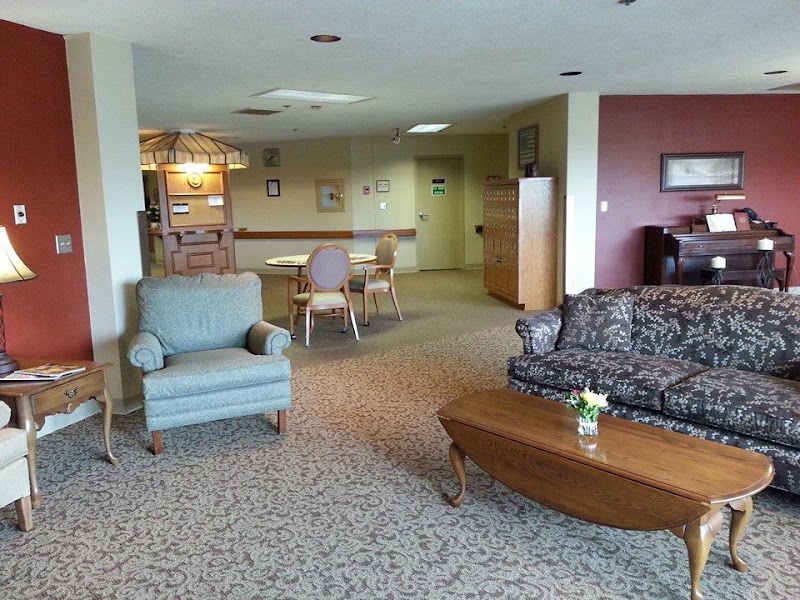
How is Brethren Retirement Community Staffed?

CMS rates BRETHREN RETIREMENT COMMUNITY's staffing level at 4 out of 5 stars, which is above average compared to other nursing homes. Staff turnover is 43%, compared to the Ohio average of 46%. This relatively stable workforce can support continuity of care.

What Have Inspectors Found at Brethren Retirement Community?

State health inspectors documented 19 deficiencies at BRETHREN RETIREMENT COMMUNITY during 2019 to 2025. These included: 2 that caused actual resident harm and 17 with potential for harm. Deficiencies causing actual harm indicate documented cases where residents experienced negative health consequences.

Who Owns and Operates Brethren Retirement Community?

BRETHREN RETIREMENT COMMUNITY is owned by a non-profit organization. Non-profit facilities reinvest revenue into operations rather than distributing to shareholders. The facility operates independently rather than as part of a larger chain. With 80 certified beds and approximately 69 residents (about 86% occupancy), it is a smaller facility located in GREENVILLE, Ohio.
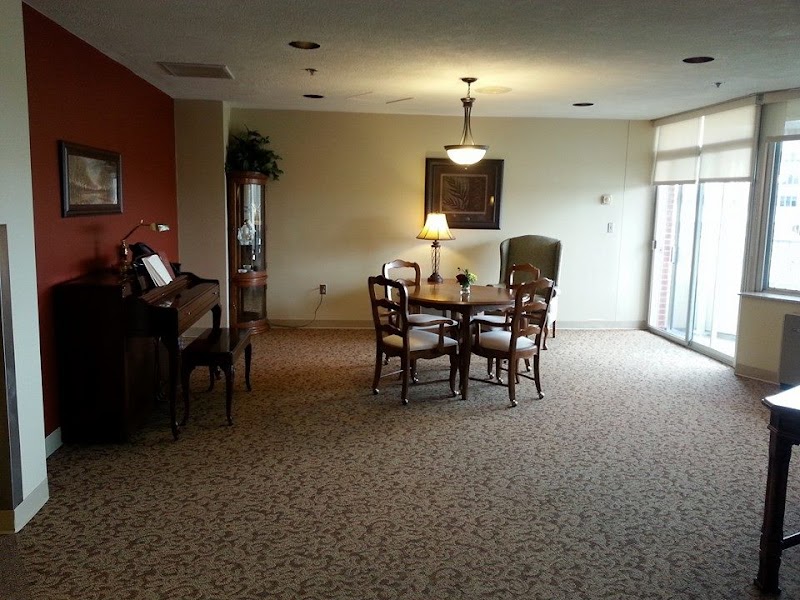
How Does Brethren Retirement Community Compare to Other Ohio Nursing Homes?

Compared to the 100 nursing homes in Ohio, BRETHREN RETIREMENT COMMUNITY's overall rating (3 stars) is below the state average of 3.2, staff turnover (43%) is near the state average of 46%, and health inspection rating (3 stars) is at the national benchmark.

What Should Families Ask When Visiting Brethren Retirement Community?

Based on this facility's data, families visiting should ask: "Can I visit during a mealtime to observe dining assistance and food quality?" "How do you handle medical emergencies, and what is your hospital transfer rate?" "Can I speak with family members of current residents about their experience?"

Is Brethren Retirement Community Safe?

Based on CMS inspection data, BRETHREN RETIREMENT COMMUNITY has a clean safety record: no substantiated abuse findings (meaning no confirmed cases of resident harm), no Immediate Jeopardy citations (the most serious violation level indicating risk of serious injury or death), and is not on the Special Focus Facility watch list (a federal program monitoring the lowest-performing 1% of nursing homes). The facility has a 3-star overall rating and ranks #100 of 100 nursing homes in Ohio. While no facility is perfect, families should still ask about staff-to-resident ratios and recent inspection results during their visit.

Do Nurses at Brethren Retirement Community Stick Around?

BRETHREN RETIREMENT COMMUNITY has a staff turnover rate of 43%, which is about average for Ohio nursing homes (state average: 46%). Moderate turnover is common in nursing homes, but families should still ask about staff tenure and how the facility maintains care continuity when employees leave.

Was Brethren Retirement Community Ever Fined?

BRETHREN RETIREMENT COMMUNITY has no federal fines on record. CMS issues fines when nursing homes fail to meet care standards or don't correct problems found during inspections. The absence of fines suggests the facility has either maintained compliance or corrected any issues before penalties were assessed. This is a positive indicator, though families should still review recent inspection reports for the full picture.

Is Brethren Retirement Community on Any Federal Watch List?

BRETHREN RETIREMENT COMMUNITY is not on any federal watch list. The most significant is the Special Focus Facility (SFF) program, which identifies the bottom 1% of nursing homes nationally based on persistent, serious quality problems. Not being on this list means the facility has avoided the pattern of deficiencies that triggers enhanced federal oversight. This is a positive indicator, though families should still review the facility's inspection history directly.