REST HAVEN NURSING HOME INC
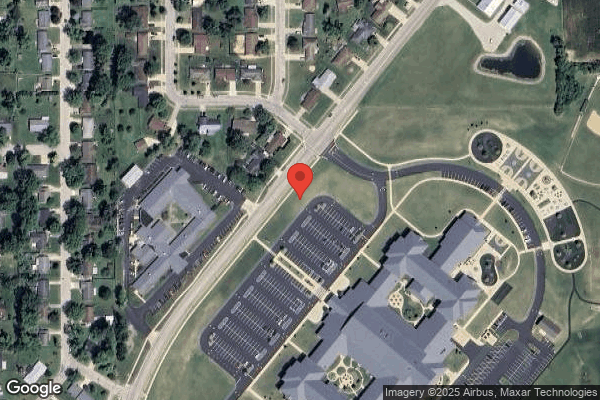
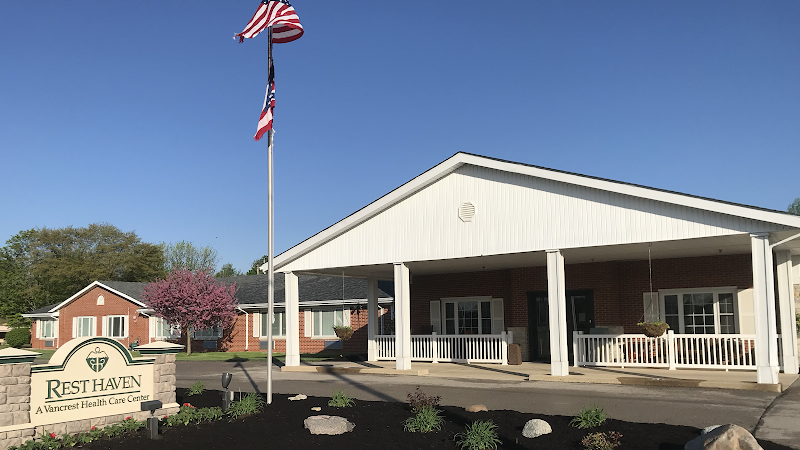
1096 NORTH OHIO STREET, GREENVILLE, OH 45331 (937) 548-1138
For profit - Corporation 76 Beds VANCREST HEALTH CARE CENTERS Data: November 2025
Trust Grade
90/100
#153 of 913 in OH
Last Inspection: December 2022

Over 2 years since last inspection. Current conditions may differ from available data.

Overview

Rest Haven Nursing Home Inc in Greenville, Ohio, has received a Trust Grade of A, indicating it is excellent and highly recommended. It ranks #153 out of 913 facilities in Ohio, placing it in the top half, and is the best option among the six nursing homes in Darke County. The facility is improving, having reduced its issues from six in 2019 to three in 2022. Staffing is rated average with a turnover rate of 50%, which is close to the state average, and there have been no fines on record, suggesting compliance with regulations. However, some concerns have been noted, such as a lack of effective pest control leading to gnats and fruit flies affecting residents, and past incidents of inadequate RN coverage, which raises questions about resident care during those times.

Trust Score
A
90/100
In Ohio
#153/913
Top 16%
Safety Record
Low Risk
No red flags
Inspections
Getting Better
6 → 3 violations
Staff Stability
⚠ Watch
50% turnover. Above average. Higher turnover means staff may not know residents' routines.
Penalties
✓ Good
No fines on record. Clean compliance history, better than most Ohio facilities.
Skilled Nurses
✓ Good
Each resident gets 47 minutes of Registered Nurse (RN) attention daily — more than average for Ohio. RNs are trained to catch health problems early.
Violations
⚠ Watch
12 deficiencies on record. Higher than average. Multiple issues found across inspections.
★★★★★
5.0
Overall Rating
★★★☆☆
3.0
Staff Levels
★★★★★
5.0
Care Quality
★★★★☆
4.0
Inspection Score
Stable
2019: 6 issues
2022: 3 issues

The Good

  • 5-Star Quality Measures · Strong clinical quality outcomes
  • Full Sprinkler Coverage · Fire safety systems throughout facility
  • No fines on record

Facility shows strength in quality measures, fire safety.

The Bad

Staff Turnover: 50%

Near Ohio avg (46%)

Higher turnover may affect care consistency

Chain: VANCREST HEALTH CARE CENTERS

Part of a multi-facility chain

Ask about local staffing decisions and management

The Ugly 12 deficiencies on record

Dec 2022 3 deficiencies
CONCERN (D)

Potential for Harm - no one hurt, but risky conditions existed

Accident Prevention (Tag F0689)

Could have caused harm · This affected 1 resident

**NOTE- TERMS IN BRACKETS HAVE BEEN EDITED TO PROTECT CONFIDENTIALITY** 2. Review of Resident #37's medical record revealed Resident was admitted to the facility on [DATE]. Diagnoses included Coronavi...

Read full inspector narrative →
**NOTE- TERMS IN BRACKETS HAVE BEEN EDITED TO PROTECT CONFIDENTIALITY** 2. Review of Resident #37's medical record revealed Resident was admitted to the facility on [DATE]. Diagnoses included Coronavirus (COVID-19), Alzheimer's disease, dysphagia, psychosis, anxiety disorder and urinary tract infection. Review of the quarterly MDS assessment for Resident #37, dated 09/06/22, revealed resident had severely impaired cognition. Further review of the MDS assessment revealed Resident # 37 required extensive assistance from staff with bed mobility, transfers, dressing, eating and personal hygiene. Review of the progress note for Resident #37 dated 07/13/22 revealed resident had a fall from the bed, and the facility identified the need for a parameter mattress to define bed boundaries. Progress note dated 09/02/22, revealed Resident #37 was found sitting on the floor on the side of the bed and the facility identified the need to pad Resident #37's bed frame for injury prevention. Progress note dated 10/21/22, revealed Resident #37 was found on the floor in her room next to her bed and the facility identified the need to have a fall mat placed on the right side of her bed as an intervention. Review of physician orders dated 07/14/22 for Resident #37, revealed resident was ordered a perimeter mattress to define bed boundaries for fall preventions. Physician orders dated 09/06/22, revealed resident was ordered a padded lateral bed frame for injury preventions. Physician orders dated 10/28/22, revealed resident was ordered a fall mat to floor on right side of bed every shift for fall interventions for injury prevention. Observation on 12/14/22 at 10:06 A.M. with Occupational Therapist (OT) # 162 revealed Resident #37 was lying in bed with no fall mat on the floor at the bed side as ordered. Interview at same time with OT #162 indicated Resident #37 should have a fall mat on the floor and next to bed when resident was in bed due to fall risk. OT #162 verified no fall mat was in place for Resident #37. Observation on 12/14/22 at 1:23 P.M. with the Director of Nursing (DON) revealed Resident #37 did not have a parameter mattress on her bed and the bed frame did not have padding on it as ordered. Interview with DON at same time, revealed Resident #37 was recently moved from another room and the staff did not mot the correct bed with resident. DON verified resident's bed should have a parameter mattress and a padded bed frame for fall interventions. Review of the facility policy titled, Falls and Fall Risk Managing, undated, Based on previous evaluations and current data, the staff will identify interventions related to the resident's specific risks and causes to try to prevent the resident from falling and to try to minimize complications from falling. Based on medical record review, resident interview, staff interview, and review of facility policy, the facility failed to have fall interventions in place. This affected two residents (#7 and #37) of four reviewed for accidents. The census was 50. Findings include: 1. Review of Resident #7's medical record revealed an admission date of 10/25/22. Diagnoses list included metabolic encephalopathy, dysphagia, hypertension, osteoarthritis, atrial fibrillation, and rheumatoid arthritis. Review of a recent minimum data set (MDS) assessment for Resident #7, revealed resident was assessed as being moderately cognitively impaired, required supervision with bed mobility, extensive assistance with transfers, and had falls prior to admission. Review of a care plan initiated on 10/26/22, revealed Resident #7 had potential for and was at risk for injuries/falls. Interventions included monitor safety/preventative devices for applications, instruct on use of adaptive equipment as needed and a perimeter mattress to help define bed boundaries. Review of progress notes dated 11/16/22 at 8:01 P.M., revealed Resident #7 was lying on the floor on her right side near bed and vital signs were taken. Resident #7 complained of right arm pain and had a hematoma to her right forehead. Review of progress notes dated 11/16/22 at 8:20 P.M., revealed Resident #7 was sent to a local emergency room for evaluation. Review of an interdisciplinary team (IDT) notes dated 11/17/22 at 10:18 A.M., revealed Resident #7 fell from her bed on 11/16/22 at 7:45 P.M. Notes indicated Resident #7 was in bed and rolled out. IDT notes indicated a new intervention for a scoop/perimeter mattress was added and the care plan was updated. During an interview on 12/13/22 at 7:31 A.M. with Resident #7 indicated she fell out of bed and busted her face. Observation 12/14/22 at 2:25 P.M. with the Director of Nursing (DON), revealed Resident #7's bed did not have a scoop/perimeter mattress. Interview with DON at the same time indicated Resident #7's bed should have had a scoop/perimeter mattress in place as a fall intervention and verified Resident #7's bed did not have scoop/perimeter mattress per her care plan.
CONCERN (D)

Potential for Harm - no one hurt, but risky conditions existed

Infection Control (Tag F0880)

Could have caused harm · This affected 1 resident

**NOTE- TERMS IN BRACKETS HAVE BEEN EDITED TO PROTECT CONFIDENTIALITY** Based on medical record review, observation, staff interview, and review of facility policy, the facility failed to ensure staff...

Read full inspector narrative →
**NOTE- TERMS IN BRACKETS HAVE BEEN EDITED TO PROTECT CONFIDENTIALITY** Based on medical record review, observation, staff interview, and review of facility policy, the facility failed to ensure staff followed standard precautions and transmission-based precautions (TBP) when caring for residents. This affected one resident (#1) of the five residents observed in TBP but had the potential to affect all the residents of the facility. The census was 50. Findings include: 1. Review of Resident #1's medical record revealed an admission date of 05/26/21. Diagnoses listed include multiple sclerosis, tracheostomy/ventilator dependent, hypertension, major depressive disorder, and seizures. Review of the quarterly Minimum Data Set (MDS) assessment dated [DATE] revealed Resident #1 was assessed as being cognitively intact. Review of sputum culture results dated 08/21/22 revealed Resident #1 was positive for the drug resistant organism consistent with extended spectrum beta-lactamase (ESBL). Further medical record review revealed an order dated 08/23/22 for Resident #1 to be in contact precautions. Observation on 12/12/22 at 10:45 A.M. revealed state tested nursing assistant (STNA) #234 in Resident #1's room assisting her at bedside. STNA #234 took a book form Resident #1, handed Resident #1 her bed controller, touched, and arranged items on her bedside table. STNA #234 leaned on Resident #1's bedside table and used it to write. STNA #234 was not wearing a gown or gloves. Signs were posted on the entrance to Resident #1's room identifying resident was in contact precautions. A bin containing personal protective equipment, such as gloves and gowns was located at the entrance of Resident's doorway. Observation on 12/12/22 at 10:49 A.M. revealed STNA #234 exited Resident #1's room without washing or sanitizing her hands. Interview with STNA #234 at same time, confirmed Resident #1 was in contact precautions. STNA #234 confirmed she did not wear a gown and gloves while assisting Resident #1. During an interview on 12/12/22 at 11:15 A.M. with Registered Nurse (RN) #206, she confirmed Resident #1 was on extended contact precautions due to being positive for a drug resistant organism. RN #206 confirmed STNA #234 should have been wearing a gown and gloves while caring for Resident #1 and STNA #234 should have completed hand hygiene before exiting Resident #1's room. Review of the facility's undated policy titled Isolation-Categories of Transmission-Based Precautions revealed staff and visitors will wear gloves (clean, non-sterile) when entering the room. Gloves would be removed, and hand hygiene performed before leaving the room. Staff and visitors would wear a disposable gown upon entering the room and remove before leaving the room and avoid touching potentially contaminated surfaces with clothing after gown is removed. Review of the CDC website titled Implementation of Personal Protective Equipment (PPE) Use in Nursing Homes to Prevent Spread of Multidrug-resistant Organisms (MDROs) (https://www.cdc.gov/hai/containment/PPE-Nursing-Homes.html), updated 07/12/22, revealed Added additional rationale for the use of Enhanced Barrier Precautions (EBP) in nursing homes, including the high prevalence of multidrug-resistant organism (MDRO) colonization among residents in this setting, expanded residents for whom EBP applies to include any resident with an indwelling medical device or wound (regardless of MDRO colonization or infection status), and CDC clarified that, in the majority of situations, EBP are to be continued for the duration of a resident's admission. EBP's are an infection control intervention designed to reduce transmission of resistant organisms that employs targeted gown and glove use during high contact resident care activities. Standard Precautions, which are a group of infection prevention practices, continue to apply to the care of all residents, regardless of suspected or confirmed infection or colonization status. EBP expand the use of PPE and refer to the use of gown and gloves during high-contact resident care activities that provide opportunities for transfer of MDROs to staff hands and clothing. Examples of high-contact resident care activities requiring gown and glove use for Enhanced Barrier Precautions include: dressing, bathing/showering, transferring, providing hygiene, changing linens, changing briefs or assisting with toileting, device care or use (central line, urinary catheter, feeding tube, tracheostomy/ventilator) and wound care
CONCERN (F)

Potential for Harm - no one hurt, but risky conditions existed

Deficiency F0925 (Tag F0925)

Could have caused harm · This affected most or all residents

Based on observation, record review, and staff interview, the facility failed to provide effective pest control to prevent gnats /fruit flies throughout the facility. This affected one resident (#43) ...

Read full inspector narrative →
Based on observation, record review, and staff interview, the facility failed to provide effective pest control to prevent gnats /fruit flies throughout the facility. This affected one resident (#43) out of the 13 residents sampled but had the potential to affect all residents at the facility. The facility census was 50. Findings include: Record review for Resident #43 revealed an admission date of 10/18/22. Her diagnosis included Coronavirus (COVID-19), osteoarthritis, dementia, essential primary hypertension, hypothyroidism, and hyperlipidemia. Review of the admission minimum data set (MDS) assessment revealed resident had impaired cognition. Further review of the MDS assessment, revealed Resident #43 required extensive assistance from staff with dressing, bed mobility, personal hygiene, and transfers. Interview on 12/12/22 at 3:37 P.M. with Resident #43's representative revealed she was sitting in the common dining room with Resident #43 and swatted at gnats/fruit flies. Resident's representative stated she asked the staff several times regarding gnats/fruit flies and why the facility had not treated the issue. Resident's representative stated she was told the gnats/fruit flies were in the building after pumpkins were brought into the facility. Interview on 12/14/22 at 3:54 P.M. with Licensed Practical Nurse (LPN) #140 confirmed the observation of gnats/fruit flies flying around the sink in the residents dining room. Interview on 12/14/22 at 04:19 P.M. with the Maintenance Supervisor (MS) #124 confirmed the facility had an issue with gnats/fruit flies for about a month. MS #124 stated he planned to tell the exterminator when he was at the facility, however, he did not catch him in time to discuss the concerns. MS #124 thought the gnats/fruit flies concern may be an issue with the drains at the facility. Observation on 12/15/22 at 8:55 A.M. during an interview with Social Service Director (SSD) #100 regarding resident accounts revealed she was sitting at her desk swatting her hands in the air at gnats/fruit flies. SSD #100 verified she was trying to get the gnats/fruit flies in the office. Review of the facility policy titled, Pest Control, dated 2001, this facility maintains an on-going pest control program to ensure that the building is kept free of insects and rodents. Review of the Service Agreement with Buckeye Exterminating dated 12/08/22 revealed common exclusions that could be included at an additional cost included, fly& gnat control.
Sept 2019 6 deficiencies
CONCERN (D)

Potential for Harm - no one hurt, but risky conditions existed

Notification of Changes (Tag F0580)

Could have caused harm · This affected 1 resident

**NOTE- TERMS IN BRACKETS HAVE BEEN EDITED TO PROTECT CONFIDENTIALITY** Based on medical record review, family interview, staff interview, and review of a facility policy, the facility failed to notif...

Read full inspector narrative →
**NOTE- TERMS IN BRACKETS HAVE BEEN EDITED TO PROTECT CONFIDENTIALITY** Based on medical record review, family interview, staff interview, and review of a facility policy, the facility failed to notify a resident's family of a change in condition. This affected one (Resident #30) of six residents reviewed for abuse prohibition. The facility census was 70. Findings include: Review of Resident #30's medical record revealed an admission date of 02/02/15. Medical diagnoses included chronic obstructive pulmonary disease, atherosclerotic heart disease, cerebrovascular disease, major depressive disorder, chronic peripheral venous insufficiency, chronic kidney disease, glaucoma, and diabetes mellitus. Review of the resident's Minimum Data Set (MDS) assessment dated [DATE] revealed the resident had severe impairment in cognition. She was at risk for pressure ulcers. She had no unhealed pressure ulcers. She had no moisture associated skin damage. She required extensive assistance with one staff member for transfers, dressing, toilet use, and personal hygiene. She required supervision with one staff for walking in room, locomotion, and bed mobility. Review of the resident's nursing notes revealed an entry dated 07/10/19 at 4:21 P.M. The entry indicated edema of the resident's labia was noted which was purple in color. The resident stated there was discomfort. The physician was notified and Diflucan (antifungal medicine) was ordered. The evaluation was, will monitor and have the nurse practitioner look at her tomorrow during rounds. Review of the physician's orders revealed an order dated 07/10/19 to monitor the swelling and/or discoloration to the labia every shift, until resolved. Continued review of the resident's medical record revealed no indication the resident's power of attorney (POA) was notified of the resident's new skin impairment. Interview with Resident #30's power of attorney on 09/24/19 at 10:54 A.M. revealed she was not notified of an area of impairment to the resident's perineal and buttock area. Interview with Registered Nurse #259 on 09/26/19 at 2:21 P.M. verified the resident's POA was not notified when the resident had a change in condition on 07/10/19. Review of an undated facility policy titled Change in a Resident's Condition or Status revealed the facility shall promptly notify the resident, his or her attending physician, and representative (sponsor) of changes in the resident's medical/mental condition and/or status. Unless otherwise instructed by the resident, a nurse will notify the resident's representative when the resident is involved in any accident or incident that results in an injury including injuries of an unknown source.
CONCERN (D)

Potential for Harm - no one hurt, but risky conditions existed

Abuse Prevention Policies (Tag F0607)

Could have caused harm · This affected 1 resident

**NOTE- TERMS IN BRACKETS HAVE BEEN EDITED TO PROTECT CONFIDENTIALITY** 2. Review of the medical record for Resident #17 revealed an admission date on 06/07/19. Diagnoses included unspecified dementia...

Read full inspector narrative →
**NOTE- TERMS IN BRACKETS HAVE BEEN EDITED TO PROTECT CONFIDENTIALITY** 2. Review of the medical record for Resident #17 revealed an admission date on 06/07/19. Diagnoses included unspecified dementia without behavioral disturbance and chronic obstructive pulmonary disease. Review of the quarterly MDS assessment dated [DATE] revealed Resident #17 had moderate cognition deficits and required one staff extensive assistance with bed mobility, toileting and personal hygiene. Further review of the medical record revealed an event note dated 08/08/19 at 9:45 A.M. documented a dark discoloration with edema, possible fluid filled, was noted to the left upper extremity. Resident denied pain to the area. The area measured 10.2 centimeters (cm), by 7.3 cm. The resident stated her husband had tried to pull her up in the bed and caused the discoloration. Discoloration appeared to have been caused by a blood pressure cuff. Review of the physician note dated 08/08/19 at 12:55 P.M. revealed Resident #17 was seen for bruising noted to the left upper extremity above the antecubital fossa. This was first noted by Resident #17 a couple days ago. Resident #17 complained of tenderness to the area and gave possibility of result of being transferred by staff. According to staff Resident #17's husband reported having stated he had been trying to pull her up in the bed and accidentally caused the bruise. A skin note dated 08/09/19 at 10:23 A.M. revealed an interdisciplinary team reviewed the discoloration and edema to the left upper extremity and it appeared to have been caused by the blood pressure cuff. Review of the facility SRIs revealed no report had been filed regarding this incident. Interview on 09/25/19 at 3:50 P.M. with the Administrator verified the facility did not complete a SRI, thoroughly investigate, or follow their abuse policy when this injury of unknown origin was discovered. Interview on 09/26/19 at 9:45 A.M. with Resident #17 revealed she was unaware of how the bruise occurred. She thought it could have been from her husband pulling her up in bed. Resident #17 denied having been abused. Review of an undated facility policy titled Abuse, Neglect, Exploitation and Misappropriation of Resident Property revealed it was the facility's policy to investigate all alleged violations involving abuse, neglect, exploitation, mistreatment of a resident, or misappropriation of resident property, including injuries of unknown source, in accordance with the policy. An injury was classified as an injury of unknown source when both the following conditions are met. The source of the injury was not observed by any person, or the source of the injury could not be explained by the resident; the injury was suspicious because of the extent of the injury, the location of the injury, the number of injuries observed at one particular point in time, or the incidence of injuries over time. If the event that caused the allegation involves an allegation of abuse or serious bodily injury, it should be reported to the Ohio Department of Health (ODH) immediately, but not later than two hours after the allegation is made. All other allegations shall be reported to ODH as soon as possible but no later than 24 house from the time the incident/allegation was made known to the staff member. Once the Administrator and Ohio Department of Health are notified, an investigation of the allegation violation will be conducted. The investigation must be completed within five working days, unless special circumstances exist. Based on medical record review, observation, staff interviews, review of facility self-reported incidents (SRIs), and review of a facility policy, the facility failed to implement their abuse policy for injuries of unknown origin. This affected two (Resident #17 and #30) of six residents reviewed for abuse prohibition. The facility census was 70. Findings include: 1. Review of Resident #30's medical record revealed an admission date of 02/02/15. Medical diagnoses included chronic obstructive pulmonary disease, atherosclerotic heart disease, cerebrovascular disease, major depressive disorder, chronic peripheral venous insufficiency, chronic kidney disease, glaucoma, and diabetes mellitus. Review of the resident's Minimum Data Set (MDS) assessment dated [DATE] revealed the resident had severe impairment in cognition. She was at risk for pressure ulcers. She had no unhealed pressure ulcers. She had no moisture associated skin damage. She required extensive assistance with one staff member for transfers, dressing, toilet use, and personal hygiene. She required supervision with one staff for walking in room, locomotion, and bed mobility. She was occasionally incontinent of urine, and always continent of bowel. She had no rejection of care. Review of the resident's nursing notes revealed an entry dated 07/10/19 at 4:21 P.M. The entry indicated edema of the resident's labia was noted which was purple in color. The resident stated there was discomfort. The physician was notified and Diflucan (antifungal medicine) was ordered. The evaluation was, will monitor and have the nurse practitioner look at her tomorrow during rounds. Review of the physician's orders revealed an order dated 07/10/19 to monitor swelling and/or discoloration to labia every shift until resolved. Review of the resident's shower/skin sheets revealed no perineal, buttock, or thigh impairments on 07/03/19. On 07/10/19, the shower/skin sheet indicated reddened area in groin/perineal area with no further description noted. Review of the resident's nurse practitioner/physician notes revealed she was not seen by the nurse practitioner until 07/12/19 at 1:57 P.M. The nurse practitioner documented the resident was seen for nursing concerns regarding swollen and dark colored labia. Resident denied pain or discomfort in vaginal or rectal area, vaginal drainage, dysuria, abdominal pain, rectal pain, problems with bowel or bladder. She was uncooperative during visit and did not allow staff to lay her down flat for examination. She did stand up with support from walker to allow visualization of vaginal area. Noticed significantly red and excoriated groin area, as well as labia. No discharge or odor noted. She did have some bruising noted to bilateral labia majora, which could be a deep tissue injury as the resident spends the majority of her time in her wheelchair and does not reposition herself throughout the day. Educated resident on repositioning herself while in wheelchair and increasing mobility as she might develop pressure ulcer in this area. Nystatin powder ordered for candidiasis of bilateral groins. Will encourage staff to keep area clean and dry with warm water and soap. Will get cushion for wheelchair from therapy to help alleviate pressure. She was at high risk of developing pressure ulcer because of her non-compliance and inability to cooperative or reposition herself. Review of the resident's wound nurse practitioner noted dated 08/01/19 revealed she was seen for initial evaluation and management of wounds to her buttocks, thigh, and perineal region. Wound base was a diffuse area of maroon or purplish discoloration of intact skin, unable to be measured. No drainage, peri-labia region with edema. No pain. Diagnosis was unstageable pressure ulcer/injury of bilateral gluteus, thigh and perineal area secondary to deep tissue injury. Apply zinc barrier cream twice daily and as needed. Review of the facility SRIs revealed no SRI had been reported to the Ohio Department of Health since 06/20/19. Interview with the Administrator on 09/25/19 at 3:50 P.M. verified the facility did not follow their policy when they did not complete a SRI or thoroughly investigate Resident #30's injury of unknown injury discovered on 07/10/19 Observation of the resident's perineal area on 09/26/19 at 9:58 A.M. with Licensed Practical Nurse (LPN) #241 revealed the resident would only allow care while standing making it very difficult to visualize the area. Large, dark purple area noted to bottom, thighs bilaterally and labia. Bilateral labia appeared edematous and dark purple in color. The resident denied pain. Allowed the area to be cleansed and zinc applied. LPN #241 asked her if she knew what happened and she stated she did not know. No open areas were noted. Unable to obtain measurements due to resident was uncooperative. Interview with Wound Nurse Practitioner #300 on 09/26/19 at 12:39 P.M. revealed she saw Resident #30 for the first time on 08/01/19. She stated she felt the perineal and buttock skin discoloration and edema was a result of pressure and classified it as a deep tissue injury. She stated she did not suspect any type of abuse.
CONCERN (D)

Potential for Harm - no one hurt, but risky conditions existed

Report Alleged Abuse (Tag F0609)

Could have caused harm · This affected 1 resident

**NOTE- TERMS IN BRACKETS HAVE BEEN EDITED TO PROTECT CONFIDENTIALITY** 2. Review of the medical record for Resident #17 revealed an admission date on 06/07/19. Diagnoses included unspecified dementia...

Read full inspector narrative →
**NOTE- TERMS IN BRACKETS HAVE BEEN EDITED TO PROTECT CONFIDENTIALITY** 2. Review of the medical record for Resident #17 revealed an admission date on 06/07/19. Diagnoses included unspecified dementia without behavioral disturbance and chronic obstructive pulmonary disease. Review of the quarterly MDS assessment dated [DATE] revealed Resident #17 had moderate cognition deficits and required one staff extensive assistance with bed mobility, toileting and personal hygiene. Further review of the medical record revealed an event note dated 08/08/19 at 9:45 A.M. documented a dark discoloration with edema, possible fluid filled, was noted to the left upper extremity. Resident denied pain to the area. The area measured 10.2 centimeters (cm), by 7.3 cm. The resident stated her husband had tried to pull her up in the bed and caused the discoloration. Discoloration appeared to have been caused by a blood pressure cuff. Review of the physician note dated 08/08/19 at 12:55 P.M. revealed Resident #17 was seen for bruising noted to the left upper extremity above the antecubital fossa. This was first noted by Resident #17 a couple days ago. Resident #17 complained of tenderness to the area and gave possibility of result of being transferred by staff. According to staff Resident #17's husband reported having stated he had been trying to pull her up in the bed and accidentally caused the bruise. A skin note dated 08/09/19 at 10:23 A.M. revealed an interdisciplinary team reviewed the discoloration and edema to the left upper extremity and it appeared to have been caused by the blood pressure cuff. Review of the facility SRIs revealed no report had been filed regarding this incident. Interview on 09/25/19 at 3:50 P.M. with the Administrator verified the facility did not complete a SRI, thoroughly investigate, or follow their abuse policy when this injury of unknown origin was discovered. Interview on 09/26/19 at 9:45 A.M. with Resident #17 revealed she was unaware of how the bruise occurred. She thought it could have been from her husband pulling her up in bed. Resident #17 denied having been abused. Review of an undated facility policy titled Abuse, Neglect, Exploitation and Misappropriation of Resident Property revealed it was the facility's policy to investigate all alleged violations involving abuse, neglect, exploitation, mistreatment of a resident, or misappropriation of resident property, including injuries of unknown source, in accordance with the policy. An injury was classified as an injury of unknown source when both the following conditions are met. The source of the injury was not observed by any person, or the source of the injury could not be explained by the resident; the injury was suspicious because of the extent of the injury, the location of the injury, the number of injuries observed at one particular point in time, or the incidence of injuries over time. If the event that caused the allegation involves an allegation of abuse or serious bodily injury, it should be reported to the Ohio Department of Health (ODH) immediately, but not later than two hours after the allegation is made. All other allegations shall be reported to ODH as soon as possible but no later than 24 house from the time the incident/allegation was made known to the staff member. Once the Administrator and Ohio Department of Health are notified, an investigation of the allegation violation will be conducted. The investigation must be completed within five working days, unless special circumstances exist. Based on medical record review, staff interviews, review of facility self-reported incidents (SRIs), and review of a facility policy, the facility failed to report injuries of unknown origin to the Ohio Department of Health. This affected two (Resident #17 and #30) of six residents reviewed for abuse prohibition. The facility census was 70. Findings include: 1. Review of Resident #30's medical record revealed an admission date of 02/02/15. Medical diagnoses included chronic obstructive pulmonary disease, atherosclerotic heart disease, cerebrovascular disease, major depressive disorder, chronic peripheral venous insufficiency, chronic kidney disease, glaucoma, and diabetes mellitus. Review of the resident's Minimum Data Set (MDS) assessment dated [DATE] revealed the resident had severe impairment in cognition. She was at risk for pressure ulcers. She had no unhealed pressure ulcers. She had no moisture associated skin damage. She required extensive assistance with one staff member for transfers, dressing, toilet use, and personal hygiene. She required supervision with one staff for walking in room, locomotion, and bed mobility. She was occasionally incontinent of urine, and always continent of bowel. She had no rejection of care. Review of the resident's nursing notes revealed an entry dated 07/10/19 at 4:21 P.M. The entry indicated edema of the resident's labia was noted which was purple in color. The resident stated there was discomfort. The physician was notified and Diflucan (antifungal medicine) was ordered. The evaluation was, will monitor and have the nurse practitioner look at her tomorrow during rounds. Review of the physician's orders revealed an order dated 07/10/19 to monitor swelling and/or discoloration to labia every shift until resolved. Review of the resident's shower/skin sheets revealed no perineal, buttock, or thigh impairments on 07/03/19. On 07/10/19, the shower/skin sheet indicated reddened area in groin/perineal area with no further description noted. Review of the resident's nurse practitioner/physician notes revealed she was not seen by the nurse practitioner until 07/12/19 at 1:57 P.M. The nurse practitioner documented the resident was seen for nursing concerns regarding swollen and dark colored labia. Resident denied pain or discomfort in vaginal or rectal area, vaginal drainage, dysuria, abdominal pain, rectal pain, problems with bowel or bladder. She was uncooperative during visit and did not allow staff to lay her down flat for examination. She did stand up with support from walker to allow visualization of vaginal area. Noticed significantly red and excoriated groin area, as well as labia. No discharge or odor noted. She did have some bruising noted to bilateral labia majora, which could be a deep tissue injury as the resident spends the majority of her time in her wheelchair and does not reposition herself throughout the day. Educated resident on repositioning herself while in wheelchair and increasing mobility as she might develop pressure ulcer in this area. Nystatin powder ordered for candidiasis of bilateral groins. Will encourage staff to keep area clean and dry with warm water and soap. Will get cushion for wheelchair from therapy to help alleviate pressure. She was at high risk of developing pressure ulcer because of her non-compliance and inability to cooperative or reposition herself. Review of the resident's wound nurse practitioner noted dated 08/01/19 revealed she was seen for initial evaluation and management of wounds to her buttocks, thigh, and perineal region. Wound base was a diffuse area of maroon or purplish discoloration of intact skin, unable to be measured. No drainage, peri-labia region with edema. No pain. Diagnosis was unstageable pressure ulcer/injury of bilateral gluteus, thigh and perineal area secondary to deep tissue injury. Apply zinc barrier cream twice daily and as needed. Review of the facility SRIs revealed no SRI had been reported to the Ohio Department of Health since 06/20/19. Interview with the Administrator on 09/25/19 at 3:50 P.M. verified the facility did not follow their policy when they did not complete a SRI or thoroughly investigate Resident #30's injury of unknown injury discovered on 07/10/19 Observation of the resident's perineal area on 09/26/19 at 9:58 A.M. with Licensed Practical Nurse (LPN) #241 revealed the resident would only allow care while standing making it very difficult to visualize the area. Large, dark purple area noted to bottom, thighs bilaterally and labia. Bilateral labia appeared edematous and dark purple in color. The resident denied pain. Allowed the area to be cleansed and zinc applied. LPN #241 asked her if she knew what happened and she stated she did not know. No open areas were noted. Unable to obtain measurements due to resident was uncooperative. Interview with Wound Nurse Practitioner #300 on 09/26/19 at 12:39 P.M. revealed she saw Resident #30 for the first time on 08/01/19. She stated she felt the perineal and buttock skin discoloration and edema was a result of pressure and classified it as a deep tissue injury. She stated she did not suspect any type of abuse.
CONCERN (D)

Potential for Harm - no one hurt, but risky conditions existed

Investigate Abuse (Tag F0610)

Could have caused harm · This affected 1 resident

**NOTE- TERMS IN BRACKETS HAVE BEEN EDITED TO PROTECT CONFIDENTIALITY** 2. Review of the medical record for Resident #17 revealed an admission date on 06/07/19. Diagnoses included unspecified dementia...

Read full inspector narrative →
**NOTE- TERMS IN BRACKETS HAVE BEEN EDITED TO PROTECT CONFIDENTIALITY** 2. Review of the medical record for Resident #17 revealed an admission date on 06/07/19. Diagnoses included unspecified dementia without behavioral disturbance and chronic obstructive pulmonary disease. Review of the quarterly MDS assessment dated [DATE] revealed Resident #17 had moderate cognition deficits and required one staff extensive assistance with bed mobility, toileting and personal hygiene. Further review of the medical record revealed an event note dated 08/08/19 at 9:45 A.M. documented a dark discoloration with edema, possible fluid filled, was noted to the left upper extremity. Resident denied pain to the area. The area measured 10.2 centimeters (cm), by 7.3 cm. The resident stated her husband had tried to pull her up in the bed and caused the discoloration. Discoloration appeared to have been caused by a blood pressure cuff. Review of the physician note dated 08/08/19 at 12:55 P.M. revealed Resident #17 was seen for bruising noted to the left upper extremity above the antecubital fossa. This was first noted by Resident #17 a couple days ago. Resident #17 complained of tenderness to the area and gave possibility of result of being transferred by staff. According to staff Resident #17's husband reported having stated he had been trying to pull her up in the bed and accidentally caused the bruise. A skin note dated 08/09/19 at 10:23 A.M. revealed an interdisciplinary team reviewed the discoloration and edema to the left upper extremity and it appeared to have been caused by the blood pressure cuff. Review of the facility SRIs revealed no report had been filed regarding this incident. Interview on 09/25/19 at 3:50 P.M. with the Administrator verified the facility did not complete a SRI, thoroughly investigate, or follow their abuse policy when this injury of unknown origin was discovered. Interview on 09/26/19 at 9:45 A.M. with Resident #17 revealed she was unaware of how the bruise occurred. She thought it could have been from her husband pulling her up in bed. Resident #17 denied having been abused. Review of an undated facility policy titled Abuse, Neglect, Exploitation and Misappropriation of Resident Property revealed it was the facility's policy to investigate all alleged violations involving abuse, neglect, exploitation, mistreatment of a resident, or misappropriation of resident property, including injuries of unknown source, in accordance with the policy. An injury was classified as an injury of unknown source when both the following conditions are met. The source of the injury was not observed by any person, or the source of the injury could not be explained by the resident; the injury was suspicious because of the extent of the injury, the location of the injury, the number of injuries observed at one particular point in time, or the incidence of injuries over time. If the event that caused the allegation involves an allegation of abuse or serious bodily injury, it should be reported to the Ohio Department of Health (ODH) immediately, but not later than two hours after the allegation is made. All other allegations shall be reported to ODH as soon as possible but no later than 24 house from the time the incident/allegation was made known to the staff member. Once the Administrator and Ohio Department of Health are notified, an investigation of the allegation violation will be conducted. The investigation must be completed within five working days, unless special circumstances exist. Based on medical record review, staff interviews, review of facility self-reported incidents (SRIs), and review of a facility policy, the facility failed to complete a thorough investigation of injuries of unknown origin. This affected two (Resident #17 and #30) of six residents reviewed for abuse prohibition. The facility census was 70. Findings include: 1. Review of Resident #30's medical record revealed an admission date of 02/02/15. Medical diagnoses included chronic obstructive pulmonary disease, atherosclerotic heart disease, cerebrovascular disease, major depressive disorder, chronic peripheral venous insufficiency, chronic kidney disease, glaucoma, and diabetes mellitus. Review of the resident's Minimum Data Set (MDS) assessment dated [DATE] revealed the resident had severe impairment in cognition. She was at risk for pressure ulcers. She had no unhealed pressure ulcers. She had no moisture associated skin damage. She required extensive assistance with one staff member for transfers, dressing, toilet use, and personal hygiene. She required supervision with one staff for walking in room, locomotion, and bed mobility. She was occasionally incontinent of urine, and always continent of bowel. She had no rejection of care. Review of the resident's nursing notes revealed an entry dated 07/10/19 at 4:21 P.M. The entry indicated edema of the resident's labia was noted which was purple in color. The resident stated there was discomfort. The physician was notified and Diflucan (antifungal medicine) was ordered. The evaluation was, will monitor and have the nurse practitioner look at her tomorrow during rounds. Review of the physician's orders revealed an order dated 07/10/19 to monitor swelling and/or discoloration to labia every shift until resolved. Review of the resident's shower/skin sheets revealed no perineal, buttock, or thigh impairments on 07/03/19. On 07/10/19, the shower/skin sheet indicated reddened area in groin/perineal area with no further description noted. Review of the resident's nurse practitioner/physician notes revealed she was not seen by the nurse practitioner until 07/12/19 at 1:57 P.M. The nurse practitioner documented the resident was seen for nursing concerns regarding swollen and dark colored labia. Resident denied pain or discomfort in vaginal or rectal area, vaginal drainage, dysuria, abdominal pain, rectal pain, problems with bowel or bladder. She was uncooperative during visit and did not allow staff to lay her down flat for examination. She did stand up with support from walker to allow visualization of vaginal area. Noticed significantly red and excoriated groin area, as well as labia. No discharge or odor noted. She did have some bruising noted to bilateral labia majora, which could be a deep tissue injury as the resident spends the majority of her time in her wheelchair and does not reposition herself throughout the day. Educated resident on repositioning herself while in wheelchair and increasing mobility as she might develop pressure ulcer in this area. Nystatin powder ordered for candidiasis of bilateral groins. Will encourage staff to keep area clean and dry with warm water and soap. Will get cushion for wheelchair from therapy to help alleviate pressure. She was at high risk of developing pressure ulcer because of her non-compliance and inability to cooperative or reposition herself. Review of the resident's wound nurse practitioner noted dated 08/01/19 revealed she was seen for initial evaluation and management of wounds to her buttocks, thigh, and perineal region. Wound base was a diffuse area of maroon or purplish discoloration of intact skin, unable to be measured. No drainage, peri-labia region with edema. No pain. Diagnosis was unstageable pressure ulcer/injury of bilateral gluteus, thigh and perineal area secondary to deep tissue injury. Apply zinc barrier cream twice daily and as needed. Review of the facility SRIs revealed no SRI had been reported to the Ohio Department of Health since 06/20/19. Interview with the Administrator on 09/25/19 at 3:50 P.M. verified the facility did not follow their policy when they did not complete a SRI or thoroughly investigate Resident #30's injury of unknown injury discovered on 07/10/19 Observation of the resident's perineal area on 09/26/19 at 9:58 A.M. with Licensed Practical Nurse (LPN) #241 revealed the resident would only allow care while standing making it very difficult to visualize the area. Large, dark purple area noted to bottom, thighs bilaterally and labia. Bilateral labia appeared edematous and dark purple in color. The resident denied pain. Allowed the area to be cleansed and zinc applied. LPN #241 asked her if she knew what happened and she stated she did not know. No open areas were noted. Unable to obtain measurements due to resident was uncooperative. Interview with Wound Nurse Practitioner #300 on 09/26/19 at 12:39 P.M. revealed she saw Resident #30 for the first time on 08/01/19. She stated she felt the perineal and buttock skin discoloration and edema was a result of pressure and classified it as a deep tissue injury. She stated she did not suspect any type of abuse.
CONCERN (D)

Potential for Harm - no one hurt, but risky conditions existed

Quality of Care (Tag F0684)

Could have caused harm · This affected 1 resident

**NOTE- TERMS IN BRACKETS HAVE BEEN EDITED TO PROTECT CONFIDENTIALITY** Based on record review and staff interview the facility failed to ensure physician orders were added to the resident's record in...

Read full inspector narrative →
**NOTE- TERMS IN BRACKETS HAVE BEEN EDITED TO PROTECT CONFIDENTIALITY** Based on record review and staff interview the facility failed to ensure physician orders were added to the resident's record in a timely manner. This affected one resident (Resident #26) out of six residents reviewed for physician orders. The current census is 70. Findings include: Review of Resident #26's record revealed the resident was admitted to the facility on [DATE]. Diagnoses included cerebral infarctions, cognitive deficit, dysphagia, insomnia, and Parkinson's disease. Review of the Minimum Data Set (MDS),comprehensive assessment dated [DATE] revealed the resident had intact cognition. Review of the communication documentation revealed on 09/22/19 the resident's physician was notified the resident was complaining of a non-productive cough. Per the communication document the physician responded on 09/23/19 at 2:59 P.M. with an order for Mucinex (an expectorant) 600 milligram (mg) orally three times a day. Review of Resident #26's physician orders dated 09/25/19 revealed the resident was ordered to have Mucinex 600 mg orally every eight hours. Review of Resident #26's Medication Administration Record, (MAR) dated 09/2019 revealed the Mucinex was ordered on 09/25/19 and there had been no doses administered to the resident. Interview on 09/25/19 at 9:50 A.M. with Licensed Practical Nurse, (LPN) #248 revealed a physician order for and as needed (PRN) Mucinex 600 mg orally came for Resident #26 and the order was not added to the resident's medical chart until 09/25/19. Per LPN #248 faxes from the physician were often being 'lost' and orders for resident's medications were being delayed as a result of the communication records not being added to the resident's chart on the same day the order was received. Interview on 09/25/19 at 10:09 A.M. with Resident #26 revealed the resident had been having a 'bad hacking cough' for a few days. Per Resident #26 the nurse informed him the physician had ordered something for the cough. He was told he would be receiving medications for his cough but had not received any medication and still had been coughing. Interview on 09/25/19 at 1:40 P.M. with the Director of Nursing (DON) verified the notification to the physician for the residents coughing was faxed on 09/22/19 and the physician responded on 09/23/19 with an order for the Mucinex. The DON verified the only order in Resident #26's record for Mucinex was dated 09/25/19 and no doses had been given to the resident. The DON verified the order was delayed.
MINOR (C)

Minor Issue - procedural, no safety impact

Staffing Information (Tag F0732)

Minor procedural issue · This affected most or all residents

Based on observation and staff interview, the facility failed to ensure posted daily nurse staffing information contained the actual hours worked. This had the potential to affect all 70 residents. Fi...

Read full inspector narrative →
Based on observation and staff interview, the facility failed to ensure posted daily nurse staffing information contained the actual hours worked. This had the potential to affect all 70 residents. Findings include: Observation of the daily nurse staffing posting dated 09/23/19 through 09/26/19 revealed the postings did not contain the actual hours worked by the nurses or State Tested Nursing Assistant (STNA) staff. Interview with the Director of Nursing on 09/26/19 at 12:30 P.M. verified the daily nurse staffing postings did not contain the actual hours worked by the nurses or STNA staff.
Aug 2018 3 deficiencies
CONCERN (D)

Potential for Harm - no one hurt, but risky conditions existed

Deficiency F0645 (Tag F0645)

Could have caused harm · This affected 1 resident

**NOTE- TERMS IN BRACKETS HAVE BEEN EDITED TO PROTECT CONFIDENTIALITY** Based on review of medical record, review of facility policy and staff interview, the facility failed to ensure a Pre-admission ...

Read full inspector narrative →
**NOTE- TERMS IN BRACKETS HAVE BEEN EDITED TO PROTECT CONFIDENTIALITY** Based on review of medical record, review of facility policy and staff interview, the facility failed to ensure a Pre-admission Screening Assessment Resident Review (PASARR) assessment was accurate upon admission to the facility. This affected one (#8) of two residents reviewed for PASSAR. The facility census was 63. Findings include: Review Resident #8's medical record revealed an admission date of 02/10/17, with diagnoses including vascular dementia without behavioral disturbance and bipolar disorder, both with onset dates of 05/28/15. Review of the PASARR dated 12/23/16 documented the resident had no indications dementia or any diagnosis of mental health disorder. Review of Resident#8's current diagnoses sheet documented the resident's mental health diagnosis were present upon admission of 02/10/17. Review of an annual comprehensive assessment minimum data set (MDS) assessment dated [DATE], reflected under Section A 1500, resident not currently considered by the state level II PASRR process to have serious mental illness and/or intellectual disability or a related condition. Under section I Active Diagnoses, resident reflected to have: Non-Alzheimer's dementia, manic depression (bipolar disease). Review of the undated facility policy titled Preadmission Screening: Resident Review for Serious Mental Illness/developmental Disabilities was conducted. This policy documented the facility shall review the completed Resident Review completed to ensure it is completed accurately and to determine whether the individual has indications of serious mental illness or developmental disability. Interview with the Administrator on 08/21/18 at 10:17 A.M., verified the PASARR assessment did not accurately reflect Resident #8's mental health diagnoses and would need to be corrected.
CONCERN (E)

Potential for Harm - no one hurt, but risky conditions existed

Accident Prevention (Tag F0689)

Could have caused harm · This affected multiple residents

**NOTE- TERMS IN BRACKETS HAVE BEEN EDITED TO PROTECT CONFIDENTIALITY** Based on observation, resident record review, laundry product label review, policy review, resident and staff interview, the fac...

Read full inspector narrative →
**NOTE- TERMS IN BRACKETS HAVE BEEN EDITED TO PROTECT CONFIDENTIALITY** Based on observation, resident record review, laundry product label review, policy review, resident and staff interview, the facility failed properly secure a resident's (#46) medication. Additionally, the facility failed to properly store potentially hazardous laundry chemicals. This had the potential to affect 16 (#45, #33, #32, #58, #22, #5, #4, #39, #35, #54, #9, #40, #7, #27, #43, and #18) residents identified by the facility as residents having cognitive deficits and are independently mobile. The census was 63. Findings include: 1. Observation on 08/20/18 at 4:40 P.M. of Resident #46 revealed a medication cup containing two white tablets and one red capsule was left on Resident #46's bedside table. There was no staff in the resident's room or in the 400 hallway at the time of the observation. Review of the medical record for Resident #46 revealed the resident was admitted to the facility on [DATE]. Diagnoses included multiple sclerosis, diabetes mellitus type two, hypertension, retention of urine, major depressive disorder, osteoporosis, neuromuscular dysfunction of the bladder, chronic kidney disease stage four, anxiety disorder, anemia, heart disease, and hyperlipidemia. Interview on 08/20/18 at 4:42 P.M., with Resident #46 revealed the resident identified the medication in the cup as two renal vitamins and a stool softener. Resident #46 revealed it was a personal preference to take the medication with food. The resident made several requests for staff to bring the medication with the evening meal tray but was told the medication had a scheduled time and could not be administered at a later time. The resident further explained because of wanting to take the medication with food, the staff would leave the medication on the bedside table and the resident would take the medication at approximately 5:20 P.M., when the evening meal tray arrived. Interview on 08/20/18 at 4:50 P.M., with the Director of Nursing (DON) revealed the medication in the cup located on the bedside table of Resident #46 was one Docusate capsule and two renvela tablets. The DON verified the medication was left in an unsecured location and unattended by staff. The DON identified (#45, #33, #32, #58, #22, #5, #4, #39, #35, #54, #9, #40, #7, #27, #43, and #18) residents identified by the facility as residents having cognitive deficits and are independently mobile Review of the policy titled, Storage of Medications dated 04/17, revealed all drugs and biologicals shall be stored in a safe and secure manner. 2. Observation on 08/23/18 at 9:45 A.M., of the laundry room revealed two unlocked entry doors located on the 400 hallway. One of the unlocked doors led to the area of the laundry room in which dirty laundry was stored and the other door was the entry to the clean linen storage area. Continued observation of the laundry area revealed another set of unlocked doors, one located in the clean linen area and the other located in the dirty laundry area. Both doors led to the area in which the washing machines, dryers, and three five gallon buckets containing chemicals used for laundry. Review of the laundry detergent information label revealed the solution was dangerous. The chemical caused severe skin burns and eye damage. Review of the bleach solution information label revealed a precautionary statement. The statement revealed the solution was hazardous to humans. The solution was corrosive, may cause severe skin and eye irritation, and chemical burns to broken skin. Review of the laundry softener information label revealed the solution caused serious skin and eye irritation. Interview on 08/23/18 at 9:55 A.M., with the Director of Environmental Services (DES) #310 revealed the only door leading to the laundry area which had the ability to lock was located on the entry door to the dirty laundry storage area. DES #310 verified the door was not locked. DES #310 further verified the laundry room which contained laundry chemicals had no staff supervision between the hours of 12:00 A.M. to 7:00 A.M. and 3:00 P.M. to 6:30 P.M., daily. Review of the policy titled, Hazardous Areas, Devices and Equipment dated 07/17, revealed all hazardous areas, devices and equipment in the facility will be identified and addressed appropriately to ensure resident safety and mitigate accident hazards to the extent possible. A hazard was defined as anything in the environment that had the potential to cause injury or illness. Examples of environmental hazards included equipment or devices left unattended, access to toxic chemicals, and open areas or items that should be locked when not in use.
CONCERN (F)

Potential for Harm - no one hurt, but risky conditions existed

Deficiency F0727 (Tag F0727)

Could have caused harm · This affected most or all residents

Based on record review and staff interview the facility failed to ensure there was a Registered Nurse in the facility at least 8 consecutive hours a day, 7 days a week. This has the potential to affec...

Read full inspector narrative →
Based on record review and staff interview the facility failed to ensure there was a Registered Nurse in the facility at least 8 consecutive hours a day, 7 days a week. This has the potential to affect all 63 of 63 residents in the facility. The facility census was 63. Findings include: Review of the facility's staffing schedule from 08/13/18 through 08/19/18 revealed on 08/18/18 and 08/19/18, the staffing schedule revealed that there was no Registered Nurse working from 08/18/18 at 7:00 A.M. though 08/20/18 at 7:00 A.M. This involved two days (08/18/18 and 08/19/18), out of seven days reviewed. Interview on 08/21/18 at 11:15 A.M., with the Director of Nursing (DON) verified on 08/18/18 and 08/19/18, the facility did not have a Registered Nurse on duty.
Understanding Severity Codes (click to expand)
Life-Threatening (Immediate Jeopardy)
J - Isolated K - Pattern L - Widespread
Actual Harm
G - Isolated H - Pattern I - Widespread
Potential for Harm
D - Isolated E - Pattern F - Widespread
No Harm (Minor)
A - Isolated B - Pattern C - Widespread

Questions to Ask on Your Visit

  • "Can I speak with families of current residents?"
  • "What's your RN coverage like on weekends and overnight?"

Our Honest Assessment

Strengths
  • • Grade A (90/100). Above average facility, better than most options in Ohio.
  • • No major safety red flags. No abuse findings, life-threatening violations, or SFF status.
  • • No fines on record. Clean compliance history, better than most Ohio facilities.
Concerns
  • • 12 deficiencies on record. Higher than average. Multiple issues found across inspections.
Bottom line: Generally positive indicators. Standard due diligence and a personal visit recommended.

About This Facility

What is Rest Haven Inc's CMS Rating?

CMS assigns REST HAVEN NURSING HOME INC an overall rating of 5 out of 5 stars, which is considered much above average nationally. Within Ohio, this rating places the facility higher than 99% of the state's 100 nursing homes. This rating reflects solid performance across the metrics CMS uses to evaluate nursing home quality.
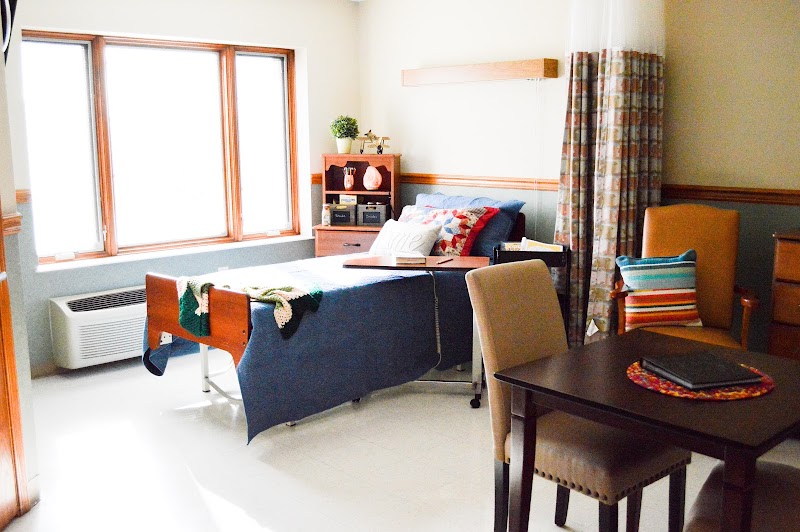
How is Rest Haven Inc Staffed?

CMS rates REST HAVEN NURSING HOME INC's staffing level at 3 out of 5 stars, which is average compared to other nursing homes. Staff turnover is 50%, compared to the Ohio average of 46%.

What Have Inspectors Found at Rest Haven Inc?

State health inspectors documented 12 deficiencies at REST HAVEN NURSING HOME INC during 2018 to 2022. These included: 11 with potential for harm and 1 minor or isolated issues.
Who Owns and Operates Rest Haven Inc?

REST HAVEN NURSING HOME INC is owned by a for-profit company. For-profit facilities operate as businesses with obligations to shareholders or private owners. The facility is operated by VANCREST HEALTH CARE CENTERS, a chain that manages multiple nursing homes. With 76 certified beds and approximately 63 residents (about 83% occupancy), it is a smaller facility located in GREENVILLE, Ohio.
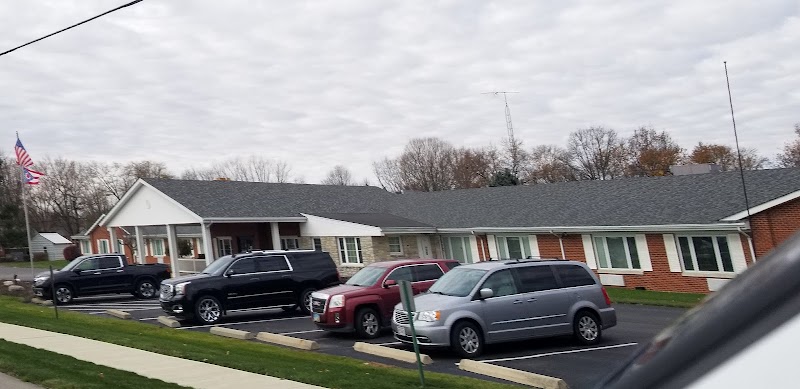
How Does Rest Haven Inc Compare to Other Ohio Nursing Homes?

Compared to the 100 nursing homes in Ohio, REST HAVEN NURSING HOME INC's overall rating (5 stars) is above the state average of 3.2, staff turnover (50%) is near the state average of 46%, and health inspection rating (4 stars) is above the national benchmark.

What Should Families Ask When Visiting Rest Haven Inc?

Based on this facility's data, families visiting should ask: "Can I visit during a mealtime to observe dining assistance and food quality?" "How do you handle medical emergencies, and what is your hospital transfer rate?" "Can I speak with family members of current residents about their experience?"

Is Rest Haven Inc Safe?

Based on CMS inspection data, REST HAVEN NURSING HOME INC has a clean safety record: no substantiated abuse findings (meaning no confirmed cases of resident harm), no Immediate Jeopardy citations (the most serious violation level indicating risk of serious injury or death), and is not on the Special Focus Facility watch list (a federal program monitoring the lowest-performing 1% of nursing homes). The facility has a 5-star overall rating and ranks #1 of 100 nursing homes in Ohio. While no facility is perfect, families should still ask about staff-to-resident ratios and recent inspection results during their visit.

Do Nurses at Rest Haven Inc Stick Around?

REST HAVEN NURSING HOME INC has a staff turnover rate of 50%, which is about average for Ohio nursing homes (state average: 46%). Moderate turnover is common in nursing homes, but families should still ask about staff tenure and how the facility maintains care continuity when employees leave.

Was Rest Haven Inc Ever Fined?

REST HAVEN NURSING HOME INC has no federal fines on record. CMS issues fines when nursing homes fail to meet care standards or don't correct problems found during inspections. The absence of fines suggests the facility has either maintained compliance or corrected any issues before penalties were assessed. This is a positive indicator, though families should still review recent inspection reports for the full picture.

Is Rest Haven Inc on Any Federal Watch List?

REST HAVEN NURSING HOME INC is not on any federal watch list. The most significant is the Special Focus Facility (SFF) program, which identifies the bottom 1% of nursing homes nationally based on persistent, serious quality problems. Not being on this list means the facility has avoided the pattern of deficiencies that triggers enhanced federal oversight. This is a positive indicator, though families should still review the facility's inspection history directly.