VILLAGE GREEN HEALTH CAMPUS
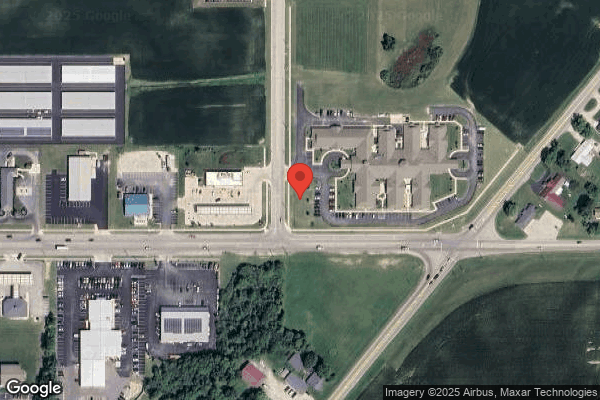
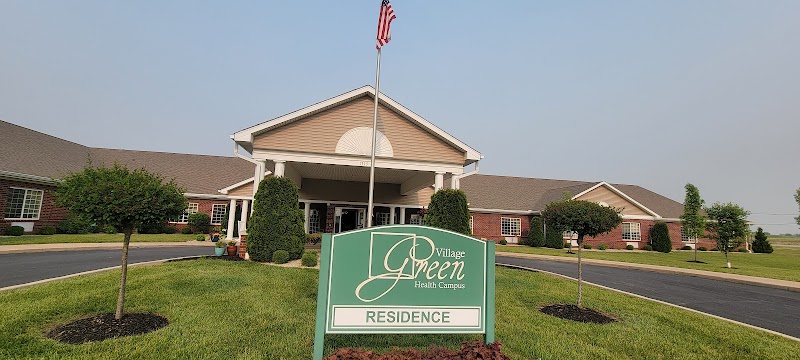
1315 KITCHEN AID WAY, GREENVILLE, OH 45331 (937) 548-1993
For profit - Corporation 51 Beds TRILOGY HEALTH SERVICES Data: November 2025
Trust Grade
90/100
#190 of 913 in OH
Last Inspection: December 2023

Within standard 12-15 month inspection cycle. Federal law requires annual inspections.

Overview

Village Green Health Campus in Greenville, Ohio has received a Trust Grade of A, indicating it is excellent and highly recommended among nursing homes. Ranking #190 out of 913 facilities in Ohio places it comfortably in the top half, while its county rank of #2 out of 6 suggests only one local competitor is better. However, the facility is experiencing a worsening trend, with the number of reported issues increasing from 1 in 2023 to 3 in 2025. Staffing is rated average with a turnover rate of 54%, which is slightly higher than the state average, while it has no fines on record, indicating a good compliance history. Specific incidents of concern include failures to administer medications as ordered for multiple residents and inadequate care during transfers, leading to minor injuries, which highlight areas needing improvement despite the overall positive rating.

Trust Score
A
90/100
In Ohio
#190/913
Top 20%
Safety Record
Low Risk
No red flags
Inspections
Getting Worse
1 → 3 violations
Staff Stability
⚠ Watch
54% turnover. Above average. Higher turnover means staff may not know residents' routines.
Penalties
✓ Good
No fines on record. Clean compliance history, better than most Ohio facilities.
Skilled Nurses
○ Average
Each resident gets 41 minutes of Registered Nurse (RN) attention daily — about average for Ohio. RNs are the most trained staff who monitor for health changes.
Violations
○ Average
6 deficiencies on record. Average for a facility this size. Mostly minor or procedural issues.
★★★★★
5.0
Overall Rating
★★★☆☆
3.0
Staff Levels
★★★★★
5.0
Care Quality
★★★★☆
4.0
Inspection Score
Stable
2023: 1 issues
2025: 3 issues

The Good

  • 5-Star Quality Measures · Strong clinical quality outcomes
  • Full Sprinkler Coverage · Fire safety systems throughout facility
  • No fines on record

Facility shows strength in quality measures, fire safety.

The Bad

Staff Turnover: 54%

Near Ohio avg (46%)

Higher turnover may affect care consistency

Chain: TRILOGY HEALTH SERVICES

Part of a multi-facility chain

Ask about local staffing decisions and management

The Ugly 6 deficiencies on record

Jul 2025 1 deficiency
CONCERN (E) 📢 Someone Reported This

A family member, employee, or ombudsman was alarmed enough to file a formal complaint

Potential for Harm - no one hurt, but risky conditions existed

Pharmacy Services (Tag F0755)

Could have caused harm · This affected multiple residents

**NOTE- TERMS IN BRACKETS HAVE BEEN EDITED TO PROTECT CONFIDENTIALITY** THE FOLLOWING DEFICIENCY REPRESENTS AN INCIDENT OF PAST NON-COMPLIANCE THAT WAS SUBSEQUENTLY CORRECTED PRIOR TO THIS SURVEY. Bas...

Read full inspector narrative →
**NOTE- TERMS IN BRACKETS HAVE BEEN EDITED TO PROTECT CONFIDENTIALITY** THE FOLLOWING DEFICIENCY REPRESENTS AN INCIDENT OF PAST NON-COMPLIANCE THAT WAS SUBSEQUENTLY CORRECTED PRIOR TO THIS SURVEY. Based on record review, staff interview and policy review, the facility failed to ensure medications were administered as ordered. This affected four (#50, #11, #29 and #19) out of four residents reviewed for medication administration. The facility census was 49. Findings include: 1. Review of Resident #50 closed medical record revealed an admission on [DATE] with diagnoses including atrial fibrillation, heart failure, kidney failure and hypothyroidism. Review of Resident #50 quarterly Minimum Data Set (MDS) assessment dated [DATE] revealed intact cognition. Resident #50 required extensive assistance for bed mobility, transfers, and toileting. Review of the hospital discharge record dated 03/31/25 Resident #50 was prescribed Levothyroxine 125 micrograms (mcg) one tablet by mouth daily to start on 04/01/25. Review of the physicians' orders for Resident #50 for the month of March 2025 was silent for administration of levothyroxine. Review of the physicians' orders for Resident #50 for the month of April 2025 was silent for administration of levothyroxine. Review of the medication administration record (MAR) for Resident #50 was silent for any documentation of levothyroxine 125 mcg being administered. Review of the progress notes for Resident #50 dated 04/30/25 at 09:44 P.M. revealed the resident appeared to have blood in his stool and was not at baseline. The physician was notified, and resident was transferred to the emergency room (ER). Review of the progress note for Resident #50 dated 05/01/25 revealed levothyroxine 125 mcg one tablet by mouth was omitted during order entry of hospital discharge orders on 03/31/25 to begin on 04/01/25 and medication was not received. Resident #50 was transferred to the ER due to low blood pressure and blood in his stool. Resident #50 was admitted with hypothermia and hypothyroidism. Resident #50's physician and resident representative were notified. Review of the facility medication error report for Resident #50 dated 05/01/25 revealed levothyroxine 125 mcg should have been initiated on 04/01/25 and was not. Immediate corrective action revealed that new admission discharge orders will be brought to the morning meeting daily to ensure medication orders were entered into the electronic medical record correctly. In addition, the facility conducted a whole facility audit for all residents with thyroid diagnoses was conducted with emphasis on thyroid laboratory results being current and medication correctly being administered. This included seventeen residents in the facility. Interview on 07/02/25 at 12:00 P.M. with Director of Nursing (DON) verified the levothyroxine was not entered into the computer on readmission on [DATE] and should have been. DON stated a medication error report was completed on 05/01/25 and the family was notified of the error. 2. Review of current Resident #11's medical record revealed an admission on [DATE] with diagnoses including vascular dementia, atrial fibrillation, and myocardial infarction. Review of the quarterly MDS assessment dated [DATE] for Resident #11 revealed an impaired cognition. Resident #11 required extensive assistance for toileting, bed mobility and transfers. Resident #11 was coded as supervision for eating. Resident #11 was coded as receiving an anticoagulant during the assessment period. Review of the plan of care for Resident #11 dated 03/26/25 revealed resident is at risk for abnormal bleeding or hemorrhage related to anticoagulant therapy. Interventions include administering medications as prescribed, avoid activities that could cause injury, monitor for signs and symptoms of bleeding, obtain and monitor laboratory results, and review medications for adverse interactions. Review of the active physician orders for Resident #11 revealed an order for Xarelto 20 milligrams (mg) one tablet daily for left atrial thrombus dated 03/24/25. Review of the MAR for the month of March 2025 for Resident #11 revealed resident received Xarelto as ordered beginning on 03/24/25. Review of the Medication Error Report dated 03/24/25 for Resident #11 revealed Xarelto 20 mg was not entered into the electronic medical record during the transition to the new software effective on 03/01/25. Immediate corrective actions included notification of the physician to restart orders and obtain an echocardiogram. Further review of the medication error report revealed the resident representative was notified. Interview on 07/02/25 at 12:00 P.M. with DON verified the medication error occurred and the physician and Resident #11's representative was notified. DON verified the echocardiogram was completed without any negative findings. 3. Review of current Resident #19 revealed an admission date of 03/28/25 with diagnoses including chronic obstructive pulmonary disease, dementia, kidney disease, and type two diabetes with polyneuropathy. Review of the comprehensive MDS assessment dated [DATE] for Resident #19 revealed an intact cognition. Resident #19 required set up assistance for meals, supervision for bed mobility and transfers and moderate assistance for toileting. Review of the plan of care for Resident #19 dated 04/15/25 revealed resident has actual and potential for pain related to arthritis, disc disease, obesity and type two diabetes with polyneuropathy. Interventions include administering medications as ordered, encourage the resident to request pain medication as needed, monitoring changes in mood and usual activities and effectiveness of pain medication. Review of the active physicians orders for Resident #19 revealed an order dated 04/05/25 for hydrocodone-acetaminophen tablet 5-325 mg give one tablet three times a day and pregabalin 50 mg one tablet two times a day for pain. Review of the MAR for the month of April 2025 for Resident #19 revealed hydrocodone-acetaminophen tablet 5-325 mg give one tablet three times a day and pregabalin 50 mg one tablet two times a day for pain were signed off by nursing staff as administered on 04/19/25 at 6:00 P.M. Further review of the individual patient-controlled substance administration record for Resident #19's pregabalin and hydrocodone-acetaminophen revealed they were not signed out as administered on 04/19/25. Review of the medication error report dated 04/28/25 for Resident #19 revealed on 04/19/25 at 6:00 P.M. the resident did not receive the pregabalin and hydrocodone-acetaminophen as ordered. Further review of the report revealed the Nurse Practitioner (NP) and the residents' power of attorney were notified of the error on 04/21/25. Interview on 07/02/25 at 12:00 P.M. with the DON verified Resident #19 did not receive prescribed medication (pregabalin and hydrocodone-acetaminophen) as ordered on 04/19/25 at 6:00 P.M. 4. Review of current Resident #29 medical record revealed an admission date of 04/01/24 with diagnoses including anoxic brain damage, hypertensive heart disease, heart failure and peripheral autonomic neuropathy. Review of the quarterly MDS assessment dated [DATE] for Resident #29 revealed an intact cognition. Resident #29 was coded as dependent for eating and toileting assistance. Resident #29 required maximum assistance with bed mobility and transfers. Resident was coded as having pain during the assessment period. Review of the plan of care for Resident #29 dated 04/21/25 revealed resident has potential for pain related to inconsistent bowel pattern, contractures, head trauma, headaches, immobility, and verbal complaints of pain. Interventions include administer medication as ordered, encourage the resident to request pain medication as needed, monitoring changes in mood and usual activities and effectiveness of pain medication. Review of the active physician orders for Resident #29 revealed an order for Pregabalin give 25 mg by mouth three times a day related to idiopathic peripheral autonomic neuropathy dated 02/18/2025. Review of the MAR for Resident #19 for the month of April 2025 revealed the Pregabalin was signed as administered on 04/19/25 at 6:00 P.M., by the nurse. Review of the medication error report dated 04/28/25 for Resident #29 revealed the medication Pregabalin give 25 mg tabled was not administered as ordered. Interview with resident denied any complaints of pain related to the incident. Further review of the document revealed the physician and the resident representative were notified. Interview on 07/02/25 at 12:00 P.M. with DON verified Resident #29's Pregabalin was not signed off on the individual patient-controlled substance administration record indicating it was not administered on 04/28/25. DON stated with the recent sale of the facility and the move to the new electronic health record the controlled substance record was unable to be located at the time of the survey. Review of the facility policy titled Medication Errors dated 09/2021, stated the medication error report should be completed in the electronic health record with each error. Medication errors are to be reported to the physician and the director of nursing. The deficient practice was corrected on 05/18/25 when the facility implemented the following corrective actions: Review of the Episodic Event/Past Non-Compliance document revealed the date of the event was 03/01/25. The form was documented as completed on 05/18/25. Facility documented medication errors occurred from transcription at the time of change over to the new medical record software due to the sale of the facility. Nurses were manually inputting all orders into the new system when some of the errors occurred. As a result of the errors all medication records of residents in the facility at the time of the change of owners were audited. No further medication errors were noted. On 05/01/25 a medication audit was completed for all residents receiving levothyroxine in the facility. All medication orders were confirmed correct and laboratory results for thyroid levels were confirmed or ordered to ensure levels were within normal limits. On 05/05/25 all new admissions for the last 30 days will have medication and treatment audits to ensure medications are entered into the electronic health record accurately. Fifteen resident records were identified as new admissions. Each record was reviewed by two separate nurses and documented on the new admission order check verification form. No further concerns were identified regarding medication administration. On 05/13/25, audits for residents identified as receiving thyroid medications were completed without any additional negative findings. On 05/18/25, audits for all new admissions in the last thirty days were completed and no further concerns were identified regarding medication administration. Review of the facility's new admission order check verification documentation dated 05/07/25 through 06/24/25 revealed no new medication errors. By 05/18/25, the DON or designee completed in-service training with all nurses regarding medication administration policies and procedures. This deficiency represents non-compliance investigated under the Complaint Number OH00165552 (1377615).
Apr 2025 2 deficiencies
CONCERN (D) 📢 Someone Reported This

A family member, employee, or ombudsman was alarmed enough to file a formal complaint

Potential for Harm - no one hurt, but risky conditions existed

Accident Prevention (Tag F0689)

Could have caused harm · This affected 1 resident

Based on medical record reviews, staff and resident interviews and review of facility incident/event reports, the facility failed to provide adequate care and services during transfers to prevent inci...

Read full inspector narrative →
Based on medical record reviews, staff and resident interviews and review of facility incident/event reports, the facility failed to provide adequate care and services during transfers to prevent incidents (i.e. skin tears). This affected two (#13 and #38) out of three residents reviewed for accidents. The facility census was 45. Findings include: 1. Review of the medical record for Resident #13 revealed an admission date of 03/19/25 with medical diagnoses of atrial fibrillation, malignant neoplasm of prostate, congestive heart failure, anxiety, chronic obstructive pulmonary disease, and hypertension. Review of the medical record for Resident #13 revealed an admission Minimum Data Set (MDS) assessment, dated 03/24/25, which indicated Resident #13 was cognitively intact and was dependent upon staff for toilet hygiene, transfers, and showers and required substantial/maximum staff assistance with bed mobility. The MDS did not indicate Resident #13 had any skin issues. Review of facility Incident Report, dated 04/09/25, stated a State Tested Nursing Assistant (STNA) reported to nurse that Resident #13 had bumped his right forearm causing a skin tear. The report stated two STNA's were taking Resident #13 to the bathroom per sit to stand lift when the incident occurred. Interview on 04/23/25 at 8:12 A.M. with Resident #13 stated he received a skin tear a few weeks ago to right forearm/wrist area after staff wheeled him into the bathroom and bumped his arm in the bathroom doorframe. Interview on 04/23/25 at 11:29 A.M. with Director of Nursing (DON) confirmed Resident #13 sustained a skin tear to right forearm/wrist area on 04/09/25 after staff were pushing Resident #13 in his wheelchair into the bathroom and Resident #13's arm bumped into the bathroom doorframe causing a skin tear. DON confirmed the STNA's immediately reported the incident to nurse who measured the skin tear and initiated a treatment. 2. Review of the medical record for Resident #38 revealed an admission date 11/20/23 with medical diagnoses of hypertensive heart disease with heart failure, congestive heart failure, cardiomyopathy, and diabetes mellitus. Review of the medical record for Resident #38 revealed a quarterly MDS assessment, dated 03/24/25, which indicated Resident #38 had moderate cognitive impairment and required substantial/maximum staff assistance with toilet hygiene, bathing, bed mobility, and transfers. No skin issues were noted on the MDS. Review of the medical record for Resident #38 revealed a nurse's note, dated 02/23/25 at 3:13 A.M. with stated Resident #38 received a skin tear to left elbow while transferring. The note stated education provided to staff and the resident. The skin tear measured 1.5 cm by 0.7 cm, partial wound bed exposed, and able to replace skin flap. The note stated the skin tear was cleaned, steri strips applied and covered with an island dressing. Review of an Interdisciplinary Team (IDT) note, dated 02/24/25 at 2:45 P.M., stated Resident #38 obtained a skin tear to her left elbow during transfers and the area cleansed with wound cleanser and covered with island dressing. Review of a facility Event Report, dated 02/23/25, stated Resident #38 received a skin tear to her left elbow while transferring. The report stated resident representative and physician was notified. Interview on 04/23/25 at 10:21 A.M. with Resident #38 stated she sustained a skin tear to her left arm after staff were rushing to transfer her from the bathroom. Resident #38 stated the incident caused pain to her left arm, but the skin tear has since healed and pain subsided. Interview on 04/24/25 at 9:40 A.M. with DON confirmed Resident #38 sustained a skin tear to her left during a transfer with staff on 02/23/25. This deficiency represents non-compliance investigated under Complaint Number OH00164925.
CONCERN (D) 📢 Someone Reported This

A family member, employee, or ombudsman was alarmed enough to file a formal complaint

Potential for Harm - no one hurt, but risky conditions existed

Pharmacy Services (Tag F0755)

Could have caused harm · This affected 1 resident

Based on medical record review, staff interviews, review of staff statement, and policy review, the facility failed to ensure a nurse observed a resident consume medications at the time of administrat...

Read full inspector narrative →
Based on medical record review, staff interviews, review of staff statement, and policy review, the facility failed to ensure a nurse observed a resident consume medications at the time of administration. Additionally, the facility failed to ensure the individual who removed medications from medication cart was the same individual who administered the medications to the resident. This affected one (#24) out of the three residents reviewed for medical administration. The facility census was 45. Findings include: Review of the medical record for Resident #24 revealed an admission date of 09/17/24 with medical diagnoses of chronic obstructive pulmonary disease, arthritis, hypertensive chronic kidney disease, hypothyroidism, and arteriosclerotic heart disease. Review of the medical record for Resident #24 revealed a quarterly Minimum Data Set (MDS) assessment, dated 02/13/25, which indicated Resident #24 was cognitively intact and required partial/moderate staff assistance with bathing and transfers, supervision with toilet hygiene, and set-up with eating. Review of the medical record for Resident #24 revealed a Medication Administration Record (MAR) which had documentation to support Licensed Practical Nurse (LPN) #100 signed the MAR on 12/20/24, 12/23/24, 12/24/24, 12/27/24, 12/28/24, 12/29/24, and 12/30/24 that she administered Resident #24's medications. Review of the medical record for Resident #24 revealed an Episodic event note, dated 12/14/24, which stated Resident #24's daughter accused LPN #100 of hitting the daughter in the arm. The root cause analysis stated Resident #24's daughter was attempting to stop LPN #100 from leaving Resident #24's room. Review of a statement by LPN #100, dated 12/15/24, stated the incident occurred on 12/14/24 at 6:00 P.M. after she observed Resident #24 had not taken the medications that LPN #100 had brought into the room at approximately 4:00-5:00 P.M. LPN #100 stated when she originally brought the medications into the room, Resident #24 was in the bathroom so the LPN #100 left the medications in Resident #24's room and trusted she would take them. Interview on 04/23/25 at 12:25 P.M. with LPN #100 confirmed she left medications in Resident #24's room unattended on 12/14/24 because Resident #24 was in the bathroom as per her statement dated 12/15/24. LPN #100 stated she returned to Resident #24's room about one hour after leaving the medications in Resident #24's room to discover Resident #24 had not taken the medications. LPN #100 stated she was removed from Resident #24's care for a few months after the incident with Resident #24's daughter on 12/14/24 but stated she continued to pull Resident #24's medications from the medication cart and another nurse would administer the medications to Resident #24. LPN #100 confirmed she was the nurse who signed off on the medication administration on the MAR in December 2024 even though she did not observe Resident #24 consume the medications. Interview with Director of Nursing (DON) on 04/23/25 at 1:46 P.M. confirmed Resident #24 was removed from LPN #100 assignment after December 14, 2024, for a short period of time after an incident between Resident #24's daughter and LPN #100. DON confirmed that after the incident, LPN #100 would pull Resident #24's medications from the medication cart and another nurse would administer the medications to Resident #24. DON also confirmed Resident #24's December 2024 MAR had documentation to support LPN #100 administered medications on 12/20/24, 12/23/24, 12/24/24, 12/27/24, 12/28/24, 12/29/24, and 12/30/24. Review of the facility policy titled, Administering Medications, stated medications shall be administered in a safe and timely manner and as prescribed. The policy stated the individual administering medications must check the label to verify the right resident, right medication, right dosage, right time and right method (route) of administration before giving the medication. The individual administering the medication must initial the resident's MAR after giving the mediation. The policy stated for residents not in their room or otherwise unavailable to receive mediation on the pass, the MAR may be flagged and after completing the medication pass, the nurse would return to the missed resident to administer the medication. This deficiency represents non-compliance investigated under Complaint Number OH00161707.
Dec 2023 1 deficiency
CONCERN (D)

Potential for Harm - no one hurt, but risky conditions existed

Deficiency F0757 (Tag F0757)

Could have caused harm · This affected 1 resident

**NOTE- TERMS IN BRACKETS HAVE BEEN EDITED TO PROTECT CONFIDENTIALITY** Based on record review, staff interview, and review of medscape, the facility failed to ensure residents were not prescribed unn...

Read full inspector narrative →
**NOTE- TERMS IN BRACKETS HAVE BEEN EDITED TO PROTECT CONFIDENTIALITY** Based on record review, staff interview, and review of medscape, the facility failed to ensure residents were not prescribed unnecessary antibiotic medications. This affected one (Resident #12) out of five residents reviewed for unnecessary medications. The current census is 44. Findings include: Record review for Resident #12 revealed the resident was admitted to the facility on [DATE]. Diagnoses for Resident #12 include Alzheimer's, dementia with behaviors, chronic kidney disease, and schizophrenia. Review of the annual Minimum Data Set (MDS) assessment dated [DATE] revealed the resident had impaired cognition and was receiving antibiotics. Per the assessment the resident had not been diagnosed with a urinary tract infection in the past 30 days. Review of Resident #12's care plans dated 12/27/21 revealed the resident was at for risk of chronic urinary tract infections. Interventions include administer medication per order, monitor for signs and symptoms of infections, avoid irritants, avoid tight pants, and assist with incontinence. Review of Resident #12's physician orders revealed on 04/25/23 the resident was ordered to receive Macrodantin oral antibiotic 50 milligrams (mg) 1 capsule daily for prophylaxis of urinary tract infections (UTI). Per the orders the Macrodantin antibiotic was re-ordered on 11/07/23 to continue for prophylaxis antibiotics for UTI. Review of Resident #12's Medication Administration Record (MAR) dated from 01/2022 to 11/2023 revealed the resident had received the oral antibiotic per physician order. Review of Resident #12's urinalysis and culture and sensitivity tests dated 11/11/22 and 09/16/23 revealed the resident's urine did not contain bacteria causing urinary tract infections. Interview on 12/28/23 at 11:00 A.M. with the Infection Control Prevention nurse (ICP) Licensed Practical Nurse (LPN) #87, verified Resident #12 did not have any signs or symptoms of a urinary tract infection which would require an antibiotic treatment. LPN #87 verified the facility's medical director continued to prescribe the oral antibiotic for Resident #12 against the facility followed antibiotic stewardship protocols. Per the LPN #87, the medical director had stated Resident #12 will continue to receive the antibiotic in order to prevent future UTIs. Interview on 12/28/23 at 1:52 P.M. with the Medical Director revealed the physician prescribed the oral antibiotic for Resident #12 despite her not having any signs or symptoms of infection. The physician verified the resident did not have an active diagnosis for an urinary tract infection. The physician stated he felt the antibiotic was to be used prophylacticly to prevent the resident from getting an UTI and becoming sepsis. The physician verified the use of prophylactic antibiotics did not follow the facility's protocols for antibiotics. Interview on 12/28/23 at 3:00 P.M. with the Director of Nursing (DON) #67 verified there was no facility policy regarding the unnecessary medication. Review of medication information from Medscape at https://reference.medscape.com/drug/macrobid-macrodantin-nitrofurantoin-342567 revealed Macrodantin is an antibiotic used to treat UTI's. Further review of the information revealed you should avoid using Macrodantin for long-term UTI suppression. Long-term use in the elderly may increase risk for pulmonary toxicity. Additionally, bacterial superinfections may occur with prolonged treatment.
Apr 2021 2 deficiencies
CONCERN (D)

Potential for Harm - no one hurt, but risky conditions existed

Transfer Notice (Tag F0623)

Could have caused harm · This affected 1 resident

**NOTE- TERMS IN BRACKETS HAVE BEEN EDITED TO PROTECT CONFIDENTIALITY** Based on medical record review, resident and staff interview and review of facility policy, the facility failed to ensure reside...

Read full inspector narrative →
**NOTE- TERMS IN BRACKETS HAVE BEEN EDITED TO PROTECT CONFIDENTIALITY** Based on medical record review, resident and staff interview and review of facility policy, the facility failed to ensure residents were notified in writing when transfers to the hospital occurred. This affected two (#18 and #31) residents of two reviewed for transfers. The facility census was 30. Findings included: 1. Medical record review for Resident #18 revealed an admission date of 03/28/19 with a discharge on [DATE] and readmission on [DATE]. Diagnoses on admission include heart failure, atrial fibrillation, left knee pain, cerebral vascular accident (CVA), type two diabetes mellitus, heart disease, hypertension, sciatica, major depressive disorder, hyperlipidemia, chronic kidney disease, dementia without behaviors, chronic obstructive pulmonary disease (COPD), systemic inflammatory response syndrome and oxygen dependence. Review of most recent quarterly Minimum Data Set (MDS) assessment for Resident #18 dated 02/12/21 revealed the resident had intact cognition. Resident requires extensive assist from two staff members for bed mobility, transfers, and toileting. Eating is independent. Resident is dependent with bathing from one staff member. Resident #18 in frequently incontinent of bladder and bowel. Resident weighs 325 pounds. No skin issues was coded. Review of plan of care date dated 04/06/2019 for Resident #18 revealed resident requires extensive to total staff assistance to complete activities of daily living (ADL) tasks completely and safely due to history of cerebrovascular disease, history of meningioma with shunt placement, congestive heart failure chronic kidney disease, arthritis, sleep apnea. ADL participation varies related to mood and fatigue. Participation in ADL's may vary from shift to shift/ day to day related to mood and fatigue. Interventions use sit to stand lift with two assist for transfers as needed, resident feeds self independently, mobility bars as enablers assist with bed mobility, allow resident sufficient time to complete all or parts of task, encourage resident to do as much as possible, monitor for complications from shunt placement, observe for deterioration in ADL, provide adequate rest periods between activities, and therapy eval as needed. Further review of Resident #18's medical record revealed the resident was transferred to the hospital on [DATE] for a change of condition. The record review revealed Resident #18 was not provided with a notice of transfer. Interview on 04/13/21 at 10:04 A.M. with Resident #18 stated she was not given any paper from the facility as to why she was being transferred to the hospital. Interview on 04/19/21 at 3:05 P.M. with the Administrator verified no transfer documents were given to Resident #18 upon transfer to the hospital. 2. Review of the medical record for Resident #31 revealed an admission date of 02/24/21 and a discharge date of 03/05/21. Diagnoses included cancer of the esophagus, malnutrition and peripheral vascular disease. Review of the admission Minimum Data Set (MDS) for Resident #31 dated 02/24/21 revealed the resident had impaired cognition. Resident requires extensive assist of one for bed mobility, transfers, and toileting. Review of the Nurses Notes dated on 03/05/21 revealed Resident #31 had a change in condition and required a transfer to the hospital. The record did not contain evidence that the facility provided the required paper work prior to discharge. The record also did not contain evidence of the required discharge paper work being sent to the responsible party. Interview with the Administrator on 04/14/21 at 3:05 P.M. revealed no paper work was given to the resident or his family when he was discharged /transferred to the hospital. Review of facility policy titled Guidelines for Transfer and Discharge, dated 05/23/18, revealed the facility failed to implemented the policy as written. Number one, letter a, stated the facility will notify the resident in writing for reason for transfer.
CONCERN (D)

Potential for Harm - no one hurt, but risky conditions existed

Deficiency F0761 (Tag F0761)

Could have caused harm · This affected 1 resident

**NOTE- TERMS IN BRACKETS HAVE BEEN EDITED TO PROTECT CONFIDENTIALITY** Based on medical record review, observation and staff interview, the facility failed to ensure medications and/or treatments wer...

Read full inspector narrative →
**NOTE- TERMS IN BRACKETS HAVE BEEN EDITED TO PROTECT CONFIDENTIALITY** Based on medical record review, observation and staff interview, the facility failed to ensure medications and/or treatments were properly labeled and stored. This affected one (#27) of one reviewed for medication storage. The facility census was 30. Findings included: Medical record review for Resident #27 revealed an admission on [DATE] with diagnoses that include anemia, coronary artery disease, heart failure, hypertension, diabetes, stroke, dementia, anxiety, and depression. Review of most recent quarterly Minimum Data Set (MDS) assessment dated [DATE] revealed Resident #27 had impaired cognition. Resident #27 was coded as having behaviors not directed at others such as self-scratching, rummaging, verbal or vocal symptoms and disruptive sounds. Resident requires extensive assist with bed mobility by two staff members for bed mobility, transfers, eating and toileting. Further review of Resident #27's medical record revealed there were no medication and/or treatment orders for any ointments. Observation on 04/12/21 at 1:03 P.M. of Resident #27 awake and resting in his bed. Further observation revealed there was a yellow colored ointment in a covered specimen container without label, name or date located within range of the resident reach on side table. Interview on 04/12/21 at 5:45 P.M. with Registered Nurse #27 stated she did not know what the medication and/or treatment was in the specimen cup, but stated no medication was to be left in residents' rooms. Interview on 04/15/21 with Health Services Director verified medications and/or treatments are not to be left in residents' rooms.
Understanding Severity Codes (click to expand)
Life-Threatening (Immediate Jeopardy)
J - Isolated K - Pattern L - Widespread
Actual Harm
G - Isolated H - Pattern I - Widespread
Potential for Harm
D - Isolated E - Pattern F - Widespread
No Harm (Minor)
A - Isolated B - Pattern C - Widespread

Questions to Ask on Your Visit

  • "Can I speak with families of current residents?"
  • "What's your RN coverage like on weekends and overnight?"

Our Honest Assessment

Strengths
  • • Grade A (90/100). Above average facility, better than most options in Ohio.
  • • No major safety red flags. No abuse findings, life-threatening violations, or SFF status.
  • • No fines on record. Clean compliance history, better than most Ohio facilities.
Concerns
  • • No significant concerns identified. This facility shows no red flags across CMS ratings, staff turnover, or federal penalties.
Bottom line: Generally positive indicators. Standard due diligence and a personal visit recommended.

About This Facility

What is Village Green Health Campus's CMS Rating?

CMS assigns VILLAGE GREEN HEALTH CAMPUS an overall rating of 5 out of 5 stars, which is considered much above average nationally. Within Ohio, this rating places the facility higher than 99% of the state's 100 nursing homes. This rating reflects solid performance across the metrics CMS uses to evaluate nursing home quality.

How is Village Green Health Campus Staffed?

CMS rates VILLAGE GREEN HEALTH CAMPUS's staffing level at 3 out of 5 stars, which is average compared to other nursing homes. Staff turnover is 54%, compared to the Ohio average of 46%. RN turnover specifically is 56%, which is notably high. RNs provide skilled clinical oversight, so turnover in this role can affect medical care quality.

What Have Inspectors Found at Village Green Health Campus?

State health inspectors documented 6 deficiencies at VILLAGE GREEN HEALTH CAMPUS during 2021 to 2025. These included: 6 with potential for harm.

Who Owns and Operates Village Green Health Campus?

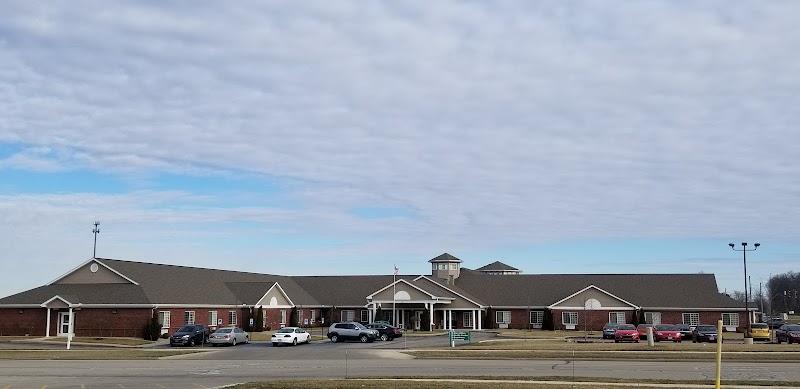
VILLAGE GREEN HEALTH CAMPUS is owned by a for-profit company. For-profit facilities operate as businesses with obligations to shareholders or private owners. The facility is operated by TRILOGY HEALTH SERVICES, a chain that manages multiple nursing homes. With 51 certified beds and approximately 47 residents (about 92% occupancy), it is a smaller facility located in GREENVILLE, Ohio.
How Does Village Green Health Campus Compare to Other Ohio Nursing Homes?

Compared to the 100 nursing homes in Ohio, VILLAGE GREEN HEALTH CAMPUS's overall rating (5 stars) is above the state average of 3.2, staff turnover (54%) is near the state average of 46%, and health inspection rating (4 stars) is above the national benchmark.

What Should Families Ask When Visiting Village Green Health Campus?

Based on this facility's data, families visiting should ask: "Can I visit during a mealtime to observe dining assistance and food quality?" "How do you handle medical emergencies, and what is your hospital transfer rate?" "Can I speak with family members of current residents about their experience?"

Is Village Green Health Campus Safe?

Based on CMS inspection data, VILLAGE GREEN HEALTH CAMPUS has a clean safety record: no substantiated abuse findings (meaning no confirmed cases of resident harm), no Immediate Jeopardy citations (the most serious violation level indicating risk of serious injury or death), and is not on the Special Focus Facility watch list (a federal program monitoring the lowest-performing 1% of nursing homes). The facility has a 5-star overall rating and ranks #1 of 100 nursing homes in Ohio. While no facility is perfect, families should still ask about staff-to-resident ratios and recent inspection results during their visit.

Do Nurses at Village Green Health Campus Stick Around?

VILLAGE GREEN HEALTH CAMPUS has a staff turnover rate of 54%, which is 8 percentage points above the Ohio average of 46%. Moderate turnover is common in nursing homes, but families should still ask about staff tenure and how the facility maintains care continuity when employees leave.

Was Village Green Health Campus Ever Fined?

VILLAGE GREEN HEALTH CAMPUS has no federal fines on record. CMS issues fines when nursing homes fail to meet care standards or don't correct problems found during inspections. The absence of fines suggests the facility has either maintained compliance or corrected any issues before penalties were assessed. This is a positive indicator, though families should still review recent inspection reports for the full picture.

Is Village Green Health Campus on Any Federal Watch List?

VILLAGE GREEN HEALTH CAMPUS is not on any federal watch list. The most significant is the Special Focus Facility (SFF) program, which identifies the bottom 1% of nursing homes nationally based on persistent, serious quality problems. Not being on this list means the facility has avoided the pattern of deficiencies that triggers enhanced federal oversight. This is a positive indicator, though families should still review the facility's inspection history directly.