MONTEREY CARE CENTER
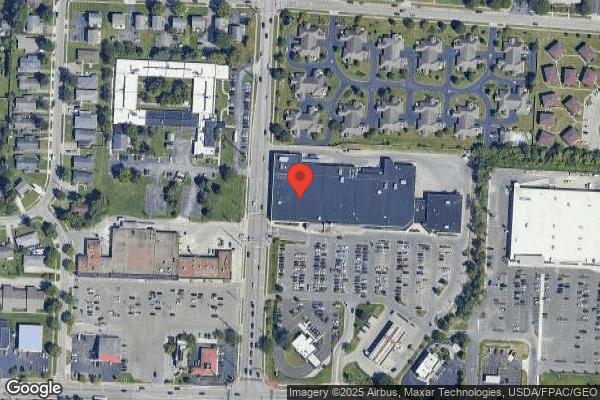
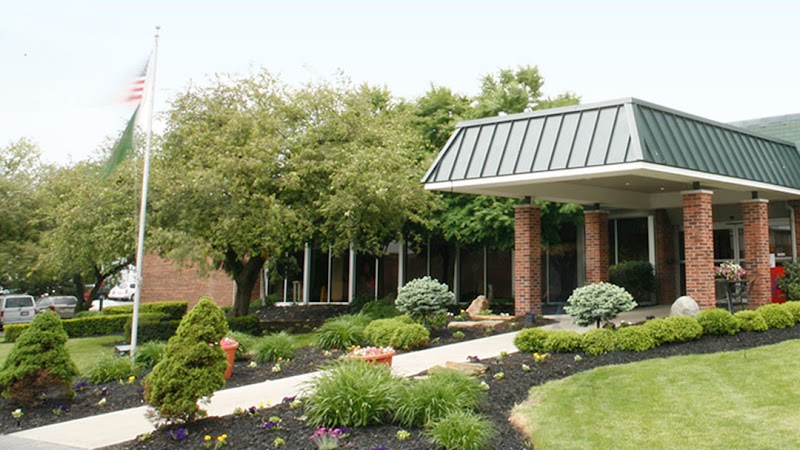
3929 HOOVER ROAD, GROVE CITY, OH 43123 (614) 875-7700
For profit - Limited Liability company 148 Beds OPTALIS HEALTH & REHABILITATION Data: November 2025
Trust Grade
38/100
#738 of 913 in OH
Last Inspection: November 2024

Within standard 12-15 month inspection cycle. Federal law requires annual inspections.

Overview

Monterey Care Center in Grove City, Ohio, has a Trust Grade of F, indicating significant concerns about its overall quality and care. It ranks #738 out of 913 facilities in Ohio, placing it in the bottom half, and #37 out of 56 in Franklin County, meaning there are many better options nearby. The facility has seen an improving trend in its issues, reducing from 17 in 2024 to just 3 in 2025, which is a positive sign. Staffing is rated 2 out of 5 stars, with a turnover rate of 55%, which is around the state average, but it does have more RN coverage than 81% of facilities in Ohio, which is beneficial for resident care. However, there have been serious incidents, such as a resident being harmed during a mechanical lift transfer, and concerns about food safety and kitchen cleanliness, which highlight ongoing weaknesses despite some improvements.

Trust Score
F
38/100
In Ohio
#738/913
Bottom 20%
Safety Record
Moderate
Needs review
Inspections
Getting Better
17 → 3 violations
Staff Stability
⚠ Watch
55% turnover. Above average. Higher turnover means staff may not know residents' routines.
Penalties
✓ Good
$3,250 in fines. Lower than most Ohio facilities. Relatively clean record.
Skilled Nurses
✓ Good
Each resident gets 45 minutes of Registered Nurse (RN) attention daily — more than average for Ohio. RNs are trained to catch health problems early.
Violations
⚠ Watch
36 deficiencies on record. Higher than average. Multiple issues found across inspections.
★★☆☆☆
2.0
Overall Rating
★★☆☆☆
2.0
Staff Levels
★★★★★
5.0
Care Quality
★☆☆☆☆
1.0
Inspection Score
Stable
2024: 17 issues
2025: 3 issues

The Good

  • 5-Star Quality Measures · Strong clinical quality outcomes
  • Full Sprinkler Coverage · Fire safety systems throughout facility
  • No fines on record

Facility shows strength in quality measures, fire safety.

The Bad

2-Star Overall Rating

Below Ohio average (3.2)

Below average - review inspection findings carefully

Staff Turnover: 55%

Near Ohio avg (46%)

Frequent staff changes - ask about care continuity

Federal Fines: $3,250

Below median ($33,413)

Minor penalties assessed

Chain: OPTALIS HEALTH & REHABILITATION

Part of a multi-facility chain

Ask about local staffing decisions and management

Staff turnover is elevated (55%)

7 points above Ohio average of 48%

The Ugly 36 deficiencies on record

1 actual harm
Jul 2025 1 deficiency
CONCERN (D) 📢 Someone Reported This

A family member, employee, or ombudsman was alarmed enough to file a formal complaint

Potential for Harm - no one hurt, but risky conditions existed

Notification of Changes (Tag F0580)

Could have caused harm · This affected 1 resident

**NOTE- TERMS IN BRACKETS HAVE BEEN EDITED TO PROTECT CONFIDENTIALITY** Based on review of resident records, staff interviews, and review of facility policy, the facility failed to provide documented ...

Read full inspector narrative →
**NOTE- TERMS IN BRACKETS HAVE BEEN EDITED TO PROTECT CONFIDENTIALITY** Based on review of resident records, staff interviews, and review of facility policy, the facility failed to provide documented evidence of good faith efforts to notify a former resident of an active urinary tract infection. This affected one former resident (Former Resident #115) out of four residents reviewed for urinary tract infections. The facility census was 113 residents. Findings include: Review of the medical record for Former Resident (FR) #115 revealed he was admitted to the facility on [DATE] with diagnoses including retention of urine and presence of urogenital implants. Review of FR #115's Minimum Data Set (MDS) 3.0 comprehensive assessment dated [DATE] revealed that he was cognitively intact and that he had an indwelling catheter. Review of FR #115's nursing progress notes dated 06/22/25 revealed that FR #115 was observed with intermittent confusion. The physician was called, and a new order was made to obtain a urinalysis and culture and sensitivity (UA C&S). Nursing progress notes dated 06/24/25 revealed that the urine was collected and picked up by the laboratory. Review of FR #115's social work progress notes dated 06/24/25 revealed that FR #115 desired to leave the facility Against Medical Advice (AMA). Review of nursing progress notes dated 06/25/25 revealed that FR #115 left the facility AMA. Review of FR #115's labs that resulted on 06/26/25 at 1:16 P.M. revealed that his urine growth was over 100,000 Escherichia coli (E. coli) bacteria, which was indicative of a urinary tract infection, and that it was susceptible to many options of antibiotics. Review of FR #115's medical progress notes and medical record revealed no documented evidence of facility notification to the resident or family regarding FR #115's UTI/laboratory results. Interview with the Administrator on 07/09/25 at 9:52 A.M. revealed that if a former resident decided to leave the facility AMA prior to receiving their laboratory (lab) results, if the facility received the labs back after the resident discharged , she would expect that the former resident would be notified of abnormal results. Interview with the Director of Nursing on 07/09/25 at 10:36 A.M. revealed that if a resident left the facility AMA, when they received lab results that resulted after the resident left the facility, the results would be sent to the physician for review. The DON indicated that it would be no different for a current resident that received abnormal lab results, than it would be for a former resident who had left the facility AMA and that they would be informed of the results. Interview with DON on 07/09/25 at 10:43 A.M. stated that FR #115 left AMA when he had a urinalysis pending. DON confirmed on 07/09/25 at 10:43 A.M. that FR #115's chart did not have documentation that FR #115 was informed of his lab results and that he had a urinary tract infection. Interview with Unit Manager #161 on 07/09/25 at 11:00 A.M. confirmed that she did not speak with FR #115 or FR #115's resident representative about the abnormal urinalysis report or urinary tract infection. Unit Manager #161 confirmed that she did not document that she attempted to contact FR #115 or FR #115's resident representative about his urinary tract infection. Review of a facility policy titled, Change in Condition, dated 08/09/23, revealed that a nurse will notify the resident and/or resident representative and physician about changes in a resident's medical condition which includes conditions that potentially need physician intervention. Review of facility policy titled, Transfers and Discharges, dated 04/18/25, revealed that if a resident discharges AMA, the facility will attempt to obtain physician orders and complete referrals for post-discharge care and attempt to obtain physician orders including discharge medications and follow up appointments. This deficiency represents non-compliance investigated under Complaint Number OH00167445.
Jun 2025 1 deficiency 1 Harm
SERIOUS (G) 📢 Someone Reported This

A family member, employee, or ombudsman was alarmed enough to file a formal complaint

Actual Harm - a resident was hurt due to facility failures

Accident Prevention (Tag F0689)

A resident was harmed · This affected 1 resident

**NOTE- TERMS IN BRACKETS HAVE BEEN EDITED TO PROTECT CONFIDENTIALITY** THIS IS AN INCIDENCE OF PAST NON-COMPLIANCE THAT WAS SUBSEQUENTLY CORRECTED PRIOR TO THIS SURVEY. Based on medical record revie...

Read full inspector narrative →
**NOTE- TERMS IN BRACKETS HAVE BEEN EDITED TO PROTECT CONFIDENTIALITY** THIS IS AN INCIDENCE OF PAST NON-COMPLIANCE THAT WAS SUBSEQUENTLY CORRECTED PRIOR TO THIS SURVEY. Based on medical record review, review of facility incident report, resident and staff interview, and facility policy review, the facility failed to ensure a resident was safely transferred by a mechanical lift. This resulted in Actual Harm on 05/27/25 when one staff attempted to transfer Resident #103 from the wheelchair to the bed with the mechanical lift and the strap to the lift pad tore and Resident #103 dropped to the floor. Resident #103 was observed by staff to have one missing tooth, and one tooth was broken in half at the time of the incident. Resident #103 was sent to the hospital and returned to the facility with no other injuries noted. The resident has a follow up appointment with the emergency dentist. This affected one resident (#103) of three residents reviewed for mechanical lift transfers. The facility census was 117. Findings Include: Resident #103 was admitted to the facility on [DATE]. His diagnoses included but were not limited to absence of right leg and left leg above knee, multiple sclerosis, disorder of muscle, muscle wasting, morbid obesity, legal blindness, schizoaffective disorder, paraplegia, and weakness. Review of his Minimum Data Set (MDS) assessment, dated 03/04/25, revealed he was cognitively intact and dependent on staff for transfers. Review of Resident #103's care plan, dated 11/19/24, revealed a care area of Resident #103 having an activity of daily living (ADL) deficit. An intervention within this care plan revealed he needed two-person assistance due to having to use a mechanical lift for transfers. Review of Resident #103 Incident Report and Progress Notes, dated 05/27/25, confirmed that Resident #103 was being transferred from his wheelchair to his bed via mechanical lift. It was confirmed that Resident #103 was being transferred by CNA #148 alone; she did not have a second nursing staff with her while performing the transfer. During the transfer, the mechanical lift pad strap broke on one side, causing Resident #103 to fall from the mechanical lift to the floor. Resident #103 was assessed by the nurse for injury and found that he had one tooth missing and another tooth was broke in half. He was sent to the emergency room for further evaluation. In review of the findings, the facility confirmed CNA #148 should have had a second staff person with her while transferring Resident #103, and there should have been a better assessment of the mechanical lift pad prior to using it; which contributed to Resident #103 fall. Interview with Resident #103 on 06/04/25 at 9:30 A.M. confirmed he fell from the lift about a week ago. He confirmed there was only one staff member transferring him in the mechanical lift. He stated he wasn't sure why she was doing that, because all staff know he is a two-person transfer. He confirmed he fell to the ground while he was in the air, and knocked one tooth out and broke a second tooth due to the fall. He confirmed he went to the emergency room after the fall to ensure there were no further injuries. Interview with Director of Nursing (DON) on 06/04/25 at 12:10 P.M. confirmed they completed an investigation regarding the fall/accident that occurred with Resident #103 on 05/27/25. She confirmed CNA #148 was transferring Resident #103 via mechanical lift by herself, when she should have had a second staff person with her. She also confirmed there was evidence the mechanical lift pad failed/broke, which contributed to Resident #103 falling to the ground while in the air during the transfer. She confirmed they immediately started the quality assurance process to ensure an incident like this did not occur again. Interview with CNA #148 on 06/04/25 at 1:40 P.M. via telephone confirmed she transferred Resident #103 by herself. She confirmed she should not have done that. She confirmed the front part of the mechanical lift pad failed as well, which contributed to Resident #103 falling to the ground. She was unsure if the pad hooks broke or if they came off the lift itself, but after Resident #148 fell, she noticed that one side of the lift pad was no longer attached to the mechanical lift. Review of facility Hoyer Lift/Mechanical Lift policy, dated 05/13/24, revealed it is the responsibility of the RN, LPN, and/or STNA to follow manufacturer's guidelines. Please utilize two staff members. To transfer a patient/resident back to bed, you should attach the hooks to the sling. Be sure the hooks are placed so that they are facing away from the patient/resident. Bring the lift into position over the resident. Be sure the lift is in the low position and the legs of the lift are spread appropriately to balance the lift. Attach the hooks to the sling. Be sure the hooks are placed so that they are facing away from the patient/resident. Instruct the resident to fold both arms over his or her chest if possible. Using the crank/power button, raise the resident from the chair. Assist the resident in guiding his/her legs. Move the lifter away from the chair. Be sure the resident is turned in such a manner that the resident is facing you. Do not pull the resident backwards. Position lift over the bed. Lower the resident into the center of the bed. Remove the hooks from the lift. Remove the hooks from the sling. Remove the sling from under the resident. Remove the lift. Position the resident in a comfortable position that promotes good body alignment. Place the call light within easy reach of the resident. The deficient practice was corrected on 06/03/25 when the facility implemented the following corrective actions: • On 05/28/25, Director of Nursing (DON) or designee assessed all residents who use a mechanical lift for injuries. • On 05/28/25, DON or designee audited all mechanical lift pads for safety and functionality. Those that were deemed unsafe were discarded and new pads were issued. • On 05/28/25, DON or designee audited the mechanical lift assessments and care plans reviewed; of all residents who utilize a mechanical lift and updates were made as necessary. • From 05/27/25 to 05/29/25, DON or designee educated all nursing staff except for five as needed nursing staff who have not worked since the incident. The education included operating a mechanical lift in a safe/proper manner and assessing/removing mechanical lift pads if they are deemed unsafe. None of the five nursing staff who have not received education will work in the facility until the education has occurred. The following nursing staff were interviewed on 06/04/25 and confirmed they received education and were aware of the proper procedures to follow regarding mechanical lifts: Unit Manager #155, CNA #148, CNA #103, and CNA #225. Observation completed on 06/04/25 with CNAs #103 and #225 performing a resident transfer via mechanical lift safely and appropriately. • On 05/28/25, all laundry staff were re-educated by Housekeeping and Laundry Manager #110 about inspecting/ assessing/removing mechanical lift pads if they are deemed unsafe. The following laundry staff were interviewed on 06/04/25 and confirmed they received education and were aware of the proper procedures to follow regarding mechanical lift pads: Laundry Staff #250. • On 05/29/25, Certified Nursing Aide (CNA) #148 was provided education by DON about using a mechanical lift with two staff and assessing the mechanical lift pads to ensure they are safe. She also received a final written warning as discipline by DON and Administrator. • On 05/30/25, DON ensured all nursing staff except for five as needed nursing staff who have not worked since the incident, received and passed competency training regarding the proper assessment of mechanical lift pads and properly transferring a resident within the mechanical lift. None of the five nursing staff who have not received education will work in the facility until the education has occurred. • Starting 05/29/25, nursing managers/designees will assess mechanical lift pads at least three times weekly for four weeks, and then on a monthly basis there after. Audits were completed on the following dates: 05/29/25, 05/30/25, 05/31/25, 06/01/25, 06/02/25, 06/03/25, and 06/04/25 with no negative findings. • Starting 06/03/25, all laundry staff will complete a daily assessment/review of mechanical lift pads taken to the laundry room, to review their condition and remove if they are deemed to be unsafe. This will continue indefinitely. Audits were completed on the following dates: 06/03/25 and 06/04/25 with no negative findings. This deficiency represents non-compliance investigated under complaint number OH00166132.
Apr 2025 1 deficiency
CONCERN (F) 📢 Someone Reported This

A family member, employee, or ombudsman was alarmed enough to file a formal complaint

Potential for Harm - no one hurt, but risky conditions existed

Food Safety (Tag F0812)

Could have caused harm · This affected most or all residents

Based on observation, record review, and staff interviews, the facility failed to store, prepare, distribute, and serve foods in accordance with professional standards for food service safety. This ha...

Read full inspector narrative →
Based on observation, record review, and staff interviews, the facility failed to store, prepare, distribute, and serve foods in accordance with professional standards for food service safety. This had the potential to affect all residents in the facility except one (Resident #34) who was ordered nothing by mouth (NPO) and didn't receive food from the kitchen. The facility census was 111. Findings include: Observation of the kitchen on 03/31/25 at 11:20 A.M. revealed Staff #41 was preparing lunch trays without wearing a beard restraint over his beard. Interview on 03/31/25 at 11:20 A.M. Staff #41, verified he wasn't wearing a beard restraint, and one was required when preparing food for the residents. Interview on 03/31/25 at 11:26 A.M. with the Dietary Manager #500, verified Staff #41 was preparing lunch plates without a beard restraint in place. Dietary Manager #500 stated it was the facility's policy for all food service employees to wear hair and beard restraints while working in the food preparation and service areas of the kitchen. Review of the facility's policy titled Employee Sanitary Practices dated 06/26/20 revealed all nutrition and food service employees would practice good personal hygiene and safe food handling procedures. It was the responsibility of the Food Service Manager or designee to ensure all employees complied with the facility's procedures and all federal, state and local requirements. Food service employees would wear hair restraints such as hairnets, hats, and beard restraints to prevent hair from contacting exposed foods.
Nov 2024 17 deficiencies
CONCERN (D)

Potential for Harm - no one hurt, but risky conditions existed

Resident Rights (Tag F0550)

Could have caused harm · This affected 1 resident

Based on observations, interviews, and record reviews, the facility failed to ensure resident dignity was maintained during dining experiences. This affected two residents (#35 and #103) observed for ...

Read full inspector narrative →
Based on observations, interviews, and record reviews, the facility failed to ensure resident dignity was maintained during dining experiences. This affected two residents (#35 and #103) observed for dining during the annual survey. The facility census was 108. Findings include: Observation on 11/20/24 at 8:05 A.M. revealed Resident #35 and Resident #103 were lying in bed and did not have breakfast meal trays. A newly admitted resident residing in the room with Resident #35 and Resident #103 was sitting up in bed consuming breakfast from a meal tray set up in front of her. Resident #35 and Resident #103 both confirmed they were hungry and would like a meal tray. Observation on 11/20/24 at 8:19 A.M. revealed Resident #35 and Resident #103 had still not been served a breakfast meal tray. Three unknown facility employees were standing at the end of the hall by the breakfast meal cart discussing who was responsible for Resident #103. All three employees stated the resident was not on their assignment and walked away. Observation on 11/20/24 at 8:29 A.M. revealed Registered Nurse (RN) #198 entered the room of Resident #35 and Resident #103 to provide care. RN #198 confirmed Resident #35 and Resident #103 had yet to receive their breakfast meal but would find out why. Observation on 11/20/24 at 8:40 A.M. revealed Certified Nurse Assistance (CNA) #133 entered the room of Resident #35 and Resident #103 and served the residents the breakfast meal. CNA #133 confirmed he was assisting another CNA to get a resident ready for dialysis and had not had time to serve the breakfast meals to the two residents. CNA #133 confirmed the newly admitted resident residing in the same room as Resident #35 and Resident #103 had already been served and eaten her breakfast meal.
CONCERN (D)

Potential for Harm - no one hurt, but risky conditions existed

Deficiency F0625 (Tag F0625)

Could have caused harm · This affected 1 resident

**NOTE- TERMS IN BRACKETS HAVE BEEN EDITED TO PROTECT CONFIDENTIALITY** Based on record review and interview, the facility failed to provide residents with a bed hold notification prior to hospital st...

Read full inspector narrative →
**NOTE- TERMS IN BRACKETS HAVE BEEN EDITED TO PROTECT CONFIDENTIALITY** Based on record review and interview, the facility failed to provide residents with a bed hold notification prior to hospital stay. This affected two (Residents #15 and #39) of four residents reviewed for notification of bed hold. The facility census was 108. Findings include: 1. Review of the medical record for Resident #15 revealed an admission date of 08/28/18 with diagnoses including epilepsy, clavicle fracture, humerus fracture, dysphagia, Alzheimer's disease, dementia, Lennox-Gastaut Syndrome, convulsions, idiopathic progressive neuropathy, anxiety, depression, cervical vertebrae fracture, and nontoxic thyroid nodule. Review of the quarterly Minimum Data Set (MDS) assessment dated [DATE] revealed Resident #15 had severe cognitive impairment. Resident #15 was sent to the hospital on [DATE] following a fall with a laceration to her forehead. Review of the Notification of Bed Hold form with this resident's name written at the top revealed the form did not provide the total amount of bed hold days left. Interview with the Administrator on 11/21/24 at 2:18 P.M. verified by the actual bed hold days were not captured at the time of the notice. 2. Review of the closed medical record for Resident #39 revealed an admission date of 09/21/24 with diagnoses including hallucinations, cognitive communication deficit, obesity, Hepatitis B and C, hypertension, asthma, irritable bowel syndrome, anemia, restless leg syndrome, constipation, anxiety, depression, fibromyalgia, and rheumatoid arthritis. Review of the quarterly MDS revealed Resident #39 had minimal cognitive impairment. Resident #39 was sent to the hospital on [DATE] due to abnormal lab work and complications to her PICC line. Review of the Notification of Bed Hold form with this resident's name written at the top revealed the form did not provide the total amount of bed hold days left. Interview with the Administrator on 11/21/24 at 2:18 P.M. verified by the actual bed hold days were not captured at the time of the notice.
CONCERN (D)

Potential for Harm - no one hurt, but risky conditions existed

Quality of Care (Tag F0684)

Could have caused harm · This affected 1 resident

**NOTE- TERMS IN BRACKETS HAVE BEEN EDITED TO PROTECT CONFIDENTIALITY** 2. Review of Resident #86's medical record revealed an admission date of 03/20/24 with diagnoses including Alzheimer's disease, ...

Read full inspector narrative →
**NOTE- TERMS IN BRACKETS HAVE BEEN EDITED TO PROTECT CONFIDENTIALITY** 2. Review of Resident #86's medical record revealed an admission date of 03/20/24 with diagnoses including Alzheimer's disease, dysphagia, dementia, type two diabetes mellitus, cognitive communication deficit, depression, and insomnia. Review of Resident #86's quarterly Minimum Data Set (MDS) 3.0 assessment dated [DATE] revealed the resident was rarely or never understood. Review of Resident #86's plan of care dated 04/15/24 revealed she was at risk for alteration in elimination related to incontinence of bowel and bladder due to impaired cognition. Interventions included assisting with toileting and hygiene as needed, incontinence care per protocol, and monitoring for signs of UTI. Review of Resident #86's progress note dated 10/02/24 revealed Psych 360 had given new orders to obtain a urinary analysis with culture and sensitivity. Review of Resident #86's progress notes dated 10/02/24 to 10/04/24 revealed no evidence there had been attempts to collect urine. Review of Resident #86's progress note dated 10/05/24 revealed the nurse obtained a urine sample via straight catheter. Review of Resident #86's progress note dated 10/07/24 revealed the initial urinary analysis had been received indicating trace amounts of blood and protein in the urine and a moderate amount of bacteria. They were awaiting the culture and sensitivity. Review of the culture and sensitivity dated 10/09/24 revealed the presence of Klebsiella pneumoniae in the urine and the susceptibility of the specimen was verified on 10/09/24. Review of Resident #86's progress note dated 10/14/24 revealed a new order was given for Keflex 500 milligrams (mg) for seven days for UTI. Interview on 11/21/24 at 10:15 A.M. and 1:44 P.M., the Director of Nursing (DON) was unable to explain why the urine was not collected until 10/05/24. She reported the urine was not collected until 10/07/24 because the lab did not pick up samples over the weekend. She verified the delay in treatment. She reported she believed the laboratory had been having a glitch and that they received the culture back by 10/10/24 but not the sensitivity. Based on observations, interviews, and record reviews, the facility failed to ensure Thrombo-Embolic Deterrent (TED) hose were applied as ordered by the physician. This affected one resident (#57) of the eight residents reviewed for skin conditions during the annual survey. Additionally, the facility failed to timely collect urine and treat a urinary tract infection (UTI) for Resident #86. This affected one resident (#86) of one reviewed for UTI. The facility census was 108. Findings include: 1. Record review for Resident #57 revealed the resident was admitted to the facility on [DATE] and had diagnoses including history of venous thrombosis and embolism, chronic pain, and muscle weakness. Review of the quarterly Minimum Data Set (MDS) dated [DATE] revealed the resident was assessed to be rarely/never understood. Review of the active physicians order dated 06/25/24 revealed the resident was to have knee high TED hose applied every morning and removed at bedtime for edema. Observation on 11/19/24 at 8:25 A.M. revealed Resident #57 was up in his wheelchair in the dining room eating the breakfast meal. The resident did not have TED hose applied as ordered. Observation on 11/20/24 at 8:12 A.M. revealed Resident #57 was up in his wheelchair in the dining room eating the breakfast meal. The resident did not have TED hose applied as ordered. Observation on 11/20/24 at 11:00 A.M. revealed Resident #57 was up in his wheelchair in his room. The resident did not have TED hose applied as ordered. Interview with Unit Manager #144 at the time of the observation confirmed Resident #57 did not have TED hose applied as ordered.
CONCERN (D)

Potential for Harm - no one hurt, but risky conditions existed

Deficiency F0685 (Tag F0685)

Could have caused harm · This affected 1 resident

**NOTE- TERMS IN BRACKETS HAVE BEEN EDITED TO PROTECT CONFIDENTIALITY** Based on observations, resident and staff interviews, medical record review, and facility policy review, the facility failed to ...

Read full inspector narrative →
**NOTE- TERMS IN BRACKETS HAVE BEEN EDITED TO PROTECT CONFIDENTIALITY** Based on observations, resident and staff interviews, medical record review, and facility policy review, the facility failed to ensure staff assisted one resident (#13) with the placement of bilateral hearing aids daily as ordered. This affected one resident (#13) of one reviewed for hearing services. The facility census was 108. Findings include: Review of the medical record for Resident #13 revealed an initial admission date on 04/25/17 and a readmission date on 09/25/23. Medical diagnoses included dementia without behavioral disturbance, unspecified bilateral hearing loss, anxiety disorder, depression, and chronic obstructive pulmonary disease (COPD). Review of the quarterly Minimum Data Set (MDS) 3.0 assessment dated [DATE] revealed Resident #13's cognition had not been assessed for the assessment. Resident #13 had minimal difficulty hearing and used hearing aids. Resident #13 required a varied amount of assistance from staff ranging from supervision to partial/moderate assistance to complete Activities of Daily Living (ADLs). Review of the care plan revised 10/11/23 revealed Resident #13 had impaired sensory perception related to hearing loss. Interventions included ensure adaptive equipment is accessible and monitor/report any changes or abnormal findings to the physician. Review of the current physician orders revealed Resident #13 had an order that stated, Assist resident with placement of hearing aids every day shift and document compliance with hearing aids. Resident keeps at bedside. The order was dated 02/23/24. Review of the progress notes dated from 02/23/24 through current revealed there was no evidence Resident #13 was non-compliant with accepting assistance with placement of hearing aids. Review of the current patient care [NAME] revealed there were not instructions to assist Resident #13 with placement of hearing aids. Observations and interviews on 11/18/24 at 4:24 P.M., 11/19/24 at 1:12 P.M., and 11/20/24 at 9:40 A.M. revealed Resident #13 did not have bilateral hearing aids in place. Resident #13 requested surveyor stand close to the bedside and raise voice in order to be able to hear this surveyor's questions. Resident #13 stated there was only one nurse and one aide who knew how to properly place his hearing aids in his ears. Resident #13 stated the staff did not offer to place the hearing aids in his ears every day as ordered. Observation and interview on 11/20/24 at 9:47 A.M. with Licensed Practical Nurse (LPN) #126 and Certified Nurse Assistant (CNA) #193 in Resident #13's room revealed LPN #126 was able to place the resident's hearing aid in his right ear with proper functioning. Resident #13 stated, She's the only nurse who knows how to do it. However, CNA #193 was not able to properly place the resident's hearing aid properly into his left ear. CNA #193 attempted to put the hearing aid in twice and Resident #13 stated, No, it's not in. LPN #126 instructed CNA #193 to push the hearing aid in further into the ear canal. CNA #193 was able to do so after instructions from LPN #126. However, Resident #13 was not able to hear anything out of the left hearing aid. CNA #193 then asked LPN #126 how to turn the hearing aid on as she did not know how to do this. LPN #126 instructed CNA #126 again but the left hearing aid still was not working. Resident #13 stated, I'm not hearing anything out of the left one. The right one is good. This surveyor asked LPN #126 who would be responsible for ensuring the nurses and aides who cared for Resident #13 were educated on placing the resident's hearing aids and how to properly turn them on. LPN #126 stated, I don't know. Review of the facility policy, Additional Services and Fees, dated 02/14/13, revealed the policy did not address the proper placement and use of hearing aids for residents who required them. There was no other facility policy provided.
CONCERN (D)

Potential for Harm - no one hurt, but risky conditions existed

Pressure Ulcer Prevention (Tag F0686)

Could have caused harm · This affected 1 resident

**NOTE- TERMS IN BRACKETS HAVE BEEN EDITED TO PROTECT CONFIDENTIALITY** Based on observations, interviews, record reviews, and review of facility policy, the facility failed to ensure pressure ulcer p...

Read full inspector narrative →
**NOTE- TERMS IN BRACKETS HAVE BEEN EDITED TO PROTECT CONFIDENTIALITY** Based on observations, interviews, record reviews, and review of facility policy, the facility failed to ensure pressure ulcer prevention interventions were in place per the plan of care, failed to ensure pressure ulcers were comprehensively evaluated upon admission, and failed to ensure staff were educated on the appropriate settings for Low Air Loss (LAL) mattresses. This affected two residents (#43 and 362) out of the five residents reviewed for pressure ulcers during the annual survey. The facility census was 108. Findings include: 1. Record review for Resident #43 revealed the resident was admitted to the facility on [DATE] and had diagnoses including hemiplegia and hemiparalysis following cerebral infarction affecting the left non-dominant side, presence of pressure ulcers, and contracture of the muscle of the left hand. Review of the significant change Minimum Data Set (MDS) assessment dated [DATE] revealed the resident was assessed to have moderately impaired cognition. The resident was assessed to have three unstageable pressure ulcers present. Review of the care plan revised 08/27/24 revealed the resident had areas of unavoidable impairment of skin integrity including current breakdown of the skin of the left great toe. Interventions included a bariatric extended bed with an air mattress. Observation on 11/19/24 at 1:40 P.M. revealed Resident #43 was lying in a regular size bed watching television. Pool noodles were secured in place to the footboard at the end of the bed to prevent pressure against the residents feet. Interview with the Director of Nursing (DON) at the time of the observation confirmed the bed the resident was lying on was not a bariatric extended bed. The DON confirmed the bariatric extended bed had been provided by hospice and was removed when the resident ceased receiving hospice services and had not been replaced. Interview with the DON on 11/24/24 at 1:10 P.M. confirmed the bariatric, extended mattress was added to the resident's plan of care to reduce the likelihood of pressure to the resident's feet. 2. Review of the medical record for Resident #62 revealed an admission date on 07/05/24. Medical diagnoses included multiple sclerosis, pressure ulcer of other site stage IV (10/30/24), pressure ulcer of other site unstageable (09/09/24), mild protein-calorie malnutrition, other chronic osteomyelitis other site (07/05/24), schizoaffective disorder, pressure ulcer of lower back unstageable (07/05/24), pressure ulcer of sacral region stage IV (07/05/24), and pressure ulcer of right lower back stage IV (07/05/24). Review of skin assessments since admission revealed on 07/05/24, there was a skin grid completed for Resident #62 which showed a circle around the buttocks areas with a written note, multiple open areas. There was no further information provided on the skin grid. Review of the progress notes since admission revealed there was not an admission note entered on 07/05/24 for Resident #62. There was no evidence of a comprehensive wound assessment on any open areas had been completed upon admission. Review of the wound note (completed by a contracted wound physician) dated 07/08/24 (three days after admission) revealed Resident #62 presented with wounds on his right ischium, left ischium, right hip, coccyx, right thigh, and scrotum. Review of the physician orders revealed Resident #62 had an order that stated, monitor low air-loss mattress, check that settings are appropriate for the patient, dated 07/09/24. Observation on 11/19/24 at 9:00 A.M. of Resident #62 in his room revealed the resident was in bed with low air loss mattress in place. Interview on 11/19/24 at 4:35 P.M. with Unit Manager (UM) #144 confirmed the only skin assessment complete of Resident #62's wounds upon admission was the skin grid dated 07/05/24 which was not a comprehensive assessment of the resident's wounds. UM #144 stated Resident #62 was admitted over a weekend and the floor staff do not assess wounds so the resident's wounds were not fully assessed until Monday when the wound physician evaluated the resident on 07/08/24. UM #144 also confirmed there was no admission progress note entered for Resident #62 to address the resident's wounds. Interview on 11/20/24 at 1:45 P.M. with Licensed Practical Nurse (LPN) #126 confirmed Resident #62 had an order to monitor the settings on the resident's low air loss mattress for appropriateness. LPN #126 stated the Durable Medical Equipment (DME) provider that delivered the bed also set the bed up with the settings. LPN #126 stated she did not know what the settings were supposed to be on Resident #62's mattress. LPN #126 stated she was not educated on what the settings on the mattress were supposed to be and was not aware the settings were supposed to be monitored. LPN #126 stated, I usually look to make sure the mattress is plugged in and functioning but I do not look at the settings. Interview on 11/20/24 at 4:30 P.M. with Regional Nurse (RGN) #251 confirmed Resident #62's wounds were not comprehensively assessed by the facility staff upon admission and the wounds should have been assessed. Interview on 11/21/24 at 8:35 A.M. with the Director of Nursing (DON) confirmed the facility's nursing staff had not been educated on the appropriate settings for Resident #62's low air loss mattress for monitoring. Review of the facility policy, Skin and Wound Guidelines, revised 03/20/24, revealed the policy stated, skin alterations and pressure injuries are evaluated and documented by the licensed nurse using the admission & re-admission Evaluation UDA upon admission with a head-to-toe skin evaluation and completion of the Braden Scale for Predicting Pressure Sore Risk UDA.
CONCERN (D)

Potential for Harm - no one hurt, but risky conditions existed

Deficiency F0688 (Tag F0688)

Could have caused harm · This affected 1 resident

**NOTE- TERMS IN BRACKETS HAVE BEEN EDITED TO PROTECT CONFIDENTIALITY** 2. Review of Resident #91's medical record revealed an admission date of 06/30/23 with diagnoses including moderate protein-calo...

Read full inspector narrative →
**NOTE- TERMS IN BRACKETS HAVE BEEN EDITED TO PROTECT CONFIDENTIALITY** 2. Review of Resident #91's medical record revealed an admission date of 06/30/23 with diagnoses including moderate protein-calorie malnutrition, Alzheimer's disease, adult failure to thrive, aphasia, rheumatoid arthritis, fibromyalgia, pick's disease, anorexia, and depression, Review of Resident #91's quarterly MDS assessment dated [DATE] revealed she had a short term and long term memory problem. Review of Resident #91's plan of care revealed it did not address contractures. Review of Resident #91's physician's orders revealed no orders related to contractures. Review of Resident #91's progress notes revealed no indication she had contractures. Observation on 11/18/24 at 10:03 A.M. of Resident #91 revealed both hands were contracted into tight fists without intervention. Interview on 11/21/24 at 10:56 A.M. with Certified Nurse Assistant (CNA) #197 verified Resident #91's hands were contracted. She reported generally there was no splint or anything to address the contractures. She reported occasionally they put washcloths in them. Interview on 11/21/24 at 11:00 A.M. with Unit Manager #144 verified there was no intervention for Resident #91's contractures. She reported that the resident's husband did not want hand rolls or washcloths, however, she verified this might not be indicated in the medical record. Interview on 11/24/24 at 9:20 A.M. and 11:30 A.M. with the Director of Nursing (DON) verified Resident #91 had hand contractures since admission. Based on observations, interviews, and record reviews, the facility failed to ensure care and services to prevent the development or worsening of contractures were timely and appropriately implemented. This affected two residents (#43 and #91) out of two residents reviewed for limited range of motion during the annual survey. The facility census was 108. Findings include: 1. Record review for Resident #43 revealed the resident was admitted to the facility on [DATE] and had diagnoses including hemiplegia and hemiparalysis following cerebral infarction affecting the left non-dominant side, presence of pressure ulcers, and contracture of the muscle of the left hand. Review of the significant change Minimum Data Set (MDS) assessment dated [DATE] revealed the resident was assessed to have moderately impaired cognition. The resident was assessed to have an impairment in functional range of motion present on one side of the upper body. Review of the active care plans for the resident revealed no plan of care had been implemented to address care and services required related to the resident's contracture. Review of the Occupational Therapy (OT) Evaluation and Plan of Treatment dated 10/08/24 revealed the resident had a contracture of the muscle of the left hand present. The resident declined receiving occupational therapy services at the time of the assessment. Splint/orthotic recommendations included a carrot. Review of the physicians orders for the resident revealed no order for a carrot or other splint/orthotic device were in place. Observation with the Director of Nursing (DON) on 11/19/24 at 1:40 P.M. revealed the left hand of Resident #43 was severely contracted and there were no splints, orthotics, or other devices in place to the resident's left hand. Interview with Occupational Therapist (OT) #255 on 11/21/24 at 10:46 A.M. confirmed Resident #43 was evaluated for OT services on 10/08/24 but declined them. OT #255 confirmed recommendations for a carrot to be in place to the residents left hand were made due to the presence of a contracture. Interview with the DON on 11/24/24 at 1:10 P.M. confirmed there was no plan of care in place to address interventions necessary to prevent worsening of the resident's contracture. The DON confirmed recommendations for a carrot made by OT #255 had not been implemented.
CONCERN (D)

Potential for Harm - no one hurt, but risky conditions existed

Accident Prevention (Tag F0689)

Could have caused harm · This affected 1 resident

**NOTE- TERMS IN BRACKETS HAVE BEEN EDITED TO PROTECT CONFIDENTIALITY** Based on observations, interviews, record reviews, and review of facility policy, the facility failed to ensure fall interventio...

Read full inspector narrative →
**NOTE- TERMS IN BRACKETS HAVE BEEN EDITED TO PROTECT CONFIDENTIALITY** Based on observations, interviews, record reviews, and review of facility policy, the facility failed to ensure fall interventions were in place per the plan of care. This affected one resident (#57) of the four residents reviewed for falls during the annual survey. The facility census was 108. Findings include: Record review for Resident #57 revealed the resident was admitted to the facility on [DATE] and had diagnoses including muscle weakness, unsteadiness on feet, and dementia. Review of the quarterly Minimum Data Set (MDS) assessment, dated 11/05/24, revealed the resident was assessed to be rarely/never understood. Review of the care plan, initiated 08/01/23, revealed the resident was at risk for falls and potential injury. Interventions included grip strips to the floor in front of the bed. Observation on 11/20/24 at 11:00 A.M. revealed there were no grip strips present on the floor by Resident #57's bed. Interview with Unit Manager #144 at the time of the observation confirmed there were no grip strips present on the floor by the residents bed. Review of the facility policy titled, Fall Management Guidelines, dated 12/13/23, revealed facility staff, with input of the attending physician, will implement a resident-centered care comprehensive care plan that addresses the fall management program, the goal for fall management, individualized interventions to address the residents modifiable risk factors, interventions to try to minimize the consequences of risk factors that are not modifiable, and the plan for reduction and or risk for injury related to falls.
CONCERN (D)

Potential for Harm - no one hurt, but risky conditions existed

Respiratory Care (Tag F0695)

Could have caused harm · This affected 1 resident

**NOTE- TERMS IN BRACKETS HAVE BEEN EDITED TO PROTECT CONFIDENTIALITY** Based on medical record review, resident interview, and staff interview, the facility failed to complete timely follow up to obt...

Read full inspector narrative →
**NOTE- TERMS IN BRACKETS HAVE BEEN EDITED TO PROTECT CONFIDENTIALITY** Based on medical record review, resident interview, and staff interview, the facility failed to complete timely follow up to obtain sleep study results for one resident (Resident #13). This affected one (Resident #13) of four residents reviewed for respiratory care. The facility census was 108. Findings include: Review of the medical record for Resident #13 revealed an initial admission date on 04/25/17 and a readmission date on 09/25/23. Diagnoses included dementia without behavioral disturbance, anxiety disorder, depression, obstructive sleep apnea, and chronic obstructive pulmonary disease (COPD). Review of the quarterly Minimum Data Set (MDS) 3.0 assessment dated [DATE] revealed Resident #13's cognition had not been assessed for the assessment. Resident #13 required a varied amount of assistance from staff ranging from supervision to partial/moderate assistance to complete Activities of Daily Living (ADLs). Review of the Order Summary Report dated February 2024 revealed Resident #13 had an order to place Sleep Study Machine at bedtime dated 02/24/24. The resident also had an order to remove sleep study machine daily dated from 02/24/24 through 02/27/24. The orders were marked as administered as ordered. Review of the progress notes dated from 02/23/24 through 11/18/24 revealed on 02/23/24 at 3:51 P.M., Resident #13 returned from an outside pulmonologist appointment with a new order to place a sleep study device at night and remove in the morning. There was no evidence of the sleep study results and no evidence of any further follow up completed by the facility to obtain the results of the sleep study results for Resident #13. Interview on 11/18/24 at 4:16 P.M. with Resident #13 revealed he was supposed to receive a Continuous Positive Airway Pressure (CPAP) machine a long time ago but the facility lost the results of his sleep study test. Resident #13 stated he had not received any further follow up from the facility. Resident #13 reported having a diagnosis of sleep apnea and stated the physician had ordered a CPAP machine for him. Interview on 11/21/24 at 8:38 A.M. with the Director of Nursing (DON) confirmed Resident #13 did complete a sleep study in the facility in February 2024. The DON stated the sleep study device was mailed back to the pulmonologist provider who ordered it to interpret the results. The DON confirmed the facility never received any results from the resident's sleep study and there was not any evidence of routine follow up with the outside provider who ordered the sleep study to obtain the results of the study. The DON confirmed there should have been additional follow up to determine the results of the sleep study and/or receive additional instructions for Resident #13.
CONCERN (D)

Potential for Harm - no one hurt, but risky conditions existed

Deficiency F0699 (Tag F0699)

Could have caused harm · This affected 1 resident

**NOTE- TERMS IN BRACKETS HAVE BEEN EDITED TO PROTECT CONFIDENTIALITY** Based on record review and staff interview, the facility failed to ensure a resident with Post Traumatic Stress Disorder (PTSD) ...

Read full inspector narrative →
**NOTE- TERMS IN BRACKETS HAVE BEEN EDITED TO PROTECT CONFIDENTIALITY** Based on record review and staff interview, the facility failed to ensure a resident with Post Traumatic Stress Disorder (PTSD) was appropriately assessed to identify the cause of the resident's PTSD and minimize triggers and/or re-traumatization. This affected one (#46) of three resident identified by the facility as having PTSD/trauma. The facility census was 108. Findings include: Record review for Resident #46 revealed the resident was admitted to the facility on [DATE]. Diagnoses included anxiety, cognitive communication deficit, depression, and suicidal ideations. Resident #46 was assessed to have an active diagnosis of PTSD initiated on 08/28/24. Review of the Minimum Data Set (MDS) assessment, dated 10/28/24, revealed Resident #46 had intact cognition evidenced by a Brief Interview for Mental Status (BIMS) assessment score of 14. Review of the active care plans for Resident #46 revealed no plan of care was in place addressing the cause of PTSD, triggers which may cause re-traumatization, or interventions to reduce the risk of re-traumatization and provide care for PTSD. Resident #46 was receiving psychiatric services for multiple mental health issues including PTSD in relation to a history of physical abuse (step-brother) and sexual abuse (in a group home). There was no comprehensive social history of assessment of asking the resident about triggers that may be stressors or may prompt recall of a previous traumatic event. Interview with the Director of Nursing (DON) on 11/18/24 at 2:24 P.M. verified Resident #46 did not have a plan of care that addressed individual triggers or current plan of care to address those triggers. The DON verified there was no assessment of triggers that may be stressors or may prompt recall of a previous traumatic event.
CONCERN (D)

Potential for Harm - no one hurt, but risky conditions existed

Deficiency F0757 (Tag F0757)

Could have caused harm · This affected 1 resident

**NOTE- TERMS IN BRACKETS HAVE BEEN EDITED TO PROTECT CONFIDENTIALITY** Based on staff interview and medical record review, the facility failed to ensure Resident #69's blood pressure was monitored as...

Read full inspector narrative →
**NOTE- TERMS IN BRACKETS HAVE BEEN EDITED TO PROTECT CONFIDENTIALITY** Based on staff interview and medical record review, the facility failed to ensure Resident #69's blood pressure was monitored as ordered. This affected one (#69) of five residents reviewed for unnecessary medications. The facility census was 108. Findings include: Review of Resident #69's medical record revealed an admission date of 09/03/21 with diagnoses including senile degeneration of the brain, dementia, and hypertension. Review of Resident #69's quarterly Minimum data Set (MDS) 3.0 assessment dated [DATE] revealed her cognition was not assessed and staff was not interviewed. Review of Resident #69's plan of care dated 09/29/22 revealed the resident had tendency for fluctuation in blood pressure related to hypertension, orthostatic blood pressure, cardiac medications, anemia, pain, and anxiety. Interventions included administering medications as ordered, diet as ordered, monitoring blood pressure as ordered, and monitoring for signs of hypotension. Review of Resident #69's physician order dated 08/03/24 revealed an order for Amlodipine Besylate five milligrams (mg) one tablet by mouth one time a day for hypertension. The medication was to be held for a systolic blood pressure below 110 millimeters of mercury (mmHg). Review of Resident #69's Medication Administration Record (MAR) for 11/01/24 to 11/18/24 revealed the Amlodipine Besylate was administered daily, however, Resident #69's blood pressure had not been assessed. Interview on 11/20/24 at 2:32 P.M. with the Director of Nursing (DON) verified Resident #69's blood pressure was not monitored as ordered.
CONCERN (D)

Potential for Harm - no one hurt, but risky conditions existed

Deficiency F0808 (Tag F0808)

Could have caused harm · This affected 1 resident

Based on observation,staff interview, and review of medical record, the facility failed to ensure Resident #29 was served his meal as physician ordered. This affected one resident (#29) of 25 resident...

Read full inspector narrative →
Based on observation,staff interview, and review of medical record, the facility failed to ensure Resident #29 was served his meal as physician ordered. This affected one resident (#29) of 25 residents in the memory care unit. The facility census was 108. Findings include: Review of Resident #29's medical record revealed an admission date of 08/09/24. Diagnoses included dementia, cognitive communication deficit, schizoaffective disorder, anxiety disorder, dysphagia, and hypertension. Review of Resident #29's physician order dated 08/09/24 revealed the resident was to receive a regular diet with double entree portions. Observation on 11/18/24 at 12:07 P.M. of Resident #29 revealed his lunch tray included one sandwich. Review of Resident #29's tray ticket for lunch revealed he was on a regular diet. No double entrees were indicated on his tray ticket. Interview on 11/18/24 at 12:07 P.M. with State Tested Nursing Assistant (STNA) #162 verified Resident #29's physician order indicated he was to receive double entrée portions, and verified Resident #29 did not receive double entree portion at lunch.
CONCERN (D)

Potential for Harm - no one hurt, but risky conditions existed

Deficiency F0810 (Tag F0810)

Could have caused harm · This affected 1 resident

**NOTE- TERMS IN BRACKETS HAVE BEEN EDITED TO PROTECT CONFIDENTIALITY** Based on observations, interviews, record reviews, and review of facility policy, the facility failed to ensure resident receive...

Read full inspector narrative →
**NOTE- TERMS IN BRACKETS HAVE BEEN EDITED TO PROTECT CONFIDENTIALITY** Based on observations, interviews, record reviews, and review of facility policy, the facility failed to ensure resident received appropriate set up assistance and adaptive equipment during meals necessary to maintain adequate nutrition. This affected one resident (#43) out of the five residents reviewed for nutrition during the annual survey. The facility census was 108. Findings include: Record review for Resident #43 revealed the resident was admitted to the facility on [DATE] and had diagnoses including hemiplegia and hemiparalysis following cerebral infarction affecting the left non-dominant side, muscle weakness, and contracture of the left hand. Review of the significant change Minimum Data Set (MDS) assessment, dated 10/08/24, revealed the resident was assessed to have moderately impaired cognition. Review of the care plan, revised 10/12/24, revealed the resident had a history of declined intake with liberated diet and appetite had improved. Interventions included to provide feeding and set up assistance as needed. Review of the active physicians order, dated 08/17/23, revealed the resident was to have a cup with lid for all liquids. Observation on 11/20/24 at 7:45 A.M. revealed a facility Certified Nurse Assistant (CNA) entered Resident #43's room carrying the breakfast meal tray. Two bowls with lids and a sippy cup containing orange juice were present on the tray. The breakfast meal tray was placed on the over-the-bed table to the right side of Resident #43's bed. The CNA did not remove the lids from the bowls or place the over-the-bed table over the resident's bed for ease of reach. Resident #43 reached over the rail on the side of the bed to attempt to remove the lids from the bowls and knocked a knife off the table onto the floor. The CNA picked up the knife and exited the room. Resident #43 continued trying to remove the lid from one of the bowls with his right hand as his left hand was contracted and not able to assist, but was unsuccessful. Resident #43 ceased trying to remove the lid and picked up the sippy cup of orange juice and began drinking it. Once the orange juice was consumed, Resident #43 tried again to remove the lid from one of the bowls on his tray and was successful. The resident reached into the bowl with his right hand and began consuming one of the two fried eggs from the bowl. Lights in the residents room were not turned on throughout the observation and the room was dark with the exception of minimal light coming from the television and the hallway. Observation on 11/20/24 at 8:15 A.M. revealed Resident #43 was lying in bed reaching over the right side of the bed attempting to remove the lid from the second bowl on the meal tray without success. One fried egg was lying on the floor under the over-the-bed table. The residents sippy cup was empty as was his water pitcher. The resident confirmed he was still hungry and thirsty but did not have any fluids to drink and could not get the lid off the second bowl by himself. The resident further confirmed he had dropped one of the two fried eggs on the floor while trying to pick it up out of the bowl with his hand. Interview with Registered Nurse (RN) #198 on 11/20/24 confirmed the over-the-bed table for Resident #43 was placed in a hard to reach location for meal consumption. Observation on 11/21/24 at 8:31 A.M. revealed Resident #47 was lying in bed with the breakfast meal tray in front of him. An empty coffee cup and two small plastic cups were present on the tray. None of the cups had lids on them. The residents gown was noted to be wet. The meal ticket located on the residents tray contained instructions for a sippy cup or cup with lids for all meals. Resident #47 confirmed he had not received lids on his cups and had spilled liquids onto his gown. Resident #47 denied being burnt. Interview with Registered Dietitian #250 on 11/21/24 at 9:08 A.M. confirmed Resident #47 was to receive set up assistance with meals and sippy cups or cups with lids to promote good nutrition and hydration. Registered Dietitian #250 confirmed sippy cups often disappeared and a new shipment was scheduled to arrive at the facility that day. Review of the facility policy titled, Meal Acceptance, dated 04/16/13, revealed patients/residents needing assistance in eating must be assisted upon being served. Adaptive equipment must be provided to those who need assistance, with a Physician's order.
CONCERN (E)

Potential for Harm - no one hurt, but risky conditions existed

ADL Care (Tag F0677)

Could have caused harm · This affected multiple residents

**NOTE- TERMS IN BRACKETS HAVE BEEN EDITED TO PROTECT CONFIDENTIALITY** Based on observation, interview, and medical record review, the facility failed to ensure nail care was provided for dependent r...

Read full inspector narrative →
**NOTE- TERMS IN BRACKETS HAVE BEEN EDITED TO PROTECT CONFIDENTIALITY** Based on observation, interview, and medical record review, the facility failed to ensure nail care was provided for dependent residents. This affected four residents (#75, #91, #95, #104) of six residents reviewed for activities of daily living (ADL). The facility census was 108. Findings include: 1. Review of Resident #104's medical record revealed an admission date of 08/01/24 with diagnoses including bipolar disorder, secondary parkinsonism, schizoaffective disorder, mild cognitive impairment, and disorientation. Review of Resident #104's quarterly Minimum Data Set (MDS) assessment dated [DATE] revealed she had intact cognition. She required partial to moderate assistance with personal hygiene. Review of Resident #104's care plan dated 08/01/24 revealed she had an Activity of Daily Living (ADL) self-care deficit related to decreased mobility, use of assistive device, need of staff assistance, weakness, and diagnoses. Interventions included assisting with daily hygiene as needed, therapy evaluation as needed, and adjusting level of care as needed. Review of Resident #104's monthly summary dated 10/24/24 revealed she was disoriented. Observation on 11/18/24 at 10:09 A.M. revealed Resident #104 had long dirty nails. On 11/20/24 at 1:10 P.M. and 1:47 P.M. her nails were noted to remain long and appeared to be caked in food. Observation on 11/21/24 at 10:56 A.M. revealed Resident #104's fingernails remained long and dirty. Interview attempts on 11/18/24 at 10:09 A.M. and on 11/20/24 at 1:47 P.M. revealed Resident #104 was unable to answer questions. Interview on 11/21/24 at 10:56 A.M. with Certified Nurse Assistant (CNA) #197 verified Resident #104's nails were long and dirty. She indicated the resident required assistance and did not refuse nail care. 2. Review of Resident #95's medical record revealed an admission date of 10/10/23 with diagnoses including protein-calorie malnutrition, bilateral age-related nuclear cataracts, Alzheimer's disease, anxiety disorder, adult failure to thrive, cognitive communication deficit, depression, and bilateral sensorineural hearing loss. Review of Resident #95's quarterly MDS assessment dated [DATE] revealed his cognition was not assessed. He required supervision or touching assistance with personal hygiene. Review of Resident #95's plan of care dated 11/13/23 revealed the resident had an ADL self-care performance deficit related to cognitive status, decreased mobility, and weakness. Interventions included adjusting care level as needed, assisting with ADLs as needed, and encouraging the resident to participate in activities. Review of Resident #95's monthly summary dated 10/24/24 revealed he was disoriented. Observation on 11/18/24 at 11:31 A.M., 11/20/24 at 8:16 A.M., and 11/21/24 at 10:09 A.M. of Resident #95 revealed he had long nails extending past the end of his fingertips, and they appeared to be dirty. Interview on 11/21/24 at 10:56 A.M. with CNA #197 verified Resident #95's nails were long and dirty. She indicated the resident required assistance and did not refuse nail care. 3. Review of Resident #91's medical record revealed an admission date of 06/30/23 with diagnoses including moderate protein-calorie malnutrition, Alzheimer's disease, adult failure to thrive, aphasia, rheumatoid arthritis, fibromyalgia, pick's disease, anorexia, and depression, Review of Resident #91's quarterly MDS assessment dated [DATE] revealed she had a short term and long-term memory problem. The resident was dependent on staff for personal hygiene. Review of Resident #91's plan of care dated 07/21/23 revealed she had an ADL self-care performance deficit related to disease process, weakness, and need for staff assistance to maintain safety at times. Interventions included approaching in a calm manner, collaborating with hospice, discussing any concerns related to decline in function, monitor for decreased activity tolerance, assisting with ADLs as needed and providing one person assistance with personal hygiene and encouraging nail care as needed. Observation on 11/18/24 at 10:03 A.M. and 11/21/24 at 10:56 A.M. revealed Resident #91 had contracted hands in a tight fist. Her nails were observed to be long with some of them having dirt underneath them. Interview on 11/21/24 at 10:56 A.M. with CNA #197 verified Resident #91's nails were long and dirty. She indicated the resident required assistance and did not refuse nail care. 4. Review of Resident #75's medical record revealed an admission date of 10/04/22 with diagnoses including Alzheimer's disease, bilateral nuclear cataracts, cognitive communication deficit, dementia, alcohol use, anxiety disorder, depression, and tremor. Review of Resident #75's comprehensive MDS assessment dated [DATE] revealed the resident was rarely or never understood. He required supervision or touching assistance with personal hygiene. Review of Resident #75's plan of care dated 02/19/23 revealed the resident had an ADL self-care performance deficit related to his diagnoses. Interventions included assisting with ADLs as needed and providing one person assistance with personal hygiene. Observation on 11/18/24 at 10:00 A.M., 11/19/24 at 8:12 A.M., and 11/21/24 at 9:32 A.M. and 10:56 A.M. revealed Resident #75 had long dirty fingernails. Resident #75's nails were so long they could be seen from across the dining room. Interview on 11/21/24 at 10:56 A.M. with CNA #197 verified Resident #75's nails were dirty and long enough that they could be seen from a distance. She indicated the resident required assistance and did not refuse nail care. Review of the policy, Nail Care, dated 04/16/23 revealed it was the responsibility of nursing staff to provide appropriate nail care as needed.
CONCERN (E)

Potential for Harm - no one hurt, but risky conditions existed

Deficiency F0679 (Tag F0679)

Could have caused harm · This affected multiple residents

**NOTE- TERMS IN BRACKETS HAVE BEEN EDITED TO PROTECT CONFIDENTIALITY** Based on interview and record review, the facility failed to ensure there were sufficient activities in the memory care unit esp...

Read full inspector narrative →
**NOTE- TERMS IN BRACKETS HAVE BEEN EDITED TO PROTECT CONFIDENTIALITY** Based on interview and record review, the facility failed to ensure there were sufficient activities in the memory care unit especially in the evening and weekend. This affected four residents (#75, #91, #95, and #99) of four residents reviewed for activities and had the potential to affect all 25 residents residing in the memory care unit. The facility census was 108. Findings include: 1. Review of Resident #95's medical record revealed an admission date of 10/10/23 with diagnoses including protein-calorie malnutrition, bilateral age-related nuclear cataracts, Alzheimer's disease, anxiety disorder, adult failure to thrive, cognitive communication deficit, depression, and bilateral sensorineural hearing loss. Review of Resident #95's quarterly Minimum Data Set (MDS) assessment dated [DATE] revealed his cognition was not assessed. Review of Resident #95's plan of care dated 06/10/24 revealed the resident was sometimes dependent on staff for cognitive stimulation related to cognitive deficits. The resident could make their own decisions as to which programs they would like to attend. Review of Resident #95's recreational assessment dated [DATE] revealed the resident had interest in arts and crafts, cards, bingo, puzzles, cooking, exercise, music, outside, pet therapy, reading, writing, and watching television. He was somewhat interested in spiritual activities. He wished to attend group activities, special events, one on ones, and independent activities. Review of Resident #95's monthly summary dated 10/24/24 revealed the resident was disoriented. Review of Resident #95's activities from 10/20/24 to 11/17/24 revealed he had no independent activities. His intellectual activities included sensory stimulation on 10/25/24, and current events on 11/04/24 and 11/11/24. He had no physical activities. His social activities included snacks on 11/06/24 and 11/08/24, bingo on 11/07/24, and arts and crafts on 11/13/24. He had no spiritual activities. His special activities included holiday parties on 11/11/24, special events on 10/31/24, pet visits on 10/22/24, 10/29/24, 11/05/24, and 11/12/24, music therapy on 10/21/24, 11/04/24, 11/05/24, 11/14/24, 11/18/24, and entertainment on 11/15/24. There were no activities listed on the weekend. Observation on 11/18/24 at 10:01 A.M., 10:51 A.M., 11:41 A.M., 2:19 P.M., 3:10 P.M., and 4:18 P.M. revealed Resident #95 sitting in the dining room. The television was on but the volume was down very low. Observation on 11/19/24 at 9:59 A.M. and 2:55 P.M. revealed Resident #95 in the lounge with the television on, he was not paying attention to the television. At 4:17 P.M. he was in the dining room and again the television was on but the volume was down low. Observation on 11/20/24 at 8:16 A.M. revealed activities was passing out the daily chronicle. Resident #95 shuffled the papers but did not read them. Observations at 9:21 A.M., 1:10 P.M., and 1:47 P.M. revealed Resident #95 in the lounge with the television on, he did not appear to be watching it. 2. Review of Resident #91's medical record revealed an admission date of 06/30/23 with diagnoses including moderate protein-calorie malnutrition, Alzheimer's disease, adult failure to thrive, aphasia, rheumatoid arthritis, fibromyalgia, pick's disease, anorexia, and depression, Review of Resident #91's MDS assessment dated [DATE] revealed she had a short term and long-term memory problem. Review of Resident #91's plan of care dated 03/22/24 revealed the resident was encouraged to engage in leisure preferences to promote socialization and provide physical and mental stimulation. Interventions included honoring music and hobby preferences, introducing to other residents with similar interests, provide with assistance during programing if needed, and provide one on one programming. Review of Resident #91's recreational assessment dated [DATE] revealed the resident liked music, outside or gardening, reading or writing, watching television, and bible study. She wished ot have independent activities, one on ones, and group activities. Review of Resident #91's activities from 10/20/24 to 11/17/24 revealed her independent activities included a one on one visit, with a room visit and winding down on 10/24/24 and one on one on 11/11/24. Her intellectual activities included current events on 11/04/24, and sensory stimulation on 11/07/24 and 11/12/24. She had no physical activities. Her social activities included arts and crafts on 11/06/24, games and snacks on 11/07/24, and snacks on 11/08/24. Her spiritual activities included bible study and spiritual services on 10/23/24 and 10/30/24. Resident #91's special activities included pet therapy on 10/22/24, 11/05/24, 11/12/24, music therapy on 11/05/24 and 11/15/24, and entertainment on 11/15/24. There were no activities listed on the weekend. Observation on 11/18/24 at 11:41 A.M. and 2:19 P.M. revealed Resident #91 in the lounge, she was at a table facing the wall. Observation on 11/20/24 at 8:16 A.M. revealed Resident #91 facing the wall, the chronicle was passed out by activities and she did not get one. Observations of the resident at 9:19 A.M., 1:10 P.M., and 1:47 P.M. revealed the resident was now facing the television. 3. Review of Resident #75's medical record revealed an admission date of 10/04/22 with diagnoses including Alzheimer's disease, bilateral nuclear cataracts, cognitive communication deficit, dementia, alcohol use, anxiety disorder, depression, and tremor. Review of Resident #75's comprehensive MDS assessment dated [DATE] revealed the resident was rarely or never understood. Review of Resident #75's plan of care dated 03/14/24 revealed he was dependent on staff for some cognitive stimulation due to cognitive deficits. Interventions included assisting off unit for strolls or special events, assisting with radio or television in room as needed, assuring activities are compatible with capabilities, encouraging participating in groups, monitoring for changes in activities, and providing with one on one as needed. Review of Resident #75's activities assessment dated [DATE] revealed he had interest in cards, bingo, puzzles, listening to music (used to play guitar), going outside, gardening, pet therapy, light reading, watching television and bible study. He had interest In group activities, independent activities, and one on ones. Review of Resident #75's activities from 10/20/24 to 11/17/24 revealed the resident had no independent, intellectual or physical activities. He had one spiritual service on 10/30/24. His social activities included games, reminiscing, and snacks on 11/07/24, arts and crafts on 11/13/24 and 11/15/24, and music groups on 11/15/24. He had no activities on the weekends. 4. Review of Resident #99's medical record revealed an admission date of 02/22/24 with diagnoses including dementia, neuromuscular dysfunction of bladder, dysphagia, encephalopathy, anxiety disorder, chronic diastolic heart failure, cognitive communication deficit, and edema. Review of Resident #99's quarterly MDS 3.0 assessment dated [DATE] revealed her cognition was not assessed. Review of Resident #99's plan of care dated 03/06/24 revealed the resident was dependent on staff for activities, cognitive stimulation, social interaction due to cognitive deficits. The family was involved in Resident #99's care. Interventions included assisting off the unit for strolls or special events, assisting with radio or television in room as needed, assuring that activities were compatible with physical and mental capabilities, attempting to redirect when the resident becomes tearful, introducing to peers near resident, place close to the facilitator, one on one as needed, redirect when yelling out, and redirect as needed when distracted. Review of Resident #99's recreational assessment dated [DATE] revealed her only activity interest was listening to music. Activities needed to be modified to accommodate her cognitive deficits and she required cueing and assistance with activities. Review of Resident #99's activities from 10/22/24 to 11/17/24 revealed her spiritual activities included spiritual service and bible study on 10/30/24. Special activities included pet therapy on 11/05/24 and 11/12/24, special events on 10/29/24, music therapy on 11/15/24, and entertainment on 11/15/24. Her social activities included arts and crafts and music group on 11/15/24. Her independent activities included one on one or room visits on 10/23/24, 10/24/24, 11/05/24, 11/11/24, 11/13/24, and 11/14/24, watching television on 11/11/24 and 11/14/24, and winding down on 10/23/24, 10/24/24, 11/11/24, and 11/13/24. She had no intellectual or physical activities. She had no weekend activities. Review of Resident #99's monthly summary dated 11/19/24 revealed the resident was disoriented. Interview on 11/20/24 at 1:57 P.M. with State Tested Nursing Assistant (STNA) #162 verified that the television was not catching all the residents' attention. She reported the residents really liked music however, they no longer had a way to play it on the unit. She reported Resident #75 was especially interested in music. She revealed occasionally there were activities in the afternoon. Interview on 11/21/24 at 3:31 P.M. and 11/24/24 at 10:58 A.M. with Activities Director #231 revealed they had activity staff that came in on the weekends and a part-time staff member who did some activities in the evening. She reported activities in the memory care unit varied in length but she would like each activity to last over a half an hour. She was unaware they did not have a radio on the unit. She verified there had not been many evening activities in October and November. Activities Director #231 verified that some activities were documented twice under different areas. [NAME] down was something done during one on ones. Activities Director #231 was unable to provide evidence Residents #75, #91, #95, and #99 received activities on the weekends. Review of the activity calendar in the memory care unit for October 2024 revealed activities only occurred after 2:00 P.M. on 10/02/24, 10/09/24, 10/16/24, 10/23/24, and 10/29/24. The Sunday activities for 10/06/24, 10/13/24, 10/20/24, and 10/27/24 included one activity at 1:00 P.M. called word searches, coloring pages, and sensory stimulation. Saturday activities on 10/05/24, 10/12/24, 10/19/24, and 10/26/24 included two activities at 12:00 P.M. and 2:00 P.M. Review of the activity calendar in the memory care unit for 11/01/24 to 11/17/24 revealed activities only occurred after 2:00 P.M. on 11/06/24 and 11/13/24. The Sunday activities for 11/03/24, 11/10/24, and 11/17/24 included one activity at 1:00 P.M. called word searches, coloring pages, and sensory stimulation. Saturday activities on 11/02/24 and 11/09/24 only included two activities at 12:00 P.M. and 2:00 P.M. The activities on Saturday 11/16/24 included activities at 9:00 A.M. and 10:30 A.M.
CONCERN (F)

Potential for Harm - no one hurt, but risky conditions existed

Food Safety (Tag F0812)

Could have caused harm · This affected most or all residents

Based on observation and staff interview, the facility failed to ensure the kitchen was maintained in a clean and sanitary manner. This had the potential to affect all residents who received food from...

Read full inspector narrative →
Based on observation and staff interview, the facility failed to ensure the kitchen was maintained in a clean and sanitary manner. This had the potential to affect all residents who received food from the kitchen. The facility identified one resident (#60) who consumed nothing by mouth. The facility census was 108. Findings include: Observations and interview on 11/18/24 at 9:30 A.M. with Dietary Manager (DM) #118 revealed an area in the center of the kitchen was about an inch lower than the rest of the kitchen. This area contained cooking equipment such as the oven, fryer, and soup kettle. In this area, the floor (which was supposed to be a red tile) had a thick black build up, and had a large amount of food and other debris including a dome lid, plastic utensils, and French fries. There was a large amount of dirt-like material behind and around the soup kettle. DM #118 verified the observation. Subsequent observations on 11/18/24 from 11:05 A.M. to 11:35 A.M. revealed the area in the center of the kitchen, that was about an inch lower than the rest of the kitchen, had been somewhat cleaned. It was clear someone had started to get the unidentifiable black residue up. However, there were still large sections of the black residue and some of the food debris remained and the pile of dirt-like material behind the soup kettle remained. Continued observations and interview on 11/18/24 from 11:05 A.M. to 11:35 A.M. with DM #118 revealed the ceiling had multiple spots throughout the kitchen with a thick build up of dust-like particles and spots of food splatter. Additionally, there were two racks of three to four shelves that had a large amount of dust-like particles stuck to them and hanging from them. These racks had items including bowls, lids, stainless-steel cooking containers and a variety of other food service items. At 11:35 A.M., DM #118 verified the observation.
CONCERN (F)

Potential for Harm - no one hurt, but risky conditions existed

Infection Control (Tag F0880)

Could have caused harm · This affected most or all residents

Based on record reviews, staff interview, review of the Centers for Disease Control and Prevention, and review of the facility policy, the facility failed to ensure the Water Management Program was ti...

Read full inspector narrative →
Based on record reviews, staff interview, review of the Centers for Disease Control and Prevention, and review of the facility policy, the facility failed to ensure the Water Management Program was timely and appropriately implemented to prevent the spread of Legionella. This had the potential to affect all 108 residents residing in the facility. Findings include: Review of the facilities Water Management Program logs revealed no evidence of testing or interventions to prevent Legionella were present prior to 10/2024. Interview with the Administrator on 11/19/24 at 10:27 A.M. confirmed there was no record of water testing, flushing, or any other Legionella prevention measures being conducted prior to 10/2024. The Administrator stated there was a new Maintenance Director in place who had begun implementing the Water Management Plan in 10/2024. Review of the facility policy titled Legionella Policy/Procedure - Environmental, reviewed 12/26/23, revealed the facility would implement control measures to reduce the potential for the growth and spread of Legionella as identified int he Legionella Management Plan. Control measures would include, but were not limited to routine testing of chlorine levels, routine testing of water temperature levels, monitoring and flushing pipes in rooms and/or areas of the building that were not in use, monitoring decorative fountains and water fountains for use and evidence of debris and biofilm, and monitoring for conditions that may increase the risk of Legionella. Review of the CDC guidance titled Overview of Water Management Programs, dated 03/15/24, revealed water management programs identify hazardous conditions and take steps to minimize the growth and transmission of Legionella and other waterborne pathogens in building water systems. Developing and maintaining a water management program is a multi-step process that requires continuous review. Further review revealed the seven key elements of a Legionella water management program included: establish a water management program team, describe the building water systems, identify areas where Legionella could grow and spread, decide where control measures should be applied and how to monitor them, establish ways to intervene when control limits are not met, ensure the program runs as designed and is effective, and document and communicate all the activities.
MINOR (B)

Minor Issue - procedural, no safety impact

Assessment Accuracy (Tag F0641)

Minor procedural issue · This affected multiple residents

**NOTE- TERMS IN BRACKETS HAVE BEEN EDITED TO PROTECT CONFIDENTIALITY** Based on observation, interview, and record review, the facility failed to accurately complete Minimum Data Set (MDS) assessment...

Read full inspector narrative →
**NOTE- TERMS IN BRACKETS HAVE BEEN EDITED TO PROTECT CONFIDENTIALITY** Based on observation, interview, and record review, the facility failed to accurately complete Minimum Data Set (MDS) assessments for residents. This affected six residents (#1, #22, #69, #91, #95, #99) of six residents reviewed for MDS accuracy. The facility census was 108. Findings include: 1. Review of Resident #99's medical record revealed an admission date of 02/22/24 with diagnoses including dementia, neuromuscular dysfunction of bladder, dysphagia, encephalopathy, anxiety disorder, chronic diastolic heart failure, cognitive communication deficit, and edema. Review of Resident #99's quarterly MDS assessment dated [DATE] revealed two sections of the assessment, Section C, Cognitive Patterns and Section D, Mood were not completed. All areas including resident and staff interviews were marked as 'not assessed.' Interview on 11/20/24 at 5:33 P.M. with MDS Coordinator #242, Licensed Social Worker #204, and MDS Coordinator #256 verified the MDS assessments were not being completed as they should have been. If a resident refused to complete a section of MDS a staff interview should still be completed. 2. Review of Resident #69's medical record revealed an admission date of 09/03/21 with diagnoses including senile degeneration of the brain, unspecified dementia, anorexia, major depressive disorder, anemia, cognitive communication deficit, osteoarthritis, and anxiety disorder. Review of Resident #69's quarterly MDS assessment dated [DATE] revealed two sections of the assessment, Section C, Cognitive Patterns and Section D, Mood were not completed. All areas including resident and staff interviews were marked as 'not assessed.' Interview on 11/20/24 at 5:33 P.M. with MDS Coordinator #242, Licensed Social Worker #204, and MDS Coordinator #256 verified the MDS assessments were not being completed as they should have been. If a resident refused to complete a section of MDS a staff interview should still be completed. 3. Review of Resident #95's medical record revealed an admission date of 10/10/23 with diagnoses including protein-calorie malnutrition, bilateral age-related nuclear cataracts, Alzheimer's disease, anxiety disorder, adult failure to thrive, cognitive communication deficit, depression, and bilateral sensorineural hearing loss. Review of Resident #95's quarterly MDS assessment dated [DATE] revealed two sections of the assessment, Section C, Cognitive Patterns and Section D, Mood were not completed. All areas including resident and staff interviews were marked as 'not assessed.' Interview on 11/20/24 at 5:33 P.M. with MDS Coordinator #242, Licensed Social Worker #204, and MDS Coordinator #256 verified the MDS assessments were not being completed as they should have been. If a resident refused to complete a section of MDS a staff interview should still be completed. 4. Review of Resident #91's medical record revealed an admission date of 06/30/23 with diagnoses including moderate protein-calorie malnutrition, Alzheimer's disease, adult failure to thrive, aphasia, rheumatoid arthritis, fibromyalgia, pick's disease, anorexia, and depression, Review of Resident #91's quarterly MDS assessment dated [DATE] revealed she had a short term and long-term memory problem. It was indicated she had no range of motion impairment to her upper extremities. Observation on 11/18/24 at 10:03 A.M. revealed Resident #91 had bilateral hand contractures. Interview on 11/24/24 at 9:20 A.M. with the Director of Nursing (DON) verified Resident #91 had an upper extremity impairment that was not indicated in the assessment. 5. Record review for Resident #1 revealed the resident was admitted to the facility on [DATE] and had diagnoses including schizophrenia, legal blindness, and muscle wasting and atrophy. Review of the quarterly MDS assessment dated [DATE] revealed Section C of the assessments was coded as not assessed. Interview with the Director of Nursing (DON) on 11/24/24 at 1:10 P.M. confirmed the MDS assessment for Resident #1 was not completed accurately as Section C had not been completed. 6. Record review for Resident #22 revealed the resident was admitted on [DATE] and had diagnoses including anxiety disorder, schizoaffective disorder, and chronic obstructive pulmonary disease. Review of the annual MDS assessment dated [DATE] revealed Section C0100 was coded as yes, the interview should be conducted, but all the questions after, had been marked as not assessed. Interview with the DON on 11/24/24 at 1:10 P.M. confirmed the MDS assessment for Resident #22 was not completed accurately as Section C had not been completed in its entirety.
Nov 2023 2 deficiencies
CONCERN (D) 📢 Someone Reported This

A family member, employee, or ombudsman was alarmed enough to file a formal complaint

Potential for Harm - no one hurt, but risky conditions existed

Free from Abuse/Neglect (Tag F0600)

Could have caused harm · This affected 1 resident

**NOTE- TERMS IN BRACKETS HAVE BEEN EDITED TO PROTECT CONFIDENTIALITY** Based on record review, facility reported incident review, and interviews, the facility failed to ensure residents remained free...

Read full inspector narrative →
**NOTE- TERMS IN BRACKETS HAVE BEEN EDITED TO PROTECT CONFIDENTIALITY** Based on record review, facility reported incident review, and interviews, the facility failed to ensure residents remained free from staff to resident abuse and resident to resident altercations. This affected three residents (#144, #158, and #214) of 13 residents reviewed for abuse. The facility census was 118. Findings included: Record review revealed Resident #144 was admitted to the facility on [DATE] with diagnoses including Alzheimer's disease, conversion disorder with seizures, anxiety disorder, sciatica, hypertension, major depression, post-traumatic stress disorder, nightmare disorder, and gastro-esophageal reflux disease. A minimum data set completed on 10/19/23 revealed Resident #144 had intact cognition and exhibited no behaviors. Interview on 10/13/23 at 10:10 A.M. with Resident #144 revealed Activity Director (AD) #257 would come up behind her to give her a hug, kiss the top of her head, and say inappropriate terms of endearment to her, such as you're fine as wine and you're sexy. Resident #144 stated she had given up activities for a brief period to avoid AD #257 until he was no longer employed at the facility. Interview on 10/13/23 at 2:34 P.M. with Resident #158 revealed she had reported AD #257 once he had exhibited inappropriate behaviors towards her, but after a brief suspension he came back and would give her smug looks. Resident #158 stated after his suspension, AD #257 did not exhibit inappropriate behaviors toward her. Interview on 10/13/23 at 2:46 P.M. with Resident #214 revealed she became uncomfortable around AD #257 when he would play with her hair even though she had repeatedly asked him to stop. Review of a facility reported incident (FRI), #239578 completed on 09/25/23, revealed the facility did investigate AD #257 for inappropriate behaviors and he was suspended pending the investigation. The facility investigation included interviewing staff, residents, and AD #257 as well as a skin check and a pain assessment for Resident #144. Among the interview residents included Resident #158 who stated AD #257 had hugged her and called her beautiful before who told AD #257 not to hug her anymore and Resident #214 who stated she was hugged by the AD #257 before but he did not do it again once she asked him not to. Review of personnel file for AD #257 revealed he was hired December 2022 with no evidence of an orientation being completed upon hire, including resident rights and abuse education. Interview on 11/14/23 at 11:05 A.M. with Director of Nursing (DON) revealed an allegation regarding AD #257 had been brought up and investigated but was ultimately unsubstantiated due to lack of evidence. The DON stated AD #257 was allegedly being over friendly and complimentary to Resident #144 who took it as flirting. The DON stated every resident she spoke with stated they did not witness any inappropriate behaviors. The DON stated Resident #144 was best friend with her roommate, Resident #158, so they would have the same story as well as Resident #214 because they were in the same clique. Interview on 11/14/23 at 11:21 A.M. with Administrator revealed orientation information regarding training for abuse and resident rights could not be located for AD #257. A certificate was provided for abuse training for 03/08/23. AD #257 was hired in December 2022. The Administrator stated the allegation against AD #257 was just excessive hugging and kissing on the top of the head as well as calling residents darling or sweetheart. Review of the facility Abuse policy, dated 04/13/22 and updated 05/24/23, revealed residents have the right to be free from abuse, neglect, exploitation, mistreatment, and misappropriation. The policy identified the facility will educate its staff upon hire, annually, and as needed which will include, but not necessarily be limited to, the following topics: prohibiting and preventing all forms of abuse, neglect, mistreatment, exploitation, and misappropriation of resident property. The facility will educate the staff in identifying abuse (mental/verbal abuse, sexual abuse, physical abuse, and the deprivation of goods and services), neglect, exploitation, mistreatment, chemical restraints, physical restraints, involuntary seclusion, corporal punishment, and misappropriation of resident property. This deficiency represents non-compliance investigated under Master Complaint Number OH00147215.
CONCERN (F) 📢 Someone Reported This

A family member, employee, or ombudsman was alarmed enough to file a formal complaint

Potential for Harm - no one hurt, but risky conditions existed

Safe Environment (Tag F0921)

Could have caused harm · This affected most or all residents

Based on observation and interview, the facility failed to provide a safe and sanitary environment for residents who use the facility shower rooms. This had the potential to affect all 118 residents i...

Read full inspector narrative →
Based on observation and interview, the facility failed to provide a safe and sanitary environment for residents who use the facility shower rooms. This had the potential to affect all 118 residents in the facility. Findings included: Observation on 11/13/23 at 10:30 A.M. of the shower room at the corner of the South and East hallways revealed three large, untied garbage bags on the floor with soiled linens, three small tiles missing from the floor, the back wall of the shower had a black, filmy substance on it, a container of sharps that was overfilled, several large, red biohazard bags piled in the front left corner, a pair of used gloves on the sink, a rancid odor, and several linens were laying out on an over the bed table in the right front corner. Interview on 11/13/23 at 10:35 A.M. with Licensed Practical Nurse (LPN) #117 confirmed findings in the shower room at the corner of the South and East hallways. Observation on 11/13/23 at 10:47 A.M. revealed two shower rooms at the corner of the South and [NAME] hallways. The shower room to the right had a black mold-like substance on the floor and between the baseboard of the wall, an unlabelled body wash, four unlabelled bottles of bathing products, two linens on the sink, a dirty toilet with a black ring around the water line and stool in the toilet. The shower room to the left had four wheelchairs stored and stool on the toilet seat. Interview on 11/13/23 at 10:48 A.M. with Licensed Social Worker (LSW) #153 confirmed findings in both shower rooms at the corner of the South and [NAME] hallways. Observation on 11/13/23 at 10:52 A.M. revealed a shower room at the corner of the North and East hallways. Observation revealed a used urinal hanging from a grab bar, a toilet was taped shut with a sign that stated not in use, stool splatters were across the floor, a pink razor was on the floor, approximately one square foot of tiles were missing from the around the drain area leaving approximately a half inch difference in flooring height, an unlabelled body wash was in the shower area, clothes were left on a shower chair, the grout was dark brown to black in color, there was a black mold-like substance on the baseboard of the wall and floor area, rust was under the grab bars, and there were brown and white streaks of what appeared to be mildew. Interview on 11/13/23 at 10:56 A.M. with State Tested Nursing Assistant (STNA) #253 confirmed findings of the shower room at the corner of the North and East hallways. Interview on 11/13/23 at 11:24 A.M. with Administrator revealed the shower at the corner of the North and East hallways had been having issues but not for too long. The Administrator revealed a capital request had been submitted to replace the flooring, and the toilet would be replaced by the end of the day. Review of a policy titled Homelike Environment (undated) revealed housekeeping and maintenance services should be provided as necessary to maintain a sanitary, orderly, and comfortable environment. Staff could assist to minimize odors by disposing of soiled linens and items promptly and reporting lingering odors and bathrooms needing cleaning to housekeeping. This deficiency represents non-compliance investigated under Master Complaint Number OH00147215 and Complaint Number OH00144352
Jan 2023 4 deficiencies
CONCERN (D) 📢 Someone Reported This

A family member, employee, or ombudsman was alarmed enough to file a formal complaint

Potential for Harm - no one hurt, but risky conditions existed

Infection Control (Tag F0880)

Could have caused harm · This affected 1 resident

**NOTE- TERMS IN BRACKETS HAVE BEEN EDITED TO PROTECT CONFIDENTIALITY** Based on medical record review, observation, staff interview, and review of facility policies, the facility failed to follow inf...

Read full inspector narrative →
**NOTE- TERMS IN BRACKETS HAVE BEEN EDITED TO PROTECT CONFIDENTIALITY** Based on medical record review, observation, staff interview, and review of facility policies, the facility failed to follow infection control procedures when providing wound care and incontinence care for a resident. This affected one (Resident #91) of one resident observed for wound care and incontinence care. Additionally, the facility failed to ensure staff utilized proper Personal Protective Equipment (PPE) when caring for a resident positive for Coronavirus 2019 (COVID-19). This affected one (Resident #109) observed for COVID-19 precautions. The facility's census was 109. Findings include: 1. Review of the medical record for Resident #91 revealed an admission date of 02/18/22. Diagnoses included dementia, chronic obstructive pulmonary disease, type two diabetes, left ventricular failure, cognitive communication deficit, and chronic kidney disease stage two. Review of the Minimum Data Set (MDS) assessment dated [DATE] revealed Resident #91 had a Brief Interview for Mental Status (BIMS) score of 11, indicating the resident was mildly cognitively impaired. Resident #91 required extensive assistance with bed mobility, transfers, dressing, toilet use, and maintaining hygiene. Review of the plan of care dated 09/09/21 revealed Resident #91 was at risk for impaired skin integrity and on 02/18/22, Resident #91 had an area of skin breakdown to her right heel. Observation on 01/11/23 at 3:42 P.M. revealed Licensed Practical Nurse (LPN) #268 preparing to provide wound care to Resident #91. Resident #91 had a wound to the right heel. LPN #268 completed hand hygiene, applied surgical gloves, removed the old wound dressing, and cleansed the heel. Once finished cleansing the wound, LPN #268 proceeded to apply ordered calcium alginate (wound treatment) with a new/clean dressing and wrap to the heel. LPN #269 failed to practice hand hygiene between removing the old dressing and cleansing the wound prior to applying the wound treatment and new/clean dressing, potentially causing contamination with the wound treatment and new/clean dressing. LPN #268 finished wound care, removed her surgical gloves, which were dirty, and practiced hand hygiene at the end of the procedure. Observation on 01/11/23 at 4:05 P.M. revealed State Tested Nurse Aide (STNA) #202 preparing to provide incontinence care to Resident #91. STNA #202 applied surgical gloves, prepared a basin of warm water with wash cloths, and lined up supplies to complete incontinence care. Resident #91 was incontinent of urine and a small bowel movement. STNA #202 proceeded to clean the resident and apply a new incontinence brief. STNA #202 proceeded to use the bed remote to adjust the bed into the lowest position and placed the call light within the resident's reach. STNA #202 took the dirty wash basin, opened the bathroom door, dumped the dirty water into the toilet, then returned to the wash basin to the bed side end table. STNA #202 then proceeded to remove her glove and wash her hands. Interview on 01/11/23 at 4:30 P.M. STNA #202 verified she did not remove her dirty gloves after providing incontinence care prior to touching multiple items in Resident #91's room, including the bed remote, call light, bathroom doorknob, and bed side end table. Interview on 01/11/23 at 4:42 P.M. LPN #268 verified she did not remove her dirty gloves and complete hang hygiene after removing Resident #91's old dressing and cleansing the heel wound. LPN #268 verified she should have removed her gloves and practiced hand hygiene prior to proceeding with the wound treatment and application of the new/clean dressing. Review of Transmission Based Precautions Policy and Procedures dated 09/27/15 revealed standard precautions apply to all residents for infection prevention. Review of Peri Care Policy revised on 04/16/13 revealed after incontinence care was provided, staff should remove gloves and dispose of then in the container (wash basin) and then practice hand hygiene, then reposition the resident and ensure the call light was in place. 2. Medical record review revealed Resident #109 tested positive for Coronavirus 2019 (COVID-19) on 01/07/23. Review of Resident #109's physician orders revealed an order dated 01/10/23 for droplet and contact precautions for COVID-19. Observation on 01/12/23 at 9:23 A.M. revealed LPN #208 and STNA #314 entered Resident #109's room to assist the resident with repositioning. STNA #314 was wearing a surgical mask and failed to don (put on) an N95 mask. STNA #314 and LPN #208 proceeded to reposition Resident #109. Interview on 01/12/23 at 9:27 A.M. with LPN #208 verified that STNA #314 was not wearing an N95 mask when repositioning Resident #109. Interview on 01/12/23 at 10:40 A.M. with the Director of Nursing (DON) reported STNA #314 was well aware she was caring for resident's positive for COVID-19. Observation on 01/12/23 at 10:50 A.M. revealed Resident #109 had a sign posted out of the resident's room alerting staff of COVID-19 precautions and proper Personal Protective Equipment (PPE) to be worn when caring for the resident. PPE was available outside the resident's room with all required supplies. Review of COVID-19 Policy and Procedure reviewed on 09/22/22 revealed contact and droplet precautions will be followed for any residents with suspected or confirmed to have COVID-19 per the directive of the public health department. Facility staff members need to be familiar with current CDC recommendations regarding cessation of transmission-based precautions for individuals with COVID-19 and re-educate all staff, clinical and non-clinical on proper use of personal protective equipment.
CONCERN (E) 📢 Someone Reported This

A family member, employee, or ombudsman was alarmed enough to file a formal complaint

Potential for Harm - no one hurt, but risky conditions existed

Safe Environment (Tag F0584)

Could have caused harm · This affected multiple residents

Based on observation, resident interview, staff interview, and review of housekeeping checklist, the facility failed to maintain resident's bathrooms in a clean and sanitary manner. This affected 12 (...

Read full inspector narrative →
Based on observation, resident interview, staff interview, and review of housekeeping checklist, the facility failed to maintain resident's bathrooms in a clean and sanitary manner. This affected 12 (Residents #48, #47, #50, #51, #1, #2, #99, #91, #90, #80, #81, and #82) of 12 reviewed for bathroom cleanliness. The facility's census was 109. Findings include: Interview on 01/11/23 at 12:38 P.M. Resident #48 reported her bathroom floor was dirty, gross, and unacceptable. Observations on 01/11/23 at 12:40 P.M. of Resident #48's bathroom (also shared with Residents #47, #50, and #51) revealed the bathroom floor had black caked-on substance on all floorboard edges. Behind the toilet, there was built-up black, furry substance. Around the toilet base was a dried, black rusty ring. At the base of the floorboard to the tub, was a dark black substance. Interview on 01/11/23 at 5:35 P.M. with Housekeeping and Laundry Manager (HLM) #261 verified Resident #48's bathroom floor was dirty and verified the black, built-up substances in various areas on the floor. HLM #261 verified the floors needed re-mopped and proceeded to take a wet paper towel and wiped the black built-up substance, revealing black substance residue on the paper towel. Observation and interview on 01/11/23 at 5:40 P.M. with HLM #261 revealed there was concerns in all rooms to clean around the baseboards. Residents #1 and #2's bathroom floor had black, built-up substance on the corners of the bathroom floor. HLM #261 proceeded to wipe the floorboard edges around the toilet with a wet paper towel, revealing black substance residue on the paper towel. Observation and interview on 01/11/23 at 5:45 P.M. with HLM #261 revealed Resident #99's bathroom floor had black, built-up substance around the baseboards, and built-up unknown substance around the base of the toilet. HLM #261 proceeded to wipe the floorboard edges around the toilet with a wet paper towel, revealing black substance residue on the paper towel. Observation and interview on 01/12/23 at 10:14 A.M. with Housekeeping #206 revealed Residents #91 and #90's bathroom baseboards had black, built-up substance. Housekeeping #206 proceeded to take a wet paper towel to wipe the baseboards, revealing black substance residue on the paper towel. Observation and interview on 01/12/23 at 10:15 A.M. with Housekeeping #206 revealed Residents #80, #81, and #82's bathroom had black built-up substance on the baseboards. Housekeeping #206 proceeded to take a wet paper towel to wipe the baseboards, revealing black substance residue on the paper towel. Review of Daily Housekeeping Checklist revealed these items must be cleaned daily in the residents' rooms from 9:00 A.M. through 12:15 P.M. including sink, mirror, bathroom floor (sweep and mop), bathroom toilet, bedroom floor (sweep under bed and mop), wipe down bedside table, and clean and disinfect sink including handles. This deficiency represents non-compliance investigated under Complaint Numbers OH00138688 and OH00138936.
CONCERN (E) 📢 Someone Reported This

A family member, employee, or ombudsman was alarmed enough to file a formal complaint

Potential for Harm - no one hurt, but risky conditions existed

Unnecessary Medications (Tag F0759)

Could have caused harm · This affected multiple residents

Based on medical record review, observation, resident interview, staff interview, and review of facility policy, the facility failed to administer medications as ordered resulting in four medication e...

Read full inspector narrative →
Based on medical record review, observation, resident interview, staff interview, and review of facility policy, the facility failed to administer medications as ordered resulting in four medication errors out of 25 opportunities or a 16 percent (%) medication error rate. This affected four (Residents #58, #61, #62, and #63) of four residents reviewed for medication administration. The facility's census was 109. Findings include: Observation and interview on 01/11/23 at 9:56 A.M. with Resident #58 revealed Licensed Practical Nurse (LPN) #310 was providing medication in a medication cup to the resident for administration. There was one white pill with 'N32' stamped on the pill. Resident #58 stated the medication was not hers because it was a white pill labeled 'N32'. Review of Resident #58's Electronic Medication Administration Record (eMAR) with LPN #310 on 01/11/23 at 9:58 A.M. verified Resident #58 did not have any medication resembling the white pill with the 'N32.' Resident #58 had an order for Potassium Liquid 10 Milliequivalents (mEq), which would not have been a pill. Further interview on 01/11/23 at 10:01 A.M. with LPN #310 verified the white 'N32' pill was identified as Potassium Chloride 10 mEq extended-release white oral tablet, which ultimately belonged to Resident #57, and not Resident #58. Observation and interview on 01/11/23 at 10:21 A.M. of LPN #310 administering medication to Resident #61 revealed LPN #310 did not administer ordered Miralax. Review of Resident #61's eMAR revealed the resident was ordered Miralax 17 grams. Observation and interview on 01/11/23 at 10:35 A.M. of LPN #310 administering medication to Resident #62 revealed LPN #310 did not administer ordered Miralax. Review of Resident #62's eMAR revealed the resident was ordered Miralax 17 grams. Observation and interview on 01/11/23 at 10:59 A.M. of LPN #310 administering medication to Resident #63 revealed LPN #310 did not administer ordered Advair Diskus Aerosol Powder breather activator of 250-50 milligrams (mg) aerosol. Review of Resident #63's eMAR revealed the resident was ordered Advair Diskus Aerosol Powder breather activator of 250-50 mg aerosol. Review of Administrative Procedures for Medication Administration dated on 03/01/2018 revealed to open the unit dose package only when you are administering medication directly to the resident. Removing the medication form its dose packaging in advance, lessens the ability to positively identify the medication and increases the chance drug administration errors and contamination. This deficiency represents non-compliance investigated under the Complaint Number OH00138688.
CONCERN (E) 📢 Someone Reported This

A family member, employee, or ombudsman was alarmed enough to file a formal complaint

Potential for Harm - no one hurt, but risky conditions existed

Deficiency F0761 (Tag F0761)

Could have caused harm · This affected multiple residents

Based on observation, staff interview, and review of facility policy, the facility failed to ensure staff did not pre-fill medication cups for administration. This affected seven (Residents #48, #49, ...

Read full inspector narrative →
Based on observation, staff interview, and review of facility policy, the facility failed to ensure staff did not pre-fill medication cups for administration. This affected seven (Residents #48, #49, #51, #53, #55, #56, and #58) of seven residents reviewed for medication storage. The facility's census was 109. Findings include: Observation on 01/11/23 at 9:45 A.M. with Licensed Practical Nurse (LPN) #310 revealed when she opened the top drawer of the medication cart, there were multiple medication cups labeled with the letter A or B pre-filled with medications. Interview on 01/11/23 at 9:48 A.M. LPN #310 verified the pre-filled medication cups were for Residents #48, #49, #51, #53, #55, #56, and #58. LPN #310 verified the pre-filled medication cups were filled with medications for morning admiration and she had pulled the medications and the residents were not in their rooms. Interview on 01/12/23 at 9:55 A.M. with the Director of Nursing (DON) verified pre-filling medication cups was not a proper medication administration practice and was not allowed by the facility. Review of Administrative Procedures dated 03/01/2018 revealed that pre-pouring medications was not permitted unless authorized by the Director of Nursing and Quality Assurance Committee. If oral solid or liquid doses are pre-poured, place them in the corresponding position in the liquid pour tray and label with the medication card. Removing the medication from its dose packaging in advance, lessens the ability to positively identify the medication and increases the chance drug administration errors and contamination.
May 2022 6 deficiencies
CONCERN (D)

Potential for Harm - no one hurt, but risky conditions existed

Safe Environment (Tag F0584)

Could have caused harm · This affected 1 resident

Based on observation, resident and facility staff interview the facility failed to maintain a safe home like environment. This had the potential to affect three residents (#133, #15 and #68) of 24 res...

Read full inspector narrative →
Based on observation, resident and facility staff interview the facility failed to maintain a safe home like environment. This had the potential to affect three residents (#133, #15 and #68) of 24 residents reviewed. The total facility census was 85. Findings Include: During initial observation of rooms on the secured hallway on 05/02/22 at 9:40 A.M. it was observed Resident #133's room had 10 floor tiles that were gouged through the top layer of the tile. The wall at the head of the resident's bed was damaged with the top layer of the drywall removed exposing the inner surface of the drywall. At this time, observation of Resident #15's room revealed the wall, the resident's bed was against, had multiple divots in the drywall. During an interview and observation of Resident #68's room on 05/02/22 at 10:29 A.M. it was revealed the cold water side of the sink did not work. The resident stated the sink has water but only on the hot side. At this time, the cold water faucet was turned on and no water came out of the faucet. The cold side of the faucet was turned off and the hot side was turned on and the water came out of the faucet. During an observation and interview with Licensed Practical Nurse # 520 on 05/02/22 at 10:30 A.M. it was confirmed the cold water did not work in Resident #68's room. During an observation of Resident #15's room on 05/05/22 at 7:40 A.M. it was observed the electrical outlet, next to the mattress where the resident sleeps, had the face plate to the outlet pulled away from the wall approximately 1/4 of an inch with a black substance on the wall at the top of the electrical plate. The electrical outlet by bed A in the same room which is an unoccupied bed also had the electrical face plate pulled away from the wall approximately 1/4 of an inch. During an interview with Registered Nurse (RN)#500 on 05/05/22 at 7:44 A.M. it was confirmed the two electrical outlet face plates in the room of Resident #15 were not flush with the wall and the wall had a black substance at the top of the face plate that did not easily rub off located by Resident #15's bed mattress. The RN #500 additionally confirmed the floor tiles in Resident #133's room were gouged and the wall had damage that exposed the inner part of the drywall.
CONCERN (D)

Potential for Harm - no one hurt, but risky conditions existed

Deficiency F0657 (Tag F0657)

Could have caused harm · This affected 1 resident

**NOTE- TERMS IN BRACKETS HAVE BEEN EDITED TO PROTECT CONFIDENTIALITY** Based on resident record review, resident interview, staff interview and facility policy review, the facility failed to provide ...

Read full inspector narrative →
**NOTE- TERMS IN BRACKETS HAVE BEEN EDITED TO PROTECT CONFIDENTIALITY** Based on resident record review, resident interview, staff interview and facility policy review, the facility failed to provide a resident the opportunity to participate in a plan of care meeting. This affected one Resident (#4) of one resident reviewed for care planning. The facility census was 85. Findings Include: On 05/02/22 at 1:12 P.M., an interview with Resident #4 was conducted. Resident #4 stated she was concerned about a wound that was bothering her on her head and a loose tooth causing discomfort in her mouth. Resident #4 further stated she did not remember talking to the staff about her concerns. She also stated she had not been asked to participate in a plan of care meeting to discuss those concerns. A review of the medical record for Resident #4 revealed an admission date of 08/17/21 and diagnoses that included diabetes mellitus, hypertension, renal insufficiency, chronic pain, fibromyalgia. Review of the Minimum Data Set (MDS) dated [DATE] indicated Resident #4 was alert and oriented, able to make decisions, and required extensive to total assist with mobility. The most recent Interdisciplinary Team (IDT) plan of care meeting was documented on 08/27/21. The record was silent for any plan of care meeting notes after 08/27/21. A review of the social service progress notes dated 11/23/21, 02/04/22, and 04/25/22 revealed that all notes on those dates stated a care conference invitation letter was to be sent. All three of the notes also stated a meeting would be scheduled after response received. A further review of the medical record for Resident #4 revealed it was silent for evidence that a care plan invitation had been sent, a response was received, and that any other meeting took place. On 05/05/22 at 10:57 A.M. an interview with Social Worker #525 confirmed that Resident #4 had not had a plan of care meeting since 08/27/21. Social Worker #525 was not able to provide evidence that Resident #4 was invited to a care plan meeting and had not offered to have the meeting in her room. A review of the facility policy titled Care Plan Meetings, with a revised date of April, 2022, revealed care conferences shall be offered upon admission, quarterly, and after a significant change in status. The meeting was to be scheduled at the convenience of the resident or their representative.
CONCERN (D)

Potential for Harm - no one hurt, but risky conditions existed

Quality of Care (Tag F0684)

Could have caused harm · This affected 1 resident

**NOTE- TERMS IN BRACKETS HAVE BEEN EDITED TO PROTECT CONFIDENTIALITY** Based on record review, and facility staff interview the facility failed to ensure a resident who had discontinuation of hospice...

Read full inspector narrative →
**NOTE- TERMS IN BRACKETS HAVE BEEN EDITED TO PROTECT CONFIDENTIALITY** Based on record review, and facility staff interview the facility failed to ensure a resident who had discontinuation of hospice services had timely monitoring and evaluation of anti-seizure medication. This affected one resident (#38) of one resident reviewed for change of condition. The total facility census was 85. Findings Include: Review of Resident #38's medical record revealed the resident was admitted to the facility on [DATE] with diagnoses that include but are not limited to unspecified dementia adult failure to thrive, seizures, unstable angina, repeated falls. hypertension and trans ischemic attack. Review of a significant change Minimum Data Set, dated [DATE] revealed the resident is not able to complete the brief interview of mental status score, resident had no behaviors, delusions, hallucinations, rejection of care but had one instance of wandering during the review period. Resident #38 required extensive assist with bed mobility, dressing, toileting, and hygiene, and limited assist with transfers, walk in the room and eating. The resident is coded as requiring supervision with walking in the corridor, location off and on the unit. Resident #38 is not coded as having hospice services and as having seizures disorder. Review of April 2022 physician monthly orders revealed the resident had an order to admit to hospice services for cerebral atherosclerosis dated 02/18/21. The order had no end date or discontinuation date. Monthly orders revealed the resident had orders for Keppra solution 100mg/ml, 2.5 ml (250 mg) by mouth twice a day for seizures (dated 11/08/21). The resident's physician orders were silent to any monitoring of the Keppra levels, or any blood laboratory orders. Review of hospice documentation revealed on 03/02/22 hospice services were discontinued due to revocation. The order was signed by the hospice physician and not the facility physician. The medical record was silent to the facility physician notification of the discontinuation of hospice services. Review of progress note dated 03/16/22 at 11:38 A.M. revealed Resident #38 was no longer under the care of hospice. Review of Resident #38's care plan revealed the resident is at risk for potential seizure activity related to diagnosis disorder and for side effects of toxicity of medication dated 03/17/22. The goal is to have the resident be free of seizure activity and toxicity and or side effects of medications dated 03/17/22 through 06/30/22. Interventions include: monitor labs as ordered 03/17/22. Review of the medical record revealed the physician saw the resident on 04/14/22 and documented no labs, resident is on hospice. Review of April 2022 medication administration record (MAR) revealed staff documented NA for the Keppra 250 mg twice daily medication on 04/09/22 at 8:00 A.M., 04/14/22 at 8:00 A.M., 04/15/22 at 8:00 A.M., 04/16/22 at 8:00 P.M., 04/21/22 at 8:00 A.M., and 04/23/22 at 8:00 P.M. During an interview with Licensed Practical Nurse (LPN) #510 on 05/04/22 at 9:07 A.M. it was revealed the code NA on Resident #38's medication administration record (MAR) means the medication was not administered. The LPN confirmed the April 2022 MAR had six doses that were coded as NA and there was no documented physician notification of the medication not being administered. The LPN #510 stated if a resident does not take a medication the expectation is the staff will re-approach the resident later and offer the medication again and if that is unsuccessful the staff will call the doctor and let them know of the missed medication dose. The staff will follow any direction from the physician and document in the progress notes the physician notification and any changes made to the plan of care from the physician notification. Review of Resident #38's progress notes revealed on 04/23/22 the nurse heard a resident scream, the nurse documented they ran down the hall and found Resident #38 laying on the ground having seizure like activity which lasted approximately 3 minutes. The nurse documented the family was called and requested the resident be sent to the hospital. The nurse documented 911 was called and the resident was transported to an acute care hospital for further evaluation. Hematoma noted to right side of forehead, will start neuro checks when the resident returns from the hospital, all aware. Review of hospital documentation for Resident #38 revealed the resident arrived to the emergency room on [DATE] at 6:18 P.M. Resident had a Keppra level obtained at 6:41 P.M. There was a CT of the cervical spine performed on 04/23/22 at 7:59 P.M. with indications for the test documented as seizure and fall. Keppra level from emergency room visit on 04/23/22 the level was <1.0 with a reference range of 3.0-60.0 ug/ml. emergency room documentation from 04/23/22 revealed final diagnosis: breakthrough seizure and cystitis. Medications administered in the emergency department were documented as Ativan 0.5 mg intravenously at 7:45 P.M., Keppra 1320 mg intravenously at 9:29 P. M. and Rocephin 1 gm intravenously at 9:30 P.M. Review of Resident #38's medical record revealed the last Keppra level in the record was on 02/11/21 with a level of 4.9 with a reference range of 10.0-40.0 mcg/ml. On 05/03/22 the facility provided a Keppra level of 28.9 for the resident which was obtained by the facility on 04/29/22 after a the resident was found on the floor with seizure activity and went to the acute emergency department for treatment. No other Keppra levels were obtained at the facility from 02/11/21 to 04/29/22 and the resident stopped hospice services on 03/02/22. During an interview with Licensed Practical Nurse (LPN) #510 on 05/04/22 at 9:10 A.M. it was verified the Keppra level in the medical record for Resident #38 on 04/29/22 and was 28.9 ug/ml which was within the reference range of 10-40 ug/ml. The LPN #510 agreed the laboratory test was completed after the resident had been to the hospital for seizure activity. The LPN verified the prior Keppra level for Resident #38 was obtained on 02/11/21 and was 4.9 ug/ml (below the 10-40 ug/ml reference range). The LPN #510 stated often when a resident is on hospice services laboratory testing will be discontinued. LPN #510 was asked even for high risk medications and medications where there is a therapeutic level; and the LPN stated the resident does not do well with laboratory blood draws and that could be part of the reason the testing was discontinued. Observation of the front of the medical record on 05/04/22 at 9:10 A.M. revealed there was a sticker on the front of the medical record that said Resident #38 was under the care of Hospice. LPN #510 during this observation verified the hospice sticker was still on the front of Resident #38's medical chart indicating the resident was receiving hospice services, when those services had been discontinued the month before. During an observation and interview with the Director of Nursing (DON) on 05/05/22 at 8:30 A.M. it was confirmed there was no order to discontinue hospice services in the medical record and there was no order in the medical record to obtain a Keppra level for the laboratory test completed on 04/29/22. The DON additionally looked on the physician clip board of orders to sign and in the documents ready to be filed in resident charts and could not find orders to discontinue hospice or obtain a Keppra level for Resident #38. The DON stated she did not know where the order to obtain the laboratory test completed on 04/29/22 was obtained from. The DON was asked how the physician would know when hospice services were discontinued if there was no order on the medical record and she stated the hospice company would notify the physician.
CONCERN (D)

Potential for Harm - no one hurt, but risky conditions existed

Deficiency F0710 (Tag F0710)

Could have caused harm · This affected 1 resident

**NOTE- TERMS IN BRACKETS HAVE BEEN EDITED TO PROTECT CONFIDENTIALITY** Based on record review, and facility staff interview the facility failed to ensure a physician was directing the care of a resid...

Read full inspector narrative →
**NOTE- TERMS IN BRACKETS HAVE BEEN EDITED TO PROTECT CONFIDENTIALITY** Based on record review, and facility staff interview the facility failed to ensure a physician was directing the care of a resident. This affected one resident (#38) of one reviewed for change of condition. The total facility census was 85. Findings Include: Review of Resident #38's medical record revealed the resident was admitted to the facility on [DATE] with diagnoses that include but are not limited to unspecified dementia adult failure to thrive, seizures, unstable angina, repeated falls, hypertension, and trans ischemic attack. Review of significant change Minimum Data Set, dated [DATE] revealed the resident is not able to complete the brief interview of mental status score, resident had no behaviors, delusions, hallucinations, rejection of care but had one instance of wandering during the review period. Resident #38 required extensive assist with bed mobility, dressing, toileting, and hygiene, and limited assist with transfers, walk in the room and eating. The resident is coded as requiring supervision with walking in the corridor, location off and on the unit. Resident #38 is not coded as not having hospice services and as having seizures disorder. Review of April 2022 physician monthly orders revealed the resident has an order to admit to hospice services for cerebral atherosclerosis dated 02/18/21. The order has no end date or discontinuation date. Monthly orders revealed the resident had orders for Keppra solution 100 mg/ml, 2.5 ml (250 mg) by mouth twice a day for seizures dated 11/08/21. The resident physician orders were silent to any monitoring of the Keppra levels, or any blood laboratory orders. Review of hospice documentation revealed on 03/02/22 hospice services were discontinued due to revocation. The order was signed by the hospice physician and not the facility physician. The medical record was silent to the facility physician notification of the discontinuation of hospice services. Review of Resident #38's progress notes dated 03/16/22 at 11:38 A.M. revealed Resident #38 was no longer under the care of hospice. Review of the medical record revealed the facility physician saw the resident on 04/14/22 and documented no labs, resident is on hospice. Review of April 2022 medication administration record (MAR) revealed staff documented NA for the Keppra 250 mg twice daily medication on 04/09/22 at 8:00 A.M., 04/14/22 at 8:00 A.M., 04/15/22 at 8:00 A.M., 04/16/22 at 8:00 P.M., 04/21/22 at 8:00 A.M., and 04/23/22 at 8:00 P.M. During an interview with Licensed Practical Nurse (LPN) # 510 on 05/04/22 at 9:07 A.M. it was revealed the code NA on Resident #38's medication administration record (MAR) means the medication was not administered. The LPN confirmed the April 2022 MAR had six doses that were coded as NA and there was no documented physician notification of the medication not being administered. The LPN #510 stated if a resident does not take a medication, the expectation is the staff will re-approach the resident later and offer the medication again and if that is unsuccessful the staff will call the doctor and let them know of the missed medication dose. The staff will follow any direction from the physician and document in the progress notes the physician notification and any changes made to the plan of care from the physician notification. Review of Resident #38's medical record revealed the last Keppra level in the record was on 02/11/21 with a level of 4.9 with a reference range of 10.0-40.0 mcg/ml. On 05/03/22, the facility provided a Keppra level of 28.9 for the resident which was obtained by the facility on 04/29/22 after a the resident was found on the floor with seizure activity and went to the acute emergency department for treatment. No other Keppra levels were obtained at the facility from 02/11/21, to 04/29/22 and the resident stopped hospice services on 03/02/22. During an observation and interview with the Director of Nursing (DON) on 05/05/22 at 8:30 A.M. it was confirmed there was no order to discontinue hospice services in the medical record and there was no order in the medical record to obtain a Keppra level for the laboratory test completed on 04/29/22. The DON additionally looked on the physician clip board of orders to sign and in the documents ready to be filed in resident charts and could not find orders to discontinue hospice or obtain a Keppra level for Resident #38. The DON stated she did not know where the order to obtain the laboratory test completed on 04/29/22 was obtained from. The DON was asked how the physician would know when hospice services were discontinued if there was no order on the medical record and she stated the hospice company would notify the physician.
CONCERN (E)

Potential for Harm - no one hurt, but risky conditions existed

Food Safety (Tag F0812)

Could have caused harm · This affected multiple residents

Based on observations, staff interview, and facility policy review, the facility failed to properly store/date food in the main kitchen. This had the potential to affect 82 of 85 residents who receive...

Read full inspector narrative →
Based on observations, staff interview, and facility policy review, the facility failed to properly store/date food in the main kitchen. This had the potential to affect 82 of 85 residents who receive food from the facility kitchen (Residents #8, #16, and #19 receive no food by mouth). The census was 85. Findings Include: Observations on 05/02/22 from 8:38 A.M. to 8:47 A.M. revealed the following items were found in the walk in freezer as opened and undated/improperly dated: opened bag of country friend steak that had a delivery date of 01/05/22 on the opened box, but no date on the bag of steak that was opened, and bags of chicken patties, breadsticks, green peas, and chicken tenders were opened and undated as to when they were opened or should be used by. Observations on 05/02/22 from 8:50 A.M. to 8:55 A.M. revealed the following items were found in the walk in refrigerator as opened and undated/improperly dated: bag of hot dogs, cole slaw, and two bags of lettuce were all opened and had no dates indicated as to when they were opened or when to use by. Also, there was a pan of cheese sauce with plastic wrap on it. On the plastic wrap was written, 04/20/22 to 04/26/22. Interview with Dietary Manager #204 on 05/02/22 at 8:45 A.M. and 8:54 A.M. confirmed the food items that were opened, should have had an open date or a use by date indicated on them. Also, she confirmed the cheese sauce should have been discarded. Review of facility Labeling and Dating Food policy, dated 01/01/12, revealed the facility will ensure all food items are properly labeled and dated. Freezing food stops the date marking clock, but does not reset it. If a food item is stored at 41 degrees for two days and then frozen, it can still be stored at 41 degrees for five more days when it begins to thaw. The freezing date and thawing date need to be put on the container along with the prep date, or an indication of how many of the original seven days have been used. If a food is not marked with these dates, it must be used or discarded within 24 hours.
CONCERN (F)

Potential for Harm - no one hurt, but risky conditions existed

Deficiency F0868 (Tag F0868)

Could have caused harm · This affected most or all residents

Based on facility document review and staff interview, the facility failed to fully participate in Quality Assurance and Assessment (QAA) committee activities. This had the potential to affect 85 of 8...

Read full inspector narrative →
Based on facility document review and staff interview, the facility failed to fully participate in Quality Assurance and Assessment (QAA) committee activities. This had the potential to affect 85 of 85 residents in the facility. Findings Include: Review of facility QAA meeting sign in sheets, dated March 2021 to March 2022, revealed the only meeting that the facility medical director attended was in April 2021. Review of facility Medical Director Monthly Reports, dated January 2022, October 2021, and July 2021, revealed hand written notes that indicated the QAA meeting minutes were reviewed with the medical director. There was no documentation to support which QAA meeting minutes and information was reviewed at that time, so there was no documentation to support the information reviewed with the medical director was current/relevant to what was discussed in each monthly/quarterly QAA meeting. Also, there was no documentation/evidence to support the medical director was provided, or offered meaningful participation in the QAA program. Interview with Director of Nursing (DON) on 05/05/22 at 12:32 P.M. confirmed there was no evidence that the medical director attended any QAA meetings with the QAA committee since April 2021. She confirmed she would meet with the medical director on a monthly basis to discuss what the QAA committee had reviewed in their full meeting. But she also confirmed the medical director did not attend (in person or on the phone) the QAA meetings with the entire committee, since April 2021.
Aug 2019 4 deficiencies
CONCERN (D)

Potential for Harm - no one hurt, but risky conditions existed

Quality of Care (Tag F0684)

Could have caused harm · This affected 1 resident

**NOTE- TERMS IN BRACKETS HAVE BEEN EDITED TO PROTECT CONFIDENTIALITY** Based on medical record review, staff interviews, and review of facility policy, the facility failed to implement interventions ...

Read full inspector narrative →
**NOTE- TERMS IN BRACKETS HAVE BEEN EDITED TO PROTECT CONFIDENTIALITY** Based on medical record review, staff interviews, and review of facility policy, the facility failed to implement interventions and treat a resident for constipation. This affected one resident (#29) of five reviewed for unnecessary medications. The facility census was 131. Findings include: Review of Resident #29's medical record revealed an admission date of 05/04/19 with diagnoses including Lewy body dementia, toxic encephalopathy, dysthymic disorder, and depression. Review of Resident #29's care plan dated 05/15/19 revealed the resident was at risk for constipation due to impaired mobility and medication usage. The goal was for the resident to have a medium to large bowel movement every two to three days. Intervention included if no bowel movement in three days to assess for nausea, vomiting, abdominal distention, pain, bowel sounds, monitor bowel patterns and notify the physician if needed. Review of the Minimum Data Set (MDS) assessment dated [DATE] revealed Resident #29 had severe cognitive impairment and was noted to have occasional bowel incontinence. Review of Resident #29's Bowel and Bladder Summary report dated 07/09/19 through 07/23/19 revealed the resident did not have a bowel movement from 07/09/19 to 07/13/19 (five days). The resident did not have a bowel movement from 07/18/19 through 07/23/19 (six days). There was no evidence the physician was notified, or any treatment for constipation relief was completed. Interview with the Director of Nursing (DON) on 08/07/19 at 9:47 A.M. revealed the bowel log for each resident was monitored each morning and reviewed. If there was a resident who had not had a bowel movement after three days they looked at it for further intervention. The DON revealed interventions were to administer medication based on the physician orders. The DON verified Resident #29 did not have a bowel movement from 07/09/10 to 07/16/19 (five days) and from 07/18/19 to 07/23/19 (six days). Interview with Licensed Practical Nurse (LPN) #200 on 08/07/19 at 1:30 P.M. revealed if a resident had not had a bowel movement for two days she would use the physician standing orders and administer milk of magnesium (MOM) or just contact the physician. Interview with the DON on 08/07/19 at 1:37 P.M. revealed the facility did not have any standing orders in relation to bowel and bladder and was unsure why a note was not entered for Resident #29 during the times she had no bowel movement. Review of the facility policy titled Bowel and Bladder dated 08/02/19 revealed residents with a history of constipation will receive appropriate interventions per physician's order. This deficiency substantiates Complaint Number OH00105773.
CONCERN (F)

Potential for Harm - no one hurt, but risky conditions existed

Food Safety (Tag F0812)

Could have caused harm · This affected most or all residents

Based on observation, staff interview and policy review, the facility failed to provide clean storage of china plates used for resident meals, a clean can opener, and clean ice scoop/container. This h...

Read full inspector narrative →
Based on observation, staff interview and policy review, the facility failed to provide clean storage of china plates used for resident meals, a clean can opener, and clean ice scoop/container. This had the potential to affect all 130 residents who consumed meals in the kitchen. The facility identified one resident (#70) who received nothing by mouth. Findings include: On 08/04/19 at 9:34 A.M. kitchen observations with [NAME] #8 revealed 37 ivory china plates had been washed and stored stacked soaking wet. The kitchen can opener blade was very soiled. [NAME] #8 verified the wet stored china plates and soiled can opener blade at the time of the observation. On 08/04/19 at 5:01 P.M. observations with Dietary Manager #126 revealed the inside bottom of blue ice container was wet and soiled with the ice scoop sitting inside container. Dietary Manager #126 verified the ice container was soiled and had a scoop inside at the time of the observation. Review of the policy titled Handling Clean Equipment and Utensils dated 01/01/12 revealed clean equipment and utensils were to be stored in a clean and dry manner. Review of the policy titled Can Opener dated 01/01/12 revealed can openers were handled and maintained in such a way as to prevent contamination. The can opener was to be cleaned after each use. Review of the policy titled Production, Storage and Dispensing of Ice dated 01/01/12 revealed the ice scoop was to be stored in a clean container.
CONCERN (F)

Potential for Harm - no one hurt, but risky conditions existed

Garbage Disposal (Tag F0814)

Could have caused harm · This affected most or all residents

Based on observation, staff interview and facility policy review, the facility failed to ensure lids were placed on trach cans. This had the potential to affect all 130 residents who consumed meals in...

Read full inspector narrative →
Based on observation, staff interview and facility policy review, the facility failed to ensure lids were placed on trach cans. This had the potential to affect all 130 residents who consumed meals in the kitchen. The facility identified one resident (#70) who received nothing by mouth. Findings include: Observations on 08/04/19 at 9:34 A.M. with [NAME] #8 verified there was an open bin full of trash near the back door with no lid near the food storage/production. There were several gnats above the trash. In addition, the trash bin outside had no lid and was full of of trash. [NAME] #8 verified the finding at the time of the observation. Review of the policy titled Waste Disposal dated 01/01/12 revealed all waste was to be kept in leak proof covered containers.
CONCERN (F)

Potential for Harm - no one hurt, but risky conditions existed

Safe Environment (Tag F0921)

Could have caused harm · This affected most or all residents

Based on observations, resident and staff interviews, the facility failed to ensure baseboard heaters were secured in resident rooms. This had the potential to affect 19 residents (#286, #84, #104, #1...

Read full inspector narrative →
Based on observations, resident and staff interviews, the facility failed to ensure baseboard heaters were secured in resident rooms. This had the potential to affect 19 residents (#286, #84, #104, #118, #40, #72, #81, #105, #23, #115, #87, #101, #133, #67, #90, #122, #31, #75, and #19). In addition, the facility failed to control urine odors potentially affecting all 131 residents of the facility. Findings include: 1. Interview and observation with Resident #286 on 08/04/19 at 11:11 A.M. revealed she was a newly admitted resident. The observation revealed her baseboard heater in her room was hanging off the wall. Observations of the environment on 08/06/19 starting at 11:15 A.M. revealed old/dirty baseboard heaters not in use which were hanging off the walls with a two/three inch gap in 19 resident (#286, #84, #104, #118, #40, #72, #81, #105, #23, #115, #87, #101, #133, #67, #90, #122, #31, #75, and #19) rooms. Some of the gaps had visible dust, pipes, wires and coils. Interview with the Administrator and Chief Operating Officer (COO) #142 on 08/06/19 at 12:00 P.M. verified the above findings. The COO revealed they discussed the old baseboards about a month ago with no further progress/resolution. 2. Observations on 08/06/19 at 10:00 A.M. revealed a strong urine odor in the southwest corner of the facility. Observations on 08/07/19 at 8:00 A.M. revealed a continued strong urine odor in the southwest corner of the facility. Interview with Corporate Registered Nurse (RN) #141 on 08/07/19 at 8:50 A.M. confirmed there was a strong urine odor in the southwest corner of the facility.
Understanding Severity Codes (click to expand)
Life-Threatening (Immediate Jeopardy)
J - Isolated K - Pattern L - Widespread
Actual Harm
G - Isolated H - Pattern I - Widespread
Potential for Harm
D - Isolated E - Pattern F - Widespread
No Harm (Minor)
A - Isolated B - Pattern C - Widespread

Questions to Ask on Your Visit

  • "Can I speak with families of current residents?"
  • "What's your RN coverage like on weekends and overnight?"

Our Honest Assessment

Strengths
  • • $3,250 in fines. Lower than most Ohio facilities. Relatively clean record.
Concerns
  • • 36 deficiencies on record, including 1 serious (caused harm) violation. Ask about corrective actions taken.
  • • Grade F (38/100). Below average facility with significant concerns.
  • • 55% turnover. Above average. Higher turnover means staff may not know residents' routines.
Bottom line: Trust Score of 38/100 indicates significant concerns. Thoroughly evaluate alternatives.

About This Facility

What is Monterey's CMS Rating?

CMS assigns MONTEREY CARE CENTER an overall rating of 2 out of 5 stars, which is considered below average nationally. Within Ohio, this rating places the facility higher than 0% of the state's 100 nursing homes. A rating at this level reflects concerns identified through health inspections, staffing assessments, or quality measures that families should carefully consider.

How is Monterey Staffed?

CMS rates MONTEREY CARE CENTER's staffing level at 2 out of 5 stars, which is below average compared to other nursing homes. Staff turnover is 55%, which is 9 percentage points above the Ohio average of 46%. High turnover can affect care consistency as new staff learn residents' individual needs.

What Have Inspectors Found at Monterey?

State health inspectors documented 36 deficiencies at MONTEREY CARE CENTER during 2019 to 2025. These included: 1 that caused actual resident harm, 34 with potential for harm, and 1 minor or isolated issues. Deficiencies causing actual harm indicate documented cases where residents experienced negative health consequences.
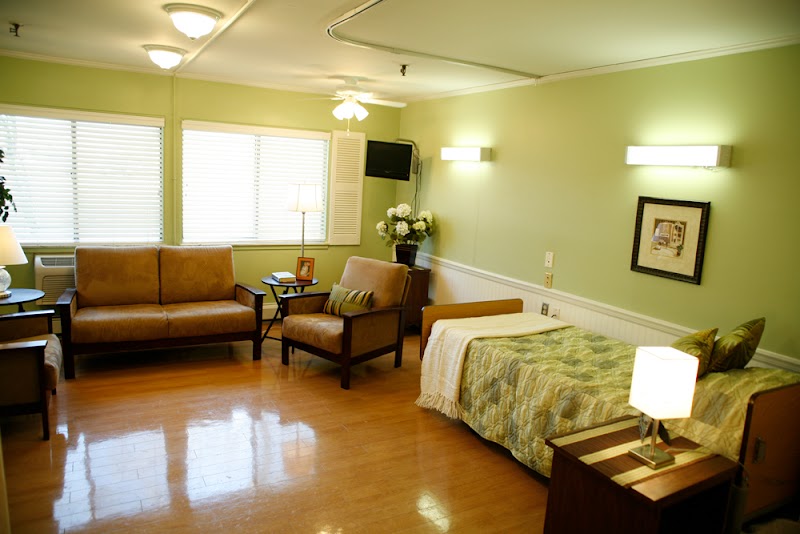
Who Owns and Operates Monterey?

MONTEREY CARE CENTER is owned by a for-profit company. For-profit facilities operate as businesses with obligations to shareholders or private owners. The facility is operated by OPTALIS HEALTH & REHABILITATION, a chain that manages multiple nursing homes. With 148 certified beds and approximately 111 residents (about 75% occupancy), it is a mid-sized facility located in GROVE CITY, Ohio.
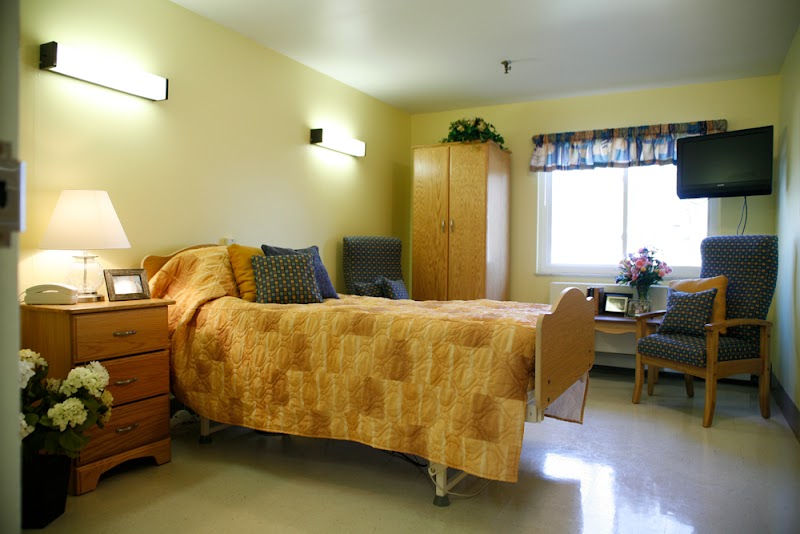
How Does Monterey Compare to Other Ohio Nursing Homes?

Compared to the 100 nursing homes in Ohio, MONTEREY CARE CENTER's overall rating (2 stars) is below the state average of 3.2, staff turnover (55%) is near the state average of 46%, and health inspection rating (1 stars) is much below the national benchmark.

What Should Families Ask When Visiting Monterey?

Based on this facility's data, families visiting should ask: "How do you ensure continuity of care given staff turnover, and what is your staff retention strategy?" "Can you walk me through typical staffing levels on day, evening, and night shifts?" "Can I visit during a mealtime to observe dining assistance and food quality?" "How do you handle medical emergencies, and what is your hospital transfer rate?" These questions are particularly relevant given the facility's high staff turnover rate and the below-average staffing rating.

Is Monterey Safe?

Based on CMS inspection data, MONTEREY CARE CENTER has a clean safety record: no substantiated abuse findings (meaning no confirmed cases of resident harm), no Immediate Jeopardy citations (the most serious violation level indicating risk of serious injury or death), and is not on the Special Focus Facility watch list (a federal program monitoring the lowest-performing 1% of nursing homes). The facility has a 2-star overall rating and ranks #100 of 100 nursing homes in Ohio. While no facility is perfect, families should still ask about staff-to-resident ratios and recent inspection results during their visit.

Do Nurses at Monterey Stick Around?

Staff turnover at MONTEREY CARE CENTER is high. At 55%, the facility is 9 percentage points above the Ohio average of 46%. High turnover means new staff may not know residents' individual needs, medications, or preferences. It can also be disorienting for residents, especially those with dementia who rely on familiar faces. Families should ask: What is causing the turnover? What retention programs are in place? How do you ensure care continuity during staff transitions?

Was Monterey Ever Fined?

MONTEREY CARE CENTER has been fined $3,250 across 1 penalty action. This is below the Ohio average of $33,111. While any fine indicates a compliance issue, fines under $50,000 are relatively common and typically reflect isolated problems that were subsequently corrected. Families should ask what specific issues led to these fines and confirm they've been resolved.

Is Monterey on Any Federal Watch List?

MONTEREY CARE CENTER is not on any federal watch list. The most significant is the Special Focus Facility (SFF) program, which identifies the bottom 1% of nursing homes nationally based on persistent, serious quality problems. Not being on this list means the facility has avoided the pattern of deficiencies that triggers enhanced federal oversight. This is a positive indicator, though families should still review the facility's inspection history directly.