BIRCHWOOD CARE CENTER
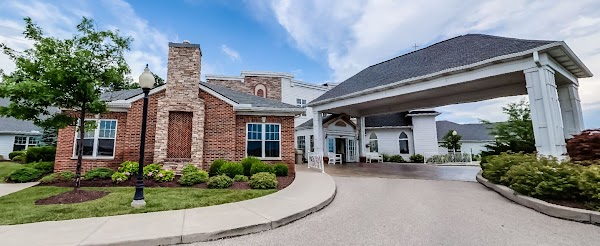

4070 HAMILTON MASON ROAD, HAMILTON, OH 45011 (513) 868-3300
For profit - Corporation 75 Beds CARESPRING Data: November 2025
Trust Grade
85/100
#29 of 913 in OH
Last Inspection: March 2025

Within standard 12-15 month inspection cycle. Federal law requires annual inspections.

Overview

Birchwood Care Center has a Trust Grade of B+, indicating that it is above average and recommended for families considering long-term care options. It ranks #29 out of 913 facilities in Ohio, placing it in the top half, and is #1 out of 24 in Butler County, meaning it has the best local rating. The facility is improving, having reduced its issues from 4 in 2022 to none in 2025. Staffing is rated 3 out of 5 stars, with a turnover rate of 44%, which is slightly below the state average, indicating that staff generally stay longer, providing familiarity for residents. There have been no fines, which is a positive sign, and RN coverage is average, suggesting that while there are nurses present, there could be more in comparison to other facilities. However, there have been concerns noted, such as staff handling food without proper hygiene and failing to discard expired medications and food items, which could potentially affect residents' health. Overall, while Birchwood Care Center has strong ratings in several areas, families should be aware of these specific incidents as they weigh their options.

Trust Score
B+
85/100
In Ohio
#29/913
Top 3%
Safety Record
Low Risk
No red flags
Inspections
Getting Better
4 → 0 violations
Staff Stability
○ Average
44% turnover. Near Ohio's 48% average. Typical for the industry.
Penalties
✓ Good
No fines on record. Clean compliance history, better than most Ohio facilities.
Skilled Nurses
✓ Good
Each resident gets 43 minutes of Registered Nurse (RN) attention daily — more than average for Ohio. RNs are trained to catch health problems early.
Violations
⚠ Watch
17 deficiencies on record. Higher than average. Multiple issues found across inspections.
★★★★★
5.0
Overall Rating
★★★☆☆
3.0
Staff Levels
★★★★★
5.0
Care Quality
★★★★★
5.0
Inspection Score
Stable
2022: 4 issues
2025: 0 issues

The Good

  • 5-Star Quality Measures · Strong clinical quality outcomes
  • Full Sprinkler Coverage · Fire safety systems throughout facility
  • No fines on record
  • Staff turnover below average (44%)

    4 points below Ohio average of 48%

Facility shows strength in quality measures, fire safety.

The Bad

Staff Turnover: 44%

Near Ohio avg (46%)

Typical for the industry

Chain: CARESPRING

Part of a multi-facility chain

Ask about local staffing decisions and management

The Ugly 17 deficiencies on record

Feb 2022 4 deficiencies
CONCERN (D)

Potential for Harm - no one hurt, but risky conditions existed

Deficiency F0625 (Tag F0625)

Could have caused harm · This affected 1 resident

**NOTE- TERMS IN BRACKETS HAVE BEEN EDITED TO PROTECT CONFIDENTIALITY** Based on medical record review, staff interview, and policy review, the facility failed to ensure residents were provided with a...

Read full inspector narrative →
**NOTE- TERMS IN BRACKETS HAVE BEEN EDITED TO PROTECT CONFIDENTIALITY** Based on medical record review, staff interview, and policy review, the facility failed to ensure residents were provided with a bed hold notice upon transferring to the hospital. This affected two (#13 and #52) of two residents reviewed for hospitalization. The facility census was 69. Findings include: 1. Review of Resident #52's medical record revealed the resident was admitted to the facility on [DATE]. Diagnoses included chest pain, coronavirus (COVID-19), muscle weakness, and Alzheimer's disease. Review of the quarterly Minimum Data Set (MDS) assessment, dated 01/07/22, revealed Resident #52 was severely cognitively impaired. Review of Resident #52's progress note dated 12/23/21 revealed Resident #52 had complaints of sharp sudden chest pains. Emergency medical services were called. There was no documentation in the medical record that Resident #52 or representative received a bed hold notice. On 12/25/21, Resident #52 returned to the facility from the hospital after treatment for atrial fibrillation. Interview on 02/08/22 at 1:21 P.M. with Chief Operating Officer (COO) #100 verified Resident #52 or representative did not receive a bed hold notice for her hospitalization on 12/23/21. 2. Review of the medical record of Resident #13 revealed an admission date of 11/05/21. The resident transferred to the hospital on [DATE]. Diagnoses included bacteremia, transient cerebral ischemic attack, hydronephrosis, and atrial fibrillation. Review of the comprehensive MDS assessment dated [DATE] revealed Resident #13 had intact cognition. Review of a nursing progress note dated 02/05/22 revealed Resident #13's daughter called the nurse on duty to say Resident #13 was not making any sense. The nurse on duty informed the daughter she had been trying to get Resident #13 to agree to go to the hospital. The nurse on duty went to the resident's room again to ask that she go to the hospital and the resident agreed. Emergency medical services were called. Further review of the medical record revealed no evidence of Resident #13 nor resident representative being provided with a bed hold notice for her hospitalization on 02/05/22. Interview on 02/09/22 at 8:31 A.M. with COO #100 verified Resident #13 or representative did not receive a bed hold notice for her hospitalization on 02/05/22. Review of the facility's policy titled Bed-Holds and Returns, dated 03/2017, revealed prior to a transfer, the resident or resident representative will be informed in writing of the bed-hold and return policy.
CONCERN (D)

Potential for Harm - no one hurt, but risky conditions existed

Incontinence Care (Tag F0690)

Could have caused harm · This affected 1 resident

Based on observation, record review, resident and staff interviews, review of the facility's policy, and review of the guidance from www.medlineplus.gov, the facility failed to provide routine cathete...

Read full inspector narrative →
Based on observation, record review, resident and staff interviews, review of the facility's policy, and review of the guidance from www.medlineplus.gov, the facility failed to provide routine catheter care. This affected one (Resident #39) of three residents reviewed for catheter care. The facility identified five residents with an indwelling or external catheter. The facility census was 69. Findings include: Review of the medical record for Resident #39 revealed an admission date of 05/06/19. Diagnoses included urinary tract infection, gross hematuria, and hydronephrosis with urethral stricture. Review of the plan of care dated 12/06/21 revealed Resident #39 had an indwelling catheter related to the history of hydronephrosis due to obstruction. Interventions included evaluating for urinary complaints, monitoring for signs/symptoms of a urinary tract infection (UTI), and providing catheter care per policy. Review of the quarterly Minimum Data Set (MDS) assessment for Resident #39, dated 12/22/21, revealed the resident had intact cognition. Resident #39 required total dependence for toileting. Resident #39 was identified to be continent of bladder and had an indwelling catheter. Review of the physician orders for Resident #39 for February 2022 revealed no orders for routine catheter care. Review of the facility's task documentation for Resident #39 for toileting dated 02/01/22 through 02/09/22 revealed no toileting was completed on 02/03/22 and 02/04/22. Interview on 02/09/22 at 9:17 A.M. with Resident #39 stated the staff has never done catheter care and I have been at the facility for over two years. Interview on 02/10/22 at 8:05 A.M. with Registered Nurse (RN) #63 stated that catheter care was defined as cleaning the perineal area from inside to the outside around the catheter at least every shift and as needed. RN #63 confirmed there was no order in the chart of Resident #39 for any type of catheter care. The nurse also confirmed no documentation was being completed on the output of Resident #39. RN #63 would expect the nurse aide staff to provide routine catheter care. Interviews on 02/10/22 from 8:13 A.M. to 8:25 A.M. with State Tested Nursing Aides (STNA) #12 and #38 revealed that catheter care was emptying the catheter bag. There was no mention by either staff member regarding cleaning the tubing or around the perineal area. The aides confirmed they do not document catheter care and outputs for Resident #39. Observation on 02/10/22 at 11:09 A.M. of catheter care for Resident #39 performed by STNA #12 cleaned the tubing with soap and water appropriately but cleansed the tube in an outward to inward motion towards the body. Interview on 02/10/22 at 11:29 A.M. with STNA #12 confirmed she incorrectly cleansed the catheter of Resident #39 while completing catheter care. STNA #12 stated she knows she was supposed to clean the tube starting at the body and going away from the body, but instead started away from the body going towards the body. STNA #12 also stated that she never completed catheter care before. Review of the guidance from the website www.medlineplus.gov revealed routine catheter care should be once a day, every day, or more often if needed. Review of the facility's undated policy titled Urinary Catheter Care revealed urinary catheters should be evaluated every day for need and removed promptly when no longer necessary. Patients with urinary catheters will have intake and output recorded.
CONCERN (D)

Potential for Harm - no one hurt, but risky conditions existed

Pharmacy Services (Tag F0755)

Could have caused harm · This affected 1 resident

2. Review of medical record for Resident #32 revealed an admission date of 07/21/21. Diagnoses included stroke and hemiplegia affecting both left and right side. Resident#32 was admitted to hospice on...

Read full inspector narrative →
2. Review of medical record for Resident #32 revealed an admission date of 07/21/21. Diagnoses included stroke and hemiplegia affecting both left and right side. Resident#32 was admitted to hospice on 08/31/21 for cerebrovascular disease. Review of the quarterly Minimum Data Set (MDS) assessment, dated 12/07/21, revealed Resident #32 had short and long term memory problems with severely impaired cognition. Review of the care plan dated 07/16/21 revealed Resident #32 was at risk for an alteration in cardiac output related to hypertension. An intervention included to obtain vital signs every shift and as needed. Review of the physician orders, dated 02/05/22, revealed an order for Clonidine (blood pressure) 0.1 milligram every 24 hours as needed for hypertension for systolic blood pressure over 170 millimeters of mercury (mmHg). Review of the electronic medical record for Resident#32 revealed blood pressures were documented on 02/04/22. There were no other blood pressures documented in Resident #32's medical record from 02/05/22 to 02/08/22. Interview on 02/09/22 at 2:31 P.M. with the Director of Nursing (DON) revealed Resident #32 was on Clonidine as needed. Subsequent interview on 02/09/22 at 3:08 P.M. with the DON verified the facility had not been taking daily blood pressure for Resident#32 to monitor for the parameters on the as needed blood pressure (Clonidine) medication. Based on medical record review and staff interview, the facility failed to ensure the resident's blood pressure was obtained per physician orders and related to use of a as needed blood pressure medication. This affected two (#12 and #32) of five residents reviewed for unnecessary medications. The facility census was 69. Findings include: 1. Review of the medical record for Resident #12 revealed an admission date of 11/01/21. Diagnoses included essential (primary) hypertension, atrial fibrillation, acute on chronic systolic heart failure. Review of the comprehensive Minimum Data Set (MDS) assessment, dated 11/12/21, revealed Resident #12 had intact cognition. Review of the physician orders for February 2022 revealed an order dated 11/01/21 for Labeltalol HCl tablet (antihypertensive) give one tablet by mouth every 12 hours related to essential (primary) hypertension. The medication was to be for a systolic blood pressure (SBP) of less than 110 or a heart rate (HR) of less than 60. Review of the medication administration record (MAR) for January 2022 revealed the medication was administered without a blood pressure nor pulse reading for the 9:00 A.M. administrations on 01/01/22, 01/04/22, 01/07/22, 01/18/22, and 01/25/22. Review of the blood pressure and pulse readings for January 2022 revealed no evidence of either being checked on 01/01/22, 01/04/22, 01/07/22, 01/18/22, and 01/25/22. Interview on 02/09/22 at 12:26 P.M. with Licensed Practical Nurse (LPN) #50 stated, when administering a medication that has parameters, the required information (ie blood pressure (BP) and pulse) was entered directly on the MAR prior to administering the medication. LPN #50 further confirmed there was no BP nor pulse documented on the MAR when the medication was administered and stated entering NA (not applicable) was an option when administering the medication. Interview on 02/09/22 at 3:37 P.M. with the Director of Nursing (DON) verified there were no additional vitals documented at the time of administration for Resident #12 on 01/01/22, 01/04/22, 01/07/22, 01/18/22, and 01/25/22.
CONCERN (F)

Potential for Harm - no one hurt, but risky conditions existed

Food Safety (Tag F0812)

Could have caused harm · This affected most or all residents

Based on observations, review of personnel files, and staff interview, the facility failed to properly handle food items while passing lunch trays to residents. The facility identified 67 residents th...

Read full inspector narrative →
Based on observations, review of personnel files, and staff interview, the facility failed to properly handle food items while passing lunch trays to residents. The facility identified 67 residents that received food from the kitchen. The facility census was 69. Findings included: Observation on 02/07/22 at 12:50 P.M. of Housekeeper #74 revealed she was passing the lunch tray to Resident #15. Housekeeper #74 was noted opening the lid of the lunch tray and grabbing the sandwich from the tray with her bare hands. The housekeeper proceeded to cut the sandwich in half and put it back on the tray of Resident #15. Interview on 02/07/22 at 12:52 P.M. with Housekeeper #74 confirmed that she did grab the sandwich of Resident #15 with her bare hands and cut it in half. Housekeeper #74 stated that she washed her hands before passing trays. Observation on 02/08/22 at 12:08 P.M. of Housekeeper #69 revealed she was passing the lunch tray to Resident #37. Housekeeper #69 was noted opening the lid of the lunch tray and grabbing a piece of bread from the plate with her bare hands. The housekeeper then placed the piece of bread back on the tray of Resident #37. Interview on 02/08/22 at 12:11 P.M. with Housekeeper #69 confirmed that she did grab the piece of bread from the plate with her bare hands and set it back on the plate. Housekeeper #69 stated that she was never fully trained to pass trays to the residents. Review of the personnel files for Housekeepers #69 and #74 revealed no training related to the passing of trays to residents.
Oct 2019 13 deficiencies
CONCERN (D)

Potential for Harm - no one hurt, but risky conditions existed

Assessment Accuracy (Tag F0641)

Could have caused harm · This affected 1 resident

**NOTE- TERMS IN BRACKETS HAVE BEEN EDITED TO PROTECT CONFIDENTIALITY** 2. Medical record review for Resident #35 revealed an admission on [DATE] with diagnosis that include but not limited to periphe...

Read full inspector narrative →
**NOTE- TERMS IN BRACKETS HAVE BEEN EDITED TO PROTECT CONFIDENTIALITY** 2. Medical record review for Resident #35 revealed an admission on [DATE] with diagnosis that include but not limited to peripheral neuropathy (pain, muscle weakness and numbness in legs), dementia, bipolar disorder, kidney disease and urinary incontinence Review of quarterly Minimum Data Set (MDS) assessment, dated 01/14/19, revealed the resident required extensive assistance from staff for bed mobility, transfers and dressing. The resident was frequently incontinent and bladder. Resident #35 required supervision and physical assistance from one staff member for walking. The pain interview revealed the resident's pain had occurred occasionally in the last five days and was rated at a two, from a scale of one to ten (zero was no pain and ten was severest, unbearable pain). Review of the subsequent quarterly MDS assessment, dated 04/16/19, revealed the resident had an improvement and required supervision for bed mobility, transfer and dressing. The resident's urinary incontinence improved as well as the resident was now occasionally incontinent for bladder Resident #35 remained supervised with walking but no longer required physical assistance from a staff member. This was an improvement from the previous assessment. The pain interview revealed the resident's pain had occurred frequently and was rated at a five. This indicated the pain had increased and was more severe than the previous quarterly MDS assessment. Interview on 10/02/19 at 12:46 P.M. with Registered Nurse (RN) #217 verified the quarterly MDS assessment, dated 04/16/19, should have been changed to a significant change assessment due to her improvements in two care areas. The RN stated the facility does not have a policy for MDS completion but follows the RAI manual. Review of the Resident Assessment Instrument (RAI) manual version 1.17.1, October 2019, chapter two states a significant change assessment must be completed when there is a major decline or improvement in a resident status impacting more than one area of the residents health. Based on medical record review, review of the Resident Assessment Instrument (RAI) manual and staff interview, the facility failed to accurately complete the Minimum Data Set (MDS) assessment for residents. This affected two (Resident #35 and #63) of 18 residents reviewed for accuracy in MDS assessments in the investigation stage of the annual survey. The facility census was 73. Findings include: 1. Review of the medical record revealed Resident #63 was admitted on [DATE] with diagnoses including dementia. Review of the wound care notes, dated 08/30/19, revealed Resident #63 had an unstageable pressure area (full thickness or skin tissue loss with depth unknown) noted to her coccyx, with new orders to apply calmoseptine cream every shift and as needed. Review of the quarterly Minimum Data Set (MDS) assessment, dated 09/02/19, revealed Resident #63 had no pressure injury noted with no ulcers, wounds, and/or skin problems noted. Interview on 10/02/19 at 8:28 P.M. with MDS Coordinator Registered Nurse (RN) # 155 verified Resident #63's MDS assessment dated [DATE] was incorrect, with no documentation of the pressure area to the coccyx. RN #63 state it was completely missed.
CONCERN (D)

Potential for Harm - no one hurt, but risky conditions existed

Quality of Care (Tag F0684)

Could have caused harm · This affected 1 resident

**NOTE- TERMS IN BRACKETS HAVE BEEN EDITED TO PROTECT CONFIDENTIALITY** Based on medical record review, review of the hospital record, staff interview, and review of the facility policy, the facility ...

Read full inspector narrative →
**NOTE- TERMS IN BRACKETS HAVE BEEN EDITED TO PROTECT CONFIDENTIALITY** Based on medical record review, review of the hospital record, staff interview, and review of the facility policy, the facility failed to provide timely care for a resident following a fall. This affected one (#63) of one resident reviewed for accidents during the investigation stage of the annual survey. The facility census was 73. Findings include: Review of the medical record for Resident #63 revealed the resident was admitted to the facility on [DATE]. Diagnoses included insomnia, constipation, chronic muscle pain, dementia and osteoporosis. Review of the quarterly Minimum Data Set (MDS) assessment, dated 09/02/19, revealed Resident #63 was severely cognitively impaired with verbal behaviors directed toward other one to three days during the look-back period. The resident required extensive one-person assistance with dressing, personal hygiene, extensive two-person assistance with bed mobility and total two-person assistance with transfers. Review of the MDS assessment, dated 08/20/19 revealed the resident received non-medication interventions along with scheduled and as needed medications for pain. Resident #63 was noted during that time with a fall with major injury since admission/prior assessment. Review of the nursing progress notes, dated 07/23/19 at 3:20 P.M., revealed Resident #63 was found laying on the floor in her room, next to the bed and the physician was notified of the fall with no injury. Resident #63 was noted with a complaint of right knee pain but had chronic pain and voiced no new complaints of pain. Subsequent review of the resident's progress notes, revealed on 07/23/19 at 3:39 P.M., the resident was administered her as needed Hydrocodone-Acetaminophen (a narcotic pain medication, also known as Norco) 5-325 milligram (mg.) tablet for her complaint of right knee pain. The progress note, dated 07/24/19 at 5:45 A.M., revealed the resident was provided as needed Tylenol 650 mg. for complaint of bilateral knee pain with her pain rated at a five, on a pain scale of zero (no pain) to ten (most severe pain). On 07/24/19 at 1:43 P.M., Resident #63 was provided her as needed Norco for pain. On 07/25/19 at 3:58 A.M., Resident #63 was provided her as needed Norco for complaint of right knee pain. There was no notification noted where the physician was notified of the increased pain in the right knee. Review of the MAR, dated 07/01/19 through 07/31/19, revealed Resident #63 received scheduled Norco 5-325 mg., two times daily at 9:00 A.M. and 9:00 P.M. for pain. The resident ' s pain was noted to be zero from 07/01/19 through 07/23/19, except for three occasions, the pain was rated at a three on 07/07/19, 07/09/19 and 07/23/19. The pain level increased on 07/24/19, the day after the resident fell. On 07/24/19 at 9:00 P.M., Resident #63 was noted with a pain scale of seven. On 07/25/19 at 9:00 P.M., the resident was noted with a pain scale of eight. On 07/26/19 at 9:00 A.M., the resident was noted with a pain scale of 10 and at 9:00 P.M. the resident was noted with a pain scale of eight. Further review of the MAR revealed the resident had as needed (PRN) medications Tylenol 650 mg. every six hours, and Norco 5-325 mg. every four hours as needed. There were no doses of either medication administered to the resident from 07/01/19 through 07/22/19. Resident #63 was noted on the MAR as provided the Norco for pain on 07/23/19 at 3:39 P.M. rated at three, on 07/24/19 at 1:43 P.M. for pain rated at nine, and again on 07/25/19 at 3:58 A.M. for pain rated at four. Further review of the MAR revealed the resident was also provided the PRN Tylenol 650 mg. on 07/24/19 at 5:45 A.M. for pain rated at a five. Subsequent review of the progress note, dated 07/27/19 at 10:10 A.M., revealed the physician was called regarding Resident #63's complaint of right and left knee pain with swelling noted. A new order was received for x-rays of both knees. On 07/27/19 at 2:15 P.M., the physician was notified of the right knee non displaced fracture of the distal femur and the left knee non displaced fracture of the left lateral femur. The physician ordered for the resident to be sent out to the local hospital. Review of the local hospital after visit summary, dated 07/27/19, revealed Resident #63 was seen in the emergency department and diagnoses included closed fracture of lateral condyle of left femur and closed fracture of medical condyle of the right femur. The resident fitted with a large knee immobilizer placed on the right knee and medium knee immobilizer placed on the left knee and consulted for local orthopedic physician outpatient. Interview conducted on 10/03/19 at 10:35 AM. with the Assistant Director of Nursing (ADON) #28 reviewed the fall for Resident #63. ADON #28 stated the staff notified they doctor on the date of the fall, on 07/23/19, and there was a noted increase of pain and swelling on the 27th and that was what triggered them to call the physician a second time and get an order. ADON #28 stated between 07/23/19 to 07/27/19, the resident was at her baseline and did not require physician notification/intervention. At that time, the surveyor reviewed Resident #63's MAR and progress notes dated 07/01/19 through 07/31/19 with ADON #28 who verified resident was documented with increased pain scale requiring the use of PRN pain medication from 7/23/19 through 7/27/19. ADON #28 verified Resident #63 did not use any PRN pain medication the entire month prior and was noted with the highest complaint of pain at a three out of 10 pain scale, and following the fall was noted with a pain scale from a seven to nine out of 10. ADON #28 verified there was no other physician notification between the fall on 07/23/19 to 07/27/19, of the residents increased complaints of pain. ADON #28 stated he would have to review the incident further, however was never able to provide additional information during the survey. Review of the facility policy titled, Change in a Resident's Condition or Status, with a revision date of 04/2014, revealed the facility would notify the attending physician in changes in the resident physical/emotional/mental condition.
CONCERN (D)

Potential for Harm - no one hurt, but risky conditions existed

Deficiency F0688 (Tag F0688)

Could have caused harm · This affected 1 resident

Based on medical record review, review of facility policy and staff interview, the facility failed to effectively provide a restorative program to Resident #14. This affected one (Resident #14) of one...

Read full inspector narrative →
Based on medical record review, review of facility policy and staff interview, the facility failed to effectively provide a restorative program to Resident #14. This affected one (Resident #14) of one resident reviewed for restorative therapy. The facility identified 42 resident receiving rehabilitation services. Findings include: Medical record review for Resident #14 revealed an admission date of 01/09/16. Diagnoses included edema, dizziness, mental disorders, arthritis, dementia without behaviors and spinal stenosis. Review of the Minimum Data Set (MDS) assessment, dated 06/28/19, revealed the resident had intact cognition. The resident required extensive assistance for bed mobility and transfers. Ambulation occurred only once or twice in the look back period and no set up help or physical assistance from staff was provided. The resident was coded as having a restorative ambulation program during the look back period and participated one day. Review of the plan of care revealed the resident was on a restorative nursing program for ambulation to improve ambulation related to balance problems, unsteady gait, weakness and limited endurance. The goals included for the resident to remain full weight bearing, free of decline in mobility status and ambulate daily. Interventions included to assess for dizziness, unsteady gait, impaired balance or fatigue, assess walker for correct height (top of walker should match crease in wrist when standing straight up), assist in putting on socks and well-fitting nonskid shoes, provide caution to take small steps when turning, not step all the way to the front bar of the walker, not take a step until all four legs of the walker were level on the ground, not place walker too far ahead, not lean forward over walker, encourage participation in ambulation program, provide rest periods as needed, physical therapy or occupational therapy as indicated, and encourage to complete ambulation program 7.5 minutes per day six to seven days per week. Interview with Physical Therapy Assistant #111 on 10/04/19 at 3:20 P.M. stated the facility used to have a state tested nursing assistant (STNA) to complete the restorative program but now they have a nurse that does it. Interview with State Tested Nursing Assistant (STNA) #100 on 10/04/19 at 3:18 P.M. verified that she was assigned to Resident #14 and did not do any restorative programs for Resident #14 as they have a nurse that does that now. Interview with Licensed Practical Nurse #22 on 10/04/19 at 3:25 P.M., verified the resident had a restorative program for ambulation to be done six to seven days a week. LPN verified restorative treatments for the last 30 days were documented as provided only on thirteen days, 09/04/19, 09/09/19, 09/10/19, 09/11/19, 09/14/19, 09/18/19, 09/20/19, 09/22/19, 09/23/19, 09/24/19, 09/27/19, 09/29/19 and 09/30/19. Review of the facility's policy titled Restorative Nursing Care, dated 07/2013, revealed rehabilitative nursing care is provided for each resident admitted to the program.
CONCERN (D)

Potential for Harm - no one hurt, but risky conditions existed

Drug Regimen Review (Tag F0756)

Could have caused harm · This affected 1 resident

**NOTE- TERMS IN BRACKETS HAVE BEEN EDITED TO PROTECT CONFIDENTIALITY** Based on medical record review, staff interview and policy review, the facility failed to timely address a gradual dose reductio...

Read full inspector narrative →
**NOTE- TERMS IN BRACKETS HAVE BEEN EDITED TO PROTECT CONFIDENTIALITY** Based on medical record review, staff interview and policy review, the facility failed to timely address a gradual dose reduction (GDR) recommendation and physicians orders for medication changes. This affected one (Resident #35) of five residents reviewed for unnecessary medications. The facility census was 73. Findings include: Medical record review for Resident #35 revealed an admission on [DATE]. Diagnoses included dementia, bipolar disorder and depression. Review of the quarterly Minimum Data Set (MDS) assessment, dated 07/31/19, revealed the resident had impaired cognition and the resident was taking an antidepressant medications all seven days during the look back period. Review of the pharmacy recommendations, dated 08/07/19, revealed the resident was currently receiving an antidepressant Venlafaxine (antidepressant) extended release (ER) 150 milligrams (mg.) daily since 12/03/18. The physician wrote an order to decrease Venlafaxine to 100 mg. daily on 09/13/19. Review of the physician's orders for Resident #35 for the month of September revealed an order to discontinue Venlafaxine ER 150 mg. on 09/17/19 and to start Venlafaxine 100 mg. daily on 09/18/19. This was four days after the physician wrote to decrease Venlafaxine to 100 mg. daily. Interview with Director of Nursing (DON) on 10/03/19 at 4:30 P.M. stated the pharmacy will send the GDR in a folder with the medication delivery about ten days after the review of the resident's medical record. If there were any recommendations, they were placed in the physician's box at the facility. He will pick them up and take them with him. After the physicians reviews them, he will bring them back to the facility and any new orders will be addressed. The DON stated this particular physician does not come in very often. The DON stated the facility's time line for addressing the GDR's was between 30 and 60 days to complete the recommendations. She verified the orders were written on 09/13/19 by the physician and not put in to the electronic health record until 09/17/19. Resident #35 received a higher dose for four additional days. Review of the facility's psychotropic/psychopharmacological medication policy, dated 2017, revealed the facility's pharmacist will monitor psychoactive drug use in the facility to ensure medications are not used in excessive dosages for excessive durations as well as for potential adverse interactions, notify the physician and nursing administration when a psychotropic medication is past due for review, ensure proper timelines are followed per regulatory guidance for dosage reduction attempts.
CONCERN (D)

Potential for Harm - no one hurt, but risky conditions existed

Deficiency F0757 (Tag F0757)

Could have caused harm · This affected 1 resident

**NOTE- TERMS IN BRACKETS HAVE BEEN EDITED TO PROTECT CONFIDENTIALITY** Medical record review for Resident #35 revealed an admission on [DATE]. Diagnoses included dementia, bipolar disorder and depres...

Read full inspector narrative →
**NOTE- TERMS IN BRACKETS HAVE BEEN EDITED TO PROTECT CONFIDENTIALITY** Medical record review for Resident #35 revealed an admission on [DATE]. Diagnoses included dementia, bipolar disorder and depression. Review of the Minimum Data Set assessment, dated 07/31/19, revealed the resident had impaired cognition and the resident was taking an antidepressant and antipsychotics medication all seven days during the look back period. Review of the plan of care revealed an initiation date of 01/22/19 with a revision date of 06/18/19. The resident was at risk for complications related to the use of psychotropic medication. Interventions included to document any adverse effect to routine or as needed medication (PRN), staff was to monitor for tremors or changes in mental status, notify physician with any problems and complete a quarterly abnormal involuntary movement scale (AIMS). Review of the physicians orders, dated 10/2019, revealed an order for Ariprazole (antipsychotic) tablet 10 milligrams (mg.), give one tablet by mouth one time a day with a start date of 12/04/18. Further review of the medical record for Resident #35 revealed there was no AIMS assessments available for review. The medical record was silent for any other monitoring for abnormal movement related to antipsychotic medication. Interview on 10/02/19 at 2:07 P.M. with Registered Nurse #217 verified the AIMS tests was not completed as it should have been. Review of the facility's policy titled Psychotropic/psychopharmacological Policy, dated 2017, revealed the facility did not implement the policy in regards to the allegation. Number 13 states the facility will conduct AIMS testing at least every six months and as needed to monitor for movement disorders. Based on medical record review, staff interview, and review of facility policy, the facility failed to monitor for the continued need for psychotropic medication. This affected one (Resident #35) of five residents reviewed for unnecessary medications. The facility census was 73. Findings include:
CONCERN (D)

Potential for Harm - no one hurt, but risky conditions existed

Medication Errors (Tag F0758)

Could have caused harm · This affected 1 resident

**NOTE- TERMS IN BRACKETS HAVE BEEN EDITED TO PROTECT CONFIDENTIALITY** Based on medical record review, staff interview, and review of facility policy, the facility failed to provide rationale and dur...

Read full inspector narrative →
**NOTE- TERMS IN BRACKETS HAVE BEEN EDITED TO PROTECT CONFIDENTIALITY** Based on medical record review, staff interview, and review of facility policy, the facility failed to provide rationale and duration for continued use of an as needed (PRN) psychotropic medication. This affected one (Resident #21) of five residents reviewed for unnecessary medications during the investigation stage of the annual survey. The facility census was 73. Findings include: Review of the medical record revealed Resident #21 was admitted to the facility on [DATE]. Diagnoses included Alzheimer's disease, major depressive disorder and dementia with behavioral disturbance. Review of the quarterly Minimum Data Set (MDS) assessment, dated 07/10/19, revealed Resident #21 was severely cognitively impaired with delirium behaviors of disorganized thinking continuously present. The resident received antianxiety medication three days of the seven day look back period. Review of the physician orders revealed Resident #21 was ordered psychotropic medications including Lorazepam (Ativan), ordered 05/03/19, as needed (PRN) every six hours for anxiety/agitation and prior to showers. Review of the Medication Administrator Record revealed Resident #21 was provided the PRN Ativan 27 times from 05/01/19 through 09/30/19. The resident received the PRN Ativan on the following dates: on 05/03/19, 05/04/19, 05/07/19, 05/22/19, 05/24/19, 05/29/19, 05/31/19, 06/05/19, 06/07/19, 06/12/19, 06/14/19, 06/21/19, 06/26/19, 06/28/19, 07/03/19, 07/05/19, 07/09/19, 07/10/19, 07/14/19, 07/17/19, 07/18/19, 07/19/19, 07/24/19, 07/26/19, 08/02/19, 09/04/19 and 09/06/19. Further review of the medical record was silent of continued monitoring for behaviors, side effects, and/or effectiveness for the continued use of the psychotropic medications. Interview on 10/03/19 at 12:31 P.M. with the Director of Nursing (DON) #4 stated her understanding was that residents wee able to have orders for PRN Ativan for greater than 14 days without a physician's documentation. DON #4 then verified she was misinformed regarding the use of PRN Ativan, and verified Resident #21 had continued receiving the medication PRN without the required documentation of rationale and verified the duration.
CONCERN (D)

Potential for Harm - no one hurt, but risky conditions existed

Dental Services (Tag F0791)

Could have caused harm · This affected 1 resident

**NOTE- TERMS IN BRACKETS HAVE BEEN EDITED TO PROTECT CONFIDENTIALITY** Based on medical record review and staff and resident interviews, the facility failed to provide assessments for routine dental ...

Read full inspector narrative →
**NOTE- TERMS IN BRACKETS HAVE BEEN EDITED TO PROTECT CONFIDENTIALITY** Based on medical record review and staff and resident interviews, the facility failed to provide assessments for routine dental care. This affected one (Resident #9) of one resident reviewed for dental services in the investigation stage of the annual survey. The facility census was 73. Findings include: Review of the medical record revealed Resident #9 was admitted to the facility on [DATE]. Diagnoses included gastro-esophageal reflux, anxiety disorder and chronic obstructive pulmonary disease. Further review of the medical record revealed Resident #9's payer source was Medicaid, effective in 06/2018. Review of the quarterly Minimum Data Set (MDS) assessment, dated 06/21/19, revealed the resident was cognitively intact, with no noted behaviors and/or refusal of care noted. Review of Section L Oral/Dental status revealed the resident had no broken teeth and/or dental concerns noted. Interview on 09/30/19 at 11:06 A.M. with Resident #9 stated she had not seen the dentist since being admitted to the facility. Resident #9 stated it had been about three years since she had been seen, and her top plate needed some work and she had some cavities in the bottom teeth that needed looked at. Interview on 10/02/19 at 2:36 P.M. and again on 10/03/19 at 12:08 P.M. with Social Services (SS) #53 stated residents were assessed on admission if they would like to be seen by ancillary services, and then they were added as needed and yearly to the visit list. SS #53 stated residents were reminded throughout the year at resident council when services were coming in, so they can be added if they would like to be seen. SS #53 verified she was aware Resident #9 doesn't get of bed to go to resident council. SS #53 was unable to voice how residents that do not attend resident council are aware of services. SS #53 stated she was not working in the facility when Resident #9 initially signed for services but she should have been reassessed when she changed payer source from Medicare to Medicaid. SS #53 verified the resident was not reassessed when payer sources changed.
CONCERN (D)

Potential for Harm - no one hurt, but risky conditions existed

Deficiency F0849 (Tag F0849)

Could have caused harm · This affected 1 resident

Based on record review, staff interview, hospice staff interview and facility-hospice contract, the facility failed to collaborate on a comprehensive plan of care and failed to designate a staff membe...

Read full inspector narrative →
Based on record review, staff interview, hospice staff interview and facility-hospice contract, the facility failed to collaborate on a comprehensive plan of care and failed to designate a staff member who was responsible for working with hospice to coordinate care to the resident by both providers. This affected one (Resident #26) of two residents reviewed for hospice services. The facility identified 13 residents who receive hospice services. The facility census was 73. Findings include: Medical record review for Resident #26 revealed an admission of 04/10/14. Diagnoses included muscle weakness, anxiety, mood disorder, displaced fracture of neck, psychosis, transient cerebral attack, major depression and Parkinson's disease. Review of the physician order, dated 04/28/18, revealed an order to admit the resident to hospice services. Review of the quarterly assessment, dated 07/05/19, revealed the resident had impaired cognition and was receiving hospice services. Review of the plan of care revealed the resident was receiving hospice services related to late stage Parkinson's disease. Interventions included to contact dietary to provide a courtesy cart as needed, encourage the resident to verbalize feelings and concerns about end of life issues, provide validation, notify the social worker, clergy as needed, encourage my family to verbalize feelings and concerns about end of life issues. Notify social worker/clergy as needed, receives supplemental services through Hospice Provider #1 with a telephone number listed. The resident will be visited by a State Tested Nursing Assistant (STNA) two to three times weekly, a Registered Nurse (RN) weekly, a Social Worker and Clergy weekly and as needed. The resident desired comfort care, comfort foods as desired, no tube feeding, notify hospice agency for any changes in condition or unmet needs of the resident or family/friends. Staff were to observe for changes in condition, pain, level of consciousness, etc, notify Case Manager Nurse and hospice agency. There was no designated staff member listed for communication with hospice services. Review of the hospice contract with the facility, dated 10/21/09, revealed hospice and facility will jointly develop and agree upon a coordinated plan of care which was consistent with the hospice philosophy and was responsive to the unique needs of the hospice patient and his or her expressed desire for hospice. Additionally, the contract stated that the plan of care will identify which provider was responsible for performing the respective functions that have been agreed upon and included in the plan of care. Under the coordination of care section, the contract states the hospice and the facility shall communicate with one another regularly and as needed for each patient, each party was responsible for documentation such communications in its respective clinical record to ensure the needs of the hospice patient are met. Review of the social services notes for Resident #26, dated 08/19/19 at 2:50 P.M., revealed a care conference was held social services, nursing, activities, and the resident's family. Resident did not attend secondary to decreased cognitive functioning and inability to provide meaningful participation. The attending physician involved in the patient's plan of care via review and revision of physician orders but not present at meeting. There was no mention any hospice staff involvement. Interview with Hospice Registered Nurse (RN) #201 at 1:45 P.M. on 10/01/19 verified there was no meeting to develop a comprehensive care plan between the hospice agency and the designated facility staff member. Hospice RN #201 stated she will talk with the nurse that was caring for the residents that she visited and give them any updates or changes but it was not the same nurse all the time. Additionally, the Hospice RN stated that she was invited to the care conferences but could not attend all of them due to time constraints related to resident care. Interview with the Director of Nursing and Licensed Social Worker (LSW) #53 on 10/02/19 at 2:30 P.M. revealed the LSW stated there was not a designated staff member identified to communicate with hospice on an ongoing basis. LSW further stated that she does invite hospice to the care conference but they do not always attend. The LSW denied any other documents that she maintained to document the collaboration between the facility and the hospice provider. Review of the facility's policy titled Hospice Program, with a revision date of 04/2014, stated when a resident participated in the hospice program, a coordinated plan of care between the facility, hospice agency, and resident/family will be developed and shall include directives for managing pain and other uncomfortable symptoms. The care plan shall be revised and updated as necessary to reflect the resident's current status.
CONCERN (E)

Potential for Harm - no one hurt, but risky conditions existed

Accident Prevention (Tag F0689)

Could have caused harm · This affected multiple residents

**NOTE- TERMS IN BRACKETS HAVE BEEN EDITED TO PROTECT CONFIDENTIALITY** Based on observation, staff interview, and review of facility policy, the facility failed to maintain water temperatures within ...

Read full inspector narrative →
**NOTE- TERMS IN BRACKETS HAVE BEEN EDITED TO PROTECT CONFIDENTIALITY** Based on observation, staff interview, and review of facility policy, the facility failed to maintain water temperatures within the required 105 minimum to 120 degree Fahrenheit maximum temperatures. This affected resident room [ROOM NUMBER], and the shared resident bathrooms located on the 100 and 200 hallways. This had the potential to affect 19 residents the facility identified as cognitively impaired and independently mobile. The facility census was 73. Findings include: Observation of the water temperature was conducted on 09/30/19 at 3:30 P.M. A test of a resident's shared bathroom revealed the water was extremely hot to touch, with steam noted coming from the faucet. The water temperature was conducted with temperature noted at 128 degrees Fahrenheit (F). Observation and interview conducted on 09/30/19 at 3:41 P.M. with Maintenance Director (MD) #10 revealed resident room [ROOM NUMBER]'s water temperature was at 128.1 degrees F. on the MD #10's thermometer. Observation the bathroom shared by the residents on the 100 hall revealed the water temperature was 129.5 degrees F on the MD #10's thermometer. Observation of the bathroom shared by the residents on the 200 hall revealed the water temperature was at 128.8 F degrees. MD #10 verified the water temperatures were too high/hot during the time of observation. Review of the facility's policy titled, Safety of Water Temperatures, dated 12/2009 revealed the facility would keep tap water temperatures no more they 120 degrees F to prevent scalding of residents.
CONCERN (E)

Potential for Harm - no one hurt, but risky conditions existed

Deficiency F0804 (Tag F0804)

Could have caused harm · This affected multiple residents

Based on observation, staff interview and review of facility policy, the facility failed to ensure meals were served in a safe and appetizing temperature. This affected three (Resident #38, #116 and #...

Read full inspector narrative →
Based on observation, staff interview and review of facility policy, the facility failed to ensure meals were served in a safe and appetizing temperature. This affected three (Resident #38, #116 and #122) of 12 residents observed on the second floor dining room. This had the potential to affect all 12 residents in the second floor dining room. The facility census was 87. Findings include: 1. Observation on 09/30/19 at 10:02 A.M. to 10:09 A.M., revealed Resident #116's meal was sitting next her and the tray was left covered. Resident #116 was yelling requesting for a cup of water and some milk. Observation on 09/3/10 at 10:21 A.M., revealed State Tested Nursing Aide (STNA) #88 started to assist Resident #116 with her meal. Interview on 09/30/19 at 10:22 A.M. Assistant Director of Nursing (ADON) reported food trays comes on the floor for Resident #116 at 9:00 A.M. Interview and observation on 09/30/19 at 10:23 A.M. with Registered Dietitian (RD) #36 revealed the RD took the temperature of Resident #116's food. RD #36 took the temperature of Resident #116's food and the scrambled eggs were 85 degrees Fahrenheit (F) and fat free milk at 48.2 degrees F. RD #36 verified the temperatures of the food served to Resident #116 were not at the appropriate temperatures. RD #36 reported she was a new employee and will investigate the matter. 2. Observation on 09/30/19 at 12:10 A.M. revealed Resident #122's food was placed on the counter top in the dining room away from the resident. At 12:36 P.M., Resident #42 received her meal. Interviews on 09/30/19 at 12:43 P.M. with Resident #38 and #122 revealed they both complained that their meals were not warm, and their bread was hard. Interview and observation on 09/30/19 at 12:44 P.M., revealed RD #36, took the temperatures of Resident #38's food. RD #36 took the temperature of Resident #38's food and the goulash ham was 124 degrees F., the au gratin potatoes were 85 degrees F., and the baby carrots were 74 degrees F. RD #36 reported food should be at a holding temperature of 135 degrees F and reported the garlic bread was overcooked. Review of the facility's policy titled, Food Preparation and Service, revealed temperatures at the point of service should be at least 135 degrees F for hot foods and for cold foods below 40 degrees F.
CONCERN (F)

Potential for Harm - no one hurt, but risky conditions existed

Deficiency F0761 (Tag F0761)

Could have caused harm · This affected most or all residents

Based on observation and staff interview, the facility failed to ensure expired medications and laboratory supplies were discarded appropriately. This had the potential to affect all 73 residents resi...

Read full inspector narrative →
Based on observation and staff interview, the facility failed to ensure expired medications and laboratory supplies were discarded appropriately. This had the potential to affect all 73 residents residing in the facility. Findings include: Observation of the medication room on level one on 10/03/19 at 9:11 A.M. revealed the following three vials of laboratory specimen medium for stool culture and sensitivity testing with expiration dates of 02/2019 and two vials of Remel transport for mycoplasma and ureaplasma (a virus test) with an expiration date of 08/2019. All other laboratory supplies being stored were not expired. One unopened stock bottle of certerizine tablets (antihistamine) with an expiration date of 07/2019 was observed being stored in the medication room. Observation of medication being stored in the medication room's refrigerator revealed 10 Promethazine suppository's (controls nausea and vomiting) for Resident #31 that were expired on 07/2019. Interview with the Director of Nursing on 10/03/19 at 9:30 A.M. verified there were expired medication, and laboratory supplies stored in the level one medication room. Observation of the medication room on level two on 10/03/19 at 8:37 A.M. revealed the following four vials of laboratory specimen medium for stool culture and sensitivity testing with expiration dates of 02/2019 and one vial of Remel transport for mycoplasma and ureaplasma with an expiration date of 08/2019. All other laboratory supplies being stored were not expired. Interview with the Licensed Practical Nurse #22 on 10/03/19 immediately following the observation verified there were expired laboratory supplies stored in the level two medication room during the survey.
CONCERN (F)

Potential for Harm - no one hurt, but risky conditions existed

Food Safety (Tag F0812)

Could have caused harm · This affected most or all residents

Based on observation, staff interview, and review of facility policy, the facility failed to label, date, cover and discard outdated food items from the walk-in refrigerator and freezer. The facility ...

Read full inspector narrative →
Based on observation, staff interview, and review of facility policy, the facility failed to label, date, cover and discard outdated food items from the walk-in refrigerator and freezer. The facility also failed to keep the utensil bins cleaned. This had the potential to affect 84 of the 87 residents residing in the facility. The facility identified three residents (#41, #56 and #68) who did not receive food by mouth. Findings include: On 09/30/19 at 8:30 A.M., an initial tour of the kitchen was conducted with Registered Dietitian (RD) #36. During the observation the following concerns were verified by RD #36: In the refrigerator, there was an opened bag of turkey breast and a container of tuna fish with no date of opened or a use by date. There was a bag of shredded cheese, dated 06/14/19, and there was no date of opened or use by date. There was a bag of roast beef with a date of 09/05/19 and there was no date of opened or use by date. The utensil bin stored in the kitchen was dirty and filled with old food particles, dust and dirt-like particles on the edges and inside the bin, where the clean utensils were kept. [NAME] (CK) #9 verified findings of utensil storage filled with food crumbs, dust and dirt-like substances. Review of the facility's list of residents whose diet order was nothing by mouth revealed Resident #41, #56 and #68 had diet orders of nothing by mouth. Review of the facility policy titled, Food Receiving and Storage, revised December 2008, revealed food services, or other designated staff, will maintain clean food storage areas at all times. All food stored in the refrigerator or freezer will be covered, labeled and dated (use by date).
MINOR (C)

Minor Issue - procedural, no safety impact

Deficiency F0868 (Tag F0868)

Minor procedural issue · This affected most or all residents

Based on facility record review and staff interview, the facility failed to maintain the minimum required committee members for the Quality Assessment and Assurance (QAA) quarterly meetings. This had ...

Read full inspector narrative →
Based on facility record review and staff interview, the facility failed to maintain the minimum required committee members for the Quality Assessment and Assurance (QAA) quarterly meetings. This had the potential all 73 residents residing in the facility. Findings include: Facility record review and staff interview was conducted on 10/03/19 at 7:12 P.M. with Corporate Administrator (CA) #189. Review of the QAA quarterly meetings revealed there were four noted meetings conducted, as required. However an Administrator did not attend two of the four meetings held on 01/18/19 and 07/19/19. CA #189 verified the Administrator was not signed in for attending the meetings. CA #189 stated the Administrator did not attend due to he was a single father and may have had something with his daughter at the time of the meetings and was unable to attend. CA #189 verified she was aware an Administrator was required to attend and there was no Administrator present during those two quarterly meetings, as required.
Understanding Severity Codes (click to expand)
Life-Threatening (Immediate Jeopardy)
J - Isolated K - Pattern L - Widespread
Actual Harm
G - Isolated H - Pattern I - Widespread
Potential for Harm
D - Isolated E - Pattern F - Widespread
No Harm (Minor)
A - Isolated B - Pattern C - Widespread

Questions to Ask on Your Visit

  • "Can I speak with families of current residents?"
  • "What's your RN coverage like on weekends and overnight?"

Our Honest Assessment

Strengths
  • • Grade B+ (85/100). Above average facility, better than most options in Ohio.
  • • No major safety red flags. No abuse findings, life-threatening violations, or SFF status.
  • • No fines on record. Clean compliance history, better than most Ohio facilities.
  • • 44% turnover. Below Ohio's 48% average. Good staff retention means consistent care.
Concerns
  • • 17 deficiencies on record. Higher than average. Multiple issues found across inspections.
Bottom line: Generally positive indicators. Standard due diligence and a personal visit recommended.

About This Facility

What is Birchwood's CMS Rating?

CMS assigns BIRCHWOOD CARE CENTER an overall rating of 5 out of 5 stars, which is considered much above average nationally. Within Ohio, this rating places the facility higher than 99% of the state's 100 nursing homes. This rating reflects solid performance across the metrics CMS uses to evaluate nursing home quality.
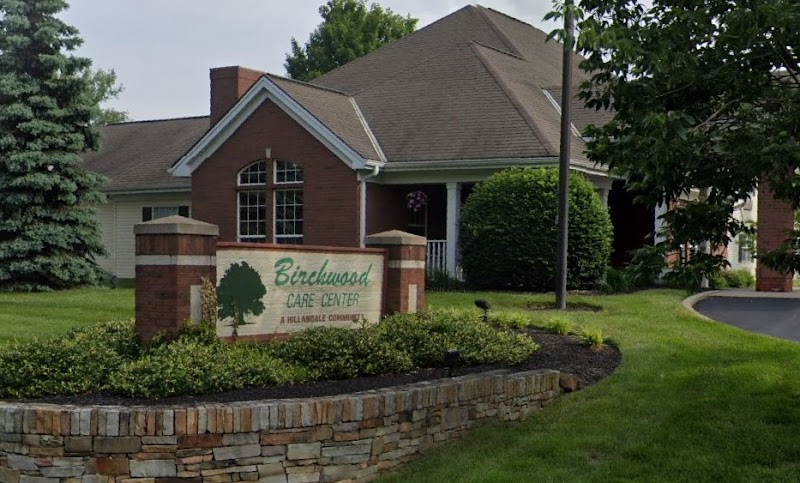
How is Birchwood Staffed?

CMS rates BIRCHWOOD CARE CENTER's staffing level at 3 out of 5 stars, which is average compared to other nursing homes. Staff turnover is 44%, compared to the Ohio average of 46%. This relatively stable workforce can support continuity of care.

What Have Inspectors Found at Birchwood?

State health inspectors documented 17 deficiencies at BIRCHWOOD CARE CENTER during 2019 to 2022. These included: 16 with potential for harm and 1 minor or isolated issues.
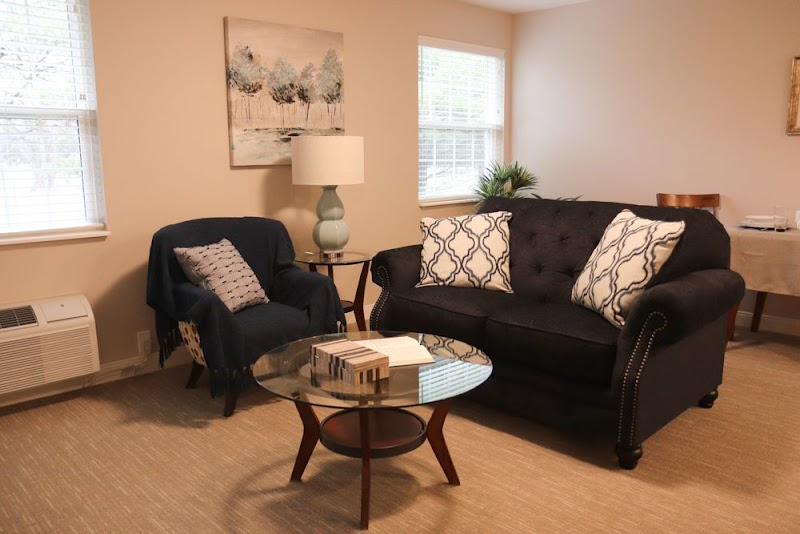
Who Owns and Operates Birchwood?

BIRCHWOOD CARE CENTER is owned by a for-profit company. For-profit facilities operate as businesses with obligations to shareholders or private owners. The facility is operated by CARESPRING, a chain that manages multiple nursing homes. With 75 certified beds and approximately 69 residents (about 92% occupancy), it is a smaller facility located in HAMILTON, Ohio.
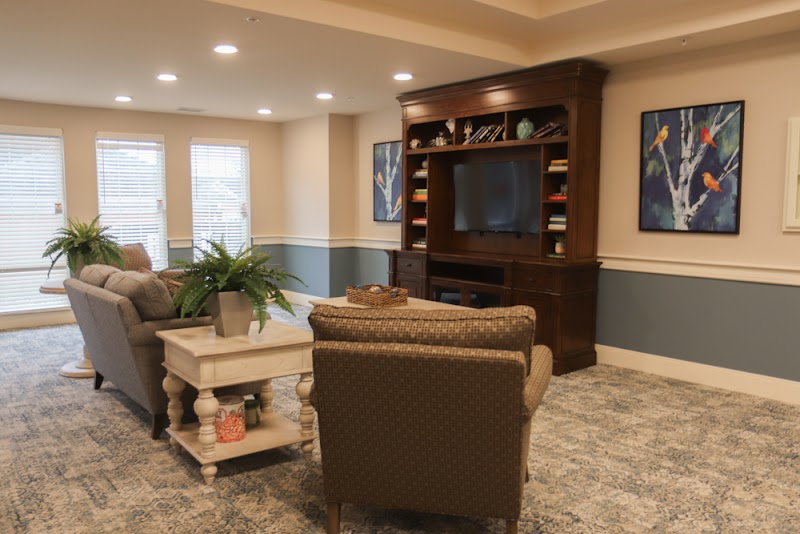
How Does Birchwood Compare to Other Ohio Nursing Homes?

Compared to the 100 nursing homes in Ohio, BIRCHWOOD CARE CENTER's overall rating (5 stars) is above the state average of 3.2, staff turnover (44%) is near the state average of 46%, and health inspection rating (5 stars) is much above the national benchmark.

What Should Families Ask When Visiting Birchwood?

Based on this facility's data, families visiting should ask: "Can I visit during a mealtime to observe dining assistance and food quality?" "How do you handle medical emergencies, and what is your hospital transfer rate?" "Can I speak with family members of current residents about their experience?"

Is Birchwood Safe?

Based on CMS inspection data, BIRCHWOOD CARE CENTER has a clean safety record: no substantiated abuse findings (meaning no confirmed cases of resident harm), no Immediate Jeopardy citations (the most serious violation level indicating risk of serious injury or death), and is not on the Special Focus Facility watch list (a federal program monitoring the lowest-performing 1% of nursing homes). The facility has a 5-star overall rating and ranks #1 of 100 nursing homes in Ohio. While no facility is perfect, families should still ask about staff-to-resident ratios and recent inspection results during their visit.

Do Nurses at Birchwood Stick Around?

BIRCHWOOD CARE CENTER has a staff turnover rate of 44%, which is about average for Ohio nursing homes (state average: 46%). Moderate turnover is common in nursing homes, but families should still ask about staff tenure and how the facility maintains care continuity when employees leave.

Was Birchwood Ever Fined?

BIRCHWOOD CARE CENTER has no federal fines on record. CMS issues fines when nursing homes fail to meet care standards or don't correct problems found during inspections. The absence of fines suggests the facility has either maintained compliance or corrected any issues before penalties were assessed. This is a positive indicator, though families should still review recent inspection reports for the full picture.

Is Birchwood on Any Federal Watch List?

BIRCHWOOD CARE CENTER is not on any federal watch list. The most significant is the Special Focus Facility (SFF) program, which identifies the bottom 1% of nursing homes nationally based on persistent, serious quality problems. Not being on this list means the facility has avoided the pattern of deficiencies that triggers enhanced federal oversight. This is a positive indicator, though families should still review the facility's inspection history directly.