BRADFORD PLACE CARE CENTER
1302 MILLVILLE AVENUE, HAMILTON, OH 45013 (513) 867-4101
For profit - Corporation 79 Beds EXCEPTIONAL LIVING CENTERS Data: November 2025
Trust Grade
53/100
#227 of 913 in OH
Last Inspection: December 2022

Over 2 years since last inspection. Current conditions may differ from available data.

Overview

Bradford Place Care Center has a Trust Grade of C, meaning it is average and positioned in the middle of the pack for nursing homes. It ranks #227 out of 913 facilities in Ohio, placing it in the top half overall, and #8 out of 24 in Butler County, indicating that only seven local options are better. The facility is improving, having decreased its issues from 9 in 2023 to 2 in 2024. However, staffing is a significant concern here, with a poor rating of 1 out of 5 stars and a turnover rate of 72%, which is much higher than the state average. While the center has received $16,111 in fines, which is average, it has less RN coverage than 92% of Ohio facilities, suggesting potential gaps in oversight. Specific incidents include a failure to adequately assess residents for pressure ulcers, which resulted in actual harm to two residents, one developing an unstageable pressure ulcer and another a stage III pressure ulcer. Additionally, there have been issues with food safety, such as expired items and improper food handling practices, which could affect many residents. Overall, while there are strengths in some quality measures, these significant weaknesses in staffing and care practices should be carefully considered by families.

Trust Score
C
53/100
In Ohio
#227/913
Top 24%
Safety Record
Moderate
Needs review
Inspections
Getting Better
9 → 2 violations
Staff Stability
⚠ Watch
72% turnover. Very high, 24 points above average. Constant new faces learning your loved one's needs.
Penalties
✓ Good
$16,111 in fines. Lower than most Ohio facilities. Relatively clean record.
Skilled Nurses
⚠ Watch
Each resident gets only 22 minutes of Registered Nurse (RN) attention daily — below average for Ohio. Fewer RN minutes means fewer trained eyes watching for problems.
Violations
⚠ Watch
33 deficiencies on record. Higher than average. Multiple issues found across inspections.
★★★★☆
4.0
Overall Rating
★☆☆☆☆
1.0
Staff Levels
★★★★★
5.0
Care Quality
★★★★☆
4.0
Inspection Score
Stable
2023: 9 issues
2024: 2 issues

The Good

  • 5-Star Quality Measures · Strong clinical quality outcomes
  • Full Sprinkler Coverage · Fire safety systems throughout facility
  • No fines on record

Facility shows strength in quality measures, fire safety.

The Bad

Staff Turnover: 72%

26pts above Ohio avg (46%)

Frequent staff changes - ask about care continuity

Federal Fines: $16,111

Below median ($33,413)

Minor penalties assessed

Chain: EXCEPTIONAL LIVING CENTERS

Part of a multi-facility chain

Ask about local staffing decisions and management

Staff turnover is very high (72%)

24 points above Ohio average of 48%

The Ugly 33 deficiencies on record

1 actual harm
May 2024 1 deficiency
CONCERN (D) 📢 Someone Reported This

A family member, employee, or ombudsman was alarmed enough to file a formal complaint

Potential for Harm - no one hurt, but risky conditions existed

Deficiency F0624 (Tag F0624)

Could have caused harm · This affected 1 resident

**NOTE- TERMS IN BRACKETS HAVE BEEN EDITED TO PROTECT CONFIDENTIALITY** Based on medical record review, review of the emergency medical services (EMS) run report, review of the hospital record review,...

Read full inspector narrative →
**NOTE- TERMS IN BRACKETS HAVE BEEN EDITED TO PROTECT CONFIDENTIALITY** Based on medical record review, review of the emergency medical services (EMS) run report, review of the hospital record review, staff interviews and policy review, the facility failed to ensure a resident was adequately prepared for a transfer by ensuring EMS and the hospital was provided with the resident's code status and other pertinent information. This affected one (#100) of three residents reviewed for hospitalization. Facility census was 70. Findings include: Review of the medical record of Resident #100 revealed an admission date of 10/08/20. The resident transferred to the hospital on [DATE] and did not return to the facility. Diagnoses included spinal stenosis, type 2 diabetes mellitus, Alzheimer disease, dementia with mood disturbance, major depressive disorder, anxiety disorder, hyperlipidemia, and hypertension. Review of Resident #100's quarterly Minimum Data Set (MDS) assessment dated [DATE] revealed the resident had severe cognitive impairment. Review of the medical record revealed a Change of Condition Evaluation was initiated on 02/23/24 but the form/evaluation was not completed. Review of physician orders revealed an order dated 10/20/21 (discontinued 02/26/24) for the resident to be a Do Not Resuscitate Comfort Care-Arrest (DNRCC-Arrest). Review of the care plan dated 01/25/22 revealed the resident had an advanced directive of a DNRCC-Arrest. Interventions included to follow the facility protocol for identification of code status. Review of a progress note dated 02/23/24 at 5:18 P.M. revealed Resident #100 was found in her room unresponsive to verbal and physical stimuli. Call was placed to nine-one-one (911) and assistance was received from other staff nurses. Vital signs were obtained-temperature was 98.4 degrees Fahrenheit, pulse was 86 beats per minute, respirations were 14 breaths per minute, blood pressure was 180/110, oxygen saturations were 97% on room air. The squad arrived and Resident #100 was transported to the hospital. Family and the Director of Nursing (DON) were notified. Report was called to the hospital, along with the resident's code status, DNRCC-Arrest. Review of the EMS run report, dated 02/23/24, revealed facility staff stated Resident #100 had a DNR but had no further information or documentation was provided. There was no DNR presented to EMS and the only medical history obtained from the facility was diabetes. Review of a hospital physician progress note dated 02/23/24 at 7:10 P.M. revealed Resident #100 arrived without access to her goals of care, however, after discussion with the resident's spouse, aggressive measures were not desired. Once the resident was fully registered, there was a pre-existing DNRCC-Arrest order in place. The family wished to discontinue invasive management and continue with comfort care measures as soon as possible. Review of hospital consult notes dated 02/24/24 at 8:50 A.M. revealed there was no paperwork for Resident #100 by EMS and no family was around so the resident was intubated due to being unable to provide a tactical airway. The resident was found to have a DNRCC-Arrest code status prior to admission and once the resident's family was ready, terminal extubation and withdrawal of life support was planned. Condition was noted to be terminal and death was imminent. Review of hospital history and physical, dated 02/24/24 revealed Resident #100 was admitted to the hospital 02/23/24 at 5:56 P.M. Resident #100 presented after being found unresponsive and brought to the emergency room department without paperwork showing her DNRCC-Arrest and thus was intubated. Resident #100 was found to have a large pontine hemorrhage with extension into the fourth ventricle. Resident #100 was admitted to the intensive care unit (ICU) and ventilation was continued until family was able to be contacted and the appropriate paperwork obtained. Interview on 05/15/24 at 1:01 P.M. with Licensed Practical Nurse (LPN) #410 revealed she was aware of an incident involving Resident #100 being sent to the hospital without appropriate DNRCC-Arrest paperwork. LPN #410 stated she was not the nurse for Resident #100 the day of the hospitalization, but she was helping the nurse who was responsible for the resident and the printer was not working and the resident was sent to the hospital without the DNRCC-Arrest paperwork. Interview on 05/16/24 at 10:05 A.M. with LPN #310 stated she was not present in the building at the time of the incident involving Resident #100's hospitalization, however she was told the staff could not get paperwork including the residents DNRCC-Arrest form to print. LPN #310 stated Resident #100 was sent to the hospital emergently and staff were unable to send a face sheet and code status information with EMS because the printer was not working. Review of the facility policy titled, Discharging the Resident, dated 12/2016, revealed, if a resident is transferred to the hospital, the facility would ensure a transfer summary is completed. This deficiency represents non-compliance investigated under Complaint Number OH00153365.
Mar 2024 1 deficiency
CONCERN (D) 📢 Someone Reported This

A family member, employee, or ombudsman was alarmed enough to file a formal complaint

Potential for Harm - no one hurt, but risky conditions existed

Pressure Ulcer Prevention (Tag F0686)

Could have caused harm · This affected 1 resident

**NOTE- TERMS IN BRACKETS HAVE BEEN EDITED TO PROTECT CONFIDENTIALITY** Based on medical record review, staff interview and policy review, the facility failed to assess and implement a physician order...

Read full inspector narrative →
**NOTE- TERMS IN BRACKETS HAVE BEEN EDITED TO PROTECT CONFIDENTIALITY** Based on medical record review, staff interview and policy review, the facility failed to assess and implement a physician ordered treatment for a resident admitted with a pressure ulcer to the coccyx. This affected one (#72) of three residents reviewed for pressure ulcer care. Facility census was 71. Findings Include: Record review revealed Resident #72 was admitted to the facility on [DATE] with diagnoses including diabetes, heart failure, Parkinson's, malnutrition and Stage IV (full thickness tissue loss with exposed bone, tendon or muscle, slough or eschar may be present on some parts of the wound bed, including undermining and tunneling) pressure ulcer to the coccyx. Resident #72 was discharged on 02/03/24. Record review revealed there was no comprehensive Minimum Data Set (MDS) completed for Resident #72 due to the residents short stay at the facility. Additionally, there was no documentation of a Braden Scale being completed for Resident #72. Review of Resident #72 base line plan of care initiated 02/02/24 revealed interventions of daily treatments and assessments, for Stage IV pressure ulcer. Review of Resident #72 admission nurses note dated 02/01/24 revealed the resident had a jejunostomy tube (j tube used for nutrition) and a pressure ulcer on the coccyx. Review of Resident #72's medical record revealed there was no further documentation including no description, measurements or assessment of Resident #72's pressure ulcer to the coccyx. The notes failed to mention if a dressing was intact, appearance, or drainage. Review of Resident #72's physicians orders dated 02/01/24 revealed a daily treatment for the coccyx pressure ulcer. Review of the Treatment Administration Record (TAR) for February 2024 revealed no signature or initials that the treatment was provided and no description of the coccyx pressure ulcer. Interview with the Director of Nursing (DON) on 03/05/24 at 2:30 P.M. revealed the nurses would be expected to assess and document what a wound or pressure ulcer looked like upon admission. The DON confirmed Resident #72's coccyx pressure ulcer was not assessed upon admission and the physician ordered treatment was not completed. The DON confirmed there was no Braden Scale completed for Resident #72 and its the facility policy to complete Braden Scales upon admission. Review of the facility policy for Pressure Ulcers dated 07/07/23 revealed the admitting nurse is to do a head to toe assessment of the resident's current skin conditions. The policy also states a Braden Scale for predicting pressure ulcers should be completed upon admission. This deficiency represents non-compliance investigated under Complaint Number OH00150953.
Nov 2023 1 deficiency
CONCERN (D) 📢 Someone Reported This

A family member, employee, or ombudsman was alarmed enough to file a formal complaint

Potential for Harm - no one hurt, but risky conditions existed

Resident Rights (Tag F0550)

Could have caused harm · This affected 1 resident

THE FOLLOWING DEFICIENCY REPRESENTS AN INCIDENT OF PAST NON-COMPLIANCE THAT WAS SUBSEQUENTLY CORRECTED PRIOR TO THIS SURVEY. Based on medical record review, review of facility investigation, staff int...

Read full inspector narrative →
THE FOLLOWING DEFICIENCY REPRESENTS AN INCIDENT OF PAST NON-COMPLIANCE THAT WAS SUBSEQUENTLY CORRECTED PRIOR TO THIS SURVEY. Based on medical record review, review of facility investigation, staff interviews and review of facility policy, the facility failed to ensure a resident was provided dignity and respect. This affected one (#62) of four residents reviewed for dignity and respect. The facility census was 65. Findings include: Review of the medical record for Resident #62 revealed and admission date of 08/01/23. Diagnoses included cerebral infarction (stroke), type II diabetes, Chronic Obstructive Pulmonary Disease (COPD), Alzheimer's disease, emotional lability, depression, and anxiety. Review of the quarterly Minimum Data Set (MDS) assessment, dated 10/18/23, revealed Resident #62 had severely impaired cognition. The resident required extensive assistance of one to two staff for bed mobility, transfers, and ambulation. Review of behavior and mood revealed Resident #62 had a behavior of yelling out, cursing, and crying. Review of the plan of care dated 10/18/23 revealed Resident #62 exhibited behaviors related to medical diagnoses; Alzheimer's disease, dementia with behavioral disturbance, depression, anxiety as evidenced by verbal behaviors of frequently yelling out, cursing at others, racial slurs, and inappropriate language. Other behaviors included spitting on staff, refusal of medications, and non-compliance with care. Interventions included to intervene as necessary to protect the rights and safety of others, approach/speak in a calm manner, divert attention, remove from situation and take to alternate location as needed, minimize potential for the resident's disruptive behaviors by offering tasks which divert attention, and, if reasonable, discuss the resident's behavior and explain/reinforce why behavior is inappropriate and/or unacceptable to the resident. Review of a nursing progress note dated 10/09/23 at 3:10 P.M. revealed a concern was brought to the Director of Nursing (DON) and Administrator on 09/30/23 related to the resident and caregivers working relationship and the relationships effect on resident's current behaviors. The concerned party alleged caregivers were laughing and mocking the resident during an episode of her behaviors, causing the resident to become hysterical. The concern was related to a belief that staff was not handling resident's behaviors appropriately. A call was placed to Resident #62's daughter. The resident's daughter confirmed many of the behaviors exhibited by the resident had been happening for years. Resident #62 had a long history of yelling and screaming during care and would make statements surrounding suicidal ideations with no active plan. Resident #62 had orders to follow-up with psychiatric services. Resident #62 had been heard using inappropriate speech towards her caregivers, refusing care and combativeness during care. The resident's daughter believed the resident was in an adjustment period and needed more time to get familiar and accepting of her new environment. The resident's daughter shared some helpful tips with nursing management to help manage Resident #62's current behaviors. She also suggested taking the resident outside in the sunshine, or letting the resident sit and look out the window. The resident's daughter stated she would bring in a radio and resident's favorite music to help calm resident when agitation is noted. State Tested Nurse Aides (STNA)/Caregivers have been educated and in-serviced on ways of interacting and communicating with Alzheimer and dementia residents. Nursing management will continue to assess and monitor interactions between caregivers and residents. Interview on 10/31/23 at 11:30 A.M. with the Administrator and Director of Nursing (DON) confirmed they initiated an investigation immediately upon being made aware of an allegation of staff laughing at Resident #62. The Administrator confirmed staff were congregated at the nurse's station and laughing about Resident #62 calling them names but the staff denied laughing at Resident #62. Interview on 11/01/23 at 2:00 P.M. of Activities Director (AD) #166 revealed on 09/29/23, she exited the elevator onto the fourth floor of the facility, where Resident #62 resided. AD #166 stated she observed staff laughing and Resident #62 was crying. AD #166 stated she approached Resident #62, assisted her with calming down, and took the resident to her room. As a result of the incident, the facility took the following actions to correct the deficient practice by 10/09/23: • On 09/30/23, the DON and Administrator initiated an investigation based on reports staff were laughing at Resident #62. • Interviews of the residents on the unit were completed with no areas of concern identified. • Staff members were in-serviced on communicating and caring for dementia residents. • Staff members were required to complete on-line education for communicating and caring for dementia residents. • Resident #62's medication review was completed and medication adjustments were made. • Continuous monitoring is being done by the DON, with no new deficient practice identified. This deficiency represents non-compliance investigated under Master Complaint Number OH00147436, Complaint Number OH00147434, and Complaint Number OH00147088.
Jun 2023 2 deficiencies 1 Harm
SERIOUS (G) 📢 Someone Reported This

A family member, employee, or ombudsman was alarmed enough to file a formal complaint

Actual Harm - a resident was hurt due to facility failures

Pressure Ulcer Prevention (Tag F0686)

A resident was harmed · This affected 1 resident

**NOTE- TERMS IN BRACKETS HAVE BEEN EDITED TO PROTECT CONFIDENTIALITY** Based on record review, observation, staff interview, review of the facility policy, and review of the guidelines from the Natio...

Read full inspector narrative →
**NOTE- TERMS IN BRACKETS HAVE BEEN EDITED TO PROTECT CONFIDENTIALITY** Based on record review, observation, staff interview, review of the facility policy, and review of the guidelines from the National Pressure Ulcer Advisory Panel (NPUAP), the facility failed to thoroughly assess the resident's skin and failed to timely identify the resident's pressure ulcers until it reached an advanced stage. This resulted in Actual Harm to Residents #03 and #65 who were at risk for pressure ulcers and the facility found Resident #03's pressure ulcer as an unstageable pressure ulcer (Slough and/or eschar: Known but not stageable due to coverage of wound bed by slough and/or eschar) and Resident #65's pressure ulcer as a stage III pressure ulcer (Full thickness tissue loss. Subcutaneous fat may be visible, but bone, tendon or muscle is not exposed). This affected two (#03 and #65) of three residents reviewed for pressure ulcers. The facility census was 64. Findings include: 1. Review of the medical record for Resident #03 revealed an admission date of 11/05/19. Diagnoses included malignant neoplasm of female breast, atherosclerotic heart disease, Alzheimer's disease, and cardiomegaly. Review of the Minimum Data Set (MDS) assessment dated [DATE] revealed Resident #03 was cognitively impaired and required extensive assistance of one to two staff with activities of daily living (ADLs.) Review of the pressure ulcer risk assessment dated [DATE] revealed Resident #03 was at moderate risk for the development of pressure ulcers. Review of the care plan last updated 04/13/23 revealed Resident #03 was at risk for impaired skin integrity related to impaired mobility, generalized weakness, peripheral vascular disease (PVD) and diabetes mellitus (DM), and incontinence of bowel and bladder. Interventions included the following: complete a pressure ulcer risk assessment per facility policy, complete weekly skin inspection, keep pressure off of heels, provide pressure relieving boots or float heels while resident is in bed, observe skin under braces, prosthetics, splints, cast for breakdown, provide pressure reducing wheelchair cushion, provide pressure reduction/relieving mattress, provide thorough skin care after incontinent episodes and apply barrier cream, skin assessment to be completed per facility policy toileting plan, treatments as ordered, turning and repositioning schedule per assessment, and weekly wound assessment. Review of the weekly skin checks for Resident #03 dated 05/24/23 and 05/31/23 revealed there were no new skin issues noted. Review of the nurse progress note for Resident #03 dated 06/05/23 revealed the hospice nurse notified the staff that the resident had a new open area to her sacrum. Hospice nurse said she would order a low air loss mattress for the resident. Review of the initial wound assessment for Resident #03 dated 06/06/23 per the wound Nurse Practitioner (NP) revealed Resident #03 had a facility acquired unstageable pressure ulcer (Slough and/or eschar: Known but not stageable due to coverage of wound bed by slough and/or eschar) to her sacrum. The ulcer measured 2.2 centimeters (cm) in length by 1.0 cm in width by 0.2 cm in depth. There was a small amount of serous drainage from the wound and adherent slough tissue was observed to the wound bed. Review of the wound assessment for Resident #03 dated 06/13/23 per wound NP revealed the unstageable pressure ulcer to the resident's sacrum was slightly larger and measured 2.1 cm in length by 1.5 cm in width by 0.3 cm in depth. There was a small amount of serous drainage from the wound with no granulation tissue in the wound bed and a large amount of necrotic tissue in the wound bed including adherent slough. Review of the June 2023 monthly physician orders for Resident #3 revealed an order dated 06/06/23 to cleanse the wound with normal saline, apply Medihoney to the wound bed, and cover with a dry dressing twice daily and as needed. Observation of wound care for Resident #03 on 06/16/23 at 10:45 A.M. per Licensed Practical Nurse (LPN) #235 revealed Resident#03 had a dime sized pressure ulcer to her sacrum. The wound bed was covered with yellow slough and there was a moderate amount of serosanguinous drainage from the wound. Interview on 06/16/23 with LPN #235 confirmed Resident #3 had developed an unstageable pressure ulcer to her sacrum which was first identified on 06/05/23 by the hospice nurse. Interview on 06/16/23 at 2:30 P.M. with the Director of Nursing (DON) confirmed residents' skin was to be thoroughly inspected by a licensed nurse once weekly and documented in the resident's medical record. DON confirmed Resident #3 developed a facility acquired unstageable pressure ulcer which was identified by the hospice nurse on 06/05/23. The DON confirmed the pressure ulcer for Resident #03 was not identified until the wound had reached an advanced stage. 2. Closed record review for Resident #65 revealed an admission date of 12/12/22 with diagnoses including Fournier gangrene, benign prostatic hypertrophy (BPH), obstructive uropathy, chronic obstructive pulmonary disease (COPD), colostomy, anxiety disorder, and acquired absence of left leg below knee. Resident #65 discharged from the facility on 03/31/23. Review of the care plan dated 12/20/22 revealed Resident #65 was at risk for the development of pressure ulcers due to Braden scale score lower than 18 and a diagnosis of diabetes mellitus (DM.) Interventions included the following: complete Braden scale (standardized pressure ulcer risk assessment tool) per facility policy, do not massage over bony prominences, observe diabetic foot, podiatry consult as needed, provide pressure relieving wheelchair cushion, provide pressure relieving mattress, and skin assessment to be completed per facility policy. Review of the Minimum Data Set (MDS) assessment for Resident #65 dated 03/21/23 revealed Resident #65 was cognitively impaired and required limited assistance with ADLs. Resident was coded as positive for the presence of a stage III pressure ulcer (Full thickness tissue loss. Subcutaneous fat may be visible but bone, tendon or muscle is not exposed) which was not present upon admission. Review of the weekly skin checks for Resident #65 dated 03/21/23 revealed there were no new skin issues noted. There was no skin breakdown identified on Resident #65's coccyx. Review of the wound physician visit note for Resident #65 dated 03/21/23 at 2:30 P.M. revealed the physician identified a new stage III pressure ulcer to the resident's coccyx which measured 1.5 centimeter (cm) in length by 0.4 cm in width by 0.1 cm in depth. The physician provided sharp debridement of the devitalized tissue to the wound which included slough tissue and noted the drainage from the wound had a foul odor. Review of the wound physician visit note for Resident #65 dated 03/28/23 revealed the stage III pressure ulcer coccyx measured 0.7 cm in length by 0.2 cm in width by 0.1 in depth. The physician provided sharp debridement of the devitalized tissue to the wound which included slough tissue. Interview on 06/16/23 at 4:47 P.M. with the Director of Nursing (DON) confirmed Resident #65 was at an outpatient appointment with the wound physician on 03/21/23. The DON confirmed the wound physician identified a stage III pressure ulcer to the resident's coccyx which required sharp debridement. The DON confirmed the pressure ulcer to Resident #65's coccyx was not identified until it reached an advanced stage. Review of the facility policy titled Skin and Wound Care Management Program, dated 02/01/20, revealed the facility would prevent the development of pressure ulcers and a licensed nurse would perform a head-to-toe skin check of the resident and would document the findings. Review of the NPUAP guidelines dated 2014 revealed facilities should educate health professionals on how to undertake a comprehensive skin assessment that includes the techniques for identifying blanching response, localized heat, edema, and induration. Ongoing assessment of the skin was necessary to detect early signs of pressure damage. Visual assessment for erythema (redness of the skin) was the first component of every skin inspection. Skin redness and tissue edema resulting from capillary occlusion was a response to pressure, especially over bony prominences. Staff should conduct a head-to-toe assessment with particular focus on skin overlying bony prominences including the sacrum, ischial tuberosities, greater trochanters and heels and each time the patient was repositioned was an opportunity to conduct a brief skin assessment. This deficiency represents non-compliance investigated under Complaint Number OH00143206.
CONCERN (D) 📢 Someone Reported This

A family member, employee, or ombudsman was alarmed enough to file a formal complaint

Potential for Harm - no one hurt, but risky conditions existed

Infection Control (Tag F0880)

Could have caused harm · This affected 1 resident

**NOTE- TERMS IN BRACKETS HAVE BEEN EDITED TO PROTECT CONFIDENTIALITY** Based on record review, observation, staff interviews, and review of the facility policy, the facility failed to ensure wound ca...

Read full inspector narrative →
**NOTE- TERMS IN BRACKETS HAVE BEEN EDITED TO PROTECT CONFIDENTIALITY** Based on record review, observation, staff interviews, and review of the facility policy, the facility failed to ensure wound care was performed in a clean and sanitary manner. This affected one (Resident #3) of three residents reviewed for pressure ulcers. The facility census was 64. Findings include: Review of the medical record for Resident #3 revealed an admission date of admitted [DATE] with diagnoses including malignant neoplasm of female breast, atherosclerotic heart disease, and Alzheimer's disease. Review of the Minimum Data Set (MDS) assessment dated [DATE] revealed Resident #3 was cognitively impaired and required extensive assistance of one to two staff with activities of daily living (ADLs.) Review of the weekly wound assessment for Resident #3 dated 06/13/23 revealed the unstageable pressure ulcer (Slough and/or eschar: Known but not stageable due to coverage of wound bed by slough and/or eschar) to the resident's sacrum was slightly larger from the previous week and measured 2.1 centimeter (cm) in length by 1.5 cm in width by 0.3 cm in depth. There was a small amount of serous drainage from the wound with no granulation tissue in the wound bed and a large amount of necrotic tissue in the wound bed including adherent slough. Review of the physician orders for Resident #3 revealed an order dated 06/06/23 to cleanse the wound with normal saline, apply Medihoney to the wound bed, and cover with a dry dressing twice daily and as needed. Observation of wound care for Resident #3 on 06/16/23 at 10:45 A.M. by Licensed Practical Nurse (LPN) #235 revealed Resident #3 had a dime sized pressure ulcer to her sacrum. The wound bed was covered with yellow slough and there was a moderate amount of serosanguineous drainage from the wound. LPN #235 washed her hands, donned gloves, and removed and discarded the soiled dressing from the resident's sacrum. LPN #235 then donned a new pair of gloves without washing or sanitizing her hands first. LPN #235 then cleansed the wound with gauze soaked with normal saline and doffed gloves. LPN #235 donned a new pair of gloves without washing or sanitizing her hands first, and applied Medihoney to the wound bed. LPN #235 doffed the gloves and donned a new pair of gloves without washing or sanitizing her hands first and applied a dry dressing to cover the wound. Interview on 06/16/23 at 11:05 A.M. with LPN #235 confirmed she changed gloves during wound care for Resident #235 three times: after removing the soiled dressing, after cleansing the wound which had a moderate amount of drainage, and after applying Medihoney directly to the wound bed. LPN #235 confirmed she did not wash or sanitize her hands after removing the contaminated gloves and prior to donning new gloves. Interview on 06/16/23 at 4:47 P.M. with the Director of Nursing (DON) confirmed in order to provide proper wound care and reduce the risk of wound infection, nurses should wash or sanitize their hands after removing contaminated gloves and prior to donning new gloves. Review of the facility policy titled Dry Clean Dressing Change, dated September 2013, revealed the nurse should remove gloves, wash hands, and don clean gloves after removing the dressing, after cleaning the wound, and after applying the ordered treatment. Review of the facility policy titled Handwashing/Hand Hygiene, dated August 2019, revealed the facility considered hand hygiene the primary means to prevent the spread of infections. Staff should wash or sanitize their hands after handling used dressings, after contact with blood or body fluids, and after removing gloves. This deficiency represents non-compliance investigated under Complaint Number OH00143206.
Apr 2023 2 deficiencies
CONCERN (D) 📢 Someone Reported This

A family member, employee, or ombudsman was alarmed enough to file a formal complaint

Potential for Harm - no one hurt, but risky conditions existed

Deficiency F0760 (Tag F0760)

Could have caused harm · This affected 1 resident

**NOTE- TERMS IN BRACKETS HAVE BEEN EDITED TO PROTECT CONFIDENTIALITY** Based on medical record review, observation, staff interview, and review of the manufacturers recommendations, the facility fail...

Read full inspector narrative →
**NOTE- TERMS IN BRACKETS HAVE BEEN EDITED TO PROTECT CONFIDENTIALITY** Based on medical record review, observation, staff interview, and review of the manufacturers recommendations, the facility failed to ensure residents were free from significant medication errors when an insulin pen was not primed prior to administration. This affected one resident (#43) out of 10 residents observed for medication administration. The facility identified 12 residents who received insulin pens in the facility. The facility census was 69. Findings include: Review of the medical record for Resident #43 revealed an admission date of 03/18/20. Diagnoses included type two diabetes mellitus, major depressive disorder, atrial fibrillation, and anxiety disorder. Review of the annual Minimum Data Set (MDS) assessment dated [DATE] revealed Resident #43 had intact cognition evidenced by a Brief Interview for Mental Status (BIMS) score of 15. Review of the care plan dated 08/02/22 revealed Resident #43 had a diagnosis of diabetes mellitus. Interventions included diabetes medication as ordered by the physician and observe for side effects and effectiveness. Staff to monitor fasting serum blood sugar as ordered by the physician. Review of the physician order dated 11/16/22 revealed Resident #43 was ordered Humalog KwikPen Solution Pen-injector 100 unit/milliliter (ml). Inject as per sliding scale: - If blood sugar was 181 milligram per deciliter (mg/dL) to 200 mg/dL give one unit - If blood sugar was 201 mg/dL to 250 mg/dL give two units - If blood sugar was 251 mg/dL to 300 mg/dL give four units - If blood sugar was 301 mg/dL to 350 mg/dL give six units - If blood sugar was 351 mg/dL to 400 mg/dL give eight units - If blood sugar was 401 mg/dL to 450 mg/dL give 10 units - If blood sugar was greater than 451 mg/dL give 10 units and call the physician Observation on 04/11/23 at 6:08 A.M. revealed Licensed Practical Nurse (LPN) #24 gave Resident #43 Lispro insulin using an insulin Pen. LPN #24 did not prime insulin pen prior to administering insulin to Resident #43. LPN #24 dialed insulin pen to one unit and administered the insulin, which is what Resident #43 received with a blood sugar of 194 mg/dL per sliding scale orders. Interview on 04/11/23 at 6:26 A.M., with LPN #24 verified he had not primed the insulin pen prior to administering insulin. LPN #24 reported he should have primed two units of insulin before injecting insulin. Interview on 04/11/23 at 10:05 A.M., with Pharmacist #60 said the manufacturer instructions for Humalog insulin Kwik Pen revealed prior to administration of insulin, the insulin pen should be dialed to two units to prime prior to administering insulin to residents. Review of the manufacturer instructions for Humalog Kwik Pen revealed the following: - Pull the pen cap straight off - Check the liquid in the pen - Select a new needle - Push the capped needle straight onto the pen and twist the needle on until it is tight - Pull off the outer needle shield - To prime the pen, turn the dose knob to select two units - Hold pen with the needle pointing up and tap the cartridge holder gently to collect air bubbles at top - Continue holding the pen with needle pointing up and push the dose knob until it stops and zero was seen in the dose window This deficiency represent noncompliance in Complaint Number OH00141400. This deficiency represents continued noncompliance from the complaint survey dated 02/16/23.
CONCERN (E) 📢 Someone Reported This

A family member, employee, or ombudsman was alarmed enough to file a formal complaint

Potential for Harm - no one hurt, but risky conditions existed

Deficiency F0761 (Tag F0761)

Could have caused harm · This affected multiple residents

Based on observation, staff interview, and policy review, the facility failed to ensure medications were stored securely. This had the potential to affect 13 residents (#30, #35, #36, #37, #40, #42, #...

Read full inspector narrative →
Based on observation, staff interview, and policy review, the facility failed to ensure medications were stored securely. This had the potential to affect 13 residents (#30, #35, #36, #37, #40, #42, #43, #44, #46, #49, #52, #54 and #55) who were identified by the facility as independently mobile and/or had confusion out of 40 residents who reside on the unit where the unsecured medications were located. The facility census was 69. Findings include: Observations on 04/11/23 from 6:08 A.M. through 6:28 A.M. revealed Licensed Practical Nurse (LPN) #24 left the medication cart unlocked and unattended when administering medications to Resident #43, #44, and #46. LPN #24 was not in view of the medication cart during medication administration. Interview on 04/11/23 at 6:26 A.M. with LPN #24 revealed he had not locked the medication cart while he entered the resident rooms to administer medications. Review of the facility policy titled General Dose Preparation and Medication Administration, dated 01/01/13 revealed the facility should ensure that medication carts were always locked when out of sight or unattended. This deficiency represents continued noncompliance from the annual survey dated 12/29/22.
Mar 2023 1 deficiency
CONCERN (D) 📢 Someone Reported This

A family member, employee, or ombudsman was alarmed enough to file a formal complaint

Potential for Harm - no one hurt, but risky conditions existed

Pharmacy Services (Tag F0755)

Could have caused harm · This affected 1 resident

**NOTE- TERMS IN BRACKETS HAVE BEEN EDITED TO PROTECT CONFIDENTIALITY** Based on medical record review, staff interview, and review of the facility pharmacy contingent medication supply list, the faci...

Read full inspector narrative →
**NOTE- TERMS IN BRACKETS HAVE BEEN EDITED TO PROTECT CONFIDENTIALITY** Based on medical record review, staff interview, and review of the facility pharmacy contingent medication supply list, the facility failed to ensure medication was administered as ordered. This affected one (#69) of three residents reviewed for medication administration. The census was 68. Findings include: Review of Resident #69's medical record revealed an admission date of 02/09/23 and was discharged to the hospital on [DATE]. Diagnoses included COVID-19, hypertension, hyperlipidemia, edema, osteoarthritis, shortness of breath, iron deficiency anemia secondary to blood loss, kidney failure, and cancer of the bladder. Review of the Minimum Data Set (MDS) assessment for Resident #69 dated 02/14/23 revealed Resident #69 was assessed with intact cognition. Review of the February 2023 physician orders Resident #69 revealed an order dated 02/09/23 for the medication to treat gastroesophageal reflux disease pantoprazole sodium (Protonix) 40 milligrams (mg) delayed release one tablet by mouth two times a day, scheduled at 6:00 A.M. and 10:00 P.M., and the cholesterol-lowering medication atorvastatin calcium (Lipitor) oral tablet 40 mg by mouth one tablet at bedtime. Review of the February 2023 electronic medication administration record (EMAR) for Resident #69 revealed Protonix 40 mg oral tablet was not administered on two occasions, on 02/09/23 at 10:00 P.M. and 02/10/23 at 6:00 A.M., and Lipitor 40 mg oral tablet was not administered on 02/09/23. Further review of the February 2023 EMAR revealed the medication was not available at the time of the scheduled dose. Review of the facility pharmacy contingent medication list revealed a list of medications stored at the facility for use when the medication was unavailable from a residents' own medication supply. Further review of the list revealed Protonix 40 mg delayed release oral tablets and Lipitor 20 mg tablets were available if needed. Interview on 02/22/23 at 4:15 P.M. with the Director of Nursing (DON) stated licensed nurses administer medications in accordance with physician orders. The DON stated the medications for Resident #69 were not given as ordered, and verified the facility had emergency medication available. The DON confirmed Resident #69's two missed medications were in the facility for utilization if needed, and stated the medications should have been provided as ordered. A request for policy related to medication administration was made during the survey and not provided for review. This deficiency represents non-compliance investigated under Complaint Number OH00140329.
Feb 2023 3 deficiencies
CONCERN (D) 📢 Someone Reported This

A family member, employee, or ombudsman was alarmed enough to file a formal complaint

Potential for Harm - no one hurt, but risky conditions existed

Notification of Changes (Tag F0580)

Could have caused harm · This affected 1 resident

**NOTE- TERMS IN BRACKETS HAVE BEEN EDITED TO PROTECT CONFIDENTIALITY** Based on medical record review, observation, staff interview, and policy review, the facility failed to notify the Physician of ...

Read full inspector narrative →
**NOTE- TERMS IN BRACKETS HAVE BEEN EDITED TO PROTECT CONFIDENTIALITY** Based on medical record review, observation, staff interview, and policy review, the facility failed to notify the Physician of resident medication omissions. This affected one resident (#67) out of three residents reviewed for notification. The facility census was 66. Findings Include: Review of the medical record for Resident #67 revealed an admission date of 12/01/22. Diagnoses included Type II diabetes, high blood pressure, and pneumonia. Review of the admission Minimum Data Set (MDS) assessment dated [DATE] revealed Resident #67 had intact cognition. The resident required assistance of two with transfers and assistance of one with bathing. Review of the current physician orders dated 12/01/22 revealed Resident #67 was ordered a diabetic medication named Ozempic. The medication was ordered via subcutaneous (SQ) injection weekly on Mondays. Review of the medication administration record (MAR) for December 2022 revealed the medication was ordered and due on 12/05/22, 12/12/23, 12/19/22 and 12/26/22 the documentation on the MAR was marked the medication was not given due to not being available. Review of the January 2023 MAR revealed Resident #67 was due to receive his medication on 01/02/23, 01/09/23, 01/16/23 01/23/23 again the medication was not given as ordered. The resident missed eight out of nine ordered doses. Interview on 02/13/23 at 10:00 A.M., with the Director of Nursing ( DON) revealed the facility should have followed up on the medication not being sent from the pharmacy. The DON also verified there was no notification documented the physician was notified of the unavailable and missed medication, Ozempic. Review of the facility policy titled Medication Administration, dated 02/19 revealed medication errors should be documented and reported to the physician. Review of the facility policy titled Notification, dated 09/17 revealed the Residents Physician should be notified of medication omissions and errors. This deficiency represents non-compliance discovered in Complaint Number OH00139842.
CONCERN (D) 📢 Someone Reported This

A family member, employee, or ombudsman was alarmed enough to file a formal complaint

Potential for Harm - no one hurt, but risky conditions existed

Comprehensive Care Plan (Tag F0656)

Could have caused harm · This affected 1 resident

**NOTE- TERMS IN BRACKETS HAVE BEEN EDITED TO PROTECT CONFIDENTIALITY** Based on medical record review, staff interview, and policy review, the facility failed to ensure a residents comprehensive care...

Read full inspector narrative →
**NOTE- TERMS IN BRACKETS HAVE BEEN EDITED TO PROTECT CONFIDENTIALITY** Based on medical record review, staff interview, and policy review, the facility failed to ensure a residents comprehensive care plan captured diabetes and ordered diabetic medications. This affected one resident (#67) out of three residents reviewed for care planning. The facility census was 66. Findings include: Review of the medical record for Resident #67 revealed an admission date of 12/01/22. Diagnoses included type II diabetes, high blood pressure, and pneumonia. Review of the admission Minimum Data Set (MDS) assessment dated [DATE] revealed Resident #67 had intact cognition. The resident required assistance of two with transfers and assistance of one with bathing. Review of the plan of care dated 12/08/22 and again on readmission on [DATE] revealed there was no plan of care for diabetes or for Resident #67's diabetic medications. Interview on 02/13/23 at 10:00 A.M., with the Director of Nursing ( DON) verified Resident #67 had no plan of care for the diagnoses of diabetes or ordered diabetic medications. The DON said the resident's plan of care had not accurately reflected the status of the resident. Review of the facility policy titled Care Plans, dated 01/18 revealed comprehensive plans of care are to be completed with in 21 days of admission. This deficiency represents non-compliance discovered in Complaint Number OH00139842.
CONCERN (D) 📢 Someone Reported This

A family member, employee, or ombudsman was alarmed enough to file a formal complaint

Potential for Harm - no one hurt, but risky conditions existed

Deficiency F0760 (Tag F0760)

Could have caused harm · This affected 1 resident

**NOTE- TERMS IN BRACKETS HAVE BEEN EDITED TO PROTECT CONFIDENTIALITY** Based on medical record review, staff interview, review of the hospital documentation, and policy review, the facility failed to...

Read full inspector narrative →
**NOTE- TERMS IN BRACKETS HAVE BEEN EDITED TO PROTECT CONFIDENTIALITY** Based on medical record review, staff interview, review of the hospital documentation, and policy review, the facility failed to ensure a resident was free from significant medication errors when weekly diabetic medication was repeatedly omitted. This affected one resident (#67) out of three residents reviewed for medications. The facility census was 66. Findings include: Review of the medical record for Resident #67 revealed an admission date of 12/01/22. Diagnoses included Type II diabetes, high blood pressure, and pneumonia. Review of the admission Minimum Data Set (MDS) assessment dated [DATE] revealed Resident #67 had intact cognition. The resident required assistance of two with transfers and assistance of one with bathing. Review of the current physician orders dated 12/01/22 revealed Resident #67 was ordered a diabetic medication named Ozempic. The medication was ordered via subcutaneous (SQ) injection weekly on Mondays. Review of the medication administration record (MAR) for December 2022 revealed the medication was ordered and due on 12/05/22, 12/12/23, 12/19/22 and 12/26/22 the documentation on the MAR was marked the medication was not given due to not being available. Review of the January 2023 MAR revealed Resident #67 was due to receive his medication on 01/02/23, 01/09/23, 01/16/23 01/23/23 again the medication was not given as ordered. The resident missed eight out of nine ordered doses. Review of the hospital documentation dated from 01/11/23 to 01/16/23 revealed a blood glucose level of 131 milligrams per deciliter (mg/dL). Interview on 02/13/23 at 10:00 A.M., with the Director of Nursing ( DON) revealed the facility should have followed up on the medication not being sent from the pharmacy. The DON also verified there was no notification documented the physician was notified of the unavailable and missed medication, Ozempic. Review of the facility policy titled Medication Administration, dated 02/19 revealed medication errors should be documented and reported to the physician. Review of the facility policy titled Notification, dated 09/17 revealed the Residents Physician should be notified of medication omissions and errors. This deficiency represents non-compliance discovered in Complaint Number OH00139842.
Dec 2022 3 deficiencies
CONCERN (D) 📢 Someone Reported This

A family member, employee, or ombudsman was alarmed enough to file a formal complaint

Potential for Harm - no one hurt, but risky conditions existed

ADL Care (Tag F0677)

Could have caused harm · This affected 1 resident

Based on record review, observations and resident and staff interviews, the facility failed to provide activities of daily living (ADL) assistance to dependent residents. This affected one (#1) of thr...

Read full inspector narrative →
Based on record review, observations and resident and staff interviews, the facility failed to provide activities of daily living (ADL) assistance to dependent residents. This affected one (#1) of three residents reviewed for ADL's. The census was 65. Findings include: Medical record review for Resident #1 revealed an admission dated on 10/31/19 with diagnoses including but not limited to cerebrovascular disease, schizoaffective disorder bipolar type, hemiplegia affecting left side, bipolar episode depressed mild to moderate severity, hypertension, contracture's, vascular dementia, vitamin D deficiency, hypokalemia, major depressive disorder, anxiety disorder, conversion disorder with seizures, pseudobulbar affect, atopic dermatitis, dysarthria and aphasia following cerebral infarction. Review of the comprehensive Minimum Data Set (MDS) assessment for Resident #1 dated 10/22/22 revealed the resident had intact cognition. Resident #1 was coded with behaviors not directed towards others occurred one to three days during the look back period, with behaviors significantly disrupting care or living environment. Resident #1 requires extensive assist of two staff members for bed mobility, total assist for transfers and toileting with two staff members, and supervision for meals. The MDS revealed Resident #1 was not given a shower during the seven-day assessment period. Review of the plan of care for Resident #1 dated 02/28/22 revealed resident requires extensive to total care assistance with all ADL tasks related to current diagnoses of stroke with hemiplegia with noted contracture, dementia with behavioral disturbance, conversion disorder with seizures or convulsions, dysphagia & aphasia. Resident #1 is at risk for complications related to current needs of assistance. Resident #1 will often become combative during care and will refuse to allow staff to perform or complete tasks placing herself at higher risk for potential complications. She tries to manipulate staff. Resident #1 will pull call light out of wall multiple times a day. She will throw and break furniture on regular basis. Interventions include bathing total assist of one for complete bed bath, she does not allow showers. There were no interventions regarding hair washing. Review of nurse progress notes for Resident #1 dated 10/26/22 through 12/20/22 revealed the notes contained no documentation regarding refusal of shower and/or refusal of resident to have her hair washed. Review of bathing records for Resident #1 for the month of December 2022 revealed record contained no documentation regarding washing of resident's hair. Review of the shower sheets For Resident #1 dated 12/17/22, 12/14/22, 12/10/22, 12/07/22, 12/03/22, 11/30/22. 11/26/22, 11/23/22, 11/19/22, 11/16/22 revealed the documents contained no information for hair washing or refusals. Review of the electronic health record behavior monitoring for Resident #1 dated 11/19/22 through 12/18/22 had one occurrence of refusal of care dated 11/30/22. Further review of behavior monitoring revealed Resident #1 refusal of care was not specific to task. Observation of Resident #1 on 12/21/22 at 9:30 A.M. revealed the resident's hair was greasy with visible white flakes throughout hair and did not appear to have been washed recently. Observation of Resident #1 on 12/21/22 at 9:30 A.M. to 10:14 A.M. of bed bath with State Tested Nursing Assistant (STNA) #32 revealed no concerns regarding the bed bath. During the observation STNA #32 stated she uses a wet washcloth and wets her hair, then uses a small amount of shampoo to wash her hair. STNA #32 then stated she used a cup and a basin to rinse her hair. STNA #32 did not offer to wash Resident #1 hair during her bed bath. Interview on 12/21/22 10:10 A.M. with Resident #1 confirmed staff gave her a bed bath two times this week and did not wash her hair. Resident #1 pointed to head and stated itchy. Interview on 12/21/22 at 10:14 A.M. with STNA #32 stated she was unable to confirm when Resident #1 had her hair washed. STNA #32 verified she did not wash her hair today during her bed bath. Interview on 12/21/22 at 3:41 P.M. with Director of Nursing (DON) verified staff should be washing hair with every bath. The DON further stated the facility placed an order for waterless shampoo kits and will begin using those for Resident #1. This deficiency represents non-compliance investigated under Complaint Number OH00135647.
CONCERN (D)

Potential for Harm - no one hurt, but risky conditions existed

Deficiency F0761 (Tag F0761)

Could have caused harm · This affected 1 resident

Based on medical record review, observation, staff interview and policy review, the facility failed to ensure prescribed medications were stored securely. This affected two (#1 and #38) randomly obser...

Read full inspector narrative →
Based on medical record review, observation, staff interview and policy review, the facility failed to ensure prescribed medications were stored securely. This affected two (#1 and #38) randomly observed residents with medications left unattended/unsecured in the residents room. The facility census was 65. Findings include: 1. Review of the medical record for Resident #1 revealed an admission dated on 10/31/19 with diagnoses including but not limited to cerebrovascular disease, schizoaffective disorder bipolar type, insomnia, abnormal posture, hemiplegia affecting left side, bipolar episode depressed mild to moderate severity, hypertension, contracture's, vascular dementia, major depressive disorder, anxiety disorder, conversion disorder with seizures, pseudobulbar affect, dysarthria and aphasia following cerebral infarction. Review of the comprehensive Minimum Data Set (MDS) assessment for Resident #1 dated 10/22/22 revealed the resident had intact cognition. Resident #1 required extensive assist of two staff members for bed mobility, total assist for transfers and toileting with two staff members, and supervision for meals. Review of the plan of care for Resident #1 dated 11/11/19 and revised on 03/10/22 revealed the resident was at risk for skin breakdown due to assistance required in bed mobility and bowel incontinence. Interventions included apply skin treatment as ordered, observe skin daily and report abnormalities to nurse, and apply barrier creams, powders, and ointments as ordered to axilla. Review of the active physician orders for Resident #1 revealed an order dated 07/28/22 for Nystatin powder, apply to left underarm topically every day and night shift for treatment until resolved. Observation on 12/21/22 of Resident #1's room revealed a bottle of opened nystatin powder in the medication cabinet in the resident's bathroom. Interview on 12/21/22 10:32 AM with Director of Nursing (DON) verified nystatin powder was left in Resident #1's room in the medication cabinet and it should not be there. 2. Review of the medical record for Resident #38 revealed an admission date on 10/21/21 with diagnoses including but not limited to heart failure, type two diabetes mellitus with nephropathy, hypertensive chronic kidney disease, hyperparathyroidism, chronic heart failure, major depressive disorder, morbid obesity, Guillain-Barre syndrome and spinal stenosis. Review of the plan of care for Resident #38 dated 11/08/22 revealed the resident had altered skin integrity, non-pressure related to fungal rash to abdominal and groin folds. Interventions include complete Braden scale per policy, observe for infections, swelling, redness, discharge, odor and notify physician, and treatments as ordered. Review of the physician orders for Resident #38 revealed an order for lotrisone cream 1/0.5 percent cream, apply to abdominal/groin/ knee folds topically every day and night shift related to candidiasis of skin and nails dated 07/19/22. Review of the progress notes for Resident #38 dated 07/01/22 through 12/20/22 related to self-administration of medication revealed there was no documentation to support the resident could self-administer medications. Review of the facility's evaluation tab in the electronic health record was silent for any assessment completed for Resident #38 to complete self-administration or self-application of skin creams. Observation on 12/20/22 at 10:19 A.M. of Resident #38's bed side table revealed three tubes of prescribed medication labeled lotrisone cream 1/0.5 percent cream. Further observation revealed an unlabeled tube of capsaicin on dresser in Resident #38's room Interview on 12/20/22 at 10:22 P.M. with Licensed Practical Nurse (LPN) #49 verified the medication should not have been left in room. Further verified Resident #38 did not have orders to keep the medication at bedside. LPN #49 verified Resident #38 did not have any orders for the use of capsaicin cream. Review of the facility policy titled Storage and Expiration of Medications, Biological's, Syringes and Needles dated 2013 revealed the facility should ensure all medications and biological's are securely stored in a locked cabinet/cart or locked medication room.
CONCERN (D) 📢 Someone Reported This

A family member, employee, or ombudsman was alarmed enough to file a formal complaint

Potential for Harm - no one hurt, but risky conditions existed

Infection Control (Tag F0880)

Could have caused harm · This affected 1 resident

**NOTE- TERMS IN BRACKETS HAVE BEEN EDITED TO PROTECT CONFIDENTIALITY** Based on medical record review, observations, resident and staff interviews, and facility policy review, the facility failed to ...

Read full inspector narrative →
**NOTE- TERMS IN BRACKETS HAVE BEEN EDITED TO PROTECT CONFIDENTIALITY** Based on medical record review, observations, resident and staff interviews, and facility policy review, the facility failed to ensure used sharps i.e. needles were disposed of properly. This affected one (#16) of four residents reviewed for sanitary environment. The facility census was 65. Findings include: Medical record review for Resident #16 revealed an admission on [DATE]. Diagnoses include type 2 diabetes without complication, hyperlipidemia, candidiasis of skin and nail, cutaneous abscess of head, localized edema, spondylosis without myelopathy, history of Coronavirus Disease 2019 (COVID-19), hypertension, heart failure, peripheral vascular disease, dementia, urinary tract infection, abnormal posture, neuromuscular dysfunction of bladder and acidosis. Review of the quarterly Minimum Data Set (MDS) assessment dated [DATE] for Resident #16 revealed the resident had impaired cognition. Resident #16 requires supervision for bed mobility, transfers, eating and toileting. Review of the plan of care for Resident #16 dated 04/29/21 with revision on 12/08/21 revealed alteration in blood glucose due to: insulin-dependent diabetes mellitus. Interventions include administer medications as ordered and laboratory tests per physicians order. Review of the electronic health record results tab for Resident #16 revealed laboratory tests were completed on 12/19/22 at 8:12 A.M. Observation on 12/19/22 at 12:21 P.M. of Resident #16 in her room revealed a plastic drinking glass sitting on her dresser. Inside the plastic cup was a vacutainer needle with safety cover not secured over exposed needle. Interview on 12/19/22 at 12:21 P.M. with Resident #16 stated she had blood drawn and the staff left the needle in her room beside her bed on the bedside table. Resident #16 further stated she picked up the needle and placed it in the cup for the nurse to pick up when she saw her again. Interview on 12/19/22 at 12:30 P.M. with Licensed Practical Nurse (LPN) #49 verified the presence of the used needle in Resident #16's room. LPN #16 stated the laboratory staff must have left the used needle at Resident #16's bedside after drawing the residents blood this morning. LPN #16 stated the used needle should have been placed in the sharp's container. Review of the facility policy titled Infectious Regulated Waste Disposal dated 11/01/17 revealed the facility failed to implement the policy as written. The policy states immediately after use, sharps shall be disposed of in closable, puncture resistant, disposable containers that are leak-proof on the sides and bottom and are labeled or color-coded. This deficiency represents non-compliance investigated under Complaint Number OH00135647.
Oct 2019 6 deficiencies
CONCERN (D)

Potential for Harm - no one hurt, but risky conditions existed

Deficiency F0582 (Tag F0582)

Could have caused harm · This affected 1 resident

Based on staff interview and medical record review, the facility failed to ensure Skilled Nursing Facility Advance Beneficiary Notice of Non-coverage (SNF ABN) was provided when skilled services ended...

Read full inspector narrative →
Based on staff interview and medical record review, the facility failed to ensure Skilled Nursing Facility Advance Beneficiary Notice of Non-coverage (SNF ABN) was provided when skilled services ended and the resident remained at the facility. This affected one (Resident #48) of three residents reviewed for Beneficiary Protection Notification. The facility census was 61. Findings include: Medical record review revealed Resident #48 was informed on 09/09/19, skilled services would end on 09/11/19. Resident #48 remained at the facility and there wasn't any evidence in the medical record that Resident #48 was provided a SNF ABN notice. Interview on 10/24/19 at 2:06 P.M. with the Director of Nursing (DON) verified Resident #48 skilled services ended on 09/11/19, the resident remained at the facility, had skilled benefit days remaining, and was not provided with a SNF ABN notice. The DON reported the facility recently discovered proper notices, including the SNF ABN notice, were not being provided to residents upon the completion of skilled services.
CONCERN (D)

Potential for Harm - no one hurt, but risky conditions existed

Transfer Notice (Tag F0623)

Could have caused harm · This affected 1 resident

**NOTE- TERMS IN BRACKETS HAVE BEEN EDITED TO PROTECT CONFIDENTIALITY** Based on medical record review and staff interview, the facility failed to provide written transfer notification to the resident...

Read full inspector narrative →
**NOTE- TERMS IN BRACKETS HAVE BEEN EDITED TO PROTECT CONFIDENTIALITY** Based on medical record review and staff interview, the facility failed to provide written transfer notification to the resident and/or resident's representative when they were hospitalized . This affected three (#27, #30 and #43) of four residents reviewed for hospitalization. The facility census was 61. Findings include: 1. Review of Resident #30's medical record revealed an admission date of 08/12/19. Diagnoses included psychotic disorder, metabolic encephalopathy, anoxic brain damage, atherosclerotic heart disease of native coronary artery without angina pectoris and paroxysmal atrial fibrillation. Review of the Minimum Data Set (MDS) assessment, dated 09/04/19, revealed Resident #30 was severely cognitively impaired. Review of the progress note, dated 08/03/19, indicated Resident #30 was sent to the hospital and admitted for a hip fracture. Further review of the medical record revealed there was no evidence of written notice to the resident and/or resident's representative for the reason for transfer to the hospital. Interview on 10/23/19 at 5:45 P.M. with admission Coordinator (AC) #300 verified the facility did not issue any transfer notifications. AC #300 reported she provides notifications when residents return to the facility. 2. Review of Resident #43's medical record revealed the resident was admitted to the facility on [DATE]. Diagnoses included cerebrovascular disease and dementia with behavioral disturbance. Review of the MDS assessment, dated 10/17/19, revealed Resident #43 was moderately cognitively impaired. Review of the progress note, dated 10/17/19, revealed Resident #43 was sent to the hospital on [DATE] and admitted for altered mental status. Further review of the medical record revealed there was no evidence of written notice to the resident and/or resident's representative for the reason for transfer to the hospital. Interview on 10/23/19 at 5:45 P.M. with AC #300 verified the facility did not issue any transfer notifications. AC #300 reported she provides notifications when residents return to the facility. AC #300 was unable to provide a policy for transfer notification. 3. Medical record review for Resident #27 revealed the resident was admitted to the facility on [DATE] with a re-entry date of 05/24/19. Diagnosis included congestive heart failure and chronic obstructive pulmonary disease. Review of the 30-day MDS assessment revealed the resident had intact cognitive skills for daily decision making. Review of the nursing progress notes revealed Resident #27 was admitted to the hospital on [DATE] and was discharged from the hospital on [DATE]. The resident was transferred back to the hospital on [DATE]. Further review of the medical record revealed there was no evidence of written notice to the resident and/or resident's representative for the reason for transfer to the hospital. Interview on 10/23/19 at 11:01 A.M. with the Director of Nursing (DON) reported the facility did not notify residents or their representatives in writing of reasons for transfer to the hospital. Interview on 10/24/19 at 9:27 A.M. with admission Coordinator (AC) #300 reported the floor nurse would contact the family via telephone and inform them when a resident was transported to the hospital. The facility did not provide written notification to the resident or resident's representative about the reason for the transfer.
CONCERN (D)

Potential for Harm - no one hurt, but risky conditions existed

Deficiency F0625 (Tag F0625)

Could have caused harm · This affected 1 resident

**NOTE- TERMS IN BRACKETS HAVE BEEN EDITED TO PROTECT CONFIDENTIALITY** Based on record review, staff interview, and review of facility policy, the facility failed to provide written bed hold informat...

Read full inspector narrative →
**NOTE- TERMS IN BRACKETS HAVE BEEN EDITED TO PROTECT CONFIDENTIALITY** Based on record review, staff interview, and review of facility policy, the facility failed to provide written bed hold information to the resident and/or resident's representative when the resident was hospitalized . This affected three (#27, #30 and #43) of four residents reviewed for hospitalization. The facility census was 61. Findings include: 1. Review of Resident #30's medical record revealed an admission date of 08/12/19. Diagnoses included psychotic disorder, metabolic encephalopathy, anoxic brain damage, atherosclerotic heart disease of native coronary artery without angina pectoris and paroxysmal atrial fibrillation. Review of the Minimum Data Set (MDS) assessment, dated 09/04/19, revealed Resident #30 was severely cognitively impaired. Review of the progress note, dated 08/03/19, indicated Resident #30 was sent to the hospital and admitted for a hip fracture. Further review of the medical record revealed no evidence of the facility's bed hold policy being provided to the resident's representative when the resident was hospitalized . Interview on 10/23/19 at 5:45 P.M. with admission Coordinator (AC) #300 verified the facility did not issue bed hold notifications when transferred to the hospital. 2. Review of Resident #43's medical record revealed the resident was admitted to the facility on [DATE]. Diagnoses included cerebrovascular disease and dementia with behavioral disturbance. Review of the MDS assessment, dated 10/17/19, revealed Resident #43 was moderately cognitively impaired. Review of the progress note, dated 10/17/19, revealed Resident #43 was sent to the hospital on [DATE] and admitted for altered mental status. Further review of the medical record revealed no evidence of the facility's bed hold policy being provided to the resident's representative when the resident was hospitalized . Interview on 10/23/19 at 5:45 P.M. with AC #300 verified the facility did not issue bed hold notifications when residents were transferred to the hospital. 3. Medical record review for Resident #27 revealed the resident was admitted to the facility on [DATE] with a re-entry date of 05/24/19. Diagnosis included congestive heart failure and chronic obstructive pulmonary disease. Review of the 30-day MDS assessment revealed the resident had intact cognitive skills for daily decision making. Review of the nursing progress notes revealed Resident #27 was admitted to the hospital on [DATE] and was discharged from the hospital on [DATE]. The resident was transferred back to the hospital on [DATE]. Further review of the medical record revealed there was no evidence of written bed hold notice to the resident and/or resident's representative when the resident was transferred to the hospital. Interview on 10/23/19 at 11:01 A.M. with the Director of Nursing (DON) reported the facility bed hold policy was provided to the family upon admission to the facility. Bed hold information was not provided upon each hospitalization. Interview on 10/24/19 at 9:27 A.M. with admission Coordinator (AC) #300 reported after a resident returned to the facility following a hospitalization, the family was verbally informed of remaining bed hold days which was documented on the Medicaid Bed Hold Authorization Form. No written documentation was provided to the resident or representative regarding bed hold days. Review of the facility's Medicaid Bed Hold Authorization form revealed Resident #27 used six bed hold days out of 30 and had 24 remaining bed hold days left for the calendar year 2019. The resident's representative was verbally notified and granted permission on 07/15/19 for the hospitalization which began on 07/08/19. On 08/07/19, Resident #27's representative was verbally notified seven bed hold days out of 24 were used with 17 bed hold days remaining for 2019, for the hospitalization which began on 07/30/19. Review of the facility's bed hold policy, dated 11/01/16, revealed before the facility transfers a resident to a hospital or the resident goes on therapeutic leave, the facility shall provide the resident or his or her representative the facility's bed hold policy.
CONCERN (D)

Potential for Harm - no one hurt, but risky conditions existed

Medication Errors (Tag F0758)

Could have caused harm · This affected 1 resident

**NOTE- TERMS IN BRACKETS HAVE BEEN EDITED TO PROTECT CONFIDENTIALITY** Based on staff interview and medical record review, the facility failed to ensure a resident was monitored and gradual dose redu...

Read full inspector narrative →
**NOTE- TERMS IN BRACKETS HAVE BEEN EDITED TO PROTECT CONFIDENTIALITY** Based on staff interview and medical record review, the facility failed to ensure a resident was monitored and gradual dose reductions were conducted for psychotropic medications. This affected one (Resident #21) of five residents reviewed for unnecessary medications. The facility census was 61. Findings include: Medical record review for Resident #21 revealed the resident was admitted to the facility on [DATE]. Diagnoses included Alzheimer's disease, major depressive disorder, single episode, severe with psychotic features and unspecified dementia with behavioral disturbance. Review of the quarterly Minimum Data Set (MDS) assessment, dated 08/28/19, revealed the resident had moderately impaired cognitive skills for daily decision making, wandering behaviors occurred one to three days during the assessment, and antipsychotic medications were received on a routine basis only. Review of the hospital discharge orders, dated 12/26/18, revealed Resident #21 was diagnosed with major depressive disorder with psychosis and dementia with behavioral disturbances. Medication orders included Risperidone 0.25 mg. by mouth twice daily and Lexapro five mg. by mouth daily. Review of the physician orders, dated 12/26/18, revealed Resident #21 was prescribed Risperidone, a antipsychotic medication, 0.25 milligrams (mg.) by mouth twice a day along with Lexapro, a antidepressant medication, five mg. by mouth one time a day for major depressive disorder, single episode, severe with psychotic features. Further medical record review revealed a gradual dose reduction (GDR) had not been attempted for Risperidone or Lexapro. Review of all the physicians and nurse practitioner progress notes, dated 01/04/19, 01/08/19, 02/13/19, 04/24/19, 07/30/19, 08/16/19, and 09/06/19, revealed there was no documentation to indicate Resident #21 was even prescribed Risperidone or Lexapro. Interview on 10/24/19 at 3:03 P.M. with the Director of Nursing (DON) reported she had contacted the pharmacy consultant whom reported a GDR for Risperidone and Lexapro had been recommended on 06/22/19 and again on 08/27/19 without any response from the physician. The DON confirmed other than the physician order, the medical record did not contain any documentation by the physician or nurse practitioners to indicate Resident #21 was even prescribed Risperidone or Lexapro.
CONCERN (E)

Potential for Harm - no one hurt, but risky conditions existed

Deficiency F0761 (Tag F0761)

Could have caused harm · This affected multiple residents

Based on observation, resident and staff interview, record review, review of drug manufacturer instructions, and facility Self Administering Medications Policy, the facility failed to store medication...

Read full inspector narrative →
Based on observation, resident and staff interview, record review, review of drug manufacturer instructions, and facility Self Administering Medications Policy, the facility failed to store medications securely, dispose of expired medications, and properly label medications. This affected two of fours medication carts. This affected five residents (#20, #27, #43, #54 and #59) on the four north medication cart. The facility identified one resident prescribed insulin and five residents prescribed inhalers on the four north medication cart. The facility census was 61. Findings include: 1. Observation on 10/21/19 at 2:53 P.M. revealed Resident #27 had the following eye medications: two bottles of Dorzolamide Timolol maleate ophthalmic solution 22.3 milligrams (mg.)/6.8 mg per milliliter (ml.), one bottle of Brimonidine tartrate ophthalmic solution 0.2 percent (%), one bottle of prednisolone acetate one %, one bottle of Xalatan 0.005 %, and one tube of neomycin polymyxin b sulfates and Dexamethasone ointment 3.5 grams located on the residents tray table and in the unlocked cabinet beside the bed. Interview with Resident #27, at the time of the observation, reported she kept and administered all but one eye drop, which was administered by the nurse. Review of Resident #27s medical record revealed no assessment or physician order for the resident to self administer medications. Interview on 10/24/19 at 3:07 P.M. with the Director of Nursing (DON) reported there wasn't any resident at the facility whom had been assessed or had a physician order to self administer medications. Observation of Resident #27's room with the DON verified two bottles of prednisolone acetate ophthalmic solution one %, three bottles of Dorzolamide Timolol maleate ophthalmic solution 22.3 mg./6.8 mg. per ml., one tube of neomycin polymyxin b sulfate and Dexamethasone ophthalmic ointment, and one bottle of Latanoprost 0.005 % solution all unsecured in the resident's possession in her room. Review of the facility's Self Administering Medications Policy revealed the facility should assess and determine, with respect to each resident, whether self-administration of medications was safe and appropriate and should ensure that orders for self-administration list the specific medication the resident may self-administer. 2. Observation on 10/24/19 at 7:45 A.M. of the four north medication cart with Licensed Practical Nurse (LPN) #47 revealed one Humulin R insulin vial dated as opened on 09/09/19 and one Humulin N insulin vial opened, but not dated with an open date, for Resident #59. One Basaglar KwikPen with opened date of 08/02/19, another one dated as opened on 08/17/19, and another one without a date for Resident #43. Review of Humulin R insulin manufacturer instructions revealed if stored at room temperature, below 86 degrees Fahrenheit (F) the vial must be discarded after 40 days. Review of Humulin N insulin manufacturer instructions revealed if stored at room temperature, below 86 degrees F the vial must be discarded after 31 days, even if the vial still contains Humulin N. Review of Basaglar KwikPen manufacturer instructions revealed the pen stored at room temperature (below 86 degrees F) should be thrown away after 28 days, even if it still has insulin left in it. 3. Further observation on 10/24/19 at 7:45 A.M. of the four north medication cart with Licensed Practical Nurse (LPN) #47 revealed there was one Advair diskus 100-50 micrograms (mcg.) inhaler with opened date of 09/12/19 for Resident #54. The Advair diskus box revealed to discard one month after opening the foil pouch or when the counter reads zero. There was one Breo Ellipta 200 mcg./25 mcg. inhaler, opened and not dated for Resident #20. Review of the Breo Ellipta box revealed to discard the inhaler six weeks after opening the moisture-protective foil tray or when the counter read zero. There was one Breo Ellipta 100 mcg./25 mcg. dated as opened on 08/27/19 and another one dated opened on 08/26/19 for Resident #27. All observations were verified by LPN #47. Review of Advair Diskus manufacturer information revealed it should be stored inside the unopened moisture-protective foil pouch and only removed from the pouch immediately before initial use. Discard Advair Diskus one month after opening the foil pouch or when the counter reads zero, whichever comes first. Review of Breo Ellipta manufacturer information revealed safely throw away Breo Ellipta in the trash six weeks after the foil tray was opened or when the counter reads zero, whichever comes first.
CONCERN (F)

Potential for Harm - no one hurt, but risky conditions existed

Food Safety (Tag F0812)

Could have caused harm · This affected most or all residents

Based on observation, staff interview, and policy and procedure review, the facility failed to label and date items in the freezer. The facility also failed to keep daily temperatures in the refrigera...

Read full inspector narrative →
Based on observation, staff interview, and policy and procedure review, the facility failed to label and date items in the freezer. The facility also failed to keep daily temperatures in the refrigerator on the third floor and failed to keep the freezer clean. This had the potential to affect all 61 residents residing in the facility. Findings include: On 10/21/19 from 9:10 A.M. to 9:30 A.M., an initial tour of the kitchen was conducted with Registered Dietician (RD) #200. During the observation the following concerns were observed, and all concerns were verified by RD #200. In the freezer, there was a box of chicken strips, a pepperoni pizza, a bag of vegetables, a bag of peas and a box of fish sticks that were unsealed and no opened date. Observation on 10/22/19 at 10:29 A.M. on the third floor revealed the refrigerator's last recorded temperature was dated on 10/20/19. The freezer was dirty and filled with blue and red stains throughout the freezer. Interview on 10/22/19 at 10:33 A.M. with Licensed Practical Nurse (LPN) #57 and State Tested Nursing Assistant (STNA) #103 reported the kitchen was responsible for taking daily temperatures and cleaning both refrigerator and freezer. LPN #57 and STNA #103 verified the findings of the dirty freezer and daily temperatures not maintained. Review of facility policy titled, Food Storage, dated 08/01/12, revealed opened frozen food will be properly bagged, dated and labeled in an additional sealed container. Every freezer will be equipped with a visible thermometer. Temperatures should be documented daily.
Aug 2018 13 deficiencies
CONCERN (D)

Potential for Harm - no one hurt, but risky conditions existed

Resident Rights (Tag F0550)

Could have caused harm · This affected 1 resident

**NOTE- TERMS IN BRACKETS HAVE BEEN EDITED TO PROTECT CONFIDENTIALITY** Based on record review, observation, and interview the facility failed to ensure residents were treated in a dignified manner. T...

Read full inspector narrative →
**NOTE- TERMS IN BRACKETS HAVE BEEN EDITED TO PROTECT CONFIDENTIALITY** Based on record review, observation, and interview the facility failed to ensure residents were treated in a dignified manner. The facility had signs posted in a Resident #49's room and Resident #11 had hair growth on her face. This affected two Resident's (#11 and #49) of two residents reviewed for dignity. The facility census was 72. Findings include: 1. Record review revealed Resident #49 was admitted to the facility on [DATE] with the following diagnoses; fracture to the lower end of right humorous, difficulty in walking, muscle weakness, abnormal posture, cerebral infarction, dysphagia, cognitive communication deficit, symbolic dysfunctions, hypertension, hyperlipidemia, muscle spasm, constipation, cerebral infarction, major depressive disorder and anxiety disorder. Review of Resident #49's Minimum Data Set (MDS) assessment dated [DATE] revealed the resident to have long term and short term memory impairment. Resident #49 required extensive assistance with bed mobility, transfers, eating, toileting and personal hygiene. Review of Resident #49's physician orders dated 0703/18 revealed the resident was ordered to wear an edema glove to her right hand as tolerated to decrease swelling. The glove was to be removed and the resident's hand washed at least one time a day. The glove could be washed and hung dry. Further review of Resident #49's physician orders revealed an order dated 07/24/18 for a brace to her right arm that may be removed if resident seemed uncomfortable. Observation of Resident #49's room on 08/26/18 at 10:30 A.M. revealed a sign on the wall that was 8.5 inches wide and 11 inches long. The sign had a colored picture of Resident #49 sitting in a wheelchair wearing a hospital gown, brace and glove. The glove and brace were circled with a note that indicated, Brace and glove on with sling at all times except bathing and dressing. Observation of Resident #49's room on 08/26/18 at 1:48 P.M. revealed the sign with a picture of Resident #49 in a hospital gown with glove and brace orders remained hanging on the wall. Observation of Resident #49's room on 08/27/18 at 2:39 P.M. revealed the sign with a picture of Resident #49 in a hospital gown with glove and brace orders remained hanging on the wall. Observation of Resident #49's room on 08/28/18 at 7:41 A.M. revealed the sign with a picture of Resident #49 in a hospital gown with glove and brace orders remained hanging on the wall. Observation of Resident #49's room on 08/28/18 at 9:23 A.M. revealed the sign with a picture of Resident #49 in a hospital gown with glove and brace orders remained hanging on the wall. Interview with Clinical Education Registered Nurse (RN) #109 on 08/28/18 at 9:25 A.M. verified the sign of Resident #49 in a hospital gown with treatment orders was hanging on the resident's wall. Clinical Education RN #109 also confirmed the picture was taken and placed in the front of Resident #49's chart and she was not aware of the picture being placed on Resident #49's wall. Clinical Education RN #109 confirmed this was a dignity issue. 2. Resident #11 was admitted to the facility on [DATE] with a diagnosis of chronic obstructive pulmonary disease (COPD), muscle weakness, difficulty in walking, abnormal posture, hypertension, heart failure, atrial fibrillation, diabetes mellitus type II, anemia, major depressive disorder, schizophrenia and systemic lupus erythematosus. Review of the MDS dated [DATE] revealed Resident #11 had moderate cognitive impairment. Her functional status was listed as limited to totally dependent on one person assist for all activities of daily living (ADL). The MDS also revealed the resident was always incontinent of urine and frequently incontinent of bowel. Review of the care plan revealed the resident needed assistance with all ADL care related to generalized weakness, decreased mobility and co-morbidities. She needed extensive assistance per one staff for all ADL care. She was able to fed herself after tray set up. Resident #11 was being treated in physical therapy and occupational therapy for improvement in ADL self-performance with a personal goal to return to the community. Staff believed she was capable of some improvement, however, needed 24 hour care in a long term care placement. Review of the shower schedule revealed Resident #11's shower days were on Tuesdays and Fridays during the day time hours. Observation on 08/26/18 at 10:00 A.M. revealed Resident #11 was sitting in her wheelchair she was dressed appropriately, her hair was combed and she was ambulating around the uni. The resident was observed with several hairs growing out of her chin. These hairs were approximately one inch in length and grey in color. Observation on 08/27/18 at 11:55 A.M. with State Tested Nurse Aide (STNA) #20, confirmed Resident #11 had hair growth on her chin that should have been removed after her shower.
CONCERN (D)

Potential for Harm - no one hurt, but risky conditions existed

Deficiency F0582 (Tag F0582)

Could have caused harm · This affected 1 resident

**NOTE- TERMS IN BRACKETS HAVE BEEN EDITED TO PROTECT CONFIDENTIALITY** Based on closed record review and interview the facility failed to notify the beneficiary of a potential liability for payment. ...

Read full inspector narrative →
**NOTE- TERMS IN BRACKETS HAVE BEEN EDITED TO PROTECT CONFIDENTIALITY** Based on closed record review and interview the facility failed to notify the beneficiary of a potential liability for payment. This affected one Resident (#225) of four residents reviewed for beneficiary notices. The facility census was 72. Findings include: Closed record review revealed Resident #225 was admitted to the facility under Medicare part A skilled services on 01/28/18 with the following diagnoses; shortness of breath, acute respiratory failure with hypoxia, difficulty in walking, abnormal posture, hypertension and congestive heart failure. Review of Resident #225's Minimum Data Sets (MDS) assessment dated [DATE] revealed the resident had no cognitive impairment and required limited assistance with bed mobility, transfers, dressing, toileting and personal hygiene. Further review of the MDS revealed Resident #225 was independent with eating. Further review of Resident #225's medical record revealed the resident was discharged from Medicare part A services on 03/25/18, the resident remained at the facility until she passed away on 04/07/18. Review of Resident #225's beneficiary notice dated 03/23/18 revealed the resident was issued a Notice of Medicare Non-Coverage (NOMNC) or Centers for Medicare and Medicaid Services (CMS) 10123-NOMNC for a last covered day of skilled services being 03/25/18. Further review of Resident #225's beneficiary notices revealed a Skilled Nursing Facility Advance Beneficiary Notice of Non-coverage (SNFABN) or CMS 10055 was not issued. Interview with the Administrator on 08/29/18 at 11:06 A.M. verified Resident #225 did not receive a SNFABN or CMS 10055 upon discharge from Medicare part A services on 03/25/18. The Administrator reported the facility did not have a policy on providing beneficiary notices.
CONCERN (D)

Potential for Harm - no one hurt, but risky conditions existed

Transfer Notice (Tag F0623)

Could have caused harm · This affected 1 resident

**NOTE- TERMS IN BRACKETS HAVE BEEN EDITED TO PROTECT CONFIDENTIALITY** Based on medical record review, staff interview and policy review the facility failed to ensure the Ombudsman was informed of a ...

Read full inspector narrative →
**NOTE- TERMS IN BRACKETS HAVE BEEN EDITED TO PROTECT CONFIDENTIALITY** Based on medical record review, staff interview and policy review the facility failed to ensure the Ombudsman was informed of a discharge to the hospital and bed hold for residents. This affected two Resident's (#36 and #74) of two reviewed for hospitalization. The census was 72. Findings include: 1. Review of the medical record revealed Resident #36 was admitted on [DATE]. Medical diagnoses included heart failure, peripheral vascular disease, and cerebrovascular attack. The quarterly Minimum Data Set (MDS) dated [DATE] revealed Resident #36 was cognitively intact. Review of the nursing progress notes dated 05/17/18 revealed Resident #36 was admitted to the hospital for a fracture from a fall. Further review revealed there was no documentation the Ombudsman was contacted concerning the hospitalization. Interview with Business Office Manager (BOM) #128 on 08/28/18 at 10:00 A.M. verified she didn't know she was supposed to contact the Ombudsman concerning a bed hold during hospitalization. Review of the bed hold policy entitled Bed Hold Policy effective date 11/01/16 revealed there was no mention of notifying the ombudsman. 2. Review of the closed medical record review revealed Resident #74 was admitted on [DATE] and discharged on 06/29/18. Medical diagnoses included depression and hypertension. Review of the quarterly MDS dated [DATE] for Resident #74 revealed she was cognitively impaired. Review of the nursing notes dated 06/28/18 revealed Resident #74 had a fall and was admitted to the hospital. Interview with BOM #128 on 08/28/18 at 10:00 A.M. verified she didn't know she was supposed to contact the ombudsman concerning a bed hold during hospitalization. She further revealed the facility thought the resident would return to the facility. Review of bed hold policy entitled Bed Hold Policy effective date 11/01/16 revealed there was no mention of notifying the ombudsman.
CONCERN (D)

Potential for Harm - no one hurt, but risky conditions existed

Deficiency F0637 (Tag F0637)

Could have caused harm · This affected 1 resident

**NOTE- TERMS IN BRACKETS HAVE BEEN EDITED TO PROTECT CONFIDENTIALITY** Based on closed record review and interview the facility failed to ensure a significant change in condition Minimum Data Set (MD...

Read full inspector narrative →
**NOTE- TERMS IN BRACKETS HAVE BEEN EDITED TO PROTECT CONFIDENTIALITY** Based on closed record review and interview the facility failed to ensure a significant change in condition Minimum Data Set (MDS) was completed. This affected one Resident (#76) of 18 reviewed for MDS. The facility census was 72. Findings include: Review of the closed medical record revealed Resident #76 was admitted to the facility on [DATE] with diagnosis of unspecified fall, history of falling, muscle weakness, hypertension, transischemic attack (TIA), cerebral infarction, and difficulty in walking. Resident #76 expired on [DATE] while on hospice. Review of the MDS dated [DATE] revealed the resident had moderate cognitive impairment. Her functional status was listed as supervise to one person physical assist for all activities of daily living. Review of the care plan dated [DATE] Resident #76 had chosen to receive Hospice Care. Interventions included to coordinate care with hospice team, assure Resident #76 was free of pain, provide education to the resident and family, and encourage Resident #76 to express feelings. Review of the progress notes dated [DATE] at 6:32 P.M. revealed the resident returned to facility via hospital transport at 5:45 P.M. She was alert and oriented times four. Resident was re-oriented to room and call light. Vitals obtained and were stable. She denied pain or discomfort. She was currently on two liters of oxygen via nasal cannula. She would be under the care of local hospice company. Review of the MDS dated [DATE] revealed a MDS for return to facility but not a significant change in condition as Resident #76 was returning to the facility on hospice care services. Interview with Staff #112 on [DATE] at 2:30 P.M. confirmed there was no significant change in condition MDS done for Resident #76 after readmitting to the facility on hospice services.
CONCERN (D)

Potential for Harm - no one hurt, but risky conditions existed

Deficiency F0657 (Tag F0657)

Could have caused harm · This affected 1 resident

**NOTE- TERMS IN BRACKETS HAVE BEEN EDITED TO PROTECT CONFIDENTIALITY** Based on record review, observation, and interview the facility failed to revise care plans to monitor for skin issues and behav...

Read full inspector narrative →
**NOTE- TERMS IN BRACKETS HAVE BEEN EDITED TO PROTECT CONFIDENTIALITY** Based on record review, observation, and interview the facility failed to revise care plans to monitor for skin issues and behaviors. This affected two Resident's (#19 and #56) out of eighteen residents reviewed for the revision of care plans. The facility census was 72. Findings include: 1. Record review revealed Resident #19 was admitted to the facility on [DATE] with the following diagnoses; acute chronic systolic heart failure, pneumonia, abnormal posture, muscle weakness, difficulty in walking, essential hypertension, chronic obstructive pulmonary disease with acute exacerbation, dysphagia, type 2 diabetes, systolic heart failure, cellulitis of left lower limb, anxiety disorder, major depressive disorder. Review of Resident #19's quarterly Minimum Data Sets (MDS) assessment dated [DATE] revealed the resident was cognitively intact and required limited assistance with bed mobility, transfers, dressing, toileting and personal hygiene. Resident #34 was listed as independent with eating. Review of Resident #19's progress notes revealed resident's second toe on his left foot was amputated on 05/31/18. The progress notes also revealed resident had a lesion removed from his scalp on 08/09/18. Review of the physcian's order (PO) dated 07/18/18 indicated to apply polysporin to scalp twice a day and when necessary. Cleanse with normal saline and apply dry dressing for 16 days or until healed. This was discontinued on 08/03/18. Review of PO dated 08/26/18 revealed the resident had a lesion removed from his skin on 08/09/18. Further review of Resident #19's PO dated 08/22/18 revealed to apply a dressing band-aid to daily to his left foot second toe due to an amputation and the area reopened. Review of Resident #19's care plan revealed no information regarding the resident's incision to his scalp from the lesions that were removed on 08/09/18 or the amputation of resident's second toe on his left foot. Observation of Resident #19 on 08/26/18 at 5:36 P.M. revealed the resident had a bandage on his head. Interview with Resident #19 at the time of the observation revealed he had cancer removed from his scalp. Resident #19 reported staff changed the bandage on his head daily. Observation of Resident #19 on 08/27/18 at 2:47 P.M. revealed the resident had steri strips to the incision of his head with dried blood being visible under the steri strips. The steri strips did not contain a date of when they were applied. The observation also revealed Treatment Registered Nurse (RN) #86 applied a dry dressing band-aid to the resident's left foot second toe amputation site. Observation of the amputation site revealed a dime sized scab to be located at the site. Interview with Treatment RN #86 at the time of the observation verified Resident #19 had steri strips on the top of his scalp. Treatment RN #86 verified Resident #19 did not have an order in place for steri strips or any other treatment to his scalp. Treatment RN #86 also reported the resident did not have an order to monitor the incision on his scalp. Treatment RN #86 stated the steri strips would naturally fall off the scalp. Treatment RN #86 also revealed the area on Resident #19's foot from his second toe being amputated was previously healed and re-opened. Treatment RN #86 also confirmed the resident received a dry dressing band-aid to his second toe amputation site. Interview with the Director of Nursing (DON) on 08/29/18 at 11:30 A.M. confirmed Resident #19's skin conditions including his open area on his left second toe amputation site and the incision on his scalp were not addressed in the residents care plan. 2. Record review revealed Resident #56 was admitted to the facility on [DATE] with the following diagnoses; bariatric surgery status, acute respiratory failure with hypoxia, muscle weakness, difficulty in walking, osteoarthritis, cervicalgia, hypertension, chronic obstructive pulmonary, major depressive disorder, insomnia, type 2 diabetes, heart failure and anxiety disorder. Review of Resident #56's quarterly MDS assessment dated [DATE] revealed the resident was cognitively intact and required limited assistance with transfers and toileting and extensive assistance with bed mobility, and dressing. Resident #56 was listed as independent with eating. Review of a written message sent to the Administrator on 08/09/18 from Housekeeping Supervisor #300 revealed Resident #56 was offered non skid strips several times and refused. Review of Resident #56's care plan revealed resident's behaviors such as the use baby powder and wipes on the floor to make the floor slick were not listed on the care plan. The care plan also indicated the resident used a rollator walker. Interview with Resident #56 on 08/26/18 at 9:27 A.M., the resident reported slippery areas on her floor in her room. Resident #56 having a rug to keep the area from being slippery but it was removed due to rugs not being allowed at the facility. Interview with Housekeeping Supervisor #300 on 08/27/18 at 1:46 P.M. revealed the resident applied baby powder and wet wipes to her floor and that was why the floor was slippery. Housekeeping Supervisor #300 reported the resident had a rug and was upset that rugs were prohibited in the facility due to them being a fall hazard. Housekeeping Supervisor #300 stated housekeeping buffs and sprays Resident #56's floor every three days to keep it from becoming slippery. Housekeeping Supervisor #300 also reported Resident #56 was offered other fall interventions such as non skid strips several times but the resident refused. Interview with the DON on 08/27/18 at 2:00 P.M. revealed Resident #56 had a history of behaviors including creating slippery areas on her floor. The DON reported Resident #56 continued to have isolated slippery spots in her room that housekeeping addresses on a regular basis due to the resident placing baby powder on the floor. The DON also stated the resident refused interventions such as non skid strips. The DON verified Resident #56's care plan did not include information related to these behaviors. The DON also reported Resident #56 did not use a rollator walker. The DON verified Resident #56's care plan reported the resident used a rollator walker Interview with Resident #56 on 08/27/18 at 3:06 P.M. revealed the resident had refused non skid strips in her room.
CONCERN (D)

Potential for Harm - no one hurt, but risky conditions existed

Deficiency F0679 (Tag F0679)

Could have caused harm · This affected 1 resident

**NOTE- TERMS IN BRACKETS HAVE BEEN EDITED TO PROTECT CONFIDENTIALITY** Based on record review, observation, and interview the facility failed to ensure ongoing activities were implemented based on re...

Read full inspector narrative →
**NOTE- TERMS IN BRACKETS HAVE BEEN EDITED TO PROTECT CONFIDENTIALITY** Based on record review, observation, and interview the facility failed to ensure ongoing activities were implemented based on residents assessments and care plans. This affected two Resident's (#43 and Resident #49) out of two residents reviewed for the development and implementation of care plans. The facility census was 72. Findings include: 1 Record review revealed Resident #49 was admitted to the facility on [DATE] with the following diagnoses; fracture to the lower end of right humorous, difficulty in walking, muscle weakness, abnormal posture, cerebral infarction, dysphagia, cognitive communication deficit, symbolic dysfunctions, hypertension, hyperlipidemia, muscle spasm, constipation, cerebral infarction, major depressive disorder and anxiety disorder. Review of Resident #49's MDS assessment dated [DATE] revealed the resident had long term and short term memory impairment. Resident #49 required extensive assistance with bed mobility, transfers, eating, toileting and personal hygiene. Review of Resident #49's progress note dated 06/28/18 revealed the resident enjoyed painting, reading, music, watching television, and going to church. The progress note dated 06/28/18 also revealed the resident would be assisted to activities of choice. Review of Resident #49's Activity Participation roster from 08/01/18 to 08/28/18 revealed the resident actively participated in a musical activity on 08/14/18 and an outdoors activity on 08/24/18. Resident #49 was unable to participate in exercises on 08/27/18 and refused to participate in a musical activity on 08/20/18. No documentation regarding one on one activities or attempts were provided. Observation of Resident #49 on 08/26/18 at 10:30 A.M. revealed the resident was asleep in her bed. No activities were provided to the resident at this time. Observation of Resident #49 on 08/26/18 at 1:48 P.M. revealed the resident was asleep in her bed. No activities were provided to the resident at this time. Review of Resident #49's care plan dated 08/27/18 revealed the resident did not have a care plan to address resident's participation in activities. Observation of Resident #49 on 08/27/18 at 2:39 P.M. revealed the resident was asleep in her bed. No activities were provided to the resident at this time. Observation of Resident #49 on 08/28/18 at 7:43 A.M. revealed the resident was sitting up in her wheelchair in the dining room. No activities were provided to the resident at this time. Observation of Resident #49 on 08/28/18 at 9:08 A.M. revealed the resident was sitting up in her wheelchair in the dining room. No activities were provided to the resident at this time. Observation of Resident #49 on 08/28/18 at 9:23 A.M. revealed the resident was sitting up in her wheelchair in the dining room. No activities were provided to the resident at this time. Interview with DON on 08/28/18 at 10:00 A.M. verified Resident #49 did not have a care plan to address her participation in activities. Observation of the activity with music and entertainment on 08/28/18 at 2:20 P.M. revealed Resident #49 was not present. Interview with the Administrator on 08/28/18 at 2:20 P.M. verified Resident #49 was not at the music and entertainment activity that was currently going on. The Administrator verified Resident #49 actively participated in a musical activity on 08/14/18 and a outdoors activity on 08/24/18. The Administrator also confirmed Resident #49 was unable to participate in exercises on 08/27/18 and refused to participate in a musical activity on 08/20/18. the Administrator reported the Activity Director and Activity Assistant were not in the facility on this date. The Administrator was not aware and was not able to provide any documentation that resident was receiving one on one activities. 2 Resident #43 was admitted to the facility on [DATE] with diagnosis of sub acute osteomyelitis of the left ankle and foot, down syndrome, pneumonia, autistic disorder, and depressive disorder. Review of the MDS dated [DATE] revealed Resident #43 had severe cognitive impairment. His functional status was listed as totally dependent on staff for all activities of daily living. The MDS also listed Resident #43 as a two person Hoyer Lift for all transfers. Review of the activities evaluation dated 04/27/18 revealed Resident #43 enjoyed music, television/movies, family and friend visits and crossword puzzles/word find/jigsaw puzzles. The types of activities the resident was most interested in was individual and small group activities. Review of the care conference notes dated 07/23/28 revealed Resident #43's mother who was the power of attorney (POA) stated at this time her son was bedfast. She stated he enjoyed looking at magazines, football, cartoon, sorting puzzle pieces and playing with toys that she had provided to the facility. Review of the care plan revealed Resident #43 did not have a plan of care for activities. Interview with Resident #43's POA on 08/26/18 at 12:05 P.M. revealed the facility did not do activities with her son. She stated she would like for Resident #43 to have some interaction during the day. She revealed he just lays in in his bed and looks at the ceiling. She indicated the nurses would come in and put a disc in his computer for him to watch. The POA stated no one from the activity department had done one on one activities, and the staff did not take the resident to any special events in the facility. Interview with Activity Director (AD) #124 on 08/27/18 at 2:20 P.M. confirmed Resident #43 had not participated in any of the facility activities. She revealed she had never seen Resident #43 out of bed and she was not allowed to get him up. AD #124 denied asking staff to get Resident #43 up so she could take him to activities. AD #124 also denied doing one on ones with the resident. 4. Resident #54 was admitted to the facility on [DATE] with a diagnosis of anemia, muscle weakness, difficulty in walking, hypertension, dysphagia, rhabdomyolysis, diabetes mellitus with type II, personal history of malignant neoplasm of large intestine, anxiety, and gout. Review of the MDS dated [DATE] revealed Resident #54 had extreme cognitive impairment. Her functional status was listed as extensive two person assist to totally dependent for bathing for all activities of daily living. It also revealed the Resident is frequently incontinent of urine and always continent of bowel. Review of the care plan revealed Resident #54 was at nutrition risk related to high body mass index (BMI), which was usual for her, weight loss of 14 percent (%) at one month. Mechanical altered diet for dysphagia and therapeutic diet for diabetes and confusion. She agreed to try sugar free Med Pass (supplement) and Thrive ice cream supplement. Review of the weight chart revealed on 07/03/18 the residents weight was 185 pounds and on 08/26/18 the residents weight was 160 pounds. This was a 13.51 % weight loss in eight weeks. Review of the Dietary Notes dated 08/13/18 revealed weight on 08/13/18 was 157.5 pounds which was a decrease of 2.5 pounds in 13 days but a decrease of 26.5 pounds or 14 % in one month. Resident #54 was on a mechanical soft diet. While visiting the resident in dining room, she seemed to answer questions correctly but then seemed confused about some things. She had declined supplements in the past but today, when told about her weight loss, she agreed to try 60 cubic centimeter (cc) of sugar free Med Pass, four times daily which would add 408 calories and 18 grams protein. She agreed to try sugar free Thrive ice cream at noon and night meal. Observation of Resident #54 during lunch meal on 08/28/18 at 12:05 P.M. with Staff #76, revealed the supplement Thrive ice cream was not on Resident #54's tray. Interview with Staff #76 on 08/28/18 at 12:05 P.M. confirmed the Thrive ice cream should have been on Resident #54's tray.
CONCERN (D)

Potential for Harm - no one hurt, but risky conditions existed

Quality of Care (Tag F0684)

Could have caused harm · This affected 1 resident

**NOTE- TERMS IN BRACKETS HAVE BEEN EDITED TO PROTECT CONFIDENTIALITY** Based on record review, observation, and interview the facility failed to provide adequate care and treatment when identifying a...

Read full inspector narrative →
**NOTE- TERMS IN BRACKETS HAVE BEEN EDITED TO PROTECT CONFIDENTIALITY** Based on record review, observation, and interview the facility failed to provide adequate care and treatment when identifying and monitoring a resident with bruising, monitoring and providing skin treatments and with the application of a physcian ordered edema glove. This affected three Resident's (#19, #34 and #49) out of eighteen residents reviewed for quality of care. The facility census was 72. Findings include: 1. Record review revealed Resident #34 was admitted to the facility on [DATE] with the following diagnoses; osteoarthritis, hypertension, muscle weakness, chronic obstructive pulmonary disease, cognitive communication deficit, heart failure, hyperlipidemia, anxiety disorder, depression, dementia with behavioral disturbance. Review of Resident #34's quarterly Minimum Data Sets (MDSs) assessment dated [DATE] revealed the resident had moderate cognitive impairment and required extensive assistance with bed mobility, transfers, dressing, toileting and personal hygiene. Resident #34 was listed as independent with eating. Review of Resident #34's physician's orders (PO) dated 03/17/17 revealed the resident was prescribed Aspirin enteric coated (EC) 81 milligrams (mg) 1 tablet by mouth daily as an anticoagulant. Review of Resident #34's shower sheets dated 07/16/18, 08/06/18, 08/23/18 and 08/25/18 revealed bruises on the resident's peri-area, shoulder, wrist and forearm were noted on the 08/06/18 shower sheet. There were no new skin areas noted on the shower sheets dated 07/16/18, 08/23/18 or 08/25/18, 08/23/18. Review of Resident #34's progress notes dated 08/04/18 revealed the resident had bruising of unknown origin to left forearm and right wrist and forearm. Review of Resident #34's care plan revealed no care plan to address or monitor bruising. Observation of Resident #34 on 08/26/18 at 11:20 A.M. revealed the resident had a bruise on the top of her left hand that extended down to her pointer finger. The bruise on Resident #34's hand was approximately the size of a silver dollar and the bruise on resident's pointer finger extended from her knuckle on her fist to the knuckle on her finger. Interview with Resident #34 on 08/26/18 at 11:20 A.M. reported she did not know where she obtained the bruise on the top of her left hand that extended down to her pointer finger. Interview with Treatment Registered Nurse (RN) #86 on 08/27/18 at 2:45 P.M. verified Resident #34 had a bruise on the top of her left hand that extended down to her pointer finger. Treatment RN #86 reported the bruising on Resident #34's left hand and pointer finger had not been reported or identified by the facility prior to the interview. Treatment RN #86 stated she did a skin round daily but did not look closely at residents. Treatment RN #86 reported the last skin round was completed on 08/26/18 in the morning. Treatment RN #86 reported residents had their skin checked during showers but do not get showers daily. Progress note dated 08/27/18 at 3:00 P.M. revealed Resident #34 had a small discoloration to her index finger on her left hand and a broken capillary with a small ecchymosis area in the web of her finger. Further review of the progress note dated 08/27/18 revealed the resident thought she bumped her hand on something. Review of the facility's wound and skin status report for Resident #34 revealed the resident had three new skin areas that were identified on 08/27/18 after the surveyor notified the facility of the bruising. These areas included a bruise on the top of resident's left hand, a bruise on resident's left elbow and a bruise on resident's right forearm. Further review of the facility's wound and skin status report revealed the bruise on the top of resident's left hand measured 3 centimeters (cm) by 3 cm by 3 cm, the bruise on the resident's elbow was 2 cm by 2 cm by 2 cm and the bruise on the resident's right forearm was 4 cm by 3 cm by 0 cm. Interview with the Director of Nursing (DON) on 08/27/18 at 3:15 P.M. verified Resident #34's care plan did not address or monitor bruising. The DON confirmed Resident #34 was prescribed Aspirin as an anticoagulant. 2. Record review revealed Resident #19 was admitted to the facility on [DATE] with the following diagnoses; acute chronic systolic heart failure, pneumonia, abnormal posture, muscle weakness, difficulty in walking, essential hypertension, chronic obstructive pulmonary disease with acute exacerbation, dysphagia, type 2 diabetes, systolic heart failure, cellulitis of left lower limb, anxiety disorder, major depressive disorder. Review of Resident #19's quarterly Minimum Data Sets (MDS) assessment dated [DATE] revealed the resident was cognitively intact and required limited assistance with bed mobility, transfers, dressing, toileting and personal hygiene. Resident #34 was listed as independent with eating. Review of Resident #19's progress notes revealed resident's second toe on his left foot was amputated on 05/31/18. The progress notes also revealed resident had a lesion removed from his scalp on 08/09/18. Review of the PO dated 07/18/18 indicated to apply polysporin to scalp twice a day and when necessary. Cleanse with normal saline and apply dry dressing for 16 days or until healed. This was discontinued on 08/03/18. Review of PO dated 08/26/18 revealed the resident had a lesion removed from his skin on 08/09/18. Further review of Resident #19's PO dated 08/22/18 revealed to apply a dressing band-aid to daily to his left foot second toe due to an amputation and the area reopened. Review of Resident #19's care plan revealed no information regarding the resident's incision to his scalp from the lesions that were removed on 08/09/18 or the amputation of resident's second toe on his left foot. Observation of Resident #19 on 08/26/18 at 5:36 P.M. revealed the resident had a bandage on his head. Interview with Resident #19 at the time of the observation revealed he had cancer removed from his scalp. Resident #19 reported staff changed the bandage on his head daily. Observation of Resident #19 on 08/27/18 at 2:47 P.M. revealed the resident had steri strips to the incision of his head with dried blood being visible under the steri strips. The steri strips did not contain a date of when they were applied. The observation also revealed Treatment Registered Nurse (RN) #86 applied a dry dressing band-aid to the resident's left foot second toe amputation site. Observation of the amputation site revealed a dime sized scab to be located at the site. Interview with Treatment RN #86 at the time of the observation verified Resident #19 had steri strips on the top of his scalp. Treatment RN #86 verified Resident #19 did not have an order in place for steri strips or any other treatment to his scalp. Treatment RN #86 also reported the resident did not have an order to monitor the incision on his scalp. Treatment RN #86 stated the steri strips would naturally fall off the scalp. Treatment RN #86 also revealed the area on Resident #19's foot from his second toe being amputated was previously healed and re-opened. Treatment RN #86 also confirmed the resident received a dry dressing band-aid to his second toe amputation site. Interview with the Director of Nursing (DON) on 08/29/18 at 11:30 A.M. confirmed Resident #19's skin conditions including his open area on his left second toe amputation site and the incision on his scalp were not addressed in the residents care plan. 3. Record review revealed Resident #49 was admitted to the facility on [DATE] with the following diagnoses; fracture to the lower end of right humorous, difficulty in walking, muscle weakness, abnormal posture, cerebral infarction, dysphagia, cognitive communication deficit, symbolic dysfunctions, hypertension, hyperlipidemia, muscle spasm, constipation, cerebral infarction, major depressive disorder and anxiety disorder. Review of Resident #49's MDS assessment dated [DATE] revealed the resident had long term and short term memory impairment. Resident #49 required extensive assistance with bed mobility, transfers, eating, toileting and personal hygiene. Review of Resident #49's care plan revealed th resident was to have an edema glove to her right hand per order and glove may be removed for personal hygiene and cleaning. Review of Resident #49's PO dated 07/03/18 revealed the resident was ordered to wear an edema glove to her right hand as tolerated to decrease swelling. The order also reported the glove was to be removed in order to wash the resident's hand at least one time a day. The glove also may be washed and hung dry. Review of Resident #49's Medication Administration Record (MAR) for 08/2018 revealed the PO to wear her edema glove to her right hand as tolerated to decrease swelling and to remove and wash hand at least one and day was checked as administered daily from 08/01/18 to 08/27/18 at 2:00 A.M. and 2:00 P.M. The MAR did not provide any information regarding resident refusing and not tolerating the edema glove. Review of Resident #49's progress notes from 07/27/18 to 08/26/18 revealed no documentation that resident's edema glove was not tolerated. Observation of Resident #49 on 08/26/18 at 10:30 A.M. revealed the resident was asleep in her bed. Resident #49's edema glove was not applied to her right hand. No increased swelling of Resident #49's right hand was noted during the observation. Observation of Resident #49 on 08/26/18 at 1:48 P.M. revealed the resident was asleep in her bed. Resident #49's edema glove was not applied to her right hand. No increased swelling of Resident #49's right hand was noted during the observation. Observation of Resident #49 on 08/27/18 at 2:39 P.M. revealed the resident was asleep in her bed. Resident #49's edema glove was not applied to her right hand. No increased swelling of Resident #49's right hand was noted during the observation Observation of Resident #49 on 08/28/18 at 7:43 A.M. revealed the resident was sitting up in her wheelchair in the dining room. Resident #49's edema glove was not applied to her right hand. No increased swelling of Resident #49's right hand was noted during the observation. Observation of Resident #49 on 08/28/18 at 9:08 A.M. revealed the resident was sitting up in her wheelchair in the dining room. Resident #49's edema glove was not applied to her right hand. No increased swelling of Resident #49's right hand was noted during the observation. Observation of Resident #49 on 08/28/18 at 9:23 A.M. revealed the resident was sitting up in her wheelchair in the dining room. Resident #49's edema glove was not applied to her right hand. No increased swelling of Resident #49's right hand was noted during the observation. Interview with Clinical Education Registered Nurse (RN) #109 on 08/28/18 at 9:23 A.M. verified Resident #49's edema glove was not applied to her right hand. Clinical Education RN #109 reported the resident only wore the edema glove as tolerated and the resident did not tolerate the glove at times. Clinical Education RN #109 verified the resident's progress notes from 07/27/18 to 08/26/18 and the 08/2018 MAR did not provide any documentation that the resident did not tolerate the edema glove. Clinical Education RN #109 confirmed Resident #49's MAR indicated nursing staff had applied the edema glove around times the residents glove was not observed on resident's hand on 08/26/18, 08/27/18 and 08/28/18. Clinical Education RN #109 was unable to provide any documentation that Resident #49 refused or did not tolerate the glove.
CONCERN (D)

Potential for Harm - no one hurt, but risky conditions existed

Pharmacy Services (Tag F0755)

Could have caused harm · This affected 1 resident

Based on observation, interview and policy review the facility failed to dispose of out dated influenza vaccine. This affected one medication room out of two medication rooms in the facility. This had...

Read full inspector narrative →
Based on observation, interview and policy review the facility failed to dispose of out dated influenza vaccine. This affected one medication room out of two medication rooms in the facility. This had the potential to affect all 72 residents. Findings include: Observation on 08/29/18 at 2:00 P.M. of the fourth-floor medication room with Licensed Practical Nurse (LPN) #84 revealed seven influenza syringes dated 4/2018. Interview during the observation with LPN #84 verified the seven syringes of influenza vaccine were out of date and should have been disposed of. Interview on 08/29/18 at 2:18 P.M. with the Director of Nursing verified the seven syringes of influenza vaccine should have been disposed of. Review of the Administering Medications Policy dated 11/20/17 revealed that out of date medications should be disposed of.
CONCERN (D)

Potential for Harm - no one hurt, but risky conditions existed

Drug Regimen Review (Tag F0756)

Could have caused harm · This affected 1 resident

**NOTE- TERMS IN BRACKETS HAVE BEEN EDITED TO PROTECT CONFIDENTIALITY** Based on record review, observation, and interview the facility failed to implement a recommendation made during a drug regimen ...

Read full inspector narrative →
**NOTE- TERMS IN BRACKETS HAVE BEEN EDITED TO PROTECT CONFIDENTIALITY** Based on record review, observation, and interview the facility failed to implement a recommendation made during a drug regimen review. This affected one Resident (#19) out of five reviewed for drug regimen reviews. The facility census was 72. Findings include: Record review revealed Resident #19 was admitted to the facility on [DATE] with the following diagnoses: chronic systolic heart failure, pneumonia, abnormal posture, muscle weakness, difficulty in walking, essential hypertension, chronic obstructive pulmonary disease with acute exacerbation, dysphagia, type 2 diabetes, systolic heart failure, cellulitis of left lower limb, anxiety disorder, major depressive disorder. Review of Resident #19's quarterly Minimum Data Sets (MDS) assessment dated [DATE] revealed the resident was cognitively intact and required limited assistance with bed mobility, transfers, dressing, toileting and personal hygiene. Resident #34 was listed as independent with eating. Review of Resident #19's care plan revealed the resident was to be monitored for abnormal bleeding due to him being on an anticoagulant. Review of Resident #19's physician orders (PO) dated 03/21/18 revealed the resident was ordered Aspirin enteric coated (EC) 81 milligrams (mg) one tablet by mouth twice a day and Eliquis 5 mg 1 tablet by mouth twice a day for an anticoagulant. Further review of Resident #19's revealed to hold his Eliquis for three days prior (08/07/18, 08/08/18 and 08/09/18) as the resident was having lesions removed from his skin. The Eliquis was ordered to resume on 08/10/18. Review of Resident #19's pharmacy consultation report dated 04/23/18 revealed the resident received Eliquis and Aspirin, it was recommended for a re-evaluation of the continued use of this combination of medications as it increased the risk of bleeding. Further review of the consultation report revealed Physician #225 accepted and signed the recommendation to be implemented. Observation of Resident #19 on 08/26/18 at 5:36 P.M. revealed the resident had small bruises on his right and left arms. Interview with Resident #19 at the time of the observation revealed the resident was on blood thinner and bruises easily. Interview with Clinical Education Registered Nurse (RN) #109 on 08/28/18 at 10:00 A.M. verified Resident #19's pharmacy consultation report dated 04/23/18 revealed the resident received Eliquis and Aspirin together and it was recommended for a re-evaluation of continued use of this combination of medications as it increased the risk of bleeding. Clinical Education RN #109 confirmed Physician #225 accepted and signed the recommendation to be implemented but there were no changes to Resident #19's order of Eliquis 5 mg or Aspirin EC 81 mg after 04/23/18.
CONCERN (E)

Potential for Harm - no one hurt, but risky conditions existed

Comprehensive Care Plan (Tag F0656)

Could have caused harm · This affected multiple residents

**NOTE- TERMS IN BRACKETS HAVE BEEN EDITED TO PROTECT CONFIDENTIALITY** Based on record review, observation, and interview the facility failed to develop and implement a care plan for activities, nutr...

Read full inspector narrative →
**NOTE- TERMS IN BRACKETS HAVE BEEN EDITED TO PROTECT CONFIDENTIALITY** Based on record review, observation, and interview the facility failed to develop and implement a care plan for activities, nutritional needs and to monitor for bruising. This affected four Resident's (#34, #43, #49 and #54) of eighteen residents reviewed for the development and implementation of care plans. The facility census was 72. Findings include: 1. Record review revealed Resident #34 was admitted to the facility on [DATE] with the following diagnoses; osteoarthritis, hypertension, muscle weakness, chronic obstructive pulmonary disease, cognitive communication deficit, heart failure, hyperlipidemia, anxiety disorder, depression, dementia with behavioral disturbance. Review of Resident #34's quarterly Minimum Data Sets (MDSs) assessment dated [DATE] revealed the resident had moderate cognitive impairment and required extensive assistance with bed mobility, transfers, dressing, toileting and personal hygiene. Resident #34 was listed as independent with eating. Review of Resident #34's physician's orders dated 03/17/17 revealed the resident was prescribed Aspirin enteric coated (EC) 81 milligrams (mg) 1 tablet by mouth daily as an anticoagulant. Review of Resident #34's shower sheets dated 07/16/18, 08/06/18, 08/23/18 and 08/25/18 revealed bruises on the resident's peri-area, shoulder, wrist and forearm were noted on the 08/06/18 shower sheet. There were no new skin areas noted on the shower sheets dated 07/16/18, 08/23/18 or 08/25/18, 08/23/18. Review of Resident #34's progress notes dated 08/04/18 revealed the resident had bruising of unknown origin to left forearm and right wrist and forearm. Review of Resident #34's care plan revealed no care plan to address or monitor bruising. Observation of Resident #34 on 08/26/18 at 11:20 A.M. revealed the resident had a bruise on the top of her left hand that extended down to her pointer finger. The bruise on Resident #34's hand was approximately the size of a silver dollar and the bruise on resident's pointer finger extended from her knuckle on her fist to the knuckle on her finger. Interview with Resident #34 on 08/26/18 at 11:20 A.M. reported she did not know where she obtained the bruise on the top of her left hand that extended down to her pointer finger. Interview with Treatment Registered Nurse (RN) #86 on 08/27/18 at 2:45 P.M. verified Resident #34 had a bruise on the top of her left hand that extended down to her pointer finger. Treatment RN #86 reported the bruising on Resident #34's left hand and pointer finger had not been reported or identified by the facility prior to the interview. Treatment RN #86 stated she did a skin round daily but did not look closely at residents. Treatment RN #86 reported the last skin round was completed on 08/26/18 in the morning. Treatment RN #86 reported residents had their skin checked during showers but do not get showers daily. Progress note dated 08/27/18 at 3:00 P.M. revealed Resident #34 had a small discoloration to her index finger on her left hand and a broken capillary with a small ecchymosis area in the web of her finger. Further review of the progress note dated 08/27/18 revealed the resident thought she bumped her hand on something. Review of the facility's wound and skin status report for Resident #34 revealed the resident had three new skin areas that were identified on 08/27/18 after the surveyor notified the facility of the bruising. These areas included a bruise on the top of resident's left hand, a bruise on resident's left elbow and a bruise on resident's right forearm. Further review of the facility's wound and skin status report revealed the bruise on the top of resident's left hand measured 3 centimeters (cm) by 3 cm by 3 cm, the bruise on the resident's elbow was 2 cm by 2 cm by 2 cm and the bruise on the resident's right forearm was 4 cm by 3 cm by 0 cm. Interview with the Director of Nursing (DON) on 08/27/18 at 3:15 P.M. verified Resident #34's care plan did not address or monitor bruising. The DON confirmed Resident #34 was prescribed Aspirin as an anticoagulant. 2. Record review revealed Resident #49 was admitted to the facility on [DATE] with the following diagnoses; fracture to the lower end of right humorous, difficulty in walking, muscle weakness, abnormal posture, cerebral infarction, dysphagia, cognitive communication deficit, symbolic dysfunctions, hypertension, hyperlipidemia, muscle spasm, constipation, cerebral infarction, major depressive disorder and anxiety disorder. Review of Resident #49's MDS assessment dated [DATE] revealed the resident had long term and short term memory impairment. Resident #49 required extensive assistance with bed mobility, transfers, eating, toileting and personal hygiene. Review of Resident #49's progress note dated 06/28/18 revealed the resident enjoyed painting, reading, music, watching television, and going to church. The progress note dated 06/28/18 also revealed the resident would be assisted to activities of choice. Review of Resident #49's Activity Participation roster from 08/01/18 to 08/28/18 revealed the resident actively participated in a musical activity on 08/14/18 and an outdoors activity on 08/24/18. Resident #49 was unable to participate in exercises on 08/27/18 and refused to participate in a musical activity on 08/20/18. No documentation regarding one on one activities or attempts were provided. Observation of Resident #49 on 08/26/18 at 10:30 A.M. revealed the resident was asleep in her bed. No activities were provided to the resident at this time. Observation of Resident #49 on 08/26/18 at 1:48 P.M. revealed the resident was asleep in her bed. No activities were provided to the resident at this time. Review of Resident #49's care plan dated 08/27/18 revealed the resident did not have a care plan to address resident's participation in activities. Observation of Resident #49 on 08/27/18 at 2:39 P.M. revealed the resident was asleep in her bed. No activities were provided to the resident at this time. Observation of Resident #49 on 08/28/18 at 7:43 A.M. revealed the resident was sitting up in her wheelchair in the dining room. No activities were provided to the resident at this time. Observation of Resident #49 on 08/28/18 at 9:08 A.M. revealed the resident was sitting up in her wheelchair in the dining room. No activities were provided to the resident at this time. Observation of Resident #49 on 08/28/18 at 9:23 A.M. revealed the resident was sitting up in her wheelchair in the dining room. No activities were provided to the resident at this time. Interview with DON on 08/28/18 at 10:00 A.M. verified Resident #49 did not have a care plan to address her participation in activities. Observation of the activity with music and entertainment on 08/28/18 at 2:20 P.M. revealed Resident #49 was not present. Interview with the Administrator on 08/28/18 at 2:20 P.M. verified Resident #49 was not at the music and entertainment activity that was currently going on. The Administrator verified Resident #49 actively participated in a musical activity on 08/14/18 and a outdoors activity on 08/24/18. The Administrator also confirmed Resident #49 was unable to participate in exercises on 08/27/18 and refused to participate in a musical activity on 08/20/18. the Administrator reported the Activity Director and Activity Assistant were not in the facility on this date. The Administrator was not aware and was not able to provide any documentation that resident was receiving one on one activities. 3. Resident #43 was admitted to the facility on [DATE] with diagnosis of sub acute osteomyelitis of the left ankle and foot, down syndrome, pneumonia, autistic disorder, and depressive disorder. Review of the MDS dated [DATE] revealed Resident #43 had severe cognitive impairment. His functional status was listed as totally dependent on staff for all activities of daily living. The MDS also listed Resident #43 as a two person Hoyer Lift for all transfers. Review of the activities evaluation dated 04/27/18 revealed Resident #43 enjoyed music, television/movies, family and friend visits and crossword puzzles/word find/jigsaw puzzles. The types of activities the resident was most interested in was individual and small group activities. Review of the care conference notes dated 07/23/28 revealed Resident #43's mother who was the power of attorney (POA) stated at this time her son was bedfast. She stated he enjoyed looking at magazines, football, cartoon, sorting puzzle pieces and playing with toys that she had provided to the facility. Review of the care plan revealed Resident #43 did not have a plan of care for activities. Interview with Resident #43's POA on 08/26/18 at 12:05 P.M. revealed the facility did not do activities with her son. She stated she would like for Resident #43 to have some interaction during the day. She revealed he just lays in in his bed and looks at the ceiling. She indicated the nurses would come in and put a disc in his computer for him to watch. The POA stated no one from the activity department had done one on one activities, and the staff did not take the resident to any special events in the facility. Interview with Activity Director (AD) #124 on 08/27/18 at 2:20 P.M. confirmed Resident #43 had not participated in any of the facility activities. She revealed she had never seen Resident #43 out of bed and she was not allowed to get him up. AD #124 denied asking staff to get Resident #43 up so she could take him to activities. AD #124 also denied doing one on ones with the resident. 4. Resident #54 was admitted to the facility on [DATE] with a diagnosis of anemia, muscle weakness, difficulty in walking, hypertension, dysphagia, rhabdomyolysis, diabetes mellitus with type II, personal history of malignant neoplasm of large intestine, anxiety, and gout. Review of the MDS dated [DATE] revealed Resident #54 had extreme cognitive impairment. Her functional status was listed as extensive two person assist to totally dependent for bathing for all activities of daily living. It also revealed the Resident is frequently incontinent of urine and always continent of bowel. Review of the care plan revealed Resident #54 was at nutrition risk related to high body mass index (BMI), which was usual for her, weight loss of 14 percent (%) at one month. Mechanical altered diet for dysphagia and therapeutic diet for diabetes and confusion. She agreed to try sugar free Med Pass (supplement) and Thrive ice cream supplement. Review of the weight chart revealed on 07/03/18 the residents weight was 185 pounds and on 08/26/18 the residents weight was 160 pounds. This was a 13.51 % weight loss in eight weeks. Review of the Dietary Notes dated 08/13/18 revealed weight on 08/13/18 was 157.5 pounds which was a decrease of 2.5 pounds in 13 days but a decrease of 26.5 pounds or 14 % in one month. Resident #54 was on a mechanical soft diet. While visiting the resident in dining room, she seemed to answer questions correctly but then seemed confused about some things. She had declined supplements in the past but today, when told about her weight loss, she agreed to try 60 cubic centimeter (cc) of sugar free Med Pass, four times daily which would add 408 calories and 18 grams protein. She agreed to try sugar free Thrive ice cream at noon and night meal. Observation of Resident #54 during lunch meal on 08/28/18 at 12:05 P.M. with Staff #76, revealed the supplement Thrive ice cream was not on Resident #54's tray. Interview with Staff #76 on 08/28/18 at 12:05 P.M. confirmed the Thrive ice cream should have been on Resident #54's tray.
CONCERN (F)

Potential for Harm - no one hurt, but risky conditions existed

Food Safety (Tag F0812)

Could have caused harm · This affected most or all residents

Based on observation, interview and policy review the facility failed to ensure food and beverages were maintained in a manner to prevent and protect food against contamination and spoilage. This had ...

Read full inspector narrative →
Based on observation, interview and policy review the facility failed to ensure food and beverages were maintained in a manner to prevent and protect food against contamination and spoilage. This had the potential to affect all 72 residents residing in the facility. The facility also failed to ensure staff utilized clean equipment for scooping ice for beverages. This had the potential to directly affect 11 Residents (#63, #65, #27, #20, #19, #4, #22, #50, #7, #32 and #57) who ate lunch in the first floor dining room on 08/26/18. Additionally, the facility failed to ensure staff did not touch the food when helping residents on the memory care with set up. This specifically affected one (#72) of 13 residents who dined on the memory care unit. The facility census was 72. Findings include: 1. Observation of the facility's kitchen on 08/26/18 at 8:40 A.M. revealed three packs of expired hotdog buns dated 8/19/18, 08/21/18 and 08/22/18 were located on the bread rack with bread that was not expired. Observation of the hotdog buns dated 08/19/18 revealed a green substance on the buns. Interview with [NAME] #103 at the time of the observation verified the three packs of expired hotdog buns dated 08/19/18, 08/21/18 and 08/22/18 were located on the bread rack with bread that was not expired. [NAME] #103 confirmed the hotdog buns dated 08/19/18 had a green substance on them. [NAME] #103 stated the facility purchased the buns from the store on 08/25/18. Interview with Dietary Supervisor (DS) #106 on 08/27/18 at 4:20 P.M. reported the facility does not have a policy for discarding expired items. DS #106 stated expired food items should be discarded 2. Observation of the refrigerator on the 4th floor on 08/26/18 at 9:00 A.M. revealed one opened water that did not have a name or date. The refrigerator also had two open undated Gatorades with Resident #72's initials on them and one opened undated Gatorade with Resident #26's name on it. Interview with State Tested Nurse Aide (STNA) #62 at the time of the observation verified one opened water that did not have a name or date, two open undated Gatorades with Resident #72's initials on them and one opened undated Gatorade with Resident #26's name on it in the refrigerator on the 4th floor. STNA #62 reported she opened one Gatorade for Resident #72 and one Gatorade for Resident #26 this morning. STNA #62 stated she did not know who the water belonged to or when it was opened. STNA #62 also reported she did not know when one of the Gatorades with Resident #26's initials on it was opened. 3. Observation of the memory care dining room on 08/26/18 at 11:24 A.M. revealed STNA #62 took Resident #72's tray out of the cart and placed it in front of the resident without gloves on her hands. The STNA continued to take the lid off the main entree and touched the hamburger bun on the plate and cut it with a knife. The aide proceeded to go to the cart and remove another tray to serve another resident without sanitizing her hands. Interview with STNA #62 on 08/26/18 at 11:29 A.M. verified she shouldn't have touched the hamburger bun with her bare hands. Review of policy entitled Handwashing/Hand Hygiene dated 11/01/17 revealed an employee shall wash hands before and after handling food. 4. Observation of the first-floor dining room on 08/26/18 at 11:50 A.M. revealed Dietary Aide (DA) #94 passed drinks in the dining room. DA #94 dropped the ice scoop on the floor in the dining room and picked it up and placed it back in the black bucket. DA #94 continued to scoop ice into cups for residents without replacing the ice scoop that was dropped on the dining room floor. Interview with DA #94 at the time of the observation verified she dropped the ice scoop on the dining room floor and continued to scoop ice into cups for residents without replacing the ice scoop. Review the facility's list of residents that ate in the dining room revealed 11 Resident's (#63, #65, #27, #20, #19, #4, #22, #50, #7, #32 and #57) ate lunch in the dining room on 08/26/18. Review of facility's lists of residents and their diet types revealed no resident's in the facility were listed as received nothing by mouth (NPO). Review of the facility's Employee Sanitary Practices policy dated 08/01/12 revealed that items such as utensils that fall on the floor should be discarded and washed.
CONCERN (F)

Potential for Harm - no one hurt, but risky conditions existed

Infection Control (Tag F0880)

Could have caused harm · This affected most or all residents

Based on personnel file review and interview the facility failed to ensure the purified protein derivative (PPD) a skin test for tuberculosis was completed timely. This affected eight of sixteen emplo...

Read full inspector narrative →
Based on personnel file review and interview the facility failed to ensure the purified protein derivative (PPD) a skin test for tuberculosis was completed timely. This affected eight of sixteen employee personnel records reviewed during the annual survey. The facility identified a total of 143 employees. This had the potential to affect all 72 residents. Findings include: 1. Record review of State Tested Nurse Aide (STNA) #6's personnel file revealed the employee was hired on 10/10/17. STNA #6's personnel file did not include any information regarding a 1st or 2nd step PPD (tuberculosis skin test) being completed. 2. Record review of STNA #26's personnel file revealed the employee was hired on 02/05/18. STNA #26's 1st step PPD was given on 02/06/18 and read on 02/08/18. STNA #26's personnel file did not contain information regarding a 2nd step PPD being completed. 3. Record review of STNA #35's personnel file revealed the employee was hired on 06/20/18. STNA #35's 1st step PPD was given on 06/20/18 and read on 06/23/18. STNA #35's personnel file did not contain information regarding a 2nd step PPD being completed. 4 Record review of the Director of Nursing (DON)'s personnel file revealed the employee was hired on 03/18/18. The DON's 1st step PPD was given on 03/08/18 and read on 03/10/18. The DON's personnel file did not contain information regarding a 2nd step PPD being completed. 5. Record review of Nurse Aide in Training #90's personnel file revealed the employee was hired on 05/09/18. Nurse Aide in Training #90's 1st PPD was given on 05/16/18 and read on 05/18/18. Nurse Aide in Training #90's personnel file did not contain information regarding a 2nd step PPD being completed. 6. Record review of Housekeeping Aide #301's personnel file revealed the employee was hired on 06/20/18. Housekeeping Aide #301's 1st step PPD was given on 06/26/18 and read on 06/28/18. There was no documentation Housekeeping Aide #301 received a 2nd step PPD. Housekeeping Aide #301 had a chest x-ray completed on 08/27/18. 7. Record review of Dietary Assistant #102's personnel file revealed the employee was hired on 06/20/18. Dietary Assistant #102's 1st PPD was given on 06/20/18 and read on 06/22/18. Nurse Aide in Training #90's personnel file did not contain information regarding a 2nd step PPD being completed. 8. Record review of Dietary Assistant #105's personnel file revealed the employee was hired on 06/20/18. Dietary Assistant #105's 1st PPD was given on 06/20/18 and read on 06/22/18. Nurse Aide in Training #90's personnel file did not contain information regarding a 2nd step PPD being completed. Interview with Human Resources Coordinator #134 on 08/29/18 at 9:07 A.M. verified STNA #6, STNA #26, STNA #35, the DON, Nurse Aide in Training #90, Housekeeping Aide #301, Dietary Assistant #102 and Dietary Assistant #105 did not have 2 step PPDs completed prior to working. Interview with the Administrator on 08/29/18 at 4:00 P.M. revealed the facility completed only a one step PPD since 06/01/18. The Administrator verified the facility's tuberculosis (TB) control plan indicated employees should have a 2 step PPD upon hire. Review of a list of newly hired employees at the facility since 06/01/18 revealed 25 employees were hired to include: Clinical Education Registered Nurse (RN) #109, RN #3, RN #4, STNA #8, Licensed Practical Nurse (LPN) #15, STNA #58 STNA #36, STNA #16, RN #48, Dietary Assistant #105, Dietary Assistant #102, Dietary Assistant #100, Dietary Assistant #98, STNA #23, LPN #41, LPN #40, STNA #20, STNA #56, LPN #84, LPN #85, STNA #28, LPN #30, STNA #29, STNA #60 and LPN #82. Review of the facility's Communicable Disease policy dated 03/01/2002 revealed two step testing should be completed on all newly hired employees.
MINOR (C)

Minor Issue - procedural, no safety impact

Deficiency F0730 (Tag F0730)

Minor procedural issue · This affected most or all residents

Based on review of personnel files and interview, the facility failed to ensure performance evaluations were completed timely for three State Tested Nurse Aides (STNA) #21, #6 and #26) out of the six ...

Read full inspector narrative →
Based on review of personnel files and interview, the facility failed to ensure performance evaluations were completed timely for three State Tested Nurse Aides (STNA) #21, #6 and #26) out of the six STNAs reviewed for performance evaluations. This has the potential to affect all all 72 residents. Findings include: Record review of STNA #6's personnel file revealed the employee was hired on 10/10/17. STNA #6's personnel file contained a 90 day evaluation dated 08/14/18. Record review of STNA #26's personnel file revealed the employee was re-hired on 02/05/18. STNA #26' s personnel file did not contain a 90 day evaluation. Record review of STNA #21's personnel file revealed the employee was hired on 08/31/16. STNA #21' s personnel file contained a performance evaluation signed by STNA #21 on 08/04/17 that was not signed by a supervisor. Interview with Human Resources Coordinator #134 on 08/29/18 at 9:07 A.M. verified STNA #6 and STNA #26 did not receive timely 90 day performance evaluations. Human Resources Coordinator #134 confirmed STNA #21 did not have an annual performance evaluation signed by a supervisor.
Understanding Severity Codes (click to expand)
Life-Threatening (Immediate Jeopardy)
J - Isolated K - Pattern L - Widespread
Actual Harm
G - Isolated H - Pattern I - Widespread
Potential for Harm
D - Isolated E - Pattern F - Widespread
No Harm (Minor)
A - Isolated B - Pattern C - Widespread

Questions to Ask on Your Visit

  • "Why is there high staff turnover? How do you retain staff?"
  • "Can I speak with families of current residents?"
  • "What's your RN coverage like on weekends and overnight?"

Our Honest Assessment

Strengths
  • • Licensed and certified facility. Meets minimum state requirements.
Concerns
  • • 33 deficiencies on record, including 1 serious (caused harm) violation. Ask about corrective actions taken.
  • • $16,111 in fines. Above average for Ohio. Some compliance problems on record.
  • • Grade C (53/100). Below average facility with significant concerns.
  • • 72% turnover. Very high, 24 points above average. Constant new faces learning your loved one's needs.
Bottom line: Mixed indicators with Trust Score of 53/100. Visit in person and ask pointed questions.

About This Facility

What is Bradford Place's CMS Rating?

CMS assigns BRADFORD PLACE CARE CENTER an overall rating of 4 out of 5 stars, which is considered above average nationally. Within Ohio, this rating places the facility higher than 99% of the state's 100 nursing homes. This rating reflects solid performance across the metrics CMS uses to evaluate nursing home quality.
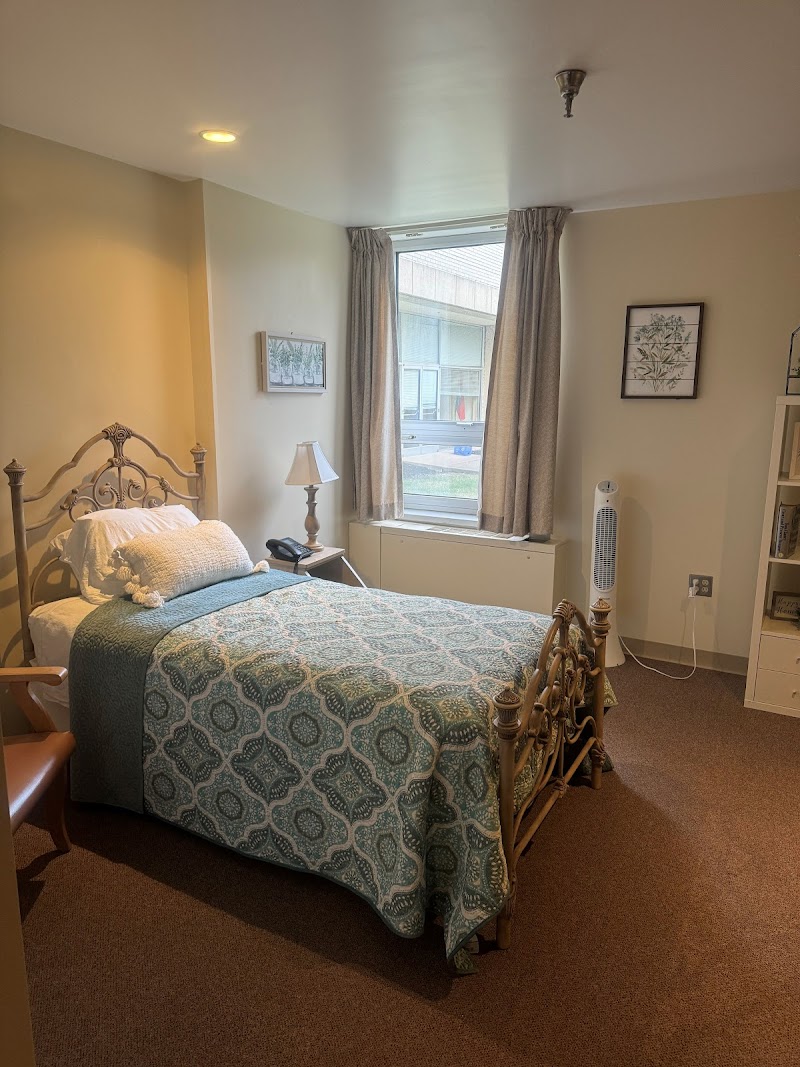
How is Bradford Place Staffed?

CMS rates BRADFORD PLACE CARE CENTER's staffing level at 1 out of 5 stars, which is much below average compared to other nursing homes. Staff turnover is 72%, which is 26 percentage points above the Ohio average of 46%. High turnover can affect care consistency as new staff learn residents' individual needs. RN turnover specifically is 82%, which is notably high. RNs provide skilled clinical oversight, so turnover in this role can affect medical care quality.

What Have Inspectors Found at Bradford Place?

State health inspectors documented 33 deficiencies at BRADFORD PLACE CARE CENTER during 2018 to 2024. These included: 1 that caused actual resident harm, 31 with potential for harm, and 1 minor or isolated issues. Deficiencies causing actual harm indicate documented cases where residents experienced negative health consequences.
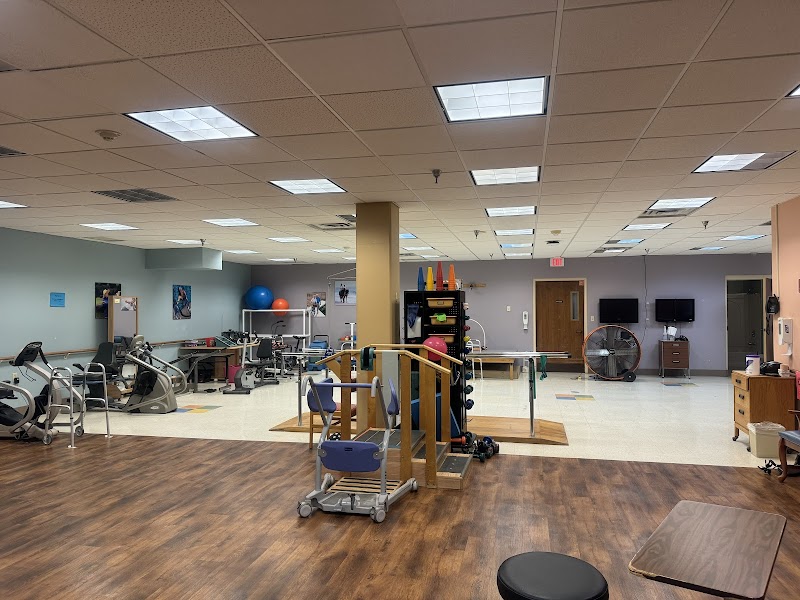
Who Owns and Operates Bradford Place?

BRADFORD PLACE CARE CENTER is owned by a for-profit company. For-profit facilities operate as businesses with obligations to shareholders or private owners. The facility is operated by EXCEPTIONAL LIVING CENTERS, a chain that manages multiple nursing homes. With 79 certified beds and approximately 72 residents (about 91% occupancy), it is a smaller facility located in HAMILTON, Ohio.
How Does Bradford Place Compare to Other Ohio Nursing Homes?

Compared to the 100 nursing homes in Ohio, BRADFORD PLACE CARE CENTER's overall rating (4 stars) is above the state average of 3.2, staff turnover (72%) is significantly higher than the state average of 46%, and health inspection rating (4 stars) is above the national benchmark.

What Should Families Ask When Visiting Bradford Place?

Based on this facility's data, families visiting should ask: "How do you ensure continuity of care given staff turnover, and what is your staff retention strategy?" "Can you walk me through typical staffing levels on day, evening, and night shifts?" "Can I visit during a mealtime to observe dining assistance and food quality?" "How do you handle medical emergencies, and what is your hospital transfer rate?" These questions are particularly relevant given the facility's high staff turnover rate and the below-average staffing rating.

Is Bradford Place Safe?

Based on CMS inspection data, BRADFORD PLACE CARE CENTER has a clean safety record: no substantiated abuse findings (meaning no confirmed cases of resident harm), no Immediate Jeopardy citations (the most serious violation level indicating risk of serious injury or death), and is not on the Special Focus Facility watch list (a federal program monitoring the lowest-performing 1% of nursing homes). The facility has a 4-star overall rating and ranks #1 of 100 nursing homes in Ohio. While no facility is perfect, families should still ask about staff-to-resident ratios and recent inspection results during their visit.

Do Nurses at Bradford Place Stick Around?

Staff turnover at BRADFORD PLACE CARE CENTER is high. At 72%, the facility is 26 percentage points above the Ohio average of 46%. Registered Nurse turnover is particularly concerning at 82%. RNs handle complex medical decisions and coordinate care — frequent RN changes can directly impact care quality. High turnover means new staff may not know residents' individual needs, medications, or preferences. It can also be disorienting for residents, especially those with dementia who rely on familiar faces. Families should ask: What is causing the turnover? What retention programs are in place? How do you ensure care continuity during staff transitions?

Was Bradford Place Ever Fined?

BRADFORD PLACE CARE CENTER has been fined $16,111 across 1 penalty action. This is below the Ohio average of $33,240. While any fine indicates a compliance issue, fines under $50,000 are relatively common and typically reflect isolated problems that were subsequently corrected. Families should ask what specific issues led to these fines and confirm they've been resolved.

Is Bradford Place on Any Federal Watch List?

BRADFORD PLACE CARE CENTER is not on any federal watch list. The most significant is the Special Focus Facility (SFF) program, which identifies the bottom 1% of nursing homes nationally based on persistent, serious quality problems. Not being on this list means the facility has avoided the pattern of deficiencies that triggers enhanced federal oversight. This is a positive indicator, though families should still review the facility's inspection history directly.