GATEWAY SPRINGS HEALTH CAMPUS
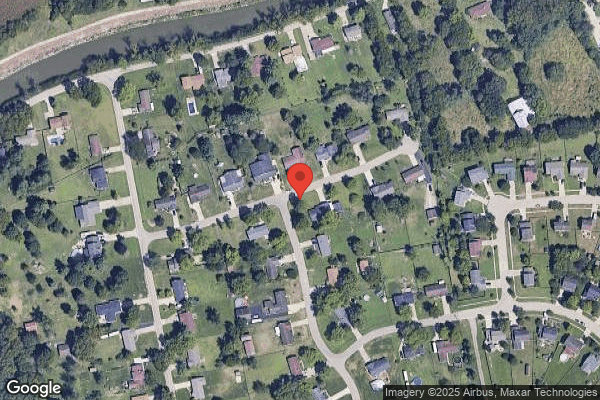
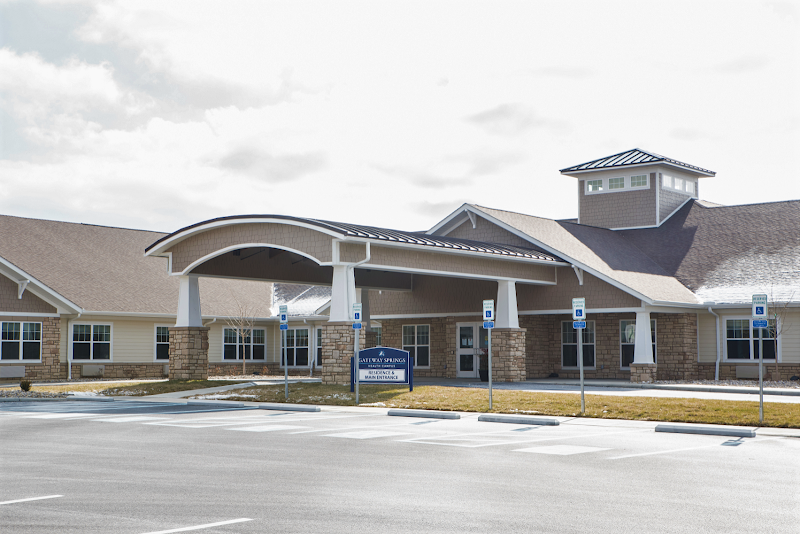
7250 GATEWAY AVENUE, HAMILTON, OH 45011 (513) 912-6834
For profit - Corporation 53 Beds TRILOGY HEALTH SERVICES Data: November 2025
Trust Grade
80/100
#263 of 913 in OH
Last Inspection: January 2024

Within standard 12-15 month inspection cycle. Federal law requires annual inspections.

Overview

Gateway Springs Health Campus in Hamilton, Ohio, has received a Trust Grade of B+, indicating it is above average and recommended for prospective residents. It ranks #263 out of 913 facilities in Ohio, placing it in the top half, and #10 out of 24 in Butler County, suggesting that only a few local options are better. The facility is newly opened, so no trend data is available yet, but it currently has a solid staffing rating of 4 out of 5 stars, with a turnover rate of 45%, which is slightly below the state average. Notably, there have been no fines reported, which is a positive sign, but the RN coverage is considered average. However, the facility has faced some concerns, including failures to maintain accurate medical records and issues with managing resident funds, such as not having signed authorizations for handling personal finances and delays in processing payments after discharge. Overall, while Gateway Springs Health Campus showcases many strengths, families should be aware of these weaknesses when making their decision.

Trust Score
B+
80/100
In Ohio
#263/913
Top 28%
Safety Record
Low Risk
No red flags
Inspections
Too New
0 → 5 violations
Staff Stability
⚠ Watch
45% turnover. Above average. Higher turnover means staff may not know residents' routines.
Penalties
✓ Good
No fines on record. Clean compliance history, better than most Ohio facilities.
Skilled Nurses
✓ Good
Each resident gets 42 minutes of Registered Nurse (RN) attention daily — more than average for Ohio. RNs are trained to catch health problems early.
Violations
✓ Good
Only 5 deficiencies on record. Cleaner than most facilities. Minor issues only.
★★★★☆
4.0
Overall Rating
★★★★☆
4.0
Staff Levels
★★★★☆
4.0
Care Quality
★★★★☆
4.0
Inspection Score
Stable
: 0 issues
2024: 5 issues

The Good

  • 4-Star Staffing Rating · Above-average nurse staffing levels
  • 4-Star Quality Measures · Strong clinical quality outcomes
  • Full Sprinkler Coverage · Fire safety systems throughout facility
  • No fines on record

Facility shows strength in staffing levels, quality measures, fire safety.

The Bad

Staff Turnover: 45%

Near Ohio avg (46%)

Higher turnover may affect care consistency

Chain: TRILOGY HEALTH SERVICES

Part of a multi-facility chain

Ask about local staffing decisions and management

The Ugly 5 deficiencies on record

Nov 2024 1 deficiency
CONCERN (D) 📢 Someone Reported This

A family member, employee, or ombudsman was alarmed enough to file a formal complaint

Potential for Harm - no one hurt, but risky conditions existed

Medical Records (Tag F0842)

Could have caused harm · This affected 1 resident

Based on medical record review, staff interviews and policy review, the facility failed to ensure a medical record contained accurate and complete documentation. This affected one (#55) out of the thr...

Read full inspector narrative →
Based on medical record review, staff interviews and policy review, the facility failed to ensure a medical record contained accurate and complete documentation. This affected one (#55) out of the three residents reviewed for management of blood sugars. The facility census was 47. Findings include: Review of the medical record for Resident #55 revealed an admission date of 09/26/24 with medical diagnoses of encephalopathy, Parkinson's disease, dementia, diabetes mellitus, and malignant neoplasm of the left female breast. Review of the medical record revealed Resident #55 discharged on 10/28/24. Review of the medical record for Resident #55 revealed an admission Minimum Data Set (MDS) assessment, dated 09/30/24, which indicated Resident #55 was cognitively intact and required substantial/maximum staff assistance with toilet hygiene and bathing, partial/moderate staff assistance with transfers and supervision with bed mobility. The MDS indicated Resident #55 received insulin injections. Review of the medical record for Resident #55 revealed a physician order dated 09/28/24 for Humalog Kwikpen per sliding scale before meals, if blood sugar less than 70 or greater than 400 to call the physician. Review of the medical record for Resident #55 revealed October 2024 Medication Administration Record (MAR) which revealed no documentation to support the facility obtained Resident #55's blood sugar levels or administered insulin on 10/15/24 before lunch or supper or on 10/27/24 and 10/28/24 before breakfast. Review of the medical record for Resident #55 revealed lunch meal intake on 10/15/24 to be between 76-100%, breakfast intake on 10/27/24 to be between 51-75%, and breakfast intake on 10/28/24 to be between 51-75%. The medical record did not have documentation to support a supper intake on 10/15/24. Interview on 10/20/24 at 2:40 P.M. with Director of Health Services (DHS) confirmed the medical record for Resident #55 did not contain documentation to support the facility obtained Resident #55's blood sugar levels on 10/15/24 before lunch or supper, 10/27/24 before breakfast, or 10/28/24 before breakfast or Resident #55 received any insulin on those days. Interview on 10/20/24 at 2:45 P.M. with Registered Nurse (RN) #200 confirmed she was the nurse that provided care of Resident #55 on 10/16/24, 10/27/24, and 10/28/24. RN 3200 confirmed she did not obtain Resident #55 blood sugar levels on 10/16/24 before lunch or supper, on 10/27/24 before breakfast, or on 10/28/24 and insulin was not administered on those days. RN #200 stated Resident #55 had refused her meals and have her blood sugar levels taken on those days, so she did not administer insulin. RN #200 confirmed she did not document Resident #55's refusals to have blood sugar levels taken, refused meals, or any behaviors on 10/15/24, 10/27/24, or 10/28/24 and stated she forgot to document the refusals. Review of the facility policy titled, Medication administration, stated medications must not be administered without a written order or verbal order from the patient's physician. The policy stated that after the person administering the medication determined the five rights the medication was to be administered to the patient. This deficiency represents non-compliance investigated under Complaint Number OH00159230.
Jan 2024 4 deficiencies
CONCERN (D)

Potential for Harm - no one hurt, but risky conditions existed

Deficiency F0567 (Tag F0567)

Could have caused harm · This affected 1 resident

**NOTE- TERMS IN BRACKETS HAVE BEEN EDITED TO PROTECT CONFIDENTIALITY** Based on interview and record review, the facility failed to ensure a resident had a signed authorization for the facility to ma...

Read full inspector narrative →
**NOTE- TERMS IN BRACKETS HAVE BEEN EDITED TO PROTECT CONFIDENTIALITY** Based on interview and record review, the facility failed to ensure a resident had a signed authorization for the facility to manage personal funds. This affected one (#20) out of five residents reviewed for personal funds accounts. The facility census was 42. Findings include: Review of Resident #20's chart revealed Resident #20 was admitted to the facility on [DATE] with diagnoses including chronic kidney disease, type two diabetes mellitus, congestive heart failure (CHF), asthma and unspecified dementia without behavioral disturbance, psychotic disturbance, mood disturbance and anxiety. Review of Resident #20's quarterly Minimum Data Set (MDS) assessment dated [DATE] revealed the resident was cognitively intact. Review of Resident #20's chart revealed the resident did not have a resident funds authorization on file. Review of Resident #20's quarterly statement from 10/01/23 to 12/13/23 revealed Resident #20 had a beginning balance of $2,130.50 on 10/01/23 and an ending balance of $142.05 on 12/31/23. Interview with Business Office Manager (BOM) #900 on 01/29/24 at 10:49 A.M. verified Resident #20 did not have a signed resident funds authorization on file at the facility. Review of the facility's resident trust management policy dated June 2022 revealed the resident trust fund authorization form must be completed when funds are received to open an account.
CONCERN (D)

Potential for Harm - no one hurt, but risky conditions existed

Deficiency F0569 (Tag F0569)

Could have caused harm · This affected 1 resident

**NOTE- TERMS IN BRACKETS HAVE BEEN EDITED TO PROTECT CONFIDENTIALITY** Based on interview and record review, the facility failed to ensure a resident funds account was paid out within 30 days of a re...

Read full inspector narrative →
**NOTE- TERMS IN BRACKETS HAVE BEEN EDITED TO PROTECT CONFIDENTIALITY** Based on interview and record review, the facility failed to ensure a resident funds account was paid out within 30 days of a resident's discharge. This affected one (#154) out of five residents reviewed for personal funds accounts. The facility census was 42. Findings include: Review of Resident #154's chart revealed Resident #154 was admitted to the facility on [DATE] with diagnoses including sepsis, cellulitis of right lower limb, cellulitis of left lower limb, congestive heart failure and atrial fibrillation. Review of Resident #154's discharge Minimum Data Set (MDS) assessment dated [DATE] revealed the resident was cognitively intact. Review of Resident #154's chart revealed the resident was discharged from the facility on 08/18/23. Review of Resident #154's resident trust authorization dated 05/10/22 revealed Resident #154's power of attorney (POA) authorized the facility to handle Resident #154's funds. Review of Resident #154's quarterly statement from 10/01/23 to 12/13/23 revealed Resident #154 had an ending balance for $20.00 on 12/31/23. Review of Resident #154's payment dated 01/18/24 revealed Resident #154's POA was paid $20.00 with a facility check on 01/18/24. Interview with Business Office Manager (BOM) #900 on 01/29/24 at 10:49 A.M. verified Resident #154 discharged from the facility on 08/18/23 and her resident funds account was not paid to the POA until 01/18/24. Review of the facility's resident trust management policy dated June 2022 revealed closing of accounts and refunds should be completed within 30 days of a resident's discharge.
CONCERN (D)

Potential for Harm - no one hurt, but risky conditions existed

Deficiency F0697 (Tag F0697)

Could have caused harm · This affected 1 resident

**NOTE- TERMS IN BRACKETS HAVE BEEN EDITED TO PROTECT CONFIDENTIALITY** Based on interview and record review, the facility failed to ensure a resident's pain was monitored and treated. This affected o...

Read full inspector narrative →
**NOTE- TERMS IN BRACKETS HAVE BEEN EDITED TO PROTECT CONFIDENTIALITY** Based on interview and record review, the facility failed to ensure a resident's pain was monitored and treated. This affected one (#145) out of one resident reviewed for pain. The facility census was 42. Findings include: Review of Resident #145's chart revealed Resident #145 admitted to the facility on [DATE] with diagnoses including unspecified fracture of left patella subsequent encounter for closed fracture with routine healing, type two diabetes mellitus, chronic kidney disease, hypothyroidism, unspecified hearing loss and constipation. Review of Resident #145's hospital discharge plan and instructions dated 01/15/24 revealed Resident #145 was prescribed Oxycodone 5 milligrams (mgs) by mouth every eight hours as needed (PRN). Review of the pain scales for Resident #145 from 01/15/24 to 01/20/24 revealed Resident #145 had a pain scale of a zero out of 10 (pain where zero is no pain and 10 is severe pain) on 01/16/24, 01/17/24, and 01/19/24. Resident #145 had a pain scale of nine out of 10 on 01/18/24 at 11:36 A.M., six out of 10 on 01/20/24 at 2:39 A.M. and six out of 10 on 01/20/24 at 10:39 A.M. Review of the physician's orders for Resident #145 dated 01/15/24 to 01/20/24 revealed Resident #145 was ordered oxycodone 5 mgs every eight hours PRN for moderate to severe pain. Review of the January 2023 medication administration records (MARs) for Resident #145 revealed the resident did not receive any of her ordered PRN oxycodone 5 mgs for moderate to severe pain from 01/15/24 to 01/19/24. Resident #145 first received her PRN oxycodone 5 mgs on 01/20/24 at 2:40 A.M. with a pain rating of a six and on 01/20/24 at 10:20 A.M. with a pain rating of a six. Review of an occupational therapy evaluation and plan of treatment for Resident #145 dated 01/16/24 revealed the resident had pain that interfered and limited functional activity and the resident verbalized pain. Resident #145 evaluation revealed Resident #145 was agreeable and participated very well with the evaluation. The evaluation also stated, limited with pain and praying to Jesus for help during evaluation. Resident #145 was able to follow multi-step commands and was limited due to left knee pain. Review of a physical therapy evaluation and plan of treatment for Resident #145 dated 01/16/24 revealed the resident had pain that interfered and limited functional activity and the resident verbalized pain. Resident #145 evaluation revealed Resident #145 was agreeable and participated very well with the evaluation. The evaluation also stated, limited with pain and praying to Jesus for help during evaluation. Resident #145 was able to follow-multi step commands and was limited due to left knee pain. Review of a physician's order for Resident #145 dated 01/19/24 revealed Resident #145 was ordered oxycodone 5 mgs give an additional dose for pain control on 01/19/24 only . Review of a physician's note for Resident #145 dated 01/19/24 revealed the resident was seen by Physician #33. The note stated Resident #145 came to the facility on [DATE] from the hospital where she was admitted on [DATE] secondary to mechanical fall sustained left knee displaced transverse patella fracture and the resident was taken to the operating room. An open reduction and internal fixation (ORIF) was completed with no complications after surgery and Resident #145 was stable and improving gradually. Resident #145 was sent to the facility for rehabilitation. When Physician #33 came to see the resident, she was sitting in her wheelchair in her room and stated she had been in pain, and she had not been receiving her oxycodone because it was unavailable. Resident #145's daughter was also in the room and was angry Resident #145 had been in pain and she had not been receiving her oxycodone. Resident #145 denied any other complaints and Resident #145 was very pleasant. The assessment indicated the resident's nurse was concerned about the resident's pain. Review of Resident #145's admission Minimum Data Set (MDS) assessment dated [DATE] revealed the resident was moderately cognitively impaired. Resident #145 reported she had frequent pain in the past five days, her pain frequently made it hard to sleep at night, her pain limited her participation in rehabilitation therapy sessions, and frequently limited her day-to-day activities. Resident #145 rated her pain as severe for the past five days. Review of a physician's note for Resident #145 dated 01/22/24 revealed Resident #145 was seen by Physician. The note stated that Resident #145 was not receiving her oxycodone as planned on 01/19/24 (Friday) as her order dropped off the resident's chart although the medication was available. When Physician #33 came to see the resident, the resident was in mild pain secondary to not receiving her oxycodone. Physician #33 discussed the option of scheduling oxycodone to help decrease the amount of delay in bringing the pain medication. Review of a physician's order for Resident #145 dated 01/22/24 revealed Resident #145 was ordered oxycodone 5 mgs routinely every eight hours. There was no stop date on the order. Review of an occupational therapy note for Resident #145 dated 01/23/24 and authored by Certified Occupational Therapy Assistant (COTA) #800 revealed the family had no concerns over therapy but noted concerns with nursing care. Resident #145 was utilizing bed pan and not receiving pain medication in a timely manner. Review of the pain care plan for Resident #145 dated 01/25/24 revealed the resident was at risk for pain related to the surgical incision due to a left patella fracture and osteoporosis. Interventions included administer medications as ordered and notify the physician of any side effects observed or lack of effectiveness, attempt nonpharmacological interventions, notify the physician of an increase in pain, and observe and record verbal and non-verbal signs of pain. Interview with the power-of-attorney (POA) for Resident #145 on 01/30/24 at 4:01 P.M. revealed Resident #145 was admitted to the facility on [DATE] and the resident did not receive her oxycodone as they were ordered from 01/15/24 to 01/22/24 because the doctor had not signed the prescription. Resident #145's POA stated Resident #145 was in severe pain and had called family members crying out in pain during that time. Interview with the Director of Nursing (DON) on 01/31/24 at 10:00 A.M. verified Resident #145 did not receive her PRN oxycodone on 01/15/24, 01/16/24, 01/17/24, and 01/18/24. The DON also verified the occupational and physical therapy evaluations dated 01/16/24 stated Resident #145 was in pain, and she was asking Jesus for help. The DON also verified Resident #145's occupational therapy note stated that Resident #145 was not receiving her pain medication in a timely manner. Interview with Physical Therapist (PT) #400 on 01/31/24 at 10:27 A.M. revealed he completed the physical therapy evaluation with Resident #145 on 01/16/24 and Resident #145 had pain when she stood up and was noted asking Jesus for help in a calm voice as she was standing up. PT #400 stated he would report a resident's pain to nursing but he could not remember the nurses name or details on the date of the evaluation. Interview with COTA #800 on 01/31/24 at 10:37 A.M. revealed Resident #145 had pain during therapy. Telephone interview with Physician #33 on 01/31/24 at 12:27 A.M. revealed Resident #145 did not have any oxycodone from 01/15/24 until 01/19/24 because the facility had an order, but the prescription was not signed, and the facility could not get the medication from the pharmacy or emergency box without a signed prescription. Physician #33 stated she was not on call on 01/15/24 and did not know which physician did not sign the prescription but stated that nursing staff could always call the physician on call to get the prescription signed if needed. Physician #33 reported that Resident #145 was in pain when she saw her on 01/19/24 and the resident was holding her knee and stating she was in pain. Physician #33 stated she ensured Resident #145 was given a signed prescription for oxycodone 5 mg as needed on 01/19/24. Physician #33 also reported she saw Resident #145 on 01/22/24 and Resident #145's prescription for oxycodone had been automatically discontinued as the original prescription from the hospital had ended. Physician #33 reported she ordered Resident #145 routine oxycodone on 01/22/24 as Resident #145 was in pain. Review of the facility's guidelines for pain observation and management dated 05/11/16 revealed the facility will ensure each resident's pain including its origin, location, severity, alleviating and exacerbating factors, current treatment and response to treatment will be observed and documented according to the needs of each individual.
CONCERN (D)

Potential for Harm - no one hurt, but risky conditions existed

Medication Errors (Tag F0758)

Could have caused harm · This affected 1 resident

**NOTE- TERMS IN BRACKETS HAVE BEEN EDITED TO PROTECT CONFIDENTIALITY** Based on interview and record review, the facility failed to ensure a resident that received a psychotropic medication had an ap...

Read full inspector narrative →
**NOTE- TERMS IN BRACKETS HAVE BEEN EDITED TO PROTECT CONFIDENTIALITY** Based on interview and record review, the facility failed to ensure a resident that received a psychotropic medication had an appropriate diagnosis and indications for use. This affected one (#40) out of five residents reviewed for unnecessary medications. The facility census was 42. Findings include: Review of Resident #40's chart revealed Resident #40 admitted to the facility on [DATE] with diagnoses including unspecified dementia, unspecified severity, without behavioral disturbance, psychotic disturbance, mood disturbance, and anxiety, fracture of unspecified part of neck of left femur subsequent encounter for closed fracture with routine healing, insomnia, and disorientation. Review of Resident #40's admission Minimum Data Set (MDS) assessment dated [DATE] revealed the resident was severely cognitively impaired. Review of Resident #40's physician order dated 12/28/23 revealed Resident #40 was prescribed quetiapine/Seroquel (anti-psychotic) 25 milligrams (mgs) at bedtime for unspecified dementia, unspecified severity, without behavioral disturbance, psychotic disturbance, mood disturbance, and anxiety. Interview with Registered Nurse (RN) #950 on 01/30/24 at 11:11 A.M. verified Resident #40's physician's order dated 12/28/23 indicated the resident was prescribed quetiapine 25 mgs at bedtime for unspecified dementia, unspecified severity, without behavioral disturbance, psychotic disturbance, mood disturbance, and anxiety. RN #950 also confirmed unspecified dementia, unspecified severity, without behavioral disturbance, psychotic disturbance, mood disturbance, and anxiety was not an appropriate diagnosis for the use of quetiapine and Resident #40 was not seen by a psychiatrist at the facility. RN #950 also verified Resident #40 did not have any additional psychiatric diagnoses for the use of Seroquel. Review of the facility's undated Seroquel manufacture instructions revealed Seroquel may increase the risk of death in older adults with mental health problems related to dementia.
Understanding Severity Codes (click to expand)
Life-Threatening (Immediate Jeopardy)
J - Isolated K - Pattern L - Widespread
Actual Harm
G - Isolated H - Pattern I - Widespread
Potential for Harm
D - Isolated E - Pattern F - Widespread
No Harm (Minor)
A - Isolated B - Pattern C - Widespread

Questions to Ask on Your Visit

  • "Can I speak with families of current residents?"
  • "What's your RN coverage like on weekends and overnight?"

Our Honest Assessment

Strengths
  • • Grade B+ (80/100). Above average facility, better than most options in Ohio.
  • • No major safety red flags. No abuse findings, life-threatening violations, or SFF status.
  • • No fines on record. Clean compliance history, better than most Ohio facilities.
  • • Only 5 deficiencies on record. Cleaner than most facilities. Minor issues only.
Concerns
  • • No significant concerns identified. This facility shows no red flags across CMS ratings, staff turnover, or federal penalties.
Bottom line: Generally positive indicators. Standard due diligence and a personal visit recommended.

About This Facility

What is Gateway Springs Health Campus's CMS Rating?

CMS assigns GATEWAY SPRINGS HEALTH CAMPUS an overall rating of 4 out of 5 stars, which is considered above average nationally. Within Ohio, this rating places the facility higher than 99% of the state's 100 nursing homes. This rating reflects solid performance across the metrics CMS uses to evaluate nursing home quality.

How is Gateway Springs Health Campus Staffed?

CMS rates GATEWAY SPRINGS HEALTH CAMPUS's staffing level at 4 out of 5 stars, which is above average compared to other nursing homes. Staff turnover is 45%, compared to the Ohio average of 46%. This relatively stable workforce can support continuity of care. RN turnover specifically is 62%, which is notably high. RNs provide skilled clinical oversight, so turnover in this role can affect medical care quality.

What Have Inspectors Found at Gateway Springs Health Campus?

State health inspectors documented 5 deficiencies at GATEWAY SPRINGS HEALTH CAMPUS during 2024. These included: 5 with potential for harm.
Who Owns and Operates Gateway Springs Health Campus?

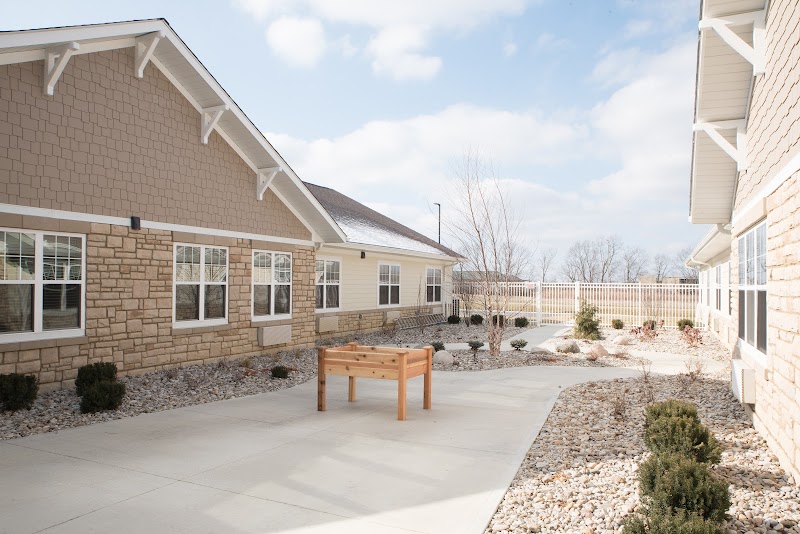
GATEWAY SPRINGS HEALTH CAMPUS is owned by a for-profit company. For-profit facilities operate as businesses with obligations to shareholders or private owners. The facility is operated by TRILOGY HEALTH SERVICES, a chain that manages multiple nursing homes. With 53 certified beds and approximately 46 residents (about 87% occupancy), it is a smaller facility located in HAMILTON, Ohio.
How Does Gateway Springs Health Campus Compare to Other Ohio Nursing Homes?

Compared to the 100 nursing homes in Ohio, GATEWAY SPRINGS HEALTH CAMPUS's overall rating (4 stars) is above the state average of 3.2, staff turnover (45%) is near the state average of 46%, and health inspection rating (4 stars) is above the national benchmark.

What Should Families Ask When Visiting Gateway Springs Health Campus?

Based on this facility's data, families visiting should ask: "Can I visit during a mealtime to observe dining assistance and food quality?" "How do you handle medical emergencies, and what is your hospital transfer rate?" "Can I speak with family members of current residents about their experience?"

Is Gateway Springs Health Campus Safe?

Based on CMS inspection data, GATEWAY SPRINGS HEALTH CAMPUS has a clean safety record: no substantiated abuse findings (meaning no confirmed cases of resident harm), no Immediate Jeopardy citations (the most serious violation level indicating risk of serious injury or death), and is not on the Special Focus Facility watch list (a federal program monitoring the lowest-performing 1% of nursing homes). The facility has a 4-star overall rating and ranks #1 of 100 nursing homes in Ohio. While no facility is perfect, families should still ask about staff-to-resident ratios and recent inspection results during their visit.

Do Nurses at Gateway Springs Health Campus Stick Around?

GATEWAY SPRINGS HEALTH CAMPUS has a staff turnover rate of 45%, which is about average for Ohio nursing homes (state average: 46%). Moderate turnover is common in nursing homes, but families should still ask about staff tenure and how the facility maintains care continuity when employees leave.

Was Gateway Springs Health Campus Ever Fined?

GATEWAY SPRINGS HEALTH CAMPUS has no federal fines on record. CMS issues fines when nursing homes fail to meet care standards or don't correct problems found during inspections. The absence of fines suggests the facility has either maintained compliance or corrected any issues before penalties were assessed. This is a positive indicator, though families should still review recent inspection reports for the full picture.

Is Gateway Springs Health Campus on Any Federal Watch List?

GATEWAY SPRINGS HEALTH CAMPUS is not on any federal watch list. The most significant is the Special Focus Facility (SFF) program, which identifies the bottom 1% of nursing homes nationally based on persistent, serious quality problems. Not being on this list means the facility has avoided the pattern of deficiencies that triggers enhanced federal oversight. This is a positive indicator, though families should still review the facility's inspection history directly.