GOLDEN YEARS NURSING CENTER
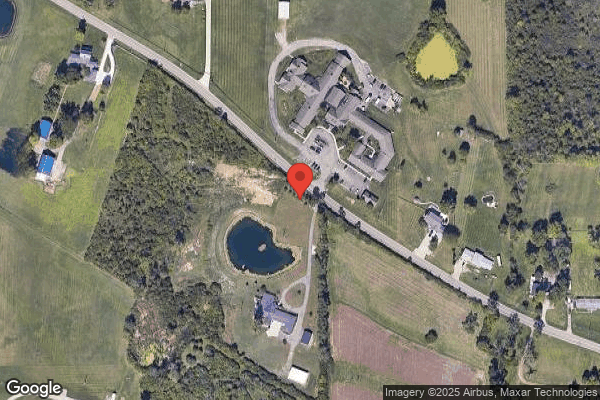
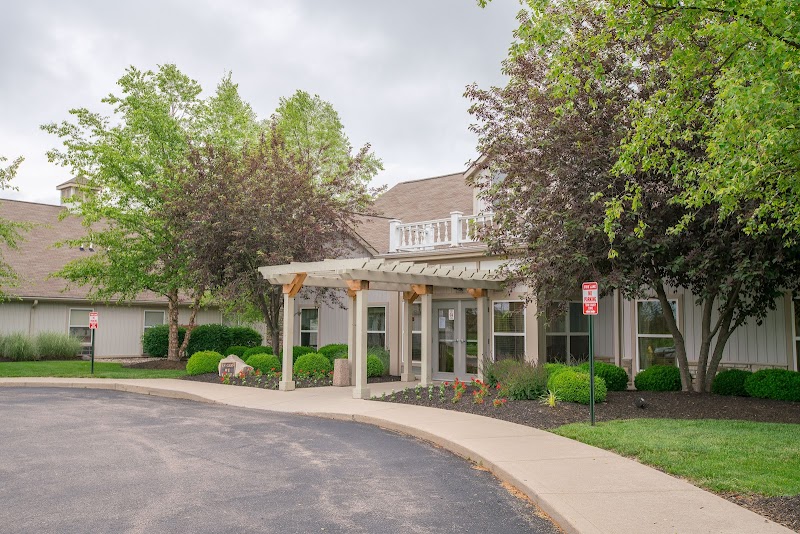
2436 OLD OXFORD ROAD, HAMILTON, OH 45013 (513) 893-0471
For profit - Corporation 70 Beds FOUNDATIONS HEALTH SOLUTIONS Data: November 2025
Trust Grade
90/100
#72 of 913 in OH
Last Inspection: July 2025

Inspected within the last 6 months. Data reflects current conditions.

Overview

Golden Years Nursing Center in Hamilton, Ohio has received an impressive Trust Grade of A, which indicates it is highly recommended and offers excellent care. Ranked #72 out of 913 facilities in Ohio, it is in the top half of the state, and #4 out of 24 in Butler County, meaning only three local options are better. The facility is improving, having reduced issues from three in 2022 to zero in 2025. While staffing is a concern with a rating of 2 out of 5 stars, the turnover rate is relatively low at 36%, which is better than the state average. Notably, the center has had no fines, demonstrating compliance with regulations, but there were some issues identified in inspections, such as a failure to develop appropriate care plans for residents and secure storage of narcotic medications, highlighting areas that need attention despite overall strengths in care quality.

Trust Score
A
90/100
In Ohio
#72/913
Top 7%
Safety Record
Low Risk
No red flags
Inspections
Getting Better
3 → 0 violations
Staff Stability
○ Average
36% turnover. Near Ohio's 48% average. Typical for the industry.
Penalties
✓ Good
No fines on record. Clean compliance history, better than most Ohio facilities.
Skilled Nurses
○ Average
Each resident gets 38 minutes of Registered Nurse (RN) attention daily — about average for Ohio. RNs are the most trained staff who monitor for health changes.
Violations
○ Average
10 deficiencies on record. Average for a facility this size. Mostly minor or procedural issues.
★★★★★
5.0
Overall Rating
★★☆☆☆
2.0
Staff Levels
★★★★★
5.0
Care Quality
★★★★★
5.0
Inspection Score
Stable
2022: 3 issues
2025: 0 issues

The Good

  • 5-Star Quality Measures · Strong clinical quality outcomes
  • Full Sprinkler Coverage · Fire safety systems throughout facility
  • No fines on record
  • Staff turnover below average (36%)

    12 points below Ohio average of 48%

Facility shows strength in quality measures, fire safety.

The Bad

Staff Turnover: 36%

10pts below Ohio avg (46%)

Typical for the industry

Chain: FOUNDATIONS HEALTH SOLUTIONS

Part of a multi-facility chain

Ask about local staffing decisions and management

The Ugly 10 deficiencies on record

Nov 2022 3 deficiencies
CONCERN (D)

Potential for Harm - no one hurt, but risky conditions existed

Comprehensive Care Plan (Tag F0656)

Could have caused harm · This affected 1 resident

**NOTE- TERMS IN BRACKETS HAVE BEEN EDITED TO PROTECT CONFIDENTIALITY** Based on resident and staff interview, observation, and record review, the facility failed to ensure a resident's care plan was ...

Read full inspector narrative →
**NOTE- TERMS IN BRACKETS HAVE BEEN EDITED TO PROTECT CONFIDENTIALITY** Based on resident and staff interview, observation, and record review, the facility failed to ensure a resident's care plan was developed related to dental needs and range of motion of the right upper extremity. This affected one (Resident #58) of 17 residents reviewed for care plans. The facility census was 69. Finding include: Review of the medical record for Resident #58 revealed an admission date of 09/03/21. Diagnoses included cerebral infarction, hemiplegia and hemiparesis, dysphasia, diabetes, cognitive communication deficit, hypertension and anxiety. Review of the annual Minimum Data Set (MDS) assessment dated [DATE] revealed Resident #58 was cognitively intact. Resident #58 was noted to have an impairment on one side for upper and lower extremity. 1. Review of Resident #58's physician orders dated 03/04/22 revealed an order for the dentist may treat as needed. Review of the plan of care dated 08/10/22 revealed Resident #58 had impaired dentition and was at risk for oral problems of pain, infection, difficulty chewing or swallowing with interventions to complete oral assessment and refer to the dentist as needed. provide all necessary items for oral care as needed and provide oral care at least daily and more frequently as needed. The care plan had no mention of significant bleeding from the mouth. Review of the progress notes dated 10/04/22 revealed the nurse was notified by the aide regarding Resident #58 having bleeding from her mouth on her lips, chin and cheek. Resident #58 was assessed and found blood in her mouth. Resident #58 was referred to see the dentist and the nurse practitioner was informed. Observation and interview on 11/07/22 at 9:38 A.M. revealed Resident #58 had blood that had run down her face from the corner of her mouth down her chin and dripped on her chest, shirt and bedding. Resident #58 stated she had gum issues and at times will having increased bleeding of her mouth. Interview and observation on 11/07/22 at 9:43 A.M. with Registered Nurse (RN) #253 revealed Resident #58 had a history of bleeding from her mouth and Resident #58 was seen by the dentist. RN #253 then went to resident's bedside and asked Resident #58 if her mouth bleeding was common and if she saw the dentist. Interview on 11/08/22 at 4:20 P.M. with Social Services (SS) #242 revealed she was not aware of Resident #58's bleeding prior to 11/07/22. Resident #58 saw the dentist on 10/06/22 and the dentist mentioned increased calcium on the teeth and mouth bleeding would be expected. SS #242 stated the dentist requested Resident #58 to have assistance with oral hygiene. Interviews on 11/09/22 at 9:47 A.M. with State Tested Nursing Aide (STNA) #212 and STNA #233 stated Resident #58's oral bleeding was common. Interview on 11/09/22 at 10:30 A.M. with the Director of Nursing (DON) confirmed oral bleeding was not documented in Resident #58's care plan. 2. Review of the physician orders dated 03/04/22 revealed Resident #58 had an order to apply resting hand splint to her right upper extremity daily. The resting hand splint should be worn at all times when out of bed as Resident #58 can tolerate it. Review of the plan of care dated 08/10/22 revealed Resident #58's care plan did not include any mention of an impairment to resident's right upper extremity or wrist and provided no guidance or plan related to receiving therapy or wearing a splint. Review of Resident #58's progress notes dated 11/07/22 revealed it stated to apply resting hand splint to right upper extremity daily. Resting hand splint was to be worn at all times when out of bed. Observation and interview on 11/07/22 at 9:38 A.M. with Resident #58 revealed she had a contracture-like hand deformity with fingers curled inward. Resident #58 was not wearing any hand device or splint. Resident #58 stated she had hand issues for a while and she was working with therapy for a splint as the previous brace was not comfortable. Resident #58 stated her new brace was kept in the therapy gym. Interview on 11/08/22 at 9:35 A.M. with RN #224 stated she was unsure if Resident #58 should be wearing a splint and the splint of the shelf was the only one she was aware of. Interview on 11/08/22 at 10:17 A.M. with Occupational Therapist (OT) #305 revealed therapy staff were working with the splint. OT #305 revealed they were working to fabricate the brace and increase residents' tolerance. Interview on 11/09/22 at 9:47 A.M. with Certified Occupational Therapy Assistant (COTA) #310 revealed she had been working with resident about three weeks with a new brace. COTA #310 revealed Resident #58 has increased her tolerance to about three hours. COTA #310 revealed she works with Resident #58 three days each week on wearing the brace. Interview on 11/09/22 at 10:30 A.M. with DON confirmed a physician order was in the chart to don and doff the brace daily and Resident #58 should wear it at all times while tolerated. The DON confirmed there was no mention of a splint or a hand deformity in Resident #58's care plan.
CONCERN (D)

Potential for Harm - no one hurt, but risky conditions existed

Deficiency F0698 (Tag F0698)

Could have caused harm · This affected 1 resident

**NOTE- TERMS IN BRACKETS HAVE BEEN EDITED TO PROTECT CONFIDENTIALITY** Based on staff interview, review of the facility's policy and contract, and medical record review, the facility failed ensure on...

Read full inspector narrative →
**NOTE- TERMS IN BRACKETS HAVE BEEN EDITED TO PROTECT CONFIDENTIALITY** Based on staff interview, review of the facility's policy and contract, and medical record review, the facility failed ensure ongoing communication with Resident #43's dialysis center regarding dialysis care and services. This affected one (Resident #43) of one resident reviewed for dialysis. The facility identified two residents who receive dialysis. The facility census was 69. Findings include: Review of the medical record for Resident #43 revealed an admission date of 02/26/21. Diagnoses included diabetes mellitus and chronic kidney disease. Review of the annual Minimum Data Set (MDS) assessment dated [DATE] revealed Resident #43 was cognitively intact and required extensive assistance of two staff members for mobility and transfers. Review of the plan of care dated 07/25/22 revealed Resident #43 received dialysis treatments three times weekly for chronic kidney disease. Interventions included to assist with transfers to and from dialysis, maintain communication with dialysis staff and physician, and monitor laboratory values and report results to physician. Subsequent review of Resident #43's medical record from 06/01/22 to 11/07/22 revealed there was no documentation of routine communication forms kept on record to indicate the dialysis center and the facility were routinely communicating to one another regarding Resident #43. There was one communication form dated 11/07/22 that was found during this time period. Interview on 11/08/22 at 9:40 A.M. with the Director of Nursing (DON) and Corporate Nurse #30 revealed the facility sends out dialysis communication forms with Resident #43 when he leaves the facility for dialysis, but the facility does not keep a record. The DON and Corporate Nurse #30 verified the dialysis center does not typically complete their section and return the form to the facility. Subsequent interview on 11/08/22 at 1:40 P.M. with Corporate Nurse #30 verified the only documentation in Resident #43's medical record the facility had regarding communication with dialysis was from 11/07/22. Review of the facility's policy and dialysis contract titled LTC (long term care) Facility Outpatient Dialysis Services Coordinated Agreement, dated 05/27/21, revealed the facility and dialysis agreement have a mutual obligation for collaboration of care. Both parties shall ensure there was documented evidence of collaboration of care and communication between the LTC and the dialysis unit.
CONCERN (D)

Potential for Harm - no one hurt, but risky conditions existed

Deficiency F0761 (Tag F0761)

Could have caused harm · This affected 1 resident

**NOTE- TERMS IN BRACKETS HAVE BEEN EDITED TO PROTECT CONFIDENTIALITY** Based on observation, staff interview, and medical record review, the facility failed to ensure narcotic medications were secure...

Read full inspector narrative →
**NOTE- TERMS IN BRACKETS HAVE BEEN EDITED TO PROTECT CONFIDENTIALITY** Based on observation, staff interview, and medical record review, the facility failed to ensure narcotic medications were securely stored in the medication room refrigerators. This affected one of two medication rooms observed for medication storage. The facility had three medication rooms. This affected two (#4 and #50) of two residents prescribed narcotic medications which required refrigeration. The facility census was 69. Findings include: 1. Review of Resident #50's medical record revealed the resident was admitted to the facility on [DATE]. Review of the medical record revealed Resident #50 had physician orders for narcotic medications including Morphine Sulfate two milligrams (mg) per milliliter (ml) solution give 0.25 ml sublingually every four hours as needed for pain. 2. Review of Resident #4's medical record revealed the resident was admitted to the facility on [DATE]. Review of the medical record revealed Resident #4 had physician orders for narcotic medications including Morphine Sulfate two mg per ml solution give 0.25 ml sublingually every two hours as needed for pain. Observation on 11/08/22 at 1:52 P.M. revealed the 200-Hall medication room's refrigerator had locked a narcotic box on a removable shelf which contained two unopened bottles of Roxanol (liquid morphine) for Residents #4 and #50. Interview on 11/08/22 at 1:56 P.M. with Registered Nurse (RN) #239 verified the refrigerator shelf contained a locked box with narcotic medications for Residents #4 and #50 and the locked box was not permanently affixed.
Nov 2019 7 deficiencies
CONCERN (D)

Potential for Harm - no one hurt, but risky conditions existed

Deficiency F0557 (Tag F0557)

Could have caused harm · This affected 1 resident

**NOTE- TERMS IN BRACKETS HAVE BEEN EDITED TO PROTECT CONFIDENTIALITY** Based on medical record review, staff interview and observation, the facility failed to ensure the catheter drainage bag was cov...

Read full inspector narrative →
**NOTE- TERMS IN BRACKETS HAVE BEEN EDITED TO PROTECT CONFIDENTIALITY** Based on medical record review, staff interview and observation, the facility failed to ensure the catheter drainage bag was covered while up in public areas. This affected one (Resident #12) of one resident reviewed for catheter care. The facility census was 63. Findings include: Medical record review for Resident #12 revealed an admission on [DATE] with diagnoses including bladder dysfunction, Parkinson's disease, anxiety and dementia with Lewy bodies. Review of the quarterly Minimum Data Set (MDS) assessment, dated 08/26/19, revealed the resident had impaired cognition and had an indwelling urinary catheter. Observation on 11/14/19 at 11:21 A.M. of Resident #12 revealed the resident was sitting in the public dining area with other residents at a table. Resident #12 urinary drainage bag had dark yellow fluid visible to others. Interview with State Tested Nursing Assistant #475 on 11/14/19 at 11:25 A.M. verified the urinary drainage bag should have be enclosed in a protective covering to prevent visualization of bag contents. Interview on 11/14/19 at 11:27 A.M. with Licensed Practical Nurse (LPN) #461 verified the urinary drainage bag should be enclosed in a protective covering.
CONCERN (D)

Potential for Harm - no one hurt, but risky conditions existed

Comprehensive Care Plan (Tag F0656)

Could have caused harm · This affected 1 resident

Based on record review and staff interview, the facility failed to develop a comprehensive care plan to address the resident diagnoses and treatment for hypertension and anxiety. This affected one (#4...

Read full inspector narrative →
Based on record review and staff interview, the facility failed to develop a comprehensive care plan to address the resident diagnoses and treatment for hypertension and anxiety. This affected one (#48) of 18 residents reviewed for care plans. The facility census was 63. Findings include: Medical record review for Resident #48 revealed an admission date of 07/01/19. Diagnoses included adjustment disorder, hypertension and anxiety. Review of the quarterly Minimum Data Set (MDS) assessment, dated 10/21/19, revealed Resident #48 had no cognitive impairment. Review of the physician orders, dated 07/01/19, revealed orders for antihypertensive medications named Metoprolol Succinate extended release (ER) tablet, Losartan potassium tablet, Hydrochlorothiazide and and an antianxiety medication named Xanax. Review of the care plan, dated 07/29/19, revealed it was silent to addressing the resident's diagnoses of hypertension and anxiety and the medications to treat it. The care plan was updated on 11/13/19 for the anxiety medications and was silent for the hypertensive medications. Interview on 11/14/19 at 9:35 A.M. with the Director of Nursing (DON) confirmed the care plan had been updated on 11/13/19 and she would have expected it should have been done at the time of admission.
CONCERN (D)

Potential for Harm - no one hurt, but risky conditions existed

Deficiency F0657 (Tag F0657)

Could have caused harm · This affected 1 resident

**NOTE- TERMS IN BRACKETS HAVE BEEN EDITED TO PROTECT CONFIDENTIALITY** 3. Review of the medical record for Resident #15 revealed she was admitted on [DATE] with diagnoses including chronic obstructi...

Read full inspector narrative →
**NOTE- TERMS IN BRACKETS HAVE BEEN EDITED TO PROTECT CONFIDENTIALITY** 3. Review of the medical record for Resident #15 revealed she was admitted on [DATE] with diagnoses including chronic obstructive pulmonary disorder (COPD), edema and diabetes mellitus. Review of the quarterly Minimum Data Set (MDS) assessment, dated 09/23/19, revealed Resident #15 was cognitively intact. Further review of the medical record revealed the resident was offered a care conference on 01/10/19 and on 04/12/19 and declined. The record was silent to any other offer of a care conference after that. Review of the social services notes, dated 06/03/19 and 09/03/19, revealed the social services completed assessment but there was no record of offering a care conference with the resident or family members. Interview on 11/12/19 at 2:14 P.M. with Resident #15 revealed she had not been offered a care conference recently and could not recall the last time she had been offered one. Interview on 11/13/19 at 4:30 P.M. with Admissions #427 revealed the facility did offer care conferences by sending out a letter out to the residents and family members on 07/17/19 stating if they wanted a care conference they could call and set up one up. Based on observation, record review and resident and staff interview, the facility failed to maintain an accurate care plans for Resident #7 and #52 and failed to invite the resident and/or family members for care conferences quarterly for Resident #15. This affected three (#7, #15 and #52) of 19 residents who were reviewed for care plan accuracy. The facility census was 63. Findings include: 1. Review of Resident #7's medical record revealed the resident was admitted to the facility on [DATE] with diagnoses including chronic obstructive pulmonary disease, pseudobulbar, dementia and hemiplegia. Review of the physician orders, dated 08/27/19, revealed to place a pummel cushion (prevents sliding further) to the resident's wheelchair and check the placement every shift, dated 08/27/19. On 08/27/18, there was an order to place a dycem (non slip pad) under the pummel cushion to the wheelchair and check the placement every shift. Review of the treatment administration record (TAR), dated 11/2019, revealed the facility staff were placing their initials on the TAR twice daily indicating Resident #7 had dycem under the pummel cushion in the wheelchair, and the pummel cushion to the wheelchair and checking placement every shift, indicating the staff were verifying the items were in place and in use. Review of the care plans revealed the resident had a care plan that indicated the resident had a pummel cushion to the wheelchair to assist with positioning. There was no mention of a geri-chair in place for the resident. Observation of Resident #7 on 11/12/19 at 9:32 A.M. revealed the resident was sitting in a geri-chair which was being pushed by a staff member. Subsequent observation of Resident #7 on 11/14/19 at 8:25 A.M. revealed the resident was in a geri-chair in the dining room. The geri-chair had no cushion to the chair. During an interview with State Tested Nursing Assistant (STNA) #405 at 11/14/19 at 8:26 A.M., it was revealed the resident only used a geri-chair and without a cushion. During an interview with Licensed Practical Nurse #410 on 11/14/19 at 9:18 A.M. it was verified Resident #7 was not currently using a wheelchair with a pummel cushion, but was using a geri-chair. The LPN verified the resident was using the geri-chair for the current month and verified in the past the resident used a wheelchair with a pummel cushion. The LPN stated he/she was unsure when the changes in chairs occurred. During an interview with Corporate Nursing Consultant # 491 on 11/14/19 at 9:02 A.M., it was confirmed Resident #7's care plan did not include the geri-chair the resident used when out of bed, but continued to have the wheelchair with pummel cushion included in the care plan which was no longer in use. 2. Review of Resident #52's medical record revealed the resident was admitted to the facility on [DATE]. Diagnoses included muscle wasting, coagulation defect, hyperlipidemia, dementia, depression, anxiety, spinal stenosis, and depression. Review of the physician orders and medication administration records revealed the resident was not on a hypnotic medication. Review of the care plan revealed the resident was on hypnotics for short term use only with a created date of 12/18/17 and no revision date. During an interview with Corporate Clinical Specialist #491 on 11/14/19 at 12:21 P.M. it was confirmed the the care plan was not updated to reflect the non-use of a hypnotic medication.
CONCERN (D)

Potential for Harm - no one hurt, but risky conditions existed

Deficiency F0773 (Tag F0773)

Could have caused harm · This affected 1 resident

**NOTE- TERMS IN BRACKETS HAVE BEEN EDITED TO PROTECT CONFIDENTIALITY** Based on record review and staff interview, the facility failed to obtain laboratory testing as ordered. This affected one (Resi...

Read full inspector narrative →
**NOTE- TERMS IN BRACKETS HAVE BEEN EDITED TO PROTECT CONFIDENTIALITY** Based on record review and staff interview, the facility failed to obtain laboratory testing as ordered. This affected one (Resident #352) of five residents reviewed for unnecessary medications. The facility censes was 63. Findings include: Review of Resident #52's medical record revealed the resident was admitted to the facility on [DATE] with diagnoses including adverse effects of anticoagulants, muscle wasting, coagulation defect, hyperlipidemia, depression, anxiety and depression. Review of the Minimum Data Set (MDS) assessment, dated 10/23/19, revealed the resident was cognitively impaired and the resident received seven days of antipsychotic, antianxiety, hypnotic and anticoagulant medications. Review of the physician orders, dated 07/2019, revealed the resident had laboratory testing orders which included a vitamin D level every three months on the first Monday in the months of August, November, February, and May. Review of the laboratory results revealed the resident had not had a vitamin D level completed in August 2019 or November 2019 as ordered, and the last vitamin D level was completed on 06/24/19. During an interview with Corporate Clinical Specialist #491 on 11/14/19 at 12:21 P.M. it was confirmed the facility did not complete laboratory testing as ordered by the physician and the resident had not had a Vitamin D level completed in August 2019 and November 2019.
CONCERN (D)

Potential for Harm - no one hurt, but risky conditions existed

Deficiency F0849 (Tag F0849)

Could have caused harm · This affected 1 resident

**NOTE- TERMS IN BRACKETS HAVE BEEN EDITED TO PROTECT CONFIDENTIALITY** Based on medical record review, staff interview and review of the facility's hospice contract, the facility failed to designate ...

Read full inspector narrative →
**NOTE- TERMS IN BRACKETS HAVE BEEN EDITED TO PROTECT CONFIDENTIALITY** Based on medical record review, staff interview and review of the facility's hospice contract, the facility failed to designate a facility team member for the collaborate of care between hospice services and the facility. This affected three resident (#12, #44 and #45) of three residents reviewed for hospice services. The facility identified 11 residents receiving hospice services. The facility census was 63. Findings include: 1. Medical record review for Resident #44 revealed an admission on [DATE]. Diagnoses included Alzheimer's disease. Review of the quarterly Minimum Data Set (MDS) assessment, dated 10/17/19, revealed the resident had an impaired cognition and the resident was receiving hospice services. Review of the physician orders, dated 04/14/19, indicated to admit the resident into hospice care related to end stage Alzheimer's disease. Review of the plan of care, dated 04/16/19, revealed the resident was receiving hospice services related to late stage Alzheimer's disease. Interventions included for hospice to collaborate with the facility staff and to contact hospice for changes in the resident's condition. The plan of care was silent regarding the name and title of the designated facility staff member for coordination of care with hospice. 2. Medical record review for Resident #45 revealed an admission date of 01/11/17 with diagnoses including metabolic disorder, cirrhosis if the liver and jaundice. Review of the quarterly MDS assessment, dated 10/18/19, revealed the resident had impaired cognition and was receiving hospice services care. Review of physician orders, dated 07/11/19, revealed an order for Resident #45 to be admitted to hospice services. Review of the plan of care, dated 07/29/19, revealed hospice services were in place for end stage cirrhosis of the liver. Interventions included hospice to collaborate care with facility staff contact hospice for changes in the resident's condition. The plan of care was silent regarding the name and title of the designated facility staff member for coordination of care with hospice. 3. Medical record review for Resident #12 revealed an admission on [DATE] with diagnoses including dementia with Lewy bodies. Review of the quarterly MDS assessment, dated 08/26/19, revealed the resident had impaired cognition and was receiving hospice services during the look back period. Review of the physician orders, dated 05/22/19, revealed an order for Resident #12 to be admitted to hospice services. Review of the plan of care, dated 05/23/19 revealed the resident was receiving hospice services for end stage Lewy body dementia. Interventions included for hospice to collaborate care with facility staff and contact hospice for changes in the resident's condition. The plan of care was silent regarding the name and title of the designated facility staff member for coordination of care with hospice. Review of the hospice contract with the facility, dated 11/01/17, reveals the facility will designate a member of its interdisciplinary team who will be responsible for working with hospice to coordinate care provided to the hospice patients. Interview on 11/13/19 at 4:45 P.M. with Director of Admissions verified the facility does not have a specific staff member to communicate with hospice to coordinate care. She stated if it was a new hospice referral, the social worker will set up the meeting with the family and assist with admission process. Interview with Licensed Practical Nurse (LPN) #461 on 11/14/19 at 11:45 A.M. verified the hospice staff will report to the facility nurse when a visit is made and if any follow up will be needed as a result of the visit. The LPN stated she was unaware of a designated facility staff member that collaborates care and services with hospice. Interview on 11/14/19 at 2:10 P.M. with the Clinical Corporate Specialist #491 verified the facility did not designate a facility staff member for the collaboration of hospice services and determination of the services hospice will provide for Resident #12, #43 and #44. Subsequent interview on 11/14/19 at 3:08 P.M. with Clinical Corporate Specialist #491 verified the facility was now completing audits to correct the plan of cares that have been impacted with the lack of documentation regarding a designated staff member for continuation of care.
CONCERN (D)

Potential for Harm - no one hurt, but risky conditions existed

Infection Control (Tag F0880)

Could have caused harm · This affected 1 resident

Based on observation, review of facility policy and staff interview, the facility failed to ensure the staff served the resident's meals in a sanitary manner. This affected two (#2 and #26) of 63 resi...

Read full inspector narrative →
Based on observation, review of facility policy and staff interview, the facility failed to ensure the staff served the resident's meals in a sanitary manner. This affected two (#2 and #26) of 63 residents observed for dining observation. The facility census was 63. Findings include: Observation of the meal tray delivery on 11/12/19 at 12:48 P.M. in the memory care unit revealed State Tested Nursing Assistant (STNA) #403 applied hand sanitizer prior to pulling a meal tray from the delivery cart. STNA #403 preceded to place a meal tray on the dining room table in front of Resident #26. STNA #403 then removed her personal eye glasses from her head and placed them on her face. STNA then tucked her hair behind her ears using both hands. STNA #403 then opened a wax paper bag with a dinner roll inside and placed in on the plate of food without reapplying hand sanitizer and gloves prior to handling the dinner roll. A subsequent observation on 11/12/19 at 1:01 P.M. in the memory care unit revealed STNA #403 applied hand sanitizer prior to a pulling meal tray from the delivery cart. STNA #403 preceded to place a meal tray on the dining room table in front of Resident #2. STNA #403 proceeded to remove the dinner roll from the wax paper bag and place it on the plate of food. STNA #403 then handled a facility dining room chair using both hands on the arm rests and pulled it close to Resident #2. Then, STNA #403 did not use hand sanitizer and gloves before picking up the dinner roll and proceeding to cut the roll in two and placing butter on both sides of the roll and then placing the item on the food plate of Resident #2. Interview on 11/12/19 at 2:42 P.M. with STNA #403 verified she touched her hair and the arms of the dining room chair and did not sanitizer her hands and use gloves before touching the resident's food with her bare hands. Review of the facility's policy titled Provider Services, infection control policy and procedure manual, dated 10/18/01 with a revision of 08/2016, revealed the facility failed to follow guidelines for safe food handling. The policy stated the food handlers mush wash their hands after engaging in other activities that contaminate the hands.
CONCERN (D)

Potential for Harm - no one hurt, but risky conditions existed

Room Equipment (Tag F0908)

Could have caused harm · This affected 1 resident

Based on observation and staff interview, the facility failed to keep resident equipment in safe operating condition. This affected three (#2, #7 and #43) of 19 residents reviewed for equipment. The f...

Read full inspector narrative →
Based on observation and staff interview, the facility failed to keep resident equipment in safe operating condition. This affected three (#2, #7 and #43) of 19 residents reviewed for equipment. The facility census was 63. Findings include: Observation of Resident #2's geri-chair on 11/12/19 at 5:20 P.M. revealed the geri-chair arms were in disrepair and torn up. Observation of Resident #7's room on 11/12/19 at 2:32 P.M. revealed the over bed light was missing a pull cord. Observation of Resident #43's wheelchair on 11/14/19 at approximately 11:00 A.M. revealed the wheelchair arms were in disrepair and the vinyl was missing on the ends of the bilateral wheelchair arms. During an interview and observation with State Tested Nursing Assistant (STNA) #457 on 11/14/19 at 2:51 P.M. it was confirmed there was no call light pull cord for Resident #7's over the bed light. The STNA also confirmed the arms to Resident #2's geri-chair and the arms to Resident #43's wheelchair were in disrepair and the vinyl was off the ends of the arms.
Understanding Severity Codes (click to expand)
Life-Threatening (Immediate Jeopardy)
J - Isolated K - Pattern L - Widespread
Actual Harm
G - Isolated H - Pattern I - Widespread
Potential for Harm
D - Isolated E - Pattern F - Widespread
No Harm (Minor)
A - Isolated B - Pattern C - Widespread

Questions to Ask on Your Visit

  • "Can I speak with families of current residents?"
  • "What's your RN coverage like on weekends and overnight?"

Our Honest Assessment

Strengths
  • • Grade A (90/100). Above average facility, better than most options in Ohio.
  • • No major safety red flags. No abuse findings, life-threatening violations, or SFF status.
  • • No fines on record. Clean compliance history, better than most Ohio facilities.
  • • 36% turnover. Below Ohio's 48% average. Good staff retention means consistent care.
Concerns
  • • No significant concerns identified. This facility shows no red flags across CMS ratings, staff turnover, or federal penalties.
Bottom line: Generally positive indicators. Standard due diligence and a personal visit recommended.

About This Facility

What is Golden Years Nursing Center's CMS Rating?

CMS assigns GOLDEN YEARS NURSING CENTER an overall rating of 5 out of 5 stars, which is considered much above average nationally. Within Ohio, this rating places the facility higher than 99% of the state's 100 nursing homes. This rating reflects solid performance across the metrics CMS uses to evaluate nursing home quality.

How is Golden Years Nursing Center Staffed?

CMS rates GOLDEN YEARS NURSING CENTER's staffing level at 2 out of 5 stars, which is below average compared to other nursing homes. Staff turnover is 36%, compared to the Ohio average of 46%. This relatively stable workforce can support continuity of care.

What Have Inspectors Found at Golden Years Nursing Center?

State health inspectors documented 10 deficiencies at GOLDEN YEARS NURSING CENTER during 2019 to 2022. These included: 10 with potential for harm.
Who Owns and Operates Golden Years Nursing Center?

GOLDEN YEARS NURSING CENTER is owned by a for-profit company. For-profit facilities operate as businesses with obligations to shareholders or private owners. The facility is operated by FOUNDATIONS HEALTH SOLUTIONS, a chain that manages multiple nursing homes. With 70 certified beds and approximately 66 residents (about 94% occupancy), it is a smaller facility located in HAMILTON, Ohio.
How Does Golden Years Nursing Center Compare to Other Ohio Nursing Homes?

Compared to the 100 nursing homes in Ohio, GOLDEN YEARS NURSING CENTER's overall rating (5 stars) is above the state average of 3.2, staff turnover (36%) is significantly lower than the state average of 46%, and health inspection rating (5 stars) is much above the national benchmark.

What Should Families Ask When Visiting Golden Years Nursing Center?

Based on this facility's data, families visiting should ask: "Can you walk me through typical staffing levels on day, evening, and night shifts?" "Can I visit during a mealtime to observe dining assistance and food quality?" "How do you handle medical emergencies, and what is your hospital transfer rate?" "Can I speak with family members of current residents about their experience?" These questions are particularly relevant given the below-average staffing rating.

Is Golden Years Nursing Center Safe?

Based on CMS inspection data, GOLDEN YEARS NURSING CENTER has a clean safety record: no substantiated abuse findings (meaning no confirmed cases of resident harm), no Immediate Jeopardy citations (the most serious violation level indicating risk of serious injury or death), and is not on the Special Focus Facility watch list (a federal program monitoring the lowest-performing 1% of nursing homes). The facility has a 5-star overall rating and ranks #1 of 100 nursing homes in Ohio. While no facility is perfect, families should still ask about staff-to-resident ratios and recent inspection results during their visit.

Do Nurses at Golden Years Nursing Center Stick Around?

GOLDEN YEARS NURSING CENTER has a staff turnover rate of 36%, which is about average for Ohio nursing homes (state average: 46%). Moderate turnover is common in nursing homes, but families should still ask about staff tenure and how the facility maintains care continuity when employees leave.

Was Golden Years Nursing Center Ever Fined?

GOLDEN YEARS NURSING CENTER has no federal fines on record. CMS issues fines when nursing homes fail to meet care standards or don't correct problems found during inspections. The absence of fines suggests the facility has either maintained compliance or corrected any issues before penalties were assessed. This is a positive indicator, though families should still review recent inspection reports for the full picture.

Is Golden Years Nursing Center on Any Federal Watch List?

GOLDEN YEARS NURSING CENTER is not on any federal watch list. The most significant is the Special Focus Facility (SFF) program, which identifies the bottom 1% of nursing homes nationally based on persistent, serious quality problems. Not being on this list means the facility has avoided the pattern of deficiencies that triggers enhanced federal oversight. This is a positive indicator, though families should still review the facility's inspection history directly.