JAMESTOWNE REHABILITATION
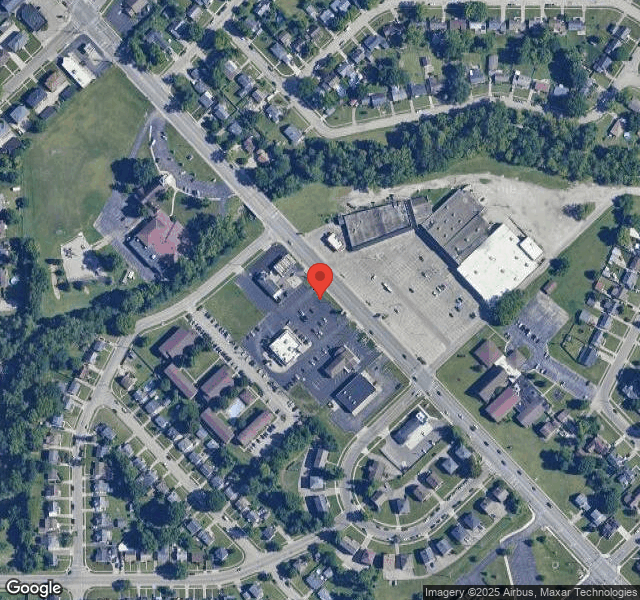

1371 MAIN STREET, HAMILTON, OH 45013 (513) 785-4800
Non profit - Corporation 42 Beds Independent Data: November 2025
Trust Grade
70/100
#277 of 913 in OH
Last Inspection: November 2024

Within standard 12-15 month inspection cycle. Federal law requires annual inspections.

Overview

Jamestowne Rehabilitation in Hamilton, Ohio has a Trust Grade of B, indicating it is a good facility and a solid choice among nursing homes. It ranks #277 out of 913 facilities in Ohio, placing it in the top half, and #11 out of 24 in Butler County, meaning there are only ten local options that are better. However, the facility is experiencing a worsening trend, with issues increasing from 6 in 2021 to 7 in 2024. Staffing is a strong point, with a perfect 5-star rating and RN coverage better than 82% of Ohio facilities, although turnover is average at 54%. On the downside, there have been serious concerns, including a failure to assess a resident's pain during wound care and issues with food preparation and kitchen sanitation, which could affect all residents. Overall, while there are notable strengths in staffing and care quality, families should be aware of the identified issues and the facility's declining trend.

Trust Score
B
70/100
In Ohio
#277/913
Top 30%
Safety Record
Moderate
Needs review
Inspections
Getting Worse
6 → 7 violations
Staff Stability
⚠ Watch
54% turnover. Above average. Higher turnover means staff may not know residents' routines.
Penalties
✓ Good
No fines on record. Clean compliance history, better than most Ohio facilities.
Skilled Nurses
✓ Good
Each resident gets 61 minutes of Registered Nurse (RN) attention daily — more than 97% of Ohio nursing homes. RNs are the most trained staff who catch health problems before they become serious.
Violations
⚠ Watch
13 deficiencies on record. Higher than average. Multiple issues found across inspections.
★★★★☆
4.0
Overall Rating
★★★★★
5.0
Staff Levels
★★★☆☆
3.0
Care Quality
★★★☆☆
3.0
Inspection Score
Stable
2021: 6 issues
2024: 7 issues

The Good

  • 5-Star Staffing Rating · Excellent nurse staffing levels
  • Full Sprinkler Coverage · Fire safety systems throughout facility
  • No fines on record

Facility shows strength in staffing levels, fire safety.

The Bad

Staff Turnover: 54%

Near Ohio avg (46%)

Higher turnover may affect care consistency

The Ugly 13 deficiencies on record

1 actual harm
Nov 2024 7 deficiencies 1 Harm
SERIOUS (G)

Actual Harm - a resident was hurt due to facility failures

Deficiency F0697 (Tag F0697)

A resident was harmed · This affected 1 resident

Based on medical record review, observation, resident interview, staff interview, review of the facility policy, and review of online guidance per the National Pressure Ulcer Advisory Panel (NPUAP), t...

Read full inspector narrative →
Based on medical record review, observation, resident interview, staff interview, review of the facility policy, and review of online guidance per the National Pressure Ulcer Advisory Panel (NPUAP), the facility failed to ensure residents with pain from pressure ulcers were assessed and medicated for pain before, during and after wound care. Actual Harm occurred for Resident #142 when staff failed to assess Resident #142 for pain prior to wound care. Resident #142 reported she was experiencing severe pain prior to wound care and during wound care and the resident moaned and grimaced during the treatment while staff failed to assess for pain and/or offer pain medication or to pause the treatment. This affected one (Resident #142) of three residents reviewed for pain. The facility identified 16 residents (#03, #06, #10, #20, #23, #30, #142 #143, #144, #145, #194, #195, #198, #200, #201, #202) with orders for pain medication. The facility census was 29 residents. Findings include: Review of the medical record for Resident #142 revealed an admission date of 10/14/24 with diagnoses including aftercare following a joint replacement surgery, need for personal care assistance, emphysema, chronic obstructive pulmonary obstruction, and osteoarthritis to the left hip. Review of the care plan for Resident #142 dated 10/14/24 revealed the resident had the potential for alteration in comfort. Interventions included staff were to administer medications to promote comfort/reduce pain per physician orders and to observe for effectiveness and side effects. Review of the pain assessment for Resident #142 dated 10/14/24 revealed the resident had experienced frequent pain in the last five days which made it hard for her to sleep, to participate in therapy, and limited the resident's day-to-day activities. Resident #142 rated her worst pain as a 6 out of 10 on a scale of 1 to 10 with 10 being the worst pain. Review of the admission Minimum Data Set (MDS) assessment for Resident #142 dated 10/20/24 revealed the resident was cognitively intact, had impairment on one side for the upper and lower extremity, used a walker and a wheelchair for mobility, and required assistance from staff with toileting, bed mobility, and transfers. Review of physician's orders for Resident #142 revealed an order dated 10/22/24 for oxycodone five milligrams (mg) routinely at 9:00 A.M., 1:00 P.M., 5:00 P.M., and 9:00 P.M. and to give oxycodone 5 mg as needed twice a day for moderate to severe break-through pain. Further review of physician's orders for Resident #142 revealed an order dated 10/22/24 to cleanse right and left buttock with warm soapy water, allow to dry fully, apply Triad paste and leave open to air and to offer pain medications prior to wound care for deep tissue injury (DTI), a type of pressure ulcer that occurs when the soft tissue beneath the skin is damaged by pressure or shear forces. Review of the Medication Administration Record (MAR) for Resident #142 dated 10/28/24 revealed the resident received routine oxycodone at 9:00 A.M. and 1:00 P.M. but did not receive any as-needed oxycodone on 10/28/24. Interview on 10/28/24 at 2:51 P.M with Resident #142 confirmed she complained of pain on her bottom while sitting in her wheelchair in her room which she rated as 8 on a scale of 1 to 10 with 10 being the worst pain. Resident #142 confirmed her bottom hurt badly and the staff had given her pain medicine at 9:00 A.M. and 1:00 P.M., but it didn't help. Resident #142 confirmed she had requested additional pain medicine but didn't hear back from anyone about it. Observation of the wound treatment to the DTI on the resident's buttocks on 10/28/24 at 2:55 P.M. per Licensed Practical Nurse (LPN) #55 revealed the nurse did not assess the resident for pain prior to starting the wound treatment. Observation revealed as LPN #55 washed the resident's buttocks the resident moaned and grimaced and tightened her buttocks when the nurse touched the excoriated closed wound. As LPN #55 applied Triad paste to Resident #142's buttocks he told the resident she would be okay and then the nurse pulled up the resident's incontinence brief and rolled the resident onto her back while the resident continued to grimace and moan in pain. LPN #55 did not assess Resident #142's pain upon completion of the treatment nor did the nurse offer to stop during the treatment or offer pain medications. Interview on 10/28/24 at 4:31 P.M. with Resident #142 confirmed she was in severe pain during the wound treatment performed by LPN #55 especially when the nurse cleansed her bottom. Resident #142 confirmed she was still having pain to her bottom even after the treatment and she rated her pain as 7 on a scale of 1 to 10 with 10 being the worst pain. Resident #142 confirmed she didn't receive any pain medication after the treatment had been done at approximately 3:00 P.M. on 10/28/24. Interview on 10/28/24 at 4:32 P.M with LPN #55 confirmed he was focused on getting the treatment completed for Resident #142 and had failed to ensure the resident was assessed and medicated for pain before, during, and after the treatment. Review of the facility policy entitled Pain Assessment and Management dated 09/25/23 revealed the staff would identify pain in the resident and would develop interventions that were consistent with the resident's goals and needs and that addressed the underlying causes of pain. Review of online guidance per the NPUAP at chrome-extension://efaidnbmnnnibpcajpcglclefindmkaj/https://cdn.ymaws.com/npiap.com/resource/resmgr/2014_guideline.pdf on page 161 revealed nursing staff should manage pressure ulcer pain by organizing care delivery to ensure that it is coordinated with pain medication administration and that minimal interruptions follow. Proper pain management included performing care after administration of pain medication to minimize pain experienced and interruptions to comfort for the individual and for staff to encourage individuals to request a 'time out' during any procedure that causes pain.
CONCERN (D)

Potential for Harm - no one hurt, but risky conditions existed

Resident Rights (Tag F0550)

Could have caused harm · This affected 1 resident

Based on medical record review, resident interview, staff interview, and review of the facility policy, the facility failed to ensure residents were treated with dignity and respect. This affected one...

Read full inspector narrative →
Based on medical record review, resident interview, staff interview, and review of the facility policy, the facility failed to ensure residents were treated with dignity and respect. This affected one (Resident #142) of 13 residents sampled. The facility census was 29 residents. Findings include: Review of the medical record for Resident #142 revealed an admission date of 10/14/24 with diagnoses including aftercare following a joint replacement surgery, need for personal care assistance, emphysema, chronic obstructive pulmonary obstruction, and osteoarthritis to the left hip. Review of the admission Minimum Data Set (MDS) assessment for Resident #142 dated 10/20/24 revealed the resident was cognitively intact, had impairment on one side for the upper and lower extremity, used a walker and a wheelchair mobility, and required staff assistance with toileting, bed mobility, and transfers. Review of physical therapy (PT) note for Resident #142 dated 10/27/24 revealed the resident required moderate assistance and safety cues for transfers. Review of occupational therapy (OT) note for Resident #142 dated 10/28/24 revealed the resident required contact guard assistance with toileting, moderate assistance with lower body dressing, and stand by assistance with getting out of bed. Interview on 10/28/24 at 2:40 P.M. with Resident #142 confirmed she had an incontinent accident on 10/28/24 at approximately 4:30 A.M. which soiled the bed. Resident #142 confirmed she rang the call light and Licensed Practical Nurse (LPN) #52 answered the call light. Resident #142 confirmed she told LPN #52 she had an accident and needed the aide to help her get cleaned up and change her bed and that she was cold and didn't want to get out of bed. Resident #142 confirmed LPN #52 told her Certified Nursing Assistant (CNA) #33 had stated the resident needed to change her own brief because the aide wasn't going to turn in bed. Resident #142 confirmed LPN #52 also said STNA #33 had said the aide wouldn't change the resident's bed until the aide changed her own brief. Resident #142 confirmed the interaction made her feel terrible and she tried to do most of her activities of daily living (ADL) independently, but wanted the aide help her because it was her job to help her. Resident #142 confirmed she did what she was told and got up out of bed and changed her brief herself and CNA #33 came in and changed her bed. She stated she didn't want this aide to take care of her again. Review of a witness statement per Social Service Coordinator (SSC) #29 dated 10/28/24 revealed the SSC interviewed Resident #142. Further review of the statement revealed Resident #142 reported that on 10/28/24 at 4:30 A.M. the resident said she was wet, and LPN #52 said CNA #33 wouldn't change her unless she got out of bed, because she didn't want to roll her side to side. Further review of the statement revealed Resident #142's sheets were wet and the resident was cold didn't want to get out of bed. Interview on 10/28/24 at 3:43 P.M. with CNA #33 confirmed she did not tell LPN #52 to tell the resident to change her brief before she would change the bed. Interview on 10/29/24 at 10:41 A.M. with LPN #52 confirmed on 10/28/24 at 4:30 A.M. Resident #142 asked for the aide to come in and change her and the bed. LPN #52 confirmed CNA #33 said the nurse should tell the resident to change her own brief because it would be easier to change the linens and she wouldn't have to roll the resident from side to side since the resident had a recent hip surgery. LPN #52 confirmed the resident was incontinent of urine on 10/28/24 at approximately 4:30 A.M. and required staff assistance with incontinence care. LPN #52 further confirmed the nurse did not assist the resident because the nurse was getting ready to make her final rounds of the night. Interview on 10/29/24 at 12:57 P.M. with Activity Director (AD) #9 on 10/29/24 confirmed Resident #142 was upset in the morning of 10/28/24 and reported after having an accident in the aide said if the resident didn't get up and change herself, the aide wasn't going to change her bed. Interview on 10/29/24 at 1:29 P.M. with Therapy Manager (TM) #12 confirmed Resident #52 required hands on staff assistance with toileting, with bed mobility and with getting out of bed. Review of the facility policy titled Resident Rights dated 10/14/22 revealed the facility would treat each resident/patient with respect and dignity in a manner and in an environment that promoted maintenance or enhancement of his or her quality of life.
CONCERN (D)

Potential for Harm - no one hurt, but risky conditions existed

Deficiency F0694 (Tag F0694)

Could have caused harm · This affected 1 resident

Based on medical record review, observation, staff interview and review of the facility policy, the facility failed to ensure intravenous (IV) therapy was administered in accordance with professional ...

Read full inspector narrative →
Based on medical record review, observation, staff interview and review of the facility policy, the facility failed to ensure intravenous (IV) therapy was administered in accordance with professional standards of practice. This affected one (Resident #143) of two facility identified residents receiving IV therapy. The facility census was 29 residents. Finding include: Review of the medical record review for Resident #143 revealed an admission date of 10/04/24 with a diagnosis of left knee prosthetic infection. Review of the physician's orders for Resident #143 revealed an order dated 10/04/24 to change the dressing to the resident's central line dressing (for administration of IV therapy) once a week on Thursday. Review of the care plan for Resident #143 dated 10/06/24 revealed the resident required IV therapy for treatment of an acute infection to the left knee. Review of the Minimum Data Set (MDS) for Resident #143 dated 10/11/24 revealed the resident was cognitively intact. Observation on 10/28/24 at 11:55 A.M. of Resident #143 revealed the dressing to the resident's central line was not dated. Interview on 10/28/24 at 12:20 P.M. with Licensed Practical Nurse (LPN) #55 confirmed Resident #143's central line dressing wasn't dated and should have been. LPN #55 confirmed Resident #143 had an order to have the dressing changed once weekly and was unsure when the dressing had been changed last. Review of the facility policy titled Central Line Dressing Changes dated 08/11/16 revealed the facility provided a standard for central line dressing changes that prevented infection and prevented migration of the catheter. Central line dressings should be changed every seven days and as needed.
CONCERN (D)

Potential for Harm - no one hurt, but risky conditions existed

Respiratory Care (Tag F0695)

Could have caused harm · This affected 1 resident

Based on medical record review, observation, staff interview, and review of the facility policy, the facility failed to ensure oxygen tubing was dated. This affected two (Residents #145 and 143) of th...

Read full inspector narrative →
Based on medical record review, observation, staff interview, and review of the facility policy, the facility failed to ensure oxygen tubing was dated. This affected two (Residents #145 and 143) of three facility-identified residents who required oxygen routinely. This facility census was 29 residents. Findings include: Review of the medical record for Resident #145 revealed an admission date of 08/27/24 with diagnoses including traumatic brain dysfunction, coronary artery disease, and hypertension. Review of admission Minimum Data Set (MDS) for Resident #145 dated 09/01/24 revealed the resident was cognitively intact. Review of care plan for Resident #145 dated 10/23/24 revealed resident had the potential for skin breakdown related to oxygen tubing in use. Review of physician's orders for Resident #145 revealed an order dated 10/23/24 for oxygen 0-4 liters per minute per nasal cannula to keep oxygen saturation level at or above 92 percent (%.) Observation on 10/28/24 at 2:22 P.M. of Resident #145 revealed the resident's oxygen tubing was undated. Interview on 10/28/24 at 10:21 A.M. with Licensed Practical Nurse (LPN) #71 confirmed Resident #145's oxygen tubing wasn't dated. LPN #71 confirmed oxygen tubing should be changed once weekly, and she was unsure when Resident #145's oxygen tubing had last been changed. 2. Review of medical record for Resident #143 revealed an admission date of 10/04/24 with medical diagnoses included left knee prosthetic infection. Review of physician's orders for Resident #143 revealed an order dated 10/04/24 for oxygen 0-4 liters titrate oxygen per nasal cannula to keep saturation at or above 92%. Review of care plan for Resident #143 dated 10/06/24 revealed the resident has the potential for skin breakdown related to oxygen tubing in use. Review of the MDS for Resident #143 dated 10/11/24 revealed the resident was cognitively intact. Observation on 10/28/24 at 11:55 A.M. of Resident #143 on 10/28/24 at 11:55 A.M. revealed there was no date on the oxygen tubing. Interview on 10/28/24 at 12:20 P.M. with LPN #55 confirmed the oxygen tubing wasn't dated and should have been. Review of the facility policy titled Oxygen Administration dated 09/25/23 revealed oxygen tubing should be dated/initialed and should be changed once weekly on night shift.
CONCERN (E)

Potential for Harm - no one hurt, but risky conditions existed

Infection Control (Tag F0880)

Could have caused harm · This affected multiple residents

Based on medical record review, observation, staff interview, and review of the facility policy, the facility failed to ensure staff administered medications in a sanitary manner. This affected one (R...

Read full inspector narrative →
Based on medical record review, observation, staff interview, and review of the facility policy, the facility failed to ensure staff administered medications in a sanitary manner. This affected one (Resident #142) of three residents reviewed for medication administration. The facility also failed ensure residents with wounds were placed in enhanced barrier precautions (EBP.) This affected nine (Residents #10, #146, #142, #200, #201, #198, #144, #202, and #199) of ten facility-identified residents with wounds. The facility also failed to ensure staff performed proper hand hygiene after blood glucose monitoring. This affected one (Resident #30) of one resident reviewed for blood glucose monitoring. The facility also failed to proper hand hygiene was performed during and after wound care. This affected one (Resident #142) of one resident reviewed for wound care. The facility census was 29 residents. Findings include: 1. Review of the medical record for Resident #142 revealed an admission date of 10/14/24 with diagnoses including aftercare following joint replacement surgery, emphysema, and unspecified chronic obstructive pulmonary disorder. Review of the physician's orders for Resident #142 revealed an order dated 10/14/24 for oxycodone 5 milligrams (mg) by mouth four times daily. Review of the Minimum Data Set (MDS) assessment for Resident #142 dated 10/20/24 revealed the resident was cognitively intact. Observation of medication administration on 10/29/2024 at 8:39 A.M. per Licensed Practical Nurse (LPN) #55 for Resident #142 revealed LPN #55 unlocked the medication cart, removed the resident's oxycodone card from the locked narcotic drawer, pushed one pill through the back of the card into his hand, and placed the pill into the medication cup. Interview on 10/29/2024 at 8:39 A.M. with LPN #55 confirmed he dispensed the oxycodone 5 mg tablet into his had before placing the pill in the medication cup. LPN #55 further confirmed he was not supposed to touch resident medications with his hands. Review of the facility policy titled Administration of Medications: Administration of Tablets and Capsules dated September 2022 revealed tablets and capsules were to be handled so that fingers did not touch them. 2a. Review of the medical record for Resident #10 revealed an admission date of 10/27/24 with diagnoses including unspecified fracture to the neck of the left femur, type II diabetes, and unspecified depression. Review of the care plan for Resident #10 dated 10/28/24 revealed the resident had potential for infection related to surgical wound to the left hip related to left hip hemiarthroplasty. Interventions included to follow up with surgeon orders, observe surgical wounds for infection, and provide treatments as ordered. Review of the medical record for Resident #10 revealed the resident did not have physician's orders for Enhanced Barrier Precautions (EBP). 2b. Review of the care plan for Resident #10 dated 10/14/24 revealed the resident had the potential for had infection related to surgical wound: left hip after conversion to left total hip arthroplasty. Interventions included administer medications/treatments as ordered, keep surgical dressing in place until follow up with ortho, observe wound for signs of infection. Review of the medical record for Resident #142 revealed the resident did not have physician's orders for EBP. 2c. Review of the medical record for Resident #146 revealed an admission date of 10/18/24 with diagnoses including unspecified fracture to the neck of the right femur, chronic combined heart failure, chronic obstructive pulmonary disease, and chronic kidney disease with dependence on dialysis. Review of care plan for Resident #146 dated 10/14/2024 revealed the resident had potential for infection related to surgical wound to the right hip. Interventions included keep surgical dressing in place until follow up with surgeon, and observe surgical wound for symptoms of infection. Review of the medical record for Resident #146 revealed the resident did not have physician's orders for EBP. 2d. Review of the medical record for Resident #200 revealed an admission date of 10/24/24 with diagnoses including unspecified acute kidney failure, unspecified fracture to the neck of the right femur, and major depressive disorder. Review of care plan for Resident #200 dated 10/24/24 revealed the resident had potential for infection related to surgical wound to right hip. Interventions included follow up with surgeon as ordered, keep surgical dressing in place until follow up with surgeon, monitor surgical incision to right hip for signs of infection, remove staples/suture as per order, and complete treatments as ordered. Review of the medical record for Resident #200 revealed the resident did not have physician's orders for EBP. 2e. Review of the medical record for Resident #201 revealed an admission date of 10/25/24 with diagnoses including morbid obesity, type two diabetes, unspecified kidney disease, and aftercare following right knee joint replacement surgery. Review of care plan for Resident #201 dated 10/22/24 revealed the resident had potential for infection related to surgical wound to the right knee. Interventions included complete treatments as ordered, follow up with surgeon as ordered, and monitor surgical wound for signs of infection. Review of the medical record for Resident #201 revealed the resident did not have physician's orders for EBP. 2f. Review of the medical record for Resident #198 revealed and admission date of 10/19/24 with diagnoses including displaced fracture of the base of the neck of the right femur, acute posthemorrhagic anemia, hyperlipidemia, and hypothyroidism. Review of care plan for Resident #198 dated 10/20/24 revealed the resident had potential for infection related to surgical wound to the right hip. Interventions included follow up with surgeon as ordered, remove staples/suture as ordered, and observe surgical wound for symptoms of infection. Review of the medical record for Resident #198 revealed the resident did not have physician's orders for EBP. 2g. Review of the medical record for Resident #144 revealed an admission date of 10/19/24 with diagnoses including aftercare following joint replacement surgery, type II diabetes, mixed hyperlipidemia, major depressive disorder, and generalized anxiety disorder. Review of care plan for Resident #144 dated 10/20/2024 revealed the resident had potential for infection related to surgical wound. Interventions included follow up with surgeon, remove ace wraps within 24-48 hours, keep dressing in place until follow-up appointment, and observe surgical wound for signs of infection. Review of the medical record for Resident #144 revealed the resident did not have physician's orders for EBP. 2h. Review of the medical record for Resident #202 revealed an admission date of 10/24/24 with diagnoses including localized edema, malignant neoplasm to the right breast, unspecified pressure ulcer of the sacral region, and prediabetes. Review of care plan for Resident #202 dated 10/24/24 revealed the resident was admitted with compromised skin issues to the left buttock and left heel. Interventions included assisting with turning/repositioning every 2 hours, provide incontinence care as needed, pressure relieving devices as ordered, and weekly skin evaluations. Review of the medical record for Resident #202 revealed the resident did not have physician's orders for EBP. 2i. Review of the medical record for Resident #199 revealed an admission date of 10/09/24 with diagnoses including cellulitis of right lower limb, chronic obstructive pulmonary disease, chronic kidney disease, chronic diastolic heart failure, and schizoaffective disorder bipolar type. Review of care plan for Resident #199 dated 10/10/24 revealed the resident had the potential for skin breakdown related to catheter tubing in use, admitted with compromised area to left shin, and venous ulcer to left lower extremity. Interventions included assisting with turning ad repositioning every two hours, assisting with peri-care after incontinent episodes, treatments as ordered, and pressure reducing devices as ordered. Review of the medical record for Resident #199 revealed the resident did not have physician's orders for EBP. Observations on 10/30/2024 at 12:20 P.M. revealed Residents #10, #146, #142, #200, #201, #198, #144, #202, and #199 had no signs posted on the door to each residents' room which notified staff or visitors of EBP. There was no personal protective equipment (PPE) available outside of each residents' room. Interview on 10/30/2024 at 12:25 P.M. with Infection Control Preventionist (ICP) Registered Nurse #10 confirmed residents with surgical wounds (Resident # 10, Resident # 146 , Resident # 142, Resident # 200, Resident # 201, Resident # 198, Resident # 144), pressure wounds (Resident #202), and other ulcers (Resident #199) had not been placed in EBP. Review of the facility policy titled Infection Control: Enhanced Barrier Precautions dated 10/25/22 revealed the facility instituted EBP for any resident with wounds regardless of colonization or infection status according to the Centers for Disease Control and Prevention (CDC) guidelines. 3. Review of the medical record for Resident #30 revealed an admission date of 09/30/24 with diagnoses including type two diabetes mellitus, idiopathic chronic gout, and phantom limb syndrome with pain. Review of MDS assessment for Resident #30 dated 10/03/24 revealed the resident was cognitively intact. Review of care plan for Resident #30 dated 09/30/24 revealed the resident had the potential for glucose imbalance related to the diagnosis of type two diabetes. Observation of blood glucose monitoring on 10/29/24 at 4:12 P.M. per LPN #64 for Resident #30 revealed after checking the resident's blood sugar, the nurse doffed his gloves and left the room without performing hand hygiene and then opened the medication cart and obtained medications. Interview on 10/29/2024 at 4:17 P.M. with LPN #64 confirmed he did not perform hand hygiene after checking Resident #30's blood sugar and doffing gloves. Review of the facility policy titled Infection Control Hand Hygiene Policy dated 07/20/23 revealed at minimum, employees were required to perform hand hygiene in circumstances including before direct contact with a resident, before handling food, immediately after touching body substances, after handling potentially contaminated objects, between direct contact with different residents, and after removing gloves. 4. Review of the medical record for Resident #142 revealed an admission date of 10/14/24 with diagnoses including aftercare following a joint replacement surgery, need for personal care assistance, emphysema, chronic obstructive pulmonary obstruction, and osteoarthritis to the left hip. Review of the MDS assessment for Resident #142 dated 10/20/24 revealed the resident was cognitively intact, had impairment on one side for the upper and lower extremity, used a walker and wheelchair for mobility, and required staff assisting with toileting, bed mobility, and partial/moderate assistance for transfers. Observation on 10/28/24 at 2:55 P.M. of wound care for Resident #142 per LPN #55 revealed the nurse donned gloves, assisted the resident into bed, turned the resident over to the right side, closed the blinds, turned on the lights, put water into a basin and then removed his gloves and applied new gloves. LPN #142 cleansed Resident #142's buttocks, removed his gloves and applied new gloves without washing his hands. LPN #142 applied Triad paste to the area and then removed his gloves and left the room. Interview on 10/28/24 at 3:16 P.M. with LPN #55 confirmed he should have washed his hands after doffing gloves and before leaving the Resident #142's room
CONCERN (F)

Potential for Harm - no one hurt, but risky conditions existed

Menu Adequacy (Tag F0803)

Could have caused harm · This affected most or all residents

Based on kitchen record review, observation, staff interview, review of the facility policy, and medical record review, the facility failed to prepare foods as planned by the Registered Dietitian (RD)...

Read full inspector narrative →
Based on kitchen record review, observation, staff interview, review of the facility policy, and medical record review, the facility failed to prepare foods as planned by the Registered Dietitian (RD). This had the potential to affect all of the residents residing in the facility. The facility census was 29 residents. Findings include: 1.Review of the resident diet roster dated 10/30/24 revealed there were 28 residents with physician orders for regular, no added salt or no concentrated sweet diets. Review of the lunch diet spreadsheet dated 10/30/24 revealed the residents with regular, no added salt or no concentrated sweet diets were to receive a beef French sandwich. The recipe included two ounces of beef served on a roll, submarine roll or hoagie bun and one quarter cup of broth for dipping. Observation on 10/30/24 at 12:06 P.M revealed [NAME] #70 served a tong of beef slices onto one slice of bread with a ladle of gravy. The ladle was unlabeled for the serving size. Interview on 10/30/24 at 12:06 P.M. with [NAME] #70 confirmed she did not review the recipe book or spreadsheet to know the portion of the beef, bread or gravy. Interview on 10/30/24 at 1:37 with Registered Dietary Manager (RDM) #90 confirmed the beef sandwich was not served as a beef French dip sandwich as planned by the RD. The sandwich should have included two slices of bread with one-quarter cup of broth on the side. RDM #90 confirmed the gravy ladle portion was not listed on the ladle. RDM #90 confirmed [NAME] #70 should have reviewed the recipe book and spreadsheet for the sandwich portions. Review of the facility policy Resident Meal Service dated 2024 revealed staff should utilize diet spreadsheets during meal service to ensure meal accuracy. 2. Review of the medical record for Resident #202 revealed an admission date of 10/24/24 with diagnoses including dysphagia, cervicalgia, and neoplasm of right breast. Review of the Minimum Data Set (MDS) assessment for Resident #202 dated 10/24/24 revealed the resident had intact cognition and required moderate assistance with activities of daily living (ADLs). Review of the physician's orders for Resident #202 revealed an order dated 10/24/24 for regular diet with puree consistency. Review of the menu spreadsheet of the lunch meal dated 10/30/24 revealed the lunch included four ounces of pureed broccoli, four ounces vanilla ice cream and four ounces of puree beef French dip sandwich. The recipe revealed the sandwich was to include a bun. Observation on 10/30/24 at 10:59 A.M. revealed [NAME] #70 did not puree any bread or bun as listed on the recipe and spreadsheet. Observation on 10/30/24 at 11:59 A.M. revealed the [NAME] #70 served the Resident #202 two and two-thirds ounces of broccoli with a number 12 scoop portion, four ounces of frozen supplement and a four-ounce portion of beef. The resident received no puree bread and did not receive the full portion of broccoli as listed on the spreadsheet. Interview on 10/30/24 at 12:20 P.M. with [NAME] #70 confirmed Resident #202 should have received four ounces of puree broccoli and four ounces of a beef sandwich which should have included bread. [NAME] #70 confirmed Resident #202 should have received four ounces of ice cream instead of four ounces of frozen supplement. [NAME] #70 stated she had not read the spreadsheet and had not followed the recipe instructions to prepare the pureed broccoli and the sandwich to include bread. Interview on 10/30/24 at 1:37 P.M. with Dietary Manager (DM) #80 and RDM #90 confirmed Resident #202 should have received pureed broccoli and pureed bread with the beef. DM #80 also verified [NAME] #70 did not have access to the pureed spreadsheet or pureed recipes to prepared the pureed food items. The pureed recipe instructions for pureed food preparation had not been available for any of the pureed consistency meals served to the residents. Review of facility policy titled Modified Texture Foods dated 2023 revealed the pureed consistency foods would be prepared by the menu diet spreads and portions will be provided in the proper amounts according to the menu and diet spreadsheet.
CONCERN (F)

Potential for Harm - no one hurt, but risky conditions existed

Food Safety (Tag F0812)

Could have caused harm · This affected most or all residents

2. Observations on 10/28/24 at 8:50 A.M. revealed the following kitchen sanitation concerns: -The reach-in refrigerator contained an open undated container of cottage cheese and a covered pan of food ...

Read full inspector narrative →
2. Observations on 10/28/24 at 8:50 A.M. revealed the following kitchen sanitation concerns: -The reach-in refrigerator contained an open undated container of cottage cheese and a covered pan of food with no label or date. -The ceiling in the dish area where clean dishes were stored had two incoming air vents with black debris to the edges. The ceiling above the food preparation sink had an incoming air vent with a dark brown substance on the edges. -There were two large unlabeled food storage bins with the food scoop stored on top of the food. -There were two uncovered trash containers in the kitchen full of trash without lids. -The reach in freezer contained three open packages of frozen foods which were not dated upon opening and were not properly sealed, allowing the food to be open to air. There was no thermometer inside the freezer and there was food debris on the bottom shelf. -The dry storage area contained 25 large food cans with no dates of delivery and a rotation schedule was unable to be determined. There were three opened containers of oats with no open date. -- The ice machine scoop was stored in an undrainable pan with the scoop bowl stored in undrainable position. Interview on 10/30/24 at 1:37 P.M. with Dietary Manager (DM) # 80 confirmed the kitchen violations including opened undated foods, unlabeled foods, dirty air vents in the kitchen, food scoops stored in the food bins, debris in the freezer, improperly Review of the facility policy titled Food Service and Nutrition dated September 2022 revealed the facility prepared and served food under sanitary conditions in a manner that protects against spoilage and contamination. Review of the facility policy titled Food and Supply Storage dated 2024 revealed open foods are to be covered, labeled and dated, and unopened foods are to be dated and rotated. Foods stored in bins are to be labeled and the scoop stored in scoop holder. 3. Review of the refrigerator and freezer temperature monitoring logs for October 2024 revealed there were no temperatures recorded for the refrigerator or freezer from 10/19/24 through 10/28/24. Interview on 10/30/24 at 1:37 P.M. with DM #80 confirmed there were no recorded temperatures for the refrigerator or freezer temperature logs from 10/19/24 to 10/28/24 and confirmed temperatures should be recorded every shift. 4. Review of the dishwasher temperature logs dated October 2024 revealed there were no recorded dishwasher temperatures for three meals on the following dates: 10/19/24, 10/20/24, 10/21/24, 10/22/24, 10/23/24, 10/24/24, 10/25/24, 10/26/24, 10/27/24. Interview on 10/30/24 at 1:37 P.M. with DM #80 confirmed there were no recorded temperatures for the dishwasher on the following dates: 10/19/24, 10/20/24, 10/21/24, 10/22/24, 10/23/24, 10/24/24, 10/25/24, 10/26/24, 10/27/24. Review of the facility policy titled Dishwasher Temperatures dated 2024 revealed dishwasher temperatures were recorded during each period of use. Once a day, a dishwasher temperature strip was used to verify the temperature. The Director was to review and verify the temperature log weekly. 5. Review of the food temperature log dated October 2024 revealed there were no food temperatures recorded for all three meals from dates of 10/20/24 through 10/28/24. Interview on 10/30/24 at 1:37 P.M. with DM #80 confirmed there were no recorded food temperatures for all three meals dated 10/20/24 to 10/28/24. 6. Observations on 10/28/24 through 10/30/24 revealed DM #80, Regional Dietary Manager (RDM) #90, [NAME] #70 and [NAME] #75 were in the kitchen and did not have their facial hair contained with beard coverings. Interview on 10/30/24 at 1:37 P.M. with DM #80 confirmed neither her nor RDM #90, [NAME] #70 and [NAME] #75 wore beard coverings while in the kitchen in the food preparation area. Review of the facility policy titled Meal Service dated 2004 revealed employees' hair should be pulled away from food when handling foods. 7. Observation on 10/30/24 at 11:15 A.M. revealed [NAME] #70 washed the blender used for pureed foods with gloved hands. [NAME] #70 reassembled the washed blender blade into the blender with the same gloved hands used to operate the dishwasher. The blender blade immediately came into contact with the next food during the pureeing process. Interview on 10/30/24 at 12:06 P.M. with [NAME] #70 confirmed she should have changed gloves prior to reassembling the blender blade and sanitized the food thermometer between food temperatures. 8. Observation on 10/30/24 at 11:20 P.M. [NAME] #70 obtained the temperature of the four pans of food served to residents without sanitizing the thermometer between the food items. Interview on 10/30/24 at 12:06 P.M. with [NAME] #70 confirmed she should have sanitized the food thermometer between food temperatures. Review of the facility policy titled Policies undated revealed food thermometers were to be sanitized between food items with sanitizer wipes. 9.Observation on 10/30/24 at 11:51 A.M. revealed [NAME] #75 prepared the lunch meal wearing gloves and touched the food cart, the food lids, the serving counter and utensils and then assembled sandwiches, and pizza toppings with the same gloved hand. [NAME] #75 continued touching items and returning to prepare foods without changing gloves and washing hands. [NAME] #70 handled the inside of insulated lids placed over top of residents' meal plates with ungloved hands. Interview on 10/30/24 at 12:06 P.M. with [NAME] #75 confirmed he should have changed gloves or used a utensil to prepare sandwiches and pizza toppings. [NAME] #70 confirmed she should not have touched the inside of a resident plate covering lid with the hand. [NAME] #70 verified she should have changed gloves prior to reassembling the blender blade. Based on observation, staff interview, and review of the facility policy, the facility failed to ensure staff performed appropriate hand hygiene during meal service. This affected seven (Residents #13, #20, #141, #145, #146, #199, #200) of eight residents observed for meal service. The facility also failed to store, label and serve food under sanitary conditions and had the potential to affect all of the residents residing in the facility. The facility census was 29 residents. Findings include: 1.Observation on 10/28/2024 at 11:59 A.M. revealed Dietary Aide (DA) #70 delivered meal trays to Resident #145, #141, and #199's rooms and did not perform hand hygiene after leaving each resident's room or before handling each resident's tray. Interview on 10/28/24 at 12:03 P.M. with DA #70 confirmed she did not perform hand hygiene before delivering room trays to Residents #141, #145, and #199 and she did not perform hand hygiene between residents. Observation on 10/28/24 at 12:27 P.M. revealed Dietary Aide #70 wore gloves as she prepared and loaded lunch trays into meal cart then propelled the cart to the 200 hall. DA #70 did not remove her gloves or perform hand hygiene before she delivered a meal tray to Resident #20. DA#70 did not remove gloves or perform hand hygiene before she returned to the cart, took out a meal tray, and delivered the tray to Resident # 200. DA #70 set up the tray on bedside table, adjusted height of tray table, and placed the table in front of Resident #200. DA#70 adjusted the head of bed to the resident's preference, left the room, and returned to meal cart without removing her gloves or performing hand hygiene. DA #70 took a meal tray out of cart and delivered it to Resident #146 and exited the room without removing her gloves or sanitizing her hands. Interview on 10/28/2024 at 12:38 P.M. with DA #70 confirmed she did not remove her gloves or sanitize her hands when delivering meals to Residents #20, #146, or #200 . DA #70 confirmed she did not normally wear gloveds when she delivered trays, but she put them on because she was nervous. DA #70 stated she was not sure how frequently she was supposed to doff gloves, but she knew she was supposed to sanitize her hands after removing gloves. Review of the facility policy titled Infection Control Hand Hygiene policy dated 07/03/23 revealed staff should perform appropriate hand hygiene to prevent the spread of infection. Staff should perform hand hygiene between contact with different residents. Review of the facility policy titled Meal Service dated 2004 revealed staff should sanitize hands after touching a resident.
Aug 2021 6 deficiencies
CONCERN (D)

Potential for Harm - no one hurt, but risky conditions existed

Drug Regimen Review (Tag F0756)

Could have caused harm · This affected 1 resident

**NOTE- TERMS IN BRACKETS HAVE BEEN EDITED TO PROTECT CONFIDENTIALITY** Based on medical record review, staff interview and review of facility policy, the facility failed to implement a pharmacy recom...

Read full inspector narrative →
**NOTE- TERMS IN BRACKETS HAVE BEEN EDITED TO PROTECT CONFIDENTIALITY** Based on medical record review, staff interview and review of facility policy, the facility failed to implement a pharmacy recommendation by ensuring an antidepressant was decreased timely when approved by the physician. This affected one resident (#118) of three residents reviewed for unnecessary medication. The facility census was 36. Findings include: Medical record review for Resident #118 revealed an admission date on 08/04/21. Diagnoses include hemiplegia and hemiparesis following a stroke, aphasia, pneumonia, wedge compression fracture, anxiety, major depressive disorder, abdominal pain, hypertension, benign prostatic hyperplasia (BPH), fibromyalgia, kidney failure, urine retention, depression and contracture of right thigh. Review of admission Minimum Data Set (MDS) assessment dated [DATE] for Resident #118 revealed an impaired cognition. Resident required supervision for bed mobility, limited assist for transfers and toileting and supervision for eating. Resident is always continent for bowel an bladder. Resident was coded as having a diagnosis of depression and received antidepressant daily during the assessment period. Review of the plan of care for Resident #118 dated 08/06/21 revealed resident was at risk for alteration in mood and psychosocial wellbeing related to restrictions to the facility due to Coronavirus Disease 2019 (COVID-19) pandemic. Interventions included observe for any mood or behavioral changes and notify physician as indicated, provide for expression of feelings related to situational stressor and provide psychologist consults as needed. Review of the care area assessment (CAA) completed for Resident #118 and dated 08/19/21 revealed resident was receiving antidepressant for depression and anxiety. CAA refers to gradual dose reduction in chart. Further stated resident is being closely monitored for adverse reactions and ill effects of medication. Review of pharmacy recommendations for Resident #118 dated 08/06/21 revealed a recommendation for the reduction of Celexa 40 milligrams (mg) one time a day to Celexa 20 mg one time a day. Review of physician recommendations for Resident #118 dated 08/06/21 revealed the physician agreed with the pharmacy recommendations to decrease Celexa 40 mg daily to Celexa 20 mg daily. The physician signed the document 08/10/21. Review of physician orders for Resident #118 revealed an order dated 08/05/21 Celexa oral tablet 40 mg one time a day related to major depressive disorder Review of the medication Administration record for August 2021 for Resident #118 revealed the resident received Celexa 40 mg daily since 08/05/21. Interview on 08/19/21 11:24 A.M. with Registered Nurse (RN) #4 verified Resident #118's Celexa should have been decreased when the physician order was returned on 08/10/21 on the pharmacy recommendation was received Review of facility policy titled Pharmacy Formulary, dated 09/04/16, revealed medication orders will be transmitted to the pharmacy by a facsimile copy of the practitioner orders as soon as possible after it is written.
CONCERN (D)

Potential for Harm - no one hurt, but risky conditions existed

Deficiency F0757 (Tag F0757)

Could have caused harm · This affected 1 resident

**NOTE- TERMS IN BRACKETS HAVE BEEN EDITED TO PROTECT CONFIDENTIALITY** Based on medical record review, staff and hospital staff interview, observations and facility policy review, the facility failed...

Read full inspector narrative →
**NOTE- TERMS IN BRACKETS HAVE BEEN EDITED TO PROTECT CONFIDENTIALITY** Based on medical record review, staff and hospital staff interview, observations and facility policy review, the facility failed to ensure a resident was free from unnecessary medications when the staff failed to monitor lab levels as ordered. This affected two (#118 and #125) of five residents reviewed for medication monitoring. The facility census was 36. Findings included: 1. Medical record review for Resident #118 revealed an admission date on 08/04/21. Diagnoses include hemiplegia and hemiparesis following a stroke, aphasia, pneumonia, wedge compression fracture, anxiety, major depressive disorder, abdominal pain, hypertension, fibromyalgia, kidney failure, urine retention, and contracture of right thigh. Review of admission Minimum Data Set (MDS) assessment dated [DATE] for Resident #118 revealed an impaired cognition. Resident required supervision for bed mobility, limited assist for transfers and toileting and supervision for eating. Resident was coded as receiving anticoagulant medication all seven days of the look back period. Review of the plan of care for Resident #118 dated 08/06/21 revealed resident was at risk for adverse effects of medication due to anticoagulants usage. Interventions included avoid massaging legs, handle resident carefully to avoid bruising, monitor for deep vein thromboses, localized heat redness and pain, obtained laboratory tests as ordered. Review of active physician's orders dated 08/16/21 for Resident #118 revealed an order to hold Coumadin collect an international normalized ratio (measurement of blood coagulation in the circulatory system) test (INR), repeat INR daily until patient is therapeutic between 2.0 and 3.0 and report changes to medical doctor or nurse practitioner. Review of laboratory results for Resident #118 contained no documentation for laboratory tests conducted on 08/17/21 as ordered. Observation on 08/18/21 at 9:51 A.M. of Resident #118 revealed multiple small areas of varying degree of blue and black discolorations on right arm. Interview on 08/18/21 at 2:42 P.M. with hospital laboratory staff #70 stated the facility staff input the laboratory tests to be collected into an electronic web-based system. Laboratory Staff #70 verified no laboratory tests were placed into the system for Resident #118 for 08/17/21, further stated the laboratory did not miss the test as it was not ordered for us to draw the blood sample. Interview on 08/19/21 10:53 A.M. with Registered Nurse (RN) #4 verified the INR was not collected on the 08/17/21 as it should was ordered. Interview with Director of Nursing on 08/19/21 at 3:30 P.M. stated the laboratory test for Resident #118's INR was missed on 08/17/21 when the lab came to draw the samples that morning. 2. Medical record review for Resident #125 revealed an admission date on 08/05/21 with diagnoses including osteoarthritis, assistance with personal care, severe obesity, urinary tract infection, lymphedema, major depressive disorder, kidney failure, cardiomyopathy, hypertension, atrial fibrillation and chronic pain. Review of the admission MDS assessment dated [DATE] revealed the resident had intact cognition. Resident #125 required extensive assist of two staff members for bed mobility, transfers, and toileting. Resident requires supervision for eating. Resident was coded as receiving anticoagulants for three days during the look back period. Review of the plan of care for Resident #125 dated 08/06/21 revealed resident was at risk for adverse effects of medication due to anticoagulants usage. Intervention included avoid massaging legs, handle resident carefully to avoid bruising, monitor for deep vein thromboses, localized heat redness and pain, obtained laboratory tests as ordered. Review of the physician orders for Resident #125 revealed an order dated 08/05/21 for INR one time a day every Monday and Thursday for long term use of warfarin. Review of laboratory results for Monday 08/09/21 for Resident #125 contained no documentation for completion of ordered laboratory tests as ordered. Review of nursing progress notes' dated 08/10/21 at 6:11 P.M. for Resident #125 revealed an order to hold warfarin, INR 3.3 today, repeat daily INR until resident is Therapeutic between 2.0 and 3.0 and report changes to physician or nurse practitioner. Review of Coumadin Flow sheet for Resident #125 revealed an entry dated 08/06/21 indicating the next INR was scheduled on 08/09/21. Handwritten in the edge of the document near the date 08/09/21 with the initials belonging to RN #17 stated unavailable. The next line on the document was dated 08/10/19 indicating an INR was collected and continued to be abnormal. Review of hospital laboratory documents dated 08/09/21 revealed Resident #125 was not listed on the schedule for blood collection for an INR on 08/09/21. Interview with 08/18/21 at 2:42 P.M. with hospital laboratory staff #70 stated the facility staff input the laboratory that we draw into an electronic web-based system. Laboratory Staff #70 verified no laboratory tests were placed into the system for Resident #125 for 08/09/21, further stated the laboratory did not miss the test as it was not ordered for us to draw the blood sample. Interview on 08/19/21 at 3:19 P.M. with Registered Nurse (RN) #17 stated she called the nurse schedule on 08/17/21 and was told the laboratory did not have enough blood to complete the INR on 08/09/21. Interview on 08/19/21 at 4:04 P.M. with RN #75 (working on 08/17/21) stated she was not able to confirm an INR was collected for Resident #125 or if it was for another resident on 08/09/21. RN #75 was not able to recall the laboratory staff notifying RN of the lack of blood needed to complete the INR as ordered. Review of facility policy titled Laboratory, Radiology and other Diagnostic, dated 11/28/16, revealed the facility failed to implement the policy in regards to the allegation. Letter A states the facility is responsible for the quality and timeliness of the services.
CONCERN (D)

Potential for Harm - no one hurt, but risky conditions existed

Deficiency F0760 (Tag F0760)

Could have caused harm · This affected 1 resident

Based on record review, observation, staff and resident interview, and review of facility policy, the facility failed to administer insulin as ordered by the physician resulting in a significant medic...

Read full inspector narrative →
Based on record review, observation, staff and resident interview, and review of facility policy, the facility failed to administer insulin as ordered by the physician resulting in a significant medication error. This affected one (#175) of three residents reviewed for medication administration. The census was 36. Findings include: Review of record for Resident #175 revealed an admission date of 08/09/21 with a diagnosis of diabetes mellitus (DM.) Review of the mental status evaluation for Resident #175 dated 08/10/21 revealed resident was cognitively intact. Review of the care plan for Resident #175 dated 08/12/21 revealed resident had unstable blood glucose levels. Intervention included: administer medications as prescribed, educate resident/representative on preparation and administration of insulin injection, educate resident/representative regarding fluid & dietary restrictions, educate resident/ representative regarding prescribed treatment plan to manage blood sugars, evaluate blood glucose level per ordered frequency, monitor for signs/symptoms of hypoglycemia, hyperglycemia, monitor medication effectiveness for management of blood glucose level. Review of the August 2021 physician orders for Resident #175 revealed an order for insulin to be injected per sliding scale based before meals based upon blood sugar: if blood sugar is 151 to 200 = three units; 201 to 250 = four units; 251 to 300 = six units; 301 to 350 = 12 units; 351 to 400 = 15 units; 401 to 450 = 18 units, subcutaneously before meals related to DM. Review of the breakfast tray ticket for Resident #175 dated 08/18/21 revealed resident was served a tray in her room, a low fat/low cholesterol regular texture diet. Observation on 08/18/21 at 8:15 A.M. revealed Licensed Practical Nurse (LPN) #55 obtained Resident #175's blood sugar and it was 496. LPN #55 administered 18 units of insulin per sliding scale to resident. Interview on 08/18/21 at 8:15 A.M. with Resident #175 confirmed she was served breakfast at approximately 7:45 A.M. and was supposed to have her blood sugar taken and insulin administered before breakfast. Interview on 08/18/21 at 8:20 A.M. with LPN #55 confirmed Resident #175's blood sugar was 496 on 08/18/21 at approximately 8:15 A.M. LPN #55 further confirmed the resident's physician had ordered for insulin to be administered per sliding scale before meals and blood sugar was obtained and insulin administered after resident had already consumed breakfast. Review of the facility policy titled Administration of Medications dated 02/01/21 revealed medications were to be given at the time ordered and as directed by the physician.
CONCERN (D)

Potential for Harm - no one hurt, but risky conditions existed

Infection Control (Tag F0880)

Could have caused harm · This affected 1 resident

Based on record review, observation, staff interview, review of facility policy, and review of online resources per the Centers for Disease Control (CDC) and the Center for Medicare and Medicaid Servi...

Read full inspector narrative →
Based on record review, observation, staff interview, review of facility policy, and review of online resources per the Centers for Disease Control (CDC) and the Center for Medicare and Medicaid Services (CMS), the facility failed to ensure staff wore appropriate eye protection to potentially prevent the spread of Coronavirus Disease 2019 (COVID-19). Additionally, the facility failed to ensure staff used proper infection control practices during medication administration. This affected one (#175) of three residents observed for medication administration. The census was 36. Findings include: Review of the medical record for Resident #175 revealed an admission date of 08/09/21 with a diagnosis of diabetes mellitus. Review of the physician orders for Resident #175 revealed an order dated 08/10/21 for diltiazem hydrochloride extended release 120 milligram (mg) capsule by mouth. Observation on 08/18/21 at 7:50 A.M. revealed Licensed Practical Nurse (LPN) #55 prepared and administered medications to Resident #175. LPN #55 was not wearing eye protection. LPN #55 opened resident's diltiazem capsule and it dropped on the top of the medication cart. LPN #55 picked up diltiazem capsule with her bare hands and dropped it in the cup for administration to the resident. Interview on 08/18/21 at 8:20 A.M. with LPN #55 confirmed she was not wearing eye protection during medication administration to Resident #175 and further confirmed she touched Resident #175's medication with her bare hand prior to preparing for administration. Interview on 08/18/21 at 2:59 P.M. with Registered Nurse (RN) #60, the facility's Infection Preventionist (IP) confirmed based on the current positivity rate of COVID-19 for the county in which the facility is situated, all staff should wear eye protection at all times in resident areas. Review of facility policy titled Administration of Medications dated 02/01/21 revealed tablets and capsules should be handled so that the fingers do not touch the medication. Review of the facility policy titled COVID-19 Preparedness Response and Plan dated 07/23/20 revealed in times of sustained community transmission (county positivity rate is over five percent), face shield or lab style goggles must be worn in all resident care areas. Review of an online resource from CMS titled COVID-19 Nursing Home data at https://data.cms.gov/stories/s/COVID-19-Nursing-Home-Data-Test-Positivity-Rates/q5r5-gjyu/ revealed the county in which the facility was situated was experiencing a moderate spread of COVID 19 with a positivity rate of 8.7 percent and was identified as a color of yellow for the week ending in 08/10/21. Review of an online resource per the CDC at https://www.cdc.gov/coronavirus/2019-ncov/hcp/infection-control.html revealed the use of eye protection in healthcare facilities is recommended in areas with moderate to substantial community transmission and staff should don eye protection (i.e., goggles or a face shield that covers the front and sides of the face) upon entry to the patient room or care area.
MINOR (C)

Minor Issue - procedural, no safety impact

Deficiency F0577 (Tag F0577)

Minor procedural issue · This affected most or all residents

Based on resident and staff interviews, observations and review of facility policy, the facility failed to post the results of the most recent survey and ensure residents were made aware of the availa...

Read full inspector narrative →
Based on resident and staff interviews, observations and review of facility policy, the facility failed to post the results of the most recent survey and ensure residents were made aware of the availability of survey results. This had the potential to affect all 36 residents residing in the facility. The census was 36. Findings include: Interviews on 08/18/21 at 10:21 A.M. with Resident #119 and at 10:38 A.M. with Resident #120 confirmed they were not aware of the availability of recent survey results. Observation on 08/18/21 at 10:40 A.M. with Activity Director (AD) #2 revealed the facility had survey binders in the common area of the facility but they did not include the results of all recent surveys since the facility's last standard survey in 2019. Interview on 08/18/21 at 10:46 A.M. with the Director of Nursing (DON) confirmed the survey binder did not include the results of all recent surveys since the facility's last standard survey in 2019. Review of facility policy titled Residents' Rights dated 10/01/20 revealed the facility should post in a place readily accessible to residents, and family members and legal representatives of residents, the results of the most recent survey of the facility and post notice of the availability of such reports in areas of the facility that are prominent and accessible to the public.
MINOR (C)

Minor Issue - procedural, no safety impact

Staffing Information (Tag F0732)

Minor procedural issue · This affected most or all residents

Based on observations and staff interview, the facility failed to post the daily staffing in the facility. This had the potential to affect all residents residing in the facility. The census was 36. ...

Read full inspector narrative →
Based on observations and staff interview, the facility failed to post the daily staffing in the facility. This had the potential to affect all residents residing in the facility. The census was 36. Findings include: Observation on 08/18/21 at 10:45 A.M. of the daily staffing posting for the Coast and Prairie units revealed the staffing posting was dated 08/16/21. Interview on 08/18/21 at 10:45 A.M. with Registered Nurse (RN) #50 confirmed the daily staffing posting for the Coast and Prairie unit did not reflect the correct date. Observation on 08/18/21 at 10:50 A.M. of the daily staffing posting for the Mountain and Forest units revealed there was no daily staffing posting for that side of the facility. Interview on 08/18/21 at 10:50 A.M. with State Tested Nursing Assistant (STNA) #7 confirmed there was no daily staffing posting in the holder where the posting should be displayed.
Understanding Severity Codes (click to expand)
Life-Threatening (Immediate Jeopardy)
J - Isolated K - Pattern L - Widespread
Actual Harm
G - Isolated H - Pattern I - Widespread
Potential for Harm
D - Isolated E - Pattern F - Widespread
No Harm (Minor)
A - Isolated B - Pattern C - Widespread

Questions to Ask on Your Visit

  • "Can I speak with families of current residents?"
  • "What's your RN coverage like on weekends and overnight?"

Our Honest Assessment

Strengths
  • • No fines on record. Clean compliance history, better than most Ohio facilities.
Concerns
  • • 13 deficiencies on record, including 1 serious (caused harm) violation. Ask about corrective actions taken.
Bottom line: Mixed indicators with Trust Score of 70/100. Visit in person and ask pointed questions.

About This Facility

What is Jamestowne Rehabilitation's CMS Rating?

CMS assigns JAMESTOWNE REHABILITATION an overall rating of 4 out of 5 stars, which is considered above average nationally. Within Ohio, this rating places the facility higher than 99% of the state's 100 nursing homes. This rating reflects solid performance across the metrics CMS uses to evaluate nursing home quality.
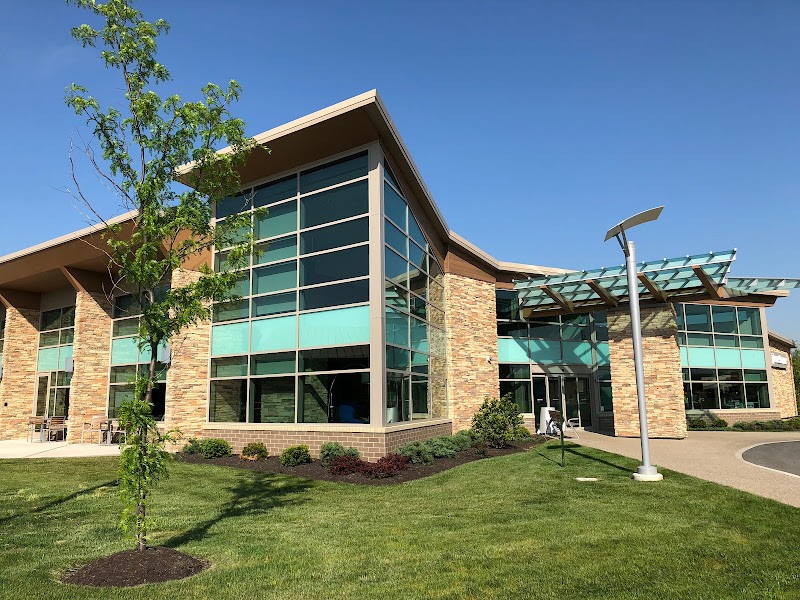
How is Jamestowne Rehabilitation Staffed?

CMS rates JAMESTOWNE REHABILITATION's staffing level at 5 out of 5 stars, which is much above average compared to other nursing homes. Staff turnover is 54%, compared to the Ohio average of 46%.

What Have Inspectors Found at Jamestowne Rehabilitation?

State health inspectors documented 13 deficiencies at JAMESTOWNE REHABILITATION during 2021 to 2024. These included: 1 that caused actual resident harm, 10 with potential for harm, and 2 minor or isolated issues. Deficiencies causing actual harm indicate documented cases where residents experienced negative health consequences.
Who Owns and Operates Jamestowne Rehabilitation?

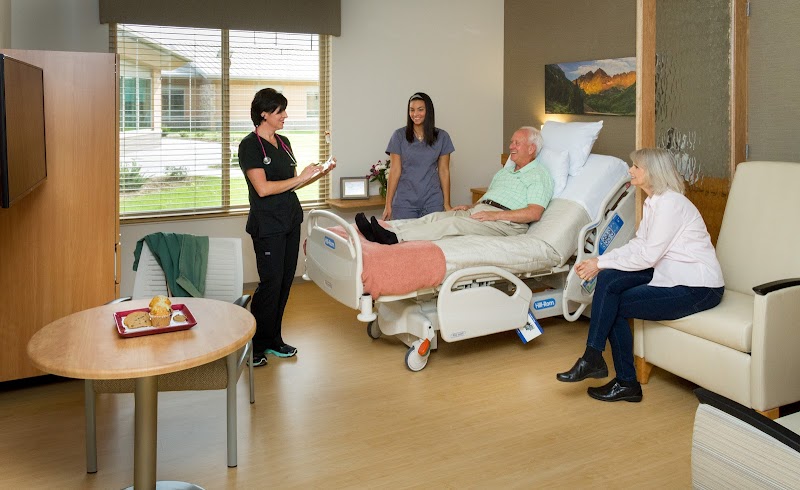
JAMESTOWNE REHABILITATION is owned by a non-profit organization. Non-profit facilities reinvest revenue into operations rather than distributing to shareholders. The facility operates independently rather than as part of a larger chain. With 42 certified beds and approximately 36 residents (about 86% occupancy), it is a smaller facility located in HAMILTON, Ohio.

How Does Jamestowne Rehabilitation Compare to Other Ohio Nursing Homes?

Compared to the 100 nursing homes in Ohio, JAMESTOWNE REHABILITATION's overall rating (4 stars) is above the state average of 3.2, staff turnover (54%) is near the state average of 46%, and health inspection rating (3 stars) is at the national benchmark.

What Should Families Ask When Visiting Jamestowne Rehabilitation?

Based on this facility's data, families visiting should ask: "Can I visit during a mealtime to observe dining assistance and food quality?" "How do you handle medical emergencies, and what is your hospital transfer rate?" "Can I speak with family members of current residents about their experience?"

Is Jamestowne Rehabilitation Safe?

Based on CMS inspection data, JAMESTOWNE REHABILITATION has a clean safety record: no substantiated abuse findings (meaning no confirmed cases of resident harm), no Immediate Jeopardy citations (the most serious violation level indicating risk of serious injury or death), and is not on the Special Focus Facility watch list (a federal program monitoring the lowest-performing 1% of nursing homes). The facility has a 4-star overall rating and ranks #1 of 100 nursing homes in Ohio. While no facility is perfect, families should still ask about staff-to-resident ratios and recent inspection results during their visit.

Do Nurses at Jamestowne Rehabilitation Stick Around?

JAMESTOWNE REHABILITATION has a staff turnover rate of 54%, which is 8 percentage points above the Ohio average of 46%. Moderate turnover is common in nursing homes, but families should still ask about staff tenure and how the facility maintains care continuity when employees leave.

Was Jamestowne Rehabilitation Ever Fined?

JAMESTOWNE REHABILITATION has no federal fines on record. CMS issues fines when nursing homes fail to meet care standards or don't correct problems found during inspections. The absence of fines suggests the facility has either maintained compliance or corrected any issues before penalties were assessed. This is a positive indicator, though families should still review recent inspection reports for the full picture.

Is Jamestowne Rehabilitation on Any Federal Watch List?

JAMESTOWNE REHABILITATION is not on any federal watch list. The most significant is the Special Focus Facility (SFF) program, which identifies the bottom 1% of nursing homes nationally based on persistent, serious quality problems. Not being on this list means the facility has avoided the pattern of deficiencies that triggers enhanced federal oversight. This is a positive indicator, though families should still review the facility's inspection history directly.