RESIDENCE AT HUNTINGTON COURT
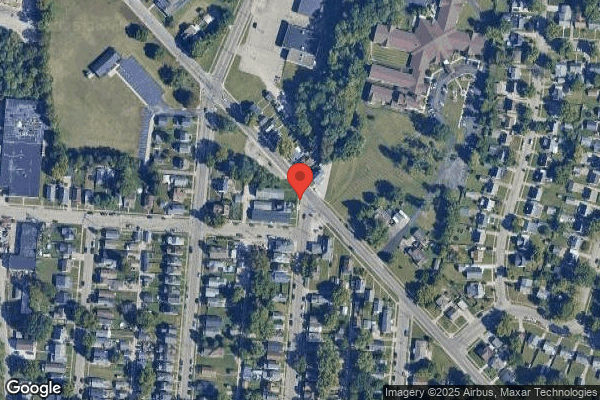
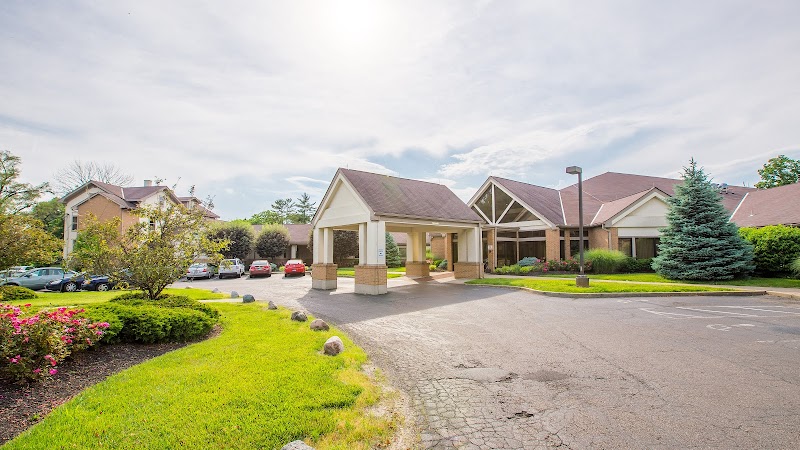
350 HANCOCK AVENUE, HAMILTON, OH 45011 (513) 863-4218
For profit - Corporation 96 Beds FOUNDATIONS HEALTH SOLUTIONS Data: November 2025
Trust Grade
60/100
#533 of 913 in OH
Last Inspection: June 2025

Inspected within the last 6 months. Data reflects current conditions.

Overview

The Residence at Huntington Court has a Trust Grade of C+, indicating it is decent and slightly above average compared to other nursing homes. It ranks #533 out of 913 facilities in Ohio, placing it in the bottom half, and #20 out of 24 in Butler County, meaning only a few local options are better. Unfortunately, the facility is experiencing a worsening trend, with issues increasing from 2 in 2023 to 4 in 2025. While staffing is a weakness with a low rating of 1 out of 5 stars, the staff turnover rate is 39%, which is below the state average, suggesting some stability. There have been serious concerns, such as a medication error that led to a resident being hospitalized for high blood sugar, and issues with dietary staff not wearing proper hair restraints, which could affect food safety. On a positive note, the facility has not received any fines, indicating compliance with regulations. However, there is less RN coverage than 85% of Ohio facilities, which raises concerns about the quality of care.

Trust Score
C+
60/100
In Ohio
#533/913
Bottom 42%
Safety Record
Moderate
Needs review
Inspections
Getting Worse
2 → 4 violations
Staff Stability
○ Average
39% turnover. Near Ohio's 48% average. Typical for the industry.
Penalties
✓ Good
No fines on record. Clean compliance history, better than most Ohio facilities.
Skilled Nurses
⚠ Watch
Each resident gets only 26 minutes of Registered Nurse (RN) attention daily — below average for Ohio. Fewer RN minutes means fewer trained eyes watching for problems.
Violations
⚠ Watch
15 deficiencies on record. Higher than average. Multiple issues found across inspections.
★★★☆☆
3.0
Overall Rating
★☆☆☆☆
1.0
Staff Levels
★★★☆☆
3.0
Care Quality
★★★★☆
4.0
Inspection Score
Stable
2023: 2 issues
2025: 4 issues

The Good

  • Full Sprinkler Coverage · Fire safety systems throughout facility
  • No fines on record
  • Staff turnover below average (39%)

    9 points below Ohio average of 48%

Facility shows strength in fire safety.

The Bad

3-Star Overall Rating

Near Ohio average (3.2)

Meets federal standards, typical of most facilities

Staff Turnover: 39%

Near Ohio avg (46%)

Typical for the industry

Chain: FOUNDATIONS HEALTH SOLUTIONS

Part of a multi-facility chain

Ask about local staffing decisions and management

The Ugly 15 deficiencies on record

1 actual harm
Jun 2025 4 deficiencies
CONCERN (D)

Potential for Harm - no one hurt, but risky conditions existed

ADL Care (Tag F0677)

Could have caused harm · This affected 1 resident

Based on observation, staff interview, and medical record review, the facility failed to ensure adequate nail care was provided for one (#24) of 18 sampled residents. The census was 90. Findings incl...

Read full inspector narrative →
Based on observation, staff interview, and medical record review, the facility failed to ensure adequate nail care was provided for one (#24) of 18 sampled residents. The census was 90. Findings included: Review of an admission record revealed the facility admitted Resident #24 on 01/10/25 with diagnoses including cerebral infarction due to thrombosis of the right posterior cerebral artery, dementia with agitation, need for assistance with personal care, type II diabetes mellitus, and contracture of the muscle of the left upper arm. Review of the quarterly Minimum Data Set (MDS) assessment, with an Assessment Reference Date (ARD) of 05/19/25, revealed Resident #24 had a Brief Interview for Mental Status (BIMS) score of seven (7), which indicated the resident had severe cognitive impairment. The MDS assessment indicated the resident was dependent on staff for bathing and required partial to moderate assistance with personal hygiene. Review of Resident #24's care plan report, included a focus area initiated 01/29/25, that indicated the resident's needs for activities of daily living (ADLs) care ranged from requiring partial assistance to being totally dependent on staff. Interventions directed staff to provide bathing assistance, diabetic nail care, and grooming (including nails) assistance as needed, and to monitor for a decline in care and report to clinical staff as needed. The care plan report also included a focus area initiated 01/29/25, that indicated the resident refused personal care at times. Interventions directed staff to document educational attempts made with the resident. Review of Resident #24's ADL-Bathing record revealed staff documented nail care was provided on 06/14/25 and 06/18/25. The report revealed no documented evidence the resident refused nail care on 06/14/25 or 06/18/25. Review of Resident #25's shower day skin inspection sheet dated 06/14/25, revealed Certified Nurse Aide (CNA) #12 documented Resident #24's fingernails were cleaned. Review of Resident #24's shower day skin inspection sheet, dated 06/18/25, revealed CNA #13 documented Resident #24's fingernails were cleaned. Review of Resident #24's progress notes, dated 06/13/25 through 06/18/25, revealed no evidence to indicate Resident #24 refused nail care on 06/14/25 or 06/18/25. During an observation on 06/17/25 at 11:23 A.M., Resident #24 was observed in bed and the resident's fingernails on the right hand were approximately one-half an inch beyond the nail bed and there was brown matter under each nail. During an observation on 06/19/25 at 8:41 A.M., Resident #24 was in bed and the resident's fingernails on the right hand had brown matter underneath the nail. During a telephone interview on 06/20/25 at 8:28 A.M, CNA #12 stated she provided a bed bath for Resident #24 on 06/14/25. She stated Resident #24 became combative while cleaning the resident's nails and she was only able to clean two nails on the left hand and one nail on the right hand. She stated she notified Licensed Practical Nurse (LPN) #7 that the resident refused nail care but did not document on the shower day skin inspection sheet that she was unable to finish cleaning the resident's fingernails. During a telephone interview on 06/20/25 at 9:39 A.M., LPN #7 stated she remembered CNA #12 told her that she was not able to clean all of Resident #24's nails on 06/14/25; however, she forgot to document the refusal. LPN #7 stated Resident #24 did not like their hands to be touched and would not allow staff to clean their nails on 06/14/2025. During an interview on 06/19/25 at 11:46 A.M., CNA #13 stated on 06/18/25, Resident #24 allowed her to start cleaning their nails but became combative and she was not able to finish cleaning the resident's nails on their right hand. CNA #13 stated she meant to go back to finish the resident's nail care but forgot. During an interview on 06/19/25 at 12:03 P.M., Unit Manager (UM) #9 stated Resident #24 could be very resistant to care. During a concurrent interview and observation on 06/19/25 at 12:09 P.M., UM #9 entered Resident #24's room, picked up the resident's right hand, and stated the resident's nails were long and had some type of substance underneath the nails. UM #9 stated the resident's fingernails definitely needed to be cleaned and trimmed. UM #9 then opened the clenched fingers on Resident #24's left hand and stated the nails could be trimmed. During an interview on 06/19/25 at 11:18 A.M., the Director of Nursing (DON) stated the CNAs needed to clean the residents' fingernails when they were soiled or dirty. The DON stated if the CNA was unable to clean the residents' nails, they should let the nurse know. The DON stated the CNAs and nurses were supposed to sign the shower day skin inspection sheets, indicating whether care was provided. The DON stated the nurse should verify care was provided and if a resident refused care, the nurse should document a progress note. During an interview on 06/20/25 at 10:44 A.M., the Administrator stated her expectation was for the CNA to let the nurse know if the resident became combative, and they could not clean their nails. The Administrator stated her expectation was for staff to attempt nail care, communicate with the nurse if they were unable to complete nail care, and if nail care was not able to be completed, they should document the refusal. During an interview on 06/19/25 at 12:39 P.M., Corporate Clinician #20 stated the facility did not have a policy for nail care. Corporate Clinician #20 stated the provision of nail care was standard practice.
CONCERN (D)

Potential for Harm - no one hurt, but risky conditions existed

Deficiency F0760 (Tag F0760)

Could have caused harm · This affected 1 resident

Based on medical record review, staff interview, and facility policy review, the facility failed to hold blood pressure medications when the blood pressure was out of physician prescribed parameters w...

Read full inspector narrative →
Based on medical record review, staff interview, and facility policy review, the facility failed to hold blood pressure medications when the blood pressure was out of physician prescribed parameters which resulted in a significant medication error. This affected one (#29) of five sampled residents reviewed for unnecessary medications. The census was 90. Findings included: Review of an admission record indicated the facility admitted Resident #29 on 07/26/18. Diagnoses included acute combined systolic and diastolic (congestive) heart failure. Review of a quarterly Minimum Data Set (MDS) assessment, with an Assessment Reference Date (ARD) of 05/21/25, revealed Resident #29 had a Brief Interview for Mental Status (BIMS) score of nine (9), which indicated the resident had moderate cognitive impairment. Review of Resident #29's care plan report included a focus area initiated 06/29/23 that indicated the resident had cardiac symptoms. Interventions directed staff to administer medications as ordered, monitor for side effects related to anti-hypertensive medication, and monitor the effectiveness of the interventions. Review of Resident #29's order summary report for active orders as of 06/20/25, included an order dated 02/16/24, for Isosorbide Mononitrate (decreases blood pressure) extended release (ER) 60 milligrams (mg), give one tablet by mouth one time daily at 9:00 A.M. for hypertension, with instructions to hold if systolic blood pressure (SBP) was less than 120 millimeters of mercury (mmHg) or heart rate was less than 60 beats per minute (BPM); and an order dated 08/28/24, for Lisinopril (decreases blood pressure)10 mg, give one tablet by mouth two times a day at 9:00 A.M. and 9:00 P.M. for hypertension, with instructions to hold for SBP less than 120 mmHg, heart rate less than 60 BPM. Review of Resident #29's medication administration record (MAR) for the timeframe 04/01/25 through 04/30/25, revealed at 9:00 A.M. on 04/02/25, 04/03/25, 04/10/25, and 04/11/25 Isosorbide Mononitrate ER 60 mg and Lisinopril 10 mg were administered to the resident when their SBP was less than 120 mmHg. Review of Resident #29's MAR for the timeframe 04/01/25 through 04/30/25, revealed Lisinopril 10 mg was administered to the resident at 9:00 P.M. on 04/03/25, 04/05/25, 04/06/25, 04/08/25, 04/10/25, 04/12/25, 04/13/25, 04/15/25, 04/17/25, 04/28/25, and 04/30/25 when the resident's SBP was less than 120 mmHg. Review of Resident #29's MAR for the timeframe 05/01/25 through 05/31/25, revealed at 9:00 A.M. on 05/17/25 and 05/18/25 Isosorbide Mononitrate ER 60 mg and Lisinopril 10 mg were administered to the resident when their SBP was less than 120 mmHg. Review of Resident #29's MAR for the timeframe 05/01/25 through 05/31/25, revealed Lisinopril 10 mg was administered to the resident at 9:00 P.M. on 05/03/25, 05/04/25, 05/05/25, 05/06/25, 05/08/25, 05/09/25, 05/11/25, 05/13/25, 05/14/25, 05/18/25, 05/19/25, 05/28/25, and 05/31/25 when the resident's SBP was less than 120 mmHg Review of Resident #29's MAR for the timeframe 06/01/25 through 06/30/25, revealed Lisinopril 10 mg was administered to the resident at 9:00 P.M. on 06/05/25 and 06/09/25 when the resident's SBP was less than 120 mmHg. During a telephone interview on 06/20/25 at 5:35 A.M., Licensed Practical Nurse (LPN) #3 stated if a resident had parameters for their medications she would check the resident's vital signs prior to preparing the medications and if the vital signs were out of the established parameters, she would hold the medication and make a note. LPN #3 stated Resident #29's blood pressure medications had an order to hold if the resident's SBP was less than 110 mmHg or their pulse was less than 60 BPM. LPN #3 then checked Resident #29's physician orders and stated the parameters were for 120 mmHg and not 110 mmHg. LPN #3 confirmed she had given the medication when the resident's SBP was out of the parameters on multiple occasions because she thought the parameter was 110 mmHg. LPN #3 stated she should have read the order completely to ensure she was following the physician orders. During a telephone interview on 06/19/25 at 3:49 P.M., Registered Nurse (RN) #2 stated if a resident had parameters for when to hold their medications then she would hold the medication if needed and document on a progress note or put it in the drop-down box on the MAR. RN #2 reviewed the resident's MAR for April 2025 and May 2025 and stated the resident's blood pressure medications should not have been given, but she was typically good about holding the medication and may have signed off that she gave the medication but really held it. RN #2 stated at times she would forget what the parameters were and would need to double check. RN #2 stated she would not have given the medication if Resident #29's blood pressure was 98/53 mmHg (on 04/03/25 at 9:00 P.M.), that it had to be a documentation error, but she was not sure about the other times she documented that she had given it. During an interview on 06/19/25 at 3:25 P.M., LPN #4 stated if the resident's blood pressure was within parameters she would give the blood pressure medication and if not, then she would hold the medication, make a note, notify the physician, then waste the medication. LPN #4 verified that she gave Resident #29 their blood pressure medications when they should have been held on 04/03/25, 05/17/25, and 05/18/25. LPN #4 stated she should have double checked the order to ensure she was giving the medication according to the physician order. During an interview on 06/19/25 at 3:44 P.M., LPN #6 stated if a resident's order had parameters when to hold their blood pressure medications, she would hold the medication until vital signs were obtained and then hold if needed. After review of Resident #29's blood pressures on 04/02/25 and 04/10/25, LPN #6 stated the medication should have been held. LPN #6 stated she was not sure why she did not hold the medication except that most of the resident's hold orders were for 110 mmHg. LPN #6 stated she should have checked and rechecked the order to ensure what the parameters were for that resident. During an interview on 06/20/25 at 9:58 A.M., the Director of Nursing (DON) stated the nurse should be aware of the parameters prior to administering the medications, and if the resident's blood pressure or pulse did not meet the parameters, they should not administer the medication. The DON stated if the medications were held it should be documented on the MAR, but a progress note would not necessarily be written. Per the DON, there were no medication error reports completed for Resident #29. The DON reviewed Resident #29's MARs for April, May, and June 2025 and stated the nurses should not have given the medication on those days the resident's SBP was out of the prescribed parameters. During an interview on 06/20/25 at 10:17 A.M., the Administrator stated the nurses should read the orders completely, verify and double check everything. The Administrator stated medication should not be given if the resident's vital signs were not in the parameters. After review of Resident #29's MARs, the Administrator stated it was not okay that the nurses administered the medication when the resident's blood pressure was out of the parameters. The Administrator stated that even if they had not given the medication, they still documented that they did, and that was not okay either. During an interview on 06/20/25 at 12:32 P.M., the Medical Director (MD) #30 stated parameters were used for blood pressure medications to keep a resident's blood pressures from going too low, and medications should be held to avoid complications of hypotension, dizziness, and increased risk for falls. MD #30 stated the parameters depended on the resident and the medication. MD #30 stated he was notified on 06/20/25 that the resident's blood pressure medications were not being held according to the parameters. MD #30 stated his expectation was that staff held the medication if it was out of the set parameters, and if the resident was symptomatic, he should be notified. Review of a facility policy titled, Medication Administration, dated 06/11/17, indicated medications will be administered by legally-authorized and trained persons in accordance to applicable State, Local, and Federal laws and consistent with accepted standards of practice. The policy specified to obtain and record any vital signs as necessary prior to medication administration.
CONCERN (F)

Potential for Harm - no one hurt, but risky conditions existed

Food Safety (Tag F0812)

Could have caused harm · This affected most or all residents

Based on observation, staff interview, and review of the facility policy review, the facility failed to ensure hairnets worn by dietary staff in the kitchen restrained all of their hair to ensure food...

Read full inspector narrative →
Based on observation, staff interview, and review of the facility policy review, the facility failed to ensure hairnets worn by dietary staff in the kitchen restrained all of their hair to ensure food was served in a sanitary manner for the 90 residents who received food from the kitchen. The census was 90. Findings included: During an observation on 06/18/25 at 9:57 A.M., [NAME] #1 was noted to prepare pureed foods. [NAME] #1 wore a hairnet that covered the top part of her hair. [NAME] #1's hair hung down her back and approximately 12 inches of her hair was outside of the hairnet. During an observation on 06/18/25 at 11:10 A.M., [NAME] #1 prepared the lunch meal and the back of her hair remained outside the hairnet. During an observation on 06/18/25 at 11:34 A.M., [NAME] #1 served residents their lunch meal from the steam table and the back of her hair remained outside the hairnet. During an interview on 06/18/25 at 12:30 P.M., [NAME] #1 stated the hairnet should cover her whole head. [NAME] #1 stated she was in a hurry and forgot to properly put on the hairnet. During an interview on 06/18/25 at 3:29 P.M., Regional Registered Dietitian #40 stated her expectation was that hairnets and beard covers should be worn at all times while staff were in the kitchen. During an interview on 06/18/25 at 3:31 P.M., the Dietary Manager (DM) #50 stated her expectation was that staff should always wear a hairnet, and the hairnet should cover all their hair. DM #50 stated it was important to wear a hairnet so that they did not get hair in the residents' food. During an interview on 06/20/25 at 9:37 A.M., the Director of Nursing (DON) stated her expectation was that kitchen staff wore hairnets that covered their hair. During an interview on 06/20/25 at 9:43 A.M., the Administrator stated her expectation was that staff always wore hairnets in the kitchen. The Administrator stated everyone who went into the kitchen should wear a hairnet, and the hairnet should cover all their hair. Review of a facility policy titled, Infection Control - Dietary/Food Handling, revised 05/2015, indicated hairnets or caps must be worn to effectively keep hair from contacting exposed food, clean equipment, utensils and linens.
MINOR (C)

Minor Issue - procedural, no safety impact

Staffing Information (Tag F0732)

Minor procedural issue · This affected most or all residents

Based on observation, staff interview, and document review, the facility failed to ensure nurse staffing data was posted daily, at the beginning of each shift on the weekends, and contained the reside...

Read full inspector narrative →
Based on observation, staff interview, and document review, the facility failed to ensure nurse staffing data was posted daily, at the beginning of each shift on the weekends, and contained the resident census as required. This deficient practices had the potential to affect all 90 residents who resided in the facility. The census was 90. Findings included: Review of the facility daily staffing forms, dated 04/01/25 through 06/18/25, revealed the resident census was not documented for each shift, each day. During an observation on 06/18/25 at 8:16 A.M., the posted daily staffing form, dated 06/18/25, located in a cabinet on a wall in a hallway, revealed the posting did not include the resident census. During an observation on 06/19/25 at 11:25 A.M., the daily staffing form for 06/19/25 was not posted in the wall cabinet of the facility. During an interview on 06/19/25 at 10:52 A.M., the Director of Nursing (DON) stated that either she or one of the unit managers completed the daily staffing form and posted the form. The DON stated the daily staffing form was typically completed between 7:00 A.M. and 8:00 A.M. during the weekdays and then posted; however, she had not posted the form for 06/19/25. The DON stated the facility had two shifts, 7:00 A.M. to 7:00 P.M. and 7:00 P.M. to 7:00 A.M. and the daily staffing form, which included the day and night shift totals, was only posted once per day. The DON stated she was not aware the staff posting was required to be posted at the beginning of each shift. The DON stated that the resident census was discussed in a morning meeting but was not included on the daily staffing forms. During a follow-up interview on 06/20/25 at 9:18 A.M., the DON stated that on Fridays, the facility posted projected staffing data for the weekend. Per the DON, there was no one designated to post the daily staffing form on the weekends. During an interview on 06/20/25 at 8:22 A.M., Corporate Clinician #20 stated the facility did not change the daily staffing form each shift during the weekends. During an interview on 06/20/25 at 10:34 A.M., the Administrator stated the nurse staffing data that was posted for the weekends was based on the number of staff who were scheduled. The Administrator stated she reviewed the posting to see that it was present and that the staffing numbers were based on the resident census and acuity. The Administrator stated if someone called off, the on-call nurses knew they would have to work if the shift could not be filled. Per the Administrator, she expected the daily nurse staffing data form to be completed and posted early in the shift. During an interview on 06/20/25 at 8:22 A.M., Corporate Clinician #20 stated the facility did not have a policy related to posting nurse staffing data. Per Corporate Clinician #20, the facility followed federal regulations.
Dec 2023 1 deficiency 1 Harm
SERIOUS (G) 📢 Someone Reported This

A family member, employee, or ombudsman was alarmed enough to file a formal complaint

Actual Harm - a resident was hurt due to facility failures

Deficiency F0760 (Tag F0760)

A resident was harmed · This affected 1 resident

**NOTE- TERMS IN BRACKETS HAVE BEEN EDITED TO PROTECT CONFIDENTIALITY** THE FOLLOWING DEFICIENCY REPRESENTS AN INCIDENT OF PAST NON-COMPLIANCE THAT WAS SUBSEQUENTLY CORRECTED PRIOR TO THIS SURVEY. Bas...

Read full inspector narrative →
**NOTE- TERMS IN BRACKETS HAVE BEEN EDITED TO PROTECT CONFIDENTIALITY** THE FOLLOWING DEFICIENCY REPRESENTS AN INCIDENT OF PAST NON-COMPLIANCE THAT WAS SUBSEQUENTLY CORRECTED PRIOR TO THIS SURVEY. Based on medical record review, review of hospital records, staff interviews and policy review, the facility failed to ensure a therapeutic medication interchange was reconciled timely resulting in a significant medication error for the resident's diabetic medication (insulin). This resulted in Actual Harm when Resident #102 did not receive her insulin as ordered on 11/20/22 which resulted in Resident #102 being admitted to the hospital with a high blood sugar reading of 964 milligrams (mg)/ deciliter (dL). This affected one (#102) out of the three residents reviewed for medications administration. The facility census was 85. Findings included: Review of the medical record for Resident #102 revealed an admission date of 11/17/22 with medical diagnoses of protein calorie malnutrition, diabetic mellitus with ketoacidosis, dysphagia, and senile degeneration of the brain. Review of the medical record revealed Resident #102 was discharged to the hospital on [DATE] with altered mental status. Review of the medical record for Resident #102 revealed a discharge Minimum Data Set (MDS), dated [DATE], which indicated Resident #102 had short term memory loss and had modified independence with decision making. The MDS stated Resident #102 required extensive staff assistance with bed mobility, transfers, dressing, toileting, and personal hygiene. Review of the medical record for Resident #102 revealed a physician order, dated 11/18/22 for Humalog solution (insulin) 100 units per milliliter (ml) per sliding scale, to inject insulin subcutaneous (SQ) before meals and every evening for diabetes mellitus. The sliding scale stated if blood sugar was 151-200 to give two units; 201-250 to give four units; 251-300 to give six units; 301-350 to give eight units; 351-400 to give 10 units and if blood sugar 401+ call medical director (MD). Review of the medical record revealed a physician order, dated 11/20/22 for Humalog Kwikpen 100 units/ml solution pen-injector. The order stated to inject before meals and every evening for diabetes mellitus per sliding scale. The sliding scale stated if blood sugar was 151-200 to give two units; 201-250 to give four units; 251-300 to give six units; 301-350 to give eight units; 351-400 to give 10 units and if blood sugar 401+ call MD. Review of the medical record for Resident #102 revealed the November 2022 Medication Administration Record (MAR) which indicated Resident #102 received her insulin as ordered on 11/19/22 but did not contain documentation to support the facility checked Resident #102's blood sugar levels or that Resident #102 was administered insulin on 11/20/22. Review of the medical record for Resident #102 revealed a nurse progress note, dated 11/21/22 at 9:32 A.M., which stated the nurse spoke with the resident around 7:30 A.M. and resident was noted to be sleepy but was able to answer questions. The note continued to state at 9:30 A.M. therapy staff reported Resident #102 was too sleepy for therapy. The note stated the nurse went to check on Resident #102 and to give medications and the resident was noted to be lethargic and not able to answer questions. The note stated the nurse called the physician and reported Resident #102's change of condition and a new order was received to send to the hospital. Vital signs were taken and blood sugar level before nine-one-one (911) arrived. Resident #102's blood sugar level was noted to be high. Review of the medical record for Resident #102 revealed a transfer out of facility assessment, dated 11/21/22, which stated Resident #102 was sent out to the hospital due to altered mental status change and recent fall. The assessment indicated the last recorded blood sugar was 333 ml/dL on 11/19/22. Review of the medical record revealed an emergency department (ED) report, dated 11/21/22, stated Resident #102 was seen in the ED for hyperglycemia. The report stated Resident #102 presented to ED with alert eyes and attempted to speak but was not easily understood. The lab work in the ED revealed a blood glucose level of 964 mg/dL and Resident #102 was diagnosed with hyperosmolar hyperglycemic state, dehydration, and metabolic encephalopathy. The note continued to state Resident #102 was admitted to the hospital. Interview with Administrator on 12/13/23 at 1:35 P.M. confirmed the medical record for Resident #102 did not contain documentation to support the facility staff checked Resident #102's blood sugar levels or administered insulin on 11/20/22. Administrator stated the pharmacy recommended a therapeutic interchange from Humalog insulin per sliding scale to Humalog Kwikpen injector per sliding scale on 11/19/22 but the nurses did not confirm the new order for the Humalog Kwikpen in Resident #102's electronic health record. Administrator stated since the nurses did not confirm the order for the Humalog Kwikpen, the insulin did not appear on the MAR for the nurses to check Resident #102's blood sugar levels or administer insulin on 11/20/22. Administrator stated the facility identified the concern related to therapeutic medication interchanges and insulin administration and completed all nursing staff education on 11/21/22 and 11/22/22. Review of the facility policy titled, Medication Administration, dated 06/21/17, stated the nurse was responsible for noting any changes on the MAR and medications would be administered by legally authorized and trained persons consistent with accepted standards of practice. The deficient practice was corrected on 12/09/22 when the facility implemented the following corrective actions: • On 11/21/22, Resident #102 was transferred to a local hospital via emergency medical services after the physician was notified of a change of condition. • On 11/21/22, immediate education was provided to Director of Nursing (DON) by corporate clinician on medication administration regarding diabetic residents, admission process, change of condition, therapeutic interchanges, and signs and symptoms of hyper/hypoglycemia. • On 11/21/22, Assistant Director of Nursing (ADON) #09/nursing supervisor completed audits on all diabetic orders to ensure they were entered into the electronic health records correctly. • On 11/21/22, DON provided education to all licensed nurses on medication administration regarding diabetic residents and therapeutic interchanges. • On 11/22/22, DON provided education to all licensed nurses on medication administration for diabetic residents, admission process, change of condition, therapeutic interchanges, and signs of hyper/hypoglycemia. • On 11/22/22, DON provided one on one education with ADON #09, unit managers, and nursing supervisors on medication administration for diabetic residents, admission/readmission process, change of condition, therapeutic interchanges, and signs and symptoms of hyper/hypoglycemia. • On 11/22/22, Administrator provided education to Admissions Coordinator on admission process to ensure correct paperwork was given to nurses on admission and readmissions. • On 11/22/22, an initial Quality Assurance and Performance Improvement (QAPI) plan was completed, and monitoring tools were completed weekly for four weeks on admission and readmission process, therapeutic interchange process along with the monitoring of diabetic medication orders to ensure entered in electronic health records correctly. Review of the QAPI revealed all monitoring tools were completed and no issues were noted. • On 11/22/22, Licensed Practical Nurse (LPN) #315, who was responsible for Resident #102's medications on 11/20/22, was terminated for not administering medications as ordered and other non-related issues. • On 12/09/22, all facility QAPI monitoring tools were completed and reviewed. No further issues were identified. • On 12/13/23 two (#100 #104) additional residents medical records were reviewed regarding medication administration. No concerns were identified. • On 12/13/23 between 8:41 A.M. and 11:18 A.M., LPN #300 and LPN #275 were observed passing medications to Resident #51, #55 and #63. No medication errors were observed. • Interviews on 12/13/23 from 3:34 P.M. to 3:37 P.M. with LPN #275 and #311 confirmed the facility provided education in November 2022 on therapeutic medication interchanges, medication administration for diabetic residents, and signs and symptoms of hyper/hypoglycemia. This deficiency represents non-compliance investigated under Complaint Number OH00148476.
Jun 2023 1 deficiency
CONCERN (D) 📢 Someone Reported This

A family member, employee, or ombudsman was alarmed enough to file a formal complaint

Potential for Harm - no one hurt, but risky conditions existed

Deficiency F0688 (Tag F0688)

Could have caused harm · This affected 1 resident

Based on medical record review, observation, and staff interview, the facility failed to ensure residents received services to prevent ongoing decline in range of motion (ROM). This affected one (#24)...

Read full inspector narrative →
Based on medical record review, observation, and staff interview, the facility failed to ensure residents received services to prevent ongoing decline in range of motion (ROM). This affected one (#24) of three residents reviewed for contracture management/ROM. The facility census was 87. Findings include: Review of the medical record for Resident #24 revealed an admission date of 10/16/20 with diagnoses including dysphagia, polyarthritis, hemiplegia and hemiparesis, and cerebral infarction affecting left non-dominant side. Review of the Minimum Data Set (MDS) for Resident #24 dated 05/17/23 revealed the resident was cognitively impaired and required extensive assistance with activities of daily living (ADL's). Resident #24 was coded for functional impairment on both sides to upper and lower extremities. Review of the care plan for Resident #24 dated 10/09/20 revealed the resident may require assistance with ADL's, receive staff's extensive assistance to total care in completion of ADL care/functional needs. Mechanical lift was utilized for all transfer needs and resident used a reclining geri chair for out of bed mobility needs. Resident #24's cognition was impaired, and the resident had a history of stroke with left sided weakness and muscle weakness. Interventions included the following: provide assist for ADL's based on residents needs/abilities, provide necessary adaptive equipment to meet daily needs, therapy to screen and provide treatment as ordered, report any changes in ADL self-performance. Review of Restorative Nursing caseload list dated 06/30/23 revealed Resident #24 was not receiving restorative services. Observation on 06/30/23 at 12:19 P.M. of Resident #24 revealed the resident was compliant with peri care per State Tested Nursing Assistants (STNA's) #425 and #555. Resident #24 was compliant with Licensed Practical Nurse (LPN) #275 application of lotion to her feet. Further observation revealed Resident #24's feet appeared to have slight footdrop and bilateral hands appeared to be somewhat contracted. Observations of Resident #24 revealed staff did not perform ROM and there were no splints observed. Interview on 06/30/23 at 12:24 P.M. of STNA's #425 and #555 confirmed Resident #24 was not on a ROM program nor did she have any orders for splints. STNA's #425 and #555 confirmed if resident required ROM services they would be provided by therapy or the facility restorative aides. Interview on 06/30/23 at 12:25 P.M. of LPN #275 confirmed Resident #24's fingers appeared slightly contracted and resident appeared to have slight foot drop bilaterally. Interview on 06/30/23 at 1:42 P.M. of the Administrator confirmed Resident #24 had not been seen or screened by therapy in over two years. Administrator confirmed the facility had a restorative program which was overseen by the Director of Nursing (DON). Administrator confirmed the facility did not have policies regarding contracture management, range of motion services, and/or therapy screening and referrals. Interview on 06/30/23 at 1:50 P.M. with Certified Occupational Therapy Assistant (COTA) #680 who also served as therapy program manager for the facility, confirmed the facility had not written policy for screening residents for appropriateness for therapy. COTA #680 confirmed the therapy department relied on nursing staff to report significant changes which might indicate resident would benefit from therapy. COTA #680 confirmed the therapy department worked closely with the restorative aides and would assist with setting up programs including restorative ROM programs. COTA #680 confirmed Resident #24 had not been on therapy caseload in recent years. Interview on 06/30/23 at 1:57 P.M. with COTA #680 after observation of Resident #24 confirmed the resident's fingers appeared to be contracted and feet showed slight signs of foot drop. COTA #680 confirmed it would be more appropriate to have an Occupational Therapist (OT) evaluate Resident #24's upper extremities and a Physical Therapist (PT) to evaluate the lower extremities. Interviews on 06/30/23 at 2:04 P.M. with Restorative Aide (RA) #120 and at 2:11 P.M. with RA #260 confirmed Resident #24 was not currently receiving any restorative services and had not been on restorative caseload at any time they could recall. Interview on 06/30/23 at 2:19 P.M. of PT #685 confirmed he observed Resident #24 on 06/30/23 and felt her feet showed slight dorsiflexion but did not feel the resident required ROM or restorative services or therapy services at this time. Interview on 06/30/23 at 2:19 P.M. of OT #690 confirmed she observed Resident #24 on 06/30/23 and felt the resident's hands had limited range of motion and weakness. OT #690 confirmed Resident #24 would benefit from a formal OT evaluation to determine appropriate services to prevent further decline in ROM. Interview on 06/30/23 at 2:38 P.M. of the DON confirmed Resident #24's MDS was coded for functional impairment to upper and lower bilateral extremities. DON confirmed Resident #24 had not been on therapy or restorative nursing caseload for the past two years and her care plan did not include interventions to prevent ADL decline except for PT and OT to evaluate as needed. This deficiency represents non-compliance investigated under Complaint Number OH00143648.
May 2022 4 deficiencies
CONCERN (D)

Potential for Harm - no one hurt, but risky conditions existed

Deficiency F0578 (Tag F0578)

Could have caused harm · This affected 1 resident

**NOTE- TERMS IN BRACKETS HAVE BEEN EDITED TO PROTECT CONFIDENTIALITY** Based on record review and staff interviews, the facility failed to ensure the correct code status was available in the resident...

Read full inspector narrative →
**NOTE- TERMS IN BRACKETS HAVE BEEN EDITED TO PROTECT CONFIDENTIALITY** Based on record review and staff interviews, the facility failed to ensure the correct code status was available in the residents' chart. This affected one (Resident #47) of 20 residents reviewed for advance directives. The facility census was 91. Findings include: Review of the medical record for Resident #47 revealed an admission date of 02/25/22. Diagnoses included chronic kidney disease stage four, cardiomegaly (enlarged heart), stroke, hypertension and heart failure. Review of the quarterly Minimum Data Set (MDS) assessment dated [DATE] revealed Resident #47 had intact cognition. Review of the care plan revealed Resident #47's code status was do not resuscitate (DNR). Review of Resident #47's paper chart revealed a Do Not Resuscitate Comfort Care (DNR-CC) order signed on 12/02/20. Review of the electronic medical record revealed Resident #47 was a full code. There was a physician order dated 02/25/21 for Resident #47 to be a full code. Interview on 5/17/22 at 9:37 A.M. with Registered Nurse (RN) #154 verified the electronic chart for Resident #47 contained a full code order dated 02/25/21 and the paper chart had DNR-CC paperwork signed 12/02/20.
CONCERN (D)

Potential for Harm - no one hurt, but risky conditions existed

Laboratory Services (Tag F0770)

Could have caused harm · This affected 1 resident

**NOTE- TERMS IN BRACKETS HAVE BEEN EDITED TO PROTECT CONFIDENTIALITY** Based on medical record review and staff interview, the facility failed to obtain a laboratory value as ordered by the physician...

Read full inspector narrative →
**NOTE- TERMS IN BRACKETS HAVE BEEN EDITED TO PROTECT CONFIDENTIALITY** Based on medical record review and staff interview, the facility failed to obtain a laboratory value as ordered by the physician for a resident. This affected one (Resident #49) of five residents reviewed for unnecessary medications. The facility census was 91. Findings include: Review of Resident #49's medical record revealed an admission dated of 10/07/20. Diagnoses included hypothyroidism. Review of the quarterly Minimum Data Set (MDS) assessment dated [DATE] revealed Resident #49 was assessed as being cognitively intact. Review of a pharmacy recommendation dated 02/09/22 revealed Resident #49 was currently on Levothyroxine 25 micrograms (mcg) daily and there was no evidence of a thyroid stimulating hormone (TSH) (laboratory value) in Resident #49's chart. A recommendation of a drawing a TSH now and at least yearly after was made. The physician signed and agreed with the recommendation on 02/17/22. Review of the physician orders dated 02/17/22 revealed an order for a TSH laboratory value in the A.M. and in three months. Further review of Resident #49's medical record revealed no documentation of a TSH level being obtained from 02/18/22 to 05/17/22. During an interview on 05/18/22 at 1:43 P.M., Corporate Nurse (CN) #250 confirmed a TSH level was not obtained on 02/18/22 or after for Resident #49.
CONCERN (D)

Potential for Harm - no one hurt, but risky conditions existed

Antibiotic Stewardship (Tag F0881)

Could have caused harm · This affected 1 resident

**NOTE- TERMS IN BRACKETS HAVE BEEN EDITED TO PROTECT CONFIDENTIALITY** Based on medical record review, record review, staff interview, and review of the facility's used clinical references, the facil...

Read full inspector narrative →
**NOTE- TERMS IN BRACKETS HAVE BEEN EDITED TO PROTECT CONFIDENTIALITY** Based on medical record review, record review, staff interview, and review of the facility's used clinical references, the facility failed to have justification for use of an antibiotic to treat a urinary tract infection for Resident #30. This affected one (Resident #30) of five residents reviewed for unnecessary medications. The facility census was 91. Findings include: Review of Resident #30's medical record revealed an admission date of 01/31/16. Diagnoses included dementia, schizophrenia, and major depressive disorder. Review of the Minimum Data Set (MDS) assessment dated [DATE] revealed Resident #30 was cognitively intact. Review of Resident #30's physician orders dated 03/19/22 revealed an order for Ciprofloxacin hydrochloride (HCl) (antibiotic) 250 milligram (mg) two times a days for a UTI for seven days. Review of the medication administration records (MARs) revealed Ciprofloxacin was administered as ordered starting on 03/19/22. Further review of Resident #30's medical record revealed no documentation of a urine culture being obtained prior to the use of Ciprofloxacin in March 2022. There was no documentation of any physician recommendation to continue Ciprofloxacin without obtaining urine culture results. There was no evidence of Resident #30 having a fever or any painful urination. Review of the facility's infection control log revealed on 03/19/22, Resident #30 was noted as having a UTI. No urine culture was obtained. Resident #30 was ordered Ciprofloxacin twice a day for seven days. Review of the facility's clinical reference used for a urinary tract infection, National Health and Safety Network Urinary Tract Infection Catheter-Associated Urinary Tract Infection (CAUTI) and Non-Catheter-Associated Urinary Tract Infection (UTI) Events dated January 2022 revealed a resident that did not have an indwelling urinary catheter must have at least one of the following signs and symptoms to be considered a UTI. Fever greater than 38 celsius, suprapubic tenderness, costoverbal angel pain of tenderness, urinary frequency, urinary urgency, or dysuria. The resident must also have a urine culture with has a urine culture with no more than two species of organisms identified of at least one of which is a bacterium of greater than 100,000 colony-forming units per milliliter (CFU/ml). During an interview on 05/18/22 at 3:30 P.M., Corporate Nurse (CN) #250 confirmed there was not a justified use of Ciprofloxacin for UTI for Resident #30 on 03/19/22. CN #250 confirmed there was not any documentation of Resident #30 meeting the criteria for having an UTI.
CONCERN (E)

Potential for Harm - no one hurt, but risky conditions existed

Infection Control (Tag F0880)

Could have caused harm · This affected multiple residents

**NOTE- TERMS IN BRACKETS HAVE BEEN EDITED TO PROTECT CONFIDENTIALITY** Based on observations, medical record review, staff interview, and policy review, the facility failed to ensure hand hygiene was...

Read full inspector narrative →
**NOTE- TERMS IN BRACKETS HAVE BEEN EDITED TO PROTECT CONFIDENTIALITY** Based on observations, medical record review, staff interview, and policy review, the facility failed to ensure hand hygiene was completed during dining services and failed to ensure gloves were changed and hand hygiene was completed during a wound dressing change. This affected three (#57, #22 and #79) of 20 residents who ate in their room on 05/16/22 during lunch and affected one (#82) of two residents reviewed for dressing changes during the annual survey. The facility census was 91. Findings include: 1. Medical record review for Resident #82 revealed an admission of 07/30/20. Diagnoses included sepsis unspecified organism, coronary artery disease, renal insufficiency neurogenic bladder, and wound infection. Review of the quarterly Minimum Data Set (MDS) assessment dated [DATE] revealed Resident #82 was cognitively intact. Review of the physician's orders for Resident #82 dated 05/17/22 revealed to cleanse the area to the sacrum with normal saline, pat dry, apply one-fourth strength Dakins soaked gauze to wound, cover with ABD pads (a pad used for high absorbency) and don't use tape. Observation of a dressing change for Resident #82 on 05/18/22 at 1:55 P.M. with Licensed Practical Nurse (LPN) #115 revealed she washed her hands and put on gloves, removed the ABD pad and the dressing inside of the wound, sprayed wound cleanser on the wound, and cleaned the wound. LPN #115 proceeded to take the Dakins solution and placed it into the package that had a 4 X 4 in the package. LPN #115 did not change her gloves and took her right gloved hand and pulled out the 4 X 4, folded it up and placed it into the wound and removed her gloves and placed a clean pair of gloves onto her hands and placed a clean ABD pad on the wound. Interview with LPN #115 on 05/18/22 at 2:08 P.M. confirmed she should have changed her gloves and washed her hands after cleansing the wound and placed on new gloves to place the clean dressing into the wound. 2. Observation on 05/16/22 at 12:19 P.M. revealed State Tested Nursing Aide (STNA) #135 went into Resident #57's room and dropped off a lunch tray and came out of the room and didn't sanitize her hands. She continued to enter Resident #22's room, which had a sign on the door for contact isolation, dropped off a lunch tray and touched the tray table and a wheelchair with her right hand on the way out of the room. She continued to take both of her hands and pull trays out of the dining cart and took a lunch tray into Resident #79 and didn't wash or sanitize her hands upon leaving this resident's room. Interview with STNA #135 on 05/16/22 at 12:30 P.M. confirmed she didn't wash or sanitize her hands in-between rooms especially the isolation room and confirmed she should have performed hand hygiene. Review of the facility's policy titled Infection Prevention and Control Program dated 08/10/18 revealed it was the policy of the facility to establish and maintain an infection prevention and control program designed to provide a safe, sanitary, and comfortable environment and to help prevent the development and transmission of communicable diseases and infections. All staff shall perform hand hygiene between resident contacts and after handling contaminated objects. Gloves are changed and hand hygiene is performed before moving from a contaminated body site to a clean body site during resident care.
Mar 2019 5 deficiencies
CONCERN (D)

Potential for Harm - no one hurt, but risky conditions existed

Notification of Changes (Tag F0580)

Could have caused harm · This affected 1 resident

**NOTE- TERMS IN BRACKETS HAVE BEEN EDITED TO PROTECT CONFIDENTIALITY** Based on medical record review, staff and family interview and policy review, the facility failed to provide responsible party n...

Read full inspector narrative →
**NOTE- TERMS IN BRACKETS HAVE BEEN EDITED TO PROTECT CONFIDENTIALITY** Based on medical record review, staff and family interview and policy review, the facility failed to provide responsible party notification of change in condition for one (#382) of one reviewed for notification of change. The total facility census was 81. Findings Include: Review of Resident #383's medical record revealed the resident was admitted to the facility on [DATE]. Diagnosis include chest pain, polyneuropathy, chronic kidney disease, gastro esophageal disease, type two diabetes mellitus, hypertension, dorsalgia, chronic pain, anxiety, amnesia, Alzheimer's disease, dementia, syncope and collapse, hyperlipidemia, atrial fibrillation, aorta coronary bypass graft, hemiplegia and hemiparesis. Review of physician orders revealed the resident had orders for Coumadin (anticoagulant) 7.5 milligrams (mg) daily with an order date of 03/20/19. Resident had order for laboratory test revealed an order for Protime/International Normalized Ratio (PT/INR) to be done on 03/21/19 and every Monday and Thursday thereafter with an order date of 03/20/19. Review of the laboratory test result for the PT/INR on 03/25/19 revealed the resident test results were PT=13.1 and INR=1.2 and the physician ordered to to increase the Coumadin dose to 8 mg daily. Review of the medical record revealed the record was silent to the responsible party being notified of the change in anticoagulation dosing. Review of social service note dated 03/27/19 at 2:00 P.M. revealed the facility had a care conference to discuss the resident plan of care and therapy progress. Resident #382, social service department, therapy department and nursing staff involved in this meeting. Goals are related to transfers and strengthening for upright posture while sitting, occupational therapy self independence in areas of daily living, speech therapy working to lower restriction's of diet constrictions. Nursing staff address pain medication questions and wound questions. Resident code status addressed, visiting hours, residents rights and future care conference availability was discussed. The medical record is also silent to the family requesting to not be notified of small changes in the resident condition. During an interview with admission Staff #30 on 03/28/19 at 9:58 A.M. it was confirmed nursing staff are supposed to notify the responsible party if there is a change in the Coumadin dose, unless the family has requested to not be notified. admission Staff #30 stated if the family has requested to not be notified social services would make a note of that in the medical record. During an interview with the daughter of Resident #382 on 03/25/19 at 1:02 P.M. it was confirmed she was the person the facility would call with change of conditions and the daughter stated she has not been called by the facility with any changes on her mother. During an interview with the Director of Nursing (DON) on 03/28/19 at 11:00 A.M. it was confirmed the family was not notified of the change in the Coumadin dose that occurred on 03/25/19 relating to the PT/INR results. The DON stated the family does not wish to be notified of small changes. The DON was asked where that was documented and the DON stated she just got off the phone with the daughter and was informed that the daughter trusted the facility and did not want called unless the facility thought it was a big change in her condition. The DON verified there was no documentation of the family not wanting to be notified in the medical. Review of the Change of Condition policy dated 10/18/01 with revision dates of April 2002 and April 2003 revealed a change in condition is defined as deterioration in health, mental or psychosocial status of a resident related to a life-threatening condition, a significant alteration in treatment, or a significant change in the resident's clinical condition or status. Significant alteration in treatment is defined as a need to discontinue an existing form of treatment due to adverse consequences, or to commence a new treatment or the decisions to transfer a resident to a hospital. Further review of the procedure revealed the Unit supervisor or charge nurse will notify the resident, physician and guardian/interested family member of all changes as stated above and the person doing the notification will document all notification in the medical record.
CONCERN (D)

Potential for Harm - no one hurt, but risky conditions existed

Comprehensive Care Plan (Tag F0656)

Could have caused harm · This affected 1 resident

**NOTE- TERMS IN BRACKETS HAVE BEEN EDITED TO PROTECT CONFIDENTIALITY** 3. Review of Resident #80's medical record revealed the resident was admitted to the facility on [DATE]. Diagnoses including con...

Read full inspector narrative →
**NOTE- TERMS IN BRACKETS HAVE BEEN EDITED TO PROTECT CONFIDENTIALITY** 3. Review of Resident #80's medical record revealed the resident was admitted to the facility on [DATE]. Diagnoses including congestive heart failure, muscle wasting, chronic obstructive pulmonary disease, anemia, hypertension, anxiety, difficulty walking. Review of Resident #80's quarterly MDS assessment dated [DATE] revealed the resident had no cognitive impairment, had behaviors of rejecting care and required supervision with all Activities of Daily Living (ADL). On 03/25/19 at 12:41 P.M., during an interview with Resident #80, an observation was made of the residents' arms which had several small scabs on both arms. When questioned the resident stated, I scratch my arms, it is a nervous habit. On 03/25/19 at 9:55 A.M., an interview was conducted with Resident #80's son also referred to as Medical Power of Attorney (MPOA). During the interview the resident's son stated, Mom has done that for years. She picks at the scabs on her arms, it is a nervous habit she has done for years. Further review of Resident #80's care plan dated 01/25/18 revealed no information related to the resident's behavior of picking or scratching her arms. On 03/27/19 at 2:00 P.M., during an interview Unit Manager Licensed Practical Nurse (LPN) #83 confirmed Resident #80 care plan did not include behaviors for scratching and picking her arms. LPN #83 stated Resident #80's care plan was updated today (03/27/19) to reflect her behaviors and the resident was provided Geri sleeves (elastic cloth sleeves) to assist in preventing the resident from scratching and picking at her arms. Based on record review, observation and staff, family and resident interview, the facility failed to develop person centered care plans for two (#47 and #383) residents regarding their activity preferences, and one (#80) resident for their behavioral needs out of 21 records reviewed. The facility census was 81. Findings include: 1. Review of Resident #47's medical record revealed the resident admitted to the facility on [DATE] and discharged to hospital on [DATE] and re-admitted on [DATE]. Diagnosis include cerebral infarction, muscle wasting, aphasia, dysphagia, hemiplegia, heart failure, Crohn's disease disease, convulsions, and depression. Review of the most recent quarterly minimum data set (MDS) dated [DATE] revealed the resident has a brief interview of mental status score (BIMS) of three indicating the resident is severely cognitively impaired, had no delusions or hallucinations, but had behaviors daily and rejection of care four to six days of the review period. The resident requires extensive assist with daily cares except for locomotion off the unit which the resident is dependent on staff. The resident is coded as always incontinent of bowel and bladder. Review of Resident #47's care plan revealed the resident has a care plan that indicates the resident preferences for daily life and person centered care that are important or somewhat important include: Ability to use the phone in private. Being around animals such as pets, choosing own bedtime until ready, choosing what clothes to wear sweat pants, shirt t-shirt doing things with groups of people. Having a place to lock up personal belongings, to keep safe, having family or significant other involved in care discussions, having snack available between meals keeping up with news. Listening to music, participating in favorite activities, participating in religious activities or practices, reading books, news papers or magazines, receiving a shower, receiving a sponge bath, receiving a tub bath, spending time away from the nursing home, spending time outdoors. Resident #47 also has a care plan intervention that indicated the staff are encouraging the resident to go to to alcoholics anonymous or narcotic anonymous as needed. Lastly Resident #47 has a care plan intervention that indicates the resident is to be provided with all necessary items to perform adequate oral care. During an interview with the Director of Nursing (DON) on 03/27/19 at 10:20 A.M. it was revealed the resident only leaves the facility to go to appointments at this time and is not spending time away form the home as part of preferences for daily life. During an interview with the DON on 03/27/19 at 10:30 A.M. it was confirmed the care plan was not individualized enough to reflect the needs of the resident. The DON agreed the resident bathing preference is not indicated in the care plan, and the care plan has not been customized to reflect the needs or abilities of this specific resident. The DON also verified Resident #47 is not needing the services of alcoholics anonymous or narcotics anonymous at this time. The DON stated that intervention auto populates on the care plan interventions for any resident who has history of alcohol or drug use, even if it is not a current need in the resident's plan of care. The DON verified the resident requires assist with his oral care needs and the facility staff provide that assistance. The DON verified the facility does not care plan on residents who require incontinent care products to supply them with those products and the oral care products interventions is directed a residents who are able to provide their own oral care, and not Resident #47. 2. Review of Resident #383 medical record revealed the resident was admitted to the facility on [DATE], the resident was discharged on 03/07/19 and re-admitted to the facility on [DATE]. Diagnosis include disorder of the brain, muscle wasting, chronic obstructive pulmonary disease, peripheral vascular disease, polyneuropathy, hypoglycemia, type two diabetes, hypertensive retinopathy, cognitive communication deficit, infection following a procedure other surgical site subsequent encounter, and epilepsy. Review of Resident #383's MDS dated [DATE], titled discharged return anticipated revealed resident has memory problems both short and long term problems, no delusions hallucinations or behaviors noted. The resident requires limited assist with daily cares with the exception of eating which is supervision. Resident #383 is always continent, resident took six days of antidepressant and opioid medication and seven days of diuretic medication during the review period. Review of Resident #383's care plan revealed the resident had a care plan that indicated resident preferences for daily life and person centered care that are important or somewhat important include: Ability to use the phone in private. Being around animals such as pets, choosing own bedtime until ready, choosing what clothes to wear jeans, shirt t-shirt doing things with groups of people. Having a place to lock up personal belongings, to keep safe, having family or significant other involved in care discussions, having snack available between meals keeping up with news. During an interview with the DON on 03/27/19 at 3:44 P.M. it was confirmed the activity care plan was not person centered and individualized to meet the needs of the resident. The DON confirmed the care plan was the same as Resident #47's with the exception of the items of clothing listed. The DON stated the facility follows the Resident Assessment Instrument (RAI) manual and does not have a specific care plan policy.
CONCERN (D)

Potential for Harm - no one hurt, but risky conditions existed

Deficiency F0657 (Tag F0657)

Could have caused harm · This affected 1 resident

**NOTE- TERMS IN BRACKETS HAVE BEEN EDITED TO PROTECT CONFIDENTIALITY** Based on record review and staff interview, the facility failed to ensure care plans were timely updated to accurately reflect t...

Read full inspector narrative →
**NOTE- TERMS IN BRACKETS HAVE BEEN EDITED TO PROTECT CONFIDENTIALITY** Based on record review and staff interview, the facility failed to ensure care plans were timely updated to accurately reflect the needs of the resident. This affected two (#47 and #58) out of 21 residents reviewed for care plans during the survey. The facility census was 81. Findings include: 1. Review of Resident #47's medical record revealed the resident admitted to the facility 01/28/19, discharged to hospital on [DATE] and re-admitted on [DATE]. Diagnosis include cerebral infarction, muscle wasting, aphasia, dysphagia, hemiplegia, heart failure, Crohn's disease disease, convulsions, and depression. Review of the most recent quarterly minimum data set (MDS) dated [DATE] revealed the resident has a brief interview of mental status score (BIMS) of three indicating the resident is severely cognitively impaired, had no delusions or hallucinations, but had behaviors daily and rejection of care four to six days of the review period. The resident requires extensive assist with daily cares except for locomotion off the unit which the resident is dependent on staff. The resident is coded as always incontinent of bowel and bladder. Review of care plans revealed the care plans are not updated to reflect the resident ability and are not individualized to the residents ability. Resident #47's fall care plan and activity of daily living care plan states to provide assist of one to two with all transfers in the interventions, however the goal for the at risk for falls care plans indicates the resident is a mechanical lift. The resident self care deficit care plan has under the intervention section listed the resident uses a hoyer lift with transfers. Review of Resident #47 physician orders revealed the resident has an order for mechanical lift for all transfers dated 03/06/19. During an interview with the Director of Nursing (DON) on 03/27/19 at 10:20 A.M. it was revealed the facility uses two staff with all mechanical lift transfers and Resident #47 uses a mechanical lift for transfers. The DON verified the resident care plan was not accurate and was not timely updated to reflect the resident ability or needs. The DON stated the facility follows the Resident Assessment Instrument (RAI) manual and does not have a specific care plan policy. 2. Review of Resident #58's medical record revealed the resident was admitted to the facility on [DATE] and readmitted [DATE]. Diagnoses included arteriosclerotic heart disease, muscle weakness, cognitive communication, syncope, anemia, chronic kidney disease, intervertebral disc degeneration, chronic pain, hypothyroidism, iron deficiency, hyperlipidemia, major depression, anxiety disorder and chronic pain syndrome. Review of the resident's MDS dated [DATE] indicated the resident had no or mild cognitive impairment and had vision impairment. The resident required supervision with activities including transfers, dressing, eating, toileting and personal hygiene and required limited supervision with locomotion. Resident #58 was seen on 03/04/19 by the eye doctor who recommended an evaluation by a cataract surgeon. The resident had an appointment scheduled for 04/02/19. Review of the resident's plan of care (POC) dated 07/27/18 through 05/21/19 indicated the resident had some visual impairments and used reading glasses. The POC did not indicate the resident had cataracts and was awaiting a consultation for cataract surgery. On 03/28/19 at 10:36 A.M. MDS Nurse #90 verified the resident's care plan did not indicated the resident had cataracts and was scheduled to go for consultation to have the cataracts removed.
CONCERN (E)

Potential for Harm - no one hurt, but risky conditions existed

Deficiency F0761 (Tag F0761)

Could have caused harm · This affected multiple residents

Based on observations, staff interview, policy review and review of medication manufacturers information, the facility failed to store refrigerated narcotics securely in two observed medication rooms....

Read full inspector narrative →
Based on observations, staff interview, policy review and review of medication manufacturers information, the facility failed to store refrigerated narcotics securely in two observed medication rooms. The facility identified three medication storage rooms in the facility. This had the potential to affect any resident who received a new order for one of these medications. Additionally, the facility also failed to store resident injectable's accurately in one of three medication carts observed, the facility has a total of seven medication carts. This had the potential to affect 26 resident who receive injectable medications at the facility. The facility census was 81. Findings include: 1. Random observation of the medication storage room on D hall with Licensed Practical Nurse (LPN) #76 on 03/26/19 it was revealed the controlled narcotics that are refrigerated are in a small box in a locked refrigerator in a locked room off the nurses station. The observation revealed the box is removed from the refrigerator to remove the medications. LPN #76 confirmed the narcotic storage box in the refrigerator is not permanently affixed. The narcotic storage refrigerator contained four morphine (opioid analgesic, schedule II medication) 20 milligrams per milliliter (mg/ml) bottles, and seven Ativan (antianxiety schedule IV medication) 2 mg/ml vials. During an observation of the medication room of A and B hallway medication room on 03/26/19 with LPN #85 it was confirmed the refrigerated narcotic emergency supply is not permanently affixed to the refrigerator. The refrigerator contained four vials of Ativan (2 mg/ml in the emergency supply box and one vial if Ativan 2 mg/ml for the B Hall). Review of the controlled substance policy 7.1.2 Storage of Controlled Substances dated 06/21/17 revealed: 5. All controlled medications must be maintained in separately-locked, permanently- affixed compartment. The key (or other access device) cannot be the same system used to obtain non scheduled medications. The facility assures a system is implemented to limit who as security access and when access is used. Schedule II medications must be stored under double lock. Review of the medication storage policy 4.1 general guidelines for medication storage dated 06/21/17 revealed medications and biologicals are stored safely, securely and properly following manufacturer's recommendations or those of the supplier. The medications supply is accessible only to licensed nursing personnel or staff members authorized to administer medications. Scheduled II medications and other drugs subject to abuse are stored in separate, permanently affixed area and are under double lock. Schedule III-IV medications may be stored along with non controlled drugs but may be under more strict storage controls at the facility's discretion or as required by state regulations. 2. During an observation of the B hallway medication cart with LPN #58 on 03/26/19 after morning medication pass it was revealed there was a Levemir insulin pen (multi-dose single patient insulin delivery system) with an open date of 03/23/19 but no resident name on the pen. LPN #58 confirmed the pen was not named, and and had insulin missing out of the pen indicating it had been used. LPN #58 verified she had resident on her hallway who use Levemir used in their plan of care, and all medications should have the name of the resident on them for who they are used for. The facility could not confirm who the Levemir insulin belonged to; however, confirmed it had the potential to affect 26 resident who receive injectable medications. Review of manufactures information regarding the use of Levemir flex touch pen distributed by novo nordisc revealed: Levemir Flex touch pen should not be shared with other people.
CONCERN (F)

Potential for Harm - no one hurt, but risky conditions existed

Infection Control (Tag F0880)

Could have caused harm · This affected most or all residents

Based on review of the facility's Legionella Water Management Program policies and procedures, review of water monitoring, and staff interview, the facility failed to develop and implement a water man...

Read full inspector narrative →
Based on review of the facility's Legionella Water Management Program policies and procedures, review of water monitoring, and staff interview, the facility failed to develop and implement a water management program which specified and monitored control measures to ensure the plan was effective in the destruction of Legionella bacteria. This had the potential to affect all 81 residents residing in the facility. Facility census was 81. Findings include: The facility's Legionella water management program was reviewed with Maintenance Staff (MS) #73 on 03/28/19. Review of the plan revealed the facility was monitoring the chlorine level in facility water supply in select resident room, and water temperatures at the point of delivery within the facility. The monthly total chlorine and total free chlorine reading of the water in the facility was 0.0 on 02/14/19 and on 03/04/19, and when checked with MS #73 at 10:37 A.M. The chlorine level inspection sheet the facility was using did not specify what the desired/acceptable parameter for chlorine levels in the facility water supply were or what actions to take if they fell below an acceptable range. The water temperature monitoring log indicated the control limit for the water was 105 degrees Fahrenheit (F) to 120 F, that water temperatures were tested weekly was maintained in this range. The water temperature log did not specify where the water temperatures were taken, i.e. at the hot water heater or the point of delivery. However, while the control limit for hot water was consistent with safety requirements at the point of delivery, it was not sufficient for the destruction of Legionella bacteria. MS #73 reviewed the facility's current water management plan and affirmed the facility water registered 0.0 ppm of chlorine, and that the goal was to maintain water temperatures in between 105 F and 120 F. MS #73 was then queried about the temperature of the water in the hot water heater, and a tour of the facility was taken at 03/28/19 at 11:17 A.M. to observe the hot water heaters. There was a temperature gauge on the C Hall hot water heater for the C Hall, central kitchen, and laundry, indicated the temperature of the water in the heater was 125 F. The remainder of the hot water heaters in the building supplying resident rooms in A, B, D, E, and F halls did hot have temperature gauges. MS #73 reported he did not monitor the temperature of the water in the water heaters, only at the point to delivery. The facility confirmed this had a potential to affect all 81 residents residing in the facility. Review of the Policy and Procedure titled Legionella specified the facility would identify control measures and monitoring such as water temperatures, sanitizer levels, and disinfectant levels. The procedure included measuring of water quality throughout the system to ensure that changes that may lead to Legionella growth (such as a drop in chlorine levels) are not occurring, and maintaining appropriate temperature levels for water heaters.
Understanding Severity Codes (click to expand)
Life-Threatening (Immediate Jeopardy)
J - Isolated K - Pattern L - Widespread
Actual Harm
G - Isolated H - Pattern I - Widespread
Potential for Harm
D - Isolated E - Pattern F - Widespread
No Harm (Minor)
A - Isolated B - Pattern C - Widespread

Questions to Ask on Your Visit

  • "Can I speak with families of current residents?"
  • "What's your RN coverage like on weekends and overnight?"

Our Honest Assessment

Strengths
  • • No fines on record. Clean compliance history, better than most Ohio facilities.
  • • 39% turnover. Below Ohio's 48% average. Good staff retention means consistent care.
Concerns
  • • 15 deficiencies on record, including 1 serious (caused harm) violation. Ask about corrective actions taken.
Bottom line: Mixed indicators with Trust Score of 60/100. Visit in person and ask pointed questions.

About This Facility

What is Residence At Huntington Court's CMS Rating?

CMS assigns RESIDENCE AT HUNTINGTON COURT an overall rating of 3 out of 5 stars, which is considered average nationally. Within Ohio, this rating places the facility higher than 0% of the state's 100 nursing homes. This mid-range rating indicates the facility meets federal standards but may have areas for improvement.
How is Residence At Huntington Court Staffed?

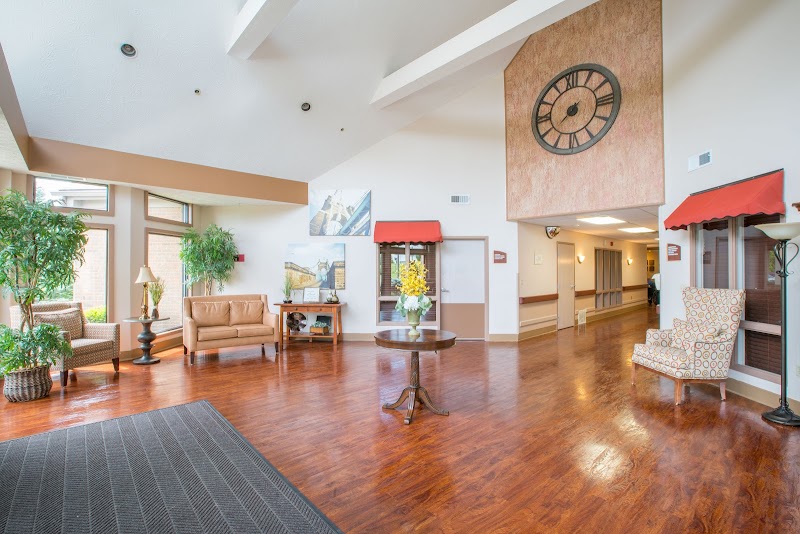
CMS rates RESIDENCE AT HUNTINGTON COURT's staffing level at 1 out of 5 stars, which is much below average compared to other nursing homes. Staff turnover is 39%, compared to the Ohio average of 46%. This relatively stable workforce can support continuity of care. RN turnover specifically is 62%, which is notably high. RNs provide skilled clinical oversight, so turnover in this role can affect medical care quality.

What Have Inspectors Found at Residence At Huntington Court?

State health inspectors documented 15 deficiencies at RESIDENCE AT HUNTINGTON COURT during 2019 to 2025. These included: 1 that caused actual resident harm, 13 with potential for harm, and 1 minor or isolated issues. Deficiencies causing actual harm indicate documented cases where residents experienced negative health consequences.
Who Owns and Operates Residence At Huntington Court?

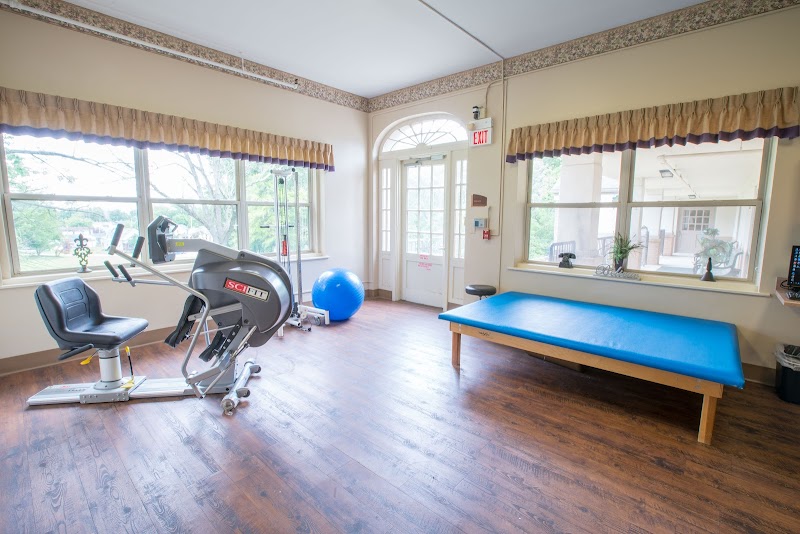
RESIDENCE AT HUNTINGTON COURT is owned by a for-profit company. For-profit facilities operate as businesses with obligations to shareholders or private owners. The facility is operated by FOUNDATIONS HEALTH SOLUTIONS, a chain that manages multiple nursing homes. With 96 certified beds and approximately 90 residents (about 94% occupancy), it is a smaller facility located in HAMILTON, Ohio.
How Does Residence At Huntington Court Compare to Other Ohio Nursing Homes?

Compared to the 100 nursing homes in Ohio, RESIDENCE AT HUNTINGTON COURT's overall rating (3 stars) is below the state average of 3.2, staff turnover (39%) is near the state average of 46%, and health inspection rating (4 stars) is above the national benchmark.

What Should Families Ask When Visiting Residence At Huntington Court?

Based on this facility's data, families visiting should ask: "Can you walk me through typical staffing levels on day, evening, and night shifts?" "Can I visit during a mealtime to observe dining assistance and food quality?" "How do you handle medical emergencies, and what is your hospital transfer rate?" "Can I speak with family members of current residents about their experience?" These questions are particularly relevant given the below-average staffing rating.

Is Residence At Huntington Court Safe?

Based on CMS inspection data, RESIDENCE AT HUNTINGTON COURT has a clean safety record: no substantiated abuse findings (meaning no confirmed cases of resident harm), no Immediate Jeopardy citations (the most serious violation level indicating risk of serious injury or death), and is not on the Special Focus Facility watch list (a federal program monitoring the lowest-performing 1% of nursing homes). The facility has a 3-star overall rating and ranks #100 of 100 nursing homes in Ohio. While no facility is perfect, families should still ask about staff-to-resident ratios and recent inspection results during their visit.

Do Nurses at Residence At Huntington Court Stick Around?

RESIDENCE AT HUNTINGTON COURT has a staff turnover rate of 39%, which is about average for Ohio nursing homes (state average: 46%). Moderate turnover is common in nursing homes, but families should still ask about staff tenure and how the facility maintains care continuity when employees leave.

Was Residence At Huntington Court Ever Fined?

RESIDENCE AT HUNTINGTON COURT has no federal fines on record. CMS issues fines when nursing homes fail to meet care standards or don't correct problems found during inspections. The absence of fines suggests the facility has either maintained compliance or corrected any issues before penalties were assessed. This is a positive indicator, though families should still review recent inspection reports for the full picture.

Is Residence At Huntington Court on Any Federal Watch List?

RESIDENCE AT HUNTINGTON COURT is not on any federal watch list. The most significant is the Special Focus Facility (SFF) program, which identifies the bottom 1% of nursing homes nationally based on persistent, serious quality problems. Not being on this list means the facility has avoided the pattern of deficiencies that triggers enhanced federal oversight. This is a positive indicator, though families should still review the facility's inspection history directly.