THE LAURELS OF HAMILTON
2923 HAMILTON MASON ROAD, HAMILTON, OH 45011 (513) 863-0360
For profit - Corporation 80 Beds CIENA HEALTHCARE/LAUREL HEALTH CARE Data: November 2025
Trust Grade
70/100
#348 of 913 in OH
Last Inspection: May 2023

Over 2 years since last inspection. Current conditions may differ from available data.

Overview

The Laurels of Hamilton has a Trust Grade of B, indicating it is a good choice for care, though not without its issues. It ranks #348 out of 913 facilities in Ohio, placing it in the top half, and #12 out of 24 in Butler County, meaning there are only a few local options that are better. The facility is improving, having reduced its issues from 12 in 2023 to 5 in 2024. Staffing is rated 4 out of 5 stars, but with a turnover rate of 55%, which is average for Ohio, meaning some staff may not stay long enough to build strong relationships with residents. Although no fines have been issued, there were concerning incidents, such as failing to offer meal substitutions for residents and not having a Registered Nurse scheduled for at least eight hours daily on multiple occasions, which could affect resident care.

Trust Score
B
70/100
In Ohio
#348/913
Top 38%
Safety Record
Low Risk
No red flags
Inspections
Getting Better
12 → 5 violations
Staff Stability
⚠ Watch
55% turnover. Above average. Higher turnover means staff may not know residents' routines.
Penalties
✓ Good
No fines on record. Clean compliance history, better than most Ohio facilities.
Skilled Nurses
○ Average
Each resident gets 31 minutes of Registered Nurse (RN) attention daily — about average for Ohio. RNs are the most trained staff who monitor for health changes.
Violations
⚠ Watch
38 deficiencies on record. Higher than average. Multiple issues found across inspections.
★★★★☆
4.0
Overall Rating
★★★★☆
4.0
Staff Levels
★★★★★
5.0
Care Quality
★★★☆☆
3.0
Inspection Score
Stable
2023: 12 issues
2024: 5 issues

The Good

  • 4-Star Staffing Rating · Above-average nurse staffing levels
  • 5-Star Quality Measures · Strong clinical quality outcomes
  • Full Sprinkler Coverage · Fire safety systems throughout facility
  • No fines on record

Facility shows strength in staffing levels, quality measures, fire safety.

The Bad

Staff Turnover: 55%

Near Ohio avg (46%)

Higher turnover may affect care consistency

Chain: CIENA HEALTHCARE/LAUREL HEALTH CARE

Part of a multi-facility chain

Ask about local staffing decisions and management

The Ugly 38 deficiencies on record

Sept 2024 3 deficiencies
CONCERN (D) 📢 Someone Reported This

A family member, employee, or ombudsman was alarmed enough to file a formal complaint

Potential for Harm - no one hurt, but risky conditions existed

Transfer Requirements (Tag F0622)

Could have caused harm · This affected 1 resident

**NOTE- TERMS IN BRACKETS HAVE BEEN EDITED TO PROTECT CONFIDENTIALITY** Based on closed medical record review, review of facility-initiated discharge notices, review of the discharge appeal hearing de...

Read full inspector narrative →
**NOTE- TERMS IN BRACKETS HAVE BEEN EDITED TO PROTECT CONFIDENTIALITY** Based on closed medical record review, review of facility-initiated discharge notices, review of the discharge appeal hearing decision, staff interview, guardian interview, Hospital Social Worker (HSW) interview and review of facility policy, the facility failed to ensure an appropriate resident discharge. This affected one resident (#8601) of three residents reviewed for discharge. The facility census was 61. Findings include: Review of Resident #8601's medical record revealed an admission date of 09/15/15. Diagnoses included Huntington's disease, Alzheimer's disease with early onset, severe protein-calorie malnutrition and repeated falls. Further review revealed Resident #8601 was discharged on 08/28/24. Review of physician orders from orders from 08/01/24 to 09/19/24 revealed no discharge order for Resident #8601. Further review revealed a physician order, dated 08/28/24, to send Resident #8601 to the Emergency Department (ED) for further psychological evaluation, one time only, for further evaluation and treatment of physical aggression. Review of the facility-initiated discharge notice, dated 08/23/24, revealed a 30-day discharge notice was issued to Resident #8601 and the resident's guardian. The effective date of the discharge was identified as 09/21/24 and reasons for discharge included noncompliance with care, combativeness and posing a safety risk to himself and others. Further review revealed appropriate notification of the discharge was made to the Ombudsman and state agencies. Review of a progress note dated 08/28/24 revealed Resident #8601 was sent to the ED for further psychological evaluation per physician order. The psychological services provider completed an application for emergency admission (pink slip) and Resident #8601 was transported to the ED by Emergency Medical Services (EMS) with law enforcement escort. Further review of a progress note dated 08/28/24 revealed the hospital notified the facility Resident #8601 was ready to return. The Director of Nursing (DON) informed the ED nurse the facility would not accept the resident back. Review of a progress note dated 09/03/24 revealed the hospital notified the facility that Resident #8601 was ready to return. The facility made Resident #8601 and the resident's guardian aware the resident would not be accepted back to the facility. Review of the discharge appeal hearing examiners decision and order, dated 09/05/24, revealed Resident #8601's guardian requested an emergency appeal of the resident's discharge and indicated the resident was in the hospital and the facility refused to accept him back. The document stated the facility did not attend the hearing. Further review of the appeal decision revealed the facility was not authorized to discharge Resident #8601 and was ordered to readmit the resident. A copy of the decision was sent via electronic mail (e-mail) to the Administrator on 09/06/24. Review of the facility-initiated emergency discharge notice, dated 09/12/24, revealed the notice was issued to Resident #8601 and his guardian. The discharge notice indicated the effective date of the discharge was 09/12/24 and the reasons for discharge included the safety of the individuals in the home was endangered, the resident's urgent medical needs necessitated a more immediate transfer or discharge and the welfare and needs of the resident could not be met at the facility. The notice did not include any specific information related to the discharge reasons indicated. Further review of Resident #8601's medical record revealed no specific documentation from the physician indicating what needs the facility could not meet for the resident to result in an emergency discharge. Interview on 09/16/24 at 2:50 P.M. with the Administrator, Social Worker (SW) #106 and Hospital Liaison (HL) #175 confirmed the hospital wanted to send Resident #8601 back to the facility on [DATE], but the facility refused readmission pending a neurological evaluation. As of 09/16/24, Resident #8601 remained in the hospital. A telephone interview on 09/17/24 at 2:09 P.M. with HSW #1001 and HSW #1002 confirmed on 08/28/24, the hospital attempted to return Resident #8601 to the facility following an ED evaluation; however, the facility refused to unlock the coded door to allow access and the resident was transported back to the hospital. On 09/12/24, after receiving the discharge appeal ruling from 09/05/24, the hospital attempted to have Resident #8601 readmitted to the facility, but the facility again refused readmission and the resident was transported back to the hospital. HSW #1002 stated the facilities identified on the facility-initiated discharge notices as the discharge location for Resident #8601 had never accepted the resident for admission. HSW #1001 and HSW #1002 denied the facility had any proactive conversations with them related to Resident #8601 not being accepted back to the facility. A telephone interview on 09/18/24 at 1:26 P.M. with Resident #8601's guardian revealed she was aware the facility was seeking alternative placement for the resident. However, the guardian stated she was unaware the facility was going to refuse to readmit the resident from the hospital. Resident #8601's guardian stated she learned from HSW #1001 that the facility would not allow the resident to return. The guardian stated there were several back and forth conversations with the facility from 08/28/24 through 09/05/24 related to Resident #8601 returning, with the facility stating they were not taking him back, they did not have to take him back and they would not let him in. The guardian stated the communications came from the Administrator, DON and SW #106. The guardian stated she received the same response from the facility on 09/12/24 when the hospital again attempted to discharge the resident back to the facility and he was refused readmission. The guardian stated even after the discharge appeal hearing on 09/05/24, which ordered the facility to readmit Resident #8601, the facility refused the resident's readmission. A telephone interview on 09/19/24 at 9:10 A.M. with Licensed Practical Nurse (LPN) #425 revealed the psychological services Nurse Practitioner (NP) did not assess Resident #8601 before completing the pink-slip to send Resident #8601 to the hospital. LPN #425 stated the NP completed the pink slip and sent it to the facility via e-mail. At the time Resident #8601 was sent to the hospital, LPN #425 stated she was unaware the facility would not readmit the resident. During a meeting on 08/29/24, Regional Director of Operations (RDO) #500 decided Resident #8601 was being discharged immediately and would not return to the facility. A telephone interview on 09/20/24 at 2:12 P.M. with the Administrator confirmed on 08/28/24 at 8:34 P.M., text messages were exchanged between her, the DON, Registered Nurse (RN) #306, LPN #425 and HL #175 indicating Resident #8601 would not be readmitted to the facility. The Administrator confirmed RDO #500 made the decision not to readmit Resident #8601 and this decision was communicated to all department heads during the morning meeting on 08/29/24. Resident #8601 did not return to the facility, even after the discharge appeal hearing officer ordered the facility to readmit the resident. Review of the facility policy titled Transfer and Discharge, revised 03/26/24, revealed the transfer and discharge process must provide sufficient preparation and orientation of residents to ensure a safe and orderly transfer or discharge from the facility. Further review revealed the facility may not transfer or discharge a resident while an appeal is pending unless the failure to discharge or transfer would endanger the resident or other individuals in the facility. In cases where the transfer or discharge is necessary for the resident's welfare and the resident's needs cannot be met in the facility, the documentation made by the resident's physician must include the specific resident needs the facility could not meet, the facility efforts to meet those needs and the specific services the receiving facility will provide to meet the needs of the resident which cannot be met at the facility. If a resident's clinical or behavioral status (or condition) endangers the health or safety of individuals in the facility, documentation regarding the reason for the transfer or discharge must be provided by a physician, not necessarily the attending physician. This deficiency represents noncompliance investigated under Master Complaint Number OH00157356.
CONCERN (D) 📢 Someone Reported This

A family member, employee, or ombudsman was alarmed enough to file a formal complaint

Potential for Harm - no one hurt, but risky conditions existed

Transfer Notice (Tag F0623)

Could have caused harm · This affected 1 resident

**NOTE- TERMS IN BRACKETS HAVE BEEN EDITED TO PROTECT CONFIDENTIALITY** Based on closed medical record review, review of facility-initiated discharge notices, staff interviews and review of facility p...

Read full inspector narrative →
**NOTE- TERMS IN BRACKETS HAVE BEEN EDITED TO PROTECT CONFIDENTIALITY** Based on closed medical record review, review of facility-initiated discharge notices, staff interviews and review of facility policy, the facility failed to ensure discharge notices were accurately completed. This affected one resident (#8601) of three residents reviewed for discharge. The facility census was 61. Findings include: Review of Resident #8601's medical record revealed an admission date of 09/15/15. Diagnoses included Huntington's disease, Alzheimer's disease with early onset, severe protein-calorie malnutrition and repeated falls. The resident was transferred to the hospital on [DATE]. Review of the facility initiated 30-day discharge notice, dated 08/23/24, revealed a discharge notice was issued to Resident #8601 and his guardian. Appropriate notification was made to the Ombudsman and required state agencies. Further review of the discharge notice revealed the discharge was effective 09/21/24 and a specified nursing facility was identified as the discharge location for Resident #8601. Review of a progress note dated 08/19/24 revealed the facility identified as the discharge location for Resident #8601 denied the resident admission (four days prior to the facility identifying it as the discharge location for the resident). Review of the facility-initiated emergency discharge notice, dated 09/12/24, revealed an immediate discharge notice was issued to Resident #8601 and his guardian. Appropriate notification was made to the Ombudsman and required state agencies. The effective date of the discharge was 09/12/24 and a specified nursing facility was identified as the discharge location for Resident #8601. Interview on 09/16/24 at 2:50 P.M. with the Administrator and Social Worker (SW) #106 confirmed the facility had knowledge prior to issuing the 30-day discharge notice on 08/23/24 that the facility identified as the discharge location for Resident #8601 had already denied the resident admission. An updated discharge notice indicating Resident #8601 would not be discharged to the identified facility was not issued. A telephone interview on 09/20/24 at 10:54 A.M. with the Administrator verified the facility identified on the emergency discharge notice dated 09/12/24 as the discharge location for Resident #8601 had not accepted the resident for admission. An updated discharge notice indicating Resident #8601 would not be discharged to the identified facility was not issued. A follow-up telephone interview on 09/20/24 at 2:12 P.M. with the Administrator confirmed Resident #8601 was transferred to the hospital on [DATE], the facility did not readmit the resident and no alternative placement had been identified for the resident. Review of the facility policy titled Transfer and Discharge, revised 03/26/24, revealed the contents of the discharge notice must include the specific location to which the resident is being transferred or discharged (if a change in destination indicates that the original basis for discharge has changed, a new notice is required).
CONCERN (D) 📢 Someone Reported This

A family member, employee, or ombudsman was alarmed enough to file a formal complaint

Potential for Harm - no one hurt, but risky conditions existed

Safe Transfer (Tag F0626)

Could have caused harm · This affected 1 resident

**NOTE- TERMS IN BRACKETS HAVE BEEN EDITED TO PROTECT CONFIDENTIALITY** Based on closed medical record review, review of facility-initiated discharge notices, review of the discharge appeal hearing de...

Read full inspector narrative →
**NOTE- TERMS IN BRACKETS HAVE BEEN EDITED TO PROTECT CONFIDENTIALITY** Based on closed medical record review, review of facility-initiated discharge notices, review of the discharge appeal hearing decision, staff interview, guardian interview and Hospital Social Worker (HSW) interview, the facility failed to ensure a resident was readmitted to the facility upon discharge from the hospital. This affected one resident (#8601) of three residents reviewed for discharge. The facility census was 61. Findings include: Review of Resident #8601's medical record revealed an admission date of 09/15/15. Diagnoses included Huntington's disease, Alzheimer's disease with early onset, severe protein-calorie malnutrition and repeated falls. Further review revealed Resident #8601 was transferred to the hospital and discharged on 08/28/24. Review of physician orders from orders from 08/01/24 to 09/19/24 revealed no discharge order for Resident #8601. Further review revealed a physician order, dated 08/28/24, to send Resident #8601 to the Emergency Department (ED) for further psychological evaluation, one time only, for further evaluation and treatment of physical aggression. Review of the facility-initiated discharge notice, dated 08/23/24, revealed a 30-day discharge notice was issued to Resident #8601 and the resident's guardian. The effective date of the discharge was identified as 09/21/24 and reasons for discharge included noncompliance with care, combativeness and posing a safety risk to himself and others. Further review revealed appropriate notification of the discharge was made to the Ombudsman and state agencies. Review of a progress note dated 08/28/24 revealed Resident #8601 was sent to the ED for further psychological evaluation per physician order. The psychological services provider completed an application for emergency admission (pink slip) and Resident #8601 was transported to the ED by Emergency Medical Services (EMS) with law enforcement escort. Further review of a progress note dated 08/28/24 revealed the hospital notified the facility Resident #8601 was ready to return. The Director of Nursing (DON) informed the ED nurse the facility would not accept the resident back. Review of a progress note dated 09/03/24 revealed the hospital notified the facility that Resident #8601 was ready to return. The facility made Resident #8601 and the resident's guardian aware the resident would not be accepted back to the facility. Review of the discharge appeal hearing examiners decision and order, dated 09/05/24, revealed Resident #8601's guardian requested an emergency appeal of the resident's discharge and indicated the resident was in the hospital and the facility refused to accept him back. The document stated the facility did not attend the hearing. Further review of the appeal decision revealed the facility was not authorized to discharge Resident #8601 and was ordered to readmit the resident. A copy of the decision was sent via electronic mail (e-mail) to the Administrator on 09/06/24. Review of the facility-initiated emergency discharge notice, dated 09/12/24, revealed the notice was issued to Resident #8601 and his guardian. The discharge notice indicated the effective date of the discharge was 09/12/24 and the reasons for discharge included the safety of the individuals in the home was endangered, the resident's urgent medical needs necessitated a more immediate transfer or discharge and the welfare and needs of the resident could not be met at the facility. The notice did not include any specific information related to the discharge reasons indicated. Interview on 09/16/24 at 2:50 P.M. with the Administrator, Social Worker (SW) #106 and Hospital Liaison (HL) #175 confirmed the hospital wanted to send Resident #8601 back to the facility on [DATE], but the facility refused readmission pending a neurological evaluation. As of 09/16/24, Resident #8601 remained in the hospital and had not been permitted to return to the facility. A telephone interview on 09/17/24 at 2:09 P.M. with HSW #1001 and HSW #1002 confirmed on 08/28/24, the hospital attempted to discharge Resident #8601 back to the facility following an ED evaluation; however, the facility refused to unlock the coded door to allow access, and the resident was transported back to the hospital. On 09/12/24, after receiving the discharge appeal ruling from 09/05/24, the hospital attempted to have Resident #8601 readmitted to the facility, but the facility again refused readmission, and the resident was transported back to the hospital. HSW #1001 and HSW #1002 denied the facility had any proactive conversations with them related to Resident #8601 not being accepted back to the facility. A telephone interview on 09/18/24 at 1:26 P.M. with Resident #8601's guardian revealed she was aware the facility was seeking alternative placement for the resident. However, the guardian stated she was unaware the facility was going to refuse to readmit the resident from the hospital. Resident #8601's guardian stated she learned from HSW #1001 that the facility would not allow the resident to return. The guardian stated there were several back-and-forth conversations with the facility from 08/28/24 through 09/05/24 related to Resident #8601 returning, with the facility stating they were not taking him back, they did not have to take him back and they would not let him in. The guardian stated the communications came from the Administrator, DON and SW #106. The guardian stated she received the same response from the facility on 09/12/24 when the hospital again attempted to discharge the resident back to the facility, and he was refused readmission. The guardian stated even after the discharge appeal hearing on 09/05/24, which ordered the facility to readmit Resident #8601, the facility refused the resident's readmission from the hospital. A telephone interview on 09/19/24 at 9:10 A.M. with Licensed Practical Nurse (LPN) #425 revealed at the time Resident #8601 was sent to the hospital on [DATE], she was unaware the facility would not readmit the resident. During a meeting on 08/29/24, Regional Director of Operations (RDO) #500 decided Resident #8601 was being discharged immediately and would not return to the facility. A telephone interview on 09/20/24 at 2:12 P.M. with the Administrator confirmed on 08/28/24 at 8:34 P.M., text messages were exchanged between her, the DON, Registered Nurse (RN) #306, LPN #425 and HL #175 indicating Resident #8601 would not be readmitted to the facility. The Administrator confirmed RDO #500 made the decision not to readmit Resident #8601 and this decision was communicated to all department heads during the morning meeting on 08/29/24. Resident #8601 did not return to the facility, even after the discharge appeal hearing officer ordered the facility to readmit the resident from the hospital. This deficiency represents noncompliance investigated under Master Complaint Number OH00157356.
Jan 2024 2 deficiencies
CONCERN (D) 📢 Someone Reported This

A family member, employee, or ombudsman was alarmed enough to file a formal complaint

Potential for Harm - no one hurt, but risky conditions existed

Notification of Changes (Tag F0580)

Could have caused harm · This affected 1 resident

**NOTE- TERMS IN BRACKETS HAVE BEEN EDITED TO PROTECT CONFIDENTIALITY** Based on medical record review, staff interview, and policy review, the facility failed to notify the physician as ordered. This...

Read full inspector narrative →
**NOTE- TERMS IN BRACKETS HAVE BEEN EDITED TO PROTECT CONFIDENTIALITY** Based on medical record review, staff interview, and policy review, the facility failed to notify the physician as ordered. This affected one (#28) resident of three reviewed for change in condition. The facility census was 73. Findings include: Medical record review for Resident #28 revealed an admission date of 10/29/23. Diagnoses included Alzheimer's disease, dementia with anxiety, chronic obstructive pulmonary disease, severe protein calorie malnutrition, heart failure, and depression. Review of the comprehensive Minimum Data Set (MDS) assessment dated [DATE] for Resident #28 revealed the resident was assessed with an intact cognition. Resident #28 required supervision for bed mobility, transfers, toileting and eating. Resident #28 weight was documented as 186 pounds. Review of the plan of care for Resident #28 dated 11/03/23 revealed the resident was at risk for malnutrition and dehydration related to chronic disease, advanced age, and potential for weight and intake decline related to disease progression. Interventions include to administer medication as ordered, provide diet as ordered and obtain weight at a minimum of monthly. Report significant changes of five percent or more in a month to the physician and the dietician. Review of the physician orders for Resident #28 revealed an order dated 12/12/23 for weekly weights every Tuesday, and to notify the physician if weight gain was greater than five pounds for congestive heart failure. Review of the electronic health record for Resident #28 revealed the resident weighed 186 pounds (lbs.) on 11/02/23, 190.4 lbs. on 11/29/23, 189.3 lbs. on 12/05/23, 190.2 pounds on 01/02/24 at 4:13 A.M., and 206.6 lbs. on 01/02/24 at 2:51 P.M. Review of the progress notes and medical record for Resident #28 dated 01/01/24 through 01/18/24 was silent for any physician notification of a weight gain greater than five pounds after 01/02/24. Interview on 01/11/23 at 11:30 A.M. with Licensed Practical Nurse (LPN) #1 verified Resident #28's medical record did not contain any documentation that the physician was notified of the significant weight gain and should have been. Interview on 01/11/23 at 3:30 P.M. with Director of Nursing (DON) #17 verified Resident #28's medical record did not contain any documentation that the physician was notified of the significant weight gain and should have been. Request for policy related to the collection or weights or physician orders was requested during the survey and not provided for review. Review of the facility policy titled, Notification of Change, dated 12/12/22, revealed the facility must inform the guest/resident, consult with the guest's/residents physician when there is a change in status. This deficiency represents non-compliance investigated under Complaint Number OH00149058.
CONCERN (D) 📢 Someone Reported This

A family member, employee, or ombudsman was alarmed enough to file a formal complaint

Potential for Harm - no one hurt, but risky conditions existed

Deficiency F0692 (Tag F0692)

Could have caused harm · This affected 1 resident

**NOTE- TERMS IN BRACKETS HAVE BEEN EDITED TO PROTECT CONFIDENTIALITY** Based on medical record review and staff interview, the facility failed to follow physicians orders for obtaining weights. This ...

Read full inspector narrative →
**NOTE- TERMS IN BRACKETS HAVE BEEN EDITED TO PROTECT CONFIDENTIALITY** Based on medical record review and staff interview, the facility failed to follow physicians orders for obtaining weights. This affected one (#28) resident of three reviewed for weight monitoring. The facility census was 73. Findings include: Medical record review for Resident #28 revealed an admission date of 10/29/23. Diagnoses included Alzheimer's disease, dementia with anxiety, chronic obstructive pulmonary disease, severe protein calorie malnutrition, heart failure, and depression. Review of the comprehensive Minimum Data Set (MDS) assessment dated [DATE] for Resident #28 revealed the resident was assessed with an intact cognition. Resident #28 required supervision for bed mobility, transfers, toileting and eating. Resident #28 weight was documented as 186 pounds. Review of the plan of care for Resident #28 dated 11/03/23 revealed the resident was at risk for malnutrition and dehydration related to chronic disease, advanced age, and potential for weight and intake decline related to disease progression. Interventions include to administer medication as ordered, provide diet as ordered and obtain weight at a minimum of monthly. Report significant changes of five percent or more in a month to the physician and the dietician. Review of the physician orders for Resident #28 revealed an order for a mechanical soft diet dated 01/17/24, and order dated 12/13/23 for the diuretic Lasix oral tablet 20 milligram (mg) to give one tablet by mouth two times a day for edema and hold for systolic blood pressure less than 100 millimeters of mercury (mmHg), an order dated 12/12/23 for weekly weights every Tuesday and to notify the physician for weight gain greater than five pounds for congestive heart failure, and an ordered dated 12/05/23 to apply compression stockings or ACE wraps to the resident's bilateral lower extremities daily and remove at bedtime once daily for edema. Review of the electronic health record for Resident #28 revealed the resident weighed 186 pounds (lbs.) on 11/02/23, 190.4 lbs. on 11/29/23, 189.3 lbs. on 12/05/23, 190.2 pounds on 01/02/24 at 4:13 A.M., and 206.6 lbs. on 01/02/24 at 2:51 P.M. Review of the medical record and nursing progress notes for Resident #28 dated 01/01/24 through 01/18/24 was silent for any additional weights obtained during this time frame. Interview on 01/11/23 at 11:30 A.M. with Licensed Practical Nurse (LPN) #1 verified Resident #28's medical record did not contain weekly weights and it should have after it was ordered on 12/12/23. Interview on 01/11/23 at 3:30 P.M. with Director of Nursing (DON) #17 verified weekly weights were not obtained for Resident #28 per the physician order dated 12/12/23. Request for policy related to the collection or weights or physician orders was requested during the survey and not provided for review. This deficiency represents non-compliance investigated under Complaint Number OH00149058.
May 2023 1 deficiency
CONCERN (D) 📢 Someone Reported This

A family member, employee, or ombudsman was alarmed enough to file a formal complaint

Potential for Harm - no one hurt, but risky conditions existed

Transfer Notice (Tag F0623)

Could have caused harm · This affected 1 resident

**NOTE- TERMS IN BRACKETS HAVE BEEN EDITED TO PROTECT CONFIDENTIALITY** Based on medical record review, staff and hospital staff interviews and policy review, the facility failed to provide a timely d...

Read full inspector narrative →
**NOTE- TERMS IN BRACKETS HAVE BEEN EDITED TO PROTECT CONFIDENTIALITY** Based on medical record review, staff and hospital staff interviews and policy review, the facility failed to provide a timely discharge notice to a resident. This affected one (#75) of three residents reviewed for discharge. The facility census was 72. Findings include Medical record review for Resident #75 revealed an admission date of 04/26/23. Diagnoses include schizoaffective disorder, cerebral infarction, expressive language disorder, aphasia, hemiplegia and hemiparesis of right dominant side, seizures, depression, anxiety, migraine, mood affective disorder, hallucinations, behavioral disorders, and insomnia. Review of the discharge not anticipated Minimum Data Set (MDS) assessment dated [DATE] for Resident #75 revealed the resident was severely impaired cognition. Resident #75 was coded with physical, verbal, and behavioral symptoms directed at self and others, rejection of care, and wandering during the assessment period. Resident #75 was supervised for bed mobility, transfers, eating and toileting. Review of the plan of care for Resident #75 revealed the resident has a psychosocial well-being problem actual or potential related to schizoaffective diagnosis, with anxiety, insomnia, depression, traumatic brain injury, mood disorder and behavioral disorders including hallucinations. Interventions include allow the resident time to answer questions and to verbalize feelings perceptions, and fears as needed (PRN). Consult with pastoral care, social services, psych services, when conflict arises, and remove resident to a calm safe environment. Review of the progress notes for Resident #75 dated 04/30/23 at 2:16 P.M. revealed the resident refused to come back into building after smoke break, aide redirected Resident #75 multiple times, with continued refusals to reenter the facility. Resident #75 proceeded to punch staff in shoulder. Resident #75 refused to come in building, proceeded to the exit gate started pulling on gate, resident turned around started to be more combative by hitting, kicking, and punching staff. Staff called for help via cell phone, resident took cell phone and hit it against the gate. Resident #75 forcefully pushed gate and broke gate. Nurses came to intervene, and 911 called. Resident #75 was sent to hospital for evaluation. Review of the progress note for Resident #75 dated 04/30/23 at 3:40 P.M. revealed emergency room nurse from hospital called facility and advised Resident #75 was diagnosed with a urinary tract infection (UTI) and are sending resident back to the facility. Review of the progress note for 04/30/23 at 6:50 P.M. revealed in-house psychologist sent over pink slip referral for Resident #75 to be transferred to psychiatric facility. Spoke with emergency room (ER) nurse at hospital and advised they are going to transport her back to facility at this time with an order of antibiotics for UTI. Resident #75 will be on one-on-one (1-on-1) until we get confirmation from psychiatric facility. Administrator and all parties are notified. Review of the Ohio Department of Mental Health and Addiction Services application for emergency admission dated 04/30/23 for Resident #75 revealed the resident has become increasingly agitated and aggressive. Resident #75 currently represents a substantial risk of harm to others based on her violet behavior today. Resident #75 physically attacked multiple staff members including punching and hitting. Staff are now concerned for their safety and for the residents in the facility. Resident #75 destroyed facility property. Redirection and medication have been ineffective, and her current needs outweigh what the facility is able to provide. Please admit for stabilization. Further review of Resident #75's medical record revealed there was a discharge notice issued to the resident on 05/17/23. Review of the facility transfer notice to the Ombudsmen dated 05/01/23 revealed Resident #75 was sent to the hospital on [DATE]. Interview with facility Social Worker Designee (SWD) #9 on 05/24/23 at 1:58 P.M. stated Resident #75 was sent to hospital and then diagnosed back to the facility with a UTI. SSD #9 stated Resident #75 was being returned to the facility and the resident was in route when she started biting/attacking the emergency medical technician (EMT) and was taken to a different hospital. SWD #9 stated she received a request for her PASARR from a place at another facility and they have accepted her. SWD #9 stated she was told by management to start looking for alternate placement as the facility was not going to accept her back due to her behavior. Interview on 05/24/23 at 2:49 with the Administrator verified she advised the hospital social worker that the facility would not be accepting Resident #75 return to the facility due to aggressive behaviors and did not provide a discharge notice until 05/17/23. Administrator stated she was unable to recall when she advised the hospital that she would not be able to take Resident #75 back, but it was before the discharge notice was sent. The Administrator further stated she was not aware of the requirement to send a discharge notice to the resident or representative until alerted by another Administrator. Interview on 05/26/23 at 2:19 P.M. with Hospital Licensed Social Worker (LSW) #502 stated the hospital attempted to discharge Resident #75 back to the nursing facility on 05/09/23 and was advised by the Nursing Home Administrator the facility would not be accepting her back at this time due to her behaviors. Review of facility policy titled Transfer and Discharge, dated 02/28/23, revealed when a facility-initiated transfer is made the facility will issue a notice in writing at least 30 days prior to the transfer. This deficiency represents non-compliance investigated under Complaint Number OH00142720.
May 2023 11 deficiencies
CONCERN (D) 📢 Someone Reported This

A family member, employee, or ombudsman was alarmed enough to file a formal complaint

Potential for Harm - no one hurt, but risky conditions existed

Resident Rights (Tag F0550)

Could have caused harm · This affected 1 resident

**NOTE- TERMS IN BRACKETS HAVE BEEN EDITED TO PROTECT CONFIDENTIALITY** Based on observation, interview, medical record review, review of an invoice and policy review, the facility failed to ensure re...

Read full inspector narrative →
**NOTE- TERMS IN BRACKETS HAVE BEEN EDITED TO PROTECT CONFIDENTIALITY** Based on observation, interview, medical record review, review of an invoice and policy review, the facility failed to ensure residents were treated with dignity and respect. This affected two residents (#05 and #59) of 24 residents sampled for dignified care. The facility census was 70. Findings Include: 1. Review of the medical record for the Resident #05 revealed an admission date of 08/22/22. Diagnoses included acute osteomyelitis. Review of the most recent Minimum Data Set (MDS) assessment dated [DATE] revealed Resident #05 had intact cognition, had no behaviors, did not reject care, and did not wander. Resident #05 required supervision assistance for activities of daily living (ADL) care. Review of an invoice dated 05/03/23 revealed [NAME] Plumbing and Sewer provided plumbing services to the facility for concerns with water pressure. During an interview on 05/07/23 at 10:54 A.M., Resident #05 stated last week, unsure of exact date, a plumber walked into her room without her permission to look at something in the bathroom, disregarding her pleas for him not to enter as she was unclothed and in the process of dressing after a shower. During an interview on 05/10/2023 at 9:03 A.M., Maintenance #59 confirmed an outside vendor was in the building last week, unsure of the exact date, working on issues with water pressure in resident rooms on the 500-Hall. Maintenance #59 verified he knocked on Resident #05's door, Resident #05 stated she was not completely dressed, asked staff to wait, and the vendor continued to the walk across the room to the resident's bathroom. Maintenance #59 stated he waited until Resident #05 gave permission to enter the room, went into the bathroom, and educated the plumber, about Residents' rights to dignity and not entering a room without a resident's permission. 2. Medical record review for Resident #59 revealed an admission date of 03/10/23. Medical diagnoses included post traumatic stress disorder (PTSD) and diabetes. Review of the quarterly MDS dated [DATE] revealed Resident #59 was moderately cognitively impaired. His functional status was independent for bed mobility, transfers, toilet use and eating. Observation on 05/07/23 at 12:29 P.M. revealed State Tested Nursing Aide (STNA) #63 revealed she knocked on the resident's door and came into the room without the resident saying she could come into the room. Interview with STNA #63 on 05/07/23 at 12:30 P.M. confirmed she should have waited for the resident to acknowledge and say she could enter the room before entering. Review of the policy titled Guest/resident Dignity and Personal Privacy, dated 05/01/22 revealed the facility would provide care for guests/residents in a manner that respects and enhances each guest's/ resident's dignity, individuality, and right to personal privacy. Each guest's/resident's right to personal privacy includes the confidentiality of his or her personal and clinical affairs. Dignity means that when interacting with guests/residents, staff would carry out activities that assist the guest/resident in maintaining and enhancing his or her self-esteem and self-worth. This deficiency represents non-compliance investigated under Complaint Number OH00140119.
CONCERN (D)

Potential for Harm - no one hurt, but risky conditions existed

Deficiency F0583 (Tag F0583)

Could have caused harm · This affected 1 resident

**NOTE- TERMS IN BRACKETS HAVE BEEN EDITED TO PROTECT CONFIDENTIALITY** Based on staff and resident interview, observation, and record review, the facility failed to ensure resident rooms were equippe...

Read full inspector narrative →
**NOTE- TERMS IN BRACKETS HAVE BEEN EDITED TO PROTECT CONFIDENTIALITY** Based on staff and resident interview, observation, and record review, the facility failed to ensure resident rooms were equipped to maintain complete privacy. This affected one resident (#05) of 24 residents screened for privacy. The facility census was 70. Findings include: Review of the medical record for the Resident #05 revealed an admission date of 08/22/22. Diagnoses included acute osteomyelitis. Review of the Minimum Data Set (MDS) assessment dated [DATE] revealed Resident #05 had intact cognition, had no behaviors, did not reject care, and did not wander. Resident #05 required supervision assistance for activities of daily living. During an interview on 05/07/2023 at 10:57 A.M. Resident #05 stated her room di not allow her to maintain privacy because her privacy curtain was broken and did not provide privacy all the way around her living area. During an observation and interview on 05/10/2023 at 9:42 A.M. Housekeeper #85 verified the privacy curtain in Resident #05's room was missing a panel and could not provide complete wall-to-wall privacy. Review of the policy titled Guest/resident Dignity and Personal Privacy, dated 05/01/22 revealed staff pulled the privacy curtain to provide privacy during care.
CONCERN (D)

Potential for Harm - no one hurt, but risky conditions existed

Deficiency F0679 (Tag F0679)

Could have caused harm · This affected 1 resident

**NOTE- TERMS IN BRACKETS HAVE BEEN EDITED TO PROTECT CONFIDENTIALITY** Based on medical record review, staff and resident interview, observation, review of the activity calender, and policy review, t...

Read full inspector narrative →
**NOTE- TERMS IN BRACKETS HAVE BEEN EDITED TO PROTECT CONFIDENTIALITY** Based on medical record review, staff and resident interview, observation, review of the activity calender, and policy review, the facility failed to ensure activities of resident interests were provided on the weekends. This affected two residents (#26 and #36) of four residents reviewed for activities. The census was 70. Findings included: 1. Medical record review for Resident #26 revealed an admission date of 05/14/14. Diagnoses included traumatic brain dysfunction, peripheral vascular disease, renal insufficiency, and dementia. Review of the activity evaluation dated 01/04/23 for Resident #26 revealed it was very important to keep up with the news, go outside for fresh air, and have books and magazines. The assessment documented it was somewhat important to listen to music, to do his favorite activities, and do activities with groups of people. Review of the activity progress notes from 02/08/23 to 05/07/23 revealed there wasn't any refusals for activities. Review of activity documentation from 04/08/23 to 05/08/23 revealed there wasn't anything marked for the weekends. Review of the quarterly Minimum Data Set (MDS) dated [DATE] revealed Resident #26 was cognitively intact. He was independent for bed mobility, transfers, toilet use and eating. Review of the care plan dated 04/20/23 for Resident #26 revealed he liked to attend daily scheduled activities. Review of the activity calendar dated 05/07/23 revealed daily chronicle, word search, coloring page, bible study on three halls, leisure cart, and left right center game conducted on three halls. Further review revealed on 05/14/23, 05/21/23 and 05/28/23 revealed the same schedule. Interview with Resident #26 on 05/07/23 at 3:37 P.M. revealed there wasn't enough activities on the weekends and sometimes there wasn't any at all. 2. Medical record review for Resident #36 revealed an admission of 06/21/22. Diagnoses included cancer, anxiety and depression. Review of the activity evaluation dated 06/22/22 for Resident #36 revealed it was very important to have books and magazines, listen to music, be with animals, groups of people, and do favorite activities. Review of the activity progress notes from 02/08/23 to 05/07/23 revealed there wasn't any refusals for activities. Review of the quarterly MDS dated [DATE] revealed Resident #36 was cognitively intact. The resident required supervision for bed mobility, transfers and toilet use and could eat independently. Review of the documentation from 04/08/23 to 05/08/23 revealed there wasn't anything marked for the weekends. Review of the care plan dated 04/13/23 for Resident #36 revealed she liked to attend daily activities as scheduled, and to invite and encourage her to attend scheduled activities of interest. Observations on 05/07/23 at 10:00 A.M. through 4:00 P.M. at random times revealed there wasn't anyone participating in activities. Interview with Activity Aide (AA) #73 on 05/07/23 at 2:25 P.M. revealed she was the only aide for activities on this day. She stated she passed out chronicles, and had the bible study, but only two people attended bible study. She stated she didn't take the leisure cart around to the residents, because it was games no one wanted to play. She stated she invited resident's to play left right center but only got a couple of people to play. She stated there wasn't much to do on Sunday it was the slowest day of the week for activities. She stated there wasn't enough budget on the weekends to play the games like they did during the week. She further revealed it was the same schedule on Sundays every week. Interview with Resident #36 on 05/07/23 at 3:58 P.M. revealed there wasn't much to do on the weekends regarding activities and it was boring. Review of the policy titled Activity Program, 08/03/21 revealed he facility would provide an ongoing activity/recreation program based on the individual guest/resident comprehensive evaluation, care plan, and stated preferences. The activity/recreation program supports guests/residents in their choice of activities and includes group, individual, and independent activities which empowers, maintains, and supports all guests/residents in the facility. Recreational activities are designed to encourage both independence and interaction in the community.
CONCERN (D)

Potential for Harm - no one hurt, but risky conditions existed

Quality of Care (Tag F0684)

Could have caused harm · This affected 1 resident

**NOTE- TERMS IN BRACKETS HAVE BEEN EDITED TO PROTECT CONFIDENTIALITY** Based on observation, medical record review, and resident and staff interview, the facility failed to ensure residents received ...

Read full inspector narrative →
**NOTE- TERMS IN BRACKETS HAVE BEEN EDITED TO PROTECT CONFIDENTIALITY** Based on observation, medical record review, and resident and staff interview, the facility failed to ensure residents received timely medical treatment. This affected one resident (#15) of two residents reviewed for bowel and bladder. The facility census was 70. Findings included: Medical record review for Resident #15 revealed an admission date of 06/14/22. Diagnoses included coronary artery disease, heart failure, hypertension, diabetes and renal insufficiency. Review of the quarterly Minimum Data Set (MDS) dated [DATE] revealed Resident #15 was cognitively intact. She was independent for bed mobility, transfers, eating and toilet use. She was always continent of bowel and bladder. Review of the physician orders dated 02/13//23 revealed to give Imodium two milligram (mg) one tablet every six hours as needed for diarrhea. Review of the Medication Administration Record (MAR) for Imodium, revealed from 05/01/23 through 05/08/23 the resident had not been given Imodium for diarrhea. Interview with Resident #15 on 05/07/23 at 11:46 A.M., revealed she doesn't get any medications for her diarrhea. Interview and observation on 05/09/23 at 8:27 A.M., Resident #36 revealed her roommate, Resident #15 asked for something for diarrhea about an hour ago and had not received anything yet. At the time of the interview Licensed Practical Nurse (LPN) #74 was observed on the opposite hall of the resident passing medications. A follow-up interview with Resident #15 on 05/09/23 at 10:16 A.M., revealed she had diarrhea since early this morning. LPN #74 told her she had no Imodium on her medication cart, but would be back later to give her the medication. Interview with the LPN #74 on 05/09/24 at 10:24 A.M., revealed Resident #15 reported she had diarrhea earlier but had no Imodium on her medication cart and there was none on another cart as well. She stated she would have to go all the way over to another building in the basement to get the Imodium and she had time to do that now.
CONCERN (D)

Potential for Harm - no one hurt, but risky conditions existed

Pressure Ulcer Prevention (Tag F0686)

Could have caused harm · This affected 1 resident

**NOTE- TERMS IN BRACKETS HAVE BEEN EDITED TO PROTECT CONFIDENTIALITY** Based on observation, medical record review, and staff interview, the facility failed to ensure residents had clean pressure ulc...

Read full inspector narrative →
**NOTE- TERMS IN BRACKETS HAVE BEEN EDITED TO PROTECT CONFIDENTIALITY** Based on observation, medical record review, and staff interview, the facility failed to ensure residents had clean pressure ulcer reducing devices to promote healing and prevent infection. This affected one resident (#03) of four residents reviewed for pressure ulcers. The facility census was 70. Findings included: Medical record review for Resident #03 revealed an admission date of 03/13/12. Diagnoses included non-traumatic brain dysfunction, dementia, neurogenic bladder, and obstructive uropathy. Review of the care plan dated 02/09/23 for Resident #03 revealed to float heels off the bed as tolerated. Review of the quarterly Minimum Data Set (MDS) dated [DATE] revealed Resident #03 had moderately impaired cognition, the resident required extensive assistance for bed mobility, total dependence for bed transfers, eating and toilet use. Observation during a dressing change to the right heel of Resident #03 on 05/08/23 at 1:13 P.M. revealed his heel boots were interchangeable with the right and left foot. When the right boot was removed there was dried drainage inside the boot with an odor. The dressing on the right heel revealed there was not any drainage. When the left boot was removed there was dried drainage in this boot with an odor. Resident #03 had no skin breakdown on the left heel or foot at this time. The wound on the right heel had no signs of infection or an odor at this time. Interview with Licensed Practical Nurse (LPN) #10 on 05/08/23 at 1:20 P.M., verified both boots were dirty and had no idea how long the boots had been this way since there wasn't any drainage on the bandage removed from the right foot. She verified the resident had no drainage from his left foot or heel.
CONCERN (D)

Potential for Harm - no one hurt, but risky conditions existed

Respiratory Care (Tag F0695)

Could have caused harm · This affected 1 resident

Based on observation, resident and staff interview, medical record review, and policy review, the facility failed to ensure resident oxygen tubing and nebulizers were labeled and changed timely. This ...

Read full inspector narrative →
Based on observation, resident and staff interview, medical record review, and policy review, the facility failed to ensure resident oxygen tubing and nebulizers were labeled and changed timely. This affected one resident (#13) of two residents sampled for respiratory care. The facility census was 70. Findings include: Review of the medical record for the Resident #13 revealed an admission date of 05/24/22. Diagnoses included chronic diastolic heart failure, emphysema, and chronic obstructive pulmonary disease (COPD). Review of the care plan dated 06/07/2022 revealed Resident #13 had a potential for difficulty breathing and risk for respiratory complications related to diagnoses of Emphysema/COPD. Interventions included observe/report symptoms of difficulty breathing or respiratory infection and administer medications/treatments as ordered. Review of the medical record revealed Resident #13 had physician orders for Ipatropium-albuterol 0.5-2.5 mg solution (3 mg/ml) one vial inhaled orally every four hours, oxygen continuous at three liters per minute per nasal cannula to maintain saturation above 90 percent and to obtain breath sounds/heart rate before and after nebulizer treatment. Observation on 05/09/23 at 2:56 P.M. there was no date visible on Resident #13's oxygen tubing and label on the hand held nebulizer was dated 12/05/22. During an interview on 05/09/23 at 8:03 A.M., Resident #13 stated she had been at the facility since around Thanksgiving and her oxygen tubing had never been changed. During an interview on 05/09/23 at 2:56 P.M. the Director of Nursing (DON) verified Resident #13's oxygen tubing was not dated and the label on the nebulizer was dated 12/05/22. The DON stated oxygen tubing and hand held nebulizers were to be changed weekly. Review of policy titled Use of Oxygen, dated 08/01/2010 revealed oxygen tubing should be changed weekly and dated.
CONCERN (D)

Potential for Harm - no one hurt, but risky conditions existed

Deficiency F0698 (Tag F0698)

Could have caused harm · This affected 1 resident

**NOTE- TERMS IN BRACKETS HAVE BEEN EDITED TO PROTECT CONFIDENTIALITY** Based on interview, observation, record review, and policy review, the facility failed to ensure residents with a dialysis acces...

Read full inspector narrative →
**NOTE- TERMS IN BRACKETS HAVE BEEN EDITED TO PROTECT CONFIDENTIALITY** Based on interview, observation, record review, and policy review, the facility failed to ensure residents with a dialysis access site were monitored. This affected two residents (#23 and #66) of two residents reviewed for dialysis care. The facility census was 70. Findings include: 1. Review of the medical record for the Resident #23 revealed an admission date of 04/02/22. Diagnoses included type II diabetes, hypertensive heart disease, and stage V chronic kidney disease. Review of the most recent Minimum Data Set (MDS) assessment dated [DATE] revealed Resident #23 was cognitively intact, had no behaviors, did not reject care, and did not wander. Review of the care plan dated 04/03/22 revealed Resident #23 was at risk for complications related to dialysis and end stage renal disease. Interventions included upon return from the dialysis center observe the resident's access site, obtain vital signs, and document findings in the medical record. Report abnormal findings to the physician. 2. Review of the medical record for the Resident #66 revealed an admission date of 12/08/22. Diagnoses included stage IV severe chronic kidney disease, dependence on renal dialysis, and type II diabetes. Review of the most recent MDS assessment dated [DATE] revealed the resident had intact cognition, had no behaviors, had not rejected care, and no wandering. Resident #66 was independent with activities of daily living (ADL). Review of the care plan dated 01/24/23 revealed Resident #66 was at risk for complication related to need for dialysis due to stage IV chronic kidney disease. Interventions included upon return from the dialysis center observe the resident's access site, obtain vital signs, and document findings in the medical record. Report abnormal findings to the physician. Observation made on 05/08/23 from 4:15 P.M. to 5:37 P.M. revealed State Tested Nurse Aide (STNA ) #25 gave Resident #23's dialysis communication binder to Licensed Practical Nurse (LPN) #03. As STNA #25 propelled Resident #23 to her room in her wheelchair, Resident #23 stated her fistula had bled a lot after her dialysis treatment that day. The bottom of the fistula started bleeding at dialysis when they took the clamp off. They re-clamped it to stop the bleeding and covered the site on her left arm with a two by two gauze pads and secured with paper tape. LPN #03 remained seated at the nurse's station until she began passing medications to residents on the 500-Hall from 4:20 P.M. until 5:37 P.M. LPN #03 did not enter Resident #23's room during the observation. During an interview on 05/07/23 at 3:30 P.M., Resident #23 stated they never check her fistula or chest port for bleeding when she returned from her dialysis appointments. During an interview on 05/08/23 at 2:58 P.M., Resident #66 stated they cleaned the needle to his chest port at dialysis and placed a dressing over it. There was no monitoring done at the facility. During an interview on 05/08/23 at 4:44 P.M., LPN #03 stated she was scheduled to work until 7:00 P.M. LPN #03 stated Resident #23 had no more medications scheduled on her shift and the LPN had no reason to go into Resident #23's room unless she activated her call light. During a follow-up interview on 05/08/23 at 5:37 P.M., LPN #03 stated she assessed vitals before Resident #23 went to dialysis and put them in the dialysis communication binder. After she returned, LPN #03 stated she looked in the communication binder to make sure there were vital signs completed after dialysis but had not completed any other type of monitoring. During a third follow-up interview on 05/09/23 1:28 P.M., LPN #03 stated she checked for redness and irritation at the port site before Resident #66 left for dialysis. Upon return, she checked the communication binder to make sure there were vitals recorded after dialysis, gave his scheduled medications, and made sure he felt all right. LPN #03 stated she had not looked at Resident #66's chest port unless he said there was a problem. Review of the policy titled Hemodialysis, dated 10/14/21 revealed the facility monitored the hemodialysis access site daily for bleeding, signs of infection, stenosis, and aneurysms.
CONCERN (D) 📢 Someone Reported This

A family member, employee, or ombudsman was alarmed enough to file a formal complaint

Potential for Harm - no one hurt, but risky conditions existed

Pharmacy Services (Tag F0755)

Could have caused harm · This affected 1 resident

Based on observation, interview, record review, and policy review, the facility failed to ensure medications were administered to residents as ordered. This affected two residents (#35 and #42) of fou...

Read full inspector narrative →
Based on observation, interview, record review, and policy review, the facility failed to ensure medications were administered to residents as ordered. This affected two residents (#35 and #42) of four residents sampled for medication administration. The facility census was 70. Findings include: 1. Review of the medical record for Resident #35 revealed an admission date of 05/27/22. Diagnoses included dementia, schizoaffective disorder bipolar type, and Parkinson's disease. Review of the physician orders revealed Resident #35 for routine medications scheduled for administration at 8:00 A.M. included Ativan (antianxiety medication) 0.5 milligrams (mg) by mouth twice daily, benztropine (anticholinergic medication) one mg by mouth twice daily, divalproex (anticonvulsant medication) sodium 500 mg delayed release by mouth twice daily, haloperidol (antipsychotic medication) five mg by mouth once daily, and hydroxyzine (antihistamine) 50 mg by mouth twice daily. 2. Review of the medical record for Resident #42 revealed an admission date of 09/01/22. Diagnoses included dementia and type II diabetes. Review of the medical record revealed Resident #42 had physician orders for sertraline (antidepressant) 25 mg by mouth once daily at 8:00 A.M. and orders for routine medications at 9:00 A.M. including clopidogrel (blood thinner) 75 mg by mouth once daily, glyburide (antidiabetic medication) 2.5 mg by mouth twice daily, glyburide 5 mg by mouth twice daily, metformin (antidiabetic medication) 500 mg by mouth twice daily, aspirin (blood thinner) 81 mg by mouth once daily, vitamin D 25 micrograms (mcg) two tablets by mouth once daily, and colestipol (a medication to lower cholesterol) one gram mouth twice daily. Observation on 05/10/23 at 11:19 A.M. in the 600-Hall mediation cart revealed there were two paper souffle cups sitting in the top drawer which contained pre-pulled medications. One cup contained 5 pills and had a paper inside labeled with a first name only. One paper soufflé cup contained nine pills and a paper labeled with a first name. LPN #04 looked up the medications on the Medication Administration Record (MAR). The medications belonged to Resident #35 and #42, and had already been documented as administered in the MAR's for Residents #35 and #42. During an interview on 05/10/23 at 11:22 A.M., LPN #04 identified the five medications in the first cup as Resident #35's morning medications including Ativan 0.5 mg, benztropine 1 mg, divalproex 500 mg, haloperidol five mg, and hydroxyzine 50 mg, and identified the nine medications on the second cup as Resident #42's morning medications including sertraline 25 mg, clopidogrel 75 mg, glyburide five mg, glyburide 2.5 mg, metformin 500 mg , aspirin 81 mg, vitamin D 25 mcg (two tablets), and colestipol one gram. LPN #04 verified she had not administered morning medications as ordered to Residents #35 and #42 but had documented in the MAR that the pills had been administered. Review of the policy titled Medication Administration, dated 03/01/13 revealed medications were prepared immediately prior to administration and were administered within 60 minutes of the scheduled time unless otherwise specified by the physician. This deficiency represents non-compliance investigated under Complaint Number OH00140119.
CONCERN (D)

Potential for Harm - no one hurt, but risky conditions existed

Deficiency F0761 (Tag F0761)

Could have caused harm · This affected 1 resident

Based on observation, interview, record review, and policy review, the facility failed to ensure medications were stored properly. This affected two residents (#35 and #42) of four residents sampled f...

Read full inspector narrative →
Based on observation, interview, record review, and policy review, the facility failed to ensure medications were stored properly. This affected two residents (#35 and #42) of four residents sampled for medication administration. The facility census was 70. Findings include: 1. Review of the medical record for Resident #35 revealed an admission date of 05/27/22. Diagnoses included dementia, schizoaffective disorder bipolar type, and Parkinson's disease. Review of the physician orders revealed Resident #35 for routine medications scheduled for administration at 8:00 A.M. included Ativan (antianxiety medication) 0.5 milligrams (mg) by mouth twice daily, benztropine (anticholinergic medication) one mg by mouth twice daily, divalproex (anticonvulsant medication) sodium 500 mg delayed release by mouth twice daily, haloperidol (antipsychotic medication) five mg by mouth once daily, and hydroxyzine (antihistamine) 50 mg by mouth twice daily. 2. Review of the medical record for Resident #42 revealed an admission date of 09/01/22. Diagnoses included dementia and type II diabetes. Review of the medical record revealed Resident #42 had physician orders for sertraline (antidepressant) 25 mg by mouth once daily at 8:00 A.M. and orders for routine medications at 9:00 A.M. including clopidogrel (blood thinner) 75 mg by mouth once daily, glyburide (antidiabetic medication) 2.5 mg by mouth twice daily, glyburide 5 mg by mouth twice daily, metformin (antidiabetic medication) 500 mg by mouth twice daily, aspirin (blood thinner) 81 mg by mouth once daily, vitamin D 25 micrograms (mcg) two tablets by mouth once daily, and colestipol (a medication to lower cholesterol) one gram mouth twice daily. Observation on 05/10/23 at 11:19 A.M. in the 600-Hall mediation cart revealed there were two paper souffle cups sitting in the top drawer which contained pre-pulled medications. One cup contained 5 pills and had a paper inside labeled with a first name only. One paper soufflé cup contained nine pills and a paper labeled with a first name. LPN #04 looked up the medications on the Medication Administration Record (MAR). The medications belonged to Resident #35 and #42, and had already been documented as administered in the MAR's for Residents #35 and #42. During an interview on 05/10/23 at 11:22 A.M., LPN #04 identified the five medications in the first cup as Resident #35's morning medications including Ativan 0.5 mg, benztropine one mg, divalproex 500 mg, haloperidol five mg, and hydroxyzine 50 mg, and identified the nine medications on the second cup as Resident #42's morning medications including sertraline 25 mg, clopidogrel 75 mg, glyburide five mg, glyburide 2.5 mg, metformin 500 mg , aspirin 81 mg, vitamin D 25 mcg (two tablets), and colestipol one gram. LPN #04 stated she had stored the medication in the cart and was planning to administer them later when Resident #42 returned to the unit and Resident #35 awakened. LPN #4 verified the medications were not to be stored pre-pulled in the medication cart and should have been wasted per the policy and safe practice when they were not administered. Review of the policy titled Medication Administration, dated 03/01/2013 revealed medications were stored according to medication and pharmacy guidelines. Medications were prepared immediately prior to administration.
CONCERN (E)

Potential for Harm - no one hurt, but risky conditions existed

Menu Adequacy (Tag F0803)

Could have caused harm · This affected multiple residents

**NOTE- TERMS IN BRACKETS HAVE BEEN EDITED TO PROTECT CONFIDENTIALITY** 4. Observation on 05/07/23 through 05/10/23 revealed no menus were available for residents' use to know what the planned meals f...

Read full inspector narrative →
**NOTE- TERMS IN BRACKETS HAVE BEEN EDITED TO PROTECT CONFIDENTIALITY** 4. Observation on 05/07/23 through 05/10/23 revealed no menus were available for residents' use to know what the planned meals for the day or what substitutions were available. Interview on 05/07/23 at 2:44 P.M., Resident #02 said they were not provided menus or substitutions for the meals served. Interview on 05/08/23 at 9:02 A.M., Resident #10 said they were not provided menus or substitutions for the meals served. Interview on 05/09/23 at 8:01 A.M., Resident #20 said they were not provided menus or substitutions for the meals served. Interview on 05/10/23 at 9:50 A.M., Resident #28 said they were not provided menus or substitutions for the meals served. Interview on 05/08/23 at 1:39 P.M., and on 05/09/23 at 11:02 A.M., with dietary staff #39 and #67 stated the menus were not offered to residents and substitutions were not offered unless brought up by the residents' and the substitutions were not always available due to food available at the facility. Review of the policy titled Meal Service, dated 11/19/21 revealed the residents are to be interviewed for preferences upon admission and as needed on what they like to eat, where they like to eat, guest are assisted as needed to the dining room and with meal set up and feeding if needed. Clothing protectors as needed, no mention of menus or food preference in policy. This deficiency represents noncompliance in Complaint Number OH00140119. Based on observation, medical record review, staff and resident interview and policy review the facility failed to ensure residents had access to menus and substitutions were available. This affected eight residents (#02, #10, #20, #28, 26, #36, #59 and #69) out of eight residents reviewed for menus and substitutions. The facility also failed to ensure double portions were served for one resident (#59) of one resident reviewed for double portions for meals. The facility census was 70. 1. Medical record review for Resident #26 revealed an admission date of 05/14/14. Medical diagnoses included traumatic brain dysfunction, peripheral vascular disease, renal insufficiency, and dementia. Review of the quarterly Minimum Data Set (MDS) dated [DATE] revealed Resident #26 was cognitively intact. He was independent for bed mobility, transfers, toilet use and eating. Interview and observation with Resident #26 on 05/07/23 at 3:39 P.M. revealed he didn't receive a menu and wasn't able to get a substitution if he didn't like his meal. There was not a menu in his room. 2. Medical record review for Resident #36 revealed an admission of 06/21/22. Medical diagnoses included cancer, anxiety and depression. Review of the quarterly MDS dated [DATE] revealed Resident #36 was cognitively intact. The resident required supervision for bed mobility, transfers and toilet use. She was independent for eating. Interview and observation on 05/07/23 at 4:00 P.M. Resident #36 revealed was unable to get a menu and could not receive a substitution either. There was not a menu located in her room. 3. Medical record review for Resident #59 revealed an admission date of 03/10/23. Medical diagnoses included post traumatic stress disorder (PTSD), and diabetes. Review of the quarterly MDS dated [DATE] revealed Resident #59 was moderately cognitively impaired. His functional status was independent for bed mobility, transfers, toilet use and eating. Interview and observation with Resident #59 on 05/08/23 at 7:43 A.M., revealed he said he could not get a menu, he has requested double portions and doesn't receive them, and he wasn't able to choose what he wanted to eat. There was not a menu located in his room. Interview with State Tested Nursing Aide (STNA) #26 on 05/09/23 at 7:47 A.M., verified there was not a menu or substitution menu posted on the unit's for Resident's #26, #36 and #59 and there wasn't any in the resident's rooms either. She stated the staff had been passing out the menus, but she couldn't find any. She stated the staff have to walk to the kitchen to find out what the substitution was to let the resident's know what it would be. Observation of a menu ticket and breakfast tray for Resident #59 on 05/09/23 at 7:58 A.M. revealed he was supposed to receive double portions for his meals. On his breakfast tray he had two waffles, and four slices of bacon like all the other residents' had on their trays. Interview with STNA #26 on 05/09/23 at 8:00 A.M., confirmed Resident #59's meal ticket said double portions and he had not received a double portion on his breakfast tray. Interview with STNA #53 on 05/09/23 at 8:28 A.M. revealed the residents' get what they get because the facility often doesn't have substitutions. Interview with the Dietary Aide (DA) #67 on 05/09/23 at 12:00 P.M. revealed the substitutions were not known to the residents until the kitchen can figure out what they had available and the new kitchen manager started yesterday.
CONCERN (F) 📢 Someone Reported This

A family member, employee, or ombudsman was alarmed enough to file a formal complaint

Potential for Harm - no one hurt, but risky conditions existed

Deficiency F0806 (Tag F0806)

Could have caused harm · This affected most or all residents

Based on observation, staff and resident interview and policy review, the facility failed to ensure substitutions were available for each resident who would like a different choice of foods during mea...

Read full inspector narrative →
Based on observation, staff and resident interview and policy review, the facility failed to ensure substitutions were available for each resident who would like a different choice of foods during meal service. This had the potential to affect all residents who receive meals from the kitchen. The facility census was 70. Findings include: Interview on 05/07/23 at 2:44 P.M., Resident #02 said they were not provided menus or substitutions for the meals served. Interview on 05/08/23 at 9:02 A.M., Resident #10 said they were not provided menus or substitutions for the meals served. Interview on 05/09/23 at 8:01 A.M., Resident #20 said they were not provided menus or substitutions for the meals served. Interview on 05/10/23 at 9:50 A.M., Resident #28 said they were not provided menus or substitutions for the meals served. Interview on 05/08/23 at 1:39 P.M., and on 05/09/23 at 11:02 A.M., with dietary staff #39 and #67 stated the menus were not offered to residents and substitutions were not offered unless brought up by the residents' and the substitutions were not always available due to food available at the facility. Interview on 05/09/23 at 8:28 A.M., State Tested Nursing Assistant (STNA) #53 said the residents' get what they get because they often have no substitutions available. Observation of the facility kitchen on 05/08/23 at 1:39 P.M., and on 05/09/23 at 11:02 A.M., revealed the facility had no substitution options for meals and no substitution logs available to review. This was verified by the Kitchen Manager #55 and the [NAME] #39. Review of a policy titled Meal Service, dated 11/19/21 revealed residents are interviewed for preferences upon admission and as needed on what they like to eat, where they like to eat, guest are assisted as needed to the dining room and with meal set up and feeding if needed. This deficiency represents noncompliance in Complaint Number OH00140119.
Nov 2022 3 deficiencies
CONCERN (D) 📢 Someone Reported This

A family member, employee, or ombudsman was alarmed enough to file a formal complaint

Potential for Harm - no one hurt, but risky conditions existed

Pressure Ulcer Prevention (Tag F0686)

Could have caused harm · This affected 1 resident

Based on record review, observation, resident and staff interviews, review of the facility policy, and review of guidelines per National Pressure Ulcer Advisory Panel (NPUAP), the facility failed to e...

Read full inspector narrative →
Based on record review, observation, resident and staff interviews, review of the facility policy, and review of guidelines per National Pressure Ulcer Advisory Panel (NPUAP), the facility failed to ensure pressure ulcer interventions were in place as per the resident care plan and physician order. This affected one (#62) of three residents reviewed for skin breakdown. The census was 71. Findings include: Review of the medical record for Resident #62 revealed an admission date of 05/24/22 with a diagnosis of congestive heart failure (CHF), chronic obstructive pulmonary disease (COPD), atrial fibrillation, hypertension, and schizoaffective disorder. Review of the Minimum Data Set (MDS) for Resident #62 dated 11/08/22 revealed the resident was cognitively intact and required extensive assistance of one staff with activities of daily living (ADL's). Resident #62 was coded for the presence of a stage III pressure ulcer which was not present upon admission. Review of the pressure ulcer risk assessment for Resident #62 dated 08/25/22 revealed resident was at risk for pressure ulcers. Review of the care plan for Resident #62 initiated 06/07/22 and last updated 11/18/22 revealed the resident was at risk for impaired skin integrity/pressure injury related to diagnoses of anemia and depression, impaired bed mobility, incontinence of bladder, psychotropic drug use, frequently declines repositioning. Interventions included the following: complete Braden scale, weekly head to toe assessments, educate resident/family/caregivers as to causes of impaired skin integrity including transfer/positioning requirements, importance of taking care during ambulating/mobility, good nutrition and frequent repositioning, follow facility policies/protocols for the prevention/treatment of impaired skin integrity, encourage to float heels while in bed and assist as needed, if resident chooses not to follow recommended treatment, confer with resident, interdisciplinary team (IDT),and family to determine why and try alternative methods to gain compliance. Review of the care plan for Resident #62 initiated 11/18/22 revealed the resident had an actual impaired skin integrity related to pressure injury, stage III pressure ulcer to the sacrum. Interventions included the following : conduct skin assessment weekly and measure area(s) and document characteristics, consult wound clinic, follow resident at risk protocol, observe for signs of discomfort with dressing changes and administer pain medication as ordered, observe for signs of infection related to area(s) (i.e. temperature increases, increased drainage or odor) and report abnormal findings to the physician, refer to dietitian as needed, refer to potential for skin impairment care plan for interventions specialty bed (low air loss) as ordered, treatments as ordered, when res chooses not to reposition, explain consequences, and continue to attempt to get them to comply. Review of the most recent wound physician assessment for Resident #62 dated 11/17/22 revealed the resident had a stage III pressure ulcer to her sacrum which was acquired in the facility on 10/24/22. Wound measured 1.6 centimeters (cm) in length by 3.0 cm in width by 0.1 cm in depth. There was a moderate amount of serous drainage to the wound and the wound bed was 100 percent (%) slough. The physician recommend resident be repositioned per facility protocol and to have a low air loss mattress to her bed. Review of the November 2022 monthly physician orders for Resident #62 revealed orders dated 11/18/22 to float heels at all times while in bed and for a low air loss mattress to resident's bed. Review of the wound assessment for Resident #62 dated 11/24/22 revealed resident had a stage III pressure ulcer to her sacrum which measured 1.4 cm in length by 3.0 cm in width by 0.1 cm in depth. Review of the nurse progress notes for Resident #62 dated 11/18/22 to 11/25/22 revealed there were no documented refusals per resident to having her heels floated. Observation on 11/25/22 at 12:46 P.M. revealed Resident #62 was resting on a low air loss mattress which was non-functional. Resident #62's heels were resting directly on the non-functioning air mattress. Interview on 11/25/22 at 12:46 P.M. with Resident #62 confirmed no one had offered to float her heels on pillows or offered any other pressure relieving device for her heels. Resident #62 further confirmed the low air loss mattress to her bed had stopped working last night and she had told the staff. Resident #62 confirmed the mattress was hard and uncomfortable because it was not functioning. Observation on 11/25/22 at 12:50 P.M. with Licensed Practical Nurse (LPN) #150 of Resident #62 revealed resident had a dressing in place to her sacrum which was dated 11/25/22. Interview on 11/25/22 at 12:50 P.M. with LPN #150 confirmed Resident #62's low air loss mattress was not working and she had been notified of this at approximately 12:30 P.M. on 11/25/22 per the aide. LPN #150 further confirmed she had placed a work order with maintenance but had not heard back from them. LPN #150 confirmed Resident #62 did not have any physician's orders specific to her heels. Interview on 11/25/22 at 12:55 P.M. with State Tested Nursing Assistant (STNA) confirmed Resident #62's low air loss mattress was not working and she had discovered this at approximately 12:25 P.M. on 11/25/22. STNA #410 confirmed Resident #62's heel were not floated and she had not offered to float her heels on pillows at any time since starting work at 7:00 A.M. on 11/25/22. STNA #410 confirmed Resident #62 did not have any devices to assist with offloading pressure to the resident's heels. Observation on 11/25/22 at 2:32 P.M. revealed Resident #62 was resting in bed. Resident's heels were not floated, and the low air loss mattress was not functioning. Interview on 11/25/22 at 2:32 P.M. with LPN #150 confirmed Resident #62's low air loss mattress was not working, and she had not heard back from maintenance regarding the plan for repairing Resident #62's low air loss. mattress. Observation on 11/25/22 at 3:32 P.M. revealed Resident #62 was resting in bed. Resident's heels were not floated, and the low air loss mattress was not functioning. Interview on 11/25/22 at 3:32 P.M. with the Director of Nursing (DON) confirmed Resident #62 had a physician's order to float her heels while in bed. DON further confirmed Resident #62 had an order for a low air loss mattress and confirmed she was aware Resident #62's low air loss mattress had not been functioning for a few hours. Review of the facility policy titled Skin Management dated 07/14/21 revealed the facility would identify appropriate preventative measures for residents identified at risk for skin breakdown. The interventions would be implemented and documented on the resident's care plan. Review of the NPUAP guidelines dated 2014 page 115 at https://npiap.com/general/custom.asp?page=2014Guidelines revealed ideally, heels should be free of all pressure, a state sometimes called floating heels. Pressure can be relieved by elevating the lower leg and calf from the mattress by placing a pillow under the lower legs, or by using a heel suspension device that floats the heel. Consequently, the pressure will instead spread to the lower legs, and the heels will no longer be subjected to pressure. This deficiency represents non-compliance investigated under Complaint Number OH00137280.
CONCERN (F) 📢 Someone Reported This

A family member, employee, or ombudsman was alarmed enough to file a formal complaint

Potential for Harm - no one hurt, but risky conditions existed

Deficiency F0727 (Tag F0727)

Could have caused harm · This affected most or all residents

Based on review of facility documents, staff interview, and review of facility policy, the facility failed to ensure there was a Registered Nurse (RN) in the facility for eight consecutive hours daily...

Read full inspector narrative →
Based on review of facility documents, staff interview, and review of facility policy, the facility failed to ensure there was a Registered Nurse (RN) in the facility for eight consecutive hours daily. This had the potential to affect all 71 residents residing in the facility. The census was 71. Findings include: Review of facility daily staffing sheets dated 11/05/22, 11/06/22, 11/19/22 and 11/20/22 revealed the facility did not have an RN scheduled as charge nurse for at least eight consecutive hours on these dates. Interview on 11/25/22 at 3:32 P.M. with the Director of Nursing (DON) confirmed the facility did not have an RN scheduled as charge nurse for at least eight consecutive hours on the following dates: 11/05/22, 11/06/22, 11/19/22 and 11/20/22. Review of the facility policy titled Nursing Staffing dated 10/14/22 revealed the facility would designate an RN to serve as charge nurse for at least eight consecutive hours daily. This deficiency is based on incidental findings discovered during the course of this complaint investigation.
MINOR (C) 📢 Someone Reported This

A family member, employee, or ombudsman was alarmed enough to file a formal complaint

Minor Issue - procedural, no safety impact

Staffing Information (Tag F0732)

Minor procedural issue · This affected most or all residents

Based on observation, staff interview, and review of the facility policy, the facility failed to ensure nurse staff information was posted. This had the potential to affect all 71 residents residing i...

Read full inspector narrative →
Based on observation, staff interview, and review of the facility policy, the facility failed to ensure nurse staff information was posted. This had the potential to affect all 71 residents residing in the facility. The census was 71. Findings include: Observation on 11/25/22 at 12:38 P.M. revealed the facility had a holder located by the front desk which included daily nurse staffing information. The staffing form was dated 11/23/22. There was no other staffing information in the holder. Interview on 11/25/22 at 12:40 P.M. with the Director of Nursing (DON) confirmed the staffing form posted in the front of the facility was for 11/23/22 and not for the current date. DON confirmed there was no staffing information posted for 11/25/22. Review of the facility policy titled Required Regulatory Postings dated 05/01/22 revealed the facility would post the total number and actual hours worked of licensed and unlicensed nursing staff directly responsible for resident care each shift in a prominent location. The posting would be made on a daily basis at the beginning of each shift. This deficiency is based on incidental findings discovered during the course of this complaint investigation.
Nov 2019 11 deficiencies
CONCERN (D)

Potential for Harm - no one hurt, but risky conditions existed

Deficiency F0578 (Tag F0578)

Could have caused harm · This affected 1 resident

**NOTE- TERMS IN BRACKETS HAVE BEEN EDITED TO PROTECT CONFIDENTIALITY** Based on medical record review and staff interview, the facility failed to ensure that resident's advanced directives specifical...

Read full inspector narrative →
**NOTE- TERMS IN BRACKETS HAVE BEEN EDITED TO PROTECT CONFIDENTIALITY** Based on medical record review and staff interview, the facility failed to ensure that resident's advanced directives specifically regarding the residents elected code status was consistent and matched in the medical record. This affected three (#5, #7, #66) of 18 residents sampled. The census was 75. Findings include: 1. Review of record revealed Resident #5 was admitted on [DATE] with a diagnosis of Alzheimer's disease. Review of physician orders for November 2019 Resident #5 revealed resident had chosen full code as her code status. Review of [NAME] for Resident #5 revealed it was blank in the section for resident code status. 2. Review of record revealed Resident #7 was admitted [DATE] with diagnoses which included low back pain and other chronic pain. Review of physician orders for November 2019 Resident #7 revealed resident had a current do not resuscitate (DNR) order in place. Review of [NAME] for Resident #7 revealed resident was noted to be full code status. 3. Review of record for Resident #66 revealed an admission dated of 04/11/14 with a diagnosis of bipolar disorder. Review of physician orders for November 2019 Resident #66 revealed resident had had a current do not resuscitate (DNR) order in place. Review of [NAME] for Resident #66 revealed resident was noted to be full code status. Interview on 11/24/19 at 10:00 A.M. with State Tested Nursing Assistant (STNA) #59 confirmed that in an emergency situation staff would refer to the [NAME] to determine resident code status. Interview on 11/24/19 at 11:26 A.M. with Licensed Practical Nurse (LPN) #19 confirmed the [NAME] for Resident #5 did not include the residents code status, and that the [NAME] for Residents #7 and #66 did not list the correct code status for the residents. LPN #19 further confirmed that if the computer was not working or if the nurse was not on the unit at the time of an emergency the staff should look at the resident's [NAME] to determine the resident's code status.
CONCERN (D)

Potential for Harm - no one hurt, but risky conditions existed

Notification of Changes (Tag F0580)

Could have caused harm · This affected 1 resident

**NOTE- TERMS IN BRACKETS HAVE BEEN EDITED TO PROTECT CONFIDENTIALITY** Based on medical record review and staff interview, the facility failed to notify the attending physician of elevated resident b...

Read full inspector narrative →
**NOTE- TERMS IN BRACKETS HAVE BEEN EDITED TO PROTECT CONFIDENTIALITY** Based on medical record review and staff interview, the facility failed to notify the attending physician of elevated resident blood sugars. This affected one (#27) of six residents reviewed for medications. The census was 75. Findings include: Review of record for Resident #27 revealed as admission date of 05/01/17 with a diagnosis of diabetes. Review of Minimum Data Set (MDS) dated [DATE] for Resident #27 revealed resident had mild cognitive impairment and required supervision with activities of daily living. Review of November 2019 physician orders for Resident #27 revealed an order for insulin be administered per a sliding scale and that if blood sugar was above 450 to administer 12 units of insulin and then to recheck the blood sugar in one hour and notify the physician. Review of the Medication Administration Record (MAR) for November 2019 for Resident #27 revealed the resident's blood sugar (BS) was over 450 on the following dates/times: 11/01/19 at 3:30 P.M.- BS was 492, 11/11/19 at 630 A.M.-BS was 552, 11/14/19 at 6:30 A.M.-BS was 482, 11/16/19 at 6:30 A.M.-BS was 537, 11/20/19 at 6:30 A.M. BS was 492. Review of the medical record for Resident #27 including nurse progress notes and fax notification records to the physician for the month of November 2019 revealed no evidence of physician notification per the physician's order for the elevated blood sugars on the following dates: 11/01/19 at 3:30 P.M.-BS was 492, 11/11/19 at 630 A.M.-BS was 552, 11/14/19 at 6:30 A.M.-BS was 482, 11/16/19 at 6:30 A.M.-BS was 537, 11/20/19 at 6:30 A.M.-BS was 492. Interview with Director of Nursing (DON) on 11/26/19 at 7:45 A.M. confirmed that the facility had no evidence that the attending physician was notified per the physician's order of the following blood sugars for Resident #27 that were above 450: 11/01/19 at 3:30 P.M. BS was 492, 11/11/19 at 630 A.M. BS was 552, 11/14/19 at 6:30 A.M. BS was 482, 11/16/19 at 6:30 A.M. was 537, 11/20/19 at 6:30 A.M. was 492.
CONCERN (D)

Potential for Harm - no one hurt, but risky conditions existed

Safe Environment (Tag F0584)

Could have caused harm · This affected 1 resident

**NOTE- TERMS IN BRACKETS HAVE BEEN EDITED TO PROTECT CONFIDENTIALITY** Based on medical record review, observation, staff and resident interview, and review of facility policy, the facility failed to...

Read full inspector narrative →
**NOTE- TERMS IN BRACKETS HAVE BEEN EDITED TO PROTECT CONFIDENTIALITY** Based on medical record review, observation, staff and resident interview, and review of facility policy, the facility failed to provide a comfortable and homelike dining experience for residents residing on the female secured unit. This affected two (#58 and #71) of five residents observed for dining on the unit. The census was 75. Findings include: Review of record for Resident #58 revealed resident was admitted on [DATE] with a diagnosis of dementia without behavioral disturbance. Review of Minimum Data Set (MDS) for Resident #58 dated 10/03/19 revealed resident was cognitively impaired and required supervision with eating. Review of record for Resident #71 revealed resident was admitted on [DATE] with a diagnosis of unspecified dementia without behavioral disturbance. Review of MDS for Resident #71 dated 11/07/19 revealed resident was cognitively impaired and required limited assistance of one staff with eating. Review of care plans for Resident #58 and Resident #71 revealed neither resident was care planned for any alternate dining preferences such as choosing to eat off an end table versus eating at the dining room table. Observation of the lunch meal at 11: 55 A.M. confirmed that Residents #5 and #7 were eating lunch at a standard height dining room table in the dining room, and Residents #58 and #71 were served their lunch which consisted of beef pot roast, baked potato, carrots, roll, and apple pie, on an end table which was situated between the chairs where the two residents were sitting. Resident #27 was sitting on the table with Residents #5 and #7 but was not eating. The end table was approximately two feet in height and residents fed themselves from their meal trays which were placed laterally to the residents as opposed to the other residents (#5 and #7) who fed themselves from a standard dining room table with their meals placed directly in front of them. There was a second dining room table in the dining room but it was pushed against the wall and had puzzles and games stored on top of it. Interview on 11/24/19 at 11:55 A.M. with Residents #58 and #71 confirmed that the residents would have preferred to eat at the dining room table but they expressed concern that there was no room for them in the dining room, and they didn't want to complain. Interview on 11/24/19 at 12:00 P.M. with Licensed Practical Nurse (LPN) #19 and State Tested Nursing Assistant (STNA) #59 confirmed that they had served Residents #58 and #71 their lunch on an end table versus a dining room table and they did not have a rationale as to why these residents ate their meal off the end table. LPN #19 and STNA #59 further confirmed they were not sure what the preference was for Residents #58 and #71 regarding their meal service. LPN #19 confirmed that Resident #27 had already eaten lunch off the unit prior to the meal service on 11/24/19 and also that there was no seating chart or assigned seating for the dining room in the secured unit. Review of facility policy titled Secured Unit Dining Experience dated 07/01/18 revealed residents should be seated at the same place in the dining room to provide a sense of routine and continuity.
CONCERN (D)

Potential for Harm - no one hurt, but risky conditions existed

Report Alleged Abuse (Tag F0609)

Could have caused harm · This affected 1 resident

**NOTE- TERMS IN BRACKETS HAVE BEEN EDITED TO PROTECT CONFIDENTIALITY** Based on medical record review, review of facility self-reported incidents (SRI's), resident and staff interview, and review of ...

Read full inspector narrative →
**NOTE- TERMS IN BRACKETS HAVE BEEN EDITED TO PROTECT CONFIDENTIALITY** Based on medical record review, review of facility self-reported incidents (SRI's), resident and staff interview, and review of facility policy, the facility failed to report an allegation of possible resident to resident physical abuse to the state agency. This affected one (#5) of three residents reviewed for abuse concerns. The census was 75. Findings include: Review of record revealed Resident #5 was admitted on [DATE] with a diagnosis of Alzheimer's disease. Review of Minimum Data Set (MDS) dated [DATE] for Resident #5 revealed resident was cognitively intact and required limited assistance with activities of daily living. Review of record for Resident #73 revealed resident had a diagnosis of dementia with behavioral disturbance and was discharged from the facility on 10/08/19. Review of nurse progress note dated 10/02/19 for Resident #73 revealed the resident swatted Resident #5 on her bottom and that Resident #5 was very upset and stated the other resident's action had startled her. Review of nurse progress note dated 10/03/19 for Resident #5 revealed the Director of Nursing (DON) interviewed Resident #5 regarding the incident which occurred on 10/02/19 involving Resident #73, and that Resident #5 denied any distress or injury and indicated that the other resident's actions startled her. Review of the facility SRI's for the month of October 2019 revealed no SRI was initiated related to the incident involving Resident #5 and Resident #73. Interview on 11/24/19 with Resident #5 confirmed that Resident #73 had come up behind her sometime in October and swatted her on the behind. Resident #5 confirmed that she had not been injured but that it had startled her and that she did not like it and was glad that Resident #73 was no longer at the facility. Interview on 11/25/19 at 9:14 A.M. with the Director of Nursing (DON) confirmed that the facility staff had reported the incident involving Resident #5 and #73 on 10/02/19 to her immediately, and that she had interviewed the parties involved and that her investigation had determined that abuse had not occurred. DON confirmed that the facility had not initiated an SRI regarding the incident. Interview on 11/25/19 at 1:00 P.M. with the Administrator confirmed that facility staff had reported the incident involving Resident #5 and #73 on 10/02/19 to her immediately, and that she had also interviewed the parties involved and that she felt abuse had not occurred. Administrator also confirmed that an SRI had not been initiated regarding the incident and that allegations of potential abuse included resident to resident abuse should be reported to the state agency. Review of policy titled Abuse Prohibition, Investigation, and Reporting dated 07/19 revealed the facility will report allegations of abuse, including resident to resident abuse, to the state agency.
CONCERN (D)

Potential for Harm - no one hurt, but risky conditions existed

Assessment Accuracy (Tag F0641)

Could have caused harm · This affected 1 resident

**NOTE- TERMS IN BRACKETS HAVE BEEN EDITED TO PROTECT CONFIDENTIALITY** Based on medical record review, resident and staff interview and review of the Resident Assessment Instrument (RAI) manual, the ...

Read full inspector narrative →
**NOTE- TERMS IN BRACKETS HAVE BEEN EDITED TO PROTECT CONFIDENTIALITY** Based on medical record review, resident and staff interview and review of the Resident Assessment Instrument (RAI) manual, the facility failed to accurately assess resident dental status. This affected one (#66) of three residents reviewed for dental concerns. The census was 75. Findings include: Review of record for Resident #66 revealed an admission date of 04/11/14 with a diagnosis of schizophrenia. Review of the quarterly Minimum Data Set (MDS) for Resident #66 dated 10/01/19 revealed the resident was cognitively intact and required extensive assistance with activities of daily living. Review of the comprehensive MDS for Resident #66 dated 10/30/19 section V, care area assessment worksheet for dental care revealed the resident had no natural teeth and was at risk for chewing issues and mouth pain related to denture use, that resident needs assistance with denture care, and that a care plan would be developed to avoid complications and minimize risks related to denture use. Review of care plan for Resident #66 dated 11/12/19 revealed resident had a self care performance deficit related to fluctuations with cognition, mood, and behaviors. Interventions included the following: encourage resident to brush dentures, provide assistance as needed with upper and lower dentures, encourage denture use. Review of the [NAME] for Resident #66 revealed resident had upper and lower dentures but that she refused to wear them. Review of the dental visit note for Resident #66 dated 05/13/19 revealed resident had no natural teeth, that she had worn dentures at one time, but she was no longer a candidate for dentures due insufficient bone structure inside resident's mouth to support a denture. Interview on 11/24/19 at 3:08 P.M. with Resident #66 confirmed she had not had dentures for about two years and that she wanted to have dentures. Interview on 11/25/19 at 5:05 P.M. with State Tested Nursing Assistant (STNA) #43 confirmed Resident #66 does not have dentures and has not had dentures for as long as she has been working with resident which is approximately one year. Interview on 11/26/19 at 9:00 A.M. with the Director of Nursing (DON) confirmed that Resident #66 was edentulous, that she has not had dentures for at least a year, that resident was seen by the facility dentist on 05/13/19 who determined resident was not appropriate for denture use. DON further confirmed that Resident #66's MDS dated [DATE] did not accurately reflect the resident's dental status. Review of the Resident Assessment Instrument (RAI) Manual updated October 2019 page 4-35 revealed information gleaned from the assessment should be used to identify the oral/dental issues and/or conditions and to identify any related possible causes and/or contributing risk factors in order to develop an individualized care plan for the resident.
CONCERN (D)

Potential for Harm - no one hurt, but risky conditions existed

Deficiency F0657 (Tag F0657)

Could have caused harm · This affected 1 resident

**NOTE- TERMS IN BRACKETS HAVE BEEN EDITED TO PROTECT CONFIDENTIALITY** Based on medical record review and resident and staff interview, the facility failed to update resident care plans regarding den...

Read full inspector narrative →
**NOTE- TERMS IN BRACKETS HAVE BEEN EDITED TO PROTECT CONFIDENTIALITY** Based on medical record review and resident and staff interview, the facility failed to update resident care plans regarding dental status. This affected one (#66) of three residents reviewed for dental concerns. The census was 75. Findings include: Review of record for Resident #66 revealed an admission date of 04/11/14 with a diagnosis of schizophrenia. Review of the quarterly Minimum Data Set (MDS) for Resident #66 dated 10/01/19 revealed the resident was cognitively intact and required extensive assistance with activities of daily living. Review of the comprehensive MDS for Resident #66 dated 10/30/19 section V, care area assessment worksheet for dental care revealed the resident had no natural teeth and was at risk for chewing issues and mouth pain related to denture use, that resident needs assistance with denture care, and that a care plan would be developed to avoid complications and minimize risks related to denture use. Review of care plan for Resident #66 dated 11/12/19 revealed resident had a self care performance deficit related to fluctuations with cognition, mood, and behaviors. Interventions included the following: encourage resident to brush dentures, provide assistance as needed with upper and lower dentures, encourage denture use. Review of the [NAME] for Resident #66 revealed resident had upper and lower dentures but that she refused to wear them. Review of the dental visit note for Resident #66 dated 05/13/19 revealed resident had no natural teeth, that she had worn dentures at one time, but she was no longer a candidate for dentures due insufficient bone structure inside resident's mouth to support a denture. Interview on 11/24/19 at 3:08 P.M. with Resident #66 confirmed she had not had dentures for about two years and that she wanted to have dentures. Interview on 11/25/19 at 5:05 P.M. with State Tested Nursing Assistant (STNA) #43 confirmed Resident #66 does not have dentures and has not had dentures for as long as she has been working with resident which is approximately one year. Interview on 11/26/19 at 9:00 A.M. with the Director of Nursing (DON) confirmed that Resident #66 was edentulous, that she has not had dentures for at least a year, that resident was seen by the facility dentist on 05/13/19 who determined resident was not appropriate for denture use. DON further confirmed that Resident #66's care plan did not accurately reflect resident's dental status.
CONCERN (D)

Potential for Harm - no one hurt, but risky conditions existed

Quality of Care (Tag F0684)

Could have caused harm · This affected 1 resident

**NOTE- TERMS IN BRACKETS HAVE BEEN EDITED TO PROTECT CONFIDENTIALITY** Based on observations, medical record review, and staff and family interviews, the facility failed to ensure staff implemented a...

Read full inspector narrative →
**NOTE- TERMS IN BRACKETS HAVE BEEN EDITED TO PROTECT CONFIDENTIALITY** Based on observations, medical record review, and staff and family interviews, the facility failed to ensure staff implemented a wheelchair cushion used as a positioning device and a finger splint ordered to treat a fractured finger. This affected one (#223) of one residents reviewed for position/mobility during the annual survey. The facility census was 75. Findings include: Review of the medical record revealed Resident #223 was admitted to the facility on [DATE] with diagnoses including heart failure, dementia with behavioral disturbance, wandering, rheumatoid arthritis, major depressive disorder, anxiety disorder, and atrophy. Review of the five-day admission Minimum Data Set (MDS) dated [DATE] revealed Resident #223 severely cognitively impaired with delirium inattention and disorganized thinking behaviors noted continuously. Review of Section G- Functional Status revealed the resident required extensive two-person assistance with bed mobility, toileting, personal hygiene, supervision with two-person assistance with transfer, limited two-person assistance with dressing, and supervision with setup assistance with eating. Review of Physician Order dated 11/20/19 revealed Resident #223 was ordered to have a pressure reduction cushion to his wheelchair every shift. Further review of the Physician Orders revealed the resident was also ordered, on 11/19/19, a finger splint to the left fourth digit, leave the splint in place and secured with ace wrap. Splint may be removed for showers/hygiene, and once per shift to assure circulation and skin integrity. Interview conducted on 11/24/19 at 3:27 P.M. with Resident #223 family, revealed the resident had recently broken his finger and wears a splint and also required the use of a wheelchair for mobility. The family voiced concerns regarding how low the resident sat to the ground in his wheelchair, he did not have a cushion in place. Observations conducted on 11/24/19 at 3:27 P.M. and 11/25/19 at 2:30 P.M. Resident was observed in wheelchair with no cushion in place. Observation conducted on 11/24/19 at 3:27 P.M. Resident #223 was observed with his finger splint in place. Further observations noted on 11/25/19 at 2:30 P.M. and 5:23 P.M. the resident was observed without in finger splint in place, finger splint was observed in the resident's room, sitting on his dresser. Interviews conducted on 11/25/19 at 2:30 P.M. and 5:23 P.M. with State Tested Nursing Assistant's (STNA) (#48, #53, and #80). STNA #80 stated she was the aide caring for the resident today. STNA's (#48, #53, and #80) all stated the resident did not have a cushion for his wheelchair, and he did not wear a hand splint, that they were aware of. STNA #48 verified Resident #223's finger splint was noted on his dresser, however stated she had never observed the resident wearing it and she works with him all the time. Interview conducted on 11/25/19 at 2:36 P.M. and 3:10 P.M. with Physical Therapy (PT) #73 and Therapy Manager (TM) #71 verified they resident had no wheelchair cushion. PT #73 stated they put him in a lower wheelchair because he was falling or putting himself on the ground. TM #71 stated they put the wheelchair cushion back on the resident's wheelchair, she was not sure what happened to his cushion, but usually residents always have one on their wheelchair. Interview conducted on 11/25/19 at 6:31 P.M. with Licensed Practical Nurse (LPN) #22, verified she was the nurse caring for Resident #223. LPN #22 stated she was not aware of the resident wearing a splint. LPN #22 verified physician orders for the resident to wear the splint to his left hand, and further verified the orders for the resident to also have a cushion in place for his wheelchair. LPN #22 verified the resident had not had the ordered finger splint in place all day shift, and the facility provided a wheelchair cushion for the resident after it was brought to staff attention by the surveyor.
CONCERN (D)

Potential for Harm - no one hurt, but risky conditions existed

Accident Prevention (Tag F0689)

Could have caused harm · This affected 1 resident

**NOTE- TERMS IN BRACKETS HAVE BEEN EDITED TO PROTECT CONFIDENTIALITY** Based on medical record review, observations, resident and staff interview, and review of the facility policy, the facility fail...

Read full inspector narrative →
**NOTE- TERMS IN BRACKETS HAVE BEEN EDITED TO PROTECT CONFIDENTIALITY** Based on medical record review, observations, resident and staff interview, and review of the facility policy, the facility failed to ensure fall prevention measures were in place in accordance with the resident's care plan. This affected one (#7) of three residents reviewed for accidents. The census was 75. Findings include: Review of record revealed Resident #7 was admitted [DATE] with diagnoses which included low back pain and other chronic pain. Review of Minimum Data Set (MDS) for Resident #7 dated 11/17/19 revealed resident had cognitive impairment and required limited assistance with activities of daily living. Review of fall risk assessment for Resident #7 dated 09/18/19 revealed resident was at risk for falls. Review of care plan for Resident #7 dated 09/18/19 revealed resident was at risk for falls or fall related injury related to impaired mobility, muscle weakness, and impaired cognition. Interventions included the following: assess the risk level for falls on admission and as needed, encourage resident to wear non-skid foot wear when out of bed, assist resident as needed, fall mat beside bed when in bed. Review of [NAME] for Resident #7 revealed resident was to have have a fall mat placed beside her bed when resident was in bed. Observation of Resident #7 on 11/25/19 at 2:09 P.M. revealed resident was resting in bed and that there was no fall mat beside the resident's bed. Interview on 11/25/19 at 2:09 P.M. with Resident #7 confirmed resident was not aware that she was supposed to have a fall mat. Interview on 11/25/19 at 2:10 P.M. with State Tested Nursing Assistant (STNA) #43 confirmed that Resident #7 was resting in bed, that there was no fall mat beside the resident's bed and that she did not think resident was supposed to have a fall mat. Interview on 11/25/19 at 2:12 P.M. with Licensed Practical Nurse (LPN) #22 confirmed Resident #7 was resting in bed, that there was no fall mat beside the resident's bed and that she did not know if resident was supposed to have a fall mat. Interview on 11/25/19 at 3:15 P.M. with the Director of Nursing (DON) confirmed that the intervention of a fall mat to the beside of Resident #7 when resident was in bed was added to the resident's care plan as a fall prevention measure on 07/15/19, and that resident was supposed to have a fall mat in place to the bedside when resident was in bed. Review of facility policy titled Fall Management dated 10/2019 reveled the facility would develop and implement interventions to prevent and minimize resident falls and risk of injury related to falls.
CONCERN (D)

Potential for Harm - no one hurt, but risky conditions existed

Deficiency F0697 (Tag F0697)

Could have caused harm · This affected 1 resident

**NOTE- TERMS IN BRACKETS HAVE BEEN EDITED TO PROTECT CONFIDENTIALITY** Based on record review and resident and staff interview, and review of facility policy the facility failed to assess and manage ...

Read full inspector narrative →
**NOTE- TERMS IN BRACKETS HAVE BEEN EDITED TO PROTECT CONFIDENTIALITY** Based on record review and resident and staff interview, and review of facility policy the facility failed to assess and manage resident pain. This affected one (#7) of 18 residents sampled. The census was 75. Findings include: Review of record revealed Resident #7 was admitted [DATE] with diagnoses which included low back pain and other chronic pain. Review of Minimum Data Set (MDS) for Resident #7 dated 11/17/19 revealed resident had cognitive impairment, required limited assistance with activities of daily living, and was coded as negative for receiving pain medications, negative as receiving non-pharmacological interventions for pain, and rated her pain during the assessment window as a seven on a scale of zero to 10 with 10 being the worst pain. Review of November 2019 physician orders for Resident #7 revealed no orders for pain medication. Review of care plan for Resident #7 dated 11/19/19 revealed resident was at risk for pain related to decreased mobility, diagnoses of chronic pain and generalized pain and discomfort. Interventions included the following: administer medications as ordered, observe for ineffectiveness and side effects, report abnormal finding to the physician, anticipate resident's need for pain relief as needed and respond immediately to any complaint of pain, encourage/provide non-pharmacological interventions to prevent/manage pain, evaluate characteristics of pain on a scale of zero to 10, observe for pain presence every shift as needed. Review of pain evaluation for Resident #7 dated 11/15/19 revealed resident reported she had experienced frequent pain over the last five days and the worst level of pain was rated by the resident as a level seven on a scale of zero to 10 with 10 being the worst pain. Review of pain evaluation for Resident #7 dated 11/25/19 revealed resident reported she had experienced frequent pain over the last five days and the worst level of pain was rated by the resident as a level six on a scale of zero to 10 with 10 being the worst pain. Review of nurse progress notes for Resident #7 dated 11/01/19 through 11/24/19 revealed notes did not contain documentation regarding assessment of resident pain and pain level and/or pain management interventions. Review of Medication Administration Record (MAR) for Resident #7 for November 2019 revealed it did not include an assessment of resident's pain level. Interview on 11/24/19 at 11:01 A.M. with Resident #7 confirmed she has chronic back pain, that she used to take medication for it but that she hasn't had any treatment for her pain in the past month. Interview on 11/25/19 at 5:25 P.M. with Resident #7 confirmed resident was having aching type pain to her lower back which she rated as eight on a scale of zero to 10, that no one had asked her about her pain today, and that she had not reported it to the nurse because she didn't want to complain. Interview on 11/25/19 at 5:30 P.M. with Licensed Practical Nurse (LPN) #22 confirmed that Resident #7's record for November 2019 did not contain assessments of resident's pain and that resident had no medications or non-pharmacological pain interventions listed in her physician orders. Interview on 11/25/19 at 5:46 P.M. with the Director of Nursing (DON) that Resident #7's record for November 2019 was silent regarding assessment of resident's pain and that resident had no medications or non-pharmacological pain interventions listed in her physician orders. DON further confirmed that the facility would assess resident for pain immediately and notify Resident #7's attending physician of the results of the assessment.
CONCERN (D)

Potential for Harm - no one hurt, but risky conditions existed

Deficiency F0757 (Tag F0757)

Could have caused harm · This affected 1 resident

**NOTE- TERMS IN BRACKETS HAVE BEEN EDITED TO PROTECT CONFIDENTIALITY** Based on medical record review and staff interview, the facility failed to adequately monitor resident blood sugar per the physi...

Read full inspector narrative →
**NOTE- TERMS IN BRACKETS HAVE BEEN EDITED TO PROTECT CONFIDENTIALITY** Based on medical record review and staff interview, the facility failed to adequately monitor resident blood sugar per the physician's order related to insulin administration. This affected one (#27) of six residents reviewed for medications. The census was 75. Findings include: Review of record for Resident #27 revealed as admission date of 05/01/17 with a diagnosis of diabetes. Review of Minimum Data Set (MDS) dated [DATE] for Resident #27 revealed resident had mild cognitive impairment and required supervision with activities of daily living. Review of November 2019 physician orders for Resident #27 revealed an order for insulin be administered per a sliding scale and that if blood sugar was above 450 to administer 12 units of insulin and then to recheck the blood sugar in one hour and notify the physician. Review of the Medication Administration Record (MAR) for November 2019 for Resident #27 revealed the resident's blood sugar (BS) was over 450 on the following dates/times: 11/01/19 at 3:30 P.M.- BS was 492; 11/11/19 at 630 A.M.-BS was 552; 11/14/19 at 6:30 A.M.-BS was 482; 11/16/19 at 6:30 A.M.-BS was 537 and 11/20/19 at 6:30 A.M.-BS was 492. Review of the medical record for Resident #27 including nurse progress notes and MAR for November 2019 revealed no follow-up rechecks in one hour after insulin administration for blood sugars over 450 for the following dates/times: 11/01/19 at 3:30 P.M.- BS was 492; 11/11/19 at 630 A.M.-BS was 552; 11/14/19 at 6:30 A.M.-BS was 482; 11/16/19 at 6:30 A.M.-BS was 537 and 11/20/19 at 6:30 A.M. BS was 492. Interview with Director of Nursing (DON) on 11/26/19 at 7:45 A.M. confirmed that the facility had no evidence that Resident #27's blood sugar was rechecked in one hour after insulin administration for blood sugars that were above 450: 11/01/19 at 3:30 P.M. BS was 492; 11/11/19 at 630 A.M. was 552; 11/14/19 at 6:30 A.M. was 482; 11/16/19 at 6:30 A.M. was 537 and 11/20/19 at 6:30 A.M. was 492.
CONCERN (E)

Potential for Harm - no one hurt, but risky conditions existed

Deficiency F0761 (Tag F0761)

Could have caused harm · This affected multiple residents

Based on observation, staff interview, review of manufacturer's instructions and review of facility policy, the facility failed to properly store resident medications and discard expired medications. ...

Read full inspector narrative →
Based on observation, staff interview, review of manufacturer's instructions and review of facility policy, the facility failed to properly store resident medications and discard expired medications. This had the potential to affect all 24 of the resident residing on the 100 Hall with the exception of Resident #26 whom the facility identified as having a contraindication to receiving a tuberculin testing solution injection, eleven facility identified residents residing on the 100 hall with orders for Melatonin, (Residents #21, #26, #31, #49, #53, #57, #62, #72, #173, #174, #175), seven facility-identified residents residing on the 100 hall who are diabetic (Residents #6, #11, #37, #52, #53, #72, #173), and two facility-identified residents residing on the 100 hall with orders for Phenergan (Residents #52, #175). The census was 75. Findings include: Observation of 100 Hall medication cart on 11/25/19 at 1:29 P.M. with Registered Nurse (RN) #24 revealed the cart contained a house stock bottle of Melatonin with a manufacturer's expiration date of 10/2019. Observation of the 100 Hall medication storage room on 11/25/19 at 1:50 P.M. refrigerator with RN #24 revealed the refrigerator contained a bottle of opened tuberculin testing solution which had not been dated upon opening. The refrigerator also revealed the following expired medications, none of which were assigned to a specific resident but were on hand as part of the facility's emergency supply: two Phenergan suppositories with an expiration date of 03/2019, two Phenergan suppositories with an expiration date of 03/201, an unopened vial of Novolin 70/30 insulin with an expiration date of 08/2019, an unopened vial of NPH insulin with an expiration date of 04/2019, three unopened vials of regular insulin with expiration dates of 10/2019 (two vials) and 10/2018 (one vial). Interview on 11/25/19 at 2:00 P.M. with RN #24 confirmed the tuberculin testing solution should be dated upon opening and that since it was not dated he was unsure when it should be discarded. Further interview with RN #24 confirmed that the expired Melatonin, Phenergan suppositories, and vials of insulin should have been discarded upon expiration. The facility confirmed this had the potential to affect all 24 of the resident residing on the 100 Hall with the exception of Resident #26 whom the facility identified as having a contraindication to receiving a tuberculin testing solution injection, eleven facility identified residents residing on the 100 hall with orders for Melatonin, (Residents #21, #26, #31, #49, #53, #57, #62, #72, #173, #174, #175), seven facility-identified residents residing on the 100 hall who are diabetic (Residents #6, #11, #37, #52, #53, #72, #173), and two facility-identified residents residing on the 100 hall with orders for Phenergan (Residents #52, #175 Review of manufacturer's recommendations for TB testing solution revealed that once a multi-dose vial was opened it should be discarded within 30 days. Review of policy titled Storage and Expirations of Medications dated 01/01/13 revealed that medications should not be retained longer than the expiration date marked on the container, and that once a medication or biological package is opened the facility should follow manufacturer's guidelines with respect to expiration dates for opened medications and that facility staff should record the date opened on the medication contained when the medication has a shortened expiration date once opened.
Nov 2018 7 deficiencies
CONCERN (D)

Potential for Harm - no one hurt, but risky conditions existed

Deficiency F0582 (Tag F0582)

Could have caused harm · This affected 1 resident

**NOTE- TERMS IN BRACKETS HAVE BEEN EDITED TO PROTECT CONFIDENTIALITY** Based on record review and staff interview, the facility failed to provide a resident with advanced notice of the ending of Medi...

Read full inspector narrative →
**NOTE- TERMS IN BRACKETS HAVE BEEN EDITED TO PROTECT CONFIDENTIALITY** Based on record review and staff interview, the facility failed to provide a resident with advanced notice of the ending of Medicare coverage prior to the coverage ending. This affected one (Resident #65) of three residents reviewed for beneficiary notices. The facility census was 79. Findings include: Record review revealed Resident #65 was admitted to the facility on [DATE] with the following diagnoses; major depressive disorder, hypertension, atrial fibrillation, gastro-esophageal reflux disease, muscle wasting and atrophy, seizures, chronic obstructive pulmonary disease, alcohol cirrhosis of liver without ascites and generalized anxiety disorder. Review of Resident #65's Minimum Data Sets (MDSs) assessment dated [DATE] revealed the resident to have moderate cognitive impairment and required limited assistance with dressing and personal hygiene. Resident #65 also required supervision with eating, toileting, transfers and bed mobility on the 10/22/18 MDS. Review of Resident #65's chart also revealed resident was admitted to Medicare Part A services on 10/08/18 and discharged from Medicare Part A services on 10/26/18. Review of Resident #65's Notice of Medicare Non-Coverage (NOMNC) and Skilled Nursing Facility Advance Beneficiary Notice of Non-Coverage (SNF ABN) revealed resident's skilled services would end on 10/26/18. Resident #65 signed and dated the NOMNC and SNF ABN on 10/25/18. Interview with the Administrator on 11/20/18 at 9:33 A.M. verified Resident #65's last covered day of Medicare skilled services was on 10/26/18. The Administrator also confirmed Resident #65 signed and dated the NOMNC and SNF ABN on 10/25/18.
CONCERN (D)

Potential for Harm - no one hurt, but risky conditions existed

Free from Abuse/Neglect (Tag F0600)

Could have caused harm · This affected 1 resident

**NOTE- TERMS IN BRACKETS HAVE BEEN EDITED TO PROTECT CONFIDENTIALITY** Based on medical record review, staff and resident interviews, and review of facility policy, the facility failed to prevent ver...

Read full inspector narrative →
**NOTE- TERMS IN BRACKETS HAVE BEEN EDITED TO PROTECT CONFIDENTIALITY** Based on medical record review, staff and resident interviews, and review of facility policy, the facility failed to prevent verbal abuse of a resident. This affected one (Resident #35) of two residents reviewed for abuse. The facility census was 79. Findings include: Review of the medical record revealed Resident #35 was admitted to the facility on [DATE] with diagnoses including stage five chronic kidney disease, heart failure, atrial fibrillation, gastro-esophageal reflux disease(GERD), celiac disease, generalized anxiety disorder, cardiac pacemaker, irritable bowel syndrome, diverticulitis, and rheumatoid arthritis. Review of the Minimum Data Set(MDS) dated [DATE] revealed Resident #35 was cognitively intact. The resident required extensive two-person assistance with bed mobility, dressing and toileting, total two-person physical assistance with transfer, extensive one-person assistance with personal hygiene, and supervision setup with eating and locomotion. Further review of the functional assessment revealed the resident and bilateral lower extremity impairment and required a wheelchair for mobility. Interview conducted on 11/18/18 at 10:21 A.M. with Resident #35 revealed on 11/17/18, Lab Technician (LT) #105 came into her room to obtain blood for ordered labs. Resident #35 stated while she was trying to draw blood LT #105 started accusing her of not cooperating. Resident #35 stated LT #105 was yelling at her saying you don't drink enough fluids and I will send someone in here and they will poke you six times. Resident #35 stated she tried to inform LT #105 she was on fluid restriction due to her dialysis, but she wound not listen to her. Resident #35 stated the way LT #105 was yelling at her was verbal abuse. Resident #35 stated she told her not to talk to her that way she was her elder and she shouldn't speak to her elders that way. Resident #35 stated State Tested Nursing Assistant(STNA) #82 observed the incident and got the Licensed Practical Nurse(LPN) #22 who assessed her after the incident. Telephone interview conducted on 11/20/18 at 11:57 A.M. with STNA #82 revealed on 11/17/18 she was working in another room with another resident, when she heard Resident #35 screaming. STNA #82 stated she had never even heard Resident #35 raise her voice, so she ran down to her room to see what was wrong. STNA #82 stated upon getting to the door way she heard Resident #35 state, listen here little girl you need to mind your elders as to which LT #105 stated well you need to learn to listen. STNA #82 stated the way LT #105 was speaking to Resident #35 was definitely inappropriate and she should never talk to a resident that way. STNA #82 stated the two continued to argue back and forth and she immediately got the nurse. STNA #82 stated LT #105 left and she and LPN #22 assessed Resident #35 and noted no physical injuries. Interview conducted on 11/20/18 at 12:51 P.M., with the Administrator verified staff called about the abuse on Saturday right after it happened. The Administrator stated usually when lab staff come out to the facility they leave a sheet stating who they worked with and what they did. LT #105 did not leave anything when she. Administrator stated she got in contact with the facility representative for the lab company and explained the situation and requested that LT #105 no longer come to the facility. Review of the facility policy Abuse Prohibition, Investigation, and Reporting dated 10/18 revealed the facility shall not allow verbal, mental, sexual, or physical abuse. Abuse in defined in the policy as the willful infliction of injury, unreasonable confinement, intimidation, or punishment with resulting physical harm, pain, or mental anguish by an individual.
CONCERN (D)

Potential for Harm - no one hurt, but risky conditions existed

Abuse Prevention Policies (Tag F0607)

Could have caused harm · This affected 1 resident

**NOTE- TERMS IN BRACKETS HAVE BEEN EDITED TO PROTECT CONFIDENTIALITY** Based on medical record review, staff and resident interviews, and review of facility policy, the facility failed to implement t...

Read full inspector narrative →
**NOTE- TERMS IN BRACKETS HAVE BEEN EDITED TO PROTECT CONFIDENTIALITY** Based on medical record review, staff and resident interviews, and review of facility policy, the facility failed to implement their abuse policy to ensure a resident is free from abuse. This affected one Resident #35 of two residents reviewed for abuse. The facility census was 79. Findings include: Review of the medical record revealed Resident #35 was admitted to the facility on [DATE] with diagnoses including stage five chronic kidney disease, heart failure, atrial fibrillation, gastro-esophageal reflux disease(GERD), celiac disease, generalized anxiety disorder, cardiac pacemaker, irritable bowel syndrome, diverticulitis, and rheumatoid arthritis. Review of the Minimum Data Set(MDS) dated [DATE] revealed Resident #35 was cognitively intact. The resident required extensive two-person assistance with bed mobility, dressing and toileting, total two-person physical assistance with transfer, extensive one-person assistance with personal hygiene, and supervision setup with eating and locomotion. Further review of the functional assessment revealed the resident and bilateral lower extremity impairment and required a wheelchair for mobility. Interview conducted on 11/18/18 at 10:21 A.M. with Resident #35 revealed on 11/17/18, Lab Technician (LT) #105 came into her room to obtain blood for ordered labs. Resident #35 stated while she was trying to draw blood LT #105 started accusing her of not cooperating. Resident #35 stated LT #105 was yelling at her saying you don't drink enough fluids and I will send someone in here and they will poke you six times. Resident #35 stated she tried to inform LT #105 she was on fluid restriction due to her dialysis, but she wound not listen to her. Resident #35 stated the way LT #105 was yelling at her was verbal abuse. Resident #35 stated she told her not to talk to her that way she was her elder and she shouldn't speak to her elders that way. Resident #35 stated State Tested Nursing Assistant(STNA) #82 observed the incident and got the Licensed Practical Nurse(LPN) #22 who assessed her after the incident. Telephone interview conducted on 11/20/18 at 11:57 A.M. with STNA #82 revealed on 11/17/18 she was working in another room with another resident, when she heard Resident #35 screaming. STNA #82 stated she had never even heard Resident #35 raise her voice, so she ran down to her room to see what was wrong. STNA #82 stated upon getting to the door way she heard Resident #35 state, listen here little girl you need to mind your elders as to which LT #105 stated well you need to learn to listen. STNA #82 stated the way LT #105 was speaking to Resident #35 was definitely inappropriate and she should never talk to a resident that way. STNA #82 stated the two continued to argue back and forth and she immediately got the nurse. STNA #82 stated LT #105 left and she and LPN #22 assessed Resident #35 and noted no physical injuries. Interview conducted on 11/20/18 at 12:51 P.M., with the Administrator verified staff called about the abuse on Saturday right after it happened. The Administrator stated usually when lab staff come out to the facility they leave a sheet stating who they worked with and what they did. LT #105 did not leave anything when she. Administrator stated she got in contact with the facility representative for the lab company and explained the situation and requested that LT #105 no longer come to the facility. Review of the facility policy Abuse Prohibition, Investigation, and Reporting dated 10/18 revealed the facility shall not allow verbal, mental, sexual, or physical abuse. Abuse in defined in the policy as the willful infliction of injury, unreasonable confinement, intimidation, or punishment with resulting physical harm, pain, or mental anguish by an individual.
CONCERN (D)

Potential for Harm - no one hurt, but risky conditions existed

Deficiency F0711 (Tag F0711)

Could have caused harm · This affected 1 resident

**NOTE- TERMS IN BRACKETS HAVE BEEN EDITED TO PROTECT CONFIDENTIALITY** Based on record review and staff interview, the facility failed to ensure a resident had a physician's order for an enabling dev...

Read full inspector narrative →
**NOTE- TERMS IN BRACKETS HAVE BEEN EDITED TO PROTECT CONFIDENTIALITY** Based on record review and staff interview, the facility failed to ensure a resident had a physician's order for an enabling device. This affected one (Resident #26) of one residents reviewed for restraints. The facility census was 79. Findings include: Record review of Resident #26's chart revealed the resident was admitted to the facility on [DATE] with the following diagnoses; cerebrovascular disease, edema, epilepsy, intellectual disabilities, major depressive disorder and schizoaffective disorder. Review of Resident #26's quarterly Minimum Data Sets (MDS) assessment dated [DATE] revealed the resident was cognitively intact and required extensive assistance with bed mobility, dressing, toileting and personal hygiene. Resident #26 also required total dependence with transfers and supervision with eating. Review of Resident #26's Physical Device Evaluation dated 10/25/18 revealed the resident's half tray table was used as an enabler for repositioning, increase independence, to provide a tactical barrier, to improve physical status and to improve emotional status. Review of Resident #26's care plan dated 11/19/18 revealed resident to was to have a a half tray table for positioning. Review of Resident #26's physician orders dated 11/19/18 did not reveal any orders for a half tray table. Observation of Resident #26 on 11/18/18 at 9:34 A.M. revealed the resident was sitting in her wheelchair with a hoyer pad underneath her. Resident #26 was observed to have a half tray table attached to her wheelchair. Further observation of Resident #26 revealed the resident was able to propel herself in her wheelchair with the half tray table attached to the wheelchair. Observation of Resident #26 on 11/18/18 at 11:19 A.M. revealed the resident was propelling herself in her wheelchair in the main dining room with her half tray table attached to the wheelchair. Interview with Assistant Director of Nursing (ADON) #21 on 11/20/18 at 12:00 P.M. verified Resident #26's half tray table order was not written until 11/20/18. ADON #21 confirmed Resident #26 had her half tray table for a while prior to the order being written. The ADON #21 was not able to provide an exact date of when Resident #26 started using the half tray table.
CONCERN (E)

Potential for Harm - no one hurt, but risky conditions existed

Deficiency F0761 (Tag F0761)

Could have caused harm · This affected multiple residents

**NOTE- TERMS IN BRACKETS HAVE BEEN EDITED TO PROTECT CONFIDENTIALITY** Based on observation, staff interview, and review of facility policy, the facility failed to securely store medication in a lock...

Read full inspector narrative →
**NOTE- TERMS IN BRACKETS HAVE BEEN EDITED TO PROTECT CONFIDENTIALITY** Based on observation, staff interview, and review of facility policy, the facility failed to securely store medication in a locked medication cart in the 400 hall, the facility also failed to date an open medication vial, dispose of out dated medications in the 600 hall refrigerator, and properly secure medications in the 100 hall medication cart number two. This affected two (Hall cart #600 and Hall cart #100) of seven medication carts and one (Storage room [ROOM NUMBER]) of five storage rooms observed. The facility identified twelve residents (#6, #9, #16, #19, #20, #33, #36, #37, #42, #49, #55, and #60) residing in the 400 hall, twelve residents (#1, #5, #8, #22, #26, #39, #53, #61, #65, #72, #73, and #76) residing on the 600 hall, and nine Residents (#2, #3, #12, #31, #30, #41, #48, #63, and #69) receiving medication out of the 100 hall cart two who were cognitively impaired and independently mobile. The facility census was 79. Findings include: Observation and interview of medication storage conducted on [DATE] at 3:55 P.M. with Licensed Practical Nurse(LPN) #33 revealed the LPN unlocked and opened the medication storage refrigerator in the 600 hall. Medications including a vial Tuberculin(used to test for Tuberculosis) was observed to be opened and undated and a box of Biscolax(stool softeners) with the expiration date of 10/18 was observed. LPN #33 verified the expired Biscolax and undated Tuberculin stating the Tuberculin should have been dated when it was opened, and also stated the Biscolax should have been disposed of the end of last month. Medication observation and interview conducted on [DATE] at 7:58 A.M. LPN #41 was observed in the 400 hall cart gathering medication for a resident, shutting the drawers to the cart, collecting the medication cups then turning her back and walking away from the cart leaving it unlocked. LPN #41 verified the cart was left unattended and unlocked. Medication storage observation and interview conducted on [DATE] at 9:30 A.M. with Registered Nurse(RN) #77 revealed the RN unlocked 100 hall medication cart two for review. While reviewing the medication cart, four loose pills were noted in the bottom of three separate drawers of the medication cart. RN #77 verified medications should not be sitting in the bottom of the drawer and should in contained in packaging. Review of the facility policy Storage and Expiration of Medication dated [DATE] revealed medications should be securely stored in a locked cart that was inaccessible by residents and visitors. Once a medication was opened, staff should record the date opened on the medication container when the medication had a shortened expiration dated once opened, and the facility should also ensure medications are stored in the containers in which they were received.
CONCERN (E)

Potential for Harm - no one hurt, but risky conditions existed

Food Safety (Tag F0812)

Could have caused harm · This affected multiple residents

**NOTE- TERMS IN BRACKETS HAVE BEEN EDITED TO PROTECT CONFIDENTIALITY** Based on observation, record review, and staff interview, the facility failed to ensure food was served in a sanitary manner in ...

Read full inspector narrative →
**NOTE- TERMS IN BRACKETS HAVE BEEN EDITED TO PROTECT CONFIDENTIALITY** Based on observation, record review, and staff interview, the facility failed to ensure food was served in a sanitary manner in the main dining room during a special event. This affected 43 residents (#1, #3, #4, #6, #8, #9, #10, #11, #12, #15, #16, #17, #18, #19, #21, #23, #24, #25, #27, #28, #29, #31, #37, #38, #39, #42, #43, #47, #48, #49, #53, #57, #58, #59, #61, #64, #67, #71, #72, #73, #74, #77 and #78) out of 79 residents residing in the facility. The facility census was 79. Findings include: Record review of Resident #25's chart revealed the resident was admitted to the facility on [DATE] with the following diagnoses; paranoid schizophrenia, history of traumatic brain injury, hypothyroidism, and hyperlipidemia. Review of Resident #25's quarterly Minimum Data Sets (MDS) assessment dated [DATE] revealed resident to have cognitive impairment and required supervision with bed mobility, transfers, dressing, eating, toileting, and personal hygiene. Observation of the Thanksgiving buffet meal in the main dining room on 11/18/18 at 11:19 A.M. revealed residents to be sitting at tables that were equipped with empty plates with decorative menus on the top of them. Residents were observed filling out the decorative menus on top of the plates. Further observation of the main dining room revealed staff to pick up plates and menus from residents and family members and place them in a stack near the serving station. Director of Food Service (DFS) #11, Housekeeping Supervisor (HKS) #42 and Marketing Director (MD) #45 were observed serving food items onto the plates that were previously sitting at resident tables. Observation of Activities Worker (AW) #16 on 11/18/18 at 11:30 A.M. revealed AW #16 to take plates off the tables where residents and family members were sitting and stack the plates on top of a current stack of plates from other resident's tables. AW #16 then put menu cards for residents on the bottom of a stack of existing resident menu cards. DFS #11 was observed taking plates from the top of the stack to serve the next menu on the top of the stack of menus. Interview with Activities Worker #16 on 11/18/18 at 11:30 A.M. verified the plates were not organized to ensure residents received their plates back and their plates did not come in contact with other residents or family member's plates. Observation of Business Office Manager (BOM) #29 on 11/18/18 at 11:45 A.M. revealed the staff member to approach the buffet serving station and report to DFS #11 that Resident #25 needed to be served next. DFS #11 was observed to place Resident #25 food onto a plate that was previously at another table. BOM #29 provided the plate to Resident #25. The facility identified Residents (#1, #3, #4, #6, #8, #9, #10, #11, #12, #15, #16, #17, #18, #19, #21, #23, #24, #25, #27, #28, #29, #31, #37, #38, #39, #42, #43, #47, #48, #49, #53, #57, #58, #59, #61, #64, #67, #71, #72, #73, #74, #77 and #78) that ate lunch in the main dining room on 11/18/18. Review of the facility's Buffet Style Meal Service policy dated April 2010 revealed, A new plate shall be used for every service from the buffet table.
CONCERN (F)

Potential for Harm - no one hurt, but risky conditions existed

Infection Control (Tag F0880)

Could have caused harm · This affected most or all residents

Based on record review and staff interview, the facility failed to implement their water control program used to monitor the risk, growth and spread of legionella. This had the potential to affect all...

Read full inspector narrative →
Based on record review and staff interview, the facility failed to implement their water control program used to monitor the risk, growth and spread of legionella. This had the potential to affect all residents. The facility census was 79. Findings include: Review of the facility's undated Legionella Plan revealed the facility would monitor daily water temperatures, test the water quality weekly and clean off shower heads, sink facets, ice machines, dish machine, and coffee maker monthly. Review of the facility's monitoring of daily water temperatures, testing the water quality weekly and cleaning of shower heads, sink facets, ice machines, dish machine, and coffee maker monthly reveal no documentation of items being monitored, tested or cleaned. Interview with Director of Maintenance (DOM) #100 on 11/20/18 at 11:08 A.M. verified the facility had not completed any monitoring including monitoring daily water temperatures, testing the water quality weekly and cleaning of shower heads, sink facets, ice machines, dish machine, and coffee maker monthly.
Understanding Severity Codes (click to expand)
Life-Threatening (Immediate Jeopardy)
J - Isolated K - Pattern L - Widespread
Actual Harm
G - Isolated H - Pattern I - Widespread
Potential for Harm
D - Isolated E - Pattern F - Widespread
No Harm (Minor)
A - Isolated B - Pattern C - Widespread

Questions to Ask on Your Visit

  • "Can I speak with families of current residents?"
  • "What's your RN coverage like on weekends and overnight?"

Our Honest Assessment

Strengths
  • • No major safety red flags. No abuse findings, life-threatening violations, or SFF status.
  • • No fines on record. Clean compliance history, better than most Ohio facilities.
Concerns
  • • 38 deficiencies on record. Higher than average. Multiple issues found across inspections.
Bottom line: Mixed indicators with Trust Score of 70/100. Visit in person and ask pointed questions.

About This Facility

What is The Laurels Of Hamilton's CMS Rating?

CMS assigns THE LAURELS OF HAMILTON an overall rating of 4 out of 5 stars, which is considered above average nationally. Within Ohio, this rating places the facility higher than 99% of the state's 100 nursing homes. This rating reflects solid performance across the metrics CMS uses to evaluate nursing home quality.
How is The Laurels Of Hamilton Staffed?

CMS rates THE LAURELS OF HAMILTON's staffing level at 4 out of 5 stars, which is above average compared to other nursing homes. Staff turnover is 55%, compared to the Ohio average of 46%.

What Have Inspectors Found at The Laurels Of Hamilton?

State health inspectors documented 38 deficiencies at THE LAURELS OF HAMILTON during 2018 to 2024. These included: 37 with potential for harm and 1 minor or isolated issues.
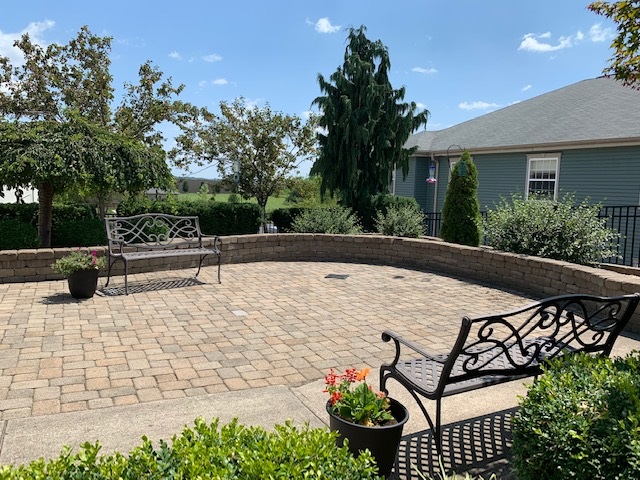
Who Owns and Operates The Laurels Of Hamilton?

THE LAURELS OF HAMILTON is owned by a for-profit company. For-profit facilities operate as businesses with obligations to shareholders or private owners. The facility is operated by CIENA HEALTHCARE/LAUREL HEALTH CARE, a chain that manages multiple nursing homes. With 80 certified beds and approximately 67 residents (about 84% occupancy), it is a smaller facility located in HAMILTON, Ohio.
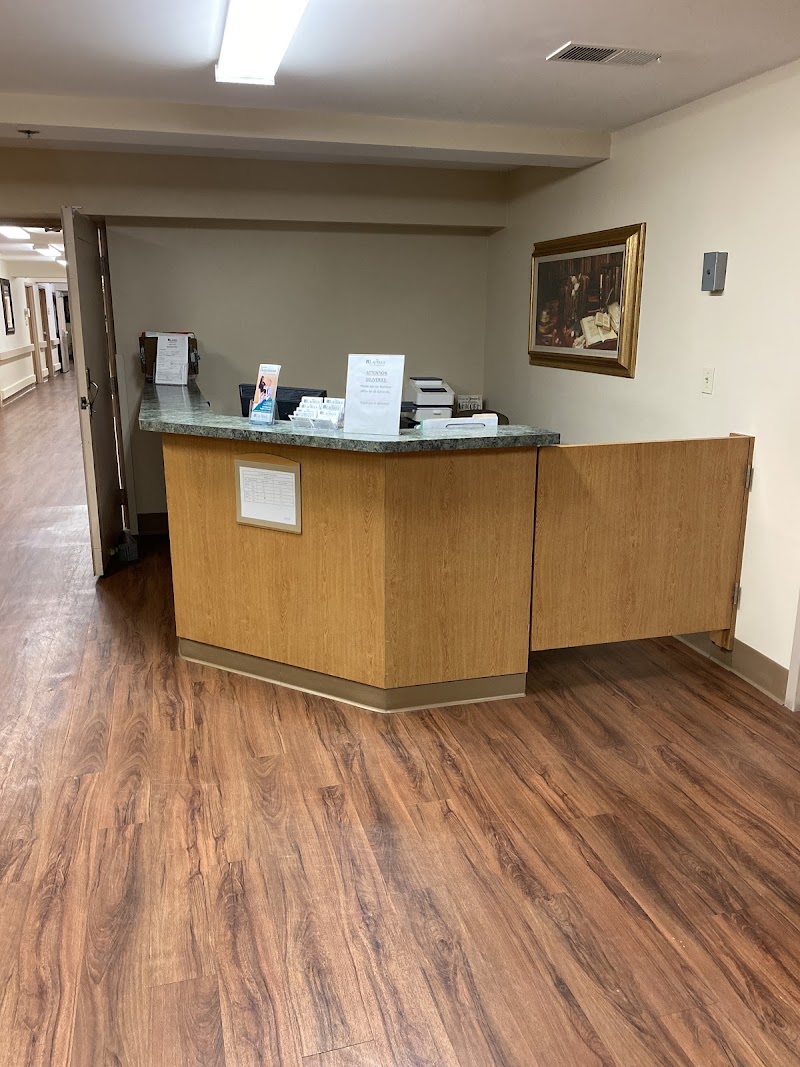
How Does The Laurels Of Hamilton Compare to Other Ohio Nursing Homes?

Compared to the 100 nursing homes in Ohio, THE LAURELS OF HAMILTON's overall rating (4 stars) is above the state average of 3.2, staff turnover (55%) is near the state average of 46%, and health inspection rating (3 stars) is at the national benchmark.

What Should Families Ask When Visiting The Laurels Of Hamilton?

Based on this facility's data, families visiting should ask: "Can I visit during a mealtime to observe dining assistance and food quality?" "How do you handle medical emergencies, and what is your hospital transfer rate?" "Can I speak with family members of current residents about their experience?"

Is The Laurels Of Hamilton Safe?

Based on CMS inspection data, THE LAURELS OF HAMILTON has a clean safety record: no substantiated abuse findings (meaning no confirmed cases of resident harm), no Immediate Jeopardy citations (the most serious violation level indicating risk of serious injury or death), and is not on the Special Focus Facility watch list (a federal program monitoring the lowest-performing 1% of nursing homes). The facility has a 4-star overall rating and ranks #1 of 100 nursing homes in Ohio. While no facility is perfect, families should still ask about staff-to-resident ratios and recent inspection results during their visit.

Do Nurses at The Laurels Of Hamilton Stick Around?

THE LAURELS OF HAMILTON has a staff turnover rate of 55%, which is 9 percentage points above the Ohio average of 46%. Moderate turnover is common in nursing homes, but families should still ask about staff tenure and how the facility maintains care continuity when employees leave.

Was The Laurels Of Hamilton Ever Fined?

THE LAURELS OF HAMILTON has no federal fines on record. CMS issues fines when nursing homes fail to meet care standards or don't correct problems found during inspections. The absence of fines suggests the facility has either maintained compliance or corrected any issues before penalties were assessed. This is a positive indicator, though families should still review recent inspection reports for the full picture.

Is The Laurels Of Hamilton on Any Federal Watch List?

THE LAURELS OF HAMILTON is not on any federal watch list. The most significant is the Special Focus Facility (SFF) program, which identifies the bottom 1% of nursing homes nationally based on persistent, serious quality problems. Not being on this list means the facility has avoided the pattern of deficiencies that triggers enhanced federal oversight. This is a positive indicator, though families should still review the facility's inspection history directly.