THE LAURELS OF HEATH
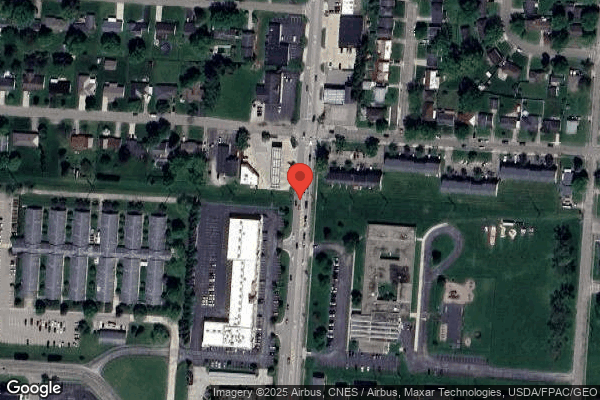

717 SOUTH 30TH STREET, HEATH, OH 43056 (740) 522-1171
For profit - Limited Liability company 150 Beds CIENA HEALTHCARE/LAUREL HEALTH CARE Data: November 2025 1 Immediate Jeopardy citation
Trust Grade
43/100
#558 of 913 in OH
Last Inspection: January 2024

Within standard 12-15 month inspection cycle. Federal law requires annual inspections.

Overview

The Laurels of Heath has a Trust Grade of D, indicating below-average performance and some concerns regarding care quality. It ranks #558 out of 913 facilities in Ohio, placing it in the bottom half of all nursing homes in the state, and #5 out of 10 in Licking County, meaning there are only four options in the area that are better. The facility is improving, with a decrease in reported issues from 14 in 2024 to 12 in 2025. Staffing is a weakness, receiving a 2 out of 5 rating, with a concerning RN coverage that is less than 75% of other Ohio facilities, though turnover is relatively good at 44%. There have been critical incidents, such as a resident developing serious pressure ulcers due to inadequate care, and another resident contracted Legionella, raising significant health concerns. While there are some strengths, families should weigh these serious issues carefully when considering this facility for their loved ones.

Trust Score
D
43/100
In Ohio
#558/913
Bottom 39%
Safety Record
High Risk
Review needed
Inspections
Getting Better
14 → 12 violations
Staff Stability
○ Average
44% turnover. Near Ohio's 48% average. Typical for the industry.
Penalties
✓ Good
No fines on record. Clean compliance history, better than most Ohio facilities.
Skilled Nurses
⚠ Watch
Each resident gets only 27 minutes of Registered Nurse (RN) attention daily — below average for Ohio. Fewer RN minutes means fewer trained eyes watching for problems.
Violations
⚠ Watch
70 deficiencies on record. Higher than average. Multiple issues found across inspections.
★★★☆☆
3.0
Overall Rating
★★☆☆☆
2.0
Staff Levels
★★★★★
5.0
Care Quality
★★☆☆☆
2.0
Inspection Score
Stable
2024: 14 issues
2025: 12 issues

The Good

  • 5-Star Quality Measures · Strong clinical quality outcomes
  • Full Sprinkler Coverage · Fire safety systems throughout facility
  • No fines on record
  • Staff turnover below average (44%)

    4 points below Ohio average of 48%

Facility shows strength in quality measures, fire safety.

The Bad

3-Star Overall Rating

Near Ohio average (3.2)

Meets federal standards, typical of most facilities

Staff Turnover: 44%

Near Ohio avg (46%)

Typical for the industry

Chain: CIENA HEALTHCARE/LAUREL HEALTH CARE

Part of a multi-facility chain

Ask about local staffing decisions and management

The Ugly 70 deficiencies on record

1 life-threatening 1 actual harm
Sept 2025 5 deficiencies
CONCERN (D) 📢 Someone Reported This

A family member, employee, or ombudsman was alarmed enough to file a formal complaint

Potential for Harm - no one hurt, but risky conditions existed

Deficiency F0561 (Tag F0561)

Could have caused harm · This affected 1 resident

**NOTE- TERMS IN BRACKETS HAVE BEEN EDITED TO PROTECT CONFIDENTIALITY** Based on medical record review, resident interview, and staff interview, the facility failed to allow a resident to choose to ea...

Read full inspector narrative →
**NOTE- TERMS IN BRACKETS HAVE BEEN EDITED TO PROTECT CONFIDENTIALITY** Based on medical record review, resident interview, and staff interview, the facility failed to allow a resident to choose to eat a diet texture of their preference when the resident's diet was downgraded without appropriate tests or evaluations completed. This affected one (#49) of one residents reviewed for choices. The census was 112. Findings Include:Review of the medical record revealed Resident #49 was admitted to the facility on [DATE]. His diagnoses included amyotrophic lateral sclerosis (ALS), congestive heart failure, hypertensive heart failure, type II diabetes, hyperlipidemia, dysphagia, ischemic cardiomyopathy, atherosclerotic heart disease, old myocardial infarction, nicotine dependence, and non-compliance with other medical treatment and regimen. Review of Resident #49's Minimum Data Set (MDS) assessment, dated 07/02/25, revealed he was cognitively intact. Review of Resident #49's After Visit Summary Hospital form, dated 01/04/24, revealed he was admitted to the hospital for teeth extraction and to treat a tooth/mouth infection. He was admitted back to the facility on [DATE]. Further review revealed a recommendation was made from the hospital for Resident #49 to utilize a soft diet of, **** days after the procedure, but the specific number of days were not identified. There was no documentation that the hospital recommended a long-term diet texture downgrade or a downgrade of his nutritional status.Review of Resident #49's progress note, dated 01/09/24, revealed the resident was referred to speech therapy services. The note revealed nursing reported the resident was coughing on thin liquids and eliciting difficulty with whole medications. Speech Language Pathologist (SLP) #102 spoke with the resident who became agitated when given recommendations and education on diet recommendations/swallow strategies. Resident #49 was educated on reducing aspiration with thickened liquids/crushed medications and the resident reported he only coughed because he was sick and wants staff to leave him be. SLP #102 educated the resident that he was at risk for aspiration, pneumonia, and death if diet recommendations and swallow strategies were not followed and the resident continued to aspirate. Resident #49 returned understanding of the information. Resident #49 also recently had teeth pulled and the resident's swallow function continued to decline due to ALS. Resident #49 was educated on prognosis regarding swallowing, given SLP's name, and encouraged to participate. Resident #49 nodded his head acknowledging the clinician.Review of Resident #49's SLP Discharge Summary document, dated 05/20/24, revealed Resident #49's therapy was to be primarily focused on education. Resident #49 asked to complete a modified barium swallow study (MBSS) to establish a baseline. There was no documentation presented in the document that Resident #49 had a MBSS completed to support the downgrade of his diet.Review of Resident #49's current dietary orders revealed the facility ordered the resident to be downgraded to a pureed texture diet. There was no documentation provided to support medical tests or assessments that were completed to warrant the downgrade.Review of Resident #49's clinical progress notes, dated 02/09/24, 02/28/24, 03/27/24, 05/29/24, 08/14/24, 12/27/24, and 05/13/25, confirmed Resident #49 expression of displeasure for having a pureed texture diet order. There was no documentation to support the facility giving him the option to revert back to a regular texture diet order with the understanding the resident understood the risks associated with it.Interview with Resident #49 (through electronic means) on 09/08/25 at 2:00 P.M. and 09/15/25 at 1:23 P.M. confirmed he refused meals in the facility because he did not want to eat pureed texture food. He confirmed the facility had not offered him any other choices or abilities to eat food provided by the facility, unless it was pureed. He confirmed he had to purchase his own food since January 2024, because the facility will not provide food other than food that was pureed.Interview with Dietitian #101 on 09/11/25 at 9:15 A.M. confirmed Resident #49 had a pureed texture diet order. She confirmed the facility did not offer him any food that was not pureed texture.Interview with SLP #102 on 09/15/25 at 2:52 P.M. confirmed he was not able to change Resident #49's diet order back to mechanical soft or regular texture until he had another swallow study done. SLP #102 confirmed the facility was to provide a pureed texture diet.Interview with Licensed Practical Nurse (LPN) #214 on 09/15/25 at 3:24 P.M. confirmed Resident #49 had a pureed texture diet order. She confirmed the facility does not offer Resident #49 food that would not be pureed.This deficiency represents non-compliance investigated with Complaint Number 2586509.
CONCERN (D) 📢 Someone Reported This

A family member, employee, or ombudsman was alarmed enough to file a formal complaint

Potential for Harm - no one hurt, but risky conditions existed

ADL Care (Tag F0677)

Could have caused harm · This affected 1 resident

**NOTE- TERMS IN BRACKETS HAVE BEEN EDITED TO PROTECT CONFIDENTIALITY** Based on medical record review, observation, and staff interview, the facility failed to provide assistance with personal hygien...

Read full inspector narrative →
**NOTE- TERMS IN BRACKETS HAVE BEEN EDITED TO PROTECT CONFIDENTIALITY** Based on medical record review, observation, and staff interview, the facility failed to provide assistance with personal hygiene for a resident who was dependent for care. This deficient practice affected one (#63) of eight residents reviewed for activities of daily living. The census was 112.Findings Include:Review of the medical record for Resident #63 revealed an admission date of 07/11/23 with diagnoses including but not limited to heart disease, depression, seizures, and intellectual disabilities. Review of Resident #63 quarterly Minimum Data Set (MDS) assessment dated [DATE] revealed Resident #63 had impaired cognition with a Brief Interview of Mental Status (BIMS) score of seven out possible 15, and required moderate to dependent assistance from staff to complete activities of daily living (ADLs) tasks including personal hygiene and shaving of facial hair.Review of Resident #63's functional ability deficit care plan dated 06/06/24 revealed assistance from staff was required to complete personal hygiene tasks.An observation on 09/08/25 at 10:14 A.M. revealed Resident #63 resting in bed and watching television. Resident #63 had noticeable facial hair on her upper lip and chin area.An observation on 09/09/25 at 8:43 A.M. revealed Resident #63 consuming the breakfast meal. Resident #63 continued to have noticeable facial hair on her upper lip and chin.An interview on 09/09/25 at 3:20 P.M. with Unit Manager (UM) #373 confirmed Resident #63 had noticeable facial hair on upper lip and chin. UM #373 stated the staff should be offering to shave Resident #63 during her shower and as needed when facial hair was noticeable to others. UM #373 further stated Resident #63 does go to activities and will be out in the unit lounge, where she would be seen by peer residents and facility visitors.This deficiency represents non-compliance investigated under Complaint Number 2586509.
CONCERN (D) 📢 Someone Reported This

A family member, employee, or ombudsman was alarmed enough to file a formal complaint

Potential for Harm - no one hurt, but risky conditions existed

Deficiency F0692 (Tag F0692)

Could have caused harm · This affected 1 resident

**NOTE- TERMS IN BRACKETS HAVE BEEN EDITED TO PROTECT CONFIDENTIALITY** Based on medical record review, resident interview, staff interview, and facility policy review, the facility failed to properly...

Read full inspector narrative →
**NOTE- TERMS IN BRACKETS HAVE BEEN EDITED TO PROTECT CONFIDENTIALITY** Based on medical record review, resident interview, staff interview, and facility policy review, the facility failed to properly assess a resident prior to making a diet order change, and failed to properly, accurately, and timely obtain resident weights and notify the physician of weight changes as ordered. This affected three (#49, #2, and #9) of eight residents reviewed for nutrition. The census was 112. Findings Include:1. Review of the medical record revealed Resident #49 was admitted to the facility on [DATE]. His diagnoses included amyotrophic lateral sclerosis (ALS), congestive heart failure, hypertensive heart failure, type II diabetes, hyperlipidemia, dysphagia, ischemic cardiomyopathy, atherosclerotic heart disease, old myocardial infarction, nicotine dependence, and non-compliance with other medical treatment and regimen. Review of Resident #49's Minimum Data Set (MDS) assessment, dated 07/02/25, revealed he was cognitively intact. Review of Resident #49's After Visit Summary Hospital form, dated 01/04/24, revealed he was admitted to the hospital for teeth extraction and to treat a tooth/mouth infection. He was admitted back to the facility on [DATE]. Further review revealed a recommendation was made from the hospital for Resident #49 to utilize a soft diet of, **** days after the procedure, but the specific number of days were not identified. There was no documentation that the hospital recommended a long-term diet texture downgrade or a downgrade of his nutritional status. Review of Resident #49's progress note, dated 01/09/24, revealed the resident was referred to speech therapy services. The note revealed nursing reported the resident was coughing on thin liquids and eliciting difficulty with whole medications. Speech Language Pathologist (SLP) #102 spoke with the resident who became agitated when given recommendations and education on diet recommendations/swallow strategies. Resident #49 was educated on reducing aspiration with thickened liquids/crushed medications and the resident reported he only coughed because he was sick and wants staff to leave him be. SLP #102 educated the resident that he was at risk for aspiration, pneumonia, and death if diet recommendations and swallow strategies were not followed and the resident continued to aspirate. Resident #49 returned understanding of the information. Resident #49 also recently had teeth pulled and the resident's swallow function continued to decline due to ALS. Resident #49 was educated on prognosis regarding swallowing, given SLP's name, and encouraged to participate. Resident #49 nodded his head acknowledging the clinician Review of Resident #49's nutritional orders, dated 01/22/24, revealed on that date, the facility changed his diet texture order from regular texture to pureed texture. Review of Resident #49 progress notes, dated 02/09/24, 02/28/24, 03/27/24, 05/29/24, 08/14/24, 12/27/24, and 05/13/25, revealed documentation to support Resident #49 was refusing meals at the facility due to the facility only offering meals with a pureed texture diet. There was no documentation to support a risk agreement/consent form was offered to Resident #49 to accept acknowledgement and responsibility for defying SLP recommendation/order for a pureed texture diet, which was not the diet texture he wanted. Review of Resident #49's SLP Discharge Summary document, dated 05/20/24, revealed Resident #49's therapy was to be primarily focused on education. Resident #49 asked to complete a modified barium swallow study (MBSS) to establish a baseline. There was no documentation presented in the document that Resident #49 had a MBSS completed to support the downgrade of his diet. Review of Resident #49 nutritional assessments, dated 07/08/24 and 07/03/25, revealed the resident was educated on risks of aspiration but continued to be non-compliant with diet texture. There was no documentation to support a medical assessment had been completed to confirm the resident medically needed to change his diet texture to puree. Review of Resident #49's medication administration records (MAR), dated July 2025 to September 2025, revealed multiple days in which Resident #49 refused his medications. But, when he did take his medications, they were whole pills with no modifications, including oxycodone, Baclofen, Lasix, and Senna. There were no orders for his medication to be crushed and there was no documentation to support the facility crushed his medications prior to giving them to him. Interview with Resident #49 on 09/08/25 at 2:00 P.M. and 09/15/25 at 1:23 P.M. confirmed he does not want to eat a pureed texture diet. He confirmed he had never received a swallow study or medical assessment to determine if he needed a pureed texture diet. He confirmed he has refused to have one because he has not shown signs that he needs to have an assessment completed or that he was having trouble swallowing. He orders his own food to be delivered and eats it with no issues. He confirmed he had never been given the opportunity to sign a risk agreement, understanding that he knows the risks of eating a regular texture diet. He stated the facility only offered food that was pureed, which he refuses, and so he does not get any food from the facility. Interview with Dietitian #101 on 09/11/25 at 9:15 A.M. stated she was under the impression Resident #49 had a video swallow study completed at the hospital in January 2024, and when he came back, he was placed on a pureed texture diet. She was unaware of any risk assessment or consent to go against orders being offered to Resident #49 so that he could eat a regular texture diet. Interview with SLP #102 on 09/15/25 at 2:52 P.M. revealed Resident #49's diet order was downgraded to puree on 01/22/24. He confirmed nursing staff told him Resident #49 was having trouble swallowing thin liquids and his medications; which was around the same time he was positive for pneumonia. So, for the resident's safety, his diet order was downgraded. When asked if his diet order should have been upgraded after he was clear of pneumonia, SLP #102 stated he could not do that because Resident #49 would have to perform a swallow study to ensure his safety with a regular texture diet. Because Resident #49 continued to refuse to have the swallow study, he was not permitted to upgrade his diet texture, even though Resident #49 does not want a pureed texture diet order. Interview with Licensed Practical Nurse (LPN) #214 on 09/15/25 at 3:24 P.M. confirmed Resident #49 had a pureed diet texture order. She also confirmed when Resident #49 agreed to take his medication, it was given to him with thin liquids and the pills were whole. She confirmed typically, a resident who was on a pureed texture diet, would have their medications offered/administered crushed. 2. Review of the medical record revealed Resident #2 was admitted to the facility on [DATE]. Diagnoses included cystitis, osteoarthritis, obesity, atrial fibrillation, obstructive sleep apnea, chronic respiratory failure, hyperlipidemia, bipolar disorder, hypertension, fibromyalgia, chronic kidney disease, difficulty walking, muscle weakness, insomnia, and depression. Review of Resident #2's MDS assessment, dated 08/15/25, revealed the resident was cognitively intact. Review of Resident #2's weights, dated 08/11/25 to 09/11/25, revealed the initial weight taken on 08/11/25 was 275 pounds. Further review revealed that weight was scratched out as being inaccurate on 08/28/25. The resident's next weight was taken on 08/22/25 (334 pounds) and was more than seven days after the initial (inaccurate) weight was taken. Review of Resident #2's nutritional assessment, dated 08/14/25, confirmed there could be a discrepancy between the resident's last hospital weight and her initial facility weight. Further review revealed the facility would like to monitor the resident's weekly weights, which was not taken until 11 days after the initial weight was taken. Interview with Dietitian #101 on 09/11/25 at 9:12 A.M. confirmed the initial weight for Resident #2 of 275 pounds was suspected to be inaccurate, which was why she asked for a new weight to be taken on 08/14/25. She confirmed she expected to have all weights accurate, so she can do her job correctly/accurately. She stated she figured Resident #2's weight was inaccurate based on her hospital weight at the time of hospital discharge, and the significant difference between that and the initial weight taken from the facility. She would have the expectation that nursing staff would review any new admission resident hospital weight to determine if an initial weight was accurate or not. Interview with Assistant Director of Nursing (ADON) #311 on 09/11/25 at 3:13 P.M. confirmed if re-weights are asked to be taken, they should be done within 72 hours of the request. He confirmed there were 11 days between Resident #2 initial (inaccurate) weight and her next weight, which was taken on 08/22/25. 3. Review of the medical record revealed Resident #9 was admitted to the facility on [DATE]. His diagnoses included encephalopathy, end stage renal disease, muscle weakness, difficulty in walking, congestive heart failure, type II diabetes, anemia, anxiety disorder, insomnia, major depressive disorder, idiopathic peripheral autonomic neuropathy, hyperlipidemia, and hypertension. Review of Resident #9's MDS assessment, dated 07/15/25, revealed he was cognitively intact.Review of Resident #9's current physician orders revealed he had an order for daily weights to be taken. Also, the facility was to notify the physician if there was a greater than three pound weight gain in over two days. Review of Resident #9's weights, dated 07/02/25 to 09/11/25, revealed there were no weights documented on 07/14/25, 07/15/25, 09/04/25, and 09/05/25. Review of Resident #9's weights, dated 07/02/25 to 09/11/25, revealed the following weight gains of greater than three pounds over two days were not reported to the physician as ordered: from 08/21/25 (197.8 pounds) to 08/23/25 (202 pounds), 08/17/25 (193.4 pounds) to 08/19/25 (196.5 pounds), 08/07/25 (197.5 pounds) to 08/09/25 (201.2 pounds), 08/04/25 (195.2 pounds) to 08/06/25 (200.1 pounds), 07/16/25 (192.8 pounds) to 07/18/25 (196 pounds), 07/10/25 (185.2 pounds) to 07/12/25 (194.4 pounds), and 07/04/25 (187.4 pounds) to 07/06/25 (193.7 pounds). Interview with ADON #311 on 09/11/25 at 3:11 P.M. confirmed the facility could not find evidence the physician or nurse practitioner was notified as ordered for Resident #9's weight gains on the above dates. Also, he confirmed they could not find any documents of weights obtained on 07/14/25, 07/15/25, 09/04/25, and 09/05/25 where the weights were missing from the record. Review of the facility weight management policy, dated 07/30/25, revealed residents will be monitored for significant weight changes on a regular basis. This deficiency represents non-compliance investigated under Complaint Number 2573417.
CONCERN (D) 📢 Someone Reported This

A family member, employee, or ombudsman was alarmed enough to file a formal complaint

Potential for Harm - no one hurt, but risky conditions existed

Deficiency F0925 (Tag F0925)

Could have caused harm · This affected 1 resident

Based on observation, resident and staff interview, review of pest control records, and facility policy review, the facility failed to maintain an effective pest control program. This deficient practi...

Read full inspector narrative →
Based on observation, resident and staff interview, review of pest control records, and facility policy review, the facility failed to maintain an effective pest control program. This deficient practice affected three (#3, #52, and #93) of 112 residents observed for environment and pest control. The facility census was 112.Findings Include:An observation on 09/08/25 at 10:15 A.M. revealed Resident #105 sitting at edge of the bed looking out the window. There were multiple house flies noted on the windowsill and bed covers.An observation on 09/08/25 at 11:25 A.M. revealed Resident #52 sitting in a wheelchair in her room awaiting lunch meal service. There were several house flies observed in the room. Resident #52 would occasionally swat at one house fly as it flew around her face.An observation on 09/08/25 at 2:21 P.M. revealed Resident #3 resting in bed with the bed covers pulled up to his chest area. There were multiple house flies on the bed covers and windowsill.An observation on 09/09/25 at 11:00 A.M. revealed Resident #3 sitting up in bed with the bed covers pulled up to cover his lower body. There were multiple flies on the bed covers and flying around Resident #3's face.An interview on 09/09/25 at 11:05 A.M. with Resident #3 revealed there were always flies in his room and he does not like the flies being in his room.An interview on 09/09/25 at 2:00 P.M. with Certified Nurse Aide (CNA) #343 confirmed there are flies throughout the facility, especially in Resident #3's and Resident #105's rooms. CNA #343 stated sometimes there was a pest control company that came to the facility.Review of the facility's pest control visit summary dated 03/25/25 to 09/08/25 revealed the facility was treated for fly activity in the kitchen and in several resident rooms. Further review revealed the pest control company noted the contributing factor for fly activity was poor sanitation in resident bathrooms and recommended cleaning and sanitize the bathrooms of urine and fecal matter on a regular basis.Review of the facility's pest control policy dated 03/05/25 revealed the purpose was to provide an environment free of pests. The facility will have a pest control contract that provides frequent treatment of the environment for pests. It will allow for additional visits when a problem is detected. Monitoring of the environment will be done by the facility's staff. Pest control problems will be reported promptly.
CONCERN (E) 📢 Someone Reported This

A family member, employee, or ombudsman was alarmed enough to file a formal complaint

Potential for Harm - no one hurt, but risky conditions existed

Safe Environment (Tag F0584)

Could have caused harm · This affected multiple residents

Based on observation, staff interview, review of cleaning schedules, and facility policy review, the facility failed to maintain an clean and homelike environment. This deficient practice affected fou...

Read full inspector narrative →
Based on observation, staff interview, review of cleaning schedules, and facility policy review, the facility failed to maintain an clean and homelike environment. This deficient practice affected four (#3, #60, #93, and #105) of 112 residents observed for homelike environment. The facility census was 112.Findings Include:An observation on 09/08/25 at 10:30 A.M. revealed Resident #3 lying in bed with the bed covers pulled up to cover lower body. There were several dark brown stains noted on the white window blinds which were in the half-open position.An observation on 09/08/25 at 2:21 P.M. revealed Resident #93's room had cobwebs located in the corners where the wall met the ceiling and in the windowsill. The floor was dirty with noted stains along the baseboard under the heating and cooling unit and under the three-drawer dresser beside the bed. Further observation revealed Resident #93's fitted and flat sheets were noted to be soiled with dark brown stains near the edge of the bed.An observation on 09/08/25 at 2:30 P.M. revealed Resident #105 sitting in his wheelchair completing a puzzle on the empty bed in his room. The wall directly behind the empty bed was noted to be deeply scratched with several areas of exposed dry wall material noted. The scratches appeared to be approximately one-half inch deep and covered the majority of the lower part of the wall.An observation on 09/10/25 at 8:15 A.M. revealed Resident #60's room with the over the bed light fixture, for bed A, to be uncovered exposing the two florescent light bulbs, the light was turned on. There was no bed located under the light fixture. Resident #60's bed was located closest to the window.A review of the housekeeping room cleaning schedules dated 09/08/25 and 09/09/25 revealed Resident #3 and Resident #93's rooms had been marked as being cleaned by the housekeeping staff.An interview on 09/15/25 at 11:52 A.M. with Maintenance Director (MD) #531 confirmed the unclean conditions in Resident #3 and Resident #93's rooms, the exposed dry wall material in Resident #105's room, and the exposed light bulbs in Resident #60's room.Review of the facility's housekeeping services policy, dated 07/08/25, revealed the purpose was to promote a sanitary environment. This deficiency represents non-compliance investigated under Master Complaint Number 2614276 and Complaint Number 2573417.
Jul 2025 4 deficiencies
CONCERN (D) 📢 Someone Reported This

A family member, employee, or ombudsman was alarmed enough to file a formal complaint

Potential for Harm - no one hurt, but risky conditions existed

Deficiency F0558 (Tag F0558)

Could have caused harm · This affected 1 resident

**NOTE- TERMS IN BRACKETS HAVE BEEN EDITED TO PROTECT CONFIDENTIALITY** Based on observation, policy review, record review and interview, the facility failed to ensure call bells were within reach. Th...

Read full inspector narrative →
**NOTE- TERMS IN BRACKETS HAVE BEEN EDITED TO PROTECT CONFIDENTIALITY** Based on observation, policy review, record review and interview, the facility failed to ensure call bells were within reach. This affected three (Resident's #1, #3 and #4) of six residents observed. The census was 117.Findings include:1. Review of Resident #3's medical record revealed an admission date of 08/22/22 with diagnoses including Alzheimer's disease, dementia, chronic obstructive pulmonary disease, dysphasia, and osteoarthritis.Review of Resident #3's comprehensive Minimum Data Set (MDS) 3.0 assessment dated [DATE] revealed he had severely impaired cognition. He was independent of eating and required supervision or touching assistance for toilet transfers.Observation 07/09/25 at 10:10 A.M. of Resident #3 revealed the resident was in bed without a call bell/light near him. The call bell was plugged in the wall side of bed one and hanging on the floor. The resident was in bed two. There was not a call bell plugged into the wall on the bed two side. There was not a call bell in sight in the room for the bed two side.Interview 07/09/25 at 10:10 A.M. with Licensed Practical Nurse (LPN) #15 verified the resident did not have a call bell in reach. LPN #15 verified the resident was able to activate a call bell.2. Review of Resident #1 revealed a 06/04/25 admission with diagnoses including encounter for surgical aftercare following surgery on the nervous system, encounter for surgical aftercare following surgery on the digestive system, acute respiratory failure with hypoxia, muscle weakness, difficulty in walking, need for assistance with personal care, dysphasia, cognitive communication deficit, severe protein calorie malnutrition, hypertensive heart disease, insomnia, attention deficit hyperactivity disorder, acute post hemorrhagic anemia, cerebral infarction, seizures, traumatic brain injury with loss of consciousness, ileus, thrombocytosis and anxiety disorder.Review of the 06/10/25 admission MDS revealed the resident was moderately impaired for daily decision making. The resident has upper and lower extremity impairment on one side, needs substantial/maximum assistance for eating, dependent on toileting and bathing, substantial/maximum assist for rolling side to side or sitting up, and is always incontinent of bowel and bladder.Observation 07/09/25 at 9:14 A.M. revealed Resident #1 was in bed. He did not have a call bell in reach. The resident's call bell was draped across the resident's open top drawer of his bedside table. The control was draped over the far side of the drawer away from the resident's bed.Certified Nurse Aide (CNA) #125 entered the room at 9:15 A.M. She verified the resident's call light was not in reach. CNA #125 stated it was her first time in the resident's room that day. CNA #41 entered the room and said she was the resident's aide. She revealed she arrived at 6:00 A.M. and had not moved the resident's call light. She indicated it would have been placed across his drawer out of reach before she arrived. The resident had a traumatic brain injury and had limited movement of his right arm/hand. He indicated he would need to reach across with his left hand and try to reach the call bell. When he attempted, he was unable to reach the cord to the call light. The CNAs verified the resident was able to activate the call light when in reach.3. Resident #4 was admitted [DATE] with diagnoses including cerebral infarction, chronic obstructive pulmonary disease, ataxia, hypertension, chronic kidney disease, type 2 diabetes, iron deficiency anemia, vitamin D deficiency, difficulty walking, major depressive disorder, anxiety, chronic atrial fibrillation, osteoarthritis, muscle wasting and atrophy, anxiety disorder, dementia with mood disturbance, gout, radiculopathy cervical region, need for assistance with personal care, legal blindness, sick sinus syndrome, alcohol dependence in remission, old myocardial infarction, hyperlipidemia, morbid severe obesity, personal history of sudden cardiac arrest, and congestive heart failure. Review of the 05/14/25 Quarterly MDS revealed the resident was moderately impaired for daily decision making. The resident had no upper or lower extremity impairment. He was independent for eating, set up for toileting, and supervision for bathing.Observation of Resident #4 07/09/25 at 9:33 A.M. revealed he was sitting in his recliner with his legs elevated. His call light was activated. Upon entering the room, the resident's call light was out of reach pulled out of the wall and lying on the floor.On 07/09/25 at 9:48 A.M. Certified Nurse Aide (CNA) #132 was walked down the hall past the resident's room. The surveyor went into the hall and spoke with CNA #132. CNA #132 entered Resident #132's room, acknowledged the resident's call light was activated, on the floor detached from the wall out of reach.Review of the facility's Call Lights policy revised 03/15/25 included call lights will be placed within the resident's reach and answered in a timely manner. The deficiency represents non-compliance investigated under Complaint Number OH00166783 (1330314).
CONCERN (D) 📢 Someone Reported This

A family member, employee, or ombudsman was alarmed enough to file a formal complaint

Potential for Harm - no one hurt, but risky conditions existed

Deficiency F0745 (Tag F0745)

Could have caused harm · This affected 1 resident

**NOTE- TERMS IN BRACKETS HAVE BEEN EDITED TO PROTECT CONFIDENTIALITY** Based on interview, record review, and review of job description the facility failed to ensure the social worker assisted the re...

Read full inspector narrative →
**NOTE- TERMS IN BRACKETS HAVE BEEN EDITED TO PROTECT CONFIDENTIALITY** Based on interview, record review, and review of job description the facility failed to ensure the social worker assisted the resident to address his preferences of transferring to a different facility. This affected one resident (#2) of one residents reviewed for transfers. The facility census was 117.Findings include:Review of Resident #2's medical record revealed an admission date of 02/15/23 and diagnoses including paraplegia, unspecified protein-calorie malnutrition, generalized anxiety, and chronic respiratory failure.Review of Resident #2's Minimum Data Set (MDS) 3.0 assessment dated [DATE] revealed the resident had intact cognition. Review of Resident #2's care conference note dated 08/15/24 revealed the resident wanted to transfer to a facility in Cleveland or [NAME]. The resident's mother was to research the facilities and report to the social worker.Review of Resident #2's care conference note dated 11/13/24 revealed the resident wanted to go to a facility in [NAME]. The social worker was to search for facilities in the requested area.Review of Resident #2's care conference note dated 05/22/25 revealed the resident requested to move closer to [NAME], the social worker was to work on finding him a facility.Review of Resident #2's medical record from 08/15/24 to 07/09/25 revealed no evidence the social worker had made attempts to contact facilities near [NAME].Interview on 07/10/25 at 10:50 A.M. with Resident #2 revealed he had been requesting to move from the facility for years and they had not made any efforts to do so. He reported the facility kept listening to his mother despite the fact that he was his own responsible party. Interview on 07/10/25 at 11:50 A.M. with Social Service Designee (SSD) #54 revealed she was aware the resident wanted to move to a different facility. She reported the resident's mom was supposed to find a place that suited them and that she had followed up with the mother. She verified there was no documented evidence she had followed up. She reported Resident #2 wanted to go somewhere his mother would agree to and that was why he had yet to move. She again verified there was no evidence SSD #54 had followed up on his requests to transfer facilities.Review of the job description for the social service designee revealed it was an essential function and responsibility to assist the residents in obtaining the residents needs and advocating for the residents. This deficiency represents non-compliance investigated under Complaint Number OH00166863 (1330317).
CONCERN (D) 📢 Someone Reported This

A family member, employee, or ombudsman was alarmed enough to file a formal complaint

Potential for Harm - no one hurt, but risky conditions existed

Deficiency F0807 (Tag F0807)

Could have caused harm · This affected 1 resident

**NOTE- TERMS IN BRACKETS HAVE BEEN EDITED TO PROTECT CONFIDENTIALITY** Based on observation, record review and interview, the facility failed to ensure residents were provided drinking water. This af...

Read full inspector narrative →
**NOTE- TERMS IN BRACKETS HAVE BEEN EDITED TO PROTECT CONFIDENTIALITY** Based on observation, record review and interview, the facility failed to ensure residents were provided drinking water. This affected three (Resident's #1, #3 and #4) of five residents observed for water availability. The census was 117.Findings include: 1. Review of Resident #3's medical record revealed an admission date of 08/22/22 with diagnoses including Alzheimer's disease, dementia, chronic obstructive pulmonary disease, dysphasia, and osteoarthritis.Review of Resident #3's comprehensive Minimum Data Set (MDS) 3.0 assessment dated [DATE] revealed he had severely impaired cognition. He was independent of eating and required supervision or touching assistance for toilet transfers.Observation 07/09/25 at 10:10 A.M. of Resident #3 revealed the resident was in bed without water or beverages on his overbed table or available in the room.Interview 07/09/25 at 10:10 A.M. with Licensed Practical Nurse (LPN) #15 verified the resident did not have water in reach. LPN #15 asked him if he wanted water and he said yes, cold water.2. Review of Resident #1 revealed a 06/04/25 admission with diagnoses including encounter for surgical aftercare following surgery on the nervous system, encounter for surgical aftercare following surgery on the digestive system, cognitive communication deficit, severe protein calorie malnutrition, anemia, cerebral infarction, seizures, traumatic brain injury with loss of consciousness, and anxiety disorder.Review of the 06/10/25 admission MDS revealed the resident was moderately impaired for daily decision making. The resident had upper and lower extremity impairment on one side, needed substantial/maximum assistance for eating, dependent on toileting and bathing, substantial/maximum assist for rolling side to side or sitting up, and is always incontinent of bowel and bladder.Physician orders included a 07/01/25 order for a regular diet, regular texture, thin consistency (fluids).Observation 07/09/25 at 9:14 A.M. revealed Resident #1 was in bed. He did not have water on his overbed table or in reach.Certified Nurse Aide (CNA) #125 entered the room at 9:15 A.M. She verified the resident did not have water or ice water. She located an empty lidded cup with straw across the room on a counter. She asked him if he wanted water and he said yes. He stated he liked ice in his water. CNA #125 left the room and returned with what she stated was a clean lidded mug and ice water. CNA #41 entered the room and said she was the resident's aide. She revealed she arrived at 6:00 A.M. and did not know why his water was not there. She stated she passes water once a day unless they ask for it. 3. Resident #4 was admitted [DATE] with diagnoses including cerebral infarction, chronic obstructive pulmonary disease, ataxia, hypertension, chronic kidney disease, type 2 diabetes, iron deficiency anemia, vitamin D deficiency, difficulty walking, major depressive disorder, anxiety, chronic atrial fibrillation, osteoarthritis, muscle wasting and atrophy, anxiety disorder, dementia with mood disturbance, gout, radiculopathy cervical region, need for assistance with personal care, legal blindness, sick sinus syndrome, alcohol dependence in remission, old myocardial infarction, hyperlipidemia, morbid severe obesity, personal history of sudden cardiac arrest, and congestive heart failure. Review of the 05/14/25 Quarterly MDS revealed the resident was moderately impaired for daily decision making. The resident had no upper or lower extremity impairment. He was independent for eating, set up for toileting, and supervision for bathing.Observation of Resident #4 07/09/25 at 9:33 A.M. revealed he was sitting in his recliner with his legs elevated. He had no water or fluids at bedside. His overbed table dirty smeared dirty with an open applesauce with a spoon in it and an empty box of Ritz peanut butter crackersOn 07/09/25 at 9:48 A.M. Certified Nurse Aide (CNA) #132 was walked down the hall past the resident's room. The surveyor went into the hall and spoke with CNA #132. CNA #132 entered Resident #132's room, acknowledged the resident did not have water or fluids in reach.The facility did not have an ice water policy. This deficiency represents non-compliance investigated under Complaint Number OH00166783 (1330314).
CONCERN (E) 📢 Someone Reported This

A family member, employee, or ombudsman was alarmed enough to file a formal complaint

Potential for Harm - no one hurt, but risky conditions existed

Safe Environment (Tag F0921)

Could have caused harm · This affected multiple residents

**NOTE- TERMS IN BRACKETS HAVE BEEN EDITED TO PROTECT CONFIDENTIALITY** Based on observation, and interview, the facility failed to maintain toilet rails, thresholds, walls, floors and dressers. This ...

Read full inspector narrative →
**NOTE- TERMS IN BRACKETS HAVE BEEN EDITED TO PROTECT CONFIDENTIALITY** Based on observation, and interview, the facility failed to maintain toilet rails, thresholds, walls, floors and dressers. This affected six (Resident's #2, #3, #4, #5 #8, and #9) of 117 residents in the facility.Findings include:Observations 07/09/25 between 9:33 A.M. and 10:27 A.M. revealed:- Resident #3's bathroom toilet had handrails attached to the bolts that held the toilet seat on the toilet. The rails moved when touched. The right railed moved approximately six inches and the left rail four inches. The toilet water was a milky pink color. The bathroom had an incontinence odor. The door frames entering the room and bathroom were scraped heavily with the paint off. The sink bowl was dirty a rusty color. There were seven broken tiles on the bathroom walls.- The community shower room between three and four the handrails attached to the toilet moved two to four inches when touched. There was molding off the wall between on the right exiting the shower. The linoleum type tile blocks at the threshold of the bathroom door were broken off on the hall side.- Resident #2's bathroom had rails attached to the toilet. The rails moved several inches when held onto making a jiggle motion. There were six tiles off the bathroom wall. Two tiles behind the toilet and four at the shower room were off the wall. Resident #2 did not use the [NAME] and [NAME] bathroom but Resident's #8 and #9 in the adjoining room utilized the bathroom.- Resident #4's floor was sticky. You could hear shoes sticking on floor when walking in the room. A urinal was on the floor. There were three puddles of liquid on the floor in front of the recliner he was sitting in at the time. The rails on his toilet were very loose moving approximately six inches on the left when jiggled and six on the right. The bath tub was blacked on the front quarter. There was black grout around 12 of the wall tiles around the tub, - Resident #5's rails on her toilet were loose moving approximately three inches when jiggled. The doorframe into the bathroom had the paint scrapped off. All four of her dresser drawers were damaged with the facing damaged. Interview 07/09/25 at 9:58 A.M. with Registered Nurse (RN) #83 verified Resident #4's sticky bedroom floor, liquid on the floor, loose toilet rails, and blacked bath tub and grout.Interview 07/09/25 at 10:10 A.M. with Licensed Practical Nurse (LPN) #15 verified the unstable toilet seat rails, toilet bowl water, damaged door frames, broken tiles, dirty sink and odor in Resident #3 room. LPN #15 verified the loose toilet rails in the community shower room, the molding off the wall and damaged floor. LPN #15 verified Resident #2's loose toilet rails, and missing wall tiles affecting Resident's #8 and #9. Interview 07/09/27 at 10:27 A.M. with Certified Nurse Aide #118 verified the toilet rails were loose on Resident #5 toilet, damaged dresser drawers and damaged door frames.The deficiency represents non-compliance investigated under Master Complaint Number OH00167350 (133320) and Complaint Numbers OH00166976 (1330318), OH00166863 (1330317) and OH00166783 (1330314).
May 2025 1 deficiency
CONCERN (D) 📢 Someone Reported This

A family member, employee, or ombudsman was alarmed enough to file a formal complaint

Potential for Harm - no one hurt, but risky conditions existed

Accident Prevention (Tag F0689)

Could have caused harm · This affected 1 resident

**NOTE- TERMS IN BRACKETS HAVE BEEN EDITED TO PROTECT CONFIDENTIALITY** THE FOLLOWING DEFICIENCY REPRESENTS AN INCIDENT OF PAST NON-COMPLIANCE THAT WAS SUBSEQUENTLY CORRECTED PRIOR TO THIS SURVEY. Bas...

Read full inspector narrative →
**NOTE- TERMS IN BRACKETS HAVE BEEN EDITED TO PROTECT CONFIDENTIALITY** THE FOLLOWING DEFICIENCY REPRESENTS AN INCIDENT OF PAST NON-COMPLIANCE THAT WAS SUBSEQUENTLY CORRECTED PRIOR TO THIS SURVEY. Based on interview, observation medical record review, review of facility policy, and review of facility investigation, the facility failed to ensure Resident #127 did not elope from the facility for an extended period of time. This affected one resident (#127) of three residents reviewed for elopement. The facility census was 122. Findings include: Review of Resident #127's medical record revealed an admission date of 07/06/25 with diagnoses including chronic obstructive pulmonary disease, cachexia, panic disorder, depression, dementia, and mild cognitive impairment. Review of Resident #127's quarterly Minimum Data Set (MDS) 3.0 assessment dated [DATE] revealed the resident had severely impaired cognition. Review of Resident #127's plan of care initiated 06/11/24 revealed the resident was at risk for exit seeking and elopement related to impaired cognition, enjoying being outside and going to local stores, being observed outside saying she was going for a stroll, being independently mobile in wheelchair, and having a wanderguard. Interventions included applying the wanderguard as ordered and checking placement, function, and expiration date according to policy, redirecting away from exit doors as needed, distracting when wandering into inappropriate areas, identifying patterns of wandering, providing structured activities, toileting, and walking inside and outside with supervision as needed. Review of Resident #127's elopement risk assessment dated [DATE] revealed the resident was at risk for elopement. Review of Resident #127's physician order dated 06/11/24 to 05/09/25 revealed an order to check wanderguard placement every shift. Review of Resident #127's physician order dated 01/10/25 to 05/09/25 revealed an order to check the wanderguard function every night shift. Review of Resident #127's physician order dated 09/18/24 to 05/08/25 revealed an order to maintain wanderguard to wheelchair and check placement every shift. Review of Resident#127's Treatment Administration Record (TAR) for May 2025 revealed the nursing staff had been indicating they had checked placement and function of night shift from 05/01/25 to 05/07/25. The day shift had not marked that the wanderguard was in place to the wheelchair on 05/08/25. Review of Resident #127's progress note dated 05/08/25 revealed at approximately 2:05 P.M. the facility received a call from Heath Police Dispatch stating the resident was at rural king. Her wanderguard was not in place. Staff picked up the resident via their transport bus. The resident reported a lady took her to the store by pushing her in her wheelchair from the building, dropped her off the store, and she had been there for two days. The resident had a diagnosis of dementia. She had a head-to-toe assessment with no concerns noted. Her face was flushed, and she was provided with a cool rag and ice water. She was placed on one-on-one supervision and the on-call provider, Director of Nursing (DON), Assistant Director of Nursing (ADON), Administrator, and guardian were notified. Review of the facilities Self-Reported incident dated 05/08/25 revealed an allegation of neglect when the facility was notified at 2:16 P.M. that Resident #127 was at a local store by police dispatch. Facility transported the resident back to the building escorted by police. A head-to-toe assessment was done, and no injury was noted. Review of the Missing Resident Investigation form dated 05/08/25 revealed a call was received and the facility was notified that Resident #127 was at a local store. The resident was last seen at 9:00 A.M. and was wearing a dark T-shirt and pants in a black wheelchair. Review of the incident and accident investigation form dated 05/08/25 revealed police dispatch called the building and notified the Business office manager at 2:16 P.M. that the resident was at a local store. The facility transported the resident back to the facility. Following an assessment no injury was noted, and the physician and guardian were notified. Review of the interview summary dated 05/08/25 revealed Resident #127 indicated a lady took her to the store by pushing her in her wheelchair and she had been there for two days. Certified Nursing Assistant (CNA) #120 indicated they were assigned to Resident #127's hallway and last spoke with the resident before breakfast. CNA #125 was assigned to Resident #127's hallway and last saw the resident after breakfast. CNA #127 was assigned to the adjacent hallway to Resident #127 and stated she saw the resident before breakfast when the resident was by the dining room. Medication Technician #113 stated she saw the resident after her morning medication administration around 9:00 A.M. Licensed Practical Nurse (LPN) Supervisor #106 indicated she saw the resident by her room after breakfast. Review of the quality assurance interview summary dated 05/08/25 revealed LPN Supervisor #106 revealed she called the store and spoke with the manager who said the resident made a purchase around 11:30 A.M. The manager was asked to check the cameras and stated the resident entered the store at 9:48 A.M. The manager also stated the resident was in and out of the store multiple times and was sitting by the front door when she was outside of the store. Review of Google Maps on 05/13/25 revealed the facility was 0.5 miles and an 11-minute walk from Rural King. Observation on 05/13/25 revealed the facility was located across from a mall. The mall had a road with a 15 mile per hour speed limit surrounding it. The facility was off this road, as was rural king. Interview on 05/13/25 at 10:00 A.M. with the DON revealed the resident returned to the facility at 2:16 P.M. The facility did not have cameras near the front door. To know how long she was gone they had gone with the last time she had been seen which was 9:00 A.M. and the cameras from Rural King. Interview on 05/13/25 at 10:35 A.M. with the Administrator revealed the facility received a call from Rural King a bit before 10:50 A.M. indicating there was a lady outside of their store with a pink basket attached to their wheelchair. She spoke to activities personnel and the receptionist, and they were unaware of anyone with a pink basket on their wheelchair. She went to Rural King and drove around the store two to three times and did not see anyone. She reported the area had a lot of people who ride around in wheelchairs, so she did not think anything of it and did not initiate a headcount. Interview on 05/13/25 at 11:06 A.M. with Medication Technician #113 revealed on 05/08/25 she saw Resident #127 around 9:00 A.M. coming out of her room. She reported she did not require any medications until later in the afternoon, so she had not checked her wanderguard placement yet that day. She reported she noted the resident had not been in her room for lunch, but she had assumed that she was in the dining room and did not check on her. Interview on 05/13/25 at 11:15 A.M. and 1:18 P.M. with Regional Nurse #110 revealed Resident #127 had a history of cutting wanderguard off when they were on her. They switched the wanderguard to her wheelchair and it had been effective until 05/08/25. They were unable to locate the device itself but found the band. Interview on 05/13/25 at 11:24 A.M. with CNA #103 revealed Resident #127 normally spent a lot of her time in different areas of the facility or in activities. She had a history of removing her wanderguard, but it had been a while since that had happened. She reported they were supposed to check on residents every two hours, but she had been busy and had not done so on 05/08/25. She reported if staff had not seen residents in a while they would go check their usual spots and notify staff on their way. Reported she did take an untouched lunch tray from the resident's room but that had been normal for her. Interview on 05/13/25 at 2:00 P.M. with the DON and Regional Nurse #110 revealed they had interviewed the receptionist, and they had not seen the resident leave the building. They reported there had been no evidence anyone pushed the resident to the facility, they believed she went on her own. Her statement was not accurate as she had also reported she had stayed in a tent in the camping section for two days. They reported they had not been able to identify a root cause as it seemed to have come out of nowhere. They reported it may have been because it had been raining for days and it was finally nice outside. Interview on 05/13/25 at 3:05 P.M. with LPN Supervisor # 106 revealed she assessed the resident following her return to the facility and had no concerns. She reported she spoke to Rural King and according to their cameras the resident repeated a cycle. She would come in the store, then sit right outside the front door, and then come back in and repeat it. LPN Supervisor #106 reported the resident had not had any exit seeking behaviors in a while. She stated the resident was normally out of her room and out in the facility, in activities, in the dining room, or in other resident rooms. She reported the staff likely just got used to her being in one of her preferred locations. LPN Supervisor #106 reported the resident had returned to the facility at 2:16 P.M. and the cops had notified them of her absence around five to 10 minutes prior. Review of the facility policy 'Elopement policy' revised 04/26/22, revealed rounds of all residents were to be made at the beginning of the shift, at mealtimes, and at the end of the shift at a minimum by all direct care staff and licensed nurses. If a resident was missing the facility was to check and see if the guest signed out, designate a search coordinator, and initiate a missing resident form. The nurse was to notify other units of the missing resident, and all staff were to thoroughly search the building room by room. The deficient practice was corrected on 05/10/24 when the facility implemented the following corrective actions: - On 05/08/25 after 2:16 P.M. a headcount of residents was performed. - On 05/08/25 after Resident #127 returned a new wanderguard was applied and she was placed on one-on-one supervision until her discharge on [DATE]. - On 05/08/25 all staff were educated on laying eyes on residents every two hours, at the beginning of their shift, at meals, and at the end of their shift. - On 05/08/25 the DON and Administrator were educated by Regional Nurse #110 on performing headcounts for missing residents. - On 05/08/25 all staff were educated on the elopement policy - On 05/08/25 all residents were reevaluated for elopement risk - On 05/08/25 a Quality Assurance and Performance Improvement (QAPI) meeting was held with the medical director to discuss the elopement. - On 05/08/25 the facility initiated an audit to ensure Wanderguards were in place as ordered, the audit was to take place three times a week for four weeks. - On 05/09/25 at 6:03 A.M. and 5:00 P.M. and on 05/10/25 at 12:25 P.M. the facility held elopement drills This deficiency represents noncompliance investigated under OH00165564.
Mar 2025 2 deficiencies
CONCERN (D) 📢 Someone Reported This

A family member, employee, or ombudsman was alarmed enough to file a formal complaint

Potential for Harm - no one hurt, but risky conditions existed

Deficiency F0602 (Tag F0602)

Could have caused harm · This affected 1 resident

**NOTE- TERMS IN BRACKETS HAVE BEEN EDITED TO PROTECT CONFIDENTIALITY** THE FOLLOWING DEFICIENCY REPRESENTS AN INCIDENT OF PAST NON-COMPLIANCE THAT WAS SUBSEQUENTLY CORRECTED PRIOR TO THIS SURVEY. Bas...

Read full inspector narrative →
**NOTE- TERMS IN BRACKETS HAVE BEEN EDITED TO PROTECT CONFIDENTIALITY** THE FOLLOWING DEFICIENCY REPRESENTS AN INCIDENT OF PAST NON-COMPLIANCE THAT WAS SUBSEQUENTLY CORRECTED PRIOR TO THIS SURVEY. Based on a Facility-Reported Incident (FRI) review, medical record review, facility investigation review, observation, staff interviews, and facility policy review, the facility failed to ensure money was timely returned to the resident or resident representative to prevent misappropriation. This affected one resident (Resident #135) of two residents reviewed for misappropriation. The facility census was 128. Findings Include: Review of Resident #135's medical record revealed admission date of [DATE] and discharge date [DATE] with diagnoses including but not limited to metabolic encephalopathy, heart attack, kidney failure, chronic obstructive pulmonary disease (COPD), and adult failure to thrive. Resident #135 required assistance from staff to complete activities of daily living (ADL) tasks. Resident #135 had intact cognition with a brief interview mental status (BIMS) score of 14 out of a possible 15 dated [DATE]. Review of the original letter dated [DATE] revealed $1,000.00 cash had been secured in the safe by Business Office Manager (BOM) #602 and witnessed by the Assistant Director of Nursing (ADON) and Unit Manager #505, with signatures indicating the witness. Toward the bottom of the letter, there was Resident #135's signature with a written date of [DATE]. There were no further written explanations or signatures for why Resident #135's signature was on the letter. Review of the Facility-Reported Incident (FRI) Tracking Number 257029 dated [DATE] revealed Resident #135 admitted to the facility on [DATE] and expired on [DATE]. On [DATE] Resident #135's power of attorney (POA) came to the facility to collect Resident #135's personal belongings which included $1,000.00 cash that had been secured in the facility's safe by the Business Office Manager (BOM) #602 on [DATE]. When the safe was opened to retrieve the money, there was no $1,000.00 cash to be retrieved. Review of the facility's investigation dated [DATE] revealed on [DATE] Resident #135 had $1,000.00 cash which her spouse had given to her to pay for pending dental services. The facility's BOM #602 retrieved the cash money from Resident #135 and secured the $1,000.00 cash money in the facility's safe witnessed by the Assistant Director of Nursing (ADON) and Unit Manager #505. BOM #602 completed a letter stating Resident #135 had given $1,000.00 to be secured in the facility's safe with the ADON and Unit Manager #505 witnessing the securing of the cash in the facility's safe, with letter dated [DATE] and signed by BOM #602, ADON, and Unit Manager #505. On [DATE], Resident #135's POA was at the facility collecting Resident #135's personal belongings including the $1,000.00 cash secured in the facility's safe. Upon opening the safe there was no $1,000.00 cash to be retrieved. The Administrator was notified of the missing $1,000.00 cash and an investigation was initiated. Review of BOM #602's statement on [DATE] revealed Resident #135 had left a voicemail in either November or December from Resident #135 requesting BOM #602 to visit in her room. BOM #602 stated she went to Resident #135's room and Resident #135 requested to have the $1,000.00 cash returned. BOM #602 stated there had been a new letter completed indicating the $1,000.00 cash had been returned to Resident #135 and Resident #135's had signed this letter as acknowledgment of receiving the money. BOM #602 then gave the new letter to the receptionist #288 to upload into the electronic medical record for Resident #135. Review of Resident #135's spouse interview dated [DATE] revealed the $1,000.00 cash had been given to Resident #135 for pending dental services and Resident #135's spouse did not receive back the $1,000.00 after the cash had been initially given to Resident #135 (by the spouse). Review of Resident #135's POA statement dated [DATE] revealed she had no knowledge of Resident #135 having that amount of cash at the facility or that Resident #135's spouse had given that amount of money to Resident #135. The first time the POA was made aware of the $1,000.00 was when she came to collect Resident #135's personal belongings on [DATE]. Review of Receptionist #288 statement dated [DATE] revealed there was no recollection of receiving the new letter from BOM #602 indicating Resident #135 had received the $1,000.00 cash. Receptionist #288 indicated to the Administrator to look in the drawer of the BOM's desk to see if the letter may have been placed there. The only letter found in the drawer was the original letter dated [DATE]. Interview on 03/06//25 at 2:15 P.M. with the Administrator revealed on [DATE] she was notified of Resident #135's missing $1,000.00 which had been secured in the safe. The Administrator stated an investigation was immediately initiated, the police were notified per the facility's Abuse policy and procedures, and a Facility-Reported Incident was initiated. The Administrator stated during the facility's investigation there was not a second letter found or uploaded into the electronic medical record as indicated by BOM #602 and there were no receipts or a copy of receipts indicating the returned money to Resident #135. The signature of Resident #135 at the bottom of the original letter dated [DATE] could not be confirmed as an indication of when the $1,000.00 had been returned to Resident #135. The Administrator stated BOM #602 was not currently employed at the facility. Interview on [DATE] at 1:30 P.M. with the Administrator revealed the facility issued a check on [DATE] to Resident #135's POA to replace the missing $1,000.00 and the facility had ordered a new safe for the BOM's office due to the old safe having been opened by the use of a key and the Administrator was not able to locate and secure the keys that reportedly had been used to open the safe. The Administrator stated the only facility staff that will have the code for the new safe is the Administrator and the BOM. Interview on [DATE] at 1:55 P.M. with BOM #272 revealed the facility's best practice is to encourage the residents to open a trust account for any money brought into the facility instead of keeping cash in the safe for residents or the family is notified of the cash and is asked to pick the money up from the BOM office. The BOM stated there should be a receipt completed and signed by the resident or the family indicating when money was received and/or returned. Observation on [DATE] at 2:00 P.M. revealed a new safe in the corner of the BOM's office. The new safe required a code to be entered when accessing the safe. Review of the facility's policy titled Resident Trust dated [DATE] revealed, Resident funds are only to be held in the resident trust account. It is prohibited for any facility representative to maintain or keep any funds for residents. All withdrawals are entered into Point Click Care, a receipt will be generated for the resident to sign and maintained in the month end folder. The resident will be given a copy of the signed receipt. The deficient practice was corrected on [DATE] when the facility implemented the following corrective actions: - On [DATE] the Regional BOM audited current resident's trust funds reviewed for accuracy for [DATE], [DATE] and February 2025. There were no discrepancies. - On [DATE] the Administrator interviewed six random residents for any missing personal belongings and/or money. There were no discrepancies. - On [DATE] the Administrator educated Nursing Administration, Receptionist, and the BOM on resident money being placed in a trust account and not in the safe. - On [DATE] the Administrator educated all staff on the facility's abuse and misappropriation policy and procedures. - On [DATE] the Administrator issued a check for the $,1000.00 to Resident #135's POA. This deficiency represents non-compliance investigated under Complaint Number OH00161310.
CONCERN (D) 📢 Someone Reported This

A family member, employee, or ombudsman was alarmed enough to file a formal complaint

Potential for Harm - no one hurt, but risky conditions existed

Respiratory Care (Tag F0695)

Could have caused harm · This affected 1 resident

**NOTE- TERMS IN BRACKETS HAVE BEEN EDITED TO PROTECT CONFIDENTIALITY** Based on medical record review, interviews and facility policy review the facility failed to ensure respiratory equipment used f...

Read full inspector narrative →
**NOTE- TERMS IN BRACKETS HAVE BEEN EDITED TO PROTECT CONFIDENTIALITY** Based on medical record review, interviews and facility policy review the facility failed to ensure respiratory equipment used for sleep apnea, continuous positive airway pressure (CPAP), mask and tubing were cleaned routinely. This affected one resident (Resident #133) of three residents reviewed for use of respiratory care. The facility census was 128. Findings Include: Review of Resident #133's medical record revealed admission date 09/15/22 and discharge date [DATE] with diagnoses including but not limited to unspecified dementia, spina bifida, sleep apnea, depression and anxiety. Resident #133 required staff assistance to complete activities of daily living (ADL) tasks related to having bilateral lower extremity impairment and used a wheelchair for mobility. Resident #133 had moderate cognitive impairment with a brief interview mental status (BIMS) score of 13 out of a possible 15 and Resident #133 used oxygen therapy and used a non-invasive ventilator (CPAP) for breathing assistance while sleeping. dated 10/04/24. Review of Resident #133's care plan dated 02/24/20 (continued from a prior admission) revealed Resident #133 was at potential risk for difficulty breathing with inventions including the use of a CPAP related to having sleep apnea. Review of Resident #133's signed physician orders revealed an order dated 06/19/20 for the use of CPAP every bedtime (HS) and as needed (PRN) for sleep apnea. Further review revealed there were no orders for routine cleaning of the CPAP facemask and tubing for Resident #133. Review of Resident #133's treatment administration record (TAR) dated 12/01/24 to 12/31/24 revealed the order dated 06/19/20 for the use of CPAP every bedtime (HS) and as needed (PRN) for sleep apnea was documented as completed every night shift. There were no orders documented as completed for the routine cleaning of the CPAP facemask and tubing. Interview on 03/06/25 at 10:20 A.M. with Licensed Practical Nurse (LPN) #428 revealed depending on which unit the resident resides on determines which staff cleans the respiratory equipment including facemask and tubing. If the resident resides on the ventilator unit the respiratory technician is responsible for cleaning the respiratory equipment, but if the resident resides on the other units then the nurses are responsible for cleaning the respiratory equipment on a daily routine basis. Resident #133 did not reside on the ventilator unit, therefore the nurses should have been cleaning his respiratory equipment. Interview on 03/10/25 at 2:00 PM with the Regional Registered Nurse (RRN) #610 confirmed Resident #133 did not have a physician's order for routine cleaning of the CPAP facemask and tubing when not in use. RRN #610 stated there should have been orders implemented for the routine cleaning of the CPAP facemask and tubing completed by the nurse. Review of the facility's policy titled, Use of Oxygen dated 02/28/25 revealed, The oxygen equipment should be cleaned regularly. This deficiency represents non-compliance investigated under Complaint Number OH00161310.
Oct 2024 2 deficiencies
CONCERN (D) 📢 Someone Reported This

A family member, employee, or ombudsman was alarmed enough to file a formal complaint

Potential for Harm - no one hurt, but risky conditions existed

Resident Rights (Tag F0550)

Could have caused harm · This affected 1 resident

Based on medical record review, observation, interview, the facility failed to provide dignity in dining for Resident #37 while being assisted with her lunch meal. This affected one resident (Resident...

Read full inspector narrative →
Based on medical record review, observation, interview, the facility failed to provide dignity in dining for Resident #37 while being assisted with her lunch meal. This affected one resident (Resident #37) out of three residents reviewed for meal assistance. The facility census was 116. Findings include: Resident #37 was admitted to facility on 12/22/15 with diagnoses that included Alzheimers dementia, heart failure, and glaucoma. Her diet order as of 08/23/23 was regular diet, pureed texture with thin liquids. Review of Resident #37's Minimum Data Set (MDS) assessment on 08/01/24 revealed that Resident #37 required supervision and or touch assistance for eating. Review of Resident #37's care plan dated 08/12/19 and revised on 08/13/24 revealed that Resident #37 received assistance with eating from nursing staff as needed. Observations on 10/17/24 from 12:35 P.M. to 12:52 P.M. revealed that Resident #37 did not immediately initiate feeding herself her meal. On 10/17/24 at 12:53 P.M., Resident #37 was observed dipping her fork into her milk, then dipping her fork into her water, and then putting her fork into her ice cream. Resident #37 is observed feeding herself ice cream with her fork on 10/17/24 at 12:53 P.M. Observation on 10/17/24 from 12:57 P.M. until 12:59 P.M. revealed that State Tested Nursing Assistant (STNA) #141 stood at Resident #37's bedside while feeding Resident #37 her meal. STNA #141 was observed putting the spoon to the plate of food and placing it in Resident #37's mouth while standing. Interview with STNA #141 on 10/17/24 at 12:59 P.M. confirmed that STNA #141 stood while feeding Resident #37 with her lunch meal. Review of Dignity with Dining Disciplinary Action on 10/17/24 revealed that nursing is to sit with a resident while feeding them. Review of Dignity with Dining Inservice Education on 10/17/24 revealed that nursing is to sit with a resident, make eye contact with the resident and converse with the resident while feeding them. This deficiency represents non-compliance investigated under Complaint Number OH00158242.
CONCERN (E) 📢 Someone Reported This

A family member, employee, or ombudsman was alarmed enough to file a formal complaint

Potential for Harm - no one hurt, but risky conditions existed

Food Safety (Tag F0812)

Could have caused harm · This affected multiple residents

Based on observations, staff interviews and facility policy, the facility failed to store resident food properly in the unit refrigerator on Unit 3. This had the potential to affect all of the residen...

Read full inspector narrative →
Based on observations, staff interviews and facility policy, the facility failed to store resident food properly in the unit refrigerator on Unit 3. This had the potential to affect all of the residents on Unit 3 (17 residents on J Hall and 23 residents on K Hall). The facility census was 116. Findings include: Observation on 10/17/24 at 4:55 P.M. revealed that the Unit 3 refrigerator for resident food storage contained one container of unlabeled and undated food. Spillage was observed on the walls and floors of the Unit 3 refrigerator. A pool of orange liquid was observed on the bottle right of the fridge, and a soaked rag was on top of the orange liquid. On the left side of the fridge, the bottom drawer contained a pool of clear liquid. A soggy undated sandwich in a sandwich bag was observed floating in a pool of clear liquid, along with one health shake and one milk carton. The health shake carton and milk carton were observed to be soft and wet to the touch. Interview with State Tested Nursing Assistant (STNA) #235 on 10/17/24 at 5:00 P.M. confirmed that the unit 3 refrigerator contained unlabeled and undated food, had spillage throughout the walls and bottom of the fridge and that pools of liquid were surrounding resident food in the unit 3 refrigerator. Review of a policy named Refrigerator and Freezer Maintenance created on 08/01/11 and updated on 11/13/24 revealed that to clean the refrigerators, the food must be removed from the shelves, the walls and surfaces should be washed with a detergent, rinsed with water containing a sanitizing solution, and wiped with a clean dry cloth. This deficiency represents non-compliance investigated under Complaint Number OH00157768.
Sept 2024 1 deficiency
CONCERN (D) 📢 Someone Reported This

A family member, employee, or ombudsman was alarmed enough to file a formal complaint

Potential for Harm - no one hurt, but risky conditions existed

Medical Records (Tag F0842)

Could have caused harm · This affected 1 resident

**NOTE- TERMS IN BRACKETS HAVE BEEN EDITED TO PROTECT CONFIDENTIALITY** Based on closed medical record review, review of the wound nurse practitioner (NP) progress notes, and interviews the facility f...

Read full inspector narrative →
**NOTE- TERMS IN BRACKETS HAVE BEEN EDITED TO PROTECT CONFIDENTIALITY** Based on closed medical record review, review of the wound nurse practitioner (NP) progress notes, and interviews the facility failed to ensure wound notes were accurately documented to reflect current treatment orders for skin alterations. This affected one resident (#1) of three record reviewed. Findings included: 1. a. Closed medical record revealed Resident #1 was admitted to the facility initially on 03/07/24 and re-admitted on [DATE] with diagnoses including tracheostomy, embolism and thrombosis of deep veins of left upper extremity, acute respiratory failure, quadriplegia, dependence on respirator, and Raynaud's. Review of Resident #1's Wound NP #500's progress note dated 07/26/24 revealed new orders to cleanse the right scapula wound with 3% acetic acid. Review of Resident #1's orders revealed no evidence 3% acetic acid was ordered to cleanse the wound. Interview on 09/10/24 at 4:35 P.M., with the Director of Nursing (DON) and Wound Licensed Practical Nurse (WLPN) #224 revealed the facility never received the order for 3% acetic acid. The WLPN #224 and DON reported the Wound NP #500 gives staff verbal orders and the staff enter the orders into the electronic medical record. The DON reported some of the orders were signed by the Wound NP #500, however some were signed by the resident's physician. Interview on 09/10/24 at 4:45 P.M., with Wound NP #500 revealed she gets distracted and may have documented the order inaccurately and would probably go by the orders the staff had entered more likely. b. Review of Resident #1's Wound NP #500's progress note dated 07/26/24, 08/02/24, and 08/09/24 revealed the resident had venous ulcers on left lateral lower leg proximal and left lower leg distal. New orders written to wrap with ace bandages daily as tolerated. Review of Resident #1's orders revealed no evidence ace bandages to the lower extremities was ever ordered. Interview on 09/10/24 at 4:35 P.M., with the DON and WLPN #224 revealed the facility never received the order to wrap the lower legs with ace bandages daily. Interview on 09/10/24 at 4:45 P.M., with Wound NP #500 revealed she gets distracted and may have documented inaccurately and would probably go by the orders the staff had entered more likely. The Wound NP #500 reported initially she wanted ace wraps but then determined it would not be beneficial. c. Review of Resident #1's Wound NP #500's progress note dated 08/02/24 revealed to cleanse the right head, right lateral calf, right and left scapula with 1/2 strength Dakin's solution. Review of Resident #1's orders revealed no evidence the 1/2 strength Dakin's solution was ordered. Interview on 09/10/24 at 4:35 P.M., with the DON and WLPN #224 revealed the facility never received the order for 1/2 strength Dakin's solution. Interview on 09/10/24 at 4:45 P.M., with Wound NP #500 revealed she gets distracted and may have documented inaccurately and would probably go by the orders the staff had entered more likely. d. Review of Resident #1's Wound NP #500's progress note dated 08/09/24 revealed to cleanse the sacrum with 1/2 strength Dakin's solution. Review of Resident #1's orders dated 08/09/24 revealed the order was changed to cleanse the sacrum wound with house wound cleanser. Interview on 09/10/24 at 4:35 P.M., with the DON and WLPN #224 revealed the resident's wound was originally being cleansed with Dakin's solution and the Wound NP #500 gave verbal orders on 08/09/24 to change to house wound cleanser. Interview on 09/10/24 at 4:45 P.M., with Wound NP #500 revealed she gets distracted and may have documented inaccurately and would probably go by the orders the staff had entered more likely. This deficiency represents incidental findings of non-compliance investigated under Complaint Number OH00156945.
Aug 2024 1 deficiency
CONCERN (F) 📢 Someone Reported This

A family member, employee, or ombudsman was alarmed enough to file a formal complaint

Potential for Harm - no one hurt, but risky conditions existed

Infection Control (Tag F0880)

Could have caused harm · This affected most or all residents

**NOTE- TERMS IN BRACKETS HAVE BEEN EDITED TO PROTECT CONFIDENTIALITY** Based on record review, interview, and facility policy review, the facility failed to implement a comprehensive and effective wa...

Read full inspector narrative →
**NOTE- TERMS IN BRACKETS HAVE BEEN EDITED TO PROTECT CONFIDENTIALITY** Based on record review, interview, and facility policy review, the facility failed to implement a comprehensive and effective water management program to identify areas in facility at risk for Legionella growth. This affected one resident (#122), who contracted Legionella while residing in the facility and had the potential to affect all 120 residents residing in the facility. The facility census was 120. Findings Include: Record review revealed Resident #122 was admitted to the facility on [DATE] with diagnoses including quadriplegia, dependence on respirator, chronic bronchitis, moderate protein calorie malnutrition, acute embolism and thrombosis, acute respiratory failure with hypoxia, edema, dysphagia, hypertension, pleural effusion, anemia, anxiety disorder, insomnia, sepsis, urinary tract infection, pneumonia, acute kidney failure, major depressive disorder, neuromuscular dysfunction of bladder, bradycardia, Raynauds' syndrome, post traumatic stress disorder (PTSD), osteoarthritis, and other psychoactive substance abuse. Review of the Minimum Data Set (MDS) assessment, dated 06/04/24 revealed the resident was cognitively intact. Review of Resident #122's progress note dated 08/11/24 revealed the resident was less reactive and more lethargic (a change in condition for the resident). The facility nurse practitioner was called and orders were obtained to transfer the resident to the hospital. Review of Resident #122's hospital laboratory results, dated 08/11/24 revealed the resident had been hospitalized three weeks ago at which time testing for L. pneumophilia Serogroup 1 antigen test was negative for Legionella pneumophilia. However, a repeat laboratory test, obtained on 08/11/24 revealed the resident tested positive for Legionella at this time. Interview with Licensed Practical Nurse (LPN) #101 on 08/13/24 at 1:55 P.M. revealed the facility had always had running water, but were told yesterday (08/12/24) they had to implement emergency water protocol and not to use the tap water because of a positive Legionella case. Interview with the Administrator and Director of Nursing (DON) on 08/13/24 at 2:30 P.M. revealed they were aware of the hospital testing results for Resident #122, who was admitted to the hospital on [DATE] due to lethargy and change of condition and subsequently diagnosed with Legionella. The Administrator and DON revealed as soon as they were made aware of the positive result (08/12/24) they implemented the facility emergency water management protocol. This included not using water from any faucet in the facility. Interview with the Administrator and Maintenance Director #107 on 08/13/24 at 3:30 P.M. revealed the facility had not completed a Legionella risk assessment prior to Resident #122 testing positive for Legionella. The facility had not completed a risk assessment to determine potential areas in the facility where Legionella may grow or be present. They reported the facility did have measures in place to prevent Legionella such as checking water temperatures, PH/Chlorine testing and visual inspections of the water outlets and felt these measures had been sufficient. The Administrator and Maintenance Director #107 indicated a (contracted) water management company would be in the facility on 08/15/24 and 08/16/24 to complete a Legionella assessment of the facility to determine if there were places Legionella could grow, and to obtain water sample(s) to be tested for Legionella. Water testing results would take seven to ten days. Review of facility Water Management Program, dated 02/01/24, revealed water management programs identify hazardous conditions and take steps to minimize growth and spread of Legionella and other waterborne pathogens in building water systems. Developing and maintaining a water management program was a multi-step process that required continuous review. Seven key activities were routinely performed in a Legionella water management program: Establish a water management program team. Describe the building water systems using flow diagrams and a written description. Identify areas where Legionella could grow and spread. Decide where control measures should be applied and how to monitor them. Establish ways to intervene when control limits were not met. Make sure the program was running as designed (verification) and was effective (validation). And document and communicate all the activities. The general principles of an effective water management program included maintaining water temperatures outside of the ideal range for Legionella growth, preventing water stagnation, ensuring adequate disinfection, and maintaining devices to prevent sediment, scale, corrosion, and biofilm, all of which provide a habitat and nutrients for Legionella growth. The facility would implement measures to minimize the risk of Legionella and other opportunistic pathogens in building water systems with a water management program that was based on nationally accepted standards and would include an assessment to identify where Legionella and other opportunistic waterborne pathogens could grow and spread, and measures to prevent the growth of opportunistic waterborne pathogens and how to monitor them. The assessment would include a description of the building water systems using text and flow diagrams for identification. Control measures may include visible inspections, use of disinfectant, and temperature. Monitoring such controls include testing protocol for control measures, acceptable ranges, and documenting the residents of testing. Water cultures for Legionella or other opportunistic waterborne pathogens were not required as part of routine program validation, although there may be instances when it was needed. Interventions would be implemented when control limits were not met. The facility would contact the local/state public health authority if there was a case of healthcare associated Legionellosis or an outbreak of an opportunistic waterborne pathogen causing disease. The facility would follow public health authority recommendations which may include, but were not limited to, remediating the pathogen reservoir and adjusting control measures as necessary. This deficiency represents non-compliance investigated under Complaint Number OH00156760.
Feb 2024 1 deficiency
CONCERN (D) 📢 Someone Reported This

A family member, employee, or ombudsman was alarmed enough to file a formal complaint

Potential for Harm - no one hurt, but risky conditions existed

ADL Care (Tag F0677)

Could have caused harm · This affected 1 resident

**NOTE- TERMS IN BRACKETS HAVE BEEN EDITED TO PROTECT CONFIDENTIALITY** Based on record review, resident interview, staff interview and policy review, the facility failed to ensure residents who were ...

Read full inspector narrative →
**NOTE- TERMS IN BRACKETS HAVE BEEN EDITED TO PROTECT CONFIDENTIALITY** Based on record review, resident interview, staff interview and policy review, the facility failed to ensure residents who were dependent on staff for personal care received the assistance they needed to be bathed/ showered as scheduled and as per their preference. This affected three residents (#4, #15, and #64) of three residents reviewed for activities of daily living (ADL) assistance. Findings include: 1. A review of Resident #4's medical record revealed he was admitted to the facility on [DATE]. His diagnoses included chronic obstructive pulmonary disease, atrial fibrillation, hypertension, chronic pain, osteoarthritis, and unsteadiness on his feet. A review of Resident #4's admission Minimum Data Set (MDS) assessment dated [DATE] revealed he did not have any communication issues and was cognitively intact. He was not known to display any behaviors or reject care during the seven days of the assessment period. A bathing activity was not indicated to have occurred during the seven days of the assessment period. A review of Resident #4's active care plans revealed he had a care plan in place for a functional ability deficit requiring assistance with self care and mobility. The interventions included encouraging the resident to participate in self-care as much as possible. The care plan did not indicate any preferences he had in regards to the type and frequency in which he was to be bathed. A review of Resident #4's [NAME] (care instructions used by the aides to identify a resident's care needs) revealed there was no information on what type of bathing activity the resident was to receive based on his preference or the days in which he was to be showered/ bathed. A review Resident #4's shower/ bathing documentation under the task tab of the electronic medical record (EMR) for the past 30 days (01/22/24 through 02/22/24) revealed the resident was only documented as having received a shower/ bed bath on 02/16/24 and 02/19/24. He was marked as having refused on 02/05/24, 02/08/24 and 02/12/24. On 02/21/24 at 9:10 A.M., an interview with State Tested Nursing Assistant (STNA) #100 revealed Resident #4 had reported to her that he had not been showered for about a week. She indicated she was asked by management to provide him a shower on a non-scheduled shower day due to him not being showered for a while. She stated that was done either on 02/16/24 or 02/19/24. On 02/21/24 at 4:25 P.M., an interview with Resident #4 revealed he had probably only been given three to four showers since he had been in the facility. He indicated there were times when the staff would come and want to give him a shower at 9:00 P.M. He stated he was already in bed for the night and did not want to be showered at that time. He denied he would have refused any showers if they were offered in the mornings but had not been asked what his preference was on the times he wanted a shower. 2. A review of Resident #15's medical record revealed he was admitted to the facility on [DATE]. His diagnoses included muscle weakness, muscle spasms, tremors, adult inset diabetes mellitus, chronic pain, contractures of the bilateral feet, and major depressive disorder. A review of Resident #15's annual MDS assessment dated [DATE] revealed he did not have any communication issues and was cognitively intact. He was not known to have displayed any behaviors or reject care during that seven day assessment period. A review of Resident #15's care plans revealed he had a care plan in place for a functional ability deficit related to being non-ambulatory and preferring to remain in bed. Interventions included encouraging him to participate in self-care as much as possible. They were to offer a bed bath two times a week and as needed. His preferences were listed on the care plan and indicated he preferred bed baths but did not specify the time of day in which he wanted them. A review of Resident #15's shower/ bathing documentation under the task tab of the EMR for the past 30 days (01/25/24 through 02/21/24) revealed his scheduled bed baths were to be done on Mondays, Wednesdays, and Fridays on day shift in the morning. The bathing documentation showed no bed bath was provided to the resident on 01/26/24, 01/29/24, and 02/19/24. He was not indicated to have refused a bed bath on those days when a bed bath was not documented as having been provided. On 02/21/24 at 4:59 P.M., an interview with Resident #15 revealed he did prefer bed baths as his bathing activity of choice. He was not sure how often he had been receiving them but stated if it was up to him he would be getting them every day. He laid in bed all the time and got sweaty, so he felt a bed bath every day would be nice. He denied he had refused any bed baths when offered. 3. A review of Resident #64's medical record revealed he was admitted to the facility on [DATE]. His diagnoses included adult inset diabetes mellitus, hypertension, and bipolar disorder. A review of Resident #64's admission MDS assessment dated [DATE] revealed the resident did not have any communication issues and was cognitively intact. No behaviors or rejection of care had occurred during the seven days of the assessment period. A review of Resident #64's care plans revealed he had a care plan in place for a functional ability deficit. The interventions included encouraging him to participate in self-care as much as possible. There were no bathing preferences included on his care plan to reflect the type of bathing activity he wanted or the frequency in which he wanted them. A review of Resident #64's [NAME] revealed there were no bathing preferences listed for the aides to know what type of bathing activity he wanted or the frequency in which he wanted it. A review of Resident #64's bathing/ shower documentation for the past 30 days (01/22/24 through 02/22/24) revealed the resident was to receive a bathing activity on Tuesdays, Thursdays, and Saturdays on day shift. He was only documented as having received some type of bathing activity (not specified if it was a shower or bed bath) three times during that 30 day period on 01/31/24, 02/11/24, and 02/18/24. He was marked as having refused a bathing activity twice on 01/30/24 and 02/10/24. On 02/20/24 at 4:13 P.M., an interview with STNA #115 revealed Resident #64 would tell her that he was not being assisted with showers when scheduled. She denied showers would be documented on anything other than in the computer. She felt if shower sheets were used it would be more likely for showers to be completed when scheduled. She stated the staff would just mark showers as having been done in the computer even if they had not been. On 02/21/24 at 4:29 P.M., an interview with Resident #64 revealed he did not always receive his showers when they were scheduled. He knew he was supposed to receive them every Tuesday, Thursday and Saturday. He indicated he typically only received two of the three each week. He confirmed it was his preference to get three a week due to him sweating while in bed. A review of the facility's policy on Routine Resident Care (revised 03/07/23) revealed the residents were to receive the necessary assistance to maintain good grooming and personal/ oral hygiene. Showers, tub baths, and/ or shampoos were scheduled according to person centered care or state specific guidelines. Additional showers were to be given as requested. This deficiency represents non-compliance investigated under Master Complaint Number OH00151088.
Jan 2024 9 deficiencies
CONCERN (D)

Potential for Harm - no one hurt, but risky conditions existed

Comprehensive Care Plan (Tag F0656)

Could have caused harm · This affected 1 resident

**NOTE- TERMS IN BRACKETS HAVE BEEN EDITED TO PROTECT CONFIDENTIALITY** Based on medical record review, family interview, and staff interview, the facility failed to ensure Resident #102's primary lan...

Read full inspector narrative →
**NOTE- TERMS IN BRACKETS HAVE BEEN EDITED TO PROTECT CONFIDENTIALITY** Based on medical record review, family interview, and staff interview, the facility failed to ensure Resident #102's primary language of Spanish was addressed in the comprehensive care plan. This affected one (Resident #102) out of one resident reviewed for communication. The facility census was 122. Findings include: Review of the medical record for Resident #102 revealed Resident #102 was admitted on [DATE] with diagnoses which included chronic respiratory failure, emphysema, seizures, anoxic brain damage, persistent vegetative state, tracheostomy, gastrostomy, and type two diabetes. Review of Resident #102's Quarterly Minimum Data Set (MDS) assessment, dated 11/17/23, revealed the brief interview for mental status (BIMS) was unable to be completed due to Resident #102's inability to communicate with speech. Staff reported Resident #102 had severely impaired cognition. Review of Resident #102's care plan revealed Resident #102 had impaired social interaction/social isolation. Resident #102 was unable to communicate. Resident #102's TV was turned on for stimulation. Reading/radio was used for Resident #102 during one to one sessions which occurred two to three times per week. Interventions included to provide the activities calendar monthly, provide radio/reading during one to one activity sessions, and Resident #102 needs one to one bedside/in-room visits and activities. There was no mention in the care plan that Resident #102 did not speak English and only spoke Spanish. Review of a nursing progress note, dated 01/06/23 at 6:32 A.M., revealed the nurse documented Resident #102 responds to verbal and tactile stimuli, remains non-verbal, will open eyes and follow staff in room at times. Interview with Resident #102's daughter and sister-in-law on 01/08/24 at 1:50 P.M. revealed Resident #102 only spoke and understood Spanish. Interview on 01/10/24 at 7:55 A.M. with Licensed Practical Nurse (LPN) #200 revealed Resident #102 was considered non-verbal and didn't communicate with staff. LPN #200 also commented that sometimes Resident #102 will look at her, but usually quickly looked away or closed his eyes. When asked if anyone ever talked to Resident #102 in Spanish, LPN #200 stated his daughter and granddaughter talk to him in Spanish when they come in. LPN #200 was not aware that Resident #102 did not speak or understand English and that Spanish was his primary language. LPN #200 confirmed Resident #102 only speaking and understanding Spanish was not included in the care plan. Interview on 01/11/24 at 9:51 A.M. with Unit Manager LPN #330 confirmed Resident #102 only speaking and understanding Spanish was not part of Resident #102's care plan.
CONCERN (D)

Potential for Harm - no one hurt, but risky conditions existed

Deficiency F0679 (Tag F0679)

Could have caused harm · This affected 1 resident

Based on medical record review, observation, interview, and review of facility policy, the facility failed to ensure activities were provided as care planned and preferred in order to meet the needs o...

Read full inspector narrative →
Based on medical record review, observation, interview, and review of facility policy, the facility failed to ensure activities were provided as care planned and preferred in order to meet the needs of the residents. This affected two residents (#24 and #108) of three residents reviewed for activities. The facility census was 122. Findings include: 1. Review of the medical record for Resident #108 revealed an admission date of 11/15/23 with diagnoses including hemiplegia and hemiparesis affecting left non-dominant side, burn of unspecified degree of right and left lower leg, contractures of left and right knee, dysphagia, depression, and unspecified severe protein-calorie malnutrition. Review of the comprehensive Minimum Data Set (MDS) 3.0 assessment, dated 11/22/23, revealed Resident #108 had severely impaired cognition. He had impaired range of motion on both sides of his upper and lower extremities. For activities, it was important for him to listen to music, to have books, newspapers and magazines, to be around pets, and to do things in groups. Review of Resident #108's plan of care, dated 12/14/23, revealed Resident #108 had a potential for impaired social interaction or social isolation related to choosing not to participate and preferring minimal social interaction. Resident #108 enjoyed watching TV and listening to music. One-on-ones were to be offered two to three times weekly. Interventions included providing an activities calendar monthly, one-on-one visits and activities if unable to attend out of room events, and when the resident chose not to participate in organized activities then the television or music was to be turned on to provide sensory stimulation. Review of the activities evaluation, dated 11/22/23, revealed Resident #108's activity preferences were the same as the MDS assessment. Resident #108 liked any type of music and was interested in reading as well as audiobooks. Review of the activities documentation for December 2023 revealed one-on-one visit's only occurred on 12/04/23. Television and movies occurred on 12/03/23 through 12/08/23, 12/11/23, 12/15/23 through 12/17/23, 12/19/23 through 12/22/23, 12/25/23, 12/26/23, and 12/28/23 through 12/30/23. Independent activities occurred on 12/03/23, 12/05/23, 12/07/23 through 12/09/23, 12/11/23, 12/17/23, 12/18/23, 12/20/23 through 12/23/23, and 12/30/23. Social activities occurred on 12/05/23 and 12/11/23. Conversing with others occurred on 12/03/23, 12/05/23, 12/07/23, 12/08/23, 12/10/23 through 12/13/23, 12/15/23, 12/16/23, 12/17/23, and 12/21/23 through 12/25/23. His final activity was busy hands which occurred on 12/05/23. Observation on 01/08/24 at 10:16 A.M., 10:51 A.M., 11:41 A.M., 12:33 P.M., and 2:47 P.M. revealed Resident #108 was awake in bed, his room was dark and there was no form of entertainment. A television (TV) was observed in his room, however, there was no radio. Review of the activities documentation for January 2024, as of 01/09/24, revealed Resident #108 had an activity of television and movies listed as having occurred on 01/01/24, 01/02/24, 01/03/24, 01/05/24, 01/06/24, and 01/07/24. Resident #108 had independent activities listed as having occurred on 01/01/24 and 01/05/24, and conversing with others listed as having occurred on 01/03/24, 01/04/24, 01/07/24, and 01/08/24. Observation on 01/09/24 at 12:10 P.M. revealed Resident #108's TV was on a menu page and there was no video or sound coming from the TV. Interview with Resident #108 at that time revealed he would like to have music or the TV on. Interview on 01/09/24 at 12:15 P.M. with Certified Nursing Assistant (CNA) #290 revealed she had not been aware the TV was not working and would work on fixing it. Observation on 01/09/23 at 4:42 P.M. revealed Resident #108's TV remained on a menu page. CNA #290 was observed at that time stating she had reset the TV but could not get it to work. Observation on 01/10/24 at 11:10 A.M. revealed Resident #108's TV remained on the menu page. Interview on 01/10/24 at 1:15 P.M. with CNA #350 revealed she had not turned-on Resident #108's TV and had been unaware it was not working. She verified it was on a menu page and reported that Resident #108's TV had problems at times that were difficult to fix because there was no remote. She reported maintenance had taught her how to fix it, however, at that time the method she was taught did not work. She reported she did not know Resident #108 liked music and he did not have a radio in his room. Further interview at 4:56 P.M. revealed maintenance had fixed the TV and they had placed a radio in Resident #108's room. Interview on 01/11/24 at 11:03 A.M. with Activities Director #340 revealed the activity conversing with others meant talking with anyone including staff, residents, or over the phone. The busy hands activity meant they were observed independently moving their hands like coloring or playing on the phone. Activities Director #340 reported independent activities for Resident #108 meant watching television and she verified this was just duplicate documentation as it was also included in the television and movies activity. Activities Director #340 reported she had put a radio in his room on 01/10/24, she stated there had been one in his room previously but she was unsure where it went. Activities Director #340 verified one-on-one activities were not completed as scheduled for Resident #108, however, she reported the aides had recently been educated on their documentation. 2. Review of the medical record for Resident #24 revealed an admission date of 09/16/19 with diagnoses including unspecified dementia, adult failure to thrive, depression, age-related cataract, fracture of right femur, tibia, and fibula. Review of the quarterly MDS 3.0 assessment, dated 11/16/23, revealed Resident #24 had severely impaired cognition. Review of the plan of care, dated 12/14/23, revealed Resident #24 preferred to engage in activities independently. Resident #24 had been put on hospice and did not get up as she used to. One-on-one visits would be offered and include music. Staff were to encourage Resident #24 to color and do her leisure activities as she felt like it. Interventions included coordinating care with hospice, providing an activities calendar, and providing the resident with materials for individual activities as desired. Review of Resident #24's activities documentation for December 2023 revealed exercise occurred twice on 12/06/23 and 12/07/23. Busy hands happened on 12/05/23 and 12/06/23, and family visits occurred on 12/04/23 and 12/24/23. Conversing with others occurred on 12/05/23, 12/07/23, 12/09/23 through 12/12/23, 12/15/23, 12/16/23, 12/19/23 through 12/21/23, 12/23/23, 12/25/23, 12/26/23, 12/29/23, and 12/30/23. Independent activities occurred on 12/05/23 through 12/08/23, 12/12/23, 12/15/23, 12/19/23 through 12/23/23, 12/25/23, 12/26/23, 12/28/23, and 12/29/23. Television and movies occurred on 12/05/23, 12/06/23, 12/13/23, 12/15/23, 12/18/23, 12/21/23, and 12/22/23. There was no one on one activities documented as having occurred in December 2023. Observation on 01/08/24 at 10:20 A.M., 11:48 A.M., 2:49 P.M., and 3:30 P.M. of Resident #24 revealed she was in bed with no form of entertainment. Her roommate who was not present in the room had a TV that was on; however, it was blocked from Resident #24's view by the privacy curtain. Observation on 01/09/24 at 12:19 P.M. and 4:45 P.M. of Resident #24 revealed she was in bed with no form of entertainment. Her roommate's television was on but the privacy curtain was blocking it from Resident #24's view. Review of the quarterly activities evaluation, dated 01/09/24, revealed Resident #24 preferred to stay in her room and do activities as interested. Resident #24 was a stop and check to make sure her wants and needs were met. Activities were to continue as stated in her care plan. Review of Resident #24's activities documentation for January 2024 revealed busy hands occurred on 01/02/24, conversing with others occurred on 01/07/24 and 01/08/24, and independent activities occurred on 01/02/24, 01/03/24, and 01/09/24. Television and movies occurred on 01/01/24, 01/03/24, and 01/09/24. There was no one on one activities documented as having occurred from 01/01/24 through 01/09/24. Interview on 01/11/24 at 11:03 A.M. with Activities Director #340 revealed the activity conversing with others meant talking with anyone including staff, residents, or over the phone. The busy hands activity meant they were observed independently moving their hands like coloring or playing on the phone. Activities Director #340 reported Resident #24 was not a one-on-one but was a stop and check which just meant she looked in to see if Resident #24 needed anything. Activities Director #340 verified Resident #24's care plan indicated she should be getting one-on-one visits. Activities Director #340 revealed Resident #24 did not color like she used to and reported she would reassess Resident #24, but verified she did complete an activities evaluation on 01/09/24. Review of the policy titled Individual Programming/One-to-One Activities, dated 08/16/21, revealed activities was to provide one-on-one individual programming at least three times weekly to all residents who are unable to attend group activities. The residents activity evaluation and care plan were to reflect one-to-one programming. Each individual program was to be documented in the activity participation record and reflect the residents lifestyle and interests. All one-to-one visits were to be recorded in the activity participation record.
CONCERN (D)

Potential for Harm - no one hurt, but risky conditions existed

Accident Prevention (Tag F0689)

Could have caused harm · This affected 1 resident

Based on medical record review, observation, and staff interview, the facility failed to ensure fall interventions were implemented as ordered. This affected one resident (#104) of four residents revi...

Read full inspector narrative →
Based on medical record review, observation, and staff interview, the facility failed to ensure fall interventions were implemented as ordered. This affected one resident (#104) of four residents reviewed for falls. The facility census was 122. Findings include: Review of the medical record for Resident #104 revealed an admission date of 03/24/23 with diagnoses including cerebral infarction, occlusion and stenosis of carotid artery, anxiety disorder, depression, hemiplegia, type two diabetes mellitus, and protein-calorie malnutrition. Review of the quarterly Minimum Data Set (MDS) 3.0 assessment, dated 10/01/23, revealed Resident #104 had severely impaired cognition. Review of the plan of care, dated 03/24/23, revealed Resident #104 was at risk for falls and fall related injuries related to weakness, psychotropic medications, requiring assistance with transfers, history of falls, and hemiplegia to left side. Interventions included anticipating and meeting needs, assessing risk for falls, bed in low position while in bed, encouraging appropriate footwear, keeping environment safe, perimeter mattress to bed, and putting the call light in reach. Review of the physician order, dated 07/10/23, revealed Resident #104 had an order for Resident #104's bed to be in the low position while Resident #104 was in the bed. Review of Resident #104's progress notes and care plan revealed no documentation related to the Resident #104 refusing to keep his bed in the low position. Observation on 01/08/24 at 11:52 A.M., 2:52 P.M. and 3:29 P.M., on 01/09/24 at 8:05 A.M., 12:17 P.M., and 4:46 P.M., and on 01/10/24 at 8:07 A.M. and 8:44 A.M., revealed Resident #104 was in his bed and the bed was not in a low position. Interview on 01/10/24 at 9:00 A.M. with Licensed Practical Nurse (LPN) #280 revealed Resident #104 could move and adjust his own bed. She reported they educated Resident #104 on not lying flat in his bed, but otherwise, they allowed him to move his bed as he pleased. He liked to move the legs and head of the bed up and down. She verified the only education that he received related to his bed was to not keep it flat. She was unaware he had an order for his bed to be in a low position.
CONCERN (D)

Potential for Harm - no one hurt, but risky conditions existed

Deficiency F0757 (Tag F0757)

Could have caused harm · This affected 1 resident

Based on medical record review and staff interview, the facility failed to adequately obtain/monitor resident blood pressures in order to ensure antihypertensive medication was administered as ordered...

Read full inspector narrative →
Based on medical record review and staff interview, the facility failed to adequately obtain/monitor resident blood pressures in order to ensure antihypertensive medication was administered as ordered. This affected one resident (#114) of five residents who were reviewed for unnecessary medications. The facility census was 122. Findings include: Review of the medical record for Resident #114 revealed an admission date of 10/21/23 with diagnoses including Alzheimer's disease, paranoid personality disorder, chronic obstructive pulmonary disease, delusional disorders, hallucinations, and chronic kidney disease stage three. Review of the comprehensive Minimum Data Set 3.0 assessment, dated 10/28/23, revealed Resident #114 had severely impaired cognition. Review of the plan of care for Resident #114 revealed he was at risk for cardiac complications related to multiple cardiovascular diseases including hypertension, chronic heart failure, and hyperlipidemia. Interventions included administering medications as ordered, completing vital signs as ordered, and observing and reporting any signs of cardiac distress. Review of the physician order for Resident #114, dated 10/22/23, revealed an order for Amlodipine Besylate (medication used to treat high blood pressure) five milligrams (mg) one tablet by mouth in the morning for hypertension. The medication was to be held for a systolic blood pressure less than 120 millimeters of mercury (mm/Hg). Review of Resident #114's Medication Administration Record (MAR) for December 2023 and January 2024 revealed Amlodipine Besylate was administered daily, however, there was no blood pressure documented. Review of Resident #114's blood pressure documentation for December 2023 and January 2024 revealed Resident #114's blood pressure was only obtained on 12/02/23. Interview on 01/10/24 at 7:38 A.M. with the Director of Nursing (DON) verified there was no documentation to indicate Resident #114 ' s blood pressure was monitored to ensure the Amlodipine Besylate was administered according to the parameters.
CONCERN (D) 📢 Someone Reported This

A family member, employee, or ombudsman was alarmed enough to file a formal complaint

Potential for Harm - no one hurt, but risky conditions existed

Deficiency F0810 (Tag F0810)

Could have caused harm · This affected 1 resident

**NOTE- TERMS IN BRACKETS HAVE BEEN EDITED TO PROTECT CONFIDENTIALITY** Based on medical record review, observation, and staff interview, the facility failed to ensure residents were provided adaptive...

Read full inspector narrative →
**NOTE- TERMS IN BRACKETS HAVE BEEN EDITED TO PROTECT CONFIDENTIALITY** Based on medical record review, observation, and staff interview, the facility failed to ensure residents were provided adaptive equipment at meals as needed. This affected one (Resident #39) out of six residents reviewed for nutrition. The facility census was 122. Findings include: Review of Resident #39's medical record revealed Resident #39 was admitted to the facility on [DATE] with diagnoses which included hemiplegia, aphasia, type two diabetes, gastro esophageal reflux disease (GERD), depression, unspecified atrial fibrillation, obstructive sleep apnea, anxiety, and bells palsy. Review of Resident #39's Annual Minimum Data Set assessment, dated 11/28/23, revealed Resident #39 received a therapeutic, mechanically altered diet. Observation of Resident #39's meal tray ticket for the lunch meal on 01/08/24, revealed the resident was to have a divided plate. Observation of Resident #39's lunch tray on 01/08/24 at 12:58 P.M., revealed the resident was eating the meal while in bed. The meal was served on a regular plate and not a divided plate as listed on the meal ticket. Interview with Registered Nurse (RN) #220 on 01/08/24 at 1:04 P.M., confirmed Resident #39's meal did not come on a divided plate as indicated on the meal tray ticket. Observation of the breakfast meal tray ticket for 01/09/24 revealed Resident #39 was to have a divided plate. Observation of Resident #39's breakfast tray on 01/09/24 at 8:48 A.M. revealed Resident #39 was in bed eating his breakfast. Resident #39's meal was served on a regular plate and not a divided plate as listed on the meal tray ticket. Interview with State Tested Nursing Assistant #250 on 01/09/24 at 9:00 A.M. confirmed Resident #39's meal was not served on a divided plate as listed on his meal tray ticket. This deficiency represents non-compliance investigated under Complaint Number OH00149725.
CONCERN (E)

Potential for Harm - no one hurt, but risky conditions existed

Drug Regimen Review (Tag F0756)

Could have caused harm · This affected multiple residents

**NOTE- TERMS IN BRACKETS HAVE BEEN EDITED TO PROTECT CONFIDENTIALITY** 3. Review of the medical record for Resident #51 revealed Resident #51 was admitted on [DATE] with a most recent re-admission on...

Read full inspector narrative →
**NOTE- TERMS IN BRACKETS HAVE BEEN EDITED TO PROTECT CONFIDENTIALITY** 3. Review of the medical record for Resident #51 revealed Resident #51 was admitted on [DATE] with a most recent re-admission on [DATE]. Diagnoses included chronic respiratory failure with hypoxia and hypercapnia, chronic obstructive pulmonary disease (COPD), tracheostomy, dependence on ventilator, atrial fibrillation, heart failure, anxiety disorder, major depressive disorder, and psychoactive substance dependence. Review of the annual MDS, dated [DATE], revealed Resident #51 was cognitively intact with a brief interview for mental status (BIMS) score of 14 out of 15. Review of Resident #51's pharmacy recommendation, dated 04/07/23, revealed Resident #51 had been on prednisone (steroid medication) five miligrams (mg) a day for respiratory failure since 02/09/23 and the pharmacist recommended a trial dose reduction to 2.5 milligrams (mg) once a day. On 04/17/23, the provider declined the trial dose reduction and there was no rationale provided. Interview on 01/10/24 at 4:47 P.M. with the Director of Nursing (DON) confirmed there was no rationale provided as to why Resident #51's pharmacy recommendation on 04/07/23 was declined. 2. Review of the medical record for Resident #14 revealed an admission date of 09/15/22. Diagnoses included dementia, spinabifida, diabetes, heart disease and kidney disease, neuromuscular dysfunction of the bladder, and schizophrenia. Review of Resident #14's physician order, dated 09/16/22, revealed an order for Novalog solution 100 unit/milliter (ml) with instructions to provide sliding scale insulin. Review of Resident #14's Pharmacy Recommendation, dated 03/14/23, revealed a recommendation to stop sliding scale insulin for the morning dose while adjusting the diabetic regimen and optimizing Levemir. The Medical Provider addressed the recommendation on 03/16/23 and marked to decline the recommendation with continue current regimen written as the explanation. Review of Resident #14's physician order, dated 04/25/23, revealed an order for Oxybutynin Chloride Extended Release tablet 10 milligrams (mg). Review of Resident #14's Pharmacy Recommendation, dated 07/10/23, revealed Oxybutynin was highly anticholinergic and may increase the risk of adverse events. The Pharmacist recommended if Resident #14 can take medication whole that the medication be changed to Tolterodine Extended Release four MG. The medical provider addressed the recommendation on 07/13/23 and marked to decline the recommendation with continue current regimen written as the explanation. Interview on 01/09/24 at 3:00 P.M. with the DON confirmed Resident #14's pharmacy recommendation on 03/14/23 was marked by the Medical Provider as decline and further confirmed the facility had no documentation to indicate the rationale for declining the recommendation. Interview on 01/11/24 at 12:15 P.M. with the DON confirmed Resident #14's pharmacy recommendation on 07/10/23 was marked by the Medical Provider as decline and further confirmed the facility had no documentation to indicate the rationale for declining the recommendation. The DON revealed the facility staff agreed this was a problem as several providers reviewed during the annual survey had marked decline without providing any type of rationale or reasoning. 4. Review of the medical record for Resident #114 revealed an admission date of 10/21/23 with diagnoses including Alzheimer's disease, paranoid personality disorder, chronic obstructive pulmonary disease, delusional disorders, hallucinations, and chronic kidney disease stage three. Review of the comprehensive MDS 3.0 assessment, dated 10/28/23, revealed Resident #114 had severely impaired cognition. Review of the pharmacy recommendation, dated 10/22/23, revealed Resident #114 was receiving Quetiapine (antipsychotic medication) 37.5 milligrams (mg) every day and Risperidone (antipsychotic medication) 0.5 mg every day for dementia. It was recommended that a gradual dose recommendation of one of the medications was completed due to the boxed warning related to risk of mortality. On 10/23/23, the certified nurse practitioner indicated they declined the recommendation; however, no reason was given for declining the recommendation. Interview on 01/10/24 at 4:45 P.M. with the DON verified the nurse practitioner did not document a rationale for declining Resident #114's pharmacy recommendation from 10/22/23. The DON additionally stated the nurse practitioner should have indicated the reason for declining the recommendation. Review of policy titled Timeliness of Medication Regimen Review (MMR) Reports, dated 09/07/23, revealed the consulting pharmacist was to provide monthly reviews and the attending physician was expected to respond within 14 days of the recommendation. Based on medical record review, staff interview and policy review, the facility failed to ensure a rationale was provided when the physician declined the pharmacist's recommendation. This affected four (#14, #39, #51, and #114) out of five residents reviewed for unnecessary medications. The facility census was 122. Findings include: Review of Resident #39's medical record revealed Resident #39 was admitted to the facility on [DATE]. Resident #39's diagnoses included hemiplegia, aphasia, type two diabetes, gastro esophageal reflux disease (GERD), depression, unspecified atrial fibrillation, obstructive sleep apnea, anxiety, and bells palsy. Review of the annual Minimum Data Set (MDS) assessment, dated 11/28/23, revealed Resident #39 had mild cognitive impairment and received insulin. Review of Resident #39's pharmacy recommendation, dated 04/13/23, revealed Resident #39 frequently required insulin per sliding scale and Resident #39's most recent hemoglobin A1C was eight percent on 01/11/23. Resident #39 also received the antidiabetic medication Levemir 50 units every evening. The pharmacist recommended to discontinue Resident #39's sliding scale insulin while adjusting the diabetes regimen by optimizing Levemir. The practitioner declined the recommendation on 04/20/23 and did not include any rationale. Review of Resident #39's pharmacy recommendation, dated 11/13/23, revealed Resident #39 received Famotidine (medication used to treat GERD) 20 mg daily for GERD. The pharmacist recommended to discontinue Resident #39's Famotidine. The practitioner declined the recommendation on 11/16/23 and did not include any rationale. Interview with the Director of Nursing (DON) on 01/10/24 at 10:18 A.M. confirmed the pharmacy recommendations did not include a rationale when the practitioner declined to follow the pharmacist's recommendation for Resident #39 on 04/13/23 and 11/13/23.
CONCERN (E) 📢 Someone Reported This

A family member, employee, or ombudsman was alarmed enough to file a formal complaint

Potential for Harm - no one hurt, but risky conditions existed

Menu Adequacy (Tag F0803)

Could have caused harm · This affected multiple residents

Based on review of menu spreadsheets, observation, staff interview, and review of a diet list, the facility failed to ensure residents on a mechanical soft diet and no added salt diet received meals a...

Read full inspector narrative →
Based on review of menu spreadsheets, observation, staff interview, and review of a diet list, the facility failed to ensure residents on a mechanical soft diet and no added salt diet received meals according to the menu. This affected 34 (Residents #1, #2, #4, #6, #14, #19, #22, #27, #31, #32, #33, #37, #38, #39, #49, #50, #52, #54, #58, #60, #61, #64, #66, #68, #70, #71, #75, #88, #97, #105, #109, #227, #275, #328) of 34 residents who were on a mechanical soft diet and/or no added salt diet. The facility census was 122. Findings include: Review of the menu spreadsheet for the lunch meal on 01/10/24 revealed residents on a mechanical soft diet were supposed to receive ground sweet and sour chicken, fluffy steamed rice, seasoned carrots, a croissant, and sherbet. Residents on a no added salt diet were supposed to receive sweet and sour chicken, fluffy steamed rice, stir fried vegetables, an egg roll, and sherbet. Observation on 01/10/24 at 12:00 P.M. of the steamtable at lunch service revealed there was no fluffy steamed rice or steamed carrots. No croissants were observed on the tray line. The fried rice contained a variety of vegetables including red peppers, carrots, and corn. Observation on 01/10/24 at 12:00 P.M. of the meal service for two units (E and J) revealed residents on a mechanical soft diet received ground sweet and sour chicken, fried rice, stir fried vegetables, and sherbet. Residents on a no added salt diet received sweet and sour chicken, fried rice, stir fried vegetables, an egg roll, and sherbet. Interview on 01/10/24, following the lunch meal service observation with Dietary Manager #210, verified the food provided did not match the spreadsheet. He reported the stir-fried vegetables the residents received were mechanical soft. Further interview at 1:23 P.M. with Dietary Manager #210 revealed residents on the unobserved units who were on a mechanical soft diet received bread and butter in place of the croissant which had been verbally approved by the dietitian. Dietary Manager #210 reported he did not see a problem with using the fried rice instead of the steamed as the vegetables were the same, he then verified the fried rice contained other vegetables including corn and red peppers. Review of the diet list for the E unit and J unit revealed Resident #49 and Resident #88 were on a no added salt diet, Resident's #31, #32, #66, #97, and #109 were on a mechanical soft diet and Residents #22 and #58 were on a no added salt mechanical soft diet. Further review of the diet list revealed residents on the remaining units who were on a no added salt diet included Resident's #4, #6, #14, #27, #33, #37, #50, #60, #68, #70, #105, #275, and the additional residents on a mechanical soft diet were Resident's #1, #2, #19, #38, #39, #54, #61, #64, #71, #75, #227, and #328, and Resident #52 was on a no added salt mechanical soft diet. This deficiency represents noncompliance investigated under Complaint Number OH00149725.
CONCERN (E)

Potential for Harm - no one hurt, but risky conditions existed

Infection Control (Tag F0880)

Could have caused harm · This affected multiple residents

**NOTE- TERMS IN BRACKETS HAVE BEEN EDITED TO PROTECT CONFIDENTIALITY** Based on medical record review, observation, resident interview, staff interview, and policy review, the facility failed to ensu...

Read full inspector narrative →
**NOTE- TERMS IN BRACKETS HAVE BEEN EDITED TO PROTECT CONFIDENTIALITY** Based on medical record review, observation, resident interview, staff interview, and policy review, the facility failed to ensure staff practiced proper infection prevention precautions to prevent the spread of respiratory syncytial virus (RSV). This had the potential to affect all 32 residents (#3, #4, #6, #23, #25, #29, #31, #35, #39, #42, #43, #45, #50, #53, #55, #56, #59, #60, #65, #70, #72, #74, #81, #82, #85, #87, #92, #94, #96, #101, #113, #324) who were negative for RSV and resided on the K hall and C hall. The facility census was 122. Findings include: 1. Review of Resident #54's medical record revealed the Resident #54 was admitted on [DATE] with diagnoses which included ischemic cardiomyopathy, congestive heart failure, hypertension, mild protein calorie malnutrition, atrial fibrillation. and depression. Review of the quarterly Minimum Data Set 3.0 assessment, dated 12/22/23, revealed Resident #54 was cognitively intact. Review of Resident #54's physician orders revealed the resident tested positive for RSV and was in contact isolation for eight days starting on 01/04/24. Interview with Resident #54 on 01/08/24 at 11:15 A.M. revealed Resident #54 stated he cannot leave the room because he was sick and he was looking forward to getting out of the room. Observation on 01/08/24 at 1:05 P.M. revealed admission Coordinator (AC) #230 was wearing an N95 mask. AC #230 put on gloves which were obtained from the isolation bin outside of Resident #54's room and proceeded to enter Resident #54's room. AC #230 was observed carrying an electronic tablet into the room. AC #230 was observed talking to Resident #54 while standing next to Resident #54. AC #230 exited the room wearing the N95 mask and gloves and proceeded to carry the electronic tablet down the hallway. Interview with AC #230 on 01/08/24 at 1:07 P.M. verified she put on gloves and went into Resident #54's room. AC #230 stated she did not know what type of isolation Resident #54 was under because it did not say on the door what type of isolation Resident #54 was under. AC #230 stated a lot of people touch her tablet and she always puts gloves on when using a tablet with a resident. AC #230 verified she only wore an N95 mask and gloves while in the room and when she left the room, she did not remove her gloves, perform hand hygiene, or disinfect her tablet. 2. Review of Resident #475's medical record revealed the resident was admitted to the facility on [DATE] diagnoses included RSV, pneumonia, hearing loss, and history of traumatic brain injury. Resident #475 was admitted with contact isolation orders for RSV. Observation of Resident #475's room on 01/10/24 at 11:00 A.M. revealed the room had an isolation bin outside the door and there was signage on the door indicating to see the nurse prior to entering the room and to don a isolation gown, gloves, mask and eye protection prior to entering the room. There was also signage present indicating to doff the protective equipment prior to exiting the room. Observation on 01/10/24 at 11:40 A.M. of Housekeeper (HK)# 270 revealed HK #270 was leaving the housekeeping closet at the beginning of the C hallway. HK #270 was observed carrying a fan. HK #270 was observed wearing a N95 mask, isolation gown and gloves. HK #270 was observed to walk down the C hallway to where her housekeeping cart was located and enter Resident #475's room. HK #270 was observed to adjust the fan to Resident 475's preference, then exited the room and began removing her isolation gown and gloves. HK #270 discarded the isolation gown and gloves in her housekeeping cart. Interview with HK #270 on 01/10/24 at 11:45 A.M. revealed when HK #270 was asked if she had been in the hallway carrying the fan to Resident #475's room while wearing the personal protective equipment she had on when she had been in Resident #475's isolation room, HK #270 stated no I took off the PPE before I left the room. The surveyor stated to HK #270 that she was observed in the hallway coming out of the housekeeping closet while wearing a isolation gown, gloves, and a N95 mask. HK #270 stated oh I must have forgotten to remove the PPE prior to leaving the isolation room to go get the resident a fan. Review of facility policy titled Contact Precautions, dated 08/01/10 and last revised 09/09/22, revealed it was the intent of the facility to use contact precautions in addition to Standard Precautions for residents known or suspected to have serious illnesses easily transmitted by direct guest/resident contact or by contact with items in the guest's/resident's environment. There are two types of contact transmission which are direct contact transmission - microorganisms are transmitted directly from person to person and indirect contact transmission - transfer of the infectious agent through a contamination intermediate object or person. Under the section titled Gloves, Gowns and Hand Hygiene, the policy stated health care personnel caring for guest/residents on contact precautions should wear gloves and a gown for all interactions that may involve contact with the guest/resident or potentially contaminated area in the guest's/resident's environment. Gloves and gowns should be removed before leaving the guest's/resident's room and hand hygiene should be performed immediately.
CONCERN (E) 📢 Someone Reported This

A family member, employee, or ombudsman was alarmed enough to file a formal complaint

Potential for Harm - no one hurt, but risky conditions existed

Safe Environment (Tag F0921)

Could have caused harm · This affected multiple residents

Based on observation and staff interview, the facility failed to maintain a clean and sanitary environment. This had the potential to affect all 19 (#9, #10, #23, #27, #43, #64, #66, #71, #72, #74, #8...

Read full inspector narrative →
Based on observation and staff interview, the facility failed to maintain a clean and sanitary environment. This had the potential to affect all 19 (#9, #10, #23, #27, #43, #64, #66, #71, #72, #74, #84, #87, #92, #103, #110, #116, #118, #326, and #475) residents who the facility identified as independently mobile and able to use the pool table in the K hallway. The facility census was 122. Findings include: Observation of the pool table in the K hallway common area on 01/09/24 at 3:00 P.M. revealed there was a red chunky substance on the table surface. Observation of the pool table in the K hallway common area on 01/10/24 at 8:30 A.M. revealed there was a red chunky substance on the table surface. Observation of the pool table in the K hallway common area on 01/10/24 at 1:00 P.M. revealed there was a red chunky substance on the table surface. Observation of the pool table in the K hallway common area on 01/11/24 at 8:00 A.M. revealed there was a red chunky substance on the table surface. Observation of the pool table in the K hallway common area and interview with Registered Nurse (RN) #290 on 01/11/24 at 9:00 A.M. verified there was a red chunky substance on the table surface. During the observation, Resident #4 was in the common area eating breakfast and stated a resident spilled their hot chocolate on 01/09/24 which was what caused the red chunky substance on the pool table. This deficiency represents non-compliance investigated under Complaint Number OH00149725.
Dec 2023 3 deficiencies
CONCERN (D) 📢 Someone Reported This

A family member, employee, or ombudsman was alarmed enough to file a formal complaint

Potential for Harm - no one hurt, but risky conditions existed

Deficiency F0687 (Tag F0687)

Could have caused harm · This affected 1 resident

THE FOLLOWING DEFICIENCY REPRESENTS AN INCIDENT OF PAST NON-COMPLIANCE THAT WAS SUBSEQUENTLY CORRECTED PRIOR TO THIS SURVEY. Based on interview and record review the facility failed to initiate antibi...

Read full inspector narrative →
THE FOLLOWING DEFICIENCY REPRESENTS AN INCIDENT OF PAST NON-COMPLIANCE THAT WAS SUBSEQUENTLY CORRECTED PRIOR TO THIS SURVEY. Based on interview and record review the facility failed to initiate antibiotic treatment orders when Resident #132's diabetic ulcer became infected. This affected one resident (Resident #132) of three residents reviewed for infections. The facility census was 117. Findings include: Review of the medical record for Resident #132 revealed an admission date of 10/26/23 with diagnoses including diabetic ulcer to his left planter first digit, diabetes mellitus type two, and chronic kidney disease. Review of Resident #132's Skin and Wound assessment, dated 10/27/23 revealed the resident was admitted with a diabetic ulcer to his left plantar digit (hallux) measuring 3.5 centimeters (cm) length by 2.5 cm width, and 0.2 cm deep. At the time of admission, the assessment stated there were no signs of infection. Review of Resident #132's podiatry consult dated 11/13/23 revealed the resident was seen regarding his ulcer and a wound culture was done. The consult stated the results would be ready in three to four days. Review of Resident #132's nursing note dated 11/14/2023 revealed Resident #132, went to the foot doctor yesterday, doctor said to continue current treatment to diabetic ulcer, wound culture was collected and to follow up in two weeks. Review of Resident #132's wound culture collected on 11/13/23 and verified as completed on 11/16/23 revealed the resident was positive for the following bacterial organisms, Proteus Mirabilis, Methicillin-Resistant Staphylococcus Aureus (MRSA), and Streptococcus Agalactiae (Group B). Review of a fax sent to the facility dated 11/17/23 revealed an order from Resident #132's podiatrist to start Bactrim DS 800-160 milligrams (antibiotic) twice daily for 10 days. Continued review revealed the facility had not initiated the treatment or notified the facility physician of the new order. Interview on 12/04/23 at 4:00 P.M. with the Administrator revealed on 11/17/23 Resident #132's podiatrist sent over an order for the resident to start Bactrim for infection in the resident's diabetic foot ulcer. She continued the order was sent to medical records by mistake and the antibiotic was never addressed or initiated. She continued the facility had identified the concern regarding not initiating timely treatment to Resident #132's wound infection and completed a quality improvement plan. As a result of the incident, the facility took the following corrective actions starting 12/01/23. 1. The facility audited all recent appointments to ensure labs, and orders were reviewed and orders were initiated. 2. The facility's Director of Nursing completed nursing and medical records staff education regarding a new procedure that nurses must initial labs and orders prior to placing them in medical records. The record can not be uploaded until a nurse initials that the findings have been addressed. 3. The facility will continue to audit appointments two times a week for four weeks to ensure all labs, consults, and orders are reviewed and initiated timely. This deficiency represents non-compliance investigated under Complaint Number OH00148753.
CONCERN (D) 📢 Someone Reported This

A family member, employee, or ombudsman was alarmed enough to file a formal complaint

Potential for Harm - no one hurt, but risky conditions existed

Laboratory Services (Tag F0770)

Could have caused harm · This affected 1 resident

Based on interview and record review the facility failed to obtain ordered lab work for Resident #132. This affected one resident (#132) of three residents reviewed for laboratory testing The facility...

Read full inspector narrative →
Based on interview and record review the facility failed to obtain ordered lab work for Resident #132. This affected one resident (#132) of three residents reviewed for laboratory testing The facility census was 117. Findings include: Review of the medical record for Resident #132 revealed an admission date of 10/26/23 with diagnoses including diabetic ulcer to his left planter first digit, diabetes mellitus type two, and chronic kidney disease. Review of the Certified Nurse Practitioner (CNP) #47's progress note dated 11/14/23 revealed Resident #132 was a patient with chronic kidney disease, stage three. The note stated that the facility will monitor his kidney function this week and follow with Nephrology. Review of CNP #47's progress note dated 11/17/23 revealed the practitioner was seeing Resident #132 today in an acute visit for complaints of generalized malaise. The patient tested positive for COVID-19. The patient was having some symptoms, appeared ill, tired, and was resting more often. He complained of generalized weakness and had a little scratchy throat. CNP #47 went on to write for the facility to monitor the residents basic metabolic panel (BMP) (blood test/lab study to monitor electrolytes and kidney function) on Monday (11/20/23) and follow up with Nephrology as indicated. Review of Resident #132's medical record revealed the facility did not obtain lab work for Resident #132 to monitor his kidney function the week of 11/14/23 or on 11/ 20/23 as indicated by CNP #47. Resident #132 did not have labs obtained until 11/24/23 after the resident was noted to have increased tremors, confusion, and was not following simple commands. Orders were received to obtain a STAT lab work including a Comprehensive Metabolic Panel (monitors electrolytes, kidney and liver function as well as electrolytes and fluid balance). Interview on 12/04/23 at 4:21 P.M. CNP #47 revealed she puts recommendations in her notes for lab work and then will either verbally give the order to the floor nurse or put it into the computer herself. She continued if there was not an order in the system (entered by the CNP) then the floor nurse must have not entered it. Interview on 12/05/23 at 2:16 P.M. the Assistant Director of Nursing #9 revealed if labs are recommended by the CNP the floor nurse or unit manager will enter the order into the system and complete a lab reconciliation form. He confirmed this was not completed for Resident #132 in regards to monitoring his kidney function via lab work for the week of 11/14/23 through 11/20/23 as recommended by the CNP. This deficiency represents non-compliance investigated under Complaint Number OH00148753.
CONCERN (D) 📢 Someone Reported This

A family member, employee, or ombudsman was alarmed enough to file a formal complaint

Potential for Harm - no one hurt, but risky conditions existed

Antibiotic Stewardship (Tag F0881)

Could have caused harm · This affected 1 resident

Based on interview, record review, and policy review the facility failed to ensure antibiotic stewardship procedures were followed regarding wound cultures obtained during consultation appointments. T...

Read full inspector narrative →
Based on interview, record review, and policy review the facility failed to ensure antibiotic stewardship procedures were followed regarding wound cultures obtained during consultation appointments. This affected one resident (Resident #132) of three residents reviewed for antibiotic stewardship. The facility census was 117. Findings include: Review of the medical record for Resident #132 revealed an admission date of 10/26/23 with diagnoses including diabetic ulcer to his left planter first digit, diabetes mellitus type two, and chronic kidney disease. Review of Resident #132's Skin and Wound assessment, dated 10/27/23 revealed the resident was admitted with a diabetic ulcer to his left plantar digit (hallux) measuring 3.5 centimeters (cm) length by 2.5 cm width and 0.2 cm deep. At the time of admission, the assessment stated there were no signs of infection. Review of Resident #132's podiatry consult, dated 11/13/23 revealed the resident was seen regarding his ulcer and a wound culture was completed. The consult stated the results would be ready in three to four days. Review of Resident #132's nursing note dated 11/14/2023 revealed, Resident #132, went to the foot doctor yesterday, doctor said to continue current treatment to diabetic ulcer, wound culture was collected and to follow up in two weeks. Additional review of Resident #132 medical record including the facility provided antibiotic stewardship documentation revealed the facility did not obtain a copy of the wound culture from the resident's podiatrist. Review of Resident #132's the wound culture collected on 11/13/23 and verified as completed on 11/16/23 (this was obtained from the podiatrist after the surveyor requested the information from the facility on 12/04/23) revealed the resident was positive for the following bacterial organisms, Proteus Mirabilis, Methicillin-Resistant Staphylococcus Aureus (MRSA), and Streptococcus Agalactiae (Group B). Interview on 12/05/23 at 2:45 P.M. with Registered Nurse #29, who identified herself as the facility's infection control nurse, verified when Resident #132 came back from his appointment with the podiatrist, the unit manager should have reviewed his paperwork and filled out an infection control form. The unit manager then should have brought the form to her and, as part of their antibiotic stewardship program, she would have followed up with the podiatrist to ensure she received the culture and antibiotics would have been initiated as indicated. She confirmed the facility did not follow their antibiotic stewardship policy and neglected to obtain the culture, notify the physician, and initiate antibiotics for Resident #132. An interview with the Assistant Director of Nursing, at this time, also confirmed the procedure for obtaining culture results were not followed. Review if the facility policy, Infection Control Antibiotic Stewardship and Multi-Drug Resistant Organisms (MDROs) dated 09/09/22, revealed the facility will communicate with the physician on resident history, evaluation, signs and symptoms, and diagnostic tests of suggested resident infections to determine the best course of treatment. This deficiency represents non-compliance investigated under Complaint Number OH00148753.
Jul 2023 1 deficiency
CONCERN (D) 📢 Someone Reported This

A family member, employee, or ombudsman was alarmed enough to file a formal complaint

Potential for Harm - no one hurt, but risky conditions existed

Infection Control (Tag F0880)

Could have caused harm · This affected 1 resident

Based on observation, interview, record review, facility policy review and Centers for Disease Control website review the facility failed to ensure contact isolation precautions were followed during r...

Read full inspector narrative →
Based on observation, interview, record review, facility policy review and Centers for Disease Control website review the facility failed to ensure contact isolation precautions were followed during resident care. This affected one resident (Resident #7) of two residents reviewed for transmission-based precautions. The facility census was 120. Findings included: Review of Resident #7's medical record revealed an admission date of 04/28/23 with diagnoses including sepsis, anemia, cerebral palsy, atrial fibrillation, major depressive disorder, colostomy, and acute kidney failure. Review of admission Minimum Data Set (MDS) 3.0 assessment, dated 05/05/23, revealed the resident had intact cognition with no behaviors or rejection of care. The resident required extensive, two-person physical assistance for bed mobility, toileting, and personal hygiene. The resident was always incontinent of urine and had a colostomy. Review of physician order, dated 06/19/23, revealed the order to maintain contact isolation (precautions), every shift, for Methicillin-resistant Staphylococcus aureus (MRSA) (a difficult to treat bacteria that is contagious) and Acinetobacter (a bacteria) in (the) left abdominal wound. Review of nursing progress note, dated 07/02/23, revealed the resident continued on Vancomycin, cefepime, and Augmentin (all three antibiotic medications) for wound infection with no complications noted. Observation and interview on 07/03/23 at 3:20 P.M. revealed an isolation cart outside of Resident #7's room with personal protective equipment (PPE). The signage on the isolation cart revealed the resident was in contact isolation (ppe to be worn before direct contact with the resident. Upon entering the room, Licensed Practical Nurse #300 was observed standing beside the resident's bed administering intravenous (IV) fluids. LPN #300 was not wearing gloves or a gown despite coming in contact with the resident. Resident #7's bed sheet was soiled with contents from the resident's colostomy bag. Resident #7 stated that her colostomy bag had leaked. An Interview with LPN #300 on 07/03/23 at 3:20 P.M. regarding the type of isolation the resident was in, she responded, I think it's for MRSA in her wound, but I think the isolation has been discontinued, I'll check. LPN #300 verified that if Resident #7 did have MRSA of a wound, she should be on contact isolation. An interview on 07/03/23 at 3:50 P.M. with the Assistant Director of Nursing (ADON) revealed he had just spoken to LPN #300 and she verified she did not wear proper PPE while providing care to Resident #7. The ADON further confirmed Resident #7 did have an active order for contact isolation due to MRSA of a wound. Review of CDC.gov under transmission-based precautions revealed personal protective equipment was to be applied at entry point and included a gown and gloves and is to occur before contact with the resident or resident's environment. Review of the facility policy titled, Infection Control Training and Education, dated 08/17/21, revealed all new employees will attend an orientation program that addresses occupational exposure. The Infection Preventionist will conduct the training at the time of initial employment, as needed, and annually. Training will include standard precautions, transmission-based precautions, hand hygiene, tasks that involve exposure to blood or potentially infectious materials, and personal protective equipment. This deficiency represents non-compliance investigated under Master Complaint Number OH00144194.
Jun 2023 1 deficiency
CONCERN (D) 📢 Someone Reported This

A family member, employee, or ombudsman was alarmed enough to file a formal complaint

Potential for Harm - no one hurt, but risky conditions existed

Accident Prevention (Tag F0689)

Could have caused harm · This affected 1 resident

**NOTE- TERMS IN BRACKETS HAVE BEEN EDITED TO PROTECT CONFIDENTIALITY** Based on review of the medical record, review of facility policy, observation, and interview with staff, the facility failed to ...

Read full inspector narrative →
**NOTE- TERMS IN BRACKETS HAVE BEEN EDITED TO PROTECT CONFIDENTIALITY** Based on review of the medical record, review of facility policy, observation, and interview with staff, the facility failed to ensure fall interventions were in place for Resident #27. This affected one resident ( Resident #27) of three reviewed for falls. The facility census was Findings included: Review of the medical record revealed Resident #27 was admitted to the facility on [DATE]. Diagnoses included metabolic encephalopathy, bipolar disorder, hypertension (HTN), depression, anxiety disorder, atherosclerotic heart disease (ASHD), chronic pain, altered mental status, spondylosis, radiculopathy, and osteoarthritis (OA). Review of the physician's orders revealed Resident #27 had an order dated 05/24/23 for Dycem ( nonskid gripper pad) to the seat of his wheelchair. Review of the admission Minimum Data Set 3.0 assessment, dated 05/29/23, revealed Resident #27 had moderately impaired cognition, required extensive assistance from two staff members for bed mobility, transfers and toilet use and one staff member for dressing and personal hygiene. Resident #27 had two or more falls with no injuries and one fall with minor injuries. Review of the plan of care, revised on 06/05/23, revealed Resident #27 was at risk for fall related injury and falls related to: crawling out of bed, history of falling, weakness, decreased mobility, memory loss, confusion, required assistance doe all activities of daily living, impaired vision, incontinent of bladder and bowel, uses wheelchair, shortness of breath, metabolic encephalopathy, alcohol abuse/withdrawal, anxiety, depression, Bipolar , low back pain, chronic pain, OA, gout, cardiomegaly, HTN, dyspnea, spondylosis/radiculopathy, malnutrition, unsteadiness, difficulty walking, and lack of coordination. Interventions included encourage resident to wear nonskid footwear when out of bed, maintain bed in the low position, verbal reminders to ask staff for assistance, Dycem to the wheelchair and check placement each round and as needed, encourage resident to be up in the wheelchair while awake, encourage to lie down after meals, glasses strap to glasses, encourage to be in the common area when awake, keep residents environment as safe as possible, and lock wheels on the wheelchair prior to transfers. Review of the Nursing Assistant [NAME], dated 06/13/23, revealed Resident #27 was to have Dycem in his wheelchair seat. Review of the facility incident log revealed Resident #27 had fallen on 05/24/23 at 9:10 A.M., on 05/29/23 at 6:45 A.M., on 06/02/23 at 5:25 A.M. and 2:10 P.M., on 06/07/23 at 5:20 P.M., on 06/09/23 at 5:53 P.M. and on 06/12/23 at 5:30 P.M. There had been no major injuries as a result of the falls and there was one fall with minor injury. Observation was conducted on 06/13/23 at 12:50 P.M. with Licensed Practical Nurse (LPN) # 200 and State Tested Nursing Assistant #201 of Resident #27 sitting in his wheelchair at the nurses station and eating his lunch. LPN #200 helped assist Resident #27 to rise from his wheelchair to reveal there was no Dycem on the seat of the wheelchair. LPN #200 verified this finding at the time of the observation and explained Resident #27 had recently been to therapy and therapy must have forgotten to put the Dycem on the seat of the wheelchair. Review of facility policy titled Fall Management, dated 08/18/22, revealed the facility would identify hazards and resident risk factors and implement interventions to minimize falls and risk of injury related to falls. This deficiency represents non-compliance investigated under Complaint Number OH00143258.
May 2023 2 deficiencies 1 Harm
SERIOUS (G) 📢 Someone Reported This

A family member, employee, or ombudsman was alarmed enough to file a formal complaint

Actual Harm - a resident was hurt due to facility failures

Pressure Ulcer Prevention (Tag F0686)

A resident was harmed · This affected 1 resident

**NOTE- TERMS IN BRACKETS HAVE BEEN EDITED TO PROTECT CONFIDENTIALITY** Intakes: OH00142128, OH00142229, OH00142360, OH00142708, OH00142737 Based on record review, facility policy review, and staff an...

Read full inspector narrative →
**NOTE- TERMS IN BRACKETS HAVE BEEN EDITED TO PROTECT CONFIDENTIALITY** Intakes: OH00142128, OH00142229, OH00142360, OH00142708, OH00142737 Based on record review, facility policy review, and staff and resident interview, the facility failed to implement adequate skin risk interventions for Resident #96 to prevent the development of pressure ulcers. Actual harm occurred on 12/09/22 when Resident #96, who was ventilator dependent, at high risk for pressure ulcer development and dependent on staff for turning and repositioning developed an unstageable (full-thickness skin and tissue loss in which the extent of tissue damage within the ulcer cannot be confirmed because the wound bed is obscured by slough or eschar) pressure ulcer to left elbow. Resident #96 also developed a Stage II (partial-thickness skin loss involving the epidermis and dermis) pressure ulcer to the back of the head that deteriorated to a Stage III (full-thickness loss of skin, in which subcutaneous fat may be visible in the ulcer and granulation tissue and epibole (rolled wound edges) are often present) pressure ulcer. The facility failed to provide evidence of necessary and adequate pressure reducing/relieving interventions being in place to prevent the development of the pressure ulcers. This affected one resident (#96) of three residents reviewed for pressure ulcers. Findings include: Review of the medical record for Resident #96 revealed the resident was admitted to the facility on [DATE] and re-admitted on [DATE] with diagnoses including sepsis, anoxic brain damage, protein-calorie malnutrition, and quadriplegia. Review of the undated [NAME] information for State Tested Nursing Assistants (STNA) revealed Resident #96 was to be provided two persons assistance to reposition frequently and as needed. A Braden scale assessment, dated 11/09/22 revealed Resident #96 was high risk for the development of pressure ulcers. Review of a plan of care, dated 11/09/22 revealed Resident #96 was at risk for impaired skin integrity/pressure injury. Interventions included Braden scale per protocol, weekly head to toe skin assessments, cue to reposition self as needed, encourage to float heels while in bed, follow facility policies/protocols for the prevention/treatment of impaired skin integrity, observe skin with showers/care, provide two assistance to reposition frequently and as needed, and turn/reposition resident as needed. Review of the Minimum Data Set (MDS) 3.0 assessment dated [DATE] revealed Resident #96 was not cognitively intact. The assessment revealed Resident #96 required total dependence from two staff for bed mobility and transfers and total dependence from one staff for dressing. No behaviors were documented on the MDS. A Skin and Wound evaluation dated 12/09/22 revealed Resident #96 developed an unstageable pressure ulcer to left elbow on 12/09/22. There was 40% granulation (a type of connective tissue that forms on a wound during healing) and 60% eschar with moderate serosanguineous (blood and serous fluid) exudate. Additional care included nutrition supplementation, repositioning device, turning/repositioning program, and treatment as ordered. Wound nurse practitioner and dietician were notified. An order was received on 12/10/22 to cleanse Resident #96's left elbow with wound cleanser then apply hydrogel with alginate silver (highly absorbent, antimicrobial dressing) and cover with Optifoam every day shift. Following the development of the unstageable pressure ulcer, on 12/13/22, Resident #96 was ordered an air mattress to the bed on 12/13/22. A Skin and Wound evaluation dated 02/10/23 revealed the unstageable to Resident #96's left elbow was now classified as a Stage III pressure ulcer. The MDS 3.0 assessment, dated 03/30/23 revealed Resident #96 was cognitively intact and required total dependence of two staff for bed mobility and transfer. The assessment revealed Resident #96 required total dependence from one staff for dressing. No behaviors were documented on the MDS. Review of an ADL care statement for routine standard of care from 11/09/22 to 03/30/23 revealed turning and repositioning was not documented every day on every shift. A Braden scale assessment dated [DATE] revealed Resident #96 was high risk for the development of pressure ulcers. A Skin and Wound evaluation dated 04/05/23 revealed Resident #96 developed a Stage II pressure ulcer to the back of the head. The pressure ulcer measured 0.9 cm long, 1.9 cm wide, and 0.1 cm deep. There was 100% granulation with a light amount of serosanguineous drainage. A nursing note, dated 04/06/23 at 8:03 A.M. revealed Resident #96 had open area to back of head. The doctor and wound nurse were notified and a treatment was implemented. A neck pillow was put in place as an intervention to relieve the pressure to the back of Resident #96's head A plan of care dated 04/07/23 revealed Resident #96 was at risk for impaired skin integrity/pressure injury related to immobility and quadriplegic. On 04/07/23, the plan of care was updated to reveal Resident #96 chose not to allow neck pillow to be used. Interventions included Braden scale, cue to reposition self as needed, provide two assist to reposition frequently and as needed. A Skin and Wound evaluation dated 04/21/23 revealed the Stage II to back of Resident #96's head was now classified as an unstageable pressure ulcer. A Skin and Wound evaluation dated 05/05/23 revealed the unstageable pressure ulcer to Resident #96's head was now a Stage III pressure ulcer that measured 2.6 cm long, 2.5 cm wide, and 0.1 cm deep. A Skin and Wound evaluation dated 05/05/23 revealed Resident #96 had a Stage III pressure ulcer to left elbow from 12/09/22 that measured 1.1 cm long, 1.4 cm wide, and 0.2 cm deep with 100% granulation. There was a light amount of serosanguineous exudate. On 05/09/23 at 2:18 P.M. during an interview with Resident #96, the resident revealed he could not turn and reposition himself and that staff did not turn or reposition him. The resident stated he would not refuse being turned and repositioned. On 05/09/23 at 2:23 P.M. interview with State Tested Nursing Assistant (STNA) #254 revealed Resident #96's elbows were put on pillows but Resident #96 did not like to be turned. STNA #254 stated it was hard to position residents on their side when they were ventilator dependent (like Resident #96) as this placed limitations to repositioning. Interview on 05/09/23 at 3:58 P.M. with Wound Certified Nurse Practitioner (CNP) #340 revealed Resident #96 refused the neck pillow frequently. Resident #96 did allow dressing changes to be done by tilting his head forward while sitting up in bed. A foam dressing and pillows were also put in place to relieve pressure to his elbows. The pressure ulcer to head was classified as a Stage II because it was difficult to see. As the wound got bigger the resident's hair fell out and it was easier to see the wound which had 50% slough (yellow/white necrotic tissue), so it was assessed to be unstageable. CNP #340 revealed there was a lot of weight on the resident's head and Resident #96 was unable to move his head independently. During the interview, CNP #340 also revealed the resident had the area to the elbow for awhile and it was difficult to get the area to heal. CNP #340 believed the resident allowed pillows under elbows and stated the resident was unable to move his arms at all. CNP #340 was unsure if Resident #96 refused to be turned or repositioned. Interview on 05/09/23 at 4:15 P.M. with Physician #344 revealed the physician was aware Resident #96 had pressure ulcers but let the Wound CNP do the treatments and monitor the wound. Interview on 05/10/23 at 12:46 P.M. with the Director of Nursing (DON) verified an air mattress was implemented until 12/13/22 following the development of the unstageable pressure ulcer. The DON verified Resident #96 refused the neck pillow to keep his head off of the bed but no other intervention(s) had been put in place to alleviate pressure to the back of the head area. The DON also verified documentation by STNA staff for ADL care that included turning and repositioning was not documented every shift and every day to indicate the care had been provided to decrease the resident's risk of pressure ulcer development from 11/09/22 to 03/30/23. Review of facility policy titled Skin Management, dated 07/14/21, revealed a Braden Scale assessment would be completed upon admission/re-admission, weekly for four weeks, quarterly, and with a significant change of status to determine the risk of pressure injury development. Appropriate preventative measures would be implemented identified at risk and the interventions documented in the care plain. The interdisciplinary team (IDT) considered whether the resident exhibited conditions or was receiving treatments that might place the resident at higher risk of developing pressure injury or complicate their treatment. Such conditions may include: impaired/decreased mobility and decreased functional ability, co-morbid conditions, impaired, diffuse or localized blood flow, and refusal of some aspect of care and/or treatment. The licensed nurse would document preventative measures on the care plan/[NAME]. A Resident At Risk meeting would be conducted at least monthly by IDT. During the meeting, the IDT would evaluate resident skin changes, review treatment modalities, interventions and would make recommendations as needed. Care plans and [NAME] would be updated accordingly. Residents reviewed for skin alterations include newly developed vascular, diabetic/neuropathic and pressure injuries, any pressure or non-pressure area that has shown no signs of healing within a two week time frame, and new admissions/readmissions with skin conditions (pressure, non-pressure, arterial, venous insufficiency, diabetic neuropathic, surgical sites, rashes, dermatologic conditions, skin tears, etc). A system audit of the Skin Management Guideline would be conducted by the DON/designee to ensure ongoing compliance in all areas. Results would be reported to the QAPI committee for trending, analyzing, and recommendations. This deficiency represents non-compliance investigated under Complaint Number OH00142708, OH00142229, and OH00142128.
CONCERN (D) 📢 Someone Reported This

A family member, employee, or ombudsman was alarmed enough to file a formal complaint

Potential for Harm - no one hurt, but risky conditions existed

Comprehensive Care Plan (Tag F0656)

Could have caused harm · This affected 1 resident

**NOTE- TERMS IN BRACKETS HAVE BEEN EDITED TO PROTECT CONFIDENTIALITY** Based on family and staff interview and record review, the facility failed to implement Resident #66's plan of care to notify Re...

Read full inspector narrative →
**NOTE- TERMS IN BRACKETS HAVE BEEN EDITED TO PROTECT CONFIDENTIALITY** Based on family and staff interview and record review, the facility failed to implement Resident #66's plan of care to notify Resident #66's power of attorney (POA) when Resident #66 refused bathing and showering as care planned. This affected one resident (#66) of three residents reviewed for bathing. The facility census was 129. Findings include: Review of the medical record revealed Resident #66 admitted on [DATE] with diagnoses including acute respiratory failure with hypercapnia, chronic obstructive pulmonary disease (COPD), bipolar disorder, anoxic brain damage, and suicidal ideations. Review of the quarterly Minimum Data Set (MDS) 3.0 assessment dated [DATE] revealed Resident #66 had moderately impaired cognition. Resident #66 required the limited assistance of one person for dressing and personal hygiene and was totally dependent on one person for bathing. Review of the plan of care dated 12/28/22 revealed Resident #66 had an activity of daily living (ADL) self-care performance deficit and required assistance with ADLs and mobility related to diagnoses, weakness, shortness of breath, oxygen use, using wheelchair and walker, urinary incontinence, and requiring staff assistance. Review of the plan of care dated 02/09/23 revealed Resident #66 had an actual behavior of yelling and screaming out, declining care at times, declining staff assistance with pericare, urinating on continent pad and throwing it on the ground, standing up and peeing on the floor, choosing not to wear incontinence briefs, choosing not to allow bedding change, choosing not to shower or bathe, removing cpap. Interventions included anticipating and meeting resident needs, observing behavior episodes and attempting to determine underlying cause, documenting behaviors, and approaching in a calm manner. Review of the plan of care revealed special instructions to call Resident #66's sister for help with refusals of care and services. Review of the care conference dated 02/13/23 revealed Resident #66's sister was present. The Director of Nursing (DON) stated nursing would call the sister when Resident #66 refused care. Resident #66's sister reported when she had been called about the resident's refusals she had been able to get her to comply. Review of Resident #66's [NAME] report revealed a special instruction to call Resident #66's sister for help if she was refusing care. Review of the showering documentation for the thirty days prior to 05/10/23 revealed Resident #66 refused a shower on 04/17/23 and 05/01/23. Review of the medical record revealed no evidence Resident #66's sister was notified of the refusals on 04/17/23 and 05/01/23. Interview on 05/10/23 between 9:59 A.M. and 1:23 P.M. with the DON revealed she had implemented notifying Resident #66's sister of refusals as her sister usually had more luck in convincing her to allow care. The DON verified Resident #66 refused two showers and there was no evidence the sister had been notified. Interview 05/09/23 at 5:17 P.M. with Resident #66's sister revealed she did not feel the facility was properly addressing Resident #66's refusals. Resident #66's sister reported she able to get her sister to comply with care. This deficiency represents non-compliance investigated under Complaint Number OH00142708.
Jan 2022 17 deficiencies
CONCERN (D)

Potential for Harm - no one hurt, but risky conditions existed

Deficiency F0582 (Tag F0582)

Could have caused harm · This affected 1 resident

Based on medical record review and staff interview, the facility failed to provide beneficiary notices for skilled services being discontinued in a timely manner. This affected two (Residents #47 and ...

Read full inspector narrative →
Based on medical record review and staff interview, the facility failed to provide beneficiary notices for skilled services being discontinued in a timely manner. This affected two (Residents #47 and #58) of three resident beneficiary notices reviewed. The census was 125. Findings Include: Review of Resident #47 beneficiary notice letter revealed his skilled services started on 10/20/21. The end date of his skilled services was scheduled to be 11/27/21. In review of his medical records, the facility did not have evidence that Resident #47's responsible party signed the beneficiary notice form. There was evidence that it was sent to Resident #47 responsible party via mail, but they never received a signed copy. Also, according to Resident #47's progress notes, the facility contacted Resident #47's responsible party to explain about the date when the skilled services would end, their appeal rights, and contact information for those appeals. The date of this communication was on 11/26/21, one day prior to the skilled services ending. Review of Resident #58 beneficiary notice letter revealed his skilled services started on 05/03/21. The end date of his skilled services was scheduled to be 07/28/21. In review of his medical records and beneficiary notice forms, Resident #58 signed the documentation that his skilled services were ending on the same day that his skilled services were scheduled to be ending (07/28/21). Interview with Administrator on 01/05/22 at 10:15 A.M. confirmed that Resident #47's responsible party was not informed about the skilled services ending until 11/26/21. The Administrator also confirmed that Resident #58 was not informed (and obtained his signature) about his skilled services ending until 07/28/21. The Administrator confirmed that they are to notify the residents and/or responsible parties at least 48 hours in advance of the skilled services ending.
CONCERN (D)

Potential for Harm - no one hurt, but risky conditions existed

Deficiency F0583 (Tag F0583)

Could have caused harm · This affected 1 resident

**NOTE- TERMS IN BRACKETS HAVE BEEN EDITED TO PROTECT CONFIDENTIALITY** Based on observation, medical record review, staff interview the facility failed to provide a resident personal privacy during a...

Read full inspector narrative →
**NOTE- TERMS IN BRACKETS HAVE BEEN EDITED TO PROTECT CONFIDENTIALITY** Based on observation, medical record review, staff interview the facility failed to provide a resident personal privacy during a medical treatment. This affected one of 125 residents (Resident #57). Findings Included: Review of Resident #57's medical record revealed the latest readmission of 04/07/20. Diagnoses included chronic respiratory failure with hypoxia, status tracheotomy, dependence on ventilator, chronic obstructive pulmonary disease, metabolic encephalopathy, diabetes mellitus, dysphagia, status gastrostomy, hypertension, anemia, mood disorder, insomnia, chronic pain, anxiety, carcinoma of skin of face, basal cell carcinoma of skin of face, dependence on supplement oxygen and constipation. Review of the resident's comprehensive Minimum Data Set (MDS) 3.0 assessment dated [DATE] indicated the resident had no speech, sometimes understood others, rarely/never made herself understood and had a severe cognitive impairment. The resident was dependent on two staff for activities of daily living (ADL). The resident received oxygen, suctioning, tracheotomy care and invasive mechanical ventilator. Review of Resident #57's monthly physician's orders for January 2022 identified orders dated 04/07/20 nothing by mouth, administer tracheotomy care every shift. On 01/05/22 at 10:30 A.M. observation revealed Respiratory Therapist (RT) #401 completed tracheotomy care for Resident #57. During the course of the tracheotomy care RT #401 did not close the resident's privacy curtain or close the door. Facility staff and the facility's contracted fire inspection company was outside of the door and had full view of the resident receiving care. At the time of the observation, interview with RT #401 verified the lack of personal privacy provided to Resident #57 during the tracheotomy care.
CONCERN (D)

Potential for Harm - no one hurt, but risky conditions existed

Safe Environment (Tag F0584)

Could have caused harm · This affected 1 resident

Based on observation and staff interview, the facility failed to provide a homelike environment for residents. This was observed in two of ten hallways (L and M hallways) and affected 43 residents res...

Read full inspector narrative →
Based on observation and staff interview, the facility failed to provide a homelike environment for residents. This was observed in two of ten hallways (L and M hallways) and affected 43 residents residing on the affected hallways. The census was 125. Findings include: On 01/06/22 from 3:00 P.M. to 3:11 P.M. tour of the L and M hallways with Licensed Practical Nurse (LPN) #288 revealed the following: 1. Room L 7: Wall with multiple areas and chipped paint 2. Room L-2: Wall gouged into drywall behind and beside head board 3. Room L-5: Wall scuffed and gouged behind head board 4. Room M-6: Wall had multiple places in room that were patched and not painted 5. On the M hallway on both sides there was wall paper torn in multiple places and black scuffed areas observed 6. The L/M lounge area had walls scuffed and chipped. Interview with LPN #288 verified the above observations at the time of the tour.
CONCERN (D)

Potential for Harm - no one hurt, but risky conditions existed

PASARR Coordination (Tag F0644)

Could have caused harm · This affected 1 resident

**NOTE- TERMS IN BRACKETS HAVE BEEN EDITED TO PROTECT CONFIDENTIALITY** 2. Review of the medical record for the Resident #46 revealed an admission date of 10/08/21. Diagnoses included traumatic brain ...

Read full inspector narrative →
**NOTE- TERMS IN BRACKETS HAVE BEEN EDITED TO PROTECT CONFIDENTIALITY** 2. Review of the medical record for the Resident #46 revealed an admission date of 10/08/21. Diagnoses included traumatic brain injury, hemiplegia, post traumatic seizures, dysphagia, hypertension, major depression disorder, anxiety disorder, fibromyalgia, muscle wasting, spinal stenosis, post-traumatic stress disorder, contracture of the left wrist, shoulder and hand. Review of the Quarterly Minimum Data Set (MDS) assessment dated [DATE] revealed Resident #46 was cognitively intact with a BIMS of 15 and required extensive assistance of two staff members and was totally dependent for transfers. Resident #46 was incontinent of bladder and incontinent of bowels. Review of the plan of care dated 10/26/21 revealed Resident #46 chooses not to follow treatment regimen and chooses to not get out of bed with interventions to allow resident to make decisions about treatment, encourage participation, negotiate a time for ADL's for resident agreement. Review of Physician orders dated 12/08/21 and 12/09/21 revealed orders for Trintellix Tablet 10 MG (Vortioxetine HBr) to give 1 tablet by mouth one time a day for depression, Ativan Tablet 0.5 MG (Lorazepam) to give 1 tablet by mouth once daily for anxiety, Abilify Tablet 2 MG (Aripiprazole) to give 1 tablet by mouth once daily for depression. Review of the PASRR dated 09/15/19 revealed resident did not have any diagnosis of mental disorders. There was no more recent PASRR completed. Interview on 01/06/22 at 9:19 A.M. with Administrator revealed facility had issues with their PASRR. She confirmed facility did not update or confirm accuracy of PASRR's at admission or when any changes occurred. The Administrator confirmed Resident #46's PASRR was not accurate. Based on medical record review and staff interview, the facility failed to update resident Pre-admission Screening and Resident Review (PASRR) records after a significant change. This affected two (Resident #16 and Resident #46) of six resident PASRR forms reviewed. The census was 125. Findings Include: 1. Record review revealed Resident #16 was admitted to the facility on [DATE]. His diagnoses were unspecified dementia with behavioral disturbances, hypertensive heart disease, congestive heart disease, type II diabetes, atrial fibrillation, peripheral vascular disease, adjustment disorder (05/03/21), unspecified psychosis, major depressive disorder, dysphagia, vitamin D deficiency, dry eye syndrome, osteoarthritis, hypokalemia, and personal history of transient ischemic attack. According to his Minimum Data Set (MDS) 3.0 assessment (dated 10/05/21) revealed he was cognitively intact, based on his Brief Interview for Mental Status (BIMS) score of 15. Review of Resident #16 medical records revealed under section C of his PASRR form (dated 12/26/20), he did not have a diagnosis of dementia. Also, under section D of his PASRR form (dated 12/26/20), it indicated he had no serious mental health diagnoses. According to his electronic medical records (medical diagnoses section), it indicated that he was diagnosed with the following after his admission date: unspecified dementia with behavioral disturbances (onset date 03/19/21), unspecified psychosis (onset date 03/19/21), major depressive disorder (onset date 04/04/21), and adjustment disorder (onset date 05/03/21). In addition to the diagnoses being added, he had the following medication treatments added to assist with his mental health changes: Sertraline 25 milligrams (mg) for depression that started on 03/20/21, and Quetiapine 12.5 mg for psychosis that started on 03/22/21. According to his medical records, the PASRR form dated 12/26/20 was his most recent; there was nothing updated on the PASRR form to indicate that he had newly onset mental and physical health diagnoses (listed above). Interview with Administrator on 01/06/22 at 9:19 A.M. confirmed that the facility has many PASRR issues. They have started a whole house audit to determine which ones need to be updated and relayed to the state mental health agency. She confirmed all the PASRR forms that need to be updated.
CONCERN (D)

Potential for Harm - no one hurt, but risky conditions existed

Deficiency F0645 (Tag F0645)

Could have caused harm · This affected 1 resident

**NOTE- TERMS IN BRACKETS HAVE BEEN EDITED TO PROTECT CONFIDENTIALITY** Based on medical record review and staff interview, the facility failed to maintain an updated and accurate Pre-admission Screen...

Read full inspector narrative →
**NOTE- TERMS IN BRACKETS HAVE BEEN EDITED TO PROTECT CONFIDENTIALITY** Based on medical record review and staff interview, the facility failed to maintain an updated and accurate Pre-admission Screening and Resident Review (PASRR) for residents when they are first admitted to the facility. This affected two (Resident #6 and Resident #73) of six residents PASRR forms reviewed. The census was 125. Findings Include: 1. Record review revealed Resident #6 was admitted to the facility on [DATE]. His diagnoses were dementia with behavioral disturbances, chronic obstructive pulmonary disease, type II diabetes, chronic kidney disease, anemia, dysphagia, chronic respiratory failure, schizoaffective disorder, schizophrenia, anxiety disorder, major depressive disorder, bipolar disorder, osteoarthritis, vitamin D deficiency, peripheral vascular disease, hyperlipidemia, type II diabetes, and shortness of breath. According to his Minimum Data Set (MDS) 3.0 assessment (dated 12/22/21), he had no cognitive impairment, due to his Brief Interview for Mental Status (BIMS) score being 13. Review of Resident #6's PASRR form revealed it was completed on 02/24/20. According to his medical records, he was admitted with the diagnoses of anxiety, major depressive disorder, and dementia, which were not listed in his PASRR form. Also, he was prescribed the following medications for the diagnoses that were not listed in his PASRR form: Sertraline 100 milligrams (mg) for depression. 2. Record review revealed Resident #73 was admitted to the facility on [DATE]. His diagnoses were chronic obstructive pulmonary disease, hypertensive heart disease, heart failure, atherosclerotic heart disease, age related physical debility, muscle wasting and atrophy, hyperlipidemia, schizoaffective disorder, anxiety disorder, major depressive disorder, panic disorder (episodic paroxysmal anxiety), chronic viral hepatitis C, anemia, hypertension, shortness of breath, and obesity. According to his MDS 3.0 assessment (dated 11/15/21), he had no cognitive impairment, due to his BIMS score being 15. Review of Resident #73's PASRR form revealed it was completed on 11/05/21. According to his medical records, he was admitted with the diagnoses of anxiety disorder, major depressive disorder, and panic disorder (episodic paroxysmal anxiety), which were not listed in his PASRR form. Also, he was prescribed the following medications for the diagnoses that were not listed in his PASRR form: escitalopram 20 mg for depression, buspirone five mg three times daily for anxiety, diazepam 10 mg for anxiety, and topiramate 400 mg for anxiety. Interview with the Administrator on 01/06/22 at 9:19 A.M. confirmed Resident #6 and #73's PASRRs were not accurate.
CONCERN (D)

Potential for Harm - no one hurt, but risky conditions existed

Deficiency F0646 (Tag F0646)

Could have caused harm · This affected 1 resident

**NOTE- TERMS IN BRACKETS HAVE BEEN EDITED TO PROTECT CONFIDENTIALITY** 2. Review of the medical record for the Resident #46 revealed an admission date of 10/08/21. Diagnoses included traumatic brain ...

Read full inspector narrative →
**NOTE- TERMS IN BRACKETS HAVE BEEN EDITED TO PROTECT CONFIDENTIALITY** 2. Review of the medical record for the Resident #46 revealed an admission date of 10/08/21. Diagnoses included traumatic brain injury, hemiplegia, post traumatic seizures, dysphagia, hypertension, major depression disorder, anxiety disorder, fibromyalgia, muscle wasting, spinal stenosis, post-traumatic stress disorder, contracture of the left wrist, shoulder and hand. Review of the Quarterly Minimum Data Set (MDS) assessment dated [DATE] revealed Resident #46 was cognitively intact with a BIMS of 15. Review of the plan of care dated 10/26/21 revealed Resident #46 chooses not to follow treatment regimen and chooses to not get out of bed with interventions to allow resident to make decisions about treatment, encourage participation, negotiate a time for ADL's for resident agreement. Review of Physician orders dated 12/08/21 and 12/09/21 revealed orders for Trintellix Tablet 10 MG (Vortioxetine HBr) to give 1 tablet by mouth one time a day for depression, Ativan Tablet 0.5 MG (Lorazepam) to give 1 tablet by mouth once daily for anxiety, Abilify Tablet 2 MG (Aripiprazole) to give 1 tablet by mouth once daily for depression. Review of the PASRR dated 09/15/19 revealed resident did not have any diagnosis of mental disorders. There was no more recent PASRR completed. Interview on 01/06/22 at 9:19 A.M. with Administrator verified the state mental health authority had not been updated regarding Resident #46's changes. Based on medical record review and staff interview, the facility failed to report a significant change of a resident Pre-admission Screening and Resident Review (PASRR) records to the state mental health agency. This affected two (Resident #16 and Resident #46) of six resident PASRR forms reviewed. The census was 125. Findings Include: 1. Record review revealed Resident #16 was admitted to the facility on [DATE]. His diagnoses were unspecified dementia with behavioral disturbances, hypertensive heart disease, congestive heart disease, type II diabetes, atrial fibrillation, peripheral vascular disease, adjustment disorder (05/03/21), unspecified psychosis, major depressive disorder, dysphagia, vitamin D deficiency, dry eye syndrome, osteoarthritis, hypokalemia, and personal history of transient ischemic attack. According to his Minimum Data Set (MDS) 3.0 assessment (dated 10/05/21) revealed he was cognitively intact, based on his Brief Interview for Mental Status (BIMS) score of 15. Review of Resident #16's medical records revealed under section C of his PASRR form (dated 12/26/20), he did not have a diagnosis of dementia. Also, under section D of his PASRR form (dated 12/26/20), it indicated he had no serious mental health diagnoses. According to his electronic medical records (medical diagnoses section), it indicated that he was diagnosed with the following after his admission date: unspecified dementia with behavioral disturbances (onset date 03/19/21), unspecified psychosis (onset date 03/19/21), major depressive disorder (onset date 04/04/21), and adjustment disorder (onset date 05/03/21). In addition to the diagnoses being added, he had the following medication treatments added to assist with his mental health changes: Sertraline 25 milligrams (mg) for depression that started on 03/20/21, and Quetiapine 12.5 mg for psychosis that started on 03/22/21. According to his medical records, the PASRR form dated 12/26/20 was his most recent; there was nothing updated on the PASRR form to indicate that he had newly onset mental and physical health diagnoses (listed above). Also, the facility did not report the significant changes to the state mental health agency. Interview with the Administrator on 01/06/22 at 9:19 A.M. confirmed the state mental health agency had not been notified of Resident #16's significant changes.
CONCERN (D)

Potential for Harm - no one hurt, but risky conditions existed

Deficiency F0679 (Tag F0679)

Could have caused harm · This affected 1 resident

**NOTE- TERMS IN BRACKETS HAVE BEEN EDITED TO PROTECT CONFIDENTIALITY** Based on activity record documentation and staff interview, the facility failed to provide on-going activities. This affected on...

Read full inspector narrative →
**NOTE- TERMS IN BRACKETS HAVE BEEN EDITED TO PROTECT CONFIDENTIALITY** Based on activity record documentation and staff interview, the facility failed to provide on-going activities. This affected one of two residents reviewed for activities (Resident #24). The census was 125. Findings include: Review of Resident #24's medical record revealed he was admitted to the facility on [DATE]. Diagnoses included dementia, diabetes, chronic kidney disease, schizophrenia and atrial fibrillation. Review of the annual minimum data set assessment dated [DATE] revealed his cognition was intact, he required extensive assistance of two or more staff members for bed mobility, transfers, toilet use and extensive assistance of on staff member for dressing and personal hygiene. Review of the activity plan of care dated 03/02/21 revealed he prefers to engage in activities independently in the room but is willing to attend programs as interested. He likes to sit in lobby and people watch sometimes, and wheel up and down the halls. He likes to watch TV, read, participate in socials and listen to music. Review of the activity records revealed for October 2021 activities were only documented for visits/conversing with others on 10/05, 10/06, 10/09, 10/10, 10/11, 10/12, 10/18, 10/20, 10/23, 10/24, 10/25 and 10/28. Review of Activity record for November 2021 activities were only documented for visit/conversing with others on 11/1, 11/2, 11/6, 11/7, 11/8, 11/9, 11/10, 11/15, 11/16. 11/20-11/24, 11/29. Review of Activity record for December 2021 activities were only documented for visit/conversing with others on 12/04-12/08, 12/13, 12/14, 12/15, 12/18, 12/19, 12/21, 12/22, 12/27, 12/28 and 12/29. Interview on 01/06/22 at 3:41 P.M. with Activity Director #314 verified Resident #24 was not provided an ongoing activities program to meet his interests and needs.
CONCERN (D)

Potential for Harm - no one hurt, but risky conditions existed

Deficiency F0685 (Tag F0685)

Could have caused harm · This affected 1 resident

**NOTE- TERMS IN BRACKETS HAVE BEEN EDITED TO PROTECT CONFIDENTIALITY** Based on observations, staff and resident interviews, facility failed to ensure Resident #46 had eyeglasses in functional workin...

Read full inspector narrative →
**NOTE- TERMS IN BRACKETS HAVE BEEN EDITED TO PROTECT CONFIDENTIALITY** Based on observations, staff and resident interviews, facility failed to ensure Resident #46 had eyeglasses in functional working condition when her glasses were broken. This affected one resident of one reviewed for assistive devices. Facility census was 125. Findings include: Review of the medical record for the Resident #46 revealed an admission date of 10/08/21. Diagnoses included traumatic brain injury, hemiplegia, post traumatic seizures, dysphagia, hypertension, major depression disorder, anxiety disorder, fibromyalgia, muscle wasting, spinal stenosis, post-traumatic stress disorder, contracture of the left wrist, shoulder and hand. Review of the Quarterly Minimum Data Set (MDS) assessment dated [DATE] revealed Resident #46 was cognitively intact with a BIMS of 15 and required extensive assistance of two staff members and was totally dependent for transfers. Resident #46 was incontinent of bladder and incontinent of bowels. Resident #46's vision was impaired and the resident wore corrective lenses. Review of the plan of care dated 10/26/21 revealed Resident #46 had impaired visual function and wears glasses and has a prosthetic eye with interventions including encouraging resident to wear appropriate visual aids and observe glasses for any damage and report concerns to nurse or family. Observation on 01/03/22 at 3:50 P.M. revealed Resident #46 has a pair of glasses that are missing an arm and require her to hold them up to her face, resident has another pair of glasses but was observed using both at the same time. Interview on 01/03/22 at 3:50 P.M. with Resident #46 revealed her prescription glasses need new lenses and reported she can see better out of the cheaters. Resident revealed her cheaters have been broken for awhile and is wanting to see the eye doctor to either get new glasses or new lenses. Interview on 01/05/22 10:56 A.M. with Unit Manager (UM) #317 revealed when staff are notified of a concern IE: broken glasses, they typically inform the unit manager or staff in charge who will relay a message to the central supply/scheduler staff to have the resident placed on list for an ancillary appointment to be made. UM revealed not being made aware of a concern for broken eyeglasses for Resident #46. Observation on 01/06/22 at 9:08 A.M. revealed Resident #46's eyeglasses remained broken and resident was using both set of glasses to see. Interview on 01/06/22 at 9:11 A.M. with Registered Nurse (RN) #199 revealed he noticed Resident #46 glasses were broken yesterday and revealed he would try and fix them later today. RN #199 revealed he had not informed anyone about Resident #46 needing to see an eye doctor or get new glasses but revealed he would let the manager know today if unable to fix the glasses. Interview on 01/06/22 at 9:24 A.M. with Scheduler #289 revealed staff have not turned in an appointment request form or informed her Resident #46 was needing an eye doctor appointment. Scheduler #289 revealed staff a complete an appointment request form, send an email, leave a note in her box or a note on her desk or speak with her in person to inform her of a resident need for appointment follow up.
CONCERN (D)

Potential for Harm - no one hurt, but risky conditions existed

Pressure Ulcer Prevention (Tag F0686)

Could have caused harm · This affected 1 resident

**NOTE- TERMS IN BRACKETS HAVE BEEN EDITED TO PROTECT CONFIDENTIALITY** Based on medical record review, observation and staff interview, the facility failed to ensure pressure ulcer interventions were...

Read full inspector narrative →
**NOTE- TERMS IN BRACKETS HAVE BEEN EDITED TO PROTECT CONFIDENTIALITY** Based on medical record review, observation and staff interview, the facility failed to ensure pressure ulcer interventions were maintained. This affected one (Resident #109) of three residents reviewed for pressure ulcers. Findings include: Record review revealed Resident #109 was admitted to the facility on [DATE] with diagnoses that included ASHD, diabetes, morbid obesity and hypothyroidism. Review of the significant change minimum data set (MDS) assessment dated [DATE] revealed her cognition was not intact. She required extensive assistance of two or more staff members, dressing, toilet use and personal hygiene. A stage II pressure ulcer was identified (Stage II pressure ulcer is defined as partial-thickness loss of skin with exposed dermis, presenting as a shallow open ulcer. The wound bed is viable, pink or red, moist, and may also present as an intact or open/ruptured blister). Review revealed a pressure ulcer risk assessment dated [DATE] which identified Resident #109 as low risk for development of pressure ulcers. Record review revealed a 11/23/21 progress note revealed while providing incontinence care a small open area was observed to the coccyx. The Certified Nurse Practitioner (CNP) was updated and a new treatment order was received. On 11/30/21 a Stage II pressure ulcer to the sacrum measuring 1.1 cm x 0.5 cm x 0.2 cm was documented for Resident #109. Review of the progress notes revealed on 12/07/21 a pressure ulcer of the sacrum measuring 0.6 cm x 0.3 cm x 0.1 cm. On 12/22/21 a Stage II pressure ulcer 1.1 cm x 0.4 cm x 0.1 cm was documented. Review of the skin and wound evaluation dated 01/04/22 revealed Resident #109 had a Stage II pressure ulcer on the sacrum that measured 0.2 centimeters (cm) long by 0.2 cm wide and 0.1 cm in depth. Resident #109's physicians orders revealed an order dated 11/23/21 to cleanse the coccyx area with normal saline, pat dry then apply optifoam to coccyx to pad and protect daily. On 01/04/22 new orders were received to cleanse open area to sacrum with wound cleanser then apply alginate with silver and cover with optifoam every shift and when necessary for Resident #109. Review of Resident #109's plan of care dated 10/20/20 revealed she is at risk for impaired skin integrity/pressure injury due to decreased mobility, weakness, requires assistance with Activities of Daily Living and mobility needs, has intermittent bowel and bladder incontinence. Interventions for Resident #109 included turn and reposition every two hours, pressure reduction mattress, bariatric air mattress, assist to float heels, provide incontinence care and apply moisture barrier. On 01/06/22 at 9:05 A.M., observations revealed Resident #109 was observed in a bariatric bed with air mattress controls off at the bottom of the bed. This was verified during interview with Licensed Practical Nurse (LPN) #288 who stated will have maintenance look at it. On 01/06/22 at 9:50 A.M. interview with LPN #203 revealed the air mattress was partially unplugged and they have it working again.
CONCERN (D)

Potential for Harm - no one hurt, but risky conditions existed

Deficiency F0688 (Tag F0688)

Could have caused harm · This affected 1 resident

**NOTE- TERMS IN BRACKETS HAVE BEEN EDITED TO PROTECT CONFIDENTIALITY** Based on observation, medical record review and staff interview, the facility failed to ensure one resident (Resident #57) physi...

Read full inspector narrative →
**NOTE- TERMS IN BRACKETS HAVE BEEN EDITED TO PROTECT CONFIDENTIALITY** Based on observation, medical record review and staff interview, the facility failed to ensure one resident (Resident #57) physician ordered contracture prevention device was in place as ordered. This affected one of one resident reviewed for limited range of motion. Findings Include: Review of Resident #57's medical record revealed an original admission date of 12/19/20 with the latest readmission of 04/07/20. Diagnoses included chronic respiratory failure with hypoxia, status tracheotomy, dependence on ventilator, chronic obstructive pulmonary disease, metabolic encephalopathy, diabetes mellitus, dysphagia, status gastrostomy, hypertension, anemia, mood disorder, insomnia, chronic pain, anxiety, carcinoma of skin of face, basal cell carcinoma of skin of face, dependence on supplement oxygen and constipation. Review of Resident #57's comprehensive Minimum Data Set (MDS) 3.0 assessment dated [DATE] indicated the resident had no speech, sometimes understood others, rarely/never made herself understood and had severely cognitive impairment. The resident is dependent on two staff for activities of daily living (ADL). The assessment indicated the resident had functional limitation in range of motion to both upper and lower extremities. The assessment indicated the resident had not received restorative nursing services. Review of the plan of care dated 09/24/21 revealed Resident #57 had contractures in all fingers to bilateral hands, right and left wrist, left elbow and right elbow. Interventions included to administer analgesics as ordered by the physician, foam hand rolls to bilateral hands as ordered, observe/document/report to physician as needed signs/symptoms or complications related contracture formation and restorative nursing as ordered and as needed. Review of Resident #57's monthly physician's orders for January 2022 identified orders dated 04/13/21 for foam red circular inserts (device used to prevent worsening of contractures) to bilateral hands to decrease pressure and an order dated 11/04/21 resident to have blue hand carrot (device used to prevent worsening of contractures) placed in left hand after completion of hygiene daily, checking skin/comfort each shift. Review of Resident #57's restorative nursing passive range of motion (PROM) from 12/08/21 through 01/04/22 revealed the resident received the physician ordered PROM on seven separate occasions. The facility documented the resident had refused on seven separate occasions and had four occasions it was non applicable. On 01/03/22 at 11:09 A.M. observation revealed the blue carrot or the foam red circular inserts were was not in place to Resident #57's left hand. On 01/04/22 at 9:11 A.M. observation revealed the blue carrot or the foam red circular inserts were was not in place to Resident #57's left hand. On 01/05/22 at 3:35 P.M. observation revealed the blue carrot or the foam red circular inserts were was not in place to Resident #57's left hand. On 01/06/22 at 9:55 A.M. observation revealed the blue carrot or the foam red circular inserts were was not in place to Resident #57's left hand. On 01/06/22 at 10:03 A.M. interview with Licensed Practical Nurse (LPN) #306 confirmed Resident #57 had not had the blue carrot in her hand as physician ordered.
CONCERN (D)

Potential for Harm - no one hurt, but risky conditions existed

Incontinence Care (Tag F0690)

Could have caused harm · This affected 1 resident

**NOTE- TERMS IN BRACKETS HAVE BEEN EDITED TO PROTECT CONFIDENTIALITY** Based on medical record review and staff interview, the facility failed to accurately monitor and treat one resident (Resident #...

Read full inspector narrative →
**NOTE- TERMS IN BRACKETS HAVE BEEN EDITED TO PROTECT CONFIDENTIALITY** Based on medical record review and staff interview, the facility failed to accurately monitor and treat one resident (Resident #81) constipation with known history of small bowel obstruction. This affected one of one resident reviewed for bowel and bladder incontinence. Findings Included: Review of Resident #81's medical record revealed an original admission date of 10/30/20 with the latest readmission of 11/17/21. Diagnoses included partial intestinal obstruction, constipation, diabetes mellitus, severe morbid obesity, chronic pain, hypertension, hyperlipidemia, benign prostatic hyperplasia, anemia, peripheral vascular disease, chronic pulmonary embolism, major depressive disorder, insomnia, mixed irritable bowel syndrome, gastro-esophageal reflux disease, post-traumatic stress disorder, malignant neoplasm of prostate, lymphedema, dry eye syndrome, presbyopia, osteoarthritis, spinal stenosis and vitamin D deficiency. Review of the acute care Discharge summary dated [DATE] revealed Resident #81 was admitted on [DATE] for partial small bowel obstruction. Resident #81 reported he had nausea and vomiting for three days prior to admission to the acute care hospital. Review of Resident #81's readmission comprehensive evaluation dated 11/14/21 revealed the resident was readmitted to the facility and was continent of bowel and had known constipation. Review of Resident #81's quarterly Minimum Data Set (MDS) 3.0 assessment dated [DATE] revealed the resident had clear speech, understood others, made himself understood and had no cognitive deficit as indicated by a Brief Interview for Mental Status (BIMS) score of 15. The resident required extensive assistance of two staff for bed mobility, transfers and toilet use. The resident was occasionally incontinent of bladder and the resident was not rated for bowel incontinence. Review of Resident #81's plan of care dated 08/25/21 revealed the resident was at risk for constipation related to decreased mobility, has irritable bowel syndrome with constipation/diarrhea, history of having less than three bowel movements in seven day period, choosing not to take bowel medications at times, medication use and recent small bowel obstruction/gastrointestinal bleed. Resident #81's interventions included to administer medications as ordered and observe for ineffectiveness/side effects, educate resident to avoid staining during bowel expulsion, observe for signs/symptoms of bowel obstruction, observe for signs/symptoms of constipation and record bowel movement pattern after each occurrence describing the amount and consistency. Review of Resident #81's monthly physician's orders for January 2022 revealed orders dated 11/14/21 for Fleet Enema with the special instructions to insert one dose rectally every 24 hours as needed for constipation, 11/17/21 Miralax 17 grams give one scoop by mouth every 24 hours as needed for constipation and Sennosides 8.6 milligrams (mg) by mouth daily for constipation. Review of Resident #81's bowel movement documentation revealed the resident had no documented bowel movement form 11/17/21 through 11/25/21. Further review of the medical record revealed no evidence Resident #81's constipation was treated with physician ordered laxatives. On 01/05/22 at 12:27 P.M. interview with Regional Nurse #237 verified Resident #81's constipation had not been treated as ordered by the physician.
CONCERN (D)

Potential for Harm - no one hurt, but risky conditions existed

Tube Feeding (Tag F0693)

Could have caused harm · This affected 1 resident

**NOTE- TERMS IN BRACKETS HAVE BEEN EDITED TO PROTECT CONFIDENTIALITY** Based on observation, medical record review and staff interview, the facility failed to ensure one resident's (Resident #57) ent...

Read full inspector narrative →
**NOTE- TERMS IN BRACKETS HAVE BEEN EDITED TO PROTECT CONFIDENTIALITY** Based on observation, medical record review and staff interview, the facility failed to ensure one resident's (Resident #57) enteral feeding formula was labeled and not spoiled. This affected one of one resident reviewed for enteral feeding. Findings Included: Review of Resident #57's medical record revealed an original admission date of 12/19/20 with the latest readmission of 04/07/20. Diagnoses included chronic respiratory failure with hypoxia, status tracheotomy, dependence on ventilator, chronic obstructive pulmonary disease, metabolic encephalopathy, diabetes mellitus, dysphagia, status gastrostomy, hypertension, anemia, mood disorder, insomnia, chronic pain, anxiety, carcinoma of skin of face, basal cell carcinoma of skin of face, dependence on supplement oxygen and constipation. Review of Resident #57's comprehensive Minimum Data Set (MDS) 3.0 assessment dated [DATE] indicated the resident had no speech, sometimes understood others, rarely/never made herself understood and had a severely cognitive impairment. The resident was dependent on two staff for activities of daily living (ADL). The assessment indicated the resident was always incontinent of both bowel and bladder. The resident received nutrition through feeding tube as well as hydration. Review of Resident #57's plan of care dated 12/30/20 revealed the resident was at malnutrition and/or dehydration risk related to chronic respiratory failure, hypertension, diabetes mellitus, constipation, anemia, nothing by mouth status, therapeutic tube feeding formula, total dependence on enteral nutrition. Resident #57's interventions included administer medications as ordered, resident at risk per protocol, monitor for signs/symptoms of tube feeding intolerance, observe for signs/symptoms of dehydration, obtain labs and diagnostic as ordered, obtain weight at minimum of monthly, provide tube feeding and flushes as ordered, refer to dietitian as needed, refer to therapy as needed. Review of Resident #57's monthly physician's orders for January 2022 identified orders dated 10/28/20 house protein supplement twice daily, check for residual if greater than 250 ml than hold tube feeding for one hour, if still greater than 100 ml call the physician. An order dated 11/12/20 Glucerna 1.2 at 75 milliliters (ml) for 20 hours starting at 1:00 P.M. or until 1500 ml infused via pump/peg tube, 02/11/21 autoflush at 75 ml/hour for 20 hours starting at 1:00 P.M. or until 1500 ml water infused via pump/g-tube. On 01/03/22 at 11:09 A.M. observation of Resident #57's enteral tube feeding revealed the tube feeding was running at a rate of keep vein open. The enteral tube feeding formula had no date or time identifying when the formula was hung. On 01/05/22 at 3:35 P.M. observation of Resident #57 revealed the enteral feeding was running at keep vein open with the enteral formula having no date or time identifying when the formula was hung. On 01/06/22 at 10:30 A.M. observation of Resident #57 revealed the enteral feeding was running at keep vein open with the enteral formula having no date or time identifying when the formula was hung. Further observation revealed the enteral feeding formula was curdled in the bottle, suggesting spoiling. On 01/06/22 at 10:45 A.M. interview with Registered Nurse (RN) #400 verified Resident #57's tube feeding formula was not dated or timed. RN #400 also verified the formula was curdled in the top of the bottle.
CONCERN (D)

Potential for Harm - no one hurt, but risky conditions existed

Deficiency F0761 (Tag F0761)

Could have caused harm · This affected 1 resident

**NOTE- TERMS IN BRACKETS HAVE BEEN EDITED TO PROTECT CONFIDENTIALITY** Based on observation, staff interview, and policy review, the facility failed to ensure medications were stored properly. Multip...

Read full inspector narrative →
**NOTE- TERMS IN BRACKETS HAVE BEEN EDITED TO PROTECT CONFIDENTIALITY** Based on observation, staff interview, and policy review, the facility failed to ensure medications were stored properly. Multiple stock medications were expired in Unit 3's Medication Room. This affected one of two medication storage rooms observed for medication storage and had the potential to affect all residents in the facility. The facility census is 125. Findings include: An observation, on [DATE] at 8:02 AM, revealed Unit 3's Medication Room contained the stock medications for the unit. The following stock medications were observed to be expired: One bottle of Vitamin B6 with an expiration date of 10/21. Three bottles of Vitamin B12 with an expiration date of 08/21. Two bottles of Niacin with an expiration date of 08/21. One bottle of Vitamin C with an expiration date 08/21. An interview with Registered Nurse (RN) #271, on [DATE] at 8:12 A.M., revealed no stock medications in the medication room should be expired. RN #271 stated the medications should have been discarded at the time of expiration. A review of the facility policy titled Storage and Expiration Dating of Medications, Biological's, Syringes, and Needles with a revision date of [DATE], revealed medications with an expired date on the label should be stored separate from other medications until destroyed or returned to the pharmacy.
CONCERN (D)

Potential for Harm - no one hurt, but risky conditions existed

Laboratory Services (Tag F0770)

Could have caused harm · This affected 1 resident

**NOTE- TERMS IN BRACKETS HAVE BEEN EDITED TO PROTECT CONFIDENTIALITY** Based on record review and interviews of staff, residents, and the certified nurse practitioner, the facility failed to obtain l...

Read full inspector narrative →
**NOTE- TERMS IN BRACKETS HAVE BEEN EDITED TO PROTECT CONFIDENTIALITY** Based on record review and interviews of staff, residents, and the certified nurse practitioner, the facility failed to obtain laboratory services according to physician orders. This affected two residents (Residents #46 and #105) of two reviewed for laboratory orders. Facility census was 125. Findings include: 1. Review of the medical record for Resident #46 revealed an admission date of 10/08/21. Diagnoses included traumatic brain injury, hemiplegia, post traumatic seizures, dysphagia, hypertension, major depression disorder, anxiety disorder, fibromyalgia, muscle wasting, spinal stenosis, post-traumatic stress disorder, contracture of the left wrist, shoulder and hand. Review of the Quarterly Minimum Data Set (MDS) assessment dated [DATE] revealed Resident #46 was cognitively intact with a BIMS of 15 and required extensive assistance of two staff members and was totally dependent for transfers. Resident #46 was incontinent of bladder and incontinent of bowels. Resident #46's vision was impaired and the resident wore corrective lenses. Review of the plan of care dated 10/26/21 revealed Resident #46 was incontinent of bowel and bladder and requires assistance with toileting care with interventions to observe and document signs and symptoms of UTI and report to physician if indicated. Review of Resident #46's physician orders dated 12/30/21 revealed an order placed for urinalysis lab to be collected. Review of Resident #46's progress note dated 12/31/21 revealed the nurse attempted to obtain the lab twice during the shift and it was unable to be collected. The nurse reported fluids were encouraged. The nurse did not document Resident #46's physician was notified of the lab delay. Interview on 01/03/22 at 3:53 P.M. with Resident #46 revealed she believed she had a urinary tract infection and was waiting for the medical team to decide on an antibiotic plan for her. Interview on 01/04/22 at 4:32 P.M. with Administrator revealed the nurse was unable to obtain the ordered lab/urine collection on 12/31/21. The Administrator revealed she called the Certified Nurse Practitioner (CNP) who revealed being okay with discontinuing the order. The Administrator revealed she called the CNP on 01/04/22 to inform her of the information. The Administrator revealed the CNP just informed her she would cancel the order. Interview on 01/05/22 at 10:56 A.M. with Unit Manager (UM) #317 revealed when a lab order comes in from the physician the expectation for staff is that the lab is collected either that shift or the next shift (within one to two days). UM #317 revealed nursing staff can collect all urinalysis samples and several nurses are able to collect blood draws to be sent to the lab. UM #317 also revealed the lab staff come every morning Monday to Friday to collect labs. UM #317 revealed she was not informed Resident #46's labs were not collected timely, but since then her symptoms have resolved. UM #317 also revealed she would expect for staff to inform the physician if they were unable to obtain the lab within a timely manner. Interview on 01/05/22 at 3:36 P.M. with CNP #238 revealed her expectation for facility staff included labs should be collected within one to two days and the facility had the capability to complete lab collections. CNP #238 stated that if unable to obtain labs for any reason staff are expected to call the physician team to discuss alternative options or have the order discontinued. Interview on 01/06/22 at 9:11 A.M. with RN #199 revealed staff should get lab draws done immediately, or within the day. If staff were unable to get a urinalysis, they should hydrate the resident and try again, and if still unsuccessful staff should contact the physician for further direction. Interview on 01/06/22 at 9:24 A.M. with Scheduler #289 revealed several physicians require lab draws and results be completed within days of an appointment and several appointments have had to be cancelled and rescheduled due to nursing staff not getting labs completed timely. Review of policy titled: Physicians Orders, dated 06/2021 revealed facility policy provided no direction for how and when staff were expected to follow or complete orders. 2. Review of Resident #105's medical record revealed he was admitted to the facility on [DATE]. Diagnoses included schizophrenia, dementia, diabetes, and legal blindness. Review of Resident #105's annual minimum data set assessment dated [DATE] revealed his cognition was intact. He required extensive assistance of one staff member for transfers, dressing, toilet use, bathing and personal hygiene. Review of Resident #105's January 2022 physician orders revealed orders to obtain Hemoglobin A1C, Depakote level and lipid panel every six months (November, May). Record review revealed there was no laboratory (lab) results for November 2020, and documentation on 11/08/21 and 11/10/21 of refusal for lab draws. There was no other documentation provided. Further review of Resident #105's record revealed no further attempts to obtain ordered labs. On 01/06/22 at 3:31 P.M. this was verified during interview with Regional Nurse #237. .
CONCERN (E)

Potential for Harm - no one hurt, but risky conditions existed

ADL Care (Tag F0677)

Could have caused harm · This affected multiple residents

**NOTE- TERMS IN BRACKETS HAVE BEEN EDITED TO PROTECT CONFIDENTIALITY** 3. Observations on 01/04/22 between 9:50 A.M. to 10:05 A.M. revealed that Resident #16 had greasy hair, slicked back. Record re...

Read full inspector narrative →
**NOTE- TERMS IN BRACKETS HAVE BEEN EDITED TO PROTECT CONFIDENTIALITY** 3. Observations on 01/04/22 between 9:50 A.M. to 10:05 A.M. revealed that Resident #16 had greasy hair, slicked back. Record review revealed Resident #16 was admitted to the facility on [DATE]. His diagnoses were unspecified dementia with behavioral disturbances, hypertensive heart disease, congestive heart disease, type II diabetes, atrial fibrillation, peripheral vascular disease, adjustment disorder (05/03/21), unspecified psychosis, major depressive disorder, dysphagia, vitamin D deficiency, dry eye syndrome, osteoarthritis, hypokalemia, and personal history of transient ischemic attack. According to his Minimum Data Set (MDS) 3.0 assessment (dated 10/05/21) revealed he was cognitively intact, based on his Brief Interview for Mental Status (BIMS) score of 15. Review of Resident #16's medical records revealed between 10/01/21 and 01/05/22, there were eight different instances where there were at least seven days between shower offerings. He was scheduled to have showers twice weekly on Wednesdays and Fridays. According to his MDS 3.0 assessment (dated 10/05/21), section G revealed that he needed physical assistance with his bathing/showering. Interview with Resident #16 on 01/04/22 at 9:53 A.M. revealed that he does not receive two showers per week. He would like them more often. He stated he will ask, but they do not always follow through with giving him his showers. Interview with State Tested Nursing Aide (STNA) #308 and Licensed Practical Nurse (LPN) #240 on 01/06/22 at 2:20 P.M. confirmed that showers are offered twice a week. If a resident refuses a shower, it will be documented in the task section of the medical records. If there is nothing documented, it either means it wasn't the resident's day of shower or a shower was not offered. STNA #308 confirmed there were multiple weeks in which Resident #16 did not get a shower offered. 4. Review of Resident #49's medical record revealed an admission date of 10/25/21. Diagnoses included cellulitis of right lower limb, cellulitis of left lower limb, severe morbid obesity, chronic obstructive pulmonary disease (COPD), chronic respiratory failure, obstructive sleep apnea, hypertension, chronic pain, fibromyalgia, major depressive disorder, insomnia, anemia, congestive heart failure, constipation and dependence on supplemental oxygen. Review of the resident's comprehensive Minimum Data Set (MDS) 3.0 assessment dated [DATE] revealed the resident had clear speech, understood others, made herself understood and had no cognitive deficit as indicated by a BIMS score of 13. The resident requires extensive assistance of two staff for bathing. Review of the plan of care dated 10/25/21 revealed the resident had an activities of daily living (ADL) self-care deficit related to weakness, disease process, shortness of breath, COPD and decreased mobility. Interventions included provide bed bath as scheduled not early in the morning and check nail length, trim and clean on bath day and as necessary. Review of the facility's shower schedule revealed the resident's was scheduled for bathing every Tuesday and Friday. Review of the resident's October 2021 bathing documentation revealed the resident received bathing three times out of the nine scheduled bathing times in October 2021. Review of the resident's December 2021 bathing documentation revealed the resident received bathing five times out of the nine scheduled bathing times in December 2021. Review of the resident's January 2022 bathing documentation revealed the resident had not received the scheduled bathing on 01/04/22 and 01/06/22. On 01/06/22 at 3:51 P.M. interview with Regional Nurse #237 verified Resident #49 had not received her scheduled showers. Based on observation, review of shower documentation, and staff interview, the facility failed to ensure residents unable to carry out activities of daily living (ADL) received assistance with grooming and personal hygiene. This affected four of four residents reviewed for ADL's (Residents #16, #49, #105, and #368). The census was 125. Findings include: 1. Review of Resident #105's medical record revealed he was admitted to the facility on [DATE]. Diagnoses included schizophrenia, dementia, diabetes, and legal blindness. Review of the annual minimum data set (MDS) assessment dated [DATE] revealed his cognition was intact. He required extensive assistance of one staff member for transfers, dressing, toilet use, bathing and personal hygiene. Plan of care dated 02/23/20 revealed a self care performance deficit with ADL's. Review of the bath schedule revealed Resident #105 was to receive a shower on Tuesdays and Thursdays. Review of the documentation revealed no shower was documented between 12/01/21 to 12/08/21, from 12/15/21 to 12/12/21. Observation of Resident #105 on 01/04/22 at 11:28 A.M. revealed Resident #105 appeared to have a couple days growth of facial hair. This was verified during interview on 01/06/22 at 2:22 P.M. with Regional Nurse #237. 2. Review of Resident #368's medical record revealed he was admitted to the facility on [DATE]. Diagnoses included diabetes, chronic pain, repeated falls, anxiety and obstructive sleep apnea. Review of the 5-day Medicare MDS assessment revealed his cognition is intact. He required extensive assistance of two or more staff member for transfers, and toilet use. He required supervision with the assist of one staff member for personal hygiene and supervision with setup help only. Review of the plan of care dated 12/28/21 revealed he has an ADL Self Care Performance Deficit due to he has weakness, decreased mobility and requires assist for ADL and mobility needs. On 01/03/22 at 3:04 P.M. interview with Resident #368 revealed he had not been getting his showers and had only been shaved once since he had been there. Observations on 01/03/22 at 3:11 P.M. revealed Resident #368's hair is greasy and uncombed, face unshaven. Review of shower sheets revealed Resident #368 had only received one shower on 12/28/21. Review of the bathing schedule revealed he was scheduled for a shower on Tuesday's and Friday's. This was verified during interview on 01/06/22 at 2:22 P.M. with Regional Nurse #237.
CONCERN (E)

Potential for Harm - no one hurt, but risky conditions existed

Respiratory Care (Tag F0695)

Could have caused harm · This affected multiple residents

**NOTE- TERMS IN BRACKETS HAVE BEEN EDITED TO PROTECT CONFIDENTIALITY** Based on observation, medical record review, staff interview and facility policy review, the facility failed to ensure one resid...

Read full inspector narrative →
**NOTE- TERMS IN BRACKETS HAVE BEEN EDITED TO PROTECT CONFIDENTIALITY** Based on observation, medical record review, staff interview and facility policy review, the facility failed to ensure one resident (Resident #57) received tracheotomy care in a manner to prevent potential infection. Additionally, the facility failed to ensure three resident's (Residents #24, #39, #115) oxygen equipment was stored in a sanitary manner. This affected one of one resident reviewed for tracheotomy/ventilator use and three of four residents reviewed for oxygen use. Findings Included: 1. Review of Resident #57's medical record revealed an original admission date of 12/19/20 with the latest readmission of 04/07/20. Diagnoses included chronic respiratory failure with hypoxia, status tracheotomy, dependence on ventilator, chronic obstructive pulmonary disease, metabolic encephalopathy, diabetes mellitus, dysphagia, status gastrostomy, hypertension, anemia, mood disorder, insomnia, chronic pain, anxiety, carcinoma of skin of face, basal cell carcinoma of skin of face, dependence on supplement oxygen and constipation. Review of the resident's comprehensive Minimum Data Set (MDS) 3.0 assessment dated [DATE] indicated the resident had no speech, sometimes understood others, rarely/never made herself understood and had a severe cognitive impairment. The resident was dependent on two staff for activities of daily living (ADL). The resident received oxygen, suctioning, tracheotomy care and invasive mechanical ventilator. Review of Resident #57's plan of care dated 12/19/19 revealed the resident was at risk for respiratory distress, decannulation, infection related to status tracheotomy (size #8 CN85H), requires ventilator/oxygen, history of pulling off ventilator circuit with periods of confusion, history of confusion, has increased secretions, history of pulmonary edema, chronic respiratory failure with hypoxia/hypercapnia, COPD, anemia, anxiety. Resident #57's interventions included change inner cannula as ordered/per policy as needed, change suction set-up as ordered/per policy/as needed, change tracheotomy as ordered/per policy/as needed, continuous pulse oximetry as ordered, cool aerosol as ordered, cool aerosol checks as ordered/as needed, ensure tracheotomy ties are secured at all times, give humidified oxygen as prescribed, keep two extra tracheotomy at bedside (one the same size and one, one size smaller, observe for restlessness, agitation, confusion, increased heart rate, observe for signs/symptoms of infection and respiratory distress, observe respiratory rate, depth and quality, provide good oral care daily and as needed, provide tracheotomy care/dressing change per order/facility protocol, reassure resident to decrease anxiety, suction as necessary, tube out procedures (keep extra tracheotomy tube and obturator at bedside. If tube is coughed out, open stoma with hemostat. If tube cannot be reinserted monitor/document for signs of respiratory distress. If able to breathe spontaneously, elevate head of bed 45 degrees and stay with resident. Obtain medical help immediately. Review of Resident #57's plan of care dated 05/06/20 revealed the resident was at risk for respiratory complications and ventilator dependent related to requires oxygen, has tracheotomy, requires ventilator, history of pulmonary edema, history of smoking, had increased secretions, chronic respiratory failure, COPD, anemia and anxiety. Interventions included change vent circuit/HME as ordered/policy/as needed, keep call light within reach, keep head of bed elevated above 30 degrees unless providing care or resident request, maintain ventilator settings as ordered (Ac 25, VT 450, PEEP 5), observe and intervene as indicated for psychosocial problems including withdrawal and depression, observe and report to physician as needed any signs/symptoms of respiratory infection, observe for changes in respiratory rate or depth, observe for indications of tube obstruction, suction as needed, observe for signs/symptoms of hypoxia, observe for skin color and capillary refill, provide good oral care per facility protocol, reposition patient every two hours and as needed. Review of Resident #57's monthly physician's orders for January 2022 identified orders dated 04/07/20 nothing by mouth, administer tracheotomy care every shift, replace tracheotomy ties every night shift, replace inner cannula every shift, replace vent circuit monthly, may titrate FiO2 to maintain SpO2 of 90% or greater, conduct respiratory assessment every shift, suction airway as needed, replace HME every night, replace suction set-up every night, perform vent check every six months and 07/10/21 vent settings: AC 25, Vt 425, PEEP 5, 10/12/21 maintain tracheotomy tube via #8(CN85H). On 01/05/22 at 10:30 A.M. observation of Respiratory Therapist (RT) #401 revealed he obtained a cup of normal saline (NS) opened and sat on bedside table. He placed a disposable inner cannula unopened on the table and a packaged split dressing. He removed the soiled split tracheotomy dressing and inner cannula and laid on the resident's bedside table. He then removed the inner cannula and the split tracheotomy dressing on the bedside table and placed the clean disposable cannula in tracheotomy. The RT then placed the clean split tracheotomy around the tracheotomy stoma without cleansing the stoma. The RT then removed his gloves and sanitized his hands and left the room to retrieve a suction toothbrush to perform oral care. The resident's mouth was noted to have a dried brown substance in her mouth and running down her face onto her neck. He returned and provided oral care. He then opened a split tracheotomy dressing, poured some peroxide on the dressing, lifted up the tracheotomy dressing and cleansed the tracheotomy stoma with the peroxide soaked dressing using the same gloves he used while providing oral care. The RT then obtained the tracheotomy collar from a drawer and changed the collar. He cleansed the resident's neck on the left side with the peroxide soaked dressing used to cleanse the resident's stoma. The RT left the resident's room door open during the resident's care. Staff and the facility's contracted fire inspection company was outside of the door and had full view of the resident receiving care. The RT verified the lack of sterile tracheotomy care during the time of the observation. Review of the facility's policy titled, Tracheotomy Tube Cannula and Stoma Care, dated 12/11/20 revealed tracheotomy care has the same goal to ensure airway potency by keeping the tube free from mucus buildup to maintain mucous membrane and skin integrity, prevent infection and to provide psychological support. 2. Review of Resident #24's medical record revealed he was admitted to the facility on [DATE]. Diagnoses included dementia, diabetes, chronic kidney disease, schizophrenia and atrial fibrillation. Review of the annual minimum data set assessment dated [DATE] revealed his cognition was intact, he required extensive assistance of two or more staff members for bed mobility, transfers, toilet use and extensive assistance of on staff member for dressing and personal hygiene. Review of Resident #24's plan of care dated 04/21/21 revealed he had potential for difficulty breathing and risk for respiratory complications due to medication use, has dyspnea intermittently. The plan of care for Resident #24 identified Cpap at bedtime and uses oxygen at bed time and when needed. Review of Resident #24's physicians orders revealed an order on 06/19/20 for CPAP at bed time and when necessary. Observation on 01/04/22 at 11:11 A.M. revealed Resident #24's C-Pap mask and tubing laying on bed and mask not covered. On 01/06/22 at 9:17 A.M. observation revealed Resident #24's C-PaP tubing and mask laying on bed and uncovered. This was verified at the time of the observation with Licensed Practical Nurse (LPN) #288. 3. Review of Resident #39's medical record revealed she was admitted to the facility on [DATE]. Diagnoses included acute and chronic respiratory failure, chronic obstructive pulmonary disease, diabetes and obstructive sleep apnea. Review of the quarterly minimum data set assessment dated [DATE] revealed her cognition was intact. She required extensive assistance of two or more staff members for bed mobility, transfers, dressing and toilet use, and extensive assistance of one staff member for personal hygiene. Review of Resident #39's physician's orders revealed an order dated 09/30/21 for C-PAP at bed time and oxygen 2-4 liters by nasal cannula at all times except when eating, empty and clean humidifier container with soap and water, rinse with water, and let air dry. Review of Resident #39's plan of care dated 10/20/21 revealed she had a potential for difficulty breathing and risk for respiratory complications. Observation on 01/03/22 at 4:05 P.M. revealed Resident #39's aerosol mask uncovered and lying on bedside stand. Observation on 01/06/22 at 9:12 A.M. revealed Resident #39's aerosol mask uncovered and lying on the bedside stand. This was verified at the time of the observation with LPN #288. 4. Review of Resident #115's medical record revealed he was admitted to the facility on [DATE]. Diagnoses included heart failure, chronic kidney disease, respiratory failure and obstructive sleep apnea. Review of the quarterly minimum data set assessment dated [DATE] revealed his cognition was intact. Resident #115 required supervision with set up help only for bed mobility and transfers, extensive assistance of one staff member for dressing and personal hygiene. Review of Resident #115's physicians orders dated 03/26/21 revealed oxygen continuous at two liters per nasal cannula to maintain saturation above 90%. Review of Resident #115's plan of care dated 03/22/21 revealed he had a potential for difficulty breathing and risk for respiratory complications. Observations of Resident #115 on 01/03/22 at 5:11 P.M. revealed the nebulizer mask and tubing laying uncovered on bedside stand and not dated. On 01/06/22 at 9:15 A.M. Resident #115's nebulizer mask and tubing laying uncovered on the bedside stand. This was verified at the time of the observation with LPN #288. Review of policy and procedure Use of Oxygen dated 08/21 revealed the oxygen cannula or mask should be stored in a clean bag. Bags should be changed weekly.
CONCERN (E)

Potential for Harm - no one hurt, but risky conditions existed

Infection Control (Tag F0880)

Could have caused harm · This affected multiple residents

**NOTE- TERMS IN BRACKETS HAVE BEEN EDITED TO PROTECT CONFIDENTIALITY** Based on observations, medical record review, staff interview, and facility policy review, the facility failed to follow infecti...

Read full inspector narrative →
**NOTE- TERMS IN BRACKETS HAVE BEEN EDITED TO PROTECT CONFIDENTIALITY** Based on observations, medical record review, staff interview, and facility policy review, the facility failed to follow infection control and COVID-19 policies and procedures. This affected eight (Residents #10, #27, #38, #58, #61 #67, #99, and #109) of nine residents reviewed for infection control procedures. The census was 125. Findings include: 1. Observations on 01/03/22 from 12:20 P.M. to 12:45 P.M. revealed Business Office Manager (BOM) #261 enter into Resident #10 and Resident #61 room. Residents #10 and #61 had a personal protective equipment (PPE) cart and sign on the door to indicate that they were on droplet/contact isolation precautions. BOM #261 entered the room with eye protection, N95 mask, gown and gloves to deliver the trays. When she left the room, she did not change her mask, nor did she clean her face shield. She went in six different rooms before she changed her mask and cleaned her face shield (after being asked about the proper procedures for coming out of a room that was on isolation precautions.) Review of Resident #61 medical records confirmed that he was on droplet/contact isolation precautions (as of 01/03/22) due to being unvaccinated and being potentially exposed to a person that tested positive for COVID-19. Record review revealed Resident #10 was vaccinated and not showing signs, so he was not placed on isolation precautions; but he remained in the same room as Resident #61. Interview with Hospitality Aide #356 and BOM #261 on 01/03/22 at 12:36 P.M. confirmed they are to put on a gown, gloves, face shield, and N95 mask before going into an isolation room. When they are done in the room of a resident who is on droplet/contact isolation precautions, they are to take off the gown and gloves, take off the surgical mask that's on top of their N95 mask (or change their N95 mask if nothing on top of it), clean the face shield, and use hand sanitizer or wash hands. BOM #261 confirmed she did not follow that procedure when she left Resident #10 and Resident #61's room. 2. Observation on 01/03/22 from 12:30 P.M. to 12:45 P.M. revealed Hospitality Aide #356 walking into Resident #67 room with only a face shield and N95 mask on. She was assisting Resident #67 with setting up her meal tray. In front of Resident #67 room, there was a sign that indicated she was on droplet/contact isolation precautions. Review of Resident #67 medical records revealed she was on droplet/contact isolation precautions (as of 01/03/22) due to being unvaccinated and being potentially exposed to a person that tested positive for COVID-19. Interview with Hospitality Aide #356 on 01/03/22 at 12:38 P.M. confirmed that she walked into Resident #67 room with only a face shield and N95 mask on. She stated she was told that Resident #67's roommate was on isolation precautions, but since her roommate is no longer in the room, she does not need to put a gown, gloves, and extra mask on prior to entering the room. Hospitality Aide #356 verified she was incorrect. 3. Observations from 01/03/22 to 01/04/22, revealed Resident #58 and Resident #99 were roommates. There was a PPE cart outside of their room with a sign that indicated they were on droplet/contact isolation precautions. On 01/04/22, Resident #58 was moved from their shared room to the COVID-19 positive unit, due to a positive COVID-19 test on 01/04/22. They both shared a room while Resident #58 was confirmed to be on droplet/contact isolation precautions, but Resident #99 was not. Also, while both were in that room and under droplet/contact isolation precautions, Resident #38 (who was not on droplet/contact isolation precautions), went into Resident #58 and Resident #99 rooms multiple times to visit Resident #99. She had a mask on, but the vast majority of the time she was in the men's room, she had it underneath her chin. While in the room, she would be less than three feet from Resident #99, touching his bed and other items in his room, and would roll back and forth in his room, coming within three feet of Resident #58 also. Review of Resident #38's medical records revealed she was not placed on droplet/contact isolation precautions due to the exposure to a COVID-19 positive staff. She was not placed on droplet/contact isolation precautions due to being fully vaccinated and not showing any signs/symptoms at that time. Review of Resident #58 medical records revealed he was placed on droplet/contact isolation precautions on 01/03/22 due to being unvaccinated and potentially being exposed to a COVID-19 positive staff member. He was moved from his room with Resident #99 due to a positive COVID-19 test on 01/04/22. Review of Resident #99 medical records revealed he was not placed on droplet/contact isolation precautions due to the exposure to a COVID-19 positive staff. He was not placed on droplet/contact isolation precautions due to being fully vaccinated and not showing any signs/symptoms at that time. Review of facility Droplet Precautions policy (dated August 2021) revealed droplet precautions may be considered when a resident has signs/symptoms of, or potentially exposed to COVID-19. Residents may be placed in a private room. If a private room is not available, the resident may be placed in a room with a resident who has active infection with the same organism but no other infection (cohorting). When a private room is not available and cohorting is not an option, maintain spatial separation of at least three feet between the infected resident and the other residents/visitors. Review of facility Contact Precautions (dated September 2021) revealed residents may be placed in a private room. If a private room is not available, the resident may be placed in a room with a resident who has active infection with the same organism but no other infection (cohorting). Health care professionals caring for residents on contact precautions should wear gloves and a gown for all interactions that may involve resident contact or potentially contaminated areas in the resident's environment. 4. Review of Resident #27's medical record revealed he was admitted to the facility on [DATE]. Diagnoses included hemiplegia and hemiparesis, Alzheimer's dementia, chronic pain and Adult Failure to Thrive. Review of the significant change minimum data set assessment dated [DATE] revealed his cognition was moderately impaired. He required extensive assistance of two plus staff members for transfers and toilet use, extensive assistance of one staff physical assistance for dressing, eating and personal hygiene. No pressure areas identified. 01/06/22 at 10:08 A.M. observation of Resident #27 revealed State Tested Nurses Aide (STNA) #289 provide catheter care. STNA #289 washed her hands and put on gloves, then she wet the wash clothes and added soap to one. STNA #289 placed the wash clothes and a towel in a plastic bag and then put it on the over bed table. After providing catheter care, STNA #289 changed her gloves without washing her hands, gathered up dirty linen, and repositioned Resident #27. Interview with STNA #289 on 01/06/22 at 10:14 A.M. verified she had not washed her hands in between glove changes. 5. Record review revealed Resident #109 was admitted to the facility on [DATE] with diagnoses that included ASHD, diabetes, morbid obesity and hypothyroidism. Review of the significant change minimum data set (MDS) assessment dated [DATE] revealed her cognition was not intact. Resident #109 required extensive assistance of two or more staff members for dressing, toilet use and personal hygiene. A Stage II pressure ulcer was identified. Review of physicians orders revealed an order for 11/23/21 to cleanse the coccyx area with normal saline, pat dry, then apply optifoam to coccyx to pad and protect daily. On 01/04/22 new orders were received to cleanse open area to sacrum with wound cleanser, then apply alginate with silver, and cover with optifoam every shift and when necessary. On 01/06/22 at 9:56 A.M. observation of dressing change for Resident #109 revealed LPN #203 washed his hands and put on gloves, removed the old dressing from the sacrum, removed his gloves and washed his hands. LPN #203 put on new gloves and cleansed the wound with wound cleanser and patted dry. LPN #203 removed his gloves, washed his hands and put on new gloves. LPN #203 applied silver alginate and optifoam to the wound. LPN #203 then removed his gloves and without washing his hands put on new gloves, gathered used supplies and placed in trash bag and helped reposition the resident. Then LPN #203 removed his gloves and washed his hands. This was verified during interview at 10:03 A.M. with LPN #203. Review of the facility policy and procedure Hand hygiene dated 07/21 revealed when hands are visibly dirty or contaminated with material, are visibly soiled, hand washing/alcohol based hand sanitizer may be used before and after glove removal.
May 2019 20 deficiencies 1 IJ
CRITICAL (J)

Immediate Jeopardy (IJ) - the most serious Medicare violation

Accident Prevention (Tag F0689)

Someone could have died · This affected 1 resident

**NOTE- TERMS IN BRACKETS HAVE BEEN EDITED TO PROTECT CONFIDENTIALITY** 4. A review of the medical record for Resident #60 revealed the resident was admitted to the facility on [DATE] with diagnoses t...

Read full inspector narrative →
**NOTE- TERMS IN BRACKETS HAVE BEEN EDITED TO PROTECT CONFIDENTIALITY** 4. A review of the medical record for Resident #60 revealed the resident was admitted to the facility on [DATE] with diagnoses that included encephalopathy, abnormalities of gait and mobility, osteoporosis, gastro-esophageal reflux disease, hyperlipidemia, insomnia, peripheral vascular diseases, major depressive disorder, type two diabetes mellitus, need for personal care assistance, abnormal posture, obesity, dementia, schizoaffective disorder, bipolar, glaucoma, low back pain, squamous cell carcinoma of skin, chronic pain, anxiety, functional dyspepsia, neuropathy, chronic obstructive pulmonary disease, panic disorder. The quarterly MDS 3.0 assessment, dated 04/04/19 revealed Resident #60 had intact cognition. A Guest Smoking Assessment was signed on 11/20/18. An interview and observation of Resident #60 on 05/19/19 at 11:31 A.M. revealed a lighter was in the resident's room. LPN #47 confirmed the presence of the lighter at the time of the observation. A review of the policy titled Guest Smoking, dated March 2018 revealed all lighters, matches, cigarettes, pipes and liquid smoking products were to be kept at the nurse's station for all smokers regardless of how they have been assessed for supervision. This deficiency substantiates Complaint Number OH00104345. 2. A review of Resident #17's medical record revealed an admission date of 08/25/18 with diagnoses of diabetes mellitus type two, lack of coordination, muscle weakness, left shoulder pain and bursitis. The Minimum Data Set (MDS) 3.0 assessment, dated 02/17/19 revealed a Brief Interview of Mental Status (BIMS) score of 15 indicating intact cognition. It further revealed Resident #17 required two staff assistance for transfers and supervision with locomotion via electric wheelchair. A review of the smoking assessment, dated 04/12/19 revealed Resident #17 had quit smoking and there was no direct observation evaluation for the residents smoking. The care plan, dated 03/06/19 revealed no care plan for smoking. An interview on 05/19/19 at 4:27 P.M. with Resident #17 revealed she had possession of a lighter on her, but wasn't sure if she was allowed to. The resident would not show the surveyor the lighter at the time of the interview. An observation on 05/21/19 at 1:00 P.M. of Resident #17 revealed she was outside smoking with her left hand, which was shaking. She was observed having another resident put out the cigarette for her in the ash tray. No staff were outside with the residents while they smoked. An interview on 05/22/19 at 2:34 PM with the Director of Nursing (DON) confirmed the resident currently smokes. She further revealed the resident did quit smoking back in April 2019, but also verified the current smoking assessment wasn't accurate, as well as the absence of a smoking care plan. A review of the policy titled, Guest Smoking, dated March 2018 revealed all lighters, matches, cigarettes, pipes and liquid smoking products were to be kept at the nurse's station for all smokers regardless of how they have been assessed for supervision. 3. A review of Resident #54's medical record revealed an admission date of 08/25/18 with diagnoses of cerebral infarction (stroke), muscle weakness, hemiplegia (right sided), chronic obstructive pulmonary disease, diabetes type two, depressive disorder, and disturbances of skin sensation. A review of the smoking assessment, dated 11/19/18 revealed Resident #54 was able to smoke unsupervised and always returned smoking material to nurse staff. A care plan, dated 11/20/18 revealed Resident #54 wished to smoke while in the facility. Interventions included to keep cigarettes at the nurses station and the resident will comply with the facility smoking policy. The MDS 3.0 assessment, dated 04/03/19 revealed a BIMS score of 13 indicating intact cognition. It further revealed Resident #54 required supervision for transfers and locomotion via electric wheelchair. An observation and interview on 05/19/19 at 12:52 P.M. with Resident #54 confirmed half a pack of cigarettes, removed from the container, lined up on his sink countertop. A review of the policy titled Guest Smoking, dated March 2018 revealed all lighters, matches, cigarettes, pipes and liquid smoking products were to be kept at the nurses station for all smokers regardless of how they have been assessed for supervision. Based on review of a closed medical record, a police report, incident report log, the facility Missing Guest policy and procedure and staff interview the facility failed to provide adequate supervision for one resident (Resident #89) to prevent an elopement from the facility. This resulted in Immediate Jeopardy on 05/04/19 at approximately 6:30 P.M. when Resident #89, who was assessed to have moderate cognitive impairment, was at risk for elopement and exhibited exit seeking behaviors, was found approximately 0.3 miles from the facility at a local store without staff knowledge. The likelihood of actual harm or death occurred when the facility was notified by an unidentified community member that Resident #89 was walking with a shuffling gait, unsupervised down busy roadways wearing socks with no shoes. This affected one of four residents reviewed for elopement In addition, a deficiency practice that did not rise to the level of Immediate Jeopardy was identified when the facility failed to ensure residents (#17, #54 and #60) who smoked were not permitted to maintain possession of smoking materials in the facility to prevent potential accidents/fire related to smoking. This affected three of three residents reviewed for smoking. The facility census was 127. On 05/21/19 at 4:50 P.M., the Corporate Administrator, Director of Nursing (DON) and Corporate Nurse #619 were notified Immediate Jeopardy began on 05/04/19 at approximately 6:30 P.M. when the facility received a phone call from an unidentified community member alerting them of a resident (identified to be Resident #89) walking along the side of the road. The incident was subsequently reported to the police department at 6:37 P.M. by the same unidentified community member. A second call to the police department was made at 6:45 P.M., by security staff from the local store the resident had walked to. Resident #89 was subsequently returned to the nursing facility. The Immediate Jeopardy was removed on 05/21/19 when the facility implemented the following corrective actions: • On 05/04/19 at 6:45 P.M. Resident #89 returned to the facility. A wander guard (a monitoring device that is placed on an extremity to alert the facility when a resident attempts to exit) was implemented and the resident was placed on every 15-minute checks. • On 05/04/19 at 9:00 P.M. Licensed Practical Nurse (LPN) #109 checked every door in the facility. All locks and alarms were noted to function appropriately. • On 05/05/19 and 05/06/19 the Administrator/designee began education to staff regarding the facility Missing Guest policy and procedure. • On 05/09/19 the DON updated Resident #89's plan of care to include the resident was at risk for elopement. • On 05/17/19 Resident #89 was discharged from the facility to another long term care facility with a specialized secured memory care unit. • On 05/21/19 training for all staff was completed related to the Missing Guest policy and procedure, Incident Reporting Policy and responding to door alarms. The facility educated 131 staff and identified eight staff members who had not received the education would be educated prior to the start of their next scheduled shift by the DON/designee. On 05/21/19 additional education for all staff nurses was completed on the above policies plus proper documentation on accidents/incidents and putting interventions in place for residents at high risk for elopement. • Beginning 05/21/19 a plan for all new hires to be educated on the Missing Resident Policy during general orientation was implemented. • On 05/21/19 LPNs #27, #124, #131 and #132 completed Elopement Risk Assessments for all residents. Three residents (Resident #15, #21 and #35) of the 124 assessed were identified to be at high risk for elopement. These three residents care plans were reviewed. The facility Resident Elopement Binder was updated. • On 05/21/19 Regional Director of Operations #169 educated Maintenance Director #63 related to completing Missing Resident Drills including the need to conduct the drill at odd hours and on all three shifts quarterly. • On 05/21/19 at 6:22 P.M. 36 staff, including three dietary staff members, eight state tested nursing assistants (STNAs), nine nurses, six therapists, three housekeeping staff, two laundry staff, two maintenance staff and three office personnel participated in a Missing Resident Drill. On 05/22/19 at 7:06 A.M. 32 staff, including 12 nurses, four housekeeping staff, 12 STNAs, two therapists, and two laundry personnel participated in a Missing Resident Drill. Both drills were conducted by Maintenance Director #63. • On 05/21/19 Maintenance Director (MD) #63 and/or designee validated door alarms were functioning properly. A plan to continue to check all Secure Care Doors per facility policy was implemented to be done on an ongoing basis for an indefinite period of time. • Beginning on 05/21/19 a plan was made for all new admissions to be reviewed at the clinical operations meeting to ensure completion of an Elopement Risk Assessment and to ensure interventions were in place and a plan of care was developed. All Unit managers, the DON, Administrator, Social Service staff and Rehabilitation staff were to attend these meetings which would be on-going for an indefinite time period. The results of the meetings would be reported in the monthly Quality Assurance Meeting. • On 05/22/19 between 4:43 P.M. and 4:51 P.M. interviews with STNAs #56, #157, #67, #142, #65 and Respiratory Therapist #61 revealed they were knowledgeable of the facility Missing Person policy and procedure and the measures to take in the event a resident was missing. All of the staff interviewed verified they had received additional training related to elopement and the facility Missing Person policy. Although the Immediate Jeopardy was removed on 05/21/19 the deficiency remained at a Severity Level 2 (no actual harm with the potential for minimal harm that is not Immediate Jeopardy) related to the identified concerns related to smoking and as the facility was continuing with staff in-services and was in the process of monitoring staff and exit doors to ensure compliance and determine if further action was required. Findings Include: 1. Review of Resident #89's closed medical record revealed the resident was admitted to the facility on [DATE] with diagnoses including dementia with behavioral disturbances, encephalopathy, cellulitis of the lower left extremity with Methicillin Resistant staphylococcus aureus (MRSA) in a foot wound and altered mental status. Review of the admission Minimum Data Set 3.0 (MDS) assessment dated [DATE] revealed Resident #89 had moderate cognitive impairment, required extensive assistance of two or more staff for transfers, dressing, toilet use, personal hygiene and bathing. Record review revealed a Risk for Elopement assessment, dated 04/24/19 which indicated the resident had no risk. Review of a nursing progress note, dated 04/26/19 at 1:54 P.M. revealed Resident #89 was wandering in and out of peer's rooms. Review of a nursing progress note, dated 04/27/19 at 1:50 P.M. revealed Resident #89 was exit seeking during the shift and redirection was unsuccessful. Resident #89 was agitated toward staff with attempts of redirection, yelling at staff You robbed me! You took my car! Review of a nursing progress note, dated 04/28/19 at 10:40 P.M. revealed Resident #89 was noted to be exit seeking and redirection was successful. Record review revealed on 05/01/19 a Risk for Elopement assessment was completed which assessed Resident #89 to be at risk (for elopement). Record review revealed no plan of care or interventions were initiated at this time related to the resident's risk for elopement. There was no corresponding nursing progress note completed on 05/01/19 related to the resident's risk for elopement. Review of the Facility Incident Report Log documented on 05/04/19 at 6:30 P.M. Resident #89 eloped from the facility to the parking lot. The immediate intervention listed on the log was for every 15-minute checks and a wander guard device to be implemented. Review of a nursing progress note, dated 05/04/19 at 8:05 P.M. revealed Registered Nurse (RN) #142 was notified at 6:30 P.M. an unidentified staff member had received a phone call from a community member about a guest walking off the facility property. The note documented RN #142 and LPN #47 were able to retrieve Resident #89 at 6:35 P.M. and lead him back to the facility without incident at 6:45 P.M. Resident #89 returned to his room in a calm positive mood. The note indicated the facility Administrator, DON, and Resident #89's brother were notified. A wander bracelet was ordered and applied and checked for function and 15-minute checks were initiated at this time. Review of the facility incident report dated 05/04/19 at 6:30 P.M. revealed Resident #89 eloped and had no injury. Immediate interventions to prevent recurrence was to place a watch mate (wander guard) to the left ankle and conduct every 15-minutes checks on the resident. The report was completed by LPN #77. Record review revealed a police report, dated 05/04/19 at 6:37 P.M. indicated a community member reported a white male wearing dark sweat pants, a tan hoodie sweatshirt, socks and no shoes was walking along the side of the road shuffling his feet. At 6:45 P.M. the local store called and advised they had a resident from the nursing facility at their store with two nurses present. The resident was refusing to get in the nurse's vehicle at that time. Record review revealed a plan of care was initiated on 05/09/19 (five days following the elopement incident) which indicated Resident #89 was at risk for exit seeking and/or wandering due to disorientation to place, history of attempts to leave the facility unattended, impaired safety awareness and wandering aimlessly. Interventions were to provide structured activities, toileting, walking, inside and outside with supervision. Apply wander guard and check for placement, function and expiration date per facility protocol. Approach in a slow calm manner and redirect away from exit doors as needed. Distract him when wandering into inappropriate areas by offering pleasant diversions. Identify pattern of wandering, is it purposeful, aimless, or escapist? Is resident looking for something? Is it a manifestation of pain? Does it indicate the need for exercise? Record review revealed Resident #89 was discharged from the facility on 05/17/19 to another long-term care facility with a secured memory care unit. On 05/21/19 at 3:02 P.M. telephone interview with RN #142 revealed a resident (identified to be Resident #89) had gotten out of the facility, and, should have probably had a wander-guard. RN #142 revealed Resident #89 had a history of wandering in the facility. RN #142 revealed on 05/04/19 around 6:00 P.M., LPN #77 informed him Resident #89 was missing from the facility. RN #142 stated he did not know where LPN #77 had found Resident #89, but he brought Resident #89 back inside from the facility parking lot and he was in his room by 6:15 P.M. On 05/21/19 at 3:15 P.M. telephone interview with LPN #77 revealed she received a phone call from a female community member who informed her she thought there was a resident outside. LPN #77 stated she immediately informed RN #142 who began a head count of residents and noticed Resident #89 was missing. LPN #77 stated she then got in her car and began driving around to look for Resident #89 and found him at a local store. LPN #77 stated Resident #89 was trying to get into the store and would not get in her car so she called RN #142, the DON and the Administrator. LPN #77 revealed at that time, the store security staff called the local police department. The local police arrived and were able to get Resident #89 into RN #142's vehicle. LPN #77 revealed once the resident returned to the facility, he was placed on every 15-minute checks and he was assessed. LPN #77 revealed Resident #89 was wearing only socks and his socks and a foot bandage were soaking wet. Resident #89 had a foot wound infected with MRSA for which he was receiving treatment at the facility. LPN #77 revealed the resident's foot dressings were changed and no additional injuries were noted. On 05/22/19 at 8:13 A.M. during a telephone interview with Resident #89's brother he revealed he was not exactly sure what happened because the facility did not go into much detail with him regarding the elopement. Resident #89's brother stated, They just told us they found him out wandering in the parking lot, they told me on another occasion he was trying to leave the facility. Resident #89's brother stated the facility recommended the resident transfer to a secured dementia unit. On 05/22/19 at 8:37 A.M. interview with LPN #47 revealed her supervisor, RN #142 informed her on 05/04/19 (no time was given) Resident #89 was not in the building. LPN #47 stated RN #142 and LPN #77 went in their personal vehicles to look for Resident #89. LPN #47 stated Resident #89 was located at (local store) and was brought back to the facility. LPN #47 stated she notified the family that Resident #89 had gotten off the facility property. LPN #47 stated Resident #89 was put on 15-minute checks and a watch mate was placed on him so that exit doors would alarm if he left again. She was unaware if the police were involved. Review of global positioning system (GPS) data revealed the distance to the local store where Resident #89 was found is approximately 0.3 miles from the facility. The area does not have sidewalks and has a high traffic area with busy roadways because it is located around a shopping mall area. On 05/21/19 at 5:10 P.M. interview with the DON verified Resident #89, who had moderate cognitive impairment and was at risk for elopement, left the facility unsupervised on 05/04/19. During the interview, the DON indicated she was not aware Resident #89 had walked from the facility to the local store without staff knowledge. The DON stated she was only aware the resident had left the facility and thought he was found by staff in the facility parking lot. The DON verified the resident's medical record did not reflect the actual circumstances of the elopement including the location at which Resident #89 was found on 05/04/19. Review of the facility Missing Guest policy and procedure, dated 09/2017 revealed the policy and procedure would be implemented if a guest was presumed to have left the facility unaccompanied or missing from his/her usual location. Upon discovering a guest was missing, staff should verify the last time the guest was seen. Also verify the guest had not been signed out or discharged . The employee who identified a guest was missing must immediately notify all working staff of the missing guest policy by announcing on the public address system code Code White, Unit___ or___Wing. Repeat twice. All available staff would then report to their nurses' stations. The Charge Nurse of the missing guest would notify the charge nurse of each nurses' station of the name of the missing guest and implement the action plan checklist. The Nursing Supervisor or Charge Nurse would assign appropriate staff to look for the guest. All interior areas of the building including closets, guest bathrooms, under beds, behind furniture, and shower rooms will be searched. Facility grounds including outdoor buildings would be searched.
CONCERN (D)

Potential for Harm - no one hurt, but risky conditions existed

Deficiency F0561 (Tag F0561)

Could have caused harm · This affected 1 resident

Based on record review and interview the facility failed to ensure Resident #43 received showers per her preference. This affected one resident (Resident #43) of one resident reviewed for choices. Fi...

Read full inspector narrative →
Based on record review and interview the facility failed to ensure Resident #43 received showers per her preference. This affected one resident (Resident #43) of one resident reviewed for choices. Findings Include: Review of Resident #43's medical record revealed an admission date of 03/29/19 with the admitting diagnoses of generalized muscle weakness, rheumatoid arthritis (RA), chronic obstructive pulmonary disease (COPD) and convulsions. Review of the resident's current comprehensive Minimum Data Set (MDS) 3.0 assessment revealed the resident had clear speech, understood others, made herself understood and had no cognitive deficit as indicated by a Brief Interview for Mental Status (BIMS) score of 15. The resident was assessed to require extensive assistance of two staff for activities of daily living. Review of the resident's plan of care dated 04/11/19 revealed the resident had a self care deficit related to RA, mobility and weakness. Interventions included that the resident required extensive assistance with personal hygiene. Review of the resident's preference for everyday living form, dated 03/29/19 revealed the resident preferred to have showers in the evening. Review of the resident's shower documentation from 04/23/19 to 05/17/19 revealed the resident had three showers and was offered a shower on 04/26/19 at 4:12 A.M. and 05/07/19 at 4:08 A.M. On 05/19/19 at 1:47 P.M. interview with Resident #43 revealed she does not always get her showers. She said the staff wake her up and offers her a shower at 4:00 A.M. and she doesn't want a shower that at that time. She said she wanted her showers in the evening. On 05/22/19 at 4:10 P.M. interview with the Director of Nursing (DON) revealed staff should not be waking the resident up and offering her a shower at 4:00 A.M. She said the resident's preferences should be honored. She said the resident preferred showers on Monday and Thursday on the evening shift. She said she would speak to the resident at this time to try to accommodate her preferences.
CONCERN (D)

Potential for Harm - no one hurt, but risky conditions existed

Deficiency F0582 (Tag F0582)

Could have caused harm · This affected 1 resident

Based on record review and staff interview the facility failed to ensure liability notices were issued as required for residents whose skilled services were ending and who remained in the facility. Th...

Read full inspector narrative →
Based on record review and staff interview the facility failed to ensure liability notices were issued as required for residents whose skilled services were ending and who remained in the facility. This affected two residents (Resident #421 and #6) of the three residents reviewed for Beneficiary Notification. Findings Include: 1. Review of Resident #421's discharge from therapy services paperwork revealed 11/20/18 was the last covered date for Part A services. The resident was not provided a Skilled Nursing Facility Advanced Beneficiary Notice of Non-coverage (SNF ABN) or Notice of Medicare Non-coverage (generic notice) as required. Interview on 05/20/19 at 10:00 A.M. with the Director of Nursing (DON) verified Resident #421 had not received the proper paperwork upon termination of skilled services. 2. Review of Resident #6's discharge form therapy services paperwork revealed 01/09/19 was the last covered date for Part A services. Record review revealed a generic notice was provided that was signed on 01/09/19. Interview on 05/20/19 at 10:00 A.M. with the DON verified Resident #6 was notified of her last covered day on the day it ended and Resident #6 was not provided an SNF ABN form.
CONCERN (D)

Potential for Harm - no one hurt, but risky conditions existed

Comprehensive Assessments (Tag F0636)

Could have caused harm · This affected 1 resident

**NOTE- TERMS IN BRACKETS HAVE BEEN EDITED TO PROTECT CONFIDENTIALITY** 2. Review of Resident #1's medical record revealed the resident had a discharge MDS 3.0 assessment dated [DATE]. However, record...

Read full inspector narrative →
**NOTE- TERMS IN BRACKETS HAVE BEEN EDITED TO PROTECT CONFIDENTIALITY** 2. Review of Resident #1's medical record revealed the resident had a discharge MDS 3.0 assessment dated [DATE]. However, record review revealed the assessment was not submitted as required until 05/15/19. Interview with Registered Nurse (RN)/ MDS Nurse #137 on 05/20/19 at 2:26 P.M. verified Resident #1's discharge MDS, dated [DATE] was not completed and sent in a timely manner. She further revealed it was submitted and accepted on 05/15/19. Based on record review and staff interview the facility failed to ensure all sections of Resident #5's Minimum Data Set (MDS) 3.0 assessment were completed as required and failed to ensure Resident #1's MDS assessment was submitted timely following the resident's discharge. This affected two residents (Resident #5 and #1) 36 residents whose MDS 3.0 assessments were reviewed. Findings Include: 1. Review of Resident #5's medical record revealed an original admission date of 10/25/17 with the latest readmission on [DATE] with the admitting diagnoses of diabetes mellitus, chronic obstructive pulmonary disease (COPD), and chronic renal failure. Review of the resident's quarterly Minimum Data Set (MDS) 3.0 assessment dated [DATE] revealed the resident had clear speech, understands others and makes himself understood. Further review of the resident's MDS revealed section C (cognitive patterns), section D (mood), section E (behavior) and section Q (participation in assessment and goal setting) were not completed. On 05/22/19 at 3:30 P.M. interview with the Director of Nursing (DON) verified sections C, D, E, and Q were not completed in the quarterly MDS 3.0 assessment dated [DATE]. Review of the facility MDS 3.0 policy and procedure revealed all portions of the Resident Assessment Instrument (MDS 3.0) would be completed according to the MDS 3.0 user's manual or it's most current version. The sections assigned to each discipline may include but were not limited to the following, Social Services was responsible for sections C, D, E and Q.
CONCERN (D)

Potential for Harm - no one hurt, but risky conditions existed

Comprehensive Care Plan (Tag F0656)

Could have caused harm · This affected 1 resident

**NOTE- TERMS IN BRACKETS HAVE BEEN EDITED TO PROTECT CONFIDENTIALITY** Based on observation, record review and interview the facility failed to implement a plan of care for Resident #90 related to an...

Read full inspector narrative →
**NOTE- TERMS IN BRACKETS HAVE BEEN EDITED TO PROTECT CONFIDENTIALITY** Based on observation, record review and interview the facility failed to implement a plan of care for Resident #90 related to an infection requiring isolation. This affected one resident (Resident #90) of 30 residents whose care plans were reviewed. Findings Include: Review of Resident #90's medical record revealed the resident was admitted to the facility on [DATE] with diagnoses including respiratory failure, tracheostomy and ventilator dependence. Record review revealed a physician's order, dated 01/25/19 to Maintain contact precautions for multi drug resistant organism (MRDO)-acinetobacter baumannii. Record review revealed no plan of care had been developed for the resident related to this infection requiring isolation precautions. On 05/20/19 at 10:40 A.M. personal protective equipment was observed outside the resident's room (reflective of isolation precautions being in place). Interview on 05/21/19 at 12:15 P.M. with the Director of Nursing verified no plan of care had been developed for Resident #90 related to an infection requiring isolation precautions.
CONCERN (D)

Potential for Harm - no one hurt, but risky conditions existed

ADL Care (Tag F0677)

Could have caused harm · This affected 1 resident

**NOTE- TERMS IN BRACKETS HAVE BEEN EDITED TO PROTECT CONFIDENTIALITY** 2. Review of the medical record for Resident #73 revealed an admission date of 01/03/19 with diagnoses of muscle weakness, demen...

Read full inspector narrative →
**NOTE- TERMS IN BRACKETS HAVE BEEN EDITED TO PROTECT CONFIDENTIALITY** 2. Review of the medical record for Resident #73 revealed an admission date of 01/03/19 with diagnoses of muscle weakness, dementia, type two diabetes mellitus. Review of Resident #73's plan of care dated 03/07/19 revealed Resident #73 had a self care performance deficit and required assistance from staff for person hygiene and bathing. Also noted in the plan of care was for the resident's nail length to be checked and cleaned on bath days and as necessary. Review of Resident #73's shower/bath records revealed Resident #73 had last received a shower on 05/18/19 at 11:33 A.M. Observation on 05/22/19 at 8:44 A.M. of Resident #73's hands revealed the resident's nails were approximately 1/2 inch long and observed to have a dark substance under them. Interview on 05/22/19 at 8:47 A.M. with Resident #73 revealed he was unsure the last time he had his nails clipped or cleaned. Resident #73 revealed it was ok for staff to cut and clean his nails. Interview on 05/22/19 at 8:50 A.M. with Licensed Practical Nurse #246 confirmed Resident #73's nails were very long and had he dirt under them. 3. Review of the medical record for Resident #51 revealed an admission date of 07/02/17 with diagnoses of right artificial hip joint, Alzheimer's disease, and transient cerebral ischemic attack. Review of Resident #51's Minimum Data Set (MDS) 3.0 assessment, dated 04/03/19 revealed the resident was dependent on staff for meals and positioning in and out of bed. Observation on 05/19/19 at 12:11 P.M. of Resident #51 during the lunch meal revealed the resident was sitting supine in bed with the head of the bed raised to a 90 degree angle, up as high as the head of the bed would raise. State Tested Nursing Assistant (STNA) #76 was observed attempting to feed Resident #51 while her head was noted to be down with her chin resting on her chest. Resident #51 was observed attempting to raise her head to take a bite of food with difficulty. Interview on 05/19/19 at 12:30 P.M. with STNA #76 confirmed Resident #51 was being fed with the head of the bed raised all the way up and Resident #51's chin was down on her chest causing Resident #51 difficulty with eating. The resident had not been positioned properly to eat. Based on observation, record review and interview the facility failed to ensure Resident #103 and Resident #73 who required staff assistance for activities of daily living received adequate and timely personal care to maintain good grooming and hygiene. The facility also failed to ensure Resident #51, who was dependent on staff for eating was positioned properly for meals. This affected three residents (#51, #103 and #73) of seven residents reviewed for activities of daily living. Findings Include: 1. Review of the medical record revealed Resident #103 was admitted to the facility on [DATE] with diagnoses of cardiomyopathy, dysphagia, chronic obstructive pulmonary disease (COPD), hypothyroidism, aphasia, moderate intellectual, bipolar disorder, major depressive disorder, functional urinary incontinence, Parkinson's Disease, vitamin D deficiency, cerebral infarction, long term use of insulin, morbid obesity, tremors, schizoaffective disorder, arteriosclerotic heart disease, osteoarthritis, osteoporosis, diabetes mellitus type two, hypertension (HTN), dementia without behaviors, hyperlipidemia (HLD) and anxiety disorder. Review of the quarterly Minimum Data Set (MDS) 3.0 assessment, dated 04/22/19 revealed Resident #103 had severely impaired cognition and required extensive assistance of one to two persons for all activities of daily living (ADLs) and functional tasks. Review of the resident's care plans, dated 05/13/19 revealed care plans were in place for ADL care. There were no care plans related to the resident refusing to have facial hair removal. Review of the State Tested Nursing Assistant (STNA) task list for ADL documentation dated 05/01/19 to 05/22/19 revealed hygiene as documented as being completed daily. On 05/19/19 at 10:13 A.M. Resident #103 was observed in her room with obvious facial hair growth. On 05/20/19 at 2:40 P.M. Resident #103 was observed with long, visible hair on her chin. On 05/22/19 at 1:15 P.M. observed and interview with STNA #93 and STNA #147 verified Resident #103 had facial hair present at this time. Both STNA indicated the resident refused to have her face shaved and becomes aggressive with care, however, refusal of hygiene and grooming tasks were not documented.
CONCERN (D)

Potential for Harm - no one hurt, but risky conditions existed

Quality of Care (Tag F0684)

Could have caused harm · This affected 1 resident

Based on observation, record review and interview the facility failed to ensure Resident #268's peripherally inserted central catheter(PICC) line was checked for blood return prior to the initiation o...

Read full inspector narrative →
Based on observation, record review and interview the facility failed to ensure Resident #268's peripherally inserted central catheter(PICC) line was checked for blood return prior to the initiation of antibiotics. This affected one resident (Resident #268) of six residents observed during medication administration. Findings Include: On 05/21/19 at 11:09 A.M. the surveyor observed Licensed Practical Nurse (LPN) #27 remove the cap from Resident #268's PICC line, then she cleaned the port with an alcohol swab, attached the syringe with saline solution and flushed the line. LPN #27 then attached the antibiotic, Ertapenem (an antibiotic used to treat severe infections) one gram medication to be infused. Interview with LPN #27 on 05/21/19 at 11:15 A.M. revealed nursing staff do not have to aspirate to check for blood return prior to using a PICC line for medication administration. The LPN stated if there was a problem they placed a call and someone would come out and either fix the problem or replace the PICC line. Review of the policy and procedure titled Peripherally Inserted Central Catheter Drug Administration dated 05/18/18 revealed to attach a prefilled syringe containing preservative-free normal saline solution to the needleless connector. Unclamp the catheter and slowly aspirate for a blood return that's the color and consistency of whole blood. If you don't obtain a blood return, take steps to locate an external cause of obstruction.
CONCERN (D)

Potential for Harm - no one hurt, but risky conditions existed

Respiratory Care (Tag F0695)

Could have caused harm · This affected 1 resident

**NOTE- TERMS IN BRACKETS HAVE BEEN EDITED TO PROTECT CONFIDENTIALITY** Based on observation, record review and interview the facility failed to maintain oxygen and respiratory equipment in a sanitary...

Read full inspector narrative →
**NOTE- TERMS IN BRACKETS HAVE BEEN EDITED TO PROTECT CONFIDENTIALITY** Based on observation, record review and interview the facility failed to maintain oxygen and respiratory equipment in a sanitary manner. This affected three residents (Resident #13, #53 and #90) of six residents reviewed for respiratory care. Findings Include 1. Review of Resident #13's medical record revealed the resident was admitted to the facility on [DATE] with diagnoses that included chronic obstructive pulmonary disease, chronic respiratory failure with hypoxia (oxygen deficiency reaching the tissues) and tracheostomy. On 05/20/19 at 9:37 A.M. observation revealed the resident's oxygen tubing and nebulizer tubing were not dated as to when they were last changed. On 05/20/19 at 2:50 P.M. Licensed Practical Nurse (LPN) #170 verified the tubing to the nebulizer and the oxygen tubing were not dated. 2. Review of Resident #53's medical record revealed the resident was admitted to the facility on [DATE] with diagnoses of diabetes, respiratory failure and pressure ulcer. Observation 05/19/19 at 2:57 P.M. revealed the resident's oxygen and nebulizer tubing were not dated as to when they were last changed. On 05/20/9 at 2:35 P.M. LPN #170 verified the tubing to the nebulizer and the oxygen tubing were not dated. 3. Review of Resident #90's medical record revealed the resident was admitted to the facility on [DATE] with diagnoses of respiratory failure and a tracheostomy. Observations on 05/20/19 at 10:44 AM. revealed the resident's oxygen and nebulizer tubing were not dated as to when they were changed last. On 05/20/19 at 2:40 P.M. LPN #170 verified the tubing to the nebulizer and the oxygen tubing were not dated.
CONCERN (D)

Potential for Harm - no one hurt, but risky conditions existed

Deficiency F0698 (Tag F0698)

Could have caused harm · This affected 1 resident

Based on observation, record review and interview the facility failed to provide appropriate care and assessment for one resident (Resident #92) receiving dialysis services. This affected one (Residen...

Read full inspector narrative →
Based on observation, record review and interview the facility failed to provide appropriate care and assessment for one resident (Resident #92) receiving dialysis services. This affected one (Resident #92) of two residents reviewed for dialysis. The census was 127. Findings Include: A review of Resident #92's medical record revealed an admission date of 02/23/18 with diagnoses including lack of coordination, abnormal posture, dementia, high blood pressure, and renal dialysis. Review of a Minimum Data Set (MDS) 3.0 assessment, dated 04/23/19 revealed a Brief Interview of Mental Status (BIMS) score of 15 indicating intact cognition. Resident #92 required supervision for transfers and locomotion via wheelchair. Resident #92 was receiving dialysis services three times a week (Tuesdays, Thursdays, and Saturdays). Resident #92 had physician orders for no blood pressure in the right arm due to an arteriovenous (AV) fistula. An AV fistula is a surgical connection made between an artery and a vein, created by a vascular specialist. There were no documented physician orders pertaining to the resident's left arm. A review of Resident #92's current care plan revealed he received dialysis treatments three times weekly related to end stage renal disease. The care plan indicated the resident had an AV fistula to his right upper arm and was at risk for infection, malfunctioning of fistula, possible septic shock, and bleeding. Interventions included monitor fistula site for bleeding and/or infection, check AV fistula placement and function (bruit/thrill) to right arm every shift, and no labs or blood pressure on the arm with the shunt. There was no documentation in the care plan of a left arm AV fistula. During an observation and interview on 05/20/19 at 8:30 A.M. with Resident #92 a left arm AV fistula was observed. A review of nurse's notes from April 2019 through May 2019 revealed the right arm AV fistula was non-functional, though on 05/10/19 and 05/11/19 the left arm AV fistula was documented as non-functional and a bruit and thrill were noted in the right arm AV fistula. A review of Resident #92's vital signs revealed the blood pressure was taken in the right arm on the following days: 04/02/19, 04/06/19, 04/09/19, 04/10/19, 04/15/19, 04/16/19, 04/24/19, 05/04/19, 05/05/19, and 05/19/19. The log revealed the blood pressure was taken in the left arm on the following days: 04/01/19, 04/02/19, 04/07/19, 04/11/19, 04/25/19, 05/08/19, 05/16/19, 05/18/19, and 05/19/19. An interview on 05/22/19 at 2:34 P.M. with the Director of Nursing (DON) confirmed the error in the location of the functional AV fistula and subsequent blood pressure monitoring.
CONCERN (D)

Potential for Harm - no one hurt, but risky conditions existed

Drug Regimen Review (Tag F0756)

Could have caused harm · This affected 1 resident

Based on record review and staff interview the facility failed to ensure pharmacy recommendations for Resident #98 were implemented in a timely manner. This affected one resident (Resident #98) of fiv...

Read full inspector narrative →
Based on record review and staff interview the facility failed to ensure pharmacy recommendations for Resident #98 were implemented in a timely manner. This affected one resident (Resident #98) of five residents reviewed for unnecessary medication use. Findings Include: Review of Resident #98's medical record revealed an admission date of 11/08/13 with diagnoses including anxiety, disorganized schizophrenia, diabetes mellitus, and major depressive disorder. Review of the resident's plan of care dated 11/18/13 revealed Resident #98 experienced alteration in mood and behavior related to a diagnosis of schizophrenia and had delusions regarding males and her past. Interventions included, redirect from others and educate on appropriate behaviors, administer medications as ordered, attempt to identify what triggers behavior and observe and report any changes in mental status. Review of the pharmacist review dated 01/28/19 revealed a recommendation for a gradual dose reduction (GDR) for the medication Zyprexa. The physician addressed the recommendation on 02/13/19 and decreased the Zyprexa from 20 milligrams (mg) to 15 mg by mouth daily at bedtime. Review of the pharmacy recommendation dated 01/28/19 revealed the pharmacist recommended a GDR for the medication Ativan. The physician addressed the recommendation on 02/13/19 and decreased the Ativan to 1.0 mg by mouth from three times per day to twice a day. Review of the resident's progress note dated 02/21/19 at 8:28 A.M., authored by Registered Nurse (RN) #126 revealed the resident received a new order to decrease Zyprexa to 15 mg by mouth daily as a GDR. Review of the resident's progress note dated 02/21/19 at 9:29 A.M., authored by RN #126 revealed the resident received a new order to decrease Ativan 1 mg by mouth to twice a day. Review of the resident's Medication Administration Record (MAR) for February 2019 revealed both the Zyprexa 15 mg by mouth daily and the Ativan 1 mg by mouth twice a day were not implemented until 02/21/19, although the physician had made the medication changes on 02/13/19. Review of the resident's quarterly Minimum Data Set (MDS) 3.0 assessment, dated 04/20/19 revealed the resident had clear speech, usually understood others, made herself understood and had moderate cognitive deficit as indicated by a Brief Interview for Mental Status (BIMS) score of 12. Review of the mood and behavior section of the assessment revealed Resident #98 displayed indicators of depression and had no behaviors. The MDS indicated the resident received antipsychotic, antianxiety and antidepressant medications. On 05/21/19 at 12:19 PM interview with the Director of Nursing (DON) verified the physician's orders were not implemented in a timely manner.
CONCERN (D)

Potential for Harm - no one hurt, but risky conditions existed

Medication Errors (Tag F0758)

Could have caused harm · This affected 1 resident

**NOTE- TERMS IN BRACKETS HAVE BEEN EDITED TO PROTECT CONFIDENTIALITY** Based on record review and staff interview the facility failed to provide justification for an increase in the antianxiety medic...

Read full inspector narrative →
**NOTE- TERMS IN BRACKETS HAVE BEEN EDITED TO PROTECT CONFIDENTIALITY** Based on record review and staff interview the facility failed to provide justification for an increase in the antianxiety medication, Ativan and failed to ensure an abnormal involuntary movement scale (AIMS) was completed every six months for Resident #98. This affected one resident (Resident #98) of five residents reviewed for unnecessary medication use. Findings Include: Review of Resident #98's medical record revealed an admission date of 11/08/13 with diagnoses including anxiety, disorganized schizophrenia, diabetes mellitus, and major depressive disorder. Review of the resident's plan of care dated 11/18/13 revealed Resident #98 experienced alteration in mood and behavior related to diagnosis of schizophrenia and had delusions regarding males and her past. Interventions included: redirect from others and educate on appropriate behaviors, administer medications as ordered, attempt to identify what triggers behavior and observe and report any changes in mental status. Record review revealed the most current AIMS scale was completed on 08/21/18. Review of the resident's monthly physician's orders for May 2019 revealed orders dated 02/21/19 for Zyprexa (an antipsychotic medication) 15 milligrams (mg) by mouth at bedtime for schizophrenia, an order dated 05/08/18 for Ativan 1.0 mg by mouth three times a day for anxiety and 05/13/15 Loxapine Succinate (an antipsychotic medication) 10 mg by mouth two times a day for schizophrenia. Review of the resident's medical record revealed no evidence of identified target behaviors for the use of the medications Zyprexa and Loxapine Succinate or the medication Ativan. Additionally the medical record contained no justification for the increase in the Ativan 1.0 mg on 05/08/19 from twice a day to three times a day. Review of the resident's quarterly Minimum Data Set (MDS) 3.0 assessment dated [DATE] revealed the resident had clear speech, usually understood others, made herself understood and had a moderate cognitive deficit as indicated by a Brief Interview for Mental Status (BIMS) score of 12. Review of the mood and behavior revealed the resident displayed indicators of depression and had no behaviors. The MDS indicated Resident #98 received antipsychotic, antianxiety and antidepressant medications. On 05/21/19 at 12:19 P.M. interview with the Director of Nursing (DON) verified the resident's target behaviors were not being monitored and AIMS scales were not being routinely completed.
CONCERN (D)

Potential for Harm - no one hurt, but risky conditions existed

Unnecessary Medications (Tag F0759)

Could have caused harm · This affected 1 resident

Based on observation, record review and staff interview the facility failed to administer medication without an error rate of less than five percent. This affected two residents (Resident #23 and #77)...

Read full inspector narrative →
Based on observation, record review and staff interview the facility failed to administer medication without an error rate of less than five percent. This affected two residents (Resident #23 and #77) of six residents observed for medication administration. This resulted in an eight percent medication error rate. Findings Include: 1. On 05/21/19 at 8:30 A.M. observation was made of Licensed Practical Nurse (LPN) #58 administering Loratadine 10 milligrams (mg) one tablet, Singular 10 mg one tablet, Oxycodone 5/325 mg one tablet and Levothyroxine 150 micrograms (mcg) one tablet to Resident #23. Observation revealed the resident had already eaten her breakfast. Review of the physician's orders for 05/19 revealed the Levothyroxine was to be given 30 to 60 minutes before meals. This was verified during interview on 05/21/19 at 10:09 A.M. with LPN #58. 2. On 05/21/19 at 8:34 A.M. observation of medication administration to Resident #77 revealed LPN #58 administered B12 500 mcg two tablets, Enoxaparin sodium 60 mg sq, famotidine 10 mg two tablets, acidophilus two capsules, Lactulose 30 milliliters (ml), Vitamin D 3 1000 IU two capsules, Amiodarone 200 mg one capsule, Lasix 20 mg one tablet, Oxybutynin 5 mg tablet, Fenofibrite 40 mg one tablet and Potassium 20 milliequivalents (mEq) one tablet. Review of the physician's orders for 05/19/19 revealed Resident #77 was to receive B12 1000 mcg two tablets. This was verified during interview on 05/21/19 at 10:09 A.M. with LPN #58. A review of the policy titled Medication Administration, dated July 2009 revealed all medications shall be initiated, administered, and/or discontinued in accordance with written physician orders. It further revealed staff should initial the MAR immediately following medication administration.
CONCERN (D)

Potential for Harm - no one hurt, but risky conditions existed

Deficiency F0760 (Tag F0760)

Could have caused harm · This affected 1 resident

Based on observation, record review and interview the facility failed to administer physician ordered Ativan for Resident #16. This affected one resident (Resident #16) of 17 residents whose medicatio...

Read full inspector narrative →
Based on observation, record review and interview the facility failed to administer physician ordered Ativan for Resident #16. This affected one resident (Resident #16) of 17 residents whose medications were in the L Unit cart. Findings Include: A review of Resident #16's medical record revealed an admission date of 03/23/11 with diagnosis including generalized anxiety disorder. Review of the Minimum Data Set (MDS) 3.0 dated 05/01/19 revealed the resident had moderately intact cognition. Resident #16 had physician orders for Ativan 0.5 milligrams (mg) three times a day (8:00 A.M., 2:00 P.M., and 8:00 P.M.) for generalized anxiety disorder. An observation and interview on 05/22/19 at 1:25 P.M. with Licensed Practical Nurse (LPN) #132 revealed a small round white pill in a medication cup in Resident #16's section of the L Unit cart. LPN# 132 stated it was an Ativan for Resident #16 that was due at 2:00 P.M. When asked to see her narcotic sign off sheet and Resident #16's Ativan medication card, in a reconciliation attempt, the narcotic sign off sheet stated there were to be 26 Ativan pills in the blister packs. Twenty-six Ativan pills were in the blister packs and the last one signed out was for 05/22/19 for 8:00 A.M. The nurse then admitted she had completed a medication error and she had forgotten to give Resident #16 her scheduled 8:00 A.M. Ativan 0.5 mg. A review of the Medication Administration Record (MAR) revealed the 05/22/19 8:00 A.M. Ativan 0.5 mg medication was documented as given to Resident #16. A review of the policy titled, Medication Administration, dated July 2009, revealed all medications shall be initiated, administered, and/or discontinued in accordance with written physician orders. It further revealed staff should initial the MAR immediately following medication administration.
CONCERN (D)

Potential for Harm - no one hurt, but risky conditions existed

Deficiency F0761 (Tag F0761)

Could have caused harm · This affected 1 resident

Based on observation and interview the facility failed to ensure safe and secure storage and limited access to medications. This affected one resident (#111) of six residents observed during medicatio...

Read full inspector narrative →
Based on observation and interview the facility failed to ensure safe and secure storage and limited access to medications. This affected one resident (#111) of six residents observed during medication administration. Findings Include Observation on 05/20/19 at 10:30 A.M., revealed Resident #111 had a medication cup full of medications in pill form on her overbed table. Immediate interview with Licensed Practical Nurse/Unit Manager (LPN) #132 confirmed the medications on the bedside table. She stated Oh that's my fault. She must have set them down when I left the room.
CONCERN (D)

Potential for Harm - no one hurt, but risky conditions existed

Deficiency F0773 (Tag F0773)

Could have caused harm · This affected 1 resident

Based on record review and staff interview the facility failed to complete physician ordered laboratory testing for Resident #48. This affected one resident (Resident #48) of five residents reviewed f...

Read full inspector narrative →
Based on record review and staff interview the facility failed to complete physician ordered laboratory testing for Resident #48. This affected one resident (Resident #48) of five residents reviewed for unnecessary medication use. Findings Include: A review of Resident #48's medical record revealed an admission date of 12/22/17 with diagnoses including altered mental status, transient ischemic attacks, muscle weakness, atrial fibrillation (A-Fib), malaise, encephalopathy, anxiety, chronic kidney disease, diabetes type two, and depression. Review of physician's orders revealed Resident #48 was receiving Mirtazapine 7.5 milligrams (mg) at night for depression and appetite stimulation, Lexapro 10 mg daily for depression, Buspirone 5 mg three times a day for anxiety, Aricept 10 mg at night for dementia, and Digoxin 125 micrograms (mcg) daily for A-Fib. Resident #48's care plan, dated 12/29/17 revealed she was at risk for adverse effects related to psychoactive medication use (antidepressant and anxiety medications). Interventions included to give medications per orders, provide labs per orders, and monitor for side effects of the medications. The care plan further revealed altered health maintenance related to progressive physical and mental status due to diabetes type two, A-Fib, generalized weakness, altered mental status, anxiety, and acute encephalopathy. Interventions included monitor labs as ordered and report results to the physician. A review of Resident #48's physician orders dated 01/15/18, revealed obtain a comprehensive metabolic panel (CMP) and Digoxin level every six months in December and June. The lab service was not documented as completed on the treatment administration record (TAR) for December 2018. Review of the Minimum Data Set (MDS) 3.0 assessment, dated 04/01/19 revealed Resident #48 had impaired cognition and required supervision for transfers and locomotion. A review of the Resident #48's completed laboratory testing revealed no evidence of a CMP or Digoxin lab competed in December 2018 and none completed from December 2018 through May 2019. An interview on 05/21/19 at 2:04 P.M. with the Director of Nursing (DON) verified the labs were not completed. A review of the policy titled, Medication Administration, dated July 2009, revealed all medications and treatments shall be initiated, administered, and/or discontinued in accordance with written physician orders.
CONCERN (D)

Potential for Harm - no one hurt, but risky conditions existed

Infection Control (Tag F0880)

Could have caused harm · This affected 1 resident

Based on observation, staff interview and review of the facility Hand Hygiene policy and procedure the facility failed to maintain proper infection control practices during a dressing change to preven...

Read full inspector narrative →
Based on observation, staff interview and review of the facility Hand Hygiene policy and procedure the facility failed to maintain proper infection control practices during a dressing change to prevent the spread of infection. This affected one resident (Residents #53) of one resident observed during a dressing change. Findings Include: On 05/21/19 at 2:03 P.M. observation was made of a dressing change for Resident #53. Licensed Practical Nurse (LPN) #36 cleansed Resident #53's over-bed table then placed a barrier and dressing supplies on the barrier. LPN #36 washed hands and put on gloves. The LPN removed the old dressing that contained a moderate amount of brown colored drainage. LPN #36 removed his gloves, washed his hands and put on new gloves. LPN #36 cleansed the wound with wound cleanser and 4 x 4 gauze and patted dry with a 4 x 4 gauze. LPN # 36 removed his gloves and put on new gloves without washing hands. LPN #36 placed iodosorb ointment on the finger of his glove and placed it in the coccyx wound then fluffed 4 x 4, placed in the wound and covered the wound with Optifoam. On 05/21/19 at 2:17 P.M. interview with LPN #36 verified he had not washed his hands between glove changes. Review of the facility policy and procedure Hand Hygiene, dated 11/2016 revealed to wash your hands after removing gloves.
CONCERN (E)

Potential for Harm - no one hurt, but risky conditions existed

Deficiency F0567 (Tag F0567)

Could have caused harm · This affected multiple residents

Based on record review and interview the facility failed to credit interest earned to resident accounts from November 2018 through March 2019. This affected eight residents (Resident #25, #29, #39, #4...

Read full inspector narrative →
Based on record review and interview the facility failed to credit interest earned to resident accounts from November 2018 through March 2019. This affected eight residents (Resident #25, #29, #39, #42, #92, #97, #103 and #111) of 12 residents whose personal funds were reviewed. The facility identified 65 residents who had personal fund accounts managed by the facility. The census was 127. Findings Include: Review of the facility trust statements from November 2018 through March 2019 for Resident #25, #29, #39, #42, #92, #97, #103, and #111 revealed no accrued interest was disbursed. An interview on 05/21/19 at 9:50 A.M. with the Business Office Manager (BOM) verified no accrued interest was disbursed to residents from November 2018 through March 2019. The BOM stated her corporate manager had been completing the interest disbursements through October 2018 and then corporate staff thought the BOM would be taking over the duty in November of 2018. However, the BOM revealed she was not aware until recently, that she was supposed to be disbursing accrued interest. The BOM revealed she had completed April 2019 disbursements, but had not completed November 2018 through March 2019 at the time of the survey. Review of the facility undated policy titled, Resident Trust Fund System revealed the facility should allocate interest on monthly basis, to any residents' account showing a balance at the end of the month. Interest earned would be allocated to each resident on the basis of the month-end balance.
CONCERN (E)

Potential for Harm - no one hurt, but risky conditions existed

Deficiency F0804 (Tag F0804)

Could have caused harm · This affected multiple residents

Based on observation, resident interview and staff interview the facility failed to ensure food items were palatable at the point of service. This had the potential to affect five residents (Resident ...

Read full inspector narrative →
Based on observation, resident interview and staff interview the facility failed to ensure food items were palatable at the point of service. This had the potential to affect five residents (Resident #14, #25, #43, #99 and #115) of 119 residents who could consume the lunch meal. The census was 127. Findings Include: Interviews on 05/19/19 and 05/20/19 with Resident #14, #25, #43, #99, and #115 revealed they did not like the food, the food was bland and had no taste. A test tray observation on 05/21/19 at 1:05 P.M. revealed the menu items consisted of country fried steak, mashed potatoes and green beans. The country fried steak with gravy was taste-tested by two surveyors and noted to be bland with no taste and not palatable. Interview on 05/21/19 at 2:00 P.M. and on 05/22/19 at 10:45 A.M. with the Dietary Manager revealed they just started a new menu and new recipes on 05/20/19 and the spices normally get changed (to add more or less) the next time they make that specific meal.
CONCERN (E)

Potential for Harm - no one hurt, but risky conditions existed

Safe Environment (Tag F0921)

Could have caused harm · This affected multiple residents

Based on observation and interview the facility failed to provide a safe, functional and comfortable living environment as evidenced by unrepaired resident rooms, persistent odors and resident equipme...

Read full inspector narrative →
Based on observation and interview the facility failed to provide a safe, functional and comfortable living environment as evidenced by unrepaired resident rooms, persistent odors and resident equipment in poor repair. This affected seven residents (Resident #31, #38, #45, #77, #27, #60 and #111) of 127 residents residing in the facility. Findings Include: 1. Observation on 05/19/19 at 11:35 A.M. of Resident #60's room revealed brown stained linens on the floor and bed and soiled clothing in a pile on the floor. Observation on 05/19/19 at 11:37 A.M. of Resident #27's room revealed the wall under the window had peeling paint and scuffed and gouged drywall. The curtain was falling off of the curtain rod. Interview on 05/19/19 at 11:40 A.M. with Licensed Practical Nurse (LPN) #47 confirmed the finding in Resident #60's room and Resident #27's room 2. Observation on 05/19/19 at 1:57 P.M. revealed floor tile under the window was broken and busted loose in Resident #111's room. Interview with LPN/Unit Manager #142 on 05/19/19 at 2:00 P.M. confirmed the finding in Resident #111's room. 3. On 05/19/19 at 2:30 P.M. observation of Resident #38's bathroom revealed dried feces on the grab bars around the toilet. Further observation revealed the resident's sink had a rust colored stain at the bottom of the bowl. On 05/22/19 at 5:25 P.M. an environmental tour was conducted with the Regional Director of Operations who verified Resident #38's grab bars around the toilet continue to have dried brown feces on them and the rust colored stain to the sink remained at the bottom of the bowl. 4. On 05/19/19 at 6:21 P.M. observation of Resident #45's room revealed a strong urine odor. On 05/20/19 at 12:15 P.M. during observation of Resident #45 a strong urine odor was noted in the hallway outside the resident's room. On 05/21/19 at 8:45 A.M. observation revealed the resident's room continued to have a strong odor of urine. On 05/21/19 at 8:47 A.M. interview with State Tested Nursing Assistant (STNA) #127 verified the room always smelled like urine. 5. On 05/20/19 at 8:45 A.M. observation of Resident #77's bedroom wall revealed two holes in the dry wall. On 05/22/19 at 5:30 P.M. an environmental tour with the Regional Director of Operations verified the resident's wall had holes. 6. On 05/20/19 at 10:55 A.M. observation of Resident #31's intravenous (IV) pole holding the tube feeding pump revealed the legs of the pump were rusted. On 05/22/19 at 5:32 P.M. an environmental tour with the Regional Director of Operation verified the IV pole legs were rusted.
MINOR (C)

Minor Issue - procedural, no safety impact

Social Worker (Tag F0850)

Minor procedural issue · This affected most or all residents

Based on record review and interview the facility failed to maintain a full time licensed social worker. This had the potential to affect all 127 residents residing in the facility. Findings include:...

Read full inspector narrative →
Based on record review and interview the facility failed to maintain a full time licensed social worker. This had the potential to affect all 127 residents residing in the facility. Findings include: Review of Social Service Designee (SSD) #205's personnel file revealed she was not a licensed social worker. During an interview on 05/21/19 at 11:10 A.M., Social Service Designee #205 revealed she was not a licensed social worker. SSD #205 revealed a corporate social worker was onsite in the facility eight hours a week, every Tuesday, and she provided social service oversight during those visits. During the interview SSD #205 revealed she had worked in a social service designee capacity for five years. SSD #205 indicated the facility had not had full time licensed social worker onsite since 01/04/19. The facility's certified capacity was 150 beds.
Understanding Severity Codes (click to expand)
Life-Threatening (Immediate Jeopardy)
J - Isolated K - Pattern L - Widespread
Actual Harm
G - Isolated H - Pattern I - Widespread
Potential for Harm
D - Isolated E - Pattern F - Widespread
No Harm (Minor)
A - Isolated B - Pattern C - Widespread

Questions to Ask on Your Visit

  • "What changes have you made since the serious inspection findings?"
  • "Can I speak with families of current residents?"
  • "What's your RN coverage like on weekends and overnight?"

Our Honest Assessment

Strengths
  • • No fines on record. Clean compliance history, better than most Ohio facilities.
  • • 44% turnover. Below Ohio's 48% average. Good staff retention means consistent care.
Concerns
  • • Multiple safety concerns identified: 1 life-threatening violation(s), 1 harm violation(s), Payment denial on record. Review inspection reports carefully.
  • • 70 deficiencies on record, including 1 critical (life-threatening) violation. These warrant careful review before choosing this facility.
  • • Grade D (43/100). Below average facility with significant concerns.
Bottom line: Trust Score of 43/100 indicates significant concerns. Thoroughly evaluate alternatives.

About This Facility

What is The Laurels Of Heath's CMS Rating?

CMS assigns THE LAURELS OF HEATH an overall rating of 3 out of 5 stars, which is considered average nationally. Within Ohio, this rating places the facility higher than 0% of the state's 100 nursing homes. This mid-range rating indicates the facility meets federal standards but may have areas for improvement.
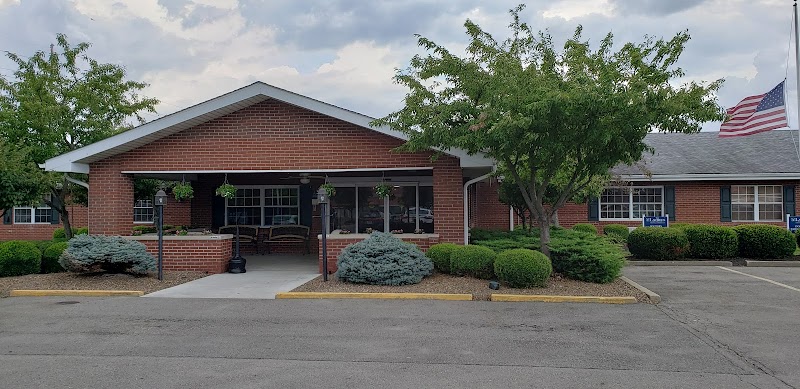
How is The Laurels Of Heath Staffed?

CMS rates THE LAURELS OF HEATH's staffing level at 2 out of 5 stars, which is below average compared to other nursing homes. Staff turnover is 44%, compared to the Ohio average of 46%. This relatively stable workforce can support continuity of care.

What Have Inspectors Found at The Laurels Of Heath?

State health inspectors documented 70 deficiencies at THE LAURELS OF HEATH during 2019 to 2025. These included: 1 Immediate Jeopardy (the most serious level, indicating potential for serious harm or death), 1 that caused actual resident harm, 67 with potential for harm, and 1 minor or isolated issues. Immediate Jeopardy findings are rare and represent the most serious regulatory concerns. They require immediate corrective action.
Who Owns and Operates The Laurels Of Heath?

THE LAURELS OF HEATH is owned by a for-profit company. For-profit facilities operate as businesses with obligations to shareholders or private owners. The facility is operated by CIENA HEALTHCARE/LAUREL HEALTH CARE, a chain that manages multiple nursing homes. With 150 certified beds and approximately 122 residents (about 81% occupancy), it is a mid-sized facility located in HEATH, Ohio.
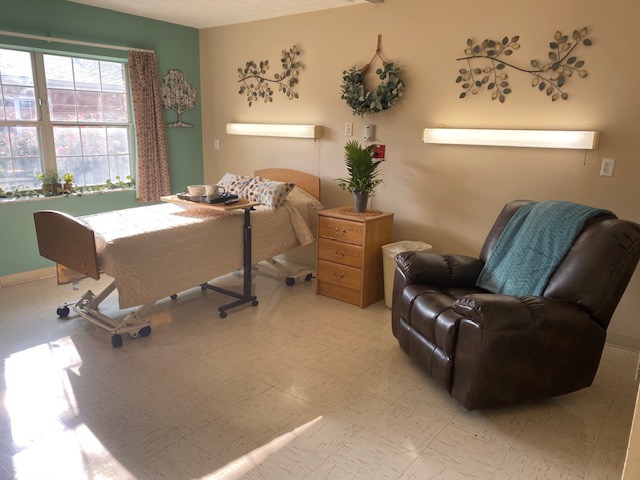
How Does The Laurels Of Heath Compare to Other Ohio Nursing Homes?

Compared to the 100 nursing homes in Ohio, THE LAURELS OF HEATH's overall rating (3 stars) is below the state average of 3.2, staff turnover (44%) is near the state average of 46%, and health inspection rating (2 stars) is below the national benchmark.

What Should Families Ask When Visiting The Laurels Of Heath?

Based on this facility's data, families visiting should ask: "What changes have been made since the serious inspection findings, and how are you preventing similar issues?" "Can you walk me through typical staffing levels on day, evening, and night shifts?" "Can I visit during a mealtime to observe dining assistance and food quality?" "How do you handle medical emergencies, and what is your hospital transfer rate?" These questions are particularly relevant given the facility's Immediate Jeopardy citations and the below-average staffing rating.

Is The Laurels Of Heath Safe?

Based on CMS inspection data, THE LAURELS OF HEATH has documented safety concerns. Inspectors have issued 1 Immediate Jeopardy citation (the most serious violation level indicating risk of serious injury or death). The facility has a 3-star overall rating and ranks #100 of 100 nursing homes in Ohio. Families considering this facility should ask detailed questions about what corrective actions have been taken since these incidents.

Do Nurses at The Laurels Of Heath Stick Around?

THE LAURELS OF HEATH has a staff turnover rate of 44%, which is about average for Ohio nursing homes (state average: 46%). Moderate turnover is common in nursing homes, but families should still ask about staff tenure and how the facility maintains care continuity when employees leave.

Was The Laurels Of Heath Ever Fined?

THE LAURELS OF HEATH has no federal fines on record. CMS issues fines when nursing homes fail to meet care standards or don't correct problems found during inspections. The absence of fines suggests the facility has either maintained compliance or corrected any issues before penalties were assessed. This is a positive indicator, though families should still review recent inspection reports for the full picture.

Is The Laurels Of Heath on Any Federal Watch List?

THE LAURELS OF HEATH is not on any federal watch list. The most significant is the Special Focus Facility (SFF) program, which identifies the bottom 1% of nursing homes nationally based on persistent, serious quality problems. Not being on this list means the facility has avoided the pattern of deficiencies that triggers enhanced federal oversight. This is a positive indicator, though families should still review the facility's inspection history directly.