ARLINGTON CARE CENTER
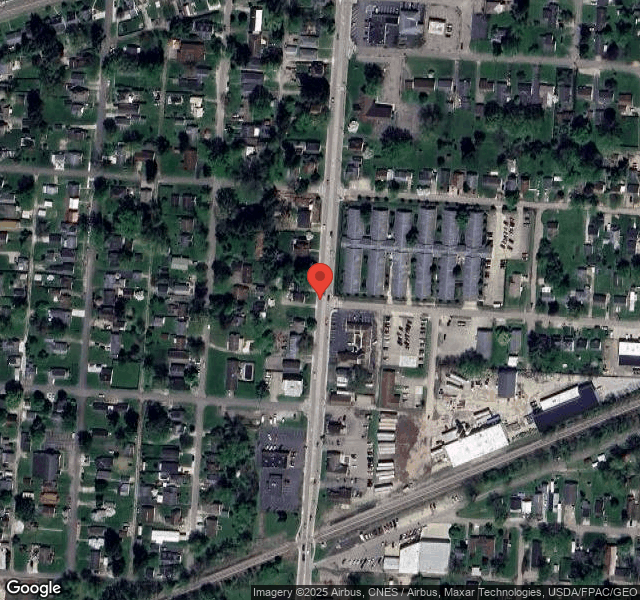
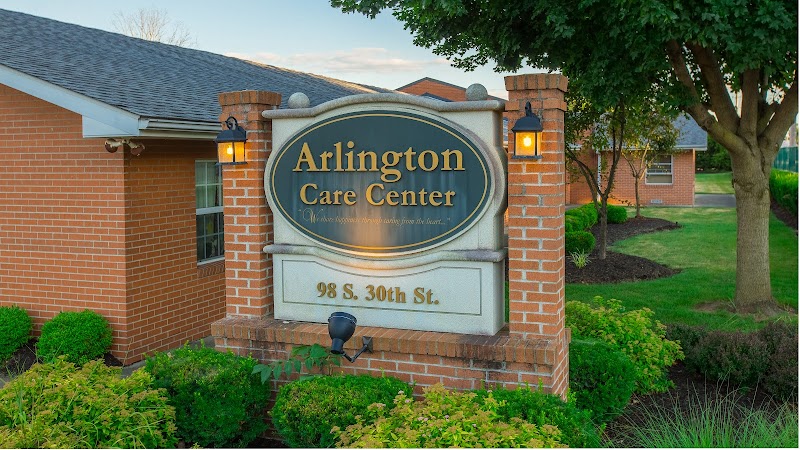
98 SOUTH 30TH STREET, NEWARK, OH 43055 (740) 344-0303
For profit - Corporation 110 Beds FOUNDATIONS HEALTH SOLUTIONS Data: November 2025
Trust Grade
75/100
#212 of 913 in OH
Last Inspection: July 2024

Within standard 12-15 month inspection cycle. Federal law requires annual inspections.

Overview

Arlington Care Center in Newark, Ohio has a Trust Grade of B, indicating it is a good facility and a solid choice for families. It ranks #212 out of 913 nursing homes in Ohio, placing it in the top half of facilities statewide, and #3 out of 10 in Licking County, meaning there are only two local options that are better. The facility is showing improvement; it decreased its issues from three in 2022 to two in 2024. However, staffing is a concern with a rating of 2 out of 5 stars and a turnover rate of 46%, slightly below the state average. While there have been no fines, which is a positive sign, the facility offers less RN coverage than 97% of Ohio facilities, which could impact care quality. Specific incidents raised during inspections include the failure to serve food at appropriate temperatures, as residents reported cold meals, and a lack of proper food storage and labeling protocols, which could affect hygiene and safety. Additionally, there was an incident where a nurse entered a resident's room without the necessary protective equipment, which poses infection risks. Overall, while Arlington Care Center has strengths in its ranking and absence of fines, it also has notable weaknesses in food quality and staffing practices that families should consider.

Trust Score
B
75/100
In Ohio
#212/913
Top 23%
Safety Record
Low Risk
No red flags
Inspections
Getting Better
3 → 2 violations
Staff Stability
⚠ Watch
46% turnover. Above average. Higher turnover means staff may not know residents' routines.
Penalties
✓ Good
No fines on record. Clean compliance history, better than most Ohio facilities.
Skilled Nurses
⚠ Watch
Each resident gets only 17 minutes of Registered Nurse (RN) attention daily — below average for Ohio. Fewer RN minutes means fewer trained eyes watching for problems.
Violations
⚠ Watch
14 deficiencies on record. Higher than average. Multiple issues found across inspections.
★★★★☆
4.0
Overall Rating
★★☆☆☆
2.0
Staff Levels
★★★★☆
4.0
Care Quality
★★★★☆
4.0
Inspection Score
Stable
2022: 3 issues
2024: 2 issues

The Good

  • 4-Star Quality Measures · Strong clinical quality outcomes
  • Full Sprinkler Coverage · Fire safety systems throughout facility
  • No fines on record

Facility shows strength in quality measures, fire safety.

The Bad

Staff Turnover: 46%

Near Ohio avg (46%)

Higher turnover may affect care consistency

Chain: FOUNDATIONS HEALTH SOLUTIONS

Part of a multi-facility chain

Ask about local staffing decisions and management

The Ugly 14 deficiencies on record

Jul 2024 2 deficiencies
CONCERN (E)

Potential for Harm - no one hurt, but risky conditions existed

Infection Control (Tag F0880)

Could have caused harm · This affected multiple residents

2. Review of the medical record for Resident #84 revealed an admission date of 12/03/23. Diagnoses included noninfective gastroenteritis and colitis. Review of Resident #84 physician orders dated 06/...

Read full inspector narrative →
2. Review of the medical record for Resident #84 revealed an admission date of 12/03/23. Diagnoses included noninfective gastroenteritis and colitis. Review of Resident #84 physician orders dated 06/26/24 revealed to maintain contact precautions every shift for Methicillin-Resistant Staphyloccous aureus (MRSA) urinary tract infection (UTI). Observation on 07/08/24 at 12:23 P.M. with Licensed Practical Nurse (LPN) #381 revealed LPN #378 entered Resident 84's room with a medication cup and without donning any personal protective equipment (PPE) which included no gloves or gown was donned. Interview on 07/08/24 at 12:23 P.M. with LPN #381 confirmed LPN #378 should have been wearing PPE prior to entering Resident #84's room. LPN #381 said she would do education with LPN #378. Observation on 07/08/24 at 12:23 P.M. revealed there was contact precaution signage on Resident #84's door. The contact precaution sign on the door stated Contact Precautions Everyone Must: Clean their hands, including before entering and when leaving the room. Providers and staff must also: Put on gloves before room entry. Discard gloves before room exit. Put on gown before room entry. Discard gown before room exit. Do not wear the same gown and gloves for the care of more than one person. Use dedicated or disposable equipment. Clean and disinfect reusable equipment before use on another person. [NAME] and Doff procedures were located to the left of the door as you enter. Lastly, PPE required supplies and directions were taped on top of the PPE supply cart that was located to the left of the door before you enter the room. Review of the Standard and Transmission-based Precautions policy dated 03/24/24 revealed the facility will use standard approaches, as defined by the Centers for Disease Control and Prevention (CDC) for transmission based precautions: airborne, contact, and droplet precautions. The category of transmission-based precautions will determine the type of PPE to be used. The category of and duration of transmission-based precaution (isolation) will depend upon the infectious agent or organism involved 3. Observation completed on 07/08/24 from 11:20 A.M. to 11:51 A.M. revealed State Tested Nursing Assistant (STNA) #320 and #326 passed lunch meal trays to residents residing on the facility's C unit. STNAs #320 and #326 entered and exited multiple resident rooms to deliver their meal tray and helped residents set their meal tray up without the use of hand sanitizer nor were either staff member observed washing their hands. Interview on 07/08/24 at 11:52 A.M. with STNA #320 confirmed she did not complete hand hygiene between delivering lunch meal trays to the residents and claimed she thought hand hygiene only had to be completed after contact with so many residents. STNA #320 was not able to provide the number of residents she could come in contact with before hand hygiene needed to be completed. Interview on 07/08/24 at 11:56 A.M. with STNA #326 confirmed hand hygiene was not completed after delivering meal trays to different residents. STNA #326 stated she knew hand hygiene needed to be completed between contact with each resident, she just forgot to do it. Interview on 07/08/24 12:19 P.M. with the Director of Nursing (DON) revealed staff were to use hand sanitizer every time they enter a resident's room and when they leave a resident's room and to wash their hands when visibly soiled and as needed. Review of the facility policy titled Hand Hygiene dated 11/28/17 revealed staff should perform hand hygiene (even if gloves are used) in the following situations: which included before and after contact with the resident. Based on observation, record review, staff interview and facility policy review, the facility failed to maintain appropriate infection control practices in the area of isolation and enhanced barrier precautions (EBP). This affected two residents (#77 and #84) of 24 residents on isolation and/or EBP. Additionally, the facility failed to ensure proper hand hygiene was completed in between contact with each resident while serving meal trays. This had the potential to all nine residents (Resident #198, #86, #30, #199, #200, #74, #72, #63, and #201) residing on the facility's C unit who received a meal tray. The facility census was 94. Findings include: 1. Review of the medical record for Resident #77 revealed an initial admission date of 02/21/24 with the diagnoses including hydronephrosis with renal and ureteral calculous obstruction, artificial openings of urinary tract infection (UTI), and chronic kidney disease. Review of the admission assessment and baseline care plan dated 02/21/24 revealed Resident #77 had a right nephrostomy tube in place. Review of the plan of care dated 03/01/24 revealed Resident #77 was at risk for infection related to right nephrostomy tube. Interventions included to maintain EBP. Review of the resident's monthly physician orders for July 2024 revealed orders dated 02/21/24 to empty nephrostomy drainage bag every shift. On 04/08/24, the order was to maintain EBP every shift. On 07/09/24 at 2:19 P.M., observation of Licensed Practical Nurse (LPN) #324 provide the physician ordered treatment to Resident #77's nephrostomy tube revealed she washed her hands, donned a pair of gloves, removed the old dressing and washed her hands, donned gloves. LPN #324 then cleansed the insertion site with an alcohol pad in a circular motion from the insertion site out. LPN #324 then applied skin prep to the area around the nephrostomy tube insertion site. LPN #324 then placed a T drain sponge on the insertion site and then covered the tube with a 4X4. LPN #324 secured the dressing with a Tegaderm and then washed her hands. LPN #324 failed to wear a gown for personal protective equipment during the procedure for EBP as physician ordered. On 07/09/24 at 2:32 P.M., an interview with LPN #324 verified she did not wear a gown during the treatment of Resident #77's nephrostomy tube and verified a gown should have been worn per physician orders for the use of the EBP.
CONCERN (F)

Potential for Harm - no one hurt, but risky conditions existed

Deficiency F0804 (Tag F0804)

Could have caused harm · This affected most or all residents

Based on observations, review of a test tray, resident and staff interview, and policy review, the facility failed to ensure food was served at a palliative and warm food temperature. This affected Re...

Read full inspector narrative →
Based on observations, review of a test tray, resident and staff interview, and policy review, the facility failed to ensure food was served at a palliative and warm food temperature. This affected Residents #11, #77, and #80 and had the potential to affect all residents who received meals from the kitchen except Resident #1 and Resident #99 who were nothing-by-mouth (NPO). The facility census was 94. Findings include: Interview with Resident #77 on 07/08/24 at 11:01 A.M. stated the food was cold. Resident #77 said they have warmers, but they were not using them at all meals. Resident #77 said the breakfast was normally cold. Interview with Resident #80 on 07/08/24 at 11:26 A.M. revealed the food was terrible, not appealing, and cold by the time it gets to them. Resident #80 also said the breakfast was always the same eggs and toast or pancakes and sausage. Interview with Resident #11 on 07/09/24 a 10:19 A.M. revealed the food doesn't agree with her. She said a lot of times the food was cold when they get it. Observation of the tray line was made on 07/11/24 at 8:23 A.M. with Dietary Supervisor #421. The breakfast menu consisted of egg and cheddar bake, donut, and oatmeal. A test tray was requested and Dietary Supervisor #421 took starting temperatures of the food being placed on the test tray on 07/11/24 at 8:23 A.M. Dietary Supervisor #421 confirmed the egg and cheddar bake was 110 degrees Fahrenheit. Dietary Supervisor #421 started a new plate for the test tray with pureed egg and cheddar bake. Dietary Supervisor #421 confirmed the pureed egg and cheddar bake was 150 degrees Fahrenheit, oatmeal was 158 degrees Fahrenheit, and the donut was 92 degrees Fahrenheit on the test tray. The tray was then placed on the meal cart for the K Hall. The test tray left the kitchen on 07/11/24 at 08:28 A.M. Interview on 07/11/24 at 8:28 A.M. with Dietary Supervisor #421 revealed she wants food coming out of hot holding at 145 degrees Fahrenheit or above. Dietary Supervisor #421 also revealed the donut was not a time/temperature controlled for safety (TCS) food product. Observation on 07/11/24 at 8:30 A.M. of the meal cart with the test tray arrived on the K Hall. Interview on 07/11/24 at 8:39 A.M. with Dietary Supervisor #421 revealed she does test trays usually weekly. Dietary Supervisor #421 also revealed she would like the temperature of the food when received by residents at 145 degrees Fahrenheit. Observation on 07/11/24 at 8:41 A.M. of the test tray was served after all other K Hall food trays were served. Observation of the test tray opened on 07/11/24 at 8:41 A.M. with Dietary Supervisor #421. Dietary Supervisor #421 checked the food on the tray and confirmed the food temperatures. The egg and cheddar bake was 123 degrees Fahrenheit, the donut was 94 degrees Fahrenheit, and the oatmeal was 143 degrees Fahrenheit. The food was tasted and the eggs were lukewarm. Interview on 07/11/24 at 09:03 A.M. with Dietary Supervisor #421 revealed the facility has hot plates but they were not currently using carriage pallet warmers under the plates. Dietary Supervisor #421 also revealed the pallet warmer wasn't working and it went down five or six days ago. She said they have to order more parts. Review of the Infection Control - Dietary/Food Handling policy dated March 2016 stated all potentially hazardous food, TCS must be maintained at 41 degrees or less, or at 135 degrees or above, except during preparation, cooking or cooling.
Aug 2022 3 deficiencies
CONCERN (D)

Potential for Harm - no one hurt, but risky conditions existed

ADL Care (Tag F0677)

Could have caused harm · This affected 1 resident

**NOTE- TERMS IN BRACKETS HAVE BEEN EDITED TO PROTECT CONFIDENTIALITY** Based on observation, record review and interview the facility failed to ensure Resident #24, Resident #58 and Resident #350, wh...

Read full inspector narrative →
**NOTE- TERMS IN BRACKETS HAVE BEEN EDITED TO PROTECT CONFIDENTIALITY** Based on observation, record review and interview the facility failed to ensure Resident #24, Resident #58 and Resident #350, who required staff assistance for activities of living (ADL) care received timely assistance with nail care to maintain proper grooming. This affected three residents (#24, #58 and #350) of three residents reviewed for ADL care. The facility identified 71 residents who required assistance with grooming and hygiene. Findings include: 1. Review of the medical record for Resident #24 revealed an admission date of 12/09/21 with diagnoses including chronic kidney disease, obesity, coronary artery disease, major depressive disorder, dementia and hallucinations. Review of the Minimum Data Set (MDS) 3.0 assessment, dated 06/10/22 revealed Resident #24 required extensive assistance from one staff for dressing and hygiene. Review of the plan of care, dated 06/10/22 revealed Resident #24 may require assistance with ADLs. Interventions include to provide assistance with bathing and grooming based on resident's needs and abilities. On 08/16/22 at 8:35 A.M. Resident #24's fingernails were observed to appear very dirty, with an unknown dark brown/black substance around the fingernail beds and underneath the resident's fingernails. On 08/16/22 at 8:40 A.M. interview with Licensed Practical Nurse (LPN) #404 confirmed Resident #24's fingernails had an unknown dark brown substance around the nail beds and what appeared to be dried food under the fingernails. 2. Review of the medical record for Resident #58 revealed an admission date of 01/12/21 with diagnoses including dementia, diabetes, heart failure, chronic obstructive pulmonary disease and cataract in the right eye. Review of the quarterly MDS 3.0 assessment, dated 07/21/22 revealed Resident #58 was severely cognitively impaired, required extensive assistance from one staff for hygiene and bathing and was independent with eating. Review of the plan of care, dated 07/22/22 revealed the resident had a need for assistance with functional abilities including bathing and hygiene. Interventions included staff to assist with activities of daily living (ADL) care as needed. On 08/15/22 at 10:30 A.M. Resident #58 was observed sitting in her wheelchair in her room. Resident #58's fingernails were observed to be long, polished with the nail polish peeling off the tips and nails beds. The fingernails were observed to be light brown with some staining and what appeared to be dirt under the fingernails. On 08/15/22 at 3:31 P.M. Resident #58 was observed in the dining room where fingernail polishing was being completed for residents. Interview at the time of the observation with Activities Aide #490 confirmed the presence of what appeared to be a build-up of dirt underneath Resident #58's fingernails, in addition to the staining. On 08/18/22 at 10:22 A.M. interview with State Tested Nursing Assistant (STNA) #494 revealed STNA staff can trim resident fingernails unless the resident was diabetic, then the nurse should do it. STNA #494 revealed there were one or two residents on the unit who request a wet wash cloth each morning to wash up, otherwise they get a bath on scheduled bath days. 3. Review of the medical record revealed Resident #350 was admitted to the facility on [DATE] with diagnoses including spinal stenosis, diabetes, chronic obstructive pulmonary disease (COPD), rheumatoid arthritis (RA), atrial fibrillation, epistaxis, hyperthyroidism, chronic kidney disease, depression, dementia, and anxiety. Review of the quarterly MDS 3.0 assessment, dated 06/10/22 revealed Resident #350 had intact cognition, required extensive assistance of one staff for bed mobility, transfers, dressing, toilet use and personal hygiene. However, the resident had a significant change since the assessment, was sent out to the hospital and she now had Hospice services. On 08/15/22 at 9:40 A.M., 11:32 A.M., 2:35 P.M. and on 08/16/22 at 11:28 A.M., 1:36 P.M. and 5:34 P.M. observation revealed the fingernails of Resident #350 were long, jagged, and dirty on both her hands. On 08/16/22 at 5:35 P.M. interview with Licensed Practical Nurse #404 verified the fingernails of Resident #350 were long jagged and dirty. On 08/18/22 at 10:26 A.M. interview with the Director of Nursing revealed the facility did not have a policy on nail care and/or hygiene.
CONCERN (D)

Potential for Harm - no one hurt, but risky conditions existed

Deficiency F0692 (Tag F0692)

Could have caused harm · This affected 1 resident

**NOTE- TERMS IN BRACKETS HAVE BEEN EDITED TO PROTECT CONFIDENTIALITY** Based on observation, record review and interview the facility failed to ensure Resident #37 was provided timely and adequate as...

Read full inspector narrative →
**NOTE- TERMS IN BRACKETS HAVE BEEN EDITED TO PROTECT CONFIDENTIALITY** Based on observation, record review and interview the facility failed to ensure Resident #37 was provided timely and adequate assistance with eating, a nutritional diet was provided as ordered and meal intakes were documented for Resident #37 who was identified to have a significant weight loss in one month. This affected one resident (#37) of five residents reviewed for nutrition. Findings include: Review of the medical record revealed Resident #37 was admitted to the facility on [DATE] with diagnoses including pressure ulcer to the sacral area, chronic obstructive pulmonary disease, dementia, sleep apnea and depression. Review of the dietary assessment, dated 07/06/22 at 1:06 P.M. revealed Resident #37 was on a regular diet with finger foods because she would not use silverware. The assessment revealed the meal should provide approximately 2473 calories and 95 grams of protein daily. The resident feeds herself with poor intakes of approximately 25-50 percent of most meals documented. Her current body weight was 140 pounds (lbs) with a body mass index of 21.9, which was her normal weight status. Resident #37 was at high risk for nutritional decline per the nutritional risk assessment tool. The dietitian recommends offering 120 milliliters (ml) house supplement twice daily to provide an additional 480 calories and 20 grams of protein. Also add 60 ml of house liquid protein supplement daily to provide 202 calories and 30 grams protein for wound healing and provide diet as ordered with the goal of greater than 50 percent of meals consumed. Monitor intakes, supplement acceptance, weight and skin integrity. Review of the plan of care, dated 07/06/22 revealed Resident #37 had a potential for alteration in nutrition and hydration related to finger foods (she refused all silverware), supplements related to poor intakes and pressure wounds. Interventions included to provide assistance with meals as needed, encourage family to bring in favorite foods from home, honor food preferences, medications as ordered, monitor consistency of diet ordered, obtain food preferences, provide diet as ordered, provide supplement as ordered, weights as ordered, and dietitian referral as needed. Review of the Minimum Data Set (MDS) 3.0 assessment, dated 07/07/22 revealed Resident #37 had severely impaired cognition, required total assistance from one staff member for dressing and personal hygiene, extensive assistance from two staff members for bed mobility and extensive assistance from one staff member for eating. The assessment revealed the resident weighed 140 lbs. Review of July 2022 meal intake records for Resident #37 revealed there was no documentation of her meal intakes for breakfast on 07/08/22, 07/09/22, 07/10/22, 07/11/22, 07/17/22, 07/19/22, 07/21/22, 07/23/22, 07/26/22 or 07/31/22. There was no documentation of her meal intakes for lunch on 07/07/22, 07/08/22, 07/09/22, 07/10/22, 07/11/22, 07/17/22, 07/19/22, 07/21/22, 07/23/22, 07/26/22 or 07/31/22. There was no documentation of her meal intakes for dinner on 07/02/22, 07/06/22, 07/07/22, 07/08/22, 07/09/22, 07/10/22, 07/11/22, 07/12/22, 07/13/22 07/14/22, 07/16/22, 7/17/22, 07/19/22, 07/21/22, 07/23/22, 07/25/22, 07/26/22, 07/27/22, 07/29/22, 07/30/22 or 07/31/22. Review of the weights in the electronic medical record (in Point Click Care) revealed Resident #37 weighed 140 lbs on 07/06/22. There was not an admission [DATE]) weight documented. She weighed 131.6 lbs on 07/14/22, 135.5 lbs on 07/21/22, 134.9 lbs on 07/27/22, 133.4 lbs on 08/04/22 and 131.7 lbs on 08/16/22 which reflected a 5.6 percent weight loss. Review of the August 2022 physician's orders revealed Resident #37 was on a regular diet with finger foods. Review of August 2022 meal intake records for Resident #37 revealed there was no documentation of meal intakes for breakfast on 08/04/22 or 08/06/22. There was no documentation of meal intakes for lunch on 08/04/22, 08/05/22, 08/06/22 or 08/07/22. There was no documentation of meal intakes for dinner on 08/03/22, 08/04/22, 08/05/22, 08/06/22, 08/07/22, 08/12/22 or 08/13/22. Review of the breakfast diet slip, dated 08/17/22 revealed resident's slip documented a regular diet, finger foods and four ounces health shake. On 08/17/22 at 8:35 A.M. State Tested Nursing Assistant (STNA) #406 was observed to hand Resident #37's breakfast tray to Licensed Practical Nurse (LPN) #405 who was in the resident's room. LPN #405 set the tray on the round table in the corner of the room. The resident was in bed. LPN #405 left the resident's room and closed the door. Continued observation from 8:35 A.M. to 9:39 A.M. revealed no staff member had gone into the room of Resident #37 to provide assistance to her with the meal and the meal tray was not positioned in front of her to eat. At 9:39 A.M. STNA #406 was observed to enter the resident's room to assist with the meal. At 10:10 A.M. STNA #406 came out of the room with Resident #37's meal tray and indicated she had only eaten her donut. The tray had scrambled eggs, bacon, toast, a donut, a carton of milk, which was unopened, a bowl of fruit loops, a four-ounce glass of orange juice, which was half gone, and a four-ounce glass of heath shake which still had the lid on it. STNA #406 indicated the resident does not like eggs and stated she had told the kitchen, but they kept sending her eggs. In addition, STNA #406 verified scrambled eggs were not a finger food. Review of the week two menu (dated 08/15/22) revealed on Wednesday for lunch the residents who were to get finger foods were to receive three ounces of veal bites, four ounces of pasta, four ounces of the Key [NAME] vegetable blend, four ounces carton of milk, and eight ounces of water. On Wednesday 08/17/22 at 12:05 P.M. observation of the lunch trays revealed they arrived to the unit at this time. STNA #406, who was passing trays, left the tray for Resident #37 on the meal cart in the hallway. Continuous observation from 12:05 P.M. to 12:58 P.M. revealed the lunch tray for Resident #37 remained on the meal cart in the hallway. At 12:58 P.M. STNA #406 took the meal tray for Resident #37 into the resident's room. The meal tray had a ground meat sandwich, green beans, Cheetos puffs, a four ounces carton of milk and a four-ounce glass of water. On 08/17/22 at 12:58 P.M. interview with STNA #406 revealed it was taking her a little longer to feed the four residents on the unit because the other nursing assistant had gone home at 12:00 P.M. and it was just her on the unit. On 08/17/22 at 1:40 P.M. interview with Dietitian #481 revealed the facility does give scrambled eggs as a finger food so the resident would have a variety of options for breakfast. Also, they wound give green beans instead of the Key [NAME] blend because they believe the green beans were easier to hold on to then the Key [NAME] blend which tends to get mushy when cooked. She indicated the cook gave the Cheetos puffs in place of the pasta and verified this was not an appropriate substitution. She indicated the alternate sandwich was a chicken patty and the resident does not like chicken, so the cook put ground meat on a bun for her. She did not know why she did not get the veal patty because she was a regular diet not a mechanical soft. She stated she did not do the menus, so she did not know why they gave Cheetos instead of pasta. On 08/17/22 at 2:55 P.M. interview with Dietary Manager #462 revealed Resident #37 should not have gotten the ground meat sandwich. She stated the cook must have put it on the wrong tray. She stated Resident #37 could have had the veil and pasta. The Cheetos puffs should not have been a replacement for the pasta but an extra on her tray. On 08/18/22 at 1:45 P.M. interview with Dietitian #481 revealed meal intakes were an important part of her nutritional assessment and determined what intervention she initiated. She stated if no meal intakes were documented she would have to go talk to the staff to know how much the resident was consuming at meals.
CONCERN (D)

Potential for Harm - no one hurt, but risky conditions existed

Respiratory Care (Tag F0695)

Could have caused harm · This affected 1 resident

**NOTE- TERMS IN BRACKETS HAVE BEEN EDITED TO PROTECT CONFIDENTIALITY** Based on observation, record review and interview the facility failed to ensure Resident #37 had oxygen on to maintain her oxyge...

Read full inspector narrative →
**NOTE- TERMS IN BRACKETS HAVE BEEN EDITED TO PROTECT CONFIDENTIALITY** Based on observation, record review and interview the facility failed to ensure Resident #37 had oxygen on to maintain her oxygen saturation above 90 percent as ordered. This affected one resident (#37) of eight residents who were ordered oxygen on unit one. Finding include: Review of the medical record revealed Resident #37 was admitted to the facility on [DATE] with diagnoses including pressure ulcer to the sacral area, chronic obstructive pulmonary disease, dementia, sleep apnea and depression. Review of the Minimum data Set (MDS) 3.0 assessment, dated 07/07/22 revealed Resident #37 had severely impaired cognition, required total assist from one staff member for dressing and personal hygiene, extensive assistance from two staff members for bed mobility and extensive assistance from one staff member for eating. Review of the August 2022 physician's orders revealed Resident #37 had an order for oxygen at two liters via nasal cannula continuously to maintain oxygen saturation (above 90%) and to check oxygen saturation every shift while on oxygen. On 08/15/22 at 11:58 A.M. Resident #37 was observed without oxygen on as ordered. Interview with State Tested Nursing Assistant #401 at the time of the observation verified Resident #37 did not have her oxygen on as ordered. On 08/16/22 at 1:33 P.M. and 4:32 P.M. and on 08/17/22 at 8:35 A.M. Resident #37 was observed without oxygen in place. On 08/17/22 at 8:35 A.M. interview with Licensed Practical Nurse (LPN) #405 verified Resident #37 did not have her oxygen on as ordered. LPN #405 obtained an oxygen saturation from Resident #37 at this time and the resident's oxygen saturation level was 89 percent on room air. LPN #405 placed oxygen Resident #37 and her oxygen saturation came up to 91 percent.
Oct 2019 9 deficiencies
CONCERN (D)

Potential for Harm - no one hurt, but risky conditions existed

Quality of Care (Tag F0684)

Could have caused harm · This affected 1 resident

**NOTE- TERMS IN BRACKETS HAVE BEEN EDITED TO PROTECT CONFIDENTIALITY** Based on medical record review, meal card review, observation and interview, the facility failed to ensure a resident on fluid r...

Read full inspector narrative →
**NOTE- TERMS IN BRACKETS HAVE BEEN EDITED TO PROTECT CONFIDENTIALITY** Based on medical record review, meal card review, observation and interview, the facility failed to ensure a resident on fluid restrictions was monitored. This affected one (Resident #79) of five residents reviewed for unnecessary medications. The facility census was 115. Findings include: Medical record review revealed Resident #79 was admitted on [DATE] with diagnoses including hypo-osmolality (excess total body water relative to total body solute), hyponatremia (sodium in your body becomes diluted due to drinking too much water or a medical condition causing water levels to rise and cells to swell), Stage III (moderate) chronic kidney failure, anemia and diabetes mellitus. Review of the Physician Orders dated October 2019 revealed a fluid restriction of 1500 milliliters (ml). Review of the quarterly Dietary Assessment Narrative dated 10/23/19 revealed Resident #79 had a good intake, received a low concentrated sweet/regular diet with no nutritional diagnoses at this time. There was no evidence the dietitian had addressed the ordered fluid restriction. Review of the dietary Meal Card dated 10/31/19 revealed the following fluids to be delivered for each meal: Breakfast included eight ounces (equivalent to 236 ml) of 2% milk, eight ounces (oz) of orange juice and eight (oz) of water. Lunch included eight (oz) of 2% milk, eight (oz) of chocolate milk, eight (oz) of ice tea and eight (oz) of water. Dinner included eight (oz) of 2% milk, eight (oz) of ice tea and eight (oz) of water. Review of the non-electronic and the electronic medical record revealed no evidence Resident #79's total daily fluid intake was being documented or monitored for compliance. Review of the care plan: Potential for Alteration in Nutrition and Hydration related to diagnoses including history of hypo-osmolality and hypo-natremia revised 07/03/19 revealed interventions including to monitor labs as ordered, provide diet as ordered and refer to the dietitian as needed. On 10/29/19 at 9:36 A.M., a water pitcher and various beverages were observed in the resident's room. On 10/31/19 at 1:08 P.M., interview with the Director of Nursing verified physician orders including fluid restrictions were to be followed as ordered. On 10/31/19 at 3:00 P.M., interview with unit manager Licensed Practical Nurse (LPN) #421 verified Resident #79 had an ordered fluid restriction and the facility was not monitoring how much the resident was drinking. LPN #421 stated the resident signed a risk and benefit due to non-compliance with the fluid restriction but verified the facility should still have been implementing the fluid restriction, monitoring intake, documenting refusals and non-compliance and contacting the physician as needed. Further interview revealed there was no breakdown of the amount of fluid nursing and dietary was allotted and dietary alone was offering (2360 ml) fluids with meals which exceeded the ordered daily fluid restriction.
CONCERN (D)

Potential for Harm - no one hurt, but risky conditions existed

Incontinence Care (Tag F0690)

Could have caused harm · This affected 1 resident

**NOTE- TERMS IN BRACKETS HAVE BEEN EDITED TO PROTECT CONFIDENTIALITY** Based on medical record review and interview, the facility failed to implement interventions to restore or maintain bowel functi...

Read full inspector narrative →
**NOTE- TERMS IN BRACKETS HAVE BEEN EDITED TO PROTECT CONFIDENTIALITY** Based on medical record review and interview, the facility failed to implement interventions to restore or maintain bowel function. This affected one (Resident #75) of two residents reviewed for bladder and bowel incontinence. The facility census was 115. Findings include: Medical record review revealed Resident #75 was admitted on [DATE] with diagnoses including unspecified dementia without behavioral disturbance and psychosis. Review of the discharge assessment Minimum Data Set 3.0 (MDS) assessment dated [DATE] revealed Resident #75 was moderately impaired for daily decision-making and was continent of bowel. Review of the quarterly MDS assessments dated 09/20/19 and 10/02/19 revealed Resident #75 was frequently incontinent of bowel with no toileting program. Review of the readmission Bowel/Bladder assessment dated [DATE] revealed Resident #75 required limited assistance with ambulation and transfers and staff was to assist with incontinence as needed. Review of the care plan: Alteration in elimination revised 10/05/19 revealed Resident #75 was continent of bowel, required staff assist with toileting needs and was at risk for constipation. Interventions included to monitor bowel movements every shift, provide incontinence care as needed and monitor for a pattern if resident able to participate. On 10/31/19 at 3:39 P.M., interview with State Tested Nurse Aide (STNA) #218 stated she has noted a decline in the resident's continence status and has told the nurse. STNA #218 stated every couple hours the resident was asked if she needed to go to the bathroom but no specific times to her knowledge. STNA #218 also stated the resident is both continent and incontinent now and will sometimes let staff know when she needs to use the bathroom. On 10/31/19 at approximately 4:30 P.M., interview with the Director of Nursing verified Resident #75 had a decline in bowel continence with no intervention and the care plan was not accurate for the resident's continence status.
CONCERN (D)

Potential for Harm - no one hurt, but risky conditions existed

Deficiency F0698 (Tag F0698)

Could have caused harm · This affected 1 resident

**NOTE- TERMS IN BRACKETS HAVE BEEN EDITED TO PROTECT CONFIDENTIALITY** Based on review of the medical record and staff interview the facility failed to monitor and document the status of the residen...

Read full inspector narrative →
**NOTE- TERMS IN BRACKETS HAVE BEEN EDITED TO PROTECT CONFIDENTIALITY** Based on review of the medical record and staff interview the facility failed to monitor and document the status of the resident's dialysis access cite. This affected one resident (#216) of one resident reviewed for dialysis. Facility census was 115. Findings include Review of the medical record revealed Resident #216 was admitted to the facility on [DATE]. Diagnoses included compression fracture of a lumbar vertebra, Alzheimer's disease, diabetes type two with anemia and requiring dialysis, and hypertension. Review of the comprehensive assessment dated [DATE] revealed the resident had severe cognitive impairment. Resident # 216 required extensive assistance for activities of daily living. No swallowing disorders were identified. Review of the care plan revealed a focus areas for dialysis with appropriate interventions including to monitor the dialysis fistula every shift. Interview on 10/31/19 at 11:30 A.M. with Registered Nurse (RN) #165 revealed staff checked Resident #216's fistula dressing when returning to the facility following dialysis. The dressing remained in place for one day. Staff checked the thrill and bruit of the fistula each shift and documented the check on the resident's treatment administration record (TAR). A physician order should be in place in the medical record and populated on the TAR. RN #165 verified no order was in place to check the bruit and thrill every shift. Review of the facility's policy titled Dialysis Management, dated 10/11/18, revealed physician orders include dialysis access care. The care plan included assessment and care of the access site.
CONCERN (D)

Potential for Harm - no one hurt, but risky conditions existed

Drug Regimen Review (Tag F0756)

Could have caused harm · This affected 1 resident

**NOTE- TERMS IN BRACKETS HAVE BEEN EDITED TO PROTECT CONFIDENTIALITY** 2. Review of the medical record revealed Resident #97 was admitted to the facility on [DATE]. Diagnoses included unspecified dem...

Read full inspector narrative →
**NOTE- TERMS IN BRACKETS HAVE BEEN EDITED TO PROTECT CONFIDENTIALITY** 2. Review of the medical record revealed Resident #97 was admitted to the facility on [DATE]. Diagnoses included unspecified dementia with behavioral disturbance, insomnia, anxiety disorder, unspecified psychosis, other symbolic dysfunctions, and major depressive disorder. Review of the comprehensive assessment dated [DATE] revealed the mental status interview was not conducted as the resident was rarely or never understood. Resident #97 was assessed by staff as having both short term and long term memory loss. The resident's mood assessment score was 13, indicating moderate depression. Resident #97 experienced hallucinations and delusions but did not exhibit behaviors. Extensive assistance was required for all activities of daily living. The resident received antipsychotic and antianxiety medications. Review of the care plan revealed focus areas for alteration in mood and behavior and risk for adverse effects related to use of psychoactive medications with appropriate interventions. Review of pharmacy medication regimen reviews revealed reviews were completed monthly from 10/29/18 through 10/22/19. A recommendation was made to the physician on the 06/18/19 review. Review of Pharmacy Recommendation dated 06/18/19 revealed a recommendation for a gradual dose reduction (GDR) for an antipsychotic medication as the medication had been used for greater than six months without an attempt to reduce the dose or a documented contraindication to a GDR. The form requested the physician to consider a dose reduction if appropriate or document the reason a GDR would be contraindicated. Interview on 10/30/19 at 5:30 P.M. with the Director of Nursing (DON) revealed the facility had not been able to find the pharmacy recommendation in the resident's chart. Interview on 0/31/19 at 12:41 P.M. with the DON verified the physician did not respond to the GDR recommendation dated 06/18/19. Review of the facility's policyMedication Monitoring, dated 10/01/18, revealed the facility's medical director and the director of nursing must act upon in a manner that meets regulatory requirements. Based on record review and interview the facility failed to ensure the monthly drug regimen reviews were addressed in a timely manner for Resident #30 and #97. This affected two residents (#30 and #97) out of five residents reviewed for unnecessary medications. Facility census was 115. Findings include: 1. Review of the medical record revealed Resident #30 was admitted on [DATE] with diagnosis that included mood disorder, generalized anxiety disorder, and psychosis. Review of physician orders revealed on 04/06/19 Resident #30 was ordered Seroquel (antipsychotic) 25 milligrams at bedtime. The quarterly Minimum Data Set (MDS) dated [DATE] revealed Resident #30 was cognitively intact and no behaviors were noted. Review of the plan of care dated 08/06/19 revealed Resident #30 was at risk for adverse effects related to psychoactive medication used for depression, anxiety, and insomnia. Interventions included to monitor for medication side effects such as extrapyramidal symptoms (serious side-effects of antipsychotic and other drugs). Review of the the pharmacy recommendation printed 04/11/19 revealed Resident #30 was ordered Seroquel on 04/06/19. The medication required an abnormal involuntary movement scale (AIMS) assessment at baseline and every six months. The pharmacy recommendation was not signed by the physician and an AIMS assessment was not completed until 05/03/19. Interview on 10/31/19 at 12:05 P.M. Director of Nursing (DON) verified the pharmacy recommendation had no documentation of being reviewed by the physician. DON stated an AIMS test was completed on 05/03/19 but could not verify when the physician addressed the the pharmacy recommendation. Interview on 10/31/19 at 4:28 P.M. Manager of Clinical Services #500 verified a baseline AIMS had not been completed when Seroquel was ordered on 04/06/19, and the pharmacy recommendation had not been addressed for 22 days.
CONCERN (D)

Potential for Harm - no one hurt, but risky conditions existed

Medication Errors (Tag F0758)

Could have caused harm · This affected 1 resident

**NOTE- TERMS IN BRACKETS HAVE BEEN EDITED TO PROTECT CONFIDENTIALITY** Based on record review and interview the facility failed to implement an order to decrease Resident #87's Buspar (antianxiety me...

Read full inspector narrative →
**NOTE- TERMS IN BRACKETS HAVE BEEN EDITED TO PROTECT CONFIDENTIALITY** Based on record review and interview the facility failed to implement an order to decrease Resident #87's Buspar (antianxiety medication) as ordered. This affected one Resident (#87) out of five residents reviewed for unnecessary medications. Facility census was 115. Findings include: Review of the medical record revealed Resident #87 was admitted on [DATE] and readmitted on [DATE] with diagnoses that included chronic kidney disease, major depressive disorder, and anxiety disorder. Review of the quarterly Minimum Data Set (MDS) dated [DATE] revealed Resident #87 was cognitively intact. Review of gradual dose reduction (GDR) recommendations dated 10/08/19 revealed Resident #87's Buspar was to be decreased from 10 milligrams (mg) twice a day to 10 mg once a day. Review of the medication administration record revealed Resident #87 continued to receive Buspar 10 mg twice a day. Interview on 10/31/19 at 8:55 A.M. Director of Nursing (DON) verified the GDR to decrease Resident #87's Buspar had not been implemented. On 10/31/19 at 9:27 A.M. DON provided a physician and nurse practitioner note dated 10/08/19 that revealed Resident #87's international normalized ratio (INR) was within normal range and no medication change was noted. The nurse practitioner would rechecked in one week and other medications were to be continued. DON stated no medication change could refer to not only to the residents order for Coumadin (anticoagulant) but to no changes in any of the residents medication. DON verified if there was an order to change a residents medication and a note that contradicted the change, a clarification should have been made.
CONCERN (D)

Potential for Harm - no one hurt, but risky conditions existed

Deficiency F0772 (Tag F0772)

Could have caused harm · This affected 1 resident

**NOTE- TERMS IN BRACKETS HAVE BEEN EDITED TO PROTECT CONFIDENTIALITY** Based on medical record review and interview, the facility failed to ensure laboratory anemia monitoring was completed as ordere...

Read full inspector narrative →
**NOTE- TERMS IN BRACKETS HAVE BEEN EDITED TO PROTECT CONFIDENTIALITY** Based on medical record review and interview, the facility failed to ensure laboratory anemia monitoring was completed as ordered. This affected one (Resident #79) of five residents reviewed for unnecessary medications. The facility census was 115. Findings include: Medical record review revealed Resident #79 was admitted on [DATE] with diagnoses including anemia (lack enough healthy red blood cells to carry adequate oxygen to your body's tissues) and Stage III (moderate) chronic kidney disease. Review of the hospital Hematology/Oncology report dated 08/07/19 revealed Resident #79 received a monthly procrit (medication to help the body produce more red blood cells) injection of 10,000 units for anemia when needed. New orders included to obtain a CBC (complete blood count that measures the cells that make up your blood including red blood cells, white blood cells, and platelets) in two weeks and monthly labs. The plan was for procrit to be administered every two weeks. Review of the hospital laboratory Test Form prescriptions dated 08/07/19 revealed to obtain the a CBC with differential on 09/18/19 and 10/21/19 for anemia. Review of the Physician Orders dated 08/07/19 revealed to obtain a CBC monthly on Tuesday and fax to physician and a renal panel every Tuesday. Review of the medical record revealed ordered blood work was not completed as ordered after 08/20/19. Review of the care plan: Altered Health Maintenance dated 06/20/19 revealed interventions including to monitor labs as ordered. On 10/31/19 at 10:50 A.M., interview with the Director of Nursing (DON) verified the resident had a physician order to obtain a weekly renal panel, fax the results to the hematology physician and obtain a monthly CBC. The DON verified there was no evidence this had been done since 08/20/19. On 10/31/19 at 1:08 P.M., interview with the DON verified physician orders including laboratory blood work should be completed as ordered.
CONCERN (D)

Potential for Harm - no one hurt, but risky conditions existed

Dental Services (Tag F0791)

Could have caused harm · This affected 1 resident

**NOTE- TERMS IN BRACKETS HAVE BEEN EDITED TO PROTECT CONFIDENTIALITY** Based on record review and interview the facility failed to provide dental services for Resident (#70 and #87). This affected tw...

Read full inspector narrative →
**NOTE- TERMS IN BRACKETS HAVE BEEN EDITED TO PROTECT CONFIDENTIALITY** Based on record review and interview the facility failed to provide dental services for Resident (#70 and #87). This affected two Residents (#70 and #87) out of three residents reviewed for dental services. Facility census was 115. Findings include: 1. Review of the medical record revealed Resident #70 was admitted on [DATE] and readmitted on [DATE] with diagnosis that included cerebral infarction, endocarditis, bactermia, and inflammatory conditions of the jaws. Review of an oral exam dated 06/25/19 revealed Resident #70 had one to three decayed or broken teeth. Review of hospital progress note dated 09/01/19 revealed Resident #70 was treated for methicillin-susceptible Staphylococcus aureus (MSSA) bacterimina/urinary tract infection and was transferred to tertiary center for a dental abscess. Resident #70 had a dental abscess and multiple cavities. Review of the doctor of dental surgery consult note dated 09/02/19 revealed a computed tomography (CT) scan revealed Resident #70 had a jaw abscess which showed apical abscess of front incision, upper alveloar ridge with several dental cavities. There was no need for extraction and the resident should follow up with the dentist. Review of an oral exam dated 09/20/19 revealed Resident #70 had four or more decayed or broken teeth. The resident was missing several teeth and the noted teeth were discolored/decayed. Review of the quarterly Minimum Data Set (MDS) dated [DATE] revealed Resident #70 was cognitively intact. Resident #70 was not on the list of residents that was seen by the facility dentist on 09/30/19. Interview on 10/29/19 at 10:35 A.M. Resident #70 stated he had an abscessed tooth. Resident #70 stated the tooth hurt for a while but the tooth has not hurt since the antibiotics were started. Interview on 10/31/19 at 12:50 P.M. Director of Nursing (DON) verified Resident #70 did not see the dentist on 09/30/19 and there was no documentation of the resident seeing a dentist since 02/16/18. 2. Review of the medical record revealed Resident #87 was admitted on [DATE] and readmitted on [DATE] with diagnoses that included chronic kidney disease and dysphagia. Review of the quarterly oral exam dated 04/18/19 revealed Resident #87 had no decayed or broken teeth. Review of the plan of care dated 06/07/19 revealed Resident #87 has impaired dentition and was at risk for oral problems (i.e pain, infection, difficulty chewing/swallowing, poor self image). The resident had one to three broken or decayed teeth. Interventions included to complete an oral assessment as scheduled and refer to the dentist as needed. Review of the quarterly MDS dated [DATE] revealed Resident #87 was cognitively intact. Review of the quarterly oral exam dated 10/16/19 revealed Resident #87 had one to three decayed or broken teeth. Interview on 10/28/19 at 1:43 P.M. Resident #87 stated that her teeth ached at times and she had not seen a dentist for probably a year. Interview on 10/31/19 at 12:50 P.M. DON verified Resident #87 had not seen a dentist since 2017.
CONCERN (E)

Potential for Harm - no one hurt, but risky conditions existed

Infection Control (Tag F0880)

Could have caused harm · This affected multiple residents

**NOTE- TERMS IN BRACKETS HAVE BEEN EDITED TO PROTECT CONFIDENTIALITY** Based on observation, medical record review, tuberculosis exposure control plan review, infection control log review, manufactur...

Read full inspector narrative →
**NOTE- TERMS IN BRACKETS HAVE BEEN EDITED TO PROTECT CONFIDENTIALITY** Based on observation, medical record review, tuberculosis exposure control plan review, infection control log review, manufacturer guidelines review, policy review and interview, the facility failed to ensure residents received tuberculosis testing upon admission and failed to ensure a sanitary environment. This affected one (Resident #79) of five residents reviewed for immunizations and two of four units within the facility. The facility was 115. Findings include: 1. Medical record review revealed Resident #79 was admitted on [DATE] with diagnoses including chronic obstructive pulmonary disease. Review of the Medication Administration Review (MAR) dated June 2019 revealed no evidence a mantoux tuberculin skin test was given upon admission. Review of the undated Tuberculosis Exposure Control Plan revealed due to the increasing incidence of tuberculosis and the potential for nosocomial (facility acquired) transmission of the disease to residents and employees, the facility adopted a tuberculosis exposure control plan. This plan included to administer a mantoux tuberculin skin test to every resident upon admission. Review of the electronic Immunization record revealed no evidence the resident was administered a mantoux upon admission. Review of the immunization history revealed the last mantoux administered to Resident #79 was on 03/15/14. On 10/30/19 at approximately 3:30 P.M., interview with the Director of Nursing (DON) stated the facility was notified of a limited availability of tubersol sometime in June 2019 and it was determined at that time that residents deemed at low risk were to be checked for symptoms of tuberculosis. The DON stated it was unknown when the shortage began or resolved itself, and verified there was no evidence a mantoux was administered to Resident #79 upon admission on [DATE]. Review of the pharmacy email dated 10/30/19 at 3:38 P.M. revealed the availability of tubersol (mantoux) and aplisol (diluted tuberculin) would be limited between the dates of 06/14/19 to 09/17/19. On 10/31/19 at 8:09 A.M., interview with the DON verified the pharmacy did not notify the facility of the limited availability of tubersol or aplisol until 06/14/19, the resident was admitted on [DATE] and should have been administered a mantoux upon admission. The DON further stated Resident #79's nurse did not administer the mantoux upon admission because she did not realize this was the facility policy. 2. Review of the undated policy: Housekeeping Guidelines revealed routine cleaning of horizontal surfaces including floors were to be cleaned daily with an acceptable hospital grade disinfectant/germicide. Review of the Infection Control Logs dated August 2019 to October 2019 revealed no increased incidence of gastrointestinal or skin infections. On 10/30/19 at 12:34 P.M., interview with Housekeeper (HSKP) #264 revealed resident rooms and common area floors were mopped with a mixture of a neutral floor cleaner and water on Monday, Wednesday and Friday. HSKP #264 stated on Sunday, Tuesday, Thursday and Saturday the rooms and common area floors were mopped with only water. At the time of the interview, HSKP #264 showed the surveyor a posting in the Unit 1 Housekeeping Room revealing which days staff was to clean the floors with only water. HSKP #264 stated if the floor was visibly dirty she would use bleach spray on the soiled area prior to mopping the area. HSKP #264 stated isolation rooms including the floors were cleaned with bleach products. On 10/30/19 at 1:57 P.M., observation with Laundry and Housekeeping Supervisor (LHS) #176 verified Unit 1 and Unit 2 housekeeping rooms had a posted floor cleaning schedule to use water only to mop the floors on Sunday, Tuesday, Thursday and Saturday. LHS #176 removed the postings during the observation, verified the floors were to be washed with floor cleaner daily and stated last year the facility practice of using only water to clean the floors was discontinued. On 10/30/19 at 2:42 P.M., interview with the DON stated there were no known trends or patterns of infections on Unit 1 or Unit 2. On 10/31/19 at 2:55 P.M., interview with the Administrator verified the State Scentastic Neutral Cleaner was a general cleaner and deodorizer only. Review of the State Scentastic Neutral Cleaner dated 2016 revealed the neutral cleaner was safe for use on finished floors, dilute product according to existing floor soils and apply using traditional mopping equipment. There was no evidence the cleaner was a hospital grade disinfectant/germicide.
CONCERN (F)

Potential for Harm - no one hurt, but risky conditions existed

Food Safety (Tag F0812)

Could have caused harm · This affected most or all residents

Based on observation, interview, and record review, the facility failed to ensure food/beverage containers were stored correctly, the dishwasher functioned according to manufactures guidelines, and fo...

Read full inspector narrative →
Based on observation, interview, and record review, the facility failed to ensure food/beverage containers were stored correctly, the dishwasher functioned according to manufactures guidelines, and food/beverage were dated and labeled. This had the potential to affect all 115 residents who receive meals from the kitchen. The census was 115. Findings Include: 1. Observation of the kitchen dry storage room on 10/28/19 at 8:45 A.M. revealed three bowls and four beverage pitchers stored face up and uncovered. Interview with Dietary Director #432 on 10/28/19 at 8:45 A.M. verified the three bowls and four beverage pitchers were stored incorrectly. Observation of the kitchen dry storage room on 10/30/19 at 9:13 A.M. revealed two coffee containers and a clear pitcher stored face up and uncovered. Interview with Dietary Supervisor #40 on 10/30/19 at 9:13 A.M. verified the two coffee containers and clear pitcher were stored incorrectly. 2. Observation of the dishwasher on 10/28/19 at 8:55 A.M. revealed the dishwasher wash tank temperature was 131 degrees Fahrenheit, the rinse tank temperature was 140 degrees Fahrenheit, and the final rinse temperature was 184 degrees Fahrenheit. Interview with Dietary Director #432 on 10/28/19 at 8:55 A.M. verified the dishwasher was a hot water sanitizing dishwasher and the wash tank temperature did not reach 150 degrees Fahrenheit and the rinse tank temperature did not reach 160 degrees Fahrenheit. Observation of the dishwasher on 10/28/19 at 10:40 A.M. revealed the dishwasher wash tank temperature was 148 degrees Fahrenheit, the rinse tank temperature was 148 degrees Fahrenheit, and the final rinse temperature was 191 degrees Fahrenheit. Interview with Dietary Supervisor #40 on 10/28/19 at 10:40 A.M. verified the dishwasher was a hot water sanitizing dishwasher and the wash tank temperature did not reach 150 degrees Fahrenheit and the rinse tank temperature did not reach 160 degrees Fahrenheit. Observation of the dishwasher on 10/30/19 at 10:39 A.M. revealed the dishwasher wash tank temperature was 139 degrees Fahrenheit. Interview with Registered Dietitian (RD) #320 on 10/30/19 at 10:39 A.M. revealed the dishwasher was switched to a chemical sanitizing dishwasher and verified the dishwasher was tank temperature did not reach 140 degrees Fahrenheit. Review of the dishwasher manufacture guidelines dated 10/07/13 revealed when the dishwasher is set up for hot water sanitizing, the wash tank temperature minimum temperature is 150 degrees Fahrenheit, the minimum pumped rinse tank temperature is 160 degrees Fahrenheit, and the minimum final sanitizing rinse temperature is 180 degrees Fahrenheit. Further review of the dishwasher manufacture guidelines revealed when the dishwasher is set up for chemical sanitizing, the wash tank temperature minimum temperature is 140 degrees Fahrenheit, the pumped rinse tank temperature is 120 degrees Fahrenheit, the final rinse minimum temperature is 120 degrees Fahrenheit, and the sanitizer required is 50 parts per million of available chlorine. 3. Observation of the unit one refrigerator on 10/30/19 at 2:15 P.M. revealed an undated open container of nectar thick lemon flavored water. Interview with Unit Manager #165 on 10/30/19 at 2:15 P.M. verified the nectar thick lemon flavored water was not dated as to when it was opened. Observation of the unit two refrigerator on 10/30/19 at 2:18 P.M. revealed resident salsa that was undated and not labeled with the residents name. Interview with RD #130 on 10/30/19 at 2:18 P.M. verified the salsa was a residents and was not dated or labeled with the residents name. Observation of the unit three freezer on 10/30/19 at 2:20 P.M. revealed frozen beef and peppers that was not labeled with the residents name. Interview with RD #130 on 10/30/19 at 2:20 P.M. verified the frozen beef and peppers was a residents and was not labeled with the residents name. Observation of the unit four freezer on 10/30/19 at 2:24 P.M. revealed a pint of vanilla ice cream that was not labeled with the residents name. Interview with RD #130 on 10/30/19 at 2:24 P.M. verified the pint of vanilla ice cream was a residents and was not labeled with the residents name. Review of the policy titled Food Storage- Labeling and Dating last revised August 2017 revealed all food must has a date that includes the month/day/year on the package indicating the date in which it entered the facility, items must be dated after opening with an Open date and a Use by Date, and pre-thickened water's use by date is 10 days after opening. Review of the policy titled Use and Storage of Food Brought in by Family and Visitors last revised 04/16/18 revealed food items that are already prepared by families or visitors brought in must be labeled and dated.
Understanding Severity Codes (click to expand)
Life-Threatening (Immediate Jeopardy)
J - Isolated K - Pattern L - Widespread
Actual Harm
G - Isolated H - Pattern I - Widespread
Potential for Harm
D - Isolated E - Pattern F - Widespread
No Harm (Minor)
A - Isolated B - Pattern C - Widespread

Questions to Ask on Your Visit

  • "Can I speak with families of current residents?"
  • "What's your RN coverage like on weekends and overnight?"

Our Honest Assessment

Strengths
  • • No major safety red flags. No abuse findings, life-threatening violations, or SFF status.
  • • No fines on record. Clean compliance history, better than most Ohio facilities.
Concerns
  • • 14 deficiencies on record. Higher than average. Multiple issues found across inspections.
Bottom line: Generally positive indicators. Standard due diligence and a personal visit recommended.

About This Facility

What is Arlington's CMS Rating?

CMS assigns ARLINGTON CARE CENTER an overall rating of 4 out of 5 stars, which is considered above average nationally. Within Ohio, this rating places the facility higher than 99% of the state's 100 nursing homes. This rating reflects solid performance across the metrics CMS uses to evaluate nursing home quality.
How is Arlington Staffed?

CMS rates ARLINGTON CARE CENTER's staffing level at 2 out of 5 stars, which is below average compared to other nursing homes. Staff turnover is 46%, compared to the Ohio average of 46%.

What Have Inspectors Found at Arlington?

State health inspectors documented 14 deficiencies at ARLINGTON CARE CENTER during 2019 to 2024. These included: 14 with potential for harm.
Who Owns and Operates Arlington?

ARLINGTON CARE CENTER is owned by a for-profit company. For-profit facilities operate as businesses with obligations to shareholders or private owners. The facility is operated by FOUNDATIONS HEALTH SOLUTIONS, a chain that manages multiple nursing homes. With 110 certified beds and approximately 101 residents (about 92% occupancy), it is a mid-sized facility located in NEWARK, Ohio.
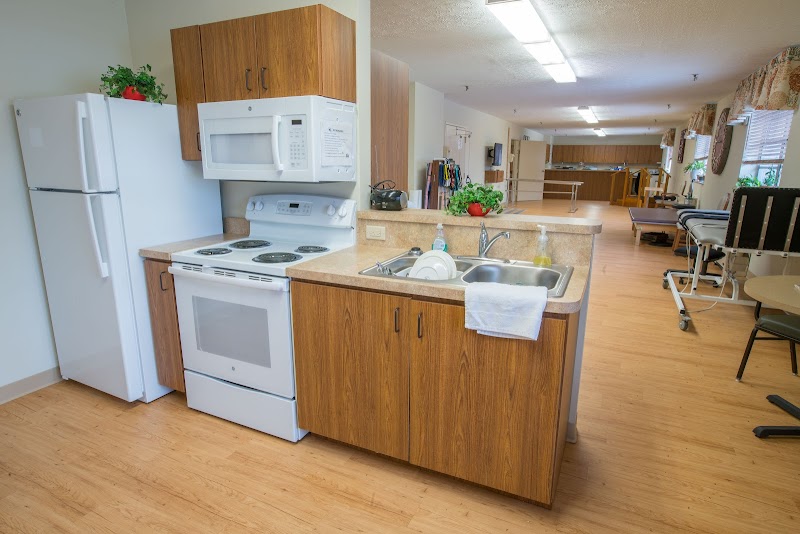
How Does Arlington Compare to Other Ohio Nursing Homes?

Compared to the 100 nursing homes in Ohio, ARLINGTON CARE CENTER's overall rating (4 stars) is above the state average of 3.2, staff turnover (46%) is near the state average of 46%, and health inspection rating (4 stars) is above the national benchmark.

What Should Families Ask When Visiting Arlington?

Based on this facility's data, families visiting should ask: "Can you walk me through typical staffing levels on day, evening, and night shifts?" "Can I visit during a mealtime to observe dining assistance and food quality?" "How do you handle medical emergencies, and what is your hospital transfer rate?" "Can I speak with family members of current residents about their experience?" These questions are particularly relevant given the below-average staffing rating.

Is Arlington Safe?

Based on CMS inspection data, ARLINGTON CARE CENTER has a clean safety record: no substantiated abuse findings (meaning no confirmed cases of resident harm), no Immediate Jeopardy citations (the most serious violation level indicating risk of serious injury or death), and is not on the Special Focus Facility watch list (a federal program monitoring the lowest-performing 1% of nursing homes). The facility has a 4-star overall rating and ranks #1 of 100 nursing homes in Ohio. While no facility is perfect, families should still ask about staff-to-resident ratios and recent inspection results during their visit.

Do Nurses at Arlington Stick Around?

ARLINGTON CARE CENTER has a staff turnover rate of 46%, which is about average for Ohio nursing homes (state average: 46%). Moderate turnover is common in nursing homes, but families should still ask about staff tenure and how the facility maintains care continuity when employees leave.

Was Arlington Ever Fined?

ARLINGTON CARE CENTER has no federal fines on record. CMS issues fines when nursing homes fail to meet care standards or don't correct problems found during inspections. The absence of fines suggests the facility has either maintained compliance or corrected any issues before penalties were assessed. This is a positive indicator, though families should still review recent inspection reports for the full picture.

Is Arlington on Any Federal Watch List?

ARLINGTON CARE CENTER is not on any federal watch list. The most significant is the Special Focus Facility (SFF) program, which identifies the bottom 1% of nursing homes nationally based on persistent, serious quality problems. Not being on this list means the facility has avoided the pattern of deficiencies that triggers enhanced federal oversight. This is a positive indicator, though families should still review the facility's inspection history directly.