MILL RUN CARE CENTER
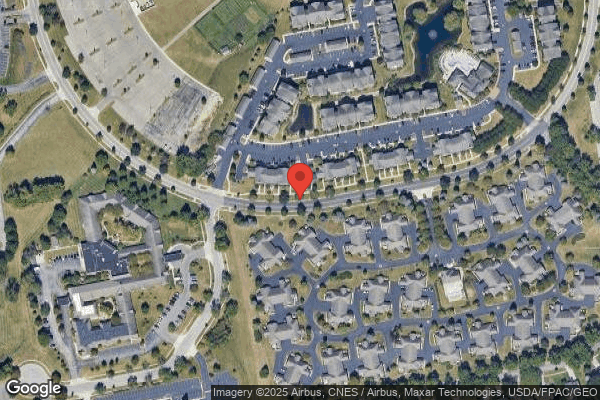
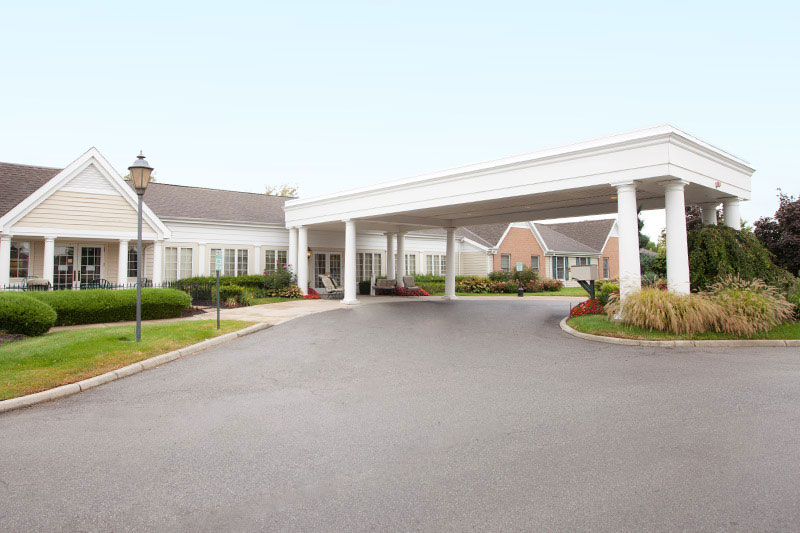
3399 MILL RUN DRIVE, HILLIARD, OH 43026 (614) 527-3000
For profit - Corporation 66 Beds OPTALIS HEALTH & REHABILITATION Data: November 2025
Trust Grade
40/100
#507 of 913 in OH
Last Inspection: May 2023

Over 2 years since last inspection. Current conditions may differ from available data.

Overview

Mill Run Care Center has a Trust Grade of D, indicating below-average performance with some concerning issues. It ranks #507 out of 913 facilities in Ohio, placing it in the bottom half, and #17 out of 56 in Franklin County, meaning only 16 local options are better. The facility's situation is worsening, with issues increasing from 2 in 2024 to 4 in 2025. Staffing is a weakness, rated at only 1 out of 5 stars, with a high turnover rate of 67%, significantly above the state average. However, the facility has no fines on record, which is a positive sign, and maintains average RN coverage, ensuring some level of oversight. Specific incidents of concern include a resident developing an unstageable pressure ulcer due to a failure to assess and treat an existing wound, and another resident experienced harm when their nephrostomy tube was dislodged during a transfer, requiring hospitalization for reinsertion. Overall, while there are some strengths, particularly around fines and RN coverage, the issues with staffing and serious health incidents are significant red flags for families considering this nursing home.

Trust Score
D
40/100
In Ohio
#507/913
Bottom 45%
Safety Record
High Risk
Review needed
Inspections
Getting Worse
2 → 4 violations
Staff Stability
⚠ Watch
67% turnover. Above average. Higher turnover means staff may not know residents' routines.
Penalties
✓ Good
No fines on record. Clean compliance history, better than most Ohio facilities.
Skilled Nurses
○ Average
Each resident gets 32 minutes of Registered Nurse (RN) attention daily — about average for Ohio. RNs are the most trained staff who monitor for health changes.
Violations
⚠ Watch
22 deficiencies on record. Higher than average. Multiple issues found across inspections.
★★★☆☆
3.0
Overall Rating
★☆☆☆☆
1.0
Staff Levels
★★★★★
5.0
Care Quality
★★★☆☆
3.0
Inspection Score
Stable
2024: 2 issues
2025: 4 issues

The Good

  • 5-Star Quality Measures · Strong clinical quality outcomes
  • Full Sprinkler Coverage · Fire safety systems throughout facility
  • No fines on record

Facility shows strength in quality measures, fire safety.

The Bad

3-Star Overall Rating

Near Ohio average (3.2)

Meets federal standards, typical of most facilities

Staff Turnover: 67%

21pts above Ohio avg (46%)

Frequent staff changes - ask about care continuity

Chain: OPTALIS HEALTH & REHABILITATION

Part of a multi-facility chain

Ask about local staffing decisions and management

Staff turnover is elevated (67%)

19 points above Ohio average of 48%

The Ugly 22 deficiencies on record

3 actual harm
Sept 2025 1 deficiency
CONCERN (D) 📢 Someone Reported This

A family member, employee, or ombudsman was alarmed enough to file a formal complaint

Potential for Harm - no one hurt, but risky conditions existed

Deficiency F0760 (Tag F0760)

Could have caused harm · This affected 1 resident

Based on record review and interview the facility failed to ensure a resident was free from significant medication errors when an accurate medication reconciliation was not conducted upon the resident...

Read full inspector narrative →
Based on record review and interview the facility failed to ensure a resident was free from significant medication errors when an accurate medication reconciliation was not conducted upon the resident's return to the facility from the hospital. This affected one (Resident #69) out of three residents reviewed for facility admissions. The facility census was 53. Findings Include:Review of the medical record for Resident #69 revealed an admission date of 07/10/25, a readmission date of 08/12/25 and a discharge home date of 08/19/25. Diagnoses included metabolic encephalopathy, acute kidney failure, heart disease, chronic diastolic heart failure (CHF), major depressive disorder and paroxysmal atrial fibrillation.Review of the discharge Minimum Data Set (MDS) 3.0 assessment completed 08/19/25 revealed Resident #69 is cognitively intact, has active diagnoses of CHF and is receiving anticoagulant therapy. Review of the after-visit summary for the hospital stay from 08/08/25 through 08/12/25 revealed the medication list included an order for Eliquis (anticoagulant medication) 5 mg, one tablet by mouth twice daily, with the last administration documented on 08/12/25 at 8:41 A.M.Review of the care plan dated 08/13/25 revealed Resident #69 has altered cardiovascular status related to chronic heart failure, hypertension, atrial fibrillation and coronary artery disease. Interventions include administering medications per physician orders, monitoring for chest pain and obtaining vital signs as needed.Review of the physician order dated 08/15/25 at 7:01 P.M. revealed a phone order was received for Eliquis 5 mg, one tablet by mouth twice daily for atrial fibrillation.Review of the Medication Administration Record (MAR) revealed Eliquis 5 mg by mouth twice daily for atrial fibrillation was initiated and given on 08/15/25 at 9:00 P.M.Interview on 09/04/25 at 4:16 P.M. with the Director of Nursing (DON) revealed nursing staff did not complete a thorough and accurate medication reconciliation upon the resident's readmission. As a result, Eliquis was not included in the physician orders. The DON confirmed Eliquis was not ordered until 08/15/25, three days after the resident's return to the facility.This deficiency represents non-compliance investigated under Complaint Number 2600930.
Mar 2025 3 deficiencies 1 Harm
SERIOUS (G) 📢 Someone Reported This

A family member, employee, or ombudsman was alarmed enough to file a formal complaint

Actual Harm - a resident was hurt due to facility failures

Pressure Ulcer Prevention (Tag F0686)

A resident was harmed · This affected 1 resident

**NOTE- TERMS IN BRACKETS HAVE BEEN EDITED TO PROTECT CONFIDENTIALITY** Based on observation, record review, resident and staff interviews, review of the guidelines from the National Pressure Ulcer Ad...

Read full inspector narrative →
**NOTE- TERMS IN BRACKETS HAVE BEEN EDITED TO PROTECT CONFIDENTIALITY** Based on observation, record review, resident and staff interviews, review of the guidelines from the National Pressure Ulcer Advisory Panel (NPUAP), and facility policy and procedure review, the facility failed to comprehensively assess, provide timely interventions, and implement a treatment to an existing pressure ulcer. This resulted in Actual Harm to Resident #40 on 03/20/25 when the facility failed to assess a resident's wound and obtain physician orders for wound treatments resulting in Resident #40 developing an unstageable pressure ulcer (full thickness tissue loss in which the base of the ulcer is covered by slough and/or eschar in the wound bed) to the right gluteus. This affected one (#40) of three residents reviewed for pressure ulcers. The facility census was 63. Findings include: Review of the medical record for Resident #40 revealed an initial admission date of 03/20/25. Diagnoses included pulmonary embolism, diabetes mellitus, severe protein calorie malnutrition, peripheral venous insufficiency, chronic pain syndrome, gout, anemia, gastro-esophageal reflux disease, irritable bowel syndrome, and fatty liver. Review of the resident's admission evaluation dated 03/20/25 revealed Resident #40 was admitted with no skin abnormalities. Review of the skin issues care plan contained within the admission evaluation revealed no interventions were implemented. The assessment indicated Resident #40 required extensive assistance with bed mobility and toileting. Review of the Braden scale assessment dated [DATE] revealed a score of 19 indicating Resident #40 was at risk for skin breakdown. Review of the weekly skin and wound evaluation dated 03/20/25 revealed Resident #40 was admitted to the facility with a Stage II pressure ulcer (Partial thickness loss of dermis presenting as a shallow open ulcer with a red-pink wound bed, without slough or bruising. May also present as an intact or open/ ruptured blister.) to the right gluteus. The assessment had no measurements or description of the wound. The assessment indicated the facility implemented to cleanse the wound with normal saline, but indicated the wound had no dressing. The assessment indicated the facility implemented the interventions of nutrition/dietary supplement and turning and repositioning program. There was no baseline care plan-initiated addressing Resident #40's high risk for skin breakdown. Review of Resident #40's physician orders dated 03/20/25 revealed an order to monitor scattered bruising and scabbing to right/left hand every shift and monitor scattered bruising to bilateral lower extremities and bilateral upper extremities. There was no treatment ordered on 03/20/25 to treat the Stage II pressure ulcer identified on the weekly skin and wound evaluation. From 03/20/25 to 03/26/25, there was no evidence a nutrition/dietary supplement was ordered for Resident #40 for wound healing, no evidence of Resident #40 being on a turning and repositioning schedule, and no treatment was ordered to the Stage II pressure ulcer to the right gluteus. There was no baseline care plan in place after Resident #40 was identified to be at risk for skin breakdown and had a Stage II pressure ulcer. On 03/24/25, there was a new physician order to encourage Resident #40 to float heels while in bed. On 03/27/25, Resident #40's weekly skin and wound evaluation revealed the Stage II pressure ulcer had deteriorated to an unstageable pressure ulcer. The wound measured 2.2 centimeters (cm) in length by 1.8 cm wide and described as 100% slough. The wound had no exudate. The facility implemented the new treatment of cleansing with normal saline, apply Medi-honey to the wound bed and cover with clean dry dressing daily. The facility determined the wound had deteriorated. On 03/27/25, there were physician orders to place a low air loss mattress on the bed for pressure reduction, monitor low air loss mattress functioning and check that the settings are appropriate for the resident. Cleanse wound to right gluteus with normal saline, pat dry with gauze, apply Medi-honey to wound bed and cover with clean dry dressing daily and as needed. Enhanced barrier precautions for unstageable wound to the right gluteus and consult wound care. On 03/26/25 at 9:45 A.M., an interview with Resident #40 stated she had a wound on her right buttocks that developed while she was in the hospital. Resident #40 stated the facility was not providing any treatment to the area or turning/repositioning her. Resident #40 was positioned on her back at the time of the interview. Resident #40 stated she was applying Vaseline to the wound and off-loading with her hand to help alleviate pain. The resident rated her current pain level as a six (zero being no pain and 10 being the worst pain). On 03/27/25 at 11:27 A.M., an observation of Licensed Practical Nurse (LPN) #193 and Certified Nursing Assistant (CNA) #145 revealed they were going to observe Resident #40's pressure ulcer. LPN #193 and CNA #145 washed their hands and donned gloves and did not don a gown for enhanced barrier precautions. LPN #193 and CNA #145 pulled the resident's incontinence brief down and assisted the resident to turn back on her left side from her back. The wound bed was covered with 100% yellow slough and the surrounding tissue was dark red. LPN #193 verified the stage II pressure ulcer had deteriorated into an unstageable pressure ulcer and stated she would notify the physician for an appropriate treatment. LPN #193 stated she would obtain an order for a low air-loss mattress also. On 03/27/25 at 2:40 P.M., an interview with the Regional Nurse (RN) #153 confirmed Resident #40's stage II pressure ulcer was not comprehensively assessed and no treatment was initiated on admission [DATE]. RN #153 verified there was no treatment to Resident #40's stage II pressure ulcer seven days later 03/27/25. RN #153 verified Resident #40's stage II pressure ulcer was now an unstageable pressure ulcer. Review of the NPUAP guidelines dated 2014 revealed facilities should educate health professionals on how to undertake a comprehensive skin assessment that includes the techniques for identifying blanching response, localized heat, edema, and induration. Ongoing assessment of the skin was necessary to detect early signs of pressure damage. Visual assessment for erythema (redness of the skin) was the first component of every skin inspection. Skin redness and tissue edema resulting from capillary occlusion was a response to pressure, especially over bony prominences. Staff should conduct a head-to-toe assessment with particular focus on skin overlying bony prominences including the sacrum, ischial tuberosities, greater trochanters and heels and each time the patient was repositioned was an opportunity to conduct a brief skin assessment. Review of the facility policy titled Skin and Wound Guidelines dated 03/05/24 revealed the policy describes the process steps required for identification of residents at risk for the development of pressure injuries, identify prevention techniques and interventions to assist with the management of pressure injuries and skin alterations. This deficiency represents non-compliance investigated under Complaint Number OH00163575.
CONCERN (D) 📢 Someone Reported This

A family member, employee, or ombudsman was alarmed enough to file a formal complaint

Potential for Harm - no one hurt, but risky conditions existed

ADL Care (Tag F0677)

Could have caused harm · This affected 1 resident

**NOTE- TERMS IN BRACKETS HAVE BEEN EDITED TO PROTECT CONFIDENTIALITY** Based on observation, record review, resident and staff interviews, and facility policy review, the facility failed to ensure re...

Read full inspector narrative →
**NOTE- TERMS IN BRACKETS HAVE BEEN EDITED TO PROTECT CONFIDENTIALITY** Based on observation, record review, resident and staff interviews, and facility policy review, the facility failed to ensure residents who were dependent on staff for activities of daily living (ADL) were provided routine nail care. This affected two (#20 and #40) of three residents reviewed for ADL care. The facility census was 62. Findings include: 1. Review of the medical record for Resident #40 revealed an initial admission date of 03/20/25. Diagnoses included pulmonary fibrosis, diabetes mellitus, peripheral venous insufficiency, chronic pain syndrome, and gout. Review of the resident's admission evaluation dated 03/20/25 revealed Resident #40 had no cognitive deficit. On 03/26/25 at 9:45 A.M., observation of Resident #40 revealed her fingernails were long jagged and had a black substance on the third and fourth fingernail of the right hand. Interview with Resident #40 at the time of the observation revealed she was unsure what the black substance was and had tried to get the substance out. Resident #40 stated she would like nail care provided. On 03/26/25 at 2:30 P.M., interview with Licensed Practical Nurse (LPN) #163 confirmed Resident #40's nails were long jagged and dirty with a black substance. On 0327/25 at 9:30 A.M., interview with LPN #130 stated Resident #40 prefers to stay in bed. LPN #130 stated Resident #40 was dependent on the staff for personal hygiene due to lack of motivation to complete any tasks herself. 2. Review of the medical record for Resident #20 revealed an initial admission date of 01/15/24 with Parkinson's disease, palliative care, peripheral vascular disease, diabetes mellitus, anxiety disorder, and dementia. Review of the plan of care dated 01/16/24 revealed Resident #20 had an ADL self care deficit as evidence by weakness, confusion, and required assistance with ADL. Interventions included the resident required assist of two staff for bed mobility, assist with bathe/shower as needed, and assist with meals. Review of the quarterly Minimum Data Set (MDS) assessment dated [DATE] revealed Resident #20 had a moderate cognitive deficit. On 03/26/25 at 9:52 A.M., observation of Resident #20 revealed the resident's nails were long, jagged and had a brown substance under the nail. On 03/26/25 at 11:45 A.M., observation of Resident #20's nails revealed his nails remained long, jagged and had a brown substance und the nail. Interview with Certified Nursing Assistant (CNA) #160 verified Resident #20's nails were long, jagged and had a brown substance under the nail. Review of the facility policy titled Hygiene and Grooming dated 07/20/18 revealed it was the facility's policy to make sure the resident's needs are met regarding hygiene and grooming while addressing the resident's personal preferences and daily routine. This was an incidental finding discovered during the course of this complaint investigation.
CONCERN (D) 📢 Someone Reported This

A family member, employee, or ombudsman was alarmed enough to file a formal complaint

Potential for Harm - no one hurt, but risky conditions existed

Deficiency F0687 (Tag F0687)

Could have caused harm · This affected 1 resident

**NOTE- TERMS IN BRACKETS HAVE BEEN EDITED TO PROTECT CONFIDENTIALITY** Based on observation, record review, and staff interview, the facility failed to ensure one resident (#20) received routine podi...

Read full inspector narrative →
**NOTE- TERMS IN BRACKETS HAVE BEEN EDITED TO PROTECT CONFIDENTIALITY** Based on observation, record review, and staff interview, the facility failed to ensure one resident (#20) received routine podiatry care. This affected one (#20) of one resident reviewed for podiatry. The facility census was 62. Findings include: Review of the medical record for Resident #20 revealed an initial admission date of 01/15/24 with Parkinson's disease, palliative care, peripheral vascular disease, diabetes mellitus, anxiety disorder, and dementia. Review of the quarterly Minimum Data Set (MDS) assessment dated [DATE] revealed Resident #20 had a moderate cognitive deficit. Review of the plan of care revealed ancillary services for the resident's needs such as dental, podiatry, optometry, audiology, psychological as needed. Interventions included to coordinate with Social Services for scheduling of resident need to see in house specialty physicians. On 03/26/25 at 9:52 A.M., observation of Resident #20 revealed the resident was laying in bed with his sheet on his chest exposing his incontinence brief. The resident was observed to have long toenails curled over the ends of his toes. On 03/26/25 at 11:45 A.M., observation of Resident #20 during incontinence care being provided by Certified Nursing Assistants (CNA) #126 and #160 revealed the resident's toenails were long and curled over the ends of his toes. Interview with CNA #160 at the time of the observation verified the resident needed both fingernail and toenail care. This was an incidental finding discovered during the course of this complaint investigation.
Apr 2024 1 deficiency
CONCERN (F) 📢 Someone Reported This

A family member, employee, or ombudsman was alarmed enough to file a formal complaint

Potential for Harm - no one hurt, but risky conditions existed

Food Safety (Tag F0812)

Could have caused harm · This affected most or all residents

Based on observation, staff interview and record review, the facility failed to ensure safe and sanitary storage of food items in the refrigerator and freezer and failed to ensure kitchen equipment wa...

Read full inspector narrative →
Based on observation, staff interview and record review, the facility failed to ensure safe and sanitary storage of food items in the refrigerator and freezer and failed to ensure kitchen equipment was maintained in a safe and sanitary manner. This had the potential to affect all the residents except for one resident (#62). The facility identified Resident #62 did not receive food from the kitchen. The facility census was 62. Findings include 1. Observations and interview on 04/24/24 at 9:25 A.M. with Kitchen Manager #200 confirmed several items in the refrigerator and freezer were not properly sealed and dated. The items in the refrigerator included: berry dessert undated and uncovered; over six pitchers of lemonade and fruit punch undated; lettuce bag had been opened and was undated; roast beef lunch meat with prep date on 03/19/24 with no use by date; pancake batter with a use by date of 04/22/24; yellow pudding with prep date of 03/29/24 with no use by date; whipped topping was open to air with no open date; block of white cheese slices undated and open to air; and a second block of white cheese slices undated. In the freezer, the items included: several large pork loins undated; several large packs of hamburger meat undated, egg patties left open to air and no open date; bag of meatballs undated; and two bags of sausage patties undated; bag of sausage links undated. Kitchen manager #200 confirmed the food items mentioned were not dated and/or open to air. He revealed he was not aware meat needed to be dated upon delivery. Interview on 04/24/24 at 9:50 A.M. with Corporate Dietician (CD) #250 confirmed the facility had issues with kitchen sanitation and confirmed food should be dated upon delivery and when opened or removed from original packaging (ie. box with the date on it). She revealed lunch meat should be kept no more than five to seven days. CD #250 confirmed all food items being stored in the refrigerator or freezer should be sealed and covered. Review of the facility policy titled Food Storage Guidelines, dated 01/01/12, revealed food shall be stored in a manner to prevent contamination. Food stock shall be dated with each order and should be covered, labeled and dated Review of the facility policy titled Labeling and Dating Food, dated 01/01/12, revealed all food items shall be properly labeled and dated to ensure food to be used can be consumed, or discarded properly. The policy revealed the items delivered would be properly stored and clearly marked with name and delivery date on the original container. The date shall be updated after opening, and if cooked and cooled for no longer than seven days. Expired food shall be discarded on or before the last date or day food should be consumed by including items such as animal products, vegetables and plant products shelf stable foods, deli meat, bakery items, cooked thawed and cooled foods. Food removed from the original packaging shall be placed in a clean food service approved container and covered. The new container should be labeled with the name of the product and the use by date. 2. Observations in the kitchen on 04/24/24 at 9:25 A.M. revealed the ice machine had a layer of dust on the rubber seam on box as well as on the door. The fryer also had a layer of grease and grime on the fryer, inside the fryer, and the baskets for the fryer. Their also appeared to have dark brown grease sitting in the fryer. Interview on 04/24/24 at 9:35 A.M. with [NAME] # 210 revealed breakfast meal included scrambled eggs, toast and diced potatoes and revealed the fryer had not been used for the breakfast meal. Interview on 04/24/24 at 9:50 A.M. with Kitchen Manager #200 confirmed the fryer had a layer of grease and grime and chunks of food sitting in the baskets. He also confirmed the ice machine had dust around the rubber lining of the door and the rubber lining of the ice machine. Kitchen Manager #200 stated the staff clean the fryer every few weeks and filter the oil and reuse it. Interview on 04/24/24 at 9:50 A.M. with Corporate Dietician (CD) #250 and Administrator confirmed the facility had issues with kitchen sanitation and Kitchen Manager #200 had a performance Improvement plan in place. They revealed the kitchen equipment should be maintained in a clean and sanitary manner Review of the facility policy titled Cleaning Instructions - Fryers, dated 05/21/20, revealed fryers shall be cleaned on a regular basis (weekly) or more frequently with significant usage. It was the responsibility of the food service manager or designee to ensure fryers are cleaned and maintained in an appropriate and timely manner. The cleaning process should include scrubbing down the sides and bottoms of the fryer, sanitize and dispose of used oil. This deficiency represents non-compliance investigated under Complaint Number OH00152633.
Mar 2024 1 deficiency
CONCERN (E) 📢 Someone Reported This

A family member, employee, or ombudsman was alarmed enough to file a formal complaint

Potential for Harm - no one hurt, but risky conditions existed

Deficiency F0808 (Tag F0808)

Could have caused harm · This affected multiple residents

**NOTE- TERMS IN BRACKETS HAVE BEEN EDITED TO PROTECT CONFIDENTIALITY** Based on observations, medical record review, review of Resident Council meeting minutes, review of the therapeutic spreadsheet,...

Read full inspector narrative →
**NOTE- TERMS IN BRACKETS HAVE BEEN EDITED TO PROTECT CONFIDENTIALITY** Based on observations, medical record review, review of Resident Council meeting minutes, review of the therapeutic spreadsheet, staff interview, training review and policy review, the facility failed to ensure three residents (#10, #30, and #80) received their ordered therapeutic diet as physician ordered. This affected three (#10, #30, and #80) of three residents observed for therapeutic diets. The facility identified 28 residents who had therapeutic diets and one resident who received nothing by mouth. The facility census was 63. Findings include: Review of the diet spread sheet for the carbohydrate controlled and cardiac diet for the lunch meal on day three (03/06/24) revealed the meal did not include ice cream. 1. Review of Resident #10's medical record revealed the resident was admitted to the facility on [DATE]. Diagnoses included chronic pulmonary disease, type two diabetes mellitus, and hypertension. Review of the quarterly Minimum Data Set (MDS) 3.0 assessment dated [DATE] revealed the resident was on a therapeutic diet. Review of the physician orders dated 01/31/24 revealed Resident #10 was ordered a carbohydrate controlled regular consistency, thin liquid diet. Observation of the lunch meal service on 03/06/24 at 12:08 P.M. revealed Resident #10 was provided a Philly cheese steak sandwich, onion rings, peaches, coffee, a sugar substitute packet, and strawberry ice cream. Interview with State Tested Nursing Assistant (STNA) #185 on 03/06/24 at 12:08 P.M. confirmed Resident #10 was on a carbohydrate controlled diet and she had strawberry ice cream provided to her for the lunch meal. Interview with Dietary Manager (DM) #105 on 03/06/24 at 12:15 P.M. and observation of the diet spreadsheet for a carbohydrate controlled diet. DM #105 verified Resident #10 should not have been provided the ice cream as it was not included on the diet spreadsheet for a carbohydrate controlled diet for the lunch meal on 03/06/24. DM #105 stated the ice cream was included on her tray in error. DM #105 was observed to remove the ice cream from Resident #10's tray while she was eating her meal. 2. Review of Resident #30's medical record revealed the resident was admitted to the facility on [DATE]. Diagnoses included type two diabetes, hypertension, and palliative care. Review of the quarterly MDS 3.0 assessment dated [DATE] revealed Resident #30 was on a therapeutic and mechanically altered diet. Review of the physician orders dated 07/17/23 revealed Resident #30 was ordered a carbohydrate controlled, mechanical soft diet with honey thickened liquids. Observation of the lunch meal service on 03/06/24 at 12:08 P.M. revealed Resident #30 was provided a Philly cheese steak sandwich, cooked cauliflower, peaches, juice, water, and strawberry ice cream. Interview with State Tested Nursing Assistant (STNA) #185 on 03/06/24 at 12:10 P.M. confirmed Resident #30 was on a carbohydrate controlled, mechanical soft diet with honey thickened liquids. STNA #185 confirmed the food consistencies provided were correct and she was thickening the liquids to honey thickness. STNA #185 verified Resident #30 had strawberry ice cream provided on his lunch meal tray. Interview with Dietary Manager (DM) #105 on 03/06/24 at 12:15 P.M. and observation of the diet spreadsheet for a carbohydrate controlled diet. DM #105 verified Resident #30 should not have been provided the ice cream as it was not included on the diet spreadsheet for a carbohydrate controlled diet for the lunch meal on 03/06/24. DM #105 stated the ice cream was included on his tray in error. DM #105 was observed to remove the ice cream from Resident #30's tray while he was eating his meal. 3. Review of Resident #80's medical record revealed the resident was admitted to the facility on [DATE]. Diagnoses included diastolic heart failure, hyperkalemia, atrial fibrillation, morbid obesity, and hypertensive heart disease. Review of the physician orders revealed Resident #80 was ordered a cardiac diet with regular texture and thin liquids on 02/16/24. Observation of meal tray pass for the lunch meal on 03/06/24 at 12:18 P.M., Resident #80's meal tray was observed with Registered Nurse (RN) #255. RN #255 confirmed Resident #80 had foil wrapped sandwich, cooked cauliflower, peaches, and strawberry ice cream as the food items provided on the tray. Review of the diet spreadsheet menu for the cardiac diet for the lunch meal on 03/06/24 with RN #255 at the time of the observation revealed the cardiac diet did not include having ice cream. RN #255 confirmed, based on the diet spreadsheet, the ice cream should not have been provided to a resident on a cardiac diet and the RN removed the ice cream from Resident #80's meal tray. Review of the resident council meeting minutes for 12/26/23 revealed the residents would like to have more diabetic food options, and one (unnamed) resident stated she continues to receive food she was allergic to at breakfast (eggs). The minutes dated 02/29/24 revealed several residents stated they do not get what they order daily and several residents question why dietary staff was not working with the residents. Interview with the Administrator on 03/06/24 at 4:00 P.M. regarding the resident councils' dietary concerns revealed no follow up had occurred as the DM was unaware of having a mailbox at the facility. The Administrator stated the resident council meeting minutes were found to be in the DM's mailbox when the Administrator showed the DM where his mailbox was located at the facility. Review of the education titled Diet Basics revealed all diets are ordered by the doctor and are considered as important as medications. Diet drive all production and meals processes. Diets information is communicated to staff through diet tickets, bistro menus, diet spreadsheets, diet manuals, tally sheets, diet lists, etc. Diet spread sheets indicates what each diet should receive based on the diet order and nutrition guidelines and are written and signed off by the corporate dietitian. Based on recent information related to the diet and the company diet manual, they should be followed. Misinformation or information which needs to be updated should be communicated to the manager. Changes to portions should be approved by manager and noted on the diet spreadsheets. Review of the facility policy titled Accuracy of Tray Line, dated 03/01/11 last revised 11/01/22, revealed it is the center's policy to provide meals that are accurate, follow physician orders, and patient/resident requests. The purpose of the procedure is to assure each patient/resident receives what he/she ordered for each meal and follows the physician's order. It is the responsibility of the Dietary Manager to ensure each meal served is accurate. The Administrator is responsible for the oversight of this operation. Problems with tray accuracy will be resolved immediately. Ongoing problems are brought to the attention of the dietary manager. This deficiency represents non-compliance investigated under Complaint Number OH00151152.
May 2023 5 deficiencies
CONCERN (D)

Potential for Harm - no one hurt, but risky conditions existed

Resident Rights (Tag F0550)

Could have caused harm · This affected 1 resident

**NOTE- TERMS IN BRACKETS HAVE BEEN EDITED TO PROTECT CONFIDENTIALITY** Based on observations, staff interview, medical record review, and policy review, the facility failed to ensure a resident was t...

Read full inspector narrative →
**NOTE- TERMS IN BRACKETS HAVE BEEN EDITED TO PROTECT CONFIDENTIALITY** Based on observations, staff interview, medical record review, and policy review, the facility failed to ensure a resident was treated with dignity and respect. This affected one (#44) of three reviewed for dignity and respect. The census was 58. Findings included: Medical record review for Resident #44 revealed an admission of 05/13/22. Medical diagnoses included Parkinson's disease, hypertension, and obstructive uropathy. Review of a quarterly Minimum Data Set (MDS) assessment dated [DATE] revealed Resident #44 was cognitively intact. Resident #44's functional status was extensive assistance for bed mobility, transfers, and toilet use. and was supervision was eating. Observation on 05/02/23 at 11:12 A.M. revealed Licensed Practical Nurse (LPN) #171 went into Resident #44's room, who was lying in bed repeating curse words, and the nurse said, Lose the attitude today. Interview with LPN #171 on 05/02/23 at 11:13 A.M. stated she guessed it could be considered disrespectful, but that was the kind of relationship she had with Resident #44. LPN #171 stated if you would go in and speak to the resident kindly, he would escalate his behavior. LPN #171 apologized for what she said to the resident and indicated she would apologize to the resident as well. Review of an undated policy titled, Resident Rights, revealed the residents would be treated with courtesy and respect and full recognition of dignity and individuality.
CONCERN (D)

Potential for Harm - no one hurt, but risky conditions existed

Deficiency F0657 (Tag F0657)

Could have caused harm · This affected 1 resident

**NOTE- TERMS IN BRACKETS HAVE BEEN EDITED TO PROTECT CONFIDENTIALITY** Based on medical record review, staff and resident interview, and policy review, the facility failed to ensure care conferences ...

Read full inspector narrative →
**NOTE- TERMS IN BRACKETS HAVE BEEN EDITED TO PROTECT CONFIDENTIALITY** Based on medical record review, staff and resident interview, and policy review, the facility failed to ensure care conferences were provided as required. This affected one (#44) of one resident reviewed for care conferences. The census was 58. Findings included: Medical record review for Resident #44 revealed an admission of 05/13/22. Medical diagnoses included Parkinson's disease, hypertension, and obstructive uropathy. Review of a quarterly Minimum Data Set (MDS) assessment dated [DATE] revealed Resident #44 was cognitively intact. Resident #44's functional status was extensive assistance for bed mobility, transfers, and toilet use, and supervision was eating. Review of Resident #44's care conferences in the last year revealed a care conference was held on 05/24/22 and 12/08/22. The attendees at Resident #44's care conference were social services, nursing, and therapy. Interview with Resident #44 on 05/02/23 at 9:21 A.M. stated he had not been receiving care conferences. Interview with Social Services Coordinator (SSC) #125 on 05/03/23 at 11:33 A.M. confirmed Resident #44 had only two care conferences in the past year. SSC #125 stated if there were any problems for dietary or MDS concern the facility would follow-up with those departments with the concerns. Review of policy titled, Care Conference Policy and Procedure, dated 04/01/22, revealed it was the center's policy to offer care conferences to patients, residents, and authorized representatives on admission, quarterly, with a change in condition and when the patient, resident, or authorized representatives request a conference.
CONCERN (D)

Potential for Harm - no one hurt, but risky conditions existed

ADL Care (Tag F0677)

Could have caused harm · This affected 1 resident

Based on observation, medical record review, and staff interview, the facility failed to ensure a resident's cervical collar was cleaned as ordered. This affected one (#6) of one resident reviewed for...

Read full inspector narrative →
Based on observation, medical record review, and staff interview, the facility failed to ensure a resident's cervical collar was cleaned as ordered. This affected one (#6) of one resident reviewed for cleanliness of cervical collars. The census was 58. Findings include: Review of the medical record for Resident #6 revealed an admission date of 03/13/23 with diagnoses including fusion of the spine at the cervical region, encounter for other specified surgical aftercare, type two diabetes mellitus, history of falling, left anterior fascicular block, hypertension, hyperlipidemia, obesity, major depressive disorder, cognitive communication deficit, need for assistance with personal care, and generalized anxiety disorder. Review of a Minimum Data Set (MDS) MDS assessment for Resident #6 dated 04/08/23 revealed Resident #6 was assessed with moderately impaired cognition and required extensive assist for activities of daily living. Review of a care plan for Resident #6 dated 03/30/23 revealed the resident had an alteration in musculoskeletal status related to a cervical fracture with fusion. Interventions included observe the skin under the cervical collar, pads to the cervical collar to be cleaned daily, change the pads daily, and wash old pads in the sink or a basin of water with soap. Staff are to squeeze the pads to work the soap through the pad, rinse the pads well with clean water, squeeze the pads in the clean water to be sure to rinse out the soap, squeeze out any extra water, and lay the pads flat to dry. The pads should air dry in about an hour. Resident #6 was to wear the cervical collar at all times. Review of physician orders for May 2023 for Resident #6 revealed the pads to the cervical collar to be cleaned daily, change the pads daily, and wash old pads in the sink or basin of water with soap. Staff were to squeeze pads to work the soap through the pad, rinse the pads well with clean water, squeeze the pads in the clean water to be sure to rinse out the soap, squeeze out any extra water, and lay the pads flat to dry. The pads should air dry in about an hour and Resident #6 was to wear the cervical collar at all times. Staff may loosen the cervical collar for meals only, and reapply and readjust once Resident #6 was done eating. Observation on 05/01/23 at 1:20 P.M. of Resident #6 revealed a brown crusty substance speckled on the chin part of the cervical collar. Observation on 05/02/23 at 7:59 A.M. of Resident #6 revealed the same brown crusty substance speckled on the chin part of the cervical collar. Observation on 05/02/23 at 12:19 P.M. of Resident #6 revealed the inside of the cervical collar by Resident #6's chin remained dirty with same brown crusty substance. Interview on 05/02/23 at 12:43 P.M. with State Tested Nurse Aide (STNA) #152 verified the cervical collar padding under Resident #6's chin was dirty with dry crusty brown substance. STNA #152 stated she noticed it that morning and asked about it, and STNA #152 stated she believed the padding was to be cleaned daily. Observation on 05/03/23 at 8:15 A.M. of Resident #6 revealed the pad under Resident #6's chin of the cervical collar continued with same brown crusty substance. Interview on 05/03/23 at 7:45 A.M. with STNA #152 verified the same brown crusty substance speckled down on chin pad of Resident #6's cervical collar remained in place.
CONCERN (D)

Potential for Harm - no one hurt, but risky conditions existed

Deficiency F0760 (Tag F0760)

Could have caused harm · This affected 1 resident

Based on medical record review, interview, and policy review, the facility failed to administer medications are ordered. This affected one (#4) of three residents reviewed for antibiotic usage. The fa...

Read full inspector narrative →
Based on medical record review, interview, and policy review, the facility failed to administer medications are ordered. This affected one (#4) of three residents reviewed for antibiotic usage. The facility census was 58. Findings include: Review of the medical record for Resident #4 revealed admission date of 09/23/21 with diagnoses including chronic obstructive pulmonary disease, type two diabetes mellitus, morbid obesity, epilepsy, heart failure, schizoaffective disorder, bipolar disorder, delusional disorder, anemia, and need for assistance with personal care. Review of the quarterly Minimum Data Set (MDS) assessment for Resident #4 dated 03/05/23 revealed a Brief Interview of Mental Status (BIMS) score of 15 which indicated intact cognition. Resident #4 required extensive assist for activities of daily living. Review of a nursing progress note dated 04/10/23 for Resident #4 revealed a new order received from a certified nurse practitioner (CNP) to extend the antibiotic ertapenem injection to a total of 10 days of administration. The pharmacy, resident, and guardian were notified. Review of the April 2023 medication administration record (MAR) for April 2023 revealed Resident #4 received ertapenem 1 gram on 04/06/23, 04/07/23, 04/08/23, 04/09/23, 04/10/23, 04/11/23, 04/12/23, and 04/13/23 for a total of eight days. Interview on 05/02/23 at 2:45 P.M. with Regional Clinical Nurse (RCN) #177 verified Resident #4 only received ertapenem for a total of eight days, and verified the order was extended for Resident #4 to received the medication for a total of 10 days. Review of an undated policy titled, Medication Orders, revealed new medication orders require facility name, date, resident's name, medication name, strength, specific directions for use, physician name, and nurse's full name ordering the medication. The following information, if appropriate, must be included when ordering, specific dosing parameters, stop dates or durations, contingency supply used, and do not send if pharmacy is not supplying medication.
CONCERN (E)

Potential for Harm - no one hurt, but risky conditions existed

Deficiency F0761 (Tag F0761)

Could have caused harm · This affected multiple residents

**NOTE- TERMS IN BRACKETS HAVE BEEN EDITED TO PROTECT CONFIDENTIALITY** Based on observation, medical record review, and staff interview, the facility failed to ensure a medications were ingested at t...

Read full inspector narrative →
**NOTE- TERMS IN BRACKETS HAVE BEEN EDITED TO PROTECT CONFIDENTIALITY** Based on observation, medical record review, and staff interview, the facility failed to ensure a medications were ingested at the time of administration and failed to ensure medications were properly secured in storage. This affected four (#11, #14, #15, and #30) of four residents reviewed for medication storage. The facility census was 58. Findings include: 1. Review of the medical record for Resident #30 revealed an admission date of 04/28/21. Diagnoses included chronic obstructive pulmonary disease, chronic respiratory failure with hypoxia, concussion without loss of consciousness, congestive heart failure, solitary pulmonary nodule, history of falling, intervertebral disc disorders lumbar region, major depressive disorder, anxiety, and dependence on supplemental oxygen. Review of an annual Minimum Data Set (MDS) assessment for Resident #30 dated 04/13/23 revealed a Brief Interview of Mental Status (BIMS) score of 15 which indicated intact cognition. Resident #30 required supervision to limited assistance for activities of daily living (ADLs). Observation on 05/03/23 at 11:04 A.M. of Resident #30 revealed a medication cup containing three pills on the bedside table in Resident #30's bedroom. No staff was observed in the room at the time. Interview on 05/03/23 at 11:09 A.M. with Licensed Practical Nurse (LPN) #144 verified she passed medications to Resident #30 and the resident took the medications. Observation the time of the interview with LPN #144 verified Resident #30 had three pills in a medication cup at the bedside upon entering Resident #30's room. Resident #30 took the medication for LPN #144 at that time. Interview on 05/03/23 at 1:25 P.M. with LPN #144 verified the medications in the medication cup at Resident #30's the bedside included two tablets of the laxative medication Senna-plus and one tablet of the laxative and supplement medication Fibercon. Review of the undated policy titled, Medication Administration, revealed medication is prepared for one resident at the time of administration. Pre-pouring medication is not recommended standard of practice. The person preparing the medication is the only person to administer medication. 2. Medical record review for Resident #11 revealed an admission date of 08/05/21. Medical diagnoses included Parkinson's disease. Review of the quarterly MDS assessment dated [DATE] revealed Resident #11 was moderately cognitively impaired. Review of a physician order dated 03/14/23 for Resident #11 revealed the anti-anxiety medication lorazepam oral concentrate two milligrams per milliliter (mg/ml) to give 0.5 mg by mouth every four hours as needed for restlessness. 3. Medical record review for Resident #14 revealed an admission date of 07/10/22. Medical diagnoses included Alzheimer's disease with early onset. Review of the quarterly MDS assessment dated [DATE] revealed Resident #14 was severely cognitively impaired. Review of a physician order dated 03/17/23 for Resident #14 revealed lorazepam oral concentrate two mg/ml to give 0.25 mg at bedtime for anxiety. 4. Medical record review for Resident #15 revealed an admission date of 04/24/20. Medical diagnoses included Alzheimer's disease with late onset. Review of the quarterly MDS assessment dated [DATE] revealed Resident #15 was severely cognitively impaired. Review of a physician order dated 03/13/23 revealed lorazepam oral concentrate two mg/ml to give 0.25 mg every two hours as needed for anxiety or restlessness for 14 days. Observation on 05/03/23 at 8:49 A.M. revealed in the medication room on Care Center #1 a refrigerator that was unlocked. Further observation inside the refrigerator revealed four lorazepam two mg/ml oral concentrate vials. There were two vials for Resident #14, one vial for Resident #15, and one vial for Resident #11. Interview with LPN #144 on 05/03/23 at 9:00 A.M. confirmed the vials of lorazepam were in an unlocked refrigerator and stated the refrigerator used to locked. Review of the undated policy titled, Medication Storage, revealed all controlled substances are to be stored under a double lock and key. Only authorized facility staff is to have access to controlled substances.
Jan 2023 1 deficiency 1 Harm
SERIOUS (G) 📢 Someone Reported This

A family member, employee, or ombudsman was alarmed enough to file a formal complaint

Actual Harm - a resident was hurt due to facility failures

Pressure Ulcer Prevention (Tag F0686)

A resident was harmed · This affected 1 resident

**NOTE- TERMS IN BRACKETS HAVE BEEN EDITED TO PROTECT CONFIDENTIALITY** Based on record review, interview, and facility policy and procedure review, the facility failed to implement interventions to p...

Read full inspector narrative →
**NOTE- TERMS IN BRACKETS HAVE BEEN EDITED TO PROTECT CONFIDENTIALITY** Based on record review, interview, and facility policy and procedure review, the facility failed to implement interventions to prevent the development of a pressure ulcer for Resident #8. Actual harm occurred on 11/19/22 when Resident #8, who was at risk for skin breakdown was identified to have a Stage III (full thickness tissue loss. Subcutaneous fat may be visible, but bone, tendon or muscle is not exposed. Slough may be present but does not obscure the depth of tissue loss. May include undermining or tunneling) pressure ulcer to his sacrum. There was no evidence the facility had adequate interventions in place to prevent the development of the ulcer and to promote healing once the ulcer was identified. The facility failed to ensure the pressure ulcer was timely identified prior to being found as a Stage III, failed to comprehensively assess the pressure ulcer initially and weekly subsequently and administer the treatment as physician ordered. This affected one resident (#8) of three residents reviewed for pressure ulcers. The facility census was 61. Findings Include: Review of the medical record for Resident #8 revealed an initial admission date of 05/13/22 with the latest readmission of 01/10/23. Diagnoses included Parkinson's disease dementia with agitation, chronic obstructive pulmonary disease (COPD), diabetes mellitus, chronic kidney disease, obstructive and reflux uropathy, schizoaffective disorder, bipolar disorder, urine retention, anemia, insomnia, psychosis, overactive bladder, chronic pain syndrome, hypertension, major depressive disorder, and hyperlipidemia. Review of plan of care dated 05/26/22 revealed the resident was at risk for skin breakdown. Interventions included apply lotion to dry skin, assess skin daily during care, attempt to keep heels off mattress, encourage to turn and reposition frequently as tolerated, assist as needed, if resident is alert instruct why repositioning was important and how to do it, incontinence care as needed, monitor skin and clothing for wetness, pressure reduction cushion and pressure reduction mattress. Review of the discharge Minimum Data Set (MDS) assessment dated [DATE] revealed the resident was discharged to an acute care hospital. The assessment indicated the resident was at risk for skin breakdown and had no unhealed pressure ulcers. Review of the Braden Scale dated 11/14/22 revealed a score of 13 indicating the resident was at risk for skin breakdown. Review of the progress note dated 11/19/22 at 10:00 P.M. revealed a State Tested Nursing Assistant (STNA) notified the nurse the resident had a sore on his buttock area. The nurse noted a Stage III pressure injury to the sacrum measuring 3.0 centimeters (cm) by 2.0 cm with no description of the wound. No signs or symptoms of infection were noted to site. New orders were obtained for an air mattress to promote skin integrity, cleanse site with NS, pat dry, apply calcium alginate to wound bed, cover with dry clean dressing daily and refer to wound Certified Nurse Practitioner (CNP). Review of the medical record failed to identify a comprehensive assessment detailing the Stage III pressure ulcers appearance. Review of the plan of care dated 11/21/22 revealed the resident has actual pressure ulcer formation related to resident had pressure ulcer unstageable to sacrum with risk for delayed healing secondary to progressing comorbidities, debility and generalized weakness with decreased physical mobility and bowel/bladder incontinence daily. Interventions included cushion to wheelchair, check placement prior to transfer, frequent turning and repositioning, house liquid protein as ordered, monitor wound for any significant changes, preventive skin care post incontinence daily/as needed, provide surface support and pressure redistribution, position changes and offloading daily and provide wound care as ordered by physician and wound consult recommendations. Review of the November 2022 Treatment Administration Record (TAR) revealed the physician ordered treatment was not administered on 11/20/22, 11/21/22 and 11/29/22. Review of the medical record revealed the Stage III pressure ulcer was not assessed again until 12/01/22 when the wound CNP completed a thorough wound care assessment and evaluation. The assessment indicated the wound was now an unstageable measuring 2.5 cm by 1.5 cm with slough covering the wound bed. The CNP changed the treatment to cleanse the wound, cover the wound bed with a nickel size thickness of Santyl (removes dead skin tissue and aides in wound healing) and cover with a dry clean dressing daily and as needed. Review of the medical record revealed no documented evidence the now unstageable pressure ulcer to the resident's sacrum was assessed on 12/08/22 and 12/15/22. Review of the wound CNP wound assessment dated [DATE] revealed the unstageable pressure ulcer to the resident's sacrum measured 3.0 cm by 2.0 cm by 0.1 cm with 75% pink tissue and 25% slough. The treatment to the wound remained unchanged. The assessment did assess for improvement or deterioration of the wound. Review of the resident's quarterly Minimum Data Set (MDS) assessment dated [DATE] revealed the resident had clear speech, understood others, made himself understood and had no cognitive deficit as indicated by a Brief Interview for Mental Status (BIMS) score of 15. Review of the mood and behavior revealed the resident displayed verbal behaviors directed towards others. The resident required extensive assistance of one with bed mobility, transfers, toilet use and was non-ambulatory. The assessment indicated the resident had an indwelling urinary catheter and was frequently incontinent of bowel. The assessment indicated the resident was at risk for skin breakdown and had non unhealed unstageable pressure ulcer that was not present on admission. The facility implemented the interventions pressure reducing device to bed/chair, nutrition, or hydration intervention to manage skin problems and pressure ulcer/injury care. Review of the wound CNP wound assessment dated [DATE] revealed the unstageable pressure ulcer to the resident's sacrum measured 3.0 cm by 2.0 cm by 0.1 cm with 75% pink tissue and 25% slough. The treatment to the wound remained unchanged. The assessment did assess for improvement or deterioration of the wound. Review of the TAR for December 2022 revealed the physician ordered treatment was not administered on 12/01/22, 12/03/22, 12/04/22, 12/08/22, 12/17/22, 12/18/22, 12/25/22 and 12/31/22. Review of the wound CNP wound assessment dated [DATE] revealed the unstageable pressure ulcer to the resident's sacrum measured 1.0 cm by 1.6 cm by 0.1 cm with 75% pink tissue and 25% slough. The treatment to the wound remained unchanged. The assessment did assess for improvement or deterioration of the wound. Review of the baseline admission evaluation dated 01/10/23 revealed the resident was readmitted to the facility with a 2.0 cm by 0.5 cm sacral ulcer. The assessment failed to identify the staging or the appearance of the wound. Review of the wound CNP wound assessment dated [DATE] revealed the unstageable pressure ulcer to the resident's sacrum measured 2.0 cm by 2.0 cm by 0.1 cm with the wound bed being slough. The treatment to the wound remained unchanged. The assessment did assess for improvement or deterioration of the wound. Review of the TAR for January 2023 revealed the physician ordered treatment was not administered on 01/01/23, 01/11/23, 01/13/23, 01/14/23, 01/14/23, 01/15/23 and 01/16/23. Review of the physician's orders identified an order dated 01/16/22 cleanse wound with NS, pat dry with gauze, apply Santyl, cover with dry clean dressing daily and as needed. On 01/17/23 at 2:15 P.M. interview with the Director of Nursing (DON) revealed she felt the physician ordered treatments were provided but not documented as being administered. The DON verified the lack of documented evidence the physician ordered treatments were administered, comprehensive initial and subsequent weekly assessments were completed. Review of the facility policy titled, Dressing Change: Clean, last revised 09/11/13 revealed document the treatment in the TAR and additional progress notes if necessary. This deficiency substantiates Complaint Number OH00139308.
Nov 2022 1 deficiency 1 Harm
SERIOUS (G) 📢 Someone Reported This

A family member, employee, or ombudsman was alarmed enough to file a formal complaint

Actual Harm - a resident was hurt due to facility failures

Quality of Care (Tag F0684)

A resident was harmed · This affected 1 resident

**NOTE- TERMS IN BRACKETS HAVE BEEN EDITED TO PROTECT CONFIDENTIALITY** Based on record review, resident interview, family interview, and staff interview, the facility failed to ensure staff were awar...

Read full inspector narrative →
**NOTE- TERMS IN BRACKETS HAVE BEEN EDITED TO PROTECT CONFIDENTIALITY** Based on record review, resident interview, family interview, and staff interview, the facility failed to ensure staff were aware a resident had a nephrostomy bag when transferring the resident from her wheelchair to bed resulting in the nephrostomy tube being dislodged. This affected one (Resident #58) of three residents reviewed for indwelling urinary catheters/ nephrostomies. Actual harm occurred to Resident #58 when her nephrostomy tube (a surgically inserted catheter tube inserted into the kidney to drain urine and sutured in place) was pulled out of her right lower back resulting in pain and requiring the resident to be sent to the hospital for reinsertion of the nephrostomy tube. Findings include: A review of Resident #58's medical record revealed she was admitted to the facility on [DATE]. Her diagnoses included tubulo-interstitial nephritis, hydronephrosis with uteretopelvic junction obstruction, obstructive and reflux uropathy. Her diagnoses was updated on 10/31/22 to reflect there had been a displacement of a nephrostomy catheter. A review of Resident #58's physician's orders revealed the resident had orders for maintaining an indwelling urinary catheter and the care associated with it. She also had orders in place for the treatment of her nephrostomy site. A review of Resident #58's admission Minimum Data Set 3.0 (MDS) assessment dated [DATE] revealed the resident was able to make herself understood and was usually able to understand others. She was cognitively intact and was not known to display any behaviors or reject care. She was dependent on two for transfers. She was identified on the MDS as having both an indwelling urinary catheter and an ostomy to include a urostomy. A review of Resident #58's active care plans revealed she had a care plan in place for an alteration in elimination related to an indwelling urinary catheter related to obstructive uropathy. The care plan did not identify her as having a nephrostomy bag. The interventions did include nephrostomy tube care as ordered along with urinary catheter care per facility policy. Her activities of daily living care plan identified only an indwelling urinary catheter. It did not identify the resident as having the use of a nephrostomy bag. A review of Resident #58's [NAME] (a care plan for the aides to identify a resident's care needs) revealed the resident was not identified as having the use of a nephrostomy bag. The section for bladder and bowel revealed they were to provide catheter care and monitor the output every shift (12 hours). They were also to check for catheter anchor and to provide urinary catheter care per facility protocol. There was nothing under that section to alert the aides that the resident had a nephrostomy bag or what care if any was to be provided. A review of a CNA (Certified Nursing Assistant) Task List Assignment that was what the aides documented in the electronic health record (EHR) under the task tab as having been provided to Resident #58. There was no identification under the task tab of the resident having a nephrostomy bag. There was only documentation required for them performing indwelling urinary catheter care every shift. A review of Resident #58's nurses' progress notes revealed a nurse's note by Agency Registered Nurse (RN) #26 documented on 09/11/22 at 9:58 P.M. revealed the resident's nephrostomy bag came out by accident. The resident's husband was indicated to be at the bedside at the time of the incident. A physician order was received to send the resident to the hospital for replacement. She was transferred out to the hospital around 9:00 P.M. A nurse's progress note dated 09/14/22 at 6:44 P.M. revealed Resident #58 returned to the facility from the hospital. The resident had her right nephrostomy tube replaced after it was dislodged on 9/11/21. Her indwelling urinary catheter was replaced that day too per hospital report. A review of Resident #58's hospital records for her hospitalization between 09/11/22 and 09/14/22 revealed the resident was sent to the hospital for a nephrostomy tube dislodgement. The nephrostomy tube had been replaced on 09/12/22 before being returned to the facility on [DATE]. On 11/21/22 at 11:00 A.M., an interview with Resident #58 confirmed she had both an indwelling urinary catheter and a nephrostomy bag to her right lower back. She reported having it for about three months now and confirmed she had it when she was admitted to the facility on [DATE]. She confirmed there had been one incident that occurred where the nephrostomy tube was pulled out of her back during a transfer. She recalled a larger sized female aide assisting her with a transfer from her wheelchair to her bed. She thought the incident occurred sometime in August or September of 2022. The resident reported it did hurt when the nephrostomy tube had been pulled out. She stated she cried at the time and rated the pain an 8 on a 1-10 scale. She further indicated she had more pain while at the hospital when it had to be reinserted. On 11/21/22 at 12:30 P.M., an interview with Resident #58's husband confirmed he was there when the resident was transferred to bed and the nephrostomy tube was pulled out. He recalled a female aide that was larger in size had transferred the resident from her wheelchair to bed. The aide got her arms around the resident to lift her and, as she was pivoting her around to sit her on the bed, the nephrostomy bag got hung up on the wheelchair causing the tubing to pulled out during the transfer. He stated the aide was careless and should have been aware of the resident having a nephrostomy bag, in addition to her indwelling urinary catheter, before transferring her from the wheelchair to bed. On 11/21/22 at 12:54 P.M., an interview with Agency Aide #8 revealed she was one of two aides present at the time Resident #58 was transferred on 09/11/22 and her nephrostomy tube came out. She thought the other aide was State Tested Nurse Aide (STNA) #13. She reported they positioned the resident's wheelchair by the bed and she stood in front of the resident while the other aide was behind the resident. Both had assisted the resident with weight bearing assistance. Agency Aide #8 reported she managed the resident's indwelling urinary catheter during the transfer, but they did not know she had a nephrostomy bag too. With the way the resident was in her wheelchair, the nephrostomy bag was not visible. It had slipped down between the side of the wheelchair seat. When they stood her up and began to turn the resident around, they heard a snap. That was when they realized she had a nephrostomy tube and it had been pulled out of the her back. She reported she was an agency aide and the other aide that assisted her was a facility employee. She denied the other aide was aware she had a nephrostomy bag either as she did not secure it properly during the transfer. The nephrostomy bag was half tucked down in the side of the wheelchair. She reported that was the first time she worked she had taken care of the resident. She was asked how the residents' care needs and appliances were communicated to the aides. She stated that information would be available in the facility's computer software program in the care plans and on their [NAME]. On 11/21/22 at 2:37 P.M., an interview with the Director of Nurse (DON) confirmed Resident #58's care plans, [NAME] and tasks (where the aides document their care) only identified the resident as having a urinary catheter. She confirmed there was nothing that identified the resident as having a nephrostomy tube that the aides had access to. She acknowledged the concerns of staff transferring the resident without knowledge of her having a nephrostomy bag that resulted in the accidental dislodgement of the nephrostomy tube during the transfer. She confirmed the resident was sent to the hospital on [DATE] to have her nephrostomy tube reinserted. She also acknowledged the resident complained of pain of an 8 on a 1-10 scale, when the nephrostomy tube was dislodged and reported having additional pain when the nephrostomy tube had to be re-inserted at the hospital. This deficiency is cited as an incidental finding to Complaint Number OH00137616.
Nov 2022 3 deficiencies
CONCERN (D) 📢 Someone Reported This

A family member, employee, or ombudsman was alarmed enough to file a formal complaint

Potential for Harm - no one hurt, but risky conditions existed

Deficiency F0761 (Tag F0761)

Could have caused harm · This affected 1 resident

**NOTE- TERMS IN BRACKETS HAVE BEEN EDITED TO PROTECT CONFIDENTIALITY** Based on observation, resident record review, policy review and staff interview, the facility failed to properly label insulin w...

Read full inspector narrative →
**NOTE- TERMS IN BRACKETS HAVE BEEN EDITED TO PROTECT CONFIDENTIALITY** Based on observation, resident record review, policy review and staff interview, the facility failed to properly label insulin when opened. This affected one (#45) of four residents observed during medication administration. The facility census was 58. Findings included: Review of Resident #45's medical record revealed an admission date of 02/02/20. admission diagnoses included cerebral infarction, paranoid personality disorder, cardiomegaly, chronic kidney disease, and diabetes. Review of Resident #45's Minimum Data Set (MDS) dated [DATE], revealed no cognitive defects and revealed the resident required extensive two-person assistance for bed mobility, transfers, and toileting. The resident required extensive one-person assistance for personal hygiene and dressing. The resident was independent with set-up only for eating. Review of Resident #45's physician order revealed Humalog KwikPen Solution Pen-Injector 100 units/milliliter (U/ml) (Insulin Lispro) with instructions to inject as per sliding scale subcutaneously before meals and at bedtime for diabetes. Review of Resident #45's physician order revealed Novolog FlexPen Solution Pen-injector 100 U/ml (Insulin Aspart) with directions to inject twenty-four units subcutaneously three times a day for diabetes. Observation on 11/09/22 at 8:04 A.M., of medication observation for Resident #45 provided by Licensed Practical Nurse (LPN) #20 revealed neither the Humalog Insulin Pen nor the Novolog Insulin Pen had an opened date on the pen. Interview on 11/09/22 at 8:04 A.M., with LPN #20 confirmed neither the Humalog nor the Novolog pen had opened date. LPN #20 confirmed the date when the insulin was opened was to be written on the insulin pen. Interview on 11/09/22 at 11:40 A.M. with the Unit Manager LPN #50 confirmed both insulin pens without the opened date for Resident #45 were discarded and new insulin pens were replaced. The Unit Manager LPN #50 confirmed insulin pens were to have the date written on the pen when opened. Review of the undated policy titled, Medication Storage, revealed insulin is stored according to the manufacturer's recommendations. The policy further revealed to record date on vial when the vial is initially accessed. This deficiency is an example of noncompliance investigated under Complaint Number OH00136946.
CONCERN (D) 📢 Someone Reported This

A family member, employee, or ombudsman was alarmed enough to file a formal complaint

Potential for Harm - no one hurt, but risky conditions existed

Medical Records (Tag F0842)

Could have caused harm · This affected 1 resident

Based on staff interview, medical record review,and policy review, the facility failed to appropriately document as needed pain medications on the Medication Administration Record (MAR). This affected...

Read full inspector narrative →
Based on staff interview, medical record review,and policy review, the facility failed to appropriately document as needed pain medications on the Medication Administration Record (MAR). This affected one (#25) of three residents reviewed. The facility census was 58. Findings included: Review of Resident #25's medical record revealed an admission dated on 08/08/22. The documentation revealed the resident arrived at the facility on 08/08/22 at 3:22 P.M. Review of the admission diagnoses included Parkinson's disease, closed right femur fracture with routine healing, orthostatic hypotension, cardiac murmur, ulcerative colitis, osteoporosis, major depressive disorder, generalized anxiety disorder. Review of Resident #25's medical record revealed the physician order dated 08/08/22 for Oxycodone 5-325 milligram (mg.) with directions to administer one tablet by mouth every six hours as needed for pain. Review of Resident #25's medication administration record (MAR) from 08/08/22 through 08/13/22 revealed the Oxycodone was administered one time on 08/08/22, one time on 08/10/22 and one time on 08/13/22, for a total of three times during the time-period. Review of Resident #25's Controlled Drug Record for Oxycodone 5/325 mg. revealed the medication was removed from the controlled drug cart thirteen times. The Controlled Drug Record revealed the Oxycodone was removed once on 08/08/22 at 9:46 P.M. The Oxycodone was removed four times on 08/09/22 at 1:45 A.M., 10:38 A.M., 3:00 P.M., and 10:35 P.M. The Oxycodone was removed twice on 08/11/22 at 11:57 A.M. and 6:08 P.M. The Oxycodone was removed three times on 08/11/22 at 2:20 A.M., 9:42 A.M. and 3:27 P.M. The Oxycodone was removed twice on 08/12/22 at 6:00 A.M. and at 2:20 P.M. The Oxycodone was removed once on 08/13/22 at 12:10 A.M. Interview on 11/09/22 at 1:45 P.M., with the Director of Nursing (DON) confirmed Resident #25's Medication Administration Record (MAR) did not accurately document the administration of Resident #25's Oxycodone. The DON confirmed the discrepancy between the Controlled Drug Record and the MAR. The DON confirmed the facility's expectation was to document all medications administered on the resident's MAR. Review of the policy titled, Administration Procedures - Medication Administration Guidelines, dated 03/01/18 revealed each dose administered is properly recorded on the medication administration record (MAR). The policy further revealed as-needed (PRN) medications are to be charted on the medication administration record. This deficiency is an example of noncompliance investigated under Complaint Number OH00136946.
CONCERN (D) 📢 Someone Reported This

A family member, employee, or ombudsman was alarmed enough to file a formal complaint

Potential for Harm - no one hurt, but risky conditions existed

Deficiency F0919 (Tag F0919)

Could have caused harm · This affected 1 resident

**NOTE- TERMS IN BRACKETS HAVE BEEN EDITED TO PROTECT CONFIDENTIALITY** Based on observation, staff and resident interview, policy review, the facility failed to provide a working call light. This aff...

Read full inspector narrative →
**NOTE- TERMS IN BRACKETS HAVE BEEN EDITED TO PROTECT CONFIDENTIALITY** Based on observation, staff and resident interview, policy review, the facility failed to provide a working call light. This affected one resident (#35) of four residents reviewed for call lights. The facility census was 58. Findings included: Review of Resident #35's medical record revealed an admission date of 07/14/21. admission diagnoses included severe protein-calorie malnutrition, encounter for palliative care, chronic kidney disease, stage three, hypertension, and gout. Review of Resident #35's Minimum Data Set (MDS) dated [DATE] revealed mild cognition deficient revealed the resident required total two-person dependence for transfers, total one-person assistance for toileting, extensive one-person assistance for bed mobility, dressing and personal hygiene. The resident required only supervision with set-up help for eating. Further review of the MDS (section B) revealed the resident had clear speech and could be understood. Interview and observation on 11/09/22 at 8:14 A.M., with Resident #35 revealed the resident was awake, alert, and pleasant. After introductions, this surveyor asked the resident about her call light and the response of staff. Resident #35 revealed her call light did not work. The Resident #35 had a large (four to five inch) round pillow-like call light with a quarter-size red dot in the center, lying next to her in her bed. The resident pushed the call light a couple times which resulted in no activation of the call light system. The Unit Manager, Licensed Practical Nurse (LPN) #50 was also present at Resident #35's bedside during the attempt to activate the call light. The LPN #50 removed the call light connection from the wall outlet and replaced the call light connector into another outlet. After replacing the call light connector into another outlet, pressing the call light did activate the call light system. Interview on 11/09/22 at 8:15 A.M. with LPN #50 confirmed Resident #35 was not able to initially activate her call light until the call light connector was changed to another outlet. Interview on 11/09/22 at 11:55 A.M. with Resident #35 revealed she could not say how long the call light was not working. The Resident #35 revealed she did not remember if she told anyone about the call light not working. Review of the policy titled, Call Light Answering, dated 02/14/13 and replaced on 03/16/15 revealed it was the responsibility of the nursing assistant or designee to be sure the call light is plugged in at all times. The policy further revealed to request a return demonstration to be sure the resident can operate the system. This deficiency is an example of noncompliance investigated under Complaint Number OH00136946.
Jun 2021 5 deficiencies
CONCERN (D)

Potential for Harm - no one hurt, but risky conditions existed

Accident Prevention (Tag F0689)

Could have caused harm · This affected 1 resident

**NOTE- TERMS IN BRACKETS HAVE BEEN EDITED TO PROTECT CONFIDENTIALITY** Based on medical record review, observation and staff interview the facility failed to ensure a resident was turned safely while...

Read full inspector narrative →
**NOTE- TERMS IN BRACKETS HAVE BEEN EDITED TO PROTECT CONFIDENTIALITY** Based on medical record review, observation and staff interview the facility failed to ensure a resident was turned safely while in bed during incontinence care and failed to ensure there were two staff members present during the incontinence care. This affected one (#38) of three reviewed for incontinence care. The facility identified nine residents who were incontinent. The facility census was 42. Findings included Medical record review for Resident #38 revealed an admission date of 05/26/17. Medical diagnoses included coronary artery disease, heart failure, and neurogenic bladder. Review of the quarterly Minimum Data Set (MDS) dated [DATE] revealed Resident #38 was severely cognitively impaired. Her functional status was extensive assistance with two-person assistance for bed mobility, total dependence for transfers with two-person assistance, eating with extensive assistance one-person assistance, and toilet use was total dependence with two-person assistance. She was always incontinent for bladder and bowels. Review of the care plan dated 05/31/21 revealed she was at risk for incontinence for bowel and bladder. There was no intervention for two-person assistance for changing the resident. Observation of incontinence care for Resident #38 on 06/10/21 at 9:40 A.M. revealed the resident had large fall mats to both sides of the bed and was totally dependent for care. During the care the State Tested Nursing Aide (STNA) #46 rolled the resident away from her to the edge of the left side of the bed while the STNA stood on the right side of the bed and proceeded to clean the buttocks and rectum. The STNA proceeded with the care and the resident rolled back onto her back and the STNA rolled the resident away from her again and proceeded to finish with cleaning the rectum and buttocks. The surveyor intervened and asked why she rolled the resident away from her during the incontinence care revealed because the resident had a perimeter mattress on the bed she rolled her away from her, but the other residents who didn't have a perimeter mattress she would roll them towards her. At the end of the care when she was putting the adult brief on the resident, she rolled the resident toward her to finish the task. During the care the resident had not participated in any commands and had not helped with the care. Interview with STNA #46 on 06/10/21 at 9:56 A.M. revealed she had not had another person help her because the resident was a one-person assistance for changing. She felt comfortable doing the care by herself because she had a perimeter mattress and thought she could do this.
CONCERN (D)

Potential for Harm - no one hurt, but risky conditions existed

Deficiency F0698 (Tag F0698)

Could have caused harm · This affected 1 resident

**NOTE- TERMS IN BRACKETS HAVE BEEN EDITED TO PROTECT CONFIDENTIALITY** Based on medical record review, resident and staff interviews, observations, and review of the dialysis communication form, the ...

Read full inspector narrative →
**NOTE- TERMS IN BRACKETS HAVE BEEN EDITED TO PROTECT CONFIDENTIALITY** Based on medical record review, resident and staff interviews, observations, and review of the dialysis communication form, the facility failed to timely address recommendations from the dialysis physician. This affected one resident (#05) of one resident who received dialysis treatment. The facility census was 42. Review of the medical record revealed Resident #05 was admitted to the facility on [DATE]. Diagnoses included end stage kidney failure, cellulitis of the left limb, atrial fibrillation, and hypertension. A care plan relative to psychological and medical needs revealed individualized interventions with measurable goals. Review of the physician orders for June 1, 2021 to June 08, 2021 revealed the resident continued on a 1500 cubic centimeter (cc) fluid restriction. Review of the verbal physician orders from 06/01/21 to 06/08/21 confirmed a new order was not obtained to decrease Resident #05's fluid intake as ordered by the dialysis physician. Observation on 06/09/21 at 9:00 A.M. of Resident #05's breakfast tray revealed a meal ticket indicating the resident was on a 1500 cc fluid restriction diet. Observation on 06/10/21 at 4:45 P.M. of Resident #05's dinner tray revealed a meal ticket indicating the resident was on a 1500 cc fluid restriction diet. Interview on 06/09/21 at 9:10 A.M., the Resident #05 verified she continued following a 1500 cc fluid restriction diet. She denied knowing anything about changing the fluid restriction to 1200 cc's. Interview on 06/10/21 at 12:15 P.M., the Licensed Practical Nurse (LPN) #74 verified the dietician or the physician was notified of the follow-up orders from the dialysis physician on 06/03/21. Resident #05 continued on a 1500 cc fluid restriction diet. The dietician should have been notified immediately about the dialysis orders so this could have been presented to the physician and discussed the new recommendations for the resident. Review of the Care Center Dialysis Communication form revealed on 06/03/21 Resident #05 returned from dialysis with follow up orders that read needs to have fluid restriction of 1200 cc per day was gaining 4 to 6 kilograms (kg) between treatments and should be more around 1.5 to 2 kg.
CONCERN (D)

Potential for Harm - no one hurt, but risky conditions existed

Medication Errors (Tag F0758)

Could have caused harm · This affected 1 resident

**NOTE- TERMS IN BRACKETS HAVE BEEN EDITED TO PROTECT CONFIDENTIALITY** Based on medical record review, resident and staff interviews, and review of the pharmacy recommendations, the facility failed t...

Read full inspector narrative →
**NOTE- TERMS IN BRACKETS HAVE BEEN EDITED TO PROTECT CONFIDENTIALITY** Based on medical record review, resident and staff interviews, and review of the pharmacy recommendations, the facility failed to ensure a resident was free from unnecessary medication use. This had the potential to effect one resident (#46) of five residents reviewed for unnecessary medications. The facility census was 42. Review of the medical record revealed Resident #46 was admitted to the facility on [DATE]. Diagnoses included fractured right-side ribs, dementia, anxiety disorder, respiratory failure, and malnutrition. Review of Resident #46's care plan revealed the resident received rehabilitation services with a goal to be discharged home. Further review of the the plan of care dated 05/14/21 revealed no plan for psychosis behaviors. Review of the monthly physician orders dated May 2021 revealed Resident #46 was ordered Risperdal (an antipsychotic medication) two milligram (mg) one tablet by mouth daily for anxiety. Review of the monthly physician orders dated June 2021 revealed Resident #46 was ordered Risperdal two mg one tablet by mouth daily for psychosis. Review of Resident #46 diagnosis sheet revealed no active diagnosis for the use of an antipsychotic. Interview on 06/07/21 at 5:00 P.M., the Resident #46 revealed he was kind, very friendly, and answered questions appropriately. There was no indication the resident was confused or anxious at this time. Interview on 06/07/21 at 5:10 P.M., the Licensed Practical Nurse (LPN) #64 revealed Resident #46 was very friendly and displayed no behaviors. Interview on 06/10/21 at 11:00 A.M., the Director of Nursing (DON) revealed Resident #46 was given Risperdal in the hospital and should not be taking the drug while in the facility. He had no behaviors to support the use of an antipsychotic medication. Review of the Pharmacist recommendation dated 06/01/21 indicated the resident had no diagnosis for the use of the medication Risperdal.
CONCERN (D)

Potential for Harm - no one hurt, but risky conditions existed

Deficiency F0805 (Tag F0805)

Could have caused harm · This affected 1 resident

**NOTE- TERMS IN BRACKETS HAVE BEEN EDITED TO PROTECT CONFIDENTIALITY** Based on medical record review, observation, and interview, review of the dietary spread sheets, and review of the diet manual, ...

Read full inspector narrative →
**NOTE- TERMS IN BRACKETS HAVE BEEN EDITED TO PROTECT CONFIDENTIALITY** Based on medical record review, observation, and interview, review of the dietary spread sheets, and review of the diet manual, the facility failed to ensure residents on a mechanical soft diet were served food of an appropriate texture. This affected two residents (#07 and #25) of seven residents who received a mechanical soft diet. The facility census was 42. Findings Include: 1. Review of the medical record for Resident #07 revealed an admission date of 06/11/20. Diagnoses included psychotic disorder with delusions, dysphagia, and senile degeneration of the brain. Review of the quarterly minimum data set (MDS) assessment dated [DATE] revealed Resident #07 had severely impaired cognitive skills for daily decision making and required supervision assistance with eating and extensive to total dependence assistance with all other activities of daily living. Review of the active physician orders revealed an order dated 06/11/20 for mechanical soft diet with nectar thickened liquids. Observation of the dinner meal service on 06/09/21 between 4:35 P.M. and 4:50 P.M., revealed Chef #66 served Resident #07 garlic toast with her dinner meal. Resident #07's meal was then loaded onto the delivery cart and taken to the hall to be delivered to Resident #07. Interview with the Regional Dietitian #72 on 06/09/21 at 4:51 P.M., revealed residents on a mechanical soft diet should receive bread with choice margarine in place of garlic toast. The interview verified Resident #07 should not have been sent garlic toast on her dinner meal tray. 2. Review of the medical record for Resident #25 revealed an admission date of 03/23/17. Diagnoses included Alzheimer's disease, gastro-esophageal reflux disease, and chronic obstructive pulmonary disease. Review of the annual MDS dated [DATE] revealed Resident #25 was severely cognitively impaired and required supervision assistance with eating and extensive assistance with all other activities of daily living. Review of the active physician orders revealed an order dated 04/30/20 for a mechanical soft diet with thin liquids. Observation of the dinner meal service on 06/09/21 between 4:35 P.M. and 4:50 P.M., revealed Chef #66 served Resident #25 garlic toast with her dinner meal. Resident #25's meal was then loaded onto the delivery cart and taken to the hall to be delivered to Resident #25. Interview with Regional Dietitian #72 on 06/09/21 at 4:51 P.M. revealed residents on a mechanical soft diet should receive bread with choice margarine in place of garlic toast. The interview verified Resident #25 should not have been sent garlic toast on her dinner meal tray. Review of the dietary spreadsheet for the dinner meal on 06/09/21 revealed bread with choice margarine was marked in place of garlic toast for residents on a mechanical soft diet. Review of the facility diet manual titled Soft Diet, undated, revealed the following grains should be avoided: dry breads, toast, crackers, tough thick crusty breads such as baguettes or french bread, dry bread dressing, bread with seeds/nuts, course or dry cereals such as shredded wheat or bran flakes, and dry cakes or cookies that are chewy or very dry.
CONCERN (F)

Potential for Harm - no one hurt, but risky conditions existed

Infection Control (Tag F0880)

Could have caused harm · This affected most or all residents

Based on observation, interview, review of the infection control logs, and policy review, the facility failed to maintain appropriate infection control measures to prevent the spread of COVID-19. This...

Read full inspector narrative →
Based on observation, interview, review of the infection control logs, and policy review, the facility failed to maintain appropriate infection control measures to prevent the spread of COVID-19. This had the potential to affect all residents who reside in the facility. The facility census was 42. 1. Observation and interview on 06/07/21 at 8:00 A.M., upon entrance to the facility, Licensed Practical Nurse (LPN) #05 walked through the reception area after completing nasal swab testing wearing a yellow gown. LPN #05 was not noted to change her personal protective equipment (PPE). This was verified with the Regional Business Officer #80 the LPN was wearing PPE through the reception area while testing staff. 2. Observation and interview on 06/07/21 at 11:16 A.M., with LPN # 64 verified the quarantine area entry doors were open and resident room doors were open. 3. Observation and interview on 06/07/21 at 11:16 A.M. revealed the quarantine unit did not have PPE located in the hallway or near the door of each resident's room. All PPE was located inside the resident's room. Observation of the Unit Manager #40 entered Resident #37's room with no PPE on, and closed the door. When the Unit Manger completed care, she opened the door, removed her PPE and walked through the residents room to the resident's bathroom on the other side of the room to wash her hands, and then walked back through Resident #37's room to the door without PPE on. Interview with the Unit Manager #40 at the time of the observation verified the PPE for all residents was located inside their room. She further verified she took her PPE off and then went to the restroom to wash her hands and walked through Resident #37's room with no PPE on except for an N-95 mask and goggles. 4. Observation on 06/07/21 at 11:30 A.M. of the COVID unit revealed no signage delineating the COVID unit. Interview on 06/07/21 at 12:22 P.M. with the Regional Nurse #70 verified there was no signage on the COVID unit. Interview on 06/07/21 at 2:30 P.M. with Regional Nurse #70 verified signage was placed on the COVID unit. Review of the infection control logs dated 03/2021 through 06/01/21 revealed 05/18/21 through 05/27/21 the facility had 14 positive COVID cases. Review of facility policy titled Transmission-Based Precautions: Contact Precautions reviewed on 12/29/20, revealed the facility must put on gloves, and gowns on before room entry and discard gloves and gowns before exiting the room. Review of the facility policy title Transmission-Based Precautions: Airborne Precautions reviewed 12/29/20, revealed the facility must keep the room doors closed and the patient/resident in the room provided, and respiratory protection for all visitors and staff must be worn when entering rooms. Place a sign on the door of the patient/resident's room and instruct visitors to report to Nurse prior to entering. Signage on the door states Airborne Precautions. Everyone must: clean their hands, including before entering and when leaving the room, put on a fit-tested N-95 or higher level respirator before room entry, remove respirator after exiting the room and close the door, and door to the room must remain closed. Review of the facility policy titled Resident and Staff COVID-19 Screening Process and Initial Reporting Process, reviewed 05/12/21 revealed standard procedures included contact and droplet precautions would be followed for any patients/residents suspected or confirmed to have COVID-29 per the director of the public health department. At present and under an abundance of caution, the Center for Disease Control (CDC) was recommending healthcare facilities use Standard Precautions, Contact Precautions, Airborne Precautions, and Eye Protections. This means wearing a gown, gloves, N-95 and goggles. This deficiency substantiates Master Complaint Number OH00122875, Complaint Number OH00112029, Complaint Number OH00111393, and Complaint Number OH00111297.
Sept 2019 1 deficiency
CONCERN (D)

Potential for Harm - no one hurt, but risky conditions existed

Quality of Care (Tag F0684)

Could have caused harm · This affected 1 resident

Based on medical record review, policy review and staff interview, the facility failed to obtain daily weights as ordered by the physician. This affected one (#38) of one resident reviewed for nutriti...

Read full inspector narrative →
Based on medical record review, policy review and staff interview, the facility failed to obtain daily weights as ordered by the physician. This affected one (#38) of one resident reviewed for nutrition. The facility identified six residents (#34, #36, #38, #51, #111, #166) who have physician orders for daily weights. The facility census was 61. Findings include: Review of the medical record for Resident #38 revealed an admission date of 02/06/19, with diagnoses including dementia, congestive heart failure, hypertension, and chronic kidney disease. Review of the physician orders for Resident #38 revealed an order for daily weights dated 08/15/19. Review of the weight documentation for Resident #38 revealed no daily weight was obtained on 08/15/19, 08/16/19, 08/17/19, 08/20/19, 08/21/19, 08/22/19, 08/26/19, 09/01/19, 09/02/19, 09/03/19, 09/05/19, 09/08/19, 09/09/19, 09/12/19, 09/14/19, 09/15/19, 09/16/19, 09/17/19, 09/18/19 and 09/25/19. Interview with Director of Nursing on 09/26/19 at 1:59 P.M. verified no daily weights were obtained on the above dates. Review of the facility policy titled Obtaining Accurate Heights and Weights, dated 06/08/15, revealed heights and weights will be obtained per the center's policy and by physician's orders if indicated according to current standards of practice.
Understanding Severity Codes (click to expand)
Life-Threatening (Immediate Jeopardy)
J - Isolated K - Pattern L - Widespread
Actual Harm
G - Isolated H - Pattern I - Widespread
Potential for Harm
D - Isolated E - Pattern F - Widespread
No Harm (Minor)
A - Isolated B - Pattern C - Widespread

Questions to Ask on Your Visit

  • "Why is there high staff turnover? How do you retain staff?"
  • "Can I speak with families of current residents?"
  • "What's your RN coverage like on weekends and overnight?"

Our Honest Assessment

Strengths
  • • No fines on record. Clean compliance history, better than most Ohio facilities.
Concerns
  • • Multiple safety concerns identified: 3 harm violation(s). Review inspection reports carefully.
  • • 22 deficiencies on record, including 3 serious (caused harm) violations. Ask about corrective actions taken.
  • • Grade D (40/100). Below average facility with significant concerns.
  • • 67% turnover. Above average. Higher turnover means staff may not know residents' routines.
Bottom line: Trust Score of 40/100 indicates significant concerns. Thoroughly evaluate alternatives.

About This Facility

What is Mill Run's CMS Rating?

CMS assigns MILL RUN CARE CENTER an overall rating of 3 out of 5 stars, which is considered average nationally. Within Ohio, this rating places the facility higher than 0% of the state's 100 nursing homes. This mid-range rating indicates the facility meets federal standards but may have areas for improvement.
How is Mill Run Staffed?

CMS rates MILL RUN CARE CENTER's staffing level at 1 out of 5 stars, which is much below average compared to other nursing homes. Staff turnover is 67%, which is 21 percentage points above the Ohio average of 46%. High turnover can affect care consistency as new staff learn residents' individual needs. RN turnover specifically is 73%, which is notably high. RNs provide skilled clinical oversight, so turnover in this role can affect medical care quality.

What Have Inspectors Found at Mill Run?

State health inspectors documented 22 deficiencies at MILL RUN CARE CENTER during 2019 to 2025. These included: 3 that caused actual resident harm and 19 with potential for harm. Deficiencies causing actual harm indicate documented cases where residents experienced negative health consequences.

Who Owns and Operates Mill Run?

MILL RUN CARE CENTER is owned by a for-profit company. For-profit facilities operate as businesses with obligations to shareholders or private owners. The facility is operated by OPTALIS HEALTH & REHABILITATION, a chain that manages multiple nursing homes. With 66 certified beds and approximately 60 residents (about 91% occupancy), it is a smaller facility located in HILLIARD, Ohio.

How Does Mill Run Compare to Other Ohio Nursing Homes?

Compared to the 100 nursing homes in Ohio, MILL RUN CARE CENTER's overall rating (3 stars) is below the state average of 3.2, staff turnover (67%) is significantly higher than the state average of 46%, and health inspection rating (3 stars) is at the national benchmark.

What Should Families Ask When Visiting Mill Run?

Based on this facility's data, families visiting should ask: "How do you ensure continuity of care given staff turnover, and what is your staff retention strategy?" "Can you walk me through typical staffing levels on day, evening, and night shifts?" "Can I visit during a mealtime to observe dining assistance and food quality?" "How do you handle medical emergencies, and what is your hospital transfer rate?" These questions are particularly relevant given the facility's high staff turnover rate and the below-average staffing rating.

Is Mill Run Safe?

Based on CMS inspection data, MILL RUN CARE CENTER has a clean safety record: no substantiated abuse findings (meaning no confirmed cases of resident harm), no Immediate Jeopardy citations (the most serious violation level indicating risk of serious injury or death), and is not on the Special Focus Facility watch list (a federal program monitoring the lowest-performing 1% of nursing homes). The facility has a 3-star overall rating and ranks #100 of 100 nursing homes in Ohio. While no facility is perfect, families should still ask about staff-to-resident ratios and recent inspection results during their visit.

Do Nurses at Mill Run Stick Around?

Staff turnover at MILL RUN CARE CENTER is high. At 67%, the facility is 21 percentage points above the Ohio average of 46%. Registered Nurse turnover is particularly concerning at 73%. RNs handle complex medical decisions and coordinate care — frequent RN changes can directly impact care quality. High turnover means new staff may not know residents' individual needs, medications, or preferences. It can also be disorienting for residents, especially those with dementia who rely on familiar faces. Families should ask: What is causing the turnover? What retention programs are in place? How do you ensure care continuity during staff transitions?

Was Mill Run Ever Fined?

MILL RUN CARE CENTER has no federal fines on record. CMS issues fines when nursing homes fail to meet care standards or don't correct problems found during inspections. The absence of fines suggests the facility has either maintained compliance or corrected any issues before penalties were assessed. This is a positive indicator, though families should still review recent inspection reports for the full picture.

Is Mill Run on Any Federal Watch List?

MILL RUN CARE CENTER is not on any federal watch list. The most significant is the Special Focus Facility (SFF) program, which identifies the bottom 1% of nursing homes nationally based on persistent, serious quality problems. Not being on this list means the facility has avoided the pattern of deficiencies that triggers enhanced federal oversight. This is a positive indicator, though families should still review the facility's inspection history directly.