NORWICH SPRINGS HEALTH CAMPUS
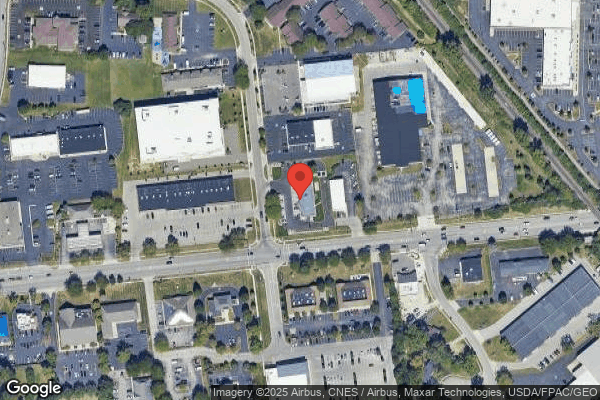
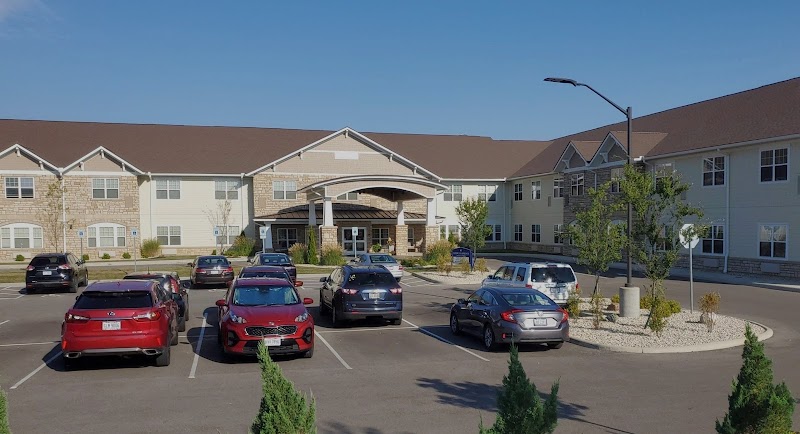
4680 LIBRARY WAY, HILLIARD, OH 43026 (614) 363-1833
For profit - Corporation 54 Beds TRILOGY HEALTH SERVICES Data: November 2025
Trust Grade
70/100
#304 of 913 in OH
Last Inspection: May 2024

Within standard 12-15 month inspection cycle. Federal law requires annual inspections.

Overview

Norwich Springs Health Campus has a Trust Grade of B, indicating it is a good choice but not without room for improvement. It ranks #304 out of 913 facilities in Ohio, placing it in the top half, and #10 out of 56 in Franklin County, meaning only nine local options are better. However, the trend is worsening, with issues increasing from 2 in 2023 to 9 in 2024. Staffing is relatively strong, with a rating of 4 out of 5 stars, although the turnover rate is 52%, which is average for the state. Notably, there were no fines recorded, and the facility boasts more RN coverage than 98% of Ohio facilities, which is a positive sign for resident care. Despite these strengths, there are serious concerns: one resident experienced harm when a single staff member attempted to provide assistance during incontinence care, resulting in a fall and fractured ribs. Additionally, the facility failed to maintain proper water management, leading to potentially harmful abnormal test results in the water supply. There was also a noted concern regarding a resident’s care plan not being adequately followed for their mobility needs. Overall, while Norwich Springs Health Campus has commendable aspects, families should be aware of these significant issues.

Trust Score
B
70/100
In Ohio
#304/913
Top 33%
Safety Record
Moderate
Needs review
Inspections
Getting Worse
2 → 9 violations
Staff Stability
⚠ Watch
52% turnover. Above average. Higher turnover means staff may not know residents' routines.
Penalties
✓ Good
No fines on record. Clean compliance history, better than most Ohio facilities.
Skilled Nurses
✓ Good
Each resident gets 75 minutes of Registered Nurse (RN) attention daily — more than 97% of Ohio nursing homes. RNs are the most trained staff who catch health problems before they become serious.
Violations
⚠ Watch
13 deficiencies on record. Higher than average. Multiple issues found across inspections.
★★★★☆
4.0
Overall Rating
★★★★☆
4.0
Staff Levels
★★★★★
5.0
Care Quality
★★★☆☆
3.0
Inspection Score
Stable
2023: 2 issues
2024: 9 issues

The Good

  • 4-Star Staffing Rating · Above-average nurse staffing levels
  • 5-Star Quality Measures · Strong clinical quality outcomes
  • Full Sprinkler Coverage · Fire safety systems throughout facility
  • No fines on record

Facility shows strength in staffing levels, quality measures, fire safety.

The Bad

Staff Turnover: 52%

Near Ohio avg (46%)

Higher turnover may affect care consistency

Chain: TRILOGY HEALTH SERVICES

Part of a multi-facility chain

Ask about local staffing decisions and management

The Ugly 13 deficiencies on record

1 actual harm
May 2024 9 deficiencies
CONCERN (D)

Potential for Harm - no one hurt, but risky conditions existed

Deficiency F0655 (Tag F0655)

Could have caused harm · This affected 1 resident

Based on record review, interview, and policy review the facility failed to address bed rails on the baseline care plan. This affected one (Resident #196) of three residents reviewed for baseline care...

Read full inspector narrative →
Based on record review, interview, and policy review the facility failed to address bed rails on the baseline care plan. This affected one (Resident #196) of three residents reviewed for baseline care plans. The facility census was 39. Findings include: Review of medical record for Resident #196 revealed admission date of 05/19/24 with diagnoses including wedge compression fracture of T 11-T 12 vertebra, displaced intertrochanteric fracture of left femur, cardiac arrhythmia's, dementia, depression, hypertension, pain, and unspecified fall. Review of the Minimum Data Set (MDS) assessment, dated 05/23/24, revealed the resident had severe cognitive impairment. Resident #196 required extensive assistance for activities of daily living. Review of baseline care plan dated 05/19/24 revealed no mention of the use of bed rails/mobility bars to the bed. Review of care plan revealed on 05/29/24 in Resident #196 profile care guide was added for walking/mobility devices: may use mobility bars as enabler for safe transfers or increased mobility. No care plan was added to address the actual use of mobility bars and interventions as to what to monitor. During interview on 05/30/24 at 2:45 P.M., MDS Support #147 verified enabler/mobility bars was not checked on the baseline care plan on admission. Review of policy titled Comprehensive Care Plan Guideline revised on 05/22/18 revealed a 48-hour baseline care plan will be completed within 48 hours of admission and will be the temporary working care plan until the comprehensive care plan is completed per guidelines.
CONCERN (D)

Potential for Harm - no one hurt, but risky conditions existed

Accident Prevention (Tag F0689)

Could have caused harm · This affected 1 resident

**NOTE- TERMS IN BRACKETS HAVE BEEN EDITED TO PROTECT CONFIDENTIALITY** Based on observation, record review and interview, the facility failed to ensure a resident was assessed prior to removal of a W...

Read full inspector narrative →
**NOTE- TERMS IN BRACKETS HAVE BEEN EDITED TO PROTECT CONFIDENTIALITY** Based on observation, record review and interview, the facility failed to ensure a resident was assessed prior to removal of a Wanderguard bracelet. This affected one (Resident 321) of two residents reviewed for wandering and elopement. The facility census was 39. Findings include: Review of the medical record for Resident #21 revealed an admission date of 01/25/22. Diagnoses included dementia, heart disease, edema, cognitive communication deficit and muscle weakness. Review of care plan dated 06/30/22 revealed resident was at risk of elopement and wandering with intervention for a Wanderguard bracelet to the right wrist for exit seeking behaviors entered on 08/24/22. Review of Physician order dated 01/12/24 stated to check function of wander alert bracelet daily. Review of the Minimum Data Set (MDS) assessment dated [DATE] revealed Resident #21 was severely cognitively impaired. Review of the assessment dated [DATE] documented Resident #21 remained at risk for elopement and the current intervention, a Wanderguard bracelet, was left in place. Review of a progress note dated 05/17/24 documented Resident #21's Wanderguard bracelet was removed. The note did not specify reasoning or what precipitated the removal. During an interview on 05/29/24 at 12:06 P.M., Registered Nurse (RN) #118 stated Resident #21 may have had the Wanderguard bracelet removed. She was unsure why it was removed and confirmed facility had no assessment prior to removal that showed Resident #21 was no longer an elopement risk. RN #118 went to Resident #21 and checked her arms and legs and confirmed no Wanderguard bracelet was in place. During an interview on 05/29/24 at 4:33 P.M., the Administrator, Director of Nursing (DON), Assistant DON #62, and Corporate Nurse #145 confirmed facility had no documentation of Resident #21 being reassessed for elopement risk prior to the Wanderguard bracelet being removed. Review of facility policy titled, Elopement Risk Assessment and Prevention dated 12/31/23 revealed facility would assess residents for elopement risk upon admission, quarterly and upon change in condition.
CONCERN (D)

Potential for Harm - no one hurt, but risky conditions existed

Incontinence Care (Tag F0690)

Could have caused harm · This affected 1 resident

**NOTE- TERMS IN BRACKETS HAVE BEEN EDITED TO PROTECT CONFIDENTIALITY** Based on record review, observations and interview the facility failed to ensure a the correct catheter bag was used to prevent ...

Read full inspector narrative →
**NOTE- TERMS IN BRACKETS HAVE BEEN EDITED TO PROTECT CONFIDENTIALITY** Based on record review, observations and interview the facility failed to ensure a the correct catheter bag was used to prevent urine reflux into Resident #28 bladder. This affected one (Resident #28) of three residents reviewed for urinary catheters. The facility census was 39. Findings include: Review of the medical record for Resident #28 revealed an admission date of 05/25/24 with a primary diagnosis of urinary tract infection as secondary diagnoses of infection and inflammatory reaction due to indwelling urethral catheter, chronic kidney disease, benign prostatic hyperplasia with lower urinary tract symptoms and retention of urine. Review of admission assessment completed on 05/25/25 revealed Resident #28 has a urinary catheter. Direct care staff were required to monitor for signs of infection or worsening infection, and he required assistance or supervision for transfer and ambulation. Review of Resident #28's care plan with a start date of 05/28/24 revealed this resident uses a foley catheter for diagnosis of obstructive uropathy and direct care staff should maintain a closed system with urinary bag below the resident's bladder. Observation of Resident #28 on 05/29/24 at 10:10 A.M. and 2:01 P.M. revealed this resident was laying in bed with a leg bag at bladder level. Observation of the tubing revealed the urine was not flowing freely into the catheter bag. During an interview on 05/29/24 at 2:01 P.M., Registered Nurse (RN) #118 stated the facility does not provide leg bags and the bag was from his most recent hospital discharge on [DATE]. The nurse confirmed the leg bag should have been switched over to a regular catheter bag. She confirmed that Resident #28 was still utilizing a urinary catheter leg bag and it was at bladder level. RN #118 confirmed the catheter should be below his bladder.
CONCERN (D)

Potential for Harm - no one hurt, but risky conditions existed

Deficiency F0760 (Tag F0760)

Could have caused harm · This affected 1 resident

Based on record review, observation, interview and manufacturer's instruction review, the facility failed to prime an insulin pen prior to administration, resulting in a signficant medication error. T...

Read full inspector narrative →
Based on record review, observation, interview and manufacturer's instruction review, the facility failed to prime an insulin pen prior to administration, resulting in a signficant medication error. This affected one (Resident #23) of five residents observed during medication pass. The facility census was 39. Findings include: Review of medical record for Resident #23 revealed admission date of 10/11/23 with diagnoses including type two diabetes. During an observation on 05/29/24 at 11:27 A.M., Licensed Practical Nurse (LPN) #115 was preparing to give Resident #23 six units of lispro insulin. LPN #115 dialed up six units of insulin without priming the insulin pen. LPN #115 then administered the insulin to Resident #23. During an interview on 05/29/24 at 11:35 A.M., LPN #115 verified she did not prime the insulin pen prior to administering the insulin to Resident #23. LPN #115 stated she did not know that she was supposed to prime the pen. Review of insulin lispro KwikPen insert on accessdata.fda.gov/drugsatfda_docs/label revealed prime before each injection. Priming your pen means removing the air from the needle and cartridge that may collect during normal use and ensures that the pen is working correctly. If you do not prime before each injection, you may get too much or too little insulin. To prime the pen, turn the dose knob to select 2 units. Hold the pen with the needle pointing up, tap the cartridge holder gently to collect air bubbles at the top, continue holding the pen with needle pointing up. Push the dose knob in until it stops, and 0 is seen in the dose window. Hold the dose knob in and count slowly to 5. You should see insulin at the tip of the needle. If you do not see insulin, repeat the priming steps, but not more than 4 times. If you still do not see insulin, change the needle and repeat the priming steps.
CONCERN (E)

Potential for Harm - no one hurt, but risky conditions existed

Comprehensive Care Plan (Tag F0656)

Could have caused harm · This affected multiple residents

**NOTE- TERMS IN BRACKETS HAVE BEEN EDITED TO PROTECT CONFIDENTIALITY** 7. Review of the medical record for Resident #13 revealed an admission date of 10/14/23 with diagnosis that included osteoporosi...

Read full inspector narrative →
**NOTE- TERMS IN BRACKETS HAVE BEEN EDITED TO PROTECT CONFIDENTIALITY** 7. Review of the medical record for Resident #13 revealed an admission date of 10/14/23 with diagnosis that included osteoporosis, muscle weakness, hemiplegia, and hemiparesis. Review of MDS quarterly assessment completed on 01/21/24 revealed Resident #13 was dependent with toileting, showering, dressing and ambulation. Resident #13 was severely cognitively impaired. Review of the occupational therapy plan dated 03/21/24 revealed Resident #13 was to tolerate wearing a splint on her left hand/wrist for four hours per day with a target date of 05/15/24. Review of skilled services note for 05/14/24 revealed orthotic management was in place at this time due to contracture management and to decrease risk of skin breakdown. Review of the physician order dated 05/14/24 revealed an order for a left hand/wrist splint for six hours per day. Review of the care plan for Resident #13 revealed this resident has impairment in functional status related to decreased mobility and dependence in mobility. Review of care plan revealed no information regarding a splint. During an interview on 05/30/24 12:56 P.M., the DON , Corporate Nurse #145 and Assistant Director of Health Services #62 verified Resident #13's care plan was not updated to reflect current splint use. 8. Review of the medical record for Resident #28 revealed an admission date of 07/24/23 with diagnoses that included encephalopathy, Parkinson disease, depression, insomnia, altered mental status and repeated falls. Review of Resident #28's elopement admission assessment completed on 07/24/23 revealed unknown elopement risk per family, states he lives alone and they are unaware of elopement risk. Review of care plan dated 01/10/24 for Resident #28 dated 07/31/24 revealed this resident was at risk for cognitive status decline. Nursing interventions included assess for change in level of consciousness. Review of the MDS quarterly assessment dated [DATE] revealed this resident was moderately cognitively impaired, did not wander, and wanderguard was not implemented. Review of physician order dated 04/15/24 revealed change wander device one month before expiration date. Review of physician order dated 05/20/24 check function and placement of wandering alter bracelet/device daily. Review of progress notes dated 05/13/25 revealed Resident #28 wheeled himself down the service hallway and out the service door. Resident #28 walked 15 feet into the parking lot, when found he was escorted back into building and put with staff with one to one care. Review of exit seeking event report dated 05/15/24 revealed Resident #28 was seen exiting the building, change in plan of care was initiated with wandering alert device applied and one to one observation implemented. During an observation on 05/29/24 at 11:01 A.M., Licensed Practical Nurse (LPN) #125 confirmed Resident #28 had a wander guard implemented due to elopement risk. During an interview on 05/30/24 12:56 P.M., the DON, Corporate Nurse #145 and Assistant Director of Health Services #62 verified Resident #28 was seen exiting the building and the care plan was not updated to reflect current wandering behaviors. Record review of elopement policy dated 12/31/23 revealed staff are required to implement elopement interventions and update the residents care plan. Based on record review, interview, and policy review, the facility failed to implement care plans regarding care needs for seven (Residents #27, #34, #36, #190, #194, #3, #13 and #28) residents. The facility census was 39. Findings include: 1. Review of medical record for Resident #27 revealed admission date of 05/03/23 with diagnoses including syringomyelia and syringobulbia, ventricular tachycardia, Charocot's joint right elbow, spinal stenosis, anxiety, depression, chronic pain, hypertension, and localized swelling, mass and lump, unspecified upper limb. Review of care plan revealed no interventions regarding the use of mobility bars or interventions that can be reviewed and what the facility was monitoring. 2. Review of medical record for Resident #34 revealed admission date of 04/08/24 with diagnoses including fracture of superior rim of right pubis, fracture of sacrum, atrial fibrillation, mantle cell lymphoma, malignant neoplasm of breast, anemia, hypertension, and pain. Review of MDS assessment dated [DATE] revealed the resident was cognitively intact. The resident required extensive assistance for ADL. Review of care plan revealed no interventions regarding the use of psychotropic medications or the use of mobility bars or what the facility was monitoring. 3. Review of medical record for Resident #36 revealed admission date of 04/27/24 with diagnoses including but not limited to nondisplaced trimalleolar fracture of right lower leg, atrial fibrillation, cardiomegaly, intervertebral disc degeneration lumbar region, and hypertension. Review of MDS dated [DATE] revealed the resident was cognitively intact. Resident #36 required extensive assistance for ADL. Review of care plan revealed no interventions regarding the use of mobility bars and what the facility is monitoring. The care plan profile guide contained intervention walking/mobility devices: wheelchair, may use mobility bars as enabler for safe transfers or increased mobility. 4. Review of medical record for Resident #190 revealed admission date of 05/03/24 with diagnoses including but not limited to fracture of neck of left femur, urinary tract infection, congestive heart failure, anemia, anxiety, irritable bowel syndrome without diarrhea, hemorrhoids, and personal history of malignant neoplasm of kidney. Review of MDS dated [DATE] the resident had severe cognitive impairment. The resident required extensive assistance for ADL. Review of care plan revealed on interventions regarding psychotropic drug use or the use of mobility bars or what the facility was monitoring. 5. Review of medical record for Resident #194 revealed admission date of 04/23/24 with diagnoses including but not limited to sepsis, endocarditis, hypotension, dementia, anemia, mild cognitive impairment, suicidal ideation, and poisoning by 4-aminophenol derivatives accidental. Review of MDS dated [DATE] revealed Resident #194 was cognitively intact. Resident #194 required extensive assistance for ADL. Review of care plan revealed no interventions for mobility bars or psychotropic drug use or what the facility was monitoring. During an interview on 05/29/24 at 2:57 P.M., MDS Nurse #137 verified that the care plan and interventions for the psychotropic drugs for Resident #34, Resident #190 and Resident #194 were not in place. During an interview on 05/30/24 at 12:34 P.M., Director of Nursing (DON) and Corporate Registered Nurse (CRN #145) verified that there were no care plans for side rails to include what will be monitored. CRN #145 stated the care plans use the terminology of may use side rails in case the facility/resident decided they did not want side rails they would not have to change the care plan. Both verified the care plans did not include the actual use of the side rails for the residents. Review of the policy titled Guidelines for Restraint/Enabler Use, revised 12/31/23, revealed a comprehensive care plan shall be developed that addresses medical symptoms, safety issues because of restraint/enabler use, based on informed choice with the risks and benefits explained, an observation trilogy informed consent for restraint/enabler should be completed in the resident's electronic health record (EHR), identifies measures to minimize the risk of resident decline and maintain strength and mobility, is reviewed as necessary, at least quarterly. 6. Record review for Resident #3 revealed an admission date of 03/23/23. Diagnoses included chronic respiratory failure, major depression, altered mental status, dysphagia, cognitive communication deficit. Review of the MDS assessment dated [DATE] revealed Resident #3 was cognitively impaired. Resident #3 had a physician order dated 03/19/24 to take out hearing aides every evening and an order dated 05/09/24 to place hearing aides in ear every morning. Resident had one for both ears and informed staff to listen for a whistle and if a whistle was not heard to change the battery. Review of the care plan revealed the resident had hearing loss. Hearing aides were not included on the care plan and no interventions on monitoring hearing loss and hearing aides was available. During an interview on 05/30/24 at 10:38 A.M., Resident #3's representative stated the resident wore hearing aides. She stated she had a care meeting with the facility and asked for them to ensure staff to put in hearing aides and ensure they have active battery life. During an interview on 05/30/24 at 1:33 P.M., the DON stated she thought a care plan was in place as the orders had been changed recently regarding the hearing aide placement. The facility was unable to provide evidence of a care plan for hearing loss or hearing aides.
CONCERN (E)

Potential for Harm - no one hurt, but risky conditions existed

Deficiency F0700 (Tag F0700)

Could have caused harm · This affected multiple residents

**NOTE- TERMS IN BRACKETS HAVE BEEN EDITED TO PROTECT CONFIDENTIALITY** Based on record review, interview, and policy review the facility failed to assess and/or obtain consents or orders for the use ...

Read full inspector narrative →
**NOTE- TERMS IN BRACKETS HAVE BEEN EDITED TO PROTECT CONFIDENTIALITY** Based on record review, interview, and policy review the facility failed to assess and/or obtain consents or orders for the use of bed rails. This affected six (Residents #27, #34, #36, #190, #194, and #196) of six reviewed for bed rails. The facility identified 29 residents who use side rails. The facility census was 39. Findings include: 1. Review of medical record for Resident #27 revealed admission date of 05/03/23. Review of the Minimum Data Set (MDS) assessment revealed the resident was cognitively intact. Resident #27 required extensive assistance to dependent on staff for activities of daily living (ADL) . Review of observations revealed bed rail assessment and bed rail informed consent were completed on 06/28/23. No further documentation or assessments completed after first assessment. Review of current physician orders revealed no order for bed rails. 2. Review of medical record for Resident #34 revealed admission date of 04/08/24. Review of the MDS assessment dated [DATE] revealed the resident was cognitively intact. The resident required extensive assistance for ADL. Record review revealed no bed rail assessments or consent for enabler/mobility bars. Review of current physician orders revealed no order for bed rails. 3. Review of medical record for Resident #36 revealed admission date of 04/27/24. Review of the MDS assessment dated [DATE] revealed the resident was cognitively intact. Resident #36 required extensive assistance for ADL. Record review revealed no bed rail assessments or consent for enabler/mobility bars. Review of current physician orders revealed no order for bed rails. 4. Review of medical record for Resident #190 revealed admission date of 05/03/24. Review of the MDS dated [DATE] revealed the resident had severe cognitive impairment. The resident required extensive assistance for ADL. Record review revealed no bed rail assessments or consent for enabler/mobility bars. Review of current physician orders revealed no order for bed rails. 5. Review of medical record for Resident #194 revealed admission date of 04/23/24. Review of the MDS assessment dated [DATE] revealed Resident #194 was cognitively intact. Resident #194 required extensive assistance for ADL. Record review revealed no bed rail assessments or consent for enabler/mobility bars. Review of current physician orders revealed no order for bed rails. 6. Review of medical record for Resident #196 revealed admission date of 05/19/24. Review of the MDS dated [DATE] revealed Resident #196 had severe cognitive impairment. Resident #196 required extensive assistance for ADL. Record review revealed no bed rail assessments or consent for enabler/mobility bars. Review of current physician orders revealed no order for bed rails. During an interview on 05/29/24 at 8:24 A.M., the Director of Nursing (DON) verified the bed rail assessments and consents are located under the observation tab in the electronic health record. During an interview on 05/29/24 at 1:50 P.M., the DON verified that no bed rail assessments were located in the electronic health record. Review of policy titled Guidelines for Restraint/Enabler Use, dated 12/31/23, revealed each resident will have an individualized nursing observation upon admission, quarterly, and as needed that shall address the need for a safety device, medical symptom for use of the device and identification of whether the device restricts movement or limits the resident from doing something they could previously do. An order shall be obtained that specifies the type of restraint/enabler and reason for use, a comprehensive care plan shall be developed that addresses medical symptoms, safety issues because of restraint/enabler use, based on informed choice with the risks and benefits explained, an observation trilogy informed consent for restraint/enabler should be completed in the resident's electronic health record (EHR), identifies measures to minimize the risk of resident decline and maintain strength and mobility, is reviewed as necessary, at least quarterly.
CONCERN (E)

Potential for Harm - no one hurt, but risky conditions existed

Deficiency F0761 (Tag F0761)

Could have caused harm · This affected multiple residents

**NOTE- TERMS IN BRACKETS HAVE BEEN EDITED TO PROTECT CONFIDENTIALITY** Based on observation, interview, and policy review the facility failed to ensure medications were not left at the bedside. This ...

Read full inspector narrative →
**NOTE- TERMS IN BRACKETS HAVE BEEN EDITED TO PROTECT CONFIDENTIALITY** Based on observation, interview, and policy review the facility failed to ensure medications were not left at the bedside. This affected one (Resident #30). The facility identified four mobile cognitively impaired residents (#3, #26, #28, and #248) in the facility. The facility census was 39. Findings included: Review of medical record for Resident #30 revealed admission date of 09/20/23 with diagnoses including multiple sclerosis, anemia, shock, gastrointestinal hemorrhage, sepsis, hypertensive heart disease with heart failure, congestive heart failure, non-ST elevations (NSTEMI) myocardial infarction, pleural effusion, and cardiomyopathy. Review of minimum data set (MDS) dated [DATE] revealed a which indicated Resident #30 was cognitively intact. Review of current physician orders revealed that from 7:00 P.M.-11:00 P.M. the following medications were to be administered: Atorvastatin 80 milligrams (mg) (cholesterol), carvedilol 3.125 mg (heart), entresto 24-26 mg (heart), hydroxyzine 25 mg (itching), and melatonin 6 mg. Review of Medication Administration Record (MAR) for May 2024 revealed the above six medications were marked as given by the nurse on 05/28/24. During an observation on 05/29/24 at 7:52 A.M., there were medications in medication cup at bedside for Resident #30. Six medications were in the cup. Resident #30 was not in the room. During an interview on 05/29/24 at 7:53 A.M., Licensed Practical Nurse (LPN) #115 verified that six pills were left on the overbed table in Resident #30's room and the resident was not in the room. LPN #115 stated she did not pass his medications. During an interview on 05/29/24 at 8:24 A.M. the Director of Nursing (DON verified the medications were from the night shift medication pass. Review of policy titled Medication Administration General Guidelines revised January 2018 revealed the resident is always observed after the administration to ensure that the dose was completely ingested. If only a partial dose is ingested, this is noted on the MAR, and action is taken as appropriate.
CONCERN (E)

Potential for Harm - no one hurt, but risky conditions existed

Deficiency F0883 (Tag F0883)

Could have caused harm · This affected multiple residents

Based on record review, interview and policy review the facility failed to ensure signed consents were completed and vaccinations were administered timely for pneumonia and flu vaccines. This affected...

Read full inspector narrative →
Based on record review, interview and policy review the facility failed to ensure signed consents were completed and vaccinations were administered timely for pneumonia and flu vaccines. This affected three (Residents #14, #25, and #28) of five residents revealed for vaccinations. Facility census was 39. Findings include 1. Review of the medical record for Resident #28 revealed an admission date of 07/24/23. Review of the vaccination consents dated 07/25/23 revealed Resident #28 consented to have the flu vaccine administered. Review progress notes dated 08/14/24 revealed a phone call to the resident's responsible party who agreed to Resident #28 receiving the pneumonia vaccine. The vaccine was given Pneumonia was given on 08/19/23. Review of the vaccination consents dated 10/20/23 revealed Resident #28 consented to have the flu vaccine administered. The flu vaccine was administered on 10/30/23. 2. Review of the medical record for Resident #14 revealed an admission date of 04/01/23. Review progress notes dated 06/28/23 revealed the resident's responsible party was contacted regarding an order for a pneumonia vaccine. The vaccination was given on 06/28/23. The facility was unable to provide evidence of any consent being signed for the pneumonia vaccination. 3. Review of the medical record for Resident #25 revealed an admission date of 11/01/23. Review of the vaccination consents dated 11/01/23 revealed Resident #25 consented to have the pneumonia vaccine administered. Review of vaccination administration record revealed no evidence the pneumonia vaccine was administered. The administration record stated this vaccine was refused, but no notation or consent was refused. During an interview on 05/29/24 at 3:01 P.M., Assistant Director of Nursing (ADON) #62 stated the facility was unable to provide evidence Resident #25 received the pneumonia vaccine or that consents had been signed for Residents #28 and #14. Review of facility policy titled, Influenza, Pneumococcal and COVID-19 Immunizations, dated 12/31/23 revealed Resident or representative would complete a signed an informed consent indicating acceptance/refusal of immunization. A copy shall be retained in the medical record. The policy also stated each resident shall receive the immunization per resident/representative request.
CONCERN (F)

Potential for Harm - no one hurt, but risky conditions existed

Infection Control (Tag F0880)

Could have caused harm · This affected most or all residents

Based on record review, interview and policy review, the facility failed to maintain a water management plan that included monitoring measures and acceptable ranges and failed to identify the presence...

Read full inspector narrative →
Based on record review, interview and policy review, the facility failed to maintain a water management plan that included monitoring measures and acceptable ranges and failed to identify the presence of abnormal test results and take appropriate action. This had potential to affect all facility residents. The facility census was 39. Findings include: Review of microbiological analyses dated 01/25/24 of the water system revealed lab results should be maintained between 0.1 and 0.9. Of 14 areas tested in the nursing facility, two had abnormal reading and should have had site flushing and consider disinfection and five areas had abnormal readings and should have had site flushing and immediate site disinfection. Several areas of the connected assisted living were also tested with five of six testing in the abnormal range requiring flushing and disinfection. Review of the Legionella Water Management Plan dated 03/05/24 revealed monthly testing would be completed of the cold and hot water for hardness, total alkalinity and ph testing, water temperatures shall be done weekly and visual inspections should be done of the sinks showers and toilets daily. The plan did not include information on the acceptable ranges for each measure. Review of facility documentation revealed some weekly temperatures were logged but no range of acceptable limits and no evidence of monthly testing of water hardness, alkalinity and PH testing were found or provided. During an interview on 05/29/24 at 12:35 P.M., Corporate Maintenance (CM) #146 stated the facility completed testing and confirmed if over 9.9 should complete flush and retest if over 10 should complete flushing and disinfectant. CM revealed facility did not complete any flushing or disinfectant and confirmed abnormal test results up to 248. CM confirmed they needed to get lab results from GFS (contracted water testing company), but stated he was unsure what information the lab company would be able to provide. He also revealed facility should have acceptable ranges for all the testing measures, but was unable to provide upon request. CM confirmed the facility water management plan did not include specific measures or ranges staff look for or interventions if outside the acceptable ranges. Review of the facility policy titled Guidelines for Water Management, dated 12/31/23, revealed facility shall establish procedures to reduce the risk of Legionella in the facilities water system. The policy stated based on the risk assessment, control measures would be established to address potential hazards. Testing protocols and acceptable ranges would be established for each measure. The individual responsible would document findings. If control limits (ranges) were not maintained, corrective actions would be taken and documented.
Dec 2023 2 deficiencies
CONCERN (D) 📢 Someone Reported This

A family member, employee, or ombudsman was alarmed enough to file a formal complaint

Potential for Harm - no one hurt, but risky conditions existed

ADL Care (Tag F0677)

Could have caused harm · This affected 1 resident

**NOTE- TERMS IN BRACKETS HAVE BEEN EDITED TO PROTECT CONFIDENTIALITY** Based on record review, observations, resident and staff interviews, and policy review, the facility failed to provide residents...

Read full inspector narrative →
**NOTE- TERMS IN BRACKETS HAVE BEEN EDITED TO PROTECT CONFIDENTIALITY** Based on record review, observations, resident and staff interviews, and policy review, the facility failed to provide residents with assistance with activities of daily living (ADL) including oral care and/or bathing services. This affected two (#30 and #35) out of six residents reviewed for ADL/personal hygiene. Facility census was 42. Findings include: 1. Review of Resident #30's medical record revealed the resident was admitted to the facility on [DATE]. Diagnoses include displaced fracture of base of neck of right femur, cerebral ischemia, celiac disease, anxiety disorder, aphasia, and unspecified nausea with vomiting. Review of the admission minimum data set (MDS) dated [DATE] revealed the resident was cognitively intact, had no behaviors, and required assistance from staff for ADL's. Interview with Resident #30 on 12/05/23 at 11:40 A.M. revealed the resident stated she was supposed to have a shower the day before but it did not happen and she could not remember why. Resident #30 stated she had not had any assistance to clean her teeth since her admission on [DATE]. Observation of Resident #30's room and interview with state tested nursing assistant (STNA) #355 on 12/05/23 at 11:50 A.M. confirmed there were no supplies (toothbrush, toothpaste mouth wash, or emesis basin) in the room or bathroom to brush the Resident #30's teeth. STNA #355 verified Resident #30 was on her assignment and she had not provided oral care to the resident on this day. STNA #355 verified there were no supplies in Resident #30's room for providing oral care to the resident. While in the room with STNA #355, Resident #30 asked why she did not get her shower on the day before and STNA #355 stated you did not feel well and did not want the shower and we washed you up in bed instead, the resident replied oh that's right. STNA #355 verified Resident #30's teeth had not been brushed on the prior day. Interview with STNA #315 on 12/06/23 at 11:10 A.M. confirmed oral care should be provided every morning to the residents, and showers are provided twice weekly or as desired by the resident. 2. Review of Resident #35's medical record revealed 35 the resident was admitted [DATE]. Diagnoses include traumatic subarachnoid hemorrhage without loss of consciousness, diffuse traumatic brain injury, protein calorie malnutrition, obesity, dementia, and type two diabetes. Review of the admission MDS dated [DATE] revealed the resident was cognitively impaired, had no behaviors required assist from staff for ADL's. Review of Resident #35's bathing documentation revealed the resident had no shower/bathing service documented at the facility from 11/03/23 through 11/10/23. Interview with STNA #315 on 12/06/23 at 11:10 A.M. confirmed showers are provided twice weekly or as desired by the resident. Interview with the Director of Nursing (DON) on 12/06/23 at approximately 4:30 P.M. confirmed Resident #35 had no documented shower or bathing services from 11/03/23 through 11/10/23 verifying that seven days without being washed up was too long. Review of a facility policy titled Guidelines for Bathing Preference, dated 05/11/16 last revised 12/31/22 revealed the purpose is to establish a personal preference bathing routine. The resident will be advised of Trilogy's guidelines for residents to self-determine their plan of care and schedule during their stay in the campus. Bathing shall occur at least twice a week unless resident preference states otherwise. This deficiency represents non-compliance investigated under Complaint Number OH00147793.
CONCERN (D) 📢 Someone Reported This

A family member, employee, or ombudsman was alarmed enough to file a formal complaint

Potential for Harm - no one hurt, but risky conditions existed

Deficiency F0760 (Tag F0760)

Could have caused harm · This affected 1 resident

**NOTE- TERMS IN BRACKETS HAVE BEEN EDITED TO PROTECT CONFIDENTIALITY** Based on medical record review, observations and staff interviews, the facility failed to provide a resident with medication as ...

Read full inspector narrative →
**NOTE- TERMS IN BRACKETS HAVE BEEN EDITED TO PROTECT CONFIDENTIALITY** Based on medical record review, observations and staff interviews, the facility failed to provide a resident with medication as ordered by the physician which resulted in a significant medication error when the resident was provided a medication he was not ordered and the medication was listed as a mediation the resident was allergic to. This affected one (#45) out of two residents observed for medication administration. Facility census was 42. Findings include: Review of Resident #45's medical record revealed the resident was admitted to the facility on [DATE]. Diagnosis include fractured femur, chronic respiratory failure, type two diabetes, cardiomyopathy, peripheral vascular disease, asthma and hypertension. Resident #45 had allergies listed as Atorvastatin (statin) with reaction of severe weakness stating statin's other than Rosuvastatin (statin) cause problems, Liraglutide (incretin mimetics) reaction nausea and vomiting, Nortriptyline (antidepressant) dizziness. Review of Resident #45's orders revealed the resident had orders for Rosuvastatin 10 mg daily for hyperlipidemia, daily 7:00 P.M.-10:00 P. M. dated 11/23/23. Further record review revealed there was no order in Resident #45's medical record for Atorvastatin 40 mg. Resident #45 had an order that indicated may use generic equivalents unless otherwise stated dated 11/22/23. Review of Resident #45's physician progress note dated 11/24/23 at 10:36 P.M. revealed the resident had a hospital stay related to a left femoral fracture, pain, muscle weakness, nausea, and diabetes. The fracture occurred as result of a fall and he was medically stabilized and transferred to the nursing facility for ongoing care and therapy. Observation of medication pass on 12/06/23 revealed Resident #45 was provided Atorvastatin (statin) 40 mg at 8:29 A.M. by Licensed Practical Nurse (LPN) #400. During the medication pass LPN #400 removed one medication Lasix (diuretic) 20 mg as the resident was leaving for an appointment and the family requested the medication to be administered when the resident returned from the appointment. LPN #400 verified no other medications were removed from the morning medication pack. Interview on 12/06/23 at 9:45 A.M. with Clinical Nurse Consultant (CNC) #375 confirmed Atorvastatin 40 mg was not ordered for Resident #45. Observation of the 12/06/23 morning medication pack for Resident #45, CNC #375 confirmed the pack had Atorvastatin 40 mg listed as included in the pack which was administered to the resident on 12/06/23. Observation of the medication cart with CNC #375 on 12/06/23 at 10:00 A.M. confirmed the medication packs supplied from pharmacy for Resident #45 had Atorvastatin 40 mg in the morning medication packs, and the evening medication packs did not contain Rosuvastatin 10 mg. Observation of Resident #45's medication administration record (MAR) with CNC #375 on 12/06/23 at 10:05 A.M. confirmed the staff were documenting Resident #45 was receiving Rosuvastatin 10 mg every night however the medication was not in the medication packs that were available in the medication cart to administer to the resident, and there was no record of an order for Atorvastatin for Resident #45 which was the medication included in his morning medication packs and was observed to be administered to the resident on 12/06/23 at 8:29 A.M. Interview with CNC #375 on 12/06/23 at 10:45 A.M. revealed the pharmacy had a therapeutic interchange for Rosuvastatin to be changed to Atorvastatin for residents in the facility. It was asked if the pharmacy routinely interchanged medication when the resident was documented as allergic to the medication. CNC #375 stated she would not think so but the Atorvastatin was documented to cause weakness in Resident #45. CNC #375 verified there was no documentation in the medical record indicating Resident #45's practitioner was asked if Resident #45 could have Atorvastatin administered instead of Rosuvastatin. CNC #375 confirmed Resident #45 was at the facility to receive therapy services after a fall at home. Interview on 12/06/23 at 1:26 P.M. with Certified Nurse Practitioner (CNP) #350 revealed she would expect pharmacy to not complete a therapeutic interchange and provide a resident medications they were allergic to. CNP #350 verified she had not been asked if she wanted or if it was ok to change the Rosuvastatin to Atorvastatin for Resident #45. CNP #350 verified Resident #45's hospital paperwork revealed all statin's except Rosuvastatin caused issues for Resident #45. CNP #350 verified Resident #45's facility medical chart including his pharmacy orders listed Atorvastatin as an active allergy for the resident. CNP #350 verified Resident #45 was at the facility to gain strength after a fall with a fracture occurred at his home. This deficiency represents non-compliance investigated under Complaint Number OH00147793.
Nov 2022 2 deficiencies 1 Harm
SERIOUS (G) 📢 Someone Reported This

A family member, employee, or ombudsman was alarmed enough to file a formal complaint

Actual Harm - a resident was hurt due to facility failures

Accident Prevention (Tag F0689)

A resident was harmed · This affected 1 resident

**NOTE- TERMS IN BRACKETS HAVE BEEN EDITED TO PROTECT CONFIDENTIALITY** THE FOLLOWING DEFICIENCY REPRESENTS AN INCIDENT OF PAST NON-COMPLIANCE THAT WAS SUBSEQUENTLY CORRECTED PRIOR TO THIS SURVEY. Bas...

Read full inspector narrative →
**NOTE- TERMS IN BRACKETS HAVE BEEN EDITED TO PROTECT CONFIDENTIALITY** THE FOLLOWING DEFICIENCY REPRESENTS AN INCIDENT OF PAST NON-COMPLIANCE THAT WAS SUBSEQUENTLY CORRECTED PRIOR TO THIS SURVEY. Based on medical record review, staff interview, and facility policy review, the facility failed to provide the required physical assistance for a resident during incontinence care. This resulted in Actual Harm to Resident #34 when one staff person (instead of the required two staff) attempted to provide incontinence care and the resident fell out of bed resulting in the resident sustaining fractured ribs. This affected one (Resident #34) of three residents reviewed for falls. The total facility census was 32. Findings Include: Review of the medical record for Resident #34 revealed he was admitted to the facility on [DATE]. His diagnoses included Alzheimer's disease, acute and chronic respiratory failure, congestive heart failure, atrial fibrillation, atherosclerotic heart disease, depression, diverticulitis, Type II diabetes, benign prostatic hyperplasia, dependence on supplemental oxygen, muscle weakness, and dysphagia. Review of Resident #34's Minimum Data Set (MDS) assessments, dated 07/28/22 and 10/28/22, revealed the resident needed extensive assistance of two person physical assistance for bed mobility. The MDS assessment, dated 10/28/22, revealed the resident was cognitively intact. Review of Resident #34's care plan, dated 01/10/22, revealed the care plan did not specify how many staff were required to assist the resident during bed mobility tasks. Review of Resident #34's Activities of Daily Living (ADL) Point of Care documentation, dated 09/01/22 to 10/30/22, revealed 40 bed mobility opportunities in which two staff were present, and 63 bed mobility opportunities in which one staff was present. This information identified that 38.9 percent of the bed mobility opportunities were completed as indicated on the MDS assessments of 07/28/22 and 10/28/22. Review of Resident #34's Investigation Summary, dated 10/28/22, revealed that Resident #34 was in his bed when one staff [State Tested Nursing Aide (STNA) #400] requested his assistance when they were performing incontinence care in his bed. Resident #34 reached for his grab bar to assist with turning, missed the grab bar, and fell out of his bed. Resident #34 was transferred to the hospital, where it was determined he had three fractured ribs. Interview with the Director of Health Services (DHS) and Regional Director #300 on 11/19/22 at 12:24 P.M. and 1:30 P.M. confirmed there was only one staff person in Resident #34's room completing incontinence care at the time of the fall on 10/28/22. DHS and Regional Director #300 confirmed Resident #34's MDS assessments since admission, but specifically on 07/28/22 and 10/28/22, identified that he was to have two staff in his room providing assistance during bed mobility activities. They confirmed Resident #34 had a mixture of one and two person physical assistance with bed mobility in the last two months, but the documentation did support the MDS assessments that identified Resident #34 required two person physical assistance. Review of the facility Fall Management Program Guidelines, dated 03/16/22, revealed the facility strives to maintain a hazard free environment, mitigate fall risk factors, and implement preventative measures. A fall is considered to be a unintentionally coming to rest on the ground, floor, or other lower level, but not as a result of an overwhelming external force. An episode where a resident lost his/her balance and would have fallen, if not for staff intervention, is considered a fall. A fall without injury is still a fall. Unless there is evidence suggesting otherwise, when a resident is found on the floor, a fall is considered to have occurred. Should the resident experience a fall, the attending nurse shall complete the fall event. This includes an investigation of the circumstances surrounding the fall to determine the cause of the episode, a reassessment to identify possible contributing factors, interventions to reduce risk of repeat episode and a review by the IDT to evaluate thoroughness of the investigation and appropriateness of the interventions. The deficiency was corrected on 11/02/22 when the facility implemented the following corrective actions: • On 10/28/22 at 5:45 A.M., Resident #34 was sent to the hospital for further assessment of potential injuries. It was determined he had three fractured ribs. • On 10/28/22, Assistant Director of Health Services (ADHS) #109 provided education to State Tested Nursing Aide (STNA) #400 that was directly involved with providing incontinence care for Resident #34 by herself. Education included ensuring the bed wheels are locked, if resident needs two person assist, call for help, and resident bed should not be in the high position during care. • On 10/28/22 and 10/29/22, MDS Coordinator #127 provided education to all nursing staff regarding proper incontinence care while residents are in bed, and an update for Resident #34's care to be two person assistance for bed mobility tasks. • On 10/30/22, the facility completed full resident audits of MDS and functional assessments to determine accuracy. All resident assessments were updated on that day if they needed to be changed. • On 11/02/22 through 11/19/22, audits were completed of five residents per week who needed two person assistance with bed mobility for three weeks. No issues were identified. • There were no identified incidents or injuries regarding lack of required assistance provided to residents between 10/28/22 and 11/19/22, the time of the onsite complaint investigation. This deficiency represents non-compliance investigated under Complaint Number OH00137187.
CONCERN (D) 📢 Someone Reported This

A family member, employee, or ombudsman was alarmed enough to file a formal complaint

Potential for Harm - no one hurt, but risky conditions existed

ADL Care (Tag F0677)

Could have caused harm · This affected 1 resident

**NOTE- TERMS IN BRACKETS HAVE BEEN EDITED TO PROTECT CONFIDENTIALITY** Based on medical record review and staff interview, the facility failed to ensure all dependent residents were offered showers/b...

Read full inspector narrative →
**NOTE- TERMS IN BRACKETS HAVE BEEN EDITED TO PROTECT CONFIDENTIALITY** Based on medical record review and staff interview, the facility failed to ensure all dependent residents were offered showers/baths as scheduled. This affected two (Residents #22 and #34) of three residents reviewed for showers/bathing. The census was 32. Findings Include: 1. Record review revealed Resident #22 was admitted to the facility on [DATE]. Her diagnoses were osteoarthritis, hypertension, hypothyroidism, osteoporosis, scoliosis, muscle weakness, cognitive communication deficit, altered mental status, and abnormalities of gait and mobility. Review of her Minimum Data Set (MDS) assessment, dated 10/12/22, revealed she had a severe cognitive impairment. Review of Resident #22 medical records revealed within her MDS assessment, dated 10/12/22, she needed physical assistance with her showering/bathing. Review of the facility shower/bathing schedule revealed she was to be offered/receive a bath/shower on Tuesdays and Fridays during day shift. Review of Resident #22 shower logs/documentation, dated 09/01/22 to 11/16/22, revealed no offered/received baths/showers from 09/04/22 to 09/13/22, 09/20/22 to 10/13/22, and 11/03/22 to 11/10/22. 2. Record review revealed Resident #34 was admitted to the facility on [DATE]. His diagnoses were Alzheimer's disease, acute and chronic respiratory failure, congestive heart failure, atrial fibrillation, atherosclerotic heart disease, depression, diverticulitis, type II diabetes, benign prostatic hyperplasia, dependence on supplemental oxygen, muscle weakness, and dysphagia. Review of his MDS assessment, dated 10/28/22, revealed he was cognitively intact. Review of Resident #34 medical records revealed within his MDS assessment, dated 10/28/22, he needed physical assistance with his showering/bathing. Review of his shower/bathing schedule revealed he was to be offered/receive a bath/shower on Tuesdays and Saturdays during evening shift. Review of Resident #34 shower logs/documentation, dated 09/01/22 to 10/30/22, revealed no offered baths/showers from 10/05/22 to 10/12/22 and 10/12/22 to 10/21/22. Interview with Director of Health Services (DHS) and Regional Director #300 on 11/19/22 at 12:24 P.M. confirmed the documentation provided was all shower/bathing documentation they have for Residents #22 and #34. They confirmed showers/baths were not attempted/refused or completed for Residents #22 and #34 as needed. This deficiency represents non-compliance investigated under Complaint Number OH00137187.
Understanding Severity Codes (click to expand)
Life-Threatening (Immediate Jeopardy)
J - Isolated K - Pattern L - Widespread
Actual Harm
G - Isolated H - Pattern I - Widespread
Potential for Harm
D - Isolated E - Pattern F - Widespread
No Harm (Minor)
A - Isolated B - Pattern C - Widespread

Questions to Ask on Your Visit

  • "Can I speak with families of current residents?"
  • "What's your RN coverage like on weekends and overnight?"

Our Honest Assessment

Strengths
  • • No fines on record. Clean compliance history, better than most Ohio facilities.
Concerns
  • • 13 deficiencies on record, including 1 serious (caused harm) violation. Ask about corrective actions taken.
Bottom line: Mixed indicators with Trust Score of 70/100. Visit in person and ask pointed questions.

About This Facility

What is Norwich Springs Health Campus's CMS Rating?

CMS assigns NORWICH SPRINGS HEALTH CAMPUS an overall rating of 4 out of 5 stars, which is considered above average nationally. Within Ohio, this rating places the facility higher than 99% of the state's 100 nursing homes. This rating reflects solid performance across the metrics CMS uses to evaluate nursing home quality.

How is Norwich Springs Health Campus Staffed?

CMS rates NORWICH SPRINGS HEALTH CAMPUS's staffing level at 4 out of 5 stars, which is above average compared to other nursing homes. Staff turnover is 52%, compared to the Ohio average of 46%.

What Have Inspectors Found at Norwich Springs Health Campus?

State health inspectors documented 13 deficiencies at NORWICH SPRINGS HEALTH CAMPUS during 2022 to 2024. These included: 1 that caused actual resident harm and 12 with potential for harm. Deficiencies causing actual harm indicate documented cases where residents experienced negative health consequences.

Who Owns and Operates Norwich Springs Health Campus?

NORWICH SPRINGS HEALTH CAMPUS is owned by a for-profit company. For-profit facilities operate as businesses with obligations to shareholders or private owners. The facility is operated by TRILOGY HEALTH SERVICES, a chain that manages multiple nursing homes. With 54 certified beds and approximately 47 residents (about 87% occupancy), it is a smaller facility located in HILLIARD, Ohio.
How Does Norwich Springs Health Campus Compare to Other Ohio Nursing Homes?

Compared to the 100 nursing homes in Ohio, NORWICH SPRINGS HEALTH CAMPUS's overall rating (4 stars) is above the state average of 3.2, staff turnover (52%) is near the state average of 46%, and health inspection rating (3 stars) is at the national benchmark.

What Should Families Ask When Visiting Norwich Springs Health Campus?

Based on this facility's data, families visiting should ask: "Can I visit during a mealtime to observe dining assistance and food quality?" "How do you handle medical emergencies, and what is your hospital transfer rate?" "Can I speak with family members of current residents about their experience?"

Is Norwich Springs Health Campus Safe?

Based on CMS inspection data, NORWICH SPRINGS HEALTH CAMPUS has a clean safety record: no substantiated abuse findings (meaning no confirmed cases of resident harm), no Immediate Jeopardy citations (the most serious violation level indicating risk of serious injury or death), and is not on the Special Focus Facility watch list (a federal program monitoring the lowest-performing 1% of nursing homes). The facility has a 4-star overall rating and ranks #1 of 100 nursing homes in Ohio. While no facility is perfect, families should still ask about staff-to-resident ratios and recent inspection results during their visit.

Do Nurses at Norwich Springs Health Campus Stick Around?

NORWICH SPRINGS HEALTH CAMPUS has a staff turnover rate of 52%, which is 6 percentage points above the Ohio average of 46%. Moderate turnover is common in nursing homes, but families should still ask about staff tenure and how the facility maintains care continuity when employees leave.

Was Norwich Springs Health Campus Ever Fined?

NORWICH SPRINGS HEALTH CAMPUS has no federal fines on record. CMS issues fines when nursing homes fail to meet care standards or don't correct problems found during inspections. The absence of fines suggests the facility has either maintained compliance or corrected any issues before penalties were assessed. This is a positive indicator, though families should still review recent inspection reports for the full picture.

Is Norwich Springs Health Campus on Any Federal Watch List?

NORWICH SPRINGS HEALTH CAMPUS is not on any federal watch list. The most significant is the Special Focus Facility (SFF) program, which identifies the bottom 1% of nursing homes nationally based on persistent, serious quality problems. Not being on this list means the facility has avoided the pattern of deficiencies that triggers enhanced federal oversight. This is a positive indicator, though families should still review the facility's inspection history directly.