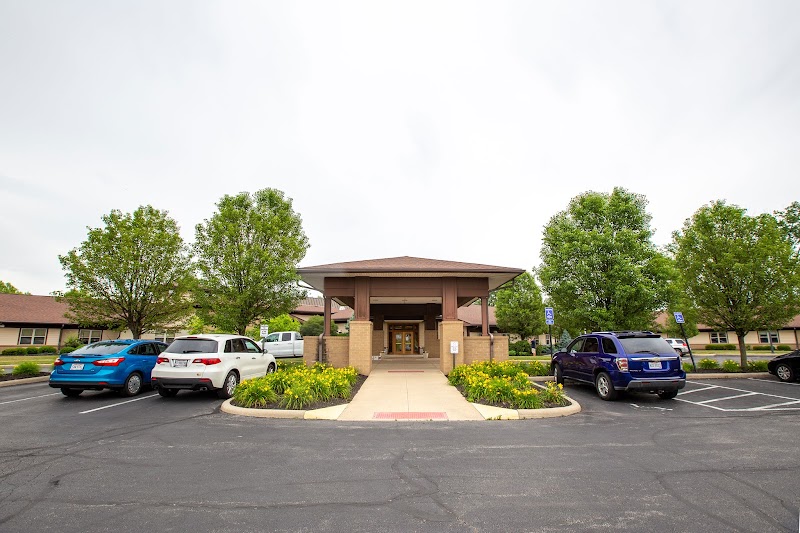
TRUEMAN POINTE CARE CENTER
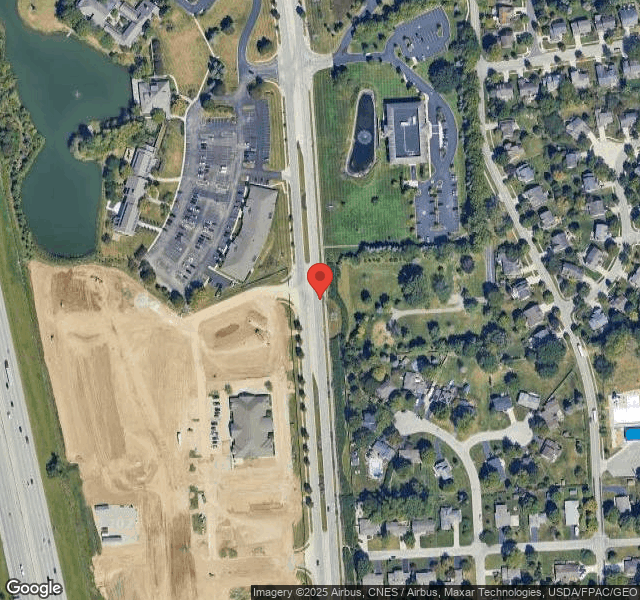
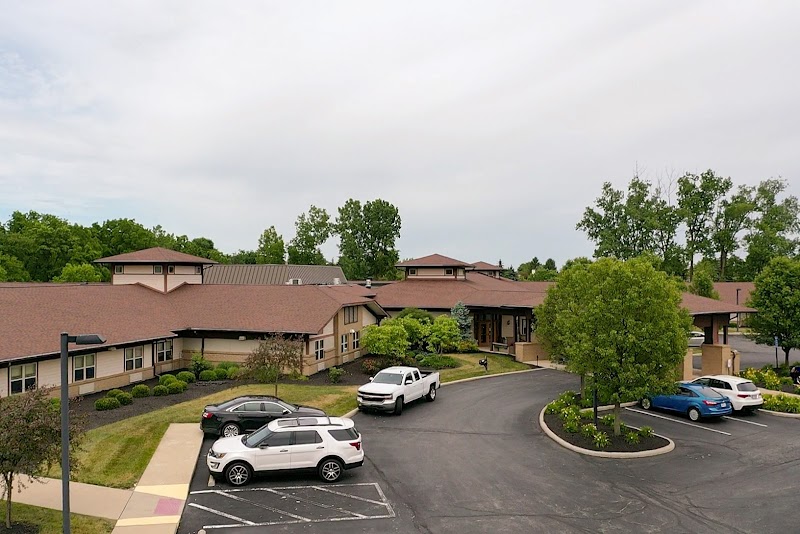
4660 TRUEMAN BLVD, HILLIARD, OH 43026 (614) 771-4400
For profit - Corporation 72 Beds FOUNDATIONS HEALTH SOLUTIONS Data: November 2025
Trust Grade
50/100
#564 of 913 in OH
Last Inspection: September 2024

Within standard 12-15 month inspection cycle. Federal law requires annual inspections.

Overview

Trueman Pointe Care Center has a Trust Grade of C, which means it is average and sits in the middle of the pack for nursing homes. It ranks #564 out of 913 facilities in Ohio, placing it in the bottom half, and #21 out of 56 in Franklin County, indicating that only 20 local options are better. The facility is worsening in performance, with issues increasing from 1 in 2023 to 3 in 2024. Staffing is a significant concern, with a low rating of 1 out of 5 stars and a high turnover rate of 78%, far exceeding the Ohio average of 49%. On a positive note, there are no fines on record, which is reassuring, and the facility provides more RN coverage than 81% of Ohio facilities, ensuring that registered nurses are available to catch problems that aides might miss. However, specific incidents raise concerns, such as a serious incident where a resident was improperly transferred, resulting in a fracture, and another finding where personal protective equipment and hand hygiene protocols were not followed, potentially risking infection for other residents. Overall, while there are some strengths, the facility has significant weaknesses that families should consider.

Trust Score
C
50/100
In Ohio
#564/913
Bottom 39%
Safety Record
Moderate
Needs review
Inspections
Getting Worse
1 → 3 violations
Staff Stability
⚠ Watch
78% turnover. Very high, 30 points above average. Constant new faces learning your loved one's needs.
Penalties
✓ Good
No fines on record. Clean compliance history, better than most Ohio facilities.
Skilled Nurses
✓ Good
Each resident gets 47 minutes of Registered Nurse (RN) attention daily — more than average for Ohio. RNs are trained to catch health problems early.
Violations
⚠ Watch
17 deficiencies on record. Higher than average. Multiple issues found across inspections.
★★★☆☆
3.0
Overall Rating
★☆☆☆☆
1.0
Staff Levels
★★★☆☆
3.0
Care Quality
★★★★☆
4.0
Inspection Score
Stable
2023: 1 issues
2024: 3 issues

The Good

  • Full Sprinkler Coverage · Fire safety systems throughout facility
  • No fines on record

Facility shows strength in fire safety.

The Bad

3-Star Overall Rating

Near Ohio average (3.2)

Meets federal standards, typical of most facilities

Staff Turnover: 78%

32pts above Ohio avg (46%)

Frequent staff changes - ask about care continuity

Chain: FOUNDATIONS HEALTH SOLUTIONS

Part of a multi-facility chain

Ask about local staffing decisions and management

Staff turnover is very high (78%)

30 points above Ohio average of 48%

The Ugly 17 deficiencies on record

1 actual harm
Sept 2024 2 deficiencies
CONCERN (D)

Potential for Harm - no one hurt, but risky conditions existed

Accident Prevention (Tag F0689)

Could have caused harm · This affected 1 resident

**NOTE- TERMS IN BRACKETS HAVE BEEN EDITED TO PROTECT CONFIDENTIALITY** Based on record review and staff interview, the facility failed to ensure Resident #56 received adequate assistance to prevent a...

Read full inspector narrative →
**NOTE- TERMS IN BRACKETS HAVE BEEN EDITED TO PROTECT CONFIDENTIALITY** Based on record review and staff interview, the facility failed to ensure Resident #56 received adequate assistance to prevent a fall from bed while care was being provided. This affected one (Resident #56) of three residents reviewed for falls. The facility census was 63. Findings include: Review of the medical record revealed Resident #56 was re-admitted to the facility on [DATE] with diagnoses including cerebral infarction, type II diabetes mellitus, aphasia, retention of urine, and encephalopathy. Review of the annual Minimum Data Set (MDS) assessment dated [DATE] revealed Resident #56 had cognitive impairment. Resident #56 had impairment to one side and required substantial to maximal assistance for turning. Review of the State Tested Nursing Assistant (STNA) documentation for bed mobility revealed Resident #56 required extensive to total dependence of staff to turn side to side with the assistance of one to two staff. A health status note dated 09/03/24 at 11:00 P.M. revealed Resident #56 slid out of the right side of the bed during care. STNA #107 had rolled Resident #56 to the right side to wash Resident #56's back during a bed bath. Resident #56 sustained a one centimeter skin tear to the left ear. A fall investigation dated 09/03/24 at 11:00 P.M. revealed Resident #56 had no previous falls and Resident #56 slid to the floor during care. Resident #56 was rolled to the right side during a bed bath and rolled out of bed. A new intervention was to make sure Resident #56 was centered in the bed. A written statement dated 09/03/24 by STNA #107 revealed Resident #56 fell out of bed while STNA #107 was giving Resident #56 a bed bath. STNA #107 washed Resident #56's back and while drying Resident #56's back, Resident #56 rolled out of the bed. The incident occurred around 10:35 P.M. Interview on 09/17/24 at 11:30 A.M. with Director of Nursing (DON) verified Resident #56 fell from bed while care was being provided.
CONCERN (D)

Potential for Harm - no one hurt, but risky conditions existed

Deficiency F0806 (Tag F0806)

Could have caused harm · This affected 1 resident

Based on review of thee facility policy, observations, resident and staff interview, and record review, the facility failed to ensure residents did not receive foods against their dietary preferences ...

Read full inspector narrative →
Based on review of thee facility policy, observations, resident and staff interview, and record review, the facility failed to ensure residents did not receive foods against their dietary preferences and allergies. This affected one (Resident #34) of one resident reviewed for food preferences. The Facility census was 63. Finding include: Review of the medical record for Resident #34 revealed an admission date of 08/06/19. Diagnoses included respiratory failure, lymphedema, and heart disease. Review of the physician orders dated 04/19/24 revealed Resident #34 had an order for mechanical soft diet with thin consistency, allergies of strawberries and pineapples, with a no added salt and large protein portions. Review of lunch meal ticket dated 09/17/24 revealed Resident #34 had pineapple listed under dislikes and also had it identified in two spots on the meal ticket as well as strawberries. Interview and observation on 09/17/24 around 11:50 A.M. with Kitchen Staff #144 revealed regular diets received melon, mechanical soft received crushed pineapple, and puree diet received puree pineapple. Kitchen Staff #144 revealed mechanical soft and puree diets were unable to have melon. It was observed Kitchen Staff #144 placed mechanical soft pineapple on Resident #34's tray along with the ticket that included a dislike for pineapple and allergy to pineapple. Observation and interview on 09/17/24 at 12:50 P.M. with Resident #34 revealed she was served crushed pineapple as her lunch dessert. Resident #34 stated she was allergic to pineapple and strawberries and she frequently received these items on her tray. Resident #34 showed her meal ticket which displayed pineapple as a dislike and also as an allergy twice. Interview and observation on 09/17/24 at 12:55 P.M. with Registered Nurse (RN) #163 confirmed Resident #34 received crushed pineapple and also confirmed it stated she had an allergy to this item on her tray ticket. RN #163 left the pineapple on her tray and exited the room. Interview on 09/18/24 at 2:00 P.M. with Diet Technician #180 verified Resident #34 should not have been given pineapple unless requested as melon can be chopped and pureed. She also verified resident's tray tickets shall be reviewed when doing tray line to monitor for likes, dislikes and allergies. Review of the menu spreadsheet for lunch meal on 09/17/24 revealed mechanical soft diet should have also received diced melon and puree diets should receive pureed melon. Review of the facility policy titled Religious, Ethnic, and Cultural Food Preferences dated 08/07/14 revealed food preferences shall be accommodated by the facility. Resident food allergies shall be included on the diet order form.
Aug 2024 1 deficiency
CONCERN (D) 📢 Someone Reported This

A family member, employee, or ombudsman was alarmed enough to file a formal complaint

Potential for Harm - no one hurt, but risky conditions existed

Pressure Ulcer Prevention (Tag F0686)

Could have caused harm · This affected 1 resident

**NOTE- TERMS IN BRACKETS HAVE BEEN EDITED TO PROTECT CONFIDENTIALITY** Based on interviews and medical record review, the facility failed to implement orders for a pressure ulcer treatment affecting ...

Read full inspector narrative →
**NOTE- TERMS IN BRACKETS HAVE BEEN EDITED TO PROTECT CONFIDENTIALITY** Based on interviews and medical record review, the facility failed to implement orders for a pressure ulcer treatment affecting one resident (#10) of three residents reviewed. The facility census was 68. THE FOLLOWING DEFICIENCY REPRESENTS AN INCIDENT OF PAST NON-COMPLIANCE THAT WAS SUBSEQUENTLY CORRECTED PRIOR TO THIS SURVEY. Findings include: The deficient practice was corrected on 06/22/24 when the facility implemented the following corrective actions: o Staff education was completed on 05/23/24 regarding the initiation and proper transcription of new orders. o Licensed Practical Nurse (LPN) #444 was counseled on 05/23/24 regarding the error. o An initial audit was conducted on 05/23/24 to verify all pressure ulcer orders were accurate. o Additional audits were performed from 05/26/24 to 06/22/24. Review of the medical record for Resident #10, revealed an admission date of 01/24/24. Diagnoses included but were not limited to spastic quadriplegic cerebral palsy, acute and chronic respiratory failure with hypoxia, unspecified mood disorder, and dependence on a respirator (ventilator) status. Review of the most recent Minimum Data Set (MDS) 3.0 assessment dated [DATE] revealed a Brief Interview for Mental Status (BIMS) of 13 out of 15 indicating cognitive intactness. The resident was assessed to require total dependence on all aspects of care. Review of the active care plan for Resident #10 revealed an alteration in skin integrity as evidenced by pressure ulcer present at the left gluteal fold with interventions including but not limited to body check weekly and as needed, provide treatment per physician orders and to assess condition of skin/dressing. Review of Resident #10's record revealed a skin grid pressure discovered on 04/17/24 and was a stage 3 (Full thickness tissue loss. Subcutaneous fat may be visible but bone, tendon or muscle is not exposed. Slough may be present but does not obscure the depth of tissue loss. May include undermining or tunneling) pressure ulcer to the left gluteal fold that measured 3.5 centimeters (cm) X 7 cm X. 1 cm. Review of the Wound Nurse Practitioner (NP) visit note dated 04/17/24 for Resident #10 revealed a new pressure wound; stage 3 pressure ulcer to the left gluteal fold that measured 3.5 centimeters (cm) X 7 cm X. 1 cm. Patient plan and order to apply a foam dressing to insulate, pad and protect, to be changed daily was noted. Review of Resident #10's physician orders revealed no dressing change order placed for the left gluteal fold stage 3 pressure ulcer until 04/23/24 and no order to evaluate and assess the pressure area dressing until 04/24/24. Review of Resident #10's Treatment Administration Record and progress notes revealed no documentation of a left gluteal fold stage 3 pressure ulcer dressing change daily as ordered by the Wound NP from 04/17/24 through 04/22/24. Interview on 07/31/24 at 1:24 P.M. with Licensed Practical Nurse (LPN) #444 revealed she is the nurse who does the wounds at the facility. Verified that when the Wound NP ordered a dressing change for the left gluteal fold on 04/17/24 the order was not placed into Resident #10's chart and no order for a dressing change was entered until 04/23/24, but she did complete the dressing changes even though there are no documentation of them being completed in the residents chart. The facility was unable to produce a policy on wound care for pressure ulcers. This deficiency represents non-compliance investigated under Master Complaint Number OH00155689 and Complaint Number OH00155383.
Mar 2023 1 deficiency 1 Harm
SERIOUS (G) 📢 Someone Reported This

A family member, employee, or ombudsman was alarmed enough to file a formal complaint

Actual Harm - a resident was hurt due to facility failures

Accident Prevention (Tag F0689)

A resident was harmed · This affected 1 resident

**NOTE- TERMS IN BRACKETS HAVE BEEN EDITED TO PROTECT CONFIDENTIALITY** Based on medical record review, and resident and staff interviews, the facility failed to ensure a resident was transferred safe...

Read full inspector narrative →
**NOTE- TERMS IN BRACKETS HAVE BEEN EDITED TO PROTECT CONFIDENTIALITY** Based on medical record review, and resident and staff interviews, the facility failed to ensure a resident was transferred safely to prevent an avoidable fall with injury and the fall was not thoroughly investigated to determine the root cause analysis to identify potential hazards to reduce and/or eliminate falls with major injury. This resulted in Actual Harm when State Tested Nurse Aide (STNA) #200 attempted to transfer Resident #04 from a wheelchair by lifting the resident by the trousers versus utilizing a gait belt, resulting in Resident #04 falling to the floor and suffering a proximal right fibular fracture just below the surgical equipment that was just placed two weeks prior. This affected one (#04) of three residents reviewed for falls. Facility census was 61. Findings include: Review of medical record for Resident #04 revealed an admission date of 12/27/22 and re-admission date of 02/18/23. The resident had diagnoses including status post right knee arthroplasty, asthma, and diverticulosis. Review of the fall risk assessment dated [DATE] revealed Resident #04 was at risk for falls. Review of the admission Minimum Data Set (MDS) assessment dated [DATE], revealed Resident #04 was cognitively intact and required extensive assistance of one for bed mobility, transfer, and toilet use. Review of the plan of care dated 02/14/23 revealed the resident was at risk for falls. Interventions included bed in lowest position and encourage to ask for assistance. There was no interventions related to safe transfers. Review of a health status note dated 02/18/23 at 9:47 A.M., revealed Resident #04 returned from the hospital from a planned status post right total arthroplasty on 02/16/23. Resident #04 required one assist with wheeled walker while at the hospital. Review of a health status note dated 03/04/23 at 4:00 P.M., revealed STNA #200 notified Licensed Practical Nurse (LPN) #100, that Resident #04 had fallen. Resident #04 was sitting on her bottom with her right and left legs straight out. The left leg was observed partially under the bed. The wheelchair was directly behind the resident and the bedside commode was to the left of the wheelchair. STNA #200 stated when attempting to transfer Resident #04 from the wheelchair to bedside commode, STNA #200 attempted to stand Resident #04 up from behind by gripping the resident's trousers and lifting. Resident #04's legs became weak once she was in a standing position and fell to the floor. Resident #04 had no open areas or bruising. LPN #100 and another nurse used a gait belt and assisted the resident back into bed. Resident #04 immediately had complaints of pain to bilateral knees, left shoulder, and right wrist. Resident #04 was transferred to the hospital. Review of hospital after visit summary dated 03/04/23, revealed Resident #04 had a closed fracture of proximal end of right fibula from a fall. Resident #04 stated while trying to transfer back to bed, she fell, and hurt her left shoulder, left knee, right knee, right ankle, and right forearm/wrist area. Resident #04 was status post right knee arthroplasty two weeks ago. The right knee x-ray revealed a proximal right fibular fracture. The emergency department doctor discussed the fracture with the orthopedic surgeon due to the hardware was just above the fracture. Orthopedic was okay with boot and weight bearing as tolerated. Review of a health status note dated 03/04/23 at 11:56 P.M., revealed Resident #04 returned from the hospital with a fracture to the right knee. The resident had a brace to right lower leg and complained of pain. Review of the medical record revealed there was no evidence of a fall investigation or root cause analysis of the fall being completed to determine the cause of the fall. Interview on 03/09/23 at 9:23 A.M., with LPN #100 revealed she was working but was not in the room when Resident #04 fell. She provided verbal education to STNA #200 about proper transfer and assistance with transferring. Resident #04 had been transferring with one assist and may have just been tired and weak when she fell. Interview on 03/09/23 at 9:30 A.M., with Resident #04 verified STNA #200 tried to transfer her without a gait belt. Resident #04 was sitting in her room in a wheelchair and a leg brace was visible to the right leg. Resident #04 stated it felt like two fists in her lower back when the STNA (#200) was transferring her. Resident #04 stated she was upset and did not want to talk about the fall because now her insurance days at the facility would be up and she now had a cast on her leg due to the fracture. Resident #04 stated STNA #200 who assisted her was from outside (agency). Interview on 03/09/23 at 10:38 A.M., with Physical Therapy Assistant (PTA) #108 revealed Resident #04 had difficulty standing from a sitting position and required the assistance of one person. Interview on 03/09/23 at 11:50 A.M., with Rehabilitation Director #107 revealed Resident #04 was a one person assist for all activities of daily living. Resident #04 was a little weaker and had more pain after knee replacement but still required one person assistance for transfers. Interview on 03/09/23 at 3:23 P.M., with the Director of Nursing (DON) revealed there were gait belts in each resident room to be used when transferring residents. The DON verified standing behind a wheelchair and pulling on a resident's pants was not the correct way to transfer a resident. The DON verified the facility did not complete a fall investigation to identify how the resident was being transferred, what interventions needed to be put in place, or what caused the resident to fall. The DON stated the facility does not have a policy related to transferring a resident. This deficiency represents noncompliance discovered during the investigation of Complaint Number OH00139214.
Sept 2022 4 deficiencies
CONCERN (D)

Potential for Harm - no one hurt, but risky conditions existed

Report Alleged Abuse (Tag F0609)

Could have caused harm · This affected 1 resident

**NOTE- TERMS IN BRACKETS HAVE BEEN EDITED TO PROTECT CONFIDENTIALITY** Based on resident and staff interviews, review of Facility Reported Incidents (FRI), record review and facility policy review, t...

Read full inspector narrative →
**NOTE- TERMS IN BRACKETS HAVE BEEN EDITED TO PROTECT CONFIDENTIALITY** Based on resident and staff interviews, review of Facility Reported Incidents (FRI), record review and facility policy review, the facility failed to timely report an allegation of abuse for one resident (Resident #207). This affected one (Resident #207) of one residents reviewed for abuse. The facility census was 54. Findings Include: Review of the medical record for Resident #207 revealed an admission date on 08/06/22 and a discharge date on 08/30/22. Medical diagnoses included stable burst fracture of third lumbar vertebra, morbid obesity, depression, unsteadiness on feet, muscle weakness, unspecified abnormalities of gait and mobility, and need for assistance with personal care. Review of the admission Minimum Data Set (MDS) 3.0 assessment dated [DATE] revealed Resident #207 had mildly impaired cognition and scored a 13 out of 15 on the Brief Interview for Mental Status (BIMS) assessment. Resident #207 required extensive assistance from one to two staff to complete Activities of Daily Living (ADLs), including bed mobility. Review of the physician orders dated August 2022 revealed Resident #207 had an order dated 08/09/22 to encourage and/or assist to turn and reposition as tolerated every shift. Review of the plan of care dated 08/06/22 revealed Resident #207 experienced an alteration in mood and/or behavior that included yelling, screaming, refusing care, feeling bad about herself or feeling like a failure, feeling tired or having little energy, poor appetite, overeating, and often refused to get out of bed. Interventions included allow resident to vent, validate feelings as needed, attempt to identify what triggered behavior, find a staff member with a good rapport with the individual, and administer medications as ordered by the physician. Review of progress notes dated 08/29/22 revealed there was no documentation of any reported allegations of abuse. Interview on 08/29/22 at 2:16 P.M. with Resident #207 revealed an aide or nurse over the weekend was not very friendly toward her and refused to reposition her when the resident requested to be moved in the bed. Resident #207 stated she felt mistreated by the staff person over the weekend. Resident #207 described the staff person involved as an African American, heavyset female. Resident #207 stated she reported the incident this morning (08/29/22) to State Tested Nurse Aide (STNA) #100. Resident #207 stated she had not received any follow up from the staff since reporting the incident this morning. Review of Facility Reported Incidents (FRIs) revealed there was no report of the allegation on 08/29/22. Interview on 08/31/22 at 10:33 A.M. with STNA #100 revealed the aide had worked at the facility for three years and worked on Resident #207's unit Monday through Friday during the day. STNA #100 confirmed Resident #207 informed her she did not feel the staff over the weekend treated her very nicely. STNA #100 confirmed Resident #207 reported the incident to her first thing in the morning on 08/29/22. STNA #100 stated Resident #207 reported the aide over the weekend was a little rough and didn't clean her up very well. STNA #100 stated she told Resident #207 that the aide's behavior was unacceptable and that the resident should definitely report the incident to the Administrator. STNA #100 stated she was pretty sure she also reported the incident to the Assistant Director of Nursing (ADON)/Unit Manager (UM) #60 within an hour of Resident #207 reporting it to her. Interview on 08/31/22 at 10:50 A.M. with UM #60 revealed she had been the UM on Resident #207's unit for a couple of weeks. UM #60 stated she had been in and out of the facility over the weekend and had not received any negative reports about the weekend staff from any of the residents. UM #60 stated she did not recall STNA #100 reporting any allegations of abuse or negative interactions that involved Resident #207 on 08/29/22. Interview on 08/31/22 at 4:42 P.M. with the Director of Nursing (DON) confirmed a FRI was just opened today (two days after the allegation had been reported to staff) once the administrative staff had been made aware of the allegation. Review of the facility policy, Abuse, Neglect, Exploitation & Misappropriation of Resident Property, dated 11/21/16, revealed the policy stated, all incident and allegations of abuse, neglect, exploitation, mistreatment of a resident, or misappropriation of resident property and all injuries of an unknown source must be reported immediately to the Administrator or designee.
CONCERN (D)

Potential for Harm - no one hurt, but risky conditions existed

Deficiency F0760 (Tag F0760)

Could have caused harm · This affected 1 resident

**NOTE- TERMS IN BRACKETS HAVE BEEN EDITED TO PROTECT CONFIDENTIALITY** Based on record review, staff interview, and resident interview, the facility failed to administer one resident (Resident #23) L...

Read full inspector narrative →
**NOTE- TERMS IN BRACKETS HAVE BEEN EDITED TO PROTECT CONFIDENTIALITY** Based on record review, staff interview, and resident interview, the facility failed to administer one resident (Resident #23) Lantus insulin as ordered upon admission. This affected one (Resident #23) of six residents reviewed for medication administration. The facility census was 54. Findings Include: Review of the medical record for Resident #23 revealed an admission date on 06/17/22. Medical diagnoses included displaced bicondylar fracture of right tibia (lower leg), Type II Diabetes Mellitus without complications, major depressive disorder-recurrent, stage three chronic kidney disease, and congestive heart failure (CHF). Review of the quarterly Minimum Data Set (MDS) 3.0 assessment dated [DATE] revealed Resident #23 had intact cognition and scored 15 out of 15 on the Brief Interview for Mental Status (BIMS) assessment. Resident #23 required extensive assistance from one to two staff to complete Activities of Daily Living (ADLs). Resident #23 received daily insulin injections. Review of the Medication Administration Record (MAR) for June 2022 revealed Resident #23 had an order for Lantus Solostar 100 unit per milliliter (mL) Solution pen-injector with instructions to inject 25 units subcutaneously at bedtime for diabetes mellitus. The order had a start date on 06/18/22 at 7:00 P.M. Resident #23 also had an order for Insulin Glargine Solution (generic for Lantus insulin) 100 units/mL with instructions to inject 25 units subcutaneously one time a day for diabetes with a start and end date on 06/18/22. Resident #23 received a one time dose on 06/18/22 of Insulin Glargine Solution. However, Resident #23 did not receive Lantus insulin until 06/20/22. Resident #23 was not administered any insulin on 06/19/22 as ordered. Review of the admission Assessment & Baseline Care Plan dated 06/17/22 revealed diabetes was not marked as a part of Resident #23's medical history. Vital signs did not include a blood sugar reading and the vital signs documented were dated 01/05/22 and 01/07/22 (five months prior to admission). An admitting weight was not completed. The weight included on the assessment was dated 12/22/21 (six months prior to admission). Review of blood sugar readings dated from admission on [DATE] revealed Resident #23 did not receive a blood sugar check until 06/20/22 at 8:48 P.M. The reading was 201 mg/dL. Review of the progress notes dated from 06/17/22 to current revealed there was no admission note for Resident #23. There were not any progress notes related to the missed dose of Lantus insulin. Review of the plan of care dated 06/18/22 revealed Resident #23 was at risk for hypoglycemia and hyperglycemia episodes related to insulin dependent diabetes mellitus. Interventions included insulin as ordered and monitor blood sugar levels as ordered and as needed for symptoms of hypoglycemia or hyperglycemia. Review of the list of medications stored in the facility's EDK box revealed Lantus insulin was a medication listed as being stored in the facility's EDK box. Interview on 08/29/22 at 1:55 P.M. with Resident #23 revealed he did not receive medications, including insulin, for approximately two days after being admitted to the facility in June 2022. Interview on 08/31/22 at 5:56 P.M. with the Director of Nursing (DON) and the Administrator confirmed Resident #23 did not receive Lantus insulin injection on 06/19/22 as ordered. A facility policy related to following physician orders for a new admission was requested during the survey period but a policy was not provided.
CONCERN (D)

Potential for Harm - no one hurt, but risky conditions existed

Laboratory Services (Tag F0770)

Could have caused harm · This affected 1 resident

**NOTE- TERMS IN BRACKETS HAVE BEEN EDITED TO PROTECT CONFIDENTIALITY** 2. Resident #37 was admitted to the facility 09/11/19 with diagnoses that include but are not limited to paraplegia, morbid obes...

Read full inspector narrative →
**NOTE- TERMS IN BRACKETS HAVE BEEN EDITED TO PROTECT CONFIDENTIALITY** 2. Resident #37 was admitted to the facility 09/11/19 with diagnoses that include but are not limited to paraplegia, morbid obesity, metabolic encephalopathy, panic disorder, vascular dementia, depression, anemia, and insomnia. Review of the annual minimum data set (MDS) 3.0 assessment dated [DATE] confirmed the resident was cognitively intact, had no delusions, or hallucinations but did have daily rejection of care. The resident required assist for bed mobility, dressing, toileting, hygiene. and was dependent on staff for transfers. Review of resident medication orders revealed the resident had an order for Primidone 50 milligrams (mg) three times daily which was ordered on 07/22/21 for tremors. Review of the pharmacy recommendation written on 08/18/22 revealed the recommendation requested the provider to consider a Primidone level to ensure non-toxic levels of the medication, as the resident had received Primidone 50 mg three times daily. The physician reviewed the recommendation and ordered a Primidone level with the next laboratory day dated 08/22/22. Review of the laboratory rejected report provided by the facility revealed the resident had a Primidone level obtained on 08/23/22. The report revealed the specimen was rejected as the specimen was not placed in the correct collection tube. Review of the laboratory requisition form dated 08/25/22 revealed Resident #37 had a Primidone level re-drawn. During an interview with the Director of Nursing (DON) on 09/01/22 at 10:41 A.M. it was confirmed on 08/23/22 the resident had a Primidone laboratory test collected, however the test was initially placed in the wrong tube for laboratory processing by the laboratory employee who drew the resident's blood. The laboratory test was recollected on 08/25/22 and the facility was told the laboratory test had to be sent to a reference laboratory for processing. The DON revealed on 08/30/22 at 4:14 P.M. the facility was informed by the laboratory the Primidone level was pending and could take up to 15 days to complete. The DON revealed the laboratory called the facility back on 08/30/22 at 5:08 P.M. and stated the laboratory cannot use the sample they had collected for Resident #37 on 08/25/22 there was no explanation provided for why the laboratory specimen was unusable. The laboratory stated to the facility they were sending another phlebotomist to draw another specimen and test would be completed stat. The facility stated they were in contact with the laboratory on 09/01/22 and the Primidone level is still pending. The DON indicated the laboratory could not tell the facility the time frame it would take to complete the Primidone serum level to be completed. Based on medical record reviews and staff interviews, the facility failed to provide timely physician ordered laboratory services for two of six residents (Resident #29 and Resident #37) reviewed for medications. The facility census is 54. Findings include: 1. Review of Resident #29's medical record identified admission to the facility occurred on 12/29/21, with diagnoses including; downs syndrome, constipation and vascular disease. Resident #29 was observed to be verbal and able to make her needs known. Resident #29 was noted with a urinary catheter on 08/10/22. Review of Resident #29's progress notes identified on 08/10/22 at 8:57 P.M. confusion was noted and increased behaviors with staff. The staff called the physician whom ordered a UA C&S (urinalysis/culture/sensitivity). The notes identified on 08/11/22 the staff collected the urine sample which was ready for the laboratory to pick up. The progress notes dated 08/12/22 at 8:14 A.M. identified the specimen was collected incomplete and will attempt to collect again. The progress notes identified on 08/13/22 Resident #29 increased confusion persists and the facility is awaiting the urinalysis results. The progress notes identified Resident #29 went to a urology appointment on 08/17/22, with a new order to remove the urinary catheter. The notes identified on 08/18/22 Resident #29 identified I want this marble out. The notes confirmed the urinary catheter was removed on 08/18/22. Review of the record identified no evidence what occurred with the urine sample and or results from the 08/12/22 urinalysis. Interview with the facility Director of Nursing (DON) on 08/30/22 at 2:21 P.M. confirmed there was an order on 08/10/22 for a urinalysis for Resident #29. The interview revealed the laboratory called the facility on 08/17/22 and informed them the urine sample, from 08/12/22 was contaminated and was not able to be processed. The interview identified on 08/18/22 another sampled was collected from Resident #29 and was submitted to the laboratory. The interview identified the laboratory then called and identified that sample had spilled. The interview confirmed the facility did not recollect the sample until 08/22/22. The interview confirmed the results were returned to the facility on [DATE] at which time Resident #29 was diagnosis with a urinary tract infection and was placed on two different antibiotics. The interview confirmed the original order for the urinalysis test was on 08/10/22 and this was not completed and returned for Resident #29, treatment until 08/26/22 (16 days later).
CONCERN (D)

Potential for Harm - no one hurt, but risky conditions existed

Infection Control (Tag F0880)

Could have caused harm · This affected 1 resident

**NOTE- TERMS IN BRACKETS HAVE BEEN EDITED TO PROTECT CONFIDENTIALITY** Based on observations, medical record reviews, facilities isolation guidelines and infection control policies and staff intervie...

Read full inspector narrative →
**NOTE- TERMS IN BRACKETS HAVE BEEN EDITED TO PROTECT CONFIDENTIALITY** Based on observations, medical record reviews, facilities isolation guidelines and infection control policies and staff interviews, the facility failed to ensure one of two residents (Resident #29) identified with an infection, was placed into contact isolation as required. The facility census was 54. Findings include: Review of Resident #29's medical records identified admission to the facility occurred on 12/29/21. Resident #29 had medical diagnoses including; downs syndrome, constipation and vascular disease. Review of Resident #29's urinalysis results dated 08/26/22 identified positive results that evidenced two different bacteria (klebsiella pneumoniae and entercoccus Faecalis) were growing. The report also identified resistance markers included; ESBL (extended spectrum [NAME]-lactamase) which is a multi-drug resistant and can not be killed by many of the antibiotics available. Observation of Resident #29 and her room occurred on 08/29/22 at 11:08 A.M. and 08/30/22 at 7:52 A.M. Resident #29's room identified no evidence of any isolation precautions were in place (no signage on door and no equipment outside the door). Review of Resident #29 urinalysis results occurred with the facility Director of Nursing (DON) on 08/30/22 at 2:21 P.M. The review of the results confirmed the bacteria was positive for ESBL producing. The interview confirmed Resident #29 should be placed in contact isolation throughout her antibiotic treatment regimen. Review of physician orders for Resident #29 confirmed the facility placed Resident #29 into contact isolation on 08/30/22, which is to continue through 09/02/22, following the interview with the DON. Review of the facility standard and transmission-based precautions policy, dated 11/28/17 identified specifies the different types of precautions, including when and how isolation should be used for a resident. The policy identified contact precautions are measures that are intended to prevent transmission of infectious agents, including epidemiological important microorganisms, which are spread by direct or indirect contact with the resident or the residents environment. Transmission-based precautions will be maintain as long as necessary to prevent the transmission of infection (while the risk of transmission of the infectious agent persists or for the duration of the illness). However should be the least restrictive possible and for the shortest amount of time. Review of the CDC guidelines, isolation precautions, provided from the facility regarding ESBL's infections- The recommendation identified Contact precautions. The MDRO judged by the infection control program, based on local, state and regional or national recommendations to be of clinical and epidemiologic significance. Contact Precautions recommended in setting with evidence of on-going transmission, acute care setting with increased transmission or wound that cannot be contained by dressing.
Nov 2019 9 deficiencies
CONCERN (D)

Potential for Harm - no one hurt, but risky conditions existed

Deficiency F0645 (Tag F0645)

Could have caused harm · This affected 1 resident

**NOTE- TERMS IN BRACKETS HAVE BEEN EDITED TO PROTECT CONFIDENTIALITY** Based on record review, staff interview, and review of facility policy, the facility failed to complete a pre-admission screenin...

Read full inspector narrative →
**NOTE- TERMS IN BRACKETS HAVE BEEN EDITED TO PROTECT CONFIDENTIALITY** Based on record review, staff interview, and review of facility policy, the facility failed to complete a pre-admission screening resident review (PASRR) for one resident who had a diagnosis of mild cognitive impairment. This affected one (#45) of four residents reviewed for PAS/RR's. The facility identified three residents as having diagnoses of mental retardation. The total facility census was 67. Findings include: Review of Resident #45's record revealed she was admitted to the facility on [DATE]. Diagnoses included mild cognitive impairment, epilepsy, adjustment disorder with mixed anxiety and depressed mood. Resident #45's 7000 Form (a hospital exemption form allowing the resident to admit to the facility for 30 days before a full PASRR was required), was dated [DATE], and expired [DATE]. After surveyor intervention, the facility provided a PASRR dated [DATE], with the appropriate diagnoses listed. Resident #45 did not require level two PASRR services. Interview on [DATE] with Corporate Registered Nurse #411, confirmed Resident #45's PASRR had not been completed within 30 days from the hospital exemption. She confirmed the PASRR was completed by the facility on [DATE], 11 days after the exemption expired and Resident #45's diagnoses could have triggered for a level two screening. Review of a facility policy titled, Pre-admission Screening and Resident Review (PASRR)-Ohio, revised [DATE], revealed the facility would ensure the PAS/RR process was maintained for all residents to ensure individuals were evaluated for a serious mental disorder and/or intellectual disability and that those identified individuals were offered the most appropriate setting. The policy further revealed prior to resident admission, the admission coordinator would ensure either the hospital exemption form or PASRR was completed. The policy revealed the facility would complete the PASRR if a resident admitted with a hospital exemption form and had not been discharged by day 29 of the stay. The PASRR would be completed by day 29 of the resident's stay.
CONCERN (D)

Potential for Harm - no one hurt, but risky conditions existed

Comprehensive Care Plan (Tag F0656)

Could have caused harm · This affected 1 resident

**NOTE- TERMS IN BRACKETS HAVE BEEN EDITED TO PROTECT CONFIDENTIALITY** Based on record review and staff interviews, the facility failed to implement a restorative care/range of motion (ROM) care plan...

Read full inspector narrative →
**NOTE- TERMS IN BRACKETS HAVE BEEN EDITED TO PROTECT CONFIDENTIALITY** Based on record review and staff interviews, the facility failed to implement a restorative care/range of motion (ROM) care plan for one resident. This affected one (#26) of one resident reviewed for position and mobility. The total facility census was 67. Findings include: Review of the record for Resident #26 revealed an admission date of 06/06/19. Diagnoses included malignant neoplasm of the esophagus, adult failure to thrive, spinal stenosis, osteoarthritis, anxiety disorder, idiopathic neuropathy and chronic pain. Review of Resident #26's quarterly Minimum Data Set (MDS) assessment dated [DATE], revealed the resident had no cognitive impairment, required supervision for walking and transfers and had not participated in any restorative programs. Review of the form titled, Observation Detail List Report under Restorative Nursing - Functional Limitation of Range of Motion for Resident #26, dated 08/12/19, revealed limited ROM to both arms including the shoulder or elbow with partial voluntary movement loss; and limited ROM to the left leg including the hip or knee with partial loss of voluntary movement. The ROM summary documented the limitations would have potential safety risks and to see the resident's care plan. Review of the Restorative Nursing - Restorative program initial observation dated 09/23/19, revealed Assistant Director of Nursing (ADON) Registered Nurse (RN) #394, documented a decline in ROM to Resident #26's upper and lower extremities and referred the resident for a Restorative program. Review of the plan of care dated 09/23/19 for Resident #26, revealed the resident was care planned for a restorative active ROM program due to weakness and a decline in ROM. Interventions included a start date of 09/23/19, and indicated the duration of restorative ROM program was to be 15 minutes per day, with 15 repetitions occurring four to seven days per week. Interview on 10/30/19 at 8:54 A.M. with State Tested Nurse's Assistant (STNA) #412, confirmed she had Resident #26 in her assignment. The STNA also stated the resident did not receive any restorative care. Interview on 10/30/19 at 8:58 A.M. with Regional RN #411, confirmed the facility did not have dedicated STNA's for the restorative program, but each STNA could perform restorative ROM for the residents. Interview on 10/30/19 at 9:01 A.M. with STNA #412, confirmed she had not performed ROM for Resident #26. Interview on 10/30/19 at 9:17 A.M. with ADON #394 and the Director of Nursing (DON), confirmed restorative care would be in the resident's profile, which was accessible to the STNA's to guide care. ADON #394 stated restorative care was a nursing order and when ordered, goes onto the resident's care plan and was initiated. Interview on 10/30/19 at 9:30 A.M. with ADON #394, confirmed ROM was care planned but had never been ordered and initiated. Interview with Licensed Practical Nurse (LPN) #314 on 10/30/19 at 2:22 P.M., confirmed if a resident was on the restorative program it would appear in the STNA tasks and they would perform that task and check it off. Review of Resident #26's STNA task for restorative care with LPN #314, revealed the resident had the ROM task listed in her profile and it had been signed off as being administered. Interview on 10/30/19 at 2:48 P.M. with Regional RN #411, confirmed orders for Resident #26's restorative care/ROM had just been put into the residents STNA tasks on 10/30/19.
CONCERN (D)

Potential for Harm - no one hurt, but risky conditions existed

Deficiency F0657 (Tag F0657)

Could have caused harm · This affected 1 resident

**NOTE- TERMS IN BRACKETS HAVE BEEN EDITED TO PROTECT CONFIDENTIALITY** Based on record review, staff and family interviews, the facility failed to provide quarterly care conferences for one resident....

Read full inspector narrative →
**NOTE- TERMS IN BRACKETS HAVE BEEN EDITED TO PROTECT CONFIDENTIALITY** Based on record review, staff and family interviews, the facility failed to provide quarterly care conferences for one resident. This affected one (#18) of five residents reviewed for care conferences. The total facility census was 67. Findings include: Review of the record for Resident #18 revealed an admission date of 05/16/19. Diagnoses included dementia, Alzheimer's disease, cognitive communication deficit, chronic atrial fibrillation, Type 2 diabetes mellitus, major depressive disorder, Barrett's esophagus, diaphragmatic hernia, obesity and history of malignant neoplasm. Review of the quarterly Minimum Data Set (MDS) assessment dated [DATE], revealed Resident #18 had severe cognitive impairment due to Alzheimer's disease. Review of the nursing progress notes dated 05/16/19 through 10/29/19, revealed a progress note dated 05/21/19, for the initial care conference. No further documentation was noted related to care conferences. Review of the social service progress notes from 05/16/19 through 10/29/19, revealed no documentation of a care conference after the initial care conference was held on 05/21/19. Phone interview with Resident #18's Power of Attorney #900 on 10/28/19 at 4:58 P.M., revealed she had attended an initial care conference for her mother but had no further care conferences since the initial conference. Interview with Social Service Designee (SSD) #408, confirmed no care conferences had been held for Resident #18, other than the admission care conference held on 05/21/19.
CONCERN (D)

Potential for Harm - no one hurt, but risky conditions existed

ADL Care (Tag F0677)

Could have caused harm · This affected 1 resident

**NOTE- TERMS IN BRACKETS HAVE BEEN EDITED TO PROTECT CONFIDENTIALITY** Based on observations and resident, family, and staff interviews, the facility failed to provide timely incontinence care to one...

Read full inspector narrative →
**NOTE- TERMS IN BRACKETS HAVE BEEN EDITED TO PROTECT CONFIDENTIALITY** Based on observations and resident, family, and staff interviews, the facility failed to provide timely incontinence care to one dependent resident. This affected one (#215) of 19 residents reviewed for activities of daily living (ADL;s) care. The facility identified 33 residents who required assistance from staff with incontinence care. The total facility census was 67. Findings include: Review of the record for Resident #215 revealed the resident was admitted to the facility on [DATE]. Diagnoses included intracranial injury, traumatic subdural hemorrhage, and flaccid hemiplegia. Resident #215's baseline care plan stated staff were to check on him at least every two hours for needs and safety. Review of a physician order dated 10/23/19, revealed Resident #212 was only oriented to himself and experienced short and long-term memory loss. A physician order dated 10/25/19, revealed Resident #215 was totally dependent on staff for toileting and was incontinent of bowel and bladder. An interview on 10/28/19 at 10:47 A.M. with Resident #215's Power-of-Attorney (POA), revealed on 09/27/19, she had arrived to Resident #215's room around 6:45 A.M. and he had been lying in his feces. POA #215 stated it appeared he had been in that condition for an extended period. Observation on 10/29/19 at 9:15 A.M., revealed Resident #215 in bed with a soiled incontinence product and a putrid odor in the room. The feces were not contained in the incontinence product and had been smeared on Resident #215's inner right thigh. Observation on 10/29/19 at 9:23 A.M. and 9:47 A.M., revealed Resident #215 was in the same condition and the odor continued. Interview on 10/29/19 with State Tested Nursing Assistant (STNA) #343, revealed she had last observed Resident #215 when she arrived on shift at 6:45 A.M. She stated she had checked his vitals and he had not had any signs of incontinence. Interview on 10/29/19 with STNA #415, revealed the last time she had observed Resident #215 had been 7:30 A.M. and he had not had any signs of incontinence. She confirmed Resident #215 required assistance from staff for incontinence care and he was care planned to be checked at least every two hours. During subsequent observation following the interview, STNA #415 confirmed Resident #215 had been incontinent and that fecal matter was not contained in his incontinence product and was smeared on his right inner thigh.
CONCERN (D)

Potential for Harm - no one hurt, but risky conditions existed

Quality of Care (Tag F0684)

Could have caused harm · This affected 1 resident

**NOTE- TERMS IN BRACKETS HAVE BEEN EDITED TO PROTECT CONFIDENTIALITY** Based on medical record review and staff interview, the facility failed to complete daily weights and notify the physician a wei...

Read full inspector narrative →
**NOTE- TERMS IN BRACKETS HAVE BEEN EDITED TO PROTECT CONFIDENTIALITY** Based on medical record review and staff interview, the facility failed to complete daily weights and notify the physician a weight gain for two residents (#43 and #49) of two reveiwed for weight gain. The facility census was 67. Findings include: 1. Review of Resident #43's medical record revealed he originally admitted to the facility on [DATE], and returned to the facility on [DATE]. Diagnoses included morbid obesity, congestive heart failure (CHF), and myocardial infarction (heart attack). Review of Resident #43's physician orders dated 10/24/19, revealed the resident should be weighed daily and to notify the physician of a weight gain of two pounds in one day, or five pounds in a week. Review of Resident #43's weights revealed the following: on 10/24/19 he weighed 320 pounds (lb), on 10/25/19 and 10/26/19 he weighed 375.2 lb. There were no weights in the medical record for 10/27/19 or 10/28/19. Interview on 10/29/19 at 3:24 P.M. with Licensed Practical Nurse (LPN) #317 confirmed Resident #43 had not been weighed since 10/26/19 and that the physician had not been notified of his significant weight gain on 10/26/19. 2. Review of the medical record for Resident #49 revealed an admission date of 10/02/19. Diagnoses included CHF and emphysema. Review of the physician order dated 10/15/19 revealed Resident #49 was ordered for daily weights, and if the resident gained more than two pounds in one week to call the heart failure center. Review of the treatment administration record (TAR) for Resident #49 revealed no evidence the resident was weighed on 10/17/19, 10/19/19 and 10/24/19. Review of the weight variance report for Resident #49 revealed on 10/16/19 the resident weighed 206 lb and on 10/18/19 the resident weighed 212.6 lb (6.6 lb gain). On 10/21/19 the resident weighed 201 lb and on 10/23/19 the resident weighed 240.2 lb (39.2 lb gain). There was no evidence the weight gain was reported to the heart failure center. On 10/29/19 at 4:35 P.M. interview with the ADON #395 confirmed Resident #49 had gained more than two pounds on 10/18/19 and 10/23/19, and no notification had been given to either the physician or the heart failure center.
CONCERN (D)

Potential for Harm - no one hurt, but risky conditions existed

Deficiency F0688 (Tag F0688)

Could have caused harm · This affected 1 resident

**NOTE- TERMS IN BRACKETS HAVE BEEN EDITED TO PROTECT CONFIDENTIALITY** Based on medical record review and staff interviews, the facility failed to provide restorative care/range of motion (ROM) for o...

Read full inspector narrative →
**NOTE- TERMS IN BRACKETS HAVE BEEN EDITED TO PROTECT CONFIDENTIALITY** Based on medical record review and staff interviews, the facility failed to provide restorative care/range of motion (ROM) for one Resident (#26) of one reviewed for position and mobility. The facility census was 67. Findings include: Review of the medical record for Resident #26 revealed an admission date of 06/06/19 with diagnoses including malignant neoplasm (cancer) of the esophagus, and spinal stenosis. Review of the Observation Detail List Report under Restorative Nursing - Functional Limitation of Range of Motion for Resident #26, dated 08/12/19, revealed limited ROM to both arms including the shoulder or elbow with partial voluntary movement loss and limited ROM to the left leg including the hip or knee with partial loss of voluntary movement. The ROM summary documented the limitations would have potential safety risks and to see the resident's care plan. Review of Resident #26's quarterly Minimum Data Set (MDS) assessment dated [DATE], revealed the resident had no cognitive impairment, and had not participated in any restorative programs. Review of the Restorative Nursing - Restorative program initial observation, dated 09/23/19, revealed Assistant Director of Nursing (ADON) Registered Nurse (RN) #394, documented a decline in ROM to Resident #26's upper and lower extremities and referred the resident for the Restorative program. Review of the plan of care dated 09/23/19, for Resident #26 revealed the resident was care planned for a restorative active ROM program due to weakness and decline in ROM. Interventions included approach start date 09/23/19, duration of restorative ROM program to be 15 minutes per day, with 15 repetitions occurring four to seven days per week. Interview on 10/30/19 at 8:54 A.M. with State Tested Nurse's Assistant (STNA) #412 confirmed she had Resident #26 on her assignment. The STNA also confirmed the resident did not receive any restorative care. Interview on 10/30/19 at 8:58 A.M. with the Regional RN #411, confirmed the facility did not have dedicated STNAs for the restorative program, however each STNA could perform restorative ROM for the residents. Interview on 10/30/19 at 9:17 A.M. with ADON #394 and the Director of Nursing (DON) confirmed restorative care would be in the resident's profile, which is accessible to the STNA's to guide care. The ADON #394 confirmed she had not ordered restorative ROM for Resident #26. She confirmed the ROM was care planned, however had never been ordered to start.
CONCERN (D)

Potential for Harm - no one hurt, but risky conditions existed

Unnecessary Medications (Tag F0759)

Could have caused harm · This affected 1 resident

Based on medical record review, observations, staff interview, and review of facility policy, the facility failed to ensure medications were administered with a medication error rate of less than five...

Read full inspector narrative →
Based on medical record review, observations, staff interview, and review of facility policy, the facility failed to ensure medications were administered with a medication error rate of less than five percent. This affected one Resident (#27) out of six residents observed during medication administration in which four errors were observed out of 25 opportunities for a 16 percent (%) error rate. The facility census was 67. Findings include: Review of the medical record for Resident #27 revealed an admission date of 03/23/19 with diagnoses including dysphagia, convulsions, Type 2 Diabetes Mellitus, and gastrostomy status (G tube). Review of the physician orders for 10/2019 revealed Resident #27 was ordered levetiracetam 500 milligrams (mg) to be administered twice per day via G tube, Pepcid 20 mg, twice per day via G tube, folic acid 1 mg, once per day via G tube and Prosource no carb liquid, 15-60 gram-kcal/30 milliliters (ml), administer 30 ml via G tube once per day. An order was also identified that medication may be crushed and cocktailed (mixed together) in food or liquid to be administered, unless contraindicated by the pharmacy. Observation on 10/29/19 at 10:20 A.M. revealed Resident #27 was administered folic acid one milligram (mg), Levetiracetam 500 mg (anticonvulsant), Pepcid 20 mg and Prosource, no carbohydrate (amino acid/protein supplement) 30 ml. The folic acid, Levetiracetam and Pepcid were crushed and cocktailed (mixed) with the Prosource and approximately 60 ml of water and administered via the resident's G Tube by Registered Nurse (RN) #305. RN #305 was observed to lay Resident #27's unclamped G tube onto a folded wash cloth. RN #305 then turned away from the resident to add water to the residual medication left in the administration cup. During this time the unclamped G tube was observed to be leaking pink fluid onto the wash cloth, completely soaking the folded wash cloth. Review of the medication administration records (MAR) for 10/2019 revealed Resident #27 was documented as having received folic acid one milligram (mg), Levetiracetam 500 mg (anticonvulsant), Pepcid 20 mg and Prosource, no carbohydrate (amino acid/protein supplement) 30 ml on 10/29/19 for the 7:00 A.M. to 11:00 A.M. medication time. Interview on 10/29/19 at 10:22 A.M. with RN #305 confirmed an unspecified amount of the previously administered medications which consisted of folic acid one milligram (mg), Levetiracetam 500 mg (anticonvulsant), Pepcid 20 mg and Prosource, no carbohydrate (amino acid/protein supplement) 30 ml, had leaked out of Resident #27's G tube. Review of the facility's policy titled Feeding Tube (Flushing) - Maintaining Patency, undated, revealed when flushing a resident's G tube, the G tube should be clamped when not directly administering fluids. This deficiency substantiates Master Complaint Number OH00107795 and is an example of the continuned non-complaince from the survey dated 09/19/19
CONCERN (E)

Potential for Harm - no one hurt, but risky conditions existed

Deficiency F0558 (Tag F0558)

Could have caused harm · This affected multiple residents

**NOTE- TERMS IN BRACKETS HAVE BEEN EDITED TO PROTECT CONFIDENTIALITY** Based on observations and resident and staff interviews, the facility failed to provide a bed that accommodated the height for o...

Read full inspector narrative →
**NOTE- TERMS IN BRACKETS HAVE BEEN EDITED TO PROTECT CONFIDENTIALITY** Based on observations and resident and staff interviews, the facility failed to provide a bed that accommodated the height for one (#43) of 19 residents and failed to accommodate fried egg preferences for four (#43,#37, #35 and #20) of 19 residents reviewed for accommodation of needs. The total facility census was 67. Findings include: 1. Review of Resident #43's medical record revealed the resident was admitted to the facility on [DATE], transferred to a local hospital on [DATE], and returned to the facility on [DATE], in a room closer to the nurse's station as a fall precaution. Diagnoses included repeated falls, morbid obesity, congestive heart failure, and myocardial infarction. Resident #43's Minimum Data Set (MDS) assessment dated [DATE], revealed Resident #43 was cognitively intact and required extensive assistance from staff for activities of daily living. Interview and observation on 10/29/19 at 11:18 A.M. with Resident #43, revealed his mid calves and feet were hanging off the bed. Resident #43 stated he had talked to staff a few days after he had returned to the facility from the hospital about getting an extender for his bed, but no one had followed up. Resident #43 stated he was six foot, three and a half inches. During an interview on 10/29/19 at 11:22 A.M., Interim Social Service Designee (ISSD) #1 revealed prior to Resident #43's hospital transfer, he had been in a different room with a longer bed. She stated she was not sure why Resident #43 did not have the same sized bed as when he was here prior. ISSD #1 stated the facility would provide him the bed extender by the end of 10/29/19. 2. Observations during the kitchen tour on 10/28/19 starting at 8:20 A.M., revealed the facility had no shell pasteurized eggs available if any resident requested a fried egg. Interview on 10/28/19 at 8:25 A.M. with Dietary Coordinator (DC) #379, verified there were no shell pasteurized eggs available at any time for any resident if they requested a fried egg. DC #379 stated the residents were told they had to stick to the available menu egg alternatives such as an omelet or hard boiled egg. Interview on 10/28/19 at 8:55 A.M. with [NAME] #358, revealed if a resident requested a fried egg we apologized and explained that fried eggs were not available and offered an omelet or hard boiled egg instead. Interview with Resident #43 on 10/28/19 at 9:42 A.M., revealed she preferred fried eggs over the omelet or scrambled eggs but indicated the staff would not serve fried eggs as an option. Interview with Resident #37 on 10/28/19 at 12:00 P.M., revealed the staff do not offer fried eggs as an option. The resident preferred fried eggs which were not offered. Interview with Resident #35 on 10/28/19 at 12:49 P.M., revealed she would like a fried egg over easy at times but it was not a choice. Interview with Resident #20 on 10/28/19 at 01:08 P.M., revealed she would love a fried egg over easy sandwich but the staff stated no, that was not a choice.
CONCERN (E)

Potential for Harm - no one hurt, but risky conditions existed

Infection Control (Tag F0880)

Could have caused harm · This affected multiple residents

**NOTE- TERMS IN BRACKETS HAVE BEEN EDITED TO PROTECT CONFIDENTIALITY** Based on medical record review, observation, staff interview, and review of the facility policy, the facility failed to ensure a...

Read full inspector narrative →
**NOTE- TERMS IN BRACKETS HAVE BEEN EDITED TO PROTECT CONFIDENTIALITY** Based on medical record review, observation, staff interview, and review of the facility policy, the facility failed to ensure a State Tested Nursing Assistant (STNA) #412 wore appropriate personal protective equipment (PPE) and performed hand hygiene during personal care for a resident in isolation. This affected one Resident (#164) of one reviewed for isolation. This had the potential to affect eight Residents (#5, #26, #27, #29, #53, #58, #59 and #162) who resided on the hall where STNA #412 was assigned. The facility census was 67. Findings include: Review of the medical record for Resident #164 revealed an admission date of 10/15/19. Diagnoses included sepsis, urinary tract infection, extended spectrum beta lactamase (ESBL) resistance, and Escherichia coli (e coli). Review of the nursing admission assessment dated [DATE], revealed Resident #164 had no cognitive deficits. He was also noted to be on intravenous (V) antibiotics for ESBL in his urine. Resident #164 was listed being in isolation for contact precautions. Observation on 10/30/19 at 8:47 A.M. revealed STNA #412 was assisting Resident #164 out of his bathroom to his chair. STNA #412 did not have PPE on, nor was she wearing gloves during her care for Resident #164. At 8:48 A.M. STNA #412 exited Resident #164's room and did not wash her hands. At 8:50 A.M. STNA #412 confirmed she had not worn and PPE while caring for Resident #164, nor did she wash her hands before exiting the resident's room. STNA #412 also confirmed she did know the policy for contact isolation and stated staff should wear gown and gloves when entering an isolation room. Review of the facility's policy titled Transmission-Based Precautions: Contact Precautions, dated 07/2014, revealed gloves should be worn when entering an isolation room. Hand hygiene should be performed immediately with an Antimicrobial agent before leaving the room. In addition, a gown should be worn when entering the room if the staff anticipated their clothes may encounter the resident or environmental surfaces or items in the resident's room.
Understanding Severity Codes (click to expand)
Life-Threatening (Immediate Jeopardy)
J - Isolated K - Pattern L - Widespread
Actual Harm
G - Isolated H - Pattern I - Widespread
Potential for Harm
D - Isolated E - Pattern F - Widespread
No Harm (Minor)
A - Isolated B - Pattern C - Widespread

Questions to Ask on Your Visit

  • "Why is there high staff turnover? How do you retain staff?"
  • "Can I speak with families of current residents?"
  • "What's your RN coverage like on weekends and overnight?"

Our Honest Assessment

Strengths
  • • No fines on record. Clean compliance history, better than most Ohio facilities.
Concerns
  • • 17 deficiencies on record, including 1 serious (caused harm) violation. Ask about corrective actions taken.
  • • Grade C (50/100). Below average facility with significant concerns.
  • • 78% turnover. Very high, 30 points above average. Constant new faces learning your loved one's needs.
Bottom line: Mixed indicators with Trust Score of 50/100. Visit in person and ask pointed questions.

About This Facility

What is Trueman Pointe's CMS Rating?

CMS assigns TRUEMAN POINTE CARE CENTER an overall rating of 3 out of 5 stars, which is considered average nationally. Within Ohio, this rating places the facility higher than 0% of the state's 100 nursing homes. This mid-range rating indicates the facility meets federal standards but may have areas for improvement.
How is Trueman Pointe Staffed?

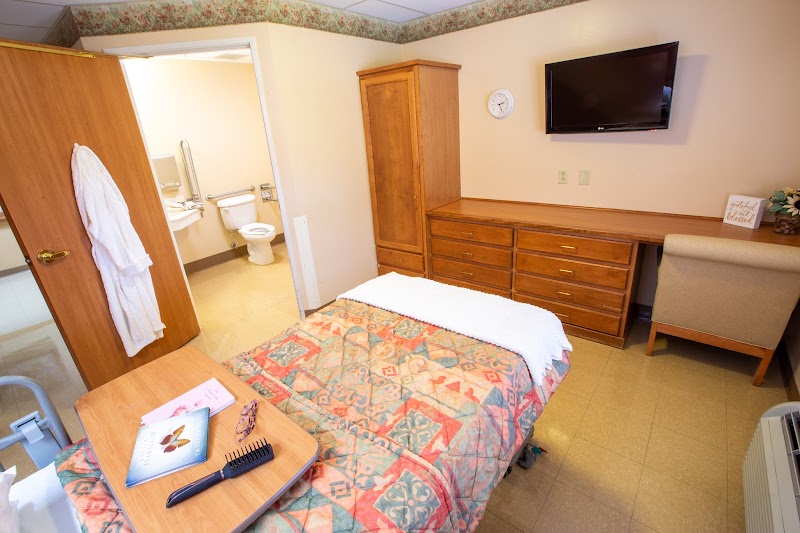
CMS rates TRUEMAN POINTE CARE CENTER's staffing level at 1 out of 5 stars, which is much below average compared to other nursing homes. Staff turnover is 78%, which is 32 percentage points above the Ohio average of 46%. High turnover can affect care consistency as new staff learn residents' individual needs. RN turnover specifically is 72%, which is notably high. RNs provide skilled clinical oversight, so turnover in this role can affect medical care quality.

What Have Inspectors Found at Trueman Pointe?

State health inspectors documented 17 deficiencies at TRUEMAN POINTE CARE CENTER during 2019 to 2024. These included: 1 that caused actual resident harm and 16 with potential for harm. Deficiencies causing actual harm indicate documented cases where residents experienced negative health consequences.
Who Owns and Operates Trueman Pointe?

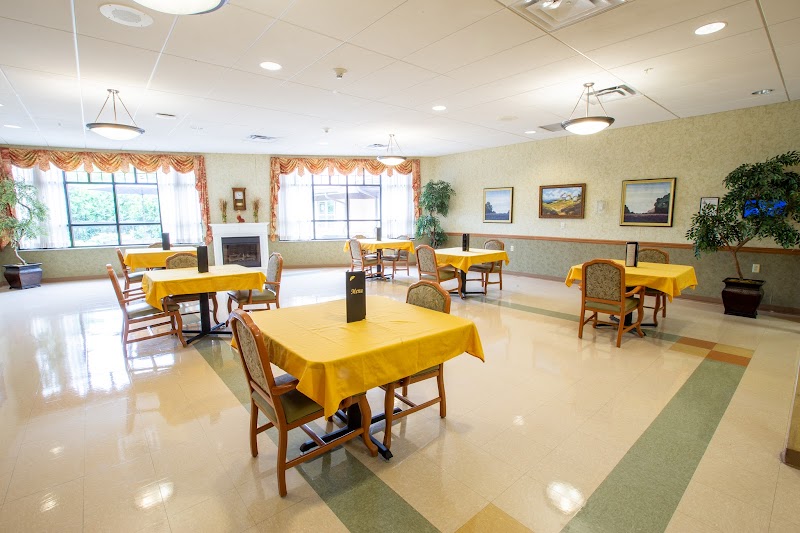
TRUEMAN POINTE CARE CENTER is owned by a for-profit company. For-profit facilities operate as businesses with obligations to shareholders or private owners. The facility is operated by FOUNDATIONS HEALTH SOLUTIONS, a chain that manages multiple nursing homes. With 72 certified beds and approximately 67 residents (about 93% occupancy), it is a smaller facility located in HILLIARD, Ohio.
How Does Trueman Pointe Compare to Other Ohio Nursing Homes?

Compared to the 100 nursing homes in Ohio, TRUEMAN POINTE CARE CENTER's overall rating (3 stars) is below the state average of 3.2, staff turnover (78%) is significantly higher than the state average of 46%, and health inspection rating (4 stars) is above the national benchmark.

What Should Families Ask When Visiting Trueman Pointe?

Based on this facility's data, families visiting should ask: "How do you ensure continuity of care given staff turnover, and what is your staff retention strategy?" "Can you walk me through typical staffing levels on day, evening, and night shifts?" "Can I visit during a mealtime to observe dining assistance and food quality?" "How do you handle medical emergencies, and what is your hospital transfer rate?" These questions are particularly relevant given the facility's high staff turnover rate and the below-average staffing rating.

Is Trueman Pointe Safe?

Based on CMS inspection data, TRUEMAN POINTE CARE CENTER has a clean safety record: no substantiated abuse findings (meaning no confirmed cases of resident harm), no Immediate Jeopardy citations (the most serious violation level indicating risk of serious injury or death), and is not on the Special Focus Facility watch list (a federal program monitoring the lowest-performing 1% of nursing homes). The facility has a 3-star overall rating and ranks #100 of 100 nursing homes in Ohio. While no facility is perfect, families should still ask about staff-to-resident ratios and recent inspection results during their visit.

Do Nurses at Trueman Pointe Stick Around?

Staff turnover at TRUEMAN POINTE CARE CENTER is high. At 78%, the facility is 32 percentage points above the Ohio average of 46%. Registered Nurse turnover is particularly concerning at 72%. RNs handle complex medical decisions and coordinate care — frequent RN changes can directly impact care quality. High turnover means new staff may not know residents' individual needs, medications, or preferences. It can also be disorienting for residents, especially those with dementia who rely on familiar faces. Families should ask: What is causing the turnover? What retention programs are in place? How do you ensure care continuity during staff transitions?

Was Trueman Pointe Ever Fined?

TRUEMAN POINTE CARE CENTER has no federal fines on record. CMS issues fines when nursing homes fail to meet care standards or don't correct problems found during inspections. The absence of fines suggests the facility has either maintained compliance or corrected any issues before penalties were assessed. This is a positive indicator, though families should still review recent inspection reports for the full picture.

Is Trueman Pointe on Any Federal Watch List?

TRUEMAN POINTE CARE CENTER is not on any federal watch list. The most significant is the Special Focus Facility (SFF) program, which identifies the bottom 1% of nursing homes nationally based on persistent, serious quality problems. Not being on this list means the facility has avoided the pattern of deficiencies that triggers enhanced federal oversight. This is a positive indicator, though families should still review the facility's inspection history directly.