LUTHERAN VILLAGE AT WOLFCREEK
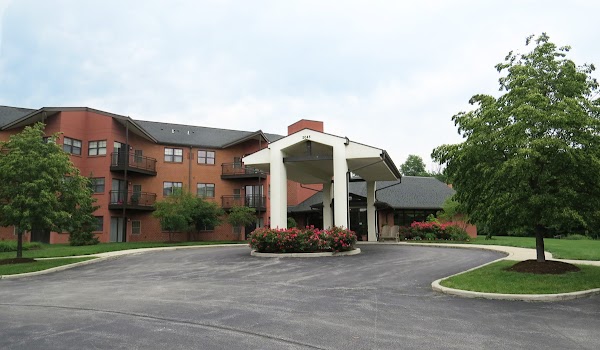
2001 PERRYSBURG HOLLAND ROAD, HOLLAND, OH 43528 (419) 861-5600
Non profit - Church related 67 Beds Independent Data: November 2025
Trust Grade
60/100
#497 of 913 in OH
Last Inspection: April 2023

Over 2 years since last inspection. Current conditions may differ from available data.

Overview

Lutheran Village at Wolfcreek has a Trust Grade of C+, indicating it is slightly above average but not an ideal choice. In Ohio, it ranks #497 out of 913 facilities, placing it in the bottom half, and #11 out of 33 in Lucas County, meaning only a few local options are better. The trend has worsened significantly, with issues increasing from 5 in 2019 to 17 in 2023. Staffing is a concern, rated at 1 out of 5 stars, with a turnover rate of 51%, which is average but suggests instability. While the facility has no fines, which is a positive sign, it has less RN coverage than 98% of Ohio facilities, raising concerns about adequate medical oversight. Specific incidents include a failure to ensure that medications were properly labeled, which can lead to medication errors, and cleanliness issues in the kitchen and refrigerators, posing potential health risks. Additionally, there were inadequate RN staffing hours on weekends, which could affect the care residents receive. Overall, while there are notable strengths such as the lack of fines, the facility's staffing issues and increasing number of deficiencies should be carefully considered by families researching options.

Trust Score
C+
60/100
In Ohio
#497/913
Bottom 46%
Safety Record
Low Risk
No red flags
Inspections
Getting Worse
5 → 17 violations
Staff Stability
⚠ Watch
51% turnover. Above average. Higher turnover means staff may not know residents' routines.
Penalties
✓ Good
No fines on record. Clean compliance history, better than most Ohio facilities.
Skilled Nurses
⚠ Watch
Each resident gets only 15 minutes of Registered Nurse (RN) attention daily — below average for Ohio. Fewer RN minutes means fewer trained eyes watching for problems.
Violations
⚠ Watch
38 deficiencies on record. Higher than average. Multiple issues found across inspections.
★★★☆☆
3.0
Overall Rating
★☆☆☆☆
1.0
Staff Levels
★★★★★
5.0
Care Quality
★★★☆☆
3.0
Inspection Score
Stable
2019: 5 issues
2023: 17 issues

The Good

  • 5-Star Quality Measures · Strong clinical quality outcomes
  • Full Sprinkler Coverage · Fire safety systems throughout facility
  • No fines on record

Facility shows strength in quality measures, fire safety.

The Bad

3-Star Overall Rating

Near Ohio average (3.2)

Meets federal standards, typical of most facilities

Staff Turnover: 51%

Near Ohio avg (46%)

Higher turnover may affect care consistency

The Ugly 38 deficiencies on record

Apr 2023 15 deficiencies
CONCERN (D)

Potential for Harm - no one hurt, but risky conditions existed

Resident Rights (Tag F0550)

Could have caused harm · This affected 1 resident

**NOTE- TERMS IN BRACKETS HAVE BEEN EDITED TO PROTECT CONFIDENTIALITY** Based on observation, staff interview, resident interview, record review and review of policy, the facility failed to ensure res...

Read full inspector narrative →
**NOTE- TERMS IN BRACKETS HAVE BEEN EDITED TO PROTECT CONFIDENTIALITY** Based on observation, staff interview, resident interview, record review and review of policy, the facility failed to ensure residents were treated with dignity and respect. This affected two (#20 and #48) of three residents reviewed for dignity. The facility census was 55. Findings include: 1. Review of Resident #20's medical record revealed an admission date of 05/16/22. Diagnoses included Alzheimer's disease, osteoarthritis, atherosclerotic heart disease, essential hypertension, major depressive disorder, and dementia with psychotic disturbance. Review of the quarterly Minimum Data Set (MDS) assessment dated [DATE] revealed Resident #20 was cognitively impaired. Observation on 04/10/23 at 12:01 P.M., revealed Licensed Practical Nurse (LPN) #659 stood in the middle of the hallway outside the room of Resident #20 and yelled into the resident room for Resident #20 to sit up while eating and stated, you are going to choke. Resident #20 was lying in bed, sat up, leaned over tray table to the right of the bed to take a bit of food and then laid back down in bed. Interview on 04/11/23 at 9:59 A.M., with LPN #659 verified LPN #659 did direct Resident #20 to sit up in bed while eating from the hallway. LPN #659 stated the resident lays down to eat and sometimes when medications are administered, not sure if it is just laziness or what. LPN #659 stated she should have entered the resident's room and provided directions to ensure the resident's safety when eating rather than yelling at Resident #20 from the hallway. 2. Review of Resident #48's medical record revealed an admission date of 02/25/23. Diagnoses included aftercare following explanation of knee joint prosthesis, presence of cardiac pacemaker, obstructive sleep apnea, chronic pulmonary embolism, presence of right artificial knee joint, morbid obesity, irritable bowel syndrome, asthma, chronic kidney disease, fibromyalgia, right heart failure, anxiety, and major depressive disorder. Review of the quarterly Minimum Data Set (MDS) assessment dated [DATE] revealed Resident #48 was cognitively intact and required extensive assistance with bed mobility, transfers, dressing, toilet use and personal hygiene. Interview on 04/10/23 at 12:45 P.M., with Resident #48 revealed there was a State Tested Nurse Aide (STNA) #615, who was a bully. Resident #48 stated she told Social Worker (SW) #639 during a care conference last week about STNA #615 and how she made her feel like she was bothering her. Resident #48 stated STNA #615 would stand in the hall, speak loudly, and say things like she technically did not have to answer call lights except for once every two hours, spoke about other residents, would tell her she could do things for herself and not want to help, and was just not friendly. Resident #48 stated she initially thought STNA #615 talked to herself but then she realized she wore ear buds and was on her phone. Resident #48 stated her condition had fortunately improved and she was able to do more for herself and did not ask for help unless necessary because she did not want to encounter STNA #615. Interview on 04/11/23 at 12:10 P.M., with STNA #615 revealed Resident #48 required more assistance when she initially admitted but was doing better and was able to do most things for herself. STNA #615 did not provide any additional pertinent information. Interview on 04/12/23 at 8:03 A.M., with Social Worker (SW) #639 revealed Resident #48 expressed concern last week regarding STNAs making her feel like they did not want to help her. SW #639 stated Resident #48 indicated STNAs would tell her she could do things for herself when she requested assistance. SW #639 stated Resident #48 was apprehensive about reporting her concerns and did not provide any specific staff names. SW #639 stated STNA #615 had a history of customer service concerns and had received education in the past related to her approach with residents. SW #639 stated she did report Resident #48's concerns to the former Director of Nursing (DON) #660 and she believed the concerns were addressed. Interview on 04/12/23 at 8:15 A.M., with the Administrator confirmed Resident #48 expressed concerns related to STNA #615 and her approach with residents. The Administrator stated Resident #48 provided information to former Unit Manager (UM) #700, who followed up with STNA #615. While the Administrator was unaware of any specific concerns related to STNA #615's approach with Resident #48, Resident #48 had reported to UM #700 that STNA #615 spoke loudly in the hall, talked about other residents, stated she was only checking on residents every two hours, and used profanity. The Administrator stated UM #700 provided verbal education to STNA #615. In addition, the Administrator stated there was an active investigation with the union related to the concerns expressed by Resident #48. Review of the policy titled Resident Rights Guidelines, dated July 2022, revealed residents had the right to be treated with dignity and respect and to be treated fairly, courteously, and with respect by all staff.
CONCERN (D)

Potential for Harm - no one hurt, but risky conditions existed

Deficiency F0558 (Tag F0558)

Could have caused harm · This affected 1 resident

**NOTE- TERMS IN BRACKETS HAVE BEEN EDITED TO PROTECT CONFIDENTIALITY** Based on medical record review, observation, and resident and staff interview, the facility failed to ensure a resident was eval...

Read full inspector narrative →
**NOTE- TERMS IN BRACKETS HAVE BEEN EDITED TO PROTECT CONFIDENTIALITY** Based on medical record review, observation, and resident and staff interview, the facility failed to ensure a resident was evaluated for safe use of a motorized wheelchair and provided a foot pedal for the manual wheelchair. This affected one (#5) of one resident reviewed for accommodation of needs. The facility census was 55. Findings include: Review of Resident #5's medical record revealed an admission date of 05/12/22. Diagnoses included urinary retention, edema, hypothyroidism, muscle weakness, insomnia, idiopathic peripheral autonomic neuropathy, heart failure, osteoarthritis, coronary artery disease, and unsteadiness on feet. Review of the quarterly Minimum Data Set (MDS) assessment dated [DATE] revealed Resident #5 was cognitively intact, was dependent on two staff for bed mobility and transfers and utilized a wheelchair for mobility. In addition, Resident #5 received Occupational Therapy (OT) from 08/03/22 to 10/06/22. Review of the plan of care initiated 05/13/22 revealed Resident #5 had impaired mobility related to history of right femur fracture, weakness, and right foot drop and needed assistance with transfers and mobility. Interventions included OT, Physical Therapy (PT) and Speech Therapy (ST) as needed. In addition, Resident #5 was at risk for falls related to pain, right foot drop, weakness, and use of assistive device. Interventions included encouraging the use of wheelchairs and PT and OT to evaluate and treat as ordered. Lastly, Resident #5 had basic care needs and preferences for daily routine. Interventions included wheelchair for mobility. Observation and interview on 04/10/23 at 12:05 P.M., with Resident #5 revealed the resident sitting in the doorway of her room. Resident #5 was in a manual wheelchair. Resident #5 stopped the surveyor and inquired if the surveyor could find the foot pedal for her wheelchair. Resident #5's right foot was noted to be hanging, not touching the floor, and no foot pedal was attached to the wheelchair. State Tested Nurse Aide (STNA) #725 approached Resident #5 and assisted the Resident to the dining room for lunch. STNA #725 was observed not to attach a right foot pedal to the wheelchair. Interview on 04/10/23 at 3:15 P.M., with Resident #5 revealed prior to her admission to the facility, she had a power wheelchair. Resident #5 stated the facility took it from her because something was wrong with it, and she never got it back. Resident #5 stated she preferred her power wheelchair because it was easier for her to navigate and move about independently. Interview on 04/13/23 at 10:02 A.M., with Director of Rehabilitation (DOR) #720 revealed Resident #5 admitted to the facility with a power wheelchair. DOR #720 stated, upon admission, the use of a power wheelchair was not appropriate for use due to Resident #5's limited range of motion of the right knee. DOR #720 stated Resident #5's power wheelchair was stored at the facility and, while it was manual, the wheelchair she was using was appropriate. DOR #720 could not recall if Resident #5 had been reassessed to determine if the use of her power wheelchair would be appropriate at this time. DOR #720 stated he was working based off memory of something that occurred about a year ago and did not recall all the specifics. DOR #720 agreed to review Resident #5's treatment history and follow up with the surveyor. A follow up interview on 04/13/23 at 1:19 P.M., with DOR #720 revealed Resident #5 admitted to the facility in May 2022 for rehabilitation following a fall and right leg fracture. DOR #720 stated it was not safe for Resident #5 to utilize her power wheelchair due to a lack of range of motion of her right knee, noting it was a safety issue because the resident's right foot could not rest on the foot plate. DOR #720 explained the power wheelchair's foot plate did not extend to accommodate Resident #5's lack of range of motion of the right knee. DOR #720 stated Resident #5's power wheelchair was placed upstairs at the facility, and she was provided a manual wheelchair. DOR #720 stated Resident #5 was able to propel her manual wheelchair herself, but preferred to have staff push her. DOR #720 confirmed Resident #5 had not been re-evaluated to determine if she could safely use her power wheelchair and the facility had not explored if the resident could get a new power wheelchair if the one stored at the facility was determined to not be safe or could not be modified to accommodate her needs. DOR #720 stated the therapy department would investigate her power wheelchair if Resident #5 asked, but she had not requested that be done.
CONCERN (D) 📢 Someone Reported This

A family member, employee, or ombudsman was alarmed enough to file a formal complaint

Potential for Harm - no one hurt, but risky conditions existed

Notification of Changes (Tag F0580)

Could have caused harm · This affected 1 resident

**NOTE- TERMS IN BRACKETS HAVE BEEN EDITED TO PROTECT CONFIDENTIALITY** Based on medical record review, staff interview and policy review, the facility failed to notify the physician when medications ...

Read full inspector narrative →
**NOTE- TERMS IN BRACKETS HAVE BEEN EDITED TO PROTECT CONFIDENTIALITY** Based on medical record review, staff interview and policy review, the facility failed to notify the physician when medications were not being administered per physician's orders. This affected one (#43) of five residents reviewed for medications. The facility census was 55. Findings include: Review of the medical record for Resident #43 revealed an admission date of 06/13/21. Diagnoses included cerebral infarct, epilepsy, hypertension, cognitive communication deficit, status post gastrostomy, aphasia, and dysphagia oropharyngeal phase status post cerebral infarct. Review of the Minimum Data Set (MDS) dated [DATE] revealed Resident #43 was cognitively impaired and required the extensive assistance of one staff for activities of daily living and was dependent on staff for eating, had a gastrostomy tube for feeding and medication administration due to dysphagia. Review of the current orders for Resident #43 revealed orders dated 09/15/22 for the gastrostomy tube patency and placement to be verified with 30 milliliters (ml) of air before each medication administration and feeding and for the gastrostomy tube to be flushed with 30 ml of water before and after medication administration. Orders initiated on 09/16/22, for the diagnosis of hypertension called for amlodipine 10 milligrams (mg) to be administered per gastrostomy tube every morning, hydralazine 50 mg administered per gastrostomy tube three times a day and lisinopril 40 mg administered per gastrostomy tube once a day. Review of the medication administration record for February 2023 revealed lisinopril 40 mg was documented as on hold on 02/21/23 at 5:06 A.M., amlodipine 10 mg was on hold on 02/21/23 at 5:06 A.M. and hydralazine 50 mg was on hold on 02/02/23 at 11:35 A.M., 02/21/23 at 5:06 A.M., 02/22/23 at 12:19 P.M. and on 02/26/23 at 12:05 P.M. and documented as not administered on 02/04/23 at 9:39 A.M. and 02/20/23 at 11:44 A.M. Review of the medication administration record for March 2023 revealed hydralazine 50 mg was on hold on 03/01/23 at 12:45 P.M., 03/12/23 at 5:57 P.M., 03/19/23 at 12:32 P.M. and 5:37 P.M., 03/21/23 at 11:21 A.M., 03/31/23 at 11:27 A.M. and not administered on 03/11/23 at 12:23 P.M., 03/12/23 at 12:21 P.M., 03/23/23 at 12:02 P.M., 03/25/23 at 6:51 P.M. and 03/26/23 at 6:15 P.M. Review of the medication administration record for April 2023 revealed hydralazine 50 mg had not been administered as ordered on 04/11/23 at 11:33 A.M. and 4:16 P.M. Review of the medical record and the medication administration records for February, March and April 2023 remained silent for documentation related to medications being held or not administered and further remained silent for the physician notification related to the medications held or not administered. Interview on 04/12/23 at 3:50 P.M., with the Interim Director of Nursing (DON) verified both the medications were held without physician notification and added the facility policy regarding medication administration was not followed. Review of the policy titled Medication Administration, dated May 2019 revealed prescribed medications are ordered and delivered in a timely fashion, if medications are withheld the licensed nurse professional administering the medications shall appropriately mark the electronic medical record and document the reason. The physician shall be notified when the medication is not given, and the physician notification is to be documented in the electronic medical record.
CONCERN (D)

Potential for Harm - no one hurt, but risky conditions existed

ADL Care (Tag F0677)

Could have caused harm · This affected 1 resident

**NOTE- TERMS IN BRACKETS HAVE BEEN EDITED TO PROTECT CONFIDENTIALITY** Based on medical record reviews, observations, resident and staff interviews, the facility failed to ensure residents dependent ...

Read full inspector narrative →
**NOTE- TERMS IN BRACKETS HAVE BEEN EDITED TO PROTECT CONFIDENTIALITY** Based on medical record reviews, observations, resident and staff interviews, the facility failed to ensure residents dependent on staff to provide assistance with captivities of daily living (ADLs) was provided the required assistance. This affected two (#36 and #38) of six residents reviewed for ADLs. The facility census was 55. Findings include: 1. Review of Resident #36's medical record revealed an admission date of 04/21/22. Diagnoses included hypertensive heart disease with heart failure, congestive heart failure (CHF), pulmonary hypertension, atrial fibrillation, chronic obstructive heart disease (COPD), rheumatoid arthritis, primary biliary cirrhosis, and Alzheimer's disease. Review of the quarterly Minimum Data Set (MDS) assessment dated [DATE] revealed Resident #36 was severely cognitively impaired and required extensive two-person assistance with toilet use, bed mobility, dressing, personal hygiene and set up assistance with eating. Review of a plan of care focus area initiated 05/03/22 revealed Resident #36 needed assistance with bathing and hygiene related to restricted mobility, weakness, heart failure, shortness of breath, COPD, and dementia. Interventions included assisting with bathing body parts resident is unable to do, encouraging and assisting in maintenance of good grooming and hygiene, and verbal reminders and verbal cues while bathing, dressing, and grooming. Observation on 04/11/23 at 4:41 P.M., revealed Resident #36 was in bed. Resident #36's meal tray was sitting on the bedside table, out of reach of the resident. The dinner plate had a cover over it. Observation on 04/11/23 at 5:00 P.M., revealed Resident #36's meal tray remained on the bedside table, to the left of the resident, with the plate still covered. Resident #36 was observed to reach with her left hand to try to pull the bedside table toward her. Resident #36 was unable to pull the table to her. Observation on 04/11/23 at 5:25 P.M., revealed Resident #36's meal tray was still on the bedside table, with the cover on the plate, and out of reach of the resident. Licensed Practical Nurse (LPN) #659 entered the room to check on the resident and provide water. Interview of LPN #659, at the time of the observation, confirmed Resident #36 was able to feed herself after receiving assistance with meal set up. LPN #659 verified Resident #36 could not reach her dinner meal. LPN #659 removed the cover from the dinner plate and moved the table to Resident #36, who picked up her hamburger and began eating. Observation on 04/12/23 at 7:10 A.M., revealed breakfast meal trays arrived at the B Hall, the hall Resident #36 resided on. Resident #36 was observed to be sleeping in her bed. Observation on 04/12/23 at 11:18 A.M., revealed Resident #36 laying sideways in her bed, with her head resting on the right-side bed rail. Interview of Resident #36, at the time of the observation, revealed she was not comfortable in bed. Resident #36 raised her right arm and oatmeal was noted on the underside of the resident's right arm and on the right side of her gown, sheets, and blankets. Resident #36 stated she dropped her bowl of oatmeal during breakfast this morning. Resident #36 stated her adult brief was wet and she believed the last time staff was in her room was around 9:00 A.M. Resident #36 had her blanket pulled down to her thighs and her gown was pulled up around her waist. Observation of Resident #36's brief revealed the brief was saturated with a yellow discoloration. Interview on 04/12/23 at 11:42 A.M., of State Tested Nurse Aide (STNA) #615 revealed she last provided care to Resident #36 around 6:45 A.M. STNA #615 stated personal care was typically provided to Resident #36 after meals because of potential spills. Observation of Resident #36, with STNA #615, at the time of the interview verified Resident #36's brief was saturated with urine and the resident had oatmeal on her right arm and on her gown, sheets, and blanket. STNA #615 stated she had been in to reposition Resident #36 throughout the morning but denied Resident #36 had been soiled and she had not noticed the oatmeal spilled on the resident and her bedding. STNA #615 stated she picked up Resident #36's breakfast meal tray around 8:30 A.M. and verified Resident #36 would have had the oatmeal on her from that time. Observation on 04/13/23 at 9:41 A.M., of Resident #36 revealed the resident in bed. Resident #36's fingernails were observed to be long, with debris under the nails. Interview of Resident #36, at the time of the observation, revealed she preferred to have her fingernails short. Interview on 04/01/23 at 9:44 A.M., of STNA #730 verified Resident #36's fingernails were long and had debris under them. STNA #730 stated she believed only the podiatrist could cut fingernails because of diabetes. Related to the debris under the fingernails, STNA #730 stated she did just eat breakfast. 2. Review of Resident #38's medical record revealed an admission date of 07/05/22. Diagnoses included dementia, osteoarthritis, cardiomegaly, essential hypertension, heart failure, hypertensive heart disease, mild cognitive impairment, history of falling, and need for assistance with personal care. Review of the quarterly Minimum Data Set (MDS) assessment dated [DATE] revealed Resident #38 was severely cognitively impaired and required extensive one-person physical assistance with personal hygiene. In addition, Resident #38 did not reject care during the look back period. Review of a plan of care focus area initiated 07/05/22 revealed Resident #38 needed assistance with bathing and hygiene related to congestive heart failure and weakness. Interventions included encouraging and assisting in maintenance of good grooming and dressing. Observation on 04/11/23 at 2:46 P.M., revealed Resident #38's fingernails were long, with debris under the nails. Interview on 04/11/23 at 2:46 P.M., of STNA #671 verified Resident #38's fingernails were long, with debris under the nails. STNA #671 stated she was an agency STNA and did not know Resident #38. Interview on 04/11/23 at 3:17 P.M., of LPN #659 revealed Resident #38 did not like to get out of bed but she would allow care to be provided. LPN #659 stated Resident #38 did not refuse care. LPN #659 verified Resident #38's fingernails were long and dirty and stated she would trim them today. Observation on 04/12/23 at 7:13 A.M. revealed Resident #38's fingernails remained dirty and untrimmed.
CONCERN (D)

Potential for Harm - no one hurt, but risky conditions existed

Deficiency F0679 (Tag F0679)

Could have caused harm · This affected 1 resident

**NOTE- TERMS IN BRACKETS HAVE BEEN EDITED TO PROTECT CONFIDENTIALITY** Based on medical record review, observation, resident and staff interview, and review of policy, the facility failed to ensure a...

Read full inspector narrative →
**NOTE- TERMS IN BRACKETS HAVE BEEN EDITED TO PROTECT CONFIDENTIALITY** Based on medical record review, observation, resident and staff interview, and review of policy, the facility failed to ensure activities of interest were provided to residents who stayed in their room. This affected two (#36 and #43) of three residents reviewed for activities. The facility census was 55. Findings include: 1. Review of Resident #36's medical record revealed an admission date of 04/21/22. Diagnoses included hypertensive heart disease with heart failure, congestive heart failure (CHF), pulmonary hypertension, atrial fibrillation, chronic obstructive pulmonary disease (COPD), rheumatoid arthritis, primary biliary cirrhosis, and Alzheimer's disease. Review of the quarterly Minimum Data Set (MDS) assessment dated [DATE] revealed Resident #36 was severely cognitively impaired and required extensive two person assistance with toilet use, bed mobility, dressing, personal hygiene and set up assistance with eating. Review of a plan of care focus area initiated 03/24/23 revealed Resident #36 was a long term resident of the facility and able to make her needs and preferences known. The resident stated she had no interest in activities while at the facility. Interventions included place an enlarged monthly activities calendar in the room to promote daily activities, encourage resident to engage in activities of interest daily, assist with activities as needed, and staff will visit 1:1 as tolerated. Further review of a plan of care focus area initiated 04/11/23 revealed Resident #36 presented with impaired cognition. Interventions included daily orientation to facility routines and activity schedule, environmental cues to stimulate memory, provide consistent physical environment and daily routine, and avoid demands for abstract thinking. Observations on 04/10/23 at 1:41 P.M.; 04/11/23 at 2:54 P.M.' 4:27 P.M., and 5:25 P.M.; 04/12/23 at 7:10 A.M., 11:18 A.M., 3:55 P.M., and 4:22 P.M.; and on 04/13/23 at 9:41 A.M. revealed Resident #36 in bed with the television on during each of the observations. Interview on 04/12/23 at 4:22 P.M., with State Tested Nurse Aide (STNA) #632 revealed Resident #36 remained in bed all of the time. STNA #632 stated day shift got Resident #36 out of bed once, about one month ago, but the resident screamed the entire time because she was in pain. Resident #36 was put to bed and had not been up again since. STNA #632 stated it was her understanding Resident #36 did not want to get out of bed and participate in activities or go to the dining room, but she herself had not asked Resident #36. STNA #632 stated Resident #36 laid in bed all day, with staff checking on her about every two hours, and had no other involvement in facility activities. Observation on 04/13/23 at 9:41 A.M., of Resident #36's room revealed an activity calendar hanging on a bulletin board on the wall immediately to the left upon entrance to the room. The bulletin board and calendar were located behind the head of Resident #36's bed, which was not visible to Resident #36. Interview of Resident #36 confirmed she did not get out of bed, participate in facility activities, or go to the dining room for any meals. Resident #36 stated All I do is lay here in this bed. Resident #36 stated she would like to get up and do something but was not aware of the facility activities. Resident #36 stated she assumed there was a physician order requiring her to stay in her room. Interview on 04/13/23 at 9:45 A.M. with STNA #645 revealed Resident #36 remained in bed all of the time, with no active engagement or participation in activities or dining. STNA #645 stated she was not sure why Resident #36 never got up to go to activities or the dining room, stating she was told Resident #36 got up one time and yelled because she was in pain and staff never got her up again. STNA #645 confirmed she had never approached Resident #36 about getting up to go to the dining room or participate in any other facility activities and the resident laid in bed all day with the television on. Interview on 04/13/23 at 2:23 P.M., with Activities Assistant (AA) #699 revealed the facility used to have specific programming for residents with dementia, but it was not currently in use. AA #699 confirmed Resident #36 did not attend any activities and stayed in her room all of the time. While she attempted to visit with Resident #36 daily, that was not possible and was more likely to be two to three visits each week. In addition, if Resident #36 was sleeping at the time of the visit, AA #699 did not return so visits were sometimes less frequent. AA #699 stated during their visits, Resident #36 would speak of past interests, liked to get her fingernails done, and do crafts. Additionally, AA #699 stated Resident #36 expressed an interest in going outside, but that activity had not occurred. AA #699 confirmed the activity calendar was hanging behind Resident #36, out of her view, and unless someone told her daily what activities were available, she would be unaware. AA #699 confirmed Resident #36's plan of care was not individualized and did not identify areas of interest to assist in keeping Resident #36 engaged. 2. Review of the medical record for Resident #43 revealed an admission date of 06/13/21. Diagnoses included cerebral infarct, epilepsy, hypertension, cognitive communication deficit, status post gastrostomy, aphasia, and dysphagia oropharyngeal phase status post cerebral infarct. Review of the Minimum Data Set (MDS) dated [DATE] revealed Resident #43 was cognitively impaired and required the extensive assistance of one staff for activities of daily living and was totally dependent on staff for eating, had a gastrostomy tube for feeding and medication administration due to dysphagia. Review of the care plan revised 01/12/23 revealed Resident #43 was a long-term resident and is unable to make needs and preferences known. The goal for Resident #43 revealed the resident will engage in activities of interest as tolerates and the resident will accept one on one visits daily. Interventions included staff will place an enlarged monthly activity calendar in the room to promote daily activities, staff will encourage the resident to engage in activities of interest daily and will offer assistance with activities as needed, staff will visit one on one as tolerated. Review of the preferred activities for Resident #43 revealed music, television and being outdoors. Observations on 04/11/23 at 7:15 A.M. of Resident #43 laid in bed looking out the window. Additional observations on 04/11/23 at 3:53 P.M. and on 04/12/23 at 8:01 A.M. and 11:00 A.M. and 3:30 P.M. and on 04/13/23 at 8:56 A.M. revealed Resident #43 was in bed with the television on during each observation. Interview on 04/13/23 at 11:00 A.M., with the Interim Director of Nursing (DON) verified Resident #43 had not been assisted out of bed in some time and is unsure of why the resident has not been assisted out of bed daily as the resident should be. Interview on 04/13/23 at 2:35 P.M., with AA #699 revealed the facility used to have specific programming for residents with dementia, but it was not currently in use. AA #699 confirmed Resident #43 did not attend any activities and stayed in her room all of the time. While she attempted to visit with Resident #43 daily, that was not possible and was more likely to be two to three visits each week. AA #699 stated during their visits, staff would sit with Resident #43 while watching television. Additionally, AA #699 stated Resident #43 expressed an interest in going outside, but that activity had not occurred. AA #699 confirmed the activity calendar was hanging behind Resident #43, out of her view, and unless someone told her daily what activities were available, she would be unaware. AA #699 confirmed Resident #43's plan of care was not individualized and did not identify areas of interest to assist in keeping Resident #43 engaged. Review of the policy titled Programming for Resident with Cognitive Impairments and Other Special Needs, revised March 2012, revealed activity programs were provided for the maintenance and enhancement of each resident's quality of life while promoting physical, cognitive and emotional health. The facility shall offer meaningful programs for residents with cognitive impairments that use reality and sensory awareness techniques. In addition, the activity department coordinates care planning with nursing and other members of the Interdisciplinary Team to develop and effective approach for meeting special activity needs of residents. Lastly, environmental modifications are implemented, as needed, to provide the least restrictive environment to enable activity participation while maintaining dignity. The focus should be on the resident's abilities, not disabilities.
CONCERN (D)

Potential for Harm - no one hurt, but risky conditions existed

Quality of Care (Tag F0684)

Could have caused harm · This affected 1 resident

**NOTE- TERMS IN BRACKETS HAVE BEEN EDITED TO PROTECT CONFIDENTIALITY** Based on record review, observation, staff interview, and resident interview, the facility failed to provide adequate care and t...

Read full inspector narrative →
**NOTE- TERMS IN BRACKETS HAVE BEEN EDITED TO PROTECT CONFIDENTIALITY** Based on record review, observation, staff interview, and resident interview, the facility failed to provide adequate care and treatment for a resident experiencing edema. This affected one (#17) of 16 residents reviewed for quality of care and treatment. The facility census was 55. Findings include: Review of Resident #17's medical record revealed an admission date of 10/18/19 and a readmission date of 01/10/23. Diagnoses included chronic kidney disease, heart failure, hypertension (HTN), osteoarthritis, glaucoma, congestive heart failure (CHF), and repeated falls. Review of the quarterly Minimum Data Set (MDS) assessment dated [DATE] revealed Resident #17 was cognitively intact, required set up assistance with activities of daily living (ADLs) and was on a therapeutic diet. Review of the plan of care initiated 01/10/23 revealed Resident #17 was on diuretic therapy related to HTN and CHF. Interventions included administering medications per order. Review of current physician orders for April 2023 revealed Resident #17 was prescribed spironolactone (diuretic) 25 milligram (mg) tablet two times daily. Additional review revealed no physician orders for compression stockings. Review of a physician progress note dated 04/06/23 revealed Resident #17 had leg swelling, noted to be a chronic condition, and was no longer on lasix. Resident #17 was encouraged to wear compression stockings every day. Review of an Occupational Therapy (OT) progress note dated 04/12/23 revealed Resident #17 required maximum assistance to apply compression stockings. Interview on 04/10/23 at 12:13 P.M., with Resident #17 revealed compression stockings were to be applied in the morning and removed at night. Observation at the time of the interview revealed Resident #17 was not wearing compression stockings and swelling was noted to bilateral lower extremities. Resident #17 stated staff were to assist with applying compression stocking, but it was not being done. Interview on 04/11/23 at 3:18 P.M., with Licensed Practical Nurse (LPN) #659 revealed Resident #17 had an order for a diuretic but did not have an order for compression stockings. LPN #659 stated she had never known Resident #17 to wear compression stockings. Observation on 04/11/23 at 3:22 P.M., revealed Resident #17 walking down the hall. Swelling was noted to the Resident's bilateral lower extremities. Resident #17 was not observed to be wearing compression stockings and a pair of compression stockings were observed to be folded and laying at the foot of the Resident's bed. A follow up interview on 04/12/23 at 11:13 A.M., with Resident #17 revealed OT assisted her with applying compression stockings this morning. Resident #17 stated her daughter brought the compression stockings in because of the swelling in her legs and her physician told her last week to wear them. Interview on 04/12/23 4:18 P.M., with State Tested Nurse Aide (STNA) #632 confirmed Resident #17's daughter had brought in compression stockings for Resident #17. STNA #632 confirmed Resident #17 had not been wearing them and she did not believe there was an order for them. Observation on 04/13/23 at 8:43 A.M., with LPN #631, confirmed Resident #17 had right leg edema rated at +1 (mild pitting, slight indentation) on the left lower extremity and +2 (moderate pitting, 1/4-to-1/2-inch indentation) on the right lower extremity. LPN #631 stated Resident #17 had bilateral swelling since her admission and, to her knowledge, had never worn compression stocking. During the observation, Resident #17 reiterated that the physician told her last week to wear compression stockings every day. LPN #631 stated she would follow up with the physician. A follow up interview on 04/13/23 at 9:48 A.M., with LPN #631 revealed she spoke with the physician regarding compression stockings for Resident #17. LPN #631 confirmed Resident #17 should have had an order for them, however, the physician stated because Resident #17 had compression stockings in her room, the physician thought there was already an order and had not confirmed an order existed. LPN #631 verified a new order would be entered today for Resident #17 to have compression stockings applied in the morning and removed at night.
CONCERN (D)

Potential for Harm - no one hurt, but risky conditions existed

Incontinence Care (Tag F0690)

Could have caused harm · This affected 1 resident

**NOTE- TERMS IN BRACKETS HAVE BEEN EDITED TO PROTECT CONFIDENTIALITY** Based on medical record review, observation, resident's friend interview, resident interview, and staff interview, the facility ...

Read full inspector narrative →
**NOTE- TERMS IN BRACKETS HAVE BEEN EDITED TO PROTECT CONFIDENTIALITY** Based on medical record review, observation, resident's friend interview, resident interview, and staff interview, the facility failed to ensure residents received timely incontinence care. This affected one (#36) of one residents reviewed for incontinence care. The facility census was 55. Findings include: Review of Resident #36's medical record revealed an admission date of 04/21/22. Diagnoses included hypertensive heart disease with heart failure, congestive heart failure, pulmonary hypertension, atrial fibrillation, chronic obstructive pulmonary disease, rheumatoid arthritis, primary biliary cirrhosis, and Alzheimer's disease. Review of the quarterly Minimum Data Set (MDS) assessment dated [DATE] revealed Resident #36 was severely cognitively impaired and required extensive two person assistance with toilet use, bed mobility, dressing, personal hygiene and set up assistance with eating. Additionally, Resident #36 was always incontinent of bowel and bladder. Review of a plan of care focus area initiated 05/03/22 revealed Resident #36 had urinary incontinence related to restricted mobility, dementia, and weakness. Interventions included provide toileting assistance as needed, provide adult incontinence products, and monitor for incontinence frequently. Interview on 04/11/23 at 2:54 P.M., with Resident #36's friend revealed she had been visiting with the resident for at least 30 minutes and Resident #36 had indicated to her upon her arrival that she had been incontinent and needed changed. Interview of Resident #36 at the time revealed she required assistance with incontinence care and it had likely been two or more hours since she was last checked on by staff. Follow up interview on 04/11/23 at 4:27 P.M., with Resident #36 revealed staff still had not been in her room to check on her and she required incontinence care. Interview on 04/11/23 at 4:28 P.M., with State Tested Nurse Aide (STNA) #671 revealed her shift began at 2:00 P.M. STNA #671 verified she had not provided care to Resident #36 since the start of her shift. STNA #671 asked What's wrong with her? The surveyor indicated Resident #36 required incontinence care. STNA #671 stated she needed to pass dinner meal trays and would change Resident #36 when she was finished. Continued observations on 04/11/23 from 4:41 P.M. through 5:25 P.M., revealed STNA #671 continued to pass dinner meal trays and Resident #36 had not received incontinence care. Observation on 04/11/23 at 5:25 P.M., revealed Licensed Practical Nurse (LPN) #659 entered Resident #36's room to check on the Resident and provide water. Interview with LPN #659 revealed briefs usually had a blue line when they were wet. LPN #659 verified the brief did not have a blue line. LPN #659 poked the brief, which was firm to the touch, and verified Resident #36's brief was saturated with urine. LPN #659 covered Resident #36 with a sheet and blanket, moved the over the bed table with the dinner meal tray over to the resident and left the room without providing incontinence care. Observation on 04/12/23 at 11:18 A.M., revealed Resident #36 laying in bed. Resident #36 stated she had been incontinent and needed changed. Resident #36's blankets were pulled down to her thighs and her gown was around her waste. Resident #36's brief was exposed and a yellow discoloration on the brief was noted. Interview on 04/12/23 at 11:42 A.M., with STNA #615 revealed residents should be checked and changed at least every two hours. STNA #615 stated she last provided incontinence care to Resident #36 around 6:45 A.M. STNA #615 verified Resident #36's brief was saturated with urine and confirmed Resident #36 would not utilize her call light to request assistance if needed.
CONCERN (D)

Potential for Harm - no one hurt, but risky conditions existed

Deficiency F0692 (Tag F0692)

Could have caused harm · This affected 1 resident

**NOTE- TERMS IN BRACKETS HAVE BEEN EDITED TO PROTECT CONFIDENTIALITY** Based on medical record review, observation, resident and staff interviews, review of resident's meal ticket and review of polic...

Read full inspector narrative →
**NOTE- TERMS IN BRACKETS HAVE BEEN EDITED TO PROTECT CONFIDENTIALITY** Based on medical record review, observation, resident and staff interviews, review of resident's meal ticket and review of policy, the facility failed to ensure a resident's physician ordered therapeutic diet was provided as ordered. This affected one (#17) of two residents reviewed for nutrition. The facility census was 55. Findings include: Review of Resident #17's medical record revealed an admission date of 10/18/19 and a readmission date of 01/10/23. Diagnoses included chronic kidney disease, heart failure, hypertension (HTN), osteoarthritis, glaucoma, congestive heart failure (CHF), and repeated falls. Review of the quarterly Minimum Data Set (MDS) assessment dated [DATE] revealed Resident #17 was cognitively intact, required set up assistance with activities of daily living (ADLs) and was on a therapeutic diet. Review of the plan of care dated 01/23/23 revealed Resident #17 was at risk for altered nutrition and hydration related to advanced age, CHF, and diuretic treatment. Avoid hot dogs, sausage, bacon and ham. Interventions included diet as ordered. Additional review of the plan of care revealed Resident #17 had potential for fluid imbalance and activity tolerance related to CHF. Interventions included diet per order. Review of a Nutrition assessment dated [DATE] revealed Resident #17 was on a no added salt, regular diet with thin liquids and no bacon, ham, hot dogs, and sausage. Review of current physician orders for April 2023 revealed Resident #17 was ordered a no added salt, regular diet with thin liquids, no ham, bacon, sausage, or hot dogs. Interview on 04/10/23 at 11:25 A.M., with Resident #17 revealed the facility did not honor her low salt diet when serving meals. Interview on 04/12/23 at 4:18 P.M., with State Tested Nurse Aide (STNA) #632 revealed Resident #17 preferred to not eat salty foods. STNA #632 stated she was unaware of Resident #17's diet orders but stated Resident #17 would become upset when she was served things like ham sandwiches because the resident stated she was not supposed to have salty foods. Observation on 04/13/23 at 8:10 A.M., with Resident #17's breakfast meal tray revealed the resident was served ham, eggs, toast, and cream of wheat. Interview with STNA #730 at the time of the observation verified Resident #17 was served ham for breakfast. STNA #730 stated she was an agency staff and was unaware of Resident #17's diet order. Review of Resident #17's breakfast meal ticket, dated 04/13/23, revealed the resident was on a regular, no added salt diet. The meal ticket did not indicate no ham, bacon, sausage, or hot dogs. Interview on 04/13/23 at 8:19 A.M., with Dietary Aide (DA) #641 revealed nursing staff were to complete a diet communication form indicating a resident's diet orders and send to the kitchen for the dietary meal ticket to be generated. DA #641 verified Resident #17's meal ticket did not indicate she was not to have ham, bacon, sausage, or hot dogs. DA #641 stated she was unaware Resident #17 was not supposed to have those food items since it was not on the meal ticket. Telephone interview on 04/13/23 at 9:25 A.M., with Registered Dietitian (RD) #710 verified Resident #17's diet order was a no added salt, regular diet with thin liquids and no ham, bacon, sausage, or hot dogs. While salt was not added to foods prepared by the kitchen, RD #710 confirmed ham, bacon, sausage and hot dogs were specifically identified due to their high salt content. RD #710 stated nursing staff should be communicating diet orders to the kitchen. Review of the policy titled Diet Orders/Meal Preferences, revised July 2018, revealed nursing would complete a Dietary Communication form and send to dietary in order to generate a tray ticket. Dietary staff would print tray tickets for each meal to reflect the ordered diet.
CONCERN (D) 📢 Someone Reported This

A family member, employee, or ombudsman was alarmed enough to file a formal complaint

Potential for Harm - no one hurt, but risky conditions existed

Pharmacy Services (Tag F0755)

Could have caused harm · This affected 1 resident

**NOTE- TERMS IN BRACKETS HAVE BEEN EDITED TO PROTECT CONFIDENTIALITY** Based on medical record review, staff interview and policy review, the facility failed to administer medications per physician's...

Read full inspector narrative →
**NOTE- TERMS IN BRACKETS HAVE BEEN EDITED TO PROTECT CONFIDENTIALITY** Based on medical record review, staff interview and policy review, the facility failed to administer medications per physician's orders. This affected one (#43) of five residents reviewed for medications. The facility census was 55. Findings include: Review of the medical record for Resident #43 revealed an admission date of 06/13/21. Diagnoses included cerebral infarct, epilepsy, hypertension, cognitive communication deficit, status post gastrostomy, aphasia, and dysphagia oropharyngeal phase status post cerebral infarct. Review of the Minimum Data Set (MDS) dated [DATE] revealed Resident #43 was cognitively impaired and required the extensive assistance of one staff for activities of daily living and was dependent on staff for eating, had a gastrostomy tube for feeding and medication administration due to dysphagia. Review of the current orders for Resident #43 revealed orders dated 09/15/22 for the gastrostomy tube patency and placement to be verified with 30 milliliters (ml) of air before each medication administration and feeding and for the gastrostomy tube to be flushed with 30 ml of water before and after medication administration. Orders initiated on 09/16/22, for the diagnosis of hypertension called for amlodipine 10 milligrams (mg) to be administered per gastrostomy tube every morning, hydralazine 50 mg administered per gastrostomy tube three times a day and lisinopril 40 mg administered per gastrostomy tube once a day. Review of the medication administration record for February 2023 revealed lisinopril 40 mg was documented as on hold on 02/21/23 at 5:06 A.M., amlodipine 10 mg was on hold on 02/21/23 at 5:06 A.M. and hydralazine 50 mg was on hold on 02/02/23 at 11:35 A.M., 02/21/23 at 5:06 A.M., 02/22/23 at 12:19 P.M. and on 02/26/23 at 12:05 P.M. and documented as not administered on 02/04/23 at 9:39 A.M. and 02/20/23 at 11:44 A.M. Review of the medication administration record for March 2023 revealed hydralazine 50 mg was on hold on 03/01/23 at 12:45 P.M., 03/12/23 at 5:57 P.M., 03/19/23 at 12:32 P.M. and 5:37 P.M., 03/21/23 at 11:21 A.M., 03/31/23 at 11:27 A.M. and not administered on 03/11/23 at 12:23 P.M., 03/12/23 at 12:21 P.M., 03/23/23 at 12:02 P.M., 03/25/23 at 6:51 P.M. and 03/26/23 at 6:15 P.M. Review of the medication administration record for April 2023 revealed hydralazine 50 mg had not been administered as ordered on 04/11/23 at 11:33 A.M. and 4:16 P.M. Review of the medical record and the medication administration records for February, March and April 2023 remained silent for documentation related to medications being held or not administered and further remained silent for the physician notification related to the medications held or not administered. Interview on 04/12/23 at 3:50 P.M., with the Interim Director of Nursing (DON) verified hydralazine and lisinopril were ordered and there are no parameters in place to hold the medications. Interim DON further verified both the hydralazine and lisinopril were held without physician notification and added the facility policy regarding medication administration was not followed. Review of the policy titled Medication Administration, dated May 2019 revealed prescribed medications are ordered and delivered in a timely fashion, if medications are withheld the licensed nurse professional administering the medications shall appropriately mark the electronic medical record and document the reason. The physician shall be notified when the medication is not given, and the physician notification is to be documented in the electronic medical record.
CONCERN (D)

Potential for Harm - no one hurt, but risky conditions existed

Medication Errors (Tag F0758)

Could have caused harm · This affected 1 resident

**NOTE- TERMS IN BRACKETS HAVE BEEN EDITED TO PROTECT CONFIDENTIALITY** 3. Review of the medical record for Resident #49 revealed an admission date of 05/17/22, diagnoses included chronic kidney disea...

Read full inspector narrative →
**NOTE- TERMS IN BRACKETS HAVE BEEN EDITED TO PROTECT CONFIDENTIALITY** 3. Review of the medical record for Resident #49 revealed an admission date of 05/17/22, diagnoses included chronic kidney disease, dementia, chronic obstructive pulmonary disease. Review of the Minimum Data Set (MDS) dated [DATE] revealed Resident #49 was cognitively impaired and required the extensive assistance of one staff for bed mobility, transfers, locomotion, dressing, toilet use and personal hygiene and required the limited assistance of one staff for walking and eating. In addition, Resident #49 received antipsychotic medication seven days of the look back period, with active diagnoses including chronic kidney disease, dementia, and chronic obstructive pulmonary disease. Review of a plan of care focus area initiated 12/15/22 revealed Resident #49 had potential for drug related complications associated with use of psychotropic medications. Interventions included observe, document, and report to the physician as needed signs and symptoms of drug related complications, monitor for target behaviors and document per facility protocol, and consult with the pharmacy and physician to consider dosage reduction when clinically appropriate. Review of current physician orders revealed Resident #49 was ordered Seroquel (antipsychotic medication) 75 milligrams (mg) at bedtime for agitation and restlessness, Seroquel 25 mg once daily at 4:00 P.M. for anxiety and restlessness and an as needed dose of Seroquel 25 mg at bedtime if the bedtime dose of Seroquel was not effective for dementia without behavioral disturbance. In addition, behavior monitoring each shift. Review of the Medication Administration Record (MAR) for January 2023 revealed Seroquel 25 mg had been administered nightly as ordered from 01/01/23 to 01/30/21. On 01/31/23 the bedtime dose of Seroquel was increased to 50 mg and was administered on 01/31/23. Review of the MAR for February 2023 revealed the bedtime dose of Seroquel was increased to 75 mg nightly and on 02/23/23 an additional dose of Seroquel 25 mg was ordered at bedtime if the 75 mg dose was ineffective. Resident #49 received Seroquel as ordered and had not received any as needed doses. Review of the MAR for March 2023 revealed Seroquel 75 mg at bedtime was administered as ordered and the as needed dose of Seroquel 25 mg had not been administered but continued to be reordered every 14 days. Review of the MAR for April 2023 revealed a dose of Seroquel 25 mg once daily at 4:00 P.M. had been added for restlessness. The daily 4:00 P.M. dose and the nighttime dose of Seroquel had been administered as ordered. An additional dose of Seroquel 25 mg was administered on 04/09/23 at bedtime. Review of nursing progress notes from 01/01/23 through 04/12/23 revealed no behaviors were documented for Resident #49. Review of nurse practitioner progress notes dated 01/12/23, 02/10/23 and 03/09/23 revealed no specific behavioral concerns and no nursing concerns identified. Observations on 04/10/23 at 3:12 P.M.; 04/11/23 at 3:20 P.M., 04/12/23 at 8:00 A.M., 12:06 P.M., and on 04/13/23 at 8:55 A.M. revealed Resident #49 was interacting with others and visiting with family at bedside during the observations. No behavioral concerns were observed. Interview on 04/12/23 at 4:00 P.M., with Interim Director of Nursing (IDON) #613 verified Resident #49 had no psychiatric diagnosis to support the use of Seroquel, other than dementia. In addition, IDON #613 verified Resident #49 had no behaviors documented from 01/01/23 through 04/12/23 and nurse practitioner notes dated 01/12/23, 02/10/23 and 03/09/23 revealed no specific behaviors were identified for Resident #49. IDON #613 stated hospice prescribed Seroquel for Resident #49 and there had been an on-going concern related to hospice prescribing too many medications. Based on medical record review, resident and staff interview, review of Medscape medication prescribing information, and review of policy, the facility failed to ensure two (#36 and #49) residents did not receive antipsychotic medications without an appropriate diagnosis or treatment of a specific condition. In addition, the facility failed to ensure one resident's (#48) as needed (PRN) use of anxiety medications were not utilized beyond 14 days without physician review and failed to update the physician order with an end date once reviewed by the physician. This affected three (#36, #48, and #49) of five residents reviewed for unnecessary medications. The facility census was 55. Findings include: 1. Review of Resident #36's medical record revealed an admission date of 04/21/22. Diagnoses included hypertensive heart disease with heart failure, congestive heart failure (CHF), pulmonary hypertension, atrial fibrillation, chronic obstructive heart disease (COPD), rheumatoid arthritis, primary biliary cirrhosis, and Alzheimer's disease. Review of the quarterly Minimum Data Set (MDS) assessment dated [DATE] revealed Resident #36 was severely cognitively impaired and required extensive two-person assistance with toilet use, bed mobility, dressing, personal hygiene and set up assistance with eating. In addition, Resident #36 received antipsychotic medication seven days of the look back period, with active diagnoses including CHF, heart failure, Alzheimer's disease, COPD, atrial fibrillation, rheumatoid arthritis, primary biliary cirrhosis, and gastroesophageal reflux disease (GERD). Review of a plan of care focus area initiated 04/26/22 revealed Resident #36 had potential for drug related complications associated with use of psychotropic medications related to antidepressant, anxiety, insomnia, antipsychotic use, and dementia. Interventions included observe, document, and report to the physician as needed signs and symptoms of drug related complications, maintain behavior monitoring program to monitor behaviors twice daily and as needed, monitor for target behaviors, and document per facility protocol, and consult with the pharmacy and physician to consider dosage reduction when clinically appropriate. Review of current physician orders revealed Resident #36 was ordered Seroquel (antipsychotic medication) 50 milligrams (mg) twice daily for dementia without behavioral disturbance. In addition, behavior monitoring each shift. Review of the Medication Administration Record (MAR) from 01/01/23 through 04/12/23 confirmed Resident #36 received Seroquel twice daily as ordered. Additionally, behavior monitoring was completed twice daily with no behaviors documented behaviors during the reviewed period. Review of nursing progress notes from 01/01/23 through 04/12/23 revealed no behaviors were documented for Resident #36. Review of nurse practitioner progress notes dated 01/09/23 and 03/17/23 revealed no specific behavioral concerns and no nursing concerns identified. Review of a physician progress note dated 02/09/23 revealed no specific behavioral concerns and no nursing concerns identified. Observations on 04/10/23 at 1:41 P.M.; 04/11/23 at 2:54 P.M., 4:27 P.M., and 5:25 P.M.; 04/12/23 at 7:10 A.M., 11:18 A.M., 3:55 P.M., and 4:22 P.M.; and on 04/13/23 at 9:41 A.M. revealed Resident #36 in bed with the television on during each of the observations. No behavioral concerns were observed. Interview on 04/12/23 at 3:55 P.M., with Interim Director of Nursing (IDON) #613 verified Resident #36 had no psychiatric diagnosis to support the use of Seroquel, other than dementia. In addition, IDON #613 verified Resident #36 had no behaviors documented from 01/01/23 through 04/12/23 and nurse practitioner notes dated 01/09/23 and 03/17/23 and physician note dated 02/09/23 also revealed no specific behaviors were identified for Resident #36. IDON #613 stated hospice prescribed Seroquel for Resident #36 and there had been an on-going concern related to hospice prescribing too many medications. Interview on 04/12/23 at 4:22 P.M., with State Tested Nurse Aide (STNA) #632 revealed Resident #36's behaviors typically consisted of yelling out and attempting to get out of bed when she was in pain or if her brief was soiled. STNA #632 stated Resident #36 calmed down once her needs were addressed. STNA #632 denied Resident #36 was ever combative. Interview on 04/12/23 at 4:28 P.M., with Licensed Practical Nurse (LPN) #631 revealed Resident #36 could become agitated. LPN #631 stated the agitation typically presented as yelling or trying to get out of bed. LPN #631 stated most of the time, Resident #36's behaviors subsided once her needs were addressed. LPN #631 was unaware of Resident #36 being combative. Review of Medscape Seroquel (quetiapine - generic medication name) prescribing information, located at https://reference.medscape.com/drug/seroquel-xr-quetiapine-342984#0, revealed the medication was prescribed to treat Schizophrenia and Bipolar Disorder in geriatric populations. In addition, off-label (not approved) prescribing for psychosis and agitation in Alzheimer's dementia. Further review revealed a Black Box Warning indicting the medication was not approved for dementia-related psychosis; elderly patients with dementia-related psychosis who are treated with antipsychotic drugs are at increased risk of death, as shown in short-term controlled trials; deaths in these trials appeared to be either cardiovascular (for example, heart failure, sudden death) or infectious (e.g., pneumonia) in nature. Review of the policy titled Antipsychotic/Psychotropic Medications and GDRs, revised January 2019, revealed if an order for an antipsychotic/psychotropic medication is written by the attending physician/nurse practitioner, he or she have assessed, properly diagnosed, and documented in the medical record the resident requires the use of the antipsychotic/psychotropic medication. 2. Review of Resident #48's medical record revealed an admission date of 02/25/23. Diagnoses included aftercare following explanation of knee joint prosthesis, presence of cardiac pacemaker, obstructive sleep apnea, chronic pulmonary embolism, presence of right artificial knee joint, morbid obesity, irritable bowel syndrome, asthma, chronic kidney disease, fibromyalgia, right heart failure, anxiety, and major depressive disorder. Review of the quarterly Minimum Data Set (MDS) assessment dated [DATE] revealed Resident #48 was cognitively intact and required extensive assistance with bed mobility, transfers, dressing, toilet use and personal hygiene. Review of a plan of care focus area, initiated 03/09/23, revealed Resident #48 had potential for drug related complications associated with use of psychotropic medication related to antidepressant and antianxiety medication use. Interventions included observing, documenting, and reporting signs and symptoms of drug related complications and consulting with the pharmacy and physician regarding Gradual Dose Reduction (GDR) when clinically appropriate. Review of a physician order, with a start date of 02/24/23, revealed Resident #48 was ordered alprazolam (antianxiety medication) 0.5 milligrams (mg) three times daily as needed for anxiety. The order did not contain a stop date for the medication. Review of the Medication Administrator Record (MAR) from 02/24/23 through 04/12/23 revealed Resident #48 received alprazolam beyond the initial 14 days (03/09/23) on the following dates: 03/11/23, 03/15/23, 03/16/23, 03/17/23, 03/19/23, 03/20/23, 03/22/23, 03/28/23, 03/29/23, 03/31/23, and 04/12/23. Review of a pharmacy recommendation dated 03/27/23 revealed all as needed (PRN) psychoactive medications must initially be limited to 14 days in duration. The prescriber must then reassess the resident to continue the PRN order. The pharmacy requested documentation of rational for continued use and the duration. Further review revealed on 03/31/23, the physician provided rational of Generalized Anxiety Disorder (GAD) and extended the use of the PRN alprazolam for 30 days. Interview on 04/13/23 at 12:49 P.M., with Interim Director of Nursing (IDON) #613 verified the order for PRN alprazolam was continued beyond the initial 14 days without the physician assessing Resident #48 for continued use. In addition, IDON #613 verified the physician order was not updated with a stop date once reviewed by the physician on 03/31/23. Review of the policy titled Antipsychotic/Psychotropic Medications and GDRs, revised January 2019, revealed PRN psychotropic medication orders were limited to 14 days. The physician or nurse practitioner, if appropriate, may extend the PRN order beyond 14 days but should document their rationale in the resident's medical record and indicate the duration of the PRN medication.
CONCERN (D)

Potential for Harm - no one hurt, but risky conditions existed

Deficiency F0760 (Tag F0760)

Could have caused harm · This affected 1 resident

Based on observation, staff interview, medical record review, review of drug manufacturer's instructions, and review of policy, the facility failed to ensure insulin was administered as ordered. This ...

Read full inspector narrative →
Based on observation, staff interview, medical record review, review of drug manufacturer's instructions, and review of policy, the facility failed to ensure insulin was administered as ordered. This affected one resident (#53) of ten residents observed during medication administration. The facility census was 55. Findings include: Review of Resident #53's record revealed an admission date of 11/23/21. Diagnoses included acute respiratory failure with hypoxia, type II diabetes mellitus, border bipolar, hypertension, persistent vegetative state, and tracheostomy due to an anoxic brain injury. Review of a physician order dated 09/06/22 revealed Resident #53 was ordered Humalog Insulin, 100 units per milliliter to be administered per sliding scale before meals and at bedtime. The sliding scale stated for a blood sugar between 0-69 milligrams per deciliter (mg/dl) to hold insulin and initiate hypoglycemia protocol, for a blood sugar between 70-139 mg/dl, hold insulin, a blood sugar between 140-160 mg/dl required the administration of 3 units of insulin, a blood sugar between 161-190 mg/dl required the administration of 4 units of insulin, a blood sugar between 191-230 mg/dl required the administration of 5 units of insulin, a blood sugar between 231- 270 mg/dl required 6 units of insulin to be administered and a blood sugar between 271-999 mg/dl required the administration of 7 units of insulin and for the physician called if the blood sugar was greater than 400 mg/dl. Observation of Registered Nurse (RN) #602 on 04/12/23 at 11:06 A.M., revealed RN #602 completed hand hygiene and completed a blood sugar check for Resident #53 with a blood sugar result of 210 mg/dl. Continued observation of RN #602 revealed the nurse returned to the medication cart outside the door of Resident #53, completed hand hygiene, opened the top drawer of the medication cart and removed the individually labeled insulin pen for Resident #53, RN #602 then removed two alcohol pads and needle, also from the top drawer, then removed the cap from the insulin pen, opened one of the alcohol prep packages, removed the alcohol pad and cleansed the top of the insulin pen, attached the needle to the insulin pen, and dialed the insulin pen to 5 units. RN #602 picked up the second alcohol pad package and entered the room of Resident #53 holding the insulin pen in the right hand. Observation continued, RN #602 opened the alcohol package and used the alcohol swab to cleanse the lateral upper right arm of Resident #53 followed by the administration of the subcutaneous injection of 5 units of Humalog insulin into the lateral right upper arm of the resident. Interview on 04/12/23 at 11:10 A.M., with RN #602 stated insulin pens are only required to be primed with 2 units of insulin when first opened and no priming of the insulin pens are required with each individual dose of insulin. RN #602 verified the insulin pen for Resident #53 had not been primed prior to the administration of the 5 units of insulin. Interview on 04/12/23 at 4:00 P.M., with the Interim Director of Nursing (DON) verified insulin pens are required to be primed with 2 units of insulin after the needle is attached for each insulin administration. Review of the undated policy titled Administering Medications Insulin Administration, dated 06/17/21, stated insulin pen requiring priming prior to administration and manufacturer's recommendations should be check prior to use. Review of insulin Humalog manufacturer's instructions, revised April 2020, revealed priming with 2 units of insulin is required prior to use of the insulin pen to ensure air is removed from the needle and the cartridge that may collect during normal use and to prime priming ensures the pen is working correctly. If you do not prime before each injection, too much or too little insulin may be administered.
CONCERN (D) 📢 Someone Reported This

A family member, employee, or ombudsman was alarmed enough to file a formal complaint

Potential for Harm - no one hurt, but risky conditions existed

Deficiency F0761 (Tag F0761)

Could have caused harm · This affected 1 resident

**NOTE- TERMS IN BRACKETS HAVE BEEN EDITED TO PROTECT CONFIDENTIALITY** Based on medical record review, observation, staff interview, review of manufacturer's drug facts labels, and review of policy, ...

Read full inspector narrative →
**NOTE- TERMS IN BRACKETS HAVE BEEN EDITED TO PROTECT CONFIDENTIALITY** Based on medical record review, observation, staff interview, review of manufacturer's drug facts labels, and review of policy, the facility failed to ensure medications were securely stored. This affected one (#20) of one resident reviewed for medication storage. The facility identified one (#42) cognitively impaired and independently mobile residing on the B Hall. The facility census was 55. Findings include: Review of Resident #20's medical record revealed an admission date of 05/16/22. Diagnoses included Alzheimer's disease, osteoarthritis, atherosclerotic heart disease, essential hypertension, major depressive disorder, and dementia with psychotic disturbance. Review of the quarterly Minimum Data Set (MDS) assessment dated [DATE] revealed Resident #20 was severely cognitively impaired. Review of current physician orders revealed no orders for zinc oxide or muscle rub cream. Review of an undated Self-Administration of Medications Assessment revealed Resident #20 was deemed unable to safely self-administer medications. Observation on 04/10/23 at 1:44 P.M., revealed Resident #20 lying in bed. On a bedside table, located to the left inside the door to the room, was a box containing an opened one-ounce tube of zinc oxide and an unopened box containing a one and one-quarter ounce tube of muscle rub cream. Interview on 04/10/23 at 2:16 P.M., with Licensed Practical Nurse (LPN) #659 verified the zinc oxide and muscle rub cream in Resident #20's room and said they should not have been left unsecured. LPN #659 stated someone likely left the zinc oxide in the room after applying it to Resident #20. LPN #659 stated the muscle rub cream was not from the facility and was probably brought in by someone. LPN #659 verified neither the zinc oxide nor muscle rub cream were ordered for the resident and said she would lock them in the treatment cart. Review of the undated manufacturer's drug facts label for the zinc oxide revealed warnings which included avoid contact with eyes and keep out of reach. Review of the undated manufacturer's drug facts label for the muscle rub revealed warnings which included for external use only, avoid contact with eyes and mucus membranes, and keep out of reach. Review of the policy titled Storage of Medications, revised May 2019, revealed the facility shall store all drugs and biologicals in a safe, secure, and orderly manner.
CONCERN (D) 📢 Someone Reported This

A family member, employee, or ombudsman was alarmed enough to file a formal complaint

Potential for Harm - no one hurt, but risky conditions existed

Infection Control (Tag F0880)

Could have caused harm · This affected 1 resident

Based on observation, staff interview, and review of policy, the facility failed to ensure hand hygiene was performed after providing resident care during meal tray service. This affected two (#3 and ...

Read full inspector narrative →
Based on observation, staff interview, and review of policy, the facility failed to ensure hand hygiene was performed after providing resident care during meal tray service. This affected two (#3 and #315) of 52 residents observed during meal service. The facility census was 55. Findings include: Observation on 04/10/23 at 11:55 A.M. revealed lunch meal trays being passed on the C Hall. State Tested Nurse Aide (STNA) #725 was observed at the tray cart, wearing gloves. STNA #725 removed a meal tray from inside of the cart, placed it on top of the cart, poured a cup of juice and a cup of coffee, placed the cups on the meal tray, and entered Resident #3's room. Continued observation revealed STNA #725, using gloved hands, physically assist Resident #3 with repositioning in bed and, using the same gloved hands, touched the bed controls to raise Resident #3's head. STNA #725 removed the plate cover from the resident's meal and pushed the over the bed table over Resident #3. STNA #725 exited Resident #3's room without removing the gloves or performing any type of hand hygiene and returned to the meal cart and removed another lunch meal tray. STNA #725 placed the meal tray on top of the cart, poured a cup of juice and a cup of coffee, placed the cups on the meal tray, and entered Resident #315's room. Continued observation revealed STNA #725 speaking with Resident #315. STNA #725 was leaning against the wall, using her left, gloved hand, to hold herself against the wall. STNA #725 continued speaking with Resident #315, approached his meal tray, removed the plate cover for his meal, and moved the over the bed table over the resident. STNA #725 exited Resident #315's room and removed the gloves. Interview on 04/10/23 at 12:06 P.M., with STNA #725 revealed she typically wore gloves when delivering meal trays on the halls. STNA #725 stated before beginning tray services, she washed her hands, then donned gloves, but did not typically change her gloves in between resident rooms or meal trays. STNA #725 verified she physically assisted Resident #3 with repositioning in bed and adjusted the Resident's bed while wearing gloves and did not change her gloves or perform any type of hand hygiene prior to pouring drinks for Resident #315's meal and delivering his lunch tray to his room. In addition, STNA #725 verified she wore the same gloves during meal service and did not remove them or perform any hand hygiene until she exited Resident #315's room. STNA #725 asked if she should wash her hands between resident rooms. Review of the policy titled Handwashing, revised November 2021, revealed handwashing must be appropriately completed after handling items potentially contaminated with blood, body fluids, excretions, or secretions and the use of gloves does not replace hand washing. This deficiency represents non-compliance investigated under Complaint Number OH00141941.
CONCERN (E)

Potential for Harm - no one hurt, but risky conditions existed

Food Safety (Tag F0812)

Could have caused harm · This affected multiple residents

Based on observations, staff interview, review of sanitizer log and policy review, the facility failed to ensure foods were stored in a safe and sanitary manner. In addition, the facility failed to en...

Read full inspector narrative →
Based on observations, staff interview, review of sanitizer log and policy review, the facility failed to ensure foods were stored in a safe and sanitary manner. In addition, the facility failed to ensure the chemical dish washing machine had the proper chemical sanitizer level for effective disinfection of dishes and utensils. This had the potential to affect 52 residents who receive food from the kitchen. Three residents (#37, #43 and #53) received no food by mouth and thus no food from the kitchen. The facility census was 55. Findings include: Observation on 04/10/23 at 8:43 A.M., of main kitchen's walk-in cooler found a ten inch by twelve inches by six-inch-deep steam table tray full of meatballs in a red sauce on a wheeled cart in line for use. The date marked was 03/30/23, eleven days prior. Interview on 04/10/23 at 8:46 A.M., with Dietary Staff (DS) #662 verified the date on the meatballs was the use by date and they should have been thrown away and not in line for use. Observation on 04/10/23 at 8:50 A.M., of the dry storage area found a one-gallon jug of soy sauce open and partially used on the dry storage shelf. The label on the soy sauce read Refrigerate After Opening. Interview on 04/10/23 at 8:51 A.M., with DS #655 verified the gallon jug of soy sauce was open, approximately 1/4 of it was used and it was stored in the dry storage area and was not refrigerated as it should have been. DS #655 said it would be thrown out. Observation on 04/10/23 at 8:55 A.M., of the dishwashing machine found it was a low temperature chemical machine. Observations of the chemicals connected to the machine found two dishwashing detergents and a rinse solution. No sanitizer was found. Observation on 04/10/23 at 9:02 A.M., of DS #655 completing a chemical test strip found the sanitizer level was zero. Coinciding interview with DS #655 verified the white five-gallon jug contained dish soap, the one-gallon pink jug contained dish soap, the blue one-gallon jug contained a rinsing agent and there was no sanitizer connected to the dishwasher. DS #655 reported he was not sure how long there was no sanitizer connected to the machine but there should have been. Interview on 04/10/23 at 9:06 A.M., with Dietary Manager (DM) #606 verified there was a mix up with the chemicals and there should have been a dish soap and a sanitizer not two dish soaps connected to the machine. DM #606 stated they would have the dishwashing machine repair person come out today and correct the machine. While they waited, they would wash in the three-sink system and provide disposable items. Observation on 04/11/23 at 7:28 A.M., of the dishwasher in the main kitchen found a yellow one-gallon jug of sanitizer, a pink one-gallon jug of dish soap, and a blue one gallon of jug of rinse agent connected to the dishwashing machine. Coinciding interview with DS #655 verified the machine maintenance company came out yesterday and corrected the issue. DS #655 verified the issue was the white five-gallon bucket was dish soap and was supposed to be yellow sanitizer. They had been running two dish soaps and no sanitizer. Review of the Facility's Dish Machine Chlorine Sanitizer Log revealed in March 2023 only one A.M. chlorine level was taken, and the last P.M. level taken was on 03/24/23. There were no sanitizer level tests logged from 03/25/23 to 04/10/23. Review of the policy titled, Food Storage revised March 2022 revealed left over food was to be used within seven days or discarded.
MINOR (C)

Minor Issue - procedural, no safety impact

Medical Records (Tag F0842)

Minor procedural issue · This affected most or all residents

**NOTE- TERMS IN BRACKETS HAVE BEEN EDITED TO PROTECT CONFIDENTIALITY** Based on medical record review, staff interview, and review of facility policy, the facility failed to ensure resident's vaccina...

Read full inspector narrative →
**NOTE- TERMS IN BRACKETS HAVE BEEN EDITED TO PROTECT CONFIDENTIALITY** Based on medical record review, staff interview, and review of facility policy, the facility failed to ensure resident's vaccination records and screenings were documented in the resident's personal medical record. This affected four (#20, #37, #38, and #42) of five residents reviewed for immunizations, with the potential to affect all 55 residents. The facility census was 55. Findings include: 1. Review of Resident #20's medical record revealed an admission date of 05/16/22. Diagnoses included Alzheimer's disease, osteoarthritis, atherosclerotic heart disease, essential hypertension, major depressive disorder, and dementia with psychotic disturbance. Review of the quarterly Minimum Data Set (MDS) assessment dated [DATE] revealed Resident #20 was severely cognitively impaired. Review of immunizations documented in the Electronic Medical Record (EMR) revealed Resident #20 received a COVID-19 immunization on 11/29/22. No additional information related to the COVID-19 vaccination was in the EMR, including additional immunization dosages, manufacturer, or lot number. Further review of the EMR revealed no information related to influenza or pneumococcal vaccinations or Tuberculosis (TB) screening upon admission. 2. Review of Resident #37's medical record revealed an admission date of 05/06/19. Diagnoses included Parkinson's disease, unspecified sequelae of cerebral infarction, solitary pulmonary nodule, morbid obesity, major depressive disorder, dysphagia, aphasia, nontraumatic intracranial hemorrhage, hypertension, and type II diabetes. Review of the quarterly MDS assessment dated [DATE] revealed Resident #37 was severely cognitively impaired. Review of immunizations documented in the EMR revealed Resident #37 received a COVID-19 immunization on 11/29/22. No additional information related to COVID-19 vaccination was included in the EMR, including any additional immunization dosages, manufacturer, or lot number. Further review of the EMR revealed no information of influenza or pneumococcal vaccinations or initial TB screening. 3. Review of Resident #38's medical record revealed an admission date of 07/05/22. Diagnoses included dementia, osteoarthritis, cardiomegaly, essential hypertension, heart failure, hypertensive heart disease, mild cognitive impairment, history of falling, and need for assistance with personal care. Review of the quarterly Minimum Data Set (MDS) assessment dated [DATE] revealed Resident #38 was severely cognitively impaired. Review of immunizations documented in the EMR revealed Resident #38 received a COVID-19 immunization on 07/28/22. No additional information related to COVID-19 vaccinations was included in the EMR, including any additional immunization dosages, manufacturer, or lot number. Further review of the EMR revealed no information related to influenza or pneumococcal vaccinations or initial TB screening. 4. Review of Resident #42's medical record revealed an admission date of 09/10/21. Diagnoses included osteoarthritis, hypertension, history of falling, major depressive disorder, dementia, and osteoporosis. Review of the quarterly MDS assessment dated [DATE] revealed Resident #42 was severely cognitively impaired. Review of immunizations documented in the EMR revealed Resident #42 received a COVID-19 immunization on 11/29/22. No additional information related to the COVID-19 vaccination was included in the EMR, including any additional immunization dosages, manufacturer, or lot number. Further review of the EMR revealed no information related to influenza or pneumococcal vaccinations or initial TB screening. Interview on 04/11/23 at 1:54 P.M., with the Administrator revealed the facility documented TB screenings and vaccination status on a spreadsheet. While vaccination declinations were scanned into the EMR, the Administrator stated administered vaccinations were not documented in the EMR and the facility did not utilize paper charts. Follow up interview on 04/12/23 at 12:08 P.M., with the Administrator again verified immunizations were not documented in Residents #20, #37, #38 and #42's medical records. The Administrator provided spreadsheet information to verify immunizations and TB screenings were provided. Review of the policy titled Vaccination Policy, dated July 2021, revealed if a resident received a vaccine, the following information would be included in the medical record: site of administration, date of administration, lot number of the vaccine, expiration date of the vaccine, manufacturer of the vaccine, and name of the person administering the vaccine.
Mar 2023 2 deficiencies
CONCERN (D) 📢 Someone Reported This

A family member, employee, or ombudsman was alarmed enough to file a formal complaint

Potential for Harm - no one hurt, but risky conditions existed

ADL Care (Tag F0677)

Could have caused harm · This affected 1 resident

**NOTE- TERMS IN BRACKETS HAVE BEEN EDITED TO PROTECT CONFIDENTIALITY** Based on medical record review, resident and staff interview, review of shower schedules and bathing documentation, and policy r...

Read full inspector narrative →
**NOTE- TERMS IN BRACKETS HAVE BEEN EDITED TO PROTECT CONFIDENTIALITY** Based on medical record review, resident and staff interview, review of shower schedules and bathing documentation, and policy review, the facility failed to provide residents with bathing assistance to meet the residents needs. This affected two (#14 and #50) of four residents reviewed for bathing. The census was 61. Findings include: 1. Review of Resident #14's medical record revealed an admission date of 05/12/22. Diagnoses included hypertensive heart disease with heart failure, major depressive disorder, retention of urine, insomnia, peripheral neuropathy, edema, osteoarthritis, and hypothyroidism. Review of Resident #14's Minimum Data Set (MDS) assessment dated [DATE] revealed Resident #14 was assessed with intact cognition and required extensive assist for activities of daily living (ADLs). Review of Resident #14's plan of care revealed Resident #14 had basic care needs and preferences for a daily routine. A care plan intervention included Resident #14 was a one person assist for bathing . Review of the facility shower schedule revealed Resident #14 was to receive showers every Wednesday and Saturday on first shift. Review of shower documentation for Resident #14 revealed the resident did not receive a shower on 01/07/23, 01/11/23, 01/18/23, 01/21/23, 02/04/23, 02/08/23, and 02/22/23 as scheduled. Interview on 03/09/23 at 9:56 A.M. with Resident #14 stated she did not receive showers as often as she would like. Resident #14 stated she was supposed to receive showers twice a week and the staff did not do them all the time. Resident #14 stated she did not refuse showers. Interview on 03/15/23 at 3:45 P.M. with Director of Nursing (DON) verified Resident #14 did not receive showers on 01/07/23, 01/11/23, 01/18/23, 01/21/23, 02/04/23, 02/08/23, and 02/22/23. 2. Review of Resident #50's medical record revealed an admission date of 12/08/22. Diagnoses included dementia, insomnia, gout, irritable bowel syndrome, heart failure, sarcoidosis, chronic obstructive pulmonary disease (COPD), diabetes, osteoporosis, fracture of the superior rim of the left pubis, and dysphagia. Review of Resident #50's MDS assessment dated [DATE] revealed Resident #50 was assessed with intact cognition, required extensive assist for transfers, bed mobility, transfers, dressing, and toileting, and supervision for walking in the room, eating, and personal hygiene. Review of a shower schedule for Resident #50 revealed the resident was to receive showers every Wednesday and Saturday on second shift. Review of shower documentation for Resident #50 revealed the resident did not receive a shower on 12/10/22, 12/14/22, 12/24/22, 12/28/22, 01/18/23, 01/21/23, 02/04/23, 02/08/23, 02/11/23, 02/18/23, 02/22/23, 03/01/23, and 03/08/23 as scheduled. Interview on 03/09/23 at 2:47 P.M. with DON verified Resident #50 did not receive showers on 12/10/22, 12/14/22, 12/24/22, 12/28/22, 01/18/23, 01/21/23, 02/04/23, 02/08/23, 02/11/23, 02/18/23, 02/22/23, 03/01/23, and 03/08/23 as scheduled. Review of a policy titled, Shower, revised April 2012, revealed residents may have showers daily and preferred times of the day. This deficiency represents non-compliance investigated under Complaint Number OH00140803.
CONCERN (D) 📢 Someone Reported This

A family member, employee, or ombudsman was alarmed enough to file a formal complaint

Potential for Harm - no one hurt, but risky conditions existed

Pharmacy Services (Tag F0755)

Could have caused harm · This affected 1 resident

**NOTE- TERMS IN BRACKETS HAVE BEEN EDITED TO PROTECT CONFIDENTIALITY** Based on observation, medical record review, resident and staff interview, and policy review, the facility failed to order medic...

Read full inspector narrative →
**NOTE- TERMS IN BRACKETS HAVE BEEN EDITED TO PROTECT CONFIDENTIALITY** Based on observation, medical record review, resident and staff interview, and policy review, the facility failed to order medications timely and failed to ensure ordered medications were taken by the resident at the time they were administered. This affected two (#14 and #50) of three residents reviewed for medications. The census was 61. Findings include: 1. Review of Resident #14's medical record revealed an admission date of 05/12/22. Diagnosis included hypertensive heart disease with heart failure, major depressive disorder, retention of urine, insomnia, peripheral neuropathy, edema, osteoarthritis, and hypothyroidism. Review of Resident #14's Minimum Data Set (MDS) assessment dated [DATE] revealed Resident #14 was assessed with intact cognition. Review of physician orders for Resident #14 revealed morning medications as the diuretic bumetanide one milligram (mg), Centrum Silver women's multivitamin, the nerve pain medication gabapentin 300 mg, the antihistamine loratadine 10 mg, the supplement potassium chloride extended release 20 milliequivalent, the pain medications tramadol 100 mg, acetaminophen 500 mg, and aspirin 81 mg. Observation on 03/09/23 at 9:56 A.M. of Resident #14 revealed a cup of morning medications in her lap and was taking medications with no supervision from the nurse. There were no residents observed in the hallway at the time. Interview on 03/09/23 at 10:05 A.M. with Licensed Practical Nurse (LPN) #321 verified Resident #14 was taking medications unsupervised by the nurse. LPN #321 verified he normally stands outside the door while a resident was taking medications; however, that morning he helped another nurse call the laboratory. LPN #321 verified the policy was to observe residents take medications after administering them. 2. Review of Resident #50's medical record revealed an admission date of 12/08/22. Diagnoses included dementia, insomnia, gout, irritable bowel syndrome, heart failure, sarcoidosis, chronic obstructive pulmonary disease (COPD), diabetes, osteoporosis, fracture of the superior rim of the left pubis, and dysphagia. Review of Resident #50's MDS assessment dated [DATE] revealed Resident #50 was assessed with intact cognition. Review of a pulmonologist appointment summary document dated 03/03/23 revealed Resident #50 was to be started on the bronchdilator medication Spiriva Respimat 2.5 micrograms (mcg) per actuation solution with indication to take two puffs daily. Review of Resident #50's current physician orders as of 03/08/23 revealed no Spiriva Respimat was ordered. Interview on 03/08/23 at 3:39 P.M. with LPN #321 verified there was no active order for Resident #50 to receive Spiriva Respimat 2.5 mcg and stated the order should have been processed. Review of a policy titled, Medication Administration, revised May 2019, revealed prescribed medications are ordered and delivered in a timely fashion to residents, taking into account, when possible and appropriate, the resident's wishes for medication delivery times. The facility will never leave any medication at the bedside and will ensure the resident takes the medication. This deficiency represents non-compliance investigated under Complaint Number OH00140803.
Dec 2019 5 deficiencies
CONCERN (D)

Potential for Harm - no one hurt, but risky conditions existed

Deficiency F0558 (Tag F0558)

Could have caused harm · This affected 1 resident

**NOTE- TERMS IN BRACKETS HAVE BEEN EDITED TO PROTECT CONFIDENTIALITY** Based on observation, record review, and staff interview, the facility failed to ensure residents were equipped with appropriate...

Read full inspector narrative →
**NOTE- TERMS IN BRACKETS HAVE BEEN EDITED TO PROTECT CONFIDENTIALITY** Based on observation, record review, and staff interview, the facility failed to ensure residents were equipped with appropriately assessed wheelchairs. This affected one (Resident #44) of 26 residents reviewed for the provision of assistive devices. The facility census was 107. Findings include: Resident #44 admitted to the facility on [DATE] with the diagnoses including, multiple sclerosis, hypertension, pulmonary hypertension, osteoarthritis, asthma, morbid obesity, and vitamin D deficiency. According to the Minimum Data Set (MDS) assessment dated [DATE] identified the resident as alert and oriented. The resident required extensive physical assistance of one staff for the completion of activities of daily living, and utilized a wheelchair for mobility. Review of the care plan for potential for falls related to impaired balance during transition, dated 10/29/19, revealed an intervention to encourage the use of a wheelchair and refer to the basic needs and preferences care plan for mobility assistance needs. On 10/29/19, a plan of care was initiated to address the risk for impaired skin integrity related to restricted mobility, multiple sclerosis, and confined to a bed/chair majority of time. Interventions included the use of a pressure reducing cushion. During observation on 12/10/19 at 8:02 A.M., Resident #44 was in the main dining room sitting at a table. No cushion was observed to the seat. Further observation located the wheelchair seat cushion in the residents room. At 10:45 A.M. the resident was propelling herself in the hall without a wheelchair cushion in place. During interview on 12/10/19 at 1:30 P.M. Resident #44 stated she removes the cushion from the wheelchair because her feet won't reach the floor when the cushion is in place. The resident also indicated the width of the chair was narrow and this made it difficult to access the wheels to propel herself. During interview on 12/11/19 at 8:10 A.M., the Director of Nursing (DON) verified the resident's wheelchair was not an appropriate fit and that the resident was removing the seat cushion to propel herself. The DON was unable to provide documentation indicating an assessment was completed to address the current fit of the wheelchair.
CONCERN (D)

Potential for Harm - no one hurt, but risky conditions existed

Deficiency F0561 (Tag F0561)

Could have caused harm · This affected 1 resident

**NOTE- TERMS IN BRACKETS HAVE BEEN EDITED TO PROTECT CONFIDENTIALITY** Based on observation, interview and policy review, the facility failed to ensure residents who required staff assistance with tr...

Read full inspector narrative →
**NOTE- TERMS IN BRACKETS HAVE BEEN EDITED TO PROTECT CONFIDENTIALITY** Based on observation, interview and policy review, the facility failed to ensure residents who required staff assistance with transfer had their choice of rising time respected. This affected two (Residents #92 and #71) of three residents reviewed for choices. The facility census was 107. Findings Include: 1. Review of Resident #92's medical record revealed an admission date of 08/16/17. Review of Resident #92's Minimum Data Set (MDS) assessment dated [DATE] revealed the resident was cognitively intact. She required extensive assistance with bed mobility, transfer, locomotion, dressing, toilet use, and personal hygiene. Review of Resident #92's care plan revised 12/04/19 revealed supports and interventions for self-care deficit. Resident #92's preferences included needing one to two person physical assistance with transferring, and dressing. The goal for Resident #92's preferences stated her basic care needs would be met and Resident #92's preferences for her daily routine would be honored. During observation on 12/09/19 at 10:10 A.M., Resident #92's call light on. At 10:53 A.M., the call light was still on. During interview on 12/09/19 at 10:53 A.M., Resident #92 stated she was not able to get up on her own and had put her call light on at 10:00 A.M. to get up, dressed, and ready for the day. She stated no one had come to help her get up and she was upset they were making her lie in bed. She stated it happened often where the aides didn't get her up when she wanted to get up. She thought there was enough staff, but they just did things when they wanted to and not when she wanted. During interview on 12/09/19 at 10:55 A.M., Occupational Therapist (OT) #300 stated the resident's call light had been on and she too was looking for a State Tested Nursing Assistant (STNA) to assist with a resident. During observation on 12/09/19 at 11:10 A.M., Registered Nurse (RN) #350 entered Resident #92's room and turned off her call light. RN #350 did not assist Resident #92 out of bed and went back to passing medications. During interview on 12/09/19 at 11:13 A.M., RN #350 verified Resident #92 was still in bed and had wanted to get up for some time now. RN #350 stated she asked a STNA about this and was informed Resident #92's STNA was on break. The STNA reported to RN #350 Resident #92 would be gotten up when the assigned STNA came back from break. During observation at 11:32 A.M., Resident #92 dressed and out of bed. During interview on 12/10/19 at 8:12 A.M., STNA #280 revealed Resident #92 was able to make her needs known, used her call light, and she was cooperative with care. STNA #280 reported Resident #92 liked to be up by 10:00 A.M. STNA #280 reported Resident #92 was a one assist for transfer and was not able to get up and out of bed on her own. 2. Review of Resident #71's medical record revealed an admission date of 05/03/19. Review of Resident #71's MDS assessment dated [DATE] revealed the resident was alert and oriented. She required extensive assistance with bed mobility, transfer, locomotion, dressing, toilet use, and personal hygiene. Review of Resident #71's care plan revised 11/25/19 revealed supports and interventions for self-care deficit and preferences for daily routine. Resident #71's goal for preferences stated basic care needs will be met and my preferences will be honored. During observation on 12/09/19 at 10:12 A.M., Resident #71's call light was on. At 10:54 A.M., the resident's call light was still on. During observation on 12/09/19 at 10:56 A.M., RN #350 went into Resident #71's room and turned the call light off. RN #350 came right back out. During interview on 12/09/19 at 10:56 A.M. Resident #71 stated she was supposed to be in therapy at 11:00 A.M. and no one had been in to get her up and out of bed. She stated staff would turn her light off and not help her so she would put it back on again. She said she only needed the help of one staff to get up, but she was not able to get up without help. Resident #71 stated this happened a lot where staff would not get her up when she wanted. During interview on 12/09/19 at 11:05 A.M., OT #300 verified Resident #71 was still in bed and was supposed to be down in therapy and did not know why the resident was not out of bed. OT #300 then assisted Resident #71 with getting dressed and out of bed. During interview on 12/09/19 at 11:13 A.M.,RN #350 verified Resident #71 was not assisted with getting dressed and out of bed as she had wanted. RN #350 stated she asked a STNA and was informed Resident #71's STNA was on break. RN #350 stated Resident #71 would have been gotten up when her STNA came back from break if OT #300 had not assisted. During interview on 12/10/19 at 8:13 A.M., STNA #280 revealed Resident #71 was able to make her needs known, used her call light, and was cooperative with care. STNA #280 Resident #71 required assistance of one staff for transfer and was not able to get up and out of bed on her own. Review of the facility policy titled Self Determination and Participation, dated 11/13/17, revealed the facility was to respect and promote the rights of each resident to exercise his or her autonomy regarding what the resident considers important facets of his or her life. Each resident was entitled to choose activities, schedules, and health care that was consistent with their interests, assessments, and plans of care. The resident shall be encouraged to make choices about the aspects of his or her life in the facility.
CONCERN (D)

Potential for Harm - no one hurt, but risky conditions existed

Deficiency F0688 (Tag F0688)

Could have caused harm · This affected 1 resident

**NOTE- TERMS IN BRACKETS HAVE BEEN EDITED TO PROTECT CONFIDENTIALITY** Based on observation, interview and policy review, the facility failed to ensure a resident with contractures had a splint appli...

Read full inspector narrative →
**NOTE- TERMS IN BRACKETS HAVE BEEN EDITED TO PROTECT CONFIDENTIALITY** Based on observation, interview and policy review, the facility failed to ensure a resident with contractures had a splint applied as ordered. This affected one (Resident #64) of one reviewed with contractures. The facility identified two residents with contractures. The facility census was 107. Findings include: Review of Resident #64's medical record revealed an admission date of 02/29/12. Diagnoses included of left hand. Review of Resident #64's Minimum Data Set (MDS) assessment dated [DATE] revealed the resident was cognitively intact. Review of Resident #64's care plan, revised 11/05/19, revealed supports and interventions for a functional maintenance program as ordered. The resident had a physician order dated 10/02/18 for Resident #64 to wear a left resting hand splint at night as tolerated. During observation on 12/09/19 at 9:36 A.M., Resident #64 was in bed. She had a contracture to her left hand. No splint was in place. During interview on 12/09/19 at 9:38 A.M., Resident #64 stated staff had not been in her room yet to get her dressed and ready for the day. Resident #64 stated she was supposed to wear a splint at night. She needed staff to put the splint on for her, but they had not put her splint on her for a long time. During interview on 12/10/19 at 8:14 A.M. with State Tested Nursing Assistant (STNA) #280 revealed Resident #64 was able to make her needs known and was cooperative with care. STNA #280 reported she was a first shift STNA and in the three months she had worked with Resident #64, she had never seen or removed a hand splint from Resident #64. STNA #280 verified Resident #64 did not have a splint on her left hand the evening prior. During interview on 12/10/19 at 2:59 P.M., STNA #285 revealed she worked second shift and assisted Resident #64 with going to bed at night and was not aware the resident used a hand splint. STNA #185 found the hand splint in the bottom drawer of the resident's dresser. During interview on 12/11/19 at 8:59 A.M., Occupational Therapy Assistant (OTA) #310 revealed Resident #64 was no longer receiving occupational therapy (OT) services. Resident #64 was discharged from OT services related to her left hand contracture on 08/20/18. Discharge instructions indicated a functional maintenance program was established for improved passive range of motion of left hand and resting hand splint.
CONCERN (D)

Potential for Harm - no one hurt, but risky conditions existed

Deficiency F0692 (Tag F0692)

Could have caused harm · This affected 1 resident

**NOTE- TERMS IN BRACKETS HAVE BEEN EDITED TO PROTECT CONFIDENTIALITY** Based on observation, staff interview, and record review, the facility failed to implement nutrition recommendations following a...

Read full inspector narrative →
**NOTE- TERMS IN BRACKETS HAVE BEEN EDITED TO PROTECT CONFIDENTIALITY** Based on observation, staff interview, and record review, the facility failed to implement nutrition recommendations following a significant weight loss. This affected one (Resident #17) of four residents reviewed for nutrition. Findings include: Review of the medical record for Resident #17 revealed an admission date of 12/21/18. Review of the quarterly Minimum Data Set (MDS) assessment dated [DATE] revealed the resident was severely cognitively impaired. The resident was identified as requiring supervision, oversight, and setup help with eating. Review of the documented monthly weights for Resident #17 revealed an 11 percent weight loss in one month. The weight obtained on 09/12/19 was 134 pounds. The following month on 10/04/19 the resident weight was 119 pounds. Review of the physician progress note dated 11/14/19 revealed Resident #17 was identified as having an unexplained weight loss since 08/21/19. The recommendations from the physician as a result were weekly weight checks for one month and a dietary consult. During interview on 12/11/19 at 2:15 P.M., Dietary Technician (DT) #250 revealed there was not an order in place this time for a dietary consult for Resident #17 to have a comprehensive evaluation. The last time the resident was seen by the dietician was 10/10/19 and he had not been seen since. She also stated that she would expect a resident to be seen within one week of receiving a physician order for a consult. During interview on 12/11/19 at 2:18 P.M., with the Director of Nursing (DON) confirmed there was never an order placed for Resident #17 to have a dietary consult. She stated usually the physician making the recommendation will tell the nurse about the change so the nurse can place the order.
CONCERN (D)

Potential for Harm - no one hurt, but risky conditions existed

Deficiency F0698 (Tag F0698)

Could have caused harm · This affected 1 resident

Based on observation, staff interview, resident interview, and record review, the facility failed to ensure fluid restrictions were in place and being monitored. This affected one (Resident #3) review...

Read full inspector narrative →
Based on observation, staff interview, resident interview, and record review, the facility failed to ensure fluid restrictions were in place and being monitored. This affected one (Resident #3) reviewed for dialysis. The facility identified three residents who have orders for dialysis treatments and require fluid restrictions. Findings include: Review of Resident #3's medical record revealed an admission date of 03/12/19. Diagnoses included end stage renal disease, renal dialysis dependent, congestive heart failure, and hypertension. Review of the annual comprehensive Minimum Data Set (MDS) assessment, dated 09/04/19, identified the resident as being cognitively intact with no impairments. The resident was also identified as receiving regular dialysis treatments. Review of the physician orders dated 08/29/19 revealed Resident #3 was to be on a fluid restriction of 1500 milliliters (ml) every 24 hours. The restriction breakdown included 480 ml at breakfast, 240 ml at lunch, 240 ml at dinner, and 270 ml with medication passes and snacks twice a day. Review of the care plan dated 09/10/19 revealed the resident receives hemodialysis and has potential for complications. Interventions in place included teaching the resident about monitoring fluids and fluid restriction, and following fluid restrictions as ordered. During observation on 12/10/19 at 3:45 P.M., the resident's water pitcher at the bedside was a one quarter full. The water pitcher was identified to hold approximately 480 ml. Resident #3 revealed in an interview at this time that the pitcher was full this morning and that is how much she drank so far today. State Tested Nursing Aide (STNA) #290 entered the room during this time and refilled the water pitcher. During interview on 12/11/19 at 4:46 P.M., STNA #290 revealed that she was not aware of any fluid or diet restrictions for Resident #3. She stated the resident gets her water pitcher filled the same as the other residents during rounds twice a day. During observation on 12/12/19 at 8:27 A.M., the resident had one 480 ml pitcher filled with ice water, one 240 ml cup of coffee, one 240 ml cup filled with water, and a 120 ml cup filled with water. During interview on 12/12/19 at 8:33 A.M., Resident #3 stated she is aware that she is on some type of fluid restriction but unsure of any specifics. The resident stated she does not keep track of her fluid intake and the nursing staff should be keeping track. She was unsure how much water and other fluids she has been taking in but added the nursing assistants refill her pitchers whenever she asks them to. During interview on 12/12/19 at 8:35 A.M., STNA #290 revealed she had Resident #3 on her assignment sheet for the day. She stated the resident should only be getting fluids with her meal trays and from the nurses during medication passes. She also stated that any intake documentation is the responsibility of the nursing assistants and would be found in the charting. During interview on 12/12/19 at 8:43 A.M., Licensed Practical Nurse (LPN) #275 revealed Resident #3 was on her assignment page for the day. The resident was supposed to be on a fluid restriction but was unsure of the exact parameters. The nurse stated the resident should only be getting drinks on her meal tray and from the nursing staff during a medication pass. She stated it was the responsibility of the STNA to document the amount of fluid the resident takes in each shift and report to the nurse if she has been taking in additional fluid.
Oct 2018 16 deficiencies
CONCERN (D)

Potential for Harm - no one hurt, but risky conditions existed

Deficiency F0578 (Tag F0578)

Could have caused harm · This affected 1 resident

**NOTE- TERMS IN BRACKETS HAVE BEEN EDITED TO PROTECT CONFIDENTIALITY** Based on electronic medical record review, paper medical record review, staff interview, and facility policy review, the facilit...

Read full inspector narrative →
**NOTE- TERMS IN BRACKETS HAVE BEEN EDITED TO PROTECT CONFIDENTIALITY** Based on electronic medical record review, paper medical record review, staff interview, and facility policy review, the facility failed to ensure an advance directive status was documented accurately in the electronic medical record. This affected one resident (#30) of 32 residents reviewed for advance directives. The facility census was 99. Findings include: Review of the paper medical record revealed Resident #30 was admitted to the facility on [DATE]. Diagnoses included fracture of humerus, acute kidney failure, and cognitive communication deficit. Review of the electronic medical record revealed Resident #30 to be a full code status. Review of the paper medical record contained a written and signed advance directive dated 02/13/18 for Do Not Resuscitate - Comfort Care (DNRCC). Interview with the Director of Nursing (DON) on 10/16/18 at 2:25 P.M., confirmed the discrepancy between the electronic and paper medical records. The DON further confirmed the written advance directive dated 02/13/18 was indicative for DNRCC. Review of the facility provided policy titled, Advance Directives with a revision date of 12/2017, revealed information about whether or not the resident had executed an advance directive shall be displayed prominently in the medical record. It further revealed that advance directives will be respected in accordance with state law and facility policy.
CONCERN (D)

Potential for Harm - no one hurt, but risky conditions existed

Abuse Prevention Policies (Tag F0607)

Could have caused harm · This affected 1 resident

Based on medical record review, staff interview, and facility policy review, the facility failed to implement their abuse policy to timely report an injury of unknown origin. This affected one residen...

Read full inspector narrative →
Based on medical record review, staff interview, and facility policy review, the facility failed to implement their abuse policy to timely report an injury of unknown origin. This affected one resident (#35) of one resident reviewed for abuse. The facility census was 99. Findings include: Review of Resident #35's medical record revealed an admission date of 02/22/17. diagnoses included chronic kidney disease, malignant neoplasm of breast, heart failure, anemia, and pain. The resident was noted to be severely cognitively impaired. Review of Resident #35's nurse's note dated 08/13/18 revealed a State Tested Nursing Assistant (STNA) was giving care to the resident and noted a red spot on the resident's right hip. The area was noted as an abrasion and the appropriate parties were notified. The skin evaluation documented the abrasion to the hip measured 16 centimeters (cm) x 6 cm x 0.1 cm. Review of the incident report dated 08/13/18 revealed Resident #35's injury was documented as an injury of unknown origin. There were no other statements or investigation noted. Review of Resident #35's nurse's note dated 08/14/18 revealed the resident's right hip was assessed and found to have a superficial open area, with a small blister. The staff had reported over the weekend the resident spilled hot tea during lunch. The Director of Nursing (DON), Certified Nurse Practitioner (CNP) and family were notified. Interview on 10/18/18 at 11:52 A.M., with the DON revealed on 08/12/18, Resident #35 had spilled hot tea on her leg and no injury was noted. The DON confirmed on 08/13/18 an abrasion was found on the resident's right hip. The DON confirmed an injury of unknown origin was not reported. She further revealed the facility investigated the injury on 08/14/18, and determined it was from the spilled hot tea, and did not complete a self-reported incident (SRI). Review of facility policy titled, Abuse, Mistreatment, Neglect and Misappropriation of Resident Property, dated July 2016, revealed all allegations of abuse, mistreatment, neglect, injuries of unknown origin, and misappropriation of resident property must be reported to the Administrator immediately. When an allegation is received the facility will complete the Ohio Department of Health (ODH)'s facility incident report.
CONCERN (D)

Potential for Harm - no one hurt, but risky conditions existed

Report Alleged Abuse (Tag F0609)

Could have caused harm · This affected 1 resident

Based on medical record review, staff interview, and facility policy review, the facility failed to timely report an injury of unknown origin. This affected one resident (#35) of one resident reviewed...

Read full inspector narrative →
Based on medical record review, staff interview, and facility policy review, the facility failed to timely report an injury of unknown origin. This affected one resident (#35) of one resident reviewed for abuse. The facility census was 99. Findings include: Review of Resident #35's medical record revealed an admission date of 02/22/17. diagnoses included chronic kidney disease, malignant neoplasm of breast, heart failure, anemia, and pain. The resident was noted to be severely cognitively impaired. Review of Resident #35's nurse's note dated 08/13/18 revealed a State Tested Nursing Assistant (STNA) was giving care to the resident and noted a red spot on the resident's right hip. The area was noted as an abrasion and the appropriate parties were notified. The skin evaluation documented the abrasion to the hip measured 16 centimeters (cm) x 6 cm x 0.1 cm. Review of the incident report dated 08/13/18 revealed Resident #35's injury was documented as an injury of unknown origin. There were no other statements or investigation noted. Review of Resident #35's nurse's note dated 08/14/18 revealed the resident's right hip was assessed and found to have a superficial open area, with a small blister. The staff had reported over the weekend the resident spilled hot tea during lunch. The Director of Nursing (DON), Certified Nurse Practitioner (CNP) and family were notified. Interview on 10/18/18 at 11:52 A.M., with the DON revealed on 08/12/18, Resident #35 had spilled hot tea on her leg and no injury was noted. The DON confirmed on 08/13/18 an abrasion was found on the resident's right hip. The DON confirmed an injury of unknown origin was not reported. She further revealed the facility investigated the injury on 08/14/18, and determined it was from the spilled hot tea, and did not complete a self-reported incident (SRI). Review of facility policy titled, Abuse, Mistreatment, Neglect and Misappropriation of Resident Property, dated July 2016, revealed all allegations of abuse, mistreatment, neglect, injuries of unknown origin, and misappropriation of resident property must be reported to the Administrator immediately. When an allegation is received the facility will complete the Ohio Department of Health (ODH)'s facility incident report.
CONCERN (D)

Potential for Harm - no one hurt, but risky conditions existed

Assessment Accuracy (Tag F0641)

Could have caused harm · This affected 1 resident

Based on medical record review, staff interview, and review of Resident Assessment Instrument (RAI) guidelines, the facility failed to submit death in facility tracking records for three residents (#1...

Read full inspector narrative →
Based on medical record review, staff interview, and review of Resident Assessment Instrument (RAI) guidelines, the facility failed to submit death in facility tracking records for three residents (#1, #3, #4) of 21 reviewed for MDS assessments. The facility census was 99. Findings include: 1. Review of Resident #1's medical record revealed an admission date of 03/28/18. The resident passed away at the facility on 06/09/18. Review of Resident #1's most recent MDS assessments revealed a death in facility tracking record had not been completed. 2. Review of Resident #3's medical record revealed an admission date of 06/02/18. The resident passed away in the facility on 06/10/18. Review of Resident #3's most recent MDS assessments revealed a death in facility tracking record had not been completed. 3. Review of Resident #4's medical record revealed an admission date of 05/23/18. The resident passed away in the facility on 06/04/18. Review of Resident #4's most recent MDS assessments revealed a death in facility tracking record had not been completed. Interview on 10/17/18 at 5:35 P.M., with Registered Nurse (RN) #400 verified a death in facility tracking record had not been completed for Residents (#1, #3 and #4. Review of RAI guidelines version 3.0 manual dated October 2017, revealed required Tracking Records and Assessments are federally mandated, and therefore, must be performed for all residents of Medicare and/or Medicaid certified nursing homes. These assessments include Entry and Death in Facility.
CONCERN (D)

Potential for Harm - no one hurt, but risky conditions existed

Deficiency F0657 (Tag F0657)

Could have caused harm · This affected 1 resident

**NOTE- TERMS IN BRACKETS HAVE BEEN EDITED TO PROTECT CONFIDENTIALITY** Based on medical record review, observation, resident and staff interviews, the facility failed to update a care plan for one re...

Read full inspector narrative →
**NOTE- TERMS IN BRACKETS HAVE BEEN EDITED TO PROTECT CONFIDENTIALITY** Based on medical record review, observation, resident and staff interviews, the facility failed to update a care plan for one resident (#69) of 23 care plans reviewed. The facility census was 99. Findings include: Medical record review revealed Resident #69 was readmitted to the facility 08/28/18 following a hospital admission. Diagnoses included end stage renal disease, diabetes type II, and congestive heart failure. Review of the significant change in status minimum data set (MDS) assessment dated [DATE] revealed the resident had moderate cognitive deficits. The assessment revealed the resident was currently receiving dialysis. Review of the plan of care dated 09/04/18 revealed the resident at risk for altered nutrition due to diabetes, bilateral lower extremity swelling, and hemodialysis. The interventions include to provide a diet as ordered by physician, encourage oral intakes , provide extra meat with meals, and a supplement, Glucerna shake, every day. The plan of care further revealed the resident went to hemodialysis at a location outside the facility on Monday, Wednesday, and Friday. The hemodialysis treatment was scheduled from 1:30 P.M., to 5:30 P.M. Interventions included for the facility to arrange meals around the residents hemodialysis treatment by providing an early lunch. Interview with Resident #69 on 10/15/18 at 4:30 P.M., revealed he had just returned from dialysis. He revealed he left dialysis at 10:30 A.M., and returned to the facility at 4:00 P.M. He stated he was always hungry because the facility did not send a snack or lunch with him to dialysis. He revealed he did not get lunch on Monday, Wednesday, or Friday. Interview on 10/16/18 at 10:40 A.M., with Dietician #300 confirmed the facility did not send a snack or lunch to dialysis with Resident #69. She revealed they did want the resident to eat during dialysis treatment as blood pressure drops when they eat. She also revealed if the residents albumin (protein stores) were within normal limits, they do not need lunch while on dialysis. If the resident had a low albumin level, the dialysis center would give them a protein bar. Observation on 10/17/18 at 10:30 A.M., revealed the resident left for dialysis. On 10/17/18 at 10:45 A.M., during an interview with State Tested Nursing Assistant (STNA) #225, verified he was assigned to care for Resident #69. He verified the resident had left the facility for his hemodialysis treatment. He further revealed he was unaware if Resident #69 took a snack or a sack lunch. On 10/17/18 at 10:50 A.M., during an Interview with Assistant Dietary Manager # 305, revealed Resident #69 would be receiving a lunch tray on the hall cart today for lunch. Observation of Resident #69's room on 10/17/18 at 12:30 A.M., revealed a lunch tray containing sweet and sour chicken over rice, and pudding was on the resident's over bed table. On 10/17/18 at 5:30 P.M., interview with Resident #69 revealed he did not get lunch, or a snack while at dialysis today. He stated he did not know why because last night his wife wrote on his menu he was going to dialysis today and wanted a packed lunch. During an interview with Assistant Director Of Nursing (ADON) #235 on 10/18/18 at 11:30 A.M., revealed Resident #69 hemodialysis treatment time had been changed. She confirmed the resident's dialysis times had changed on 10/03/18. The resident now left for dialysis at 11:15 A.M., instead of 1:30 P.M. She verified the time change had not been communicated to the kitchen or changed in the plan of care. This resulted in the resident receiving a lunch tray after he left for dialysis which was left in his room. She verified the resident returned from dialysis at 4:30 P.M.
CONCERN (D)

Potential for Harm - no one hurt, but risky conditions existed

Pressure Ulcer Prevention (Tag F0686)

Could have caused harm · This affected 1 resident

**NOTE- TERMS IN BRACKETS HAVE BEEN EDITED TO PROTECT CONFIDENTIALITY** Based on medical record review, observations, staff interview, and review of a facility policy, the facility failed ensure press...

Read full inspector narrative →
**NOTE- TERMS IN BRACKETS HAVE BEEN EDITED TO PROTECT CONFIDENTIALITY** Based on medical record review, observations, staff interview, and review of a facility policy, the facility failed ensure pressure relieving devices were in place as ordered by a physician. This affected three (#7, #16, and #24) of three residents reviewed for pressure ulcers with potential to affect eight residents identified by the facility with pressure ulcers. The facility census was 99. Findings include: 1. Review of Resident #16's medical record revealed an admission date of 02/01/14 with diagnoses including diabetes mellitus type II, congestive heart failure, atrial fibrillation, and chronic obstructive pulmonary disease. Further review revealed Resident #16 was receiving hospice services. Review of a care plan dated 04/16/18 revealed Resident #16 was at risk for developing pressure ulcers with an intervention to have offloading boots on when in bed. Review of the most recent Minimum Data Set (MDS) assessment dated [DATE] revealed Resident #16 required extensive two person plus assistance with bed mobility and was at risk for pressure ulcer development. Review of monthly physician orders for October 2018, signed by a nurse practitioner on 09/28/18, revealed Resident #16 was to wear offloading boots to her feet at all times. The physician order was transcribed in to the electronic medical record on 10/18/18 for Resident #16 to wear offloading boots to her feet at all times. Observations on 10/16/18 at 2:58 P.M., revealed Resident #16 laying in bed with an offloading boot to her left foot only. Observation in Resident #16's open space in her bedroom revealed no additional offloading boot for her right foot. Observations on 10/17/18 at 8:02 A.M., 8:49 A.M., 10:08 A.M. and 2:12 P.M., revealed Resident #16 laying in bed with an offloading boot to her left foot only. Observation on 10/17/18 at 3:09 P.M., of Resident #16, with Licensed Practical Nurse (LPN) #205, revealed her left foot remained padded with an offloading boot while her right foot remained unpadded. LPN #205 verified Resident #16's right foot did not have an offloading boot at this time. LPN #205 searched Resident #16's bedroom, closet, and bathroom, and did not find a offloading boot for Resident #16's right foot. Interview on 10/17/18 at 3:13 P.M. with Registered Nurse Supervisor #405 verified Resident #16's physician order which indicated she was to have offloading boots to her feet at all time, meaning both her left and right foot should have offloading boots on at all times. 2. Review of Resident #7's medical record revealed an admission date of 10/12/15. Diagnoses included cognitive communication deficit, urinary tract infection, history of falling, dementia, hypertension, Alzheimer's disease, and pressure ulcer sacral stage 4. Review of Resident #7's care plan dated 07/09/18 revealed bilateral offloading heels boots when in bed, as tolerated, to decrease risk of skin breakdown. Review of Resident #7's monthly physician orders dated October 2018 revealed an order for bilateral offloading heel boots when in bed, as tolerated, to decrease risk of skin breakdown. Review of Resident #7's nurse's notes dated August 2018 through October 2018 revealed the notes to be absent of any refusal of the heel boots. Observation on 10/16/18 at 2:45 P.M. of Resident #7 revealed the resident resting in bed. Bilateral heel boots were observed in the bedside chair. Observation on 10/17/18 at 2:10 P.M., of Resident #7 during wound care, revealed the resident's heel boots were in the bedside chair, and not in place as ordered. Further observation on 10/17/18 at 5:15 P.M., revealed the bilateral heel boots were not in place as ordered. Interview on 10/17/18 at 5:15 P.M. with Director of Nursing (DON) verified Resident #7 did not have bilateral heel boots in place as ordered. 3. Review of Resident #24's medical record revealed an admission date of 10/26/17. Diagnoses included acute kidney disease, muscle weakness, history of transient ischemic attack, dementia, and cognitive deficit. Review of Resident #24's monthly physician orders dated October 2018 revealed an order for offloading heel boots to be worn at all times as tolerated. Review of Resident #24's nurse's notes dated August 2018 through October 2018 revealed the notes to be silent for any refusal of the heel boots. Observation on 10/16/18 at 2:50 P.M., of Resident #24 revealed the resident resting in bed, and heel boots were observed in the bedside chair. Observation on 10/17/18 at 9:30 A.M., of Resident #24 revealed the resident resting in bed and heel boots were observed the the bedside chair. Interview on 10/17/18 at 5:30 P.M., with DON verified Resident #24 did not have offloading heel boots in place as ordered. The heel boots were located in the resident's closet. Review of a facility policy titled, Skin Management Protocol, revised September 2013, revealed the skin management program was intended to promote the health of skin and prevent the development of skin breakdown. Residents at high risk of developing pressure ulcers may require the use of protective skin devices such as heel protectors in addition to other pressure reducing measures.
CONCERN (D)

Potential for Harm - no one hurt, but risky conditions existed

Incontinence Care (Tag F0690)

Could have caused harm · This affected 1 resident

**NOTE- TERMS IN BRACKETS HAVE BEEN EDITED TO PROTECT CONFIDENTIALITY** Based on medical record review and staff interview, the facility failed to monitor urinary output as ordered by the physician fo...

Read full inspector narrative →
**NOTE- TERMS IN BRACKETS HAVE BEEN EDITED TO PROTECT CONFIDENTIALITY** Based on medical record review and staff interview, the facility failed to monitor urinary output as ordered by the physician for one resident (#155) of one reviewed for an indwelling catheter use. The facility census was 99. Findings include: Medical record review revealed Resident #155 was admitted to the facility on [DATE] with diagnoses including hydronephrosis with bilateral nephrostomy tubes (inserted directly into the kidney), urethral obstruction, prostate cancer, and diabetes. Review of Resident #155's admission physician orders revealed orders to monitor and record the resident's indwelling catheter and nephrostomy tubes output. Review of Resident #155's interim plan of care dated 10/12/18, revealed the resident had a indwelling catheter and was at risk for infection. The interventions included to secure the drainage bag to avoid tension on the urinary meatus, monitor output from the indwelling catheter and nephrostomy tubes, and cleanse nephrostomy tubes as ordered by the physician. Further review of Resident #155's medical record revealed on 10/12//18, 10/13/18, 10/14/18 no output was recorded for the nephrostomy tubes, or the indwelling catheter. There was one entry documented of 250 milliliters (ml) of urine output on 10/15/18 however, it did not indicate where the urine was from. There was no documentation of the output on the day shift for 10/16/18 or for 10/17/18. Interview with the Assistant Director of Nursing (ADON) #220 on 10/18/18 at 10:15 A.M., verified staff was not monitoring the output from the nephrostomy tubes and the indwelling catheter on every shift.
CONCERN (D)

Potential for Harm - no one hurt, but risky conditions existed

Deficiency F0692 (Tag F0692)

Could have caused harm · This affected 1 resident

**NOTE- TERMS IN BRACKETS HAVE BEEN EDITED TO PROTECT CONFIDENTIALITY** Based on medical record review, observation, resident and staff interviews, the facility failed to provide adequate nutrition to...

Read full inspector narrative →
**NOTE- TERMS IN BRACKETS HAVE BEEN EDITED TO PROTECT CONFIDENTIALITY** Based on medical record review, observation, resident and staff interviews, the facility failed to provide adequate nutrition to prevent weight loss for one resident (#158) of three residents reviewed for nutrition. The facility census was 99. Findings include: Medical record revealed Resident #158 was admitted to the facility 09/18/18 with diagnoses including end stage renal disease, renal dialysis, subdural hematoma, diabetes, and congestive heart failure (CHF). Review of Resident #158's quarterly minimum data set (MDS) assessment dated [DATE], revealed the resident had no cognitive deficits. She received hemodialysis three times a week, and required limited assistance of one for eating. Review of Resident #158's plan of care updated 09/24/18 revealed the resident was at risk for altered nutrition due to diabetes, dialysis and variable meal intakes. The interventions included providing a renal carbohydrate consistent diet, with no added salt (NAS), a liquid supplement boost, and a frozen supplement, magic cup, at lunch. Review of Resident #158's weights revealed on 07/25/18 the resident's weight was 173 pounds (lb), and on 10/10/18 the resident weighed 161 lb, indicating the resident had a 6.9 % weight loss in three months. On 10/16/18 at 10:40 A.M., interview with Dietician #300 verified Resident #158 did not take a lunch to dialysis. She stated her lunch was left in her room until she returned from dialysis. Observation on 10/17/18 at 10:30 A.M., revealed Resident #158 left the facility for her hemodialysis treatment. Observation on 10/17/18 at 12:30 P.M., revealed State Tested Nursing Assistant (STNA) #225 delivered a lunch tray to Resident #158's room and shut the door. The tray contained fruit,a turkey sandwich, and rice. Interview with Licensed Practical Nurse (LPN) #200 on 10/17/18 at 12:40 P.M., verified a lunch tray had been left in Resident #158 room. She revealed they would remove it from the resident's room, as the resident would not be back from dialysis until 4:30 P.M. Interview with Resident #158 on 10/17/18 at 4:30 P.M., revealed the transportation driver went to the kitchen today and got her a sack lunch before she went to dialysis. She stated the lunch contained a cold cut sandwich, chips, pears, and a pop. She further revealed she usually did not get a lunch on dialysis days.
CONCERN (D)

Potential for Harm - no one hurt, but risky conditions existed

Pharmacy Services (Tag F0755)

Could have caused harm · This affected 1 resident

Based on medical record review, observation, staff interview, and review of a facility policy, the facility failed to administer medications as ordered by a physician. This affected one (#44) of five ...

Read full inspector narrative →
Based on medical record review, observation, staff interview, and review of a facility policy, the facility failed to administer medications as ordered by a physician. This affected one (#44) of five residents reviewed for unnecessary medications. The facility census was 99. Findings include: Review of Resident #44's medical record revealed an admission date of 01/16/18 with diagnoses including stage three kidney disease, atrial fibrillation, diabetes mellitus type II, and heart failure. Review of Resident #44's written physician order dated 10/08/18 revealed an order for the diuretic Lasix 40 milligrams (mg) daily, and the supplement Potassium Chloride 20 milliequivalents (mEq) daily. Review of the paper Medication Administration Record (MAR) for October 2018 revealed Resident #44 was scheduled to receive Lasix 40 mg by mouth, and potassium chloride 20 mEq by mouth daily at 10:00 A.M. The paper MAR revealed Resident #44 was administered both medications on 10/09/18 through 10/11/18 with no further evidence the medications were administered after 10/12/18. Review of the electronic MAR for October 2018 revealed no documentation Resident #44 received Lasix or potassium chloride any days during the month. Further review of Resident #44's medical record revealed no evidence the resident had any adverse outcome from not receiving the ordered Lasix and Potassium Chloride. Interview on 10/17/18 at 11:14 A.M., with Licensed Practical Nurse (LPN) #275 verified Resident #44's paper MAR for October 2018 revealed she did not receive her scheduled Lasix or potassium chloride after 10/11/18, however verified she had administered the medication on 10/17/18 but did not document the administration on the MAR. LPN #275 also verified there was no documentation of either medication being administered on the electronic MAR for October 2018. LPN #275 revealed there was no other method to verify if Resident #44 received her scheduled Lasix and potassium chloride after 10/11/18. Review of a facility policy titled, Medication Administrations, revised April 2012, revealed the nurse should check the medication administration record and collect medications from their storage areas or packages as ordered, and in accordance with safe standards of practice for medication administration.
CONCERN (D)

Potential for Harm - no one hurt, but risky conditions existed

Deficiency F0809 (Tag F0809)

Could have caused harm · This affected 1 resident

**NOTE- TERMS IN BRACKETS HAVE BEEN EDITED TO PROTECT CONFIDENTIALITY** Based on medical record review, observations, resident and staff interviews, the facility failed to serve lunch for two resident...

Read full inspector narrative →
**NOTE- TERMS IN BRACKETS HAVE BEEN EDITED TO PROTECT CONFIDENTIALITY** Based on medical record review, observations, resident and staff interviews, the facility failed to serve lunch for two residents (#69 and #158) of two reviewed for dialysis. The facility identified four residents in the facility as receiving dialysis outside the facility. The facility census was 99. Findings include: 1. Medical record review revealed Resident #69 was readmitted to the facility 08/28/18 following a hospital admission with diagnoses including end stage renal disease, diabetes type II, and congestive heart failure (CHF). Review of Resident #69's significant change in status minimum data set (MDS) assessment dated [DATE] revealed the resident had moderate cognitive deficits. He was currently receiving dialysis. Review of the care area assessment (CAA) dated 09/04/18 revealed the resident was nutritionally at risk requiring a regular carbohydrate consistent diet with extra protein to meet the resident's nutritional needs. Review of Resident #69's plan of care dated 09/04/18 revealed the resident was at risk for altered nutrition due to diabetes, bilateral lower extremity swelling, and hemodialysis. The interventions include to provide a diet as ordered by physician, encourage oral intakes, provide extra meat with meals, and a supplement Glucerna shake, every day. The plan of care further revealed the resident went to hemodialysis Monday, Wednesday, and Friday. The resident's hemodialysis treatment was scheduled from 1:30 P.M., to 5:30 P.M. The interventions in the plan of care revealed the facility was to arrange meals around the residents hemodialysis treatment by providing an early lunch. Review of Resident #69's dietary note dated 10/16/18, written by Dietician #300, revealed the resident was on a regular, no added salt (NAS), with extra protein diet. The resident was noted to be eating fair overall. The dietician recommended a nutritional supplement, Glucerna shake, daily for additional protein. During an interview with Resident #69 on 10/15/18 at 4:30 P.M., revealed he had just returned from dialysis. He stated he left for dialysis at 10:30 A.M., and returned to the facility at 4:00 P.M. He said he was hungry as the facility did not send a snack, or lunch with him to dialysis. He further revealed he did not get lunch when he went to dialysis on Monday, Wednesday, or Friday. On 10/16/18 at 10:40 A.M. interview with Dietician #300 revealed the facility did not send a snack, or lunch to dialysis with Resident #69. She stated the dialysis center did not want the residents eating during the treatment, due to their blood pressure dropped when they ate. Observation on 10/17/18 at 10:30 A.M., revealed Resident #69 left the facility for dialysis. On 10/17/18 at 10:45 A.M., interview with State Tested Nursing Assistant (STNA) #225 verified he was assigned to care for Resident #69. He verified the resident had left the facility for his hemodialysis treatment. He stated he did not know if the resident took a snack, or a sack lunch. On 10/17/18 at 10:50 A.M., interview with Assistant Dietary Manager #305 revealed Resident # 69 would be receiving a lunch tray on the hall cart today for lunch. Observation of the resident's room on 10/17/18 at 12:30 A.M., revealed a lunch tray containing sweet and sour chicken over rice and pudding was on the resident's over bed table. On 10/17/18 at 5:30 P.M., interview with Resident #69 revealed he did not get lunch, or a snack while at dialysis today. He stated he did not know why because last night his wife wrote on his menu he was going to dialysis today and wanted a packed lunch. During an interview with Assistant Director Of Nursing (ADON) #235 on 10/18/18 at 11:30 A.M., revealed Resident #69's hemodialysis treatment time had been changed on 10/03/18 from him leaving at 1:30 P.M., to leaving at 11:15 A.M. She verified the time change had not been communicated to the kitchen, or changed in the plan of care. The ADON confirmed Resident #69 did not receive a lunch on 10/17/18. 2. Medical record review revealed Resident #158 was admitted to the facility 09/18/18 with diagnoses including end stage renal disease, renal dialysis, subdural hematoma, diabetes, and congestive heart failure (CHF). Review of Resident #158's quarterly MDS assessment dated [DATE], revealed the resident had no cognitive deficits. The assessment revealed the resident received hemodialysis three times a week. Review of Resident #158's plan of care updated 09/24/18 revealed the resident was at risk for altered nutrition due to diabetes, dialysis, and variable meal intakes. The interventions included providing a renal carbohydrate consistent diet with NAS, a liquid supplement boost, and a frozen supplement, magic cup, at lunch Review of Resident #158's weights revealed on 07/25/18 the resident's weight was 173 pounds (lb), and on 10/10/18 the resident's weight was 161 lb. This indicated a 6.9 % weight loss in three months. On 10/16/18 at 10:40 A.M., interview with Dietician #300 verified Resident #158 did not take a lunch to dialysis. The Dietician revealed the resident's lunch was left in her room until she returned from dialysis. Observation on 10/17/18 at 10:30 A.M., revealed Resident #158 left the facility for her hemodialysis treatment. Observation on 10/17/18 at 12:30 P.M., revealed STNA #225 delivered a lunch tray to Resident #158's room and shut the door. Interview with Licensed Practical Nurse (LPN) #200 on 10/17/18 at 12:40 P.M., confirmed there was a lunch tray in Resident #158's room. She further revealed they would remove the tray because the resident would not return to the facilty from dialysis until 4:30 P.M. Interview with Resident #158 on 10/17/18 at 4:30 P.M., revealed the transportation driver went to the kitchen today and got her a sack lunch before she went to dialysis. She further revealed she usually did not get a lunch on dialysis days.
CONCERN (D)

Potential for Harm - no one hurt, but risky conditions existed

Infection Control (Tag F0880)

Could have caused harm · This affected 1 resident

**NOTE- TERMS IN BRACKETS HAVE BEEN EDITED TO PROTECT CONFIDENTIALITY** Based on medical record review, observations, staff interview, and review of a facility policy, the facility failed to implement...

Read full inspector narrative →
**NOTE- TERMS IN BRACKETS HAVE BEEN EDITED TO PROTECT CONFIDENTIALITY** Based on medical record review, observations, staff interview, and review of a facility policy, the facility failed to implement appropriate infection control measures during a clean dressing change. This affected one resident (155) of 23 observed for infection control precautions. The facility census was 99. Findings include: Medical record review revealed Resident #155 was admitted to the facility on [DATE] with diagnoses including hydronephrosis with bilateral nephrostomy tubes ( inserted directly into the kidney), urethral obstruction, prostate cancer, hypertension, and diabetes. Review of Resident #155's admission physician orders included orders to monitor the resident's indwelling catheter and nephrostomy tubes output and record the amount, cleanse around the nephrostomy tubes daily, with soap and water, pat dry, and secure with a transparent dressing. Review of Resident #155's interim plan of care dated 10/12/18 revealed the resident had a indwelling catheter and was at risk for infection. The interventions include securing the drainage bag to avoid tension on the urinary meatus, monitor output from the indwelling catheter and nephrostomy tubes, and cleanse nephrostomy tubes as ordered by the physician. Observation of the dressing changes to Resident #155's nephrostomy tubes on 10/16/18 at 10:45 A.M., with Licensed Practical Nurse (LPN) #200 revealed the LPN washed her hands, and donned gloves. She removed the gauze dressing from around the right nephrostomy tube. The dressing contained a small amount of brown drainage. She disposed of the dressing in the trash. She removed her gloves, did not wash her hands, and donned another pair of gloves. She then cleansed around the nephrostomy tube. She again removed her gloves, did not wash her hands, and donned another pair of gloves. She patted the skin around the tube with a dry gauze pad. She applied a split gauze dressing around the tube and taped the edges of the split gauze pad. She emptied the nephrostomy bag in the toilet, removed her gloves, washed her hands, and donned clean gloves. She put normal saline on a gauze pad and cleansed the opening of the nephrostomy bag on the right side. She then moved the indwelling catheter bag to the other side of the bed attaching it to the bed frame. She removed her gloves, did not wash her hands, and donned clean gloves. She cleansed around the left tube with normal saline on a gauze pad. She removed her gloves, did not wash her hands, and donned clean gloves. She dried the area with a dry gauze pad, placed a split gauze dressing around the tube and taped the edges with paper tape. She emptied the left nephrostomy bag of urine in the toilet, removed her gloves, and washed her hands. She donned clean gloves and cleansed the port of the nephrostomy bag with a gauze pad and saline. She removed her gloves, did not wash he hands, and donned clean gloves. She moved the indwelling catheter bag to the other side of the bed attaching it to the bed frame. She removed her gloves, did not wash her hands, and donned clean gloves to flush the resident's midline intravenous catheter following the intravenous antibiotic administration. She then removed her gloves and washed her hands . During an interview with LPN #200 on 10/16/18 at 11:00 A.M., following the dressing changes she verified she had changed her gloves several times through out the procedure without washing her hands before putting on clean gloves. She confirmed she should wash her hands after removing gloves, and putting on clean gloves. Review of the facility policy titled, Clean Dressing Application, with a revision date 01/05/18, revealed in step #6 of the procedure to remove a soiled dressing, cleanse the area, remove gloves, and wash hands prior to applying new gloves.
CONCERN (E)

Potential for Harm - no one hurt, but risky conditions existed

Accident Prevention (Tag F0689)

Could have caused harm · This affected multiple residents

Based on observation of the medication storage room and staff interview, the facility failed to secure over the counter medication. This had the potential to affect 23 residents ( #6, #10, #15, #17, #...

Read full inspector narrative →
Based on observation of the medication storage room and staff interview, the facility failed to secure over the counter medication. This had the potential to affect 23 residents ( #6, #10, #15, #17, #22, #27, #28, #30, #36, #37, #39, #40, #46, #47, #48, #53, #59, #60, #71, #72 #74, #79, and #80 ) the facility identified as cognitively impaired and independently mobile. The facility census was 99. Findings include: Observation of the medication storage room on the first floor of the facility on 10/18/18 at 3:20 P.M., revealed the door to the medication room was unlocked. Over the counter medications were stored in an unlocked metal cabinet. The cabinet contained 14 bottles of low dose aspirin, four bottles of B complex vitamins, four bottles Folic Acid, one bottle of Tussin cough syrup, four bottles of Tylenol, five bottles of iron tablets, two bottles Melatonin (supplement to promote sleep), two bottles of Tylenol PM, two bottles Calcium 600 mg with D2, five bottles of Vitamin D3, five bottles of vitamin B6, 18 bottles Senna S (laxative), two bottles Vitamin B12 and five bottles Zantac 75 mg. (medication to reduce stomach acid ). On 10//18/18 at 3:35 P.M., Licensed Practical Nurse (LPN) #325 verified the door to the medication room was unlocked. The LPN further verified the cabinet with the over the counter medications was unlocked. She revealed the facility did not lock the medication storage door. Review of the medication labels on the over the counter medications revealed a warning label to keep out of the reach of children.
CONCERN (F)

Potential for Harm - no one hurt, but risky conditions existed

Deficiency F0727 (Tag F0727)

Could have caused harm · This affected most or all residents

Based on review of staffing schedules, review of a state licensure staffing tool, and staff interview, the facility failed to ensure adequate registered nurse coverage on the weekend. This deficient p...

Read full inspector narrative →
Based on review of staffing schedules, review of a state licensure staffing tool, and staff interview, the facility failed to ensure adequate registered nurse coverage on the weekend. This deficient practice had the potential to affect all 99 residents residing in the facility. Findings include: Review of licensed nurse staffing schedules dated Saturday, 10/13/18, and Sunday, 10/14/18, revealed the Registered Nurse (RN)assigned on both days called off work. Another RN worked on 10/13/18 and 10/14/18, however, only worked four hours on each day. Review of a state licensure staffing tool dated between 10/08/18 and 10/14/18, provided by the facility's Director of Nursing (DON), revealed the facility had a RN working on 10/13/18 and 10/14/18 for only four consecutive hours each day. Interview on 10/18/18 at 8:40 A.M., with the DON (#1) verified a RN worked on 10/13/18 and 10/14/18 for only four consecutive hours each day.
CONCERN (F)

Potential for Harm - no one hurt, but risky conditions existed

Deficiency F0761 (Tag F0761)

Could have caused harm · This affected most or all residents

Based on observation of one of three medication storage carts, review of medication insert, and staff interview, the facility failed to properly label and date three medications stored in one (A and B...

Read full inspector narrative →
Based on observation of one of three medication storage carts, review of medication insert, and staff interview, the facility failed to properly label and date three medications stored in one (A and B) hall medication storage cart. The facility census was 99. Findings include: Observation of the medication chart on the A and B hall on 10/18/18 at 3:15 P.M., revealed an open bottle of artificial tears was opened and not labeled. Further observation of the A and B medication cart revealed an opened vial of Lantus insulin labeled for Resident #19. The dispense date was 02/26/18, there was no open date noted on the bottle. An open Novolin Insulin vial in the A and B medication cart for Resident #158 was opened 09/03/18 and was still in use. On 10/18/18 at 3:20 P.M., interview with Licensed Practical Nurse (LPN) #330 verified the artificial tears was not labeled. She verified the artificial tears were opened and obtained from the facility's stock supply and should be labeled by the nurse. She verified the Lantus insulin for Resident #19 did not have an open date, and the insulin for Resident #158 was opened more than 28 days, and should be discarded. Review of the the Novolog insulin medication insert revealed Novolog insulin opened for more than 28 days should be discarded.
CONCERN (F)

Potential for Harm - no one hurt, but risky conditions existed

Food Safety (Tag F0812)

Could have caused harm · This affected most or all residents

Based on observation, staff interview, and facility policy review, the facility failed to ensure cleanliness of the kitchen and unit refrigerators. In addition, the facility failed to ensure food was ...

Read full inspector narrative →
Based on observation, staff interview, and facility policy review, the facility failed to ensure cleanliness of the kitchen and unit refrigerators. In addition, the facility failed to ensure food was stored in a sanitary condition. This had the potential to affect 96 of 99 residents identified as receiving meals from the kitchen. The facility identified three residents (#26, #93 and 99) as not receiving meals from the kitchen. Findings include: During the initial tour of the kitchen on 10/15/18 at 8:50 A.M., there was numerous pieces of dried debris noted under a grate, over a drain in the kitchen floor. The debris consisted of multiple pieces of food crumbs and dirt. In addition, there was dried food debris noted on the left side of the warming oven, adjacent to the grated floor drain. Further observation revealed the freezer contained a plastic package half full of opened, and undated pepperoni, a plastic package half full of pork fritters opened, and undated, a whole pork loin wrapped in plastic wrap, undated, and a bag of chicken chunks opened, and undated. Interview with Director of Dietary Services (DODS) #315 on 10/15/18 at 8:55 A.M., confirmed the above observations. Interview and observation on 10/16/18 at 3:15 P.M., with Regional Dietary Manager (RDM) #310 confirmed the uncleanliness in the kitchen with noted crumbs, food particles and debris under the grate on the kitchen floor, as well as the dried debris on the left side of the warming oven, and on the walls. Interview and observation of the first and second floor unit refrigerators on 10/17/18 at 10:25 A.M., with Dietitian #300 confirmed the presence of a dried orange-brown liquid on the shelves, and on the shelf inside the door, along with a clear liquid in the top drawer, with small amounts of dark black spots. Observation of the second floor refrigerator also revealed uncleanliness as evidenced by a dried orange colored liquid on the bottom shelves of the refrigerator. Review of facility policy titled, Food Storage, with a revision date of 11/01/17, revealed all foods should be covered and dated. It further indicated all foods will be checked to assure that foods will be consumed by their safe use dates or discarded.
MINOR (C)

Minor Issue - procedural, no safety impact

Deficiency F0838 (Tag F0838)

Minor procedural issue · This affected most or all residents

Based on facility assessment review and staff interview, the facility failed to include an evaluation of the overall number of facility staff needed to ensure sufficient number of qualified staff were...

Read full inspector narrative →
Based on facility assessment review and staff interview, the facility failed to include an evaluation of the overall number of facility staff needed to ensure sufficient number of qualified staff were available to meet the residents' needs. This had potential to affect 99 of 99 residents residing in the facility. Findings include: Review of the facility assessment from 2018 revealed no documentation of the facility evaluating the staff needed to ensure sufficient number of qualified staff were available to meet each resident's need. The assessment failed to include the knowledge and skills required of staff to maintain the highest resident well-being and current professional standards of practice based on a competency-based approach, and did not address individual staff assignments and systems for coordination and continuity of care. Interview on 10/18/18 at 12:00 P.M., with the Director of Nursing (DON) #1 verified the facility assessment did not include an evaluation of facility staffing needs and staffing knowledge and skills.
Understanding Severity Codes (click to expand)
Life-Threatening (Immediate Jeopardy)
J - Isolated K - Pattern L - Widespread
Actual Harm
G - Isolated H - Pattern I - Widespread
Potential for Harm
D - Isolated E - Pattern F - Widespread
No Harm (Minor)
A - Isolated B - Pattern C - Widespread

Questions to Ask on Your Visit

  • "Can I speak with families of current residents?"
  • "What's your RN coverage like on weekends and overnight?"

Our Honest Assessment

Strengths
  • • No major safety red flags. No abuse findings, life-threatening violations, or SFF status.
  • • No fines on record. Clean compliance history, better than most Ohio facilities.
Concerns
  • • 38 deficiencies on record. Higher than average. Multiple issues found across inspections.
Bottom line: Mixed indicators with Trust Score of 60/100. Visit in person and ask pointed questions.

About This Facility

What is Lutheran Village At Wolfcreek's CMS Rating?

CMS assigns LUTHERAN VILLAGE AT WOLFCREEK an overall rating of 3 out of 5 stars, which is considered average nationally. Within Ohio, this rating places the facility higher than 0% of the state's 100 nursing homes. This mid-range rating indicates the facility meets federal standards but may have areas for improvement.

How is Lutheran Village At Wolfcreek Staffed?

CMS rates LUTHERAN VILLAGE AT WOLFCREEK's staffing level at 1 out of 5 stars, which is much below average compared to other nursing homes. Staff turnover is 51%, compared to the Ohio average of 46%.

What Have Inspectors Found at Lutheran Village At Wolfcreek?

State health inspectors documented 38 deficiencies at LUTHERAN VILLAGE AT WOLFCREEK during 2018 to 2023. These included: 36 with potential for harm and 2 minor or isolated issues.

Who Owns and Operates Lutheran Village At Wolfcreek?

LUTHERAN VILLAGE AT WOLFCREEK is owned by a non-profit organization. Non-profit facilities reinvest revenue into operations rather than distributing to shareholders. The facility operates independently rather than as part of a larger chain. With 67 certified beds and approximately 55 residents (about 82% occupancy), it is a smaller facility located in HOLLAND, Ohio.

How Does Lutheran Village At Wolfcreek Compare to Other Ohio Nursing Homes?

Compared to the 100 nursing homes in Ohio, LUTHERAN VILLAGE AT WOLFCREEK's overall rating (3 stars) is below the state average of 3.2, staff turnover (51%) is near the state average of 46%, and health inspection rating (3 stars) is at the national benchmark.

What Should Families Ask When Visiting Lutheran Village At Wolfcreek?

Based on this facility's data, families visiting should ask: "Can you walk me through typical staffing levels on day, evening, and night shifts?" "Can I visit during a mealtime to observe dining assistance and food quality?" "How do you handle medical emergencies, and what is your hospital transfer rate?" "Can I speak with family members of current residents about their experience?" These questions are particularly relevant given the below-average staffing rating.

Is Lutheran Village At Wolfcreek Safe?

Based on CMS inspection data, LUTHERAN VILLAGE AT WOLFCREEK has a clean safety record: no substantiated abuse findings (meaning no confirmed cases of resident harm), no Immediate Jeopardy citations (the most serious violation level indicating risk of serious injury or death), and is not on the Special Focus Facility watch list (a federal program monitoring the lowest-performing 1% of nursing homes). The facility has a 3-star overall rating and ranks #100 of 100 nursing homes in Ohio. While no facility is perfect, families should still ask about staff-to-resident ratios and recent inspection results during their visit.

Do Nurses at Lutheran Village At Wolfcreek Stick Around?

LUTHERAN VILLAGE AT WOLFCREEK has a staff turnover rate of 51%, which is about average for Ohio nursing homes (state average: 46%). Moderate turnover is common in nursing homes, but families should still ask about staff tenure and how the facility maintains care continuity when employees leave.

Was Lutheran Village At Wolfcreek Ever Fined?

LUTHERAN VILLAGE AT WOLFCREEK has no federal fines on record. CMS issues fines when nursing homes fail to meet care standards or don't correct problems found during inspections. The absence of fines suggests the facility has either maintained compliance or corrected any issues before penalties were assessed. This is a positive indicator, though families should still review recent inspection reports for the full picture.

Is Lutheran Village At Wolfcreek on Any Federal Watch List?

LUTHERAN VILLAGE AT WOLFCREEK is not on any federal watch list. The most significant is the Special Focus Facility (SFF) program, which identifies the bottom 1% of nursing homes nationally based on persistent, serious quality problems. Not being on this list means the facility has avoided the pattern of deficiencies that triggers enhanced federal oversight. This is a positive indicator, though families should still review the facility's inspection history directly.