OHIO LIVING SWAN CREEK
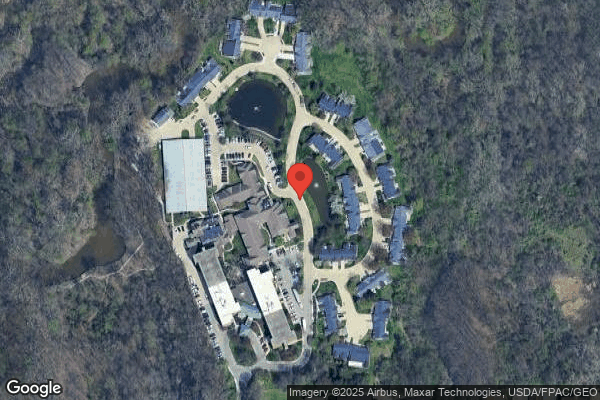
1650 SWAN CREEK LANE, TOLEDO, OH 43614 (419) 865-4445
Non profit - Corporation 34 Beds OHIO LIVING COMMUNITIES Data: November 2025
Trust Grade
65/100
#134 of 913 in OH
Last Inspection: May 2023

Over 2 years since last inspection. Current conditions may differ from available data.

Overview

Ohio Living Swan Creek has a Trust Grade of C+, indicating it's slightly above average, but not particularly remarkable. It ranks #134 out of 913 facilities in Ohio, placing it in the top half, and #3 out of 33 facilities in Lucas County, meaning only two local options are better. Unfortunately, the facility's performance is worsening, with reported issues increasing from 2 in 2024 to 3 in 2025. While staffing is a strong point with a 5/5 rating, the turnover rate of 71% is concerning, significantly higher than the state average of 49%. Additionally, the facility has reported no fines, which is positive; however, specific incidents of care deficiencies include a resident suffering a serious injury from a fall due to delayed treatment and another resident experiencing significant weight loss because the facility failed to provide necessary nutritional supplements. Overall, there are notable strengths, but families should carefully consider the recent incidents and staffing challenges.

Trust Score
C+
65/100
In Ohio
#134/913
Top 14%
Safety Record
Moderate
Needs review
Inspections
Getting Worse
2 → 3 violations
Staff Stability
⚠ Watch
71% turnover. Very high, 23 points above average. Constant new faces learning your loved one's needs.
Penalties
✓ Good
No fines on record. Clean compliance history, better than most Ohio facilities.
Skilled Nurses
✓ Good
Each resident gets 63 minutes of Registered Nurse (RN) attention daily — more than 97% of Ohio nursing homes. RNs are the most trained staff who catch health problems before they become serious.
Violations
⚠ Watch
20 deficiencies on record. Higher than average. Multiple issues found across inspections.
★★★★★
5.0
Overall Rating
★★★★★
5.0
Staff Levels
★★★★★
5.0
Care Quality
★★★☆☆
3.0
Inspection Score
Stable
2024: 2 issues
2025: 3 issues

The Good

  • 5-Star Staffing Rating · Excellent nurse staffing levels
  • 5-Star Quality Measures · Strong clinical quality outcomes
  • Full Sprinkler Coverage · Fire safety systems throughout facility
  • No fines on record

Facility shows strength in staffing levels, quality measures, fire safety.

The Bad

Staff Turnover: 71%

25pts above Ohio avg (46%)

Frequent staff changes - ask about care continuity

Chain: OHIO LIVING COMMUNITIES

Part of a multi-facility chain

Ask about local staffing decisions and management

Staff turnover is very high (71%)

23 points above Ohio average of 48%

The Ugly 20 deficiencies on record

2 actual harm
Aug 2025 3 deficiencies 1 Harm
SERIOUS (G) 📢 Someone Reported This

A family member, employee, or ombudsman was alarmed enough to file a formal complaint

Actual Harm - a resident was hurt due to facility failures

Quality of Care (Tag F0684)

A resident was harmed · This affected 1 resident

**NOTE- TERMS IN BRACKETS HAVE BEEN EDITED TO PROTECT CONFIDENTIALITY** Based on medical record review, family interview, staff interviews, and policy review, the facility failed to ensure a resident ...

Read full inspector narrative →
**NOTE- TERMS IN BRACKETS HAVE BEEN EDITED TO PROTECT CONFIDENTIALITY** Based on medical record review, family interview, staff interviews, and policy review, the facility failed to ensure a resident who experienced an unwitnessed fall with injury was provided timely treatment including notifying the physician of complaints of pain, inability to fully move extended leg and obtaining an x-ray. Actual harm occurred on 05/31/25, when Resident #30 experienced an unwitnessed fall from the bed with an injury. Following the incident, the resident continually complained of pain in his hip and had limited mobility with his leg. The facility did not obtain an x-ray of the hip until nine (9) days after the fall. Subsequently, Resident #30 was transferred to the hospital for surgical repair of a broken hip from the fall. This affected one (#30) of three residents reviewed for change in condition. The facility census was 28.Findings include:Review of the medical record for Resident #30 revealed an admission date of 02/24/24 and a discharge date of 06/13/25. admission diagnoses for Resident #30 included parkinsonism, malnutrition, atrial fibrillation, congestive heart failure, hypertension, type two diabetes mellitus, cardiomegaly, gastroesophageal reflux disease, benign prostatic hyperplasia, chronic pain, anxiety, depression, syncope and collapse, and history of transient ischemic attack. Resident #30 was admitted to Hospice on 12/29/24 for Parkinson's Dyskinesia.Review of the most recent quarterly Minimum Data Set (MDS) Assessment for Resident #30, dated 05/16/25, revealed a Brief Interview of Mental Status (BIMS) Score of 00, indicating Resident #30 had severely impaired cognition. Further review of the MDS Assessment revealed Resident #30 required substantial to maximum assistance for all functional abilities. Review of the Facility Fall Investigation for Resident #30 revealed he experienced an unwitnessed fall on 05/31/25 at 9:30 P.M. The facility investigation revealed the nurse heard a loud thud and went into Resident #30's room and observed the resident to be lying on the floor on his right side. ROM (range of motion) was performed and the resident (#30) complained of right hip pain. Morphine was given for pain, and hospice was notified and the hospice nurse stated she was going to contact the hospice NP (nurse practitioner) for further treatment. The facility investigation concluded Resident #30 attempted to get up, unassisted, and fell to the floor. Review of the hospice visit note dated 05/31/25 revealed Resident #30 had sustained an unwitnessed fall and was complaining of right hip pain. The hospice progress notes stated it was difficult to assess for leg length discrepancy as Resident #30 was either unwilling or unable to fully straighten his right leg. Review of the facility progress note dated 06/01/25 at 3:35 A.M. revealed Resident #30 stated he was in pain and Morphine was given. No other injuries were noted from previous fall. Review of the hospice visit note dated 06/01/25 revealed Resident #30 reports pain in right hip and it was difficult to assess for leg length discrepancy as Resident #30 was either unwilling or unable to fully straighten his right leg. The hospice progress note indicated Resident #30 had a slight grimace while his right leg was examined. The hospice nurse consulted the hospice physician who decided against sending Resident #30 to the emergency room (ER) on 06/01/25. Resident #30 continued to complain of right hip pain and requested a Lidocaine patch to his right hip. Hospice NP #202 declined ordering an x-ray at this time and a new order was placed for 4% Lidocaine topical patch to the right hip for five days.Review of the facility progress note dated 06/01/25 at 9:56 P.M. revealed Resident #30 received a new order for Lidocaine patch 4% to be applied to right hip x 5 days d/t (due to) fall. Resident #30's POA (power of attorney) aware.Review of the hospice visit note dated 06/02/25 revealed Resident #30 continued to report right hip pain.Review of the facility progress note dated 06/02/25 at 1:45 P.M. revealed Resident #30 stated he could not stand up. Review of the facility progress note dated 06/03/25 at 12:59 P.M. revealed Resident #30 complained of pain on his right side where he fell. Review of the hospice visit note dated 06/05/25 revealed Resident #30 was lying in bed with his right leg bent and when asked to straighten his leg, he tried but was unable to straighten it. The hospice nurse contacted NP #202, and an x-ray was ordered of Resident #30's right hip. Review of the facility progress note dated 06/05/25 at 9:15 P.M. revealed Resident #30 received a new order for an x-ray of the right hip/pelvis and lower spine. Review of the facility progress note dated 06/09/25 at 9:00 A.M. revealed the facility called the external imaging provider regarding the x-ray that was ordered on 06/05/25 and they stated Resident #30 was combative and refused the x-ray. Review of the facility progress note dated 06/09/25 at 9:01 A.M. revealed a STAT (urgent or rushed) x-ray was ordered for Resident #30. Review of the hospice visit note dated 06/09/25 revealed Resident #30 continued to have complaints of right hip pain.Review of the hospice progress notes dated 06/09/25 revealed the x-ray results dated 06/09/25 for Resident #30 revealed he had a mild displaced comminuted intertrochanteric fracture of right hip with varus angulation. Resident #30 wished to go to the hospital to see if they could fix it. Review of the hospital records for Resident #30 revealed he was admitted to the hospital on [DATE] with a diagnosis of acute comminuted intertrochanteric fracture of the proximal right femur with a plan to have surgery to repair the broken hip.Review of electronic mail (e-mail) communication on 06/18/25 at 11:02 A.M. between Unit Manager #131 and an external imaging provider, revealed an order had been received for an x-ray for Resident #30's right hip on 06/05/25, but the resident refused. Further review of the e-mail communication revealed the x-ray technician states she reported Resident #30's refusal to an unidentified staff member on 06/05/25 at 4:38 P.M. Interview on 08/26/25 at 10:49 A.M. with Resident #30's family member revealed Resident #30 had an unwitnessed fall on 05/31/25 and did not have an x-ray performed until 06/09/25). She stated after the x-ray was obtained, Resident #30 wanted to be transferred to a hospital to see about having his broken hip repaired.Interview on 08/27/25 at 7:06 A.M. with Unit Manager #131 revealed Resident #30 fell on [DATE] and imaging was not completed until 06/09/25. Unit Manager #131 stated an initial imaging order was placed on 06/05/25 but was not completed due to resident refusal. Unit Manager #131 stated the delay in care was due to waiting on orders from the hospice provider. Interview on 08/27/25 at 8:55 A.M. with Unit Manager #131 revealed if the facility does not get answers regarding resident care from the hospice provider, the facility should seek directions from the facility provider regarding resident care. She stated the floor nurse communicates with hospice nurses and providers, but the Unit Manager will assist in following up and following through with resident care issues that are relayed to her from a floor nurse. She stated if the Unit Manager does not receive follow-up from hospice, the issue should be escalated to the Director of Nursing (DON) to determine what the next steps would be. Interview on 08/27/25 at 1:13 P.M. with Licensed Practical Nurse (LPN) #111 revealed she was the hospice nurse who initially assessed Resident #30 after his fall, but she works for the facility now. She stated when she initially saw Resident #30 after his fall, he was complaining of pain in his right hip, but there was no swelling, bruising, or redness noted upon her initial assessment. Interview on 08/27/25 at 2:24 P.M. with hospice NP #202 revealed the hospice nurse initially assessed Resident #30 and reported to her Resident #30 did not have reproducible pain and she could not assess a difference in the lengths of his legs. Review of the policy titled, Change of Condition: Observing, Recording and Reporting, dated 08/07/24, revealed the facility will record and report any change in condition to the nurse in charge and attending physician so proper treatment will be implemented. This deficiency represents non-compliance investigated under Complaint Numbers 2566353 and 1358032.
CONCERN (D) 📢 Someone Reported This

A family member, employee, or ombudsman was alarmed enough to file a formal complaint

Potential for Harm - no one hurt, but risky conditions existed

Pressure Ulcer Prevention (Tag F0686)

Could have caused harm · This affected 1 resident

**NOTE- TERMS IN BRACKETS HAVE BEEN EDITED TO PROTECT CONFIDENTIALITY** Based on review of medical records, family interview, staff interview, rand review of policy, the facility failed to provide int...

Read full inspector narrative →
**NOTE- TERMS IN BRACKETS HAVE BEEN EDITED TO PROTECT CONFIDENTIALITY** Based on review of medical records, family interview, staff interview, rand review of policy, the facility failed to provide interventions to prevent the development of a pressure ulcer. This affected one (#31) of three residents reviewed for pressure ulcers. The facility census was 28.Findings include: Review of the medical record for the Resident #31 revealed an admission date of 05/13/25 with diagnoses including aftercare following joint replacement surgery, unilateral primary osteoarthritis-left hip, unspecified fall, generalized muscle weakness, need for assistance with personal care, cognitive communication deficit, dementia, hypotension, pain due to internal orthopedic prosthetic devices, other specified personal risk factors, presence of left artificial hip joint, stage three chronic kidney disease, colostomy, malignant neoplasm, unspecified vitamin deficiency, anxiety, other specified depressive episodes, overactive bladder, and personal history of irradiation. The resident was discharged on 06/15/25.Review of Resident #31's physician order dated 05/13/25 revealed skin/oral check every week, to be completed every Tuesday between 6:00 A.M. through 2:00 P.M. Review of the medical record revealed weekly skin checks were completed for Resident #31 as ordered.Review of the admission Minimum Data Set (MDS) Assessment, dated 05/18/25, revealed a Brief Interview of Mental Status (BIMS) Score of 07, indicating Resident #31 had severely impaired cognition. Review of the MDS Assessment revealed Resident #31 required substantial to maximal assistance with all functional abilities.Review of Resident #31's care plan, dated 05/19/25 revealed Resident #31 is at risk for pressure ulcers due to moisture/mobility with a goal of intact skin without evidence of redness, irritation, maceration, or open areas and an intervention of elevating heels off bed or use heel protectors. Review of Resident #31's physician order dated 05/28/25 through 06/15/25 revealed an order to offload bilateral heels and apply skin prep to heels daily between 10:00 P.M. through 6:00 A.M. Review of the medical record revealed this order was completed for Resident #31 as ordered. Review of the skin assessments for Resident #31 dated 05/13/25, 05/19/25, 05/26/25, 06/03/25, and 06/10/25 revealed the resident's Braden risk assessment score for skin breakdown was 15-18, indicating Resident #31 was at risk for skin breakdown. Review of the weekly skin assessments dated 05/19/25, 05/26/25, 06/03/25, and 06/10/25, as well as his admission skin assessment, dated 05/13/25, revealed no areas of skin breakdown or pressure sores noted.Review of the skin assessment dated [DATE] for Resident #31 revealed the writer was notified by therapy that resident has a pressure sore on his left heel. The writer assessed and noted a deep tissue injury (DTI) on the resident's left heel. The writer cleaned the resident's heel with normal saline, patted dry and applied Hydrocolloid dressing to resident's heel. Resident #31 did moan during treatment and scheduled Oxycodone 5/325 milligrams was given and effective. The DTI pressure sore on his left heel measured 6.2 centimeters (cm) by five cm. Review of Resident #31's physician orders dated 06/14/25 revealed to offload heels bilaterally every shift, pressure relief boots to be worn while in bed and sitting in the recliner every shift, and wound care to clean left heel with NS (normal saline), pat dry, and cover with Hydrocolloid dressing every M, W, F, and PRN (Monday, Wednesday, Friday, and as needed).Interview on 08/27/25 at 7:06 A.M. with Unit Manager #131 verified Resident #31 developed a sore on his left heel that he was not admitted with. She stated that the cause of the sore on his left heel was due to his heels not being offloaded properly.Interview on 08/27/25 at 7:56 A.M. with Resident #31's family member revealed the facility called her on 06/14/25 and told her that Resident #31 had a pressure sore on the bottom of his heel.Interview on 08/27/25 at 2:34 P.M. with Unit Manager #113 and Division Manager of Quality and Compliance (DMQC) #203 revealed the offloading of Resident #31's heels was not started on admission, it was not started until 05/28/25. DMQC #203 and Unit Manager #113 stated there was nothing brought up for there to be a need to have an order to offload heels on admission. They stated that on 05/28/25 Resident #31 was changed from a Hoyer Lift (a mechanical device designed to assist caregivers in safely transferring individuals with limited mobility) to a [NAME] Steady (a sit to stand manual lift aid) and they feel the offloading of heels order was place at this time in response to this change. Unit Manager #113 and QDMC #203 verified Resident #31's pressure ulcer that was documented on 06/14/25 was facility acquired. Interview on 09/04/25 at 2:30 P.M. with the Administrator verified there was a physician order placed on 05/28/25 to offload Resident #31's heels and there was not an order to offload Resident #31's prior to 05/28/25. He also verified that there was a care plan in place that was dated 05/19/25 to offload Resident #31's heels. He stated that the MDS nurse is relatively new to her role and put the care plan in preventatively on 05/19/25. He stated that the facility has educated her that when a preventative care plan is put in place, there needs to be a physician order that is written so that the preventative measures are enacted by the treatment team. He further stated there is no documented evidence of the offloading of the heels from 05/19/25 to 06/14/25, until after the pressure sore was discovered. Review of the facility policy titled, Prevention, Detection, and Treatment of Pressure Ulcers, dated 07/25/25, revealed a pressure ulcer is localized injury to the skin and/or underlying tissue usually over a bony prominence, because of pressure in combination with shear and/or friction. A suspected deep tissue injury is purple or maroon localized area of discolored intact skin or blood-filled blister due to damage of underlying soft tissue and /or shear; the area may be preceded by tissue that is painful, firm, boggy, warmer or cooler as compared to adjacent tissue. This deficiency represents non-compliance investigated under Complaint Number 2566353.
CONCERN (D) 📢 Someone Reported This

A family member, employee, or ombudsman was alarmed enough to file a formal complaint

Potential for Harm - no one hurt, but risky conditions existed

Incontinence Care (Tag F0690)

Could have caused harm · This affected 1 resident

**NOTE- TERMS IN BRACKETS HAVE BEEN EDITED TO PROTECT CONFIDENTIALITY** Based on observation, medical record review, and staff interview, the facility failed to ensure interventions were implemented t...

Read full inspector narrative →
**NOTE- TERMS IN BRACKETS HAVE BEEN EDITED TO PROTECT CONFIDENTIALITY** Based on observation, medical record review, and staff interview, the facility failed to ensure interventions were implemented timely to address incontinence. This affected one (#11) of four residents reviewed for timely care and treatment in a facility census of 29. Findings include:Review of the medical record revealed Resident #11 admitted to the facility on [DATE] with the diagnoses including, left humerus fracture, history of fall, rhabdomyolysis, muscle weakness, unspecified kidney injury, urinary tract infection, cerebral infarction, aphasia, coronary artery disease, atrial fibrillation, and congestive heart failure. Review of the most current Minimum Data Set (MDS) assessment dated [DATE] revealed Resident #11 was assessed with severe cognitive impairment, was dependent on staff for the provision of activities of daily living (ADLs), and was incontinent of bowel and bladder.Review of a nursing plan of care dated 07/16/25 revealed a focus area to address Resident #11's bladder incontinence related to requiring assistance with toileting, transfers, and hygiene. Interventions included to provide staff assistance for toileting task, apply a moisture barrier to the skin, and provide incontinence care after each incontinent episode. Observation on 09/23/25 at 10:44 A.M. with Licensed Practical Nurse (LPN) Unit Manager (UM) # 300 discovered Resident #11 in bed. LPN UM #300 removed Resident #11 top sheet and noted Resident #11 to be heavily soiled with urine and a moderate amount of stool. A pervasive urinary odor was also detected. Interview with LPN UM #300 at the time of the observation confirmed the odor and Resident #11's urinary and bowel incontinence soaking through an adult brief and a Chux (a disposable and absorbent incontinence underpad) pad, and onto the resident's bed linen. LPN UM #300 stated the resident would require a complete bed change and bed bath. LPN UM #300 verified Resident #11 appeared to have been left incontinent for an extensive time. On 09/23/25 at 10:48 A.M. interview with Certified Nurse Aide (CNA) #200 stated Resident #11 was last checked for incontinence at 7:30 A.M. and at that time Resident #11 refused to get out of bed. CNA #200 stated she did not inform the assigned nurse (LPN #301) of the resident's refusal. CNA #200 went on to verify Resident #11 had not been checked for incontinence or re-approached for care since 7:30 A.M. CNA #200 verified Resident #11 was heavily soiled with urine and stool. On 09/23/25 at 10:54 A.M. interview with LPN #301 revealed the nurse was unaware Resident #11 would not allow CNA #200 to check or change her for incontinence since 7:30 A.M.Review of the facility incontinence briefs and pad handling, long-term care guideline, reviewed 11/18/24, revealed to help prevent pressure injuries, nursing staff members should minimize folds and wrinkles when applying incontinence product, regularly check for wetness, change product frequently, and inspect the residents skin when changing the product. Nursing staff should promptly report any changes in the residents skin integrity. Staff should explain the procedure to the resident and family (if appropriate) according to their individual communication and learning needs to increase their understanding, allay their fears, and enhance cooperation. Include the importance of checking the briefs or pad frequently (at least every two hours) and changing it when it is soiled to prevent skin breakdown.
Apr 2024 2 deficiencies
CONCERN (D) 📢 Someone Reported This

A family member, employee, or ombudsman was alarmed enough to file a formal complaint

Potential for Harm - no one hurt, but risky conditions existed

Incontinence Care (Tag F0690)

Could have caused harm · This affected 1 resident

**NOTE- TERMS IN BRACKETS HAVE BEEN EDITED TO PROTECT CONFIDENTIALITY** Based on medical record review, observation, staff interview, and review of the facility policy, the facility failed to ensure t...

Read full inspector narrative →
**NOTE- TERMS IN BRACKETS HAVE BEEN EDITED TO PROTECT CONFIDENTIALITY** Based on medical record review, observation, staff interview, and review of the facility policy, the facility failed to ensure the treatment of a suprapubic catheter was provided per physician order and failed to ensure the documentation of urine output was completed per physician order. This affected two (#20 and #22) of two residents reviewed for urinary catheters. The facility census was 37. Findings include: 1. Review of the medical record for Resident #22 revealed an admission date of 10/10/17. Diagnoses included neuromuscular dysfunction of the bladder, benign prostatic hyperplasia, and dementia. Review of the quarterly Minimum Data Set (MDS) assessment dated [DATE] revealed Resident #22 was moderately cognitively impaired, required substantial assistance from staff with toileting, had an indwelling catheter, and had occasional bowel incontinence. Review of the care plan revised on 03/08/24 revealed Resident #22 required a suprapubic catheter related to urinary retention and a history of meatus erosion. Interventions included for Resident #22 to wear clothing which does not constrict the catheter, avoid obstructions in drainage, position the drainage bag below the bladder, keep system closed as much as possible, catheter care each shift, documentation of output every shift and minimize manipulation of the tubing with catheter care. An additional care plan for Resident #22 included enhanced barrier precautions due to multiple drug resistant organism, interventions included gowns and gloves to be worn during high contact resident care activities including bathing, showering, providing hygiene, changing linens, toilet hygiene and urinary catheter care. Review of the current physician orders in place for Resident #22 revealed orders dated 03/14/24 for the nurse to complete suprapubic catheter care every shift with catheter site cleansed with soap and water, bacitracin ointment applied around catheter insertion site and covered with split gauze while wearing required personal protective equipment and for a graduated cylinder used for urine collection for suprapubic catheter to be changed each week. Observation of suprapubic catheter care on 04/29/24 at 8:12 A.M. by Registered Nurse (RN) #75 revealed hand hygiene completed prior to care, gloves donned, moistened two washcloths with water, both cloths were rung out, soap was applied to one of the washcloths, both washcloths were then placed on top of a towel sitting on the counter of the sink. RN #75 approached Resident #22 who was lying in bed, elevated the height of the bed, removed the covers, lower the pant waist band, and proceeded using the soap covered washcloth, cleansed around the suprapubic insertion site, using a different portion of the soap covered washcloth RN #75 cleaned the catheter insertion site and then the catheter, wiping down the catheter away from the insertion site. RN #75 then rinsed and then dried the catheter insertion site and the catheter in the same fashion. Observation of the insertion site revealed slight redness and a bump on the bottom left of the catheter. Interview with RN #75 stated the catheter site actually looked good in comparison to what it used to look like. Following care, RN #75 pulled up Resident #22's pants, ensured the catheter was not kinked and extended freely down the leg of right leg Resident #22. RN #75 washed hands and exited room. Follow up interview on 04/29/24 at 10:55 A.M. with RN #75 verified no split gauze was in place prior to catheter care and no bacitracin ointment or split gauze was applied during catheter care as physician ordered for Resident #22. RN #75 stated Resident #22 no longer required the bacitracin and split gauze treatment. Interview on 04/29/24 at 12:30 P.M. with Unit Manager #76 verified Resident #22 did have a current order for suprapubic catheter care once a shift to include cleansing, the application of bacitracin and a splint gauze and further verified the treatment order was being documented as completed. 2. Review of Resident #20's medical record revealed Resident #20 was admitted to the facility on [DATE]. Diagnoses included dementia and chronic obstructive pulmonary disease. Review of the quarterly Minimum Data Set (MDS) assessment dated [DATE] revealed Resident #20 was severely cognitively impaired, was dependent on staff and family for activities of daily living, was incontinent of bowel and bladder, and Resident #20 was under the care of Hospice. Review of the progress notes dated 04/17/24 revealed at 6:37 A.M., the state tested nursing aide (STNA) reported to the nurse Resident #20 had not urinated. A bladder scan was completed. Resident #20 was noted to have 245 milliliters (ml) of urine in the bladder, was in no distress, and Hospice was notified. An additional note at 10:30 A.M. revealed Resident #20 still had not urinated and Hospice was talking with family about a catheter due to urinary retention. At 12:48 P.M., an indwelling catheter was placed by Hospice. Review of the physician orders for Resident #20 revealed an order written on 04/17/24 for catheter care and documentation of urine output to be completed every shift. Review of the vitals record from 04/17/24 to 04/28/24 revealed urine output was recorded and documented for Resident #20 on 04/17/24 at 7:04 P.M. as a small amount in the brief, on 04/19/24 at 1:35 P.M., 04/20/24 at 5:26 A.M., 2:26 P.M., and 8:42 P.M., on 04/21/24 at 5:17 A.M. and 2:29 P.M., on 04/22/24 at 6:19 A.M., 04/24/24 at 2:18 P.M. and 9:56 P.M., 04/26/24 at 5:34 A.M, and 04/27/24 at 1:47 P.M. documented as a small amount. There was no urine output recorded on 04/18/24, 04/23/24, and 04/25/24 Interview on 04/29/24 at 12:30 P.M. with Unit Manager #76 verified urinary outputs for Resident #20 were not recorded each shift as physician ordered. Review of the facility policy titled Indwelling Catheter Care and Management, dated 12/22/23, revealed intake and output will be monitored per physician order and urinary output will be monitored for changes in the urine output, including volume and urine color with the urinary drainage bag emptied when one half to two thirds full to prevent undue traction on the urethra. Review of the facility policy titled Physician Orders, revised on 09/14/23, stated residents will receive care as ordered by the physician. This deficiency represents non-compliance investigated under Complaint Number OH00152129.
CONCERN (D) 📢 Someone Reported This

A family member, employee, or ombudsman was alarmed enough to file a formal complaint

Potential for Harm - no one hurt, but risky conditions existed

Infection Control (Tag F0880)

Could have caused harm · This affected 1 resident

**NOTE- TERMS IN BRACKETS HAVE BEEN EDITED TO PROTECT CONFIDENTIALITY** Based on medical record review, observations, staff interview, and review of the facility policies, the facility failed to imple...

Read full inspector narrative →
**NOTE- TERMS IN BRACKETS HAVE BEEN EDITED TO PROTECT CONFIDENTIALITY** Based on medical record review, observations, staff interview, and review of the facility policies, the facility failed to implement enhanced barrier precautions when providing catheter care to the residents. This affected two (#20 and #22) of two residents observed for catheter care. The facility identified two residents (#20 and #22) with indwelling catheters. The facility census was 31. Findings include: 1. Review of the medical record for Resident #22 revealed an admission date of 10/10/17. Diagnoses included neuromuscular dysfunction of the bladder, benign prostatic hyperplasia, and dementia. Review of the quarterly Minimum Data Set (MDS) assessment dated [DATE] revealed Resident #22 was moderately cognitively impaired, required substantial assistance with toilet hygiene, had an indwelling catheter, and had occasional bowel incontinence. Review of the care plan revised on 03/08/24 revealed Resident #22 required a suprapubic catheter related to urinary retention and a history of meatus erosion. Interventions included enhanced barrier precautions due to multiple drug resistant organism, interventions included gowns and gloves to be worn during high contact resident care activities including bathing, showering, providing hygiene, changing linens, toilet hygiene and urinary catheter care. Review of the current physician orders in place for Resident #22 revealed an orders dated 03/14/24 for enhanced barrier precautions when providing supra-pubic catheter care and showers every shift, nurse to complete suprapubic catheter care every shift with catheter site cleansed with soap and water, bacitracin ointment applied around catheter insertion site and covered with split gauze while wearing required personal protective equipment. Observation of suprapubic catheter care on 04/29/24 at 8:12 A.M. by Registered Nurse (RN) #75 revealed hand hygiene was completed prior to care, gloves donned, and RN #75 did not don a gown. RN #75 approached Resident #22 who was lying in bed, elevated the height of the bed, removed the covers, lowered the pant waist band, and proceeded using the soap covered washcloth, cleansed around the suprapubic insertion site, using a different portion of the soap covered washcloth, RN #75 cleaned the catheter insertion site and then the catheter, wiping down the catheter away from the insertion site. RN #75 then rinsed and then dried the catheter insertion site and the catheter in the same fashion. Following care, RN #75 pulled up Resident #22's pants, ensured the catheter was not kinked and extended freely down the leg of right leg Resident #22. RN #75 washed hands and exited room. RN #75 never donned a gown during suprapubic catheter care for Resident #22. Follow up interview on 04/29/24 at 10:55 A.M. with RN #75 verified no gown was worn when suprapubic care. Interview with Unit Manager #76 on 04/29/24 at 3:30 P.M. verified enhanced barrier precautions were required with catheter care. 2. Based on medical record review revealed Resident #20 was admitted to the facility on [DATE]. Diagnoses included dementia and chronic obstructive pulmonary disease. Review of the quarterly Minimum Data Set (MDS) assessment dated [DATE] revealed Resident #20 was severely cognitively impaired, was dependent on staff and family for activities of daily living, was incontinent of bowel and bladder, and Resident #20 was under the care of Hospice. Review of the progress notes dated 04/17/24 revealed at 6:37 A.M., the state tested nursing aide (STNA) reported to the nurse Resident #20 had not urinated. A bladder scan was completed, Resident #20 was noted to have 245 milliliters (ml) of urine in the bladder. At 12:48 P.M., an indwelling catheter was placed by Hospice. Review of the physician orders for Resident #20 revealed an order written on 04/17/24 for catheter care, and documentation of urine output to be completed every shift. Observation of catheter care on 04/29/24 at 8:16 A.M. for Resident #20 completed by State Tested Nursing Assistant (STNA) #77 revealed STNA #77 washed hands, donned gloves, and did not don a gown. STNA #77 used soap and water and a washcloth and cleansed the perineal area wiping front to back and away from the catheter insertion site and then down the catheter tubing. Using a second clean washcloth with water, the perineal area was rinsed wiping from front to back and then down the catheter tubing. The perineal area was then dried. Interview with STNA #77 on 04/29/24 at 8:20 A.M. verified gloves were the only the personal protective equipment worn during catheter care for Resident #20. Interview on 04/29/24 at 10:55 A.M. with Registered Nurse (RN) verified the personal protective equipment needed for catheter care included gloves and gown. Review of the facility policy titled Indwelling Urinary Catheter Care and Management, dated 12/11/23 stated when providing catheter care the staff is to perform hand hygiene, put on gloves and other personal protective equipment. Review of the facility policy titled Infection Control - Enhanced Barrier Precautions, revised 09/14/23 stated enhanced barrier precautions will be utilized for a resident known or suspected to be infected or colonized with epidemiologically important microorganisms transmitted by direct contact with the microorganism. Enhanced barrier precautions are to be used in the care and management of an indwelling catheter regardless of multi drug resistance and/or colonization and require the use of personal protective equipment to include gloves and a gown during care, with hand hygiene completed prior to and after care. This was an incidental finding discovered during the complaint investigation.
Oct 2023 2 deficiencies 1 Harm
SERIOUS (G) 📢 Someone Reported This

A family member, employee, or ombudsman was alarmed enough to file a formal complaint

Actual Harm - a resident was hurt due to facility failures

Deficiency F0692 (Tag F0692)

A resident was harmed · This affected 1 resident

Based on medical record review, staff interview, and review of facility policy, the facility failed to ensure physician orders for a nutritional supplement were followed and the physician and dieticia...

Read full inspector narrative →
Based on medical record review, staff interview, and review of facility policy, the facility failed to ensure physician orders for a nutritional supplement were followed and the physician and dietician were notified regarding a significant weight loss. This resulted in actual harm when Resident #3's ordered nutritional supplement was not available from the supplier for the facility to administer, the facility did not reach out to the physician or the dietician for an alternate supplement or different interventions, and the resident had a significant weight loss of 15.2 pounds/ 8.5 percent weight loss. Additionally, when the significant weight loss occurred the facility failed to notify the physician and dietician of the occurrence. This affected one (#3) of three residents reviewed for weight loss. The facility census was 28. Findings include: Review of Resident #3's medical record revealed an admission date of 06/10/23. Diagnoses included Parkinson, cognitive communication deficit, dysphagia, and Lewy body dementia. Review of the quarterly Minimum Data Set (MDS) assessment, dated 08/18/23, revealed Resident #3 had severe cognitive impairment and required extensive assistance with activities of daily living, including eating. Review of a plan of care for Resident #3 initiated on 09/25/23, and revised on 10/26/23, revealed the resident was care planned for malnutrition related to decreased appetite and significant weight loss in 09/23. Review of physician orders for 09/23 revealed Resident #3 was on a regular, mechanical soft diet with thin liquids and Muscle Milk supplement twice daily. Review of the Medication Administration Record (MAR) from 09/05/23 through 09/19/23 revealed Resident #3's Muscle Milk was not available for administration per physician orders. Documentation on the MAR revealed that despite the Muscle Milk not being available, an alternate was offered and accepted by Resident #3 on one occasion on 09/05/23. Review of weights for Resident #3 revealed on 09/11/23 a weight of 176 pounds (#), 09/12/23 of 171.2#, 09/13/23 of 170#, 09/14/23 of 176.3#, 09/15/23 of 178#; and 09/16/23 of 162.8#, which was a 15.2# or an 8.5 percent (%) weight loss. Resident #3's weight continued to decline on 09/17/23 to 160.8#, and 09/19/23 of 158#. On 09/19/23 Resident #3 was sent to the hospital for change of condition and a readmission weight on 09/26/23 was 169#. Review of State Tested Nurse Aide (STNA) documentation for meal intake revealed on 09/12/23 the only documented meal was dinner at 51-75% consumed. On 09/13/23 Resident #3 consumed 51-75% for breakfast and 0% for lunch and dinner was not documented. There was no documentation of oral intake for Resident #3 on 09/14/23 for any meals. On 09/15/23 Resident #3 consumed 1-25% of both breakfast and lunch and there was no documentation for dinner. On 09/16/23 Resident #3 consumed 51-75% of breakfast and only 1-25% for lunch and dinner. Review of the intake documentation for Resident #3 revealed a nutritional supplement was offered and accepted on 09/12/23 with 100% consumed, 09/13/23 with 25% consumed, none on 09/14/23, 09/15/23 with 50% consumed, and 09/16/23 with 100% consumed. Review of a readmission nutritional assessment, dated 09/28/23, for Resident #3 revealed a recent hospitalization for urinary tract infection (UTI), dehydration and acute kidney failure. Resident #3 had a readmission weight of 169.5 #, indicating a significant weight loss of 5.1% for 30 days. Resident #3's oral intakes are improving and are comparable to his previous nutritional assessment. He continues a pureed diet with thin liquids for dysphagia. He continues to receive Muscle Milk nutritional supplement twice daily. Interview on 10/26/23 at 9:15 A.M. with Licensed Practical Nurse (LPN) #103 stated Resident #3 gets Muscle Milk supplement that the family supplies and when they are waiting for more she will give the resident an Ensure supplement so he gets something. Interview on 10/26/23 at 10:10 A.M. with Registered Dietician (RD) #108 stated Resident #3 was not on her radar for significant weight loss. He had fluctuations since admission but nothing significant for her until his recent hospitalization. RD #108 stated upon admission she trialed Ensure nutritional supplement and he had a few refusals and the family suggested Muscle Milk as he was drinking this at home. RD #108 stated the family provided the supplement in the beginning and then the facility assumed responsibility for ordering the supplement of choice. RD #108 was aware the resident was being weighed daily but was not sure why he was a daily weight since he didn't trigger for monitoring daily for her. Interview on 10/31/23 at 11:19 A.M. with Central Supply Clerk (CSC) #107 stated the facility became responsible for ordering the Muscle Milk nutritional supplement for Resident #3 on 06/29/23. CSC #107 stated she began having a supplier issue with getting the supplement in the middle of the summer and she stated she alerted her supervisor of this problem. CSC #107 stated she began trying to find the supplement anywhere she could and was sometimes able to get it from Amazon. CSC #107 did not attempt to order anything different she is not able to make those decisions without direction from her supervisor. Interview on 10/31/23 at 11:08 A.M. with RD #108 stated she was not notified of a 15.2 # weight loss for Resident #3. RD #108 stated she would have identified the weight loss on her next monthly weight review. RD #108 also stated she was not notified of supplier issues with getting the Muscle Milk. Interview on 10/31/23 at 2:33 P.M. with Physician #120 she was not notified of a the significant weight loss for Resident #3 and was not notified that the supplement of choice, Muscle Milk, was not available from the supplier. Review of facility policy titled Resident with Weight Loss, dated 05/03, revealed the purpose is to monitor and assure that residents maintain acceptable nutritional parameters unless conditions exist that predetermine that a nutritional problem is unavoidable and to provide nutritional interventions to residents when indicated. If weight loss is identified the physician will be notified. This deficiency represents non-compliance investigated under Complaint Number OH00146963.
CONCERN (D) 📢 Someone Reported This

A family member, employee, or ombudsman was alarmed enough to file a formal complaint

Potential for Harm - no one hurt, but risky conditions existed

Notification of Changes (Tag F0580)

Could have caused harm · This affected 1 resident

Based on medical record review, family interview, staff interview, and review of facility policies, the facility failed to notify the physician and resident representative of a significant weight loss...

Read full inspector narrative →
Based on medical record review, family interview, staff interview, and review of facility policies, the facility failed to notify the physician and resident representative of a significant weight loss for one (#3) of three residents reviewed for weight loss. The facility census was 28. Findings include: Review of Resident #3's medical record revealed an admission date of 06/10/23. Diagnoses included Parkinson, cognitive communication deficit, dysphagia, and Lewy body dementia. Review of the quarterly Minimum Data Set (MDS) assessment, dated 08/18/23, revealed Resident #3 had severe cognitive impairment and required extensive assistance with activities of daily living, including eating. Review of a plan of care for Resident #3 initiated on 09/25/23, and revised on 10/26/23, revealed the resident was care planned for malnutrition related to decreased appetite and significant weight loss in 09/23. Review of physician orders for 09/23 revealed Resident #3 was on a regular, mechanical soft diet with thin liquids and Muscle Milk supplement twice daily. Review of weights for Resident #3 revealed on 09/11/23 a weight of 176 pounds (#), 09/12/23 of 171.2#, 09/13/23 of 170#, 09/14/23 of 176.3#, 09/15/23 of 178#; and 09/16/23 of 162.8#, which was a 15.2# or an 8.5 percent (%) weight loss. Resident #3's weight continued to decline on 09/17/23 to 160.8#, and 09/19/23 of 158#. On 09/19/23 Resident #3 was sent to the hospital for change of condition and a readmission weight on 09/26/23 was 169#. Review of the record for Resident #3 revealed there was no documentation notifying the medical provider or the resident representative of a significant weight loss of 16#. Interview on 10/25/23 at 1:58 P.M. with Resident #3 ' s representative stated she was not notified of a significant weight loss for Resident #3. Interview on 10/31/23 at 2:33 P.M. with Physician #120 stated she was not notified of a 16# weight loss for Resident #3. Interview on 10/31/23 at 3:00 P.M. with Licensed Practical Nurse (LPN) #100 verified there was no documentation in the nurses notes of notification about the significant weight loss. Review of facility policy titled Resident with Weight Loss, dated 05/03, revealed the purpose is to monitor and assure that residents maintain acceptable nutritional parameters unless conditions exist that predetermine that a nutritional problem is unavoidable and to provide nutritional interventions to residents when indicated. If weight loss is identified the physician will be notified. Review of facility policy title Change of Condition: Observing, Recording, and Reporting, dated 04/02, revealed the purpose is the observe, record, and report any condition change to the nurse in charge and the attending physician so proper treatment will be implemented. Immediate notification of the resident, if known the resident ' s legal representative or interested family member, and the resident ' s physician will be completed for the following: significant change in the residents physical, mental, or psychosocial statue and the need to alter treatments significantly. This deficiency represents non-compliance investigated under Complaint Number OH00146963.
May 2023 8 deficiencies
CONCERN (D)

Potential for Harm - no one hurt, but risky conditions existed

Deficiency F0582 (Tag F0582)

Could have caused harm · This affected 1 resident

**NOTE- TERMS IN BRACKETS HAVE BEEN EDITED TO PROTECT CONFIDENTIALITY** Based on medical record review, beneficiary notice review, staff interview, and review of facility policy, the facility failed t...

Read full inspector narrative →
**NOTE- TERMS IN BRACKETS HAVE BEEN EDITED TO PROTECT CONFIDENTIALITY** Based on medical record review, beneficiary notice review, staff interview, and review of facility policy, the facility failed to ensure Notice of Medicare Non-Coverage was provided when Medicare Part A services ended and a resident remained in the facility. This affected one (#17) of three residents reviewed for beneficiary notices. The facility census was 31. Findings include: Review of Resident #17's medical record revealed an admission date of 10/04/21 and a readmission date of 03/30/23. Diagnoses included dementia, delusional disorder, hallucinations, hypotension, Parkinson's disease, cognitive communication disorder, difficulty in walking, repeated falls, hypertension, benign prostatic hyperplasia, delusional disorder, depression, and anxiety. Review of a significant change in condition Minimum Data Set (MDS) assessment dated [DATE] revealed Resident #17 was cognitively intact. Review of the Beneficiary Notice revealed Resident #17's last covered day for Medicare Part A services was on 04/19/23. Further review revealed the Advanced Beneficiary Notification (ABN) was provided on 04/14/23. There was no evidence the Notice of Medicare Non-Coverage (NOMNC) was provided. Interview on 05/02/23 at 2:11 P.M. of Social Worker (SW) #504 confirmed Resident #17 remained in the facility following the last covered day for Medicare Part A services and verified the facility only provided the ABN to Resident #17. SW #504 stated the facility did not provide a NOMNC to residents who remained in the facility following the termination of Medicare Part A services, stating she was told only the ABN was required. Review of facility policy titled Notice of Medicare Non-Coverage (NOMNC) Reporting Policy, revised 10/24/22, revealed the facility was responsible for delivering the NOMNC to all Medicare Health Plan enrollees no later than two days before the termination of services. The notice will contain the end date of covered Medicare services, the date the resident assumes financial responsibility for non-covered services, and detailed instructions on requesting an appeal of the decision.
CONCERN (D)

Potential for Harm - no one hurt, but risky conditions existed

Deficiency F0676 (Tag F0676)

Could have caused harm · This affected 1 resident

**NOTE- TERMS IN BRACKETS HAVE BEEN EDITED TO PROTECT CONFIDENTIALITY** Based on observation, medical record review, and staff interview, the facility failed to ensure communication interventions were...

Read full inspector narrative →
**NOTE- TERMS IN BRACKETS HAVE BEEN EDITED TO PROTECT CONFIDENTIALITY** Based on observation, medical record review, and staff interview, the facility failed to ensure communication interventions were provided and available for use to increase communication abilities of one (#10) resident reviewed for impaired hearing and communication interventions. Facility census 31. Findings include: Review of the medical record revealed Resident #10 admitted to the facility on [DATE]. Diagnosis included severe dementia, neuromuscular urinary bladder dysfunction, hypertension, anemia, pulmonary fibrosis, pain, hydrocephalus, bilateral conductive hearing loss, major depression, and epilepsy. Review of the Minimum Data Set assessment, dated 03/21/23, assessed Resident #10 with severe cognitive impairment, moderate difficulty with hearing, no hearing aid or appliance used, clear speech, sometimes understood and understands, dependent on staff for the completion of activities of daily living, and utilizes a wheelchair for mobility. Review of the care plan dated 11/09/17 revealed supports and services to address the resident's hearing impairment included: wears hearing aid when family visits. On 03/21/23 the plan of care was revised and interventions included the following; Adjust tonal quality and speak distinctly. If resident refuses to wear hearing aid, explore reason for refusal. Allow resident to utilize amplifiers when unable to hear TV adequately. Provide quiet, non-hurried environment, free of background noises and distractions. Speak into resident's left ear. Face the resident when speaking to the resident. Repeat phrases as needed. Rephrase if necessary. Allow resident to lip read if appropriate. Provide with materials for written communication as needed and as appropriate. Review of the speech therapy (ST) treatment encounter notes on 04/27/23, Resident #10 was seen for skilled ST to address cognitive-linguistic skills. Speech Language Pathologist (SLP) utilized amplifier with headphones this date to maximize functional communication. SLP informed staff of need for multiple adjustments. Resident able to identify family members from pictures, limited ability to recall family members not in pictures, exhibiting decreased long term memory. SLP educated resident for option of use of memory book and visual aids to maximize expression and recall. On 04/28/23 ST encounter notes document Resident #10 was seen for skilled ST to address cognitive-linguistic skills. Resident pleasant and cooperative for session. SLP educated resident, nursing and state tested nurse aides (STNAs) for use of white board to maximize functional communication with resident due to severe hearing loss and staff reports of negative behaviors. With moderate to maximum cues, resident able to read and respond to questions with use of white board. According to ST encounter notes on 05/01/23 and 05/02/23 the resident received ST to address functional communication and cognitive-linguistic skills. Resident was receptive to use of amplifier with headphones to improve communication due to hearing loss. Observation on 05/01/23 at 10:01 A.M. noted Resident #10 seated in a wheelchair in the dining room. Attempts to acknowledge the resident using verbal interactions resulted in the resident unable to converse. At 12:10 P.M. Resident #10 was in the dining room with staff speaking loudly toward resident related to meal choice. At 4:45 P.M. the resident was observed in his room. Registered Nurse (RN) #428 was in the residents room, speaking loudly related to urinary catheter. The speech volume was heard from common area outside the room. No white board was observed in use. Interview on 05/02/23 at 9:06 A.M. with Licensed Practical Nurse (LPN) #498 following interactions with Resident #10, revealed therapy was looking into the use of a white board for communication. LPN #498 stated Resident #10 reads lips very well. However, staff must wear mask during interaction with the residents. Observation on 05/03/23 at 10:22 A.M. revealed Resident #10 in his room with ST #500 working with head-set hearing device and wearing a disposable surgical mask. ST #500 was observed speaking into the device at a common speech level and unable to be heard from the corridor. Resident #10 was interacting and responding to discussion at the same speech level effectively. ST #500 stated the resident had used the hearing device in the past but was unable to indicated the time frame. ST #500 stated she had been working with the resident since an evaluation on 04/27/23, at which time she left a white board for Resident #10 to use for communication. ST #500 revealed she was unable to locate the white board and had instructed the staff working at the time on it's use to address communication. Interview on 05/03/23 at 10:30 A.M., LPN #498 verified she was unaware the white board was to be used for communication and confirmed the white board was not available inside the residents room.
CONCERN (D)

Potential for Harm - no one hurt, but risky conditions existed

Quality of Care (Tag F0684)

Could have caused harm · This affected 1 resident

**NOTE- TERMS IN BRACKETS HAVE BEEN EDITED TO PROTECT CONFIDENTIALITY** Based on observation, medical record review, and staff interview, the facility failed to ensure monitoring and interventions wer...

Read full inspector narrative →
**NOTE- TERMS IN BRACKETS HAVE BEEN EDITED TO PROTECT CONFIDENTIALITY** Based on observation, medical record review, and staff interview, the facility failed to ensure monitoring and interventions were implemented to promote the management of lower extremity edema. This affected one resident (#25) reviewed for bilateral lower extremity edema. Facility census 31. Findings include; Review of the medical record revealed Resident #25 admitted to the facility on [DATE]. Diagnoses included left femur fracture, anemia, spondylolithesis, osteoporosis, type II diabetes mellitus, hypertension, scoliosis, and unstageable pressure ulcer to left heel. Review of the Minimum Data Set assessment, dated 04/04/23, revealed Resident #25 was assessed with severely impaired cognition, clear speech and the ability to understand and be understood, no rejection of care behavior, dependent on staff for the provision of activities of daily living, requires extensive assistance of one staff for bed mobility and transfer. Review of nursing progress notes dated 03/14/23 at 1:37 P.M. noted Resident #25 admitted to the facility with no edema present. Review of the wound specialist, Certified Nurse Practitioner (CNP) #2's, skin evaluation on 03/22/23 Resident #25 was assessed with left and right lower extremity grade two (2) plus (+) edema. On 04/04/23, 04/19/23, and 05/02/23 CNP #2 assessed the resident with grade 2+ edema to the left lower extremity. No documentation contained in the medical record revealed interventions to address the residents lower extremity edema. Observation on 05/01/23 10:53 A.M. noted Resident #25 seated in a chair with bilateral feet on the floor with ankle socks constricting both ankles. Edema was observed to the bilateral ankles. 05/02/23 at 8:32 A.M. the resident was seated in the chair with feet on the floor wearing tight/constricting ankle socks to the bilateral feet. Observation on 05/02/23 at 2:05 P.M. found Resident #25 seated in the chair with bilateral feet on the floor wearing constricting ankle socks and edema present to the bilateral lower extremities. Observation on 05/03/23 at 8:39 A.M. with Licensed Practical Nurse (LPN) #498 revealed Resident #25 with feet on the floor and ankle socks constricting the bilateral lower extremities. LPN #498 assessed the resident's right lower extremity with 2+ edema and left lower extremity with 3+ edema. LPN #498 confirmed no specific interventions had been implemented to address the resident's lower extremity edema. Interview on 05/03/23 at 8:45 A.M., the Director of Nursing (DON) confirmed Resident #25's record contained no documentation regarding any monitoring of the resident's edema, or implementation of any interventions to reduce the presence of the edema. Observation on 05/03/23 at 10:21 A.M. revealed Resident #25 was seated in a recliner with feet on the floor and ankle socks in place with an indentation into the skin at the tops of the socks.
CONCERN (D)

Potential for Harm - no one hurt, but risky conditions existed

Pressure Ulcer Prevention (Tag F0686)

Could have caused harm · This affected 1 resident

Based on observation, medical record review, staff interview, and review of facility policy, the facility failed to ensure interventions were maintained to promote intact skin integrity. This affected...

Read full inspector narrative →
Based on observation, medical record review, staff interview, and review of facility policy, the facility failed to ensure interventions were maintained to promote intact skin integrity. This affected one (#13 ) of five residents reviewed for skin breakdown prevention interventions. The facility identified 28 residents with preventative treatment for skin breakdown. The facility census was 31. Findings include: Review of Resident #13's medical record revealed an admission date of 06/01/22 and a readmission date of 02/06/23. Diagnoses included heart failure, atherosclerotic heart disease, hypertension, neuromuscular dysfunction of bladder, cerebral infarction, edema, history of falling and depression. Review of a significant change in condition Minimum Data Set (MDS) assessment, dated 02/13/23, revealed Resident #13 was cognitively intact, required extensive assistance with bed mobility, transfers, toilet use, and personal hygiene. In addition, Resident #13 was at risk of developing pressure ulcers and had no current pressure ulcers. Resident #13 had a pressure reducing device for his chair and bed. Review of the plan of care, reviewed 01/23/23, revealed Resident #13 was at risk for skin breakdown related to decreased mobility and low endurance. Interventions included use pressure reduction mattress when resident is in bed. Review of a Skin Risk Assessment with Braden Scale dated 02/06/23 revealed Resident #13 was at moderate risk for developing pressure sores. Review of a physician order, dated 02/06/23, revealed Resident #13 was ordered a specialty low air loss alternating air pressure (LAL AAP) mattress and bariatric bed. Interview on 05/01/23 at 10:13 A.M. of Resident #13 revealed his mattress sagged behind his back. Resident #13 stated he had previously told a nurse about it but nothing had been done. Observation and interview on 05/02/23 at 11:48 A.M. of Resident #13's mattress, with Unit Manager (UM) #505 confirmed Resident #13 had an LALAAP mattress due to pressure sore risk and the resident's mattress sagged in the area approximate to the resident's back. LPN #505 confirmed the facility did not routinely monitor the functioning of air mattresses and Resident #13 did not have an order for his air mattress to be monitored for functionality. LPN #505 stated she was uncertain what was wrong with the air mattress and would have to call the durable medical supplier. Interview on 05/04/23 at 11:57 A.M. of the Director of Nursing (DON) confirmed Resident #13's air mattress settings were not correct, resulting in the sagging mattress. The DON verified the facility did not monitor the function of the air mattress and the staff had not been trained on monitoring air mattresses. Additionally, the DON verified Resident #13 had a history of skin breakdown. Review of facility policy titled Prevention, Detection and Treatment of Pressure Ulcers, revised 09/13/22, revealed based upon the assessment and the resident's clinical condition, choices, and identified needs, basic and routine care should include interventions to redistribute pressure and provide appropriate pressure redistributing support surfaces.
CONCERN (D)

Potential for Harm - no one hurt, but risky conditions existed

Accident Prevention (Tag F0689)

Could have caused harm · This affected 1 resident

**NOTE- TERMS IN BRACKETS HAVE BEEN EDITED TO PROTECT CONFIDENTIALITY** Based on observation, medical record review, staff interview, and review of facility policy, the facility failed to ensure fall ...

Read full inspector narrative →
**NOTE- TERMS IN BRACKETS HAVE BEEN EDITED TO PROTECT CONFIDENTIALITY** Based on observation, medical record review, staff interview, and review of facility policy, the facility failed to ensure fall prevention interventions were provided in accordance with physician orders and per care plan. This affected two (#17 and #23) of two residents reviewed for the prevention of accidents. The facility census 31. Findings include: 1. Review of the medical record revealed Resident #23 admitted to the facility on [DATE]. Diagnoses included fracture to left femur, unspecified fall, calculus of kidney, muscle weakness, hypothyroidism, atrial fibrillation, edema, depression, urinary tract infection, and neuromuscular dysfunction of bladder. Review of the Minimum Data Set assessment, dated 03/21/23, revealed Resident #23 was assessed with intact cognition, was dependent on staff for the completion of activities of daily living including two or more staff for bed mobility and transfer According to a fall risk assessment completed on 03/14/23 Resident #23 was scored at high risk of sustaining falls. The assessment also indicated the resident required assistance or supervision for mobility, transfer, or ambulation. Review of physician orders dated 03/29/23 revealed an order or the use of two person assist while transferring using the stand-up ([NAME] steady) lift as recommended by therapy. Review of the care plan dated 07/16/22 addressed Resident #23's history of falling related to unsteady gait, weakness, debility and deconditioning, impaired cognition, and incontinence. Interventions included the following; initiated 03/29/23 stand-up lift ([NAME] Steady) for all transfers and bed cane on left side of bed to aid resident when participating in turning and repositioning in bed, shifting of position. Initiated 07/16/22 encourage resident to assume a standing position slowly. Provide toileting assistance every two hours and as needed. Observe frequently and place in supervised area when out of bed. Give resident verbal reminders not to ambulate/transfer without assistance. Place resident in a fall prevention program. Observation on 05/02/23 at 8:35 A.M. noted State Tested Nurse Aide (STNA) #464 obtained the stand-up lift and assist Resident #23 to the standing position. Resident #23 was observed to require maximum physical assistance from STNA #464 to reach the standing position. STNA #464 propelled the resident in the lift into the bathroom and proceeded to place the resident to the toilet. While Resident #23 was placed to the toilet the resident was physically assisted to the standing position a second time to remove an adult brief, due to dropping to the seat with the lack of standing stability. STNA #464 stood Resident #23 with physical support to the standing position into the stand-up lift and proceeded to transfer the resident to a wheelchair. Interview with STNA #464 on 05/02/23 at 8:55 A.M. revealed the STNA was unaware Resident #23 required two staff when providing transfer while using the stand-up lift. Interiew on 05/02/23 at 8:59 A.M., Licensed Practical Nurse (LPN) #498 verified Resident #23 required two staff to assist the resident with transfer while using the stand-up lift. Interview with the Director of Nursing on 05/02/23 at 9:20 A.M. confirmed Resident #23 required two staff to assist the resident with transfer while using the stand-up lift. 2. Review of Resident #17's medical record revealed an admission date of 10/04/21 and a readmission date of 03/30/23. Diagnoses included dementia, delusional disorder, hallucinations, hypotension, Parkinson's disease, cognitive communication disorder, difficulty in walking, repeated falls, hypertension, benign prostatic hyperplasia, delusional disorder, depression, and anxiety. Review of the significant change in condition Minimum Data Set assessment, dated 04/06/23, revealed Resident #17 was cognitively intact. In addition, Resident #17 had repeated falls and did not utilize a chair alarm. Review of the plan of care initiated 10/22/21, revealed Resident #17 had a history of falling related to unsteady gait, psychotropic drug use, Parkinson's disease, and decreased mobility. Interventions included alarming velcro seatbelt: activate when resident was in the wheelchair to alert staff to potential unsafe self-transfers unassisted, as tolerated by the resident. Additional review of a plan of care problem area initiated 12/28/22 revealed Resident #17 would refuse to keep alarming seatbelt on while in the wheelchair at times when the resident was restless, agitated and had poor safety judgement. Interventions included explain to the resident the need for the seatbelt - to alert staff to potential unsafe transfer and respond when alarming. Review of current physician orders revealed no orders for an alarming seatbelt. Review of a Fall Risk Assessment, dated 04/04/23, revealed Resident #17 was at high risk for falls. Observation on 05/02/23 at 10:52 A.M. revealed Licensed Practical Nurse (LPN) #499 and State Tested Nurse Aide (STNA) #458 looking at a disconnected chair alarm hanging on the back of Resident #17's wheelchair. Interview of LPN #499 and STNA #458 verified Resident #17 had a chair alarm on his wheelchair that was not on. Both staff stated they were unaware Resident #17 had a chair alarm and were uncertain if it even worked. Interview on 05/02/23 at 11:24 A.M. of Unit Manager (UM) #505 revealed Resident #17 had a chair alarm but the resident was able to remove it himself and typically did not keep it in place. UM #505 stated there should have been a physician's order for the use of the chair alarm, and staff should document any resident refusals to utilize the fall intervention. UM #505 verified there was no order in place for the use of the chair alarm and no monitoring was being completed to check the functionality of the alarm or Resident #17's refusals to utilize the intervention. Interview on 05/03/23 at 10:36 A.M. of LPN #403 revealed Resident #17 had 222 falls last year and fall interventions ebb and flow based on what the resident was willing to do. LPN #403 stated Resident #17 still had the chair alarm on his wheelchair but the resident refused to use it. LPN #403 stated she was unsure if the alarm even had batteries. LPN #403 stated Resident #17's family purchased the chair alarm and the resident was able to remove it himself, so it was not considered a restraint. While Resident #17 refused to use the chair alarm, LPN #403 stated it was an intervention the facility was keeping at this time. LPN #403 verified there was no physician order for the use of the alarm and stated the resident had gone out to the hospital and it must not have been reactivated upon his readmission. In addition, LPN #403 verified staff were not monitoring the functionality of the chair alarm. LPN #403 stated as Resident #17's disease process progressed, the chair alarm may be something the facility could utilize to prevent falls. Review of facility policy titled Fall Prevention and Management, revised 09/13/22, revealed interventions will be put into place based upon risk factors.
CONCERN (D)

Potential for Harm - no one hurt, but risky conditions existed

Incontinence Care (Tag F0690)

Could have caused harm · This affected 1 resident

**NOTE- TERMS IN BRACKETS HAVE BEEN EDITED TO PROTECT CONFIDENTIALITY** Based on observation, medical record review, staff interview, and review of facility perineal care policy, the facility failed t...

Read full inspector narrative →
**NOTE- TERMS IN BRACKETS HAVE BEEN EDITED TO PROTECT CONFIDENTIALITY** Based on observation, medical record review, staff interview, and review of facility perineal care policy, the facility failed to ensure a resident received timely and proper incontinence. This affected one (#23) resident reviewed for incontinence care. The facility identified 26 incontinent residents. Facility census 31. Findings include; Review of the medical record revealed Resident #23 admitted to the facility on [DATE]. Diagnoses included fracture to left femur, calculus of kidney, hypothyroidism, atrial fibrillation, edema, depression, urinary tract infection, and neuromuscular dysfunction of bladder. Review of the Minimum Data Set assessment ,dated 03/21/23, Resident #23 had intact cognition, required the total dependence of staff for the completion of toileting, was incontinent of bowel and bladder, and had a urinary tract infection. Review of the nursing plan of care dated 07/16/23 revealed a plan of care to address Resident #23's functional urinary incontinence related to difficulty recognizing the urge and communicating the need to eliminate. Interventions included the following; Check for incontinent episodes at least every two hours. Provide incontinence care after each incontinent episode. On 03/14/23 a plan of care was implemented to address Resident #23's potential for painful urination, hematuria, incomplete bladder emptying related to history of urinary tract infection (UTI), kidney stone and neurogenic bladder. Interventions included the following; Administer antibiotics. Evaluate/record/report effectiveness/adverse side effects. Monitor lab work and vital signs every day. Report any presence of fever. Keep perineal area clean and dry. Report signs of UTI (acute confusion, urgency, frequency, bladder spasms, nocturia, burning, pain, difficulty urinating, low back/flank pain, malaise, nausea/vomiting, chills, fever, foul odor, concentrated urine, blood in urine). Review of physician orders dated 03/14/23 revealed orders for Resident #23 to receive antibiotic therapy for the treatment of a urinary tract infection and concluded on 03/27/23. On 04/12/23 the physician ordered the administration of an antibiotic cephalexin 250 milligrams (mg) once daily as a prophylactic due to reoccurring urinary tract infections. On 04/26/23 the resident was ordered the antibiotic Cipro 500 mg twice daily for UTI for 10 days. Review of laboratory urine culture results, dated 04/07/23 and 04/25/23, noted the resident to be diagnosed with a urinary tract infection discovering greater than 100,000 colony forming units/milliliter (CFU/MI) of Citrobacter freundii complex organism non-viable for susceptibility. Interview on 05/02/23 at 8:30 A.M., Licensed Practical Nurse (LPN) #498 revealed Resident #23 was currently receiving antibiotic therapy due to being diagnosed with a urinary tract infection. Observation on 05/02/23 at 8:35 A.M. noted Stated Tested Nurse Aide (STNA) #464 to enter Resident #23's room. Interview with STNA #464 at the time revealed the interaction with Resident #23 was her first contact with the resident for the day and she had assumed care of the resident at 6:00 A.M. The resident was last checked for incontinence the previous shift at an undetermined time. STNA #464 proceeded to assist the resident to the bathroom and removed a moderately urine soiled adult brief. STNA #464 assisted the resident with cleaning her face back and upper extremities. STNA #262 then stood the resident using the stand-up lift and wiped the residents anal area and buttocks. At no time did STNA #464 cleanse the residents perineum. STNA #464 applied a clean adult brief and dressed the resident. The resident was then transferred from the bathroom to the resident room and placed in a wheelchair. Interview on 05/02/23 at 8:55 A.M., STNA #464 verified Resident #23 was incontinent of urine per the adult brief and did not receive perineal care when she took the resident into the bathroom. Review of the facility policy titled Perineal Care, revised May 20, 2022, revealed perineal care includes care of the external genitalia and anal area that should occur during the daily bath and if the patient is incontinent of urine or stool. The procedure promotes cleanliness and prevents infection. Interview with the Director of Nursing on 05/02/23 at 9:20 A.M. verified Resident #23 develops frequent urinary tract infections and is dependent on staff for incontinence checks every two hours with the completion of perineal care following incontinence episodes.
CONCERN (D)

Potential for Harm - no one hurt, but risky conditions existed

Deficiency F0692 (Tag F0692)

Could have caused harm · This affected 1 resident

Based on medical record review, observation, resident and staff interview, and review of facility policy, the facility failed to follow physician orders to provide a meal for one (#8) of one resident ...

Read full inspector narrative →
Based on medical record review, observation, resident and staff interview, and review of facility policy, the facility failed to follow physician orders to provide a meal for one (#8) of one resident reviewed nutrition. The facility census was 31. Findings include: Review of Resident #8's medical record revealed an admission date of 02/22/23 and a readmission date of 04/06/23. Diagnoses included cognitive communication deficit, dysphagia, hypertension, paroxysmal atrial fibrillation, depression, dementia, malignant neoplasm of prostate, ileostomy status, gastrostomy status, and hypoxemia. Review of the Minimum Data Set (MDS) assessment, dated 04/13/23, revealed Resident #8 was moderately cognitively impaired and required extensive assistance with eating. In addition, Resident #8 had no significant weight loss, had a feeding tube, was on a mechanically altered diet, and received 25% or less of total calories through feeding tube. Review of a plan of care initiated 02/24/23 revealed Resident #8 required enteral nutrition and hydration, was now consuming meals in the dining room with supervision. Interventions included follow physician's orders for tube feeding and water bolus supplementation. Additional review revealed Resident #8's ability to help with self-care deteriorated secondary to generalized weakness. Interventions included assistance for Activities of Daily Living (ADL) care and encourage resident participation. Lastly, Resident #8 had malnutrition related to increased nutrient needs due to illness, difficulty chewing and swallowing, decreased appetite, and unable to safely chew and swallow certain foods. Interventions included provide bolus feed as ordered, only given if resident consumed less than 50% at meals. Review of physician orders revealed Resident #8 was on a pureed texture diet with honey thick liquids and no straws. In addition, Resident #8 received a bolus tube feed of 240 cubic centimeters (cc) of nutritional formula after each meal if resident consumed less than 50% of meal. Observation on 05/01/23 at 12:10 P.M. revealed Resident #8 seated by himself at a table in the dining room. Resident #8 was served two four ounce containers of yogurt and an eight ounce glass of apple juice. Resident #8 consumed both yogurts and drank approximately half of the juice. Resident #8 was not served a lunch meal. Continued observation on 05/01/23 at 12:28 P.M. revealed State Tested Nurse Aide (STNA) #493 entered the dining room and ask STNA #431 if Resident #8 had been served a meal. STNA #431 stated Resident #8 only ate yogurt and he was done with lunch. STNA #431 and STNA #493 assisted Resident #8 with standing and began assisting the resident out of the dining room. Licensed Practical Nurse (LPN) #498 approached Resident #8, STNA #431, and STNA #493 and inquired about the percentage of lunch Resident #8 had eaten. STNA #431 stated the resident had eaten all of his lunch. This surveyor intervened and inquired whether Resident #8 should have been served the lunch meal. STNA #431 stated Resident #8 only ate yogurt, was on a pureed diet, and did not have a meal ticket. STNA #431 verified Resident #8 was not served a lunch meal. LPN #498 asked Resident #8 if he was hungry and the resident stated Yes. STNA #431 and STNA #493 returned Resident #8 to the dining room and proceeded to serve the resident a full lunch meal, which consisted of grilled chicken, sweet potatoes, applesauce, and mashed potatoes. Further observation revealed Resident #8 ate 100% of his chicken and applesauce and approximately 25% of his mashed potatoes. Review of facility policy titled Feeding, Long-Term Care, revised 11/28/22, revealed staff should confirm that the correct meal tray was delivered to the correct resident.
CONCERN (F)

Potential for Harm - no one hurt, but risky conditions existed

Safe Environment (Tag F0921)

Could have caused harm · This affected most or all residents

Based on observation and staff interview, the facility failed to ensure the shower was maintained in a clean and sanitary manner. This affected all residents except two (#2 and #12) residents identifi...

Read full inspector narrative →
Based on observation and staff interview, the facility failed to ensure the shower was maintained in a clean and sanitary manner. This affected all residents except two (#2 and #12) residents identified by they facility as not using the shower room. The facility census was 31. Findings include: Observation on 05/01/23 at 11:05 A.M. of the shared resident shower room revealed a black substance on the caulk on the floor near the entrance to the shower and a brown and black substance in both back corners and along the walls, near the floor of the shower. Observation on 05/02/23 at 7:34 A.M. of the shared resident shower room revealed the substance remained on the floor and walls of the shower. Coinciding interview with State Tested Nurse Aide (STNA) #575 verified the substance in the shower, stating she believed it was mildew. STNA #575 stated aides were responsible to clean the area after each shower and housekeeping was responsible for doing a thorough cleaning each day. Further observation on 05/02/23 at 2:33 P.M. of the shower room revealed the substance remained on the floor and around the walls of the shower. Interview on 05/02/23 at 2:33 P.M. wtih Licensed Practical Nurse (LPN) #498 confirmed all residents, except for Residents #2 and #12, utilized the shared shower room. Interview 05/03/23 at 7:23 A.M., Housekeeper (HK) #535 verified the shared resident shower had mildew on the caulk on the floor and along the walls and corners. HK #535 stated the shower was cleaned regularly but they had not found a cleaning product that had effectively removed the mildew from the caulk. Additionally, HK #535 stated they were not able to utilize bleach products due to the potential to aggravate breathing issues of some of the residents.
Jan 2023 1 deficiency
CONCERN (D) 📢 Someone Reported This

A family member, employee, or ombudsman was alarmed enough to file a formal complaint

Potential for Harm - no one hurt, but risky conditions existed

Report Alleged Abuse (Tag F0609)

Could have caused harm · This affected 1 resident

**NOTE- TERMS IN BRACKETS HAVE BEEN EDITED TO PROTECT CONFIDENTIALITY** Based on review of a Self Reported Incident (SRI), medical record review, policy review and staff interviews, the facility faile...

Read full inspector narrative →
**NOTE- TERMS IN BRACKETS HAVE BEEN EDITED TO PROTECT CONFIDENTIALITY** Based on review of a Self Reported Incident (SRI), medical record review, policy review and staff interviews, the facility failed to timely report an allegation of physical abuse. This affected one (#121) of three reviewed for abuse. The facility census was 28. Findings include: Review of medical record for Resident #121 revealed admission date 08/30/22, with diagnoses including cerebral atherosclerosis terminal, insomnia, anxiety, and vascular dementia. Review of Minimum Data Set (MDS) assessment dated [DATE] for Resident #121 revealed resident rarely/never understood and required extensive assist for activities of daily living. Review of SRI number 230769, dated 01/04/23 revealed alleged physical abuse incident of a staff member to a resident and occurred on 01/03/23 at 10:00 P.M. The Director of Nursing (DON) was notified on 01/04/23 at 12:01 A.M. The Administrator was notified via email on 01/04/23 at 6:18 A.M. The SRI was submitted to the state agency by Administrator on 01/04/23 at 3:31 P.M. Interview on 01/17/23 at 1:04 P.M., with Administrator stated he was unaware abuse allegations needed reported within two hours. The Administrator verified reporting should have occurred within two hours after review of regulation. Interview on 01/17/23 at 1:33 P.M., with DON stated she had read where it had said within 24 hours if no bodily injury and did not read any further. The DON verified the abuse allegation should have been reported within two hours. Review of the policy titled: Abuse, Neglect, Misappropriation and Crime Reporting, with revision date of 10/24/22 revealed under the category of orientation and training: all allegations of abuse, neglect and/or misappropriation are to be reported to immediately (as soon as they have knowledge of the abuse/allegation) to the staff nurse, Unit Manager, Director of Nursing or Administrator. Under the area of reporting: all staff members are trained to report abuse, including resident to resident abuse, immediately (as soon as they have knowledge of the abuse/allegation) to the staff nurse, Unit Manager, Director of Nursing or Administrator. Under the category of external reporting of alleged abuse involving residents: for allegations occurring in the health care center, no later than 24 hours of notification of alleged incident, the Administrator, Director of Nursing, or designee must log onto the Department of Health EIDC (Enhanced Information Dissemination & Collection) reporting website to report incident. This deficiency represents non-compliance investigated under Complaint Number OH00139290.
Jan 2020 2 deficiencies
CONCERN (D)

Potential for Harm - no one hurt, but risky conditions existed

Deficiency F0625 (Tag F0625)

Could have caused harm · This affected 1 resident

**NOTE- TERMS IN BRACKETS HAVE BEEN EDITED TO PROTECT CONFIDENTIALITY** Based on medical record review and staff interview, the facility failed to issue a written notice of bed hold policy to resident...

Read full inspector narrative →
**NOTE- TERMS IN BRACKETS HAVE BEEN EDITED TO PROTECT CONFIDENTIALITY** Based on medical record review and staff interview, the facility failed to issue a written notice of bed hold policy to residents and resident representatives when transferred from the facility. This affected one (#20) of one resident reviewed for hospitalization. The facility identified six residents who were transferred to the hospital from the facility in the last three months. The census was 33. Findings include: Review of Resident #20's medical record revealed an admission date of 12/06/19. Diagnoses included acute bronchitis, retention of urine, iron deficiency anemia, muscle weakness, chronic kidney disease, and congestive heart failure. Review of an admission Minimum Data Set (MDS) assessment, dated 12/09/19, revealed Resident #20 had intact cognition. Review of a facility Bed Holds and Leaves of Absence for revealed Resident #20 indicated she wanted her bed held for any visits to hospitals, visits with friends or family, or any leaves of absence. Resident #20 signed the document on 12/06/19. Review of nursing progress notes on 12/26/19 revealed Resident #20 was transferred from the facility to a local hospital to seek medical treatment. Resident #20 returned to the facility from the hospital on [DATE] Review of nursing progress notes on 01/20/20 revealed Resident #20 was transferred from the facility to a local hospital to seek medical treatment. Resident #20 returned to the facility from the hospital on [DATE]. There was no documentation in the nursing progress notes, or any place in the medical record, where Resident #20 and a resident representative were provided a written notice of bed hold policy at the time of transfer to the hospital on [DATE] and 01/20/20. Interview on 01/30/20 at 11:39 A.M. with admission Coordinator #250 stated residents and resident responsible parties are provided the facility's bed hold policy upon admission, and a determination of whether a bed hold was to be implemented was indicated on that admission document. admission Coordinator #250 stated when residents are transferred to the hospital from the facility the facility usually contacts residents or resident responsible parties via telephone about bed hold options, but verified the facility did not issue the written notice of bed hold policy upon transfer from the facility.
CONCERN (D)

Potential for Harm - no one hurt, but risky conditions existed

Medication Errors (Tag F0758)

Could have caused harm · This affected 1 resident

Based on medical record review and staff interview, the facility failed to provide rationale for an as needed psychoactive medication order extending beyond 14 days. This affected one (#3) of five res...

Read full inspector narrative →
Based on medical record review and staff interview, the facility failed to provide rationale for an as needed psychoactive medication order extending beyond 14 days. This affected one (#3) of five residents reviewed for unnecessary medications. The facility identified six residents who received antianxiety medications. The census was 33. Findings include: Review of Resident #3's medical record revealed an admission date of 03/01/19. Diagnoses included unspecified dementia with behavioral disturbances, major depression, dysphagia, hypokalemia, and l hypertension. Review of an annual Minimum Data Set (MDS) assessment, dated 01/04/20, revealed Resident #3 had severely impaired cognitive skills for daily decision making and received an antianxiety medication seven days during the seven day look-back period. Review of a physician order dated 01/10/20 revealed Resident #3 was ordered the antianxiety medication Ativan 0.5 mg by mouth as needed daily with the instructions to give prior to stressful events such as appointments or procedures. There was no stop date for the as needed Ativan order. Review of nursing progress notes between 01/10/19 and 01/23/20 revealed no documentation of a rationale for extending Resident #3's as needed Ativan order beyond 14 days. Review of the Medication Administration Record for January 2020 revealed Resident #3 had not received any doses of the as needed Ativan since it was ordered. Interview on 01/30/20 at 3:45 P.M. with Director of Nursing verified Resident #3's as needed order for Ativan did not contain a stop date, and there was no rationale documented to extend the order beyond 14 days.
Nov 2018 2 deficiencies
CONCERN (D)

Potential for Harm - no one hurt, but risky conditions existed

Resident Rights (Tag F0550)

Could have caused harm · This affected 1 resident

**NOTE- TERMS IN BRACKETS HAVE BEEN EDITED TO PROTECT CONFIDENTIALITY** Based on observation, staff interview, medical record review, and review of facility policy, the facility failed to provide a di...

Read full inspector narrative →
**NOTE- TERMS IN BRACKETS HAVE BEEN EDITED TO PROTECT CONFIDENTIALITY** Based on observation, staff interview, medical record review, and review of facility policy, the facility failed to provide a dignified dining experience for residents who required assistance with eating. This affected one (Resident #4) of the six residents seated at the assist table. The facility identified nine residents who required staff assistance with eating. The facility census was 29. Findings include: Review of Resident #4's medical record revealed an admission date of 09/02/18. Diagnoses included vascular dementia and dysphagia. Review of Resident #4's Minimum Data Set (MDS) assessment, dated 08/09/18 revealed the resident was severely cognitively impaired and was rarely or never understood. Resident #4 was on hospice and required extensive assistance with eating. Review of Resident #4's care plan updated 11/09/18 revealed supports for activities of daily living (ADL) and nutritional status. Resident #4 was to receive extensive encouragement and assistance at meals. Review of Resident #4's physician orders revealed a diet order dated 05/04/18 for mechanical soft foods. The order stated Resident #4 may have comfort foods as tolerated. Observation on 11/13/18 at 12:22 P.M. found Resident #4 in the dining room, seated at the assist table, eating canned fruit from a small bowl with her fingers. Two staff were seated at the table and did not assist or encourage Resident #4 to use utensils. Further observation on 11/13/18 at 12:24 P.M. found Resident #4 picked up a small bowl of a mechanical soft hot dog with [NAME] sauce. Resident #4 used her fingers and fingernails to try and take bites of the mechanical soft [NAME] dog. Resident #4 used her fingernails as scoops to try and get the soft food to her mouth. Resident #4 was successful with two of four attempts to get food to her mouth. Resident #4 then stopped trying and put the bowl of mechanical soft [NAME] dog down on the table. Resident #4 was observed looking around on the table and lifting up her empty bowl of fruit. Resident #4 appeared to be looking for additional food. Three staff were seated at the assist table and did not assist or encourage Resident #4 to use utensils. Interview on 11/13/18 at 12:31 P.M. with State Tested Nursing Assistant (STNA) #100 verified Resident #4 was eating her meal with her fingers and was not being assisted or encouraged to use utensils. STNA #100 stated Resident #4 received finger foods and the staff made sure Resident #4's food was cut into bite size pieces so Resident #4 could feed herself. Interview on 11/13/18 at 12:34 P.M. with [NAME] #110 verified Resident #4 received a mechanical soft diet and was provided a mechanical soft [NAME] dog as part of her lunch. The cook verified Resident #4 was not provided finger foods. Review of the facility policy titled, The Person Centered Dining Approach dated 2013 revealed the person centered dining approach focused on each individual's needs related to food, nutrition, and dining. Each person was to be treated like a special person with focus on individualizing all interactions, intervention, and care including food, nutrition and dining.
MINOR (C)

Minor Issue - procedural, no safety impact

Deficiency F0868 (Tag F0868)

Minor procedural issue · This affected most or all residents

Based on staff interview, policy review and review of meeting sign-in sheets, the facility failed to ensure the Director of Nursing (DON) and Medical Director or designee, attended the Quality Assessm...

Read full inspector narrative →
Based on staff interview, policy review and review of meeting sign-in sheets, the facility failed to ensure the Director of Nursing (DON) and Medical Director or designee, attended the Quality Assessment and Assurance (QAA) Committee meetings at least quarterly. This had the potential to affect all 29 residents residing in the facility. Findings include: Review of sign-in sheets for the facility's QAA Committee for the past four quarters, revealed the committee met on 01/19/18, 04/13/18, 07/13/18, and 10/12/18. Further review of the sign-in sheet for the third quarter meeting on 07/13/18, revealed neither the DON nor Medical Director, nor a designee of the Medical Director, attended the meeting. Interview on 11/15/18 at 2:14 P.M. with the Administrator and DON, confirmed neither the DON nor the Medical Director attended the third quarter QAA Committee meeting on 07/13/18. The Administrator further confirmed the QAA Committee did not meet at any other time during the third quarter of 2018. Review of a policy titled, Quality Assurance and Performance Improvement Policy, last revised 10/01/18, revealed the Medical Director or designee, Administrator and DON will serve as members, and attend quarterly meetings of the Quality Assurance and Performance Improvement Committee (formerly referred to by the facility as the QAA committee).
Understanding Severity Codes (click to expand)
Life-Threatening (Immediate Jeopardy)
J - Isolated K - Pattern L - Widespread
Actual Harm
G - Isolated H - Pattern I - Widespread
Potential for Harm
D - Isolated E - Pattern F - Widespread
No Harm (Minor)
A - Isolated B - Pattern C - Widespread

Questions to Ask on Your Visit

  • "Why is there high staff turnover? How do you retain staff?"
  • "Can I speak with families of current residents?"
  • "What's your RN coverage like on weekends and overnight?"

Our Honest Assessment

Strengths
  • • No fines on record. Clean compliance history, better than most Ohio facilities.
Concerns
  • • 20 deficiencies on record, including 2 serious (caused harm) violations. Ask about corrective actions taken.
  • • 71% turnover. Very high, 23 points above average. Constant new faces learning your loved one's needs.
Bottom line: Mixed indicators with Trust Score of 65/100. Visit in person and ask pointed questions.

About This Facility

What is Ohio Living Swan Creek's CMS Rating?

CMS assigns OHIO LIVING SWAN CREEK an overall rating of 5 out of 5 stars, which is considered much above average nationally. Within Ohio, this rating places the facility higher than 99% of the state's 100 nursing homes. This rating reflects solid performance across the metrics CMS uses to evaluate nursing home quality.

How is Ohio Living Swan Creek Staffed?

CMS rates OHIO LIVING SWAN CREEK's staffing level at 5 out of 5 stars, which is much above average compared to other nursing homes. Staff turnover is 71%, which is 25 percentage points above the Ohio average of 46%. High turnover can affect care consistency as new staff learn residents' individual needs.

What Have Inspectors Found at Ohio Living Swan Creek?

State health inspectors documented 20 deficiencies at OHIO LIVING SWAN CREEK during 2018 to 2025. These included: 2 that caused actual resident harm, 17 with potential for harm, and 1 minor or isolated issues. Deficiencies causing actual harm indicate documented cases where residents experienced negative health consequences.

Who Owns and Operates Ohio Living Swan Creek?

OHIO LIVING SWAN CREEK is owned by a non-profit organization. Non-profit facilities reinvest revenue into operations rather than distributing to shareholders. The facility is operated by OHIO LIVING COMMUNITIES, a chain that manages multiple nursing homes. With 34 certified beds and approximately 27 residents (about 79% occupancy), it is a smaller facility located in TOLEDO, Ohio.

How Does Ohio Living Swan Creek Compare to Other Ohio Nursing Homes?

Compared to the 100 nursing homes in Ohio, OHIO LIVING SWAN CREEK's overall rating (5 stars) is above the state average of 3.2, staff turnover (71%) is significantly higher than the state average of 46%, and health inspection rating (3 stars) is at the national benchmark.

What Should Families Ask When Visiting Ohio Living Swan Creek?

Based on this facility's data, families visiting should ask: "How do you ensure continuity of care given staff turnover, and what is your staff retention strategy?" "Can I visit during a mealtime to observe dining assistance and food quality?" "How do you handle medical emergencies, and what is your hospital transfer rate?" "Can I speak with family members of current residents about their experience?" These questions are particularly relevant given the facility's high staff turnover rate.

Is Ohio Living Swan Creek Safe?

Based on CMS inspection data, OHIO LIVING SWAN CREEK has a clean safety record: no substantiated abuse findings (meaning no confirmed cases of resident harm), no Immediate Jeopardy citations (the most serious violation level indicating risk of serious injury or death), and is not on the Special Focus Facility watch list (a federal program monitoring the lowest-performing 1% of nursing homes). The facility has a 5-star overall rating and ranks #1 of 100 nursing homes in Ohio. While no facility is perfect, families should still ask about staff-to-resident ratios and recent inspection results during their visit.

Do Nurses at Ohio Living Swan Creek Stick Around?

Staff turnover at OHIO LIVING SWAN CREEK is high. At 71%, the facility is 25 percentage points above the Ohio average of 46%. High turnover means new staff may not know residents' individual needs, medications, or preferences. It can also be disorienting for residents, especially those with dementia who rely on familiar faces. Families should ask: What is causing the turnover? What retention programs are in place? How do you ensure care continuity during staff transitions?

Was Ohio Living Swan Creek Ever Fined?

OHIO LIVING SWAN CREEK has no federal fines on record. CMS issues fines when nursing homes fail to meet care standards or don't correct problems found during inspections. The absence of fines suggests the facility has either maintained compliance or corrected any issues before penalties were assessed. This is a positive indicator, though families should still review recent inspection reports for the full picture.

Is Ohio Living Swan Creek on Any Federal Watch List?

OHIO LIVING SWAN CREEK is not on any federal watch list. The most significant is the Special Focus Facility (SFF) program, which identifies the bottom 1% of nursing homes nationally based on persistent, serious quality problems. Not being on this list means the facility has avoided the pattern of deficiencies that triggers enhanced federal oversight. This is a positive indicator, though families should still review the facility's inspection history directly.