SPRING MEADOWS NURSING, A VILLA CENTER
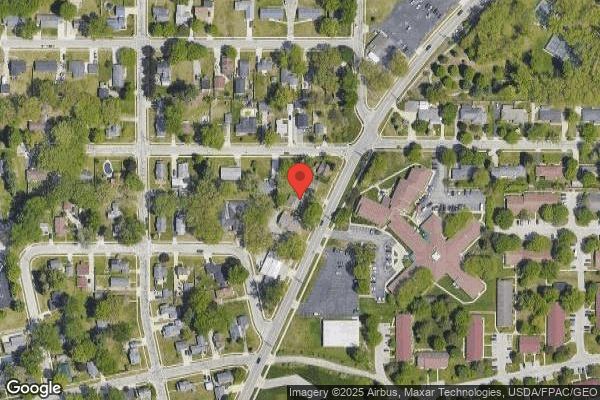
1125 CLARION AVE, HOLLAND, OH 43528 (419) 866-6124
For profit - Corporation 99 Beds VILLA HEALTHCARE Data: November 2025 1 Immediate Jeopardy citation
Trust Grade
46/100
#549 of 913 in OH
Last Inspection: May 2023

Over 2 years since last inspection. Current conditions may differ from available data.

Overview

Spring Meadows Nursing, a Villa Center in Holland, Ohio, has received a Trust Grade of D, indicating below-average quality with some concerns. It ranks #549 out of 913 facilities in Ohio, placing it in the bottom half, and #14 out of 33 in Lucas County, meaning only 13 local options are better. The facility is worsening, with issues increasing from 2 in 2024 to 6 in 2025. Staffing is a concern, as it has a rating of 2 out of 5 stars and a turnover rate of 46%, which is slightly better than the state average. The facility has faced $13,627 in fines, which is average, but the inspector findings raise serious alarms, including a critical incident where a water sample tested positive for Legionella, potentially leading to life-threatening health issues for residents. Additionally, there were concerns about inadequate food portions provided to residents and restrictive visitation policies, affecting families' ability to see loved ones. While the quality measures score is excellent at 5 out of 5, the overall situation suggests families should carefully consider these issues when researching care options.

Trust Score
D
46/100
In Ohio
#549/913
Bottom 40%
Safety Record
High Risk
Review needed
Inspections
Getting Worse
2 → 6 violations
Staff Stability
⚠ Watch
46% turnover. Above average. Higher turnover means staff may not know residents' routines.
Penalties
○ Average
$13,627 in fines. Higher than 61% of Ohio facilities. Some compliance issues.
Skilled Nurses
⚠ Watch
Each resident gets only 29 minutes of Registered Nurse (RN) attention daily — below average for Ohio. Fewer RN minutes means fewer trained eyes watching for problems.
Violations
⚠ Watch
28 deficiencies on record. Higher than average. Multiple issues found across inspections.
★★★☆☆
3.0
Overall Rating
★★☆☆☆
2.0
Staff Levels
★★★★★
5.0
Care Quality
★★☆☆☆
2.0
Inspection Score
Stable
2024: 2 issues
2025: 6 issues

The Good

  • 5-Star Quality Measures · Strong clinical quality outcomes
  • Full Sprinkler Coverage · Fire safety systems throughout facility
  • No fines on record

Facility shows strength in quality measures, fire safety.

The Bad

3-Star Overall Rating

Near Ohio average (3.2)

Meets federal standards, typical of most facilities

Staff Turnover: 46%

Near Ohio avg (46%)

Higher turnover may affect care consistency

Federal Fines: $13,627

Below median ($33,413)

Minor penalties assessed

Chain: VILLA HEALTHCARE

Part of a multi-facility chain

Ask about local staffing decisions and management

The Ugly 28 deficiencies on record

1 life-threatening
Jul 2025 2 deficiencies
CONCERN (D) 📢 Someone Reported This

A family member, employee, or ombudsman was alarmed enough to file a formal complaint

Potential for Harm - no one hurt, but risky conditions existed

Incontinence Care (Tag F0690)

Could have caused harm · This affected 1 resident

Based on record review, staff interview, review of Centers for Disease Control and Prevention (CDC) guidance, and review of the facility policy, the facility failed to ensure Resident #16 who had a in...

Read full inspector narrative →
Based on record review, staff interview, review of Centers for Disease Control and Prevention (CDC) guidance, and review of the facility policy, the facility failed to ensure Resident #16 who had a indwelling catheter received the appropriate treatment and services related to a urinary tract infection (UTI). This affected one (#16) of six residents reviewed for UTIs. The facility census was 76. Findings include: Review of the medical record for Resident #16 revealed an admission date of 05/01/20 with diagnoses of obstructive and reflux uropathy and type II diabetes mellitus. Resident #16 was admitted to Hospice on 05/25/25. Review of the significant change comprehensive Minimum Data Set (MDS) assessment, dated 05/30/25, revealed Resident #16 had impaired cognition and an indwelling catheter. Review of a urine culture and sensitivity, collected 05/26/25 and reported 05/31/25, revealed Resident #16 had bacterium Acinetobacter baumannii present at greater than 100,000 colony forming units per milliliter. The bacterium was susceptible only to amikacin (an antibiotic). There was nothing in the medical record indicating Resident #16 had symptoms of a UTI and notification to the physician of the results of the urine culture and sensitivity. Review of the current and discontinued physician orders dated 05/31/25 through current revealed no order for amikacin. Interview on 07/07/25 at 1:51 P.M. with Infection Preventionist (IP) #505 confirmed no signs or symptoms were documented in Resident #16's record indicating the purpose of the urinalysis. IP #505 confirmed the identification and testing for a UTI, per McGeer's criteria, required signs and/or symptoms of a UTI must be present before proceeding with a urinalysis. IP #505 confirmed no antibiotics were ordered to treat Resident #16's UTI. Additionally, IP #505 could provide no evidence a physician was notified regarding the results of the urine culture and sensitivity results. Review of facility policy titled Guideline for Infection and Prevention Surveillance Program dated 10/02/19 revealed the facility would have a system for preventing, identifying, reporting, investigating, and controlling infections. Review of the CDC guidance titled NHSN Long-term Care Facility Component Urinary Tract Infection dated January 2025 and found at https://www.cdc.gov/nhsn/ltc/uti/index.html revealed UTI is one of the most common sites of healthcare-associated infections (HAI), accounting up to 20 percent (%) of infections reported by long-term care facilities (LTCFs). There is criteria for catheter-associated symptomatic urinary tract infections (CA-SUTI). This included one or more signs and symptoms and a positive urine culture with no more than two species of microorganisms, at least one of which is a bacterium of 10 CFU/ml or greater. The criteria for asymptomatic bacteremia urinary tract infection (ABUTI) included no qualifying fever or signs or symptoms, a positive urine culture and a positive blood culture with at least one matching bacteria to the urine culture. This deficiency represents non-compliance investigated under Complaint Number OH00166471.
CONCERN (D) 📢 Someone Reported This

A family member, employee, or ombudsman was alarmed enough to file a formal complaint

Potential for Harm - no one hurt, but risky conditions existed

Deficiency F0761 (Tag F0761)

Could have caused harm · This affected 1 resident

Based on observation, record review and staff and resident interview, the facility failed to ensure medications were administered appropriately and not left unsecured in a resident room. This affected...

Read full inspector narrative →
Based on observation, record review and staff and resident interview, the facility failed to ensure medications were administered appropriately and not left unsecured in a resident room. This affected one (#15) of one resident reviewed for medications. The facility census was 76. Findings include: Review of the medical record for Resident #15 revealed an admission date of 5/22/25 with diagnoses of anxiety and enterocolitis (inflammation of the intestines) due to clostridium difficile. Review of the comprehensive admission Minimum Data Set (MDS) assessment, dated 05/24/25, revealed Resident #15 had intact cognition and rejected care for one-to-three days during the assessment period. Review of the physician order dated 05/21/25 revealed Resident #15 received buspirone hydrochloride (HCl) (for anxiety) 15 milligrams (mg), one tablet three times daily and dicyclomine HCl (for gastrointestinal prophylaxis and cramping) 10 mg one capsule four times daily. Review of the Medication Administration Record for July 2025 revealed Resident #15's prescribed buspirone HCl and dicyclomine HCl were administered as ordered. Observation and interview on 07/07/25 at 4:15 P.M. with Registered Nurse (RN) #201 revealed two medications on Resident #15's floor next to her bed. RN #201 stated the medications were buspirone HCl and dicyclomine HCl. RN #201 stated Resident #15 received the two medications multiple times daily and could not state how long they were on the floor. RN #201 further stated she always stood with Resident #15 until Resident #15 consumed all of her medications. RN #201 confirmed nurses should always remain with residents until all medications are consumed. Resident #15 confirmed RN #201 stayed at her bedside while she consumed her medications. Resident #15 stated she did not know why there were medications on her floor. This was an incidental finding during the complaint survey.
Mar 2025 4 deficiencies
CONCERN (D) 📢 Someone Reported This

A family member, employee, or ombudsman was alarmed enough to file a formal complaint

Potential for Harm - no one hurt, but risky conditions existed

Deficiency F0573 (Tag F0573)

Could have caused harm · This affected 1 resident

Based on record review, staff interview, review of email correspondence, and policy review, the facility failed to ensure resident representatives received copies of medical records in a timely manner...

Read full inspector narrative →
Based on record review, staff interview, review of email correspondence, and policy review, the facility failed to ensure resident representatives received copies of medical records in a timely manner. This affected two (#12 and #72) of two residents reviewed for medical record requests. The facility census was 90. Findings include: 1. Review of the medical record for Resident #12 revealed an admission date of 01/15/25. Resident #12 discharged to another long-term care facility on 02/26/25. Review of the discharge Minimum Data Set (MDS) assessment completed 02/06/25 revealed Resident #12 had impaired cognition. Review of Resident #12's emergency contact information revealed the Emergency Contact #1 was Resident #12's son. Review of an email dated 02/11/25 from Resident #12's son to Social Services Designee (SSD) #501 revealed a request for copies of medical records. Further review revealed multiple people were carbon copied (CC) on the email, including several people with the same surname as Resident #12. Review of an email dated 02/11/25 from SSD #501 to Medical Records (MR) #502 revealed a request for MR #502 to respond to Resident #12's son regarding his request for copies of the medical record. The email from SSD #501 to MR #502 included the forwarded email from Resident #12's son. Review of an email dated 02/12/25 revealed MR #502 sent a Records Request form to one of the people CC'd in the original email and did not email Resident #12's son who submitted the request. Review of an email dated 02/21/25 from Resident #12's son to SSD #501 revealed he was still awaiting a copy of the records from the facility. Review of an email dated 02/21/25 from MR #502 to Resident #12 revealed MR #502 sent a copy of a Medical Records Release form to Resident #12's email address. Interview on 03/12/25 at 11:20 A.M. with MR #502 , along with a review of the email she sent on 02/12/25 revealed MR #502 did not know why she did not respond to Resident #12's son. Further interview confirmed she had not provided copies of the medical records to Resident #12's son at the time of the interview. 2. Review of the medical record for Resident #72 revealed an admission date of 06/21/24 with diagnoses of Parkinson's disease and type II diabetes mellitus. Review of the quarterly MDS assessment, dated 01/27/25, revealed Resident #72 had intact cognition. Review of Resident #72's emergency contact information revealed the healthcare Power of Attorney (POA) was Resident #72's daughter. Review of a nursing progress note dated 11/19/24 revealed a care conference was held and Resident #72's POA attended and requested a copy of Resident #72's medical records. Review of an email dated 11/20/24 from Resident #72's POA to SSD #501 revealed Resident #72's POA had a court hearing scheduled for 11/27/24 and requested copies of the medical record no later than 11/25/24. Review of an email dated 11/25/24 from SSD #501 to MR #502 revealed all required release of health information forms were attached and SSD #501 requested MR #502 to follow up with providing records to Resident #72's POA. Review of an email dated 01/29/25 from MR #502 to Resident #72's POA revealed she forwarded the request for copies of Resident #72's medical records to the corporate office. Interview on 03/13/25 at 1:22 P.M. with MR #502 stated she made copies of Resident #72's medical records and planned to provide them to Resident #72's POA when she was informed the request needed to be processed through the corporate office. MR #502 confirmed the first time she forwarded the request, initiated by Resident #72's POA in writing on 11/20/24, was on 01/29/25. Review of the undated policy titled Release of Information, revealed a resident may obtain photocopies of his or her records by providing the facility with at least 48-hour (excluding weekends and holidays) advance notice. This deficiency represents non-compliance investigated under Complaint Number OH00163096.
CONCERN (E) 📢 Someone Reported This

A family member, employee, or ombudsman was alarmed enough to file a formal complaint

Potential for Harm - no one hurt, but risky conditions existed

Menu Adequacy (Tag F0803)

Could have caused harm · This affected multiple residents

Based on observation, staff interview, and review of the menu spreadsheet, revealed the facility failed to provide adequate portions of food. Additionally, the facility failed to ensure adequate food ...

Read full inspector narrative →
Based on observation, staff interview, and review of the menu spreadsheet, revealed the facility failed to provide adequate portions of food. Additionally, the facility failed to ensure adequate food was prepared to provide all residents with an appropriate portion of food. This had the potential to affect all residents in the facility except Resident #92 who received no food by mouth. Finally, the facility failed to ensure residents on a pureed diet received all items on the menu. This affected five (#13, #24, #39, #42, and #94) residents on a pureed diet. The facility census was 90. Findings include: 1. Observations and interviews on 03/12/25 beginning at 11:37 A.M. revealed [NAME] #301 serving the noon meal. [NAME] #301 stated the meal was chili, cornbread, salad, and pumpkin pie. [NAME] #301 stated residents on a regular texture diet and a mechanical soft texture diet received the same chili and cornbread. [NAME] #301 prepared pureed chili and pureed cornbread for residents on a pureed diet. [NAME] #301 used a serving spoon to serve chili to approximately ten residents who received either regular or mechanical soft textured chili. Observation on 03/12/25 at 11:55 A.M. revealed [NAME] #301 preparing Resident #94's pureed meal tray. [NAME] #301 scooped two scoops of pureed chili into the bowl, and one scoop of cornbread onto the plate. Observation on 03/12/25 at 11:59 A.M. revealed [NAME] #301 replaced the serving spoon with a spoodle utensil (a serving spoon with a defined measurement). Concurrent interview with [NAME] #301 confirmed she used a serving spoon used during preparation of the chili to serve chili portions to approximately the first eight resident trays. Interview and observation on 03/12/25 at 12:50 P.M. with [NAME] #301 revealed she was preparing Resident #39's pureed tray. [NAME] #301 scooped one scoop of chili, and then approximately half of a second scoop of chili into the bowl. [NAME] #301 stated she added some of a second scoop because the single scoop didn't look like enough. Observation on 03/12/25 at approximately 12:54 P.M. revealed one meal ticket remained with a request for two bowls of chili. [NAME] #301 scraped the last of the chili from the pan and produced one scoop. Dietary Manager (DM) #503 went to the attached Assisted Living Facility kitchen to obtain a second bowl of chili for the final meal ticket. Interview and observation on 03/12/25 at 12:55 P.M. revealed the spoodle used to serve chili to residents on regular and mechanical soft diets was 4 ounces. Additionally, the scoops used to serve both the pureed chili and the pureed cornbread were 1 and 5/8 ounces. Interview on 03/12/25 at approximately 12:57 P.M. with DM #503 and review of the menu spreadsheet revealed residents on a regular and mechanical soft diet should have received an 8 ounce portion of chili. Further review revealed residents on a pureed diet should have received 8 ounces of chili and 3 ounces of cornbread. Interview on 03/12/25 at 1:21 P.M. with DM #503 confirmed the facility did not prepare enough chili to provide the appropriate portions to residents on regular and mechanical soft diets. 2. Observations on 03/12/25 beginning at 11:37 A.M. revealed [NAME] #301 prepared pureed chili and pureed cornbread for residents on a pureed diet. Observation on 03/12/25 at 11:55 A.M. revealed [NAME] #301 preparing Resident #94's pureed meal tray. [NAME] #301 scooped two scoops of pureed chili into the bowl, and one scoop of cornbread onto the plate. Observation on 03/12/25 at 12:42 P.M. revealed Certified Nursing Assistant (CNA) #101 assisting Resident #24 in the dining room while he ate a pureed meal. CNA #101 confirmed she mixed the pureed cornbread into the pureed chili. No vegetable was observed with Resident #24's meal. Interview on 03/12/25 at 12:49 P.M. with [NAME] #301 confirmed she served residents on a pureed diet only chili and cornbread. Interview and observation on 03/12/25 at 12:50 P.M. with DM #503 revealed residents on a pureed diet received applesauce instead of a vegetable, and gelatin dessert instead of pumpkin pie because the pie was too frozen to scoop prior to meal service. Interview and observation on 03/12/25 at 1:08 P.M. with CNA #101 confirmed Resident #24 received cornbread, chili, a nutrition supplement drink, and a nutrition supplement ice cream. No vegetable, applesauce, or gelatin dessert were observed or provided. Interview with DM #503 on 03/13/25 at approximately 2:00 P.M. and concurrent review of the pureed menu for the noon meal on 03/12/25 confirmed residents on a pureed diet should have received a pureed cook vegetable and pureed pumpkin pie. This deficiency represents non-compliance investigated under Complaint Number OH00163287.
CONCERN (E) 📢 Someone Reported This

A family member, employee, or ombudsman was alarmed enough to file a formal complaint

Potential for Harm - no one hurt, but risky conditions existed

Deficiency F0805 (Tag F0805)

Could have caused harm · This affected multiple residents

**NOTE- TERMS IN BRACKETS HAVE BEEN EDITED TO PROTECT CONFIDENTIALITY** Based on observation, staff interview, record review, menu review, and recipe review, the facility failed to ensure residents on...

Read full inspector narrative →
**NOTE- TERMS IN BRACKETS HAVE BEEN EDITED TO PROTECT CONFIDENTIALITY** Based on observation, staff interview, record review, menu review, and recipe review, the facility failed to ensure residents on a mechanical soft diet received appropriately textured food. This had the potential to affect 12 (#11, #15, #28, #29, #38, #44, #48, #55, #68, #69, #82 and #97) residents on a mechanical soft diet. Additionally, the facility failed to ensure residents received appropriate food textures and thickened beverages with their meals. This affected two (#24 and #42) residents on a pureed diet observed during meal service. The facility census was 90. Findings include: 1. Observations and interviews on 03/12/25 beginning at 11:37 A.M. revealed [NAME] #301 serving the noon meal. [NAME] #301 stated the meal was chili, cornbread, salad, and pumpkin pie. [NAME] #301 stated residents on a regular texture diet and a mechanical soft texture diet received the same chili and cornbread. Review of the facility's mechanical soft menu revealed residents should receive ground beef & bean chili. Interview on 03/12/25 at approximately 12:55 P.M. with Dietary Manager (DM) #503 and concurrent review of the mechanical soft menu revealed residents should receive ground beef & bean chili. DM #503 stated the meat they used was ground beef and she instructed staff to break it down into small pieces. DM #503 stated the facility did not prepare a different version of the chili for residents on a mechanical soft diet. Interview on 03/12/25 at 1:21 P.M. with DM #503 confirmed whole kidney beans were used in the chili provided to residents on a regular diet and residents on a mechanical soft diet. Follow-up interview on 03/12/25 at 2:23 P.M. with DM #503 revealed she could find no recipe for ground beef & bean chili. Interview on 03/13/25 at 12:20 P.M. with Regional Director of Dietary (RDD) #403, and concurrent review of a recipe for ground beef & bean chili revealed the recipe used pinto beans. Additional review of the regular beef & bean chili recipe revealed an alternative to use kidney beans. RDD #403 confirmed the ground beef & bean chili recipe did not list kidney beans as an alternative. 2. Review of the medical record for Resident #24 revealed an admission date of 05/01/20 with a diagnosis of type II diabetes mellitus. Review of the quarterly Minimum Data Set (MDS) assessment dated [DATE] revealed Resident #24 had impaired cognition. Review of the current physician order dated 02/13/25 revealed Resident #24 received a pureed diet with honey-thick liquids. Observation on 03/12/25 at 12:42 P.M. revealed Certified Nursing Assistant (CNA) #101 providing assistance to Resident #24 in the dining room while he consumed the noon meal. Observation on 03/12/25 at 1:08 P.M. revealed CNA #101 remaining by Resident #24's side in the dining room. Resident #24 consumed all of his meal, including chili, cornbread, a nutrition supplement drink, and a thickened ice cream nutrition supplement. Attempted interview with Resident #24 at that time revealed Resident #24 was hard of hearing and could not express whether he was still hungry after the meal. Observation on 03/12/25 at approximately 1:30 P.M. revealed CNA #101 feeding Resident #24 a white substance out of a small pre-packaged cup. Interview on 03/13/25 at 11:50 A.M. with CNA #101 confirmed she provided regular vanilla ice cream, not a thickened nutrition supplement, to Resident #24 during the noon meal on 03/12/25. CNA #101 could not verify Resident #24's diet order included thickened liquids. CNA #101 stated the ice cream was still frozen, and had not melted, when she fed Resident #24. Interview on 03/13/25 at approximately 4:00 P.M. with RDD #403 confirmed residents with orders for thickened liquids should not receive regular ice cream because ice cream melted to a thin liquid. 3. Review of the medical record for Resident #42 revealed an admission date of 03/10/25 with a diagnosis of dysphagia (difficulty swallowing). Review of the Nursing admission Evaluation dated 03/10/25 revealed Resident #42 was confused and had unclear speech. Review of the current physician order dated 03/10/25 revealed Resident #42 was on a pureed diet with nectar-thick liquids. Observation on 03/13/25 at approximately 12:40 P.M. revealed Resident #42's meal tray inside the meal cart in the hallway waiting to be served to Resident #42. Upon Surveyor request, observation on 03/13/25 at 12:44 P.M. revealed RDD #403 removing Resident #42's meal tray from the cart and carrying it to the conference room. Interview and observation on 03/13/25 at 12:46 P.M. with RDD #403 confirmed Resident #42 was on a pureed diet with nectar-thick liquids. Observation of the meal tray revealed a pureed bowl of soup, pureed cornbread, and pureed sweet potatoes. In a separate bowl was green gelatin dessert. Also on the tray was a glass of lemonade. RDD #403 confirmed the lemonade on Resident #42's cart was not thickened. Additionally, RDD #403 confirmed gelatin dessert was not appropriate for residents on thickened liquids and the gelatin liquefies (melts) in the mouth and becomes a thin liquid. RDD #403 subsequently ensured Resident #42 received an appropriate replacement meal tray. This deficiency represents non-compliance investigated under Complaint Number OH00163287.
CONCERN (E) 📢 Someone Reported This

A family member, employee, or ombudsman was alarmed enough to file a formal complaint

Potential for Harm - no one hurt, but risky conditions existed

Food Safety (Tag F0812)

Could have caused harm · This affected multiple residents

Based on observation, staff interview, and policy review, the facility failed to ensure staff practiced proper hand hygiene during meal service. Additionally, the facility failed to ensure food was co...

Read full inspector narrative →
Based on observation, staff interview, and policy review, the facility failed to ensure staff practiced proper hand hygiene during meal service. Additionally, the facility failed to ensure food was covered during delivery to resident rooms. This had the potential to affect all residents in the facility except Resident #92 who received no food from the kitchen. Additionally, the facility failed to ensure staff practiced proper sanitation practices when handling resident meal trays. This affected one (Resident #101) resident's tray observed during meal service. The facility census was 90. Findings include: Observations during noon meal preparation and service on 03/12/25 beginning at 11:32 A.M. revealed [NAME] #301 wearing disposable gloves, opening the reach-in refrigerator and picking up a bag previously opened and re-sealed shredded lettuce. [NAME] #301 proceeded to open the bag of lettuce while touching the outside of the bag with both gloved hands, then reached into the bag with her right hand and served portions of shredded lettuce into bowls. Interview on 03/12/25 at 11:36 A.M. with [NAME] #301 confirmed she did not change her gloves after opening the reach-in cooler and touching the exterior of the lettuce bag before reaching inside the bag to portion lettuce into bowls. Observations on 03/12/25 at 11:37 A.M., 11:39 A.M., and 11:43 A.M. revealed [NAME] #301 removing soiled gloves and putting on new gloves without washing her hands. Observation on 03/12/25 at 11:53 A.M. revealed [NAME] #301 wearing disposable gloves and leaving the serving line. [NAME] #101 returned wearing disposable gloves and carrying a slice of cheese. [NAME] #301 proceeded to prepare a cheeseburger by placing the cheese on a hamburger bun, then picking up a burger and tearing it into bite-size pieces, placing the burger on the bun and using both hands to put the cheese burger together and place on a plate. Concurrent interview with [NAME] #301 confirmed she did not wash her hands between glove changes and confirmed she retrieved the slice of cheese from the reach-in cooler and did not change her gloves between opening the cooler and preparing the cheeseburger. Continued observation on 03/12/25 at approximately 11:56 A.M. revealed the staff had prepared and loaded approximately six meal trays and loaded them into the tray cart when the staff realized no salads were on the trays. Observation on 03/12/25 at 11:58 A.M. revealed Dietary Aide #302 setting a resident's tray on the ground in order to view the tray behind it and add a salad. Concurrent interview with Dietary Aide #302 confirmed she set Resident #101's tray on the ground. Continued observations during the noon meal service on 03/12/25 at 12:00 P.M. revealed residents received pumpkin pie. Observation of the pie revealed it was plated but not covered by a lid or plastic wrap. Observations on 03/12/25 beginning at 12:15 P.M., during the passing of meal trays to resident rooms on the 300 hall, revealed resident trays with pumpkin pie. Further observation revealed the pumpkin pie was uncovered in the tray cart. Concurrent interview with Certified Nursing Assistant (CNA) #104 confirmed the pumpkin pie was uncovered on each tray. Observation and interview on 03/12/25 at 12:40 P.M. with CNA #102 on the 200 hall confirmed the pumpkin pie on residents trays inside the tray cart were uncovered. Interview on 03/12/25 at 12:54 P.M. with DM #503 confirmed the pies were sent on the tray carts without being covered because they were frozen and she left them uncovered to thaw. Review of the policy Food Preparation and Handling, dated 09/01/21, revealed staff were responsible for food preparation procedures that avoid contamination by potential harmful physical, biological, and chemical contamination. Review of the policy Hand Washing, dated 09/01/21, revealed staff should wash their hands before putting on gloves and as often as needed during food preparation and when changing tasks. Review of the policy Meal Distribution, dated 09/01/21, revealed all foods that are transported to dining areas that are not adjacent to the kitchen will be covered. This deficiency represents non-compliance investigated under Complaint Number OH00163287.
Jul 2024 1 deficiency 1 IJ
CRITICAL (J) 📢 Someone Reported This

A family member, employee, or ombudsman was alarmed enough to file a formal complaint

Immediate Jeopardy (IJ) - the most serious Medicare violation

Infection Control (Tag F0880)

Someone could have died · This affected 1 resident

**NOTE- TERMS IN BRACKETS HAVE BEEN EDITED TO PROTECT CONFIDENTIALITY** Based on observation, medical record review, staff interviews, interviews with the Local Health Department (LHD), review of hosp...

Read full inspector narrative →
**NOTE- TERMS IN BRACKETS HAVE BEEN EDITED TO PROTECT CONFIDENTIALITY** Based on observation, medical record review, staff interviews, interviews with the Local Health Department (LHD), review of hospital medical records, review of water sample testing reports, review of chlorine level logs, review of the facility's water management plan and review of the facility's water treatment program, the facility failed to implement immediate action to protect residents from Legionella (bacteria that causes a severe form of pneumonia with exposure generally from droplets of water) when a water sample test detected Legionella on the 300 Hall on 06/03/24. This resulted in Immediate Jeopardy and serious life-threatening harm and the potential for additional negative health outcomes and/or death when one resident (#01), who resided on the 100 Hall, developed respiratory symptoms and experienced a change in condition on 06/13/24. On 06/14/24, Resident #01 was sent to the hospital for further evaluation and subsequently was admitted to the intensive care unit (ICU) with diagnoses including sepsis with acute renal failure and septic shock due to an unspecified organism and later tested positive for Legionella pneumonia (also known as Legionnaires' disease). Resident #01 remained hospitalized in the ICU with high flow oxygen and intravenous (IV) antibiotic therapy. The facility was notified by the hospital on [DATE] of Resident #01's positive Legionella pneumonia result. Following the notification to the facility that Resident #01 had tested positive for Legionella pneumonia, the facility did not notify the local health department (LHD) or implement any immediate actions to protect the remaining 86 residents of the facility, placing them at potential risk for Legionella bacteria exposure. The facility census was 87. On 06/18/24 at 12:03 P.M., the Administrator and the Director of Nursing (DON) were notified Immediate Jeopardy began on 06/16/24 when the facility was notified by the hospital Resident #01 tested positive for Legionella pneumonia. Review of the facility water test samples revealed on 06/03/24, a water sample from the 300 Hall tested positive for Legionella pneumophilia, serogroup one. At that time, the facility stopped use of the water on the 300 Hall but implemented no additional interventions for other areas of the facility. Review of Resident #01's medical record revealed the resident resided on the 100 Hall. Further review revealed on 06/13/24, Resident #01 developed respiratory symptoms, which included a wet cough. Resident #01's condition continued to decline, to include congestion and confusion. On 06/14/24, a chest x-ray was completed, which indicated a nonspecific left perihilar density that could be pneumonia. Resident #01 was transferred to the hospital for further evaluation and subsequently admitted to the ICU and was diagnosed with Legionella pneumonia. Resident #01 remained in the ICU on high flow oxygen and antibiotic therapy. The Immediate Jeopardy was removed on 06/18/24 when the facility implemented the following corrective actions: • On 06/10/24, an additional 10 water samples were taken for legionella testing. Results for the 10 samples were received on 06/19/24 and each tested negative for Legionella bacteria. • Beginning on 06/17/24, Maintenance Services Director (MSD) #301 will audit the recirculating pipe one time daily for two months to ensure appropriate temperatures are maintained. • On 06/17/24 at 10:00 A.M., MSD #301 set the facility's circulating pump to continuous run. • On 06/18/24 at 10:00 A.M., MSD #301 installed filtered shower heads on all showers. • Beginning on 06/18/24, the DON will audit staff call-offs three times weekly for four weeks for signs and symptoms related to Legionella illness. • On 06/18/24 at 12:00 P.M., Regional Director of Operations (RDO) #320 and Regional Director of Plant Operations (RDPO) #325 reviewed the facility's water management policy and updated it to meet the Centers for Disease Control (CDC) and the Ohio Department of Health's (ODH) recommendations. • On 06/18/24 at 1:00 P.M., the Administrator re-educated MSD #301 and Maintenance Assistant (MA) #330 on flushing the whole water system utilizing the flushing documentation log and testing and documenting chlorine levels daily to ensure adequate sanitization to kill Legionella and to validate electronic measuring systems. • On 06/18/24 at 1:00 P.M., Dietary Manger (DM) #306 inventoried the in-house bottled water and confirmed a sufficient supply was available to meet resident needs. • On 06/18/24, Food Service Provider (FSP) #500 delivered bagged, bulk ice. Deliveries will continue two times weekly (Mondays and Thursdays) and as needed until the facility's water is deemed safe by the LHD. • On 06/18/24 at 2:30 P.M., MSD #301 installed a medical grade ice machine filter (protects against Legionella) on the facility's ice machine. On 06/20/24 at 11:00 A.M., the refrigeration contractor serviced the medical grade ice machine filter for use. • On 06/18/24 at 4:00 P.M., ADON #300 began all staff education on the facility's Legionnaires Guidelines, to include no use of facility faucets, bed pan washers, ice machine, kitchen faucets/sprayers or any other water source; nebulizer, CPAP, Bi-Pap and respiratory equipment to be rinsed with sterile water; proper use of alcohol-based hand sanitizer for residents and staff and utilizing bottled water for hand washing if hands are visibly soiled; and use of bottled water for drinking, brushing teeth and cleaning. Any staff, including agency staff, unable to be reached will receive the education from ADON #300 or designee prior to their next scheduled shift. • On 06/18/24 at 5:15 P.M., MSD #301 covered all faucets, ice machine and all other water supply sources to ensure no resident or staff use. • On 06/18/24 at 5:30 P.M., an Ad Hoc Quality Assurance Performance Improvement (QAPI) committee meeting was held to review the facility's Legionella Policy and Procedures and the steps taken to remediate the immediacy of the concern. In attendance were the Administrator, the DON, Assistant Director of Nursing (ADON) #300, MSD #301, Certified Nurse Practitioner (CNP) #350, Registered Nurse Supervisor (RNS) #302, Housekeeping Supervisor (HS) #303, Social Worker (SW) #305, DM #306, RNS #310, Registered Dietitian (RD) #312, Physical Therapy Director (PTD) #313, Licensed Practical Nurse (LPN) #315, and Admissions Director (AD) #316. A root cause analysis was initiated to determine gaps in monitoring the Water Management System to prevent Legionella outbreaks and implement corrective actions in conjunction with the local health department (LHD). • On 06/18/24 at 6:00 P.M., the DON completed a respiratory assessment on all residents with no new respiratory concerns identified. • Beginning on 06/18/24, the DON or designee will complete respiratory monitoring on all residents each shift until the results of the final water samples, taken on 06/25/24, are received and the facility water is deemed safe by the LHD. • On 06/18/24 at 6:00 P.M., Corporate Medical Director (CMD) #650 audited all residents sent to the hospital in the past 30 days for potential Legionella related illness. No areas of concern related to Legionella illness were identified. • Beginning on 06/18/24, MSD #301 will audit water chlorine levels, water temperatures and flushing of dead legs two times weekly for two months. Any concerns will immediately be reported to the Administrator and follow up with the QAPI committee to determine appropriate interventions. • Beginning on 06/18/24, the Administrator or designee will complete audits of three random staff three times weekly for four weeks then one time monthly for two months to ensure compliance with the Legionella education provided. • Interviews on 06/20/24 from 10:25 A.M. through 10:30 A.M. with State Tested Nurse Aide (STNA) #400, STNA #401, STNA #402, LPN #403, LPN #404 and LPN #405 verified education was provided regarding Legionella and protective measures to limit the transmission of Legionella bacteria. • Observations on 06/20/24 from 10:25 A.M. through 10:40 A.M. confirmed the facility had bottled water and bagged ice available for residents. Additionally, all water faucets were covered with plastic to prevent resident and staff use. • Review of two (#2 and #57) additional open resident records, reviewed for respiratory illness, revealed no concerns. • The QAPI Committee will meet monthly to review audit results to ensure on-going compliance. An Ad Hoc QAPI will be held to address any immediate audit findings. Although the Immediate Jeopardy was removed on 06/18/24, the facility remained out of compliance at Severity Level 2 (no actual harm with potential for more than minimal harm that is not Immediate Jeopardy) as the facility was still in the process of implementing their corrective action and monitoring to ensure on-going compliance. Findings include: Review of the medical record for Resident #01 revealed an admission date of 04/05/19. Diagnoses included multiple sclerosis with paraplegia and bilateral lower extremity wasting and contracture, peripheral vascular disease, chronic kidney disease, hypertension and paroxysmal atrial fibrillation. Review of the quarterly Minimum data Set (MDS) assessment dated [DATE] revealed Resident #01 was cognitively intact, independent with eating and oral care and dependent for toilet use, showers, and personal care. Resident #01 was frequently incontinent of bowel and bladder, had functional impairments to both lower extremities and utilized a manual wheelchair for mobility. Resident #01 was dependent on staff for mobility and transfers. Review of a progress note, dated 06/13/24 at 8:58 A.M., revealed Resident #01 had a wet cough with coarse breathing and dark urine. The physician was notified, and an order was received for Mucinex twice a day for seven days. Additional review of a progress note dated 06/13/24 at 2:10 P.M. revealed Resident #01 had an oxygen saturation on room air of 94%. Further review of the progress notes revealed on 06/13/24 at 10:26 P.M., Resident #01 continued with a nonproductive cough, with hoarse voice sounds and congestion. Resident #01 had difficulty feeding himself at mealtime and required staff assistance. On 06/14/24 at 7:13 A.M., Resident #01 was observed in bed with pale skin, was disoriented and confused and continued with a cough. On 06/14/24 at 2:45 P.M., Resident #01 had a chest x-ray completed. The results were called into the facility at 2:55 P.M. and revealed a nonspecific left perihilar density that could be pneumonia. Resident #01 was subsequently transferred via emergency medical services (EMS) to the hospital for further evaluation. Review of the Hospital Emergency Department (ED) notes, dated 06/14/24 at 3:51 P.M., revealed Resident #01 had not been feeling well for two days and report from the extended care facility showed lungs were collapsed and the intestines were pushing up into them, which is sepsis criteria. Temperature upon arrival was 103.1 degrees Fahrenheit (F), hypotensive at 101/58 with a pulse rate of 109 beats per minute, oxygen saturation of 92% on 4 liters of oxygen, and breath sounds were decreased with rhonchi (coarse, loud sounds caused by constricted larger airways) present in both the left middle and upper lobe. Resident #01 was treated for septic shock and responded well to intravenous fluids. Additional review of hospital documents dated 06/14/24 revealed a chest x-ray was completed while Resident #01 was in the ED. It showed left upper lobe consolidation suggesting pneumonia, and elevated right hemidiaphragm (muscle that separates the chest cavity from the abdomen and serves as the main muscle for respiration) raising the possibility for diaphragmatic paralysis. Resident #01 had a computed tomography (CT) which revealed a large left upper lobe consolidation concerning for pneumonia, elevated right hemidiaphragm which was new on comparison to previous radiographs completed on 04/23/24. Review of a CT of the abdomen and pelvis revealed concerns for pneumonia marked by elevation of the right hemidiaphragm, likely from diaphragmatic paralysis and phrenic nerve (controls the diaphragm) palsy. Lastly, review of the laboratory testing completed on 06/14/24 revealed a complete blood count (CBC) was obtained with results showing an elevated white blood count (WBC) of 12.9 (normal is 4.0-11.0) and platelets 135 (normal is 150-450). A urinalysis collected on 06/14/24 at 8:40 P.M. was positive for a large amount of leukocyte esterase (normal is negative) and hemoglobin (normal is absent or negative) with urine culture positive for the Legionella antigen. Resident #01 was admitted to the ICU with diagnoses including Legionella pneumonia, sepsis with acute renal failure and septic shock with a plan for 10 to 14 days of IV antibiotics and oxygen therapy. Review of a hospital pulmonary consult progress note dated 06/16/24 revealed Resident #01 experienced worsening respiratory failure and required additional oxygen with high flow oxygen and DuoNeb (breathing) treatments every six hours. The progress summary revealed Resident #01 had left upper lobe Legionella pneumonia and positive Legionella urinary antigen was reported to the local health department. The note indicated the facility must be notified as well. Review of a repeat chest x-ray, completed in the hospital on [DATE] due to respiratory distress, difficulty breathing, and shortness of breath revealed an increasing right pleural effusion (build-up of fluid around the lungs) and right lobe atelectasis (collapse of the lung/part of the lung) with stable left midlung consolidation. Review of a nursing progress note dated 06/16/24 at 5:17 P.M. revealed the facility checked with the hospital on Resident #01's condition. Resident #01 remained hospitalized and had been diagnosed with Legionella in the urine. Review of the facility's weekly water chlorine level testing from 05/12/24 through 06/07/24 revealed on 05/24/24 the low range result was 0.16 and the high range result was 0.3 (the normal chlorine control range is between 0.5 and 4.0). On 06/05/24 a low range test result was 0.46, which was below the 0.5 minimum reading required. Review of the facility water testing samples, taken 05/23/24 with results on 06/03/24, revealed a water sample collected on the 300 Hall had a positive result for L. pneumophilia, serogroup 1 at a concentration of 130 colony-forming unit/milliliter (CFU/mL). Further review revealed uncontrolled levels of Legionella bacteria were greater than or equal to 10 CFU/mL in potable (drinkable) water. Additionally, L. pneumophilia serogroup 1 was highly associated with Legionnaires' disease. Lastly, the document indicated at 130 CFU/mL, a high action level was required, which included adjusting biocide (disinfectants such as chlorine) treatments immediately or disinfect/clean within 30 days, review program and retest. Observations on 06/17/24 from 7:25 A.M. until 8:50 A.M. revealed staff providing bottles of water to residents. Residents were denied ice when requested. Interview on 06/17/24 at 8:20 A.M. with LPN #306 revealed Legionella was detected in the facility's water. LPN #306 reported a resident had been admitted to the hospital and tested positive for Legionella. Upon arriving to the facility on [DATE] for her morning shift, LPN #306 was told not to use the facility water and was provided bottled water for medication administration. Interview on 06/17/24 at 9:20 A.M. with the DON revealed the facility had conducted water testing and a sample from the 300 Hall came back positive for Legionella on 06/03/24. The DON stated the positive water sample result was questionable but respiratory assessments for all residents on the 300 Hall were initiated on each shift. However, Resident #01, who resided on the 100 Hall, exhibited respiratory symptoms on 06/13/24 and was subsequently sent to the hospital for evaluation on 06/14/24. The DON stated Resident #01 tested positive for Legionella and remained in the hospital. The DON verified the facility became aware of Resident #01 testing positive for Legionella on 06/16/24 but residents and staff were not instructed until the morning of 06/17/24 at approximately 6:00 A.M. to not use the facility water. Additionally, the DON confirmed the facility did not notify the LHD of Resident #01's positive Legionella result on 06/16/24. Interview on 06/17/24 at 12:19 P.M. with MSD #301 revealed routine annual water testing was completed on 05/23/24 with a water sample sent from rooms [ROOM NUMBERS]. On 06/03/24, testing results were received and revealed Legionella was detected in the water sample sent from room [ROOM NUMBER]. MSD #301 stated a meeting with the Administrator, the DON and corporate representatives occurred on 06/04/24 to discuss an action plan. The plan included changing the water faucet and the water lines in room [ROOM NUMBER] and for staff to stop using the shower room on the 300 Hall. MSD #301 verified the low chlorine test results on 05/24/24 and 06/05/24 and further verified no interventions had been implemented for the low chlorine levels on those dates. MDS #301 stated he did not recognize the chlorine levels as low. MSD #301 confirmed the filter on the facility's ice machine did not protect against Legionella and had been in use until the morning of 06/17/24. Interview on 06/18/24 at 11:55 A.M. with Local Health Department Epidemiologist (LHDE) #900 revealed the facility did not notify them, as required, of Resident #01 testing positive for Legionella. On 06/17/24, LHDE #900 stated they received notification from the hospital where Resident #01 was being treated. While the facility became aware on 06/16/24 (Sunday), the LHD had an after-hours phone number for facilities to call to report Legionellosis associated illness. LHDE #900 verified the first contact with the facility related to Resident #01 testing positive for Legionella was on 06/17/24 at approximately 9:00 A.M., when they reached out to the facility. Interview on 06/20/24 at 10:00 A.M. with LHDE #910 confirmed she became aware on 06/17/24 of Resident #01 testing positive for Legionella, when she received the notification from the hospital. LHDE #910 stated she reached out to the facility to begin their investigation and verified the facility did not notify the LHD as required. LHDE #910 stated the investigation revealed Resident #01 never left his room and had not left the facility since October 2023, therefore, the Legionella exposure had to of come from the facility. While the facility had one Legionella positive water sample on the 300 Hall, they had not been able to determine how Resident #01 contracted Legionella. LHDE #910 confirmed Legionella was not spread from person to person and transmission was through inhalation of contaminated, aerosolized water. LHDE #910 stated they were able to determine Resident #01 used no aerosol machines, such as breathing treatments, and the only known potential source was the facility's water supply. Additionally, LHDE #910 verified the facility did not begin implementing any interventions to protect the additional residents of the facility until the morning of 06/17/24. LHDE #910 confirmed they were currently working with the facility on their water mitigation plan and no additional cases of Legionella had been identified. Review of the facility's plan for water management titled Water Management Plan, dated 01/02/24, revealed procedures for minimizing the risk of Legionnaires' disease within the building water system. In the event of a known or suspected case of Legionellosis associated illness within the facility, directives issued by national authorities and regional and local health authorities should be followed, including where and when additional testing should be performed and procedures for emergency disinfection. Review of the undated facility policy titled Water Management Program, revealed the facility will conduct an annual review of the water system. All cases of Legionella shall be reported to the local/state health officials, followed by an investigation including: a review of the microbiology and medical records; actively identifying all new and recent residents with healthcare-associated pneumonia and testing them for Legionella using both a blood culture of lower respiratory secretions and an urinary antigen; evaluating potential environment exposures; performing an environmental assessment; decontaminate environmental sources; work with local and/or state health department staff to determine how long heightened disease surveillance and environmental sampling should continue. This deficiency represents non-compliance investigated under Complaint Number OH00154915.
May 2024 1 deficiency
CONCERN (D) 📢 Someone Reported This

A family member, employee, or ombudsman was alarmed enough to file a formal complaint

Potential for Harm - no one hurt, but risky conditions existed

Deficiency F0761 (Tag F0761)

Could have caused harm · This affected 1 resident

Based on observation, medical record review, resident and staff interview, and review of facility policies, the facility failed to ensure medications were kept secure at all times. This affected one (...

Read full inspector narrative →
Based on observation, medical record review, resident and staff interview, and review of facility policies, the facility failed to ensure medications were kept secure at all times. This affected one (#17) of three residents observed for medication storage. The facility census was 85. Findings include: Review of the medical record for Resident #17 revealed an admission date of 03/15/24. Diagnoses included acute bronchiolitis due to respiratory syncytial virus, pulmonary embolism, acute respiratory failure, type II diabetes mellitus, protein calorie malnutrition, chronic kidney disease, atrial fibrillation, heart failure, and anxiety disorder. Review of the admission Minimum Data Set (MDS) assessment, dated 03/22/24, revealed Resident #17 was cognitively intact. Review of the current physician orders revealed Resident #17 was ordered the diuretic Bumex one (1) milligram (mg) two tablets by mouth, the supplement cholecalciferol 125 micrograms (mcg) by mouth, the supplement ferrous sulfate 325 mg by mouth, the supplement magnesium oxide 400 mg by mouth, the antidepressant Zoloft 50 mg with instructions to give one and one-half tablets to equal 75 mg by mouth, the anticoagulant apixaban five (5) mg by mouth, the blood pressure medication Coreg 12.5 mg by mouth, the acid reducer 20 mg by mouth, the stool softener sennosides-docusate sodium 8.6-50 mg by mouth, and the phosphorus-lowering medication sevelamer carbonate 800 mg by mouth all ordered for morning administration. Review of Resident #17's May 2024 medication administration record (MAR) on 05/02/24 at 8:01 A.M. revealed the morning medications had been signed off as administered. Interview on 05/02/24 at 7:51 A.M. with Registered Nurse (RN) #101 verified she has found resident medications at the bedside. RN #101 stated when medications are found, RN #101 told the other nurses they cannot leave medications at the bedside. Observation on 05/02/24 at 8:00 A.M. of Resident #17's room revealed a medication cup with several pills inside on the over bed table sitting in front of Resident #17. Resident #17 was awake and sitting upright in bed with no nurse in the room or vicinity. Interview on 05/02/24 at 8:03 A.M. with the Assistant Director of Nursing confirmed medications are not to be left at bedside and the nurses were to observe residents taking all medications provided. Observation on 05/02/24 at 8:05 A.M. with the Assistant Director of Nursing verified an unsecured cup full of pills for Resident #17 remained on the over bed table in front of Resident #17. Interview on 05/01/24 at 8:30 A.M. with Resident #17 revealed nurses sometimes left medications at bedside. Review of the facility policy titled, General Standards for Medication Administration, revised 10/15/18, revealed medications are administered at the time they are prepared. Review of the undated facility policy titled, Medication Labeling and Storage, revealed nursing was responsible for maintaining medication storage and preparation in a clean, safe, and sanitary manner. Medications are not to be left unattended if open. This deficiency represents non-compliance investigated under Master Complaint Number OH00153054 and Complaint Number OH00152502.
Nov 2023 4 deficiencies
CONCERN (D) 📢 Someone Reported This

A family member, employee, or ombudsman was alarmed enough to file a formal complaint

Potential for Harm - no one hurt, but risky conditions existed

Report Alleged Abuse (Tag F0609)

Could have caused harm · This affected 1 resident

**NOTE- TERMS IN BRACKETS HAVE BEEN EDITED TO PROTECT CONFIDENTIALITY** Based on medical record review, resident interview, staff interview, hospital record review, review of facility incident report,...

Read full inspector narrative →
**NOTE- TERMS IN BRACKETS HAVE BEEN EDITED TO PROTECT CONFIDENTIALITY** Based on medical record review, resident interview, staff interview, hospital record review, review of facility incident report, and review of facility policy, the facility failed to report an injury of unknown origin to the state agency for Resident #23 and failed to report a resident to resident incident to the state agency for Resident #84. This affected two (#23 and #84) of three reviewed for abuse and neglect. The facility census was 84. Findings include 1. Review of Resident #23's medical record revealed an admission date of 10/04/20. Diagnoses included multiple sclerosis, anxiety, neuromuscular dysfunction, chronic pain, sepsis, displaced fracture of right femur for closed fracture, osteoporosis, and encephalopathy. Review of the Minimum Data Set (MDS) assessment dated [DATE] revealed Resident #23 was cognitively intact and dependent for transfers. Review of the plan of care dated 10/26/23 revealed Resident #23 had an Activities of Daily (ADLs) self-care deficit, paraplegia, contractures of the bilateral lower extremities and weakness. Interventions included to provide assistance with ADLs. Additionally, the plan of care revealed Resident #23 had limited physical mobility related to paraplegia, contractures and scoliosis. Interventions included non-weight bearing and monitor for signs and symptoms of immobility. Review of a physician progress note dated 10/09/23 revealed Resident #23 endorsed significant right lower extremity pain and stated the fentanyl patch was not helpful. The physician recommended to consider increase of pregabalin, pain managed by Palliative care. Review of a nursing progress note dated 10/09/23 at 10:39 P.M. revealed Resident #23 had slow, slurred speech, elevated temperature, and stated she could not hear. On-call provider contacted and resident was sent to the hospital for further evaluation. Review of a hospital history and physical dated 10/09/23 revealed Resident #23 was seen due to a temperature of 101 degrees Fahrenheit (F), less talkative for the past one and one-half hours, and gets like this when she has a Urinary Tract Infection (UTI). Resident complained of pain all over, including head, chest, abdomen, and right leg. Resident #23 denied any injury or fall. Review of a radiology report, dated 10/10/23, and completed due to complaint of right leg pain, revealed Resident #23 had an intertrochanteric fracture of the proximal right femur (hip fracture). Review of an Orthopedic Surgery Operative Report, dated 10/11/23, revealed the right proximal femur fracture was surgically repaired without complications. Review of Self-Reported Incidents, located in the Certification and Licensure System (CALS), revealed the facility did not report Resident #23's right femur fracture as an injury of unknown origin to the state agency. Interview on 10/31/23 at 10:58 A.M. with Resident #23 revealed her leg and hip hurt her prior to going to the hospital, but stated she had chronic pain and was unable to decipher between new and existing pain. Resident #23 revealed she did not know how the fracture occurred and confirmed she did not have a fall or another injury at the facility. Resident revealed she had surgery at the hospital and was on a pain medication to help control pain. Interview on 10/31/23 at 11:45 A.M. with Assistant Director of Nursing (ADON) #135 revealed she did not have any documentation of how Resident #23 sustained the right femur fracture and did not know if it occurred at the facility or at the hospital. Interview on 10/31/23 at 4:20 P.M. with the Administrator, Director of Nursing (DON), and ADON #135 verified the facility did not report Resident #23's right femur fracture as an injury of unknown origin to the state agency because, although the resident complained of right leg pain prior to going to the hospital, it could not be proven Resident #23's fracture occurred at that facility, therefore, they would not need to report it as an injury of unknown origin. 2. Review of Resident #84's medical record revealed an admission date of 12/30/20. Diagnoses included epilepsy, dementia, macular degeneration, anxiety, psychoactive substance abuse, and muscle weakness. Review of the Minimum Data Set (MDS) assessment dated [DATE] revealed Resident #84 was cognitively intact and required supervision for mobility and transfers. Review of the care plan dated 10/11/23 revealed Resident #84 had cognitive delay related to dementia and encephalopathy with interventions to ask yes or no questions and monitor cognitive decline. Their was no mention in the residents care plan of a relationship between Resident #84 and a male resident. Review of incident report dated 08/07/23 revealed Resident #84 had reported to social services a male resident, #31, had been bringing her gifts and kissing her. Resident #84 stated the male resident made her uncomfortable by kissing her and sticking his tongue in her mouth. Resident #84 did not want to get Resident #31 in trouble, but but revealed he had made her uncomfortable by kissing her and sticking his tongue in her mouth and did not want it to happen again. Staff informed Resident #84 they would need to talk with Resident #31 to make sure he knew not to do this again. Review of Self-Reported Incidents, located in the Certification and Licensure System (CALS), revealed the facility did not report the Resident to Resident incident in August 2023. Interview on 11/01/23 at 10:10 A.M. with the Administrator revealed a grievance log entry was created for Resident #84 who had reported a male resident stuck his tongue in her mouth. Resident #84 revealed, at times, she would kiss this male resident on the cheek or a peck on the lips but the french kiss was uncomfortable and she did not want this to occur again. Resident #84 had reported to floor staff as well as Social Service Director (SSD) #183, who reported to the Administrator. The Administrator revealed staff spoke with Resident #31 regarding the situation and since Resident #84 did not report concerns and did not report being uncomfortable with the situation, he did not feel it needed to be reported to the state agency. The Administrator reviewed the incident report completed by staff and confirmed Resident #84 stated it made me feel uncomfortable. Review of facility policy titled Abuse, Neglect, Exploitation, Mistreatment and Misappropriation of Resident Property, dated 11/28/17, revealed injuries of unknown origin included injuries that were not observed by any person or could not be explained by the resident and the injury is suspicious because of the extent of the injury or location of the injury. Sexual abuse was defined as any non-consensual sexual contact of any type with a resident. The abuse policy included steps the facility would take, which included reporting to the state agency. This deficiency represents non-compliance investigated under Complaint Number OH00147259.
CONCERN (D) 📢 Someone Reported This

A family member, employee, or ombudsman was alarmed enough to file a formal complaint

Potential for Harm - no one hurt, but risky conditions existed

Investigate Abuse (Tag F0610)

Could have caused harm · This affected 1 resident

**NOTE- TERMS IN BRACKETS HAVE BEEN EDITED TO PROTECT CONFIDENTIALITY** Based medical record review, resident interview, staff interview, review of hospital records, and review of facility policy, the...

Read full inspector narrative →
**NOTE- TERMS IN BRACKETS HAVE BEEN EDITED TO PROTECT CONFIDENTIALITY** Based medical record review, resident interview, staff interview, review of hospital records, and review of facility policy, the facility failed to complete a thorough investigation after an injury of unknown origin was identified. This affected one (#23) of three residents reviewed for injury. The facility census was 84. Findings include: Review of Resident #23's medical record revealed an admission date of 10/04/20. Diagnoses included multiple sclerosis, anxiety, neuromuscular dysfunction, chronic pain, sepsis, displaced fracture of right femur for closed fracture, osteoporosis, and encephalopathy. Review of the Minimum Data Set (MDS) assessment dated [DATE] revealed Resident #23 was cognitively intact and dependent for transfers. Review of the plan of care dated 10/26/23 revealed Resident #23 had an Activities of Daily (ADLs) self-care deficit, paraplegia, contractures of the bilateral lower extremities and weakness. Interventions included to provide assistance with ADLs. Additionally, the plan of care revealed Resident #23 had limited physical mobility related to paraplegia, contractures and scoliosis. Interventions included non-weight bearing and monitor for signs and symptoms of immobility. Review of a physician progress note dated 10/09/23 revealed Resident #23 endorsed significant right lower extremity pain and stated the fentanyl patch was not helpful. The physician recommended to consider increase of pregabalin, pain managed by Palliative care. Review of a nursing progress note dated 10/09/23 at 10:39 P.M. revealed Resident #23 had slow, slurred speech, elevated temperature, and stated she could not hear. On-call provider contacted and resident was sent to the hospital for further evaluation. Review of a hospital history and physical dated 10/09/23 revealed Resident #23 was seen due to a temperature of 101 degrees Fahrenheit (F), less talkative for the past one and one-half hours, and gets like this when she has a Urinary Tract Infection (UTI). Resident complained of pain all over, including head, chest, abdomen, and right leg. Resident #23 denied any injury or fall. Review of a radiology report, dated 10/10/23, and completed due to complaint of right leg pain, revealed Resident #23 had an intertrochanteric fracture of the proximal right femur (hip fracture). Review of an Orthopedic Surgery Operative Report, dated 10/11/23, revealed the right proximal femur fracture was surgically repaired without complications. Review of Self-Reported Incidents, located in the Certification and Licensure System (CALS), revealed the facility did not report Resident #23's right femur fracture as an injury of unknown origin to the state agency. Interview on 10/31/23 at 10:58 A.M. with Resident #23 revealed her leg and hip hurt her prior to going to the hospital, but stated she had chronic pain and was unable to decipher between new and existing pain. Resident #23 revealed she did not know how the fracture occurred and confirmed she did not have a fall or another injury at the facility. Resident revealed she had surgery at the hospital and was on a pain medication to help control pain. Interview on 10/31/23 at 11:45 A.M. with Assistant Director of Nursing (ADON) #135 revealed she did not have any documentation indicating where Resident #23's injury/fracture occurred, whether at the facility or after her transfer to the hospital. Interview on 10/31/23 at 4:01 P.M. with the Administrator revealed the facility was under the impression Resident #23's right femur fracture occurred while hospital staff were providing care to her. The Administrator was unable to state where this information came from and had no evidence the fracture occurred after Resident #23 was transferred to the hospital. Interview on 10/31/23 at 4:20 P.M. with the Director of Nursing (DON), Administrator, and ADON #135 confirmed the physician saw Resident #23 on 10/09/23, prior to her hospitalization. While Resident #23 complained of uncontrolled and increased pain in her right lower extremity, it could not be proven Resident #23 had a fracture at the facility and, therefore, they were not required to initiate an investigation for an injury of unknown origin. After further discussion, the Administrator verified an injury of unknown origin was defined as an injury with unknown cause, which was why they needed to be reported and investigated. The DON stated if it was that big of a concern, the hospital should have reported the injury of unknown origin. Review of facility policy titled Abuse, Neglect, Exploitation, Mistreatment and Misappropriation of Resident Property, dated 11/28/17, revealed injuries of unknown origin included injuries that occurred when the source of the injury was not observed by any person or could not be explained by the resident, and the injury is suspicious because of the extent of the injury or location or the number of injuries over time. The abuse policy indicated injuries of unknown origin shall be promptly and thoroughly investigated. This deficiency represents non-compliance investigated under Complaint Number OH00147259.
CONCERN (D) 📢 Someone Reported This

A family member, employee, or ombudsman was alarmed enough to file a formal complaint

Potential for Harm - no one hurt, but risky conditions existed

ADL Care (Tag F0677)

Could have caused harm · This affected 1 resident

**NOTE- TERMS IN BRACKETS HAVE BEEN EDITED TO PROTECT CONFIDENTIALITY** Based on medical record review, observation, resident interview, staff interview, and review of facility policy, the facility fa...

Read full inspector narrative →
**NOTE- TERMS IN BRACKETS HAVE BEEN EDITED TO PROTECT CONFIDENTIALITY** Based on medical record review, observation, resident interview, staff interview, and review of facility policy, the facility failed to ensure dependent residents received showers according to their schedule and as needed. This affected three (#28, #87 and #88) of three residents reviewed for Activities of Daily Living (ADLs). The facility census was 84. Findings included: 1. Review of Resident #28's medical record revealed an admission date of 08/29/23. Diagnoses included encephalopathy, muscle weakness, respiratory failure, diabetes, staph infection, heart disease, pressure ulcer sacral region, diabetic foot ulcer, vascular disease, altered mental status, and heart failure. Review of the Minimum Data Set (MDS) assessment dated [DATE] revealed Resident #28 was cognitively intact and required extensive assistance of one to two staff for mobility and transfers. Review of the medical record for the previous 30 days revealed Resident #28 only one shower documented as provided, which was on 10/23/23. Observation on 11/01/23 at 12:40 P.M. of Resident #28 revealed he had unkempt facial hair and his hair was uncombed and appeared greasy. Concurrent interview of Resident #28 revealed he had not been assisted with hygiene or showers in approximately one week. Follow-up interview on 11/02/23 at 12:50 P.M. with Resident #28 revealed he did not receive regular baths or showers, scheduled for twice weekly, and stated staff did not assist him with getting cleaned up in a timely manner. Resident #28 stated he had gone over one week without a bath. 2. Review of Resident #88's medical record revealed an admission date of 10/20/23 and a discharge date [DATE]. Diagnoses included spinal stenosis, weakness, muscle wasting, diabetic foot ulcer, chronic osteomyelitis, central cord syndrome, diabetes, and Chronic Obstructive Pulmonary Disease (COPD). Review of the Minimum Data Set (MDS) assessment dated [DATE] was not finalized, but revealed Resident #88 was cognitively intact. Review of the medical record from 10/20/23 through 10/25/23 revealed no evidence Resident #88 received a shower during his admission at the facility. 3. Review of Resident #87's medical record revealed an admission date of 09/25/23 and a discharge date of 10/30/23. Diagnoses included malnutrition, muscle weakness, bacteriuria, urinary tract infection, COVID-19, pressure ulcer, sacral ulcer, Alzheimer's disease, dementia, anemia, and pneumonia. Review of the Minimum Data Set (MDS) assessment dated [DATE] revealed Resident #87 was cognitively impaired and required extensive assistance of one to two staff for all mobility and transfers. Review of the medical record found no evidence Resident #87 received a shower or bed bath at any time in the previous 30 days. Interview on 11/02/23 at 12:55 P.M. with Licensed Practical Nurse (LPN) #201 revealed staff documented showers and bed baths in the electronic medical record under tasks. Interview on 11/02/23 at 1:15 P.M. with the Director of Nursing (DON) revealed a change in documentation got things messed up related to task documentation, including showers. The DON provided weekly skin checks, but verified the skin checks did not indicate whether showers and/or bed baths were provided. The DON confirmed Resident #28 had one documented bed bath in the last 30 days and Residents #87 and #88 had no documented baths or showers. Interview on 11/02/23 at approximately 2:00 P.M. with the Administrator confirmed documentation provided was for skin checks and not shower sheets. The Administrator verified the facility had no evidence of showers being given to Residents #28, #87, and #88. Review of facility policy titled Bathing, undated, revealed each resident would be provided a bath or shower twice weekly to promote cleanliness and provide comfort. This deficiency represents non-compliance investigated under Complaint Numbers OH00147873 and OH00147931.
CONCERN (D) 📢 Someone Reported This

A family member, employee, or ombudsman was alarmed enough to file a formal complaint

Potential for Harm - no one hurt, but risky conditions existed

Deficiency F0800 (Tag F0800)

Could have caused harm · This affected 1 resident

Based on review of physician orders, observations, resident interviews, staff interviews, and review of dietary spreadsheets, the facility failed to provide therapeutic diets according to physician or...

Read full inspector narrative →
Based on review of physician orders, observations, resident interviews, staff interviews, and review of dietary spreadsheets, the facility failed to provide therapeutic diets according to physician order. This affected two (#51 and #28) of three residents reviewed for diabetic (carbohydrate consistent - CCD) diet orders, with the potential to affect 19 (#2, #5, #8, #10, #13, #16, #18, #22, #31, #38, #40, #42, #45, #48, #53, #69, #78, #80, and #89) additional residents identified by the facility with physician ordered CCD diets. The facility census was 84. Findings include: 1. Review of Resident #51's medical record revealed an admission date of 10/27/23. Diagnoses included hypotension, muscle weakness, diabetes, chronic obstructive pulmonary disease (COPD), and muscle atrophy. Review of current physician orders revealed Resident #51 was ordered a carbohydrate consistent (CCD) diet with no added salt. Interview on 11/01/23 at 12:02 P.M. with Resident # 51 revealed she recently admitted to the facility and was surprised she did not receive a diabetic diet (carbohydrate controlled/carbohydrate consistent - CCD) , as she was used to at home. Resident #51 stated she believed she received the same food items and portions as non-diabetic residents. Concurrent observation, with State Tested Nurse Aide (STNA) #203, verified Resident #51 was served a full plate of fettuccine alfredo with chicken, a scoop of broccoli, two slices of garlic bread, and a berry crumble dessert. 2. Review of Resident #28's medical record revealed an admission date of 08/29/23. Diagnoses included diabetes, encephalopathy, heart disease, diabetic foot ulcer, and heart failure. Review of current physician orders revealed Resident #28 was ordered a CCD diet with no added salt. Observation on 11/01/23 at 12:40 P.M. of Resident #28 revealed the resident was served a lunch plate full of fettuccine alfredo with chicken, broccoli, two slices of garlic bread, and a berry crumble dessert. Interview of Licensed Practical Nurse (LPN) #150 verified the meal served to Resident #28. Interview on 11/01/23 at 1:10 PM with Dietary Manager (DM) #155 revealed staff were trained about therapeutic diets and should be honoring therapeutic and physician ordered diets. Review of the dietary spreadsheet with DM #155 revealed residents on a CCD diet should have received a half portion of garlic bread and a fruit cup instead of the berry crumble dessert. DM #155 was not aware CCD ordered diets should have received a half portion of garlic bread and a fruit cup instead of the berry crumble dessert. DM #155 verified residents on a CCD diet were served full portion sizes of all foods and received the regular dessert instead of the fruit cup indicated on the spreadsheet. Interview on 11/01/23 at 3:00 P.M. with Registered Dietician (RD) #209 verified the lunch meal served did not match the dietary spreadsheet for CCD ordered diets and confirmed facility should be following the resources they had to ensure proper meals were provided. Facility was unable to provide a policy related to providing resident therapeutic diets as ordered. This deficiency represents non-compliance investigated under Complaint Number OH00147873.
May 2023 6 deficiencies
CONCERN (D) 📢 Someone Reported This

A family member, employee, or ombudsman was alarmed enough to file a formal complaint

Potential for Harm - no one hurt, but risky conditions existed

Deficiency F0561 (Tag F0561)

Could have caused harm · This affected 1 resident

**NOTE- TERMS IN BRACKETS HAVE BEEN EDITED TO PROTECT CONFIDENTIALITY** Based on medical record review, review of Resident Council meeting minutes, resident and staff interview, and review of the faci...

Read full inspector narrative →
**NOTE- TERMS IN BRACKETS HAVE BEEN EDITED TO PROTECT CONFIDENTIALITY** Based on medical record review, review of Resident Council meeting minutes, resident and staff interview, and review of the facility policy, the facility failed to ensure residents received showers per the resident's preference. This affected two (Residents #32 and #76) of two residents reviewed for choices. The facility census was 91. Findings include: 1. Review of the medical record for Resident #32 revealed an admission date of 04/24/19. Diagnoses included end stage renal disease, duodenal ulcer, anxiety, rheumatoid arthritis, major depressive disorder, heart failure, and osteoarthritis. Review of the Minimum Data Set (MDS) assessment for dated 04/07/23 revealed Resident #32 was cognitively intact. Resident #32 required supervision for activities of daily living and hands on assistance for bathing. Review of the shower documentation for Resident #32 dated March 2023 revealed resident did not receive a shower on 03/12/23, 03/15/23, and 03/19/23. Review of shower documentation for Resident #32 dated April 2023 revealed resident did not receive a shower on 04/09/23 and 04/23/23. Review of the Resident Council Minutes dated 04/17/23 revealed Resident #32 reported she was only receiving one shower per week. Interview on 05/07/23 at 11:38 A.M. with Resident #32 stated she only received one shower last week and she was supposed to receive a shower twice a week on Wednesday and Saturday. Interview on 05/10/23 at 9:29 A.M. with Director of Nursing (DON) verified showers were not documented on 03/12/23, 03/15/23, 03/19/23, 04/09/23, and 04/23/23. The DON stated that resident prefers not to be showered by a male state tested nursing aide (STNA) and could be the reason for the showers not being given. 2. Review of Resident #76's medical record revealed an admission date of 02/16/23. Diagnoses included Parkinson's disease, dementia, and muscle weakness. Review of the plan of care initiated 02/16/23 revealed Resident #76 had an Activities of Daily Living (ADLs) self-care performance deficit related to weakness, Parkinson's disease, and dementia. Interventions included physical assistance with bathing and dressing and provide a sponge bath when full bath or shower was not tolerated. Review of the admission Minimum Data Set (MDS) assessment dated [DATE] revealed Resident #76 was moderately cognitively impaired, required extensive assistance with dressing, and personal care. In addition, it was very important for Resident #76 to be choose between a tub bath, shower, bed bath, or sponge bath. Review of the State Tested Nurse Aide (STNA) documentation from 04/09/23 through 05/09/23 revealed Resident #76 received bed baths on 04/11/23, 04/14/23, 04/22/23, 04/23/23, 04/25/23, and 05/01/23 and a shower on 05/09/23. Interview on 05/07/23 at 2:44 P.M. with Resident #76 revealed while she had been provided bed baths, she was unable to recall the last time she had a shower. Resident #76 stated she preferred showers to bed baths and felt refreshed after receiving a shower. Subsequent interview on 05/09/23 at 2:00 P.M. with Resident #76 revealed she received a shower that day (05/09/23). Resident #76 again stated she preferred a shower over a bed bath and felt much better after receiving a shower. Interview on 05/09/23 at 2:36 P.M. with the Director of Nursing (DON) revealed all shower documentation was completed in the Electronic Medical Record (EMR) and the facility did not have paper shower sheets. The DON verified the documentation in Resident #76's medical record revealed from 04/09/23 through 05/09/23, the resident only received one shower, which was documented on 05/09/23. The DON confirmed there was no evidence Resident #76 had received more than one shower since 04/09/23. Review of the facility policy titled Activities of Daily Living, dated 05/07/20, revealed in accordance with the comprehensive assessment, together with respect for individual resident needs and choices, the facility provides care and services including, but not limited to, bathing, dressing, and grooming. This deficiency represents non-compliance investigated under Complaint Number OH00139270.
CONCERN (D)

Potential for Harm - no one hurt, but risky conditions existed

Quality of Care (Tag F0684)

Could have caused harm · This affected 1 resident

**NOTE- TERMS IN BRACKETS HAVE BEEN EDITED TO PROTECT CONFIDENTIALITY** Based on medical record review, observation, and resident and staff interview, the facility failed to ensure care and maintenanc...

Read full inspector narrative →
**NOTE- TERMS IN BRACKETS HAVE BEEN EDITED TO PROTECT CONFIDENTIALITY** Based on medical record review, observation, and resident and staff interview, the facility failed to ensure care and maintenance was provided for a midline catheter. This affected one (#30) of one residents reviewed for peripheral venous catheters. The facility census was 91. Findings include: Review of Resident #30's medical record revealed an admission date of 10/04/20 and a readmission date of 05/05/23. Diagnoses included multiple sclerosis (MS), paraplegia, neuromuscular dysfunction of bladder, acute pyelonephritis, and urinary tract infection (UTI). Review of the quarterly Minimum Data Set (MDS) assessment dated [DATE] revealed Resident #30 was cognitively intact and had an indwelling catheter. Review of the plan of care focus area initiated 10/22/22, revealed Resident #30 had a midline catheter to the left upper extremity. Interventions included midline flushes and dressing changes as ordered. Review of a hospital After Visit Summary (AVS) dated 05/05/23 revealed Resident #30 had an anterior left upper arm peripheral IV with discharge instructions including sodium chloride flush, infuse 10 milliliters (ml) into venous catheter in the morning and at bedtime for midline maintenance. Review of a Nursing Evaluation dated 05/05/23 revealed Resident #30 had a midline catheter. Review of the current physician orders revealed no orders for the care and maintenance of Resident #30's midline catheter. Observation and interview on 05/07/23 at 11:04 A.M. revealed Resident #30 had a midline catheter placed on the inside of her left upper arm. There was no date on the dressing indicating when it was last changed. Resident #30 stated she had been sick off and on for several months had had received antibiotics through the midline catheter. Resident #30 stated she returned from the hospital a couple of days ago and facility staff had not provided any type of care for the midline catheter. Interview on 05/08/23 at 10:01 A.M. with State Tested Nurse Aide (STNA) #559 confirmed Resident #30 had a midline catheter placed to her left anterior upper arm. Interview on 05/08/23 at 4:49 P.M. with Assistant Director of Nursing (ADON) #507 confirmed residents with a peripheral venous catheter should have orders for the care and maintenance of the line, including dressing changes and flushes. ADON #507 verified Resident #30 had no orders for the care and maintenance of her midline catheter. Additionally, ADON #507 confirmed the hospital after visit summary, dated 05/05/23, included instructions to flush the midline catheter with 10 milliliter (ml) sodium chloride each morning and bedtime for maintenance. ADON #507 stated she would have the nurse get physician orders for the care of Resident #30's midline catheter.
CONCERN (D)

Potential for Harm - no one hurt, but risky conditions existed

Pressure Ulcer Prevention (Tag F0686)

Could have caused harm · This affected 1 resident

**NOTE- TERMS IN BRACKETS HAVE BEEN EDITED TO PROTECT CONFIDENTIALITY** Based on record review, resident and staff interview, and policy review, the facility failed to ensure a resident was provided w...

Read full inspector narrative →
**NOTE- TERMS IN BRACKETS HAVE BEEN EDITED TO PROTECT CONFIDENTIALITY** Based on record review, resident and staff interview, and policy review, the facility failed to ensure a resident was provided with physician ordered wound healing supplement. This affected one resident (#28) of three residents reviewed for pressure ulcers. The facility identified 11 residents with pressure ulcers. The facility census was 91. Findings include: Review of Resident #28's medical record revealed an admission date of 07/26/20. Diagnosis included chronic kidney disease, bilateral below the knee amputation, and peripheral vascular disease. Review of Resident #28's quarterly Minimum Data Set (MDS) assessment dated [DATE] revealed the resident was cognitively intact. There were no negative behaviors documented. Resident #28 had a stage IV pressure ulcer (Full thickness tissue loss with exposed bone, tendon or muscle. Slough or eschar may be present on some of the wound bed.) Review of Resident #28's wound care notes dated 04/18/23 revealed the resident's sacral pressure ulcer measured 2.43 centimeters (cm) in length by 1.79 cm wide by 0.6 cm. depth. On 05/08/23, the wound measured 2.51 cm x 1.78 cm x 0.6 cm. Review of Resident #28's physician's order dated 01/06/23 revealed an order for Abintra (a specialized nutrition supplement for wound healing). Directions were to mix one packet with 210 milliliters of water. Resident #28 was to have Abintra daily to assist with wound healing. Review of the Medication Administration Record (MAR) dated March 2023 revealed Resident #28 did not receive Abintra on 03/14/23, 03/19/23, 03/21/23, 03/22/23, 03/23/23, 03/24/23, 03/24/23, 03/25/23, 03/26/23, 03/27/23, and 03/28/23. The medication was documented with 09 which meant other/see nurses notes. Review of the nurse's notes revealed no mention of why the medication was not administered. Review of the MAR dated April 2023 revealed Resident #28 did not receive Abintra on 04/02/23, 04/15/23, 04/16/23, 04/17/23, 04/19/23, 04/20/23, 04/21/23, 04/25/23, 04/26/23, 04/27/23, 04/29/23, and 04/30/23. The medication was documented with 09 and no explanation was found in the nurse's notes. Review of the MAR dated May 2023 revealed Resident #28 did not receive Abintra on 05/01/23, 05/02/23, 05/03/23, and 05/24/23. The medication was documented as 09 and no explanation was found in the nurses notes. Interview with the Director of Nursing (DON) on 05/09/23 at 1:47 P.M. revealed the Abintra was only available from a popular online service and it was difficult to order due to it being out of stock. She also stated it was expensive for the facility to supply. Review of an online store on 05/09/23 at 2:10 P.M. revealed Abinta was found readily available on the online store and could be delivered to the facility on [DATE]. Interview with Resident #28 on 05/10/23 at 8:13 AM revealed she rarely received the Abintra and knew her physician had ordered it. Review of the facility's undated policy titled Administering Medication Guidelines revealed medications and treatments must be administered in accordance with the orders, including required timeframe.
CONCERN (D)

Potential for Harm - no one hurt, but risky conditions existed

Deficiency F0698 (Tag F0698)

Could have caused harm · This affected 1 resident

Based on medical record review, staff interview, and review of facility policy, the facility failed to ensure a fistula was routinely monitored for a resident on dialysis. This affected one (#21) of o...

Read full inspector narrative →
Based on medical record review, staff interview, and review of facility policy, the facility failed to ensure a fistula was routinely monitored for a resident on dialysis. This affected one (#21) of one resident reviewed for dialysis. The facility identified four residents who received dialysis. The facility census was 91. Findings include: Review of Resident #21's medical record revealed an admission date of 01/04/22 and a readmission date of 11/02/22. Diagnoses included dysphagia, end stage renal disease, type II diabetes, peripheral vascular disease, dependence on renal dialysis, depression, chronic obstructive disease (COPD), benign prostatic hyperplasia without lower urinary tract symptoms, and spinal stenosis. Review of the quarterly Minimum Data Set (MDS) assessment, dated 04/12/23, revealed Resident #21 was cognitively intact and received dialysis. Review of the plan of care, initiated 10/04/22, revealed Resident #21 needed dialysis related to end stage renal failure. Interventions included to monitor access site in left upper arm. Review of the current physician orders revealed no orders to monitor Resident #21's fistula (dialysis access site). Interview on 05/09/23 at 10:26 A.M. with Licensed Practical Nurse (LPN) #571 confirmed Resident #21 received dialysis and had a left upper arm fistula for his dialysis access site. LPN #571 stated she monitored Resident #21's vital signs, especially the resident's blood pressure. LPN #571 verified Resident #21 had no physician orders to assess the resident's fistula for bruit and thrill and nursing did not document any assessment of Resident #21's dialysis access site. Review of the facility guidelines titled Dialysis undated, revealed post dialysis protocol included to check fistula for bruit or thrill daily.
CONCERN (D)

Potential for Harm - no one hurt, but risky conditions existed

Medical Records (Tag F0842)

Could have caused harm · This affected 1 resident

Based on record review, policy review, and staff interview, the facility failed to ensure the medications administered were documented accordingly in the medical record. This affected one (Resident #4...

Read full inspector narrative →
Based on record review, policy review, and staff interview, the facility failed to ensure the medications administered were documented accordingly in the medical record. This affected one (Resident #42) of five residents reviewed for medications. The facility census was 91. Findings include: Review of the medical record for Resident #42 revealed an admission date 06/29/22. Diagnoses included metabolic encephalopathy, muscle weakness, type two diabetes mellitus (DM), chronic obstructive pulmonary disease (COPD), acute respiratory failure with hypoxia, acute kidney failure, retention of urine, benign prostatic hyperplasia, ventricular tachycardia, Alzheimer's disease, dementia, depression, hyperlipidemia, atherosclerotic heart disease of native coronary artery, cachexia, bell's palsy, syncope and collapse, and dysphagia. Review of the Minimum Data Set (MDS) assessment for Resident #42 dated 04/06/23 revealed the resident had severe cognitive impairment. Review of the Medication Administration Record (MAR) for April 2022 revealed Resident #42 had no documentation as to receiving the following medications at 7:00 A.M.: aspirin (treats mild pain) 81 milligrams (mg), docusate sodium (treats constipation) 100 mg, donepezil (treats Alzheimer's disease) 10 mg, enalapril (treats high blood pressure) 10 mg, insulin glargine (DM) 100 units/milliliter (ml) six units, Lasix (diuretic) 20 mg, metoprolol succinate (treats high blood pressure) 12.5 mg, multivitamin, nifedipine extended release (treats high blood pressure) 30 mg, rosuvastatin calcium (treats cholesterol) five mg, senna plus (treats constipation) 8.6/50 mg, spironolactone (diuretic) 25 mg, hydralazine (treats high blood pressure) 50 mg before lunch, cilostazole (vasodilator) 100 mg and tamsulosin (treats urinary retention) 0.4 mg on 04/02/23, 04/06/24, 04/12/23, 04/17/23, 04/26/23, and 04/27/23. Keflex (antibiotic) 500 mg not given on 04/26/23 and 04/27/23. Interview on 05/10/23 at 9:35 A.M. with the Director of Nursing (DON) verified the medications at 7:00 A.M. were not documented as given on 04/02/23, 04/06/23, 04/12/23, 04/17/23, 04/26/23, and 04/27/23. The DON stated the the nurses did not document they were administered and the DON will have them come in to document they were administered. Assistant Director of Nursing (ADON) #507 verified the medications not documented as administered as well. Review of the policy titled Administering Medication Guideline not dated revealed ff a drug is refused, withheld, or given at a time other than the scheduled time, the individual administering the medication must document such in the medical record.
CONCERN (E)

Potential for Harm - no one hurt, but risky conditions existed

Deficiency F0657 (Tag F0657)

Could have caused harm · This affected multiple residents

**NOTE- TERMS IN BRACKETS HAVE BEEN EDITED TO PROTECT CONFIDENTIALITY** Based on record review, policy review, and family and staff interview, the facility failed to conduct quarterly care conferences...

Read full inspector narrative →
**NOTE- TERMS IN BRACKETS HAVE BEEN EDITED TO PROTECT CONFIDENTIALITY** Based on record review, policy review, and family and staff interview, the facility failed to conduct quarterly care conferences routinely. This affected seven (Residents #28, #32, #46, #56, #63, #70, and #71) of 10 residents reviewed for care planning. The facility census was 91. Findings include: 1. Review of the medical record for Resident #32 revealed an admission date 04/24/19 with diagnoses including end stage renal disease, type two diabetes, dependence on renal dialysis, anemia, duodenal ulcer, anxiety, chronic kidney disease stage four, heart failure, and osteoarthritis. Review of the Minimum Data Set (MDS) assessment dated [DATE] revealed Resident #32 was cognitively intact. Review of the care conference note dated 08/08/22 revealed Resident #32, social services, and activity director attended the care conference. Further review of the medical record revealed no care conferences were held between 08/08/22 and 02/24/23. Review of the Interdisciplinary Care Conference dated 02/24/23 revealed Resident #32 and son was invited to the care conference. The son did not attend. Interview on 05/08/23 at 11:53 A.M. with Social Service Director (SSD) #531 verified care conferences were not held quarterly for Resident #32. SSD #531 stated she was working on getting care conferences caught up. 2. Review of the medical record for Resident #46 revealed an admission date 11/21/22. Diagnoses included major depressive disorder, severe with psychotic symptoms, muscle weakness, muscle wasting and atrophy, anxiety, insomnia, osteoarthritis, constipation, bipolar disorder, schizoaffective disorder, gastro-esophageal reflux disease, and anorexia. Review of the MDS assessment dated [DATE] revealed Resident #46 was cognitively intact. Review of the Social Service Note for Resident #46 dated 11/22/22 revealed a 48-hour care conference held with Social Service Designee (SSD), MDS Coordinator and the resident's brother via phone attended the care conference. Further review of the medical record revealed no care conferences were held between 11/22/22 and 04/28/23. Review of the Interdisciplinary Care Conference for Resident #46 dated 03/28/23 revealed the resident and brother were invited to attend the care conference. The brother did not attend. Interview on 05/08/23 at 11:53 A.M. with SSD #531 verified care conferences were not held quarterly for Resident #46. 3. Review of the medical record for Resident #63 revealed an admission date of 08/05/22. Diagnoses included Parkinson's disease, muscle wasting and atrophy, type two diabetes mellitus, morbid obesity, anxiety, depression, and seasonal allergic rhinitis. Review of the MDS assessment dated [DATE] revealed Resident #63 was cognitively intact. Review of the Care Management note for Resident #63 dated 08/08/22 revealed the initial care conference was held on 08/08/22. Further review of the medical record revealed no care conferences were held between 08/05/22 to 05/02/23. Review of the Interdisciplinary Care Conference note late entry for 05/02/23 revealed a care conference was held on this day. Interview on 05/08/23 at 11:53 A.M. with SSD #531 verified care conferences were not held quarterly for Resident #63. 4. Review of Resident #28's medical record revealed an admission date of 07/26/20. Diagnoses included atrial fibrillation, dysphagia, chronic kidney disease, bilateral below the knee amputation, peripheral vascular disease, and neuromuscular bladder. Review of Resident #28's quarterly MDS assessment dated [DATE] revealed the resident was cognitively intact. Review of Resident #28's care conferences revealed conferences were held on 08/01/22, and 05/03/23. There were no other care conferences held in the year 2022 and only one thus far for the year 2023. Interview on 05/08/23 at 11:53 A.M. with SSD #531 verified care conferences were not held quarterly for Resident #28. SSD #531 stated she was working on getting care conferences caught up. 5. Review of Resident #56's medical record revealed an admission date of 12/09/20. Diagnoses included Alzheimer's disease, diabetes mellitus, dementia, and coronary artery disease. Review of Resident #56's quarterly MDS assessment dated [DATE] revealed she was unable to complete the brief interview for mental status. Review of Resident #56's most recent care plan revealed she had terminal/end stage prognosis related to Alzheimer's disease was was under Hospice care. Review of Resident #56's social service notes care conferences were held on 07/20/22, 10/31/22, and 01/11/23. There were no other care conferences held between January 2022 to June 2022 and no other care conference was held this year besides 01/11/23. Interview with the family member of Resident #56 on 05/08/23 at 10:30 A.M. revealed care conferences were not being regularly for a long time. Interview on 05/08/23 at 11:53 A.M. with SSD #531 verified care conferences were not held quarterly for Resident #56. SSD #531 stated she was working on getting care conferences caught 6. Review of Resident #70's medical record revealed an admission date of 06/13/22. Diagnoses included pressure ulcer, paraplegia, and blepharon conjunctivitis. Review of Resident #70's quarterly MDS assessment dated [DATE] revealed the resident had a high cognitive function. Review of Resident #70's social service notes revealed care conference meeting was held only once on 02/01/23. Care conferences were not conducted in 09/2022 and 12/2022. Interview on 05/08/23 at 11:53 A.M. with SSD #531 verified care conferences were not held quarterly for Resident #70. SSD #531 stated she was working on getting care conferences caught 7. Review of Resident #71's medical record revealed an admission date of 07/15/22. Diagnoses included diabetes mellitus, malnutrition, acute kidney failure, acute renal failure, and a sacral pressure ulcer. Review of Resident #71's social service notes revealed care conferences were held on 09/28/22 and 03/29/23. A care conference was not completed in 12/2022. Interview on 05/08/23 at 11:53 A.M. with SSD #531 verified care conferences were not held quarterly for Resident #71. SSD #531 stated she was working on getting care conferences caught Review of the policy titled Care Plan Standard Guideline, dated 11/28/17, revealed the care plan will be reviewed throughout the resident's stay upon admission, quarterly, and with changes in condition. The care plans will be reviewed and revised at the care conference in collaboration with resident and/or resident representative.
Nov 2021 5 deficiencies
CONCERN (D)

Potential for Harm - no one hurt, but risky conditions existed

Deficiency F0657 (Tag F0657)

Could have caused harm · This affected 1 resident

**NOTE- TERMS IN BRACKETS HAVE BEEN EDITED TO PROTECT CONFIDENTIALITY** Based on review of the medical record, resident representative interview, and staff interview, the facility failed to hold care ...

Read full inspector narrative →
**NOTE- TERMS IN BRACKETS HAVE BEEN EDITED TO PROTECT CONFIDENTIALITY** Based on review of the medical record, resident representative interview, and staff interview, the facility failed to hold care conferences and failed to invite residents or their representatives to care conferences. This affected two (#36 and #68) of 20 residents reviewed. The facility census was 81. Findings include: 1. Review of the medical record review revealed Resident #36 was admitted on [DATE]. Diagnoses included hypertensive chronic kidney disease, dementia with behavioral disturbance, insomnia, anxiety disorder, restlessness and agitation, personal history of pulmonary embolism, muscle weakness, extrapyramidal and movement disorder, and expressive language disorder. Review of the Minimum Data Set (MDS) assessment, dated 09/03/21, revealed the resident was severely cognitively impaired. Review of the medical record was silent for any care conferences being held or any invitations for care conferences being provided to the resident's representative. Interview on 11/01/21 at 3:33 P.M. with Resident #36's representative revealed not being invited to any care conferences. 2. Review of the medical record for Resident #68 revealed an admission date of 10/06/20. Diagnoses included muscle weakness, type 2 diabetes mellitus with diabetic polyneuropathy, chronic obstructive pulmonary disease, anxiety disorder, hypothyroidism, schizoaffective disorder, anemia and major depressive disorder, and bipolar disorder. Review of the quarterly MDS assessment, dated 10/05/21, revealed Resident #68 was had intact cognition. Review of the progress notes revealed there was no care conferences held for Resident #68 since 02/11/20. Interview on 11/02/21 at 11:59 A.M. with Social Services Director #506 verified Resident #36 and #68 have not been invited to or had care conferences in, at minimum, the last nine months. Social Services Director #506 revealed she has been working catching up on invitations and holding care conferences.
CONCERN (D)

Potential for Harm - no one hurt, but risky conditions existed

Deficiency F0679 (Tag F0679)

Could have caused harm · This affected 1 resident

**NOTE- TERMS IN BRACKETS HAVE BEEN EDITED TO PROTECT CONFIDENTIALITY** Based on resident record review, observation, staff interview, and review of facility policy, the facility failed to ensure acti...

Read full inspector narrative →
**NOTE- TERMS IN BRACKETS HAVE BEEN EDITED TO PROTECT CONFIDENTIALITY** Based on resident record review, observation, staff interview, and review of facility policy, the facility failed to ensure activity preferences and physician orders were followed for one (#53) out of 20 residents reviewed. The facility census was 81. Findings include: Review of the medical record revealed Resident #53 was admitted on [DATE]. Diagnosis included heart failure, hypothyroidism, edema, type two diabetes mellitus without complications, hyperlipidemia, osteoarthritis, hypertensive heart disease with heart failure, dementia without behavioral disturbance and chronic kidney disease. Review of the annual Minimum Data Set (MDS) assessment, dated 6/29/21, the resident was severely cognitively impaired and listening to music she likes is very important to her. Review of the care plan, updated 01/17/20, revealed Resident #53 enjoyed Christian and easy listening music. Review of the physician order, dated 07/12/20, revealed Resident #53 daughter requested Christian television channel six be on for the resident to watch daily from 1:00 P.M. to 3:00 P.M. Observation on 11/01/21 at 1:39 P.M. revealed Resident #53 in bed watching the television with the Hallmark Channel tuned in. Observation on 11/02/21 at 1:19 P.M.,1:38 P.M., and 2:03 P.M. revealed Resident #53 in the resident room with the Hallmark Channel tuned in on the television. Interview on 11/02/21 at 2:54 P.M. with State Tested Nursing Assistant (STNA) #508 verified the Hallmark Channel was on the television, not Christian television channel six. Review of facility policy titled Activities Meets Interest and Needs of Each Resident, dated 05/07/21, revealed the facility will provide resident center activity designed to meet the interests of and support the well being of each resident.
CONCERN (D)

Potential for Harm - no one hurt, but risky conditions existed

Deficiency F0692 (Tag F0692)

Could have caused harm · This affected 1 resident

**NOTE- TERMS IN BRACKETS HAVE BEEN EDITED TO PROTECT CONFIDENTIALITY** Based on medical record review, observation, resident interview, and staff interview, the facility failed to follow physician or...

Read full inspector narrative →
**NOTE- TERMS IN BRACKETS HAVE BEEN EDITED TO PROTECT CONFIDENTIALITY** Based on medical record review, observation, resident interview, and staff interview, the facility failed to follow physician orders for fluid restrictions for one (#18) of one resident reviewed for dialysis. The facility had two residents receiving dialysis. The facility census was 81. Findings include: Review of the medical record revealed Resident #18 was admitted on [DATE]. Diagnoses included chronic kidney disease stage four, heart failure, end stage renal disease, dependence on renal dialysis, anemia, rheumatoid arthritis, type two diabetes mellitus, and urinary calculus. Review of the Minimum Data Set (MDS) assessment, dated 08/12/21, revealed the resident was moderately cognitively impaired. Review of the physician order, dated 08/16/21, revealed the resident had fluids limited to 1800 cubic centimeter (cc)/per day, fluid intake to be recorded every shift and every meal. No bedside free water due to fluid restriction. Observation on 11/02/21 at 8:41 A.M. revealed a 30-ounce tumbler filled with ice and an unidentified clear liquid on Resident #18's bedside table. Interview on 11/02/21 at 8:42 A.M. with Resident #18 revealed she is on dialysis and she monitors her fluid intake. Resident #18 verified she has a tumbler with ice and water on the bedside table. Observation on 11/02/21 at 11:12 A.M. revealed a 30-ounce tumbler filled with ice and unidentified clear liquid on Resident #18's bedside table. Interview on 11/02/21 at 11:18 A.M. with Registered Nurse (RN) #526 verified Resident #18 has a personal tumbler of water and ice at the bedside table. RN #526 revealed ice can only be retrieved by facility staff. RN #526 verified this water intake is not tracked. RN #526 stated he/she only records fluid intake provided during medication administration. Interview on 11/03/21 at 10:04 A.M. with Licensed Practical Nurse (LPN) #469 verified Resident #18 has a tumbler of water at the bedside table. LPN #469 verified fluid intake from tumbler is not tracked. LPN #469 stated he/she only records fluid intake provided during medication administration.
CONCERN (D)

Potential for Harm - no one hurt, but risky conditions existed

Deficiency F0761 (Tag F0761)

Could have caused harm · This affected 1 resident

Based on observation, staff interview, medical record review, and review of a facility policy, the facility failed to ensure medications were stored and removed from use per manufacturer instructions....

Read full inspector narrative →
Based on observation, staff interview, medical record review, and review of a facility policy, the facility failed to ensure medications were stored and removed from use per manufacturer instructions. This affected one (#44) of 21 residents with medications stored in the 100 Hall medication cart. The census was 81. Findings include: Review of Resident #44's medical record revealed an admission date of 03/11/20. Diagnoses included cerebral infarction, end stage renal disease, diabetes mellitus type II, hyperkalemia, and unspecified glaucoma. Review of a physician order dated 09/23/21 revealed Resident #44 was ordered latanoprost solution 0.005 % eye drops with instructions to instill one drop in both eyes at bedtime for glaucoma. Observation on 11/04/21 at 10:17 A.M. revealed Resident #44 had two bottles of latanoprost solution 0.005% eye drops in the 100 Hall medication cart. One bottle was not opened and was in a plastic bag which had a sticker indicating the medication should be refrigerated until opened. The other bottle had a hand written date on the medication label indicating the medication was opened on 09/14/21. Interview on 11/04/21 at 10:19 A.M. with Licensed Practical Nurse (LPN) #462 verified one bottle of Resident #44's latanoprost solution 0.005% eye drops was not opened and should have been refrigerated instead of being left in the medication cart, and verified the other bottle had an opened date of 09/14/21. LPN #462 stated the pharmacy told her eye drops could remain in use until the expiration date printed on the label of the medication. Review of manufacturer instructions for latanoprost solution 0.005% medication, revised August 2011, revealed unopened bottles should be stored under refrigeration between two degrees Celsius (C) to eight degrees C (36 degrees Fahrenheit (F) to 46 degrees F). Once a bottle is opened, it may be stored at room temperature up to 25 degrees C (77 degrees F) for six weeks. The manufacturer instructions were reviewed with LPN #462 on 11/04/21 at 10:21 A.M. LPN #462 verified one of Resident #44's latanoprost solution 0.005% bottles was opened and in use for greater than six weeks. The bottle indicated the medication was opened on 09/14/21 and should have not have been used after 10/26/21. Review of a facility policy titled Medication Storage, dated 11/28/17, revealed the facility shall store all drugs and biologicals in a safe and secure manner. Medications requiring refrigeration must be stored in a refrigerator separately from food and must be labeled accordingly.
CONCERN (F)

Potential for Harm - no one hurt, but risky conditions existed

Deficiency F0563 (Tag F0563)

Could have caused harm · This affected most or all residents

**NOTE- TERMS IN BRACKETS HAVE BEEN EDITED TO PROTECT CONFIDENTIALITY** Based on review of medical record, family and staff interview, review of facility correspondence, and policy review, the facilit...

Read full inspector narrative →
**NOTE- TERMS IN BRACKETS HAVE BEEN EDITED TO PROTECT CONFIDENTIALITY** Based on review of medical record, family and staff interview, review of facility correspondence, and policy review, the facility failed to allow residents to have visitation by family members at any time. This affected one (#55) resident who's family was interviewed and had the potential to affect all 81 residents residing in the facility. Findings include: Review of Resident #55's medical record revealed an admission date of 09/18/21. Diagnoses included cerebral infarction with hemiplegia and hemiparesis, diabetes mellitus, peripheral vascular disease, and depression. Review of Resident #55's quarterly Minimum Data Set (MDS) assessment, dated 09/30/21, revealed the resident had a low cognitive function. Review of Resident #55's most recent care plan revealed her leisure preferences included having visitors. Interview with Resident #55's family on 11/01/21 at 3:15 P.M. revealed the facility had restrictive hours for visitation and refused to allow family members under the age of 16 in to visit. The family stated the facility had two receptionists and neither would allow Resident #55's grandchildren to visit. Interview with facility Receptionist #465 on 11/02/21 at 10:07 A.M. revealed visitation was open every Monday through Friday between 9:00 A.M. and 7:00 P.M. On the weekend's visitation was allowed from 10:00 A.M. to 4:00 P.M. or 5:00 P.M. depending on staffing. Further interview revealed no one under the age of [AGE] years old was allowed in the facility due to the possibility of carrying a sickness. During a COVID-19 outbreak no visitors could enter the facility. Compassionate care visits could occur at any time. Interview with the Administrator on 11/04/21 at 12:34 P.M. revealed visitation was allowed until 5:30 P.M. but if someone wanted to visit after that time an exception would be made. No children under the age of 12 were allowed in the facility for visitation. Review of an undated family letter mailed to all resident families by the Administrator revealed visitation hours would be Monday through Friday from 9:00 A.M. to 5:00 P.M. Weekend visitations would be 9:00 A.M. to 2:00 P.M. and families must first contact the facility to notify them of the visitation. Visits were to be no longer than 30 minutes with no more than two people at a time. Review of the facility policy titled Visitations Rights Guidelines, dated 11/28/17, revealed resident visitors are not subject to visiting hour limitations or other restrictions not imposed by the resident or warranted due to reasonable clinical and safety restrictions. Facilities must provide 24-hour access to other non-relative visitors with consent of the resident subject to reasonable restrictions including clinical and safety restrictions as applicable. The facility will inform the resident and visitors as indicated.
Nov 2019 5 deficiencies
CONCERN (D)

Potential for Harm - no one hurt, but risky conditions existed

Deficiency F0578 (Tag F0578)

Could have caused harm · This affected 1 resident

Based on medical record review and staff interview, the facility failed to ensure advanced directives listed in the medical record were accurate for Resident #74. This affected one (Resident #74) of 2...

Read full inspector narrative →
Based on medical record review and staff interview, the facility failed to ensure advanced directives listed in the medical record were accurate for Resident #74. This affected one (Resident #74) of 28 residents reviewed for advanced directives. The facility census was 91. Findings include: Review of Resident #74's medical record revealed an admission date of 10/18/19. Diagnoses included acute kidney failure, pneumonia, paralysis due to birth injury and cerebral palsy. Review of the Minimum Data Set (MDS) assessment, dated 10/25/19, revealed the resident had intact cognition. Review of the physician's order, dated 10/28/19, revealed an order for Full Code. Review of the Medication Administration Record (MAR), dated 11/04/19, revealed the resident was a Full Code status. Review of the undated Do Not Resuscitate (DNR) identification form revealed the resident was a Do No Resuscitate Comfort Care (DNRCC). The DNRCC form was signed by a physician. Review of the care plan revealed it did not address the resident's advanced directives. Interview on 11/05/19 at 11:17 A.M. with the Director of Nursing (DON) verified Resident #74's advanced directives were not accurate in the medical record. DON verified the physician order listed the resident as a Full Code and the resident had a signed DNRCC form. Interview on 11/05/19 at 12:10 P.M. with Licensed Practical Nurse (LPN) #302 stated the facility does not have policy or procedure regarding advanced directives.
CONCERN (D)

Potential for Harm - no one hurt, but risky conditions existed

Deficiency F0582 (Tag F0582)

Could have caused harm · This affected 1 resident

Based on record review and staff interview, the facility failed to issue timely notifications of the ending of skilled Medicare Part A services. This affected two residents (#3 and #142) of three resi...

Read full inspector narrative →
Based on record review and staff interview, the facility failed to issue timely notifications of the ending of skilled Medicare Part A services. This affected two residents (#3 and #142) of three residents reviewed for liability notices. The facility identified three residents with Medicare as their primary payor source. The facility census was 91. Findings include: 1. Review of Resident #3's medical record revealed Resident #3 was cut from Medicare Part A skilled services on 10/24/19. Resident #3's responsible party was informed of Resident #3's last covered day and their right to appeal on 10/22/19. Resident #3 remained in the facility after the Medicare A services ended and did not receive a skilled nursing facility advance beneficiary notice (SNFABN) until 11/06/19. 2. Review of Resident #142's medical record revealed Resident #142 was cut from Medicare part A skilled services on 10/18/19. Resident #142's responsible party was informed of Resident #142 last covered day and their right to appeal on 10/16/19. The resident's representative signed the notice of Medicare non coverage on 10/16/19 but did not receive a SNFABN. Resident #142 remained in the facility. Interview on 11/06/19 at 1:12 P.M. with Business Office Manager (BOM) #310 verified SNFABN notices were not provided to Resident #3 or #142. BOM #310 reported she was made aware today, 11/06/19, by Social Worker #312 the SNFABNs had not been completed. BOM #310 reported she made phone calls and was getting the forms signed today.
CONCERN (D)

Potential for Harm - no one hurt, but risky conditions existed

Accident Prevention (Tag F0689)

Could have caused harm · This affected 1 resident

**NOTE- TERMS IN BRACKETS HAVE BEEN EDITED TO PROTECT CONFIDENTIALITY** Based on record review, observation, staff and resident interview and review of facility policy, the facility failed to follow t...

Read full inspector narrative →
**NOTE- TERMS IN BRACKETS HAVE BEEN EDITED TO PROTECT CONFIDENTIALITY** Based on record review, observation, staff and resident interview and review of facility policy, the facility failed to follow their policy to secure smoking materials for one (Resident #87) of two residents reviewed for hazards. The facility identified two residents who smoke. The facility census was 91. Findings include: Review of the medical record revealed Resident #87 was admitted to the facility on [DATE]. Diagnoses included hyperlipidemia, osteoarthritis, unspecified diastolic heart failure, end stage renal disease, type two diabetes mellitus with diabetic nephropathy, anxiety disorder and tobacco use. Review of the comprehensive Minimum Data Set (MDS) assessment, dated 10/22/19, revealed the resident had intact cognition. Review of Resident #87's smoking risk evaluation, dated 10/15/19, revealed the resident was determined to be a safe smoker. Interview on 11/04/19 at 7:53 A.M. with Resident #87 revealed the resident smokes cigarettes and keeps his/her own cigarettes and lighter unsecured in the resident's room. Observation on 11/05/19 at 1:43 P.M., revealed Resident #87 smoking outside at the facility designated smoking area. Resident #87 was observed obtaining cigarettes and lighter from coat pocket. Resident #87 was not monitored or supervised by facility staff. Interview on 11/05/19 at 11:45 A.M. with Registered Nurse (RN) #401 verified Resident #87 maintains possession of cigarettes and lighter at all times. RN #401 stated unawareness of facility's smoking policy. Interview on 11/06/19 at 9:26 A.M. with STNA #402 verified Resident #87 maintains possession of cigarettes and lighter. Review of the facility's policy titled Smoking Guidelines, dated 11/28/17, revealed smoking materials including lighters and cigarettes will be securely stored.
CONCERN (D)

Potential for Harm - no one hurt, but risky conditions existed

Deficiency F0808 (Tag F0808)

Could have caused harm · This affected 1 resident

Based on observation, resident and staff interview, and medical record review, the facility failed to serve meals as ordered. This affected one (#55) of three residents observed eating in their rooms ...

Read full inspector narrative →
Based on observation, resident and staff interview, and medical record review, the facility failed to serve meals as ordered. This affected one (#55) of three residents observed eating in their rooms on the 400 Hall. The facility identified five residents who required meat to be cut into bite-sized pieces. The facility census was 91. Finding include: Review of Resident #55's medical record revealed an admission date of 01/24/17. Diagnoses included multiple sclerosis, diabetes mellitus type two and paraplegia. Review of a physician order, dated 07/16/19, revealed Resident #55's dietary order for a mechanical soft texture diet (altering food items to allow for easier chewing) was discontinued and began a regular texture with all meat entrées cut into small bite-sized pieces prior to being served to the resident. Observation on 11/03/19 at 5:24 P.M. revealed Resident #55 was in his bed with his supper tray in front of him on his overbed table. The meal consisted of a piece of meat, mashed potatoes, cooked carrots, and a dinner roll. Further observation of the meat entrée revealed it was not cut into bite-sized pieces and remained whole. Resident #55 had not eating any of his food at the time of the observation. Interview on 11/03/19 at 5:25 P.M. with Resident #55 stated he usually eats in his room and verified his meat entrée was not cut into bite-sized pieces. Interview on 11/03/19 at 6:10 P.M. with the Director of Nursing verified Resident #55's meat entrée was not cut into bite-sized pieces prior to staff passing him his supper on 11/03/19.
CONCERN (D)

Potential for Harm - no one hurt, but risky conditions existed

Deficiency F0810 (Tag F0810)

Could have caused harm · This affected 1 resident

Based on observation, resident and staff interview, and medical record review, the facility failed to provide adaptive eating utensils with meals as ordered and care planned. This affected one (#55) o...

Read full inspector narrative →
Based on observation, resident and staff interview, and medical record review, the facility failed to provide adaptive eating utensils with meals as ordered and care planned. This affected one (#55) of three residents observed eating in their rooms on the 400 Hall. The facility identified three residents who required built up eating utensils with meals. The facility census was 91. Finding include: Review of Resident #55's medical record revealed an admission date of 01/24/17. Diagnoses included multiple sclerosis, diabetes mellitus type two and paraplegia. Review of a nutritional deficit care plan, initiated on 01/27/17, revealed an intervention dated 01/22/19 for Resident #55 to use built up silverware with all meals to increase independence with self feeding. Review of a nutritional assessment, dated 07/16/19, revealed Resident #55 required built up silverware with meals. Review of a physician order, dated 07/25/19, revealed Resident #55 was ordered built up utensils and a divided plate with all meals to increase Resident #55's ability to self feed. Observation on 11/03/19 at 5:24 P.M. revealed Resident #55 in his bed with his supper tray in front of him on his overbed table. The meal consisted of a piece of meat, mashed potatoes, cooked carrots, and a dinner roll. Further observation of the meal tray revealed Resident #55 was provided regular silverware to use when eating. Interview on 11/03/19 at 5:25 P.M. with Resident #55 stated he usually eats in his room and verified he was given regular silverware with his meal. Interview on 11/03/19 at 6:10 P.M. with the Director of Nursing verified Resident #55 was given regular silverware with his supper on 11/03/19 and should have been provided built up silverware.
Understanding Severity Codes (click to expand)
Life-Threatening (Immediate Jeopardy)
J - Isolated K - Pattern L - Widespread
Actual Harm
G - Isolated H - Pattern I - Widespread
Potential for Harm
D - Isolated E - Pattern F - Widespread
No Harm (Minor)
A - Isolated B - Pattern C - Widespread

Questions to Ask on Your Visit

  • "What changes have you made since the serious inspection findings?"
  • "Can I speak with families of current residents?"
  • "What's your RN coverage like on weekends and overnight?"

Our Honest Assessment

Strengths
  • • Licensed and certified facility. Meets minimum state requirements.
Concerns
  • • Multiple safety concerns identified: 1 life-threatening violation(s). Review inspection reports carefully.
  • • 28 deficiencies on record, including 1 critical (life-threatening) violation. These warrant careful review before choosing this facility.
  • • $13,627 in fines. Above average for Ohio. Some compliance problems on record.
  • • Grade D (46/100). Below average facility with significant concerns.
Bottom line: Trust Score of 46/100 indicates significant concerns. Thoroughly evaluate alternatives.

About This Facility

What is Spring Meadows Nursing, A Villa Center's CMS Rating?

CMS assigns SPRING MEADOWS NURSING, A VILLA CENTER an overall rating of 3 out of 5 stars, which is considered average nationally. Within Ohio, this rating places the facility higher than 0% of the state's 100 nursing homes. This mid-range rating indicates the facility meets federal standards but may have areas for improvement.
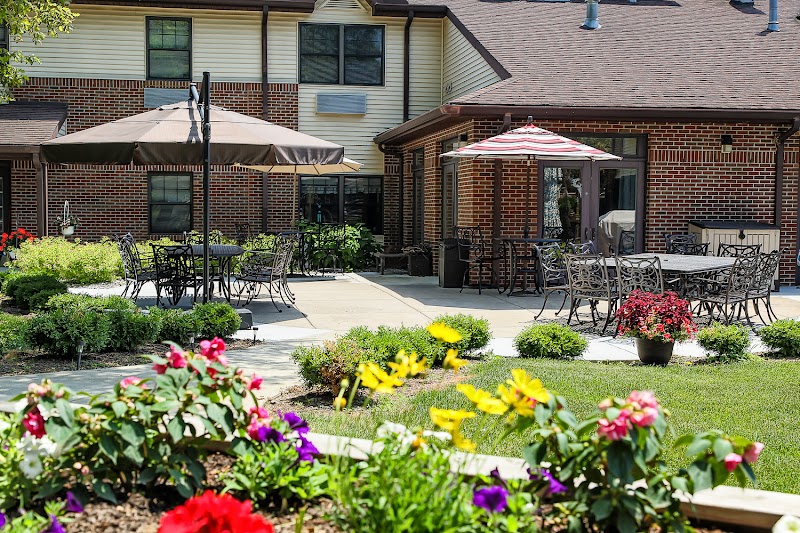
How is Spring Meadows Nursing, A Villa Center Staffed?

CMS rates SPRING MEADOWS NURSING, A VILLA CENTER's staffing level at 2 out of 5 stars, which is below average compared to other nursing homes. Staff turnover is 46%, compared to the Ohio average of 46%. This relatively stable workforce can support continuity of care.

What Have Inspectors Found at Spring Meadows Nursing, A Villa Center?

State health inspectors documented 28 deficiencies at SPRING MEADOWS NURSING, A VILLA CENTER during 2019 to 2025. These included: 1 Immediate Jeopardy (the most serious level, indicating potential for serious harm or death) and 27 with potential for harm. Immediate Jeopardy findings are rare and represent the most serious regulatory concerns. They require immediate corrective action.
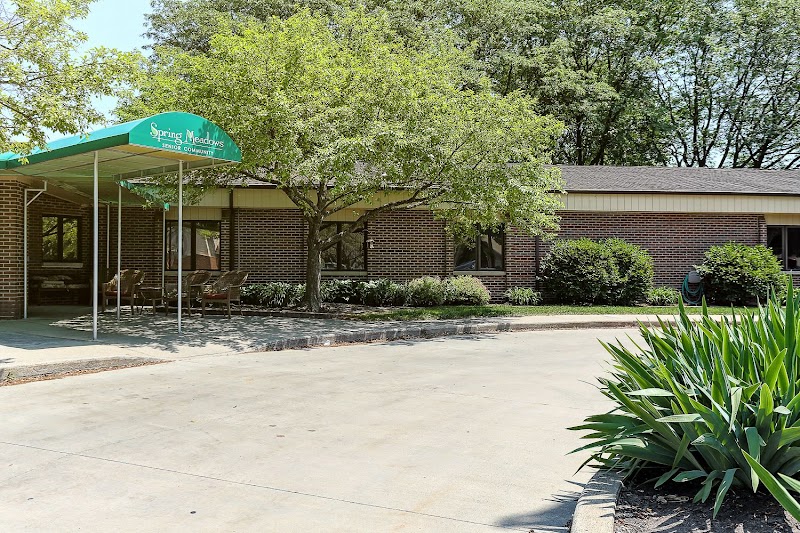
Who Owns and Operates Spring Meadows Nursing, A Villa Center?

SPRING MEADOWS NURSING, A VILLA CENTER is owned by a for-profit company. For-profit facilities operate as businesses with obligations to shareholders or private owners. The facility is operated by VILLA HEALTHCARE, a chain that manages multiple nursing homes. With 99 certified beds and approximately 85 residents (about 86% occupancy), it is a smaller facility located in HOLLAND, Ohio.
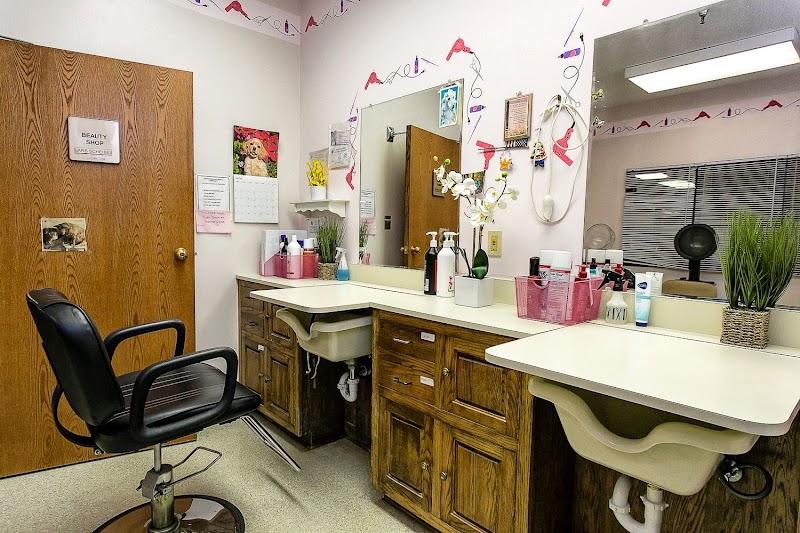
How Does Spring Meadows Nursing, A Villa Center Compare to Other Ohio Nursing Homes?

Compared to the 100 nursing homes in Ohio, SPRING MEADOWS NURSING, A VILLA CENTER's overall rating (3 stars) is below the state average of 3.2, staff turnover (46%) is near the state average of 46%, and health inspection rating (2 stars) is below the national benchmark.

What Should Families Ask When Visiting Spring Meadows Nursing, A Villa Center?

Based on this facility's data, families visiting should ask: "What changes have been made since the serious inspection findings, and how are you preventing similar issues?" "Can you walk me through typical staffing levels on day, evening, and night shifts?" "Can I visit during a mealtime to observe dining assistance and food quality?" "How do you handle medical emergencies, and what is your hospital transfer rate?" These questions are particularly relevant given the facility's Immediate Jeopardy citations and the below-average staffing rating.

Is Spring Meadows Nursing, A Villa Center Safe?

Based on CMS inspection data, SPRING MEADOWS NURSING, A VILLA CENTER has documented safety concerns. Inspectors have issued 1 Immediate Jeopardy citation (the most serious violation level indicating risk of serious injury or death). The facility has a 3-star overall rating and ranks #100 of 100 nursing homes in Ohio. Families considering this facility should ask detailed questions about what corrective actions have been taken since these incidents.

Do Nurses at Spring Meadows Nursing, A Villa Center Stick Around?

SPRING MEADOWS NURSING, A VILLA CENTER has a staff turnover rate of 46%, which is about average for Ohio nursing homes (state average: 46%). Moderate turnover is common in nursing homes, but families should still ask about staff tenure and how the facility maintains care continuity when employees leave.

Was Spring Meadows Nursing, A Villa Center Ever Fined?

SPRING MEADOWS NURSING, A VILLA CENTER has been fined $13,627 across 1 penalty action. This is below the Ohio average of $33,215. While any fine indicates a compliance issue, fines under $50,000 are relatively common and typically reflect isolated problems that were subsequently corrected. Families should ask what specific issues led to these fines and confirm they've been resolved.

Is Spring Meadows Nursing, A Villa Center on Any Federal Watch List?

SPRING MEADOWS NURSING, A VILLA CENTER is not on any federal watch list. The most significant is the Special Focus Facility (SFF) program, which identifies the bottom 1% of nursing homes nationally based on persistent, serious quality problems. Not being on this list means the facility has avoided the pattern of deficiencies that triggers enhanced federal oversight. This is a positive indicator, though families should still review the facility's inspection history directly.