SHEPHERD OF THE VALLEY HOWLAND
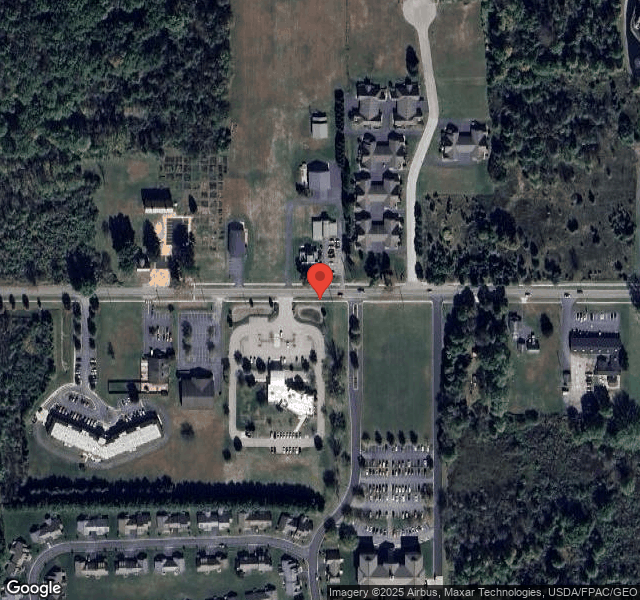
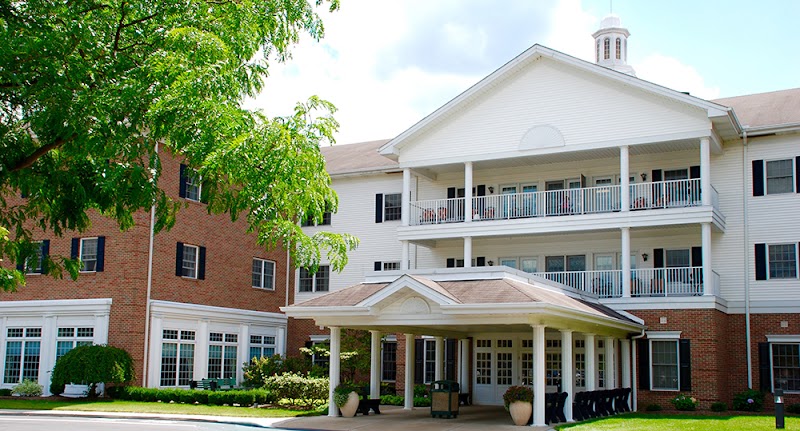
4100 NORTH RIVER ROAD, HOWLAND, OH 44484 (330) 856-9232
Non profit - Corporation 80 Beds Independent Data: November 2025
Trust Grade
80/100
#339 of 913 in OH
Last Inspection: June 2025

Inspected within the last 6 months. Data reflects current conditions.

Overview

Shepherd of the Valley Howland has a Trust Grade of B+, indicating it is above average and recommended for families considering care options. The facility ranks #339 out of 913 in Ohio, placing it in the top half of state facilities, and #5 out of 17 in Trumbull County, meaning there are only a few local options that perform better. However, the facility's trend is concerning as issues have worsened, increasing from 2 in 2023 to 4 in 2025. Staffing is a strength with a rating of 4 out of 5 stars and a turnover rate of 33%, which is significantly lower than the Ohio average of 49%, suggesting that staff are experienced and familiar with the residents. Notably, there have been no fines reported, which is positive, and RN coverage is better than 76% of facilities in Ohio, ensuring that resident care is closely monitored. However, there are some weaknesses, including recent inspector findings that raised concerns. For instance, the facility failed to ensure that food items were properly dated, which could pose health risks to residents. Additionally, there were issues with maintaining accurate advance directives for a resident, which is critical for ensuring that their healthcare wishes are respected. Lastly, there was a failure to effectively monitor another resident's bowel elimination, which can lead to serious health issues. While there are strengths in staffing and overall care, these areas of concern highlight the importance of ongoing oversight and improvement.

Trust Score
B+
80/100
In Ohio
#339/913
Top 37%
Safety Record
Low Risk
No red flags
Inspections
Getting Worse
2 → 4 violations
Staff Stability
○ Average
33% turnover. Near Ohio's 48% average. Typical for the industry.
Penalties
✓ Good
No fines on record. Clean compliance history, better than most Ohio facilities.
Skilled Nurses
✓ Good
Each resident gets 55 minutes of Registered Nurse (RN) attention daily — more than average for Ohio. RNs are trained to catch health problems early.
Violations
⚠ Watch
12 deficiencies on record. Higher than average. Multiple issues found across inspections.
★★★★☆
4.0
Overall Rating
★★★★☆
4.0
Staff Levels
★★★★☆
4.0
Care Quality
★★★★☆
4.0
Inspection Score
Stable
2023: 2 issues
2025: 4 issues

The Good

  • 4-Star Staffing Rating · Above-average nurse staffing levels
  • 4-Star Quality Measures · Strong clinical quality outcomes
  • Full Sprinkler Coverage · Fire safety systems throughout facility
  • No fines on record
  • Staff turnover below average (33%)

    15 points below Ohio average of 48%

Facility shows strength in staffing levels, quality measures, fire safety.

The Bad

Staff Turnover: 33%

13pts below Ohio avg (46%)

Typical for the industry

The Ugly 12 deficiencies on record

Jun 2025 4 deficiencies
CONCERN (D)

Potential for Harm - no one hurt, but risky conditions existed

Deficiency F0578 (Tag F0578)

Could have caused harm · This affected 1 resident

**NOTE- TERMS IN BRACKETS HAVE BEEN EDITED TO PROTECT CONFIDENTIALITY** Based on record review, interview and review of the facility policy, the facility failed to ensure Resident #36's advance direct...

Read full inspector narrative →
**NOTE- TERMS IN BRACKETS HAVE BEEN EDITED TO PROTECT CONFIDENTIALITY** Based on record review, interview and review of the facility policy, the facility failed to ensure Resident #36's advance directives were accurate. This affected one (Resident #36) out of two residents reviewed for advance directives. The facility census was 44. Findings include: Review of the medical record for Resident #36 revealed an admission date of [DATE] with diagnoses including dementia, spinal stenosis, and history of myocardial infarction. Review of the admission Minimum Data Set (MDS) assessment dated [DATE] revealed Resident #36 had impaired cognition. Review of the care plan dated [DATE] revealed Resident #36's was a full code. Interventions included Resident #36 was a full code and cardiopulmonary resuscitation (CPR) was to be initiated and review advance directives periodically with resident and/or family. Review of the Do Not Resuscitate Comfort Care (DNRCC) form dated [DATE] and completed by Medical Director/Primary Care Physician (PCP) #619 revealed Resident #36 advance directive indicated he was a DNRCC-arrest. Review of the nursing note dated [DATE] and completed by Licensed Practical Nurse (LPN) #606 revealed Medical Director/PCP #619 was in the facility and signed the DNRCC form indicating Resident #36 was a DNRCC-arrest. Review of the [DATE] physicia'sn orders revealed Resident #36 had an order dated [DATE] that he was a full code. Interview on [DATE] at 11:53 A.M. with the Director of Nursing revealed when there was a medical emergency the expectation was that the nurse on duty checked the physician order in the electronic medical record for the resident's code status. She revealed the residents' code status orders in the electronic record were accurate; therefore, she did not give any guidance to the nurses to check the hard chart. She verified the current order in the electronic medical record dated [DATE] indicated Resident #36 was a full code, and the form in the chart dated [DATE] indicated he was a DNRCC-arrest. She also verified Resident #36's care plan revealed Resident #36 was a full code. She verified the advance directives were not accurate as the order in the electronic record and the care plan did not match the DNRCC form as Resident #36 was a DNRCC-arrest. Review of the facility policy labeled Advanced Directives, dated [DATE], revealed the purpose of the policy was to ensure that the resident had the right to formulate an advance directive including the right to accept or refuse medical treatment. Advance directives were honored in accordance with state law and facility policy. The policy revealed the resident's wishes were communicated to the resident's direct care staff and physician by placing the advance directives documents in a prominent, assessable location in the medical record and discussing the wishes in the care plan meeting. The policy revealed the care plan for each resident would be consistent with his or her advance directive.
CONCERN (D)

Potential for Harm - no one hurt, but risky conditions existed

Quality of Care (Tag F0684)

Could have caused harm · This affected 1 resident

**NOTE- TERMS IN BRACKETS HAVE BEEN EDITED TO PROTECT CONFIDENTIALITY** Based on record review, interview and review of the facility policy, the facility failed to ensure Resident #27's bowel eliminat...

Read full inspector narrative →
**NOTE- TERMS IN BRACKETS HAVE BEEN EDITED TO PROTECT CONFIDENTIALITY** Based on record review, interview and review of the facility policy, the facility failed to ensure Resident #27's bowel elimination was monitored effectively. This affected one (Resident #27) out of one resident reviewed for constipation. The facility census was 44. Findings include: Review of the medical record for Resident #27 revealed an admission date of 10/28/22 with diagnoses including fractured right femur, gastroenteritis, colitis (inflammation of the colon), Alzheimer's disease, melena (black tarry stool), and diverticulosis (small, bulging pouches in the lining of the large intestine). Review of the care plan dated 11/04/22 revealed Resident #27 was at risk for constipation due to medication side effects, reduced mobility, weakness, colitis, and diverticulosis. Interventions included assessing and monitoring the resident's abdomen for distension, bowel sounds as ordered, assessing and monitoring bowel movements every shift, assessing and monitoring for medication side effects for constipation, encouraging exercise, initiating the facility bowel policy if indicated, medications as ordered, and monitoring daily fluid intake at meals. Review of the quarterly Minimum Data Set (MDS) assessment dated [DATE] revealed Resident #27 had impaired cognition. She was dependent on staff assistance with toileting hygiene and transfers. She was always incontinent of bowel and bladder. She was on hospice services. Review of the May/June 2025 Physician Orders and May 2025 Medication Record Administration (MAR) revealed Resident #27 had the following orders dated 10/28/22: administer milk of magnesium (MOM) 400 milligram (mg) per milliliter (ml) give 30 ml by mouth as needed for constipation if greater than seven shifts with no bowel movement (BM), bisacodyl suppository 10 mg insert one suppository rectally as needed for constipation if greater that eight shifts with no BM, and Colace 100 mg give one capsule by mouth every 12 hours as needed for constipation. The MAR revealed on 05/20/25 at 5:52 A.M., MOM was administered to Resident #27 but was ineffective. The MAR indicated no bisacodyl suppositories and Colace were administered. Review of bowel elimination task bar from 05/07/25 to 06/06/25 revealed Resident #27 had a small BM on 05/14/25 and then there was no documentation she had any further BMs until 05/23/25 (nine days) at which time she had a large BM. The task bar revealed Resident #27 had a large BM on 05/27/25 and then there was no documentation she had a BM until 06/04/25 (eight days) at which time she had a small BM. The consistency of Resident #27's BM on 05/08/25 showed signs of constipation as it was hard. Review of the Visit Note Report dated 05/22/25 and completed by Hospice Registered Nurse (RN) #900 revealed the last known BM was 05/20/25. Review of June 2025 MAR revealed MOM was administered on 06/02/25 at 5:46 P.M. and was ineffective. The MAR indicated no bisacodyl suppositories and Colace were administered. Review of Visit Note Report dated 06/02/25 and completed by Hospice RN #900 revealed Resident #27 had bowel incontinence and last known BM was 06/01/25. Interview on 06/05/25 at 10:24 A.M. with Director of Nursing (DON) and Assistant Director of Nursing (ADON)/Registered Nurse (RN) #583 revealed if a resident did not have a BM in three days, it showed up on the dashboard of the electronic medical record notifying the nurse. They revealed after three days of no BM, the nurse was to administer MOM and then if by the next day there was no results from the MOM, a bisacodyl suppository was to be administered unless otherwise indicated per the physician orders. They verified Resident #27 was dependent on staff for toileting assistance and was incontinent of bowel. They verified, per the task, bar Resident #27 had a small BM on 05/14/25 and then there was no documentation she had any further BMs until 05/23/25 (nine days) as at that time she had a large BM. They also verified, per the task bar, Resident #27 had a large BM on 05/27/25 and then there was no documentation she had a BM until 06/04/25 (eight days) at which time she had a small BM. They verified Resident #27's bowel elimination physician orders, and the facility policy were not followed as MOM should have been administered when she had no BM for three days and followed by bisacodyl suppository if the MOM was ineffective. Interview on 06/05/25 at 11:12 A.M. with ADON/RN #583 revealed she reviewed and noted per hospice notes Resident #27 had a BM on 5/20/25 and 06/01/25. She revealed Resident #27 may have had a BM when the hospice aide was in on 05/20/25 and 06/01/25 but verified this was not documented on the task bar to monitor Resident's #27's bowel elimination effectively. Interview on 06/05/25 at 12:45 P.M. with the DON and ADON/RN #583 revealed they were unsure how the nurse would know if Resident #27 had a BM if it was not put into the task bar for tracking purposes. They verified that even if Resident #27 had a BM on 05/20/25 and 06/01/25, the nurses still did not follow the bowel elimination policy or Resident #27's physician orders as Resident #27 still had gone from 05/15/25 till 05/20/25 (five days), and from 05/28/25 till 06/01/25 (five days) without a BM. Review of the facility policy labeled, Bowel Elimination, dated 04/15/25 revealed it was the policy to ensure that all residents were monitored for alterations in bowel elimination. The policy revealed all residents would be monitored each shift for bowel elimination and nursing staff would document all bowel movements each shift. The policy revealed if a resident went six shifts without a bowel movement the resident would be given a laxative on the seventh shift. If the resident had not had a bowel movement at the end of the eighth shift, then a rectal suppository would be given. The policy revealed if the resident had not had a bowel movement by the end of the ninth shift the physician would be notified for further orders.
CONCERN (D)

Potential for Harm - no one hurt, but risky conditions existed

Respiratory Care (Tag F0695)

Could have caused harm · This affected 1 resident

Based on observation, interview, record review, and facility policy review, the facility failed to post oxygen safety signs per acceptable standards of nursing practice. This affected three (Residents...

Read full inspector narrative →
Based on observation, interview, record review, and facility policy review, the facility failed to post oxygen safety signs per acceptable standards of nursing practice. This affected three (Residents #101, #103 and #105) out of three residents reviewed for respiratory care. There were eight (Residents #4, #5, #10, #13, #33, #101, #103 and #105) who received oxygen therapy. The facility census was 44. Findings include: Observation on 06/02/25 at 10:33 A.M. with Registered Nurse (RN) #567 revealed Residents #101 and #103 were in bed with oxygen being administered, and there were no oxygen safety signs posted within the room or at the entrances. Resident #105 was in a wheelchair next to the bed with oxygen being administered and there was no oxygen safety sign posted within the room or at the entrance. Interview at the time of the observation with RN #567 verified the findings. Review of the medical record for Resident #101 revealed an admission date of 05/10/25. Diagnoses included chronic respiratory failure, chronic obstructive pulmonary disease (COPD), emphysema and congestive heart failure (CHF). A physician order dated 05/10/25 indicated Resident #101 received oxygen at 4 LPM (liters per minute) via nasal cannula (NC) continuously. Review of the medical record for Resident #103 revealed an admission date of 05/28/25. Diagnoses included COPD, malignant neoplasm of the left lung lower lobe and heart failure. A physician order dated 05/30/25 indicated Resident #103 received oxygen at 2 LPM via NC continuously. Review of the medical record for Resident #105 revealed an admission date of 05/14/25. Diagnoses included COPD, CHF and chronic respiratory failure with hypoxia. A physician order dated 05/14/25 indicated Resident #105 received oxygen at 3 LPM via NC continuously. Review of the facility policy, Oxygen Administration, revised 05/06/15 revealed safe oxygen administration included placing an Oxygen in Use sign at the outside of the room entrance door and in a designated place on or over the resident's bed.
CONCERN (D)

Potential for Harm - no one hurt, but risky conditions existed

Infection Control (Tag F0880)

Could have caused harm · This affected 1 resident

Based on observation, interview, record review and facility policy review, the facility failed to perform adequate infection control practices during urinary catheter care for Resident #3. This affect...

Read full inspector narrative →
Based on observation, interview, record review and facility policy review, the facility failed to perform adequate infection control practices during urinary catheter care for Resident #3. This affected one (Resident #3) out of two residents reviewed for urinary catheter care. There were two (Residents #3 and #36) who had urinary catheters. The census was 44. Findings include: Review of the medical record for Resident #3 revealed an admission date of 04/30/25. Diagnoses included neuromuscular dysfunction of the bladder, benign prostatic hyperplasia and end stage renal disease. The plan of care dated 04/30/25 indicated Resident #3 had a chronic urinary catheter which required catheter care and management. Observation on 06/03/25 at 10:03 A.M. with Certified Nursing Assistants (CNAs) #512 and #544 of urinary catheter care for Resident #3 revealed the resident in bed and both CNAs had donned gloves and gowns for enhanced barrier precautions. CNA #512 lowered Resident #3's pants and opened a soiled brief to expose the urinary catheter. CNA #512 used cleanser and disposable wipes to wash the genitals and catheter tubing before rolling Resident #3 to the left side toward CNA #544. While wearing the same soiled gloves, CNA #512 performed cleansing of the anal area then applied a clean brief after disposing of the soiled brief into a nearby trash can. While continuing to wear the same soiled gloves, CNA #512 pulled up the resident's pants, adjusted the pillow behind Resident #3's head, picked up another pillow and positioned it underneath Resident #3's feet, then pulled the sheets and blankets up over the resident followed by placing the call light within reach. CNA #512 removed the gown and right-hand soiled glove, placed it into the garbage, closed the garbage bag and picked it up with the left hand which was still covered by a soiled glove. CNA #512 left Resident #3's room carrying the garbage with the soiled gloved hand and unwashed right hand, walked down the hallway, entered the soiled utility room, and disposed of the garbage followed by removing the left glove and disposing of it. Across the hall from the soiled utility room was a hand washing sink where CNA #544 who had removed the gown and gloves in Resident #3's room had walked to and was seen performing hand washing. Interview at the time of the observation with CNA #512 verified waiting at the soiled utility room area to use the hand washing sink across the hall. CNA #512 stated it was routine practice to leave a resident room, come to the soiled utility room to dispose of garbage and then remove gloves and wash hands. CNA #512 confirmed the same gloves were worn throughout the procedure without changing gloves between body parts and were not removed completing hand hygiene before repositioning Resident #3 for comfort and safety. Review of the facility policy, Urinary Catheter Care, dated 04/22/13, revealed appropriate catheter care was provided to residents who had an indwelling catheter at a minimum of once per shift. Review of the facility policy, Hand Hygiene, updated 12/09/20, revealed hand hygiene was indicated when hands were visibly dirty, when hands were soiled with blood or other body fluids, after handling contaminated objects, and before applying and after removing personal protective equipment including gloves. The use of gloves was not a replacement for hand hygiene. Review of the facility policy, Personal Protective Equipment, updated 09/08/22, revealed hand hygiene was performed before donning gloves and after removal. Gloves were changed along with hand hygiene between clean and dirty tasks, when moving from one body part to another, and when gloves were heavily contaminated or torn.
Feb 2023 1 deficiency
CONCERN (D) 📢 Someone Reported This

A family member, employee, or ombudsman was alarmed enough to file a formal complaint

Potential for Harm - no one hurt, but risky conditions existed

Respiratory Care (Tag F0695)

Could have caused harm · This affected 1 resident

**NOTE- TERMS IN BRACKETS HAVE BEEN EDITED TO PROTECT CONFIDENTIALITY** Based on observation, record review and interview, the facility failed to ensure Resident #15's oxygen therapy was humidified pe...

Read full inspector narrative →
**NOTE- TERMS IN BRACKETS HAVE BEEN EDITED TO PROTECT CONFIDENTIALITY** Based on observation, record review and interview, the facility failed to ensure Resident #15's oxygen therapy was humidified per the physician order. This finding affected one (Resident #15) of four residents reviewed for oxygen therapy. Findings include: Review of Resident #15's medical record revealed she was initially admitted on [DATE] and readmitted on [DATE] with diagnoses including acute and chronic respiratory failure, major depressive disorder and dependence on supplemental oxygen. Review of Resident #15's MDS 3.0 assessment dated [DATE] revealed she exhibited intact cognition. Review of Resident #15's physician orders revealed an order dated 01/31/23 for oxygen at five liters continuous via a nasal cannula and an order dated 01/31/23 for a prefilled oxygen humidifier to be monitored every shift and changed as needed. Interview on 02/10/23 at 6:40 A.M. with Resident #15 revealed her oxygen should be humidified and at five liters per nasal cannula. Observation on 02/10/23 at 6:42 A.M. with Licensed Practical Nurse (LPN) #802 of Resident #15's oxygen therapy confirmed the oxygen concentrator was set at five liters per nasal cannula and no humidification was present. Interview on 02/10/23 at 6:43 A.M. with LPN #802 confirmed Resident #15's physician orders required the oxygen to be humidified and she didn't realize that it was not humidified. Review of the Oxygen Administration policy revised 05/06/15 indicated to verify that there was a physician's order and review the orders or facility protocol for oxygen administration. This deficiency represents non-compliance investigated under Complaint Number OH00139583.
Jan 2023 1 deficiency
CONCERN (F)

Potential for Harm - no one hurt, but risky conditions existed

Food Safety (Tag F0812)

Could have caused harm · This affected most or all residents

Based on observation, interview, and record review, the facility failed to ensure food items were dated when opened. This had the potential to affect the 52 residents who ate food from the kitchen. Re...

Read full inspector narrative →
Based on observation, interview, and record review, the facility failed to ensure food items were dated when opened. This had the potential to affect the 52 residents who ate food from the kitchen. Resident #37 was identified by the facility as receiving nothing by mouth. The facility census was 53. Findings include: Observation of the kitchen on 01/17/23 from 8:10 A.M. to 8:30 A.M. with Dietary [NAME] #35 revealed the walk-in cook's freezer had one undated, half-full resealed bag of pork sausage links, one undated resealed bag of three breaded fish fillets, one undated half-full resealed bag of green peppers, and one undated half-full resealed bag of tator tots. The reach-in cooler by the toaster had one undated storage bag with sliced pastrami. The walk-in dietary aide's cooler had one undated resealed bag of whipped topping. The walk-in dietary aide freezer had one undated storage bag of five sausage links, one undated storage bag of seven sausage links, one undated storage bag of five sausage patties, and one undated storage bag of six chicken quarters. At the time of these observations, Dietary #35 confirmed these food items were undated and should have been dated when opened. Review of facility policy titled, Food Safety Requirements Policy, dated 11/28/17, revealed the facility would provide safe and sanitary storage of all food items by ensuring food items were properly labeled and dated.
Jan 2020 6 deficiencies
CONCERN (D)

Potential for Harm - no one hurt, but risky conditions existed

Deficiency F0561 (Tag F0561)

Could have caused harm · This affected 1 resident

**NOTE- TERMS IN BRACKETS HAVE BEEN EDITED TO PROTECT CONFIDENTIALITY** Based on observation, interview and record review the facility failed to ensure Resident #40 received reading material as reques...

Read full inspector narrative →
**NOTE- TERMS IN BRACKETS HAVE BEEN EDITED TO PROTECT CONFIDENTIALITY** Based on observation, interview and record review the facility failed to ensure Resident #40 received reading material as requested and was not given the opportunity to implement her normal bowel regimen. The facility failed to ensure Resident #256 received showers as preferred. This affected two of three residents reviewed for choices. The facility census was 55. Findings include: 1. Resident #40 was admitted to the facility on [DATE] with a fractured to her left foot. Review of the medical record, including the nursing notes, assessments, initial care plan meeting from 11/27/19 through 01/02/19 revealed there was no evidence of the resident's below ongoing concerns. Review of the admission minimum data set (MDS) 3.0 dated 12/04/19 revealed the resident was totally dependent on two or more staff for activities of daily living (ADL's) including transfers and toileting. On 12/31/19 at 7:40 A.M., interview with Resident #40 revealed she was having trouble with her bowels and she needed a fleets enema (a laxative that was placed in the rectum). The resident was very upset and anxious and stated she had asked everyone that came in her room if she could get a fleets because this had been her practice for 76 years after eating breakfast every day because she had diverticulosis and a history of a hemroidectomy. Fleets was what she had found that worked for her after trial and error and was worried about what may happen if she stopped this practice. Resident #40 stated the nurses say they are not able to give it to her and she asked them to call the doctor and the nurses would not call the doctor. Resident #40 stated her son was trying to get a meeting with the facility and the doctor about this but has been unsuccessful. The resident stated she had need seen the doctor since she had been here but wanted to to get this straightened out or she just wanted to go home because this was too stressful on her and all she wanted was her fleets. Resident #40 verified she had also been asking every day for a large print bible and a newspaper every day, she completed the jumbles and read the sports section daily at home but no one will get her either. On 12/31/19 at 10:38 A.M., interview with State Tested Nurse Aide (STNA) #52 verified Resident #40 had asked her multiple times for a fleets because she had constipation, trouble with hemmoroids and she had burning in the rectal area. STNA #52 verified she informed the nurses every time the resident asked her about the fleets. STNA #52 also verified Resident #40 asked her many times for a large print bible and newspaper including today. STNA #52 verified she did not know how to get her either of those items and would pass it along to another STNA and thought someone was working on getting her those materials. STNA #52 verified she also heard Resident #40 ask the nurses many times for the reading materials. STNA #52 verified none of the reading materials had been provided as of yet. On 12/31/19 at 11:00 A.M., interview with Licensed Practical Nurse (LPN) #51 verified Resident #40 continued to tell him about her concerns with constipation, multiple times daily, and that she needed a fleets because this was her daily routine for many years. LPN #51 verified the resident was very fixated on wanting a fleets and was very anxious about it. When asked what LPN #51 did to try and address Resident #40's concerns he said nothing because it was a behavior and the facility did not implement the bowel protocol until after the resident did not have a bowel movement for three days. Resident #40 had bowel movements most days. When asked if he contacted the physician or discussed the residents concerns with anyone else he said no. The staff all know this was a behavior. LPN #51 verified he did not have any concerns knowing the anxiety this was causing the resident. LPN #51 also verified the resident had asked daily for a large print bible and newspaper including this morning. LPN #51 verified he did nothing to ensure the resident received these and stated residents had to purchase a newspaper. LPN #51 verified he did not inform the resident she would have to pay for the newspaper nor did he attempt to get information to obtain a newspaper for the resident. On 01/02/20 at 8:00 A.M., interview with LPN #53, with Resident #40 present, verified she was aware of the residents ongoing concerns about not receiving her fleets daily as she did at home for 76 years. The resident was very anxious when talking about it. LPN #53 stated we can't give you anything unless you don't have a bowel movement for three days because that was the facilities protocol. The surveyor asked if anyone had contacted the doctor since this was causing the resident so much stress and this had been her routine for 76 years. LPN #53 verified there was no evidence the doctor had been notified and the nurse would not notify the doctor until she continued to not have bowel movements according to the facility protocol. Resident #40 told the to not bother, I have been trying since I got here and no one will listen to me. LPN #53 verified she was aware the residents son had also called in about the concerns but it still was not discussed and the resident was not included in her plan of care. LPN #53 verified she was aware the son was trying to get a meeting set up with the facility, himself, the resident and the physician but had not been successful. On 01/02/20 at 7:35 A.M., interview with Resident #40 verified the pastor brought her a large print bible but no one has mentioned anything about the newspaper and she has still never received a newspaper. Resident #40 also verified no one had talked to her about receiving her daily fleets and she was so anxious and upset about it she just wanted to go home and if she could stand on her foot she would leave this place because no one listens to her. Resident #40 stated she asked her son to try and get someone to listen to her but is has not helped as of yet. On 01/02/20 at 11:25 A.M., phone interview with Resident #40's son, verified the resident was very upset it was causing her unneeded stress and anxiety because no one would listen to her concerns about wanting her fleets. The son stated she had trouble's with her bowels since she was 20 and found this daily treatment worked best for her and this was discussed with her doctor. The son stated he had been trying to get a meeting with the facility staff and the physician because the resident was so upset she kept calling him about it. The son also stated the resident's community physician had privileges at the facility and he had been asking to switch physicians because her community physician was aware she used fleets daily and he would approve it but no one would assist him in getting her physician changed. The son was also aware the resident had been requesting specific reading materials which she was not getting and did not understand why. The son stated he lived out of state and was doing the best he could but could not get any of the staff he talked to to listen to the concerns. On 01/02/20 at 7:50 A.M., interview with the Assistant Director of Nursing (ADON) #54 verified she was aware of Resident #40's ongoing concerns and the anxiety it was causing her about not receiving her fleet days as she did at home for 76 years but there was nothing she could do about it. ADON #54 also verified the concerns Resident #40 was not receiving the reading materials as requested and was not sure about how to go about getting those for the resident. 2. Resident #256 was admitted to the facility on [DATE] with diagnoses which included a recent stroke which affected the ability to move her left arm and leg, the resident was not able to eat anything by mouth and was receiving her nutrition through a feeding tube. The resident was not able to talk but was able to communication using a dry erase board. Review of the admission MDS dated [DATE] revealed the resident was totally dependent on two or more staff for ADL's including bathing. Further review of the current care plan revealed the resident preferred showers for her bathing. Review of the STNA task documentation revealed the resident preferred showers. Further review of the task documentation revealed the resident only received a shower on 12/27/19 (which was disputed below) and on 01/01/20. On 12/30/19 at 1:20 P.M. and on 12/31/19 at 10:36 A.M., Resident #256 was observed laying in bed, with greasy hair and a strong foul odor; the residents face had eye drainage and did not look clean. Her mouth was observed to be very dry and her lips were cracked. On 12/30/19 at 1:21 P.M., interview with Registered Nurse (RN) #56 verified Resident #256 was very alert and oriented and could answer questions appropriately using the communication board but could not speak at this time due to a recent stroke. On 12/31/19 at 10:37 A.M., interview with Resident #256 verified she had dirty hair and needed a shower but had not received a shower since she had been admitted on [DATE]. She expressed needing and wanting a shower. The resident stated the aides were giving her bed baths the best they could. The resident had a very strong foul odor. On 12/31/19 at 10:57 A.M., interview with STNA #52 verified the resident had a very strong foul odor and was not sure where it was coming from and asked Resident #52 if she wanted a shower and the resident shook her head yes. On 01/02/20 at 8:40 A.M., Resident #256 was observed in her wheelchair, her hair and face appeared clean and the resident did not have any odors to her. On 01/02/20 at 8:41 A.M., interview with Resident #256 verified she received a shower on 01/01/20 and it was wonderful. On 01/02/20 at 9:07 A.M., interview with the Director of Nursing (DON) revealed according to the STNA task documentation Resident #256 received a shower on 12/27/19. The DON denied talking with the resident since the documentation indicated a shower was received. The resident received a shower on 12/27/19 and 01/01/20. The facility policy was to provide bathing according to the resident's preference a minimum of twice weekly unless otherwise discussed with the resident. Review of the bath/skin communication policy, revised 11/28/18, revealed to offer/provide a complete bath to the residents at least twice a week. All residents would be asked their bathing preference on admission. The preferences would be put in the STNA's task documentation to record indicating the type of bathing preferred. Any refusals would be documented and the nurse would be informed.
CONCERN (D)

Potential for Harm - no one hurt, but risky conditions existed

Report Alleged Abuse (Tag F0609)

Could have caused harm · This affected 1 resident

**NOTE- TERMS IN BRACKETS HAVE BEEN EDITED TO PROTECT CONFIDENTIALITY** Based on record review and interview, the facility failed to report an injury of unknown origin to the State agency as required....

Read full inspector narrative →
**NOTE- TERMS IN BRACKETS HAVE BEEN EDITED TO PROTECT CONFIDENTIALITY** Based on record review and interview, the facility failed to report an injury of unknown origin to the State agency as required. This finding affected two (Residents #12 and #257) of five resident records reviewed for accidents. The facility census was 55. Findings include: 1. Review of Resident #12's medical record revealed the resident was admitted to the facility on [DATE] with diagnoses including heart failure, unspecified dementia with behavioral disturbance and paranoid schizophrenia. Review of Review #12's Minimum Data Set (MDS) 3.0 assessment dated [DATE] revealed the resident exhibited severe cognitive impairment. Review of Resident #12's progress note dated 08/02/19 at 10:55 P.M. indicated the staff alerted the nurse the resident had a bruise to the right forearm and to the left foot. The resident was alert to self only and was unable to voice a cause for the injury. The bruise to the right arm was irregular in shape and spanned from the antecubital space to the inferior deltoid measuring approximately 19 cm (centimeters) by 20 cm and dark blueish/purple in color with a dark purple center. The area was edematous, raised and warm. The resident allowed her arm to go limp at her side and indicated the arm hurt with range of motion. The bruise to the top of the left foot was circular in shape, measuring 4 cm by 4 cm and was light bluish purple in color. Review of Resident #12's progress note dated 08/03/19 at 9:55 A.M. indicated an X-ray was obtained which showed an acute non-displaced, slightly impacted fracture of the neck of the right humerus. The physician indicated to send the resident to the emergency room for further evaluation. Interview on 01/02/20 at 12:16 P.M. with the Administrator confirmed a injury of unknown origin self-reported incident (SRI) was not reported to the State agency as required because the facility staff did not report the injury to administrative staff in a timely manner. The Administrator confirmed a thorough investigation was completed and it was determined the resident experienced a pathological fracture of the right humerus. 2. Resident #257 was admitted to the facility on [DATE] with diagnoses which included a fracture of her right upper arm due to a fall at home. Review of the physicians order dated 12/11/19 revealed Resident #257 was to be transferred with two staff at all times. Review of the physical therapy (PT) and occupational therapy (OT) notes dated 12/13/19 revealed the resident was assessed for standing tolerance and there was no indicate of pain to either of her legs. Further review of the PT note dated 12/15/19 revealed the resident complained of pain at the start of therapy of a score of nine out of 10. The nurse provided pain medication during the therapy session but there was no evidence of an assessment completed for the new pain. Further review of the OT note dated 12/16/19 revealed the resident was able to perform dynamic (transferring weight back and forth from both legs) for two minutes with a walker. The resident complained of pain of five out of 10 to her right leg. Review of the nurse notes from 12/11/9 through 12/18/19 revealed there was no documentation Resident #257 had pain in either of her legs. Review of the admission MDS dated [DATE] revealed the resident was moderately cognitively impaired and needed extensive assistance of two or more staff for activities of daily living (ADL's) including transfers and toileting. Review of the PT note dated 12/19/19 and signed at 12:43 P.M., revealed the therapist spoke to Licensed Practical Nurse (LPN) # 51 related to Resident #256's pain in her right leg and suggested to obtain an x-ray to rule out injury. Review of the nurse note dated 12/19/19 revealed therapy reported the resident complained of pain to the left hip when standing and the resident's right leg buckled with weight baring. The doctor was notified and mobile x-ray was scheduled for 12/20/19. Review of the x-ray dated 12/20/19 revealed Resident #256 had a non-displaced fracture of the superior pubic ramus (hip). Review of the nurse note dated 12/20/19 revealed Resident #256's husband had concerns with the residents right hip pain and was awaiting the results of the x-ray. Further review of the 12/20/19 nurse note revealed the resident had a fracture of the right hip. Review of the investigation for the injury of unknown origin, initiated 12/20/19, revealed it was a paragraph typed stating on 12/19/19 therapy informed the floor nurse of the resident voiced complaints of pain to the right lower extremity and recommended an x-ray be completed. The x-ray was completed on 12/20/19 which indicated the resident had a right hip fracture. Assistant Director of Nursing (ADON) #54 determined the fracture occurred on 12/5/19 when the resident fell at home because there were no incidents at the facility. There were no witness statements obtained. On 01/02/20 at 11:54 A.M., interview with Resident #256 and her husband revealed the resident fell at home on [DATE] and fractured her right arm but not her leg. When the resident was in therapy one day she complained of pain to the right leg and therapy recommended an x-ray which found a right hip fracture. They were not sure she had the fracture before and were not sure when or how it happened. On 01/02/20 at 1:05 P.M., interview with Assistant Director of Nursing (ADON) #54 verified she completed the investigation and Resident #256 did not complain of right hip pain prior to 12/19/19. ADON #54 verified on 12/19/19 the floor nurse was notified by therapy of the resident's new complaint of pain around noon and an x-ray was not completed until 12/20/19. ADON #54 verified the investigation was no thorough to include all appropriate interviews nor was the injury of unknown origin reported to the State agency as required. ADON #54 verified all she had was the one page investigation. Review of the medical record revealed there was no evidence of right hip pain from the hospital notes prior to admission nor was an x-ray done of the right hip at the hospital prior to admission. ADON #54 verified staff were not interviewed because she felt the fracture probably occurred when the resident fell at home because she did not fall at the facility. On 01/02/20 at 1:30 P.M., interview with Certified Occupational Therapy Assistant (COTA) #61 revealed during the session on 12/19/19 Resident #256 complained of a new pain to her right hip of a score of five to six out of 10 (10 being the worst pain ever felt). Review of the abuse policy, revised 009/26/17, revealed injuries of unknown origin were concerned when both the injury was not observed or the source could not be determined and the injury was suspicious or location of the injury was in a location not vulnerable to trauma. the injury would be reported immediately, as soon as possible, but not to exceed 24 hours after discovery. The injury would be investigated promptly and thoroughly including written statements from staff, residents and families.
CONCERN (D)

Potential for Harm - no one hurt, but risky conditions existed

Investigate Abuse (Tag F0610)

Could have caused harm · This affected 1 resident

**NOTE- TERMS IN BRACKETS HAVE BEEN EDITED TO PROTECT CONFIDENTIALITY** Based on interview and record review the facility failed to thoroughly investigate an injury of unknown origin for Resident #257...

Read full inspector narrative →
**NOTE- TERMS IN BRACKETS HAVE BEEN EDITED TO PROTECT CONFIDENTIALITY** Based on interview and record review the facility failed to thoroughly investigate an injury of unknown origin for Resident #257. This affected one of two residents reviewed for IUO. The facility census was 55. Findings included: Resident #257 was admitted to the facility on [DATE] with diagnoses which included a fracture of her right upper arm due to a fall at home. Review of the physicians order dated 12/11/19 revealed Resident #257 was to be transferred with two staff at all times. Review of the physical therapy (PT) and occupational therapy (OT) notes dated 12/13/19 revealed the resident was assessed for standing tolerance and there was no indicate of pain to either of her legs. Further review of the PT note dated 12/15/19 revealed the resident complained of pain at the start of therapy of a score of nine out of 10. The nurse provided pain medication during the therapy session but there was no evidence of an assessment completed for the new pain. Further review of the OT note dated 12/16/19 revealed the resident was able to perform dynamic (transferring weight back and forth from both legs) for two minutes with a walker. The resident complained of pain of five out of 10 to her right leg. Review of the nurse notes from 12/11/9 through 12/18/19 revealed there was no documentation Resident #257 had pain in either of her legs. Review of the admission minimum date set (MDS) dated [DATE] revealed the resident was moderately cognitively impaired and needed extensive assistance of two or more staff for activities of daily living (ADL's) including transfers and toileting. Review of the PT note dated 12/19/19 and signed at 12:43 P.M., revealed the therapist spoke to Licensed Practical Nurse (LPN) # 51 related to Resident #256's pain in her right leg and suggested to obtain an x-ray to rule out injury. Review of the nurse note dated 12/19/19 revealed therapy reported the resident complained of pain to the left hip when standing and the resident's right leg buckled with weight baring. The doctor was notified and mobile x-ray was scheduled for 12/20/19. Review of the x-ray dated 12/20/19 revealed Resident #256 had a non-displaced fracture of the superior pubic ramus (hip). Review of the nurse note dated 12/20/19 revealed Resident #256's husband had concerns with the residents right hip pain and was awaiting the results of the x-ray. Further review of the 12/20/19 nurse note revealed the resident had a fracture of the right hip. Review of the investigation for the injury of unknown origin, initiated 12/20/19, revealed it was a paragraph typed stating on 12/19/19 therapy informed the floor nurse of the resident voiced complaints of pain to the right lower extremity and recommended an x-ray be completed. The x-ray was completed on 12/20/19 which indicated the resident had a right hip fracture. Assistant Director of Nursing (ADON) #54 determined the fracture occurred on 12/5/19 when the resident fell at home because there were no incidents at the facility. There were no witness statements obtained. On 12/30/19 at 11:20 A.M., attempted interview with Resident #257 denied any concerns including fractures. On 01/02/20 at 11:54 A.M., interview with Resident #256 and her husband revealed the resident fell at home on [DATE] and fractured her right arm but not her leg. When the resident was in therapy one day she complained of pain to the right leg and therapy recommended an x-ray which found a right hip fracture. We don't think she had the fracture before and were not sure when or how it happened. On 01/02/20 at 1:05 P.M., interview with ADON #54 verified she completed the investigation and Resident #256 did not complain of right hip pain prior to 12/19/19. ADON #54 verified on 12/19/19 the floor nurse was notified by therapy of the resident's new complaint of pain around noon and an x-ray was not completed until 12/20/19. ADON #54 verified the investigation was no thorough to include all appropriate interviews nor was the injury of unknown origin reported to the State agency as required. ADON #54 verified all she had was the one page investigation. Review of the medical record revealed there was no evidence of right hip pain from the hospital notes prior to admission nor was an x-ray done of the right hip at the hospital prior to admission. ADON #54 verified staff were not interviewed because she felt the fracture probably occurred when the resident fell at home because she did not fall at the facility. On 01/02/20 at 1:30 P.M., interview with Certified Occupational Therapy Assistant (COTA) #61 revealed during the session on 12/19/19 Resident #256 complained of a new pain to her right hip of a score of five to six out of 10 (10 being the worst pain ever felt). Review of the abuse policy, revised 009/26/17, revealed injuries of unknown origin were concerned when both the injury was not observed or the source could not be determined and the injury was suspicious or location of the injury was in a location not vulnerable to trauma. the injury would be reported immediately, as soon as possible, but not to exceed 24 hours after discovery. The injury would be investigated promptly and thoroughly including written statements from staff, residents and families.
CONCERN (D)

Potential for Harm - no one hurt, but risky conditions existed

Pressure Ulcer Prevention (Tag F0686)

Could have caused harm · This affected 1 resident

**NOTE- TERMS IN BRACKETS HAVE BEEN EDITED TO PROTECT CONFIDENTIALITY** Based on record review and interview, the facility did not ensure Resident #252's wound care was completed as indicated in the p...

Read full inspector narrative →
**NOTE- TERMS IN BRACKETS HAVE BEEN EDITED TO PROTECT CONFIDENTIALITY** Based on record review and interview, the facility did not ensure Resident #252's wound care was completed as indicated in the physician orders. This finding affected one (Resident #252) of two residents reviewed for pressure ulcers. The facility census was 55. Findings include: Review of Resident #252's medical record revealed the resident was admitted to the facility on [DATE] with diagnoses including anxiety disorder, pressure ulcer of other site and unspecified atrial fibrillation. Review of Resident #252's Minimum Data Set (MDS) 3.0 assessment dated [DATE] indicated the resident exhibited moderate cognitive impairment and had one stage three pressure ulcer (wound that had broken completely through the two top layers of the skin and into the fatty tissue below). Review of Resident #252's physician order dated 12/03/19 indicated to cleanse the right gluteal fold wound with normal saline, prep the peri wound with skin prep, apply Flagyl 0.75% (percent) spray (hospice to provide) to wound bed, lightly pack with Maxorb into wound and secure with an Optifoam dressing daily and as needed to be completed every day and evening shift and as needed. Review of Resident #252's medication administration records (MARS) from 12/03/19 to 01/02/20 revealed the wound care was not completed on 12/05/19 for dayshift, 12/13/19 for nightshift, 12/16/19 for nightshift, 12/18/19 for dayshift, 12/21/19 for dayshift and 12/30/19 for dayshift. Interview on 01/02/20 at 4:45 P.M. with Licensed Practical Nurse (LPN) #53 confirmed the resident's record did not have evidence the wound care was completed for six opportunities from 12/01/19 to 01/02/20 as indicated in the physician orders.
CONCERN (D)

Potential for Harm - no one hurt, but risky conditions existed

Accident Prevention (Tag F0689)

Could have caused harm · This affected 1 resident

**NOTE- TERMS IN BRACKETS HAVE BEEN EDITED TO PROTECT CONFIDENTIALITY** Based on observation, interview and record review the facility failed to ensure Resident's #40, #256 and #257 were transferred a...

Read full inspector narrative →
**NOTE- TERMS IN BRACKETS HAVE BEEN EDITED TO PROTECT CONFIDENTIALITY** Based on observation, interview and record review the facility failed to ensure Resident's #40, #256 and #257 were transferred according to their care plans for optimal safety. This affected three of five residents revealed for accidents. The facility census was 55. Findings included: 1. Resident #40 admitted to the facility on [DATE] with diagnoses which included a left foot fracture. Review of the physicians order initiated 11/27/19 revealed the resident was non-weight bearing on the left foot. Review of the physicians order dated 12/05/19 revealed to transfer Resident #40 using a slide board and two staff. Review of the admission minimum data set (MDS) 3.0 dated 12/04/19 revealed Resident #40 was totally dependant on two or more staff for activities of daily living (ADL's) including transfers. On 12/31/19 at 7:40 A.M., Resident #40 was observed in the wheelchair with her left foot wrapped and elevated on a leg rest. On 12/31/19 at 7:41 A.M., interview with Resident #40 verified she was to be transferred using the slide board with two staff but this morning State Tested Nurse Aide (STNA) #52 transferred the resident by herself and the other day STNA #58 transferred the resident onto the toilet by herself without the slide board. The resident stood and pivot transferred trying not to use her left foot. On 12/31/19 at 10:38 A.M., interview with STNA #52 verified she transferred Resident #40 by herself from the bed into the wheelchair this morning. STNA #52 thought the resident could be transferred with either one or two staff depending on how much the resident was able to assist which varied each day. STNA #52 verified the tasks were in the computer for each residents individual needs or she could ask another STNA or a nurse. STNA #52 verified she did not know Resident #40 was only supposed to be transferred using two staff. On 01/02/19 at 7:55 A.M., Licensed Practical Nurse (LPN) #53 and LPN #59 were observed to transfer Resident #40 from the bed into the wheelchair with the slide board. The resident was breathing hard and struggling to assist with the transfer. Resident #40 was anxious and saying her bad foot was slipping and she was reassured by LPN #53. On 01/02/20 at 8:00 A.M., , interview with LPN #53 verified Resident #40 was difficult to transfer with the slide board and it took much effort with two staff and was not safe to transfer with only one staff. LPN #53 verified the order was for two staff and the resident should not be transferred onto the toilet because it was not safe and she needed to use a bed pan for now. The surveyor and Resident #40 informed LPN #53 that STNA #52 transferred the resident this morning by herself and the other day STNA #58 transferred Resident #40 by herself onto the toilet. On 01/02/20 at 9:24 A.M., interview with Certified Occupational Therapy Assistant (COTA) #60, with Assistant Director of Nursing (ADON) #54 present, when in therapy if Resident #40 would attempt to bare weight on her left foot therapy would have to be stopped because of the danger of injury. COTA #60 verified it was not safe for Resident #40 to be pivot transferred including onto the toilet and verified the resident needed to be transferred with the slide board and two staff, never one staff because the resident was Non-Weight Bearing (NWB) on the left foot. 2. Resident #257 was admitted to the facility on [DATE] with diagnoses which included a right humerus (the bone that connected the shoulder to the elbow) fracture. Review of the physicians order dated 12/11/19 revealed Resident #257 needed transferred with two staff at all times. Review of the admission MDS dated [DATE] revealed Resident #257 was moderately cognitively intact and needed extensive assistance of two or more staff for transfers and toileting. On 01/02/20 at 11:54 A.M., interview with Resident #257 and her husband revealed the resident was usually transferred with two staff but at times the resident was transferred with only one staff member. Resident #257 indicated the larger ladies would transfer her by themselves. The husband verified he observed an oriental nurse transfer the resident from the toilet into the wheelchair by herself. They were not sure if it was because of staffing concerns or not. On 01/02/20 at 1:05 P.M., interview with ADON #54 was informed of the above concerns and verified the resident was always to be transferred by two staff for her safety because her knees buckle at times according to therapy. On 01/02/20 at 1:30 P.M., interview with COTA #61, with ADON #54 present, verified for the residents cognitive deficit and poor safety awareness the resident needed two staff for all transfers. 3. Resident #256 was admitted to the facility on [DATE] with diagnoses which included a stroke with affected her left side. Review of the physicians order initiated 12/17/19 revealed to transfer Resident #256 with a mechanical lift. Review of the admission MDS dated [DATE] revealed Resident #256 was totally dependent on two of more staff for ADL's including transfers which were required with a mechanical lift. On 12/31/19 at 10:50 A.M., Resident #256 was observed being transferred from bed into the wheelchair by STNA #52 and STNA #62. STNA #62 operated lift #3 and and pushed the legs of the lift under the residents bed with the legs closed. The resident was placed in the sling without looping the leg through the strap as designed, then crossing the legs to attach the sling to the lift. The resident was lifted off the bed, the lift was moved back 12 feet from the bed, the residents feet's were three feet above the lifter base, then the legs were opened and the lift was pushed 15 feet towards the wheelchair which was positioned past the foot of the bed, then the resident was lowered into the wheelchair. On 12/31/19 at 10:55 A.M., interview with STNA #62 verified the above observation and stated she never looped the sling leg through the strap prior to crossing it and verified the wheelchair should have been closer to the resident so she did not have to open the legs of the lift because if was safer to keep the legs of the lift closed. STNA #62 verified the resident's feet were raised three feet above the base of the lifter during transport to the wheelchair. On 01/02/20 at 4:15 P.M., interview with the DON, staff development Registered Nurse (RN) #63 and restorative STNA #64 verified the restorative aids did competencies for the floor aides. STNA #64 verified they never looped the leg of the sling through the strap as designed prior to crossing the straps because it bunched up the legs of the sling. STNA #64 verified she instructed the aids to keep the legs of the lift closed as long as possible until approaching the wheelchair because it was safest to operate the lift with the legs closed. No one knew the resident's feet were to be rested on the base of the lifter straddling the mast. Review of the no lift mechanical lift directions, not dated, reveled the policy was to use the instructions attached. Further review of the attached instructions for the hoyer how to use a patient lifter, not dated, from sunrise medical revealed it did not show the type of sling the facility was using. The instructions indicated to reduce the hazard of tipping over, spread the adjustable base legs to their widest position before lifting the resident. While transporting the resident over a short distance, ensure the resident's feet rested on the base of the lifter straddling the mast. This lower center of gravity reduced the risk of tipping over.
CONCERN (D)

Potential for Harm - no one hurt, but risky conditions existed

Incontinence Care (Tag F0690)

Could have caused harm · This affected 1 resident

**NOTE- TERMS IN BRACKETS HAVE BEEN EDITED TO PROTECT CONFIDENTIALITY** Based on observation, interview and record review the facility failed to ensure proper justification for the continued use of Re...

Read full inspector narrative →
**NOTE- TERMS IN BRACKETS HAVE BEEN EDITED TO PROTECT CONFIDENTIALITY** Based on observation, interview and record review the facility failed to ensure proper justification for the continued use of Resident #256 indwelling urinary catheter. This affected one of one residents reviewed for indwelling catheters. The facility census was 55. Findings include: Resident #256 was admitted to the facility on [DATE] after a hospital stay for a new onset of a stroke which affected the use of the resident's left arm and leg and her speech. Review of the hospital documentation dated 12/05/19 revealed there was no evidence of a history of an indwelling urinary catheter prior to this hospital stay nor any diagnoses to support the on-going use of the catheter. The resident was not able to talk but was able to communication using a dry erase board. Review of the admission physician orders dated 12/16/19 revealed Resident #256 had an indwelling urinary catheter. Review of the nurse's note dated 12/16/19 revealed the physician was contacted again to verify need to continue the indwelling urinary catheter without a proper diagnoses. The physician indicated to add stroke as the diagnoses related to the need to continue the catheter. Review of the nurse's note dated 12/17/19 revealed Resident #256 was admitted with an indwelling urinary catheter without an appropriate diagnoses. The physician was notified to request a voiding trial and/or an appropriate diagnoses for the use of the catheter and the facility was awaiting a response. Review of the nurse note dated 12/19/19 revealed Resident #256's catheter was draining bloody urine. The resident was observed with her hands down her pants at times and encouraged the resident not to pull on the catheter. Review of the nurse note dated 12/20/19 revealed the physician was notified of the resident having blood in her urine and not having a proper diagnoses for the use of the catheter. Further review revealed the physician wanted to keep the catheter with diagnoses of stroke and was informed this was not an appropriate diagnoses; the physician responded to add neurogenic bladder as a diagnoses. Review of the admission minimum data set (MDS) dated [DATE] revealed the resident was totally dependent on two or more staff for ADL's and had an indwelling urinary catheter. Review of the medical record revealed there was no evidence the physician had seen Resident #256 since she had been admitted to the facility. On 12/30/19 at 1:20 P.M., Resident #256 was observed laying in bed with an indwelling urinary catheter in place. On 12/30/19 at 1:21 P.M., interview with Registered Nurse (RN) #56 verified Resident #256 was very alert and oriented and could answer questions appropriately using the communication board but could not speak at this time due to a recent stroke. On 12/31/19 at 10:36 A.M., Resident #256 was observed laying in bed with an indwelling urinary catheter in place. On 12/31/19 at 10:37 A.M., interview with Resident #256 verified the indwelling urinary catheter was inserted while in the hospital after suffering from a stroke. The resident staled prior to the hospital stay she was able to urinate without any difficulty and did not have any diagnoses related to bladder concerns. Resident #256 stated she would like the catheter removed. On 01/02/20 at 9:07 A.M., interview with the Director of Nursing (DON) revealed there was no evidence the resident had any diagnoses prior to her stroke requiring an indwelling urinary catheter. There were not any related diagnoses when the resident was admitted to the facility. indicating the type of bathing preferred. Any refusals would be documented and the nurse would be informed. On 01/02/20 at 3:15 P.M., phone interview with the physician's receptionist stated the resident was seen by the physician on 12/24/19 but there was no way to read the progress note because it had not been dictated as of yet and the physician was not available for questions. On 01/02/20 at 3:35 P.M., interview with the Director of Nursing (DON) verified the concerns with no justification for the use of the catheter and stated the restorative nurse handled the catheter documentation. On 01/02/20 at 3:40 P.M., interview with Restorative Registered Nurse (RN) #57 verified when Resident #256 was admitted there was no supporting documentation and/or diagnoses for the on-going use of the indwelling urinary catheter. There was no evidence the resident had a catheter prior to the recent hospital admission for the stroke. There was no evidence the resident had seen a urologist and she contact the physician related to trying to attempt to remove the catheter. RN #57 verified there was no diagnoses of neurogenic bladder prior to 12/20/19 when the physician had to come up with a supporting diagnoses to continue the use of the catheter and the physician would not attempt to remove the catheter to see if it was needed. RN #57 verified there were no testing to support the continued need for the catheter nor support the diagnoses of neurogenic bladder. RN #57 verified the physician only added this diagnoses when she informed him the stroke was not an appropriate diagnoses for the catheter. RN #57 verified she had to do what the physician ordered despite not agreeing with it. When asked if she notified the medical director she said no.
Understanding Severity Codes (click to expand)
Life-Threatening (Immediate Jeopardy)
J - Isolated K - Pattern L - Widespread
Actual Harm
G - Isolated H - Pattern I - Widespread
Potential for Harm
D - Isolated E - Pattern F - Widespread
No Harm (Minor)
A - Isolated B - Pattern C - Widespread

Questions to Ask on Your Visit

  • "Can I speak with families of current residents?"
  • "What's your RN coverage like on weekends and overnight?"

Our Honest Assessment

Strengths
  • • Grade B+ (80/100). Above average facility, better than most options in Ohio.
  • • No major safety red flags. No abuse findings, life-threatening violations, or SFF status.
  • • No fines on record. Clean compliance history, better than most Ohio facilities.
  • • 33% turnover. Below Ohio's 48% average. Good staff retention means consistent care.
Concerns
  • • 12 deficiencies on record. Higher than average. Multiple issues found across inspections.
Bottom line: Generally positive indicators. Standard due diligence and a personal visit recommended.

About This Facility

What is Shepherd Of The Valley Howland's CMS Rating?

CMS assigns SHEPHERD OF THE VALLEY HOWLAND an overall rating of 4 out of 5 stars, which is considered above average nationally. Within Ohio, this rating places the facility higher than 99% of the state's 100 nursing homes. This rating reflects solid performance across the metrics CMS uses to evaluate nursing home quality.
How is Shepherd Of The Valley Howland Staffed?

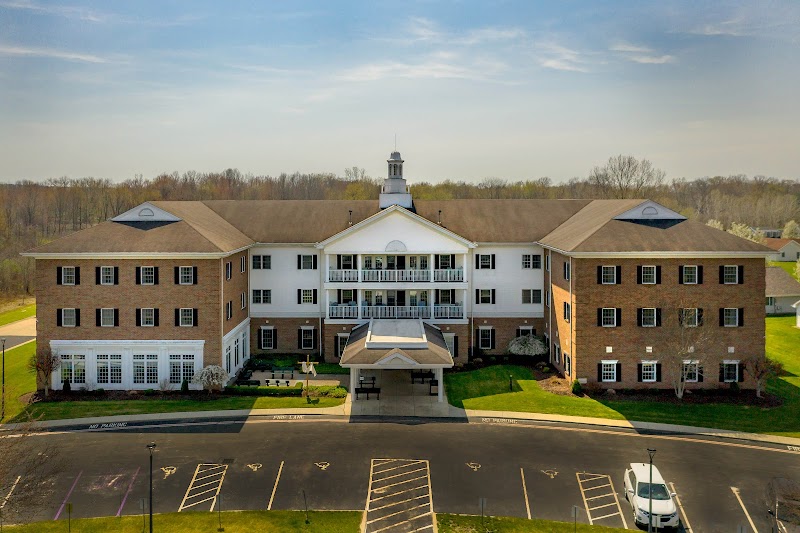
CMS rates SHEPHERD OF THE VALLEY HOWLAND's staffing level at 4 out of 5 stars, which is above average compared to other nursing homes. Staff turnover is 33%, compared to the Ohio average of 46%. This relatively stable workforce can support continuity of care.

What Have Inspectors Found at Shepherd Of The Valley Howland?

State health inspectors documented 12 deficiencies at SHEPHERD OF THE VALLEY HOWLAND during 2020 to 2025. These included: 12 with potential for harm.
Who Owns and Operates Shepherd Of The Valley Howland?

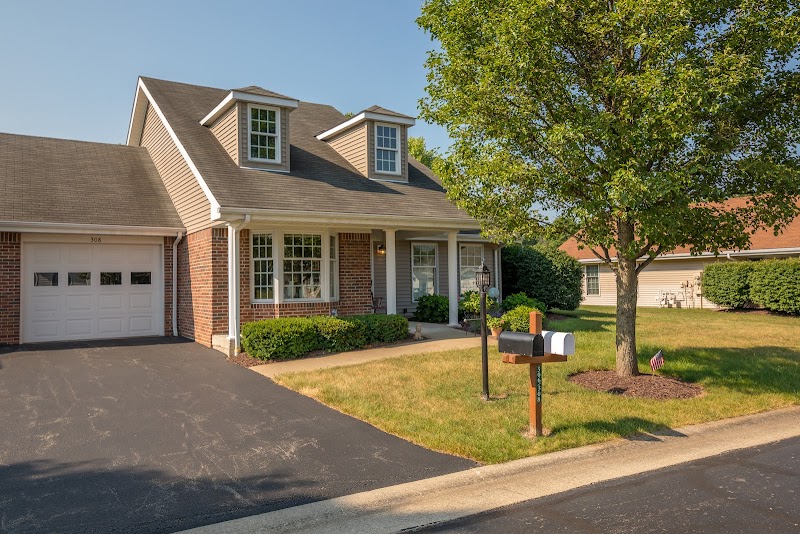
SHEPHERD OF THE VALLEY HOWLAND is owned by a non-profit organization. Non-profit facilities reinvest revenue into operations rather than distributing to shareholders. The facility operates independently rather than as part of a larger chain. With 80 certified beds and approximately 47 residents (about 59% occupancy), it is a smaller facility located in HOWLAND, Ohio.

How Does Shepherd Of The Valley Howland Compare to Other Ohio Nursing Homes?

Compared to the 100 nursing homes in Ohio, SHEPHERD OF THE VALLEY HOWLAND's overall rating (4 stars) is above the state average of 3.2, staff turnover (33%) is significantly lower than the state average of 46%, and health inspection rating (4 stars) is above the national benchmark.

What Should Families Ask When Visiting Shepherd Of The Valley Howland?

Based on this facility's data, families visiting should ask: "Can I visit during a mealtime to observe dining assistance and food quality?" "How do you handle medical emergencies, and what is your hospital transfer rate?" "Can I speak with family members of current residents about their experience?"

Is Shepherd Of The Valley Howland Safe?

Based on CMS inspection data, SHEPHERD OF THE VALLEY HOWLAND has a clean safety record: no substantiated abuse findings (meaning no confirmed cases of resident harm), no Immediate Jeopardy citations (the most serious violation level indicating risk of serious injury or death), and is not on the Special Focus Facility watch list (a federal program monitoring the lowest-performing 1% of nursing homes). The facility has a 4-star overall rating and ranks #1 of 100 nursing homes in Ohio. While no facility is perfect, families should still ask about staff-to-resident ratios and recent inspection results during their visit.

Do Nurses at Shepherd Of The Valley Howland Stick Around?

SHEPHERD OF THE VALLEY HOWLAND has a staff turnover rate of 33%, which is about average for Ohio nursing homes (state average: 46%). Moderate turnover is common in nursing homes, but families should still ask about staff tenure and how the facility maintains care continuity when employees leave.

Was Shepherd Of The Valley Howland Ever Fined?

SHEPHERD OF THE VALLEY HOWLAND has no federal fines on record. CMS issues fines when nursing homes fail to meet care standards or don't correct problems found during inspections. The absence of fines suggests the facility has either maintained compliance or corrected any issues before penalties were assessed. This is a positive indicator, though families should still review recent inspection reports for the full picture.

Is Shepherd Of The Valley Howland on Any Federal Watch List?

SHEPHERD OF THE VALLEY HOWLAND is not on any federal watch list. The most significant is the Special Focus Facility (SFF) program, which identifies the bottom 1% of nursing homes nationally based on persistent, serious quality problems. Not being on this list means the facility has avoided the pattern of deficiencies that triggers enhanced federal oversight. This is a positive indicator, though families should still review the facility's inspection history directly.