OHMAN FAMILY LIVING AT BLOSSOM
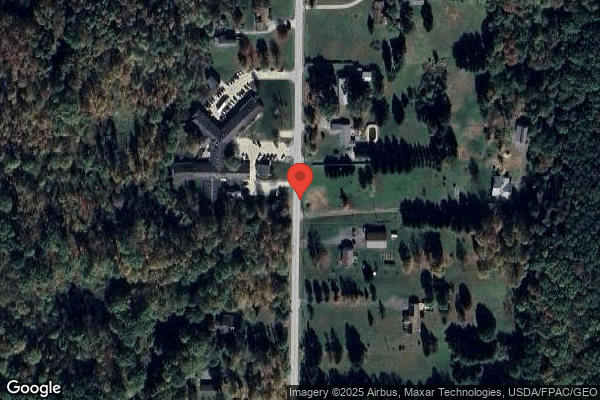
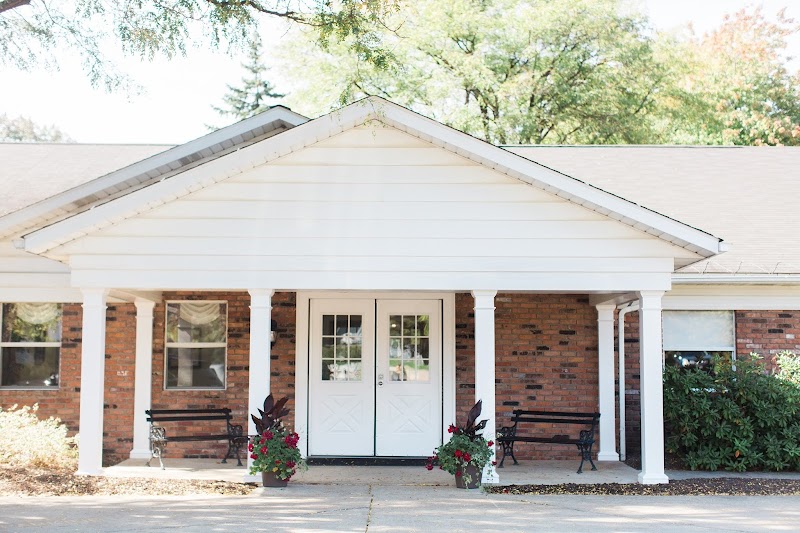
12496 PRINCETON RD, HUNTSBURG, OH 44046 (440) 635-5567
For profit - Corporation 76 Beds Independent Data: November 2025
Trust Grade
90/100
#138 of 913 in OH
Last Inspection: October 2024

Within standard 12-15 month inspection cycle. Federal law requires annual inspections.

Overview

Ohman Family Living at Blossom has received an excellent Trust Grade of A, indicating that it is highly recommended and performs well compared to other facilities. It ranks #138 out of 913 nursing homes in Ohio, placing it in the top half of the state, and is #3 out of 8 in Geauga County, meaning only two local homes have a better ranking. The facility is improving, having reduced its issues from four in 2022 to none in 2024, which is a positive sign for families considering care here. Staffing is rated at 4 out of 5 stars, with a turnover rate of 41%, which is better than the state average, suggesting that staff members are experienced and familiar with the residents. Notably, the home has not incurred any fines, a strong indicator of compliance, although there have been some concerns regarding food service practices, such as a staff member plating food without gloves and not performing hand hygiene, which could pose infection risks. Overall, while there are areas for improvement, the facility shows significant strengths in staffing and compliance.

Trust Score
A
90/100
In Ohio
#138/913
Top 15%
Safety Record
Low Risk
No red flags
Inspections
Getting Better
4 → 0 violations
Staff Stability
○ Average
41% turnover. Near Ohio's 48% average. Typical for the industry.
Penalties
✓ Good
No fines on record. Clean compliance history, better than most Ohio facilities.
Skilled Nurses
○ Average
Each resident gets 38 minutes of Registered Nurse (RN) attention daily — about average for Ohio. RNs are the most trained staff who monitor for health changes.
Violations
✓ Good
Only 5 deficiencies on record. Cleaner than most facilities. Minor issues only.
★★★★★
5.0
Overall Rating
★★★★☆
4.0
Staff Levels
★★★☆☆
3.0
Care Quality
★★★★★
5.0
Inspection Score
Stable
2022: 4 issues
2024: 0 issues

The Good

  • 4-Star Staffing Rating · Above-average nurse staffing levels
  • Full Sprinkler Coverage · Fire safety systems throughout facility
  • No fines on record
  • Staff turnover below average (41%)

    7 points below Ohio average of 48%

Facility shows strength in staffing levels, fire safety.

The Bad

Staff Turnover: 41%

Near Ohio avg (46%)

Typical for the industry

The Ugly 5 deficiencies on record

May 2022 4 deficiencies
CONCERN (D)

Potential for Harm - no one hurt, but risky conditions existed

Resident Rights (Tag F0550)

Could have caused harm · This affected 1 resident

**NOTE- TERMS IN BRACKETS HAVE BEEN EDITED TO PROTECT CONFIDENTIALITY** Based on observation, interview, and record review the facility failed to ensure Resident #36 received his meal at the same time...

Read full inspector narrative →
**NOTE- TERMS IN BRACKETS HAVE BEEN EDITED TO PROTECT CONFIDENTIALITY** Based on observation, interview, and record review the facility failed to ensure Resident #36 received his meal at the same time as the other residents. This affected one of three residents (Resident's #28, #36 and #49) reviewed for dining. The facility census was 54. Finding include: Review of the medical record revealed Resident #36 was admitted on [DATE] with diagnoses including Parkinson's disease, scoliosis, obsessive compulsive disorder, anxiety, and type II diabetes. Physician order dated 04/23/21 revealed Resident #36 received a regular diet, mechanical soft texture, thin consistency. Review of the Significant Change Minimum Data Summary (MDS) 3.0 assessment dated [DATE] revealed Resident #36 was moderately cognitively impaired with fluctuating periods of inattention, required supervision and set-up only for eating, had a significant weight loss and an infection to his foot. Review of the care plan dated 04/18/22 revealed a care area for a nutritional problem or potential nutritional problem related to increased calorie/nutrient needs due to system inefficiency related to chronic disease (compromised cardiac function, Parkinson's, type II diabetes), infection healing/repletion needs and a history of artificial weight inflation due to fluid. Interventions included a preference of dining in the south dining room in a specific chair with a tray table or in his room, weight goal of 125 to 135 pounds (lbs.), providing, serving diet as ordered and recording meal intake. Review of the weights for Resident #36 revealed the most recent weight on 05/17/22 of 109.5 lbs., with a body mass index (BMI) of 18.8 and an ideal body weight of 140 to 169 lbs. Observation of lunch on 05/18/22 revealed Resident #36 entered the dining room at 12:04 P.M. All residents, except Resident #36 were served their meal by 12:31 P.M. At 12:33 P.M. servers began placing plates of food covered in foil at the seats where residents had not arrived, including tables near where Resident #36 was sitting. At 12:41 P.M. Dietary Personnel (DP) #344 noticed Resident #36 had not received his meal and provided him a plate of food according to his diet order. Interview on 05/18/22 at 12:45 P.M. with DP #344 revealed she was not aware Resident #36 had not received a meal until she had placed the foil covered meals on tables. She was unable to provide an explanation other than sometimes Resident #36 ate in his room. A tray would be sent to the resident's unit, prior to plates being served in the dining room and returned to the dining room if he was eating in the dining room. Interview on 05/18/22 at 2:13 P.M. with Certified Dietary Manager (CDM) #257 revealed the hall carts were prepared first, as residents came into the dining room. The residents seated closest to the serving area were served first then serving progressed towards the back of the dining room. She verified Resident #36 should have been served prior to the foil covered plates being set out for residents who had not yet arrived in the dining room.
CONCERN (D)

Potential for Harm - no one hurt, but risky conditions existed

Accident Prevention (Tag F0689)

Could have caused harm · This affected 1 resident

**NOTE- TERMS IN BRACKETS HAVE BEEN EDITED TO PROTECT CONFIDENTIALITY** Based on interview, observation, record review, and policy review the facility failed to ensure Resident #26 had fall interventi...

Read full inspector narrative →
**NOTE- TERMS IN BRACKETS HAVE BEEN EDITED TO PROTECT CONFIDENTIALITY** Based on interview, observation, record review, and policy review the facility failed to ensure Resident #26 had fall interventions implemented according to physician orders and/ or care plan. This affected one resident (Resident #26) of four residents (Resident's #26, #36, #37 and #45) reviewed for falls. This had the potential to affect 23 residents (Resident's #4, #12, #16, #18, #19, #24, #26, #27 #29, #31, #33, #35, #36, #37, #38, #45, #47, #49, #52, #53, #55, #158 and #159) at high risk for falls. The facility census was 54. Findings include: Review of the medical record for Resident #26 revealed an admission date of 07/25/17 with diagnoses including chronic obstructive pulmonary disease, congestive heart failure, acute respiratory failure with hypoxia, diabetes, and muscle weakness. Review of the care plan dated 07/30/21 revealed Resident #26 was at risk for falls related to deconditioning, gait and balance problems, limited mobility, poor decision-making, and history of falls. Interventions included anti-roll back brakes to wheelchair, assist with transfers and ambulation as ordered, Dycem (non-slip material) between wheelchair, cushion, and resident, mat on floor next to bed, and non-skid material to grab bar in bathroom. Review of the facility form labeled Fall Risk Evaluation, dated 03/23/22, and completed by Minimum Data Set (MDS)/ Registered Nurse (RN) #304 revealed Resident #26 was at high risk for falls due to Resident #26 was disoriented, history of falls, chair bound, on medication causing high risk for falls, and had diagnoses including at risk for falls. Review of the quarterly Minimum Data Set (MDS) 3.0 assessment dated [DATE] revealed Resident #26 had impaired cognition. She required extensive assist of one staff with bed mobility, transfers, and toileting. She was unable to ambulate. Review of the physician order for May 2022 revealed Resident #26 had an order dated 06/22/21 to have a mat on the floor next to her bed while she was in bed. Observation on 05/17/22 at 12:10 P.M. revealed no floor mat was observed in Resident #26's room. Resident #26 was not in her room at the time. The grab bar in Resident #26's bathroom did not have non-skid material on it. Observation on 05/18/22 at 11:02 A.M. of Resident #26 revealed she was in bed with eyes closed, and there was no mat on the floor next to her bed. Resident #26's bathroom continued to be without non-skid material to the bathroom grab bar. Interview on 05/18/22 at 11:07 A.M. with State Tested Nursing Assistant (STNA) #323 revealed she was the STNA for Resident #26. STNA #323 verified Resident #26 was in her bed with no floor mat next to her bed. STNA #323 revealed she had never seen Resident #26 with a floor mat and revealed she was not aware this was one of Resident #26's fall interventions. Interview on 05/18/22 at 11:30 A.M. with Licensed Practical Nurse (LPN) #332 revealed she was the nurse for Resident #26 and verified she had assisted Resident #26 to her bed. She verified she had not placed a mat by the side of her bed as she revealed she was not aware this was one of Resident #26's fall interventions and had never seen her with a mat by her bed. LPN #332 verified Resident #26 had a physician order to have a mat to the side of her bed as well as it was a care plan intervention. Interview and observation on 05/18/22 at 4:41 P.M. with the Director of Nursing (DON) verified Resident #26 was care planned to have non-skid material on her grab bar in her bathroom. Observation on 05/18/22 at 4:41 P.M. with the DON verified Resident #26 did not have non-skid material on her grab bar in her bathroom. The DON revealed Resident #26 usually used the bathroom by the nursing station on her unit. Upon observation of the bathroom by the nursing station with the DON also revealed the grab bar did not have non-skid material on the bar. Interview on 05/18/22 at 4:43 P.M. with STNA #340 verified she had never seen non-skid material on Resident #26's bathroom grab bar or on the grab bar in the bathroom by the nursing station. STNA #340 also revealed she had not seen Resident #26 have a mat by her bed and was not aware these were Resident #26's fall interventions per her plan of care and/ or physician order. Review of undated facility policy labeled Fall/ Incident Report Policy revealed the purpose of the policy was to investigate, intervene, prevent, and review falls. The policy revealed the facility would implement an intervention to prevent further incidents. The policy revealed any interventions initiated prior, the falls committee reviewed for effectiveness and either maintained or updated.
CONCERN (D)

Potential for Harm - no one hurt, but risky conditions existed

Incontinence Care (Tag F0690)

Could have caused harm · This affected 1 resident

**NOTE- TERMS IN BRACKETS HAVE BEEN EDITED TO PROTECT CONFIDENTIALITY** Based on observation, interview, record review, and policy review the facility failed to maintain the indwelling urinary cathete...

Read full inspector narrative →
**NOTE- TERMS IN BRACKETS HAVE BEEN EDITED TO PROTECT CONFIDENTIALITY** Based on observation, interview, record review, and policy review the facility failed to maintain the indwelling urinary catheter bag in a manner to prevent urinary tract infection. This affected one (Resident #37) of one resident reviewed for an indwelling urinary catheter. The facility census was 54. Findings include: Review of the medical record for Resident #37 revealed an admission date of 02/25/10 with diagnoses including dementia without behavioral disturbances, hypertensive heart disease, and obstructive and reflux uropathy. Review of the physician's orders for Resident #37 dated 12/16/21 revealed to change the catheter and drainage bags based on clinical indications such as infection, obstruction, or when the closed system was compromised. Review of the quarterly Minimum Data Set (MDS) 3.0 assessment dated [DATE] revealed Resident #37 had minimal cognitive impairment. Resident #37 required extensive one-staff physical assistance for bed mobility, dressing, and personal hygiene; supervision set-up help only for eating; and extensive two-staff assistance for toilet use. Resident #37 had an indwelling catheter for urine and was occasionally incontinent of bowel. Review of the care plan for Resident #37 dated 04/18/22 revealed she had an indwelling urinary catheter related to obstructive uropathy. Interventions included to position the drainage bag below bladder level and do not let the bag touch the floor and to use special care during transfers and turning to maintain correct bag level and avoid pulling on the tubing. Observation on 05/16/22 at 4:10 P.M. of Resident #37 ambulating herself in her wheelchair down the hallway by the dining room with her urinary catheter drainage bag underneath her chair dragging on the ground. The bag was placed in a blue dignity bag. Observation on 05/17/22 at 10:25 A.M. revealed Resident #37 in her room sleeping in her wheelchair with her urinary catheter drainage bag under chair on the ground. Observation on 05/17/22 at 10:54 A.M. of Resident #37 revealed her ambulating herself in her wheelchair from the activities room with Therapy #371. Her urinary catheter drainage bag was underneath her chair dragging on the ground. Interview on 05/17/22 at 10:54 A.M. with Therapy #371 confirmed Resident #37's urinary catheter drainage bag was dragging on the ground, and she then readjusted her urinary catheter bag to hang off the ground. Interview on 05/19/22 at 7:35 A.M. with State Tested Nursing Assistant (STNA) #306 confirmed Resident #37's urinary catheter drainage bag was often touching the ground while she was in her wheelchair due to the wheelchair being so low to the ground. Review of the facility policy titled urinary catheter care, dated 11/14/16, revealed no statement regarding catheter drainage bags being kept off the floor. Review of the facility policy titled indwelling catheter drainage bag dignity bags, undated, revealed no statement regarding catheter drainage bags being kept off the floor.
CONCERN (F)

Potential for Harm - no one hurt, but risky conditions existed

Food Safety (Tag F0812)

Could have caused harm · This affected most or all residents

Based on observation, interview, and review of the Ohio Department of Health, Department of Agriculture 2019 food code revealed the facility failed to serve food to residents in a sanitary manner to p...

Read full inspector narrative →
Based on observation, interview, and review of the Ohio Department of Health, Department of Agriculture 2019 food code revealed the facility failed to serve food to residents in a sanitary manner to prevent infection. This had the potential to affect 52 residents who receive food from the kitchen. The facility identified two (Resident's #9 and #159) who did not receive food by mouth. The facility census was 54. Findings include: Observation on 05/16/22 at 12:08 P.M. revealed Dietary #325 plating food with no gloves on. Her nails appeared painted. She then stopped serving food and reached on top of her head grabbed her safety goggles and placed them back on her face. No hand hygiene was performed. Dietary #325 then began immediately began plating food again. Interview on 05/16/22 at 12:12 P.M. with Dietary #325 confirmed she was not wearing gloves. She also confirmed her nails were painted. Dietary #325 also confirmed she did touch the top of her head to grab her safety googles and put them on her face and did not wash her hands before serving food again. Interview on 05/16/22 at 12:15 P.M. with Dietary Manager #354 revealed she has instructed her staff not to wear gloves when serving food, just to handle the utensils. Review of Ohio Department of Health, Department of Agriculture 2019 food code - chapter 3717-1-02 reference guide for management and personnel, undated, revealed the facility dietary staff must maintain fingernails (nail polish/artificial nails permitted with intact gloves). The report also stated food employees must properly wash hands after coughing, sneezing, eating, drinking, tissue use, or touching body.
Sept 2019 1 deficiency
CONCERN (E)

Potential for Harm - no one hurt, but risky conditions existed

Deficiency F0804 (Tag F0804)

Could have caused harm · This affected multiple residents

Based on observation and interview, the facility failed to prepare pureed food to ensure the proper consistency and nutrient density of a serving. This affected nine Residents (#14, #222, #3, #17, #29...

Read full inspector narrative →
Based on observation and interview, the facility failed to prepare pureed food to ensure the proper consistency and nutrient density of a serving. This affected nine Residents (#14, #222, #3, #17, #29, #13, #33, #26 and #11) who were prescribed a pureed diet of 67 residents who consumed foods by mouth. The facility census was 68. Findings include: Observation on 09/03/19 at 10:35 A.M. revealed [NAME] #402 prepared pureed beef teriyaki for lunch on 09/03/19. The cook put the meat, gravy and food thickener into a large food processor and started blending. Then she took out the blades and went to get a spoon for the surveyor to taste, indicating the puree process was complete. The mixture did not appear to be smooth. The mixture was not the proper texture. The concern was verified by Dietary Manager (DM) #401 who told [NAME] #402 to puree the mixture to the proper texture. Cook #402 poured part of the teriyaki mixture into a smaller food processor/blender and started to process. The mixture was thick, so the cook poured an unmeasured amount of water in and blended. The teriyaki mixture was now of a smooth consistency but was too thin. [NAME] #402 was going to put more thickener in. DM #401 stopped her. The puree was to be redone. Review of the diet list revealed Residents (#14, #222, #3, #17, #29, #13, #33, #26 and #11) received pureed diets. Interview on 09/03/19 at 10:53 A.M. DM #401 verified the puree was not initially processed to the proper consistency and then was diluted which diluted the flavor and the nutrient density per serving.
Understanding Severity Codes (click to expand)
Life-Threatening (Immediate Jeopardy)
J - Isolated K - Pattern L - Widespread
Actual Harm
G - Isolated H - Pattern I - Widespread
Potential for Harm
D - Isolated E - Pattern F - Widespread
No Harm (Minor)
A - Isolated B - Pattern C - Widespread

Questions to Ask on Your Visit

  • "Can I speak with families of current residents?"
  • "What's your RN coverage like on weekends and overnight?"

Our Honest Assessment

Strengths
  • • Grade A (90/100). Above average facility, better than most options in Ohio.
  • • No major safety red flags. No abuse findings, life-threatening violations, or SFF status.
  • • No fines on record. Clean compliance history, better than most Ohio facilities.
  • • Only 5 deficiencies on record. Cleaner than most facilities. Minor issues only.
Concerns
  • • No significant concerns identified. This facility shows no red flags across CMS ratings, staff turnover, or federal penalties.
Bottom line: Generally positive indicators. Standard due diligence and a personal visit recommended.

About This Facility

What is Ohman Family Living At Blossom's CMS Rating?

CMS assigns OHMAN FAMILY LIVING AT BLOSSOM an overall rating of 5 out of 5 stars, which is considered much above average nationally. Within Ohio, this rating places the facility higher than 99% of the state's 100 nursing homes. This rating reflects solid performance across the metrics CMS uses to evaluate nursing home quality.
How is Ohman Family Living At Blossom Staffed?

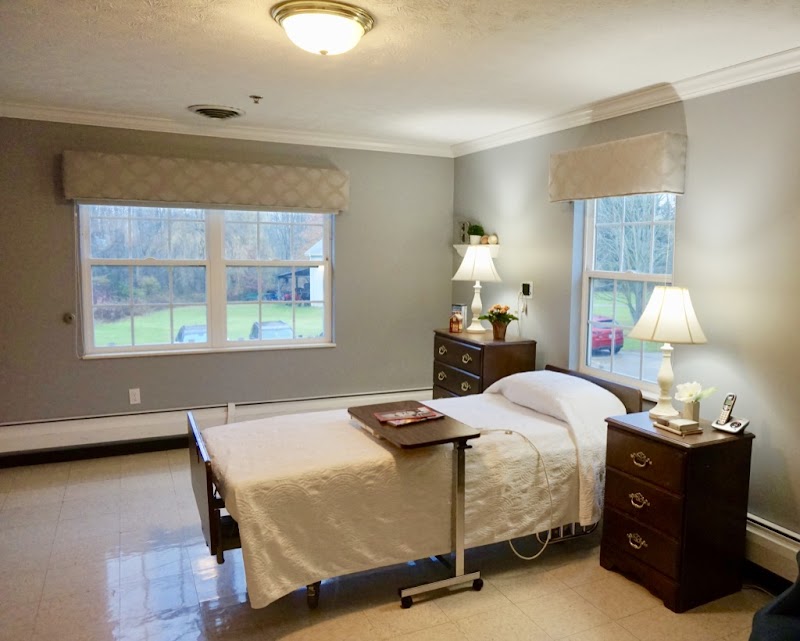
CMS rates OHMAN FAMILY LIVING AT BLOSSOM's staffing level at 4 out of 5 stars, which is above average compared to other nursing homes. Staff turnover is 41%, compared to the Ohio average of 46%. This relatively stable workforce can support continuity of care.

What Have Inspectors Found at Ohman Family Living At Blossom?

State health inspectors documented 5 deficiencies at OHMAN FAMILY LIVING AT BLOSSOM during 2019 to 2022. These included: 5 with potential for harm.
Who Owns and Operates Ohman Family Living At Blossom?

OHMAN FAMILY LIVING AT BLOSSOM is owned by a for-profit company. For-profit facilities operate as businesses with obligations to shareholders or private owners. The facility operates independently rather than as part of a larger chain. With 76 certified beds and approximately 59 residents (about 78% occupancy), it is a smaller facility located in HUNTSBURG, Ohio.

How Does Ohman Family Living At Blossom Compare to Other Ohio Nursing Homes?

Compared to the 100 nursing homes in Ohio, OHMAN FAMILY LIVING AT BLOSSOM's overall rating (5 stars) is above the state average of 3.2, staff turnover (41%) is near the state average of 46%, and health inspection rating (5 stars) is much above the national benchmark.

What Should Families Ask When Visiting Ohman Family Living At Blossom?

Based on this facility's data, families visiting should ask: "Can I visit during a mealtime to observe dining assistance and food quality?" "How do you handle medical emergencies, and what is your hospital transfer rate?" "Can I speak with family members of current residents about their experience?"

Is Ohman Family Living At Blossom Safe?

Based on CMS inspection data, OHMAN FAMILY LIVING AT BLOSSOM has a clean safety record: no substantiated abuse findings (meaning no confirmed cases of resident harm), no Immediate Jeopardy citations (the most serious violation level indicating risk of serious injury or death), and is not on the Special Focus Facility watch list (a federal program monitoring the lowest-performing 1% of nursing homes). The facility has a 5-star overall rating and ranks #1 of 100 nursing homes in Ohio. While no facility is perfect, families should still ask about staff-to-resident ratios and recent inspection results during their visit.

Do Nurses at Ohman Family Living At Blossom Stick Around?

OHMAN FAMILY LIVING AT BLOSSOM has a staff turnover rate of 41%, which is about average for Ohio nursing homes (state average: 46%). Moderate turnover is common in nursing homes, but families should still ask about staff tenure and how the facility maintains care continuity when employees leave.

Was Ohman Family Living At Blossom Ever Fined?

OHMAN FAMILY LIVING AT BLOSSOM has no federal fines on record. CMS issues fines when nursing homes fail to meet care standards or don't correct problems found during inspections. The absence of fines suggests the facility has either maintained compliance or corrected any issues before penalties were assessed. This is a positive indicator, though families should still review recent inspection reports for the full picture.

Is Ohman Family Living At Blossom on Any Federal Watch List?

OHMAN FAMILY LIVING AT BLOSSOM is not on any federal watch list. The most significant is the Special Focus Facility (SFF) program, which identifies the bottom 1% of nursing homes nationally based on persistent, serious quality problems. Not being on this list means the facility has avoided the pattern of deficiencies that triggers enhanced federal oversight. This is a positive indicator, though families should still review the facility's inspection history directly.