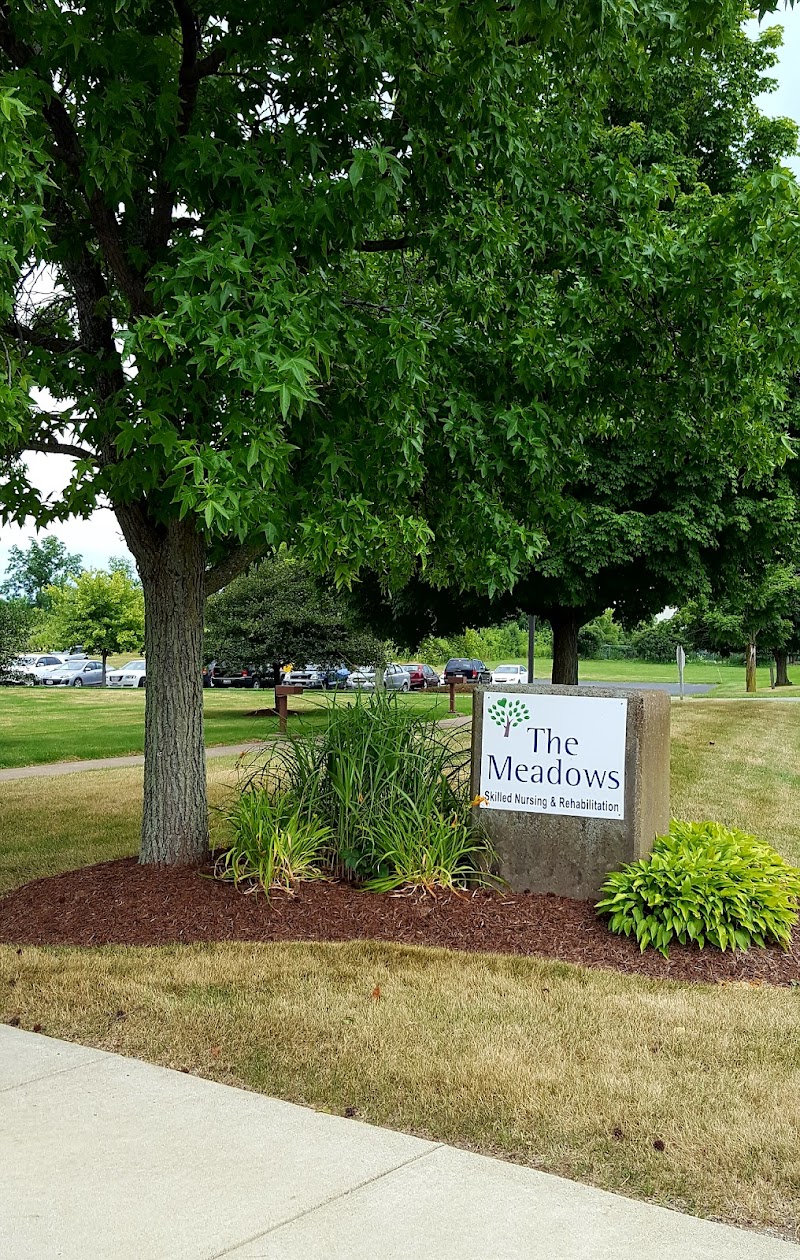
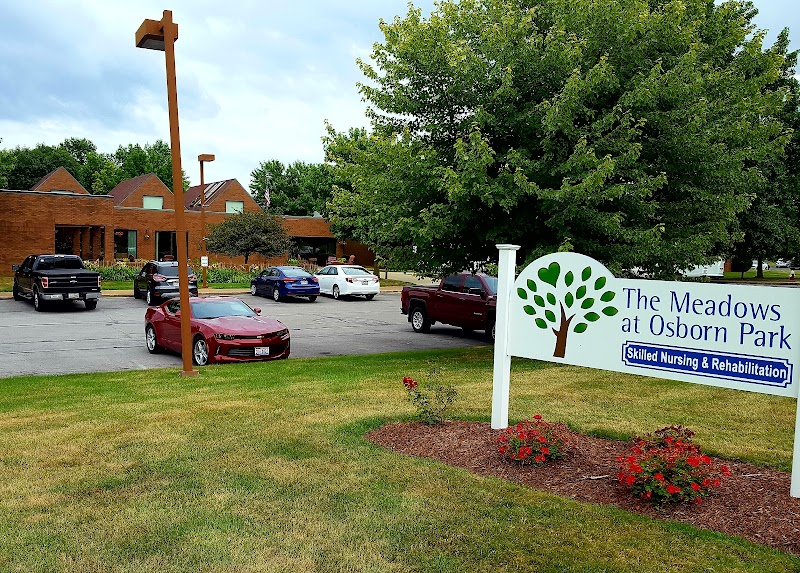
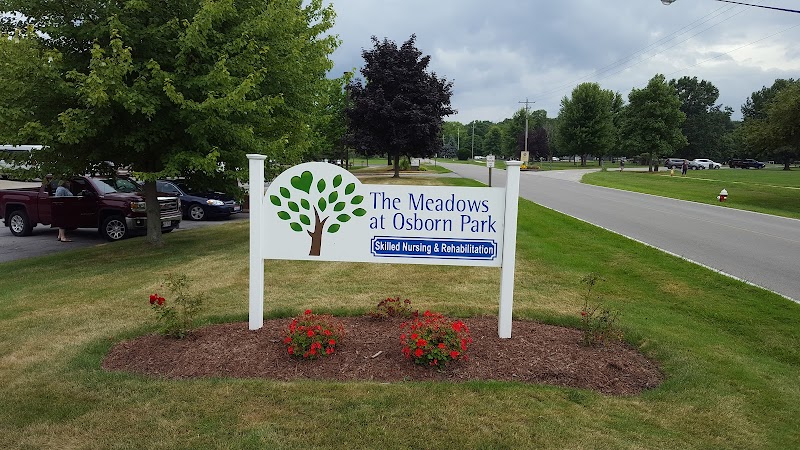
THE MEADOWS AT OSBORN PARK
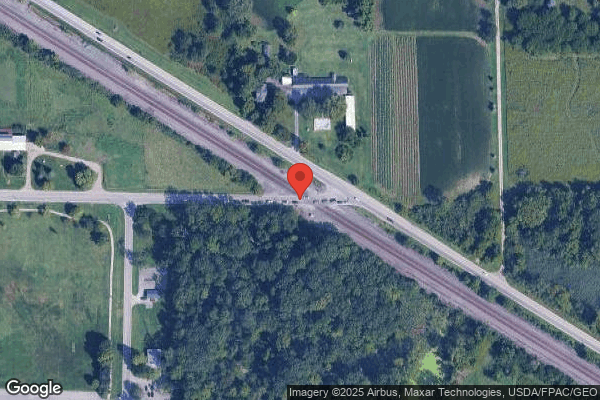
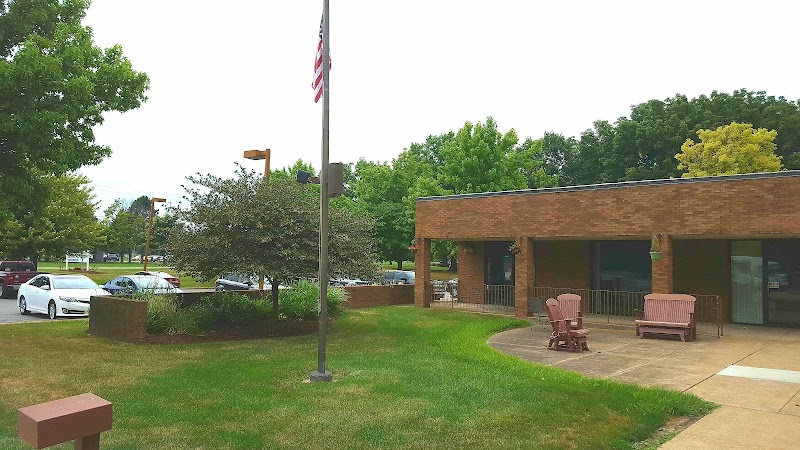
3916 PERKINS AVE, HURON, OH 44839 (419) 627-8733
Government - County 130 Beds Independent Data: November 2025
Trust Grade
85/100
#175 of 913 in OH
Last Inspection: March 2023

Over 2 years since last inspection. Current conditions may differ from available data.

Overview

The Meadows at Osborn Park has a Trust Grade of B+, indicating it is above average and recommended for families seeking care. With a state rank of #175 out of 913 in Ohio, the facility is in the top half, and it ranks #4 out of 8 in Erie County, meaning only three other local facilities are rated higher. The facility is improving, with issues decreasing from 7 in 2020 to just 2 in 2023. Staffing is a relative strength with a 4 out of 5-star rating and a turnover rate of 40%, which is below the Ohio average, meaning staff are familiar with the residents. However, the facility has concerning RN coverage, being lower than 87% of Ohio facilities, which could impact the quality of care. There have been some specific incidents noted, including a failure to serve the proper portion sizes of pureed diets to 12 residents, which could affect their nutrition. Additionally, there was a concern regarding the maintenance of accurate medical records for nutritional supplements affecting one resident, which is important for their overall health. While the facility has no fines on record, indicating compliance with regulations, families should weigh these strengths and weaknesses carefully.

Trust Score
B+
85/100
In Ohio
#175/913
Top 19%
Safety Record
Low Risk
No red flags
Inspections
Getting Better
7 → 2 violations
Staff Stability
○ Average
40% turnover. Near Ohio's 48% average. Typical for the industry.
Penalties
✓ Good
No fines on record. Clean compliance history, better than most Ohio facilities.
Skilled Nurses
⚠ Watch
Each resident gets only 29 minutes of Registered Nurse (RN) attention daily — below average for Ohio. Fewer RN minutes means fewer trained eyes watching for problems.
Violations
⚠ Watch
13 deficiencies on record. Higher than average. Multiple issues found across inspections.
★★★★★
5.0
Overall Rating
★★★★☆
4.0
Staff Levels
★★☆☆☆
2.0
Care Quality
★★★★★
5.0
Inspection Score
Stable
2020: 7 issues
2023: 2 issues

The Good

  • 4-Star Staffing Rating · Above-average nurse staffing levels
  • Full Sprinkler Coverage · Fire safety systems throughout facility
  • No fines on record
  • Staff turnover below average (40%)

    8 points below Ohio average of 48%

Facility shows strength in staffing levels, fire safety.

The Bad

Staff Turnover: 40%

Near Ohio avg (46%)

Typical for the industry

The Ugly 13 deficiencies on record

Mar 2023 2 deficiencies
CONCERN (D)

Potential for Harm - no one hurt, but risky conditions existed

Deficiency F0692 (Tag F0692)

Could have caused harm · This affected 1 resident

**NOTE- TERMS IN BRACKETS HAVE BEEN EDITED TO PROTECT CONFIDENTIALITY** 2. Review of Resident #39's medical record revealed the resident was admitted to the facility on [DATE] with admitting diagnoses...

Read full inspector narrative →
**NOTE- TERMS IN BRACKETS HAVE BEEN EDITED TO PROTECT CONFIDENTIALITY** 2. Review of Resident #39's medical record revealed the resident was admitted to the facility on [DATE] with admitting diagnoses including Alzheimer's Disease, need for assistance with personal care and unspecified severe protein-calorie malnutrition. The MDS quarterly assessment dated [DATE] revealed the Resident #39 had severe cognitive impairment. The assessment revealed the resident required limited assistance for bed mobility, transfers, walking in his room or in the corridor, and locomotion on or off from the unit. The assessment revealed the resident required extensive assistance for personal hygiene, dressing and toileting. The assessment revealed the resident required supervision for eating, with physical assistance at times by one person. The care plan dated 01/01/23 revealed Resident #39 had a severely impaired cognitive function with interventions which included administer medications as ordered ask yes/no question to determine the resident's needs; and cue, reorient and supervise as needed. The care plan revealed the resident had nutritional problem or potential nutritional problem related partially to Alzheimer's Disease, with interventions which included to assess diet tolerance; assist resident with meals as needed, and encourage resident to eat or drink; and provide diet per order. This care plan also revealed a recommendation dated 12/12/22 for Boost supplemental drink served three times daily with meals due to significant weight loss. Medical record review for Resident #39 revealed a recorded weight on 03/01/23 of 145.6 pounds, and a recorded weight on 02/07/23 of 145.1 pounds, equaling a 0.34% weight gain within 30 days. The record showed a recorded weight on 09/01/22 of 153.0 pounds equaling a 4.84% weight loss within 180 days. Further medical records review for Resident #39 revealed an order for Boost was initiated on 12/12/22. On 03/13/23 at 12:34 P.M. an observation was made of Resident #39 seated at a table in the dining area on the secured memory unit. Resident #39 was seated at a table with only one other resident. Resident #39 was observed to have a soup bowl, a lunch meal on a plate, a small disposable container of pudding, and a small can of soda, which staff opened for Resident #39 and poured into a small, clear plastic cup. There were no supplemental food items served to Resident #39. It was observed Resident #39 had not consumed any food from the lunch meal plate. Resident #39 had consumed the pudding in total. Resident #39 had consumed 75-100% of the soup. Resident #39 drank all the soda which had been poured into the clear plastic cup. On 03/14/23 at 12:17 P.M. an observation was made on the secured memory care unit of the lunch meal delivery cart arrival. Staff immediately began delivering the lunch meals to residents. An observation was made of residents at the tables who were consuming a food item from a bowl, later identified as the soup for the day. Resident #39 was not located in the dining area. A staff member was heard at the entry to Resident #39's room, announcing the lunch meal was being served, and the staff member asked Resident #39 to come to the dining area. At 12:24 P.M. on 03/14/23 Resident #39 emerged from his room and ambulated to the dining area to sit for his lunch meal. Resident #39 did not receive a soup. Resident #39 received a lunch meal plate, an ice cream cup, and a small can of soda which a staff member opened and poured into a small clear plastic cup. There was no supplemental food item served with Resident #39's lunch meal. Resident #39 was observed to pick at the food on his plate. Resident #39 was observed to consume the ice cream in total. Resident #39 was observed to drink the soda from the cup. Resident #39 picked up his eating utensil several times and moved items about on his lunch plate. At 12:53 P.M., Resident #39's plate was observed to have no food taken from the plate by the resident. The ticket which accompanied Resident #39's meal was observed to read Boost eight ounces (oz). In an interview with State Tested Nurse Aide (STNA) #570 on 03/14/23 at 12:53 P.M. an inquiry was made about the supplemental food item (Boost) on the meal ticket for Resident #39. STNA #570 looked at the meal ticket for Resident #39 and stated she thought she had given Resident #39 a Boost with his lunch meal. STNA #570 verified Resident #39 had not received Boost supplement with his lunch meal. STNA #570 then stated she did not know he was supposed to get Boost with his meals. Review of facility policy titled Philosophy and Standards of Clinical Care, dated 2021, revealed the facility would develop and consistently implement pertinent food and nutrition interventions. Based on medical record review, observation, staff interview, and review of facility policy, the facility failed to ensure nutritional interventions were implemented per physician order and the plan of care, for residents identified at nutritional risk. This affected two (#39 and #52) of three residents reviewed for nutrition. The facility census was 95. Findings include: 1. Review of Resident #52's medical record identified the resident was admitted to the facility on [DATE]. Diagnoses included type II diabetes mellitus without complications, iron deficiency, dementia, age-related osteoporosis, depression, anxiety, muscle weakness, and cognitive communication deficit. Review of Resident #52's current plan of care, revised 02/15/23, revealed the resident had a nutritional problem related to fracture of left femur, physical disability, fracture of left humerus, anemia, hypoosmolality/hyponatremia, therapeutic diet order for small portions per request, assist with meals, upper and lower dentures, history of falling, eats fifty-percent or less, advanced age, meal and/or supplement refusals, significant weight loss, decreasing weight trend, and resistant of staff encouragement at meals and with care. Goals included no significant weight changes and remaining free from dehydration as evidenced by good skin turgor, labs, etcetera. Interventions included family participation in menu selection, assisting resident with meals as needed, monitoring percent of meals consumed, providing diet per order and honoring food preferences, Boost Breeze supplement, recommendation in place for full-fat Greek yogurt with breakfast and lunch to provide additional calories and protein due to weight trending down, Magic Cup twice per day with meals, and supplements as ordered. Review of Resident #52's quarterly Minimum Data Set 3.0 assessment, dated 03/09/23, revealed the resident was severely cognitively impaired and required extensive assistance of two staff for bed mobility, transfers, and toileting. The resident required supervision of one staff for eating. The resident experienced weight loss of five-percent or more in the past month or loss of ten-percent or more in the last six months and was not on a prescribed weight-loss regimen. Review of Resident #52's dietary progress notes dated 03/10/23 revealed the resident sustained significant weight loss times six months, supplements and extra foods in place, Greek yogurt in place twice per day with breakfast and lunch for additional calories and protein, resident refused meals and supplements at times, Magic Cup supplement in place three times per day with meals, no edema, skin intact, and will continue to monitor. Review of Resident #52's physician orders for March 2023 identified orders for small portions diet with regular texture and regular consistency including full fat Greek yogurt with breakfast and lunch, Magic Cup with breakfast and lunch, Mighty Shake two times per day for supplement, and Boost Breeze one time per day with breakfast for supplement. Observation of the lunch meal on 03/14/23 beginning at 12:29 P.M. revealed Resident #52 was served a deli-style sandwich which was cut in half, sliced green apples, cooked carrots, and apple sauce. The resident finished eating and staff assisted her out of the dining room. Resident #52 did not receive a Magic Cup or Greek yogurt with the lunch meal. Observation of Resident #52's lunch meal ticket revealed the resident was to receive full-fat Greek yogurt with lunch. The meal ticket did not mention the Magic Cup. Interview on 03/14/23 at 1:00 P.M. with Dietary Manager #600 verified Resident #52 received a Magic Cup or Greek yogurt with her lunch meal. An unidentified State Tested Nurse Aide (STNA) sitting next to where Resident #52 had been seated also verified she did not believe Resident #52 received a Magic Cup or Greek yogurt with her lunch meal. Observation of the breakfast meal on 03/15/23 beginning at 8:06 A.M. revealed Resident #52 never received Greek yogurt or Boost Breeze with her breakfast meal. Resident #52 finished eating breakfast and was assisted out of the dining area by staff. Observation of Resident #52's breakfast meal ticket revealed Boost Breeze was not listed on the ticket. Full-fat Greek yogurt with breakfast was listed on the meal ticket. Interview on 03/15/23 at 8:54 A.M. with Dietary Aide #602 verified Resident #52 did not receive Greek yogurt with the breakfast meal. Dietary Aide #602 stated the Greek yogurt was stored in ice on top of the tray cart containing resident meal trays and staff must have forgotten to grab it. Dietary Aide #602 also verified Resident #52 did not receive the Boost Breeze supplement with her meal. Dietary Aide #602 reported Resident #52 never received Boost Breeze with breakfast and verified the breakfast meal ticket did not mention the Boost Breeze supplement. Observation of the lunch meal on 03/15/23 at 12:27 P.M. revealed Resident #52 did not receive a Magic Cup or Greek yogurt with the lunch meal. Resident #52 was assisted out of the dining room by staff. Interviews and observations on 03/15/23 at 1:07 P.M. with STNA #559, STNA #578, STNA #584, and Dietary Aide #584 revealed staff were in the dining area near where Resident #52 was seated for the lunch meal. All four staff members stated Resident #52 did not receive a Magic Cup with her lunch meal and only with her breakfast meal. Observation of Resident #52's lunch meal ticket revealed the Magic Cup was not listed on the ticket. Interview on 03/15/23 at 1:40 P.M. with Dietitian #610 verified Resident #52 was supposed to receive a Magic Cup with the breakfast, lunch, and dinner meals, full-fat Greek yogurt with the breakfast and lunch meals, and a Boost Breeze supplement with the breakfast meal. Dietitian #610 was notified Resident #52 had not received the aforementioned items with meals. Upon review of Resident #52's standing orders and meal tickets, Dietitian #610 reported the Magic Cup had not been showing up on Resident #52's lunch meal ticket because there were numerous other items listed on the ticket and there was not enough room on the ticket. Interviews on 03/15/23 at 2:52 P.M. with MDS Coordinator #522 and Dietitian #610 revealed Licensed Practical Nurse (LPN) #528 was contacted and reported Resident #52 sometimes received the Boost Breeze supplement while in a sitting area on the 300-unit prior to the breakfast meal.
CONCERN (D)

Potential for Harm - no one hurt, but risky conditions existed

Medical Records (Tag F0842)

Could have caused harm · This affected 1 resident

**NOTE- TERMS IN BRACKETS HAVE BEEN EDITED TO PROTECT CONFIDENTIALITY** Based on medical record review, observation, and staff interview, the facility failed to maintain accurate medical records regar...

Read full inspector narrative →
**NOTE- TERMS IN BRACKETS HAVE BEEN EDITED TO PROTECT CONFIDENTIALITY** Based on medical record review, observation, and staff interview, the facility failed to maintain accurate medical records regarding documentation for nutritional supplements. This affected one (#52) of two residents reviewed for nutrition. The facility census was 95. Findings include: Review of Resident #52's medical record identified the resident was admitted to the facility on [DATE]. Diagnoses included type II diabetes mellitus without complications, iron deficiency, dementia, age-related osteoporosis, depression, anxiety, muscle weakness, and cognitive communication deficit. Review of Resident #52's current plan of care, revised 02/15/23, revealed the resident had a nutritional problem related to fracture of left femur, physical disability, fracture of left humerus, anemia, hypoosmolality/hyponatremia, therapeutic diet order for small portions per request, assist with meals, upper and lower dentures, history of falling, eats fifty-percent or less, advanced age, meal and/or supplement refusals, significant weight loss, decreasing weight trend, and resistant of staff encouragement at meals and with care. Goals included no significant weight changes and remaining free from dehydration as evidenced by good skin turgor, labs, etcetera. Interventions included monitoring percent of meals consumed, and supplements as ordered. Review of Resident #52's quarterly Minimum Data Set 3.0 assessment, dated 03/09/23, revealed the resident was severely cognitively impaired and required extensive assistance of two staff for bed mobility, transfers, and toileting. The resident required supervision of one staff for eating. The resident experienced weight loss of five-percent or more in the past month or loss of ten-percent or more in the last six months and was not on a prescribed weight-loss regimen. Review of Resident #52's dietary progress notes dated 03/10/23 revealed the resident sustained significant weight loss times six months, supplements and extra foods in place, Greek yogurt in place twice per day with breakfast and lunch for additional calories and protein, resident refused meals and supplements at times, Magic Cup supplement in place three times per day with meals, no edema, skin intact, and will continue to monitor. Review of Resident #52's physician orders for March 2023 identified orders for Magic Cup with breakfast and lunch, and Boost Breeze one time per day with breakfast for supplement. Review of Resident #52's intake record, dated 03/14/23 at timed 11:08 A.M., revealed the resident was documented as consuming between fifty-one percent and seventy-five percent of her lunch magic cup. Review of Resident #52's Medication Administration Record (MAR) for March 2023 revealed the resident was documented as receiving her Magic Cup with the lunch meal on 03/14/23. Review of Resident #52's intake record, dated 03/15/23 and timed 7:03 A.M. revealed the resident was documented as consuming between fifty-one and seventy-five percent of the Boost Breeze supplement. Review of Resident #52's MAR for March 2023 revealed the resident was documented as receiving her Boost Breeze supplement with the breakfast meal on 03/15/23. Review of Resident #52's intake record dated 03/15/23 and timed 1:41 P.M. revealed the resident was documented as consuming between twenty-six percent and fifty-percent of her lunch magic cup. Review of Resident #52's MAR for March 2023 revealed the resident was documented as receiving her Magic Cup with the lunch meal on 03/15/23. Observation of the lunch meal on 03/14/23 beginning at 12:29 P.M. revealed Resident #52 did not receive a Magic Cup with the lunch meal. Observation of Resident #52's lunch meal ticket revealed the meal ticket did not mention the Magic Cup. Interview on 03/14/23 at 1:00 P.M. with Dietary Manager #600 verified Resident #52 received a Magic Cup with her lunch meal. An unidentified State Tested Nurse Aide (STNA) sitting next to where Resident #52 had been seated also verified she did not believe Resident #52 received a Magic Cup with her lunch meal. Observation of the breakfast meal on 03/15/23 beginning at 8:06 A.M. revealed Resident #52 never received the Boost Breeze supplement with her breakfast meal. Resident #52 finished eating breakfast and was assisted out of the dining area by staff. Observation of Resident #52's breakfast meal ticket revealed Boost Breeze was not listed on the ticket. Interview on 03/15/23 at 8:54 A.M. with Dietary Aide #602 verified Resident #52 did not receive the Boost Breeze supplement with her meal. Dietary Aide #602 reported Resident #52 never received Boost Breeze with breakfast and verified the breakfast meal ticket did not mention the Boost Breeze supplement. Observation of the lunch meal on 03/15/23 at 12:27 P.M. revealed Resident #52 did not receive a Magic Cup with the lunch meal. Resident #52 was assisted out of the dining room by staff. Interviews and observations on 03/15/23 at 1:07 P.M. with STNA #559, STNA #578, STNA #584, and Dietary Aide #584 revealed staff were in the dining area near where Resident #52 was seated for the lunch meal. All four staff members stated Resident #52 did not receive a Magic Cup with her lunch meal and only with her breakfast meal. Observation of Resident #52's lunch meal ticket revealed the Magic Cup was not listed on the ticket. Interview on 03/15/23 at 1:40 P.M. with Dietitian #610 verified Resident #52 was supposed to receive a Magic Cup with the breakfast, lunch, and dinner meals, and a Boost Breeze supplement with the breakfast meal. Dietitian #610 was notified Resident #52 had not received the aforementioned items with meals. Upon review of Resident #52's standing orders and meal tickets, Dietitian #610 reported the Magic Cup had not been showing up on Resident #52's lunch meal ticket because there were numerous other items listed on the ticket and there was not enough room on the ticket. Interviews on 03/15/23 at 2:52 P.M. with MDS Coordinator #522 and Dietitian #610 revealed Licensed Practical Nurse (LPN) #528 was contacted and reported Resident #52 sometimes received the Boost Breeze supplement while in a sitting area on the 300-unit prior to the breakfast meal. A follow-up interview on 03/16/23 at approximately 4:50 P.M. with the Administrator, the Director of Nursing (DON), the Assistant Director of Nursing (ADON), and Dietitian #610, revealed the facility had identified the issue regarding meals, supplements and accurate documentation.
Feb 2020 7 deficiencies
CONCERN (D)

Potential for Harm - no one hurt, but risky conditions existed

Deficiency F0558 (Tag F0558)

Could have caused harm · This affected 1 resident

Based on medical record review, observation, family interview, staff interview, and review of facility policy, the facility failed to ensure call lights were in reach for three (#45, #57, #65) of 24 r...

Read full inspector narrative →
Based on medical record review, observation, family interview, staff interview, and review of facility policy, the facility failed to ensure call lights were in reach for three (#45, #57, #65) of 24 residents reviewed for accommodation of needs. The facility census was 119. Findings include: 1. Review of medical record for Resident #45 revealed an admission date of 05/28/16. Diagnoses included hemiplegia and hemiparesis affecting left non-dominant side, Parkinson's disease, Alzheimer's disease, muscle weakness, ataxic gait, and cognitive communication deficit. Review of the quarterly Minimum Data Set (MDS) assessment, dated 11/28/19, revealed Resident #45 was moderately cognitively impaired with behaviors that fluctuate in severity. Resident #45 was assessed as needing extensive assistance for function of bed mobility, transfers, and locomotion. The MDS revealed Resident #45 was assessed as needing extensive assistance for dressing, eating, toilet use, and personal hygiene. Observation on 02/03/20 at 09:53 A.M. revealed Resident #45 was sitting in a recliner with his back to the door. Resident #45's call light was not in reach and was on the resident's bed about nine feet away from the resident. Interview on 02/03/20 at 09:53 A.M. with Licensed Practical Nurse (LPN) #44 confirmed Resident #45's call light was not in reach, and the call light was attached to top corner of bed. Review of a facility policy titled Call Light, dated 1999 and revised June 2008, revealed the staff are to be sure a resident's call light was positioned conveniently for the resident to use and have the resident demonstrate the use of the call light to be sure he/she understands the instructions. 2. Review of medical record for the Resident #57 revealed an admission date of 12/06/19. Diagnoses included displaced intertrochanteric fracture of left femur, cognitive communication deficit, chronic kidney disease, difficulty in walking, and need for assistance with personal care. Observation on 02/04/20 at 11:29 A.M. revealed Resident #57 was in bed. The call light was pinned between the wall and the bed, lying on the floor. Interview on 02/04/20 at 11:30 A.M. with Resident #57's nephew revealed the call light was located between the bed and the wall, lying on the floor when he arrived. Interview on 02/04/20 at 11:32 A.M. with LPN #44 verified Resident #57's call light was on the floor and not in the resident's reach. 3. Review of medical record for the Resident #65 revealed an admission date of 03/06/19. Diagnoses included schizoaffective disorder bipolar type, chronic obstructive pulmonary disease, anxiety disorder, and major depressive disorder. Review of the annual MDS assessment, dated 12/19/19, revealed Resident #65 was severely cognitively impaired and dependent on staff for all activities of daily living. Observation on 02/04/20 at 11:35 A.M. revealed Resident #65 was reclined in her wheelchair. Her spouse was sitting on the bed. The resident's call light was looped around the call light box hung on the wall. Interview on 02/04/20 at 11:39 A.M. with the Maintenance Director (MD) #72 confirmed the call light was hung on the wall.
CONCERN (D)

Potential for Harm - no one hurt, but risky conditions existed

Deficiency F0561 (Tag F0561)

Could have caused harm · This affected 1 resident

Based on observations, medical records review, resident interview, and staff interview, the facility failed to honor resident choice on roommates and who to eat meals with for two (#62 and #85) of 24 ...

Read full inspector narrative →
Based on observations, medical records review, resident interview, and staff interview, the facility failed to honor resident choice on roommates and who to eat meals with for two (#62 and #85) of 24 sampled residents. The facility census was 119. Findings include: Review of Resident #62's medical records identified admission to the facility occurred on 11/19/19. Medical diagnoses included dysphasia, anemia, and schizo-affective disorder. The record identified prior to admission to the facility Resident #62 lived with her sister (Resident #85) in the community. Interview on 02/03/20 at 9:28 A.M., Resident #62 identified her sister, Resident #85, was admitted to the facility in December and she wanted to be roommates with her. Resident #62 identified the facility has not made any efforts to try to accommodate the residents' wishes to room together. Resident #62 also stated when her sister and her go to the dinning room they were not permitted to sit next to one another because she required staff to fed her meals. Resident #62 confirmed she would like to sit next to her sister while they eat meals. Interview on 02/04/20 at 1:24 P.M., Resident #85 identified she was admitted in December 2019 and was not offered to live in the same room with her sister (Resident #62). Resident #85 identified she lived with Resident #62 prior to admission and really would like to be in the same room with her now. Observation of the breakfast meal on 02/05/20 at 8:14 A.M. identified Resident #62 was placed at the table with other resident's who need staff to feed them their meal. Resident #85, who was capable to feeding herself, was placed at a different table. Interview on 02/05/20 at 9:11 A.M., facility Social Worker #87 identified Resident #62 and Resident #85 were separated as the facility thought this was the best for them. Social Worker #87 confirmed Resident #62 and Resident #85 were not provided the right to room together and or choices regarding where they sit in the dinning room.
CONCERN (D)

Potential for Harm - no one hurt, but risky conditions existed

Deficiency F0625 (Tag F0625)

Could have caused harm · This affected 1 resident

**NOTE- TERMS IN BRACKETS HAVE BEEN EDITED TO PROTECT CONFIDENTIALITY** Based on medical record review, review of facility policy, family interview, review of financial records, and staff interview, t...

Read full inspector narrative →
**NOTE- TERMS IN BRACKETS HAVE BEEN EDITED TO PROTECT CONFIDENTIALITY** Based on medical record review, review of facility policy, family interview, review of financial records, and staff interview, the facility failed provide the notice of bedhold policy upon discharge to the hospital for one (#166) of three residents reviewed for hospitalization. The facility census was 119. Findings include: Review of Resident #166's medical record identified admission to the facility occurred on 11/30/19. The record identified on 01/17/20 Resident #166 was sent to the hospital and admitted with a fractured hip. The record revealed a lack of bed hold policy notification at the time of hospital discharge. The record identified Resident #166 remained in the hospital from [DATE] through 01/22/20. Review of Resident #166's financial records revealed the resident paid privately for her nursing home stay. She was charged a bed hold for each day she was not in the facility during her hospital admission. Interview on 02/05/20 at 2:06 P.M., Fiscal Office [NAME] #71 stated she was only responsible to complete bed hold notifications for residents whom receive Medicaid. Fiscal Office [NAME] #71 confirmed she has no evidence Resident #166 and or her family had approved and or requested for her bed to be held, however she was charged the bed hold while she was in the hospital. Interview with Resident #166's daughter on 02/05/20 at 3:20 P.M. confirmed neither herself or Resident #166 were provided the bed hold policy and choice if they wanted to hold Resident #166's bed at the time of her discharge. Resident #166's daughter indicated she would not want to pay $200 a day, when her mother was not in the building getting care. Review of the facility policy titled Bed Hold Policy, dated 04/19, identified if the resident's payer source is one other than Medicaid, the resident or their sponsor will contact the facility if they will be holding the bed via telephone and or in person on the next business date following admission to the hospital. Facility at that time inform them of their financial responsibility in regards to the bed hold option.
CONCERN (D)

Potential for Harm - no one hurt, but risky conditions existed

Deficiency F0657 (Tag F0657)

Could have caused harm · This affected 1 resident

**NOTE- TERMS IN BRACKETS HAVE BEEN EDITED TO PROTECT CONFIDENTIALITY** Based on medical record review, resident interview, family interview, and staff interviews, the facility failed to ensure reside...

Read full inspector narrative →
**NOTE- TERMS IN BRACKETS HAVE BEEN EDITED TO PROTECT CONFIDENTIALITY** Based on medical record review, resident interview, family interview, and staff interviews, the facility failed to ensure residents were invited to participate in their care planning meetings. This affected one (#166) of four residents reviewed for participation in care planning. The facility census was 119. Findings include: Review of Resident #166's medical record identified admission to the facility occurred on 11/30/19 following hospitalization. Diagnosis included pathological fractures of the right foot, The facility admission assessment dated [DATE] revealed Resident #166 was cognitively intact. The record contained no evidence Resident #166 had been invited to participate in care planning. Interview on 02/03/20 at 3:13 P.M., Resident #166 stated she had never been invited nor attended her care plan meetings, but would if she was asked. Interview on 02/05/20 at 9:18 A.M., Licensed Social Worker (LSW) #87 identified the Minimum Data Set nurse completed the schedule for care planning conferences and she was in charge of inviting residents/families to the meetings. LSW #87 confirmed she a care plan meeting occurred for Resident #166 on 12/18/19. There was no evidence the family and or Resident #166 attended and or was invited to participate in the meeting. LSW #87 identified the care planning meetings are usually completed in the computer chart, however there were none in the computer for Resident #166. A telephone interview with Resident #166's daughter on 02/05/20 at 3:14 P.M. confirmed she had never been invited to attend any meetings regarding her mother's care. Resident #166's daughter stated her and her mother would attend any meetings regarding care and/or treatment.
CONCERN (D)

Potential for Harm - no one hurt, but risky conditions existed

Quality of Care (Tag F0684)

Could have caused harm · This affected 1 resident

Based on observations, medical record review, and staff interviews, the facility failed to follow physician orders for the application of a boot to the lower extremity for one (#1) of five residents r...

Read full inspector narrative →
Based on observations, medical record review, and staff interviews, the facility failed to follow physician orders for the application of a boot to the lower extremity for one (#1) of five residents reviewed for skin conditions. The facility census was 119. Findings include: Review of Resident #1's medical record identified admission to the facility occurred on 06/17/17. Diagnoses included diabetes, peripheral vascular disease, above the knee amputation and hemiplegia. Review of Resident #1's physician orders identified the use of a zero gravity boot to the left foot at all times. Observation on 02/04/20 at 11:22 A.M. revealed Resident #1 was sitting in a tilt back wheelchair which had medal foot pedals on both sides of the chair. Resident #1 did not have a zero gravity boot on the left foot. Resident #1 left foot was turning into the right side and is toes were hitting the right foot pedal. Interview on 02/04/20 at 11:36 A.M., State Tested Nursing Assist (STNA) #48 confirmed Resident #1 should have a zero gravity boot on his left foot. The STNA stated she had placed the boot in the laundry this morning and she could not locate another one to place on the resident. The STNA confirmed Resident #1 has all the skin torn off the top of his third toe on the left foot. Observation on 02/04/20 at 2:07 P.M. revealed Resident #1 had a dressing to his left third toe. Interview on 02/04/20 at 2:07 P.M. Licensed Practical Nurse (LPN) #107 confirmed Resident #1 did not have a current physician order for a dressing and she was not aware of when the dressing was applied. The interview confirmed Resident #1 has the skin removed from the top of his left third toe.
CONCERN (D)

Potential for Harm - no one hurt, but risky conditions existed

Deficiency F0685 (Tag F0685)

Could have caused harm · This affected 1 resident

Based of review of a nurse's note, review of a vision provider note, review of an Eye Glass Tracker form, review of a Vision Care form, staff interviews, and review of facility policy, revealed the fa...

Read full inspector narrative →
Based of review of a nurse's note, review of a vision provider note, review of an Eye Glass Tracker form, review of a Vision Care form, staff interviews, and review of facility policy, revealed the facility failed to timely follow up with a vision care provider regarding ordered eye glasses not yet received. This affected one (#91) of one resident reviewed for vision care services. The facility census was 119. Finding included Review of the medical record revealed Resident #91 had an admission date of 02/07/18. Diagnoses included heart failure, dysphagia, major depressive disorder, and diabetes mellitus type two. Review of the annual Minimum Data Set (MDS) assessment, dated 01/01/20, revealed the resident had impaired cognition. Further review of the assessment noted resident had no corrective lenses. Review of a nurse's note dated 10/15/19 10:09 A.M. revealed laundry staff found the resident's eye glasses in the dryer. A screw was missing and one of the lenses was missing. Review of a vision provider note dated 10/17/19 revealed the resident was seen for a diabetic eye exam. The resident was evaluated for blurry vision in the right and left eyes. Eye glasses were ordered for the resident pending insurance/payor approval. Review of a facility Eye Glass Tracker form, dated 10/17/19, revealed Resident #91 was one of three residents who had ordered glasses from the facility's eye care provider. Two of the three residents had received their eye glasses. Resident #91 had not received her eye glasses. Review of a hand written note on the form documented Never got, lost. Review of a Vision Care form revealed the facility checked on the status of the glasses on 11/28/19 and noted the glasses were still in process. Further review of the Vision Care form revealed the facility had not followed up with the vision provider regarding the status of the resident's glasses until 01/28/20. The facility noted on 02/04/20 the glasses would not arrive for another seven to ten days. Interview on 02/04/20 at 1:48 P.M. with Licensed Social Worker (LSW) #87 revealed Resident #91's new eye glasses were ordered in 10/2019. LSW #87 verified the resident had not yet received her eyeglasses. Interview on 02/04/20 at 2:24 P.M. with the Medical Records Supervisor (MRS) #81 revealed the resident's glasses were ordered on 10/17/19. MRS #81 verified the resident had not received the new eyeglasses. MRS #81 verified the facility had not followed up with the vision provider from 11/22/19 until 01/28/20. MRS #81 first stated the glasses were in process, then MRS #81 stated the vision provider indicated the glasses were sent to the facility but were lost. MRS #81 later revealed the new eye glasses had not been lost but there was an issue with the laboratory manufacture of the eyeglasses. Review of the policy titled Vision Services, dated 05/2018, revealed routine and emergency vision services were available to meet the resident's vision health services in accordance with the resident's assessment and plan of care. Further review of the policy revealed social services personnel would be responsible for assisting the resident/family with vision services.
CONCERN (E)

Potential for Harm - no one hurt, but risky conditions existed

Menu Adequacy (Tag F0803)

Could have caused harm · This affected multiple residents

Based on observations, review of dietary menus, review of dietary spreadsheets, and staff interviews, the facility failed to serve the identified portion sizes of pureed chicken to 12 residents (#4, #...

Read full inspector narrative →
Based on observations, review of dietary menus, review of dietary spreadsheets, and staff interviews, the facility failed to serve the identified portion sizes of pureed chicken to 12 residents (#4, #5, #9, #16, #23, #57, #59, #65, #76, #80, #93 and #94) who received pureed diets. The facility census was 119. Findings include: Review of the menu for the lunch meal on 02/03/20 identified the facility was serving chicken, mashed potatoes and green beans. Review of the spreadsheets for the lunch meal on 02/03/20 revealed pureed diets should receive a #10 scoop of pureed chicken. The facility provided a listing that identified size #10 scoop is equal to 3/8 cup or 3 ounce. Observation on 02/05/20 at 11:49 A.M., [NAME] #114 was plating the noon meal. [NAME] #114 was observed to be utilizing a two ounce scoop for the pureed chicken for each of the residents receiving pureed diets. Interview on 02/05/20 at 12:02 P.M., [NAME] #114 confirmed she was not aware the facility menus had portion sizes listed and she just uses the same scoops for each meal. Interview on 02/05/20 at 12:04 P.M., Dietary Manager #115 confirmed the staff were not following the menu and spreadsheet for proper portion sizes. The facility identified 12 residents (#4, #5, #9, #16, #23, #57, #59, #65, #76, #80, #93 and #94) who received pureed diets.
Jan 2019 4 deficiencies
CONCERN (D)

Potential for Harm - no one hurt, but risky conditions existed

Transfer Notice (Tag F0623)

Could have caused harm · This affected 1 resident

**NOTE- TERMS IN BRACKETS HAVE BEEN EDITED TO PROTECT CONFIDENTIALITY** Based on record review, staff interview and facility policy review, the facility failed to notify the resident, the resident's r...

Read full inspector narrative →
**NOTE- TERMS IN BRACKETS HAVE BEEN EDITED TO PROTECT CONFIDENTIALITY** Based on record review, staff interview and facility policy review, the facility failed to notify the resident, the resident's representative and the Ombudsman of the transfer or discharge and the reason for a residents transfer/discharge in writing. This affected two (#126, #127) of three reviewed for discharge. The facility census was 125. FINDINGS INCLUDED: 1. Review of Resident #127's medical record revealed an admission date of 10/15/18 with diagnoses of chronic kidney disease stage five, dysphasia, diabetes mellitus, morbid obesity, chronic embolism and chronic respiratory disease with hypoxia. Review of Resident #127's medical record revealed the resident was discharged to the hospital on [DATE] due to shortness of breath and hypoxia. Resident #127 did not return to the facility. The facility form titled Discharge Tracking, which was used to notify the Ombudsman of the month's discharges, was reviewed. The form did not contain the name of Resident #127, therefore the Ombudsman was failed to be notified of the discharges. Interview with Licensed Social Worker (LSW) #200 on 01/10/19 at 1:20 P.M.,. verified the facility failed to notify the local Ombudsman of the discharge of Resident #127 on 11/02/18. Interview with LSW #200 and the Director of Nursing (DON) on 01/10/19 at 1:28 P.M. verified that the facility failed to send a notice to Resident #127 and the resident's representative of the discharge to the hospital on [DATE]. 2. Review of Resident #11's medical record revealed an admission date of 05/09/18 with diagnoses including pneumonia, dysphasia, diabetes mellitus, dementia, schizoaffective, encephalopathy and atrial fibrillation. Review of Resident #11's medical record revealed the resident was admitted to the hospital on [DATE] through 09/09/18 due to pneumonia. Resident #11 was also admitted to the hospital 11/07/18 through 11/19/18 due to sepsis. The facility form titled Discharge Tracking, which was used to notify the Ombudsman of the month's discharges, was reviewed for September 2018 and November 2018. Review revealed the form did not contain the name of Resident #11 for either month, therefore the Ombudsman was failed to be notified of the discharges. Interview with Licensed Social Worker (LSW) #200 on 01/10/19 at 1:20 P.M. verified the facility failed to notify the local Ombudsman of the discharge of Resident #126 on 11/02/18. Interview with LSW #200 and the Director of Nursing on 01/10/19 at 1:28 P.M. verified that the facility failed to send a notice of transfer/discharge to the family of Resident #11 on 09/04/18 and 11/07/18. Review of the facility policy titled Transfer/Discharge Notice Procedure undated, revealed the resident, responsible party and/or the resident representative would be given a Transfer/Discharge Notice at the time of discharge, or as soon as practical thereafter. This notice would include the ombudsman contact information and rights to appeal such transfer or discharge. All unplanned or facility-initiated discharges would be added to the tracker for monthly submission to the Ombudsman's office.
CONCERN (D)

Potential for Harm - no one hurt, but risky conditions existed

Assessment Accuracy (Tag F0641)

Could have caused harm · This affected 1 resident

**NOTE- TERMS IN BRACKETS HAVE BEEN EDITED TO PROTECT CONFIDENTIALITY** Based on medical record review and staff interview, the facility failed to ensure accurate Minimum Data Set (MDS) assessments we...

Read full inspector narrative →
**NOTE- TERMS IN BRACKETS HAVE BEEN EDITED TO PROTECT CONFIDENTIALITY** Based on medical record review and staff interview, the facility failed to ensure accurate Minimum Data Set (MDS) assessments were completed to accurately reflect the residents status. This affected one (#2) of two (#2 and #1) resident MDS assessments reviewed. The facility census was 125. Findings include: Review of Resident #1's medical record revealed an admission date of 02/22/18. Diagnoses included lung cancer, urinary tract infection, and atrial fibrillation. Further review revealed the resident discharged from the facility on 09/19/18. Review of Resident #1's MDS assessments revealed a discharge assessment was not completed for the resident. Interview on 01/10/19 at 9:04 A.M., Registered Nurse (RN) #333 confirmed Resident #1 should have had a discharge assessment dated [DATE] completed and did not. Review of the Centers for Medicare and Medicaid Services Long-Term Care Facility Resident Assessment Instrument (RAI) 3.0 User's Manual, chapter two, page two-34, dated 10/2014, revealed a discharge MDS assessment must be completed for all resident who discharged from a facility. The discharge assessment should of reflected weather the resident was expected to return to the facility or not.
CONCERN (D)

Potential for Harm - no one hurt, but risky conditions existed

Deficiency F0660 (Tag F0660)

Could have caused harm · This affected 1 resident

**NOTE- TERMS IN BRACKETS HAVE BEEN EDITED TO PROTECT CONFIDENTIALITY** Based on medical record review, facility policy and staff interviews, the facility failed to ensure residents had a plan in plac...

Read full inspector narrative →
**NOTE- TERMS IN BRACKETS HAVE BEEN EDITED TO PROTECT CONFIDENTIALITY** Based on medical record review, facility policy and staff interviews, the facility failed to ensure residents had a plan in place for discharge to the least restrictive environment. This affected one (Resident #31) of three residents reviewed for discharge. The facility census was 125. Findings include: Review of Resident #31's medical record revealed the resident was admitted to the facility on [DATE] with a diagnosis including Bipolar disorder. Review of progress notes dated 04/25/18 at 1:36 P.M., identified guardian told Resident #31 they would look at discharge after so many months of working. Review of a Care Conference Meeting Documentation dated 04/19/18 identified no evidence of anyone reviewing Resident #31's wishes for discharge plans being made. Review of progress notes dated 07/24/18 at 8:50 A.M. identified Resident #31 struggles with nursing home placement; no plan for discharge presently guardian does not want to be asked about it. The medical record identified no written plan of care for Resident #31's desire to discharge from the facility to a less restrictive environment. Review of the Minimum Data sets (MDS/Comprehensive assessments) dated 10/11/18, 07/12/18 and 04/12/18 identified she was completely independent with all activities of daily living (bed mobility, transfers, ambulation, dressing, eating, toileting and person hygiene and bathing). Interview with Resident #31 occurred on 01/07/19 at 2:37 P.M. Resident #31 identified she was completely independent with all ADL's (Activities of Daily Living) and did have a mental illness. Resident #31 identified she desired to live in a less restrictive environment and had been asking to for quite some time. Resident #31 identified she desired to discharge from the facility into a community type setting. Resident #31 confirmed she has been given a court appointed Guardian, but that person was no longer involved in her care and did not come to the facility any longer. Resident #31 confirmed she had made huge strides while in the facility and deserved a chance to live in a less restrictive environment. Interview with the Director of Nursing (DON) on 01/08/19 at 1:10 P.M., confirmed there was no current discharge plan of care established for Resident #31, although they were aware she desired to discharge to a less restrictive environment . The interview identified Resident #31 currently had a court appointed guardian and was in the process of obtaining a different one. The interview confirmed Resident #31 guardian had not been in to see Resident #31 since April 2018. The interview confirmed Resident #31 had not had any in patient psychiatry hospitalizations since September 2016 and the resident does not require assistance with any ADL's and was only receiving medication administration and counseling at the facility at the time. Review of the facility discharge planning policy, (dated September 2015) identified the social services department was to initiate discharge planning upon admission, review quarterly and contact agencies of the Residents choice.
CONCERN (D)

Potential for Harm - no one hurt, but risky conditions existed

Deficiency F0661 (Tag F0661)

Could have caused harm · This affected 1 resident

**NOTE- TERMS IN BRACKETS HAVE BEEN EDITED TO PROTECT CONFIDENTIALITY** Based on record review and staff interview, the facility failed to ensure a discharge summary was completed and post discharge p...

Read full inspector narrative →
**NOTE- TERMS IN BRACKETS HAVE BEEN EDITED TO PROTECT CONFIDENTIALITY** Based on record review and staff interview, the facility failed to ensure a discharge summary was completed and post discharge plan of care for one resident (Resident #126) of three sampled for discharge. The facility census was 125. Findings include: Record review revealed Resident #126 was admitted to the facility on [DATE]. Documented diagnoses listed for Resident #125 included pulmonary embolism, muscle weakness, unspecified lack of coordination, localized edema, acute post-hemorrhagic anemia, essential tremor, hypertensive heart disease, embolism and thrombosis of superficial veins of lower extremities, peptic ulcer, and malignant neoplasm of pancreas. Record review of skilled nursing revealed Resident #126 to be alert and oriented to person, place, time and situation. Resident #126 was under palliative care, had weakness noted for activities of daily living, and required assistance from staff for bed mobility, transfers, and toilet use. Review of discharge planning review form completed on 09/12/18 revealed discharge plan upon admission to facility to be unknown. Social Worker (SW) #200 noted 'Not sure of discharge plan. Current plan was to work with therapy to gain strength and go from there, will assist with plan. Further review revealed no updated discharge plan or summary to be in place. Record review of progress notes revealed Resident #126 was discharged to an assisted living on 10/28/18. Record review revealed no plan of care in place for discharge for Resident #126. Interview on 1/10/19 at 10:56 A.M. with Director of Nursing (DON) revealed the physician order report was used by nursing staff for discharge instructions upon discharge from the facility and signed by the resident/representative. DON verified Social Services did not complete a capitulation of discharge summary or plan of care regarding discharge.
Understanding Severity Codes (click to expand)
Life-Threatening (Immediate Jeopardy)
J - Isolated K - Pattern L - Widespread
Actual Harm
G - Isolated H - Pattern I - Widespread
Potential for Harm
D - Isolated E - Pattern F - Widespread
No Harm (Minor)
A - Isolated B - Pattern C - Widespread

Questions to Ask on Your Visit

  • "Can I speak with families of current residents?"
  • "What's your RN coverage like on weekends and overnight?"

Our Honest Assessment

Strengths
  • • Grade B+ (85/100). Above average facility, better than most options in Ohio.
  • • No major safety red flags. No abuse findings, life-threatening violations, or SFF status.
  • • No fines on record. Clean compliance history, better than most Ohio facilities.
  • • 40% turnover. Below Ohio's 48% average. Good staff retention means consistent care.
Concerns
  • • 13 deficiencies on record. Higher than average. Multiple issues found across inspections.
Bottom line: Generally positive indicators. Standard due diligence and a personal visit recommended.

About This Facility

What is The Meadows At Osborn Park's CMS Rating?

CMS assigns THE MEADOWS AT OSBORN PARK an overall rating of 5 out of 5 stars, which is considered much above average nationally. Within Ohio, this rating places the facility higher than 99% of the state's 100 nursing homes. This rating reflects solid performance across the metrics CMS uses to evaluate nursing home quality.
How is The Meadows At Osborn Park Staffed?

CMS rates THE MEADOWS AT OSBORN PARK's staffing level at 4 out of 5 stars, which is above average compared to other nursing homes. Staff turnover is 40%, compared to the Ohio average of 46%. This relatively stable workforce can support continuity of care.

What Have Inspectors Found at The Meadows At Osborn Park?

State health inspectors documented 13 deficiencies at THE MEADOWS AT OSBORN PARK during 2019 to 2023. These included: 13 with potential for harm.
Who Owns and Operates The Meadows At Osborn Park?

THE MEADOWS AT OSBORN PARK is owned by a government entity. Government-operated facilities are typically run by state, county, or municipal agencies. The facility operates independently rather than as part of a larger chain. With 130 certified beds and approximately 106 residents (about 82% occupancy), it is a mid-sized facility located in HURON, Ohio.
How Does The Meadows At Osborn Park Compare to Other Ohio Nursing Homes?

Compared to the 100 nursing homes in Ohio, THE MEADOWS AT OSBORN PARK's overall rating (5 stars) is above the state average of 3.2, staff turnover (40%) is near the state average of 46%, and health inspection rating (5 stars) is much above the national benchmark.

What Should Families Ask When Visiting The Meadows At Osborn Park?

Based on this facility's data, families visiting should ask: "Can I visit during a mealtime to observe dining assistance and food quality?" "How do you handle medical emergencies, and what is your hospital transfer rate?" "Can I speak with family members of current residents about their experience?"

Is The Meadows At Osborn Park Safe?

Based on CMS inspection data, THE MEADOWS AT OSBORN PARK has a clean safety record: no substantiated abuse findings (meaning no confirmed cases of resident harm), no Immediate Jeopardy citations (the most serious violation level indicating risk of serious injury or death), and is not on the Special Focus Facility watch list (a federal program monitoring the lowest-performing 1% of nursing homes). The facility has a 5-star overall rating and ranks #1 of 100 nursing homes in Ohio. While no facility is perfect, families should still ask about staff-to-resident ratios and recent inspection results during their visit.

Do Nurses at The Meadows At Osborn Park Stick Around?

THE MEADOWS AT OSBORN PARK has a staff turnover rate of 40%, which is about average for Ohio nursing homes (state average: 46%). Moderate turnover is common in nursing homes, but families should still ask about staff tenure and how the facility maintains care continuity when employees leave.

Was The Meadows At Osborn Park Ever Fined?

THE MEADOWS AT OSBORN PARK has no federal fines on record. CMS issues fines when nursing homes fail to meet care standards or don't correct problems found during inspections. The absence of fines suggests the facility has either maintained compliance or corrected any issues before penalties were assessed. This is a positive indicator, though families should still review recent inspection reports for the full picture.

Is The Meadows At Osborn Park on Any Federal Watch List?

THE MEADOWS AT OSBORN PARK is not on any federal watch list. The most significant is the Special Focus Facility (SFF) program, which identifies the bottom 1% of nursing homes nationally based on persistent, serious quality problems. Not being on this list means the facility has avoided the pattern of deficiencies that triggers enhanced federal oversight. This is a positive indicator, though families should still review the facility's inspection history directly.