SANCTUARY AT OHIO VALLEY
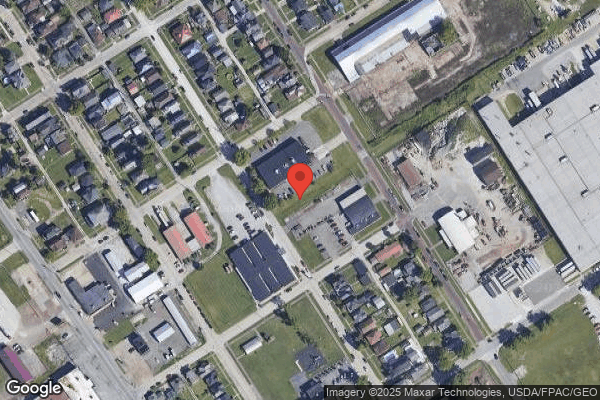
2932 SOUTH 5TH STREET, IRONTON, OH 45638 (740) 532-6188
Non profit - Corporation 93 Beds AMERICAN HEALTH FOUNDATION Data: November 2025
Trust Grade
80/100
#333 of 913 in OH
Last Inspection: March 2025

Within standard 12-15 month inspection cycle. Federal law requires annual inspections.

Overview

Sanctuary at Ohio Valley in Ironton, Ohio, has a Trust Grade of B+, indicating it is recommended and above average in quality. It ranks #2 out of 4 nursing homes in Lawrence County, meaning there is only one local option rated higher, and it sits in the top half of all facilities in Ohio at #333 of 913. However, the facility is experiencing a worsening trend, with issues increasing from 1 in 2024 to 5 in 2025. Staffing is a weakness, rated only 2 out of 5 stars and with a turnover rate of 52%, which is close to the state average, suggesting that staff may not be as stable or experienced as desired. On a positive note, the facility has not incurred any fines, which is a good sign, and it offers more RN coverage than average facilities, which helps to catch issues that may be missed by less experienced staff. Some specific incidents noted include concerns about food being served cold, which could affect residents' enjoyment of meals. Additionally, there were issues with ensuring accurate documentation for residents' pre-admission screenings, and one resident did not have a physician's order for necessary oxygen therapy, highlighting potential gaps in care. Overall, while there are strengths to consider, families should weigh the facility's recent issues against its positive aspects when making a decision.

Trust Score
B+
80/100
In Ohio
#333/913
Top 36%
Safety Record
Low Risk
No red flags
Inspections
Getting Worse
1 → 5 violations
Staff Stability
⚠ Watch
52% turnover. Above average. Higher turnover means staff may not know residents' routines.
Penalties
✓ Good
No fines on record. Clean compliance history, better than most Ohio facilities.
Skilled Nurses
○ Average
Each resident gets 31 minutes of Registered Nurse (RN) attention daily — about average for Ohio. RNs are the most trained staff who monitor for health changes.
Violations
⚠ Watch
11 deficiencies on record. Higher than average. Multiple issues found across inspections.
★★★★☆
4.0
Overall Rating
★★☆☆☆
2.0
Staff Levels
★★★☆☆
3.0
Care Quality
★★★★☆
4.0
Inspection Score
Stable
2024: 1 issues
2025: 5 issues

The Good

  • Full Sprinkler Coverage · Fire safety systems throughout facility
  • No fines on record

Facility shows strength in fire safety.

The Bad

Staff Turnover: 52%

Near Ohio avg (46%)

Higher turnover may affect care consistency

Chain: AMERICAN HEALTH FOUNDATION

Part of a multi-facility chain

Ask about local staffing decisions and management

The Ugly 11 deficiencies on record

Mar 2025 5 deficiencies
CONCERN (D)

Potential for Harm - no one hurt, but risky conditions existed

PASARR Coordination (Tag F0644)

Could have caused harm · This affected 1 resident

**NOTE- TERMS IN BRACKETS HAVE BEEN EDITED TO PROTECT CONFIDENTIALITY** Based on medical record review and staff interview, the facility failed to ensure resident Pre-admission Screening and Resident ...

Read full inspector narrative →
**NOTE- TERMS IN BRACKETS HAVE BEEN EDITED TO PROTECT CONFIDENTIALITY** Based on medical record review and staff interview, the facility failed to ensure resident Pre-admission Screening and Resident Review (PASRR) documents were accurate to resident current conditions and diagnoses. This affected one (Resident #5) of three residents reviewed for PASRR documents. The census was 79. Findings Include: Resident #5 was admitted to the facility on [DATE]. Her diagnoses were cerebral infarction, diabetes mellitus type II, muscle weakness, abnormal posture, constipation, atrial fibrillation, unspecified psychosis, hypertension, Chronic Obstructive Pulmonary disease, hyperlipidemia, anxiety, depression, renal dialysis, chronic kidney disease, arteriovenous fistula, end stage renal disease, and morbid obesity. Review of her Minimum Data Set (MDS) assessment, dated 01/28/25 revealed she had minimal cognitive impairment. Most recent PASSR was completed on 11/29/23 with a diagnosis of mood disorder. A new diagnosis of unspecified psychosis was added on 04/12/24 and a new PASSR was not completed with the addition of the new diagnosis. Interview with the Assistant Director of Nursing #180 on 03/05/25 at 09:37 A.M. verified a new PASSR should have been completed with the addition with the new diagnosis of unspecified psychosis.
CONCERN (D)

Potential for Harm - no one hurt, but risky conditions existed

Respiratory Care (Tag F0695)

Could have caused harm · This affected 1 resident

**NOTE- TERMS IN BRACKETS HAVE BEEN EDITED TO PROTECT CONFIDENTIALITY** Based on observation, interview, medical record review and facility policy review the facility failed to ensure Resident #59 had...

Read full inspector narrative →
**NOTE- TERMS IN BRACKETS HAVE BEEN EDITED TO PROTECT CONFIDENTIALITY** Based on observation, interview, medical record review and facility policy review the facility failed to ensure Resident #59 had a physicians order for oxygen therapy. This affected one (Resident #59) of one residents reviewed for respiratory care. The facility census was 79. Findings include: Review of the medical record for Resident #59 revealed an admission date of 07/12/23 with diagnoses including chronic respiratory failure with hypoxia, chronic obstructive pulmonary disorder, chronic pulmonary embolism, and hypertension. Review of the physician orders dated 03/25 revealed Resident #59 did not have an order for oxygen therapy. Resident #59 had an order for Bilevel positive airway pressure (BiPap), a mechanical breathing device, to be worn as tolerated except during meals. Review of the quarterly Minimum Data Set (MDS) dated [DATE] revealed Resident #59 was cognitively intact and refused care four to six days of look back period. Resident #59 was depended on staff for completion of most activities of daily living. Resident #59 received oxygen therapy and used a non invasive mechanical ventilator-BiPap. Review of the plan of care revised on 12/09/24 revealed Resident #59 had oxygen therapy related chronic obstructive pulmonary disorder with shortness of breath with exertion and when lying flat. Oxygen to be applied per order, continuously, via nasal cannula. The goal stated Resident #59 oxygen saturation level would be kept as desired levels as set by the physician through the review date. The interventions included to administer oxygen as ordered, provide aerosol treatments as ordered, change oxygen tubing per facility guidelines, keep the head of bed elevated to residents comfort level to relieve or prevent shortness of breath, medications as ordered, monitor oxygen saturation level as ordered and observe for signs and symptoms of dyspnea. Observations on 03/03/25, 03/04/25 and 03/05/25 confirmed Resident #59 was receiving oxygen at four liters per minute via nasal cannula. Interview on 03/03/25 at 2:17 P.M. with Resident #59 confirmed he was wearing oxygen at four liters per minute via nasal cannula. Interview on 03/05/25 at 10:10 A.M. with Unit Manager #840 confirmed Resident #59 was wearing oxygen at four liters per minute via nasal cannula and Resident #59 did not have an order for oxygen via nasal cannula. Review of the facility policy titled Oxygen Administration without a date revealed oxygen wa administered under orders of a physician unless an emergency.
CONCERN (D)

Potential for Harm - no one hurt, but risky conditions existed

Deficiency F0698 (Tag F0698)

Could have caused harm · This affected 1 resident

**NOTE- TERMS IN BRACKETS HAVE BEEN EDITED TO PROTECT CONFIDENTIALITY** Based on interview, medical record review, and facility policy review the facility failed to ensure Resident #80 had physician o...

Read full inspector narrative →
**NOTE- TERMS IN BRACKETS HAVE BEEN EDITED TO PROTECT CONFIDENTIALITY** Based on interview, medical record review, and facility policy review the facility failed to ensure Resident #80 had physician order for dialysis treatment and care. This affected one (Resident #80) of two residents reviewed for dialysis. The facility census was 79. Findings include: Review of the medical record for Resident #80 revealed an admission date of 02/10/25 with diagnoses including acute kidney failure with tubular necrosis, chronic kidney disease stage five, hypertension and congestive heart failure. Review of the physician orders dated 03/25 revealed Resident #80 did not have a physician order for dialysis treatment, the name of the facility or contact information and no orders for care and treatment of dialysis port. Review of the nursing progress notes from 02/10/25 through 03/05/25 revealed one note on 02/28/25 at 3:40 P.M. indicated the local dialysis center was notified of Resident #80 discharge date of 03/09/25 from the facility and residents request for chair time change. No other progress notes addressing Resident #80 leaving the facility or returning from dialysis treatment. Review of the admission Medicare five day Minimum Data Set (MDS) dated [DATE] revealed Resident #80 was cognitively intact with no behaviors. Resident #80 required staff assistance with activities of daily living. The MDS did not indicate Resident #80 was receiving dialysis treatment. Review of the facility provided communication sheets between the facility and dialysis confirmed Resident #80 received dialysis treatment on Tuesday, Thursday and Saturday of each week. Review of the plan of care dated 02/25/25 revealed Resident #80 had renal failure but the plan of care did not include information related to dialysis treatment. Interview on 03/04/25 at 2:45 P.M. with Resident #80 confirmed he was feeling bad (tired) after returning from dialysis treatment. Interview on 03/05/25 at 10:10 A.M. with Unit Manager #840 confirmed Resident #80 had dialysis treatment three times per week. Unit Manager #840 also confirmed Resident #80 did not have orders for dialysis treatment, dialysis treatment center information or care of dialysis site. Unit Manager #840 confirmed the orders were placed in Resident #80 medical record on this date of 03/05/25. Review of the facility policy titled Hemodialysis with no date revealed the physician order for dialysis would include the type of access for dialysis and location, the dialysis schedule, the nephrologist name and phone number, the dialysis facility name and phone number, the transportation arrangement to and from the dialysis facility, any medication administration or withholding of specific medications prior to dialysis treatments and any fluid restriction if ordered by the physician.
CONCERN (D)

Potential for Harm - no one hurt, but risky conditions existed

Deficiency F0699 (Tag F0699)

Could have caused harm · This affected 1 resident

**NOTE- TERMS IN BRACKETS HAVE BEEN EDITED TO PROTECT CONFIDENTIALITY** Based on record reviews and interviews, the facility failed to ensure a resident with Post Traumatic Stress Disorder (PTSD) was ...

Read full inspector narrative →
**NOTE- TERMS IN BRACKETS HAVE BEEN EDITED TO PROTECT CONFIDENTIALITY** Based on record reviews and interviews, the facility failed to ensure a resident with Post Traumatic Stress Disorder (PTSD) was appropriately assessed to identify the cause of the residents PTSD and minimize triggers and/or re-traumatization. This affected two residents (#23 and #70) out of two residents identified by the facility as having PTSD/trauma. The facility census was 79. Findings include: 1. Record review for Resident #23 revealed the resident was admitted to the facility on [DATE] and had diagnoses including cerebrovascular disease, acute and chronic respiratory failure, hyperlipidemia, insomnia, anxiety, depression, peripheral vascular disease, hypertension, atherosclerosis, Post-Traumatic Stress Disorder (on 5-9-18), transient ischemic attack, and chronic obstructive pulmonary disease. Review of the Minimum Data Set (MDS) assessment, dated 02/11/25, revealed this resident was assessed to have intact cognition evidenced by a Brief Interview for Mental Status (BIMS) assessment score of 15 out of 15. This resident was assessed to have an active diagnosis of PTSD. Review of the active care plans for Resident #23 revealed no plan of care was in place addressing the cause of PTSD, triggers which may cause re-traumatization, or interventions to reduce the risk of re-traumatization and provide care for PTSD. Further record review for this resident revealed no assessment had been completed to identify the cause of PTSD for Resident #23 and to identify potential triggers which may cause re-traumatization. Interview with the Social Services Director #210 on 03/04/25 at 03:34 P.M. verified an assessment of the cause of PTSD and possible triggers for Resident #23 had not been completed and there were no plan of care created to address causes and triggers of PTSD. 2. Record review for Resident #70 revealed the resident was admitted to the facility on [DATE] and had diagnoses including hemiplegia and hemiparesis, atrial fibrillation, aphagia, gastro-esophageal reflux disease, muscle weakness, hyperlipidemia, right hand contracture, Post-Traumatic Stress Disorder (added 5-29-24), benign prostatic hyperplagia, constipation, depression, hypertension, hypothyroidism, and low back pain. Review of the Minimum Data Set (MDS) assessment, dated 02/06/25, revealed this resident was assessed to have moderate cognitive impairment evidenced by a Brief Interview for Mental Status (BIMS) assessment score of 9. This resident was assessed to have an active diagnosis of PTSD. Review of the active care plans for Resident #70 revealed no plan of care was in place addressing the cause of PTSD, triggers which may cause re-traumatization, or interventions to reduce the risk of re-traumatization and provide care for PTSD. Further record review for this resident revealed no assessment had been completed to identify the cause of PTSD for Resident #70 and to identify potential triggers which may cause re-traumatization. Interview with the Social Services Director #210 on 03/04/25 at 03:34 P.M. verified an assessment of the cause of PTSD and possible triggers for Resident #70 had not been completed and there were no plan of care created to address causes and triggers of PTSD.
CONCERN (D)

Potential for Harm - no one hurt, but risky conditions existed

Deficiency F0757 (Tag F0757)

Could have caused harm · This affected 1 resident

**NOTE- TERMS IN BRACKETS HAVE BEEN EDITED TO PROTECT CONFIDENTIALITY** Based on interview, medical record review and facility policy review the facility failed to ensure Resident #22 and Resident #72...

Read full inspector narrative →
**NOTE- TERMS IN BRACKETS HAVE BEEN EDITED TO PROTECT CONFIDENTIALITY** Based on interview, medical record review and facility policy review the facility failed to ensure Resident #22 and Resident #72 had low blood sugar parameters and directions of action when obtaining accucheck blood sugars with sliding scale insulin. This affected two (Resident #22 and Resident #72) of five residents reviewed for unnecessary medications. The facility census was 79. Findings include: 1. Review of the medical record for Resident #22 revealed an admission date of 01/09/23 with diagnoses including cerebrovascular disease, diabetes mellitus type two, schizoaffective disorder, hypothyroidism and mood disorder. Review of the physician orders dated 03/25 revealed Resident #22 received Novolog (fast acting insulin) injection solution 100 units per milliliter (ml) per sliding scale. Inject insulin subcutaneously before meals and at bedtime. Inject as per sliding scale if blood sugar was 200-249 give two units, 250-299 give four units, 300-349 give six units, 350-400 give 8 units, 401-450 give 10 units and call the physician or Nurse Practitioner for further orders. The order did not include a low blood sugar parameter or what to do if blood sugar was low. Review of the nursing progress notes from 01/01/25 through 03/05/25 was silent on Resident #22 blood sugar results. Review of the plan of care revised on 04/18/23 revealed Resident #22 had altered endocrine status related to diabetes mellitus and hypothyroidism. The goal for Resident #22 was blood sugars to remain at acceptable level through review date. The interventions included to be alert to medications that may cause changes in resident's blood sugar levels such as steroids, potassium and some antibiotics, monitor blood sugar as needed for symptoms of hypoglycemia (low blood sugar) and hyperglycemia (high blood sugar) for example change in hunger, thirst, or anxiety, change in level of consciousness, fruity breath and alterations in urinary patterns, administer diabetes medication as ordered, educate resident/family/caregiver that compliance was essential to prevent complications of diabetes, nails should be cut straight across and obtain fasting blood glucose levels as ordered by physician. Interview on 03/06/25 at 9:24 A.M. with Licensed Practical Nurse (LPN) #490 confirmed a low blood sugar would be 70 or below but based on the residents normal. LPN #490 also had knowledge on procedure for low blood sugar and confirmed Resident #22 did not have orders to include what a low blood sugar reading was or instructions of what to do. 2. Review of the medical record for Resident #72 revealed an admission date of 07/11/24 with diagnoses including rheumatic mitral stenosis, diabetes mellitus type two, shortness of breath, anxiety, depression and dementia. Review of the physician orders dated 03/25 revealed Resident #72 received Humalog solution (fast acting insulin) 100 units per ml, inject subcutaneously before meals and at bedtime. Inject per sliding scale: 200-249 give two units, 250-299 give four units, 300-349 give six units, 350-399 give eight units, 400 plus give 10 units and call physician for further orders. The order did not include a low blood sugar parameter or what to do if blood sugar was low. Review of the nursing progress notes from 01/01/25 through 03/05/25 revealed no documentation of blood sugar results. Review of the Medicare five day Minimum Data Set (MDS) dated [DATE] revealed Resident #72 was cognitively impaired with no behaviors. Resident #72 required assistance from staff to complete activities of daily living. Resident #72 had diagnosis of diabetes mellitus and received four insulin injections during the look back period. Review of the plan of care revised on 07/25/24 revealed Resident #72 had altered endocrine status related to diabetes mellitus. The goal was blood sugars would remain at acceptable levels for resident through review date. The interventions included to monitor blood sugars as needed for symptoms of hypoglycemia (low blood sugar) and hyperglycemia (high blood sugar) such as change in hunger, thirst and anxiety, change in level of consciousness, fruity breath and alteration in urinary pattern, administer diabetes medication as ordered by physician, monitor for compliance with diet and document any problems. Interview on 03/06/25 at 9:24 A.M. with Licensed Practical Nurse (LPN) #490 confirmed a low blood sugar would be 70 or below but based on the residents normal. LPN #490 also had knowledge on procedure for low blood sugar and confirmed Resident #72 did not have orders to include what a low blood sugar reading was or instructions of what to do. Review of the facility policy titled Timely Administration of Insulin did not address parameters for low and high blood sugar or directions for care.
Dec 2024 1 deficiency
CONCERN (D) 📢 Someone Reported This

A family member, employee, or ombudsman was alarmed enough to file a formal complaint

Potential for Harm - no one hurt, but risky conditions existed

Report Alleged Abuse (Tag F0609)

Could have caused harm · This affected 1 resident

**NOTE- TERMS IN BRACKETS HAVE BEEN EDITED TO PROTECT CONFIDENTIALITY** Based on medical record review, staff interview, review of the Electronic Information Dissemination and Collection (EIDC) portal...

Read full inspector narrative →
**NOTE- TERMS IN BRACKETS HAVE BEEN EDITED TO PROTECT CONFIDENTIALITY** Based on medical record review, staff interview, review of the Electronic Information Dissemination and Collection (EIDC) portal for Self-Reporting Incidents (SRI) and review of the facility policy, the facility failed to report an allegation of sexual abuse to the state agency and failed to implement the abuse policy. This affected one (Resident #64) of three reviewed for sexual abuse. The facility census was 82. Findings include: Medical record review revealed Resident #64 was admitted to the facility on [DATE] with diagnoses including Alzheimer's disease, diabetes mellitus type two, psychotic disorder, dementia, and depression. Review of Resident #64's admission Minimum Data Set (MDS) assessment dated [DATE] indicated Resident #64 had a Brief Interview for Mental Status (BIMS) score of one of 15, indicating severely impaired cognition. Resident #64 required staff assistance with activities of daily living. Review of Resident #64 nursing progress notes dated 11/29/24 through 12/18/24 revealed no documentation related to the allegation of sexual abuse, initial assessment of resident, physician notification or family notification. Review of the plan of care dated 12/17/24 revealed Resident #64 had behavioral symptoms related to inappropriate sexual behaviors. The goal was to have fewer episodes of behaviors by the review date. The interventions included administering medications as ordered, assessing the residents understanding of the situation, allowing resident time to express himself, providing re-education, discussing the situation calmly, documenting episodes of inappropriate behaviors and interventions to decrease the behavior. Review of the EIDC for online SRI reporting on 12/17/24 confirmed the facility did not report the allegation of sexual abuse on 12/08/24. Review of the incident/accident log for October 2024, November 2024 and December 2024 revealed no incidents documented related to sexual abuse allegations. Attempted an interview on 12/17/24 at 12:01 P.M. with Resident #64 revealed the resident was alert, oriented to name only and could not focus on questions. Interview on 12/17/24 at 12:56 P.M. with Licensed Practical Nurse (LPN) #55 revealed she had notified Director of Nursing (DON) #47 about the allegation of sexual abuse as reported by Certified Nursing Assistant (CNA) #20 and #56 on 12/08/24. Interview on 12/17/24 at 10:10 A.M. with DON #47 revealed she and Assistant Director of Nursing (ADON) #77 had arrived at the facility within the hour of receiving the call from LPN #55. DON #47 revealed she and ADON #77 interviewed the staff, sent CNA #20 home, interviewed the resident and other residents. DON #47 confirmed she did not file an SRI with State Agency at that time and did not notify the physician or family. Review of the facility policy titled Freedom from Abuse, Neglect and Exploitation dated 11/23/17 stated the facility will report to the State Agency and one or more law enforcement entities any reasonable suspicion of a crime against any individual who is a resident or receiving care from the facility. A reportable crime included sexual abuse. There was no definition of sexual abuse. The policy also stated the facility's report to the State Agency and law enforcement will be coordinated and completed by the Administrator and/or Designee according to the specified timeframe. This deficiency represents non-compliance investigated under Complaint Number OH00160669.
Sept 2022 2 deficiencies
CONCERN (D)

Potential for Harm - no one hurt, but risky conditions existed

Deficiency F0645 (Tag F0645)

Could have caused harm · This affected 1 resident

**NOTE- TERMS IN BRACKETS HAVE BEEN EDITED TO PROTECT CONFIDENTIALITY** Based on record review and interview the facility failed to complete the Pre-admission Screening and Resident Review (PASARR) Id...

Read full inspector narrative →
**NOTE- TERMS IN BRACKETS HAVE BEEN EDITED TO PROTECT CONFIDENTIALITY** Based on record review and interview the facility failed to complete the Pre-admission Screening and Resident Review (PASARR) Identification Screen correctly for two residents (Resident #20 and #58) out of six residents reviewed during the annual survey. The facility census was 64. Findings include. 1. Medical record review for Resident #58 revealed an admission date of 08/12/22. Diagnoses included but were not limited to chronic obstructive pulmonary disease, idiopathic aseptic necrosis of right femur, right femur fracture, ventricular tachycardia, major depressive disorder, generalized anxiety disorder, unspecified mood disorder, bipolar disorder, and history of alcohol dependence. Review of Resident #58's physician orders revealed an order for Clonazepam one milligram by mouth twice daily, start date of 08/13/22, Aripiprazole 10 milligrams by mouth once daily for depression, start date of 08/12/22, and Sertraline 50 milligrams by mouth once daily for depression, start date of 08/12/22. Review of Resident #58's Clinical admission Paperwork-Long Term Care Referral dated 08/08/22 revealed diagnoses including but not limited to bipolar disorder, major depressive disorder, and generalized anxiety disorder. Current medications included but were not limited to Clonazepam one milligram by mouth twice daily, start date of 07/14/22, Aripiprazole 10 milligrams by mouth once daily for depression, start date of 07/15/22, and Sertraline 50 milligrams by mouth once daily for depression, start date of 07/15/22. Review of Level 1 Pre Admission-Screening and Resident Review (PASARR) Identification Screen completed on 08/12/22 revealed no diagnoses of mental illness were indicated in section E,1. No diagnoses of a substance use related disorder was indicated section E,2 of the PASARR. And no psychotropic medications were indicated in section E,6 of the PASARR. Interview on 09/14/22 at 9:27 A.M. with Social Worker #265 confirmed the PASARR completed on 08/12/22 for Resident # 58 did not indicate any diagnoses of mental illnesses in section E,1., did not indicate any diagnosis of a substance use related disorder was checked in section E,2., and did not indicate any psychotropic medications were checked in section E,6. 2. Record Review of Resident #20 revealed this resident was admitted to the facility on [DATE] with the following medical diagnoses: abnormal posture, atherosclerosis, atrial fibrillation, dementia, GERD, mesothelioma, muscle weakness, post-traumatic stress disorder, protein-calorie malnutrition, adult failure to thrive, hypertension, ileus, mood disorder, myocardial infarction, seizures, COVID-19, lack of coordination, and anemia. Review of the Minimum Data Set(MDS) assessment completed on 02/09/22 revealed this resident had severe cognitive impairments. Resident #20 was admitted with an active diagnosis of PTSD and mood disorder on review of admitting diagnoses on 09/28/21. Review of the Preadmission Screening and Resident Review(PASARR) revealed this was completed by sending facility on 09/28/21. On Section E(Indications of Serious Mental Illness) the information provided this resident did not have any of the mental disorders listed. This included Mood Disorder, which was one of the resident's medical diagnoses on admission. On 09/14/22 at 9:33 AM Interview with Social Service Director #265 verified Mood Disorder was an active diagnosis on the medical record and was not accurately captured on the PASARR screening result notice. She also verified this diagnosis should have been indicated on this screen.
CONCERN (D)

Potential for Harm - no one hurt, but risky conditions existed

Respiratory Care (Tag F0695)

Could have caused harm · This affected 1 resident

**NOTE- TERMS IN BRACKETS HAVE BEEN EDITED TO PROTECT CONFIDENTIALITY** Based on observations, interviews, and record reviews, the facility failed to administer oxygen as ordered by the physician and ...

Read full inspector narrative →
**NOTE- TERMS IN BRACKETS HAVE BEEN EDITED TO PROTECT CONFIDENTIALITY** Based on observations, interviews, and record reviews, the facility failed to administer oxygen as ordered by the physician and failed to obtain physician orders for the administration of oxygen. This affected two residents (#36 and #38) of the three residents reviewed for respiratory care. The facility census was 64. Findings include: 1. Record review for Resident #36 revealed this resident was admitted to the facility on [DATE] and had diagnoses including legal blindness, dementia, history of falling, hypertension, and dyspnea. This resident had no known allergies. Review of the annual Minimum Data Set (MDS) assessment, dated 07/14/22, revealed this resident had severely impaired cognition. This resident was assessed to require extensive assistance from one staff member for bed mobility, extensive assistance from two staff members for transfers, extensive assistance from one staff member for toileting, and extensive assistance from one staff member for eating. This resident was assessed to have used oxygen while in the facility. Review of the care plan, revised on 01/21/22, revealed this resident had altered respiratory/pulmonary status/difficulty breathing. Interventions included to change and date nebulizer tubing weekly, change and date oxygen tubing weekly, oxygen saturation levels as ordered, and oxygen settings at two liters per minute via nasal cannula. Review of the active physicians order, dated 04/10/22, revealed this resident was ordered to receive oxygen at two liters per minute continuously by nasal cannula due to a diagnosis of dyspnea. Review of the Medication Administration Record (MAR), dated 09/01/22 through 09/13/22, revealed the resident was documented to be receiving oxygen at two liters per minute by nasal cannula continuously as ordered. Observation on 09/12/22 at 3:00 P.M. revealed Resident #36 was sitting on the back porch of the facility and was not observed to have oxygen being administered. There was not an oxygen concentrator or tank located on the back porch where the resident was sitting. Observation on 09/13/22 at 1:11 P.M. revealed Resident #36 was lying in bed and did not have oxygen being administered. There was not an oxygen concentrator located in the room for the residents use. Observation and interview with Licensed Practical Nurse (LPN) #345 on 09/13/22 at 1:36 P.M. verified Resident #36 did not have oxygen being administered and did not have an oxygen delivery device located in the room. LPN #345 stated Resident #36 had been on oxygen previously but had not had oxygen administered for approximately one week. LPN #345 verified Resident #36 continued to have an active order for the administration of oxygen at two liters per minute continuously which had been inaccurately documented by nursing staff as being administered. 2. Record review for Resident #38 revealed this resident was admitted to the facility on [DATE] and had diagnoses including acute respiratory failure with hypercapnia, muscle weakness, and unspecified psychosis. Review of the admission MDS assessment, dated 07/08/22, revealed this resident had intact cognition evidenced by a Brief Interview for Mental Status (BIMS) assessment score of 15. This resident was assessed to require extensive assistance from two staff members for transfers, bed mobility, and toileting and was assessed to require limited assistance from one staff member for eating. This resident was assessed to use oxygen while a resident of the facility. Review of active physicians orders revealed no order for the administration of oxygen. Observation on 09/12/22 at 10:30 A.M. revealed Resident #38 was observed lying in bed with oxygen being administered at a rate of three liters per minute via nasal cannula. The humidification bottle connected to the oxygen concentrator was almost out of water. Observation on 09/13/22 at 2:15 P.M. revealed Resident #38 was observed to have oxygen being administered at a rate of three liters per minute and the water humidification bottle attached to the concentrator was empty. Observation and interview with LPN #345 on 09/13/22 at 2:30 P.M. verified Resident #38 was being administered oxygen at a rate of three liters per minute via nasal cannula and the water humidification bottle attached to the oxygen concentrator was empty. LPN #345 verified Resident #38 did not have an active physicians order for the administration of oxygen.
Jan 2020 3 deficiencies
CONCERN (D)

Potential for Harm - no one hurt, but risky conditions existed

Deficiency F0742 (Tag F0742)

Could have caused harm · This affected 1 resident

**NOTE- TERMS IN BRACKETS HAVE BEEN EDITED TO PROTECT CONFIDENTIALITY** Based on observation, staff interview and medical record review, the facility failed to ensure a resident with mental disorders ...

Read full inspector narrative →
**NOTE- TERMS IN BRACKETS HAVE BEEN EDITED TO PROTECT CONFIDENTIALITY** Based on observation, staff interview and medical record review, the facility failed to ensure a resident with mental disorders received treatment for the disorder. This affected one (Resident #28) of two sampled residents reviewed for mood and behavior. The facility census was 75. Findings include: Review of Resident #28's medical record revealed he was admitted on [DATE] with diagnoses including dementia, mood disorder, bipolar disorder, anxiety and agitation. Review of Resident #28's annual Minimum Data Set (MDS) 3.0 assessment dated [DATE] revealed the following: Resident # 28's speech was unclear, he was rarely understood, he rarely understands, his short and long-term memory was impaired, he recalled staff names and faces and had severely impaired decision making. Resident #28 had minimal depression, had no indicators of psychosis, had other behaviors one to three days of the assessment reference period that did not significantly impact him or other residents, he did not reject care and did not wander. Resident #28 required extensive assistance of two staff for bed mobility, transfers, did not walk and was dependent on one staff for locomotion using a wheel chair. Resident #28 received an antipsychotic medication, an antianxiety medication and an antidepressant medication seven of the past seven days. Resident #28 received no psychological therapy. Review of Resident #28 quarterly MDS 3.0 assessment dated [DATE] revealed the following changes; he had moderate depression and expressed no behaviors. Resident #28 was dependent on two staff to transfer. Review of Resident #28's progress notes dated 11/11/19 at 8:30 P.M. revealed he hit Resident #46 in the left shoulder. The residents were separated. Review of the facility's investigation, completed on 11/15/19, revealed a recommendation for psychological assessment. Review of Resident #28's plan of care dated 11/11/19 revealed he was easily annoyed by another resident and had a physical altercation with another resident. The care plan called for psychiatric/psychogeriatric consult as indicated. Review of Resident #28's behavioral health therapy and counseling progress note dated 12/09/19 revealed a diagnostic assessment was completed, and an individual treatment plan was developed. Review of Resident #28's individualized service plan dated 12/09/19 called for therapeutic services one to four times a month. There was no evidence therapeutic services were provided after 12/09/19. Observation of Resident #28 on 01/14/20 at 2:56 P.M., on 01/15/20 at 8:39 A.M. and 10:20 A.M. revealed he was in bed asleep. Interview of the Director of Nursing on 01/16/20 at 10:48 A.M. confirmed the behavioral health services were not provided to Resident #28 since 12/09/19.
CONCERN (D)

Potential for Harm - no one hurt, but risky conditions existed

Medication Errors (Tag F0758)

Could have caused harm · This affected 1 resident

**NOTE- TERMS IN BRACKETS HAVE BEEN EDITED TO PROTECT CONFIDENTIALITY** Based on staff interview and medical record review, the facility failed to ensure residents who received psychotropic drugs had ...

Read full inspector narrative →
**NOTE- TERMS IN BRACKETS HAVE BEEN EDITED TO PROTECT CONFIDENTIALITY** Based on staff interview and medical record review, the facility failed to ensure residents who received psychotropic drugs had target behaviors identified and were monitored for those behaviors. This affected two (Residents #28 and #50) of five sampled residents reviewed for unnecessary medications. Findings include: 1. Review of Resident #28's medical record revealed he was admitted on [DATE] with diagnoses including dementia, mood disorder, bipolar disorder, anxiety and agitation. Review of Resident #28's annual Minimum Data Set (MDS) 3.0 assessment dated [DATE] revealed the following: Resident # 28's speech was unclear, he was rarely understood, he rarely understands, his short and long-term memory was impaired, he recalled staff names and faces, and had severely impaired decision making. Resident #28 had minimal depression, had no indicators of psychosis, had other behaviors one to three days of the assessment reference period that did not significantly impact him or other residents, he did not reject care and did not wander. Resident #28 required extensive assistance of two staff for bed mobility, transfers, did not walk and was dependent on one staff for locomotion using a wheel chair. Resident #28 received an antipsychotic medication, an antianxiety medication and an antidepressant medication seven out of the past seven days. Review of Resident #28 quarterly MDS 3.0 assessment dated [DATE] revealed the following changes; he had moderate depression and expressed no behaviors. Resident # 28 was dependent on two staff to transfer. Review of Resident #28's plan of care dated 10/10/17 and revised 11/11/19 revealed he had target behaviors of easily annoyed and upset by other residents, physical aggression toward other residents and staff, inappropriate sexual behaviors directed toward staff, and cursing and yelling at others. Review of Resident #28's January 2020 monthly physician orders revealed he received an antidepressant medication (Trazadone) 150 milligrams (mg) at bedtime for depression/behaviors, a mood stabilizing medication (Depakote) 500 mg at bedtime for bipolar disorder with manic episodes with severe psychotic features, an antianxiety medication (Lorazepam) 0.5 mg twice daily for anxiety, and an antipsychotic medication (risperidone) 1 mg twice daily for psychosis. Review of Resident #28's behavior monthly flow sheet for November and December 2019 revealed the identified target behavior was agitation. Review of the January 2020 behavior monthly flow sheet revealed the identified target behaviors were insomnia, restless and anxiety. Interview of State Tested Nursing Assistant (STNA) #24 on 01/15/20 at 2:26 P.M. revealed Resident #28 did not express many behaviors. STNA #24 stated sometimes he would want to leave the facility, he sometimes did not want to be touched, he may think he was younger than he was, and he hits staff occasionally. STNA #24 stated he sleeps during the day and was up at night. Interview of Licensed Practical Nurse (LPN) #9 on 01/15/20 at 2:31 P.M. revealed Resident #28 had behaviors at times, but it was due to his disease because he could not understand what was going on. LPN #9 stated he tried to leave the facility as he was looking for his family. LPN #9 stated he got loud with the staff and sometimes had hit staff. LPN #9 stated Resident #28 did not hallucinate or have delusions. Interview of the Director of Nursing (DON) on 01/16/20 at 10:48 A.M. confirmed there was no evidence the facility monitored Resident #28's behaviors to support the use of his psychoactive medication. 2. Review of Resident #50's medical record revealed he was admitted on [DATE] with diagnoses including Alzheimer's disease, dementia without behavioral disturbance, anxiety disorder, psychotic disorder with hallucinations and major depressive disorder. Review of Resident #50's annual MDS 3.0 assessment dated [DATE] revealed the following; Resident #50 had clear speech, he usually understands, he was understood, and cognition was intact. Resident #50 had minimal depression, no indicators of psychosis, no behaviors and did not reject care. Resident #50 required supervision with set-up help for bed mobility, transfers, walking and for locomotion. Resident #50 received antipsychotic medication, antianxiety medication and antidepressant medication seven of the seven previous days. Review of Resident #50's quarterly MDS 3.0 assessment dated [DATE] revealed the following changes; Resident # 50 was independent with bed mobility, transfers, walking and locomotion. Review of Resident #50's plan of care dated 12/15/18 revealed target behaviors of being withdrawn, showing little interest or pleasure in doing things, fixation of going home, verbal aggression and sexually inappropriate behavior. Review of Resident #50 January 2020 physician orders revealed an antianxiety medication (Ativan) 2 mg every eight hours for anxiety, an antipsychotic medication (Seroquel) 50 mg twice daily for psychotic disorder with delusions, and two antidepressants (Trazodone) 100 mg at bedtime for insomnia and (Zoloft) 0.5 mg daily for depression. Review of Resident #50's behavior monthly flow sheet for November and December 2019 revealed the identified target behaviors were anxiety, delusions and overly concerned with his health. Review of the January 2020 behavior monthly flow sheet revealed the identified target behaviors were agitation, anxiety and restlessness. Interview of STNA #17 on 01/16/20 at 3:00 P.M. revealed Resident #50 had no behaviors, no delusions or hallucinations. STNA #17 stated he was more confused lately and that was not like him. Interview of the LPN #9 on 01/16/20 at 3:15 P.M. revealed Resident #50 would repeat the same thing over and over, he would fixate on calling his wife and wanting to go home. LPN #9 stated Resident #50 did not hallucinate or have delusions. Interview of the DON on 01/16/20 at 2:59 P.M. confirmed there was no evidence the facility monitored Resident #50's behaviors to support the use of his psychoactive medication.
CONCERN (F)

Potential for Harm - no one hurt, but risky conditions existed

Deficiency F0804 (Tag F0804)

Could have caused harm · This affected most or all residents

Based on resident interview, staff interview and a test tray, the facility failed to ensure food was served at an appetizing temperature. This had the potential to affect all residents except three re...

Read full inspector narrative →
Based on resident interview, staff interview and a test tray, the facility failed to ensure food was served at an appetizing temperature. This had the potential to affect all residents except three residents (Resident #17, #48, and #78) who received no food from the kitchen. The facility census was 75. Findings include: Interview of Resident #45 on 01/13/20 at 2:44 P.M. revealed sometimes the hot foods were served cold. A test tray was requested on 01/15/20. The test tray was loaded on to the meal cart at 12:07 P.M. The meal cart arrived on the hallway at 12:08 P.M. The first tray was served at 12:10 P.M., and the last tray was served at 12:30 P.M. The temperature of the food on the test tray at 12:31 P.M. included: the hot ham and cheese sandwich was 110 degrees Fahrenheit (F) and cool to taste, the potato wedges were 108 degrees F and cool to taste, and the milk was 60 degrees F and warm to taste. The temperatures were verified with Licensed Practical Nurse (LPN) #20. The facility identified Residents #17, #48, and #78 did not receive food from the kitchen. Interview of Dietary Manager #30 on 01/16/19 at 9:10 A.M. confirmed the food was not served hot enough.
Understanding Severity Codes (click to expand)
Life-Threatening (Immediate Jeopardy)
J - Isolated K - Pattern L - Widespread
Actual Harm
G - Isolated H - Pattern I - Widespread
Potential for Harm
D - Isolated E - Pattern F - Widespread
No Harm (Minor)
A - Isolated B - Pattern C - Widespread

Questions to Ask on Your Visit

  • "Can I speak with families of current residents?"
  • "What's your RN coverage like on weekends and overnight?"

Our Honest Assessment

Strengths
  • • Grade B+ (80/100). Above average facility, better than most options in Ohio.
  • • No major safety red flags. No abuse findings, life-threatening violations, or SFF status.
  • • No fines on record. Clean compliance history, better than most Ohio facilities.
Concerns
  • • 11 deficiencies on record. Higher than average. Multiple issues found across inspections.
Bottom line: Generally positive indicators. Standard due diligence and a personal visit recommended.

About This Facility

What is Sanctuary At Ohio Valley's CMS Rating?

CMS assigns SANCTUARY AT OHIO VALLEY an overall rating of 4 out of 5 stars, which is considered above average nationally. Within Ohio, this rating places the facility higher than 99% of the state's 100 nursing homes. This rating reflects solid performance across the metrics CMS uses to evaluate nursing home quality.

How is Sanctuary At Ohio Valley Staffed?

CMS rates SANCTUARY AT OHIO VALLEY's staffing level at 2 out of 5 stars, which is below average compared to other nursing homes. Staff turnover is 52%, compared to the Ohio average of 46%.

What Have Inspectors Found at Sanctuary At Ohio Valley?

State health inspectors documented 11 deficiencies at SANCTUARY AT OHIO VALLEY during 2020 to 2025. These included: 11 with potential for harm.

Who Owns and Operates Sanctuary At Ohio Valley?

SANCTUARY AT OHIO VALLEY is owned by a non-profit organization. Non-profit facilities reinvest revenue into operations rather than distributing to shareholders. The facility is operated by AMERICAN HEALTH FOUNDATION, a chain that manages multiple nursing homes. With 93 certified beds and approximately 73 residents (about 78% occupancy), it is a smaller facility located in IRONTON, Ohio.

How Does Sanctuary At Ohio Valley Compare to Other Ohio Nursing Homes?

Compared to the 100 nursing homes in Ohio, SANCTUARY AT OHIO VALLEY's overall rating (4 stars) is above the state average of 3.2, staff turnover (52%) is near the state average of 46%, and health inspection rating (4 stars) is above the national benchmark.

What Should Families Ask When Visiting Sanctuary At Ohio Valley?

Based on this facility's data, families visiting should ask: "Can you walk me through typical staffing levels on day, evening, and night shifts?" "Can I visit during a mealtime to observe dining assistance and food quality?" "How do you handle medical emergencies, and what is your hospital transfer rate?" "Can I speak with family members of current residents about their experience?" These questions are particularly relevant given the below-average staffing rating.

Is Sanctuary At Ohio Valley Safe?

Based on CMS inspection data, SANCTUARY AT OHIO VALLEY has a clean safety record: no substantiated abuse findings (meaning no confirmed cases of resident harm), no Immediate Jeopardy citations (the most serious violation level indicating risk of serious injury or death), and is not on the Special Focus Facility watch list (a federal program monitoring the lowest-performing 1% of nursing homes). The facility has a 4-star overall rating and ranks #1 of 100 nursing homes in Ohio. While no facility is perfect, families should still ask about staff-to-resident ratios and recent inspection results during their visit.

Do Nurses at Sanctuary At Ohio Valley Stick Around?

SANCTUARY AT OHIO VALLEY has a staff turnover rate of 52%, which is 6 percentage points above the Ohio average of 46%. Moderate turnover is common in nursing homes, but families should still ask about staff tenure and how the facility maintains care continuity when employees leave.

Was Sanctuary At Ohio Valley Ever Fined?

SANCTUARY AT OHIO VALLEY has no federal fines on record. CMS issues fines when nursing homes fail to meet care standards or don't correct problems found during inspections. The absence of fines suggests the facility has either maintained compliance or corrected any issues before penalties were assessed. This is a positive indicator, though families should still review recent inspection reports for the full picture.

Is Sanctuary At Ohio Valley on Any Federal Watch List?

SANCTUARY AT OHIO VALLEY is not on any federal watch list. The most significant is the Special Focus Facility (SFF) program, which identifies the bottom 1% of nursing homes nationally based on persistent, serious quality problems. Not being on this list means the facility has avoided the pattern of deficiencies that triggers enhanced federal oversight. This is a positive indicator, though families should still review the facility's inspection history directly.