KETTERING HEIGHTS POST ACUTE
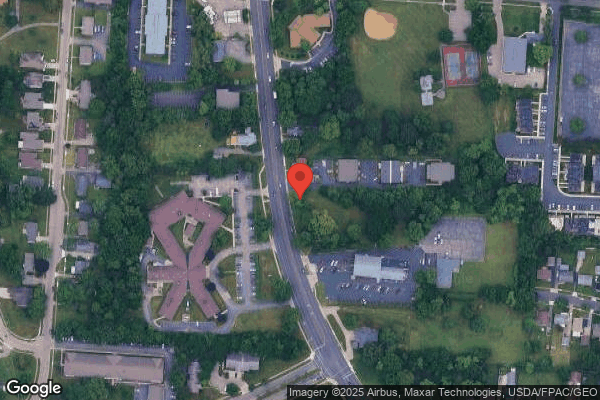
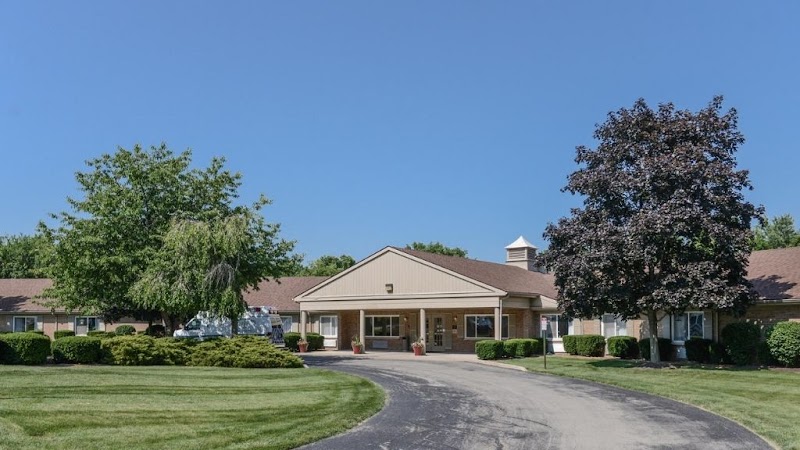
3313 WILMINGTON PIKE, KETTERING, OH 45429 (937) 949-3550
For profit - Corporation 115 Beds PACS GROUP Data: November 2025
Trust Grade
45/100
#484 of 913 in OH
Last Inspection: June 2024

Within standard 12-15 month inspection cycle. Federal law requires annual inspections.

Overview

Kettering Heights Post Acute has a Trust Grade of D, indicating below-average performance with several concerns. It ranks #484 out of 913 facilities in Ohio, placing it in the bottom half, and #17 out of 40 in Montgomery County, meaning there are only a few better options nearby. The facility is showing improvement, with the number of issues decreasing from 10 in 2024 to 7 in 2025. Staffing receives a below-average rating of 2 out of 5 stars, with a turnover rate of 57%, which is concerning as it suggests instability among caregivers. On the positive side, there have been no fines, and the quality measures rating is excellent at 5 out of 5 stars. However, there are significant weaknesses to note. For example, the facility failed to promptly notify a physician about a resident's dry gangrene, resulting in an above-knee amputation. Additionally, another resident suffered from a deteriorating pressure ulcer due to delayed treatment, leading to hospitalization. There was also a concern regarding the improper storage of medications, affecting multiple residents. Overall, while there are some strengths, families should carefully weigh these serious incidents when considering this facility.

Trust Score
D
45/100
In Ohio
#484/913
Bottom 47%
Safety Record
Moderate
Needs review
Inspections
Getting Better
10 → 7 violations
Staff Stability
⚠ Watch
57% turnover. Above average. Higher turnover means staff may not know residents' routines.
Penalties
✓ Good
No fines on record. Clean compliance history, better than most Ohio facilities.
Skilled Nurses
○ Average
Each resident gets 40 minutes of Registered Nurse (RN) attention daily — about average for Ohio. RNs are the most trained staff who monitor for health changes.
Violations
⚠ Watch
37 deficiencies on record. Higher than average. Multiple issues found across inspections.
★★★☆☆
3.0
Overall Rating
★★☆☆☆
2.0
Staff Levels
★★★★★
5.0
Care Quality
★★☆☆☆
2.0
Inspection Score
Stable
2024: 10 issues
2025: 7 issues

The Good

  • 5-Star Quality Measures · Strong clinical quality outcomes
  • Full Sprinkler Coverage · Fire safety systems throughout facility
  • No fines on record

Facility shows strength in quality measures, fire safety.

The Bad

3-Star Overall Rating

Near Ohio average (3.2)

Meets federal standards, typical of most facilities

Staff Turnover: 57%

11pts above Ohio avg (46%)

Frequent staff changes - ask about care continuity

Chain: PACS GROUP

Part of a multi-facility chain

Ask about local staffing decisions and management

Staff turnover is elevated (57%)

9 points above Ohio average of 48%

The Ugly 37 deficiencies on record

2 actual harm
Aug 2025 3 deficiencies 2 Harm
SERIOUS (G) 📢 Someone Reported This

A family member, employee, or ombudsman was alarmed enough to file a formal complaint

Actual Harm - a resident was hurt due to facility failures

Quality of Care (Tag F0684)

A resident was harmed · This affected 1 resident

**NOTE- TERMS IN BRACKETS HAVE BEEN EDITED TO PROTECT CONFIDENTIALITY** Based on review of the medical record, staff interviews, and policy review, the facility failed to timely notify the physician o...

Read full inspector narrative →
**NOTE- TERMS IN BRACKETS HAVE BEEN EDITED TO PROTECT CONFIDENTIALITY** Based on review of the medical record, staff interviews, and policy review, the facility failed to timely notify the physician of signs and symptoms of dry gangrene toes and ankle which in turn resulted in delayed treatment. This resulted in actual harm when Resident #98's toes on the left foot began to show signs and symptoms of dry gangrene and the facility staff had not notified the physician in a timely manner. Resident #98 required a left above knee amputation (AKA) the same night he was sent to the hospital for acute limb ischemia and dry gangrene. This affected one (Resident #98) of three residents reviewed for wound care. Additionally, the facility also failed to ensure the accuracy of skin assessments. This affected two (#98 and #99) of three reviewed for skin assessments. The facility census was 95.1.Review of the medical record revealed Resident #98 was admitted to the facility on [DATE] and discharged [DATE] with the following diagnoses: non-stemi elevation myocardial infarction (a type of heart attack where a coronary artery is partially or completely blocked, reducing blood flow to the heart and causing damage to the heart muscle), sepsis due to Escherichia coli and Type II diabetes. Review of the Minimum Data Set (MDS) assessment dated [DATE] revealed Resident #98 had intact cognition. This resident was assessed to be moderate assistance with toileting and dressing with maximal assistance with bathing. Review of the skin assessment dated [DATE] revealed there was a small area on left lower shin and left toes. Review of the care plan initiated 12/05/24 for Resident #98 revealed skin checks to be completed weekly due to anticoagulants. Review of the skin assessment dated [DATE] revealed there were no skin issues. There were no other skin assessments completed in the medical record. Review of the Physician’s note dated 12/30/24 revealed Resident #98 had ongoing chronic pain syndrome especially with neuropathy pain, and because of issues with lethargy and sleepiness, he will be a poor candidate for Neurontin or Lyrica, and with underlying diabetes, cannot be on NSAIDs. Physician noted: Skin-Warm and dry, no rashes, lesions, or unusual pigmentation, skin turgor normal. Review of shower sheets dated 01/10/25 noted no skin issues and 01/14/25 noted left foot and back of left ankle to be turning black and painful. Review of the Nurse Practitioner’s (NP) #600 note dated 01/14/25 at 3:34 P.M. revealed the NP addressed abnormal laboratory results. Resident #98 complained of increased urinary frequency and requested a sleep aid. NP #600 ordered a urinalysis test to be completed. NP noted: Skin-Warm and dry, no rashes, lesions, or unusual pigmentation, skin turgor normal. Review of the nurse’s notes dated 01/14/25 at 11:13 P.M. revealed Resident #98 had toes on left foot that looked gangrenous and were painful. Nurse placed a note in the doctor’s book and stated she would pass it on to morning shift to notify the physician. Review of the Physician’s notes dated 01/16/25 revealed Resident #98 was having issues with worsening left toe wounds with necrosis and concerns for limb ischemia and concerns for gangrene of the toes with issues of pain control. Resident #98 was sent to the hospital for further workup and possible revascularization. Review of the hospital records dated 01/16/25 to 01/22/25 revealed Resident #98 received a left leg above the knee amputation due to dry gangrene of the left lower extremity on 01/16/25 through 01/17/25. Resident #98 was found to have an occlusion of left superficial femoral artery with blood flow to the left profunda. Contracture to the left lower extremity. The aspect of the foot was dusky purple red. The foot and ankle demonstrated two ulcerated lesions, 1.7 centimeters (cm) and 4.6 cm each in greatest dimension. Toes number one through four demonstrated red-purple dusky areas of skin discoloration that demonstrate sloughing of the skin. Within these dusky areas, there are areas of mummification. Sections through these areas revealed hemorrhagic and necrotic soft tissue. Resident #98 was discharged on 01/22/25 to a different rehabilitation facility. Interview with Administrator on 08/11/25 at 11:10 A.M. revealed gangrenous area was found on 01/14/25 and the physician was notified and saw Resident #98 on 01/16/25. The Administrator educated Registered Nurse (RN) #201 on 01/20/25 regarding notifying physician with high level change of condition. Interview with Nurse Practitioner (NP) #360 on 08/11/25 at 3:51 P.M. revealed NP #360 does not complete a head-to-toe assessment every time a resident is seen. NP #360 stated he does not always look in the doctor’s book because the nurse manager tells him who he needs to see and why. NP #360 recalls Resident #98 and visiting him on 01/14/25 to review the resident’s laboratory results. Resident #98 only complained of frequent urination and a urinalysis was ordered. NP #360 verbalized not being notified the night of 01/14/25 or on 01/15/25 of Resident #98’s condition. NP #360 stated on 01/15/25, he was in the building because Wednesdays are his day to be in the facility. NP #360 was not sure but thought maybe the wound doctor was seeing Resident #98. Interview with Certified Nursing Assistant (CNA) #293 on 08/11/25 at 4:17 P.M. revealed CNA #293 does not remember Resident #98. CNA #293 was the employee who signed the shower sheets for 01/10/25 and 01/14/25. Interview with NP #360 on 08/12/25 at 8:24 A.M revealed dry gangrene usually takes weeks to turn into gangrene and shows signs and symptoms of becoming dry, shrinking, and turning black, related to poor vascular. NP #360 verbalized he was never notified of Resident #98’s change of condition. NP #360 reviewed the chart, and the last skin assessment was completed 12/12/24 stating no skin issues. NP #360 stated he felt skin assessments should have been completed weekly on Resident #98 due to his condition and possibly facility policy. NP #360 verified the facility staff should have noticed Resident #98’s gangrene toes. Interview with Wound Physician #601 on 08/12/25 at 8:39 A.M. revealed Resident #98 was never seen by Wound Physician #601 and facility never sent a consultation. Wound Physician #601 stated a gangrene foot is more of a vascular doctor consult than for wound. Review of facility policy, “Prevention of Pressure Injuries,” dated April 2020, revealed a skin assessment should be conducted on admission, with each risk assessment, as indicated to the resident’s risk factors and prior to discharge. The policy did not address if skin assessment should be completed weekly. Review of facility policy, “Change in Resident’s Condition or Status,” dated February 2021, revealed the nurse will notify the resident’s attending physician or physician on call when there has been a significant change in resident’s physical/emotional/mental condition. 2. Review of the medical record for Resident #99 revealed an admission date of 01/01/25 and discharge date of 01/14/25. Diagnoses included chronic non-pressure ulcer of the left foot with muscle involvement, Lobar pneumonia, atherosclerosis of arteries of extremities with intermittent claudication of the left leg, chronic obstructive pulmonary disease, diabetes, peripheral vascular disease, malnutrition, surgical aftercare following surgery of the skin and tissue, pressure ulcer of the sacral region stage four, rhabdomyolysis, heart failure, and recent COVID-19. Review of the quarterly Minimum Data Set (MDS) assessment dated [DATE] revealed a Brief Interview of Mental Status (BIMS) of 15 indicating intact cognition. Resident #99 was dependent on staff for toileting and transfers and required partial and moderate assistance for walking 10 feet. The MDS stated Resident #99 admitted with a stage four pressure wound, a vascular wound, and a surgical incision. Review of hospital discharge information dated 01/01/25 revealed wound treatment recommendations for sacrum wound included cleanse with wound cleanser, pat dry and apply silverdene then silver alginate, cover with bordered foam dressing and change daily and as needed. A treatment order for a right elbow wound included cleanse with wound cleanser, pat dry and apply small piece of Xeroform, cover with bordered foam dressing and change daily and as needed. Review of the admission assessment dated [DATE] revealed the resident was admitted for post acute care with a left vascular foot wound and staples to left pelvic area. Assessment of the skin found the resident had a left heel documented as soft, a left foot dorsal open area measuring five inches by three inches by one centimeter was documented as a suspected deep tissue injury, a groin wound documented as upper left with 36 staples, and a sacrum pressure wound measuring six by five by one to two centimeters and labeled a stage four. It was also mentioned the resident was incontinent of bladder. The assessment included no mention of a right elbow wound. Review of the physician note dated 01/02/25 revealed the resident was seen in the hospital for left foot non-healing wound with excisional debridement and was placed on antibiotics. The physician note did not include any mention of a stage four pressure wound, surgical incision wound, or elbow wound. Review of the comprehensive skin evaluation dated 01/02/25 revealed Resident #99 had a vascular right dorsal foot wound measuring eight by nine by 0.1 and a sacrum pressure wound measuring six by five by two and was documented as a stage four pressure wound. The wound had small serosanguinous drainage with 70% slough and 30% eschar. The assessment was completed by the Director of Nursing (DON). The assessment did not include any information of a surgical wound of the groin with staples, a soft heel, or an elbow wound. Review of the wound Nurse Practitioner (NP) note dated 01/02/25 revealed a vascular right foot wound was assessed and dressing change completed. No other skin impairments were reviewed or assessed by the NP The assessment included inaccurate location as wound was on the left foot. Review of the comprehensive skin evaluation dated 01/08/25 revealed the resident had a vascular right dorsal foot wound measuring nine by seven by 0.1 and a sacrum pressure wound measuring nine by five by 0.1 and was listed as a stage four. The assessment was completed by the DON. Review of the wound NP note dated 01/08/25 revealed a pelvis coccyx wound was assessed with measurements of nine by five by 0.1. The assessment stated the wound was unstageable with 100% slough. A treatment for santyl for enzymatic debriding with bordered gauze daily and as needed was recommended. Interview on 08/07/25 at 1:10 P.M. with Wound Nurse #345 revealed she began employment around 01/20/25. She revealed upon admission, a resident should have a full skin assessment completed by two staff with findings documented in the medical record. She revealed the wound NP would come to facility once weekly and could be reached for questions on days she was not onsite at the facility. Wound Nurse #345 verified all skin impairments shall be documented so they can be followed until healed including scratches, bruising, skin tear, pressure wounds, and surgical incisions. Interview on 08/07/25 at 2:15 P.M. with the DON and the Administrator confirmed the admission assessment for Resident #99 had four skin items marked, left foot dorsal wound, heel soft, surgical incision with 36 staples, and a pressure stage four to coccyx/sacrum. The DON confirmed she completed the second assessment the same day (01/02/25) that included two skin notations including the dorsal foot open wound and the stage four pressure sore to the sacrum. The DON reported the heel being soft would not need to go on a skin assessment as it had no treatment. The DON also reported she typically would not put surgical incisions as well as incisions with staples on a comprehensive skin assessment stating, “we don’t always have dressings for surgical incisions.” The DON verified staff would monitor incision sites each shift for signs of infection and also verified the facility had no evidence of orders or documentation to monitor areas and incision sites and confirmed no record of staff documentation of monitoring. Interview on 08/11/25 at 11:00 A.M. with the Administrator revealed the facility had identified non-compliance for skin and wounds and were back in compliance. The Administrator verified compliance meant wound assessments were completed according to nursing standards and per interview with the DON and Administrator on 08/07/25, the expectations for staff did not meet standards of practice. The Administrator confirmed staff should document any and all skin impairments including scratches, bruising, soft heels, and surgical wounds. Interview on 08/11/25 at 3:48 P.M. with Licensed Practical Nurse (LPN) #312 verified all skin impairments should be documented on the admission and weekly assessment no matter the size. He revealed he did not remember caring for Resident #99, but if a wound treatment was mentioned on hospital discharge paperwork, the facility should make a note if they did not see the skin impairment on facility admission skin exam and get clarification from medical provider. LPN #312 also stated the importance of documenting a soft heel due to higher risk of developing a pressure sore and stated it would need increased monitoring or interventions. Review of facility policy titled, Prevention of Pressure Injuries, dated 04/2020, revealed facility shall identify risk factors as well as interventions. Facility shall conduct a comprehensive skin assessment upon admission and as indicated. This deficiency represents non-compliance investigated under Complaint Number 1306087 and 1306090.
SERIOUS (G) 📢 Someone Reported This

A family member, employee, or ombudsman was alarmed enough to file a formal complaint

Actual Harm - a resident was hurt due to facility failures

Pressure Ulcer Prevention (Tag F0686)

A resident was harmed · This affected 1 resident

**NOTE- TERMS IN BRACKETS HAVE BEEN EDITED TO PROTECT CONFIDENTIALITY** Based on record review, staff interviews, review of hospital records, and policy review, the facility failed to ensure timely tr...

Read full inspector narrative →
**NOTE- TERMS IN BRACKETS HAVE BEEN EDITED TO PROTECT CONFIDENTIALITY** Based on record review, staff interviews, review of hospital records, and policy review, the facility failed to ensure timely treatments and interventions were completed for a resident's pressure ulcer. This resulted in Actual Harm on 01/14/25 when Resident #99 was hospitalized with a pressure ulcer to the sacrum which deteriorated in condition and developed purulent drainage and necrotic tissue from a delay in treatment. This affected one (Resident #99) of three residents reviewed for wounds. The facility identified six residents (#8, #11, #51, #76, #83 and #92) with pressure ulcers. The facility census was 95. Findings include:Review of the medical record for Resident #99 revealed an admission date of 01/01/25 and a discharge date of 01/14/25. Diagnoses included chronic non-pressure ulcer of the left foot with muscle involvement, lobar pneumonia, atherosclerosis of the arteries of the extremities with intermittent claudication of the left leg, chronic obstructive pulmonary disease, diabetes, peripheral vascular disease, malnutrition, surgical aftercare following surgery of the skin and tissue, pressure ulcer of the sacral region stage four (full thickness skin and tissue loss, exposing or directly palpable fascia, muscle, tendon, ligament, cartilage, or bone), rhabdomyolysis, heart failure and recent coronavirus (COVID-19). Review of the hospital referral information dated 12/09/24 to 12/30/24 revealed Resident #99 had a left chronic foot wound with vascular surgery consulted. On 12/19/24 a pre-procedure note stated a plan for debridement of the left foot and possible trans-metatarsal amputation. Hospital orders included Augmentin 875-125 milligrams (mg) tablet twice daily for cellulitis and a coccyx wound treatment order dated 12/18/24 for silver sulfadiazine (Silvadene) topical cream with instructions to cleanse with wound cleanser, pat dry and apply Silvadene then silver alginate, cover with bordered foam dressing and change daily and as needed.Review of the hospital discharge information dated 01/01/25 revealed wound treatment recommendations for the sacrum wound included orders to cleanse with wound cleanser, pat dry and apply Silvadene then silver alginate, cover with bordered foam dressing and change daily and as needed. Review of the baseline care plan dated 01/02/25 revealed Resident #99 had a history of an ulcer and rhabdomyolysis. An arterial ulcer was documented under the skin integrity section, while pressure ulcers and an option for other were left unmarked. The interventions and goals included a select all that applied question asking reasons for nursing services, other was marked off with a comment stating, physical deconditioning. Wound care and skin breakdown prevention were left blank. No skin related interventions were documented on the baseline care plan.Review of the admission assessment dated [DATE] revealed Resident #99 was admitted to the facility for post-acute care with a left vascular foot wound and staples to the left pelvic area. An assessment of the skin found the resident had a left heel documented as soft, a dorsal left foot open area measured 5 inches by 3 inches by 1 centimeter (cm) was documented as a suspected deep tissue injury, an upper left groin wound with 36 staples, and a sacrum pressure wound measuring 6 by 5 by 1 to 2 centimeters (cm) and labeled as a stage four. It was also mentioned that the resident was incontinent of bladder.Review of the physician note dated 01/02/25 revealed the note did not include any mention of a stage four pressure wound or surgical incision wound.Review of the Braden scale (pressure ulcer risk) assessment dated [DATE] revealed Resident #99 was at risk for the development of pressure sores. Review of the comprehensive skin evaluation dated 01/02/25 revealed Resident #99 had a vascular right dorsal foot wound (though the admission assessment on 01/02/25 stated it was a left foot wound) measuring 8 by 9 by 0.1 deep with no measurement descriptors. The evaluation also noted a sacrum pressure wound measuring 6 by 5 by 2 deep, with no measurement descriptors, and was documented as a stage four pressure wound. It revealed a wound had small serosanguinous drainage with 70% slough and 30% eschar, but it was not specific to which of the two wounds the documentation was referring to. The assessment was completed by the Director of Nursing (DON).Review of the wound Nurse Practitioner (NP) #362 note dated 01/02/25 revealed a vascular right foot wound was assessed and the dressing change was completed. No other skin impairments were reviewed or assessed by the NP.Review of the quarterly Minimum Data Set (MDS) assessment dated [DATE] revealed a Brief Interview of Mental Status (BIMS) of 15 indicating intact cognition. Resident #99 was dependent on staff for toileting and transfers and required partial and moderate assistance for walking 10 feet. Further activity was not assessed due to safety concerns. The MDS indicated Resident #99 admitted with a stage four pressure wound, a vascular wound, and a surgical incision.Review of the comprehensive skin evaluation dated 01/08/25 revealed Resident #99 had a vascular right dorsal foot wound measuring 9 by 7 by 0.1, with no measurement descriptors, and a sacrum pressure wound measuring 9 by 5 by 0.1, with no measurement descriptors, and it was listed as a stage four. The assessment was completed by the DON. Review of the wound NP #362 note dated 01/08/25 revealed a pelvis coccyx wound was assessed with measurements of 9 cm by 5 cm by 0.1 cm. The assessment noted the wound was unstageable with 100% slough. A treatment for Santyl for enzymatic debriding with bordered gauze daily and as needed was recommended.Review of the Treatment Administration Record (TAR) from January 2025 revealed barrier cream was ordered from 01/01/25 to 01/14/25 with instructions to administer after each incontinence episode as needed. The barrier cream treatment was not documented as completed. The TAR included a coccyx wound order dated from 01/08/25 to 01/14/25 with instructions to cleanse the area with wound cleanser, apply Santyl and cover with foam dressing once daily. The Santyl treatment was documented as completed daily.Review of the physician note dated 01/14/25 revealed Resident #99 was seen for coughing with shortness of breath. Resident #99 also reported pain on his buttocks where he had a wound. After the initial assessment, Resident #99 began to deteriorate with a pulse in the 30's (normal pulse rate is between 60 beats per minute (bpm) and 100 bpm) and oxygen saturations in the 50's [percent (%)] (normal ranges from between 90 % to 100 %). Resident #99 was placed on five liters of oxygen and the oxygen saturations only increased to the 60's [%]. After a few minutes on oxygen his saturations did not improve over the 80's [%] and the resident was transferred to the hospital for an evaluation.Review of the history and physical dated 01/14/25 revealed Resident #99 reported he was bedbound the past month and developed a bedsore on his backside. Resident #99 stated his backside was very tender with a general surgery consultation for suspected necrosis. Upon physical examination, a large sacral ulcer was noted with a surrounding deep tissue injury with an exposed dermis and a large area of necrotic tissue at the center of the wound. Review of the pelvic computed tomography (CT) scan dated 01/14/25 revealed no definite osseous erosion of the sacrum could be confirmed. There was suggestion of some osseous erosion of the distal two coccygeal segments suspicious for osteomyelitis. It noted to suspect coccygeal osteomyelitis.Review of hospital record acute care surgery consult dated 01/14/25 revealed Resident #99 presented from the nursing facility due to shortness of breath and was found to have a malodorous sacral decubitus ulcer stage three to four. A CT of the pelvis on 01/14/25 showed a decubitus ulcer with suspected coccygeal osteomyelitis. It noted that Resident #99 would benefit from a sharp debridement of the sacral wound this admission. Interview on 08/07/25 at 1:10 P.M. with Wound Nurse #345 revealed she began employment around 01/20/25. She revealed upon admission; a resident should have a full skin assessment completed by two staff with findings documented in the medical record. She revealed the wound NP #362 would come to the facility once weekly and could be reached for questions on days she was not onsite at the facility.Interview on 08/07/25 at 2:15 P.M. with the Director of Nursing (DON) and the Administrator confirmed the admission assessment for Resident #99 had four skin items marked including a left foot dorsal wound, a soft left heel, a surgical incision with 36 staples and a stage four pressure wound to the coccyx/sacrum. The DON confirmed she completed a second assessment the same day (01/02/25) that included two skin notations including the dorsal foot open wound and the stage four pressure sore to the sacrum. The DON confirmed the baseline care plan was not thoroughly completed including no mentions of wound care or skin protection and treatments. The DON confirmed she signed off on the baseline care plan and revealed it was a new form the facility was not familiar with and confirmed there was no documented evidence of wound or pressure relieving interventions on the care plan. The DON confirmed the wound NP #362 saw Resident #99 for the foot wound on 01/02/25 and did not see Resident #99 for the pressure wound until 01/08/25. The DON had no explanation for the delay in the NP seeing the wound as she had assessed his foot wound the week prior, and no explanation for the delay in treatment/interventions until he was seen by the wound NP on 01/08/25. Interview on 08/07/25 at 3:51 P.M. with Wound Nurse Practitioner (WNP) #362 revealed she was onsite once weekly at the facility. She confirmed she rounded with the wound nurse and worked from the list of residents from the prior week while adding residents based on the nursing report of new admissions or new wounds that needed evaluation. She reported the facility would place a consult for a resident with wounds and she could follow the resident for any and all wounds as needed. WNP #362 revealed Resident #99 was admitted while the facility was between wound nurses. WNP #362 revealed she would round with the DON or bedside nurses during that time. She confirmed she was not informed of the stage four pressure wound for Resident #99 and stated she would definitely want to see a resident with a stage four pressure wound during her rounds. The WNP confirmed she only saw the foot wound on the first visit with Resident #99 on 01/02/25 and confirmed the pressure wound had no treatment orders in place until her first assessment of it on 01/08/25.Interview on 08/11/25 at 11:00 A.M. with the Administrator revealed she thought the wound had improved but acknowledged the measurements increased and that Resident #99's wound, going from stage four to unstable, was a decline. Interview on 08/11/25 at 12:50 P.M. with the Administrator, the DON, Regional Nurse #365, and Wound Nurse #345 confirmed the facility identified errors and non-compliance regarding Resident #99's care but stated they had made changes such as terminating the previous wound nurse on 12/30/24 and hiring Wound Nurse #345. They revealed the facility was going through a change in ownership and the facility had put new practices in place. They acknowledged Resident #99 was admitted during the time the wound nurse had been terminated. Review of the facility policy titled, Pressure Ulcer/Skin Breakdown - Clinical Protocol, dated 04/2018, revealed nursing staff and practitioners (NP) shall assess and document risk factors for pressure ulcers. The nurse shall also document a full assessment of pressure sores. The NP shall examine skin for evidence of pressure ulcers. The Physician shall order pertinent wound treatments including wound dressings and treatments. Review of the facility policy titled, Care Plan - Baseline, dated 03/2022, revealed the facility shall include instructions needed to provide effective person-centered care. The baseline care plan was used until staff could complete the comprehensive care plan. The baseline care plan shall include any services and treatments to be administered by facility and personnel acting on behalf of the facility.This deficiency represents non-compliance investigated under Complaint Number OH001306087.
CONCERN (D) 📢 Someone Reported This

A family member, employee, or ombudsman was alarmed enough to file a formal complaint

Potential for Harm - no one hurt, but risky conditions existed

Deficiency F0573 (Tag F0573)

Could have caused harm · This affected 1 resident

**NOTE- TERMS IN BRACKETS HAVE BEEN EDITED TO PROTECT CONFIDENTIALITY** Based on record review, staff interview, and policy interview, the facility failed to ensure resident records were provided time...

Read full inspector narrative →
**NOTE- TERMS IN BRACKETS HAVE BEEN EDITED TO PROTECT CONFIDENTIALITY** Based on record review, staff interview, and policy interview, the facility failed to ensure resident records were provided timely upon request. This affected two residents (#97 and #101) of three reviewed for record requests. Facility census was 95. 1. Review of the medical record for Resident #97 revealed an admission date of 05/31/23 and discharge date of 10/15/24. Review of the Minimum Data Set (MDS) assessment dated [DATE] revealed a Brief Interview of Mental Status (BIMS) of 13, indicating intact cognition. Review of the authorization to disclose health information dated 06/23/25 revealed a record request was made for the entire electronic nursing home chart from dates 05/28/23 to 10/15/24 by an attorney handling the estate of Resident #97. Review of the letter dated 06/24/25 revealed a records request for Resident #97 requesting the electronic nursing chart. A handwritten note on the letter stated, emailed 07/01/25. Review of email communication dated 07/30/25 from the Administrator to Medical Records (MR) #301 revealed an attorney for Resident #97 stated he requested records three times and was going to subpoena records. The Administrator requested MR #301 to contact him. Review of email communication dated 07/30/25 from MR #301 to the Administrator revealed a record request was received for a resident that was admitted when facility was Legacy (they recently were sold). The email stated they had received more requests. MR #301 reported she had not been instructed on what to do with records from the previous ownership and reported she had paper copies. She stated, I did not think we were supposed to send information that was before the facility was sold. The email also noted the attorney was now threatening subpoena for the records. Review of multiple email communications between facility staff and regional legal department staff dated 07/03/25, revealed staff asked if any direction was given from the previous company and stated if an official request or subpoena had been provided, the facility staff can produce the records. An email then stated to wait until they received the subpoena. A separate email stated, if they get exasperated and say they would just serve you with a subpoena, that's fine, it might actually light a fire under someone. Review of multiple email communications between facility staff and regional legal department staff dated 08/01/25 to 08/04/25 stated the facility heard from the previous ownership company stating they no longer manage these buildings. Staff was instructed to send the request to the regional legal department and proceed with gathering records to the law firm. Additional emails instructed staff to send records to legal department for them to prepare. Interviews on 08/11/25 from 2:48 P.M. to 3:10 P.M. with MR #301 confirmed she had not provided any medical records since 01/2025 when the new company took over ownership. MR #301 stated records had not been sent to Resident #97's estate attorney. She confirmed she received an email from the Administrator that the attorney was threatening to subpoena for records. MR #301 acknowledged Resident #97's attorney had waited over a month to receive records without results. 2. Review of the medical record for Resident #101 revealed an admission date of 01/10/24 and discharge date of 01/26/24. Review of the Minimum Data Set (MDS) assessment dated [DATE] revealed a Brief Interview of Mental Status (BIMS) of seven, indicating impaired cognition. Review of authorization to disclose health information dated 01/13/25 revealed a record request was made for all records by Resident #101. Review of the letter dated 07/29/25 revealed a records request for Resident #101 requesting the medical record. MR #301 revealed this was a subpoena for documents. Review of email communication dated 08/04/25 from regional legal staff to additional regional legal staff as well as MR #301 revealed the record request was valid and requested for documents to be prepared and files shared with legal to authorize release. Interviews on 08/11/25 from 2:48 P.M. to 3:10 P.M. with MR #301 confirmed she had not provided any medical records since 01/2025 when the new company took over ownership. MR #301 stated records had not been sent to Resident #101 or his attorney. She confirmed she was unaware and never saw the medical release request from 01/2025. MR #301 did not have knowledge or understanding of the requirement to provide records in a timely manner even when residents were admitted under a previous ownership name. MR #301 acknowledged the policy stated record requests should be provided within two business days upon written or oral request and confirmed the facility did not follow that policy/procedure. Review of policy titled, Access to Personal and Medical Records, dated 05/2017 revealed each resident had the right to access and or obtain copies of his or her personal and medical records upon request. It stated a request shall be submitted orally or in writing. Access shall be provided within 24 hours (excluding weekends and holidays and two business days for copies of the records. This deficiency represents non-compliance investigated under Complaint Number 2581293.
Jan 2025 4 deficiencies
CONCERN (D) 📢 Someone Reported This

A family member, employee, or ombudsman was alarmed enough to file a formal complaint

Potential for Harm - no one hurt, but risky conditions existed

Grievances (Tag F0585)

Could have caused harm · This affected 1 resident

**NOTE- TERMS IN BRACKETS HAVE BEEN EDITED TO PROTECT CONFIDENTIALITY** Based on medical record review, staff interview, and review of the facility policy, the facility failed to address a resident's ...

Read full inspector narrative →
**NOTE- TERMS IN BRACKETS HAVE BEEN EDITED TO PROTECT CONFIDENTIALITY** Based on medical record review, staff interview, and review of the facility policy, the facility failed to address a resident's representative concerns regarding care concerns. This affected one (#105) out of the three residents reviewed for timely response to resident and/or resident representative concerns. The facility census was 93. Findings include: Review of the medical record for Resident #105 revealed an admission date of 11/26/24 with medical diagnoses of diabetes mellitus, metabolic encephalopathy, hypertensive heart disease, congestive heart failure, and dysphagia oropharyngeal. The medical record indicated Resident #105 discharged from the facility on 12/29/24. Review of the medical record for Resident #105 revealed an admission Minimum Data Set (MDS) assessment, dated 11/19/24, which indicated Resident #105 had moderate cognitive impairment and required staff supervision with eating, bed mobility, and transfers, and required partial/moderate staff assistance for toilet hygiene and bathing. Review of the medical record for Resident #105 revealed a nurse's note dated 12/29/24 at 12:25 P.M. which stated Resident #105's daughter stated she felt her concerns were being dismissed. Interview on 01/06/25 at 8:45 A.M. with Director of Nursing (DON) stated she spoke with Resident #105's daughter on 12/22/24 about care/service concerns, staff not answering phone calls, and staff not returning her phone calls. DON stated she agreed with everything Resident #105's daughter said because she did not want to argue with the daughter. DON confirmed on 12/29/24 Resident #105's daughter left her a voicemail message which stated she had concerns about Resident #105's care and wanted a return call. DON stated she did not return Resident #105's daughter's call because Resident #105 daughter used foul language in the message and Resident #105 discharged to the hospital on [DATE] and the facility was notified Resident #105 would not be returning to the facility. Review of the facility policy titled, Resident Rights, revised December 2016, the resident has the right to voice grievances to the facility and the right to have the facility respond to the grievances. This deficiency represents non-compliance investigated under Complaint Number OH00161119 and Complaint Number OH00159866.
CONCERN (D) 📢 Someone Reported This

A family member, employee, or ombudsman was alarmed enough to file a formal complaint

Potential for Harm - no one hurt, but risky conditions existed

Deficiency F0657 (Tag F0657)

Could have caused harm · This affected 1 resident

Based on medical record reviews, staff interview, and policy review, the facility failed to conduct quarterly care conferences. This affected two (#08 and #38) out of the three residents reviewed for ...

Read full inspector narrative →
Based on medical record reviews, staff interview, and policy review, the facility failed to conduct quarterly care conferences. This affected two (#08 and #38) out of the three residents reviewed for care conferences. The facility census was 93. Findings include: 1. Review of the medical record for Resident #08 revealed an admission date of 07/18/22 with medical diagnoses of dementia, chronic obstruction pulmonary disease (COPD), hypertensive heart and chronic kidney disease, anxiety, congestive heart failure (CHF), and atrial fibrillation. Review of the medical record for Resident #08 revealed a quarterly Minimum Data Set (MDS) assessment, dated 11/07/24, which indicated Resident #08 was cognitively intact and was dependent upon staff for toilet hygiene and transfers, required partial/moderate staff assistance for bathing, and substantial/maximum staff assistance for bed mobility. Review of the medical record for Resident #08 revealed a quarterly care conference note on 09/11/24. Review of the medical record for Resident #08 revealed no documentation to support the facility had conducted or offered to conduct a care conference since 09/11/24. 2. Review of the medical record for Resident #38 revealed an admission date of 05/10/24 with medical diagnoses of COPD, CHF, chronic respiratory failure, morbid obesity, and hypertensive heart disease. Review of the medical record for Resident #38 revealed a quarterly MDS assessment, dated 11/14/24, which indicated Resident #38 was cognitively intact and was independent with all her activities of daily living. Review of the medical record for Resident #38 revealed a care conference note dated 05/14/24. Review of the medical record for Resident #38 revealed no documentation to support the facility had conducted or offered to conduct a care conference since 05/14/24. Interview on 01/07/25 at 4:08 P.M. with Regional Nurse #310 confirmed the medical records for Residents #08 and #38 did not contain documentation to support the care conferences were conducted with quarterly MDS assessments. Review of the facility policy titled, Care Planning-Interdisciplinary Team, revised September 2013, stated the resident, resident's family and/or the resident's legal representative/guardian or surrogate are encouraged to participate in the development of and revisions to the resident's care plan. This deficiency represents non-compliance investigated under Complaint Number OH00161119.
CONCERN (D) 📢 Someone Reported This

A family member, employee, or ombudsman was alarmed enough to file a formal complaint

Potential for Harm - no one hurt, but risky conditions existed

Deficiency F0692 (Tag F0692)

Could have caused harm · This affected 1 resident

Based on medical record review, staff interviews, and policy review, the facility failed to timely provide a therapeutic diet as per speech therapy recommendations. This affected one (#105) out of the...

Read full inspector narrative →
Based on medical record review, staff interviews, and policy review, the facility failed to timely provide a therapeutic diet as per speech therapy recommendations. This affected one (#105) out of the three residents reviewed for diets. The facility census was 93. Findings include: Review of the medical record for Resident #105 revealed an admission date of 11/26/24 with medical diagnoses of diabetes mellitus, metabolic encephalopathy, hypertensive heart disease, congestive heart failure, and dysphagia oropharyngeal. The medical record indicated Resident #105 discharged from the facility on 12/29/24. Review of the medical record for Resident #105 revealed an admission Minimum Data Set (MDS) assessment, dated 11/19/24, which indicated Resident #105 had moderate cognitive impairment and required staff supervision with eating, bed mobility, and transfers, and required partial/moderate staff assistance for toilet hygiene and bathing. Review of the MDS revealed Resident #105 received a mechanically altered diet, had no swallowing or chewing problems, and no weight loss. Review of the medical record for Resident #105 revealed a physician order dated 11/27/24 for regular diet, dysphagia pureed texture and thin liquids. Review of the medical record revealed an order dated 12/12/24 for regular diet, dysphagia texture and thin liquids. Review of the medical record for Resident #105 revealed a speech therapy note dated 12/06/24 which stated Resident #105 had a request for diet upgrade. The note stated Resident #105 received a trial tray of dysphagia advanced diet and tolerated the meal well. The note stated a diet order was given to upgrade Resident #105's diet to dysphagia advanced. Further review of the medical record for Resident #105 revealed a speech therapy note dated 12/11/24 which stated Resident #105's diet had not been changed from pureed to dysphagia advanced and that nursing and the director of rehab were notified. Interview on 01/07/25 at 3:35 P.M. with Speech Therapist (ST) #320 stated the facility offered a dysphagia pureed diet which had all foods pureed and a dysphagia advanced diet which had all meat ground but all other food on the tray were regular texture. ST #320 confirmed Resident #105 requested a diet upgrade because she did not like the consistency of the food. ST #320 stated she explained to Resident #105 that her diet had to be updated by levels and the resident would have to complete trial trays to determine if diet was safe for resident to consume. ST #320 confirmed on 12/06/24, Resident #105 had a trial tray of dysphagia advanced diet and tolerated the tray well. ST #320 stated she wrote a dietary order change for Resident #105 and gave to the facility rehabilitation director. ST #320 stated the nursing staff are responsible for getting an order from the physician to upgrade the diet. ST #320 confirmed on 12/11/24 she notified nursing and the director of rehabilitation that Resident #105's diet had not been updated to advanced dysphagia on 12/06/24. Interview on 01/07/25 at 2:06 P.M. with Regional Nurse #310 confirmed the medical record did not have documentation to support Resident #105's physician was notified of the speech therapy recommendation on 12/06/24 to upgrade Resident #105's diet from dysphagia pureed to advanced dysphagia. Review of the facility policy titled, Therapeutic Diets, revised October 2017 stated therapeutic diets are prescribed by the attending physician to support the resident's treatment and plan of care and in accordance with his or her goals and preferences. The policy stated a therapeutic diet is considered a diet ordered by the physician, practitioner, or dietitian as part of treatment for a disease or clinical condition, to modify specific nutrients in the diet, or to alter the texture of the diet. This deficiency represents non-compliance investigated under Complaint Number OH00161119.
CONCERN (D) 📢 Someone Reported This

A family member, employee, or ombudsman was alarmed enough to file a formal complaint

Potential for Harm - no one hurt, but risky conditions existed

Deficiency F0760 (Tag F0760)

Could have caused harm · This affected 1 resident

**NOTE- TERMS IN BRACKETS HAVE BEEN EDITED TO PROTECT CONFIDENTIALITY** Based on medical record reviews, staff interviews, and policy review, the facility failed to ensure medications were administere...

Read full inspector narrative →
**NOTE- TERMS IN BRACKETS HAVE BEEN EDITED TO PROTECT CONFIDENTIALITY** Based on medical record reviews, staff interviews, and policy review, the facility failed to ensure medications were administered as ordered resulting in significant medication errors. This affected three (#08, #95, and #100) out of the five residents reviewed for medication administration. The facility census was 93. Findings include: 1. Review of the medical record for Resident #08 revealed an admission date of 07/18/22 with medical diagnoses of dementia, chronic obstruction pulmonary disease (COPD), hypertensive heart and chronic kidney disease, anxiety, congestive heart failure (CHF), and atrial fibrillation. Review of the medical record for Resident #08 revealed a quarterly Minimum Data Set (MDS) assessment, dated 11/07/24, which indicated Resident #08 was cognitively intact and was dependent upon staff for toilet hygiene and transfers, required partial/moderate staff assistance for bathing, and substantial/maximum staff assistance for bed mobility. Review of the medical record for Resident #08 revealed a physician order dated 08/05/24 for oxycodone 5 milligram (mg) one tablet by mouth every six hours as needed. Review of the medical record for Resident #08 revealed a nurse's note dated 10/02/24 at 8:48 A.M. which indicated Resident #08 received oxycodone 5 mg one tablet by mouth, a note dated 10/02/24 at 1:41 P.M. which indicated Resident #08 received oxycodone 5 mg one tablet by mouth and a note dated 10/02/24 at 3:54 P.M. which stated Resident #08 was given an extra dose of oxycodone by mistake and daughter and on call doctor were notified. Review of the medical record for Resident #08 revealed the October 2024 Medication Administration Record (MAR) which indicated Resident #08 received one oxycodone at 8:48 A.M. Review of the MAR revealed no documentation to support Resident #08 received another dose of oxycodone on 10/02/24. Review of the facility investigation report, dated 10/02/24, stated Licensed Practical Nurse (LPN) #240 received a verbal warning for not following physician orders and on the Five Rights of Medication Pass which was signed by LPN #240 on 10/07/24. The investigation report stated LPN #240 administered Resident #08 an oxycodone tablet instead of a Lyrica. The investigation indicated an assessment was completed on Resident #08 and no injuries were reported post incident. 2. Review of the medical record for Resident #95 revealed an admission date of 09/24/24 with medical diagnoses of right tibia fracture, chronic osteomyelitis of right tibia and fibula, diabetes mellitus with polyneuropathy, and epilepsy. Review of the medical record for Resident #08 revealed Resident #08 discharged home on [DATE]. Review of the medical record for Resident #95 revealed a quarterly MDS assessment, dated 10/29/24 which indicated Resident #95 was cognitively intact and required partial/moderate staff assistance with toileting hygiene, substantial/maximum staff assistance with bathing, and was dependent upon staff for transfers. Review of the medical record for Resident #95 revealed a physician order dated 10/30/24 for doxycycline 100 mg one tablet by mouth two times per day for wound infection and had not stop date. Review of the medical record for Resident #95 revealed the October and November 2024 MAR's which contained no documentation to support Resident #95 received doxycycline as ordered on 10/30/24 to 11/04/24. Review of the medical record for Resident #95 revealed a Nurse Practitioner (NP) note, dated 11/05/24 which stated there was an issue with the pharmacy discontinuing the previous order for doxycycline and the new order was cued but not active and was restarted today for her chronic prophylactic doxycycline 100 mg two times per day. The NP note stated Resident #95 missed six days of doxycycline. Review of the facility medication error investigation report, dated 11/07/24, indicated the DON educated all nursing regarding pending medication orders. The report indicated the facility staff audited the medical records for residents who were ordered antibiotics to ensure the medication was administered as ordered. 3. Review of the medical record for Resident #100 revealed an admission date of 10/30/24 with medical diagnoses of COPD, myasthenia gravis, attention to gastrostomy, hypertensive chronic kidney disease, and restless leg syndrome. The medical record indicated a discharge date of 12/05/24. Review of the medical record for Resident #100 revealed an admission MDS assessment, dated 11/06/24, which indicated Resident #100 was cognitively intact and required substantial/maximum staff assistance with toilet hygiene, bathing, supervision with bed mobility, and set-up assistance with eating. Review of the medical record for Resident #100 revealed physician orders dated 10/31/24 for fluticasone propionate nasal suspension 50 micrograms (mcg) per activation (act) one spray in both nostrils daily, for mirtazapine 15 mg one tablet via gastrostomy tube (g-tube) daily at bedtime (QHS), for ropinirole 1 mg tablet via g-tube) QHS, for azelastine nasal solution 137 mcg per spray one spray in both nostrils daily, for budesonide-formoterol fumarate inhalation aerosol 160-4.5 mcg per activation two puffs orally two times per day, for calcium carbonate 1250 mg one tablet via g-tube two times per day, for glycopyrrolate 2 mg one tablet via g-tube three times per day, for pyridostigmine bromide 60 mg one tablet via g-tube three times per day, lisinopril 40 mg one tablet via g-tube daily to hold if systolic blood pressure (SBP) was less than 120 per millimeter of mercury (mm/Hg) and for scopolamine transdermal patch 72 hour 1 mg per 3 days to apply one patch transdermal every 72 hours. Further review of the medical record revealed physician orders dated 11/04/24 for melatonin 5 mg one tablet via g-tube QHS, for montelukast sodium 5 mg two tablets via g-tube daily, and for gabapentin 250 mg per five milliliter (ml) give 8 ml via g-tube three times per day. The medical record for Resident #100 revealed physician order dated 11/08/24 for sodium chloride 1 gram one tablet via g-tube two times per day, an order dated 11/12/24 for acetaminophen 160 mg per 5 ml to give 32.5 ml via g-tube three times per day, orders dated 11/19/24 for Flomax 0.4 mg one tablet via g-tube daily and methocarbamol 500 mg one tablet via g-tube four times per day, an order dated 11/21/24 for prevacid 30 mg one tablet via g-tube every 12 hours and an order dated 11/23/24 for sertraline 50 mg one tablet via g-tube daily. Review of the medical record for Resident #100 revealed the November 2024 MAR which had no documentation to support Resident #100 received the following medications as ordered on 11/24/24: Flomax, fluticasone propionate nasal suspension, melatonin, mirtazapine, montelukast sodium, ropinirole, sertraline, azelastine, nasal solution, budesonide-formoterol fumarate inhalation aerosol, calcium carbonate, prevacid, sodium chloride, acetaminophen, gabapentin, glycopyrrolate, pyridostigmine, methocarbamol, and scopolamine transdermal patch. Review of the November 2024 MAR revealed no documentation to support Resident #100 received gabapentin as ordered on 11/07/24 through 11/11/24. Further review of the November 2024 MAR revealed documentation Resident #100 received lisinopril 40 mg one tablet via g-tube on 11/09/24 with a SBP of 108, on 11/13/24 with a SBP of 110, on 11/21/24 with a SBP of 119, on 11/22/24 with a SBP of 118 and on 11/27/24 with a SBP of 118. Interview on 01/02/25 at 11:40 A.M. with Regional Nurse #310 confirmed the medical record for Resident #100 did not contain documentation to support the facility administered her medications as ordered on 11/24/24 or the gabapentin as ordered from 11/07/24 to 11/11/24. Regional Nurse #310 also confirmed the medical record revealed documentation to support the facility staff administered Lisinopril 40 mg to Resident #100 on 11/09/24, 11/23/24, 11/21/24, 11/22/24, and 11/27/24 even though her blood pressure was outside of the order parameter for administration. Interview on 01/02/25 at 1:30 P.M. with Regional Nurse #310 confirmed the medical record for Resident #95 did not have documentation to support Resident #95 received doxycycline as ordered from 10/30/24 through 11/04/24. Interview on 01/02/25 at 3:00 P.M. with Regional Nurse #310 stated LPN #240 accidentally pulled the oxycodone from Resident #08's roommate, Resident #76's medications, and signed for the oxycodone on Resident #76's controlled substance record. Regional Nurse #310 stated Resident #08 was scheduled to receive her Lyrica on 10/02/24 at 10:00 A.M. but LPN #240 administered an oxycodone instead. Review of the facility policy titled, Medication Administration, revised April 2019, stated medications are administered in a safe and timely manner, and as prescribed. The policy stated medications are to be administered within one hour of their prescribed time, unless otherwise specified. The policy stated the individual administering the medication checks the label three times to verify the right resident, right medication, right dosage, right time, and right method (route) of administration before giving the medication. The policy stated the individual administering the medication initials the resident's MAR on the appropriate line after giving the medication and before administering the next ones. This deficiency represents non-compliance investigated under Complaint Number OH00159866.
Oct 2024 4 deficiencies
CONCERN (D) 📢 Someone Reported This

A family member, employee, or ombudsman was alarmed enough to file a formal complaint

Potential for Harm - no one hurt, but risky conditions existed

Quality of Care (Tag F0684)

Could have caused harm · This affected 1 resident

Based on medical record reviews, staff interview and policy review, the facility failed to ensure surgical wound care was completed as ordered. This affected one (#95) out of the three residents revie...

Read full inspector narrative →
Based on medical record reviews, staff interview and policy review, the facility failed to ensure surgical wound care was completed as ordered. This affected one (#95) out of the three residents reviewed for wound care. The facility also failed to ensure peripherally inserted central catheter (PICC) line dresses were changed as ordered. This affected two (#95 and #96) out of the three residents reviewed for intravenous (IV) or PICC line placement. The facility census was 87. Findings include: 1. Review of the medical record for Resident #95 revealed an admission date of 09/26/24 with medical diagnoses of chronic multifocal osteomyelitis, methicillin resistance staphylococcus aureus (MRSA), disorder of kidney and ureter, and conduct disorder. The medical record review revealed a discharge date of 10/14/24. Review of the medical record for Resident #95 revealed an admission Minimum Data Set (MDS) assessment, dated 10/02/24, which indicated Resident #95 was cognitively intact and was independent with toileting, bed mobility, and transfers. Review of the MDS revealed Resident #95 received IV medications. Review of the MDS indicated Resident #95 had a surgical wound. Review of the medical record for Resident #95 revealed hospital discharge orders dated 09/26/24 which contained an order to change dressing to PICC line weekly unless it becomes loose, damp, or soiled. Further review of the hospital discharge orders revealed an order for wound care- dressing to be removed three days after surgery and replace dry dressing daily. Review of the medical record for Resident #95 revealed an order dated 10/09/24 for wound care to right shoulder with 33 staples to apply xeroform and island dressing every other day and as needed. Review of the physician orders for Resident #95 revealed no documentation to support there was an order for surgical wound care prior to 10/09/24 or any orders for PICC line dressing change. Review of the medical record for Resident #95 revealed the September 2024 Treatment Administration Record (TAR) did not contain documentation to support the facility completed surgical wound care or PICC line dressing change as per hospital orders. Review of the October 2024 TAR revealed documentation to support wound care was completed on 10/11/24 as ordered. The October TAR did not have documentation to support the facility completed the dressing change to the PICC line as per hospital orders. Interview on 10/28/24 at 1:56 P.M. with Administrator confirmed Resident #95's medical record did not contain documentation to support Resident #95's surgical wound care or PICC line dressing was changed as per hospital discharge orders. 2. Review of the medical record for Resident #97 revealed an admission date of 08/02/24 with medical diagnoses of diabetes mellitus, arthritis due to bacteria right knee, atrial fibrillation, osteomyelitis, and congestive heart failure. Review of the medical record for Resident #97 revealed an admission MDS assessment, dated 08/23/24, which indicated Resident #97 was cognitively intact and required partial/moderate staff assistance with toilet hygiene, bathing, and bed mobility, and substantial/maximum assistance with transfers. The MDS indicated Resident #97 received IV medications. Review of the medical record for Resident #97 revealed a physician order dated 08/21/24 for PICC line dressing and cap change every seven days and as needed and to measure length of exposed tubing with each dressing change. Review of the medical record for Resident #97 revealed the August 2024 TAR contained no documentation to support Resident #97's PICC line dressing was changed as ordered on 08/28/24. Further review of the September 2024 TAR revealed no documentation to support Resident #97's PICC line dressing was changed as ordered on 09/11/24. Interview on 10/29/24 at 10:20 A.M. with Regional Clinical Support #225 confirmed the medical record for Resident #97 did not contain documentation to support the facility changed PICC line dressing as ordered on 08/28/24 and 09/11/24. Review of the facility policy titled, Dressing Change (Clean), revised 06/08/22 stated the purpose was to protect wound, prevent irritation, infection and spread of infection, and promote healing. The policy stated staff are to wash hands, apply gloves, and remove soiled dressing and discard in plastic bad and dispose of gloves, and wash hands. Apply new gloves and cleanse wound. Dispose of gloves, wash hands, and apply new gloves. Apply new glove and apply dressing as ordered. Review of the facility policy titled, Catheter insertion and care, revised November 2022, stated the purpose of this procedure is to prevent complications associated with intravenous therapy, including catheter-related infections associated with contaminated, loosened or soiled catheter-sire dressing. The policy stated to change the dressing if it became damp, loosened or visible soiled and at least every 7 days for transparent semi-permeable membrane (TSM) and at least every 2 days for sterile gauze dressing. This deficiency represents non-compliance investigated under Complaint Number OH00158773.
CONCERN (D) 📢 Someone Reported This

A family member, employee, or ombudsman was alarmed enough to file a formal complaint

Potential for Harm - no one hurt, but risky conditions existed

Pressure Ulcer Prevention (Tag F0686)

Could have caused harm · This affected 1 resident

**NOTE- TERMS IN BRACKETS HAVE BEEN EDITED TO PROTECT CONFIDENTIALITY** Based on medical record review, staff and resident interviews, and policy review, the facility failed to ensure a new pressure u...

Read full inspector narrative →
**NOTE- TERMS IN BRACKETS HAVE BEEN EDITED TO PROTECT CONFIDENTIALITY** Based on medical record review, staff and resident interviews, and policy review, the facility failed to ensure a new pressure ulcer was assessed, measured, and physician notified timely. This affected one (#51) out of the three residents reviewed for wound care. The facility census was 87. Findings include: Review of the medical record for Resident #51 revealed an admission date of 10/11/24 with medical diagnoses of hypertensive heart disease, chronic kidney disease Stage III, diabetes mellitus with neuropathy, bipolar disorder, and chronic obstructive pulmonary disease. Review of the medical record for Resident #51 revealed an admission Minimum Data Set (MDS) assessment, dated 10/18/24, which indicated Resident #51 was cognitively intact and was dependent upon staff for toileting and transfers, required substantial/maximum for bating and bed mobility. The MDS indicated Resident #51 was incontinence of bladder and bowel, was at risk for skin breakdown, and no pressure ulcers were present upon admission. Review of the medical record for Resident #51 revealed physician orders dated 10/11/24 for protective skin barrier cream to peri area, pressure reducing cushion to chair, pressure reducing mattress to bed, and to turn and reposition as tolerated and as needed. Review of the medical record for Resident #51 revealed an order dated 10/14/24 to apply zinc to bilateral buttocks after each incontinence episode. Review of the medical record for Resident #51 revealed a weekly wound assessment completed 10/14/24 which indicated Resident #51 did not have any skin breakdown. Review of the weekly wound assessment dated [DATE] revealed Resident #51 had an unstageable pressure ulcer to left buttock which measured 3 centimeters (cm) by 2.5 cm with 95% slough present and new treatment was ordered. Review of the medical record for Resident #51 revealed shower/bath sheets for 10/22/24 completed by State Tested Nursing Assistant (STNA) #230 indicated Resident #51 did not have any skin breakdown. Further review of the shower/bath sheet completed 10/23/24 also indicated Resident #51 did not have any skin breakdown. Interview on 10/24/24 at 8:25 A.M. with Resident #51 revealed the resident stated had pain to her bottom because of an open sore. Interview on 10/28/24 at 3:38 P.M. with STNA #230 confirmed she gave Resident #51 a bath on 10/22/24 and stated she observed a small open area to Resident #51's buttock. STNA #230 confirmed she did not code the skin issue on Resident #51's shower sheet but stated she informed Resident #51's nurse. Interview on 10/28/24 at 3:53 P.M. with Licensed Practical Nurse (LPN) #212 confirmed she was the facility wound nurse and that she was notified on 10/24/24 that Resident #51 had an open area to her buttock. LPN #212 stated she completed a wound assessment on Resident #51, notified the physician and received new treatment orders. Interview on 10/29/24 at 7:35 A.M. with Licensed Practical Nurse (LPN) #203 confirmed she was the nurse who took care of Resident #51 on 10/24/24. LPN #203 stated she was aware Resident #51 had an open area on her buttock and was not sure how long Resident #51 had the area but stated she thought the area was new. LPN #203 stated she was notified in report the morning of 10/24/24 from night shift that Resident #51 had an area to her buttock. LPN #204 stated the wound nurse was notified on 10/24/24 and evaluated Resident #51's open area. LPN #203 confirmed Resident #51 was sent out to the hospital on [DATE] for altered mental status prior to new treatment orders getting entered into the computer system. Review of the facility policy titled, Preventive Skin/wound care, revised 11/20/23, stated the facility was to assess residents for the potential risk of the development skin breakdown and residents with skin breakdown would be managed. The policy stated the physician/Nurse Practitioner would be notified of changes in skin and treatment orders obtained. This deficiency represents non-compliance investigated under Complaint Numbers OH00159184 and OH00158773.
CONCERN (D) 📢 Someone Reported This

A family member, employee, or ombudsman was alarmed enough to file a formal complaint

Potential for Harm - no one hurt, but risky conditions existed

Pharmacy Services (Tag F0755)

Could have caused harm · This affected 1 resident

Based on medical record reviews, staff interviews, observations and policy review, the facility failed to ensure medications were administered as ordered. This affected two (#04 and #14) out of the fo...

Read full inspector narrative →
Based on medical record reviews, staff interviews, observations and policy review, the facility failed to ensure medications were administered as ordered. This affected two (#04 and #14) out of the four residents reviewed for medication administration. The facility census was 87. Findings include: 1. Review of the medical record for Resident #04 revealed an admission date of 02/07/24 with medical diagnoses of atherosclerosis of native arteries, peripheral vascular disease, left hemiplegia, and adult failure to thrive. Review of the medical record for Resident #04 revealed a significant change Minimum Data Set (MDS) assessment, dated 07/27/24, which indicated was cognitively intact and required partial/moderate staff assistance with bed mobility, was dependent upon staff for toilet hygiene and transfers, and required substantial/maximum staff assistance for bathing. Review of the medical record for Resident #04 revealed a physician order dated 06/25/24 for metoprolol 25 milligram (mg) one tablet by mouth two times per day. The order also stated to hold the medication if systolic blood pressure (SBP) was less than 110 or heart rate was less than 60. Review of the medical record for Resident #04 revealed the October 2024 Medication Administration record (MAR) which indicated Resident #04 received the metoprolol 25 mg on 10/02/24, 10/03/24, 10/05/24, 10/09/24, and 10/28/24 but did not have documentation to support the facility obtained Resident #04's blood pressure prior to administration of the metoprolol. Further review of the MAR, revealed on 10/12/24 Resident #04's blood pressure was 104/42 and the facility administered the metoprolol 25 mg tablet. 2. Review of the medical record for Resident #14 revealed an admission date of 11/08/22 with medical diagnoses of Alzheimer's disease, hypertensive chronic kidney disease, psychosis, dorsalgia, and osteoporosis. Review of the medical record for Resident #14 revealed a quarterly MDS assessment, dated 09/14/24, which indicated Resident #14 had moderate cognitive impairment and required partial/moderate staff assistance with toilet hygiene, supervision with bed mobility, and substantial/maximum staff assistance with bathing. Review of the medical record for Resident #14 revealed a physician order dated 12/22/23 for Lidocaine 4% topically to apply to lower back daily and an order dated 04/20/24 for Lidocaine 4% patch topically to apply to left shoulder in the morning and remove in the evening. Observation on 10/28/24 at 8:30 A.M. revealed Registered Nurse (RN) #204 administered medication to Resident #14. The observation revealed when RN #204 went to apply Resident #14's lidocaine patch to his left shoulder, a lidocaine patch dated 10/27/24 was still on his left shoulder. RN #204 removed the old patch and placed the new patch on Resident #14's shoulder. Interview on 10/28/24 at 8:35 A.M. with RN #204 confirmed Resident #14's had a lidocaine patch dated 10/27/24 on his left shoulder when she went to apply his lidocaine patch and confirmed the order stated to remove the lidocaine patch to the shoulder every evening. Interview on 10/29/24 at 10:22 A.M. with Regional Clinical Support #225 confirmed the medical record for Resident #04 did not contain documentation to support the facility obtained Resident #04's blood pressure prior to administrator of metoprolol as ordered on 10/02/24, 10/03/24, 10/05/24, 10/09/24, and 10/28/24. Regional Clinical Support #225 also confirmed the documentation revealed the facility administered the metoprolol on 10/12/24 and Resident #04's blood pressure was 104/42. Review of the facility policy titled, Medication Administration, dated November 2021, stated medications are administered as prescribed in accordance with good nursing principles and practices and only by persons legally authorized to do so. The policy also stated medications are to be administered in accordance with written orders by the prescriber. This deficiency represents non-compliance investigated under Complaint Number OH00158773.
CONCERN (D) 📢 Someone Reported This

A family member, employee, or ombudsman was alarmed enough to file a formal complaint

Potential for Harm - no one hurt, but risky conditions existed

Infection Control (Tag F0880)

Could have caused harm · This affected 1 resident

Based on medical record reviews, staff interviews, observations, and review of facility policies, the facility failed to follow infection control procedures during wound care. This affected one (#04) ...

Read full inspector narrative →
Based on medical record reviews, staff interviews, observations, and review of facility policies, the facility failed to follow infection control procedures during wound care. This affected one (#04) out of the three reviewed for wound care. The facility also failed to follow infection control procedures during medication administration. This affected one (#24) out of the three residents observed for medication administration. The facility census was 87. Findings include: 1. Review of the medical record for Resident #04 revealed an admission date of 02/07/24 with medical diagnoses of atherosclerosis of native arteries, peripheral vascular disease, left hemiplegia, and adult failure to thrive. Review of the medical record for Resident #04 revealed a significant change Minimum Data Set (MDS) assessment, dated 07/27/24, which indicated was cognitively intact and required partial/moderate staff assistance with bed mobility, was dependent upon staff for toilet hygiene and transfers, and required substantial/maximum staff assistance for bathing. The MDS indicated Resident #04 was at risk for skin breakdown and a Stage III pressure ulcer was present upon admission with treatment in place. Review of the medical record for Resident #04 revealed a physician order dated 06/25/24 for Enhanced Barrier Precautions (EBP), an order dated 08/08/24 to cleanse open area to coccyx with normal saline, apply small amount of wound gel, collagen, and bordered foam every other daily and as needed, and an order dated 08/30/24 to cleanse rectal wound with normal saline, apply wound gel, alginate, and bordered foam every other day and as needed. Observation on 10/24/24 at 1:07 P.M. of Licensed Practical Nurse (LPN) #212 complete wound care on Resident #04 revealed LPN #212 washed her hands and applied gloves. LPN #212 removed the soiled dressing from Resident #04's coccyx and rectal wound, cleansed each area and completed treatments as ordered. LPN #212 was not observed to be wearing a gown during wound care nor did LPN #212 change gloves or wash hands after removal of the soiled dressings from the wounds, prior to completing the treatment, or prior to applying clean dressing to the wounds. Interview on 10/24/24 at 1:17 P.M. with LPN #212 confirmed Resident #04 was under EBP and she had not donned a gown during wound care. LPN #212 also confirmed she had not changed gloves or performed hand hygiene after she removed the soiled dressings from Resident #04's coccyx and rectal wounds or prior to cleansing the wounds and applying new dressings. 2. Review of the medical record for Resident #24 revealed an admission date of 09/27/24 with medical diagnoses of ankylosing hyperostosis of cervical region, hypertensive heart disease, anemia, and atrial fibrillation. Review of the medical record for Resident #24 revealed an annual MDS assessment, dated 10/02/24, which indicated Resident #24 was cognitively intact, was dependent upon staff for toileting hygiene, and required substantial/maximum staff assistance with bathing, bed mobility, and transfers Review of the medical record for Resident #24 revealed a physician order dated 09/26/24 for gabapentin 300 milligram (mg) two times per day by mouth. Observation on 10/28/24 at 8:18 A.M. of LPN #210 prepare Resident #24's medications for morning medication pass revealed LPN #210 drop the gabapentin 300 mg tablet onto the medication cart, pick the gabapentin up with her bare hands, and place the gabapentin into Resident #24's medication cup along with all the other morning medications. LPN #212 was observed to administer the medications to Resident #24 including the gabapentin. Interview on 10/28/24 at 8:21 A.M. with LPN #212 confirmed dropped Resident #24's gabapentin 300 mg tablet onto the medication cart, used her bare hand to pick the gabapentin tablet up and placed the gabapentin tablet into the medication cup. LPN #212 confirmed she administered the gabapentin to Resident #24 along with all his other morning medications. Review of the facility policy titled, Enhanced Barrier Precautions, revised 11/30/23, stated EBP are an infection control intervention designed to reduce transmission of multidrug-resistant organisms (MDRO). The policy stated EBP is to be used for wounds, indwelling medical devices (e.g. central line, urinary catheter, feeding tube, tracheostomy/ventilator), and known infection or colonization with a novel or targeted MDRO when contact precautions do not apply. Review of the facility policy titled, Dressing Change (clean), revised 06/08/22 stated the purpose was to protect wound, prevent irritation, infection and spread of infection, and promote healing. The policy stated staff are to wash hands, apply gloves, and remove soiled dressing and discard in plastic bad and dispose of gloves, and wash hands. Apply new gloves and cleanse wound. Dispose of gloves, wash hands, and apply new gloves. Apply new glove and apply dressing as ordered. Review of the facility policy titled, Medication Administration, dated November 2021, stated medications are administered as prescribed in accordance with good nursing principles and practices and only by persons legally authorized to do so. The policy stated prior to medication administration the person administering medications adheres to good hand hygiene which includes washing hand thoroughly before the beginning a medication pass, prior to handling any medications (gloves are to be worn if direct contact), after coming into direct contact with resident, before and after administration of ophthalmic, topical, vaginal, rectal, and parenteral preparations and before and after administration of medications. This deficiency represents non-compliance investigated under Complaint Numbers OH00159184 and OH00158773.
Sept 2024 1 deficiency
CONCERN (D) 📢 Someone Reported This

A family member, employee, or ombudsman was alarmed enough to file a formal complaint

Potential for Harm - no one hurt, but risky conditions existed

Pharmacy Services (Tag F0755)

Could have caused harm · This affected 1 resident

**NOTE- TERMS IN BRACKETS HAVE BEEN EDITED TO PROTECT CONFIDENTIALITY** Based on record review, staff, and resident interviews the facility failed to ensure medications were administered as per physic...

Read full inspector narrative →
**NOTE- TERMS IN BRACKETS HAVE BEEN EDITED TO PROTECT CONFIDENTIALITY** Based on record review, staff, and resident interviews the facility failed to ensure medications were administered as per physician order. This affected one Resident (#10) of three reviewed. The facility census was 92. Findings include: Review of medical record for Resident #10 revealed admission date of 05/19/22. The resident was admitted with diagnoses including type two diabetes mellitus, Diabetic retinopathy, bipolar disease and peripheral vascular disease. The resident remained in the facility. The quarterly Minimum Data Set (MDS) assessment dated [DATE] revealed Resident #10 had a Brief Interview Mental Status (BIMS) score of 15 indicating intact cognition. He required extensive one person assistance for bed mobility, transfers, toileting and supervision for eating. Review of the physician orders revealed the following active orders: Combigan Ophthalmic (used to lower raised pressure in the eye) 0.2 Percent (%) - 0.5% into both eyes, two times a day for Glaucoma. The order had a start date of 12/26/23. Rocklatan Ophthalmic (used to lower raised pressure in the eye) 0.02 Percent (%) - 0.005% into both eyes, at bedtime related to cataract extraction. The order had a start date of 08/14/23. Review of the September 2024 Medication Administration Record (MAR) revealed the resident did not receive the morning or evening dose of Combigan Ophthalmic Solution on 09/01/24 and did not receive Rocklatan Ophthalmic on 09/03/24 at 8:30 P.M. as per physician order. The MAR documented OT for these doses, review of the MAR key revealed OT was other. Review of progress notes dated 09/01/24 at the 10:17 A.M. revealed Combigan Ophthalmic solution was not available from the pharmacy. Review of progress note dated 09/01/24 at 6:24 P.M. revealed Combigan Ophthalmic solution was not available from the pharmacy and the pharmacy was contacted. Review of progress note dated 09/03/24 at 9:44 P.M. revealed Rocklatan Ophthalmic solution was not available and was reordered. Interview on 09/19/24 at 10:31 A.M. with Resident #10 revealed he had a concern he did not always get his eye drops. Interview on 09/23/24 at 10:30 A.M. with the Director of Nursing she acknowledged receiving medications from the pharmacy had been a concern. She stated she did have frequent communications to rectify the medication issues, and stated it was a work in progress. This deficiency represents non-compliance investigated under Complaint Number OH00156556.
Jun 2024 2 deficiencies
CONCERN (D) 📢 Someone Reported This

A family member, employee, or ombudsman was alarmed enough to file a formal complaint

Potential for Harm - no one hurt, but risky conditions existed

Pharmacy Services (Tag F0755)

Could have caused harm · This affected 1 resident

Based on record review and interview, the facility failed to ensure routine medication was available for administration. This affected one (Resident #67) of 24 sampled residents. Findings include: A ...

Read full inspector narrative →
Based on record review and interview, the facility failed to ensure routine medication was available for administration. This affected one (Resident #67) of 24 sampled residents. Findings include: A review of Resident #67's admission Record revealed the facility admitted the resident on 06/30/22, with diagnoses that included legal blindness, cataract extraction status right and left eyes, and bipolar disorder. Resident #67's Order Summary Report, revealed an order dated 08/14/2023, for Rocklatan Ophthalmic Solution 0.02-0.005%, instill one drop in both eyes at bedtime related to cataract extraction status right eye. Resident #67's medication administration record (MAR) for May 24 revealed staff initialed the MAR on 05/07/24, 05/08/24, 05/11/24, 05/13/24 - 05/18/24, 05/20/24, and 05/22/24 - 05/24/24 to indicate the Rocklatan Ophthalmic Solution was not available for administration. During an interview on 06/11/24 at 8:30 AM, Resident #67 stated they did have eye drops that sometimes did not get reordered on time, so the eye drops were not available for the staff to administer to them. During an interview on 06/12/24 at 11:28 AM, Resident #67's family member stated the staff had not been administering the resident's eye drops because they did not reorder the medication. During a telephone interview on 06/13/24 at 8:26 PM, Licensed Practical Nurse (LPN) #5 stated she recalled Resident #67 and that sometimes the resident did not receive their medications because they were not found. During an interview on 06/13/24 at 8:32 PM, LPN #6 stated she reordered Resident #67's eye drop medication as it was not available for administration when she worked. LPN #6 stated she worked part time and could reorder the medication, but was not present in the facility when the medication was received. During a telephone interview on 06/14/24 at 9:54 AM, the Pharmacy Representative stated their documentation showed the medication was ordered and dispensed on 05/04/24 and 05/25/24. During an interview on 06/14/24 at 11:32 AM, the Nurse Practitioner (NP) stated Resident #67 was seen by an eye specialist for a retinal detachment who ordered the eye medication. The NP stated Resident #67 should receive their eye medications as the medication is used for eye pressure and the resident should not miss any doses. During a telephone interview on 06/14/24 at 2:41 PM, Registered Nurse #1 stated she remembered Resident #67 and that there was a time when their eye drops were not available. During an interview on 06/14/24 at 3:30 PM, the Director of Nursing (DON) stated most medications were on automatic refill. When their contracted pharmacy took over initially, they had to reorder all the residents' medications but since then they were automatic unless the medication was a new prescription. She stated there had been times when they had to call the pharmacy numerous times. The pharmacy would tell them the medication was coming on the next run and then it did not come. The DON said the nurses should call the pharmacy to find out why the medication had not been refilled and let the physician know the medication had not been given. The DON stated she was unaware Resident #67 had gone days without their eye drops. During an interview on 06/14/24 at 3:51 PM, the Administrator stated she expected staff to reorder the medications timely so they were at the facility on time to administer to the residents. This deficiency represents non-compliance investigated under Complaint Number OH00153981.
MINOR (C)

Minor Issue - procedural, no safety impact

Staffing Information (Tag F0732)

Minor procedural issue · This affected most or all residents

Based on record review, interview and policy review, the facility failed to ensure the posted staffing document included the total number and the actual hours worked for each discipline and failed to ...

Read full inspector narrative →
Based on record review, interview and policy review, the facility failed to ensure the posted staffing document included the total number and the actual hours worked for each discipline and failed to ensure the staffing document reflected any staff absences due to call-offs or illness. This had the potential to affect all residents residing in the facility. Findings include: The facility's document titled Report of Nursing Staff Directly Responsible for Resident Care, for the time frame from 05/13/2024 through 06/13/2024, used by the facility to post the daily staffing, did not reflect the actual hours worked for each discipline nor did it reflect any staff absences or changes due to call-outs or illness. The Report of Nursing Staff Directly Responsible for Resident Care document did not include any RN hours for 05/31/2024 and 06/10/2024. A document titled, Daily Coverage Report, for 05/31/2024 and 06/10/20024 revealed there was RN coverage that was not reflected on the facility's Report of Nursing Staff Directly Responsible for Resident Care forms for 05/31/2024 and 06/10/2024. During an interview on 06/14/2024 at 12:55 PM, the Scheduler stated she had been told to include how many nurses, RNs, LPNs, and state tested nurse aides (STNAs) that were working on the form. She said no one told her she needed to include the total number of actual hours worked on the form. The Scheduler stated she only updated the form at the beginning of the day when she completed it and did not make any changes to the posted forms to reflect any call-ins. During an interview on 06/14/2024 at 3:30 PM, the Director of Nursing (DON) stated she thought the staff postings in the lobby only had to include the number of RNs, LPNs, and STNAs for the day, but she did not know the actual hours worked also needed to be posted. The DON said she was unaware the numbers needed to be updated per shift; she thought it was just at the beginning of the day. The DON stated she expected the information to be posted accurately. During an interview on 06/14/2024 at 1:05 PM, the Administrator stated the forms should include the census, the number of staff from each discipline, the DON, and the Administrator on the top as well as the total census. The Administrator said the form should be updated with each shift if they had any call ins, however, she was unaware it needed to include the total number and actual hours worked per shift for each discipline. Review of the policy titled Staffing & Scheduling, last reviewed on 06/08/22, revealed, Facility will follow CMS [Centers for Medicare and Medicaid Services] Staffing requirements, maintain staffing schedule, and posting of staffing. 1. Facility will comply with CMS and state staffing requirements 2. Facility will provide a schedule for employees 3. Posting of facility staff daily at the beginning of each shift. Posting will be in a prominent place, readily accessible to residents and visitors.
Feb 2024 3 deficiencies
CONCERN (D) 📢 Someone Reported This

A family member, employee, or ombudsman was alarmed enough to file a formal complaint

Potential for Harm - no one hurt, but risky conditions existed

Pharmacy Services (Tag F0755)

Could have caused harm · This affected 1 resident

**NOTE- TERMS IN BRACKETS HAVE BEEN EDITED TO PROTECT CONFIDENTIALITY** Based on record review and staff and Pharmacist interviews, the facility failed to administer medications as physician ordered. ...

Read full inspector narrative →
**NOTE- TERMS IN BRACKETS HAVE BEEN EDITED TO PROTECT CONFIDENTIALITY** Based on record review and staff and Pharmacist interviews, the facility failed to administer medications as physician ordered. This affected two (#100 and #60) of three residents reviewed for medication administration. Facility census was 101. Findings include: 1. Review of medical record for Resident #100 revealed admission date of 01/17/24. Diagnoses include cellulitis of left toe, type two Diabetes Mellitus, acute osteomyelitis left ankle and foot, Methicillin Susceptible Staphylococcus Areus (MRSA). The admission Minimum Data Set (MDS) dated [DATE] revealed a Brief Interview Mental Status (BIMS) score of 15 indicating intact cognition. The resident remains in the facility. He was independent for eating, toileting, supervision for bed mobility and transfers. Review of the physician orders revealed an order for 12 Grams (gm) Nafcillin (antibiotic) to be given intravenously (IV) every 24 hours with a start date of 01/18/24. Record review of 01/18/24 progress note revealed Nafcillin was not available and was pending pharmacy delivery. Record review of the 01/19/24 progress note revealed the Nafcillin had not been delivered by the pharmacy. The physician was contacted, and orders were received to send Resident #100 to the hospital to receive the needed medication. A joint interview on 02/05/24 at 3:31 P.M. with the Director of Nursing and the Assistant Director of Nursing (ADON) #102 revealed medications cannot be ordered from the pharmacy until after a resident arrives at the facility. The DON acknowledged Resident #100 was admitted to the facility on [DATE]. The DON stated the specific dose for the Nafcillin needed clarification by the pharmacy. The physician was contacted on 01/18/24, and the order was for the Nafcillin to be sent in a one Liter bag to be run continuously over 24 hours. ADON #102 revealed he called the pharmacy on 01/18/24 right before 9:00 P.M. and was told the Nafcillin was being mixed and would be sent on the 11:00 P.M. run and would be at the facility between 2:00 A.M. and 3:00 A.M. on 01/19/24. On the morning of 01/19/24, ADON #102 stated as soon as he got to the facility, he checked with staff to ensure the antibiotic was administered to Resident #100. Once learning it had not, he called he called to inform the physician. ADON #102 received an order to send Resident #100 to the hospital to receive the medication. Interview on 02/05/24 at 4:07 P.M. interview with Pharmacist #103 revealed the pharmacy received the order for 12 grams of Nafcillin at 1:13 P.M. on 01/18/23, and requested clarification of the order was received at 3:00 P.M. Pharmacist #103 stated the Nafcillin order was prepared and left the pharmacy on the 11:00 P.M. delivery run and was delivered to the facility at 2:00 A.M. on 01/19/24. 2. Review of medical record for Resident #60 revealed admission date of 05/19/22. Diagnoses include peripheral vascular disease, hypertension, and diabetes mellitus type two. The quarterly Minimum Data Set (MDS) dated [DATE] revealed Resident #60 had a Brief Interview Mental Status (BIMS) score of 15 indicating intact cognition. Resident #60 required supervision for activities of daily living. Review of the physician orders for Resident #60 revealed an order for 400 mg Acyclovir (antiviral) three times daily for five days with a start date of 01/20/24 at 8:30 A.M. Record review of the January Medication Administration Record (MAR) revealed Acyclovir was documented to be administered for five days at 8:30 A.M., 12:30 P.M. and 4:30 P.M. starting on 01/20/24. There was no documentation on 01/20/24 for the 8:30 A.M., or 12:30 P.M. dose. The 4:30 P.M. dose was documented as not available. The medication was documented to have been administered as ordered on 01/21/24, 01/22/24, 01/23/24 and 01/24/24. Interview on 02/05/24 at 3:31 P.M. with the DON verified the Acyclovir ordered for Resident #60 was given for four days instead of the ordered five days. This deficiency represents non-compliance investigated under Complaint Numbers OH00150313 and OH00149954.
CONCERN (D) 📢 Someone Reported This

A family member, employee, or ombudsman was alarmed enough to file a formal complaint

Potential for Harm - no one hurt, but risky conditions existed

Unnecessary Medications (Tag F0759)

Could have caused harm · This affected 1 resident

**NOTE- TERMS IN BRACKETS HAVE BEEN EDITED TO PROTECT CONFIDENTIALITY** Based on observation, staff interview, record review, the facility failed to ensure the medication were administered as ordered ...

Read full inspector narrative →
**NOTE- TERMS IN BRACKETS HAVE BEEN EDITED TO PROTECT CONFIDENTIALITY** Based on observation, staff interview, record review, the facility failed to ensure the medication were administered as ordered resulting in three medications errors out of 30 opportunities or a ten percent (%) medication error rate. This affected one (#64) out three residents observed for medication administration. The facility census was 101. Findings include: Review of medical record for Resident #64 revealed admission date of 11/11/23. Diagnoses include Metabolic Encephalopathy, stroke, anxiety and hypertension. The resident remains in the facility. Medication observation on 02/05/24 of Licensed Practical Nurse (LPN) #100 for Resident #64 revealed Amlodipine (hypertension) five milligrams (mg), two Budesonide (steroid) three mg tablets, Buspar (antianxiety) 10 mg, Imodium (antidiarrheal) two mg, Vitamin D3 (supplement) 25 micrograms (mcg), Cholestyramine (cholesterol) four Grams, three Duloxetine (depression) 30 mg tablets, Plavix (anti platelet) 75 mg, Hydralazine (blood pressure) 10 mg, Nebivolol (hypertension) 10 mg, Potassium (supplement) 10 milliequivalents (mEq), Valsartan (hypertension) 320 mg, Nucynta (pain) 50 mg were given as ordered. LPN #100 searched the medication cart and stated the ordered Calcium-Magnesium-Zinc (supplement) tablet, Fosfomycin Tromethamine (Urinary Tract Infection prevention) three gram packet, and [NAME] Colon Health Capsule (probiotic) were unavailable for administration. Further review of the physician orders and Medication Administration Record (MAR) for Resident #64 revealed an order for the resident to receive Fosfomycin Tromethamine three-gram packet daily with a start date of 11/13/23, [NAME] Colon Health capsule daily with a start date of 11/12/23 and Calcium-Magnesium-Zinc tablet daily with a start date of 11/12/23. This deficiency represents non-compliance investigated under Complaint Numbers OH00150313 and OH00149954.
CONCERN (D) 📢 Someone Reported This

A family member, employee, or ombudsman was alarmed enough to file a formal complaint

Potential for Harm - no one hurt, but risky conditions existed

Deficiency F0761 (Tag F0761)

Could have caused harm · This affected 1 resident

**NOTE- TERMS IN BRACKETS HAVE BEEN EDITED TO PROTECT CONFIDENTIALITY** Based on medical record review, observations, staff and staff interviews and policy review, the facility failed to ensure proper...

Read full inspector narrative →
**NOTE- TERMS IN BRACKETS HAVE BEEN EDITED TO PROTECT CONFIDENTIALITY** Based on medical record review, observations, staff and staff interviews and policy review, the facility failed to ensure proper medication storage. This affected one (#65) out of three residents observed for medication storage. The facility census was 101. Findings include: Review of medical record for Resident #67 revealed admission date of 09/27/23. Diagnoses include orthopedic aftercare, spinal stenosis and cardiomegaly. The resident remained in the facility. The quarterly Minimum Data Set (MDS) dated [DATE] revealed Resident #67 had a Brief Interview Mental Status (BIMS) score of 14 indicating intact cognition. Resident #67 required extensive two-person assistance for bed mobility, transfers, one person assistance for toileting and independent for eating. Further review of Resident #67's medical record revealed there was no documentation to support the resident was permitted to self-administer medications. During an interview on 02/05/24 at 12:47 P.M. with Resident #67, State Tested Nursing Assistant (STNA) #106 entered the room to deliver his lunch tray. While removing the breakfast tray, STNA #106 picked up a medication cup, and held it in the air in the direction of Resident #67. STNA #106 asked if he forgot to take his medications this morning. Resident #76 answered he asked the nurse to leave the pills and he would take them later, but he forgot to. Observation of the medication cup revealed it contained eight unidentified tablets, which were verified with STNA #106. Interview on 02/05/24 at 2:30 P.M. with Licensed Practical Nurse (LPN) #106 verified when she handed Resident #67 his morning pills, she did not stay to ensure he took them. Review of the facility policy titled Preparation and General Guidelines dated 11/2021 revealed the resident would be observed after the administration of medication to ensure the medication was completely ingested. This deficiency is based on incidental findings discovered during the course of this complaint investigation.
Nov 2023 1 deficiency
CONCERN (D) 📢 Someone Reported This

A family member, employee, or ombudsman was alarmed enough to file a formal complaint

Potential for Harm - no one hurt, but risky conditions existed

Infection Control (Tag F0880)

Could have caused harm · This affected 1 resident

**NOTE- TERMS IN BRACKETS HAVE BEEN EDITED TO PROTECT CONFIDENTIALITY** Based on medical record review, observations and staff interview, the facility failed to follow proper infection control procedu...

Read full inspector narrative →
**NOTE- TERMS IN BRACKETS HAVE BEEN EDITED TO PROTECT CONFIDENTIALITY** Based on medical record review, observations and staff interview, the facility failed to follow proper infection control procedures during incontinence care. This affected one (#14) out of three residents reviewed for infection control. The facility census was 86. Finding include: Review of medical record for Resident #14 revealed admission date of 06/22/23. Diagnoses include age related physical debility and chronic kidney disease. The resident remains in the facility. The quarterly Minimum Data Set (MDS) assessment dated [DATE] revealed Resident #14 had a Brief Interview Mental Status (BIMS) score of 11 out of 15 indicating the resident had impaired cognition. Resident #14 required extensive two person assistance for bed mobility, transfers, toileting and supervision for eating. A care plan relative urinary incontinence initiated 07/03/23 revealed individualized interventions which included to provide incontinence care as needed. And the bowel incontinence initiated 10/03/23 revealed interventions which included to check resident was continent, offer to assist with toileting. If she is incontinent, remove wet or soiled clothing, brief and provide incontinent care. Observation of incontinence care for Resident #14 on 11/03/23 at 3:58 P.M. by State Tested Nursing Assistant (STNA) #39 revealed Resident #14 was found to be incontinent of urine and stool. STNA #39 washed a warm soapy washcloth to cleanse the front of Resident #14, he then assisted her onto her left side. With a warm soapy washcloth in his right hand, STNA #39 thoroughly cleansed the stool from Resident #14. STNA #39 then folded and removed the incontinence product placing it in one plastic bag and the solid washcloth in another. Without removing his gloves, STNA #39 placed a clean incontinence product beside Resident #14. STNA #39 opened the top drawer of her bedside stand with his left hand and removed Calmoseptine (moisture barrier). STNA #39 removed the cap with his right hand. He squeezed the tube with his left hand expelling the cream into his right. STNA #39 then applied the cream to the buttocks of Resident #14. STNA #39 then assisted Resident #14 to roll onto her right side as he repositioned the clean incontinence product under her. STNA #39 then repeated the same routine with the cream and applied onto her groin. STNA #39 fastened Resident #14's depends, it was only at this time that STNA #39 removed his gloves, placed them in the bag. At no point did STNA #39 perform hand hygiene. and an interview with STNA #39 at 4:08 P.M. verified the identified concern. This deficiency is based on incidental findings discovered during the course of this complaint investigation.
Oct 2023 1 deficiency
CONCERN (D) 📢 Someone Reported This

A family member, employee, or ombudsman was alarmed enough to file a formal complaint

Potential for Harm - no one hurt, but risky conditions existed

Safe Environment (Tag F0584)

Could have caused harm · This affected 1 resident

**NOTE- TERMS IN BRACKETS HAVE BEEN EDITED TO PROTECT CONFIDENTIALITY** Based on observations, staff and resident interviews and record review, the facility failed to maintain a clean and homelike env...

Read full inspector narrative →
**NOTE- TERMS IN BRACKETS HAVE BEEN EDITED TO PROTECT CONFIDENTIALITY** Based on observations, staff and resident interviews and record review, the facility failed to maintain a clean and homelike environment. This affected three (#03, #12 and #36) residents of the six residents reviewed for homelike environment. The total facility census was 84. Findings Include: Record review of Resident #03 revealed the resident was admitted to the facility on [DATE]. Diagnoses included diabetes, muscle weakness and osteoarthritis of the knee. Review of the Minimum Data Set, (MDS) assessment for Resident #03 dated 09/28/23, revealed the resident had intact cognition and required supervision with activities of daily living (ADLs). Record review of Resident # 12 revealed the resident was admitted to the facility on [DATE]. Diagnoses included lack of coordination, and pain of the left and right knees. Review of the MDS assessment for Resident #12 dated 09/21/23, revealed the resident had intact cognition and was independent with locomotion. Record review of Resident # 36 revealed the resident was admitted to the facility on [DATE]. Diagnoses included diabetes, muscle weakness and history of falling. Review of the MDS assessment for Resident #36 dated 07/05/23, revealed the resident had intact cognition and independent with locomotion. Observation of the 100 and 200 units resident's lounges on 10/06/23 at 8:28 A.M., revealed multiple stored wheelchairs, multiple shelving units of stored medical supplies and fast food labeled drinks on the tables. Interview at the same time with State Tested nurse Aide (STNA) #64 and Licensed Practical Nurse (LPN) #33, verified the resident lounge items being stored and indicated the fast food labeled drinks belonged to the employees. Observations of the facility on 10/06/23 from 8:32 A.M. through 8:48 A.M., revealed the hallway carpets on 100, 200, 300 and 400 units were heavily soiled at most of the resident's room doorways. The carpet at the resident's door entrances was blackened and appeared matted and heavily stained. Observation of the main dining room on 10/06/23 at 8:39 A.M., revealed the ceiling had missing ceiling tiles exposing an area of missing drywall which measured approximately four feet by six feet. There was caution tape around the area under the missing ceiling tiles and a large open garbage container situated on the floor and under the missing ceiling tiles. The exposed ceiling and caution tape area were visible upon entry to the dining room. Interview with Maintenance Director (MD) #121 on 10/06/23 at 10:15 A.M., verified the dining room ceiling was in disrepair since July 2023 and there had been delays in completing the repairs due to the facility awaiting on bids. MD #121 stated no work could be completed until all the bids were obtained. Observation of the facility on 10/06/23 at 10:18 A.M., revealed on the 100 unit, a 12-foot section of the handrail with approximately 30 gouges into the wood measuring one half inch up to two inches in length. On the unit 200, there was an eight-foot section of handrail with approximately twenty gouges into the wood measuring one half inch to one inch of exposed wood. The gouges exposed splintered wood. Interview with MD #121 at the same time verified the handrails on units 100 and 200 had hallways had exposed splintered wood. MD #121 stated there had been no repair work completed on the handrails for over a year. MD #121 stated he had observed several residents use the handrails on units 100 and 200 and indicated the exposed splintered wood was a safety concern for residents and exposed wood made the surface of the handrail an uncleanable surface. Interview with Housekeeping Director, (HD) #31 on 10/06/23 at 10:20 A.M., verified the hallway carpets were heavily soiled and stained with blackened areas at nearly every resident doorway. HD #31 stated the carpet cleaner had been replaced and there was no carpet cleaning for two weeks. HD #31 verified the carpets were blackened and soiled prior to the carpet machine replacement. Interview with Resident #03 on 10/06/23 at 11:00 A.M., stated the hallway carpet on 100 unit was very dirty. Resident #03 stated the carpet should be clean for the residents. Interview with Resident #12 on 10/06/23 at 11:15 A.M., stated the hallway carpet on 100 unit was soiled and he did not like the looks of the soiled carpet. Observation and interview of 200 unit resident lounge on 10/06/23 at 11:45 A.M., with Activity Director, (AD) #94, revealed the resident lounges were to be used for group activities. AD #94 stated group activities could not be offered in the lounges due to the storage of non-activity equipment, storage of supplies and use of the lounges by facility staff for breaks. AD #94 indicated the residents from the August 2023 Residents Council meeting voiced their concerns of the poor look of the dining room due to the caution tape. AD #94 stated the residents could only use the dining room for large group activities which made the spacing of residents very tight and residents complained of the uncomfortable dining room seating. Interview with Resident # 36 on 10/06/23 at 2:00 P.M., verified she and other residents had complained about the ceiling being in disrepair and the extended repair time. Resident #36 stated the seating space was very uncomfortable during large group activities, and the missing tiles and the caution tape were unsightly. Resident #36 stated she and other residents on the 200 unit could not use the resident lounge for activities due to storage of supplies and staff using the resident lounge for their breaks. Additionally, Resident #36 reported she and other residents had complained about the soiled and blackened carpets on 100, 200, 300 and 400 units. Resident #36 stated she had not observed carpet cleaning for several weeks. Resident #36 stated this was her home and did not like dirty carpets. Interview with the Administrator on 10/06/23 at 2:25 P.M., verified no repair work was scheduled for the ceiling in the main dining room as the facility was waiting for a final contractor quote. The Administrator verified the residents had complained about the unsightly dining room ceiling and the residents had complained about the unsightly soiled carpets. The Administrator stated the carpets had been professionally cleaned about a year ago, but the blackened areas returned. The Administrator indicated there was no plan for the carpet to be replaced and/or plans to remove the blackened areas. The Administrator verified the hallway handrails on 100 and 200 units had gouges and exposed splintered wood where residents used the handrails. The Administrator verified the facility staff were using the resident lounges on 100 and 200 units for supplies and equipment storage and had been used as an employee break area. The Administrator verified the lounges were to be resident areas and were not currently accessible to residents as intended. Review of the work order logs and a facility timeline from 07/06/23 through 10/05/23 provided by the Administrator, revealed on 07/27/23 the main resident's dining room had ceiling damage. On 09/26/23 the report revealed the facility was waiting on a quote for the repair. The logs revealed no documented work orders for repair of the handrails on 100 and 200 units. Review of a Resident Council Meeting dated 08/24/23 revealed the residents had concerns regarding the repair of the dining room ceiling and wanted a time for it to be repaired. The meeting also revealed the residents had concerns regarding 200 unit's hallway carpet cleanliness. Review of a Resident Council meeting facility response note dated 09/22/23 and signed by the Maintenance Director (MD) #121, revealed quotes were still being obtained for the repair of the ceiling. The note revealed the carpet on the 200 unit was cleaned. Review of undated facility policy titled Routine Cleaning revealed the facility would maintain a safe, clean, and sanitary environment. This deficiency represents non-compliance investigated under Complaint Number OH00146554.
May 2023 1 deficiency
CONCERN (E) 📢 Someone Reported This

A family member, employee, or ombudsman was alarmed enough to file a formal complaint

Potential for Harm - no one hurt, but risky conditions existed

Deficiency F0761 (Tag F0761)

Could have caused harm · This affected multiple residents

**NOTE- TERMS IN BRACKETS HAVE BEEN EDITED TO PROTECT CONFIDENTIALITY** Based on medical record review, observations, staff and resident interviews and policy review, the facility failed to appropriat...

Read full inspector narrative →
**NOTE- TERMS IN BRACKETS HAVE BEEN EDITED TO PROTECT CONFIDENTIALITY** Based on medical record review, observations, staff and resident interviews and policy review, the facility failed to appropriately store medication in a secure location. This affected four (#54, #65, #62 and #75) out of six residents reviewed for medication storage. The facility census was 90. Findings include 1. Review of Resident #54's medical record revealed an admission date of 05/16/23. Diagnoses listed included type two diabetes mellitus, sleep apnea, stage one kidney disease, major depressive disorder, heart failure, and anemia. A Minimum Data Set (MDS) assessment had not yet been completed. Review of physician orders revealed an order dated 05/24/23 to cleanse pressure ulcer on coccyx with Vashe wound wash. Apply Z-guard (barrier cream) to peri-skin. Apply Santyl nickel-thickness. Cover with Vashe-moistened gauze and bordered gauze everyday shift for wound care. Further record review revealed Resident #54 had no orders/assessment for self-administration of medications/treatments. During an observation of Resident #54's room on 05/25/23 at 9:58 A.M. a tube of Santyl (wound treatment ointment) was found on the resident's dresser unsecured. During an interview on 05/25/23 at 10:19 A.M. Licensed Practical Nurse (LPN) #87 confirmed the tube of Santyl should have not been in Resident #54's room. 2. Review of Resident #65's medical record revealed an admission date of 11/08/22. Diagnoses listed included hyperlipidemia, osteoporosis, major depressive disorder, right knee pain, and dorsalgia. Review of a quarterly MDS assessment dated [DATE] revealed Resident #65 was cognitively intact with a brief interview for mental status (BIMS) score of 13 out of 15. Review of physician orders revealed an order dated 04/15/23 for Voltaren External Gel 1 percent (%). Apply to knees and right hip topically three times a day for pain. Further record review revealed Resident #65 had no orders/assessment for self-administration of medications/treatments. Observation of Resident #65's room on 05/25/23 at 10:41 A.M. revealed a tube of Voltaren (pain ointment) in a clear bag on a dresser. The box for the Voltaren ointment was labeled with Resident #65's name and dated 01/06/23. Resident #65 was interviewed during the observation stated he did not know who the Voltaren belonged to. Resident #65 stated it had been there for weeks. Interview on 05/25/23 at 10:44 A.M. with LPN #87 verified the medication was in the room, unsecured and should not have been. 3. Review of Resident #62's medical record revealed an admission date of 06/15/21. Diagnoses listed included congestive heart failure, osteoarthritis, obesity, and low back pain. Review of a quarterly MDS assessment dated [DATE] revealed Resident #62 was moderately cognitively impaired with a BIMS score of 10 out of 15. Review of physician orders revealed no orders for Aspercreme, wintergreen isopropyl alcohol, or Orajel. Further record review revealed Resident #62 had no orders/assessment for self-administration of medications/treatments. Observation of Resident #62's room on 05/25/23 at 10:28 A.M. revealed a tube of Aspercreme (pain ointment), a 16-ounce bottle of wintergreen isopropyl alcohol, and a tube of Orajel (oral pain ointment) on a bedside stand. Interview on 05/25/23 at 10:55 with Administrator verified the present of the medication in Resident #62's room. Further verified the items should not be in Resident #62's room unsecured. 4. Review of Resident #75's medical record revealed an admission date of 09/08/17. Diagnoses listed included type two diabetes mellitus, hypertension, hyperlipidemia, dysphagia, hemiplegia, and major depressive disorder. Review of a quarterly MDS assessment dated [DATE] revealed Resident #75 was cognitively intact with a BIMS score of 13 out of 15. Review of physician orders revealed an order dated 01/12/23 for Ocean Nasal Spray Solution 0.65 % (saline). Two sprays in both nostrils four times a day for allergies. An order dated 12/17/17 was for Cosopt Solution (Dorzolamide-Timolol) instill one drop in both eyes two times a day for glaucoma. An order dated 12/17/17 was for Xalatan Solution 0.005 % (Latanprost) instill one drop in both eyes for glaucoma. Further record review revealed Resident #75 had no orders/assessment for self-administration of medications/treatments. Observation of Resident #75's room on 05/25/23 at 11:00 A.M. revealed a bottle of saline nasal spray, a bottle of Latanprost 0.005 % eye drops, and a bottle of Dorzolamide-Timolol eye drops. During an interview on 05/25/23 at 11:04 A.M. with LPN #87 confirmed the nasal spray and eye drops should not be in Resident #75's room. LPN #87 stated she did not administer from those bottles and used ones from the medication cart. Review of the facility policy titled Administration Procedures for All Medications undated revealed all medication storage areas are locked at all times or under the direct observation of the nurse. This deficiency is based on incidental findings discovered during the course of this complaint investigation.
Nov 2021 9 deficiencies
CONCERN (D)

Potential for Harm - no one hurt, but risky conditions existed

Resident Rights (Tag F0550)

Could have caused harm · This affected 1 resident

**NOTE- TERMS IN BRACKETS HAVE BEEN EDITED TO PROTECT CONFIDENTIALITY** Based on observations, record review, policy review and staff interview, the facility failed to maintain dignity and respect for...

Read full inspector narrative →
**NOTE- TERMS IN BRACKETS HAVE BEEN EDITED TO PROTECT CONFIDENTIALITY** Based on observations, record review, policy review and staff interview, the facility failed to maintain dignity and respect for a resident when the resident was not assisted with dressing in daily clothes. This affected one ( #12) of three residents reviewed for dignity and respect. The facility census was 78. Findings include: Review of the medical record for Resident #12 revealed resident was admitted to the facility on [DATE]. Resident #12 was listed as a full code advance directive status. His diagnoses included: schizophrenia, bipolar disorder, obstructive sleep apnea, blindness in right eye, insomnia, gastro-esophageal reflux disease, retention of urine, essential primary hypertension, conversion disorder with seizures or convulsions, dysphagia, aphasia dysphagia, anoxic brain damage, Barrett's esophagus, alcohol abuse, hepatomegaly, atypical atrial flutter, schizoaffective disorder, muscle atrophy, history of Coronavirus 2019 (COVID), and sequela. Review of the Minimum Data Set (MDS) significant change assessment, dated 08/06/21, revealed Resident #12 had severely impaired cognition. Further review of the MDS assessment revealed Resident #12 was totally dependent on staff for bed mobility, transfers, personal hygiene, bathing, and toilet use. Resident #12 required the use of a feeding tube for his nutritional needs. Observation on 011/03/21 at 7:03 A.M., revealed Resident #12 was seated in a reclining chair in the public living room area wearing a hospital gown on exposing the resident's upper legs due to the sheet falling to the side. Resident #12 was wearing a protective helmet that had fallen to the side of his head and appeared too large. Observation on 11/01/21 at 11:13 A.M., revealed Resident #12 was placed in a living room area with a protective helmet falling to the side of his head. Resident #12 was wearing hospital gown with a sheet that had fallen to the side of the resident and exposed his upper legs. Observation on 11/01/21 at 3:04 P.M., revealed Resident #12 was seated in the public leaving room area with his helmet to the side of his head and street clothes on. Observation on 011/03/21 at 7:03 A.M., revealed Resident #12 was seated in a reclining chair in the public living room area wearing a hospital gown on exposing the resident's upper legs due to the sheet falling to the side. Resident #12 was wearing a protective helmet that had fallen to the side of his head and appeared too large. Interview with Licensed Practical Nurse (LPN) #13 on 11/01/21 at 11:19 A.M., confirmed Resident #12 was seated in the living room area with his protective helmet sitting sideways on this head and hospital gown with exposed upper leg. LPN #13 stated staff will place Resident #12 in the living room area so the staff can keep an eye on him. LPN #13 stated Resident #12 will jump out of his bed. LPN #13 stated the reason his protective helmet is falling to the side is because Resident #12 recently received a haircut and now the helmet is too big. Observation on 011/03/21 at 7:03 A.M., revealed Resident #12 was seated in a reclining chair in the public living room area wearing a hospital gown on exposing the resident's upper legs due to the sheet falling to the side. Resident #12 was wearing a protective helmet that had fallen to the side of his head and appeared too large. Interview on 11/03/21 at 8:12 A.M., with Unit Manager (UM) #27 confirmed Resident #12 was seated in the living room area with protective helmet off on the side of his head. UM #27 confirmed Resident #12 was seated in the public living room area with a hospital gown on and a sheet that had fallen to the side of Resident #12's exposed upper legs. UM #27 stated the reason Resident #12 is in a hospital gown is because Resident #12 requires the assistance of two staff members to be dressed and the staff is very busy in the morning. UM # 27 stated the resident will kick the sheet off and that is why is upper legs were exposed. Observation on 11/03/21 at 9:31 A.M., of Resident #12 in the public living room area with a hospital on and exposed upper legs. Review of the undated policy titled, Resident rights/Exercise of Rights, revealed examples of treating residents with dignity and respect include but are not limited to: Encouraging and assisting residents to dress in their own clothes, rather than hospital type gowns. This deficiency substantiates Complaint Number OH00115616.
CONCERN (D)

Potential for Harm - no one hurt, but risky conditions existed

Notification of Changes (Tag F0580)

Could have caused harm · This affected 1 resident

Based on record review, staff and resident interview, and review of policy, the facility failed to notify the physician according to the physician's orders when a resident's blood glucose level exceed...

Read full inspector narrative →
Based on record review, staff and resident interview, and review of policy, the facility failed to notify the physician according to the physician's orders when a resident's blood glucose level exceeded parameters defined by the order. This affected one (#47) of five residents reviewed for unnecessary medication. The facility census was 78. Findings include: Review of Resident #47's medical record revealed an admission date of 06/27/20, with diagnoses including: end stage renal disease, diabetes mellitus type one, exocrine pancreatic insufficiency, anemia in chronic kidney disease, hydronephrosis with urethral stricture, retention of urine, cachexia, and dementia. Review of a quarterly minimum data set (MDS) assessment of the resident dated 09/24/21 revealed the resident had good cognitive skills, was independent with or required only supervision to complete all activities of daily living. The resident was documented as receiving insulin injections daily at the time of the assessment. Review of the resident's physician orders revealed an order for Novolog (a rapid-acting insulin) injections subcutaneous per sliding scale before meals for high blood sugar and to give the insulin with meals, specifying to not give the Novolog until the resident received her tray. The sliding scale for the amount of insulin to give to the corresponding blood glucose levels was as follows: 150-199 milligrams/deciliter (mg/dl) 02 units; 200-249 mg/dl 04 units; 250-299 mg/dl 06 units; 300-349 mg/dl 08 units; and 350 plus mg/dl 10 units. The physician also ordered for the resident to receive 13 units of Lantus (a long-acting insulin) subcutaneous at bedtime for hyperglycemia. In addition, the physician orders specified to check the resident's blood sugar before meals and at bedtime and to notify the physician if blood sugar was greater than 400 mg/dl. The order to check the resident's blood sugar and to notify the physician of the blood sugar greater than 400 mg/dl was entered on 02/05/21. Review of the resident's current plan of care, with a target date of 12/21/21, for insulin use related to diabetes mellitus revealed a goal for the resident to be free of side effects related to insulin use through the next review. Interventions included obtaining glucometer readings and reporting abnormalities as ordered. Interview with Resident #47 on 11/04/21 at 10:27 A.M., revealed the facility nurses did checked her blood sugar four times a day, before meals and at bedtime. Review of the resident's October 2021 Medication Administration Record (MAR), for October 2021, revealed Resident #47's blood glucose levels above 400 mg/dl were recorded as follows: on 10/05/21 495 mg/dl, 469 mg/dl, 469 mg/dl; 10/06/21 411 mg/dl; 10/08/21 560 mg/dl; 10/10/21 422 mg/dl, 480 mg/dl; 10/16/21 402 mg/dl; 10/20/21 460 mg/dl; 10/23/21 500 mg/dl, 500 mg/dl, 482 mg/dl; 10/25/21 417 mg/d, 417 mg/dl; 10/28/21 496; 10/30/21 448 mg/dl; 10/31/21 555 mg/dl, 500 mg/dl. Review of the progress notes reflect the resident's physician/nurse practitioner was only notified by nurses four of the 18 occasions when blood glucose results were documented on the MAR as being outside the parameters established by the physician: on 10/05/21 at 2:26 P.M. and 5:33 P.M.; on 10/08/21 at 8:51 P.M.; and on 10/20/21 at 9:51 P.M. Interview on 11/04/21 at 3:19 P.M., with Unit Manager Registered Nurse (RN) #27 verified the resident's physician was not consistently being notified when the resident's blood glucose levels were above the defined parameters. RN #27 verified the the order to contact the physician when the resident's blood glucose is over 400 mg/dl then the physician should be notified each time, and was not being done. RN #27 confirmed the documentation evident in the resident's nursing progress notes indicated the physician/nurse practitioner was only notified on four of the 18 occasions the resident's blood glucose levels were documented as being greater than 400 mg/dl for the month of October 2021. Review of the policy titled Change in Condition dated 11/2016, revealed the purpose of the policy was to provide guidance in the identification of clinical changes that may constitute a change in condition and required intervention and notifications. The procedure specified that the facility was to immediately consult with the resident's physician when there was a need to alter treatment significantly.
CONCERN (D)

Potential for Harm - no one hurt, but risky conditions existed

Quality of Care (Tag F0684)

Could have caused harm · This affected 1 resident

**NOTE- TERMS IN BRACKETS HAVE BEEN EDITED TO PROTECT CONFIDENTIALITY** Based on medical record reviews, policy review and staff interview, the facility failed to ensure residents were weighed per phy...

Read full inspector narrative →
**NOTE- TERMS IN BRACKETS HAVE BEEN EDITED TO PROTECT CONFIDENTIALITY** Based on medical record reviews, policy review and staff interview, the facility failed to ensure residents were weighed per physician order. This affected two (#58 and #430) of seven residents reviewed for weight. The facility census was 78. Findings include: 1. Medical record review for Resident #58 revealed admission date 06/24/21. Diagnoses included congestive heart failure, obstructive sleep apnea, chronic obstructive pulmonary disease and secondary pulmonary arterial hypertension. Review of the Medicare Five Day Minimum Data Set (MDS) assessment dated [DATE] revealed the resident had intact cognition. Review of physician orders for October 2021 revealed an order dated 10/28/21 at 8:30 A.M., for daily weights one time a day for fluid overload for two weeks. Review of Resident #58's medical record and weight flowsheet revealed no evidence of a weight on 10/29/21, 10/30/21, and resident weight on 11/01/21 was disputed on 11/02/21 at 11:35 A.M. with a strike out. Daily weights resumed 11/02/21. Interview on 11/03/21 at 11:24 A.M., with Registered Nurse (RN) #74 verified Resident #58's was not being obtained daily per physician orders. 2. Medical record review for Resident #430 revealed an admission date of 10/09/21. Diagnoses included acute congestive heart failure and moderate protein-calorie malnutrition. Review of the admission MDS assessment dated [DATE] revealed the resident had intact cognition with weight gain and not on physician prescribed weight gain regimen. Review of physician orders for October 2021 revealed an order dated 10/20/21 for daily weights, call if weight gain greater that 2 pounds daily or five pounds weekly, in the morning for fluid monitoring. Review of the Resident #430's medical record and weight flowsheet revealed the record was silent for weight documentation on 10/23/21, 10/24/21, 10/25/21, 10/27/21, 10/28/21, 10/30/21, 11/01/21, and 11/02/21. Interview on 11/03/21 at 11:24 A.M., with RN #74, verified Resident #430's record revealed no evidence of the weights being completed. Review of the policy titled Weight Management Guideline, dated 03/2018, revealed special considerations, daily weights, are occasions when a patient's weight needs to be monitored daily, such as with an active diagnosis of heart failure. Daily weight changes are usually related to fluid status rather than to nutritious status, however the dietitian can help determine if these weight fluctuations are also influenced by nutrition. Nursing monitors daily weight fluctuations and reports them to the physician if the change is outside of parameters. This deficiency substantiates Complaint Number OH00126791.
CONCERN (D)

Potential for Harm - no one hurt, but risky conditions existed

Deficiency F0692 (Tag F0692)

Could have caused harm · This affected 1 resident

**NOTE- TERMS IN BRACKETS HAVE BEEN EDITED TO PROTECT CONFIDENTIALITY** Based on observations, record review, resident and staff interviews and policy review, the facility failed to provide physician ...

Read full inspector narrative →
**NOTE- TERMS IN BRACKETS HAVE BEEN EDITED TO PROTECT CONFIDENTIALITY** Based on observations, record review, resident and staff interviews and policy review, the facility failed to provide physician ordered nutritional supplementation to prevent further weight loss and/or promote weight gain. This affected one (#36) of six residents reviewed for nutrition. The facility census was 78. Findings include: Review of Resident #36's medical record revealed an admission on [DATE], with diagnoses including: atherosclerotic heart disease, dysphagia, anorexia, age-related physical debility, dementia with behavioral disturbance, chronic obstructive pulmonary disease, anxiety, diabetes mellitus type two, and chronic lymphatic leukemia of B-cell type in remission. Review of a quarterly minimum data set (MDS) assessment, dated 09/09/21, revealed Resident #36 had moderate cognitive impairment, and required supervision with limited assistance from staff to completed all activities of daily living with the exception of eating for which she required set-up help only. The resident was 59 inches tall and weighed 105 pounds at the time of the assessment. Review of the resident's physician orders dated 09/24/21, for Ensure Plus (a high calorie, high protein supplement yielding 350 calories and 16 grams of protein per eight ounce serving) was ordered with meals three times a day. A physician order dated 10/30/21, revealed to start a regular diet with mechanical soft texture with enhanced foods. The resident's diet was upgraded from a pureed diet. Review of the resident's current plan of care, with a target date of 12/11/21, revealed the resident was identified as being at nutritional risk related to diabetes mellitus, delusional disorder, anxiety, depression, chronic obstructive pulmonary disease, and leukemia. The care plan documented the resident had varied meal intakes requiring supplementation, and also had a history of significant weight loss. The care plan was revised on 10/13/21. Interventions included to encouraging and assisting the resident as needed to consume food and/or supplements and fluids offered, and to provide supplements as ordered. Review of the resident's weight history revealed on 04/12/21, Resident #36 weighed 116 pounds. On 10/02/21, Resident #36 weighed 101 pounds. This represented a 12.93 percent weight loss over a six month period. Review of the resident's social service progress notes dated 05/27/21 revealed the resident saw the dentist on 05/13/21 and needing all her remaining teeth extracted. Progress notes by Licensed Social Worker (LSW) #10 revealed the resident refused to have the extractions when scheduled 07/01/21, and continued to refuse per social services progress notes through 11/03/21, although offered at each encounter. LSW #10 noted the resident was not complaining of any mouth pain when asked at each encounter. Review of a nutrition progress note dated 10/13/21 by Dietetic Technician, Registered (DTR) #93 revealed the dietetic technician noted the resident's overall significant weight loss over the past six months, from 116 pounds to 101 pounds. She noted the resident has dysphagia and has a history of mouth pain related to the condition of her teeth, that she saw a dentist and the dentist recommended extraction of her remaining teeth. DTR #93 documented speech therapy saw the resident and a pureed diet was ordered and continues to appropriate for the resident. She noted the resident had an appointment for extractions, changed her mind about having them extracted and even denied having mouth pain. DTR #93 documented the resident's oral intake is around 50 percent and has shown some decline since admission. She noted the resident was admitted with a diagnoses of anorexia, and has chronic lymphatic leukemia which can influence appetite, and weigh loss is often unavoidable. DTR #93 documented the resident has some cognitive deficits and does have dementia which can impact intake/weight. She noted the resident was receiving Ensure Plus three times a day to help with caloric intake which she normally accepts. DTR #93 documented she visited the resident and discussed the resident's current weight status. She noted that supplements were increased on 09/24/21, and that she would like to try adding enhanced pudding at dinner. Observation on 11/01/21 at 12:21 P.M., revealed Resident #36 was sitting on the edge of her bed with her meal tray. The resident was drinking the Ensure Plus on the tray, and indicated she was not going to eat any of the food served and covered it up. When the resident finished at 12:45 P.M. the resident had only consumed the Ensure Plus. Observation on 11/02/21 at 9:19 A.M., revealed Resident #36 was sitting on the edge of her bed eating breakfast. She had consumed about a half of the bowl of hot oatmeal, but had eaten no other food that was served including her eggs. There was no Ensure Plus evident on the meal tray. When asked how her breakfast was, Resident #36 began asking about the coffee creamer she really liked, and that is was not on her tray, and asked about it a second time. Interview on 11/02/21 at 9:28 A.M., with Stated Tested Nursing Assistant (STNA) #08, who was assisting the resident, verified there was no Ensure Plus or other nutritional supplement on the resident's tray Observation on 11/03/21 at 8:45 A.M., revealed Resident #36 was sitting on the edge of her bed eating her breakfast. The resident was served eggs, toast, hot cereal, milk, juice, and coffee. There was no Ensure Plus on the resident's meal tray. Interview on 11/03/21 at 8:45 A.M. with Licensed Practical Nurse (LPN) #20, who was assigned to care for the resident, verified there was not Ensure Plus on the resident's tray. Interview on 11/03/21 at 9:06 A.M., with STNA #117 verified the resident did not get any Ensure Plus on her breakfast tray, and stated she heard the resident was supposed to get it three times a day. Observation on 11/03/21 at 9:10 A.M., in the presence of STNA #117, Resident #36 had both a chocolate and a strawberry Ensure Plus on her tray. Resident #36 had already consumed the chocolate one. The surveyor then pointed to the Ensure Plus and asked Resident #36 if that was what she meant when she was stating she did not get her coffee creamer. Resident #36 stated yes, and she likes it. Interview on 11/03/21 at 9:10 A.M., with LPN #20, who was outside the room, verified at that time that she went and got the resident the two containers of Ensure Plus. Interview and observation on 11/03/21 at 9:15 A.M., revealed LPN #20 checked the resident's medication administration record (MAR) and treatment record (TAR). LPN #20 stated there was not tracking of the physician ordered dietary supplement in the MAR/TAR. Interviews on 11/03/21 at 12:12 P.M. and again at 3:18 P.M., with Registered Nurse (RN) #27 revealed the resident's consumption of the Ensure Plus should be tracked in the STNA section of the electronic health record. He provide an electronic tracking sheet for offering the nutritional supplement (Ensure Plus) completed by STNA's for the time period of 10/05/21 through 11/02/21. RN #27 verified the tracking sheet did not have consistent documentation of record of the resident having received/consumed the Ensure Plus three times a day. Interview on 11/04/21 at 9:56 A.M., with Registered Nurse (RN) #27 revealed the resident was weighed again on 11/04/21 and weighed 98.8 pounds. Review of the nutritional supplement (Ensure Plus) tracking sheet for the resident from 10/05/21 through 11/02/21 indicated the resident was only offered/consumed the supplement once for the breakfast meal on 10/05/21. There was no documentation Resident #36 was provided with, or accepted, the nutritional supplement on 10/07/21, 10/08/21, 10/09/21, 10/11/21, 10/17/21, 10/18/21, 10/22/21, 10/24/21, and 10/27/21. Interview on 11/04/21 at 11:25 P.M., with Registered Dietitian (RD) #115 revealed the facility policy for tracking nutritional supplements was under the tasks section in the electronic health record, not the MAR/TAR. She explained that STNAs, and nurses, to the best of hew knowledge, are able and are to note on the tracking if the supplement was accepted or refused. RD #115 was made aware at that time the resident was not consistently receiving the nutritional supplement as ordered per observation and record review, and had also experienced additional weight loss. RD #115 reported when the resident's significant weight loss was acknowledge in June 2021, Ensure Plus was initiated twice daily. She stated the resident's current weight loss from October 2021 to November 2021 is not significant, 2.3 percent in one month. RD #115 communicated the resident's major weight loss was from May 2021 through June of 2021 and Dietetic Technician, Registered (DTR) #93 added enhanced food at supper time on 10/13/21, enhanced pudding which would add roughly and additional 200-300 calories. She stated the resident has a diagnoses of dementia, anorexia, is advanced in age, and some weight loss is expected. RD #115 added the resident was receiving a pureed diet which she did not care for and it was changed back to a mechanically soft diet on 10/30/31 which should help intake, and the resident's weight loss has slowed down from the original significant weight loss. Review of the policy titled Weight Management Guideline, dated March 2018, specified that individualized interventions taking into consideration, cultural and personal food preferences and choices are key to success in meeting care plan goals. Interviewing and visiting the resident during meals and throughout the day is an important part of determining what interventions to try. Evaluating acceptance and effectiveness of the interventions, changing and trying different interventions if often necessary to achieve the desired improvement in the resident's condition.
CONCERN (D)

Potential for Harm - no one hurt, but risky conditions existed

Respiratory Care (Tag F0695)

Could have caused harm · This affected 1 resident

**NOTE- TERMS IN BRACKETS HAVE BEEN EDITED TO PROTECT CONFIDENTIALITY** Based on medical record review, observation, policy review and staff interviews, the facility failed to ensure residents oxygen ...

Read full inspector narrative →
**NOTE- TERMS IN BRACKETS HAVE BEEN EDITED TO PROTECT CONFIDENTIALITY** Based on medical record review, observation, policy review and staff interviews, the facility failed to ensure residents oxygen tubing was dated and documented as changed weekly per facility policy. The affected two (#58 and #430) of three residents reviewed for respiratory treatments. The facility identified 16 residents who received respiratory treatments. The facility census was 78. Findings include: 1. Medical record review for Resident #58 revealed admission date 06/24/21. Diagnoses included congestive heart failure, obstructive sleep apnea, chronic obstructive pulmonary disease, and secondary pulmonary arterial hypertension. Review of the Medicare Five Day Minimum Data Set (MDS) assessment dated [DATE] revealed the resident had intact cognition. The resident was assessed to use oxygen. Review of the plan of care dated 10/21/21 revealed Resident #58 had altered cardiovascular status related to hypertension and atrial fibrillation. Interventions included give oxygen as ordered by the physician. Review of the physician orders for October 2021 revealed an order for 2 liter (L) per Nasal Cannula (NC) at bedtime. Review of the Treatment Administration Record (TAR) and Medication Administration Record (MAR) for October and November 2021 were silent for any documentation to verify resident's nasal cannula had been changed. Observation on 11/01/21 at 12:59 P.M., revealed Resident #58 nasal cannula had no label or dates to indicate when the cannula had been changed. Observation and interview on 11/03/21 at 11:24 A.M., with Registered Nurse (RN) #74 verified the cannula was not dated and there was no documentation in the MAR or TAR to verify the cannula had been changed. RN #74 stated the oxygen tubing was to changed weekly on Sunday by the night shift nurse. 2. Medical record review for Resident #430 revealed admission date 10/09/21. Diagnoses included acute congestive heart failure and moderate protein-calorie malnutrition. Review of the admission MDS assessment dated [DATE] revealed the resident had intact cognition. The resident was assessed to require oxygen therapy. Review of the plan of care dated 10/10/21 revealed Resident #430 had altered respiratory status/difficulty breathing related to heart failure, and edema. Interventions included elevate head of bed and provide oxygen as ordered. Review of physician orders for October 2021 revealed and order for 1 liter (L) may titrate oxygen if saturations drops below 92. Report to doctor. Every shift to keep oxygen above 92. Interview and observation on 11/03/21 at 11:21 A.M, with RN #74 verified Resident #430 nasal cannula tubing was undated and there was no documentation in the TAR or MAR to verify the tubing had been changed. Review of the policy titled Oxygen Administration, revised date 07/2017, revealed change all tubing and masks as per state protocol and label with date and initials.
CONCERN (D)

Potential for Harm - no one hurt, but risky conditions existed

Deficiency F0761 (Tag F0761)

Could have caused harm · This affected 1 resident

**NOTE- TERMS IN BRACKETS HAVE BEEN EDITED TO PROTECT CONFIDENTIALITY** Based on observation, record review, resident interview, and review of facility policies, revealed the facility failed to keep a...

Read full inspector narrative →
**NOTE- TERMS IN BRACKETS HAVE BEEN EDITED TO PROTECT CONFIDENTIALITY** Based on observation, record review, resident interview, and review of facility policies, revealed the facility failed to keep all medications in locked compartments except when being administered by licensed nursing staff. This affected one (#42) and an undetermined number of residents who potentially could have had accessed the medications. The facility census of 78. Findings include: Observation on 11/02/21 at 8:29 A.M., of the conference room, revealed unidentified pills and pill cups scattered on the floor, and also setting on the bottom shelf of a white computer desk. The Unit Manager, Licensed Practical Nurse (LPN) #18 was then asked to come to the conference room to observe the pills and pill cups. She verified there were pills and pill cups scattered on and around the white computer desk in the conference room at that time. On further observation there were a total eight pills and five pill cups, some pills were in the cups and some were on the floor near the cups. LPN #18 was able to identify the pills/medications to include metoprolol 50 milligrams (mg), lasix 20 mg, xifaxan 550 mg, two antacid tablets, a cranberry pill, one large green pill (unidentified), and one large white pill (unidentified). Interview at the time of the observation, LPN #18 stated she was not aware of the pills being in the room, does not know how they got there, and that only management staff were supposed to have access to the room. She stated she would investigate to see if any residents did not receive their morning mediations. No further information was provided by LPN #18 Interview on 11/04/21 at 12:39 P.M., with the Director of Nursing (DON) revealed she investigated the incident of the pills being found in the conference room with no additional information obtained. She stated she interviewed the day shift nurses on 11/01/21, the night nurses scheduled from 11/01/21 into the morning of 11/02/21, and the day shift nurses on 11/02/21, and still cannot state who took the pills into the conference room. The DON shared there was only one resident in the facility who was on xifaxan, Resident #42, but review of her medication administration failed to reveal evidence of any medications not given. The DON verified the pills/medications would have most likely been residents' medications, and they should not have been in the conference room loose on the floor or in the pill cups. She stated the medications should have bee administered to the resident(s) directly when removed from the medication cart. Review of Resident #42's medical record revealed the resident was admitted to the facility on [DATE], with diagnoses including diabetes mellitus type 2, hypertensive heart disease with heart failure, toxic encephalopathy, intra abdominal and pelvic swelling, hepatic failure, and viral hepatitis C without hepatic coma. Review of Resident #42's current physician's orders, and medication administration records from 10/30/21 through 11/02/21 failed to reveal any medications not given unless otherwise refused . The resident did have orders for xifaxan (an antibiotic medication) 550 mg twice daily which was documented as given the morning and afternoon of 11/01/21 through 11/03/21. Review of policy and procedure titled Storage and Expiration Dating of Drugs, Biologicals, Syringes and Needles dated 08/2018, revealed the nursing facility should ensure that drugs and biologicals are stored in an orderly manner in cabinets, drawers, carts, refrigerators/freezers of sufficient size to prevent crowding. Review of policy and procedure titled Medication and Treatment Administration Guidelines updated in 03/2018, specified that medications and biologicals are securely stored in a locked cabinet, cart, or medication room, accessible to only licensed nursing staff and pharmacist or authorize pharmacy staff, and maintained under a lock system when not actively utilized and attended to by a nursing staff for medication administration, receipting, or disposal. This deficiency substantiates Complaint Number OH00126791.
CONCERN (E)

Potential for Harm - no one hurt, but risky conditions existed

Deficiency F0567 (Tag F0567)

Could have caused harm · This affected multiple residents

Based on record review, policy review, resident and staff interviews, the facility failed to provide residents' access to their personal funds daily, including weekends. This affected one (#47) of thr...

Read full inspector narrative →
Based on record review, policy review, resident and staff interviews, the facility failed to provide residents' access to their personal funds daily, including weekends. This affected one (#47) of three reviewed for management of resident funds and the potential to affect 41 resident's accounts the facility manages. The facility census was 78. Findings include: Interview on 11/02/21 at 1:30 P.M., during the Resident Meeting, Resident #47 revealed an ongoing concern regarding the availability of resident funds managed by the facility. Interview on 11/02/21 at 2:51 P.M., with Payroll Clerk (PC) #14 confirmed the facility only allows residents to have access to their personal funds, Monday through Friday from 8:00 A.M. through 4:30 P.M. PC#14 confirmed the limited hours is because she is the only employee that has access to Petty Cash, and this is the funding used to allow residents to have access to their petty cash needs. PC#14 stated the residents are limited to accessing $50.00 cash from their personal accounts daily due to the limited monies the facility has available. If a resident requested $100 this would be divided into two separate requests. If a resident requested more than $100 limit a check would have to be mailed to the facility from the corporate office. PC #14 verified 41 residents in the facility have personal funds account. Interview on 11/02/21 at 3:00 P.M., with Business Office Manager (BOM) #200 confirmed the facility had a petty cash balance of only $50.00. BOM #200 stated the facility Resident Fund Management Service (RFMS), and Petty Cash balance was not balanced and had not balanced for the past two weeks. Review of the Resident Council note dated 08/27/21, revealed the residents voiced concerns regarding the facility having a lack of funds available to meet the needs of the residents having access to their funds. The Administrator followed up stating she makes withdraws from the bank twice per week. Further review of the Resident Council notes dated 10/21/21, revealed the resident council voiced concerns of the facility not having funds available to meet the needs of the resident requests for withdraws from their personal account. The Administrator followed up revealed she met with the Ombudsman regarding the concern and makes withdraws from the bank twice per week. Review of the undated policy titled, Petty Cash Procedures, stated appropriate dollar amount to be kept in the petty cash for a 100-bed nursing home facility is $250.00.
CONCERN (E)

Potential for Harm - no one hurt, but risky conditions existed

Menu Adequacy (Tag F0803)

Could have caused harm · This affected multiple residents

Based on observation, staff interview, facility policy review, and review of the planned menus approved by a Registered Dietitian (RD) #53 revealed the facility failed to follow planned menus for resi...

Read full inspector narrative →
Based on observation, staff interview, facility policy review, and review of the planned menus approved by a Registered Dietitian (RD) #53 revealed the facility failed to follow planned menus for resident's on pureed and mechanically soft diets. This had the potential to affect 13 (#56, #43, #63, #13, #27, #35, #60, #49, #53, #20, #59, #36, #52) of 13 residents who had orders for either a pureed or mechanically soft diet. The facility census was 78. Findings include: Observations on 11/03/21 at 3:58 P.M. was started for the meal preparation and service for the evening meal. Review of the planned menu, approved by the Registered Dietitian (RD) #53, revealed that residents on a mechanically soft diet were to receive a #8 scoop (1/2 cup) of egg salad, or #8 scoop of ground hamburger if they had chosen the alternative menu item. In addition, the planned menu specified that resident's on a pureed diet were to receive a #8 scoop of pureed egg salad, and vegetable juice as an alternate for the cucumber salad being served to regular diets. Observation on 11/03/21 at approximately 4:30 P.M., revealed [NAME] #65 making egg salad sandwiches for the evening meal. The cook was using one #12 scoop (2.67 ounces or 1/3 cup) of egg salad when making sandwiches for all residents on regular and mechanical soft diets. [NAME] #65 verified she was using a #12 scoop for all the sandwiches at the time of the observation. [NAME] #65 then set up the steam table and placed portioning scoops/dippers in all the prepared menu items that were to be portioned with a scoop. Observation of the scoop/dipper sizes placed in the prepared food revealed that a #12 scoop was placed in the mechanically soft/ground hamburger, and a #12 scoop was placed in the pureed egg salad. Cook #65 then took the temperatures of the food on the steam table at 4:53 P.M., then began plating food for assembly of resident meal trays using the scoop/dippers she had previously placed in the prepared menu items. There was no vegetable juice noted set-up for tray assembly at that time. Food Service Director (FSD) #34 was present in the kitchen at that time and assisting [NAME] #65 with tray assembly. After the first cart had left the kitchen for the 400 hall at 5:17 P.M., FSD #34 was asked to view and verify the scoop/dipper sizes being used to serve the pureed egg salad, and the mechanically altered hamburger as what was being served was not consistent with the planned menu. Interview on 11/03/21 at 5:20 P.M., with FSD #34 verified [NAME] #65 had not used the correct portions sizes for pureed and mechanically soft diets per the planned menu, and that no vegetable juice was being place on residents' trays who were on a pureed diet as specified by the menu in place of the cucumber salad. Review of undated policy titled Menu overview and changes revealed that a four week cycle menu is provided approximately every 6 months. These menus are written for broad appeal at many centers across the country. The policy specified the menus were developed by a team of dietitians using established national guidelines and industry standards.
CONCERN (E)

Potential for Harm - no one hurt, but risky conditions existed

Food Safety (Tag F0812)

Could have caused harm · This affected multiple residents

Based on observation, staff interview, and review of facility policy, revealed the facility failed to hold food prepared for service at acceptable temperatures. This had the potential to 77 of 77 resi...

Read full inspector narrative →
Based on observation, staff interview, and review of facility policy, revealed the facility failed to hold food prepared for service at acceptable temperatures. This had the potential to 77 of 77 residents who receive food from the kitchen with the exception of one resident (#12) who received nothing by mouth. The facility census was 78. Findings include: Meal preparation and service for the evening meal on 11/03/21 was observed beginning at 3:58 P.M. Observation on 11/03/21 at approximately 4:30 P.M., revealed [NAME] #65 making egg salad sandwiches for the evening meal. The sandwiches were for residents on a regular or mechanically soft diet. On completing the egg salad sandwiches the cook left the egg salad sandwiches setting out on trays in the kitchen, after covering the sandwiches. The sandwiches remained out on the counter, un-refrigerated, until tray assembly began at approximately 5:00 P.M. Cook #65 then took the temperatures of the food that had been prepared for the evening meal 4:53 P.M. The temperature of the egg salad on the sandwich tested was 54 degrees Fahrenheit (F), and the temperature of the pureed egg salad was 47 F. [NAME] #65 verified the temperature of the egg salad on the sandwich as begin 54 F, and Food Service Director (FSD) #34 who was also present verified the temperature of the pureed egg salad. FSD #34 then attempted to bring the temperature of the pan of pureed egg salad down by placing it in a greater volume of ice. Review of the undated facility policy/procedure titles Food Temperatures During Holding revealed the purpose of the policy was for foods to be held at temperatures to promote palatability and maintain quality of meals, prevent bacterial growth and retain nutritive value. The procedure specified that cold foods were to be held at 41 F or below to control bacteria growth for food safety.
Feb 2019 8 deficiencies
CONCERN (D)

Potential for Harm - no one hurt, but risky conditions existed

Deficiency F0578 (Tag F0578)

Could have caused harm · This affected 1 resident

**NOTE- TERMS IN BRACKETS HAVE BEEN EDITED TO PROTECT CONFIDENTIALITY** Based on resident record review and staff interview; the facility failed to ensure advanced directives being stored in the hard ...

Read full inspector narrative →
**NOTE- TERMS IN BRACKETS HAVE BEEN EDITED TO PROTECT CONFIDENTIALITY** Based on resident record review and staff interview; the facility failed to ensure advanced directives being stored in the hard chart and electronic health record (EHR) were consistent. This affected two (#31 and #49) of 32 residents reviewed for consistency of advanced directives. The census was 99. Findings include: 1. Review of the medical record for Resident #31 revealed the resident was admitted to the facility on [DATE]. Diagnoses include hemiplegia, bacteremia, hypertension, diabetes mellitus, insomnia, major depressive disorder, dysphagia, pain, constipation, muscle spasm, atrial fibrillation, stage four pressure ulcer of the sacral region. Review of Resident #31's EHR revealed the resident code status was do not resuscitate comfort care arrest (DNRCC-A). Review of Resident #31's hard chart revealed the residents code status was full code. There was no DNR identification form located in the residents chart. Interview on 02/26/19 at 12:16 P.M. with registered nurse (RN) #99 verified the EHR for Resident #31 identified the residents code status was DNRCC-A. Continued interview with the RN #99 verified the residents hard chart identified the code status was full code. RN #99 confirmed the code status for Resident #31 located in the EHR and hard chart were not consistent. 2. Review of the medical record for Resident #49 revealed the resident was admitted to the facility on [DATE]. Diagnoses include diabetes mellitus type two, chronic kidney disease stage two, epilepsy, bipolar disorder, chronic viral hepatitis C, dysphagia, hemiplegia/hemiparesis affecting left dominant side, major depressive disorder, anxiety disorder, dementia without behavioral disturbances, insomnia, and hyperlipidemia. Review of Resident #49's EHR revealed the resident's code status was full code. Review of Resident #49's hard chart revealed a DNR identification form dated 01/18/19, which identified the residents code status was DNRCC-A. Interview on 02/26/19 at 12:15 P.M. with RN #99 verified the EHR for Resident #49 identified the residents code status was full code. RN #99 further verified the hard chart for Resident #49 identified the residents code status was DNRCC-A. RN #99 confirmed the code status identified in Resident #49's EHR and hard chart were not consistent.
CONCERN (D)

Potential for Harm - no one hurt, but risky conditions existed

Deficiency F0676 (Tag F0676)

Could have caused harm · This affected 1 resident

**NOTE- TERMS IN BRACKETS HAVE BEEN EDITED TO PROTECT CONFIDENTIALITY** Based on resident record review, observation, and resident and staff interview, the facility failed to provide a resident assist...

Read full inspector narrative →
**NOTE- TERMS IN BRACKETS HAVE BEEN EDITED TO PROTECT CONFIDENTIALITY** Based on resident record review, observation, and resident and staff interview, the facility failed to provide a resident assistance with activities of daily living (ADL). This affected one (#21) of two resident reviewed for ADL's. The census was 99. Findings include: Review of the medical record for Resident #21 revealed the resident was admitted to the facility on [DATE]. Diagnoses include cellulitis, restlessness and agitation, benign prostatic hyperplasia, retention of urine, hypertension, anxiety disorder, major depressive disorder, anemia, diabetes mellitus, chronic kidney disease, constipation, peripheral vascular disease. Review of Resident #21's care plan revealed the resident required assistance for bathing. The residents goal was to be neat, clean, and odor free. The care plan revealed the resident preferred bathing twice a week. Review of the annual minimum data set (MDS) assessment dated [DATE], revealed Resident #21 was totally dependent of two people with physical assistance for bathing and required extensive assistance of one person with physical assist for personal hygiene. Review of the [NAME] revealed Resident #21 preferred to shower two days a week. The [NAME] revealed the residents showers were scheduled for Monday, Wednesday, and Friday. Observation on 02/25/19 between 9:00 and 10:00 A.M. of the 200 hallway revealed licensed practical nurse (LPN) #139 told Resident #21 the resident would not be getting a shower today because there was not enough staff. Resident #21 was observed with facial hair. Observation made throughout the day on 02/26/19, 02/27/19 and 02/28/19 revealed Resident #21 continued to be unshaved with facial hair. Interview on 02/26/19 at 8:36 A.M. with Resident #21 revealed the resident was scheduled for a shower today, but was told by the nurse that he/she would not be getting a shower because there was not enough staff. The resident reported he/she only requested to have showers twice a week and would like to have had the scheduled shower. Interview on 02/28/19 at 8:50 A.M. with Resident #21 revealed the resident had not been showered or shaved since the scheduled shower day last week. Resident #21 confirmed no staff had offered him/her a shower or shave on 02/26/19, 02/27/18 or 02/28/19. Resident #21 reported what bothered the resident the most was that he/she had not been shaved. The resident revealed he/she did not like having facial hair. Resident #21 reported scheduled shower days were Monday and Friday. Interview on 02/28/19 at 8:55 A.M. with LPN #139 verified this nurse told Resident #21 on 02/26/19 that the resident would not be getting a shower because there was not enough staff. LPN #139 revealed Resident #21 was not given a shower on Monday 02/26/19, because the staff was so far behind and it would take about an hour to give Resident #21 a shower. The LPN confirmed Resident #21 was not given a shower on 02/26/19, 02/27/19, or 02/28/19. LPN #139 revealed the resident did not ask for a shower, if the resident would have asked for a shower then a shower would have been provided. LPN #139 confirmed Resident #21 was not shaved on 02/26/19.
CONCERN (D)

Potential for Harm - no one hurt, but risky conditions existed

Quality of Care (Tag F0684)

Could have caused harm · This affected 1 resident

**NOTE- TERMS IN BRACKETS HAVE BEEN EDITED TO PROTECT CONFIDENTIALITY** Based on resident record review and staff interview, the facility failed thoroughly assess a non-pressure skin alteration. This ...

Read full inspector narrative →
**NOTE- TERMS IN BRACKETS HAVE BEEN EDITED TO PROTECT CONFIDENTIALITY** Based on resident record review and staff interview, the facility failed thoroughly assess a non-pressure skin alteration. This affected one (#31) of two resident review for alterations of the skin. The census was 99. Findings include: Review of the medical record for Resident #31 revealed the resident was admitted to the facility on [DATE]. Diagnoses include hemiplegia, pressure ulcer of the right heel, bacteremia, hypertension, diabetes mellitus, insomnia, major depressive disorder, dysphagia, pain, constipation, muscle spasm, atrial fibrillation, stage four pressure ulcer of the sacral region. Review of a physician order dated 08/16/18, revealed Resident #31 was ordered wound care for an open area located on the residents coccyx. The order was to cleanse the area with IHWC (in-house wound cleanser); apply collagen matrix and cover with a foam dressing. The wound dressing was to be changed every day and as needed. Review of the medical record revealed there was no assessment of the open area located on Resident #31's coccyx until 09/04/18. The coccyx wound assessment dated [DATE] revealed the measurement was 0.7 centimeters (cm) length by 0.5 cm width by 0.1 cm depth. The wound was described as dark pink/red tissue with no drainage. Skin surrounding the alteration was reddened. Interview on 02/28/19 at 10:51 A.M. with the director of nursing (DON) revealed Resident #31's coccyx wound that was first observed 08/18, was considered non pressure because the reddened area was blanchable. The DON revealed the first assessment of the coccyx wound was completed on 09/04/18. The DON confirmed there was no assessment of the coccyx wound during the month of 08/18.
CONCERN (D)

Potential for Harm - no one hurt, but risky conditions existed

Pressure Ulcer Prevention (Tag F0686)

Could have caused harm · This affected 1 resident

**NOTE- TERMS IN BRACKETS HAVE BEEN EDITED TO PROTECT CONFIDENTIALITY** Based on observation, medical record review, and staff interview, the facility failed to ensure a resident received the necessar...

Read full inspector narrative →
**NOTE- TERMS IN BRACKETS HAVE BEEN EDITED TO PROTECT CONFIDENTIALITY** Based on observation, medical record review, and staff interview, the facility failed to ensure a resident received the necessary care and services to promote healing of an unavoidable pressure sore to the coccyx specifically when Resident #67 was observed on three days of the survey without position changes. This affected one (#67) out of two residents reviewed for pressure ulcers. The facility census was 99 residents. Findings include: Review of Resident #67's admission record, revealed she was admitted to the facility on [DATE] with diagnoses including intraventricular hemorrhage, cerebral vascular accident with post hemorrhagic obstructive hydrocephalus status, anemia, arthritis, chronic bronchitis, chronic pain, chronic obstructive pulmonary disease, dyspnea, edema, fibromyalgia, hiatal hernia, hypertension, and emphysema. The admission minimum data set (MDS) dated [DATE], revealed the cognitively impaired resident required extensive assistance of staff with bed mobility, transferring, dressing, eating, toilet use, and personal hygiene tasks. The resident was 60 inches tall and weighed 101 pounds. The nurse's notes dated 01/11/19 at 11:43 A.M., stated the resident had a pressure sore on her buttock, redness, and does not blanch. No other skin issues at this time. A care plan was initiated on 01/11/19 stated the resident had a pressure ulcer to the coccyx. Interventions included administer analgesics as needed, administer treatment per physician orders, complete a daily body audit, prevent friction reducing transfer surface, provide incontinence care management, provide a pain evaluation prior to treatment, provide pressure redistributing support surface, reposition the resident during activities of daily living, and provide a speciality mattress. Review of the nursing notes, revealed the resident was hospitalized from [DATE] through 01/19/19, for a respiratory illness. She was re-admitted with a gastrostomy tube (g-tube) through which she was receiving Jevity 1.2 supplement at 40 cubic centimeters (cc) per hour. The tube feeding was increased by the dietician to 45 cc per hour. She was readmitted with a stage II pressure sore on her coccyx that measured 0.3 centimeters (cm) by 0.3 cm with the depth unknown. The area was to be cleansed with wound cleanser and then an occlusive dressing applied every three days. Review of the nursing notes, revealed the resident was hospitalized from [DATE] through 01/28/19 for pneumonia. At that point, her weight had dropped to 86.5 pounds. She was readmitted with a stage II pressure sore measuring 1.5 cm by 1.2 cm with no depth listed. The treatment was to cleanse the pressure sore with wound cleanser then apply Silvadene ointment with a dry dressing daily. On 02/01/19, the dietician increased the resident's g-tube feeding to Jevity 1.2 at 65 cc per hour starting at 8:00 A.M. and running until 1,300 cc's has infused. On 02/07/2019 the stage II pressure sore to the coccyx measured 2.3 cm by 2.0 cm, with wound bed 100% granulation with the surrounding tissues macerated. The treatment continued with cleansing with wound cleanser, then applying Silvadene ointment to the wound bed, followed by a six inch by six inch foam dressing daily. On 02/14/2019, the stage II pressure sore on the coccyx, increased to 5.0 cm by 4.5 cm, with 100% wound granulation. The surrounding tissues were macerated. The treatment continued with cleansing with wound cleanser, then applying Silvadene ointment to the wound bed, followed by a six inch by six inch foam dressing daily. On 02/25/19 at 10:00 A.M., the resident was observed laying on her back in bed. There were no pillows in the room to use for repositioning. She was laying on a pressure reduction mattress. On 02/25/19 at 12:20 P.M., the resident was observed laying on her back in the bed with no pillows for support. Her position had not been changed since the 10:00 A.M. observation. On 2/25/19 at 1:52 P.M., the resident was observed laying on her back in the bed with no pillows for support. There were no signs she had been repositioned. On 02/26/19 at 8:20 A.M., the resident was observed laying on her back in bed with no pillows for support. On 02/26/19 at 9:45 A.M., no position change was observed. The resident remained on her back. On 02/26/19 at 10:30 A.M., the resident remained in bed on her back with no position change. On 02/26/19, the resident was weighed, and her weight increased to 91 pounds. The resident's mattress was also changed out to an air mattress. On 02/27/19 at 9:00 A.M., the resident was observed on her back in the bed. The resident was asked for permission to observe her pressure sore treatment. The resident agreed, however, she was in pain, so staff held off on administering pressure sore care until she had been administered a pain medication. There continued to be no pillows in the resident's room to change her position. At 11:10 A.M., she remained on her back in the bed with no position change observed. On 02/27/19 at 1:45 P.M., the resident's pressure sore care was observed. The resident was turned over onto her left side, so the Director of Nursing (DON) could administer the treatment. The DON cleansed the wound with wound cleanser, then she applied Silvadene ointment with an applicator, followed by a foam dressing. At that time, the DON was informed of multiple observations of resident's position not being changed, even a macro position change. The DON confirmed there were no pillows in the resident's room to reposition her with. The DON stated she would ensure resident would be repositioned.
CONCERN (D)

Potential for Harm - no one hurt, but risky conditions existed

Deficiency F0757 (Tag F0757)

Could have caused harm · This affected 1 resident

**NOTE- TERMS IN BRACKETS HAVE BEEN EDITED TO PROTECT CONFIDENTIALITY** Based on medical record review, staff interview, and review of facility policy, the facility failed to monitor a residents blood...

Read full inspector narrative →
**NOTE- TERMS IN BRACKETS HAVE BEEN EDITED TO PROTECT CONFIDENTIALITY** Based on medical record review, staff interview, and review of facility policy, the facility failed to monitor a residents blood sugar including notifying a physician and implement their hypoglycemia policy when a resident's blood sugar was below ordered parameters. This affected one (#7) of five residents reviewed for unnecessary medications. The facility identified 22 residents currently receiving blood sugar checks. The facility census was 99 residents. Findings include: Review of Resident #7's medical record revealed an admission date of 01/28/18. Diagnoses included hypertension, type II diabetes mellitus, neuropathy, anxiety disorder, major depressive disorder, and weakness. Review of a comprehensive minimum data set (MDS) assessment dated [DATE] revealed Resident #7 had moderate cognitive impairment. Review of physician orders revealed a physician order dated 02/19/18 for Humalog (insulin) per sliding scale before meals. For blood sugars less than 60 milligram per deciliter (mg/dL) and greater than 500 mg/dL the physician was to be notified. Order was discontinued on 02/13/19. Review of medication administration records (MARs) revealed on 01/24/19 at 6:00 A.M. a blood sugar of 51 mg/dL was recorded and on 01/29/19 at 6:00 A.M. a blood sugar of 45 mg/dL was recorded for Resident #7. Review of progress notes revealed there was no documentation regarding the 51 mg/dL blood sugar on 01/24/19 or any intervention taken. No documentation of a physician being notified was found. Review of progress notes dated 01/29/19 at 5:36 A.M. revealed Resident #7 had a blood sugar of 45 mg/dL and was given peanut butter crackers and whole milk. Blood sugar would be re-checked in 15 minutes. There was no documentation of a 15 minute recheck of physician notification was found. Review of progress notes dated 01/29/19 at 9:46 A.M. revealed Resident #7's blood sugar was re-checked and now 209 mg/dL. Review of blood sugar checks for Resident #7 revealed on 01/24/19 at 6:28 A.M. a blood sugar reading of 51 mg/dL. Next blood sugar reading was 434 mg/dL on 01/24/19 at 11:29 A.M. On 02/27/19 at 8:59 A.M. the Director of Nursing (DON) confirmed Resident #7's blood sugars were not monitored according to the order/policy and the physician was not notified on 01/24/19 or 01/29/19 when the residents blood sugar was out of range. Review of the facility's policy titled Hypoglycemia:Treatment dated 12/2009 revealed that for low blood sugars (60 mg/dL or below) staff were to follow physician's orders for blood sugar parameters and treatment. Repeat finger sticks (blood sugar checks) as ordered per physician, usually every 15 minutes.
CONCERN (D)

Potential for Harm - no one hurt, but risky conditions existed

Dental Services (Tag F0791)

Could have caused harm · This affected 1 resident

**NOTE- TERMS IN BRACKETS HAVE BEEN EDITED TO PROTECT CONFIDENTIALITY** Based on medical record review, review of a resident list, resident and staff interview and review of policy and procedures, the...

Read full inspector narrative →
**NOTE- TERMS IN BRACKETS HAVE BEEN EDITED TO PROTECT CONFIDENTIALITY** Based on medical record review, review of a resident list, resident and staff interview and review of policy and procedures, the facility failed to ensure the resident was seen by the dentist on a yearly basis for routine dental hygiene. This affected one (#39) out of two resident reviewed for dental services. The facility census was 99. Findings include: Review of medical record for Resident #39 documented an admission date of 09/28/16 with diagnosis including hemiplegia, pluerodynia, contractures of left hand, left foot, left hip and left ankle, hypertension, hyperlipidemia, pain, dysphagia, depression and anxiety disorder. Further review documented his payer source as Medicaid Buckeye MyCare for long term care. Review of quarterly Minimum Data Set (MDS) dated [DATE] documented Resident #39 was moderately cognitively impaired, required an extensive two person assist with personal hygiene which included brushing his teeth and there lacked any documentation of mouth or facial pain. Review of entire medical record for Resident #39 lacked any documentation of Resident #39 ever being seen by the dentist for yearly routine or emergent dental care. Review of the Resident with Medicaid list dated 02/28/19 for services provided by 360 care documented Resident #39 wanted to be seen by a dentist. On 02/25/19 at 10:28 A.M. interview with Resident #39 during initial pool sampling revealed he has never seen a dentist, but would like to see one on a regular basis if he could. On 02/28/19 at 10:16 P.M. interview with Licensed Social Worker (LSW) #24 verified Resident #39 has not been seen by a dentist since his admission on [DATE]. She further verified he was missed somehow and she got a consent signed today because he wants to see a dentist on a regular basis. Review of facility policy titled Routine/Emergent Dental undated documented dental services must be provided or obtain by an outside service for routine and emergent dental care for Residents residing in the facility.
CONCERN (E)

Potential for Harm - no one hurt, but risky conditions existed

Deficiency F0655 (Tag F0655)

Could have caused harm · This affected multiple residents

**NOTE- TERMS IN BRACKETS HAVE BEEN EDITED TO PROTECT CONFIDENTIALITY** 4. Review of the medical record for Resident #31, revealed the resident was admitted to the facility on [DATE]. Diagnoses includ...

Read full inspector narrative →
**NOTE- TERMS IN BRACKETS HAVE BEEN EDITED TO PROTECT CONFIDENTIALITY** 4. Review of the medical record for Resident #31, revealed the resident was admitted to the facility on [DATE]. Diagnoses include hemiplegia, bacteremia, hypertension, diabetes mellitus, insomnia, major depressive disorder, dysphagia, pain, constipation, muscle spasm, atrial fibrillation, stage four pressure ulcer of the sacral region. Further review of Resident #31's medical record revealed no documentation Resident #31 or the resident representative was given a written copy of the 48 hour baseline care plan for admission date 07/25/18. Based on medical record review and staff interview, the facility failed to provide written copies of 48 hour (baseline) care plans to residents. This affected eight Residents (#7, #13, #31, #34, #45, #53, #63 and #67) out of ten newly admitted residents reviewed. The census was 99 residents. Findings include: 1. Review of Resident #53's medical record revealed an admission date of 07/20/18. Diagnoses included hyperlipidemia, major depressive disorder, type II diabetes mellitus, hypertension, schizophrenia, and chronic kidney stage 4. Review of a quarterly Minimum Data Set (MDS) assessment dated [DATE] revealed Resident #53 was cognitively intact. Further review of Resident #53's medical record revealed no documentation of Resident #53 or representative being given a written copy of a baseline care plan for admission dated 07/20/18. 2. Review of Resident #7's medical record revealed an admission date of 01/28/18. Diagnoses included hypertension, type II diabetes mellitus, neuropathy, anxiety disorder, major depressive disorder, and weakness. Review of a comprehensive MDS assessment date 02/15/19 revealed that Resident #7 had moderate cognitive impairment. Further review of Resident #7's medical record revealed no documentation of Resident #7 or representative being given a written copy of a baseline care plan for admission dated 01/28/18. 3. Review of Resident #34's medical record revealed an admission date of 12/19/18. Diagnoses included hypertension, chronic obstructive disease, ischemic cardiomyopathy and end-stage renal disease. Review of a comprehensive MDS assessment dated [DATE] revealed Resident #34 was cognitively intact. Further review of Resident #34's medical record revealed no documentation of Resident #34 or representative being given a written copy of a baseline care plan for admission on [DATE]. 5. Review of Resident #13's medical record, revealed he was admitted to the facility on [DATE] with diagnoses including abdominal wound dehiscence, generalized weakness, hypertension, history of deep vein thrombosis, congestive heart failure, atrial fibrillation, depression, diabetes, hypothyroidism, osteoarthritis, chronic lymphedema, pulmonary embolism, Grave's disease, chronic leg ulcers, and obesity. Review of the quarterly MDS dated [DATE] revealed the alert and oriented resident required supervision with bed mobility, transferring, eating, toilet use, and personal hygiene tasks. Further review of the resident's record, revealed a 48 hour initial care plan was developed, however there was no evidence a written copy of the 48 hour care plan was given to the resident or his representative as required. 6. Review of Resident #45's admission record, revealed she was admitted to the facility on [DATE], with diagnoses including pneumonia, atrial fibrillation, insomnia, hypertension, pacemaker placement, chronic respiratory failure, morbid obesity, chronic obstructive pulmonary disease, and diabetes. The quarterly MDS dated [DATE], revealed the alert and oriented resident required supervision with bed mobility, transferring, dressing, eating, and personal hygiene tasks. Further review of the resident's record, revealed a 48 hour initial care plan was developed, however there was no evidence a written copy of the 48 hour care plan was given to the resident or her representative as required. 7. Review of Resident #63's admission record, revealed she was admitted to the facility on [DATE], with diagnoses including coronary artery disease, congestive heart failure, defibrillator placement, chronic obstructive pulmonary disease, anxiety, depression, genital herpes, hypertension, chronic back pain, severe protein calorie malnutrition, and neuropathy. Review of the admission MDS dated [DATE], revealed the resident required supervision with bed mobility, dressing, eating, and toilet use tasks. She required assistance with dressing and transferring tasks. Further review of the resident's record, revealed a 48 hour initial care plan was developed, however there was no evidence a written copy of the 48 hour care plan was given to the resident or her representative as required. 8. Review of Resident #67's admission record, revealed she was admitted to the facility on [DATE] with diagnoses including intraventricular hemorrhage, cerebral vascular accident with post hemorrhagic obstructive hydrocephalus status, anemia, arthritis, chronic bronchitis, chronic pain, chronic obstructive pulmonary disease, dyspnea, edema, fibromyalgia, hiatal hernia, hypertension, and emphysema. The admission MDS dated [DATE], revealed the cognitively impaired resident required extensive assistance of staff with bed mobility, transferring, dressing, eating, toilet use, and personal hygiene tasks. Further review of the resident's record, revealed a 48 hour initial care plan was developed, however there was no evidence a written copy of the 48 hour care plan was given to the resident or her representative as required. Interview on 02/27/19 at 10:13 A.M. with the Administrator, revealed that written copies of baseline care plans were not provided to Residents #7, #13, #31, #34, #45, #53, #63 and #67.
CONCERN (E)

Potential for Harm - no one hurt, but risky conditions existed

Deficiency F0761 (Tag F0761)

Could have caused harm · This affected multiple residents

**NOTE- TERMS IN BRACKETS HAVE BEEN EDITED TO PROTECT CONFIDENTIALITY** Based on medication storage area observation and staff interview, the facility failed to properly label and store medications. T...

Read full inspector narrative →
**NOTE- TERMS IN BRACKETS HAVE BEEN EDITED TO PROTECT CONFIDENTIALITY** Based on medication storage area observation and staff interview, the facility failed to properly label and store medications. The affected three (#144, #44 and #34) residents medications that were observed opened/undated and three (100 hallway, 400 hallway and Med Bridge B) of five medication storage areas observed. The census was 99. Findings include: 1. Observation on [DATE] at 11:02 A.M. of the Med Bridge B medication cart revealed expired stock bottles of the medication Vitamin B 12, Decubi Vite Three in One, and Meclizone. Review of the medication bottles revealed the Vitamin B 12 100 expired on 12/18, the Decubi Vite Three in one expired on 09/18, and the Meclizone expired on 10/18. Continued observation of the medication cart revealed a vial of Ipratropium Bromide/Albuterol Sulfate inhalation solution and a Dulera Inhalation Aerosol with no prescription label or resident identification information. Further observation of the Med Bridge B medication cart, revealed an opened and undated bottle of the ophthalmic solution Fumarate prescribed to Resident #144. Interview on [DATE] at 11:05 A.M. with licensed practical nurse (LPN) #141 verified the stock medication Vitamin B 12, Decubi Vite three in one, and Meclizone was expired. Continued interview with LPN #141 verified the vial of Ipratropium Bromide/Albuterol Sulfate inhalation solution and a Dulera Inhalation Aerosol had no prescription label or resident identification information. Interview with LPN #141 further verified Resident #144's bottle of Fumarate Ophthalmic Solution was opened and undated. 2. Observation on [DATE] at 11:20 A.M. of the 400 hallway medication cart revealed an opened and undated bottle of Simbrinza Ophthalmic Solution prescribed to Resident #44. Continued observation of the medication cart revealed an opened and undated foil package containing six Ipratropium Bromide/Albuterol Sulfate vials. The Ipratropium Bromide/Albuterol Sulfate foil package/medication vials had no prescription label or resident identification information. Further observation of the medication cart revealed two Ipratropium Bromide/Albuterol Sulfate vials in another section of the cart with no prescription label or resident identification information. Interview on [DATE] at 11:20 A.M. with LPN #46 verified the bottle of Simbrinza Ophthalmic solution prescribed to Resident #44 and a foil package containing six Ipratropium Bromide/Albuterol Sulfate vials was opened and undated. The LPN further verified the Ipratropium Bromide/Albuterol Sulfate foil package/medication vials had no prescription label or resident identification information. Continued interview with LPN #46 confirmed two Ipratropium Bromide/Albuterol Sulfate vials, in another section of the cart, contained no prescription label or resident identification information. 3. Observation on [DATE] at 11:40 A.M. of the 100 hallway medication cart revealed an opened and undated bottle of Isopto tears prescribed to Resident #34. Continued observation revealed the cart also contained a bottle of saline nasal spray which was opened, undated, and had no prescription label or resident identification information. Interview on [DATE] at 11:45 A.M. with LPN #53 verified the 100 hallway medication cart contained an opened and undated bottle of Isopto tears prescribed to Resident #34 and a bottle of saline nasal spray which was opened, undated, and had no prescription label or resident identification information.
Understanding Severity Codes (click to expand)
Life-Threatening (Immediate Jeopardy)
J - Isolated K - Pattern L - Widespread
Actual Harm
G - Isolated H - Pattern I - Widespread
Potential for Harm
D - Isolated E - Pattern F - Widespread
No Harm (Minor)
A - Isolated B - Pattern C - Widespread

Questions to Ask on Your Visit

  • "Why is there high staff turnover? How do you retain staff?"
  • "Can I speak with families of current residents?"
  • "What's your RN coverage like on weekends and overnight?"

Our Honest Assessment

Strengths
  • • No fines on record. Clean compliance history, better than most Ohio facilities.
Concerns
  • • 37 deficiencies on record, including 2 serious (caused harm) violations. Ask about corrective actions taken.
  • • Grade D (45/100). Below average facility with significant concerns.
  • • 57% turnover. Above average. Higher turnover means staff may not know residents' routines.
Bottom line: Trust Score of 45/100 indicates significant concerns. Thoroughly evaluate alternatives.

About This Facility

What is Kettering Heights Post Acute's CMS Rating?

CMS assigns KETTERING HEIGHTS POST ACUTE an overall rating of 3 out of 5 stars, which is considered average nationally. Within Ohio, this rating places the facility higher than 0% of the state's 100 nursing homes. This mid-range rating indicates the facility meets federal standards but may have areas for improvement.
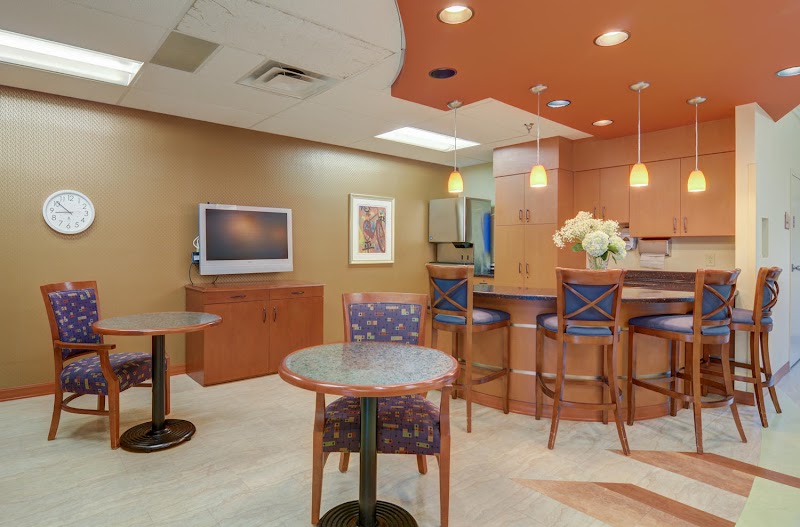
How is Kettering Heights Post Acute Staffed?

CMS rates KETTERING HEIGHTS POST ACUTE's staffing level at 2 out of 5 stars, which is below average compared to other nursing homes. Staff turnover is 57%, which is 11 percentage points above the Ohio average of 46%. High turnover can affect care consistency as new staff learn residents' individual needs.

What Have Inspectors Found at Kettering Heights Post Acute?

State health inspectors documented 37 deficiencies at KETTERING HEIGHTS POST ACUTE during 2019 to 2025. These included: 2 that caused actual resident harm, 34 with potential for harm, and 1 minor or isolated issues. Deficiencies causing actual harm indicate documented cases where residents experienced negative health consequences.
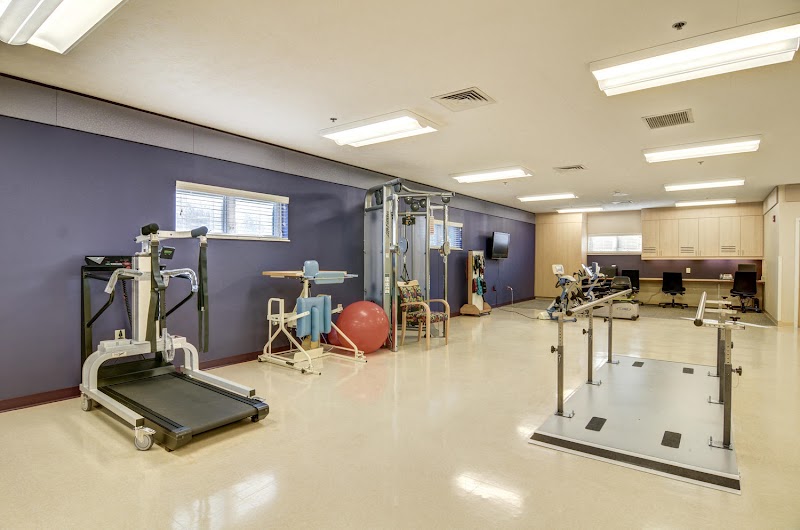
Who Owns and Operates Kettering Heights Post Acute?

KETTERING HEIGHTS POST ACUTE is owned by a for-profit company. For-profit facilities operate as businesses with obligations to shareholders or private owners. The facility is operated by PACS GROUP, a chain that manages multiple nursing homes. With 115 certified beds and approximately 86 residents (about 75% occupancy), it is a mid-sized facility located in KETTERING, Ohio.
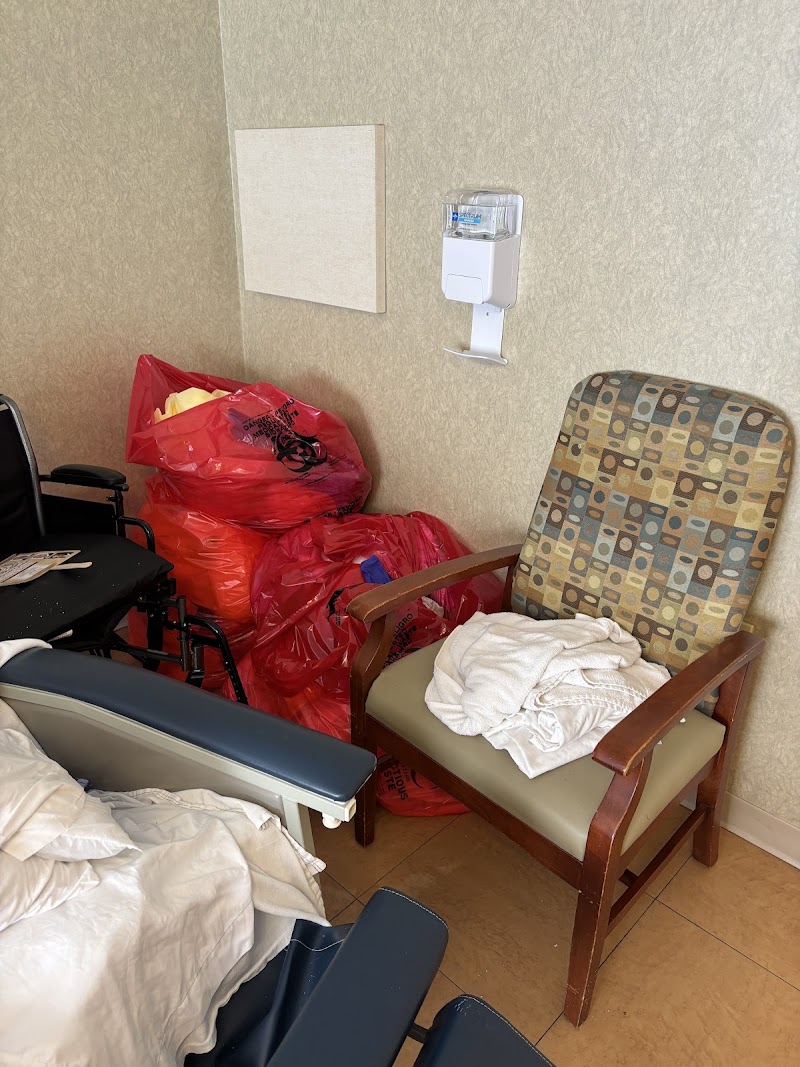
How Does Kettering Heights Post Acute Compare to Other Ohio Nursing Homes?

Compared to the 100 nursing homes in Ohio, KETTERING HEIGHTS POST ACUTE's overall rating (3 stars) is below the state average of 3.2, staff turnover (57%) is significantly higher than the state average of 46%, and health inspection rating (2 stars) is below the national benchmark.

What Should Families Ask When Visiting Kettering Heights Post Acute?

Based on this facility's data, families visiting should ask: "How do you ensure continuity of care given staff turnover, and what is your staff retention strategy?" "Can you walk me through typical staffing levels on day, evening, and night shifts?" "Can I visit during a mealtime to observe dining assistance and food quality?" "How do you handle medical emergencies, and what is your hospital transfer rate?" These questions are particularly relevant given the facility's high staff turnover rate and the below-average staffing rating.

Is Kettering Heights Post Acute Safe?

Based on CMS inspection data, KETTERING HEIGHTS POST ACUTE has a clean safety record: no substantiated abuse findings (meaning no confirmed cases of resident harm), no Immediate Jeopardy citations (the most serious violation level indicating risk of serious injury or death), and is not on the Special Focus Facility watch list (a federal program monitoring the lowest-performing 1% of nursing homes). The facility has a 3-star overall rating and ranks #100 of 100 nursing homes in Ohio. While no facility is perfect, families should still ask about staff-to-resident ratios and recent inspection results during their visit.

Do Nurses at Kettering Heights Post Acute Stick Around?

Staff turnover at KETTERING HEIGHTS POST ACUTE is high. At 57%, the facility is 11 percentage points above the Ohio average of 46%. High turnover means new staff may not know residents' individual needs, medications, or preferences. It can also be disorienting for residents, especially those with dementia who rely on familiar faces. Families should ask: What is causing the turnover? What retention programs are in place? How do you ensure care continuity during staff transitions?

Was Kettering Heights Post Acute Ever Fined?

KETTERING HEIGHTS POST ACUTE has no federal fines on record. CMS issues fines when nursing homes fail to meet care standards or don't correct problems found during inspections. The absence of fines suggests the facility has either maintained compliance or corrected any issues before penalties were assessed. This is a positive indicator, though families should still review recent inspection reports for the full picture.

Is Kettering Heights Post Acute on Any Federal Watch List?

KETTERING HEIGHTS POST ACUTE is not on any federal watch list. The most significant is the Special Focus Facility (SFF) program, which identifies the bottom 1% of nursing homes nationally based on persistent, serious quality problems. Not being on this list means the facility has avoided the pattern of deficiencies that triggers enhanced federal oversight. This is a positive indicator, though families should still review the facility's inspection history directly.