OAK CREEK TERRACE INC
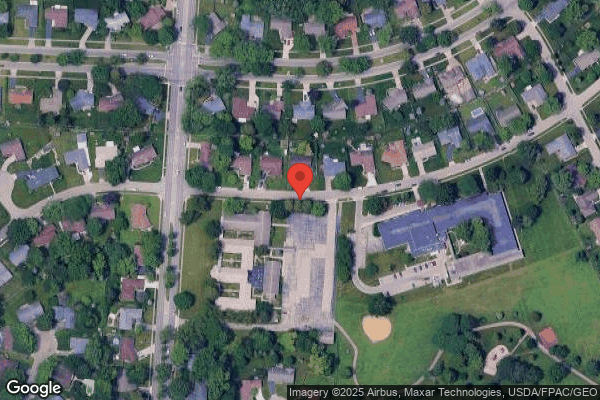
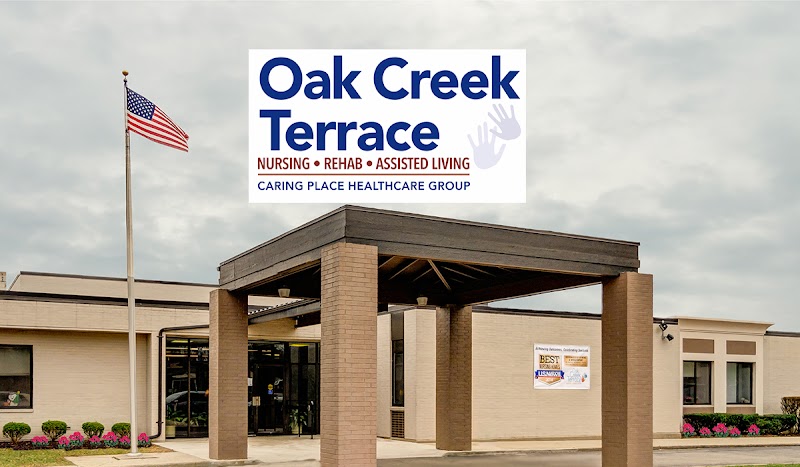
2316 SPRINGMILL ROAD, KETTERING, OH 45440 (937) 439-1454
For profit - Corporation 69 Beds CARING PLACE HEALTHCARE GROUP Data: November 2025
Trust Grade
75/100
#308 of 913 in OH
Last Inspection: May 2025

Inspected within the last 6 months. Data reflects current conditions.

Overview

Oak Creek Terrace Inc has a Trust Grade of B, which indicates that it is a good choice for nursing care, suggesting a solid level of quality. In Ohio, it ranks #308 out of 913 facilities, placing it in the top half, and #10 out of 40 in Montgomery County, meaning only nine local options are better. The facility's performance has been stable, with seven issues reported both in 2022 and 2025. Staffing is somewhat average, with a 3/5 rating and a turnover rate of 45%, which is lower than the state average of 49%, indicating some staff stability. However, the nursing coverage is concerning, as it is lower than 83% of Ohio facilities, which could affect the level of care provided. There are some notable concerns as well. Recent inspections found that proper infection control practices were not followed during dressing changes for pressure ulcers, which could have affected multiple residents. Additionally, staff failed to use appropriate personal protective equipment for COVID-19 positive residents and did not practice proper hand hygiene, posing infection risks. Lastly, food safety practices were not adequately maintained, with frozen food being improperly thawed, which could impact the health of residents. While there are strengths in staffing stability and overall rating, these issues highlight areas that need attention.

Trust Score
B
75/100
In Ohio
#308/913
Top 33%
Safety Record
Low Risk
No red flags
Inspections
Holding Steady
7 → 7 violations
Staff Stability
○ Average
45% turnover. Near Ohio's 48% average. Typical for the industry.
Penalties
✓ Good
No fines on record. Clean compliance history, better than most Ohio facilities.
Skilled Nurses
⚠ Watch
Each resident gets only 27 minutes of Registered Nurse (RN) attention daily — below average for Ohio. Fewer RN minutes means fewer trained eyes watching for problems.
Violations
⚠ Watch
19 deficiencies on record. Higher than average. Multiple issues found across inspections.
★★★★☆
4.0
Overall Rating
★★★☆☆
3.0
Staff Levels
★★★★☆
4.0
Care Quality
★★★★☆
4.0
Inspection Score
Stable
2022: 7 issues
2025: 7 issues

The Good

  • 4-Star Quality Measures · Strong clinical quality outcomes
  • Full Sprinkler Coverage · Fire safety systems throughout facility
  • No fines on record
  • Staff turnover below average (45%)

    3 points below Ohio average of 48%

Facility shows strength in quality measures, fire safety.

The Bad

Staff Turnover: 45%

Near Ohio avg (46%)

Typical for the industry

Chain: CARING PLACE HEALTHCARE GROUP

Part of a multi-facility chain

Ask about local staffing decisions and management

The Ugly 19 deficiencies on record

Sept 2025 1 deficiency
CONCERN (E) 📢 Someone Reported This

A family member, employee, or ombudsman was alarmed enough to file a formal complaint

Potential for Harm - no one hurt, but risky conditions existed

Infection Control (Tag F0880)

Could have caused harm · This affected multiple residents

Based on observation, staff interview, review of Centers for Disease Control and Prevention (CDC) guidance, and policy review, the facility failed to ensure staff wore the appropriate personal protect...

Read full inspector narrative →
Based on observation, staff interview, review of Centers for Disease Control and Prevention (CDC) guidance, and policy review, the facility failed to ensure staff wore the appropriate personal protective equipment (PPE) when providing care for a resident who was positive for COVID-19, and failed to complete proper hand hygiene prior to exiting the room. This affected one (#24) of five residents reviewed for infection control. The facility identified there were five residents who were positive for COVID-19 (and resided on the dementia care unit) during the survey. This had the potential to affect 10 residents who resided on the dementia care unit who were not positive for COVID-19. Findings include: Medical record review for Resident #55 revealed an admission of 02/14/22. Review of the physician orders dated 09/28/25 revealed Resident #55 was placed in droplet precautions due to a positive testing for COVID-19. Observation on 09/29/25 at 8:27 A.M. revealed Certified Nursing Aide (CNA) #170 obtained Resident #55's breakfast tray off the cart in the hallway and placed a gown and gloves on, and was wearing a surgical mask, and went into Resident #55's room who was on droplet precautions. CNA #170 did not put on eye protection or a N-95 mask. CNA #170 attempted to feed Resident #55 and the resident refused to eat, CNA #170 took the tray with her, set it on the bathroom sink, removed her gown and gloves, and placed the tray on the cart of empty trays. CNA #170 took a trash container and emptied in another empty room's trash can. CNA #170 went down the hall and took off her mask outside of the restroom and went into the bathroom and washed her hands and exited the bathroom. Interview with CNA #170 on 09/29/25 at 8:35 A.M. confirmed she didn't wash her hands before leaving Resident #55's room who was on droplet precautions. CNA #170 reported she didn't have any hand sanitizer on the dining cart or on the PPE cart outside of the door of the resident's room. CNA #170 confirmed she didn't have an eye protection or an N-95 mask on in Resident #55's room and stated she did not know she was supposed to wear one. Interview with the Director of Nursing (DON) on 09/29/25 at 10:02 A.M. revealed Resident #55 tested positive yesterday (09/28/25) and she didn't think the staff were supposed to be wearing a face shield but later found out they should be for droplet precautions. The DON confirmed the staff should be hand washing or utilizing hand sanitizer when leaving the rooms. The DON confirmed the facility policy for droplet precautions was for a surgical mask but didn't know about if N-95 mask should be worn if the resident was positive for COVID-19. Review of the policy titled COVID Prevention and Management dated 09/01/23 revealed it is the policy of the facility to minimize exposures to respiratory pathogens and prompt identification of residents, staff and visitors with clinical features and an epidemiologic risk for COVID-19. It was the facilities policy to promote easy and correct use of PPE by making PPE, including eye protection, face masks, gowns and gloves readily available. Educate staff on proper use of PPE and application droplet precautions including eye protection. Review of the policy titled Droplet Precautions dated 12/19/20 revealed hand hygiene included to wash hands immediately after gloves are removed and in between dirty and clean tasks; alcohol based hand rub may be used immediately after contact or touching contaminated items, and perform hand hygiene before leaving the resident room. Regarding masks, eye protection, and face shields, the facilities Droplet Precautions policy stated to wear a mask and eye protection or a face shield to protect mucous membranes of the eyes, nose, and mouth during procedures and resident-care activities that are likely to generate splashes or sprays of blood, body fluids, secretions, and excretions. Review of the the CDC guidance titled Infection Control Guidance: SARS-CoV-2 dated 06/24/24 and found at https://www.cdc.gov/covid/hcp/infection-control/index.html revealed a health care professional who enters the room of a resident with suspected or confirmed SARS-CoV-2 infection should adhere to Standard Precautions and use a NIOSH approved particulate respirator with N95 filters or higher, gown, gloves, and eye protection (i.e., goggles or a face shield that covers the front and sides of the face), This deficiency represents non-compliance investigated under Complaint Number 2619457.
May 2025 6 deficiencies
CONCERN (D)

Potential for Harm - no one hurt, but risky conditions existed

Pressure Ulcer Prevention (Tag F0686)

Could have caused harm · This affected 1 resident

**NOTE- TERMS IN BRACKETS HAVE BEEN EDITED TO PROTECT CONFIDENTIALITY** Based on observation, medical record review, and staff interviews, the facility failed to ensure physician orders were followed ...

Read full inspector narrative →
**NOTE- TERMS IN BRACKETS HAVE BEEN EDITED TO PROTECT CONFIDENTIALITY** Based on observation, medical record review, and staff interviews, the facility failed to ensure physician orders were followed during a dressing change of a pressure ulcer. This affected one (#29) of the two residents reviewed for pressure ulcers during the annual survey. The facility identified two residents (#27 and #29) with pressure ulcers. The facility census was 62. Findings included: Review of the medical record for Resident #29 revealed an admission date of 09/15/22. Medical diagnoses included fracture of the left femur, heart failure, hypertension, renal insufficiency, neurogenic bladder, malnutrition, and respiratory failure. Review of a physician order for Resident #29 dated 04/16/25, revealed the resident was ordered to have her sacrum pressure ulcer cleansed with normal saline, have Silvadene applied, then a barrier cream applied, and covered with an abdominal (ABD) pad placed over the wound twice daily. Review of quarterly Minimum Data Set (MDS) assessment dated [DATE] revealed Resident #29 was severely cognitively impaired. The resident was dependent on staff for transfers and toileting via Hoyer mechanical lift and required substantial/moderate assistance for other activities of daily living (ADLs). During an observation of a pressure ulcer dressing change for Resident #29 with Licensed Practical Nurse (LPN) #50 and Wound Nurse Practitioner (WNP) #102 on 05/14/25 at 6:56 A.M. revealed WNP #102 turned the resident to her left side. LPN #50 applied gloves and pulled down the resident's incontinent brief. LPN #50 took a washcloth and wiped off the old medication and then applied Silvadene with the same gloved hands. LPN #50 washed her hands in the bathroom, applied new gloves and applied barrier cream and covered with an ABD pad on the resident's sacrum wound. Interview with the LPN #102 on 05/14/25 at 7:03 A.M., verified she didn't cleanse Resident #29's pressure wound with normal saline per physician orders. LPN #102 verified she didn't follow the physician orders when doing Resident #29's pressure ulcer dressing change.
CONCERN (D)

Potential for Harm - no one hurt, but risky conditions existed

Accident Prevention (Tag F0689)

Could have caused harm · This affected 1 resident

**NOTE- TERMS IN BRACKETS HAVE BEEN EDITED TO PROTECT CONFIDENTIALITY** Based on medical record review, staff interview and policy review, the facility failed to ensure a fall with major injury was th...

Read full inspector narrative →
**NOTE- TERMS IN BRACKETS HAVE BEEN EDITED TO PROTECT CONFIDENTIALITY** Based on medical record review, staff interview and policy review, the facility failed to ensure a fall with major injury was thoroughly investigated. This affected one (#29) resident of the five residents reviewed for accidents. The facility census was 62. Findings included: Review of the medical record for Resident #29 revealed an admission date of 09/15/22. Medical diagnoses included fracture of the left femur, heart failure, hypertension, renal insufficiency, neurogenic bladder, malnutrition, and respiratory failure. Review of a Fall Assessment for Resident #29 dated 02/03/25, revealed the resident was at a medium risk for falls. Review of the Plan of Care for Resident #29 dated 02/19/25 revealed the resident was at risk for falls related to age, history of falls, and physical debility. Interventions included to ensure basic needs are met, offer food and fluids, monitor bowel and bladder function, monitor for a comfortable environment, monitor for change in medical status, low blood pressure, shortness of breath changes, change in function status related to acute or chronic medical conditions, side effects to medications and follow the fall protocol if an incident occurs. Review of an Occurrence Note dated 04/04/25 at 1:30 A.M., revealed Resident #29 had an unwitnessed fall. The nurse went into the room and found the resident lying on her right side on the floor next to the bed. The resident reported I was trying to get the baby. The resident was assessed with an abrasion to the right side of the head, right knee, and right toes. The intervention was to lay down fall mats. The physician and the family were notified. The resident was sent to the hospital. Review of the facility investigation dated 04/04/25 revealed a nurse went into Resident #29's room and found the resident lying on her right side on the floor next to the bed. The resident reported she was trying to get the baby. An assessment revealed abrasions to the right side of the head, right knee, right toes and the vital signs were within normal limits. The physician and the family were notified. The resident was oriented to person, the call light was not on, the resident was a Hoyer lift for all transfers, confused, and incontinent. The resident was sent to the hospital. A new intervention was to lay down fall mats on the floor. The Root Cause Analysis (RCA) was noted the resident got up on her own and fell. The investigation file contained no witness statements. Review of the hospital records for Resident #29 dated 04/04/25, revealed the resident was diagnosed with a closed fracture of distal end of left femur following a fall. Review of Interdisciplinary Team (IDT) documentation for Resident #29 dated 04/04/25, revealed the team agreed to the fall mats for an appropriate intervention and despite the interventions the resident remains at risk for falls. Review of quarterly Minimum Data Set (MDS) assessment dated [DATE] revealed Resident #29 was severely cognitively impaired. The resident was dependent on staff for transfers and toileting via Hoyer mechanical lift and required substantial/moderate assistance for other activities of daily living (ADLs). Interview with the Administrator and the Director of Nursing (DON) on 05/14/25 at 7:18 A.M. revealed they and the IDT met as a group and talked about Resident #29's fall. The Administrator noted the group talked about the new interventions and if they were appropriate, and the fall itself. The Administrator stated they talked to the staff but there was nothing in writing and there wasn't anything in writing about the interventions in place at the time of the fall, anything in writing concerning the last time someone saw the resident and what she was doing at the time and nothing documented when the resident was last toileted. Review of the policy entitled Fall Management dated 01/01/21 revealed each resident will be assessed for the risks of falling and will receive care and services in accordance with the level of risk to minimize the likelihood of falls. When any resident experiences a fall, the facility will do the following: Assess the resident, complete a post-fall assessment, notify the physician and family, review the resident's care plan and update as indicated, document all assessments and actions and obtain witness statements in the case of injury.
CONCERN (D)

Potential for Harm - no one hurt, but risky conditions existed

Tube Feeding (Tag F0693)

Could have caused harm · This affected 1 resident

**NOTE- TERMS IN BRACKETS HAVE BEEN EDITED TO PROTECT CONFIDENTIALITY** Based on medical record review, observation, staff interview and policy review, the facility failed to ensure the placement of ...

Read full inspector narrative →
**NOTE- TERMS IN BRACKETS HAVE BEEN EDITED TO PROTECT CONFIDENTIALITY** Based on medical record review, observation, staff interview and policy review, the facility failed to ensure the placement of a gastronomy tube (G-tube), failed to ensure a resident was positioned at 30 - 45 degree angle, failed to ensure the syringe for administering medications via the G-tube was dated, and failed to ensure medications being administered through the G-tube were properly diluted prior to administering them. This affected one (#41) of the two residents identified by the facility as having a G-tube. The facility census was 62. Findings included: Review of the medical record for Resident #41 revealed an admission date of 06/19/24. Diagnoses included dementia, dysphagia, diabetes mellitus, cellulite of the left lower limb, peripheral vascular disease, renal insufficiency, and benign prostatic hyperplasia. Review of the annual Minimum Data Set (MDS) assessment dated [DATE], revealed Resident #41 was moderately cognitively impaired and had a G-tube for nutrition. Review of a physician order for Resident #41 dated 08/01/24 revealed an order to crush medications. Review of a physician order for Resident #41 dated and on 01/21/25 revealed the resident was ordered to receive Aspirin 81 milligram (mg) once a day. Review of a physician order for Resident #41 dated 02/24/25, revealed the resident was ordered to receive enteral feed Jevity 1.2 bolus four times a day, Observation during a medication administration on 05/14/25 at 7:40 A.M., revealed Licensed Practical Nurse (LPN) #101 crushed the aspirin at the medication cart and placed it in a medication cup without any water for diluting then carried the aspirin the container of Jevity into the resident's room. LPN #101 positioned Resident #41 at 90 degrees in his chair. LPN #101 retrieved an undated syringe lying on a towel in the resident's bathroom, connected it to the resident's G-tube and administered 30 milliliters of water through the G-tube. LPN #101 then placed the crushed aspirin in the syringe followed by water. LPN #101 then administered the bolus of Jevity through the G tube and flushed the tube. LPN #101 did not verify G-tube placement prior to administering the water, aspirin, and the bolus of Jevity Interview with the LPN #101 on 05/14/25 at 7:50 A.M., indicated she didn't know the policy for G-tubes. LPN #101 verified she didn't check placement of the G-tube prior to administering the water, medication and the bolus of Jevity. LPN #101 confirmed the syringe wasn't dated; the resident was positioned at a 90-degree angle in his chair instead of a 30-45 degree angle and didn't dilute the aspirin with water before placing it in the syringe. Review of the policy entitled G-tube Administering Medications dated 01/25/20 revealed the purpose is to safely and accurately administer medications through an enteral tube. To assist with patency of the G-tube, flushes may be administered per physician order. Staff will follow the following procedure: Prepare the medications for administration, verify the tube placement by slowly aspirating the residual stomach contents, (no more than 150 mls), return the contents to stomach, crush medications and dissolve in water or other appropriate liquid or empty capsule contents into water or other appropriate liquid, after administering the compatible medication mixture, a flush of 15 -30 ml of water should be administered before administering the remaining non- compatible medications, remove the plunger from the syringe and connect the syringe to the clamped tubing, unclamp tubing and flush the tube with 15 - 30 ml of water prior to medication administration, pour medication in syringe, unclamp tubing and allow mediation to flow down tube via gravity or give gentle boosts with the plunger if the medication will not flow well by gravity, flush the tube with 15 - 30 ml of water after all medication is administered then make resident comfortable and ensure call light is within reach.
CONCERN (D)

Potential for Harm - no one hurt, but risky conditions existed

Medical Records (Tag F0842)

Could have caused harm · This affected 1 resident

**NOTE- TERMS IN BRACKETS HAVE BEEN EDITED TO PROTECT CONFIDENTIALITY** Based on medical record review and staff interview, the facility failed to ensure residents' medical records were complete and a...

Read full inspector narrative →
**NOTE- TERMS IN BRACKETS HAVE BEEN EDITED TO PROTECT CONFIDENTIALITY** Based on medical record review and staff interview, the facility failed to ensure residents' medical records were complete and accurately documented when a resident sustained a fall with a major injury and was documented in a resident's medical record. This affected one (#29) of the five residents reviewed for accidents during the annual survey. The facility census was 62. Findings included: Review of the medical record for Resident #29 revealed an admission date of 09/15/22. Medical diagnoses included fracture of the left femur, heart failure, hypertension, renal insufficiency, neurogenic bladder, malnutrition, and respiratory failure. Review of a Fall Assessment for Resident #29 dated 02/03/25, revealed the resident was at a medium risk for falls. Review of the Plan of Care for Resident #29 dated 02/19/25 revealed the resident was at risk for falls related to age, history of falls, and physical debility. Interventions included to ensure basic needs are met, offer food and fluids, monitor bowel and bladder function, monitor for a comfortable environment, monitor for change in medical status, low blood pressure, shortness of breath changes, change in function status related to acute or chronic medical conditions, side effects to medications and follow the fall protocol if an incident occurs. Review of an Occurrence Note dated 04/04/25 at 1:30 A.M., revealed Resident #29 had an unwitnessed fall. The nurse went into the room and found the resident lying on her right side on the floor next to the bed. The resident reported I was trying to get the baby. The resident was assessed with an abrasion to the right side of the head, right knee, and right toes. The intervention was to lay down fall mats. The physician and the family were notified. The resident was sent to the hospital. Review of quarterly Minimum Data Set (MDS) assessment dated [DATE] revealed Resident #29 was severely cognitively impaired. The resident was dependent on staff for transfers and toileting via Hoyer mechanical lift and required substantial/moderate assistance for other activities of daily living (ADLs). Review of the hospital records for Resident #29 dated 04/04/25, revealed the resident was diagnosed with a closed fracture of distal end of left femur following a fall. Review of the notes in the Electronic Medical record (EMR) for Resident #29 from 04/04/25 through 05/14/25, revealed no documented notes about the resident having an unwitnessed fall on 04/04/25 and sustaining a fracture of the left femur. Interview with the Director of Nursing (DON) on 05/14/25 at 7:18 A.M. confirmed there wasn't a note in the chart about Resident #29 sustaining a fractured femur after an unwitnessed fall on 04/04/25.
CONCERN (E)

Potential for Harm - no one hurt, but risky conditions existed

Food Safety (Tag F0812)

Could have caused harm · This affected multiple residents

Based on observations, staff interviews and policy review, the facility failed to ensure food and utensils were stored in a safe and sanitary manner. This had the potential to affect 61 out of the 62 ...

Read full inspector narrative →
Based on observations, staff interviews and policy review, the facility failed to ensure food and utensils were stored in a safe and sanitary manner. This had the potential to affect 61 out of the 62 residents as the facility identified one resident (#41) with a diet of nothing by mouth (NPO) and received no food from the kitchen. The facility census was 62. Findings include: Observation of the kitchen on 05/14/25 at 12:11 P.M. with Dietary Manager (DM)#06, revealed frozen bags of pot roast were being stored in water in the preparation (prep) sink. Interview at the same time with DM #06, verified they were thawing the pot roast and that cold water should be running while food is thawing in the sink. Continued observation of the kitchen on 05/14/25 at 12:13 P.M. with DM #06, revealed a stack of Styrofoam cups stored on a cart in the dining room. Next to the stack of cups was a bucket of sanitizer solution and a spray bottle labeled Buckeye Eco Heavy Duty Cleaner stored on the shelf above. Interview at the same time with DM #06, verified the findings. DM #06 stated the Styrofoam cups were not supposed to be stored on the cart and chemicals were to be on a storage shelf in the kitchen. Continued observation of the kitchen on 05/14/25 at 4:53 P.M. with DM #06, revealed a stack of wet cups stored on the tray line. Interview at the same time with DM #06, verified the wet cups were being stored on the line. DM #06 stated cups were supposed to air dry on a rack near the three-compartment sink after being cleaned and sanitized. Review of the undated facility policy titled General Food Preparation and Handling revealed food thawing in a sink should be submerged under cold water that is running fast enough to agitate and float off loose ice particles. Review of the undated facility policy titled Policy for Storing Chemicals revealed that chemicals will be stored on a lower shelf away from food or items which may come in contact with food and/or service. Review of the undated facility policy titled Policy for Air Drying Equipment and Utensils revealed after cleaning and sanitizing, utensils, they are to be air dried until dry before being stacked or used for service.
CONCERN (F)

Potential for Harm - no one hurt, but risky conditions existed

Infection Control (Tag F0880)

Could have caused harm · This affected most or all residents

**NOTE- TERMS IN BRACKETS HAVE BEEN EDITED TO PROTECT CONFIDENTIALITY** Based on observation, medical record review, and staff interviews, the facility failed to ensure infection control practices wer...

Read full inspector narrative →
**NOTE- TERMS IN BRACKETS HAVE BEEN EDITED TO PROTECT CONFIDENTIALITY** Based on observation, medical record review, and staff interviews, the facility failed to ensure infection control practices were followed during a dressing change for a pressure ulcer. This affected one (#29) of the two residents reviewed for pressure ulcers during the annual survey. The facility identified two residents (#27 and #29) with pressure ulcers. The facility also failed to ensure their Water Management Plan (WMP) was followed. This had the potential to affect 62 residents who resided in the facility. The facility census was 62. Findings included: 1) Review of the medical record for Resident #29 revealed an admission date of 09/15/22. Medical diagnoses included fracture of the left femur, heart failure, hypertension, renal insufficiency, neurogenic bladder, malnutrition, and respiratory failure. Review of a physician order for Resident #29 dated 04/16/25, revealed the resident was ordered to have her sacrum pressure ulcer cleansed with normal saline, have Silvadene applied, then a barrier cream applied, and covered with an abdominal (ABD) pad placed over the wound twice daily. Review of quarterly Minimum Data Set (MDS) assessment dated [DATE] revealed Resident #29 was severely cognitively impaired. The resident was dependent on staff for transfers and toileting via Hoyer mechanical lift and required substantial/moderate assistance for other activities of daily living (ADLs). During an observation of a pressure ulcer dressing change for Resident #29 with Licensed Practical Nurse (LPN) #50 and Wound Nurse Practitioner (WNP) #102 on 05/14/25 at 6:56 A.M. revealed WNP #102 turned the resident to her left side. LPN #50 applied gloves and pulled down the resident's incontinent brief. LPN #50 took a washcloth and wiped off the old medication and then applied Silvadene with the same gloved hands. LPN #50 washed her hands in the bathroom, applied new gloves and applied barrier cream and covered with an ABD pad on the resident's sacrum wound. Interview with the LPN #102 on 05/14/25 at 7:03 A.M. revealed she thought she had changed her gloves in between dirty to clean, but after the Surveyor explained the observation, she admitted she didn't leave the bedside twice to wash her hands and apply new gloves. LPN #102 verified she should have washed hands between going from dirty to clean wound care. 2) Review of the facility's WMP with Maintenance Staff #89 on 05/14/25 at 2:30 P.M., revealed the water temperatures and free chlorine levels would be completed monthly for the incoming water main and cold water system. Review of the facility's policy titled Legionnaires Disease last reviewed 2021, with Maintenance Staff #89 on 05/14/25 at 2:30 P.M., revealed the facility should implement mechanical, operational, and chemical control measures that originate from the risk assessment. Interview on 05/14/14 at 2:37 P.M. with Maintenance Staff #89, verified that the facility has not completed monthly cold water temperatures or free chlorine levels.
Apr 2022 7 deficiencies
CONCERN (D)

Potential for Harm - no one hurt, but risky conditions existed

Resident Rights (Tag F0550)

Could have caused harm · This affected 1 resident

**NOTE- TERMS IN BRACKETS HAVE BEEN EDITED TO PROTECT CONFIDENTIALITY** Based on observation, interview, and record review the facility failed to provide dignified care in relation to a privacy bag fo...

Read full inspector narrative →
**NOTE- TERMS IN BRACKETS HAVE BEEN EDITED TO PROTECT CONFIDENTIALITY** Based on observation, interview, and record review the facility failed to provide dignified care in relation to a privacy bag for one Resident (#467)'s catheter of one reviewed for dignity. Facility census was 62. Findings include Review of the medical record for the Resident #467 revealed an admission date of 04/11/22. Diagnoses included malignant neoplasm of the bladder, chronic obstructive pulmonary disease, emphysema, heart failure, bladder obstruction, heart failure, chronic embolism, depression, anxiety, and abdominal aortic aneurysm. Review of the admission Minimum Data Set (MDS) assessment dated [DATE] revealed Resident #467 was cognitively and required extensive assistance of one to two staff members for transfers and mobility. The MDS revealed resident had an indwelling catheter. Review of the plan of care dated 04/25/22 revealed no mention of resident having a catheter. Review of progress notes dated 04/11/22 revealed resident was admitted with a Foley catheter on this date. Observation on 04/26/22 at 12:14 P.M. revealed Resident #467 had a catheter bag hanging from the side of the bed with no privacy cover. Observation and interview on 04/27/22 at 8:47 A.M. revealed Resident #467's catheter bag hung from the side of the bed with no privacy bag present. Resident revealed he had a catheter since his admission. Resident revealed he would like a catheter privacy cover. Observation and interview on 04/27/22 at 12:40 P.M. revealed Resident #467's catheter was hanging on the side of the bed with no privacy cover. State Tested Nursing Assistant (STNA) #61 confirmed resident's catheter was able to be seen from the hallway and was left with no privacy cover and revealed facility had covers to use for catheters. Interview on 04/27/22 at 12:46 P.M. with Licensed Practical Nurse (LPN) #36 confirmed resident did not have a catheter privacy bag over his catheter and revealed facility has them available. Review of facility policy titled Dignity, dated 01/26/21, revealed the facility failed to implement the policy regarding the area of concern. Resident should be treated with dignity and respect at all times.
CONCERN (D)

Potential for Harm - no one hurt, but risky conditions existed

Deficiency F0657 (Tag F0657)

Could have caused harm · This affected 1 resident

**NOTE- TERMS IN BRACKETS HAVE BEEN EDITED TO PROTECT CONFIDENTIALITY** Based on medical record review, staff interview, and policy review, the facility failed to ensure care conferences were conducte...

Read full inspector narrative →
**NOTE- TERMS IN BRACKETS HAVE BEEN EDITED TO PROTECT CONFIDENTIALITY** Based on medical record review, staff interview, and policy review, the facility failed to ensure care conferences were conducted as required. This affected three (Resident #05, #49, and #61) out of three residents reviewed for care conferences. The facility census was 62. Findings include: 1. Review of the medical record for Resident #61 revealed he admitted to the facility on [DATE]. Diagnoses included Parkinson's Disease, type two diabetes mellitus without complications, spondylosis without myelopathy or radiculopathy, morbid obesity, hypertension, major depressive disorder, anxiety disorder, hypotension, insomnia, tinea cruris, intervertebral disc degeneration of lumbar region, and low back pain. Review of the quarterly Minimum Data Set (MDS) 3.0 assessment, dated 04/12/22, revealed this resident had intact cognition. This resident was assessed to require extensive assistance for bed mobility, transfer, dressing, toileting, and personal hygiene as well as supervision for eating. Review of the nursing progress notes revealed Resident #61 last had a care conference on 09/16/20. Interview on 04/26/22 at 10:45 A.M. with Resident #61 revealed he had not attended a care conference for some time. Interview on 04/26/22 at 5:09 P.M. with Social Services Director #52 confirmed she was unable to find documentation regarding care conferences for Resident #61 since 09/16/20. 2. Medical record review for Resident #49 revealed an admission date of 02/05/19. Medical diagnoses included diabetes, and Non-Alzheimer's Disease. Review of quarterly MDS dated [DATE] revealed Resident #49 was rarely/never understood. She was extensive assistance for bed mobility, transfers only occurred once or twice, eating was supervision and toilet use was total dependence. Review of the care conferences revealed there was one conducted on 04/27/21 and 04/26/22 which only had the Licensed Social Worker (LSW) in attendance. Interview with LSW #52 on 04/27/22 at 12:15 P.M. confirmed she was supposed to have care conferences quarterly and confirmed there was supposed to be other disciplinary team members in attendance for the care conferences. 3. Medical record review for Resident #05 revealed an admission date of 10/21/21. Medical diagnoses included a cerebral infarction and viral hepatitis. Review of quarterly MDS dated [DATE] revealed Resident #05 was rarely or never understood. His functional status was extensive assistance for bed mobility, toileting and he was supervision for eating. Transfers did not occur. Review of care conferences for Resident #05 revealed the last one was 11/11/21 and the only team members present was the LSW. Interview with Resident #05 on 04/26/22 at 10:02 A.M. revealed even though he was coded as rarely or never understood he could shake his head to yes and no answers. At the time of the interview he shook his head no he wasn't receiving care conferences. Interview with LSW #52 on 04/27/22 at 12:15 P.M. confirmed she was supposed to have care conferences quarterly and confirmed there was supposed to be other disciplinary team members in attendance for the care conferences. Review of the undated facility policy titled Care Planning and Care Conferences revealed care conferences will be scheduled at least quarterly.
CONCERN (D)

Potential for Harm - no one hurt, but risky conditions existed

Deficiency F0676 (Tag F0676)

Could have caused harm · This affected 1 resident

**NOTE- TERMS IN BRACKETS HAVE BEEN EDITED TO PROTECT CONFIDENTIALITY** Based on observation, medical record review, and staff and resident interview the facility failed to ensure communication device...

Read full inspector narrative →
**NOTE- TERMS IN BRACKETS HAVE BEEN EDITED TO PROTECT CONFIDENTIALITY** Based on observation, medical record review, and staff and resident interview the facility failed to ensure communication devices were implemented for one (#49) of one resident reviewed for communication during the annual survey. The facility identified there was only one resident who spoke a foreign language. The facility census was 62. Findings included: Medical record review for Resident #49 revealed an admission date of 02/05/19. Medical diagnoses included diabetes, and Non-Alzheimer's Disease. Review of care plan dated 02/14/22 revealed Resident #49 has a communication problem related to language barrier. Her primary language was Spanish. Interventions were to anticipate and meet needs, ensure availability and functioning of adaptive communication board. The resident was able to communicate by using translation such as communication board. Review of quarterly Minimum Data Set (MDS) dated [DATE] revealed Resident #49 was rarely/never understood. She was extensive assistance for bed mobility, transfer only occurred once or twice, eating was supervision and toilet use was total dependence. Interview and observation of Resident #49 on 04/26/22 at 11:06 A.M. revealed she did not speak English and she continued to speak Spanish. Observation of medication administration on 04/27/22 at 8:22 A.M. revealed Licensed Practical Nurse (LPN) #36 took blood pressure of Resident #49 and spoke hello in Spanish. The resident continued to speak in Spanish and the LPN stated I wish I could speak Spanish. The resident continued to speak to the nurse in Spanish and the nurse held her hand and spoke in English to the resident. There was a white communication board in the room with phrases written in English and Spanish on it, that was behind a pot of flowers, sitting on the chest of drawers in the room. Interview with LPN #36 on 04/27/22 at 8:30 A.M. confirmed she didn't know what the resident was saying and didn't know how to speak Spanish. She confirmed there were devices to be used to communicate with the resident, but confirmed she didn't use them. She said it was something urgent to understand from the resident the resident would be guarding and pointing to the problem. She said she didn't know if there were any Spanish speaking nurse who worked at the facility.
CONCERN (D)

Potential for Harm - no one hurt, but risky conditions existed

Deficiency F0679 (Tag F0679)

Could have caused harm · This affected 1 resident

**NOTE- TERMS IN BRACKETS HAVE BEEN EDITED TO PROTECT CONFIDENTIALITY** Based on observation, staff and family interviews, and medical record review, the facility failed to ensure activities were prov...

Read full inspector narrative →
**NOTE- TERMS IN BRACKETS HAVE BEEN EDITED TO PROTECT CONFIDENTIALITY** Based on observation, staff and family interviews, and medical record review, the facility failed to ensure activities were provided for two (#49 and #23) of three dependent residents reviewed for activities. The facility census was 62. Findings included: 1. Medical record review for Resident #49 revealed an admission date of 02/05/19. Medical diagnoses included diabetes, and Non-Alzheimer's Disease. Review of care plan dated 02/14/22 for Resident #49 revealed she had some cognitive loss and primary language was Spanish. The resident needed encouragement to attend out of room events. Interventions were to assist to and from activities, encourage out of room activities and invite to crafts. Review of activities from 03/29/22 through 04/24/22 revealed she was active on 04/05/22 and 04/13/22 and passive on 04/17/22. She observed on 03/29/22 and 04/16/22. Resident was not available on 04/02, 04/03, 04/10, 04/11, 04/12, 04/14, 04/19, 04/23, and 04/24. She refused on 04/08/22. No family visits or room visits were documented. Review of quarterly Minimum Data Set (MDS) dated [DATE] revealed Resident #49 was rarely/never understood. She was extensive assistance for bed mobility, transfer only occurred once or twice, eating was supervision and toilet use was total dependence. Review of the activity calendar dated 04/26/22 revealed at 10:15 A.M. revealed chair exercise, at 10:30 A.M. ladder ball and at 1:30 P.M. revealed theater popcorn. On 04/27/22 the calendar revealed at 10:15 A.M. coffee and donuts and at 10:30 A.M. news talk. Observations of activities on 04/26/22 at 10:15 A.M., 10:30 A.M. and 1:30 P.M. revealed Resident #49 was not in the activity and was in her room in bed. Further observation on 04/27/22 at 10:15 A.M. and 10:30 A.M. the resident was not in those activities either and was in bed in her room. Interview with Activity Director (AD) #03 on 04/27/22 at 11:05 A.M. confirmed Resident #49 was not invited to activities on 04/26/22 and 04/27/22. She said only if the residents are up and out of bed would they be invited to attend the activities. She said at times the activity staff encourage the aides to get the residents up so they can attend the activities. 2. Medical record review for Resident #23 revealed an admission date of 08/19/21. Medical diagnoses included renal insufficiency, heart failure and Non-Alzheimer's Dementia. Review of quarterly MDS dated [DATE] revealed Resident #23 was rarely or never understood. His functional status was extensive assistance for bed mobility and toilet use. He was total dependence for transfers and eating. He was always incontinent for bladder and bowel. Review of activity participation from 03/29/22 through 04/27/22 revealed he observed on 03/29/22, 04/02/22, 04/16/22 and 04/17/22 and was active on 04/03/22. There were 16 out of 30 days the family visited. There were seven room visits out of 30 days. Review of the activity calendar dated 04/26/22 revealed at 10:15 A.M. revealed chair exercise, at 10:30 A.M. ladder ball and at 1:30 P.M. revealed theater popcorn. On 04/27/22 the calendar revealed at 10:15 A.M. coffee and donuts and at 10:30 A.M. news talk. Observations of activities on 04/26/22 at 10:15 A.M., 10:30 A.M. and 1:30 P.M. revealed Resident #23 was not in the activity and was in his room in bed. Further observation on 04/27/22 at 10:15 A.M. and 10:30 A.M. the resident was not in those activities either and was in bed in his room. Interview with the family on 04/26/22 at 12:03 P.M. revealed Resident #23 does not get invited to activities and doesn't have one on ones either. Review of care plan dated 04/27/22 for Resident #23 revealed he was dependent on staff for socialization and stimulation. He needed encouragement from staff to attend events. Interventions were to assist to and from activities. Interview with AD #03 on 04/27/22 at 11:05 A.M. confirmed Resident #23 was not invited to activities on 04/26/22 and 04/27/22. She said only if the residents are up and out of bed would they be invited to attend the activities. She said at times the activity staff encourage the aides to get the residents up so they can attend the activities. Interview with Director of Nursing (DON) on 04/28/22 at 1:49 P.M. denied they had an activity policy.
CONCERN (D)

Potential for Harm - no one hurt, but risky conditions existed

Deficiency F0692 (Tag F0692)

Could have caused harm · This affected 1 resident

**NOTE- TERMS IN BRACKETS HAVE BEEN EDITED TO PROTECT CONFIDENTIALITY** Based on observation, interview, and record review, facility failed to provide adequate fluids to one Resident (#469) reviewed f...

Read full inspector narrative →
**NOTE- TERMS IN BRACKETS HAVE BEEN EDITED TO PROTECT CONFIDENTIALITY** Based on observation, interview, and record review, facility failed to provide adequate fluids to one Resident (#469) reviewed for hydration. The facility census was 62. Findings include Review of the medical record for the Resident #469 revealed an admission date of 04/04/22. Diagnoses included heart failure, chronic obstructive pulmonary disease, dementia with behaviors, protein malnutrition, respiratory failure, fracture of nasal bones, hearing loss Alzheimer's disease, depression and hypertension. Review of the admission Minimum Data Set (MDS) assessment dated [DATE] revealed Resident #469 had moderate cognitive impairment and required extensive assistance of one to two staff members for ambulation and mobility. Review of the plan of care dated 04/25/22 revealed Resident #469 was receiving a mechanically altered diet (pureed) with nectar thick liquids. Resident was at risk for weight loss and malnutrition and an electrolyte imbalance due to thickened liquids and diuretic use with interventions to coordinate care with hospice team, honor preferences, monitor for signs and symptoms of aspiration, and monitor labs. Review of nutrition assessment dated [DATE] revealed resident was receiving a pureed diet with nectar thick liquids due to dysphasia. The assessment states resident should have an intake of 1648 (cc's) or milliliters (ml) of fluid daily. Review of intake logs revealed resident's fluid intake ranged from 240 to 1160 ml of fluid daily with an average of 545.7 ml per day over the 21 days accounted. Review of resident's hospice preference paperwork dated 04/05/22 revealed before leaving my room, check the call light and water pitcher. Facility was unable to provide laboratory results for review. Observation and interview on 04/26/22 at 10:28 A.M. and again at 4:10 P.M. with Resident #469 revealed she asked for surveyor to hand her a cup of water. Resident did not have anything to drink visible in her room. Resident was observed to be given two small drinks with the dinner meal. Observation on 04/27/22 at 8:37 A.M. revealed she was given two drinks with her breakfast meal. No other drinks were provided. Interview on 04/27/22 at 12:40 P.M. with State Tested Nursing Assistant (STNA) #61 revealed facility has thickened liquid behind the nurses' station that can be provided to residents upon request. STNA revealed being unsure why resident was only getting fluids with her meals. Interview on 04/27/22 at 12:46 P.M. with Licensed Practical Nurse (LPN) #36 revealed Resident #469 was not on a fluid restriction and had no medical orders for having fluid restricted. LPN revealed staff pass ice to residents each day but when resident have thickened liquids ordered, they do not pass ice or water in large pitchers as the thickener would separate in large amounts by the time it was drank. Interview on 04/27/22 at 3:36 P.M. with Diet Tech #21 revealed she completed a nutrition assessment shortly after admission which includes resident fluid intake requirements based on her medical needs and weight. She confirmed Resident #469 requires 1648 ml of fluid intakes daily. Diet tech revealed she was concerned after printing and reviewing the fluid intake logs for resident due to the low amounts of fluid intakes since admission. Diet tech revealed she would speak with staff about fluid intake increases for resident. Interview on 04/27/22 at 3:50 P.M. with Diet tech #21 revealed she spoke with staff and requested for nursing staff to provide increased fluids during each meal pass and also requested for staff to increase the amount of fluids resident was given at meal-times. Diet tech did not provide update on how staff will maintain resident hydration status during other times of day or when she requests fluids outside of meal-times and medication pass times. Several observations on 04/26/22 and 04/27/22 throughout the days revealed staff did not provide any fluid except at meals on her tray.
CONCERN (E)

Potential for Harm - no one hurt, but risky conditions existed

Comprehensive Care Plan (Tag F0656)

Could have caused harm · This affected multiple residents

**NOTE- TERMS IN BRACKETS HAVE BEEN EDITED TO PROTECT CONFIDENTIALITY** 6. Review of Medical Record for Resident #57 admission date of 02/03/21 and readmission date of 10/19/21 with diagnoses includin...

Read full inspector narrative →
**NOTE- TERMS IN BRACKETS HAVE BEEN EDITED TO PROTECT CONFIDENTIALITY** 6. Review of Medical Record for Resident #57 admission date of 02/03/21 and readmission date of 10/19/21 with diagnoses including but not limited to vascular dementia with behavioral disturbance, osteoporosis, osteoarthritis, depression, anxiety, chronic pain, and intervertebral disc degeneration lumbar region. Medications include but not limited to buspirone 5 mg (anxiety), Depakote sprinkles 125 mg (dementia), Gabapentin 400 mg (pain), and routine Tylenol 325 mg (pain). Resident #57 also has an order may apply warm compress to lower back. Review of MDS revealed Resident #57 is a limited assist of one for transfers, ambulation, dressing, bathing, and hygiene. Review of Care Plan for Resident #57 revealed no care plan regarding pain. Interview with ADON #49 on 04/27/22 at 1:51 P.M. verified there was no pain included in the care plan. ADON #49 stated that the facility was working on care plans to get them more in depth. Review of Policy titled Comprehensive Care Plans not dated revealed it is the policy of this facility to develop and implement a comprehensive person-centered care plan for each resident, consistent with residents rights, that includes measurable objectives and timeframe's to meet a resident's medical, nursing, and mental and psychosocial needs that are identified in the resident's comprehensive assessment. 4. Review of the medical record for the Resident #467 revealed an admission date of 04/11/22. Diagnoses included malignant neoplasm of the bladder, chronic obstructive pulmonary disease, emphysema, heart failure, bladder obstruction, heart failure, chronic embolism, depression, anxiety, and abdominal aortic aneurysm. Review of progress notes dated 04/11/22 revealed resident was admitted with a Foley catheter. Review of the admission MDS assessment dated [DATE] revealed Resident #467 was cognitively intact and required extensive assistance of one to two staff members for transfers and mobility. The MDS revealed resident had an indwelling catheter. Review of the comprehensive care plan dated 04/25/22 revealed no mention of resident having a catheter. Observation on 04/26/22 at 12:14 P.M. revealed Resident #467 had a catheter bag hanging from the side able to be viewed from the hallway. Observation and interview on 04/27/22 at 8:47 A.M. revealed Resident #467's catheter bag hung from the side of the bed in view of the hallway. Resident revealed he had a catheter since his admission. Observation and interview on 04/27/22 at 12:40 P.M. revealed Resident #467's catheter was hanging on the side of the bed in view from the hallway. Interview on 04/27/22 at 12:46 P.M. with Licensed Practical Nurse (LPN) #36 confirmed resident had a catheter since admission. Interview on 04/27/22 at 1:35 P.M. with RN #49 revealed the care plan provided during the survey was dated 04/27/22 and included catheter care, but confirmed catheter was put on the care plan on 04/27/22. RN #49 confirmed facility policy was not followed in updating the care plan in a timely manner once the MDS assessment was completed. 5. Review of the medical record for the Resident #469 revealed an admission date of 04/04/22. Diagnoses included heart failure, chronic obstructive pulmonary disease, dementia with behaviors, protein malnutrition, respiratory failure, fracture of nasal bones, hearing loss Alzheimer's disease, depression and hypertension. Review of the admission MDS assessment dated [DATE] revealed Resident #469 had moderate cognitive impairment and required extensive assistance of one to two staff members for ambulation and mobility. Review of the plan of care dated 04/25/22 revealed Resident #469 was receiving a mechanically altered diet (pureed) with nectar thick liquids. Resident was at risk for weight loss and malnutrition and an electrolyte imbalance due to thickened liquids and diuretic use with interventions to coordinate care with hospice team, honor preferences, monitor for signs and symptoms of aspiration, and monitor labs. The care plan did not specifically address fluid intake requires and risk of dehydration. Review of nutrition assessment dated [DATE] revealed resident was receiving a pureed diet with nectar thick liquids due to dysphasia. The assessment states resident should have an intake of 1648 (cc's) or milliliters (ml) of fluid daily. Review of intake logs revealed resident's fluid intake ranged from 240 to 1160 ml of fluid daily with an average of 545.7 ml per day over the 21 days accounted. Review of resident's hospice preference paperwork dated 04/05/22 revealed before leaving my room, check the call light and water pitcher. Facility was unable to provide laboratory results for review. Interview on 04/27/22 at 1:35 P.M. with RN #49 confirmed the care plan did not include specifics regarding hydration status and monitoring for dehydration. Interview on 04/27/22 at 3:36 P.M. with Diet Tech #21 revealed she completed a nutrition assessment shortly after admission which includes resident fluid intake requirements based on her medical needs and weight. She confirmed Resident #469 requires 1648 ml of fluid intakes daily. Diet tech revealed she was concerned after printing and reviewing the fluid intake logs for resident due to the low amounts of fluid intakes since admission. 3. Review of the medical record for Resident #43 revealed she admitted to the facility on [DATE]. Diagnoses included noninfective gastroenteritis and colitis, type two diabetes mellitus with diabetic chronic kidney disease, ischemic cardiomyopathy, congestive heart failure, anemia, atherosclerotic heart disease of native coronary artery with unspecified angina pectoris, hyperlipidemia, hypertension, major depressive disorder, polyneuropathy, peripheral vascular disease, acute cystitis without hematuria, other chondrocalcinosis of left knee, cardiomyopathy, and end stage renal disease. Review of the quarterly MDS 3.0 assessment, dated 03/16/22, revealed this resident had intact cognition. This resident was assessed to require extensive assistance for bed mobility, limited assistance for transfer, dressing, toileting, and personal hygiene as well as supervision for eating. Review of the plan of care dated 06/08/21 revealed no care plan related to activities of daily living. Interview on 04/27/22 at 5:54 P.M. with Registered Nurse (RN)/MDS Coordinator #51 confirmed Resident #43 did not have a care plan for activities of daily living. Based on record review, staff interview, and policy review, the facility failed to ensure comprehensive care plans were completed in the areas of activities, activities of daily living, dehydration, and pain . This affected six (#23, #05, #43, #467, #469, and #57) of 18 residents reviewed for comprehensive care plans. The facility census was 62. Findings included: 1. Medical record review for Resident #23 revealed an admission date of 08/19/21. Medical diagnoses included renal insufficiency, heart failure and Non-Alzheimer's Dementia. Review of quarterly Minimum Data Set (MDS) dated [DATE] revealed Resident #23 was rarely or never understood. His functional status was extensive assistance for bed mobility and toilet use. He was total dependence for transfers and eating. He was always incontinent for bladder and bowel. Review of the comprehensive care plans for Resident #23 revealed he didn't have one for activities or for activities of daily living. Interview with Activity Director (AD) #03 on 04/27/22 at 11:09 A.M. confirmed she made the care plans for the residents and confirmed she didn't have one for Resident #23. Interview with Assisted Director of Nursing (ADON) #49 on 04/27/22 at 1:51 P.M. verified there was no activities of daily living included in the care plan. ADON #49 stated the facility was working on care plans to get them more in depth. 2. Medical record review for Resident #05 revealed an admission date of 10/21/21. Medical diagnoses included a cerebral infarction and viral hepatitis. Review of quarterly MDS dated [DATE] revealed Resident #05 was rarely or never understood. His functional status was extensive assistance for bed mobility, toileting and he was supervision for eating. Transfers did not occur. Review of care plans for Resident #05 revealed there wasn't one for activities. Interview with AD #3 on 04/27/22 at 11:09 A.M. confirmed she made the care plans for the residents and confirmed she didn't have one for Resident #05.
CONCERN (E)

Potential for Harm - no one hurt, but risky conditions existed

Deficiency F0805 (Tag F0805)

Could have caused harm · This affected multiple residents

Based on observation and interview, the facility failed to use a recipe to accurately make pureed texture food. This affected all six Residents (#07, #18, #23, #29, #42, #469) with orders for pureed d...

Read full inspector narrative →
Based on observation and interview, the facility failed to use a recipe to accurately make pureed texture food. This affected all six Residents (#07, #18, #23, #29, #42, #469) with orders for pureed diets. The facility census was 62. Findings include Interview and observation on 04/27/22 at 10:35 A.M. with Dietary Staff #13 revealed residents were having pot roast with the menu giving guidance of 3-ounce (oz) servings. She revealed six residents have orders for pureed meals and she placed six - 3 oz servings of meat along with six - 3 oz servings of broth in the blender. Dietary #13 also revealed she adds bread to each item in the meal (meats and vegetables) and added three slices of bread to the blender. She turned on the blender to begin mixing. She revealed facility does not use specific menus or recipes to make the pureed food and revealed she just know what the texture looks like. Interview on 04/27/22 at 10:50 A.M. with Dietary Manager #16 revealed facility does not use menus or recipes to ensure staff know how much fluid to use and what to use for liquids when making pureed meals. She revealed they do not use water and will start off with a little bit and continue adding small amounts of liquid at a time to get the correct consistency. She revealed dietary staff just know what pureed looks like so they do not use guides. Interview and Observation on 04/27/22 at 10:56 A.M. with Dietary Staff #13 revealed she scooped the pureed pork roast mixture into the bowls. The mixture appeared as a very thin and watery consistency similar to pancake mix and was dripping off the serving spoon. When asked if this was the correct consistency Dietary #13 revealed it was thinner than she would like. She revealed pureed food should be more similar to mash potato consistency and it mix was thinner than that. She placed the mixture back in the blender and added a fourth piece of bread and blended the mixture. Then she added three packets of thickener (each was for a 4 oz serving), then added two more packets and eventually three additional packets for a total of 8 packets of thickener. Dietary #13 revealed you would probably want it a little thicker. Dietary #13 then used the scooper to fill bowls for each of the six residents. It appeared similar to a thick applesauce but did not hold its shape in the bowl.
Apr 2019 5 deficiencies
CONCERN (D)

Potential for Harm - no one hurt, but risky conditions existed

Assessment Accuracy (Tag F0641)

Could have caused harm · This affected 1 resident

**NOTE- TERMS IN BRACKETS HAVE BEEN EDITED TO PROTECT CONFIDENTIALITY** Based on record review and staff interview; the facility failed to ensure Minimum Data Set (MDS) assessments were accurate. This...

Read full inspector narrative →
**NOTE- TERMS IN BRACKETS HAVE BEEN EDITED TO PROTECT CONFIDENTIALITY** Based on record review and staff interview; the facility failed to ensure Minimum Data Set (MDS) assessments were accurate. This affected two (Resident #17 and #30) of 24 residents reviewed for accuracy of the MDS assessment. The facility census was 64. Findings include: 1. Review of the medical record for Resident #17 revealed the resident was admitted to the facility on [DATE]. Diagnoses included major depressive disorder. Review of the medication administration record (MAR), dated 01/2019, revealed Resident #17 was administered Buproprion (antidepressant medication) 75 milligram (mg.) two tablets on 01/25/19. Continued review of the MAR revealed Resident #17 was administered Buproprion 150 mg. one tablet on 01/26/19, 01/27/19, 01/28/19, 01/29/19, 01/30/19, and 01/31/19. Review of the MAR dated 01/2019, revealed the resident was administered antidepressant medication on seven days of the seven day reference period. Review of the admission MDS assessment, dated 01/31/19, revealed Resident #17 was administered antidepressant medication on six days of the seven day reference period. Interview on 04/11/19 at 12:13 P.M. with MDS Coordinator #200 verified the admission MDS assessment dated [DATE] for Resident #17 was not accurate. The MDS Coordinator revealed antidepressant medication was administered on seven days of the seven day reference period. 2. Review of the medical record for Resident #30 revealed the resident was admitted to the facility on [DATE]. Diagnoses included end stage cerebral atherosclerosis and congestive heart failure. Review of the document titled, Physician's Initial Certification of Terminal Illness certification date 11/23/18 to 02/20/19, revealed Resident #30 was terminally ill and had a limited life expectancy/prognosis of six months or less if the terminal illness runs its normal course for the terminal diagnosis of cerebral atherosclerosis. Review of the admission MDS assessment, dated 02/18/19, section J1400, revealed no assessment of Resident #30's chronic condition/disease that may result in life expectancy of less than six months. Interview on 04/11/19 at 8:56 A.M. with the MDS Coordinator #200 verified the admission MDS assessment, dated 02/18/19, section J1400, for Resident #30 was not accurate.
CONCERN (D)

Potential for Harm - no one hurt, but risky conditions existed

Comprehensive Care Plan (Tag F0656)

Could have caused harm · This affected 1 resident

**NOTE- TERMS IN BRACKETS HAVE BEEN EDITED TO PROTECT CONFIDENTIALITY** Based on record review and staff interview; the facility failed to develop and implement a person-centered comprehensive care pl...

Read full inspector narrative →
**NOTE- TERMS IN BRACKETS HAVE BEEN EDITED TO PROTECT CONFIDENTIALITY** Based on record review and staff interview; the facility failed to develop and implement a person-centered comprehensive care plan for antipsychotic medication use. This affected one (Resident #17) of sixteen resident reviewed for the development of person-centered comprehensive care plans. The census was 64. Findings include: Review of the medical record for Resident #17 revealed the resident was admitted to the facility on [DATE]. Diagnoses included cerebrovascular disease, vascular dementia and major depressive disorder. Review of the Minimum Data Set (MDS) assessment, dated 01/31/19, revealed Resident #17 was administered antipsychotic medication on seven days during the seven day reference period. Review of the medication administration record (MAR) dated 01/2019 and 02/2019, revealed Residents #17 was administered the antipsychotic medication Seroquel 25 milligram (mg.) tablet one time a day at bedtime from 01/24/19 to 02/28/19. Review of the medication administration record, dated 03/2019, revealed Resident #17 was administered Seroquel 25 mg. on 03/01/19. Continued review of the MAR dated 03/2019 revealed the Seroquel was increased to 50 mg. tablet one time a day at bedtime on 03/02/19. Resident #17 was administered Seroquel 50 mg from 03/02/19 to 04/10/19. Review of Resident #17's comprehensive care plan, revision date 04/09/19, revealed there was no care plan to address the potential for drug related complications associated with the use of antipsychotic medication. Interview on 04/11/19 at 12:13 P.M. with the MDS Coordinator #200 verified there was no comprehensive care plan to address antipsychotic medication use for Resident #17.
CONCERN (D)

Potential for Harm - no one hurt, but risky conditions existed

Deficiency F0657 (Tag F0657)

Could have caused harm · This affected 1 resident

**NOTE- TERMS IN BRACKETS HAVE BEEN EDITED TO PROTECT CONFIDENTIALITY** Based on observation, record review and staff interview; the facility failed to review and revise a comprehensive care plan to i...

Read full inspector narrative →
**NOTE- TERMS IN BRACKETS HAVE BEEN EDITED TO PROTECT CONFIDENTIALITY** Based on observation, record review and staff interview; the facility failed to review and revise a comprehensive care plan to include a change in a residents dialysis access site. This affected one (Resident #7) of 16 residents reviewed for care plans. The facility census was 64. Findings include: Review of the medical record for Resident #7 revealed the resident was admitted to the facility on [DATE]. Diagnoses included end stage renal disease. Review of physician orders, dated 02/10/17, revealed Resident #7's right chest port was to be flushed at dialysis per protocol. The medical record failed to identify the hemodialysis access site located in the resident left arm and the care/services to provide for the access site. Review of the comprehensive care plan, revision date 04/10/19, revealed Resident #7 required dialysis related to renal disease. Continued review of the care plan revealed the plan did not identify the AV fistula located in the resident left arm or the care and services required for an AV fistula. Observation on 04/11/19 at 10:00 A.M. of Resident #7 revealed the resident had an arteriovenous (AV) fistula, located in the resident left arm, for hemodialysis access. Further observation of Resident #7 revealed no hemodialysis access site located on the resident's right chest. Interview on 04/11/19 at 10:01 A.M. with the Assistant Director of Nursing (ADON) verified Resident #7 no longer had a right chest port. The ADON revealed the resident's dialysis access site was located in the resident's left arm. The ADON verified Resident #7's care plan was not updated to include the change of the residents hemodialysis access site.
CONCERN (D)

Potential for Harm - no one hurt, but risky conditions existed

Quality of Care (Tag F0684)

Could have caused harm · This affected 1 resident

Based on record review, observation, and staff interview, the facility failed to provide adequate care and treatment with the application of a physician ordered compression stockings. This affected on...

Read full inspector narrative →
Based on record review, observation, and staff interview, the facility failed to provide adequate care and treatment with the application of a physician ordered compression stockings. This affected one (Resident #216) of sixteen residents reviewed for quality of care. The facility census was 64. Findings include: Review of the medical record of Resident #216 revealed an admission date of 04/04/19 with diagnoses including hypo-osmolality and hyponatremia, weakness, dehydration, hypothyroidism, essential hypertension, age related osteoporosis. Review of the admission assessment, dated 04/04/19, revealed the resident was alert and oriented to person, place, time and situation, and required supervision with all Activities of Daily Living. Further review of the resident's medical record revealed a physician order dated 04/04/19 for compression stockings (to prevent the formation deep vein thrombosis and pulmonary embolism) to apply in the morning (6:00 A.M.) and remove in the evening (10:59 P.M.) as tolerated, one time a day and remove as scheduled. Observations on 04/09/19 at 10:31 A.M. and on 04/10/19 at 9:32 A.M., were made of resident during interviews and revealed the resident was not wearing the ordered compression stockings. The compression stockings were observed hanging on the towel rod in the resident's bathroom during both observations. Interview on 04/09/19 at 10:31 A.M. with Resident #216 stated he needs staff assistance to apply the stockings and wants to wear the stockings to keep the swelling down in his feet and lower legs. The resident stated he hasn't worn the stockings the past two days. Interview on 04/10/19 at 1:31 P.M. with State Tested Nursing Assistant (STNA) #3 revealed she started the shift at 7:00 A.M. and provided care to Resident #216 when she arrived on the unit and stated the resident did not have on his compression stockings. Interview on 04/10/19 at 3:34 P.M. with the Director of Nursing (DON) revealed she spoke with the nurse and the STNA assigned to the resident the night of 04/09/19 and the nurse informed her he did not check to verify if the STNA applied the resident's compression stockings. The STNA informed her she did not apply the resident's compression stockings during her shift.
CONCERN (D)

Potential for Harm - no one hurt, but risky conditions existed

Accident Prevention (Tag F0689)

Could have caused harm · This affected 1 resident

**NOTE- TERMS IN BRACKETS HAVE BEEN EDITED TO PROTECT CONFIDENTIALITY** Based on observation, record review, and staff interview; the facility failed to ensure fall interventions were in place as orde...

Read full inspector narrative →
**NOTE- TERMS IN BRACKETS HAVE BEEN EDITED TO PROTECT CONFIDENTIALITY** Based on observation, record review, and staff interview; the facility failed to ensure fall interventions were in place as ordered by the physician. This affected one (Resident #17) of three resident reviewed for falls. The facility census was 64. Findings include: Review of the medical record for Resident #17 revealed the resident was admitted to the facility on [DATE]. Diagnoses included cerebrovascular disease, vascular dementia, injury of nerves and spinal cord, neuropathic bladder, hypothyroidism, insomnia, spinal stenosis, major depressive disorder, and hypertension. Review of the Minimum Data Set (MDS) assessment, dated 01/31/19, revealed Resident #17 had impaired cognition. The resident required extensive assistance of two people for bed mobility and was totally dependent of two people for transfers. Review of physician orders, dated 01/29/19, revealed an order for bilateral bolsters applied to Resident #17's bed to define the parameter. Review of the care plan, initiated on 01/30/19 with a revision date of 04/09/19, revealed Resident #17 was at risk for falls related to gait/balance problems. Interventions included bolsters to both sides of the bed to define the parameter. Review of a fall risk assessment dated [DATE], revealed Resident #17 was at high risk for falls. Review of a progress note, dated 04/06/19 at 12:11 A.M., revealed on 04/05/19, Resident #17 was found by an state tested nurse aid (STNA) laying on the floor, face down, next to the residents bed. There was no injury noted. There was no documentation of fall interventions in place prior to the resident fall. Multiple observations made on 04/09/19 between 9:00 A.M. and 3:00 P.M., revealed no observation of bilateral bolsters pads applied on Resident #17's bed. Interview on 04/09/19 at 11:56 A.M. with the resident's representative revealed Resident #17 fell from the bed on 04/05/19. The resident representative reported the bolster pads were placed in the resident room in 01/2019. The resident representative revealed the bolster pads were put in the resident's closet and were never placed on the resident bed. Interview on 04/09/19 at 3:05 P.M. with the Assistant Director of Nursing (ADON) #205 confirmed Resident #17 had a physician order dated 01/29/19, for bilateral bolsters to be applied to the resident's bed. The ADON further confirmed the bolster pads were also a care planned intervention for fall prevention. The ADON verified the bolster pads were not in place prior to the resident's fall and continued to not be in place to this date and time. Interview on 04/09/19 at 3:55 P.M. with STNA #13 revealed Resident #17 was found on the floor, in the resident's room, next to the bed on 04/05/19. STNA #17 revealed the resident's bed was in the lowest position prior to finding the resident on the floor. The STNA verified there were no bolsters on the resident's bed. STNA #17 revealed the resident had never had bolsters applied to the bed while a resident at the facility.
Understanding Severity Codes (click to expand)
Life-Threatening (Immediate Jeopardy)
J - Isolated K - Pattern L - Widespread
Actual Harm
G - Isolated H - Pattern I - Widespread
Potential for Harm
D - Isolated E - Pattern F - Widespread
No Harm (Minor)
A - Isolated B - Pattern C - Widespread

Questions to Ask on Your Visit

  • "Can I speak with families of current residents?"
  • "What's your RN coverage like on weekends and overnight?"

Our Honest Assessment

Strengths
  • • No major safety red flags. No abuse findings, life-threatening violations, or SFF status.
  • • No fines on record. Clean compliance history, better than most Ohio facilities.
  • • 45% turnover. Below Ohio's 48% average. Good staff retention means consistent care.
Concerns
  • • 19 deficiencies on record. Higher than average. Multiple issues found across inspections.
Bottom line: Generally positive indicators. Standard due diligence and a personal visit recommended.

About This Facility

What is Oak Creek Terrace Inc's CMS Rating?

CMS assigns OAK CREEK TERRACE INC an overall rating of 4 out of 5 stars, which is considered above average nationally. Within Ohio, this rating places the facility higher than 99% of the state's 100 nursing homes. This rating reflects solid performance across the metrics CMS uses to evaluate nursing home quality.
How is Oak Creek Terrace Inc Staffed?

CMS rates OAK CREEK TERRACE INC's staffing level at 3 out of 5 stars, which is average compared to other nursing homes. Staff turnover is 45%, compared to the Ohio average of 46%. This relatively stable workforce can support continuity of care.

What Have Inspectors Found at Oak Creek Terrace Inc?

State health inspectors documented 19 deficiencies at OAK CREEK TERRACE INC during 2019 to 2025. These included: 19 with potential for harm.
Who Owns and Operates Oak Creek Terrace Inc?

OAK CREEK TERRACE INC is owned by a for-profit company. For-profit facilities operate as businesses with obligations to shareholders or private owners. The facility is operated by CARING PLACE HEALTHCARE GROUP, a chain that manages multiple nursing homes. With 69 certified beds and approximately 63 residents (about 91% occupancy), it is a smaller facility located in KETTERING, Ohio.

How Does Oak Creek Terrace Inc Compare to Other Ohio Nursing Homes?

Compared to the 100 nursing homes in Ohio, OAK CREEK TERRACE INC's overall rating (4 stars) is above the state average of 3.2, staff turnover (45%) is near the state average of 46%, and health inspection rating (4 stars) is above the national benchmark.

What Should Families Ask When Visiting Oak Creek Terrace Inc?

Based on this facility's data, families visiting should ask: "Can I visit during a mealtime to observe dining assistance and food quality?" "How do you handle medical emergencies, and what is your hospital transfer rate?" "Can I speak with family members of current residents about their experience?"

Is Oak Creek Terrace Inc Safe?

Based on CMS inspection data, OAK CREEK TERRACE INC has a clean safety record: no substantiated abuse findings (meaning no confirmed cases of resident harm), no Immediate Jeopardy citations (the most serious violation level indicating risk of serious injury or death), and is not on the Special Focus Facility watch list (a federal program monitoring the lowest-performing 1% of nursing homes). The facility has a 4-star overall rating and ranks #1 of 100 nursing homes in Ohio. While no facility is perfect, families should still ask about staff-to-resident ratios and recent inspection results during their visit.

Do Nurses at Oak Creek Terrace Inc Stick Around?

OAK CREEK TERRACE INC has a staff turnover rate of 45%, which is about average for Ohio nursing homes (state average: 46%). Moderate turnover is common in nursing homes, but families should still ask about staff tenure and how the facility maintains care continuity when employees leave.

Was Oak Creek Terrace Inc Ever Fined?

OAK CREEK TERRACE INC has no federal fines on record. CMS issues fines when nursing homes fail to meet care standards or don't correct problems found during inspections. The absence of fines suggests the facility has either maintained compliance or corrected any issues before penalties were assessed. This is a positive indicator, though families should still review recent inspection reports for the full picture.

Is Oak Creek Terrace Inc on Any Federal Watch List?

OAK CREEK TERRACE INC is not on any federal watch list. The most significant is the Special Focus Facility (SFF) program, which identifies the bottom 1% of nursing homes nationally based on persistent, serious quality problems. Not being on this list means the facility has avoided the pattern of deficiencies that triggers enhanced federal oversight. This is a positive indicator, though families should still review the facility's inspection history directly.