OAKS OF WEST KETTERING THE
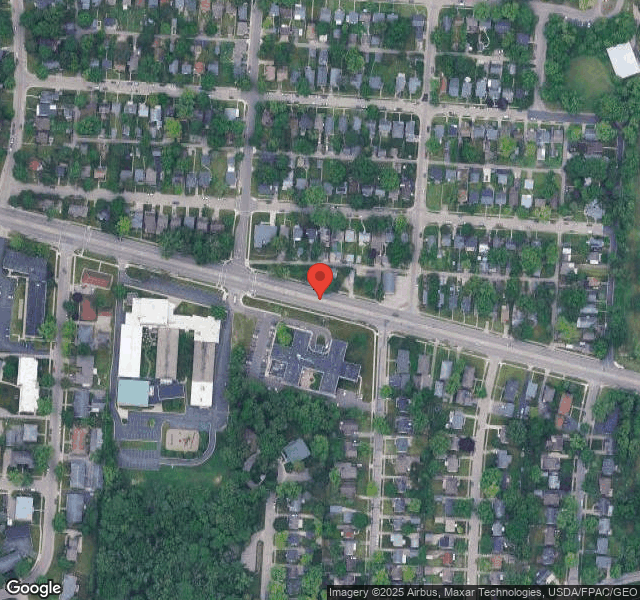
1150 WEST DOROTHY LANE, KETTERING, OH 45409 (937) 293-1152
For profit - Corporation 118 Beds Independent Data: November 2025
Trust Grade
15/100
#749 of 913 in OH
Last Inspection: July 2024

Within standard 12-15 month inspection cycle. Federal law requires annual inspections.

Overview

Oaks of West Kettering has received a Trust Grade of F, indicating significant concerns about the facility's quality and care. Ranked #749 out of 913 facilities in Ohio, they are in the bottom half, and at #32 out of 40 in Montgomery County, only a few local options are worse. While the facility is improving-reducing issues from 11 in 2024 to 8 in 2025-some serious incidents have occurred, including a resident suffering a significant injury from a falling sink and another experiencing sexual abuse by a visitor. Staffing is a weakness, with a turnover rate of 66%, which is higher than the state average, though the facility does have more RN coverage than 80% of facilities in Ohio. Additionally, the fines of $75,572 are concerning, as they are higher than 85% of Ohio facilities, suggesting repeated compliance problems.

Trust Score
F
15/100
In Ohio
#749/913
Bottom 18%
Safety Record
High Risk
Review needed
Inspections
Getting Better
11 → 8 violations
Staff Stability
⚠ Watch
66% turnover. Above average. Higher turnover means staff may not know residents' routines.
Penalties
✓ Good
$75,572 in fines. Lower than most Ohio facilities. Relatively clean record.
Skilled Nurses
✓ Good
Each resident gets 46 minutes of Registered Nurse (RN) attention daily — more than average for Ohio. RNs are trained to catch health problems early.
Violations
⚠ Watch
52 deficiencies on record. Higher than average. Multiple issues found across inspections.
★★☆☆☆
2.0
Overall Rating
★★☆☆☆
2.0
Staff Levels
★★★★☆
4.0
Care Quality
★★☆☆☆
2.0
Inspection Score
Stable
2024: 11 issues
2025: 8 issues

The Good

  • 4-Star Quality Measures · Strong clinical quality outcomes
  • Full Sprinkler Coverage · Fire safety systems throughout facility
  • No fines on record

Facility shows strength in quality measures, fire safety.

The Bad

2-Star Overall Rating

Below Ohio average (3.2)

Below average - review inspection findings carefully

Staff Turnover: 66%

20pts above Ohio avg (46%)

Frequent staff changes - ask about care continuity

Federal Fines: $75,572

Well above median ($33,413)

Moderate penalties - review what triggered them

Staff turnover is elevated (66%)

18 points above Ohio average of 48%

The Ugly 52 deficiencies on record

4 actual harm
Aug 2025 5 deficiencies
CONCERN (D) 📢 Someone Reported This

A family member, employee, or ombudsman was alarmed enough to file a formal complaint

Potential for Harm - no one hurt, but risky conditions existed

Pressure Ulcer Prevention (Tag F0686)

Could have caused harm · This affected 1 resident

**NOTE- TERMS IN BRACKETS HAVE BEEN EDITED TO PROTECT CONFIDENTIALITY** Based on medical record reviews, staff interviews, and policy review, the facility failed to comprehensively assess pressure ulc...

Read full inspector narrative →
**NOTE- TERMS IN BRACKETS HAVE BEEN EDITED TO PROTECT CONFIDENTIALITY** Based on medical record reviews, staff interviews, and policy review, the facility failed to comprehensively assess pressure ulcer wounds upon admission. This affected two (#08 and #100) of four residents reviewed for pressure ulcer care and services. The facility census was 95. Findings include: 1.Review of the medical records or Resident #08 revealed an admission date of [DATE]. Diagnoses included fracture of left fibula, sepsis, cellulitis, end stage renal disease, type two diabetes, neuromuscular dysfunction of the bladder, anemia, abscess of foot, dependence on renal dialysis, and hypertension. Review of the care plan dated [DATE] revealed Resident #08 was, at risk for impaired skin integrity with interventions to monitor skin for moisture, apply barrier product as needed, monitor skin for redness, specifically over bony prominences, provide skin care per facility guidelines and PRN as needed. The care plan also stated, the resident has pressure ulcer to right buttock for pressure ulcer development with interventions to administer treatments as ordered and monitor for effectiveness, weekly treatment documentation to include measurement of each area of skin breakdown's width, length, depth, type of tissue, and exudate. The care plan also stated, the resident has a venous/stasis ulcer with interventions to evaluate wound for size, depth, margins: peri-wound skin, sinuses, undermining, exudates, edema, granulation, infection, necrosis, eschar, gangrene and document progress in wound healing on ongoing basis. Review of physician orders for Resident #08 dated [DATE] revealed pressure reducing cushion, pressure reducing mattress. Further review revealed orders from [DATE] revealed, paint bilateral lower extremities with betadine and wrap with Kerlix, bilateral buttock: cleanse area, apply Medi Honey and foam border, to encourage to elevate heels when in bed, barrier cream: apply house barrier cream to peri area/buttocks after each incontinent episode and as needed to prevent skin break down. Review of Resident #08 admission assessment dated [DATE] revealed skin conditions to the right buttocks other open, to the left buttock other open, to the right lower leg pressure unstageable, to the right toe other open lesion, bilateral upper extremity bruising, bilateral lower extremity other necrotic area/lesion, to the right forearm skin tear. There were no measurements included in the wound description. Review of Resident #08 Skin Assessment- V4 dated [DATE] revealed skin a skin condition on right and left buttock area with treatment in place, bilateral lower extremities with necrotic area and lesions with treatment in place, bruising to bilateral upper extremities, skin tear to right forearm, edema to all extremities, right chest dialysis port, and left upper extremity fistula. There were no measurements included in the wound description. Interview on [DATE] at 12:02 P.M. with the Director of Nursing (DON) confirmed the admission Assessment and Skin assessment dated [DATE] for Resident #08 did not include measurements and that the policy for new admitted residents was to fully document and measure wound. 2. Review of the medical record for Resident #100 revealed an admission date of [DATE] with medical diagnoses of end stage renal disease, congestive heart failure, dementia, obstructive and reflux uropathy, and diabetes mellitus. Further review revealed Resident #100 discharged to the hospital on [DATE], readmitted to the facility on [DATE], discharged to the hospital on [DATE], readmitted to the facility on [DATE], enrolled onto Hospice services on [DATE] and expired on [DATE]. Review of the Minimum Data Set (MDS) assessment, dated [DATE], revealed Resident #100 had moderate cognitive impairment and was dependent upon staff for all activities of daily living. Further review of the MDS revealed Resident #100 had a Stage IV pressure ulcer which was present upon admission and three arterial ulcers. Review of hospital transfer notes dated [DATE] revealed Resident #100 had open areas to right and left buttock on [DATE]. The note did not indicate type of open areas or measurements. Further review of the hospital transfer notes revealed on [DATE] Resident #100 had a Stage II pressure ulcer to right and left buttock and an order for magic butt paste to bilateral buttocks. The note did not include measurements for pressure ulcers. Review of a nursing evaluation assessment completed on [DATE] revealed Resident #100 readmitted to the facility with bruising to right and left hands and skin tear to bilateral cheeks. The assessments did not include measurements or descriptions of skin issues. Review of a weekly skin assessment, dated [DATE], revealed Resident #100 had redness to right and left buttock. The assessment did not include measurements or descriptions of areas. Review of Wound Nurse Practitioner (NP) notes, dated [DATE], stated Resident #100 had Stage III pressure ulcers to bilateral buttocks with a measurement of 5 centimeters (cm) by 8.5 cm by 0.1 cm with 40% eschar and serosanguinous drainage. The note indicated only one measurement for the wounds. Review of the Wound NP note indicated an order for alginate, bordered foam dressing three times per week. Further review of the medical record revealed Resident #100 was seen by Wound NP weekly. Review of the physician orders for Resident #100 revealed an order dated [DATE] for [NAME] paste 40% to bilateral buttocks every shift and a new order dated [DATE] to cleanse bilateral buttocks with cleanser, pat dry, apply calcium alginate, and foam dressing three times per week. Review of Resident #100’s [DATE] Treatment Administration Record (TAR) revealed treatments were completed as ordered. Interview on [DATE] at 8:35 A.M. with Director of Nursing (DON) and [NAME] President of Clinical Services (VPCS) #210 confirmed the medical record for Resident #100 did not have documentation to support the staff completed a comprehensive skin assessment upon readmission on [DATE] to measurements and description of wounds to bilateral buttocks. DON also confirmed Resident #100’s wounds were not measured until [DATE] by the Wound NP and only included one measurement for both wounds. Review of the facility policy titled, “Skin Assessment.” Revised [DATE] stated staff were to perform a full body skin assessment as part of their systemic approach to pressure injury prevention and management. The policy stated the documentation of the skin assessment was to include documentation of wound observation, wound location, and other information as indicated or appropriate. Review of the facility policy titled, Wound Management and Documentation, revised [DATE] stated the following elements are documented as part of a complete wound assessment included type of wound, stage of wound or degree of skin loss if non-pressure, measurements, and description of wound bed. This deficiency represents non-compliance investigated under Complaint Number 1353685 (OH00164606).
CONCERN (D) 📢 Someone Reported This

A family member, employee, or ombudsman was alarmed enough to file a formal complaint

Potential for Harm - no one hurt, but risky conditions existed

Incontinence Care (Tag F0690)

Could have caused harm · This affected 1 resident

**NOTE- TERMS IN BRACKETS HAVE BEEN EDITED TO PROTECT CONFIDENTIALITY** Based on medical record review, staff and resident interviews, and policy review, the facility failed to complete indwelling cat...

Read full inspector narrative →
**NOTE- TERMS IN BRACKETS HAVE BEEN EDITED TO PROTECT CONFIDENTIALITY** Based on medical record review, staff and resident interviews, and policy review, the facility failed to complete indwelling catheter care as per policy. This affected one (#62) rout of three residents reviewed for indwelling catheter care. The facility census was 95. Findings include: Review of the medical record for Resident #62 revealed an admission date of 06/21/24 with medical diagnoses of chronic respiratory failure with hypoxia, chronic viral Hepatitis C, neuromuscular dysfunction of bladder, anemia, paraplegia. Further review revealed Resident #62 discharge to hospital on [DATE] and readmission to the facility on 06/13 /25. Review of the quarterly Minimum Data Set (MDS) assessment, dated 05/14/25, indicated Resident #62 was cognitively intact, was dependent upon staff for all activities of daily living and had an indwelling catheter. Review of the medical record revealed a care plan, dated 11/20/24, which stated Resident #62 had an urinary catheter related to neurogenic bladder with an intervention to perform catheter care every shift. Review of Resident #62's June 2025 Treatment Administration Record (TAR) revealed there was documentation to support staff completed indwelling catheter care every shift from 06/01/25 until 06/06/25. However, further review of June 2025 TAR revealed no documentation to support the facility staff completed indwelling catheter care for Resident #62 after readmission on [DATE] until 07/01/25. Interview on 08/19/25 at 11:31 A.M. with Resident #62 stated staff usually do not perform catheter care on her for the night shift. Resident #62 stated she has gone several days without catheter care getting done. Interview on 08/19/25 at 2:30 P.M. with [NAME] President of Clinical Services (VPCS) #210 stated the expectation was for staff to complete indwelling catheter care for any resident with an indwelling catheter every shift. VPCS #210 confirmed the medical record for Resident #62 did not have documentation to support the facility completed indwelling catheter care as per facility standards and policy following the residents readmission in June 2025. Review of the facility policy titled, Catheter Care, revised 03/01/25, stated the facility to ensure that residents with indwelling catheters receive appropriate catheter care and maintain their dignity and privacy when indwelling catheters are in use. The policy stated catheter care would be performed every shift and as needed by nursing personnel. This deficiency represents non-compliance investigated under Complaint Number 1353687 (OH00165443).
CONCERN (D) 📢 Someone Reported This

A family member, employee, or ombudsman was alarmed enough to file a formal complaint

Potential for Harm - no one hurt, but risky conditions existed

Deficiency F0698 (Tag F0698)

Could have caused harm · This affected 1 resident

Based on medical record review, staff interview, and policy review, the facility failed to complete pre-dialysis assessments thoroughly and failed to completed post dialysis assessments. This affected...

Read full inspector narrative →
Based on medical record review, staff interview, and policy review, the facility failed to complete pre-dialysis assessments thoroughly and failed to completed post dialysis assessments. This affected three (#07, #08, and #100) out of the three residents reviewed for dialysis. The facility census was 95. Findings include: 1.Review of the medical record for Resident #07 revealed an admission date of 07/09/25 with medical diagnoses of left hemiplegia, end stage renal disease, dependence on dialysis, bipolar disorder, and diabetes mellitus. Review of the admission Minimum Data Set (MDS) assessment, dated 07/16/25, revealed Resident #07 had moderate cognitive impairment and was dependent upon staff for all activities of daily living (ADLs). Review of the physician orders for Resident #07 revealed an order dated 07/29/25 for hemodialysis in-house (contracted dialysis center located at the facility) on Mondays, Tuesdays, Thursdays, and Fridays. Review of Resident #07's hemodialysis care plan stated Resident #07 was at risk for clotting, hemorrhage, and infection at the access site with an intervention to clinically assess the resident upon return to the facility from dialysis center. Review of Resident #07's Kidney Care Dialysis Hand Off Communication forms from 07/28/25 to 08/14/25 revealed pre-dialysis assessments were completed by facility staff but did not have documentation to support the facility assessed Resident #07's mental status, location of access site or if had any signs or symptoms of infection at the site. Review of the medical record for Resident #07 revealed no documentation to support the facility completed post dialysis assessments once Resident #07 returned from the dialysis center. 2. Review of the medical record for Resident #08 revealed an admission date of 07/19/25 with medical diagnoses of end stage renal disease, diabetes mellitus, left fibula fracture, and congestive heart failure. Review of an admission MDS assessment, dated 07/26/25, indicated Resident #08 was cognitively intact and required partial/moderate staff assistance for transfers, supervision for bed mobility, and substantial/maximum staff assistance for showers and toilet hygiene. The MDS indicated Resident #08 received dialysis. Review of Resident #08's physician orders revealed an order dated 07/31/25 for hemodialysis in-house on Mondays, Tuesdays, Wednesdays, and Thursdays. Review of Resident #08's hemodialysis care plan stated Resident #08 received hemodialysis related to end stage renal disease with an intervention to clinically assess the resident upon return to the facility from dialysis. Review of Resident #08's Kidney Care Dialysis Hand Off Communication forms from 07/07/25 to 08/19/25 revealed pre-dialysis assessments were completed by facility staff but did not have documentation to support the facility assessed Resident #08's mental status, location of access site or if had any signs or symptoms of infection at the site. Review of the medical record for Resident #08 revealed no documentation to support the facility completed post dialysis assessments once Resident #08 returned from the dialysis center. 3. Review of the medical record for Resident #100 revealed an admission date of 11/13/24 with medical diagnoses of end stage renal disease, congestive heart failure, dementia, obstructive and reflux uropathy, and diabetes mellitus. Review of the MDS assessment, dated 05/15/25, revealed Resident #100 had moderate cognitive impairment and was dependent upon staff for all activities of daily living. Review of the physician orders for Resident #100 revealed an order dated 05/12/25 for hemodialysis in-house on Mondays, Tuesdays, Thursdays, and Fridays. Review of the care plans for Resident #100 revealed an at risk for complications due to hemodialysis related to end stage renal disease with an intervention for staff to access site for signs of bleeding every shift and upon return from dialysis. Review of the medical record for Resident #100 revealed no documentation to support the facility completed any pre or post dialysis assessments. Interview on 08/19/25 at 3:00 P.M. with [NAME] President of Clinical Services (VPCS) #210 stated in-house dialysis is the dialysis provided by a contract dialysis company with a location in the facility. VPCS #210 confirmed the dialysis center in the facility was not affiliated with the facility's parent company. VPCS #210 confirmed that the medical records for Resident #07 and #08 did not contain documentation to support the facility staff completed thorough pre-dialysis assessments and the medical records did not contain documentation to support the facility completed post dialysis assessments for the residents once they returned from dialysis. VPCS #210 also confirmed that the medical record for Resident #100 did not contain documentation to support the facility completed pre or post dialysis assessments. Review of the facility policy titled, Hemodialysis, revised 03/01/25 stated the facility would provide the necessary care and treatment, consistent with professional standards of practice, physician orders, the comprehensive person-centered care plan, and the resident's goals and preferences, to meet the special medical, nursing, mental, and psychosocial needs of residents receiving hemodialysis. The policy stated the facility would ensure that ongoing assessment of the resident's condition and monitoring for complications before and after dialysis treatments received at a certified dialysis facility. This deficiency represents non-compliance investigated under Complaint Number 1353687 (OH00165443).
CONCERN (D) 📢 Someone Reported This

A family member, employee, or ombudsman was alarmed enough to file a formal complaint

Potential for Harm - no one hurt, but risky conditions existed

Infection Control (Tag F0880)

Could have caused harm · This affected 1 resident

**NOTE- TERMS IN BRACKETS HAVE BEEN EDITED TO PROTECT CONFIDENTIALITY** Based on medical record reviews, staff and resident interviews, observations, and policy reviews, the facility failed to follow ...

Read full inspector narrative →
**NOTE- TERMS IN BRACKETS HAVE BEEN EDITED TO PROTECT CONFIDENTIALITY** Based on medical record reviews, staff and resident interviews, observations, and policy reviews, the facility failed to follow infection control procedures during wound and incontinence cares. This affected two (#08 and #62) out of three residents observed for infection control procedures. The facility census was 95. Findings include: 1. Review of the medical record for Resident #62 revealed an admission date of 06/21/24 with medical diagnoses of chronic respiratory failure with hypoxia, chronic viral Hepatitis C, neuromuscular dysfunction of bladder, anemia, paraplegia. Review of the quarterly Minimum Data Set (MDS) assessment, dated 05/14/25, indicated Resident #62 was cognitively intact, was dependent upon staff for all activities of daily living and had an indwelling catheter. Review of the medical record revealed a care plan, dated 11/20/24, which stated Resident #62 had a urinary catheter related to neurogenic bladder with an intervention to perform catheter care every shift. Review of physician orders for Resident #62 revealed an order dated 07/01/25 to perform catheter care every shift and as needed. Observations on 08/19/25 at 11:30 A.M. revealed State Tested Nursing Assistant (STNA) #332 and #321 prepared Resident #62 for indwelling catheter and incontinence cares by gathering supplies (basin of warm, soapy water, wash clothes, towel, plastic bags), washing hands, applying gloves and gowns, and explaining the procedure to Resident #62. STNA #332 assisted STNA #321 with positioning Resident #62 in bed. STNA #321 was observed washing Resident #62’s peri area with soapy washcloths including Resident #62’s indwelling catheter and then proceeded to wash areas with wet wash cloth only. STNA #321 discarded soiled wash clothes into plastic bags and grabbed a dry towel to dry Resident #62’s peri area. STNA #321 was observed to remove her gloves and applied a new pair of gloves and proceeded to get clean soap and water in the water basin. STNA #321 and #332 assisted Resident #62 with positioning on her side while the STNA's removed the soiled depends from under Resident #62. STNA #321 then proceeded to wash Resident #62’s bilateral buttocks with soapy washcloth and then washed with water only washcloth before using a dry towel to dry off the buttocks. STNA #321 was observed assisting STNA #332 with applying new pad and depends under Resident #62. STNA #321 was observed to remove gloves and wash hands after all soiled items had been placed in the plastic bag. The observation revealed STNA #321 had not performed hand hygiene after removing soiled gloves or before applying new gloves. The observation also revealed STNA #321 had not changed gloves after cleaning Resident #62’s peri area, catheter, or buttocks prior to using a clean towel to dry the areas off or after assisting STNA #332 with removing Resident #62’s soiled depends. Interview on 08/19/25 at 11:56 A.M. with STNA #321 confirmed she had not washed her hands after removing her gloves and prior to applying a new pair of gloves. STNA #321 also confirmed she has not changed gloves after cleansing Resident #62 and prior to drying her peri area, catheter, and buttocks with a clean towel or after removed soiled depends prior to application of new depends. Review of the facility policy titled, “Hand Hygiene,” revised 06/19/25 stated all staff will perform proper hand hygiene procedures to prevent the spread of infections to other personnel, residents, and visitors. The policy stated “hand hygiene” is a general term for cleaning your hands by handwashing with soap and water or the use of an antiseptic hand rub, also known as alcohol-based hand rub (ABHR). The policy stated the sue of gloves does not replace hand hygiene, and if your task required gloves to perform hand hygiene prior to donning gloves and immediately after removing gloves. 2.Review of the medical records for Resident #08 revealed an admission date of 07/19/25. Diagnoses included fracture of left fibula, sepsis, cellulitis, end stage renal disease, type two diabetes, neuromuscular dysfunction of the bladder, anemia, abscess of foot, dependence on renal dialysis, and hypertension. Review of MDS dated [DATE] revealed Resident #08 admitted with a stage three pressure ulcer and was independent with self-care. Review of the care plan dated 8/5/25 revealed Resident #08 was, at risk for impaired skin integrity with interventions to monitor skin for moisture, apply barrier product as needed, monitor skin for redness, specifically over bony prominences, provide skin care per facility guidelines and PRN as needed. The care plan also stated, the resident has pressure ulcer to right buttock for pressure ulcer development with interventions to administer treatments as ordered and monitor for effectiveness, weekly treatment documentation to include measurement of each area of skin breakdown's width, length, depth, type of tissue, and exudate. The care plan also stated, the resident has a [NAME]/stasis ulcer with interventions to evaluate wound for size, depth, margins: peri-wound skin, sinuses, undermining, exudates, edema, granulation, infection, necrosis, eschar, gangrene and document progress in wound healing on ongoing basis. Review of Resident #08 order dated 07/29/25 revealed, enhanced barrier precautions due to dialysis and wounds. Further review of orders dated 8/13/25 revealed wound care to the right buttocks, cleanse, pat dry, apply alginate and bordered foam dressing every Tuesday, Thursday, and Saturday and as needed. Observation on 08/19/25 at 10:03 A.M. of wound care for Resident # 08 revealed Licensed Practical Nurse (LPN) #232 explained the wound care procedure to Resident #08 then performed hand hygiene and applied gloves. LPN #232 removed the old dressing, performed hand hygiene, reapplied gloves, and completed wound care as ordered. The observation revealed LPN #232 did not don a gown during wound care. Observation also revealed a enhanced barrier precaution sign and personal protective equipment (PPE) cart located outside of the Resident #08's room. Interview on 08/19/25 at 10:11 A.M. with LPN #232 confirmed the resident was to be in enhanced barrier precautions, an enhanced barrier precaution sign was posted on the resident's door, and PPE was outside of the resident's room. LPN #232 confirmed they did not wear PPE during wound care for Resident #08. Review of the facility policy, Enhanced Barrier Precautions last revised on 7/1/25 revealed enhanced barrier precautions will be ordered for residents with wounds and personal protective equipment is necessary when performing high-contact care activities including wound care. This deficiency is based on an incidental finding discovered during the course of the complaint investigation.
CONCERN (D) 📢 Someone Reported This

A family member, employee, or ombudsman was alarmed enough to file a formal complaint

Potential for Harm - no one hurt, but risky conditions existed

Deficiency F0925 (Tag F0925)

Could have caused harm · This affected 1 resident

Based on medical record review, observations, and staff and resident interviews, the facility failed to ensure resident room was free from flies. This affected one (#11) out of three residents reviewe...

Read full inspector narrative →
Based on medical record review, observations, and staff and resident interviews, the facility failed to ensure resident room was free from flies. This affected one (#11) out of three residents reviewed for pests/insects in rooms. The facility census was 95. Findings include: Review of the medical record for Resident #11 revealed an admission date of 07/26/25 with medical diabetes mellitus, chronic obstructive pulmonary disease, chronic kidney disease, and hypertension. Review of the admission Minimum Data Set (MDS) assessment, dated 08/02/25, revealed Resident #11 had moderate cognitive impairment and required partial/moderate staff assistance with toilet hygiene and substantial/maximum assistance for bathing, transfers, and bed mobility. Observation with interview on 08/18/25 at 11:28 A.M. of Resident #11's room revealed six flies either flying in the room or sitting on Resident #11's bedsheets. Resident #11 stated he has had issues with flies in his room since he arrived at the facility. Interview on 08/18/25 at 11:33 A.M. with Licensed Practical Nurse (LPN) #256 confirmed Resident #11's room had six flies either flying around in his room or sitting on his bed. Observation on 08/19/25 at 8:05 A.M. of Resident #11's room revealed the resident was sleeping and three flies noted to be sitting on his bed. Interview on 08/19/25 at 8:08 A.M. with LPN #232 stated several resident rooms have issues with flies and gnats which have been going on for a while. Interview on 08/19/25 at 8:47 A.M. with Maintenance Director #304 stated he started at the facility about one month ago and he noticed issues with flies and gnats in resident rooms. Maintenance Director #304 stated he had been working to resolve the fly and gnat issues with treatments to sinks and drains and had seen some improvement. Maintenance Director #304 stated a pest control company provided treatments monthly to common areas and kitchen and will spot treat rooms as needed. This deficiency represents non-compliance investigated under Complaint Number 1353684 (OH00166903).
Jan 2025 3 deficiencies 1 Harm
SERIOUS (G) 📢 Someone Reported This

A family member, employee, or ombudsman was alarmed enough to file a formal complaint

Actual Harm - a resident was hurt due to facility failures

Accident Prevention (Tag F0689)

A resident was harmed · This affected 1 resident

**NOTE- TERMS IN BRACKETS HAVE BEEN EDITED TO PROTECT CONFIDENTIALITY** Based on medical record review, staff interviews, observation, review of maintenance logs, and review of facility policy, the fa...

Read full inspector narrative →
**NOTE- TERMS IN BRACKETS HAVE BEEN EDITED TO PROTECT CONFIDENTIALITY** Based on medical record review, staff interviews, observation, review of maintenance logs, and review of facility policy, the facility failed to ensure a resident was free from accidents/hazards. This resulted in Actual Harm when Resident #66 utilized the first-floor restroom on 12/15/24 and while washing his hands, the floating handwashing sink fell on him resulting in a laceration to the left knee that required 17 sutures, the use of antibiotics for infection prevention and continued wound care. This affected one (#66) of three residents reviewed for accidents. The facility census was 101. Findings included: Review of the medical record for Resident #66, revealed an admission date of 11/11/24. Diagnoses included toxic encephalopathy, schizophrenia, chronic viral Hepatitis-C, visual hallucinations, auditory hallucinations, alcohol abuse, drug induced akathisia, muscle weakness and dysphagia. Review of the admission Minimum Data Set (MDS) assessment for Resident #66 dated 11/18/24, revealed Resident #66 had moderate cognitive impairment and the resident required moderate assistance with transfers and sitting to standing. Review of an incident report titled Skin Tear dated 12/15/24 at 11:23 A.M. and authored by Licensed Practical Nurse (LPN) #233 revealed a Certified Nursing Assistant (CNA) reported Resident #66 was bleeding. There was blood noted in the elevator when Resident #66 returned from smoking. A large laceration that was approximately three inches long by one inch wide was noted on the resident's left shin below the knee and a small cut was noted under the resident's right eye. Resident #66 stated when he went to smoke, he used the bathroom downstairs and the sink broke and cut him. The area was cleansed, and steri- strips, an abdominal (ABD) pad along with kerlix were applied. Resident #66's vital signs were obtained, and the resident's physician was notified. Review of an alert note for Resident #66 dated 12/15/24 at 1:18 P.M., and authored by LPN #272, revealed Resident #66's family was in the facility and observed an open area to the resident's left lower extremity. The family called nine-one-one (911) and Resident #66 was transported to the hospital. The physician was made aware. Review of a physician order for Resident #66 dated 12/15/24, revealed the resident was ordered to have the left shin cleansed with normal saline, patted dry, ABD applied, covered with kerlix every day and monitor the steri-strips for placement. The order was discontinued 12/29/24. Review of the hospital record for Resident #66 dated 12/15/24, revealed Resident #66 was going to the bathroom at his skilled nursing facility when the ceramic sink fell from the wall hitting his knee and causing a laceration. Resident #66's family reported a provider at the facility applied steri-strips and stated the resident did not need to go to the hospital, and he did not require any sutures. Resident #66's family stated they noticed Resident #66's leg was continuing to bleed and the family insisted the resident come to the emergency department for evaluation. Resident #66 was positive for joint pain and had a five-centimeter (cm) laceration noted to the left knee and there was active bleeding noted. The laceration was closed with 17 sutures, Bacitracin applied and then gauze and Coban applied. Resident #66 was discharged from the hospital on [DATE] and to follow-up with his primary care provider and have the sutures removed in 12-14 days. Review of the hospital After Visit Summary (AVS) for Resident #66 dated 12/15/24, revealed Resident #66 was seen for an extremity laceration. The resident was diagnosed with a laceration of the lower left extremity which required sutures, and the sutures were to be removed in 12 to 14 days. Review of a MDS note for Resident #66 dated 12/16/24 at 9:47 A.M., revealed Resident #66's care plan was updated related to a skin tear. Care plan goals and interventions were in place at that time. Review of a care plan for Resident #66 dated 12/16/24, revealed Resident #66 had impaired skin integrity related to a skin tear to the left knee and bruising to the right eye. Interventions included apply treatments as ordered, educate the resident, family and caregivers of causative factors and measures to prevent skin injury, include the resident and responsible party in the treatment plan, update the treatment plan as indicated by change in condition or treatment, measure area every week, and observe the wound for signs and symptoms of infection. Review of a hardware store receipt dated 12/16/24 revealed items including a white wall mount sink, drywall repair panels, a drain, and bath faucet were purchased. Review of a health status note for Resident #66 dated 12/29/24 at 6:53 P.M., and authored by LPN #150, revealed the hospital discharge orders from 12/15/24, indicated the resident's sutures were to be removed in 12-14 days and today was day 14. An order was not located in the paper chart or in the electronic medical record (EMR). Resident #66's physician was contacted and verified Resident #66's sutures were to be removed. This nurse found a small dehiscence (opening of a wound), serous sanguineous fluid leaking and there was a lot of heat and swelling to the area. Resident #66's physician gave an order to start Resident #66 on doxycycline (antibiotic) 100 milligrams (mgs) twice a day for ten days and to leave the wound open to air. Review of a health status note for Resident #66 dated 12/29/24 at 6:58 P.M., and authored by LPN #150, revealed LPN #150 and another nurse on the unit attempted to remove the sutures from the left lower extremity. It was noted the wound edge was thought to be closed and well approximated (wound edges close together) except for a small 1 cm by 1 cm opening that began to open up during the suture removal process. Resident #66 stated the process was becoming painful and was afraid the wound would open more, and the resident requested LPN #150 and the other nurse to stop and wait to be seen by the physician in the morning. The nurse reached out to the physician. Review of a physician order for Resident #66 dated 12/29/24, revealed an order for the sutures to be removed from his left lower extremity or knee. The order was discontinued 12/30/24. Review of a health status note for Resident #66 dated 12/30/24 at 3:32 P.M., revealed Nurse Practitioner (NP) #151 provided new orders including cleanse the wound area with normal saline, pat dry, apply bordered gauze daily and as needed. Resident #66 and the resident's sister were notified. Review of a wound care note for Resident #66 dated 12/30/24 and authored by NP #151, revealed the resident was seen for an initial evaluation and management of the wound to the left lower extremity. Resident #66 was alert with cognitive impairment and resided in the memory care unit. Resident #66 denied pain. The staff attempted to apply a dry dressing for a small amount of bleeding to protect the wound but Resident #66 refused multiple times. The nurse reported that the sutures were removed, and Resident #66 was placed on doxycycline on 12/30/24. The wound was listed as in-house acquired, traumatic in etiology and it had full thickness. The wound was 1 cm in length by 4 cm in width and 0.1 cm in depth. Resident #66 was to have a bordered foam dressing three times a week and as needed. Review of a physician order for Resident #66 dated 12/31/24, revealed an order to have the left knee cleansed with normal saline, patted dry, and covered with bordered gauze daily and as needed. The order was discontinued 01/15/25. Review of a physician order for Resident #66 dated 12/31/24, revealed an order for doxycycline 100 mg give one tablet by mouth two times a day for infection prevention for ten days until finished. The order was discontinued 01/10/25. Review of a wound care physician note for Resident #66 dated 01/06/25 and authored by NP #151, revealed the resident was seen for a wound follow up on his left lower extremity. The wound was listed as improved. The wound was 1.5 cm in length by 3.5 cm in width by 0.1 cm in depth. Resident #66 was to have a bordered foam dressing three times a week and as needed. Review of a health status note for Resident #66 dated 01/09/25 at 5:29 P.M., revealed the resident was to continue antibiotics for his wound. Resident #66 was afebrile (without fever) and removed his bandage three times that shift. Resident #66 was educated on keeping the wound clean and dry and the resident taped on a piece of gauze and told the nurse to leave it alone. Review of a physician order for Resident #66 dated 01/13/25, revealed an order to cleanse the area to the left knee wound, apply collagen to the wound bed, lightly pack the wound with Vashe (a wound Solution intended for cleansing, irrigating, moistening, debridement and removal of foreign material) soaked moistened gauze, and covered with a bordered gauze every day and as needed. Review of a wound care physician note for Resident #66 dated 01/13/25 and authored by NP #151 revealed the resident was seen for a wound follow up on his left lower extremity. The wound was listed as improved. The wound was 1.2 cm in length by 2.5 cm in width by 0.3 cm in depth. Resident #66 was to have a collagen sheet applied to the wound bed, lightly pack the wound with Vashe soaked gauze and cover with a bordered gauze every day. Observations of the facility on 01/16/25 from 7:32 A.M. to 2:00 P.M. revealed no concerns related to accidents/hazards. There was a public restroom located on the first floor that had a floating porcelain sink affixed to the wall. The sink was noted to be sitting on a bracket that was affixed to the wall with a strip of caulking on the top of sink. Interview with Resident #66 on 01/16/25 at 8:10 A.M., revealed he independently walked into and used the first-floor bathroom around the end of December 2024. Resident #66 stated he went to wash his hands, and the handwashing sink fell on him and cut open his left knee. Resident #66 reported that his left knee was bleeding, and he was sent out to the hospital to get stitches. Resident #66 stated he was not aware of his family being notified of the injury but stated they were at the hospital with him. Resident #66 reported that he had a current dressing on his left knee, but his stitches had been taken out. Resident #66 stated his pain was not too bad. Observation of Resident #66 at the time revealed the resident was lying in bed, appeared clean, and the resident was observed to have a bordered dressing on his left knee that was not labeled or dated. Interview with the Administrator on 01/16/25 at 10:19 A.M., revealed the staff took Resident #66 to smoke on 12/15/24 and the staff noticed Resident #66 was bleeding when they got on the elevator to go back up to the resident's unit on the second floor. The Administrator stated Resident #66 reported the sink cut him. Resident #66's physician was notified, and the physician gave an order for a dressing to the wound, but the resident's family was not satisfied and wanted him sent out to the hospital. The Administrator stated Resident #66 was sent to the hospital, and he obtained sutures to his left knee. The Administrator reported the bathroom sink was found lying on the floor when staff looked in the bathroom and the bathroom was locked so other residents could not enter it. Interview with the Director of Nursing (DON) on 01/16/25 at 12:54 P.M., revealed she received a phone call on 12/15/24 from the nurse notifying her the first-floor bathroom handwashing sink fell on Resident #66 cutting his left knee. The DON stated the physician was notified, and the physician ordered staff to cleanse the area with normal saline, pat dry, apply an ABD pad and apply kerlix. The DON stated Resident #66's family was not notified because Resident #66 was his own responsible party, but his family came to the facility later that day and requested that he go out to the hospital. The DON stated that Resident #66 returned to the facility from the hospital with stitches. Attempted interview with LPN #233 on 01/16/25 at 12:56 P.M. was unsuccessful. A message was left to return the call, and no return call was received. Interview with Maintenance Director #800 on 01/16/25 at 12:58 P.M., revealed Maintenance Director #800 was notified on 12/15/24 the sink in the first-floor bathroom fell off the wall and cracked. Maintenance Director #800 reported the sink was on the floor in several pieces and the pipes were still attached to the sink but were not leaking. Maintenance Director #800 stated he replaced the sink with a new floating sink, replaced the dry wall, replaced the drains and applied new caulking. Maintenance Director #800 reported the sink that fell on Resident #66 was a floating sink and floating sinks will tilt if someone puts too much weight on the sink. Maintenance Director #800 stated any floating sink could possibly fall off the wall because floating sinks sit on an anchor with caulking but are not directly bolted to the wall. Observation of wound care for Resident #66's left knee wound on 01/17/25 at 9:34 A.M., revealed LPN #236 washed her hands, donned a gown and gloves. LPN #236 removed an undated bordered dressing from Resident #66's left knee. LPN #236 doffed her gloves, washed her hands and donned a new pair of gloves. LPN #236 cleansed the area with Vashe wound solution, applied collagen to the wound bed, packed the wound with Vashe moist gauze and covered the wound with a bordered gauze. LPN #236 then labeled the dressing with the date and her initials. Interview with Activities Aide (AA) #801 on 01/17/25 at 1:02 P.M., revealed she took Resident #66 to smoke outside on the first floor of the facility on 12/15/24. AA #801 stated Resident #66 finished smoking, and he went to the bathroom on the first floor by himself. AA #801 reported Resident #66 came out of the bathroom and she was not aware that anything occurred in the bathroom because she did not hear anything as she was watching the bathroom door from a distance. AA #801 stated Resident #66 was wearing dark pajama pants, and she initially did not see any blood. AA #801 reported they went back upstairs from smoking, and she saw a few red drops in the elevator, but she thought it was juice. AA #801 stated Resident #66 stated he was going to talk to the nurse, and she went on about her day but later found out that the sink fell on Resident #66 in the downstairs bathroom and cut his left knee. Review of the facility's investigating and reporting accidents and incidents policy dated December 2009 revealed all accidents and incidents involving residents, employees, visitors, and vendors occurring in the facility shall be investigated and reported to the administrator. This deficiency represents non-compliance investigated under Complaint Number OH00161103.
CONCERN (D) 📢 Someone Reported This

A family member, employee, or ombudsman was alarmed enough to file a formal complaint

Potential for Harm - no one hurt, but risky conditions existed

Notification of Changes (Tag F0580)

Could have caused harm · This affected 1 resident

**NOTE- TERMS IN BRACKETS HAVE BEEN EDITED TO PROTECT CONFIDENTIALITY** Based on medical record review, staff interviews, observation, and review of facility policy, the facility failed to ensure a re...

Read full inspector narrative →
**NOTE- TERMS IN BRACKETS HAVE BEEN EDITED TO PROTECT CONFIDENTIALITY** Based on medical record review, staff interviews, observation, and review of facility policy, the facility failed to ensure a resident's representative was notified when a resident had a change in condition by sustaining a laceration which required sutures and continued wound care. This affected one (#66) of three residents reviewed for notification of change in condition. The facility census was 101. Findings included: Review of the medical record for Resident #66, revealed an admission date of 11/11/24. Diagnoses included toxic encephalopathy, schizophrenia, chronic viral hepatitis-C, visual hallucinations, auditory hallucinations, alcohol abuse, drug induced akathisia, muscle weakness and dysphagia. Review of the admission Minimum Data Set (MDS) assessment for Resident #66 dated 11/18/24, revealed Resident #66 had moderate cognitive impairment and the resident required moderate assistance with transfers and sitting to standing. Review of an incident report titled Skin Tear dated 12/15/24 at 11:23 A.M. and authored by Licensed Practical Nurse (LPN) #233, revealed a Certified Nursing Assistant (CNA) reported Resident #66 was bleeding. There was blood noted in the elevator when Resident #66 returned from smoking. A large laceration that was approximately three inches long by one inch wide was noted on the resident's left shin below the knee and a small cut was noted under the resident's right eye. Resident #66 stated when he went to smoke, he used the bathroom downstairs and the sink broke and cut him. The area was cleansed, and steri- strips, an abdominal (ABD) pad along with kerlix were applied. Resident #66's vital signs were obtained, and the resident's physician was notified. There was no indication the resident's representative was notified. Review of an alert note for Resident #66 dated 12/15/24 at 1:18 P.M., and authored by LPN #272, revealed Resident #66's family was in the facility and observed an open area to the resident's left lower extremity. The family called nine-one-one (911) and Resident #66 was transported to the hospital. The physician was made aware. Review of a physician order for Resident #66 dated 12/15/24, revealed the resident was ordered to have the left shin cleansed with normal saline, patted dry, ABD applied, covered with kerlix every day and monitor the steri-strips for placement. The order was discontinued 12/29/24. Review of the hospital record for Resident #66 dated 12/15/24, revealed Resident #66 was going to the bathroom at his skilled nursing facility when the ceramic sink fell from the wall hitting his knee and causing a laceration. Resident #66's family reported a provider at the facility applied steri-strips and stated the resident did not need to go to the hospital, and he did not require any sutures. Resident #66's family stated they noticed Resident #66's leg was continuing to bleed and the family insisted the resident come to the emergency department for evaluation. Resident #66 was positive for joint pain and had a five-centimeter (cm) laceration noted to the left knee and there was active bleeding noted. The laceration was closed with 17 sutures, Bacitracin applied and then gauze and Coban applied. Resident #66 was discharged from the hospital on [DATE] and to follow-up with his primary care provider and have the sutures removed in 12-14 days. Review of the hospital After Visit Summary (AVS) for Resident #66 dated 12/15/24, revealed Resident #66 was seen for an extremity laceration. The resident was diagnosed with a laceration of the lower left extremity which required sutures, and the sutures were to be removed in 12 to 14 days. Interview with the Director of Nursing (DON) on 01/16/24 at 12:54 P.M., revealed she received a phone call on 12/15/24 from the nurse notifying her that the first-floor bathroom handwashing sink fell on Resident #66 cutting his left knee. The DON stated that the physician was notified, and the physician ordered staff to cleanse the area with normal saline, pat dry, apply an ABD pad and apply kerlix. The DON stated that Resident #66's family was not notified. The DON reported Resident #66 was his own responsible party, but his family came to the facility later that day and requested that he go out to the hospital. The DON stated that Resident #66 returned to the facility from the hospital with stitches. Review of the undated change in condition policy revealed the facility will notify the resident, his or her attending physician and resident representative of changes in the resident's medical condition or status. This deficiency represents non-compliance investigated under Complaint Number OH00161103.
CONCERN (F) 📢 Someone Reported This

A family member, employee, or ombudsman was alarmed enough to file a formal complaint

Potential for Harm - no one hurt, but risky conditions existed

Safe Environment (Tag F0921)

Could have caused harm · This affected most or all residents

**NOTE- TERMS IN BRACKETS HAVE BEEN EDITED TO PROTECT CONFIDENTIALITY** Based on record review, and staff interview, the facility failed to ensure a floating porcelain sink was maintained in a safe ma...

Read full inspector narrative →
**NOTE- TERMS IN BRACKETS HAVE BEEN EDITED TO PROTECT CONFIDENTIALITY** Based on record review, and staff interview, the facility failed to ensure a floating porcelain sink was maintained in a safe manner. This affected one (#66) resident of three residents reviewed for physical environment. The facility census was 101. Findings included: Review of the medical record for Resident #66, revealed an admission date of 11/11/24. Diagnoses included toxic encephalopathy, schizophrenia, chronic viral hepatitis-C, visual hallucinations, auditory hallucinations, alcohol abuse, drug induced akathisia, muscle weakness and dysphagia. Review of the admission Minimum Data Set (MDS) assessment for Resident #66 dated 11/18/24, revealed Resident #66 had moderate cognitive impairment and the resident required moderate assistance with transfers and sitting to standing. Review of an incident report titled Skin Tear dated 12/15/24 at 11:23 A.M. and authored by Licensed Practical Nurse (LPN) #233, revealed a Certified Nursing Assistant (CNA) reported Resident #66 was bleeding. There was blood noted in the elevator when Resident #66 returned from smoking. A large laceration that was approximately three inches long by one inch wide was noted on the resident's left shin below the knee and a small cut was noted under the resident's right eye. Resident #66 stated when he went to smoke, he used the bathroom downstairs and the sink broke and cut him. The area was cleansed, and steri- strips, an abdominal (ABD) pad along with kerlix were applied. Resident #66's vital signs were obtained, and the resident's physician was notified. Review of the hospital record for Resident #66 dated 12/15/24, revealed Resident #66 was going to the bathroom at his skilled nursing facility when the ceramic sink fell from the wall hitting his knee and causing a laceration. Resident #66's family reported a provider at the facility applied steri-strips and stated the resident did not need to go to the hospital, and he did not require any sutures. Resident #66's family stated they noticed Resident #66's leg was continuing to bleed and the family insisted the resident come to the emergency department for evaluation. Resident #66 was positive for joint pain and had a five-centimeter (cm) laceration noted to the left knee and there was active bleeding noted. The laceration was closed with 17 sutures, Bacitracin applied and then gauze and Coban applied. Resident #66 was discharged from the hospital on [DATE] and to follow-up with his primary care provider and have the sutures removed in 12-14 days. Review of the hospital After Visit Summary (AVS) for Resident #66 dated 12/15/24, revealed Resident #66 was seen for an extremity laceration. The resident was diagnosed with a laceration of the lower left extremity which required sutures, and the sutures were to be removed in 12 to 14 days. Review of an alert note for Resident #66 dated 12/15/24 at 1:18 P.M., and authored by LPN #272, revealed Resident #66's family was in the facility and observed an open area to the resident's left lower extremity. The family called nine-one-one (911) and Resident #66 was transported to the hospital. The physician was made aware. Review of a care plan for Resident #66 dated 12/16/24, revealed Resident #66 had impaired skin integrity related to a skin tear to the left knee and bruising to the right eye. Interventions included apply treatments as ordered, educate the resident, family and caregivers of causative factors and measures to prevent skin injury , include the resident and responsible party in the treatment plan, update the treatment plan as indicated by change in condition or treatment, measure area every week, and observe the wound for signs and symptoms of infection. Review of a hardware store receipt dated 12/16/24, revealed items including a white wall mount sink, drywall repair panels, a drain, and bath faucet were purchased. Observations of the facility on 01/16/25 from 7:32 A.M. to 2:00 P.M., revealed no concerns related to accidents/hazards. There was a public restroom located on the first floor that had a floating porcelain sink affixed to the wall. The sink was noted to be sitting on a bracket that was affixed to the wall with a strip of caulking on the top of sink. Interview with Resident #66 on 01/16/25 at 8:10 A.M., revealed he independently walked into and used the first-floor bathroom around the end of December 2024. Resident #66 stated he went to wash his hands, and the handwashing sink fell on him and cut open his left knee. Resident #66 reported that his left knee was bleeding, and he was sent out to the hospital to get stitches. Resident #66 stated he was not aware of his family being notified of the injury but stated they were at the hospital with him. Resident #66 reported that he had a current dressing on his left knee, but his stitches had been taken out. Resident #66 stated his pain was not too bad. Observation of Resident #66 at the time revealed the resident was lying in bed, appeared clean, and the resident was observed to have a bordered dressing on his left knee that was not labeled or dated. Interview with the Administrator on 01/16/25 at 10:19 A.M., revealed the staff took Resident #66 to smoke on 12/15/24 and the staff noticed Resident #66 was bleeding when they got on the elevator to go back up to the resident's unit on the second floor. The Administrator stated Resident #66 reported the sink cut him. Resident #66's physician was notified, and the physician gave an order for a dressing to the wound, but the resident's family was not satisfied and wanted him sent out to the hospital. The Administrator stated Resident #66 was sent to the hospital, and he obtained sutures to his left knee. The Administrator reported the bathroom sink was found lying on the floor when staff looked in the bathroom and the bathroom was locked so other residents could not enter it. Interview with the Director of Nursing (DON) on 01/16/25 at 12:54 P.M., revealed she received a phone call on 12/15/24 from the nurse notifying her the first-floor bathroom handwashing sink fell on Resident #66 cutting his left knee. The DON stated the physician was notified, and the physician ordered staff to cleanse the area with normal saline, pat dry, apply an ABD pad and apply kerlix. The DON stated Resident #66's family was not notified because Resident #66 was his own responsible party, but his family came to the facility later that day and requested that he go out to the hospital. The DON stated that Resident #66 returned to the facility from the hospital with stitches. Interview with Maintenance Director #800 on 01/16/25 at 12:58 P.M., revealed Maintenance Director #800 was notified on 12/15/24 the sink in the first-floor bathroom fell off the wall and cracked. Maintenance Director #800 reported the sink was on the floor in several pieces and the pipes were still attached to the sink but were not leaking. Maintenance Director #800 stated he replaced the sink with a new floating sink, replaced the dry wall, replaced the drains and applied new caulking. Maintenance Director #800 reported the sink that fell on Resident #66 was a floating sink and floating sinks will tilt if someone puts too much weight on the sink. Maintenance Director #800 stated any floating sink could possibly fall off the wall because floating sinks sit on an anchor with caulking but are not directly bolted to the wall. Interview with Activities Aide (AA) #801 on 01/17/25 at 1:02 P.M., revealed she took Resident #66 to smoke outside on the first floor of the facility on 12/15/24. AA #801 stated Resident #801 finished smoking, and he went to the bathroom on the first floor by himself. AA #801 reported Resident #66 came out of the bathroom and she was not aware that anything occurred in the bathroom because she did not hear anything as she was watching the bathroom door from a distance. AA #801 stated Resident #66 was wearing dark pajama pants, and she initially did not see any blood. AA #801 reported they went back upstairs from smoking, and she saw a few red drops in the elevator, but she thought it was juice. AA #801 stated Resident #66 stated he was going to talk to the nurse, and she went on about her day but later found out that the sink fell on Resident #66 in the downstairs bathroom and cut his left knee. This deficiency represents non-compliance investigated under Complaint Number OH00161103.
Dec 2024 1 deficiency
CONCERN (E) 📢 Someone Reported This

A family member, employee, or ombudsman was alarmed enough to file a formal complaint

Potential for Harm - no one hurt, but risky conditions existed

Deficiency F0678 (Tag F0678)

Could have caused harm · This affected multiple residents

**NOTE- TERMS IN BRACKETS HAVE BEEN EDITED TO PROTECT CONFIDENTIALITY** Based on observation, staff interview, and record review, the facility failed to ensure the facility's East Unit crash cart incl...

Read full inspector narrative →
**NOTE- TERMS IN BRACKETS HAVE BEEN EDITED TO PROTECT CONFIDENTIALITY** Based on observation, staff interview, and record review, the facility failed to ensure the facility's East Unit crash cart included an assembled suction machine with canister, and a backboard. This affected 49 residents (#26, #27, #28, #29, #30, #31, #32, #33, #34, #35, #36, #37, #38, #39, #40, #41, #42, #43, #44, #45, #46, #47, #48, #49, #50, #51, #52, #53, #54, #55, #56, #57, #58, #59, #60, #61, #62, #63, #64, #65, #66, #67, #68, #69, #70, #71, #72, #73 and #74) who resided on the East Unit out of the 112 residents at the facility. The facility census was 112. Finding include: Observation of the East Unit crash cart on [DATE] at 7:45 A.M. with Registered Nurse (RN) #56, revealed there was a suction machine sitting on top of the crash cart; however, there was no suction collection canister in place or located in the crash cart. There was also no backboard on the crash cart. Review of the Emergency Crash Cart Checklist for [DATE] at the same time, revealed all dates were blank, indicating the crash cart had not been checked. There was no Emergency Crash Cart Checklist for [DATE], [DATE] and the last time the East Emergency Crash Cart Checklist was documented as being checked was [DATE]. Interview with RN #56 on [DATE] at 7:45 A.M., verified the suction machine on the East unit crash cart did not have a collection canister. RN #56 stated the collection canister for the suction machine was in the medication room. RN #56 also verified the East unit crash cart did not have a backboard and verified [DATE] was the time the crash cart was documented as being checked. Interview with the Director of Nursing (DON) on [DATE] at 11:25 A.M. revealed the DON was called by an agency nurse on [DATE] and informed that the backboard was missing from the East crash cart and the crash cart needed to be restocked. Review of the facility's census dated [DATE] revealed Resident #26, #27, #28, #29, #30, #31, #32, #33, #34, #35, #36, #37, #38, #39, #40, #41, #42, #43, #44, #45, #46, #47, #48, #49, #50, #51, #52, #53, #54, #55, #56, #57, #58, #59, #60, #61, #62, #63, #64, #65, #66, #67, #68, #69, #70, #71, #72, #73 and #74 resided on the East unit. Review of the facility's emergency procedure cardiopulmonary resuscitation (CPR) policy dated February 2018 revealed the facility will maintain equipment and supplies necessary for CPR in the facility at all times. This deficiency represents non-compliance investigated under Complaint Number OH00160770.
Jul 2024 8 deficiencies 1 Harm
SERIOUS (G) 📢 Someone Reported This

A family member, employee, or ombudsman was alarmed enough to file a formal complaint

Actual Harm - a resident was hurt due to facility failures

Free from Abuse/Neglect (Tag F0600)

A resident was harmed · This affected 1 resident

Based on observation, interview, record review, review of a police report, review of facility document, and policy review, the facility failed to protect the resident's right to be free from sexual ab...

Read full inspector narrative →
Based on observation, interview, record review, review of a police report, review of facility document, and policy review, the facility failed to protect the resident's right to be free from sexual abuse by a visitor for one (Resident #137) of three resident's reviewed for abuse. This resulted in Actual Harm on 04/09/24 when Resident #48's significant other, Family Member (FM) #16, touched Resident #137's breasts and private area and exposed his genitalia to the resident on a patio in the facility courtyard where residents smoked. FM #16 admitted to the police that he committed the actions against the resident, despite Resident #137 telling him, No. The failure resulted in Resident #137 being tearful and so traumatized by this event, that it felt like she was raped. Findings included: Medical record review revealed the facility admitted Resident #137 on 07/01/22. According to the admission Record, the resident had a medical history that included diagnoses of cerebral infarction (stroke), schizoaffective disorder bipolar type, tobacco use, depression, generalized anxiety disorder, hemiplegia (paralysis or weakness) affecting the left nondominant side, need for assistance with personal care, and unsteadiness on feet. An admission Minimum Data Set (MDS), with an Assessment Reference Date (ARD) of 04/02/24, revealed Resident #137 had a Brief Interview for Mental Status (BIMS) score of 13, which indicated the resident had intact cognition. The MDS revealed the resident required supervision or touching assistance (the helper provided verbal cues and/or touching/steadying and/or contact guard assistance as the resident completed the activity) with walking and with upper body dressing. The MDS also indicated the resident had limited range of motion of the upper and lower extremities on one side and utilized a walker. According to the MDS, Resident #137 had no physical, verbal, or other behavioral symptoms. The MDS indicated the resident smoked during the assessment period. Resident #137's Care Plan included a focus area initiated on 04/03/24 that indicated the resident was at risk for injury related to smoking. The Care Plan revealed the resident smoked tobacco-cigarette products and did not need supervision when smoking. A police report dated 04/09/24 revealed at approximately 1:03 P.M. on 04/09/24, a police officer was dispatched to the facility in response to a Morals/Sex Offenses complaint that occurred from 10:30 A.M. to 11:00 A.M. on 04/09/24. The report revealed upon arrival, the Administrator notified the police officer that Resident #137 had reported that FM #16 inappropriately touched the resident. The report revealed the Administrator had security camera footage from the courtyard of the incident involving Resident #137 and FM #16; however, the video did not have an audio recording aspect. According to the report, the camera footage revealed FM #16 was sitting across from Resident #137 at a table located in the outdoor smoking area (courtyard) of the facility. The report revealed FM #16 was seen standing up and walking toward Resident #137 and positioned himself to stand behind Resident #137 as the resident sat in a chair. The report revealed camera footage showed FM #16 placed his hands and arms across Resident #137's shoulder and FM #16's hands were in motion around Resident #137's breasts for approximately 30 seconds as the resident sat there motionless. According to the police report, FM #16 was then observed moving over to the left side of Resident #137 where FM #16 reached into his own pants. The report revealed FM #16 was observed manipulating something in front of his pants with his left hand. According to the report, Resident #137 briefly looked down at FM #16's private area, slightly leaning away from FM #16, and then looked at FM #16's face. The police report revealed FM #16 placed his right hand on Resident #137's shoulder and slightly pulled the resident toward him. The report revealed FM #16 then zipped up his pants and looked around before placing his right hand and arm inside Resident #137's shirt and began to rub the resident's breast and private area for approximately 25 seconds. According to the police report, once again, Resident #137 sat there motionless and stared forward at the table in front of her. The report revealed FM #16 continued to rub Resident #137's back and hair as the resident stared forward at the table in front of them. The report revealed that it should be noted that a male was seen in the video outside near both parties during a portion of the incident; however, staff advised that the male suffers from mental disabilities and would not be able to give a statement of what occurred. According to the police report dated 04/09/24, Resident #137 stated she was outside smoking when FM #16 began to touch her bare breasts underneath her shirt with bare hands. The report revealed Resident #137 stated FM #16 then proceeded to rub Resident #137's private area through her pants. The report revealed Resident #137 stated she told FM #16, No, multiple times while the actions were occurring. Per the report, Resident #137 stated FM #16 revealed his genital area and stated, I want you to do me a favor, walk to the bathroom and I'll follow you so you can give me a [oral sex]. The report revealed after Resident #137 said no, FM #16 walked away. According to the report, Resident #137 stated she was so traumatized by this event, that it felt like [the resident] was raped. The report revealed that Resident #137 stated she had been at the facility for physical therapy since 03/26/24 and had seen FM #16 outside in the smoking area. The report revealed Resident #137 stated she had several conversations with FM #16 and never felt threatened in any way. The report revealed Resident #137 stated FM #16 usually smelled like alcohol but seemed highly intoxicated that day. The report revealed when the officer asked Resident #137 to complete a written statement, the resident hesitated and agreed that the verbal testimony recorded on the officer's body worn camera would suffice so she did not have to go through the trauma of rearticulating the story again. The report revealed Resident #137 advised the officer that she wanted to pursue charges against FM #16. According to the police report dated 04/09/24, the officer left the facility and later arrested FM #16. The report revealed FM #16 stated to the officer that he was at the facility and confirmed standing behind Resident #137 and touching her bare breasts. FM #16 also confirmed hearing the resident say no multiple times but continued to touch the resident's private area through her pants. According to the report, FM #16 stated that Resident #137 still did not approve of FM #16's actions so he stood by the resident's side and showed his genitalia to Resident #137. Observations on 07/08/24 through 07/11/24, revealed a sign posted at the nurse's station of the memory care unit (MCU) that indicated FM #16 is NOT allowed on the premises of the facility. If he/she is in the building you will need to call the police. If you have any questions, please let me know. During an interview on 07/10/24 at 12:05 P.M., the Assistant Director of Nursing (ADON) stated Resident #48 was a long-term resident and FM #16 previously visited them daily. The ADON stated the allegation was reported to the Director of Nursing (DON) and the Administrator and they watched the security footage and called the police who then arrested FM #16. The ADON stated FM #16 was found guilty in a court of law for being sexually inappropriate with Resident #137 due to exposing themselves and groping the resident on the patio. The ADON stated FM #16 was out of jail on probation at the current time but was no longer allowed on the premises. During an interview on 07/10/24 at 12:35 P.M., Resident #32 and Resident #73 stated they were not on the patio when the incident occurred between FM #16 and Resident #137. Per Resident #32 and Resident #73, Resident #137 told them that FM #16 exposed themselves, put their arms down the resident's shirt, and requested they go to the bathroom together. An interview with the DON on 07/10/24 at 3:44 P.M. revealed on 04/09/24, the previous activity director told her that Resident #32 and Resident #73 notified her that FM #16 had inappropriately touched Resident #137 on the smoking patio. The DON stated she watched the video camera footage which showed FM #16 behind Resident #137 with his hands down the resident's shirt and FM #16 exposed himself to the resident. Per the DON, she immediately talked to Resident #137 who confirmed the action was not warranted and wanted to involve the police. The DON stated the facility filed a police report and FM #16 was arrested that day and was then court ordered to not be allowed on the premises moving forward. During an interview on 07/29/24 at 11:23 A.M., the DON stated prior to the incident, FM #16 was a frequent visitor of Resident #48 and visited daily from 8:00 A.M. until approximately 1:00 P.M. to 2:00 P.M. The DON stated that prior to the incident, FM #16 would occasionally go out and smoke and there had never been any issues. According to the DON, FM #16 was arrested the day of the incident and after FM #16 was initially released from jail, they allowed FM #16 supervised visits in the common area with Resident #48. The DON stated the visits were shorter than before, lasted for a week or two, and FM #16 was not allowed to go out and smoke with the residents. The DON stated FM #16 visited around lunch time to feed Resident #48. She stated FM #16 came to the main entrance, checked in with the receptionist, and someone called for staff to bring Resident #48 downstairs to the common area. The DON stated when FM #16 left, the receptionist had staff come down to get Resident #48. The DON stated no one sat with FM #16, but the receptionist and Human Resources/Business Director were in their offices with the door open. During an interview on 07/29/24 at 11:27 A.M., the Administrator stated the immediate actions taken were for FM #16 to be trespassed from the facility. The Administrator stated the police later found and arrested FM #16. The Administrator stated a few weeks after the incident, FM #16 was arrested for another incident and after FM #16 went to court, FM #16 was not allowed to be in the facility at all. During an interview on 07/29/24 at 1:03 P.M., the Receptionist stated that initially after the incident when FM #16 wanted to come to the facility, the visits had to be supervised. The Receptionist stated that when FM #16 came for the supervised visits, she called, and staff brought Resident #48 to visit FM #16 in the common area. The Receptionist stated that after FM #16 had a court date, FM #16 was not allowed in the facility at all. During an interview on 07/29/24 at 1:12 P.M., the Human Resource (HR) Manager stated she was not aware of any other incidents with FM #16. The HR Manager stated she observed FM #16 during supervised visits and only recalled FM #16 coming in about three times. The HR Manager stated presently FM #16 was not allowed back into the facility and she thought FM #16 served jail time. During an interview on 07/29/24 at 1:24 P.M., Licensed Practical Nurse (LPN) #18 stated initially after the incident, FM #16 had supervised visits with Resident #48 in the common area. LPN #18 stated FM #16 only visited a few times. LPN #18 stated that after the incident, signage was also placed at the nurses' station indicating FM #16 was not allowed at the facility. LPN #18 stated FM #16 had not been back to the facility to visit. During an interview on 07/29/24 at 1:37 P.M., Resident #137 stated they were outside smoking alone when FM #16 came out to smoke. Resident #137 stated FM #16 placed their hands down their shirt, and they asked FM #16 to stop. Resident #137 stated they told the DON, and the police were immediately called. Resident #137 stated, as a result of the incident, FM #16 received five years of probation, had to do anger management, and was listed as a sexual offender. Resident #137 stated she felt safe after FM #16 was arrested. According to Resident #137, on one occasion after the incident, they saw FM #16 downstairs at the facility with Resident #48. Resident #137 stated it bothered her that FM #16 was there, but once she let staff know, Resident #137 did not see FM #16 anymore. During an interview on 07/29/24 at 1:43 P.M., Resident #75 stated they observed FM #16 putting their hands over the shoulder and breasts of Resident #137 and Resident #137 was laughing. Resident #75 stated they left afterwards. Resident #75 stated they had never seen FM #16 doing anything to anyone else. During an interview on 07/29/24 at 4:25 P.M., the Social Services Director (SSD) stated she was called in when the Administrator reported the incident to the police. The SSD stated she sat with Resident #137 when the police officer interviewed the resident. The SSD stated Resident #137 was tearful when talking with the officer. The SSD stated she met with Resident #137 for about three days after the incident and she also referred Resident #137 for psychiatric services, but the resident discharged not long after the incident. The SSD stated Resident #137 started having problems with a few of the other residents about the incident, but Resident #137 continued to go outside and smoke. During an interview on 07/30/24 at 4:02 P.M., the Administrator stated her expectation was for the facility to be free from abuse and the residents were protected and safe. A facility policy titled, Abuse, Neglect, Exploitation & Misappropriation of Resident Property, dated 2016, indicated, the facility will not tolerate Abuse, Neglect, Exploitation of its residents or the Misappropriation of Resident Property. This deficiency represents non-compliance investigated under Complaint Number OH00154929.
CONCERN (D) 📢 Someone Reported This

A family member, employee, or ombudsman was alarmed enough to file a formal complaint

Potential for Harm - no one hurt, but risky conditions existed

Report Alleged Abuse (Tag F0609)

Could have caused harm · This affected 1 resident

Based on record review, interview, review of facility documentation, and review of facility policy, the facility failed to report an allegation of sexual abuse to the state agency. This affected one (...

Read full inspector narrative →
Based on record review, interview, review of facility documentation, and review of facility policy, the facility failed to report an allegation of sexual abuse to the state agency. This affected one (Resident #137) of three residents reviewed for abuse. Findings include: Medical record review revealed the facility admitted Resident #137 on 07/01/22. According to the admission Record, the resident had a medical history that included diagnoses of cerebral infarction (stroke), schizoaffective disorder bipolar type, tobacco use, depression, generalized anxiety disorder, hemiplegia (paralysis or weakness) affecting the left nondominant side, need for assistance with personal care, and unsteadiness on feet. An admission Minimum Data Set (MDS), with an Assessment Reference Date (ARD) of 04/02/24, revealed Resident #137 had a Brief Interview for Mental Status (BIMS) score of 13, which indicated the resident had intact cognition. A police report dated 04/09/24 revealed at approximately 1:03 P.M. on 04/09/24, a police officer was dispatched to the facility in response to a Morals/Sex Offenses complaint that occurred from 10:30 A.M. to 11:00 A.M. on 04/09/24. The report revealed upon arrival, the Administrator notified the police officer that Resident #137 had reported Family Member (FM) #16 inappropriately touched the resident. A facility investigation revealed the Administrator signed a handwritten note that indicated she spoke with Resident #137 on 04/10/24, regarding the incident the day prior and the resident stated they were ok. The note revealed the Administrator told the resident that she and social services were available if needed. Further review of the facility investigation revealed a document that indicated FM #16 was in police custody on 04/09/24 at 3:26 P.M. for sexual imposition. There was no documented evidence the facility reported the sexual abuse allegation to the state agency. During an interview on 07/10/23 at 3:44 P.M., the Director of Nursing (DON) stated in April 2024, the former activity director reported that Resident #32 and Resident #73 notified her that FM #16 had inappropriately touched Resident #137 while on the smoking patio. The DON stated she watched the security footage which showed FM #16 behind Resident #137 with their hands down the resident's shirt and FM #16 exposed themselves to the resident. Per the DON, she immediately talked to Resident #137 who confirmed the action was not warranted and wanted to involve the police. The DON stated the facility filed a police report and FM #16 was arrested that day. The DON stated the incident was not reported to the state agency because they were instructed by their owners not to report. Per the DON, this was an allegation of sexual abuse and should have been reported to the state agency. During an interview on 07/11/24 at 9:07 A.M., the Social Services Director (SSD) stated they may have decided not to report the allegation to the state agency because the perpetrator was not a resident or employee. During an interview on 07/11/24 at 11:15 A.M., the Administrator stated on 04/09/24, the former activity director notified her and the DON that Resident #32 and Resident #73 reported an inappropriate sexual incident between FM #16 and Resident #137 that occurred on the smoking patio. The Administrator further stated they immediately started an investigation but did not report the incident to the state agency because their corporate office instructed them not to report it. The Administrator further stated this incident was an allegation of sexual abuse and should have been reported to the state agency. A facility policy titled, Abuse, Neglect, Exploitation, & Misappropriation of Resident Property, dated 2016, indicated allegations of abuse should be reported to the state agency. This deficiency represents non-compliance investigated under Complaint Number OH00154929.
CONCERN (D) 📢 Someone Reported This

A family member, employee, or ombudsman was alarmed enough to file a formal complaint

Potential for Harm - no one hurt, but risky conditions existed

Investigate Abuse (Tag F0610)

Could have caused harm · This affected 1 resident

**NOTE- TERMS IN BRACKETS HAVE BEEN EDITED TO PROTECT CONFIDENTIALITY** Based on observation, interview, record review, a review of a police report, review of facility documentation, and policy review...

Read full inspector narrative →
**NOTE- TERMS IN BRACKETS HAVE BEEN EDITED TO PROTECT CONFIDENTIALITY** Based on observation, interview, record review, a review of a police report, review of facility documentation, and policy review, the facility failed to have evidence that an allegation of abuse was thoroughly investigated for one (Resident #137) of three residents reviewed for abuse. Specifically, Resident #137 alleged Family Member (FM) #16 sexually abused the resident on 04/09/24. The facility failed to have documented evidence they reviewed facility video [NAME] footage from the time of the incident; failed to have documented evidence they interviewed/obtained statements from the resident, the alleged perpetrator, witnesses, and staff who worked closely with Resident #137; and failed to determine whether abuse was substantiated. Findings included: Medical record review revealed the facility admitted Resident #137 on 07/01/22. According to the admission Record, the resident had a medical history that included diagnoses of cerebral infarction (stroke), schizoaffective disorder bipolar type, tobacco use, depression, generalized anxiety disorder, hemiplegia (paralysis or weakness) affecting the left nondominant side, need for assistance with personal care, and unsteadiness on feet. An admission Minimum Data Set (MDS), with an Assessment Reference Date (ARD) of 04/02/24, revealed Resident #137 had a Brief Interview for Mental Status (BIMS) score of 13, which indicated the resident had intact cognition. During an interview on 07/29/24 at 1:37 P.M., Resident #137 stated they were outside smoking alone when FM #16 came out to smoke. Resident #137 stated FM #16 placed their hands down their shirt, and they asked FM #16 to stop. Resident #137 stated they went to the Director of Nursing (DON), and the police were immediately called. A police report dated 04/09/24 revealed at approximately 1:03 P.M. on 04/09/24, a police officer was dispatched to the facility in response to a complaint Morals/Sex Offenses that occurred from 10:30 A.M. to 11:00 A.M. on 04/09/24. The report revealed upon arrival, the Administrator notified the police officer that Resident #137 reported that FM #16 inappropriately touched the resident. The report revealed the Administrator had security camera footage from the courtyard of the incident involving Resident #137 and FM #16; however, the video did not have an audio recording aspect. According to the report, the camera footage revealed FM #16 placed their hands and arms across Resident #137's shoulder and FM #16's hands were in motion around Resident #137's breasts for approximately 30 seconds as the resident sat there motionless. According to the police report, FM #16 was then observed moving over to the left side of Resident #137 where FM #16 reached into their own pants. The report revealed FM #16 was observed manipulating something in front of their pants with their left hand. The police report revealed FM #16 placed their right hand on Resident #137's shoulder and slightly pulled the resident toward them. The report revealed FM #16 then zipped up their pants and looked around before placing their right hand and arm inside Resident #137's shirt and began to rub the resident's breast and private area for approximately 25 seconds. According to the police report, once again, Resident #137 sat there motionless and stared forward at the table in front of them. The report revealed FM #16 continued to rub Resident #137's back and hair as the resident stared forward at the table in front of them. The report revealed that it should be noted that a male was seen in the video outside near both parties during a portion of the incident; however, staff advised that the male suffers from mental disabilities and would not be able to give a statement of what occurred. According to the incident report, the officer left the facility and later arrested FM #16. A review of the facility's investigation file revealed a 'Learning Circle In-Service Training Record dated 04/09/24 for Abuse, Neglect, Exploitation & Misappropriation with 13 staff signatures. The training record revealed the length of the education, and Content/Objective sections of the form were incomplete. The facility's investigation also contained CNA/RA Bath and Shower Documentation Sheet for some residents and Questionnaire-Resident forms that indicated facility staff asked residents whether they had ever been abused or neglected by anyone in the facility, whether they were familiar with the facility abuse policy, and whether they felt safe in the facility. The facility's investigation revealed a handwritten note signed by the Administrator that indicated the Administrator spoke with Resident #137 on 04/10/24 about the incident the day prior and the resident stated they were ok. The note revealed the Administrator told the resident that social services was available if the resident wanted to talk. Also included in the facility's investigation was a document that indicated FM #16 was in police custody on 04/09/24 at 3:26 P.M. for sexual imposition. The facility's investigation revealed no documented evidence the facility interviewed/obtained a statement from the resident, the accused, or all witnesses, including those that came in close contact with the resident the day of the incident (including other residents, family members); and employees who worked closely with the resident the day of the incident, according to facility policy. The investigative file revealed no documentation that the facility had video [NAME] footage or what was found on the footage. Also, according to the investigation file, there was no documented evidence the facility analyzed all evidence and made a determination regarding whether the allegation was substantiated. An observation during the survey on 07/08/24 through 07/11/24 revealed a sign posted at the nurse's station of the memory care unit (MCU) that indicated FM #16 is NOT allowed on the premises of the facility. If he/she is in the building you will need to call the police at. If you have any questions, please let me know. During an interview on 07/10/24 at 3:44 P.M., the Director of Nursing (DON) stated once the allegation was reported, she watched the facility's video [NAME] footage; however, the DON stated the facility no longer had the footage. The DON stated they then talked to Resident #137 and called the police to file a report. The DON stated the facility completed an investigation that included completing the questionnaires and conducting body audits of the residents on the memory care unit. The DON stated there was no incident report regarding the incident. During an interview on 07/11/24 at 11:15 A.M., the Administrator stated on 04/09/24, Resident #137 was brought to her office, and she interviewed the resident. The Administrator stated the resident was uncomfortable with the incident and wanted the police involved. According to the Administrator, they began doing skin assessments and interviewing other residents. During a concurrent interview with the Administrator and DON on 07/29/24 at 3:58 P.M., the Administrator stated they did not have access to the video [NAME] footage from the incident because the video did not save for that long. The DON stated she may have taken notes during the interviews with Resident #137, but she did not document any of the interviews. The DON stated she talked to FM #16 the next time the family member was on site to let them know they were not allowed on the premises. During an interview on 07/30/24 at 2:32 P.M., the DON stated she expected all parties to be interviewed and the facility should then act accordingly. During an interview on 07/30/24 at 4:02 P.M., the Administrator stated she should have documented what Resident #137 told them. A facility policy titled, Abuse, Neglect, Exploitation & Misappropriation of Resident Property, dated 2016, indicated, Once the Administrator and State Agency are notified, an investigation of the allegation violation will be conducted. The policy revealed, 2. Investigation protocol: The person investigating the incident should generally take the following actions: Interview the resident, the accused, and all witnesses. Witnesses generally include anyone who: witnessed or heard the incident; came in close contact with the resident the day of the incident (including other residents, family members); and employees who worked closely with the accused employee(s) and/or alleged victim the day of the incident. Obtain a statement from the resident, if possible, the accused, and each witness. Review the resident's records. The policy revealed, 3. Documentation: Evidence of the investigation should be documented. Further review of the policy revealed, After completion of the investigation, all of the evidence should be analyzed, and the Administrator (or his/her designee) will make a determination regarding whether the allegation or suspicion is substantiated. This deficiency represents non-compliance investigated under Complaint Number OH00154929.
CONCERN (D)

Potential for Harm - no one hurt, but risky conditions existed

Tube Feeding (Tag F0693)

Could have caused harm · This affected 1 resident

**NOTE- TERMS IN BRACKETS HAVE BEEN EDITED TO PROTECT CONFIDENTIALITY** Based on observation, interview, record review, and facility policy review, the facility failed to ensure one (Resident #37) of ...

Read full inspector narrative →
**NOTE- TERMS IN BRACKETS HAVE BEEN EDITED TO PROTECT CONFIDENTIALITY** Based on observation, interview, record review, and facility policy review, the facility failed to ensure one (Resident #37) of six residents who required tube feedings received enteral nutrition in a manner that minimized the risk of complications. Specifically, the facility failed to ensure that Resident #37's enteral nutrition (tube feeding) formula was labeled with the date and time the infusion began. Findings included: Medical record review revealed the facility admitted Resident #37 on [DATE]. According to the admission Record, the resident had a medical history that included diagnoses of persistent vegetative state, anoxic brain damage, gastro-esophageal reflux disease, and gastrostomy status. A quarterly Minimum Data Set (MDS), with an Assessment Reference Date (ARD) of [DATE], revealed Resident #37 was in a persistent vegetative state with no discernable consciousness. The MDS indicated Resident #37 had a feeding tube for nutrition and received 51 percent (%) or more of their calories through tube feedings. Resident #37's Care Plan included a focus area revised on [DATE], that indicated the resident received enteral nutrition/tube feedings related to dysphagia, and persistent vegetative state. Interventions directed staff to provide enteral feedings as ordered (initiated [DATE]). Resident #37's physician Order Summary Report revealed the resident had an order with a start date of [DATE] for enteral feeding of Isosource 1.5 (a tube feeding formula) at 85 milliliters (ml) per hour for 17 hours per day for a total of 1445 ml in 24 hours via a pump. An observation on [DATE] at 3:32 P.M., revealed a container of Isosource 1.5 was hanging at Resident #37's bedside and infusing via a pump at 85 ml per hour. The observation revealed there was no date or time documented on the tube feeding container to indicate when the tube feeding was initiated. An observation on [DATE] at 8:18 A.M., revealed a container of Isosource 1.5 was hanging at Resident #37's bedside and infusing via a pump at 85 ml per hour and approximately 100 ml of formula remained in the container. The observation revealed no date or time was marked on the container. During an interview on [DATE] at 1:16 P.M., Registered Nurse (RN) #1 stated she had changed Resident #37's container of tube feeding formula and should have put a label on the container that included the date. RN #1 stated she threw away the container of tube feeding formula the same day she started it and did not think about putting a date on it. During an interview on [DATE] at 3:13 P.M., the Director of Nursing (DON) stated the tube feeding formula needed to be dated and timed to make sure the formula did not go bad. During an interview on [DATE] at 11:05 A.M., the Administrator stated that the tube feeding formula should be dated when it was hung so that everyone knew when it expired. A facility policy titled, Enteral Tube Feeding via Continuous Pump, undated, indicated, The purpose of this procedure is to provide nourishment to the resident who is unable to obtain nourishment orally. The policy revealed, 5. On the formula label document initials, date and time the formula was hung/administered, and initial that the label was checked against the order.
CONCERN (D) 📢 Someone Reported This

A family member, employee, or ombudsman was alarmed enough to file a formal complaint

Potential for Harm - no one hurt, but risky conditions existed

Laboratory Services (Tag F0770)

Could have caused harm · This affected 1 resident

Based on interview, record review, and facility document review, the facility failed to obtain laboratory services ordered by the physician for one (Resident #74) of five residents reviewed for urinar...

Read full inspector narrative →
Based on interview, record review, and facility document review, the facility failed to obtain laboratory services ordered by the physician for one (Resident #74) of five residents reviewed for urinary catheter/urinary tract infection. Findings include: Medical record review revealed the facility admitted Resident #74 on 03/22/24. According to the admission Record, Resident #74 had a medical history that included diagnoses of person injured in a traffic collision, fracture of the left femur, fracture of the right femur, multiple fractures of ribs, contusion of the lungs bilaterally, urge incontinence, and a closed fracture of the right lower leg. An admission Minimum Data Set (MDS), with an Assessment Reference Date (ARD) of 03/29/24, revealed Resident #74 had a Brief Interview for Mental Status (BIMS) score of 14, which indicated the resident had intact cognition. The MDS indicated Resident #74 required set up or clean-up assistance from staff with eating. According to the MDS, Resident #74 had an indwelling urinary catheter. The MDS revealed the resident had no active genitourinary or metabolic diagnoses or infections during the assessment period. Resident #74's Care Plan included a focus area initiated on 04/02/24 that indicated the resident had a potential for fluid imbalance related to decreased intake and because the resident required assistance or reminders to take fluids. Interventions directed staff to obtain laboratory work per orders and to notify the physician as needed for abnormal laboratory results (initiated 04/02/24). Resident #74's Comprehensive Metabolic Panel (CMP) and Complete Blood Count (CBC) with differential (w/diff) reported on 06/20/24 at 3:26 PM, revealed the resident had abnormal laboratory results. Resident #74's Progress Notes dated 06/22/24 at 7:11 P.M. revealed Registered Nurse (RN) #6 documented that the physician was aware of the resident's laboratory results and was in to see the resident. According to the note, the physician ordered normal saline intravenous (IV) fluids to be infused for three days, Rocephin 1 gram (g) to be administered daily for five days, and to repeat the laboratory testing as soon as possible (ASAP). Resident #74's physician's telephone orders dated 06/22/24 at 7:00 P.M. revealed an order to repeat a CMP and CBC w/diff on the next lab, ASAP. A Standing Order Daily Log 06/25/24 - 06/25/24 revealed Resident #74's CMP and CBC w/diff laboratory tests were listed; however, the log revealed no documented evidence a blood specimen was obtained for the laboratory testing. During an interview on 07/30/24 at 12:20 PM, Registered Nurse (RN) #6 stated the physician came in on 06/22/24 and reviewed the laboratory results for Resident #74. RN #6 stated she did not recall whether the physician ordered new laboratory tests for the resident. During an interview on 07/30/24 at 2:32 P.M., the Director of Nursing (DON) stated that nurses printed a form daily that showed who needed blood specimens drawn for laboratory testing. The DON stated the form was kept in a book for the phlebotomist. The DON was not able to obtain any laboratory results for Resident #74 for 06/25/24. The DON stated her expectation was that physician ordered laboratory tests be completed. During an interview on 07/30/24 at 12:06 P.M., the Physician stated he did not remember anything about the laboratory tests for Resident #74 because it had been over a month. The Physician stated he knew that he and other nurse practitioners saw Resident #74 often and were treating the resident. The Physician stated the failure to obtain laboratory tests would not have changed anything with the resident. The Physician stated the resident was sick and was declining very rapidly, and he had spoken with the family about hospice care because there was not much more they could do for the resident. This deficiency represents non-compliance investigated under Complaint Number OH00155486.
CONCERN (D)

Potential for Harm - no one hurt, but risky conditions existed

Menu Adequacy (Tag F0803)

Could have caused harm · This affected 1 resident

Based on observation, interview, facility document review, and facility policy review, the facility failed to follow the planned menu for the pureed diet for one (Resident #54) of seven residents who ...

Read full inspector narrative →
Based on observation, interview, facility document review, and facility policy review, the facility failed to follow the planned menu for the pureed diet for one (Resident #54) of seven residents who received pureed diets. Findings include: Medical record review indicated the facility admitted Resident #54 on 05/17/24. According to the admission Record, the resident had a medical history that included a diagnosis of dementia. Resident #54's Order Summary Report, with active orders as of 07/11/24, revealed an order with a start date of 07/06/24 for a regular diet pureed texture. Review of the Puree diet Week at a glance document revealed the facility lunch menu for 07/09/24 that indicated a planned menu for the pureed diet included Pureed 2-#8 [two four ounce or two 1/2 cups] scoop [NAME] Marzetti [a baked pasta, meat, and cheese casserole dish] (1 Cup). An observation of the lunch meal service on 07/09/24 at 11:07 A.M., revealed Resident #54, who was on a pureed diet, was served one #8 scoop of pureed [NAME] Marzetti or one half of the required serving. During an interview on 07/09/24 at 11:41 A.M., Dietary [NAME] #11, who plated the pureed meals, stated he usually served 4 ounces of pureed meat. Dietary [NAME] #11 confirmed that he should have served 8 ounces as the dish included pasta and sauce as well as the meat. During an interview on 07/10/24 at 2:50 P.M., the Registered Dietitian (RD) stated her expectation was that staff should be following the menus. The RD stated that incorrect portion sizes could lead to weight loss, dehydration, and affect overall nutritional status. During an interview on 07/11/24 at 9:01 A.M., the Dietary Director (DD) stated staff should refer to the menus for the correct portion sizes, but, due to a recent change in the menu system, she had not been printing the menus with portion sizes. The DD stated the portion size was also on the residents' meal tickets, and staff should follow the portion sizes on the tickets. The DD stated if a resident received the wrong portion size it could lead to weight loss and malnutrition. During an interview on 07/10/24 at 3:13 P.M., the Director of Nursing (DON) stated she expected the staff to follow the menus and serve the proper portion sizes. The DON stated if residents were served the wrong portion size it could lead to weight loss. During an interview on 07/11/24 at 11:05 A.M., the Administrator stated staff should follow the menu. The Administrator stated if the menu was not followed the nutrition would not be the same. A facility policy titled, Standardized Menus, with a copyright date of 2024, indicated, Policy: The facility shall provide nourishing, palatable meals to meet the nutritional needs of the residents based on the Recommended Daily Allowances (RDA) of the Food and Nutrition Board of the National Research Council, of the National Academy of Sciences, standardized cycle menus are planned in advance and utilized.
CONCERN (E)

Potential for Harm - no one hurt, but risky conditions existed

Infection Control (Tag F0880)

Could have caused harm · This affected multiple residents

Based on observation, interview, record review, and facility policy review, the facility failed to establish and maintain an infection control program to prevent the transmission/development of infect...

Read full inspector narrative →
Based on observation, interview, record review, and facility policy review, the facility failed to establish and maintain an infection control program to prevent the transmission/development of infection for three (Resident #139, Resident #37, and Resident #5) of seven residents reviewed for infection control. Specifically, the facility failed to ensure that staff implemented Enhanced Barrier Precautions (EBP) for Resident #37 and #139 and failed to appropriately handle dirty linens and store respiratory equipment properly for Resident #5. Findings include: 1. Medical record review indicated the facility admitted Resident #139 on 06/21/24. According to the admission Record, the resident had a medical history that included diagnoses of sepsis, chronic kidney disease, and neuromuscular dysfunction of the bladder. An admission Minimum Data Set (MDS), with an Assessment Reference Date of 06/28/24, revealed Resident #139 had a Brief Interview for Mental Status (BIMS) score of 14, which indicated the resident had intact cognition. The MDS indicated the resident was dependent on staff for toileting needs, had an indwelling urinary catheter, and was frequently incontinent of bowel. Resident #139's Care Plan included a focus area initiated 06/28/24, that indicated the resident had a urinary catheter related to a neurogenic bladder. Interventions directed staff to provide catheter care every shift (initiated on 06/28/24). Resident #139's physician Order Summary Report with active orders as of 07/10/24, revealed an order with a start date of 06/25/24 for an indwelling urinary catheter to be changed as needed. The Order Summary Report revealed an order with a start date of 06/25/24 for catheter care every shift per facility protocol for infection prevention. Observations on 07/10/24 at 9:05 A.M., revealed Registered Nurse (RN) #1 entered Resident #139's room to provide catheter care. The observation revealed no signage indicating a need for EBP was posted. RN #1 donned gloves and provided care. Following care, RN #1 removed her gloves and washed her hands. RN #1 did not don a gown prior to providing catheter care. During an interview on 07/10/24 at 1:59 PM, State Tested Nursing Assistant (STNA) #12 stated that when providing care to a resident with a catheter she wore gloves and washed her hands. STNA #12 stated if a resident had a urinary tract infection she would wear a gown, mask, and gloves but otherwise she just wore gloves. 2. Medical record review revealed the facility admitted Resident #37 on 01/08/15. According to the admission Record, the resident had a medical history that included diagnoses of persistent vegetative state, anoxic brain damage, acute respiratory failure, tracheostomy status, personal history of methicillin resistant staphylococcus aureus infection (an MRDO), pleural effusion, and pneumonia. A quarterly MDS, with an ARD of 06/05/24, revealed Resident #37 was in a persistent vegetative state with no discernable consciousness. The MDS indicated Resident #37 received tracheostomy care. Resident #37's Care Plan included a focus area revised on 03/01/24 that revealed the resident had the potential for ineffective breathing and required a tracheostomy related to respiratory failure and anoxic encephalopathy. Interventions directed staff to provide tracheostomy care every shift and as needed and to suction as ordered and as needed. Resident #37's physician Order Summary Report with active orders as of 07/10/24 revealed an active order with a start date of 04/10/24 for tracheostomy care every shift. Observations on 07/10/24 at 12:56 P.M. revealed RN #1 providing tracheostomy care to Resident #37. RN #1 donned gloves and provided care. RN #1 did not don a gown. During an interview following the tracheostomy care on 07/10/24 at 1:16 P.M., RN #1 stated she was unaware of enhanced barrier precautions. RN #1 stated she wished that someone would notify them when guidelines were updated. RN #1 stated she would have followed the guidelines for enhanced barrier precautions if she had been aware of them. During an interview on 07/10/24 at 1:33 P.M., STNA #13 stated if Resident #37 had a lot of secretions or was coughing she would wear a mask but would not normally wear a gown. STNA #13 stated she donned the same personal protective equipment for Resident #37 as she did for all residents and believed she was only required to wear gloves. During an interview on 07/10/24 at 2:01 P.M., the Assistant Director of Nursing (ADON), who was also the Infection Preventionist, stated he was aware of the EBP guidelines but that he thought it was still voluntary and was not mandatory. The IP stated he had not done any training with the staff on EBP. During an interview on 07/10/24 at 3:13 P.M., the Director of Nursing (DON) stated she did not know a lot about EBP except that it was something new. The DON stated she did not know that it was required. During an interview on 07/11/2024 at 11:05 AM, the Administrator stated EBP should have been implemented when the guidelines first came out. A facility policy titled, Enhanced Barrier Precautions Policy, undated, indicated, The purpose of this policy is to reduce the transmission of MDROs [multidrug-resistant organisms] by implementing targeted gown and glove use during specific resident care activities. The policy indicated, EBP [enhanced barrier precautions] should be used for residents with any of the following: Infection or colonization with a CDC [Centers for Disease Control and Prevention] -targeted MDRO when Contact Precautions do not apply. Residents with chronic wounds or indwelling medical devices, regardless of MDRO status. The policy further indicated, EBP should be employed during the following high-contact resident care activities: Device care or use (e.g. [exempli gratia, for example], central line, urinary catheter, feeding tube, tracheostomy/ventilator). 3. Medical record review revealed the facility admitted Resident #5 on 02/29/24. According to the admission Record, the resident had a medical history that included diagnoses of acute respiratory failure with hypercapnia, congestive heart failure (CHF), obstructive sleep apnea, and rheumatoid arthritis. A quarterly Minimum Data Set (MDS), with an Assessment Reference Date of 06/21/24, revealed Resident #5 had a Brief Interview for Mental Status (BIMS) score of 10, which indicated the resident had moderate cognitive impairment. The MDS indicated the resident was frequently incontinent of bladder and always incontinent of bowel, was dependent on staff for toileting hygiene, and required substantial to maximal assistance with rolling left and right. The MDS also revealed Resident #5 used a non-invasive mechanical ventilator. Resident #5's Care Plan included a focus area initiated on 03/12/24, that indicated the resident had an alteration in bladder elimination and had the potential for incontinence and wore incontinence pads/briefs. Interventions directed staff to assist with toileting needs and incontinence care on routine rounds (initiated 03/12/24). Further review revealed a focus area initiated on 03/12/24, that indicated the resident was at risk for altered respiratory status/difficulty breathing related to sleep apnea, acute/chronic respiratory failure, CHF, and shortness of breath when lying flat. Interventions directed staff to administer respiratory treatments as ordered and to apply Continuous Positive Airway Pressure (CPAP)/Bi-level Positive Airway Pressure (BiPAP) per order (initiated on 03/12/24). Resident #5's physician Order Summary Report with active orders as of 07/10/24 revealed an active order with a start date of 03/12/24 for supplemental oxygen with BiPAP at night and as needed every shift for chronic obstructive pulmonary disease. The Order Summary Report revealed an active order with a start date of 06/30/24 for ipratropium-albuterol inhalation solution, one vial inhaled orally every six hours as needed for shortness of breath and/or wheezing. Resident #5's Medication Administration Record (MAR) for 07/2024 indicated staff documented that ipratropium-albuterol inhalation solution was administered on 07/09/24 at 5:30 P.M The MAR also revealed staff documented the resident received supplemental oxygen via BiPAP on 07/09/24 and 07/10/24. During an observation on 07/10/24 at 9:15 AM, Resident #5's BiPAP mask and nebulizer mask were uncovered on the resident's nightstand and the end of the tubing for the BiPAP mask was on the floor. The observation also revealed State Tested Nursing Assistant (STNA) #9 entered the resident's room to provide incontinence care. The observation revealed STNA #9 used washcloths to clean feces from the resident and tossed each washcloth on the floor after use. The observation revealed after providing care, STNA #9 bagged the soiled linens from the floor for removal from the room. On 07/10/24 at 9:22 A.M., STNA #9 stated she normally put soiled linens in a bag, but this resident did not like her to take too much time, so she cleaned up at the end of the task. She stated soiled linens should go into a bag and not on the floor. On 07/10/24 at 1:57 P.M., the Assistant Director of Nursing (ADON), who was also the Infection Preventionist, stated he expected nebulizer and BiPAP masks to be bagged when not in use and stated the end of the BiPAP tubing should not be on the floor. He stated he also expected soiled linens to be placed inside a bag and not on the floor. On 07/10/24 at 3:16 P.M., the Director of Nursing (DON) stated soiled linen should not be placed on the floor, the nebulizer and BiPAP masks should be bagged or kept in a drawer, and the tubing should never be on the floor. On 07/11/24 at 8:17 A.M., the Administrator stated she expected linens not to be placed on the floor. She also stated nebulizer and BiPAP masks should be stored properly in a bag, or a closed drawer and the tubing should not be on the floor. A facility policy titled, Laundry and Bedding, Soiled, revised in August 2009, indicated, Soiled laundry/bedding shall be handled in a manner that prevents gross microbial contamination of the air and persons handline the linen. The policy revealed, 2. Place contaminated laundry in a bag or container at the location where it is used and do not sort or rinse at the location of use. A facility policy titled, Storing Resident Respiratory Supplies, undated, indicated, Policy: For storing resident supplies it is essential to ensure the safety and well-being of residents who require such equipment. According to the policy, 1. **Proper Storage**: Respiratory supplies should be stored in a clean, dry, and secure location to prevent contamination and damage.
CONCERN (F)

Potential for Harm - no one hurt, but risky conditions existed

Food Safety (Tag F0812)

Could have caused harm · This affected most or all residents

Based on observation, interview, and facility policy review, the facility failed to ensure the high temperature dishwashing machine sanitized at the proper temperature. This failure had the potential ...

Read full inspector narrative →
Based on observation, interview, and facility policy review, the facility failed to ensure the high temperature dishwashing machine sanitized at the proper temperature. This failure had the potential to affect 85 of 88 residents who received food from the kitchen. Findings included: During an interview on 07/08/24 at 8:48 A.M., the Dietary Director (DD) stated the dishwashing machine rinse temperature should be 180 degrees Fahrenheit (F). The DD stated she thought the thermostat was broken. During an interview on 07/09/24 at 8:12 A.M., Dietary Aide (DA) #15 stated she had checked the dishwashing machine temperature on the morning of 07/08/24, and the temperature reached 190 degrees F. DA #15 stated, as far as she knew, the dishwashing machine thermostat worked correctly. During an interview on 07/09/24 at 10:04 A.M., the Service Technician, from the dishwashing machine company, indicated there were two thermostats on the dishwashing machine. He stated one thermostat indicated the rinse tank temperature and another thermostat that was toward the back left of the dishwashing machine indicated the final rinse temperature. During an interview on 07/09/24 at 10:06 A.M., DA #15 stated she had been checking the thermostat on the front of the dishwashing machine. This was not the correct thermostat to check for the final rinse temperature. An observation on 07/10/24 at 10:32 A.M. of the facility's high temperature dishwashing machine revealed the final rinse temperature was 120 degrees F. During an interview on 07/10/24 at 11:16 A.M., the Service Technician, from the dishwashing machine company, stated that some of the dish racks were smaller than others and did not trip the lever to engage the final rinse cycle. The Service Technician stated the dishwashing machine was installed on 03/05/24. During an interview on 07/10/24 at 3:13 P.M., the Director of Nursing (DON) stated she expected that part of the kitchen staff's normal routine would be to check the temperature of the dishwashing machine. The DON stated, if the dishwashing machine was not working properly, staff should notify someone so that it could be fixed. During an interview on 07/11/2024 at 11:05 AM, the Administrator stated if the dishwashing machine was not correctly functioning, staff should notify management. A facility policy titled, Cleaning Dishes/Dish Machine, dated 2023, indicated, Policy: All flatware, serving dishes, and cookware will be cleaned, rinsed, and sanitized after each use. The dish machines will be checked prior to meals to assure proper functioning and appropriate temperatures for cleaning and sanitizing. The policy further indicated, Note: Staff should check the dish machine gauges throughout the cycle to ensure proper temperatures for sanitation.
May 2024 1 deficiency
CONCERN (D) 📢 Someone Reported This

A family member, employee, or ombudsman was alarmed enough to file a formal complaint

Potential for Harm - no one hurt, but risky conditions existed

Deficiency F0602 (Tag F0602)

Could have caused harm · This affected 1 resident

Based on medical record review, review of facility investigation, review of Self-Reported Incident (SRI), review of police report, staff interview, review of personnel files, and policy review, the fa...

Read full inspector narrative →
Based on medical record review, review of facility investigation, review of Self-Reported Incident (SRI), review of police report, staff interview, review of personnel files, and policy review, the facility failed to ensure residents were free from misappropriation of property. This affected one (#41) out of three residents reviewed for misappropriation. The facility census was 89. Findings include: Review of the medical record for Resident #41 revealed an admission date of 04/17/24. Diagnoses included aphasia following cerebral infarction, ischemic cardiomyopathy, peripheral vascular disease, and chronic kidney disease stage three. Review of the admission Minimum Data Set (MDS) assessment, dated 04/24/24, revealed Resident #41 had moderately impaired cognition. Review of the SRI dated 04/29/24 revealed Resident #41's family reported to the facility that Resident #41's debit card was missing. Resident #41's family provided the facility with bank statements, which showed several transactions that were not made by Resident #41. The SRI indicated the facility's investigation revealed former State Tested Nursing Assistant (STNA) #254 had used Resident #41's debit card. Review of the police report dated 04/29/24 revealed the police responded to the facility regarding an employee that allegedly stole a resident's credit card and made fraudulent transactions. Further review of the police report revealed STNA #254 was interviewed by police and admitted to using the card to make a car payment and purchase items from a local store. Review of the facility's investigation revealed STNA #254 stated she used the debit card to make a car payment. Review of the personnel file for STNA #254 revealed they were terminated on 05/01/24 for misappropriation of resident property. Interview on 05/29/24 at 9:19 A.M. with the Administrator and Director of Nursing (DON) revealed STNA #254 used Resident #41's bank card for charges totaling about $1,600. The Administrator reported STNA #254 was suspended and then terminated following the outcome of the investigation. Review of the facility policy titled Abuse, Neglect, Exploitation & Misappropriation of Resident Property, revised 11/28/20, revealed misappropriation included stealing a resident's personal items. This deficiency represents non-compliance investigated under Control Number OH00153530.
Jan 2024 1 deficiency 1 Harm
SERIOUS (G) 📢 Someone Reported This

A family member, employee, or ombudsman was alarmed enough to file a formal complaint

Actual Harm - a resident was hurt due to facility failures

Accident Prevention (Tag F0689)

A resident was harmed · This affected 1 resident

**NOTE- TERMS IN BRACKETS HAVE BEEN EDITED TO PROTECT CONFIDENTIALITY** Based on medical record review, review of facility investigations, review of hospital documentation, observations, staff intervi...

Read full inspector narrative →
**NOTE- TERMS IN BRACKETS HAVE BEEN EDITED TO PROTECT CONFIDENTIALITY** Based on medical record review, review of facility investigations, review of hospital documentation, observations, staff interviews, and policy review, the facility failed to provide adequate interventions and/or supervision to ensure a resident who was assessed as being cognitively impaired and at risk for elopements did not elope from the facility. This resulted in Actual Harm when Resident #04 eloped from the secured memory care unit on 01/23/24 without staff knowledge, and was found outside the facility by a generator. Resident #04 sustained injuries from a fall that occurred during the elopement which required hospital evaluation and treatment for the placement of a suture to a lip laceration and for treatment of a right thigh contusion. This affected one (#04) of three residents reviewed for elopement risk. The census was 84. Findings include: Review of Resident #04's medical record revealed an admission dated 01/10/24. Diagnoses included anxiety disorder, major depressive disorder, iron deficiency anemia, and mental disorder. Resident #04 was admitted for a respite stay. Resident #04 resided in the secured memory care unit on the second floor of the facility. Review of an admission Minimum Data Set (MDS) assessment dated [DATE] revealed Resident #04 was severely cognitively impaired with a brief interview for mental status (BIMS) score of two out of 15. Resident #04 was assessed as wandering daily. Review of an Elopement Evaluation dated 01/10/24 revealed Resident #04 was at risk for elopement. Resident #04 scored eight out of a possible nine. Scores above one were at risk for elopement. Review of a Secured Unit Evaluation dated 01/10/24 revealed Resident #04 was approved for admission to the secure unit. Resident #04 was evaluated as habitually wandering and would be able to wander out of the facility and not find their way back. Review of a care plan initiated on 01/10/24 revealed Resident #04 was at risk for wandering and elopement and at for risk for falls and fall related injury. Review of Resident #04's physician orders dated 01/12/24 revealed the resident may reside on secured care unit related to decreased cognitive awareness and safety. Review of progress notes revealed on 01/10/24 Resident #04 was moved from a first-floor room to the secure memory care due to wandering concerns. While on the memory care unit, Resident #04 was documented as wandering, exit seeking, and resisting care. On 01/23/24 Resident #04 was documented as being treated after a fall. Resident #04's upper lip was bleeding, and she had a swollen right knee. Resident #04 was sent to the emergency room (ER) per her daughter's request. Further review of the progress notes and medical record revealed there was no documentation of Resident #04's elopement on 01/23/24. Review of the facility's investigation revealed Resident #04 was last seen by staff in the secured memory care unit on 01/23/24 at 7:30 A.M. At 7:40 A.M., memory care staff Licensed Practical Nurse (LPN) #140, State Tested Nursing Assistant (STNA) #130, and STNA #160 were not able to locate Resident #04 so they began searching the secured memory care unit. No exit alarms had sounded. Resident #04 was found outside the back of the facility by Activity Aide (AA) #120 that was entering the building. Resident #04 was standing by the facility trying to exit from inside the chain link fence that surrounded the generator. Resident #04's hair braids got stuck in a metal loop and AA #120 helped free them. AA #120 called for assistance to dietary staff. Dietary Director (DD) #150 met LPN #140 and STNA #130 who were looking for Resident #04 exiting the elevator. Resident #04 was treated for a bleeding lip and right knee injury. Resident #04's daughter and physician were informed. Review of Hospital emergency room (ER) documentation dated 01/23/24 revealed Resident #04 was assessed for post-fall injuries. Resident #04's upper lip had a small laceration of less than five millimeters (mm) that was repaired with one suture. Resident #04 complained of right leg pain. X-rays to the right leg were negative for any acute injury. Resident #04 was diagnosed with right thigh contusion. A magnetic resonance imaging (MRI) scan of Resident #04's head was negative for any acute injury. Resident #04 was admitted to the ER at 12:00 P.M. and discharged at 2:24 P.M. During an interview on 01/31/24 at 10:25 A.M. the Director of Nursing (DON) confirmed Resident #04 eloped from the memory care unit and was found outside the back of the facility on 01/23/24 by AA #120 who was coming into work. No exit alarms had been activated. The DON stated the facility conducted an investigation into the elopement but was unsure how Resident #04 had eloped from the secured memory care unit located on the second floor and exited the facility. Exit alarms were checked by maintenance and were found to all be working correctly. No video surveillance was available. Resident #04's Wanderguard (alarm device to prevent elopement) was checked and was functioning. Observations of Resident #04 in the secured memory care unit on 01/31/24 at 10:55 A.M., 3:01 P.M. and 3:50 P.M. revealed she was confused and unable to be interviewed. A Wanderguard was in place to Resident #04's left ankle. During an interview on 01/31/24 at 11:30 A.M. with AA #120 she stated that she found Resident #04 outside the back of the facility on 01/23/24 when walking from the parking lot. Resident #04 was first seen inside of a chain link fence barrier around the facility's generator. Once AA #120 recognized Resident #04 she opened an entrance door located by the generator and called for dietary staff to help. Dietary Director (DD) #150 responded and went for help. AA #120 walked with Resident #04 and tried to convince her to go back into the facility. Human Resource (HR) #200 and LPN #140 responded and were able to get Resident #04 back into the facility. Resident #04's lip was bleeding, and her pants were ripped. During an interview on 01/31/24 at 12:30 P.M., STNA #130 stated that she was passing out breakfast trays on 01/23/24. STNA #130 stated Resident #04 was standing near the food tray cart. STNA #130 went down the hall to deliver another resident's breakfast tray and when she came back to get another tray, LPN #140 asked if she had seen Resident #04. STNA #130 along with LPN #140 and STNA #160 started searching the secured memory care unit for Resident #04. STNA #130 stated Resident #04 was not found in the unit, so STNA #130 and LPN #140 went downstairs to see if therapy staff had come and took her out of the unit. While exiting the elevator, STNA #130 stated DD #150 informed them Resident #04 was found outside back of the facility. STNA #130 went with LPN #140 to get Resident #04 back into the facility. Resident #04's lips were bleeding, and she had a tear on her black jeans. STNA #130 stated no exit alarms had been activated. During a phone interview on 01/31/24 at 2:20 P.M., LPN #140 stated that on 01/23/24 at approximately 7:30 A.M. she observed Resident #04 sitting in the common area talking to another resident. LPN #140 stated on 01/23/24 at approximately 7:40 A.M. Resident #04 was unable to be found and all resident rooms and bathrooms were searched on the secured memory care unit. LPN #140 stated when Resident #04 was unable to found on the secured care unit, LPN #140 and STNA #130 went downstairs on the elevator to see if therapy staff had taken her and not informed them. LPN #140 stated no exit alarms in the memory care unit had been activated. While exiting the elevator, DD #150 approached and informed LPN #140 that Resident #04 was outside the facility with AA #120. LPN #140 stated Resident #04's lip was bleeding, and her jeans were ripped. LPN #140 treated Resident #04's lip and knee. LPN #140 called Resident #04's daughter and her physician. Resident #04 reported to LPN #140 that she fell downstairs chasing a boy. During an interview on 01/31/24 at 2:20 P.M., the Administrator and DON both confirmed Resident #04 had eloped from the secured memory care unit and was found behind the facility on 01/23/24. The Administrator and DON stated the facility conducted an investigation, but it was unable to be determined how Resident #04 eloped from the unit. The Administrator and DON stated there was no video surveillance of the elopement. The Administrator and DON confirmed Resident #04 was treated at the hospital for injuries she sustained from a fall during the elopement. Review of an undated facility policy titled The Oaks of [NAME] Kettering regarding Missing Residents revealed staff shall investigate all cases of missing residents. Staff shall promptly report any resident who tries to leave the premises or is suspected of being missing to the Charge Nurse or DON. This deficiency represents non-compliance investigated under Complaint Number OH00150572.
Jul 2023 1 deficiency
CONCERN (D) 📢 Someone Reported This

A family member, employee, or ombudsman was alarmed enough to file a formal complaint

Potential for Harm - no one hurt, but risky conditions existed

Infection Control (Tag F0880)

Could have caused harm · This affected 1 resident

Based on observation, staff interview, record review, and policy review, the facility failed to ensure staff followed appropriate infection control procedures during wound care. This affected one (Res...

Read full inspector narrative →
Based on observation, staff interview, record review, and policy review, the facility failed to ensure staff followed appropriate infection control procedures during wound care. This affected one (Resident #34) of three residents reviewed for skin conditions. The facility census was 77. Findings include: Record review of Resident #34 revealed an admission date of 08/12/22 with pertinent diagnoses of type two diabetes mellitus with diabetic polyneuropathy, chronic kidney disease, atrial fibrillation, ischemic cardiomyopathy, repeated falls, anemia, hypertension, and congestive heart failure. Review of the 05/05/23 significant change Minimum Data Set (MDS) assessment revealed Resident #34 was severely cognitively impaired and required total dependence for personal hygiene, transfer, and locomotion on and off unit. The resident required extensive assistance for bed mobility, dressing, and toilet use. The resident uses a wheelchair to aid in mobility and is frequently incontinent of bladder and always incontinent of bowel. Review of the physician's order dated 06/22/23 revealed to cleanse left arm with normal saline, apply wound gel and bordered gauze dressing, change every three days and as needed. Review of the progress note dated 07/06/23 at 1:05 P.M. revealed the nurse and nurse practitioner were in the facility to see Resident #34 for wound care. The resident's wound to the left arm was unchanged at 1.0 centimeters (cm) in length by 0.8 cm in width by 0.1 cm in depth. Observation on 07/10/23 at 10:02 A.M. revealed Registered Nurse (RN) #107 performing wound care to Resident #34's left arm. RN #107 gathered her supplies, then washed her hands and put on clean gloves. Resident #34 had an arm sleeve on and RN #107 pulled down the arm sleeve and removed the old dressing that was dated 07/09. RN #107 did not remove her gloves after removing the soiled dressing. RN #107 cleaned the wound with a wound cleanser and dried it with a four by four gauze. RN #107 did not remove her gloves after cleaning the wound. RN #107 applied wound hydrogel to the dressing and placed the dressing on the wound. RN #107 then removed her gloves and washed her hands. Interview on 07/10/23 at 10:09 A.M. with RN #107 verified she did not change her soiled gloves after removing the soiled dressing, or after cleaning the wound. Review of the facility policy titled, Clean Dressing Change, dated 07/10/23, revealed the following: Wash hands and put on clean gloves. Place a barrier cloth or pad next to the resident, under the wound. Loosen the tape and remove the existing dressing. Remove gloves, pulling inside out over the dressing. Discard into appropriate receptacle. Wash hands and put on clean gloves. Cleanse the wound as ordered, taking care to not contaminate other skin surfaces or other surfaces of the wound. Pat dry with gauze. Wash hands and put on clean gloves. Apply topical ointments or creams and dress the wound as ordered. This deficiency represents non-compliance investigated under Complaint Number OH00144175.
Dec 2022 1 deficiency 1 Harm
SERIOUS (G) 📢 Someone Reported This

A family member, employee, or ombudsman was alarmed enough to file a formal complaint

Actual Harm - a resident was hurt due to facility failures

Deficiency F0740 (Tag F0740)

A resident was harmed · This affected 1 resident

**NOTE- TERMS IN BRACKETS HAVE BEEN EDITED TO PROTECT CONFIDENTIALITY** Based on medical record review, resident interview, staff interview, review of hospital records, review of staff statements, rev...

Read full inspector narrative →
**NOTE- TERMS IN BRACKETS HAVE BEEN EDITED TO PROTECT CONFIDENTIALITY** Based on medical record review, resident interview, staff interview, review of hospital records, review of staff statements, review of hospice notes, review of an Emergency Medical Services (EMS) run report, observations, and policy review, the facility failed to provide adequate behavioral health services for one Resident (#78) who voiced suicidal ideations. This resulted in Immediate Jeopardy and the potential for serious life-threatening injury, harm, impairment, and/or death, when Resident #78 told Hospice Nurse #150 maybe someday they'll come in and find me hanging, was left unsupervised on 10/17/22 from 2:43 P.M until 3:28 P.M. and was subsequently found unresponsive with a call light cord wrapped around his neck. This affected one (#78) of three residents (#09, #25, and #78) identified by the facility as receiving behavioral health services. The facility census was 85. On 11/29/22 at 5:15 P.M., the Administrator, Director of Nursing (DON) #163, and [NAME] President (VP) of Clinical Compliance and Reimbursement #160 were notified Immediate Jeopardy began on 10/17/22 at 2:08 P.M., when Resident #78 told Hospice Nurse #150 maybe someday they'll come in and find me hanging. Hospice Nurse #150 asked if Resident #78 would like Hospice Nurse #150 to call Resident #78's mother to explain the situation, and Resident #78 stated he would leave a note. After the visit with Hospice Nurse #150 on 10/17/22, Resident #78 was left unsupervised from 2:43 P.M. until 3:28 P.M. On 10/17/22 at 3:28 P.M., Resident #78 was found in his room in his bed, which was in a high position, with a cord wrapped around his neck. Resident #78 was unresponsive at that time, the cord was removed, a sternal rub was completed, and Narcan (medication used to reverse the life-threatening effects of a known or suspected opiate overdose) was administered. Resident #78 became responsive and was subsequently sent to the hospital on [DATE] at 3:44 P.M. and was admitted to the inpatient psychiatric unit. The Immediate Jeopardy was removed on 11/30/22, when the facility implemented the following corrective actions: • On 10/17/22, former DON #51, Assistant Director of Nursing (ADON) #49, and Wound Nurse Licensed Practical Nurse (LPN) #25 assessed all in house residents which included all hospice residents for feelings of self-harm, hopelessness, or suicidal ideation. This was completed on 10/17/22. Additionally, all in house residents had a current Patient Health Questionnaire-9 (PHQ-9) [a questionnaire which aids in screening, diagnosing, monitoring, and measuring the severity of depression] reviewed by former DON #51, ADON #49, and Wound Nurse LPN #25. This was completed on 10/17/22. There were no significant findings on all above assessments. • On 10/17/22, Corporate Nursing Team [NAME] President (VP) of Clinical Compliance and Reimbursement #160 and Registered Nurse (RN) Corporate Nurse #161, former DON #51, ADON #49, and Wound Nurse LPN #25, reviewed the medical records of all in house residents to identify any like residents. There were no significant findings. • On 10/17/22, a root cause analysis was started by former DON #51, ADON #49, Wound Nurse LPN #25, and VP of Clinical Compliance and Reimbursement #160. The findings were that Resident #78 had a long history of alcohol abuse. It was alleged that Resident #78 was consuming alcohol while on hospice services. Hospice Nurse #150 came in and spoke with Resident #78. Resident #78 made a statement that maybe one day they would find him dead. Upon assessment of all records, it was determined that Resident #78's suicide attempt was due to changes in service and feeling of loss of control due to inability to stop consuming alcohol. This was completed on 10/18/22. • On 10/17/22, VP of Clinical Compliance and Reimbursement #160 implemented a formal suicide prevention policy. • On 10/17/22, the Administrator, Director of Rehabilitation/Occupational Therapist (OT) #99, former DON #51, ADON #49, Dietary Director #19, and Housekeeping Director #28, immediately started all staff education on the Suicide Prevention Policy. The facility was using agency staff. Former DON #51 provided the staffing agency with copies of the Suicide Prevention Policy on 10/17/22 and 10/18/22 for education with agency staff prior to working in the facility. All education was completed on 10/18/22. Central Supply Director #02 sent a follow up email to the staffing agency on 11/29/22 regarding the Suicide Policy. All new employees are educated by the DON/designee on suicide prevention during new hire orientation prior to providing resident care. • On 10/18/22, an ad hoc Quality Assurance and Performance Improvement (QAPI) committee meeting was held by Medical Director/Primary Care Physician (PCP) #155, Administrator #03, DON #51, ADON #49, and VP of Clinical Compliance and Reimbursement #160. The plan of correction was reviewed and agreed upon. • On 11/09/22, an all-staff meeting was held, and suicide prevention was reviewed with all staff. The education was provided by ADON #49 • Audits were completed four to five times weekly with review of all in house residents progress notes for increased behaviors, suicidal ideations or feelings of hopelessness, and all hospice residents are reviewed for potential discharges and change in levels of care by RN Corporate Nurse #161 and VP of Clinical Compliance and Reimbursement #160. All in house residents are reviewed as part of the audits. All audits will be brought to the QAPI team for review for three months and then as needed. • From 10/17/22 through 10/23/22, RN Corporate Nurse #161 and VP of Clinical Compliance and Reimbursement #160 reviewed all resident progress notes for increased behaviors, suicidal ideations or feelings of hopelessness, and all hospice residents were reviewed for potential discharges and change in levels of care. There were no concerns identified. • From 10/24/22 through 10/30/22, RN Corporate Nurse #161 and VP of Clinical Compliance and Reimbursement #160 reviewed all resident progress notes for increased behaviors, suicidal ideations or feelings of hopelessness, and all hospice residents were reviewed for potential discharges and change in levels of care. There were no concerns identified. • Resident #78 returned to the facility from the hospital on [DATE]. Facility Admissions Director #04 and the Administrator remained in contact with the hospital throughout Resident #78's entire hospital stay. The Administrator required that Resident #78 be cleared from psychiatric services prior to returning to the facility. Resident #78 was discharged from the hospital as stable and at no harm/risk to himself. According to progress notes from the hospital, the hospital felt Resident #78's suicide attempt was more behavioral than an actual suicide attempt. Medical Director/Primary Care Physician (PCP) #155 was made aware of Resident #78's return to the facility by nursing staff. Psych 360 (a psychiatric ancillary service) saw Resident #78 on 11/04/22 and 11/18/22. Former DON #51 followed up with Resident #78 upon his readmission to the facility on [DATE] with no issues identified. Upon Resident #78's return to the facility, staff were made aware by former DON #51 that Resident #78 would require increased supervision. Facility nursing staff completed increased supervision until 11/04/22 when Psych 360 evaluated Resident #78, and Resident #78 was determined to be stable. Upon readmission on [DATE], Resident #78 was offered hospice services by Social Service Director #100, but Resident #78 declined and requested therapy services. Facility accommodations were made to provide therapy services for Resident #78. • From 10/31/22 through 11/06/22, RN Corporate Nurse #161 and VP of Clinical Compliance and Reimbursement #160 reviewed all resident progress notes for increased behaviors, suicidal ideations or feelings of hopelessness, and all hospice residents were reviewed for potential discharges and change in levels of care. There were no concerns identified. • From 11/07/22 through 11/13/22, RN Corporate Nurse #161 and VP of Clinical Compliance and Reimbursement #160 reviewed all resident progress notes for increased behaviors, suicidal ideations or feelings of hopelessness, and all hospice residents were reviewed for potential discharges and change in levels of care. There were no concerns identified. • From 11/14/22 through 11/20/22, RN Corporate Nurse #161 and VP of Clinical Compliance and Reimbursement #160 reviewed all resident progress notes for increased behaviors, suicidal ideations or feelings of hopelessness, and all hospice residents were reviewed for potential discharges and change in levels of care. There were no concerns identified. • From 11/21/22 through 11/27/22, RN Corporate Nurse #161 and VP of Clinical Compliance and Reimbursement #160 reviewed all resident progress notes for increased behaviors, suicidal ideations or feelings of hopelessness, and all hospice residents were reviewed for potential discharges and change in levels of care. There were no concerns identified. • On 11/30/22, the Administrator, RN Corporate Nurse #161, VP of Clinical Compliance and Reimbursement #160, and Maintenance Director #44, reviewed the call light system and determined Resident #78 would have a cordless call light system that would remain integrated into the facility call light system. Maintenance Director #44 and VP of Clinical Compliance and Reimbursement #160 removed Resident #78's long call light cord from Resident #78's room and replaced the call light with a wireless call light system. Resident #78 was also provided a wireless remote system which would allow Resident #78 to use a sound activated system which alarms at the nurse's station. All staff were immediately educated on the new call light system by the Administrator, RN Corporate Nurse #161, and VP of Clinical Compliance and Reimbursement #160. • All oncoming staff are made aware of any residents who have been identified as being at risk for suicidal ideations via staff-to-staff report. During report, staff are made aware of the risk and appropriate interventions needed to keep the resident safe. • Interviews on 11/29/22 with LPN #15, Maintenance Director #44, STNA trainee #65, and STNA #92, revealed they had been in-serviced and were aware of suicide prevention interventions. • Observation on 11/30/22 at 4:25 P.M. with the VP of Clinical Compliance and Reimbursement #160 revealed Resident #78's call light cord had been cut, which left only a fragment to pull if needed out of the wall to signal a call. Resident #78 was also provided a cordless remote which when pushed, sounded at the nurses' station. The observation revealed the call light was functional. All other call light cords in the room were removed. Resident #78 was the only resident residing in the room. The call light cord in the bathroom was cut which left only enough length to pull and activate the call light. Although the Immediate Jeopardy was removed on 11/30/22, the facility remains out of compliance at Severity Level 2 (the potential for more than minimal harm that is not Immediate Jeopardy) as the facility is in the process of implementing their corrective actions and monitoring for effectiveness and on-going compliance. Findings include: Review of the medical record for Resident #78 revealed he was originally admitted to the facility on [DATE] and was readmitted to the facility on [DATE]. Resident #78's diagnoses included, but were not limited to, major depressive disorder, alcohol abuse, paraplegia, opioid use, and alcoholic cirrhosis of the liver with ascites. Review of Resident #78's care plan, dated 06/24/22, revealed Resident #78 had a behavior problem related to the Hospice Nurse confirming Resident #78 had been drinking alcohol in his room and noted a smell of alcohol from Resident #78's room. On 08/11/22, the care plan was updated to indicate there was a potential that Resident #78 was drinking alcohol in his room. Review of Resident #78's quarterly Minimum Data Set (MDS) assessment, dated 08/26/22, revealed Resident #78 was cognitively intact. Resident #78 required limited assistance of one staff for bed mobility and dressing. Resident #78 required supervision of one staff for transfers and locomotion. Resident #78 did not walk. Resident #78 reported feeling down, depressed, or hopeless 12 to 14 days during the two-week look back period. He also reported feeling tired or having little energy for seven to 11 days during the look back period. He denied having thoughts that he would be better off dead or having thoughts of hurting himself in some way. The assessment further revealed Resident #78 received antipsychotic, antianxiety, antidepressant, and opioid medication. Review of Resident #78's care plan, initiated on 10/18/22, revealed the care plan addressed Resident #78's behavior of threats to harm himself as he attempted to inflict self-harm on 10/17/22 when he was found with a call light cord around his neck. Interventions included sending Resident #78 to the hospital on [DATE] for evaluation and admission to the psychiatric unit. Other interventions included assessing pattern, intensity, and duration of the problem behavior; attempting to determine if the behavior was associated with events; assessing for recent medication changes or changes in environment as possible causes; considering pain, discomfort, hunger, boredom, and personal needs that Resident #78 was unable to communicate as possible causes of behavior. Additional interventions included anticipate and meet needs to attempt to control behavior problems; providing calm reassurance, redirection or distractions and assessing effectiveness; providing positive reinforcement for appropriate behavior; confront gently and respectfully when behavior is inappropriate and set limits; share effective interventions with other staff members; maintain routine and stress free environment; keep noise to a minimum; encourage activities and socialization; update the physician as needed regarding changes in behavior status; include Resident #78 in care; explain care before giving and segment tasks to promote Resident #78's involvement and control over care; use two care givers as indicated to provide safe care and to shorten the amount of time needed to provide care; include Resident #78 and/or resident representative in treatment plan and update regarding change in status/treatment plan. Review of Resident #78's progress note, dated 10/17/22 at 2:06 A.M., revealed Resident #78 came out of his room and went down the elevator. The note indicated a strong odor of alcohol followed Resident #78. The nurse (LPN #10) went into Resident #78's room and searched for the presence of alcohol. A water bottle was stashed in his bedside commode and was wrapped in a grocery bag. LPN #10 opened it, and there was a strong smell of vodka. LPN #10 then asked a State Tested Nursing Assistant (STNA) to smell the water bottle as a witness. The STNA confirmed the odor smelled like vodka. The water bottle was returned. LPN #10 then called the hospice provider to report the findings. LPN #10 was told a note would be left for the case manager to reach out to the facility during day shift. Review of Resident #78's progress note, dated 10/17/22 at 6:38 A.M., revealed staff reported to Primary Care Physician (PCP) #155 that Resident #78 reeked of alcohol and vodka was found in Resident #78's bedside commode. PCP #155 advised staff to discontinue all medications and all medications were discontinued. Review of Resident #78's progress note, dated 10/17/22 at 9:54 A.M., revealed LPN #15 went to check on Resident #78. The note indicated when Resident #78 turned around and saw LPN #15, he burst into tears. LPN #15 stated that she was not there to pass judgement, that she was just checking on Resident #78. Resident #78 stated that he did not do it all the time. The nurse reminded Resident #78 of his safety (concern) because of the medication that he took. Resident #78 was reminded of prior times when it was suspected he was drinking, and when talked to, Resident #78 did not admit or deny the drinking. It was explained that Resident #78 just succeeded on the first step which was admitting it. Resident #78 again admitted his drinking. Resident #78 was told that the hospice nurse would be there that day to talk with him and they would go from there. Resident #78 was informed that if he needed to talk to let LPN #15 to let her know and she would listen. Review of Resident #78's Hospice visit note, dated 10/17/22, revealed Resident #78 was seen at 2:00 P.M. The note indicated Resident #78 was alert and oriented times four. Resident #78's affect was depressed and flat. The note indicated Resident #78 reported he hurt all over. The visit summary indicated Resident #78 was in his room, seated in his wheelchair with his back to the door when Hospice Nurse #150 arrived. It was noted Resident #78 turned around and faced Hospice Nurse #150 and was crying, stating he had screwed up, and stating it was him and his wife's anniversary, which was why he used alcohol the night before and not to beat him up over his alcohol use. Hospice Nurse #150 explained that he was not judging him but did need to let him know that he did violate his signed agreement from last month at the in-patient unit. Resident #78 stated that he understood and realized that they would need to discharge him. Resident #78 asked if his medications could be tapered and Hospice Nurse #150 explained that decision was up to the facility and PCP #155, but he would ask the nurse to ask PCP #155. Resident #78 made the comment that maybe someday they'll come in and find me hanging, and then spoke about how they took my bedside commode and started laughing. The note indicated Hospice Nurse #150 told Resident #78 that if he was having any issues, that the facility would send him to the hospital to be helped if that was appropriate. Resident #78 continued to talk about how he screamed from the rooftops for help, but no one would ever help him. Hospice Nurse #150 asked Resident #78 if he wanted Hospice Nurse #150 to call his mom to explain any details regarding the current situation and Resident #78 said he would leave her a note. Resident #78 told Hospice Nurse #150 he was sorry for wasting his time and cut the assessment short. Hospice Nurse #150 left the room to inform the floor nurse (LPN #15) of Resident #78's comments about hanging, as well as about leaving a note for his mom. Hospice Nurse #150 then indicated that he found former DON #51 and informed her of Resident #78's comments, and she stated that she expected that they were going to put him on a suicide watch. The note indicated Hospice Nurse #150 called and spoke with ADON #49 who was out of the facility at that time. Review of Resident #78's progress note, dated 10/17/22 at 4:00 P.M., revealed Hospice Nurse #150 came into the facility to speak with Resident #78 and explained that hospice would be discontinuing hospice services due to Resident #78 not following the hospice care plan. Upon exiting Resident #78's room, the nurse (Hospice Nurse #150) notified LPN #15 that Resident #78 was upset and made comments that maybe someday they would find him hanged. This was reported to the (former) DON #51. Staff were assigned for supervision of Resident #78 until a psychiatric evaluation could be obtained. When staff entered Resident #78's room, he was found in the room with a cord wrapped around his neck. It was noted that Resident #78 had an order for Do Not Resuscitate Comfort Care (DNRCC). The progress note indicated a sternal rub was provided, Emergency Medical Technicians (EMT) were called, and Narcan was administered. Resident #78's response increased as interventions were provided. After Narcan was administered, vital signs were obtained, and Resident #78's pulse was 109 and his oxygen saturation rate was 88 percent (%). Resident #78's vitals stabilized. The EMT arrived and Resident #78 was sent to the hospital. The PCP and family were made aware. The facility followed up with the hospital. Resident #78 was admitted to the inpatient psychiatric unit and was stable at that time. Review of the statement, dated 10/17/22, provided by Hospice Nurse #150, revealed he met with Resident #78 on 10/17/22 at 2:00 P.M. to discuss with him the issue of his drinking the night before. Hospice Nurse #150 stated he entered the room and Resident #78 had his back to him, sitting in his wheelchair. Hospice Nurse #150 sat down and waited a minute until he turned to face him. The statement indicated Resident #78 told him he didn't need to beat him up about his drinking, to which he explained that he was not there to judge. Resident #78 spoke most of the time and stated he screwed up. Resident #78 made a comment that maybe someday they'll find me hanged, but then continued to talk about his issues with alcohol. Hospice Nurse #150 asked him if he wanted him to talk to his mother about the situation, and Resident #78 said no, I can leave her a note. Resident #78 also asked if he would be able to have his medication tapered down, and he explained that was a decision for PCP #155. Resident #78 thanked him, and Hospice Nurse #150 left the room to inform LPN #15 of Resident #78's comments. Hospice #150 told LPN #15 he was going to find DON #51 and ADON #49 to inform them, as well, of Resident #78's comments. Hospice Nurse #150 found DON #51 downstairs and informed her of Resident #78's comments, and texted ADON #49 to call him at 2:46 P.M., to which she promptly called back, as she was out of the building. Review of the statement provided by Maintenance Director #44, dated 10/17/22, revealed he walked into Resident #78's room around 2:00 P.M. and Resident #78 was crying while listening/talking to the hospice representative. Maintenance Director #44 indicated he immediately stepped out and shut the door. Maintenance Director #44 indicated Resident #78 looked very upset. Review of the statement provided by LPN #15, dated 10/17/22, revealed Hospice Nurse #150 approached her at approximately 4:30 P.M. to let her know that he had informed Resident #78 that he was going to be removed from hospice as of the next day. Hospice Nurse #150 stated that the resident (Resident #78) made statements that he should just go ahead and kill himself. At that moment she informed Hospice Nurse #150 that what he had just informed her had to be told to DON #51. LPN #15 indicated she walked with Hospice Nurse #150 to find DON #51. LPN #15 then attended to one of her residents. LPN #15 stated Wound Nurse LPN #25 came to her at approximately 3:15 P.M. to let her know that they were putting Resident #78 on suicide watch. Wound Nurse LPN #25 and former DON #51 had a conversation with the person who was going to be sitting with Resident #78. Wound Nurse LPN #25, STNA #30, and LPN #15 went into Resident #78's room approximately 3:30 P.M. LPN #15 heard Wound Nurse LPN #25 state oh my God as she was entering the room. When she walked behind the curtain, she saw Wound Nurse LPN #25 taking the call light cord from around Resident #78's neck. Resident #78 was high up and was not dangling. Resident #78 was not responding so Wound Nurse LPN #25 did a sternal rub. LPN #15 ran out of the room to call a code, then realized Resident #78 was a DNRCC and told the staff to get help for Resident #78's room. She went back into the room as Wound Nurse LPN #25 was performing another sternal rub and Resident #78 seemed to be gasping for air. Resident #78 started acting as if he was going to throw up. The vitals machine was attached, but the only vital LPN #15 remembered was a pulse of 109. LPN #15 began to talk to Resident #78 as he was looking at her when the squad arrived. Review of the statement from Wound Nurse LPN #25, dated 10/17/22, revealed at approximately 3:00 P.M., DON #51 notified her they needed to place Resident #78 on suicide watch for making statements of concern. Wound Nurse LPN #25 grabbed her laptop and paperwork from her office and headed upstairs to DON #51's office. Once on the unit, the Hospitality Aide (STNA #30) was asked to sit with Resident #78, the paperwork was printed and explained to STNA #30, and they entered Resident #78's room at 3:30 P.M. Wound Nurse #25 observed Resident #78 lying in bed with a call light cord tied around his neck. The cord was immediately removed, Wound Nurse #25 yelled for assistance, 911 was called, and a crash cart was obtained. Resident #78 was assessed for pulse and breathing. Resident #78 was found to have a very shallow, faint pulse with minimal breathing. Bilateral pupils were assessed, fixed, and dilated. A sternal rub was given with no response and oxygen was placed on Resident #78. DON #51 arrived in the room and Narcan was administered into Resident #78's left nostril by DON #51. Resident #78 reacted to the administration. Resident #78 was placed on his right side for rescue positioning and vital signs were obtained. EMT arrived on the scene and took over care of Resident #78. The local police department also arrived. Resident #78 left via stretcher and all details were given to the officer. Wound Nurse #25 indicated she returned to DON #51's office and placed a call to Resident #78's power of attorney (his mother), and she was notified at 3:56 P.M. of Resident #78's transport to the hospital. Review of a statement from Agency STNA #164, dated 10/17/22, revealed around 3:30 P.M. someone called a code, and she went into the room and his (Resident #78's) eyes were black and he was gasping for air. Nurses started a sternal rub, gave him Narcan, and he improved. Nine-one-one (911) was called as soon as they called a code. Review of the EMS run report, dated 10/17/22, revealed a call was received on 10/17/22 at 3:32 P.M. and EMS was dispatched. EMS arrived at the facility at 3:39 P.M. The run report indicated the primary symptom was suicidal ideations and the provider's primary impression was a suicide attempt. The report revealed EMS was dispatched for an attempt (suicide). The report revealed the patient (Resident #78) was found with the nurse call button cord wrapped around his neck by nursing home staff. The nursing home staff took it off his neck and called 911. Nursing home staff gave the patient Narcan prior to their arrival. The report indicated the patient (Resident #78) was told that day that he would no longer be under hospice care for cirrhosis of the liver due to his continued alcohol consumption. The patient (Resident #78) was noted as being alert but not speaking to crews once on the scene. The patient (Resident #78) was flailing around on his bed and did smell of alcohol. Resident #78 was transferred to the hospital and arrived at 3:51 P.M. Review of the Emergency Department to inpatient hand off report, dated 10/17/22, revealed the chief complaint was the patient (Resident #78) presenting as suicidal with alcohol intoxication. The report noted the patient (Resident #78) came from the nursing facility after trying to commit suicide with a call light cord after being told he would no longer be in Hospice care because he was intoxicated. The final diagnoses included acute alcoholic intoxication, hyperammonemia, intentional self-harm by strangulation, and suicidal ideations. Testing results included no acute intracranial process seen from the Computed Tomography (CT) scan of the head. His CT scan of the cervical spine showed no acute fracture or subluxation. The portable x-ray of his chest showed mild subsegmental atelectasis at the right lung base, and mild vascular congestion and interstitial edema were questioned. Review of the hospital Discharge Planning Brief Note, dated 10/28/22, revealed the psychiatric nursing supervisor received a call from the Administrator at the facility. The Administrator requested that it was documented that he (Resident #78) was okay to discharge from a psychiatric standpoint and that it was ok that he has increased supervision (it was noted they generally round on patients every two hours but state they will be rounding more frequently on Resident #78 due to the recent events). The requests were deemed okay from the hospital's standpoint. Review of Resident #78's progress note, dated 10/28/22, revealed Resident #78 returned to the facility. Resident #78 was returned to the same room he was in prior to the hospitalization. Review of Resident #78's significant change MDS assessment, dated 11/04/22, revealed Resident #78 was cognitively intact. Resident #78 required supervision with no setup help for bed mobility, transfer, and locomotion on the unit. Resident #78 did not walk. Resident #78 was independent with no set up help for locomotion off the unit. The assessment revealed Resident #78 felt down, depressed, or hopeless 12 to 14 days during the two-week look back period. Resident #78 indicated he had thoughts that he would be better off dead, or of hurting himself in some way two to six days during the look-back period. The assessment further revealed Resident #78 received antipsychotic, antianxiety, antidepressant, and opioid medication. Interview with Resident #78 in his room on 11/22/22 at approximately 3:50 P.M., revealed Resident #78 had been drinking Vodka and juice and Hospice Nurse #150 told him he was being taken off Hospice care. Resident #78 indicated he had experienced depression before however he had never tried to harm himself. Resident #78 stated when Hospice Nurse #150 came to see him on 10/17/22, Hospice Nurse #150 told him that he wouldn't be getting any more pain medication and that he was being taken off Hospice care. Resident #78 indicated he was seeing a Hospice counselor every Monday prior to being at the facility; however, he did not see a counselor very often while at the facility. Resident #78 revealed after speaking with Hospice Nurse #150 on 10/17/22, it felt like a couple of hours had gone by prior to staff coming back in his room. Resident #78 indicated he had planned for his suicide attempt to work and had time to get stuff together. Resident #78 stated he thought he would be successful before anyone came back to check on him. During the interview, Resident #78 was observed to be lying in bed with the call light cord hanging on the wall next to his bed. Interview with the Administrator on 11/22/22 at 3:03 P.M., revealed she was not sure why Hospice Nurse #150 walked out of Resident #78's room and indicated maybe Hospice Nurse #150 did not take it seriously. The Administrator indicated after the staff knew what Resident #78 stated to Hospice Nurse #150, they were in the process of initiating one-on-one supervision prior to finding Resident #78 with the call light cord around his neck. The Administrator stated Resident #78 had not had a history of suicidal ideation and had never voiced it to her knowledge. The Administrator indicated Resident #78 returned from the hospital on therapy and continued to be off hospice care. Interv[TRUNCATED]
Aug 2021 15 deficiencies
CONCERN (D)

Potential for Harm - no one hurt, but risky conditions existed

Transfer Notice (Tag F0623)

Could have caused harm · This affected 1 resident

**NOTE- TERMS IN BRACKETS HAVE BEEN EDITED TO PROTECT CONFIDENTIALITY** 2. Review of the medical record of Resident #19 revealed an admission date of 08/16/19 and readmitted to the facility on [DATE]....

Read full inspector narrative →
**NOTE- TERMS IN BRACKETS HAVE BEEN EDITED TO PROTECT CONFIDENTIALITY** 2. Review of the medical record of Resident #19 revealed an admission date of 08/16/19 and readmitted to the facility on [DATE]. Diagnoses included type 2 Diabetes Mellitus, morbid obesity, atrial fibrillation, pure hypercholesterolemia, peripheral vascular disease, COVID-19, major depressive disorder, gastro-esophageal reflux disease, localized edema, hemiplegia and hemiparesis following cerebral infarction affecting left non-dominant side, and chronic pain syndrome. Review of the quarterly minimum data set (MDS) assessment dated [DATE] revealed the resident had intact cognition. Further review of the medical record revealed Resident #19 was discharged to a local hospital on [DATE]. Review of a facility document titled Notice of Hospital Transfer or Therapeutic Leave dated 06/24/21, revealed the form did not contain the reason for discharge, nor the Office of the State Long Term Ombudsman information. Interview with Social Worker #24, on 07/29/21 at 10:50 A.M., verified Resident #1 and #19's discharge notices did not contain the required information. Based on medical record review and staff interview, the facility failed to have the required information on discharged notices. This affected two (#1 and #19) of four reviewed for hospitalizations. The census was 90. Findings include: 1. Review of Resident #1's medical record revealed an admission date of 10/17/19. Diagnoses listed included major depressive disorder, osteogenesis imperfecta, cerebral infarction, hypertension, sickle-cell disease, anxiety disorder, and hyperlipidemia. Further review of the medical record revealed Resident #1 was discharged to a local hospital on [DATE] for chest and lung pain. Review of a facility document titled Notice of Hospital Transfer or Therapeutic Leave dated 05/26/21, revealed the form did not contain the reason for discharge, a state of the resident's rights to appeal, or the Office of the State Long Term Ombudsman information.
CONCERN (D)

Potential for Harm - no one hurt, but risky conditions existed

ADL Care (Tag F0677)

Could have caused harm · This affected 1 resident

Based on medical record review, observation, resident interview, staff interview, and review of facility policy the facility failed to ensure dependent residents were provided with adequate nail care....

Read full inspector narrative →
Based on medical record review, observation, resident interview, staff interview, and review of facility policy the facility failed to ensure dependent residents were provided with adequate nail care. This affected one (#68) of three residents reviewed for activities of daily living (ADLs). The facility identified 62 residents dependent on staff assistance with ADLs. The census was 90. Findings include: Review of the medical record for Resident #68 revealed an admission date of 02/27/21, with a diagnoses of Alzheimer's disease and unspecified dementia with behavioral disturbance. Review of the Minimum Data Set (MDS) assessment for Resident #68 dated 06/18/21 revealed the resident was cognitively impaired and required extensive assistance of one staff with activities of daily living (ADLs.) Review of the care plan for Resident #68 dated 02/27/21 revealed the resident had impaired ADL function related to impaired memory, confusion, impaired mobility/balance, potential to be in pain, and current health status. Goal of care plan was for resident to have ADL needs met with staff assistance. Interventions included the following: anticipate resident's needs for care, if resident resists care return at a later time. Review of the care plan for Resident #68 dated 03/18/21 revealed the resident received hospice services due to end stage Alzheimer's disease. Interventions included the following: hospice State Tested Nursing Assistant (STNA) to provide care, hospice team and staff will offer palliative interventions per resident's choice. Review hospice notes dated 07/26/21 and 07/28/21 revealed the hospice STNA gave resident a bath and provided personal care. Notes were silent regarding the provision or refusal of nail care. Review of the nurse progress notes for Resident #68 dated 07/26/21 through 07/28/21 revealed the notes were silent regarding the provision or refusal of nail care. Observation on 07/26/21 at 12:16 P.M., of Resident #68 revealed resident's fingernails were long, had jagged edges and had debris underneath them. Interview on 07/26/21 at 12:16 P.M., with STNA #22 confirmed Resident #68's fingernails were long, had jagged edges and had debris underneath them. STNA #22 further stated Resident #68 was supposed to have nail care on bath days but the hospice STNA provided baths and was responsible for that. STNA #22 further stated the hospice STNA had given resident a bath earlier in the day on 07/26/21 and was not sure why resident's nails had not been trimmed and cleaned. Observation on 07/29/21 at 8:31 A.M., of Resident #68 revealed resident's fingernails were long, had jagged edges and had debris underneath them. Interview on 07/29/21 at 8:31 A.M., with Licensed Practical Nurse (LPN) #7 confirmed Resident #68's fingernails were long, had jagged edges and had debris underneath them. LPN #7 further stated Resident #68 was supposed to have nail care on bath days and the hospice STNA provided routine baths for resident and as needed per facility staff. Interview on 07/29/21 at 11:45 A.M., with the Director of Nursing (DON) stated facility staff is responsible for ensuring fingernails are kept trimmed and cleaned. Review of the facility policy titled Supporting Activities of Daily Living dated March 2018, revealed residents who are unable to carry out activities of daily living independently will receive the services necessary to maintain good nutrition. grooming and personal and oral hygiene. This deficiency substantiates Complaint Number OH00124112.
CONCERN (D)

Potential for Harm - no one hurt, but risky conditions existed

Quality of Care (Tag F0684)

Could have caused harm · This affected 1 resident

**NOTE- TERMS IN BRACKETS HAVE BEEN EDITED TO PROTECT CONFIDENTIALITY** Based on medical record review, policy review and staff interview, the facility failed to ensure wounds were provided treatments...

Read full inspector narrative →
**NOTE- TERMS IN BRACKETS HAVE BEEN EDITED TO PROTECT CONFIDENTIALITY** Based on medical record review, policy review and staff interview, the facility failed to ensure wounds were provided treatments as ordered and regularly assessed. This affected one (#78) of four residents reviewed for wound care. The facility census was 90. Findings included: Review of the medical record for Resident #78 revealed an admission date of 06/18/21 and a diagnosis of peripheral vascular disease (PVD). Review of admission nurses note for Resident #78 dated 06/18/21 revealed resident was admitted to the facility from the hospital with multiple wounds to bilateral lower extremities. Review of admission nursing assessment for Resident #78 dated 06/18/21 revealed resident had multiple gangrenous areas to bilateral lower extremities and a stage four pressure area to his sacrum. Review of the assessment revealed there was no further description of resident's wounds. Review of the Minimum Data Set (MDS) for Resident #78 dated 07/04/21 revealed resident was cognitively impaired and required extensive assistance of one to two staff with activities of daily living (ADLs). Review of the care plan for Resident #78 revealed the resident was admitted with impaired skin integrity including gangrenous areas to bilateral lower extremities and a stage four sacral pressure ulcer. Interventions including the following: administer treatments as ordered, measure areas every week, record size, color, presence, and characteristics of drainage, observe for signs of improvement, decline in healing, consult with physician as needed regarding improvement or decline in condition, effectiveness of treatment and/or need for treatment order change. Review of physician's progress note dated 06/22/21 revealed Resident #78 was admitted to the facility from the hospital with PVD and multiple bilateral lower extremity wounds and a stage four sacral pressure ulcer. Review of wound Certified Nurse Practitioner (CNP) note for Resident #78 dated 06/29/21 revealed resident was examined for multiple wounds on his bilateral feet and lower legs. CNP note revealed location, type of wound, measurements, and description of the following eight arterial ulcers present upon admission to the facility on [DATE] as follows: Wound #2 right medial superior foot, arterial wound, measured 2.0 centimeters (cm) x 2.0 cm x 0 cm, 100 % necrotic tissue, hard eschar to wound; Wound #3 right medial distal foot, arterial wound, measured 1.5 cm x 1.5 cm x 0 cm, 100 % necrotic tissue, hard eschar to wound; Wound #4 right first toe, arterial wound, measured 1.0 cm x 1.0 cm x 0 cm, 100 % necrotic tissue, hard eschar to wound; Wound #5 right lateral foot, arterial wound, measured 1.5 cm x 1.0 cm x 0 cm, 100 % necrotic tissue, hard eschar to wound; Wound #6 left plantar foot, arterial wound, measured 5.5 cm x 7.0 cm x 0 cm, 100 % necrotic tissue, hard eschar to wound; Wound #7 left medial foot, arterial wound, measured 2.0 cm x 2.0 cm x 0 cm, 100% necrotic tissue, hard eschar to wound; and Wound #9 left medial ankle, arterial wound, measured 3.0 cm x 2.5 cm x 0 cm, 100% necrotic tissue, hard eschar to wound. Review of the medical record for Resident #78 revealed it included no additional measurements or descriptions of the resident's arterial wounds with the exception of the CNP note dated 06/29/21. Review of the nurse progress notes for Resident #78 revealed he was sent to the hospital on [DATE] and was admitted and returned to the facility on [DATE]. On 07/26/21, resident was sent out the hospital again and was readmitted . Review of the June 2021, Treatment Administration Record (TAR) for Resident #78 revealed an order dated 06/18/21 to cleanse left lateral foot, left heel, left medial/dorsal plantar foot with wound cleanser, pat dry, cover with Optifoam dressing every Monday, Wednesday, and Friday and as needed on night shift. Review of the TAR revealed the treatment was not documented as completed on 06/25/21 and 06/28/21 nor was there documentation of refusal. Review of the nurse progress notes for Resident #78 for 06/25/21 and 06/28/21 revealed notes were silent regarding any refusals of treatment and/or rationale for not completing treatment as ordered. Interview on 07/29/21 at 11:30 A.M., with the Director of Nursing (DON) confirmed resident's record did not include measurements or description of the resident's bilateral lower extremity wounds except for the CNP note dated 06/29/21. DON further confirmed wounds should be measured and assessed weekly at a minimum. DON confirmed treatments for Resident #78's arterial wounds were not completed on 06/25/21 and 06/28/21 and were not noted as refused nor was a rationale given for treatment not completed per physician order. Review of the facility policy titled Wound Care dated October 2010, revealed wound care should be completed as ordered by the physician and should be documented in the medical record including if the resident refused the treatment and why. Further review of the policy also revealed staff should record all assessment data (i.e., wound bed color, size, drainage, etc.) obtained when inspecting the wound. This deficiency substantiates Complaint Number OH00124112.
CONCERN (D)

Potential for Harm - no one hurt, but risky conditions existed

Pressure Ulcer Prevention (Tag F0686)

Could have caused harm · This affected 1 resident

**NOTE- TERMS IN BRACKETS HAVE BEEN EDITED TO PROTECT CONFIDENTIALITY** Based on record review, staff interview, and review of facility policy the facility failed to regularly assess pressure sores, o...

Read full inspector narrative →
**NOTE- TERMS IN BRACKETS HAVE BEEN EDITED TO PROTECT CONFIDENTIALITY** Based on record review, staff interview, and review of facility policy the facility failed to regularly assess pressure sores, obtain physician orders for new developed pressure sores and apply pressure relieving devices This affected three (#78, #68 and #41) of four residents reviewed for wound care. The census was 90. Findings include: 1. Review of the medical record for Resident #78 revealed an admission date of 06/18/21 and a diagnosis of peripheral vascular disease (PVD). Review of the Minimum Data Set (MDS) for Resident #78 dated 07/04/21 revealed resident was cognitively impaired and required extensive assistance of one to two staff with activities of daily living (ADLs). Review of admission nurses note for Resident #78 dated 06/18/21 revealed resident was admitted to the facility from the hospital with a stage four pressure ulcer to the sacrum. Review of admission nursing assessment for Resident #78 dated 06/18/21 revealed resident had multiple gangrenous areas to bilateral lower extremities and a stage four pressure area to his sacrum. Review of the assessment revealed there was no further description of resident's wounds. Review of the care plan for Resident #78 revealed the resident was admitted with impaired skin integrity including gangrenous areas to bilateral lower extremities. Interventions including the following: administer treatments as ordered, measure areas every week, record size, color, presence, and characteristics of drainage, observe for signs of improvement, decline in healing, consult with physician as needed regarding improvement or decline in condition, effectiveness of treatment and/or need for treatment order change. Review of physician's progress note dated 06/22/21 revealed Resident #78 was admitted to the facility from the hospital with a stage four pressure ulcer to the sacrum. Review of pressure ulcer risk assessment for Resident #78 dated 06/27/21 revealed resident was at high risk for pressure ulcers. Review of wound Certified Nurse Practitioner (CNP) note for Resident #78 dated 06/29/21 revealed resident was examined for a pressure ulcer to the sacrum measuring 6.0 centimeters (cm) x 8.0 cm x 2.0 cm in depth. Review of the medical record for Resident #78 revealed it included no measurements of the resident's pressure ulcer to the sacrum with the exception of the CNP note dated 06/29/21. Review of the nurse progress notes for Resident #78 revealed he was sent to the hospital on [DATE] and was admitted and returned to the facility on [DATE]. On 07/26/21, the resident was sent out the hospital again and was readmitted . The record was silent to any measurements. Interview on 07/29/21 at 11:30 A.M., with the Director of Nursing (DON) confirmed resident's record did not include measurements of Resident #78's sacral pressure ulcer except for the CNP note dated 06/29/21. The DON further confirmed wounds should be measured and assessed weekly at a minimum. 2. Review of the medical record for Resident #68 revealed an admission date of 02/27/21, with a diagnosis of unspecified dementia with behavioral disturbance. Review of the MDS assessment for Resident #68 dated 06/18/21 revealed the resident was cognitively impaired and required extensive assistance of one staff with activities of daily living (ADLs.) Review of pressure ulcer risk assessment for Resident #68 dated 02/27/21 revealed the resident was at high risk for the development of pressure ulcers. Review of the care plan for Resident #68 dated 01/06/21 revealed the resident had the potential for impaired skin integrity related to decreased mobility spending most of her time in bed, incontinence, potential for pain, confusion, and poor memory. Interventions included to apply treatments as ordered, Review of the nurse progress note for Resident #68 dated 02/10/21 revealed open area was present on the resident coccyx with no drainage present and measured 1.0 centimeters (cm) x 0.2 cm. The area was washed with normal saline and covered with dry dressing. Review of the nurse progress note for Resident #68 dated 02/18/21 revealed the resident was noted with small open area to her right buttock, measuring 0.5 centimeters (cm) x 0.6 cm x 0.1 cm in depth. No drainage or foul smelling odor were present. Calcium alginate was applied, and area was covered with a border foam. Review of the February Treatment Administration Record (TAR) for Resident #68 revealed a treatment order was not initiated until 02/20/21. Review of the order revealed a physician's order dated 02/20/21 to cleanse area to right buttock with normal saline, pat dry, apply border foam dressing, change once a day, and as needed everyday shift for wound healing. Interview on 07/29/21 at 11:45 A.M., with the DON confirmed the pressure area to Resident #68's buttock was first noted on 02/10/21 but a treatment was not put in place until 02/20/21. 3. Review of the medical record of Resident #41 revealed an admission date of 01/08/15. Diagnoses included malignant neuroleptic syndrome, cerebral infarction, ST Elevation (SEMI) myocardial infarction, essential hypertension, gastro-esophageal reflux, COVID-19, persistent vegetative state, tracheostomy status, gastrostomy status, anoxic brain damage, anxiety disorder, and severe hypoxic ischemic encephalopathy. Review of the quarterly minimum data set (MDS) assessment dated [DATE] revealed the resident had severely impaired cognition. The resident required total dependence of two staff for bed mobility, transfers, and bathing. The resident had impaired range of motion on both upper extremities and both lower extremities. Review of the physician orders revealed orders dated 05/21/20, to apply pressure reduction boots when braces are not on and an order dated 01/24/17, for braces on bilateral knees and bilateral arms as tolerated. Observation on 07/26/21 at 2:58 P.M., revealed the resident laying in bed with no pressure relief boots on. No braces or splints were observed in the room or on the resident. Observation on 07/27/21 at 9:51 A.M., revealed the resident laying in bed with no pressure relief boots on. No braces or splints were observed in the room or on the resident. Observation on 07/28/21 at 8:07 A.M., revealed the resident laying in bed with no pressure relief boots on. No braces or splints were observed. Interview on 07/28/21 at 8:30 A.M., with Licensed Practical Nurse (LPN) #30 verified the resident was not wearing pressure reduction boots. Review of the facility policy titled Wound Care dated October 2010, revealed wound care should be completed as ordered by the physician and should be documented in the medical record including if the resident refused the treatment and why. Further review of the policy also revealed staff should record all assessment data (i.e., wound bed color, size, drainage, etc.) obtained when inspecting the wound. This deficiency substantiates Complaint Number OH00124112.
CONCERN (D)

Potential for Harm - no one hurt, but risky conditions existed

Deficiency F0688 (Tag F0688)

Could have caused harm · This affected 1 resident

**NOTE- TERMS IN BRACKETS HAVE BEEN EDITED TO PROTECT CONFIDENTIALITY** Based on observations, medical record review, and staff interviews, the facility failed to provide treatment of physician ordere...

Read full inspector narrative →
**NOTE- TERMS IN BRACKETS HAVE BEEN EDITED TO PROTECT CONFIDENTIALITY** Based on observations, medical record review, and staff interviews, the facility failed to provide treatment of physician ordered splint devices to maintain range of motion and prevent contractures. This affected one (#41) of three residents reviewed for limited range of motion. The facility identified 26 residents residing in the facility with contractures. The facility census was 90. Findings include: Review of the medical record of Resident #41 revealed an admission date of 01/08/15. Diagnoses included malignant neuroleptic syndrome, cerebral infarction, ST Elevation (SEMI) myocardial infarction, essential hypertension, gastro-esophageal reflux, COVID-19, persistent vegetative state, tracheostomy status, gastrostomy status, anoxic brain damage, anxiety disorder, and severe hypoxic ischemic encephalopathy. Review of the quarterly minimum data set (MDS) assessment dated [DATE] revealed the resident had severely impaired cognition. The resident required total dependence of two staff for bed mobility, transfers, and bathing. The resident had impaired range of motion on both upper extremities and both lower extremities. Review of the physician orders revealed orders dated 05/21/20, to apply pressure reduction boots when braces are not on and an order dated 01/24/17, for braces on bilateral knees and bilateral arms as tolerated. Observation on 07/26/21 at 2:58 P.M., revealed the resident laying in bed. No braces or splints were observed in the room or on the resident. A sign was observed on the bulletin board at the bedside stating, please remove braces and check skin 8-9 PM. Thanks. Observation on 07/27/21 at 9:51 A.M., revealed the resident laying in bed. No braces or splints were observed in the room or on the resident. Observation on 07/28/21 at 8:07 A.M., revealed the resident laying in bed. No braces or splints were observed. Interview on 07/28/21 at 8:30 A.M., with Licensed Practical Nurse (LPN) #30 verified there were no braces or splints in the room or placed on the resident. LPN #30 further verified the resident was not wearing pressure reduction boots. Interview on 07/29/21 at 11:35 A.M., with Occupational Therapist (OT) #85 affirmed Resident #41 was still supposed to be wearing splints to arms and legs daily.
CONCERN (D)

Potential for Harm - no one hurt, but risky conditions existed

Accident Prevention (Tag F0689)

Could have caused harm · This affected 1 resident

Based on medical record review, observations, resident interview, staff interview, and review of the facility policy, the facility failed to ensure fall prevention interventions were in place and envi...

Read full inspector narrative →
Based on medical record review, observations, resident interview, staff interview, and review of the facility policy, the facility failed to ensure fall prevention interventions were in place and environmental hazards were not present in a room for a resident assessed at risk for falls. This affected two (#68 and #8) of seven residents reviewed for accidents and hazards. The census was 90. Findings include: 1. Review of the medical record for Resident #68 revealed an admission date of 02/27/21, with a diagnosis of unspecified dementia with behavioral disturbance. Review of the Minimum Data Set (MDS) assessment for Resident #68 dated 06/18/21, revealed the resident was cognitively impaired and required extensive assistance of one staff with activities of daily living (ADLs.) Review of the fall risk assessment for Resident #68 dated 06/30/21 revealed the resident was at risk for falls. Review of the care plan for Resident #68 dated 10/09/19 revealed the resident was at risk for falls and fall related injury related to impaired mobility/balance, incontinence, potential to be in pain, impaired memory, and confusion. Interventions included fall mat to both sides of bed added to care plan on 07/01/21. Review of nurse's progress note for Resident #68 dated 07/01/21, revealed the resident was found on the floor by her caregiver, and she was heard screaming by another resident. Further review of the note revealed the physician was notified and gave an order to place floor mats to both sides of the bed every shift for safety. Review of the July 2021 monthly physician orders for Resident #68 dated 07/01/21 for floor mats to be placed to both sides of the bed. Review of the July 2021 Treatment Administration Record (TAR) for Resident #68 revealed order for floor mats to be placed to both sides of the bed were checked off as completed every shift. Observation on 07/26/21 at 9:28 A.M., of Resident #68 revealed the resident was in bed and had a floor mat to the left side of the bed but there was no floor mat to the right side of the bed. Further observation revealed there was no floor mat for the right side of the bed available in the resident's room. Interview on 07/26/21 at 9:28 A.M., with State Tested Nursing Assistant (STNA) #8 confirmed there was no floor mat on the right side of resident's bed and there was only one floor mat available in resident's room. STNA #8 confirmed he was not aware Resident #68 was supposed to have bilateral floor mats. Observation on 07/26/21 at 12:18 P.M., of Resident #68 revealed the resident was in bed and had a floor mat to the left side of the bed but there was no floor mat to the right side of the bed. Further observation revealed there was no floor mat for the right side of the bed available in the resident's room. Interview on 07/26/21 at 12:18 P.M., with STNA #22 confirmed there was no floor mat on the right side of resident's bed and there was only one floor mat available in resident's room. STNA #8 confirmed she was not aware Resident #68 was supposed to have bilateral floor mats. Observation on 07/29/21 at 8:30 A.M., of Resident #68 revealed the resident was in bed and had a floor mat to the left side of the bed but there was no floor mat to the right side of the bed. Further observation revealed there was no floor mat for the right side of the bed available in the resident's room. Interview on 07/29/21 at 8:30 A.M., with Licensed Practical Nurse (LPN) #7 confirmed there was no floor mat on the right side of resident's bed and there was only one floor mat available in resident's room. LPN #7 confirmed Resident #68 was supposed to have bilateral floor mats. 2. Review of the medical record for Resident #8 revealed an admission date of 01/14/21, with a diagnosis of Alzheimer's disease. Review of the MDS assessment for Resident #8 dated 07/21/21 revealed the resident was cognitively impaired and required supervision with ADLs. Review of the fall risk assessment for Resident #8 dated 03/10/21 revealed the resident was at risk for falls. Review of the care plan for Resident #8 dated 01/22/21 revealed the resident had a potential for falls and was at risk for falls and fall related injury related to cognitive impairment, history of falls, incontinence, medication use, poor safety awareness, unsteady gait, use of indwelling catheter and unable to safely ambulate with walker unassisted. Interventions included the following, rearrange room to provide safe path to restroom, assist resident with wheelchair or walker for mobility as needed, provide verbal reminders to not transfer or ambulate without assistance. Observation on 07/26/21 at 11:45 A.M., revealed resident was alone in his room sitting in his wheelchair. There were three wet bath blankets on the floor blocking the entrance to the resident's bathroom. In addition, there was an electric snake device used to unclog drains in the middle of the bathroom floor. Interview on 07/26/21 at 11:47 A.M., with STNA #8 confirmed resident was at risk falls, resident was alone in his room with entrance to bathroom blocked by three wet bath blankets, and there was an electric snake device in the middle of the bathroom floor. STNA #8 confirmed the maintenance worker had been in the resident's room a couple hours earlier and had been working to unclog the resident's bathroom sink. STNA #8 confirmed the bath blankets and snake device prevented a trip hazard to Resident #8 and confirmed they should have been removed when the maintenance worker left the room. The maintenance worker was not on the unit and available for an interview at the time of the observation. Interview on 07/27/21 at 9:07 A.M. with Maintenance Worker (MW) #185 confirmed he had been working on unclogging Resident #8's bathroom sink on 07/26/21 and he had gotten called away and left the three wet bath blankets and snake device in the resident's bathroom. MW #185 confirmed he usually worked in settings where no residents were residing and confirmed the nurse told him he should not leave items unattended on the floor of the resident's room particularly in a secured memory care unit because a confused resident might have tripped and fallen over the items. Review of the facility policy titled Managing Falls and Fall Risks dated March 2018, revealed the staff would identify interventions related to the resident's specific risks and causes to try to prevent the resident from falling and to try to minimize complications from falling.
CONCERN (D)

Potential for Harm - no one hurt, but risky conditions existed

Incontinence Care (Tag F0690)

Could have caused harm · This affected 1 resident

**NOTE- TERMS IN BRACKETS HAVE BEEN EDITED TO PROTECT CONFIDENTIALITY** 2. Review of the medical record of Resident #19 revealed an admission date of 08/16/19 and readmitted to the facility on [DATE]....

Read full inspector narrative →
**NOTE- TERMS IN BRACKETS HAVE BEEN EDITED TO PROTECT CONFIDENTIALITY** 2. Review of the medical record of Resident #19 revealed an admission date of 08/16/19 and readmitted to the facility on [DATE]. Diagnoses included type 2 diabetes mellitus, morbid obesity, atrial fibrillation, pure hypercholesterolemia, peripheral vascular disease, COVID-19, major depressive disorder, gastro-esophageal reflux disease, localized edema, hemiplegia and hemiparesis following cerebral infarction affecting left non-dominant side, and chronic pain syndrome. Review of the quarterly minimum data set (MDS) assessment dated [DATE] revealed the resident had intact cognition. The resident required the assistance of two staff for bed mobility, transfers, and toileting. Review of the plan of care dated 03/12/21 revealed the resident had a right nephrostomy tube due to obstructive uropathy. Interventions included to provide nephrostomy care as ordered and as needed. Review of the physicians orders revealed an order on 07/02/21 to monitor right nephrostomy tube every shift. The order was discontinued 07/26/21. Review of the July 2021 medication administration record (MAR) and treatment administration record (TAR) revealed no documentation indicating any type of treatment or monitoring of the nephrostomy site. Review of progress notes dated 07/01/21 through 07/26/21 revealed evidence of the nephrostomy tube being checked on 07/02/21, 07/04/21, and 07/24/21. No further documented evidence of the tube being checked was noted. Interview on 07/28/21 at 8:26 A.M., with LPN #30 stated Resident #19's nephrostomy dressing was changed as needed if soiled, which was usually about once a week. Interview on 07/28/21 at 11:12 A.M., the DON stated nephrostomy dressings should be changed daily. DON further verified the chart lacked documentation of monitoring and treatment from 07/03/21 through 07/26/21. Based on medical record review, staff interview, observation, and review of facility policy, the facility failed to provide timely incontinence care for a resident and ensure a resident with a nephrostomy tube was provided care and treatment per physician orders. This affected two (#15 and #19) of three reviewed for care and treatment of bladder and bowel. The census was 90. Findings include: Review of Resident #15's medical record revealed an admission date of 11/07/16. Diagnoses listed included peripheral vascular disease, major depressive disorder, disorder of thyroid, atrial flutter, hyperlipidemia, anxiety disorder, chronic pain syndrome, diabetic polyneuropathy, and type II diabetes mellitus. Resident #15 was assessed as being cognitively intact, requiring extensive assistance of one for activities of daily living (ADLs) in a quarterly Minimum Data Set (MDS) assessment dated [DATE]. Review of Resident #15's care plan revealed she has an alteration in bladder elimination/incontinence. Resident #15 wears briefs and has a need for staff to assist with toileting/incontinence care. Interview with Resident #15 on 07/26/21 at 10:09 A.M., revealed she was currently incontinent of urine. Resident #15 had put her call light on over an hour ago and staff stated they would be back to provide incontinence care and had no yet returned. Observation on on 07/26/21 at 10:13 A.M., revealed Resident #15's call light was on. Observation on 07/26/21 at 10:20 A.M., revealed Registered Nurse (RN) #19 entered Resident #15's room and then quickly exited. Resident #15's call light was no longer on. Observation on 07/26/21 at 10:45 A.M., revealed Resident #15's call light was on. Observation on 07/26/21 at 10:46 A.M., revealed State Tested Nursing Assistant (STNA) #44 entered Resident #15's room and then then quickly exited. Resident #15's call light was no longer on. Interview with Resident #15 on 07/26/21 at 11:08 A.M., revealed incontinence care had not yet been provided. Observation of incontinence care being provided on 07/26/21 at 11:24 A.M., revealed Resident #15's incontinence brief was saturated. Interview with STNA #80 on 07/26/21 at 11:24 A.M., confirmed Resident #15's incontinence brief was saturated. Review of a facility policy titled Activities of Daily Living (ADLs), Supporting dated March 2018 revealed appropriate services will be provided for resident who are unable to carry out ADLs independently, with consent of the resident and in accordance with the plan of care, including appropriate support and assistance with hygiene (bathing, dressing, grooming, and oral care), mobility (transfer and ambulation, including walking), elimination (toileting), dining (meals and snacks), and communication (speech, language, and any functional communication systems).
CONCERN (D)

Potential for Harm - no one hurt, but risky conditions existed

Pharmacy Services (Tag F0755)

Could have caused harm · This affected 1 resident

**NOTE- TERMS IN BRACKETS HAVE BEEN EDITED TO PROTECT CONFIDENTIALITY** Based on the medical record review and staff interview, the facility failed to ensure medications were administered per physicia...

Read full inspector narrative →
**NOTE- TERMS IN BRACKETS HAVE BEEN EDITED TO PROTECT CONFIDENTIALITY** Based on the medical record review and staff interview, the facility failed to ensure medications were administered per physician orders. This affected two (#15 and #20) of six resident medical records reviewed for pharmacy. The facility census was 90. Findings include: 1. Review of Resident #15's medical record revealed an admission date of 11/07/16. Diagnoses listed included peripheral vascular disease, major depressive disorder, disorder of thyroid, atrial flutter, hyperlipidemia, anxiety disorder, chronic pain syndrome, diabetic polyneuropathy, and type II diabetes mellitus. Resident #15 was assessed as being cognitively intact, requiring extensive assistance of one for activities of daily living (ADLs) in a quarterly Minimum Data Set (MDS) assessment dated [DATE]. Further review revealed physician orders: dated 03/31/18 for aspirin enteric coated 81 milligrams (mg) one tablet (PO) by mouth daily, an order dated 07/16/18 for atorvastin calcium 10 mg PO daily, and an order dated 03/03/20 Celexa 10 mg PO daily. Review of medication administration records (MAR) revealed aspirin, atorvastin calcium, and Celexa were not documented as being given on 07/03/21, 07/05/21, 07/12/21, 07/16/21, and 07/19/21. 2. Review of Resident #20's medical record revealed an admission date of 01/17/18. Diagnoses listed included cerebral infarction, Wernicke's encephalopathy, viral hepatitis, hypertension, hemiplegia, major depressive disorder, and peripheral vascular disease. Resident #20 was assessed as being cognitively intact and requiring extensive assistance of one person for activities of daily living (ADLs). Further review revealed physician orders: dated 01/17/19 for Lasix 20 mg PO daily, an order dated 01/17/18 for Lisinopril 20 mg PO daily, and an order dated -1/17/19 for Loratadine 10 mg PO daily. Review of MAR revealed Lasix, Lisinopril, and Loratadine were not documented as being administered on 07/03/21 and 07/16/21. Interview with the Director of Nursing (DON) on 07/29/21 at 11:10 A.M., confirmed the medications were not documented as being administered for Resident #15 on 07/03/21, 07/05/21, 07/12/21, 07/16/21, and 07/19/21 and for Resident #20 on 07/03/21 and 07/16/21.
CONCERN (D)

Potential for Harm - no one hurt, but risky conditions existed

Drug Regimen Review (Tag F0756)

Could have caused harm · This affected 1 resident

**NOTE- TERMS IN BRACKETS HAVE BEEN EDITED TO PROTECT CONFIDENTIALITY** 2. Review of the medical record of Resident #05 revealed an admission date of 10/17/20. Diagnoses included muscle weakness, type...

Read full inspector narrative →
**NOTE- TERMS IN BRACKETS HAVE BEEN EDITED TO PROTECT CONFIDENTIALITY** 2. Review of the medical record of Resident #05 revealed an admission date of 10/17/20. Diagnoses included muscle weakness, type 2 Diabetes Mellitus with diabetic neuropathy, morbid obesity, essential hypertension, paroxysmal atrial fibrillation, major depressive disorder, COVID-19, polyneuropathy, gastroesophageal reflux, and sleep apnea. Review of the quarterly minimum data set (MDS) assessment dated [DATE] revealed the resident had intact cognition. Review of the physician's orders revealed an order dated 06/11/21 for hydroxyzine hcl tablet 25 milligrams (mg) as needed (PRN) every 8 hours for anxiety. Review of the pharmacy medical record review dated 06/24/21 revealed a notification of the order for hydroxyzine PRN required a 14-day stop with an in-person physician evaluation prior to re-ordering the medication. Recommendations were made to review the PRN order and indicate the length of therapy for the order. Below the pharmacy recommendations, the box indicating disagreement was checked and was signed by a nurse practitioner on 07/12/21. Interview on 07/28/21 at 2:55 P.M., the DON verified there was no rationale documented by an advanced practitioner regarding disagreeing with the pharmacy recommendations made for Resident #05 on 06/24/21. Based on medical record review and staff interview, the facility failed to respond in a timely manner to drug regimen review recommendations made per the consultant pharmacist and document rationale for refusing a pharmacy recommendation. This affected two (#54 and #05) of six residents reviewed for unnecessary medications. The census was 90. Findings include: 1. Review of the medical record for Resident #54 revealed an admission date of 08/22/17, with a diagnosis of unspecified dementia with behavioral disturbance. Review of the Minimum Data Set (MDS) assessment for Resident #54 dated 07/21/21, revealed the resident was cognitively impaired and required extensive assistance of one staff with activities of daily living (ADLs). Review of July 2021 monthly physician orders for Resident #54 revealed and order dated 01/13/18 for melatonin 3 milligrams (mg) at night insomnia. Review of pharmacist note dated 01/12/20, revealed the pharmacist completed a review of Resident #54's medication regime and recommended resident's melatonin 3 mg at night be discontinued. Interview on 07/29/21 at 11:45 A.M., with the Director of Nursing (DON) confirmed the facility did not have a policy regarding pharmacy drug regimen reviews. DON further confirmed the facility had no evidence the pharmacist's recommendation made on 01/12/20, had been reviewed by the attending physician and Resident #54 had remained on the same dose of melatonin since it was first ordered on 01/13/18.
CONCERN (D)

Potential for Harm - no one hurt, but risky conditions existed

Medication Errors (Tag F0758)

Could have caused harm · This affected 1 resident

**NOTE- TERMS IN BRACKETS HAVE BEEN EDITED TO PROTECT CONFIDENTIALITY** Based on medical record review, policy review and staff interview, the facility failed to ensure gradual dosage reductions were ...

Read full inspector narrative →
**NOTE- TERMS IN BRACKETS HAVE BEEN EDITED TO PROTECT CONFIDENTIALITY** Based on medical record review, policy review and staff interview, the facility failed to ensure gradual dosage reductions were attempted for residents receiving psychotropic medications and failed to ensure antipsychotic medications were given for an appropriate indication. This affected three (#54, #68 and #15) of six residents reviewed for unnecessary medications. The facility identified 23 residents with orders for antipsychotic medications. The facility census was 90. Findings include: 1. Review of the medical record for Resident #54 revealed an admission date of 08/22/17 with a diagnosis of unspecified dementia with behavioral disturbance. Review of the Minimum Data Set (MDS) for Resident #54 dated 07/12/21 revealed resident was cognitively impaired and required extensive assistance of one staff with activities of daily living (ADLs.) Review of the care plan for Resident #54 dated 06/16/19 revealed the resident had a behavior problem including wandering and an instance of physical aggression on 06/16/19. Interventions included the following: consider pain, discomfort, hunger, boredom, and personal needs that the resident is unable to communicate as possible causes of behavior, anticipate and meet needs to attempt to control behavior problems., provide calm reassurance, redirection or distractions and assess effectiveness, provide positive reinforcement for appropriate behavior, confront gently and respectfully when behavior is inappropriate and set limits, Provide a quiet environment as needed. Review of the July 2021 monthly physician orders for Resident #54 revealed an order dated 03/28/19 for Depakote sprinkles 125 milligrams (mg) every 12 hours for treatment of dementia with behavioral disturbance. Review of the July 2021 Medication Administration Record (MAR) for Resident #54 revealed resident received Depakote sprinkles every 12 hours as ordered for treatment of unspecified dementia with behavioral disturbance. Review of physician progress notes for Resident #54 dated 01/15/21, 02/23/21, 03/12/21, 04/27/21, 05/06/21, 06/08/21, 07/16/21 revealed the resident was negative for depression, anxiety/panic attacks, aggressive behavior, mood changes, and delusions. Interview on 07/29/21 at 11:45 A.M., with the Director of Nursing (DON) confirmed Resident #54 had received Depakote sprinkles 125 mg every twelve hours for the treatment of unspecified dementia with behavioral disturbance since 03/28/19. DON confirmed a dosage reduction had not been attempted nor had the attending physician documented a dosage reduction attempt was clinically contraindicated. Review of the facility policy titled Psychotropic Medication Use dated November 2017 revealed the interdisciplinary team (IDT) will meet long term residents on a quarterly basis or when there is a change in his/her status with ordered psychotropic medications for appropriateness and consideration for a gradual dose reduction attempt. 2. Review of the medical record for Resident #68 revealed an admission date of 02/27/21, with a diagnosis of unspecified dementia with behavioral disturbance. Review of the Minimum Data Set (MDS) for Resident #68 dated 06/18/21 revealed resident was cognitively impaired, required extensive assistance of one staff with activities of daily living (ADLs), and was coded as negative for the presence of hallucinations, delusions, and behavioral symptoms. Review of the MDS revealed resident was coded negative for schizophrenia and psychotic disorder and the only psychiatric conditions coded were unspecified dementia with behavioral disturbance and anxiety disorder. Review of the physician progress note for Resident #68 dated 02/23/21 revealed the resident was negative for depression, anxiety/panic attacks, aggressive behavior, mood changes, delusions, and hypersomnia. Further review of note revealed resident had memory loss and her mood and affect were normal. Review of a physician order dated 02/27/21 revealed an order for Seroquel 50 mg every day with no diagnosis. Review of the nurse progress notes for Resident #68 dated 02/27/21 through 07/29/21 revealed the notes were silent regarding behavioral symptoms for resident. Interview on 07/29/21 at 11:45 A.M., with the DON confirmed Resident #68's psychiatric diagnoses included unspecified dementia with behavioral disturbance and anxiety disorder and the resident did not have an appropriate diagnosis or indication for use of the antipsychotic medication Seroquel. Review of the facility policy titled Psychotropic Medication Use dated November 2017 revealed residents will only receive psychotropic medications when necessary to treat specific conditions for which they are indicated and effective. Diagnoses alone do not warrant the use of antipsychotic medication. In addition to the above criteria, anti-psychotic medications will generally only be considered if the following conditions are also met: the behavioral symptoms present a danger to the resident or others, the symptoms are identified as being due to mania or psychosis (such as auditory, visual, or other hallucinations; delusions, paranoia or grandiosity), behavioral interventions have been attempted. 3. Review of Resident #15's medical record revealed an admission date of 11/07/16. Diagnoses listed included peripheral vascular disease, major depressive disorder, disorder of thyroid, atrial flutter, hyperlipidemia, anxiety disorder, chronic pain syndrome, diabetic polyneuropathy, and type II diabetes mellitus. Resident #15 was assessed as being cognitively intact, requiring extensive assistance of one for activities of daily living (ADLs) in a quarterly Minimum Data Set (MDS) assessment dated [DATE]. Further review revealed a physician order dated 10/15/19 for the anti-anxiety medication Buspirone hydrochloride (HCl) 10 milligrams (mg) by mouth (PO) three times day. Review of a pharmacy recommendation dated 10/28/20 revealed a gradual dose reduction (GDR) or a documented contraindication for a GDR for Buspirone mg had not been attempted/documented in approximately six months. Further review revealed a GDR or a documented contraindication for a GDR for Buspirone was not addressed by physician. Further review of Resident #15's medical record revealed no attempted GDR or documented contraindication for a GDR for Buspirone. Interview with the Director of Nursing (DON) on 07/29/21 at 11:20 A.M., confirmed a neither a GDR or documented contraindication for a GDR for Buspirone in Resident #15's medical record. The DON confirmed a physician had not addressed Buspirone on the pharmacy recommendation dated 10/28/20. Review of the facility's policy titled Psychotropic Medication Use (Antipsychotic, Anxiolytics, Antidepressants, and Hypnotics) dated November 2017 revealed the physician shall respond appropriately by changing or stopping problematic doses or medications, or clearly documenting (based on assessing the situation) why benefits of the medication outweigh the risk or suspected or confirmed adverse consequences.
CONCERN (D)

Potential for Harm - no one hurt, but risky conditions existed

Infection Control (Tag F0880)

Could have caused harm · This affected 1 resident

**NOTE- TERMS IN BRACKETS HAVE BEEN EDITED TO PROTECT CONFIDENTIALITY** Based on medical record review, observation, staff interview, and review of facility policies, the facility failed to ensure sta...

Read full inspector narrative →
**NOTE- TERMS IN BRACKETS HAVE BEEN EDITED TO PROTECT CONFIDENTIALITY** Based on medical record review, observation, staff interview, and review of facility policies, the facility failed to ensure staff practiced appropriate hand hygiene during medication administration. This affected one (#31) of five residents observed for medication administration. The census was 90. Findings include: Review of the medical record revealed Resident #31 was admitted on [DATE], with a diagnosis of chronic kidney disease. Review of the Minimum Data Set (MDS) assessment for Resident #31 date 05/21/21 revealed the resident was cognitively intact and required supervision with activities of daily living (ADLs). Review of the July 2021 physician orders for Resident #31 revealed an order dated 07/24/20 for potassium chloride tablets by mouth every morning. Observation on 07/28/21 at 9:03 A.M., revealed Licensed Practical Nurse (LPN) #30 broke potassium chloride tablets with her bare hands and placed them in a cup with applesauce for administration. Interview on 07/28/21 at 9:03 A.M. with LPN #30 confirmed she touched the tablets with her bare hands and confirmed she should not touch resident medication with her bare hands. LPN #30 then administered the medication to the resident Review of the July 2021 physician orders revealed an order dated 07/26/19 for artificial tears instill two drops in each eye and an order dated 07/26/19 for Flonase nasal spray for allergies one spray in each nostril every day. Observation on 07/28/21 at 9:16 A.M., revealed LPN #30 administered eye drops to Resident #31 wearing gloves. LPN #30 removed gloves after administration and donned new gloves to administer nasal spray. LPN #30 did not perform hand hygiene prior to donning new gloves. Interview on 07/28/21 at 9:16 A.M. with LPN #30 confirmed hand hygiene should be performed after removing gloves and before donning new gloves and hand hygiene should be performed in between administration of eye drops and nasal spray. Review of facility policy titled Administration of Medications dated April 2019, revealed staff should follow established facility infection control procedures (e.g., hand washing, antiseptic technique, gloves, isolation precautions, etc.) for the administration of medications, as applicable. Review of the facility policy titled Hand washing/Hand Hygiene dated November 2016, revealed the use of gloves does not replace hand washing/hand hygiene. Integration of glove use along with routine hand hygiene is recognized as the best practice for preventing healthcare-associated infections. Further review of the policy revealed hand hygiene should be performed after removing gloves.
CONCERN (E)

Potential for Harm - no one hurt, but risky conditions existed

Deficiency F0563 (Tag F0563)

Could have caused harm · This affected multiple residents

**NOTE- TERMS IN BRACKETS HAVE BEEN EDITED TO PROTECT CONFIDENTIALITY** Based on medical record review, observation, resident, visitor and staff interviews, review of facility policy, and review on on...

Read full inspector narrative →
**NOTE- TERMS IN BRACKETS HAVE BEEN EDITED TO PROTECT CONFIDENTIALITY** Based on medical record review, observation, resident, visitor and staff interviews, review of facility policy, and review on online resources per the Center for Medicare and Medicaid Services (CMS) nursing home memos, the facility failed to permit resident visitation at the time of their choosing and provide privacy for visits. This affected four(#54, #68, #79 and #31) of four residents reviewed for visitation practices. The census was 90. Findings include: 1. Review of the medical record for Resident #54 revealed an admission date of 08/22/17, with a diagnosis of unspecified dementia with behavioral disturbance. Review of the Minimum Data Set (MDS) assessment, dated 07/21/21, revealed the resident was cognitively impaired and required extensive assistance of one staff with activities of daily living (ADLs). Review of the care plan for Resident #54 dated 03/13/20 revealed the resident was at risk for psychosocial well-being concern related to medically imposed restrictions related to COVID-19 precautions. Interventions included: resident received first dose of COVID-19 vaccine on 01/24/21, resident received second dose of COVID-19 vaccine on 02/14/21, educate staff, resident, family and visitors of COVID-19 signs and symptoms and precautions, follow facility protocol for COVID-19 screening/precautions, observe for psychosocial and mental status changes, document and report as indicated, provide support and allow resident to express feelings, fears and concerns, provide alternative methods of communications with family/visitors. Review of activity progress notes for Resident #54, dated 06/30/21, revealed Visitor #100 had an in-person visit with Resident #54 on Wednesday 06/30/21 at 4:00 P.M. Review of facility visitor log 06/29/21 through 07/29/21, revealed Resident #54 had one visitor during this time frame when Visitor #100 visited on 06/30/21 at 4:00 P.M. Observation on 07/26/21 at 10:00 A.M., of Resident #54 revealed the resident was not interviewable, was pleasantly confused, used a wheelchair for mobility, and resided on the second floor of the facility in a secured unit. Interview on 07/26/21 at 10:21 A.M. with Visitor #100 (Resident #54's representative) stated the facility Activity Director (AD) #51, told him he could visit resident Monday through Friday during business hours, visits had to be scheduled in advance, evening and weekend visits were not permitted, and visits had to take place downstairs in the facility lobby in view of staff. Visitor #100 further stated, he was only able to visit his mother one time in the past month due to his work schedule and he would have preferred to have privacy for the visit and that his mother would be able to stay on her secured unit. Visitor #100 described the visit on 06/30/21 as like a prison visit because it was supervised by staff and he was told the visit could not exceed 30 minutes. 2. Review of the medical record for Resident #68 revealed an admission date of 02/27/21, with a diagnosis of unspecified dementia with behavioral disturbance. Review of the MDS assessment, dated 06/18/21, revealed the resident was cognitively impaired and required extensive assistance of one staff with activities of daily living (ADLs.) Review of the care plan for Resident #68, dated 03/13/20, revealed the resident was at risk for psychosocial well-being concern related to medically imposed restrictions related to COVID-19 precautions. Interventions included the following: educate staff, resident as able, family and visitors of COVID-19 signs and symptoms and precautions, follow facility protocol for COVID-19 screening / precautions, resident has received the COVID vaccine, observe for psychosocial and mental status changes, document and report as indicated. Review of activity progress note for Resident #68, dated 06/04/21, revealed the resident had a visit with Visitor #200 and both resident and Visitor #200 had been vaccinated. Review of activity progress note for Resident #68, dated 07/05/21, revealed the resident had a visit with Visitor #200 at 1:00 P.M., on 07/05/21. Review of facility visit records for Resident #68 revealed Visitor #200 visited on Wednesday 05/12/21, Friday 06/04/21, and Monday, 07/05/21. Observation on 07/26/21 at 9:00 A.M., of Resident #68 revealed resident was in bed and resided on the secured unit. Interview on 07/26/21 at 9:30 A.M., with Visitor #200 stated AD #51, told her she was only allowed to visit the resident once per month, all visits had to be scheduled in advance, and visits had to take place in the lobby downstairs where they could be supervised. Visitor #200 further stated visits could not exceed 30 minutes. Visitor #200 stated the facility did not offer a private location for the visit and she would have preferred to visit with resident on her secured unit. 3. Review of the medical record for Resident #79 revealed an admission date of 02/02/21, with a diagnosis of acute respiratory failure. Review of the MDS assessment for Resident #79, dated 07/06/21, revealed the resident was cognitively intact and required supervision with ADLs. Review of the care plan for Resident #79 date 02/04/21, revealed the resident was at risk for psychosocial well-being problem related to medically imposed restrictions related to COVID-19 precautions. Interventions included the following: both COVID doses #1 and #2 given, observe for signs and symptoms of COVID-19, document and promptly report signs and symptoms of fever, coughing, sneezing, sore throat, respiratory issues, educate staff, resident, family and visitors of COVID-19 signs and symptoms and precautions, provide support and allow resident to express feelings, fears and concerns, observe for psychosocial and mental status changes, document and report as indicated, provide in room activities of choice, as able, provide alternative methods of communications with family/visitors. Review of activity progress note for Resident #79 dated 07/28/21, revealed the resident had a visit with Visitor #300 on Wednesday 07/28/21. Observation on 07/28/21 at 1:02 P.M., revealed Resident #79 was in the front lobby of the facility visiting with Visitor #300. Interview on 07/28/21 at 1:02 P.M., with Resident #79 and Visitor #300, revealed visits had to take place in the front lobby and were limited to 30 minutes. Further interview, revealed confirmed visits were limited to once every few weeks and had to be scheduled in advance during the afternoons Monday through Friday only. Observation on 07/28/21 at 1:30 P.M., revealed AD #51 was observed to inform Resident #79 and Visitor #300 their visit would need to conclude at approximately 1:35 P.M. 4. Review of the medical record revealed Resident #31 was admitted on [DATE], with a diagnosis of chronic kidney disease. Review of the MDS assessment for Resident #31 dated 05/21/21, revealed the resident was cognitively intact and required supervision with ADLs. Interview on 07/28/21 at 9:36 A.M., with Resident #31 stated that families were not allowed to visit on weekends since the Activity Director wasn't in the facility on the weekends. Review of the activity progress notes for Resident #31, dated 06/01/21 through 07/29/21, revealed there were no visitors documented for resident. Review of the facility visitor log dated 06/29/21 through 07/29/21 revealed there were no visits documented for Resident #31. Interview on 07/28/21 at 1:35 P.M., with AD #51 revealed the facility had allowed indoor visits since January 2021 and the facility had no current COVID-19 cases or recent outbreaks of COVID-19. AD #51 stated all visits must be scheduled ahead of time and had to take place in the front lobby of the facility, so staff could monitor the visit and ensure social distancing and protocols were being followed. AD #51 further stated visits were not permitted on evenings or weekends and if a visitor showed up that was not scheduled, the facility would ask them to leave and reschedule for one of the allotted times. AD #51 further stated visits were limited to 30-35 minutes. Review of facility policy titled 2019 Novel Coronavirus (2019-nCoV) Management- SNF Visitation Policy revised 04/21/21, revealed facilities should always allow indoor visitation and for all residents (regardless of vaccination status), except for a few circumstances when visitation should be limited due to a high risk of COVID-19 transmission (note: compassionate care visits should be permitted at all times) and visitation area will allow privacy for resident to conduct their visit. Review of the CMS Memo QSO-20-39-NH titled Nursing Home Visitation - COVID-19 updated 04/27/21, revealed facilities should allow indoor visitation at all times and for all residents (regardless of vaccination status), except for a few circumstances when visitation should be limited due to a high risk of COVID-19 transmission (note: compassionate care visits should be permitted at all times). Further review of the memo revealed the following: facilities shall not restrict visitation without a reasonable clinical or safety cause and nursing homes should enable visits to be conducted with an adequate degree of privacy using a person-centered approach. This deficiency substantiates Complaint Number OH00124343.
CONCERN (E)

Potential for Harm - no one hurt, but risky conditions existed

Deficiency F0657 (Tag F0657)

Could have caused harm · This affected multiple residents

**NOTE- TERMS IN BRACKETS HAVE BEEN EDITED TO PROTECT CONFIDENTIALITY** 4. Review of the medical record for Resident #8 revealed an admission date of 01/14/21 with a diagnosis of Alzheimer's disease. ...

Read full inspector narrative →
**NOTE- TERMS IN BRACKETS HAVE BEEN EDITED TO PROTECT CONFIDENTIALITY** 4. Review of the medical record for Resident #8 revealed an admission date of 01/14/21 with a diagnosis of Alzheimer's disease. Review of the MDS assessment for Resident #8 dated 07/21/21 revealed the resident was cognitively impaired and required supervision with ADLs. Review of nurse progress note for Resident #8 dated 01/31/21 revealed nursing intervened when resident attempted to exit the facility stating he was going home to mother and was redirected several times per nursing. Further review of the note revealed resident was wearing a wander guard bracelet. Review of the nurse progress note for Resident #8 dated 02/06/21 revealed nurse spoke with resident's representative regarding resident's adjustment to the secured unit of the facility. Review of the nurse progress note for Resident #8 dated 03/30/21 revealed the resident was agitated and yelling because he believed his car was downstairs and he wanted to leave the secured unit. Review of the wander risk assessment for Resident #8 dated 05/11/21 revealed the resident scored 9.0 indicating high risk for elopement. Review of the July 2021 monthly physician orders for Resident #8 revealed no orders for resident to reside on a secured unit. Review of discontinued physician orders revealed an order dated 02/07/21 through 03/05/21 to check placement of wander guard bracelet every shift. Review of February 2021 Treatment Administration Record (TAR) and March 2021 revealed the staff documented checking placement of wander guard bracelet every shift as ordered. Review of the care plan for Resident #8 revealed the care plan was silent regarding rationale for resident to reside on a secured unit and interventions to address resident's high risk for elopement. Observation on 07/29/21 of Resident #8 revealed he resided on a secured unit and did not have a wander guard bracelet in place. Interview on 07/29/21 at 8:30 A.M. with the DON confirmed Resident #8 did not have a physician's order to reside on the secured unit and his care plan did not reflect the need for a secured unit. 5. Review of the medical record for Resident #54 revealed an admission date of 08/22/17, with a diagnosis of unspecified dementia with behavioral disturbance. Review of the MDS assessment for Resident #54 dated 07/21/21 revealed the resident was cognitively impaired and required extensive assistance of one staff with ADLs. Review of the wander risk assessment for Resident #54 dated 05/11/21 revealed the resident scored 12.0 indicating high risk for elopement. Review of the July 2021 monthly physician orders for Resident #54 revealed no orders for resident to reside on a secured unit. Review of the care plan for Resident #54 revealed the care plan was silent regarding rationale for resident to reside on a secured unit and interventions to address resident's high risk for elopement. Observation on 07/26/21 at 10:00 A.M ,of Resident #54 revealed resident resided on the secured unit. Interview on 07/29/21 at 8:30 A.M. with the DON confirmed Resident #54 did not have a physician's order to reside on the secured unit and her care plan did not reflect the need for a secured unit. 6. Review of the medical record for Resident #68 revealed an admission date of 02/27/21, with a diagnosis of unspecified dementia with behavioral disturbance. Review of the MDS assessment for Resident #68 dated 06/18/21 revealed the resident was cognitively impaired and required extensive assistance of one staff with ADLs. Review of the wander risk assessment for Resident #68 dated 05/27/21 revealed the resident scored 4.0 indicating moderate risk for elopement. Review of the July 2021 monthly physician orders for Resident #68 revealed no orders for resident to reside on a secured unit. Review of the care plan for Resident #68 revealed the care plan was silent regarding rationale for resident to reside on a secured unit and interventions to address resident's high risk for elopement. Observation on 07/26/21 at 10:00 A.M. of Resident #68 revealed resident resided on the secured unit. Interview on 07/29/21 at 8:30 A.M., with the DON confirmed Resident #68 did not have a physician's order to reside on the secured unit and her care plan did not reflect the need for a secured unit. Based on medical record review, observations and staff interviews the facility failed to ensure care plans were updated or revised for residents residing on the secured unit. This affected six (#8, #22, #50, #54, #68 and #85) of 37 sampled residents. The facility identified thirty residents who reside on the secured unit. The facility census was 90. Findings include: 1. Review of the medical record for Resident #22 revealed an admission date of 12/09/20, with diagnoses including Alzheimer's disease, dementia with behavioral disturbance. Review of the resident's quarterly Minimum Data Set (MDS) assessment dated [DATE], revealed the resident had severe cognitive impairment and requires supervision with locomotion on unit. Further review of the medical record revealed a Wander Risk assessment dated [DATE], that revealed the resident was at moderate risk for wandering/elopement. Review of the resident's medical record failed to provide a plan of care addressing the resident's need to be placed on the secured unit related to wandering/elopement. Interview on 07/29/21 at 11:00 A.M., with the Director of Nursing (DON) verified the resident's plan of care was not revised to reflect the resident's need to reside on the secured unit. 2. Review of the medical record for Resident #50 revealed an admission date of 07/29/19, with diagnoses including dementia, altered cognitive status with decrease in safety awareness. Review of the resident's quarterly MDS assessment dated [DATE], revealed the resident had severe cognitive impairment and requires extensive assist with Activities of Daily Living (ADL). Further review of the medical record revealed a Wander Risk assessment dated [DATE], that revealed the resident was at high risk for elopement related to reported episodes of wandering with interventions indicating the resident resides on the secured unit. Review of the resident's medical record failed to provide a plan of care addressing the resident's need to be placed on the secured unit related to wandering/elopement. Interview on 07/29/21 at 11:00 A.M., with the DON verified the resident's plan of care was not revised to reflect the resident's need to reside on the secured unit. 3. Review of the medical record for Resident #85 revealed an admission date of 02/22/21, with diagnoses including cerebral arteriosclerosis, and dementia with behavioral disturbances. Review of the resident's quarterly MDS assessment dated [DATE], revealed the resident had severe cognitive impairment and requires supervision with locomotion on unit. Further review of the medical record revealed a Wander Risk assessment dated [DATE] that revealed the resident was at high risk for wandering/elopement related to exit seeking behaviors. Review of the resident's medical record failed to provide a plan of care addressing the resident's need to be placed on the secured unit related to wandering/elopement. Interview on 07/29/21 at 11:00 A.M., with the DON verified the resident's plan of care was not revised to reflect the resident's need to reside on the secured unit.
CONCERN (E)

Potential for Harm - no one hurt, but risky conditions existed

Deficiency F0761 (Tag F0761)

Could have caused harm · This affected multiple residents

**NOTE- TERMS IN BRACKETS HAVE BEEN EDITED TO PROTECT CONFIDENTIALITY** Based on record review, observations, staff interview, and review of facility policy the facility failed to ensure expired house...

Read full inspector narrative →
**NOTE- TERMS IN BRACKETS HAVE BEEN EDITED TO PROTECT CONFIDENTIALITY** Based on record review, observations, staff interview, and review of facility policy the facility failed to ensure expired house stock insulin was discarded. The facility failed to ensure topical medication was stored separately from oral inhalers. This had the potential to affect seven (#5, #19, #33, #35, #64, #80, #339) insulin-dependent residents on the Central Unit. This affected one (#9) of one resident receiving topical ointments. The census was 90. Findings include: 1. Observation on [DATE] at 1:15 P.M., of the Central Unit medication room,with Registered Nurse (RN) #27 revealed there was a house stock vial of insulin unopened with an expiration date of [DATE] being stored with the house stock medications. Interview on [DATE] at 1:15 P.M., with RN #27 confirmed the house stock insulin was expired and should have been discarded. Review of the facility list of residents on the central unit revealed seven (#5, #19, #33, #35, #64, #80, #339) insulin dependent residents. Review of the facility policy titled Storage of Medications dated [DATE], revealed discontinued, outdated, or deteriorated drugs or biological's are returned to the dispensing pharmacy or destroyed. 2. Review of record for Resident #9 revealed an admission date of [DATE], with a diagnosis of chronic obstructive pulmonary disease (COPD). Review of [DATE] physician orders for Resident #9 revealed an order dated [DATE] to apply triamcinolone ointment topically to affected areas every twelve hours as needed for rash. Observation on [DATE] at 1:38 P.M., with RN #285, of the East Unit medication cart revealed Resident #9's opened tube of triamcinolone topical ointment which was being used to treat a rash was stored in the medication directly adjacent (in the same compartment) to the inhalers. Interview on [DATE] at 1:38 P.M. with RN #285 confirmed Resident #9's topical medication was being stored in the medication cart directly adjacent to the inhalers. RN #285 confirmed the topical medication should be stored in a bag in the treatment cart. Review of the facility policy titled Storage of Medications dated [DATE] revealed the facility should store all drugs and biologicals in a safe, secure, and orderly manner and biological's used in any aspect of resident care have legible, distinctive labels that identify the contents and the directions for use and are stored separately from regular medications.
CONCERN (F)

Potential for Harm - no one hurt, but risky conditions existed

Food Safety (Tag F0812)

Could have caused harm · This affected most or all residents

Based on observation and staff interview, the facility failed to maintain the ice machine in a manner to protect against the spread of food borne illness. This had the potential to affect all 90 resid...

Read full inspector narrative →
Based on observation and staff interview, the facility failed to maintain the ice machine in a manner to protect against the spread of food borne illness. This had the potential to affect all 90 residents in the facility. The facility census was 90. Findings include: Observation on 07/26/21 at 8:50 A.M., revealed the ice machine in the kitchen with a plastic bag loosely covering the opening. Ice was observed through the loosely covered opening. The lid to the ice machine was observed on the floor beside the ice machine. There was a cart containing dirty dishes approximately 2 feet away from the ice machine. Interview on 07/26/21 at 8:50 A.M., with the Dietary Manager (DM) #17 stated the lid had been in need of repair since the week prior and verified the opening to the ice machine was not secure, ice was visible through the sides of the plastic bag, and the cart containing dirty dishes in close range of the ice machine.
Apr 2019 16 deficiencies
CONCERN (D)

Potential for Harm - no one hurt, but risky conditions existed

Deficiency F0578 (Tag F0578)

Could have caused harm · This affected 1 resident

**NOTE- TERMS IN BRACKETS HAVE BEEN EDITED TO PROTECT CONFIDENTIALITY** Based on medical record review and staff interview, the facility failed to ensure advanced directives being stored in the hard c...

Read full inspector narrative →
**NOTE- TERMS IN BRACKETS HAVE BEEN EDITED TO PROTECT CONFIDENTIALITY** Based on medical record review and staff interview, the facility failed to ensure advanced directives being stored in the hard chart and electronic health record (EHR) were consistent. This affected one (#32) of 24 residents reviewed for consistency of advanced directives. The census was 86. Findings include: Review of the medical record for Resident #32 revealed the resident was admitted to the facility on [DATE]. Diagnoses include dysphagia, dementia with behavioral disturbances, hypertension, neoplasm of digestive system, major depressive disorder, vascular dementia, diabetes mellitus type two, chronic pain syndrome, affective mood disorder, chronic kidney disease, osteoarthritis, psychosis, weakness, edema, and left upper extremity flexion contractures in the elbow, wrist and hand. Review of the Resident #32's care plan dated 11/16/16, revealed the resident had advanced directives in place which included do not resuscitate comfort care (DNRCC). Interventions included the doctor, physician assistant or nurse practitioner must sign the DNRCC or DNRCC-Arrest form and the resident, resident's guardian or the resident durable power of attorney for health care will be encouraged to sign either full code status or DNRCC/DNRCC-A forms. Review of Resident #32's EHR revealed the resident code status was DNRCC. Review of Resident #32 hard chart revealed no evidence of a full code status or DNRCC/DNRCC-Arrest form signed by the doctor or the resident/resident representative. Interview on 04/01/19 at 11:39 A.M. with licensed practical nurse (LPN) #353 revealed Resident #32's code status was DNRCC. The LPN verified the hard chart for Resident #32 did not contained a DNRCC form.
CONCERN (D)

Potential for Harm - no one hurt, but risky conditions existed

Notification of Changes (Tag F0580)

Could have caused harm · This affected 1 resident

**NOTE- TERMS IN BRACKETS HAVE BEEN EDITED TO PROTECT CONFIDENTIALITY** Based on medical record review, family, nurse practitioner and staff interview, and review of facility policy, the facility fail...

Read full inspector narrative →
**NOTE- TERMS IN BRACKETS HAVE BEEN EDITED TO PROTECT CONFIDENTIALITY** Based on medical record review, family, nurse practitioner and staff interview, and review of facility policy, the facility failed to notify resident representatives and/or the provider of a change in a resident's status or refusals of care. This affected three Residents (#36, #51, and #77) of three residents reviewed for notification of changes. The facility census was 86. Findings include: 1. Review of Resident #77's medical record revealed an admission date of 03/30/17 with diagnoses that included dementia with behavioral disturbance, insomnia, osteoarthritis, malignant neoplasm of breast, anemia, and mood disorder. Review of a quarterly Minimum Data Set (MDS) assessment dated revealed Resident #77 had severe cognitive impairment. Review of physician orders dated 04/17/18 revealed Seroquel (antipsychotic) was ordered 50 milligrams (mg) by mouth every 12 hours. Review of physician orders dated 04/13/18 revealed Seroquel 25 mg by mouth at bedtime was discontinued for gradual dose reduction. Review of physician orders dated 03/29/19 revealed that Resident #77's diet was change from a regular, mechanical soft texture with thin consistency liquids to a regular, mechanical soft texture with puree vegetables with no pasta/noodles or French fries and thin consistency liquids. Review of a dietary noted dated 01/25/19 revealed that Resident #77's family had a history of refusing Resident #77 to have puree diet. Further review of Resident #77's medical record revealed no documentation of Resident #77's POA being notified of Seroquel being started on 04/17/18 or diet changes on 03/29/19. Phone interview with Resident #77's power of attorney (POA) on 04/02/19 at 9:04 A.M. revealed that she was not notified of medication changes. Interview with the Director of Nursing (DON) on 04/04/19 at 7:47 A.M. confirmed that Resident #77's POA was not notified of Seroquel being ordered on 04/17/18 or the diet change on 03/29/19. 2. Review of Resident #36's medical record review indicated the resident was admitted on [DATE]. Diagnosis included Alzheimer's disease, cerebral arthrosclerosis, major depression, type two diabetes mellitus, hypertension, hyperlipidemia, anxiety and schizoaffective disorder. The resident's minimum data set (MDS) assessment dated [DATE] indicated the resident had severe cognitive impairment and required limited assistance with activities of daily including ambulation, locomotion and extensive assistance with transfers, dressing, eating, toileting and hygiene. The resident's care plan dated 5/23/18 indicated the resident was at risk for falls and fall related injury. The resident's daughter was listed as the resident's power of attorney (POA) and emergency contact number one. The resident's husband was listed was emergency contact number two. Review of Resident # 36's progress note dated 12/18/18 indicated the resident's losartan/hydrochlorothiazide (HCTZ) (an antihypertensive) was discontinued and losartan 50 milligrams (mg) twice per day was started. The medical record had no documentation the resident's POA or family was notified of the resident's medication change. Review of Resident # 36's progress note dated 01/14/19 indicated the resident was noted to have diarrhea and was given loperamide. The medical record had no documentation the resident's POA or family was notified of the resident's diarrhea or the dose of loperamide. Review of Resident #36's progress notes revealed on 03/01/19 the nurse was at nursing station and heard a thud. The nurse turned around to find the resident on the floor on her buttocks up against the wall. Upon further observation, the resident apparently hit her head against wall. Resident was noted with knot to back of head. The medical record had no evidence the facility had notified the resident's POA or family of the resident's fall with injury. Review of the resident's 12/2018 MAR medication administration record (MAR) indicated the resident had an order for losartan potassium/HCTZ 100-25 mg daily for hypertension. The MAR indicated on 12/28/18 the medication was discontinued and losartan potassium 50 mg every 12 hours was started. Review of the resident's 01/2019 MAR indicated on 01/14/19 the resident was given loperamide HCl 2 mg for diarrhea. Interview with Resident # 36's daughter on 4/01/19 at 5:33 P.M. revealed the daughter was the resident's POA. The resident's daughter stated the facility does not always notify her of her mother's accidents, significant changes or medication changes. During interview on 04/03/19 at 9:05 A.M. the Director of Nursing (DON) verified the facility had no documentation of notification to the POA or family of the resident's 3/01/19 fall. During interview on 04/03/19 at 2:16 P.M. the Administrator confirmed the facility had no documentation that the resident's POA or family were notified when the resident's antihypertensive medication was changed on 12/28/18 and also confirmed the facility had no documentation the resident's POA or family had been notified of the resident's diarrhea and one time order for loperamide (antidiarrheal) on 01/14/19. 3. Review of Resident #51's medical record revealed the resident was admitted to the facility on [DATE] and readmitted [DATE]. Diagnoses included peripheral vascular disease, major depressive disorder, thyroid disorder, atrial flutter, hyperlipidemia, right below the knee amputation, chronic obstructive pulmonary disease, hypothyroidism, and type two diabetes mellitus with diabetic polyneuropathy. The resident's annual minimum data set (MDS) assessment dated [DATE] indicated the resident had mild or no cognitive impairment and required extensive assistance with activities of daily including bed mobility, dressing, toileting and hygiene. The physician orders included a comprehensive metabolic panel (CMP) monthly. On 01/07/19 Resident # 51's CMP indicated the resident had a low sodium level of 129 milliequivalents per liter (MEQ/L) (normal 135-148 ). The Certified Nurse Practitioner (CNP) ordered the resident's sodium level be rechecked on 01/14/19. The medical record indicated on 01/14/19 the resident refused to have the lab drawn. The medical record had no evidence the lab draw was ever re-attempted until 02/06/19 or that the physician or nurse practitioner were ever notified of the resident's refusal. The sodium level was obtained on 02/06/19 when it was found to be 126 and the resident's potassium level was 5.7 MEQ/L (normal 3.4-5.3). The CNP increased the resident's sodium chloride (NaCl) to one gram twice per day and ordered a one time dose of kayexylate 15 grams per 60 milliliter (to lower potassium ). During interview on 04/02/19 at 4:25 P.M. the Director of Nursing (DON) stated Resident #51 had refused her blood drawn on 01/14/19 and facility did not obtain it until 02/06/19. On 04/02/19, the DON stated the facility has no policy for blood drawn refusals, verified the physician should of been called and notified of the refusal but was not notified. The DON confirmed the resident's labs were obtained on 02/06/19 and at that time CNP #800 changed the resident's treatment. During interview on 4/02/19 at 5:25 P.M. CNP # 800 stated she was never notified of the resident's refusal on 01/14/19 to have her blood drawn. CNP #800 stated it was her expectation that the facility would notify her of the resident's refusal because if so she would of talked to the resident. CNP #800 stated Resident #51 would agree to have her blood drawn if she knows why it is needed and if it is done at reasonable time. Review of the facility's policy, Change in a Resident's Condition or Status, revised 04/2011 indicated the facility will notify the physician when there is a refusal of treatment. Additionally, the policy indicated the facility will notify the resident's family or representative when the resident is involved in any accident or incident that results in an injury and nursing will inform the resident/resident's responsible party of any changes in his/her medical care or nursing treatments. The policy also instructed the staff to notify a resident's family or representative (sponsor) when there is a significant change in the resident's physical, mental, or psychosocial status.
CONCERN (D)

Potential for Harm - no one hurt, but risky conditions existed

Transfer Notice (Tag F0623)

Could have caused harm · This affected 1 resident

**NOTE- TERMS IN BRACKETS HAVE BEEN EDITED TO PROTECT CONFIDENTIALITY** Based on record review and staff interview, the facility failed to provide written transfer notification to one (#84) resident w...

Read full inspector narrative →
**NOTE- TERMS IN BRACKETS HAVE BEEN EDITED TO PROTECT CONFIDENTIALITY** Based on record review and staff interview, the facility failed to provide written transfer notification to one (#84) resident when they were hospitalized and failed to notify the Ombudsman of the transfer. This affected one (#84) of one residents reviewed for hospitalization and had the potential to affect all residents. The facility census was 86. Findings include: Review of Resident #84's medical record indicated an admission date of 12/27/18. Diagnoses included gastrointestinal hemorrhage, unsteadiness on feet, type two diabetes mellitus, hypertension, hyperlipidemia, convulsions, anemia, anxiety disorder and major depressive disorder. A Medicare 5-day Minimum Data Set (MDS) assessment dated [DATE] indicated Resident #84 had severely impaired cognitive skills for daily decision making and required extensive assist of two for bed mobility, transfers, toileting, dressing and personal hygiene. The medical record indicated Resident #84 was transferred and admitted to the hospital on [DATE] after a fall. The record had no evidence the facility had provided written transfer notification or notified the Ombudsman. During interview on 04/04/19 at 11:42 A.M. facility Administrator confirmed the facility did not provide the resident or resident representative of written transfer notification and did not notified the Ombudsman of the transfer.
CONCERN (D)

Potential for Harm - no one hurt, but risky conditions existed

Deficiency F0625 (Tag F0625)

Could have caused harm · This affected 1 resident

**NOTE- TERMS IN BRACKETS HAVE BEEN EDITED TO PROTECT CONFIDENTIALITY** Based on medical record review, policy review and staff interview, the facility failed to issue written notice of the bed hold p...

Read full inspector narrative →
**NOTE- TERMS IN BRACKETS HAVE BEEN EDITED TO PROTECT CONFIDENTIALITY** Based on medical record review, policy review and staff interview, the facility failed to issue written notice of the bed hold policy when a resident was transferred to the hospital. This affected one (#84) of one residents reviewed for hospitalizations. The total facility census was 86. Findings include: Review of Resident #84's medical record indicated an admission date of 12/27/18. Diagnoses included gastrointestinal hemorrhage, unsteadiness on feet, type two diabetes mellitus, hypertension, hyperlipidemia, convulsions, anemia, anxiety disorder and major depressive disorder. A Medicare 5-day Minimum Data Set (MDS) assessment dated [DATE] indicated Resident #84 had severely impaired cognitive skills for daily decision making and required extensive assist of two for bed mobility, transfers, toileting, dressing and personal hygiene. The medical record indicated Resident # 84 was transferred and admitted to the hospital on [DATE] after a fall. The record revealed the record had no evidence the resident or resident's representative were notified of the bed hold policy or bed hold days. During interview on 04/04/19 at 11:42 A.M. the Administrator confirmed the facility did not provide the resident or resident representative notification of the bed hold policy or bed hold days. The Administrator verified the facility had not followed their policy. Review of the facility's policy titled, Bed Hold Policy, revised 07/2018 indicated when emergency transfers are necessary, the facility will provide the resident or responsible party in writing with information concerning the facility's bed-hold policy within 24 hours of such transfer.
CONCERN (D)

Potential for Harm - no one hurt, but risky conditions existed

Assessment Accuracy (Tag F0641)

Could have caused harm · This affected 1 resident

**NOTE- TERMS IN BRACKETS HAVE BEEN EDITED TO PROTECT CONFIDENTIALITY** Based on medical record review and staff interview, the facility failed to ensure minimum data set (MDS) assessments were accura...

Read full inspector narrative →
**NOTE- TERMS IN BRACKETS HAVE BEEN EDITED TO PROTECT CONFIDENTIALITY** Based on medical record review and staff interview, the facility failed to ensure minimum data set (MDS) assessments were accurate. This affected one (#32) of 20 resident reviewed for accuracy of the MDS assessment. The census was 86. Findings include: Review of the medical record for Resident #32 revealed the resident was admitted to the facility on [DATE]. Diagnoses include dysphagia, dementia with behavioral disturbances, hypertension, neoplasm of digestive system, major depressive disorder, vascular dementia, diabetes mellitus type two, chronic pain syndrome, affective mood disorder, chronic kidney disease, osteoarthritis, psychosis, weakness, edema, and left upper extremity flexion contractures in the elbow, wrist and hand. Review of occupational therapy progress notes certification period 10/21/18 through 01/09/19, revealed Resident #32 was assessed to have left elbow, hand, and wrist contractures. Documentation revealed Resident #32 had limited range of motion to the left upper extremity. Review of Resident #32's quarterly MDS assessment dated [DATE], revealed no impairment specific to functional limitation in range of motion to the upper extremity. Interview on 04/02/19 at 1:52 P.M. with registered nurse (RN) #356 verified the quarterly MDS assessment dated [DATE], for Resident #32 was not accurate. RN #356 confirmed Resident #32 had limited functional range of motion to the left upper extremity.
CONCERN (D)

Potential for Harm - no one hurt, but risky conditions existed

Deficiency F0655 (Tag F0655)

Could have caused harm · This affected 1 resident

**NOTE- TERMS IN BRACKETS HAVE BEEN EDITED TO PROTECT CONFIDENTIALITY** 3. Review of the medical record for Resident #4 revealed the resident was admitted to the facility on [DATE]. Diagnoses include ...

Read full inspector narrative →
**NOTE- TERMS IN BRACKETS HAVE BEEN EDITED TO PROTECT CONFIDENTIALITY** 3. Review of the medical record for Resident #4 revealed the resident was admitted to the facility on [DATE]. Diagnoses include rheumatoid arthritis, major depressive disorder, Alzheimer's disease. Review of the medical record revealed a baseline care plan was developed for Resident #4 on 12/10/18. The medical record contained no evidence Resident #4 or the resident's representative was provided a summary of the baseline care plan. Interview on 04/03/19 at 4:00 P.M. with the Administrator verified a summary of the baseline care plan for Resident #4 was not given to the resident or resident representative. Review of policy for baseline care plan undated documented baseline care plans with be formulated within 48 hours of the Resident's admission and a copy will be provided to the resident and or resident's family representative. Based on medical record review, resident and staff interview, and review of policy and procedures, the facility failed to ensure 48 hours baseline care plan were completed and failed to ensure a copy was provide to the resident/resident representative as required. This affected three Residents (#4, #59 and #60) out of nine residents in the investigative sample. The facility census was 86. Findings include: 1. Review of medical record for Resident #60 revealed an admission date of 02/21/19 with diagnosis including muscle weakness, type two diabetes, chronic obstructive pulmonary disease, low back pain, congestive heart failure and hypertension. Review of nursing evaluation completed 02/21/19 lacked any documentation of a baseline care plan. Review of comprehensive care plan documented On 02/25/19 was the date of the Resident #60 care plan development was initiated for a nutritional risk. Further review lacked any documentation of the formulation of a 48 hour baseline care plan. Review of care conference summary dated 02/27/19 documented Resident #60 had a care conference with the facility. Further review lacked any documentation of a 48 hour based line care plan being completed or given to Resident #60 at the time of the care conference. On 04/01/19 at 10:48 A.M. interview with Resident #60 during the initial pool sample revealed was not given an information about this care needs or plans to manage his care at the facility. On 04/02/19 at 3:04 P.M. interview with Minimum Data Set (MDS) Supervisor #356 verified Resident #60's 48 hour baseline care plan was not completed as required. She also revealed there was a care conference on 02/27/19 and verified the care plan was not completed and given to him at this time. She stated he must have been missed some how but not sure how or why. 2. Review of medical record for Resident #59 revealed an admission date of 01/27/19 with diagnosis of depression, anemia, orthostatic hypotension, arthritis, osteoporosis, anxiety and bipolar disorder. Review of baseline care plan dated 01/28/19 documented the 48 hour base line care plan was formulated. Further reviewed lacked receipt of were Resident #59 or representative is to sign to ensure they received a copy as required. Review of care conference attendance record dated 01/30/19 documented a care conference was held with Resident #59 in attendance. There lacked any documentation of her receiving a copy 48 hour baseline care at the care meeting. On 04/01/19 at 12:01 P.M. interview with Resident #59 revealed the resident denied receiving any care planning for her stay at the facility since her admission. On 04/03/19 at 4:04 P.M. interview with Administrator verified Resident #59 did not received notice of her 48 hour baseline care plan care plan since admission or at her care conference.
CONCERN (D)

Potential for Harm - no one hurt, but risky conditions existed

Quality of Care (Tag F0684)

Could have caused harm · This affected 1 resident

**NOTE- TERMS IN BRACKETS HAVE BEEN EDITED TO PROTECT CONFIDENTIALITY** Based on medical record review, staff and nurse practitioner interview and policy review, the facility failed to obtain blood wo...

Read full inspector narrative →
**NOTE- TERMS IN BRACKETS HAVE BEEN EDITED TO PROTECT CONFIDENTIALITY** Based on medical record review, staff and nurse practitioner interview and policy review, the facility failed to obtain blood work as ordered for one resident which resulted in a delay in treatment. This affected one (#51) of five residents reviewed for medications. The census was 86. Findings include: Review of Resident # 51's medical record revealed the resident was admitted to the facility on [DATE] and readmitted [DATE]. Diagnoses included peripheral vascular disease, major depressive disorder, thyroid disorder, atrial flutter, hyperlipidemia, right below the knee amputation, chronic obstructive pulmonary disease, hypothyroidism, and type two diabetes mellitus with diabetic polyneuropathy. The resident's annual minimum data set (MDS) assessment dated [DATE] indicated the resident had mild or no cognitive impairment and required extensive assistance with activities of daily including bed mobility, dressing, toileting and hygiene. The physician orders included a comprehensive metabolic panel (CMP) monthly. On 01/07/19 Resident # 51's CMP indicated the resident had a low sodium level of 129 milliequivalents per liter (MEQ/L) (normal 135-148). The Certified Nurse Practitioner (CNP) ordered the resident's sodium level be rechecked on 01/14/19. The medical record indicated on 01/14/19 the resident refused to have the lab drawn. The medical record had no evidence the lab draw was ever re-attempted until 02/06/19 or that the physician or nurse practitioner were ever notified of the resident's refusal. The sodium level was obtained on 02/06/19 when it was found to be 126 and the resident's potassium level was 5.7 MEQ/L (normal 3.4-5.3). The CNP increased the resident's sodium chloride (NaCl) to one gram twice per day and ordered a one time dose of kayexylate 15 grams per 60 milliliter (to lower potassium ). During interview on 4/02/19 at 4:25 P.M. the Director of Nursing (DON) stated Resident #51 had refused her blood drawn on 01/14/19 and facility not obtain it until 02/06/19. On 04/02/19, the DON stated the facility has no policy for blood drawn refusals, verified the physician should of been called and notified of the refusal but was not notified. The DON confirmed the resident's labs were obtained on 02/06/19 and at that time CNP #800 changed the resident's treatment. During interview on 04/02/19 at 5:25 P.M. CNP #800 stated she was never notified of the resident's refusal on 01/14/19 to have her blood drawn. CNP #800 stated it was her expectation that the facility would notify her of the resident's refusal because if so she would of talked to the resident. CNP #800 stated Resident #51 would agree to have her blood drawn if she knows why it is needed and if it is done at reasonable time. Review of the facility's policy, Change in a Resident's Condition or Status, revised 04/2011 indicated the facility will notify the physician when there has been refusal of treatment.
CONCERN (D)

Potential for Harm - no one hurt, but risky conditions existed

Deficiency F0688 (Tag F0688)

Could have caused harm · This affected 1 resident

**NOTE- TERMS IN BRACKETS HAVE BEEN EDITED TO PROTECT CONFIDENTIALITY** Based on medical record review, observations and staff interview, the facility failed to ensure a physician ordered splint devic...

Read full inspector narrative →
**NOTE- TERMS IN BRACKETS HAVE BEEN EDITED TO PROTECT CONFIDENTIALITY** Based on medical record review, observations and staff interview, the facility failed to ensure a physician ordered splint device was available for resident use. This affected one (#32) of one resident reviewed for limited range of motion. The census was 86. Findings include: Review of the medical record for Resident #32 revealed the resident was admitted to the facility on [DATE]. Diagnoses include dysphagia, dementia with behavioral disturbances, hypertension, neoplasm of digestive system, major depressive disorder, vascular dementia, diabetes mellitus type two, chronic pain syndrome, affective mood disorder, chronic kidney disease, osteoarthritis, psychosis, weakness, edema, and left upper extremity flexion contractures in the elbow, wrist and hand. Review of the care plan dated initiated 05/31/17, revealed Resident #32 required a restorative program for splinting. The intervention included apply splint to left elbow as tolerated. Review of occupational therapy progress notes certification period 10/21/18 through 01/09/19, revealed Resident #32 was assessed to have left elbow, hand, and wrist contractures. Documentation revealed Resident #32 had limited range of motion to the left upper extremity. Continued care plan review revealed joint limitations of the left upper and lower extremities. Intervention include left elbow splint per the schedule. Review of a physician order dated 12/02/18 revealed Resident #32 was ordered a left elbow splint every four to six hours as tolerated. Multiple observations were made throughout the day on 04/01/19 and 04/02/19. There was no observation of Resident #32 utilizing a left elbow splint. Interview on 04/02/19 at 1:42 P.M. with state tested nurse aid (STNA) #320 verified Resident #32 was not wearing a left elbow splint. STNA #320 further verified there was no elbow splint located in the resident room. Interview on 04/02/19 at 1:52 P.M. with registered nurse (RN) #356 revealed Resident #32's elbow splint had been missing since at least 01/19. RN #356 verified Resident #32 was ordered the elbow splint related to a contracted left elbow and the splint was not in place as ordered.
CONCERN (D)

Potential for Harm - no one hurt, but risky conditions existed

Accident Prevention (Tag F0689)

Could have caused harm · This affected 1 resident

**NOTE- TERMS IN BRACKETS HAVE BEEN EDITED TO PROTECT CONFIDENTIALITY** Based on policy review, medical record review and staff interview, the facility failed to investigate one resident's fall with i...

Read full inspector narrative →
**NOTE- TERMS IN BRACKETS HAVE BEEN EDITED TO PROTECT CONFIDENTIALITY** Based on policy review, medical record review and staff interview, the facility failed to investigate one resident's fall with injury to identify contributing factors to possible prevent future falls. This affected one (#36) of two residents review for accidents. The census was 86. Findings include: Review of Resident #36's medical record review indicated the resident was admitted on [DATE]. Diagnosis included Alzheimer's disease, cerebral arthrosclerosis, major depression, type two diabetes mellitus, hypertension, hyperlipidemia, anxiety and schizoaffective disorder. The resident's minimum data set (MDS) assessment dated [DATE] indicated the resident had severe cognitive impairment and required limited assistance with activities of daily including ambulation, locomotion and extensive assistance with transfers, dressing, eating, toileting and hygiene. The resident's care plan dated 05/23/18 indicated the resident was at risk for falls and fall related injury. Review of Resident #36's progress notes indicated on 03/01/19 the nurse was at the nursing station and heard a thud. The nurse turned around to find the resident on the floor on her buttocks up against the wall. Upon further observation, the resident apparently hit her head against wall. Resident was noted with knot to back of head. The medical record had no evidence the facility had investigated the resident's fall and possible contributing factors to prevent future falls. During interview on 04/03/19 at 9:05 A.M. the Director of Nursing (DON) verified the facility had not completed a investigation of the resident's 03/01/19 fall. Review of the facility policy, Falls and Fall Risk, Managing revised 03/2018 stated, Based on previous evaluations and current data, the staff will identify interventions related to the resident's specific risks and causes to try to prevent the resident from falling and to try to minimize complications from falling.
CONCERN (D)

Potential for Harm - no one hurt, but risky conditions existed

Deficiency F0698 (Tag F0698)

Could have caused harm · This affected 1 resident

**NOTE- TERMS IN BRACKETS HAVE BEEN EDITED TO PROTECT CONFIDENTIALITY** Based on medical record review, observation and resident and staff interview, the facility failed to implement a fluid restricti...

Read full inspector narrative →
**NOTE- TERMS IN BRACKETS HAVE BEEN EDITED TO PROTECT CONFIDENTIALITY** Based on medical record review, observation and resident and staff interview, the facility failed to implement a fluid restriction as recommended for a dialysis resident. This affected one (#182) out one resident review for dialysis care. The facility identified two residents currently residing in the facility who receive dialysis treatments. The census was 86. Findings include: Review of medical record for Resident #182 revealed an admission date of 03/28/19 with diagnosis including hypertension, type two diabetes, hyperparathyroidism, anemia related to chronic kidney disease, Rheumatic mitral stenosis insufficiency and end stage renal disease. Review of hospital documentation dated 03/11/19 documented a Registered Dietician assessed Resident #182 and his current diet order consisted of mechanical altered diet with thins liquids and a 1,500 milliliters (ml) fluid restriction Review of the facility's hospital discharge report sheet dated 03/28/19 documented Resident #182 was identified as a dialysis resident. His diet order was documented as mechanical soft with thin liquids. There was also documentation regarding a fluid restriction of 1,500 ml. Review of diet order and communication form dated 03/28/19 documented Resident #182 was to have a regular mechanical soft diet with thin liquids. There lacked any documentation of a fluid restriction order completed. Review of nutritional risk assessment dated [DATE] completed by the facilities Registered Dietician #370 documented Resident #182 was to receive a regular mechanical soft diet with thin liquids and had a 1,500 ml fluid restriction in place as recommended. Review of care plan dated 03/29/19 documented Resident #182 was at nutritional risk related to mechanical altered diet type two diabetes, hemodialysis and a fluid restriction. Further review documented to provide fluid restriction as ordered and provide fluids per dietary recommendation with meals. Review of physician orders from 03/28/19 through 04/02/19 lacked any documentation a fluid restriction was ordered. Review of physician orders dated 04/03/19 (after the surveyor asked about the fluid restriction) documented a 1,500 ml fluid restriction had been added to Resident #182 current physician orders. Review of meal ticket for dietary services dated 04/03/19 for dinner lacked any documentation of the resident having a fluid restriction. On 04/01/19 at 1:41 P.M. interview with Resident #182 revealed he is not sure if is on fluid restriction. During the interview two styrofoam cups were observed in his room with fluids. On 04/02/19 at 4:30 P.M. interview with Register Dietician #370 verified Resident #182 was suppose to be on a fluid restriction since admission it as part of her nutritional risk assessment and his care plan. She also verified it had not put it on his meal ticket order so dietary was not aware. She stated he was getting the usual amount of drinks available to any other resident not a fluid restriction. She also verified it was given in the report from the hospital upon discharge and part of the Resident #182 hospital record. She then verified a physician order was never upon admission as it should have been. She then revealed as of 04/03/19 with surveyor intervention the issue was addressed and dietary has been updated on the change staff members and the resident will also be educated.
CONCERN (D)

Potential for Harm - no one hurt, but risky conditions existed

Deficiency F0757 (Tag F0757)

Could have caused harm · This affected 1 resident

**NOTE- TERMS IN BRACKETS HAVE BEEN EDITED TO PROTECT CONFIDENTIALITY** Based on medical record review, staff interview, and policy review, the facility failed to ensure a resident was free from unnec...

Read full inspector narrative →
**NOTE- TERMS IN BRACKETS HAVE BEEN EDITED TO PROTECT CONFIDENTIALITY** Based on medical record review, staff interview, and policy review, the facility failed to ensure a resident was free from unnecessary medications regarding prescribing antibiotics for the appropriate signs and symptoms of infection. This affected one (#48) of five resident reviewed for unnecessary medication. The census was 86. Findings include: Review of the medical record for Resident #48 revealed the resident was admitted to the facility on [DATE]. Diagnoses include dementia with behavioral disturbances, hypothyroidism, hypertension, insomnia, diabetes mellitus, psychosis, and Alzheimer's disease. Review of a progress note dated 03/26/19 at 9:11 A.M. revealed Resident #48 was assessed by the nurse practitioner and noted to have a hard raised area on the left forearm. Documentation revealed an order was given for antibiotic therapy for three days. Continued review of the medical record for Resident #48 revealed no other assessment information to describe symptoms related to the hard raised area on the resident's left forearm. Review of the physician's orders dated 03/26/19 revealed Resident #48 was prescribed the oral antibiotic Augmentin tablet 500-125 milligram (mg) tablet, give one tablet by mouth two times a day for infection for three days. Review of medication administration record dated 03/19 revealed the Resident #48 was administered Augmentin as ordered. Interview on 04/04/19 at 10:20 A.M. with the director of nursing (DON) revealed the facility utilized McGreer criteria for infection surveillance. The DON verified Resident #48 did not meet the McGreer criteria for antibiotic use for a soft tissue infection. Review of the policy titled, Antibiotic Stewardship dated 11/17, revealed the purpose of he antibiotic stewardship program was to monitor the use of antibiotics for the residents. Appropriate indications for use of antibiotics include criteria met for clinic definition of active infections or suspected sepsis. The staff and practitioner will document the specific criteria that support the suspicion in the resident's clinical record. Continued review of the policy revealed criteria for cellulitis, soft tissue, or wound infections was pus at wound, skin or soft tissue site or at least four of the following signs and symptoms. heat (warmth), redness, swelling, tenderness, serous drainage at the affected site, and at least one of the following fever, leukocytosis, acute change in mental status, or acute functional decline.
CONCERN (D)

Potential for Harm - no one hurt, but risky conditions existed

Laboratory Services (Tag F0770)

Could have caused harm · This affected 1 resident

**NOTE- TERMS IN BRACKETS HAVE BEEN EDITED TO PROTECT CONFIDENTIALITY** Based on medical record review and staff interview, the facility failed to ensure physician ordered laboratory tests were comple...

Read full inspector narrative →
**NOTE- TERMS IN BRACKETS HAVE BEEN EDITED TO PROTECT CONFIDENTIALITY** Based on medical record review and staff interview, the facility failed to ensure physician ordered laboratory tests were completed. This affected one (#48) of five resident reviewed for unnecessary medication. The census was 86. Findings include: Review of the medical record for Resident #48 revealed the resident was admitted to the facility on [DATE]. Diagnoses include dementia with behavioral disturbances, hypothyroidism, hypertension, insomnia, diabetes mellitus, psychosis, and Alzheimer's disease. Review of a physician order dated 01/09/19 revealed Resident #48 was ordered the laboratory tests complete blood count (CBC), basic metabolic panel (BMP), hemoglobin A1c (HgbA1c) and thyroid-stimulating hormone (TSH) to be completed every six months starting on the fifteenth for hypothyroid, anemia, and diabetes mellitus type two. Review of Resident #48's medical record revealed no evidence the laboratory tests CBC, BMP, HgbA1c and TSH were completed during the months of 01/19, 02/19, 03/19, or 04/19. Interview on 04/04/19 at 11:08 A.M. with the Administrator verified the laboratory tests that were order for Resident #48 on 01/09/19 to be completed on the fifteenth every six months were not done.
CONCERN (D)

Potential for Harm - no one hurt, but risky conditions existed

Dental Services (Tag F0791)

Could have caused harm · This affected 1 resident

**NOTE- TERMS IN BRACKETS HAVE BEEN EDITED TO PROTECT CONFIDENTIALITY** Based on medical record review and resident representative and staff interview, the facility failed to provide routine dental se...

Read full inspector narrative →
**NOTE- TERMS IN BRACKETS HAVE BEEN EDITED TO PROTECT CONFIDENTIALITY** Based on medical record review and resident representative and staff interview, the facility failed to provide routine dental services. This affected one (#35) of one resident reviewed for dental services. The census was 86. Findings include: Review of the medical record for Resident #35 revealed the resident was admitted to the facility on [DATE]. Diagnoses include dementia without behavioral disturbances, hypothyroidism, anxiety, hypertension, diabetes mellitus type two, amnesia, and heart failure. Review of the care plan dated 03/24/19 revealed Resident #35 had dentures. The resident required assistance with oral care and wore full upper and lower dentures. Resident #35 was to consult with a dentist for assessment and treatment of oral health. Review of the medical record for Resident #35 revealed no evidence of routine dental services offered to the resident. There was no documentation of consent or refusal for dentistry services. Interview on 04/01/19 at 6:15 P.M. with Resident #35's representative revealed the representative had made multiple request for the resident to consult with a dentist for new dentures and routine dental care. The representative was not aware of the resident having a consult with a dentist in the last two years. The resident representative verified the facility was given consent for the resident to receive dental services. Interview on 04/03/19 at 8:42 A.M. with the Administrator revealed the facility was not able to locate Resident #35's health care services consent form that should have been completed when the resident was admitted . The Administrator revealed a new consent form was filled out by the facility on 04/02/19. The Administrator did not know if or when the resident had been assessed by a dentist while a resident at the facility. The Administrator verified the medical record for Resident #52 contained no evidence the resident was ever provided routine dental services.
CONCERN (D)

Potential for Harm - no one hurt, but risky conditions existed

Antibiotic Stewardship (Tag F0881)

Could have caused harm · This affected 1 resident

**NOTE- TERMS IN BRACKETS HAVE BEEN EDITED TO PROTECT CONFIDENTIALITY** Based on medical record review, staff interview, and policy review, the facility failed implement their antibiotic stewardship p...

Read full inspector narrative →
**NOTE- TERMS IN BRACKETS HAVE BEEN EDITED TO PROTECT CONFIDENTIALITY** Based on medical record review, staff interview, and policy review, the facility failed implement their antibiotic stewardship protocols to ensure appropriate antibiotic use. This affected one (#48) of three resident's reviewed for antibiotic use. The census was 86. Findings include: Review of the medical record for Resident #48 revealed the resident was admitted to the facility on [DATE]. Diagnoses include dementia with behavioral disturbances, hypothyroidism, hypertension, insomnia, diabetes mellitus, psychosis, and Alzheimer's disease. Review of a progress note dated 03/2619 at 9:11 A.M. revealed Resident #48 was assessed by the nurse practitioner and noted to have a hard raised area on the left forearm. Documentation revealed an order was given for antibiotic therapy for three days. Continued review of the medical record for Resident #48 revealed no other assessment information to describe symptoms related to the hard raised area on the resident's left forearm. Review of the physician's orders dated 03/26/18 revealed Resident #48 was prescribed the oral antibiotic Augmentin tablet 500-125 milligram (mg) tablet, give one tablet by mouth two times a day for infection for three days. Review of medication administration record dated 03/19 revealed the Resident #48 was administered Augmentin as ordered. Interview on 04/04/19 at 10:20 A.M. with the director of nursing (DON) revealed the facility utilized McGreer criteria for infection surveillance. The DON verified Resident #48 did not meet the McGreer criteria for antibiotic use for a soft tissue infection. Review of the policy titled, Antibiotic Stewardship dated 11/17, revealed the purpose of he antibiotic stewardship program was to monitor the use of antibiotics for the residents. Appropriate indications for use of antibiotics include criteria met for clinic definition of active infections or suspected sepsis. The staff and practitioner will document the specific criteria that support the suspicion in the resident's clinical record. Continued review of the policy revealed criteria for cellulitis, soft tissue, or wound infections was pus at wound, skin or soft tissue site or at least four of the following signs and symptoms. heat (warmth), redness, swelling, tenderness, serous drainage at the affected site, and at least one of the following fever, leukocytosis, acute change in mental status, or acute functional decline.
CONCERN (E)

Potential for Harm - no one hurt, but risky conditions existed

Deficiency F0761 (Tag F0761)

Could have caused harm · This affected multiple residents

Based on medication storage area observation and staff interviews, the facility failed to properly label and store medications. Additionally, the facility failed to adequately secure narcotic medicati...

Read full inspector narrative →
Based on medication storage area observation and staff interviews, the facility failed to properly label and store medications. Additionally, the facility failed to adequately secure narcotic medication. This affected one (#26) resident medication that was expired, one medications with no residents identification information or prescription label, and one multi-use vial of medication that was opened and undated located in two (central one medication cart and east one medication cart) of five medication storage areas observed. The census was 86. Findings include: 1. Observation on 04/04/19 at 1:19 P.M. of the central one medication cart revealed basaglar insulin pen 100 units/milliliter prescribed to Resident #26 was opened on 03/06/19. Review of the insulin pen package revealed the medication expired 28 days after opening. Interview on 04/04/19 at 1:20 P.M. with licensed practical nurse (LPN) #335 verified the basaglar insulin pen prescribed to Resident #26 and located in the central one medication cart was expired. 2. Observation and interview on 04/04/19 at 1:36 P.M. of the east one medication cart revealed LPN #352 was going to lunch and the LPN didn't want to get behind because of a meeting that was scheduled for later in the day. The surveyor then offered to come back at a later time for the medication storage observation. LPN #352 replied no it can be done now. LPN #352 then unlocked the medication cart, unlocked and opened the narcotic drawer and left the cart unattended while LPN #352 walked to a storage room located across the hallway from the medication cart. LPN #352 then entered the storage room and was behind a closed door with no visual of the medication cart. The LPN retrieved a bag from the storage area, walked passed the medication cart and entered the nurses station to give keys for the east one medication cart to LPN #345. LPN #352 then left the area. Continued observation of the east one medication cart revealed a multi-use vial of tuberculin solution that was opened and undated. Review of the tuberculin label revealed the medication was to be stored in the refrigerator and discarded 30 days after opened. Further observation of the east one medication cart revealed an opened and undated foil package of ipratropium bromide and albuterol sulfate inhalant solution. The foil package contained two vials of the solution and had no resident identification information or prescription label. Interview on 04/04/19 at 1:40 P.M. with LPN #345 verified all findings located in the east one medication cart.
CONCERN (F)

Potential for Harm - no one hurt, but risky conditions existed

Infection Control (Tag F0880)

Could have caused harm · This affected most or all residents

Based on review of the facilities water management program, observations, staff interview, and policy review, the facility failed to properly sanitize the blood glucose monitoring system between resid...

Read full inspector narrative →
Based on review of the facilities water management program, observations, staff interview, and policy review, the facility failed to properly sanitize the blood glucose monitoring system between resident use. This affected one (#282) of two resident using the glucometer during medication administration. The facility identified ten resident who use the glucometer from the west medication cart. Additionally, the facility failed to implement a water management program for the prevention and spread of Legionella. This had the potential to affect all 86 resident who reside at the facility. The census was 86. Findings include: 1. Observation on 04/01/19 at 5:30 P.M. of licensed practical nurse (LPN) #353 revealed the LPN used the blood glucose meter to check the blood glucose level for Resident #22. After completing the check for Resident #22, LPN #353 returned to the medication cart and cleansed the glucose meter with an alcohol prep pad. LPN #353 then picked up the glucometer, walked to the room of Resident #282, and used the glucose meter to assess Resident #282's blood glucose level. Interview on 04/01/19 at 5:47 P.M. with LPN #353 verified an alcohol prep pad was used to clean the glucose meter between resident use. LPN #353 further revealed special bleach wipes were also used to clean the glucose meter at times but those wipes were not always available. Review of a policy titled, Cleanings and Disinfection of Glucose Meter dated 09/20/18, revealed the glucose meter was to be cleaned and disinfected after each use with an environmental protection agency (EPA) approved disinfectant that is effective against human immunodeficiency virus, Hepatitis C, and Hepatitis B. 2. Review of Center of Disease Control and Prevention (CDC) titled Developing a Water Management Program to reduce Legionella Growth and Spread in Buildings risk assessment version 1.1 dated 05/02/17 documented the facility only completed page two of the risk assessment which identified their facility/building at increased risk of Legionella. Further review lacked any other documentation of the risk assessment tool kit being completed for the facility as required. Review of the facilities water management program (Legionella) dated 2019 documented the facilities flow diagram of their water system but lacked documentation of identification of were Legionella could grow and spread. There were no documented sites to where and how monitoring for Legionella growth would be conducted. On 04/04/19 interview with Maintenance Director #900 verified the facility does not have the CDC Legionella risk assessment tool completely filled out to identified the areas for possible Legionella growth. He verified since the assessment tool was not filled out completely he was unable to monitor the appropriate sites for Legionella growth as required. He also verified the water flow diagram he came up with did not identify the sites for possible Legionella growth to ensure appropriate water management program was implemented to provide monitoring for possible Legionella growth. The facility confirmed this had the potential to affect all 86 residents residing in the facility. Review of facilities policy and procedure titled Legionella Water Management Program dated July 2017 documented the water management program used by the facility will be based on CDC and American Society of Heating Refrigeration and Air Conditioning Engineers recommendations for developing a Legionella water management program.
Understanding Severity Codes (click to expand)
Life-Threatening (Immediate Jeopardy)
J - Isolated K - Pattern L - Widespread
Actual Harm
G - Isolated H - Pattern I - Widespread
Potential for Harm
D - Isolated E - Pattern F - Widespread
No Harm (Minor)
A - Isolated B - Pattern C - Widespread

Questions to Ask on Your Visit

  • "Why is there high staff turnover? How do you retain staff?"
  • "Can I speak with families of current residents?"
  • "What's your RN coverage like on weekends and overnight?"

Our Honest Assessment

Strengths
  • • Licensed and certified facility. Meets minimum state requirements.
Concerns
  • • Multiple safety concerns identified: 4 harm violation(s), $75,572 in fines, Payment denial on record. Review inspection reports carefully.
  • • 52 deficiencies on record, including 4 serious (caused harm) violations. Ask about corrective actions taken.
  • • $75,572 in fines. Extremely high, among the most fined facilities in Ohio. Major compliance failures.
  • • Grade F (15/100). Below average facility with significant concerns.
Bottom line: Trust Score of 15/100 indicates significant concerns. Thoroughly evaluate alternatives.

About This Facility

What is Oaks Of West Kettering The's CMS Rating?

CMS assigns OAKS OF WEST KETTERING THE an overall rating of 2 out of 5 stars, which is considered below average nationally. Within Ohio, this rating places the facility higher than 0% of the state's 100 nursing homes. A rating at this level reflects concerns identified through health inspections, staffing assessments, or quality measures that families should carefully consider.
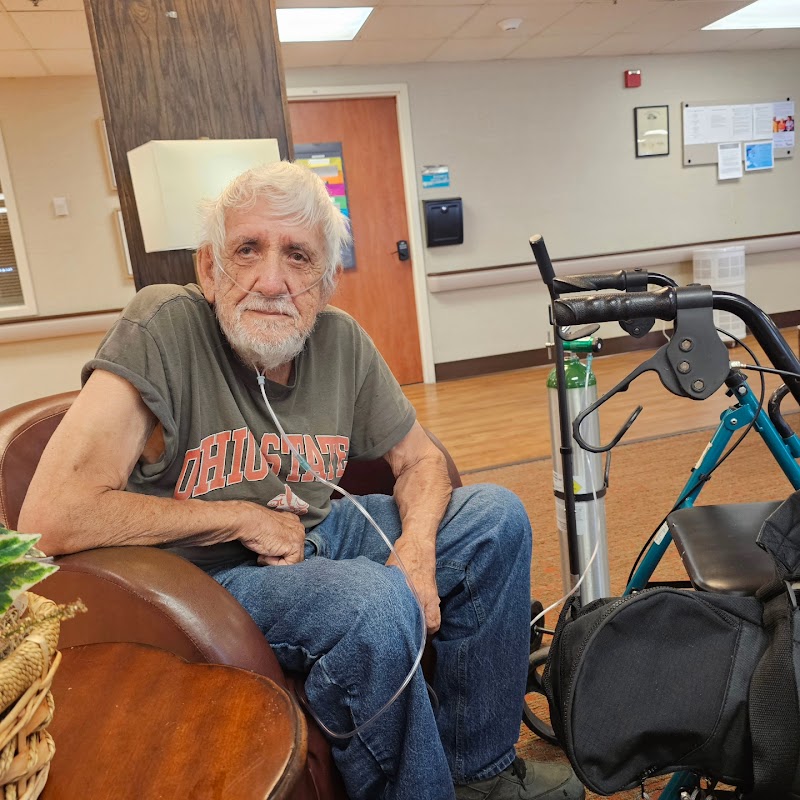
How is Oaks Of West Kettering The Staffed?

CMS rates OAKS OF WEST KETTERING THE's staffing level at 2 out of 5 stars, which is below average compared to other nursing homes. Staff turnover is 66%, which is 20 percentage points above the Ohio average of 46%. High turnover can affect care consistency as new staff learn residents' individual needs.

What Have Inspectors Found at Oaks Of West Kettering The?

State health inspectors documented 52 deficiencies at OAKS OF WEST KETTERING THE during 2019 to 2025. These included: 4 that caused actual resident harm and 48 with potential for harm. Deficiencies causing actual harm indicate documented cases where residents experienced negative health consequences.

Who Owns and Operates Oaks Of West Kettering The?

OAKS OF WEST KETTERING THE is owned by a for-profit company. For-profit facilities operate as businesses with obligations to shareholders or private owners. The facility operates independently rather than as part of a larger chain. With 118 certified beds and approximately 93 residents (about 79% occupancy), it is a mid-sized facility located in KETTERING, Ohio.

How Does Oaks Of West Kettering The Compare to Other Ohio Nursing Homes?

Compared to the 100 nursing homes in Ohio, OAKS OF WEST KETTERING THE's overall rating (2 stars) is below the state average of 3.2, staff turnover (66%) is significantly higher than the state average of 46%, and health inspection rating (2 stars) is below the national benchmark.

What Should Families Ask When Visiting Oaks Of West Kettering The?

Based on this facility's data, families visiting should ask: "How do you ensure continuity of care given staff turnover, and what is your staff retention strategy?" "Can you walk me through typical staffing levels on day, evening, and night shifts?" "Can I visit during a mealtime to observe dining assistance and food quality?" "How do you handle medical emergencies, and what is your hospital transfer rate?" These questions are particularly relevant given the facility's high staff turnover rate and the below-average staffing rating.

Is Oaks Of West Kettering The Safe?

Based on CMS inspection data, OAKS OF WEST KETTERING THE has a clean safety record: no substantiated abuse findings (meaning no confirmed cases of resident harm), no Immediate Jeopardy citations (the most serious violation level indicating risk of serious injury or death), and is not on the Special Focus Facility watch list (a federal program monitoring the lowest-performing 1% of nursing homes). The facility has a 2-star overall rating and ranks #100 of 100 nursing homes in Ohio. While no facility is perfect, families should still ask about staff-to-resident ratios and recent inspection results during their visit.

Do Nurses at Oaks Of West Kettering The Stick Around?

Staff turnover at OAKS OF WEST KETTERING THE is high. At 66%, the facility is 20 percentage points above the Ohio average of 46%. High turnover means new staff may not know residents' individual needs, medications, or preferences. It can also be disorienting for residents, especially those with dementia who rely on familiar faces. Families should ask: What is causing the turnover? What retention programs are in place? How do you ensure care continuity during staff transitions?

Was Oaks Of West Kettering The Ever Fined?

OAKS OF WEST KETTERING THE has been fined $75,572 across 3 penalty actions. This is above the Ohio average of $33,835. Fines in this range indicate compliance issues significant enough for CMS to impose meaningful financial consequences. Common causes include delayed correction of deficiencies, repeat violations, or care failures affecting resident safety. Families should ask facility leadership what changes have been made since these penalties.

Is Oaks Of West Kettering The on Any Federal Watch List?

OAKS OF WEST KETTERING THE is not on any federal watch list. The most significant is the Special Focus Facility (SFF) program, which identifies the bottom 1% of nursing homes nationally based on persistent, serious quality problems. Not being on this list means the facility has avoided the pattern of deficiencies that triggers enhanced federal oversight. This is a positive indicator, though families should still review the facility's inspection history directly.