THE LAURELS OF KETTERING
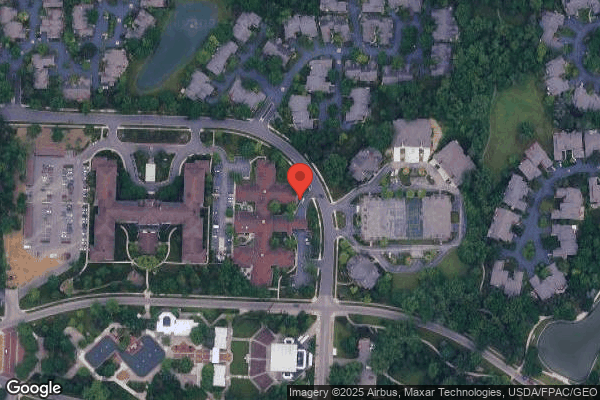

694 ISAAC PRUGH WAY, KETTERING, OH 45429 (937) 297-4300
For profit - Corporation 90 Beds CIENA HEALTHCARE/LAUREL HEALTH CARE Data: November 2025
Trust Grade
25/100
#905 of 913 in OH
Last Inspection: March 2023

Over 2 years since last inspection. Current conditions may differ from available data.

Overview

The Laurels of Kettering has a Trust Grade of F, indicating significant concerns and a poor overall rating. It ranks #905 out of 913 nursing homes in Ohio, placing it in the bottom half of facilities in the state, and it is the lowest-ranked option in Montgomery County at #40 out of 40. Although the facility's trend is improving, with issues dropping from 15 in 2024 to 3 in 2025, it still faces serious problems, including a fall incident where a resident was injured due to inadequate staff assistance. Staffing is a major concern here, with a low rating of 1 out of 5 stars and a turnover rate of 72%, which is significantly higher than the Ohio average of 49%. While there have been no fines issued, the facility has been cited for issues like improper medication record-keeping and failure to maintain infection control measures, highlighting both serious and minor compliance problems.

Trust Score
F
25/100
In Ohio
#905/913
Bottom 1%
Safety Record
Moderate
Needs review
Inspections
Getting Better
15 → 3 violations
Staff Stability
⚠ Watch
72% turnover. Very high, 24 points above average. Constant new faces learning your loved one's needs.
Penalties
✓ Good
No fines on record. Clean compliance history, better than most Ohio facilities.
Skilled Nurses
○ Average
Each resident gets 41 minutes of Registered Nurse (RN) attention daily — about average for Ohio. RNs are the most trained staff who monitor for health changes.
Violations
⚠ Watch
39 deficiencies on record. Higher than average. Multiple issues found across inspections.
★☆☆☆☆
1.0
Overall Rating
★☆☆☆☆
1.0
Staff Levels
★★★★☆
4.0
Care Quality
★★☆☆☆
2.0
Inspection Score
Stable
2024: 15 issues
2025: 3 issues

The Good

  • 4-Star Quality Measures · Strong clinical quality outcomes
  • Full Sprinkler Coverage · Fire safety systems throughout facility
  • No fines on record

Facility shows strength in quality measures, fire safety.

The Bad

1-Star Overall Rating

Below Ohio average (3.2)

Significant quality concerns identified by CMS

Staff Turnover: 72%

26pts above Ohio avg (46%)

Frequent staff changes - ask about care continuity

Chain: CIENA HEALTHCARE/LAUREL HEALTH CARE

Part of a multi-facility chain

Ask about local staffing decisions and management

Staff turnover is very high (72%)

24 points above Ohio average of 48%

The Ugly 39 deficiencies on record

1 actual harm
Jun 2025 3 deficiencies
CONCERN (D) 📢 Someone Reported This

A family member, employee, or ombudsman was alarmed enough to file a formal complaint

Potential for Harm - no one hurt, but risky conditions existed

Deficiency F0760 (Tag F0760)

Could have caused harm · This affected 1 resident

Based on medical record review, staff interview, and policy review, the facility failed to ensure medications were administered as ordered which resulted in a significant medication error. This affect...

Read full inspector narrative →
Based on medical record review, staff interview, and policy review, the facility failed to ensure medications were administered as ordered which resulted in a significant medication error. This affected one (#135) out of six residents reviewed for medication administration. The facility census was 76. Findings include: Review of the medical record for Resident #135 revealed an admission date of 02/09/25 with medical diagnoses of encounter for other orthopedic aftercare, arthrodesis, left above the knee amputation, and aftercare following joint surgery. Review of the medical record revealed a discharge date of 03/11/25. Review of the medical record for Resident #135 revealed an admission Minimum Data Set (MDS) assessment, dated 02/15/25, which indicated Resident #135 was cognitively intact and required supervision with activities of daily living. Review of the medical record for Resident #135 revealed physician orders dated 02/09/25 for oxycodone 10 milligram (mg) one tablet by mouth six times per day and oxycodone 5 mg one tablet by mouth every six hours as needed (PRN). Review of the medical record for Resident #135 revealed the February 2025 Medication Administration Record (MAR) which revealed documentation Resident #135 received routine oxycodone as ordered on 02/22/25. Further review of the MAR revealed no documentation to support Resident #135 received oxycodone 5 mg PRN on 02/22/25. Review of the medical record for Resident #135 revealed a form titled, Controlled Drug Record which revealed documentation on 02/22/25 that Resident #135 received two tablets of oxycodone 10 mg at 10:00 A.M., 2:00 P.M., and 6:00 P.M. Further review of the form revealed documentation on 02/22/25 that Resident #135 received two tablets of oxycodone 5 mg at 10:00 A.M., 2:00 P.M., and 6:00 P.M. Interview on 06/11/25 at 3:00 P.M. with Director of Nursing (DON) confirmed Resident #135's Controlled Drug Record had documentation to support Resident #135 received the wrong doses of oxycodone 10 mg and 5 mg on 02/22/25. DON also confirmed Resident #135's February MAR had documentation to support the nurse administered one tablet, not two tablets, of oxycodone 10 mg at 10:00 A.M., 2:00 P.M., or 6:00 P.M. and no documentation to support oxycodone 5 mg tablet was administered on 02/22/25. Review of the facility policy titled, Medication Administration, revised 10/17/23, stated medications are administered in an accurate, safe, timely, and sanitary manner. The policy stated medications are administered in accordance with written orders of the attending physician. The policy also stated the staff are to record the dose, route, and time of medication administration on the Medication Administration Record. This deficiency represents non-compliance investigated under Complaint Numbers OH00163625 and OH00163227.
CONCERN (D) 📢 Someone Reported This

A family member, employee, or ombudsman was alarmed enough to file a formal complaint

Potential for Harm - no one hurt, but risky conditions existed

Infection Control (Tag F0880)

Could have caused harm · This affected 1 resident

**NOTE- TERMS IN BRACKETS HAVE BEEN EDITED TO PROTECT CONFIDENTIALITY** Based on review of the medical record, observations, interviews, and policy review, the facility failed to maintain infection co...

Read full inspector narrative →
**NOTE- TERMS IN BRACKETS HAVE BEEN EDITED TO PROTECT CONFIDENTIALITY** Based on review of the medical record, observations, interviews, and policy review, the facility failed to maintain infection control measures during wound care and peri care. This affected three (#3, #35, and #67) of five reviewed for infection control. The facility census was 76. Findings include: 1. Review of the medical record for Resident #35 revealed an admission date of 06/15/24. Diagnoses included heart failure, dementia, delusional disorders, and anxiety disorder. Review of the Quarterly Minimum Data Set (MDS) assessment dated [DATE] revealed Resident #35 had moderate cognitive impairment as evidenced by a Brief Interview for Mental Status (BIMS) score of 11. This resident was assessed to require supervision with eating, dependent with toileting, bathing, dressing, and transfers. Review of the care plan dated 02/01/25 revealed Resident #35 had an actual impaired skin integrity related to pressure injury stage three to the coccyx with excoriation noted to peri-area. Interventions included conduct skin assessment weekly and measure area and document characteristics, observe for signs of infection, enhanced barrier precautions (EBP), and report abnormal findings to physician, obtain labs as ordered, refer to dietician as needed, and treatments as ordered. Review of the physician order dated 03/27/25 revealed Resident #35 was ordered enhanced barrier precautions related to coccyx wound. Observation on 06/12/25 at 10:48 A.M. revealed wound care was completed on Resident #35 by Licensed Practical Nurse (LPN) #304 and LPN #361. LPN #304 and LPN #361 did not apply gown for EBP precautions during wound care. Observation on 06/12/25 at 10:50 A.M. revealed LPN #304 did not perform hand hygiene after removing soiled gloves from incontinence care and then completed wound care on Resident #35. Interview on 06/12/25 at 10:59 A.M. with LPN #361 verified she did not wear a gown to assist with wound care on Resident #35. Interview on 06/12/25 at 11:01 A.M. with LPN #304 verified she did not wear a gown during wound care on Resident #35. LPN #304 also verified she did not perform hand hygiene after removing soiled gloves after incontinence care and during wound care. 2. Medical record review for Resident #03 revealed she was admitted to the facility on [DATE]. Her diagnoses included gastro-esophageal reflux disease (GERD), atrial fibrillation, borderline personality disorder, osteoarthritis of knee, congestive heart failure (CHF), anemia, edema, major depressive disorder, and obstructive sleep apnea. Review of the Minimum Data Set (MDS) assessment, dated 05/08/25, revealed Resident #03 was cognitively impaired. Resident #03 was dependent on staff for medication administration, lower body dressing, and transfers. She was independent with eating, Resident #03 required set up assistance with oral hygiene, and maximum assistance from staff with toilet use. She required moderate assistance from staff with showers, and personal hygiene. She was at risk for pressure ulcers. Resident #03 was marked for having zero pressure ulcers. Review of the physician orders for Resident #23 revealed no order related to enhanced barrier precautions. Review of the Treatment Administration Record for June 2025 for Resident #03 revealed no order for Enhanced Barrier Precaution. Review of the report titled, Skin and Wound Evaluation, dated 06/10/25, revealed Resident #03 had a pressure wound at a stage III that was acquired in house. Review of the facility report titled, Activity of Daily Living Task, for May 2025 revealed a reddened area was identified on 05/10/25 at the time of Resident #03's shower. Review of the wound note from the Wound Physician Assistant (WPA) #502 for Resident #03, dated 05/20/25, revealed the right buttock has a deep tissue injury persistent non blanchable deep red, maroon, or purple discoloration pressure ulcer that has received a status of not healed. The encounter measurements are 2 centimeter (cm) length x 3 cm width x 0.01 cm depth, with an area of 6 square (sq) cm and a volume of 0.6 cubic cm. The base of the wound bed has 51%-75%, bright pink, firm, granulation 1-25% slough. The diagnoses were listed as a pressure ulcer of right buttock, stage III. The plan of care was continued treatment and follow up in one to two weeks. Observation on 06/12/25 at 10:32 A.M. of Licensed Practical Nurse (LPN) #385 performed hand hygiene, however, she did don a personal protective gown for Enhanced Barrier Precautions. Observed LPN #385 clean feces from Resident #03's backside with soap and water. Observed LPN #385 remove gloves and did not perform hand hygiene. Interview with LPN #385 on 06/12/25 at 10:59 A.M. and LPN # 322 confirmed the should have utilized proper personal protective equipment related to Resident #03's enhanced barrier precautions. LPN #322 confirmed she did not wash her hands after she completed peri care. Review of the facility policy titled, Hand Hygiene, dated 05/08/25, confirmed hand hygiene should be preformed before and after contact with the resident, after contact with blood, body fluids, visible contaminated surfaces, contact with objects in the resident's room, and after removing protective equipment, after use of restroom, and before meals. Staff involved in direct resident contact must perform hand hygiene (even if gloves are used). 3. Medical record review for Resident #67 revealed she was admitted to the facility on [DATE]. Her diagnoses included acute kidney failure, cellulitis, essential primary hypertension, diabetes mellitus (DM), anemia, thrombocytopenia, and pressure ulcer of the sacral region. Review of the MDS assessment for Resident #67, dated 05/13/25, revealed she was cognitively intact. Resident #67 was dependent on staff for medication administration. Resident #67 was moderately dependent on staff for oral hygiene, toilet use, personal hygiene, and dressing. Residents require supervision for eating and bathing. Resident #67 was marked at risk for pressure ulcers and had unhealed pressure ulcers that included a stage III pressure ulcer. Review of the TAR for Resident #67, dated June 2025, revealed no order for Enhanced Barrier Precaution. Review of the WPA #502 visit, dated 05/20/25, revealed Resident #67 was referred to WPA #502 after she was admitted to the facility with a stage III pressure ulcer on 05/13/25 revealed Resident #67 had a stage III pressure ulcer, and it has a status of not healed. Initial wound encounter was measured at 1.5 cm length x 2.0 cm width x 0.01 depth with an area pf 3 sq cm and volume of .3 cubic cm. The wound bed has 1-25% bright red, pink, firm, granulation, 51-75% slough. Observation of wound care provided to Resident #67 on 06/12/25 at 11:26 A.M. revealed the facility failed to utilize proper personal protective equipment for enhanced barrier precautions by LPN #385 and Unit Manger (UM) #340. Interview with UM #340 confirmed they failed to don proper personal protective equipment for enhanced barrier precautions and failed to have proper notification on Resident #67's room related to enhanced barrier precaution. Review of the facility policy titled, Enhanced Barrier Precaution, dated 03/05/25, confirmed it is the intent of the facility to use Enhanced Barrier Precautions (EBP) in addition to Slandered Precautions for preventing the transmission of Centers for Disease Control targeted multi-resistant organisms (MDRO's). EBP is indicated for Residents with any of the following: infection or colonization with CDC-targeted MDRO, a wound, or an indwelling catheter medical device. Implementation included, post sign for precautions on the door or wall outside of the Resident's room that indicated type of precaution and required personal protective equipment (PPE). This deficiency represents non-compliance investigated under Complaint Number OH00163625 and OH00163227.
CONCERN (E) 📢 Someone Reported This

A family member, employee, or ombudsman was alarmed enough to file a formal complaint

Potential for Harm - no one hurt, but risky conditions existed

Deficiency F0628 (Tag F0628)

Could have caused harm · This affected multiple residents

**NOTE- TERMS IN BRACKETS HAVE BEEN EDITED TO PROTECT CONFIDENTIALITY** Based on medical record reviews, staff interviews, and policy reviews, the facility failed to complete a discharge summary or re...

Read full inspector narrative →
**NOTE- TERMS IN BRACKETS HAVE BEEN EDITED TO PROTECT CONFIDENTIALITY** Based on medical record reviews, staff interviews, and policy reviews, the facility failed to complete a discharge summary or recapitulation of a resident's stay, failed to complete a bed hold notice when resident's were transferred to the hospital and failed to notify the Ombudsman of resident's discharges. This affected four (#15, #27, #75, and #134) out of four residents reviewed for discharges. The facility census was 76. Findings include: 1. Review of the medical record for Resident #134 revealed an admission date of 09/12/24 with medical diagnoses of chronic obstructive pulmonary disease, diabetes mellitus, hypertensive heart disease, and malignant neoplasm of kidney. Review of the medical record revealed a discharge date of 01/23/25. Review of the medical record for Resident #134 revealed a quarterly Minimum Data Set (MD'S) assessment, dated 12/20/24, which indicated Resident #134 was cognitively intact and was independent with activities of daily living. Review of the medical record for Resident #134 revealed a 72-hour care conference assessment which stated Resident #134 was undecided with discharge plans at this time and was homeless. The assessment stated Resident #134 stated she wanted to stay at the facility until he found housing or got a waiver to go to an Assisted Living. Review of the medical record for Resident #134 revealed a nurses' note, dated 11/25/24 at 12:41 P.M., which stated Resident #126 was issued a 30-day discharge notice due to nonpayment. The note stated Resident #126 verbalized he did not want his money to go to the facility as he had other bills such as storage and phone bill to pay monthly. Review of a Social Service (SS) note dated 01/20/25 at 4:11 P.M. which stated Social Service spoke with Resident #126 in regard to his discharge. The note stated Resident #134 stated he understood he would discharge to a hotel on 01/22/25. The note stated Resident #134 set up his own transportation along with the hotel booking. Review of the nurses' note, dated 01/22/25 at 6:44 P.M., stated Resident #134 discharged with his belongings, a copy of discharge summary, face sheet, and medication list. Review of the nurses' note dated 01/22/25 at 7:19 P.M. stated Resident #134 was unable to leave the facility due to his transportation never showed up and unable to go to the bank to get money for hotel. Further review revealed a Social Service note, dated 01/23/25 at 9:55 A.M. which stated Resident #134 discharged today to a hotel. Review of the medical record revealed a Discharge Notice for Non-payment, dated 11/25/24, which stated Resident #134 was to discharge to another nursing facility due to outstanding balance. Review of the medical record for Resident #134 revealed a Post Discharge Plan and Summary, dated 10/09/24 and signed as completed on 01/31/25. Further review of Resident #134's medical record revealed there was no documentation regarding a recapitulation of the residents stay. Review of the medical record for Resident #134 revealed no documentation to support the Ombudsman's office was notified his discharge. Interview on 06/11/25 at 2:19 A.M. with Registered Nurse (RN) #387 confirmed the facility opens the Post Discharge Plan and Summary assessment upon a new resident admission. RN #387 confirmed Resident #134's assessment was signed after his discharge from the facility on 01/31/25. RN #387 confirmed there was no documented recapitulation of Resident #134's stay at the time of the discharge. 3. Review of medical record for Resident #15 revealed an admission date of 02/12/24 with a discharge date of 05/28/25. Diagnoses included end stage renal disease (ESRD), atrial fibrillation, and major depressive disorder. Review of the Quarterly Minimum Data Set (MDS) assessment dated [DATE] revealed Resident #15 had intact cognition as evidenced by a Brief Interview for Mental Status (BIMS) score of 15. This resident was assessed to require partial assistance with eating, dependent on toileting, bathing, dressing, and transfers. Review of the progress note dated 05/25/25 at 2:02 P.M. revealed Resident #15 was unresponsive, hypertensive, and hypoglycemic and was sent to the hospital for evaluation. Review of the email notification to the Ombudsman dated 06/10/25 revealed all discharges from January through June 2025 were sent on 06/10/25. Interview on 06/11/25 at 8:03 A.M. with the interim Administrator revealed the previous Administrator was notifying the Ombudsman of discharged residents. The interim Administrator revealed there was a miscommunication with herself and social services where the notification to the Ombudsman was not getting completed. 4. Review of the medical record for Resident #75 revealed an admission date of 03/15/25 with a discharge date of 04/04/25. Diagnoses included type II diabetes mellitus (DM II), peripheral vascular disease (PVD), and depression. Review of the admission Minimum Data Set (MDS) assessment dated [DATE] revealed Resident #75 had intact cognition as evidenced by a Brief Interview for Mental Status (BIMS) score of 13. This resident was assessed to require independent with eating, setup with toileting, dependent with bathing, dressing, and transfers. Review of the progress note dated 04/04/25 at 4:33 P.M. revealed Resident #75's daughter called and stated an Uber would transport Resident #75 to the Veterans facility at 5:00 P.M. Resident #75 in agreement. Review of the email notification to the Ombudsman dated 06/10/25 revealed all discharges from January through June 2025 were sent on 06/10/25. Interview on 06/11/25 at 8:03 A.M. with the interim Administrator revealed the previous Administrator was notifying the Ombudsman of discharged residents. The interim Administrator revealed there was a miscommunication with herself and social services where the notification to the Ombudsman was not getting completed. Review of the facility policy titled, Transfer and Discharge, revised 04/22/25, stated the transfer and discharge process must provide sufficient preparation and orientation of residents to ensure a safe and orderly transfer or discharge from the facility. The policy stated the criteria for transfer/discharge included the resident or representative failed, after reasonable and appropriate notice, to pay for (or to have paid under Medicare or Medicaid) a stay at the facility. Nonpayment applies if the resident did not submit the necessary paperwork for third party payment or after the third party, including Medicare or Medicaid, denies the claim and the resident refuses to pay for his/her stay. The policy stated the notice of transfer/discharge must be made by the facility in writing at least 30 days before the resident was transferred or discharged and in a manner they understand. The policy stated exceptions to the 30-day requirement notice which must be made as soon as practicable before transfer or discharge. The policy stated that when an anticipated discharge is scheduled, the post-discharge plan of care and summary are developed prior to his/her discharge. The policy stated Social Services/designee reviews the plan with the resident and, with consent, the resident representative, at least 24 hours prior to discharge or as soon as practicable of the residents' discharge from the facility. When the facility anticipates discharge, a resident must have a discharge summary that includes a recapitulation of the resident's stay that includes, but was not limited to: 1) diagnoses, course of illness/treatment, therapy, and pertinent lab, radiology, and consultation results, 2) final summary of the resident's status, at the time of discharge, that is available for release to authorized personas and agencies, with the consent of the resident or resident representative, 3) reconciliation of all pre-discharged medications with the resident's post-discharge medications (both prescribed and over-the-counter), 4) post discharge plan of care and summary that was developed with the participate of the resident. The post discharge plan of care and summary must indicate where the individual plans to reside, an arrangement that has been made for the residents' follow-up care and any post-discharge medical and non-medical services. The policy also stated the transfer and discharge process must provide sufficient preparation and orientation of residents to ensure a safe and orderly transfer or discharge from the facility. The transfer or discharge notice must contain the name, address, and telephone number of the office of the State of the Long-Term Care Ombudsman. This deficiency represents non-compliance investigated under Complaint Number OH00162817. 2. Medical record review for Resident #27 revealed she was admitted to the facility on [DATE]. Her diagnoses included atrial fibrillation, cellulitis of left lower leg, essential primary hypertension, osteoporosis, hyperlipidemia, anemia, and edema. Review of the Minimum Data Set (MDS) assessment dated [DATE] revealed Resident #27 was cognitively intact. Resident #27 was dependent on staff for medication administration. She was independent with eating and required supervision with upper body dressing, personal hygiene. Resident #27 required maximum assistance with toilet use, bathing, and lower body dressing. Review of the progress notes for Resident #27 revealed she was discharged to the hospital on [DATE] and returned to the facility on [DATE] following a hospital stay. Nothing related to a bed hold notification was identified in the progress notes. Interview on 06/12/25 at 10:53 A.M. with the Business Office Manager (BOM) #357 confirmed the facility failed to provide Resident #27 a bed hold notice upon discharge to the hospital on [DATE]. Review of the facility policy titled, Bed Hold Policy, dated 02/14/22, confirmed the facility will contact the Resident or Responsible party regarding a bed hold. The facility will document the bed hold offer and the Resident/Responsible Party decision of the bed hold in the Resident's medical record.
Dec 2024 1 deficiency
CONCERN (D) 📢 Someone Reported This

A family member, employee, or ombudsman was alarmed enough to file a formal complaint

Potential for Harm - no one hurt, but risky conditions existed

Pharmacy Services (Tag F0755)

Could have caused harm · This affected 1 resident

**NOTE- TERMS IN BRACKETS HAVE BEEN EDITED TO PROTECT CONFIDENTIALITY** Based on medical record review, review of list of medications available in emergency box, staff interview, and policy review, th...

Read full inspector narrative →
**NOTE- TERMS IN BRACKETS HAVE BEEN EDITED TO PROTECT CONFIDENTIALITY** Based on medical record review, review of list of medications available in emergency box, staff interview, and policy review, the facility failed to administer a medication as per resident request and physician order. The affected one (#65) out of the three residents reviewed for medications administered as ordered. The facility census was 59. Findings include: Review of the medical record for Resident #65 revealed an admission date of 12/04/24 with medical diagnoses of Coronavirus Disease 2019 (COVID-19), acute respiratory failure, chronic obstructive pulmonary disease, morbid obesity, hypertensive heart disease, and congestive heart failure. The medical record indicated Resident #65 discharged to a hospital on [DATE]. Review of the medical record for Resident #65 revealed a discharge Minimum Data Set (MDS) assessment, dated 12/05/24, which indicated Resident #65 was dependent upon staff for toilet hygiene, bathing, and transfers, and required partial/moderate staff assistance for bed mobility and set-up assistance for eating. The MDS indicated Resident #65 had oxygen and had shortness of breath with exertion. No respiratory therapy was indicated on the MDS. Review of the medical record for Resident #65 revealed a physician order dated 12/04/24 for ipratropium-albuterol inhalation solution 0.5-2.5 (3) milligram (mg) per 3 milliliters (ml) to give one application inhale orally every six hours as needed for shortness of breath. Review of the medical record for Resident #65 revealed a nurse progress note, dated 12/04/24 at 7:29 P.M., which stated Resident #65 requested a breathing treatment. The note stated the nurse contacted the on-call Nurse Practitioner (NP) who ordered Duonebs (ipratropium-albuterol inhalation solution) every six hours for seven days and the orders were updated. Review of the medical record for Resident #65 revealed the Medication Administration Record (MAR) for December 2024 revealed no documentation to support Resident #65 received a breathing treatment on 12/04/24. Review of the MAR revealed Resident #65 received ipratropium-albuterol inhalation solution as ordered on 12/05/24 at 12:00 A.M. Review of the medical record for Resident #65 revealed hospital documentation, dated 12/05/24, which stated Resident #65 was admitted to the hospital for acute hypoxic respiratory and was treated for myocardial infarction and pulmonary edema. Review of the list of medications available in the facility emergency box (ebox) revealed documentation to support ipratropium-albuterol inhalation solution 0.5-2.5 (3) mg per 3 ml was available in the ebox for administration. Interview with on 12/30/24 at 2:00 P.M. with Director of Nursing (DON) confirmed ipratropium-albuterol inhalation solution 0.5-2.5 (3) milligram per 3 ml was available in the facility ebox for administration to Resident #65 as requested and per physician orders. DON confirmed the medical record for Resident #65 did not have documentation to support the nurse administered the breathing treatment as requested on 12/04/24. Review of the facility policy titled, Medication Administration, revised 10/17/23 stated resident medications are to be administered in an accurate, safe, timely, and sanitary manner. The policy stated medications are to be administer in accordance with written orders of the attending physician. The policy stated for new medications to begin routine orders the same day ordered, unless the next dose would be normally given the next day. This deficiency represents non-compliance investigated under Complaint Number OH00160573.
Nov 2024 1 deficiency 1 Harm
SERIOUS (G) 📢 Someone Reported This

A family member, employee, or ombudsman was alarmed enough to file a formal complaint

Actual Harm - a resident was hurt due to facility failures

Accident Prevention (Tag F0689)

A resident was harmed · This affected 1 resident

**NOTE- TERMS IN BRACKETS HAVE BEEN EDITED TO PROTECT CONFIDENTIALITY** Based on medical record review, staff interview, resident interview, and policy review the facility failed to ensure a resident ...

Read full inspector narrative →
**NOTE- TERMS IN BRACKETS HAVE BEEN EDITED TO PROTECT CONFIDENTIALITY** Based on medical record review, staff interview, resident interview, and policy review the facility failed to ensure a resident was provided with staff assistance at the bedside after toileting which resulted in a fall with injury. This resulted in actual harm when Resident #34 who required substantial/maximal assistance to transfer for toileting, did not have on gripper socks on her feet and was assisted off the bedside commode, became unsteady on her feet, was sat on the side of her bed, and the certified nursing assistant (CNA) left the resident alone and stepped out of the room to get additional staff assistance. The resident fell onto the floor face first when she was left on the side of the bed by herself resulting in a laceration that required the resident to get three stitches to her face. The affected one (Resident #34) of three residents reviewed for falls. The census was 83. Findings included: Review of the medical for Resident #34 revealed an admission date of 05/31/24, diagnoses included heart failure, peripheral vascular disease, renal failure, diabetes, and septicemia. Review of fall risk assessment dated [DATE] revealed Resident #34 was not at risk for a fall. It revealed the resident had a fear of falling, muscle weakness, decreased lower extremity joint function, and a balance deficit, or gait deficit. The document further revealed the resident had urinary urgency. Review of the care plan dated 08/15/24 revealed the resident was at risk of falling with injury related to decreased mobility. Interventions were to encourage the resident to wear appropriate footwear, keep the resident's floors and environment free of clutter, keep the call light within reach and encourage the resident to use it. Review of Resident #34's quarterly Minimum Data Set (MDS) dated [DATE] revealed the resident had functional limitations in range of motion for upper and lower extremities. Functional status was set-up or cleanup for eating, substantial/maximal assistance for toileting and transfers, and Resident #34 was dependent for bed mobility. A toilet transfer was not attempted due to medical condition or safety concerns. Resident #34 was coded as always incontinent of bowel and bladder. Review of the progress note on 10/17/24 at 5:05 P.M. revealed Resident #34 was sitting on the edge of the bed after being taken to the bedside commode by Certified Nursing Assistant (CNA) #84 (who is no longer employed at the facility) and the resident returned to the side of the bed after toileting at the bedside commode. The resident was having a hard time standing and sat on the side of the bed. The CNA left the room to get help, and the resident fell off the bed onto her face. Review of the investigation dated 10/17/24 for Resident #34 revealed the Licensed Practical Nurse (LPN) #142 was sitting at the nursing station charting and she heard a thump followed by moaning. Upon entering the room, the resident was lying in a prone position with a lean to the right side. The resident stated she was sitting on the edge of the bed unassisted and fell forward hitting her face on the floor. The resident hit her head with blood loss, and she was alert and oriented times four (person, place time, and situation). The resident had a visible laceration above her right eye with blood loss. The resident complained of head and facial pain. Vital signs were taken and were within normal limits. An emergency squad was called, and the resident was taken to the hospital. The resident had a gait imbalance and weakness. All the responsible parties were notified. Review of the post fall evaluation dated 10/18/24 revealed Resident #34 had a fall after returning to bed after toileting. The resident lost her balance during the fall and did not have any assistance. The resident was bare footed, no gait assistance devices were present, no call light was on and the resident was continent at the time of the fall. The new intervention was to not leave the resident sitting on the side of the bed unassisted. Review of the statement written by CNA #84 dated 10/17/24 revealed she assisted Resident #34 to the bedside commode and after the resident was done she was having a hard time standing and she sat her on the side of the bed. While the resident was sitting on the side of the bed the CNA stepped out of the room and asked for help and by the time the CNA turned around the resident had fallen. Review of the statement written by LPN #142 dated 10/17/24 revealed she was sitting at the nursing station and CNA #84 came out of the resident's room and asked for help with the resident. The LPN heard a sound of the resident hitting the floor. Upon entering the room, the resident was prone on the floor disrobed from the waist down. The resident complained of head and facial pain and there was a laceration above the right eye that was visible. Review of statement written by LPN #143 dated 10/17/24 revealed she was at the nursing station and the CNA #84 came out of the resident's room and asked if someone could help her with the resident. This nurse heard a loud thump and upon entering the resident's room she was lying prone on the floor with a lean to the right side. The resident complained about head and facial pain. There was a laceration above the right eye. Review of the hospital after visit summary document dated 10/17/24 revealed Resident #34 had a laceration to her right eye. Review of the record of discussion dated 10/17/24 with CNA #84 revealed she was educated on importance of not leaving resident sitting on the side of the bed especially when the resident was fatigued from care. The CNA was also educated on using the call light to ask for assistance prior to leaving the resident. The resident's safety will be maintained, and the resident will only be left in a safe position. The call light will be utilized to ask for assistance. The CNA didn't sign the document. During an interview with LPN #142 on 11/14/24 at 1:44 P.M. revealed she was at the nursing station when CNA #84 came out of Resident #34's room and asked for some help. LPN #142 stated she heard a thump in Resident #34's room. She stated when she got to the room the resident was lying on her side on the floor with a pool of blood on the floor. During an interview with LPN #143 on 11/14/24 at 1:41 P.M. revealed CNA #84 stuck her head out Resident #34's doorway and asked for help. She stated she heard the resident hit the ground. She said the resident was naked from the waist down, lying prone and slightly on her right side. During an interview with Resident #34 on 11/18/24 at 9:05 A.M. revealed she had to go to the bedside commode on 10/17/24 and CNA #84 got the commode and sat it next to the foot of the bed on the right side of the bed. She stated the aide told her to stand up after the resident urinated and defecated and the resident told the aide she wouldn't be able to stand very long, but the aide said she had to put the brief on her and the resident said no I am going to fall. The resident told the aide she wanted to sit on the side of the bed and the aide said no you are going to get feces on the clean linens and the resident told her if you wiped good enough that wouldn't be a problem. The resident believed she sat on the side of the bed and the aide left the room to get help and then she was on the floor without any garments on the lower half of her body. She said they sent her out to the hospital, and she had three stitches above her right eye brow. Review of the fall policy entitled Fall Management dated 09/22/23 revealed the facility will identify hazards and resident risk factors and implement interventions to minimize falls and risk of injury related to falls. Each resident is assisted in attaining/maintaining his or her highest practical level of function by providing the resident adequate supervision, assistive devices, and/or functional programs as appropriate to minimize the risk for falls. This deficiency represents non-compliance investigated under Complaint Number OH 00159180 and OH00159112.
Sept 2024 4 deficiencies
CONCERN (D) 📢 Someone Reported This

A family member, employee, or ombudsman was alarmed enough to file a formal complaint

Potential for Harm - no one hurt, but risky conditions existed

Notification of Changes (Tag F0580)

Could have caused harm · This affected 1 resident

Based on medical record reviews, staff interview, and policy review, the facility failed to notify resident representative of a resident's change in condition. This affected one (#33) resident out of ...

Read full inspector narrative →
Based on medical record reviews, staff interview, and policy review, the facility failed to notify resident representative of a resident's change in condition. This affected one (#33) resident out of three reviewed for changes in condition. The facility census was 63. Findings include: Review of the medical record for Resident #33 revealed an admission date of 08/05/24 with medical diagnoses of left hemiparesis, congestive heart failure, diabetes mellitus, dementia, chronic obstructive pulmonary disease (COPD), and anemia. Review of the medical record for Resident #33 revealed an admission minimum data set (MDS) assessment, dated 08/12/24, which indicated Resident #33 had moderate cognitive impairment and required partial/moderate staff assistance with toilet hygiene, bathing, bed mobility and transfers. No skin issues were noted on the MDS. Review of the medical record for Resident #33 revealed a physician order dated 08/07/24 to cleanse sacrum wound with soap and water, apply foam dressing, and change daily. Review of the medical record for Resident #33 revealed a wound/skin evaluation dated 08/06/24 which indicated Resident #33 had one new wound. The evaluation did not contain documentation to support the location, measurements, or description of the wound. Review of the medical record for Resident #33 revealed a wound/skin evaluation dated 09/12/24 which stated Resident #33 had a Stage II pressure ulcer to her sacrum which measured 1.0 centimeter (cm) by 0.6 cm with no depth noted. Review of the medical record revealed no documentation to support Resident #33 had a wound/skin evaluation done between 08/06/24 until 09/12/24. Review of the medical record for Resident #33 revealed no documentation to support Resident #33's representative was notified of the pressure ulcer. Interview on 09/18/24 at 2:49 P.M. with Director of Nursing (DON) confirmed the medical record for Resident #33 did not contain documentation to support the facility notified Resident #33's representative of the change of condition. Review of the facility policy titled Notification of Change, revised 02/14/24 stated the facility must inform the resident, consult with the resident's practitioner, and notify, consistent with his/her authority, the resident representative when there is a change in status. The policy stated even when a resident is mentally competent, his or her designated resident representative or family, as appropriate, should be notified of significant changes in the resident's health status unless the resident does not want the notification. The policy stated a change in status would include: an accident involving the resident, a significant change in the resident's physical, mental, or psychosocial status, a need to significantly alter treatment, a decision to discharge or transfer the resident from the facility, and a change in room or roommate assignment. This deficiency represents non-compliance investigated under Complaint Number OH00157535.
CONCERN (D) 📢 Someone Reported This

A family member, employee, or ombudsman was alarmed enough to file a formal complaint

Potential for Harm - no one hurt, but risky conditions existed

Transfer Requirements (Tag F0622)

Could have caused harm · This affected 1 resident

Based on medical record reviews, staff interviews, and policy review, the facility failed to ensure safe and orderly discharges. This affected two (#67 and #68) out of four residents reviewed for disc...

Read full inspector narrative →
Based on medical record reviews, staff interviews, and policy review, the facility failed to ensure safe and orderly discharges. This affected two (#67 and #68) out of four residents reviewed for discharges. The facility census was 63. Findings include: 1. Review of the medical record for Resident #67 revealed an admission date of 08/06/24 and a discharge date of 09/04/24. Review of the medical record for Resident #67 revealed medical diagnoses of DM, hypertensive heart disease, and chronic obstructive pulmonary disease (COPD). Review of the medical record for Resident #67 revealed an admission minimum data set (MDS) assessment, dated 08/13/24, which indicated Resident #67 was cognitively intact and required substantial/maximum staff assistance for toilet hygiene, bathing, and transfers and required partial/moderate staff assistance for bed mobility. Review of the medical record for Resident #67 revealed a nurse progress note dated 09/04/24 at 8:30 A.M. that Resident #67 was sent to the emergency room for nausea and vomiting. Review of the medical record for Resident #67 revealed no documentation to support the facility completed a change of condition assessment or transfer form or that the information was provided to the hospital upon the residents transfer. 2. Review of the medical record for Resident #68 revealed an admission date of 08/19/24 and a discharge date of 09/03/24. Review of the medical record for Resident #68 revealed medical diagnoses of infection and inflammatory reaction due to internal joint prothesis, artificial knee joint, mechanical complication of internal left knee prothesis, anxiety, and hypertension. Review of the medical record for Resident #68 revealed an admission MDS assessment, dated 08/26/24, which indicated Resident #68 had severely impaired cognition and required partial/moderate assistance with toilet hygiene and bathing and substantial/maximum staff assistance with transfers. The MDS indicated Resident #68 was independent with bed mobility. Review of the medical record for Resident #68 revealed a change of condition assessment was completed on 09/04/24 which stated Resident #68 had a fall in the morning and was found unresponsive. The assessment stated Resident #68 was sent to the emergency room. Review of the medical record for Resident #68 revealed a facility transfer form had been completed. Further review of the medical record for Resident #68 revealed a hospital note dated 09/03/24 which stated the hospital called the nursing facility and asked the facility to fax Resident #68's Advanced Directive information to the hospital. Interview on 09/18/24 at 2:40 P.M. with Director of Nursing (DON) confirmed the medical record for Resident #67 did not contain documentation to support the facility completed a transfer form for Resident #67's transfer to the hospital. DON confirmed the medical record for Resident #68 contained documentation to support the hospital had not received information regarding Resident #68's Advanced Directives. DON stated on 09/03/24 the facility's electronic health records (EHR) was down, and the staff were unable to print any medical information to send to the hospital. DON confirmed the medical record for Resident #70 did not contain documentation to support the facility staff completed a discharge recapitulation of stay or discharge summary for Resident #70's discharge. Review of the facility policy titled, Transfer and Discharge, revised 03/26/24 stated the transfer and dc process must provide sufficient preparation and orientation of residents to ensure a safe and orderly transfer or discharge from the facility. The policy stated for emergency transfers to acute care the facility would obtain a physician order including the date of the transfers and the reason for the transfer. The policy stated a transfer form would be completed, a list of medications and a copy of the care plan goals would be sent to receiving hospital. The policy also stated the information provided to the receiving provider must include at a minimum, contact information of the practitioner responsible for care of the resident, resident representative information, Advanced Directive information, all special instructions or precautions for ongoing care, comprehensive care plan goals and all other necessary information to meet the residents need including diagnoses, medications, recent labs, and resident status. The policy stated if the facility anticipates a discharge to community, a resident must have a discharge summary that included a recapitulation of stay, final summary of resident's health status at time of discharge, and reconciliation of pre-discharge medications with the resident's post dc medications. This deficiency represents non-compliance investigated under Complaint Number OH00157511 and Complaint Number OH00157535.
CONCERN (D) 📢 Someone Reported This

A family member, employee, or ombudsman was alarmed enough to file a formal complaint

Potential for Harm - no one hurt, but risky conditions existed

Deficiency F0661 (Tag F0661)

Could have caused harm · This affected 1 resident

**NOTE- TERMS IN BRACKETS HAVE BEEN EDITED TO PROTECT CONFIDENTIALITY** Based on medical record reviews, staff interviews, and policy review, the facility failed to ensure staff completed a recapitula...

Read full inspector narrative →
**NOTE- TERMS IN BRACKETS HAVE BEEN EDITED TO PROTECT CONFIDENTIALITY** Based on medical record reviews, staff interviews, and policy review, the facility failed to ensure staff completed a recapitulation of a resident's stay upon discharge. This affected two (#66 and #70) out of four residents reviewed for discharges. The facility census was 63. Findings include: 1. Review of the medical record for Resident #66 revealed an admission date of 07/25/23 and a discharge date of 04/01/24. The medical record for Resident #66 revealed medical diagnoses of multiple myeloma, lumbar spinal stenosis, hypertensive heart disease, and diabetes mellitus (DM). Review of the medical record for Resident #66 revealed a quarterly Minimum Data Set (MDS) assessment, dated 02/03/24, which indicated Resident #66 was cognitively intact and was independent with bed mobility, toileting, transfers and eating. Review of the medical record for Resident #66 revealed no documentation to support the facility staff completed a discharge recapitulation of stay or discharge summary prior to Resident #66's discharge on [DATE]. 2. Review of the medical record for Resident #70 revealed an admission date of 08/21/24 and discharge date of 09/12/24. The medical record for Resident #70 revealed medical diagnoses of Alzheimer's disease, hypertensive heart disease and urinary tract infection. Review of the medical record for Resident #70 revealed an admission MDS assessment, dated 08/28/24, which indicated Resident #70 had severely impaired cognition and was dependent upon staff for eating, toileting, bathing, and transfers and required substantial/maximum staff assistance for bed mobility. Review of the medical record for Resident #70 revealed a nurse progress note dated 09/12/24 at 4:21 P.M. which stated Resident #70 was discharged to another facility. Further review of the medical record for Resident #70 revealed no documentation to support the facility had completed a discharge recapitulation of stay or discharge summary. Interview on 09/18/24 at 2:40 P.M. with Director of Nursing (DON) confirmed the medical record for Resident #66 did not contain documentation to support the facility completed a discharge recapitulation of stay or discharge summary for Resident #66 discharge on [DATE]. DON confirmed the medical record for Resident #70 did not contain documentation to support the facility staff completed a discharge recapitulation of stay or discharge summary for Resident #70's discharge. Review of the facility policy titled, Transfer and Discharge, revised 03/26/24 stated the transfer and dc process must provide sufficient preparation and orientation of residents to ensure a safe and orderly transfer or discharge from the facility. The policy stated for emergency transfers to acute care the facility would obtain a physician order including the date of the transfers and the reason for the transfer. The policy stated a transfer form would be completed, a list of medications and a copy of the care plan goals would be sent to receiving hospital. The policy also stated the information provided to the receiving provider must include at a minimum, contact information of the practitioner responsible for care of the resident, resident representative information, Advanced Directive information, all special instructions or precautions for ongoing care, comprehensive care plan goals and all other necessary information to meet the residents need including diagnoses, medications, recent labs, and resident status. The policy stated if the facility anticipates a discharge to community, a resident must have a discharge summary that included a recapitulation of stay, final summary of resident's health status at time of discharge, and reconciliation of pre-discharge medications with the resident's post dc medications. This deficiency represents non-compliance investigated under Complaint Number OH00157511 and Complaint Number OH00157535.
CONCERN (D) 📢 Someone Reported This

A family member, employee, or ombudsman was alarmed enough to file a formal complaint

Potential for Harm - no one hurt, but risky conditions existed

Pressure Ulcer Prevention (Tag F0686)

Could have caused harm · This affected 1 resident

Based on medical record review, staff interview, and policy review, the facility failed to properly assess a resident's skin breakdown at the time the area was first observed. Additionally, the facili...

Read full inspector narrative →
Based on medical record review, staff interview, and policy review, the facility failed to properly assess a resident's skin breakdown at the time the area was first observed. Additionally, the facility failed to complete weekly monitoring of the wound and failed to complete treatments as ordered. This affected one (#33) out of three residents reviewed for wound care and services. The facility census was 63. Findings include: Review of the medical record for Resident #33 revealed an admission date of 08/05/24 with medical diagnoses of left hemiparesis, congestive heart failure, diabetes mellitus, dementia, chronic obstructive pulmonary disease (COPD), and anemia. Review of the medical record for Resident #33 revealed an admission minimum data set (MDS) assessment, dated 08/12/24, which indicated Resident #33 had moderate cognitive impairment and required partial/moderate staff assistance with toilet hygiene, bathing, bed mobility and transfers. No skin issues were noted on the MDS. Review of the medical record for Resident #33 revealed a physician order dated 08/07/24 to cleanse sacrum wound with soap and water, apply foam dressing, and change daily. Review of the medical record for Resident #33 revealed a wound/skin evaluation dated 08/06/24 which indicated Resident #33 had one new wound. The evaluation did not contain documentation to support the location, measurements, or description of the wound. Review of the medical record for Resident #33 revealed a wound/skin evaluation dated 09/12/24 which stated Resident #33 had a Stage II pressure ulcer to her sacrum which measured 1.0 centimeter (cm) by 0.6 cm with no depth noted. Review of the medical record revealed no documentation to support Resident #33 had a wound/skin evaluation done between 08/06/24 until 09/12/24. Review of the medical record for Resident #33 Treatment Administration Record (TAR) for August 2024 revealed no documentation to support the facility completed the treatment to the sacrum wound as ordered on 08/08/24, 08/14/24, and 08/19/24 through 08/30/24. Review of the September 2024 TAR revealed no documentation to support the facility completed treatment to Resident #33's sacrum wound on 09/02/24, 09/04/24, 09/08/24, and 09/14/24. Interview on 09/18/24 at 2:49 P.M. with Director of Nursing (DON) confirmed the medical record for Resident #33 did not contain documentation to support the wound assessment on 08/06/24 contained measurements, location of wound, or description of the wound. DON confirmed the medical record for Resident #33 did not contain documentation to support weekly wound assessments were completed or that Resident #33 received treatment to the sacral wound as ordered in August and September. Review of the facility policy titled, Skin Management, revised 08/14/24 stated the facility should identify and implement interventions to prevent development of clinically unavoidable pressure injuries. The policy stated residents admitted with any skin impairment would have appropriate interventions to promote healing, physician's order for treatment, and skin impairment location, measurements and characteristics documented. The policy stated the licensed nurse would initiate documentation in the electronic health record which included skin and wound evaluations for pressure injury and vascular ulcers and document weekly until area was resolved. This deficiency represents non-compliance investigated under Complaint Number OH00157535.
Aug 2024 4 deficiencies
CONCERN (D) 📢 Someone Reported This

A family member, employee, or ombudsman was alarmed enough to file a formal complaint

Potential for Harm - no one hurt, but risky conditions existed

Quality of Care (Tag F0684)

Could have caused harm · This affected 1 resident

Based on medical record review, staff interview, and review of the facility policy, the facility failed to follow physician orders to obtain daily weights. This affected one (Resident #81) of three re...

Read full inspector narrative →
Based on medical record review, staff interview, and review of the facility policy, the facility failed to follow physician orders to obtain daily weights. This affected one (Resident #81) of three residents reviewed for nutrition. The facility census was 80 residents. Findings include: Review of the medical record for Resident #81 revealed an admission date of 03/27/24 with diagnoses including acute respiratory failure with hypoxia, congestive heart failure (CHF), atrial fibrillation, and generalized anxiety disorder, and a discharge date of 07/04/24 Review of the Minimum Data Set (MDS) assessment for Resident #81 dated 05/15/24 revealed the resident had intact cognition and was independent with eating and was dependent with toileting, bathing, dressing, and transfers. Review of the physician's orders for Resident #81 revealed an order dated 05/11/24 to weigh the resident once daily and notify physician if there was a weight gain greater than two and a half pounds (lbs.) in less than 24 hours or greater than five lbs. in a week. Review of the weight record for Resident #81 dated May 2024 revealed the staff did not obtain daily weights as ordered. Weights were only completed on the following four days in May 2024: 05/01/24, 05/14/24, 05/21/24, 05/29/24. Review of the weight record for Resident #81 dated June 2024 revealed the staff did not obtain daily weights as ordered. Weights were completed on the following 12 days: 06/01/24, 06/14/24, 06/15/24, 06/16/24, 06/17/24, 06/18/24, 06/19/24, 06/21/24, 06/24/24, 06/25/24, 06/27/24, and 06/28/24. Review of the weight record for Resident #81 dated July 2024 revealed the staff did not obtain daily weights as ordered. Weights were completed on 07/02/24 before the resident's discharge from the facility on 07/04/24. Interview on 08/13/24 at 12:51 P.M. with the Administrator confirmed Resident #81 had a physician's order for the staff to obtain daily weights. The Administrator further confirmed the facility staff did not obtain daily weights for Resident #81 as ordered for May through July 2024. Review of the facility policy titled Physician's Orders dated 10/10/23 revealed physician orders were obtained to provide a clear direction in the care of the resident.
CONCERN (D) 📢 Someone Reported This

A family member, employee, or ombudsman was alarmed enough to file a formal complaint

Potential for Harm - no one hurt, but risky conditions existed

Deficiency F0692 (Tag F0692)

Could have caused harm · This affected 1 resident

**NOTE- TERMS IN BRACKETS HAVE BEEN EDITED TO PROTECT CONFIDENTIALITY** Based on record review, staff interview, and review of the facility policy, the facility failed to properly monitor resident wei...

Read full inspector narrative →
**NOTE- TERMS IN BRACKETS HAVE BEEN EDITED TO PROTECT CONFIDENTIALITY** Based on record review, staff interview, and review of the facility policy, the facility failed to properly monitor resident weights and failed to implement nutritional recommendations to prevent weight loss. This affected one (Resident #83) of three residents reviewed for nutrition. The facility census was 80 residents. Findings include: Review of the medical record for Resident #83 revealed an admission date of 05/07/24 with diagnoses including type two diabetes mellitus, anxiety disorder, and cerebral infarction, and a discharge date of 07/26/24. Review of the weight record for Resident #83 revealed the following weights: 05/07/24 -284 lbs., 05/14/24-310 lbs., 05/20/24-249.2 lbs., 06/03/24-248.7 lbs. Review of the care plan for Resident #83 dated 05/09/24 revealed the resident was unable to tolerate nutritionally adequate food and/or fluids by mouth and required the use of a feeding tube related to larynx cancer. Interventions included the following: administer tube feeding as ordered, staff to obtain weight at a minimum of monthly and report any significant weight changes to the physician and the dietician, staff to provide diet as ordered, staff to refer to dietician as needed. Review of the Minimum Data Set (MDS) assessment for Resident #83 dated 05/14/24 revealed the resident had severe cognitive impairment, was dependent with toileting, bathing, dressing, and transfers and had a feeding tube. Review of the physician's orders for Resident #83 revealed an order dated 05/13/24 revealed for the resident to receive a tube feeding of Glucerna 1.5 at 80 milliliters (ml.) per hour (hr.) for 18 hours via pump with 240 ml of water every four hours. Review of the nutrition progress note for Resident #83 dated 06/05/24 revealed Resident #83 had a significant weight loss of 61.3 pounds, a 19.8 % loss from the weight dated 05/14/24 of 310 pounds. Further review of the note revealed the dietitian recommended Resident #83's tube feeding of Glucerna 1.5 to be increased from 80 ml./hr. to 95 ml./hr. and the total time of the feeding via pump to be increased from 18 hours to 20 hours. Review of the physician's orders for Resident #83 for June 2024 revealed there was no physician's order entered to increase the resident's tube feeding as recommended by the dietitian on 06/05/24. Review of the weight record for Resident #83 revealed the following weights: 05/07/24 -284 lbs., 05/14/24-310.4 lbs., 05/20/24-249.2 lbs., 06/03/24-248.7 lbs. Interview on 08/12/24 at 3:31 P.M. with Registered Dietician (RD) #50 confirmed Resident #83 weighed 284 lbs. upon admission on [DATE]. RD #50 confirmed Resident #83 weighed 310.4 lbs. on 05/14/24 which was a significant weight gain of 26.4 pounds, but the facility did not obtain a reweight to determine if this was a true weight gain. RD #50 confirmed Resident #83 weighed 249.2 lbs. on 05/20/24, which was a significant weight loss. RD #50 confirmed he was not the dietician for the facility on 05/20/24, but if he had been, he would have requested a reweight for Resident #83 on 05/20/24 and if the weight loss was accurate, he would have recommended an increase in the tube feeding at that time. RD #50 further confirmed Resident #83 was not weighed again till 06/01/24 and the resident's weight was 248.7 which was a significant weight loss of 61.3 pounds which was 19.8 % loss from 05/14/24 to 06/01/24. RD #50 confirmed the previous dietitian had documented a recommendation on 06/05/24 to increase the resident's tube feeding but it was never implemented. Review of the facility policy titled Weight Management dated 09/22/23 revealed residents would be monitored for significant weight changes on a regular basis. Residents were expected to maintain acceptable parameters of nutritional status. Any resident with unintended weight loss/gain would be evaluated by the interdisciplinary team and interventions would be implemented to prevent further weight loss/gain. Residents determined to be at risk or who had significant weight changes would be weighed on a weekly basis. Residents at risk included residents receiving total parental nutrition (TPN) for one month, newly tube fed residents, residents receiving a tube feeding with significant weight changes, or residents with insidious weight loss. This deficiency represents noncompliance investigated under Complaint Number OH00156362.
CONCERN (D) 📢 Someone Reported This

A family member, employee, or ombudsman was alarmed enough to file a formal complaint

Potential for Harm - no one hurt, but risky conditions existed

Unnecessary Medications (Tag F0759)

Could have caused harm · This affected 1 resident

Based on medical record review, observation, staff interview, and review of the facility policy, the facility failed to ensure the medication error rate was less than five percent (%.) The facility me...

Read full inspector narrative →
Based on medical record review, observation, staff interview, and review of the facility policy, the facility failed to ensure the medication error rate was less than five percent (%.) The facility medication error rate was 7.14% based on 28 medication opporunities and two medication errors. This affected two (Residents #22 and #68) of five residents reviewed for medication administration. The facility census was 80 residents. Findings include: 1.Review of the medical record for Resident #22 revealed an admission date of 08/10/22 with diagnoses including type two diabetes mellitus (DM II), peripheral vascular disease (PVD), and anxiety disorder. Review of the physician's order for Resident #22 revealed an order dated 03/30/24 for the resident to received Refresh ophthalmic gel 1% instill one drop into both eyes two times a day for dry eyes. Observation on 08/07/24 at 8:24 A.M. of medication administration for Resident #22 per Registered Nurse (RN) #30 revealed the nurse did not administer Refresh ophthalmic gel 1% eye drops because the medication was not available. Interview on 08/07/24 at 8:31 A.M. with RN #30 confirmed Resident #22 had an order for Refresh ophthalmic gel 1% eye drops but they were not administered because the medication was not available. 2.Review of the medical record for Resident #68 revealed an admission date of 07/28/24 with diagnoses including malignant melanoma of skin, malignant neoplasm of brain, and obstructive and reflux uropathy. Review of the physician's orders for Resident #68 revealed an order dated 08/02/24 for Pradaxa (an anticoagulant medication) oral capsule 150 milligrams (mg) give one capsule by mouth every morning and at bedtime for 30 days. Observation on 08/07/24 at 8:42 A.M. of medication administration for Resident #68 per Licensed Practical Nurse (LPN) #20 revealed the nurse did not administer Pradaxa 150 mg because the medication was not available. Interview on 08/07/24 at 8:46 A.M. with LPN #20 confirmed Resident #68 had an order for Pradaxa 150 mg., but it was not administered because the medication was not available. Review of the facility policy titled Medication Administration dated 10/17/23 revealed resident medications were administered in an accurate, safe, timely, and sanitary manner. Medications were to be administered within 60 minutes of the scheduled time. This deficiency represents noncompliance investigated under Complaint Number OH00156756 and OH00156263.
CONCERN (D) 📢 Someone Reported This

A family member, employee, or ombudsman was alarmed enough to file a formal complaint

Potential for Harm - no one hurt, but risky conditions existed

Infection Control (Tag F0880)

Could have caused harm · This affected 1 resident

Based on medical record review, observation, staff interview, and review of the facility policy, the facility failed to follow proper infection control practices when providing direct care for residen...

Read full inspector narrative →
Based on medical record review, observation, staff interview, and review of the facility policy, the facility failed to follow proper infection control practices when providing direct care for residents with physician's orders for enhanced barrier precautions (EBP). This affected two (Residents #9 and #55) residents of three reviewed for infection control. The facility census was 80 residents. Findings include: 1.Review of the medical record for Resident #9 revealed an admission date of 06/13/24 with diagnoses including hemiplegia affecting right dominant side, atrial fibrillation, and type two diabetes mellitus. Review of the physician's orders for Resident #9 revealed an order dated 07/05/24 for enhanced barrier precautions (EBP) due to the resident had the presence of a gastronomy tube (g-tube). Observation on 08/08/24 at 1:47 P.M. revealed State Tested Nurse Aide (STNA) #10 performed hand hygiene and applied gloves and assisted Resident #9 into bed and checked the resident's brief for signs of incontinence. STNA #10 did not don a gown during care for Resident #9. Interview on 08/08/24 at 1:50 P.M. with STNA #10 confirmed she did not wear a gown in Resident #9's room when providing care. Observation on 08/08/24 at 2:04 P.M. revealed Licensed Practical Nurse (LPN) #20 performed hand hygiene and applied gloves prior to g-tube care for Resident #9. LPN #20 did not don a gown during care for Resident #9. Interview on 08/08/24 at 2:30 P.M. with LPN #20 confirmed she did not wear a gown in Resident #9's room when providing care. 2. Review of the medical record for Resident #55 revealed an admission date of 07/15/24. Diagnoses included ileostomy status, chronic obstructive pulmonary disease (COPD), and congestive heart failure (CHF). Review of the physician's orders for Resident #55 revealed an order dated 07/15/24 for EBP related surgical incision and the presence of an ileostomy. Observation on 08/12/24 at 11:58 A.M. revealed STNA #14 performed hand hygiene and applied gloves prior to performing ileostomy care for Resident #55. STNA #14 did not don a gown during care for Resident #55. Interview on 08/12/24 at 12:06 P.M. with STNA #14 confirmed she did not wear a gown in Resident #55's room when providing care. Review of the facility policy titled Enhanced Barrier Precautions (EBP) dated 03/26/24 revealed EBP were indicated for residents with any of the following: infection or colonization with a multidrug-resistant organism (MDRO) when contact precautions did not otherwise apply, a wound or indwelling medical device even if the resident was not known to be infected or colonized with a MDRO. Staff should use personal protective equipment (PPE) including gowns and gloves when providing care for residents in EBP. This deficiency represents noncompliance investigated under Complaint Number OH00156263 and OH00155935.
Jul 2024 5 deficiencies
CONCERN (D) 📢 Someone Reported This

A family member, employee, or ombudsman was alarmed enough to file a formal complaint

Potential for Harm - no one hurt, but risky conditions existed

Quality of Care (Tag F0684)

Could have caused harm · This affected 1 resident

**NOTE- TERMS IN BRACKETS HAVE BEEN EDITED TO PROTECT CONFIDENTIALITY** Based on observation, staff interview, record review, and policy review, the facility failed to timely identify and treat a resi...

Read full inspector narrative →
**NOTE- TERMS IN BRACKETS HAVE BEEN EDITED TO PROTECT CONFIDENTIALITY** Based on observation, staff interview, record review, and policy review, the facility failed to timely identify and treat a resident's skin tear. This affected one (Resident #28) of three residents reviewed for wound care. The facility census was 87. Findings include: Review of the medical record revealed Resident #28 was admitted to the facility on [DATE]. Diagnoses included non-ischemic myocardial injury, rhabdomyolysis, chronic atrial fibrillation, stage III kidney disease, and chronic systolic heart failure. Review of the most recent Minimum Data Set (MDS) 3.0 assessment dated [DATE] revealed Resident #28 had severely impaired cognition, had no behaviors, did not reject care, and did not wander. Review of the Nursing Comprehensive Evaluation dated 06/20/24 revealed Resident #28 had no skin conditions documented, and there was no data to trigger a baseline care plan for potential skin breakdown. There was no mention Resident #28 had any wound to her left lower leg from 06/20/24 to 06/26/24. During an observation and interview on 06/26/24, Licensed Practical Nurse (LPN) #187 verified Resident #28 had a dressing on her left lower leg that was dated 06/19/24. LPN #187 stated Resident #28 had been due for a weekly skin assessment on 06/25/24 but it was not completed because it did not flag in the system for the nurse to complete. LPN #187 verified it was documented in the admission assessment completed 06/20/24 that Resident #28 had no skin issues. Observation of the skin tear on Resident #28's left lower leg revealed it measured 2.0 centimeters (cm) in length by 1.0 cm in width. LPN #187 cleansed the wound with normal saline and covered the wound with Xeroform gauze and a Mepilex dressing. Review of the facility policy titled Skin Management dated 05/14/24 revealed all residents were evaluated for skin integrity upon admission, and any resident with impaired skin integrity had appropriate interventions implemented to promote healing including physician's order for treatment, documentation of wound location, measurements, and characteristics, and weekly documentation until the area was resolved. This deficiency represents noncompliance investigated under Complaint Number OH00155306 and Complaint Number OH00154306.
CONCERN (D) 📢 Someone Reported This

A family member, employee, or ombudsman was alarmed enough to file a formal complaint

Potential for Harm - no one hurt, but risky conditions existed

Incontinence Care (Tag F0690)

Could have caused harm · This affected 1 resident

**NOTE- TERMS IN BRACKETS HAVE BEEN EDITED TO PROTECT CONFIDENTIALITY** Based on observations, staff interview, review of the facility policy, and record review, the facility failed to ensure resident...

Read full inspector narrative →
**NOTE- TERMS IN BRACKETS HAVE BEEN EDITED TO PROTECT CONFIDENTIALITY** Based on observations, staff interview, review of the facility policy, and record review, the facility failed to ensure residents received incontinence care in a timely manner. This affected one (Resident #61) of six residents reviewed for toileting assistance. The facility census was 87. Findings include: Review of the medical record for Resident #6 revealed an admission date of 07/22/21. Diagnoses included chronic obstructive pulmonary disease, type II diabetes, stage III chronic kidney disease, and anxiety. Review of the care plan dated 08/11/21 revealed Resident #61 was incontinent of bowel and bladder related to immobility. Interventions included to assist with toileting upon request, provide disposable briefs, check during rounds for incontinence, and provide incontinence care as needed. Review of the annual Minimum Data Set (MDS) 3.0 assessment dated [DATE] revealed Resident #6 was cognitively intact, had no behaviors, did not reject care, and did not wander. Resident #61 was always incontinent of bowel and bladder and was not on a toileting program. Observation on 07/01/24 revealed Resident #61 activated her call light at 9:20 A.M. At 9:36 A.M. State Tested Nurse Aide (STNA) #113 entered the room. Resident #113 stated she had an incontinent episode and needed her brief changed. STNA #113 deactivated the call light, collected the breakfast tray, and stated the aide on the hall would return to change the resident's brief. At 10:32 A.M. Resident #61 reactivated her call light. At 10:33 A.M. STNA #223 and STNA #113 answered the light, and STNA #223 provided incontinence care to Resident #61. During an interview on 07/01/24 at 10:39 A.M., STNA #113 verified Resident #61 had asked for incontinence care at 9:36 A.M. STNA #113 verified she did not return to Resident #61's room, and incontinence care was not provided until 10:33 A.M STNA #113 stated incontinence care was supposed to be provided every two hours and as needed. Review of the facility policy titled Routine Resident Care dated 03/07/23 revealed incontinence care will be provided timely according to each resident's needs. This deficiency represents noncompliance investigated under Complaint Number OH00155306 and Complaint Number OH00154306.
CONCERN (E) 📢 Someone Reported This

A family member, employee, or ombudsman was alarmed enough to file a formal complaint

Potential for Harm - no one hurt, but risky conditions existed

Deficiency F0760 (Tag F0760)

Could have caused harm · This affected multiple residents

Based on medical record review, staff interviews, and policy review, the facility failed to ensure residents were free of any significant medication errors when the residents did not receive their med...

Read full inspector narrative →
Based on medical record review, staff interviews, and policy review, the facility failed to ensure residents were free of any significant medication errors when the residents did not receive their medications as physician ordered when the electronic record was not available. This affected five (Residents #12, #13, #17, #26, and #61) of five residents reviewed for medication administration. The facility census was 87. Findings include: 1. Review of the medical record for Resident #12 revealed an admission date of 08/11/22. Diagnoses included stage III chronic kidney disease, type II diabetes mellitus, and vascular disease. Review of Resident #12's physician orders revealed medications included SymlinPen 120 subcutaneous pen-injector 2,700 microgram (mcg) per 2.7 milliliter (ml) -inject 120 mcg subcutaneously with meals and Humalog Insulin 100 units per ml - inject subcutaneously as per sliding scale before meals. Review of the Medication Administration Record (MAR) dated June 2024 revealed Resident #12 had no documentation for blood glucose monitoring and medication administration on 06/09/24 for medications including SymlinPen 120 mcg at 12:00 P.M. and 5:00 P.M. and Humalog insulin per sliding scale at 12:00 P.M. and 5:00 P.M. During an interview on 06/27/24 at 11:13 A.M., the Director of Nursing (DON) stated on 06/09/24, she was notified of the internet not working around noon. She started making telephone calls to the internet provider and the Information Technology (IT) department. Her understanding was that nurses were using their hot spot on their personal phones to gain internet access to use point click care (the facility's electronic medical record) and was unaware of any disruption to medication administration. The DON stated the back-up plan included that receptionist printed MARs and Treatment Administration Records (TAR) for every resident in the building every weekend to be used in case of a power outage. The records were stored in a black box at the receptionist's desk. The DON verified Residents #12 did not receive SymlinPen 120 mcg at 12:00 P.M. and 5:00 P.M. and Humalog insulin per sliding scale at 12:00 P.M. and 5:00 P.M. on 06/09/24. 2. Review of the medical record for Resident #13 revealed an admission date of 05/08/24. Diagnoses included stage III chronic kidney disease and diabetes mellitus. Review of Resident #13's physician orders revealed an order for Lispro insulin 100 units per ml as per sliding scale before meals and at bedtime. Review of the MAR dated June 2024 revealed Resident #13 had no documentation on 06/09/24 of blood glucose monitoring or Lispro insulin administration at 12:00 P.M. or 5:00 P.M. During an interview on 06/27/24 at 11:13 A.M., the DON stated on 06/09/24 she was notified of the internet not working around noon. She started making telephone calls to the internet provider and the IT department. Her understanding was that nurses were using their hot spot on their personal phones to gain internet access to use point click care (the facility's electronic medical record) and was unaware of any disruption to medication administration. The DON stated the back-up plan included that receptionist printed MARs and TAR for every resident in the building every weekend to be used in case of a power outage. The records were stored in a black box at the receptionist's desk. The DON verified Residents #13 did not have blood glucose monitoring or Lispro insulin administration at 12:00 P.M. or 5:00 P.M. on 06/09/24. 3. Review of the medical record for Resident #20 revealed an admission date of 05/04/24. Diagnoses included type II diabetes mellitus (DM) and dependence on renal dialysis. Review of Resident #20's physician orders dated 05/08/24 revealed an order for Insulin Lispro (one unit dial) subcutaneous solution pen-injector 100 units/ml: Inject as per sliding scale subcutaneously before meals and at bedtime for DM. Review of the MAR dated 06/09/24 revealed Resident #20 had no documentation for blood glucose monitoring or insulin administration on 06/09/24 at 7:30 A.M., 11:30 A.M., or 5:30 P.M. During an interview on 06/27/24 at 11:13 A.M., the DON stated on 06/09/24 she was notified of the internet not working around noon. She started making telephone calls to the internet provider and the IT department. Her understanding was that nurses were using their hot spot on their personal phones to gain internet access to use point click care (the facility's electronic medical record) and was unaware of any disruption to medication administration. The DON stated the back-up plan included that receptionist printed MARs and TAR for every resident in the building every weekend to be used in case of a power outage. The records were stored in a black box at the receptionist's desk. The DON verified Residents #20 did not have blood glucose monitoring or insulin administration on 06/09/24 at 7:30 A.M., 11:30 A.M., or 5:30 P.M. 4. Review of the medical record for Resident #26 revealed an admission date of 05/07/24. Diagnoses included type II diabetes mellitus (DM). Review of Resident #26's physician orders for Humalog KwikPen subcutaneous solution pen-injector 100 unit/ml (Insulin Lispro); Inject as per sliding scale subcutaneously before meals and at bedtime, Enoxaparin Sodium Solution 30 mg/0.3 ml: Inject 30 mg subcutaneously every 12 hours for prevent blood clotting, and Lantus SoloStar subcutaneous solution pen injector 100 units/ml (Insulin Glargine) Inject 15 unit subcutaneously one time a day for DM. Review of the MAR dated June 2024 revealed on 06/09/24, Resident #26 had no documentation for blood glucose monitoring or Lispro Insulin administration at 7:30 A.M., 11:30 A.M. or 4:30 P.M., Glargine insulin administration at 9:00 A.M., or Enoxaparin administration at 8:00 A.M. During an interview on 06/27/24 at 11:13 A.M., the DON stated on 06/09/24 she was notified of the internet not working around noon. She started making telephone calls to the internet provider and the IT department. Her understanding was that nurses were using their hot spot on their personal phones to gain internet access to use point click care (the facility's electronic medical record) and was unaware of any disruption to medication administration. The DON stated the back-up plan included that receptionist printed MARs and TAR for every resident in the building every weekend to be used in case of a power outage. The records were stored in a black box at the receptionist's desk. The DON verified Residents #26 did not have blood glucose monitoring or Lispro Insulin administration at 7:30 A.M., 11:30 A.M. or 4:30 P.M., Glargine insulin administration at 9:00 A.M., or Enoxaparin administration at 8:00 A.M. on 06/09/24. 5. Review of the medical record for Resident #61 revealed an admission date of 07/22/21. Diagnoses included type II diabetes mellitus and stage III chronic kidney disease. Review of Resident #61's physician orders revealed an order for Lispro Insulin 100 units per ml as per sliding scale before meals and at bedtime Review of MAR date June 2024 revealed on 06/09/24, Resident #61 had no documentation of blood glucose monitoring or Lispro insulin administration at 12:00 P.M. or 5:00 P.M. During an interview on 06/26/24 at 9:53 A.M., Licensed Practical Nurse (LPN) #187 stated on 06/09/24, the internet went down. The backup MARs at the reception desk were not up to date, so she did not give medications to the residents on 06/09/24 from approximately 10:00 A.M. to 6:20 P.M. while the connection was disrupted. During an interview on 06/27/24 at 11:13 A.M., the DON stated on 06/09/24 she was notified of the internet not working around noon. She started making telephone calls to the internet provider and the IT department. Her understanding was that nurses were using their hot spot on their personal phones to gain internet access to use point click care (the facility's electronic medical record) and was unaware of any disruption to medication administration. The DON stated the back-up plan included that receptionist printed MARs and TAR for every resident in the building every weekend to be used in case of a power outage. The records were stored in a black box at the receptionist's desk. The DON verified Residents #61 did not have blood glucose monitoring or Lispro insulin administration at 12:00 P.M. or 5:00 P.M. on 06/09/24. During an interview on 06/27/24 at 12:07 P.M., Receptionist #207 stated she had worked the previous weekend and did not print the back-up order summaries or face sheets due to the facility was out of paper. The receptionist verified the backup documentation currently available was outdated and would not be updated until the following weekend. Review of the policy titled Medication Administration dated 10/17/23 revealed medications will be administered according to written physician's orders in an accurate, safe, timely, and sanitary manner. Review of the policy titled Electronic Medical Record: Disaster Plan dated 01/31/22 revealed in the event of a power outage or disruption of internet services, paper forms of medication and treatment administration records were made available to document the delivery of care and were attached to the resident's electronic medical record once the electronic medical record became available. This deficiency represents noncompliance investigated under Complaint Number OH00154306.
CONCERN (E) 📢 Someone Reported This

A family member, employee, or ombudsman was alarmed enough to file a formal complaint

Potential for Harm - no one hurt, but risky conditions existed

Infection Control (Tag F0880)

Could have caused harm · This affected multiple residents

**NOTE- TERMS IN BRACKETS HAVE BEEN EDITED TO PROTECT CONFIDENTIALITY** Based on observations, staff interviews, medical record review, and policy review, the facility failed to implement Enhanced Bar...

Read full inspector narrative →
**NOTE- TERMS IN BRACKETS HAVE BEEN EDITED TO PROTECT CONFIDENTIALITY** Based on observations, staff interviews, medical record review, and policy review, the facility failed to implement Enhanced Barrier Precautions (EBP) for residents with chronic wounds and/or indwelling medical devices. This affected 11 (Residents #13, #18, #20, #23, #24, #25, #30, #36, #79, #82, and #88) of 23 residents reviewed for EBP. The facility census was 87. Findings include: 1. Review of the medical record for Resident #13 revealed an admission date of 05/08/24. Diagnoses included acute respiratory failure with hypoxia and stage III chronic kidney disease. Review of the wound progress note dated 06/06/24 revealed Resident #13 had a Stage IV pressure ulcer (Full thickness tissue loss with exposed boned, tendon or muscle) to the sacrum. Review of the physician order summary dated 06/27/24 revealed Resident #13 had no physician orders for EBP related to chronic wounds. Observations on 06/27/24 at 9:24 A.M. revealed Resident #13 did not have appropriate, visible signs for EBP posted outside of their room. During an interview on 06/27/24 at 12:44 P.M., the Director of Nursing (DON) verified Resident #13 did not have orders for EBP and should have them in place because the resident had a chronic wound. 2. Review of the medical record for Resident #18 revealed an admission date of 04/26/24. Diagnoses included bilateral deep vein thrombosis and unstageable pressure ulcer (slough and/or eschar: known but not stageable due to cover of wound bed by slough and/or eschar) to unspecified site. Review of the most recent Minimum Data Set (MDS) 3.0 assessment dated [DATE] revealed Resident #18 had one unstageable ulcer due to coverage of wound bed by slough that was present upon admission. Review of the physician order summary dated 06/26/24 revealed Resident #18 had no physician orders for EBP related to chronic wounds. Observations on 06/27/24 at 9:24 A.M. revealed Resident #18 did not have appropriate, visible signs for EBP posted outside of their room. During an interview on 06/27/24 at 12:44 P.M., the Director of Nursing (DON) verified Resident #18 did not have orders for EBP and should have them in place because the resident had a chronic wound. 3. Review of the medical record for Resident #20 revealed an admission date of 05/04/24. Diagnoses included diastolic heart failure and dependence on renal dialysis. Review of the most recent Minimum Data Set (MDS) 3.0 assessment dated [DATE] revealed Resident #20 had two unstageable deep tissue injuries present upon admission. Review of the physician order summary dated 06/27/24 revealed Resident #20 had no physician orders for EBP related to chronic wounds. Observations on 06/27/24 at 9:24 A.M. revealed Resident #20 did not have appropriate, visible signs for EBP posted outside of their room. During an interview on 06/27/24 at 12:44 P.M., the Director of Nursing (DON) verified Resident #20 did not have orders for EBP and should have them in place because the resident had a chronic wound. 4. Review of the medical record revealed Resident #23 was admitted to the facility on [DATE]. Diagnoses included metabolic encephalopathy. Review of the most recent Minimum Data Set (MDS) 3.0 assessment dated [DATE] revealed Resident #23 had one unstageable pressure injury (slough and/or eschar: known but not stageable due to cover of wound bed by slough and/or eschar) present upon admission Review of the physician order summary dated 06/26/24 revealed Resident #23 had no physician orders for EBP related to chronic wounds. Observations on 06/27/24 at 9:24 A.M. revealed Resident #23 did not have appropriate, visible signs for EBP posted outside of their room. During an interview on 06/27/24 at 12:44 P.M., the Director of Nursing (DON) verified Resident #23 did not have orders for EBP and should have them in place because the resident had a chronic wound. 5. Review of the medical record revealed Resident #24 was admitted to the facility on [DATE]. Diagnoses included disruption of external operation surgical wound and cirrhosis of the liver. Review of Resident #24's physician orders dated 06/24/24 revealed an order to monitor the right upper arms peripherally inserted central catheter (PICC) line for infection every shift. Resident #24 had physician orders dated 06/26/24 at 9:39 A.M. for EBP related to the PICC line. Observations on 06/26/24 from 9:13 A.M. to 9:37 A.M. revealed Resident #24 had no visible signs indicating EBP outside of their room. During an interview on 06/26/24 at 9:37 A.M., Licensed Practical Nurse (LPN) #187 verified Resident #24 had PICC line devices and did not have appropriate signs posted for EBP. 6. Review of the medical record revealed Resident #25 was admitted to the facility on [DATE]. Diagnoses included malignant neoplasm of the liver, cellulitis of the left lower and right upper limb, and lymphedema. Review of the care plan dated 06/10/24 revealed Resident #25 was at risk for complications of intravenous (IV) therapy related to receiving IV medications related to abscess. Interventions included observing signs of infiltration at the access site. Review of the Nursing Comprehensive Evaluation dated 06/10/24 revealed Resident #25 had a peripherally inserted central catheter (PICC) line to the right upper arm. Review of the medical record revealed Resident #25 did not have physician orders for EBP related to IV site until 06/26/24 at 9:23 A.M. Observations on 06/26/24 from 9:13 A.M. to 9:37 A.M. revealed Resident #25 had no visible signs indicating EBP outside of their room. During an interview on 06/26/24 at 9:37 A.M., Licensed Practical Nurse (LPN) #187 verified Resident #25 had PICC line devices and did not have appropriate signs posted for EBP. 7. Review of the medical record for Resident #30 revealed an admission date of 05/07/24. Diagnoses included cellulitis of the right lower limb and non-pressure chronic ulcer of the right foot with fat layer exposed. Review of the physician order summary dated 06/26/24 revealed Resident #30 had no physician orders for EBP related to chronic wounds. Observations on 06/27/24 at 9:24 A.M. revealed Resident #30 did not have appropriate, visible signs for EBP posted outside of their room. During an interview on 06/27/24 at 12:44 P.M., the Director of Nursing (DON) verified Resident #30 did not have orders for EBP and should have them in place because the resident had a chronic wound. 8. Review of the medical record for Resident #36 revealed an admission date of 06/22/24. Diagnoses included displaced intertrochanteric fracture of the left femur and unspecified fall. Review of the most recent Minimum Data Set (MDS) 3.0 assessment dated [DATE] revealed Resident #36 had one unstageable pressure injury (slough and/or eschar: known but not stageable due to cover of wound bed by slough and/or eschar) present upon admission. Review of the order summary dated 06/27/24 revealed Resident #36 had no physician orders for EBP related to chronic wounds. Observations on 06/27/24 at 9:24 A.M. revealed Resident #36 did not have appropriate, visible signs for EBP posted outside of their room. During an interview on 06/27/24 at 12:44 P.M., the Director of Nursing (DON) verified Resident #36 did not have orders for EBP and should have them in place because the resident had a chronic wound. 9. Review of the medical record for Resident #79 revealed an admission date of 04/26/24. Diagnoses included dementia and Alzheimer's disease. Review of the wound progress note dated 06/27/24 revealed Resident #79 had a deep tissue injury (purple or maroon area of discolored intact skin due to damage of underlying soft tissue) to the left heel. Review of the medical record revealed Resident #79 had no physician orders for EBP related to chronic wounds. Observations on 06/27/24 at 9:24 A.M. revealed Resident #79 did not have appropriate, visible signs for EBP posted outside of their room. During an interview on 06/27/24 at 12:44 P.M., the Director of Nursing (DON) verified Resident #79 did not have orders for EBP and should have them in place because the resident had a chronic wound. 10. Review of the medical record for Resident #82 revealed an admission date of 06/07/24. Diagnoses included atrial fibrillation. Review of the most recent Minimum Data Set (MDS) 3.0 assessment dated [DATE] revealed Resident #82 had a feeding tube. Review of the medical record revealed Resident #82 did not have physician order EBP related gastric feeding tube until 06/26/24 at 1:36 P.M. for EBP. During an interview on 06/27/24 at 12:44 P.M., the Director of Nursing (DON) verified Resident #82 did not have an order for EBP related to gastric feeding tube prior to the survey. 11. Review of the medical record for Resident #88 revealed an admission date of 06/14/24. Diagnoses included non-pressure chronic ulcer of the left heel. Review of the physician order summary dated 06/27/24 revealed Resident #88 had no physician orders for EBP related to chronic wound. Observations on 06/27/24 at 9:24 A.M. revealed Resident #88 did not have appropriate, visible signs for EBP posted outside of their room. During an interview on 06/27/24 at 12:44 P.M., the Director of Nursing (DON) verified Resident #88 did not have orders for EBP and should have them in place because the resident had a chronic wound. Review of the facility policy titled Enhanced Barrier Precautions (EBP) dated 04/01/24 revealed the facility used EBP in addition to standard precautions for residents with chronic wounds, indwelling medical devices, and infection or colonization with Multi Drug Resistant Organisms (MDROs). This deficiency represents noncompliance investigated under Complaint Number OH00154306.
CONCERN (F) 📢 Someone Reported This

A family member, employee, or ombudsman was alarmed enough to file a formal complaint

Potential for Harm - no one hurt, but risky conditions existed

Medical Records (Tag F0842)

Could have caused harm · This affected most or all residents

Based on staff interview, record review, and policy review, the facility failed to ensure the resident's medication administration records (MAR) and treatment administration records (TAR) were availab...

Read full inspector narrative →
Based on staff interview, record review, and policy review, the facility failed to ensure the resident's medication administration records (MAR) and treatment administration records (TAR) were available during disruption of internet services. This affected five (Residents #12, #13, #20, #26, and #61) of five residents reviewed for medical records and the potential to affect all 87 residents residing in the facility. Findings include: 1. Review of the medical record for Resident #12 revealed an admission date of 08/11/22. Resident #12 had physician orders for medications and treatments on 06/09/24. Review of the MAR and TAR dated June 2024 revealed Resident #12 had no documentation for blood glucose monitoring and medication administration on 06/09/24 for medications including SymlinPen (insulin) at 12:00 P.M. and 5:00 P.M., Lactobacillus (probiotic) at 5:00 P.M., Humalog insulin per sliding scale at 12:00 P.M. and 5:00 P.M., Hydralazine (treats high blood pressure) at 3:00 P.M., and Gabapentin (treats nerve pain) at 12:00 P.M. and 5:00 P.M. Additional review revealed no documentation on 06/09/24 for Sugar Free Health Shake (a high calorie nutritional supplement) at 1:00 P.M., for day shift application of Paste Base Paste topically to buttocks, or day shift monitoring of vital signs, side effects to psychoactive medications, or signs/symptoms of hypo/hyperglycemia. 2. Review of the medical record for Resident #13 revealed an admission date of 05/08/24. Resident #13 had physician orders for medications and treatments on 06/09/24. Review of the MAR and TAR dated June 2024 revealed Resident #13 had no documentation on 06/09/24 of blood glucose monitoring or Lispro insulin administration at 12:00 P.M. or 5:00 PM and Furosemide (diuretic) at 5:00 P.M. Additional review revealed Resident #13 had no documentation on 06/09/24 for day shift treatments or monitoring including Santyl ointment application to sacrum, Med Pass (nutritional supplement) administration at 3:00 P.M., and daily weight. 3. Review of the medical record for Resident #20 revealed an admission date of 05/04/24. Resident #20 had physician orders for medications on 06/09/24. Review of the MAR dated 06/09/24 revealed Resident #20 had no documentation for blood glucose monitoring or insulin administration on 06/09/24 at 7:30 A.M., 11:30 A.M., or 5:30 P.M. 4. Review of the medical record for Resident #26 revealed an admission date of 05/07/24. Resident #26 had physician orders for medications and treatments on 06/09/24. Review of the MAR and TAR dated June 2024 revealed on 06/09/24 Resident #26 had no documentation for blood glucose monitoring or Lispro Insulin administration at 7:30 A.M., 11:30 A.M. or 4:30 PM, Glargine insulin administration at 9:00 A.M., or Enoxaparin (prevents blood clots) administration at 8:00 A.M. Additionally, on 06/09/24 Resident #26 had no documentation for day shift enteral feeding orders including, stopping Glucerna Tube feeding at 8:00 A.M., starting Glucerna tube feeding at 2:00 P.M., checking residual, checking placement, or 240 millimeters of water flushes at 9:00 A.M., 1:00 P.M., and 5:00 P.M. 5. Review of the medical record for Resident #61 revealed an admission date of 07/22/21. Resident #61 had physician orders for medications on 06/09/24. Review of the MAR dated June 2024 revealed on 06/09/24 , Resident #61 had no documentation of blood glucose monitoring or Lispro insulin administration at 12:00 P.M. or 5:00 P.M., Gemfibrozil (lowers triglycerides) at 5:00 P.M., and Gabapentin (treats nerve pain) at 3:00 P.M. During an interview on 06/26/24 at 9:53 A.M., Licensed Practical Nurse (LPN) #187 stated on 06/09/224, the internet went down. The backup MARs and TARs were at the reception desk and were not up to date, so she did not administer medications to the residents on 06/09/24 from approximately 10:00 A.M. to 6:20 P.M. while the connection was disrupted. During an interview on 06/27/24 at 11:13 A.M., the Director of Nursing (DON) stated on 06/09/24 she was notified of the internet not working around noon. She started making telephone calls to the internet provider and the Information Technology (IT) department. Her understanding was that nurses were using their Hot spot on their personal phones to gain internet access to use point click care (electronic medical record) and was unaware of any disruption to medication and treatment administrations. The DON stated the back-up plan included that receptionist printed the MARs and TARs for every resident in the building every weekend to be used in case of a power outage. The records were stored in a black box at the receptionist's desk. The DON verified medical records for Residents #12, #13, #20, #26, and #61 showed no documentation for multiple medications and treatments not completed. During an interview on 06/27/24 at 12:07 P.M., Receptionist #207 stated she had worked the previous weekend and did not print the back-up order summaries or face sheets due to the facility being out of paper. The receptionist verified the backup documentation currently available was outdated and would not be updated until the following weekend. Review of the policy titled Electronic Medical Record: Disaster Plan dated 01/31/22 revealed in the event of a power outage or disruption of internet services, paper forms of medication and treatment administration records were made available to document the delivery of care and were attached to the resident's electronic medical record once the electronic medical record became available. This deficiency represents noncompliance investigated under Complaint Number OH00154306.
Nov 2023 2 deficiencies
CONCERN (D) 📢 Someone Reported This

A family member, employee, or ombudsman was alarmed enough to file a formal complaint

Potential for Harm - no one hurt, but risky conditions existed

ADL Care (Tag F0677)

Could have caused harm · This affected 1 resident

**NOTE- TERMS IN BRACKETS HAVE BEEN EDITED TO PROTECT CONFIDENTIALITY** Based on medical record review, staff interview, and review of a facility policy, the facility failed to ensure residents receiv...

Read full inspector narrative →
**NOTE- TERMS IN BRACKETS HAVE BEEN EDITED TO PROTECT CONFIDENTIALITY** Based on medical record review, staff interview, and review of a facility policy, the facility failed to ensure residents received appropriate assistance with bathing. This affected three (#13, #16, and #23) of four residents reviewed for bathing assistance. The census was 54. Findings include: 1. Review of the medical record for Resident #13 revealed an admission date of 10/13/23. Medical diagnoses included diabetes mellitus type II, sleep apnea, and malignant neoplasm of the prostate. Review of the admission Minimum Data Set (MDS) assessment dated [DATE] revealed the resident was assessed as having intact cognition, and required set up assistance for eating, was dependent for toileting, bed mobility, and transfers, and required substantial to maximal assistance for showers and bathing. Record review of shower documentation revealed Resident #13's showers were scheduled twice weekly (on Tuesday and Friday) on the day shift. Further review of the shower documentation between 10/13/23 and 11/03/23 for Resident #13 revealed showers were documented as given on 10/16/23, 10/18/23, 10/26/23, and 11/03/23. 2. Review of the medical record for Resident #23 revealed an admission date of 12/01/21. Medical diagnoses included stroke, hemiparesis, Parkinson's disease, and dementia. Review of the Significant Change MDS assessment dated [DATE] revealed the resident was assessed as cognitively impaired, and required extensive assistance for bed mobility, eating, and toileting, and was dependent for showers. Record review of the shower documentation revealed Resident #23's showers were scheduled twice weekly (on Monday and Thursday) on the day shift. Further review of the shower documentation between 10/05/23 and 10/26/23 revealed Resident #23 was provided a shower on 10/05/23, 10/09/23, 10/12//23, 10/15/23, 10/16/23, and then not again until 10/26/23. 3. Review of the medical record for Resident #16 revealed an admission date of 01/13/23. Medical diagnoses included chronic obstructive pulmonary disease, fracture of the left fibula, diabetes mellitus, and congestive heart failure. Review of the MDS assessment dated [DATE] revealed the resident was assessed with moderate cognitive impairment, and was dependent for bathing and toileting. Record review of the shower documentation revealed Resident #16's showers were scheduled twice weekly (on Tuesday and Friday) on day shift. Further review of the shower documentation between 10/08/23 and 11/07/23 for Resident #16 revealed showers were documented as given on 10/11/23, 10/30/23, 11/02/23, and 11/07/23. Interview on 11/01/23 at 1:26 P.M., with State Tested Nurse Aide (STNA) #30 revealed the facility no longer had a shower aide to help make sure the showers were completed on the day and shift they were scheduled. Interview on 11/07/23 at 10:15 A.M., with Registered Nurse (RN) #45 revealed it was an ongoing issue to ensure STNAs were assisting residents with their showers. Interview on 11/07/23 at 2:33 P.M., with the Director of Nursing verified Resident #13, Resident #23, and Resident #16 did not receive assistance with showers per their schedules, and stated there was no documentation available to indicate showers were provided as scheduled for Resident #13, Resident #16, and Resident #23. Review of the polity titled, Routine Resident Care, dated 03/07/23, revealed residents will receive the necessary assistance to maintain good grooming and personal/oral hygiene. Steps will be taken to ensure that a resident's capacity for self-performance of these activities does not diminish unless circumstances of the resident's clinical condition demonstrate the decline is unavoidable. Showers, tub baths, and/or shampoos were scheduled according to person centered care or state specific guidelines. Additional bathing will be given as requested. This deficiency represents non-compliance investigated under Complaint Number OH00146489. This is an example of continued non-compliance from the survey dated 09/13/23.
CONCERN (D) 📢 Someone Reported This

A family member, employee, or ombudsman was alarmed enough to file a formal complaint

Potential for Harm - no one hurt, but risky conditions existed

Deficiency F0692 (Tag F0692)

Could have caused harm · This affected 1 resident

**NOTE- TERMS IN BRACKETS HAVE BEEN EDITED TO PROTECT CONFIDENTIALITY** Based on medical record review and staff interview, the facility failed to obtain weekly weights as ordered. This affected one (...

Read full inspector narrative →
**NOTE- TERMS IN BRACKETS HAVE BEEN EDITED TO PROTECT CONFIDENTIALITY** Based on medical record review and staff interview, the facility failed to obtain weekly weights as ordered. This affected one (#12) of three residents reviewed for nutrition. The census was 54. Findings include: Review of the medical record for Resident #12 revealed an admission date of 10/12/23. Medical diagnoses included diabetes mellitus type two and a wedge compression fracture and fusion of the lumbar spine. Resident #12 was discharged home on [DATE]. Review of Resident #12's admission Minimum Data Set (MDS) assessment dated [DATE] the resident was assessed as cognitively intact, and required set up assistance with eating, moderate assistance for toileting, and was independent with bed mobility. Review of Resident #12's physician orders since the admission date of 10/12/23 revealed an order for weekly weights every Monday for four weeks. Review of the electronic medical record for Resident #12 revealed an admission weight on 10/12/23 of 284.7 pounds, and a weight on 10/16/23 of 268.4 pounds. There were no other recorded weights for Resident #12. Interview on 11/02/23 at 2:20 P.M., with Dietician #43 revealed she had concerns staff did not weigh residents as ordered and often needed to request staff weigh the residents during her assessments. Interview on 11/02/23 at 4:04 P.M., with the Administrator verified no weights had been documented for Resident #12 since 10/16/23. Review of a re-weight of Resident #12's weight on 11/02/23, obtained after the interview on 11/02/23 with the Administrator, revealed Resident #12 weighed 268.0 pounds. Interview on 11/07/23 at 2:33 P.M., with the Director of Nursing verified weekly weights had not been taken on Resident #12. This deficiency represents non-compliance investigated under Complaint Number OH00147562.
Sept 2023 3 deficiencies
CONCERN (D) 📢 Someone Reported This

A family member, employee, or ombudsman was alarmed enough to file a formal complaint

Potential for Harm - no one hurt, but risky conditions existed

ADL Care (Tag F0677)

Could have caused harm · This affected 1 resident

**NOTE- TERMS IN BRACKETS HAVE BEEN EDITED TO PROTECT CONFIDENTIALITY** Based on medical record review, staff and resident interview and policy review, the facility failed to ensure bathing/showers wa...

Read full inspector narrative →
**NOTE- TERMS IN BRACKETS HAVE BEEN EDITED TO PROTECT CONFIDENTIALITY** Based on medical record review, staff and resident interview and policy review, the facility failed to ensure bathing/showers was provided for residents who were dependent on staff for care. This affected two (#14 and #16) of three residents reviewed for bathing. The census was 48. Findings include: 1. Review of Resident #14's medical record revealed an admission date of 07/17/23, with diagnoses including cerebrovascular attack (CVA), dementia, and multiple sclerosis. Review of care plan dated 07/17/23 revealed Resident #14 had a self-care performance deficit and required assistance with Activities of Daily Living. Interventions on 07/26/23 revealed she preferred her bathing time in the morning and a shower, and she was 1-2-person assistance for the bathing. Review of admission Minimum Data Set (MDS) assessment dated [DATE] revealed Resident #14 was moderately cognitively impaired. Functional status was extensive assistance for bed mobility, transfers, and toileting. She was supervision for eating and total dependence for bathing. Review of showers for Resident #14 revealed from 07/17/23 through 09/12/23, of 18 opportunities the resident only received two showers on 09/04/23 and 09/07/23. The showers were marked non-applicable on 08/03/23 and 08/28/23. 2. Review of Resident #16's medical record revealed an admission date of 08/10/22, with diagnoses including cancer, atrial fibrillation, heart failure, peripheral vascular disease, diabetes, and dementia. Review of care plan dated 03/20/23 revealed Resident #16 had a self-care performance deficit and required assistance with Activities of Daily Living. Interventions on 07/13/23 revealed she preferred her bathing time in the morning and a bed bath. Review of the annual Minimum Data Set (MDS) assessment dated [DATE] revealed the resident was rarely or never understood. She was extensive assistance for bed mobility transfers, toileting and eating. She was total dependence for bathing. Review of bathing for Resident #16 revealed the resident was documented as having a shower on 07/19/23, 07/28/23, 08/22/23, 09/01/23, 09/05/23, 09/08/23. Of 16 opportunities she only received six baths during this time frame. The resident had not been out to the hospital during this time. Interview on 09/12/23 at 7:17 A.M., with State Tested Nursing Aide (STNA) #83 revealed there were days when bathing doesn't get completed for the residents due to staffing, but she couldn't provide the day or the resident. Interview on 09/12/23 at 1:48 P.M., with the Administrator revealed she didn't have any more evidence to show Resident #14 and #16 were receiving their showers or baths. Review of the polity titled Routine Resident Care dated 03/07/23, revealed residents will receive the necessary assistance to maintain good grooming and personal/oral hygiene. Steps will be taken to ensure that a resident's capacity for self-performance of these activities does not diminish unless circumstances of the resident's clinical condition demonstrate the decline is unavoidable. Showers, tub baths, and/or shampoos are scheduled according to person centered care or state specific guidelines. Additional bathing will be given as requested. This deficiency represents non-compliance investigated under Complaint Number OH00146189.
CONCERN (D) 📢 Someone Reported This

A family member, employee, or ombudsman was alarmed enough to file a formal complaint

Potential for Harm - no one hurt, but risky conditions existed

Deficiency F0745 (Tag F0745)

Could have caused harm · This affected 1 resident

**NOTE- TERMS IN BRACKETS HAVE BEEN EDITED TO PROTECT CONFIDENTIALITY** Based on medical record review and staff interview, the facility failed to ensure referrals for outside services were made when ...

Read full inspector narrative →
**NOTE- TERMS IN BRACKETS HAVE BEEN EDITED TO PROTECT CONFIDENTIALITY** Based on medical record review and staff interview, the facility failed to ensure referrals for outside services were made when requested by the family. This affected one (#16) of three residents reviewed for outside services. The census was 48. Findings include: Review of Resident #16's medical record revealed an admission date of 08/10/22, with medical diagnoses including cancer, atrial fibrillation, heart failure, peripheral vascular disease, diabetes, and dementia. Review of the annual Minimum Data Set (MDS) assessment dated [DATE], revealed the resident was rarely or never understood. She was extensive assistance for bed mobility transfers, toileting and eating. Review of the physician referrals for Resident #16 revealed there wasn't any neurology referrals in the folder since 03/01/23. Review of physician notes dated 06/19/23, documented the family wanted a neurology consultation to slow the progression of dementia. Interview on 09/12/23 at 4:00 P.M., with the Director of Nursing (DON) confirmed there was not a neurology consult placed until today. This deficiency represents non-compliance investigated under Complaint Number OH00146189.
CONCERN (E) 📢 Someone Reported This

A family member, employee, or ombudsman was alarmed enough to file a formal complaint

Potential for Harm - no one hurt, but risky conditions existed

Infection Control (Tag F0880)

Could have caused harm · This affected multiple residents

Based on observation, staff interview and policy review, the facility failed to ensure eye protection was worn into COVID-19 positive resident's rooms. This potentially could affect eight (#31, #12, #...

Read full inspector narrative →
Based on observation, staff interview and policy review, the facility failed to ensure eye protection was worn into COVID-19 positive resident's rooms. This potentially could affect eight (#31, #12, #43, #34, #13, #1, #14, #30) of twelve residents who resided on the 200 hall and did not have COVID-19. The census was 48. Findings include: Observation of the rooms on the 200 halls for Resident #3, #46, #17 and #24 revealed their doors were closed and had a red sign on the door, indicating the resident was in droplet and contact isolation, due to COVID-19 positive. The sign indicated to wear eye protection, gown, gloves, and a N-95 mask. There was a cart observed outside the door with gowns, shields, gloves, and N-95 masks in them. Observation on 09/12/23 from 8:03 A.M. to 8:21 A.M., of breakfast trays being delivered to the 200 halls and lunch trays at 12:09 P.M., revealed State Tested Nursing Aides (STNA) #83 and #90 were going into the COVID-19 isolation rooms without wearing eye protection, coming out of the rooms, and doffing their Personal Protective Equipment (PPE) and then go into a resident's rooms that wasn't positive for COVID-19. Interview on 09/12/23 at 12:15 P.M., with STNA #83 confirmed she went into the isolation rooms without her eye protection, but stated there wasn't any in the carts outside of the room and she didn't ask for any either. Interview on 09/12/23 at 12:20 P.M., with STNA #90 confirmed he didn't wear eye protection into the COVID-19 rooms for breakfast or lunch. Interview on 09/12/23 at 4:00 P.M., with the Director of Nursing (DON) confirmed the expectation of the facility for the staff going into COVID-19 rooms should be wearing eye protection. Review of the policy titled Coronavirus dated 07/27/23, revealed appropriate measures will be utilized for the prevention and control of the Coronavirus (COVID-19). The Coronavirus, also known as COVID-19, is a viral infection that is caused by a distinct Coronavirus. Eye protection (i.e., goggles or a face shield that covers the front and sides of the face) should be worn during all resident care encounters. This deficiency represents non-compliance investigated under Complaint Number OH 00146189.
Mar 2023 10 deficiencies
CONCERN (D)

Potential for Harm - no one hurt, but risky conditions existed

Assessment Accuracy (Tag F0641)

Could have caused harm · This affected 1 resident

**NOTE- TERMS IN BRACKETS HAVE BEEN EDITED TO PROTECT CONFIDENTIALITY** Based on record review, interview and policy review, the facility failed to ensure the Minimum Data Set (MDS) assessment was acc...

Read full inspector narrative →
**NOTE- TERMS IN BRACKETS HAVE BEEN EDITED TO PROTECT CONFIDENTIALITY** Based on record review, interview and policy review, the facility failed to ensure the Minimum Data Set (MDS) assessment was accurately coded to reflect the resident's current health care status. This affected one (Resident #30) of five residents reviewed for accurate MDS assessments. The facility census was 44. Findings include: Review of the medical record revealed Resident # 30 admitted to the facility on [DATE] and had diagnoses including End Stage Renal Disease (ESRD) with dependence on renal dialysis, unspecified peripheral vascular disease, type II diabetes, and hypertensive heart disease with heart failure. Review of the Minimum Data Set (MDS) assessment dated [DATE] revealed Resident # 30 had moderately-impaired cognition. Resident #30 had adequate hearing and did not have hearing aids. Review of Care 360 documentation revealed Resident # 30 received audiology services on 01/09/23. Resident #30 had bilateral hearing aides but only wore the right one. The left hearing aid was at home. Resident # 30 had cerumen removed from her right ear. Recommendations for care included follow up in six to nine months for re-evaluation of chronic cerumen impaction, audiology referral per resident preference for hearing aid evaluation. It was also recommended for social services to follow up with the resident's son to discover who had provided her hearing aids in the past to inquire about repair/replacement warranty. During an interview on 03/02/2023 at 11:23 A.M. Registered Nurse (RN) #420 verified the MDS assessment was inaccurate related to adequate hearing and hearing aides for Resident #30. Review of the policy titled Resident Assessment Instrument, dated 06/24/21, revealed an MDS was completed by gathering information from multiple sources including the resident, direct-care staff , providers, family, and review of the resident record for a look-back period of seven (&) days unless otherwise indicated. Upon completion, the interdisciplinary team reviewed the MDS for accuracy.
CONCERN (D)

Potential for Harm - no one hurt, but risky conditions existed

Comprehensive Care Plan (Tag F0656)

Could have caused harm · This affected 1 resident

**NOTE- TERMS IN BRACKETS HAVE BEEN EDITED TO PROTECT CONFIDENTIALITY** Based on record review, interview and policy review, the facility failed to ensure the accuracy of care plans. This affected two...

Read full inspector narrative →
**NOTE- TERMS IN BRACKETS HAVE BEEN EDITED TO PROTECT CONFIDENTIALITY** Based on record review, interview and policy review, the facility failed to ensure the accuracy of care plans. This affected two (Residents #30 and #44) of 15 residents reviewed for care plans. The facility census was 44. Findings include: 1. Review of the medical record of Resident #44 revealed an admission date of 08/10/22. Diagnoses included acute kidney failure, hemiplegia and hemiparesis following cerebral infarction affecting right dominant side, contracture of muscle, unspecified site, oropharyngeal dysphagia, bipolar disorder, anxiety disorder, type two diabetes mellitus, hypertensive heart disease without heart failure, hyperlipidemia, and left bundle branch block. Review of the quarterly Minimum Data Set (MDS) assessment dated [DATE] revealed the resident had a severe cognitive impairment. The resident required extensive assistance of two staff for bed mobility, transfers, and toileting. The resident was assessed as having impairment on one side of, both, upper and lower extremities. Review of Resident #44's diagnosis list revealed the diagnoses of contracture of muscle was added on 01/19/23 with an effective date of 01/09/23. Review of the Resident #44's care plan revealed nothing was added related to contractures or limited range of motion. During interview on 03/01/23 at 3:46 P.M., Registered Nurse (RN) #422 verified the Resident #44's care plan did not contain any information regarding his contracture or limited range of motion and the care plan should have been updated when the contracture diagnosis was added and the MDS was completed. 2. Review of the medical record revealed Resident # 30 admitted to the facility on [DATE] and had diagnoses including End Stage Renal Disease (ESRD) with dependence on renal dialysis, unspecified peripheral vascular disease, type II diabetes, and hypertensive heart disease with heart failure. Review of the MDS assessment dated [DATE] revealed Resident #30 had moderately impaired cognition. Resident #30 had adequate hearing and did not have hearing aids. Review of Care 360 documentation revealed Resident # 30 received audiology services on 01/09/2023. Resident # 30 had bilateral hearing aides but only wore the right one. The left hearing aid was at home. Resident # 30 had cerumen removed from her right ear. Recommendations for care included follow up in six to nine months for re-evaluation of chronic cerumen impaction, audiology referral per resident preference for hearing aid evaluation. It was recommended for social services to follow up with the resident's son to discover who had provided her hearing aids in the past to inquire about repair/replacement warranty. Record review revealed Resident # 30 had no care plan for hearing aids. During an interview on 03/02/23 at 11:23 A.M., RN #420 verified Resident #30 had no care plan for hearing loss or hearing aids. Review of the facility policy titled, Care Planning, dated 06/24/21, revealed the care plan will be updated on admission, quarterly, annually, and with significant changes.
CONCERN (D)

Potential for Harm - no one hurt, but risky conditions existed

Deficiency F0661 (Tag F0661)

Could have caused harm · This affected 1 resident

**NOTE- TERMS IN BRACKETS HAVE BEEN EDITED TO PROTECT CONFIDENTIALITY** Based on record review, interview, and policy review, the facility failed to ensure a discharge summary was completed for a plan...

Read full inspector narrative →
**NOTE- TERMS IN BRACKETS HAVE BEEN EDITED TO PROTECT CONFIDENTIALITY** Based on record review, interview, and policy review, the facility failed to ensure a discharge summary was completed for a planned discharge. This affected one (Resident #59) of three residents reviewed for discharge. The facility census was 44. Findings include: Review of the medical record revealed Resident #59 admitted to the facility on [DATE] with diagnoses including hypertensive heart disease, unspecified scoliosis, and fusion of the cervical spine. Resident #59 discharged on 12/10/22. Review of the 72-Hour admission Conference dated 12/08/22 revealed Resident #59 planned to discharge as soon as medically possible to complete work tasks. Social Services would follow up with needs for home health services. Review of progress note dated 12/10/2022 revealed Resident #59 discharged to home with a friend. Registered Nurse (RN) #427 reviewed discharge with guest and friend. Review of the medical record revealed revealed Resident # 59 had no care plan, no physician orders, and no recapitulation of his stay. During an interview on 03/02/23 at 8:25 A.M., Licensed Practical Nurse (LPN) #455 stated nurses were expected to fill out a discharge summary, usually initiated by social services, review meds and care with resident/family, and document condition of resident at time of discharge. LPN #455 stated she was unaware if Resident #59 's discharge was planned or not and verified Resident #59 had no discharge summary in her medical record. During a telephone interview on 03/02/2023 at 10:48 A.M. Registered Nurse (RN) #427 stated he did not recall the circumstances of Resident #59's stay or discharge. RN #427 stated procedure for discharge involved reviewing the discharge summary including patient education, medication review, durable medical equipment/home health services as applicable, and follow up with primary care provider. RN #427 stated he documented the resident's condition at the time of discharge, review of the medications, and how the resident was transported to their discharge destination in the medical record. Review of policy titled Transfer and Discharge dated 02/28/23 revealed when the facility anticipated a discharge the resident must have a discharge summary that included a recapitulation of the guest's stay, a final summary of the resident's status at the time of discharge, a reconciliation of all pre-discharge medications, and a post-discharge plan of care.
CONCERN (D)

Potential for Harm - no one hurt, but risky conditions existed

Deficiency F0685 (Tag F0685)

Could have caused harm · This affected 1 resident

**NOTE- TERMS IN BRACKETS HAVE BEEN EDITED TO PROTECT CONFIDENTIALITY** Based on record review, interview, and policy review, the facility failed to respond timely to recommendations from outside prov...

Read full inspector narrative →
**NOTE- TERMS IN BRACKETS HAVE BEEN EDITED TO PROTECT CONFIDENTIALITY** Based on record review, interview, and policy review, the facility failed to respond timely to recommendations from outside providers. This affected one (Resident #30) of 16 residents reviewed for ancillary services. The facility census was 44. Findings include: Review of the medical record revealed Resident # 30 admitted to the facility on [DATE] and had diagnoses including End Stage Renal Disease (ESRD) with dependence on renal dialysis, unspecified peripheral vascular disease, type II diabetes, and hypertensive heart disease with heart failure. Review of the Minimum Data Set (MDS) assessment dated [DATE] revealed Resident #30 had moderately impaired cognition. Resident #30 had adequate hearing and did not have hearing aids. Review of Care 360 documentation revealed Resident # 30 received audiology services on 01/09/23. Resident #30 had bilateral hearing aides but only wore the right one. The left hearing aid was at home. Resident #30 had cerumen removed from her right ear. Recommendations for care included follow up in six to nine months for re-evaluation of chronic cerumen impaction, audiology referral per resident preference for hearing aid evaluation. It was recommended for social services to follow up with the resident's son to discover who had provided her hearing aids in the past to inquire about repair/replacement warranty. During an interview on 03/01/23 at 4:12 P.M., Social Services (SS) #530 stated he was not aware of the audiology recommendations made on 01/09/23. He had not followed up as recommend to scheduled re-evaluation in six to nine months or to get Resident #30's hearing aides repaired or replaced. Review of policy titled Social Services Referral to Outside Providers, dated 09/19/22, revealed service provider recommendations were integrated into the resident's care plan, recommendations for approaches /interventions were communicated to direct care staff, and follow-up visits were scheduled as needed.
CONCERN (D)

Potential for Harm - no one hurt, but risky conditions existed

Medical Records (Tag F0842)

Could have caused harm · This affected 1 resident

**NOTE- TERMS IN BRACKETS HAVE BEEN EDITED TO PROTECT CONFIDENTIALITY** Based on record review, interview, and policy review, the facility failed to maintain complete, accurate documentation in the me...

Read full inspector narrative →
**NOTE- TERMS IN BRACKETS HAVE BEEN EDITED TO PROTECT CONFIDENTIALITY** Based on record review, interview, and policy review, the facility failed to maintain complete, accurate documentation in the medical record. This affected one (Resident #57) of sixteen records reviewed for accuracy. The facility census was 44. Findings include: Review of the medical record revealed Resident #57 admitted to the facility on [DATE] and discharged on 02/03/23. Resident # 57 had diagnoses that included osteoarthritis, unspecified dementia, pulmonary hypertension, stage III chronic kidney disease, unspecified heart failure, and non-operable left femur fracture. Review of the Minimum Data Set (MDS) assessment dated [DATE] revealed Resident # 57 had severely impaired cognition, had no behaviors, did not wander, and, and did not reject care. Resident # 57 was a two-person assist, requires supervision assistance with eating, and required extensive assistance with bed mobility, transfers, dressing, toileting, personal hygiene, and locomotion. Review of medical record revealed Resident #57 had no progress notes regarding events leading to hospitalization and/or discharge. Review of the census data in the Electronic Health Record (EHR) dated 02/03/23 revealed Resident #57's status was listed as Discharge - Stop [NAME] and the resident was discharged to home or self-care. During an interview on 03/02/23 at 8:14 A.M., Licensed Practical Nurse (LPN) #455 stated Resident #57 admitted to the facility with a fractured femur and was discharged to hospital for surgery. Resident #57's daughter had arranged for surgery to repair femur fracture, and let the facility know a few days before the surgery. The day the resident left the facility with her daughter, the facility anticipated her return. LPN # 455 verified there was no documentation in the medical record regarding the events leading up to Resident #57's transfer to the hospital and discharge. LPN #57 stated there should have been some documentation about her going to the hospital. During an interview on 03/02/2023 at 11:14 A.M. Registered Nurse (RN) #420 stated she remembered Resident #57's daughter was taking her to the hospital for a planned surgery and was going to bring her back to the facility. RN #420 verified she was the one who changed the resident's status in the census, and it was inaccurate. Resident #57's census should have been changed to Discharge - return anticipated. RN #420 verified there was no information available in the documentation to explain the events leading up to Resident #57's transfer or discharge. Review of policy titled Transfer and Discharge dated 02/28/2023 revealed guests transferred for acute care required a physician's order including date and reason of transfer, a written notice of the bed-hold policy, a completed transfer form including list of medication and care plan goals, and documentation of the transfer in the medical record.
CONCERN (D)

Potential for Harm - no one hurt, but risky conditions existed

Deficiency F0868 (Tag F0868)

Could have caused harm · This affected 1 resident

Based on record review, interview and policy review, the facility failed to ensure the Medical Director attended quality assurance performance improvement (QAPI) meetings. The facility census was 44. ...

Read full inspector narrative →
Based on record review, interview and policy review, the facility failed to ensure the Medical Director attended quality assurance performance improvement (QAPI) meetings. The facility census was 44. Findings include: Review of quarterly QAPI meeting minutes dated 01/06/22, 05/19/22, 07/28/22, 12/30/22 and 01/20/23 revealed Medical Director (MD) #25 was not present during scheduled QAPI meetings. During an interview on 03/02/23 at 1:56 P.M., the Administrator stated there had not been a physician present at the January 2023 QAPI meeting. The Administrator verified there was no evidence of MD #25 attending QAPI meetings for previous 12 months. Review of policy titled Quality Assurance Performance Improvement Committee dated 01/23/22 revealed the facility had a QAPI committee whose members at minimum consisted of the Administrator, DON, Medical Director/Designee, and Infection Preventionist, and met quarterly.
CONCERN (E)

Potential for Harm - no one hurt, but risky conditions existed

Deficiency F0655 (Tag F0655)

Could have caused harm · This affected multiple residents

**NOTE- TERMS IN BRACKETS HAVE BEEN EDITED TO PROTECT CONFIDENTIALITY** Based on record review, interview and policy review, the facility failed to ensure timely completion of baseline care plans and ...

Read full inspector narrative →
**NOTE- TERMS IN BRACKETS HAVE BEEN EDITED TO PROTECT CONFIDENTIALITY** Based on record review, interview and policy review, the facility failed to ensure timely completion of baseline care plans and failed to ensure residents and their representatives received a copy of the baseline care plan. This affected four (Residents #21, #50, #44, and #41) of nine residents reviewed for baseline care plans. The facility census was 44. Findings include: 1. Review of the medical record of Resident #21 revealed an admission date of 11/22/22. Diagnoses included hypertensive heart and chronic kidney disease with heart failure, essential hypertension, chronic congestive heart failure, vascular dementia without behavioral disturbance, hypothyroidism, and unspecified atrial fibrillation. Review of the comprehensive Minimum Data Set (MDS) assessment, dated 11/30/22, revealed the resident had moderately impaired cognition. The resident required extensive assistance for bed mobility, transfers, and toileting, and was independent with eating. Review of the care plan dated 11/22/22 revealed care plans were initiated on admission, however details regarding the resident's care were not updated until 12/05/22. 2. Review of the medical record of Resident #44 revealed an admission date of 08/10/22. Diagnoses included acute kidney failure, hemiplegia and hemiparesis following cerebral infarction affecting right dominant side, contracture of muscle, unspecified site, oropharyngeal dysphagia, bipolar disorder, anxiety disorder, type two diabetes mellitus, hypertensive heart disease without heart failure, hyperlipidemia, and left bundle branch block. Review of the quarterly MDS assessment, dated 01/13/23, revealed the resident had severely impaired cognition. The resident required extensive assistance of two staff for bed mobility, transfers, and toileting. The resident was assessed as having impairment on one side of both upper and lower extremities. Review of the care plan dated 08/10/22 revealed care plans were initiated on admission, however details regarding the resident's care were not updated until 08/25/22. During interview on 03/02/23 at 10:17 A.M., Registered Nurse (RN) #420 verified the above baseline care plans were initiated but not completed timely. Review of the facility policy titled, Care Planning, dated 06/24/21, revealed a baseline care plan would be developed within 48 hours of admission, identifying any immediate care needs, initial goals, and interventions needed to provide effective and person-centered care. The facility was to then provide the resident and their representative with a summary of the baseline care plan, which includes the following: initial goals of the resident, a summary of the resident's medication and dietary instructions, any services and treatments to be administered by the facility and the personnel acting on behalf of the facility, and any updated information based on the details of the comprehensive care plan as necessary. 3. Review of the medical record for Resident #41 revealed an admission on [DATE] with diagnoses including malignant neoplasm of pancreas, secondary malignant neoplasm of liver and bile duct, type two diabetes, fracture of right femur, cancer of the bone and the brain, chronic kidney disease, depressive disorder, and anxiety. Review of nursing comprehensive evaluation dated 01/25/23 revealed resident was admitted from the hospital status post surgery for a fractured hip. Review of the progress notes for Resident #41 dated 01/25/23 through 03/01/23 revealed no documentation a care conference was held with the resident or her representative. There was no documentation a summary of care or the plan of care was offered and provided to the family or resident. During interview on 02/28/23 at 1:35 P.M., Resident #41 stated she has not received a copy of her plan of care and has not had a meeting with staff to discuss care plans. 4. Medical record review for Resident #50 revealed an admission date of 01/19/23 with diagnoses including pressure ulcer of sacral region, acute sinusitis, urge incontinence, convulsions, hyperlipidemia, cerebral infarction, flaccid hemiplegia, mental behaviors, hypertension, spasm, gastroesophageal reflux disease, rectal abscess, facial weakness, low pain pain, and retention of urine. Review of the progress notes for Resident #50 dated 01/19/23 though 03/01/23 revealed no documentation that a baseline plan of care or summary of plan of care offered to the resident or resident representative. During interview on 02/28/22 at 10:10 A.M., Resident #50 stated she has not had a meeting with the facility staff regarding her care. During interview on 03/02/23 at 11:48 AM , MDS Nurse #420 verified the above findings.
CONCERN (E)

Potential for Harm - no one hurt, but risky conditions existed

Deficiency F0657 (Tag F0657)

Could have caused harm · This affected multiple residents

**NOTE- TERMS IN BRACKETS HAVE BEEN EDITED TO PROTECT CONFIDENTIALITY** Based on record review and interview, the facility failed to ensure routine care conferences were held. This affected three (Res...

Read full inspector narrative →
**NOTE- TERMS IN BRACKETS HAVE BEEN EDITED TO PROTECT CONFIDENTIALITY** Based on record review and interview, the facility failed to ensure routine care conferences were held. This affected three (Residents #18, #41, and #42) of four residents reviewed for care planning. The facility census was 44. Findings include: 1. Review of the medical record Resident #18 revealed revealed an admission date of 11/08/21. Review of the medical record revealed the resident had care conferences on 11/23/21 and 08/02/22. During interview on 02/27/23 at 10:28 A.M., Resident #18 stated she did not recall having routine care conferences. During interview on 03/01/23 at 10:16 A.M. Social Services (SS) #530 stated care conferences should be done on admission and quarterly or with significant changes thereafter. SS #530 verified Resident #18 had not received care conferences on a quarterly basis. 2. Review of the medical record for Resident #41 revealed an admission on [DATE]. Review of the progress notes dated 01/25/23 through 02/28/23 for Resident #41 revealed no documentation related to scheduling or conducting a care conference. During interview on 03/02/23 at 1:25 P.M. with the SS #530 verified a care conference was not held for Resident #41 since admission. 3. Medical record review for Resident #42 revealed an admission date on 11/26/21. Review of the progress notes revealed no care conferences had been held. During interview on 03/01/23 at 3:19 P.M., SS #530 verified the progress notes contained no documentation related to a care conference. SSD #530 verified the last social service note for Resident #42 was dated 11/29/21. During interview on 03/02/23 at 12:22 P.M., Resident #42 stated she cannot remember when the last time she met with the staff and had a meeting about her care. Review of the policy titled, Care Planning Conference, dated 06/24/21, revealed care planning conferences will be held on admission, quarterly, annually, and with a significant change.
CONCERN (E)

Potential for Harm - no one hurt, but risky conditions existed

Food Safety (Tag F0812)

Could have caused harm · This affected multiple residents

Based on observation, interview and policy review, the facility failed to ensure food was stored in a manner to prevent the potential spread of foodborne illness. This had the potential to affect 43 o...

Read full inspector narrative →
Based on observation, interview and policy review, the facility failed to ensure food was stored in a manner to prevent the potential spread of foodborne illness. This had the potential to affect 43 of 44 residents in the facility. The facility identified one resident (Resident #44) who did not receive food from the kitchen. Findings include: Observation on 02/27/23 at approximately 8:20 A.M. of the facility's walk-in cooler revealed the following: 1. A large bowl of coleslaw, covered in plastic wrap, dated 02/17 2. A container of egg salad, covered in plastic wrap, dated 2/20 3. A container of tuna salad, covered in plastic wrap, dated 02/20 4. A pan of several pieces of pork loin, covered in plastic wrap, dated 02/19. During interview at the time of the observation, Dietary Manager (DM) #320 verified the aforementioned items were present in the walk-in cooler and stated the shelf-life of the items observed was between three and five days. Review of the facility-provided Refrigeration Date Storage Chart, undated, revealed all leftovers should be discarded after three days, including the day of preparation.
MINOR (B)

Minor Issue - procedural, no safety impact

MDS Data Transmission (Tag F0640)

Minor procedural issue · This affected multiple residents

**NOTE- TERMS IN BRACKETS HAVE BEEN EDITED TO PROTECT CONFIDENTIALITY** Based on record review and interview, the failed to ensure a Minimum Data Set (MDS) assessment was completed and submitted to Ce...

Read full inspector narrative →
**NOTE- TERMS IN BRACKETS HAVE BEEN EDITED TO PROTECT CONFIDENTIALITY** Based on record review and interview, the failed to ensure a Minimum Data Set (MDS) assessment was completed and submitted to Centers of Medicare and Medicaid according to the Resident Assessment Instrument (RAI) Manual. This affected two (Residents #39 and #34) of five residents reviewed for MDS submissions. The facility census was 44. Findings include: Record review revealed Resident #39 was admitted on [DATE] with diagnoses including metabolic encephalopathy, chronic kidney disease, fall, dermatitis, chronic heart failure, anemia, osteoarthritis, anxiety, macular degeneration, and cervical degeneration. Review of the progress notes for Resident #39 dated [DATE] at 10:15 P.M. revealed an emergency room nurse called facility to notify that patient became unresponsive in the emergency department. Staff attempted cardiopulmonary resuscitation (CPR) but Resident #39 expired. Review of the electronic health record MDS tab revealed the last Minimum Data Set (MDS) assessment was completed on [DATE]. The MDS for death was not completed. During interview on [DATE] 12:19 P.M.,MDS Registered Nurse (RN) #422 verified an MDS related to the resident's death should have been completed and submitted within fourteen days of completion. 2. Medical record review for Resident #34 revealed an admission date on [DATE] with diagnosis including acute respiratory failure, chronic obstructive pulmonary disease, adult failure to thrive, hypertensive heart disease, anxiety disorder, depression, malnutrition, sleep disorder, acute post traumatic headache, scoliosis, and chronic idiopathic constipation. Review of progress note dated [DATE] at 11:38 A.M. documented Resident #34 was discharging from facility to home with home health services as planned. Review of the MDS for a discharge, return not anticipated, dated [DATE], was not completed until [DATE] and had not been submitted. During interview on [DATE] at 12:19 P.M. with MDS RN #422 verified the discharge MDS had not been submitted.
Dec 2019 4 deficiencies
CONCERN (D)

Potential for Harm - no one hurt, but risky conditions existed

Abuse Prevention Policies (Tag F0607)

Could have caused harm · This affected 1 resident

Based on medical record review, review of the facility's Self-Reported Incidents, staff and resident interview and policy review, the facility failed to ensure the abuse policy was followed after an a...

Read full inspector narrative →
Based on medical record review, review of the facility's Self-Reported Incidents, staff and resident interview and policy review, the facility failed to ensure the abuse policy was followed after an allegation of abuse was voiced by a resident. This affected one of one (#177) resident who triggered for abuse during the annual survey. The census was 35. Findings included: Medical record review for Resident #177 revealed an admission date of 12/04/19. Diagnoses included diabetes mellitus and cancer. Review of the admission Minimum Data Set (MDS) assessment, dated 12/11/19, revealed Resident #177 was cognitively intact. Review of the progress note, dated 12/22/19 at 6:52 P.M., revealed Resident #177 complained that a State Tested Nursing Aide (STNA) had handled her roughly when she was transferred from the bed to standing position and then walking her with assistance to the bathroom. The STNA was questioned and stated she followed the proper procedures in transferring the resident from the bed to a standing position and assisted the resident to the bathroom with her walker. The note further revealed the resident stated to the STNA that if she didn't get her to the bathroom quickly, she was going to call her family to take her to the bathroom. The STNA denied handling the resident in a rough manner. The family were notified and came to the facility and they were assured this was reported and that her safety and comfort were important to the facility. The STNA was not assigned to the resident and was informed not to return to the resident's room. The Director of Nursing (DON) was notified and the family said they would be back the next day to discuss it with the DON. Review of the facility's Self-Reported Incidents (SRI) for the facility from 05/12/18 revealed there were not any SRIs filed for any abuse. Interview with Resident #177 on 12/26/19 at 10:25 A.M. revealed she had to use the bathroom and her back was bothering her and felt like it was from walking and riding the bicycle in therapy this day. She said she rang the call light and when the STNA arrived in the room, the resident told her she didn't think she could get up because her back was hurting. The resident said the aide said to her I saw you walking earlier, you can do it and I am not going to hurt my back. The resident said my back hurts and the aide went and closed the door to the room and went back to the resident and grabbed her brief in the back and snatched her out of the bed. The resident told the aide you are hurting me and the aide said I am not hurting you. She described the STNA as a heavy set, blonde, Caucasian woman who took care of her on 12/22/19 in the day time. She stated she was scared and felt like the aide didn't care if she was in pain or sick. She stated she felt like it was abusive especially since she was yelling out in pain. She stated she reported to the nurse. Interview with DON on 12/26/19 at 4:49 P.M. verified she didn't follow the facility policy when she didn't report an allegation of physical abuse to the State Survey Agency, when she didn't suspend the employee until the investigation was completed and when she didn't investigate the allegation by interviewing staff and residents. She said she didn't feel like this was an actual abuse situation. Review of the facility's policy titled Abuse, Neglect, Mistreatment, and Misappropriation of Resident Property, revised 10/01/17, revealed it is the policy of the facility that each resident has the right to be free from verbal, sexual, physical, and mental abuse. Residents will not be subjected to abuse by anyone including but not limited to facility staff. In order to protect the resident during the investigation, depending on the initial findings, the director may immediately transfer employee to a non-direct care position or suspend the employee who may be implicated in the incident, pending the completed investigation. The DON will interview and assess the resident. She shall interview other residents that may have been in the area or have some knowledge of the situation, interview family members, interview staff checking for all staff members who were on duty at the time of the allegation and those scheduled after the allegation. The policy further revealed it is the policy of the facility to report an allegation of abuse as soon as possible but no more than 24 hours after the allegation was discovered or reported upon approval of the Executive Director, the DON will notify the state agency via the email system.
CONCERN (D)

Potential for Harm - no one hurt, but risky conditions existed

Report Alleged Abuse (Tag F0609)

Could have caused harm · This affected 1 resident

Based on medical record review, staff and resident interview, review of the facility's Self-Reported Incidents and policy review, the facility failed to ensure an allegation of abuse was reported to t...

Read full inspector narrative →
Based on medical record review, staff and resident interview, review of the facility's Self-Reported Incidents and policy review, the facility failed to ensure an allegation of abuse was reported to the State Survey Agency, the Ohio Department of Health. This affected one of one (#177) resident who made an allegation of abuse during the annual survey. The facility census was 35. Findings included: Medical record review for Resident #177 revealed an admission date of 12/04/19. Diagnoses included diabetes mellitus and cancer. Review of the admission Minimum Data Set (MDS) assessment, dated 12/11/19, revealed Resident #177 was cognitively intact. Functional status was limited assistance for bed mobility and transfer. Review of the progress note, dated 12/22/19 at 6:52 P.M., revealed Resident #177 complained that a State Tested Nursing Aide (STNA) had handled her roughly when she was transferred from the bed to standing position and then walking her with assistance to the bathroom. The STNA was questioned and stated she followed the proper procedures in transferring the resident from the bed to a standing position and assisted the resident to the bathroom with her walker. The note further revealed the resident stated to the STNA that if she didn't get her to the bathroom quickly, she was going to call her family to take her to the bathroom. The STNA denied handling the resident in a rough manner. The family were notified and came to the facility and they were assured this was reported and that her safety and comfort were important to the facility. The STNA was not assigned to the resident and was informed not to return to the resident's room. The Director of Nursing (DON) was notified and the family said they would be back the next day to discuss it with the DON. Review of the facility's Self-Reported Incidents (SRI) for the facility from 05/12/18 revealed there were not any SRIs filed for any abuse. Interview with Resident #177 on 12/26/19 at 10:25 A.M. revealed she had to use the bathroom and her back was bothering her and felt like it was from walking and riding the bicycle in therapy this day. She said she rang the call light and when the STNA arrived in the room, the resident told her she didn't think she could get up because her back was hurting. The resident said the aide said to her I saw you walking earlier, you can do it and I am not going to hurt my back. The resident said my back hurts and the aide went and closed the door to the room and went back to the resident and grabbed her brief in the back and snatched her out of the bed. The resident told the aide you are hurting me and the aide said I am not hurting you. She described the STNA as a heavy set, blonde, Caucasian woman who took care of her on 12/22/19 in the day time. She stated she was scared and felt like the aide didn't care if she was in pain or sick. She stated she felt like it was abusive especially since she was yelling out in pain. She stated she reported to the nurse. Interview with DON on 12/26/19 at 4:49 P.M. verified she didn't report to the State Survey Agency because she unsubstantiated the allegation of rough handling after her investigation because she didn't feel like it was abuse. Review of the facility's policy titled Abuse, Neglect, Mistreatment, and Misappropriation of Resident Property, revised 10/01/17, revealed it is the policy of the facility to report an allegation of abuse as soon as possible but no more than 24 hours after the allegation was discovered or reported upon approval of the Executive director, the DON will notify the state agency via the email system.
CONCERN (D)

Potential for Harm - no one hurt, but risky conditions existed

Investigate Abuse (Tag F0610)

Could have caused harm · This affected 1 resident

Based on medical record review, staff and resident interview, review of facility's investigation and policy review, the facility failed to ensure an allegation of abuse was thoroughly investigated. Th...

Read full inspector narrative →
Based on medical record review, staff and resident interview, review of facility's investigation and policy review, the facility failed to ensure an allegation of abuse was thoroughly investigated. This affected one of one (#177) resident who made an allegation of abuse during the annual survey. The census was 35. Findings included: Medical record review for Resident #177 revealed an admission date of 12/04/19. Diagnoses included diabetes mellitus and cancer. Review of the admission Minimum Data Set (MDS) assessment, dated 12/11/19, revealed Resident #177 was cognitively intact. Review of the progress note, dated 12/22/19 at 6:52 P.M., revealed Resident #177 complained that a State Tested Nursing Aide (STNA #46) had handled her roughly when she was transferred from the bed to standing position and then walking her with assistance to the bathroom. The STNA was questioned and stated she followed the proper procedures in transferring the resident from the bed to a standing position and assisted the resident to the bathroom with her walker. The note further revealed the resident stated to the STNA that if she didn't get her to the bathroom quickly, she was going to call her family to take her to the bathroom. The STNA denied handling the resident in a rough manner. The family were notified and came to the facility and they were assured this was reported and that her safety and comfort were important to the facility. The STNA was not assigned to the resident and was informed not to return to the resident's room. The Director of Nursing (DON) was notified and the family said they would be back the next day to discuss it with the DON. Interview with Resident #177 on 12/26/19 at 10:25 A.M. revealed she had to use the bathroom and her back was bothering her and felt like it was from walking and riding the bicycle in therapy this day. She said she rang the call light and when the STNA arrived in the room, the resident told her she didn't think she could get up because her back was hurting. The resident said the aide said to her I saw you walking earlier, you can do it and I am not going to hurt my back. The resident said my back hurts and the aide went and closed the door to the room and went back to the resident and grabbed her brief in the back and snatched her out of the bed. The resident told the aide you are hurting me and the aide said I am not hurting you. She described the STNA as a heavy set, blonde, Caucasian woman who took care of her on 12/22/19 in the day time. She stated she was scared and felt like the aide didn't care if she was in pain or sick. She stated she felt like it was abusive especially since she was yelling out in pain. She stated she reported to the nurse. Review of the facility's abuse investigation involving Resident #177 revealed the facility did not have anything to show to the State Survey Agency. There were no resident or staff statements. There was no evidence the alleged perpetrator (STNA #46) was suspended during any investigation. Interview with DON on 12/26/19 at 4:49 P.M. revealed the resident had been in the facility prior to this visit and she did the same thing because her family doesn't visit as much as she would like for them too. She stated the aide was a very kind individual and when she spoke to her she denied the allegation. She stated she did an investigation, but the only two people she spoke to was the resident and the aide. She denied the aide was suspended and denied she spoke to other residents or other employees and didn't have any kind of documentation to provide for the investigation. She stated she unsubstantiated the allegation. Review of the facility's policy titled Abuse, Neglect, Mistreatment, and Misappropriation of Resident Property, revised 10/01/17, revealed it is the policy of the facility that each resident has the right to be free from verbal, sexual, physical, and mental abuse. Residents will not be subjected to abuse by anyone including but not limited to facility staff. In order to protect the resident during the investigation, depending on the initial findings, the director may immediately transfer employee to a non-direct care position or suspend the employee who may be implicated in the incident, pending the completed investigation. The DON will interview and assess the resident. She shall interview other residents that may have been in the area or have some knowledge of the situation, interview family members, interview staff checking for all staff members who were on duty at the time of the allegation and those scheduled after the allegation. Further review of the policy revealed physical abuse included hitting, slapping, punching, kicking or any forceful motion whether or not contact was made.
CONCERN (F)

Potential for Harm - no one hurt, but risky conditions existed

Infection Control (Tag F0880)

Could have caused harm · This affected most or all residents

**NOTE- TERMS IN BRACKETS HAVE BEEN EDITED TO PROTECT CONFIDENTIALITY** Based on record review, observation, staff interview, review of the facility's policies, and Review of Centers for Disease Contr...

Read full inspector narrative →
**NOTE- TERMS IN BRACKETS HAVE BEEN EDITED TO PROTECT CONFIDENTIALITY** Based on record review, observation, staff interview, review of the facility's policies, and Review of Centers for Disease Control and Prevention (CDC) toolkit assessment, the facility failed to properly cleanse the blood glucose monitoring machine. This affected Resident #7 during an observation of medication administration. This had the potential to affect Resident #85 and Resident #177 who were identified by the facility as having shared the blood glucose monitoring machine. In addition, the facility failed to ensure infection control monitoring was adequate to control the spread of communicable diseases. Also, the facility failed to ensure control measures and monitoring was in place for all potential hazardous conditions were Legionella had the potential to grow as identified by the facility. This had the potential to effect all 35 residents residing in the facility. Findings include: 1. Review of medical record for Resident #7 on 12/27/19 revealed he was admitted to the facility on [DATE]. Diagnoses included diabetes mellitus type II. Review of the basic household disinfectant wipe container on 12/27/19 at 11:30 A.M. revealed the wipes to be free of bleach. Observation of blood glucose monitoring for Resident #7 with Staff #25 on 12/27/19 at 11:30 A.M. revealed Staff #25 cleaning the blood glucose monitoring machine with a basic household disinfectant wipe. Interview with Staff #25 on 12/27/19 at 11:30 A.M. revealed the basic household disinfectant wipe was what she was told to clean the blood glucose monitor machine off with after each use. Interview with the Director of Nursing (DON) on 12/27/19 at 11:45 A.M. confirmed Staff #25 was not using the proper disinfecting wipe. The DON revealed the blood glucose monitoring machine should be cleansed with a bleach wipe. The DON also revealed there were no residents in the facility with the human immunodeficiency virus (HIV). She also revealed Resident #7, Resident #85, and Resident #177 who shared the blood glucose monitoring machine, did not have any communicable diseases. Review of the facility's policy titled, Blood Glucose Testing, dated 03/2017, revealed the monitor will be cleaned after each use with an alcohol swab if soiled, then disinfected after each use with a bleach wipe. 2. Review of facility's monthly nosocomial infection report for November 2019 revealed the facility had documented the monitoring of infections without any documentation of the organism to track the possible spread of infections or trends or to identify if education would be needed for communicable diseases. Review of the monthly nosocomial infection report for December 2019 revealed it lacked any documentation of infections being tracked from 12/01/19 through 12/28/19. On 12/27/19 at 10:45 A.M., an interview with Director of Nursing (DON) verified she only gets laboratory reports containing organism for infections when cultures were completed on a monthly basis and does not track them as the culture report results were only available monthly as part of the facility's infection control monitoring. She verified she only tracks organisms this way because residents enter and leave the facility so frequently. She then agreed tracking organisms on a monthly basis would make it impossible to identify trends and prevent the possible spread of infections depending on the organism. She also then verified she does not have a log for December 2019 yet and she has not currently started tracking any infections. She revealed she won't receive her infection information until approximately 01/04/19 and that's when she will complete her infection control monitoring. Review of the facility's infection control policy and procedure, revised January 2018, documented the goals of [NAME] Park Manor infection control plan is to prevent and control the spread of communicable/contagious diseases. 3. Review of the facility's Legionella risk assessment policy, revised December 2019, documented the potential hazardous condition were Legionella could possibly grow. It stated sinks and showers were identified as a potential hazard/control point based on the possible stagnation and no disinfectant. There lacked any control measures in place decrease the risk of Legionella. Review of the facility's daily preventive maintenance checklist for December 2019 revealed there was no control measure in place for the sinks and showers such as inspection, cleaning changed or flushing of sinks and shower heads. On 12/26/19 at 5:38 P.M., an interview with Maintenance Director #17 verified as part of their facility assessment and policy and procedure the sinks and showers were identified as potentially hazardous for Legionella growth and the facility did not have any control measure established or monitoring of the area. Review of CDC toolkit assessment for Legionella, last revised 06/05/17, documented control measures should be applied where there are hazardous conditions for Legionella to possibly grow.
Oct 2018 2 deficiencies
CONCERN (E)

Potential for Harm - no one hurt, but risky conditions existed

Assessment Accuracy (Tag F0641)

Could have caused harm · This affected multiple residents

**NOTE- TERMS IN BRACKETS HAVE BEEN EDITED TO PROTECT CONFIDENTIALITY** 4. Review of Resident #23's medical record revealed an admission date of 09/21/18 with diagnoses including end stage renal disea...

Read full inspector narrative →
**NOTE- TERMS IN BRACKETS HAVE BEEN EDITED TO PROTECT CONFIDENTIALITY** 4. Review of Resident #23's medical record revealed an admission date of 09/21/18 with diagnoses including end stage renal disease, non-pressure chronic ulcer of unspecified part of right lower leg with unspecified severity, pneumonia, weakness, heart failure, peripheral vascular disease, type two diabetes, hypertension, dependence on renal dialysis. Review of the Comprehensive Minimum Data Set (MDS) assessment dated [DATE], Section O, indicated the resident did not receive Special Treatments, Procedures, and Programs. Further review of the Resident's medical record revealed the resident received outpatient dialysis three days a week, every Tuesday, Thursday and Saturday. On 10/23/18 at 5:00 P.M., during an interview Resident #23 stated he had never missed a dialysis session since his admission to the facility. On 10/23/18 at 4:10 PM during an interview the MDS Coordinator Registered Nurse (RN) #50 confirmed Resident #23's MDS dated [DATE] section O was not coded to reflect the resident was receiving dialysis three days a week. 5. Review of Resident #9's medical record revealed an admission date of 02/22/18 with diagnoses including, unspecified atrial fib, aortic valve insufficiency, hypertension, disorder of the kidney and ureter, chronic obstructive pulmonary disease. Review of the Quarterly MDS assessment dated [DATE] indicated the residents weight was 125 pounds and section K300 indicated the resident had a weight loss of five percent in the last 30 days or a weight loss of 10 percent in the last six months. Further review of the residents medical record revealed the resident's weight on admission was 121 pounds, on 07/02/18 113 pounds, on 09/25/18 126.5 pounds and on 10/04/18 125 pounds. On 10/22/18 at 1:34 P.M., during an interview Registered Dietician Licensed dietician (RDLD) #51 confirmed Resident #9 did not have a weight loss, the weights were not calculated correctly. Based on record review, observation, staff interview, resident interview and review of the national pressure ulcer advisory panel (NPUAP), the facility failed to accurately assess residents for discharge, dialysis, weight loss and pressure ulcers. This affected five Residents (#6, #9, #23, #26 and #31) of 16 reviewed. The facility census was 30. Findings included: 1. Record review revealed Resident #6 was admitted to the facility on [DATE] with diagnoses to include pressure ulcer, depression and hypothyroidism. Review of the minimum data set (MDS) quarterly assessment dated [DATE] documented the resident had intact cognition and a stage II pressure area to the left heel. Review of the weekly skin rounds dated from 05/01/18 to 07/27/18 documented the wound as a stage II, however the description of the wound bed included slough and eschar. Observation on 10/24/18 at 8:25 A.M., revealed treatment rounds were made with the wound Certified Nurse Practitioner (CNP) #52 who removed a tan leathery portion of skin from the left heel wound exposing the wound bed which had a scant amount of stringy yellow slough. The wound measured 0.4 centimeters (cm) by 0.4 cm by 0.2 cm. Interview on 10/22/18 at 1:25 P.M., the MDS Registered Nurse (RN) #50 stated she got the information from the former wound nurse #60 who said it was a stage two, she said she never went and looked at the wound herself. Interview on 10/24/18 at 8:35 A.M., CNP #52 stated she reviewed the documentation and the left heel wound would never had been staged a two, she said it had always been a three and it had been improving the whole time. She said they did do some vascular work up on the left heel due to it was healing slower than the right but it was still healing nicely. She further said this had always been a full thickness tissue injury. Review of the NPUAP defined a stage II pressure ulcer as Partial-thickness loss of skin with exposed dermis. The wound bed is viable, pink or red, moist, and may also present as an intact or ruptured serum-filled blister. Adipose (fat) is not visible and deeper tissues are not visible. Granulation tissue, slough and eschar are not present. These injuries commonly result from adverse microclimate and shear in the skin over the pelvis and shear in the heel. This stage should not be used to describe moisture associated skin damage (MASD) including incontinence associated dermatitis (IAD), intertriginous dermatitis (ITD), medical adhesive related skin injury (MARSI), or traumatic wounds (skin tears, burns, abrasions). It defined a stage III pressure ulcer as Full-thickness loss of skin, in which adipose (fat) is visible in the ulcer and granulation tissue and epibole (rolled wound edges) are often present. Slough and/or eschar may be visible. The depth of tissue damage varies by anatomical location; areas of significant adiposity can develop deep wounds. Undermining and tunneling may occur. Fascia, muscle, tendon, ligament, cartilage and/or bone are not exposed. If slough or eschar obscures the extent of tissue loss this is an Unstageable Pressure Injury. 2. Record review revealed Resident #26 was admitted to the facility on [DATE] with diagnoses to include obesity, pneumonia, pulmonary fibrosis and functional quadriplegia. Review of the admission MDS assessment dated [DATE] documented a greater than five percent weight loss. The weights calculated from 09/20/18 to 10/19/18 were 152 to 146.5 which is a calculated weight loss of 3.62 percent. Interview on 10/22/18 at 6:38 P.M., the resident stated she was wanting to lose weight and she was feeling better. Interview on 10/22/18 at 1:25 P.M., MDS RN #50 stated she did not fill out section K of the MDS but the dietician did. When she opened up and looked at it she said the resident did not have a significant weight loss. Interview on 10/22/18 at 1:34 P.M., Registered Dietician (RD) #51 verified she calculated the weights wrong in section K of the MDS assessment. 3. Record review revealed Resident #31 was admitted to the facility on [DATE] with diagnoses to include malignant neoplasm of the appendix, major depression, obesity and hypertension. Review of the discharge MDS assessment dated [DATE] revealed the resident had a planned discharge to the acute hospital. Review of the Discharge summary dated [DATE] revealed the resident was discharged home with services. Interview on 10/25/18 at 9:54 A.M., the Administrator confirmed the resident was discharged home and not to an acute hospital. Interview on 10/25/18 at 10:45 A.M., MDS RN #50 said the assessment was not correct and he had gone home.
CONCERN (F)

Potential for Harm - no one hurt, but risky conditions existed

Infection Control (Tag F0880)

Could have caused harm · This affected most or all residents

**NOTE- TERMS IN BRACKETS HAVE BEEN EDITED TO PROTECT CONFIDENTIALITY** Based on observation and staff interview, the facility failed to maintain separate areas for clean and soiled linens to prevent ...

Read full inspector narrative →
**NOTE- TERMS IN BRACKETS HAVE BEEN EDITED TO PROTECT CONFIDENTIALITY** Based on observation and staff interview, the facility failed to maintain separate areas for clean and soiled linens to prevent the potential cross contamination of resident equipment which was stored in the dirty laundry area. This had the potential to affect all 30 residents who resided in the facility. The facility census was 30. Findings include: Tour of the laundry facilities on [DATE] at 4:40 P.M. with Maintenance Technician (MT) #57 revealed a door that was labeled laundry/wash/biohazard. Inside the room were two industrial, commercial sized washing machines with laundry chemicals plumbed in through an outside vending company on one wall and across from the two commercial sized washing machines was one residential size washing machine and one residential size dryer next to it. Interview on [DATE] at 4:40 P.M. with MT #57 who stated the residential size washing machine and dryer was for personal laundry for the residents as those items couldn't be washed in the commercial washers they needed to be washed on delicate as they were personals. Continued tour of the laundry facilities on [DATE] at 4:40 P.M. with MT #57 revealed a door inside the laundry/wash/biohazard room that led to another room labeled soiled receiving. Inside the room on the right side of the rectangular sized room there was a blue rectangular collection bin. Continued interview on [DATE] at 4:40 P.M. with MT #57 who stated the soiled laundry for the facility came down through a laundry chute and fell into the blue rectangular collection bin in individually tied bags. MT #57 stated staff retrieved the bags from the collection bin all day long, the bags got sorted and placed into the individual buckets observed along the right side of the room. There were five white buckets for every day laundry and a yellow bucket for isolation laundry. MT #57 stated all of the other items observed in the room were storage items and those items were disinfected prior to being placed in the room. MT #57 stated all the items in the room had been sanitized once prior to placement in the room and when pulled for use, they would be sanitized again. In the corner, across from the blue, rectangular collection bin, were two non-boxed Christmas trees, six to seven boxes of Christmas lights, decorations and Hanukkah items. On the left side of the room there was a wooden shelving unit which ran the entire length of the room down to the door which lead out into the laundry/wash room. On that shelving unit were three ice machines used in orthopedic therapy, approximately 10 lap buddies, five boxes of foot pedals for wheelchairs, three boxes of arms for wheelchairs, six individual non-wrapped wedges for heel support and off-loading, six blue bolsters, six functional wheelchairs, two bags of pillows, eight blue thick fall mats, four box springs, 12 mattresses, and five thin fall mats. Observation on [DATE] at 10:33 A.M. with MT #57 during repeat tour of laundry facilities revealed, one bag of soiled laundry came down through the laundry chute, fell into the blue, rectangular collection bin nearest the side where the storage items were and the bag was not completely tied closed, a sheet was seen partially hanging out. Continued observation and interview on [DATE] at 10:33 A.M. with MT #57 revealed in the wash room a four shelf unit which contained a combination of 28 boxes and green plastic tubs labeled with various holidays and one wheelchair that was donated to the facility by the family of an expired resident. MT #57 stated those items in tubs and boxes, were stored for Activities. Further interview on [DATE] at 10:33 A.M. with MT #57 verified Activities storage items were stored on the shelving unit and other storage items in the soiled laundry room.
Understanding Severity Codes (click to expand)
Life-Threatening (Immediate Jeopardy)
J - Isolated K - Pattern L - Widespread
Actual Harm
G - Isolated H - Pattern I - Widespread
Potential for Harm
D - Isolated E - Pattern F - Widespread
No Harm (Minor)
A - Isolated B - Pattern C - Widespread

Questions to Ask on Your Visit

  • "Why is there high staff turnover? How do you retain staff?"
  • "Can I speak with families of current residents?"
  • "What's your RN coverage like on weekends and overnight?"

Our Honest Assessment

Strengths
  • • No fines on record. Clean compliance history, better than most Ohio facilities.
Concerns
  • • 39 deficiencies on record, including 1 serious (caused harm) violation. Ask about corrective actions taken.
  • • Grade F (25/100). Below average facility with significant concerns.
  • • 72% turnover. Very high, 24 points above average. Constant new faces learning your loved one's needs.
Bottom line: Trust Score of 25/100 indicates significant concerns. Thoroughly evaluate alternatives.

About This Facility

What is The Laurels Of Kettering's CMS Rating?

CMS assigns THE LAURELS OF KETTERING an overall rating of 1 out of 5 stars, which is considered much below average nationally. Within Ohio, this rating places the facility higher than 0% of the state's 100 nursing homes. A rating at this level reflects concerns identified through health inspections, staffing assessments, or quality measures that families should carefully consider.

How is The Laurels Of Kettering Staffed?

CMS rates THE LAURELS OF KETTERING's staffing level at 1 out of 5 stars, which is much below average compared to other nursing homes. Staff turnover is 72%, which is 26 percentage points above the Ohio average of 46%. High turnover can affect care consistency as new staff learn residents' individual needs. RN turnover specifically is 82%, which is notably high. RNs provide skilled clinical oversight, so turnover in this role can affect medical care quality.

What Have Inspectors Found at The Laurels Of Kettering?

State health inspectors documented 39 deficiencies at THE LAURELS OF KETTERING during 2018 to 2025. These included: 1 that caused actual resident harm, 37 with potential for harm, and 1 minor or isolated issues. Deficiencies causing actual harm indicate documented cases where residents experienced negative health consequences.

Who Owns and Operates The Laurels Of Kettering?

THE LAURELS OF KETTERING is owned by a for-profit company. For-profit facilities operate as businesses with obligations to shareholders or private owners. The facility is operated by CIENA HEALTHCARE/LAUREL HEALTH CARE, a chain that manages multiple nursing homes. With 90 certified beds and approximately 77 residents (about 86% occupancy), it is a smaller facility located in KETTERING, Ohio.

How Does The Laurels Of Kettering Compare to Other Ohio Nursing Homes?

Compared to the 100 nursing homes in Ohio, THE LAURELS OF KETTERING's overall rating (1 stars) is below the state average of 3.2, staff turnover (72%) is significantly higher than the state average of 46%, and health inspection rating (2 stars) is below the national benchmark.

What Should Families Ask When Visiting The Laurels Of Kettering?

Based on this facility's data, families visiting should ask: "How do you ensure continuity of care given staff turnover, and what is your staff retention strategy?" "Can you walk me through typical staffing levels on day, evening, and night shifts?" "Can I visit during a mealtime to observe dining assistance and food quality?" "How do you handle medical emergencies, and what is your hospital transfer rate?" These questions are particularly relevant given the facility's high staff turnover rate and the below-average staffing rating.

Is The Laurels Of Kettering Safe?

Based on CMS inspection data, THE LAURELS OF KETTERING has a clean safety record: no substantiated abuse findings (meaning no confirmed cases of resident harm), no Immediate Jeopardy citations (the most serious violation level indicating risk of serious injury or death), and is not on the Special Focus Facility watch list (a federal program monitoring the lowest-performing 1% of nursing homes). The facility has a 1-star overall rating and ranks #100 of 100 nursing homes in Ohio. While no facility is perfect, families should still ask about staff-to-resident ratios and recent inspection results during their visit.

Do Nurses at The Laurels Of Kettering Stick Around?

Staff turnover at THE LAURELS OF KETTERING is high. At 72%, the facility is 26 percentage points above the Ohio average of 46%. Registered Nurse turnover is particularly concerning at 82%. RNs handle complex medical decisions and coordinate care — frequent RN changes can directly impact care quality. High turnover means new staff may not know residents' individual needs, medications, or preferences. It can also be disorienting for residents, especially those with dementia who rely on familiar faces. Families should ask: What is causing the turnover? What retention programs are in place? How do you ensure care continuity during staff transitions?

Was The Laurels Of Kettering Ever Fined?

THE LAURELS OF KETTERING has no federal fines on record. CMS issues fines when nursing homes fail to meet care standards or don't correct problems found during inspections. The absence of fines suggests the facility has either maintained compliance or corrected any issues before penalties were assessed. This is a positive indicator, though families should still review recent inspection reports for the full picture.

Is The Laurels Of Kettering on Any Federal Watch List?

THE LAURELS OF KETTERING is not on any federal watch list. The most significant is the Special Focus Facility (SFF) program, which identifies the bottom 1% of nursing homes nationally based on persistent, serious quality problems. Not being on this list means the facility has avoided the pattern of deficiencies that triggers enhanced federal oversight. This is a positive indicator, though families should still review the facility's inspection history directly.