WALNUT CREEK NURSING CENTER
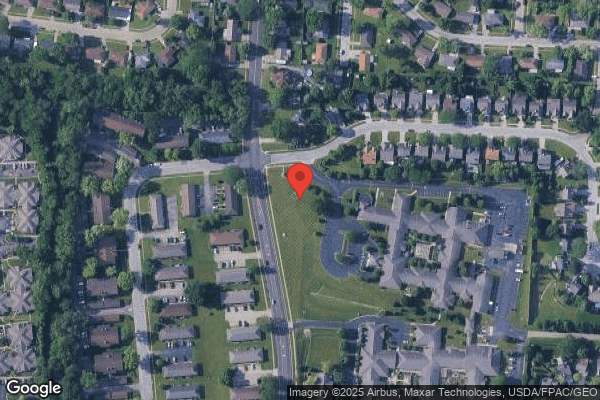
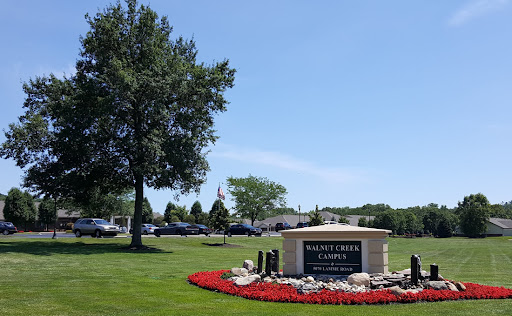
5070 LAMME ROAD, KETTERING, OH 45439 (937) 293-7703
For profit - Corporation 139 Beds Independent Data: November 2025
Trust Grade
23/100
#812 of 913 in OH
Last Inspection: March 2025

Within standard 12-15 month inspection cycle. Federal law requires annual inspections.

Overview

Walnut Creek Nursing Center has received a Trust Grade of F, indicating significant concerns about care quality. Ranking #812 out of 913 in Ohio places it in the bottom half of facilities statewide, and #34 out of 40 in Montgomery County means only a few local options are worse. The facility is worsening, with issues increasing from 3 in 2024 to 8 in 2025. Staffing is a critical concern, with a 1/5 star rating and a high turnover rate of 78%, which is significantly above the state average of 49%. Additionally, the facility has faced serious incidents, including a resident developing a pressure ulcer due to inadequate skin assessments and another resident sustaining fractures from improper assistance during care, highlighting serious weaknesses in their operational practices.

Trust Score
F
23/100
In Ohio
#812/913
Bottom 12%
Safety Record
High Risk
Review needed
Inspections
Getting Worse
3 → 8 violations
Staff Stability
⚠ Watch
78% turnover. Very high, 30 points above average. Constant new faces learning your loved one's needs.
Penalties
✓ Good
$8,648 in fines. Lower than most Ohio facilities. Relatively clean record.
Skilled Nurses
⚠ Watch
Each resident gets only 28 minutes of Registered Nurse (RN) attention daily — below average for Ohio. Fewer RN minutes means fewer trained eyes watching for problems.
Violations
⚠ Watch
47 deficiencies on record. Higher than average. Multiple issues found across inspections.
★★☆☆☆
2.0
Overall Rating
★☆☆☆☆
1.0
Staff Levels
★★★★★
5.0
Care Quality
★★☆☆☆
2.0
Inspection Score
Stable
2024: 3 issues
2025: 8 issues

The Good

  • 5-Star Quality Measures · Strong clinical quality outcomes
  • Full Sprinkler Coverage · Fire safety systems throughout facility
  • No fines on record

Facility shows strength in quality measures, fire safety.

The Bad

2-Star Overall Rating

Below Ohio average (3.2)

Below average - review inspection findings carefully

Staff Turnover: 78%

31pts above Ohio avg (46%)

Frequent staff changes - ask about care continuity

Federal Fines: $8,648

Below median ($33,413)

Minor penalties assessed

Staff turnover is very high (78%)

30 points above Ohio average of 48%

The Ugly 47 deficiencies on record

3 actual harm
May 2025 1 deficiency
CONCERN (F) 📢 Someone Reported This

A family member, employee, or ombudsman was alarmed enough to file a formal complaint

Potential for Harm - no one hurt, but risky conditions existed

Food Safety (Tag F0812)

Could have caused harm · This affected most or all residents

Based on observations, staff interviews, and review of facility policy, the facility failed to ensure staff had there hair contained in food preparation areas and failed to ensure food was stored prop...

Read full inspector narrative →
Based on observations, staff interviews, and review of facility policy, the facility failed to ensure staff had there hair contained in food preparation areas and failed to ensure food was stored properly. This had the potential to 98 out of 98 residents who receive their meals/food from the kitchen, the facility identified one resident (#30) that did not receive food from the kitchen. The census was 99. Findings include: Observations of the kitchen on 05/21/25 at 2:14 P.M. revealed Dietary Aide (DA) #150 preparing meals trays and DA #160 arranging drink cups and preparing drinks. Neither DA #150 or DA #160 had were wearing hairnets or had their hair contained. Interview with DA #150 on 05/21/25 at 2:19 P.M. confirmed she was not wearing a hairnet. DA #150 stated her hairnet must have fell off. Interview with Dietary Director (DD) #170 on 05/21/25 at 2:29 P.M. confirmed DA #150 and DA #170 were not wearing hairnets and did not have their hair contained in the food preparation area. DD #170 stated hairnets were required at all times in the kitchen. Further observation on 05/21/25 at 2:25 P.M. revealed an unlabeled and undated plastic container of apple pie filling and an open and undated package of cheese slices in the refrigerator. A box of hamburger patties, a plastic bag containing rolls, and a box containing a turkey were being stored directly on the floor of the freezer. Interview with DD #170 on 05/21/25 at 2:33 P.M. confirmed the above findings. DD #170 confirmed that food should be dated and labeled. DD #170 confirmed food items should not be stored directly on the floor of the freezer. During an interview on 05/28/25 at 1:43 P.M. the Director of Nursing (DON) identified Resident #30 as being nothing by mouth (NPO) and not receiving food from the kitchen. The DON stated all other 98 residents residing in the facility receive their meals/food from the kitchen. Review of the facility's policy titled, Food Storage dated 2021 revealed sufficient storage facilities will be provided to keep foods safe, wholesome, and appetizing. Food will be stored in an area that is clean, dry, and free from contaminants. Food will be stored, at appropriate temperatures and by methods designed to prevent contamination or cross contamination. Food items will be stored on shelves, with heavier and bulkier items stored on lower shelves. Food should be stored a minimum of six inches above the floor, 18 inches from the ceiling and two inches from the wall with adequate space on all sides of stored items to permit ventilation. Racks and other storage surfaces should be clean and protected from splashes, overhead pipes, or other contamination (ceiling sprinklers, sewer/waste disposal pipes, vents, etc.). Leftover food should be stored in covered containers or wrapped carefully and securely and clearly labeled and dated before being refrigerated. Leftover food must be used within seven days or discarded as per the 2017 Federal Food Code. Review of the facility's policy titled, Employee Sanitary Practices dated 2021 revealed all food and nutrition services employees will practice good personal hygiene and safe food handling procedures. All employees will wear hair restraints (hairnet, hat, and/or beard restraint) to prevent hair from contacting exposed food. This deficiency represents non-compliance investigated under Complaint Number OH00165822.
Mar 2025 6 deficiencies 1 Harm
SERIOUS (G) 📢 Someone Reported This

A family member, employee, or ombudsman was alarmed enough to file a formal complaint

Actual Harm - a resident was hurt due to facility failures

Pressure Ulcer Prevention (Tag F0686)

A resident was harmed · This affected 1 resident

**NOTE- TERMS IN BRACKETS HAVE BEEN EDITED TO PROTECT CONFIDENTIALITY** Based on medical record review, staff interview, physician interview, review of the National Pressure Injury Advisory Panel (NPI...

Read full inspector narrative →
**NOTE- TERMS IN BRACKETS HAVE BEEN EDITED TO PROTECT CONFIDENTIALITY** Based on medical record review, staff interview, physician interview, review of the National Pressure Injury Advisory Panel (NPIAP) website, the facility failed to adequately assess residents' skin, failed to identify a pressure ulcer (a pressure ulcer is a localized injury of the skin and/or underlying tissue usually over a bony prominence, as a result of pressure, or pressure in combination with shear and/or friction), and/or aid in the healing of existing pressure ulcers. This resulted in Actual Harm to one resident (#17) who was at risk for developing pressure ulcers, was readmitted to the facility without a pressure ulcer, and subsequently developed an avoidable, in-house acquired pressure ulcer on 01/31/25 which was first identified as a stage III (full-thickness skin loss in which adipose [fat] is visible) pressure ulcer to the sacrum. The affected one (#17) of four residents reviewed for pressure ulcers. The census was 95 . Findings include: Review of Resident #17's medical record revealed an admission date of 04/16/18. Diagnoses included malnutrition, cerebral palsy, chronic kidney disease stage three, dysphagia, and atherosclerotic heart disease. Resident #17 was discharged to a local hospital on [DATE] and readmitted to the facility on [DATE]. Review of a care plan for Resident #17 revised 05/23/23, revealed the resident had a potential for impaired skin integrity and/or development of pressure related ulcers and/or skin breakdown related to impaired mobility, muscle weakness, cerebral palsy, incontinence, stage three chronic kidney disease, and coronary artery disease. Interventions included to assess skin with routine care, provide routine skin care with morning and evening care, keep skin clean and dry, apply lotion and refer to the weekly Skin Check Sheet and or the Treatment Administration Record (TAR) for treatment plan for actual impaired skin integrity problems. Review of the medical record for Resident #17 from 01/06/25 through 01/30/25, revealed no documented evidence of skin assessments or pressure ulcer risk assessments being completed until 01/31/25, when the resident was found with a stage III pressure ulcer on buttock. Review of a significant change Minimum Data Set (MDS) assessment dated [DATE], revealed Resident #17 was cognitively intact, had no pressure ulcers and received Hospice services. Review of a progress note for Resident #17 dated 01/31/25 at 3:37 P.M., revealed when a Hospice aide and a nurse gave the resident a bath, two small areas covered in slough were noted to the resident's right buttock. A new order was obtained for wound treatment from the Hospice provider. Review of a Weekly Skin Assessment for Resident #17 dated 01/31/25, revealed the resident was documented as having two pressure ulcers to the right buttocks. One pressure ulcer measured 2.0 centimeters (cm) in width by 2.0 cm in length by 0.1 cm in depth and the second one measured 1.0 cm in width by 1.0 cm in length by 0.1 cm in depth. There were no other documented weekly skin assessments from the time the resident was readmitted on [DATE] until this assessment was completed. Review of a physician order for Resident #17 dated 02/01/25, revealed the resident was ordered to have sacrum cleansed with normal saline (NS), patted dry, a small amount of Medi-honey (wound treatment gel) applied, covered with calcium alginate (absorbent wound dressing) and a foam dressing every three days and as needed (PRN). Review of a Wound Nurse Practitioner (WNP) note for Resident #17 dated 02/06/25 and authored by WNP #602, revealed the resident was assessed for a new traumatic wound to her sacrum. Resident #17 was documented as having an in-house acquired stage III pressure ulcer to the sacrum that measured 1.0 cm in width by 1.0 cm in length by 0.1 in depth with 60 percent (%) slough (non-viable [dead] tissue that separates from the wound bed), 40 % granulation (healing skin), and a small amount of serosanguinous exudate (drainage). The resident was ordered to have Medi-honey (wound treatment gel) applied, covered with calcium alginate (absorbent wound dressing) and a bordered foam dressing three times a week and PRN (as needed). Review of the February and March 2025 Treatment Administration Records (TARs) revealed Resident #17's sacrum area wound treatment was not documented as being completed on 02/10/25, 02/16/25, 02/25/25, 03/01/25, and 03/11/25. Interview with Regional Director of Clinical Operations (RDCO) #600 on 03/19/25 at 11:01 A.M., confirmed weekly skin assessments and a pressure injury risk assessment were not completed for Resident #17 upon re-admission to the facility on [DATE]. RDCO #600 confirmed weekly skin assessments, and a pressure ulcer risk assessment were not completed until 01/31/25 when Resident #17 was discovered with a stage III pressure ulcer on her sacrum. RDCO #600 confirmed Resident #17's skin should have been assessed upon re-admission and weekly. RDCO #600 also confirmed pressure ulcer treatments were not completed as ordered. Interview with WNP #602 on 03/20/25 at 9:12 A.M. and immediately after providing wound treatment to Resident #17, confirmed the resident had a stage III pressure ulcer that measured 1.0 cm in width x 0.5 cm in length x 0.1 cm in depth. Resident #17's stage III pressure ulcer currently had no slough and was pink in color. WNP #602 confirmed Resident #17's stage III pressure ulcer was in-house acquired. Review of the facility's policy Pressure Injury Risk Assessment revised August 2024, revealed the facility will complete a standardized risk assessment which will be initiated upon admission and continue throughout the resident's stay in our facility. The purpose is to maintain an on-going process of assessing a resident's risk for pressure injury development in order to create and implement a person-centered plan of care. All residents will have a risk assessment completed by a licensed nurse upon admission, quarterly, and with a significant change in condition. All residents will have a complete head-to-toe skin check by a licensed nurse upon admission. Review of the NPIAP website (https://npiap.com/page/PressureInjuryStages), revealed skin and soft tissue assessment is the basis of pressure injury prevention and treatment. Skin and tissue assessment is an essential component of any pressure injury risk assessment and should be conducted as soon as possible after admission and as a component of a full risk assessment. Each time the individual's clinical condition changes, a comprehensive skin and tissue assessment should be conducted to identify any alterations to skin characteristics or integrity, and to identify any new pressure injury risk factors. A comprehensive skin and soft tissue assessment consists of a head-to-toe assessment with particular focus on skin overlying bony prominence's including the sacrum, ischial tuberosities, greater trochanters and heels. In addition to comprehensive skin assessment, a brief skin assessment of the pressure points should be undertaken during repositioning. A stage III pressure injury involved full-thickness skin loss. Full-thickness loss of skin, in which adipose is visible in the ulcer and granulation tissue. Slough and/or eschar may be visible. The depth of tissue damage varies by anatomical location; areas of significant adiposity can develop deep wounds. Undermining and tunneling may occur. Fascia, muscle, tendon, ligament, cartilage and/or bone are not exposed. If slough or eschar obscures the extent of tissue loss this is an Unstageable Pressure Injury, which is a full-thickness pressure injury. This deficiency represents non-compliance investigated under Complaint Number OH00161918.
CONCERN (D)

Potential for Harm - no one hurt, but risky conditions existed

Accident Prevention (Tag F0689)

Could have caused harm · This affected 1 resident

**NOTE- TERMS IN BRACKETS HAVE BEEN EDITED TO PROTECT CONFIDENTIALITY** Based on medical record review, observation, staff interview, and review of facility policy, the facility failed to ensure fall ...

Read full inspector narrative →
**NOTE- TERMS IN BRACKETS HAVE BEEN EDITED TO PROTECT CONFIDENTIALITY** Based on medical record review, observation, staff interview, and review of facility policy, the facility failed to ensure fall interventions were in place for a resident who was at risk for falls and had recent falls. This affected one (#69) of the three residents reviewed for accidents. The census was 95. Findings include: Review of Resident #69's medical record revealed an admission date of 11/05/24. Diagnoses listed included psychotic disorder, cognitive disorder with Lewy bodies, anxiety disorder, depressive disorder, and muscle weakness. Review of a care plan for Resident #69 dated 11/18/24, revealed the resident was at risk for falls and potential injury related to dementia, impaired balance, impaired cognition, medications, poor decision-making skills, unsteady gait, history of falls, and keeps eyes closed when walking. An intervention of anti-rollbacks to the resident's wheelchair was implemented on 02/03/25. Review of a significant change Minimum Data Set (MDS) assessment for Resident #69 dated 01/03/25, revealed Resident #69 was assessed by staff as being severely cognitively impaired and rarely understood and received Hospice services. Review of an incident note for Resident #69 dated 02/01/25 at 1:00 P.M., revealed the resident was sitting in a wheelchair at the dining room table, stood up and attempted to sit back down in wheelchair. Resident #69 missed the wheelchair and fell on the floor, landing on buttocks with back against wheelchair. The nurse obtained vital signs and assessed range of motion within normal limits. The nurse and caregiver assisted Resident #69 back to the wheelchair. The nurse took the resident to the bedroom, laid the resident down in bed and completed a skin assessment. No injuries were noted. Neurological (neuro) checks were initiated. Resident #69's physician, the Director of Nursing (DON), and power of attorney (POA) were notified. Review of an Interdisciplinary Team (IDT) note for Resident #69 dated 02/03/25 at 11:48 A.M., revealed the resident fell on [DATE]. Resident #69 was witnessed sitting in a wheelchair at the dining room table, stood up and attempted to sit down in wheelchair, missed the wheelchair and fell on the floor. Resident #69 landed on the buttock with back against wheelchair. No injury or pain was noted. Risk factors for falls were dementia, depression, anxiety, neurocognitive disorder with Lewy bodies. Intervention of anti-rollbacks to the resident's wheelchair were added. Review of a health status note for Resident #69 dated 02/13/25 at 11:40 A.M., revealed the resident was found lying on the floor in the room with a laceration to right side of forehead. Review of an IDT note for Resident #69 dated 02/13/25 at 12:12 P.M., revealed the resident fell on [DATE]. Resident #69 was noted on floor with a laceration to right side of the forehead. An intervention of medication review with Hospice was added. Risk factors for fall included neurocognitive disorder with Lewy bodies, abnormality of gait and mobility, dementia, anxiety, major depression disorder. The responsible party and physician were made aware. Observation of Resident #69 in the memory care unit dining room on 03/18/25 at 10:19 A.M., revealed the resident was sitting in a high back wheelchair. The wheelchair did not have any anti-rollback device affixed to the wheelchair. Resident #69 kept standing up and sitting back down in the wheelchair while in front of a dining table. No facility staff were present. Observation of Resident #69 in the memory care unit dining room on 03/19/25 at 10:12 A.M., revealed the resident was sitting in a high back wheelchair. The wheelchair did not have any anti-roll back device affixed to the wheelchair. Interview with Certified Nurse Aide (CNA) #133 and CNA #603 on 03/19/25 at 10:13 A.M., confirmed Resident #69's did not have an anti-rollback device affixed to the wheelchair. Both CNA #133 and CNA #603 sated Resident #69 may be in the wrong wheelchair. Review of the facility's policy Falls and Fall Risk Managing revised August 2024, revealed based on previous evaluations and current data, the staff will identify interventions related to the resident's risk and causes to try to prevent the resident form falling and try to minimize complications from falling.
CONCERN (D)

Potential for Harm - no one hurt, but risky conditions existed

Pharmacy Services (Tag F0755)

Could have caused harm · This affected 1 resident

Based on record review, staff interview, and facility policy review, the facility failed to ensure medications were administered per physician's order. This affected one (#71) resident out of the five...

Read full inspector narrative →
Based on record review, staff interview, and facility policy review, the facility failed to ensure medications were administered per physician's order. This affected one (#71) resident out of the five residents reviewed for medications. The facility census was 95. Findings Include: Review of medical record for Resident #71 revealed an admission date 09/04/25. Diagnoses included acute respiratory failure, obstructive and reflux uropathy, acute and chronic respiratory failure, pleural effusion, chronic obstructive pulmonary disease, morbid obesity, and sleep apnea. Review of a physician order for Resident #71 dated 12/04/24 and discontinued on 01/24/25, revealed the resident had an order for Midodrine five milligrams (mg) by mouth every eight hours as needed (PRN) for hypotension related to systolic blood pressure less than 100 millimeters or mercury (mm/Hg), and do not give the medication four hours before bedtime. Review of a physician order for Resident #71 dated 01/01/25, revealed the resident was ordered to have a blood pressure taken twice daily (morning and night) and check blood pressure two hours before therapy, and if systolic blood pressure is less than 100 mm/Hg systolic, administer Midodrine. Review of blood pressures for Resident #71 revealed the following: a) On 01/24/25, a blood pressure reading of 97/52 mm/Hg was recorded. Review of the correlating Medication Administration Records (MAR) revealed Midodrine 2.5 mg was administered. b) On 01/31/25, a blood pressure reading of 95/60 mm/Hg was recorded. Review of the MAR revealed no documented evidence Midodrine was administered. c) On 02/04/25 at 6:59 A.M., a blood pressure reading of 95/47 mm/Hg was recorded. Review of the MAR revealed no documented evidence Midodrine was administered. d) On 02/08/25, a blood pressure reading of 98/57 mm/Hg was recorded. Review of the MAR revealed no documented evidence Midodrine was administered. e) On 02/10/25, a blood pressure of 94/56 mm/Hg was recorded. Review of the MAR revealed no documented evidence Midodrine was administered. f) On 02/17/25 at 9:48 A.M., a blood pressure of 98/60 mm/Hg was recorded. Review of the MAR revealed no documented evidence Midodrine was administered. g) On 03/01/25 at 9:10 A.M., a blood pressure of 94/59 mm/Hg was recorded. Review of the MAR revealed no documented evidence Midodrine was administered. h) On 03/03/25 at 8:44 A.M., a blood pressure of 99/51 mm/Hg was recorded Review of the MAR, revealed no documented evidence Midodrine was administered. i) On 03/09/25 at day shift, a blood pressure of 97/47 mm/Hg was recorded. Review of the MAR revealed no documented evidence Midodrine was administered. Review of Minimum Data Set (MDS) for Resident #71 dated 02/12/25, revealed the resident who had a Brief Interview of Mental Status (BIMS) of 15 which indicated she was cognitively intact. Resident #71 required set up and clean up for meals. Interview on 03/20/25 at 2:00 P.M. with Director of Nursing (DON). verified Resident #71 didn't receive Midodrine when her blood pressure met the parameters for the medication to be given. Review of facility policy titled Administering Medications revised April 2019, revealed medications will be administered in safe and timely manner and as prescribed.
CONCERN (D)

Potential for Harm - no one hurt, but risky conditions existed

Medication Errors (Tag F0758)

Could have caused harm · This affected 1 resident

**NOTE- TERMS IN BRACKETS HAVE BEEN EDITED TO PROTECT CONFIDENTIALITY** Based on medical record review, staff interview, and review of facility policy, the facility failed to ensure abnormal involunta...

Read full inspector narrative →
**NOTE- TERMS IN BRACKETS HAVE BEEN EDITED TO PROTECT CONFIDENTIALITY** Based on medical record review, staff interview, and review of facility policy, the facility failed to ensure abnormal involuntary movement scale (AIMS) assessments were completed as ordered. This affected two (#69 and #76) of the five residents reviewed for unnecessary medications. The facility also failed to ensure an ordered stop date for an as needed (PRN) antianxiety medication was implemented. This affected one (#69) of the five residents reviewed for unnecessary mediations. The census was 95. Findings include: 1. Review of Resident #69's medical record revealed an admission date of 11/05/24. Diagnoses listed included psychotic disorder, cognitive disorder with Lewy bodies, anxiety disorder, depressive disorder, and muscle weakness. Review of a monthly medication review (MMR) dated 11/26/24, revealed Resident #69 was currently receiving the antipsychotic medication Risperdal and recommended an AIMS assessment be completed due to this antipsychotic therapy requiring an AIMS assessment. The MMR was signed by facility physician on 12/04/24 with a hand-written order to obtain an AIMS assessment. Review of a significant change Minimum Data Set (MDS) assessment dated [DATE], revealed Resident #69 was assessed by staff as being severely cognitively impaired, was rarely understood and was receiving Hospice services. Review of physician orders, revealed an order dated 01/26/25 for Ativan 0.5 milligrams (mg) every four hours PRN for anxiety. The order did not have a stop date. Review of an MMR dated 01/28/25, revealed Resident #69 was currently receiving the antipsychotic medication Risperdal and recommended an AIMS assessment be completed due to this antipsychotic therapy requiring an AIMS assessment. The MMR was signed by facility physician on 02/19/25 with hand-written order to obtain an AIMS assessment. The MMR also noted Resident #69 was currently receiving the antianxiety medication Ativan 0.5 milligram (mg) every four hours PRN. A stop date order of 03/05/25 was signed by physician 02/19/25. Review of March 2025 Treatment Administration Record (TAR), revealed Resident #69 was administered Ativan 0.5 mg PRN on 03/06/25, 03/17/25, and 03/20/25. Further review of Resident #69's medical record, revealed no documentation of an AIMS assessment being completed Interview with Regional Director of Clinical Operations (RDCO) #600 on 03/19/25 at 11:01 A.M., verified an AIMS assessment was not completed as ordered for Resident #69. RDCO #600 also confirmed Resident #69's Ativan 0.5 mg PRN did not have a stop date. 2. Review of medical records revealed that Resident #76 admitted [DATE]. Diagnoses dementia, cognitive communication deficit, hypertension, type two diabetes, anxiety disorder, sleep disorder, and major depressive disorder. Review of Quarterly MDS assessment dated [DATE],revealed Resident #76 was severely cognitively impaired. Review of the plan of care dated 02/12/25, revealed that Resident #76 used psychotropic medications related to disease process and psychotic disorder. Interventions included administering psychotropic medications as ordered, consulting with pharmacy and physicians to consider a dose reduction, discuss with physician and family on ongoing need for use of medications, review behaviors, and alternative therapies. Review of physician orders for Resident #76 dated 09/18/24, revealed the resident was ordered Galantamine Hydrobromide (used to treat mild to moderate dementia) 4 mg twice a day. Review of physician orders for Resident #76 dated 10/09/24, revealed the resident was ordered Risperdal 0.5 mg at bedtime related to psychotic disorder, and delusions. Review of a Gradual Drug Reduction (GDR) dated 10/25/24, revealed Resident #76 had a recommendation by pharmacy to complete an AIMS assessment. Review of medical record for Resident #76, revealed an AIMS assessment wasn't completed until 02/28/25. Interview on 03/20/25 at 1:13 P.M. with Director of Nursing (DON), verified Resident #76 didn't have a timely AIMS test completed when the pharmacy recommended the assessment on 10/25/24. Review of the facility's undated policy Psychotropic Drug Use revealed the assessment of side effects for customers receiving antipsychotic therapy includes the following adverse effects: tardive dyskinesia, postural or orthostatic hypotension, cognitive and/or behavior impairment, akathisia and parkinsonism. The AIMS test or Dyskinesia Identification System: Condensed User Scale (DISCUS) are methods that may be used for monitoring tardive dyskinesia.
CONCERN (D)

Potential for Harm - no one hurt, but risky conditions existed

Deficiency F0761 (Tag F0761)

Could have caused harm · This affected 1 resident

Based on observations, interviews, and facility policy, the facility failed to ensure the proper storage of medications when outdated and expired medications were being stored in the medication carts....

Read full inspector narrative →
Based on observations, interviews, and facility policy, the facility failed to ensure the proper storage of medications when outdated and expired medications were being stored in the medication carts. This affected two (#47 and #70) residents of the five residents reviewed for medications. The facility census was 95. Findings Include: Review of medical record for Resident #70 revealed an admission date 03/21/24. Diagnoses included depression, type two diabetes, anemia, and hypertension. Review of record for Resident #47, revealed an admission date 11/19/24. Diagnoses included heart failure, depression and atrial fibrillation. Observation of the 100-hall medication cart on 03/19/25 at 10:55 A.M. with Licensed Practical Nurse (LPN) #117, revealed an Insulin Aspart (fast acting insulin) 100 units per milliliter belonging to Resident #70 with an open date of 02/06/25. Interview with LPN #117 at the same time verified Resident #70's insulin was opened 02/06/25. Observation of the 200-hall medication cart on 03/19/25 at 11:24 A.M. with LPN #32, revealed a container Potassium Chloride 10 milliequivalents (mEq) per 7.5 milliliters belonging to Resident #47 with no open date and expired 01/24/25. Interview with LPN #32 at the same time verified Resident #47's bottle of Potassium Chloride expired on 01/24/25. Interview on 03/19/25 at 11:55 A.M. with Director of Nursing (DON), stated insulin Aspart was fast acting and should be discarded 28 days after opening. The DON stated no medication should be expired in medication carts and/or medication rooms. Review of facility policy titled Medication Storage undated, revealed medications will be stored in a manner that maintains the integrity of the product, ensures the safety of the residents and was in accordance with Ohio Department of Health guidelines. Review of the facility policy titled 7.0 Insulin Pen Labeling and Packaging undated, revealed insulin pens are to be individually labeled and placed in a closable plastic bag to control the spread of infections. Insulin was refrigerator until opened, keep insulin in bag with sticker, and a yellow sticker that had date and expiration date.
CONCERN (D)

Potential for Harm - no one hurt, but risky conditions existed

Infection Control (Tag F0880)

Could have caused harm · This affected 1 resident

**NOTE- TERMS IN BRACKETS HAVE BEEN EDITED TO PROTECT CONFIDENTIALITY** Based on medical record review, observation, staff interview, review of online resources from Centers for Disease Control and Pr...

Read full inspector narrative →
**NOTE- TERMS IN BRACKETS HAVE BEEN EDITED TO PROTECT CONFIDENTIALITY** Based on medical record review, observation, staff interview, review of online resources from Centers for Disease Control and Prevention (CDC), and review of facility policy, the facility failed to timely implement Enhanced Barrier Precautions (EBP). This affected three (#14, #17, and #46) residents of five reviewed for Transmission-Based Precautions (TBP). The census was 95. Findings include: 1. Review of Resident #17's medical record revealed an admission date of 04/16/18. Diagnoses listed included malnutrition, cerebral palsy, chronic kidney disease stage 3, dysphagia, and atherosclerotic heart disease. Review of a significant change Minimum Data Set (MDS) assessment dated [DATE], revealed Resident #17 was cognitively intact, was receiving Hospice services and did not have any pressure ulcers. Further review of Resident #17's medical record, revealed a stage III (full-thickness skin loss in which adipose [fat] is visible) pressure ulcer to the resident's sacrum was identified on 01/31/25 and treatments were started. Review of the physician orders, revealed EBP were not ordered for Resident #17 until 03/17/25. Observation on 03/19/25 at 10:05 A.M., revealed no personal protective equipment (PPE) supplies or any signs posted at Resident #17's room entrance informing staff that Resident #17 was in EBP. Interview with Assistant Director of Nursing (ADON) #160, confirmed EBP should have been ordered for Resident #17 prior to 03/17/25. ADON #160 confirmed wound care had been provided prior to 03/17/25. ADON #160 confirmed no current EBP signs or PPE at Resident #17's room entrance. 2. Review of Resident #46's medical record, revealed an admission date of 09/22/24. Diagnoses listed included rheumatoid arthritis, acute kidney failure, sepsis, altered mental status, iron deficiency anemia, and malnutrition. Review of a significant change MDS dated [DATE], revealed Resident #46 was rarely understood by staff, had a feeding tube, and received Hospice care. Further review of Resident #46's medical record, revealed she had received nutrition per feeding tube since 01/24/25. Test results were received on 03/12/25 from the hospital reporting Resident #46 was positive for Candida Auris a multi-drug-resistant organism (MDRO). Review of a hospital acquired laboratory results dated [DATE], revealed Resident #46 was positive for Candida Auris. Interview with ADON #160 and Regional Director of Clinical Operations (RDCO) #160 on 03/18/25, confirmed Resident #46 should have been ordered and placed in EBP prior to 03/17/25 due to having a feeding tube and being identified positive for Candida Auris on 03/12/25. 3. Review of Resident #14's medical record revealed an admission date of 03/08/19. Diagnoses listed included congestive heart failure, dementia, and anxiety Review of the most current annual MDS assessment dated [DATE], revealed Resident #14 was severely cognitively impaired and was dependent on staff for all care. Further review of Resident #14's medical record revealed she had a Stage II pressure ulcer (partial-thickness skin loss, appearing as a shallow open sore or an intact or ruptured blister, with a red or pink wound) on her left calf . Observations of Resident #14 on 03/17/25, 03/18/25 and 03/19/25, revealed the resident was not in EBP's. Observations of the dressing change on 03/19/25 at 11:00 A.M. revealed the residents bandage to her leg had active drainage. Interview with ADON #160 and RDCO #600 on 03/19/25, confirmed that Resident #14 should have been ordered EBP prior to 03/19/25 due to having a pressure ulcer. Review of CDC guidance, revealed candida Auris is a MDRO and transmission-based precautions should be implemented. Enhanced Barrier Precautions expand the use of PPE and refer to the use of gown and gloves during high-contact resident care activities that provide opportunities for transfer of MDROs to staff hands and clothing. MDROs may be indirectly transferred from resident-to-resident during these high-contact care activities. Nursing home residents with wounds and indwelling medical devices are at especially high risk of both acquisition of and colonization with MDROs. The use of gown and gloves for high-contact resident care activities is indicated, when Contact Precautions do not otherwise apply, for nursing home residents with wounds and/or indwelling medical devices regardless of MDRO colonization as well as for residents with [NAME] infection or colonization. Review of the facility's policy Enhanced Barrier Precautions date 04/01/24, revealed Enhanced Barrier Precautions (EBP) refer to an infection control intervention designed to reduce transmission of MDROs that employs targeted gown and glove use during high contact resident care activities. EBP's are used in conjunction with standard precautions and expand the use of PPE to donning of gown and gloves during high contact resident care activities that provide opportunities for transfer of MDROs to staff hands and clothing. Place EBP signage on resident's room door, have PPE (gowns and gloves available and face protection may also be needed if performing activity with risk of splash or spray) available. Require gowns, and gloves only for high-contact resident care activities (face protection may also be needed if performing activity with risk of splash or spray). Examples of MDROS targeted by CDC include Candida Auris.
Jan 2025 1 deficiency
CONCERN (D) 📢 Someone Reported This

A family member, employee, or ombudsman was alarmed enough to file a formal complaint

Potential for Harm - no one hurt, but risky conditions existed

Infection Control (Tag F0880)

Could have caused harm · This affected 1 resident

**NOTE- TERMS IN BRACKETS HAVE BEEN EDITED TO PROTECT CONFIDENTIALITY** Based on medical records review, staff interview, observation, review of facility policy, and review of Centers of Disease Contr...

Read full inspector narrative →
**NOTE- TERMS IN BRACKETS HAVE BEEN EDITED TO PROTECT CONFIDENTIALITY** Based on medical records review, staff interview, observation, review of facility policy, and review of Centers of Disease Control and Prevention (CDC) guidance, the facility failed to ensure staff wore appropriate personal protective equipment (PPE) while caring for a resident who was positive with Coronavirus Disease 2019 (COVID-19). This affected one (#1) out of three residents reviewed for infection control. The census was 90. Findings include: Review of Resident #1's medical record revealed an admission date of 07/24/24. Diagnoses listed included cerebral atherosclerosis, hypertension, vascular dementia, and chronic kidney disease. Review of a quarterly Minimum Data Set (MDS) assessment dated [DATE] revealed Resident #1 was severely cognitive impaired and receiving Hospice services. Review of physician orders revealed an order dated 01/13/25 for contact and droplet precautions due to COVID-19. Review of progress notes dated 01/13/25 at 12:36 P.M. revealed Resident #1 tested positive for COVID-19 with a rapid test nasal swab. Observation on 01/15/25 at 11:06 A.M. revealed Certified Nursing Assistant (CNA) #100 in Resident #1's room standing at the right side of her bed. CNA #1 was gathering bed linens and repositioning Resident #1's bedding. CNA #100 was not wearing a gown, faceshield or goggles. CNA #100 was wearing a surgical style face mask. Observation of Resident 1's room entry revealed a sign stating to use contact and droplet precautions. A bin outside the door contained PPE. Interview with CNA #100 on 01/15/25 at 11:09 A.M. confirmed Resident #1 was in contact and droplet precautions due to being COVID-19 positive. CNA #100 confirmed she did no wear a gown, faceshield or goggles, or N95 (respirator) while in Resident #1's room providing care. Review of the facility's Covid QAPI Plan dated revised August 2024 revealed all staff must use PPE when going into a COVID-19 positive resident room- N95, eyewear, gown, and gloves. Review of the CDC Infection Control Guidance: SARS-CoV-2 revealed healthcare personnel who enter the room of a patient with suspected or confirmed SARS-CoV-2 infection should adhere to standard precautions and use a NIOSH (National Institute for Occupational Safety and Health) approved particulate respirator with N95 filters or higher, gown, gloves, and eye protection (i.e., goggles or a face shield that covers the front and sides of the face). This deficiency is based on incidental findings discovered during the course of this complaint investigation.
Sept 2024 1 deficiency
CONCERN (D) 📢 Someone Reported This

A family member, employee, or ombudsman was alarmed enough to file a formal complaint

Potential for Harm - no one hurt, but risky conditions existed

Deficiency F0760 (Tag F0760)

Could have caused harm · This affected 1 resident

**NOTE- TERMS IN BRACKETS HAVE BEEN EDITED TO PROTECT CONFIDENTIALITY** Based on medical record review and staff interviews, the facility failed to ensure physician orders were followed and parameters...

Read full inspector narrative →
**NOTE- TERMS IN BRACKETS HAVE BEEN EDITED TO PROTECT CONFIDENTIALITY** Based on medical record review and staff interviews, the facility failed to ensure physician orders were followed and parameters were met prior to the administration of insulin resulting in significant medication errors. This affected one resident (#10) of three residents reviewed for medication administration. Facility census was 85. Findings include: Review of medical record for Resident #10 revealed admission date of 06/21/24. Diagnoses include diabetes mellitus with skin complications, congestive heart failure, peripheral vascular disease, and hypertension. Resident #10 was admitted to hospice on 08/26/24 for a diagnosis of senile asthenia. The quarterly Minimum Data Set (MDS) dated [DATE] revealed Resident #10 had a Brief Interview Mental Status (BIMS) score of seven out of 15. Resident #10 required extensive two-person assistance for transfers, one person assistance for bed mobility, dependent for toileting and independent for eating. Medications documented injections were received seven of seven days during the lookback period. Review of Resident #10's physician orders revealed an order for Lantus (Long-acting insulin)-inject ten units subcutaneously at bedtime for diabetes. Call Doctor if blood glucose was less than 70 milligrams (mg) per (/) deciliter (dl) or more than 300 mg/dl. With a start date of 07/23/24. Review of Resident #10's July 2024 Medication Administration Record (MAR) revealed there was no documentation of glucose levels being obtained prior to the 9:00 P.M. Lantus administration. Review of the electronic record for Resident #10 revealed no documentation a glucose level being obtained prior to the scheduled 9:00 P.M. Lantus administration. Interview on 09/03/24 at 4:17 P.M. the Director of Nursing (DON) verified there had been no documentation a glucose level being obtained prior to Resident #10's 9:00 P.M. dose of Lantus. The DON acknowledged despite not knowing the glucose level the medication was documented as given. This deficiency represents non-compliance investigated under Complaint Number OH00156567.
Jan 2024 2 deficiencies
CONCERN (D) 📢 Someone Reported This

A family member, employee, or ombudsman was alarmed enough to file a formal complaint

Potential for Harm - no one hurt, but risky conditions existed

Unnecessary Medications (Tag F0759)

Could have caused harm · This affected 1 resident

Based on medical record review, observations and staff interview the facility failed to ensure residents were administered as ordered resulting in two medication errors out of 25 opportunities or an e...

Read full inspector narrative →
Based on medical record review, observations and staff interview the facility failed to ensure residents were administered as ordered resulting in two medication errors out of 25 opportunities or an eight percent (%) medication error rate. This affected two (#18 and #19) out of of four residents observed for medication administration. The facility census was 88. Findings include: 1. Review of medical record for Resident #18 revealed admission date of 04/18/23. Diagnoses include alcoholic hepatic failure without coma, traumatic subdural hemorrhage, bipolar disorder, chronic obstructive pulmonary disorder, depression and chronic respiratory failure. The resident remained in the facility. Observation of medication pass on 01/18/24 at 8:15 A.M. with Licensed Practical Nurse (LPN) #118 for Resident #18 revealed she was given Amlodipine (blood pressure) 10 milligrams (mg), Keppra (seizures) 750 mg, Lisinopril (blood pressure) 20 mg, Metformin (diabetes) 500 mg, Senna (laxative) 8.6 mg and Zyprexa (antipsychotic) 2.5 mg. Further review of Resident #18's physician orders revealed an order for each of the medication administered except Zyprexa. Review revealed an order for Zyprexa 2.5 mg daily with a start date of 06/21/23 and an end date of 08/21/23. Interview and observation on 01/18/24 at 12:58 P.M. with LPN #18 verified Resident #19's Zyprexa was not a current order. Observation of the pharmacy supplied medication revealed Zyprexa was listed on and present in the provided medication bag. 2. Review of medical record for Resident #19 revealed admission date of 01/05/24. Diagnoses include right femur fracture, and chronic obstructive pulmonary disease. Observation of medication pass on 01/18/24 at 8:19 A.M. with LPN #118 for Resident #19 revealed she was administered Breo Ellipta (fluticasone furoate and vilanterol) (corticosteroid) 100 micrograms (mcg)/ 25 mcg. Further review of Resident #19's physician orders revealed no order for Breo. There was an order for Trelegy Ellipta (flucosone- Umecliidinium-Vilanterol) (COPD) 200-62.5-25 mcg. Interview on 01/18/24 at 1:00 P.M. with LPN #118 verified Breo was administered to Resident #19 and not the prescribed Trelegy. Interview on 01/18/24 at with the Director of Nursing (DON) revealed Resident #19 had Trelegy present in the medication cart and the Breo would be removed. This deficiency represents non-compliance investigated under Complaint Number OH00149480.
CONCERN (D) 📢 Someone Reported This

A family member, employee, or ombudsman was alarmed enough to file a formal complaint

Potential for Harm - no one hurt, but risky conditions existed

Deficiency F0760 (Tag F0760)

Could have caused harm · This affected 1 resident

Based on medical record reviews, observations, staff interview and review of medication information from Medscape, the facility failed to ensure antipsychotic and/or blood pressure medications were ad...

Read full inspector narrative →
Based on medical record reviews, observations, staff interview and review of medication information from Medscape, the facility failed to ensure antipsychotic and/or blood pressure medications were administered as physician ordered resulting in significant medication errors. This affected three (#15, #13, #18) of four residents reviewed for medication administration. The facility census was 88. Findings include: 1. Review of medical record for Resident #18 revealed admission date of 04/18/23. Diagnoses include alcoholic hepatic failure without coma, traumatic subdural hemorrhage, bipolar disorder, chronic obstructive pulmonary disorder, depression and chronic respiratory failure. Observation of medication pass on 01/18/24 at 8:15 A.M. with Licensed Practical Nurse (LPN) #118 for Resident #18 revealed she was given Amlodipine (blood pressure) 10 milligrams (mg), Keppra (seizures) 750 mg, Lisinopril (blood pressure) 20 mg, Metformin (diabetes) 500 mg, Senna (laxative) 8.6 mg and Zyprexa (antipsychotic) 2.5 mg. Further review of Resident #18's physician orders revealed an order for each of the medication administered except Zyprexa. Review revealed an order for Zyprexa 2.5 mg daily with a start date of 06/21/23 and an end date of 08/21/23. Interview and observation on 01/18/24 at 12:58 P.M. with LPN #18 verified Resident #19's Zyprexa was not a current order. Observation of the pharmacy supplied medication revealed Zyprexa was listed on and present in the provided medication bag. Review of medication information from Medscape at https://reference.medscape.com/drug/zyprexa-relprevv-olanzapine-342979 revealed Zyprexa is an antipsychotic medication used to treat schizophrenia and bipolar. Zyprexa should be taken as physician ordered. 2. Review of medical record for Resident #13 revealed admission date of 05/15/23 Diagnoses include stroke, Alzheimer's Disease and dementia. The resident remains in the facility. Review of Resident #13's physician orders revealed an order for Metoprolol Tartrate (beta blocker) 50 milligrams (mg) two times a day. Hold for Systolic Blood Pressure (SBP) of less than 120 millimeter of mercury (mm Hg) with a start date of 12/05/23. Review of Resident #13's December 2023 Medication Administration Record (MAR) revealed the Metoprolol Tartrate was given outside of the ordered parameters at 6:00 A.M. on 12/06/23 with a SBP of 116, on 12/09/23 with SBP of 118, on 12/18/23 with SBP of 118, on 12/31/23 with SBP 118 and at 6:00 P.M. on 12/08/23 with SBP of 118, on 12/17/23 with SBP of 118 and on 12/26/23 with SBP 85. Review of Resident #13's January 2023 MAR's revealed the Metoprolol Tartrate was given outside of the ordered parameters at 6:00 A.M. on 01/03/24 with SBP of 113, at 6:00 P.M. on 01/02/24 with SBP of 109 and on 01/07/24 with SBP of 110. On 01/18/24 at 1:07 P.M. with Corporate Registered Nurse #117 confirmed Resident #13's Metoprolol Tartrate which is used to treat hypertension was administered outside the parameters on the identified dates. 3. Review of medical record for Resident #15 revealed admission date of 09/16/22. Diagnoses include atrial fibrillation, diabetes mellitus type two and hypertension. Review of Resident #15's physician orders revealed and order for Metoprolol Tartrate (beta blocker) 25 mg two times daily, hold for SBP less than 110 mmHg and Pulse (P) less than 60. Review of Resident #15's December 2023 MAR's revealed the Metoprolol Tartrate was given outside of the parameters at 9:00 A.M. on 12/09/23 with SBP of 108, P of 58; at 9:00 P.M. on 12/17/23 with SBP of 96, on 12/22/23 with SBP of 94, and on 12/26/23 with SBP of 95. Review of Resident #15's January 2024 MAR's revealed the Metoprolol Tartrate was given outside of the parameters at 9:00 A.M. on 01/05/24 with SBP of 94, on 01/10/24 with SBP of 92, at 9:00 P.M. on 12/08/24 with SBP of 102, on 01/13/24 with SBP of 98 and 01/15/24 with SBP of 96. On 01/18/24 at 1:07 P.M. with Corporate Registered Nurse #117 confirmed Resident #15's Metoprolol Tartrate which is used to treat hypertension was administered outside the parameters on the identified dates. Review of medication information from Medscape at https://reference.medscape.com/drug/lopressor-toprol-xl-metoprolol-342360 revealed Metoprolol is a beta-blocker used to treat conditions such as hypertension, acute myocardial infarction, congested heart failure and angina. Metoprolol should be taken as ordered by the physician. This deficiency represents non-compliance investigated under Complaint Number OH00149480.
Nov 2023 12 deficiencies
CONCERN (D)

Potential for Harm - no one hurt, but risky conditions existed

Comprehensive Assessments (Tag F0636)

Could have caused harm · This affected 1 resident

Based on medical record review, staff interview, and review of the Resident Assessment Instrument (RAI) 3.0 manual, the facility failed to complete comprehensive Minimum Data Set (MDS) assessments wit...

Read full inspector narrative →
Based on medical record review, staff interview, and review of the Resident Assessment Instrument (RAI) 3.0 manual, the facility failed to complete comprehensive Minimum Data Set (MDS) assessments within the required timeframe. This affected two (#40 and #57) of the 19 residents reviewed for timely completion of MDS assessments. The facility census was 85. Findings include: 1) Review of the medical record for Resident #40 revealed an admission date of 08/09/18 with medical diagnoses of Alzheimer's disease, hypertension (HTN), heart failure, and chronic kidney disease stage III. Review of the medical record for Resident #57 revealed an annual MDS with assessment reference date (ARD) of 10/14/23 which indicated Resident #40 had severe cognitive impairment and required set-up to supervision with transfers, bed mobility, toileting and eating. Further review of the MDS revealed a completion date of 11/10/23. 2) Review of the medical record for Resident #57 revealed an admission date of 09/07/23 with medication diagnoses of congestive heart failure (CHF), HTN, diabetes mellitus, and chronic obstructive pulmonary disease. Review of the medical record for Resident #57 revealed an admission MDS assessment with ARD 09/25/23 which indicated Resident #57 required extensive staff assistance with bed mobility, transfers, dressing and toileting. The MDS indicated Resident #57's cognition was not assessed. Further review of the MDS revealed a completion date of 10/24/23. Interview on 11/15/23 at 8:16 A.M. with Licensed Practical Nurse (LPN) #364 confirmed the annual assessment for Resident #57 and the admission assessment for Resident #77 were not completed timely as per the RAI manual guidelines. LPN #364 confirmed the facility utilized the RAI manual as their policy for MDS coding and completion requirements. Review of the RAI 3.0 manual Chapter 2 pages 2-10 revealed comprehensive MDS assessments include the admission, annual, and significant change in status assessments. Further review of the RAI manual Chapter 2 pages 2-21 revealed an admission MDS assessment is to be completed no later than day 14 from admission date. Review of the RAI manual Chapter 2 pages 2-22 revealed an annual MDS assessment must be completed no later than 14 days after the ARD.
CONCERN (D)

Potential for Harm - no one hurt, but risky conditions existed

Assessment Accuracy (Tag F0641)

Could have caused harm · This affected 1 resident

Based on medical record review, staff interview and review of the Resident Assessment Instrument (RAI) 3.0 manual, the facility failed to ensure resident interviews were conducted for cognition Brief ...

Read full inspector narrative →
Based on medical record review, staff interview and review of the Resident Assessment Instrument (RAI) 3.0 manual, the facility failed to ensure resident interviews were conducted for cognition Brief Interview for Mental Status (BIMS) and for mood 9-Item Patient Health Questionnaire (PHQ-9) as required by RAI manual. This affected two (#57 and #77) of the 19 residents reviewed for Minimum Data Set (MDS) assessment accuracy. The facility census was 85. Findings include: 1) Review of the medical record for Resident #57 revealed an admission date of 09/07/23 with medical diagnoses of congestive heart failure (CHF), hypertension (HTN), diabetes mellitus, and chronic obstructive pulmonary disease. Review of the medical record for Resident #57 revealed an admission MDS assessment with assessment reference date (ARD) 09/25/23 which indicated the facility did not complete resident interviews for BIMS or PHQ-9 and the resident interviews were dashed. Review of the MDS assessment revealed staff interviews were not conducted to determine Resident #57's BIMS or PHQ-9. 2) Review of the medical record for Resident #77 revealed an admission date of 05/31/23 with medical diagnoses of schizophrenia, moderate protein calorie malnutrition, HTN. Review of the medical record for Resident #77 revealed a quarter MDS assessment with ARD 09/07/23 which indicated the facility did not complete resident interviews for BIMS or PHQ-9 and the resident interviews were dashed. Review of the MDS assessment revealed staff interviews were not conducted to determine Resident #77's BIMS or PHQ-9. Interview on 11/15/23 at 10:24 A.M. with Licensed Social Worker (LSW) #424 confirmed she was responsible for completing resident or staff interviews for BIMS and PHQ-9 for each resident at the facility. LSW #424 confirmed the BIMS and PHQ-9 resident interviews were not conducted for Resident #57 or #77 as per the RAI guidelines. LSW #424 stated she did not have time to complete the interviews, so she dashed the responses in the MDS assessments. Review of the RAI 3.0 manual, chapter 3-page C-2 stated the Brief Interview for Mental Status (BIMS) is intended to determine the resident's attention, orientation, and ability to register and recall new information. The manual stated the facility should attempt to conduct the interview with all residents and this interview was to be conducted during the look-back period of the ARD. Further review of the RAI 3.0 manual, Chapter 3-page D 1-2 stated the PHQ-9 interview is intended to obtain resident information related to their mood and the facility should attempt to conduct the interview with all residents. The manual stated the PHQ-9 interview was to be conducted during the look-back period of the ARD.
CONCERN (D)

Potential for Harm - no one hurt, but risky conditions existed

PASARR Coordination (Tag F0644)

Could have caused harm · This affected 1 resident

**NOTE- TERMS IN BRACKETS HAVE BEEN EDITED TO PROTECT CONFIDENTIALITY** Based on record review and staff interview, the facility failed to accurately fill out a Preadmission Screening and Resident Rev...

Read full inspector narrative →
**NOTE- TERMS IN BRACKETS HAVE BEEN EDITED TO PROTECT CONFIDENTIALITY** Based on record review and staff interview, the facility failed to accurately fill out a Preadmission Screening and Resident Review (PASARR) for Residents. This affected one (#68) of the five residents reviewed for PASARR. The facility census was 85. Findings include: Resident #68 was admitted to the facility on [DATE] with a diagnosis of acute kidney failure, amnestic disorder due to known physiological condition, metabolic encephalopathy, need for assistance with personal care, muscle weakness, bipolar disorder, alcohol dependence with alcohol-induced persisting dementia, non-pressure chronic ulcer of right heel and midfoot, schizoaffective disorder, and pseudobulbar affect. Review of the Minimal Data Set (MDS) assessment 3.0 dated 09/25/23 revealed Resident #68 had moderate cognitive impairment. Her functional status is listed as totally dependent for transfers, bed mobility, and toileting. The MDS also revealed Resident #68 was incontinent of urine and bowel and assessed with no pressure ulcers. Review of the PASARR dated 05/05/21 for Resident #68, revealed the PASARR was not filled out completely. The PASARR did not have the Resident's diagnosis filled out on the form. Interview with License Social Worker (LSW) #424 on 11/15/23 at 9:10 A.M. confirmed that 05/05/21 was the last PASARR completed on Resident #68. The resident was diagnosed with amnestic disorder on 01/06/22, bipolar disorder on 08/29/23, schizoaffective disorder on 08/03/22, major depressive disorder on 10/28/22, anxiety disorder on 10/27/22, and pseudobulbar effect on 02/07/23. After verifying this information, LSW #424 indicated she filled out a new PASARR and Resident #68 triggered for a PASARR level II to be completed.
CONCERN (D)

Potential for Harm - no one hurt, but risky conditions existed

Comprehensive Care Plan (Tag F0656)

Could have caused harm · This affected 1 resident

**NOTE- TERMS IN BRACKETS HAVE BEEN EDITED TO PROTECT CONFIDENTIALITY** Based on medical record reviews, staff interviews, and review of the Resident Assessment Instrument (RAI) manual 3.0, the facili...

Read full inspector narrative →
**NOTE- TERMS IN BRACKETS HAVE BEEN EDITED TO PROTECT CONFIDENTIALITY** Based on medical record reviews, staff interviews, and review of the Resident Assessment Instrument (RAI) manual 3.0, the facility failed to develop and implement comprehensive person-centered care plans. This affected three (#31, #77, and #87) of the 19 residents reviewed for comprehensive person-centered care plans. The facility census was 85. Findings included: 1) Review of the medical record for Resident #31 revealed an admission date of 08/18/23 with medical diagnoses of malignant neoplasm of prostate, secondary malignant neoplasm of bone, non-pressure chronic ulcer of left foot, and hypertension (HTN). Review of the admission Minimum Data Set (MDS) with an assessment reference date (ARD) of 08/25/23 for Resident #31, revealed the resident had moderate cognitive impairment and required limited staff assistance with bed mobility, transfers, dressing, and toileting. The MDS assessment did not indicate Resident #31 had any skin issues. Review of a physician's progress noted dated 10/23/23 for Resident #31, revealed the resident was recently hospitalized for a left foot toe amputation. Review of the comprehensive person-centered care plan dated 08/31/23 for Resident #31, revealed no documentation to support the facility completed a comprehensive person-centered care for the surgical site to his left foot. Interview on 11/16/23 at 10:42 A.M. with Director of Nursing (DON) confirmed Resident #31 had a surgical site to his left foot status post toe amputation. Interview on 11/16/23 at 10:55 A.M. with Licensed Practical Nurse (LPN) #364 confirmed Resident #31 had a surgical site to his left foot and continued to receive treatments to the surgical site. LPN #364 confirmed Resident #31 did not have a person-centered care plan to address the resident's surgical site to the left foot. 2) Review of the medical record for Resident #77 revealed an admission date of 05/31/23 with medical diagnoses of Stage IV pressure (full thickness loss of tissue and skin) pressure ulcer, schizophrenia, moderate protein calorie malnutrition, HTN. Review of the MDS with an ARD of 09/07/23 for Resident #77, revealed the resident required extensive staff assistance with bed mobility, toileting and was dependent upon staff for dressing and transfers. The MDS assessment indicated Resident #77 had a Stage IV pressure ulcer upon admission. Review of the comprehensive person-centered care plan for Resident #77 revealed no documentation to support the facility developed a comprehensive person-centered care plan for the resident's Stage IV pressure ulcer upon admission to the facility. Review of the medical record revealed a comprehensive person-centered care plan, dated 08/21/23, which stated Resident #77 had admitted with a Stage IV pressure ulcer to her coccyx. Interview on 11/16/23 at 10:11 A.M. with LPN #364 confirmed Resident #77's pressure ulcer was present upon admission on [DATE] and that the facility did not develop a comprehensive person-centered care plan for Resident #77's Stage IV pressure ulcer until 08/21/23. 3) Review of the medical record for Resident #87 revealed the resident was admitted to the 07/19/23 with diagnosis of unspecified Protein Calorie Malnutrition, Coronavirus (COVID-19), Extended Spectrum [NAME] Lactamase (ESBL) resistance, muscle weakness, urinary tract infection (UTI), metabolic encephalopathy, hallucinations, alcoholism and klebsiella pneumoniae. Review of the MDS assessment dated [DATE] revealed Resident #87 had moderate cognitive impairment. Her functional status is listed as being totally dependent for transfers, bed mobility, and toileting and the resident was incontinent of urine and bowel. Review of the progress notes dated 11/08/23 at 2:37 P.M. for Resident #87, revealed the final urinalysis results were received and the resident was positive for ESBL. The Physician was notified, and new orders were received for the resident to start Levaquin 250 milligrams (mgs) (antibiotic) twice a day for ten days. The notes indicated Resident #68 continued with hallucinations and a new order was received for the resident to start Depakote (mood stabilizer) 125 mgs every eight hours. Review of the physician orders dated 11/08/23 for Resident #87, revealed the resident was ordered to receive Levaquin 250 mgs twice daily for 10 days for ESBL and Depakote Sprinkles delayed release 125 mgs every eight hours for hallucinations. Review of the care plan dated 07/24/23 for Resident #87 revealed the facility did not have a care plan in place for the resident's diagnosis of ESBL. Review of the RAI 3.0 manual Chapter 4 pages 4 through 8, revealed the comprehensive care plan is an interdisciplinary communication tool that must include measurable objectives and time frames and must describe the services that are to be furnished to attain or maintain the resident's highest practicable physical, mental, and psychosocial well-being.
CONCERN (D)

Potential for Harm - no one hurt, but risky conditions existed

ADL Care (Tag F0677)

Could have caused harm · This affected 1 resident

**NOTE- TERMS IN BRACKETS HAVE BEEN EDITED TO PROTECT CONFIDENTIALITY** Based on observations, record review, staff and resident interviews, and review of facility policy, the facility failed to provi...

Read full inspector narrative →
**NOTE- TERMS IN BRACKETS HAVE BEEN EDITED TO PROTECT CONFIDENTIALITY** Based on observations, record review, staff and resident interviews, and review of facility policy, the facility failed to provide dependent residents with bathing needs. This affected two (#01 and #37) of the four residents reviewed for activities of daily living (ADLs). The facility census was 85. Finding included: 1) Review of the medical record for Resident #01 revealed the resident had an original admission date of 06/07/22. Diagnoses included, but not limited to, cerebral palsy, Parkinson's disease, chronic obstructive pulmonary disease (COPD), diabetes type 2, morbid obesity, malignant neoplasm of bladder, gastroesophageal reflux, schizoaffective disorder, chronic diastolic heart failure, chronic kidney disease, bipolar disorder, anxiety, gout, and auditory hallucination. Review of the comprehensive plan of care dated 05/30/23 for Resident #01, revealed the resident had an ADL self- care performance deficit related to activity intolerance, fatigue, and impaired balance with an intervention to encourage the resident to participate to the fullest extent possible with each interaction. Review of the quarterly Minimum Data Set (MDS) assessment 3.0 dated 08/29/23 for Resident #01, revealed the resident was cognitively intact, had no behaviors, no rejection of care and no wandering. The resident was assessed to be totally dependent for transfers, toileting, personal hygiene, bathing and required extensive assistance for dressing and bed mobility. Resident #01 was assessed to have an indwelling catheter and was incontinent of bowel. Observation of Resident #01 on 11/13/23 at 9:55 A.M., revealed the resident was seated in an electric wheelchair. The resident's collar of her shirt and extending to the shoulder areas, revealed a large amount white flaking debris covering the resident's shirt. The resident's scalp and throughout the resident's hair had white flaking debris. During interview with Resident #01 at the same time, revealed it had been such a long time since her hair was last washed, the resident could not remember when it was washed. The resident stated she only got a bath once every two weeks or so and was unable to recall when she had been given her last bath because she did not know when her scheduled days were and would like to have one. Review of the ADL tasks recorded by the State Tested Nursing Assistants (STNAs) for Resident #01, revealed a bath/shower was to be given on Monday and Thursday nights. Review of that ADL tasks for the last 30 days revealed a bath/shower was given on 10/19/23, 10/26/23, 11/09/23 and 11/13/23. interview with Resident #01 on 11/14/23 at 2:03 P.M stated she had not been given a shower the night before on 11/13/23 as the ADL task sheet indicated. Interview with Licensed Practical Nurse (LPN) #386 on 11/14/23 at 2:10 P.M. revealed she was unable to locate a paper shower sheet associated with Resident #01 going back to August and was unable to locate any refusals by Resident #01. 2) Review of the medical record for Resident #37, revealed the resident was admitted on [DATE]. Diagnoses included, but not limited to, major depressive disorder, neuromuscular dysfunction of bladder, bipolar disorder, anemia, foot drop, malignant neoplasm of middle lobe bronchus or lung, type two diabetes, and COPD. Review of Resident #37 medical record revealed no documentation of a bathing schedule, or a record of when bathing had been provided to the resident since admission on [DATE]. Review of the MDS assessment dated [DATE] for Resident #37, revealed the resident's cognitive skills for daily decision making were impaired with a Brief Interview for Mental Status (BIMS) score of eight. The assessment revealed no behaviors exhibited, no rejection of care and no wandering. The resident was assessed to require substantial or maximal assistance for toileting, hygiene, and showering/ bathing. Observation on 11/13/23 at 9:22 A.M. revealed Resident #37 lying in bed with eyes closed with both feet and legs exposed with a large amount of white flaking areas to both feet and lower legs. There were white flaking chips noted on the exposed mattress throughout the end of the bed where the resident's legs were. Observation and interview on 11/16/23 at 7:30 A.M. with Resident #37, stated he was unaware of when his last bath was but would like some lotion on his legs and feet because they were dry and itchy as he proceeded to pick off a white flaking area on his lower legs. Observation of white flaking chips surrounding the areas where legs were situated on the mattress. Interview on 11/16/23 at 7:33 A.M. with Registered Nurse (RN) #368, verified, both feet and legs had dry flaking skin and RN #368 indicated the resident needed some lotion applied. RN #368 indicated it was unknown when Resident #37 last had a bath. Interview with LPN #364 on 11/16/23 at 2:34 P.M. verified that Resident #37 had not been placed on a shower schedule and no bath/showers had been recorded in the electronic medical records or on any paper shower sheets since the resident's admission on [DATE]. Review of facilities undated shower schedule policy, states, facility has a generalized two shower a week schedule and as requested. The resident care givers will complete a shower sheet with their signatures and when a resident refuses a shower the nurse will be notified, and the nurse will educate the resident on the importance of hygiene and explain risk and benefits and will offer a shower on an alternate day or shift.
CONCERN (D)

Potential for Harm - no one hurt, but risky conditions existed

Quality of Care (Tag F0684)

Could have caused harm · This affected 1 resident

**NOTE- TERMS IN BRACKETS HAVE BEEN EDITED TO PROTECT CONFIDENTIALITY** Based on medical record review, staff interviews, and policy review, the facility failed to complete weekly skin assessments and...

Read full inspector narrative →
**NOTE- TERMS IN BRACKETS HAVE BEEN EDITED TO PROTECT CONFIDENTIALITY** Based on medical record review, staff interviews, and policy review, the facility failed to complete weekly skin assessments and the facility failed to complete wound treatments as ordered by the physician for a resident's surgical site. This affected one (#31) of the six residents reviewed for wound care. The facility census was 85. Finding included: Review of the medical record for Resident #31 revealed an admission date of 08/18/23 with medical diagnoses of malignant neoplasm of prostate, secondary malignant neoplasm of bone, non-pressure chronic ulcer of left foot, and hypertension. Review of a skin evaluation assessment dated [DATE] for Resident #31 revealed the resident had skin issues to the toes on the resident's right foot. The medical record revealed no documented evidence that the facility completed any weekly skin assessments after the resident's admission on [DATE]. Review of the admission Minimum Data Set (MDS) for Resident #31 revealed an assessment reference date (ARD) of 08/25/23 which indicated Resident #31 had moderate cognitive impairment and required limited staff assistance with bed mobility, transfers, dressing, and toileting. The assessment revealed Resident #31 had no skin issues. Review of a physician's order dated 10/21/23 for Resident #31, revealed the resident was ordered to have the left foot surgical site cleansed with Vashe wound cleaner, patted dry, have Aquacel dressing (antimicrobial dressings designed to block bacteria from entering a wound) applied over the incision, covered with abdominal (ABD) pad, kerlix applied, and secured with an ace [NAME] every 48 hours for wound care. An additional physician's order dated 11/13/23, revealed to cleanse the left foot surgical site with Vashe wound cleaner, pat dry, apply Aquacel over incision, cover with ABD pad, apply kerlix, and secure with ace [NAME] every 48 hours for wound care. Review of a physician's progress note dated 10/23/23 for Resident #31, revealed the resident was recently hospitalized for left foot toe amputation. Review of the October 2023 treatment administration records (TARs) for Resident #31 revealed no documentation to support the facility completed the treatment as ordered to the resident's left foot surgical site on 10/23/23 and 10/27/23. Review the November 2023 TAR for Resident #31, revealed no documentation to support the facility completed the treatment as ordered to the resident's left foot surgical site on 11/08/23 and 11/10/23. Interview on 11/16/23 at 10:42 A.M. with Director of Nursing (DON) confirmed Resident #31 had a surgical site to the left foot status post toe amputation. The DON confirmed the facility had not conducted weekly skin assessments to monitor the resident skin integrity since admission on [DATE] and failed to monitor the resident's surgical wound. The DON also confirmed the medical record did not contain documentation to support wound care was completed for Resident #31 as ordered on 10/23/23, 10/27/23, 11/08/23, or 11/10/23. The DON indicated Resident #31 was routinely seen by the surgeon for evaluation of the surgical site but was unable to provide any documentation to support the evaluations. Review of an undated facility policy titled, Skin Integrity, stated the skin integrity policy had been established to improve, maintain, and monitor all resident's skin integrity. The policy stated residents would have a weekly head to toe skin assessment scheduled for nurses to have an actual visualization of the skin. This deficiency is a recite to the complaint survey completed on 10/03/23.
CONCERN (D)

Potential for Harm - no one hurt, but risky conditions existed

Pressure Ulcer Prevention (Tag F0686)

Could have caused harm · This affected 1 resident

**NOTE- TERMS IN BRACKETS HAVE BEEN EDITED TO PROTECT CONFIDENTIALITY** Based on medical record review, staff interview, and policy review, the facility failed to complete weekly skin assessments and ...

Read full inspector narrative →
**NOTE- TERMS IN BRACKETS HAVE BEEN EDITED TO PROTECT CONFIDENTIALITY** Based on medical record review, staff interview, and policy review, the facility failed to complete weekly skin assessments and monitoring of pressure ulcer as per facility policy. This affected one (#77) of the two residents reviewed for pressure ulcers. The facility census was 85. Findings included: Review of the medical record for Resident #77 revealed an admission date of 05/31/23 with medical diagnoses of schizophrenia, moderate protein calorie malnutrition, and hypertension. Review of the weekly skin assessments from 06/02/23 to 06/25/23 for Resident #77, revealed the facility completed the weekly skin assessments. There were no documented weekly skin assessments or monitoring of the resident's Stage IV pressure ulcer to coccyx after 06/25/23 and before the resident was seen by the wound physician on 08/21/23. Review of the quarterly Minimum Data Set (MDS) with an assessment reference date (ARD) of 09/07/23 for Resident #77, revealed the resident was dependent on staff or required extensive staff assistance for activities of daily living (ADLs.) and was assessed as being admitted with a Stage IV pressure ulcer (full thickness loss of tissue and skin). The resident was not assessed for cognition. Review of the wound physician's note dated 08/21/23 for Resident #77, revealed the physician had been consulted to evaluate and manage the resident's wound due to wound vac not staying in place the staff wanted another opinion. The note indicated Resident #77 had an order for wound vac (dated 06/09/23) but due to the location of the wound, the wound vac would not stay in place. The note indicated Resident #77 had Stage IV pressure ulcer to coccyx which measured 4 centimeters (cm) by 3 cm by 0.3 cm with 15 percent eschar (dead tissue) and no indication the wound worsened. The note stated the pressure ulcer was debrided. An additional wound physician note dated 11/13/23 revealed Resident #77's Stage IV pressure ulcer to coccyx measured 3 cm by 3 cm by 0.3 cm and no eschar or slough was present. Interview on 11/15/23 at 11:25 A.M. with Registered Nurse (RN) #501 confirmed Resident #77 had a Stage IV pressure ulcer to coccyx upon admission to the facility on [DATE]. RN #501 confirmed Resident #77's medical record did not have documentation to support the facility completed weekly skin assessments to monitor the Stage IV pressure ulcer to coccyx after 06/25/23. RN #501 stated Resident #77 had been seen weekly by the wound physician since 08/21/23 and confirmed the pressure ulcer had improved. Review of policy titled, Skin Integrity, stated the skin integrity policy had been established to improve, maintain, and monitor all resident's skin integrity. The policy stated residents would have a weekly head to toe skin assessment scheduled for nurses to have an actual visualization of the skin.
CONCERN (D)

Potential for Harm - no one hurt, but risky conditions existed

Tube Feeding (Tag F0693)

Could have caused harm · This affected 1 resident

**NOTE- TERMS IN BRACKETS HAVE BEEN EDITED TO PROTECT CONFIDENTIALITY** Based on medical record review, observation, and staff interview, the facility failed to ensure a resident's tube feeding was ad...

Read full inspector narrative →
**NOTE- TERMS IN BRACKETS HAVE BEEN EDITED TO PROTECT CONFIDENTIALITY** Based on medical record review, observation, and staff interview, the facility failed to ensure a resident's tube feeding was administered per physician orders. This affected one (#25) of two residents reviewed for tube feeding. The facility census was 85. Findings include: Review of medical record for Resident #25, revealed the resident was admitted on [DATE] with diagnoses that included, but not limited to, hemiplegia and hemiparesis following cerebral infarction, diabetes mellitus, morbid obesity, unspecified severe protein-calorie malnutrition, major depression, anxiety disorder, osteoarthritis, dysphagia oropharyngeal phase, gastroparesis, cerebral palsy, celiac disease, and gastrostomy. Review of the Minimum Data Set (MDS) assessment 3.0 dated 09/07/23 for Resident #25, revealed a Brief Interview for Mental Status (BIMS) score 15, implying no cognitive impairment. Further review revealed no behaviors exhibited, no rejection of care and no wandering. Resident #25 received 51 percent or more total calories though tube feeding. Review of the physician's orders dated 11/15/23 for Resident #25, revealed the resident was ordered to receive Nutren 2.0 (enteral tube feed nutrition) at 60 milliliters per hour (mL/hr) from 8:00 P.M. to 8:00 A.M via tube feeding pump and water flushes of 300 milliliters (mL) every six hours for hydration. Observation of Resident #25 on 11/16/23 at 7:51 A.M. with Registered Nurse (RN) #368 revealed the resident was receiving Nutren 2.0 via tube feeding pump which was set at 55 mL/hr. Interview at same time with RN #368, verified the pump was set wrong because the order was for 60 mL/hr. Interview with RN #501 on 11/16/23 at 1:55 P.M. indicated the facility had no policy that addressed tube feeding care.
CONCERN (D)

Potential for Harm - no one hurt, but risky conditions existed

Medication Errors (Tag F0758)

Could have caused harm · This affected 1 resident

**NOTE- TERMS IN BRACKETS HAVE BEEN EDITED TO PROTECT CONFIDENTIALITY** Based on record review, staff interviews, and review of facility policy, the facility failed to administer and document as neede...

Read full inspector narrative →
**NOTE- TERMS IN BRACKETS HAVE BEEN EDITED TO PROTECT CONFIDENTIALITY** Based on record review, staff interviews, and review of facility policy, the facility failed to administer and document as needed (PRN) psychotropic medications for an appropriate indication, failed to implement non-pharmacological interventions prior to administration of PRN psychotropics and failed to timely evaluate and monitor the effectiveness of antipsychotic medications for residents. This affected three (#26, #37 and #46) of the six residents reviewed for unnecessary medication use. The facility census was 85. Finding Include: 1) Record review of Resident #26 revealed an original admission dated of 07/14/2023 with diagnosis's including but not limited to: metabolic encephalopathy, vascular dementia, bipolar disorder, adult failure to thrive, chronic atrial fibrillation, type two diabetes, sleep apnea, hallucination, and orthostatic hypotension. Review of the significant change Minimum Data Set (MDS) assessment dated [DATE] for Resident #26 revealed no behaviors, rejection of care or wandering. Review of a physician orders dated 08/21/23 for Resident #26 revealed an order for Seroquel 25 (anti-psychotic) milligrams (mgs) twice a day for bipolar. A physician's order dated 09/13/23 revealed an order for Ativan 0.5 mg as needed for anxiety. Review of the October and November 2023 medication administration records (MARs) for Resident #26 revealed PRN Ativan 0.5 mgs was administered on 10/13/23 at 6:30 P.M., 10/17/23 at 8:34 P.M., 10/18/23 at 9:06 P.M., 10/19/23 at 8:00 P.M., 10/29/23 at 8:00 P.M., 10/30/23 at 8:16 P.M, 11/01/23 at 8:30 P.M, 11/04/23 at 8:30 P.M., 11/06/23 at 12:26 P.M. 11/07/23 at 9:50 P.M., 11/09/23 at 3:34 P.M., 11/11/23 at 8:12 P.M., 11/12/23 at 8:10 P.M., 11/13/23 8:22 P.M., and 11/14/23 at 8:00 P.M. Further review of the MARs and treatment administration records (TARs) for Resident #26 revealed no documentation to support the need of the PRN Ativan or any non-pharmacological approaches of redirecting or addressing the resident's behavior when the PRN Ativan was given on the dates. Further review of the medical record for Resident #26 revealed no documented evidence of the staff monitoring the response to or the effects of the psychotropic medications. Additionally, there is no documented evidence the facility completed an Abnormal Involuntary Movement Scale (AIMS) (rating scale that was designed to measure involuntary movements known as tardive dyskinesia which is a disorder that sometimes develops as a side effect of long-term treatment with anti-psychotics) when the resident was ordered Seroquel on 08/21/23. Interview on 11/16/2023 at 11:05 A.M. with Licensed Practical Nurse (LPN) #364 verified Resident #26 received Seroquel and there was no documentation to support the resident received an AIMS assessment when the resident was ordered Seroquel on 08/21/23. LPN #364 also verified Resident #26 received PRN doses of Ativan with no documentation to support the need for the PRN Ativan or any non-pharmacological approaches of redirecting or addressing the resident's behavior when the PRN Ativan was given on the dates. Interview with the Director of Nursing (DON) on 11/16/23 at 11:10 A.M. verified Resident #26 received psychotropic medications and there was documentation to support the resident was being monitored for any adverse consequences. The DON also verified there had been no AIMS assessment completed on Resident #26. 2) Review of medical record, Resident #37 was admitted on [DATE]. Diagnosis included, but not limited to, major depressive disorder, neuromuscular dysfunction of bladder, bipolar disorder, lung cancer, type two diabetes, and chronic obstructive pulmonary disease (COPD). Review of the admission MDS assessment dated [DATE] for Resident #37 revealed his cognitive skills for daily decision making were impaired with a Brief Interview for Mental Status (BIMS) score of eight. The resident was assessed to have no behaviors exhibited, no rejection of care and no wandering. Review of the physician's order dated 09/21/23 for Resident #37 revealed the resident was ordered Seroquel 25 mg twice a day for behavioral problems and Trazodone (anti-depressant) 50 mg once a day for a sleep aid. Interview on 11/16/2023 at 11:05 A.M. with LPN #364, verified Resident #37 received anti-psychotics and did not have an AIMS assessment when the resident was ordered Seroquel. Interview with the DON on 11/16/2023 at 11:10 A.M., verified Resident #37 received psychotropic medications and there was documentation to support the resident was being monitored for any adverse consequences. 3) Review of the medical record for Resident #46 revealed an admission date of 01/18/18 with medical diagnoses of diabetes mellitus, Alzheimer's disease, chronic obstructive pulmonary disease, Depression, anxiety, delusional disorder, and pseudobulbar affect. Review of the physician's order dated 09/29/22 for Resident #46, revealed the resident was ordered Risperdal (anti-psychotic medication) 0.5 mgs three times per day for delusions. The physician's order dated 04/04/23 revealed the resident was ordered Risperdal 0.5 mg three times per day for delusional disorder. Review of the most recent AIMS assessment dated [DATE] for Resident #46, indicated there were no identified concerns. Further review of the medical record revealed no documentation to support the facility had completed an AIMS assessment since 03/14/23. Review of the nurse's progress notes from July 2023 through November 2023 for Resident #46, revealed no documentation to support Resident #46 had any behaviors such as tearfulness, signs or symptoms of depression, fearfulness, or delusions as noted in the psychiatry visit notes. Review of a care conference summary note dated 08/08/23 for Resident #46, revealed the staff attempted to contact the husband via phone to attend the care conference, but he did not receive an answer and a message was left. The note stated the Interdisciplinary Team (IDT) discussed Resident #46 becoming tearful more frequently and passive with activities. Review of the psychiatry progress notes dated 09/19/23, 10/03/23, and 10/31/23 for Resident #46, revealed the staff reported Resident #46 had ongoing depression signs and symptoms and occasional tearfulness. The psychiatry progress notes dated 10/31/23 stated the gradual dose reduction (GDRs) for Resident #46's Risperdal have failed due to distressful delusions. The progress noted indicated revealed Resident #46 appeared to be in good spirits with the visit and did not appear acutely fearful or paranoid. Review of the MDS, dated [DATE] for Resident #46, revealed the resident had severe cognitive impairment. The MDS indicated Resident #46 received an antipsychotic, antianxiety, and antidepressant medications and did not have any behaviors. Interview on 11/15/23 at 3:30 P.M. with Registered Nurse (RN) #501, verified resident was on anti-psychotics and was required to have an AIMS assessment quarterly. RN #501 verified the most recent AIMS assessment was completed on 03/14/23. Interview on 11/16/23 at 7:42 A.M. with RN #501 confirmed the medical record for Resident #46 did not contain documentation to support the resident's symptoms of delusions, signs and symptoms of depression, or any behaviors that were reported by staff to the psychiatrist during his visits to the facility on [DATE], 10/03/23, and 10/31/23. RN #501 indicated the GDRs were not being completed due to no reported behaviors by Resident #46. Review of the policy titled, Use of Psychotropic Medication, dated 12/01/18, revealed residents are not to be given psychotropic drugs unless the medication is necessary to treat a specific condition as diagnoses and documented in the clinical resident, and the medication is beneficial to the resident, as demonstrated by monitoring and documentation of the resident's response to the medication(s). Resident who received psychotropic medications would receive non-pharmacological interventions to facilitate reduction or discontinuation of the psychotropic drugs. PRN orders for all psychotropic drugs shall be used only when the medication is necessary to treat a diagnosed specific condition and that is documented in the clinical record. The effects of the psychotropic mediations on a resident's physical, mental and psychosocial well-being will be evaluated on an ongoing basis in accordance with nurse assessment and medication monitoring parameters consistent with clinical stands of practice manufacturers specifications on the resident comprehensive plan of care. Any resident who received an antipsychotic medication wound have an AIMS test performed on admission, quarterly, with a significant change in condition, change of anti-psychotic medication, and as needed.
CONCERN (D)

Potential for Harm - no one hurt, but risky conditions existed

Deficiency F0807 (Tag F0807)

Could have caused harm · This affected 1 resident

**NOTE- TERMS IN BRACKETS HAVE BEEN EDITED TO PROTECT CONFIDENTIALITY** Based on medical record review, observation, and staff interview, the facility failed to ensure a Frazier Water Protocol (protoc...

Read full inspector narrative →
**NOTE- TERMS IN BRACKETS HAVE BEEN EDITED TO PROTECT CONFIDENTIALITY** Based on medical record review, observation, and staff interview, the facility failed to ensure a Frazier Water Protocol (protocol to allow residents with dysphagia to freely consume thin liquid water with supervision) was followed per resident preference and as physician ordered. This affected one (#21) of one residents reviewed for hydration. The facility census was 85. Findings include: Review of Resident # 21's medical record revealed an admission date of 06/09/2020. Diagnoses included, but not limited to, chronic kidney disease, dysphagia, aphasia, anoxic brain damage, unspecified atrial fibrillation, hypertension, blindness in right eye, type II diabetes, muscle weakness and major depressive disorder. Review of the quarterly Minimum Data Set (MDS) assessment dated [DATE] revealed Resident #21 required partial or moderate assistance with eating. Review of a physician order dated 05/10/21 revealed Resident #21 was ordered a Frazier Water Protocol after meals for dysphagia. Additionally, Resident #21 was ordered a regular, pureed texture and nectar consistency diet. Review the comprehensive plan of care, dated 08/10/2020, revealed Resident #21 has a swallowing problem, difficulty with thin liquids, and loss of food or liquids from mouth while eating related to diagnosis of dysphagia, oral phase. Interventions included diet to be followed as prescribed, all staff to be informed of resident's special dietary and safety needs, monitor for shortness of breath, choking, labored respirations, lung congestion, and resident to eat only with supervision. Observations on 11/13/2023 at 10:22 A.M., 11/14/23 at 9:38 A.M., and 11/15/23 at 10:23 A.M. revealed Resident #21 sitting up in bed. On a tray table, within reach of Resident #21, on each of the observations was a large pitcher. Interview on 11/15/23 at 11:49 A.M. with Licensed Practical Nurse (LPN) #391 revealed he was unaware of what the Frazier Water Protocol was, but Resident #21 was provided a pitcher of nectar thickened water to drink as he needed. Interview on 11/15/23 at 12:05 P.M. with State Tested Nurse Aide (STNA) #435, while in Resident #21's room, revealed she received no education on a Frazier Water Protocol for the resident and was unfamiliar with what it was. STNA #435 confirmed Resident #21 received assistance with meals and a pitcher of nectar thickened water was kept bedside for him to drink as needed. Interview on 11/15/2023 at 1:40 P.M. with Dietary Technician (DT) #409 revealed Resident #21 had the Frazier Water Protocol in place to help encourage drinking fluids and the resident's wife wanted him to be able to drink thin water. Additionally, DT #409 confirmed staff should be educated on the Frazier Water Protocol and it is utilized after good oral care is provided and the resident is sitting upright, supervised during drinking, and allowed to drink thin water between meals. Interview on 11/16/23 at 1:55 P.M. with Registered Nurse (RN) #501 revealed the facility was unable to locate a policy related to the Frazier Water Protocol or for thickened liquids.
CONCERN (E)

Potential for Harm - no one hurt, but risky conditions existed

Deficiency F0638 (Tag F0638)

Could have caused harm · This affected multiple residents

4) Record review of Resident # 21 revealed an admission date 06/09/20 of with diagnosis including but not limited to chronic kidney disease, dysphagia, aphasia, anoxic brain damage, unspecified atrial...

Read full inspector narrative →
4) Record review of Resident # 21 revealed an admission date 06/09/20 of with diagnosis including but not limited to chronic kidney disease, dysphagia, aphasia, anoxic brain damage, unspecified atrial fibrillation, hypertension, blindness in right eye, type two diabetes, muscle weakness and major depressive disorder. Record review of Resident #21 revealed a quarterly Minimum Data Set (MDS) assessment had been completed on 07/18/23. A quarterly MDS assessment was in progress for ARD date of 10/18/2023 was not completed. Interview 11/16/23 at 10:18 A.M. with LPN #364 verified Resident #21's quarterly assessment for 10/18/23 had not been completed and was late. Review of the RAI 3.0 manual Chapter 2 pages 2-33 revealed a quarterly MDS assessment must be completed no later than 14 days after the ARD. Based on medical record reviews, staff interviews, and review of the Resident Assessment Instrument (RAI) Manual 3.0, the facility failed to compete quarterly Minimum Data Set (MDS) assessments within the required time frame. This affected four (#21, #39, #46 and #77) of the 19 residents reviewed for timely completion of MDS assessments. The facility census was 85. Findings included: 1) Review of the medical record for Resident #39 revealed an admission date of 01/26/17 with medical diagnoses of dementia, diabetes mellitus (DM), hypertension (HTN), and hypothyroidism. Review of the medical record for Resident #39 revealed a quarterly MDS assessment with assessment reference date (ARD) of 08/19/23 which indicated Resident #39 was cognitively intact and required supervision with bed mobility, transfers, dressing, and toileting. Review of the quarterly MDS revealed a completion date of 09/20/23. 2) Review of the medical record for Resident #46 revealed an admission date of 01/18/18 with medical diagnoses of DM, Alzheimer's disease, chronic obstructive pulmonary disease, HTN, and delusional disorder. Review of the medical record for Resident #46 revealed a quarterly MDS assessment with ARD 10/02/23 which indicated Resident #46 had severe cognitive impairment and required partial to moderate staff assistance with toileting, bed mobility, and dressing and was dependent upon staff for bathing. Review of the quarterly MDS assessment revealed a completion date of 10/30/23. 3) Review of the medical record for Resident #77 revealed an admission date of 05/31/23 with medical diagnoses of schizophrenia, moderate protein calorie malnutrition, HTN. Review of the medical record for Resident #77 revealed a quarterly MDS assessment with ARD 09/07/23 which indicated Resident #77 required extensive staff assistance for bed mobility and toileting and was dependent upon staff for transfers and dressing. Review of the MDS assessment revealed Resident #77's cognition and mood status were not assessed. Further review of the MDS assessment revealed a completed date of 10/06/23. Interview on 11/15/23 at 8:16 A.M. with Licensed Practical Nurse (LPN) #364 confirmed the quarterly assessments for Residents #21, #39, #46, and #77 were not completed timely. LPN #364 confirmed the facility utilized the RAI manual as their policy for MDS assessment coding and completion requirements.
CONCERN (F)

Potential for Harm - no one hurt, but risky conditions existed

Deficiency F0868 (Tag F0868)

Could have caused harm · This affected most or all residents

Based on Quality Assessment and Assurance (QAA) record review, staff interview, and policy review, the facility failed to ensure QAA meetings were conducted at least quarterly and all required members...

Read full inspector narrative →
Based on Quality Assessment and Assurance (QAA) record review, staff interview, and policy review, the facility failed to ensure QAA meetings were conducted at least quarterly and all required members were in attendance. This had the potential to affect all 85 residents of the facility. The facility census was 85. Findings included: Review of the QAA meeting information revealed the facility conducted a QAA meeting first and second quarter of 2023 with all required members present at the meetings. Review of the Ad hoc QAA meeting attendance sheet, dated 11/08/23, revealed the medical director was not present for the meeting. Further review of the QAA meeting information revealed no documentation to support the facility conducted a QAA meeting in the fourth quarter of 2022. Interview on 11/16/23 at 3:46 P.M. with Registered Nurse (RN) #501 confirmed the Medical Director was not present for the Ad Hoc QAA meeting on 11/08/23. RN #501 also confirmed there was no documentation to support the facility conducted a QAA meeting in the fourth quarter of 2022. Review of the policy titled, Quality Assessment and Assurance, revealed the QAA committee would meet at least quarterly to identify issues with respect to which quality assessment and assurance activities are necessary. The policy also stated the committee would consist of a physician designated by the facility.
Oct 2023 1 deficiency
CONCERN (D) 📢 Someone Reported This

A family member, employee, or ombudsman was alarmed enough to file a formal complaint

Potential for Harm - no one hurt, but risky conditions existed

Free from Abuse/Neglect (Tag F0600)

Could have caused harm · This affected 1 resident

**NOTE- TERMS IN BRACKETS HAVE BEEN EDITED TO PROTECT CONFIDENTIALITY** Based on medical record review, staff interviews, review of the facility's Self-Reported Incident (SRI), and policy review, the ...

Read full inspector narrative →
**NOTE- TERMS IN BRACKETS HAVE BEEN EDITED TO PROTECT CONFIDENTIALITY** Based on medical record review, staff interviews, review of the facility's Self-Reported Incident (SRI), and policy review, the facility failed to protect the resident's right to be free from sexual abuse. This affected one (Resident #1) of three residents reviewed for sexual abuse. The facility census was 92. Findings include: Closed medical record review for Resident #1 revealed an admission date of 04/14/22. Diagnoses included chronic obstructive pulmonary disease, hemiplegia and hemiparesis affecting the left dominant side, dementia, depression, and Alzheimer's disease. Resident #1 was sent to the emergency room on [DATE] at 4:21 P.M. and the family will transfer Resident #1 to another facility upon discharge from the hospital. Review of the quarterly Minimum Data Set (MDS) assessment dated [DATE] revealed Resident #1 was severely cognitively impaired with a Brief Interview of Mental Status (BIMS) score of seven. Resident #1 required extensive assistance from staff with bed mobility, transfers, and toilet use. Resident #1 was frequently incontinent for bladder and occasionally incontinent for bowel. Review of Resident #1's progress notes from the Licensed Social Worker (LSW) #190 on 10/16/23 at 4:19 P.M. revealed the facility called the family and explained due to the recent and ongoing behaviors with another male resident (Resident #2), the facility wanted to give the option of moving Resident #1 off the unit to the 100 unit, but the family refused and believed Resident #1 was thriving on the unit. Review of the progress notes for Resident #1 dated 10/17/23 at 11:21 A.M. revealed Student Nurse (SN) #238 reported to Licensed Practical Nurse (LPN) #221 that Resident #1 was performing oral sex on Resident #2. Resident #2 was instructed to fix his clothes and to leave Resident #1's room and he was redirected to the common area. The family, Assistant Director of Nursing (ADON) #500 and physician were notified. Closed medical record review for Resident #2 revealed an admission date of 06/25/23. Diagnoses included encephalopathy, vascular dementia, and depression. Resident #2 was transferred to a behavioral center on 10/18/23. Review of the admission MDS assessment dated [DATE] revealed Resident #2 was moderately cognitively impaired with a BIMS score of 11. Resident #2 required limited assistance from staff with bed mobility and transfers. Resident #2 required extensive assistance from staff with toileting and he was always incontinent for bladder and frequently incontinent for bowel. Review of the care plan dated 08/14/23 revealed Resident #2 had a behavior problem related to he often believed he was working while at the facility. Resident #2 often believed he was the nurse on duty due to his former occupation as being a nurse and will often ask during shift change if it was time for him to go home. Interventions were to administer medications as ordered. Anticipate and meet the resident's needs. Assist Resident #2 to develop more appropriate methods of coping and interacting. Encourage Resident #2 to express feelings appropriately. Ensure the caregivers provide opportunity for positive interaction and attention. Stop and talk with Resident #2 as passing by. If reasonable, discuss the resident's behavior. Explain/reinforce why behavior was inappropriate and/or unacceptable to the resident. Intervene as necessary to protect the rights and safety of others. Approach and speak in a calm manner. Divert attention. Remove from situation and take to alternate location as needed. Minimize potential for the resident's disruptive behaviors by offering tasks which divert attention. Monitor behavior episodes and attempt to determine the underlying cause. Consider location, time of day, persons involved, and situations. Document behavior and potential causes. Praise any indication of the resident's progress/improvement in behavior. Review of Resident #2's progress note dated 10/08/23 at 3:54 P.M. revealed Activity Aide (AA) #232 was looking for Resident #2 and found him in Resident #1's room. Resident #2 had his pants down and Resident #1's hand was on his penis. It appeared the two residents were possibly getting ready to engage in sexual activity. AA #232 left the room and went to get Registered Nurse (RN) #133. RN #133 went into the room and Resident #2 had his pants up and was standing at the bottom of the bed near the door. Neither resident seemed distressed. RN #133 asked Resident #2 to come out of the room and he followed the nurse. Resident #2 reported he didn't know what happened, and Resident #2 stated he did not have his pants down. Resident #2 was confused and began talking about working at the facility and knew no one should be touching him. The physician and Administrator and family were notified, and Resident #2 was placed on 15-minute checks. A new order for Medroxyprogesterone (hormone) 10 milligrams (mg) to every day was ordered. Review of the 15-minute checks for Resident #2 dated 10/08/23 revealed the 15-minute checks on Resident #2 didn't start until two days later on 10/10/23 at 4:00 P.M. and concluded on 10/12/23 at 6:00 P.M. Review of the physician notes dated 10/08/23 revealed Resident #2 was seen for hypersexual behaviors. His cognition had been reduced to severely cognitively impaired (BIMS score of three). Resident #2 with vascular dementia was found engaging in behaviors with another resident (#1). In the past, there were questionable behaviors and the wife refused treatment at the time. Progesterone would be initiated on this date. Review of the progress note dated 10/09/23 revealed Resident #2 scored a three on another BIMS assessment. Review of the physician notes dated 10/10/23 revealed Resident #2 has had an increase in sexual advances towards staff members. There was an incident recently where he was found with another resident (Resident #1) without clothing. Both parties reported as being without distress or concern. Today (10/10/23), Resident #2 presented as pleasant and cooperative. Resident #2 stated he has learned that it is important to follow the rules and indicated that he does not like what happens when he does not and Resident #2 repeated this several times Staff reported Resident #2's wife spoke with him on the telephone following the incident with the other resident and it was suspected that she set some limits with him. Commended the wisdom of this and encouraged Resident #2 to continue to follow the rules. Resident #2 did talk about the female resident (#1), saying that she was a friend of his and a very nice lady. There was no inappropriate behavior today. It appeared that there were negative consequences of his recent actions from his wife, and Resident #2 remembered this and respected it. Review of the progress note dated 10/16/23 at 2:21 P.M. revealed Resident #2 approached a housekeeper and said suck and the housekeeper responded no, and Resident #2 pointed to his genitals. Review of the facility's SRI control number 240258 revealed there was allegation of sexual abuse involving Residents #1 and #2 on 10/17/23. Resident #1 and #2 had low BIMS scores and were found in a room together initiating sexual behavior on the memory care unit. As of 10/23/23, the facility has not finished their investigation into this SRI. Review of SN #238's witness statement on 10/19/23 revealed SN #238 went to Resident #1's room and the door was closed. SN #238 opened the door and discovered Resident #1 was sitting in her chair holding Resident #2 at the waist and Resident #2 was standing to her left with his pants down. Resident #1 was performing oral sex to Resident #2. SN #238 told Resident #2 to put his penis away and exit the room, Resident #2 left with SN #238 and another student nurse out of Resident #1's room and Resident #2 was escorted to the nursing station to take a telephone call. Interview with Medical Director (MD) #300 on 10/19/23 at 9:34 A.M. revealed she was providing care for Resident #2. MD #300 stated the facility provided redirection, psychiatry was involved in his care, there were new medications which you must give them time to work in place, there had been 15-minute checks, and he was already on a secured unit. MD #300 stated on 10/16/23, she found Resident #2 sitting on Resident #1's bed with a smile on his face and had him redirected out of the room. MD #300 said his cognition declined to severely impaired recently. MD #300 stated she spoke to ADON #500 and told him that Residents #1 and #2 needed to separate because it caused great concern. Resident #1's family was asked to move Resident #1 to another unit and Resident #1's family refused the move. MD #300 didn't feel like one-on-one supervision would have been appropriate for Resident #2. MD #300 believed the facility did everything they could to keep Residents #1 and #2 safe and the family said they didn't want Resident #1 moved to another unit. Interview with SN #238 on 10/19/23 at 1:22 P.M. revealed she was also a state tested nursing aide (STNA) at the facility. SN #238 stated on 10/17/23, the family called and wanted to speak to Resident #2 and when she went to look for him, he was in Resident #1's room with the door closed. SN #238 stated she went into Resident #1's room and she was sitting in her chair and Resident #2 was standing next to her chair. Resident #1 had her left hand on Resident #2's side and her right hand was wrapped around his penis and his penis was in her mouth. She told Resident #2 to put his penis away and had him walk out of the room with her. She said neither resident was in any kind of distress. SN #238 stated she had seen Resident #2 about 10 minutes prior to the interaction with Resident #1. SN #238 stated she had not seen Resident #2 do this to any other resident. Interview with the AA #232 on 10/19/23 at 1:47 P.M. revealed she went to find Resident #2 for an activity on 10/08/23 and discovered Resident #2 was in Resident #1's room standing in front of Resident #1. Resident #1 was sitting in a chair and Resident #1 had her left hand around the penis of Resident #2. She stated both residents turned toward her, and AA #232 panicked and left the room to get the nurse. AA #232 confirmed she should not have left the two residents together in the room. Interview with the ADON #500 on 10/19/23 at 2:30 P.M. revealed he was told by MD #300 of her concerns about Resident #1 and Resident #2 and to separate the residents on 10/16/23. ADON #500 stated the family of Resident #1 didn't want to move her to another hall. ADON #500 felt the facility did all they could do short of having a one-on-one for Resident #2 and the facility didn't have enough staff to provide one-on-one for a resident. ADON #500 confirmed the 15-minute checks started late for the 10/08/23 incident and said he didn't have any documentation on 10/08/23 or 10/09/23 because he didn't start working at the facility until around 10/15/23. Interview with RN #133 on 10/19/23 at 3:03 P.M. revealed she was sitting in the nursing station on 10/08/23 and AA #232 told her Resident #2 was in Resident #1's room and had his pants down to his ankles and Resident #1 had her hand on Resident #2's penis. RN #133 stated when she went to the room, they were both fully clothed. RN #133 asked Resident #2 to come with her and led him out of the room and down the hall. RN #133 stated when she asked Resident #2 what happened, he said he didn't know what happened. She confirmed AA #232 should not have left the two residents alone in the room. Review of the facility policy entitled Abuse, Neglect, Misappropriation of Resident's Property and Injury of Unknown Origin, dated 03/28/23, revealed the facility will follow all stale and federal guidelines on preventing abuse, neglect, mistreatment, exploitation, and misappropriation of property. The facility prohibits the mistreatment, neglect, and abuse of residents/patients and misappropriation of resident/patient property by anyone including staff, family, and friends, Sexual Abuse is non-consensual sexual contact of any type with a resident. Provide for the immediate safety of the resident upon identification of suspected abuse, neglect, mistreatment, and/ or misappropriation of property. Means of providing protection include, but are not limited to: moving resident to another room or unit or provide 1:1 monitoring as appropriate. This deficiency represents non-compliance investigated under Complaint Number OH00147496.
Oct 2023 1 deficiency
CONCERN (D) 📢 Someone Reported This

A family member, employee, or ombudsman was alarmed enough to file a formal complaint

Potential for Harm - no one hurt, but risky conditions existed

Quality of Care (Tag F0684)

Could have caused harm · This affected 1 resident

Based on medical record review, observations and staff and resident interviews, the facility failed to provide wound care treatment as ordered by the physician. This affected two (#110 and #176) resid...

Read full inspector narrative →
Based on medical record review, observations and staff and resident interviews, the facility failed to provide wound care treatment as ordered by the physician. This affected two (#110 and #176) residents out of the three reviewed for wound care. The facility census was 92. Findings include: 1. Review of the medical record for Resident #110 revealed an admission date of 05/19/23 with medical diagnoses of morbid obesity, hypertension, and depression. Review of the medical record for Resident #110 revealed a significant change Minimum Data Set (MDS) assessment, dated 06/19/23, which indicated Resident #110 was cognitively intact and required extensive staff assistance with bed mobility, transfers, toileting, and was dependent upon staff for bathing. The MDS did not contain documentation to support Resident #110 had any pressure ulcers or skin issues. Review of the medical record revealed a wound physician note, dated 09/07/23, which stated Resident #110 had chronic ulcers of right foot. Further review of the medical record revealed a wound physician note, dated 09/21/23, which stated Resident #110 had a wound on three toes on right foot. The note stated the wounds had improved and were healing. Review of the medical record for Resident #110 revealed a physician order dated 08/24/23 for treatment of 2nd, 3rd, and 4th toes on right foot. The treatment included to irrigate the tunneling or undermining with 0.9% normal saline, complete vashe soak for five to 10 minutes prior to wound care. Cleanse wounds as instructed above, pat dry. Apply silver alginate between toes and on wound beds, apply abdominal (ABD) pad, kerlix, and then apply ace wrap from toes to just above ankle, lightly wrapped. The treatment was to be completed on day shift and every even shift. Review of the medical record for Resident #110 revealed the September 2023 treatment administration record (TAR) which did not contain documentation to support Resident #110 received wound care as ordered on the night shift 09/13/23 and on day shifts for 09/20/23, 09/22/23, and 09/27/23 through 09/29/23. Review of the October 2023 TAR revealed documentation to support the nurse completed wound care treatment on 10/01/23 night shift and both treatments on 10/02/23. Observation and interview on 10/03/23 at 8:56 A.M. with Resident #110 revealed a dressing to right foot dated 10/01/23. Resident #110 stated the dressing to her toes had not been changed in a few days. Interview on 10/03/23 at 9:00 A.M. with Licensed Practical Nurse (LPN) #109 confirmed the dressing to the wounds on Resident #110's toes on her right foot was dated 10/01/23 and LPN #109's initials were on the dressing next to the date. LPN #110 confirmed the treatment for the wounds on Resident #110's toes on her right foot was to be done two times per day and that the treatment had not been completed on night shift 10/01/23 or on either shift on 10/02/23. Interview on 10/03/23 at 1:31 P.M. with Director of Nursing (DON) confirmed Resident #110's medical record did not support documentation to support Resident #110 received wound care treatment as ordered on 09/13/23, 09/20/23, 09/22/23, and 09/27/23 through 09/29/23. DON also confirmed the documentation on the October 2023 TAR revealed Resident #110 received treatment on night shift 10/01/23 and on both shifts 10/02/23. 2. Review of the medical record for Resident #176 revealed an admission date of 09/16/22 with medical diagnoses of low back pain, transient ischemic attack (TIA), anxiety, and diabetes mellitus. Review of the medical record for Resident #176 revealed quarterly MDS assessment, dated 05/24/23, which indicated Resident #176 required extensive staff assistance for bed mobility, transfers, toileting and was dependent upon staff for bathing. The MDS did not contain documentation to support Resident #176 had any pressure ulcers or skin issues. Further review of the MDS for Resident #176 revealed the resident was cognitively intact. Review of the medical record for Resident #176 revealed a wound physician note, dated 09/25/23, which stated Resident #176 had venous wounds to bilateral lower extremities (BLE). The documentation did not contain measurements. The note stated Resident #176 had scattered small scabs to BLE and no areas were open. The physician noted the ulcers to BLE were chronic. Review of the medical record for Resident #176 revealed a physician order dated 09/18/23 to ace wrap BLE from toe to knee on day shift and every evening shift. Review of the medical record revealed the September 2023 TAR did not contain documentation to support the treatment was completed as ordered on 09/25/23 and 09/27/23 through 09/29/23. Interview on 10/03/23 at 1:53 P.M. with DON confirmed the facility did not have documentation to support the treatment for Resident #176's BLE wounds was completed as ordered on 09/25/23, 09/27/23 through 09/29/23. This deficiency represents non-compliance investigated under Complaint Number OH00146510.
Jul 2023 3 deficiencies 1 Harm
SERIOUS (G) 📢 Someone Reported This

A family member, employee, or ombudsman was alarmed enough to file a formal complaint

Actual Harm - a resident was hurt due to facility failures

Accident Prevention (Tag F0689)

A resident was harmed · This affected 1 resident

**NOTE- TERMS IN BRACKETS HAVE BEEN EDITED TO PROTECT CONFIDENTIALITY** THE FOLLOWING DEFICIENCY REPRESENTS AN INCIDENT OF PAST NON-COMPLIANCE THAT WAS SUBSEQUENTLY CORRECTED PRIOR TO THIS SURVEY. Bas...

Read full inspector narrative →
**NOTE- TERMS IN BRACKETS HAVE BEEN EDITED TO PROTECT CONFIDENTIALITY** THE FOLLOWING DEFICIENCY REPRESENTS AN INCIDENT OF PAST NON-COMPLIANCE THAT WAS SUBSEQUENTLY CORRECTED PRIOR TO THIS SURVEY. Based on record review, review of hospital records, review of facility investigation, staff interview, policy review, and review of facility corrective action, the facility failed to ensure staff used the appropriate number of staff and safely repositioned a resident when providing care in bed. This resulted in actual harm when Resident #83 was being provided care from one staff member instead of two, was holding onto the bedside chair for support when turned onto her side, and rolled out of the bed onto the floor obtaining fractures to her left ankle and toes. This affected one (Resident#83) of three residents reviewed for falls. Findings include: Review of the medical record for Resident #83 revealed an admission date of 11/11/2022. Diagnoses included chronic respiratory failure with hypoxia, unspecified fracture of right toes, type II diabetes, and morbid obesity. Review of the most recent Minimum Data Set (MDS) 3.0 assessment dated [DATE] revealed the resident was cognitively intact. Resident #83 had received extensive, two-person assistance with bed mobility, toileting, and transfers during the assessment period. Review of the care plan dated 03/23/2023 revealed Resident #83's minimal level of assistance for safe transfers and bed mobility was two staff. Interventions included reposition in bed using a friction-reducing device and two to three staff. Review of progress notes revealed on 05/29/2023 at 3:15 P.M. revealed an unidentified State Tested Nurse Aide (STNA) notified the nurse the resident had fallen out bed while the STNA was giving incontinence care. Upon entering the room the nurse observed the resident laying on floor on her right side in between her bed and roommate's bed. Resident #83 stated I just couldn't hold on. Head to toe assessment was completed with bruising noted to right arm. Resident #83 complained of pain to right arm and right leg. The physician was notified with new order to send out to the emergency room for evaluation. The care plan was updated to include the use of bed bolsters. Review of the progress notes on 05/29/23 at 11:45 P.M. revealed Resident #83 returned to the facility. The resident was identified with a broken ankle and three broken toes. Review of the progress notes on 05/31/2023 at 7:56 A.M. revealed the social worker interview Resident #83. The resident stated there was only one State Tested Nurse Aide (STNA) in the room to assist her. She had tried to use the chair beside the bed for support and fell. Review of emergency room documentation, dated 05/29/2023, revealed Resident #83 arrived by medic after a three-foot witnessed fall at the facility. The resident was complaining of pain in her right arm, hip, and leg. X-rays revealed Resident #83 had a closed left foot fracture and a closed nondisplaced fracture of the phalanx to the toe. Review of the facility investigation revealed a witness statements dated 05/29/2023 with STNA #156. STNA #156 stated he/she was assisting Resident #83 with incontinence care. The resident lay on her left side in bed and lost her hold on the headboard while the aide was washing her. STNA #156 stated she tried to grab the resident but could not stop her from rolling off the bed and falling onto the floor. The investigation revealed Licensed Practical Nurse (LPN) #124 verified Resident #83 required two-person assistance and STNA #156 had not asked for help to assist with care before Resident #83 rolled out of the bed. During an interview on 07/03/2023 at 10:35 A.M. the Administrator stated Resident #83 was holding onto an armchair at bedside while STNA #156 provided incontinence care in the bed. The chair moved causing the resident to roll out of the bed and onto the floor resulting in fractures to her ankle and toes. The Administrator confirmed Resident #83 required two-person assistance and there was only one staff member providing care at the time of the fall. During an interview on 07/03/2023 at 4:01 P.M., LPN #124 stated she was on duty when Resident #83 rolled out of bed. LPN #124 verified the resident required two-person assistance and STNA #156 attempted to complete incontinence care by herself. Review of policy titled Falls Program Policy and Procedure, dated 01/2020, revealed all residents were assessed for fall risk upon admission, were identified for fall risk in the care plan, and had interventions for fall prevention noted on the [NAME]. Review of the facility's corrective action revealed the following actions were implemented and the deficiency corrected as of 06/23/2023: 1. On 05/30/2023 all residents on the 400-Unit were interviewed regarding safe care. 2. On 06/01/2023 audits for the appropriate amount of staff assistance used for bed mobility were completed for a random sample of residents who required assistance with bed mobility per the care plan. These audits involved a random sample of three to seven residents, three times per week, for four weeks through 06/23/2023. The audits were added to the facility Quality Assurance Performance Improvement (QAPI). 3. On 06/02/2023 education was completed for all staff by the Director of Nursing or designees, regarding the abuse policy, level of care, and safe transfers including a quiz. 4. On 06/08/2023 the facility installed transfer poles to bilateral sides of Resident #83's bed and updated the resident's care plan to assist in safe bed mobility and transfers. This deficiency substantiates Complaint Number OH00143597.
CONCERN (D) 📢 Someone Reported This

A family member, employee, or ombudsman was alarmed enough to file a formal complaint

Potential for Harm - no one hurt, but risky conditions existed

Deficiency F0660 (Tag F0660)

Could have caused harm · This affected 1 resident

**NOTE- TERMS IN BRACKETS HAVE BEEN EDITED TO PROTECT CONFIDENTIALITY** Based on record review, staff interview, and policy review, the facility failed to provide adequate discharge planning including...

Read full inspector narrative →
**NOTE- TERMS IN BRACKETS HAVE BEEN EDITED TO PROTECT CONFIDENTIALITY** Based on record review, staff interview, and policy review, the facility failed to provide adequate discharge planning including access to medications, oxygen, and durable medical equipment. This affected one (Resident #90) of two residents reviewed for discharge. The facility census was 85. Findings include: Review of the medical record for Resident #90 revealed an admission date of 05/09/2023, a readmission date of 05/26/23, and a discharge date of 06/02/2023. Diagnoses included cerebral infarction due to embolism of the anterior cerebral artery, type II diabetes, unspecified gout, and lower back pain. Resident #90 had a physician orders from 05/10/2023 through 06/02/2023 for oxygen via nasal cannula every shift. Review of Medication Administration records dated May 2023 and June 2023 revealed Resident #90 received oxygen as ordered and daily oxygen saturation levels were between 96% to 98%. Review of the baseline care plan dated 05/26/23 revealed the resident's discharge goal was to return to the community with no discharge plan initiated. Review of progress note dated 05/30/2023 revealed Resident #90 stated he had a discharge plan to return to a private home after his last covered day of insurance on 06/01/23. The resident declined home health services and stated he would need a sit-to-stand lift and a hospital bed at home. The social worker documented she would ask the Nurse Practitioner for an order for the requested equipment and would advise the nurse to request for the Nurse Practitioner to send prescriptions for medications the Resident's preferred pharmacy on record prior to discharge. Review of the progress not dated 06/02/23 at 3:00 P.M. revealed the resident discharged from the facility. The note revealed the resident was educated on the administration of his medication. There was no documentation in the medical record that durable medical equipment requested by the resident was ordered, any provisions were made for the use of oxygen in the home, or that prescriptions were sent to the pharmacy. Review of Discharge summary, dated [DATE], revealed Resident #90 discharged to a private address in the community on 06/02/2023. There were no scheduled appointments and the facility did not provide a list of medications to the resident at the time of discharge. There was no equipment provided at discharge. The resident preferred to arrange home health services for himself. The facility educated the patient regarding discharge. There was no mention in the progress notes regarding an oxygen concentrator at home after discharge and review of the Discharge summary dated [DATE] revealed there was no equipment provided at discharge. During an interview on 07/05/2023 at 3:45 P.M. the Administrator verified the facility had no documentation that durable medical equipment, oxygen, and medications had been ordered for Resident #90 to have available upon discharge. Review of policy titled Room Changes, Transfers, and Discharges, dated 08/02/2022, revealed residents being discharged from the facility were provided adequate preparation to ensure a safe and orderly transfer from the facility. This deficiency substantiates Complaint Number OH00143597.
CONCERN (D) 📢 Someone Reported This

A family member, employee, or ombudsman was alarmed enough to file a formal complaint

Potential for Harm - no one hurt, but risky conditions existed

Deficiency F0760 (Tag F0760)

Could have caused harm · This affected 1 resident

**NOTE- TERMS IN BRACKETS HAVE BEEN EDITED TO PROTECT CONFIDENTIALITY** Based on observation, staff interview, record review, policy review, and review of manufacturer's brochure, the facility failed ...

Read full inspector narrative →
**NOTE- TERMS IN BRACKETS HAVE BEEN EDITED TO PROTECT CONFIDENTIALITY** Based on observation, staff interview, record review, policy review, and review of manufacturer's brochure, the facility failed to administer insulin in the correct dose by not properly priming insulin injector needles before insulin administration resulting in a significant medication error. This affected one (Resident #64) of eight residents sampled for medication administration. The facility census was 85. Findings include: Review of the medical record revealed Resident #64 was admitted to the facility on [DATE] and was diagnosed with type II diabetes. Review of the medical record revealed Resident #64 had a physicians order dated 03/10/2022 for Lantus Solution 100 units/ milliliter (ml) Basaglar Kwik Pen to inject 29 unit subcutaneously two times a day. Observation and interview on 07/03/2023 at 8:57 A.M. revealed Licensed Practical Nurse (LPN) #124 prepared to administer Lantus insulin to Resident #64 per pen injector. LPN #124 attached a pen needle to Basaglar insulin pen and dialed the pen to 29 units. LPN #124 did not prime the needle. Interview at this time with LPN #124 revealed she did not prime the needle stating the insulin just shoots out when you press the button. Review of policy titled Medication Administration: Insulin Administration, dated 06/21/2017, revealed insulin pens were used according to manufacturer instructions as many pens required priming before administration. Review of brochure titled How To Use Your Lantus Solostar Pen, copyright dated 2022, revealed after applying the pen needle (Step 2), the user was instructed to perform a safety test before each injection. Steps to perform a safety check included: Dial a test does of two units. Hold the pen upright and lightly tap the reservoir so air bubbles rise to the top of the needle. Press the injection button until the dial returns to zero. Check to see if insulin comes out of the needle. If no insulin comes out, repeat the test again up to two times. If no insulin comes out, replace the needle and test again. Never use the pen if no insulin comes out after testing with the second needle. This deficiency substantiates Complaint Number OH00143597.
Mar 2023 1 deficiency 1 Harm
SERIOUS (G) 📢 Someone Reported This

A family member, employee, or ombudsman was alarmed enough to file a formal complaint

Actual Harm - a resident was hurt due to facility failures

Accident Prevention (Tag F0689)

A resident was harmed · This affected 1 resident

**NOTE- TERMS IN BRACKETS HAVE BEEN EDITED TO PROTECT CONFIDENTIALITY** Based on medical record review, review of the hospital record, review of the fall investigation, staff interview, and policy rev...

Read full inspector narrative →
**NOTE- TERMS IN BRACKETS HAVE BEEN EDITED TO PROTECT CONFIDENTIALITY** Based on medical record review, review of the hospital record, review of the fall investigation, staff interview, and policy review, the facility failed to ensure incontinence care was provided in a manner to prevent an avoidable fall with injury. This resulted in Actual Harm when State Tested Nursing Assistant (STNA) #200 provided incontinence care alone, rolled the resident and then turned away from the resident to obtain supplies. Subsequently, Resident #01 fell off the bed onto the floor and sustained a closed fracture of the right humeral head requiring an emergency room visit. This affected one resident (#01) of three residents reviewed for falls. The facility census was 87. Findings include: Review of the medical record for Resident #01 revealed an admission date of 01/25/17. Diagnoses included altered mental status, encephalopathy, heart failure, obstructive and reflux uropathy, myocardial infarction, hemiplegia affecting left nondominant side, diabetes type II, malignant neoplasm of the prostate, dementia, depression, and anxiety. Resident #01 was discharged from the facility on 01/25/23 to the local hospital. Review of the fall risk assessment dated [DATE] revealed Resident #01 was at moderate risk for falls. Review of the annual Minimum Data Set (MDS) assessment dated [DATE] revealed Resident #01 had impaired cognition. The resident required extensive assistance of one staff for toilet use, and extensive assistance of two staff for bed mobility, transfers, and ambulation. The MDS revealed Resident #01 was always incontinent of urine and bowel. Review of the plan of care dated 11/29/22 revealed Resident #01 was at risk for falls related to impaired mobility, incontinence, and the use of psychotropic medications. Resident #01 has an activities of daily living (ADL) self-care performance deficit related to impaired mobility, incontinence, muscle weakness, hyperlipidemia, hemiplegia, hypothyroidism, and self-performance varies. Interventions included bedside fall mats to both sides of bed and bolstered pressure reduction mattress. The resident required extensive assistance by two staff to turn and reposition in bed and the use of a mechanical lift by two staff for transfers. Review of the physician orders dated 01/2023 identified orders for pressure reducing mattress with gel overlay. The order was changed on 01/24/23 to a bolstered scoop mattress to bed to define the bed parameters. Review of the nurse's note dated 01/20/23 at 1:30 P.M., revealed an agency State Tested Nurse Aide (STNA) #200 notified Nurse #100 while providing care to Resident #01 he rolled out of the bed onto floor. Nurse #100 observed the resident lying on the right side between the bed and the recliner. Resident #01 stated he rolled out of the bed. A head to toe assessment was completed with a skin tear noted to the top right foot measured 0.4 centimeters (cm) by 0.4 cm with treatment in place to cleanse the area with triple antibiotic ointment (TAO) and cover with dry dressing. An area noted to the right knee measured 2.0 cm by 0.6 cm and an area to the right shoulder measured 3.0 cm. STNA #200 stated Resident #01 had not hit his head. Resident #01 complained of right shoulder pain and was unable to perform range of motion and routine pain medication was given as ordered. Resident #01 was assisted into bed by four staff members. The physician was notified with new orders for an x-ray of the right shoulder and elbow. The son, the Administrator and the Director of Nursing (DON) were notified. Review of the fall investigation dated 01/20/23 at 1:30 P.M. revealed a head to toe assessment was completed with a skin tear noted to the top right foot measuring 0.4 cm by 0.4 cm with a treatment in place. An area noted to the right knee measuring 2.0 cm by 0.6 cm and an area to the right shoulder measuring 3.0 cm. STNA #200 stated Resident #01 had not hit his head. Resident #01 complained of right shoulder pain and was unable to perform range of motion and routine pain medication was given as ordered. Resident #01 was assisted into bed by four staff members. The physician was notified with new orders for an x-ray to the right shoulder and elbow. The son and the Administrator were made aware. STNA #200's statement was I rolled the resident over to change him. I turned to get the washcloth and saw him slide out of the bed. I immediately got my nurse to assess him for injuries. Intervention added was a bolstered mattress. The root cause of the fall was improper positioning/rolling. Review of the hospital records dated 01/20/23 at 8:17 P.M. revealed Resident #01 was brought in by squad from the nursing facility. The patient was rolled over in bed by staff and he fell out of the bed. Complaints of pain in the right shoulder and bruising to the left hand. The patient stated he hit his head without loss of consciousness. Final impressions were a right humeral head closed fracture. Interview on 03/22/23 at 12:08 P.M., with Nurse #100 revealed agency STNA #200 came out of Resident #01's room and stated, Resident #01 fell out of bed. I rolled him over and he fell out of bed. He was lying between the bed and the recliner. She revealed Resident #01 was usually a one person assist for changes. Nurse #100 revealed she assessed him and he stated his shoulder hurt. She revealed she called the physician and received an order for an x-ray. Nurse #100 revealed the x-ray company never came and when she called for an estimated time, the x-ray company revealed it could be tomorrow. After waiting six hours the nurse sent him out to the hospital around 7:00 P.M. Interview with the DON on 03/22/23 at 1:00 P.M., verified Resident #01 should have had two staff assistance for bed turning and positioning. Attempted telephone interview on 03/22/23 at 12:34 P.M., with agency STNA #200 revealed she was not available and no return call was received. Review of the facility policy titled, Falls dated 04/2021 revealed it is the policy of this facility to identify residents at risk of falls and to implement a fall prevention approach to reduce the risk of falls and possible injury. This deficiency represents noncompliance discovered during the investigation of Master Complaint Number OH00141024 and Complaint Number OH00140874.
Feb 2023 2 deficiencies
CONCERN (D) 📢 Someone Reported This

A family member, employee, or ombudsman was alarmed enough to file a formal complaint

Potential for Harm - no one hurt, but risky conditions existed

Report Alleged Abuse (Tag F0609)

Could have caused harm · This affected 1 resident

**NOTE- TERMS IN BRACKETS HAVE BEEN EDITED TO PROTECT CONFIDENTIALITY** Based on record review and interview, the facility failed to report an allegation of abuse to the State Agency. This affected on...

Read full inspector narrative →
**NOTE- TERMS IN BRACKETS HAVE BEEN EDITED TO PROTECT CONFIDENTIALITY** Based on record review and interview, the facility failed to report an allegation of abuse to the State Agency. This affected one (Resident #63) of three residents reviewed for abuse. The facility census was 99. Findings include: Record review revealed Resident #63 was admitted on [DATE]. Review of the Minimum Data Set (MDS) assessment, dated 01/21/23, documented Resident #63 was cognitively intact. Review of a progress note dated 01/15/23 at 6:24 P.M. revealed around 3:00 P.M. the receptionist called the nurse and asked if Resident #63 was okay, because the local sheriff's office had been called by the resident. The nurse walked into the resident's room and Resident #63 was on the phone with a family member. The nurse spoke with the resident to see if assistance was needed. Resident #63 stated that she needed to get out of here. She stated that she hurt all over. The nurse stated that she was getting pain medication, but could speak to the resident's daughter about getting more medication. At this time Resident #63 stated the aides were pushing on her and told her to shut up. The State Tested Nursing Assistants (STNA) were in the room at this time and explained to Resident #63 that they asked her to try and calm down and try to relax so care could be completed. The nurse walked to the nursing station and while dialing doctor, the emergency medical service (EMS) walked to nursing station. They were looking for Resident #63, who stated she was shoved out of bed by STNAs and not getting pain medications. This nurse was on the phone with doctor and aware of the resident calling medics and police. The Administrator was aware also. While on the phone with emergency room doctor, Resident#63's daughter came into facility to collect resident's belongings. During interview on 02/10/23 at 9:53 A.M., Resident #63 stated she had some issues with agency STNAs when she first got here, but have not seen them since. Resident #63 stated she was embarassed that she reported the incident now since her care has been so good in the facility. Review of the facility investigation for Resident #63 revealed they investigated the event on 01/15/23 by interviewing staff. There was no conclusion and no self reported incident submitted to the State Agency. During interview on 02/10/23 at 11:36 A.M. verified she did not report the incident to the State Agency because she investigated it and found no issues in regards to the allegation. Review of the facility policy titled Abuse Prohibition, dated 02/01/19, revealed the Administrator or designee will investigate all alleged abuse. The designated authorities will be notified per the guidelines of the individual organizations. The administrator or designee will be responsible for notifying the appropriate authorities and agencies. The initial report will be submitted immediately within 24 hours and the final report will be reported within 5 days. This is an incidental deficiency discovered during the course of this complaint investigation.
CONCERN (D) 📢 Someone Reported This

A family member, employee, or ombudsman was alarmed enough to file a formal complaint

Potential for Harm - no one hurt, but risky conditions existed

Incontinence Care (Tag F0690)

Could have caused harm · This affected 1 resident

**NOTE- TERMS IN BRACKETS HAVE BEEN EDITED TO PROTECT CONFIDENTIALITY** Based on observation, interview and policy review, the facility failed to ensure incontinent care was performed in a manner to p...

Read full inspector narrative →
**NOTE- TERMS IN BRACKETS HAVE BEEN EDITED TO PROTECT CONFIDENTIALITY** Based on observation, interview and policy review, the facility failed to ensure incontinent care was performed in a manner to prevent urinary tract infections and the spread of infection and failed to develop a plan of care for incontinence. This affected one (Resident #90) of three reviewed for incontinence. The facility census was 99. Findings include: Review of the medical record for Resident #90 revealed an admission date of 09/16/22. Diagnoses included transient ischemic attack, anxiety disorder, atrial fibrillation, type two diabetes mellitus, and hypertension. Review of the admission Medicare Minimum Data Set (MDS) assessment dated [DATE] revealed Resident #90 had intact cognition. The resident required the extensive assistance of one person for toileting and was totally dependent for bathing. Resident #90 was always incontinent of bowel and bladder. Resident #90 triggered as needing a care plan for incontinence and the MDS documented that a care plan was created. Review of the physician order dated 01/16/23 revealed Resident #90 was ordered incontinence care every two hours and as needed, apply house barrier cream after each incontinence episode and every shift. Review of the electronic record on 02/10/23 for Resident #90 revealed there was no care plan for incontinence. During observation on 02/10/23 at 10:11 A.M., State Tested Nursing Assistant (STNA) #10 provided incontinence care to Resident #90. STNA #10 cleaned the perineal area but failed to cleanse the penis. STNA #10 cleaned feces from the resident's buttocks, then used the same wash cloth on the genital area, but failed to cleanse the penis. STNA #10 never changed her gloves during the incontinent care. While wearing the soiled gloves, she moved Resident #90's bedside table to him and handed him his Ipad. During interview on 02/10/23 at the time of the observation, STNA #10 verified she did not change gloves during care and used the same soiled washcloth for the entire incontinence care. During interview on 02/10/23 at 1:47 P.M., Licensed Practical Nurse (LPN) #30 revealed she was in charge for completing the MDS and verified Resident #90 did not have a care plan for incontinence care even though it had triggered. Review of the policy titled Perineal/Incontinent Care, dated January 2017, revealed staff will provide cleanliness of genitalia to avoid skin breakdown and infection. Staff will perform perineal/incontinent care with each bath and after each incontinent episode. For a male resident, gently raise penis and place bath towel underneath. Gently grasp shaft of penis, and if uncircumcised, retract foreskin. Wash tip of penis at urethral meatus first using a circular motion, cleanse from meatus outward. Discard washcloth and repeat with clean cloth until penis was clean. Rinse and dry gently. Clean anal area and discard washcloth. Repeat with clean cloth until skin is clear of fecal material. Apply moisture barrier. Review of the policy titled Hand Hygiene, dated 06/30/22, revealed all staff will perform proper hand hygiene procedures to prevent the spread of infection to other personnel, residents, and visitors. The use of gloves does not replace hand hygiene. If your task requires gloves, perform hand hygiene prior to donning gloves, and immediately after removing gloves. This deficiency represents non-compliance investigated under Complaint Number OH00138436.
May 2021 16 deficiencies
CONCERN (D)

Potential for Harm - no one hurt, but risky conditions existed

Notification of Changes (Tag F0580)

Could have caused harm · This affected 1 resident

**NOTE- TERMS IN BRACKETS HAVE BEEN EDITED TO PROTECT CONFIDENTIALITY** Based on medical record review, staff interview, and policy review the facility failed to notify the resident and the contact pa...

Read full inspector narrative →
**NOTE- TERMS IN BRACKETS HAVE BEEN EDITED TO PROTECT CONFIDENTIALITY** Based on medical record review, staff interview, and policy review the facility failed to notify the resident and the contact party of a room change. This affected two residents (#63 and #75) of 20 residents reviewed. The facility census was 99. Findings include: 1. Review of Resident #63's medical record revealed an admission date of 09/05/20. Diagnoses included chronic pulmonary disease, major depressive disorder, anxiety, and chronic pain. Review of the quarterly Minimum Data Set (MDS) assessment dated [DATE] revealed Resident #63 was cognitively intact, had no behaviors, and required extensive assist with one-person physical assist. Resident #63 had a responsible party emergency contact. Further review of the medical record revealed there was no notification to the resident or the responsible party prior to a room change. Interview on 05/10/21 at 11:25 A.M., Resident #63 reported he was moved a week ago due to an incident happening with the former roommate. He was not given a notice in advance of his room being changed orally or written. 2. Review of Resident #75's medical record revealed an admission date of 01/31/18. Diagnoses included muscle weakness, acute respiratory distress syndrome, diabetes, and benign paroxysmal vertigo. Review of the quarterly MDS dated [DATE] revealed Resident #75 was cognitively intact, had no behaviors, and required supervision for activity of daily living. Further review of the medical records revealed Resident #75 was moved from room [ROOM NUMBER] to room [ROOM NUMBER] to room [ROOM NUMBER] and there was no documentation to support advanced notice was given to the resident or the emergency contact. Interview on 05/12/21 at 12:33 P.M., the Social Services Designee (SSD) #88 denied providing notification of room changes to Resident #63 and #75 nor their responsible parties for emergency contact. SSD #88 believed the Director of Admissions (DOA) #89 completed the notifications to the residents and families. Interview on 05/12/21 at 4:08 P.M., the Director of Admissions (DOA) #89 reported Resident #63 was moved on 05/06/21 from room [ROOM NUMBER]-A to 411 B. The DOA #89 reported she was not responsible for informing residents nor families when there was a room change. Social services were responsible for this task. Interview on 05/13/21 at 10:58 A.M., revealed Resident #75 was crying during resident council meeting with state and reported she was told to leave her room without any advanced notices. Review of facility policy titled Change of Room or Roommate, revised November 2020, revealed prior to making a room change or roommate assignment, all persons involved in the change/assignment, such as residents and their representatives, will be given advance notice of such a change. The Social Services designee or Licensed Nurse should inform the resident's sponsor/family in advance of a change in the resident's room or roommate.
CONCERN (D)

Potential for Harm - no one hurt, but risky conditions existed

Deficiency F0582 (Tag F0582)

Could have caused harm · This affected 1 resident

**NOTE- TERMS IN BRACKETS HAVE BEEN EDITED TO PROTECT CONFIDENTIALITY** Based on medical record review, review of the Notice of Medicare Non Coverage forms, and staff interview the facility failed to ...

Read full inspector narrative →
**NOTE- TERMS IN BRACKETS HAVE BEEN EDITED TO PROTECT CONFIDENTIALITY** Based on medical record review, review of the Notice of Medicare Non Coverage forms, and staff interview the facility failed to ensure timely notification was made to the resident or residents representative of the discontinuation of skilled services. This affected two residents (#08 and #05) of three reviewed for beneficiary notice. The facility census was 99. Findings include: 1. Review of the medical record for Resident #08 revealed an admission date on 07/25/20. Diagnoses included Covid-19 (history), history of falls, restless leg syndrome, hypertension, schizoaffective disorder, insomnia, major depressive disorder, and vascular dementia. Review of the document titled Notice of Medicare Non Coverage (NOMNC) revealed skilled services would end for Resident #08 on 02/04/21. Further review of the document revealed the resident or the resident representative had not signed the required document. Additionally, a letter attached to the NOMNC on the facility letter head dated 03/11/21 stated this letter was the notification of the discontinuation of this skilled coverage under Medicare Part B services as required prior to the discontinuing of this coverage. Further states no response action was required the recipient and is a notification only document. Interview with Licensed Practical Nurse #109 on 05/17/21 at 3:19 P.M. verified the notification was not given to the family timely or prior to the discontinuation of the skilled services as it should have been prior to the cut date of 02/04/21. 2. Review of the medical record for Resident #05 revealed an admission on [DATE]. Diagnoses included dementia with behaviors, hypertension, diabetes, hypothyroidism, chronic obstructive pulmonary disease, Covid-19 (history), adult failure to thrive, anxiety disorder, stroke and major depressive disorder. Review of the document titled Notice of Medicare Non Coverage (NOMNC) revealed skilled services will end for Resident #05 on 12/28/20. Further review of document revealed resident or resident representative had not signed the required document. Additionally, a letter attached to the NOMNC on the facility letter head dated 03/11/21 stated this letter was the notification of the discontinuation of this skilled coverage under Medicare Part B services as required prior to the discontinuing of this coverage. Further states no response action is required the recipient and is a notification only document. Interview with Licensed Practical Nurse #109 on 05/17/21 at 3:19 P.M. verified the notification for Resident #05 was not given to the family timely or prior to the discontinuation of the skilled services as it should have been prior to the cut date of 12/28/20. The document was mailed to the power of attorney.
CONCERN (D)

Potential for Harm - no one hurt, but risky conditions existed

Report Alleged Abuse (Tag F0609)

Could have caused harm · This affected 1 resident

**NOTE- TERMS IN BRACKETS HAVE BEEN EDITED TO PROTECT CONFIDENTIALITY** Based on record review, interview, and policy review the facility failed to report an allegation of resident to resident abuse. ...

Read full inspector narrative →
**NOTE- TERMS IN BRACKETS HAVE BEEN EDITED TO PROTECT CONFIDENTIALITY** Based on record review, interview, and policy review the facility failed to report an allegation of resident to resident abuse. This affected two residents (#61 and #63) of 21 reviewed for abuse. The facility census was 99. Findings include: 1. Review of the medical record revealed Resident #61 was admitted on [DATE]. Diagnoses included Alzheimer's Disease, mixed receptive language, cognitive communication deficit and alcohol dependence. Review of Quarterly Minimum Data Set (MDS) assessment dated [DATE] revealed Resident #61 was moderately impaired with no physical or verbal behaviors exhibited. Review of the nurse notes dated 12/26/20 revealed Resident #61 was upset with staff and stated he was going home. Resident #61 was unable to be redirected by staff. Review of the nurse notes dated 05/06/21 revealed Resident #61 was using profanity towards staff and throwing objects off of the bedside table. Review of the Care Plan revealed Resident #61 was verbally abusive towards staff, exhibited verbal aggression towards staff at times. 2. Review of the medical record revealed Resident #63 was admitted on [DATE]. Diagnoses included chronic obstructive pulmonary disease, insomnia, major depressive disorder, and anxiety. Review of the quarterly MDS assessment dated [DATE] revealed Resident #63 was cognitively intact, had no behaviors, and required extensive assist with one-person physical assist. Resident #63 had no known hallucinations or delusions. Interview on 05/10/21 at 11:25 A.M., Resident #63 reported his former roommate Resident #61 was throwing things at him, yelled at him, and purposely turned the television up loud at night so the resident was unable to sleep. Resident #63 reported Resident #61 continued threatening him and he was not sure what could happen because he witnessed Resident #61's attitude with staff which was not good. Resident #63 verified he had reported the altercation to the Social Services Designee (SSD) #88 last week and had not heard anything else. Interview on 05/12/21 at 12:33 P.M., the SSD #88 reported Resident #63 complained about roommate Resident #61 had threatened him but had not said how he was being threatened. Resident #63 reported Resident #61 would throw things but never said he threw things at him. The SSD #88 verified this behavior was reported to him for a couple of nights by Resident #63. The Interdisciplinary Team (IDT) decided to separate the two of them. The SSD #88 reported he was familiar with Resident's #61's behaviors problems but thought Resident #63 was gaming for his own room. Interview on 05/12/21 at 2:38 P.M., the Administrator reported he was unaware of the issue at hand. He was informed about a room change for Resident #63 because he had not liked the room. The Administrator reported he would file a Self-Reported Incident (SRI). Review of facility policy titled Abuse Prohibition, dated December 2018, revealed Residents must not be subjected to abuse by anyone, including, but not limited to, facility staff, other residents, consultants, or volunteers etc. Verbal abuse is defined as any use of oral, written, or gestured language that willfully includes disparaging and derogatory terms to residents or their families. Mental abuse is defined as but is not limited to humiliation, harassment, threats of punishment or withholding of treatment of services. The Administrator is to be notified immediately of any and all allegations of resident abuse, neglect or misappropriate of resident property.
CONCERN (D)

Potential for Harm - no one hurt, but risky conditions existed

Investigate Abuse (Tag F0610)

Could have caused harm · This affected 1 resident

**NOTE- TERMS IN BRACKETS HAVE BEEN EDITED TO PROTECT CONFIDENTIALITY** Based on medical record review, interview, and policy review the facility failed to thoroughly investigate an allegation of resi...

Read full inspector narrative →
**NOTE- TERMS IN BRACKETS HAVE BEEN EDITED TO PROTECT CONFIDENTIALITY** Based on medical record review, interview, and policy review the facility failed to thoroughly investigate an allegation of resident to resident abuse. This affected two residents (#61 and #63) of 21 reviewed for abuse. The facility census was 99. Findings include: 1. Review of the medical record revealed Resident #61 was admitted on [DATE]. Diagnoses included Alzheimer's Disease, mixed receptive language, cognitive communication deficit and alcohol dependence. Review of Quarterly Minimum Data Set (MDS) assessment dated [DATE] revealed Resident #61 was moderately impaired with no physical or verbal behaviors exhibited. Review of the nurse notes dated 12/26/20 revealed Resident #61 was upset with staff and stated he was going home. Resident #61 was unable to be redirected by staff. Review of the nurse notes dated 05/06/21 revealed Resident #61 was using profanity towards staff and throwing objects off of the bedside table. Review of the Care Plan revealed Resident #61 was verbally abusive towards staff, exhibited verbal aggression towards staff at times. 2. Review of the medical record revealed Resident #63 was admitted on [DATE]. Diagnoses included chronic obstructive pulmonary disease, insomnia, major depressive disorder, and anxiety. Review of the quarterly MDS assessment dated [DATE] revealed Resident #63 was cognitively intact, had no behaviors, and required extensive assist with one-person physical assist. Resident #63 had no known hallucinations or delusions. Interview on 05/10/21 at 11:25 A.M., Resident #63 reported his former roommate Resident #61 was throwing things at him, yelled at him, and purposely turned the television up loud at night so the resident was unable to sleep. Resident #63 reported Resident #61 continued threatening him and he was not sure what could happen because he witnessed Resident #61's attitude with staff which was not good. Resident #63 verified he had reported the altercation to the Social Services Designee (SSD) #88 last week and had not heard anything else. Interview on 05/12/21 at 12:33 P.M., the SSD #88 reported Resident #63 complained about roommate Resident #61 had threatened him but had not said how he was being threatened. Resident #63 reported Resident #61 would throw things but never said he threw things at him. The SSD #88 verified this behavior was reported to him for a couple of nights by Resident #63. The Interdisciplinary Team (IDT) decided to separate the two of them. The SSD #88 reported he was familiar with Resident's #61's behaviors problems but thought Resident #63 was gaming for his own room. Interview on 05/12/21 at 2:38 P.M., the Administrator reported he was unaware of the issue at hand. He was informed about a room change for Resident #63 because he had not liked the room. The Administrator reported he would file a Self-Reported Incident (SRI). Review of facility policy titled Abuse Prohibition, dated December 2018, revealed Residents must not be subjected to abuse by anyone, including, but not limited to, facility staff, other residents, consultants, or volunteers etc. Verbal abuse is defined as any use of oral, written, or gestured language that willfully includes disparaging and derogatory terms to residents or their families. Mental abuse is defined as but is not limited to humiliation, harassment, threats of punishment or withholding of treatment of services. The Administrator is to be notified immediately of any and all allegations of resident abuse, neglect or misappropriate of resident property.
CONCERN (D)

Potential for Harm - no one hurt, but risky conditions existed

Transfer Notice (Tag F0623)

Could have caused harm · This affected 1 resident

**NOTE- TERMS IN BRACKETS HAVE BEEN EDITED TO PROTECT CONFIDENTIALITY** Based on medical record review, staff and resident interview, and policy review, the facility failed to ensure residents were pr...

Read full inspector narrative →
**NOTE- TERMS IN BRACKETS HAVE BEEN EDITED TO PROTECT CONFIDENTIALITY** Based on medical record review, staff and resident interview, and policy review, the facility failed to ensure residents were provided a written notice of reason for the transfer. This affected one resident (#257) of two residents reviewed for transfer. The facility census was 99. Findings include: Review of the medical record for Resident #257 revealed an admission date on 04/15/21. Diagnoses included cystitis (urinary tract infection), repeated falls, injury of falling, acid reflux, [NAME] cell (skin cancer) carcinoma, and hearing loss. Review of the admission Minimum Data Set, dated [DATE] revealed the resident had intact cognition. The resident required extensive assistance of two people for bed mobility, supervision for transfers, and extensive assistance for toileting with one staff member. The resident was coded as having one fall with no injuries in the look back period. Review of the plan of care dated 04/15/21 revealed the resident was at high risk for falls. Interventions included anticipate and meet the resident's needs, be sure the call light was within reach and encourage the resident to use it for assistance as needed, prompt response to all requests for assistance, and Dycem (nonskid material) to the recliner as tolerated. Review of the progress note dated 05/10/21 at 5:14 A.M. revealed the resident was getting up and fell in her room. Physician and family were notified and new orders received for transport to the emergency room for evaluation. Interview with Resident #257 on 05/11/21 at 10:45 A.M., stated she went to the hospital last night because she fell out of her chair. Further stated she was not provided any paperwork by the facility when she was sent to the hospital last night on 05/10/21. They sent paperwork to the hospital but that was given to the emergency personal that transported her. Interview with Unit Manager Licensed Practical Nurse (LPN) #109 on 05/18/21 at 9:08 A.M. stated he was not aware of the process when someone was sent out. LPN #109 further stated he was unaware of any facility document given to the resident at the time of transfer indicating why the resident was being sent to the hospital. Interview with Unit Manager Registered Nurse (RN) #701 on 05/18/21 at 9:23 A.M. stated the nurses send a face sheet, medication list and insurance cards to the hospital. She was not aware of any document that was sent with the patient regarding the purpose of the transfer. RN #701 further stated she was unaware of any copy that would have been kept by the facility. Additionally, stated the nurse that sent the resident out was an agency nurse so it was probably not sent with the resident. Review of facility policy titled Bed Hold Notice upon Transfer, dated 04/2021, revealed the facility did not implemented the policy as written. The policy states at the time of a transfer the facility will provide to the resident or resident representative a written notice of the reason transfer was necessary.
CONCERN (D)

Potential for Harm - no one hurt, but risky conditions existed

Comprehensive Assessments (Tag F0636)

Could have caused harm · This affected 1 resident

**NOTE- TERMS IN BRACKETS HAVE BEEN EDITED TO PROTECT CONFIDENTIALITY** Based on medical record review, staff interview and review of the Resident Assessment Instrument (RAI), the facility failed to t...

Read full inspector narrative →
**NOTE- TERMS IN BRACKETS HAVE BEEN EDITED TO PROTECT CONFIDENTIALITY** Based on medical record review, staff interview and review of the Resident Assessment Instrument (RAI), the facility failed to timely complete resident minimum data set (MDS) assessments as required. This affected three (#49, #55 and #27) of three residents reviewed for timely completion and submission of the MDS to Centers of Medicare and Medicaid. Facility census was 88. Findings include: 1. Review of medical record for Resident #49 revealed an admission on [DATE] with diagnoses including high blood pressure, abnormal heart rhythm, heart failure and heart disease. Review of the admission MDS dated [DATE] for Resident #49 revealed the assessment was completed on 08/02/21 instead of 07/30/21 as required by the RAI manual. 2. Review of the medical record for Resident #55 revealed an admission on [DATE] with diagnoses including metabolic encephalopathy, diabetes, major depressive disorder, and anxiety. Review of the admission MDS assessment dated [DATE] for Resident #55 revealed the assessment was completed on 07/29/21 instead of 07/28/21 as required by the RAI manual. 3. Review of the medical record for Resident #27 revealed an admission on [DATE] with diagnoses including heart failure, intestinal obstruction, high blood pressure, stroke, major depressive disorder and vascular dementia. Review of the admission MDS assessment dated [DATE] for Resident #27 revealed the assessment was completed on 06/28/21 instead of 06/21/21 as required by the RAI manual. Interview on 08/03/21 at 12:20 P.M. with Administrator and MDS Coordinator/Registered Nurse (RN) #210 verified the MDS's for Resident #49, #55 and #27 were not completed timely according to the RAI manual. Further interview revealed the MDS's were late due to the inability to complete sections of the MDS that are completed by the other members of the interdisciplinary team. MDS Coordinator/Registered Nurse (RN) #210 works completely offsite and does not participate in the assessment. Review of the RAI manual version 3.0 states the admission assessment must include direct observations and communication with the resident as well as communication with licensed and non-licensed direct care staff members on all shifts. The assessment must be completed by the 14th day including the date of admission. This is a new deficiency based on the post survey revisit for the annual survey completed 05/25/21.
CONCERN (D)

Potential for Harm - no one hurt, but risky conditions existed

Assessment Accuracy (Tag F0641)

Could have caused harm · This affected 1 resident

**NOTE- TERMS IN BRACKETS HAVE BEEN EDITED TO PROTECT CONFIDENTIALITY** Based on medical record review, observation, and interview the facility failed to accurately code the Minimum Data Set (MDS) ref...

Read full inspector narrative →
**NOTE- TERMS IN BRACKETS HAVE BEEN EDITED TO PROTECT CONFIDENTIALITY** Based on medical record review, observation, and interview the facility failed to accurately code the Minimum Data Set (MDS) reflecting the current health care status. This affected one resident (#48) of three residents reviewed for MDS accuracy. The facility census was 99. Findings include: Review of medical record for Resident #48 revealed an initial admission date on 02/26/17 with discharge on [DATE] and a readmission on [DATE] due to fecal impaction and urinary tract infection. Diagnoses included peripheral vascular disease, cellulitis of left lower leg, chronic gout, peripheral neuropathy, benign prostatic hyperplasia with urinary tract infections, chronic kidney disease edema, dysphagia, metabolic encephalopathy, chronic pain, convulsion, hypertension, neuromuscular dysfunction of bladder. Review of the plan of care 01/08/19 revealed the resident had an indwelling catheter due to neurogenic bladder. Interventions include change catheter as ordered, monitor intake and output per policy, and resident uses an 18 French Foley catheter. Position catheter bag and tubing below the level of the bladder and away from entrance room door Review of the Annual Minimum Data Set, dated [DATE] revealed Resident #48 was cognitively impaired. The resident required extensive assistance with two staff members for bed mobility and toileting. Transfers were coded as not occurring and eating was independent. Resident was not coded as having a urinary catheter or a urinary tract infection. Review of nurses' progress note 04/18/21 revealed the resident was sent to the hospital for Foley catheter placement. Two nurses attempted to insert Foley catheter and was unsuccessful. Review of physicians' orders for Resident #48 had no documented order for a Foley catheter placement. Observation on 05/11/21 at 9:22 A.M. of Resident #48 revealed resident laying in bed with the catheter bag attached to the bed frame away from the door with dark amber colored fluid in collection bag. Interview on 05/17/21 at 4:47 P.M., with the Unit Manager #106 verified the MDS was not coded accurately when compared to the medical record and observation.
CONCERN (D)

Potential for Harm - no one hurt, but risky conditions existed

Deficiency F0655 (Tag F0655)

Could have caused harm · This affected 1 resident

**NOTE- TERMS IN BRACKETS HAVE BEEN EDITED TO PROTECT CONFIDENTIALITY** Based on medical record review, observation, staff interview, and policy review the facility failed to develop and implement a b...

Read full inspector narrative →
**NOTE- TERMS IN BRACKETS HAVE BEEN EDITED TO PROTECT CONFIDENTIALITY** Based on medical record review, observation, staff interview, and policy review the facility failed to develop and implement a baseline plan of care and provide a summary to the resident within 48 hours after admission. This affected one resident (#247) of one resident reviewed for baseline plan of care. The facility census was 99. Findings include: Medical record review for Resident #247 revealed an admission date of 05/05/21. Diagnoses included abdominal aortic aneurysm without rupture, anxiety, anorexia, hypertension, chronic obstructive pulmonary disease, and lung cancer. Resident is the responsible party listed in the electronic health record. Review of the baseline plan of care dated 05/05/21 revealed a partially completed document without any signatures of facility staff members, resident or the resident representative. Review of the admission Minimum Data Set (MDS) dated [DATE] revealed the resident had intact cognition. Resident #247 required limited assistance for bed mobility and transfers. The resident required supervision only for eating and toileting. Review of the plan of care for Resident #247 dated 05/14/21 revealed only one completed focus area addressing assistance with discharge. Review of the physician orders for Resident #247 revealed buspirone HCl Tablet 7.5 milligram (mg) give 1 tablet by mouth two times a day related to anxiety disorder, Metoprolol Tartrate Tablet 25 mg give 1 tablet by mouth two times a day for high blood pressure, physical therapy and occupational evaluation and treat and schedule appointment with cancer center for 05/21/21. Review of the progress notes for Resident #247 dated 05/05/21 through 05/18/21 had no documentation for family or resident notification of the baseline plan of care. Observation of Resident #247 on 05/10/21 at 3:02 P.M. revealed resident being escorted back to her room after therapy treatment. Interview on 05/10/21 03:03 P.M., the Resident #247 stated she had not received any information regarding how the staff would be addressing her current health care status. Interview on 05/17/21 12:08 P.M., the Unit Manager #106 stated a baseline plan of care was initiated and not given to the resident or resident representative as it should have been. The Unit Manager #106 further verified the social service director would have called the family and gone over the baseline plan of care and wrote a progress note. Interview with the Social Services Director on 05/17/21 at 2:35 P.M. verified he does not go over the baseline plan of care with the family. Review of facility policy titled Baseline Plan of Care, dated 03/2017, revealed the facility failed to implement as written. The policy states the resident or resident representative will be provided a summary of the baseline plan of care.
CONCERN (D)

Potential for Harm - no one hurt, but risky conditions existed

Comprehensive Care Plan (Tag F0656)

Could have caused harm · This affected 1 resident

**NOTE- TERMS IN BRACKETS HAVE BEEN EDITED TO PROTECT CONFIDENTIALITY** Based on medical record review, staff interview, and policy review the facility failed to ensure the type and location of dialys...

Read full inspector narrative →
**NOTE- TERMS IN BRACKETS HAVE BEEN EDITED TO PROTECT CONFIDENTIALITY** Based on medical record review, staff interview, and policy review the facility failed to ensure the type and location of dialysis site access was addressed in the comprehensive care plan. This affected one resident (#38) of two residents who received dialysis. The census was 99. Findings Include: Review of the medical record for Resident #38 revealed an admission date of 04/28/15. Diagnoses included end stage renal disease on hemodialysis, diabetes mellitus type two, and vascular dementia. Review of the active physician orders revealed an order dated 02/23/21 for Resident #38 to receive hemodialysis on Tuesday and Thursday. Further review of the active physician orders revealed there were no orders indicating Resident #38's type and location of dialysis site access. Review of the quarterly minimum data set assessment dated [DATE] revealed Resident #38 was cognitively intact and received dialysis. Review of Resident #38's comprehensive care plan revealed a focus of Resident #38 need for dialysis related to end stage renal disease. Further review of the comprehensive care plan revealed Resident #38 received hemodialysis on Tuesday, Thursday, and Saturday. The comprehensive care plan had not addressed the type and location of the dialysis access site. Interview with the Unit Manager #701 on 05/13/21 at 4:43 P.M. revealed Resident #38's type and location of dialysis site access was not included in the physician orders or the comprehensive care plan. The Unit Manager #701 verified the type and location of dialysis site access should have been included in the orders and the comprehensive care plan. Review of the facility policy titled Hemodialysis, last reviewed January 2021, revealed the facility will ensure that the physician orders for dialysis include the type of access for dialysis and the location.
CONCERN (D)

Potential for Harm - no one hurt, but risky conditions existed

Deficiency F0657 (Tag F0657)

Could have caused harm · This affected 1 resident

**NOTE- TERMS IN BRACKETS HAVE BEEN EDITED TO PROTECT CONFIDENTIALITY** Based on medical record review, observation, and interview the facility failed to ensure the comprehensive care was revised to i...

Read full inspector narrative →
**NOTE- TERMS IN BRACKETS HAVE BEEN EDITED TO PROTECT CONFIDENTIALITY** Based on medical record review, observation, and interview the facility failed to ensure the comprehensive care was revised to include an accurate dialysis schedule, accurate medication usage, and constipation issues. This affected two residents (#38 and #48) of 29 residents reviewed for comprehensive care plans. The census was 99. Findings Include: 1. Review of the medical record for Resident #38 revealed an admission date of 04/28/15. Diagnoses included end stage renal disease on hemodialysis, diabetes mellitus type two, and vascular dementia. Review of the quarterly minimum data set assessment dated [DATE] revealed Resident #38 was cognitively intact and received dialysis. Review of the active physician orders revealed an order dated 02/23/21 for Resident #38 to receive hemodialysis on Tuesday and Thursday. Review of the comprehensive care plan revealed a focus of Resident #38 needs for dialysis related to end stage renal disease. Further review of the comprehensive care plan revealed Resident #38 received hemodialysis on Tuesday, Thursday, and Saturday. Interview with Unit Manager #701 on 05/13/21 at 4:43 P.M. revealed Resident #38's scheduled dialysis days were Tuesday and Thursday however the comprehensive care plan states the scheduled dialysis days are Tuesday, Thursday, and Saturday. The interview verified Resident #38's care plan was not revised to include an accurate dialysis schedule. 2. Review of medical record for Resident #48 revealed an initial admission date on 02/26/17 with discharge on [DATE] and a readmission on [DATE] due to fecal impaction and urinary tract infection. Diagnoses included peripheral vascular disease, cellulitis of left lower leg, chronic gout, peripheral neuropathy, benign prostatic hyperplasia with urinary tract infections, chronic kidney disease edema, dysphagia, metabolic encephalopathy, chronic pain, convulsion, hypertension, neuromuscular dysfunction of bladder. Review of the Annual Minimum Data Set, dated [DATE] revealed Resident #48 was cognitively impaired. The resident required extensive assistance with two staff members for bed mobility, and toileting. Transfers were coded as not occurring and eating was independent. The resident had a urinary catheter and was always incontinent of bowel. Review of the physicians' orders for Resident #48 revealed an order dated 04/14/21 for lactulose 10 gram (gm) per 15 milliliter(ml) solution give 30 ml every other day for constipation, an order dated 09/21/20 for senokot-S tablet 8.6-50 mg give one tablet two times a day for constipation, and miralax powder give 17 gm by mouth one time a day for constipation. Review of physician progress notes for Resident #48 dated 04/14/21 for Resident #48 revealed resident was treated for a fecal impaction during the last hospital stay. Review of the plan of care for Resident #48 had no documentation for a focused problem addressing constipation. Review of abdominal X-ray results dated 04/13/21 (while resident was hospitalized ) revealed resolution of rectal fecal impaction previously seen on 04/12/21 x-ray results where the rectum was distended to 8.6 cm. Review of hospital assessment and plan dated 04/13/21 revealed coffee ground emesis on admission, Resident #48 remained stable. No plans for endoscopy (camera inserted into a hollow organ for visual examination as patient did not have any more vomiting. Physician documents obstipation (severe form of constipation) and chronic constipation now resolved. Observation on 05/11/21 at 9:22 A.M. of Resident #48 revealed resident resting in bed with eyes closed, awakened easily with verbal communication and denied any unmet needs. Interview on 05/17/21 4:47 P.M. with Unit Manager #212 verified constipation was not on the plan of care as a focus problem and it should have been.
CONCERN (D)

Potential for Harm - no one hurt, but risky conditions existed

Deficiency F0661 (Tag F0661)

Could have caused harm · This affected 1 resident

**NOTE- TERMS IN BRACKETS HAVE BEEN EDITED TO PROTECT CONFIDENTIALITY** Based on medical record review, staff interview, and policy review the facility failed to ensure a discharge summary was provide...

Read full inspector narrative →
**NOTE- TERMS IN BRACKETS HAVE BEEN EDITED TO PROTECT CONFIDENTIALITY** Based on medical record review, staff interview, and policy review the facility failed to ensure a discharge summary was provided to residents upon discharge. This affected one resident (#89) of four residents reviewed for discharge/hospitalization. The facility census was 99. Findings Include: Review of the medical record for Resident #89 revealed an admission date of 03/29/21. Diagnoses included diabetes mellitus type two, hypertension, and cerebral infarction. Review of the admission minimum data set assessment dated [DATE] revealed Resident #89 had moderate cognitive impairment and required extensive assistance with activities of daily living. Review of the health status note dated 04/14/21 at 12:11 P.M. revealed Resident #89 discharged home and all belongings and medication went with the resident. Review of the medical record for Resident #89 revealed no evidence of a discharge summary having been provided to Resident #89 upon discharge. Interview with the Unit Manager #701 on 05/18/21 at 11:50 A.M. revealed Resident #89 was not provided a discharge summary including a recapitulation of her stay upon discharge home on [DATE]. Review of the facility policy titled Discharge Summary and Plan of Care undated, revealed upon discharge of a resident (other than in emergency to hospital or death) a discharge summary will be provided to the receiving care provider. The discharge summary should include: an overview of the resident's stay that includes but is not limited to diagnoses, course of illness/treatment or therapy, and pertinent lab, radiology, and consultation results. A final summary of the resident's status at the time of discharge that is available for release to authorized persons and agencies, with the consent of the resident or resident's representative. Reconciliation of all pre-discharge medications with the resident's post discharge medication to include prescription and over the counter medications.
CONCERN (D)

Potential for Harm - no one hurt, but risky conditions existed

ADL Care (Tag F0677)

Could have caused harm · This affected 1 resident

**NOTE- TERMS IN BRACKETS HAVE BEEN EDITED TO PROTECT CONFIDENTIALITY** Based on record review, interview, and policy review the facility failed to ensure residents were provided timely incontinence c...

Read full inspector narrative →
**NOTE- TERMS IN BRACKETS HAVE BEEN EDITED TO PROTECT CONFIDENTIALITY** Based on record review, interview, and policy review the facility failed to ensure residents were provided timely incontinence care. This affected two residents (#60 and #71) of two residents reviewed for incontinence care of 44 incontinent residents. The facility census was 99. Findings Include: 1. Review of the medical record for Resident #60 revealed an admission date of 04/10/18. Diagnoses included chronic kidney disease stage three, diabetes mellitus type two, and neuromuscular dysfunction of bladder. Review of the annual minimum data set assessment dated [DATE] revealed Resident #60 was cognitively intact, required limited assistance with activities of daily living, required total dependence assistance with bathing, and was always incontinent of bowel and bladder. Interview with Resident #60 on 05/11/21 at 11:18 A.M. revealed she was left wet in her bed for extended periods of time. Interview with State Tested Nurse Aide (STNA) #332 on 05/17/21 at 2:08 P.M. revealed she worked on day shift and frequently finds Resident #60 soaked in her own urine when she begins her shift. STNA #332 stated she does not think certain night shift staff check on Resident #60 every two hours for incontinence care because she does not become completely saturated when she was checked every two hours. The interview further revealed it typically happened when particular staff were working on night shift. 2. Review of the medical record for Resident #71 revealed an admission date of 10/13/15. Diagnoses included dementia, diabetes mellitus type two, and depression. Review of the quarterly minimum data set assessment dated [DATE] revealed Resident #71 was cognitively intact, required extensive assistance with activities of daily living, and was always incontinent of bowel and bladder. Interview with Resident #71 on 05/11/21 at 11:18 A.M. revealed she was left wet for long periods of time. Interview with STNA #332 on 05/17/21 at 2:08 P.M. revealed she worked on day shift and frequently finds Resident #71 soaked in her own urine when she begins her shift. STNA #332 stated she does not think certain night shift staff check on Resident #71 every two hours for incontinence care because she does not become completely saturated when she was checked every two hours. The interview further revealed it typically happened when particular staff are working on night shift. Review of the facility policy titled Perineal/Incontinent Care, last reviewed 01/22/17, revealed staff will provide cleanliness of the genitalia to avoid skin breakdown and infection. Staff will perform perineal/incontinent care with each bath and after each incontinent episode.
CONCERN (D)

Potential for Harm - no one hurt, but risky conditions existed

Deficiency F0698 (Tag F0698)

Could have caused harm · This affected 1 resident

**NOTE- TERMS IN BRACKETS HAVE BEEN EDITED TO PROTECT CONFIDENTIALITY** Based on medical record review, interview, and policy review the facility staff failed to monitor a dialysis access site. This a...

Read full inspector narrative →
**NOTE- TERMS IN BRACKETS HAVE BEEN EDITED TO PROTECT CONFIDENTIALITY** Based on medical record review, interview, and policy review the facility staff failed to monitor a dialysis access site. This affected one resident (#38) of two residents who received dialysis. The census was 99. Findings Include: Review of the medical record for Resident #38 revealed an admission date of 04/28/15. Diagnoses included end stage renal disease on hemodialysis, diabetes mellitus type two, and vascular dementia. Review of the quarterly minimum data set assessment dated [DATE] revealed Resident #38 was cognitively intact and received dialysis. Review of the active physician orders revealed an order dated 02/23/21 for Resident #38 to receive hemodialysis on Tuesday and Thursday. Review of the active physician orders revealed they had no documentation of the type and location of the residents dialysis access site as well as any orders to monitor the dialysis access site. Review of the Medication Administration Record and Treatment Administration Record dated 04/01/21 through 05/17/21 revealed no evidence staff was monitoring Resident #38's dialysis access site. Review of the progress notes from 04/01/21 through 05/17/21 revealed no evidence staff was monitoring Resident #38's dialysis access site. Interview with the Registered Nurse #104 on 05/12/21 at 5:08 P.M. revealed she would reinforce Resident #38's dialysis access site dressing if it became loose however the dialysis access site was primarily cared for by dialysis. Interview with the Unit Manager #701 on 05/13/21 at 4:43 P.M. verified there was no documentation of staff assessing/monitoring Resident #38's dialysis access site. Interview with the Licensed Practical Nurse (LPN) #204 on 05/17/21 at 9:30 A.M. revealed she monitored resident dialysis sites every shift however she does not typically work on Resident #38's hall. LPN #204 stated she documents in a progress note when she monitors/assesses a residents dialysis access site. Review of the facility policy titled Hemodialysis, last reviewed January 2021, revealed the facility will assure that each resident receives care and services for the provision of hemodialysis and/or peritoneal dialysis consistent with professional standards of practice. This will include: the ongoing assessment of the resident's condition and monitoring for complications before and after dialysis treatments received at a certified dialysis facility.
CONCERN (D)

Potential for Harm - no one hurt, but risky conditions existed

Deficiency F0761 (Tag F0761)

Could have caused harm · This affected 1 resident

Based on observation, staff interview, and policy review the facility failed to ensure medication was stored in a secure manner away from resident access. This had the potential to affected seven resi...

Read full inspector narrative →
Based on observation, staff interview, and policy review the facility failed to ensure medication was stored in a secure manner away from resident access. This had the potential to affected seven residents (#31, #26, #28, #55, #74, #44 #255) who the facility identified as independently mobile and confused of 15 who resided on the memory care unit and six residents (#246, #251, #5, #8, #24, #34) of 47 residents residing on the 100 and 200 halls. The facility census was 99. Findings include: 1. Observation on 05/10/21 at 12:05 P.M. of the nursing supply room located on the 100 hall. The door to the supply room was unlocked. Inside the room, was a metal storage cabinet unlocked that contained multiples of nasal decongestant, ear drops, deep sea nasal spray, milk of magnesia, polyethylene laxative, calcium antacid, metricida plus 30 chemical, aspirin 81 milligram (mg) 36 bottles, ferrous sulfate elixir, antacid liquid, Mucinex expectorant, and MiraLAX single use packets for the facility stock supply. Interview on 05/10/21 at 12:10 P.M., with LPN #212 verified the metal cabinet should be locked at all times. Interview on 05/10/21 at 12:18 P.M. with Unit Manager #212 verified the door to the supply closet and the metal cabinet should both be locked. Observation on 05/10/21 at 1:50 P.M. revealed a sign on door stating the door must be locked at all times. 2. Observation on 05/18/21 8:24 A.M. of Resident #200 medication box of alendronate (a medication for osteoporosis) 70 mg in a zip lock bag on the nurses' station sitting on the desk, unsecured. The desk was located inside the memory care unit and was accessible by staff and residents. The nurses' station was not secured and had a swinging door without locks to gain entry to the area. No residents observed actively attempting to gain entrance to the nurse station. Interview on 05/10/21 at 9:01 A.M. with Unit Manager #212 verified the medication was for a resident in the assisted living and not in the memory care unit. Further verified the medication should have been locked in a medication room or a medication cart and not left on the desk. Review of facility policy titled Medication Storage Policy, dated 12/30/2020, revealed the facility failed to implement the policy as written. It states all medications will be stored in locked compartments.
CONCERN (E)

Potential for Harm - no one hurt, but risky conditions existed

Deficiency F0558 (Tag F0558)

Could have caused harm · This affected multiple residents

**NOTE- TERMS IN BRACKETS HAVE BEEN EDITED TO PROTECT CONFIDENTIALITY** Based on observation and staff interview the facility failed to ensure call lights were answered in a timely manner by any staff...

Read full inspector narrative →
**NOTE- TERMS IN BRACKETS HAVE BEEN EDITED TO PROTECT CONFIDENTIALITY** Based on observation and staff interview the facility failed to ensure call lights were answered in a timely manner by any staff available and trained to complete the task. This affected three resident rooms (#301, #308 and #310) of three resident rooms reviewed for call light response. Findings include: Observation on 05/18/21 at 8:24 A.M. revealed room call lights for rooms 301, 308 and 310 were activated for assistance. Observation on 05/18/21 at 8:27 A.M. of Registered Nurse (RN) #106 and License Practical Nurse (LPN) #204 continued standing at the medication cart and prepared medications. At 08:29 AM continued to sound for room [ROOM NUMBER], 308 and 310 alerting staff members of activation. Observation on 05/18/21 at 8:30 A.M. the Director of Nursing (DON) and Unit Manager #105 walked onto the unit and by the rooms with the call light activated. Neither staff responded to the call lights. At 08:34 A.M. the call lights for room [ROOM NUMBER], 308 and 310 continued to sound in the hallway and on the call light board at the nursing station. Observation on 05/18/21 at 8:36 A.M. the Housekeeper #614 was in the hallway mopping the floor and had not answered the call light for rooms 301, 308 and 310. At 8:37 A.M. a nurse was at the nursing cart passing medication and made no attempt to answer the call lights. At 8:38 A.M. call lights for rooms [ROOM NUMBER] continued to sound in hallway alerting staff for the need of assistance. At 8:39 A.M. RN #106 and LPN #204 were observed preparing medication entering other rooms and delivering other resident medications. Observation on 05/18/21 at 8:39 A.M. the Social Service Director (SSD) #88 walked past room [ROOM NUMBER] and had not entered to answer the activated call light. SSD #88 entered a conversation with the RN #106 standing in the hallway two doors away from room [ROOM NUMBER], the call light continued to sound alerting staff of the need for assistance. Observation on 05/18/21 at 08:42 A.M. the Activity Director #125 walked by the rooms with the activated call light and made no attempt to answer them. Observation on 05/18/21 at 8:44 A.M. the State Tested Nursing Assistant (STNA) #309 who had delivered breakfast trays to the rooms. At 8:45 A.M. RN #106 and LPN #204 remained in the hallway passing medication and the call light continued to sound for all three rooms. Observation on 05/18/21 at 8:50 A.M. of room [ROOM NUMBER] revealed the call light was answered by STNA #338. Interview on 05/18/21 at 8:54 A.M., with the STNA #338 stated the resident in room [ROOM NUMBER] wanted more milk. Interview on 05/18/21 at 8:59 A.M., with the STNA #337 stated she knew the lights were going off however was assisting another resident and could not get to them timely. Interview on 05/18/21 at 9:05 A.M., with the RN #106 who was working on the 300 hallway, verified she had not answered the call lights sounding on her hall. Interview on 05/18/21 at 9:10 A.M., the Activity Director #125 stated he had not answered the call light going off on the 300 hundred hall and he could have. Interview on 05/18/21 at 9:00 A.M., the STNA #338 who answered all the lights when she arrived to the floor at the beginning of her shift stated room [ROOM NUMBER] wanted milk, room [ROOM NUMBER] spilt a drink and needed it cleaned and room [ROOM NUMBER] wanted pulled up in bed. Interview on 05/18/21 at 3:45 P.M., the Unit Manager #105 stated all personnel can answer the call lights, if they were not able to complete the task, they can call for assistance or get another staff member to assist. This deficiency substantiates Complaint Number OH00116051 and Complaint Number OH00114082.
CONCERN (E)

Potential for Harm - no one hurt, but risky conditions existed

Infection Control (Tag F0880)

Could have caused harm · This affected multiple residents

**NOTE- TERMS IN BRACKETS HAVE BEEN EDITED TO PROTECT CONFIDENTIALITY** 3. Medical record review revealed Resident #292 revealed the resident was admitted to the facility on [DATE] with diagnoses incl...

Read full inspector narrative →
**NOTE- TERMS IN BRACKETS HAVE BEEN EDITED TO PROTECT CONFIDENTIALITY** 3. Medical record review revealed Resident #292 revealed the resident was admitted to the facility on [DATE] with diagnoses including metabolic encephalopathy and severe protein calorie malnutrition. Review of Resident #292's immunization records revealed no evidence she was fully vaccinated for COVID-19. Review of Resident #292's physician orders dated 05/03/21 revealed an order for strict isolation/quarantine for 4 days from admission. Observation of Resident #292 and her room on 05/10/21 between 11:30 A.M. and 4:37 P.M. revealed there was no PPE cart outside of the room and no sign on the door indicating Resident #292 was under isolation/quarantine precautions. Staff were not donning isolation gowns, N95 respirators, or gloves upon entering Resident #292's room. Interview with Unit Manager #701 and the DON on 05/11/21 at 10:00 A.M. confirmed Resident #292 had not been placed under isolation/quarantine status on 05/10/21 despite having an order for isolation precautions. They confirmed there was no isolation cart outside of Resident #292's room or signage on her door on 05/10/21 indicating she was under isolation/quarantine precautions. Review of the CDC recommendations updated on 05/13/21 revealed if a resident is not fully vaccinated upon admission to a nursing facility they should quarantine for fourteen days. 2. Medical record review revealed Resident #258 revealed the resident was admitted from a local hospital on [DATE] with diagnoses including fractured femur, type two diabetes, and Parkinson's disease. Review of immunization record for the resident had one dose one of the Moderna COVID-19 vaccine on 01/06/21. Review of Resident #258's physician orders dated 05/11/21 revealed the resident was to be placed on isolation/quarantine status until 05/18/21. Observation on 05/10/21 at 11:19 A.M. revealed there was no signage on Resident #258's door to indicate the resident was on isolation/quarantine status. There was no PPE cart outside of the resident's door. Interview and observation on 05/11/21 at 2:20 P.M. with Resident #258's family member revealed she was not told to wear anything other than a surgical mask when entering the room to visit. The family member further revealed there was no sign on the resident's door when she entered the resident's room. Interview with the Director of Nursing (DON) on 05/11/21 at 3:05 P.M. confirmed Resident #258 was a recent admission from the hospital and was not put on isolation/quarantine status and should have been. Based on medical record review, staff interview, family interview, observation, and review of the Centers for Disease Control (CDC) guidelines, the facility failed to ensure residents who were recently admitted to the facility were put on quarantine status. This affected three residents (#140, #258, and #292 ) of four reviewed for newly admissions. The facility Census was 99. Findings include: 1. Medical record review revealed Resident #140 was admitted to the facility on [DATE] with diagnoses including heart beat irregularity, high blood pressure, and falls. There was no evidence the resident had received the COVID-19 vaccination. Observation on 05/10/21 at 10:30 A.M. revealed Resident #140 was in a private room. There was no isolation cart with personal protective equipment (PPE) outside of the resident's door, or a sign on the door indicating the resident was on quarantine status. Interview with Registered Nurse (RN) #105 on 05/10/21 at 2:30 P.M. revealed Resident #140 had received the first vaccination for COVID-19. The RN confirmed the resident was not on quarantine status and should have been.
Understanding Severity Codes (click to expand)
Life-Threatening (Immediate Jeopardy)
J - Isolated K - Pattern L - Widespread
Actual Harm
G - Isolated H - Pattern I - Widespread
Potential for Harm
D - Isolated E - Pattern F - Widespread
No Harm (Minor)
A - Isolated B - Pattern C - Widespread

Questions to Ask on Your Visit

  • "Why is there high staff turnover? How do you retain staff?"
  • "Can I speak with families of current residents?"
  • "What's your RN coverage like on weekends and overnight?"

Our Honest Assessment

Strengths
  • • Licensed and certified facility. Meets minimum state requirements.
Concerns
  • • Multiple safety concerns identified: 3 harm violation(s). Review inspection reports carefully.
  • • 47 deficiencies on record, including 3 serious (caused harm) violations. Ask about corrective actions taken.
  • • Grade F (23/100). Below average facility with significant concerns.
  • • 78% turnover. Very high, 30 points above average. Constant new faces learning your loved one's needs.
Bottom line: Trust Score of 23/100 indicates significant concerns. Thoroughly evaluate alternatives.

About This Facility

What is Walnut Creek Nursing Center's CMS Rating?

CMS assigns WALNUT CREEK NURSING CENTER an overall rating of 2 out of 5 stars, which is considered below average nationally. Within Ohio, this rating places the facility higher than 0% of the state's 100 nursing homes. A rating at this level reflects concerns identified through health inspections, staffing assessments, or quality measures that families should carefully consider.

How is Walnut Creek Nursing Center Staffed?

CMS rates WALNUT CREEK NURSING CENTER's staffing level at 1 out of 5 stars, which is much below average compared to other nursing homes. Staff turnover is 78%, which is 31 percentage points above the Ohio average of 46%. High turnover can affect care consistency as new staff learn residents' individual needs. RN turnover specifically is 88%, which is notably high. RNs provide skilled clinical oversight, so turnover in this role can affect medical care quality.

What Have Inspectors Found at Walnut Creek Nursing Center?

State health inspectors documented 47 deficiencies at WALNUT CREEK NURSING CENTER during 2021 to 2025. These included: 3 that caused actual resident harm and 44 with potential for harm. Deficiencies causing actual harm indicate documented cases where residents experienced negative health consequences.
Who Owns and Operates Walnut Creek Nursing Center?

WALNUT CREEK NURSING CENTER is owned by a for-profit company. For-profit facilities operate as businesses with obligations to shareholders or private owners. The facility operates independently rather than as part of a larger chain. With 139 certified beds and approximately 97 residents (about 70% occupancy), it is a mid-sized facility located in KETTERING, Ohio.
How Does Walnut Creek Nursing Center Compare to Other Ohio Nursing Homes?

Compared to the 100 nursing homes in Ohio, WALNUT CREEK NURSING CENTER's overall rating (2 stars) is below the state average of 3.2, staff turnover (78%) is significantly higher than the state average of 46%, and health inspection rating (2 stars) is below the national benchmark.

What Should Families Ask When Visiting Walnut Creek Nursing Center?

Based on this facility's data, families visiting should ask: "How do you ensure continuity of care given staff turnover, and what is your staff retention strategy?" "Can you walk me through typical staffing levels on day, evening, and night shifts?" "Can I visit during a mealtime to observe dining assistance and food quality?" "How do you handle medical emergencies, and what is your hospital transfer rate?" These questions are particularly relevant given the facility's high staff turnover rate and the below-average staffing rating.

Is Walnut Creek Nursing Center Safe?

Based on CMS inspection data, WALNUT CREEK NURSING CENTER has a clean safety record: no substantiated abuse findings (meaning no confirmed cases of resident harm), no Immediate Jeopardy citations (the most serious violation level indicating risk of serious injury or death), and is not on the Special Focus Facility watch list (a federal program monitoring the lowest-performing 1% of nursing homes). The facility has a 2-star overall rating and ranks #100 of 100 nursing homes in Ohio. While no facility is perfect, families should still ask about staff-to-resident ratios and recent inspection results during their visit.

Do Nurses at Walnut Creek Nursing Center Stick Around?

Staff turnover at WALNUT CREEK NURSING CENTER is high. At 78%, the facility is 31 percentage points above the Ohio average of 46%. Registered Nurse turnover is particularly concerning at 88%. RNs handle complex medical decisions and coordinate care — frequent RN changes can directly impact care quality. High turnover means new staff may not know residents' individual needs, medications, or preferences. It can also be disorienting for residents, especially those with dementia who rely on familiar faces. Families should ask: What is causing the turnover? What retention programs are in place? How do you ensure care continuity during staff transitions?

Was Walnut Creek Nursing Center Ever Fined?

WALNUT CREEK NURSING CENTER has been fined $8,648 across 1 penalty action. This is below the Ohio average of $33,165. While any fine indicates a compliance issue, fines under $50,000 are relatively common and typically reflect isolated problems that were subsequently corrected. Families should ask what specific issues led to these fines and confirm they've been resolved.

Is Walnut Creek Nursing Center on Any Federal Watch List?

WALNUT CREEK NURSING CENTER is not on any federal watch list. The most significant is the Special Focus Facility (SFF) program, which identifies the bottom 1% of nursing homes nationally based on persistent, serious quality problems. Not being on this list means the facility has avoided the pattern of deficiencies that triggers enhanced federal oversight. This is a positive indicator, though families should still review the facility's inspection history directly.