CRESTMONT NORTH NURSING HOME
13330 DETROIT AVE, LAKEWOOD, OH 44107 (216) 228-9550
For profit - Individual 71 Beds Independent Data: November 2025
Trust Grade
70/100
#248 of 913 in OH
Last Inspection: May 2025

Inspected within the last 6 months. Data reflects current conditions.

Overview

Crestmont North Nursing Home has a Trust Grade of B, which means it is a good choice overall, providing solid care. It ranks #248 out of 913 facilities in Ohio, placing it in the top half, and #21 out of 92 in Cuyahoga County, indicating that only a few local options are better. However, the facility's trend is worsening, as the number of issues doubled from 4 in 2024 to 8 in 2025. Staffing is a concern, with a rating of 2 out of 5 stars and a turnover rate of 34%, which is below the state average. While there have been no fines reported, which is positive, the nursing home has less RN coverage than 86% of Ohio facilities, meaning that residents may not receive as much oversight as they need. Specific incidents noted include a dirty kitchen environment that could affect resident health and improperly served meals that were not at safe temperatures, highlighting both cleanliness issues and potential safety risks. Overall, while there are strengths in its ranking and lack of fines, families should be cautious about the cleanliness and staffing concerns.

Trust Score
B
70/100
In Ohio
#248/913
Top 27%
Safety Record
Low Risk
No red flags
Inspections
Getting Worse
4 → 8 violations
Staff Stability
○ Average
34% turnover. Near Ohio's 48% average. Typical for the industry.
Penalties
✓ Good
No fines on record. Clean compliance history, better than most Ohio facilities.
Skilled Nurses
⚠ Watch
Each resident gets only 20 minutes of Registered Nurse (RN) attention daily — below average for Ohio. Fewer RN minutes means fewer trained eyes watching for problems.
Violations
⚠ Watch
35 deficiencies on record. Higher than average. Multiple issues found across inspections.
★★★★☆
4.0
Overall Rating
★★☆☆☆
2.0
Staff Levels
★★★★★
5.0
Care Quality
★★★☆☆
3.0
Inspection Score
Stable
2024: 4 issues
2025: 8 issues

The Good

  • 5-Star Quality Measures · Strong clinical quality outcomes
  • Full Sprinkler Coverage · Fire safety systems throughout facility
  • No fines on record
  • Staff turnover below average (34%)

    14 points below Ohio average of 48%

Facility shows strength in quality measures, fire safety.

The Bad

Staff Turnover: 34%

12pts below Ohio avg (46%)

Typical for the industry

The Ugly 35 deficiencies on record

May 2025 8 deficiencies
CONCERN (D)

Potential for Harm - no one hurt, but risky conditions existed

Deficiency F0578 (Tag F0578)

Could have caused harm · This affected 1 resident

**NOTE- TERMS IN BRACKETS HAVE BEEN EDITED TO PROTECT CONFIDENTIALITY** 3. Review of the medical record for Resident #1 revealed an admission dated [DATE]. Diagnoses included schizoaffective disorder,...

Read full inspector narrative →
**NOTE- TERMS IN BRACKETS HAVE BEEN EDITED TO PROTECT CONFIDENTIALITY** 3. Review of the medical record for Resident #1 revealed an admission dated [DATE]. Diagnoses included schizoaffective disorder, dementia and severe morbid obesity. Review of the physician orders dated [DATE] revealed Resident #1's advance directive was Do Not Resuscitate Comfort Care - Arrest (DNRCC-Arrest) (would receive standard medical care until experiencing a cardiac or respiratory arrest). The comprehensive care plan for Resident #1 dated [DATE] did not address Resident #1's advance directives. Review of the DNR Identification Form for Resident #1 revealed the top portion was filled out with Resident #1's name, address, birthday and signature of legal guardian. At the bottom of the form, the check box for Do-Not-Resuscitate Order (DNR) was checked stating my signature below constitutes and confirms a formal order to emergency medical series and other health care personnel that the person identified above is to be treated under the State of Ohio DNR protocol. At the bottom of the form revealed the physician did not sign or date this documentation. Interview on [DATE] at 8:35 A.M. with Licensed Practical Nurse (LPN) #323 stated Resident #1 was a DNRCC-Arrest and verified the DNR form was not signed by the physician or dated. LPN #323 stated if the DNR form was not signed by the physician, then cardiopulmonary resuscitation (CPR) would be performed if the resident was unresponsive. Review of the facility policy titled Advance Directives dated [DATE] revealed advance directives would be respected in accordance with state law. Information about if the resident executed an advance directive, the advance directive would be displayed prominently in the medical record. The care plan for each resident would be consistent with the resident's documented advance directive preference. There was nothing in the policy regarding ensuring the advance directives matched including the order in the electronic medical record and what was on the DNRCC form. Based on staff interview, record review and review of facility policy, the facility failed to ensure residents had accurate advance directives orders and information in place throughout the medical record and failed to ensure the resident's advance directive form was signed and dated by the physician. This affected three residents (#1, #6, and #12) of three residents reviewed for advance directives. The facility census was 68. Findings include: 1. Review of medical record for Resident #12 revealed an admission date of [DATE] and his diagnoses included chronic obstructive pulmonary disease and paraplegia. Review of Do Not Resuscitate Comfort Care (DNRCC) form dated [DATE] (located in his hard medical record) and completed by Nurse Practitioner (NP) #900 revealed Resident #12 was a DNRCC-Arrest (would receive standard medical care until experiencing a cardiac or respiratory arrest). The comprehensive care plan for Resident #12 dated [DATE] did not address Resident #12's advance directives. Review of [DATE] physician orders in the electronic medical record revealed on [DATE], Resident #12 had an advance directive order for DNRCC (comfort measures effective at the time the form is signed). Interview on [DATE] at 1:48 P.M. with Licensed Practical Nurse (LPN) #316 verified the advance directives did not match in Resident #12's medical record. LPN #316 verified the electronic medical record for Resident #12 indicated Resident #12 was a DNRCC but in his hard medical record the DNRCC-Arrest was elected on the DNRCC from signed by the NP. LPN #316 took the discrepancy to the Director of Nursing (DON) for review. Interview on [DATE] at 1:49 P.M. with the DON verified Resident #12's advance directives were not accurate in the medical record. 2. Review of the medical record for Resident #6 revealed an admission date of [DATE] and her diagnoses included chronic obstructive pulmonary disease, dementia, and schizoaffective disorder. Review of undated care plan revealed Resident #6's preferred code status was a Do Not Resuscitate Comfort Care (DNRCC). Review of undated DNRCC form (located in Resident #6's hard medical record) revealed the form was blank. Review of [DATE] physician orders per Resident #6's electronic medical record revealed she had an order dated [DATE] indicating she was a DNRCC. There was no advance directive form signed by the physician in Resident #6's electronic medical record. Interview on [DATE] at 1:48 P.M. with Licensed Practical Nurse (LPN) #316 verified Resident #6 did not have an advance directive form signed by the physician. LPN #315 verified Resident #6 had a physician order for DNRCC. LPN #315 verified he looked through the entire medical record and was unable to find a signed DNRCC form. LPN #312 stated he was unsure what he would do in case of an emergency. Interview on [DATE] at 1:49 P.M. with the Director of Nursing (DON) verified Resident #6's DNRCC form in her hard medical record was blank and did not have a signed advance directive form. Interview on [DATE] at 10:37 A.M. with LPN #346 revealed if a resident was found to be unresponsive, she would first check the physician order in the electronic medical record and then she would go to the hard medical record to verify the DNRCC form that was located in the front of the chart. LPN #346 would not know what to do in case of an emergency.
CONCERN (D)

Potential for Harm - no one hurt, but risky conditions existed

Deficiency F0657 (Tag F0657)

Could have caused harm · This affected 1 resident

**NOTE- TERMS IN BRACKETS HAVE BEEN EDITED TO PROTECT CONFIDENTIALITY** Based on record review, policy review, and staff and resident interview, the facility failed to ensure care plans were completed...

Read full inspector narrative →
**NOTE- TERMS IN BRACKETS HAVE BEEN EDITED TO PROTECT CONFIDENTIALITY** Based on record review, policy review, and staff and resident interview, the facility failed to ensure care plans were completed accurately to include fall interventions and behaviors exhibited by the resident. This affected two (Residents #9 and #58) of 21 residents reviewed for care plans. The facility census was 68. Findings include: 1. Review of the medical record for Resident #9 revealed an admission date of 07/10/19. Diagnoses included viral hepatitis, anxiety and arthritis. Review of the quarterly Minimum Data Set (MDS) assessment dated [DATE] revealed Resident #9 was cognitively intact. Review of the fall investigation dated 02/12/25 revealed Resident #9 was lying on the floor by his bed and said he rolled off the bed and fell. A mattress was placed beside the bed to prevent future falls and was reported to have already been on 15 minute checks. Review of the care plan dated 05/20/25 revealed Resident #9 was at risk for falls. Interventions included ensuring his pathway was clear of clutter, 15 minute checks, keeping his call bell within reach at all times, a perimeter mattress on the bed, and non skid socks or shoes on at all times. The fall intervention for placing a mattress beside the bed was not listed in the care plan. Interview on 05/29/25 at 9:01 A.M. with the Director of Nursing (DON) verified Resident #9's care plan did not include the fall intervention for placing a mattress beside the bed. The DON stated the mattress beside the bed and 15 minute checks were only temporary interventions and were no longer in place. The DON confirmed the mattress next to the bed was never listed as a fall intervention in Resident #9's care plan. 2. Review of the medical record for Resident #58 revealed an admission date of 10/09/23. Diagnoses included anxiety and viral hepatitis. Review of the quarterly Minimum Data Set (MDS) assessment dated [DATE] revealed Resident #58 was cognitively intact. Resident #58 had behavioral symptoms including confusion, forgetfulness and difficulty remember anything shortly after discussed. Review of the care plan dated 04/30/25 revealed Resident #58 was at risk for behavioral symptoms due to confusion and forgetfulness. Interventions included diverting her attention when she became agitated or combative, refraining from arguing with the resident and discussing behaviors if reasonable, explaining and reinforcing why the behavior was inappropriate. Interview on 05/27/25 at 10:40 A.M. with Resident #58 reviewed there was a certified nursing aide who called her derogatory names and yelled at her. Interview 05/27/25 at 10:50 A.M. with the Director of Nursing (DON) revealed Resident #58 had behaviors of accusing staff of false accusations and not listening to her which had been occurring for at least the past year with an increase in the past six months. She confirmed this information was not in Resident #58's care plan. Review of the policy titled Care Plans, Comprehensive Person-Centered dated December 2016 revealed care plans should be revised as information about the residence condition changed and would identify problem areas and risk factors.
CONCERN (D)

Potential for Harm - no one hurt, but risky conditions existed

Accident Prevention (Tag F0689)

Could have caused harm · This affected 1 resident

**NOTE- TERMS IN BRACKETS HAVE BEEN EDITED TO PROTECT CONFIDENTIALITY** Based on observation, record review, policy review, and staff interview, the facility failed to ensure falls were investigated t...

Read full inspector narrative →
**NOTE- TERMS IN BRACKETS HAVE BEEN EDITED TO PROTECT CONFIDENTIALITY** Based on observation, record review, policy review, and staff interview, the facility failed to ensure falls were investigated thoroughly. This affected one (Resident #9) of three residents reviewed for falls. The facility census was 68. Findings include: Review of the medical record for Resident #9 revealed an admission date of 07/10/19. Diagnoses included viral hepatitis, anxiety and arthritis. Review of the quarterly Minimum Data Set (MDS) assessment dated [DATE] revealed Resident #9 was cognitively intact and required partial to moderate assistance for toileting. Review of the care plan dated 01/01/25 revealed Resident #9 was at risk for falls due to muscle weakness and difficulty walking. Interventions included ensuring his pathway was clear of clutter, keeping his call bell within reach at all times, a perimeter mattress on the bed and non skid socks or shoes on at all times. A revision to the care plan on 03/13/25 revealed the resident was placed on 15 minute checks. There was no fall intervention to include a mattress next to his bed, which was a fall intervention implemented on 02/12/25. Review of the fall risk assessment dated [DATE] revealed Resident #9 was not at risk for falls. Review of the fall investigation dated 02/12/25 at 11:30 A.M. revealed Resident #9 was in the dining room when he slipped and fell. The resident did not hit his head, but reported pain in his right knee and right elbow. Resident #9 said he didn't really know what happened he just found himself on the floor. 15 minute checks were initiated. X-rays were obtained of Resident #9's right knee and right wrist with negative findings. The fall investigation did not address if he was wearing shoes or non skid socks at the time of the fall. Review of the fall investigation dated 02/12/25 at 4:50 P.M. revealed Resident #9 was lying on the floor by his bed and said he rolled off the bed and fell. His range of motion was within normal limits. A mattress was placed beside the bed to prevent future falls. No injuries were noted. The fall investigation did not address if a perimeter mattress was on the bed, or if Resident #9 was wearing non skid socks or shoes. Observation on 05/29/25 at 8:00 A.M. revealed a perimeter mattress was in place on Resident #9's bed. There was no evidence on a mattress to the floor. Interview on 05/29/25 at 9:01 A.M. with the Director of Nursing (DON) revealed Resident #9 had an acute change in condition at the time of the falls on 02/12/25 and shortly after was diagnosed with the flu. The facility was of the belief this may have contributed to both falls. The DON confirmed the investigation for the first fall on 02/12/25 did not include evidence if non skid socks or shoes were in place at the time. She stated 15 minute checks were only temporary until Resident #9 felt better. The DON confirmed the investigation into the second fall on 02/12/25 did not include if the fall interventions were place at the time of the fall, which included if a perimeter mattress was on the bed or if he was wearing non skid socks or shoes. The DON also stated the mattress to the floor was only a temporary intervention. Review of the facility policy titled Falls and Fall Risk, Managing dated December 2007 revealed the facility would monitor and document a resident's response to interventions which were in place to attempt to reduce falls or the risk of falls. Interventions that were not successful would be reevaluated and reconsidered to determine if interventions were still required or if the problem that require the intervention, such as dizziness or weakness, had been resolved.
CONCERN (D)

Potential for Harm - no one hurt, but risky conditions existed

Respiratory Care (Tag F0695)

Could have caused harm · This affected 1 resident

**NOTE- TERMS IN BRACKETS HAVE BEEN EDITED TO PROTECT CONFIDENTIALITY** 2. Review of medical record for Resident #23 revealed an admission date of 04/22/25. Diagnoses included malignant neoplasm of or...

Read full inspector narrative →
**NOTE- TERMS IN BRACKETS HAVE BEEN EDITED TO PROTECT CONFIDENTIALITY** 2. Review of medical record for Resident #23 revealed an admission date of 04/22/25. Diagnoses included malignant neoplasm of oropharynx (middle section of the pharynx/ throat) and hypotension. Review of undated care plan revealed Resident #23 was at risk for impaired gas exchange related to malignant neoplasm of the oropharynx requiring a tracheostomy. Intervention included ensure trach ties were always secured, give humidified oxygen as prescribed, observe for changes in level of consciousness, observe respiratory rate, depth, and quality, and suction as needed. The undated care plan revealed Resident #23 had alteration in cardiac status. Interventions included administer oxygen as ordered and monitor vitals as indicated. Review of admission Minimum Data Set (MDS) dated [DATE] revealed Resident #23 had impaired cognition. He had a tracheostomy and had oxygen. Review of May 2025 physician orders for Resident #23 revealed his oxygen was to be at 35 percent with a two liter oxygen bleed per his trach collar. Observation on 05/27/25 at 9:23 A.M. revealed Resident #23's oxygen setting was at seven liters, and his trach collar mask was lying on his bed next to him. He displayed no signs of respiratory distress. Observation on 05/27/25 at 9:23 A.M. revealed Registered Nurse (RN) #367 entered Resident #23's room to obtain his blood pressure and oxygen saturation rate. She proceeded to reapply his tracheostomy mask collar over his tracheostomy and verified the oxygen rate was seven liters. She then exited the room to prepare Resident #23's medications. Observation on 05/27/25 at 9:32 A.M. revealed RN #367 re-entered Resident #23's room to administer his medications through his feeding tube and provide his aerosol treatment. She proceeded to remove her gloves, perform hand hygiene and leave the room without adjusting his oxygen setting as ordered. Interview on 05/27/25 at 9:54 A.M. with RN #367 revealed she was unsure what Resident #23's physician order was regarding his oxygen setting. She reviewed Resident #23's physician orders and then verified Resident #23 had an order for oxygen at two liters, not seven liters. She verified she had not looked at the order after reapplying his trach collar while preparing his medications as she revealed she did not know it was at the wrong setting. Interview on 05/27/25 at 10:33 A.M. with Director of Nursing (DON) verified Resident #23 had an order for two liters of oxygen and not seven liters. The facility identified Residents #6, #16, #21, #22, #23, #46, #52, #54, #58 and #222 who resided in the facility and utilized oxygen. Review of the facility policy titled Oxygen Administration dated October 2010 revealed the purpose of the guidelines was for safe oxygen administration. The nurse was to verify there was a physician order and review the order for oxygen administration. Based on observation, record review, policy review, and staff interview, the facility failed to ensure oxygen was administered according to physician orders and ensure there was sign on the resident's door to address oxygen was in use. This affected two (Residents #23 and #58) of three residents reviewed for oxygen. The facility identified 10 current residents (Residents #6, #16, #21, #22, #23, #46, #52, #54, #58 and #222) who utilized oxygen. The facility census was 68. Findings include: 1. Review of the medical record for Resident #58 revealed an admission date of 10/09/23. Diagnosis included chronic obstructive pulmonary disease (COPD). Review of the quarterly Minimum Data Set (MDS) assessment dated [DATE] revealed Resident #58 was cognitively intact. She required supervision for showering and was independent in eating, oral hygiene, toileting and personal hygiene. She had a diagnosis of COPD and was not on oxygen. Review of the physicians order stated 05/28/25 revealed Resident #58 was on two liters of oxygen as needed and the tubing and nasal cannula should be changed weekly. Review of the care plan revision dated 05/28/25 revealed Resident #58 was on oxygen therapy due to respiratory illness. Interventions included giving medications as ordered, serving and documenting for side effects and effectiveness, observing for signs and symptoms of respiratory distress and providing reassurance to alleviate anxiety. Observation on 05/27/25 at 9:13 A.M. revealed an oxygen tank and oxygen tubing in Resident #58's room. No sign indicating the use of oxygen was observed on Resident #58's door. Interview on 05/27/25 with Licensed Practical Nurse (LPN) #316 confirmed Resident #58 used oxygen as needed and did not have the appropriate signage on her bedroom door. Review of the facility policy titled Oxygen Administration dated October 2010 revealed a no smoking or oxygen in use sign would be in place for any resident who used oxygen.
CONCERN (D)

Potential for Harm - no one hurt, but risky conditions existed

Deficiency F0699 (Tag F0699)

Could have caused harm · This affected 1 resident

**NOTE- TERMS IN BRACKETS HAVE BEEN EDITED TO PROTECT CONFIDENTIALITY** 3. Record review of Resident #26 revealed she was admitted to the facility 03/21/25. Diagnoses included PTSD. Her care plan ide...

Read full inspector narrative →
**NOTE- TERMS IN BRACKETS HAVE BEEN EDITED TO PROTECT CONFIDENTIALITY** 3. Record review of Resident #26 revealed she was admitted to the facility 03/21/25. Diagnoses included PTSD. Her care plan identified potential for behaviors related to PTSD including accusatory behaviors, but did not clarify what caused the PTSD or potential triggers or situations to avoid. Review of her progress notes, care plan, assessments, and psychiatry service notes revealed no documentation of the cause, triggers, or ongoing effects of the PTSD. Interview with the Director of Nursing (DON) on 05/29/25 at 9:35 A.M. confirmed Resident #26's medical record did not contain an assessment for trauma informed care related to the resident's of PTSD and did not address the needs of the trauma survivor by minimizing triggers and/or re-traumatization. The DON said PTSD was managed with an outside counseling service who only provided their information on request alongside the facility psychiatric service. She said the surveyor would have to speak with Resident #26 to find out the source of her PTSD. Interview with Resident #26 on 05/29/25 at 9:55 A.M. revealed she was diagnosed with PTSD roughly five years ago when a man entered the woman's bathroom with her, grabbed her throat, and broke her nose. She denied having specific triggers but said the PTSD was the reason she currently took anxiety medications. The facility identified Residents #12, #19, #22, #26, #58, #61 and #63 with PTSD. Review of the facility policy titled Trauma- Informed and Culturally Competent Care dated August 2022 revealed the purpose of the policy was to guide staff in providing care that was culturally competent, and trauma informed in accordance with professional standards of practice and to address the needs of trauma survivors by minimizing triggers and/or re-traumatization. All staff were to receive training about trauma and trauma informed care, and nursing staff were to be trained on trauma screening and assessment tools. The facility was to select a screening and assessment tool to be utilized to identify the need for further assessment and care. The assessment was to be an in-depth process of evaluating the presence of symptoms, their relationship to trauma and identification of triggers. The policy revealed that they should develop individualized care plans that identified and decreased the exposure to triggers that may re-traumatize. 2. Review of medical record for Resident #12 revealed an admission date of 12/05/24. Diagnoses included PTSD. Review of the quarterly Minimum Data Set (MDS) assessment dated [DATE] revealed Resident #12 had impaired cognition. Review of Psychiatric Evaluations dated 03/26/25 and 04/20/25 and completed by Psych Nurse Practitioner (NP) #901 revealed Resident #12 had a history of heroin withdrawal, anxiety, PTSD, insomnia and depression. The note revealed Resident #12 reported the problems began after being shot years ago and reported current stressors were his living situation and being shot. The note revealed alleviating factors including stretching. NP #901 recommended his diagnosis of PTSD required ongoing monitoring. There was no other information regarding his PTSD including other triggers and/or interventions. Review of undated care plan revealed Resident #12 had the potential for behaviors related to PTSD, visual/ audio hallucinations, and accusing staff members. Interventions included administering medications, document behaviors, informing the physician of worsening behaviors, and intervene as needed to protect the rights and safety of others. There was nothing in the care plan in regard to triggers and/or personalized interventions to prevent re-traumatization related to his PTSD. Interview on 05/28/25 at 9:16 A.M. with Registered Nurse (RN) #355 verified Resident #12 had a diagnosis of PTSD and she was unsure regarding any triggers Resident #12 had. She verified there was nothing in Resident #12's care plan regarding any specific triggers and/ or interventions related to his PTSD. Interview on 05/28/25 at 10:13 A.M. and on 05/29/25 at 9:35 A.M. with Director of Nursing verified she was unsure what psych had regarding his PTSD and verified nothing was in his care plan regarding triggers and/or interventions to eliminate or mitigate triggers that may cause re-traumatization of the resident. She also verified the facility had no training/ education to staff regarding trauma- informed care. Based on record review, facility policy review, and resident and staff interview, the facility failed to comprehensively assess and develop a comprehensively plan of care for residents with Post Traumatic Stress Disorder (PTSD). This affected three (Residents #12, #26, and #61) of three residents reviewed for PTSD. The facility identified seven residents (Residents #12, #19, #22, #26, #58, #61 and #63) with PTSD. The facility census was 68. Findings include: 1. Review of the medical record for Resident #61 revealed an admission date of 04/28/25. Diagnoses included PTSD. Review of the comprehensive Minimum Data Set (MDS) assessment dated [DATE] revealed Resident #61 was cognitively intact. Resident #61's medical record did not have an assessment for trauma informed care related to the resident's of PTSD and did not address the needs of the trauma survivor by minimizing triggers and/or re-traumatization. Interview on 05/29/25 at 9:35 AM with the Director of Nursing (DON) confirmed the facility did not assess Resident #61 for triggers or symptoms of PTSD. She confirmed Resident #61 was a good historian and would accurately and willingly share information if asked.
CONCERN (D)

Potential for Harm - no one hurt, but risky conditions existed

Deficiency F0760 (Tag F0760)

Could have caused harm · This affected 1 resident

**NOTE- TERMS IN BRACKETS HAVE BEEN EDITED TO PROTECT CONFIDENTIALITY** Based observation, staff interview, record review, and review of facility policy, the facility failed to ensure Resident #23 was...

Read full inspector narrative →
**NOTE- TERMS IN BRACKETS HAVE BEEN EDITED TO PROTECT CONFIDENTIALITY** Based observation, staff interview, record review, and review of facility policy, the facility failed to ensure Resident #23 was free of significant medication errors. This affected one (#23) of five residents observed for medication administration. The facility census was 68. Findings include: Review of the medical record for Resident #23 revealed an admission date of 04/22/25. Diagnoses included malignant neoplasm of oropharynx (middle section of the pharynx/ throat), rheumatoid arthritis, hypotension, and convulsions. Review of the admission Minimum Data Set (MDS) assessment dated [DATE] revealed Resident #23 had impaired cognition and had a PEG tube. Review of undated care plan revealed Resident #23 was at risk for aspiration related to tube feeding as he had a malignant neoplasm of the oropharynx. Interventions included check placement of percutaneous endoscopic gastrostomy (PEG) tube prior to tube feedings, assess tube site daily for infection, flush PEG tube as ordered and notify physician of any changes. There was nothing in the care plan regarding crushing his medications and mixing together (cocktailing) all at once. Review of May 2025 physician orders revealed Resident #23 had the following orders to be given every day at 9:00 A.M.: Primidone 50 milligram (mg) tablet per PEG tube for seizures, Hydroxychorolonequine sulfate 200 mg tablet per PEG tube for arthritis, and Midodrine 5.0 mg tablet per PEG tube for hypotension. There was no order to crush the medications and mix together (cocktailing). Observation on 05/27/25 at 9:32 A.M. revealed Registered Nurse (RN) #367 prepared Resident #23's medications: Primidone 50 mg tablet, Hydroxychorolonequine sulfate 200 mg tablet, and Midodrine 5.0 mg tablet and then proceeded to take all the medications and crushed them together. RN #367 then mixed the combined crushed medications with water in a medication cup. RN #367 proceeded to administer a water flush and then the combined crushed medications followed by a water flush per Resident #23's PEG tube. Interview on 05/27/25 at 9:54 A.M. with RN #367 verified she crushed the Primidone, Hydroxychorolonequine sulfate, and Midodrine and administered the combined medications all at once. She verified there was no order to cocktail or mix all the medications together and administer at the same time. She verified she was unaware if it was reviewed with the physician regarding potential side effects/interactions if the medications were administered together. Interview on 05/27/25 at 10:33 A.M. with the Director of Nursing verified Resident #23 did not have an order to mix the medications together and administer all at the same time (cocktailing). She verified if there was no order the medications should not have been crushed and given all at one time. Review of undated facility procedure titled Administering Medications Through an Enteral Tube revealed the purpose of the procedure was to provide guidelines for the safe administration of medications through an enteral tube. The procedure revealed to dilute the crushed medication with 30 milliliter (ml) or more of water and administer each medication separately.
CONCERN (D)

Potential for Harm - no one hurt, but risky conditions existed

Infection Control (Tag F0880)

Could have caused harm · This affected 1 resident

**NOTE- TERMS IN BRACKETS HAVE BEEN EDITED TO PROTECT CONFIDENTIALITY** Based on observation, staff interview, record review, facility policy review, and review of the Center for Disease Control and P...

Read full inspector narrative →
**NOTE- TERMS IN BRACKETS HAVE BEEN EDITED TO PROTECT CONFIDENTIALITY** Based on observation, staff interview, record review, facility policy review, and review of the Center for Disease Control and Prevention (CDC) guidance, the facility failed to initiate and use enhanced barrier precautions (EBP) for residents with indwelling medical devices during high contact resident care activities. The facility also failed to ensure staff followed infection control procedures during catheter care. This affected two (#12 and #23) of two residents reviewed for EBP and one (#12) of one resident reviewed for catheter care. The facility identified nine residents on EBP and two residents with catheters. The facility census was 68. Findings include: 1. Review of the medical record for Resident #23 revealed an admission date of 04/22/25. Diagnoses included malignant neoplasm of oropharynx (middle section of the pharynx/ throat), rheumatoid arthritis, hypotension and convulsions. Review of the admission Minimum Data Set (MDS) assessment dated [DATE] revealed Resident #23 had impaired cognition and had a percutaneous endoscopic gastrostomy (PEG) tube and a tracheostomy. Review of the care plan dated 05/27/25 revealed Resident #23 was on EBP due to his tracheostomy. Intervention included EBP would be used for the duration of his stay at the facility or until no longer meeting criteria and educate resident/ family on EBP. Observation on 05/27/25 at 9:23 A.M. revealed on the outside of Resident #23's door frame upon entrance to his room, there was a sign indicating Resident #23 was on EBP and everyone was to wear gloves and a gown for the following high contact resident care activities: dressing, bathing, showering, transferring, changing linens, providing hygiene, changing briefs, and device care including feeding tube and tracheostomy. There was a bag hanging on Resident #23's door with personal protective equipment (PPE) including gloves and gowns. Observation on 05/27/25 at 9:23 A.M. revealed Registered Nurse (RN) #367 entered Resident #23's room to obtain his blood pressure and oxygen saturation rate. She donned gloves but no gown. She proceeded to take his blood pressure, but the automatic blood pressure was low, so she proceeded to retake his blood pressure utilizing a manual cuff. She then proceeded to reapply his tracheostomy mask collar over his tracheostomy. RN #367 then removed her gloves, performed hand hygiene and left Resident #23's room to prepare his morning medications. Observation on 05/27/25 at 9:32 A.M. revealed RN #367 re-entered Resident #23's room to administer his medications through his PEG tube and provide his aerosol treatment. RN #367 proceeded to perform hand hygiene, apply gloves but did not apply a gown. RN #367 administered Resident #23's morning medications, water flushes, and enteral tube feeding through his PEG tube. RN #367 then administered his albuterol sulfate inhalation nebulizer solution (breathing treatment) .083 percent three ml per his tracheostomy. Then, she proceeded to remove her gloves, perform hand hygiene and leave the room. During both encounters 05/27/25 at 9:23 A.M. and 05/27/25 at 9:32 A.M. RN #367's nursing uniform was noted to come into direct contact with Resident #23. Interview on 05/27/25 at 9:54 A.M. with RN #367 verified there was a sign on Resident #23's entrance to his room indicating he was on EBP. RN #367 verified she should have worn a gown for Resident #23's care including during his care of his PEG tube and tracheostomy. Interview on 05/27/25 at 10:33 A.M. with Director of Nursing (DON) verified Resident #23 was on EBP and RN #367 should have worn a gown while administering medications and feeding through his PEG tube as well as when providing care to his tracheostomy including reapplying trach collar and administering his aerosol treatment. 2. Review of the medical record review for Resident #12 revealed an admission date of 12/05/24. Diagnoses included chronic obstructive pulmonary disease (COPD), paraplegia, neuromuscular dysfunction of the bladder, and pressure ulcer to sacral region. Review of undated care plan revealed Resident #12 was to be on EBP due to chronic wounds and suprapubic catheter. Interventions included EBP would be used for the duration of his stay or until qualifying criteria no longer met, educate resident/ family on EBP, and staff would wear appropriate PPE for high contact resident activities. The undated care plan revealed Resident #12 had an alteration in voiding pattern related to indwelling catheter due to neuromuscular dysfunction of the bladder. Interventions included change catheter bag per policy, check tubing for kinks, monitor for infection, and position catheter bag and tubing below level of bladder. There was nothing in the care plan regarding catheter care and how to empty the catheter bag. Review of the quarterly Minimum Data Set (MDS) assessment dated [DATE] revealed Resident #12 had impaired cognition and he had an indwelling catheter and pressure ulcers. Review of May 2025 physician orders revealed Resident #12 was on EBP due to chronic wounds. He also had the following orders: suprapubic catheter to continuous drainage due to neuromuscular dysfunction of the bladder, catheter care every shift and monitor, and document output every shift. Observation on 05/27/25 at 8:52 A.M. revealed Resident #12 had a suprapubic catheter and wound care dressing to his bilateral feet but there was no signage on the outside of his doorway that indicated he was on EBP. Observation on 05/28/25 at 6:36 A.M. revealed Certified Nursing Assistant (CNA) #393 entered Resident #12's room to provide catheter care. CNA #393 proceeded to perform hand hygiene, applied gloves but no gown. CNA #393 then retrieved two wet washcloths (one to use as rinse washcloth and one with soap on it) and one dry washcloth. CNA #393 placed the dry washcloth on his nightstand next to his bed over unknown brown dried substances. CNA #393 then placed the two wet washcloths on top of the dry washcloth. CNA #393 took the washcloth with the soap and proceeded to wash around his suprapubic catheter and then placed the washcloth on the nightstand (that contained brown dried substances). CNA #393 then took the other wet washcloth and rinsed around the suprapubic catheter and then laid this washcloth over the other wet washcloth on the nightstand. Then, CNA #393 took the dry washcloth (that had come in contact with the nightstand with the dried brown substances) to dry around the suprapubic catheter. During the care, CNA #393's uniform had come in direct contact with Resident #12 as she did not wear a gown. CNA #393 then proceeded to empty his catheter drainage bag into a graduate by unclipping the drainage bag port. After the bag had emptied into the graduate, CNA #393 took the (used) rinse washcloth that she had used to clean around his suprapubic catheter to then wipe off the port to the drainage bag. CNA #393 then proceeded to empty the graduate, remove her gloves, wash her hands and leave the room as she stated she needed to get the resident's socks. Interview on 05/28/25 at 6:45 A.M. with CNA #393 verified there was no signage on the outside of Resident #12's doorway that indicated Resident #12 was on EBP. CNA #393 verified she did not wear a gown while completing catheter care as she stated she gets Resident #12 up almost everyday, and nobody had ever told her Resident #12 was on EBP and CNA #393 needed to wear a gown during his care including catheter care and other high contact care activities. CNA #393 also verified the nightstand that she placed the dry and wet wash clothes on had brown substances as she stated, yes it probably was not clean. CNA #393 verified she had taken the used washcloth that she had cleaned around his suprapubic catheter site and cleaned the drainage bag port with the same cloth. CNA #393 stated, yeah I can see how that is cross contamination I never considered that. Interview on 05/28/25 at 8:34 A.M. with Infection Control Coordinator (ICC) #355 stated residents who should be on EBP were the residents who had wounds and PEG tubes. ICC #355 was unsure if residents including Resident #12 who had a suprapubic catheter should be on EBP. ICC #355 stated she was not 100 percent sure but did not feel Resident #12 needed EBP precautions when staff completed his catheter care. ICC #355 stated do not need to wear EBP for all high contact care activities and only need to wear it when providing wound care. She verified CNA #393 should not have placed the wash clothes on a nightstand that contained brown substances as well as clean the catheter drainage bag port with the same used washcloth that she used to clean his suprapubic catheter site. Subsequent interview on 05/28/25 at 9:16 A.M. with ICC #355 revealed she misspoke as she had reviewed further, and staff should wear EBP for all high contact care activities for Resident #12 including catheter care. Review of facility policy titled Suprapubic Catheter Care dated October 2010 revealed the purpose of the policy was to prevent skin irritation and prevent infection of the resident's urinary tract. The policy revealed to place the clean equipment on the bedside stand or over the bed table. There was nothing in the policy ensuring the bedside stand was clean. The facility titled Emptying a Urinary Drainage Bag dated October 2010 revealed the purpose of the policy was to prevent the drainage bag from becoming full, to measure the output and obtain a specimen. After the drainage bag was emptied, staff were to close the drain and wipe the drain with an alcohol sponge or swab. The facility policy titled Enhanced Barrier Precautions dated 04/24/24 revealed EBP was to be utilized to prevent the spread of multi-drug-resistant organisms to residents. EBP was indicated for any resident with wounds and/or indwelling medical device. Gloves and gowns were to be applied prior to performing high contact resident care activities. High contact care activities that required the use of gown and gloves included dressing, bathing, transferring, providing hygiene, changing linens, changing briefs or assistance with toileting, device care (central line, urinary catheter, feeding tube, tracheostomy) and wound care. Signs were to be posted in the door or wall outside the resident's room indicating the type of precaution and PPE required. Review of CDC guidance titled Implementation of PPE Use in Nursing Homes to Prevent Spread of Multidrug-resistant Organisms (MDROs) found at https://www.cdc.gov/long-term-care-facilities/hcp/prevent-mdro/PPE.html and dated 04/02/24 revealed MDRO transmission is common in skilled nursing facilities, contributing to substantial resident morbidity and mortality and increased healthcare costs. EBP are an infection control intervention designed to reduce transmission of resistant organisms that employs targeted gown and glove use during high contact resident care activities. EBP may be indicated for residents with any of the following: wounds or indwelling medical devices, regardless of MDRO colonization status.
CONCERN (E)

Potential for Harm - no one hurt, but risky conditions existed

Deficiency F0569 (Tag F0569)

Could have caused harm · This affected multiple residents

Based on record review and resident and staff interviews, the facility failed to ensure the residents were provided routine and timely notices when their resident's funds exceeded the Supplement Secur...

Read full inspector narrative →
Based on record review and resident and staff interviews, the facility failed to ensure the residents were provided routine and timely notices when their resident's funds exceeded the Supplement Security Income (SSI) resource limit for one person. This affected four (Resident #17, #29, #31 and #47) of seven residents reviewed for personal funds. The facility census was 68. Findings Include: 1. Review of the Authorization to Manage Resident Funds dated 01/20/21 revealed Resident #47 authorized the facility to manage her money. Review of the spend-down notice dated 04/05/25 revealed Resident #47 had $9,060.24 in her account that needed to be spent down some of the money, so she did not exceed the limit, or it would have to be submitted to Medicaid. The spend down notice was signed by Resident #47 on 04/05/25. Review of the current account balance on 05/29/25 revealed Resident #47 had $10,987.24. Interview on 05/27/25 at 10:00 A.M. with Resident #47 stated she could not remember how much money she had in her account but was given a spend down notice by the facility. She stated she has not spent any of her money because she did not know what she needed. 2. Review of the Authorization to Manage Resident Funds revealed Resident #17 authorized the facility to manage his money on 05/11/18. Review of the spend-down notice dated 04/05/25 revealed Resident #17 had $3,140.88 in his account and he needed to spend down his money, to ensure his money would not have to be sent back to Medicaid. Review of the current balance on 05/29/25 revealed Resident #17 had #3,140.88 still in his account. Interview on 05/27/25 at 3:31 P.M. with Resident #17 stated the facility does manage his account and he has received notice that he need to spend some of the money or it would have to be given to Medicaid. 3. Review of Resident #29's medical record revealed Resident #29 had a legal guardian. Review of the Authorization to Manage Resident Funds revealed Resident #29 signed for the facility to manage her funds on 02/14/18. Review of the quarterly statement from January 2025 through March 2025 revealed Resident #29 had $5,154.98 in her account. Review of the spend-down notice dated 04/05/25 revealed it was given to Resident #20 and not her legal guardian. Resident #29 had $5,154.98 in her account and needed to spend down her money, to ensure it would not have to be sent to Medicaid for being over the limit of funds allowed. Review of the current balance on 05/29/25 revealed $5,655.98 in her account at that time. 4. Review of the Authorization to Manage Resident Funds revealed Resident #31 signed for the facility to manage funds on 06/06/23. Review of the quarterly statement from January 2025 through March 2025 revealed Resident #31 had $8,471.69 in her account. Review of the spend-down notice dated 04/05/25 revealed Resident #31 had $8,830.69 in his account and needed to spend-down his money or it would have to be sent to Medicaid for being over the limit of money allowed in his account. Interview on 05/27/25 at 11:45 A.M. with Resident #31 stated he had an account with the facility and he did receive a letter stating he needed to spend down his money or it would have to be sent back. Interview on 5/29/25 at 11:03 A.M. with the Administrator confirmed Resident #17, #29, #31, and #47 had fund exceeding the SSI resource limit for one resident. The Administrator stated residents on Medicaid have a liability that they have to pay the facility which generally leaves the residents with $50 a month but the county was not taking the liability out of resident funds. The county office needs to fix the problem so the money can be distributed.
Nov 2024 4 deficiencies
CONCERN (D) 📢 Someone Reported This

A family member, employee, or ombudsman was alarmed enough to file a formal complaint

Potential for Harm - no one hurt, but risky conditions existed

Deficiency F0657 (Tag F0657)

Could have caused harm · This affected 1 resident

Based on record review and interviews, the facility failed to ensure comprehensive care plans were revised to reflect new fall interventions. This affected three residents (Resident #7, Resident #25, ...

Read full inspector narrative →
Based on record review and interviews, the facility failed to ensure comprehensive care plans were revised to reflect new fall interventions. This affected three residents (Resident #7, Resident #25, and Resident #48) out of five residents reviewed for comprehensive care plans. Findings included: 1. Review of the medical record for Resident #48 revealed an admission date of 09/12/20. Diagnosis included but not limited to cerebral infarction, vascular dementia, unspecified severity with other behavioral disturbance, unspecified psychosis not due to substance or known physiological condition, dementia with behavioral disturbance, hypertension, and difficulty walking. Review of care plan dated 09/11/20 revealed Resident #48 had a fall on 10/31/24 and the care plan was not revised to reflect new interventions of non skid socks when out of bed to prevent falls. Interview on 11/26/24 at 8:49 A.M. with Director of Nursing (DON) confirmed care plans were not done correctly and fall interventions were not updated on the care plan. 2. Review of the medical record for Resident #25 revealed an admission date of 07/26/23. Diagnosis included but not limited to Hemiplegia and hemiparesis following cerebral infarction affecting right dominant side, depression, anxiety disorder Review of Resident #25's medical record revealed the resident had a fall on 08/06/24 with the intervention of educate on use of call light to prevent further falls. The care plan dated 07/31/23 was not revised with the call light education. Interview on 11/26/24 at 8:49 A.M. with DON confirmed Resident #25's care plan was not revised to reflect new fall interventions. 3. Review of the medical record for Resident #7 revealed an admission date of 10/17/19. Diagnosis included but not limited to cerebral infarction, unspecified dementia with behavioral disturbance, type two diabetes mellitus, major depressive disorder, and seizures. Review of Resident #7's medical record revealed the resident has a fall on 08/10/24 with a new intervention of offer assistant with toileting at bed. The care plan dated 08/26/19 revealed the new intervention was not added to the care plan. Interview on 11/26/24 at 8:49 A.M. with DON confirmed Resident #7's care plan was not revised to reflect new fall interventions. Review of facility policy, Care Plans, Comprehensive Person - Centered, revised December 2016, revealed a comprehensive, person-centered care plan to meet resident's physical, psychosocial, and functional needs is developed and implemented for each resident. The care plan interventions are derived from a thorough analysis of the information gathered as part of the comprehensive assessment. Assessments of residents are ongoing, and care plans are revised as information about the residents and the residents' condition change. This deficiency represents non-compliance investigated under Complaint Number OH00159309.
CONCERN (D) 📢 Someone Reported This

A family member, employee, or ombudsman was alarmed enough to file a formal complaint

Potential for Harm - no one hurt, but risky conditions existed

Accident Prevention (Tag F0689)

Could have caused harm · This affected 1 resident

Based on record review and interviews, the facility failed to ensure residents were timely assessed for risk of falls to ensure appropriate interventions were in place to prevent falls. This affected ...

Read full inspector narrative →
Based on record review and interviews, the facility failed to ensure residents were timely assessed for risk of falls to ensure appropriate interventions were in place to prevent falls. This affected three residents (Resident #11, Resident #21, and Resident #48) out of five residents reviewed for accident hazards. Findings included: 1. Review of the medical record for Resident #48 revealed an admission date of 09/12/20. Diagnosis included but not limited to cerebral infarction, vascular dementia, unspecified severity with other behavioral disturbance, unspecified psychosis not due to substance or known physiological condition, dementia with behavioral disturbance, hypertension, and difficulty walking. Review of the falls risk assessment revealed Resident #48's latest fall risk assessments were completed on 10/02/24 and 10/31/24. Prior to 10/31/24 the resident was not assessed for falls since 03/08/21. Interview on 11/26/24 at 8:49 A.M. with Director of Nursing (DON) confirmed falls risk assessments were not being completed as required. 2. Review of the medical record for Resident #21 revealed an admission date of 07/19/24. Diagnosis included but not limited major depressive disorder, and chronic viral hepatitis C. Review of the falls risk assessment revealed Resident #21's fall risk assessment completed on 10/06/24. There was no evidence the resident's risk of falls were assessed upon admission to ensure appropriate fall prevention interventions were in place. Interview on 11/26/24 at 8:49 A.M. with DON confirmed falls risk assessments not being completed as required. Interview on 11/26/24 at 12:23 P.M. with Assistant Director of Nursing (ADON) confirmed falls risk assessments not completed as required. 3. Review of the medical record for Resident #11 revealed an admission date of 01/14/21. Diagnosis included but not limited to chronic kidney disease, schizoaffective disorder and major depressive disorder. Review of the falls risk assessment revealed Resident #11's last fall risk assessment was completed 11/17/24. Prior to 11/17/24, the resident's risk of falls was not assessed since 03/10/21. Interview on 11/26/24 at 8:49 A.M. with DON confirmed falls risk assessments were not being completed as required. Interview on 11/26/24 at 12:23 P.M. with ADON confirmed falls risk assessments not completed as required. Review of the QAPI Action Plan dated 11/15/24 for Quarterly Assessments timely completion, revealed the facility initiated a plan to address timely assessments dated for 11/22/24 which identified need for additional nursing hours to complete quarterly assessments. ADON/Designee was to complete or delegate risk assessments. Review of the facility policy, Fall Risk Assessment revised December 2007, revealed staff will identify and document resident risk factors for falls and address modifiable fall risk factors and interventions to try to minimize the consequences of risk factors that are not modifiable. Review of the facility policy, Falls and Fall Risk Managing revised in December 2007, revealed based on previous evaluations and current date the staff will identify interventions related to the resident's specific risks and causes to try to prevent the resident from falling and to try to minimize complications from falling. This deficiency represents non-compliance investigated under Complaint Number OH00159309.
CONCERN (D) 📢 Someone Reported This

A family member, employee, or ombudsman was alarmed enough to file a formal complaint

Potential for Harm - no one hurt, but risky conditions existed

Pharmacy Services (Tag F0755)

Could have caused harm · This affected 1 resident

**NOTE- TERMS IN BRACKETS HAVE BEEN EDITED TO PROTECT CONFIDENTIALITY** Based on interviews and record reviews, the facility failed to ensure residents were administered medication per physician order...

Read full inspector narrative →
**NOTE- TERMS IN BRACKETS HAVE BEEN EDITED TO PROTECT CONFIDENTIALITY** Based on interviews and record reviews, the facility failed to ensure residents were administered medication per physician orders. This affected two residents (#7 and #48) out of three residents reviewed for medication administration. Findings included: 1. Review of the medical record revealed Resident ##7 revealed an admission date of 10/17/19. Diagnosis included but not limited to cerebral infarction, unspecified dementia with behavioral disturbance, type two diabetes, major depressive disorder, and seizures. Review of the quarterly Minimum Data Set (MDS) assessment dated [DATE] revealed Resident #7 had intact cognition. Review of the laboratory results for urinalysis culture and sensitivity dated 08/04/24 revealed Resident #7 was positive for Staphylococcus Haemolyticus of the urine and had a urinary tract infection (UTI). Review of the physician order dated 08/04/24 revealed an order for Macrobid (antibiotic) 100 milligrams (mg) every twelve (12) hours for five (5) days. Review of the medication administration records (MAR) dated August 2024 revealed Resident #7 received Macrobid (antibiotic for UTI) 100 mg on 08/05/24 at 9:00 A.M. but did not receive the evening dose at 9:00 P.M. as ordered per physician. The MAR had a #9 code, indicating other and to see nurses' notes with initials for Licensed Practical Nurse (LPN_ #106. On 08/06/24 Macrobid 100 mg was administered twice a day (BID) as ordered. The MARS for 08/07/24, 08/08/24, and 08/09/24 were blank. Review of the paper MARS dated August 2024 revealed for 08/07/24, 08/08/24, and 08/09/24 Resident #7 reviewed Macrobid 100 mg BID as ordered per physician. Interview on 11/26/24 at 10:43 A.M. with Director of Nursing (DON) confirmed Resident #7 missed the evening dose of Macrobid 100 mg on 08/05/24. DON reported she did not know why it wasn't administered. DON reported there was a starter box in the facility which carries the antibiotic. Review of facility policy, Medication Utilization and Prescribing - Clinical Protocol, revised July 2016, revealed staff will ensure medications are given appropriately. Review of facility policy, Antibiotic Stewardship - Orders for Antibiotics, revised December 2016, revealed antibiotics will be prescribed and administered under the guidance of the facility's Antibiotic Stewardship Program and in conjunction with the facility's general policy for Medication Utilization and Prescribing. 2. Review of medical record revealed Resident #48 was admitted to the facility on [DATE]. Diagnosis included but not limited to cerebral infarction, vascular dementia, unspecified severity with other behavioral disturbance, unspecified psychosis not due to substance or known physiological condition, dementia with behavioral disturbance, hypertension, and difficulty walking. Review of the quarterly Minimum Data Set (MDS) assessment dated [DATE] revealed Resident #48 had intact cognition. Review of the laboratory results for urinalysis culture and sensitivity dated 08/26/24 revealed Resident #48 was positive for Escherichia Coli of the urine and had a urinary tract infection (UTI). Review of the physician order dated 08/26/24 revealed an order for Levofloxacin 750 milligram (MG) (antibiotic for UTI) administer one time a day for five days. Review of the medication administration records (MAR) dated October 2024 revealed Resident #48 received Levofloxacin 750 mg on 08/26/24, 08/27/24 and on 08/29/24. On 08/28/24 it was coded #3, absent from home as she did not receive any Levofloxacin 750 mg on 08/28/24. Resident #48 missed two doses of her antibiotic in total. Interview on 11/26/24 at 10:43 A.M. with DON confirmed the order was entered incorrectly and Resident #48 missed 3 doses of Levofloxacin 750 mg. DON reported she did not know why it wasn't administered. DON reported there was a starter box in the facility which carries the antibiotic. Review of facility policy, Medication Utilization and Prescribing - Clinical Protocol, revised July 2016, revealed staff will ensure medications are given appropriately. Review of facility policy, Antibiotic Stewardship - Orders for Antibiotics, revised December 2016, revealed antibiotics will be prescribed and administered under the guidance of the facility's Antibiotic Stewardship Program and in conjunction with the facility's general policy for Medication Utilization and Prescribing. This deficiency represents non-compliance investigated under Complaint Number OH00159309.
CONCERN (E) 📢 Someone Reported This

A family member, employee, or ombudsman was alarmed enough to file a formal complaint

Potential for Harm - no one hurt, but risky conditions existed

Comprehensive Care Plan (Tag F0656)

Could have caused harm · This affected multiple residents

**NOTE- TERMS IN BRACKETS HAVE BEEN EDITED TO PROTECT CONFIDENTIALITY** Based on record reviews and interviews, the facility failed to ensure comprehensive care plans were initiated for all resident c...

Read full inspector narrative →
**NOTE- TERMS IN BRACKETS HAVE BEEN EDITED TO PROTECT CONFIDENTIALITY** Based on record reviews and interviews, the facility failed to ensure comprehensive care plans were initiated for all resident care needs. This affected four residents (Resident #7, Resident #11, Resident #25, and Resident #48's) out of five residents reviewed for comprehensive care plans. The facility census was 56. Findings included: 1. Review of the medical record for Resident #48 revealed an admission date of 09/12/20. Diagnosis included but not limited to cerebral infarction, vascular dementia, unspecified severity with other behavioral disturbance, unspecified psychosis not due to substance or known physiological condition, dementia with behavioral disturbance, hypertension, and difficulty walking. Review of the quarterly Minimum Data Set (MDS) assessment dated [DATE] revealed Resident #48 had intact cognition and always incontinent of bladder and bowel. Review of the laboratory results for urinalysis culture and sensitivity dated 08/26/24 revealed Resident #48 was positive for Escherichia Coli of the urine and had a urinary tract infection (UTI). Review of the physician order dated 08/26/24 revealed an order for Levofloxacin 750 milligram (MG) (antibiotic for UTI) administer one time a day for five days. Review of Resident #48's medical record revealed there was not a comprehensive care plan in place for urinary incontinence or urinary tract infections. Interview 11/21/24 at 10:59 A.M. with MDS Nurse #147 revealed she didn't know she needed to care plan for incontinence care. Interview on 11/26/24 at 8:49 A.M. with Director of Nursing (DON) confirmed care plans were not done correctly. DON reported QAPI Action Plans were initiated to address these concerns and Resident #48 had no UTI care plan. DON did not provide evidence of QAPI plans in place at the time of survey. Interview on 11/26/24 at 12:23 P.M. with Assistant Director of Nursing (ADON) confirmed care plans were not done correctly, and interventions were not updated on some of the care plans. 2. Review of the medical record for Resident #25 revealed an admission date of 07/26/23. Diagnosis included but not limited to Hemiplegia and hemiparesis following cerebral infarction affecting right dominant side, depression, anxiety disorder Review of the quarterly MDS assessment dated [DATE], revealed Resident #25 was occasionally incontinent of bladder. Interview 11/21/24 at 10:59 A.M. with MDS Nurse #147 revealed she didn't know she needed to care plan for incontinence care. Interview on 11/26/24 at 8:49 A.M. with DON confirmed care plans were not done correctly and interventions were not updated on falls care plan. Interview on 11/26/24 at 12:23 P.M. with ADON confirmed care plans were not done correctly and interventions were not updated on some of the care plans. 3. Review of the medical record for Resident #7 revealed an admission date of 10/17/19. Diagnosis included but not limited to cerebral infarction, unspecified dementia with behavioral disturbance, type two diabetes mellitus, major depressive disorder, seizures. Review of the quarterly MDS assessment in progress, dated 11/12/24, revealed Resident #07 was occasionally incontinent of bladder. Review of the care plan dated 08/26/19 revealed no care plan for incontinence. Interview 11/21/24 at 10:59 A.M. with MDS Nurse #147 revealed she didn't know she needed to care plan for incontinence care. Interview on 11/26/24 at 8:49 A.M. with DON confirmed care plans were not done correctly, and interventions were not updated on falls care plan. Interview on 11/26/24 at 12:23 P.M. with ADON confirmed care plans were not done correctly and interventions were not updated on some of the care plans. 4. Review of the medical record for Resident #11 revealed an admission date of 01/27/21. Diagnosis included but not limited to chronic kidney disease, schizoaffective disorder and major depressive disorder. Review of the quarterly MDS assessment, dated 08/26/24/24, revealed Resident #11 was occasionally incontinent of bladder and bowel. Review of the care plan dated 08/26/19 revealed no care plan for incontinence. Interview 11/21/24 at 10:59 A.M. with MDS Nurse #147 revealed she didn't know she needed to care plan for incontinence care. Interview on 11/26/24 at 8:49 A.M. with DON confirmed care plans were not done correctly. DON reported she didn't realize the large knowledge deficit of the MDS #147 had and education was provided to her. Interview on 11/26/24 at 12:23 P.M. with ADON confirmed care plans were not done correctly, and interventions were not updated on some of the care plans. Review of facility policy, Charting and Documentation, revised July 2017, revealed documentation in the medical record will be complete and accurate. Review of facility policy, Care Plans, Comprehensive Person - Centered, revised December 2016, revealed a comprehensive, person-centered care plan to meet resident's physical, psychosocial, and functional needs is developed and implemented for each resident. The care plan interventions are derived from a thorough analysis of the information gathered as part of the comprehensive assessment. Assessments of residents are ongoing and care plans are revised as information about the residents and the residents' condition change. This deficiency represents non-compliance investigated under Complaint Number OH00159309.
Aug 2022 11 deficiencies
CONCERN (D)

Potential for Harm - no one hurt, but risky conditions existed

Deficiency F0569 (Tag F0569)

Could have caused harm · This affected 1 resident

Based on record review and staff interview the facility failed to ensure resident funds were conveyed timely upon discharge from the facility. This affected one resident (#221) of two residents review...

Read full inspector narrative →
Based on record review and staff interview the facility failed to ensure resident funds were conveyed timely upon discharge from the facility. This affected one resident (#221) of two residents reviewed for conveyance of funds. The facility census was 58. Findings include: Review of the medical record for Resident #221 revealed an admission date of 02/25/22 and discharge date of 03/31/22. Review of the business records for Resident #221 revealed a check for $320.00 dispersed to the treasurer of the state dated 07/27/22 to close Resident #221's account. Interview on 08/25/22 at 11:09 A.M. with Administrator verified Resident #221's funds were conveyed outside of the required 30 day timeframe.
CONCERN (D)

Potential for Harm - no one hurt, but risky conditions existed

Safe Environment (Tag F0584)

Could have caused harm · This affected 1 resident

**NOTE- TERMS IN BRACKETS HAVE BEEN EDITED TO PROTECT CONFIDENTIALITY** Based on interview and record review the facility failed to ensure reasonable care was taken for the protection of resident prop...

Read full inspector narrative →
**NOTE- TERMS IN BRACKETS HAVE BEEN EDITED TO PROTECT CONFIDENTIALITY** Based on interview and record review the facility failed to ensure reasonable care was taken for the protection of resident property from loss or theft. This affected two residents (Resident#14, and #34) out of three residents (Resident #14, #32, and #34) reviewed for misappropriation of personal property. The facility census was 58. Findings include: 1. Review of medical record for Resident #34 revealed an admission date of 09/09/21. Resident #34 was admitted to the hospital on [DATE]. Diagnoses included multiple sclerosis, hypertension, morbid obesity, bipolar disorder, mood disorder, and major depression. The medical record did not include a personal inventory of her belongings. Review of the care plan dated 10/28/21 revealed Resident #34 had an activities of daily living self-care deficit related to multiple sclerosis, neurogenic bladder, lymphedema, and obesity. The care plan indicated Resident #34 was totally dependent of staff with bed mobility, and transfers. There was nothing per her care plan regarding locomotion. Review of the annual Minimum Data Set (MDS) 3.0 assessment dated [DATE] revealed Resident #34 had intact cognition, required total dependence of two people with bed mobility and transfer, was unable to ambulate, and required supervision with set up help with locomotion on and off the unit. Phone interview on 08/23/22 at 12:22 P.M. with Resident #34 revealed when she was admitted she brought her own personal electric wheelchair with charger. During her stay they moved her wheelchair out into the hallway and then her electric charger came up missing. Resident #34 did not know the date or time frame when this had occurred but stated she had reported the missing wheelchair charger to the Administrator and Director of Nursing (DON) who had at first stated they would replace the charger but then later came back and told her they were not replacing the charger because they had no documentation that she had came into the facility with the charger to her wheelchair. Interview on 08/24/22 at 10:42 A.M. with the DON revealed Resident #34 had two wheelchairs at the facility. Resident #34 used one wheelchair that had an electric wheelchair charger. Resident #34 also had another personnel electric wheelchair that was too small for her to use; Resident #34 reported she was missing a charger to that wheelchair. The DON revealed she did not have any documentation regarding a date of when Resident #34 had stated her personal electric wheelchair charger was missing, no investigation or documentation regarding the missing wheelchair charger. The DON said there was no record Resident #34 came into the facility with a charger to her personnel wheelchair. The DON said the admitting nurse was to complete the personal inventory form on admission. Interview with the Administrator on 08/25/22 at 9:16 A.M. revealed Resident #34 had told him she was missing her personal wheelchair charger. The Administrator observed surveillance footage from cameras and had concluded that Resident #34 did not come to the facility with her own personal wheelchair charger. The Administrator had no investigation or documentation regarding the allegation of the missing wheelchair charger. The Administrator verified the facility did not have record that a personnel inventory was completed on admission for Resident #34 and had no record of what items Resident #34 had at the facility. The Administrator verified nursing was responsible to complete inventories upon admission and this had not been completed for Resident #34. 2. Review of medical record for Resident #14 revealed an admission date of 01/25/18 and diagnoses included major depression with severe psychotic features, heart failure, hypertension, and peripheral vascular disease. The medical record did not include a personal inventory of her belongings. Review of quarterly Minimum Data Set (MDS) 3.0 assessment dated [DATE] revealed Resident #14 had intact cognition. Review of police event report #2022-060-070 dated 03/01/22 at 3:09 P.M. revealed Resident #14 contacted the police department regarding missing items and Police Officer #902 responded to the facility. The report revealed Resident #14 had bedbugs in her room and the facility took all her belongings to disinfect. The report revealed the facility director reported that all items had been returned to her but Resident #14 stated she was missing a book and a computer hard drive. Resident #14 had stated she did not feel the items were stolen but that they were misplaced. Review of undated and unsigned facility investigation labeled; Bed Bugs Incident revealed Resident #14's room was infested with bed bugs brought in per Resident #14's husband that visited March 2021. The investigation revealed housekeeping followed the guidance of the exterminator and bagged and removed personal items from her room while the exterminator treated the infestation. The investigation revealed Resident #14 was advised that seriously infected items that were not salvageable was disposed of for the safety of the other residents and staff in the facility. The investigation revealed personal items that were salvageable were treated and returned to the resident. The investigation had no documentation of what items were disposed of and not salvageable. Interview on 08/22/22 at 9:20 A.M. with Resident #14 revealed she was missing a first edition book, Tel Basta that was printed in 1979 and an external computer hard drive. Resident #14 felt the book was worth over five hundred dollars. Resident #14 said her room had bedbugs March of 2021 and Director of Housekeeping #647 bagged up all her items and took them to the basement. Director of Housekeeping #647 brought her items back but only small amounts at a time and Resident #14 continued to request the book and the computer external hard drive to be returned. Resident #14 revealed she was never notified they threw away any of her items and that she would have never consented to those two items to be discarded as they were not replaceable especially her computer hard drive had personal information on it. Resident #14 contacted the police department to file a report. Police Officer #902 came to the facility and provided her with the report number as 2022-060-07. Resident #14 had not been provided with any further information since filing the report and would like to know what happened to her items. Interview on 08/24/22 at 8:47 A.M. with Director of Housekeeping #647 revealed in March 2021 Resident #14's room did have a bad infestation of bed bugs and they had bagged all Resident #14's items and took the items to the basement for pest control to treat the room. Director of Housekeeping #647 revealed there was a green notebook that was infested with bedbugs and she threw that way after approval from the Director of Nursing. No other items were discarded and all other items had been given back Resident #14 after treatment. Director of Housekeeping #647 said Resident #14 reported to her that she was missing an external computer hard drive and a first edition book. The Administrator was aware and stated if Resident #14 did not have any receipts for the items that he was not reimbursing. Director of Housekeeping #647 verified she only threw away a green notebook of Resident #14's but no other items. Interview on 08/25/22 at 9:16 A.M. with the Administrator revealed Resident #14 had told him she was missing a book and computer external hard drive. Resident #14 had stated her book was a first edition and was worth hundreds of dollars. The Administrator revealed he had a brief investigation and the police report regarding Resident #14 and believed the items were thrown away due to her room having a bed bug infestation. The Administrator verified he did not have any record regarding what items were disposed of and the facility did not have a record that a personnel inventory was completed on admission for Resident #14 and no record of what items Resident #14 had at the facility. The Administrator verified nursing was responsible to complete inventories upon admission and this was not completed for Resident #14. Review of undated facility policy labeled, Abuse, Neglect, Misappropriation of Resident Property, Exploitation and Mistreatment Policy revealed misappropriation of resident property was the deliberate misplacement, exploitation, or wrongful, temporary, or permanent use of a resident belongings. The policy revealed once the administrator was notified an investigation of the allegation or suspicion would be conducted and the investigation should be documented using the quality assurance forms adopted by the facility and have suitable evidence that all alleged violations were thoroughly investigated. Review of facility policy labeled, Personal Property dated September 2012 revealed a resident's personal belongings and clothing would be inventoried and documented upon admission and as such items were replenished. The policy revealed the facility would promptly investigate any complaints of misappropriation or mistreatment of resident property. Review of blank form labeled, Inventory of Personal Effects dated 12/28/12 revealed each resident was to have a personal inventory upon admission and identified personal belongings on the form. The form revealed when listing items to be as specific as possible and instruct the resident or reasonable party when additional items were brought in and when removed to inform the nurse. The form revealed a section for wheelchair. The form included an area for signature of resident and facility representative. This deficiency substantiates Complaint Number OH00134936.
CONCERN (D)

Potential for Harm - no one hurt, but risky conditions existed

Deficiency F0645 (Tag F0645)

Could have caused harm · This affected 1 resident

**NOTE- TERMS IN BRACKETS HAVE BEEN EDITED TO PROTECT CONFIDENTIALITY** 2. Record review revealed Resident #37 was admitted to the facility on [DATE]. Diagnoses included recurrent severe depressive di...

Read full inspector narrative →
**NOTE- TERMS IN BRACKETS HAVE BEEN EDITED TO PROTECT CONFIDENTIALITY** 2. Record review revealed Resident #37 was admitted to the facility on [DATE]. Diagnoses included recurrent severe depressive disorder without psychotic features, schizoaffective disorder, unspecified psychosis not due to a substance or known psychological condition, and unspecified personality disorder. Review of the hospital exemption from preadmission screening form from the Stage agency revealed Resident #37 was expected to be admitted to the facility on [DATE], and the facility was responsible for requesting a pre-admission screening and resident review (PASRR) prior to the thirtieth day following admission from the hospital. Review of the medical record revealed no evidence a new PASRR was submitted for approval to the State agency prior to the thirtieth day following admission on [DATE]. Interview on 08/22/22 at 4:36 P.M. with Social Worker #608 verified a new PASRR was not completed for Resident #37 prior to the thirtieth day following admission, and no valid PASRR was currently in place for Resident #37's continued stay at the facility. Review of the medical record revealed a new PASRR for Resident #37 was submitted for approval to the state agency on 08/22/22. Review of undated facility policy titled PASRR Completion Policy, revealed either the Admissions Director or Social Worker was responsible for making sure the PASRR and/or level of care was done. Based on interview and record review the facility failed to ensure a Patient Assessment and Resident Review (PASRR) was completed as required for two residents (Resident #34 and Resident #37) out of two residents (Resident #34 and #37) reviewed for PASRR. The facility census was 58. Findings include: 1. Review of medical record for Resident #34 revealed an admission date of 09/09/21. The record revealed Resident #34 was admitted to the hospital on [DATE] and discharged to another facility on 08/22/22. Diagnoses included multiple sclerosis, bipolar disorder, mood disorder, and major depression. There was no PASRR, or hospital exemption noted in her medical record. Review of the care plan dated 10/28/21 revealed Resident #34 had behavioral symptoms related to psychiatric diagnoses. Resident #34 had verbal aggression as she yelled at staff when immediate gratification could not be met, argumentative when redirected per caregivers, demanding, accusatory and manipulative behaviors as she threatened to contact the Ombudsman. Resident #34 tried to make her own regimen of medical management, and was noncompliant with physician orders. Interventions included approach resident to provide care in a calm manner, allow resident to make own choices to feel in control, monitor and report any changes in mood and behaviors. Review of the annual Minimum Data Set (MDS) 3.0 assessment dated [DATE] revealed Resident #34 had intact cognition and had verbal behaviors that had occurred one to three days during the assessment period. Interview on 08/23/22 at 2:45 P.M. with Licensed Social Worker (LSW) #608 revealed Resident #34 did not have a PASSR or a hospital exemption completed. Review of the undated facility policy labeled, PASRR Completion Policy revealed the facility would make sure that all admissions had an appropriate PASRR completed. The policy revealed if a resident referral indicated anything that might constitute a mental illness or an intellectual disability a PASSR must be completed prior to admission and if the resident was deemed hospital exempted it must be clearly documented in the transfer documents prior to admission.
CONCERN (D)

Potential for Harm - no one hurt, but risky conditions existed

Drug Regimen Review (Tag F0756)

Could have caused harm · This affected 1 resident

**NOTE- TERMS IN BRACKETS HAVE BEEN EDITED TO PROTECT CONFIDENTIALITY** Based on interview and record review, the facility failed to ensure the physician acted upon the recommendations by the pharmaci...

Read full inspector narrative →
**NOTE- TERMS IN BRACKETS HAVE BEEN EDITED TO PROTECT CONFIDENTIALITY** Based on interview and record review, the facility failed to ensure the physician acted upon the recommendations by the pharmacist for Resident #42. This affected one of five residents reviewed for unnecessary medications. Findings include: Review of the medical record revealed Resident #42 revealed the resident was admitted to the facility on [DATE] with diagnoses including pneumonia, vascular dementia with behavioral disturbance, hyperlipidemia, hypertension, hypothyroidism, psychosis, COVID 19, cerebral infarction. Review of the current physician orders revealed Resident #42 was ordered ibuprofen (a non-opioid analgesic) 500 milligrams as needed for pain and oxycodone (an opioid analgesic) for pain. There were no parameters as to when to administer the non-opioid or opioid analgesic. Review of the pain evaluation dated 06/15/22 indicated Resident #42 had general pain, occasionally, made it hard to sleep at night, limited her day to day activities, movement increased her pain, pain meds only help. Description was aching. Pain management indicated she received a scheduled pain medication regimen related to sleepiness. Review of Resident #42's care plan revealed there was no plan related to pain management. Review of the medication regimen review by the pharmacist on 07/06/22 indicated the use of oxycodone as needed was inappropriate. There was no evidence the physician reviewed the recommendation. Interview with the Assistant Director of Nursing Registered Nurse (RN) #653 on 08/25/22 at 7:30 A.M. indicated parameters for the use of both analgesic medications should have been specified, care planned and the physician should have reviewed and acted upon the pharmacy recommendations.
CONCERN (D)

Potential for Harm - no one hurt, but risky conditions existed

Deficiency F0761 (Tag F0761)

Could have caused harm · This affected 1 resident

**NOTE- TERMS IN BRACKETS HAVE BEEN EDITED TO PROTECT CONFIDENTIALITY** Based on interview, observation, and record review the facility failed to ensure a bottle of Dakin's (diluted bleach solution) w...

Read full inspector narrative →
**NOTE- TERMS IN BRACKETS HAVE BEEN EDITED TO PROTECT CONFIDENTIALITY** Based on interview, observation, and record review the facility failed to ensure a bottle of Dakin's (diluted bleach solution) was secured in Resident #30 and Resident #48's room located on the secured unit. This affected two (Residents #30 and #48) out of seven Residents (#8, #15, #28, #29, #30, #48, and #256) reviewed for unsecured medications and/ or treatment supplies in their rooms. This had the potential to affect 18 residents (Resident #11, #12, #13, #16, #20, #24, #25, #27, #30, #32, #40, #48, #49, #50, #51, #52, #54, #156, #256) on the secured unit that were independent with ambulation and/or locomotion or unsecured medication was located in their room. Findings include: 1. Review of the medical record for Resident #48 revealed an admission date of 03/15/22 and diagnoses included chronic obstructive pulmonary disease, diabetes, quadriplegia, alcohol abuse, and borderline personality disorder. Review of the care plan dated 04/03/22 revealed Resident #48 required the secured behavioral unit as he had disruptive behaviors related to his borderline personality disorder that included biting, kicking, spitting, cussing, and refusing care. Interventions included attempt to ascertain events proceeding exacerbation and escalation of behaviors. Review of significant change Minimum data Set (MDS) 3.0 assessment dated [DATE] revealed Resident #48 was rarely or never understood. He required total dependence of two people with bed mobility and transfer and was unable to ambulate. Review of physician orders for August 2022 revealed Resident #48 had the following orders: cleanse right heel wound area with normal saline, pat dry, apply Dakin's wet to dry dressing and cover with foam pad every night shift, and cleanse sacral wound area with normal saline, pat dry, apply Dakin's wet to dry dressing and cover with foam dressing every night shift. Observation on 08/22/22 at 10:03 A.M. revealed Resident #48 was laying in his bed and on his night stand next to his bed was a bottle of Dakin's solution that was one fourth full. Interview on 08/22/22 at 10:04 A.M. with Licensed Practical Nurse (LPN) #646 verified the above findings and revealed that there were several cognitively and mentally impaired residents residing on the secured unit including Resident #30 who resided in the same room as Resident #48. She revealed Resident #48's wound dressings were completed on night shift and the nurse must have left the bottle in the room unsecured. 2. Review of medical record for Resident #30 revealed an admission date of 02/23/22 and diagnoses included schizophrenia, and dementia. Review of census revealed Resident #30 was Resident #48's roommate. Review of the care plan dated 03/09/22 revealed Resident #30 was at risk for impairment of speech and altered cognition related to dementia. He had a lack of awareness of thinking, behavioral changes, lack of judgement and loss of thought process. Interventions included cue and supervised decision making, speak slowly to resident and notify physician and family of condition changes. Review of quarterly MDS 3.0 assessment dated [DATE] revealed Resident #30 had a brief mental status (BIMS) score of a 14 (suggests cognition is intact). Resident #30 required supervision with ambulation. Observation on 08/22/22 at 10:03 A.M. revealed Resident #30 was sitting on the side of his bed and on his roommates, Resident #48's nightstand was a bottle of Dakin's solution that was one fourth full. Review of facility policy labeled, Storage of Medications dated April 2007 revealed the facility shall store all drugs and biological's in a safe secure and orderly manner. The policy revealed nursing staff was responsible for maintaining medication storage and preparation areas in a clean, safe, and sanitary manner. The policy revealed antiseptics, disinfectants and germicides used in any aspect of resident care must be stored separately from regular medications.
CONCERN (E)

Potential for Harm - no one hurt, but risky conditions existed

Transfer Notice (Tag F0623)

Could have caused harm · This affected multiple residents

Based on record review and interview, the facility failed to ensure a representative of the Office of the State Long-Term Care Ombudsman was notified of facility initiated discharges. This affected 18...

Read full inspector narrative →
Based on record review and interview, the facility failed to ensure a representative of the Office of the State Long-Term Care Ombudsman was notified of facility initiated discharges. This affected 18 residents (Residents #18, #51, #206, #207, #208, #209, #210, #211, #212, #213, #214, #215, #216, #217, #218, #219, #220 and #221.) The census was 58. Findings include: Interview on 08/24/22 at 11:45 A.M. with Social Services (SS) #608 revealed the facility had not been notifying the State Long-Term Care Ombudsman of facility-initiated discharges. SS #608 verified the last notification to the Ombudsman was on 02/02/21 for January 2021 facility discharges. Review of a facsimile transmittal report, dated 02/02/21, addressed to Ombudsman from the facility regarding discharge notification revealed a list of discharges from the facility during January 2021. Review of the facility admission/discharge report, dated 08/24/22, for residents discharged from 02/01/21 to 08/24/22 revealed the following residents received a facility-initiated discharge to an acute care hospital: - Resident #206 was discharged on 02/04/21 and again on 02/21/21 - Resident #51 was discharged on 02/19/21, on 05/05/21 and again on 05/13/21 - Resident #207 was discharged on 03/11/21 - Resident #208 was discharged on 03/16/21 - Resident #209 was discharged on 04/17/21 and again on 11/04/21 - Resident #210 was discharged on 04/29/21 - Resident #18 was discharged on 04/29/21 - Resident #211 was discharged on 05/01/21 - Resident #212 was discharged on 06/26/21 - Resident #213 was discharged on 07/29/21 and again on 08/06/21 - Resident #214 was discharged on 08/01/21 - Resident #215 was discharged on 08/24/21 - Resident #216 was discharged on 08/27/21 - Resident #217 was discharged on 11/05/21 - Resident #218 was discharged on 12/15/21 - Resident #219 was discharged on 02/17/22 - Resident #220 was discharged on 02/24/22 - Resident #221 was discharged on 03/31/22
CONCERN (E)

Potential for Harm - no one hurt, but risky conditions existed

Comprehensive Care Plan (Tag F0656)

Could have caused harm · This affected multiple residents

**NOTE- TERMS IN BRACKETS HAVE BEEN EDITED TO PROTECT CONFIDENTIALITY** 5. Review of the medical record for Resident #37 revealed an admission date of 01/16/21 and diagnoses of chronic obstructive pul...

Read full inspector narrative →
**NOTE- TERMS IN BRACKETS HAVE BEEN EDITED TO PROTECT CONFIDENTIALITY** 5. Review of the medical record for Resident #37 revealed an admission date of 01/16/21 and diagnoses of chronic obstructive pulmonary disease, diabetes, hypertension, hyperlipidemia, severe obesity, schizoaffective disorder, and severe depressive disorder. Review of the annual Minimum Data Set (MDS) 3.0 assessment dated [DATE] revealed Resident #37 had intact cognition. Resident #37 was independent, after set up, for locomotion and required supervision of one staff member for dressing, limited assistance of one staff member for transfers and toileting, extensive assistance of one staff member for personal bathing, and total assistance of one staff member for bathing. Interview on 08/22/22 at 11:55 A.M. with Resident #37 revealed she smoked out in the facility smoking area, and she kept her cigarettes on her. Interviews on 08/24/22 at 9:56 A.M. with Activities #633 and on 08/24/22 at 1:21 P.M. with Licensed Practical Nurse (LPN) #646 confirmed Resident #37 smoked in the facility outdoor smoking area. Review of medical record for Resident #37 revealed a smoking assessment was completed on 07/09/21 which indicated Resident #37 smoked daily, had no cognitive loss, visual deficit, or dexterity problems, was safe to smoke outside, and did not require the facility to store her cigarettes or lighter. Review of medical record for Resident #37 revealed a smoking assessment was completed on 07/09/21 and indicated Resident #37 smoked daily, had no cognitive loss, visual deficit, or dexterity problems, was safe to smoke outside, and did not require the facility to store her cigarettes or lighter. Review of Resident #37's comprehensive care plan revealed the plan did not include a focus, goals, or interventions for smoking, until it was created on 08/23/22. Interview on 08/24/22 at 1:21 P.M. with the Director of Nursing confirmed there was no care plan area related to smoking prior to 08/23/22. Review of facility policy titled Care Plans, Comprehensive Person-Centered, with a revision date of December 2016, revealed the care plan would incorporate identified problem areas. Assessments of residents were ongoing and care plans were revised as information about the residents and the residents' condition changed. 4. Review of the medical record for Resident #48 revealed an admission date of 03/15/22 and diagnoses of severe protein-calorie malnutrition, diabetes mellitus type 2 without complications, quadriplegia, and essential primary hypertension. Review of the significant change Minimum Data Set (MDS) 3.0 assessment dated [DATE] revealed Resident #48 had impaired cognition. Resident #48 was dependent on two staff assistance for bed mobility, transfers, and toileting. The assessment indicated Resident #48 was always incontinent of urine and bowel and had unhealed pressure ulcers, one which was present upon admission. Review of wound physician progress notes, dated 03/15/22, revealed an unstageable (full-thickness tissue loss covered by necrotic (dead) tissue or eschar) pressure wound to the sacrum and bilateral buttocks which measured 10.1 centimeters (cm) length, 14.8 cm width and unknown depth. There was an abrasion related wound located on the mid back which measured 3.0 cm length, 1.1 cm width and unknown depth. There was a wound to the left third toe which measured 0.5 cm length, 0.8 cm width and had protruding depth. Review of Resident #48's physician orders effective March 2022 revealed an order to cleanse the mid back abrasions with normal saline and apply [NAME] oxide cream daily; to cleanse left third toe with normal saline, cover with abdominal pad and wrap with Kerlix (gauze wrap) twice daily; to cleanse sacral wound with normal saline, pat dry and pack with alginate silver (wound dressing for moist wound beds), cover with foam dressing and apply zinc oxide cream to peri-wound twice daily; alternating air mattress every shift; apply house lotion to bilateral heels every shift; heel protectors to be worn while in bed every shift; pressure reduction mattress every shift; and repositioning for calming and comfort. Review of Resident #48's care plan, dated 03/15/22, revealed no focus area, goals, and interventions for the prevention of skin breakdown or impaired skin integrity. Interview on 08/24/22 at 8:53 A.M. with MDS Nurse #668 verified Resident #48's comprehensive care plan did not include a focus, goals, and interventions for the prevention of skin breakdown or treatment of impaired skin integrity. 3. Review of medical record for Resident #14 revealed an admission date of 01/25/18 and diagnoses that included hypertension, heart failure, peripheral vascular disease, and lymphedema. Review of the comprehensive care plan that was last revised 10/04/21 revealed Resident #14 did not have a care plan for wound management including for venous ulcers. Review of Wound Nurse Practitioner (NP) #901's progress note dated 05/04/22 revealed Resident #14 had a long history of lymphedema and peripheral vascular disease with chronic ulcerations. Wound NP #901 evaluated and noted dermatitis to Resident #14's bilateral lower extremities and venous stasis ulcers that were unmeasurable and scattered. Wound NP #901 documented the sites were weeping and ordered to continue Unna boots (a compression bandage that is applied to treat slow healing lower leg wounds and ulcers) for the open sites, leg elevation, and low sodium intake. Review of the quarterly Minimum Data Set (MDS) 3.0 assessment dated [DATE] revealed Resident #14 had intact cognition, was independent with bed mobility, transfers, dressing, and toileting, had two venous and/or atrial ulcers and had applications of a wound dressing applied to her feet. Review of Resident #14's August 2022 physician orders revealed apply Unna boots to bilateral lower extremities and cover with ace wraps one time a week and as needed, pressure redistribution cushion to wheelchair, pressure redistribution mattress to bed, and weekly skin assessments on shower days. Review of Wound NP #901's progress note dated 07/22/22 revealed Resident #14 continued to have chronic venous stasis ulcers and dermatitis. Resident #14 had some scattered open blisters to her bilateral lower legs that were still weeping. Wound NP #901 recommended to continue Unna boots, wrap with Kerlix (gauze wrap), ace wraps and change weekly, decrease sodium intake, and elevate legs. Observation and interview on 08/23/22 at 10:27 A.M. revealed Resident #14 sitting up in the wheelchair with ace wraps on her bilateral lower legs. Resident #14 stated she had venous ulcers to her legs for several years related to lymphedema and poor circulation. Resident #14 revealed she refused the Unna boots to be applied this week and she was going to talk with Wound NP #901 to see if she could take a break from wearing them and instead just wear the acre wraps. Interview on 08/24/22 at 3:44 P.M. with the Director of Nursing (DON) verified Resident #14 had a long history of lymphedema, peripheral vascular disease, and chronic venous ulcers to her bilateral lower extremities. The DON revealed Resident #14 was seen weekly per Wound NP #901 for the ulcers. The DON verified Resident #14 did not have a comprehensive care plan that included wound management of Resident #14's chronic venous ulcers and/ or the management of her lymphedema to prevent skin impairment. Based on observation, interview, record review and policy review, the facility failed to develop individualized care plans for Residents #14, #35, #37, #42 and #48 related to smoking, wounds, and pain. This affected five of 24 resident care plans reviewed. Findings include: 1. Review of the medical record revealed Resident #35 was admitted to the facility on [DATE] with diagnoses including chronic obstructive pulmonary disease, anxiety disorder, cerebral ischemia, adult failure to thrive, surgical amputation of left big toe, major depressive disorder, chronic pain, insomnia, lumbago and sciatica, syncope and collapse. Review of the smoking assessment dated [DATE] indicated Resident #35 was a daily smoker and did not need the facility to store his lighter or cigarettes. On 08/22/22 at 11:29 A.M. Resident #35 was observed wheeling down the hallway with an unlit cigarette hanging out of his mouth. Resident #35 was also observed smoking independently on 08/23/22 at 10:29 A.M. and 12:17 P.M. Review of Resident #35's care plan revealed no indication he was a smoker or what, if any interventions were needed. Interview with the Director of Nursing on 08/23/22 at 2:00 P.M. verified no care plan was developed related to Resident #35's smoking safety. Interview with the assessment nurse, Registered Nurse (RN) #668 on 08/25/22 at 7:45 A.M. indicated she was new to the position. RN #668 indicated she signed the attestation portion of the MDS assessments but did not monitor that plan of cares were developed as indicated on the Care Area Assessments. 2. Review of the medical record revealed Resident #42 was admitted to the facility on [DATE] with diagnoses including pneumonia, vascular dementia with behavioral disturbance, hyperlipidemia, hypertension, hypothyroidism, psychosis, COVID 19, cerebral infarction. Review of the current physician orders revealed Resident #42 was ordered ibuprofen (a non-opioid analgesic) 500 milligrams as needed for pain and oxycodone (an opioid analgesic) for pain. There were no parameters as to when to administer the non-opioid or opioid analgesic. Review of the pain evaluation dated 06/15/22 indicated Resident #42 had general pain, occasionally, made it hard to sleep at night, limited her day to day activities, movement increased her pain, pain meds only help. Description was aching. Pain management indicated she received a scheduled pain medication regimen related to sleepiness. Review of Resident #42's care plan revealed it lacked a plan related to pain management. Interview with RN #668 on 08/25/22 at 7:45 A.M. verified no care plan was developed related to pain.
CONCERN (E)

Potential for Harm - no one hurt, but risky conditions existed

Accident Prevention (Tag F0689)

Could have caused harm · This affected multiple residents

**NOTE- TERMS IN BRACKETS HAVE BEEN EDITED TO PROTECT CONFIDENTIALITY** Based on interview, observation, and record review the facility failed to ensure the designated smoking area was maintained in a...

Read full inspector narrative →
**NOTE- TERMS IN BRACKETS HAVE BEEN EDITED TO PROTECT CONFIDENTIALITY** Based on interview, observation, and record review the facility failed to ensure the designated smoking area was maintained in a safe manner affecting all 23 residents (Residents #1, #2, #3, #8, #10, #11, #12, #14, #16, #20, #21, #23, #27, #31, #35, #37, #44, #45, #48, #51, #54, #156, #207) that smoked at the facility. The facility also failed to ensure Resident #31 was properly supervised and smoking materials were maintained by nursing as identified in her care plan and/or smoking assessment affecting one resident (Resident #31) out of three residents (Residents #31, #35, and #37) reviewed for smoking. The facility census was 58. Findings include: 1. Observation on 08/22/22 at 11:44 A.M. revealed a plastic garbage container without a cover was in the outside designated smoking area that was approximately three- fourths full of plastic and Styrofoam cups and paper debris. The garbage container also contained approximately 15 cigarette butts laying on top of the cups and paper debris, and cigarette ashes were observed inside the garbage container. There were seven cigarette butts and a pile of ashes on the ground surrounding the garbage container. A red metal fireproof receptacle was observed sitting next to the garbage container. Interview on 08/22/22 at 11:47 A.M. with the Director of Nursing verified the above findings and revealed no cigarette butts, or ashes should be in the garbage can or laying on the ground as they should be placed in the red fireproof container located next to the garbage can. Observation on 08/23/22 at 1:39 P.M. revealed the plastic garbage container was approximately half full of garbage that contained Styrofoam cups and paper debris. Observation revealed on top of the cups and debris was multiple cigarette butts. Interview on 08/23/22 at 1:39 P.M. with the Director of Nursing verified the above findings and revealed maintenance was supposed to have removed the plastic garbage container from the designated smoking area so that residents used only the fire proof containers in the area. The facility identified Residents #1, #2, #3, #8, #10, #11, #12, #14, #16, #20, #21, #23, #27, #31, #35, #37, #44, #45, #48, #51, #54, #156, #207 as residents who smoked at the facility. 2. Review of medical record for Resident #31 revealed an admission date of 03/09/20 and diagnoses including paranoid schizophrenia, major depression with severe psychotic features, asthma, mood disorder, and seizures. Review of Smoking Assessment 4.0-V2 dated 01/03/21 and completed by Registered Nurse (RN) #900 revealed Resident #31 used tobacco products. Resident #31's cognition was not included on the assessment, the area was blank. The assessment revealed Resident #31 was unable to independently access the outside smoking area, required supervision with smoking, and the facility needed to store Resident #31's lighter and cigarettes. Review of the care plan last revised 04/29/22 revealed Resident #31 had the potential for injury when smoking due to cognition related to major depression and paranoid schizophrenia. Interventions included cigarettes, matches and/ or lighters were to be kept at the nursing station, and staff were to educate resident and family on smoking policies. Review of annual Minimum Data Set (MDS) 3.0 assessment dated [DATE] revealed Resident #31 had moderately impaired cognition as her brief interview cognitive status (BIMS) score was ten. Resident #31 required extensive assist of two people with bed mobility and transfer. Observation on 08/23/22 at 4:43 P.M. revealed Resident #31 was outside smoking independently in the designated smoking area without staff in the area. Resident #31 had two cigarettes with her. Interview on 08/23/22 at 4:43 P.M. with Resident #31 revealed she went out to smoke anytime and did not require supervision. Resident #31 revealed she obtained her cigarettes from the nursing station and did not have a lighter, she had Resident #3 light her cigarettes. Interview on 08/23/22 at 4:45 P.M. with Licensed Practical Nurse (LPN) #623 revealed Resident #31 went outside and smoked independently and did not require supervision. LPN #623 revealed nursing maintained Resident #31's cigarettes at the nursing station but that there were no lighters maintained at the nursing station. LPN #623 was unsure how Resident #31 lit her cigarettes. Observation on 08/24/22 at 9:08 A.M. revealed Resident #31 propelling back to her room with a lighter in her left hand. Interview on 08/24/22 at 9:09 A.M. with RN #636 and State Tested Nursing Assistant (STNA) #618 verified Resident #31 had a lighter in her left hand. They revealed that Resident #31 was independent with smoking and maintained her lighter in her room. Observation on 08/24/22 at 10:00 A.M. with STNA #618 verified Resident #31 had a half previous lit cigarette and lighter in the top drawer of her nightstand in her room. Interview on 024/22 at 10:00 A.M. with STNA #618 verified, after review of Resident #31's care plan and assessment, that Resident #31 was to be supervised when she smoked, and she was to keep her cigarettes and lighters at the nursing station. Interview on 08/24/22 at 11:02 A.M. with the Director of Nursing verified Resident #31's care plan and smoking assessment identified Resident #31 was to be supervised when smoking and was to have her lighter and cigarettes maintained at the nursing station. Review of facility policy labeled, Resident Smoking last revised 09/20/21 revealed the facility would establish and maintain safe resident smoking practices. The policy revealed metal containers with self-closing cover devices were available in the smoking area and that ashtrays were only to be emptied into designated receptacles. The policy revealed a resident's ability to smoke safely would be evaluated upon admission, in the event of significant change, and/ or if the resident was observed by staff to require a new assessment. The policy revealed any smoking privileges, restrictions and concerns would be noted on the care plan and all personnel caring for the resident shall be alerted to these issues.
CONCERN (F)

Potential for Harm - no one hurt, but risky conditions existed

Food Safety (Tag F0812)

Could have caused harm · This affected most or all residents

Based on observation, staff interview and policy review, the facility failed to maintain the kitchen area in a clean and sanitary condition. This had the potential to affect 57 of 58 residents who res...

Read full inspector narrative →
Based on observation, staff interview and policy review, the facility failed to maintain the kitchen area in a clean and sanitary condition. This had the potential to affect 57 of 58 residents who resided in the facility. The facility identified one resident (#30) who did not receive food from the kitchen. Findings include: Observation during the tour of the kitchen with Assistant Dietary Manager #624 on 08/22/22 at 8:30 A.M. revealed the following: - An accumulation of dust on the evaporator fans hanging from the ceilings of both the walk in freezer and walk in refrigerator. There was so much dust on them you could see strings of dust blowing from the fans. Food items were stored in both of these areas. - Four sealed boxes (one each of broccoli, Brussel sprouts, oriental blend, and carrots) sitting on the floor of the walk-in freezer. - One undated and resealed bag of three breaded chicken patties; one undated and resealed bag of ten lasagna rolls; one undated and resealed half full bag of diced chicken; and one undated and resealed bag of eight country fried steak patties sitting on the walk-in freezer shelving. - One square plastic storage container of tuna salad in the reach-in refrigerator dated 08/15/22 on the lid. - Four loaves of wheat bread on the bread rack in the dry storage room with a use by date of 08/13/22 printed on the bread bag. - [NAME] splash marks on the base and underside of the stand mixer. - One white plastic scoop stored in the plastic bulk sugar container. Interview at the time of the observation with Assistant Dietary Manager #624 verified the above findings. Observation of the kitchen on 08/23/22 at 9:10 A.M. revealed visible dust in the filters above the stove. Interview at the time of the observation with Assistant Dietary Manager #624 confirmed the filters were dusty. Review of facility policy titled Dry Storage, with a revised date of 12/01/15, indicated scoops are stored, covered and outside of dry bulk containers, open packages are stored in closed containers, tightly secured with ties or in food quality storage bags and included the use by date. Review of facility policy titled Refrigerated/Frozen Storage, with a review date of 10/01/15, indicated food is dated with a use by date when opened. If removed from original container, foods are completely covered and labeled with the name of the product and use by date. Freezers and refrigerators are to be kept clean and organized.
CONCERN (F)

Potential for Harm - no one hurt, but risky conditions existed

Safe Environment (Tag F0921)

Could have caused harm · This affected most or all residents

Based on observation, interview and policy review, the facility failed to maintain a clean and sanitary environment for residents, employees and visitors. This affected all 58 residents in the facilit...

Read full inspector narrative →
Based on observation, interview and policy review, the facility failed to maintain a clean and sanitary environment for residents, employees and visitors. This affected all 58 residents in the facility. Findings include: General observations made on 08/22/22 at 9:15 A.M. revealed the carpeted hallways were significantly stained and worn. Observation of the smoking area on 08/22/22, 08/23/22 and 08/24/22 revealed two long wrought iron couches. One couch had no cushions. The other wrought iron couch had three discolored cushions. The cushions were lumpy and not flat. The smokers from the secured unit were observed being led to the designated smoking area. There were nine residents identified as smokers who resided on the secured unit (#11, #20, #27, #44, #48, #51, #54, #156 and #207). Four Residents (#20, #27, #54 and #156) were identified as ambulatory and would need a seat during smoking. Interview with Resident #26 on 08/22/22 at 12:08 P.M. reported his wheelchair was not cleaned. Observation of Resident #26's wheelchair at the time of the interview revealed the rungs under the seat were thick with dust and debris. Interview with Resident #45 on 08/22/22 at 2:24 P.M. reported his air conditioner vent and fans were thick with dust. He and his roommate were oxygen dependent and felt this was not good for them. Observations at the time of the interview revealed Resident #45's air conditioner was located near the ceiling. The louvers were thick with gray dust and debris and the fan was also thick with dust and debris. Interview with Environmental Services Director (ESD) #647 on 08/24/22 at 7:15 A.M. reported a few residents sat in the dining room and watched television until late at night and there were spills and other food stuffs. There was no third shift housekeeper so it would be the responsibility of the aides to clean up spills after hours. ESD #647 reported she cleaned air conditioner vents and personal fans as needed. Personal fans would be brought to the basement, the cages removed and they would be thoroughly cleaned. The aides were responsible for the cleaning of wheelchairs. Interview with Resident #1 on 08/25/22 at 11:00 A.M. reported there was no place for all the residents from the secured unit to smoke. She pointed out they all have to smoke at designated times and there was no where for them to sit. Observations with ESD #647 on 08/24/22 at 7:36 A.M. verified the air conditioning vent and fan were heavily soiled in Resident #45's room. On 08/25/22 at 8:09 A.M. the administrator verified the severely stained and worn carpet of black, brown and red. The centers of the hall carpet were much darker than the perimeter. The small hall from the dining room to the nurses station was severely worn and black in the middle. The administrator reported he had reported the concern related to the condition of the carpet to the owner. Further observation and interview revealed the smoking area had two ashtray stacks. There were three residents smoking, Resident #45, Resident #3, and Resident #35. Resident #35 said there was not enough ashtrays for all who smoked. There were two wrought iron couches and one chair. One of the couches had no cushions and the seat of the chair was broken and sharp. The residents reported they couldn't have cushions because people were burning holes in them. Resident #3 said his butt hurt from sitting directly on the wrought iron. Review of the housekeeping and pest control policy revised in March 2004 indicated the procedure was to provide guidelines for cleaning and disinfecting the environment in order to reduce the potential or spread of nosocomial infections due to environmental contamination and vector borne spread. Room cleaning, clean personal use items (lights, phone, call bells, beds rails) with disinfectant at least twice weekly. Clean curtains, blinds and walls when visibly soiled or dusty. Review of the resident smoking policy revised 09/20/21 indicated the facility would establish and maintain safe resident smoking practices. Prior to, or upon admission, residents would be informed of the facility smoking policy, including designated smoking areas and the extent to which the facility could accommodate their smoking or nonsmoking preferences. Metal containers, with self-closing cover devices were available in the smoking areas. Ashtrays were emptied only into designated receptacles. Any smoking-related privileges, restrictions and concerns should be noted on the care plan and all personnel caring for the resident should be alerted to these issues. This deficiency substantiates Complaint Number OH00131592.
MINOR (C)

Minor Issue - procedural, no safety impact

Deficiency F0582 (Tag F0582)

Minor procedural issue · This affected most or all residents

Based on review of Medicare Beneficiary Notices and interview, the facility failed to provide complete Skilled Nursing Facility Advance Beneficiary Notice of Non-Coverage (SNFABN) forms for two reside...

Read full inspector narrative →
Based on review of Medicare Beneficiary Notices and interview, the facility failed to provide complete Skilled Nursing Facility Advance Beneficiary Notice of Non-Coverage (SNFABN) forms for two residents (#35 and #45) and provided the Medicare Notice of Non-Coverage and the SNFABN to Resident #56 when these forms were not appropriate for a voluntary end of coverage. This affected three of three residents reviewed for SNFABN. Findings include: Review of Resident #35's SNFABN revealed no indication of when non-coverage would begin, the estimated cost to remain in the facility and choosing one of three options. Resident #35 signed the notice on 03/12/22. Review of Resident #45's SNFABN revealed no indication of when non-coverage would begin, the estimated cost to remain in the facility and choosing one of three options. Resident #45 signed the notice on 06/14/22. Review of Resident #56's Notice of Medicare Non-Coverage for CMS10123 indicated his last covered day was 07/30/22. The facility indicated this was a voluntary end to the Medicare services. No notice was required however he was provided the CMS10123 and the SNFABN notices. Interview with the Administrator on 08/23/22 at 11:58 A.M. indicated social service completed this task. He verified the forms provided were incomplete or should not have been provided.
Aug 2019 12 deficiencies
CONCERN (D)

Potential for Harm - no one hurt, but risky conditions existed

Transfer Notice (Tag F0623)

Could have caused harm · This affected 1 resident

**NOTE- TERMS IN BRACKETS HAVE BEEN EDITED TO PROTECT CONFIDENTIALITY** Based on record review and interview, the facility failed to ensure residents were provided with written notice of transfer. Thi...

Read full inspector narrative →
**NOTE- TERMS IN BRACKETS HAVE BEEN EDITED TO PROTECT CONFIDENTIALITY** Based on record review and interview, the facility failed to ensure residents were provided with written notice of transfer. This affected one resident (Resident #41) of one resident reviewed for hospitalization. The facility census was 49 residents. Findings include: Review of Resident #41's medical record revealed an admission date of 05/14/12 and diagnoses including failure to thrive, multiple sclerosis, diabetes, cocaine abuse, dysphagia and hypertension. Review of a discharge minimum data set (MDS) assessment dated [DATE] revealed Resident #41 was cognitively intact and required extensive assistance for transfers and dressing. Review of a nurses' note dated 07/18/19 revealed Resident #41 was lethargic, drowsy, drooling and cold and clammy to touch. Registered Nurse (RN) #103 took his blood sugar which measured 46 millimoles/liter (mmol/L) and administered orange juice, oral glucose (sugar) and a glucagon injection (injectable sugar solution used to raise blood sugar levels). RN #103 took Resident #41's blood sugar again and it was 58 mmol/L; Resident #41 was not verbally responding appropriately to RN #103 and a sternal rub was needed to keep the resident from falling asleep. The nurse practitioner was notified and Resident #41 was sent to the emergency room (ER). Resident #41 was told he was going to the ER and an attempt was made to contact Resident #41's family. Review of a hospital transfer form dated 07/18/19 revealed Resident #41 had hypoglycemia (low blood sugar) with a blood sugar reading of 52 and was not responsive. Report was called into the hospital and no one was notified as the resident was his own representative. Interview on 08/28/19 at 12:41 P.M. with the Director of Nursing (DON) confirmed the facility did not provide a written notice of transfer to residents but told them verbally and put a nurses' note in the medical record if they refused. Interview on 08/28/19 at 1:54 P.M. with Licensed Practical Nurse (LPN) #104 verified for emergent transfers, no other documents were provided to the resident. Review of the facility transfer discharge policy revised April 2019 revealed for emergent transfers to acute care, transfers were considered facility-initiated and the administrator was to ensure compliance with 483.15 of the Centers for Medicare and Medicaid (CMS) regulations before discharge is commenced. This reference to regulations included written notice of transfer being provided to the resident by the facility.
CONCERN (D)

Potential for Harm - no one hurt, but risky conditions existed

MDS Data Transmission (Tag F0640)

Could have caused harm · This affected 1 resident

**NOTE- TERMS IN BRACKETS HAVE BEEN EDITED TO PROTECT CONFIDENTIALITY** Based on record review and interview, the facility failed to submit a resident discharge assessment for a resident who was disch...

Read full inspector narrative →
**NOTE- TERMS IN BRACKETS HAVE BEEN EDITED TO PROTECT CONFIDENTIALITY** Based on record review and interview, the facility failed to submit a resident discharge assessment for a resident who was discharged to the hospital and did not return to the facility. This affected one resident (Resident #1) of one residents reviewed for resident discharge assessments. The facility census was 49. Findings include: Resident #1 was admitted to the facility on [DATE] with diagnoses including dementia, chronic obstructive pulmonary disease, senile degeneration of brain, hypertension and depression. Review of the medical record for Resident #1 revealed nurses' notes indicating the resident was discharged to the hospital on [DATE]. The medical record did not reveal a completed or transmitted resident MDS (minimum data set) discharge assessment. An interview with the Assistant Director of Nursing (ADON)/MDS Nurse on 08/29/18 at 3:00 P.M., confirmed that Resident #1 was transferred to the hospital on [DATE] and then transferred to another facility. The ADON/MDS Nurse indicated the family did not inform the facility of the Resident being discharged to another facility and not returning. The ADON/MDS confirmed that no Discharge Assessment had been completed for Resident #1.
CONCERN (D)

Potential for Harm - no one hurt, but risky conditions existed

PASARR Coordination (Tag F0644)

Could have caused harm · This affected 1 resident

**NOTE- TERMS IN BRACKETS HAVE BEEN EDITED TO PROTECT CONFIDENTIALITY** Based on record review and interview, the facility failed to coordinate care regarding resident pre-admission screen and residen...

Read full inspector narrative →
**NOTE- TERMS IN BRACKETS HAVE BEEN EDITED TO PROTECT CONFIDENTIALITY** Based on record review and interview, the facility failed to coordinate care regarding resident pre-admission screen and resident review (PASRR). This affected one resident (Resident #19) of three residents reviewed who had a level two mental illness or intellectual disability. The facility census was 49. Findings include: Resident #19 was admitted to the facility on [DATE] with diagnoses including bipolar disorder, muscle weakness, generalized anxiety disorder, dementia with behavioral disturbance and paranoid schizophrenia. Review of the pre-admission screen and resident review (PASRR) determination dated [DATE] revealed Resident #19 had a history of serious mental illness and was approved for nursing facility services for a specified period of 90 days to allow sufficient time to prepare for a safe and orderly transition from the nursing facility to the community. Resident #19 was to return to the community when the determination expired on [DATE]. Review of Resident #19's electronic and paper medical records revealed no follow up assessment or further information regarding the resident's return to the community. An interview was conducted on [DATE] at 8:44 A.M. with Licensed Social Worker (LSW) #101. LSW #101 stated she had been employed by the facility since [DATE] and verified there was no further follow-up regarding Resident #19's PASRR or return to the community.
CONCERN (D)

Potential for Harm - no one hurt, but risky conditions existed

Deficiency F0657 (Tag F0657)

Could have caused harm · This affected 1 resident

**NOTE- TERMS IN BRACKETS HAVE BEEN EDITED TO PROTECT CONFIDENTIALITY** Based on observation, interview and record review the facility failed to ensure care plans were revised as needed. This affected...

Read full inspector narrative →
**NOTE- TERMS IN BRACKETS HAVE BEEN EDITED TO PROTECT CONFIDENTIALITY** Based on observation, interview and record review the facility failed to ensure care plans were revised as needed. This affected one (Resident #51) of 23 residents reviewed for care plans. The facility census was 49 residents. Findings include: Review of Resident #51's medical record revealed an admission date of 02/27/19 with diagnoses including hypertension (high blood pressure), type two diabetes, anemia and osteoarthritis, Review of a quarterly comprehensive assessment dated [DATE] revealed Resident #51 was cognitively intact, required supervision for eating and extensive assistance of one staff for toileting, hygiene and dressing. Review of a smoking assessment dated [DATE] revealed Resident #51 required assistance to get to the outside patio and his cigarettes and lighter were to be kept in a secured area. Review of an undated care plan for smoking revealed Resident #51's cigarettes were to be kept at the nurses's station and the resident could smoke unsupervised. An additional intervention listed revealed a smoking assessment would be completed on admission and quarterly. Observation on 08/26/19 at 10:06 A.M. revealed Resident #51 laying in bed with cigarettes and a lighter located on the bedside table to his right. Interview on 08/26/19 at 10:06 A.M. with Resident #51 revealed he was able to smoke unsupervised and was able to hold on to his smoking materials at the facility. Interview on 08/26/19 at 11:12 A.M. with State Tested Nurse Aide (STNA) #102 revealed all residents on the front unit, including Resident #51 were alert and oriented and could keep their smoking materials in their possession. Interview and observation on 08/26/19 at 11:25 A.M. with Registered Nurse (RN) #103 revealed the unit bin for smoking materials was empty and denied concerns with Resident #51 keeping his smoking materials. Interview and observation on 08/26/19 at 11:31 A.M. with Licensed Practical Nurse (LPN) #104 revealed Resident #51 was identified on the facility smoking list as an independent smoker. LPN #104 stated earlier in his admission Resident #51 required more assistance with smoking. When shown Resident #51's smoking assessment dated [DATE] and the resident's undated care plan, LPN #104 verified Resident #51's assessment and care plan should have been revised as he improved with therapy. Review of the facility document, Current Smokers revised 07/29/19 identified Resident #51 as an independent smoker. Review of the facility document, Current Smoking Policy, revised 07/14/16 revealed when the smoking area would be closed. The document did not detail where or how smoking materials were to be stored for smoking residents that required supervision. The document did not address in any capacity how the facility managed residents who were identified as independent with smoking. The document also did not address smoking safety for residents who chose to smoke and how non-smoking residents were protected from smoking.
CONCERN (D)

Potential for Harm - no one hurt, but risky conditions existed

Quality of Care (Tag F0684)

Could have caused harm · This affected 1 resident

**NOTE- TERMS IN BRACKETS HAVE BEEN EDITED TO PROTECT CONFIDENTIALITY** Based on observation, interview and record review, the facility failed to ensure Resident #48 received treatment and care in acc...

Read full inspector narrative →
**NOTE- TERMS IN BRACKETS HAVE BEEN EDITED TO PROTECT CONFIDENTIALITY** Based on observation, interview and record review, the facility failed to ensure Resident #48 received treatment and care in accordance with the comprehensive person-centered care plan. This affected one, Resident #48, of three residents (#21, #35 and #48) reviewed for non-pressure skin impairment. The facility census was 49 residents. Findings include: Review of the medical record revealed Resident #48 was admitted to the facility on [DATE] with diagnoses including altered mental status, symbolic dysfunctions, dementia without behavioral disturbance and weakness. Review of the physician's order dated 07/26/19 indicated she was to wear Tubigrips or Geri sleeves (protective sleeves) to all extremities. Review of the comprehensive assessment (MDS 3.0) dated 08/06/19 indicated she was severely cognitively impaired, displayed no behavioral symptoms, had skin tears and non surgical dressings. Review of the potential for skin tears related to thin skin plan of care developed on 07/26/19 indicated to keep her nails short, monitor and document the location, size and treatment of the skin tear. Protective sleeves to the arms daily when out of bed. Resident #48 was observed on 08/26/19 at 9:30 A.M., 11:01 A.M. and on 08/27/19 at 11:00 A.M. and 2:55 P.M. wearing short sleeve shirts. Her arms were marked with bruises, scars and skin tears with dried blood around them. On 08/28/19 at 11:17 A.M. Resident #48 was observed to be wearing protective sleeves. Interview with Resident #48 on 08/26/19 at 11:01 A.M. revealed she was not able to say how she obtained the skin tears nor was she able to say if they were painful. Interview with Licensed Practical Nurse (LPN) #104 on 08/26/19 at 11:05 A.M. said Resident #48 had a behavior of scratching herself. Her nails were observed to be short, smooth but with some dried blood underneath. Further interview with LPN #104 on 08/28/19 at 1:43 P.M. indicated the protective sleeves were supposed to be worn every day.
CONCERN (E)

Potential for Harm - no one hurt, but risky conditions existed

Deficiency F0582 (Tag F0582)

Could have caused harm · This affected multiple residents

Based on interview and review of beneficiary notices, the facility failed to ensure Residents #38 and #53 were provided skilled nursing facility advanced beneficiary notices upon being cut from skille...

Read full inspector narrative →
Based on interview and review of beneficiary notices, the facility failed to ensure Residents #38 and #53 were provided skilled nursing facility advanced beneficiary notices upon being cut from skilled services and remaining in the facility and failed to provide 48 hours notice of the end of skilled services to Resident #53 to initiate an appeal if desired. This affected two of three beneficiary notices reviewed (#3). The facility census was 49 residents. Findings include: Review of the beneficiary notices revealed Resident #38 was provided a notice of Medicare non-coverage that skilled services would end on 07/25/19 and signed receipt of the notice on 07/23/19. Resident #53 was provided a notice of Medicare non-coverage that skilled services would end on 08/09/19. The daughter signed receipt of the notice on 08/09/19. There was no evidence the notice was provided 48 hours prior to the end of skilled coverage. Review of the beneficiary notices revealed two residents (#38 and #53) who remained in the facility were not provided skilled nursing facility advanced beneficiary notice of non-coverage (SNFABN). Interview with the Licensed Social Worker (LSW) #101 and director of nursing on 08/27/19 at 11:13 A.M. verified the SNFABN was not provided to Resident #38 and #53. The LSW #101 said she was unaware she needed to provide SNFABN to these residents. She also verified there was no documented evidence Resident #53 received the notice with appeal rights 48 hours prior to the end of skilled coverage.
CONCERN (E)

Potential for Harm - no one hurt, but risky conditions existed

Deficiency F0688 (Tag F0688)

Could have caused harm · This affected multiple residents

**NOTE- TERMS IN BRACKETS HAVE BEEN EDITED TO PROTECT CONFIDENTIALITY** Based on observation, interview and record review, the facility failed to ensure residents receive appropriate and assessed rest...

Read full inspector narrative →
**NOTE- TERMS IN BRACKETS HAVE BEEN EDITED TO PROTECT CONFIDENTIALITY** Based on observation, interview and record review, the facility failed to ensure residents receive appropriate and assessed restorative services. This affected three residents (#9, #27 and #43) of four residents (#9, #27, #31 and #43) reviewed for range of motion out of 45 residents #2, #4, #5, #6, #7, #8, #9, #10, #12, #14, #15, #16, #17, #18, #19, #20, #21, #23, #25, #26, #27, #28, #29, #31, #32, #33, #34, #35, #36, #38, #39, #40, #41, #42, #43, #44, #45, #46, #47, #49, #50, #51, #52, #53 and #204) identified as receiving one or more restorative services. The facility census was 49 residents. Findings include: 1. Review of the medical record revealed Resident #9 was admitted to the facility on [DATE] with diagnoses including moyamoya disease, altered mental status, restlessness an agitation, hemiplegia and hemiparesis affecting left non dominant side, convulsions, brief psychotic disorder, encephalopathy, cortical blindness, left watershed and right stroke. Review of the restorative mobility assessment on 03/08/19 indicated her left elbow was moderately contracted but had no limitation in wrists or fingers. Review of the comprehensive assessment (MDS 3.0) dated 06/14/19 indicated she was severely cognitively impaired, displayed no behaviors, had functional limitation in range of motion to one side of upper and one side of lower extremity. She was provided seven days of passive range of motion and six days of splint or brace application. Review of the restorative plan of care initiated 06/26/18 indicated to apply the left elbow splint at night as tolerated and remove in the morning. Range of motion to be provided six to seven days per week. Resident #9 was observed on 08/26/19 at 11:00 A.M., 08/27/19 at 8:48 A.M., at 12:12 P.M. and 2:54 P.M. and on 08/28/19 at 9:18 A.M. and 11:17 A.M. without the restorative devices in place. Interview with occupational therapist #107 on 08/27/19 at 12:43 P.M. said she had been in therapy services but was so floppy with her movements that it was not effective. She was unaware of any device but indicated the facility usually put some device even a rolled-up wash cloth into tight hands/joints. Interview with Licensed Practical Nurse (LPN) #104 on 08/28/19 at 9:18 A.M. verified Resident #9's left elbow was contracted as was here left thumb. She verified no device was in place. Interview with LPN #104 on 08/28/19 at 1:45 P.M. verified two elbow splints were on the over bed table. She said the resident must not have tolerated them. Review of the restorative data indicated she was provided a passive range of motion and left upper splint application in the morning. Review of the last 14 days of documentation revealed she refused it twice in the last 14 days and not applicable was documented on 11 shifts. 2. Review of the medical record revealed Resident #27 was admitted to the facility on [DATE] with diagnoses including hypertension, joint contracture, anxiety disorder, major depressive disorder, dementia without behavioral disturbance and tremor. Review of the comprehensive assessment (MDS 3.0) dated 07/05/19 indicated he was moderately cognitively impaired and displayed no behavioral symptoms. He had functional limitation in range of motion on one side of an upper extremity. He had restorative active range of motion, dining and ambulation services six times in the assessment period. Review of the physician orders lacked any orders for restorative services or splint application. Review of the restorative plan of care initiated on 05/05/17 indicated he would be provided a range of motion program six to seven days a week, on 08/25/17 he would be provided restorative dining program six to seven days per week and an ambulation program six to seven days per week. Review of the restorative documentation indicated he received active range of motion and ambulation programs. Review of the restorative services documentation revealed he was on a restorative dining program indicating verbal/physical cues to encourage self-feeding of the resident. It was documented that this service was provided at two meals daily. Review of the restorative dining program delivery record for the last 30 days revealed staff documented they spent 5-45 minutes with Resident #27 at 33 meals. Review of the restorative ambulation program delivery record for the last 30 days revealed the program was delivered 31 times. Resident #27 was observed on 08/26/19 at 12:45 P.M. feeding himself in his room. His right hand was in a tight fist. On 08/27/19 at 8:23 A.M. and 12:16 P.M. his right hand was in a tight fist. Interview with LPN #108 on 08/27/19 at 12:45 P.M. indicated a soft palm protector was to be in hand at night per his preference. She said sometimes he will refuse. Interview with LPN #104 on 08/28/19 at 9:08 A.M. was not sure if therapy got him a brace or not. She reported he came in with the contracted right hand. She verified there was no palm protector found in his room. On 08/28/19 at 11:18 A.M. and 12:46 A.M. he was observed in his room wearing a palm protector. On 08/28/19 at 12:46 P.M. he was feeding himself in his room alone. 3. Review of the medical record revealed Resident #43 was admitted to the facility on [DATE] with diagnoses including acute kidney failure, contracture of left thigh muscle, cerebral infarction, diabetes with neuropathy, gastrointestinal hemorrhage, hypertension, anemia, gastro-esophageal reflux disease and acute and chronic respiratory failure with hypoxia. Review of the comprehensive assessment (MDS 3.0) dated 08/01/19 indicated she had moderate cognitive impairment, she displayed no psychosis or behavioral symptoms. She functional limitation on one side of the upper and lower extremity. Review of the restorative mobility assessment dated [DATE] indicated she was a mechanical lift for all transfers, full range of motion to both wrist and fingers and moderate elbow flexion to right elbow. Review of the restorative plan of care indicated she would be provided active and passive range of motion six to seven days per week a dining program indicating she would eat each meal with assistance to bring food to her mouth using hand over hand guidance. The restorative dining program would be run six to seven days per week for 15 minutes. Interview with LPN #104 on 08/28/19 at 8:58 A.M. verified the resident had a contracted hand and leg. She said the nurse who did the assessments and ran the restorative program was no longer employed by the facility. She said the resident has a palm protector that was applied after breakfast each morning. She verified the resident was not on a restorative dining program and fed herself independently in her room. Review of the restorative service delivery records revealed she was provided an active range of motion, a passive range of motion program and a restorative dining program providing verbal/physical cues to encourage self-feeding of the resident. The documentation indicated the program was provided at two meals per day. Resident #43 was observed on 08/26/19 at 9:30 A.M., 10:29 A.M., 08/27/19 at 12:13 P.M. sitting in a wheelchair in her room. Her left hand was held tightly in a fist. She was not able to open it when asked. No splints were observed on her leg or in the room. She was observed on 08/28/19 at 11:17 A.M. with a palm protector in place but no leg splint. Resident #43 was observed feeding herself lunch on 08/26/19 at 12:45 P.M., feeding herself lunch on 08/28/19 at 12:43 P.M. Interview with occupational therapist #107 on 08/27/19 at 12:45 P.M. said she should have a soft palm protector in her hand. Interview with Resident #43's son on 08/28/19 at 11:39 A.M. said when he came in to visit (weekly) she did not have any splints in place to her hand or her leg. Interview with the assistant director of nursing and LPN #104 on 08/28/19 at 2:38 P.M. said they just reviewed the list of who was to receive restorative services and said it was impossible for 45 of 49 residents to be receiving one or more programs. They said many of the programs were not necessary for the residents. They reported they will reassess everyone in the facility and develop necessary programs only. No staff were designated to provide restorative services.
CONCERN (E)

Potential for Harm - no one hurt, but risky conditions existed

Respiratory Care (Tag F0695)

Could have caused harm · This affected multiple residents

Based on observation, interview and policy review, the facility failed to ensure the humidifier had enough water to bubble and failed to ensure oxygen equipment was kept clean. The affected six reside...

Read full inspector narrative →
Based on observation, interview and policy review, the facility failed to ensure the humidifier had enough water to bubble and failed to ensure oxygen equipment was kept clean. The affected six residents (#6, #35, #38, #41, #43 and #55) of eight residents (#6, #18, #35, #38, #41, #43, #49, and #55) whose oxygen concentrators were not maintained. The facility census was 49. Findings include: On 08/26/19 at 9:30 A.M. Resident #43 was observed in room using oxygen via nasal canula at 2 liters per minute. The oxygen concentrator was observed to be moderately soiled with loose and dried debris. The bottle of water was dated 08/02/19 and was empty. On 08/26/19 at 4:28 P.M. Licensed Practical Nurse (LPN) #104 verified the condition of the oxygen concentrator, the date on the bottle and that the bottle was empty. Interview with LPN #104 on 08/26/19 at 4:28 P.M. indicated every shift the nurse was to check the oxygen for each resident. She said the equipment should be changed weekly including the humidifier. She confirmed the bottle was dated 08/02/19 and should have been changed a couple of times since then. Oxygen concentrators for Resident #6, #35, #38, #41, #43, #49 and #55 were observed on 08/28/19 at 12:53 P.M. with the assistant director of nursing. She verified the condition of Resident's #6, #35, #38, #41, #43 and #55 oxygen concentrators as soiled with debris and food/liquid spills. She verified Resident #35's humidifying jar had a little amount of water and bubbled when she moved it around. Review of the oxygen administration and cleaning and disinfection of oxygen items and equipment policy (undated) indicated step 12 in the procedure indicated to check the humidifying jar and make sure there was water in the humidifying jar and the water was high enough that the water bubbles as oxygen flows through.
CONCERN (F)

Potential for Harm - no one hurt, but risky conditions existed

Deficiency F0804 (Tag F0804)

Could have caused harm · This affected most or all residents

Based on observation of trayline, review of a test tray, interview, record review and policy review the facility failed to ensure meals were served at palatable temperatures. This had the potential to...

Read full inspector narrative →
Based on observation of trayline, review of a test tray, interview, record review and policy review the facility failed to ensure meals were served at palatable temperatures. This had the potential to affect all 49 residents residing in the facility. Findings include: Observation of lunch trayline on 08/27/19 starting at 12:03 P.M. revealed a meal consisting of bruchetta chicken (breaded chicken breast with tomatoes and cheese), buttered bowtie pasta, Italian green beans, a bread stick and an ice cream cup. Temperatures were taken at the start of trayline by [NAME] #106 with the facility's self-calibrating digital thermometer and were as follows: pureed noodles 166 degrees Fahrenheit (F), pureed green beans 178 degrees F, mashed potatoes 197 degrees F, pureed chicken bruchetta 158 degrees F, ground chicken bruchetta 149 degrees F, noodles 143 degrees F, green beans 209 degrees F, chicken 182 degrees F and milk 33 degrees F. Trayline started on 08/27/19 at 12:10 P.M. and a test tray was requested for the back (secured) unit. The back unit meals were started at 12:21 P.M., the test tray was assembled at 12:27 P.M., the cart left the kitchen at 12:35 P.M., the cart arrived on the back unit at 12:37 P.M. and staff began to pass trays at 12:37 P.M. until 12:46 P.M. The test tray was assessed with Dietary Manager (DM) #100 on 08/27/19 at 12:47 P.M. Temperatures were taken by DM #100 with the facility's self-calibrating digital thermometer and were as follows: bowtie pasta 110 degrees F, chicken bruchetta 136 degrees F, milk 40.8 degrees F and green beans 119.9 degrees F. The meal was appetizing in appearance but all three hot foods tested tasted lukewarm. Interview on 08/27/19 at 12:49 P.M. with DM #100 revealed point-of-service hot temperature had to be 120 degrees F or above. DM #100 described previous concerns with hot food temperatures, so staff would put plates in the oven to heat them up prior to trayline. DM #100 denied the facility having a pellet system (heated component that fit under plates to keep them warm) or a plate-warmer but mentioned the plate bottom and lid would securely close around the plate to help maintain food temperatures. DM #100 agreed the beans and pasta could have been warmer. Interview on 08/27/19 at 2:26 P.M. with Dining Service Director (DSD) #105 revealed the facility conducted test trays routinely and used 120 degrees F as the minimum hot temperature required. DSD #105 confirmed the green bean temperature of 119.9 degrees F and the bowtie pasta temperature of 110 degrees F were not acceptable for service. Review of facility test tray audits dated 07/03/19, 07/09/19, 07/19/19, 08/08/19, 08/16/19 and 08/23/19 revealed large temperatures losses from the kitchen to the nursing units. Hot foods lost 20 to 68 degrees in temperature on these audits. An attached in-service dated 08/08/19 revealed cooks were to put plates in the oven for increased temperatures for all meals. Review of the facility food preparation and service policy (no date) revealed hot food is served hot as discerned by the resident and customary practice.
CONCERN (F)

Potential for Harm - no one hurt, but risky conditions existed

Food Safety (Tag F0812)

Could have caused harm · This affected most or all residents

Based on observation, interview and policy review, the facility failed to ensure clean and sanitary nourishment areas. This affected all 49 residents receiving food from the kitchen. The facility cens...

Read full inspector narrative →
Based on observation, interview and policy review, the facility failed to ensure clean and sanitary nourishment areas. This affected all 49 residents receiving food from the kitchen. The facility census was 49. Findings include: Observation of the back unit nourishment refrigerator with Dietary Manager (DM) #100 on 08/26/19 at 9:20 A.M. revealed three sandwiches not labeled or dated, three takeout containers not labeled or dated and a half gallon of chocolate milk dated 08/19/19. The back unit refrigerator's shelves were noted to have spilled juice on them. Observation of the front unit nourishment refrigerator with DM #100 on 08/26/19 at 9:25 A.M. revealed two sandwiches and one chef's salad not labeled or dated and three containers of whitefish spread not dated. Interview with DM #100 at the time of the above observations verified resident food items were to be labeled, dated and stored in a clean and sanitary environment. Review of an undated sign posted on both the back and front unit refrigerators revealed third shift nurses were responsible for filling out temperature logs nightly on all refrigerators; all resident personal food items were to be labeled with a resident room number and date placed in the refrigerator; State Tested Nurse Aides (STNAs) were to check the fridge nightly and throw away outdated (three days) foods; and STNAs were to thoroughly clean the fridge every Thursday. Review of the facility policy, Guidelines for Food Brought in For Individual Residents, dated 06/13/18 revealed food brought to the facility requiring refrigeration could be stored in the refrigerators on the nursing unit, was to be labeled with the resident's name and date the food was brought in and was to be discarded after three days.
MINOR (C)

Minor Issue - procedural, no safety impact

Staffing Information (Tag F0732)

Minor procedural issue · This affected most or all residents

Based on record review and staff interview the facility failed to ensure daily posted nursing staff information was updated timely. This had the potential to affect all 49 residents residing in the fa...

Read full inspector narrative →
Based on record review and staff interview the facility failed to ensure daily posted nursing staff information was updated timely. This had the potential to affect all 49 residents residing in the facility. Findings include: Observation of the posted nursing staff information on 08/27/19 12:57 P.M. revealed the posted nursing staff information was dated from Sunday 08/25/19 into Monday 08/26/19. The Director of Nursing (DON) verified the information was not up to date in an interview on 08/27/19 at 12:57 P.M.
MINOR (C)

Minor Issue - procedural, no safety impact

Smoking Policies (Tag F0926)

Minor procedural issue · This affected most or all residents

Based on observations and interviews the facility failed to ensure smoking areas were maintained in a clean manner, and cigarette butts were disposed of in approved containers. This had the potential ...

Read full inspector narrative →
Based on observations and interviews the facility failed to ensure smoking areas were maintained in a clean manner, and cigarette butts were disposed of in approved containers. This had the potential to affect the 12 Residents who smoke. The facility census was 49. Findings include Observations of the enclosed smoking area with the assistant maintenance director #6 on 08/26/19 at 10:59 A.M., revealed Residents utilized an enclosed smoking area located off the main dining room. There was a red container with a lid, the red container had cigarette butts, paper and plastic items. There was a large trash receptacle, three quarters filled with items and dried leaves. There were over 15 cigarette butts in the leaves. The assistant maintenance staff #6 verified the findings at the time of the observations.
Understanding Severity Codes (click to expand)
Life-Threatening (Immediate Jeopardy)
J - Isolated K - Pattern L - Widespread
Actual Harm
G - Isolated H - Pattern I - Widespread
Potential for Harm
D - Isolated E - Pattern F - Widespread
No Harm (Minor)
A - Isolated B - Pattern C - Widespread

Questions to Ask on Your Visit

  • "Can I speak with families of current residents?"
  • "What's your RN coverage like on weekends and overnight?"

Our Honest Assessment

Strengths
  • • No major safety red flags. No abuse findings, life-threatening violations, or SFF status.
  • • No fines on record. Clean compliance history, better than most Ohio facilities.
  • • 34% turnover. Below Ohio's 48% average. Good staff retention means consistent care.
Concerns
  • • 35 deficiencies on record. Higher than average. Multiple issues found across inspections.
Bottom line: Mixed indicators with Trust Score of 70/100. Visit in person and ask pointed questions.

About This Facility

What is Crestmont North's CMS Rating?

CMS assigns CRESTMONT NORTH NURSING HOME an overall rating of 4 out of 5 stars, which is considered above average nationally. Within Ohio, this rating places the facility higher than 99% of the state's 100 nursing homes. This rating reflects solid performance across the metrics CMS uses to evaluate nursing home quality.
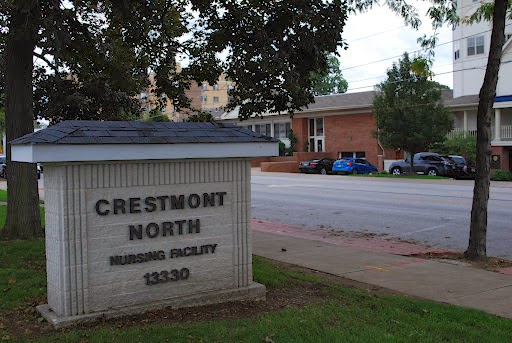
How is Crestmont North Staffed?

CMS rates CRESTMONT NORTH NURSING HOME's staffing level at 2 out of 5 stars, which is below average compared to other nursing homes. Staff turnover is 34%, compared to the Ohio average of 46%. This relatively stable workforce can support continuity of care.

What Have Inspectors Found at Crestmont North?

State health inspectors documented 35 deficiencies at CRESTMONT NORTH NURSING HOME during 2019 to 2025. These included: 32 with potential for harm and 3 minor or isolated issues.
Who Owns and Operates Crestmont North?

CRESTMONT NORTH NURSING HOME is owned by a for-profit company. For-profit facilities operate as businesses with obligations to shareholders or private owners. The facility operates independently rather than as part of a larger chain. With 71 certified beds and approximately 63 residents (about 89% occupancy), it is a smaller facility located in LAKEWOOD, Ohio.
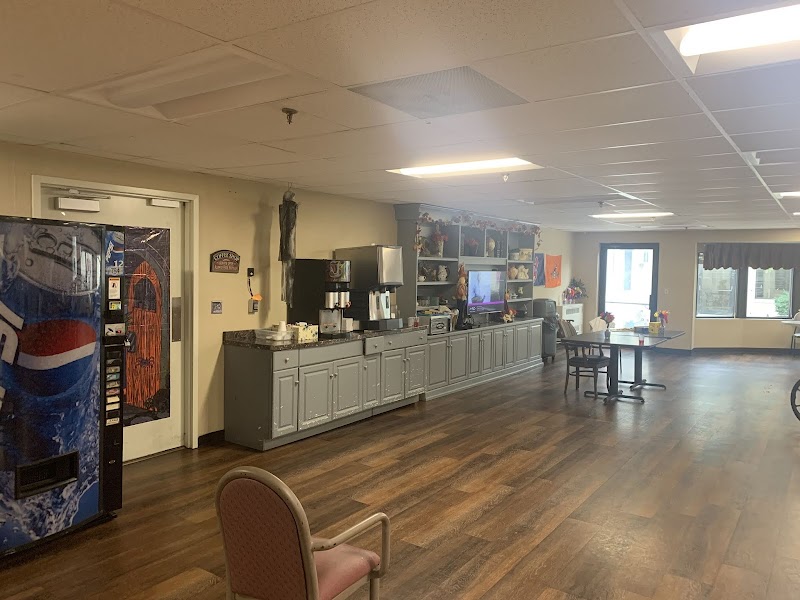
How Does Crestmont North Compare to Other Ohio Nursing Homes?

Compared to the 100 nursing homes in Ohio, CRESTMONT NORTH NURSING HOME's overall rating (4 stars) is above the state average of 3.2, staff turnover (34%) is significantly lower than the state average of 46%, and health inspection rating (3 stars) is at the national benchmark.

What Should Families Ask When Visiting Crestmont North?

Based on this facility's data, families visiting should ask: "Can you walk me through typical staffing levels on day, evening, and night shifts?" "Can I visit during a mealtime to observe dining assistance and food quality?" "How do you handle medical emergencies, and what is your hospital transfer rate?" "Can I speak with family members of current residents about their experience?" These questions are particularly relevant given the below-average staffing rating.

Is Crestmont North Safe?

Based on CMS inspection data, CRESTMONT NORTH NURSING HOME has a clean safety record: no substantiated abuse findings (meaning no confirmed cases of resident harm), no Immediate Jeopardy citations (the most serious violation level indicating risk of serious injury or death), and is not on the Special Focus Facility watch list (a federal program monitoring the lowest-performing 1% of nursing homes). The facility has a 4-star overall rating and ranks #1 of 100 nursing homes in Ohio. While no facility is perfect, families should still ask about staff-to-resident ratios and recent inspection results during their visit.

Do Nurses at Crestmont North Stick Around?

CRESTMONT NORTH NURSING HOME has a staff turnover rate of 34%, which is about average for Ohio nursing homes (state average: 46%). Moderate turnover is common in nursing homes, but families should still ask about staff tenure and how the facility maintains care continuity when employees leave.

Was Crestmont North Ever Fined?

CRESTMONT NORTH NURSING HOME has no federal fines on record. CMS issues fines when nursing homes fail to meet care standards or don't correct problems found during inspections. The absence of fines suggests the facility has either maintained compliance or corrected any issues before penalties were assessed. This is a positive indicator, though families should still review recent inspection reports for the full picture.

Is Crestmont North on Any Federal Watch List?

CRESTMONT NORTH NURSING HOME is not on any federal watch list. The most significant is the Special Focus Facility (SFF) program, which identifies the bottom 1% of nursing homes nationally based on persistent, serious quality problems. Not being on this list means the facility has avoided the pattern of deficiencies that triggers enhanced federal oversight. This is a positive indicator, though families should still review the facility's inspection history directly.