ENNISCOURT NURSING CARE
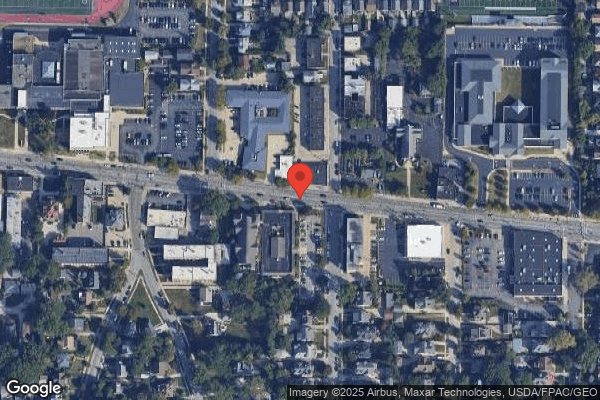
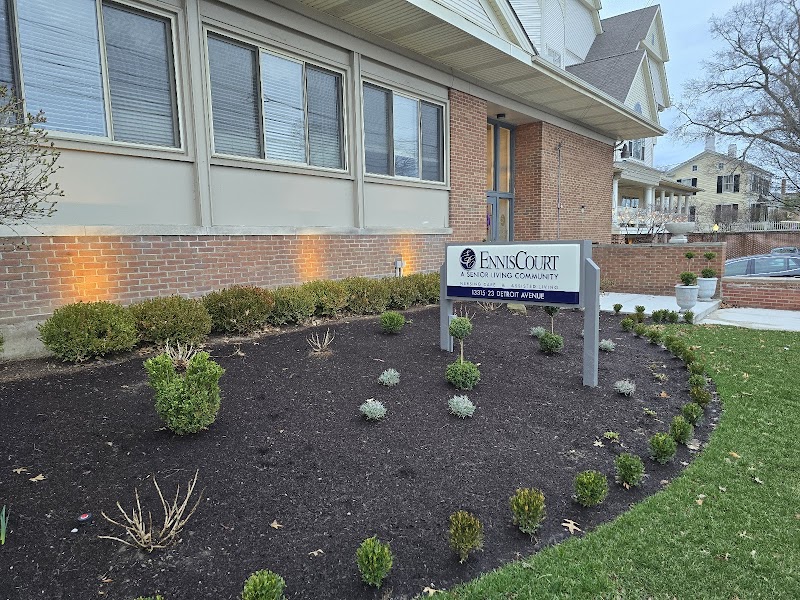
13315 DETROIT AVE, LAKEWOOD, OH 44107 (216) 226-3858
For profit - Individual 50 Beds Independent Data: November 2025
Trust Grade
60/100
#458 of 913 in OH
Last Inspection: September 2023

Over 2 years since last inspection. Current conditions may differ from available data.

Overview

Ennis Court Nursing Care has a Trust Grade of C+, indicating that it is slightly above average but not exceptional. With a state rank of #458 out of 913 in Ohio, they fall in the bottom half of facilities, and they rank #42 out of 92 in Cuyahoga County, meaning only one local option has a better ranking. The facility is experiencing a worsening trend, with issues doubling from one in 2024 to two in 2025. Staffing is a strength, rated at 4 out of 5 stars with a turnover rate of 56%, which is average for Ohio but indicates some staff retention. While there have been no fines reported, recent inspections found concerning issues, such as failing to ensure the confidentiality of medical records for several residents and not screening all employees for abuse history, which could potentially affect resident safety. Overall, while the nursing home has some strengths in staffing and has avoided fines, families should be aware of the concerning incidents and the facility's declining trend.

Trust Score
C+
60/100
In Ohio
#458/913
Top 50%
Safety Record
Low Risk
No red flags
Inspections
Getting Worse
1 → 2 violations
Staff Stability
⚠ Watch
56% turnover. Above average. Higher turnover means staff may not know residents' routines.
Penalties
✓ Good
No fines on record. Clean compliance history, better than most Ohio facilities.
Skilled Nurses
✓ Good
Each resident gets 99 minutes of Registered Nurse (RN) attention daily — more than 97% of Ohio nursing homes. RNs are the most trained staff who catch health problems before they become serious.
Violations
⚠ Watch
20 deficiencies on record. Higher than average. Multiple issues found across inspections.
★★★☆☆
3.0
Overall Rating
★★★★☆
4.0
Staff Levels
★★★☆☆
3.0
Care Quality
★★★☆☆
3.0
Inspection Score
Stable
2024: 1 issues
2025: 2 issues

The Good

  • 4-Star Staffing Rating · Above-average nurse staffing levels
  • Full Sprinkler Coverage · Fire safety systems throughout facility
  • No fines on record

Facility shows strength in staffing levels, fire safety.

The Bad

3-Star Overall Rating

Near Ohio average (3.2)

Meets federal standards, typical of most facilities

Staff Turnover: 56%

10pts above Ohio avg (46%)

Frequent staff changes - ask about care continuity

Staff turnover is elevated (56%)

8 points above Ohio average of 48%

The Ugly 20 deficiencies on record

Jun 2025 1 deficiency
CONCERN (D) 📢 Someone Reported This

A family member, employee, or ombudsman was alarmed enough to file a formal complaint

Potential for Harm - no one hurt, but risky conditions existed

Deficiency F0602 (Tag F0602)

Could have caused harm · This affected 1 resident

**NOTE- TERMS IN BRACKETS HAVE BEEN EDITED TO PROTECT CONFIDENTIALITY** THE FOLLOWING DEFICIENCY REPRESENTS AN INCIDENT OF PAST NON-COMPLIANCE THAT WAS SUBSEQUENTLY CORRECTED PRIOR TO THIS SURVEY. Bas...

Read full inspector narrative →
**NOTE- TERMS IN BRACKETS HAVE BEEN EDITED TO PROTECT CONFIDENTIALITY** THE FOLLOWING DEFICIENCY REPRESENTS AN INCIDENT OF PAST NON-COMPLIANCE THAT WAS SUBSEQUENTLY CORRECTED PRIOR TO THIS SURVEY. Based on observation, interview, record review, review of facility self-reported incidents (SRI) and facility policy review, the facility failed to ensure Resident #4 was free from misappropriation. This affected one resident (#4) of three residents reviewed for abuse, neglect and misappropriation of property. The facility census was 44. Findings include: Review of the medical record revealed Resident #4 was admitted to the facility on [DATE] with diagnoses that included dementia, recurrent urinary tract infection (UTI), chronic kidney disease, atrial fibrillation and peripheral vascular disease. Review of the most recent Minimum Data Set (MDS) 3.0 assessment dated [DATE] revealed Resident #4 was cognitively impaired and required extensive assistance with activities of daily living. Review of a facility self-reported incident (SRI) control number 260103 dated 05/06/25 revealed Resident #4's daughter had called the facility and notified them that a check had been written from Resident #4's account in the amount of $3,225.00 dollars. The check was written to a former employee who had attempted to deposit the check. Resident #4's daughter had been notified by the bank of the attempted deposit. The SRI referenced that the police were involved and were investigating. The facility substantiated that misappropriation occurred. Review of the facility's SRI investigation dated 05/06/23 revealed on 05/06/25 the Resident #4's daughter was notified by the bank that check #4413 was attempted to be deposited on 05/02/25 by mobile deposit and was pending. On 05/06/25 at 3:30 P.M. Resident #4's daughter notified the facility of the incident. The facility filed a SRI and notified the local police department. The check was dated 05/02/25 and was made out to former Certified Nursing Assistant (CNA) #100 with a signature of Resident #4. The back of the check was signed by STNA #100 and there was a handwritten statement that the check was for mobile deposit only. Review of the CNA #100's employee status revealed she was hired on 02/09/24 and terminated on 01/19/25 for unrelated attendance concerns. Review of the local police report dated 05/06/25 revealed the police arrived at the facility at 4:53 P.M. and filed a report of theft with a note stating Resident #4 had a check stolen from her room. Interview on 06/12/25 at 11:10 A.M. with Resident #4's daughter stated a former CNA had taken one of Resident #4's checks and had attempted to deposit funds in the CNA's personal account. Resident #4's daughter reported she was notified, and the blank flagged the check. The check did not clear and there had been no transfer of funds. Interview with the Administrator on 06/12/25 at 11:45 A.M. revealed CNA #100 was hired on 02/09/24 and was terminated on 01/19/25. CNA #100 worked the 7:00 P.M. to 7:00 A.M. shift. The Administrator stated they were not aware of Resident #4's check being missing until they received a call from Resident #4's daughter on 05/06/25. Interview with the Director of Nursing (DON) on 06/12/25 at 12:30 P.M. revealed the facility reached out several times to former CNA #100, however she never responded. The DON stated she compared the writing on the check, and it appeared to be CNA #100's handwriting. The DON reported CNA #100 signed the letter A in a unique manner that appeared the same on the check and other documents she had signed. Observation and interview on 06/12/25 at 3:49 P.M. of Resident #4's checkbook revealed the check numbers remaining in the checkbook started at 4414. There was no handwritten ledger. Interview with the Administrator at this time revealed there was only one check missing, check number 4413. Resident #4's daughter was the only one who has access to monthly statements. The Administrator stated the facility was unable to identify when the check went missing. CNA #100 could have taken the check when Resident #4 was sleeping. She stated Resident #4's daughter lived out of town and was adamant that Resident #4 had her checkbook. Since the incident, the facility had secured the checkbook in the office but ensured Resident #4 could have access to her checkbook whenever needed. The Administrator stated the SRI was substantiated due to the CNA #100 taking the check while she was employed at the facility. Review of the facility policy titled Abuse, Neglect, Misappropriation Policy, revised November 2010 revealed the facility defined misappropriation as the deliberate misplacement, exploitation, or wrongful temporary or permanent use of a resident's belongings or money without the resident's consent. The police state the facility will not tolerate verbal, sexual, physical or mental abuse, involuntary seclusion or neglect of its resident or misappropriation of resident's funds or property by anyone. This violation represents non-compliance investigated under Complaint Number OH00165844. The deficient practice was corrected on 05/30/25 when the facility implemented the following corrective actions: - On 05/06/25, the police were notified of the potential theft and misappropriation of Resident #4's checkbook. The investigation remains ongoing. - On 05/07/25 the DON and the Assistant Administrator interviewed all in-house residents for misappropriation with no negative finding. - On 05/12/25, the DON and Assistant Administrator conducted night shift observations of staff. Night shift observations will continue twice monthly by the Administrator or designee and will be ongoing. - On 05/13/25, the facility's abuse, neglect, and misappropriation policy was briefly discussed during their monthly staff meeting. Ongoing re-education of the facility's abuse, neglect, and misappropriation policy will continue at the monthly staff meeting for a duration of six months. - On 05/22/25, all staff were re-educated on the facility's abuse, neglect, and misappropriation policy. - On 05/30/25, the DON and Assistant Administrator reviewed resident council meeting minutes for any concerns related to misappropriation or missing items. There were no concerns identified. This will continue monthly on an ongoing basis. - The DON and Assistant Administrator will conduct weekly audits of residents for abuse, neglect, and misappropriation. These weekly audits will conclude on 07/03/25. The results of the audits will be reported to the Administrator.
Jan 2025 1 deficiency
CONCERN (D) 📢 Someone Reported This

A family member, employee, or ombudsman was alarmed enough to file a formal complaint

Potential for Harm - no one hurt, but risky conditions existed

Respiratory Care (Tag F0695)

Could have caused harm · This affected 1 resident

**NOTE- TERMS IN BRACKETS HAVE BEEN EDITED TO PROTECT CONFIDENTIALITY** Based on record review, interview and review of the facility policy, the facility failed to correctly transcribe and record oxyg...

Read full inspector narrative →
**NOTE- TERMS IN BRACKETS HAVE BEEN EDITED TO PROTECT CONFIDENTIALITY** Based on record review, interview and review of the facility policy, the facility failed to correctly transcribe and record oxygen orders upon admission to ensure oxygen was administered properly. This affected one resident (#43) of three residents reviewed for oxygen. Facility census was 40. Findings include: Review of Resident #43's closed medical record revealed an admission date of [DATE] and diagnoses including right arm humorous fracture, acute on chronic congestive heart failure, hypertensive heart disease with heart failure, hyperlipidemia, chronic obstructive pulmonary disease, type two diabetes and chronic kidney disease stage four. Resident #43 expired in the facility on [DATE]. Review of Resident #43's 5-day minimum data set (MDS) 3.0 assessment dated [DATE] revealed he was cognitively intact and was dependent on staff for toileting and transfers. The assessment indicated Resident #43 expired in the facility. Review of Resident #43's hospital paperwork dated [DATE] revealed additional discharge instructions of oxygen to be administered at 2 liters/minute. Review of Resident #43's physicians' orders revealed an order dated [DATE] for apply oxygen in order to keep oxygen saturation at or above 92% as needed. The order was timed [DATE] at 1:34 P.M. and was put in by Previous Director of Nursing (PDON) #109. Review of the order audit details revealed PDON #109 created and confirmed the order on [DATE] at 2:19 P.M. No other oxygen orders were noted for Resident #43 during this admission. Review of Resident #43's Medication Administration Record (MAR) for [DATE] revealed his oxygen was not signed off as being administered on [DATE] or [DATE]. Interview on [DATE] at 8:48 A.M. with Family Member (FM) #111 revealed an autopsy was done after Resident #43 passed away and recalled they were told Resident #43 did not have oxygen supplied to him for five hours. Interview on [DATE] at 9:45 A.M. with FM #112 revealed Resident #43's death certificate reported his cause of death to be congestive heart failure for three years and cardiorespiratory failure for three hours. Interview on [DATE] at 10:44 A.M. with Licensed Practical Nurse (LPN) #110 revealed she was responsible for Resident #43's admission documentation on [DATE]. LPN #110 explained the Director of Nursing (DON) handled a new resident's admission orders including verifying the orders with the physician but floor nurses like herself did the head-to-toe assessments, initial vital signs, fall assessment and wandering assessment. Interview on [DATE] at 11:03 A.M. with the DON revealed she was the facility's DON as of [DATE]. The DON explained orders from the after visit summary from the hospital were reviewed with the physician and then she would put the orders in to the electronic medical record. The DON stated if she did not put in the orders, other administrative nurses would do so for a new admission. The DON indicated ancillary orders, such as oxygen, were handled in the same way. The DON was asked about Resident #43's oxygen orders from the hospital on [DATE] and at the facility on [DATE] during the interview and confirmed the facility's orders for PRN oxygen did not match the continuous rate of oxygen as indicated on Resident #43's hospital paperwork. Interview on [DATE] at 11:21 A.M. with PDON #109 revealed she was the DON at the time Resident #43 resided in the facility during [DATE]. PDON #109 explained she verified Resident #43's hospital orders with the physician and the orders were transcribed into the computer and then activated when the resident was in the building. PDON #109 stated she always put oxygen into the electronic medical record as a PRN order as the facility had a standing order for oxygen and would do this unless otherwise indicated in the referral information or other documentation from the hospital. PDON #109 explained unless the nurse had told her about the continuous oxygen after the resident arrived, the order would have been changed over to a continuous rate first thing the next morning after admission. PDON #109 was unaware Resident #43 had an order for continuous oxygen from the hospital at the time of the interview. Review of the facility policy, Admissions - from Other Healthcare Facilities, revised [DATE] revealed residents from other healthcare facilities may be admitted upon receipt of appropriate documentation. The following information will be provided to the facility prior to or upon the resident's admission . physician orders for immediate care. Review of the facility policy, Medication and Treatment Orders, revised [DATE] revealed orders for medications must include: name and strength of the drug; number of doses, start and stop date, and/or specific duration of therapy; dosage and frequency of administration; route of administration; clinical condition or symptoms for which the medication is prescribed and interim follow-up requirements. This deficiency represents noncompliance investigated under Complaint Number OH00161291.
Apr 2024 1 deficiency
MINOR (C) 📢 Someone Reported This

A family member, employee, or ombudsman was alarmed enough to file a formal complaint

Minor Issue - procedural, no safety impact

Staffing Data (Tag F0851)

Minor procedural issue · This affected most or all residents

Based on interviews, review of the Payroll Based Journal (PBJ) staffing report, review of facility staffing schedules and timecard punches revealed the facility failed to submit accurate staffing info...

Read full inspector narrative →
Based on interviews, review of the Payroll Based Journal (PBJ) staffing report, review of facility staffing schedules and timecard punches revealed the facility failed to submit accurate staffing information to the Centers for Medicare and Medicaid Services (CMS). This had the potential to affect all 39 residents residing in the facility. Findings include: Review of the PBJ Staffing Data Report for Fiscal Year Quarter one for 2024 revealed the facility triggered for failing to have licensed Nursing Coverage 24 hours per day for 12/16/23 (Saturday), 12/17/23 (Sunday), 12/23/23 (Saturday), 12/24/23 (Sunday) and 12/31/23 (Sunday). Review of facility schedules and assignments sheets for the above listed dates revealed there was nursing staff present 24 hours for each day listed in the PBJ report. Review of the December 2023 timecard punch details report submitted for the PBJ report revealed inconsistencies between the actual time punches and the information on the submitted report. Interview on 04/23/24 at 10:30 A.M. with Financial Officer (FO) #47 and the Administrator revealed FO #47 ran a report from their timecard system and uploaded the report for submission to the PBJ quarterly report. FO #47 and the Administrator confirmed there were inconsistencies between the time punches report and review of the actual time punches for the scheduled nursing staff.
Sept 2023 7 deficiencies
CONCERN (D)

Potential for Harm - no one hurt, but risky conditions existed

Deficiency F0558 (Tag F0558)

Could have caused harm · This affected 1 resident

**NOTE- TERMS IN BRACKETS HAVE BEEN EDITED TO PROTECT CONFIDENTIALITY** Based on observation, record review, staff and resident interviews, and policy review, the facility failed to ensure call lights...

Read full inspector narrative →
**NOTE- TERMS IN BRACKETS HAVE BEEN EDITED TO PROTECT CONFIDENTIALITY** Based on observation, record review, staff and resident interviews, and policy review, the facility failed to ensure call lights were within reach and accessible. This affected two residents (#5 and #31) of two residents reviewed for call light placement. The facility census was 42. Findings Include: 1. Review of the medical record for Resident #5 revealed she was admitted to the facility on [DATE] with diagnoses including dementia, dysphagia and difficulty walking. Review of the annual, Minimum Data Set (MDS) assessment, dated 07/16/23, revealed Resident #5 had a Brief Interview for Mental Status (BIMS) score of 10 indicating she was alert and oriented with long-term and short-term cognition impairment. Review of the MDS assessment revealed Resident #5 was a one-person extensive assist for activities of daily living (ADLs). Review of the care plan dated 07/14/23 revealed Resident #5 was at risk for falls and falls with injury due to a history of falls with interventions including call light within reach. Interview on 09/05/23 at 9:30 A.M. with Resident #5 revealed she needed to sit up due to her back pain, needed to use the bathroom, but could not reach staff due to not being able to reach her call light. Observation on 09/05/23 at 9:30 A.M. revealed no call light in reach. Interview on 09/05/23 at 9:33 A.M. with Physical Therapist (PT) #982 revealed all residents had call lights push buttons to request staff assistance and should be within reach. Observation and interview on 09/05/23 at 9:36 A.M. with State Tested Nurse Assistant (STNA) #934 revealed STNA #934 was searching for Resident #5's call light. STNA #934 verified Resident #5's call light was not in reach and placed on top of a tissue box on the nightstand adjacent to the bed. STNA #934 stated to Resident #5 it does you no good over there on the nightstand. 2. Review of the medical record for Resident #31 revealed he was admitted to the facility on [DATE] with diagnoses that included Alzheimer's Disease, dementia, and dysphagia. Review of the annual MDS assessment, dated 08/04/23, revealed Resident #31 had a BIMS score of 4 indicating he had long-term and short-term cognition impairment. Review of the MDS revealed Resident #31 was a one-person extensive assist for ADLs. Review of the care plan dated 08/04/23 revealed Resident #31 had a self-care deficit related to cognitive deficits, dementia, and weakness and was at risk for falls with interventions including call light within reach. Observation on 09/06/23 at 8:14 A.M. revealed Resident #31 call light was on side table and not within reach. Interview and observation on 09/06/23 at 9:06 A.M. with STNA #944 verified Resident #31's call light was on the side table and out of reach. STNA #944 revealed Resident #31 needed to have his call light on the right side of the bed. Review of the facility document titled Answering the Call Light revised September 2022, revealed the facility had a policy in place to ensure timely responses to the resident's request and needs. Further review of the policy revealed the facility staff would ensure the call light was accessible to the resident when in bed, from the toilet, from the shower or bathing facility and from the floor.
CONCERN (D)

Potential for Harm - no one hurt, but risky conditions existed

Deficiency F0698 (Tag F0698)

Could have caused harm · This affected 1 resident

**NOTE- TERMS IN BRACKETS HAVE BEEN EDITED TO PROTECT CONFIDENTIALITY** Based on record review and interview, the facility failed to ensure a physician order was written for dialysis treatments, a dia...

Read full inspector narrative →
**NOTE- TERMS IN BRACKETS HAVE BEEN EDITED TO PROTECT CONFIDENTIALITY** Based on record review and interview, the facility failed to ensure a physician order was written for dialysis treatments, a dialysis contract was in place between the facility and the dialysis center, and also failed to ensure assessments before and after dialysis treatments were completed for Resident #145. This affected one resident (#145) of one resident reviewed for dialysis services. The facility census was 42. Findings include: Review of the medical record for Resident #145 revealed an admission date of [DATE]. Diagnoses included end stage renal disease (ESRD), dependence on renal dialysis, and congestive heart failure. Review of the 48 hour care plan dated [DATE] revealed the resident received dialysis on Tuesdays, Thursdays, and Saturday. Review of the care plan dated [DATE] revealed the resident was on dialysis and received treatments two to three times per week. At risk for infection, diagnosis of ESRD. Resident had a history of choosing not to go to dialysis as scheduled. Review of the [DATE] physician orders revealed no orders for dialysis. Further review of Resident #145's medical record revealed no evidence of communication forms between the facility and the dialysis center or evidence of before and after dialysis assessments. Interview on [DATE] at 2:58 P.M., the Minimum Data Set (MDS) Nurse #949 verified there was no order for dialysis and stated they knew she was on dialysis when she was admitted . MDS Nurse #949 stated they dropped the ball, but they were putting in the order at this time. Interview on [DATE] at 3:39 P.M., Registered Nurse (RN) #964 stated they were in the process of negotiating a new contract because he believed the old one expired. RN #964 stated he would try to get a copy of the old contract. RN #964 stated they normally don't have anyone on dialysis. Interview on [DATE] at 4:23 P.M., Licensed Practical Nurse (LPN) #976 stated the dialysis center would call with changes and stated they called a couple weeks ago to inform him that Resident #145 was tired and nauseous. LPN #976 stated Resident #145 was skilled care, vitals were taken daily in the morning, and they checked for the presence of bruit and thrills each shift. LPN #976 stated there were no communication forms between the facility and the dialysis center. Interview on [DATE] at 4:57 P.M., the Director of Nursing (DON) stated she had called the dialysis center and was told they emailed the dialysis contract to her when Resident #145 was admitted . DON stated she was waiting for the dialysis center to re-send it. DON stated she never got the original contract when Resident #145 was admitted and was not sure who they sent it to. DON stated after a while she didn't think anything else about it. DON stated Resident #145 was already established at that dialysis center. DON stated they had communication forms at the facility for dialysis, but they did not send them with Resident #145. DON stated the dialysis center also did not ask for them. DON stated the dialysis center did not call the facility except for one time to inform them that the resident had refused, and they were sending her back to the facility. DON stated resident #145 was skilled and they charted on her daily. DON stated vitals were done daily regardless and on dayshift either before or after she returned from dialysis but this did not get communicated in writing to the dialysis center. Follow up interview on [DATE] at 9:50 A.M., the RN #964 stated they were still in process of getting the dialysis contract. RN #964 stated they had one that was still active and there were no changes. RN #964 stated the dialysis center was looking for it and was not able to locate it. RN #964 stated the facility was unable to locate it. Interview on [DATE] at 11:57 A.M., the Registered Dietitian (RD) #850 stated when residents were admitted , she would make a call to the dialysis center and request monthly labs so that they could coordinator with dialysis. RD #850 state she was at the facility once weekly but had not gotten anything on her from the dialysis center. RD #850 stated the dialysis center normally sends them through the fax and nursing gets it. RD #850 stated the nurse would then put it in her mailbox. On [DATE] at 1:36 P.M. the facility still had not provided the dialysis contract to the surveyor.
CONCERN (E)

Potential for Harm - no one hurt, but risky conditions existed

Deficiency F0692 (Tag F0692)

Could have caused harm · This affected multiple residents

**NOTE- TERMS IN BRACKETS HAVE BEEN EDITED TO PROTECT CONFIDENTIALITY** 2. Review of the medical record for Resident #19 revealed an admission date of 02/21/2022. Diagnosis included morbid obesity due...

Read full inspector narrative →
**NOTE- TERMS IN BRACKETS HAVE BEEN EDITED TO PROTECT CONFIDENTIALITY** 2. Review of the medical record for Resident #19 revealed an admission date of 02/21/2022. Diagnosis included morbid obesity due to excess calories. The record revealed multiple monthly weights were missing from the medical record. Review of the plan of care dated 07/28/23 for Resident #19 revealed an alteration in nutrition status secondary to diagnosis of DMII (diabetes mellitus type two) with long term insulin use, requires a therapeutic diet. Diagnosis of GERD (Gastroesophageal reflux disease), potential for gastrointestinal (GI) distress. History of weight refusals, last available weight (LAW) is indicative of obesity III (morbid) per BMI (body mass index). Interventions included to report significant weight gain or loss of five % or more to MD (physician) and/or Registered Dietician; weigh per policy. Review of the admission MDS assessment, dated 08/21/23, revealed Resident #19 was cognitively impaired and required extensive assist of one to two staff for activities of daily living (ADL's). Review of the physician order dated 08/12/22 revealed Resident #19 was ordered weekly weights for two weeks and then monthly. Review of the monthly weight logs provided by STNA #944 who kept the logs in his locker revealed monthly weights were obtained for Resident #19 but STNA #944 had not made those weights available to the other health care staff to enter into the medical records. Interview on 09/06/23 at 2:18 P.M., State Tested Nurse Aide (STNA) #944 verified the above findings. Interview on 09/07/23 at 11:57 A.M. with RD #850 revealed when completing assessments she utilized residents diet orders, height and weight, labs, change in medications and change in condition. RD #850 revealed there was one staff member, STNA #944, responsible for resident weights and the DON was responsible for entering weights into the electronic medical record. RD #850 revealed she received all her weights from the electronic medical record and based interventions on the last documented weight. The RD #850 confirmed missing weights for Resident #19. 3. Review of the medical record for Resident #31 revealed an admission date of 07/01/2022. Diagnosis included Alzheimer's disease. Review of the physician order dated 07/28/22 revealed Resident #31 had order for weekly weights times two weeks and then monthly. Review of the admission MDS assessment, dated 08/04/23, revealed Resident #31 was cognitively impaired and required extensive assist of one to two staff for ADL's. Review of the plan of care dated 08/04/23 revealed Resident #31 had an alteration in nutrition secondary to diagnosis of: CKD (chronic kidney disease) and hypertension, requires a therapeutic diet. Diagnosis of GERD, potential for GI distress. Interventions included to report significant weight gain or loss of five % or more to MD (physician) and/or Registered Dietician; weigh per policy. Review of the electronic medical chart (EMR) for Resident #31 revealed the following weights: 09/22/22 - 140.6 lbs, 11/10/22 146.4 lbs, 06/08/23 - 155.8 lbs, 06/21/23 - 155.0 lbs and 08/31/23 - 160.4 lbs. Review of the weight log kept by STNA #944 and provided by the Director of Nursing (DON), revealed Resident #31 had weights obtained in December 2022, January through May 2023 ranging between 154.0 lbs and 158.2 lbs which had not been recorded in Resident #31's resident records. Interview on 09/06/23 at 8:50 A.M. with the Director of Nursing (DON) revealed weights were documented in the electronic medical record and if weights were missing, State Tested Nursing Assistant (STNA) #944 kept them in his logbook. Interview on 09/06/23 at 2:18 P.M. with STNA #944 revealed he weighed residents monthly and turned the logs over to the nursing staff. Interview on 09/06/23 at 3:17 P.M., the DON stated STNA #944 kept the weight logs in his personal locker. The DON confirmed the monthly weight log had not been received from STNA #944 and therefore, resident weights were not entered into the EMR. Interview on 09/06/23 at 4:22 P.M., the STNA #944 confirmed the residents monthly weights were located in his personal locker. The STNA #944 confirmed the monthly weight logs had not been turned in to the DON and the resident weights had not been entered in the EMR. Observation on 09/06/23 at time of interview, STNA #944 voluntarily entered the unlocked employee break room and returned to the hallway with a stack of loose papers folded in quarters. The STNA #944 provided the weight logs dated from 01/2023 to 08/2023. Each monthly weight log contained the resident name, room number, date, and body weight. Interview on 09/07/23 at 11:57 A.M. with RD #850 revealed when completing assessments she utilized residents diet orders, height and weight, labs, change in medications and change in condition. RD #850 revealed there was one staff member, STNA #944, responsible for resident weights and the DON was responsible for entering weights into the electronic medical record. RD #850 revealed she received all her weights from the electronic medical record and based interventions on the last documented weight. RD #850 confirmed missing weights for Resident #31. 4. Review of the medical record for Resident #15 revealed an admission date of 07/15/23 with diagnoses including fracture of right femur, mood disorder, and dysphagia. Review of the physician orders for Resident #15 revealed she was to be weighed twice a week and then monthly starting 07/15/23. Further review of the medical record revealed two weights recorded, a weight of 128 pounds on 07/15/23 and 119.4 pounds on 07/18/23 resulting in a 6.72 percent loss. Review of the medical record revealed no other documented weights as of 09/06/23. Review of the admission MDS assessment, dated 07/21/23, revealed Resident #15 had a Brief Interview for Mental Status (BIMS) score of eight indicating she had long-term and short-term cognition impairment. Further review of the MDS assessment revealed Resident #15 was a two-person extensive assist for ADLs and was on a therapeutic diet. Review of the care plan dated 07/18/23 revealed Resident #15 was at risk for alteration in nutrition status, required a therapeutic diet, had a poor appetite, and had potential weight loss with interventions that included monitor weight per policy. Review of the physician orders dated 07/18/23 revealed Resident #15 had an order to provide an additional 120 milliliters of clear liquid at medication pass by mouth three times a day. Review of the physician orders dated 07/19/23 revealed Resident #15 had an order for six ounces fortified juice by mouth every breakfast meal one time a day and four ounces ice cream every lunch meal one time a day. Review of the physician orders dated 08/22/23 revealed Resident #15 had an order to utilize built-up utensils for all meals for increased independence in self-feeding. Review of the physician orders dated 09/02/23 revealed Resident #15 had an order for a health shake one time a day for supplement and Hi-cal shake provided by dietary three times a day for supplement and poor appetite. Review of the admission Medical Nutrition Therapy Assessment, dated 07/18/23, revealed Resident #15 was fed by staff at all meals, had poor appetite, and potential for weight loss. Review of the progress note dated 07/25/23 at 12:59 P.M. revealed Resident #15 had a weight change warning indicating a weight loss of 6.7 percent over the past three days. Review of the logged paper weights provided by STNA #944 and the DON revealed on 08/31/23 Resident #15 had a recorded weight of 107 pounds. Interview on 09/06/23 at 7:50 A.M. with Registered Nurse (RN) #972 revealed Resident #15 was supervised for feeding but most days requested only oatmeal for breakfast, had a poor appetite, and had orders for a lot of supplements. RN #972 revealed Resident #15 needed her weights monitored. Interview on 09/06/23 at 8:50 A.M. with the Director of Nursing (DON) revealed weights were documented in the electronic medical record and if weights were missing STNA #944 kept them in his logbook. Interview on 09/06/23 at 2:18 P.M. with STNA #944 revealed he weighed residents monthly and turned the logs over to the nursing staff. STNA #944 revealed nursing staff kept the records of resident weights. STNA #944 revealed if nursing staff informed him of residents with special cases, he would weigh them accordingly. STNA #944 revealed Resident #15 utilized a sitting chair scale and was weighed monthly. STNA #944 revealed he sometimes did not get a chance to weigh residents as ordered due to being busy with another task. Interview on 09/07/23 at 11:57 A.M. with RD #850 revealed when completing assessments she utilized residents diet orders, height and weight, labs, change in medications and change in condition. RD #850 revealed there was one staff member, STNA #944, responsible for resident weights and the DON was responsible for entering weights into the electronic medical record. RD #850 revealed she received all her weights from the electronic medical record and base interventions on the last documented weight. RD #850 revealed Resident #15 was at risk for weight loss and had multiple interventions in place. RD #850 verified Resident #15 had only two documented weights located in the electronic medical record so had not assessed any other weights obtained for the resident. 5. Review of the medical record for Resident #29 revealed an admission date of 02/02/23 with diagnoses including heart failure, chronic kidney disease, and dysphagia. Review of the physician orders dated 02/02/23 revealed an order for weekly weights, twice a week, then monthly. Further review of the medical record revealed a weight of 185 pounds on 02/13/23 and 181.2 pounds on 08/31/23. Review of the medical record revealed no other documented weights as of 09/06/23. Review of the quarterly Minimum Data Set (MDS) assessment, dated 08/11/23, revealed Resident #29 had a BIMS score of 12 indicating he was alert and oriented to person, place, and time. Further review of the MDS assessment revealed Resident #29 was a two-person extensive assist to total dependence for ADLs and was on a therapeutic diet. Review of the care plan dated 08/11/23 revealed Resident #29 was at risk for alteration in nutrition status, required a therapeutic diet, monitor for need for mechanically altered diet, and had potential for weight fluctuations with interventions that included monitor weight per policy. Review of the quarterly Medical Nutrition Therapy Assessment, dated 08/23/23 revealed Resident #29 required staff supervision for meals, required 88 percent consumption for weight maintenance with potential for weight fluctuations and history of fluid volume overload. Review of the logged paper weights provided by STNA #944, and the DON revealed Resident #29 had monthly documented weights from 03/13/23 to 05/27/23. Interview on 09/06/23 at 8:50 A.M. with the DON revealed weights were documented in the electronic medical record and if weights were missing, State Tested Nursing Assistant (STNA) #944 kept them in his logbook. Interview on 09/06/23 at 2:18 P.M. with STNA #944 revealed he weighed residents monthly and turned the logs over to the nursing staff. STNA #944 revealed nursing staff kept the records of resident weights. STNA #944 revealed if nursing staff informed him of residents with special cases, he would weigh them accordingly. STNA #944 revealed Resident #29 utilized a Hoyer scale and was weighed monthly. STNA #944 revealed he sometimes did not get a chance to weigh residents as ordered due to being busy with another task. Interview on 09/07/23 at 11:57 A.M. with RD #850 revealed when completing assessments she utilized residents diet orders, height and weight, labs, change in medications and change in condition. RD #850 revealed there was one staff member, STNA #944, responsible for resident weights and the DON was responsible for entering weights into the electronic medical record. RD #850 revealed she received all her weights from the electronic medical record and base interventions on the last documented weight. RD #850 revealed Resident #29 was at risk for weight fluctuations and had a history of fluid overload. RD #850 verified Resident #29 had only two documented weights located in the electronic medical record. 6. Review of the medical record for Resident #20 revealed an admission date of 02/06/16 with diagnoses that included dementia, muscle weakness, and dysphagia. Review of the physician orders for Resident #20 revealed she was to be weighed monthly by the 10th of each month starting 04/10/17. Further review of the medical record revealed a weight of 105.6 pounds documented on 02/07/23, on 06/21/23 a weight of 95.6 pounds and no other weights entered until 08/31/23 of 93.4 pounds. Review of the quarterly MDS assessment, dated 08/09/23, revealed Resident #20 had a short-term and long-term memory problem and was severely impaired for task of daily living. Further review of the MDS assessment revealed Resident #20 was a two-person extensive assist to total dependence for activities of daily living ADLs and was on a therapeutic diet that included a mechanically altered diet for textures of food and liquids. Review of the care plan dated 08/09/23 revealed Resident #20 had a history of weight loss requiring a therapeutic diet that was mechanically altered with interventions that included maintain current body weight plus and/or minus five pounds and monitor weight per policy. Review of the physician orders dated 06/03/22 revealed an order to provide additional 180 cubic centimeters of clear liquid with medication pass two times a day. Review of the physician orders dated 03/01/21 revealed an order for health shake two times a day as a supplement. Review of the physician orders dated 04/18/23 revealed an order for no added salt diet, pureed texture, thin liquids with regular solids at breakfast and mechanical soft solids at lunch and dinner. Review of the quarterly, Medical Nutrition Therapy Assessment, dated 08/14/23 revealed Resident #20 had a loss of 12.3 percent body weight over 172-day period. Resident #20 had varying appetite intake averaging 51 to 100 percent consumptions of most meals. Review of the assessment revealed Resident #20 diet and supplements remained adequate and appropriate to meet nutrition needs with interventions to monitor as appropriate. Interview on 09/06/23 at 8:50 A.M. with the Director of Nursing (DON) revealed weights were documented in the electronic medical record and if weights were missing, State Tested Nursing Assistant (STNA) #944 kept them in his logbook. Interview on 09/06/23 at 2:18 P.M. with STNA #944 revealed he weighed residents monthly and turned the logs over to the nursing staff. STNA #944 revealed nursing staff kept the records of resident weights. STNA #944 revealed if nursing staff informed him of residents with special cases, he would weigh them accordingly. STNA #944 revealed Resident #20 utilized seated scale and was weighed monthly. STNA #944 revealed he sometimes did not get a chance to weigh residents as ordered due to being busy with another task. Interview on 09/07/23 at 11:57 A.M. with RD #850 revealed when completing assessments she utilized residents diet orders, height and weight, labs, change in medications and change in condition. RD #850 revealed there was one staff member, STNA #944, responsible for resident weights and the DON was responsible for entering weights into the electronic medical record. RD #850 revealed she received all her weights from the electronic medical record and base interventions on the last documented weight. RD #850 verified Resident #20 was at risk for weight loss and had multiple missing weights not documented in the electronic medical record. Review of the facility document titled Nutrition (Impaired) Unplanned Weight Loss revised September 2017, revealed the facility had a policy in place to monitor and document the weight and dietary intake of residents in a format in which permits comparisons over time, identify individuals with weight loss and/or gain and significant risk for impaired nutrition. Review of the document revealed the facility did not implement the policy. Based on record review, observation and interview, the facility failed to ensure adequate and sufficient documentation of residents' weights in the medical record for the monitoring of residents at nutrition risk and identification and assessment of significant weight changes. This affected six residents (#14, #15, #19, #20, #29, and #31) of six reviewed for nutrition. The facility census was 42. Findings include: 1. Review of the medical record for Resident #14 revealed an admission date of 12/04/22. Diagnoses included feeding tube, muscle weakness, hypothyroidism, lupus, dementia, and history of cancer of the uterus. Review of the quarterly minimum data set (MDS) assessment dated [DATE] revealed the resident had impaired cognition, required supervision with set up help for eating, weight was 124 pounds, with no weight changes, received mechanically altered diet, and received 26%-50% of calories and 501 ml or more per day of fluids from a feeding tube. Review of Resident #14 weight history revealed on 12/04/22 the resident weighed 124 pounds (lbs.), next weight documented was dated 06/21/23 and the resident weighed 111.4 lbs. Weight on 07/28/23 was 113.4 lbs., and on 08/31/23 was 110.8 lbs. Review of the nutrition assessment dated [DATE] revealed Resident #14 received a mechanically soft diet with honey thickened liquids and 250 milliliters (ml) of Isosource 1.5 with 100 ml of water when 50% of meals were consumed. The assessment also indicated under weight history, current body weight was 124 pounds on 12/04/22 and N/A was noted for 30 day weight and 90 day weight. Also noted on the assessment under recommendations was to monitor monthly weights. Interview on 09/06/23 at 2:18 P.M., State Tested Nurse Aide (STNA) #944 stated over the past 10 years he had obtained the residents' weights monthly and weights other than monthly weights when asked by the nurse. STNA #944 verified the missing weights for Resident #14 for January 2023 through May 2023. STNA #944 stated at one time they had two scales; one was a chair scale and the other was a walk-up scale. STNA #944 stated because Resident #14 could not bend her legs well, he had a hard time weighing her on the chair scale and she could not stand to use the walk-up scale. STNA #944 stated once they received the Hoyer lift with the scale, he was then able to weigh Resident #14. STNA #944 stated he was not sure when they had received the Hoyer lift with the scale. Review of monthly weight sheets provided by STNA #944 from the weight sheets in his locker revealed weights were obtained for Resident #14 dated between January 2023 to May 2023. The weights obtained indicated Resident #14's weight was consistent between 110 lbs. to 113 lbs. during those months. STNA #944 verified he had kept the weights in his locker. Review of the delivery ticket for the Hoyer lift with scale revealed it was delivered on 01/30/23. Interview on 09/06/23 at 3:17 P.M. with the Director of Nursing (DON) revealed when STNA #944 obtained the resident weights she would put them in the resident's electronic medical record. DON stated STNA #944 did not always give her the weights to enter in the electronic medical record and that he kept the log of residents' weights in his locker. Interview on 09/07/23 at 11:57 A.M. with Registered Dietitian (RD) #850 revealed she looked at residents' weight as part of her assessments. RD #850 stated the facility had one person that obtained residents' weights and the DON entered the weights into the resident's electronic medical record. RD #850 stated she used the last weight available in the electronic medical record with the date of when the weight was obtained in her assessments. RD #850 verified there were no weights available for her to review for Resident #14 between January 2023 through May 2023, and on her assessment dated [DATE] for the 30 day and 90 day weight history she put N/A. RD #850 stated when they finally got a weight in June 2023, Resident #14's body mass index (BMI) was at the low end of normal but the interventions in placed were acceptable and no changes were needed. RD #850 stated she looked at the resident's intakes, received feedback from nursing, and the interventions during that time frame included tube feeding bolus when Resident #14's meal intakes were less than 50%.
CONCERN (F)

Potential for Harm - no one hurt, but risky conditions existed

Deficiency F0583 (Tag F0583)

Could have caused harm · This affected most or all residents

Based on record review, observation and interview, the facility did not ensure private and confidential handling of resident medical information for Residents #14, #15, #19, #20, #29 and #31. This aff...

Read full inspector narrative →
Based on record review, observation and interview, the facility did not ensure private and confidential handling of resident medical information for Residents #14, #15, #19, #20, #29 and #31. This affected six residents ( #14, #25, #19, #20, #29 and #31) of six residents reviewed for weights and had the potential to affect all residents living in the facility. The facility census was 42. Findings include: Record review of weight documentation and physician orders for weights revealed Residents #14, #15, #19, #20, #29, and #31 each had an order to be weighed at least once a month and each had multiple weights missing from the medical record of weights. Interview on 09/06/23 at 8:50 A.M. with the Director of Nursing (DON) revealed the system in place for recording resident weights consisted of weights obtained by State Tested Nursing Assistant (STNA) #944 who recorded the weights in a paper logbook and those weights were then transposed into the electronic medical record (EMR) by the DON. Interview on 09/06/23 at 2:18 P.M. with STNA #944 revealed he was the staff person who was responsible for weighting the residents and he kept a paper copy of the resident weights which would then be given to the DON to enter into the EMR. Observation and interview on 09/06/23 at 4:22 P.M. with STNA #944 revealed STNA #944 voluntarily entered an unlocked employee break room and returned to the hallway a few minutes later holding loose papers that were folded in quarters and piled together in a stack. STNA #944 verified the papers were the monthly weight logs dated from 01/2023 to 08/2023 and each page contained resident names, room numbers, dates and body weights of all the residents he had to weigh each month. STNA #944 verified the information was not secure, as other employees also used the breakroom where he was keeping the weight logs. Review of the United States Department of Health and Human Services Office for Civil Rights Health Insurance Portability and Accountability Act (HIPAA) indicated residents to be provided with assurances their sensitive health data will remain confidential, sets rules and places limits on who can look at and receive health information. The Privacy Rule applies to all forms of an individuals' protected health information, whether electronic, written, or oral.
MINOR (B)

Minor Issue - procedural, no safety impact

Assessment Accuracy (Tag F0641)

Minor procedural issue · This affected multiple residents

**NOTE- TERMS IN BRACKETS HAVE BEEN EDITED TO PROTECT CONFIDENTIALITY** Based on record review and staff interview the facility failed to ensure the pre admission screen and resident review status was...

Read full inspector narrative →
**NOTE- TERMS IN BRACKETS HAVE BEEN EDITED TO PROTECT CONFIDENTIALITY** Based on record review and staff interview the facility failed to ensure the pre admission screen and resident review status was coded correctly on the Minimum data set (MDS) assessment. This affected two (Residents #1 and #2) of two residents with a level two mental illness currently residing at the facility. The facility census was 42. Findings Include: 1. Record review revealed Resident #1 was admitted to the facility on [DATE] with diagnoses that included schizoaffective disorder, type two diabetes and hypothyroidism. Review of the pre-admission screen and resident review (PASRR) level two evaluation from the state department of mental health dated 11/06/97 revealed Resident #8 had level two mental illness. Review of section A of the most recent comprehensive MDS 3.0 assessment dated [DATE] revealed the facility answered no to the question of Is the resident currently considered by the state level II PASRR process to have serious mental illness and/or intellectual disability (mental retardation in federal regulation) or a related condition? 2. Record review revealed Resident #2 was admitted to the facility on [DATE] with diagnoses that included bipolar disorder, major depressive disorder and severe anxiety disorder . Review of the pre-admission screen and resident review (PASRR) level two evaluation from the state department of mental health dated 07/23/15 revealed Resident #13 had level two mental illness. Review of section A of the most recent comprehensive MDS 3.0 assessment dated [DATE] revealed the facility answered no to the question of Is the resident currently considered by the state level II PASRR process to have serious mental illness and/or intellectual disability (mental retardation in federal regulation) or a related condition? MDS Coordinator #949 verified that Resident #1 and #2's PASRR status was coded incorrectly on the MDS in an interview on 09/06/23 at 1:45 P.M.
MINOR (C)

Minor Issue - procedural, no safety impact

Transfer Notice (Tag F0623)

Minor procedural issue · This affected most or all residents

**NOTE- TERMS IN BRACKETS HAVE BEEN EDITED TO PROTECT CONFIDENTIALITY** 2. Review of Resident #43's medical record identified admission to the facility occurred on 01/17/22 with medical diagnoses incl...

Read full inspector narrative →
**NOTE- TERMS IN BRACKETS HAVE BEEN EDITED TO PROTECT CONFIDENTIALITY** 2. Review of Resident #43's medical record identified admission to the facility occurred on 01/17/22 with medical diagnoses including stroke, dementia, alzheimer's, skin cancer, and depression. The record identified Resident #43 discharged to the hospital on [DATE] and did not re-enter the facility. Review of both the electronic medical record and hard chart revealed no evidence Resident #43 and/or representative received notification in writing for transfer to the hospital dated 07/12/23. Interview on 09/07/23 at 9:30 A.M. with Registered Nurse (RN) #964 revealed he was responsible for notifying the ombudsman of discharges and transfers to the hospital and did so via email. RN #964 said he was also responsible to give bed hold notices to residents/resident respresentativees when discharging or transferring to the hospital, but was not doing this because instead all residents were provided the policy on bed holds, discharges and transfers during the admission process and no follow-up information was provided to them. RN #964 verified no evidence the Ombudsman was notified of Resident #40's transfer to the hospital on [DATE] and 07/17/23 or Resident #40 and/or representative receiving notification in writing for transfers to the hospital dated 06/25/23, 07/04/23, and 07/17/23. RN #964 also verified he had no evidence Resident #43 and/or representative received notification in writing for transfer to the hospital dated 07/12/23. Based on record review and staff interview the facility failed to ensure the state ombudsman and resident/representatives were notified in writing of all resident transfers to the hospital. This affected two (Resident #40 and #43) of two residents reviewed for hospitalization and had the potential to affect all residents living in the facility. The facility census was 42. Findings include: 1. Review of Resident #40's medical record identified admission to the facility occurred on 06/06/23 with medical diagnoses including sepsis, dementia, and dysphagia. The record identified Resident #40 discharged to the hospital on [DATE] returning on 06/28/23, discharged on 07/04/23 and returned on 07/11/23, and discharged on 07/17/23 and returned on 07/20/23. Review of both the electronic record and hard charts revealed no evidence the state ombudsman was notified of Resident #40's transfer to the hospital on [DATE] and 07/17/23. Further review revealed Resident #40 and/or representative did not receive notification in writing for transfers to the hospital dated 06/25/23, 07/04/23, and 07/17/23.
MINOR (C)

Minor Issue - procedural, no safety impact

Deficiency F0625 (Tag F0625)

Minor procedural issue · This affected most or all residents

**NOTE- TERMS IN BRACKETS HAVE BEEN EDITED TO PROTECT CONFIDENTIALITY** 2. Review of Resident #43's medical record identified admission to the facility occurred on 01/17/22, with medical diagnoses tha...

Read full inspector narrative →
**NOTE- TERMS IN BRACKETS HAVE BEEN EDITED TO PROTECT CONFIDENTIALITY** 2. Review of Resident #43's medical record identified admission to the facility occurred on 01/17/22, with medical diagnoses that included stroke, dementia, Alzheimer's, skin cancer, and depression. The record identified Resident #43 discharged to the hospital on [DATE] and did not re-enter the facility. Review of both the electronic medical record and hard chart revealed no evidence Resident #43 and/or representative received information regarding bed hold days. Interview with Registered Nurse (RN) #964, occurred on 09/07/23 at 9:30 A.M., verified the lack of bed hold notice given to Resident #40, Resident #43 or their family/representative. RN #964 indicated he was responsible for the bed hold notices but had not been giving them to the residents or their representatives as required when they discharged to the hospital. Review of the facility document titled Bed-Holds and Returns revised October 2022, revealed the facility had a policy in place that residents and/or representatives would be informed (in writing) of the facility and state (if applicable) bed-hold policies. Review of the document revealed the facility did not implement the policy. Based on medical record review, review of facility bed hold policy and staff interviews, the facility failed to ensure Resident #40 and #43 were provided bed hold notices. This affected two residents (#40 and #43) of two residents reviewed for hospitalization and had the potential to affect all residents living in the facility. The facility census was 42. Findings include: 1. Review of Resident #40's medical record identified admission to the facility occurred on 06/06/23, with medical diagnoses that included sepsis, dementia, and dysphagia. The record identified Resident #40 required hospitalization on 06/25/23, 07/04/23, and 07/17/23. Review of both the electronic and hard charts revealed no evidence Resident #40 or her family/representative were given information regarding bed hold days remaining and other related procedures for her return to the facility upon each discharge to the hospital.
Jun 2021 7 deficiencies
CONCERN (D)

Potential for Harm - no one hurt, but risky conditions existed

Deficiency F0582 (Tag F0582)

Could have caused harm · This affected 1 resident

**NOTE- TERMS IN BRACKETS HAVE BEEN EDITED TO PROTECT CONFIDENTIALITY** Based on review of Notice of Medicare Non-Coverage (NOMNC) letters and staff interviews, the facility failed to provide the corr...

Read full inspector narrative →
**NOTE- TERMS IN BRACKETS HAVE BEEN EDITED TO PROTECT CONFIDENTIALITY** Based on review of Notice of Medicare Non-Coverage (NOMNC) letters and staff interviews, the facility failed to provide the correct Quality Improvement Organization (QIO) information to residents who were completing therapy. This affected three (Resident #22, Resident #243 and Resident #244) of three reviewed for liability notices. The facility also failed to provide 48-hour notice of the non coverage to the residents. This affected two (Resident #243 and Resident #244) of three reviewed for liability notices. The census was 43. Findings include: 1. Review of Resident #22's medical record revealed the resident was admitted to the facility on [DATE]. A Notice of Medicare Non-Coverage letter revealed services were ended on 06/10/21. The letter did not provide the correct QIO information if the resident wanted to appeal. 2. Review of Resident #243's medical record revealed the resident was admitted to the facility on [DATE]. A Notice of Medicare Non-Coverage letter revealed services were ended on 12/15/20. The letter did not provide the correct QIO information if the resident wanted to appeal. Resident #243 signed his NOMNC on 12/15/20. 3. Review of Resident #244's medical record revealed the resident was admitted to the facility on [DATE]. A Notice of Medicare Non-Coverage letter revealed services were ended on 04/26/21. The letter did not provide the correct QIO information if the resident wanted to appeal. Resident #244 signed her NOMNC on 04/26/21. On 06/16/21 11:10 P.M. Receptionist #511 and Physical Therapist #586 verified the letters to the residents did not provide the correct QIO information and Resident's #243 and #244 signed their NOMNC's on the last covered day of therapy.
CONCERN (D)

Potential for Harm - no one hurt, but risky conditions existed

Deficiency F0604 (Tag F0604)

Could have caused harm · This affected 1 resident

**NOTE- TERMS IN BRACKETS HAVE BEEN EDITED TO PROTECT CONFIDENTIALITY** Based on record review, policy review and resident interview the facility failed to ensure Resident #5 was free from unnecessary...

Read full inspector narrative →
**NOTE- TERMS IN BRACKETS HAVE BEEN EDITED TO PROTECT CONFIDENTIALITY** Based on record review, policy review and resident interview the facility failed to ensure Resident #5 was free from unnecessary restraint. This affected one (Resident #5) of two residents reviewed for elopement. The facility census was 43. Findings Include: Resident #5 was admitted to the facility on [DATE] with diagnoses that included dementia, major depressive disorder and psychotic disorder. Review of the Minimum Data Set 3.0 assessment dated [DATE] revealed Resident #5 had a Brief Interview for Mental Status (BIMS) score of 15 indicating no cognitive impairment and exhibited no physical, verbal or wandering behaviors. Review of the physician orders dated 12/17/19 revealed an order for a wanderguard to right wrist and to check placement every shift. A Wanderguard Bracelet triggers alarms and locks monitored doors to prevent the wearer from leaving an area unattended. Review of the policy entitled Wanderguard System dated 06/12/12 revealed ongoing assessment of the resident shall occur to identify changes in patterns, routines, or medical symptoms of the resident. Interventions shall be modified, as needed, to address any changes. Interview with the Assistant Director of Nursing (ADON) on 06/15/21 at 11:30 A.M. revealed the facility used an elopement/wandering assessment to assess the need for a Wanderguard. The ADON also explained Resident #5 came in with numerous behavioral issues (including exit seeking behaviors), a medication adjustment was done and Resident #5 stopped having wandering and related behaviors. The ADON further stated that he felt as if the facility never fully trusted her again and never removed the Wanderguard. Review of the elopement/wandering assessments for 06/10/21, 03/12/21, 12/11/20, 09/21/20 and 06/22/20 revealed the resident was at a low risk for wandering and elopement. Interview with Resident #5 on 06/15/21 at 1:10 P.M. revealed she hated the Wanderguard bracelet and found it to be totally unnecessary and felt like she was being treated as a bank robber. Review of the policy entitled Abuse, Mistreatment, Neglect, Exploitation and Misappropriation of Resident Property dated 01/01/17 revealed Residents have the right to be free from abuse, neglect, exploitation, and misappropriation of resident property. This includes, but is not limited to, freedom from corporal punishment, involuntary seclusion and any physical or chemical restraint that is not required to treat the resident's medical symptoms.
CONCERN (D)

Potential for Harm - no one hurt, but risky conditions existed

Deficiency F0645 (Tag F0645)

Could have caused harm · This affected 1 resident

**NOTE- TERMS IN BRACKETS HAVE BEEN EDITED TO PROTECT CONFIDENTIALITY** Based on record review and staff interview the facility failed to ensure Pre admission Screen and Resident Review (PASRR) forms ...

Read full inspector narrative →
**NOTE- TERMS IN BRACKETS HAVE BEEN EDITED TO PROTECT CONFIDENTIALITY** Based on record review and staff interview the facility failed to ensure Pre admission Screen and Resident Review (PASRR) forms were completed timely as required and addressed all applicable mental health and developmental disability diagnoses. This affected two of three residents reviewed for PASRR compliance. The facility census was 43. Findings Include: 1. Resident #12 was admitted to the facility on [DATE] with diagnoses that included major depressive disorder, overactive bladder and constipation. Further review of the medical record revealed Resident #12 was admitted to the facility on a hospital exemption form which in turn required the completion of the PASRR form within thirty days of admission. Review of the PASRR in the medical record revealed Resident #12's PASRR was completed on 06/16/21. 2. Resident #19 was admitted to the facility on [DATE] with diagnoses that included alcohol dependence, cerebral palsy and lack of coordination. Further review of the medical record revealed Resident #19 was admitted to the facility on a hospital exemption form which in-turn requires the completion of the PASRR form within thirty days of admission. Review of the PASRR in the medical record revealed Resident #19's PASRR was completed on 05/12/21 and the PASRR did not address Resident #19's diagnosis of cerebral palsy. Interview with the Assistant Director of Nursing on 06/16/21 at 10:10 A.M. verified that Resident #12 and Resident #19 PASRRs were not not completed within the 30 day time frame as required and that Resident #19's PASRR did not address her cerebral palsy diagnosis.
CONCERN (D)

Potential for Harm - no one hurt, but risky conditions existed

Deficiency F0657 (Tag F0657)

Could have caused harm · This affected 1 resident

**NOTE- TERMS IN BRACKETS HAVE BEEN EDITED TO PROTECT CONFIDENTIALITY** Based on record review and staff interview the facility failed to ensure resident care plans were revised to reflect current res...

Read full inspector narrative →
**NOTE- TERMS IN BRACKETS HAVE BEEN EDITED TO PROTECT CONFIDENTIALITY** Based on record review and staff interview the facility failed to ensure resident care plans were revised to reflect current resident medical/behavioral conditions. This affected one (Resident #5) of two residents reviewed for elopement. The facility census was 43. Findings Include: Resident #5 was admitted to the facility on [DATE] with diagnoses that included dementia, major depressive disorder and psychotic disorder. Review of the Minimum Data Set 3.0 assessment dated [DATE] revealed Resident #5 was cognitively intact and exhibited no physical, verbal or wandering behaviors. Review of the physician order dated 12/17/19 revealed an order for a wanderguard to right wrist and to check placement every shift. Review of the elopement/wandering assessment for 12/16/19 revealed Resident #5 was at a high risk for wandering. Review of subsequent elopement/wandering assessments from 06/10/21, 03/12/21, 12/11/20, 09/21/20 and 06/22/20 revealed the resident was at a low risk for wandering and elopement. The medical record was also absent of any wandering behaviors. Review of the care plan dated 01/03/20 revealed Resident #5 exhibits exit-seeking behavior as evidenced by: Family has voiced concerns that would indicate the resident may have wandering tendencies or try to leave., Resident displays distress over placement., Resident displays restlessness or agitation., Resident has history of verbally expressing the desire to go home, packed belongings to go home. has also been known to walk up to the alarm system to see if it locks when she approaches it. Interview with the Assistant Director of Nursing (ADON) on 06/15/21 at 11:30 A.M. verified Resident #5's care plan was not updated to reflect current wandering behaviors.
CONCERN (D)

Potential for Harm - no one hurt, but risky conditions existed

Quality of Care (Tag F0684)

Could have caused harm · This affected 1 resident

**NOTE- TERMS IN BRACKETS HAVE BEEN EDITED TO PROTECT CONFIDENTIALITY** Based on record review and staff interview the facility failed to ensure physician orders were followed as written and medicatio...

Read full inspector narrative →
**NOTE- TERMS IN BRACKETS HAVE BEEN EDITED TO PROTECT CONFIDENTIALITY** Based on record review and staff interview the facility failed to ensure physician orders were followed as written and medication was not given without a physician order. This affected two (Residents #5 and #42) of fifteen sampled residents. The facility census was 43. Findings Include: 1. Resident #5 was admitted to the facility on [DATE] with diagnoses that included dementia, major depressive disorder and psychotic disorder. Review of the Minimum Data Set 3.0 assessment dated [DATE] revealed Resident #5 was cognitively intact and exhibited no physical, verbal or wandering behaviors. Review of the physician order dated 12/17/19 revealed an order for a wanderguard to right wrist and to check placement every shift. Review of both the electronic and paper medical records revealed no evidence of monitoring of the placement of Resident #5's Wanderguard. Interview with the Assistant Director of Nursing (ADON) on 06/15/21 at 11:30 A.M. verified their was no evidence of monitoring of the Wanderguard placement. The ADON explained that the paper order was never transcribed in to the electronic system for appropriate documentation and monitoring. 2. Resident #192 was admitted to the facility on [DATE] with diagnoses that included low back pain, muscle weakness and major depressive disorder. Review of the Minimum Data Set 3.0 assessment dated [DATE] revealed Resident #192 was cognitively intact and required supervision for activities of daily living. Resident #192 was discharged home with home health services on 01/09/20 Review of the physician orders for January 2020 for Resident #192 revealed Resident #192 received a lidocaine patch 5% every day for pain. Resident #42 was admitted to the facility on [DATE] with diagnoses that included pneumonia, muscle weakness and abnormal posture. Review of the Minimum Data Set 3.0 assessment dated [DATE] revealed Resident #42 was cognitively intact and required extensive assistance of two staff persons for activities of daily living. Resident #42 was discharged home with home health services on 01/27/20. Review of the physician orders for January 2020 for Resident #42 revealed Resident #42 received acetaminophen 1000 milligrams (mg) every six hours for pain. No other orders were noted in the medical record to address pain related issues/concerns Review of self reported incident (SRI) tracking #186489 on 01/05/20, revealed it was reported a staff nurse used Resident #192's medication for another resident . Review of the facility investigation revealed Resident #42 was complaining of left leg/hip pain, and Registered Nurse #590 indicated that she borrowed a lidocaine patch (pain reliving patch) that had been ordered and dispensed for Resident #142. The facility concluded that the lidocaine patch was in fact applied to Resident #42 without a valid physicians order. The facility Administrator verified the events of the SRI in an interview on 06/16/21 at 12:05 P.M. Review of the policy entitled Abuse, Mistreatment, Neglect, Exploitation and Misappropriation of Resident Property dated 01/01/17 revealed Residents have the right to be free from abuse, neglect, exploitation, and misappropriation of resident property.
CONCERN (D)

Potential for Harm - no one hurt, but risky conditions existed

Accident Prevention (Tag F0689)

Could have caused harm · This affected 1 resident

**NOTE- TERMS IN BRACKETS HAVE BEEN EDITED TO PROTECT CONFIDENTIALITY** Based on record review and staff interview the facility failed to ensure a Wanderguard (device used for alerting staff of exit s...

Read full inspector narrative →
**NOTE- TERMS IN BRACKETS HAVE BEEN EDITED TO PROTECT CONFIDENTIALITY** Based on record review and staff interview the facility failed to ensure a Wanderguard (device used for alerting staff of exit seeking from a resident) was functioning properly. This affected one (Resident #5) of two residents reviewed for elopement. The facility census was 43. Findings Include: Resident #5 was admitted to the facility on [DATE] with diagnoses that included dementia, major depressive disorder and psychotic disorder. Review of the Minimum Data Set 3.0 assessment dated [DATE] revealed Resident #5 was cognitively intact and exhibited no physical, verbal or wandering behaviors. Review of the physician order dated 12/17/19 revealed an order for a wanderguard to right wrist and to check placement every shift. Observation of Resident #5 ambulating on 06/15/21 at 11:20 A.M. with the Director of Nursing revealed Resident #5's Wanderguard bracelet did not set off any alarms as designed when Resident #5 was near an exit door. The Director of Nursing verified Resident #5's Wanderguard was not functioning properly at the time of observation. Review of the policy entitled Wanderguard System dated 06/12/12 revealed When alarms are utilized, additional monitoring shall be provided, including but not limited to. Verifying alarms are working properly.
CONCERN (F)

Potential for Harm - no one hurt, but risky conditions existed

Abuse Prevention Policies (Tag F0607)

Could have caused harm · This affected most or all residents

Based on staff interview, review of personnel files and the abuse policy and procedure, the facility failed to develop and implement policies and procedures to include screening of all employees again...

Read full inspector narrative →
Based on staff interview, review of personnel files and the abuse policy and procedure, the facility failed to develop and implement policies and procedures to include screening of all employees against the State of Ohio Nurse Aide Registry to identify if an employee had a finding concerning abuse, neglect, exploitation, mistreatment of residents or misappropriation of resident property This affected nine of nine employees whose personnel files were reviewed for screening against the State of Ohio Nurse Aide Registry (Dietary Aide (DA) #587 , Registered Nurse (RN) #570, Maintenance Director (MD) #505, Activities Assistant (AA) #533 and State Tested Nursing Assistants (STNAs) #507, #526, #536, #540, #567). This had the potential to affect all 43 residents residing in the facility. Findings include: Review of the personnel files for DA #587 , RN #570, MD #505, AA #533 and STNA's #507, #526, #536, #540, #567 revealed no evidence they were screened using the State of Ohio Nurse Aide Registry. The identification of findings would be necessary to determine if any employee had actions identified that would validate allegations of abuse, neglect, exploitation, mistreatment of residents, or misappropriation of their property. Interview with the Assistant Director of Nursing on 06/17/21 at 12:50 P.M. verified their was no evidence that DA #587 , RN #570, MD #505, AA #533 and STNA's #507, #526, #536, #540, #567 were screened using the State of Ohio Nurse Aide Registry. Review of the policy entitled Abuse, Mistreatment, Neglect Exploitation and Misappropriation of Resident Property dated 01/01/17 revealed the facility will do the following prior to hiring a new employee Check with the Ohio nurse registry and any other registries for unlicensed persons that the Facility has reason to believe contain information on an individual, prior to the use of that individual.
Feb 2019 3 deficiencies
CONCERN (D)

Potential for Harm - no one hurt, but risky conditions existed

Assessment Accuracy (Tag F0641)

Could have caused harm · This affected 1 resident

**NOTE- TERMS IN BRACKETS HAVE BEEN EDITED TO PROTECT CONFIDENTIALITY** Based on record review and interview, the facility failed to ensure accurate resident assessments. This affected two residents (...

Read full inspector narrative →
**NOTE- TERMS IN BRACKETS HAVE BEEN EDITED TO PROTECT CONFIDENTIALITY** Based on record review and interview, the facility failed to ensure accurate resident assessments. This affected two residents (Resident's #14 and #31) of 21 residents reviewed for accurate assessments. The facility census was 40. Findings include: 1. Review of the medical record revealed Resident #14 was admitted to the facility on [DATE] with diagnoses that included acute respiratory failure, dementia with behavioral disturbances, dysphagia, and acquired absence of kidney. Review of Resident #14's Minimum Data Set (MDS) 3.0 assessment, dated 12/21/18, indicated the resident exhibited severe cognitive impairment and did not receive any opioids for pain. Review of Resident #14's medical record, physician orders, medication administration records (MAR) and treatment administration records (TAR) for December 2018 revealed Resident #14 received three doses of the opioid Ultram during the assessment period. Interview on 02/22/19 at 10:10 A.M. with MDS Nurse #32 confirmed Resident #14's comprehensive MDS 3.0 assessment, dated 12/21/18, was inaccurate, and the resident did receive three doses of the opioid Ultram during the assessment reference period. 2. Review of the medical record revealed Resident #31 was admitted to the facility on [DATE] with diagnoses including dysphagia, Alzheimer's, major depressive disorder, dementia with behavioral disturbances, and convulsions. Review of Resident #31's MDS 3.0 assessment, dated 01/13/19, indicated the resident had severe cognitive impairment, required assistance with most activities of daily living (ADL), was frequently incontinent of urine, and always incontinent of bowel. The MDS indicated toilet use did not occur. Interview on 02/22/19 at 4:56 P.M. with MDS Nurse # 32 confirmed Resident #14's comprehensive MDS 3.0 assessment, dated 01/13/19, was inaccurate, and the resident did require extensive assist of two persons for toileting.
CONCERN (D)

Potential for Harm - no one hurt, but risky conditions existed

Infection Control (Tag F0880)

Could have caused harm · This affected 1 resident

**NOTE- TERMS IN BRACKETS HAVE BEEN EDITED TO PROTECT CONFIDENTIALITY** 2. Review of Resident's #38 medical record revealed diagnoses of diabetes and hypertension. February 2019 physicians' orders rev...

Read full inspector narrative →
**NOTE- TERMS IN BRACKETS HAVE BEEN EDITED TO PROTECT CONFIDENTIALITY** 2. Review of Resident's #38 medical record revealed diagnoses of diabetes and hypertension. February 2019 physicians' orders revealed Resident #38 and an order for Metoprolol 50 milligrams (mg.), used to lower blood pressure, twice a day and an order to check blood sugar levels before meals and at bedtime. Observation on 02/22/19 at 8:25 A.M. of the medication administration for Resident #38 by RN #12 revealed without washing or sanitizing hands she popped the Metoprolol pill form the blister packed card into a medication cup and added applesauce, poured a glass of water and proceeded to Resident's #38 room. RN #12 pulled out a plastic baggy from the nightstand that contained supplies for the accu-check, a glucometer is a meter used to measure blood sugar, a lancet (a pricking needle to obtain a drop of blood), test strips, and alcohol wipes. The glucometer was set up and without applying gloves. RN #12 wiped Resident's #38 finger with an alcohol and pricked with lancet to obtain a blood sample and a glucose reading then placed the glucometer back into the plastic baggy with the clean supplies without disinfecting the glucometer. RN #12 spooned the Metoprolol into resident's mouth then threw the used lancet into the garbage, washed her hands and exited the room. Interview with RN #12 on 02/22/19 at 8:35 A.M. revealed no hand washing occurred prior to preparing medication, and she did not apply gloves before performing Resident #38 accu-check. Disinfecting did not occur prior to returning the glucometer back into the baggy. RN #12 revealed she washes her hands prior to medication administration, wears gloves while performing accu-check and disinfects glucometer after use however, this did not occur due to being nervous. Interview on 02/22/19 at 8:53 A.M. with the Director of Nursing (DON) verified the findings and proceeded to Resident's #38 room, retrieved the used lancet out of the garbage container and placed it in the sharps container on the medication cart. Review of policy titled 'Obtaining a fingerstick glucose level, revised October 2011, revealed the glucometer is to be disinfected between resident uses. Clean gloves are to be worn for accu-checks and used lancets are to be disposed in sharps containers. Based on observation, staff interview, medical record review, review of Centers for Disease Control (CDC) guidelines and policy review, the facility failed to ensure appropriate infection control procedures were enacted for two residents (Resident #194 and Resident #38) of 22 residents reviewed for infection control procedures. The facility census was 40. Findings Include: 1. Review of the medical record revealed Resident #194 was admitted to the facility on [DATE] with diagnoses including post-operative therapy after cervical spinal surgery, a positive test for the Influenza A virus, neuromuscular dysfunction of the bladder (a condition causing difficulty with bladder control), heart disease, chronic obstructive pulmonary disease, and chronic kidney disease. Review of the medical record revealed on 02/17/19 Resident #194 developed a fever of 101.7 degrees Fahrenheit (F), a low oxygen saturation rate of 90% on room air (the normal range should be 94% to 100% on room air), and increased pain with periods of confusion. The resident was given Tylenol (pain reliever and fever reducer), which did bring down his temperature to 99.7 degrees F. On 02/18/19 Resident #194's condition continued to decline as the resident became increasingly weaker, sliding out of his wheelchair and needing three staff members to assist him back into bed, an increased temperature of 99.6 degrees F, and a decrease in his oxygen saturation level to 93% on room air. The resident's wife requested he be sent to the local emergency room (ER) for evaluation which Medical Director (MD) #200 ordered. The facility called 911,and the resident was transported to the ER. Resident #194 was admitted overnight with a diagnosis of Influenza A (a contagious respiratory virus). The resident was readmitted to the facility on [DATE] with a prescription for Tamiflu (an anti-viral medication used to treat influenza) and was placed in isolation to prevent further exposure to other residents, visitors, and staff. A sign was placed on the resident's doorframe instructing visitors to speak with the nurse prior to entering the resident's room. Observation of Resident #194's room on 02/20/19 at 10:30 A.M. revealed a sign posted on the door frame asking visitors to see the nurse prior to entering the room. The Centers for Disease Control (CDC) recommendations for droplet precautions include placing the infected resident in a private room if possible, wearing a face mask whenever entering the room, having the infected resident wear a face mask if it is necessary to leave the room, and to notify anyone having contact with the resident of the necessary precautions to be utilized to prevent others from becoming ill. No personal protective equipment (PPE) was available for staff and visitors to put on prior to entering Resident #194's room. PPE is used to protect staff and visitors from exposure to potential infections. Influenza A requires droplet precautions as the virus can be spread through coughing and respiratory secretions. There was no sink in the room for staff or visitors to wash their hands before exiting the room. Interview with Licensed Practical Nurse (LPN) #32, the facility's Infection Control Preventionist, on 02/20/19 at 11:43 A.M. revealed Resident #194 was placed on isolation precautions for Influenza A on 02/19/19 when he was re-admitted to the facility upon his discharge from a local hospital. LPN #32 stated if the resident had to leave his room he must wear a face mask in order to prevent further spread of the virus. This surveyor and LPN #32 went to Resident #194's room and no isolation equipment was found in the hallway. LPN #32 said all PPE was kept inside the resident's room. When questioned if she realized all PPE was contaminated from being stored in an isolation room, LPN #32 replied she had thought it would be okay. Interview with the Director of Nursing (DON) and the Regulatory Compliance Nurse Registered Nurse (RN) #95, and the Assistant Administrator (RN #53) on 02/20/19 revealed they also believed having the required PPE inside Resident #194's room would be acceptable, but they have now placed the equipment outside the resident's room. An interview was conducted with Housekeeper (Hskg) #22 on 02/21/19 at 8:10 A.M., when questioned about what was required from a housekeeper when a resident was placed on droplet precautions for influenza, Hskg #22 said supplies were placed outside the door, she would put on any PPE the nurse instructs her to wear, and she always wore gloves. Hskg #22 said she always put on gloves to clean a room but did not know she was supposed to be wearing a face mask until 02/20/19 when face masks were placed outside of Resident #194's room. When questioned what she does when she is ready to leave the room Hskg said she takes off her mask and gloves and places them in her garbage can on her cleaning cart. Hskg #22 said she would normally wash her hands before leaving the room, but since Resident #194's room did not have a sink, she leaves the room and then washes her hands in another resident's room. Observation of Resident #194's room on 02/21/19 at 10:00 A.M. revealed PPE supplies were now located outside of the resident's room.
MINOR (B)

Minor Issue - procedural, no safety impact

Transfer Notice (Tag F0623)

Minor procedural issue · This affected multiple residents

**NOTE- TERMS IN BRACKETS HAVE BEEN EDITED TO PROTECT CONFIDENTIALITY** Based on interview and record review, the facility failed to notify the office of the Long-Term Care Ombudsman of resident's tra...

Read full inspector narrative →
**NOTE- TERMS IN BRACKETS HAVE BEEN EDITED TO PROTECT CONFIDENTIALITY** Based on interview and record review, the facility failed to notify the office of the Long-Term Care Ombudsman of resident's transfers to the hospital. This affected two (Resident's #11 and #44) of two residents reviewed for hospitalization. The facility census was 40. Findings include: Record review revealed Resident #11 was admitted on [DATE]. Diagnoses included dementia, anxiety, hypertension, tachycardia (a fast heart rate) and bradycardia (a slow heart rate). Review of Resident #11's progress notes revealed on 02/05/19 at 12:22 P.M., Resident #11 had a low-grade temperature and was slow in responding to staff. The physician was notified and gave a new order to send resident to the hospital. There was no documentation found to indicate the office of the Long-Term Care Ombudsman was notified of Resident #11's transfer to the hospital. Record review revealed Resident #44 was admitted on [DATE]. Diagnoses included seizures, dementia, hypertension, atrial fibrillation an irregular heartbeat. Review of Resident's #44 progress notes revealed on 10/06/18 at 12:32 A.M., Resident #44 had severe pain right flank, between ribs and hip, pain. There was no documentation found to indicate the office of the Long-Term Care Ombudsman was notified of Resident #44's transfer to the hospital. Interview on 02/21/19 at 4:31 P.M. with Clinical Regulatory Specialist verified there was no evidence the Office of the Long-Term Care Ombudsman was notified of Resident's #11 and #44 transfers to the hospital. The facility was not notifying the Long-Term Care Ombudsman of residents that were transferred to the hospital.
Understanding Severity Codes (click to expand)
Life-Threatening (Immediate Jeopardy)
J - Isolated K - Pattern L - Widespread
Actual Harm
G - Isolated H - Pattern I - Widespread
Potential for Harm
D - Isolated E - Pattern F - Widespread
No Harm (Minor)
A - Isolated B - Pattern C - Widespread

Questions to Ask on Your Visit

  • "Why is there high staff turnover? How do you retain staff?"
  • "Can I speak with families of current residents?"
  • "What's your RN coverage like on weekends and overnight?"

Our Honest Assessment

Strengths
  • • No major safety red flags. No abuse findings, life-threatening violations, or SFF status.
  • • No fines on record. Clean compliance history, better than most Ohio facilities.
Concerns
  • • 20 deficiencies on record. Higher than average. Multiple issues found across inspections.
  • • 56% turnover. Above average. Higher turnover means staff may not know residents' routines.
Bottom line: Mixed indicators with Trust Score of 60/100. Visit in person and ask pointed questions.

About This Facility

What is Enniscourt Nursing Care's CMS Rating?

CMS assigns ENNISCOURT NURSING CARE an overall rating of 3 out of 5 stars, which is considered average nationally. Within Ohio, this rating places the facility higher than 0% of the state's 100 nursing homes. This mid-range rating indicates the facility meets federal standards but may have areas for improvement.

How is Enniscourt Nursing Care Staffed?

CMS rates ENNISCOURT NURSING CARE's staffing level at 4 out of 5 stars, which is above average compared to other nursing homes. Staff turnover is 56%, which is 10 percentage points above the Ohio average of 46%. High turnover can affect care consistency as new staff learn residents' individual needs.

What Have Inspectors Found at Enniscourt Nursing Care?

State health inspectors documented 20 deficiencies at ENNISCOURT NURSING CARE during 2019 to 2025. These included: 15 with potential for harm and 5 minor or isolated issues.

Who Owns and Operates Enniscourt Nursing Care?

ENNISCOURT NURSING CARE is owned by a for-profit company. For-profit facilities operate as businesses with obligations to shareholders or private owners. The facility operates independently rather than as part of a larger chain. With 50 certified beds and approximately 41 residents (about 82% occupancy), it is a smaller facility located in LAKEWOOD, Ohio.

How Does Enniscourt Nursing Care Compare to Other Ohio Nursing Homes?

Compared to the 100 nursing homes in Ohio, ENNISCOURT NURSING CARE's overall rating (3 stars) is below the state average of 3.2, staff turnover (56%) is significantly higher than the state average of 46%, and health inspection rating (3 stars) is at the national benchmark.

What Should Families Ask When Visiting Enniscourt Nursing Care?

Based on this facility's data, families visiting should ask: "How do you ensure continuity of care given staff turnover, and what is your staff retention strategy?" "Can I visit during a mealtime to observe dining assistance and food quality?" "How do you handle medical emergencies, and what is your hospital transfer rate?" "Can I speak with family members of current residents about their experience?" These questions are particularly relevant given the facility's high staff turnover rate.

Is Enniscourt Nursing Care Safe?

Based on CMS inspection data, ENNISCOURT NURSING CARE has a clean safety record: no substantiated abuse findings (meaning no confirmed cases of resident harm), no Immediate Jeopardy citations (the most serious violation level indicating risk of serious injury or death), and is not on the Special Focus Facility watch list (a federal program monitoring the lowest-performing 1% of nursing homes). The facility has a 3-star overall rating and ranks #100 of 100 nursing homes in Ohio. While no facility is perfect, families should still ask about staff-to-resident ratios and recent inspection results during their visit.

Do Nurses at Enniscourt Nursing Care Stick Around?

Staff turnover at ENNISCOURT NURSING CARE is high. At 56%, the facility is 10 percentage points above the Ohio average of 46%. High turnover means new staff may not know residents' individual needs, medications, or preferences. It can also be disorienting for residents, especially those with dementia who rely on familiar faces. Families should ask: What is causing the turnover? What retention programs are in place? How do you ensure care continuity during staff transitions?

Was Enniscourt Nursing Care Ever Fined?

ENNISCOURT NURSING CARE has no federal fines on record. CMS issues fines when nursing homes fail to meet care standards or don't correct problems found during inspections. The absence of fines suggests the facility has either maintained compliance or corrected any issues before penalties were assessed. This is a positive indicator, though families should still review recent inspection reports for the full picture.

Is Enniscourt Nursing Care on Any Federal Watch List?

ENNISCOURT NURSING CARE is not on any federal watch list. The most significant is the Special Focus Facility (SFF) program, which identifies the bottom 1% of nursing homes nationally based on persistent, serious quality problems. Not being on this list means the facility has avoided the pattern of deficiencies that triggers enhanced federal oversight. This is a positive indicator, though families should still review the facility's inspection history directly.