O'NEILL HEALTHCARE LAKEWOOD
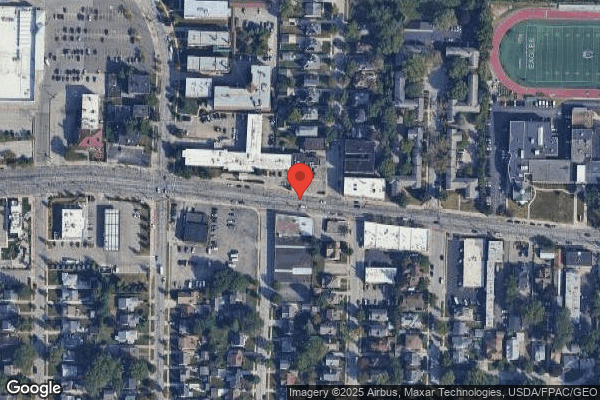
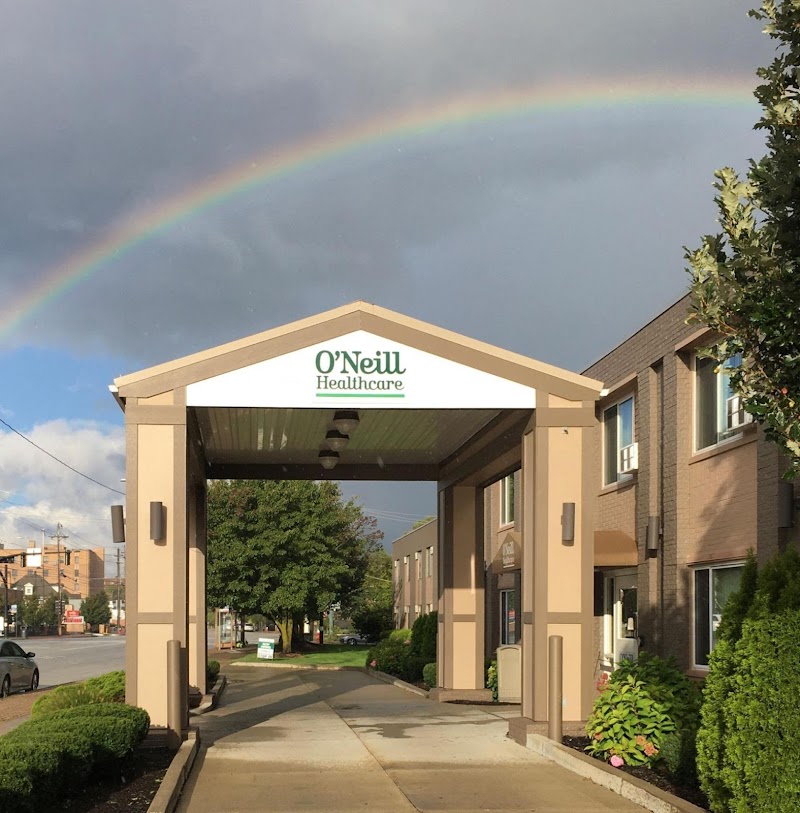
13900 DETROIT AVE, LAKEWOOD, OH 44107 (216) 228-7650
For profit - Individual 114 Beds O'NEILL HEALTHCARE Data: November 2025
Trust Grade
70/100
#306 of 913 in OH
Last Inspection: August 2023

Over 2 years since last inspection. Current conditions may differ from available data.

Overview

O'Neill Healthcare Lakewood receives a Trust Grade of B, indicating it is a solid choice among nursing homes. It ranks #306 out of 913 facilities in Ohio, placing it in the top half, and #26 out of 92 in Cuyahoga County, meaning there are only 25 local options that are better. The facility is improving, with reported issues decreasing from 5 in 2024 to 2 in 2025. However, staffing is a weakness, rated at 2 out of 5 stars with a turnover rate of 54%, which is average but suggests some instability among staff. While there have been no fines against the facility, which is a positive sign, there are some concerning incidents. For example, the kitchen failed to properly label and store food, which could affect all residents, and several residents had dirty privacy curtains, indicating lapses in cleanliness. Overall, O'Neill Healthcare Lakewood has strengths in its trust grade and absence of fines, but families should be aware of the staffing challenges and cleanliness issues.

Trust Score
B
70/100
In Ohio
#306/913
Top 33%
Safety Record
Low Risk
No red flags
Inspections
Getting Better
5 → 2 violations
Staff Stability
⚠ Watch
54% turnover. Above average. Higher turnover means staff may not know residents' routines.
Penalties
✓ Good
No fines on record. Clean compliance history, better than most Ohio facilities.
Skilled Nurses
⚠ Watch
Each resident gets only 29 minutes of Registered Nurse (RN) attention daily — below average for Ohio. Fewer RN minutes means fewer trained eyes watching for problems.
Violations
⚠ Watch
23 deficiencies on record. Higher than average. Multiple issues found across inspections.
★★★★☆
4.0
Overall Rating
★★☆☆☆
2.0
Staff Levels
★★★★★
5.0
Care Quality
★★★☆☆
3.0
Inspection Score
Stable
2024: 5 issues
2025: 2 issues

The Good

  • 5-Star Quality Measures · Strong clinical quality outcomes
  • Full Sprinkler Coverage · Fire safety systems throughout facility
  • No fines on record

Facility shows strength in quality measures, fire safety.

The Bad

Staff Turnover: 54%

Near Ohio avg (46%)

Higher turnover may affect care consistency

Chain: O'NEILL HEALTHCARE

Part of a multi-facility chain

Ask about local staffing decisions and management

The Ugly 23 deficiencies on record

Aug 2025 1 deficiency
CONCERN (D) 📢 Someone Reported This

A family member, employee, or ombudsman was alarmed enough to file a formal complaint

Potential for Harm - no one hurt, but risky conditions existed

Incontinence Care (Tag F0690)

Could have caused harm · This affected 1 resident

**NOTE- TERMS IN BRACKETS HAVE BEEN EDITED TO PROTECT CONFIDENTIALITY** Based on observation, record review, and interview, the facility failed to ensure Resident #87 received appropriate incontinence...

Read full inspector narrative →
**NOTE- TERMS IN BRACKETS HAVE BEEN EDITED TO PROTECT CONFIDENTIALITY** Based on observation, record review, and interview, the facility failed to ensure Resident #87 received appropriate incontinence care. This affected one resident (Resident #87) of three residents reviewed for incontinence care. The total census was 105.Findings include: Record review of Resident #87 revealed she was admitted to the facility 06/05/20 and had diagnoses including dementia, diabetes, and encounter for palliative care. Review of the minimum data set 3.0 assessment dated [DATE] revealed she had significant cognitive impairment, was always incontinent, had no listed allergies and no orders or care plan indicating specific alterations to common incontinence care practices. Observation of an incontinence care procedure for Resident #87 on 08/25/25 at 8:43 A.M. by Certified Nurse Aide (CNA) #501 revealed CNA #501 prepared for the procedure by wetting half of two towels with water. She wiped the resident’s front perineal area twice with one wetted towel, used the dry half of the same towel to dry it, then repeated the process on the resident’s backside. No soap or other peri-care area approved cleaning product was used during the process. Interview with CNA #501 on 08/25/25 at 8:56 A.M. confirmed the above observations. She said she believed Resident #87 had allergies and could not use soap. The surveyor brought up the resident’s chart on their laptop at this time and confirmed with CNA #501 the resident had no listed allergies and no orders against using soap for incontinence care. Record review of the facility’s incontinence care policy dated 01/2024 revealed staff were to give appropriate care after each incontinence episode, including washing affected areas with body wash, cleanser, or soap and water. This deficiency represents noncompliance investigated under Complaint Number 2577547.
May 2025 1 deficiency
CONCERN (D) 📢 Someone Reported This

A family member, employee, or ombudsman was alarmed enough to file a formal complaint

Potential for Harm - no one hurt, but risky conditions existed

Deficiency F0578 (Tag F0578)

Could have caused harm · This affected 1 resident

**NOTE- TERMS IN BRACKETS HAVE BEEN EDITED TO PROTECT CONFIDENTIALITY** Based on family and staff interviews, review of facility policy, and record review, the facility failed to ensure a resident's a...

Read full inspector narrative →
**NOTE- TERMS IN BRACKETS HAVE BEEN EDITED TO PROTECT CONFIDENTIALITY** Based on family and staff interviews, review of facility policy, and record review, the facility failed to ensure a resident's advance directives were concise and readily retrievable for staff. This affected one (Resident #100) of three residents reviewed for advance directives. The facility census was 97. Findings include: Review of the medical record for Resident #100 revealed an admission date of [DATE]. Diagnoses included complication of kidney transplant, end stage kidney disease, and diabetes mellitus. Resident #100 died en route to the hospital on [DATE]. Review of the hospital paperwork revealed Resident #100 was to be Full code status on [DATE]. Review of Resident #100's advance directive form revealed DNRCCA was selected on the form and the physician signed it but did not date it. The form had a sticker on it indicating it was from the hospital. Review of the physician orders for [DATE] revealed Resident #100 was a Do Not Resuscitate Comfort Care- Arrest (DNRCCA) code status (meaning invasive or extreme life-supporting measures were allowed under any circumstance except for cardiac or respiratory arrest). An interview on [DATE] at 10:08 A.M. with Corporate Registered Nurse (CRN) #202 verified Resident #100's DNRCCA was signed by a doctor but not dated. CRN #202 confirmed the hospital discharge paperwork stated Resident #100 was a Full code and also had a undated DNRCCA signed form. An interview with the Resident #100's sister on [DATE] at 10:57 A.M. revealed Resident #100's code status was DNRCCA. Review of the facility policy titled Cardiopulmonary Resuscitation (CPR) dated 01/2015 revealed it required a specific individual to check the resident's chart for DNRCC/DNRCC Arrest or full code status. This deficiency represents non-compliance investigated under Complaint Number OH00164259.
May 2024 4 deficiencies
CONCERN (D) 📢 Someone Reported This

A family member, employee, or ombudsman was alarmed enough to file a formal complaint

Potential for Harm - no one hurt, but risky conditions existed

Resident Rights (Tag F0550)

Could have caused harm · This affected 1 resident

**NOTE- TERMS IN BRACKETS HAVE BEEN EDITED TO PROTECT CONFIDENTIALITY** Based on observations, record review, and interview the facility failed to ensure Resident #9 had her blood drawn in a private a...

Read full inspector narrative →
**NOTE- TERMS IN BRACKETS HAVE BEEN EDITED TO PROTECT CONFIDENTIALITY** Based on observations, record review, and interview the facility failed to ensure Resident #9 had her blood drawn in a private area to maintain infection control. The affected one resident (#9) of three residents reviewed for resident rights. The facility census was 95. Findings include: Review of the medical record for Resident #9 revealed an admission date of 08/16/22. Diagnoses included Parkinsonism, low back pain, cognitive communication disorder, and bipolar disorder. Review of the quarterly Minimum Data Set (MDS) assessment dated [DATE] revealed Resident #9 had moderate cognitive impairment. Residents required supervision set-up help only for bed mobility; total dependence of two-persons for transfers; and extensive one-person assistance for eating and toilet use. Review of the physician's order dated 04/15/24 revealed Resident #9 was to have a complete blood count (CBC) and basic metabolic panel (BMP) drawn every Monday for routine labs. Review of the care plan dated 05/22/24 revealed Resident #9 had impaired cognitive function with impaired thought process. Interventions included encouraging resident and family involvement and keep the resident's routine consistent and try to provide consistent caregivers. Observation on 05/28/24 at 9:40 A.M. revealed Phlebotomist #621 drawing blood from Resident #9 in the hallway in front of the nurse's station. During the blood draw Registered Nurse (RN) #563 came out of a resident's room and looked at Phlebotomist #621 and stated, What are you doing? Do you need me to help you get her to her room? Phlebotomist #621 stated you told me I could draw her blood here. RN #563 stated, no, you asked where Resident #9 was, and I simply helped you identify her. Phlebotomist #621 then finished drawing Resident #9's blood and entered another resident room. Interview after the observation with Phlebotomist #621 confirmed she did draw Resident #9's blood in the hallway. Interview on 05/28/24 at 9:45 A.M. with Resident #9 confirmed she just had her blood drawn in the hallway, but she was not sure why. Interview on 05/28/24 at 9:47 A.M. with RN #563 confirmed blood was never to be drawn outside of a resident's room. She reported she helped the phlebotomist identify Resident #9 but never told her to draw her blood right there in the hallway. This deficiency was an incidental finding identified during the complaint investigation.
CONCERN (D) 📢 Someone Reported This

A family member, employee, or ombudsman was alarmed enough to file a formal complaint

Potential for Harm - no one hurt, but risky conditions existed

Comprehensive Assessments (Tag F0636)

Could have caused harm · This affected 1 resident

**NOTE- TERMS IN BRACKETS HAVE BEEN EDITED TO PROTECT CONFIDENTIALITY** Based on record review, interview, and facility policy review the facility failed to complete an accurate admission assessment f...

Read full inspector narrative →
**NOTE- TERMS IN BRACKETS HAVE BEEN EDITED TO PROTECT CONFIDENTIALITY** Based on record review, interview, and facility policy review the facility failed to complete an accurate admission assessment for Resident #97. This affected one resident (#97) of three residents reviewed for admission assessments. The facility census was 95. Findings include: Review of the closed medical record for Resident #97 revealed an admission date of 01/12/24 and a discharge date of 01/16/24. Diagnoses included unspecified open wound of the abdominal wall, chronic obstructive pulmonary disorder, type two diabetes mellitus, and hypertensive chronic kidney disease with stage five end stage renal disease. Review of the admission assessment dated [DATE] for Resident #97 revealed no documentation related to Resident #97's abdominal wound. The assessment also listed absent bilateral pedal and radial pulses. Resident #97 was listed as having a colostomy with no assessment of the colostomy site. Resident #97 was listed as complaining of pain in his buttocks/coccyx area, but no skin assessment was completed. No height or weight was obtained or documented. Review of the interim care plan dated 01/12/24 revealed Resident #97 was at risk for falls and Resident #97 was at risk for skin impairment. No other information was available. Review of the admission Minimum Data Set (MDS) assessment dated [DATE] revealed Resident #97 was not assessed for cognition. Resident #97 required extensive two-person assistance for bed mobility, extensive one-person assistance for eating, and total dependence of one-person for toileting. Resident #97 was always incontinent of urine and had an ostomy for bowel elimination. Interview on 05/28/24 at 2:03 P.M. with Corporate Registered Nurse (RN) #623 confirmed Resident #97's admission assessments were not complete or accurate. She reported that the nurse who completed the assessment was no longer employed by the facility. Review of the undated facility policy, Admitting the Resident, revealed all resident assessment data observed during the observation should be documented. Also, the resident's height and weight should be documented. This deficiency represents noncompliance investigated under Complaint Number OH00153495.
CONCERN (D) 📢 Someone Reported This

A family member, employee, or ombudsman was alarmed enough to file a formal complaint

Potential for Harm - no one hurt, but risky conditions existed

Deficiency F0692 (Tag F0692)

Could have caused harm · This affected 1 resident

**NOTE- TERMS IN BRACKETS HAVE BEEN EDITED TO PROTECT CONFIDENTIALITY** Based on record review, interview, and facility policy review the facility failed to provide a diet order or baseline height and...

Read full inspector narrative →
**NOTE- TERMS IN BRACKETS HAVE BEEN EDITED TO PROTECT CONFIDENTIALITY** Based on record review, interview, and facility policy review the facility failed to provide a diet order or baseline height and weight for Resident #97 during his stay at the facility. This affected one resident (#97) of three residents reviewed for nutrition. The facility census was 95. Findings include: Review of the closed medical record for Resident #97 revealed an admission date of 01/12/24 and a discharge date of 01/16/24. Diagnoses included unspecified open wound of the abdominal wall, chronic obstructive pulmonary disorder, type two diabetes mellitus, hypertensive chronic kidney disease in stage five end stage renal disease. Review of the discharge paperwork from the hospital for Resident #97 dated 01/12/24 revealed no diet order. Review of the physician's orders for January 2024 for Resident #97 revealed no orders for a diet. Review of the admission assessment dated [DATE] for Resident #97 revealed no height or weight. Review of the interim care plan dated 01/12/24 for Resident #97 revealed nothing related to diet. Review of the dietary communication form dated 01/12/24 for Resident #97 revealed he was a new admission. His diet order was listed as regular, with regular texture, and thin liquids. Resident #97 was allowed supplements with ordered meals if he ate less than 50% of his meal. Review of the admission Minimum Data Set (MDS) assessment dated [DATE] revealed Resident #97 required extensive one-person assistance for eating. Interview on 05/28/24 at 3:00 P.M. with the Administrator and Corporate Registered Nurse (RN) #623 confirmed that Resident #97 had no official diet order during his stay from a physician or a dietician. They also confirmed no height or weight was obtained on his admission. Corporate RN #623 confirmed the nurse who authored the dietary communication form with no physician order was no longer employed by the facility. Interview on 05/29/24 at 9:30 A.M. with Dietary Manager #531 reported that when a resident was admitted , a dietary communication form was completed by the nurse. Then the resident is assessed by the dietician and the speech therapist, and a final dietary order was obtained and placed into the electronic medical record system. Review of the undated facility policy, Diet Changes and Reports, revealed the charge nurse is responsible for notifying the dietary manager on duty of any changes in the resident's diet or meal service. The charge nurse will notify the dietary manager on duty when a new resident has been admitted and the type of diet the resident is to receive. Notification of the dietary manager will be through hand-written communication. Oral communication is permitted. However, all oral communication must be followed up with written communication. This deficiency represents noncompliance investigated under Complaint Number OH00153495.
CONCERN (D) 📢 Someone Reported This

A family member, employee, or ombudsman was alarmed enough to file a formal complaint

Potential for Harm - no one hurt, but risky conditions existed

Deficiency F0710 (Tag F0710)

Could have caused harm · This affected 1 resident

**NOTE- TERMS IN BRACKETS HAVE BEEN EDITED TO PROTECT CONFIDENTIALITY** Based on record review, interview, and facility policy review the facility failed to provide wound physician follow-up for a com...

Read full inspector narrative →
**NOTE- TERMS IN BRACKETS HAVE BEEN EDITED TO PROTECT CONFIDENTIALITY** Based on record review, interview, and facility policy review the facility failed to provide wound physician follow-up for a complicated abdominal wall wound for Resident #97 as ordered on admission. This affected one resident (#97) of three residents reviewed for physician services. The facility census was 95. Findings include: Review of the closed medical record for Resident #97 revealed an admission date of 01/12/24 and a discharge date of 01/16/24. Diagnoses included unspecified open wound of the abdominal wall, chronic obstructive pulmonary disorder, type two diabetes mellitus, and hypertensive chronic kidney disease in stage five end stage renal disease. Review of the hospital paperwork for Resident #97 revealed he was evaluated on 01/04/24 by a surgeon stating the reason for consultation was evaluation and management of infected abdominal wall surgical site ulcer. Resident #97 was at the hospital from [DATE] to 12/13/23 where he was found to have a large bowel obstruction and he underwent an exploratory laparotomy with loop transverse colostomy. He was discharged to an extended care facility and then returned on 12/16/23 with shortness of breath. He was in the hospital until 12/20/23 and was discharged with a wound vac to his abdominal wall surgical site. He was being managed with the wound vac at the extended care facility when the staff sent him in for foul smelling drainage from the site on 01/03/24. The site was found to be infected, and he was treated with antibiotics and the wound vac was discontinued. He was discharged to the facility on [DATE]. His discharge orders included oral antibiotics and no incision care orders. No follow-up appointments were made. Review of the admission assessment dated [DATE] revealed Resident #97 had no wound issues. Review of a separate skin assessment dated [DATE] revealed Resident #97 had an abdominal surgical incision that was to be assessed by the wound care team. No measurements were available, and it was listed as all granulation tissue, base was beefy red, it had moderate serosanguineous drainage with no odor, and the surrounding skin was normal. Review of the interim care plan dated 01/12/24 for Resident #97 revealed he was at risk for impaired skin integrity. Interventions included elevating heels when in bed and providing wound care per physician order. Review of the physician's orders revealed an order dated 01/13/24 Resident #97 was to be assessed by the wound care physician on 01/15/24. The order was cancelled on 01/16/24 with no reason for cancellation. Review of the admission Minimum Data Set (MDS) assessment dated [DATE] revealed Resident #97 required extensive two-person assistance for bed mobility, extensive one-person assistance for eating, and total dependence of one-person for toilet use. Resident #97 was always continent of urine and had an ostomy for bowel elimination. Interview on 05/28/24 at 3:00 P.M. with the Administrator and Corporate Registered Nurse (RN) #623 reported that Resident #97 was admitted late on a Friday night and his discharge instructions did not even list a surgeon or a follow-up appointment. They reported his order for his abdominal wound to be evaluated by the wound care team on 01/15/24 was discontinued because he was being discharged . The confirmed Resident #97 was not discharged from the facility until 01/16/24. Review of the undated facility policy, Pressure Ulcer Prevention Treatment Protocol, revealed in the event a resident is admitted with, or develops a wound interventions for wound care will be implemented per the wound care protocol and or physician orders. Referrals may be made, as needed, to the wound care specialist or therapy to aid in the treatment and healing of the wound. This deficiency represents noncompliance investigated under Complaint Number OH00153495.
Feb 2024 1 deficiency
CONCERN (D) 📢 Someone Reported This

A family member, employee, or ombudsman was alarmed enough to file a formal complaint

Potential for Harm - no one hurt, but risky conditions existed

Deficiency F0660 (Tag F0660)

Could have caused harm · This affected 1 resident

**NOTE- TERMS IN BRACKETS HAVE BEEN EDITED TO PROTECT CONFIDENTIALITY** Based on interview, record review, review of the facility policy the facility failed to provide Resident #98's representative pr...

Read full inspector narrative →
**NOTE- TERMS IN BRACKETS HAVE BEEN EDITED TO PROTECT CONFIDENTIALITY** Based on interview, record review, review of the facility policy the facility failed to provide Resident #98's representative proper training and education on insulin administration to ensure a safe and orderly discharge. This affected one resident (Resident #98) out of three residents reviewed for discharge planning. The facility census was 96. Findings include: Review of Resident #98's medical record revealed an admission date of [DATE] and diagnoses included acute kidney failure, pancreas and kidney transplant, and type one diabetes mellitus. Resident #98 was discharged AMA (against medical advice) from the facility on [DATE]. Review of Resident #98's Fall Risk Calculation dated [DATE] revealed Resident #98 was a moderate fall risk. Review of Resident #98's care plan dated [DATE] included Resident #98 was at risk for altered nutrition, hydration status related to kidney transplant, pancreas transplant, diabetes mellitus, and dementia. Resident #98 would be free from signs and symptoms of dehydration through the next review. Interventions included administer medications as prescribed. Review of Resident #98's 5-day Minimum Data Set (MDS) 3.0 assessment dated [DATE] revealed Resident #98 had moderate cognitive impairment. Resident #98 had no impairment of the upper extremities, had impairment on both sides of the lower extremities, and used a walker. Resident #98 was dependent on staff for toileting, dressing and required substantial, maximal assistance for bathing. Resident #98 had an indwelling catheter and was frequently incontinent of bowel. Review of Resident #98's physician orders dated [DATE] at 7:30 A.M. revealed Insulin Lispro (one unit dial) subcutaneous solution pen-injector 100 units per milliliter, inject as per sliding scale for blood sugar, 0 to 150 give 0 units insulin, 151 to 200 give 2 units insulin, 201 to 250 give 4 units insulin, 251 to 300 give 6 units insulin, 301 to 350 give 8 units insulin, 351 to 400 give 10 units and if greater than 400 give 10 units and notify provider, subcutaneously before meals for diabetes mellitus AND inject 3 units subcutaneously before meals for diabetes mellitus. Review of Resident #98's physician orders dated [DATE] through [DATE] did not reveal orders Resident #98 left the facility AMA or orders for Resident #98's Lispro insulin pen-injector 100 units per milliliter to be sent home with him and instructions for use. Review of Resident #98's progress notes dated [DATE] at 6:05 P.M. included Resident #98 was witnessed pushing the door open and walked outside the facility with the use of a walker and was not wearing shoes or a coat. LPN #503 stayed with Resident #98 while he was outside the facility. Resident #98's family was called and able to convince Resident #98 to return to the facility, and Resident #98 walked inside. Review of Resident #98's progress notes dated [DATE] at 6:52 P.M. included Resident #98 was safely inside the facility and Nurse Practitioner (NP) #603 was called and orders to give Haldol revealed Resident #98 was refusing medications. NP #603 gave orders to send Resident #98 to the local hospital for evaluation and a psych consult. The Administrator and Director of Nursing (DON) were made aware of the situation. The DON requested to speak with Resident #98's family to assist with transportation and care at the local hospital Emergency Department. FM #602 arrived and was notified Resident #98 was to be sent to the local hospital for evaluation related to combative aggressive behaviors with exit seeking. FM #602 proceeded to walk to Resident #98's room and soon after pushed Resident #98 to the front door in a wheelchair with his belongings. Education given on AMA and Resident #98 signed the AMA paperwork with FM #602 present. The Administrator, DON and NP #603 were notified. Review of Resident #98's Medication Administration Record (MAR) dated [DATE] revealed Resident #98's Insulin Lispro (one unit dial) subcutaneous solution pen-injector 100 units per milliliter (ml) due at 5:00 P.M. was not administered as ordered due to Resident #98 was out of the facility. Interview on [DATE] at 12:01 P.M. of Family member (FM) #601 revealed nothing good happened while Resident #98 resided at the facility. FM #601 stated Licensed Practical Nurse (LPN) #503 gave FM #602 Resident #98's insulin pen when the family was taking Resident #98 out of the facility AMA (against medical advice) on Christmas Eve ([DATE]). FM #601 stated FM #602 was told by LPN #503 she was unable to show her how to use the insulin pen. FM #601 indicated she had a conversation with the Administrator and the Administrator told her LPN #503 could not show the family how to use the insulin pen because of laws. FM #601 stated Resident #98 had an insulin pump which stopped working when he was sent to the hospital before he was admitted to the facility, and he was receiving insulin per sliding scale (based on blood sugar levels). Interview on [DATE] at 2:30 P.M. of the Director of Nursing (DON) revealed Resident #98 was verbally aggressive at times and FM #601 and #602 helped calm him down. The DON stated on [DATE] Resident #98 was combative, trying to hit the nurse with a cane or walker, was in and out of other resident rooms and NP #603 was contacted for orders. The DON indicated NP #603 gave orders for Resident #98 to be sent out to the local hospital to be evaluated if he did not calm down. The DON stated LPN #503 called her on [DATE] for guidance because Resident #98 was aggressive and unable to be redirected. The DON revealed LPN #503 saw Resident #98 walk out the front door, immediately followed him and stayed with him while she tried to redirect him back into the facility. LPN #503 was unable to redirect Resident #98 back into the facility, and while keeping him in sight at all times ran back to her medication cart to get her cell phone so she could call the family for assistance. FM #602 arrived to the facility and was able to bring Resident #98 back inside the facility, but FM #602 was irritated, started packing Resident #98's belongings, put Resident #98 in a wheelchair with his belongings and went out the front door. The DON stated LPN #503 asked FM #602 if Resident #98 should go to the hospital to be evaluated and FM #602 stated she was signing him out AMA. The DON stated the facility did their best to have something set up if a resident left AMA and NP #603 was notified. The DON stated we would print out a med list and LPN #503 gave a med list to the family and she gave Resident #98's insulin pen to the family because medications could not be returned to the pharmacy. Interview on [DATE] at 1:25 P.M. of LPN #503 revealed Resident #98 was forgetful at times. LPN #503 stated on [DATE] Resident #98 using a walker came out of his room around dinnertime, was not very steady and became belligerent if staff attempted to steady him or assist in any way. LPN #503 indicated staff stayed close to Resident #98 because they were worried he was going to fall. LPN #503 indicated Resident #98 went in a resident room and started yelling at him, left that room and went in a female resident room and started walking towards her and LPN #503, trying to keep both residents safe stood between Resident #98 and the female resident. LPN #503 stated Resident #98 hit her on her arms and legs before he was redirected out of the room. LPN #503 revealed she called FM #601 and FM #601 was able to calm Resident #98 down. LPN #503 indicated NP #603 was called and an order for Haldol (antipsychotic) was obtained and FM #601 was able to talk Resident #98 into taking it. LPN #503 stated on [DATE] Resident #98 was confused and at dinnertime she prepared to check his blood sugar, he was not in his room, she went looking for him and saw him pushing the door open and attempting to exit the facility via the front entrance. LPN #503 indicated she tried talking Resident #98 into coming back inside the facility, he did not have shoes or a jacket on, but was unable to redirect him back. LPN #503 stated keeping Resident #98 in sight she ran to her medication cart to get her cell phone, then ran back to Resident #98. LPN #503 revealed she called FM #601 while she was outside the door to the facility with Resident #98 and FM #601 was able to talk Resident #98 into going back inside and once inside he sat in a chair by the front door. LPN #503 stated she called the Administrator, the DON and NP #603 and NP #603 suggested sending Resident #98 to the local hospital for a psychiatric evaluation. LPN #503 indicated the DON said to wait until the family arrived to make the situation less traumatic for Resident #98. LPN #503 stated when FM #602 arrived she said she was taking Resident #98 out of the facility AMA and LPN #503 had AMA paperwork signed. LPN #503 stated she had FM #602 give Resident #98 his blood pressure medication, and she gave her Resident #98's insulin pen because he was a type one diabetic and she thought he needed it. LPN #503 indicated she did not remember FM #602 asking for Resident #98's medication list, but if they had she would have given it to them. Interview on [DATE] at 2:01 P.M. of FM #602 revealed on [DATE] when she arrived and took Resident #98 out of the facility AMA, she asked LPN #503 about his medications and LPN #603 said she could not legally tell her anything about the medications. FM #602 indicated LPN #503 told her to make sure Resident #98 received his medications, but she would not tell her how to give the insulin. FM #602 stated she did not know how to use the insulin pen, Resident #98 had always managed his own insulin until now and if Resident #98 was given the insulin he might have died. Interview on [DATE] at 2:17 P.M. of the DON revealed Resident #98 was on insulin previous to his admission to the facility and should have his pen. The DON stated FM #602 was told to call the family physician with any questions and FM #602 was in such a hurry to leave she might not have fully understood everything. Interview on [DATE] at 3:31 P.M. of LPN #503 revealed she gave FM #602 Resident #98's Lispro insulin pen-injector, and did not send written instructions with Resident #98 explaining how to use the pen-injector. LPN #503 stated she did not call Resident #98's physician or nurse practitioner to get an order to send the pen-injector with Resident #98 when he left. LPN #503 revealed she called NP #603 after Resident #98 left the facility and told her she sent Resident #98's Lispro insulin pen-injector with him when he left and NP #603 said ok. LPN #503 stated she told FM #602 Resident #98's insulin was based on what he eats, to follow up with Resident #98's primary care physician, and the family did not tell her they did not know how to use the insulin pen. Review of the facility policy titled Discharge Against Medical Advice Policy dated 12/2023 included it was the policy of the facility to assist the resident to discharge in the safest manner possible when the discharge was not recommended by the facility or the resident's physician. Orders would be requested for Home Health services and equipment needs deemed appropriate, to facilitate a safer situation in the home environment. This deficiency represents non-compliance investigated under Master Complaint Number OH00149727 and Complaint Number OH00149724.
Sept 2023 1 deficiency
CONCERN (D) 📢 Someone Reported This

A family member, employee, or ombudsman was alarmed enough to file a formal complaint

Potential for Harm - no one hurt, but risky conditions existed

Quality of Care (Tag F0684)

Could have caused harm · This affected 1 resident

**NOTE- TERMS IN BRACKETS HAVE BEEN EDITED TO PROTECT CONFIDENTIALITY** Based on observation, interview, record review, and review of the facility policy the facility failed to transfer Resident #30 w...

Read full inspector narrative →
**NOTE- TERMS IN BRACKETS HAVE BEEN EDITED TO PROTECT CONFIDENTIALITY** Based on observation, interview, record review, and review of the facility policy the facility failed to transfer Resident #30 with the use of a gait belt (a belt used to prevent falls during transfers). This affected one resident (#30) of three residents reviewed for transfers. The facility census was 93. Findings include: Record review for Resident #30 revealed an admission date of 11/09/22. Diagnosis included heart failure, chronic pain, osteoarthritis (OA) right shoulder and knee, age related osteoporosis, difficulty in walking, muscle wasting and atrophy, and history of falls. Record review of the Quarterly Minimum Data Set (MDS) assessment dated [DATE] revealed Resident #30 did not have any communication issues and was cognitively intact. No behaviors or rejection of care was noted. She required extensive assistance from one staff for transfers. She required limited assistance from one staff for ambulation in her room. Balance issues were noted requiring staff assistance to stabilize. She had no falls since her prior assessment. Record review of the fall risk care plan revised 03/02/23 included the intervention dated 05/17/23, for the use of a gait belt for all ambulation and transfers. Impaired mobility care plan revised 03/02/23 also included the use of a gait belt for all transfers and ambulation. That intervention had been in place since 12/01/22. Observation on 09/28/23 at 10:17 A.M. revealed State Tested Nursing Assistant (STNA) #465 transferred Resident #30 from the toilet to a standing position at the grab bar, completed dressing Resident #30 while she was standing, then transferred Resident #30 to her wheelchair. STNA #465 did not use a gait belt while assisting and transferring Resident #30. STNA #465 confirmed she did not have a gait belt with her and did not use one while transferring Resident #30. STNA #465 confirmed she was supposed to use a gait belt on Resident #30 during transfers and revealed her gait belt was in her personal bag somewhere else in the facility. Interview on 09/28/23 at 10:30 A.M. with Resident #30 revealed some STNA's wore gait belts while transferring her and some did not. Interview on 09/28/23 at 1:45 P.M. with the Director of Nursing (DON) revealed all nursing staff were given a gait belt upon hire and needed to use the gait belt on any resident anytime they need to physically lift up on a resident to assist them to stand. Record review of the facility policy titled, Nursing Transfer and Gait Belt Policy dated March 2013 revealed: Purpose: To ensure the safety of residents during transfers. The resident's transfer ability, including the number of assistants required will be communicated to staff through care plans or use of a care plan [NAME]. Staff will use gait belts to transfer any resident who requires hands-on assistance. This deficiency represents non-compliance investigated under Complaint Number OH00146146.
Aug 2023 4 deficiencies
CONCERN (D)

Potential for Harm - no one hurt, but risky conditions existed

Deficiency F0569 (Tag F0569)

Could have caused harm · This affected 1 resident

**NOTE- TERMS IN BRACKETS HAVE BEEN EDITED TO PROTECT CONFIDENTIALITY** Based on review of resident accounts and interview the facility failed to ensure resident funds were returned to the resident or...

Read full inspector narrative →
**NOTE- TERMS IN BRACKETS HAVE BEEN EDITED TO PROTECT CONFIDENTIALITY** Based on review of resident accounts and interview the facility failed to ensure resident funds were returned to the resident or to the resident estate in a timely manner. This affected one resident (#296) out of three resident accounts reviewed. The facility census was 96. Findings include: Record review for Resident #296 revealed an admission date of [DATE] and a discharge date of [DATE]. Resident #296 discharged to another facility due to having COVID-19 and expired in [DATE]. Review of Resident #296 funds account revealed there was a balance on discharge of $2,931.95 which was not returned to the resident's estate until [DATE]. The Resident or his estate did not receive his funds for approximately 19 months. Interview on [DATE] 11:00 A.M. with the Accounts Receivable Coordinator (ARC) #914 revealed she confirmed Resident #296's funds were not returned to the resident or his estate timely.
CONCERN (D)

Potential for Harm - no one hurt, but risky conditions existed

Deficiency F0578 (Tag F0578)

Could have caused harm · This affected 1 resident

**NOTE- TERMS IN BRACKETS HAVE BEEN EDITED TO PROTECT CONFIDENTIALITY** Based on medical record review, staff interview, and policy review the facility failed to ensure advanced directives were presen...

Read full inspector narrative →
**NOTE- TERMS IN BRACKETS HAVE BEEN EDITED TO PROTECT CONFIDENTIALITY** Based on medical record review, staff interview, and policy review the facility failed to ensure advanced directives were present in the electronic chart and failed to ensure physicians orders were in place for Resident #70's advanced directives. This affected one resident (#70) of one resident reviewed for advance directives. The facility census was 96. Findings include: Review of the medical record revealed Resident #70 was admitted to the facility on [DATE]. Diagnoses included esophagitis unspecified with bleeding, gastrointestinal hemorrhage, and severe protein-calorie malnutrition. Review of the quarterly Minimum Data Set (MDS) assessment dated [DATE] revealed Resident #70 was alert and oriented with cognitive impairment and required one-person physical extensive assist for activities of daily living (ADL). Review of the paper medical record identified a code status of Full Code. Review of the electronic medical record, located in Point Click Care (PCC) identified no evidence of Resident #70's advanced directives request. Review of the current physician orders for August 2023 revealed no physician orders to identify the request for a code status of Full Code. Interview on 08/29/23 at 10:19 A.M. with Licensed Practical Nurse (LPN) #844 confirmed the advanced directive wishes of each resident should be in both medical records (paper and electronic), and match. LPN #844 confirmed the electronic chart should have included a physician order, which identified each residents wishes so nursing staff can quickly access the information in the event of an emergency. Review of the facility document titled Advance Directive Protocol, dated December 2014, revealed the facility had a policy in place that residents had a right to make decisions regarding the extent of resuscitation they wish to have performed was respected, honored, and discussed at the time of admission and as indicated during the course of treatment. Further review of the policy revealed a physician's order would be obtained indicating the residents code status and entered into PCC. Review of the facility document revealed the facility did not implement the policy.
CONCERN (F)

Potential for Harm - no one hurt, but risky conditions existed

Food Safety (Tag F0812)

Could have caused harm · This affected most or all residents

Based on observation, staff interview, and policy review the facility failed to ensure food was labeled, dated, and stored appropriately. This had the potential to affect 91 of 91 residents who receiv...

Read full inspector narrative →
Based on observation, staff interview, and policy review the facility failed to ensure food was labeled, dated, and stored appropriately. This had the potential to affect 91 of 91 residents who received meals from the facility kitchen. The facility identified five residents (#52, #70, #86, #87 and #202) who received no food by mouth. The facility census was 96. Findings include: The following concerns were noted during the main initial kitchen tour conducted on 08/28/23 between 8:16 A.M. and 8:42 A.M. One bag of breadcrumbs, one bag of coconut flakes, and one bag of corn flakes were open to air and not properly sealed were located in the walk-in dry storage area, one bag of sugar cookies and one bag of chocolate chip cookies were open to air and undated located in the reach-in freezer, and four containers and/or baskets of strawberries with white, fuzzy, mold were located in the walk-in refrigerator. Interview and observation on 08/28/23 at 8:25 A.M., Dietary Manager (DM) #806 verified the above findings. Review of the facility document titled Food Storage, dated 2005, revealed the facility had a policy in place that sufficient storage would be provided to keep foods safe, wholesome, and appetizing and food would be stored, prepared, and transported at an appropriate temperature and by methods designed to prevent food contamination. Review of the document revealed the facility did not implement the policy.
CONCERN (F)

Potential for Harm - no one hurt, but risky conditions existed

Safe Environment (Tag F0921)

Could have caused harm · This affected most or all residents

Based on observation and staff interview the facility failed to ensure 15 residents (#5, #14, #21, #22, #31, #36, #51, #61, #67, #68, #69, #70, #79, #84, and #87) had a clean privacy curtain and faile...

Read full inspector narrative →
Based on observation and staff interview the facility failed to ensure 15 residents (#5, #14, #21, #22, #31, #36, #51, #61, #67, #68, #69, #70, #79, #84, and #87) had a clean privacy curtain and failed to maintain clean and sanitary carpeting throughout the resident rooms and hallways. This had the potential to affect all 96 residents currently residing in the facility. Findings include: 1. Observation on 08/29/23 at 7:33 A.M. with State Tested Nurse Assistants (STNAs) #887 and #900 verified Residents #5, #14, #21, #22, #31, #36, #51, #61, #67, #68, #69, #70, #79, #84 and #87 had privacy curtains that were stained and dirty. Interview on 08/29/23 at 7:36 A.M. with STNA #900 revealed housekeeping and laundry staff were responsible for cleaning and maintaining the privacy curtains in resident rooms. Interview on 08/31/23 at 10:15 A.M. with Office Staff (OS) #944 revealed housekeeping staff maintained the resident rooms and common areas daily and privacy curtains were cleaned on rotation once a month unless contaminated or during isolation precautions. An environmental tour was conducted on 08/31/23 between 10:20 A.M. and 10:30 A.M. with OS #944. The following concerns were observed and verified at the time of observation. The rooms belonging to Residents #5, #14, #21, #22, #31, #36, #51, #61, #67, #68, #69, #70, #79, #84 and #87 contained privacy curtains that were stained to various degrees by unknown substances that varied from red, brown, and yellow in color and brown crusted material. Review of the facility document titled Laundry Guidelines, undated, revealed the facility had a policy in place that all personnel would handle, store, process, and transport linen to prevent the spread of infection and an adequate supply of linen would be maintained for resident care. Review of the document revealed the facility did not implement the policy. 2. Observation on 08/28/23 from 8:10 A.M. through 8:35 A.M. of the hallways and each resident room revealed heavily stained, spotted, and worn carpeting. On 08/28/23 at 8:35 A.M. the Director of Nursing (DON) verified and stated the carpet was being replaced due to the stains and spots in each room and in the hallways.
Mar 2023 1 deficiency
CONCERN (D) 📢 Someone Reported This

A family member, employee, or ombudsman was alarmed enough to file a formal complaint

Potential for Harm - no one hurt, but risky conditions existed

Accident Prevention (Tag F0689)

Could have caused harm · This affected 1 resident

Based on medical record review and interview the facility failed to ensure residents were transferred via mechanical lift without injury. This affected one (Resident #38) of three residents reviewed w...

Read full inspector narrative →
Based on medical record review and interview the facility failed to ensure residents were transferred via mechanical lift without injury. This affected one (Resident #38) of three residents reviewed who required a mechanical lift for transfers. Findings Include: Review of the medical record for Resident #38 revealed an admission date of 09/14/22. Diagnoses included cerebral infarction due to unspecified occlusion or stenosis of right middle cerebral artery, hemiplegia and hemiparesis following cerebrovascular disease affecting left non-dominant side and aphasia. Resident #38 was discharged on 03/07/23. Review of the quarterly Minimum Data Set assessment, dated 01/04/23, revealed Resident #38 had impaired cognition, was dependent for transfers and ambulation, and had no skin alteration. Review of the nurse's note dated 03/04/23 at 5:08 P.M. revealed Resident #38's family was visiting and observed an abrasion/open area on Resident #38's left arm. The note indicated treatment would be initiated for the abrasion. Review of Resident #38's treatment administration record for February 2023 revealed an order dated 03/04/23 to cleanse left forearm with normal saline, pat dry, apply Xeroform, abdominal wound dressing (ABD) bandage and wrap with Kerlix daily for 21 days. Review of a facility self reported incident (SRI) dated 03/05/23 revealed the facility initiated an investigation related to an injury of unknown origin for Resident #38. The investigation was ongoing at the time of the survey. Observation on 03/06/23 at 8:30 A.M. revealed Resident #38 lying in bed yelling out. The left lower arm just below the elbow was covered with a Kerlix dressing. Interview on 03/06/23 at 8:30 A.M. with Licensed Practical Nurse (LPN) #154 revealed she observed a scab above the fold on Resident #38's left arm on 03/03/23; she did not observe an open area. Observation on 03/06/23 at 8:39 A.M. revealed Resident #38 being transferred via a mechanical lift by State Tested Nurse Aides (STNAs) #155 and #157. Resident #38 was grabbing at the lift straps and moving about within the mechanical lift pad as she was being moved from the bed to a chair. The STNAs provided emotional support and direction to keep hands on her chest; however, Resident #38 continued to grab at the straps. Resident #38 was lowered to a chair. Resident #38 refused to allow visualization of the area beneath the Kerlix. Review of video footage provided by the family on 03/06/23 at 11:11 A.M. dated 03/04/23 revealed a darkened area approximately three inches long with a dried/pink area which was smaller than the size of a dime at the medial distal area of the darkened skin on Resident #38's left arm. The smaller area looked as if a scab had sloughed off. Interviews on 03/09/23 at 8:48 A.M. with the Administrator and Assistant Director of Quality Management (ADQM) revealed the wound to Resident #38's left arm was most likely from the mechanical lift. The Administrator stated the mechanical lift sling caused the injury, a SRI was initiated, and all staff received training on transfers and reporting injuries. Interview on 03/09/23 at 3:39 P.M. with Registered Nurse (RN) #161 revealed the family of Resident #38 was visiting and observed a wound to Resident #38's left arm. The wound looked like it was caused by shear friction. This deficiency represents non-compliance investigated under Complaint Numbers OH00140820, OH00140819, OH00140818 and OH00135604.
Jan 2020 3 deficiencies
CONCERN (D)

Potential for Harm - no one hurt, but risky conditions existed

Notification of Changes (Tag F0580)

Could have caused harm · This affected 1 resident

**NOTE- TERMS IN BRACKETS HAVE BEEN EDITED TO PROTECT CONFIDENTIALITY** Based on observation, interview and record review, the facility failed to promptly notify the physician of Resident #15's nosebl...

Read full inspector narrative →
**NOTE- TERMS IN BRACKETS HAVE BEEN EDITED TO PROTECT CONFIDENTIALITY** Based on observation, interview and record review, the facility failed to promptly notify the physician of Resident #15's nosebleeds. This affected one resident of five residents reviewed for unnecessary medications. Findings include: Review of the medical record for Resident #15 revealed an admission date of 10/08/14. Resident #15's admitting diagnoses included long term current use of anticoagulants (blood thinning medications) and a history of venous thrombosis and embolism (blood clots). Resident #15 was started on Eliquis medication (an anticoagulant medication used to prevent blood clots) in 2015 related to a history of venous thrombosis and embolism. Review of the care plan dated 02/25/15 revealed staff were to assess for side effects of the Eliquis medication, including bleeding abnormalities. The most recent physician order change related to the Eliquis medication was dated 09/27/19 and was for 2.5 milligrams (mg) to be given orally, two times a day. Review of the minimum data set (MDS) assessment dated [DATE] revealed Resident #15 was moderately cognitively impaired and had no documented behaviors. Observation on 01/27/20 at 12:32 P.M., revealed Resident #15 was sitting up in her wheelchair in the dining room. Resident #15 had dried splotches of blood on her left sleeve and on her blouse near her shoulder. Observation on 01/27/20 at 2:00 P.M. revealed Resident #15 lying in bed and a strip of dried blood was observed on the right side of her face from her nose and across her right cheek. Resident #15 was resting quietly with her eyes closed and had no active bleeding. Observation on 01/28/20 at 10:08 A.M. revealed Resident #15 was lying in bed. Her fingernails were long and impacted with a dark substance, resembling dried blood. Resident #15 confirmed she had a nosebleed that morning. Interview on 01/28/20 at 1:11 P.M. with Licensed Practical Nurse (LPN) #201 revealed she had witnessed Resident #15 having nosebleeds in the recent past. LPN #201 revealed Resident #15 picks at the inside of her nostrils, causing the bleeding. LPN #201 revealed the nosebleeds were not daily, but a few times a week. LPN #201 revealed on 01/28/20 during report, she was told by the night shift nurse that Resident #15 had a nosebleed on 01/27/20. LPN #201 confirmed there was no documentation placed in Resident #15's medical records regarding the nosebleed on 01/27/20. LPN #201 verified Resident #15 should have been assessed and it should have been documented in the resident's record. She also confirmed the resident's assessments should had be placed in the medical records and the primary physician should had been notified. Interview on 01/28/20 at 1:25 P.M. with Housekeeper #202 revealed she had witnessed Resident #15 have nosebleeds on different occasions, but the aids had taken care of her. Interview on 01/28/20 at 1:27 P.M. with State Tested Nursing Assistant (STNA) #203, confirmed Resident #15 had occasional nosebleeds. STNA #203 stated, She is a picker and it makes her nose bleed, it's not very often, but sometimes. Interview on 01/28/20 at 1:26 P.M. with Unit Manager Registered Nurse (UMRN) #204 confirmed Resident #15 had nosebleeds at times. UMRN #204 revealed he would expect the charge nurse to document an assessment when the nosebleed occurred and notify the physician. UMRN #204 confirmed Resident #15 had been receiving a medication which thinned her blood and could increase bleeding. UMRN #204 verified there was no evidence or documentation of any assessment of Resident #15 or any care provided to her during her nosebleeds. Review of Resident #15's record on 01/28/20 at 1:30 P.M. with UMRN #204 confirmed there had been no documentation regarding Resident #15's nosebleed on 01/27/20 and no documentation regarding physician notification for the nosebleed that occurred 01/27/20 or any nosebleed previously, as reported by the facility staff. Interview on 01/28/20 at 2:49 P.M. with the Director of Nursing (DON) verified she would expect if a resident had a nosebleed, the resident would be cared for and the nurse would document the incident in the medical record and the physician would be notified.
CONCERN (D)

Potential for Harm - no one hurt, but risky conditions existed

Quality of Care (Tag F0684)

Could have caused harm · This affected 1 resident

**NOTE- TERMS IN BRACKETS HAVE BEEN EDITED TO PROTECT CONFIDENTIALITY** Based on observation, interview and record review, the facility failed to provide appropriate care and services for nosebleeds f...

Read full inspector narrative →
**NOTE- TERMS IN BRACKETS HAVE BEEN EDITED TO PROTECT CONFIDENTIALITY** Based on observation, interview and record review, the facility failed to provide appropriate care and services for nosebleeds for Resident #15. This affected one resident of five residents reviewed for unnecessary medications. Findings include: Review of the medical record for Resident #15 revealed an admission date of 10/08/14. Resident #15's admitting diagnoses included long term current use of anticoagulants (blood thinning medications) and a history of venous thrombosis and embolism (blood clots). Resident #15 was started on Eliquis medication (an anticoagulant medication used to prevent blood clots) in 2015 related to a history of venous thrombosis and embolism. Review of the care plan dated 02/25/15 revealed staff were to assess for side effects of the Eliquis medication, including bleeding abnormalities. The most recent physician order change related to the Eliquis medication was dated 09/27/19 and was for 2.5 milligrams (mg) to be given orally, two times a day. Review of the minimum data set (MDS) assessment dated [DATE] revealed Resident #15 was moderately cognitively impaired and had no documented behaviors. Observation on 01/27/20 at 12:32 P.M., revealed Resident #15 was sitting up in her wheelchair in the dining room. Resident #15 had dried splotches of blood on her left sleeve and on her blouse near her shoulder. Observation on 01/27/20 at 2:00 P.M. revealed Resident #15 lying in bed and a strip of dried blood was observed on the right side of her face from her nose and across her right cheek. Resident #15 was resting quietly with her eyes closed and had no active bleeding. Observation on 01/28/20 at 10:08 A.M. revealed Resident #15 was lying in bed. Her fingernails were long and impacted with a dark substance, resembling dried blood. Resident #15 confirmed she had a nosebleed that morning. Interview on 01/28/20 at 1:11 P.M. with Licensed Practical Nurse (LPN) #201 revealed she had witnessed Resident #15 having nosebleeds in the recent past. LPN #201 revealed Resident #15 picks at the inside of her nostrils, causing the bleeding. LPN #201 revealed the nosebleeds were not daily, but a few times a week. LPN #201 revealed on 01/28/20 during report, she was told by the night shift nurse that Resident #15 had a nosebleed on 01/27/20. LPN #201 confirmed there was no documentation placed in Resident #15's medical records regarding the nosebleed on 01/27/20. LPN #201 verified Resident #15 should have been assessed and it should have been documented in the resident's record. She also confirmed the resident's assessments should had be placed in the medical records and the primary physician should had been notified. Interview on 01/28/20 at 1:25 P.M. with Housekeeper #202 revealed she had witnessed Resident #15 have nosebleeds on different occasions, but the aids had been there to take care of it. Interview on 01/28/20 at 1:27 P.M. with State Tested Nursing Assistant (STNA) #203, confirmed Resident #15 had occasional nosebleeds. STNA #203 stated, She is a picker and it makes her nose bleed, it's not very often, but sometimes. Interview on 01/28/20 at 1:26 P.M. with Unit Manager Registered Nurse (UMRN) #204 confirmed Resident #15 had nosebleeds at times. UMRN #204 revealed he would expect the charge nurse to document an assessment when the nosebleed occurred and notify the physician. UMRN #204 confirmed Resident #15 had been receiving a medication which thinned her blood and could increase bleeding. UMRN #204 verified there was no evidence or documentation of any assessment of Resident #15 or any care provided to her during her nosebleeds. Review of Resident #15's record on 01/28/20 at 1:30 P.M. with UMRN #204 confirmed there had been no documentation regarding Resident #15's nosebleed on 01/27/20 and no documentation regarding physician notification for the nosebleed that occurred 01/27/20 or any nosebleed previously, as reported by the facility staff. Interview on 01/28/20 at 2:49 P.M. with the Director of Nursing (DON) verified she would expect if a resident had a nosebleed, the resident would be cared for and the nurse would document the incident in the medical record and the physician would be notified. Observation on 01/30/20 at 7:59 A.M. revealed Resident #15 sitting in the dining room. Resident #15 had splotchy patches of blood on both of her sleeves. Resident #15 had dried blood noted in her left nostril. The DON was present and verified Resident #15 had a nosebleed. The physician was contacted at that time and orders were received for Afrin nasal spray to be given twice a day and for immediate blood work to be done.
CONCERN (D)

Potential for Harm - no one hurt, but risky conditions existed

Pressure Ulcer Prevention (Tag F0686)

Could have caused harm · This affected 1 resident

**NOTE- TERMS IN BRACKETS HAVE BEEN EDITED TO PROTECT CONFIDENTIALITY** Based on medical record review, observation and interviews, the facility failed to utilize pressure relieving heel protectors fo...

Read full inspector narrative →
**NOTE- TERMS IN BRACKETS HAVE BEEN EDITED TO PROTECT CONFIDENTIALITY** Based on medical record review, observation and interviews, the facility failed to utilize pressure relieving heel protectors for Resident #82 as ordered by the physician. This affected one of three residents reviewed for pressure ulcers. Findings include: Medical record review for Resident #82 revealed a date of birth as 02/19/44 and admission into the facility on [DATE]. Diagnoses included hemiplegia (paralysis on one side of the body) and hemiparesis (weakness on one side of the body) following a stroke, subarachnoid hemorrhage (brain bleed), cognitive impairment following cerebral infarction (stroke), chronic obstructive pulmonary disease, moderate protein calorie malnutrition, osteoarthritis in both knees, muscle wasting and atrophy, contracture of both right and left knees, and muscle weakness. Review of the comprehensive minimum data set 3.0 assessment, dated 01/10/20, revealed a brief interview for mental status, BIMS, score of 9 which indicated moderate cognitive impairment. Scores of 8 to 12 indicate moderate cognitive impairment. Review of the care plan revealed a focus area for alteration and skin integrity was developed with a note, stating on 01/11/20, Resident #82 had a stage II pressure ulcer area (a partial-thickness skin loss which goes into, but not through, the dermis and presents as an abrasion, blister or shallow crater) to his right heel. The interventions listed included for staff to apply heel protectors, a pressure-relieving measure, to both feet. Review of the physician orders for Resident #82 revealed an order dated 01/14/20 for heel protectors to be worn on both of his feet at all times. Review of the medical records revealed a dietary note dated 01/14/20 stating she had been notified Resident #82 developed a stage II pressure ulcer to his right heel. Nutritional supplements were ordered to help improve healing. Review of the pressure ulcer assessment dated [DATE] revealed Resident #82's right heel continued to improve and measured 4.0 centimeters (cm) long by 3.0 cm wide and 0.1 cm deep. It had 100% granulation (healthy) tissue with minimal reddish drainage. The peri-wound was intact. Observation on 01/28/20 at 1:25 P.M. revealed Resident #82 was in his wheelchair sitting across from the nursing station on the first floor. Resident #82 had yellow non-skid socks on his feet and his feet rested directly on the foot rests on the wheelchair. No heel protectors were on Resident #82's feet. Observation on 01/28/20 at 1:35 P.M. revealed State Tested Nurse Assistant (STNA) #210 came to check on Resident #84 and spoke with him about his meal. STNA took Resident #82 to his room and placed him in bed. After placing Resident #82 in bed STNA #210 exited the room washed her hands. At 1:45 P.M. an interview was completed with STNA #210. STNA #210 verified she had not applied the heel protectors to Resident #82's feet. At that time, Resident #82's room was searched and no heel protectors were found by STNA #210. Interview completed on 01/28/20 at 1:55 P.M. with Registered Nurse (RN) #211 verified Resident #82 did not have the physician ordered heel protectors in place. RN #211 verified Resident #28 only had the dressing to his right heel and his yellow non-skid socks on his feet. RN #211 verified he should have heel protectors on both of his feet. This concern was reviewed and verified in an interview on 01/28/20 at 2:00 P.M. with the Administrator.
Nov 2018 7 deficiencies
CONCERN (D)

Potential for Harm - no one hurt, but risky conditions existed

Deficiency F0637 (Tag F0637)

Could have caused harm · This affected 1 resident

Based on staff interview and record review the facility failed to complete a Significant Change assessment for Resident #6 when she was admitted to hospice care. This affected one resident of five scr...

Read full inspector narrative →
Based on staff interview and record review the facility failed to complete a Significant Change assessment for Resident #6 when she was admitted to hospice care. This affected one resident of five screened for hospice services. The facility census was 89. Findings include: Resident #6 was admitted to facility on 12/17/14 with diagnoses that included dementia, heart disease, osteoarthritis, and chronic obstructive pulmonary disease (COPD). Minimum Data Set (MDS) 3.0 assessment, dated 10/08/18, finds Resident #6 had long term and short term memory problems and was oriented to person and place. Review of Resident #6's physician orders revealed she was admitted to hospice on 09/07/18. A Significant Change MDS assessment is required to be completed within 14 days of determining the status change. No other assessment was completed until 10/08/18. Interview on 11/08/18 at 9:45 A.M. with MDS Nurse, Licensed Practical Nurse (LPN) #20, confirmed there was no Significant Change assessment done within 14 days of the status change.
CONCERN (D)

Potential for Harm - no one hurt, but risky conditions existed

Accident Prevention (Tag F0689)

Could have caused harm · This affected 1 resident

**NOTE- TERMS IN BRACKETS HAVE BEEN EDITED TO PROTECT CONFIDENTIALITY** Based on observation, interview and record review, the facility failed to ensure interventions were in place to prevent falls fo...

Read full inspector narrative →
**NOTE- TERMS IN BRACKETS HAVE BEEN EDITED TO PROTECT CONFIDENTIALITY** Based on observation, interview and record review, the facility failed to ensure interventions were in place to prevent falls for Resident #'s 34 and 38 . This affected two of five residents (Resident #'s 6, 22, 34, 38 and 46) reviewed for falls, with a facility census of 89. Findings include: 1. Review of the record of Resident #38 revealed she was admitted to the facility on [DATE] with altered mental status, encephalopathy, and dementia without behaviors. Review of her most recent Significant Change Minimum Data Set (MDS) 3.0 assessment, dated 10/19/18, revealed she was moderately cognitively impaired and did not have behaviors. Review of her fall care plan, dated 09/04/18, revealed she was at risk for falls due to confusion, impaired mobility, and use of psychotropic medications, with interventions to prevent falls including ensure the call light was within reach, the environment was to be kept free from clutter, and have commonly used articles within reach. Review of a nursing note, dated 09/01/18 at 10:41 P.M., revealed the resident was confused and attempting to ambulate without assistance. She was ordered a clip alarm and a low bed. Review of a nursing note dated 10/04/18 at 8:16 P.M. revealed the resident was observed attempting to stand and fell to her knees. She was not injured. Review of an investigation of the incident revealed the resident was ordered a self releasing alarming seatbelt when she was in her wheelchair, since the clip alarm was sounding but not reminding the resident to call for assistance. The clip alarm was to continue when the resident was in bed. An interview with the Director of Nursing on 11/07/18 at 2:30 P.M. verified the fall as described and stated the team felt the seat belt would be more of a reminder for the resident to call for assistance. She verified the investigation did not provide witness statements as to what staff were doing at the time of the fall, how long the alarm had been ringing, or when the resident had last been checked to determine if she had needs. She verified the staff did not get to the resident in time to attend to her needs or keep her from falling. Review of a nursing note dated 10/17 /18 at 10:20 A.M. revealed the resident's alarm was heard sounding and she was found sitting on the floor next to her bed, with bed linen around her. The resident stated she was trying to reach something on her tray table. She was not injured. Review of an investigation of the incident revealed the intervention to prevent future falls was to ensure call light was within reach and make sure the resident was up in her wheelchair before breakfast. An interview with the Director of Nursing on 11/07/18 at 2:30 P.M. verified the fall as described. She verified the nursing note indicated nursing note was timed at 10:20 A.M. and stated she was unaware if that was the time of the fall or if the fall occurred before breakfast. She verified she could not ensure the resident had fallen prior to breakfast, and that getting the resident up prior to breakfast just to ensure she did not fall several hours later did not seem to be reasonable. She also verified the investigation indicated the resident's call light was not within reach. She verified she could not provide witness statements as to what staff were doing at the time of the fall, how long the alarm had been ringing, or when the resident had last been checked to determine if she had needs. Review of a nursing note dated 10/31/18 at 6:37 P.M. revealed the resident was found on the floor by the nurse sitting in front of her wheelchair after hearing the alarm go off. The resident did not have injury and stated she was tying to walk to the hall. Review of an investigation of the incident revealed the resident was ordered a non-skid material to be put under her wheelchair to prevent sliding. An interview with the Director of Nursing on 11/07/18 at 2:30 P.M. verified the fall as described and that the resident stated she was trying to walk, not that she had slid out of the chair. She verified the investigation did not provide witness statements as to what staff were doing at the time of the fall, how long the alarm had been ringing or when the resident had last been checked to determine if she had needs. Review of a nursing note dated 11/01/18 at 7:38 P.M. revealed the nurse returned to the unit after lunch and heard the alarm sounding, then found the resident sitting on the floor next to the side of the bed. The resident was not injured and was unable to state what had happened. Review of an investigation of the incident revealed the resident was ordered bed bolsters to keep her centered in her bed. An interview with the Director of Nursing on 11/07/18 at 2:30 P.M. verified the fall as described. She verified the investigation did not provide witness statements as to what staff were doing at the time of the fall, how long the alarm had been ringing or when the resident had last been checked to determine if she had needs. Review of a nursing note dated 11/03/18 at 1:40 A.M. revealed the resident was found on the floor with the bed alarm sounding. The resident was not injured and an intervention was put in place to ensure needed items were kept within reach and would be kept on close monitoring. An interview with the Director of Nursing on 11/07/18 at 2:30 P.M. verified the fall as described. She stated the resident had had medication changes recently that could be attributing to the falls and stated the facility planned to call the psychiatrist to re-evaluate her medications. She verified the investigation did not provide witness statements as to what staff were doing at the time of the fall, how long the alarm had been ringing, or when the resident had last been checked to determine if she had needs. The Director of Nursing verified the multiple falls sustained by the resident, although not resulting in injury, all were noted with the various alarms ringing. She verified there was no overall evaluation or statements of staffing in relation to meeting the resident needs or efforts made to increase supervision of the resident to meet her needs prior to her attempts to self transfer or reach for items. 2. Review of the record revealed Resident #34 was admitted to the facility on [DATE] with diagnoses including history of stroke, dysphagia, muscle weakness, syncope, history of falls, anxiety, major depression, and schizophrenia. Review of his most recent quarterly Minimum Data Set (MDS) 3.0 assessment, dated 08/12/18, revealed the resident was alert and oriented, had trouble sleeping and concentrating, felt down and depressed at times, but did not have behaviors. He required the extensive assistance of one staff member for his activities of daily living, including toileting, and he was unsteady, only able to maintain his balance with staff assistance. Review of the resident's care plans revealed a care plan for communication problems related to his hearing deficit dated 07/09/18. Interventions included to be patient and provide reassurance when communicating with the resident, get his attention before speaking and ensure visual contact, touching lightly as needed. His care plan for falls, also dated 07/09/18, revealed the resident was at risk for falls due to decreased safety awareness, syncope, history of stroke, and impaired mobility. Interventions included to provide prompt response to all requests for assistance and alarms to ensure staff assist for transfer and ambulation. Review of a progress note dated 08/26/18 at 10:33 P.M. revealed a State Tested Nursing Assistant (STNA) came to the nurse and stated the resident had punched her in the mouth while she was getting him off the toilet. The nurse found the resident sitting on the bathroom floor in front of the toilet facing the door. The note indicated the STNA stated she was helping the resident in the bathroom and and he stated he had a bowel movement. The STNA looked in the toilet and told the resident he did not have a bowel movement and the resident told the STNA he did not like to be called a liar and punched her in mouth. The note indicated the STNA stated she grabbed the resident's right arm to stop him from hitting her again and he became unsteady, so she lowered him to the the floor. The note indicated the resident told the nurse he had a bowel movement and said the STNA had called him a liar. He stated he told the STNA no one calls him a liar and punched her in the mouth. The resident stated she pushed him back into the wall and he ended up on the floor. The nurse indicated in the note the resident and STNA were separated immediately and the resident was assessed with no injury or complaints of pain. The note indicated the Director of Nursing and Nurse Practioner were notified of the incident. Review of an investigation of the incident submitted to the state agency revealed interviews of the STNA (STNA #500). The handwritten statement, undated, revealed the STNA had gone in the resident's room and after cleaning him, applied a clean incontinent brief. The resident told her he still needed to go to the bathroom so she walked with him to the bathroom, using his walker. After assisting him to sit on the toilet, she waited in the door way and after the resident had urinated, he wiped himself and she stated to him, you did not have a bowel movement. The statement indicated the resident said that he had and the STNA stated she said she looked in the toilet and there was no bowel movement. As she assisted him to pull up his incontinent brief, he told her no one calls me a liar, I know what I did, and soon after that, he punched me in the mouth. The statement indicated I grabbed his arm and (he) became unstable and was about to fall, so I let him down to the floor and went to get the nurse. Review of the statement of Licensed Practical Nurse (LPN) #501 revealed the STNA came that evening to tell her Resident #34 had punched her in the mouth. She stated she had put the resident on the toilet and stood outside the bathroom and when she went back in the bathroom, she stated that he had not had a bowel movement. He stated to her that he was not a liar and punched her in the mouth. The statement indicated the STNA said the resident became unstable so she lowered the res (resident) to the floor. When the nurse entered the room, the resident was sitting on the floor and an assessment was completed by the nurse and another nurse. The resident told the nurse that he went to the bathroom and had a small bowel movement. He stated he wiped himself and flushed the toilet. When the STNA came into his room, he informed her of the bowel movement and she stated there was no bowel movement in the toilet. He told her that he was not a liar and punched her in the mouth. He then stated the STNA pushed him into the wall and left his room. Review of a statement by the Director of Nursing, dated 08/28/18, revealed an interview with STNA #500 revealed the resident had rang the call light to say that he needed to have a bowel movement. The statement revealed the resident became upset when she stated he not have a bowel movement. When she stood after helping him, he hit her in the face with a closed fist. The statement indicated the STNA stated she immediately grabbed the resident's arm as it appeared that he was going to strike her again. She then stated to the resident Did you just hit me? He stated Yes I did. Because no one calls me a liar! The STNA stated at this point the resident became unsteady and she lowered him to the floor, and she left the room to go get assistance. The statement revealed the STNA was asked if she pushed or shoved the resident in any way and she stated no, saying she only touched the resident when she grabbed his arm in a protective manner to prevent him from striking her again. Review of the facility policy entitled Working with Residents, which describes behaviors that residents could exhibit and interventions to prevent those behaviors, dated December 2013, revealed staff should stay calm if a resident was having behaviors, speak to the resident before you touch them, and remove yourself if the resident becomes violent, do not try to keep them from hitting you, just back away. STNA #500 was still employed by the facility but was off on extended medical leave and could not be interviewed. Resident #34 was interviewed on 11/067/18 at 9:50 A.M. He was resting in bed and was minimally verbal. He nodded his head when questioned as to remembering recent falls and the incident in the bathroom with STNA #500. He denied further concerns with staff treatment and shook his head no when asked if any other staff member had treated him in a negative way prior to or after that incident. An interview with the Director of Nursing on 11/07/18 at 2:45 P.M. revealed she was aware the aide had grabbed the resident's arms to keep him from hitting her again. She verified the interviews indicated the resident was not unsteady initially and the aide did not grab the resident's arms to help lower him to the floor. The Director of Nursing verified the protocol for dealing with agitated residents included directives not to touch the residents and to back away if they were aggressive. She verified STNA #500 had not followed the guideline and grabbing the resident's arms to prevent him from hitting her most likely caused him to lose his balance and fall against the wall. She also verified the resident's report of the incident, including the aide pushing him to the wall, would indicate her action led to the fall.
CONCERN (D)

Potential for Harm - no one hurt, but risky conditions existed

Menu Adequacy (Tag F0803)

Could have caused harm · This affected 1 resident

Based on observation, menu review, nutrient summary review and interview, the facility failed to ensure the menu was followed for nutritional adequacy. This affected one resident (Resident #34) six re...

Read full inspector narrative →
Based on observation, menu review, nutrient summary review and interview, the facility failed to ensure the menu was followed for nutritional adequacy. This affected one resident (Resident #34) six residents (Resident #34, #183, #35, #3, #15, and #63) residents on a pureed diet. The facility census was 89. Findings include: Review of the 11/06/18 lunch menu indicated one, #8 scoop (4 fluid ounces) was to be used to serve the puree cornbread dressing and a one, #10 scoop (3.2 fluid ounces) was to be used to serve the puree wheat roll. Review of the nutrients summary for puree cornbread dressing indicated one serving provided 173 calories and 21 grams of carbohydrates. Review of the nutrients summary for puree wheat roll indicated one serving provided 118 calories and 14 grams of carbohydrates. Observation on 11/06/18 at 12:14 P.M. revealed [NAME] #17 was serving lunch from the steam table. [NAME] #17 served Resident #34's meal tray and used a #8 scoop to serve the puree cornbread dressing. Interview, during the observation, with Dietary Manager (DM) #2 and [NAME] #18, revealed the puree wheat roll was mixed with the puree cornbread dressing. DM #2 verified the scoop size was not increased to account for the added puree wheat roll. Interview on 11/06/18 at 1:09 P.M. with Dietetic Technician, Registered (DTR) #19, with DM #2 present, verified the puree wheat roll and the puree cornbread dressing should have prepared separately and verified since the scoop size wasn't increased while serving, the residents ordered a puree diet lacked 118 calories and 14 grams of carbohydrates during the meal.
CONCERN (D)

Potential for Harm - no one hurt, but risky conditions existed

Deficiency F0808 (Tag F0808)

Could have caused harm · This affected 1 resident

Based on observation, record review and interview, the facility failed to ensure Resident #68 was served the correct liquid-consistency as ordered by the physician. This affected one (Resident #68) of...

Read full inspector narrative →
Based on observation, record review and interview, the facility failed to ensure Resident #68 was served the correct liquid-consistency as ordered by the physician. This affected one (Resident #68) of 14 residents who ate in the second-floor dining room. The facility census was 89. Findings include: Record review of Resident #68 indicated an admission date of 11/07/17 with diagnoses of vascular dementia without behavioral disturbance and major depressive disorder. Review of the care plan, updated on 07/03/18, indicated Resident #68 was at risk for altered nutrition status related to dysphagia with an intervention of nectar-thickened liquids. Review of the 10/01/18 Minimum Data Set (MDS) 3.0 annual assessment indicated Resident #68 was moderately cognitively impaired, needed limited assistance with eating of one-person physical assistance, and was ordered a mechanically-altered diet. Review of the November 2018 physician order indicated Resident #68 was ordered nectar-thickened liquids consistency. Observation on 11/05/18 at 12:44 P.M. revealed Resident #68 was taking a drink from thin-consistency hot tea. Resident #68's meal tray ticket was on the table beside her meal tray and beverages and indicated nectar thicken liquids. State Tested Nurse Aide (STNA) #16 was sitting next to Resident #68 and removed the hot tea from Resident #68's hand and stated, this isn't nectar consistency. Interview, during the observation, with STNA #16 verified Resident #68 was served the incorrect consistency and was supposed to receive a nectar-thickened consistency beverage. STNA #16 stated, Resident #68 received the thin consistency hot tea on her tray from the kitchen. Interview on 11/05/18 at 1:17 P.M. with Dietary Manager #7 verified Resident #68's thin-consistency hot tea came from the kitchen and verified Resident #68 was served the incorrect liquid consistency.
CONCERN (D)

Potential for Harm - no one hurt, but risky conditions existed

Infection Control (Tag F0880)

Could have caused harm · This affected 1 resident

**NOTE- TERMS IN BRACKETS HAVE BEEN EDITED TO PROTECT CONFIDENTIALITY** Based on observation, interview and record review, the facility failed to ensure infection control practices were followed durin...

Read full inspector narrative →
**NOTE- TERMS IN BRACKETS HAVE BEEN EDITED TO PROTECT CONFIDENTIALITY** Based on observation, interview and record review, the facility failed to ensure infection control practices were followed during a dressing change for Resident #7 and in the use of an indwelling urinary catheter for Resident #38. This affected one of two residents (Resident #'s 7 and 77) observed for a dressing change, and one of two residents (Resident #38 and 13) reviewed for continence. The facility census was 89. Findings include: 1. Review of the record of Resident #7 revealed he was admitted on [DATE] with diagnoses including metabolic encephalopathy, chronic renal failure with dialysis, and diabetes mellitus with diabetic neuropathy. He was admitted to the facility with diabetic ulcer to his left lateral heel and developed a pressure area to his left heel during a hospital stay in May 2017. The most recent measurement for the areas revealed the left heel as UTS (unable to be staged) area measuring 3.0 centimeters (cm) by 2.7 cm by 0.1 cm. An area to the left lateral foot, where his small toe had also been amputated, was described on 11/01/18 as a diabetic ulcer, which measured 3.8 cm by 1.5 cm by 0.1 cm. The resident was receiving antibiotics by intravenous line for a history of MSSA (Methicillin sensitive staphylococcus Aureus). Treatments ordered 10/25/18 for the two wound areas included cleansing the areas with saline, applying Xeroform (a non adherent wound treatment that encourages a moist environment for healing), covering with a pad and wrapping with Kerlex (a gauze wrap) every evening. An observation of the dressing change of the wounds with Registered Nurse (RN) #12 on 11/08/18 at 10:30 A.M. revealed her as she gathered equipment, including gauze pads in packages, a foil pack of Xeroform, tape, gauze wrap, vials of normal saline and gloves from the treatment cart. She took these items into the room and laid them on a paper towel on the over-bed table. After washing her hands and applying gloves, she removed the old dressing from the resident's foot, with assistance from RN #11 who was holding the resident's foot. After washing her hands again, RN #12 returned to the room and cleaned the wound areas appropriately. She again washed her hands and applied clean gloves. With the clean gloves, she opened packages of heavy gauze pads, a package of gauze wrap and the package of Xeroform. She took a pair of scissors out of a bag, stating the scissors had previous been cleaned with a sanitizer. She used her gloved hands to spread out/open the sticky gauze Xeroform and cut it to size for the left lateral foot wound with the scissors. She then dropped the rest of the Xeroform onto the packaging and using her right hand/fingers, pressed the gauze into place into the area of the wound. She then picked up the Xeroform that she had dropped onto the packaging and using both hands again, spread it out to cut it to size to fit the area of the left heel wound. She then used the same hand/fingers to pat the dressing into that wound. She covered both areas with one of the larger padded gauzes and then wrapped the resident's foot with gauze wrap. After the dressing change was completed, RN #12 was interviewed regarding her dressing change technique. She verified the resident's left lateral foot wound had been infected and he was still being treated with antibiotics for the condition. She verified she did not change gloves in between applying the Xeroform dressing to the left lateral foot wound and the left heel wound and packing the Xeroform into the wounds with the same gloved hands, potentially spreading infection between the wounds. Review of the facility Clean Dressing Change policy, (undated), revealed that the dressing should be completed using clean dressings as ordered without contamination. An interview with the Director of Nursing and Corporate Nurse on 11/08/18 at 12:30 P.M. confirmed using the same gloves to apply a clean dressing to two wounds is a risk of spreading infection. 2. Review of the record of Resident #38 revealed she was admitted to the facility on [DATE] with a history of urine retention, obstructive urinary reflux, and uropathy. The resident had an indwelling catheter and had had urinary tract infections treated with antibiotics on admission, on 09/27/18, and on 10/15/18. Review of her care plan for infection, dated 09/04/18 and updated through 02/04/19, revealed she was at risk due to the use of the catheter. Interventions included to maintain the catheter by physician order and monitor for signs and symptoms of urinary tract infection. An observation of Resident #38 on 11/05/18 at 12:25 P.M. revealed her in her room in her wheelchair. Her catheter was attached under her wheelchair and the catheter tubing was resting on the floor. This observation was verified with another surveyor on 11/05/18 at 12:30 P.M. The resident was observed on 11/06/18 at 8:59 A.M. in bed with her catheter bag hung on the bed frame but resting on the floor, as was the catheter tubing attached to the bottom of the bag. This was verified with another surveyor on 11/06/18 at 11:15 A.M. An observation of the resident on 11/07/18 at 3:40 P.M. revealed her in her wheelchair in the hall near the nurse's station. Her catheter was hung under her wheelchair and the tubing was resting on the floor. This was verified with Licensed Practical Nurse (LPN) #501 at the time of the observation. LPN #501 verified the tubing should not be on the floor to ensure it remained clean and within the standards of infection control. Review of the facility policy on Catheter Care, undated, revealed staff should ensure the catheter tubing and drainage bag are kept off the floor. The Director of Nursing verified on 11/07/18 at 3:45 P.M. that catheters and tubing should not rest on the floor.
CONCERN (E)

Potential for Harm - no one hurt, but risky conditions existed

Medical Records (Tag F0842)

Could have caused harm · This affected multiple residents

**NOTE- TERMS IN BRACKETS HAVE BEEN EDITED TO PROTECT CONFIDENTIALITY** Based on record review and interview, the facility failed to document the events of Resident #41's death. The facility also fail...

Read full inspector narrative →
**NOTE- TERMS IN BRACKETS HAVE BEEN EDITED TO PROTECT CONFIDENTIALITY** Based on record review and interview, the facility failed to document the events of Resident #41's death. The facility also failed to ensure accurate and complete documentation in the records of Resident #49 regarding transfers to the hospital and Resident #38 regarding the use of an as needed medication. This affected three (Resident #41, #49, and #38) residents, and had the potential to affect any of the 89 residents at the facility. Findings include: 1. Record review of Resident #41 revealed the resident was admitted to the facility on [DATE] and had diagnoses including sepsis, hyperkalemia, congestive heart failure, chronic obstructive pulmonary disease, and pneumonia. The resident had a DNR (Do Not Resuscitate) order dated [DATE]. A progress note on [DATE] at 5:53 P.M. revealed the resident passed away at 5:40 P.M. that day. No evidence of other information about the death could be found in the resident's documentation, including the presentation of the body or possible causes of death. Interview with the Director of Nursing (DON) on [DATE] at 5:37 P.M. revealed the responsible nurse began work at 3:00 P.M. on the day of the death, saw the resident looked poorly, and began making arrangements to send them to the hospital. The nurse aide working that day entered the room to prepare the resident for transportation and found the resident was expired. She immediately reported to the nurse, who assessed the resident and confirmed the resident had expired. The DON verified no evidence of this or other assessments, observations, or interventions related to the death could be found in the chart. 2. Review of the record of Resident #38 revealed she was admitted to the facility on [DATE] with altered mental status, encephalopathy, and dementia without behaviors. Review of her most recent Significant Change Minimum Data Set (MDS) 3.0 assessment, dated [DATE], revealed she was moderately cognitively impaired and did not have behaviors. Review of the nursing notes revealed on [DATE] at 10:20 A.M. , the resident became agitated, combative with a family member and was throwing items and attempting to get up without assistance. The resident was not able to be redirected and interventions such as distractions and dimming the lights were not helpful. She received a one time dose of Haldol, an anti-psychotic medication, intramuscularly after the physician was called. A nursing note on [DATE] at 10:04 P.M. revealed the resident was upset and crying during the day. She was comforted and offered a snacks and beverages and the intervention appeared to distract resident from being upset and crying. A nursing note on [DATE] at 9:21 P.M. revealed the resident was given a one time dose of Haldol intramuscularly due to agitation. The record did not contain documentation of interventions used prior to the use of the as needed medication. Review of a physician note dated [DATE] revealed the physician had been called for the as needed order due to increased behavior, which included aggression with staff and agitation. The note indicated the staff had attempted to redirect the resident, activities, and snacks without a change in behaviors. Review of the facility policy for Resident Documentation, dated [DATE], revealed the resident's chart should accurately reflect services provided or any occurrences or changes to the resident's medical, physical or mental status that may affect their care. An interview with the Director of Nursing on [DATE] at 2:30 P.M. verified the nursing record did not indicate on the day of the incident to describe behaviors exhibited by the resident or interventions attempted prior to the use of the antipsychotic intramuscularly medication. 3. Review of the record revealed Resident #49 was admitted to the facility on [DATE] with diagnoses including congestive heart failure, encephalopathy, and chronic renal failure with dialysis at another location three times a week. Review of the record revealed Resident #49 was hospitalized several times since [DATE], including a transfer for bleeding and hospitalization for GI bleed (bleeding of the gastro-intestinal system) on [DATE], returning on [DATE] and for difficulty breathing on [DATE] with a hospitalization through [DATE]. Review of nursing notes dated [DATE] at 4:04 P.M. revealed the resident was readmitted to the facility from the hospital on that date. A nursing note on [DATE] at 10:55 P.M. indicated the resident was again readmitted to the facility from the hospital on that date. There was no documentation in the record prior to these dates (0916/18 and [DATE]) to indicate when or why the resident had been transferred to the hospital. Review of the facility policy for Resident Documentation, dated [DATE], revealed the resident's chart should accurately reflect services provided or any occurrences or changes to the resident's medical, physical or mental status that may affect their care. An interview with the Director of Nursing on [DATE] at 2:30 P.M. revealed documentation she obtained from the dialysis center indicating the resident had been sent to the hospital from dialysis on those days, both times for chest pain. The director of nursing verified the documentation (email and web-page dialog form) was not a part of the facility record and the facility record did not contain documentation of the circumstances of the resident's transfer to the hospital.
MINOR (C)

Minor Issue - procedural, no safety impact

Employment Screening (Tag F0606)

Minor procedural issue · This affected most or all residents

Based on record review and interview, the facility failed to prevent staff members convicted of assault from being hired in direct-care positions. This affected one State Tested Nurse Aide (STNA) #502...

Read full inspector narrative →
Based on record review and interview, the facility failed to prevent staff members convicted of assault from being hired in direct-care positions. This affected one State Tested Nurse Aide (STNA) #502 of eight staff members reviewed for criminal record screening. This had the potential to affect any of the 89 residents at the facility. Findings include: Review of STNA #502's employee file revealed they had been charged and convicted with assault, with a conviction date of 05/19/15. STNA #502 was hired by the facility on 04/06/18 and was currently employed at the time of the survey. The review revealed no evidence STNA #502 was assessed for appropriateness to hire based on personal character standards. Interview with Human Resources Director #5 at 11:45 A.M. on 11/08/18 confirmed the above findings.
Understanding Severity Codes (click to expand)
Life-Threatening (Immediate Jeopardy)
J - Isolated K - Pattern L - Widespread
Actual Harm
G - Isolated H - Pattern I - Widespread
Potential for Harm
D - Isolated E - Pattern F - Widespread
No Harm (Minor)
A - Isolated B - Pattern C - Widespread

Questions to Ask on Your Visit

  • "Can I speak with families of current residents?"
  • "What's your RN coverage like on weekends and overnight?"

Our Honest Assessment

Strengths
  • • No major safety red flags. No abuse findings, life-threatening violations, or SFF status.
  • • No fines on record. Clean compliance history, better than most Ohio facilities.
Concerns
  • • 23 deficiencies on record. Higher than average. Multiple issues found across inspections.
Bottom line: Mixed indicators with Trust Score of 70/100. Visit in person and ask pointed questions.

About This Facility

What is O'Neill Healthcare Lakewood's CMS Rating?

CMS assigns O'NEILL HEALTHCARE LAKEWOOD an overall rating of 4 out of 5 stars, which is considered above average nationally. Within Ohio, this rating places the facility higher than 99% of the state's 100 nursing homes. This rating reflects solid performance across the metrics CMS uses to evaluate nursing home quality.

How is O'Neill Healthcare Lakewood Staffed?

CMS rates O'NEILL HEALTHCARE LAKEWOOD's staffing level at 2 out of 5 stars, which is below average compared to other nursing homes. Staff turnover is 54%, compared to the Ohio average of 46%.

What Have Inspectors Found at O'Neill Healthcare Lakewood?

State health inspectors documented 23 deficiencies at O'NEILL HEALTHCARE LAKEWOOD during 2018 to 2025. These included: 22 with potential for harm and 1 minor or isolated issues.
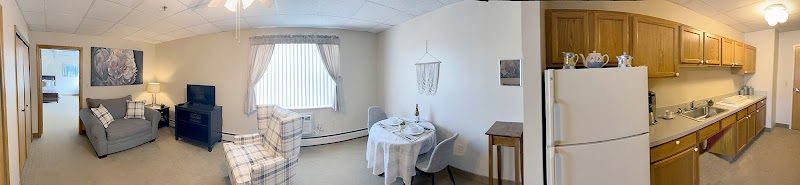
Who Owns and Operates O'Neill Healthcare Lakewood?

O'NEILL HEALTHCARE LAKEWOOD is owned by a for-profit company. For-profit facilities operate as businesses with obligations to shareholders or private owners. The facility is operated by O'NEILL HEALTHCARE, a chain that manages multiple nursing homes. With 114 certified beds and approximately 92 residents (about 81% occupancy), it is a mid-sized facility located in LAKEWOOD, Ohio.
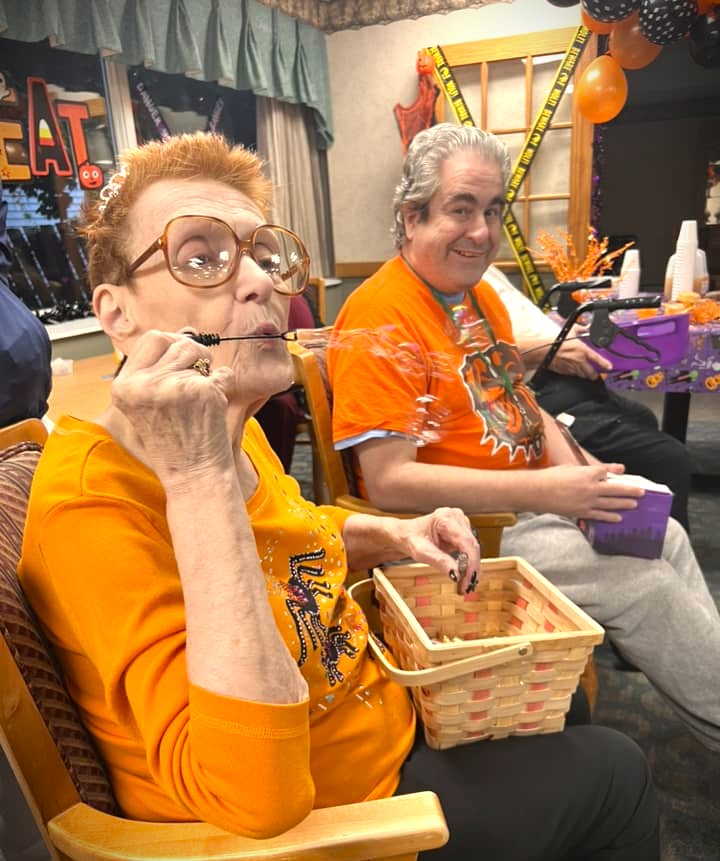
How Does O'Neill Healthcare Lakewood Compare to Other Ohio Nursing Homes?

Compared to the 100 nursing homes in Ohio, O'NEILL HEALTHCARE LAKEWOOD's overall rating (4 stars) is above the state average of 3.2, staff turnover (54%) is near the state average of 46%, and health inspection rating (3 stars) is at the national benchmark.

What Should Families Ask When Visiting O'Neill Healthcare Lakewood?

Based on this facility's data, families visiting should ask: "Can you walk me through typical staffing levels on day, evening, and night shifts?" "Can I visit during a mealtime to observe dining assistance and food quality?" "How do you handle medical emergencies, and what is your hospital transfer rate?" "Can I speak with family members of current residents about their experience?" These questions are particularly relevant given the below-average staffing rating.

Is O'Neill Healthcare Lakewood Safe?

Based on CMS inspection data, O'NEILL HEALTHCARE LAKEWOOD has a clean safety record: no substantiated abuse findings (meaning no confirmed cases of resident harm), no Immediate Jeopardy citations (the most serious violation level indicating risk of serious injury or death), and is not on the Special Focus Facility watch list (a federal program monitoring the lowest-performing 1% of nursing homes). The facility has a 4-star overall rating and ranks #1 of 100 nursing homes in Ohio. While no facility is perfect, families should still ask about staff-to-resident ratios and recent inspection results during their visit.

Do Nurses at O'Neill Healthcare Lakewood Stick Around?

O'NEILL HEALTHCARE LAKEWOOD has a staff turnover rate of 54%, which is 8 percentage points above the Ohio average of 46%. Moderate turnover is common in nursing homes, but families should still ask about staff tenure and how the facility maintains care continuity when employees leave.

Was O'Neill Healthcare Lakewood Ever Fined?

O'NEILL HEALTHCARE LAKEWOOD has no federal fines on record. CMS issues fines when nursing homes fail to meet care standards or don't correct problems found during inspections. The absence of fines suggests the facility has either maintained compliance or corrected any issues before penalties were assessed. This is a positive indicator, though families should still review recent inspection reports for the full picture.

Is O'Neill Healthcare Lakewood on Any Federal Watch List?

O'NEILL HEALTHCARE LAKEWOOD is not on any federal watch list. The most significant is the Special Focus Facility (SFF) program, which identifies the bottom 1% of nursing homes nationally based on persistent, serious quality problems. Not being on this list means the facility has avoided the pattern of deficiencies that triggers enhanced federal oversight. This is a positive indicator, though families should still review the facility's inspection history directly.