BUCKEYE CARE AND REHABILITATION
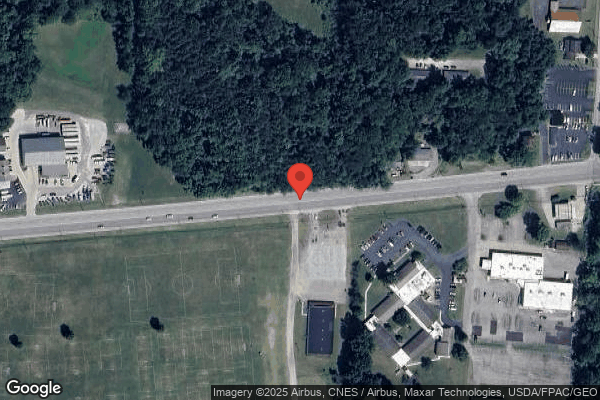
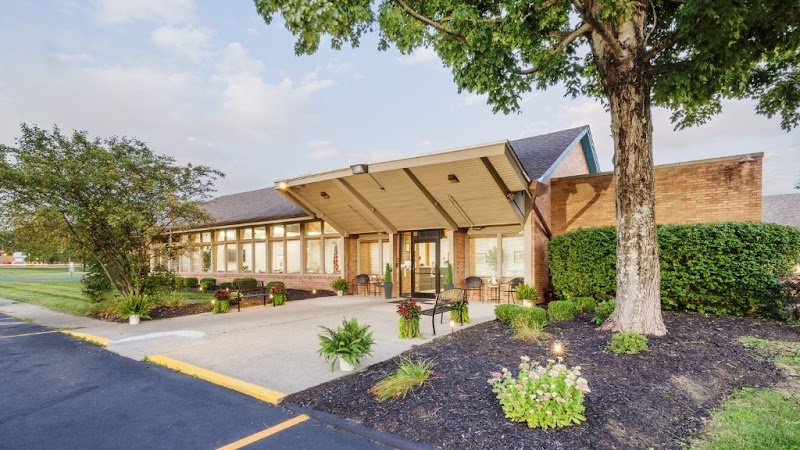
1900 EAST MAIN STREET, LANCASTER, OH 43130 (740) 653-8630
For profit - Limited Liability company 99 Beds PACS GROUP Data: November 2025 1 Immediate Jeopardy citation
Trust Grade
46/100
#425 of 913 in OH
Last Inspection: May 2024

Within standard 12-15 month inspection cycle. Federal law requires annual inspections.

Overview

Buckeye Care and Rehabilitation has received a Trust Grade of D, which indicates below-average performance and raises some concerns about the quality of care provided. Ranked #425 out of 913 facilities in Ohio, they are still in the top half of state facilities, but at #3 out of 9 in Fairfield County, there are only two local options considered better. The facility is currently worsening, having increased from 5 issues in 2024 to 12 in 2025, indicating growing problems. Staffing is average with a rating of 2 out of 5 stars and a turnover rate of 52%, which is around the state average, suggesting that while some staff stay, there is still a significant turnover. On the concerning side, the facility has $20,678 in fines, which is average but suggests ongoing compliance issues. They have average RN coverage, which means that while there is some oversight, it may not be sufficient to catch all problems. Specific incidents include a serious failure to maintain a safe smoking area that led to a resident catching fire, and concerns about expired food and improper hand hygiene in the kitchen, both of which could pose risks to residents' health. These issues highlight both significant risks and areas where improvements are urgently needed.

Trust Score
D
46/100
In Ohio
#425/913
Top 46%
Safety Record
High Risk
Review needed
Inspections
Getting Worse
5 → 12 violations
Staff Stability
⚠ Watch
52% turnover. Above average. Higher turnover means staff may not know residents' routines.
Penalties
✓ Good
$20,678 in fines. Lower than most Ohio facilities. Relatively clean record.
Skilled Nurses
○ Average
Each resident gets 35 minutes of Registered Nurse (RN) attention daily — about average for Ohio. RNs are the most trained staff who monitor for health changes.
Violations
⚠ Watch
33 deficiencies on record. Higher than average. Multiple issues found across inspections.
★★★☆☆
3.0
Overall Rating
★★☆☆☆
2.0
Staff Levels
★★★★★
5.0
Care Quality
★★☆☆☆
2.0
Inspection Score
Stable
2024: 5 issues
2025: 12 issues

The Good

  • 5-Star Quality Measures · Strong clinical quality outcomes
  • Full Sprinkler Coverage · Fire safety systems throughout facility
  • No fines on record

Facility shows strength in quality measures, fire safety.

The Bad

3-Star Overall Rating

Near Ohio average (3.2)

Meets federal standards, typical of most facilities

Staff Turnover: 52%

Near Ohio avg (46%)

Higher turnover may affect care consistency

Federal Fines: $20,678

Below median ($33,413)

Minor penalties assessed

Chain: PACS GROUP

Part of a multi-facility chain

Ask about local staffing decisions and management

The Ugly 33 deficiencies on record

1 life-threatening
Aug 2025 2 deficiencies
CONCERN (D) 📢 Someone Reported This

A family member, employee, or ombudsman was alarmed enough to file a formal complaint

Potential for Harm - no one hurt, but risky conditions existed

Quality of Care (Tag F0684)

Could have caused harm · This affected 1 resident

**NOTE- TERMS IN BRACKETS HAVE BEEN EDITED TO PROTECT CONFIDENTIALITY** Based on observations, interviews, record reviews, and review of facility policy, the facility failed to ensure wound care treat...

Read full inspector narrative →
**NOTE- TERMS IN BRACKETS HAVE BEEN EDITED TO PROTECT CONFIDENTIALITY** Based on observations, interviews, record reviews, and review of facility policy, the facility failed to ensure wound care treatment and assessments were appropriately implemented and completed. This affected one resident (#76) out of three residents reviewed for wound care. The facility census was 93.Record review for Resident #76 revealed the resident was admitted to the facility on [DATE] and had diagnoses which included Parkinsonism, dementia, and dysphagia.Review of the quarterly Minimum Data Set (MDS) assessment, dated 07/01/25, revealed the resident was assessed to have impaired cognition.Review of the nurses' progress note, dated 04/07/25, revealed right thigh healed. Treatment orders discontinued.Review of the care plan, revised 06/25/25, revealed the resident was at risk for impaired skin integrity. Interventions included blister to right thigh (05/10/25).Review of the facility eINTERACT SBAR (Situation, Background, Appearance, Review) form, dated 05/09/25, revealed the resident was assessed to have a new blister present to the right thigh with green and yellow drainage present. The physician was notified and new orders for laboratory testing and Levaquin (an antibiotic medication) were given and implemented.Review of the physicians orders for Resident #76 revealed no wound care treatment for the blister on the residents right thigh were implemented from 05/09/25 through 08/17/25.Review of the facility assessments from 05/09/25 through 08/17/25 revealed no assessment indicating the presence or description of the blister to Resident #76's right thigh was present.Observation on 08/18/25 at 2:14 P.M. revealed Resident #76 was lying in bed asleep with his pants removed for comfort. A small white bandage was in place to the residents right thigh which contained the initials of Licensed Practical Nurse (LPN) Manager #164. Interview with LPN Manager #164 at the time of the observation confirmed a small scab was observed on the residents right thigh and treatment orders were obtained from the physician and implemented. LPN #164 confirmed no new skin areas were present to her knowledge prior to 08/18/25.Observation on 08/19/25 at 9:15 A.M. with LPN Manager #164 revealed wound care was provided to the area on Resident #76's right thigh. A small open area approximately the size of a dime was present. The skin surrounding the open area was pink and no signs of infection were noted.Interview with LPN #262 on 08/19/25 at 10:47 A.M. confirmed Resident #76 had a small burn present to his right thigh which had healed around 04/07/25. LPN #262 confirmed she was working and providing care for Resident #76 on 05/09/25 and noticed a new blister to the residents right thigh which had green and yellow drainage present. LPN #262 confirmed she had notified the physician and obtained new orders for Levaquin to be administered and laboratory testing to be conducted. LPN #262 confirmed she notified Registered Nurse (RN) #166 of the presence of the wound and was told to clean the wound, apply Medi-honey (an ointment to treat wounds), apply a bandage and check on the wound as often as possible. LPN #262 confirmed wound care treatment orders were never implemented and wound assessments had never been conducted or documented. LPN #262 confirmed herself and RN #166 had been changing the bandage to the residents thigh when working in the facility and the area had continued to be present from 05/09/25 through 08/19/25.Interview with Certified Nursing Assistant (CNA) #268 on 08/18/25 at 1:02 P.M. confirmed Resident #76 had a wound present to his right thigh which had been there for a while. CNA #268 confirmed LPN #262 changed the bandage to the wound and had been doing so for a while.Interview with Assistant Director of Nursing (ADON) #263 on 08/19/25 at 11:57 A.M. confirmed the facility should implement and follow wound care treatment orders obtained by the physician and wounds were to be assessed and documented weekly. ADON #263 confirmed no wound care treatment orders had been implemented for the blister to Resident #76's right thigh from 05/09/25 through 08/17/25 and also confirmed no assessment of the wound had been completed or documented from 05/09/25 through 08/17/25.Review of the facility policy titled Wound Care, revised 10/2010, revealed the purpose of the procedure was to provide guidelines for the care of wounds to promote healing. Verify there is a physician's order for this procedure. The following information should be recorded in the resident's medical record: The type of wound care given, the date and time the wound care was given, the name and title of the individual performing the wound care, any change in the residents' condition, all assessment data obtained when inspecting the wound, and how the resident tolerated the procedure.This deficiency represents non-compliance identified during the investigation of Complaint 1386024.
CONCERN (D) 📢 Someone Reported This

A family member, employee, or ombudsman was alarmed enough to file a formal complaint

Potential for Harm - no one hurt, but risky conditions existed

Accident Prevention (Tag F0689)

Could have caused harm · This affected 1 resident

**NOTE- TERMS IN BRACKETS HAVE BEEN EDITED TO PROTECT CONFIDENTIALITY** Based on record reviews and staff interview, the facility failed to ensure residents remained free from burns. This affected one...

Read full inspector narrative →
**NOTE- TERMS IN BRACKETS HAVE BEEN EDITED TO PROTECT CONFIDENTIALITY** Based on record reviews and staff interview, the facility failed to ensure residents remained free from burns. This affected one resident (#76) out of three residents reviewed for accidents. The facility census was 93.Record review for Resident #76 revealed the resident was admitted to the facility on [DATE] and had diagnoses which included Parkinsonism, dementia, and dysphagia.Review of the quarterly Minimum Data Set (MDS) assessment, dated 07/01/25, revealed the resident was assessed to have impaired cognition.Review of the nurses progress note, dated 02/20/25, revealed Resident #76 had spilled coffee on himself during lunch. The resident would not allow staff to remove his pants to assess the area where coffee had spilled.Review of the nurse progress note, dated 02/20/25, revealed Resident #76 had been brought back from the dining area after he had spilled coffee on himself. The nurse completed a head-to-toe assessment, and a blister was present to the right outer leg with some redness noted. The immediate intervention was use of restrictive flow cup for hot liquids. The physician and responsible party were notified of the area and new intervention.Review of the Interdisciplinary Team (IDT) Note, dated 02/22/25, revealed the IDT met to review related to occurrence on 02/20/25. All aspects of the plan of care were in place at the time of occurrence. All safety interventions were in place and functional at time of occurrence. Resident was brought back from the dining area and had spilled coffee on himself. His liquids were in a lidded cup with handles at the time of the occurrence. The nurse completed a head-to-toe assessment with a blister noted to the right outer leg with some redness present. The immediate intervention was use of restrictive flow cups with hot liquids. Provide and responsible party notified. IDT in agreement with intervention and orders and updated POC (Plan of Care).Review of the facility Skin and Wound Evaluation, dated 02/24/25, revealed there was a second degree burn to the right thigh assessed. The wound measured 10.5 centimeters (cm) long by 6.6 cm wide. No pain was assessed to be present related to the wound, and no signs or symptoms of infection were noted.Interview with Assistant Director of Nursing (ADON) #263 on 08/19/25 at 11:57 A.M. confirmed Resident #76 sustained a burn from spilling hot coffee on himself on 02/20/25. ADON #263 confirmed the resident had been assessed by Occupational Therapy (OT) prior to the incident and was recommended to have a two handled cup with spouted lid used while consuming liquids to prevent spillage and burns, and the resident was using the cup as ordered at the time of the incident. ADON #263 confirmed treatment orders for the burn were obtained and implemented and the burn was resolved without infection or complications on 04/07/25. ADON #263 confirmed a restrictive flow cup was implemented for use with all hot liquids after the incident on 02/20/25 to further decrease the risk for spills or burns for Resident #76. This deficiency represents noncompliance investigated under Complaint Number 1386024.
Jun 2025 1 deficiency
CONCERN (D) 📢 Someone Reported This

A family member, employee, or ombudsman was alarmed enough to file a formal complaint

Potential for Harm - no one hurt, but risky conditions existed

Laboratory Services (Tag F0770)

Could have caused harm · This affected 1 resident

**NOTE- TERMS IN BRACKETS HAVE BEEN EDITED TO PROTECT CONFIDENTIALITY** Based on interview and closed medical record review, the facility failed to ensure blood draw orders were obtained for Resident ...

Read full inspector narrative →
**NOTE- TERMS IN BRACKETS HAVE BEEN EDITED TO PROTECT CONFIDENTIALITY** Based on interview and closed medical record review, the facility failed to ensure blood draw orders were obtained for Resident #110 who was receiving Vancomycin (strong antibiotic) intravenously per standards of care. This affected one (Resident #110) of three residents reviewed for intravenous medication administration. The facility census was 97. Findings include: Review of the closed medical record for Resident #110 revealed an admission date of 03/20/25, discharged to hospital on [DATE], returned to facility on 05/07/25 and discharged home on [DATE]. Diagnoses included acute osteomyelitis of right ankle and foot, peripheral vascular disease, diabetes mellitus type two, abscess tendon sheath of right ankle and foot. Upon return from hospital stay resident was diagnosed with metabolic encephalopathy and altered mental status. Review of the physician orders upon admission revealed Resident #110 was ordered Vancomycin hydrochloride intravenous solution 1250 milligrams/250 milliliters, use 250 milliliters (ml) once daily for osteomyelitis. The start date was 03/21/25 and was discontinued on 4/11/25. There were no orders for Vancomycin peak and or trough levels. Review of the nursing progress notes for Resident #110 revealed no documentation related to Vancomycin trough levels being completed. Review of the admissions Minimum Data Set (MDS) dated [DATE] revealed Resident #110 was cognitively intact with no behaviors. Resident #110 required maximum assistance from staff to complete activities of daily living. Resident #110 received intravenous medications, antibiotics, insulin and antiplatelet medications. Review of the 48 hour baseline plan of care and comprehensive plan of care revealed Resident #110 received intravenous antibiotics related to osteomyelitis of right foot and ankle. However, no laboratory interventions related to Vancomycin. Interview on 06/23/25 at 11:46 A.M. with Licensed Practical Nurse (LPN) #170 revealed Vancomycin antibiotic intravenous should have labs drawn often for peak and trough. The results would be called to the physician and pharmacy, as pharmacy helped with dosing. LPN #170 stated Resident #110 did not have any peak or trough levels drawn for three weeks in March 2025. Interview on 06/24/25 at 12:44 P.M. with Physician Assistant (PA) #410, who had provided care for Resident #110, revealed the expectation for residents admitted on the medication Vancomycin would be to have trough levels drawn regularly or as ordered by physician. The PA stated he expected the nursing staff to notify the physician if no lab orders upon admission or with any start of intravenous Vancomycin. PA #410 stated he was not aware Resident #110 had went three weeks without labs. PA #410 stated Resident #110 hospitalization did not have anything to do with not having lab values for Vancomycin. Interview on 06/24/25 at 12:51 P.M. with Consult Pharmacist #411 revealed residents receiving Vancomycin intravenously should have peak and trough levels regularly based on physician orders. Pharmacist #411 stated he reviewed Resident #110 medication the day after he was admitted and there were not any labs to review at that time. Pharmacist #411 stated there were orders from the hospital that stated to draw a trough every Monday and he reviewed Resident #110 medications on Friday. Therefore, he did not make a recommendation for labs to be drawn. Pharmacist #411 stated the level of the trough varied per the diagnosis. Interview on 06/24/25 at 2:12 P.M. with the Director of Nursing (DON) confirmed Resident #110 did not have Vancomycin trough levels drawn for three weeks prior to rehospitalization. Upon return from hospital, Resident #110 received weekly trough levels as ordered and as needed per the physician. The facility did not have a policy pertaining to lab draws and values for antibiotics. This deficiency represents non-compliance investigated under Complaint Number OH00166429.
May 2025 9 deficiencies
CONCERN (D) 📢 Someone Reported This

A family member, employee, or ombudsman was alarmed enough to file a formal complaint

Potential for Harm - no one hurt, but risky conditions existed

Deficiency F0602 (Tag F0602)

Could have caused harm · This affected 1 resident

**NOTE- TERMS IN BRACKETS HAVE BEEN EDITED TO PROTECT CONFIDENTIALITY** THE FOLLOWING DEFICIENCY REPRESENTS AN INCIDENT OF PAST NON-COMPLIANCE THAT WAS SUBSEQUENTLY CORRECTED PRIOR TO THIS SURVEY. Bas...

Read full inspector narrative →
**NOTE- TERMS IN BRACKETS HAVE BEEN EDITED TO PROTECT CONFIDENTIALITY** THE FOLLOWING DEFICIENCY REPRESENTS AN INCIDENT OF PAST NON-COMPLIANCE THAT WAS SUBSEQUENTLY CORRECTED PRIOR TO THIS SURVEY. Based on observation, self-reported incident (SRI) review, medical record review, policy review and interview, the facility failed to safeguard controlled substances to prevent misappropriation. This affected one resident (Resident #13) of three residents identified in a self-reported incident. The facility census was 87. Findings include: Medical record review revealed Resident #13 was admitted on [DATE] with diagnoses including diabetes mellitus, fracture of left tibia and fibula, benign prostatic hyperplasia, heart failure and urinary tract infection. Review of the SRI tracking number 258836 dated 03/30/25 revealed when the facility tried to reorder Resident #13's oxycodone (opioid), the pharmacy indicated that the medication could not be refilled as it was too soon. The pharmacy reported that 60 tablets of oxycodone 5 milligrams (mg) had been delivered to the facility on [DATE]. A review of the delivery receipt and the Controlled Drug Administration Record (CDR) confirmed that the medication had been received and registered in the facility's narcotic count. A comprehensive facility-wide search was conducted, including all medication carts and medication storage areas. Despite these efforts, facility staff were unable to locate the missing card of oxycodone, or the control sheet associated with Resident #13's oxycodone. The attending physician was immediately informed of the incident and the assessment findings. Licensed nurses have been reminded of the requirement to perform thorough shift change narcotic counts and report discrepancies immediately. A licensed pharmacist was reviewing CDR records and evaluating facility narcotic count protocols to identify potential areas for improvement in preventing future medication diversions. The Director of Nursing (DON) and designee were reviewing all current residents with oxycodone prescriptions, cross-referencing control sheets, pharmacy packing slips, and medication administration records to determine the root cause of the issue. The facility unsubstantiated misappropriation but indicated it was suspected. On 05/01/25 at 10:41 A.M., interview with Assisted Director of Nursing (ADON) #198 verified she was not aware there were unidentified controlled drugs being stored in the medication controlled lock box as discovered on 05/01/25. ADON #198 stated this was not an acceptable or approved practice at the facility. On 05/01/25 at 10:43 A.M., interview with ADON #198 verified misappropriation of Resident #13's controlled substance was identified when a missing bubble-pack card of 60 tablets of oxycodone 5 mg for Resident #13 when the pharmacy denied a request to refill the medication due to being refilled 10 days prior. ADON #198 stated she was very involved in this investigation especially reviewing the CDR and controlled substances. ADON #198 stated to her knowledge the facility has not been able to determine who or when the medications were misappropriated and/or removed from the facility. ADON #198 acknowledged there have been continued concerns identified through audits, as well as observations made during the current survey of documentation concerns related to signing out controlled substances and reconciliation sheets. 2. On 05/01/25 at 6:25 A.M., observation during reconciliation with Registered Nurse (RN) #235 and Licensed Practical Nurse (LPN) #236 revealed Resident #18 had a CDR for Norco 5/325 mg (opioid) indicating there should be six tablets of Norco 5/325 mg available for use. Observation of the Norco 5/325 mg bubble pack with Registered Nurse (RN) #235 and LPN #236 revealed there were five tablets in the bubble pack. At the time of the observation, RN #235 stated she administered Norco 5/325 mg tablet to Resident #18 at 5:00 A.M. and had forgotten to sign out the medication. RN #235 and LPN #236 verified the above at the time of the observation. 3. On 05/01/25 at 6:30 A.M., observation during reconciliation with RN #235 and LPN #236 revealed Resident #102 had an order to administer oxycodone 5/325 mg every six hours as needed for pain. Review of the CDR at the time of the observation revealed there were seven tablets available for use. Observation of the oxycodone 5/325 mg bubble-pack revealed six tablets were available for use. At the time of the observation, RN #235 stated she administered the oxycodone to Resident #102 at 6:00 A.M. but forgot to sign it out. RN #235 and LPN #236 verified the above at the time of the observation. 4. On 05/01/25 at 6:40 A.M., reconciliation of controlled medications with RN #235 and LPN #236 for Main Street Hall revealed there were 25 bubble pack cards of controlled medications, and the Controlled Medication Shift Change Log revealed there were 24 count sheets. Review of the Controlled Medication Shift Change Log dated 04/27/25 through 04/30/25 revealed the following: On 04/28/25, the Total Count Sheets were 24. On 04/29/25 at 11:00 P.M., five sheets were added, and six sheets were removed leaving a Total Count Sheet of 23. On 04/30/25 at 7:00 A.M., three sheets were added leaving a Total Count Sheet of 26. On 04/30/25 at 1:37 P.M., one card was removed (discharged home) leaving 25 (signed by on-coming nurse). On 04/30/25 at 10:00 P.M., two cards were removed, and Total Count Sheets was 24. On 05/01/25 at 6:40 A.M., interview with RN #235 and LPN #236 verified the total count sheets did not match the number of controlled bubble packs. The Total Count Sheets should have been 23 instead of 24 on 04/30/25 at 10:00 P.M. At the time of the observation, the Total Count Sheets was 23 and there were 25 medication cards. RN #235 and LPN #236 verified the above was not discovered during reconciliation at the start of their shift on 04/30/25 at 10:00 P.M. when reconciliation was done. Review of the policy: Abuse Prevention dated 10/02/19 revealed the facility will prohibit abuse, mistreatment, neglect, misappropriation of resident property and exploitation for all residents. The deficient practice was corrected on 04/09/25 when the facility implemented the following corrective actions: • On 03/30/25, the DON/designee completed a count of all controlled substances, and no additional issues were identified. • On 03/30/35, the DON/designee contacted the county police department and filed a report with associated case #25-16450. • On 03/30/25, the DON/designee initiated re-education to all current licensed nurses regarding the receipt process and accurate counts during shift changes of controlled medications. • On 03/30/25, the pharmacy was notified of the incident and was to send a licensed pharmacist by 04/08/25 to evaluate the current controlled medication validation process and staff education. • On 03/31/25, the DON/designee notified the Ohio Department of Health of the incident. • On 03/31/25, the DON/designee initiated daily audits for five days, then weekly for four weeks and PRN (as needed) thereafter. • On 04/03/25, the DON/designee initiated re-education with nursing clinical managers of the importance of consistent and organized oversight of the controlled documentation administration records. • On 04/04/25, the DON/designee notified the pharmacy that any bills were to be directed to the facility to ensure the residents were reimbursed for the potentially misappropriated medications. • On 04/04/25, RN #400 remained under suspension. • On 04/04/25, the county sheriff was notified of the investigation findings. A full review of licensed nursing staff credentials were completed and confirmed all licenses remained in good standing. • On 04/07/25, the pharmacy initiated new measures to monitor controlled medications more closely including all controlled medication invoices were to be signed by two nurses, completed controlled medication cards and count sheet were to be placed in a binder and double checked by the unit manager and held until the pharmacist's next visit for his review on 04/22/25. • On 04/09/25, RN #400 employment was terminated. • On 04/22/25, pharmacy returned to review previous measures implemented and no concerns were identified. This deficiency represents past noncompliance investigated under Complaint Number OH00165005.
CONCERN (D) 📢 Someone Reported This

A family member, employee, or ombudsman was alarmed enough to file a formal complaint

Potential for Harm - no one hurt, but risky conditions existed

Incontinence Care (Tag F0690)

Could have caused harm · This affected 1 resident

**NOTE- TERMS IN BRACKETS HAVE BEEN EDITED TO PROTECT CONFIDENTIALITY** Based on observation, medical record review, policy review and interview, the facility failed to timely assess an indwelling cat...

Read full inspector narrative →
**NOTE- TERMS IN BRACKETS HAVE BEEN EDITED TO PROTECT CONFIDENTIALITY** Based on observation, medical record review, policy review and interview, the facility failed to timely assess an indwelling catheter, treat urinary tract infections and provide adequate incontinence care. This affected one resident (#13) of three residents reviewed for urinary tract infections and one resident (#12) of one resident observed for incontinence care. The facility census was 87. Findings include: 1. Medical record review revealed Resident #13 was admitted on [DATE] with diagnoses including left fibula and tibia fracture, heart failure, chronic kidney disease, benign prostatic hyperplasia (BPH) without lower urinary tract symptoms, and urinary tract infection (UTI). Review of the Foley Catheter Evaluation dated 02/28/25 revealed Resident #13's indwelling catheter was being utilized for better pain control and mobility. The evaluation was to be completed upon admission, weekly for four weeks and then quarterly thereafter. The goal was to minimize the invasive methods used for resident safety, health, and overall wellbeing. Further review of the medical record revealed no evidence of a comprehensive evaluation of Resident #13's indwelling catheter between 02/28/25 and 04/30/25. Review of the admission Minimum Data Set 3.0 (MDS) assessment dated [DATE] revealed the resident had an indwelling catheter and no UTI in the last 30 days. Review of the quarterly MDS assessment dated [DATE] revealed Resident #13 was cognitively intact for daily decision-making, did not utilize an indwelling catheter, was frequently incontinent of urine and had a UTI in the last 30 days. Review of the electronic Physician Orders dated 02/27/25 to 04/11/25 revealed the resident utilized an indwelling urinary catheter. An order for a trial removal of the indwelling catheter was completed on 04/11/25, and the resident's indwelling catheter was discontinued. Review of the Progress Notes dated 04/11/25 revealed Resident #13 requested his indwelling catheter to be removed and to evaluate if he really needed it. Physician Assistant #304 evaluated the resident, and an order was received to remove the indwelling catheter, obtain a urinalysis and start an antibiotic pending urine result. The resident voided cloudy urine, and the urine sample was obtained; however, there was no evidence the urine sample was sent to the laboratory. Review of the Physician Assistant #304's Progress Note dated 04/14/25 revealed Resident #13 was reassessed and complained of back pain and dysuria (difficulty urinating) over the weekend. The resident's urine was noted to be cloudy, and he stated he felt a little better this morning. Continue antibiotic pending urinalysis results and encourage fluids. Review of the Culture, Urine report dated 04/18/25 revealed Resident #13's urine specimen was collected on 04/14/25 and final results were reported on 04/18/25. The urine culture was positive for Escherichia coli (e-coli) greater than 100,000 CFU/mL (colony-forming-units per milliliter), and enterococcus faecalis 26-30,000 CFU/mL. The urinalysis included 2+ blood, 4+ leukocytes, six to 20/HPF (high power field) red blood cells, and greater than 50 HPF white blood cells. Review of the Antibiotic Sensitivity revealed e-coli was sensitive to Bactrim (antibiotic) but not enterococcus faecalis. Review of the electronic Medication Administration Record (eMAR) dated April 2025 revealed Resident #13 was administered Bactrim DS 800-160 milligrams mg between 04/11/25 and 04/18/25 for infection and Cipro 500 mg (antibiotic) between 04/21/25 and 04/28/25 for UTI. Review of the resolved care plan: Indwelling Foley Catheter: Skin breakdown/discomfort/diagnosis BPH/pain management initiated 02/27/25 and discontinued 04/15/25 revealed interventions included to monitor/record/report signs and symptoms of UTI to physician. On 05/04/25 at 3:02 P.M., interview with Licensed Practical Nurse (LPN) #227 verified Resident #13's indwelling catheter was only assessed upon admission and had been utilized due to the difficulty using a urinal due to his leg brace. LPN #27 verified the resident had not been seen by a urologist, was symptomatic of a possible UTI prior to the catheter being discontinued, the urinalysis was obtained not sent timely to the lab and the resident had taken two different antibiotics to treat the diagnosed UTI due to the first antibiotic was not sensitive to one of the two organisms. LPN #227 stated she has spoken to PA #304 regarding ordering antibiotics prior to urinalysis/culture but he continues to write it in his progress note and order the antibiotics to start treatment without urine test results. On 05/05/25 at 3:50 P.M., an electronic interview with the Administrator verified the urinalysis/culture was ordered on 04/11/25; however, the lab will not do STAT (immediate) urinalysis, the lab didn't pick up the sample on 04/11/25 and the earliest they would come was on 04/14/25. The Administrator stated the facility had limited options, as far as, labs in their geographical location. 2. Medical record review revealed Resident #12 was admitted on [DATE] with diagnoses including pneumonia, adult failure to thrive, dysphagia, cardiomyopathy, protein-calorie malnutrition and anxiety disorder. Review of the admission MDS 3.0 assessment dated [DATE] revealed Resident #12 was cognitively intact for daily decision-making and was frequently incontinent of bowel/bladder. On 05/01/25 between 10:07 A.M. and 10:35 A.M., observation revealed CNA #226 gathered supplies to complete incontinence care for Resident #12 whose bed was next to a large window with the blinds open. An adjacent business parking lot and sidewalk were observed outside the resident's window. CNA #226 raised the resident's bed and rolled the resident onto her left side, removed her incontinence product revealing a large amount of loose brown stool and began incontinence care. CNA #226 was observed using multiple disposable incontinence wipes in a circular motion on the resident's buttocks, legs and groin in attempts to clean the excessive amount of soft, loose stool. CNA #226 placed a clean incontinence product under the resident while brown stool was still observed on her buttocks and rectum. CNA #226 turned the resident onto her back and stool was observed on the resident's groin and clean incontinence product under the resident. CNA #226 continued to use the disposable incontinence wipes and then fastened the incontinence product to the resident. On 05/01/25 at 10:24 A.M., an interview with CNA #226 verified there was stool on both the resident's groin/peri-area and the clean incontinence product that was placed on the resident during incontinence care. CNA #226 stated Resident #12 consistently had loose stool and staff would have to check her every 20-minutes, and they would clean her again at that time. On 05/01/25 at 10:35 A.M., interview with Assistant Director of Nursing (ADON) #198 verified CNA #226 had not provided appropriate incontinence care and should not have left the resident soiled. Review of the policy: Urinary Continence and Incontinence - Assessment and Management revised August 2022 revealed indwelling urinary catheters were to be used sparingly for appropriate indications only. Identification and management of UTI will follow relevant clinical guidelines and antibiotics will be used appropriately. If a resident was admitted from the hospital with a newly placed indwelling catheter, the attending physician and staff were to evaluate the potential for removing it, depending on the current condition and rationale for its original placement. Where indicated, the staff and physician will treat symptoms of a UTI. The physician will identify situations in which an indwelling urethral catheter was indicated and document why other alternative were not feasible. If used, the physician and staff will document the clinical indications for use of the catheter and utilize a standardized tool to document its ongoing need. If an indwelling catheter is needed, staff will monitor for and report complications such as evidence of a symptomatic infection. This deficiency represents noncompliance investigated under Complaint Number OH00165005. This deficiency substantiates Complaint Number OH00165005.
CONCERN (D) 📢 Someone Reported This

A family member, employee, or ombudsman was alarmed enough to file a formal complaint

Potential for Harm - no one hurt, but risky conditions existed

Tube Feeding (Tag F0693)

Could have caused harm · This affected 1 resident

**NOTE- TERMS IN BRACKETS HAVE BEEN EDITED TO PROTECT CONFIDENTIALITY** Based on observation, medical record review, policy review and interview, the facility failed to provide adequate care and servi...

Read full inspector narrative →
**NOTE- TERMS IN BRACKETS HAVE BEEN EDITED TO PROTECT CONFIDENTIALITY** Based on observation, medical record review, policy review and interview, the facility failed to provide adequate care and services for a gastrostomy tube during medication administration. This affected one resident (#51) of three residents with an enteral tube observed for medication administration. The facility census was 87. Findings include: Medical record review revealed Resident #51 was admitted on [DATE] with diagnoses including dysphagia, nontraumatic intracranial hemorrhage, congestive heart failure, gastrostomy and dementia. Review of Resident #51's Order Summary Report dated May 2025 revealed the resident was ordered a regular diet, pureed texture and thin liquids. The resident was to receive 200 milliliters (mL) bolus of water twice a day. On 05/01/25 between 8:15 A.M. and 8:23 A.M., observation of Resident #51's medication administration revealed Licensed Practical Nurse (LPN) #230 prepared the following medications: Xanax 0.5 milligrams (mg) (antianxiety), Percocet 5/325 mg (opioid), allopurinol 100 mg half-tablet (reduces uric acid), Coreg 25 mg (beta-blocker to lower heart rate and treat heart failure), Eliquis 5 mg (anticoagulant), Lasix 20 mg (diuretic), multivitamin (supplement), Claritin 10 mg (antihistamine), losartan 25 mg (treats high blood pressure), Namenda 5 mg (treats moderate to severe Alzheimer's), Protonix 20 mg (decreases stomach acid) and Zoloft mg (antidepressant). LPN #230 put the medications into a medication pouch, crushed the above medications, emptied the medications into a medication cup, mixed in 60 mL of water and administered the medications into the gastrostomy tube (g-tube). The g-tube was not checked for placement or flushed prior to administration. After administering the medications into the g-tube, LPN #230 placed the piston into a plastic bag, walked into the bathroom, obtained 60 mL of water into the syringe and flushed the g-tube. LPN #230 then replaced the end cap on the g-tube, removed her gloves and left the room. On 05/01/25 at 8:23 A.M., an interview with LPN #230 verified she did not check the g-tube for placement, flush the g-tube prior to administration of the medications, and did not provide the ordered 200 mL of fluid as ordered because she forgot the cup and did not want to set the cup down. Review of the policy: Administering Medications through an Enteral Tube revised November 2018 included administering each medication separately, flush between medications and use warm, purified water for diluting medications and for flushing. Placement of the enteral tube was to be verified, and medications administered, and if administering more than one medication, flush with prescribed amount between medications and when the last of the medication begins to drain from the tubing, flush the tubing with prescribed amount. This deficiency was an incidental finding identified during the complaint investigation.
CONCERN (D) 📢 Someone Reported This

A family member, employee, or ombudsman was alarmed enough to file a formal complaint

Potential for Harm - no one hurt, but risky conditions existed

Unnecessary Medications (Tag F0759)

Could have caused harm · This affected 1 resident

**NOTE- TERMS IN BRACKETS HAVE BEEN EDITED TO PROTECT CONFIDENTIALITY** Based on observation, medical record review, policy review and interview, the facility failed to provide adequate care and servi...

Read full inspector narrative →
**NOTE- TERMS IN BRACKETS HAVE BEEN EDITED TO PROTECT CONFIDENTIALITY** Based on observation, medical record review, policy review and interview, the facility failed to provide adequate care and services for a gastrostomy tube. This affected one resident (#51) of three residents observed for medication administration with 12 errors out of 25 opportunities resulting in an error rate of 48%. The census was 87. Findings include: Medical record review revealed Resident #51 was admitted on [DATE] with diagnoses including dysphagia, nontraumatic intracranial hemorrhage, congestive heart failure, gastrostomy and dementia. Review of Resident #51's Order Summary Report dated May 2025 revealed medications could be crushed and given with food if appropriate. Further review revealed no order to administer medications via Resident #51's enteral tube. On 05/01/25 between 8:15 A.M. and 8:23 A.M., observation of Resident #51's medication administration revealed Licensed Practical Nurse (LPN) #230 prepared the following medications: Xanax 0.5 milligrams (mg) (antianxiety), Percocet 5/325 mg (opioid), allopurinol 100 mg half-tablet (reduces uric acid), Coreg 25 mg (beta-blocker to lower heart rate and treat heart failure), Eliquis 5 mg (anticoagulant), Lasix 20 mg (diuretic), multivitamin (supplement), Claritin 10 mg (antihistamine), losartan 25 mg (treats high blood pressure), Namenda 5 mg (treats moderate to severe Alzheimer's), Protonix 20 mg (decreases stomach acid) and Zoloft mg (antidepressant). LPN #230 put the medications into a medication pouch, crushed the above medications, emptied the medications into a medication cup, mixed in 60 mL of water and administered the medications into the gastrostomy tube (g-tube). The g-tube was not checked for placement or flushed prior to administration. After administering the medications into the g-tube, LPN #230 placed the piston into a plastic bag, walked into the bathroom, obtained 60 mL of water into the syringe and flushed the g-tube. LPN #230 then replaced the end cap on the g-tube, removed her gloves and left the room and stated the medication administration was complete. On 05/01/25 at 8:38 A.M., an interview with LPN #230 verified the above medications were administered via g-tube including Protonix that she crushed. LPN #230 stated 'if it cannot be crushed, how am I supposed to give it?' and verified the order indicated the medications were to be administered orally. At the time of the observation, there was no current order to administer medications via g-tube. Review of the policy: Administering Medications through an Enteral Tube revised November 2018 revealed the purpose of this procedure was to provide guidelines for the safe administration of medications through an enteral tube. Preparation included to verify that there was a physician's medication order for this procedure. Review of the policy: Administering Medications revised April 2019 revealed medications were to be administered in a safe and timely manner, and as prescribed. The procedure included the individual administering the medication was to check the label three times to verify the right resident, right medication, right dosage, right time and right method (route) of administration before giving the medication. This deficiency represents noncompliance investigated under Complaint Number OH00165005.
CONCERN (D) 📢 Someone Reported This

A family member, employee, or ombudsman was alarmed enough to file a formal complaint

Potential for Harm - no one hurt, but risky conditions existed

Deficiency F0761 (Tag F0761)

Could have caused harm · This affected 1 resident

**NOTE- TERMS IN BRACKETS HAVE BEEN EDITED TO PROTECT CONFIDENTIALITY** Based on observation, medical record review, policy review and interview, the facility failed to ensure medications were labeled...

Read full inspector narrative →
**NOTE- TERMS IN BRACKETS HAVE BEEN EDITED TO PROTECT CONFIDENTIALITY** Based on observation, medical record review, policy review and interview, the facility failed to ensure medications were labeled as required. This affected one resident (#21) of four residents sampled during reconciliation of controlled substances. The census was 87. Findings include: Medical record review revealed Resident #21 was admitted on admitted on [DATE] with diagnoses including osteoporosis, spinal stenosis, chronic pain, osteoarthritis and joint pain. Review of the electronic Physician Orders dated 05/01/25 revealed Resident #21 was ordered oxycodone 5 milligrams (mg) every eight hours PRN (as needed) for pain rated a one to 10. Review of Resident #21's oxycodone 5 mg Controlled Drug Receipt/Record/Disposition Form (CDR) revealed there was a supply of 65 tablets available for use. On 05/01/25 between 6:15 A.M. and 6:45 A.M. observation of reconciliation of controlled drugs with Registered Nurse (RN) #235 and Licensed Practical Nurse (LPN) #236 for Maple Avenue Hall revealed RN #235 opened the medication cart and unlocked the narcotic drawer. The locked drawer contained a disposable water cup with two pill-crusher pouches (pouch to put medications into prior to the crushing process to help eliminate cross contamination) stapled shut with an unknown amount of round, blue-scored tablets. The pouches were full and at the time of the observation, RN #235 stated she was unable to complete an accurate count of how many tablets were in the pouches without removing the staple and regardless there was no name of the drug or resident on the pill-crusher pouches. RN #235 stated she had notified the Director of Nursing (DON) of her concerns. The disposable plastic drinking cup was observed to have Resident #21's name and oxycodone 5 mg written in black marker on the cup. The pouches of the blue-scored tablets did not include a pharmacy label or proper identification only handwritten initials and the number '30'. There was no pharmacy label or identifying information of what medication was in the sleeves drug name strength or ordering physician. On 05/01/25 between 6:52 A.M. and 7:00 A.M., an interview with the DON verified the medications were not properly labeled and stated she had just became aware of the situation that morning prior to the surveyor's arrival at the facility. The DON stated the resident had filled the prescription prior to admission and brought them with her in a prescription bottle. The DON stated she was not sure what medication was in the stapled pill crusher pouches but believed they were Resident #21's oxycodone as the prescription bottle located in the locked narcotic drawer of the medication cart was for oxycodone as the CDR indicated a total of 65 tablets were left and only five tablets were in prescription bottle. The DON stated there were probably '30' tablets in each pouch as there was the number '30' written on each pouch but verified there was no drug label of what the medication was. The DON stated it appeared the staff was counting the unlabeled, blue-scored tablets as 60 tablets of oxycodone for Resident #21, but there was no way to know what those tablets actually were or how many were in the pouches. The DON verified there were only five oxycodone tablets in the prescription bottle labeled oxycodone 5 mg for Resident #21. Review of the policy: Medication Labeling and Storage dated February 2023 revealed medications and biologicals were to be stored in the packaging, containers or other dispensing systems in which they were received. Only the issuing pharmacy is authorized to transfer medications between containers. The medication label includes, at a minimum: medication name (generic and/or brand); prescribed dose, strength, expiration date, when applicable; resident's name, route of administration and appropriate instructions and precautions. If medication containers have missing, incomplete, improper or incorrect labels, contact the dispensing pharmacy for instructions regarding returning or destroying these items. Only the dispensing pharmacy may label or alter the label on a medication container or package and medications may not be transferred between containers. This deficiency was an incidental finding identified during the complaint investigation.
CONCERN (D) 📢 Someone Reported This

A family member, employee, or ombudsman was alarmed enough to file a formal complaint

Potential for Harm - no one hurt, but risky conditions existed

Infection Control (Tag F0880)

Could have caused harm · This affected 1 resident

**NOTE- TERMS IN BRACKETS HAVE BEEN EDITED TO PROTECT CONFIDENTIALITY** Based on medical record review, policy review and interview, the facility failed to monitor/log infections and possible trends a...

Read full inspector narrative →
**NOTE- TERMS IN BRACKETS HAVE BEEN EDITED TO PROTECT CONFIDENTIALITY** Based on medical record review, policy review and interview, the facility failed to monitor/log infections and possible trends and failed to perform handwashing when indicated. This affected one resident (#30) of three residents observed for incontinence care and one resident (#36) of three residents reviewed for urinary tract infections. The census was 87. Findings include: 1. Medical record review revealed Resident #36 was admitted on [DATE] with diagnoses including respiratory failure, atrial fibrillation, heart failure and anxiety. Review of the quarterly Minimum Data Set (MDS) 3.0 assessment dated [DATE] revealed Resident #36 was moderately impaired for daily decision-making, was always incontinent of bladder/bowel and had been receiving antibiotics. Review of the hospital History and Physical revised 02/16/25 revealed Resident #36 had been diagnosed and treated for sepsis, urinary tract infection (UTI) and pneumonia. Review of the Infection Control Log dated February 2025 revealed no evidence Resident #36 had been diagnosed and treated for sepsis or a UTI on 02/16/25. On 04/30/25 between 3:54 P.M. and 4:23 P.M., interview with Licensed Practical Nurse (LPN) #227 stated she was the infection preventionist for the facility and verified Resident #36 was not identified on the ICC log as having been diagnosed with sepsis or UTI while in hospital. LPN #227 further stated there had been no trends or patterns identified to date even though there had been three of four residents diagnosed with UTI's with the organism e-coli. 2. Medical record review revealed Resident #30 was admitted on [DATE] with diagnoses including dementia, urinary tract infections, cognitive communication disorder, contractures and bipolar disorder. Review of the quarterly MDS assessment dated [DATE] revealed Resident #30 was cognitively intact for daily decision-making, always incontinent of bowel and bladder. On 05/01/25 between 6:00 A.M. and 6:10 A.M., observation revealed Resident #30 was observed positioned on her left side and Certified Nurse Assistant (CNA) #237 was observed providing incontinence care to the resident. Observation of the floor revealed an incontinence product with brown stool was lying on the floor without a barrier. CNA #237 was observed wearing gloves while she cleaned stool from the resident's buttock using disposable incontinence wipes, the soiled wipes were discarded, and a new incontinent product was applied. CNA #237 straightened the bed linens, was observed removing her gloves and left the room. CNA #237 returned to the room with a pillowcase , applied new gloves, applied ChapStick to her gloved hand and wiped the ChapStick onto the resident's lips. At no time was CNA #237 observed washing her hands before or after the glove changes. On 05/01/25 at 6:10 A.M., interview with CNA #237 verified the above. Review of the policy: Handwashing/Hand Hygiene dated October 2023 revealed hand hygiene was indicated after contact with blood, body fluids or contaminated surfaces, after touching a resident or their environment and immediately after glove removal. The use of gloves does not replace hand washing/hand hygiene. Review of the policy: Surveillance for Infections revised September 2017 revealed the infection preventionist will conduct ongoing surveillance for healthcare associated infections and other epidemiologically significant infections that have substantial impact on potential resident outcome and that may require transmission-based precautions and other preventative interventions. The purpose of the surveillance of infections is to identify both individual cases and trends of epidemiologically significant organisms and healthcare-associated infections, to guide appropriate interventions and to prevent future infections. When infection or colonization with epidemiologically important organisms are suspected, cultures may be sent for identification or confirmation. Cultures will be further screened for sensitivity to antimicrobial medication to help determine treatment measures. This deficiency represents non-compliance investigated under Complaint Number OH00165005.
CONCERN (D) 📢 Someone Reported This

A family member, employee, or ombudsman was alarmed enough to file a formal complaint

Potential for Harm - no one hurt, but risky conditions existed

Antibiotic Stewardship (Tag F0881)

Could have caused harm · This affected 1 resident

**NOTE- TERMS IN BRACKETS HAVE BEEN EDITED TO PROTECT CONFIDENTIALITY** Based on medical record review, policy review and interview, the facility failed to implement appropriate antibiotic stewardship...

Read full inspector narrative →
**NOTE- TERMS IN BRACKETS HAVE BEEN EDITED TO PROTECT CONFIDENTIALITY** Based on medical record review, policy review and interview, the facility failed to implement appropriate antibiotic stewardship. This affected one resident (#13) of three residents sampled for infections. The facility census was 87. Findings include: Medical record review revealed Resident #13 was admitted on [DATE] with diagnoses including left fibula and tibia fracture, heart failure, chronic kidney disease, benign prostatic hyperplasia without lower urinary tract symptoms and urinary tract infection (UTI). Review of the quarterly Minimum Data Set (MDS) 3.0 assessment dated [DATE] revealed Resident #13 was cognitively intact for daily decision-making, did not utilize an indwelling catheter, was frequently incontinent of urine and had a UTI in the last 30 days. Review of the Progress Note dated 04/14/25 revealed Resident #13 complained of back pain and dysuria (difficulty urinating) over the weekend, and his urine was noted to be cloudy. Urinalysis sent for analysis and prophylaxis antibiotic Bactrim pending results. Will continue antibiotic pending urinalysis results and encourage fluids. Review of the monthly electronic Physician Orders dated April 2025 revealed Resident #13 had an indwelling urinary catheter between 02/27/25 and 04/11/25. Review of the Culture, Urine report dated 04/18/25 revealed Resident #13's urine specimen was collected on 04/14/25 and final results were reported on 04/18/25. The urine culture was positive for Escherichia coli (e-coli) greater than 100,000 CFU/mL (colony-forming-units per milliliter), and enterococcus faecalis 26-30,000 CFU/mL. Review of the Antibiotic Sensitivity revealed e-coli was sensitive to Bactrim but not enterococcus faecalis. Review of the Medication Administration Record (MAR) dated April 2025 revealed Resident #13 was administered Bactrim DS 800-160 milligrams (mg) between 04/11/25 and 04/18/25 for an infection pending urine culture results. Further review of the MAR revealed the resident was started on Cipro 500 mg (antibiotic) between 04/21/25 and 04/28/25 after the urine culture results were received on 04/18/25. On 05/01/25 at 4:40 P.M., an interview with Licensed Practical Nurse (LPN) #227 verified Resident #13 was started on antibiotics on 04/11/25 prior to receiving urinalysis or urine culture results. LPN #227 stated she has spoken with Physician Assistant #304 about antibiotic stewardship, but he continues to order antibiotics prophylactic pending any test/culture results without knowing if the antibiotic was appropriate or not. Review of the policy: Infections-Clinical Protocols revised March 2018 revealed when a resident is suspected to have an infection, assessment was to be completed, and physician notified. If infection was suspected a general work-up should focus on low-risk that have a reasonable diagnostic yield and likely to improve resident management. Based on review of the clinical situation, pertinent lab and diagnostic testing, the physician will determine if antibiotics were warranted or if started should continue or change. This deficiency was an incidental finding identified during the complaint investigation.
CONCERN (E) 📢 Someone Reported This

A family member, employee, or ombudsman was alarmed enough to file a formal complaint

Potential for Harm - no one hurt, but risky conditions existed

Resident Rights (Tag F0550)

Could have caused harm · This affected multiple residents

**NOTE- TERMS IN BRACKETS HAVE BEEN EDITED TO PROTECT CONFIDENTIALITY** Based on observation, medical record review, policy review and interview, the facility failed to ensure residents were treated w...

Read full inspector narrative →
**NOTE- TERMS IN BRACKETS HAVE BEEN EDITED TO PROTECT CONFIDENTIALITY** Based on observation, medical record review, policy review and interview, the facility failed to ensure residents were treated with dignity and respect. This affected three residents (#12, #30 and #31) observed for incontinence care and one resident (#45) of one resident self-propelling in the hallway. The facility census was 87. Findings include: 1. Medical record review revealed Resident #31 was admitted on [DATE] with diagnoses including multiple sclerosis, Parkinson's disease, altered mental status and urge incontinence. Review of the quarterly Minimum Data Set 3.0 (MDS) assessment dated [DATE] revealed Resident #31 was cognitively intact for daily decision-making and was frequently incontinent of urine. Medical record review revealed Resident #30 was admitted on [DATE] with diagnoses including dementia, urinary tract infections, cognitive communication disorder, contractures and bipolar disorder. Review of the quarterly MDS assessment dated [DATE] revealed Resident #30 was cognitively intact for daily decision-making, always incontinent of bowel and bladder. On 05/01/25 at 6:00 A.M., observation from the hallway revealed Resident #30 was positioned on her left side and Certified Nurse Assistant (CNA) #237 was observed providing incontinence care to the resident. Resident #30's buttocks and legs were exposed as the door to the room was open and the privacy curtain was not pulled shut. Observation of the floor revealed an incontinence product containing brown stool was observed on the floor without a barrier. Resident #31 was observed sitting on the toilet naked with her head lowered to her chest. Interview with CNA #237 and CNA #238 verified the above observations and the dignity of the residents were not maintained while providing morning care. 3. Medical record review revealed Resident #45 was admitted on [DATE] with diagnoses including heart failure, mild cognitive impairment, dementia, cognitive communication deficit and anxiety disorder. Review of the annual MDS assessment dated [DATE] revealed Resident #45 was cognitively intact for daily decision-making and required supervision or touching assistance with shower/bathe self. On 05/01/25 at 7:15 A.M., observation revealed Resident #45 was self-propelling in a wheelchair by the nurses' station wearing a pair of slippers and one, white bath towel was observed to be draped across her torso and groin. The resident's hair was wet and her shoulders and upper thighs to her feet were exposed. CNA #223 was following behind the resident from the shower room and was carrying the resident's bath supplies. At the time of the above observation, Activities #224 was passing out activity calendars and verified the above. Activities #224 stated the resident needed to be covered and went towards the resident to assist. While Resident #45 was still in the hallway, Resident #50 was coming out of his room to go to the dining room and looked down the hallway towards Resident #45. On 05/01/25 at 7:19 A.M., interview with CNA #223 stated she had assisted Resident #45 with her shower that morning and verified the resident was not completely covered when she left the shower room to go back to her room. CNA #223 verified the resident's dignity was not maintained. 4. Medical record review revealed Resident #12 was admitted on [DATE] with diagnoses including pneumonia, adult failure to thrive, dysphagia, cardiomyopathy, protein-calorie malnutrition and anxiety disorder. Review of the admission MDS 3.0 assessment dated [DATE] revealed Resident #12 was cognitively intact for daily decision-making and was frequently incontinent of bowel and bladder. On 05/01/25 between 10:07 A.M. and 10:07 A.M., observation revealed CNA #226 gathered supplies to complete incontinence care for Resident #12 whose bed was next to a large window with the blinds open. An adjacent business parking lot and sidewalk were observed outside the resident's window. CNA #226 raised the resident's bed and rolled the resident onto her left side, removed her incontinence product revealing a large amount of loose brown stool and began incontinence care. At no time did CNA #226 close the blinds to maintain Resident #12's dignity during incontinence care. Interview on 05/01/25 at 10:24 A.M. with CAN #226 verified the blinds were left open during incontinence care for Resident #12. Review of the policy: Dignity revised February 2021 revealed residents were to be cared for in a manner that promotes and enhances his or her sense of well-being, level of satisfaction with life, and feelings of self-worth and self-esteem. This included staff were to promote, maintain and protect resident privacy, including bodily privacy during assistance with personal care and treatments. This deficiency represents noncompliance investigated under Complaint Number OH00165005.
CONCERN (E) 📢 Someone Reported This

A family member, employee, or ombudsman was alarmed enough to file a formal complaint

Potential for Harm - no one hurt, but risky conditions existed

Pharmacy Services (Tag F0755)

Could have caused harm · This affected multiple residents

**NOTE- TERMS IN BRACKETS HAVE BEEN EDITED TO PROTECT CONFIDENTIALITY** Based on observation, medical record review, controlled drug sheet review, policy review and interview, the facility failed to e...

Read full inspector narrative →
**NOTE- TERMS IN BRACKETS HAVE BEEN EDITED TO PROTECT CONFIDENTIALITY** Based on observation, medical record review, controlled drug sheet review, policy review and interview, the facility failed to ensure a comprehensive program to safeguard controlled substances and ensure medications were administered as ordered. This affected four residents (#18, #21, #38 and #102) sampled during reconciliation of controlled substances and one resident (#36) of three residents reviewed for infection. The census was 87. Findings include: 1. On 05/01/25 between 6:15 A.M. and 6:45 A.M., observation of reconciliation of controlled drugs for the Maple Avenue Hall and Main Street Hall revealed the following: a. Reconciliation of controlled medications with Registered Nurse (RN) #235 and Licensed Practical Nurse (LPN) #236 for Maple Avenue Hall revealed RN #235 opened the medication cart and unlocked the narcotic drawer. The locked narcotic drawer contained bubble packs of medications, transdermal patches, a community-filled prescription bottle and a disposable water cup that contained two pill-crusher pouches (pouch to put medications into prior to the crushing process to help eliminate cross contamination) stapled shut with an unknown amount of round, blue-scored tablets. The pouches were full and at the time of the observation, RN #235 stated she was unable to complete an accurate count of how many tablets were in the pouches without removing the staple, and there was no name of the drug or resident name on the pill-crusher pouches. RN #235 stated she had notified the Director of Nursing (DON) of her concerns when reconciling at the beginning of her shift and earlier this morning when she arrived. The disposable plastic drinking cup was observed to have Resident #21's name and oxycodone 5 milligrams (mg) written in black marker on the cup. The pouches of the blue-scored tablets did not include a pharmacy label or proper identification only handwritten initials and the number '30'. There was no pharmacy label or identifying information of what medication was in the sleeves, drug name, strength, ordering physician or expiration date. On 05/01/25 between 6:52 A.M. and 7:00 A.M., observation and interview with the DON verified the locked narcotic drawer contained two pill-crusher pouches, the pouches were not labeled with required information, and she did not know how long they had been in there. The DON stated she had just become aware of the situation prior to the surveyor's arrival at the facility this morning. The DON stated the resident had the prescription filled in the community prior to her admission and brought them to the facility in the original prescription bottle. The DON stated she believed the unlabeled pills were Resident #21's oxycodone (opioid) as the prescription bottle (also located in the locked narcotic drawer of the medication cart) was for oxycodone and the pills looked the same. The DON stated she does not know why anyone would remove them from the original prescription bottle and separate them out like that, but that was what she believed had happened. The DON verified the two pouches of blue tablets could be something else since not labeled but felt they were the resident's oxycodone. Review of the Controlled Drug Receipt/Record/Disposition Form (CDR) with the DON revealed there should be 65 tablets of oxycodone available for use; however, there were only five tablets in the prescription bottle. The DON stated there were probably '30' tablets in each pouch as there was the number '30' written on each pouch but the pouches were not labeled, and the disposable cup did not meet the criteria of proper labeling. b. On 05/01/25 at 6:25 A.M., observation during reconciliation with RN #235 and LPN #236 revealed Resident #18 had a CDR for Norco 5/325 mg (opioid) indicating there should be six tablets of Norco 5/325 mg available for use. Observation of the Norco 5/325 mg bubble pack with RN #235 and LPN #236 revealed there were five tablets in the bubble pack. At the time of the observation, RN #235 stated she administered Norco 5/325 mg tablet to Resident #18 at 5:00 A.M. and had forgotten to sign out the medication. RN #235 and LPN #236 verified the above at the time of the observation. c. On 05/01/25 at 6:30 A.M., observation during reconciliation with RN #235 and LPN #236 revealed Resident #102 had an order to administer oxycodone 5/325 mg every six hours as needed for pain. Review of the CDR at the time of the observation revealed there were seven tablets available for use. Observation of the oxycodone 5/325 mg bubble-pack revealed six tablets were available for use. At the time of the observation, RN #235 stated she administered the oxycodone to Resident #102 at 6:00 A.M. but forgot to sign it out. RN #235 and LPN #236 verified the above at the time of the observation. d. Reconciliation of controlled medications with RN #235 and LPN #236 for Main Street Hall revealed there were 25 bubble pack cards of controlled medications, and the Controlled Medication Shift Change Log revealed there were 24 count sheets. Review of the Controlled Medication Shift Change Log dated 04/27/25 through 04/30/25 revealed the following: • On 04/28/25, the Total Count Sheets were 24. • On 04/29/25 at 11:00 P.M., five sheets were added, and six sheets were removed leaving a Total Count Sheet of 23. • On 04/30/25 at 7:00 A.M., three sheets were added leaving a Total Count Sheet of 26. • On 04/30/25 at 1:37 P.M., one card was removed (discharged home) leaving 25 (signed by on-coming nurse). • On 04/30/25 at 10:00 P.M., two cards were removed, and Total Count Sheets was 24. On 05/01/25 at 6:40 A.M., interview with RN #235 and LPN #236 verified the total count sheets did not match the number of controlled bubble packs. The Total Count Sheets should have been 23 instead of 24 on 04/30/25 at 10:00 P.M. At the time of the observation, the Total Count Sheets was 23 and there were 25 medication cards. RN #235 and LPN #236 verified the above was not discovered during reconciliation at the start of their shift on 04/30/25 at 10:00 P.M. when reconciliation was done. 2. Medical record review revealed Resident #21 was admitted on admitted on [DATE] with diagnoses including osteoporosis, spinal stenosis, chronic pain, osteoarthritis and joint pain. Review of the electronic Physician Orders dated 05/01/25 revealed Resident #21 was ordered oxycodone 5 mg every eight hours PRN (as needed) for pain rated on a scale of one to 10. Review of the electronic Medication Administration Record (eMAR) dated April 2025 revealed Resident #21 was administered oxycodone 5 mg PRN as follows: • On 04/25/25 at 5:37 A.M. • On 04/26/25 at 9:37 A.M. and 6:10 P.M. • On 04/27/25 at 5:01 A.M., 1:00 P.M. and 9:05 P.M. • On 04/28/25 at 5:05 A.M. • On 04/29/25 at 5:20 A.M. • On 04/30/25 at 1:12 A.M. Review of Resident #21's oxycodone 5 mg CDR dated 04/25/25 revealed a supply of 79 tablets were received. On 05/01/25 at 6:17 A.M., Resident #21's CDR for oxycodone 5 mg indicated 65 tablets were available for use and had received oxycodone per the CDR as follows: • On 04/25/25 at 5:37 A.M. and 3:20 P.M. • On 04/26/25 at 9:37 A.M. and 6:10 P.M. • On 04/27/25 at 5:00 A.M., 1:00 P.M. and 9:05 P.M. • On 04/28/25 at 5:05 A.M. and 6:40 P.M. • On 04/29/25 at 5:20 A.M. and 2:30 P.M. • On 04/30/25 at 1:13 A.M., 9:10 A.M. and 6:10 P.M. On 05/01/25 at 11:00 A.M., interview with Assistant Director of Nursing (ADON) #198 verified Resident #21's eMAR indicated nine doses were administered between 04/25/25 and 05/01/25, and the CDR indicated 14 doses were administered within the same timeframe. ADON #198 stated the nurses do forget to document on the eMAR which makes it look like more doses of oxycodone were dispensed and not administered to the resident (five doses) but felt it was more of a documentation error than someone taking them. 3. Medical record review revealed Resident #38 was admitted on [DATE] with diagnoses including nontraumatic intracerebral hemorrhage, dementia, contracture of other specified joint and hemiplegia. Review of the quarterly Minimum Data Set 3.0 (MDS) assessment dated [DATE] revealed Resident #38 was severely impaired for daily decision-making, did not complain of pain and received scheduled pain medications. Review of the Order Summary Sheet dated April 2025 revealed Resident #38 was ordered to receive oxycodone 5 mg three times a day for pain. Review of the CDR dated 04/08/25 revealed Resident #38 received oxycodone 5 mg once on 04/19/25 at 9:45 A.M., once on 04/20/25 at 9:45 A.M., twice on 04/24/25 at 9:30 A.M. and 5:45 P.M., and once on 04/25/25 at 9:30 A.M Review of the eMAR dated April 2025 revealed Resident #38 was administered oxycodone 5 mg three times a day as ordered including 04/19/25, 04/20/25, 04/24/25 and 04/25/25. Review of the care plan: At Risk for Pain due to problems including but not limited to contractured joints, chronic pain, craniectomy and hydrocephalus with shunt revised 07/09/24 revealed interventions including to administer pain medications as ordered and monitor for effectiveness. On 05/01/25 at 2:00 P.M., interview with ADON #198 verified after review of the CDR for Resident #38 that there was a discrepancy in the eMAR and CDR for Resident #38. ADON #198 stated the Controlled Medication Shift Change Log did not reflect the discrepancies. ADON #198 stated RN #197 did not administer the scheduled pain medications because she did think the resident needed it. ADON #198 denied any side effects or concerns with the current dose ordered and administered routinely to the resident stating it was the nurse's belief system that kept her from administering the medications to the resident. ADON #198 stated the nurse had been re-educated at least twice regarding the administration of medications per physician orders, and she would have to educate her again. 4. Medical record review revealed Resident #36 was admitted on [DATE] with diagnoses including respiratory failure, atrial fibrillation, heart failure and anxiety. Review of the quarterly MDS assessment dated [DATE] revealed Resident #36 was moderately impaired for daily decision-making and had been receiving antibiotics. Review of the electronic Physician Orders dated February 2025 revealed Resident #36 was ordered to receive Augmentin 875-125 mg (antibiotic) every 12 hours for six days for pneumonia. Review of the eMAR dated February 2025 revealed Augmentin 875-125 mg was administered between 02/19/25 and 02/25/25 for 11 of 12 ordered doses. There was no evidence Resident #36 had received the 12th dose of Augmentin. On 04/30/25 at 2:17 P.M., interview with LPN #227 verified Resident #36 was not administered Augmentin as ordered as indicated above. Review of the policy: Administering Medications revised April 2019 revealed medications were to be administered in a safe and timely manner, and as prescribed. The procedure included the individual administering the medication was to check the label three times to verify the right resident, right medication, right dosage, right time and right method (route) of administration before giving the medication. If a dosage was believed to be inappropriate, excessive or identified as having potential adverse consequences for the resident, the person preparing or administering the medication will contact the prescriber, the resident's attending physician or the facility's medical director to discuss the concerns. Review of the policy: Controlled Substances revised November 2022 revealed the facility complied with all laws, regulations, and other requirements related to handling, storage, disposal and documentation of controlled medications. Controlled substance inventory is monitored and reconciled to identify loss or potential diversion in a manner that minimizes the time between loss/diversion and detection/follow-up. The system of reconciling the receipt, dispensing and disposition of controlled substances includes the following: records of personnel access and usage, MAR, declining inventory records and destruction, waste and return to pharmacy records. Nursing staff was to count controlled medication inventory at the end of each shift using these records to reconcile the inventory count. The nurse coming on duty and the nurse going off duty make the count together and document and report any discrepancies to the DON. The consultant pharmacist or designee routinely monitors controlled storage records. This deficiency represents noncompliance investigated under Complaint Number OH00165005.
Jun 2024 1 deficiency 1 IJ
CRITICAL (J) 📢 Someone Reported This

A family member, employee, or ombudsman was alarmed enough to file a formal complaint

Immediate Jeopardy (IJ) - the most serious Medicare violation

Accident Prevention (Tag F0689)

Someone could have died · This affected 1 resident

**NOTE- TERMS IN BRACKETS HAVE BEEN EDITED TO PROTECT CONFIDENTIALITY** Based on observation, clinical record review, review of hospital progress notes, staff interview, resident interview, resident r...

Read full inspector narrative →
**NOTE- TERMS IN BRACKETS HAVE BEEN EDITED TO PROTECT CONFIDENTIALITY** Based on observation, clinical record review, review of hospital progress notes, staff interview, resident interview, resident representative interview, and review of facility policy, the facility failed to maintain a safe outdoor smoking area for residents assessed to be independent with smoking, failed to ensure Resident #100 was accurately assessed for the ability to safely smoke without supervision, failed to ensure Resident #100 was appropriately assessed for the ability to extinguish herself in the event of a fire (she had hemiplegia and hemiparalysis of the left arm and leg and required assistance from two staff members for transfers), failed to ensure the resident had reasonable access to a fire blankets and/or fire extinguisher, and failed to ensure the resident had the means to obtain assistance in the event of a fire. This resulted in Immediate Jeopardy and serious physical harm on 05/12/24 when Resident #100, who was smoking in the facility designated smoking area caught on fire from an ash of her cigarette sustaining severe third degree burns to her upper body/face requiring hospitalization and surgical intervention. A visitor observed the resident to be on fire and utilized the sleeve of her shirt to extinguish the fire when the visitor was unable to locate a fire blanket in the designated smoking area. The resident was subsequently transferred to the hospital where she received treatment for the third degree burns to her upper body which required skin graft surgery. This affected one resident (#100) of three residents reviewed for safe smoking. The facility identified six additional residents (#2, #25, #26, #34, #47, and #78) who were assessed to be able to smoke independently. The facility census was 90. On 06/04/24 at 10:48 A.M., the Administrator and the Director of Nursing (DON) were notified Immediate Jeopardy began on 05/12/24 when the facility failed to maintain a safe smoking area for Resident #100 when the resident caught on fire while smoking. A visitor who responded after seeing the resident on fire had to utilize the sleeve of her sweatshirt to extinguish the resident because there was no fire blanket readily accessible in the designated smoking area. The Immediate Jeopardy was removed on 06/04/24 when the facility implemented the following corrective actions: · On 05/12/24 Licensed Practical Nurse (LPN) #242 responded to Resident #100 after being notified the resident had caught fire. LPN #242 assessed Resident #100 for pain which the resident initially denied and refused a transfer to the emergency room. Later Resident #100 agreed to the hospital transfer, the transfer was facilitated, and the resident's representative was notified of the incident. · On 05/12/24 after the incident occurred, the Administrator called Resident #100's representative and discussed the incident. · On 05/12/24 the Administrator visited Resident #100 in the hospital. The Administrator stated the resident voiced concerns about losing her smoking privileges and also stated the wind blew amber out of her cigarette and caught her clothes on fire. The resident stated she had been wearing loose fitting clothing at the time of the incident and she thought she had swatted the amber off her but later realized she had not done so. · On 05/12/24 Licensed Practical Nurse (LPN) #242 reviewed the current smoking residents in the facility with no injuries noted. All smoking evaluations were reviewed for accuracy and the plans of care was updated if needed for the residents reviewed. LPN #242 also instructed the residents on the location of the fire safety equipment, fire blanket, and ensured they understood how to use it. · On 05/12/24 the Director of Nursing (DON) reviewed skin evaluations on all current residents and there were no signs of any injuries of unknown origin or injuries consistent with a smoking injury. · On 05/12/24 LPN #242 observed independent smokers' clothing and no signs of damaged clothing consistent with a smoking incident were noted. · On 05/12/24 LPN #242 re-educated current smoking residents on the importance of informing staff of any potential fire hazards immediately to prevent similar incidents from occurring. · On 05/12/24 LPN #242 re-educated the current staff on the updated facility smoking policy. · On 05/12/24 the Administrator met with the resident council to review the smoking policy, and to receive feedback from the residents related to the possibility of transitioning the facility to supervised smoking in the future. · On 05/12/24 Regional Nurse Consultant (RNC) #800 incorporated fire safety equipment checks immediately, daily for four days, then monthly and as needed thereafter to ensure appropriate fire safety equipment was present and in functional order. · On 05/12/24 Activities Director (AD)#294 started random audits on a minimum of five residents per week for four weeks then as needed to ensure residents were appropriately assessed and were smoking safely independently, avoiding loose and flammable clothing, and were taking appropriate precautions related to weather conditions. Any issues identified within the audits were to be forwarded to the Quality Assurance (QA) committee for immediate follow-up. · On 05/12/24 Registered Nurse (RN) #319 provided staff, residents, and visitors with education regarding placement of the fire extinguisher and fire blanket. · On 05/13/24 the Administrator obtained a quote for a gazebo to be placed in the smoking courtyard. · On 05/15/24 Regional Nurse Consultant (RNC) #800 updated the smoking policy to include additional fire safety measures, such as having fire extinguisher in the smoking area, training residents on basic fire safety, and inspection and maintenance of fire safety equipment. · On 05/15/24 AD#294 educated current smokers on the updated smoking policy, the current smokers were provided with a copy of the policy and signed an attestation of understanding. · On 05/15/24 AD#294 placed signage on the facility doors informing and reminding residents and staff of the smoking rules and fire safety practices. · On 05/15/24 the Administrator held a meeting with the Ombudsman and all independent smoking residents regarding the smoking policy, placement of the fire extinguisher, placement of the fire blanket, and the importance of verbalizing the need for assistance. · On 05/30/24 a gazebo was placed within the courtyard by Maintenance Director (MD) #281. · On 06/03/24 MD #281 placed a fire blanket on the gazebo. · On 06/04/24 MD #281 moved the fire extinguisher to the designated smoking area. · On 06/04/24 Occupational Therapist (OT) #318 assessed all independent smokers to ensure they were able to follow safety precautions related to fire safety and ensured residents were able to remove the fire blanket and understood how to use a fire extinguisher. · The facility implemented a plan that on 06/04/24 by 11:59 P.M., the DON would educate all licensed nurses on how to complete a smoking assessment to ensure consistency. Licensed nurses would be responsible for completing smoking assessments moving forward. The education would include the new location of the smoking blanket in the designated smoking area. No agency staff were being utilized and no licensed nurses were on leave at the time of the training. · On 06/04/24 AD #294 hung signs on the two handicapped accessible doors leading to the smoking area to ensure staff, residents, and visitors had knowledge of where the smoking blanket and fire extinguisher were located. · On 06/04/24 the Administrator fastened a walkie talkie to the smoking gazebo for communication in the event of an emergency. The walkie talkie would be changed out daily to ensure it was charged. · Beginning on 06/04/24 the DON or designee would complete weekly audits for four weeks and as needed to ensure the completed smoking observation/assessments were accurate and reflected the medical record. · Beginning on 06/04/24 the DON or designee would complete weekly audits for four weeks and as needed to ensure the fire blanket, fire extinguisher, and walkie talkie were in place. · Results of the audits would be reviewed during monthly Quality Assurance (QA) meetings to determine if the current action plan was effective or if additional interventions would need to be added. Any issues identified within the audit would be forwarded to the QA committee for immediate follow-up. · Interviews on 06/04/24 from 3:35 P.M. to 3:50 P.M. with three licensed nurses (#242, #248, and #246) confirmed they had received education regarding the accurate completion of resident smoking assessments. Although the Immediate Jeopardy was removed on 06/04/24, the deficiency remained at a Severity Level 2 (no actual harm with potential for more than minimal harm that is not Immediate Jeopardy) as the facility was still in the process of implementing their corrective action and monitoring to ensure on-going compliance. Findings include: Review of the closed medical record for Resident #100 revealed the resident was admitted to the facility on [DATE] and had diagnoses including hemiplegia and hemiparalysis affecting the left non-dominant side, dysphagia, weakness, seizures, and need for assistance with personal care. The resident was transferred to the hospital on [DATE] and did not return to the facility. Review of the care plan for Resident #100 initiated 05/19/20 revealed the resident was a cigarette smoker and was safe to smoke independently per the smoking assessment. Interventions included staff were to complete smoking assessment prior to initiating smoking independently, quarterly, and as needed. Review of the care plan for Resident #100 initiated11/24/20 revealed the resident had an activities of daily living (ADL) self-care performance deficit and was noncompliant with safety interventions and mobility. Interventions included staff to provide assistance with transfers, bed mobility, personal hygiene, and dressing. Review of the care plan for Resident #100 initiated 11/17/21 revealed the resident had impaired visual function related to limited vision in the left eye. Interventions included reminding resident to wear glasses. Review of the care plan for Resident #100 initiated 07/21/23 revealed the resident had a diagnoses of seizure disorder and was at risk for complications. Interventions included the following: place the call light within reach and answer promptly and to maintain a safe environment, instruct resident on smoking risks and hazard, therapy as ordered to improve mobility, keeping smoking materials stored appropriately in the lock box, smoking at designated times per the facility policy. Review of the quarterly Minimum Data Set (MDS) assessment for Resident #100 dated 04/11/24, revealed the resident had intact cognition evidenced by a Brief Interview for Mental Status (BIMS) assessment score of 15 (out of 15). The assessment indicated Resident #100 utilized a manual wheelchair for mobility and had functional limitation in range of motion present on one side of the upper and lower extremities. Record review revealed the Resident #100 required substantial/maximum assistance from staff for transfers. Review of the smoking observation/assessment for Resident #100 dated 05/03/24 completed by Activities Director #294 revealed the resident was a smoker or user of tobacco products. The resident was assessed to have no cognitive loss, visual deficits, or dexterity problems. The resident was assessed to be safe to smoke without supervision. Review of the physician's order for Resident #100 dated 05/12/24 revealed the resident was to be provided assistance from two staff members with use of a gait belt for transfers. Review of the nursing progress note for Resident #100 dated 05/12/24 at 12:31 P.M. and authored by Registered Nurse (RN) #319 revealed Resident #100 was outside smoking unsupervised in the smoking area. Someone yelled fire while standing by the windows to the courtyard. The nurse approached Resident #100 and a visitor was using the sleeve of her sweatshirt to put out the fire. Resident #100 was brought back inside and the Registered Nurse (RN) on shift was notified. The RN assessed Resident #100 and noted burns to both breasts, chest, neck, jaw, and face and the left side of the resident's face and her hair was burnt. The resident's shirt and bra had significant damage and staff removed them and placed a sheet over the resident. Staff called 911 due to the severity of the burns. Emergency medical service (EMS) personnel arrived at the facility and assessed the resident. Resident #100's representative was notified of the incident and the transfer, and the resident was taken to the hospital. Review of the Emergency Medical Services (EMS) report for Resident #100 dated 05/12/24 timed at 11:30 A.M. revealed upon (EMS) arrival to the facility the resident had sustained multiple first, second, and possibly even third degree burns to her chest, shoulders, neck, and the lower part of her face when her clothing caught fire while smoking the facility courtyard. The resident rated her pain as an eight on a scale of 1 to 10 with 10 being the worst pain and was administered intravenous Fentanyl (an opioid pain medication) at the facility with her pain level unchanged upon transfer to the emergency room. Resident #100 reported to EMS personnel that she was smoking when ashes from her cigarette caught her nylon sweater on fire. Review of the hospital progress note for Resident #100 dated 05/12/24 revealed the resident presented to this hospital with a chief complaint of significant burns. The resident stated she was on the porch smoking when her sweater burst into flames causing burns to her upper chest, neck, face, and shoulders. The resident had damage to her nasal hair, eyebrows, and hair on the scalp line. Resident #100 was borderline hypoxic upon arrival and was complaining of pain to her chest and face with burn to an estimated 15 to 18 percent (%) of her total body. Resident #100 was transferred to the emergency department of another hospital once stable for further treatment of the burns. Review of the hospital progress notes for Resident #100 dated 05/12/24 revealed the resident was transferred to this hospital for admission and treatment of burn injuries to the bottom half of face, anterior chest, and anterior bilateral upper extremities. Resident #100 reported at approximately 11:00 A.M. on 05/12/24 she was smoking a cigarette outside when a burning ash blew off in the wind and caught her nylon shirt on fire. Upon arrival to the hospital the resident was complaining of a pain level of 8 on a scale of 1 to 10. Resident #100 presented to the emergency department with burns to approximately 15 to 18 percent of her total body surface area with superficial and partial-thickness burns. Resident #100 had scattered blistering, some skin sloughing, and singed nasal hairs. The burn team evaluated the resident. Review of the [NAME]-[NAME] Total Burn Surface Area Chart revealed 0.5 percent of head burns were second degree burns, 0.5 percent of head burns were third degree burn, 0.5 percent of neck burns were second degree burns, 0.5 percent of neck burns were third degree burns, 10 percent of anterior trunk burns were second degree burns, two percent of anterior trunk burns were third degree burns, one percent of right upper arm burns were second degree burns, and one percent of left upper arm burns were second degree burns for a total burn area of 16 percent of the resident's body. Resident #100 underwent surgical excision and skin grafting of the face, anterior chest, chin, and neck on 05/15/24. Resident #100 was in the hospital for a total of 26 days undergoing post-operative treatment for her burns sustained while at the facility and was discharged to a new skilled nursing facility on 06/07/24. Resident #100 was scheduled for ongoing follow-up care of her burn injuries with the hospital burn clinic, and her first post-discharge visit was scheduled for 06/21/24. Review of a written statement completed by the Administrator dated 05/12/24 regarding an interview with Representative #500 revealed on 05/12/24 she was visiting in Resident #54's room when she saw smoke emanating from the facility courtyard and she realized Resident #100's clothing had caught on fire. Representative #500 yelled fire and ran to the courtyard. Representative #500 reported she extinguished the fire using the representative's own clothing. The statement did not indicate why Representative #500 used her clothing to extinguish the fire, nor did it include information regarding the location of the fire blanket and its proximity to the fire. On 06/03/24 at 10:10 A.M. observation of the facility designated area provided for residents who smoked revealed it was located on concrete pad in the middle of the facility courtyard. The concrete pad was surrounded by grass and had a concrete sidewalk leading around the side of the courtyard which looped back to the concrete pad. The designated smoking area included an ash tray and a red receptacle with a self-closing lid. There was no fire extinguisher or fire blanket observed in the designated smoking area. The fire extinguisher and fire blanket were in the courtyard hanging on a brick wall by the double glass doors. Maintenance Director #281 measured the fire extinguisher and fire blanket to be 85 feet away from the designated smoking area when taking the concrete sidewalk and 46 feet away when going through the grass. Interview with Ombudsman #901 on 06/03/24 at 10:30 A.M. revealed the ombudsman had concerns related to the extent of Resident #100's injuries (that occurred during the smoking incident on 05/12/24) and felt the incident needed to be investigated closely. Interview with Activities Director (AD) #294 on 06/03/24 at 12:15 P.M. revealed the facility smoking assessment was completed based on observation of residents' ability to get outside of the facility, accessing smoking materials in the locked boxes in the facility courtyard, safely lighting their own cigarettes, and safely smoking their cigarettes. The AD denied receiving any type of formal training on how to complete the assessments prior to the incident involving Resident #100. AD #294 confirmed record reviews were not utilized as part of the completion of the facility smoking assessment. AD #294 confirmed Resident #100 was documented on the assessment to not have any visual deficits or dexterity problems based on the observation at the time of the assessment. However, AD #294 confirmed Resident #100 had hemiplegia and hemiparalysis affecting her left side and likely would not have been able to wheel herself quickly to where the fire blanket was located in the event of a fire. Interview with State Tested Nursing Assistant (STNA) #299 on 06/03/24 at 12:25 P.M. confirmed Resident #100 utilized a wheelchair for mobility, had hemiplegia and hemiparalysis of the left arm and hand, and required extensive assistance from two staff members for transfers and bed mobility. STNA #299 confirmed on 05/12/24 someone yelled fire and the STNA responded to find the fire (involving Resident #100) had already been put out. STNA #299 confirmed Resident #100 had burns all over her chest caused by her shirt catching on fire while smoking a cigarette and was sent to the hospital for evaluation. STNA #299 confirmed Resident #100 had no use of her left arm or leg and required assistance from two staff members for transfers. Interview with Registered Nurse (RN) #319 on 06/03/24 at 12:32 P.M. revealed on 05/12/24 she was notified by an STNA that Resident #100 was on fire. RN #319 confirmed she arrived to the resident's room to find the residents bra, shirt, and skin were burnt. RN #319 confirmed, prior to the incident, Resident #100 had been assessed to have visual deficits in her left eye and did not have use of her left arm, hand, or leg. Observation on 06/03/24 at 1:45 P.M. revealed Resident #26 had finished smoking independently in the facility courtyard and was propelling herself backwards in her wheelchair on the sidewalk towards the facility doors. During the onsite investigation, interview on 06/03/24 at 1:47 P.M. with Resident #26 revealed the resident utilized a wheelchair for mobility and could not safely propel herself through the grass toward the facility doors or location of the fire blanket. During the interview, Resident #26 stated it would take too long to propel in the manual wheelchair to the location of the fire blanket if she was on fire and stated she would burn up before she got there. Resident #26 confirmed there was no way to call for staff assistance from the designated smoking area in the event of a fire. In addition, an interview with Resident #78 on 06/03/24 at 2:05 P.M. revealed the resident utilized a wheelchair to propel on the sidewalk through the courtyard to the smoking area. Resident #78 confirmed the location of the fire blanket was not convenient to a resident who was on fire and there was no way to call for help from the smoking area in the event of a fire. A telephone interview with Representative #500 on 06/03/24 at 2:23 P.M. revealed on 05/12/24 the representative was visiting with a resident, Resident #54 in Resident #54's room which had a window facing the facility courtyard when she observed smoke coming from the area. Representative #500 stated she knew the area was utilized for smoking and did not immediately believe it was cause for concern. Representative #500 stated a couple minutes later she observed what appeared to be a resident (identified to be Resident #100) on fire in the designated smoking area of the courtyard, and there was a significant amount of smoke coming from the resident. Representative #500 stated she ran out of the room and into the courtyard to where the resident was located and observed the resident's shirt had flames emanating from it. Representative #500 stated the resident was wide-eyed and appeared fearful. Representative #500 stated she looked around for a fire blanket and was not able to locate one. Representative #500 stated she pulled the sleeve to her sweatshirt over her hand and utilized it to put out the flames coming from the resident. Representative #500 stated facility staff arrived outside immediately after she put out the flames to assist the resident as the representative had instructed another resident to get help. Representative #500 stated on the way back inside the facility, she did observe the fire extinguisher and fire blanket next to the facility doors fastened to the brick wall. Representative #500 confirmed the fire extinguisher and fire blanket were not visible from the designated smoking area. Interview with Occupational Therapist (OT) #318 on 06/04/24 confirmed Resident #100 did not have use of her left hand or arm due to hemiplegia and hemiparalysis affecting the left side. A telephone interview with Representative #700 (for Resident #100) on 06/05/24 at 9:35 A.M. revealed Resident #100 suffered third degree burns as a result of catching on fire while smoking at the facility on 05/12/24 and required skin graft surgery on 05/14/24. Representative #700 revealed Resident #100 remained hospitalized as of this date (06/05/24) as a result of the injuries sustained on 05/12/24. Representative #700 confirmed Resident #100 utilized a manual wheelchair with a footrest for mobility and the resident had no use of her left arm and left leg. Further interview with Representative #700 revealed Resident #100 had required a blood transfusion on or about 06/03/24 and was exhibiting confusion which was abnormal for the resident following the incident. During the interview, Representative #700 revealed she was under the impression staff were supposed to be supervising Resident #100 when she smoked. Review of the facility smoking policy, revised 09/20/23 revealed the purpose of the policy was to ensure residents who smoke had a comfortable and safe environment in which to smoke. The policy indicated a fire blanket should be available in the smoking area to wrap around a resident whose clothes had caught alight. Review of the facility smoking policy, revised on 05/12/24 (following the incident with Resident #100), revealed the purpose of the policy was to ensure residents of the facility who smoked had a comfortable and safe environment in which to smoke. Smoking would be permitted in the courtyard's designated smoking area only, by the old brick grill. Fire safety measures, such as having a fire extinguisher in the smoking area and training residents on basic fire safety, were in place. There was to be a fire blanket available at the smoking area, which could be used to wrap around a resident whose clothes had caught fire. The policy contained an area for the resident and a facility representative to sign and date. This deficiency represents noncompliance investigated under Complaint Number OH00154361.
May 2024 4 deficiencies
CONCERN (D)

Potential for Harm - no one hurt, but risky conditions existed

Deficiency F0604 (Tag F0604)

Could have caused harm · This affected 1 resident

**NOTE- TERMS IN BRACKETS HAVE BEEN EDITED TO PROTECT CONFIDENTIALITY** THIS DEFICIENCY REPRESENTS AN INCIDENCE OF PAST NON-COMPLIANCE THAT WAS SUBSEQUENTLY CORRECTED PRIOR TO THIS SURVEY. Based on m...

Read full inspector narrative →
**NOTE- TERMS IN BRACKETS HAVE BEEN EDITED TO PROTECT CONFIDENTIALITY** THIS DEFICIENCY REPRESENTS AN INCIDENCE OF PAST NON-COMPLIANCE THAT WAS SUBSEQUENTLY CORRECTED PRIOR TO THIS SURVEY. Based on medical record review, review of a Self-Reported Incident, resident interview, staff interview, and facility policy review, the facility failed to ensure a resident was free from physical restraints. This affected one (Resident #56) out of one resident reviewed for abuse. The census was 93. Findings include: Review of Resident #56's medical record revealed Resident #56 was admitted to the facility on [DATE]. Resident #56's diagnoses included but were not limited to epilepsy, difficulty in walking, altered mental status, schizophrenia, cognitive communication deficit, dementia, insomnia, mood disorder, major depressive disorder, and anxiety disorder. Review of Resident #56's Minimum Data Set assessment, dated 04/09/24, revealed Resident #56 was cognitively intact. Review of the facility Self-Reported Incident (SRI) number 246866, dated 04/28/24, revealed Resident #56 alleged Licensed Practical Nurse (LPN) #500 sat on her in the smoking area. Resident #56 allegedly became combative and was hitting and kicking at LPN #500. The incident occurred after Resident #56 went outside after smoking hours and LPN #500 was trying to get Resident #56 back inside. The SRI revealed Resident #56 had a bruise/discolored area to her shoulder from hitting the bench outside. Interview statements were written by the Administrator, based on interviews he completed with each witness. The witnesses did not sign the statements. Interview with Resident #56 on 05/13/24 at 3:01 P.M. and on 05/16/24 at 10:22 A.M. revealed she was very frustrated and upset that she was not allowed to smoke when she wanted. She revealed she was grabbed and restrained by LPN #500, who was telling her she needed to go back in the facility when it was considered after hours for smoking. Interview with the Administrator on 05/15/24 at 2:16 P.M. revealed they thoroughly investigated the incident between Resident #56 and LPN #500. He stated he did not find any evidence of abuse, but confirmed he found evidence that LPN #500 sat on Resident #56 while they were outside. He stated due to this incident, they have adjusted their smoking policy to give the nurse discretion to allow residents to smoke between 10:00 P.M. and 6:30 A.M. if the nurse feels that not allowing a resident to smoke would be detrimental. He confirmed they have not asked LPN #500 to return to work at the facility. Interview with LPN #315 on 05/16/24 at approximately 2:00 P.M., revealed she was in the doorway to the courtyard area during the entire incident between LPN #500 and Resident #56. LPN #500 had asked her to go with him to the courtyard as a witness to telling Resident #56 she could not be smoking after 10:00 P.M. They both went to the courtyard and LPN #500 went to the area where Resident #56 was located and she stayed in the doorway. She heard Resident #56 and LPN #500 arguing about having to go inside and not being allowed to smoke. There was no physical altercations until LPN #500 grabbed Resident #56's wrist. After LPN #500 grabbed her wrist, Resident #56 attempted to swat his hand to let her go and LPN #500 continued to hold her wrist. After a couple minutes of continuing to try to get Resident #56 inside, LPN #500 pulled Resident #56's wrist close to her body and it appeared LPN #500 was holding her wrist to restrain her. At that point, LPN #500 moved in front of Resident #56, pushed his backside against Resident #56's body, and appeared to sit on her while they were both on the bench outside. While this occurred, two other aides went outside to see if they could help the situation. LPN #500 got off Resident #56 after a couple minutes, and one of the aides was able to calm her down to walk her back inside the building. When asked if she felt the physical contact by LPN #500 was necessary due to Resident #56 hitting LPN #500, LPN #315 stated it was not because Resident #56 did not physically engage with LPN #500 until he grabbed her wrist. LPN #315 confirmed LPN #500 initiated the physical contact and was restraining Resident #56. Review of facility Abuse Prevention Policy, dated 10/02/19, revealed the facility will prohibit abuse, mistreatment, neglect, misappropriation of resident property, and exploitation of all residents. This includes, but not limited to, freedom from corporal punishment, involuntary seclusion, and any physical or chemical restraint not required to treat the patient's medical symptoms. The definition of abuse was defined as the willful infliction, unreasonable confinement, intimidation, or corporate punishment with resulting physical harm, pain, or mental anguish. Review of the facility's corrective action plan revealed the following actions were implemented and the deficiency corrected as of 05/03/24: • On 04/28/24, a head to toe assessment was completed on Resident #56 and Resident #56 was found to have a slight bruise noted to her right shoulder. • On 04/28/24, LPN #500 was suspended pending the outcome of the investigation. • On 04/28/24, the Administrator/designee interviewed all current residents who were able to effectively communicate, and re-evaluated all current residents who were not able to effectively communicate to determine if there were any injuries of unknown origin or suspicion of abuse. No concerns were noted. • On 04/28/24, the Administrator/designee educated all current staff on the facility abuse policy, which included the use of physical restraints. Also, all current staff were educated on proper customer service and de-escalation techniques. • On 04/30/24, the Administrator/designee completed a weekly audit of five residents which included interviews with the residents. No concerns were reported. • On 05/02/24, the Administrator/designee reviewed the smoking policy and added a provision for situations where a resident may be agitated or trying to decompress while smoking outside of designated times. This update grants the nurse the authority to deviate from the standard policy to prioritize the safety of both the resident and the staff. • On 05/02/24, the Administrator/designee re-educated current staff and current resident smokers on the updated smoking policy. • On 05/03/24, the Administrator/designee terminated LPN #500's employment due to issues with poor customer service. • On 05/06/24, the Administrator/designee completed a weekly audit of four residents which included interviews with the residents regarding any care concerns. No concerns were reported. • On 05/09/24, the Administrator/designee completed a weekly audit of four residents which included interviews with the residents regarding any care concerns. No concerns were reported.
CONCERN (E)

Potential for Harm - no one hurt, but risky conditions existed

Menu Adequacy (Tag F0803)

Could have caused harm · This affected multiple residents

Based on review of the menu, review of the dietary spreadsheet, observations, staff interview, and review of facility policy, the facility failed to ensure the menu was followed. This affected 23 resi...

Read full inspector narrative →
Based on review of the menu, review of the dietary spreadsheet, observations, staff interview, and review of facility policy, the facility failed to ensure the menu was followed. This affected 23 residents (Residents #1, #3, #6, #10, #13, #18, #22, #32, #36, #40, #41, #43, #45, #50, #59, #63, #69, #77, #81, #85, #153, #247, and #299) who were ordered a dysphagia advanced, mechanical soft, or pureed diet. The facility census was 93. Findings include: Review of the menu for the lunch meal on 05/15/24 revealed the meal consisted of a cheeseburger on a bun, lettuce and tomato, French fries, creamy coleslaw, and a cookie. Review of the dietary spreadsheet for the lunch meal on 05/15/24 revealed residents who received a dysphagia advanced diet should have received a sandwich with ground cheeseburger and a cup of shredded lettuce. Residents who received a mechanical soft diet should have received a number 10 scoop of ground pureed cheeseburger. Residents who received a pureed diet should have received a number 10 scoop of pureed cheeseburger. Interview on 05/15/24 at 10:35 A.M. with [NAME] #211 revealed there were no changes to the menu made for the lunch meal on 05/15/24. Observation on 05/15/24 at 10:35 A.M. of [NAME] #211 preparing pureed food items revealed the cook used a number 10 scoop to place eight scoops of ground meat with a red sauce into the blender. There were no buns or bread added to the blender. Interview on 05/15/24 at 10:37 A.M. with [NAME] #211 revealed he used a homemade recipe to make sloppy joes and was not making cheeseburgers for the residents. [NAME] #211 stated the sauce keeps it more moist for the residents. Observation on 05/15/24 at 10:39 A.M., revealed [NAME] #211 stopped the blender, emptied the pureed sloppy joes into a metal serving container, covered it with plastic wrap, and placed it in the steamer to keep it warm until it was time to be served. Observations on 05/15/24 from 11:35 A.M. to 12:15 P.M. of the lunch meal tray line with [NAME] #211 revealed the cook served ground sloppy joes on a bun to residents on a dysphagia advanced diet or mechanical soft diet. [NAME] #211 used gloved hands to scoop a handful of shredded lettuce on to the plates and did not use a portion controlled utensil to ensure the residents received one cup of shredded lettuce as indicated on the dietary spreadsheet. [NAME] #211 served pureed sloppy joes (without any bun) to residents who received a pureed diet. Interview on 05/15/24 at 2:24 P.M. with the Dietary Manager (DM) #200, [NAME] #211, and the Administrator confirmed [NAME] #211 did not follow the dietary spreadsheet for the lunch meal. [NAME] #211 confirmed he served sloppy joes instead of cheeseburgers. [NAME] #211 confirmed he did not add any buns to the pureed sloppy joes and did not have pureed bread on the tray line. [NAME] #211 stated, usually I puree it all together but I just forgot today. [NAME] #211 confirmed he used gloved hands to scoop and plate shredded lettuce instead of using a portion control utensil to ensure the appropriate amount was plated for the residents. Review of the facility policy titled Food Preparation and Service, revised 11/2022, revealed the policy stated, the facility will have spreadsheets for all meals coordinated with the weekly menus. These will indicate portion sizes for each menu item as well as any necessary modifications or substitutions to specific menu items for modified textures and therapeutic diets, making it clear to the staff just how to handle special situations without confusion. The Registered Dietician will review all spreadsheets and menus.
CONCERN (F)

Potential for Harm - no one hurt, but risky conditions existed

Deficiency F0761 (Tag F0761)

Could have caused harm · This affected most or all residents

Based on observation, staff interview and facility policy review, the facility failed to ensure multi use vials of tuberculin purified protein derivative (PPD) were dated when they were opened. This h...

Read full inspector narrative →
Based on observation, staff interview and facility policy review, the facility failed to ensure multi use vials of tuberculin purified protein derivative (PPD) were dated when they were opened. This had the potential to affect all 93 residents in the facility. The census was 93. Findings include: Observation on 05/14/24 at 10:49 A.M. of the medication room refrigerator located on Maple Street and Main Street revealed an opened box with a used vial of tuberculin PPD five unit/0.1 milliliter(ml) one ml/vial with no date as to when it was opened. Interview on 05/14/24 at 10:50 A.M. with Licensed Practical Nurse (LPN) #299 verified there was no date as to when the tuberculin PPD vial was opened and stated, I know it was just opened yesterday as this is our last vial in the facility as there was a new admission and we do that for all new admission residents. Review of the facility policy titled Administering Medications, dated April 2019, revealed the policy stated when opening a multi-dose container, the date opened is recorded on the container.
CONCERN (F)

Potential for Harm - no one hurt, but risky conditions existed

Food Safety (Tag F0812)

Could have caused harm · This affected most or all residents

Based on observation, staff interview, and facility policy review, the facility failed to ensure food was not expired and was stored appropriately. Additionally, the facility failed to ensure staff pr...

Read full inspector narrative →
Based on observation, staff interview, and facility policy review, the facility failed to ensure food was not expired and was stored appropriately. Additionally, the facility failed to ensure staff practiced proper hand hygiene when handling food. This had the potential to affect all 93 residents who resided in the facility. The facility identified all 93 residents received meals from the kitchen. The census was 93. Findings include: 1. During an initial tour of the kitchen on 05/13/24 from 11:40 A.M. to 11:50 A.M. with Dietary Manager (DM) #200, the following food items were observed in the refrigerator: one large half used container of salsa with a use by date of 05/03/24, one large unopened bag of brown, soggy shredded lettuce with a use by date of 05/09/24, one bag of fresh grapes which were opened, exposed to the air and undated, one unopened bag of pre-sliced potatoes with a use by date of 05/09/24, and one small partially used bottle of Red Hot hot sauce which was undated. Interview on 05/13/24 at 11:45 A.M. with DM #200 confirmed the above findings and DM #200 discarded the items from the refrigerator. Observation of the freezer on 05/13/24 at 11:47 A.M. revealed there was one large bag of premade peanut butter cookie dough cookies, opened, exposed to the air, and undated. Interview on 05/13/24 at 11:50 A.M. with DM #200 confirmed there was one large bag of premade peanut butter cookie dough cookies, opened, exposed to the air, and undated in the freezer. DM #200 discarded it from the freezer. Review of the facility policy titled Food Receiving and Storage, revised 11/2022, revealed the policy stated foods shall be received and stored in a manner that complies with safe food handling practices. 2. Observations on 05/15/24 at 11:25 A.M. of [NAME] #211 checking food temperatures revealed [NAME] #211 donned one clean glove on his right hand without completing any hand hygiene prior to putting the clean glove on. [NAME] #211 used his gloved hand to handle French fries in order to obtain a temperature. [NAME] #211 removed the glove after obtaining the temperature and discarded it in the trashcan. [NAME] #211 did not complete any hand hygiene after removing the glove and continued checking food temperatures. At 11:28 A.M., [NAME] #211 donned one clean glove on his right hand without completing any hand hygiene prior to putting the glove on. [NAME] #211 used his gloved hand to handle slices of cheese in order to obtain a temperature. After obtaining a temperature, [NAME] #211 removed the glove and discarded it in the trashcan. [NAME] #211 did not complete any hand hygiene after removing the glove. [NAME] #211 then started tray line. Observation on 05/15/24 at 11:35 A.M., revealed [NAME] #211 placed two large plastic bags of hamburger buns on a cart with his bare hands then donned clean gloves to both hands. [NAME] #211 did not complete any hand hygiene prior to putting on the clean gloves. [NAME] #211 used his gloved hands to scoop a handful of shredded lettuce, a tomato slice, and two onion slices onto a plate to serve to a resident. With the same gloves on, [NAME] #211 then grabbed a hamburger bun from the plastic bag and placed it on the plate. The cook used tongs to place a hamburger patty onto the bun and then used the same gloved hands to place a slice of cheese on top of the hamburger patty and then placed the top of the bun on top of the cheeseburger. [NAME] #211 did not complete any hand hygiene or change his gloves and continued to use the same process for several more plates. At 11:46 A.M., [NAME] #211 placed a #10 scoop of pureed sloppy joe meat, mashed potatoes with gravy, and pureed carrots into three separate bowls and placed plastic lids on each bowl with the same gloves on. At 11:55 A.M., [NAME] #211 removed his gloves, discarded them in the trashcan, and washed his hands at the sink. [NAME] #211 donned two more clean gloves. At 12:00 P.M., [NAME] #211 used his gloved hands to move the cart that had the hamburger buns on it. The cook then ripped open one of the plastic bags of buns. [NAME] #211 did not change gloves or complete any hand hygiene and continued using his gloved hands to handle plates, shredded lettuce, tomato slices, onion slices, slices of cheese, and hamburger buns with the same gloves on. At 12:02 P.M., another male kitchen staff handed [NAME] #211 two large bags of frozen French fries from the freezer. [NAME] #211 used his gloved hands to open both bags of fries and dump them into the fryer. [NAME] #211 did not remove his gloves or complete any hand hygiene and again continued to handle plates, shredded lettuce, tomato slices, onion slices, slices of cheese, and hamburger buns while wearing the same gloves. Interview on 05/15/24 at 2:24 P.M. with the Administrator, Dietary Manager (DM) #200, and [NAME] #211 confirmed [NAME] #211 should have washed his hands before donning clean gloves and/or after removing gloves. [NAME] #211 confirmed the above observations of not following appropriate hand hygiene procedures during the lunch meal service. Review of the facility policy titled Food Preparation and Service, revised 11/2022, revealed the policy stated, cross-contamination can occur when harmful substances are transferred to food by hands (including gloved hands). Food preparation staff adhere to proper hygiene and sanitary practices to prevent the spread of foodbourne illness. Gloves are worn when handling food directly and changed between tasks. Disposable gloves are single-use items and are discarded after each use.
Mar 2023 1 deficiency
CONCERN (D) 📢 Someone Reported This

A family member, employee, or ombudsman was alarmed enough to file a formal complaint

Potential for Harm - no one hurt, but risky conditions existed

Medical Records (Tag F0842)

Could have caused harm · This affected 1 resident

**NOTE- TERMS IN BRACKETS HAVE BEEN EDITED TO PROTECT CONFIDENTIALITY** Based on record review and staff interview, the facility failed to ensure resident records were complete and accurate to include...

Read full inspector narrative →
**NOTE- TERMS IN BRACKETS HAVE BEEN EDITED TO PROTECT CONFIDENTIALITY** Based on record review and staff interview, the facility failed to ensure resident records were complete and accurate to include documentation of appointments being attended and results of diagnostic tests were included as part of the medical record. This affected one (#39) of four resident records reviewed as part of the complaint survey. Findings include: A review of Resident #39's medical record revealed she was admitted to the facility on [DATE]. Her diagnoses included dementia, unspecified psychosis, and malignant neoplasm of the upper- outer quadrant of the female breast. A review of Resident #39's progress notes revealed a nurse's note dated 12/15/22 at 4:23 P.M. that indicated the resident was seen by the physician on that date and a new order was received for a right breast mammogram and ultrasound. The order was faxed to the local hospital's central scheduling. A nurse's progress note dated 12/20/22 at 9:36 A.M. indicated the nurse clarified the appointment date and time for Resident #39's mammogram and ultrasound and determined it was scheduled for 01/05/23. The nurses' progress notes did not reflect the resident had a mammogram and ultrasound performed on 01/05/23 or that she had left the facility for the diagnostic tests to be performed. A nurse's progress note dated 01/06/23 revealed an appointment had been made for 01/11/23 at 1:30 P.M. for Resident #39 to be seen by a general surgeon. The nurse's note did not document what the purpose of the appointment was. It was scheduled after the mammogram and the ultrasound was completed on the right breast. A nurse's progress note dated 01/11/23 at 6:10 P.M. revealed Resident #39 was out of the facility for the appointment with the general surgeon and returned with no new orders. It did not indicate a biopsy had been performed on a mass that was present in the resident's right breast. A new appointment had been made with the general surgeon's office on 01/18/23. A review of the nurses' progress notes revealed they were not clear to reflect Resident #39 was transported out of the facility on 01/18/23 to attend that follow up appointment. A note dated 01/18/23 at 4:39 P.M. indicated a facility nurse contacted the general surgeon's office on that date to see if there were any new orders or instructions that came out of that follow up appointment that the resident was known to have. There was none indicated at that time. A review of Resident #39's medical record revealed it was absent for the results of the mammogram and ultrasound that were obtained on 01/05/23 at 12:43 P.M. Findings were verified by the facility's Director of Nursing (DON). On 03/06/23 at 2:55 P.M., an interview with the DON confirmed the mammogram and ultrasound results for the diagnostic tests done on 01/05/23 were not included as part of Resident #39's medical record. She was asked to provide a copy of the results for review. She also acknowledged the nurses' progress notes did not document when the resident went out for those diagnostic tests on 01/05/23 or that she had left the facility for some of her scheduled appointments. On 03/06/23 at 3:30 P.M., a follow up interview with the DON revealed she had to access the results of the mammogram and ultrasound that had been completed on 01/05/23 from the local hospital's portal system. She provided them for review. The results of those diagnostic tests were not obtained until 03/06/23 at 3:17 P.M. as the results included the date, time and the name of the person who printed them from the portal system. This deficiency represents non-compliance investigated under Complaint Number OH00140626.
Jun 2022 5 deficiencies
CONCERN (D)

Potential for Harm - no one hurt, but risky conditions existed

Resident Rights (Tag F0550)

Could have caused harm · This affected 1 resident

**NOTE- TERMS IN BRACKETS HAVE BEEN EDITED TO PROTECT CONFIDENTIALITY** Based on medical record review, staff interview, and facility policy review, the facility failed to allow a resident who smoked,...

Read full inspector narrative →
**NOTE- TERMS IN BRACKETS HAVE BEEN EDITED TO PROTECT CONFIDENTIALITY** Based on medical record review, staff interview, and facility policy review, the facility failed to allow a resident who smoked, the opportunity to smoke. This affected one resident (Resident #86) of one resident reviewed for resident rights. Findings Include: Resident #86 was admitted to the facility on [DATE] with diagnoses including cerebral infarctions, dissection of vertebral artery, hemiplegia and hemiparesis, visual field defects, muscle weakness, tobacco use, hyperlipidemia, and acute ischemic heart disease. Resident #86 was discharged from the facility on 05/04/22. Review of Resident #86 medical records revealed a progress note dated 05/04/22 indicated the resident was to discharge from the facility because he was unable to smoke while in isolation. Review of Resident #86's medical record revealed no evidence the resident was assessed for smoking safely at the facility. The medical record revealed because he was not permitted to smoke while being in isolation, Resident #86 discharged from the facility against medical advice (AMA). Interview with Director of Nursing (DON) on 06/30/22 at 9:20 A.M. confirmed Resident #86 was in isolation at the time of his admission to the facility (dated 05/03/22). DON revealed the facility policy/stance was the facility did not allow any resident in isolation to smoke for infection control reasons. DON revealed although the resident did not sign the facility smoking policy it was reviewed with him. She stated they offered nicotine patches, gum, and other items to curb the addiction while he was in isolation, but he did not want that. She confirmed the documentation supported Resident #86 discharged from the facility AMA because he was not permitted to smoke while on isolation. She also confirmed they did not do a smoking assessment at the time of admission because he was not going to be smoking during isolation. Review of facility Smoking policy, dated 08/07/20, revealed the goal of the policy was for residents to be able to smoke per policy after passing a safe smoking assessment. The purpose was to ensure the residents who smoke, had a comfortable and safe environment which to smoke. Nursing staff or designee would complete an assessment upon admission for residents who requested to smoke. Only residents who are determined by the assessment to be a safe smoker would be permitted to smoke. Residents who have been assessed and found not to be safe to smoke independently will only be allowed to smoke in designated smoking areas, where they are supervised by a family member/personal visitor. The policy did not reflect a resident who smokes inability to smoke if under infection control isolation precautions.
CONCERN (D)

Potential for Harm - no one hurt, but risky conditions existed

ADL Care (Tag F0677)

Could have caused harm · This affected 1 resident

**NOTE- TERMS IN BRACKETS HAVE BEEN EDITED TO PROTECT CONFIDENTIALITY** Based on observation, interview, and facility policy review, the facility failed to provide adequate nail care and removal of fa...

Read full inspector narrative →
**NOTE- TERMS IN BRACKETS HAVE BEEN EDITED TO PROTECT CONFIDENTIALITY** Based on observation, interview, and facility policy review, the facility failed to provide adequate nail care and removal of facial hair for Resident #63. This affected one resident (Resident #63) out of two residents reviewed for activities of daily living. Findings Include: Review of the medical record for Resident #63 revealed an admission date of 12/28/20 with diagnoses including chronic obstructive pulmonary disorder, thrombocytopenia, anxiety and schizoaffective disorder. Review of the quarterly Minimum Data Set (MDS) dated [DATE] revealed Resident #63 had moderate cognitive impairment and required extensive assistance of two persons for personal hygiene and was totally dependent on staff for bathing. Review of the plan of care for activities of daily living revealed Resident #63 required assistance with grooming such as shaving and nail care. Review of the shower sheets for Resident #63 revealed he had a shower on 06/20/22, 06/23/22 and 06/27/22 with no documentation of fingernail care or shave. Observations on 06/27/22 at 1:56 P.M., 06/28/22 at 8:22 A.M. and 06/29/22 at 8:39 A.M. of Resident #63 revealed he had beard growth, and long, jagged, dirty fingernails. An interview on 06/29/22 at 8:39 A.M. with Resident #63 revealed he would like to be shaved and his fingernails cleaned and trimmed. An interview on 06/29/22 at 3:38 P.M. with Licensed Practical Nurse (LPN) #136 revealed the expectation was for the resident to be shaved on shower days and as needed along with nail care. LPN #136 confirmed Resident #63 had long, jagged, dirty fingernails and needed facial hair shaved. Review of the facility policy titled, Activities of Daily Living, Supporting, undated, indicated appropriate care and services would be provided for residents who were unable to carry out activities of daily living independently. This included hygiene: bathing, dressing, grooming, nail care and oral care.
CONCERN (D)

Potential for Harm - no one hurt, but risky conditions existed

Pressure Ulcer Prevention (Tag F0686)

Could have caused harm · This affected 1 resident

**NOTE- TERMS IN BRACKETS HAVE BEEN EDITED TO PROTECT CONFIDENTIALITY** Based on record review and interview, the facility failed to accurately monitor Resident #61's pressure ulcer. This affected one...

Read full inspector narrative →
**NOTE- TERMS IN BRACKETS HAVE BEEN EDITED TO PROTECT CONFIDENTIALITY** Based on record review and interview, the facility failed to accurately monitor Resident #61's pressure ulcer. This affected one (Resident #61) out of four reviewed for pressure ulcers. Findings Include: Review of medical record revealed Resident #61 was admitted on [DATE] with diagnoses that included intraspinal abscess and granuloma, sepsis, and scoliosis. Review of Resident #61's admission assessment on 05/11/22 revealed Resident #61 had an area to right buttock that measured two centimeters (cm) long and 6.5 cm wide. Review of a Body assessment dated [DATE] revealed Resident #61 had a suspected deep tissue injury (SDTI) to the right buttock that measured two cm long and 6.5 cm wide. The Skin Integrity Report dated 05/12/22 revealed Resident #61 had a deep tissue injury (DTI) to right buttock that measured 6.5 cm long and two cm wide. Review of the plan of care dated 05/12/22 revealed Resident #61 had potential/actual impairment to skin integrity related to impaired mobility, medication use, fragile skin, scoliosis, epidural abscess, and back pain. Interventions included to assist with turning and positioning as needed, weekly treatment documentation to include measurement of each area of skin breakdown's width, length, depth, type of tissue and exudate and any other notable changes or observations Review of the 5-day Minimum (MDS) dated [DATE] revealed Resident #61 was cognitively intact, required extensive assistance of two for bed mobility and was total dependent on two for transfers. Review of the Skin Integrity Report dated 05/18/22 revealed Resident #61 had a DTI to right buttock that measured 6.5 cm long and two cm wide. Review of a Body assessment dated [DATE] revealed Resident #61 had a SDTI to the right buttock that measured two cm long and 6.5 cm wide. Review of a Body assessment dated [DATE] revealed Resident #61 had a SDTI to the right buttock. The Skin Integrity Report dated 05/26/22 revealed Resident #61 had a DTI to right buttock that measured six cm long and two cm wide. Review of the Skin Integrity Report dated 06/01/22 revealed Resident #61 had a DTI to right buttock that measured five cm long and two cm wide. Review of a Body assessment dated [DATE] revealed Resident #61 had a SDTI to right buttock with excoriation. There were no measurements listed. Review of a Skin and Wound Evaluation dated 06/08/22 revealed Resident #61 had a Stage III (full thickness skin loss) pressure ulcer to sacrum that was present on admission. The area measured seven cm long and 4.1 cm wide. The depth was marked as not applicable. Review of a Body assessment dated [DATE] revealed Resident #61 had a SDTI to right buttock. No measurements were listed. Review of a Skin and Wound Evaluation dated 06/15/22 revealed Resident #61 had a Stage III pressure ulcer to sacrum that measured 5.8 cm long and 3.8 cm wide. The depth was marked as not applicable. Review of a Body Assessment date 06/16/22 revealed Resident #61 had a SDTI to right buttock. No measurements were listed. Review of a Skin and Wound Evaluation dated 06/22/22 revealed Resident #61 had a Stage II (partial-thickness skin loss with exposed dermis) to sacrum that measured 4.2 cm long and 2 cm wide. The depth was marked as not applicable. Review of a Body assessment dated [DATE] revealed Resident #61 had a SDTI to right buttock. No measurements were listed. Review of a Skin and Wound Evaluation dated 06/29/22 revealed Resident #61 had moisture associated skin damage (MASD) to sacrum that was present on admission. The area measured 0.8 cm long and 0.5 cm wide. Interview on 06/29/22 at 3:42 P.M. with Licensed Practical Nurse (LPN) #200 verified the right buttock and sacrum were the same wound for Resident #61. LPN #200 verified she completed the Body Assessments, Skin and Wound Evaluations, and Skin Integrity Reports. LPN #200 verified the documentation showed right buttock and sacrum, identified the area as SDTI, DTI, Stage III, Stage II, and MASD. LPN #200 stated she used the wound camera for the documentation on the Skin and Wound Evaluations. Interview on 06/30/22 at 10:11 A.M. with Director of Nursing (DON) verified the pictures taken with the camera for wounds showed open areas. DON verified there was inaccurate documentation for Resident #61's wound.
CONCERN (D)

Potential for Harm - no one hurt, but risky conditions existed

Deficiency F0757 (Tag F0757)

Could have caused harm · This affected 1 resident

**NOTE- TERMS IN BRACKETS HAVE BEEN EDITED TO PROTECT CONFIDENTIALITY** Based on medical record review, staff interview, and facility policy review, the facility failed to provide adequate indication ...

Read full inspector narrative →
**NOTE- TERMS IN BRACKETS HAVE BEEN EDITED TO PROTECT CONFIDENTIALITY** Based on medical record review, staff interview, and facility policy review, the facility failed to provide adequate indication for use of as needed pain medications. This affected two residents (Residents #34 and #80) of five residents reviewed for unnecessary medications. Findings Include: 1. Resident #34 was admitted to the facility on [DATE] with diagnoses including chronic kidney disease, severe sepsis, cellulitis of left lower limb, hypomagnesemia, type II diabetes, atrial fibrillation, morbid obesity, cirrhosis of liver, hypothyroidism, chronic ischemic heart disease, fibromyalgia, anxiety disorder, hypoexmia, cystitis, myoclonus, osteoarthritis, hyperkalemia, anemia, hyperlipidemia, major depressive disorder, dysphagia, hypotension, and edema. Review of Resident #34's Minimum Data Set (MDS) 3.0 assessment, dated 06/23/22, revealed she was cognitively intact. Review of Resident #34 medical records revealed her current physician orders included oxycodone five milligrams (mg) every six hours as needed and Tylenol 650 mg every four hours as needed for pain (no other directions/instructions for administration). Review of her physician orders, Medication Administration Record (MAR), and care plan revealed there were no parameters or indication to identify which pain medication to administer. Review of Resident #34 MAR, dated March 2022 to June 2022, revealed Oxycodone five mg was administered when pain was recorded as being between 6 to 8, pain level 0 being the lowest and 10 being the highest. Tylenol 650 mg was administered when pain was recorded as being either five or six. Interview with Licensed Practical Nurse (LPN) #111 and LPN #136 on 06/29/22 at 3:25 P.M. confirmed that as needed pain medication should have parameters within the order, so the nurses are able to determine which as needed pain medication to administer. The parameters typically depend on the resident's pain level (scale 1 to 10, 10 being the highest level of pain), but the parameter could also say, for general pain. They defined general pain as non-severe, acute pain that does not significantly alter the resident's daily schedule. Examples of this would be a dull/general pain, a headache, or general soreness. LPN #111 and LPN #136 confirmed there should be some type of identifying parameters on the physician orders for as needed pain medication. Interview with Director of Nursing (DON) on 06/30/22 at approximately 11:15 A.M. confirmed there were no parameters or indication for use of what pain medication should be administered for Resident #34. She stated the nurses would ask the residents what type of pain it was, and which as needed pain medication they wanted for that pain; then they would administer it that way. Review of facility Pain Assessment and Management policy, dated March 2020, revealed the purpose of this procedure was to help the staff identify pain in the resident, and to develop interventions that are consistent with the resident's goals and needed and that address the underlying causes of pain. The pain management program is based on a facility-wide commitment to appropriate assessment and treatment of pain, based on professional standards of practice, the comprehensive care plan, and the resident's choices related to pain management. Pain management is a multidisciplinary care process that includes the following: developing and implementing approaches to pain management and identifying and using specific strategies for different levels and sources of pain. 2. Review of medical record revealed Resident #80 was admitted on [DATE] with diagnoses including orthopedic aftercare, infection at incision site, and chronic kidney disease. Review of the plan of care for Resident #80 dated 06/13/22 for pain related to neuropathy, knee infection, and sepsis revealed interventions to administer pain medication as ordered, assess level of pain, the frequency, the location, and factors that triggered pain. Review of the 5-day MDS dated [DATE] revealed Resident #80 was cognitively intact and received opioid medication. Review of physician orders revealed Resident #80 was ordered Acetaminophen (pain reliever for mild to moderate pain) extended release 650 milligrams (mg) every eight hours as needed for pain, Oxycodone (opioid medication for moderate to severe pain) five mg PRN every four hours as needed for pain, and Oxycodone 10 mg every four hours as needed. Review of the medication administration record (MAR) revealed Resident #80 was administered Acetaminophen for pain rated a four and a 10, on a pain scale of zero to ten, with ten being the worse possible pain. Resident #80 was administered Oxycodone five mg for pain rated as four, five, six, seven, and eight. Resident #80 was administered Oxycodone ten mg for pain rated as four, six, seven, eight, nine, and ten. No parameters for which as needed medication to administer were listed on the orders or MAR. Interview with LPN #111 and LPN #136 on 06/29/22 at 3:25 P.M. confirmed as needed pain medication should have parameters within the order, so the nurses are able to determine which as needed pain medication to administer. Interview on 06/30/22 at 12:16 P.M. with Director of Nursing verified Resident #80 did not have parameters for which as needed pain medication to administer for how severe Resident #80's pain was.
CONCERN (D)

Potential for Harm - no one hurt, but risky conditions existed

Dental Services (Tag F0791)

Could have caused harm · This affected 1 resident

**NOTE- TERMS IN BRACKETS HAVE BEEN EDITED TO PROTECT CONFIDENTIALITY** Based on interview, record review, and facility policy review, the facility failed to provide as needed dental service for Resid...

Read full inspector narrative →
**NOTE- TERMS IN BRACKETS HAVE BEEN EDITED TO PROTECT CONFIDENTIALITY** Based on interview, record review, and facility policy review, the facility failed to provide as needed dental service for Resident #73. This affected one resident (Resident #73) out of two residents reviewed for dental services. Findings Include: Review of the medical record for Resident #73 revealed an admission date of 05/16/22 with diagnoses including chronic respiratory failure, protein calorie malnutrition, lupus and chronic pain. Review of the quarterly Minimum Data Set (MDS) dated [DATE] revealed Resident #73 was cognitively intact with no behaviors. Resident #73 had no problems with chewing or swallowing. Resident #73 had frequent moderate pain and received scheduled and as needed pain medication. Review of the Medication Administration Record (MAR) for 06/2022 revealed Resident #73 received amoxicillin capsule (antibiotic used to treat dental infections) 500 milligrams (mg) by mouth every eight hours for abscess tooth for three days. Review of the Nurse Practitioner progress note dated 06/15/22 revealed Resident #73 was seen for concerns of right upper gum swollen and right upper tooth infection. Resident #73 expressed pain and discomfort to right side of face upon assessment Resident #73 had swelling and redness noted to the right side of her face, rated pain 6/10 scale. The note indicated a diagnosis of periapical abscess without sinus with recommendations to start antibiotic, pain management and follow up with dentist. Review of Resident #73's plan of care revealed there was no plan for dental concerns. Review of Resident #73's medical record revealed no evidence of a dental referral or visit. An interview on 06/27/22 at 1:04 P.M. with Resident #73 revealed she had an abscessed tooth last week and had not seen a dentist. Resident #73 said the nurse told her the appointment would be made however the resident said she still did not have an appointment to follow up on her tooth. An interview on 06/30/22 at 10:44 A.M. with Social Services Director #112 revealed the in house dental service would be in the facility on 07/15/22 and Resident #73 was not on the list due to planning on discharge home on [DATE]. Social Services Director #112 confirmed Resident #73 had not been seen by a dentist or an appointment made related to her abscessed tooth. An interview on 06/20/22 at 11:15 A.M. with Licensed Practical Nurse (LPN) #136 revealed the LPN was not aware the resident needed to be seen by a dentist. Review of the facility policy titled, Dental Examination/Assessment, dated 12/2013, revealed each resident would be offered dental services as needed. The policy also stated after conducting a dental examination, a resident needing dental services would be referred to a dentist.
Dec 2019 10 deficiencies
CONCERN (D)

Potential for Harm - no one hurt, but risky conditions existed

Deficiency F0578 (Tag F0578)

Could have caused harm · This affected 1 resident

**NOTE- TERMS IN BRACKETS HAVE BEEN EDITED TO PROTECT CONFIDENTIALITY** Based on record review and interview the facility failed to ensure advanced directives were developed, accurately documented and...

Read full inspector narrative →
**NOTE- TERMS IN BRACKETS HAVE BEEN EDITED TO PROTECT CONFIDENTIALITY** Based on record review and interview the facility failed to ensure advanced directives were developed, accurately documented and/or implemented according to the resident's wishes. This affected two residents (#40 and #51) of 24 residents reviewed for advanced directives. Findings include: 1. Review of the medical record for Resident #40 revealed an admission date of [DATE] and diagnoses including hypertension, peripheral vascular disease, pneumonia, chronic kidney disease, anxiety, diabetes type 2 and atherosclerotic heart disease. The resident's record contained a signed, do not resuscitate form, indicating the resident wishes for do not resuscitate, comfort care (DNR CC). Review of the care plan dated [DATE] revealed the resident desired to have Cardiopulmonary Resuscitation performed. The current physician's orders dated 12/2019 revealed a physician's order for do not resuscitate, comfort care (DNR CC). Interview with the unit manager, Registered Nurse #27 on [DATE] at 2:06 P.M. revealed she went back and talked with the resident to clarify his wishes and he wished to be a DNRCC as per the form in the chart and physician's orders. She confirmed the care plan was inaccurate with the resident's advanced directive wishes and current physician's orders. 2. Review of the medical record for Resident #51 revealed an admission date of [DATE] with diagnoses including coronary artery disease, hypertension, peripheral vascular disease, renal disease and diabetes type 2. Review of the current care plan revealed the resident desired cardiopulmonary resuscitation (CPR). Review of the current physician's orders dated 12/2019 revealed no code status was ordered. There was also no code status form in the record stating the resident's wishes. Interview with the unit manager, Registered Nurse #27 on [DATE] at 2:52 P.M. confirmed there were no physician's orders for code status and no advanced directives form in the record. Review of the Advance Directives Policy and Procedure revealed, upon admission, the resident would be provided with written information concerning the right to refuse or accept medical or surgical treatment and to formulate an advance directive if he or she chooses to do so. Information about whether or not the resident had executed an advance directive shall be displayed prominently in the medical record. The care plan for each resident would be consistent with his or her documented treatment preferences and/or advance directive.
CONCERN (D)

Potential for Harm - no one hurt, but risky conditions existed

Notification of Changes (Tag F0580)

Could have caused harm · This affected 1 resident

Based on record review and interview the facility failed to ensure Resident #40's physician was notified timely of a weight change. This affected one resident (#40) of 18 sampled residents. Findings ...

Read full inspector narrative →
Based on record review and interview the facility failed to ensure Resident #40's physician was notified timely of a weight change. This affected one resident (#40) of 18 sampled residents. Findings include: Review of the medical record for Resident #40 revealed the resident had diagnoses of hypertension, peripheral vascular disease, chronic kidney disease, renal dialysis, diabetes type 2, and atherosclerotic heart disease. Review of the care plan, dated 09/11/19 (and revised 10/22/19) revealed the resident had fluid overload or potential fluid volume overload related to diagnoses of dementia, coronary artery disease, edema, diabetes and congestive heart failure. Resident weight was expected to fluctuate related to diagnoses. The goal was for resident to remain free of signs and symptoms of fluid overload through review date, as evidenced by decrease in or absence of edema, anxiety, dyspnea, congestion, orthopnea, easily fatigued, jugular vein distension. Interventions included to monitor/document/report any signs and symptoms of fluid overload, edema, nausea/vomiting, shortness of breath, difficulty breathing, increased respirations, difficulty breathing when lying flat, congestion, cough, fatigue, jugular venous distention (JVD) and sudden weight gain. Review of the physician's orders revealed an order dated 11/11/19 to weigh resident daily every shift for congestive heart failure and knee high compression stockings, on every morning and off at bedtime. Daily weights were reviewed in the electronic medical record as well as a paper record titled daily weight report sheet. At the bottom of the sheet, note**, weights should be obtained at the same time daily, using the same method, with minimal amount of clothing. Please alert the nurse if more than a two pound gain in one day or five pound gain in one week. Weights included: 11/19/19 weight was 228.4 pounds, 11/20/19 weight was 233.9 pounds which was a weight gain of 5.5 pounds in one day. 11/23/19 weight was 223.7 pounds, 11/25/19 weight was 229.4 pounds which was a weight gain of 5.7 pounds in two days. Interview with unit manager, Registered Nurse #27 on 12/03/19 at 1:40 P.M. revealed her expectations were if resident had a gain of 1-3 pound overnight or over 5 pounds in one week, the physician should be notified. She confirmed there was no evidence the physician was notified of the above weight gains. She stated the physician was notified on 11/27/19 of a weight gain and he ordered a diuretic, Lasix twice a day for five days and recheck basic metabolic panel in one week.
CONCERN (D)

Potential for Harm - no one hurt, but risky conditions existed

Comprehensive Assessments (Tag F0636)

Could have caused harm · This affected 1 resident

**NOTE- TERMS IN BRACKETS HAVE BEEN EDITED TO PROTECT CONFIDENTIALITY** Based on record review and interview the facility failed ensure all components of Resident #66's Minimum Data Set (MDS) 3.0 asse...

Read full inspector narrative →
**NOTE- TERMS IN BRACKETS HAVE BEEN EDITED TO PROTECT CONFIDENTIALITY** Based on record review and interview the facility failed ensure all components of Resident #66's Minimum Data Set (MDS) 3.0 assessment were completed as required. This affected one resident (#66) of 18 sampled residents whose assessments were reviewed. Findings include: Review of Resident #66's medical record revealed the resident was admitted to the facility on [DATE] with diagnoses that included congestive heart failure, major depression recurrent, type two diabetes, hypertension, renal and perinephric abscess, seizures and pleural effusion. Review of Resident #66's admission Minimum Data Set (MDS) 3.0 assessment, dated 09/11/19 revealed his speech was clear, he understands, was understood and his cognition was intact. The assessment revealed Resident #66 received routine and as needed pain medication and did not receive non-pharmacological interventions for pain. The pain assessment interview was not completed. Interview with Resident #66 on 12/02/19 at 11:38 A.M. revealed he received pain medication, but he still had pain. Interview with MDS Registered Nurse (RN) #500 on 12/05/19 at 1:42 P.M. confirmed the initial pain assessment interview was not completed for Resident #66 as part of the MDS assessment.
CONCERN (D)

Potential for Harm - no one hurt, but risky conditions existed

Assessment Accuracy (Tag F0641)

Could have caused harm · This affected 1 resident

**NOTE- TERMS IN BRACKETS HAVE BEEN EDITED TO PROTECT CONFIDENTIALITY** Based on record review and staff interview the facility failed to ensure Minimum Data Set (MDS) 3.0 assessments were accurate fo...

Read full inspector narrative →
**NOTE- TERMS IN BRACKETS HAVE BEEN EDITED TO PROTECT CONFIDENTIALITY** Based on record review and staff interview the facility failed to ensure Minimum Data Set (MDS) 3.0 assessments were accurate for Resident #52 related to significant weight loss and for Resident #8 related to preadmission screening and resident review (PASRR). This affected two residents (#52 and #8) of 18 sampled residents whose assessments were reviewed. Findings include: 1. Review of Resident #52's medical record revealed the resident was admitted to the facility on [DATE] with diagnoses that included adult failure to thrive, hypoxemia, chronic kidney disease, anxiety disorder, atrial fibrillation, malignant neoplasm of bones of face and skull, altered mental status, major depressive disorder, mood disorder, psychotic disorder with hallucination, moderate protein malnutrition, adjustment disorder with mixed anxiety and depressed mood and dysphagia. Review of Resident #52's weights revealed on 04/16/19 he weighed 210.6 pounds and on 5/31/19 he weighed 171.6 pounds. Resident #52 lost 39 pounds representing a severe weight loss of 18.5 % in two months. Review of Resident #52's significant change Minimum Data Set (MDS) 3.0 assessment, dated 06/07/19 revealed no significant unplanned weight loss was noted. Review of Resident #52's quarterly MDS 3.0 assessment, dated 08/16/19 revealed no significant unplanned weight loss was noted. Interview with the Director of Nursing (DON) on 12/05/19 at 1:12 P.M. revealed Resident #52 had significant unplanned weight loss that was not identified on the 06/07/19 or 08/16/19 MDS assessments. 2. Review of Resident #8's medical record revealed the resident was admitted to the facility on [DATE] with diagnoses including schizoaffective disorder, bipolar disorder and major depression recurrent severe without psychotic features. Review of Resident #8's level two PASRR dated 11/16/17 revealed the resident had serious mental illness, did not require specialized services and was appropriate for nursing home placement. Review of Resident #8's Minimum Data Set (MDS) 3.0 assessment, dated 02/04/19 revealed no level two PASRR was completed. Interview with MDS Registered Nurse (RN) #24 on 12/03/19 at 11:25 A.M. confirmed Resident #8's MDS was inaccurate regarding her PASRR.
CONCERN (D)

Potential for Harm - no one hurt, but risky conditions existed

Quality of Care (Tag F0684)

Could have caused harm · This affected 1 resident

**NOTE- TERMS IN BRACKETS HAVE BEEN EDITED TO PROTECT CONFIDENTIALITY** 2. Review of the medical record for Resident #40 revealed the resident had diagnoses of hypertension, peripheral vascular diseas...

Read full inspector narrative →
**NOTE- TERMS IN BRACKETS HAVE BEEN EDITED TO PROTECT CONFIDENTIALITY** 2. Review of the medical record for Resident #40 revealed the resident had diagnoses of hypertension, peripheral vascular disease, chronic kidney disease, renal dialysis, diabetes type 2, and atherosclerotic heart disease. Review of the care plan, dated 09/11/19 (and revised 10/22/19) revealed the resident had fluid overload or potential fluid volume overload related to diagnoses of dementia, coronary artery disease, edema, diabetes and congestive heart failure. Resident weight was expected to fluctuate related to diagnoses. The goal was for resident to remain free of signs and symptoms of fluid overload through review date, as evidenced by decrease in or absence of edema, anxiety, dyspnea, congestion, orthopnea, easily fatigued, jugular vein distension. Interventions included to monitor/document/report any signs and symptoms of fluid overload, edema, nausea/vomiting, shortness of breath, difficulty breathing, increased respirations, difficulty breathing when lying flat, congestion, cough, fatigue, jugular venous distention (JVD) and sudden weight gain. Review of the physician's orders revealed an order dated 11/11/19 to weigh resident daily every shift for congestive heart failure and knee high compression stockings, on every morning and off at bedtime. Daily weights were reviewed in the electronic medical record as well as a paper record titled daily weight report sheet. At the bottom of the sheet, note**, weights should be obtained at the same time daily, using the same method, with minimal amount of clothing. Please alert the nurse if more than a two pound gain in one day or five pound gain in one week. Weights included: 11/19/19 weight was 228.4 pounds, 11/20/19 weight was 233.9 pounds which was a weight gain of 5.5 pounds in one day. 11/23/19 weight was 223.7 pounds, 11/25/19 weight was 229.4 pounds which was a weight gain of 5.7 pounds in two days. Interview with unit manager, Registered Nurse #27 on 12/03/19 at 1:40 P.M. revealed her expectations were if resident had a gain of 1-3 pound overnight or over 5 pounds in one week, the physician should be notified. She confirmed there was no evidence the physician was notified of the above weight gains. She stated the physician was notified on 11/27/19 of a weight gain and he ordered a diuretic, Lasix twice a day for five days and recheck basic metabolic panel in one week. Observation on 12/02/19 at 10:30 A.M. revealed the resident was not wearing compression stockings and his left leg was slightly swollen. Observation on 12/03/19 at 2:22 P.M., revealed the resident was not wearing compression stockings. Interview with the resident at the time of the observation revealed the resident stated he tried them on and the doctor said his legs weren't swollen enough that he had to wear them. He stated he had never worn them other than trying them on. Review of the Medication/Treatment record revealed the nursing staff were documenting that the resident was wearing the compression hose on a daily basis and documented removing them at night. Interview with Unit Manager, Registered Nurse #27 on 12/03/19 at 2:40 P.M. confirmed the resident was not wearing stockings even though staff were signing them off as being worn. Interview with State Tested Nursing Assistant #52 (STNA) on 12/03/19 at 2:47 P.M. revealed she was not aware the resident was to wear compression socks. Interview with Registered Nurse #27 on 12/03/19 at 2:47 P.M. revealed the STNA staff did not apply compression stockings, the nurse do this. Based on observation, record review and interview the facility failed to ensure adequate treatment and monitoring were in place for Resident #33 related to skin lesions and for Resident #40 related to edema. This affected two residents (#33 and #40) of 18 sampled residents. Findings include: 1. Review of Resident #33's medical record revealed the resident was admitted to the facility on [DATE] with diagnoses that included:Alzheimer's disease late onset and prurigo nodularis. Review of Resident #33's plan of care, dated 07/18/19 revealed the resident chronically picked at his skin. Resident #33 had weekly skin assessments. Review of Resident #33's Minimum Data Set (MDS) 3.0 assessment, dated 10/03/19 revealed the resident's speech was clear, he understands, was understood and his cognition was moderately impaired. Resident #33 had no pressure injuries, no ulcers, and no skin concerns. Review of Resident #33's nursing assessment dated [DATE] revealed no skin concerns were noted. Observation of Resident #33 on 12/02/19 at 2:16 P.M. revealed an open bleeding wound above his left eye. Observation of Resident #33 on 12/03/19 at 10:43 A.M. revealed seven scabbed areas on his face. Review of Resident #33's progress notes from 12/02/19 to 12/05/19 revealed no mention of the scabbed areas on his face. Interview with State Tested Nursing Assistant (STNA) #41 on 12/05/19 at 8:15 A.M. revealed Resident #33 scratched his face at times. She confirmed the resident had multiple scabbed areas on his face. Review of Resident #33's skin assessment dated [DATE] revealed he had multiple scabbed areas on his face. There was no documentation regarding the number, the location, or description of the open areas. Interview with Licensed Practical Nurse (LPN) #8, the wound nurse, on 12/05/19 at 8:37 A.M. revealed she did not document on each open area on Resident #33's face as they come and go. Interview with the Director of Nursing (DON) on 12/05/19 at 9:35 A.M. confirmed no documentation of Resident #33's facial wounds between 12/02/19 and 12/04/19. The DON confirmed the wounds were not individually monitored and the resident had seven scabbed areas on his face. The DON confirmed each wound should have been identified and monitored.
CONCERN (D)

Potential for Harm - no one hurt, but risky conditions existed

Deficiency F0692 (Tag F0692)

Could have caused harm · This affected 1 resident

**NOTE- TERMS IN BRACKETS HAVE BEEN EDITED TO PROTECT CONFIDENTIALITY** Based on observation, record review and interview the facility failed to ensure staff accurately monitored Resident #221's fluid...

Read full inspector narrative →
**NOTE- TERMS IN BRACKETS HAVE BEEN EDITED TO PROTECT CONFIDENTIALITY** Based on observation, record review and interview the facility failed to ensure staff accurately monitored Resident #221's fluid intake related to a fluid restriction and addressed the resident's non-compliance with the fluid intake order. The facility also failed to ensure re-weights were obtained for Resident #52 following identified weight loss and failed to implement and provide weight loss interventions timely for the resident following identified weight loss. This affected one resident (#221) of one resident reviewed for a fluid restriction and one resident (#52) of three residents reviewed for weight loss. Findings include: 1. Review of Resident #221's medical record revealed an admission date of 11/07/19 with diagnoses of osteomyelitis, end stage renal disease, heart disease and hypertension. Review of Resident #221's plan of care, dated 11/11/19 revealed the resident had potential fluid volume overload related to chronic renal failure and sleep apnea. Resident #221 was to receive all medication as ordered and staff were to monitor and document the resident's intake and output. Review of the progress notes for Resident #221 revealed a note, dated 11/11/19 at 7:51 P.M. that the resident had a moist productive cough and with congested lung sounds throughout. Review of Resident #221's admission Minimum Data Set (MDS) 3.0 assessment, dated 11/14/19 revealed the resident had intact cognition. Resident #221 required extensive assistance from two staff members for bed mobility, dressing, toilet use and personal hygiene. Resident #221 required supervision with set up help only for eating. Review of Resident #221's physician's orders revealed an order, dated 11/18/19 for the resident to be on a 1500 milliliter (ml) fluid restriction. The breakdown of the restriction revealed 720 ml was provided by dietary and 780 ml was provided by nursing. Review of Resident #221's Nutrition/Dietary progress note, dated 11/18/2019 at 1:57 P.M. revealed the resident was putting on too much fluid between dialysis sessions. Review of Resident #221's fluid intake for 11/2019 revealed the resident's daily intake of 1500 ml of fluid or less was documented. Interview on 12/04/19 at 6:20 P.M. with Resident #221 revealed the facility does monitor his fluid intake but he does not follow the fluid restriction and has a mother bring in soda and bottled water so he can drink as much as he wants Resident #221 also revealed the facility staff knows he is non-compliant with the fluid restriction. Interview on 12/05/19 at 9:32 A.M. with the Director of Nursing (DON) confirmed Resident #221's daily fluid intake reflecting 1500 ml of fluids. The DON also confirmed this documentation of fluid intake was not accurate due to resident being non-compliant with his fluid intake and drinking more than 1500 ml of fluids a day. 2. Review of Resident #52's medical record revealed the resident was admitted to the facility on [DATE] with diagnoses that included hypoxemia, chronic kidney disease, anxiety disorder, atrial fibrillation, malignant neoplasm of bones of face and skull, altered mental status, major depressive disorder, mood disorder, psychotic disorder with hallucination, edema, adjustment disorder with mixed anxiety and depressed mood and dysphagia. On 05/08/19 additional diagnoses of below the knee amputation, neuromuscular dysfunction of bladder, adult failure to thrive and moderate protein malnutrition were added. Review of Resident #52's nutrition assessment, dated 04/19/19 revealed on admission the resident received a consistent carbohydrate diet that was changed to a regular diet. A recommendation to change the diet to regular diet with large protein portions. The assessment stated to control pain/nausea prior to meals, Resident #52 would tolerate his diet and consume it adequately to promote skin integrity/healing, hydration, and weight maintenance without significant changes through next review. Review of Resident #52's admission MDS 3.0 assessment, dated 04/22/19 revealed the resident's speech was clear, he was understood, he understands, and his cognition was moderately impaired. Resident #52 had no behaviors and did not reject care. Resident #52 required extensive assistance of one staff for bed mobility, extensive assistance of two staff to transfer, did not walk and was independent with set up help to eat. Resident #52 had no swallowing problems, was 71 inches tall, weighed 211 pounds, had no significant weight changes. Review of Resident #52's weights revealed on admission he weighed 210.6 pounds, on 04/29/19 he weighed 191.6 pounds, representing a severe weight loss of 7.12 %, (19 pounds). On 05/10/19 he weighed 195.6 pounds and and on 05/13/19 he weighed 191.6 pounds. There was no evidence the resident was reweighed when a weight loss was noted. Review of Resident #52's nutrition progress notes 05/03/19 revealed Resident #52 had a significant weight loss of 7.5% since 04/16/19. Resident #52 also had a significant weight loss of 6.3% in less than one week. The resident consumed an average of 100% of his meals. Resident #52 had good intake of meals, that should meet his estimated nutritional needs at this time. Weight loss was likely related to fluid changes. No new nutrition recommendations at this time. Review of Resident #52's nutrition assessment dated [DATE] revealed the resident was on a consistent carbohydrate diet and had a 9% significant weight loss in a month. Adjustments were made due to a below the knee amputation. Resident #52 was at nutritional risk related to being overweight and the resident had edema. Resident #52 had elevated nutritional needs likely not being met on his current diet. Recommend his diet changed to regular diet with large protein portions. Review of Resident #52's nutrition notes, dated 06/14/19 and 06/21/19 revealed the resident continued to lose weight with no new nutritional recommendations. Review of a physician telephone order, dated 06/23/19 revealed an appetite stimulate (Pertactin) 15 milligrams was ordered for 30 days. Review of Resident #52's weights revealed on 06/11/19 he weighed 175.2 pounds and on 07/02/19 his weight was 167 pounds. There was no evidence the resident was reweighed when a weight loss was noted. Review of Resident #52's plan of care, dated 07/18/19 revealed the resident was at nutritional risk related to bladder, larynx, and bone cancer. The interventions were to place his food in bowls, provide a regular diet with large portions and monitor for changes in nutritional status. Review of the 07/15/19 nutrition assessment revealed no new recommendations were made at that time. Review of Resident #52's 08/21/19 nutrition assessment revealed high protein snacks three times a day were added. Review of Resident #52's progress notes revealed the resident was readmitted from the hospital on [DATE] with a diet order of renal consistent carbohydrate diet. The high protein snacks three times a day were not reordered at the time of re-admission. Review of Resident #52's 10/07/19 nutrition assessment revealed a recommendation of a regular diet with large portions. No additional nutrition interventions were recommended. Review of Resident #52's weight on 10/22/19 revealed he weighed 170 pounds and on 11/26/19 he weighed 158.2 pounds, representing a 6.7% weight loss. There was no evidence the resident was reweighed when a weight loss was noted. Review of Resident #52's progress notes from 04/15/19 through 12/04/19 revealed no documentation related to any type of edema for the resident. During an interview with Resident #52 on 12/04/19 at 8:15 A.M. the resident stated he lost a lot of weight since he was admitted . Resident #52 stated he had a big belly and played Santa but now his belly is gone. Observation of Resident #52 on 12/04/19 at 12: 26 P.M. revealed he received a regular portion of Hungarian beef, noodles and pudding. He had a large portion of fried okra. Interview with Registered Dietitian (RD) #501 on 12/04/19 at 2:30 P.M. revealed Resident #52 had a weight loss due to resolution of edema and an amputation. RD #501 revealed the facility was bad about reweighing resident's and documenting edema. Observation of Resident #52 on 12/05/19 at 8:17 A.M. revealed he received a regular portion of eggs and toast. He received double portions of sausage. Interview with State Tested Nursing Assistant (STNA) #41 on 12/05/19 at 8:18 A.M. revealed Resident #52 only gets double portions of the foods he liked, today it was double sausage yesterday at lunch it was fried okra. STNA #41 stated the resident did not receive double portions of all food items. An additional interview with RD #501 on 12/05/19 at 8:50 A.M. revealed he was not aware the resident was not getting large portions of all food items as RD #501 thought. RD #501 stated he thought Resident #52 was eating 100% of large portions. Interview with the Director of Nursing (DON) on 12/05/19 at 1:12 P.M. confirmed Resident #52 had lost weight and there was no evidence the resident was reweighed when his lost weight. The DON also confirmed the lack of documented evidence the resident had any edema which might contribute to weight changes. Review of the facility weight assessment and intervention policy, dated September 2008 revealed any weigh change of 5% or more since the last weight assessment would be retaken the next day for confirmation
CONCERN (D)

Potential for Harm - no one hurt, but risky conditions existed

Deficiency F0697 (Tag F0697)

Could have caused harm · This affected 1 resident

**NOTE- TERMS IN BRACKETS HAVE BEEN EDITED TO PROTECT CONFIDENTIALITY** Based on observation, record review and interview the facility failed to develop and implement comprehensive and individualized ...

Read full inspector narrative →
**NOTE- TERMS IN BRACKETS HAVE BEEN EDITED TO PROTECT CONFIDENTIALITY** Based on observation, record review and interview the facility failed to develop and implement comprehensive and individualized pain management programs that were effective for Resident #228 and Resident #66. This affected two residents (#66 and #228) of three residents reviewed for pain management. Findings include: 1. Review of Resident #228's medical record revealed an admission date of 09/10/17 with a re-entry date of 11/23/19 with diagnoses of cerebral infarction, muscle wasting and atrophy and fracture of right femur. Review of Resident #228's pain assessment dated [DATE] revealed the resident was noted with mild pain due to a right trenchant hip fracture and pain relief was better with pain medication. Review of Resident #228's physician's orders revealed an order from 11/23/19 to 11/30/19 for Hydrocodone-Acetaminophen (Norco which is an opioid used to treat pain) 5-325 milligrams (mg), to take one tablet by mouth every four hours as needed for pain. The resident also had an order, dated 11/23/19 for Tylenol (an analgesic to treat minor pain) 325 mg, to take two tablets by mouth every four hours as needed for mild pain. Review of the Medication Administration Record (MAR) for 12/2019 revealed on 12/01/19 at 8:47 P.M. the resident received two Tylenol 325 mg for the complaint of pain rated a six (on a scale from one to 10) to her right hip on a pain scale. Resident #228 received two additional Tylenol 325 mg at 12:44 P.M. this time for pain rated an eight on a pain scale from 1-10 for pain to her right hip. Interview on 12/02/19 at 10:00 A.M. with Resident #228 revealed the night before she asked the night shift nurse for some pain medication for right hip pain. After a few hours, the pain was worse and she informed the nurse that the Tylenol did not work and needed something else. Resident #228 revealed the night shift nurse informed her that she no longer had an order for the requested Norco and would have to take more Tylenol. Resident #228 revealed even after the second dose of Tylenol, her pain was not relieved. Interview on 12/04/19 at 12:11 P.M. with Licensed Practical Nurse (LPN) #17 and at 12:20 P.M. with LPN #19 revealed they would consider mild pain on the number scale as pain rated a one to three and if a resident was complaining of pain they would try the medication they had ordered and if the medication was not effective and the resident's pain number had increased, they would contact the on call physician and get an order for something different. Interview on 12/04/19 11:56 A.M. with the Director of Nursing (DON) revealed he was unsure if the facility had a set pain scale for the nurses to follow. The DON also revealed the night shift nurse who was working on 12/01/19 was a new graduate and revealed the resident's pain management was not effectively being managed. 2. Review of Resident #66's medical record revealed the resident was admitted to the facility on [DATE] with diagnoses that included congestive heart failure, major depression recurrent, type two diabetes, hypertension, renal and perinephric abscess, seizures and pleural effusion. Review of Resident #66's plan of care, dated 09/08/19 revealed the resident was at risk for pain. Interventions revealed to give as needed pain medication as ordered for complaints or symptoms of pain. Give routine pain medication per order and monitor for break-through pain. Review of Resident #66's admission Minimum Data Set (MDS) 3.0 assessment, dated 09/11/19 revealed his speech was clear, he understands, was understood and his cognition was intact. Resident #66 received routine and as needed pain medication and did not received non-pharmacological interventions for pain. The pain assessment interview was not completed as part of the MDS assessment. Review of Resident #66's quarterly MDS 3.0 assessment, dated 10/10/19 revealed the resident received no as needed pain medications and had non-pharmacological interventions for pain. The pain assessment interview revealed Resident #66 had occasional pain, that affected his sleep and limited his daily activities and the pain was moderate. Review of Resident #66's pain assessment, dated 10/30/19 revealed he complained of pain daily and wore a back brace. The assessment recommended scheduled pain medication. Review of Resident #66's of physician orders for December 2019 revealed the following: Monitor pain, ask are you free of pain or hurting? Document and monitor each shift. Resident #66 had two scheduled pain medication patches (Fentanyl) 50 micrograms (mcg) per hour apply one patch every 72 hours and remove patch as scheduled and (Lidocaine) patch 5% topically one time a day for pain apply one patch and remove after 12 hours. Resident #66 had two as needed pain medications ordered, Tylenol 650 milligrams (mg) every four hours as needed for mild pain and Oxycodone 10 mg every three hours. Review of Resident #66's medication administration record (MAR) for November 2019 revealed Resident #66 received no Tylenol. Resident #66 received Oxycodone daily. Resident #66 received two doses of Oxycodone 11/01/19 to 11/18/19, and 11/19/19 to 11/30/19. Resident #66 received three doses of Oxycodone on 11/01/19, 11/02/19, 11/04/19 to 11/13/19, 11/15/19, 11/16/19, 11/19/19, 11/20/19, 11/21/19, 11/23/19, 11/24/19 to 11/30/19. Resident #66 received four doses of Oxycodone on 11/01/19, 11/06/19, 11/08/19, 11/09/19, 11/13/19, 11/16/19, 11/28/19, 11/29/19, and 11/30/19. Review of Resident #66 December 2019 MAR revealed he received daily dose of Oxycodone daily 12/01/19 to 12/05/19. Resident #66 received three doses on 12/01/19, 12/02/19, 12/04/19. Interview with Resident #66 on 12/02/19 at 11:38 A.M. revealed he received routine pain medication, but he still had really bad pain daily. Interview with Licensed Practical Nurse (LPN #7) on 12/05/19 at 11:03 A.M. revealed Resident #66 had a lot of pain. Interview with State Tested Nursing (STNA) #60 on 12/05/19 at 11:09 A.M. revealed Resident #66 complained of pain about his back. She stated Resident #66 had a lot of pain when they repositioned him or when they got him up. Interview with Registered Nurse (RN) #26 on 12/05/19 at 11:13 A.M. revealed Resident #66 had pain daily. RN #26 confirmed the daily use of as needed pain medication and indicated Resident #66's pain management program had not been changed or re-evaluated to ensure it was the most effective program to meet his pain care needs.
CONCERN (D)

Potential for Harm - no one hurt, but risky conditions existed

Deficiency F0761 (Tag F0761)

Could have caused harm · This affected 1 resident

Based on observation and staff interview the facility failed to store and label medications properly in the medication cart on the Maple Hall. This affected one resident (#16) of 77 residents residing...

Read full inspector narrative →
Based on observation and staff interview the facility failed to store and label medications properly in the medication cart on the Maple Hall. This affected one resident (#16) of 77 residents residing in the facility. Findings include: Observation of the medication cart on the Maple Hall on 12/05/19 at 10:32 A.M. revealed two plastic sleeves (used to crush medication) with medications in them, folded and taped. One sleeve contained loose pills (six tablets) and the other contained one medication still in its original packaging but without a resident name. The medications were observed to be stored in the bin with Resident #16 medications. Interview with Licensed Practical Nurse #1 at the time of the observation revealed these medications didn't belong to Resident #16. She stated she thought they belonged to a resident who returned from leave of absence.
CONCERN (E)

Potential for Harm - no one hurt, but risky conditions existed

Medication Errors (Tag F0758)

Could have caused harm · This affected multiple residents

**NOTE- TERMS IN BRACKETS HAVE BEEN EDITED TO PROTECT CONFIDENTIALITY** 4. Review of Resident #70's medical record revealed an admission date of 12/09/18 with diagnoses of heart failure, Alzheimer's d...

Read full inspector narrative →
**NOTE- TERMS IN BRACKETS HAVE BEEN EDITED TO PROTECT CONFIDENTIALITY** 4. Review of Resident #70's medical record revealed an admission date of 12/09/18 with diagnoses of heart failure, Alzheimer's disease and dementia without behavioral disturbances. Review of Resident #70's physician orders revealed an order dated, 03/07/19 for Risperidone (an antipsychotic) used to treat schizophrenia, and bipolar disorder 0.5 milligrams (mg), take one tablet by mouth two times a day for psychosis with delusions. Review of Resident #70's behavior flow sheet for 09/2019, 10/2019 and 11/2019 revealed no noted behaviors/delusions or physical/verbal behaviors. Review of Resident #70's quarterly Minimum Data Set (MDS) 3.0 assessment, dated 11/02/19 revealed the resident was free from delusions, hallucinations, or behaviors. Resident #70 was noted with an impaired cognition. Observation on 12/03/19 at 12:48 P.M. and on 12/05/19 at 10:45 A.M. revealed Resident #70 resting quietly in bed with her eyes closed. There were no observed behaviors noted at that time. Interview on 12/05/19 1:57 P.M. with State Tested Nursing Assistant (STNA) #56 revealed Resident #70 was not known to exhibit aggressive behaviors nor was she known to be delusional. The STNA revealed Resident #70 was pleasant and corporative with all care. Based on observation, record review and interview the facility failed to ensure the justified use of psychotropic medications for Resident #33, #52, #66 and #70 and/or failed to ensure target behaviors were identified and monitored for the residents. This affected four residents (#33, #52, #66 and #70) of five sampled residents reviewed for unnecessary medication use. Findings include: 1. Review of Resident #33's medical record revealed the resident was admitted to the facility on [DATE] with diagnoses that included Alzheimer's disease late onset, chronic obstructive pulmonary disease, heart failure, major depressive disorder, anxiety disorder, obstructive sleep apnea, disorder of prostate, prurigo nodularis, type two diabetes, hypertension and sleep apnea. Review of Resident #33's Minimum Data Set (MDS) 3.0 assessment, dated 10/03/19 revealed the resident's speech was clear, he understands, was understood, and his cognition was moderately impaired. Resident #33 had no indicators of psychosis, no behaviors and did not reject care. Resident #33 received an antidepressant and antianxiety daily. Review of Resident #33's physician's orders for December 2019 revealed the resident received an antidepressant medication, Sertraline 100 milligrams (mg) daily and an antianxiety medication, Buspirone 7.5 mg twice daily. Review of Resident #33's plan of care did not identify his target behaviors. Review of Resident #33's progress notes from 06/01/19 to 12/05/19 revealed no evidence the resident had behaviors. Interview with State Tested Nursing Assistant (STNA) #41 on 12/05/19 08:15 A.M. revealed Resident #33 did not have behaviors; one time he told staff to get the h--- out of his room. STNA #41 stated the resident never had a sexual behavior with her, and she was the one who showered him, and she never had another STNA say he was. Interview of the Director of Nursing (DON) on 12/05/19 at 9:35 A.M. confirmed target behaviors were not identified on Resident #33's plan of care. The DON also confirmed there was no evidence the resident expressed behaviors. 2. Review of Resident #52's medical record revealed the resident was admitted to the facility on [DATE] with diagnoses that included anxiety disorder, altered mental status, major depressive disorder, mood disorder, psychotic disorder with hallucination, adjustment disorder with mixed anxiety and depressed. Review of Resident #52's admission MDS 3.0 assessment, dated 04/22/19 revealed the resident had clear speech, he was understood, he understands and his cognition was moderately impaired. Resident #52 had no indicators of psychosis, no behaviors and did not reject care. Resident #52 received an antidepressant daily. Review of Resident #52's plan of care, dated 07/18/19 revealed his target behaviors were sadness/depression, fearful, hallucinations and delusions with a fixation with physician (identified by name). Review of Resident #52's progress notes revealed on 07/24/19 Resident #52 was found on floor by a STNA. Resident #52 stated he was trying to get out of that room, he was very confused. Resident #52 stated that it was not his room. Resident #52 stated there were couches in that room and the physician kept waking him up. Resident #52 was sent to the emergency department. On 07/25/19 Resident #52 was diagnosed with a urinary tract infection. Record review revealed the resident had an order for and received Zyprexa which was discontinued on 08/26/19. Review of Resident #52's progress notes revealed on 10/14/19 the resident had delusions and fell. Resident #52 was started on a different antipsychotic medication, Seroquel 25 mg as bedtime. On 10/18/19 Resident #52 was diagnosed with a urinary tract infection. Record review revealed Resident #52's Seroquel was changed on 10/22/19 to 12.5 mg four times a day. Review of Resident #52's progress notes, dated 11/05/19 revealed he was yelling out and trying to climb out of the bed. Resident #52 was highly agitated, and his skin was clammy, and he was sweating. Resident #52 was sent to the emergency department and was admitted to the intensive care unit with a diagnosis if urinary tract infection and sepsis. Interview with Licensed Practical Nurse (LPN) #19 on 12/04/19 at 12:33 P.M. revealed sometimes Resident #52 had behaviors of not wanting to get out of bed, refused therapy, and he would threaten not to take his medications. LPN #19 stated if Resident #52 had a urinary tract infection he would hallucination. Interview with STNA #41 on 12/04/19 at 1:44 P.M. revealed sometimes Resident #52 had behaviors but only when he had a urinary tract infection. Interview with the DON on 12/05/19 at 1:12 P.M. confirmed other causes of Resident #52's hallucinations and behaviors were not ruled out prior to the resident receiving an antipsychotic medication. 3. Review of Resident #66's medical record revealed the resident was admitted to the facility on [DATE] with diagnoses that included congestive heart failure, major depression recurrent, type two diabetes, hypertension, renal and perinephric abscess, seizures and pleural effusion. Review of Resident #66's plan of care, dated 09/22/19 revealed the resident had target behaviors of complaints of sleeplessness, complaints of anxiety, withdrawn and tearful. Review of Resident #66's quarterly MDS 3.0 assessment, dated 10/10/19 revealed his speech was clear, he understands, was understood and his cognition was intact. Resident #66 received an antianxiety medication. Review of Resident #66's December 2019 physician orders revealed he received Buspirone 30 mg twice daily for depression. There was no evidence the resident expressed the target behaviors to warrant the continued use of the daily medication. Interview with LPN #7 on 12/05/19 at 11:03 A.M. revealed Resident #66 did not have any behaviors, was not depressed or anxious. Interview with STNA #60 on 12/05/19 at 11:09 A.M. revealed Resident #66 had no behaviors, he was not depressed, and he was not anxious. Interview with Registered Nurse (RN) #26 on 12/05/19 at 11:13 A.M. revealed Resident #66 had no behaviors and she confirmed there was evidence of behavior tracking being completed for the resident.
CONCERN (E)

Potential for Harm - no one hurt, but risky conditions existed

Deficiency F0804 (Tag F0804)

Could have caused harm · This affected multiple residents

Based on observation, record review and interview the facility failed to ensure food items were palatable for residents. This had the potential to affect 35 of 35 residents (#51, #10, #20, #67, #15, #...

Read full inspector narrative →
Based on observation, record review and interview the facility failed to ensure food items were palatable for residents. This had the potential to affect 35 of 35 residents (#51, #10, #20, #67, #15, #49, #61, #13, #19, #39, #29, #222, #18, #25, #5, #48, #37, #55, #63, #225, #44, #60, #70, #235, #8, #27, #226, #14, #50, #68, #12, #57, #58, #7 and #52) who received a regular diet. The facility census was 77. Findings include: Interview with Resident #51 on 12/02/19 at 2:02 P.M. revealed dietary concerns including a concern that the meat served at meals was tough. During lunch meal observations on 12/04/19, a test tray was requested. The test tray was sampled at 12:24 P.M. the Hungarian Beef was not fork tender and was tough to chew. At 12:28 P.M. the Administrator was informed the meat was tough and asked to sample the meat. At 12:30 P.M. the administrator confirmed the beef was not fork tender and was tough. Interview with Resident #51 on 12/04/19 at 1:03 P.M. revealed the meat he was served for lunch was gristle and nothing else. The resident stated he did not eat it and threw it in the trash. The facility identified 35 residents, Resident #10, #20, #67, #15, #49, #61, #13, #19, #39, #29, #222, #18, #25, #5, #48, #37, #55, #63, #225, #44, #60, #70, #235, #8, #27, #226, #14, #50, #68, #12, #57, #58, #7 and #52 who received a regular diet with unaltered texture.
Understanding Severity Codes (click to expand)
Life-Threatening (Immediate Jeopardy)
J - Isolated K - Pattern L - Widespread
Actual Harm
G - Isolated H - Pattern I - Widespread
Potential for Harm
D - Isolated E - Pattern F - Widespread
No Harm (Minor)
A - Isolated B - Pattern C - Widespread

Questions to Ask on Your Visit

  • "What changes have you made since the serious inspection findings?"
  • "Can I speak with families of current residents?"
  • "What's your RN coverage like on weekends and overnight?"

Our Honest Assessment

Strengths
  • • Licensed and certified facility. Meets minimum state requirements.
Concerns
  • • Multiple safety concerns identified: 1 life-threatening violation(s). Review inspection reports carefully.
  • • 33 deficiencies on record, including 1 critical (life-threatening) violation. These warrant careful review before choosing this facility.
  • • $20,678 in fines. Higher than 94% of Ohio facilities, suggesting repeated compliance issues.
  • • Grade D (46/100). Below average facility with significant concerns.
Bottom line: Trust Score of 46/100 indicates significant concerns. Thoroughly evaluate alternatives.

About This Facility

What is Buckeye Care And Rehabilitation's CMS Rating?

CMS assigns BUCKEYE CARE AND REHABILITATION an overall rating of 3 out of 5 stars, which is considered average nationally. Within Ohio, this rating places the facility higher than 0% of the state's 100 nursing homes. This mid-range rating indicates the facility meets federal standards but may have areas for improvement.
How is Buckeye Care And Rehabilitation Staffed?

CMS rates BUCKEYE CARE AND REHABILITATION's staffing level at 2 out of 5 stars, which is below average compared to other nursing homes. Staff turnover is 52%, compared to the Ohio average of 46%.

What Have Inspectors Found at Buckeye Care And Rehabilitation?

State health inspectors documented 33 deficiencies at BUCKEYE CARE AND REHABILITATION during 2019 to 2025. These included: 1 Immediate Jeopardy (the most serious level, indicating potential for serious harm or death) and 32 with potential for harm. Immediate Jeopardy findings are rare and represent the most serious regulatory concerns. They require immediate corrective action.

Who Owns and Operates Buckeye Care And Rehabilitation?

BUCKEYE CARE AND REHABILITATION is owned by a for-profit company. For-profit facilities operate as businesses with obligations to shareholders or private owners. The facility is operated by PACS GROUP, a chain that manages multiple nursing homes. With 99 certified beds and approximately 91 residents (about 92% occupancy), it is a smaller facility located in LANCASTER, Ohio.

How Does Buckeye Care And Rehabilitation Compare to Other Ohio Nursing Homes?

Compared to the 100 nursing homes in Ohio, BUCKEYE CARE AND REHABILITATION's overall rating (3 stars) is below the state average of 3.2, staff turnover (52%) is near the state average of 46%, and health inspection rating (2 stars) is below the national benchmark.

What Should Families Ask When Visiting Buckeye Care And Rehabilitation?

Based on this facility's data, families visiting should ask: "What changes have been made since the serious inspection findings, and how are you preventing similar issues?" "Can you walk me through typical staffing levels on day, evening, and night shifts?" "Can I visit during a mealtime to observe dining assistance and food quality?" "How do you handle medical emergencies, and what is your hospital transfer rate?" These questions are particularly relevant given the facility's Immediate Jeopardy citations and the below-average staffing rating.

Is Buckeye Care And Rehabilitation Safe?

Based on CMS inspection data, BUCKEYE CARE AND REHABILITATION has documented safety concerns. Inspectors have issued 1 Immediate Jeopardy citation (the most serious violation level indicating risk of serious injury or death). The facility has a 3-star overall rating and ranks #100 of 100 nursing homes in Ohio. Families considering this facility should ask detailed questions about what corrective actions have been taken since these incidents.

Do Nurses at Buckeye Care And Rehabilitation Stick Around?

BUCKEYE CARE AND REHABILITATION has a staff turnover rate of 52%, which is 6 percentage points above the Ohio average of 46%. Moderate turnover is common in nursing homes, but families should still ask about staff tenure and how the facility maintains care continuity when employees leave.

Was Buckeye Care And Rehabilitation Ever Fined?

BUCKEYE CARE AND REHABILITATION has been fined $20,678 across 1 penalty action. This is below the Ohio average of $33,286. While any fine indicates a compliance issue, fines under $50,000 are relatively common and typically reflect isolated problems that were subsequently corrected. Families should ask what specific issues led to these fines and confirm they've been resolved.

Is Buckeye Care And Rehabilitation on Any Federal Watch List?

BUCKEYE CARE AND REHABILITATION is not on any federal watch list. The most significant is the Special Focus Facility (SFF) program, which identifies the bottom 1% of nursing homes nationally based on persistent, serious quality problems. Not being on this list means the facility has avoided the pattern of deficiencies that triggers enhanced federal oversight. This is a positive indicator, though families should still review the facility's inspection history directly.