LANFAIR CENTER FOR REHAB & NSG CARE INC
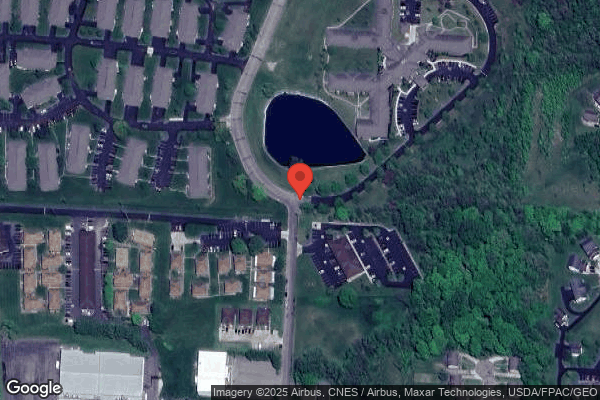
1590 CHARTWELL STREET, LANCASTER, OH 43130 (740) 687-5100
For profit - Corporation 84 Beds ALTERCARE Data: November 2025
Trust Grade
60/100
#487 of 913 in OH
Last Inspection: May 2025

Inspected within the last 6 months. Data reflects current conditions.

Overview

Lanfair Center for Rehab & Nursing Care Inc has a Trust Grade of C+, indicating it's slightly above average but not exceptional. It ranks #487 out of 913 in Ohio, placing it in the bottom half of facilities statewide, and #5 out of 9 in Fairfield County, meaning only four local options are better. The facility is experiencing a worsening trend, with issues increasing from 9 in 2024 to 11 in 2025. Staffing is rated as average, with a turnover rate of 42%, which is better than the state average of 49%, and it has good RN coverage, exceeding 89% of facilities in Ohio. While there have been no fines, which is a positive sign, recent inspection findings revealed concerns such as a broken dish machine in the kitchen that could affect safety and a failure to ensure the infection preventionist attended important meetings, which could compromise resident health. Overall, while there are strengths in staffing and no fines, families should be aware of the facility's recent issues and the need for improvements.

Trust Score
C+
60/100
In Ohio
#487/913
Bottom 47%
Safety Record
Low Risk
No red flags
Inspections
Getting Worse
9 → 11 violations
Staff Stability
○ Average
42% turnover. Near Ohio's 48% average. Typical for the industry.
Penalties
✓ Good
No fines on record. Clean compliance history, better than most Ohio facilities.
Skilled Nurses
✓ Good
Each resident gets 51 minutes of Registered Nurse (RN) attention daily — more than average for Ohio. RNs are trained to catch health problems early.
Violations
⚠ Watch
32 deficiencies on record. Higher than average. Multiple issues found across inspections.
★★★☆☆
3.0
Overall Rating
★★★☆☆
3.0
Staff Levels
★★★★★
5.0
Care Quality
★★☆☆☆
2.0
Inspection Score
Stable
2024: 9 issues
2025: 11 issues

The Good

  • 5-Star Quality Measures · Strong clinical quality outcomes
  • Full Sprinkler Coverage · Fire safety systems throughout facility
  • No fines on record
  • Staff turnover below average (42%)

    6 points below Ohio average of 48%

Facility shows strength in quality measures, fire safety.

The Bad

3-Star Overall Rating

Near Ohio average (3.2)

Meets federal standards, typical of most facilities

Staff Turnover: 42%

Near Ohio avg (46%)

Typical for the industry

Chain: ALTERCARE

Part of a multi-facility chain

Ask about local staffing decisions and management

The Ugly 32 deficiencies on record

Jun 2025 2 deficiencies
CONCERN (D) 📢 Someone Reported This

A family member, employee, or ombudsman was alarmed enough to file a formal complaint

Potential for Harm - no one hurt, but risky conditions existed

Deficiency F0692 (Tag F0692)

Could have caused harm · This affected 1 resident

Based on observations, record review, and staff interview, the facility failed to ensure a resident with continued weight loss was provided with nutritional supplements as ordered. This affected one r...

Read full inspector narrative →
Based on observations, record review, and staff interview, the facility failed to ensure a resident with continued weight loss was provided with nutritional supplements as ordered. This affected one resident (#5) of three residents reviewed for weight loss. The facility census was 82. Findings include: During the annual survey completed 05/08/25, a deficiency was issued related to Resident #5's weight loss. Review of the medical record for Resident #5 on 06/10/25 revealed an admission date of 07/25/24 and diagnoses including dementia, dysphagia, and acute kidney failure. Review of physician's orders revealed an order on 12/24/24 for a pureed diet, nectar thick liquids, and four ounces of Gelato (an ice cream type nutritional supplement containing 260 calories) with meals. Review of the plan of care started on 07/29/24 revealed Resident #5 was at nutritional risk. The goal was for no significant weight change. The interventions included Gelato at all meals (beginning 12/24/24). Observations on 06/10/25 at 11:58 A.M. revealed Resident #5's lunch tray was taken to his room. It contained pureed meat, pureed peas, mashed potatoes, and two glasses of juice. The tray did not contain Gelato. Observations on 06/11/25 at 8:12 A.M. revealed Resident #5 to be eating breakfast in the dining room. He had pureed french toast and sausage and two glasses of juice. He did not have Gelato. He was observed to eat approximately 90% of his food. Interview with Nursing Assistant #102 on 06/11/25 at 8:30 A.M. confirmed Resident #5 did not receive Gelato with his breakfast. Interview with Licensed Practical Nurse #99 on 06/11/25 at 8:35 A.M. confirmed Resident #5 was to receive four ounces of Gelato with his meals and it was placed on his meal trays by the kitchen. Interview with Dietary Aide #103 on 06/11/25 at 8:40 A.M. confirmed the Gelato was not placed on Resident #5's meal tray for breakfast that morning. Review of weight records revealed on 05/06/25 Resident #5 weighed 138.8 pounds. On 05/19/25 he weighed 141.2 pounds. On 06/02/25 he weighed 138.4 pounds. On 06/09/25 he weighed 133.6 pounds. This represents a 7.6 pound, 5 percent significant weight loss in three weeks. This deficiency represents an incidental finding of non-compliance investigated under Complaint Number OH00165834. This deficiency is evidence of continued non-compliance from the survey dated 05/08/25.
CONCERN (D) 📢 Someone Reported This

A family member, employee, or ombudsman was alarmed enough to file a formal complaint

Potential for Harm - no one hurt, but risky conditions existed

Infection Control (Tag F0880)

Could have caused harm · This affected 1 resident

**NOTE- TERMS IN BRACKETS HAVE BEEN EDITED TO PROTECT CONFIDENTIALITY** Based on observation, interview, record review, facility policy review and review of The Center for Clinical Standards and Quali...

Read full inspector narrative →
**NOTE- TERMS IN BRACKETS HAVE BEEN EDITED TO PROTECT CONFIDENTIALITY** Based on observation, interview, record review, facility policy review and review of The Center for Clinical Standards and Quality QSO-24-08-NH memo, the facility failed to follow enhanced barrier precautions (EBP) during wound care. This affected one resident (#61) of one resident observed for wound care. The facility census was 82. Findings included: During the annual survey completed 05/08/25, a deficiency was issued related to the facility's failure to implement EBP during wound care. Review of the medical record for Resident #61 revealed an admission date of 04/25/25 and diagnoses including fracture of right lower leg with orthopedic surgery and sepsis with surgical wound infection. Review of hospital records revealed the resident was admitted with severe sepsis secondary to a right ankle wound infection. The resident had surgery on the right ankle on 04/15/25 and 04/22/25. The surgical culture showed Enterococcus facialis. The resident then admitted to the facility on [DATE]. The resident had physician's orders for a soft cast splint to right lower extremity to stay in place until follow up with surgeon. Review of a communication sheet dated 05/14/25 from the physician revealed presents with stable x-rays. Delayed wound healing. Leave steri strips intact. Paint with betadine. Change absorbable pads/dressing and reapply ace bandage. A physician's order was written on 05/14/25 to paint betadine over right ankle surgical incision. Leave steri strips applied. Change dressing and reapply ace bandage daily and as needed. The resident was started on an antibiotic (Amoxicillin) 500 milligrams every eight hours on 05/15/25 until bone/soft tissue heals. The antibiotics were to continue until 06/26/25. The resident did not have a physician's order for EBP. Review of a wound management report revealed on 06/05/25 Resident #61 had an 18 centimeter (cm) long by 0.1 cm wide surgical incision on the right ankle. She also had a 12 cm long by 0.1 cm wide surgical incision on the right medial ankle. Observations on 06/10/25 at 1:45 P.M. revealed a sign beside the door to Resident #61's room that stated EBP- staff must wear gown and gloves for high contact resident care activities which included wound care-any skin opening requiring a dressing. Observations at that time, revealed Registered Nurse (RN) #95 to perform a dressing change to the resident's right lower leg. She applied gloves but did not wear a gown. She removed a wrap to the resident's leg then removed the soiled dressing. The resident had an incision on each side of her leg. RN #95 then cleansed the incisions, applied betadine, applied padded dressings to each incision, wrapped the leg in Kerlix, then applied an ace wrap to the lower leg. Interview with RN #95 after the dressing change on 06/10/25 at 1:45 P.M. confirmed she did not wear a gown for the dressing change. RN #95 later on 06/10/25 at 2:30 P.M. stated Resident #61 was not on EBP precautions. Review of the facility policy titled Enhanced Barrier Precautions (updated 05/01/25) revealed the facility will utilize EBP as part of their infection prevention and control program to help prevent the development and transmission of communicable disease and infection. EBP refers to an infection control intervention designed to reduce transmission of multidrug-resistant organisms that employs targeted gown and glove use during high contact resident care activities. EBP are indicated for residents with chronic wounds. Examples of chronic wounds include unhealed surgical wounds. For residents identified requiring EBP, staff will wear gloves and a gown when performing high contact resident care activities including wound care: chronic wounds that require a dressing. Signage will be posted alerting caregivers that the resident is on EBP. Review of QSO-24-08-NH memo from the Center for Medicare/Medicaid Services (CMS) Center for Clinical Standards and Quality dated 03/20/24 revealed EBP were indicated for residents with wounds. Wounds included unhealed surgical wounds. This deficiency represents incidental findings of non-compliance investigated under Complaint Number OH00165834. This deficiency is evidence of continued non-compliance from the survey dated 05/08/25.
May 2025 9 deficiencies
CONCERN (D)

Potential for Harm - no one hurt, but risky conditions existed

Deficiency F0605 (Tag F0605)

Could have caused harm · This affected 1 resident

**NOTE- TERMS IN BRACKETS HAVE BEEN EDITED TO PROTECT CONFIDENTIALITY** Based on observation, interview, and medical record review the facility failed to ensure Resident #51 had appropriate diagnosis ...

Read full inspector narrative →
**NOTE- TERMS IN BRACKETS HAVE BEEN EDITED TO PROTECT CONFIDENTIALITY** Based on observation, interview, and medical record review the facility failed to ensure Resident #51 had appropriate diagnosis for psychotropic's and failed to monitor Resident #51's behaviors. This affected one residents (#51) of five residents reviewed for unnecessary medications. The facility census was 82. Findings include: Review of Resident #51's medical record revealed an admission date of 03/16/23 with diagnoses including dementia with psychotic disturbance, cognitive communication deficit, anxiety disorder, major depressive disorder, metabolic encephalopathy, and hypertension. Review of Resident #51's quarterly Minimum Data Set (MDS) 3.0 assessment dated [DATE] revealed she was rarely or never understood. Review of Resident #51's plan of care dated 03/17/23 revealed the resident received psychotropic medications including antidepressants, antianxiety medications, and antipsychotics related to her diagnosis of dementia with psychotic disturbance. Interventions included observing for side effects, administering medications as ordered, offering nonpharmalogical approaches, reviewing medication dosage, and psychiatry consult if ordered. Review of Resident #51's physician order dated 06/04/24 revealed an order for Quetiapine 25 milligrams (mg) one time a day (an antipsychotic) for crying and restlessness related to dementia. Review of Resident #51's nursing behavior documentation from 04/01/25 to 05/05/25 revealed the only behaviors indicated were restlessness on 04/29/25 and 04/30/25. Review of Resident #51's nurse aide behavior documentation from 04/01/25 to 05/05/25 revealed no behaviors were indicated. Review of Resident #51's progress notes dated 04/02/25, 04/23/25, and 05/03/25 revealed they identically discussed Resident #51's behaviors. Indicating she ambulated on the unit, took items and food, paced on the unit and refused to sit for extended periods of time. Additionally it was indicated she would try to talk with, touch, and kiss any male visitors. Review of Resident #51's progress notes from 04/01/25 to 05/05/25 revealed no documentation indicating specific instances of wandering, taking items, or invading visitors spaces. Observations on 05/05/25 at 2:00 P.M. and 4:51 P.M., and on 05/06/25 at 1:40 P.M. revealed Resident #51 wandering the unit. Interview on 05/06/25 at 1:22 P.M. with Regional Nurse #227 verified Resident #51 was on an antipsychotic for dementia, which was not an appropriate diagnosis. Additionally, verified that behavior documentation did not monitor when Resident #51 wandered despite it being a regular behavior. Interview on 05/06/25 at 2:13 P.M. with Licensed Professional Counselor (LPC) #235 revealed Resident #33's diagnoses included dementia, anxiety and major depression. LPC #235 reported the resident was always roaming the unit.
CONCERN (D)

Potential for Harm - no one hurt, but risky conditions existed

PASARR Coordination (Tag F0644)

Could have caused harm · This affected 1 resident

Based on interview and medical record review the facility failed to ensure the state was notified of a change in mental disease for Resident #28 and #51. This affected two residents (#28 and #51) of t...

Read full inspector narrative →
Based on interview and medical record review the facility failed to ensure the state was notified of a change in mental disease for Resident #28 and #51. This affected two residents (#28 and #51) of two residents reviewed for Preadmission Screening/Resident Review Identification Screen (PASARR). The facility census was 82. Findings include: 1. Review of Resident #28's medical record revealed an admission date of 02/01/17 with diagnoses including dementia, epilepsy, bipolar disorder, other psychotic disorder, and dysphagia. In 2022 diagnoses of schizoaffective disorder and anxiety disorder were added and on 01/14/23 a diagnosis of major depressive disorder was added. Review of Resident #28's medical record revealed the last PASSAR was submitted 08/16/18 and indicated she had a mood disorder and insomnia. Interview on 05/06/15 at 10:40 A.M. with Regional Director of Social Services and Activities #229 verified a PASSAR was not completed when Resident #28's diagnoses changed and should have been. 2. Review of Resident #51's medical record revealed an admission date of 03/16/23 with diagnoses including dementia with psychotic disturbance, cognitive communication deficit, and metabolic encephalopathy. On 03/16/23 major depressive disorder was added and on 10/27/24 anxiety disorder was added. Review of Resident #51's medical record revealed the last PASSAR was submitted on 10/03/22 she was not indicated as having any mental disorders. Interview on 05/06/15 at 10:40 A.M. with Regional Director of Social Services and Activities #229 verified a PASSAR was not completed when Resident #51's diagnoses changed and should have been.
CONCERN (D)

Potential for Harm - no one hurt, but risky conditions existed

Comprehensive Care Plan (Tag F0656)

Could have caused harm · This affected 1 resident

**NOTE- TERMS IN BRACKETS HAVE BEEN EDITED TO PROTECT CONFIDENTIALITY** Based on observation, medical record review, interviews and facility policy review, the facility failed to develop a comprehensi...

Read full inspector narrative →
**NOTE- TERMS IN BRACKETS HAVE BEEN EDITED TO PROTECT CONFIDENTIALITY** Based on observation, medical record review, interviews and facility policy review, the facility failed to develop a comprehensive plan of care for two residents (#5 and #184) in the area of swallowing strategies and c-pap use. This affected two residents (#5 and #184) of 23 sampled residents. The facility was 82. Findings Include: 1. Review of the medical record for Resident #5 revealed an initial admission date of 07/25/24 with the diagnoses including but not limited to cerebrovascular disease, fungal endocarditis, choledocholithiasis, Alzheimer's disease, hypothyroidism, obstructive and reflux uropathy, dysphagia, hyperlipidemia, seizures, chronic kidney disease, retention of urine, benign prostatic hyperplasia, abdominal aortic aneurysm, gastro-esophageal reflux disease and dementia. Review of the resident's hospital Discharge summary dated [DATE] revealed the resident's diet order on discharge was to resume his home diet. Review of the Modified Barium Swallow (MBS) results dated 07/22/24 revealed the resident had evidence of trace penetration with nectar thick liquids, however no evidence of aspiration was seen. Recommendations were a pureed diet with honey thick liquids, no straws, medications one at a time, small bites/sips, gradual rate of intake and sit upright during all by mouth intake. The discharge summary indicated the resident's pre-assessment diet was pureed with honey thick liquids, no straws. Review of the resident's admission physician orders dated 07/25/24 revealed the resident's diet was regular pureed diet with nectar thick liquids and weekly weights for four weeks then monthly if weights are stable. Review of the plan of care dated 07/29/24 revealed the resident was at risk for altered nutrition related to urinary tract infection (UTI), candidal endocarditis, calculus of bile duct, hypothyroidism, hyperlipidemia, gastro-esophageal reflux disease, dementia, need for altered texture, diet, need for thickened liquids, dysphagia, speech therapy (ST) evaluation and treatment as needed, recommended gelato with lunch and dinner, 11/01/24 weight stable, intakes are fair to excellent, skin intact, 12/24/24 weight loss over the month significant, intakes are and remain excellent, will recommend to add another gelato at breakfast, 02/04/25 weight stable, skin intact, occasional refusals to be weighed, 04/24/25 weight loss now significant in six months, recommend to add eight ounces of Boost original supplement twice weekly. Inventions included offer menu alternatives as needed, honor food preferences as available and reasonable, monitor weekly weights for four weeks then monthly if stable, notify Registered Dietician (RD) and/or the physician if significant weight change over five percent, observe resident labs as available, review resident skin status, provide diet per physician order and supplements per physician orders. Further review of the plan of care revealed no recommended swallowing strategies. Review of the ST Discharge summary dated [DATE] revealed the resident was discharged on a regular pureed diet with nectar thick liquids. The ST recommended the following swallowing strategies during oral intake, alternation of liquids/solids, bolus size modifications, effortful swallow and rate modification along with the following maneuvers, upright posture during meals. ST made no recommendations for a restorative program or functional maintenance program. The prognosis to maintain the current level of function was good with consistent staff follow through. Review of the resident's weights revealed on 11/22/24 the resident weighed 160.2 pounds, on 12/23/24 the resident weighed 151.4 pounds indicating an 8.8 pound or 5.49% weight loss in 30 days. Review of the resident's quarterly Minimum Data Set (MDS) assessment dated [DATE] revealed the resident had a severe cognitive deficit. On 05/07/25 at 4:15 P.M., an interview with Regional Nurse #227 confirmed the resident's plan of care did not contain his individualized swallowing recommendations. 2. Review of the medical record for Resident #184 revealed an initial admission date of 04/30/25 encounter for orthopedic aftercare, status post left knee arthroscope, arthritis due to bacteria left knee, reduced mobility, gout, effusion of left knee, pulmonary embolism, presence of cardiac pacemaker, obstructive sleep apnea, hypertension, diabetes mellitus, chronic kidney disease, anemia, hypothyroidism, osteoarthritis, obesity, constipation, carpal tunnel syndrome, polyarthritis and vitamin D deficiency. Review of resident's comprehensive Minimum Data Set (MDS) assessment dated [DATE] revealed the resident had no cognitive deficit. The assessment indicated the resident did not utilize a non-invasive mechanical ventilator. Review of the resident's plan of care revealed no care plan addressing the resident's use of the c-pap. Review of the resident's physician orders revealed no orders for the c-pap machine. On 05/05/25 11:48 A.M., observation of the resident's c-pap machine revealed the c-pap mask was laying on floor under the bed with no protective bag. On 05/05/25 at 1:08 P.M., observation of the resident's c-pap machine revealed the c-pap mask remained on the floor under the resident's bed with no protective bag. On 05/06/25 at 2:34 P.M., an interview with Regional Nurse #227 confirmed the resident had no comprehensive plan of care for the c-pap use. Review of the facility policy titled, Care Planning Comprehensive, updated 05/01/25 revealed a baseline care plan is completed upon admission within 24 hours based on data available at the time of admission. A comprehensive care plan for each resident is developed within 21 days of admission to the facility. The comprehensive care plan is based on the resident's comprehensive assessment and is developed by members of the interdisciplinary team (IDT). The comprehensive care plan will be updated by a member of the IDT as changes in the resident's condition occurs. The comprehensive care plan will be reviewed by the IDT at least quarterly or when a significant change in condition occurs in which a MDS assessment is completed.
CONCERN (D)

Potential for Harm - no one hurt, but risky conditions existed

Quality of Care (Tag F0684)

Could have caused harm · This affected 1 resident

**NOTE- TERMS IN BRACKETS HAVE BEEN EDITED TO PROTECT CONFIDENTIALITY** Based on observation, interview and medical record review, the facility failed to provide daily wound care as ordered for Reside...

Read full inspector narrative →
**NOTE- TERMS IN BRACKETS HAVE BEEN EDITED TO PROTECT CONFIDENTIALITY** Based on observation, interview and medical record review, the facility failed to provide daily wound care as ordered for Resident #182. This affected one (Resident #182) out of one resident reviewed for skin impairment. The facility census was 82. Findings include: Review of Resident #182's medical record revealed she was admitted on [DATE] with diagnoses that included multiple fractures of the pelvis, falls, pustular psoriasis, diabetes mellitus type 2, moderate protein malnutrition, HLD and low back pain. Review of Resident # 182's physicians orders dated 05/01/25, revealed an order for SilvaSorb gel; cleanse right dorsal foot with IHWC (in house wound cleanser), pat dry, apply thin layer SilvaSorb and cover with foam dressing daily and as needed, and an order dated 05/02/25, to cleanse left lower extremity with IHWC (in house wound cleanser), pat dry, apply thin layer SilvaSorb to open wound bed, cover with non-adherent and wrap with kerlix daily and prn. Review of Resident # 182's care plan dated 05/03/25, revealed a pressure ulcer/injury care plan that stated the resident had pressure injuries to the left and right heels and pustular psoriasis to the left shin, and right top lateral foot with interventions in place. Review of Resident #182's May 2025 treatment administration record, revealed the treatment for Resident #182's right dorsal foot and left lower anterior extremity were signed by the nurse as completed on 05/06/25. Observation on 05/06/25 at 8:00 AM and 3:49 P.M. and on 05/07/25 at 9:50 A.M. revealed dressing to Resident #182's left foot and left leg and dressing to her right foot dated 05/05/25. Interview on 05/07/25 at 10:05 AM with Registered Nurse (RN) #139 confirmed Resident #182 had a left foot and leg dressing and a right foot dressing in place, dated 05/05/25. RN #139 also confirmed that wound treatments for Resident #182's left leg and right foot were daily dressings.
CONCERN (D)

Potential for Harm - no one hurt, but risky conditions existed

Deficiency F0692 (Tag F0692)

Could have caused harm · This affected 1 resident

**NOTE- TERMS IN BRACKETS HAVE BEEN EDITED TO PROTECT CONFIDENTIALITY** 2. Review of the medical record for Resident #62 revealed an admission date of 03/19/25, with diagnoses including urinary tract ...

Read full inspector narrative →
**NOTE- TERMS IN BRACKETS HAVE BEEN EDITED TO PROTECT CONFIDENTIALITY** 2. Review of the medical record for Resident #62 revealed an admission date of 03/19/25, with diagnoses including urinary tract infection, moderate protein-calorie malnutrition, abnormal weight loss, and type two diabetes mellitus. Review of weight record for Resident #62 revealed on 03/17/2025, the resident weighed 215.6 lbs. On 04/14/2025, the resident weighed 190.8 lbs, which reflects an 11.50% loss. Review of care plan dated 03/20/25 revealed the resident is at risk for altered nutrition related to urinary tract infection, candidal sepsis, impaired skin integrity, diabetes, edema, obesity, and the need for a therapeutic diet. The resident's care approaches included offering menu alternatives as needed, honoring food preferences, monitoring weekly weights for four weeks then monthly if stable, and notifying the registered dietitian and physician if there is a significant weight change over five percent. Review of minimum data set (MDS) 3.0 assessment completed on 03/26/25 revealed a Brief Interview for Mental Status (BIMS) score of 13 out of 15, indicating Resident #62 was cognitively intact. Review of Section K: Swallowing/Nutritional Status revealed she receives a therapeutic diet. Review of progress note dated 04/10/25, completed by Dietitian #233, revealed Resident #62 exhibited significant weight loss over the past week, with varied intakes. Current interventions included Carb ProSource and Glucerna once daily. A reweight was suggested by Dietitian #233. Review of weight record for Resident #62 revealed a follow up weight was not completed until 04/14/24, showing an additional 6.8 pound weight loss. Review of progress note dated 04/17/25, completed by Dietitian #233, revealed Resident #62 ' s intakes remained poor/varied, ranging from 1-100% of meals eaten. The resident was declining Carb ProSource twice daily, and acceptance of Glucerna varied. The dietitian recommended initiation of an appetite stimulant. Review of physician visit dated 04/22/25 revealed complaints of nausea. A trial of Reglan (anti-emetic), 5 milligrams four times a day for one week, was ordered. No additional recommendations were made. Interview on 05/06/25 at 12:18 P.M. with Dietitian #233 confirmed Resident #62 triggered for significant weight loss on 04/14/25. She confirmed the requested reweight's were not completed. Additionally, facility staff did not continue to obtain the weekly weights after the significant weight change. Dietitian #233 confirmed per facility policy, residents exhibiting a weight change greater than five percent in one month are to receive weekly weights until the next evaluation. She also confirmed that on 04/17/25, an initial recommendation to implement an appetite stimulant was made and communicated to the physician. Interview on 05/07/25 at 8:21 A.M. with Medical Doctor #240 confirmed he was notified of the significant weight loss. To prevent further weight loss, Reglan was ordered. He confirmed continuing weekly weights would have been beneficial in closely monitoring the resident ' s weight changes. However, he did not feel the weight change was of great concern due to the resident ' s obesity status, but stated the resident would benefit from a controlled and gradual weight loss. Review of the facility policy titled, Weight/Reweight Policy, updated on 05/01/25 revealed a resident's weight will be monitored to evaluate the resident's nutrition status within the parameters of the resident's overall medical condition. A resident's weight will be obtained and recorded in the electronic medical record (EMR) by the nursing staff. A resident's weight will be obtained weekly for a minimum of four weeks for the following situations, new admissions, readmissions, pressure injuries, significant unplanned weight loss of five percent or greater, 10% or greater in six months or determined by the skin and weight assessment team (SWAT). Nursing staff will be notified of residents requiring weekly weights by the SWAT. A monthly weight will be obtained by the nursing staff for all residents in the facility unless the physician determines it is contraindicated. A member of the dietary staff will notify the nursing staff when a re-weigh on a resident is indicated. Re-weighing of a resident may be indicated when there is a plus/minus weight change of five pounds when the resident is over 100 pounds or a plus/minus of three pounds when the resident is under 100 pounds. All weights will be documented in the clinical record. Based on observation, medical record review, interviews, review of Thrive Gelato (a frozen dessert that provides essential nutrients for people with unintended weight loss) nutritional facts and review of facility policy, the facility failed to develop and implement comprehensive and individualized interventions to prevent a significant weight loss for one resident (#5). Additionally, the facility failed to monitor weekly weights for one resident (#62) following a significant weight loss. This affected two resident (#5 and #62) of six residents reviewed for nutrition. The facility census was 82. Findings Include: 1. Review of the medical record for Resident #5 revealed an initial admission date of 07/25/24 with the diagnoses including but not limited to cerebrovascular disease, fungal endocarditis, choledocholithiasis, Alzheimer's disease, hypothyroidism, obstructive and reflux uropathy, dysphagia, hyperlipidemia, seizures, chronic kidney disease, retention of urine, benign prostatic hyperplasia, abdominal aortic aneurysm, gastro-esophageal reflux disease and dementia. Review of the resident's hospital Discharge summary dated [DATE] revealed the resident's diet order on discharge was to resume his home diet. Review of the Modified Barium Swallow (MBS) results dated 07/22/24 revealed the resident had evidence of trace penetration with nectar thick liquids, however no evidence of aspiration was seen. Recommendations were a pureed diet with honey thick liquids, no straws, medications one at a time, small bites/sips, gradual rate of intake and sit upright during all by mouth intake. The discharge summary indicated the resident's pre-assessment diet was pureed with honey thick liquids, no straws. Review of the resident's admission physician orders dated 07/25/24 revealed the resident's diet was regular pureed diet with nectar thick liquids and weekly weights for four weeks then monthly if weights are stable. Review of the plan of care dated 07/29/24 revealed the resident was at risk for altered nutrition related to urinary tract infection (UTI), candidal endocarditis, calculus of bile duct, hypothyroidism, hyperlipidemia, gastro-esophageal reflux disease, dementia, need for altered texture, diet, need for thickened liquids, dysphagia, speech therapy (ST) evaluation and treatment as needed, recommended Gelato with lunch and dinner, 11/01/24 weight stable, intakes are fair to excellent, skin intact, 12/24/24 weight loss over the month significant, intakes are and remain excellent, will recommend to add another Gelato at breakfast, 02/04/25 weight stable, skin intact, occasional refusals to be weighed, 04/24/25 weight loss now significant in six months, recommend to add eight ounces of Boost original supplement twice weekly. Inventions included offer menu alternatives as needed, honor food preferences as available and reasonable, monitor weekly weights for four weeks then monthly if stable, notify Registered Dietician (RD) and/or the physician if significant weight change over five percent, observe resident labs as available, review resident skin status, provide diet per physician order and supplements per physician orders. Further review of the plan of care revealed no recommended swallowing strategies. Review of the resident's discontinued physician orders identified an order dated 07/30/25 regular puree diet, nectar thick liquids and four ounces of Gelato with lunch and dinner. Review of the speech therapy (ST) evaluation dated 07/31/25 revealed the resident was referred for ST evaluation due to noted modified diet and dysphagia upon admission to facility. A MBS was completed on 07/22/24 with findings of poor oral control, no aspiration/penetration noted on honey thick liquids via teaspoon/cup, nectar thick liquids trace penetration during swallow on nectar thick liquids via cup, absent cough reflex, resident unable to clear with cued cough. The resident was given a soft diet and was unable to complete on any attempts. ST recommended nectar thick liquids with a pureed diet with the goals to increase the ability to safely swallow nectar thick liquids, increase his ability to safely swallow a mechanical soft/ground consistency diet, increase bolus control and tolerate the least restrictive diet safest for by mouth intakes. Review of a diet order dated 08/06/24 revealed the resident's diet was upgraded to mechanical soft, nectar thick liquids, supervision for meals, following a MBS conducted at the facility, however the facility had no documented evidence of the recommendations from the MBS. Review of the medical record revealed no evidence the weekly weight for 08/19/24 was obtained. Review of the ST Discharge summary dated [DATE] revealed the resident was discharged on a regular pureed diet with nectar thick liquids. The ST recommended the following swallowing strategies during oral intake, alternation of liquids/solids, bolus size modifications, effortful swallow and rate modification along with the following maneuvers, upright posture during meals. ST made no recommendations for a restorative program or functional maintenance program. The prognosis to maintain the current level of function was good with consistent staff follow through. Review of the resident's weights revealed on 11/22/24 the resident weighed 160.2 pounds, on 12/23/24 the resident weighed 151.4 pounds indicating an 8.8 pound or 5.49% weight loss in 30 days. Review of the nutrition progress note dated 12/24/24 at 11:25 A.M. revealed the resident showed a significant weight loss in one month. The resident's body mass index (BMI) was under ideal weight for his age at 20.53. Recommendations were made to add a four ounce Gelato with breakfast also and a reweight. Review of the medical record revealed no evidence the reweight was obtained or that the nutritional supplement Thrive Gelato was being monitored for intake. Additionally, the medical record revealed the resident was not placed on weekly weights following the significant weight loss. Review of the therapy screen dated 02/07/25 revealed the resident and staff reported no changes at that time and the resident refused therapy services. Review of the resident's quarterly Minimum Data Set (MDS) assessment dated [DATE] revealed the resident had a severe cognitive deficit. Review of the mood and behavior revealed the resident displayed no behaviors including rejection of care. The assessment indicated the resident had no know weight loss and weight 149 pounds. The assessment indicated the resident received a mechanically altered and therapeutic diet. Review of the resident's weights revealed on 11/22/24 the resident weighed 160.2 pounds, the resident weighed 151.4 pounds, on 01/16/25 the resident weighed 149.4 pounds, on 02/13/25 the resident weighed 145.2 pounds indicating a significant weight loss of 9.3% or 15 pounds, review of the medical record revealed no weight for March 2025, on 04/22/25 the resident weighed 139.8 pounds and on 05/06/25 the resident weighed 138.8 pounds indicating a significant weight loss of 13.36% or 21.4 pounds in six months. Review of the medical record revealed no documented evidence an individualized weight loss intervention was implemented following the 15 pound or 9.3% weight loss in three months. Further review revealed no weekly weights were implemented following the significant weight loss. Additionally, the medical record contained no documentation of the resident holding food and/or fluids in his mouth for extended periods of time. Review of the resident's monthly physician orders for May 2025 identified orders dated 04/28/25 eight ounces of boot twice daily nectar thick, 12/24/24 regular puree diet with nectar thick liquids and four ounces of Gelato with meals. On 05/06/25 at 10:38 A.M., observation of the resident upon opening the resident's door revealed the resident was still eating his breakfast and his mouth was full of food and/or fluids. The resident was encouraged to swallow, however the resident continued to hold the food and/or fluids in his mouth. On 05/06/25 at 10:45 A.M., interview with Licensed Practical Nurse (LPN) #125 revealed the resident always holds food in his mouth. The LPN indicated the resident had worked with therapy several times. On 05/06/25 at 1:12 P.M., an interview with Registered Dietician (RD) #233 confirmed the resident had a significant weight loss and had placed the resident on weekly weights and he was on the list to be weighed on 05/06/25. On 05/07/25 at 11:52 A.M., an interview with State Tested Nursing Assistant (STNA) #206 revealed the resident had no specific swallowing strategies, however he was on thickened liquids. The STNA revealed the resident likes to keep his door shut, including during meals. The STNA revealed the resident does hold food/fluids in his mouth at times and she does assist him with removal prior to laying down in bed because it will get all over his bed. On 05/07/25 at 11:52 A.M., an interview with Registered Nurse (RN) #139 revealed the resident had no swallowing strategies and required no supervision with meals. The RN revealed the resident requires an extended time to eat due to his swallowing difficulties. On 05/07/25 at 12:15 P.M., an interview with Speech Therapist (ST) #236 revealed she worked with the resident a handful of time. The ST revealed the resident was discharged with the following swallowing strategies swallowing strategies during oral intake, alternation of liquids/solids, bolus size modifications, effortful swallow and rate modification along with the following maneuvers, upright posture during meals. She said education is provided to the nurse the day of discharge from therapy to educate the aides. On 05/07/25 at 12:19 P.M., an interview with the Therapy Director (TD) #237 revealed the resident was screened in February 2025 and had no issues. The TD revealed they ask the staff and the resident questions for a decline or any problems. The TD revealed the therapy department had no observed the resident eat for the screen conducted in February 2025. On 05/07/25 at 2:30 P.M., an interview with the Director of Nursing (DON) revealed the facility does not track intake of any supplement that comes with the resident's meals as they consider the supplement part of the fortified meal. On 05/07/25 at 2:37 P.M., an interview with the DON revealed he had spoke with RD #233 and the RD placed the resident on the Thrive Gelato nutritional supplement on admission due to the resident receiving nectar thick liquids and because it was part of the fortified foods. The DON revealed the RD indicated the resident was not on the Thrive Gelato nutritional supplement for weight loss. On 05/07/25 at 3:32 P.M., an interview with the Dietary Manager (DM) #194 and the Director of Nutritional Services (DNS) #225 revealed the Thrive Gelato nutritional supplement was considered a fortified food not a supplement so the amount the resident consumed was not documented. DM #194 revealed the resident previously ate in the main dining room for supervision and assistance, however now he prefers to eat in his room and she thought he received supervision and assistance in his room. The DNS #225 revealed he would have expected a resident to be placed on weekly weights with a significant weight loss of 8.8 pounds in one month. On 05/07/25 at 4:15 P.M., an interview with Regional Nurse #227 confirmed the resident was not placed on weekly weights by RD #233 until 04/22/25 despite the significant weight loss. The Regional Nurse also confirmed the weekly weight on 04/29/25 was not obtained and the resident's plan of care did not contain his individualized swallowing recommendations. On 05/07/25 at 4:50 P.M., an interview with the Regional Nurse #227 confirmed the reweight was not obtained as recommended on 12/24/24.
CONCERN (D)

Potential for Harm - no one hurt, but risky conditions existed

Respiratory Care (Tag F0695)

Could have caused harm · This affected 1 resident

**NOTE- TERMS IN BRACKETS HAVE BEEN EDITED TO PROTECT CONFIDENTIALITY** Based on observation, interview, review of medical record, and review of facility policy the facility failed to have physician o...

Read full inspector narrative →
**NOTE- TERMS IN BRACKETS HAVE BEEN EDITED TO PROTECT CONFIDENTIALITY** Based on observation, interview, review of medical record, and review of facility policy the facility failed to have physician orders in place for Resident #184's Bilevel Positive Airway Pressure (BiPAP) and failed to ensure oxygen orders were followed and oxygen administration was documented for Resident #33. This affected two residents (#33 and #184) of three residents reviewed for respiratory care. The facility census was 82. 1. Review of Resident #33's medical record revealed an admission date of 04/15/22 with diagnoses including chronic obstructive pulmonary disease, moderate protein- calorie malnutrition, unspecified dementia, generalized anxiety disorder, dysphagia, major depressive disorder, and altered mental status. Review of Resident #33's quarterly Minimum Data Set (MDS) 3.0 assessment dated [DATE] revealed resident was rarely or never understood. He received oxygen therapy. Review of Resident #33's physician order dated 09/24/23 revealed an order for continuous oxygen at two liters via a nasal cannula as needed. Nursing was to check the placement and record his oxygen concentration every shift. Review of Resident #33's hospice recertification revealed they indicated he was on oxygen continuously at two liters. Review of Resident #33's Medication Administration Record (MAR) from 04/08/25 to 05/06/25 at 1:43 P.M. revealed oxygen had not been documented as having been used. Review of Resident #33's plan of dated 04/09/25 revealed the resident had a potential for alteration in respiratory function related to chronic obstructive pulmonary disease, acute respiratory failure, congestion, and aspiration history. Resident #33 required encouragement to wear oxygen and he preferred not to wear it at times. Interventions included recording oxygen saturation once a month on room air, medications as ordered, oxygen as ordered, respiratory treatment as ordered, encouraging fluids, encouraging to cough and deep breathe, and labs as ordered. Review of Resident #33's progress note dated 04/12/25 revealed the resident was receiving oxygen at three liters per minute. Review of Resident #33's progress note dated 04/17/25 revealed the resident was receiving oxygen at three liters per minute. Review of Resident #33's progress note dated 04/26/25 revealed the resident was receiving oxygen at three liters per minute. Review of Resident #33's progress note dated 04/28/25 revealed the resident was receiving oxygen at three liters per minute. Review of Resident #33's progress note dated 05/05/25 revealed the resident was receiving oxygen at three liters per minute. Observation on 05/05/25 at 9:57 A.M. and 11:30 A.M. and on 05/06/25 at 9:00 A.M. and 1:40 P.M. revealed Resident #33 had oxygen in place. Interview on 05/06/25 at 1:40 P.M. with Program Director #202 verified Resident #33 was wearing oxygen and had been all day. She reported his order was technically as needed, however, he wore it most of the time for comfort. Program Director #202 verified his oxygen use was not indicated in the MARs. Interview on 05/06/25 at 4:55 P.M. with Regional Nurse #227 revealed she clarified Resident #33's oxygen order with hospice and should be receiving two to four liters continuously. 2. Review of the medical record for Resident #184 revealed an initial admission date of 04/30/25 encounter for orthopedic aftercare, status post left knee arthroscope, arthritis due to bacteria left knee, reduced mobility, gout, effusion of left knee, pulmonary embolism, presence of cardiac pacemaker, obstructive sleep apnea, hypertension, diabetes mellitus, chronic kidney disease, anemia, hypothyroidism, osteoarthritis, obesity, constipation, carpal tunnel syndrome, polyarthritis and vitamin D deficiency. Review of resident's comprehensive Minimum Data Set (MDS) assessment dated [DATE] revealed the resident had no cognitive deficit. The assessment indicated the resident did not utilize a non-invasive mechanical ventilator. Review of the resident's plan of care revealed no care plan addressing the resident's use of the c-pap. Review of the resident's physician orders revealed no orders for the c-pap machine. On 05/05/25 11:48 A.M., observation of the resident's c-pap machine revealed the c-pap mask was laying on floor under the bed with no protective bag. On 05/05/25 at 1:08 P.M., observation of the resident's c-pap machine revealed the c-pap mask remained on the floor under the resident's bed with no protective bag. On 05/05/25 at 1:11 P.M., an interview with the Director of Nursing (DON) verified the resident's c-pap mask was not stored appropriately laying on the floor under the resident's bed with no protective bag in place. On 05/06/25 at 2:34 P.M., an interview with Regional Nurse #227 confirmed the resident had no orders for the use and monitoring of the c-pap machine. Review of the facility policy titled, Respiratory CPAP/BIPAP, updated 05/01/25 revealed it was the facility's policy to utilize professional standards of practice when utilizing a CPAP/BiPAP to meet the resident's clinical needs. Verify there is a physician's order for the device that includes the settings for the machine. Monitor the resident's tolerance to the device and document abnormalities in the clinical record.
CONCERN (D)

Potential for Harm - no one hurt, but risky conditions existed

Drug Regimen Review (Tag F0756)

Could have caused harm · This affected 1 resident

**NOTE- TERMS IN BRACKETS HAVE BEEN EDITED TO PROTECT CONFIDENTIALITY** Based on interview and medical record review the facility failed to ensure the physician gave a clear reason why a pharmacy reco...

Read full inspector narrative →
**NOTE- TERMS IN BRACKETS HAVE BEEN EDITED TO PROTECT CONFIDENTIALITY** Based on interview and medical record review the facility failed to ensure the physician gave a clear reason why a pharmacy recommended gradual dose reduction (GDR) was not performed on residents with psychotropic's. This affected two residents (#28 and #51) of five residents reviewed for unnecessary medications. The facility census was 82. Findings include: 1. Review of Resident #51's medical record revealed an admission date of 03/16/23 with diagnoses including dementia with psychotic disturbance, cognitive communication deficit, anxiety disorder, major depressive disorder, metabolic encephalopathy, and hypertension. Review of Resident #51's quarterly Minimum Data Set (MDS) 3.0 assessment dated [DATE] revealed she was rarely or never understood. Review of Resident #51's pharmacy recommendation dated 09/19/24 revealed the pharmacist recommended trialing a decrease of Quetiapine (an antipsychotic) to 25 milligrams (mg) every other day for seven days due to no documented behaviors on MDS and a dementia diagnosis. The physician indicated there would be no changes, no reason why was indicated. Review of Resident #51's pharmacy recommendation dated 12/16/24 revealed the pharmacist recommended trialing a decrease of Quetiapine to 25 milligrams (mg) every other day for seven days due to no documented behaviors on MDS and a dementia diagnosis. The physician indicated there would be no changes per the families request. Review of Resident #51's pharmacy recommendation dated 03/15/25 revealed the pharmacist recommended trialing a decrease of Quetiapine to 25 milligrams (mg) every other day for seven days due to no documented behaviors on MDS and a dementia diagnosis. The physician indicated there would be no changes per the families request. Interview on 05/06/25 at 8:41 A.M. with the Director of Nursing (DON) verified the GDR's were declined with either no reasoning or no medical reasoning. 2. Review of Resident #28's medical record revealed an admission date of 02/01/17 with diagnoses including dementia, epilepsy, hypertension, bipolar disorder, cognitive communication deficit, other psychotic disorder not due to a substance or known physiological condition , other specified depressive episodes, major depressive disorder, anxiety disorder, schizoaffective disorder, and dysphagia. Review of Resident #28's quarterly Minimum Data Set (MDS) 3.0 assessment dated [DATE] revealed she had severely impaired cognition. Review of Resident #28's pharmacy recommendation dated 06/05/24 revealed the pharmacist recommended a gradual dose reduction as the resident was taking Duloxetine (an antidepressant) 60 mg and Olanzapine (an antipsychotic) 5 mg. The pharmacist indicated if a GDR was contraindicated a reasoning should be provided. The physician declined the recommendation but did not indicate the reasoning. Review of Resident #28's pharmacy recommendation dated 01/16/25 revealed the pharmacist recommended a dose reduction of Olanzapine to 2.5 mg every day. The physician indicated no change per the resident and family request. Interview on 05/06/25 at 8:41 A.M. with the Director of Nursing (DON) verified the GDR's were declined with either no reasoning or no medical reasoning.
CONCERN (D)

Potential for Harm - no one hurt, but risky conditions existed

Infection Control (Tag F0880)

Could have caused harm · This affected 1 resident

Deficiency Text Not Available

Read full inspector narrative →
Deficiency Text Not Available
CONCERN (E)

Potential for Harm - no one hurt, but risky conditions existed

Food Safety (Tag F0812)

Could have caused harm · This affected multiple residents

Based on observation, interview, and facility policy review, the facility failed to label and store food in a safe manner. This affected all the residents residing in the facility, except Resident #69...

Read full inspector narrative →
Based on observation, interview, and facility policy review, the facility failed to label and store food in a safe manner. This affected all the residents residing in the facility, except Resident #69 who was nothing by mouth. The facility census was 82. Findings include: Observation of the walk-in refrigerator on 05/05/25 at 9:30 A.M., revealed an undated jar of minced garlic that was more than half empty, three deli sandwiches, open and undated, and a package of deli meat, open and undated. Interview on 05/05/25 at 9:32 A.M. with Dietary Manager (DM) #194, confirmed three undated items in the walk-in refrigerator. DM #194 dated minced garlic at the time of discovery and discarded the deli sandwiches and package of deli meat. Observation of the pantry on 05/05/25 at 9:35 A.M., revealed, an undated half of a bottle of orange concentrated syrup and a large undated open bag of crackers. Interview on 05/05/25 at 9:40 A.M. with DM #194, confirmed undated items in the pantry. DM #194 dated orange concentrated syrup at time of discovery. She also discarded the undated bag of crackers. Observation of the kitchen serving area on 05/05/25 at 9:45 A.M revealed four large bags of chips (Tostitos, Waffles Chips, Regular Chips and Cheese Curls) opened and undated. Interview on 05/05/25 at 9:50 A.M. with DM #194, confirmed undated items in the kitchen serving area. DM #194 discarded items at the time of discovery. Review of facility Dry Storage and Supplies policy, dated January 2015, revealed that all perishable food shall be stored in a manner that optimizes food safety and quality. It also stated that opened food shall be stored in resealed containers/food bags that are labeled/dated.
Nov 2024 3 deficiencies
CONCERN (D) 📢 Someone Reported This

A family member, employee, or ombudsman was alarmed enough to file a formal complaint

Potential for Harm - no one hurt, but risky conditions existed

Resident Rights (Tag F0550)

Could have caused harm · This affected 1 resident

Based on observation, staff interview, resident interview, and review of the facility policy, the facility failed to provide residents with a dignified dining experience by serving resident meals on S...

Read full inspector narrative →
Based on observation, staff interview, resident interview, and review of the facility policy, the facility failed to provide residents with a dignified dining experience by serving resident meals on Styrofoam tableware and cups with plastic cutlery. This affected three (Residents #30, #42, and #73) of three residents observed for meal service and had the potential to affect all of the residents residing in the facility. The facility census was 74 residents. Findings include: Observation on 11/19/24 at 9:16 A.M. of random residents on the memory care unit revealed one resident who had a Styrofoam cup with a plastic spoon in it, a Styrofoam plate, and a Styrofoam bowl sitting on the table in front of her. No staff were seen in the vicinity at the time of this observation. Observation on 11/19/24 at 9:26 A.M. revealed a large box of three-compartment aluminum trays, and stacks of Styrofoam plates, cups and bowls in the tray line/meal preparation area of the kitchen. Interview on 11/19/24 at 9:26 A.M. with Dietary Coordinator (DC) 133 confirmed that the dish machine in the kitchen was the only dish machine in the facility and had been broken down for at least a month. DC #133 confirmed that the facility was using the three-sink hand washing protocol for washing dishes and had been using three-compartment aluminum trays with lids to plate and serve most of the resident meals. DC #133 confirmed that the facility was awaiting corporate approval of the bid submitted on 11/18/24 to an outside vendor to fix the dish machine. Interview on 11/19/24 at 9:35 A.M. with Certified Nursing Assistant (CNA) 229 confirmed some residents had found it hard to cut meat with plastic silverware. Interview on 11/19/24 at 9:41 A.M. with Resident #30 confirmed it was difficult to eat things like meat with plastic silverware. Interview on 11/19/24 at 9:47 A.M. with Resident #42 confirmed since his admission to the facility two weeks ago the food has been served on Styrofoam plates or aluminum trays with plastic cutlery. Interview on 11/19/24 at 9:51 A.M. with Resident #73 confirmed her eggs were served this morning in an aluminum tray with a lid and that she was unable to open the container on her own. Interview on 11/19/24 at 10:09 A.M. with the Administrator confirmed the dish machine had been broken down since June 2024 of this year and was outside of the warranty date. The Administrator confirmed the facility had been using Styrofoam, aluminum, and plastic dinnerware and eating utensils for resident meals since the dish machine had broken down. Review of the facility policy titled Room Tray Service dated November 2017 revealed residents who were unable to come to the dining room or who preferred to eat in their own room should be provided with a meal to their room served on room trays, using glassware and china and/or dining ware. This deficiency represents noncompliance investigated under Complaint Number OH00159475.
CONCERN (E) 📢 Someone Reported This

A family member, employee, or ombudsman was alarmed enough to file a formal complaint

Potential for Harm - no one hurt, but risky conditions existed

Infection Control (Tag F0880)

Could have caused harm · This affected multiple residents

Based on observation, staff interview, and review of the facility policy, the facility failed to ensure staff performed proper hand hygiene during meal service. This affected four (Residents #34, #35,...

Read full inspector narrative →
Based on observation, staff interview, and review of the facility policy, the facility failed to ensure staff performed proper hand hygiene during meal service. This affected four (Residents #34, #35, #36, #37) of 44 residents residing on the Pleasantville Unit. The facility census was 74 residents. Findings include: Observation on 11/19/24 at 11:48 A.M. of meal service revealed Certified Nursing Assistant (CNA) #112 was wearing gloves while passing meal trays. CNA #112 delivered trays to Residents #34, #35, #36, and #37 in their rooms and did not remove gloves or perform hand hygiene between residents. Interview on 11/19/24 at 11:54 A.M. with Dietary Coordinator (DC) #133 confirmed that DC #133 was present and had participated in meal service on the Pleasantville Unit and had observed CNA #112 wearing the same pair of gloves throughout the tray pass on the Pleasantville Unit. DC #133 also confirmed that CNA #112 had not followed the facility's infection control policy and procedure by entering multiple resident rooms without changing gloves and/or performing proper hand hygiene. Review of the facility policy titled Room Tray Service dated November 2017 revealed nursing staff should follow infection control protocols when passing trays. Staff should use hand sanitizer between all rooms when passing trays. If staff touched anything other than the tray during meal service pass, then staff must wash their hands prior to serving the next tray. The policy did not include a recommendation for staff to wear gloves during tray service. Review of the facility policy titled Hand Washing/Hand Hygiene undated revealed the staff would follow proper and appropriate hand washing and hygiene techniques that would aid in the prevention of the transmission of infections. The use of gloves did not replace handwashing. If hands were not visibly soiled staff s hould use an alcohol-based hand rub after contact with inanimate objects in the immediate vicinity of the resident.
CONCERN (F) 📢 Someone Reported This

A family member, employee, or ombudsman was alarmed enough to file a formal complaint

Potential for Harm - no one hurt, but risky conditions existed

Room Equipment (Tag F0908)

Could have caused harm · This affected most or all residents

**NOTE- TERMS IN BRACKETS HAVE BEEN EDITED TO PROTECT CONFIDENTIALITY** Based on observation, staff interview, and review of a repair bid from an outside vendor, the facility failed to maintain the di...

Read full inspector narrative →
**NOTE- TERMS IN BRACKETS HAVE BEEN EDITED TO PROTECT CONFIDENTIALITY** Based on observation, staff interview, and review of a repair bid from an outside vendor, the facility failed to maintain the dish machine in the kitchen in safe operating condition. This had the potential to affect all of the residents residing in the facility. The facility census was 74 residents. Findings include: Observation of the kitchen on [DATE] at 9:21 A.M. revealed the dish machine had a bright, red sign posted on the front telling staff not to remove the towels that were placed at the base of the machine where it met with the sink, and that any staff who removed the towels, would be responsible for cleaning the water out of the dish machine. Interview on [DATE] at 9:21 A.M. with Dietary Coordinator (DC) #133 confirmed the dish machine was broken, and kitchen staff were required to keep towels in place at the base of the machine where it met with the sink in order to prevent water from backflowing into it when the water sprayers were used. DC #133 confirmed that if the towels were removed, staff would have to remove water out of the dish machine. DC #133 confirmed the dish machine in the kitchen was the only dish machine in the facility and had been broken down for at least a month. DC #133 confirmed the facility was using the three-sink hand washing protocol for dishes and was awaiting corporate approval of a bid submitted by on outside vendor on [DATE] for repair of the dish machine. Interview on [DATE] at 9:57 A.M. with Maintenance Coordinator (MC) #302 confirmed the dish machine was replaced one year ago and broke down three or four days after the warranty ran out. MC #302 stated that the dish machine had been down for at least four weeks and the facility was awaiting corporate approval to get the machine fixed. Interview on [DATE] at 10:09 A.M. with Administrator #211 confirmed that the dish machine had been broken down since [DATE] and the warranty had expired. Review of a bid from an outside vendor dated [DATE] revealed the facility dish machine needed the following repairs: replace the air trap, replace the O-ring, replace the booster heater, replace the booster tank, replace the drain pump, test to ensure proper operation, clean up any work-related debris. Work was expected to begin on-site three to five days following approval subject to change based upon availability of parts. The proposal was valid till [DATE] and had not yet been signed by the facility. This deficiency represents noncompliance investigated under Complaint Number OH00159475.
Feb 2024 6 deficiencies
CONCERN (D)

Potential for Harm - no one hurt, but risky conditions existed

Deficiency F0569 (Tag F0569)

Could have caused harm · This affected 1 resident

**NOTE- TERMS IN BRACKETS HAVE BEEN EDITED TO PROTECT CONFIDENTIALITY** Based on medical record review, review of insurance records, review of financial records, and staff interview, the facility fail...

Read full inspector narrative →
**NOTE- TERMS IN BRACKETS HAVE BEEN EDITED TO PROTECT CONFIDENTIALITY** Based on medical record review, review of insurance records, review of financial records, and staff interview, the facility failed to provide spend down notices to residents and/or resident representatives when their personal funds account was within $200 of the Medicaid personal funds limit. This affected two (Residents #2 and #20) of five residents reviewed for personal funds accounts. The census was 80. Findings include: 1. Review of Resident #2's medical record revealed Resident #2 was admitted to the facility on [DATE]. Resident #2's diagnoses included but were not limited to cerebrovascular disease, hemiplegia, chronic ischemic heart disease, and heart failure. Review of Resident #2's Minimum Data Set (MDS) assessment, dated 12/31/23, revealed Resident #2 had a mild cognitive impairment. Review of Resident #2's insurance records revealed she had Medicaid as insurance. Review of Resident #2's financial records, dated 12/31/22 to 12/29/23, revealed her balance for her person funds account was within the $200 threshold of the resource limit during this entire period of time. Her balance was $1,816.81 as of 12/31/22, and the highest balance between 12/31/22 and 12/29/23 was $2,173.27. At the start of each quarter, the facility sent a letter with the quarterly banking statement to Resident #2. Within that letter, it stated the facility will notify the resident if the account reached a high balance. There was no evidence the facility provided a spend down notice to Resident #2 or her representatives at any point from 12/31/22 to 12/29/23 while she was within $200 of the limit. 2. Review of Resident #20's medical record revealed Resident #20 was admitted to the facility on [DATE]. Her diagnoses included but were not limited to congestive heart failure, major depressive disorder, and cognitive communication deficit. Review of Resident #20's MDS assessment, dated 12/31/23, revealed she had no cognitive impairment. Review of Resident #20's insurance records confirmed she had Medicaid as insurance. Review of Resident #20's financial records, dated 12/31/22 to 12/29/23, revealed her balance for her personal funds account was within the $200 threshold of the resource limit during this entire period of time. Her balance was $2,056.48 as of 12/31/22, and the highest balance she had between 12/31/22 and 12/29/23 was $2,196.60. At the start of each quarter, the facility sent a letter with the quarterly banking statement to Resident #20's representative. Within that letter, it stated the facility will notify the resident if the account reached a high balance. There was no evidence the facility provided a spend down notice to Resident #20 or Resident #20's representative at any point from 12/31/22 to 12/29/23 while Resident #20 was within $200 of the limit. Interview with Receptionist #323 on 02/26/24 at 2:30 P.M. revealed spend down notices were to be sent to the resident/representative when they get within $200 of the resource limit. She revealed the corporate office was the entity that will monitor the amounts and send the letters as needed. Interview with Regional Business Office Staff #410 on 02/26/24 at 3:08 P.M. revealed they work with the local facility when a resident needs to spend down money. They are able to send the spend down notices, but the local facility has access to them as well and will send them occasionally. She revealed she would look for the spend down notices for Resident #2 and Resident #20. Interview with Administrator on 02/26/24 at 3:25 P.M., 4:15 P.M., and 4:55 P.M. revealed they were still looking for the spend down notifications for Residents #2 and #20. Interview with Regional Nurse #400 on 02/26/24 at 5:10 P.M. confirmed they were not able to find any spend down notifications for Resident #2 and Resident #20.
CONCERN (E)

Potential for Harm - no one hurt, but risky conditions existed

Resident Rights (Tag F0550)

Could have caused harm · This affected multiple residents

Based on observation, staff interview, and facility policy review, the facility failed to serve residents in a dignified manner during the dinner meal service. The deficient practice affected eight re...

Read full inspector narrative →
Based on observation, staff interview, and facility policy review, the facility failed to serve residents in a dignified manner during the dinner meal service. The deficient practice affected eight residents (Residents #6, #11, #18, #24, #32, #39, #50, and #54) of 14 residents who served meals in the dining room on the memory care unit (Speret Hall). The facility census was 80. Findings include: Observation on 02/21/24 at 5:37 P.M. revealed 14 residents were sitting at five different tables in the dining room area on the locked memory care unit for dinner meal service. Five residents (Residents #6, #24, #32, #50, and #54) did not have a beverage in front of them. The other nine residents did have a beverage. Interview on 02/21/24 at 5:40 P.M. with State Tested Nurse Aide (STNA) #280 revealed the dinner meal was typically arrived on the memory care unit between 5:30 P.M. and 6:00 P.M. Observation on 02/21/24 at 6:04 P.M. revealed the dinner meal had not arrived on the memory care unit yet. At 6:05 P.M., a cart with plates and utensils was delivered to the memory care unit. At 6:20 P.M. (23 minutes after the initial observation was made), the additional five residents (Residents #6, #24, #32, #50, and #54) received a beverage. Observation on 02/21/24 at 6:23 P.M. revealed Resident #19 was served dinner. There were two additional residents (Residents #18 and #39) seated at the same table as Resident #19 who were not served dinner at the same time. Resident #39 was served dinner at 6:27 P.M. (four minutes later) and Resident #18 was served dinner at 6:34 P.M. (11 minutes later). Observation on 02/21/24 at 6:24 P.M. revealed Resident #32 was served dinner. There were two additional residents (Residents #24 and #50) seated at the same table as Resident #32 who were not served dinner at the same time. Resident #24 was served dinner at 6:33 P.M. (nine minutes later) and Resident #50 was served dinner at 6:34 P.M. (ten minutes later). Observation on 02/21/24 at 6:29 P.M. revealed Resident #6 was served dinner. There were two additional residents (Residents #11 and #54) seated at the same table as Resident #6 who were not served dinner at the same time. Resident #54 was served at 6:32 P.M. (three minutes later) and Resident #11 was served at 6:33 P.M. (four minutes later). Observation on 02/21/24 at 6:37 P.M. revealed STNA #310 sat down between Resident #11 and Resident #6 to assist with eating. At 6:38 P.M., STNA #310 got up from the table to retrieve desserts for Resident #6 and Resident #11 and then returned to the table to resume assisting with eating. At 6:40 P.M., STNA #310 got up from the table again to retrieve a drink and a tissue for another resident seated at a different table. After retrieving the items, STNA #310 returned again to the table to resume assisting Resident #6 and Resident #11 with eating. Resident #54, who was also seated at the table, did not receive assistance with eating until 6:46 P.M. (14 minutes after she was served the dinner meal) when the Aide in Training (AIT) #212 sat next to Resident #54. All 14 residents residing in the memory care unit were served dinner and dessert on 02/21/24 by 7:05 P.M. (45 minutes after the first meal was served). Interview on 02/21/24 at 7:05 P.M. with Unit Manager (UM) #316 confirmed the above findings. UM #316 stated the dinner meal service was not usually served in that manner. UM #316 stated there were a couple of new aides working on the unit who were not as familiar with the meal service process. UM #316 stated all of the residents should have received a beverage while waiting for the meal to be delivered, residents who were seated at the same table should be served at the same time, staff who were assisting residents with eating should remain seated until the resident had completed the meal or were finished eating, and residents who required assistance with eating should be assisted immediately when the meal was served. Review of the facility policy titled Dining Room Service, dated 03/2017, revealed the policy stated, water shall be available for each resident at the mealtime unless otherwise indicated per specific resident need. Milk, coffee, juice, and other temperature sensitive beverages shall be offered to residents as they are seated in the dining room from the beverage cart. All residents seated at the same table shall be served meals at the same time. Review of the facility policy titled Resident Rights, updated 10/2016, revealed the policy stated, it is the facility's policy that employees shall treat all residents with kindness, respect, and dignity.
CONCERN (E)

Potential for Harm - no one hurt, but risky conditions existed

Safe Environment (Tag F0584)

Could have caused harm · This affected multiple residents

Based on resident interview, observation, staff interview, and facility policy review, the facility failed to maintain air temperature at a comfortable level in the small dining room. This had the pot...

Read full inspector narrative →
Based on resident interview, observation, staff interview, and facility policy review, the facility failed to maintain air temperature at a comfortable level in the small dining room. This had the potential to affect 54 (Residents #2, #3, #6, #8, #9, #10, #12, #13, #15, #16, #20, #22, #23, #27, #28, #29, #30, #31, #34, #37, #40, #41, #43, #44, #46, #47, #48, #49, #53, #56, #57, #58, #59, #62, #68, #69, #71, #72, #73, #74, #77, #134, #136, #137, #139, #140, #141, #142, #284, #285, #334, #335, #336, and #337) of 80 residents in the facility who could go to the small dining room. The census was 80. Findings include: Interview with Resident #23 and Resident #30 on 02/21/24 at 9:28 A.M. revealed they don't like to sit in the small dining room for meals because it was very cold. They revealed it had been cold in the small dining room for quite some time. Observation on 02/21/24 at 3:21 P.M. revealed the small dining room thermostat read 68 degrees Fahrenheit. Observation on 02/26/24 at 8:30 A.M. revealed the temperature in the small dining room was 68 degrees Fahrenheit. Observation on 02/26/24 at 10:46 A.M. revealed four residents (Residents #46, #48, #77 and #139) were in the small dining room with a volunteer leader for a prayer/rosary group. Residents #46, #48, and #77 had blankets on during the service. The thermostat in the small dining room was at 67 degrees Fahrenheit. Interview with Resident #48 on 02/26/24 at 10:52 A.M. revealed it was very cold in the small dining room. She confirmed it had been that way for a while and revealed she had no idea why the facility was unable to make that room warmer. Interview with Regional Nurse #400 on 02/26/24 at 1:53 P.M. confirmed the temperature in the small dining room was less than 71 degrees Fahrenheit. It was checked at that time, and it was at 69 degrees Fahrenheit. Review of the facility Air Temperature policy, undated, revealed all buildings are required to maintain an ambient temperature throughout resident and patient areas in a temperature range of 71 to 81 degrees Fahrenheit. Exceptions to this range may be available for brief periods of unseasonably warm or cold temperatures; however, the variance in temperatures must not adversely affect resident or patient health and safety.
CONCERN (E)

Potential for Harm - no one hurt, but risky conditions existed

Antibiotic Stewardship (Tag F0881)

Could have caused harm · This affected multiple residents

Based on review of Monthly Infection Tracking Logs, staff interviews, and facility policy review, the facility failed to ensure the appropriate use of antibiotics according to their antibiotic steward...

Read full inspector narrative →
Based on review of Monthly Infection Tracking Logs, staff interviews, and facility policy review, the facility failed to ensure the appropriate use of antibiotics according to their antibiotic stewardship program (ASP). This affected six (Residents #7, #40, #42, #51, #58, and #253) out of 80 residents in the facility. The facility census was 80. Findings include: Review of the Monthly Infection Tracking Log, dated October 2023, revealed Resident #51 had a healthcare associated (HA) urinary tract infection (UTI). A McGeer's criteria (criteria used to identify infections) was completed and the criteria for a UTI was not met. There was no culture completed. Resident #51 received Macrobid (an antibiotic) from 09/29/23 to 10/01/23. Resident #7 received Macrodantin (an oral antibiotic) as a UTI prophylactic with a start date on 03/23/23 and no stop date indicated. Resident #58 had a HA UTI and kidney stones noted and did not meet McGeer's criteria for an infection. The resident received Keflex (an oral antibiotic) with a start date of 07/14/23 and no stop date. Review of the ASP Monthly Infection Tracking Log, dated November 2023, revealed Residents #7 and #58 continued receiving the same antibiotics. Review of the ASP Monthly Infection Tracking Log, dated December 2023, revealed Resident #40 had a HA cellulitis infection and did not meet McGeer's criteria for a skin infection. Resident #40 received Keflex (an oral antibiotic) from 12/18/23 to 12/28/23. Resident #42 had a HA UTI and met McGeer's criteria, however, a culture was not completed to confirm the organism. Resident #42 received Keflex (an oral antibiotic) from 11/02/23 to 01/05/24. Resident #58 continued on the same antibiotics. Review of the ASP Monthly Infection Tracking Log, dated January 2024, revealed Resident #253 had a HA UTI. The resident did not meet McGeer's criteria for a UTI. There was no culture completed to identify an organism. Resident #253 received Bactrim/Keflex (oral antibiotic) starting on 12/21/23 with no stop date. Resident #58 remained on the same antibiotics. Interview on 02/22/24 at 4:07 P.M. with Registered Nurse (RN) Infection Preventionist (IP) #311 confirmed the above findings. IP #311 stated when antibiotics were ordered by the physician even though the resident did not meet McGeer's criteria for an infection, she did not request the physician document justification for continuing with antibiotic treatment. IP #311 also stated antibiotics ordered with no stop date indicated were reviewed every 30 days with the physician and if the physician wanted to continue with the antibiotic treatment then the medications were continued regardless of whether the resident displayed signs or symptoms of an infection. IP #311 indicated no justification for continued use of antibiotics was requested from the physician. Interview on 02/26/24 at 1:46 P.M. with Director of Nursing (DON) #248 confirmed the above findings. DON #248 stated if the physician ordered an antibiotic, the orders were not questioned and were administered to the resident. A documented justification for antibiotic use was not requested from the physician. Review of the facility policy titled Antibiotic Stewardship Program, updated 11/2019, revealed the policy stated, The ASP committee will develop, endorse, or adopt established guidelines for use by facility staff for appropriate identification and assessment of infections and treatment guidelines. Effective communication among nursing staff and between nurses and physicians/prescribers was essential. Treatment with antimicrobials is only appropriate when the practitioner determines the most likely cause of the patient's symptoms is a bacterial infection. Antimicrobials will be used only for as long as needed to treat infections, minimize the risk of relapse, or control active risk to others. When facility staff suspects a resident has an infection, the nurse performs and documents an assessment of the resident using established and accepted protocols to determine if the resident's status meets minimum criteria for initiating antimicrobials prior to calling the physician. When prescribing antimicrobials, the physician/prescriber should determine if an antimicrobial is needed based on documented assessment information provided by the facility staff, considering the most likely infecting organisms, and select an antimicrobial with organism susceptibility and determine the dose and duration of therapy. The physician/prescribers will provide antimicrobial orders, which should include the following elements: duration of therapy, including start date, stop date, number of planned days of therapy. Cultures should be obtained before starting antimicrobial therapy. Physician/practitioner should not treat asymptomatic.
CONCERN (F)

Potential for Harm - no one hurt, but risky conditions existed

Deficiency F0868 (Tag F0868)

Could have caused harm · This affected most or all residents

Based on review of quality assurance and performance improvement (QAPI) meeting sign in sheets, staff interview, and facility policy review, the facility failed to ensure the infection preventionist a...

Read full inspector narrative →
Based on review of quality assurance and performance improvement (QAPI) meeting sign in sheets, staff interview, and facility policy review, the facility failed to ensure the infection preventionist attended the QAPI meetings. This had the potential to affect all 80 residents in the facility. The census was 80. Findings include: Review of the facility QAPI meeting sign in sheets, dated March 2023 to January 2024, revealed Registered Nurse (RN) Supervisor #311, who was the facility's only infection preventionist, did not attend any of the QAPI meetings. Interview with RN Supervisor #311 on 02/22/24 at 4:07 P.M. confirmed she was the only infection preventionist in the facility. She confirmed the Director of Nursing (DON) attends the QAPI meetings with the infection reports and documentation to report to the committee however RN Supervisor #311 does not. Interview with the DON on 02/26/24 at 1:46 P.M. confirmed he was not an infection preventionist but would be going through the training soon. Interview with the Administrator on 02/26/24 at 3:25 P.M. confirmed RN Supervisor #311 did not attend any of the QAPI meetings since March 2023. He stated if they needed her input for any pattern/trend they found for infections, they would make arrangements to call her or move the meeting so she would attend but indicated they have not had any patterns/trends since March 2023 to require her attendance at the meetings. Review of the facility Infection Reporting Policy, undated, revealed the infection preventionist/designee summarizes the information using the monthly summary report to present at the monthly QAPI committee meeting.
CONCERN (F)

Potential for Harm - no one hurt, but risky conditions existed

Infection Control (Tag F0880)

Could have caused harm · This affected most or all residents

**NOTE- TERMS IN BRACKETS HAVE BEEN EDITED TO PROTECT CONFIDENTIALITY** 2. Review of the medical record for Resident #11 revealed Resident #11 was admitted to the facility on [DATE] with diagnoses inc...

Read full inspector narrative →
**NOTE- TERMS IN BRACKETS HAVE BEEN EDITED TO PROTECT CONFIDENTIALITY** 2. Review of the medical record for Resident #11 revealed Resident #11 was admitted to the facility on [DATE] with diagnoses including vascular dementia, weakness, anxiety, heart disease and unspecified urinary incontinence. Review of the quarterly Minimum Data Set (MDS) assessment, dated 11/14/23, revealed Resident #11 had severely impaired cognition, required staff assistance for activities of daily living (ADL) tasks and was always incontinent of urine and bowel. Review of Resident #11's ADL care plan, dated 12/29/22, revealed Resident #11 required assistance from staff for incontinence care. Further review of the incontinence care plan, dated 09/02/21, revealed Resident #11 required staff to assist with changing clothing, incontinence briefs, and linens as needed due to soiling. Observation on 02/26/24 at 9:49 A.M. revealed perineal incontinence care for Resident #11 was being completed by State Tested Nursing Assistants (STNAs) #280 and #334. STNA #280 and STNA #334 sanitized their hands and donned gloves. STNA #280 removed Resident #11's pants and unclasped the adult brief. STNA #280 then took several personal care wipes and cleaned Resident #11's perineal area. Both STNA #280 and STNA #334 then repositioned Resident #11 onto her right side. STNA #280 used new personal care wipes to clean Resident #11's buttocks and removed the soiled brief from under Resident #111's right hip. STNA #280 removed her gloves, threw them in the trash can, and donned a clean pair of gloves. STNA #280 and STNA #334 repositioned Resident #11 onto her back and placed a clean adult brief and a new pair of pants on Resident #11. Resident #11 was transferred into the wheelchair by STNA #280 and STNA #334 and taken to the unit lounge area. Interview on 02/26/24 at 10:00 A.M. with STNA #280 revealed staff were to wash or sanitize their hands after doffing their gloves in between removal of the soiled adult brief and the placement of a clean adult brief. STNA #280 confirmed she did not wash or sanitize her hands when she doffed her gloves after removing Resident #11's soiled adult brief and placed a new clean adult brief on Resident #11. Review of the facility's policy titled Perineal Care, undated, revealed step #12 stated, remove gloves and discard into designated container. Wash and dry your hands thoroughly. Based on review of Monthly Infection Tracking Reports, staff interview, medical record review, observation and review of facility policy, the facility failed to identify the type of infectious organism and failed to identify or address potential infection trends within the facility. This had the potential to affect all 80 residents in the facility. Additionally, the facility failed to perform hand hygiene appropriately during perineal incontinence care. This affected one resident (#11) out of one resident reviewed for incontinence care. The census was 80. Findings include: 1. Review of the Monthly Infection Tracking Report, dated October 2023, revealed Resident #51 had a facility acquired urinary tract infection (UTI). The resident did not have a culture completed to identify an organism. There was one additional facility acquired UTI identified on the same unit. Review of the Monthly Infection Tracking Report, dated November 2023, revealed Resident #26 had a facility acquired UTI without a culture completed to identify an organism. There were two additional facility acquired UTI's identified on the same unit where Resident #26 resided. Additionally, Residents #24 and #60, who resided on the same unit, had facility acquired UTI infections with Escherichia coli (e-coli) bacteria identified as the organism. Review of the Monthly Infection Tracking Report, dated December 2023, revealed Resident #42 had a facility acquired UTI with a catheter in place and a culture was not completed to identify an organism. There was one additional facility acquired UTI identified on the same unit where Resident #42 resided. Additionally, Resident #253 had a facility acquired UTI and there was no culture completed to identify an organism. There was one additional facility acquired UTI identified on the same unit where Resident #253 resided. Review of the Monthly Infection Tracking Report, dated January 2024, revealed Residents #9, #31, and #44 had facility acquired UTI's with e-coli bacteria identified as the organism. All three residents resided on the same unit. Interview on 02/22/24 at 4:07 P.M. with Registered Nurse (RN) Infection Preventionist (IP) #311 confirmed she had completed the monthly infection tracking logs for the facility. IP #311 stated two or more of the same type of infection with the same organism identified would be considered a trend or pattern and should be followed up on by the facility staff. IP #311 stated if she identified any infection trends she would notify the Director of Nursing (DON), who attended monthly Quality Assurance (QA) meetings, so a plan of action could be discussed. IP #311 stated if the trend was UTI's, typically education with the staff would be completed to review proper hand hygiene and review infection prevention policies and procedures. IP #311 stated she had not identified any possible trends or patterns in several months. IP #311 confirmed the above noted facility acquired UTI infections did not have an organism identified. IP #311 confirmed there were additional facility acquired UTI's on the same units as indicated above that may have constituted a trend or pattern had an organism been identified. IP #311 confirmed the two residents (Residents #26 and #60) in November 2023 and the three residents (Residents #9, #31, and #44) in January 2024 with facility acquired UTI infections with e-coli bacteria identified as the organism on the same unit would constitute a trend and should have been addressed. IP #311 confirmed she did not attend QA meetings because she works third shift. IP #311 also stated the facility did not have a full-time IP. IP #311 was only able to designate approximately 24 hours per month (two shifts) to infection control and really only was able to complete the monthly infection tracking logs. IP #311 confirmed she was not able to conduct any infection control rounds or audits of the facility. Interview on 02/26/24 at 1:46 P.M. with DON #248 confirmed he had not completed the training to become a certified Infection Preventionist yet but planned to complete the training in the near future. DON #248 was not able to recall when a pattern or trend of infections had been identified and addressed with staff but stated it was prior to October 2023. DON #248 stated he would review the type of infection as well as the organism in order to confirm a pattern or trend on the same unit. DON #248 stated he felt a pattern would constitute more than two of the same infection and organism on the same unit to be a trend and should be addressed with staff. DON #248 stated he had not been able to communicate with IP #311 as frequently as he would like because IP #311 worked night shift. DON #248 stated he used to meet with IP #311 monthly but has not met with her for awhile now. DON #248 stated IP #311 did notify him of past concerns related to UTI's but no concerns had been brought to his attention recently. DON #248 confirmed organisms had not been identified for the above mentioned facility acquired UTI's. DON #248 stated if a urinalysis culture and sensitivity (UA C&S) lab test was ordered immediately (STAT) or ordered on the weekend, the lab was not able to accommodate the orders. DON #248 stated the lab would collect the urine sample but would not complete a culture so the physicians started ordering broad spectrum antibiotics without an organism identified. DON #248 confirmed a trend could not be confirmed without an identified organism. DON #248 confirmed the facility had not provided any education related to infections or infection control with the staff recently. Interview on 02/26/24 at 3:25 P.M. with the Administrator confirmed Infection Preventionist (IP) #311 had not attended any of the Quality Assurance and Performance Improvement (QAPI) meetings since March 2023. The Administrator stated if input from IP #311 was needed for any identified patterns or trends of infections, the Quality Assurance Assessment (QAA) Committee would make arrangements to call IP #311 or move the meeting to another date or time when IP #311 was available to attend. The Administrator confirmed no infection patterns or trends had been identified since March 2023, therefore, IP #311's attendance was not necessary. Review of the facility policy titled Infection Control Program, undated, revealed the policy stated, the infection control program is to ensure the prevention and control of health care associated infections (HAI) for the protection of our residents, families, and employees. The infection control process strives to improve the trends and patterns of significant infections. Furthermore, an action plan will be provided to control identified outbreaks of HAI. The Administrator is responsible for the Infection Control Program. The Infection Preventionist (IP) is to monitor the infection control program. Reports of infections are presented to the QAA Committee monthly for review and recommendations as necessary. Resident infection cases are monitored by the IP who completed the Monthly Summary Report and reports to the DON and monthly to the QAA Committee. The infection control prevention program will follow the criteria for all types of infections either HAI or community associated based on national guidelines provided either by the CDC, APIC, or state and local regulations as approved by the QAA Committee. The IP/designee in conjunction with the LHNA/DON/Designee will conduct environmental rounds. The IP will review the findings, identify concerns and develop action plans as part of the QAA process. The IP will review infection information for trends and unusual occurrences and make recommendations.
Aug 2023 2 deficiencies
CONCERN (D) 📢 Someone Reported This

A family member, employee, or ombudsman was alarmed enough to file a formal complaint

Potential for Harm - no one hurt, but risky conditions existed

Deficiency F0583 (Tag F0583)

Could have caused harm · This affected 1 resident

Based on observations, staff interview, and policy review, the facility failed to ensure residents had privacy during personal care. This affected one of three residents observed for medication admini...

Read full inspector narrative →
Based on observations, staff interview, and policy review, the facility failed to ensure residents had privacy during personal care. This affected one of three residents observed for medication administration (Resident #16). The facility census was 78. Findings include: Observations on 08/15/23 at 7:55 A.M. revealed Licensed Practical Nurse (LPN) #80 to administer a pain patch for Resident #16. LPN #80 exposed the resident's upper thigh/hip area while she was lying in her bed and placed the pain patch to the upper thigh area. LPN #80 did not close the door to the room and did not close the privacy curtain around the bed. Two different staff persons were observed to walk by the door to the room when the resident was exposed, with the door open. Interview with LPN #80 on 08/15/23 at 8:10 A.M. confirmed she did not provide privacy for Resident #16 and should have. The surveyor requested the facility policy on privacy. The Administrator provided a policy dated 10/16 and titled Resident Rights. It stated residents are entitled to exercise their rights and privileges to the fullest extent possible. Our facility will make every effort to assist each resident in exercising his/her rights to assure that the resident is always treated with respect, kindness, and dignity. Interview with the Administrator on 08/15/23 at 1:50 P.M. revealed that resident rights included the right to privacy during personal care from staff. This deficiency represents non-compliance investigated under Complaint Number OH00144985.
CONCERN (D) 📢 Someone Reported This

A family member, employee, or ombudsman was alarmed enough to file a formal complaint

Potential for Harm - no one hurt, but risky conditions existed

Quality of Care (Tag F0684)

Could have caused harm · This affected 1 resident

Based on medical record review and staff interview, the facility failed to ensure a resident received treatment and care as it was ordered by the physician. This affected one of three sampled resident...

Read full inspector narrative →
Based on medical record review and staff interview, the facility failed to ensure a resident received treatment and care as it was ordered by the physician. This affected one of three sampled residents (Resident #31). The facility census was 78. Findings include: Review of the medical record for Resident #31 revealed an admission date of 06/04/21 and diagnoses including retention of urine, acute kidney failure, overactive bladder, and urinary tract infections. Review of a physician appointment communication sheet dated 05/25/23 revealed a physician's order for a hormone cream (Estradiol) 01%, one half gram at bedtime on Monday, Wednesday, and Friday. Review of a nurse's progress note on 05/25/23 at 9:17 A.M. revealed Resident #31 returned from appointment at this time. New order to start resident on Estradiol cream one half gram at bedtime on Monday, Wednesday, and Friday. However, review of the May 2023 medication administration record (MAR) revealed no evidence the hormone cream was given in May 2023. Record review revealed a physician's order on 06/03/23 by the facility nurse practitioner to start the hormone cream on 06/04/23. The physician's order included a frequency of once every other day with special instructions to give at bedtime on Monday, Wednesday, and Friday. Review of the MAR for June and July 2023 revealed the hormone cream was given every other day, not Monday, Wednesday, Friday. Every other week the resident received the medication four times per week on Sunday, Tuesday, Thursday, and Saturday. A physician's order was then obtained on 08/02/23 to clarify the order and it was set up to be administered on Monday, Wednesday, and Friday only (according to the original physician's order on 05/25/23). Interview with the Director of Nursing (DON) on 08/15/23 at 1:30 P.M. revealed Resident #31 went to a physician who specializes in gynecology and female urology on 05/25/23. He confirmed the order from this physician for hormone cream was not implemented upon return from the appointment. He confirmed the resident did not begin receiving the hormone cream until 06/04/23. He stated the facility nurse practitioner wrote an order for the hormone cream on 06/03/23, but the order was written for every other day and for Monday, Wednesday, and Friday. He stated the order was not clarified and the hormone cream was given every other day until 08/02/23. He confirmed that every other week, the resident would have received the hormone cream four times weekly, instead of three times weekly as originally ordered. This deficiency represents non-compliance investigated under Complaint Number OH00144985.
Apr 2023 7 deficiencies
CONCERN (D) 📢 Someone Reported This

A family member, employee, or ombudsman was alarmed enough to file a formal complaint

Potential for Harm - no one hurt, but risky conditions existed

Investigate Abuse (Tag F0610)

Could have caused harm · This affected 1 resident

Based on review of facility self-reported incidents (SRIs), facility policy review and interview the facility failed to ensure all incidents of abuse and/or neglect were thoroughly investigated. This ...

Read full inspector narrative →
Based on review of facility self-reported incidents (SRIs), facility policy review and interview the facility failed to ensure all incidents of abuse and/or neglect were thoroughly investigated. This affected two residents (#18 and #89) of two residents reviewed for abuse/neglect. Findings include: 1. Review of facility SRI, tracking number 233107, dated 03/16/23 revealed Resident #18's family member expressed concern that her brother was not getting showered on his assigned day. This resident resided on the Speret Hall which was a memory care unit where all the residents were cognitively impaired. Review of the facility investigation revealed it was not thorough regarding neglect/mistreatment. Review of the staffing record for the Speret Hall for 03/16/23 revealed Registered Nurse (RN) #211, State Tested Nursing Assistant (STNA) #158, and STNA #170 were working when the alleged incident occurred. Review of the investigation revealed the three staff assigned to the unit were not interviewed. There was a total of five staff interviewed who were not working on the Speret Hall. Five cognitive residents residing on other units were also interviewed. There were no residents residing on Speret Hall interviewed because they were cognitively impaired. Further review of the investigation revealed a skin assessment was completed on only the involved resident, Resident #18 and review of shower documentation was only completed for Resident #18 when there were 20 residents residing on the Speret Hall. Interview on 04/26/23 at 11:08 A.M. with the Administrator verified he did not interview any of the staff working the Speret Hall as part of the investigation for SRI tracking number 233107. He also verified he only looked at the shower documentation for the involved resident (#18) and not any of the other 19 residents residing on Speret Hall to determine any type of trends or other concerns. 2. Review of facility SRI, tracking number 231156 , dated 01/17/23 revealed Resident #89 reported an allegation of physical and sexual abuse. Review of the facility investigation revealed it was not thorough regarding physical and sexual abuse. Review of the staffing record revealed there were three staff members working the Pleasantville - Long hall on 01/17/23, which included Licensed Practical Nurse (LPN) #114, LPN #131, and State Tested Nursing Assistant (STNA) #199. Review of the investigation revealed only one staff member, LPN #114, was interviewed regarding the incident. There was no documentation to support LPN #131 or STNA #199 were interviewed. There was documentation to support five staff on other units were interviewed. Further review of the investigation revealed six residents were interviewed, including involved resident #89. However, there were a total of 16 residents on the unit. Review of the cognition of these residents revealed they were moderately cognitively intact and there were nine cognitively intact residents on the unit who were not interviewed. Interview on 04/26/23 at 11:08 A.M. with the Administrator verified he only interviewed one of three staff working the Pleasantville - long hall for SRI #231156. He verified he interviewed two of five moderately impaired residents on the unit when there were nine cognitively intact residents on the unit. On 04/26/23 at 11:45 A.M. interview with the Administrator revealed he felt he followed the facility policy to extent he needed to. Review of the facility undated policy titled Abuse, Mistreatment, Neglect, Injuries of Unknown Source, and Misappropriation of Resident Property, revealed under the investigation section that there should be an interview of the resident, the accused, and all witnesses. Witnesses generally include anyone who witnessed or heard the incident came in close contact with the resident the day of the incident (including other residents, family members); and employees who worked closely with the accused employee(s) and/or alleged victim the day of the incident. This deficiency represents an incidental finding investigated under Complaint Number OH00141718.
CONCERN (D) 📢 Someone Reported This

A family member, employee, or ombudsman was alarmed enough to file a formal complaint

Potential for Harm - no one hurt, but risky conditions existed

Accident Prevention (Tag F0689)

Could have caused harm · This affected 1 resident

Based on observation, record review, facility policy and procedure review and interview the facility failed to provide adequate and planned interventions (including one on one observation) for Residen...

Read full inspector narrative →
Based on observation, record review, facility policy and procedure review and interview the facility failed to provide adequate and planned interventions (including one on one observation) for Resident #39 as care planned related to the resident's fall risk and safety needs. This affected one resident (#39) of three residents reviewed for staffing. Findings include: Review of Resident #39's medical record revealed an admission date of 02/01/17 with diagnoses including unspecified focal traumatic brain injury with loss of consciousness, unspecified dementia, unspecified psychosis not due to a substance or known physiological condition, unsteadiness on feet, seizures, hypertension, and right total knee replacement recently. Review of Resident #39's quarterly Minimum Data Set (MDS) 3.0 assessment, dated 03/31/23, revealed the resident was severely cognitively impaired. The resident also needed extensive assistance of two staff for transfers. Review of Resident #39's care plan (initiated 04/17/19) revealed on 04/19/23 the care plan was updated to reflect an intervention of one on one with staff. On 04/23/23 at 8:20 A.M. interview with Registered Nurse (RN) #152 revealed she thought there should be additional staff. She reported Resident #39 was to receive one to one observation but there was no one assigned to observe her. She reported Resident #39 had recently had multiple falls and short-term memory issues related to forgetting about her knee surgery. On 04/23/23 from 8:20 A.M. to 8:40 A.M. observation revealed no staff one on one observing Resident #39 continuously as care planned. On 04/23/23 at 12:10 P.M. State Tested Nursing Assistant (STNA) #148 was observed sitting outside Resident #39's room. She reported there had not been enough staffing to do the one on one observation until 11:00 A.M. and verified no staff had been assigned to do the one on one until 11:00 A.M. On 04/23/23 at 2:55 P.M. interview with the Director of Nursing (DON) revealed Resident #39 was to be on one on one observations around the clock since her last fall on 04/19/23. He revealed Resident #39 had seven falls since 03/23/23 with her last fall being on 04/19/23. On 04/23/23 at 3:05 P.M. interview with RN #152 verified there were no staff assigned for one on one observation of Resident #39 until 11:00 A.M. on this date due to a lack of staff. On 04/23/23 at 3:30 P.M. interviews with STNA #101 and STNA #143 revealed RN #152 had offered to do one on one observation of Resident #39 while they both passed out breakfast. STNA #101 reported that technically no one was assigned the one on one observation of Resident #39. STNA #143 revealed RN #152 said she would take her medication cart down the hall and outside of Resident #39's room. STNA #143 revealed RN #152 said she would keep an eye on her while she was passing medications on that end of the hall. STNA #143 reported an STNA went to do the one on one observation at 11:00 A.M. because RN #152 was coming off the hall to the nurses' station. On 04/23/23 at 3:41 P.M. interview with RN #152 revealed both STNAs were needed to pass breakfast so she offered to take her medication cart down the hall to watch Resident #39. She reported she knew Resident #39 was to have one on one observation due to recent falls with injury. She reported she did not have constant observation of Resident #39 due to needing to enter rooms to provide medication to residents on the hall. During the interview, RN #215 verified since there were no staff assigned to one on one observation of Resident #39 and Resident #39 was not provided with consistent observation, there was no true one on one observation of the resident as care planned the morning of 04/23/23. On 04/24/23 at 10:34 A.M. interview with the Director of Nursing (DON) revealed he did have an extra STNA on the schedule for 04/23/23 but the extra STNA was not assigned specifically to the duty of one on one for Resident #39. He reported RN #152 should have assigned the one on one observation to one of the STNAs but did not. He reported RN #152 should not have directed STNAs #101 and #143 to both do AM care and pass out breakfast. Review of the facility undated policy titled, Care Plan - Use of revealed the care plan shall be used in developing the resident's daily care routine. This deficiency represents non-compliance investigated under Complaint Number OH00141956 and Complaint Number OH00141718.
CONCERN (F) 📢 Someone Reported This

A family member, employee, or ombudsman was alarmed enough to file a formal complaint

Potential for Harm - no one hurt, but risky conditions existed

Deficiency F0802 (Tag F0802)

Could have caused harm · This affected most or all residents

Based on observation, record review and interview the facility failed to ensure staff who were assisting in the kitchen were properly trained. This had the potential to affect all 81 residents residin...

Read full inspector narrative →
Based on observation, record review and interview the facility failed to ensure staff who were assisting in the kitchen were properly trained. This had the potential to affect all 81 residents residing in the facility and receiving food from the kitchen. Findings include: On 04/23/23 at 11:10 A.M. interview with Dietary Coordinator (DC) #191 revealed the kitchen was short staffed a position and Housekeeping #177 was helping in the kitchen. On 04/23/23 at 12:00 P.M. Housekeeping #177 was observed using the three-compartment sink to wash, rinse, and sanitize insulated plate covers. He had washed, rinsed and sanitized six insulated plate covers when this surveyor asked if the sanitizing water had been checked for concentration levels. The employee's response was no. This surveyor then requested the sanitizer water be tested for concentration. DC #191 tested the sanitizer, and the result was 100 to 200 parts per million (PPM). The sanitizer water did not have the appropriate level of chemical to sanitize which DC #191 verified at the time. DC #191 asked Housekeeping #177 how many pumps of sanitizer did you use? and Housekeeping #177 replied three pumps. DC #191 informed Housekeeping #177 that he should have used eight pumps of sanitizer in the water. DC #191 verified the third sink compartment sanitizer level was not strong enough to sanitize. She also verified Housekeeping #177 had never been trained in the kitchen or on how many pumps of sanitizer needed to be in the sanitizing water. Review of the Job Description, Checklist for Orientation of Dietary Aide, dated 12/01/12 revealed staff working in the position should be oriented to the sanitation and infection manuals. Review of the undated Dietary Aide Job Description of Duties revealed the Dirty End Dish Room Aide was to drain and clean the three-compartment sink and sanitizing solution should be between 200-400 PPM per product directions. This deficiency represents non-compliance investigated under Complaint Number OH00141718.
CONCERN (F) 📢 Someone Reported This

A family member, employee, or ombudsman was alarmed enough to file a formal complaint

Potential for Harm - no one hurt, but risky conditions existed

Food Safety (Tag F0812)

Could have caused harm · This affected most or all residents

Based on observation, record review and interview the facility failed to ensure the kitchen was clean, food temperatures were checked prior to serving, and dish sanitizer was at the appropriate level ...

Read full inspector narrative →
Based on observation, record review and interview the facility failed to ensure the kitchen was clean, food temperatures were checked prior to serving, and dish sanitizer was at the appropriate level to prevent contamination and/or food borne illness. This had the potential to affect all 81 residents residing in the facility and receiving food from the kitchen. Findings include: 1. On 04/23/23 at 8:50 A.M. observation of the range oven on the right revealed it had a black charred substance in the bottom of the oven. Interview with Dietary [NAME] #178, at the time, revealed the oven on the right did not work correctly and had not been used for a year. There was also food like substance and a white lime-like substance splattered on the steamer to the left of the cook top. Interview at the time with Dietary [NAME] #178 verified the oven, and the side of the steamer were dirty. Review of the facility policy titled, Operation and Cleaning Procedures revised 03/2022 revealed all areas of the kitchen shall be cleaned on a daily basis to insure proper sanitation in the operations. Review of the form titled Dietary Cleaning Checklist, dated 03/2022 revealed range ovens were to be clean and free of debris and the steamer is clean inside and out and free of lime build up. 2. On 04/23/23 at 11:24 P.M. interview with Dietary Coordinator (DC) #191 revealed the evening cook does not always document food temperatures as required. She reported she watches the evening cook do temperature checks when she is present in the evening, but she is not always present. She verified that if temperatures were not logged then there was no way to confirm food items were cooked to safe temperatures and held at appropriate minimum temperatures during service. Review of food temperature logs dated January 2023, February 2023, March 2023 and April 2023 confirmed food temperatures were not always taken prior to food leaving the kitchen and being served to residents. Review of the documentation revealed food temperatures were not obtained for breakfast on 03/01/23, 03/29/23, 04/06/23 or 04/14/23, for lunch on 03/29/23, 04/06/23, or 04/14/23 or for dinner on 03/04/23, 03/10/23, 03/11/23, 03/17/23, 03/18/23, 03/19/23, 03/25/23, 03/26/23, and 03/30/23. Sixteen out of 333 meals did not have their temperatures assessed. This results in 12.9% of meals with no temperature documentation for March 2023. Review of the facility undated policy titled, Tray line Food Temperatures and Guidelines revealed all food shall be held on the serving line at proper temperatures to promote optimum palatability, ensure food safety and prevent food borne illness. Serving line food temperatures shall be documented at the beginning of each meal just prior to serving and at the completion of each meal. The cook of designee shall be responsible for recording the serving line food temperatures at each meals. 3. On 04/23/23 at 12:00 P.M. Housekeeping #177 was observed using the three-compartment sink to wash, rinse, and sanitize insulated plate covers. He had washed, rinsed and sanitized six insulated plate covers when this surveyor asked if the sanitizing water had been checked for concentration levels. The employee's response was no. This surveyor then requested the sanitizer water be tested for concentration. DC #191 tested the sanitizer, and the result was 100 to 200 parts per million (PPM). The sanitizer water did not have the appropriate level of chemical to sanitize which DC #191 verified at the time. DC #191 asked Housekeeping #177 how many pumps of sanitizer did you use? and Housekeeping #177 replied three pumps. DC #191 informed Housekeeping #177 that he should have used eight pumps of sanitizer in the water. DC #191 verified the third sink compartment sanitizer level was not strong enough to sanitize. She also verified Housekeeping #177 had never been trained in the kitchen or on how many pumps of sanitizer needed to be in the sanitizing water. Review of the Job Description, Checklist for Orientation of Dietary Aide, dated 12/01/12 revealed staff working in the position should be oriented to the sanitation and infection manuals. Review of the facility undated policy titled, Manual Ware Washing revealed the third sink (sanitizing tank) shall have pans submerged. This tank shall contain water with the approved sanitizing agent at the proper concentration according to manufacturer's direction. Further review revealed sanitizer shall be checked and recorded prior to each use and the recommended sanitization concentration should be 200 to 400 ppm concentration. This deficiency represents non-compliance investigated under Complaint Number OH00141718.
CONCERN (F) 📢 Someone Reported This

A family member, employee, or ombudsman was alarmed enough to file a formal complaint

Potential for Harm - no one hurt, but risky conditions existed

Infection Control (Tag F0880)

Could have caused harm · This affected most or all residents

**NOTE- TERMS IN BRACKETS HAVE BEEN EDITED TO PROTECT CONFIDENTIALITY** Based on observation, record review, review of facility training records, facility policy and procedure review and interview the...

Read full inspector narrative →
**NOTE- TERMS IN BRACKETS HAVE BEEN EDITED TO PROTECT CONFIDENTIALITY** Based on observation, record review, review of facility training records, facility policy and procedure review and interview the facility failed to ensure appropriate signage was on the main entrance and staff entrance doors regarding a COVID-19 outbreak and what Personal Protective Equipment (PPE) should be worn, failed to ensure appropriate PPE was worn by staff in the facility, failed to ensure proper signage and isolation supplies were outside of Resident #43's room who tested positive for COVID-19 and was on airborne isolation, failed to ensure appropriate PPE was worn when caring for COVID-19 positive Resident #37 on airborne isolation, and failed to ensure proper hand hygiene was performed to prevent the spread of infection. This affected three residents (#41, #43 and #37) and had the potential to affect all 81 residents residing in the facility. Findings include: 1. On 04/23/23 at 7:55 A.M. upon entrance to the facility, interview with Medical Records #179 revealed the facility was in outbreak mode for COVID-19. However, observation at this time revealed no signage revealing the facility was in COVID-19 outbreak mode. There was a sign in the lobby which was to inform people entering the facility of the county transmission level for COVID-19 which was turned around and facing away from the entrance. On 04/23/23 at 1:07 P.M. observation of the staff entrance, with Registered Nurse (RN) #215, revealed no signage to inform the staff what the country COVID-19 transmission level was, or PPE should be worn in the facility. Observation also revealed there were no masks available for the staff to use/apply upon arrival. An interview (on 04/23/23 at 1:07 P.M.) with Dietary Coordinator #191 revealed the Administrator discussed the county COVID-19 transmission levels at every Friday morning meeting at 9:00 A.M. but there was no signage put up for staff to know what the level was or what PPE to wear. She also verified staff had to walk into the center of the facility by the main entrance to obtain a mask if needed. On 04/23/23 at 2:15 P.M. a printed paper sign was observed taped to the facility entrance door revealing the facility was in COVID-19 outbreak mode and recommended all visitors to wear a mask. On 04/23/23 at 2:15 P.M. interview with Receptionist #215 revealed the signage on the door informing visitors the facility was in COVID-19 outbreak mode was placed on the door around 11:30 A.M. She also verified the facility had been in outbreak mode for about four weeks. On 04/23/23 at 2:25 P.M. interview with Medical Records #170 revealed there had not been an outbreak sign on the front door of the facility until today at 11:30 A.M. Review of the facility undated protocol titled, Coronavirus (COVID-19) Protocol revealed the county positivity rate/transmission rate would be checked every week and communicated to department heads who would educate their direct reports. 2. On 04/23/23 at 8:12 A.M. interview with Medical Records #179 in the memory care unit revealed the county level of COVID-19 transmission was orange but the facility was in outbreak mode. On 04/23/23 at 8:12 A.M. State Tested Nursing Assistant (STNA) #150 and Licensed Practical Nurse (LP)N #134 were observed on the Speret Hall assisting dementia residents in the common area. Neither employee were observed wearing a face mask or eye protection. Interviews at the time with STNA #150 and LPN #134 verified they were not wearing any PPE. STNA #150 revealed she was not wearing a mask because she did not think she needed to. She reported there was COVID-19 in the building but not the memory care unit. Observation on 04/23/23 at 8:12 A.M. of STNA #210 on Speret Hall assisting with residents, wearing a surgical mask but no eye protection. Interview at the time with STNA #210 verified she was wearing a mask but no eye protection. She revealed she did not think she needed to wear eye protection. Interview on 04/23/23 at 8:13 A.M. with LPN # 134 revealed there was no need to wear a mask due to the county COVID-19 transmission level being orange. She then verified the facility was actively in a COVID-19 outbreak. Interview on 04/23/23 at 8:20 A.M. with Registered Nurse (RN) #152 revealed there was a concern with staff wearing appropriate PPE after observing STNA #148 enter Resident #37's room, who was in airborne isolation due to testing COVID-19 positive, without the appropriate PPE. She verified STNA #148 wore only a surgical mask and goggles. RN #152 verified STNA #148 should have been wearing an N95 mask, eye protection, gown, and gloves when entering Resident #37's room due to the resident being in airborne isolation. Interview on 04/23/23 at 8:45 A.M. with Medical Records #179 revealed the county level of COVID-19 transmission was now elevated to red and every staff member in the building should be wearing a snug fitting mask and eye protection. On 04/23/23 at 9:00 A.M. STNA #150 and LPN #134 were observed without any type of mask or eye protection while providing care to residents on the Speret Hall. Interview at that time with STNA #150 and LPN #143 revealed they did not know the county COVID-19 transmission rate was red or that they needed to wear a well-fitting mask and eye protection. They did know the facility was in COVID-19 outbreak mode. Interview on 04/23/23 at 9:10 A.M. with Medical Records #179 revealed she had gone to the other units to inform staff the county COVID-19 transmission level was red but had not made it to the Speret Hall to inform those staff of the correct PPE to wear. Interview on 04/23/23 at 9:12 A.M. with the Director of Nursing (DON) verified his staff should be wearing a well-fitted mask and eye protection not only due to the facility being in COVID-19 outbreak mode but because the county COVID-19 transmission level was the red level - high. Interview on 04/24/23 at 10:06 A.M. with the Administrator revealed even though the county transmission level for the county was yellow from 04/07/23 to 04/13/23 and orange from 04/14/23 to 04/20/23, there was a COVID-19 outbreak in the facility and staff should have been wearing the appropriate PPE. He reported any staff in a patient care area should have been wearing a surgical mask and goggles. He reported that if staff were in an isolation area, then the staff were to wear the appropriate PPE for the type of isolation. Review of an in-service held on 04/04/23 revealed staff were trained in COVID-19 infection control practices and hand washing. LPN #143, STNA #148, and STNA #150's signatures were on the training sign-in. Review of facility undated policy titled, Coronavirus (COVID 19) revealed infection control recommendations included the following: education on how to keep residents, visitors, and staff safe by using the correct infection control practices including proper hand hygiene and selection and use of PPE, and don recommended PPE based on the facility's PPE protocol. Review of the facility undated protocol titled Coronavirus (COVID-19) Protocol revealed staff would be required to wear eye protection when the county's positivity/transmission rate was High (red) when in patient care areas. Patient care areas were described as areas in the facility where a staff member was likely to come into contact with a resident. Further review revealed during COVID outbreak, staff would wear a well-fitting mask in the facility (excluding times when an N95 mask is required). Staff would wear eye protection when in quarantine/isolation rooms, COVID testing staff/residents and when the county's positivity rate/transmission rate was high (red) when in patient care areas. 3. Review of Resident #43's medical record revealed the resident was admitted to the facility on [DATE] with diagnoses including unspecified cirrhosis of the liver, essential hypertension, type two diabetes and chronic obstructive pulmonary disease. Review of Resident #43's COVID-19 test results, dated 04/14/23 revealed the resident had tested positive for COVID-19. Review of Resident #43's physician's orders revealed an order, dated 04/14/23 for airborne precautions due to COVID positive. The resident was to remain in isolation precautions until 04/24/23. Observation of resident rooms on 04/23/23 at 8:20 A.M. on the Pleasantville Hall revealed droplet isolation signage on the doors for three residents, Resident #17, #37, and #39. There was no isolation cart outside of Resident #43's room. RN #152 verified there should be an isolation cart outside of Resident #43's room. She stated, Maybe someone put it inside the room. This surveyor and RN #152 looked inside the room and it was not in the room. There was an isolation cart outside of Resident #4's room but this resident was not in isolation and there was no signage on the door. Observation on 04/23/23 at 8:20 A.M. revealed Resident #43 had no signage or isolation cart outside her room. Review of the list provided by the facility, revealed three residents were on airborne isolation: Resident #37 was on airborne isolation for COVID, Resident #39 was on airborne isolation for COVID, and Resident #43 was on airborne isolation for COVID. Interview on 04/23/23 at 2:55 P.M. with the Director of Nursing (DON) revealed Resident #43 went on airborne isolation for COVID on 04/14/23 and should come out of isolation on 04/25/23. He revealed someone must have took the sign off the door and removed the isolation cart from outside her room. He reported he did not know who did this, but stated it was wrong. He verified without signage, individuals entering the room would not know the isolation status of the resident. He reported Resident #17 came out of isolation on 04/22/22 and no one removed the isolation sign or isolation cart when it should have been removed. Review of facility undated policy titled Coronavirus (COVID 19) revealed infection control recommendations include the following: post signage at door entrance of isolation and quarantine rooms to alert staff on what PPE is required upon entering the room and set the PPE supplies at the entry of the door so they are readily available. 4. Review of Resident #37's medical record revealed he was admitted to the facility on [DATE] with diagnoses including bacteremia, generalized muscle weakness, and severe sepsis with septic shock. Review of Resident #37's COVID-19 test results, dated 04/14/23 revealed the resident was positive for COVID-19. Review of Resident #37's physician's orders revealed an order, dated 04/14/23 for the resident to be on isolation airborne precautions due to COVID positive until 04/24/23. Observation on 04/23/23 at 8:30 A.M. revealed STNA #148 entered Resident #37's room wearing a surgical mask and goggles. She covered Resident #37 up with his blanket and then removed the breakfast tray from the room. Upon exiting the room, STNA #148 did not do hand hygiene, change her mask, or clean her goggles. She walked down the hallway carrying the breakfast tray and passed Resident #27 who was sitting in the hallway eating his breakfast. She then placed the breakfast tray on the dietary cart sitting at the end of the hallway. STNA #148 put her surgical mask in a red trash can in the hallway and then entered the restroom. Upon exiting, this surveyor questioned her about what PPE she should have worn into the airborne isolation room of Resident #37. STNA #148 verified she did not wear the appropriate PPE when entering Resident #37's room and providing care. She reported she should have been wearing an N95 mask, eye protection, a gown, and gloves. She verified the only correct PPE she wore into the room was her eye protection. When STNA #148 was asked about cleaning her eye protection upon exiting an airborne isolation room she responded, I cleaned them with soap and water in the bathroom. She verified she did not know they needed to be cleaned with a disinfectant cleaner that killed COVID-19. She then applied a new surgical mask and continued to provide care to residents. Review of the facility undated protocol titled, Coronavirus (COVID-19) Protocol revealed staff would wear N95 masks in quarantine/isolation rooms. Further review revealed eye protection would be cleaned when exiting a resident's room when in quarantine/isolation room. Staff would wear gowns when entering quarantine/isolation rooms and dispose of them or place them in the laundry receptacle prior to leaving the room. 5 On 04/24/23 at 1:38 P.M. STNA #199 and LPN #131 were observed providing incontinence care to Resident #41. The resident was observed sitting on the toilet in the shower room on Speret Hall. When Resident #41 reported she was finished, STNA #199 ,who had already washed her hands and applied gloves, cleaned Resident #41 from front to back using peri care disposable cloths. STNA #199 used four cloths total. STNA #199 assisted Resident #41 with pulling up her pants and then discarded her gloves. STNA #199 did not wash her hands. She proceeded to assist Resident #41 to her room by holding the transfer belt around Resident #41's waist. Registered Nurse (RN) #215 took over assisting Resident #41 down onto her bed as STNA #199 walked back up the hallway and into the shower room after touching the doorknob to the shower room. She washed her hands in the shower room and then exited to the hallway. An interview at that time with STNA #199 verified she should have washed her hands after removing her gloves and prior to leaving the shower room with Resident #41. Review of the facility undated policy titled Hand Washing/Hand Hygiene revealed it was the facility's policy to provide guidelines to employees for proper and appropriate hand washing and hygiene techniques that would aide in the prevention of the transmission of infections. Review of the facility undated policy titled Perineal Care revealed after completion of perineal care staff were to remove gloves and discard into designated container. Wash and dry hands thoroughly. This deficiency represents non-compliance investigated under Complaint Number OH00141956.
CONCERN (F) 📢 Someone Reported This

A family member, employee, or ombudsman was alarmed enough to file a formal complaint

Potential for Harm - no one hurt, but risky conditions existed

Room Equipment (Tag F0908)

Could have caused harm · This affected most or all residents

Based on observation, record review and interview the facility failed to maintain the dishwasher, ice machine, range ovens and water softener in good working condition. This had the potential to affec...

Read full inspector narrative →
Based on observation, record review and interview the facility failed to maintain the dishwasher, ice machine, range ovens and water softener in good working condition. This had the potential to affected all 81 residents residing in the facility. Findings include: 1. Interviews on 04/23/23 from 8:00 A.M. to 1:35 P.M. with State Tested Nursing Assistants (STNAs) #187, #207, and #210, Licensed Practical Nurse (LPN) #131, and Registered Nurse (RN) #152 revealed concerns regarding the dishwasher and ice machine not working in the kitchen. They felt residents should not be eating on disposable dinnerware for so long. Interviews on 04/23/23 from 8:15 A.M. through 10:15 A.M. with Resident #34, #57, #58, #62, and #65 revealed concerns related to the dishwasher not working and having to eat on disposable dinner ware. Interview on 04/23/23 at 8:50 A.M. with Dietary [NAME] #178 revealed the ice machine had not worked for about six months. She reported she thought it stopped working secondary to the water softener not working and it ruined the filtration system. Dietary [NAME] #178 reported she was told the next ice machine would have to have a different filtration system. She reported the dishwasher had not worked for about three months and was due to the same issue of the water softener not working and there was calcification. She reported the kitchen staff used the three-compartment sink to wash, rinse, and sanitize the trays, coffee cups, special adaptive eating equipment for residents, and the hot plate lids. She reported there were not enough staff to hand wash all the reusable dinnerware. She also reported the ovens in the range did not work properly. She reported the standing double oven was used. The top one was used to cook and the bottom one was used to keep items warm. Observation on 04/23/23 at 8:50 A.M. of the dishwasher, kitchen ice machine, and ovens in the range revealed they were not in working order. Interview on 04/23/23 at 10:37 A.M. with Registered Nurse (RN) #215 revealed Maintenance Coordinator #219 revealed to her the water softener was installed in November of 2022. She reported it had never worked correctly. When it was put in and did not work, the company said they needed to order parts and the facility never heard back from them. Interview on 04/23/23 at 11:10 A.M. with Dietary Coordinator (DC) #191 revealed the dishwasher had not worked since February 2023 and the ice machine even longer. Observation on 04/23/23 at 12:00 P.M. of Housekeeping #177 using the three-compartment sink to wash, rinse, and sanitize insulated plate covers. Interview on 04/23/23 at 1:13 P.M. with Maintenance Coordinator #151 revealed the dishwasher stopped working in February 2023 and he was not sure when the ice machine stopped working. He reported both items needed to be replaced. He reported the water softener not working had an effect on the dishwasher and ice machine because the water was hard and caused calcification. He verified he knew nothing about the ovens not working in the range. During the interview on 04/23/23 at 1:13 P.M. Maintenance Coordinator #151 revealed the water softener was working, but it had issues and replacement parts could not be located. The facility put in a new water softener about one year ago and it had never worked correctly. He reported the water softener not working had an effect on the dishwasher and ice machine because the water is hard and caused calcification. He reported he had no record of any communication to the company who put the water softener in but knew he had spoken with them at least twice. He reported he knew not having a water softener was hard on the equipment by he never thought about how it could make the residents' skin dry and itchy. He verified that was not good care for the residents. Interview on 04/23/23 at 1:22 P.M. with Dietary Coordinator #191 revealed she had attempted to speak once to the company who put the water softener in. She reported her corporate boss had come to the facility and she called the company. She reported the company could not release any information to her because her corporation did not have a contract with the company, and they reported the maintenance department would have to call them. She reported all of her kitchen equipment which had water running through it, the dishwasher, ice machine, and steamer, was a mess due to the calcification of the hard water. She reported that her staff were having skin breakdown on their arms due to washing dishes in the hard water. Review of an invoice dated 02/27/23 revealed the dishwasher could not be repaired. Review of the facility Purchasing Alert Form (PAF), dated 03/27/23 revealed the current dishwasher had been tagged and unfixable. Two companies had provided quotes for removal and installation. This PAF was recommended by the facility administrator on 03/27/23 and approved by the regional vice president on 04/03/23 and the past president on 04/06/23. The form revealed the administrator was to follow-up to the PAF within two weeks of approval with either the work has been scheduled (provide details) or the work has been completed (provide date et.). There was no documentation of the administrator's follow-up to the PAF. The follow-up should have been completed by 04/20/23. Interview on 04/24/23 at 7:30 A.M. with the Administrator revealed he did not follow up with the PAF within two weeks because the company had to have time to get the dishwasher and he had not heard from them. Interview on 04/24/23 at 10:42 A.M. with the Administrator revealed he was aware of the water softener not working but was not aware that no one was addressing it. Interview on 04/25/23 at 2:22 P.M. with the Administrator revealed he knew there were problems with the water softener from November to January and he knew there were still problems with it but did not know the severity of the situation. Review of facility policy titled Maintenance Department, updated 11/2019 revealed the department would do ongoing monitoring of the facility for areas needing repair and, if needed, would report to the administrator for approval of the needed repairs. This deficiency represents non-compliance investigated under Complaint Number OH00141718.
MINOR (C) 📢 Someone Reported This

A family member, employee, or ombudsman was alarmed enough to file a formal complaint

Minor Issue - procedural, no safety impact

Resident Rights (Tag F0550)

Minor procedural issue · This affected most or all residents

Based on observation and interview the facility to provide a dignified dining experience by using disposable plates, cups and cutlery for meals over an extended period of time. This had the potential ...

Read full inspector narrative →
Based on observation and interview the facility to provide a dignified dining experience by using disposable plates, cups and cutlery for meals over an extended period of time. This had the potential to affect all 81 residents residing in the facility. Findings include: On 04/23/23 from 8:00 A.M. to 9:00 A.M. observations of the breakfast meal revealed residents on all three halls were being served and eating their morning meal on Styrofoam plates, drinking from Styrofoam cups, and eating with plastic utensils. On 04/23/23 from 8:00 A.M. to 1:35 P.M. interviews with State Tested Nursing Assistant (STNA) #187, STNA #207, STNA #210, and Registered Nurse (RN) #152 verified residents were being served meals using disposable plates/cups and cutlery. The staff interviewed reported this practice was not dignified or homelike for the residents. On 04/23/23 from 8:15 A.M. through 10:15 A.M. interviews with residents, Resident #34, #57, #58, #62, and #65 revealed concerns related to eating on disposable dinnerware. The residents reported they had been eating on Styrofoam plates for a while and thought the facility should buy a new dishwasher. The residents stated they felt routinely eating from Styrofoam and using plastic was not dignified. On 04/23/23 at 8:50 A.M. interview with Dietary [NAME] #178 revealed the dishwasher had not worked for about three months and it was due to an issue with the water softener not working and calcification. She reported the facility had been using disposable items to serve meals for a few months and verified it did not feel like a home environment or dignified. She reported the kitchen staff used the three-compartment sink to wash, rinse, and sanitize the trays, coffee cups, special adaptive eating equipment for residents, and the hot plate lids. She reported there were not enough staff to hand wash all the reusable dinnerware. She reported the food was placed on the disposable plate, covered with foil, and then covered with the plate insulating lid. During the interview, Dietary [NAME] #178 reported she would not want her grandmother to have to eat off of disposable plates. On 04/23/23 from 11:10 A.M. to 12:09 P.M. observation of the lunch meal revealed all residents were again served on Styrofoam plates, covered with aluminum foil and then covered with insulated plate cover for service. On 04/23/23 at 11:10 A.M. interview with Dietary Coordinator (DC) #191 revealed the dishwasher had not worked since February 2023. She reported she felt terrible because the residents did not have a homelike environment and dignity when it came to dining. She reported she did not have enough staff to hand wash the reusable dishes. She reported the facility did not provide additional staff to hand wash the reusable dishes in the three-compartment sink when the dishwasher broke. On 04/23/23 at 12:26 P.M. interview with RN #215 revealed eating on Styrofoam was not a homelike environment or dignified for the residents. This deficiency represents non-compliance investigated under Complaint Number OH00141718.
Jan 2023 1 deficiency
CONCERN (F) 📢 Someone Reported This

A family member, employee, or ombudsman was alarmed enough to file a formal complaint

Potential for Harm - no one hurt, but risky conditions existed

Safe Environment (Tag F0921)

Could have caused harm · This affected most or all residents

**NOTE- TERMS IN BRACKETS HAVE BEEN EDITED TO PROTECT CONFIDENTIALITY** Based on observations, staff interviews, and facility policy review, the facility failed to ensure a comfortable environment for...

Read full inspector narrative →
**NOTE- TERMS IN BRACKETS HAVE BEEN EDITED TO PROTECT CONFIDENTIALITY** Based on observations, staff interviews, and facility policy review, the facility failed to ensure a comfortable environment for residents related to hot water temperatures. This affected Residents #1, #10, #15, #67, #68, #72, #74, #88 with the potential to affect 74 of 74 residents in the facility. Findings Include: Observations on 01/30/23 from 9:45 A.M. to 10:12 A.M. revealed the following rooms had water temperatures under 105 degrees Fahrenheit: Resident #67 (90 degrees), Resident #68 (100 degrees), Resident #72 (100 degrees), Resident #74 (100 degrees), Resident #1 (90 degrees), Resident #10 (90 degrees), Resident #15 (92 degrees), Resident #88 (88 degrees), and room [ROOM NUMBER], which was unoccupied at that time, was 97 degrees. Interview with Maintenance Coordinator #102 on 01/30/23 at 10:30 A.M. confirmed he was told by multiple residents that their hot water temperature was too cold. Maintenance Coordinator #102's explanation was, the residents need to have more patience. They have to wait a little bit for the hot water to turn hot. Interview with Maintenance Staff #103 on 01/30/23 at 10:32 A.M. confirmed that waiting two to three minutes for the hot water to get to proper temperature was too long. Observations on 01/30/23 from 10:35 A. M to 11:00 A.M. revealed the following water temperatures: 1. Resident #67 temperature was 101.6 degrees, Resident #68 temperature was 100 degrees, Resident #72 temperature was 97.5 degrees, and Resident #74 temperature was 96.7 degrees. These water temperatures were taken with Maintenance Coordinator #102 and using the facility thermometer. 2. Observation of hot water temperatures in Resident #1 and Resident #10 rooms, the shower room in the 200 hallway, and the kitchen sink in the 300 hallway, were all above 105 degrees Interview with Maintenance Staff #103 on 01/30/23 at 11:07 A.M. confirmed that while the 100 hallway rooms hot water was being checked with Maintenance Coordinator #102, he had made the adjustment to the hot water heater for the 200 and 300 hallways to increase their water temperatures prior to them being checked during the second testing period. Review of facility Water Temperature Checks: Test and Log Hot Water procedures, undated, revealed testing the water includes ensuring the dial thermometer is accurate to one to two degrees Fahrenheit (F), however it is not a precision instrument and should be calibrated on a regular basis. Let the hot water run for three to five minutes. Insert the stem into the stream of running water, so that the sensor is fully immersed. The temperature should register in about 10 to 15 seconds. Ensure resident room water temperatures are between 105 and 115 degrees F. Test temperature in shower areas and at the mixing valve. Check resident rooms at the end of each wing on a rotating basis or per facility policy. Review of facility Water Management policy, undated, revealed hot water temperatures must be maintained between 105 and 120 degrees F in resident sinks and showers. Weekly tests must be performed by checking the hot water temperature of sinks and showers in at least two rooms on every wing in the facility, in the central bathing rooms, kitchen, and laundry room. Any reading outside of the 105 to 120 degrees must be addressed immediately. This deficiency represents noncompliance investigated under Complaint Number OH00139752.
Apr 2022 2 deficiencies
CONCERN (D)

Potential for Harm - no one hurt, but risky conditions existed

Deficiency F0568 (Tag F0568)

Could have caused harm · This affected 1 resident

**NOTE- TERMS IN BRACKETS HAVE BEEN EDITED TO PROTECT CONFIDENTIALITY** Based on medical record review, financial record review, staff interview and facility policy and procedure review the facility f...

Read full inspector narrative →
**NOTE- TERMS IN BRACKETS HAVE BEEN EDITED TO PROTECT CONFIDENTIALITY** Based on medical record review, financial record review, staff interview and facility policy and procedure review the facility failed to maintain accurate and timely accounting practices for services received and charged to Resident #3. This affected one resident (#3) of six residents whose financial records were reviewed. Findings Include: Record review revealed Resident #3 was admitted to the facility on [DATE] with diagnoses including Alzheimer's disease, sepsis, type II diabetes mellitus, chronic kidney disease, osteoarthritis, hypertension, major depressive disorder, anxiety disorder, psychosis, dementia, mood disorder, dysphagia and cognitive communication deficit. Review of the Minimum Data Set (MDS) 3.0 assessment, dated 03/11/22 revealed the resident was cognitively impaired. Review of Resident #3's financial records, dated 03/01/21 to 12/31/21 revealed the following beauty shop invoices and subsequent charges documented within the quarterly bank statements (the facility reported there could be up to a one month lag time between the invoiced/dated service and when the money was taken out of Resident #3 bank account): Review of the March 2021 to May 2021 beauty shop invoices revealed the resident utilized the beauty shop on the following dates: 03/18/21, 03/25/21, 04/01/21, 04/08/21, 04/15/21, 04/22/21, 04/28/21, 05/06/21, 05/13/21 and 05/27/21. Review of the April 2021 to June 2021 bank statements revealed the following charges from the beauty shop: 04/06/21 two charges of $13.00, 04/19/21 two charges of $13.00, 06/07/21 a charge of $13.00 and on 06/15/21 two charges of $13.00. In summary for March through June 2021, there were 10 beauty shop invoices and the resident was charged seven times on her bank statements; there were no charges in May 2021. Review of June 2021 to August 2021 beauty shop invoices revealed the resident utilized the beauty shop on the following dates: 06/03/21, 06/17/21, 06/24/21, 06/30/21, 07/08/21, 07/15/21, 07/22/21, 07/29/21, 08/05/21, 08/19/21 and 08/26/21. Review of July 2021 to September 2021 bank statements revealed the resident was charged $13.00 for beauty shop services on 07/06/21, twice on 07/23/21, twice on 08/05/21 and three times on 09/08/21. On 07/19/21 there was a $39.00 charge. In summary from June to August 2021 there were 11 beauty shop invoices and the resident was charged 11 times on her bank statements, which included the $39.00 charge for three combined visits to the beauty shop. Review of September 2021 beauty shop invoices revealed the resident utilized the beauty shop on the following dates: 09/01/21, 09/09/21, 09/21/21 and 09/30/21. Review of October 2021 bank statements revealed one charge, dated 10/08/21 for $13.00. In summary, there were four beauty shop invoices (dated 09/2021) and the resident was charged one time (10/08/2021) on her bank statement. In total, during the review period of beauty shop invoices and subsequent bank statement invoices, Resident #3 received beauty shop services 25 times and was charged by the facility (within one month of the invoice date) a total of 19 times. There were no notes within the invoices or banking records to indicate which dates on the banking records were associated with specific invoices. On 03/31/22 at 12:05 P.M. interview with Activities Staff (AS) #15 revealed the individual who typically does the billing and financial tracking was on vacation, so she was willing to assist with review of Resident #3's financial records. AS #15 confirmed it was very confusing to determine which invoice was charged to Resident #3's records and which were not. She confirmed when going through each invoice and trying to find the corresponding charge on the banking records, there were multiple months between an invoice of when the beauty services were performed, and when the charge was actually taken out of Resident #3's bank account. AS #15 confirmed there were times the invoices might be late getting to the receptionist (who submits the invoices), the receptionist may not be in the facility and it's delayed in getting to the corporate financial individuals, or a variety of other reasons they many not be charged to Resident #3's financial account in a timely manner. AS #15 revealed it should take between two to four weeks for the receptionist to submit the invoices to the corporate financial staff; and she confirmed that did not occur on multiple occasions with Resident #3's financial account. Review of the undated facility Resident Financial Management System (RFMS) training manual revealed the facility was to enter the withdrawal record, resident identification number, description source code (based on facility source code key), and the total amount charged onto the resident's financial record. Within the procedure manual, there was no specific timeline as to when the debits and/or credits should be recorded on the resident's financial record.
CONCERN (E)

Potential for Harm - no one hurt, but risky conditions existed

Infection Control (Tag F0880)

Could have caused harm · This affected multiple residents

Based on observation, record review, facility policy and procedure review, review of guidance from the Centers for Disease Control (CDC) and interview the facility failed to maintain adequate and acce...

Read full inspector narrative →
Based on observation, record review, facility policy and procedure review, review of guidance from the Centers for Disease Control (CDC) and interview the facility failed to maintain adequate and acceptable infection control practices during medication administration for Resident #13 and for Resident #232 who was in isolation to prevent the spread of infection including COVID-19. Observations during medication administration revealed medications were handled by the nurse with bare hands when administering to Resident #13 and two State Tested Nursing Assistants (STNAs), STNA #43 and STNA #58 were observed to enter Resident #232's room, a resident who was in droplet isolation precautions for COVID-19 without applying all required personal protective equipment (PPE) including gown and gloves. This affected two residents (#13 and #232) and had the potential to affect all facility residents excluding 19 residents residing on the secured memory care unit which had dedicated staff. The facility census was 79. Findings Include: 1. Review of Resident #232's medical record revealed an admission date of 03/23/22 with diagnoses including cerebral infarction (stroke), Parkinson's Disease, aphasia, disorientation, Type II diabetes mellitus without complications and heart disease. Review of the Clinical admission Documentation assessment, dated 03/23/22 revealed Resident #232 was alert and oriented to self, place and time. The resident had clear speech and was understood by others as well as was able to understand others with clear comprehension. Resident #232 walked occasionally without assistance for very short distances. The resident had slightly limited mobility and made frequent but slight changes in body position independently. There was no Minimum Data Set (MDS) 3.0 assessment completed as of this date as Resident #232 was a new admission (on 03/23/22). Review of the physician's orders for March 2022 revealed Resident #232 had an order, dated 03/23/22 for droplet precautions per facility protocol for seven days with a stop date on 03/30/22 if the resident was asymptomatic (no symptoms) of COVID-19 and had a negative point of care (POC) COVID-19 test. Review of progress notes, from 03/23/22 to current revealed on 03/24/22 at 3:14 A.M., 03/25/22 at 3:48 A.M., 03/26/22 at 1:52 A.M., 03/26/22 at 12:14 P.M., 03/27/22 at 1:06 A.M., 03/27/22 at 11:34 A.M., 03/28/22 at 2:40 A.M., 03/29/22 at 12:07 A.M., 03/30/22 at 12:26 A.M., and 03/30/22 at 2:10 P.M. staff documented Resident #232 was noted to be on droplet precautions (for COVID-19) per facility protocol. On 03/28/22 at 11:42 A.M. observation of the lunch meal revealed STNA #43 entered Resident #232's room to deliver a lunch tray without first applying (donning) a gown or gloves. The STNA was wearing an N95 mask and goggles. There was a sign posted on Resident #232's door that indicated the resident was under droplet precautions. There was a cart with all needed personal protective equipment (PPE), including gowns and gloves outside the resident's door. STNA #43 carried the meal tray into Resident #232's room, placed it on the resident's bedside table, and moved the table within the resident's reach. STNA #43 exited Resident #232's room and then used hand sanitizer to clean her hands. STNA #43 continued to deliver meal trays to four additional resident rooms of residents who were not in any type of isolation precautions. On 03/28/22 at 11:47 A.M. interview with STNA #43 confirmed the STNA had entered Resident #232's room and delivered the meal tray without applying a gown or gloves. STNA #43 stated she did not pay attention to the sign posted on the door or the PPE cart placed outside the resident's room. STNA #43 stated, That is my fault. I was just trying to get it done. STNA #43 confirmed she should have applied a gown and gloves before entering the room due to Resident #232 being in droplet isolation precautions for COVID-19. On 03/29/22 at 4:45 P.M. STNA #58 was observed in Resident #232's room without a gown or gloves on. The STNA was wearing an N95 mask and goggles during the observation. STNA #58 was observed assisting Resident #232 with being repositioned in a recliner chair. The STNA lifted each of the resident's legs and placed them in a more comfortable position for the resident and also placed the resident's call light button in the resident's lap. STNA #28 exited the resident's room and used hand sanitizer to clean her hands. Resident #232 was in droplet isolation precautions at the time of the observation. On 03/29/22 at 4:55 P.M. interview with STNA #58 confirmed she had entered Resident #232's room without applying all required PPE including a gown and gloves. STNA #28 confirmed the resident was under droplet isolation precautions and stated she had forgotten to apply the appropriate PPE prior to entering the resident's room. On 03/29/22 at 5:07 P.M. interview with Regional Nurse #235 revealed Resident #232 had received a Johnson & Johnson COVID-19 vaccination but had not received a booster vaccination. It was the facility policy to place any resident who was not up to date with all of their vaccinations and booster shots (for COVID-19) in quarantine and droplet isolation precautions. Review of the facility undated policy titled COVID 19 Testing revealed the policy included residents who were not up to date with vaccines with or without COVID-19 symptoms admitted or readmitted from the hospital would be placed in Transmission Based Precautions (quarantine). Residents in quarantine for admission/readmission who remained asymptomatic may be removed from quarantine after day seven with a negative test done 48 hours prior to discontinuing quarantine. Review of guidance from the CDC titled Interim Infection Prevention and Control Recommendations to Prevent SARS-CoV-2 Spread in Nursing Homes, updated 02/02/22 revealed in general, all residents who are not up to date with all recommended COVID-19 vaccine doses and are new admissions and readmissions should be placed in quarantine, even if they have a negative test upon admission, and should be tested as described in the testing section above; COVID-19 vaccination should also be offered. 2. On 03/30/22 at 8:30 A.M. Registered Nurse (RN) #60 was observed to administering medications to Resident #13. RN #60 prepared Resident #13's medications by placing a tablet of Fexofenadine (medication used for allergies) 180 milligrams (mg) tablet, Glucosamine Chondroitin 500 mg/400 mg tablet, Rena Vite tablet,and a Vitamin C 500 mg tablet from facility stock bottles into her bare hand and then placing the medications into a clear plastic medication cup. The RN administered the medications to Resident #13. On 03/30/22 at 8:56 A.M. interview with RN #60 verified she placed the medications in her bare hand and administered the medications to the resident. Review of the facility policy titled Medication Administration General Guidelines, dated 05/2020 revealed medications were administered as prescribed in accordance with good nursing principles and practices and only by persons legally authorized to do so.
Understanding Severity Codes (click to expand)
Life-Threatening (Immediate Jeopardy)
J - Isolated K - Pattern L - Widespread
Actual Harm
G - Isolated H - Pattern I - Widespread
Potential for Harm
D - Isolated E - Pattern F - Widespread
No Harm (Minor)
A - Isolated B - Pattern C - Widespread

Questions to Ask on Your Visit

  • "Can I speak with families of current residents?"
  • "What's your RN coverage like on weekends and overnight?"

Our Honest Assessment

Strengths
  • • No major safety red flags. No abuse findings, life-threatening violations, or SFF status.
  • • No fines on record. Clean compliance history, better than most Ohio facilities.
  • • 42% turnover. Below Ohio's 48% average. Good staff retention means consistent care.
Concerns
  • • 32 deficiencies on record. Higher than average. Multiple issues found across inspections.
Bottom line: Mixed indicators with Trust Score of 60/100. Visit in person and ask pointed questions.

About This Facility

What is Lanfair Center For Rehab & Nsg Care Inc's CMS Rating?

CMS assigns LANFAIR CENTER FOR REHAB & NSG CARE INC an overall rating of 3 out of 5 stars, which is considered average nationally. Within Ohio, this rating places the facility higher than 0% of the state's 100 nursing homes. This mid-range rating indicates the facility meets federal standards but may have areas for improvement.

How is Lanfair Center For Rehab & Nsg Care Inc Staffed?

CMS rates LANFAIR CENTER FOR REHAB & NSG CARE INC's staffing level at 3 out of 5 stars, which is average compared to other nursing homes. Staff turnover is 42%, compared to the Ohio average of 46%. This relatively stable workforce can support continuity of care.

What Have Inspectors Found at Lanfair Center For Rehab & Nsg Care Inc?

State health inspectors documented 32 deficiencies at LANFAIR CENTER FOR REHAB & NSG CARE INC during 2022 to 2025. These included: 31 with potential for harm and 1 minor or isolated issues.

Who Owns and Operates Lanfair Center For Rehab & Nsg Care Inc?

LANFAIR CENTER FOR REHAB & NSG CARE INC is owned by a for-profit company. For-profit facilities operate as businesses with obligations to shareholders or private owners. The facility is operated by ALTERCARE, a chain that manages multiple nursing homes. With 84 certified beds and approximately 81 residents (about 96% occupancy), it is a smaller facility located in LANCASTER, Ohio.

How Does Lanfair Center For Rehab & Nsg Care Inc Compare to Other Ohio Nursing Homes?

Compared to the 100 nursing homes in Ohio, LANFAIR CENTER FOR REHAB & NSG CARE INC's overall rating (3 stars) is below the state average of 3.2, staff turnover (42%) is near the state average of 46%, and health inspection rating (2 stars) is below the national benchmark.

What Should Families Ask When Visiting Lanfair Center For Rehab & Nsg Care Inc?

Based on this facility's data, families visiting should ask: "Can I visit during a mealtime to observe dining assistance and food quality?" "How do you handle medical emergencies, and what is your hospital transfer rate?" "Can I speak with family members of current residents about their experience?"

Is Lanfair Center For Rehab & Nsg Care Inc Safe?

Based on CMS inspection data, LANFAIR CENTER FOR REHAB & NSG CARE INC has a clean safety record: no substantiated abuse findings (meaning no confirmed cases of resident harm), no Immediate Jeopardy citations (the most serious violation level indicating risk of serious injury or death), and is not on the Special Focus Facility watch list (a federal program monitoring the lowest-performing 1% of nursing homes). The facility has a 3-star overall rating and ranks #100 of 100 nursing homes in Ohio. While no facility is perfect, families should still ask about staff-to-resident ratios and recent inspection results during their visit.

Do Nurses at Lanfair Center For Rehab & Nsg Care Inc Stick Around?

LANFAIR CENTER FOR REHAB & NSG CARE INC has a staff turnover rate of 42%, which is about average for Ohio nursing homes (state average: 46%). Moderate turnover is common in nursing homes, but families should still ask about staff tenure and how the facility maintains care continuity when employees leave.

Was Lanfair Center For Rehab & Nsg Care Inc Ever Fined?

LANFAIR CENTER FOR REHAB & NSG CARE INC has no federal fines on record. CMS issues fines when nursing homes fail to meet care standards or don't correct problems found during inspections. The absence of fines suggests the facility has either maintained compliance or corrected any issues before penalties were assessed. This is a positive indicator, though families should still review recent inspection reports for the full picture.

Is Lanfair Center For Rehab & Nsg Care Inc on Any Federal Watch List?

LANFAIR CENTER FOR REHAB & NSG CARE INC is not on any federal watch list. The most significant is the Special Focus Facility (SFF) program, which identifies the bottom 1% of nursing homes nationally based on persistent, serious quality problems. Not being on this list means the facility has avoided the pattern of deficiencies that triggers enhanced federal oversight. This is a positive indicator, though families should still review the facility's inspection history directly.