LUXE REHABILITATION AND CARE CENTER

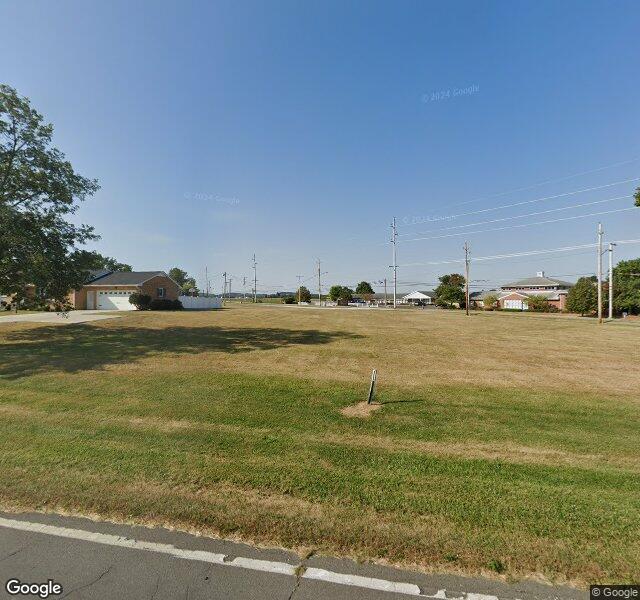
957 BECKS KNOB ROAD, LANCASTER, OH 43130 (740) 654-2634
For profit - Limited Liability company 172 Beds DAVID OBERLANDER Data: November 2025
Trust Grade
0/100
#878 of 913 in OH
Last Inspection: August 2024

Within standard 12-15 month inspection cycle. Federal law requires annual inspections.

Overview

Luxe Rehabilitation and Care Center has received a Trust Grade of F, indicating significant concerns about the quality of care provided. It ranks #878 out of 913 nursing homes in Ohio, placing it in the bottom half of facilities statewide, and #9 out of 9 in Fairfield County, meaning it is the least favorable option in the area. The facility is reportedly improving, with the number of issues decreasing from 38 in 2024 to 26 in 2025, but it still faces serious staffing challenges, with a 68% turnover rate, much higher than the state average of 49%. There have been concerning incidents, including a resident not receiving antibiotics on time, resulting in serious health complications, and failures to monitor vital signs and pressure ulcers, which could lead to further harm. While the facility has some strengths in quality measures, the overall care environment raises red flags for families considering this home for their loved ones.

Trust Score
F
0/100
In Ohio
#878/913
Bottom 4%
Safety Record
High Risk
Review needed
Inspections
Getting Better
38 → 26 violations
Staff Stability
⚠ Watch
68% turnover. Above average. Higher turnover means staff may not know residents' routines.
Penalties
✓ Good
$70,768 in fines. Lower than most Ohio facilities. Relatively clean record.
Skilled Nurses
⚠ Watch
Each resident gets only 21 minutes of Registered Nurse (RN) attention daily — below average for Ohio. Fewer RN minutes means fewer trained eyes watching for problems.
Violations
⚠ Watch
97 deficiencies on record. Higher than average. Multiple issues found across inspections.
★☆☆☆☆
1.0
Overall Rating
★☆☆☆☆
1.0
Staff Levels
★★★★☆
4.0
Care Quality
★☆☆☆☆
1.0
Inspection Score
Stable
2024: 38 issues
2025: 26 issues

The Good

  • 4-Star Quality Measures · Strong clinical quality outcomes
  • Full Sprinkler Coverage · Fire safety systems throughout facility
  • No fines on record

Facility shows strength in quality measures, fire safety.

The Bad

1-Star Overall Rating

Below Ohio average (3.2)

Significant quality concerns identified by CMS

Staff Turnover: 68%

22pts above Ohio avg (46%)

Frequent staff changes - ask about care continuity

Federal Fines: $70,768

Well above median ($33,413)

Moderate penalties - review what triggered them

Chain: DAVID OBERLANDER

Part of a multi-facility chain

Ask about local staffing decisions and management

Staff turnover is elevated (68%)

20 points above Ohio average of 48%

The Ugly 97 deficiencies on record

6 actual harm
Jun 2025 5 deficiencies
CONCERN (D) 📢 Someone Reported This

A family member, employee, or ombudsman was alarmed enough to file a formal complaint

Potential for Harm - no one hurt, but risky conditions existed

Investigate Abuse (Tag F0610)

Could have caused harm · This affected 1 resident

**NOTE- TERMS IN BRACKETS HAVE BEEN EDITED TO PROTECT CONFIDENTIALITY** Based on record review, self-reported incident (SRI) review, and interview, the facility failed to complete thorough investigati...

Read full inspector narrative →
**NOTE- TERMS IN BRACKETS HAVE BEEN EDITED TO PROTECT CONFIDENTIALITY** Based on record review, self-reported incident (SRI) review, and interview, the facility failed to complete thorough investigations after allegations of abuse. This had the potential to affect one resident (#131) of two residents reviewed for allegations of abuse. The facility census was 133. Findings include: Record review revealed Resident #131 admitted to the facility on [DATE] with diagnoses including seizures and other specified disorders of the brain. Review of a care plan last revised on 11/14/24 revealed Resident #131 did not have any behaviors. Review of a SRI investigation dated 05/11/25 revealed resident questionnaires were completed and Resident #131 indicated he had been mistreated. There was no evidence of any follow-up questions to determine how or when Resident #131 had been mistreated. Review of a minimum data set (MDS) assessment dated [DATE] revealed Resident #131's cognition remained intact and he had no behaviors. Interview on 06/18/25 at 3:00 P.M. with the Director of Nursing (DON) confirmed the questionnaire completed by Resident #131 indicated he had been mistreated and a skin check was completed with no findings, but there was no evidence Resident #131 was asked questions to determine how or when he was mistreated. The DON confirmed investigations should be completed at the time such allegations are made. Review of a statement dated 06/18/25 by Resident #131 revealed he had not been mistreated. Review of a policy titled Abuse, Mistreatment, Neglect, Exploitation and Misappropriation of Resident Property (dated 10/2022) revealed during the investigation, residents who were on the same unit the allegations were made should be interviewed as well as the resident who made the allegations. Mistreatment was defined as inappropriate treatment to the resident. This deficiency represents an incidental finding of non-compliance investigated under Complaint Number OH00166557.
CONCERN (D) 📢 Someone Reported This

A family member, employee, or ombudsman was alarmed enough to file a formal complaint

Potential for Harm - no one hurt, but risky conditions existed

Deficiency F0627 (Tag F0627)

Could have caused harm · This affected 1 resident

**NOTE- TERMS IN BRACKETS HAVE BEEN EDITED TO PROTECT CONFIDENTIALITY** Based on medical record review, staff interview, policy review, and guardian interview, the facility failed to have evidence tha...

Read full inspector narrative →
**NOTE- TERMS IN BRACKETS HAVE BEEN EDITED TO PROTECT CONFIDENTIALITY** Based on medical record review, staff interview, policy review, and guardian interview, the facility failed to have evidence that a transfer from the facility was necessary for the resident's welfare and the resident's needs could not be met in the facility. This affected one resident (#135) of three residents reviewed who were transferred to other nursing facilities. The facility census was 133. Findings include: Review of the closed medical record for Resident #135 revealed an admission date of 01/04/25 and diagnoses including Schizophrenia, hypertension, benign neoplasm of cranial nerves, and hearing loss. His brother was his legal guardian. Review of a Minimum Data Set (MDS) assessment completed 04/01/25 revealed he had a Brief Interview for Mental Status (BIMS) score of 3, indicating severe cognitive impairment. It also indicated he was independent with mobility. An elopement assessment completed 01/04/25 indicated the resident was not at risk for elopement. Review of nursing progress notes revealed no evidence of any attempts to elope from the facility until 05/18/25. On 05/18/25 at 12:30 A.M. Registered Nurse (RN) #209 documented that Resident #135 exited the facility and was returned by facility staff. There was no further documentation in the medical record regarding the details of the elopement. Interview with the Administrator on 06/16/25 at 8:02 A.M. revealed the facility has a secured unit in the [NAME] building. (However, Resident #135 did not reside on the secured unit). All exit doors in the [NAME] and [NAME] buildings are locked against going out. The doors require a key card that staff carry or the receptionist near the front door of each building is able to unlock the front exit doors. The facility has a receptionist on duty for 10 hours each day (8:30 AM to 7:00 PM) in each building. Review of a QAPI Performance Improvement Project form dated 05/19/25 revealed a resident (Resident #135) eloped from the building while the fire panel was alarming. Root cause analysis: Lack of education of staff not knowing to supervise residents while the alarm was going off. All exit doors become unlocked while the fire panel alarmed. The resident pushed on a door and left. Goal and Objective: Once the fire panel alarms, staff will monitor units and exit doors until maintenance is alerted and addresses the alarm. Further review of the record revealed on 05/20/25 at 12:05 P.M. it was documented that a referral was sent to another nursing facility (a sister facility that was located approximately 170 miles, 2.5 hours away). There was no further information documented in the nursing progress notes until 05/29/25 at 8:25 A.M. when it was documented that discharge paperwork was completed, attached medication list, facesheet, and most recent labs. It did not indicate where the resident was discharged to. Review of a Discharge Recap of care form signed by Registered Nurse (RN) #209 on 05/29/25 revealed Resident #135's primary language was Nepali. Date of discharge or transfer notice given to resident or representative: 05/23/25. discharge date : [DATE]. Facility transfer necessary for resident's safety with wandering. Reason for discharge/transfer: Necessary for the resident's welfare and the needs could not be met in the facility. Discharging to another SNF/long term care. The name of facility discharging to was the facility that the referral was sent to on 05/20/25. Who initiated discharge? Facility was check marked. Is this resident discharging while an appeal is in process? No was marked. Most recent BIMS score- 0. Does not display mood or behavior patterns. Both verbal and non verbal were marked. Local contact agency notified: No. Date of statement of appeal rights given to resident or representative: 05/29/25. There was no evidence in the record that the basis for the transfer/discharge was documented, why the resident's needs could not be met in the facility, or any attempts to meet the resident's needs. There was no documentation to indicate how the facility he was transferred to could better meet his needs or was different from the current facility (current facility with all locked doors). There was no evidence of any attempts to find a facility closer to the resident's guardian (facility transferred to is approximately 2.5 hours from the guardian). There was no evidence of any documentation by the physician about the basis for the transfer/discharge, what needs could not be met, efforts to meet those needs, and the specific services the receiving facility would provide to meet the needs of the resident that could not be met at the current facility. There was no evidence the facility involved the resident's guardian in choosing a facility to transfer to. Interview with Regional Administrator #352 on 06/17/25 at 8:55 A.M. revealed former Administrator #350 had spoken with Resident #135's brother and the brother had asked for a place that was better suited for him. Former Administrator #350 then told him of the sister facility that is 2.5 hours away. He stated the resident was transferred to the other facility as it was safer and a younger population. He gave no further information on how it was safer. He confirmed there was nothing documented in the medical record about the decision to transfer. Review of a note provided by the facility and signed by former Administrator #350, the Director of Nursing, and Assistant Director of Nursing #265 revealed a care conference was held with Resident #135's brother on 05/20/25 via phone regarding the issue that occurred on 05/18/25. The brother stated he was thankful for the great work the nursing staff did in getting his brother back to the building and ensuring his safety. He did mention if there was a building that would be able to handle his brother's needs more. We stated we have a sister facility and can send a referral there and see what happens. Explained the facility handles more mental health residents and is equipped with a more secure environment that would be appropriate for his needs. He stated he would like his brother to try it out. A referral will be sent today. Interview with former Administrator #350 on 06/17/25 at 12:31 P.M. confirmed she had spoken to Resident #135's brother. She stated that she had approached him with the idea to transfer. She stated she thought referrals to other facility's were done but she was not sure about where. She stated the facility he was transferred to was the only one that would take him. She confirmed she did not document in the medical record anything related to the transfer/discharge. She stated that it was a facility initiated discharge but the brother agreed. Interview with the Director of Nursing on 06/17/25 at 3:22 P.M. confirmed, besides the note of referral to another facility, there were no notes related to the reason for the discharge, how his needs could not be met, attempts to meet needs, or how the new facility could meet his needs. She stated former Administrator #350 was the one who spoke to Resident #135's guardian. Interview with Resident #135's guardian on 06/16/25 at 3:39 P.M. revealed he did not want the resident to move from the facility. He stated the facility he was transferred to is too far for him to visit. He stated he now has to go 2-3 weeks between visits and has only seen him once since he was transferred. He stated the facility called him and said they can't take care of him anymore. He stated he felt like he did not have a choice in the transfer and the facility had already made the plans to transfer him to the facility that is 2.5 hours away. They said it was the only choice. He stated he went to visit for the first time recently and did not like the facility. He stated it was dirty and stunk. He stated he did not know how that facility is different or could meet his needs better. Review of the facility policy titled Facility Discharge and Transfer Policy (dated December 2024 and Revised January 2025) revealed the facility will only initiate a discharge or transfer of a resident for appropriate reasons, ensure proper documentation, provide advance notice, and facilitate coordination with receiving providers or services. Notice requirements include: written notice must be provided to the resident and representative at least 30 days in advance of a planned discharge or transfer, unless an emergency situation applies. Residents have the right to appeal an involuntary discharge. This deficiency represents non-compliance investigated under Complaint Number OH00166557.
CONCERN (D) 📢 Someone Reported This

A family member, employee, or ombudsman was alarmed enough to file a formal complaint

Potential for Harm - no one hurt, but risky conditions existed

Deficiency F0628 (Tag F0628)

Could have caused harm · This affected 1 resident

**NOTE- TERMS IN BRACKETS HAVE BEEN EDITED TO PROTECT CONFIDENTIALITY** Based on medical record review, staff interview, policy review, and guardian interview, the facility failed to provide notice be...

Read full inspector narrative →
**NOTE- TERMS IN BRACKETS HAVE BEEN EDITED TO PROTECT CONFIDENTIALITY** Based on medical record review, staff interview, policy review, and guardian interview, the facility failed to provide notice before transfer to another facility to include the reason for the transfer and include appeal rights This affected one resident (#135) of three residents reviewed who were transferred to other nursing facilities. The facility census was 133. Findings include: Review of the closed medical record for Resident #135 revealed an admission date of 01/04/25 and diagnoses including Schizophrenia, hypertension, benign neoplasm of cranial nerves, and hearing loss. His brother was his legal guardian. Review of a Minimum Data Set (MDS) assessment completed 04/01/25 revealed he had a Brief Interview for Mental Status (BIMS) score of 3, indicating severe cognitive impairment. It also indicated he was independent with mobility. An elopement assessment completed 01/04/25 indicated the resident was not at risk for elopement. Review of nursing progress notes revealed no evidence of any attempts to elope from the facility until 05/18/25. On 05/18/25 at 12:30 A.M. Registered Nurse (RN) #209 documented that Resident #135 exited the facility and was returned by facility staff. There was no further documentation in the medical record regarding the details of the elopement. Interview with the Administrator on 06/16/25 at 8:02 A.M. revealed the facility has a secured unit in the [NAME] building. (However, Resident #135 did not reside on the secured unit). All exit doors in the [NAME] and [NAME] buildings are locked against going out. The doors require a key card that staff carry or the receptionist near the front door of each building is able to unlock the front exit doors. The facility has a receptionist on duty for 10 hours each day (8:30 A.M. to 7:00 P.M.) in each building. Review of a QAPI Performance Improvement Project form dated 05/19/25 revealed a resident (Resident #135) eloped from the building while the fire panel was alarming. Root cause analysis: Lack of education of staff not knowing to supervise residents while the alarm was going off. All exit doors become unlocked while the fire panel alarmed. The resident pushed on a door and left. Goal and Objective: Once the fire panel alarms, staff will monitor units and exit doors until maintenance is alerted and addresses the alarm. Further review of the record revealed on 05/20/25 at 12:05 P.M. it was documented that a referral was sent to another nursing facility (a sister facility that was located approximately 170 miles, 2.5 hours away). There was no further information documented in the nursing progress notes until 05/29/25 at 8:25 A.M. when it was documented that discharge paperwork was completed, attached medication list, facesheet, and most recent labs. It did not indicate where the resident was discharged to. Review of a Discharge Recap of care form signed by Registered Nurse (RN) #209 on 05/29/25 revealed Resident #135's primary language was Nepali. Date of discharge or transfer notice given to resident or representative: 05/23/25. discharge date : [DATE]. Facility transfer necessary for resident's safety with wandering. Reason for discharge/transfer: Necessary for the resident's welfare and the needs could not be met in the facility. Discharging to another SNF/long term care. The name of facility discharging to was the facility that the referral was sent to on 05/20/25. Who initiated discharge? Facility was check marked. Is this resident discharging while an appeal is in process? No was marked. Most recent BIMS score- 0. Does not display mood or behavior patterns. Both verbal and non verbal were marked. Local contact agency notified: No. Date of statement of appeal rights given to resident or representative: 05/29/25. There was no evidence in the record that the basis for the transfer/discharge was documented. There was also no evidence that before transfer, the resident's guardian was provided notice of transfer with the reason, effective date, location of transfer, appeal rights and Ombudsman information. Interview with Regional Administrator #352 on 06/17/25 at 8:55 A.M. revealed former Administrator #350 had spoken with Resident #135's brother and the brother had asked for a place that was better suited for him. Former Administrator #350 then told him of the sister facility that is 2.5 hours away. He stated the resident was transferred to the other facility as it was safer and a younger population. He gave no further information on how it was safer. He confirmed there was nothing documented in the medical record about the decision to transfer. Review of a note provided by the facility and signed by former Administrator #350, the Director of Nursing, and Assistant Director of Nursing #265 revealed a care conference was held with Resident #135's brother on 05/20/25 via phone regarding the issue that occurred on 05/18/25. The brother stated he was thankful for the great work the nursing staff did in getting his brother back to the building and ensuring his safety. He did mention if there was a building that would be able to handle his brother's needs more. We stated we have a sister facility and can send a referral there and see what happens. Explained the facility handles more mental health residents and is equipped with a more secure environment that would be appropriate for his needs. He stated he would like his brother to try it out. A referral will be sent today. Interview with former Administrator #350 on 06/17/25 at 12:31 P.M. confirmed she had spoken to Resident #135's brother. She stated that she had approached him with the idea to transfer. She stated she thought referrals to other facility's were done but she was not sure about where. She stated the facility he was transferred to was the only one that would take him. She confirmed she did not document in the medical record anything related to the transfer/discharge. She stated that it was a facility initiated discharge but the brother agreed. She confirmed a discharge notice with required information was not provided to the guardian. Interview with the Director of Nursing on 06/17/25 at 3:22 P.M. confirmed, besides the note of referral to another facility, there were no notes related to the reason for the discharge. She stated former Administrator #350 was the one who spoke to Resident #135's guardian. Interview with Resident #135's guardian on 06/16/25 at 3:39 P.M. revealed he did not want the resident to move from the facility. He stated the facility he was transferred to is too far for him to visit. He stated he now has to go 2-3 weeks between visits and has only seen him once since he was transferred. He stated the facility called him and said they can't take care of him anymore. He stated he felt like he did not have a choice in the transfer and the facility had already made the plans to transfer him to the facility that is 2.5 hours away. They said it was the only choice. He stated he went to visit for the first time recently and did not like the facility. He stated it was dirty and stunk. He stated he did not know how that facility is different or could meet his needs better. He confirmed he was not provided with a discharge notice, information on how to appeal, or contact information for the Ombudsman. Review of the facility policy titled Facility Discharge and Transfer Policy (dated December 2024 and Revised January 2025) revealed the facility will only initiate a discharge or transfer of a resident for appropriate reasons, ensure proper documentation, provide advance notice, and facilitate coordination with receiving providers or services. Notice requirements include: written notice must be provided to the resident and representative at least 30 days in advance of a planned discharge or transfer, unless an emergency situation applies. Residents have the right to appeal an involuntary discharge. This deficiency represents non-compliance investigated under Complaint Number OH00166557.
CONCERN (D) 📢 Someone Reported This

A family member, employee, or ombudsman was alarmed enough to file a formal complaint

Potential for Harm - no one hurt, but risky conditions existed

Accident Prevention (Tag F0689)

Could have caused harm · This affected 1 resident

**NOTE- TERMS IN BRACKETS HAVE BEEN EDITED TO PROTECT CONFIDENTIALITY** 2. Record review revealed Resident #18 was admitted to the facility on [DATE] with diagnoses including dementia, muscle weakness...

Read full inspector narrative →
**NOTE- TERMS IN BRACKETS HAVE BEEN EDITED TO PROTECT CONFIDENTIALITY** 2. Record review revealed Resident #18 was admitted to the facility on [DATE] with diagnoses including dementia, muscle weakness, and hypertension. Review of a quarterly MDS 04/01/25 revealed Resident #18 had moderately impaired cognition and had no behaviors. Review of a care plan updated on 06/14/25 revealed Resident #18 was at risk for falls related to cognitive function, decreased mobility, current hospital stay, weakness, acute chronic encephalopathy, hypertension, hypocalcemia, cognitive impairment, and self-care deficit with a goal to be free from injury. Interventions included but were not limited to keep urinal at bedside (06/14/25), place a bedside toilet in room (06/04/25), and a please call don't fall sign in room (02/23/25). Observation on 06/18/25 at 12:34 P.M. revealed Resident #18 was sitting in his bed, eating. Resident #18 did not have a urinal at bedside, a bedside toilet, or a please call don't fall sign in his room. Interview on 06/18/25 at 1:28 P.M. with DON confirmed the fall interventions were not in place at the time of the survey. Review of a policy titled Fall Prevention and Management dated 11/2024 revealed post fall, the facility will assess the resident, investigate and determine the root cause of the fall, and notify the resident's physician and responsible party of the fall and new interventions. This deficiency represents non-compliance investigated under Master Complaint Number OH00166557 and Complaint Number OH00166254. Based on observations, record review, review of a facility investigation, and staff interviews, the facility failed to ensure residents received adequate supervision and assistance devices to prevent an elopement for Resident #135 and to prevent falls for Resident #18. This affected one of three residents reviewed for elopement (Resident #135) and one of four residents reviewed for falls (Resident #18). The facility census was 133. Findings include: 1. Review of the closed medical record for Resident #135 revealed an admission date of 01/04/25 and diagnoses including Schizophrenia, hypertension, benign neoplasm of cranial nerves, and hearing loss. His brother was his legal guardian. Review of a Minimum Data Set assessment completed 04/01/25 revealed he had a Brief Interview for Mental Status (BIMS) score of 3, indicating severe cognitive impairment. It also indicated he was independent with mobility. An elopement assessment completed 01/04/25 indicated the resident was not at risk for elopement. Review of nursing progress notes revealed no evidence of any attempts to elope from the facility until 05/18/25. On 05/18/25 at 12:30 A.M. Registered Nurse (RN) #209 documented that Resident #135 exited the facility and was returned by facility staff. There was no further documentation in the medical record regarding the details of the elopement. Review of a facility investigation timeline titled Elopement of Resident #135 05/18/25 revealed the following: 05/18/25 at 12:10 A.M. Staff doing rounds noticed the resident was missing. Fire Panel alarming. 05/18/25 at 12:20 A.M. A staff nurse driving by and saw resident walking. Called the facility nurse and said she is bringing the resident back to the facility. 05/18/25 at 12:25 A.M. Staff nurse and nursing assistant escorted the resident back into the building. Fire panel continued to buzz/alarm. 05/18/25 12:40 A.M. Staff nurse assessed the resident for injury and no injuries noted. Staff nurse called on call nurse manager and explained what happened. Resident was immediately placed on 1:1. 05/18/25 at 1:00 A.M. Fire department showed up. Maintenance also showed up. 05/18/25 at 1:15 A.M. Total house head count was completed. All residents present and accounted for. Egress doors checked and all locking properly. Staff interviews conducted. Cause of elopement determined to be the resident eloped out of the [NAME] wing door while the fire panel was buzzing/alarming, allowing all doors to be unlocked. 05/18/25 at 2:00 A.M. Whole house education started. 05/19/25 Maintenance completed all egress door audit to ensure in proper working order. 05/19/25 Whole house elopement risk assessments started. 05/19/25 Updated elopement risk assessments and reported to QAPI team. 05/19/25 Elopement books updated. 05/19/25 Elopement audits started. Interview with the Administrator on 06/16/25 at 8:02 A.M. revealed the facility has a secured unit in the [NAME] building. (However, Resident #135 did not reside on the secured unit). All exit doors in the [NAME] and [NAME] buildings are locked against going out. The doors require a key card that staff carry or the receptionist near the front door of each building is able to unlock the front exit doors. The facility has a receptionist on duty for 10 hours each day (8:30 am to 7 pm) in each building. Review of the schedule for 05/17/25 (included staff working after midnight to include 05/18/25) revealed there was one nurse and one nursing assistant scheduled for the 200 hall on [NAME] where Resident #135 resided. This included Licensed Practical Nurse (LPN) #199 and Nursing Assistant #187. Review of the facility investigation reports revealed there was not a statement from LPN #199 regarding the elopement of Resident #135. A written witness statement from Nursing Assistant #187 only stated that she was doing a round, came up front to the stock room and last saw Resident #135 eating snacks and watching tv in the front room. The time of the incident was noted to be 11:00 P.M. to 11:30 P.M. There was no statement regarding the actual elopement. There were two other staff witness statements as part of the investigation. LPN #201 documented that she was the nurse on the 400 hall of [NAME] that night and was passing medications on her hall. No further information provided. Nursing Assistant #191 (who was working the night shift on 100 hall of [NAME]) stated she last saw Resident #135 in the lobby at 10:00 P.M. Review of a QAPI Performance Improvement Project form dated 05/19/25 revealed a resident eloped from the building while the fire panel was alarming. Root cause analysis: Lack of education of staff not knowing to supervise residents while the alarm was going off. All exit doors become unlocked while the fire panel alarmed. The resident pushed on a door and left. Goal and Objective: Once the fire panel alarms, staff will monitor units and exit doors until maintenance is alerted and addresses the alarm. Maintenance will then make sure the doors are locked once the fire alarm is set back in place. Action items included: Educate the staff on what to do when the fire alarm panel is going off. Complete whole house elopement assessments on all residents. Update elopement books with residents new scores. Audit staff response towards fire panel buzzing/alarming five times a week on different shifts for four weeks. Maintenance to ensure all egress doors are in proper working order. All estimated completion dates were 05/19/25 except education estimated completion 05/26/25 and audits of staff response estimated completion 06/19/25. Resident #135 was transferred to another facility on 05/29/25. Review of a log of the fire alarm panel provided by the alarm monitoring company revealed no evidence of any issues with the fire alarm system until 05/18/25 at 12:23 A.M. when a trouble alarm was noted (The facility timeline indicated that the fire panel was alarming at 12:10 A.M. when Resident #135 was noted missing and the resident was escorted back into the building at 12:25 A.M.). The log further indicated a fire alarm activated on 05/18/25 at 1:26 A.M. (after Resident #135 was already back in the facility). The following staff interviews were conducted by the surveyor: a. Interview with Registered Nurse (RN) #190 on 06/17/25 at 8:48 A.M. (worked on [NAME] 100 hall on the night of the elopement) revealed he did not know Resident #135 was gone until LPN #199 told him and the resident was already back. He stated she told him after midnight but he did not remember when and did not know how the resident got out. He stated he did not hear the fire alarm at all that night. He did not remember maintenance or the unit manager coming in that night. b. Interview with LPN #201 on 06/17/25 at 9:00 A.M. (worked on [NAME] 400 hall on the night of the elopement and had provided a written statement noted above) revealed the nurse working on 200 hall in the [NAME] building (RN #231) had told her Resident #135 was outside around midnight and he was still out. She was told that RN #248 was bringing some food to RN #231 and saw Resident #135 outside. RN #248 called RN #231 and said she was bringing him back. LPN #201 stated she did not know how he got out. She stated the fire alarm had went off however there was no sound and only the strobe lights were flashing. She stated she did not know what time that was. She stated she did not know if the fire department was there and she did not see maintenance that night. d. Interview with RN #231 on 06/17/25 at 10:17 A.M. revealed she was routinely the night shift supervisor but on the night Resident #135 eloped, she worked the floor on 200 hall in the [NAME] building. She stated she was not aware Resident #135 was gone until RN #248 called her and said she saw the resident near the train tracks close to the [NAME] grocery store. (Approximately 1.8 miles from the facility). She stated RN #248 was not working that night but was bringing her some food. RN #231 stated she then notified Resident #135's nurse (LPN #199) that the resident had eloped. She stated LPN #199 was not aware that he was gone. RN #248 then brought the resident back to the facility. RN #231 stated she went to the parking lot and was there when RN #248 brought him back in her car. She stated she then told LPN #199 to call the unit manager and she went back to the [NAME] building. She stated she did not know how the resident got outside. She stated the fire alarm did not go off until 30 minutes after the resident returned. She stated she did not know if the fire department came that night. She stated maintenance did come in and shut off the alarm. e. Interview with RN #248 on 06/17/25 at 10:31 A.M. revealed she was not working the night of 05/17-05/18/25. She stated she was on her way to the facility to drop off something to a nurse around 12:30 A.M.-12:45 A.M. when she saw a person walking that she thought looked like Resident #135. She stated she verified it was him. She stated he was near the train tracks across the road from the [NAME] grocery store. She stated she then called RN #231. She stated she got Resident #135 into her car and took him back to the facility. She stated it took about five minutes to return. She stated when she got to the facility parking lot, RN #231 and Nursing Assistant #187 were there but not LPN #199. The resident was taken inside the building. f. Interview with Nursing Assistant #187 on 06/17/25 at 2:53 P.M. revealed she and LPN #199 were working on the unit where Resident #135 resided on the night of 05/17/25 into 05/18/25. She stated she last saw Resident #135 in the lobby eating snacks between 11:00 P.M. and 12:00 A.M. She stated she was doing rounds and noticed that he was not in his room. She stated she went up front to look for him and could not find him. She stated her and LPN #199 were looking for the resident when RN #248 showed up with him around 12:00 A.M. She stated she was not sure how he got out of the facility. She stated some residents go out to smoke but must be let out by staff. She stated she did not remember letting anyone out. She stated staff sometimes go out to smoke or for breaks. She stated she did not go out at all that night. She stated the nurse goes out to smoke sometimes. She did not mention the fire alarm until questioned by the surveyor. She stated the fire alarm had went off in the other building ([NAME]) but not in the [NAME] building. She stated she did not know when the alarm went off. She stated she was not aware that the exit doors release if the fire alarm goes off. g. Interview with Unit Manager RN #209 on 06/23/25 at 7:46 A.M. revealed she was on call the weekend Resident #135 eloped. She stated LPN #199 called her around 12:30 P.M. and said he got out but was back in the facility. She stated she lives close and came in around 12:50 A.M. She stated when she arrived an alarm was going off on the fire alarm panel in the [NAME] building. She stated it was not the main fire alarm going off. She stated the fire department was there in the [NAME] building when she arrived. She stated maintenance came in also. She stated she thought he got out the door that was unlocked due to the alarm. She stated Resident #135 was placed on 1-1 staffing. She stated she stayed about two hours then went home. She verified that the monitoring company log did not indicate trouble with the system until 12:23 A.M. (Resident #135 was already back to the facility at 12:30 A.M. per her interview). h. Interview with Environmental and Safety Director #285 on 06/17/25 at 11:35 A.M. revealed that when a trouble alarm activates, it comes up on the fire panel and the panel will beep but the overall fire alarm does not sound. He stated the exit doors would not release until the fire alarm went off. He confirmed the log from the monitoring company indicated a trouble alarm on 05/18/25 at 12:23 A.M. and a fire alarm on 05/18/25 at 1:26 A.M. He stated there is a fire panel in each building. In [NAME] it is behind the receptionist desk and in [NAME] it is on the wall to the right of the receptionist desk. He stated staff may not hear the beeping on the panel with a trouble alarm if they are not near the receptionist desk. He stated once the fire alarm goes off, then the loud alarm and strobes could be heard in both buildings. He stated if a staff person silenced the fire alarm, that would leave only the strobes on. He stated he was notified by the monitoring company of the trouble signal. He then started to go to the facility. He stated the fire alarm then sounded (documented on log as 1:26 A.M.) He said the fire alarm went off again because they tried to reset the panel but the issue was not fixed so the fire alarm went off again. He stated there was a leak in the sprinkler system that he repaired. He stated the system was restored on 05/18/25 at 6:12 A.M. On 06/17/25 at 3:39 P.M. Environmental and Safety Director #285 stated that the trouble alarm would cause the exit doors to release. Information was requested by the surveyor from the either the monitoring company or the company that services the fire panel to verify that the exit doors would release with the trouble signal. Interview with Environmental and Safety Director #285 on 06/23/25 at 8:20 A.M. revealed the facility had no further evidence that the exit doors would release with a trouble alarm only and not the fire alarm. i. Interview with the Director of Nursing on 06/17/25 at 3:22 P.M. revealed she had completed the timeline investigation for the elopement of Resident #135. She confirmed the facility did not obtain a statement from the nurse responsible for Resident #135 that night (LPN #199). She confirmed the only documentation in the medical record regarding the elopement was the one note from RN #209 that stated he exited the facility and was returned by staff. Review of the facility policy on Elopements dated 2001 and revised December 2007 revealed staff shall investigate and report all cases of missing residents. When a departing individual returns to the facility, document the event in the resident's medical record. The policy further stated to document relevant information in the resident's medical record upon return.
CONCERN (F) 📢 Someone Reported This

A family member, employee, or ombudsman was alarmed enough to file a formal complaint

Potential for Harm - no one hurt, but risky conditions existed

Administration (Tag F0835)

Could have caused harm · This affected most or all residents

Based on review of facility open payables log, review of Administrator job description, and interviews, the facility failed to ensure the facility was administered in a manner that enabled it to use i...

Read full inspector narrative →
Based on review of facility open payables log, review of Administrator job description, and interviews, the facility failed to ensure the facility was administered in a manner that enabled it to use its resources effectively and efficiently including compliance with all financial obligations for the delivery of care to attain and maintain the highest practicable well being of each resident. This affected 133 of 133 residents residing in the facility. Findings include: 1. Review of information received from two anonymous complaints on 06/11/25 revealed: 1: The facility did not get the food truck because they did not pay the bill and 2: Food service was cut off until payment was made as the facility owed $86,000.00. a. Interview with Dietary Aide #294 on 06/16/25 at 9:35 A.M. revealed the food delivery truck did not come on Friday 06/06/25 to deliver the facility food supply. She stated they had to change the menu over the weekend but the facility had sufficient food. She stated the food delivery truck then came on Tuesday 6/10/25 with a food delivery. b. Interview with Dietary Manager #234 on 06/16/25 at 9:38 A.M. revealed the food delivery truck did not come on Friday 06/06/25. She stated the facility normally gets food delivery's on Tuesdays and Fridays. She stated the delivery did not come on 06/06/25 due to the bill not being paid. She stated a check was sent to the food delivery company (Sysco) and food delivery service resumed on 06/10/25. She confirmed the menu had to be altered between 06/07/25 and 06/10/25 as the planned menu items were not available. c. Interview with Business Office Manager (BOM) #287 on 06/16/25 at 3:10 P.M. revealed the facility uses an outside company to pay their vendor bills. She stated the vendor invoices come in the mail or by email. She then uploads them into the system and they go to the outside company that pays the bills. She stated she had no way to know the total amount owed to any vendor, including the food supply vendor. Interview with BOM #287 on 06/23/25 at 1:30 P.M. revealed she had no invoices available to show how much was owed to the food supply company or the last payments made. d. Interview with Account Manager #351 for Sysco (Food suppliers to facility) on 06/17/25 at 1:29 P.M. revealed he needed to get permission to provide information to the State Survey Agency regarding how much the facility owed on their food supply invoices or any other information related to food delivery service. As of 06/23/25, Sysco did not reply with any information regarding how much the facility owed on their food service bill or if there was a potential for food delivery service to be suspended again. e. Facility Regional Administrator #352 provided a log of vendor open payables dated 06/17/25. It indicated that the facility owed $25,863.41 for the past 0-30 days and $35,047.97 for the past 31-60 days for a total of $60,911.38 to Sysco, the food supply vendor. As of 06/23/25 at 3:10 P.M., the facility did not provide any Sysco invoices for amounts due and did not provide any evidence of the last time payments were made to Sysco for food service. f. Review of the undated Administrator job description revealed the general responsibilities of the administrator included: Ensure compliance with Local, State, and Federal Regulations, ensure safety for the residents and employees, monitor the staffing and PPD budgeted for each department, make facility rounds every day and follow up on any concerns or issues, and negotiate contracts and rates with the providers and vendors with CEO approval. This deficiency represents non-compliance investigated under Complaint Number OH00166557.
Apr 2025 1 deficiency
CONCERN (D) 📢 Someone Reported This

A family member, employee, or ombudsman was alarmed enough to file a formal complaint

Potential for Harm - no one hurt, but risky conditions existed

Safe Environment (Tag F0584)

Could have caused harm · This affected 1 resident

**NOTE- TERMS IN BRACKETS HAVE BEEN EDITED TO PROTECT CONFIDENTIALITY** Based on observations, staff interviews, and review of facility policy, the facility failed to provide clean and sanitary reside...

Read full inspector narrative →
**NOTE- TERMS IN BRACKETS HAVE BEEN EDITED TO PROTECT CONFIDENTIALITY** Based on observations, staff interviews, and review of facility policy, the facility failed to provide clean and sanitary resident equipment, such as bedrails and wheelchairs. This affected one (Resident #1) of six residents reviewed for cleanliness of resident equipment. The facility census was 130 residents. Findings include: Review of the medical record revealed Resident #1 was admitted to the facility on [DATE] with diagnoses that included metabolic encephalopathy, mood affective disorder, heart transplant, cardiomyopathy, and frontotemporal neurocognitive disease. Review of Resident #1's Minimum Data Set (MDS) assessment dated [DATE] revealed that he utilized a wheelchair. Review of Resident #1's nursing progress notes revealed that on 04/14/25, Resident #1 stated that he was turning over in bed and hit his face on the bedrail and he had a skin tear to his left eyelid. Padding made of white cloth bandage wraps was placed on the bedrail's as an intervention. Observations of Resident #1's bed on 04/17/25 at 10:58 A.M. revealed that he had white cloth bandage padding to the top of his bilateral bedrail's at the top of his bed. The white padding on the bedrail on the right side of the bed contained a rust-colored stain that was visible. Observations of Resident #1's wheelchair on 04/17/25 at 10:58 A.M. revealed that there were white cloth bandage wraps bilaterally on the frame where a front rigging (for wheelchair foot pedals) can be attached. The white cloth wrap on the right side of the frame had a large patch of a brown substance on it. The wheelchair cushion also had black and brown smears on it. Interview with Licensed Practical Nurse (LPN) #257 on 04/17/25 at 11:05 A.M. confirmed that the white padding to Resident #1's bed had a rust-colored substance on it, the right side of the padding to the frame of Resident #1's wheelchair was dirty with a large patch of brown substance on it, and the wheelchair cushion had black and brown smears, and needed to be cleaned as well. Interview with the Director of Nursing on 04/17/25 at 11:55 A.M. revealed that the nursing staff was responsible for cleaning the resident equipment on an as needed basis. Review of the facility policy titled Homelike Environment, dated 2001, revealed that the facility will maximize the characteristics of the facility by maintaining a clean, sanitary and orderly environment. This deficiency represents non-compliance investigated under Complaint Number OH00164588.
Apr 2025 4 deficiencies
CONCERN (D) 📢 Someone Reported This

A family member, employee, or ombudsman was alarmed enough to file a formal complaint

Potential for Harm - no one hurt, but risky conditions existed

Deficiency F0553 (Tag F0553)

Could have caused harm · This affected 1 resident

Based on medical record review and staff interview, this facility failed to ensure residents responsible party participated in care planning. This affected one (Resident #279) of the five residents re...

Read full inspector narrative →
Based on medical record review and staff interview, this facility failed to ensure residents responsible party participated in care planning. This affected one (Resident #279) of the five residents reviewed for care planning. The facility census was 134. Findings include: Review of the medical record for Resident #279 revealed an admission date of 11/27/24 and a discharge date of 03/13/25. Diagnoses included heart disease, acute and chronic respiratory failure, seizures, and chronic obstructive pulmonary disease. Review of Resident #279's comprehensive baseline care plan which was developed with admission to this facility, revealed this care plan had not been reviewed with Resident #279 or this residents Power of Attorney(POA) as required. Interview on 04/01/25 at 2:30 P.M. with the Medical Records Director #262 confirmed the facility did not have a care plan on file indicating Resident #279's POA was informed or involved in the initial care planning. Medical Records Director #262 and the Director of Nursing both confirmed a signature is usually obtained when each care plan is developed from the resident themselves or the POA to help support they were apart of the planning. This deficiency represents non-compliance investigated under Complaint Number OH00163902.
CONCERN (D) 📢 Someone Reported This

A family member, employee, or ombudsman was alarmed enough to file a formal complaint

Potential for Harm - no one hurt, but risky conditions existed

Notification of Changes (Tag F0580)

Could have caused harm · This affected 1 resident

Based on medical record review, fall investigation review, staff interview, and facility policy review, this facility failed to ensure the appropriate resident representative was notified of a fall in...

Read full inspector narrative →
Based on medical record review, fall investigation review, staff interview, and facility policy review, this facility failed to ensure the appropriate resident representative was notified of a fall incident when it occurred. This affected one (Resident #285) of the five residents review for notification of change. The facility census was 134. Findings include: Review of the medical record for Resident #285 revealed an admission date of 03/14/23 and a discharge date of 03/07/25. Diagnoses included dementia with behavioral disturbances, cognitive communication deficit, and schizoaffective disorder bipolar type. Resident #285's Power of Attorney (POA) was noted to be his wife. Review of the plan of care dated 03/27/23 and revised 03/19/25 revealed Resident #285 was at risk for falls related to dementia, reduced mobility, intermittent confusion, self care deficit, and difficulty walking. Interventions included to encourage to use urinal at bedside, encourage to attend activities that minimize the potential for falls while providing diversion and distraction, gripper socks to be worn when out of bed without shoes to decrease falls, if at fall risk, family or legal rep are given instructions about the interventions that are in place to reduce risk of fall, call light in reach, perimeter mattress, provide safe environment, PT and to to treat as needed, and falling leaf placed outside door. Review of the progress note dated 01/27/25 at 5:15 A.M. created by Registered Nurse (RN) #58 revealed, Resident was observed lying on the floor face down. Assessed for mental status, vital signs and injury. Assisted times two to sit on the bed where laceration to forehead was cleaned and dressing applied. Denies any pain except when laceration was cleaned. Resident states he wants to sit in the chair and was assisted with two staff to the bathroom prior to being assisted to the chair. Review of the fall investigation completed 01/27/25 revealed Resident #285's daughter was notified of the fall on 01/27/25 at 8:00 A.M. Review of the progress note dated 01/28/25 at 9:10 A.M. created by RN #12 revealed, Interdisciplinary Team (IDT) met to discuss incident on 01/27/25 resulting in a fall. Resident stated that he was trying to get to his chair and fell. Power of Attorney (POA) and Physician notified. IDT agree on new intervention of wearing grippy socks when ambulating. Care plan updated. Care continues per current plan of care. Interview on 04/01/25 at 3:30 P.M. with Nurse Supervisor #48 confirmed Resident #285's daughter was not the POA and his wife was and the correct person was not notified of the fall that occurred in the early morning hours on 01/27/25 until the following day on 01/28/25. Review of the facility policy titled Fall Prevention and Management, dated 11/2024 revealed under section titled Post Fall, the nurse is to notify the Resident's physician and responsible party of the fall and new interventions. This deficiency represents non-compliance investigated under Complaint Number OH00164213.
CONCERN (D) 📢 Someone Reported This

A family member, employee, or ombudsman was alarmed enough to file a formal complaint

Potential for Harm - no one hurt, but risky conditions existed

Unnecessary Medications (Tag F0759)

Could have caused harm · This affected 1 resident

Based on medical record review, staff interview, medication administration observation, and facility policy review, this facility failed to ensure their medication error rate was less than 5% when the...

Read full inspector narrative →
Based on medical record review, staff interview, medication administration observation, and facility policy review, this facility failed to ensure their medication error rate was less than 5% when there was noted 5 medication errors of the 43 medication that was administered resulting in a 11.9% error rate. This affected three (Resident #33, #147, and #143) of the four resident observed for medication administration. The facility census was 134. Findings include: 1. Observation on 04/01/25 from 8:40 A.M. through 8:45 A.M. of Licensed Practical Nurse (LPN) #8 administering medication to Resident #33 revealed the medication Aspirin (non-inflammatory drug) 81 milligrams (mg) chewable was administered with all other medications that were to be administered whole. Interview on 04/01/25 at 8:45 A.M. with LPN #8 confirmed Resident #33 was supposed to receive Aspirin 81 mg chewable tablet but this medication was not separated from other medications and consumed whole. 2. Observation on 04/01/25 from 9:00 A.M. through 9:20 A.M. of LPN #300 administering medication to Resident #147 revealed all medication was administered whole and all at the same time. Review of the medical record for Resident #147 revealed an order for Phenytoin (anticonvulsant) 150 mg to be administered twice a day for seizures. This medication was noted to be a chewable tablet. Interview on 04/01/2025 at 9:20 A.M. with LPN #300 confirmed the chewable Phenytoin was given to Resident #147 whole and not separated to be chewed up. 3. Observation on 04/01/2025 from 9:20 A.M. through 9:40 A.M. of LPN #300 administering medication to Resident #143 revealed all medication ordered was either crushed or capsules were pulled apart and the medication was placed in a medication cup and mixed with pudding for administration. Review of the medical record for Resident #143 revealed orders for Aspiring 81 mg Delayed Release (DR), Toprolxer (beta-blocker) Extended Release (ER), and Omeprazole (proton pump inhibitor to treat excess stomach acid) Delayed Release (DR). Interview on 04/01/2025 at 9:43 A.M. with LPN #300 confirmed all the medication for Resident #143 was either crushed or or taken out of the capsule and administered with pudding. LPN #300 confirmed delayed release, and extended release medication were not to be crushed or taken out of their capsules due to this medication then being absorbed too quickly. Review of the facility policy, no title and no date, revealed when preparing medication, double check the right medication, dose, route, and time. This deficiency represents non-compliance investigated under Complaint Number OH00163902.
CONCERN (D) 📢 Someone Reported This

A family member, employee, or ombudsman was alarmed enough to file a formal complaint

Potential for Harm - no one hurt, but risky conditions existed

Infection Control (Tag F0880)

Could have caused harm · This affected 1 resident

Based on medication administration observation, staff interview, and facility policy review this facility failed to ensure infection control measures were maintained while administering medication. Th...

Read full inspector narrative →
Based on medication administration observation, staff interview, and facility policy review this facility failed to ensure infection control measures were maintained while administering medication. This affected three (Resident #33, #147, and #143) of the four residents observed for medicating administration. The facility census was 134. Findings include: Observation on 04/01/2025 from 9:10 A.M. through 9:40 A.M. of Licensed Practical Nurse (LPN) #300 revealed after checking Resident #143's blood pressure, hand hygiene was not completed prior to starting to pull medication for the next resident. LPN #300 was then observed dropping medication for Resident #147 on the medication cart and then picking up the medication with an un-gloved hand and placing it back into the medication cup for administration. LPN #300 was then observed using un gloved hand to pull medication out of the cup prior to crushing this medication for administration. Interview on 04/01/2025 at 9:45 A.M. with LPN #300 confirmed she had checked Resident #143's blood pressure without completing hand hygiene prior to pulling medication for Resident #147 where there was a medication dropped on the medication cart which she picked up and placed in the medication cup as well as grabbing medication out the the medication cup with out implementing the proper infection control measures. Review of the facility policy, no title noted, no date noted revealed to never touch pills with bare hands to avoid contaminating or transferring oils, dirt, or germs onto the medication.
Jan 2025 16 deficiencies
CONCERN (D) 📢 Someone Reported This

A family member, employee, or ombudsman was alarmed enough to file a formal complaint

Potential for Harm - no one hurt, but risky conditions existed

Notification of Changes (Tag F0580)

Could have caused harm · This affected 1 resident

**NOTE- TERMS IN BRACKETS HAVE BEEN EDITED TO PROTECT CONFIDENTIALITY** Based on record review, staff interview and policy review, the facility failed to notify resident representatives when there was...

Read full inspector narrative →
**NOTE- TERMS IN BRACKETS HAVE BEEN EDITED TO PROTECT CONFIDENTIALITY** Based on record review, staff interview and policy review, the facility failed to notify resident representatives when there was a significant change in resident condition. This affected two (Resident #86 and #145) of 17 sampled residents. The facility census was 139. Findings include: 1. Review of the closed medical record for Resident #145 revealed the resident was admitted to the facility from the hospital on [DATE]. The resident had been in the hospital from [DATE] to 12/09/24 and was treated for systolic heart failure with coronary artery bypass graft surgery (heart surgery) and permanent pacemaker (arrested during surgery twice), right pneumothorax (a collapsed lung) , left pleural effusion (a build-up of fluid between the tissues that line the lungs and the chest), pulmonary edema (build up of fluid in the lungs), periodontal abscess (bacterial infection that occurs alongside a tooth), diabetes, dysphagia with gastrostomy tube placement, acute pulmonary embolism (blood clot), and anemia. Review of physician's orders on admission revealed the resident received nothing by mouth and had a continuous tube feeding. On 12/18/24 a physician progress note documented that Resident #145 was seen due to having complaints of feeling tired of fighting and was ready to die. The facility staff discussed prognosis with family and patient/family desired comfort care only. Will consult hospice and change code status to Do Not Resuscitate (DNR) (no life saving measures when the resident's heart stops beating) per patient wishes. Review of physician's orders revealed a hospice consult was ordered and code status changed to DNR on 12/18/24. On 12/19/24 at 9:59 P.M. LPN #123 documented in the nursing progress notes a temperature of 97.1 (taken at that time), a pulse of 54 (taken at 8:38 P.M. on 12/19/24), respirations 14 (taken at that time). The most recent previous respirations were noted to be 20 on 12/17/24. A blood pressure of 105/65 millimeters of Mercury (mmHg) was documented in the nursing progress notes but was noted to be carried forward into the notes from 12/18/24 at 10:19 A.M. (no new blood pressure taken). It stated the resident was alert and easily arousable. On 12/19/24 at 11:00 P.M. nursing progress notes by LPN #123 stated the nurse contacted hospice but was informed that the resident was no longer under their care. The nurse then contacted another hospice company who confirmed they had consulted on the resident's case on 12/19/24 but had not yet admitted her. The notes did not indicate why the nurse was contacting hospice. On 12/19/24 at 11:39 P.M. nursing progress notes by LPN #123 stated resident's last known time was 10:30 P.M. The nurse conducted rounds at 11:30 P.M. and found the resident did not have a pulse. Called a second nurse to confirm. Notified Nurse Practitioner who pronounced the resident dead at 11:30 P.M. Interview with LPN #123 on 01/15/25 at 12:18 P.M. revealed she worked from 7:00 P.M. until 7:00 A.M. on 12/18/24 into 12/19/24. She stated that she had attempted to take Resident #145's blood pressure on 12/19/24 at 8:38 P.M. when she got a pulse of 54, but was unable to get a blood pressure. She stated the blood pressure machine read error. She stated she intended to get a manual blood pressure machine to check the resident's blood pressure but was busy with other residents. She stated that she called hospice later in the evening (around 11:00 P.M.) because of the low pulse and being unable to obtain a blood pressure. However, hospice had been discontinued with one agency and had not started with the next agency. She stated that when she went back to the resident's room at 11:30 P.M. the resident had passed away. She confirmed she had not contacted the resident's family to notify them of the changes in vital signs (beginning around 8:30 P.M.) until after the resident had expired. 2. Review of Resident #86's medical record revealed an admission date of 03/01/23 with diagnoses including hypertension, major depressive disorder, dementia, and chronic obstructive pulmonary disease. Review of Resident #86's quarterly Minimum Data Set (MDS) assessment dated [DATE] revealed the resident had severely impaired cognition. Review of Resident #86's contacts revealed her sister was power of attorney (POA) (able to make decisions on behalf of the resident) Review of Resident #86's progress note dated 01/01/25 revealed after breakfast the resident was noted to be pocketing her food (storing her food in her cheeks). Attempts were made several times for her to chew and swallow, but she just smiled and laughed. The speech therapist was consulted regarding her pocketing. There was no evidence the POA was notified of this change. Review of Resident #86 ' s physician order dated 01/01/25 revealed she was on a regular diet with a puree texture due to pocketing food. There was no evidence the POA was notified of this change. Interview on 01/15/25 at 2:09 P.M. and 4:26 P.M with the Director of Nursing (DON) verified there was no evidence the POA was notified of the resident's swallowing problems or diet change. Review of the facility policy titled Change in a Resident's Condition or Status dated 2001 and revised May 2017 revealed a nurse will notify the resident's representative when there is a significant change in the resident's physical, mental, or psychosocial status. This deficiency represents noncompliance investigated under Complaint Number OH00161321.
CONCERN (D) 📢 Someone Reported This

A family member, employee, or ombudsman was alarmed enough to file a formal complaint

Potential for Harm - no one hurt, but risky conditions existed

Report Alleged Abuse (Tag F0609)

Could have caused harm · This affected 1 resident

**NOTE- TERMS IN BRACKETS HAVE BEEN EDITED TO PROTECT CONFIDENTIALITY** Based on medical record review, interview, facility investigation review, and policy review, the facility failed to report an al...

Read full inspector narrative →
**NOTE- TERMS IN BRACKETS HAVE BEEN EDITED TO PROTECT CONFIDENTIALITY** Based on medical record review, interview, facility investigation review, and policy review, the facility failed to report an allegation of abuse to the state survey agency. This affected one (Resident #8) of three residents reviewed for abuse. The census was 139. Findings Include: Resident #8 was admitted to the facility on [DATE]. Her diagnoses included acute and subacute hepatic failure, type II diabetes, major depressive disorder, cirrhosis of liver, morbid obesity, heart failure, chronic hepatic failure, history of falling, toxic liver disease, altered mental status, hepatic encephalopathy, and unspecified severe protein calorie malnutrition. Review of her minimum data set (MDS) assessment, dated 11/07/24, revealed she was cognitively intact. Review of Resident #8 medical records found she changed rooms on 12/23/24. There was no documentation to support as to why this change occurred. Review of facility Concern form, dated 12/23/24, revealed a concern given to the nursing staff stating that multiple residents complained about two aides that worked on their hallway, regarding lack of respect and proper care being provided. The resident reporting this concern stated they wanted to remain anonymous due to fear of retaliation from the staff. Review of facility investigative documents for the alleged intimidation incident, dated 12/23/24, revealed no evidence that this incident was reported to the state survey agency. Review of the facility self-reported incidents revealed this allegation was not reported to the state survey agency on 12/23/24 or 12/24/24. Interview with Administrator on 01/14/25 at 4:35 P.M. confirmed this allegation of abuse was not reported to the state survey agency as required. Interview with Resident #8 on 01/16/25 at 11:10 A.M. confirmed that she felt intimidated and verbally abused by three different staff in the facility (Licensed Practical Nurse #248, CNA #179 and #211). She stated they would intimidate and make fun of her for continuing to ask for assistance with incontinence care but this has not happened since being moved from her previous room; primarily because the three staff that did this to her do not work on her new floor. She confirmed she was never interviewed about the incident by any staff in the facility. Review of facility Abuse, Mistreatment, Neglect, Exploitation, and Misappropriation of Resident Property policy, dated March 2024, revealed if any form of abuse is alleged, the administrator of his/her designee will notify the state department of health immediately, but no later than two hours after the allegation is made. This deficiency represents non-compliance investigated under Complaint Number OH00161464.
CONCERN (D) 📢 Someone Reported This

A family member, employee, or ombudsman was alarmed enough to file a formal complaint

Potential for Harm - no one hurt, but risky conditions existed

Investigate Abuse (Tag F0610)

Could have caused harm · This affected 1 resident

**NOTE- TERMS IN BRACKETS HAVE BEEN EDITED TO PROTECT CONFIDENTIALITY** Based on facility medical record review, resident interview, staff interview, facility investigative documents review, and facil...

Read full inspector narrative →
**NOTE- TERMS IN BRACKETS HAVE BEEN EDITED TO PROTECT CONFIDENTIALITY** Based on facility medical record review, resident interview, staff interview, facility investigative documents review, and facility policy review, the facility failed to complete a thorough investigation of an abuse allegation. This affected one (Resident #8) of three residents reviewed for abuse. The census was 139. Findings Include: Resident #8 was admitted to the facility on [DATE]. Her diagnoses included acute and subacute hepatic failure, type II diabetes, major depressive disorder, cirrhosis of liver, morbid obesity, heart failure, chronic hepatic failure, history of falling, toxic liver disease, altered mental status, hepatic encephalopathy, and unspecified severe protein calorie malnutrition. Review of her minimum data set (MDS) assessment, dated 11/07/24, revealed she was cognitively intact. Review of Resident #8 medical records found she changed rooms on 12/23/24. There was no documentation to support as to why this change occurred. Review of facility Concern form, dated 12/23/24, revealed a concern given to the nursing staff, stating that multiple residents complain about two aides that work on their hallway, regarding lack of respect and proper care being provided. The resident reporting this concern stated they wanted to remain anonymous due to fear of retaliation from the staff. Review of facility investigative documents for the alleged intimidation incident, dated 12/23/24, revealed the facility completed observation assessments for all residents on the same hallway as Resident #8, an interview question of Does the staff treat you with dignity and respect to each of the same residents, an interview statement written by the DON from Resident #8, and an interview statement written by the DON from the two aides (CNA #211 and CNA #179) who were alleged to have been disrespectful and potentially intimidating to Resident #8. There were no interview statements written by any residents or staff, and there were no other residents/staff questioned about the incident or other potential incidents. Review of the time sheets for CNA #211 and #179 from 12/23/24 to 01/01/25, revealed both alleged perpetrators worked during this time. Interview with the Administrator on 01/14/25 at 4:35 P.M. confirmed the information provided for the investigation was all that was completed. The DON verified it was the facility's policy to complete a thorough investigation and place any staff who have been identified as alleged perpetrators in an abuse investigation, on administrative leave during the investigation. She confirmed that when a resident states they feel intimidated or fear of retaliation for reporting an incident, that would be deemed as an allegation of abuse. Interview with DON on 01/15/25 at 11:40 A.M. and 1:00 P.M. confirmed she did interviews with the two aides and Resident #8 about the alleged abuse incident. She confirmed she did not document the statements, but she would do that today. Also, she stated other nurses and managers interviewed other people about this incident, but she doesn't know who and there was no record of it being completed. Interview with Resident #8 on 01/16/25 at 11:10 A.M. confirmed that she felt intimidated and verbally abused by three different staff in the facility (Licensed Practical Nurse #248, CNA #179 and #211). She stated they would intimidate and make fun of her for continuing to ask for assistance with incontinence care but this has not happened since being moved from her previous room; primarily because the three staff that did this to her do not work on her new floor. She confirmed she was never interviewed about the incident by any staff in the facility. Review of facility Abuse, Mistreatment, Neglect, Exploitation, and Misappropriation of Resident Property policy, dated March 2024, revealed abuse was defined as the willful infliction of injury, unreasonable confinement, intimidation, punishment with resulting physical harm, pain or mental anguish. If a staff member is accused or suspected, the facility should immediately remove that staff member from the facility and the schedule pending the outcome of the investigation. Once the administrator and the state department of health are notified, an investigation of the alleged violation will be conducted. This deficiency represents non-compliance investigated under Complaint Number OH00161464.
CONCERN (D) 📢 Someone Reported This

A family member, employee, or ombudsman was alarmed enough to file a formal complaint

Potential for Harm - no one hurt, but risky conditions existed

Pharmacy Services (Tag F0755)

Could have caused harm · This affected 1 resident

Based on observations, record review, and interview, the facility failed to provide pharmacy services to ensure medications were available to be administered per physician orders. This affected two (R...

Read full inspector narrative →
Based on observations, record review, and interview, the facility failed to provide pharmacy services to ensure medications were available to be administered per physician orders. This affected two (Residents #39 and #71) of five residents observed for medication administration The facility census was 139. Findings include: 1. Review of the medical record for Resident #39 revealed an admission date of 07/13/22. There was a physician's order dated 08/01/24 for ergocalciferol (Vitamin D2) 1.25 milligrams one tablet once daily every Monday related to Vitamin D deficiency. Observations on 01/13/25 at 8:05 A.M. revealed Licensed Practical Nurse (LPN) #127 prepare medications to administer to Resident #39. LPN #127 stated that Vitamin D that was ordered to be given at that time was not available. She stated she did not know why it was not available. Interview with the Director of Nursing on 01/13/25 at 8:20 A.M. revealed the ergocalciferol comes from the pharmacy but was not available for administration. 2. Review of the medical record for Resident #71 revealed an admission date of 08/08/22. There was a physician's order dated 01/22/24 for Mucinex DM ER 12 hour 30-600 milligrams one twice daily for cough/congestion. There was a physician's order dated 07/26/24 for fexofenadine 180 milligrams one half tablet daily for seasonal allergies. Observations on 01/13/25 at 9:35 A.M. revealed Agency LPN #301 prepare medications to administer to Resident #71. LPN #301 stated that Mucinex (expectorant to thin mucus) and fexofenadine (antihistamine) that were ordered to be given at that time were not available. Interview with Assistant Director of Nursing #129 on 01/13/25 at 10:20 A.M. confirmed both were stock medications but neither medication was available for administration to Resident #71 at that time. This deficiency represents non-compliance investigated under Complaint Number OH00161227.
CONCERN (D) 📢 Someone Reported This

A family member, employee, or ombudsman was alarmed enough to file a formal complaint

Potential for Harm - no one hurt, but risky conditions existed

Deficiency F0757 (Tag F0757)

Could have caused harm · This affected 1 resident

Based on observations, record review, and staff interview, the facility failed to ensure a resident's drug regimen was free from unnecessary medications when his blood pressure was not adequately moni...

Read full inspector narrative →
Based on observations, record review, and staff interview, the facility failed to ensure a resident's drug regimen was free from unnecessary medications when his blood pressure was not adequately monitored. This affected one (Resident #7) of five residents observed during medication administration. The facility census was 139. Findings include: Review of the medical record for Resident #7 revealed an admission date of 04/29/24 and a readmission date of 12/29/24 with diagnoses including hypertension (high blood pressure), syncope (fainting), hypotension (low blood pressure) due to drugs, and dementia. A Minimum Data Set assessment completed 01/06/25 indicated the resident had severe cognitive impairment. Resident #7 had a physician's order dated 12/29/24 for Midodrine 2.5 milligrams one tablet twice daily for hypotension (low pressure). The physician's order stated to hold the medication if the systolic blood pressure was greater than 140 millimeters of Mercury (mmHg) or the diastolic blood pressure was greater than 80 mmHg. Observations on 01/13/25 at 9:07 A.M. revealed Licensed Practical Nurse (LPN) #152 prepared medications to administer to Resident #7. The medications included Midodrine 2.5 milligrams. LPN #152 entered the room and placed an automatic blood pressure cuff on the resident's wrist and started the machine. She left the blood pressure cuff on the wrist after it was done. The surveyor could see that the blood pressure was 160/93 mmHg on the screen of the blood pressure machine. The surveyor asked LPN #152 what the blood pressure was and she stated she did not remember but the resident had flashed her the results and it was ok. The blood pressure cuff remained on the resident's wrist. LPN #152 administered the medications to Resident #7, including the Midodrine. Upon returning to the medication cart, LPN #152 stated the resident had a physician's order not to give the medication if the systolic blood pressure was greater than 140 (also had order not to give if diastolic is greater that 80). She then looked at the blood pressure cuff, which still read 160/93. LPN #152 stated that this was not the blood pressure for Resident #7 but was the blood pressure of another resident. However, she confirmed that she had already given the Midodrine. LPN #152 then returned to Resident #7's room and took the blood pressure again with the same wrist blood pressure monitor. Resident #7's blood pressure registered 132/93 mmHg (still exceeding the administration parameters ordered by the physician). Review of vital sign records revealed there was no evidence Resident #7's blood pressure was checked again after receiving the Midodrine when it should have not been until 10:49 P.M. on 01/13/25 and was noted to be 107/67 mmHg. Interview with Assistant Director of Nursing #129 on 01/15/25 at 11:15 A.M. confirmed LPN #152 should not have given Resident #7 the Midodrine on 01/13/25 without adequately checking the resident's blood pressure. She confirmed the Midodrine should not have been given for a systolic blood pressure greater than 140 mmHg or a diastolic blood pressure greater than 80 mmHg. She confirmed his blood pressure should have been rechecked within an hour after receiving the Midodrine inappropriately on 01/13/25 at 9:07 A.M. but there was no evidence the resident's blood pressure was rechecked until 10:49 P.M. on 01/13/25. This deficiency represents non-compliance investigated under Complaint Number OH00161227.
CONCERN (D) 📢 Someone Reported This

A family member, employee, or ombudsman was alarmed enough to file a formal complaint

Potential for Harm - no one hurt, but risky conditions existed

Deficiency F0761 (Tag F0761)

Could have caused harm · This affected 1 resident

Based on observations, record review, and interview, the facility failed to ensure medications were properly stored. This affected one (Resident #71) of five residents observed for medication administ...

Read full inspector narrative →
Based on observations, record review, and interview, the facility failed to ensure medications were properly stored. This affected one (Resident #71) of five residents observed for medication administration. The facility census was 139. Findings include: Review of the medical record for Resident #71 revealed an admission date of 08/08/22. A Minimum Data Set assessment on 12/20/24 indicated the resident had intact cognition. There was a physician's order dated 07/26/24 for Breo Ellipta inhalation 100-25 micrograms one puff daily and a physician's order dated 04/17/23 for Flonase nasal spray 50 micrograms two sprays in each nostril daily. Review of the medication administration record for January 2025 revealed the nurses were documenting that the Breo Ellipta inhaler and Flonase nasal spray were administered daily. There was no evidence of a physician's order to self administer medications. Observations on 01/13/25 at 9:35 A.M. revealed Agency Licensed Practical Nurse (LPN) #301 prepared medications to administer to Resident #71. LPN #301 stated she was unable to find a Breo Ellipta inhaler (a corticosteriod medication used to treat Chronic Obstructive Pulmonary Disease (COPD) or Flonase nasal spray (a corticosteriod medication used for seasonal allergies) in the medication cart that were due to be administered to the resident at that time. LPN #301 entered the resident's room. Resident #71 then stated that she had the Breo Ellipta inhaler and the Flonase nasal spray in her room and had already used the medications. The medications were observed in an open basket on her bed (not locked). Interview with Assistant Director of Nursing #129 on 01/13/25 at 9:45 A.M. revealed Resident #71 should not have the medications (Breo Ellipta or Flonase) in her room. She stated the resident did not have a physician's order to self administer the medications. Interview with Resident #71 on 01/14/25 at 9:00 A.M. revealed she had the medications in her room for two years and the nurses did not watch her take the medications. This deficiency is an incidental finding discovered during the complaint investigation.
CONCERN (E) 📢 Someone Reported This

A family member, employee, or ombudsman was alarmed enough to file a formal complaint

Potential for Harm - no one hurt, but risky conditions existed

Deficiency F0679 (Tag F0679)

Could have caused harm · This affected multiple residents

Based on observations, medical record review, interview, and facility activity calendar review, the facility failed to schedule activities to meet the needs of the residents on the memory care unit. T...

Read full inspector narrative →
Based on observations, medical record review, interview, and facility activity calendar review, the facility failed to schedule activities to meet the needs of the residents on the memory care unit. This affected 21 of 21 memory care residents (Residents #9, #13, #27, #30, #32, #40, #41, #46, #49, #76, #78, #84, #86, #92, #96, #98, #129, #136, #139, #141) and Resident #107 who was not in the memory care unit. The facility census was 139. Findings Include: Review of Memory Care Activity Calendars, dated November 2024 to January 2025, revealed there were no activities scheduled for the weekends. Observations on 01/15/25 from 9:10 A.M. to 9:30 A.M. found no activities occurring in the memory care unit. Staff were assisting residents with their breakfast and morning hygiene routines; there were no activity staff in the memory care unit. Review of Memory Care Unit January Activity Calendar revealed the activity starting at 9:00 A.M. was to be AM Chats. Observations on 01/15/25 from 9:30 A.M. to 9:50 A.M. found no activities were occurring in the non-memory care unit areas. Staff were assisting with clearing from breakfast and assisting with resident care needs. Activity staff was not found during this time. Review of non-Memory Care Unit January Activity Calendar revealed the activity starting at 9:00 A.M. was to be AM Chats. for 01/15/25. Observations on 01/15/25 from 12:10 P.M. to 12:35 P.M. and 1:10 P.M. to 1:30 P.M. revealed no activities occurring in the memory care unit. At 1:30 P.M., activities staff brought a container of brownies into the memory care unit for an activity. Review of Memory Care Unit January Activity Calendar revealed Nail Time was to be completed at 12:00 P.M. and Snack and Chat was to start at 1:00 P.M. Observations on 01/15/25 from 12:50 P.M. to 1:05 P.M. and 1:30 to 1:40 P.M. in the non-memory care unit areas found no activities occurring. There were approximately seven residents sitting in the common areas, waiting for activities to start. Lunch was still being passed in the dining room during this time. Review of non-Memory Care Unit January Activity Calendar revealed an activity involving slot machines was to be occurring at 1:00 P.M. Interview with Activity Assistant #156 and Activity Assistant #174 on 01/15/25 at 1:30 P.M. confirmed they were delayed in doing their snack activity due to lunch duties. Also, they confirmed they did not do the nail time activities at 12:00 P.M. because they did it a different day. They confirmed they fit in the activities when they can. Interview with Resident #107 on 01/15/25 at 1:40 P.M. confirmed she was told after she was wheeled to the other building for activities, that the 1:00 P.M. activity would be delayed until 3:00 P.M. due to lunch running late. The resident said she was frustrated because she would have sit in her wheelchair another two hours, not in her building, which may hurt her back. She stated this happens occasionally, that all activities are pushed back, due to a delay with staff, meals, or other reasons. Interview with Activities Director #221 on 01/14/25 at 2:05 P.M. and 01/16/25 at 2:00 P.M. revealed they don't have activities on the weekends in memory care because they only have four total activities staff, so they prioritize activities in the other portions of the building. She confirmed activities are late (based on the time they are scheduled) due to her being overwhelmed with doing the duties of dietary manager and activities director. She stated activities are late because of how long it takes them to serve meals, so they push activities around to fit them in. She is hoping when the second kitchen is functional, that will help with the activity times. This deficiency represents non-compliance investigated under Complaint Number OH00161522.
CONCERN (E) 📢 Someone Reported This

A family member, employee, or ombudsman was alarmed enough to file a formal complaint

Potential for Harm - no one hurt, but risky conditions existed

Quality of Care (Tag F0684)

Could have caused harm · This affected multiple residents

**NOTE- TERMS IN BRACKETS HAVE BEEN EDITED TO PROTECT CONFIDENTIALITY** Based on record review, policy review, and staff interview, the facility failed to ensure a resident received adequate treatment...

Read full inspector narrative →
**NOTE- TERMS IN BRACKETS HAVE BEEN EDITED TO PROTECT CONFIDENTIALITY** Based on record review, policy review, and staff interview, the facility failed to ensure a resident received adequate treatment and care and the physician was notified at the time of a change in condition. This affected one of 17 sampled residents (Resident #145). The facility census was 139. Findings include: Review of the closed medical record for Resident #145 revealed the resident was admitted from the hospital on [DATE]. The resident had been in the hospital from [DATE] to 12/09/24 and was treated for systolic heart failure with coronary artery bypass graft surgery and permanent pacemaker (arrested during surgery twice), right pneumothorax, left pleural effusion, pulmonary edema, periodontal abscess, diabetes, dysphagia with gastrostomy tube placement, acute pulmonary embolism, and anemia. Review of physician's orders on admission revealed the resident received nothing by mouth and had a continuous tube feeding. She had physician's orders on admission for two types of insulin: Glargine (long acting insulin) five units once daily at 6:00 P.M. and Humulin R (short acting insulin) 12 units (subcutaneous) (sq) every six hours at 12:00 A.M., 6:00 A.M., 12:00 P.M., and 6:00 P.M. There were no physician's orders for parameters of when to notify the physician regarding low or high blood sugars. The blood sugar was being monitored four times daily (via fingerstick at bedside). Review of nursing progress notes revealed on 12/17/24 at 6:10 P.M. Resident #145's blood pressure was noted to be 145/76 millimeters of Mercury (mmHg) (normal blood pressure is 120/60 mmHg). However, this blood pressure had been carried over into the nursing progress notes from 12/15/24 at 7:46 P.M. (not a new blood pressure reading on 12/17/24 at 6:10 P.M.). Review of vital sign records revealed on 12/17/24 at 6:46 P.M. Resident #145's blood pressure was noted to be 92/60 mmHg (considered low). On 12/17/24 at 9:20 P.M. it was noted to be 93/54 mmHg. These blood pressures were significantly lower than the most recent blood pressure obtained on 12/15/24 at 7:46 P.M. of 145/76 mmHg. On 12/17/24 at 11:06 P.M. Licensed Practical Nurse (LPN) #123 documented a blood pressure of 93/54 mmHg taken at 9:20 P.M. in the nursing progress notes. There was no evidence the physician was notified or that any further action was taken related to the low blood pressures. There was no evidence the resident's blood pressure was rechecked until 12/18/24 at 10:19 A.M. when it was 105/65 mmHg. (No pulse or respirations done on 12/18/24). On 12/18/24 a physician progress note documented that Resident #145 was seen due to having complaints of feeling tired of fighting and is ready to die. The facility staff discussed prognosis with family and patient/family desires comfort care only. Will consult hospice and change code status to Do Not Resuscitate (DNR) per patient wishes. Review of physician's orders revealed a hospice consult was ordered and code status changed to DNR on 12/18/24. On 12/19/24 at 5:04 A.M. the resident's blood sugar was noted to be 380 milligrams per deciliter (mg/dl) (normal fasting blood sugar is 60-90 mg/dl). The previous day on 12/18/24 the blood sugar was 212, 280, 200, and 180. There was no evidence the physician was notified of the blood sugar of 380 or that any further action was taken regarding the high blood sugar. The resident received Morphine for pain at 7:49 A.M. on 12/19/24. There was no evidence of any vital signs being taken on 12/19/24 until 8:38 P.M. The vital signs documented in the nursing progress notes on 12/19/24 at 11:41 A.M. were carried forward from 12/17/24 (temperature, pulse, and respirations) and 12/18/24 (blood pressure). No new vital signs documented at that time. The residents blood sugar at 6:42 P.M. on 12/19/24 was documented as 300. The resident received Morphine for pain at 8:38 P.M. On 12/19/24 at 8:38 P.M. the resident's pulse was documented as 54 (in vital sign records). No other vital signs were documented at that time. The most previous pulse on 12/17/24 was 85. There was no evidence the pulse was rechecked. On 12/19/24 at 9:21 P.M. LPN #123 documented that she collaborated with a colleague to change the dressings on the residents gastrostomy tube and chest incisions. The resident was alert and oriented to person, place, and time. She requested ice, which nurse provided. Throughout the process the resident showed no signs or distress or pain. On 12/19/24 at 9:59 P.M. LPN #123 documented in the nursing progress notes a temperature of 97.1 (taken at that time), a pulse of 54 (taken at 8:38 P.M. on 12/19/24), respirations 14 (taken at that time) The most recent previous respirations were noted to be 20 on 12/17/24. A blood pressure of 105/65 was documented in the nursing progress notes but was noted to be carried forward into the notes from 12/18/24 at 10:19 A.M. (no new blood pressure taken). On 12/19/24 at 11:00 P.M. nursing progress notes by LPN #123 stated the nurse contacted hospice but was informed that the resident was no longer under their care. The nurse then contacted another hospice company who confirmed they had consulted on the resident's case on 12/19/24 but had not yet admitted her. The notes did not indicate why the nurse was contacting hospice. There was no evidence the physician was contacted. On 12/19/24 at 11:39 P.M. nursing progress notes by LPN #123 stated resident's last known time was 10:30 P.M. The nurse conducted rounds at 11:30 P.M. and found the resident did not have a pulse. Called a second nurse to confirm. Notified Nurse Practitioner who pronounced the resident dead at 11:30 P.M. Interview with LPN #123 on 01/15/25 at 12:18 P.M. revealed she worked from 7:00 P.M. until 7:00 A.M. on 12/18/24 into 12/19/24. She stated that she had attempted to take Resident #145's blood pressure on 12/19/24 at 8:38 P.M. when she got a pulse of 54, but was unable to get a blood pressure. She stated the blood pressure machine read error. She stated she intended to get a manual blood pressure machine to check the resident's blood pressure but was busy with other residents. She stated that she called hospice later in the evening (around 11:00 P.M.) because of the low pulse and being unable to obtain a blood pressure. However, hospice had been discontinued with one agency and had not started with the next agency. She confirmed she did not contact the physician with the resident's change in condition (low pulse and unable to get blood pressure). She also stated the physician should be notified of a blood sugar above 300 (per her nursing judgement). She stated that when she went back to the resident's room at 11:30 P.M. the resident had passed away. Interview with the Director of Nursing on 01/15/25 at 3:45 P.M. revealed the facility did not have a policy on vital sign monitoring. However, she stated the facility procedure was to do vital signs every shift for residents who are skilled for Medicare. She confirmed Resident #145 was skilled during her stay. She stated the nurses should not be carrying vital signs forward into the nurses progess notes from previous shifts/days. They should be doing a new set of vital signs each shift. She further confirmed Resident #145 did not have parameters in place for when to notify the physician for elevated blood sugars. Review of the facility policy titled Diabetes Mellitus dated January 2023 revealed the physician will order the frequency of glucose monitoring and high and low parameters as applicable. The policy stated normal ranges are defined as 80-130 before meals and less than 180 after meals. Hyperglycemia is considered anything above target reference ranges. This deficiency represent non-compliance investigated under Master Complaint Number OH00161522 and Complaint Number OH00161114.
CONCERN (E) 📢 Someone Reported This

A family member, employee, or ombudsman was alarmed enough to file a formal complaint

Potential for Harm - no one hurt, but risky conditions existed

Accident Prevention (Tag F0689)

Could have caused harm · This affected multiple residents

**NOTE- TERMS IN BRACKETS HAVE BEEN EDITED TO PROTECT CONFIDENTIALITY** Based on observation, medical record review, interview, and facility policy review, the facility failed to ensure all residents ...

Read full inspector narrative →
**NOTE- TERMS IN BRACKETS HAVE BEEN EDITED TO PROTECT CONFIDENTIALITY** Based on observation, medical record review, interview, and facility policy review, the facility failed to ensure all residents followed safe smoking provisions and failed to assess residents for safe smoking prior to smoking while residing in the facility. This affected five (Residents #4, #5, #6, #11, and #94) of five residents reviewed for smoking. The facility identified Resident #4, #5, #6, #11 and #94 as the only residents who smoked. The census was 139. Findings Include: 1. Observations on 01/14/25 at 1:30 P.M. and 1:40 P.M., there were used cigarette butts found in the trash can of each building's front porch. The trash cans were not safe for smoking materials to be disposed in. Also, the trash cans were lined with plastic trash bags. This was confirmed by Licensed Practical Nurse (LPN) #131 and the Administrator. Observation on 01/14/25 at 1:40 P.M. found Resident #4 on the front porch, smoking a cigarette. There were no ash trays or proper cigarette disposal devices on the front porch. The front porch was not a designated smoking area for the facility. Interview (via email) with Administrator on 01/14/25 at 12:28 P.M. confirmed the facility does allow smoking, but the residents have to sign out and go off property to smoke. She confirmed they do not allow any smoking on the facility property. There was no documented discussions or signed documents that the smoking residents understood the policy of the facility. Interview with Resident #94 and Certified Nursing Assistant (CNA) #134 on 01/14/25 at 1:38 P.M. confirmed the residents will smoke on the front porches and do not have to go off property to smoke. When they are done smoking, they dispose of the cigarette butts in the trash can on the porch Review of facility Smoking Policy, dated November 2024, revealed the facility will respect each resident's right to smoke tobacco products or vape while a resident and will maintain a safe environment for all residing in the facility. The administrator/designee will review the smoking policy with residents who desire to smoke on admission and annually. A copy of the smoking policy will be provided to the resident, and a signed copy maintained in the facility. 2. Resident #4 was admitted to the facility on [DATE]. His diagnoses were cellulitis of right lower limb, morbid obesity, heart failure, COPD, hypertension, benign prostatic hyperplasia, hyperlipemia, lymphedema, chronic pain syndrome, muscle weakness, and personal history of other venous thrombosis and embolism. Review of his minimum data set (MDS) assessment, dated 01/01/25, revealed he was cognitively intact. Review of Resident #4 smoking assessments revealed a smoking assessment had not been completed since admission. 3. Resident #5 was admitted to the facility on [DATE]. Her diagnoses were pneumocystosis, insomnia, shortness of breath, acute kidney failure, type II diabetes, fluid overload, hyperkalemia, anemia, chronic metabolic acidosis, chronic kidney disease, anxiety disorder, muscle weakness, COPD, acute and chronic respiratory failure with hypoxia, hyperlipidemia, pleural effusion, and hypertension. Review of her MDS assessment, dated 12/03/24, revealed she was cognitively intact. Review of Resident #5 smoking assessments revealed no smoking assessment had been completed since admission. 4. Resident #6 was admitted to the facility on [DATE]. His diagnoses were hyperlipidemia, other chronic pain, osteoarthritis, GERD, and obesity. Review of his MDS assessment, dated 10/31/24, revealed he was cognitively intact. Review of Resident #6 smoking assessments revealed a smoking assessment was not completed since admission to the facility. 5. Resident #94 was admitted to the facility on [DATE]. His diagnoses were personal history of nicotine dependence, anxiety disorder, dependence on renal dialysis, cardiac arrhythmia, limitation of activities due to disability, COPD, repeated falls, personal history of pulmonary embolism, history of falling, anemia, pleural effusion, hypertensive chronic kidney disease, morbid obesity, end stage renal disease, vitamin D deficiency, lymphedema, anemia, emphysema, shortness of breath, acute and chronic respiratory failure, hypertensive chronic kidney disease, pain, hyperlipidemia, type II diabetes, acute posthemorrhagic anemia, gas gangrene hypotension, atrial fibrillation, obstructive sleep apnea, acute kidney failure, and major depressive disorder. Review of his MDS assessment, dated 12/15/24, revealed he was cognitively intact. Review of Resident #94 smoking assessments revealed no smoking assessment had been completed Interview with Director of Nursing (DON) on 01/15/25 at 11:40 A.M. confirmed there were no smoking assessments done upon admission and quarterly thereafter for the above four residents. She confirmed they should have been done and they have no evidence to support they were completed prior to 01/13/25. Review of facility Smoking Policy, dated November 2024, revealed on admission, quarterly, and as needed, the resident will be assessed to determine if they are a smoker or non-smoker. Residents who smoke will be assessed to determine if they are safe to smoke independently or if they need supervision and adaptive equipment while smoking. This deficiency represents non-compliance investigated under Master Complaint Number OH00161522.
CONCERN (E) 📢 Someone Reported This

A family member, employee, or ombudsman was alarmed enough to file a formal complaint

Potential for Harm - no one hurt, but risky conditions existed

Menu Adequacy (Tag F0803)

Could have caused harm · This affected multiple residents

**NOTE- TERMS IN BRACKETS HAVE BEEN EDITED TO PROTECT CONFIDENTIALITY** Based on observations, review of menus/spread sheets, and staff interview, the facility failed to ensure menus were followed. Th...

Read full inspector narrative →
**NOTE- TERMS IN BRACKETS HAVE BEEN EDITED TO PROTECT CONFIDENTIALITY** Based on observations, review of menus/spread sheets, and staff interview, the facility failed to ensure menus were followed. This affected 11 of 137 residents (Residents #9, #25, #27, #30, #40, #49, #86, #92, #98, #129, and #136) residing in the facility and receive nutrition from the kitchen. The facility identified two residents (Resident #61 and #122) who received nothing by mouth. Findings include: 1. On 01/09/25 at 9:00 A.M. the surveyor requested to review menus with serving sizes for the week (spread sheets). The facility provided copies of recipes for the food items being prepared for the lunch meal. The recipes did not include the specific food items or serving sizes for the various diets provided by the facility including mechanical soft, pureed, and finger foods. The recipes stated to provide one, three ounce steak patty, four ounces of mashed potatoes, and four ounces of peas and carrots. Interview with [NAME] #145 on 01/09/25 at 11:31 A.M. revealed he had only worked at the facility for one month and had never seen any menus that included specific food items or serving sizes for the various diets (spread sheets). He stated he used the box the food items came in to determine the serving size to give each resident. As an example, he showed the surveyor the instant mashed potato box which stated a serving size was a quarter cup (two ounces) of potatoes. Observations of the lunch meal tray line on 01/09/25 at 11:40 A.M. revealed the meal to be served consisted of Salisbury steak, mashed potatoes, peas and carrots, a slice of bread, and pineapple tidbits. [NAME] #145 stated he was providing one meat patty (which he did not know how much it weighed), a gray scoop of mashed potatoes (four ounces), one slice of bread, and three ounces of peas and carrots. The pineapple was already portioned out in bowls. Observations between 11:40 A.M. and 12:05 P.M. revealed Residents #30, #40, #92, #98, and #129, who are all on regular diets, received three ounces of peas and carrots. Resident #136, who was on a mechanical soft diet, received three ounces of peas and carrots, and Residents #27, #9, and #49, who are on finger foods diets, received three ounces of peas and carrots. Review of the menu with serving sizes (once provided) revealed the regular, mechanical soft, and finger foods diets should have received four ounces of peas and carrots. Interview with Dietary Manager #221 on 01/09/25 at 12:09 P.M. confirmed the residents should have received four ounces of peas and carrots (per the recipe). In addition, observations of the lunch meal on 01/09/25 at 11:40 A.M. revealed Residents #27, #9, and #49, who are on finger foods diets, did not receive mashed potatoes. They did not receive a food item to substitute for the mashed potatoes. Observations on 01/09/25 between 11:40 A.M. and 12:05 P.M. revealed [NAME] #145 to prepare a pureed meal tray for Resident #86. He did not have any set serving sizes available to know how much food to provide for the pureed food items. He was observed to use a small gravy ladle (no size listed on it) to dip the pureed meat. [NAME] #145 confirmed he did not know how much pureed meat he was providing. He did not provide any pureed peas and carrots but instead provided a bowl of tomato soup. Once provided on 01/13/25, review of the menus with serving sizes (spread sheets) revealed the lunch meal on 01/09/25 was to include four ounces of peas and carrots for regular, mechanical soft, and finger food diets. The finger food diets were to receive four ounces of potato wedges instead of the mashed potatoes. The pureed diets were to receive three ounces of pureed Salisbury steak and 4 ounces of pureed peas and carrots. Interview with Dietary Manager #221 on 01/09/25 at 10:15 A.M. revealed she was not aware of any menus with serving sizes. She stated the staff followed the recipes for serving sizes. Interview with Dietician #300 on 01/13/25 at 10:55 A.M. revealed there was a change to a new menu system on 12/01/24 and the menus with serving sizes (spread sheets) should have been printed for staff to use and were not. She confirmed that using the recipe would not tell staff what specific foods items or how much of each food item to provide for the various diets including mechanical soft, puree, and finger foods. She stated Dietary Manager #221 had just started in that role mid November 2024. She stated that she visits twice weekly but was not aware that staff did not have the menus/portion sizes available for use at all of the meals. She stated she did not watch meal tray preparation during her visits. She confirmed potato wedges were to be given in place of mashed potatoes for the residents on finger food diets and the cook should have provided three ounces of pureed meat and four ounces of pureed peas and carrots (not tomato soup). 2. Review of Resident #86's medical record revealed an admission date of 03/01/23 with diagnoses including hypertension, major depressive disorder, dementia, and chronic obstructive pulmonary disease. Review of Resident #86's quarterly Minimum Data Set (MDS) assessment dated [DATE] revealed the resident had severely impaired cognition. Review of Resident #86's physician order dated 01/01/25 revealed she was on a regular diet with a puree texture due to pocketing food. Observation on 01/15/25 at 12:02 P.M. revealed the only vegetables Resident #86 received was tomato soup. There were no green beans Review of Resident #86's tray ticket revealed no dislikes were listed. Review of the lunch menu for 01/15/25 revealed residents, including those on a puree diet, were to receive chicken a la king with a biscuit, green beans, and a cookie bar. Interview on 01/15/25 at 12:02 P.M. with Certified Nursing Assistant (CNA) #227 verified Resident #86 had not received green beans. 3. Review of the medical record for Resident #25 revealed an admission date of 05/11/13 with diagnoses including dementia, mood disorder, anxiety disorder, Alzheimer ' s disease, and dysphagia. Review of Resident #25's quarterly MDS assessment dated [DATE] revealed she had severely impaired cognition Review of Resident #25 physician order dated 05/24/24 revealed an order for a puree diet with pudding thick liquids. Observation on 01/15/24 at 12:30 P.M. revealed Resident #25 did not receive pureed green beans for lunch and had not received a replacement Review of Resident #25's tray ticket revealed no dislikes were listed. Review of the lunch menu for 01/15/25 revealed residents, including those on a puree diet, were to receive chicken a la king with a biscuit, green beans, and a cookie bar. Interview on 01/15/25 at 12:30 P.M. with CNA #179 verified Resident #25 was not given green beans and had not been given a replacement. This deficiency represents noncompliance investigated under Master Complaint Number OH00161522 and Complaint Number OH00161227.
CONCERN (E) 📢 Someone Reported This

A family member, employee, or ombudsman was alarmed enough to file a formal complaint

Potential for Harm - no one hurt, but risky conditions existed

Deficiency F0804 (Tag F0804)

Could have caused harm · This affected multiple residents

**NOTE- TERMS IN BRACKETS HAVE BEEN EDITED TO PROTECT CONFIDENTIALITY** Based on observations, meal test tray, staff interview, policy review, and resident interview, the facility failed to ensure mea...

Read full inspector narrative →
**NOTE- TERMS IN BRACKETS HAVE BEEN EDITED TO PROTECT CONFIDENTIALITY** Based on observations, meal test tray, staff interview, policy review, and resident interview, the facility failed to ensure meals were palatable, appetizing and served at appropriate temperatures. This affected six of six residents interviewed regarding food temperatures/palatability (Residents #1, #8, #63, #67, #70, and #116). The facility census was 139. Findings include: Observations on 01/09/25 at 9:20 A.M. revealed the breakfast meal cart sitting in the hallway on 400 hall [NAME] Wing. Interview with Licensed Practical Nurse (LPN) #254 on 01/09/25 at 9:20 A.M. revealed they had received the meal cart to the hallway at 9:10 A.M. The meal cart was a closed, unheated cart. Observations revealed LPN #254 and one nursing assistant were delivering the meal trays to the 24 residents on the 400 hall on [NAME] Wing. Another nursing assistant was observed on the hallway during breakfast but she was assisting residents with getting weighed and she was not observed to deliver any meal trays. Further observation revealed at 9:50 A.M. (40 minutes after the breakfast trays were delivered to the unit) there were still four breakfast trays remaining to be served from the cart, including Resident #67 and #74's trays. Resident #67's tray was delivered to him in his room at 9:54 A.M. (44 minutes after the meal cart was delivered to the unit). A replacement tray was requested so that a test tray could be completed. Resident #74's breakfast tray was removed from the cart at 9:53 A.M. (43 minutes after the meal cart was delivered to the unit) and the food was tasted and the temperatures were taken. The slice of toast tasted cold and very chewy (difficult to swallow). The hash brown patty tasted cold and hard and measured 86 degrees Fahrenheit (F). The scrambled eggs tasted cold and measured 90 degrees F. The milk tasted warm and measured 54 degrees F. The last breakfast tray was delivered to a resident on 400 hall at 9:55 A.M. (45 minutes after the meal cart was delivered to the unit). Interview with Resident #67 on 01/09/25 at 10:00 A.M. revealed his breakfast meal was cold when he received it. He stated the food was always cold. Interview with LPN #254 on 01/09/25 at 10:03 A.M. revealed there is usually one nurse and one to two nursing assistants to pass the meal trays on the 400 hall [NAME] wing for breakfast and lunch. She stated there was her and one nursing assistant passing breakfast trays on 010/9/25 as the float nursing assistant was in the shower room. She stated she had not kept track of the time and did not know how long the trays had sat on the cart once they were delivered to the hallway. She stated she could ask for help from other staff to pass trays but did not. Interview with Residents #1, #8, #63, #70, and #116 on 01/09/25 between 2:45 P.M. and 3:30 P.M. revealed the food is cold most of the time. Interview with Dietician #300 on 01/13/25 at 10:55 A.M. revealed she visits the facility two days per week. She stated that during her visits, she conducted test trays to test the food for temperature and palatability. She confirmed that when she conducts the test trays, the hot foods are cold. Interview with the Administrator on 01/13/25 at 1:50 P.M. revealed the facility had multiple complaints from residents regarding cold food and the trays coming out late on 12/29/24. Interview with LPN #108 on 01/16/25 at 10:53 A.M. revealed there had been frequent complaints from residents about the quality and temperature of the meals. Review of the facility policy titled food temperatures and dated 2021 revealed foods sent to the units for distribution (such as meals) will be transported and delivered to unit storage areas to maintain temperatures at or below 41 degrees F for cold foods and at or above 135 degrees F for hot foods. This deficiency represents noncompliance investigated under Master Complaint Number OH00161522 and Complaint Numbers OH00161464 and OH00161227.
CONCERN (E) 📢 Someone Reported This

A family member, employee, or ombudsman was alarmed enough to file a formal complaint

Potential for Harm - no one hurt, but risky conditions existed

Deficiency F0805 (Tag F0805)

Could have caused harm · This affected multiple residents

**NOTE- TERMS IN BRACKETS HAVE BEEN EDITED TO PROTECT CONFIDENTIALITY** Based on observations, record review, and staff interview, the facility failed to ensure a resident received food prepared in a ...

Read full inspector narrative →
**NOTE- TERMS IN BRACKETS HAVE BEEN EDITED TO PROTECT CONFIDENTIALITY** Based on observations, record review, and staff interview, the facility failed to ensure a resident received food prepared in a form to meet their individual needs. This affected one (Resident #86) of ten residents observed during the lunch meal service. The facility census was 139. Findings include: Review of the medical record for Resident #86 revealed an admission date of 03/01/23 with diagnoses including hypertension, major depressive disorder, dementia, and chronic obstructive pulmonary disease. Review of a quarterly Minimum Data Set assessment dated [DATE] revealed the resident had severely impaired cognition. Review of physician's orders revealed on 01/01/05 the resident was changed to a pureed texture diet due to pocketing food. The plan of care dated 09/17/24 stated to serve diet as ordered. Observations on 01/09/25 between 11:40 A.M. and 12:05 P.M. revealed [NAME] #145 to prepare Resident #86's lunch tray. He placed pureed meat, mashed potatoes, and a bowl of tomato soup on the tray. A bowl of regular texture pineapple was also added to the tray before it was placed on the meal tray cart. At 12:05 P.M. the meal tray cart was delivered to the unit where Resident #86 resided (secured dementia unit). The meal tray was delivered to Resident #86, including the regular texture pineapple. The meal card on the tray stated the resident was on a pureed texture diet. The meal tray remained in front of the resident for five minutes. On 01/09/25 at 12:13 P.M. interview with Licensed Practical Nurse (LPN) #101 confirmed Resident #86 was on a pureed texture diet. She further confirmed the resident received regular texture pineapple and should not have. She removed the pineapple from Resident #86's meal tray. Observations on 01/09/25 at 12:26 P.M. revealed Resident #86 remained with her meal tray in front of her and had another bowl of regular texture pineapple on her meal tray. LPN #101 confirmed, at that time, that Resident #86 had regular texture pineapple again and should not have. She stated another resident must have given it to her. Resident #86 did not eat any of her food during the time observed from 12:05 P.M. to 12:26 P.M. This deficiency represents noncompliance investigated under Complaint Numbers OH00161321 and OH00161227.
CONCERN (F) 📢 Someone Reported This

A family member, employee, or ombudsman was alarmed enough to file a formal complaint

Potential for Harm - no one hurt, but risky conditions existed

Abuse Prevention Policies (Tag F0607)

Could have caused harm · This affected most or all residents

**NOTE- TERMS IN BRACKETS HAVE BEEN EDITED TO PROTECT CONFIDENTIALITY** Based on facility personnel and criminal background check records review, medical record review, review of the new hire applicat...

Read full inspector narrative →
**NOTE- TERMS IN BRACKETS HAVE BEEN EDITED TO PROTECT CONFIDENTIALITY** Based on facility personnel and criminal background check records review, medical record review, review of the new hire application form, interview, and facility policy review, the facility failed to complete criminal background checks as required for all new employees. This had the potential to affect all 139 residents residing in the facility. Additionally, the facility failed to implement their abuse policy regarding reporting, ensuring resident safety, and thoroughly investigating alleged incidents as required. This affected one resident (Resident #8) of three residents reviewed for abuse. Findings Include: 1. Review of facility bureau of criminal investigation (BCI) log, dated 09/01/24 to 01/15/25, revealed no indication whether federal background checks had been completed for any new hires that had not lived in this state for the last five years prior to hire at the facility. Review of facility personnel records of all new staff hired, dated 09/01/24 to 01/15/25, revealed a total of nine new hires (Certified Nursing Assistant (CNA) #619, CNA #620, CNA #621, and Registered Nurse (RN) #622, Nursing Staff #623, Licensed Practical Nurse (LPN) #624, CNA #625, LPN #626, and Dietary Aide (DA) #627) had not lived in this state for the last five years, and the facility did not complete a federal background check. Also, there was a total of 19 additional staff (LPN #600, LPN #601, CNA #602, LPN #603, RN #604, RN #605, Housekeeping Staff #606, CNA #607, LPN #608, CNA #609, DA #610, Dietary Coordinator #611, Medical Records Staff #612, DA #613, CNA #614, [NAME] Records Staff #615, CNA #616, CNA #617, and DA #618) who the facility could not contact (they no longer worked for the facility) to confirm whether they had lived in this state for the last five years prior to hire. Interview with Human Resources Director #107 on 01/13/25 at 1:25 P.M. and 1:35 P.M. confirmed they do not have a place on their new hire application to ask if the prospective employee has lived in this state for the last five years. Also, she confirmed they have not checked any federal background checks for any new hires that had not lived in the state in the five years prior to hire. Interview with Administrator on 01/13/25 at 2:15 P.M. confirmed they have not been checking federal background checks for anyone that has not lived in the state for at least five years. She confirmed they do not know if any new staff fits that description because there is nothing on the application that identified that. She confirmed they do not have a specific policy for checking federal criminal background checks. Review of facility current new hire application form, un-dated, revealed there was no place for applicants to report how long they had lived in the state. Review of facility Abuse, Mistreatment, Neglect, Exploitation, and Misappropriation of Resident Property policy, dated March 2024, revealed it is the facility's policy to undertake background checks of all employees and to retain on file applicable records of current employees regarding such as background checks and to screen prospective residents for appropriateness if admission. The facility will, conduct a criminal background check in accordance with state law and the Facility's policy. 2. Resident #8 was admitted to the facility on [DATE]. Her diagnoses included acute and subacute hepatic failure, type II diabetes, major depressive disorder, cirrhosis of liver, morbid obesity, heart failure, chronic hepatic failure, history of falling, toxic liver disease, altered mental status, hepatic encephalopathy, and unspecified severe protein calorie malnutrition. Review of her minimum data set (MDS) assessment, dated 11/07/24, revealed she was cognitively intact. Review of Resident #8's medical records found she changed rooms on 12/23/24. There was no documentation to support as to why this change occurred. Review of facility Concern form, dated 12/23/24, revealed a concern given to the nursing staff, stating that multiple residents complain about two aides that work on their hallway, regarding lack of respect and proper care being provided. The resident reporting this concern stated they wanted to remain anonymous due to fear of retaliation from the staff. Review of facility investigative documents for the alleged intimidation incident, dated 12/23/24, revealed the facility completed observation assessments for all residents on the same hallway as Resident #8, an interview question of Does the staff treat you with dignity and respect to each of the same residents, an interview statement written by the DON from Resident #8, and an interview statement written by the DON from the two aides (CNA #211 and CNA #179) who were alleged to have been disrespectful and potentially intimidating to Resident #8. There were no interview statements written by any residents or staff, and there were no other residents/staff questioned about the incident or other potential incidents. Review of the time sheets for CNA #211 and #179 from 12/23/24 to 01/01/25, revealed both alleged perpetrators worked during this time. Interview with the Administrator on 01/14/25 at 4:35 P.M. confirmed the information provided for the investigation was all that was completed. She confirmed the aides were not placed on leave during the incident investigation but it was the facility's policy to complete a thorough investigation and place any staff who have been identified as alleged perpetrators in an abuse allegation, on administrative leave during the investigation. She confirmed that when a resident states they feel intimidated or fear of retaliation for reporting an incident, that would be deemed as an allegation of abuse. She confirmed this allegation was not reported to the state department of health as directed in the facility abuse policy. Interview with Resident #8 on 01/16/25 at 11:10 A.M. confirmed that she felt intimidated and verbally abused by three different staff in the facility (Licensed Practical Nurse #248, CNA #179 and #211). She stated they would intimidate and make fun of her for continuing to ask for assistance with incontinence care but this has not happened since being moved from her previous room; primarily because the three staff that did this to her do not work on her new floor. She confirmed she was never interviewed about the incident by any staff in the facility. Review of facility Abuse, Mistreatment, Neglect, Exploitation, and Misappropriation of Resident Property policy, dated March 2024, revealed abuse was defined as the willful infliction of injury, unreasonable confinement, intimidation, punishment with resulting physical harm, pain or mental anguish. If a staff member is accused or suspected, the facility should immediately remove that staff member from the facility and the schedule pending the outcome of the investigation. Once the administrator and the state department of health are notified, an investigation of the alleged violation will be conducted. This deficiency represents non-compliance investigated under Complaint Number OH00161464
CONCERN (F) 📢 Someone Reported This

A family member, employee, or ombudsman was alarmed enough to file a formal complaint

Potential for Harm - no one hurt, but risky conditions existed

Deficiency F0802 (Tag F0802)

Could have caused harm · This affected most or all residents

**NOTE- TERMS IN BRACKETS HAVE BEEN EDITED TO PROTECT CONFIDENTIALITY** Based on observations, resident interview, review of training records, review of meal monitoring records, and staff interview, t...

Read full inspector narrative →
**NOTE- TERMS IN BRACKETS HAVE BEEN EDITED TO PROTECT CONFIDENTIALITY** Based on observations, resident interview, review of training records, review of meal monitoring records, and staff interview, the facility failed to ensure there was sufficient staff with the appropriate competencies and skills to carry out the functions of the food and nutrition services. This could affect 137 of 139 residents in the facility (Residents #61 and #122 receive nothing by mouth). Findings include: The facility consisted of two buildings ([NAME] and [NAME]) connected by a therapy wing in the center. [NAME] had 92 beds on four hallways and [NAME] had 83 beds on four hallways. Observations on 01/09/25 at 9:20 A.M. revealed the breakfast meal cart sitting in the hallway on 400 hall [NAME] Wing. Interview with Licensed Practical Nurse (LPN) #254 on 01/09/25 at 9:20 A.M. revealed they had received the meal cart to the hallway at 9:10 A.M. The last tray was served at 9:55 A.M. LPN #254 stated there was not a real set schedule for meal delivery and it could be anywhere from 8:15 A.M. to 8:45 A.M. Interview with Dietary Manager #221 on 01/09/25 at 10:15 A.M. revealed she had been assigned as dietary manager at the end of September 2024. She also currently served as the Activity Director for the 172 bed facility. She stated the facility had two kitchens but they were currently only using one of the kitchens (in [NAME] building) to serve all of the residents from. The trays had to be transported to the [NAME] building for all meals. She stated there were no specific meals times assigned for each hallway. She stated breakfast was to be served between 7:00 A.M. to 9:00 A.M. (15 minutes per cart for eight carts), lunch between 11:00 A.M. to 1:00 P.M. and supper between 4:30 P.M. to 6:30 P. M, or 5:00 P.M. to 7:00 P.M. She stated breakfast service in the kitchen had started at 7:05 A.M. and ended at 9:05 A.M. (trays delivered at 9:10 A.M. to 400 [NAME] per LPN #254). She confirmed there was one evening recently (3 weeks ago) where supper was served to the last hall at 8:00 P.M. Observations in the kitchen on 01/09/25 at 11:30 A.M. revealed the lunch tray line had not yet started (to start at 11:00 A.M. per Dietary Manager). Interview with [NAME] #145 revealed he had just started about one month prior and had not cooked in a nursing home before. There were two other staff in the kitchen. Interview with [NAME] #109 revealed this was her fifth day working at the facility. She stated there were usually four staff to help with meal service plus one for doing dishes. She stated there was a call off so there were only three staff to prepare and serve lunch to all the residents. This included her, [NAME] #145, and one other staff. She stated they were late starting tray line due to being short staffed due to the call off. She stated she was having to do jobs she was not familiar with. Staff were not observed to puree food for eight residents receiving pureed diets until after the tray line had started. The staff stopped the tray line and pureed food to add to the trays. The staff also did not have copies of the menu/spread sheets to know how much of each food item to put on the different diet meal trays. The first meal cart left the kitchen at 12:05 P.M. (approximately 50 minutes after scheduled to leave). The Dietary Manager nor Dietician were observed in the kitchen during the preparation of the first meal cart. Interview with Resident #63 on 01/09/25 at 3:15 P.M. revealed sometimes supper is not served until 8:00-8:30 P.M. She stated the food is cold and she would rather eat earlier. Interview with Resident #8 on 01/09/25 at 3:30 P.M. revealed the meals are late and supper was served one night at 7:30 P.M. Interview with the Administrator on 01/09/25 at 10:45 A.M. and 1:50 P.M. revealed the facility had multiple resident concerns regarding the meals being late on 12/29/24 (that weekend). She stated the doors to the kitchen were locked and no staff could get in until a cook went home and got a spare key, causing the meal to be late. She stated there was also a leak in the kitchen ceiling that delayed meals. She stated also the dishwasher stopped working and was still not working in the kitchen being used ([NAME]), so the staff have to take all the dirty dishes to the [NAME] kitchen to be washed and bring them back to the [NAME] kitchen. She stated the goal was to have both kitchens open to cut down on meal service time but the facility did not have enough dietary staff to do this currently. She stated because of transporting dishes and the lack of sufficient dietary staff, meals can not be started sooner and can not be completed sooner than a two hour time frame. She stated resident preferences on meal times had not been determined by the facility. She stated the facility had been monitoring meal service times beginning 01/01/25. Review of the meal service monitoring times from 01/01/25 to 01/09/25 revealed breakfast started between 6:50 A.M.-7:10 A.M. and ended between 8:50 A.M. and 9:10 A.M. Lunch started between 10:45 A.M. and 11:00 A.M. and ended between 1:00 P.M. and 1:10 P.M. Supper started between 4:45 P.M. and 5:00 P.M. and ended between 6:40 P.M. and 7:10 P.M. Review of training records for [NAME] #145 (hired 12/11/24) and [NAME] #109 (hired 12/30/24) revealed no evidence they were trained on diet types, including puree, or the use of spread sheets/menus. Interview with Dietician #300 on 01/13/25 at 10:55 A.M. revealed she had visited the facility two days per week since April 2024. She stated that during her visits, she conducted test trays once a month to test the food for temperature and palatability. She confirmed that when she conducts the test trays, the hot foods are cold. She stated she does not observe meal tray preparation while visiting the facility. She stated the facility does not have enough staff to have both kitchens open. She stated ideally all trays should be served within one hour of the start of tray line (not two hours as currently). She confirmed dietary staff should be trained adequately to perform their job duties. Interview with Dietary Manager #221 on 01/16/24 at 1:50 P.M. revealed it was very overwhelming to be in the position of Dietary Manager and Activity Director for the whole facility. She stated she was not able to spend the time with staff in both departments to provide the support they need to do their jobs properly. This deficiency represents non-compliance investigated under Complaint Number OH00161227.
CONCERN (F) 📢 Someone Reported This

A family member, employee, or ombudsman was alarmed enough to file a formal complaint

Potential for Harm - no one hurt, but risky conditions existed

Deficiency F0809 (Tag F0809)

Could have caused harm · This affected most or all residents

**NOTE- TERMS IN BRACKETS HAVE BEEN EDITED TO PROTECT CONFIDENTIALITY** Based on observations, resident interview, staff interview, and review of meal monitoring records, the facility failed to ensure...

Read full inspector narrative →
**NOTE- TERMS IN BRACKETS HAVE BEEN EDITED TO PROTECT CONFIDENTIALITY** Based on observations, resident interview, staff interview, and review of meal monitoring records, the facility failed to ensure meals were served at regular times and in accordance with resident needs and preferences. This could affect 137 of 139 residents in the facility (Residents #61 and #122 do not receive nutrition by mouth). Findings include: The facility consisted of two buildings ([NAME] and [NAME]) connected by a therapy wing in the center. [NAME] had 92 beds on four hallways and [NAME] had 83 beds on four hallways. Observations on 01/09/25 at 9:20 A.M. revealed the breakfast meal cart sitting in the hallway on 400 hall [NAME] Wing. Interview with Licensed Practical Nurse (LPN) #254 on 01/09/25 at 9:20 A.M. revealed they had received the meal cart to the hallway at 9:10 A.M. The last tray was served at 9:55 A.M. LPN #254 stated there was not a real set schedule for meal delivery and it could be anywhere from 8:15 A.M. to 8:45 A.M. Interview with Dietary Manager #221 on 01/09/25 at 10:15 A.M. revealed she had been assigned as dietary manager at the end of September 2024. She also currently served as the Activity Director for the 172 bed facility. She stated the facility had two kitchens but they were currently only using one of the kitchens (in [NAME] building) to serve all of the residents from. The trays had to be transported to the [NAME] building for all meals. She stated there were no specific meals times assigned for each hallway. She stated breakfast was to be served between 7:00 A.M. to 9:00 A.M. (15 minutes per cart for 8 carts), lunch between 11:00 A.M. to 1:00 P.M. and supper between 4:30 P.M. to 6:30 P. M, then she said or 5:00 P.M. to 7:00 P.M. She stated breakfast service in the kitchen had started at 7:05 A.M. and ended at 9:05 A.M. (trays delivered at 9:10 A.M. to 400 [NAME] per LPN #254). She confirmed there was one evening recently (3 weeks ago) where supper was served to the last hall at 8:00 P.M. Observations in the kitchen on 01/09/25 at 11:30 A.M. revealed the lunch tray line had not yet started (to start at 11:00 A.M. per Dietary Manager). Interview with [NAME] #145 revealed he had just started about one month prior and had not cooked in a nursing home before. There were two other staff in the kitchen. Interview with [NAME] #109 revealed this was her fifth day working at the facility. She stated there were usually four staff to help with meal service plus one for doing dishes. She stated there was a call off so there were only three staff to prepare and serve lunch to all the residents. This included her, [NAME] #145, and one other staff. She stated they were late starting tray line due to being short staffed due to the call off. She stated she was having to do jobs she was not familiar with. Staff were not observed to puree food for eight residents receiving pureed diets until after the tray line had started. The staff stopped the tray line and pureed food to add to the trays. The staff also did not have copies of the menu/spread sheets to know how much of each food item to put on the different diet meal trays. The first meal cart left the kitchen at 12:05 P.M. (approximately 50 minutes after scheduled to leave). The Dietary Manager nor Dietician were observed in the kitchen during the preparation of the first meal cart. Interview with Resident #63 on 01/09/25 at 3:15 P.M. revealed sometimes supper is not served until 8:00-8:30 P.M. She stated the food is cold and she would rather eat earlier. Interview with Resident #8 on 01/09/25 at 3:30 P.M. revealed the meals are late and supper was served one night at 7:30 P.M. Interview with the Administrator on 01/09/25 at 10:45 A.M. and 1:50 P.M. revealed the facility had multiple resident concerns regarding the meals being late on 12/29/24 (that weekend). She stated the doors to the kitchen were locked and no staff could get in until a cook went home and got a spare key, causing the meal to be late. She stated there was also a leak in the kitchen ceiling that delayed meals. She stated also the dishwasher stopped working. She stated the dishwasher was still not working in the kitchen being used ([NAME]), so the staff have to take all the dirty dishes to the [NAME] kitchen to be washed and bring them back to the [NAME] kitchen. She stated the goal was to have both kitchens open to cut down on meal service time but the facility did not have enough dietary staff to do this. She stated because of transporting dishes and the lack of sufficient dietary staff, meals can not be started sooner and can not be completed sooner than a two hour time frame. She stated resident preferences on meal times had not been determined by the facility. She stated the facility had been monitoring meal service times beginning 01/01/25. Review of the meal service monitoring times from 01/01/25 to 01/09/25 revealed breakfast started between 6:50 A.M.-7:10 A.M. and ended between 8:50 A.M. and 9:10 A.M. Lunch started between 10:45 A.M. and 11:00 A.M. and ended between 1:00 P.M. and 1:10 P.M. Supper started between 4:45 P.M. and 5:00 P.M. and ended between 6:40 P.M. and 7:10 P.M. Interview with Dietician #300 on 01/13/25 at 10:55 A.M. revealed she had visited the facility two days per week since April 2024. She stated that during her visits, she conducted test trays once a month to test the food for temperature and palatability. She confirmed that when she conducts the test trays, the hot foods are cold. She stated she does not observe meal tray preparation while visiting the facility. She stated the facility does not have enough staff to have both kitchens open. She stated ideally all trays should be served within one hour of the start of tray line (not two hours as currently). Interview with LPN #108 on 01/16/25 at 10:53 A.M. revealed she was aware of frequent complaints from residents that meals did not consistently arrive on time. This deficiency represents noncompliance investigated under Complaint Numbers OH00161464 and OH00161227.
CONCERN (F) 📢 Someone Reported This

A family member, employee, or ombudsman was alarmed enough to file a formal complaint

Potential for Harm - no one hurt, but risky conditions existed

Social Worker (Tag F0850)

Could have caused harm · This affected most or all residents

Based on interview and personnel file review the facility failed to ensure employment of a full-time, qualified social worker. This had the potential to affect all 139 residents residing in the facili...

Read full inspector narrative →
Based on interview and personnel file review the facility failed to ensure employment of a full-time, qualified social worker. This had the potential to affect all 139 residents residing in the facility. Findings include: Review of Social Service Director #146's personnel file revealed she was hired on 07/22/22 as the social service director. She had a bachelor's degree in business administration dated 07/01/22. There was no evidence of a required bachelor's degree in social work or a human services field. Review of the termination form undated, revealed the last licensed social worker had been employed from 09/23/24 to 12/06/24. Interview on 01/16/25 at 1:17 P.M. with Social Service Director #146 verified she did not have a required degree. She reported the facility had previously employed a licensed social worker but she was no longer employed at the facility. Interview on 01/16/25 at 1:30 P.M. with the Administrator verified the facility did not currently have a licensed social worker employed. This deficiency is an incidental finding discovered during the complaint investigation.
Oct 2024 2 deficiencies 1 Harm
SERIOUS (G) 📢 Someone Reported This

A family member, employee, or ombudsman was alarmed enough to file a formal complaint

Actual Harm - a resident was hurt due to facility failures

Quality of Care (Tag F0684)

A resident was harmed · This affected 1 resident

**NOTE- TERMS IN BRACKETS HAVE BEEN EDITED TO PROTECT CONFIDENTIALITY** Based on closed medical record review, hospital record review, interview, and facility policy review, the facility failed to ens...

Read full inspector narrative →
**NOTE- TERMS IN BRACKETS HAVE BEEN EDITED TO PROTECT CONFIDENTIALITY** Based on closed medical record review, hospital record review, interview, and facility policy review, the facility failed to ensure Resident #139, who was admitted to the facility on [DATE] was provided antibiotics timely and as ordered at the time of hospital discharge and failed to ensure laboratory testing associated with the antibiotic use was completed as required to properly treat the resident's osteomyelitis and to prevent complications. Actual harm occurred on 10/01/24 when Resident #139 was transferred to the hospital for treatment of Vancomycin toxicity and acute kidney injury after the facility failed to monitor the antibiotic through laboratory testing. This affected one resident (#139) of eight residents reviewed for laboratory monitoring/testing. The facility census was 137. Findings include: Review of the closed medical record for Resident #139 revealed an admission date of 09/18/24 with diagnoses including Stage IV (full thickness tissue loss with exposed bone, tendon, or muscle) pressure ulcer of the sacral region, osteomyelitis of vertebra sacral and sacrococcygeal region, and the use of antibiotics. Record review revealed the resident was discharged to the hospital on [DATE]. Review of Resident #139's Clinical Discharge Instructions from the hospital dated 09/18/24 revealed under section titled Discharge Diagnosis and Plan revealed the resident was receiving intravenously (IV) Cefepime (antibiotic) and Vancomycin (antibiotic) which would be continued for 6 to 8 weeks. Weekly labs. Labs ordered included C-Reactive Protein, CBC with Diff, Erythrocyte Sedimentation Rate, Renal Function Panel, and Vancomycin Trough level. However, review of the resident's physician admission orders, dated 09/18/24 revealed no orders were written for the resident to continue/receive the IV Cefepime or IV Vancomycin at the facility. In addition, there were no admission orders written for weekly labs as noted in the resident's clinical discharge instructions from the hospital dated 09/18/24. Record review revealed no evidence facility staff obtained clarification of these orders at the time of admission. Review of a progress note dated 09/18/24 at 9:55 P.M. created by Licensed Practical Nurse (LPN) #250 revealed Resident #139 was admitted to the facility at 8:00 P.M. via ambulance on a stretcher. The resident was a full code (advance directives), had no known allergies and was a diabetic. The resident was noted to have a peripherally inserted central catheter (PICC) line, had a Foley catheter and feeding tube. Review of the nursing progress note revealed no documentation was noted related to the resident's antibiotics or laboratory testing. Review of a progress note dated 09/20/24 at 2:05 P.M. (two days after admission) created by LPN #238 revealed a new order for IV antibiotics Vancomycin and Cefepime for six weeks due to osteomyelitis. Resident and pharmacy made aware of new orders. Labs also ordered weekly every Monday and to report labs (to physician) every Monday for six weeks. Review of Resident #139's physician orders for September 2024 revealed an order written on 09/20/24 for Vancomycin 1000 milligrams (mg)/200 milliliter (ml) every 12 hours. The resident had an order, dated 09/20/24 for Cefepime 2 grams (gm)/100 ml three times a day. Resident #139 also had labs orders written on this date for a Complete Blood Count (CBC), Erythrocyte Sedimentation Rate (ESR), C-Reactive Protein (CRP), test and a pre Vanco level every Monday with the start date of 09/23/24. The order noted for the lab results to be faxed to the physician. Review of the medication administration record for September 2024 revealed the resident received his first dose of Cefepime in the facility on 09/21/2024 at 6:00 A.M. (three days after admission) and his first dose of Vancomycin on 09/20/2024 at 9:00 P.M. (two days after admission). Record review revealed Registered Nurse (RN) #241 documented on the treatment administration record that the ordered laboratory testing was completed on both 09/23/24 and 09/30/24; however, there was no additional information contained in the resident's medical record to support this laboratory testing was actually completed. Review of a progress note dated 09/23/24 at 9:52 A.M. created by Unit Manger #118 revealed, called Nurse Practitioner #501 with infectious Disease for clarification of labs. Review of a progress note dated 09/24/24 at 1:22 P.M. created by Unit Manager #118 revealed, the unit manager spoke with Nurse Practitioner #501 with infectious disease, a new order was received for labs to start on 09/30/24. The note also included there was an order to fax to infectious disease. Review of a progress note dated 10/01/24 at 12:01 P.M. created by RN #241 revealed the lab was in to draw the resident's Vanco trough level. Lab drawn and taken to lab. Review of a progress note dated 10/01/24 at 2:07 P.M. created by RN #241 revealed critical lab called to this nurse for Vanco trough of 30.3 (elevated). Nurse Practitioner #501 with infectious disease notified. New order received to transfer resident to the emergency room. Nurse Practitioner #501 notified the local hospital. Review of the completed laboratory testing for Resident #139 (from admission through discharge) revealed the only lab that was completed was dated 10/01/24 which was for the Vanco trough level. The lab result was critically high with a reading of 30.3. Per information contained on the lab paperwork the normal range for a Vanco trough was between 10.0-20.0 microgram per milliliter. Review of the hospital paperwork for Resident #139 dated 10/01/2024 revealed this resident had diagnoses of acute kidney injury (AKI), Vancomycin overdose, and PICC line complications. Continue review revealed the resident's creatinine level was elevated at 1.6 with a normal range between 0.7-1.3 mg/ml. (An elevated creatinine level indicated your kidneys weren't working properly). The resident's Vancomycin level was 30.9 and with the elevated creatinine level and monitoring needed to be completed. As of 10/06/24 the assessment and plan for the resident's osteomyelitis of the vertebra, sacral and sacrococcygeal region was that the patient was at a high risk due to requiring drug therapy, IV Vancomycin that required intense monitoring for toxicity, monitoring trough levels. Trough level noted to be at 30.9. Recommendations to discontinue Vancomycin due to toxicity and renal failure. Patient was stared on IV Daptomycin (antibiotic) in addition to continuing the IV Cefepime. For the AKI, the resident's renal function continued to worsen despite being on IV fluids with a creatinine level this morning of 3.12 from 2.95 and a Glomerular Filtration Rate (GFR) (blood test used to measure how well kidneys are filtering waste and extra fluid from the blood) rate from 21 to now 20. A GFR of 60 or higher was in the normal range. Below 60 may indicate kidney disease and below 15 may indicate kidney failure. This was suspected secondary to Vancomycin toxicity. The resident remained hospitalized as of 10/09/24. Interview on 10/07/24 at 10:40 A.M. with the DON revealed the facility contacted the infectious disease office to clarify the lab orders however, this was not done until 09/23/2024. The DON revealed she believed the facility had drawn labs on 09/30/24 and it resulted with a critical high Vanco trough level. The facility then received the order to send Resident #139 to the hospital and the rest of his ordered labs would be drawn there. A follow-up interview with the DON on 10/07/24 at 11:04 A.M. revealed when she reviewed the resident's hospital discharge instructions related to labs being completed weekly, the DON claimed they did not complete labs prior to 09/30/24 because they didn't have any orders to draw labs. When asked why staff did not call/obtain clarification prior to 09/23/24, the DON indicated she was not sure why no one called prior to that. The DON then verified the lab was not actually drawn on 09/30/24 as scheduled but was drawn on 10/01/2024. The DON also verified not all the scheduled labs were drawn for the resident following the hospitalization and she was not sure why only the Vanco trough was drawn on 10/01/24. Interview on 10/07/24 at 12:02 P.M. with RN #241 revealed she worked on 09/23/24 and marked the laboratory testing as completed because Resident #139 had a bandage that appeared like he had blood drawn and when she asked him if someone came and drew his labs, he said yes. RN #241 confirmed she had not received any resulted labs for 09/23/24 which normally results would come the same day. RN #241 also stated she had not drawn Resident #139's blood for lab work on 09/30/24 because she stated there was nothing in the system popping up to inform her this was scheduled to be done that day. Lab was contacted and they came to the facility and obtained the blood work on 10/01/2024 which resulted in the critical Vanco trough level. Interview with Hospital Staff #500 on 10/07/24 at 3:12 P.M. revealed Resident #139 was discharged from the hospital to the skilled nursing facility on 09/18/24. On that day, the hospital nurse explained all the discharge orders to the facility nurse. The expectation was that the Vancomycin lab order (along with the other labs) were to be completed on Monday, 09/23/24. She stated she called the facility on 09/24/24 to find out what the Vancomycin lab results were. She spoke with Unit Manager #118, who confirmed the labs were not taken and stated she was told they would get them when the labs were due again on Monday, 09/30/24. She told Unit Manager #118 they would like the labs to be done the next day or Thursday (09/25/24 or 09/26/24); she stated they would get it done. There was also an order for the routine Vancomycin trough level (along with all the other labs ordered) to be done on Monday, 09/30/24. They first received lab results from the Vancomycin testing on 10/01/24 which was a critically high number, which was why they stated Resident #139 needed to go to the hospital. Hospital Staff #500 confirmed there were multiple dates in which the facility was to get labs completed, and they were not done. Interview with LPN #238 on 10/08/24 at 12:17 P.M. revealed she was going through the resident's discharge paperwork from the hospital for Resident #139 on 09/20/2024 and then contacted the hospital/physician (at that time) to discuss the resident's Vancomycin orders. She stated she wasn't sure if the resident was to continue the Vancomycin, so she called to clarify. The LPN stated she put the new order in for Vancomycin to continue and for the lab work to be done on each Monday. She stated she put the order in for lab work to be done on 09/23/24. When asked again why she made the call to clarify the orders (on 09/20/24), she stated she was looking at the discharge paperwork from the hospital. She stated she didn't know why the orders were not clarified on 09/18/24 when the resident was admitted . Attempts to reach LPN #250, the nurse who admitted the resident on 09/18/24, by telephone on 10/07/24 and 10/08/24 were unsuccessful. Review of the facility policy titled, Lab and Diagnostic Test Results-Clinical Protocol, revised 09/2012 revealed the physician would identify, and order diagnostic and lab testing based on diagnostic and monitoring needs. The staff would process the test requisitions and arrange for the test. A nurse would review all results and the person who was to communicate results to the physician would review and be prepared to discuss any concerns or issues the physician will be expected to address upon receiving the results. This deficiency represents non-compliance investigated under Complaint Number OH00158452. This deficiency is also an example of continued non-compliance to the survey dated 08/29/24.
CONCERN (D) 📢 Someone Reported This

A family member, employee, or ombudsman was alarmed enough to file a formal complaint

Potential for Harm - no one hurt, but risky conditions existed

Unnecessary Medications (Tag F0759)

Could have caused harm · This affected 1 resident

Based on observation, record review, insulin pen needle user guide review, facility policy review and interview, the facility failed to maintain a medication error rate of less than five percent (%). ...

Read full inspector narrative →
Based on observation, record review, insulin pen needle user guide review, facility policy review and interview, the facility failed to maintain a medication error rate of less than five percent (%). The medication error rate was calculated to be 14.8% and included 4 medication errors of 27 medication administration opportunities. This affected two residents (#17 and #61) of two residents observed during medication administration. The facility census was 137. Findings include: 1. Review of the medical record for Resident #17 revealed an initial admission date of 11/03/2022 with an re-entry date of 12/21/2023. Diagnoses included acute and chronic respiratory failure with hypoxia, chronic obstructive pulmonary disease, and seasonal allergies. Review of Resident #17's physician orders for October 2024 revealed an active order for Fluticasone Propionate HFA, Inhalation Aerosol 110 microgram (mcg)/actuation (ACT), Two puffs inhale orally two times a day for chronic obstructive pulmonary disease. Observation on 10/07/2024 at 8:10 A.M. of Licensed Practical Nurse (LPN) #310 completed medication administration for Resident #17 revealed the above noted medication was not available in the medication cart. LPN #310 claimed that maybe the medication was in the resident's room. Continued observation revealed LPN #310 administering Resident #17's other morning medication and when asked if she had inhaler in her room, Resident #17 claimed no, she was not able to keep it in her room. Interview on 10/07/2024 at 8:15 A.M. with LPN #310 confirmed Resident #17's Fluticasone Propionate inhaler was not available in the medication cart and therefore cold not be administered as ordered by the physician. 2. Review of the medical record for Resident #61 revealed an initial admission date of 04/19/2022 and a re-entry date of 08/08/2022. Diagnosis included type two diabetes mellitus with hyperglycemia, acute respiratory failure, and hypertension. Review of Resident #61's physician orders for October 2024 revealed an order for Allopurinol 100 milligram tablet given daily for gout, Tresiba FlexTouch pen-injector 100 units/milliliters; inject 15 units subcutaneously in the morning related to type two diabetes, and Mucinex (dextromethorphan) DM extended release 30-600 mg tablet give one tablet twice a day for COPD, cough and congestion. Observation on 10/07/2024 at 8:40 A.M. of LPN #386 administering medication to Resident #61 revealed the ordered Allopurinol and Mucinex medication was not available in the medication cart for administration. Continued observation revealed when LPN #386 was preparing the Tresiba Flex Pen for administration, the recommended two-unit prime was not completed after applying the flex pen needle and prior to dialing the dosage dial to the ordered 15 units. Interview on 10/07/2024 at 8:50 A.M. with LPN #386 confirmed the two medications were not available in the medication cart for administration and claimed that it was not required for the insulin pen needle to be primed prior to drawing up the order insulin dosage. Review of the insulin pen needle instruction guide, no date noted revealed under section titled Priming you Pen Prime before each injection. Priming your pen means removing the air from the needle and cartridge that may collect during normal use and ensures the pen is working correctly. If you do not prime before each injection, you may get too much or too little insulin. To prime your pen, turn the Dose Knob to selection 2 units. Hold your pen with the needle pointing up. Tap the cartridge holder gently to collect air bubbles at the top. Continue holding your pen with needle pointing up. Push the Dose Knob in until it stops and 0 is seen in the Dose Window. Review of the facility policy titled, Administering Medication, dated 12/2012 revealed Medication shall be administered in a safe and timely manner, and as prescribed. This deficiency represents non-compliance investigated under Complaint Number OH00158141.
Aug 2024 19 deficiencies 3 Harm
SERIOUS (G)

Actual Harm - a resident was hurt due to facility failures

Quality of Care (Tag F0684)

A resident was harmed · This affected 1 resident

**NOTE- TERMS IN BRACKETS HAVE BEEN EDITED TO PROTECT CONFIDENTIALITY** Based on interviews, observations, record reviews, and facility policy review, the facility failed to complete vital signs and a...

Read full inspector narrative →
**NOTE- TERMS IN BRACKETS HAVE BEEN EDITED TO PROTECT CONFIDENTIALITY** Based on interviews, observations, record reviews, and facility policy review, the facility failed to complete vital signs and a transfer form when change of condition was required for Resident #115. This affected one resident (#115) for change of condition and the facility also failed to order daily weights for Resident #442 after surgery upon readmission affecting one resident (#443) reviewed. The facility census was 140. Findings include: 1. Review of Resident #115's medical record revealed he was admitted to the facility on [DATE]. His diagnoses included a chronic or unspecified gastric ulcer with hemorrhage, long term (current) use of aspirin, acute post hemorrhagic anemia, Barrett's Esophagus without dysplasia, gastrostomy status, hematemesis, and unspecified dementia. Review of Resident #115's progress notes revealed a nurses note dated 07/23/24 at 6:08 A.M. that indicated the resident was throwing up black stuffs and was given Zofran (anti-emetic). The resident continued throwing up and the nurse notified an on call nurse practitioner. Directive was given to send the resident to the emergency department (ED). There was no documented evidence of the nurse obtaining vital signs on the resident upon his change in condition. Further review of Resident #115's progress note revealed a nurse's note dated 07/23/24 at 1:47 P.M. that indicated an update was received from the hospital and the facility was informed the resident had been admitted to the hospital for a gastrointestinal (GI) bleed and blockage. Review of Resident #115's transfer records from the facility that was provided to the receiving hospital revealed the only forms sent with the resident to the hospital was a copy of his admission record (face sheet) that included the resident's personal information, contacts, code status, and diagnoses and a copy of the resident's active physician's orders. There was no evidence of a transfer form being sent with the resident that included vital signs or other relevant information needed for purposes of continuity of care. Review of Resident #115's vital signs recorded under the vital sign tab of the electronic medical record (EMR) revealed there was no evidence of the resident's vital signs being obtained at the time of his change in condition on 07/23/24 around 6:00 A.M. The last vital signs that had been recorded (prior to the resident's hospital transfer) was on 07/22/24 at 11:23 P.M. as recorded by the night shift nurse that sent the resident out the morning of 07/23/24. Review of Resident #115's hospital records for his transfer to the ED on 07/23/24 revealed the resident was found to have a low blood pressure when he arrived at the ED on 07/23/24 at 7:05 A.M. His blood pressure was recorded as being 90/57 mm/hg and he had been given a liter of intravenous fluid in the ER raising his blood pressure to 120 systolic (top number of a blood pressure reading). He was admitted to the hospital with a GI bleed. On 08/22/24 at 11:05 A.M., an interview with Registered Nurse (RN) #140 revealed she could not find any evidence of a transfer form (eINTERACT Transfer Form) being completed for Resident #115's transfer to the hospital on [DATE]. She stated their transfer paperwork should have included the eINTERACT Transfer Form, in addition to the face sheet and active physician's orders, for continuity of care purposes. She was asked what should be included as part of an assessment when a resident had a change in condition. She confirmed the assessment should have included obtaining the resident's vital signs. She verified there was no evidence the nurse, that assessed the resident and transferred him to the hospital, obtained vital signs as part of the assessment. She acknowledged the hospital records indicated the resident was found to be hypotensive, while at the hospital, and was given intravenous fluids. She initially indicated the nurse may not have obtained vital signs due to the resident having hematemesis and the nurse already knew he needed to be transferred to the hospital. She then acknowledged that vital signs should have been part of an assessment with a change in condition and the nurse would have had time to obtain them prior to EMS services arriving for transport. Review of the facility's policy on Change in a Resident's Condition or Status revised May 2017 revealed the nurse would record in the resident's medical record information relative to the changes in the resident's medical condition or status. The facility denied having a policy specific to hospital transfers and provided an Acute Care Transfer Document Checklist in it's place. Documents recommended to accompany the resident to the receiving acute care facility included a resident transfer form. 2. Review of Resident #443's medical record revealed the resident was admitted to the facility on [DATE]. His diagnosis included surgical aftercare following surgery on the circulatory system (Coronary Artery Bypass Graft x 5). Review of Resident #443's Patient Discharge Instructions dated 07/26/24 from the transferring acute care facility revealed the resident was to have a daily weight obtained. The cardio-thoracic surgery discharge instructions provided in addition to the patient discharge instructions indicated the resident was to be weighed daily. It further indicated they were to call the cardio-thoracic surgeon's office to report any sudden weight gains of three or more pounds in one day or five pounds over one week. Review of Resident #443's physician's orders from his date of admission on [DATE] until his discharge on [DATE] revealed the resident did not have an order for obtaining a daily weight until 08/01/24. The order added on 08/01/24 included the need to notify the provider if there was a two pound weight gain over night or a five pound weight gain in one week. Review of Resident #443's weights recorded under the vital sign tab of the electronic medical record (EMR) revealed the resident was not being weighed daily as per the patient discharge instructions provided to the facility on [DATE], at the time of his admission. He had a weight of 269.8 pounds on 07/26/24 and a weight of 267.8 pounds on 07/27/24. He was then not weighed again until 07/30/24, when he weighed 269.4 pounds. Weights recorded after that were sporadic and were not obtained daily as ordered, even after the daily weight was ordered on 08/01/24. Review of Resident #443's medication administration record (MAR) revealed there was no daily weights recorded between 07/26/24 and 07/31/24. The August 2024 MAR did add the order to obtain daily weights beginning on 08/01/24, after another order was given to obtain daily weights. There was no weights recorded for 08/05/24 or 08/11/24, even after another order for daily weights was obtained on 08/01/24. Review of Resident #443's admission Minimum Data Set (MDS) assessment dated [DATE] revealed the resident did not have any communication issues and was cognitively intact. He was not known to display any behaviors nor was he indicated to reject care. On 08/19/24 at 2:28 P.M., an interview with Resident #443 revealed he was told by his heart doctor that his weight should be monitored daily. He denied the facility staff were checking his weights daily and indicated he had to do it on his own. On 08/22/24 at 4:25 P.M., an interview with RN #140 confirmed Resident #443's order for him to be weighed daily that was included on his patient discharge instructions from the hospital was not carried over when the resident was admitted to the facility on [DATE]. She stated it was not until 08/01/24 that they noted the order for the daily weight was missed. They obtained an order for the daily weight on 08/02/24 and the order also included parameters on when to notify the physician if a weight gain of 2 or more pounds were noted in a day or five pounds were noted in a week. She further confirmed, even after the daily weight was ordered, there were two days in which a daily weight had still not been obtained and recorded. She acknowledged the importance of monitoring a resident's daily weight following cardio-thoracic surgery in which a quintuple bypass procedure was done.
SERIOUS (G)

Actual Harm - a resident was hurt due to facility failures

Pressure Ulcer Prevention (Tag F0686)

A resident was harmed · This affected 1 resident

**NOTE- TERMS IN BRACKETS HAVE BEEN EDITED TO PROTECT CONFIDENTIALITY** Based on observation, record review, staff interviews, review of wound notes, and facility policy review, the facility failed to...

Read full inspector narrative →
**NOTE- TERMS IN BRACKETS HAVE BEEN EDITED TO PROTECT CONFIDENTIALITY** Based on observation, record review, staff interviews, review of wound notes, and facility policy review, the facility failed to accurately assess an identified pressure area and implement interventions to prevent a stage III (Full thickness tissue loss. Subcutaneous fat may be visible, but bone, tendon or muscle is not exposed. Slough may be present but does not obscure the depth of tissue loss. May include undermining or tunneling pressure ulcer to the interdigit of the left fourth and fifth toe and the left fifth toe) for Resident #38. In addition, the facility failed to accurately assess an identified pressure area and implement interventions to prevent worsening of a right heel pressure ulcer for Resident #49. Actual harm occurred on 06/06/24 when Resident #38 who required extensive assistance from two staff and was incontinent, had a Stage III pressure ulcer interdigit of the left fourth and fifth toe and the outer fifth toe was not comprehensively assessed, not providing implementation of appropriate prevention interventions, and treatment or adequate assessments of the wound area. Actual harm occurred on 08/19/24 when Resident #49 who required assistance with mobility, had a suspected deep tissue injury (SDTI), (purple or maroon localized area of discolored intact skin or blood filled blister due to damage of underlying soft tissue from pressure and/ or shear) to his right heel that deteriorate to an unstageable (full thickness tissue loss in which the base of the ulcer was covered by slough and/ or eschar in the wound bed) pressure ulcer and was not being accurately assessed, not providing implementation of appropriate prevention interventions, and treatment or adequate assessments of the wound area. This affected two (Resident #38 and Resident #49) of five reviewed for pressure ulcers. The facility census was 140. Findings Included: 1. Review of the medical record for Resident #38 revealed an initial admission date of 07/01/19 with the latest readmission of 04/08/24 with diagnoses including but not limited to retention of urine, acute kidney failure, severe sepsis, speech disturbances, dysphagia, urinary tract infection, cerebral infarction, psychotic disorder with hallucinations, chronic coronary microvascular dysfunction, Parkinson's disease, anxiety disorder, hypothyroidism, diabetes mellitus, major depressive disorder, severe morbid obesity, Rheumatoid arthritis, congestive heart failure, lymphedema, metabolic encephalopathy, hypertension, osteoarthritis, chronic kidney disease, obstructive sleep apnea, hyperlipidemia, peripheral vascular disease, right above the knee amputation, chronic obstructive pulmonary disease, dementia, anemia, gastro-esophageal reflux disease, chronic pain, obstructive and reflux neuropathy, neuromuscular dysfunction of bladder and benign prostatic hyperplasia. Review of the plan of care dated 07/28/23 revealed the resident had a potential for pressure ulcer development related to reduced mobility and activity intolerance. Interventions included administer medications as ordered, dietary supplements as ordered, labs as ordered, observe for changes in skin status, observe nutritional status for adequate intake, skin assessment as indicated, the resident required assistance with activities of daily living (ADL) and mobility needs, the resident requires pressure relieving/reducing device on bed and/or chair and treatments as ordered and observe for effectiveness. Review of the resident's readmission assessment with baseline care plan dated 04/09/24 revealed the resident was not admitted to the facility with any pressure ulcers to his left foot. Review of the resident's Braden scale dated 04/09/24 revealed a score of 12 indicating the resident was at high risk for skin breakdown. Review of the plan of care dated 04/09/24 and last revised on 07/30/24 revealed the resident had an actual area of skin impairment, skin tear to left buttocks and deep tissue pressure injury (DTPI) to left fifth toe. Interventions included evaluate for pain and provide pain relieving interventions as ordered, initiate wound treatment, continue treatment as ordered by the physician, nursing to observe the wound dressing daily to ensure the dressing remains intact and there are no signs/symptoms of infection or increased drainage, observe for clinical changes such as infection and/or worsening of wound, refer to dietician to determine need/no need for dietary intervention and skin observation and document on bath/shower days, charge nurse to notify the wound nurse, physician and family of any new areas. Review of the weekly non-pressure skin grid dated 06/06/24 revealed the facility identified the resident had a wound to the left third toe measuring 1.5 centimeters (cm) by 0.8 cm with 70% granulation and 30% eschar. The facility also identified a wound to the left great toe measuring 1.8 cm by 1.0 cm with 100% eschar. The wounds had no staging or presence of exudate. Review of the weekly non-pressure skin grid dated 06/13/24 revealed the facility corrected the locations of the left interdigit between toes fourth and fifth and the left fifth toe. The left interdigit between the fourth and fifth toes measured 1 cm by 0.5 cm and was 100% granulation tissue. The left fifth toe measured 1.5 cm by 1.0 cm and was 100% eschar. The assessment contained no staging, presence of exudate or determination if the wound had improved, deteriorated or remained unchanged. Review of the weekly non-pressure skin grid dated 06/20/24 revealed the left interdigit between the fourth and fifth toes measured 0.3 cm by 0.5 cm by less than 0.1 cm with 100% granulation. The left fifth toe measured 1.5 cm by 1.0 cm and was 100% eschar. The assessment contained no staging, presence of exudate or determination if the wound had improved, deteriorated or remained unchanged. Review of the resident's comprehensive Minimum Data Set (MDS) assessment dated [DATE] revealed the resident had no cognitive deficit. Review of the mood and behavior revealed the resident displayed no behaviors including rejection of care. The assessment indicated the resident has an indwelling urinary catheter and was always incontinent of bowel. The assessment indicated the resident was at risk for skin breakdown and had one stage III pressure ulcer and one deep tissue injury (DTI) [purple or maroon localized area of discolored intact skin or blood filled blister] that were not present on admission. The facility implemented pressure reducing device to bed/chair, nutrition or hydration intervention to manage skin problems, pressure ulcer/injury care, application of non-surgical dressing other than to feet, application of ointments/medications other than to feet and application of dressing to feet. Review of the state optional MDS assessment dated [DATE] reveled the resident was dependent on two staff for bed mobility, transfers, and toilet use. Review of the weekly non-pressure skin grid dated 06/27/24 revealed the left interdigit between the fourth and fifth toes measured 0.3 cm by 0.5 cm by less than 0.1 cm with 100% granulation. The left fifth toe measured 1.5 cm by 1.0 cm and was 100% eschar. The assessment contained no staging, presence of exudate or determination if the wound had improved, deteriorated or remained unchanged. Review of the weekly non-pressure skin grid dated 07/02/24 revealed the left interdigit between the fourth and fifth toes measured 0.3 cm by 0.3 cm by less than 0.1 cm with 100% granulation. The left fifth toe measured 1.5 cm by 0.8 cm and was 100% eschar. The assessment contained no staging, presence of exudate or determination if the wound had improved, deteriorated or remained unchanged. Review of the weekly non-pressure skin grid dated 07/08/24 revealed the left interdigit between the fourth and fifth toes and left fifth toe was not measured due to the resident refused to lay down. Review of the medical record revealed no documented evidence the facility attempted to assess the wound at a later time and/or date. Review of the weekly non-pressure skin grid dated 07/15/24 revealed the left interdigit between the fourth and fifth toes measured 0.3 cm by 0.3 cm by less than 0.1 cm with 100% granulation. The left fifth toe measured 0.8 cm by 0.8 cm and was 100% eschar. The assessment contained no staging, presence of exudate or determination if the wound had improved, deteriorated or remained unchanged. Review of the weekly pressure skin grid dated 07/22/24 revealed the facility staged the wound as a stage III pressure ulcer to the left interdigit of the fourth and fifth toes measuring 0.2 centimeters (cm) by 0.3 cm by less than 0.1 cm with 100% granulation tissue. The wound had a moderate amount of drainage. The facility determined the wound had improved. Review of the medical record revealed no documented evidence the facility assessed the wound to the resident's left fifth toe on 07/22/24. Review of the weekly pressure skin grid dated 07/29/24 revealed the Stage III pressure ulcer to the left interdigit of fourth and fifth left toes was healed. Review of the weekly pressure skin grid dated 07/29/24 revealed the stage III pressure ulcer to the left fifth metatarsal was identified on 06/06/24. The wound measured 1.5 cm by 0.8 cm by 0.1 cm with 80% granulation tissue and 20% slough. The wound had no drainage. The facility determined the wound had improved. Review of the weekly pressure skin grid dated 08/05/24 revealed the stage III pressure ulcer to the left fifth metatarsal measured 1.0 cm by 0.5 cm by 0.1 cm and was 80% granulation and 20% eschar. The wound had no drainage. The facility determined the wound had improved. Review of the weekly pressure skin grid dated 08/12/24 revealed the stage III pressure ulcer to the left fifth metatarsal measured 0.5 cm by 0.5 cm by and was 80% granulation and 20% eschar. The wound had no drainage. The facility determined the wound had improved. Review of the weekly pressure skin grid dated 08/19/24 revealed the stage III pressure ulcer to the left fifth metatarsal measured 0.3 cm by 0.5 cm by and was 80% granulation and 20% eschar. The wound had no drainage. The facility determined the wound had improved. Review of the resident's monthly physician orders for August 2024 identified orders dated 04/12/24 Barrier cream to buttocks, 07/26/24 monitor wounds for signs/symptoms of infection or decline, notify physician of if noted, 08/05/24 cleanse left fifth toe, pat dry, apply skin prep to wound bed and leave open to air daily and as needed, 08/15/24 cleanse right buttocks skin tear with wound spray, pat dry, apply zinc ointment to wound and leave open to air every shift and as needed. On 08/21/24 at 10:04 A.M., observation of Resident #38 revealed the resident's left foot was externally rotated outward allowing the fifth digit to resident directly on the bed. On 08/21/24 at 2:58 P.M., interview with Licensed Practical Nurse (LPN) #231 revealed the stage III pressure ulcer to the left interdigit fourth and fifth toes and the stage III pressure ulcer to the left fifth digit was caused by a boot being applied to tight to his left foot. LPN #231 verified the lack of off-loading to the left foot. On 08/21/24 at 3:05 P.M., observation of Resident #38 revealed he was being transferred from the shower room to his room via two assists on a shower chair. The resident was noted to have no dressing to the left foot and the foot was dragging the carpet while being pushed down the hallway. On 08/21/24 at 3:28 P.M., interview with LPN #231 verified the wounds were not comprehensively assessed, no evidence comprehensive, effective and individualized interventions were implemented to prevent the development of the pressure ulcers. On 08/21/24 at 3:37 P.M., observation of the resident's wound revealed the wound was covered with a light tan scab. The left foot had no off-loading to the pressure ulcer. On 08/22/24 at 9:32 A.M., observation of Resident #38 revealed the resident's left foot was laying directly on the bed with no off-loading observed. 2. Review of Resident #49's medical record revealed he was admitted to the facility on [DATE]. His diagnoses included paraplegia, severe intellectual disabilities, reduced mobility, muscle weakness, protein- calorie malnutrition, adult onset diabetes mellitus, anemia, osteomyelitis, chronic pain, and need for assistance with personal care. He was hospitalized between 01/26/24 and 02/02/24. Review of Resident #49's re-admission assessment dated [DATE] revealed he was noted to have stage IV pressure ulcers to his coccyx and right buttock and a suspected deep tissue injury to the right heel. Review of Resident #49's skin grid pressure assessment completed on 02/08/24 revealed the suspected deep tissue injury (SDTI) to the right heel originated on 02/02/24. The area measured 3 centimeters (cm) x 2.5 cm. No description of the general appearance of the area was provided. Review of a subsequent skin grid pressure assessment of Resident #49's pressure ulcer to the right heel revealed it deteriorated from a SDTI to an unstageable (full thickness tissue loss in which the base of the ulcer was covered by slough and/ or eschar in the wound bed. The description of the general appearance of the area indicated it had 100% eschar. Review of Resident #49's quarterly Minimum Data Set (MDS) assessment dated [DATE] revealed the resident's cognition was moderately impaired. He was not known to have displayed any behaviors, nor was he known to reject care during the seven day assessment period. He had a functional limitation in his range of motion of his bilateral lower extremities. He was identified as having been at risk for pressure ulcers and was also identified as having an unhealed pressure ulcer. The MDS indicated that he was known to have one stage IV pressure ulcer and one unstageable pressure ulcer that was not present upon admission. Review of Resident #49's care plans revealed he had a care plan in place for having the potential for and having an actual pressure ulcer development related to reduced mobility and activity intolerance. The care plan was revised on 02/02/24 to reflect the presence of a pressure ulcer to the right heel. The goal was for the resident's pressure ulcer to decrease or heal through the review date. The interventions included the need to perform treatments as ordered. The interventions also included the use of pressure reduction devices to the chair/ bed and placing a pillow between the resident and his mobility bars when turned to that side. The interventions did not include the need to elevate his heels on pillows or to use some other off-loading device despite the resident being known to have an existing pressure ulcer to his right heel. Review of Resident #49's physician's orders revealed he had treatment orders in place for the right heel to cleanse the pressure ulcer with normal saline solution and pat dry. They were then to apply skin prep covering with an ABD dressing and secure by wrapping it with Kerlix (gauze wrap). The dressing was to be changed every two days and as needed (prn). That order was last updated on 08/05/24. Review of Resident #49's weekly wound assessments revealed the resident's pressure ulcer to the right heel was last assessed on 08/19/24. The pressure ulcer to the right heel was assessed and staged as a SDTI measuring 0.5 cm x 0.8 cm with a depth that was not able to be determined. A description of the general appearance of the area was provided and indicated the wound bed had 100% eschar, which should have resulted in the pressure ulcer being staged as an unstageable pressure ulcer. Review of Resident #49's treatment administration record (TAR) for August 2024 revealed the resident's treatment to his pressure ulcer on the right heel was last documented as having been completed on 08/19/24 on day shift (7:00 A.M. to 7:00 P.M.). There was no documentation showing the treatment to the right heel had been provided on a prn basis that month as ordered. The TAR's did not include documentation of any skin prevention interventions being implemented that involved off-loading the resident's heels. On 08/20/24 at 3:30 P.M. and again on 08/21/24 at 8:45 A.M., observations of Resident #49 noted him to be lying in bed. His right heel, where he was known to have an existing pressure ulcer, was noted to be in direct contact with the mattress on the bed. On 08/21/24 at 9:29 A.M., an observation was made of State Tested Nursing Assistant (STNA) #168 noted her to bring in Resident #49's breakfast tray and provided him with set up help. He was noted by the STNA to be down in his bed. She asked the resident if he wanted pulled up in bed and assisted him in doing so by grabbing his draw sheet that was under him pulling him up in bed. The resident's right heel was noted to still be in contact with the mattress and the movement of the resident while pulling him up in bed caused friction against his right heel as it was dragged along the mattress on the bed. She did not offer to off-load his heels for him and left them in direct contact with the mattress. On 08/21/24 at 9:42 A.M., a treatment observation was made of Resident #49's pressure ulcer to his right heel. His treatment was provided by LPN #231, who was the facility's wound/ treatment nurse, and she was assisted by RN #108. The right heel was not noted to have a dressing on it as ordered. The treatment completed in accordance with the physician's orders. The right heel was observed and noted to be covered with an area of eschar that measured 2.2 cm x 2.5 cm. The scabbed area (eschar) was lifting at the edges. The resident tolerated the procedure with no complaints of pain. On 08/21/24 at 10:06 A.M., an interview with STNA #168 revealed she had only worked at the facility for about five days now. She was aware of the resident having a dressing on his left hip, but was not aware of the resident having any wounds on his right heel. She was asked what skin prevention interventions they were implementing for the resident to help existing pressure ulcers heal and to prevent new ones from developing. She stated they tried to keep him turned every couple of hours when they changed him and also placed a pillow between his knees and under his arm. She was asked what they were doing to offload heels. She again denied knowledge of the resident having anything on his right heel that she was aware of. She further denied they used any pillows or other off-loading devices to elevate his heels off the mattress when in bed. She acknowledged she had been observed pulling the resident up in bed when she positioned him for breakfast earlier that morning. She further acknowledged the resident's heel was not off-loaded and when she pulled him up in bed his heel was dragged against the mattress of the bed resulting in a friction force to his right heel. She denied that she had left the resident with his heels elevated, after she pulled him up in bed. On 08/21/24 at 10:12 A.M., an interview with LPN #231 confirmed Resident #49 did not have a dressing intact to his right heel that she had to remove when doing his dressing change. She suspected the dressing may have gotten loose and was taken off, but denied she had been informed that was the case. She acknowledged the resident had an order for the dressing to his right heel to be changed on a prn basis and if it had come off someone should have put a new one on him. She further acknowledged the staff should be informing the nurse when the dressing to the right heel was off so a new dressing could be applied. She also confirmed the resident did not have his heels offloaded while in bed, when she went to do his dressing changes. She was informed STNA #168 was not aware the resident had a pressure ulcer to his right heel and observed pulling him up in bed dragging his right heel against the mattress. She indicated they should be off-loading his heels and not to cause any shearing or friction forces to his skin when pulling him up in bed. On 08/21/24 at 11:53 A.M., a follow up interview LPN #231 was conducted to see why Resident #49's pressure ulcer to his right heel was staged as a SDTI, when the latest assessment and observations of the wound during the dressing change clearly showed it was an unstageable pressure ulcer. She reported the wound physician that followed the resident and assessed him weekly did not allow the nurses to stage pressure ulcers. The wound physician would not change a wound's staging from what it was when first noted, until it had been resolved. She was informed a pressure ulcer that was a stage IV pressure ulcer would remain a stage IV until it was healed. A stage III pressure ulcer would remain a stage III until it was healed, unless it deteriorated into a stage IV pressure ulcer and then should be classified as such. A SDTI could resolve or it could deteriorate into a stage III or IV pressure ulcer. She acknowledged, if a SDTI deteriorated to a stage III or IV, it should be reclassified as such as that was a deterioration in the wound. She confirmed the resident's SDTI did present as an unstageable pressure ulcer, as the wound bed was covered with 100% eschar. Review of the facility's policy on Prevention of Pressure Ulcers/ Injuries revised October 2018 revealed the facility was to review the resident's care plan and identify risk factors as well as the interventions designed to reduce or eliminate those considered modifiable. Prevention included mobility/ repositioning of the resident. They were to provide support devices and assistance as needed. They were also to select appropriate support surfaces based on the resident's mobility and overall risk factors. The purpose of the procedure was to provide information regarding identification of pressure ulcer/injury risk factors and interventions for specific risk factors.
SERIOUS (G)

Actual Harm - a resident was hurt due to facility failures

Accident Prevention (Tag F0689)

A resident was harmed · This affected 1 resident

**NOTE- TERMS IN BRACKETS HAVE BEEN EDITED TO PROTECT CONFIDENTIALITY** Based on observation, record review, fall investigation review, staff interview and safety belt installation instructions, the f...

Read full inspector narrative →
**NOTE- TERMS IN BRACKETS HAVE BEEN EDITED TO PROTECT CONFIDENTIALITY** Based on observation, record review, fall investigation review, staff interview and safety belt installation instructions, the facility failed to properly secure one resident (Resident #38) during a transport in the facility's bus. Actual harm occurred on 05/06/24 when Resident #38 who was in a manual wheelchair was placed in the facility bus for transport. The wheelchair was secured with the wheelchair tie down and belts, however, the resident was not secured as recommended with both a torso and pelvic seat belt. The resident slid out of the wheelchair onto the floor of the bus and sustained a left femoral shaft fracture and left great toe fracture. This affected one (Resident #38) of six residents reviewed for falls. The facility census was 140. Findings Include: Review of the medical record for Resident #38 revealed an initial admission date of 07/01/19 with the latest readmission of 04/08/24 with diagnoses including but not limited to retention of urine, acute kidney failure, severe sepsis, speech disturbances, dysphagia, urinary tract infection, cerebral infarction, psychotic disorder with hallucinations, chronic coronary microvascular dysfunction, Parkinson's disease, anxiety disorder, hypothyroidism, diabetes mellitus, major depressive disorder, severe morbid obesity, Rheumatoid arthritis, congestive heart failure, lymphedema, metabolic encephalopathy, hypertension, osteoarthritis, chronic kidney disease, obstructive sleep apnea, hyperlipidemia, peripheral vascular disease, right above the knee amputation, chronic obstructive pulmonary disease, dementia, anemia, gastro-esophageal reflux disease, chronic pain, obstructive and reflux neuropathy, neuromuscular dysfunction of bladder and benign prostatic hyperplasia. Review of the plan of care dated 08/31/19 revealed the resident was at risk for falls related to deconditioning, unaware of safety needs, Parkinson's disease, decreased mobility, activity tolerance, muscle weakness, CHF and COPD with shortness of breath. Interventions included bed against wall per resident preference, bilateral mobility bars to bed, encourage the resident to attend activities that minimize the potential for falls while providing diversion and distraction, encourage the resident to participate in activities that promote exercise, physical activity for strengthening and improved mobility, keep the resident's call light within reach and encourage the resident to use it for assistance as needed, mechanical lift required for transfers due to advanced Parkinson's disease, provide resident with a safe environment, therapy to evaluate and treat as ordered and as needed and resident/family/legal representative has been educated to call for assistance by using call light for mobility needs to reduce risk for falls. Review of the resident's falls risk evaluation dated 04/12/24 revealed a score of 10 indicating the resident was at risk for falls. Review of the progress note dated 05/06/24 at 4:00 P.M. revealed the resident was returning from transport at an area hospital when the facility Former Transport Driver (FTD) #274 turned the corner, the resident slid from his wheelchair and landed on the floor of the transport vehicle. The transport driver and State Tested Nursing Assistant (STNA) #179 were unable to get the resident up so 911 was called. The medics arrived on scene and were able to get the resident from the bus to their cot and suggested the resident be transported to the local emergency department (ED) for an evaluation. At the ED the resident was found to have a left broken great toe. The resident was discharged and transported back to the facility. Review of the discharge summary from the ED visit dated 05/06/24 revealed the resident was treated for fall from wheelchair, laceration and hematuria. Review of the facility fall investigation dated 05/06/24 at 1:40 P.M. revealed the facility was notified the resident sustained a fall while being transported back from an appointment in the facility bus. The incident revealed the resident slid from his wheelchair onto the floor of the facility bus. The resident stated he slid from his wheelchair when FTD #273 turned a corner. The resident was transported to a local ED by 911 and found to have a broken left great toe. Review of the medical record revealed no documented evidence the resident was assessed following the fall including the broken left great toe. Review of the resident's progress note dated 05/08/24 at 12:42 P.M. a new order was obtained for X-ray of left hip, knee, tibia and fibula. The facility's contracted X-ray company was made aware of the need for the X-ray. Review of the progress note dated 05/09/24 at 8:40 A.M. revealed the resident was complaining of pain to his left knee and the pain was getting worse after the Certified Nurse Practitioner (CNP) had prescribed him the medication Prednisone for swelling. The resident's knee was swollen and painful to touch. The resident stated nothing really made the pain better and medication helps a little bit, but it's still quite painful. The resident stated being mobile increased the pain. The physician was notified and an order for X-ray was obtained. Review of the resident's May 2024 Medication Administration Record (MAR) revealed no documented evidence the resident was given an analgesic for the reports of pain to the left knee. Review of the X-ray results dated 05/09/24 revealed the results of the X-ray were reported on 05/09/24 at 1:15 P.M. Further review revealed the resident had a supracondylar knee fracture (also called distal femur fracture). Review of the resident's progress note dated 05/10/24 at 10:20 P.M. revealed the resident returned from the local ED with diagnosis of left femoral shaft fracture and was treated with immobilization, Hydrocodone-acetaminophen 5-325 milligrams (mg) with the special instructions to administer two tablets by mouth every for hours as needed for pain and follow up appointment with ortho scheduled for 05/17/24. Review of the acute care hospital Discharge summary dated [DATE] revealed the resident was treated for a left femoral shaft fracture (a break in the long straight part of the thigh bone.). The resident was treated with an immobilizer to the left leg, pain medication and a follow up appointment with orthopedics on 05/17/24. Review of the resident's comprehensive Minimum Data Set (MDS) assessment dated [DATE] revealed the resident had no cognitive deficit. Review of the mood and behavior revealed the resident displayed no behaviors including rejection of care. The assessment indicated the resident has an indwelling urinary catheter and was always incontinent of bowel. The assessment indicated the resident has not had any falls since the prior assessment. The resident's weight was 255 pounds and had no know weight loss. Review of the state optional MDS assessment dated [DATE] reveled the resident was dependent on two staff for bed mobility, transfers, and toilet use. On 08/21/24 at 10:04 A.M., observation of Resident #38 revealed his left leg was externally rotated outward causing the outer part of the left foot to rest on the bed. 08/21/24 12:28 PM interview with STNA #179 revealed she was riding in the back of the bus with Resident #38. STNA #179 revealed FTD #179 failed to ensure the resident was secured with the pelvic and chest belts. She said when they pulled out of the parking lot the resident slid from his wheelchair onto his buttocks. STNA #179 revealed she was not trained in securing a resident in the bus. She revealed it was a new facility bus and it was her first time on the bus. STNA #179 revealed transport staff received training on the bus seat belt following the incident. On 08/22/24 at 3:53 P.M., interview with Regional Director of Operations (RDO) #274 verified the resident's manual wheelchair was tied down with the four-point system, however the resident was not secured as recommended with the chest and pelvic belts. RDO #274 revealed FTD #273 received training on the securing a resident on the bus prior the incident. RDO #273 revealed FTD #273 was terminated from employment with the facility due to not securing a resident properly following the additional training. Review of the statement dated 05/07/24 revealed FTD #273 received training and provided a return demonstration regarding safety protocol that must be followed when transporting residents in facility vehicles or bus. The training included how to properly secure safety belts to the wheels of the wheelchair, how to properly secure the safety belt that is positioned across the resident. Review of the four-point wheelchair securement system instructions revealed the four point wheelchair and occupant securement systems, when used as recommended, provide the safest means of transportation for wheelchair passengers unable to transfer from their wheelchairs when traveling in motor vehicles. Each component has been designed, engineered and tested to work as one comprehensive system.
CONCERN (D)

Potential for Harm - no one hurt, but risky conditions existed

Deficiency F0558 (Tag F0558)

Could have caused harm · This affected 1 resident

**NOTE- TERMS IN BRACKETS HAVE BEEN EDITED TO PROTECT CONFIDENTIALITY** Based on observations and interviews, the facility failed to ensure resident rooms had sufficient space. This affected one (Resi...

Read full inspector narrative →
**NOTE- TERMS IN BRACKETS HAVE BEEN EDITED TO PROTECT CONFIDENTIALITY** Based on observations and interviews, the facility failed to ensure resident rooms had sufficient space. This affected one (Resident #66) of one resident reviewed for accommodations of physical needs. The facility census was 140. Findings included: Record review revealed Resident #66 admitted to the facility on [DATE] with diagnoses including type II diabetes, heart failure, dementia, and muscle weakness. Review of a care plan dated 06/27/24 revealed Resident #66 required assistance for activities of daily living (ADLs) due to cognitive impairment and immobility with interventions including but not limited to providing assistive devices to increase ADL self-care as needed. Observation and interview on 08/20/24 at 10:18 A.M. revealed Resident #66's bed and dresser near the foot of the bed were approximately two feet between them, not leaving enough space for Resident #66 to use her rollator to move through her room easily. Interview on 08/26/24 at 12:51 P.M. with Licensed Practical Nurse (LPN) #320 confirmed Resident #66 did not have sufficient space between the foot of her bed and dressed to move with her rollator. A policy regarding accommodation of physical needs was requested on 08/26/24 at 2:02 P.M. but was not received.
CONCERN (D)

Potential for Harm - no one hurt, but risky conditions existed

Safe Environment (Tag F0584)

Could have caused harm · This affected 1 resident

**NOTE- TERMS IN BRACKETS HAVE BEEN EDITED TO PROTECT CONFIDENTIALITY** Based on record review and interviews, the facility failed to assist residents in locating missing items. This affected one (#4)...

Read full inspector narrative →
**NOTE- TERMS IN BRACKETS HAVE BEEN EDITED TO PROTECT CONFIDENTIALITY** Based on record review and interviews, the facility failed to assist residents in locating missing items. This affected one (#4) of one resident reviewed for missing items. The facility census was 140. Findings include: 1. Record review revealed Resident #4 admitted to the facility on [DATE] with diagnoses including moderate intellectual disabilities, major depression, and hypertension. Review of a quarterly minimum data set completed on 07/24/24 revealed Resident #4's cognition remained intact. Interview on 08/20/24 at 9:44 A.M. with Resident #4 revealed she was missing three stuffed animals including a new teddy bear she had received recently. Interview on 08/22/24 at 9:01 A.M. with State Tested Nursing Assistants (STNAs) #182 and #257 revealed Resident #4 had a certain teddy bear with her at all times but it went missing about three weeks ago. STNA #182 stated Resident #4 had reported the missing teddy bear to a nurse on a different shift so she did not look for it or report it missing again. STNA #182 stated the process for missing items is to let the nurse know an item is missing who relays the information to the unit manager, then look for the item, tell the social worker, look through the lost and found, write a concern, and check the inventory sheet. Review of the missing items logs for July and August 2024 revealed no record of Resident #4 having a missing teddy bear. Review of a statement from STNA #257 dated a month ago provided on 08/26/24 revealed Resident #4 threw her brown teddy bear up in the air while having an apparent anxiety attack which was passed on in report from the previous shift. Review of a statement provided by the Administrator dated 08/26/24 revealed just because one individual reported the last time he saw the bear was a few weeks ago doesn't mean it has been missing that long. Resident has a history of throwing all her belongings in the room, in the hallway, and anywhere in throwing distance. A policy for missing items was requested on 08/26/24 at 2:02 P.M. but a policy was not provided.
CONCERN (D)

Potential for Harm - no one hurt, but risky conditions existed

Investigate Abuse (Tag F0610)

Could have caused harm · This affected 1 resident

**NOTE- TERMS IN BRACKETS HAVE BEEN EDITED TO PROTECT CONFIDENTIALITY** Based on interview ,record review, and facility policy review, the facility failed to investigate an allegation of abuse. This a...

Read full inspector narrative →
**NOTE- TERMS IN BRACKETS HAVE BEEN EDITED TO PROTECT CONFIDENTIALITY** Based on interview ,record review, and facility policy review, the facility failed to investigate an allegation of abuse. This affected one (Resident #4) of one resident reviewed for abuse. The facility census was 140. Findings included: Record review revealed Resident #4 admitted to the facility on [DATE] with diagnoses including moderate intellectual disabilities, major depression, and hypertension. Review of a quarterly minimum data set completed on 07/24/24 revealed Resident #4's cognition remained intact. Interview on 08/20/24 at 9:38 A.M. with Resident #4 revealed an aide hit her on her left arm on night shift. Resident #4 stated it was a hard, open-handed hit. Interview on 08/21/24 at 9:35 A.M. with Licensed Practical Nurse (LPN) #239 revealed an aide had been removed from Resident #4's hallway after resident had reported the aide had tapping her arm and would not stop until Resident #4 yelled at her. LPN #239 stated Resident #4 complained her arm was hurting the following day and had been on the phone with her family having a meltdown regarding the incident. LPN #239 stated the aide instigated the situation by saying you don't like me so I'm just working with roommate. LPN #239 stated she reported the incident and allegations to the nurse unit manager (UM) as well as human resources (HR). Interview on 08/22/24 at 8:31 A.M. with Nurse UM #110 revealed she had no concerns of abuse reported to her. Nurse UM #110 stated she did have to provide education to an aide because she and Resident #4 were playing back and forth and the aide patted her arm which could be misinterpreted as abuse. Interview on 08/22/24 at 8:56 A.M. with HR revealed she had been told she would be sitting in on education with a nurse because concerns were brought forward about an interaction between them and Resident #4. HR stated she believed the situation was more of a joking relationship and Resident #4 was just not in the mood to play, got upset with the aide, and felt like the aide was instigating the situation by continuously asking Resident #4 what was wrong. HR stated there was a language barrier between Resident #4 and the aide in question. HR stated she forwarded the information on to the Director of Nursing (DON) and Nurse UM #110. HR revealed she did not directly speak with the aide. Interview on 08/22/24 at 9:36 A.M. with Administrator revealed she had heard no allegations of abuse against Resident #4. Review of a statement provided by LPN #239 to DON revealed when she went to administer Resident #4's medications, Resident #4 stated the aide who was French-speaking was tapping her arm and continued to do so despite being asked to stop. The aide continued to tap Resident #4's arm until resident yelled at her to stop, told her not to touch her again. Resident #4 then reported the next day the same aide came to her room to care for her roommate and instigated the situation by continuously saying you don't like me. Resident #4 stated she was upset and did not want the aide to care for her. Review of a statement by DON dated 08/13/24 revealed an unnamed nurse had interviewed Resident #4 and did not feel abuse occurred because resident did not feel the aide was trying to hurt her just annoying her. The nurse felt Resident #4 was more upset her roommate was getting attention from the aide and she was not. The statement continued by stating Resident #4 began complaining a few days later but was interviewed with no concerns. DON stated the STNA and other residents were interviewed. Interview on 08/26/24 at 3:29 P.M. with Administrator revealed Resident #4 has behaviors when her roommate gets more attention than her. Administrator did confirm just because Resident #4 was having behaviors did not mean abuse did not occur. Administrator stated an investigation was not completed because no one felt abuse had occurred. Administrator stated LPN #239 was not a witness to the alleged incident so how would she know if abuse occurred? Administrator did confirm all allegations of abuse should be investigated and should have a self-reported incident completed. Review of a policy titled Abuse, Mistreatment, Neglect, Exploitation and Misappropriation of Resident Property dated 03/2024 revealed facility staff should immediately report all allegations of abuse to the administrator and to the Ohio Department of Health in accordance with the procedures in this policy.
CONCERN (D)

Potential for Harm - no one hurt, but risky conditions existed

PASARR Coordination (Tag F0644)

Could have caused harm · This affected 1 resident

**NOTE- TERMS IN BRACKETS HAVE BEEN EDITED TO PROTECT CONFIDENTIALITY** Based on record review and interview, the facility failed to accurately complete a level one Pre-admission Screening/Resident Re...

Read full inspector narrative →
**NOTE- TERMS IN BRACKETS HAVE BEEN EDITED TO PROTECT CONFIDENTIALITY** Based on record review and interview, the facility failed to accurately complete a level one Pre-admission Screening/Resident Review (PASARR) and did not list psychosis disorder on the serious mental illness section to be reviewed for a level two. This affected one resident (#86) of two reviewed for PASARR. The facility census was 140. Findings include: Review of the medical record for Resident #86, revealed an admission date of 04/08/22. Diagnoses included but were not cerebral infarction, major depressive disorder, anxiety disorder and as of 03/12/24 psychotic disorder. Review of the Minimum Data Set (MDS) 3.0 assessment dated [DATE] revealed a Brief Interview for Mental Status (BIMS) of 09 out of 15 suggesting severe cognitive impairment. The resident was assessed to have a psychotic disorder. Review of a PASARR completed on 03/05/24 by the Business Office Manager (BOM) #249 revealed psychosis disorder was not indicated under the level one review for serious mental illness. Interview on 08/21/24 at 3:02 P.M. with the BOM #249 confirmed psychosis disorder was not included on the level one screen for the PASARR.
CONCERN (D)

Potential for Harm - no one hurt, but risky conditions existed

Deficiency F0645 (Tag F0645)

Could have caused harm · This affected 1 resident

**NOTE- TERMS IN BRACKETS HAVE BEEN EDITED TO PROTECT CONFIDENTIALITY** Based on record review and interview, the facility failed to screen a resident for serious mental illness and intellectual disab...

Read full inspector narrative →
**NOTE- TERMS IN BRACKETS HAVE BEEN EDITED TO PROTECT CONFIDENTIALITY** Based on record review and interview, the facility failed to screen a resident for serious mental illness and intellectual disabilities on a resident review (PASRR). This affected one (Resident #66) of two residents reviewed for PASRRs. The facility census was 140. Findings included: Record review revealed Resident #66 admitted to the facility on [DATE] with diagnoses including dementia, bipolar disorder, major depression, mood disorder, and epilepsy. Review of a PASRR completed on 06/10/24 revealed the section of serious mental illness was not completed accurately and did not include the diagnoses of bipolar disorder, major depression, and mood disorder. In the section of intellectual disabilities, epilepsy was not listed. Interview on 08/21/24 at 2:31 P.M. with Business Office Manager (BOM) #249 revealed PASRRs are completed upon admission, medication changes, a new diagnosis, and admission to hospice. BOM #249 stated she completed the PASRR by using the information on the Hospital Exemption completed by the hospital so she likely missed the diagnoses due to that. Review of a policy titled PASARR dated 04/2023 revealed all new admissions should be screened for mental disorders and intellectual disabilities through the PASRR process. A level I should be completed to determine if there are mental disorder or intellectual disabilities that would qualify for a level II. Any changes in psychiatric diagnoses require a new PASRR.
CONCERN (D) 📢 Someone Reported This

A family member, employee, or ombudsman was alarmed enough to file a formal complaint

Potential for Harm - no one hurt, but risky conditions existed

Comprehensive Care Plan (Tag F0656)

Could have caused harm · This affected 1 resident

**NOTE- TERMS IN BRACKETS HAVE BEEN EDITED TO PROTECT CONFIDENTIALITY** 2. Review of the medical record for Resident #107, revealed an admission date of 11/4/22. Diagnoses included but not limited to ...

Read full inspector narrative →
**NOTE- TERMS IN BRACKETS HAVE BEEN EDITED TO PROTECT CONFIDENTIALITY** 2. Review of the medical record for Resident #107, revealed an admission date of 11/4/22. Diagnoses included but not limited to muscle weakness, reduced mobility, weakness, need for assistance with personal care, repeated falls, unsteady on feet, unspecified dementia, and anxiety disorder. Review of the most recent Minimum Data Set (MDS) 3.0 assessment dated [DATE] revealed a Brief Interview for Mental Status (BIMS) of 03 out of 15 suggested severe cognitive impairment. The resident was assessed to require substantial/maximal assistance with toilet hygiene and shower/bathe self, bed mobility, and all transfers. The resident was also assessed to have no pressure ulcers and was at risk. Review of the active care plan for Resident #107 revealed the resident had the potential impairment to skin integrity and risk for pressure ulcer related to dementia, weakness, self-care deficit, activity intolerance, decreased mobility and Resident #107 has a pressure wound to right buttock with no interventions including turning and repositioning to off load the pressure to the right buttock wound. Review of Resident #107's skin grid assessment dated [DATE] revealed a stage three right buttock 5 centimeters (cm) X 1 cm X.1cm. Review of Resident #107's record dated 07/25/24 to 08/23/24 revealed the assistance of at least one to two people to turn as well as no documentation of the resident being turned and repositioned. Review of the progress notes for Resident #107 dated 07/25/24 to 08/23/24 revealed the notes did not include any documented of refusals of turning and repositioning per the resident. Observations on 08/21/24 at 8:14 A.M., 10:13 A.M., 11:58 A.M., and 2:12 P.M. of Resident #107 revealed the resident to be on his back in bed. Interview on 08/21/24 at 2:14 P.M. with State Tested Nursing Assistant #162 verified he was unsure if Resident #162 needed turned every two hours or not as the intervention is not on his [NAME]. Review of facility policy titled Prevention of Pressure Ulcers/Injuries revised October 2018 revealed to reposition residents as indicated on the care plan and reposition residents who are dependent on staff for repositioning. This deficiency represents non compliance investigated under Complaint Number OH00157155. Based on record review, observation, and staff interview, the facility failed to ensure care plans were complete and comprehensive for residents with existing pressure ulcers to include appropriate interventions for offloading pressure and turning/ repositioning to promote healing of the pressure ulcers. This affected two (Resident #49 and #107) of five residents reviewed for pressure ulcers. The facility census was 140. Findings include: 1. Review of Resident #49's medical record revealed the resident was admitted to the facility on [DATE]. His diagnoses included paraplegia, reduced mobility, muscle weakness, need for assistance with personal care, adult onset diabetes mellitus, anemia, chronic pain, paranoid schizophrenia, severe intellectual disabilities, protein calorie malnutrition, and major depressive disorder. Review of Resident #49's quarterly Minimum Data Set (MDS) assessment dated [DATE] revealed the resident's cognition was moderately impaired. He was not known to have displayed any behaviors, nor was he known to reject care during the seven days of the assessment period. He was indicated to have had a functional limitation in range of motion in his bilateral lower extremities. He was identified as being at risk for pressure ulcers and had unhealed pressure ulcers that was a stage IV pressure ulcer (full thickness tissue loss with exposed bone, tendon, or muscle) and an unstageable pressure ulcer (full thickness pressure injuries in which the base was obscured by slough and/ or eschar) that was not present upon admission. Review of Resident #49's care plans revealed he had a care plan in place for the potential for and the presence of an actual pressure ulcer related to reduced mobility. The care plan reflected the resident was known to have pressure ulcers to his left upper hip and his right heel. The goal was for the pressure ulcers to decrease in size or heal. The interventions indicated the resident required assistance with activities of daily living and mobility needs. The care plan did not include the need to turn and reposition the resident or the need to offload his heels as skin prevention interventions. Review of Resident #49's physician's orders revealed treatment orders were in place for the treatment of pressure ulcers to his left hip and right heel. The physician's orders did not include the need to turn and reposition the resident or the need to offload pressure for his heels as part of his plan of care. Review of Resident #49's wound assessments on a skin grid pressure form revealed he was known to have a stage III pressure ulcer (full thickness tissue loss where subcutaneous fat may be visible, but bone, tendon, or muscle was not exposed) to his left hip. He was also known to have an unstageable pressure ulcer to the right heel. Review of Resident #49's treatment administration record for August 2024 revealed there was no documented evidence of the resident being turned/ repositioned. There was also no evidence of his heels being elevated on a pillow or other devices used to offload the pressure off his heels. Observations of Resident #49 on 08/20/24 at 3:30 P.M. and on 08/21/24 at 8:45 A.M. noted the resident to be lying in bed on his left side. He was not noted to have his right heel offloaded to alleviate any pressure from his heel to promote wound healing. His right heel was noted to be in direct contact with the mattress. There were no pillows under his heels, nor did he have any heel protectors or other boots on to alleviate pressure to his right heel. He was noted to have two pillows under his head and a third pillow was noted sitting on top of his nightstand at the time the observation was made. Findings were verified by Licensed Practical Nurse (LPN) #231. On 08/21/24 at 10:06 A.M., an interview with State Tested Nursing Assistant (STNA) #168 revealed she had only worked at the facility for about five days now. She was aware of the resident having a dressing on his left hip, but was not aware he had anything on his right heel. She stated they tried to keep him turned side to side, used pillows, and changed him every couple of hours. They also placed a pillow between his knees and under his arm. She was asked what they were doing to offload his heels. She denied the resident had anything on his right heel that she was aware of. She further denied they used any pillows or other devices to offload his heels. On 08/21/24 at 10:12 A.M., an interview with LPN #231 confirmed Resident #49 did not have his heels offloaded, while in bed, when she went in to do his dressing changes that morning. She further confirmed the resident's care plans did not include the need to turn and reposition him or the need to offload his heels as part of his skin prevention interventions. She stated resident care plans were the responsibility of all nursing management team members and was not the sole responsibility of the MDS nurse.
CONCERN (D)

Potential for Harm - no one hurt, but risky conditions existed

Deficiency F0657 (Tag F0657)

Could have caused harm · This affected 1 resident

**NOTE- TERMS IN BRACKETS HAVE BEEN EDITED TO PROTECT CONFIDENTIALITY** Based on staff and resident interview, record review, and facility policy review, the facility failed to develop comprehensive c...

Read full inspector narrative →
**NOTE- TERMS IN BRACKETS HAVE BEEN EDITED TO PROTECT CONFIDENTIALITY** Based on staff and resident interview, record review, and facility policy review, the facility failed to develop comprehensive care plans with the resident in attendance with an interdisciplinary team for Resident #105, and revise a nutritional care plan to include gastrostomy tube placement for Resident #115. This affected one (Resident #105) of four residents reviewed for care planning and one (Resident #115) of three residents reviewed for tube feeding. The facility census was 140. Findings include: 1. Record review of Resident #105 revealed an admission date of 12/13/22 with pertinent diagnoses of: unspecified severe protein calorie malnutrition, type two diabetes mellitus with diabetic nephropathy, osteomyelitis, diarrhea, malignant neoplasm of prostate, peripheral vascular disease, pressure ulcer of right heel, muscle weakness, hyperlipidemia, pain, chronic embolism and thrombosis of deep veins of upper extremity, allergic rhinitis, obstructive and reflux uropathy, hypertension, acute kidney failure, neuromuscular dysfunction of the bladder, long term use of anticoagulants, and cellulitis of limb. Review of the 08/07/24 quarterly Minimum Data Set (MDS) revealed the resident was cognitively intact and used a wheelchair to aid in mobility. The resident was dependent for toileting, shower/bathing , lower body dressing, and putting on taking off footwear. The resident is always incontinent of bowel and bladder. Interview with Resident #105 on 08/20/24 at 1:07 P.M. revealed he does not get invited to care planning conferences. Review of Resident #105 medical record on 08/21/24 revealed no evidence of interdisciplinary care conference in the last year. Interview with Social Services Worker #187 on 08/21/24 2:38 P. M. verified Resident #105 did not have any care conferences in the last year. Review of 09/01/13 facility Care Planning Interdisciplinary Team policy revealed a comprehensive care plan for each Resident is developed within seven days of completion of the Resident assessment (MDS). The Resident, the Resident family, and/or legal representative/guardian or surrogate are encouraged to participate in the development of and revisions to the Residents care plan. 2. Review of Resident #115's medical record revealed the resident was admitted to the facility on [DATE]. His diagnoses included severe protein calorie malnutrition, Parkinson's disease, Barrett's esophagus without dysplasia, and gastrostomy status (surgical procedure that creates an opening through the abdomen into the stomach for the placement of a feeding tube for nutritional purposes). Review of Resident #115's progress notes revealed he was transferred to the hospital on that date for a planned procedure in which a Percutaneous Endoscopic Gastrostomy (PEG) tube was placed. A new order had been put in place on 07/17/24, upon his return, for enteral nutrition feedings to begin at 6:00 P.M. Review of Resident #115's physician's orders revealed the resident had an order for Osmolite 1.5 cal at 60 milliliters (ml) per hour x 12 hours from 6:00 P.M. to 6:00 A.M. for total of 720 ml/ hour. That current order had been active since 07/30/24. He had other enteral feeding orders that had been in place beginning on 07/17/24, after the PEG tube had been placed. He was also receiving a consistent carbohydrate diet with pureed texture and nectar thick liquids. Review of Resident #115's care plans revealed he had a care plan in place for being at risk for nutrition related to Parkinson's disease, Barrett's esophagus, other chronic health problems, being underweight, and use of a diuretic. The care plan identified his diet as a consistent carbohydrate diet with a pureed texture and nectar thick liquids. The nutrition at risk care plan was not revised to reflect the resident had a PEG tube placed on 07/17/24 or that he was receiving enteral nutrition via his PEG tube. On 08/20/24 at 3:25 P.M., an observation of Resident #115 noted him to be lying in bed. He was noted to have an enteral feeding pole next to his bed with a pump. His enteral feeding bottle of Osmolite 1.5 cal was still hanging on the pole, but was not running at that time, as the physician's orders was for it to be infused x 12 hours between 6:00 P.M. and 6:00 A.M. daily. On 08/22/24 at 1:12 P.M., an interview with Registered Nurse (RN) #140 revealed Resident #115's nutrition care plan was not revised to reflect the placement of a PEG tube on 07/17/24 to be used for enteral nutrition. She reported it was all of the management's team's responsibility to ensure care plans were revised and updated as needed.
CONCERN (D)

Potential for Harm - no one hurt, but risky conditions existed

Tube Feeding (Tag F0693)

Could have caused harm · This affected 1 resident

**NOTE- TERMS IN BRACKETS HAVE BEEN EDITED TO PROTECT CONFIDENTIALITY** Based on record review, observation, and staff interview, the facility failed to ensure enteral tube feeding bottles were dated ...

Read full inspector narrative →
**NOTE- TERMS IN BRACKETS HAVE BEEN EDITED TO PROTECT CONFIDENTIALITY** Based on record review, observation, and staff interview, the facility failed to ensure enteral tube feeding bottles were dated and timed when they were hung during administration for a resident receiving nightly nocturnal tube feedings. This affected one (Resident #115) of three residents reviewed for tube feedings. The facility census was 140. Findings include: Review of Resident #115's medical record revealed he was admitted to the facility on [DATE]. His diagnoses included Parkinson's disease, unspecified dementia, Barrett's esophagus, severe protein- calorie malnutrition, and gastrostomy status (surgical procedure that creates an opening through the abdomen into the stomach for the placement of a feeding tube for nutritional purposes). Review of Resident #115's physician's orders revealed the resident had an order in place to receive Osmolite 1.5 cal at 60 milliliters (ml)/ hour x 12 hours for a total of 720 ml/ day via his Percutaneous Endoscopic Gastrostomy (PEG) tube via pump. The enteral feeding was scheduled to be hung every day at 6:00 P.M. and disconnected at 6:00 A.M. the following day, after 720 ml had been infused over 12 hours. The order was last updated on [DATE]. On [DATE] at 2:45 P.M., [DATE] at 3:25 P.M., [DATE] at 8:43 A.M., and again on [DATE] at 8:30 A.M., observations of Resident #115 noted the resident to be lying in bed. His enteral feeding bottle of Osmolite 1.5 cal was still hanging in his room on the enteral feeding pole, after it had been disconnected from the resident. The enteral feeding bottles were checked and were noted not to include a date or time to indicate when the bottles of the enteral nutrition feeding had been hung up for administration. On [DATE] at 1:17 P.M., an interview with Licensed Practical Nurse (LPN) #121 revealed Resident #115 received enteral tube feedings via pump every night between the hours of 6:00 P.M. and 6:00 A.M. The enteral tube feeding bottle would be hung by the day shift nurse and would then be disconnected by the night shift nurse at 6:00 A.M., after it had infused 720 ml over a 12 hour period. She confirmed the nurse that initiated the enteral tube feeding was supposed to date and time when the enteral feeding bottle was hung. She acknowledged the resident's enteral tube feeding bottles had been observed still hanging on the pole (after it had been disconnected) and were without a date and time on it to reflect when they were hung. She stated she would have to provide education to the nurses to make sure they were doing that. She indicated those enteral tube feeding bottles were only good for 24 hours, after they had been spiked. The night shift nurse would not be able to confirm it was a new (not expired) enteral tube feeding bottle since they were hung on the prior shift.
CONCERN (D)

Potential for Harm - no one hurt, but risky conditions existed

Respiratory Care (Tag F0695)

Could have caused harm · This affected 1 resident

**NOTE- TERMS IN BRACKETS HAVE BEEN EDITED TO PROTECT CONFIDENTIALITY** 2. Review of the medical record for Resident #78 , revealed an admission date of 07/25/24 . Diagnoses included: acute kidney fai...

Read full inspector narrative →
**NOTE- TERMS IN BRACKETS HAVE BEEN EDITED TO PROTECT CONFIDENTIALITY** 2. Review of the medical record for Resident #78 , revealed an admission date of 07/25/24 . Diagnoses included: acute kidney failure, Chronic obstructive pulmonary disease, diabetes, chronic kidney disease stage four with hemodialysis, history of a urinary tract infection with a code status of full code and erythromycin, nicotine, invokana, januvia, and sulfa antibiotics allergies. Review of the most recent Minimum Data Set (MDS) 3.0 assessment for Resident #78, dated 07/31/24, revealed a Brief Interview for Mental Status (BIMS) of 15 out of 15 indicating resident was cognitively intact. The resident was assessed to require substantial assist with upper body dressing and personal hygiene and is dependent with all other activities of daily living, except for eating which was assessed as set up and oral care which was assessed as supervision or touching assistance. Further review of the MDS 3.0 assessment dated [DATE] revealed oxygen use was indicated. Review of physician orders revealed an order for oxygen via nasal cannula/mask at four liters per minute continuously. Observation on 08/20/24 at 8:57 A.M. revealed Resident #78 was having rapid labored breathing and was receiving oxygen at five liters per minute via nasal cannula. Interview with Resident #78 on 08/20/24 at 8:57 A.M. revealed that she felt short of breath but was feeling better since the nurse had been in and increased her oxygen and given her a breathing treatment. Further observation on 08/20/24 at 3:27 P.M. revealed Resident #78 was resting in bed with calm, even respirations and oxygen remains in place at five liters per minute via nasal cannula. Interview on 08/20/24 at 3:49 P.M. with Registered Nurse (RN) #266 revealed he had assessed Resident #78 in the morning, given her a breathing treatment and increased her oxygen to five liters per minute via nasal cannula. RN #266 verified the oxygen order was for four liters per minute. RN# 266 stated that he thought there was an order to titrate the oxygen flow between four and five liters per minute. RN #266 further stated he believed that order was from before Resident #78 went to the hospital on [DATE]. RN #266 verified the oxygen flow rate was at five liters per minute and readjusted the flow rate to four liters per minute. Review of the policy titled Oxygen Administration copyedited 2001 by Med-Pass, Inc. revised October 2010, revealed the purpose of the policy was to provide guidelines for safe oxygen administration. Further review revealed that facility staff were to verify there is a physician's order for the procedure and to review the physician's orders. Facility staff is to adjust the oxygen delivery device so that it is comfortable for the resident and the proper flow rate is being administered. Based on observation, staff interview, policy review, and record review the facility failed to ensure that a resident who needs respiratory care is provided such care consistent with professional standards of practice when they did not have an order for oxygen for Resident #54 and did not provide oxygen at the ordered rate for Resident #78. This affected two (Resident #54, and #78) of two residents reviewed for respiratory care. The facility census was 140. Findings include: 1. Record review of Resident # 54 revealed an admission date of 07/23/19 with pertinent diagnoses of: hypotension, right bundle branch block, cardiomegaly, hypoxemia, gout, allergic rhinitis, glaucoma, muscle weakness, urinary tract infection, heart failure, peripheral vascular disease, anemia, anorexia, end stage renal disease, dependence on wheelchair, spinal stenosis, peripheral vascular disease, hypertension, major depressive disorder, chronic respiratory failure with hypoxia, anxiety disorder, and chronic obstructive pulmonary disease. Review of the 08/01/24 Minimum Data Set (MDS) assessment revealed the resident was cognitively intact and used a wheelchair to aid in mobility. The resident was dependent for personal hygiene, putting on/taking off footwear, lower body dressing, upper body dressing, shower/bathe, toileting, and oral hygiene. Review of the medical record on 08/22/24 at 2:00 P.M. revealed there was not an order for Resident #54 to be on oxygen. Observation on 08/22/24 at 2:20 P.M. revealed Resident #54 was receiving humidified oxygen through a nasal cannula at two liters per minute. Interview on 08/22/24 at 2:24 P.M. with Licensed Practical Nurse (LPN) #310 verified Resident #54 was on oxygen. Interview with LPN #110 on 08/22/24 at 2:28 P.M. verified there is not an order for Resident #54 oxygen and she is on two liters per minute right now with a humidifier.
CONCERN (D)

Potential for Harm - no one hurt, but risky conditions existed

Deficiency F0773 (Tag F0773)

Could have caused harm · This affected 1 resident

**NOTE- TERMS IN BRACKETS HAVE BEEN EDITED TO PROTECT CONFIDENTIALITY** Based on staff interview, and record review the facility failed to provide or obtain laboratory services only when ordered by a ...

Read full inspector narrative →
**NOTE- TERMS IN BRACKETS HAVE BEEN EDITED TO PROTECT CONFIDENTIALITY** Based on staff interview, and record review the facility failed to provide or obtain laboratory services only when ordered by a physician when they did not draw a hemoglobin A1C, complete blood count, comprehensive metabolic panel, and Depakote level quarterly in June for Resident #85 and when a basic metabolic panel was not drawn as ordered for Resident #443. This affected two (Resident #85, and #443) of six Residents reviewed for laboratory values. The facility census was 140. Findings include: 1. Record review of Resident #85 revealed an admission date of 01/07/23 with pertinent diagnoses of: disorientation, delusional disorders, insomnia, anorexia, pulmonary embolism, Parkinson's disease, anxiety disorder, mood disorder, unspecified dementia with mood disturbance, fracture of first lumbar vertebrae, spondylosis, adjustment disorder with depressed mood, fracture of sacrum, cervical disc degeneration,fall, solitary pulmonary nodule, type two diabetes mellitus, intestinal malabsorption, obesity, shortness of breath, atrial fibrillation, dementia with behavioral disturbance, vitamin D deficiency, atherosclerotic heart disease of native coronary, mild cognitive impairment, type two diabetes mellitus, anemia, overactive bladder, wheezing, hypokalemia, major depressive disorder, hyperlipidemia, long term use of aspirin, pain, dementia with psychotic disturbance, chronic obstructive pulmonary disease, and edema. Record review of 05/08/24 quarterly Minimum Data Set (MDS) assessment revealed the resident was moderately cognitively impaired and used a walker to aid in mobility and required supervision or touching assistance for personal hygiene, putting on taking off footwear, lower and upper body dressing, showering, and toileting. The resident was always continent of bowel and bladder. Review of a Physician Order dated 03/15/24 revealed orders for hemoglobin A1C (a lab test to determine blood glucose control), complete blood count (a blood cell test), comprehensive metabolic panel (a test that measures proteins, enzymes, electrolytes, and minerals) and Depakote level (test to measure effectiveness of seizure medication) quarterly (March, June, Sept, Dec) on the 15th every three months starting on the 15th for one day. The order was discontinued on 07/31/24. Review of the medical record on 08/21/24 revealed no hemoglobin A1C, complete blood count, comprehensive metabolic panel, and Depakote level lab test in the medical record for June of 2024 Interview with The Director of Nursing (DON) on 08/22/24 at 12:19 P.M. verified there was no hemoglobin A1C, complete blood count, comprehensive metabolic panel, and Depakote level lab test in the medical record for June 2024. 2. Review of Resident #443's medical record revealed he had admitted to the facility on [DATE]. His diagnoses included surgical aftercare following surgery on the circulatory system (quintuple coronary artery bypass graft), hypertension, and acute kidney failure. Review of Resident #443's patient discharge instructions from the transferring acute care facility (hospital) revealed he was to have a basic metabolic panel (BMP) done within seven days of his admission to the receiving facility (skilled nursing/ long term care). The order indicated it was ordered for a future visit to follow up on an acute kidney injury. Resident #443's medical record was absent for evidence a BMP was obtained within seven days of his admission into the facility. Further review of Resident #443's medical record revealed a BMP had not been ordered to be obtained until 08/08/24 (13 days after his admission into the facility). The order date was indicated to have been 07/26/24 (day of admission). The reason for the order was indicated to be for the diagnosis of acute kidney failure. On 08/19/24 at 2:28 P.M., an interview with Resident #443 revealed he was supposed to have a blood test done to check his kidney function, after he was admitted to the facility from the hospital. He was told that a blood test would be done, but the facility did not do it. He had to intervene to get it ordered and it was still 11 days after that before it was collected. On 08/26/24 at 8:55 A.M. an interview with Licensed Practical Nurse (LPN) #121 was conducted to determine why a BMP had not been obtained within seven days of the resident's admission, as was noted on his patient discharge instruction orders. She was informed of Resident #443 concerns about his kidney function test not being completed timely as ordered. She acknowledged the resident's patient discharge instructions from the hospital did specify to obtain the BMP within seven days of his admission. She provided a complete metabolic panel that had been collected on 08/12/24. When asked why a BMP had not been done within seven days of his admission, she stated it was missed when he was admitted and the patient discharge instructions was used to write his admission orders. They wrote an order to obtain the BMP and specified the need to obtain it once within seven days back dating the order for 07/26/24 (date of his admission). It was around 08/08/24 when it was brought to their attention, which is why the lab was ordered to be done on 08/08/24 (outside the seven day window it was ordered to be done within).
CONCERN (D)

Potential for Harm - no one hurt, but risky conditions existed

Infection Control (Tag F0880)

Could have caused harm · This affected 1 resident

**NOTE- TERMS IN BRACKETS HAVE BEEN EDITED TO PROTECT CONFIDENTIALITY** Based on record review, observation, staff interview, and policy review, the facility failed to ensure a resident's indwelling u...

Read full inspector narrative →
**NOTE- TERMS IN BRACKETS HAVE BEEN EDITED TO PROTECT CONFIDENTIALITY** Based on record review, observation, staff interview, and policy review, the facility failed to ensure a resident's indwelling urinary catheter's collection bag was maintained off the floor and did not increase his risk for infection. This affected one (Resident #115) of one residents reviewed for indwelling urinary catheters. The facility census was 140. Findings include: Review of Resident #115's medical record revealed he was admitted to the facility on [DATE]. His diagnoses included unspecified dementia, chronic kidney disease, history of urinary tract infections, congestive heart failure, hydronephrosis, acute kidney failure with tubular necrosis, and obstructive and reflux uropathy. Review of Resident #115's physician's orders revealed he had an order to maintain an indwelling urinary catheter every shift to straight drain due to benign prostate hypertrophy with urinary tract symptoms. The orders also included the need to change the catheter bag monthly and as needed (prn). Review of Resident #115's care plans revealed he had a care plan in place for being at risk for complications related to the use of an indwelling urinary catheter. The goal was for the resident to remain free from signs/ symptoms of a urinary tract infection. The interventions included the need to position the resident's catheter bag and tubing below the level of the bladder and ensure the tubing was not under the resident's leg. On 08/22/24 at 1:31 P.M., an observation of Resident #115 noted him to be sitting up in his recliner in his room. His indwelling urinary catheter bag was noted to be sitting on the floor next to his recliner between the recliner and the wall and on the opposite side away from his bed. Findings were verified by Licensed Practical Nurse (LPN) #121. On 08/22/24 at 1:33 P.M., LPN #121 was noted to call the aide in that was working on Resident #115's hall. She instructed the aide that the indwelling urinary catheter's collection bag could not be placed in direct contact with the floor. The aide told her the resident must have moved it and claimed to have secured it to the side of the bed, after putting him in his recliner. Further review of Resident #115's medical record revealed there was no documented evidence to support he was known to move his indwelling urinary catheter's collection bag or was known to place it on the floor. The resident's care plan for the use of an indwelling urinary catheter was not revised to include an intervention to encourage the resident to leave his catheter hanging on the bed frame and not to put it on the floor until after it was brought to LPN #121's attention. The care plan was reflected to have been revised on 08/22/24, after being discussed with the facility staff. Observations of Resident #115, prior to and after the noted incident of the catheter bag being on the floor, revealed no evidence of him moving or handling the indwelling urinary catheter's collection bag. Further observations were made of Resident #115 on 08/26/24 being up in his recliner chair at the bedside. He was noted to leave his catheter's collection bag properly secured to the side of his bed and off the floor. He was not observed to be restless when either in bed or up in his chair. Review of the facility's policy on Urinary Catheter's revised 03/10/19 revealed they were to use standard precautions when handling or manipulating the drainage system. They were to ensure the catheter tubing and the drainage bag were kept off the floor.
CONCERN (E) 📢 Someone Reported This

A family member, employee, or ombudsman was alarmed enough to file a formal complaint

Potential for Harm - no one hurt, but risky conditions existed

Deficiency F0692 (Tag F0692)

Could have caused harm · This affected multiple residents

**NOTE- TERMS IN BRACKETS HAVE BEEN EDITED TO PROTECT CONFIDENTIALITY** Based on observations, interviews, record reviews and facility policy review, the facility failed to ensure residents received o...

Read full inspector narrative →
**NOTE- TERMS IN BRACKETS HAVE BEEN EDITED TO PROTECT CONFIDENTIALITY** Based on observations, interviews, record reviews and facility policy review, the facility failed to ensure residents received oral fluids between meals. This affected three residents (#10, #33, and #41) out of three residents reviewed for hydration. The facility also failed to maintain acceptable parameters of nutritional status, such as usual body weight or desirable body weight range when Resident #130's weekly weight were not completed as ordered after having weight loss. This affected one (Resident #130) of eight residents reviewed for nutrition The facility census was 140. Findings include: 1.Review of the medical record for Resident #10, revealed an admission date of 06/25/19. Diagnoses included but were not limited to chronic obstructive pulmonary disease, altered mental status, unspecified dementia and other reduced mobility. Review of the most recent Minimum Data Set (MDS) 3.0 assessment dated [DATE] revealed a Brief Interview for Mental Status (BIMS) of the resident is rarely/never understood. The resident was assessed to require total dependence on all aspects of care which includes eating, toilet hygiene, shower/bathe self, transfers and bed mobility. Review of the active care plan for Resident #10 revealed the intervention to encourage and provide fluids and encourage good hydration to promote healthier skin related to at risk for electrolyte imbalance and at risk for skin alterations. Review of the nutritional assessment for Resident #10 dated 05/14/24 completed by the Dietician revealed the resident required 1675-2010 milliliters (ml) of fluids per day. Review of the intake record dated 07/25/24 to 08/23/24 for Resident #10 revealed the resident was not documented as having consumed 1675-2010mls of fluids on all the days. Review of the progress notes for Resident #10 dated 07/25/24 to 08/23/24 revealed the notes did not include any documented of refusals of fluids per the resident. Observation on 08/19/24 at 11:04 A.M. revealed Resident #10 did not have any oral fluids at bedside. Observation 08/21/24 at 8:05 A.M., 10:18 A.M., and 12:00 P.M. did not have any oral fluids at bedside. Interview on 08/21/24 at 12:03 P.M. with State Tested Nursing Assistant (STNA) #156 confirmed documentation of fluids in between meals are documented in the residents' charts and confirmed Resident #10 's record showed Resident #10 only had two documentations each day of fluid intake for the dates of 07/25/24 to 08/23/24 did not equal 1675-2010 mls per day. Interview on 08/21/24 at 12:06 P.M. with Licensed Practical Nurse (LPN) #158 confirmed Resident #10 did not have any oral fluids at the bedside, could not ask for fluids and needed assistance with oral intake. 2.Review of the medical record for Resident #33, revealed an admission date of 08/23/18. Diagnoses included but not limited to need for assistance with personal care, chronic kidney disease stage 3, unspecified dementia, and muscle weakness. Review of the most recent Minimum Data Set (MDS) 3.0 assessment dated [DATE] revealed a Brief Interview for Mental Status (BIMS) of 07 out of 15 indicated severe cognitive impairment. The resident was assessed to require partial to moderate assistance with eating. Review of the active care plan for Resident #33 revealed the intervention to maintain adequate hydration due to at risk for infection related to a history of recurrent urinary tract infections. Review of the nutritional assessment for Resident #33 dated 07/31/24 completed by the Dietician revealed the resident required 1550-1860 milliliters (ml) of fluids per day. Review of the intake record dated 07/25/24 to 08/23/24 for Resident #33 revealed the resident was not documented as having consumed 1550-1860mls of fluids on all the days. Review of the progress notes for Resident #33 dated 07/25/24 to 08/23/24 revealed the notes did not include any documented of refusals of fluids per the resident. Observation on 08/19/24 at 10:59 A.M. revealed Resident #33 did not have any oral fluids at bedside. Observation 08/21/24 at 8:06 A.M., 10:17 A.M., and 11:59 A.M. did not have any oral fluids at bedside. Interview on 08/21/24 at 12:02 P.M. with STNA #156 confirmed documentation of fluids in between meals are documented in the residents' charts and confirmed Resident #33 's record showed Resident #33 only had two documentations each day of fluid intake for the dates of 07/25/24 to 08/23/24 did not equal 1550-2860mls per day. Interview on 08/21/24 at 12:06 P.M. with LPN #158 confirmed Resident #33 did not have any oral fluids at the bedside, could not ask for fluids and needed assistance with oral intake. 3. Review of the medical record for Resident #41, revealed an admission date of 10/06/23. Diagnoses included but not limited to dementia, anxiety disorder, other reduced mobility, need for assistance with personal care and Alzheimer's disease. Review of the most recent Minimum Data Set (MDS) 3.0 assessment dated [DATE] revealed a Brief Interview for Mental Status (BIMS) of 03 out of 15 indicating severe cognitive impairment. The resident was assessed to require total dependence on all aspects of care which included eating, toilet hygiene, shower/bathe self, transfers, and bed mobility. Review of the active care plan for Resident #41 revealed the intervention to maintain adequate hydration due to at risk for infection related to a history of recurrent urinary tract infections. Review of the intake record dated 07/25/24 to 08/23/24 for Resident #41 revealed the resident was not documented as having consumed between 300mls-740mls of fluids on all the days. Review of the progress notes for Resident #41 dated 07/25/24 to 08/23/24 revealed the notes did not include any documented of refusals of fluids per the resident. Observation on 08/19/24 at 9:59 A.M. revealed Resident #41 did not have any oral fluids at bedside. Observation 08/21/24 at 8:08 A.M., 10:18 A.M., and 12:01 P.M. did not have any oral fluids at bedside. Interview on 08/21/24 at 12:01 P.M. with STNA #156 confirmed documentation of fluids in between meals are documented in the residents' charts and confirmed Resident #33 's record showed Resident #41 only had two documentations each day of fluid intake for the dates of 07/25/24 to 08/23/24 was between 300mls-740mls per day only. Interview on 08/21/24 at 12:06 P.M. with LPN #158 confirmed Resident #41 did not have any oral fluids at the bedside, could not ask for fluids and needed assistance with oral intake. Interview on 08/26/24 at 7:33 A.M. with the [NAME] Nurse #140 confirmed the facility passed water in the morning and before lunch and before dinner and as needed. If a resident was unable to ask, the staff were still required to provide water to residents and assist them with drinking the water if that was needed and the staff are to document the intake of residents on the intake oral area in their records for meals and in between meals. Review of the facility policy titled Fresh Ice Water revised October 2010 revealed the facility staff are to provide fresh cold water for residents each shift. 4. Record review of Resident #130 revealed an admission date of 05/11/24 with pertinent diagnoses of: seizures, mixed anxiety disorder, major depressive disorder, and dementia without behaviors. Review of the 05/18/24 admission Minimum Data Set (MDS) assessment revealed the resident was severely cognitively impaired and required partial to moderate assist for eating and personal hygiene. Resident #130 did not use any devices to aid in mobility and was frequently insentient of bladder and always incontinent of bladder. Review of Physicians Orders date 05/28/24 revealed an order for weekly weights times four weeks with an end date of 07/16/24. Review of Resident #130's medical record revealed no weekly weights for the weeks of 05/28/24, and 6/26/24. There were weights for 05/15/24 of 137.2 pounds (lbs), 06/05/24 of 132.0 lbs, 06/11/24 of 126.3 lbs, 06/19/24 of 132.4 lbs, and 07/08/24 of 131.4 lbs. Interview with Dietician #300 on 08/21/24 at 3:00 P.M. verified Resident #130 had a significant weight loss of 11 pounds from 05/15/24 to 06/11/24. Dietician #300 verified they did not get weekly weights for Resident #130 for the weeks of 05/28/24, and 6/26/24. She stated there was a problem getting weekly weights and that now they have someone specifically who does weights. This deficiency represents noncompliance investigated under Complaint Number OH00157155.
CONCERN (E)

Potential for Harm - no one hurt, but risky conditions existed

Deficiency F0805 (Tag F0805)

Could have caused harm · This affected multiple residents

Based on observation, interview, and facility policy review, the facility failed to ensure pureed foods were prepared to the correct texture. This had the potential to affect nine (#7, #10, #18, #23, ...

Read full inspector narrative →
Based on observation, interview, and facility policy review, the facility failed to ensure pureed foods were prepared to the correct texture. This had the potential to affect nine (#7, #10, #18, #23, #40, #41, #94, #115, and #391) of nine residents who received pureed texture diets. The facility census was 140. Findings included: Observations made continuously on 08/21/24 at 9:59 A.M. to 10:45 A.M. during the preparation of pureed foods revealed [NAME] #166 was preparing pureed hotdogs. She added 11 hotdogs to the blender, 11 buns, and beef broth before blending. Once the items had blended approximately one minute, [NAME] #166 stated it was ready to serve. Attempted to get a spoon full to check the texture, and one third of a hotdog bun came up out of the mixture. [NAME] #166 began to pureed again without scraping the sides. After about 30 seconds, she stopped and stated the mixture was ready again. Chunks of hotdog were visible on the sides of the blender. The mixture was tasted and maintained flavor. [NAME] #166 required encouragement to scrape the sides and continue blending the mixture until it was smooth. [NAME] #166 added a bit more broth and pureed the mixture again for approximately 30 seconds. She stated it was ready and began emptying the contents of the blender into a bin to place in the hot-well. The mixture was thin and runny, and surveyor intervened to ask if the texture was correct. Dietary Manager and Kitchen Consultant intervened and encouraged [NAME] #166 to add thickener. Half of a #6 scoop was added to the mixture and took about one minute before the mixture was ready. Once the blender was clean and dry, fiesta blend veggies were added to the blender. [NAME] #166 used eight four-ounce scoops and two ounces of butter. After about one minute of mixing, [NAME] #166 stated the veggies were ready. Mixture was tasted and chunks were noted. [NAME] #166 continued to puree for another minute until the texture was smooth. Sweet potato fries were pureed next. 11 portions of fries were added to the blender once clean and dry, with two and three-quarter cups of milk. After thirty seconds, the mixture was chunky and thick to taste. Unmeasured amount of milk was added to the mixture and pureed for about thirty seconds and the texture was smooth. [NAME] #166 confirmed findings throughout the observations. Review of a policy titled Therapeutic Diets dated 10/2017 revealed a therapeutic diet is considered a diet ordered by a physician, practitioner or dietitian as part of treatment for a disease or clinical condition to modify specific nutrients in the diet or to alter the texture of a diet. If a mechanically altered diet is ordered the provider will specify the texture modification.
CONCERN (E)

Potential for Harm - no one hurt, but risky conditions existed

Food Safety (Tag F0812)

Could have caused harm · This affected multiple residents

Based on observations, interviews, and facility policy reviews, the facility failed to ensure the kitchen was maintained in a clean manner, garbage cans were clean and the kitchen was pest free. This ...

Read full inspector narrative →
Based on observations, interviews, and facility policy reviews, the facility failed to ensure the kitchen was maintained in a clean manner, garbage cans were clean and the kitchen was pest free. This had the potential to affect 139 of 140 residents who received meals in the facility. The facility census was 140. Findings include: Observations were continuously made of the kitchen on 08/19/24 starting at 9:00 A.M. and ending at 9:38 A.M. Observations included a large amount of flies and gnats in the back of the pantry, one uncovered garbage can next to the back door, one dirty garbage can near walk-in refrigerator covered in splatters and grime, and another garbage covered in splatters and grime near the hand-washing sink. The walk-in refrigerator held a five pound tub of sour cream which expired on 07/26/24, there was an open bag of spaghetti noodles which was not resealed in the pantry, a partially filled 22-quart tub of sugar with a use by 03/23/24 sticker was in the pantry, the standing refrigerator did not have a thermometer inside it, shelves throughout the kitchen had grime and dust on them as well as the stainless steel backsplashes, there was a large amount of debris under the standing refrigerator and shelving, the bucket of sanitizer fluid which was being used to clean the food prep area was 150 parts per million instead of the required 200 parts per million, there was a large amount of black debris and grime behind the steamer and stove area, and the dish washing area contained grime throughout. Interview with Dietary Manager (DM) on 08/19/24 at 9:38 A.M. confirmed findings. Observation on 08/21/24 at 9:59 A.M. revealed four hot-wells with dirty water and debris floating, including two dead flies. Additionally, there were five flies flying throughout the kitchen prep area and landing on clean utensils which were being used for food preparation without being cleaned first. Interview on 08/21/24 at 10:42 A.M. with DM confirmed there were two dead flies in the dirty hot-well water, as well as five flies in the food prep area. DM stated the dishes are not cleaned prior to use because they are clean when they are hung up. Interview on 08/21/24 at 11:02 A.M. with Kitchen Consultant revealed the kitchen is filthy, equipment needs to be pulled out so the kitchen can be deep cleaned, and the flies are a huge problem. She stated each time she visits the facility, she completes a survey and the facility is improving. Review of a policy titled Dry Storage Areas dated 2021 revealed floors, walls, shelves and other storage areas will be kept clean, spoiled foods should be disposed of promptly and the storeroom will be cleaned on a regular basis. Review of a policy titled Pest Control dated 07/2016 revealed the facility should have a pest control contract to provide frequent treatment of the environment for pests with an emphasis on the pest control program in the kitchens and cafeterias. Monitoring of pest control will be completed by facility staff and problems should be reported promptly. Review of a policy titled Sanitization dated 10/2008 revealed all kitchen areas shall be kept clean, free from litter and rubbish and protected from rodents, roaches, flies and other insects. All utensils, counters, shelves and equipment shall be kept clean and maintained in good repair. All equipment, food contact surfaces and utensils shall be washed to remove or completely loosen soils by using the manual or mechanical means necessary and sanitized using hot water and/or chemical sanitizing solutions. Sanitizing of surfaces must be performed using one of the following solutions: 50-100 PPM chlorine solution, 150-200 PPM quaternary ammonium compound, or a 12.5 PPM iodine solution. Kitchen wastes that are not disposed of by mechanical means shall be kept in clean, leakproof, nonabsorbent, tightly closed containers, and the Dietary Manager will be responsible for scheduling staff for regular cleaning of kitchen and dining areas.
CONCERN (E) 📢 Someone Reported This

A family member, employee, or ombudsman was alarmed enough to file a formal complaint

Potential for Harm - no one hurt, but risky conditions existed

Garbage Disposal (Tag F0814)

Could have caused harm · This affected multiple residents

Based on observations, interviews, and facility policy review, the facility failed to ensure garbage cans were clean and the kitchen was pest free. This had the potential to affect 139 of 140 resident...

Read full inspector narrative →
Based on observations, interviews, and facility policy review, the facility failed to ensure garbage cans were clean and the kitchen was pest free. This had the potential to affect 139 of 140 residents who received meals in the facility. The facility census was 140. Findings include: Observations were continuously made of the kitchen on 08/19/24 starting at 9:00 A.M. and ending at 9:38 A.M. Observations included a large amount of flies and gnats in the back of the pantry, one uncovered garbage can next to the back door, one dirty garbage can near walk-in refrigerator covered in splatters and grime, and another garbage covered in splatters and grime near the hand-washing sink. Interview with Dietary Manager (DM) on 08/19/24 at 9:38 A.M. confirmed findings. Observation on 08/21/24 at 9:59 A.M. revealed four hot-wells with dirty water and debris floating, including two dead flies. Additionally, there were five flies flying throughout the kitchen prep area and landing on clean utensils which were being used for food preparation without being cleaned first. Interview on 08/21/24 at 10:42 A.M. with DM confirmed there were two dead flies in the dirty hot-well water, as well as five flies in the food prep area. DM stated the dishes are not cleaned prior to use because they are clean when they are hung up. Review of a policy titled Pest Control dated 07/2016 revealed the facility should have a pest control contract to provide frequent treatment of the environment for pests with an emphasis on the pest control program in the kitchens and cafeterias. Monitoring of pest control will be completed by facility staff and problems should be reported promptly. This deficiency represents noncompliance investigated under Complaint Number OH00157155.
CONCERN (E) 📢 Someone Reported This

A family member, employee, or ombudsman was alarmed enough to file a formal complaint

Potential for Harm - no one hurt, but risky conditions existed

Safe Environment (Tag F0921)

Could have caused harm · This affected multiple residents

Based on observation, resident interview, and staff interview, the facility failed to ensure residents' rooms and mobility devices were properly maintained and not in a state of disrepair. This affect...

Read full inspector narrative →
Based on observation, resident interview, and staff interview, the facility failed to ensure residents' rooms and mobility devices were properly maintained and not in a state of disrepair. This affected four (Resident #15, #68, #70, and #115's) of the 34 residents sampled. The facility census was 140. Findings include: 1. On 08/20/24 at 8:44 A.M., an observation of Resident #70's room revealed the overbed light above his bed was not working. The short chain that was on the side of the fluorescent light did not activate a light to come on when it was pulled. Resident #70 also complained of not having a string attached to the short chain that he could reach in order to be able to use the light when he desired. On 08/26/24 at 10:00 A.M., a follow up observation of Resident #70's room revealed his light over the bed still did not work and was still missing a longer string to allow the resident to use it to turn the light on and off. Findings were verified by Maintenance Director #172 on 08/26/24 at 10:18 A.M. 2. On 08/20/24 at 9:55 A.M., an observation of Resident #105's room revealed there was some sort of dried substances on his ceiling above his bed. It was not able to be determined if the substance observed was some kind of food or what. On 08/26/24 at 10:05 A.M., a follow up observation of Resident #105's room revealed his ceiling above his bed continued to have dried substances on it and was in need of being cleaned. Findings were verified by Maintenance Director #145. He stated he would have someone from housekeeping clean the dried substances off the wall. He was not able to determine what the substance was. 3. On 08/20/24 at 8:54 A.M., an observation of Resident #68's room revealed it was not maintained in a clean manner. There were some debris on the floor and was in need of being swept and mopped. The walls in the room were also in disrepair with gouges, scuff marks, and paint spots from the resident's canvas paintings smeared on the walls. His wheelchair's armrest was also noted to have it's padding cracked with the foam exposed. On 08/26/24 at 10:08 A.M., a follow up of Resident #68's room revealed the floor and the walls to be in the same shape they were on 08/20/24. His wheelchair's armrest also remained in disrepair. Findings were verified by Maintenance Director #145. He confirmed the walls were in disrepair and stated he would have to try to get in there to repair it. He also indicated he had some extra armrests for wheelchairs that he could replace the cracked one with. 4. On 08/19/24 at 2:41 P.M., an observation of Resident #115's room revealed the wall by the door was noted to have dried drip lines on it. The wall behind the headboard of his bed was noted to have gouge marks in it. His wheelchair's arm rest on the left side was also noted to have the padded armrest cracked in multiple areas causing a rough surface. On 08/26/24 at 10:09 A.M., a follow up observation of Resident #115's room revealed his wall remained dirty and in disrepair as was noted on 08/19/24. The wheelchair the resident used was sitting in the hall outside his room and continued to have an armrest that had cracking in the padding. Findings were verified by Maintenance Director #145. On 08/26/24 at 10:15 A.M., an interview with Maintenance Director #145 revealed the facility had a binder that was kept at the receptionist's desks on each of the facility's two buildings that included maintenance reports that should be filled out when a repair was necessary in a resident's room or with any resident care equipment. He reviewed the maintenance reports he had in the book for August 2024 and denied any of the above environmental concerns were mentioned in it. He stated the maintenance department checked that binder daily and made repairs accordingly. They would sign off in the book with the work had been completed. This deficiency represents noncompliance investigated under Complaint Number OH00157155.
Jun 2024 1 deficiency
CONCERN (F) 📢 Someone Reported This

A family member, employee, or ombudsman was alarmed enough to file a formal complaint

Potential for Harm - no one hurt, but risky conditions existed

Food Safety (Tag F0812)

Could have caused harm · This affected most or all residents

**NOTE- TERMS IN BRACKETS HAVE BEEN EDITED TO PROTECT CONFIDENTIALITY** Based on observations, staff interviews, review of the local health department inspection reports, and facility policy review, t...

Read full inspector narrative →
**NOTE- TERMS IN BRACKETS HAVE BEEN EDITED TO PROTECT CONFIDENTIALITY** Based on observations, staff interviews, review of the local health department inspection reports, and facility policy review, the facility failed to ensure the kitchen was properly cleaned and sanitized prior to completing food preparation. The deficient practice had the potential to affect 127 residents who receive food from the kitchen. There was one resident (Resident #123) who was identified as having an ordered nothing by mouth (NPO) diet. Findings include: Review of the local health department (LHD) inspection report for the [NAME] Wing kitchen,completed on 06/10/24, evealed the kitchen was out of compliance with the following regulations: the person in charge demonstrated knowledge and performed duties; adequate handwashing facilities were supplied and accessible; food-contact surfaces were cleaned and sanitized; contamination was prevented during food preparation, storage, and display; non-food contact surfaces were clean; sewage and wastewater was properly disposed; and physical facilities were installed, maintained and cleaned. The inspection revealed four critical violations and three non-critical violations cited. The report stated there were gaps in practices and procedures identified through the inspection which could cause food-[NAME] illness. There was visual evidence of food debris in the handwashing sink. The inside chute of the ice machine was found to have mold present. The grease trap removal and pipes caused a back-up of wastewater and sewage into the kitchen. Food preparation continued in the kitchen during this time. There was standing water observed in the two adjourning storage rooms directly off of the kitchen. There was evidence of food preparation activity in the [NAME] Wing kitchen without the kitchen being cleaned and sanitized. There were accumulated boxes and dirt found in the dish area and the storage rooms needed to have all contents removed and discarded. The floors were dirty and there had been a milk spill in the walk-in cooler. Interview on 06/13/24 at 12:33 P.M. with Dietary Manager (DM) #200 confirmed the [NAME] Wing kitchen had been used for food preparation prior to the inspection by the LHD on 06/10/24. DM #200 confirmed the kitchen needed to have repairs completed before the kitchen could be used again. Interview on 06/13/24 at 3:18 P.M., via telephone, with [NAME] #201 confirmed she had been hired a food preparation cook approximately three weeks ago. [NAME] #201 confirmed she completed food preparation in the [NAME] Wing kitchen prior to the LHD inspection on 06/10/24. [NAME] #201 stated there was grease and stuff coming up through the drains in the kitchen. [NAME] #201 stated she had brought some dry goods for baking from the [NAME] Wing kitchen over to the [NAME] Wing kitchen. [NAME] #201 stated she was going back and forth between the two kitchens initially until they realized the kitchen could not be used. Interview via telephone on 06/13/24 at 3:26 P.M. with Health Department Inspector (HDI) #203 confirmed she had inspected the [NAME] Wing kitchen at the facility on 06/10/24 after the facility's DM #200 mentioned food preparation was being completed in that kitchen. When the doors to the two food storage areas were opened there was sewage water found on the floors in both rooms. The facility staff were not aware the sewage water was present. The water had a bad odor and smelled like a combination of sewage and potatoes. The Maintenance Director and Dietary Manager were present during the inspection and for the discovery of the sewage water found in the storage rooms. Observarions by HDI #203 revealed there was a pan of chocolate chip cookie bars sitting on top of the stove cooling, a head of lettuce, onions, and tomatoes were sitting directly on the counter, and frozen hamburger was thawing in the three compartment sink. There was also food debris evidence found in the only handwashing sink. Interview on 06/13/24 at 4:25 P.M. with Maintenance Director (MND) #202 revealed DM #200 informed the LHD inspector that an employee had been completing food preparation in the [NAME] Wing kitchen. MND #202 confirmed when they entered the kitchen, there was water on the floor underneath the three compartment sink, which then leaked underneath the doors to the food storage rooms. MND #202 confirmed there was a log of hamburger thawing in the three compartment sink but denied observing any other food items. MND #202 stated he shut down the kitchen immediately upon the inspection on 06/10/24. Observations on 06/13/24 at 4:34 P.M. with MND #202 of the [NAME] Wing kitchen revealed the grease trap was located outside of the facility in a grassy area. Upon lifting the lid off of the grease trap a strong sewage odor was detected. A small amount of liquid was observed inside the vertical pipe of the grease trap. Upon entering the kitchen, the storage rooms had been cleaned out and there were not any food items observed. There was one handwashing sink observed in the kitchen. The water was turned on at the sink and within seconds of the water running, the sink began backing up and the water continued to rise in the sink. The water was turned off before it began overflowing onto the floor. The water remained clear. There were a couple of particles observed in the handwashing sink which could not be identified as food or another source. The sink appeared dirty. Interview with MND #202 at the time of the observations, confirmed the handwashing sink needed to be cleaned, sanitized, and unclogged. MND #202 stated the grease trap should be cleaned at least quarterly. MND #202 confirmed during an inspection with the local health department (LHD), the grease trap was identified as the source which caused a back up of waste water into the kitchen. MND #202 confirmed the grease trap had not been cleaned and a cleaning had not been scheduled since the inspection occurred on 06/10/24. Interview on 06/13/24 at 5:33 P.M. with MND #202 confirmed the [NAME] Wing kitchen had been closed for three or four years. MND #202 confirmed there were not any signs posted to alert the staff because the staff had general knowledge not to use the kitchen. MND #202 stated the kitchen was used for at least one or two days for food preparation. MND #202 confirmed the [NAME] Wing kitchen should not have been used again until it was inspected by the LHD. MND #202 confirmed the grease trap was last cleaned in February 2024. Interview on 06/14/24 at 11:48 A.M. with the Interim Administrator (IA) confirmed he approved DM #200's request to use the [NAME] Wing kitchen for food preparation on a short-term basis prior to the LHD's inspection that was conducted on 06/10/24. Review of the undated facility policy titled Sanitation and Safety, revealed procedures for washing and sanitizing silverware, china, and glasses are developed, posted, and followed. Procedures for washing, rinsing, and sanitizing pots, pans and utensils are developed, posted and followed. Review of the undated facility policy titled Food Preparation, revealed tongs or other utensils are used in handling food whenever possible. If it is necessary to use the hands, they are thoroughly washed in hand washing facilities with hot water and soap and plastic gloves are worn. Review of the undate facility policy titled Receiving, Storage and Issuing, revealed the Certified Dietary Manager is responsible for supervising sanitation and housekeeping procedures within the food service department. The Certified Dietary Manager is responsible for supervising and training personnel in the proper sanitation procedures in storing, preparing, and serving food. The Certified Dietary Manager is responsible for instructing employees in the use and maintenance of equipment. The Maintenance department is responsible for routine inspections and care of fans, vent ducts, washing filters, hoods, and equipment. The Dietary Manager is responsible for overseeing floors, walls, washing filters, hoods and windows in the kitchen. This deficiency represents non-compliance investigated under Complaint Number OH00154756.
Jun 2024 4 deficiencies
CONCERN (D) 📢 Someone Reported This

A family member, employee, or ombudsman was alarmed enough to file a formal complaint

Potential for Harm - no one hurt, but risky conditions existed

Free from Abuse/Neglect (Tag F0600)

Could have caused harm · This affected 1 resident

Based on record review, review of facility Self-Reported Incidents (SRIs), resident representative interview, staff interview, and review of the facility policy, the facility failed to protect residen...

Read full inspector narrative →
Based on record review, review of facility Self-Reported Incidents (SRIs), resident representative interview, staff interview, and review of the facility policy, the facility failed to protect residents from resident-to-resident physical abuse. This affected one (Resident #93) of three residents reviewed for abuse. The facility census was 126 residents. Findings include: Review of the medical record for Resident #93 revealed an admission date of 11/04/22 with diagnoses including Parkinson's disease, dementia, reduced mobility, urinary tract infections, repeated falls, metabolic encephalopathy, hypertension, hyperlipidemia, and depression. Review of the quarterly Minimum Data Set (MDS) assessment for Resident #93 dated 05/10/24 revealed the resident had severe cognitive impairment. Review of the facility SRI #247741 dated 05/20/24 revealed on 5/20/24 at about 2:00 P.M. the unit manager heard a commotion and looked into the common area and witnessed two residents (Resident #60 and #18) on the ground holding onto each other. The unit manager separated the two residents, and redirected Resident #60 to his room, and assessed him for injury noting the resident sustained a skin tear. The unit manager left Resident #60 unattended and went to assess Resident #18 noting this resident also had a skin tear. Approximately 10 minutes after the incident, Resident #60 left his room and saw Resident #93 standing in the hallway. Resident #60 reached out and made contact with Resident #93's face. Resident #60 was very agitated and aggressive, and the unit manager remained with Resident #60 until emergency medical services (EMS) arrived to take him to the hospital. Review of a signed statement per State Tested Nursing Assistant (STNA) #440 dated 05/20/24 revealed the aide had heard a noise down the hallway and responded when he saw Resident #60 and Resident #18 rolling on the floor during an altercation between the two. Both residents sustained skin tears to their arms. Afterward Resident #60 was becoming increasingly aggressive with other residents on the halls and making sexual remarks to the women. Review of a signed statement per Licensed Practical Nurse (LPN) #91 dated 05/20/24 revealed the nurse was informed that Resident #60 had made contact with the face of Resident #93. Interview on 06/10/24 at 1:20 P.M. of Resident #93's representative confirmed she was sitting with Resident #93 in the doorway to his room on 05/20/24. The Representative stated Resident #93 was tossing a ball with another resident when Resident #60 walked up and asked Resident #93 if he was the guy who had thrown a ball at him. Resident #60 then slapped Resident #93 across the face. Resident #93's representative confirmed she screamed and STNA #440 responded to the scream. Resident #93's representative confirmed the staff did not interview her regarding the incident she witnessed in which Resident #60 slapped Resident #93 across the face. Interview on 06/11/24 at 10:30 A.M. with the Director of Nursing (DON) confirmed the facility's investigation did not include interviews with the individuals that directly observed the second incident when Resident #60 slapped Resident #93 on 05/20/24. The DON confirmed the facility's investigation revealed Resident #60 slapped Resident #93 in the face. Interview 11/24 at 1:05 P.M. with STNA #440 confirmed he was working the day of the altercation between Resident #60 and Resident #18 in which they got into physical altercation in the lobby and scratched each other up pretty badly. Resident #18 was in the nurses' station attended by staff following the altercation while Resident #60 was left unattended in his room. STNA #440 confirmed that after approximately 10 to 15 minutes following the altercation between Resident #60 and #18, he heard Resident #93's representative screaming. STNA #440 further confirmed Resident #93's representative told him she had witnessed Resident #60 slap Resident #93 across the face. STNA #440 confirmed someone should have remained with Resident #60 after the altercation with Resident #18 to prevent him from hitting another resident. STNA #440 confirmed after Resident #60 slapped Resident #93, the Maintenance Director (MD) remained in the doorway of the Resident #60's room providing one on one supervision until Resident #60 could be transferred to the hospital in order to prevent him from harming anyone else. STNA #440 confirmed Resident #60 had a known history of physical altercations with other residents. Review of the abuse policy revised on March 2024 revealed residents had the right to be free from abuse. It was the facility policy to thoroughly investigate all alleged violations involving abuse. The investigation protocol included interviewing the resident, the accused, and all witnesses. This deficiency represents noncompliance investigated under Complaint Number OH00154319.
CONCERN (D) 📢 Someone Reported This

A family member, employee, or ombudsman was alarmed enough to file a formal complaint

Potential for Harm - no one hurt, but risky conditions existed

Investigate Abuse (Tag F0610)

Could have caused harm · This affected 1 resident

Based on record review, review of facility Self-Reported Incidents (SRIs), resident representative interview, staff interview, and review of the facility policy, the facility failed to conduct thoroug...

Read full inspector narrative →
Based on record review, review of facility Self-Reported Incidents (SRIs), resident representative interview, staff interview, and review of the facility policy, the facility failed to conduct thorough abuse investigations and failed to protect residents from abuse during pending abuse investigations. This affected one (Resident #93) of three residents reviewed for abuse. The facility census was 126 residents. Findings include: Review of the medical record for Resident #93 revealed an admission date of 11/04/22 with diagnoses including Parkinson's disease, dementia, reduced mobility, urinary tract infections, repeated falls, metabolic encephalopathy, hypertension, hyperlipidemia, and depression. Review of the quarterly Minimum Data Set (MDS) assessment for Resident #93 dated 05/10/24 revealed the resident had severe cognitive impairment. Review of the facility SRI #247741 dated 05/20/24 revealed on 5/20/24 at about 2:00 P.M. the unit manager heard a commotion and looked into the common area and witnessed two residents (Resident #60 and #18) on the ground holding onto each other. The unit manager separated the two residents, and redirected Resident #60 to his room, and assessed him for injury noting the resident sustained a skin tear. The unit manager left Resident #60 unattended and went to assess Resident #18 noting this resident also had a skin tear. Approximately 10 minutes after the incident, Resident #60 left his room and saw Resident #93 standing in the hallway. Resident #60 reached out and made contact with Resident #93's face. Resident #60 was very agitated and aggressive, and the unit manager remained with Resident #60 until emergency medical services (EMS) arrived to take him to the hospital. Review of a signed statement per State Tested Nursing Assistant (STNA) #440 dated 05/20/24 revealed the aide had heard a noise down the hallway and responded when he saw Resident #60 and Resident #18 rolling on the floor during an altercation between the two. Both residents sustained skin tears to their arms. Afterward Resident #60 was becoming increasingly aggressive with other residents on the halls and making sexual remarks to the women. Review of a signed statement per Licensed Practical Nurse (LPN) #91 dated 05/20/24 revealed the nurse was informed that Resident #60 had made contact with the face of Resident #93. Interview on 06/10/24 at 1:20 P.M. of Resident #93's representative confirmed she was sitting with Resident #93 in the doorway to his room on 05/20/24. The Representative stated Resident #93 was tossing a ball with another resident when Resident #60 walked up and asked Resident #93 if he was the guy who had thrown a ball at him. Resident #60 then slapped Resident #93 across the face. Resident #93's representative confirmed she screamed and STNA #440 responded to the scream. Resident #93's representative confirmed the staff did not interview her regarding the incident she witnessed in which Resident #60 slapped Resident #93 across the face. Interview on 06/11/24 at 10:30 A.M. with the Director of Nursing (DON) confirmed the facility's investigation did not include interviews with the individuals that directly observed the second incident when Resident #60 slapped Resident #93 on 05/20/24. The DON confirmed the facility's investigation revealed Resident #60 slapped Resident #93 in the face. Interview 11/24 at 1:05 P.M. with STNA #440 confirmed he was working the day of the altercation between Resident #60 and Resident #18 in which they got into physical altercation in the lobby and scratched each other up pretty badly. Resident #18 was in the nurses' station attended by staff following the altercation while Resident #60 was left unattended in his room. STNA #440 confirmed that after approximately 10 to 15 minutes following the altercation between Resident #60 and #18, he heard Resident #93's representative screaming. STNA #440 further confirmed Resident #93's representative told him she had witnessed Resident #60 slap Resident #93 across the face. STNA #440 confirmed someone should have remained with Resident #60 after the altercation with Resident #18 to prevent him from hitting another resident. STNA #440 confirmed after Resident #60 slapped Resident #93, the Maintenance Director (MD) remained in the doorway of the Resident #60's room providing one on one supervision until Resident #60 could be transferred to the hospital in order to prevent him from harming anyone else. STNA #440 confirmed Resident #60 had a known history of physical altercations with other residents. Review of the abuse policy revised on March 2024 revealed residents had the right to be free from abuse. It was the facility policy to thoroughly investigate all alleged violations involving abuse. The investigation protocol included interviewing the resident, the accused, and all witnesses. This deficiency represents noncompliance investigated under Complaint Number OH00154319.
CONCERN (D) 📢 Someone Reported This

A family member, employee, or ombudsman was alarmed enough to file a formal complaint

Potential for Harm - no one hurt, but risky conditions existed

Comprehensive Care Plan (Tag F0656)

Could have caused harm · This affected 1 resident

Based on record review, staff interview, and review of facility policy, the facility failed to ensure a plan of care and interventions were implemented for the areas of fall risk and incontinence. Thi...

Read full inspector narrative →
Based on record review, staff interview, and review of facility policy, the facility failed to ensure a plan of care and interventions were implemented for the areas of fall risk and incontinence. This affected two (Residents #104 and #120) of four residents sampled. The facility census was 126. Findings include: 1. Review of the medical record for Resident #104 revealed an admission date of 03/05/24 with diagnoses including acute respiratory failure, weakness, unsteadiness on feet, and need for assistance with personal care. Review of the quarterly Minimum Data Set (MDS) assessment for Resident #104 dated 03/05/24 revealed the resident had moderately impaired cognition and was always incontinent of bowel and bladder. Review of the fall risk evaluation for Resident #104 dated 03/06/24 revealed the resident was at high risk for falls. Review of the care plan for Resident #104 initiated 03/05/24 revealed no care plan or interventions had been developed for the resident for the areas of fall risk or incontinence. Interviewon 06/11/24 at 3:15 P.M with Regional Clinical Director (RCD) #555 confirmed the facility had not developed a fall risk or incontinence care plan for Resident #104 2. Review of the medical record for Resident #120 revealed an admission date of 03/19/24 with diagnoses including dysphagia, epilepsy, altered mental status, and repeated falls. Review of the admission MDS assessment for Resident #120 dated 03/25/24 revealed the resident had moderately impaired cognition and was always incontinent of bowel and bladder. Review of the fall risk evaluation for Resident #120 dated 03/20/24 revealed the resident was at high risk for falls. Review of the care plan for Resident #120 initiated 03/25/24 revealed no care plan or interventions had been developed for the resident for the areas of fall risk or incontinence. Interview on 06/11/24 at 10:50 A.M. with the Director of Nursing (DON) confirmed the facility had not developed a fall risk or incontinence care plan for Resident #120. Review of the facility policy titled Managing Falls and Fall Risk revised March revealed the staff, with input of the attending physician, would implement a resident-centered fall prevention plan to reduce the specific risk factor(s) of falls for each resident at risk or with a history of falls.
CONCERN (D) 📢 Someone Reported This

A family member, employee, or ombudsman was alarmed enough to file a formal complaint

Potential for Harm - no one hurt, but risky conditions existed

Accident Prevention (Tag F0689)

Could have caused harm · This affected 1 resident

Based on medical record review, observation, staff interview, and review of facility policy, the facility failed to ensure residents received care in accordance with the care plan in order to prevent ...

Read full inspector narrative →
Based on medical record review, observation, staff interview, and review of facility policy, the facility failed to ensure residents received care in accordance with the care plan in order to prevent falls. The facility also failed to investigate resident falls to determine the root cause of the fall and implement interventions to prevent recurrence. This affected two (Residents #36 and #120) of four residents reviewed for falls and accidents. The facility census was 126. Findings include: 1. Review of the medical record for Resident #36 revealed an admission date of 01/23/13 with diagnoses including chronic obstructive pulmonary disorder, dementia, and reduced mobility. Review of the annual Minimum Data Set (MDS) assessment for Resident #36 dated 05/19/24 revealed the resident had severe cognitive impairment. Review of the state optional MDS assessment for Resident #36 dated 05/19/24 revealed the resident dependent upon two staff members for transfers, bed mobility, and toileting. Review of the care plan for Resident #36 dated 01/21/13 revealed the resident had an activities of daily living (ADL) self-care deficit. Interventions included staff should utilize a Hoyer lift for all transfers. Review of the physician's orders for Resident #36 revealed an order dated 05/14/24 for a Hoyer lift for all transfers. Observation on 06/10/24 at 3:08 P.M. revealed State Tested Nursing Assistant (STNA) #640 had Resident #36 up in the air in a Hoyer lift to transfer the resident to bed. There were no other staff members present in the room assisting STNA #640 with the transfer. Interview on 06/20/24 at 3:08 P.M. with STNA #640 confirmed two staff members were supposed to be present to transfer residents utilizing a Hoyer lift to prevent falls and accidents, but another staff member was not readily available to assist so the STNA was completing the transfer alone. Interview on 06/11/24 at 12:52 P.M. with the Director of Nursing (DON) on 06/11/24 confirmed two staff members were required to be present and assist when transferring a resident utilizing a Hoyer lift in order to prevent falls and accidents. Review of the facility policy titled Safe Lifting and Movement of Residents reviewed June 2024 revealed in order to protect the safety and well-being of staff and residents, and to promote quality care, the facility used appropriate techniques and devices to lift and move residents. Staff responsible for direct resident care would be trained in the use of manual and mechanical lifting devices. Only staff with documented training on the safe use and care of the machines and equipment used in the facility would be allowed to lift or move residents. 2. Review of the medical record for Resident #120 revealed an admission date of 03/19/24 with diagnoses including dysphagia, epilepsy, altered mental status, and repeated falls. Review of the admission MDS assessment for Resident #120 dated 03/25/24 revealed the resident had moderately impaired cognition evidenced was always incontinent of bowel and bladder. Review of the care plan for Resident #120 initiated 03/19/24 revealed the care plan did not address the resident's fall risk and did not include interventions to prevent falls. Review of the fall risk evaluation for Resident #120 dated 03/20/24 revealed the resident was at risk for falls. Review of the nurse progress note for Resident #120 dated 03/24/24 revealed the resident was found on the floor beside the bed on the left side. The nurse assessed Resident #120 and found no injuries except for redness noted to the left side of the resident's forehead. Resident #120 stated she slid onto the floor while trying to get up to the bathroom. Resident #120's call light was in reach, but the resident stated she did not know it was there and denied knowing how to call for help to get out of bed. Further record review for Resident #120 revealed it did not include an investigation of the resident's unwitnessed fall on 03/24/24. Interview on 06/11/24 at 10:50 A.M. with the DON confirmed Resident #120 was at risk for falls but the facility had not implemented a fall prevention care plan for the resident. The DON further confirmed Resident #120 had an unwitnessed fall on 03/24/24 but the facility had not conducted an investigation regarding the fall nor had the facility determined the root cause to the fall. Review of the facility policy titled Managing Falls and Fall Risk revised March 2018 revealed based on previous evaluations and current data, the staff would identify interventions related to the residents' specific risks and causes to try to prevent the residents from falling and to try to minimize complications from falling. The staff, with the input of the attending physician, would implement a resident-centered fall prevention plan to reduce the specific risk factor(s) of falls for each resident at risk or with a history of falls. If falling recurred despite initial interventions, staff would implement additional or different interventions, or indicate why the current approach remained relevant. This deficiency represents noncompliance investigated under Complaint Number OH00154319.
May 2024 2 deficiencies
CONCERN (D) 📢 Someone Reported This

A family member, employee, or ombudsman was alarmed enough to file a formal complaint

Potential for Harm - no one hurt, but risky conditions existed

Safe Environment (Tag F0921)

Could have caused harm · This affected 1 resident

**NOTE- TERMS IN BRACKETS HAVE BEEN EDITED TO PROTECT CONFIDENTIALITY** Based on observations, record review, staff and family interviews, the facility failed to ensure resident rooms were maintained ...

Read full inspector narrative →
**NOTE- TERMS IN BRACKETS HAVE BEEN EDITED TO PROTECT CONFIDENTIALITY** Based on observations, record review, staff and family interviews, the facility failed to ensure resident rooms were maintained in a clean and sanitary manner. This affected three Residents (#92, #94, and #121) of three reviewed for environment. Facility census was 130. Findings include: Observation on 04/22/24 at 11:10 A.M. revealed Resident #92's toilet had brown splattered substance on the toilet riser and toilet bowl. Resident was unable to respond to questions appropriately related to his room cleanliness. Observation on 04/22/24 at 11:38 A.M. revealed Resident #94's had a clear liquid dripped on the floor and a large puddle in front of his recliner. Resident was sitting in his recliner with his feet sitting in the puddle. Resident was unable to respond to questions about the spilled liquid. The splatter and puddle was visible from the hallway. At 11:40 A.M. a nurse walked into the doorway to pass medications and realized it was not the right room and walked away to provide medications to another residents. She did not identify the spill. Observation on 04/22/24 at 11:54 A.M. revealed State Tested Nursing Aide (STNA) #333 was walking with resident in the hall to get to the dining room for lunch. At 12:01 P.M. STNA was observed informing several staff at the nursing station of the spill in residents room. Resident walked through the spill to get out of his room and to the dining area. Observation on 04/22/24 at 12:40 P.M. revealed the spill remained on Resident #94's floor. Interview on 04/22/24 at 3:22 P.M. with STNA #333 confirmed resident had a spill on the floor and she reported she informed staff including housekeeping and the front desk and was told housekeeping staff were on break. She revealed facility had issues with housekeeping and only a few housekeepers clean resident rooms in a thorough manner. She revealed when those staff do not work, resident rooms do not get cleaned. STNA confirmed Resident #92's family typically cleans his room and confirmed family had come in and cleaned the diarrhea splattered on the toilet riser and toilet bowl. Observation on 04/22/24 at 10:45 A.M., 12:55 P. M., 2:00, and 3:50 P.M. revealed Resident #121 had about a dozen pieces of trash on her floor including wrappers for food, wrappers for care products, gloves, tissues etc These items could easily be seen from the hallway. Observation and Interview on 04/23/24 at 8:52 A.M. revealed Resident #121's room had trash on the floor from the previous day and was observed to still be in place. Interview with Resident #121 revealed she was unaware of housekeeping services and stated they had not been in her room. Resident had been admitted for about three weeks at this time. Observation on 04/23/24 from 8:15 A.M. to 10:40 A.M. revealed the housekeeping staff had cleaned only common areas on [NAME] hall. At 10:45 A.M. Housekeeper #255 entered her first Resident room to clean it. Interview on 04/23/24 at 10:55 A.M. with Housekeeper #255 confirmed she was cleaning the first resident room of the day. She revealed facility should have two to three housekeepers cleaning rooms and one cleaning common areas but they only had one and an additional trainee for the day. She confirmed resident rooms should be cleaned daily and confirmed she only got to a few resident rooms on 04/22/24. When asked about a task list or a check off list, she revealed she had been doing this a long time, and did not carry one. Observation and interview on 04/23/24 with Licensed Practical Nurse (LPN) #245 confirmed Resident #121's room was messy with numerous large items of trash on the floor, including several under her bed. LPN revealed these items could been seen from the hallway and confirmed she had not seen housekeeping staff cleaning many resident rooms. Interview on 04/23/24 with Administrator and Environment Safety Director (ESD) #260 revealed staff should be keeping resident rooms clean. ESD confirmed all resident rooms should be cleaned including bathrooms, and sweeping and mopping floors daily including a recent training to ensure they are getting under the bed. They also revealed resident rooms should have a deep clean at a rate of two rooms per housekeeper per day. Both ESD and Administrator acknowledged being unaware of previous concerns brought up during resident council meetings regarding the cleanliness of their rooms in 01/2024 and 02/2024 but revealed residents had complained 03/2024. Review of Resident council meeting minutes dated 01/18/24 revealed complaints of resident rooms need to be cleaner. No concern forms or facility follow-up was provided upon request. Review of Resident council meeting minutes dated 02/22/24 revealed complaints of resident rooms need to be cleaned better. No concern forms or facility follow-up was provided upon request. Review of Resident council meeting minutes dated 03/21/24 revealed complaints of resident housekeeping to clean under the beds more thoroughly. Facility provided education dated 03/22/24 as their response to the concern related to cleaning under resident beds. Review of the task list titled weekly schedule for infection control housekeepers revealed all rooms are to be cleaned daily, with two rooms getting a complete clean each day. Bathrooms should be cleaned including toilet, sink, and mirror. Mop the floor, dusted and wastebaskets emptied. ESD stated this document was facility policy for housekeeping of resident rooms. This deficiency represents non-compliance investigated under Master Complaint Number OH00153356 and Complaint Number OH00152678.
CONCERN (E) 📢 Someone Reported This

A family member, employee, or ombudsman was alarmed enough to file a formal complaint

Potential for Harm - no one hurt, but risky conditions existed

Deficiency F0565 (Tag F0565)

Could have caused harm · This affected multiple residents

**NOTE- TERMS IN BRACKETS HAVE BEEN EDITED TO PROTECT CONFIDENTIALITY** Based on observations, record review, staff and family interview, and facility policy review, the facility failed to ensure conc...

Read full inspector narrative →
**NOTE- TERMS IN BRACKETS HAVE BEEN EDITED TO PROTECT CONFIDENTIALITY** Based on observations, record review, staff and family interview, and facility policy review, the facility failed to ensure concerns brought up during resident council were addressed timely. This affected 10 Residents (#30, #40, #72, #75, #81, #101, #105, #108, #111, #113) that regularly attend resident council meetings. Facility census was 130. Findings include: Review of Resident council meeting minutes dated 01/18/24 revealed complaints of resident rooms need to be cleaner. No concern forms or facility follow-up was provided upon request. Review of Resident council meeting minutes dated 02/22/24 revealed complaints of resident rooms need to be cleaned better. No concern forms or facility follow-up was provided upon request. Review of Resident council meeting minutes dated 03/21/24 revealed complaints of resident housekeeping to clean under the beds more thoroughly. Facility provided education dated 03/22/24 as their response to the concern related to cleaning under resident beds. Observations on 04/22/24 from 10:20 A.M. to 3:50 P.M. and on 04/23/24 from 8:10 A.M. to 2:00 P.M. found numerous resident room in an unkempt manner including dirty toilets, spill on the floor, food spilled on the floor and tracked into the hallway and trash on the floor and in the bathroom including under resident beds. Observation on 04/22/24 from 10:20 A.M. to 3:30 P.M. revealed the housekeeping staff cleaned and mopped common areas a few resident trash cans were emptied. Only one housekeeping staff was observed cleaning on the [NAME] hall during these observations. No housekeeping staff were observed cleaning resident rooms in the [NAME] building. Observation on 04/23/24 from 8:15 A.M. to 10:45 A.M. revealed the housekeeping staff was cleaning common areas. At 10:45 A.M. Housekeeping staff were observed entering a resident room for roommates Resident's #61 and #62. Interview on 04/23/24 at 8:58 A.M. with Resident #92's family revealed facility did not address concerns or complaints related to cleanliness of resident rooms. Interview on 04/23/24 at 10:45 A.M. with Housekeeper #255 revealed this was the first Resident room she was cleaning for the day. She revealed she cleaned the common areas and got to a few rooms yesterday. Observation and interview on 04/23/24 with Licensed Practical Nurse (LPN) #245 confirmed Resident #121's room was messy with numerous large items of trash on the floor under, including several under her bed. LPN revealed these items could been seen from the hallway and confirmed she had not seen housekeeping staff cleaning many resident rooms. Interview on 04/23/24 with Administrator and Environment and Safety Director #260 revealed staff should be keeping resident rooms clean. Both staff acknowledged being unaware of previous concerns brought up during resident council meetings regarding the cleanliness of their rooms. Review of facility policy titled, Resident Council, dated 02/2021 revealed the purpose of resident council was to have a forum to discuss concerns for improvement. The facility department related to a specific issue would be responsible for addressing the listed concern. This deficiency represents non-compliance investigated under Master Complaint Number OH00153356 and Complaint Number OH00152678.
Apr 2024 7 deficiencies
CONCERN (D) 📢 Someone Reported This

A family member, employee, or ombudsman was alarmed enough to file a formal complaint

Potential for Harm - no one hurt, but risky conditions existed

Safe Environment (Tag F0584)

Could have caused harm · This affected 1 resident

**NOTE- TERMS IN BRACKETS HAVE BEEN EDITED TO PROTECT CONFIDENTIALITY** Based on closed record review, staff interviews, review of inventory lists, and facility policy review, the facility failed to p...

Read full inspector narrative →
**NOTE- TERMS IN BRACKETS HAVE BEEN EDITED TO PROTECT CONFIDENTIALITY** Based on closed record review, staff interviews, review of inventory lists, and facility policy review, the facility failed to protect one resident's (Resident #161) personal belongings from being lost or stolen. This affected one (Resident #161) of three residents reviewed for grievances and missing items. The facility census was 134. Findings Include: Review of the closed medical record for Resident #161 revealed an initial admission on [DATE], a readmission date on [DATE], and a discharge date due to death on [DATE]. Medical diagnoses included acute and chronic respiratory failure, Bipolar Disorder, chronic obstructive pulmonary disease (COPD), heart failure, type II Diabetes Mellitus, and dependence on supplemental oxygen. Review of the inventory lists for Resident #161 revealed the most recent inventory of personal effects was dated [DATE]. Inventory included: one coat, two sweatshirts, 30 blouses, two gloves, 19 pairs of underwear, 21 pairs of slacks, two pairs of socks, six camisoles, one set of pajamas, one pair of glasses, a reacher, two leg braces, a black boot, a bag of coloring pencils, two porcelain dolls, personal hygiene products, 42 digital versatile discs (DVDs), a bin organizer with seven drawers, a jewelry box, a bin organizer with three drawers, a comforter, a fan, a music box, two Mardi Gras masks, two stuffed animals, five coloring books, four hair clips, a foam wedge with cover, one tote bag, a sheet of Christmas Cling, a walker, a wheelchair with left and right foot pedals, five [NAME] Drew books, a box of ear plugs, two sand arts, four Christmas ornaments, three scarves, 16 necklaces, one headband, five permanent markers, five bracelets, three ace wraps, one heart shaped jewelry box, one pink coin pouch, two eye glass cases, ten magazines, ten video tapes, two [NAME], five word search books, two decorative boxes, two sea shells, safety scissors, nail clippers, and assorted ribbons. Review of the significant change Minimum Data Set (MDS) 3.0 assessment dated [DATE] revealed Resident #161 had impaired cognition and scored 11 out of 15 on the Brief Interview for Mental Status (BIMS) assessment. Resident #161 required total dependence on staff to complete Activities of Daily Living (ADLs), received oxygen therapy, and received hospice care services. Review of the progress notes for Resident #161 dated from [DATE] to [DATE] revealed there were not any notes related to a missing bracelet. Review of the Grievance Log dated [DATE] revealed there were not any grievances related to a missing bracelet for Resident #161 indicated on the log. Interview on [DATE] at 2:49 P.M. with Social Services Director (SSD) #205 revealed she had been in her position for almost two years. SSD #205 spoke with Resident #161's guardian (Guardian #280) via telephone after Resident #161 passed away to discuss the resident's personal belongings. SSD #205 confirmed she informed Guardian #280 of Resident #161's fake diamond bracelet. SSD #205 stated Resident #161 gave her the money and requested she purchase the bracelet for her as a birthday gift for herself. The approximate value of the bracelet was between $20 and $25. Guardian #280 requested the bracelet be returned to her for Resident #161's burial. SSD #205 stated housekeeping gathered Resident #161's belongings and brought them to SSD #205's office. SSD #205 confirmed Resident #161's bracelet was not there. SSD #205 stated she notified Guardian #280 she was not able to find Resident #161's bracelet. Guardian #280 requested to speak with the facility's Administrator. SSD #205 stated she did not report the bracelet as a missing item to any administrative staff (the Administrator or the Director of Nursing (DON) because she thought Guardian #280 only wanted the bracelet if it was able to be found and Guardian #280 had instructed SSD #205 to donate several other items. Interview on [DATE] at 9:35 A.M. with the DON revealed herself and/or the Administrator asked about missing items during morning meetings. If there was a missing item concern, all of the staff in the meeting would note it and start searching the item(s). The DON stated there had not been any missing items reported since [DATE] when she started in the position. The Administrator logged any missing items on the Grievance Log. If a missing item concern was brought to the attention of any floor staff, social services, activities, or any other department, the concern should be reported to Administration immediately. The facility's policy and procedure should be followed even if the resident had passed away. The DON denied any knowledge of a missing bracelet for Resident #161. The DON stated Resident #161 was sent out to the hospital and was discharged to the hospice house where she passed away. The DON stated she was the nurse on duty when Resident #161 was sent to the hospital. The resident did have pieces of jewelry on including necklaces and bracelets but was not able to confirm whether or not the fake diamond bracelet was one of the bracelets the resident was wearing. The DON stated she would begin the search for the missing bracelet since this was the first time the concern had been reported to her. Interview on [DATE] at 10:50 A.M. via telephone with the DON revealed she contacted the hospital who indicated the bracelet was probably at the funeral home. The DON reviewed Resident #161's inventory lists and the fake diamond bracelet was not listed on the inventory list. The DON stated the inventory list should be updated when any new items were brought in or added during the resident's stay. Interview on [DATE] at 12:58 P.M. via telephone with the DON revealed she contacted the hospice house who reported Resident #161 only had a gown, a blanket, and off loading boots upon arrival to their facility. The DON confirmed Resident #161's bracelet had not been located. Review of the facility policy, Quality of Life, dated 03/2024, revealed the policy stated, the resident has the right to retain and use personal possessions, including furnishings, and clothing, as space permits, to promote a homelike environment and support the resident in maintaining his/her independence. Review of the facility policy, Investigating Incident of Theft and/or Misappropriation of Resident Property, undated, revealed the policy stated, all reports of exploitation, theft or misappropriation of resident property are promptly and thoroughly investigated. Residents have the right to be free from exploitation, theft and/or misappropriation of personal property. Our facility exercises reasonable care to protect the resident from property loss or theft, including: providing measures to safeguard resident valuables from easy public access and inventorying resident belongings upon admission. This deficiency represents non-compliance investigated under Complaint Number OH00152365.
CONCERN (D) 📢 Someone Reported This

A family member, employee, or ombudsman was alarmed enough to file a formal complaint

Potential for Harm - no one hurt, but risky conditions existed

Quality of Care (Tag F0684)

Could have caused harm · This affected 1 resident

**NOTE- TERMS IN BRACKETS HAVE BEEN EDITED TO PROTECT CONFIDENTIALITY** Based on record reviews, resident and staff interviews, the facility failed to properly treat non pressure skin issues for two r...

Read full inspector narrative →
**NOTE- TERMS IN BRACKETS HAVE BEEN EDITED TO PROTECT CONFIDENTIALITY** Based on record reviews, resident and staff interviews, the facility failed to properly treat non pressure skin issues for two residents (#721, #187) out of three reviewed for skin areas. The facility also failed to provide an incentive spirometer to treat a collapsed lung for one resident (#151) out of one resident reviewed. The facility also failed to ensure an as needed cough syrup with codeine was reordered timely and readily available as well as administering medications appropriately this affected two residents (#151 and #187) of three residents reviewed. The facility census was 134. Findings include: 1. Review of the medical record for Resident #721, revealed an admission date of 03/20/23 with a discharge to home date of 02/27/24. Diagnoses included hypertension, mood disorder and type 2 diabetes mellitus. Review of the most recent Minimum Data Set (MDS) 3.0 assessment dated [DATE] revealed a Brief Interview for Mental Status (BIMS) of 11 out of 15 indicating cognitive impairment. The resident was assessed to require substantial/maximal assistance with toilet hygiene, sit to stand, and partial moderate assistance with chair to bed transfers, toilet transfers, sit to stand with supervision or touching assistance with roll left to right in bed. Review of physicians orders for Resident #721 dated 03/15/24 revealed: left lateral leg: cleanse wound with 1/4 Daskins solution pack with Mesalt , leave a tail for removal, cover with abdominal pad and wrap with kerlix one time a day. Review of the Treatment Administration Reconciliation (TAR) for Resident #721 revealed missing treatments for the left lateral leg for the following dates: 03/17/24, 03/20/24, 03/23/24, and 03/24/24. Interview on 03/27/24 at 9:04 A.M. with Resident #721 revealed his dressing is not being changed as it should be and has been missed several times in the past week stated I even told them to remind them and they never came in to change it. Interview on 03/27/24 at 9:11 A.M. with the Director of Nursing (DON) verified Resident #721 did miss treatments on his left lateral leg for the dates of: 03/17/24, 03/20/24, 03/23/24, and 03/24/24. 2. Review of the medical record for Resident #187 revealed an admission date of 11/28/23. Diagnoses included chronic respiratory failure with hypoxia, other reduced mobility, repeated falls, and chronic obstructive pulmonary disease. Review of the most recent Minimum Data Set (MDS) 3.0 assessment dated [DATE] revealed a Brief Interview for Mental Status (BIMS) of 6 out of 15 which indicated severe cognitive impairment. The resident was assessed to require substantial/maximal assistance with roll left to right, sit to lying, lying to sitting on side of bed, sit to stand, chair to bed, toilet transfer and toilet hygiene. Review of physicians orders for Resident #187 revealed the following medications were ordered as of 03/15/24: 1. Amiodarone Hydrochloride Oral Tablet 200 milligrams (mg) give 1 tablet by mouth one time a day 2. Buprion Hydrochloride Extended Release (XL) oral tablet extended release 24 hour 300 mg give 1 tablet by mouth one time a day 3. Lisinopril oral tablet 10 mg give 1 tablet by mouth one time a day 4. Multivitamin oral tablet give 1 tablet by mouth one time a day 5. Olopatadine hydrochloride ophthalmic solution 0.1 % instill 1 drop in both eyes one time a day for allergies/itching 6. Pravastatin Sodium oral tablet 20 mg give 1 tablet by mouth at bedtime 7. Prostate one time a day 8. Trilegy Ellipta inhalation aerosol powder breath activated 100-62.5-25 micrograms 1 puff inhale orally one time a 9. Docustate Sodium oral capsule 100 mg give 1 capsule by mouth two times a day 10. Fibercon oral tablet 625 mg give 1 tablet by mouth two times a day 11. Metoprolol Tartrate oral tablet 25 mg give 0.5 tablet by mouth twice a day 12. Polyethylene Glycol Powder give 17 grams by mouth twice a day 13. Senna oral tablet 8.6 mg give 1 tablet twice a day 14. Boost Breeze three times a day for 4 ounces Review of the March 2024 Medication Administration Record (MAR) for Resident #187 revealed missing administration of medications for the following dates for both daily and twice a day medications: 03/15/24, 03/16/24, 03/17/24, and 03/21/24. Additional review of physician orders for Resident #187 revealed: cleanse skin tear to right shoulder with house cleanser, pat dry, leave open to air. monitor every shift until resolved everyday for skin care dated 03/13/24 to start at 7:00 A.M Review of the TAR for Resident #187 revealed missing treatments for the right shoulder skin tear on the following days and shifts: both morning and night shift for 03/15/14, 03/16/24, 03/17/24, 03/20/24 and 03/21/24 with a missing night shift for 03/14/24. Interview on 03/26/24 at 10:26 A.M. with the DON verified the missing treatments for: both morning and night shift for 03/15/14, 03/16/24, 03/17/24, 03/20/24 and 03/21/24 with a missing night shift for 03/14/24 and verified Resident #181 had missing medication administrations for 03/15/24, 03/16/24, 03/17/24, and 03/21/24 and verified the medications were not given as they were not signed off. 3. Review of the medical record for Resident #151 revealed an admission date on 03/08/24. Medical diagnoses included atelectasis of right lung (partial or complete collapse of lung), generalized anxiety disorder, panic disorder, and unspecified (affective) mood disorder. Review of the physician orders dated March 2024 revealed Resident #151 had the following orders: Guaifenesin-Codeine Oral Solution 100-10 milligrams (mg) per five milliliters (ml) with instructions to give five ml by mouth as needed (prn) for cough for ten days as bedtime dated 03/14/24 and five ML every six hours as needed (prn) for nine days; give 15 ml every 24 hours at bedtime for 10 days dated 03/17/24. In addition, Resident #151 had an order for an incentive spirometer with instructions to encourage use every hour while awake two times a day at 8:00 A.M. and 8:00 P.M. related to atelectasis dated 03/12/24. A Minimum Data Set (MDS) 3.0 assessment had not been completed yet. Review of the admission Assessment with Baseline Care Plan dated 03/09/24 revealed Resident #151 was admitted with a non-productive cough. Review of the Brief Interview for Mental Status (BIMS) Evaluation dated 03/11/24 revealed Resident #151 had intact cognition and scored a 15 out of 15. Review of the X-ray results dated 03/12/24 revealed Resident #151 had right atelectasis. Certified Nurse Practitioner (CNP) #375 ordered an incentive spirometer. Review of the progress notes dated 03/08/24 to 03/27/24 revealed on 03/19/24 at 10:34 A.M., a late entry note for 03/16/24 at approximately 1:30 P.M., Resident #151's Power of Attorney (POA) #294 notified Unit Manager (UM) #225 of concerns related to the resident's medications. UM #225 took POA #294 to her office to review the resident's medications and noticed Resident #151's Guaifenesin-Codeine Oral Liquid 100-10 mg/ml had not been ordered. UM #225 immediately called the pharmacy and ordered the medication and requested the medication to be drop shipped to the facility. On 03/19/24 at 10:49 A.M., a late entry note for 03/16/24 was entered which stated Resident #151's Guaifenesin with codeine was delivered at approximately 4:00 P.M. There were no additional notes related to the medication. Review of the Medication Administration Record (MAR) dated March 2024 revealed Resident #151 received Guaifenesin-Codeine Oral Liquid 100-10 mg/ml on 03/17/24, 03/18/24, 03/19/24, 03/20/24, and 03/21/24. Resident #151 did not receive the medication from 03/22/24 through 03/26/24 (five days). In addition, the MAR showed the order for an incentive spirometer was completed on daily from 03/12/24 through 03/26/24 at 8 P.M. The order was marked as other-see progress notes on 03/13/24, 03/14/24, and 03/15/24 at 8 A.M. and marked as hold-see nurse notes on 03/16/24 at 8 A.M. The order was marked as completed daily from 03/17/24 through 03/26/24 at 8 A.M. Review of the progress notes dated from 03/12/24 through 03/27/24 revealed on 03/12/24 at 4:55 P.M. revealed a spirometer was ordered. On 03/13/24 at 10:57 A.M., an electronic-MAR (e-MAR) note for the incentive spirometer indicated waiting to receive. On 03/14/24 at 8:55 A.M., an e-MAR note for the incentive spirometer indicated waiting to receive. On 03/15/24 at 8:13 A.M., an e-MAR note for the incentive spirometer indicated waiting to receive. On 03/16/24 at 1:42 P.M., an e-MAR note for the incentive spirometer indicated awaiting delivery. On 03/26/24 at 2:14 P.M. (after the investigation began), a late entry note for 03/12/24 from approximately 1:00 P.M. to 2:30 P.M. was entered which indicated Resident #151 had a new order for an incentive spirometer. Numerous calls were placed to area durable medical equipment (DME) companies, pharmacies, and local hospitals to obtain an incentive spirometer. Unable to do so. The facility's central supply to place order. Interview on 03/26/24 at 11:23 A.M. with Resident #151 revealed the facility had had trouble getting the cough syrup with codeine for about four days. Resident #151 stated he was told by the staff the medication had been ordered and were waiting for the pharmacy to deliver it but then was told the medication had not been ordered yet. Resident #151 stated the physician only approved the medication for ten days and he did not have anymore available. Resident #151 stated the staff was supposed to follow up with the Certified Nurse Practitioner (CNP) to get the order extended but he had not received any further information at this time as to the status of the medication. Resident #151 stated he had not been requesting the medication because he had been told the facility did not have any available. Resident #151 stated he was waiting for the facility to obtain more of the medication and then he would start requesting it again as needed. Resident #151 stated he would have continued to request it but he did not know he could do that when the facility staff told him they did not have any. Interview on 03/26/24 at 12:32 P.M. with UM #225 revealed she had contacted the CNP at 7:04 P.M. on 03/25/24 requesting the order for the codeine cough syrup be extended. The CNP agreed to extend the order. UM #225 confirmed additional codeine cough syrup was just received today, 03/26/24. This surveyor observed the bottle of cough syrup to be on UM #225's desk next to her. UM #225 stated the pharmacy sent 100 ml's of the cough syrup this time. UM #225 confirmed the codeine cough syrup was last administered on 03/21/24 at 11:50 P.M. UM #225 confirmed the order was a prn order and Resident #151 needed to request it in order for it to be administered. UM #225 stated she was notified by POA #295 last evening for the first time that Resident #151 had been out of the codeine cough syrup for a few days. In addition, UM #225 confirmed Resident #151 did not have an incentive spirometer until 03/17/24 (six days after it was ordered). Interview on 03/26/24 at 12:50 P.M. with Resident #151 revealed approximately three to four days ago, staff informed him (he assumed a nurse but could not remember which nurse) the facility was out of his cough syrup with codeine and was waiting for the CNP to call in more for him. Resident #151 stated he had not received any additional follow-up from the staff about the cough syrup. Interview on 03/28/24 at 10:50 A.M. via telephone with the Director of Nursing (DON) confirmed Resident #151's incentive spirometer was delivered to Logistic Coordinator (LC) #211's home on [DATE] and was brought in to the facility the following day on 03/17/24. Interview on 03/28/24 at 12:51 P.M. via email with the DON confirmed Resident #151 did not receive any codeine cough syrup from 03/21/24 until 03/26/24. The DON also confirmed the original physician's order was not transcribed correctly. The original order for Guaifenesin-Codeine Oral Liquid 100-10 mg/ml with instructions to give five ml at bedtime as needed for ten days was dated 03/14/24 however, on Resident #151's MAR, the order did not include codeine and was entered as Guaifenesin-DM (Dextromethorphan) liquid in error dated 03/14/24. The order was discontinued on 03/17/24 by the DON and updated. The DON confirmed Resident #151 did not receive any cough syrup from 03/14/24 through 03/16/24. A facility policy was requested related to following physician orders and/or providing timely treatment at the time of the survey. However, no policy was provided. This deficiency represents non-compliance during the investigation of Complaint Numbers OH00152222 and OH00151564.
CONCERN (D) 📢 Someone Reported This

A family member, employee, or ombudsman was alarmed enough to file a formal complaint

Potential for Harm - no one hurt, but risky conditions existed

Pressure Ulcer Prevention (Tag F0686)

Could have caused harm · This affected 1 resident

**NOTE- TERMS IN BRACKETS HAVE BEEN EDITED TO PROTECT CONFIDENTIALITY** Based on record reviews and staff interviews, the facility failed to provide proper care and services to treat pressure ulcers f...

Read full inspector narrative →
**NOTE- TERMS IN BRACKETS HAVE BEEN EDITED TO PROTECT CONFIDENTIALITY** Based on record reviews and staff interviews, the facility failed to provide proper care and services to treat pressure ulcers for three (Resident #187, #736 and # 812) of four residents reviewed for pressure ulcers. The facility census was 134. Findings include: 1. Review of the medical record for Resident #187 revealed an admission date of 11/28/23. Diagnoses included chronic respiratory failure with hypoxia, other reduced mobility, repeated falls, and chronic obstructive pulmonary disease. Review of the most recent Minimum Data Set (MDS) 3.0 assessment dated [DATE] revealed a Brief Interview for Mental Status (BIMS) of 6 out of 15 which indicated severe cognitive impairment. The resident was assessed to require substantial/maximal assistance with roll left to right, sit to lying, lying to sitting on side of bed, sit to stand, chair to bed, toilet transfer, and toilet hygiene. Review of Resident #187's wound assessment dated [DATE] by the Wound Physician revealed the left and right heel were stage one (alteration of intact skin whose indicators, as compared to an adjacent or opposite area on the body, may include changes in one or more of the following parameters: skin temperature (warmth or coolness); tissue consistency (firm or boggy); sensation (pain, itching); and/or a defined area of persistent redness) pressure ulcers with an order for both heels: prep, abdominal pad with kerlix every Tuesday, Thursday and Saturday and as needed. Review of the physician orders for Resident #187 revealed a bilateral heels: apply skin prep to bilateral heels cover with abdominal pad and wrap with kerlix entered on 03/23/24 at 10:40 A.M. and a start date and time of 03/26/24 at 7:00 A.M. Review the Treatment Administration Record (TAR) revealed no treatments being administered for Resident #187's heels from 03/14/24 due to it not being ordered correctly and to start on 03/26/24 at 7:00 A.M. Interview on 03/26/24 at 10:26 A.M. with the Director of Nursing (DON) verified Resident #187 had missed treatments for the the bilateral heels stage one pressure ulcers due to the order not being placed when ordered on 03/14/24, not entered until 03/23/24 and started 03/26/24. 2. Review of the medical record for Resident #736 admitted [DATE] with diagnoses of muscle weakness, need for assistance with personal care, and other reduced mobility. Review of the most recent MDS 3.0 assessment dated [DATE] the resident is rarely never understood. The resident was assessed to be dependent with all areas of care. The resident had a stage 4 (Full thickness tissue loss with exposed bone, tendon or muscle. Slough or eschar may be present on some parts of the wound bed. Often includes undermining and tunneling) pressure ulcer on readmission. Review of the weekly skin grid pressure dated 03/14/24 for Resident #736 revealed a stage 3 (full-thickness tissue loss into subcutaneous tissue but does not go into the muscle or bone) pressure ulcer to the left heel that has been ongoing. Review of physicians orders for Resident #736 revealed an order dated 03/06/24 for: would to left heel, use 1/4 Daskins solution soaked gauze to left heel packing into tunneling at 12 o'clock cover with abdominal pad, wrap with kerlix and secure tape, every day shift for wound to left heel. Review of Resident #736's TAR revealed missing treatments for the left heel stage three pressure ulcer for the dates of: 03/18/24, 03/20/24, and 03/23/24. Interview on 03/27/24 at 11:45 A.M. with the DON verified missing treatments for Resident #736 for the dates of: 03/18/24, 03/20/24, and 03/23/24 and stated the resident has a camera as well and the wife watches it and has called in lately due to the dressing not being changed. 3. Review of the medical record for Resident #812 was admitted on [DATE] with the diagnoses of: mild intellectual disabilities, other reduced mobility and chronic obstructive pulmonary disease. Review of the most recent MDS 3.0 assessment dated [DATE] revealed a BIMS of 10, which indicated mild cognitive deficit, and was assessed to bed dependent with toilet hygiene and dependent for sit to lying, lying to sitting on side of bed and sit to stand. Resident was assessed to have a stage 4 pressure ulcer upon reentry. Review of Resident #812's readmission skin assessment dated [DATE] revealed no documentation of pressure ulcers. Review of weekly skin grid pressure assessments dated 03/21/24 revealed Resident #736 had pressure ulcers that were all noted before readmission on [DATE]. Resident was assessed to have: an unstageable pressure to the coccyx and right heel, and a stage four pressure to the right ischium. Review of the wound visit for Resident #736 dated 03/21/24 by the Wound Physician revealed an unstageable (dead or devitalized tissue that is hard or soft in texture; usually black, brown, or tan in color, and may appear scab like) pressure to coccyx, a deep tissue injury (purple or maroon localized area of discolored intact skin) to the right heel, and a stage four pressure to the right ischium. Interview on 03/27/24 at 12:32 P.M. with the DON verified Resident #736 did not have any assessments of the three pressure ulcers upon readmission to the facility as well as for a week. This deficiency was an incidental finding when investigating Complaint Number OH00152222.
CONCERN (D) 📢 Someone Reported This

A family member, employee, or ombudsman was alarmed enough to file a formal complaint

Potential for Harm - no one hurt, but risky conditions existed

Accident Prevention (Tag F0689)

Could have caused harm · This affected 1 resident

**NOTE- TERMS IN BRACKETS HAVE BEEN EDITED TO PROTECT CONFIDENTIALITY** Based on observation, record review, and staff interview, the facility failed to ensure fall prevention interventions were in pl...

Read full inspector narrative →
**NOTE- TERMS IN BRACKETS HAVE BEEN EDITED TO PROTECT CONFIDENTIALITY** Based on observation, record review, and staff interview, the facility failed to ensure fall prevention interventions were in place for Resident #187. This affected one (Resident #187) of three residents reviewed for fall prevention interventions. The facility census was 134. Findings include: Review of the medical record for Resident #187 revealed an admission date of 11/28/23. Diagnoses included chronic respiratory failure with hypoxia, other reduced mobility, repeated falls, and chronic obstructive pulmonary disease. Review of the most recent Minimum Data Set (MDS) 3.0 assessment dated [DATE] revealed a Brief Interview for Mental Status (BIMS) of 6 out of 15 indicating cognitive impairment. The resident was assessed to require substantial/maximal assistance with roll left to right, sit to lying, lying to sitting on side of bed, sit to stand, chair to bed, toilet transfer and toilet hygiene. Review of the Interdisciplinary Team note dated 03/13/24 related to a fall with injury for Resident #187 revealed an intervention to deactivate bed remote controller for fall prevention. Review of the updated care plan dated 03/13/24 for Resident #187 revealed the resident has a psychosocial wellbeing problem related to dependent behavior, recent admission, repeated accidents/falls, decreased mobility, activity intolerance, depression and revealed the intervention of deactivated bed remote control. Observation on 03/20/24 at 3:10 P.M. of Resident #187 revealed the bed remote controller was in bed with the resident and still functional. Observation on 03/20/24 at 3:17 P.M. with the Director of Nursing (DON) of Resident #187 verified the bed remote controller was functioning and in bed with the resident. Observation on 03/20/24 at 3:23 P.M. of Resident #187 revealed the bed remote controller was in bed with the resident and still functional. Observation on 03/20/24 at 3:31 P.M. with the Director of Nursing (DON) of Resident #187 verified the bed remote controller was functioning and in bed with the resident. This deficiency represents an incidental finding related to Complaint Number OH00152181.
CONCERN (D) 📢 Someone Reported This

A family member, employee, or ombudsman was alarmed enough to file a formal complaint

Potential for Harm - no one hurt, but risky conditions existed

Deficiency F0692 (Tag F0692)

Could have caused harm · This affected 1 resident

**NOTE- TERMS IN BRACKETS HAVE BEEN EDITED TO PROTECT CONFIDENTIALITY** Based on closed record review, staff interview and review of discharge instructions, the facility failed to ensure daily weights...

Read full inspector narrative →
**NOTE- TERMS IN BRACKETS HAVE BEEN EDITED TO PROTECT CONFIDENTIALITY** Based on closed record review, staff interview and review of discharge instructions, the facility failed to ensure daily weights were completed as ordered and failed to ensure Resident # 121 received the appropriate diet. This affected one resident (Resident # 121) out of three residents reviewed for nutrition. The facility census was 134. Findings include: Review of the closed medical record for Resident #121 revealed an admission date of 02/21/24 with a discharge to home date of 02/27/24. Diagnoses included need for assistance with personal care, heart failure, and rheumatic mitral valve disease. Review of the most recent Minimum Data Set (MDS) 3.0 assessment dated [DATE] revealed a Brief Interview for Mental Status (BIMS) of 15 out of 15 indicating intact cognition. Review of the progress notes for Resident #121 revealed the resident was admitted to the facility on [DATE] from The Ohio State University and was transferred back on 02/22/24 due to pain from the replacement of the rheumatic mitral valve. The resident returned to the facility on [DATE]. Review of discharge instructions from The Ohio State University dated 02/21/24 and 02/25/24 revealed Resident #121 required daily weights and to be on a low sodium diet due to the heart failure and replacement of the rheumatic mitral valve. Review of the physician orders for Resident #121 revealed no daily weights to be obtained and the resident was on a consistent carbohydrate diet. Review of the weights obtained from the facility for Resident #121 dated 02/25/24 revealed no readmission weight was obtained and no weights were obtained for 02/26/24 and 02/27/24. Interview on 03/27/24 at 4:04 P.M. with the Director of Nursing verified the discharge paper work from The Ohio State University required Resident #121 to be weight daily and on a low sodium diet and the facility had no weights for the resident on 02/25/24, 02/26/24 and 02/27/24 as well as on a consistent carbohydrate diet. This deficiency represent non-compliance during the investigation of Complaint Number OH00151613.
CONCERN (E) 📢 Someone Reported This

A family member, employee, or ombudsman was alarmed enough to file a formal complaint

Potential for Harm - no one hurt, but risky conditions existed

Investigate Abuse (Tag F0610)

Could have caused harm · This affected multiple residents

**NOTE- TERMS IN BRACKETS HAVE BEEN EDITED TO PROTECT CONFIDENTIALITY** Based on staff interviews, review of personnel files, review of written staff statements, review of timecard punches, and facili...

Read full inspector narrative →
**NOTE- TERMS IN BRACKETS HAVE BEEN EDITED TO PROTECT CONFIDENTIALITY** Based on staff interviews, review of personnel files, review of written staff statements, review of timecard punches, and facility policy review, the facility failed to conduct a thorough investigation of Former State Tested Nurse Aides (STNAs) #202 and #204 leaving the facility while on duty to ensure the residents that Former STNAs #202 and #204 were assigned to care for were not adversely affected or subject to any type of abuse, neglect, or misappropriation as a result of the incident. The deficient practice had the potential to affect all 23 residents who resided on [NAME] Wing, Unit 1 (Residents #131, 161, 187, 243, 246, 253, 263, 272, 275, 283, 284, 286, 291, 293, 295, 303, 305, 309, 311, 315, 317, 324, and 327). The facility census was 134. Findings Include: Review of the time punches for former State Tested Nurse Aides (STNAs) #202 and #204 for 02/29/24 revealed STNA #202 clocked in at 5:55 P.M., clocked out at 6:06 P.M., clocked back in at 9:37 P.M., and clocked out for the day at 6:11 A.M. on 03/01/24. Former STNA #204 clocked in at 8:30 P.M. on 02/29/24 and clocked out at 8:18 A.M. on 03/01/24. Review of the personnel file for former STNA #202 revealed a hire date on 03/13/23 and a date of separation on 03/05/24. Review of the personnel file for former STNA #204 revealed a hire date on 02/27/23 and a date of separation on 03/01/24. Review of the written statement completed by Logistics Coordinator (LC) #211 dated 02/29/24 revealed when she arrived at the facility to update staffing assignments, Former STNA (FSTNA) #202 and Former STNA (FSTNA) #204 were working together on [NAME] Wing, Unit 1. LC #211 left the [NAME] wing temporarily and upon return, she noticed there were not any aides working on Unit 1. LC #211 was informed by another aide that FSTNA #202 and FSTNA #204 left the facility to go to a nearby gas station. LC #211 stated she waited for an additional hour for the two aides to return, when FSTNA #204 came running in the front doors crying. FSTNA #204 stated FSTNA #202 had been arrested because she had drugs on her and the dog (police dog) hit on the passenger side where FSTNA #202 was seated. FSTNA #204 reported to LC #211 they had been pulled over by the police on their way back to the facility from the gas station. LC #211 stated FSTNA #202 called approximately 30 minutes later and reported her husband had bonded her out of jail. Review of the written statement of the completed interview conducted by the Director of Nursing (DON) with FSTNA #202 and undated revealed she and FSTNA #204 left the facility and went to the gas station for something to drink. On their way back to the facility, the police pulled them over due to a license plate issue. FSTNA #202 denied she had been arrested and denied any drugs were involved. The DON requested FSTNA #202 provide a copy of the police report to the facility and informed the aide she was suspended pending further investigation. FSTNA #202 was informed she was not allowed on the facility's property. The statement was signed by the DON. Review of the written statement of the completed interview conducted by the DON with FSTNA #204 and undated revealed FSTNA #204 and FSTNA #202 left the facility to go to a nearby gas station for a something to drink. FSTNA #204 stated the police pulled them over on the way back to the facility. A drug dog made a hit on the car. FSTNA #202 was arrested. FSTNA #204 returned to the facility but fell asleep in the parking lot (for an unknown amount of time). Another STNA woke FSTNA #204 up and told her to go inside. FSTNA #204 stated after returning inside the facility, she went to an empty resident room, laid down, and fell asleep again (for an unknown amount of time). FSTNA #204 stated she clocked out when she woke up. The DON informed FSTNA #204 she was suspended pending an investigation. FSTNA #204 informed the DON she would find another job and hung up the phone. The statement was signed by the DON. Interview on 03/25/24 at 11:19 A.M. with the DON confirmed FSTNA #202 left the facility grounds with another aide (FSTNA #204) which was against the facility policy. The two aides were pulled over by the police for a license plate issue then drug dogs allegedly found drugs in the car. FSTNA #202 was allegedly arrested. The DON stated she was not able to obtain a copy of the police report. Based on the facility's location, there were three different police stations that may have responded. The DON stated all three stations were contacted and none of them had a report for the incident. The DON stated FSTNA #202 did not return the facility's attempts to follow up with her and therefore was terminated. FSTNA #204 resigned when she was informed she was being suspended pending further investigation. The DON stated neither aide worked another shift following the incident. Interview on 03/25/24 at 3:58 P.M. with LC #211 revealed to her knowledge, FSTNA #202 did not return to the building after leaving to go to the gas station. LC #211 stated there was one nurse who remained on Unit 1 while both of the aides were gone. LC #211 denied having any concerns that FSTNA #204 was impaired upon returning to the facility but stated she was not aware the aide had fallen asleep twice after returning to the facility. LC #211 stated she attempted to reach the DON once at approximately 3:00 A.M. on 03/01/24 but the DON did not answer. LC #211 could not recall if she attempted to reach the Administrator or not. LC #211 stated she reported the incident to the DON once she arrived at the facility later in the morning. Interview on 03/25/24 at 4:10 P.M. with the DON revealed she had not reviewed the time clock punches for FSTNA #202 or FSTNA #204. The DON stated she was not aware FSTNA #202 had clocked in at 9:37 P.M. on 02/29/24 and clocked out on 03/01/24 at 6:11 A.M. The DON stated she was not sure how the aide was able to clock out at 6:11 A.M. as she was not aware FSTNA #202 had returned to the facility at any time. The DON denied another staff person would be able to clock FSTNA #202 in or out due to the time clock requiring a facial recognition. The DON stated the Administrator was not contacted about the incident and she was only contacted once that night. The DON stated she would have expected staff to make multiple attempts to reach the DON and the Administrator. Interview on 03/27/24 at 9:35 A.M. with the DON confirmed no residents on [NAME] Wing, Unit 1, were interviewed following the incident on 02/29/24 to ensure no residents experienced any abuse, neglect, or misappropriation of any kind. Review of the facility policy, Abuse, Mistreatment, Neglect, Exploitation and Misappropriation of Resident Property, undated, revealed the policy stated, it is the facility's policy to investigate all alleged violations involving abuse, neglect, misappropriation of resident property, exploitation or mistreatment, including injuries of unknown source, in accordance with this policy. This deficiency was an incidental finding found during the investigation of Complaint Number OH00151564.
CONCERN (F) 📢 Someone Reported This

A family member, employee, or ombudsman was alarmed enough to file a formal complaint

Potential for Harm - no one hurt, but risky conditions existed

Infection Control (Tag F0880)

Could have caused harm · This affected most or all residents

**NOTE- TERMS IN BRACKETS HAVE BEEN EDITED TO PROTECT CONFIDENTIALITY** Based on review of personnel files, review of tuberculosis (TB) questionnaires, review of the TB risk assessment, staff intervie...

Read full inspector narrative →
**NOTE- TERMS IN BRACKETS HAVE BEEN EDITED TO PROTECT CONFIDENTIALITY** Based on review of personnel files, review of tuberculosis (TB) questionnaires, review of the TB risk assessment, staff interview, and facility policy review, the facility failed to complete annual TB questionnaires or TB tests for three staff (Receptionist #401, Receptionist #405, and Receptionist #409). This affected three out of three staff reviewed for annual TB questionnaires or testing and had the potential to affect all 134 residents who resided in the facility. Findings Include: Review of the personnel file for Receptionist #401 revealed a hire date on 06/10/78. The most recent TB screening questionnaire was completed on 06/01/16. Review of the personnel file for Receptionist #405 revealed a hire date on 11/08/21. The most recent TB screening questionnaire was completed on 11/08/22. Review of the personnel file for Receptionist #409 revealed a hire date on 12/18/17. There was not any completed TB test documentation or TB screening questionnaires found in the receptionist's file. Review of the TB Risk assessment dated [DATE] revealed the facility had not any suspected or confirmed cases of TB in the last year. Receptionists were to be included in the TB screening program which included TB testing upon hire and annually. The facility was low risk for transmission of TB. Interview on 03/26/24 at 5:25 P.M. with Human Resources Director (HRD) #212 confirmed annual TB tests and/or TB screening questionnaires were not completed for Receptionist #401, Receptionist #405, or Receptionist #409. Review of the facility policy, Tuberculosis Infection Control Policy, reviewed 03/2023, revealed the policy stated, all healthcare workers (HCP) paid, unpaid, part-time, temporary, contract, student, and full-time persons working in healthcare settings will be screened at the point of hire. As part of the annual assessment of the healthcare institutions risk assessment to infectious tuberculosis Infection Preventionist (IP) nurse is to ensure that documentation is obtained for each individual required to be screened for infectious tuberculosis that: indicates the individual's freedom from symptoms of infectious tuberculosis; and is signed by a medical practitioner. The deficiency represents non-compliance during the investigation of Complaint Number OH00151564.
Feb 2024 1 deficiency
CONCERN (D) 📢 Someone Reported This

A family member, employee, or ombudsman was alarmed enough to file a formal complaint

Potential for Harm - no one hurt, but risky conditions existed

Unnecessary Medications (Tag F0759)

Could have caused harm · This affected 1 resident

Based on observation, medical record review, and staff interview , the facility failed to administer medications in accordance with physicians orders producing a medication error rate greater than fiv...

Read full inspector narrative →
Based on observation, medical record review, and staff interview , the facility failed to administer medications in accordance with physicians orders producing a medication error rate greater than five percent. This resulted in four medication errors out of 25 opportunities for a medication error rate of 16 percent. This affected two (Resident #53 and Resident #122) of three residents observed for medication administration. The census was 123. Findings included: Observation on 02/08/24 of medication administration between 9:35 A.M. and 10:11 A.M. revealed the following; 1. Licensed Practical Nurse (LPN) #199 prepared medications for Resident #53 of Aricept (medication for Alzheimers disease) 10 milligrams (mg), Gualfenesin ER (allergy medication) 600 mg, Mirapex (parkinson's medication) 0.5 mg, Sertraline (antidepressant) 25 mg, probiotic acidophilus and Breo Ellipta 100-25 (inhaler for chronic obstructive pulmonary disease) micrograms (mcg) one puff. After administration of Breo Ellipta 100-25 mcg LPN #199 failed to have Resident #53 rinse her mouth out, She also informed the surveyor that she did not have Azelastine nasal spray (antihistamine) to administer. Review of the 02/24 physicians orders for Resident #53 revealed an order for Azelastine nasal spray one spray into both nostrils twice a day and Breo Ellipta Aerosol Breath activated 100-25 mcg one puff inhale orally one time a day for chronic obstructive pulmonary disease, and to rinse mouth after use. Interview on 02/08/24 at 9:57 A.M. with LPN #199 verified she did not have Resident #53 rinse her mouth after administration of the Breo Ellipta 100-25 mcg and did not administer the Azelastine nasal spray. 2. LPN #206 prepared medications for Resident #122 of Carb/Levo ER (extended release) (parkinson's medication) 50-200 mg, Citalipram (antidepressant) 200 mg, Mobic (arthritis medication)15 mg, Namenda (Alzheimers medication) 10 mg, Rivastigmine (dementia medication) 1.5 mg, Tamsulosin (Medication for BPH) 0.4 mg, and Fluticasone (allergy medication) 50 mcg. LPN #206 revealed she did not have Thiamine (Vitamin B) 100 mg or Senna 8.6 -50 mg to administer to the resident. Review of the 02/24 physician's orders for Resident #122 revealed an order for Thiamine 100 mg everyday and Senna 8.6-50 mg two tablets everyday. Interview with LPN #206 at 10:30 A.M. verified she had not administer the Thiamine 100 mg or Senna (laxative) 8.6 -50 mg two tablets due to them being unavailable. This deficiency represents non-compliance investigated under Master Complaint Number OH00150566 and Complaint Number OH00150818.
Jan 2024 2 deficiencies 1 Harm
SERIOUS (G) 📢 Someone Reported This

A family member, employee, or ombudsman was alarmed enough to file a formal complaint

Actual Harm - a resident was hurt due to facility failures

Pressure Ulcer Prevention (Tag F0686)

A resident was harmed · This affected 1 resident

**NOTE- TERMS IN BRACKETS HAVE BEEN EDITED TO PROTECT CONFIDENTIALITY** THE FOLLOWING DEFICIENCY REPRESENTS AN INCIDENT OF PAST NON-COMPLIANCE THAT WAS SUBSEQUENTLY CORRECTED PRIOR TO THIS SURVEY. Bas...

Read full inspector narrative →
**NOTE- TERMS IN BRACKETS HAVE BEEN EDITED TO PROTECT CONFIDENTIALITY** THE FOLLOWING DEFICIENCY REPRESENTS AN INCIDENT OF PAST NON-COMPLIANCE THAT WAS SUBSEQUENTLY CORRECTED PRIOR TO THIS SURVEY. Based on observation, medical record review, facility policy review, and interview, the facility failed to develop and implement a comprehensive and individualized pressure ulcer treatment plan for Resident #7 who developed an in-house pressure ulcer. Actual Harm occurred on 01/05/24 when Resident #7, who was cognitively impaired, at risk for pressure ulcer development and dependent on staff for activities of daily living was transferred to the hospital due to family concerns with the resident's left heel wound, which was swollen and warm to touch and the resident was not acting right. The resident was admitted to the hospital and assessed to have a Stage IV (Full-thickness skin and tissue loss with exposed or directly palpable fascia, muscle, tendon, ligament, cartilage or bone in the ulcer. Slough and/or eschar may be visible on some parts of the wound bed) pressure ulcer to the left heel which required treatment with a wound vacuum and intravenous antibiotics due to the presence of infection/osteomyelitis. The resident was hospitalized until 01/13/24. Prior to the hospitalization, the facility had identified and was treating the ulcer as an arterial wound. This affected one resident (#7) of three residents reviewed for wounds. The facility identified nine residents with pressure wounds. The census was 120. Findings include: Review of the medical record for Resident #7 revealed an admission date of 10/11/22. Diagnoses included dementia, chronic obstructive pulmonary disease, atherosclerosis of native arteries of extremities with intermittent claudication of bilateral legs, chronic diastolic heart failure, major depressive disorder, dysphasia, and muscle weakness. Review of the quarterly Minimum Data Set (MDS) assessment, dated 11/21/23, revealed a Brief Interview for Mental Status (BIMS) score of 99 which indicated the resident was unable to complete the interview. The assessment indicated the resident had severely impaired cognitive skills for daily decision making. The resident was dependent upon staff for all of the effort with bed mobility, transfers, grooming, personal hygiene, and toileting. The assessment indicated there were no pressure, arterial, or venous ulcers present upon admission. Further review of the medical record revealed the resident was identified at moderate risk for pressure ulcer development. Review of the Care Plan, dated 12/07/23, revealed the resident had an arterial/ischemic ulcer located on the left heel. Interventions included an air mattress to the bed, monitor skin daily and report changes to the nurse, pressure reduction boot to the left heel when lying in bed, treat wound as ordered and observe for signs and symptoms of infection and report accordingly, and to turn and reposition every two hours. Review of Resident #7's Shower Sheet, dated 11/26/23, revealed The Nurse Body Examination section of the form indicated there were no open or red/discolored areas on the resident's feet or body. Review of the Shower Sheet, dated 11/28/23 and completed by a State-Tested Nursing Assistant (STNA) revealed no new skin issues. The Nurse Body Examination section of the form was not completed and was blank. Review of the nursing progress note (authored by the previous Director of Nursing), dated 12/05/23 at 1:08 P.M., revealed the resident had skin impairment to the right heel that measured four centimeters (cm) x 3 cm x 0.1 cm. The resident has some light, serous (clear) drainage noted. No signs/symptoms of infection, skin intact. Pillow placed under feet in wheelchair. Physician to follow-up on 12/07/23. Resident has treatment in place. Power-of-attorney (POA) and physician notified. Review of the medical record did not provide evidence of an assessment, including Staging and type of the new wound, onset date 12/05/23, located on Resident #7's right heel. There was no evidence of a treatment order was given or initiated. Review of the nursing progress note, dated 12/06/23 at 10:40 A.M., revealed reclassified skin impairment is to the left heel, not the right. Review of the Interdisciplinary team (IDT) progress note, dated 12/07/23 at 9:45 A.M., revealed the team met to review an incident on 12/05/23. Resident #7 was found with a skin impairment to the left heel. The diagnosis was an arterial wound. The wound had some light, serous drainage, no infection, and the skin is intact otherwise. Treatment in place. Family and physician notified. Physician #400 will see the resident on Thursday. Place a pillow under both feet when in wheelchair. Plan of care updated. Review of the nursing progress note, dated 12/07/23 at 2:41 P.M., revealed upon assessment with Physician #400, a left arterial wound had necrotic tissue and no exudate (drainage). The wound measured 3.5 cm x 3.2 cm. Treatment was to cleanse with soap and water and apply Betadine. Review of physician order, dated 12/08/23, revealed the order to cleanse the left heel with soap and water (SW) and apply Betadine, once daily for wound care. Review of the Treatment Administration Record (TAR) revealed the treatment was completed on 12/08/23, 12/09/23, 12/11/23, 12/12/23, and 12/13/23. The TAR did not contain documentation of any wound treatment on 12/10/23 or 12/14/23. Further review of the medical record revealed there was no left heel wound treatment/dressing change between the onset on 12/05/23 until 12/07/23 (as evidenced in a nursing progress note and not documented on the TAR.) Review of the nursing progress note, dated 12/28/23 at 2:45 P.M., revealed a new treatment order received for the resident to receive a Mesalt (helps manage heavily discharging and discharging wounds in the inflammatory phase. It can also be used in for a deep cavity wound such as a pressure ulcer) dressing to the left heel. Sharps debridement performed per wound physician in hopes to improve wound healing. Resident tolerated well with no facial grimacing. Spouse aware and agreed with current treatment plans. Review of nursing skin assessment, dated 12/28/23, revealed observation of the arterial wound located on the left heel. The onset date was incorrect and documented as 12/28/23. The wound measurements were 3.4 cm x 3 cm x 0.3 cm. The wound had 100% necrosis with moderate, serous drainage, and was without odor or inflammation. Review of the wound physician progress note, dated 12/28/23, revealed an arterial wound of the left heel, measuring 3.4 cm x 3.0 cm x 0.3 cm, with moderate serous exudate and 100% necrotic tissue. The wound progress was described as improved as evidenced by decreased surface area. A surgical excision debridement procedure was performed to remove necrotic tissue and establish the margins of viable tissue. The wound was cleansed with normal saline and anesthesia was achieved using topical benzocaine. As a result of the procedure the nonviable tissue in the wound bed decreased from 100% to 60%. Hemostasis (the mechanism to stop bleeding from a vessel) was achieved, and a clean dressing was applied. Treatment: Continue Mesalt Sheet once daily and apply a gauze island dressing with border daily. Review of the nursing progress note, dated 01/05/24 at 9:47 A.M., revealed Resident #7's spouse (Family Member #1) came to the nurse with concerns of her husband's left, lower extremity. Assessment revealed the site was swollen and warm to touch. There was no redness observed and the dressing was dry and intact. Family Member #1 stated that her husband wasn't acting right and asked for him to to be sent to the emergency room. The Nurse Practitioner was notified. Review of Resident #7's hospital Discharge summary, dated [DATE], revealed the resident was hospitalized from [DATE] through 01/13/24. The resident was brought into the hospital by family due to concerns of a left heel ulcer. The hospital diagnoses include chronic osteomyelitis of the left foot and ankle. An x-ray of the left calcaneus (the large bone forming the heel) revealed soft tissue ulceration with loss of cortical definition of the posterior aspect concerning for osteomyelitis. Orthopedics was consulted and the resident was noted to have a pressure ulcer, Stage IV located on the left heel. The pressure ulcer was debrided on 01/07/24; the debridement included the removal of dead tissue and some of the calcaneus and a wound VAC (a device attached to the wound that decreases air pressure on the wound. This may help with the wound healing more quickly) was applied. Wound cultures were positive for proteus and pseudomonas (bacteria). Infectious Disease was consulted and intravenous (IV) antibiotics were administered, Zosyn and Vancomycin. Review of a wound clinic progress note, dated 01/22/24, revealed the resident had a pressure ulcer, Stage IV, located on the left heel. The wound bed had granulation tissue and slough, with exposed bone. The treatment plan was to cleanse wound with wound cleanser, apply white foam over exposed bone and then cover with GranuFoam to the wound and apply wound vac at 150 mmHg continuous pressure. Change dressing three times per week. During interview on 01/23/24 at 1:55 P.M. Unit Manager/RN #200 confirmed there was no weekly skin assessment completed by a nurse during the week preceding the onset of the left heel wound on 12/05/23 (shower sheet documentation). RN #200 further confirmed there was no treatment order/dressing change for the left heel wound initiated and completed until 12/07/23 (with the ulcer first being identified on 12/05/23). During interview on 01/23/24 at 2:06 P.M., Wound Physician #400 was contacted via phone by Unit Manager/RN #200 and agreed to be interviewed by this surveyor. Physician #400 stated he did not have Resident #7's medical records in front him, however, he did recall the resident and would answer any questions. Physician #400 stated that he believed the resident's left heel wound was a mixed etiology and not only one, and although the wound assessment (prior to the resident's hospitalization) classified the wound as arterial, it was likely both arterial and pressure related. Physician #400 stated he identified the wound as arterial because for the resident's diagnosis of peripheral artery disease. The physician further stated that he would never debride an arterial wound and stated that if he did debride the resident's wound it was because it was no longer hard (the wound bed). During observation on 01/22/24 at 11:55 A.M., Resident #7 was lying in bed with his wife and another visitor present in the room. Resident #7's wife stated that her husband had been to the wound clinic earlier in the day. The resident was non-verbal and was unable to answer any questions due to his severely impaired cognition. Resident #7 appeared comfortable and was not exhibiting any signs or symptoms of pain. The Unit Manager/RN #200 stated the dressing to the resident's left heel wound had been changed earlier at the wound clinic. Observation of the left heel revealed the foam and adhesive dressing was clean and intact and the wound vacuum was applied to the wound at 150 mmHg, as ordered. The resident was wearing moon boots on both feet. During interview on 01/23/24 at 3:26 P.M., interview Certified Nurse Practitioner (CNP) #401 confirmed that she treated Resident #7 the previous day, 01/22/24, at the wound clinic, and the resident had a pressure ulcer, Stage IV to the left heel. The CNP stated she had reviewed all of the resident's hospital paperwork and was aware of the nursing home wound physician's diagnosis of the left heel wound being an arterial wound. CNP #402 stated she classified the wound as a pressure ulcer, however, the wound could have started as an arterial wound due to the decreased blood flow and then became a combination of a pressure wound and an arterial wound. CNP #401 stated that she was able to listen to Resident #7's pedal pulses with a doppler. During interview on 01/23/24 at 3:43 P.M., Regional Director of Clinical Operations RN #402 stated she had identified a concern after reviewing Resident #7's hospital discharge paperwork and noted the discrepancy between the diagnosis of an arterial wound by the facility's wound physician and the hospital physician's diagnosis of a pressure wound. RN #402 stated Wound Physician #400's services were terminated with the facility and staff in-services, audits, and quality assurance and performance improvement (QAPI) measures were initiated on 01/11/24. During interview on 01/24/24 at 12:55 P.M., the DON confirmed the left heel wound was diagnosed as a pressure ulcer, Stage IV, when the resident was hospitalized between 01/05/24 and 01/13/24. The DON further confirmed there was no treatment order/dressing change initiated and completed until 12/07/23 for Resident #7's left heel wound. Review of the facility's policy titled, Pressure Injury Prevention and Management, dated 08/22/22, revealed the facility shall establish and utilize a systematic approach for pressure ulcer prevention and management, including prompt assessment and treatment; intervening to stabilize, reduce or remove underlying risk factors; monitoring the impact of the interventions; and modifying the interventions as appropriate. The deficient practice was corrected on 01/12/24 when the facility implemented the following corrective actions: • On 01/11/24 the facility implemented interventions to complete a whole house skin sweep completed by the Unit Manager/RN. • On 01/12/24 all resident records were audited to ensure every resident had treatments completed as ordered and if the areas had improved or declined; all residents with wounds were audited for wound type and any discrepancies were noted. Three residents will be audited weekly for four weeks to ensure compliance. • On 01/11/2024 admission and weekly skin assessments were added to the Quality Assurance Performance Improvement (QAPI) to audit all new admissions for two-step skin assessments and weekly skin assessments for four weeks through 03/04/24. • On 01/11/24 all clinical staff were educated to policies on wound identification/prevention. • On 01/12/24 the current wound physician's contract was terminated, and a new company was contracted for services. This deficiency represents non-compliance investigated under Complaint Number OH00150062.
CONCERN (D) 📢 Someone Reported This

A family member, employee, or ombudsman was alarmed enough to file a formal complaint

Potential for Harm - no one hurt, but risky conditions existed

Medication Errors (Tag F0758)

Could have caused harm · This affected 1 resident

Based on medical record review and interview, the facility failed to ensure an appropriate diagnosis for the use of an antipsychotic medication. This affected one (Resident #7) of three residents revi...

Read full inspector narrative →
Based on medical record review and interview, the facility failed to ensure an appropriate diagnosis for the use of an antipsychotic medication. This affected one (Resident #7) of three residents reviewed for antipsychotic medication use. The facility census was 120. Findings include: Review of the medical record for Resident #7 revealed an admission date of 10/11/22. Diagnoses included dementia, chronic obstructive pulmonary disease, atherosclerosis of native arteries of extremities with intermittent claudication of bilateral legs, chronic diastolic heart failure, major depressive disorder, dysphasia, and muscle weakness. Review of the quarterly Minimum Data Set (MDS) assessment, dated 11/21/23, revealed a Brief Interview for Mental Status (BIMS) score of 99 which indicated the resident was unable to complete the interview. The assessment indicated the resident had severely impaired cognitive skills for daily decision making. The resident did not have any hallucinations, delusions, physical, or verbal behaviors, or rejection of care. Review of the Care Plan, revision date 07/31/23, revealed Resident #7 received antipsychotic medication related to dementia and Pick's disease (frontal lobe dementia with symptoms including changes to personality and behavior and/or difficulties with language). Review of a physician order, dated 01/13/24, revealed the order for quetiapine fumarate (Seroquel) (antipsychotic medication) 125 milligrams (mg) by mouth in the morning and at bedtime for dementia with behaviors. Review of the Medication Administration Record (MAR), dated January 2024, indicated the resident received quetiapine fumarate 125 milligrams (mg) every morning and every night. During interview on 01/24/24 at 12:55 P.M., the Director of Nursing (DON) verified the resident was receiving Seroquel, which is an antipsychotic, without an appropriate diagnosis. The DON confirmed the physician order, dated 01/13/24, stated the indication for use was due to dementia with behaviors and this was not an appropriate diagnosis for the use of an antipsychotic medication. This is an incidental finding discovered during the complaint investigation.
Dec 2023 3 deficiencies
CONCERN (D) 📢 Someone Reported This

A family member, employee, or ombudsman was alarmed enough to file a formal complaint

Potential for Harm - no one hurt, but risky conditions existed

Report Alleged Abuse (Tag F0609)

Could have caused harm · This affected 1 resident

**NOTE- TERMS IN BRACKETS HAVE BEEN EDITED TO PROTECT CONFIDENTIALITY** Based on medical record review, resident and staff interviews, and facility policy review, the facility failed to report to the ...

Read full inspector narrative →
**NOTE- TERMS IN BRACKETS HAVE BEEN EDITED TO PROTECT CONFIDENTIALITY** Based on medical record review, resident and staff interviews, and facility policy review, the facility failed to report to the state agency a suspected incident of sexual abuse involving Resident #13 and Resident #59. This affected two residents (Residents #13 and #59) of three residents reviewed for abuse. The facility census was 114. Findings include: Review of the medical record for Resident #13 revealed an admission date on 08/28/23. Medical diagnoses included other disorders of lung, Alzheimer's Disease, unspecified mood (affective) disorder, and disruptive mood dysregulation disorder. Review of the admission Minimum Data Set (MDS) 3.0 assessment dated [DATE] revealed Resident #13 had intact cognition and scored 13 out of 15 on the Brief Interview for Mental Status (BIMS) assessment. Resident #13 required extensive assistance from one to two or more staff to complete Activities of Daily Living (ADLs). Resident #13 had not displayed any behaviors. Review of the physician orders dated September 2023 revealed Resident #13 had an order for Cimetidine (Tagamet) 200 milligrams (mg) oral tablet with instructions to give one tablet by mouth daily for hypersexuality with a start date on 08/28/23. Review of the Medication Administration Record (MAR) dated September 2023 revealed Resident #13 received Cimetidine medication daily as ordered. Review of the progress notes dated from 09/05/23 to 12/05/23 revealed on 09/09/23 at 8:20 P.M., Resident #13 was moved to another unit on the same wing of the facility. Review of the care plan dated 09/19/23 revealed Resident #13 had demonstrated hypersexual behaviors including sexual commentary towards female staff. Interventions included ensure a safe environment and redirect as needed, initiate cognitive assessment as needed, monitor/document/report to physician of danger to self and others, provide medications as ordered, and refer to mental health services as ordered. Review of the medical record for Resident #59 revealed an initial admission date on 06/03/15 and a readmission date on 04/16/18. Medical diagnoses included chronic obstructive pulmonary disease (COPD), dementia with mood disturbance, visual hallucinations, anxiety disorder, and emphysema. Review of the quarterly Minimum Data Set (MDS) 3.0 assessment dated [DATE] revealed Resident #59 had impaired cognition and scored a ten out of 15 on the Brief Interview for Mental Status (BIMS) assessment. Resident #59 required extensive assistance from one staff to complete ADLs. Resident #59 did not display any behaviors. Review of physician orders dated September 2023 revealed Resident #59 had an order for Cimetidine (Tagamet) 200 mg oral tablet with instructions to give one tablet by mouth two times daily for inappropriate sexual behaviors with a start date on 09/12/23. Review of the care plan revised 08/17/23 revealed Resident #59's sexual behaviors were not addressed in the care plan. Review of the progress notes dated from 09/05/23 through 12/05/23 revealed on 09/09/23 at 2:29 A.M., Agency Licensed Practical Nurse (LPN) #267 noted at 2:20 A.M., she heard Resident #59 say to his roommate (identified as Resident #13), do you want me to play with it, do you? Don't you want me to play with it, don't you? Shortly after, Agency LPN #267 heard Resident #13 screaming, No, let it go, go away. Agency LPN #267 went to the residents' room and observed Resident #13 laying in bed with his pants and brief off. Resident #59 was observed standing next to Resident #13 and attempted to touch Resident #13's genitals. Agency LPN #267 immediately intervened and stopped Resident #59 from touching Resident #13 and separated the two residents. Resident #59 refused to apologize to Resident #13. There were no additional progress notes related to the incident until 09/11/23 at 12:49 P.M., Registered Nurse (RN) #214 noted upon review, Resident #13 and Resident #59 were engaged in a consensual act and were embarrassed. Due to the embarrassment, Resident #13 was moved to another room. Review of the psychological progress note dated 09/11/23 revealed Resident #59 was seen for a follow-up evaluation of the resident's history of depression and anxiety. The staff reported Resident #59 had displayed inappropriate sexual behaviors with his roommate (Resident #13). Resident #13 was separated from Resident #59. A dose of Cimetidine was started to target behaviors. Review of the Facility Reported Incident (FRI) list dated from August 2023 through December 2023 revealed the facility had not reported any new incidents since May 2023. Interview on 12/05/23 at 12:00 P.M. with the Administrator revealed the Administrator had only been in the position of Administrator for approximately two weeks and she was not aware of any allegations of abuse made by any residents since May 2023. Interview on 12/06/23 at 5:15 P.M. with Resident #13 revealed the resident was not able to recall the incident with Resident #59. Interview on 12/07/23 at 4:45 P.M. with RN #214 confirmed the incident was not reported to the Ohio Department of Health (ODH). Review of the facility policy, Reporting Abuse to State Agencies and Other Entities/Individuals, undated, revealed the policy stated, all allegations of suspected violations and all substantiated incidents of abuse will be immediately reported to the appropriate state agencies and other entities or individuals as may be required by law. Serious bodily injury or abuse allegations is to be reported within two hours. This deficiency represents non-compliance investigated under Complaint Number OH00148832
CONCERN (D) 📢 Someone Reported This

A family member, employee, or ombudsman was alarmed enough to file a formal complaint

Potential for Harm - no one hurt, but risky conditions existed

Investigate Abuse (Tag F0610)

Could have caused harm · This affected 1 resident

**NOTE- TERMS IN BRACKETS HAVE BEEN EDITED TO PROTECT CONFIDENTIALITY** Based on medical record review, resident and staff interviews, and facility policy review, the facility failed to timely and tho...

Read full inspector narrative →
**NOTE- TERMS IN BRACKETS HAVE BEEN EDITED TO PROTECT CONFIDENTIALITY** Based on medical record review, resident and staff interviews, and facility policy review, the facility failed to timely and thoroughly investigate a suspected incident of sexual abuse which involved two residents (Residents #13 and #59). The deficient practice affected two residents (Residents #13 and #59) of three reviewed for abuse. The facility census was 114. Findings include: Review of the medical record for Resident #13 revealed an admission date on 08/28/23. Medical diagnoses included other disorders of lung, Alzheimer's Disease, unspecified mood (affective) disorder, and disruptive mood dysregulation disorder. Review of the admission Minimum Data Set (MDS) 3.0 assessment dated [DATE] revealed Resident #13 had intact cognition and scored 13 out of 15 on the Brief Interview for Mental Status (BIMS) assessment. Resident #13 required extensive assistance from one to two or more staff to complete Activities of Daily Living (ADLs). Resident #13 had not displayed any behaviors. Review of the physician orders dated September 2023 revealed Resident #13 had an order for Cimetidine (Tagamet) 200 milligrams (mg) oral tablet with instructions to give one tablet by mouth daily for hypersexuality with a start date on 08/28/23. Review of the Medication Administration Record (MAR) dated September 2023 revealed Resident #13 received Cimetidine medication daily as ordered. Review of the progress notes dated from 09/05/23 to 12/05/23 revealed on 09/09/23 at 8:20 P.M., Resident #13 was moved to another unit on the same wing of the facility. Review of the care plan dated 09/19/23 revealed Resident #13 had demonstrated hypersexual behaviors including sexual commentary towards female staff. Interventions included ensure a safe environment and redirect as needed, initiate cognitive assessment as needed, monitor/document/report to physician of danger to self and others, provide medications as ordered, and refer to mental health services as ordered. Review of the medical record for Resident #59 revealed an initial admission date on 06/03/15 and a readmission date on 04/16/18. Medical diagnoses included chronic obstructive pulmonary disease (COPD), dementia with mood disturbance, visual hallucinations, anxiety disorder, and emphysema. Review of the quarterly Minimum Data Set (MDS) 3.0 assessment dated [DATE] revealed Resident #59 had impaired cognition and scored a ten out of 15 on the Brief Interview for Mental Status (BIMS) assessment. Resident #59 required extensive assistance from one staff to complete ADLs. Resident #59 did not display any behaviors. Review of physician orders dated September 2023 revealed Resident #59 had an order for Cimetidine (Tagamet) 200 mg oral tablet with instructions to give one tablet by mouth two times daily for inappropriate sexual behaviors with a start date on 09/12/23. Review of the progress notes dated from 09/05/23 through 12/05/23 revealed on 09/09/23 at 2:29 A.M., Agency Licensed Practical Nurse (LPN) #267 noted at 2:20 A.M., she heard Resident #59 say to his roommate (identified as Resident #13), do you want me to play with it, do you? Don't you want me to play with it, don't you? Shortly after, Agency LPN #267 heard Resident #13 screaming, No, let it go, go away. Agency LPN #267 went to the residents' room and observed Resident #13 laying in bed with his pants and brief off. Resident #59 was observed standing next to Resident #13 and attempted to touch Resident #13's genitals. Agency LPN #267 immediately intervened and stopped Resident #59 from touching Resident #13 and separated the two residents. Resident #59 refused to apologize to Resident #13. There were no additional progress notes related to the incident until 09/11/23 at 12:49 P.M., Registered Nurse (RN) #214 noted that upon review, Resident #13 and Resident #59 were engaged in a consensual act and were embarrassed. Due to the embarrassment, Resident #13 was moved to another room. Review of the psychological progress note dated 09/11/23 revealed Resident #59 was seen for a follow-up evaluation of the resident's history of depression and anxiety. The staff reported Resident #59 had displayed inappropriate sexual behaviors with his roommate (Resident #13). Resident #13 was separated from Resident #59. A dose of Cimetidine was started to target behaviors. Review of the care plan revised 08/17/23 revealed Resident #59's sexual behaviors were not addressed in the care plan. Review of the Facility Reported Incident (FRI) list dated from August 2023 through December 2023 revealed the facility had not reported any new incidents since May 2023. Interview on 12/05/23 at 12:00 P.M. with the Administrator (had only been in position for approximately two weeks) revealed she was not aware of any allegations of abuse made by any residents since May 2023. Interview on 12/06/23 at 5:15 P.M. with Resident #13 revealed the resident was not able to recall the incident with Resident #59. Interview on 12/07/23 at 4:45 P.M. with RN #214 confirmed there was not any additional written documentation of the incident of potential sexual abuse being thoroughly investigated. RN #214 stated she did not complete any follow up interviews with Residents #13 or #59 regarding the incident. RN #214 confirmed there was no follow up about the incident until 09/11/23 (two days after the incident occurred.). Review of the facility policy, Abuse Investigations, undated, revealed the facility policy stated, all reports of resident abuse shall be promptly and thoroughly investigated by facility management. The individual conducting the investigation will, as a minimum: review the resident's medical record, interview the person who reported the incident, interview any witnesses to the incident, interview the resident(s), interview the physician as needed, interview staff on all shifts who had contact with the resident and/or staff during the period of the alleged incident, interview the resident's roommate/family members/visitors, and review all events leading up to the alleged incident. Each interview will be conducted separately and in a private location. Witness reports will be obtained in writing with a signature and date. The results of the abuse investigation will be recorded on approved documentation forms. The Administrator or designee will file the final report of the results of all abuse investigations and appropriate action taken to the state survey and certification agency, the local police department (as indicated) and others as may be required by state or local laws, within five working days of the reported incident/allegation. This deficiency represents non-compliance investigated under Complaint Number OH00148832
CONCERN (D) 📢 Someone Reported This

A family member, employee, or ombudsman was alarmed enough to file a formal complaint

Potential for Harm - no one hurt, but risky conditions existed

Quality of Care (Tag F0684)

Could have caused harm · This affected 1 resident

**NOTE- TERMS IN BRACKETS HAVE BEEN EDITED TO PROTECT CONFIDENTIALITY** Based on medical record review, staff and resident interviews, review of hospital records, and facility policy review, the facil...

Read full inspector narrative →
**NOTE- TERMS IN BRACKETS HAVE BEEN EDITED TO PROTECT CONFIDENTIALITY** Based on medical record review, staff and resident interviews, review of hospital records, and facility policy review, the facility did not ensure adequate skin assessments were completed to identify bruising in a timely manner on Resident #115 who was later diagnosed with a hip fracture. This affected one resident (#115) of three residents reviewed for incidents/accidents. The facility census was 114. Findings Include: Review of the closed medical record for Resident #115 revealed an admission date of 03/30/17 with medical diagnoses including chronic obstructive pulmonary disorder (COPD), cerebral infarction (stroke), muscle weakness, encephalopathy (any brain disease that alters brain function or structure), and difficulty in walking. Resident #115 was discharged to the hospital on [DATE] and did not return to the facility. Review of the quarterly Minimum Data Set (MDS) 3.0 assessment dated [DATE] revealed Resident #115 had severely impaired cognition scoring a three out of 15 on the Brief Interview for Mental Status (BIMS) assessment. Resident #115 required limited assistance from one staff member to assist with bed mobility, transfers, walking in his room, dressing, toileting, and personal hygiene. Resident #115 was unsteady but able to stabilize himself without staff assistance. Resident #115 did not have any impairments noted to either his upper or lower extremities. Resident #115 used a walker and a wheelchair. Resident #115 did not receive any scheduled or as needed (PRN) pain medications. Review of the plan of care for Resident #115, dated 11/05/20, revealed he was at risk for falls related to gait/balance problems, weakness, confusion, stroke, chronic lung disease, shortness of breath and peripheral vascular disease. It was also noted Resident #115 was known to ambulate without assistance in his room, would take himself to the restroom without using a walker and without asking staff for help, would make his bed without help and had to be redirected by staff when in the living room because he would stand up from his wheelchair without locking the wheels of the wheelchair to readjust his clothing. Interventions included gripper socks to be worn when out of bed without shoes to decrease risk of falls, resident/family/legal representative given instructions about interventions in place to reduce risk, keep call light within reach and encourage use for assistance, provide safe environment, physical/occupational therapy to evaluate and treat as needed and as ordered, redirection by staff when in living room if tries to stand from the wheelchair without locking brakes, will have falling leaf placed on outside of door frame to alert staff of increased risk in falls, and resident/family had been educated to call for assistance by using call light for mobility needs. Review of the physician orders dated November 2023 revealed Resident #115 had the following orders in place: incontinence care every two hours on every shift with a start date of 08/21/23, monitor skin integrity every shift and report abnormalities every shift with a start date on 05/01/18 and Nystatin External Powder 100,000 units per gram (gm) with instructions to apply to groin and scrotum topically every shift for redness with a start date on 08/23/23. Review of the Medication and Treatment Administration Records (MAR/TAR) dated 11/17/23 to 11/29/23 revealed all of the above orders were signed off as completed each day. Review of Resident #115's activity participation log revealed he had participated in multiple activities outside of his room for the date range of 11/01/23 through 11/26/23. On 11/27/23 and 11/28/23 he participated in room visits and no participation was documented for 11/28/23 through 11/29/23. Review of progress notes dated from 11/26/23 through 12/04/23 revealed on 11/26/23 Agency Licensed Practical Nurse (LPN) #260 noted Resident #115 had been complaining of pain in his legs so his legs were assessed, and LPN #260 found no open areas or bruising on the legs. Tylenol was given for pain by LPN #261 on 11/26/23. On 11/27/23 Registered Nurse (RN) #214 noted an aide had notified her Resident #115 was in bed and very lethargic. Resident #115 was assessed and noted to have diminished lung sounds, blood pressure was 112/51, pulse was 102, temperature was 100.3 degrees Fahrenheit, and pulse ox was 92% on room air. Certified Nurse Practitioner (CNP) #216 was notified of Resident #115's condition and the resident would be assessed. An intravenous (IV) line was placed for IV hydration. No assessment of skin was noted. On 11/27/23 RN #212 noted CNP #216 assessed Resident #115's overall condition due to recent elevation in temperature and altered mental status. A STAT (immediate) chest x-ray and laboratory tests were ordered. No assessment of skin was noted. On 11/27/23 at 2:09 P.M., Agency LPN #261 administered Tylenol Oral Tablet 325 mg (two tablets) for pain after non-relief with repositioning and increased temperature. No assessment of skin was noted. On 11/28/23 at 5:20 P.M., LPN #262 noted she contacted CNP #216 regarding Resident #115's status. The resident's chest x-ray was negative, and lab testing results revealed an elevated white blood cell count (WBC). CNP #216 ordered a urinalysis, second liter of fluids, and start an antibiotic with Rocephin one gram intramuscularly (IM) for three days. Resident #115 remained in bed with no signs or complaints of pain. Resident #115 pulled out his IV twice, the CNP was notified and the IV was not to be reattempted again. No assessment of skin was noted. On 11/28/23 at 8:13 P.M., LPN #262 obtained a urine via straight catheter. The resident denied having any needs or pain at the time. No skin assessment was noted. On 11/29/23 at 4:14 P.M., Agency LPN #200 noted an aide reported Resident #115 had some yellow bruising to his right hip area with pain. Agency LPN #200 assessed Resident #115 and noticed more bruising on the resident's right buttock. Resident #115 was sent out to the hospital per physician order for an evaluation. On 12/01/23 at 4:30 P.M., LPN #262 noted Resident #115's sister called the facility to inform the resident was scheduled to be transferred to a local hospice house and would not be returning to the facility. Review of the facility document titled Accident/Incident Investigation, dated 11/29/23 at 6:14 P.M., revealed Resident #115 was noted with yellowing bruising to right hip and buttocks with complaints of pain and upon investigation it was noted from other residents they stated (name of Resident #115) mentioned to them he had fallen but had not told the staff. A witness statement authored by LPN/Medical Records Director #900 revealed LPN/MRD #900 interviewed both Resident #66 and Resident #84 who spend a great deal of time with Resident #115 and told LPN/MRD #900 Resident #115 told them that he fell in his room, he did not tell staff about the fall and Resident #66 and #84 could not recall when Resident #115 told them he fell. An intervention was listed to put anti-roll backs on his wheelchair and send to the emergency room/hospital. Review of the hospital records dated 11/29/23 revealed Resident #115 was not able to provide much relevant history, however, the physician noted the resident told the physician he had been up walking without his walker when he fell but did not specify any date. The resident arrived due to concerns of altered mental status and complaints of right hip pain. A right hip x-ray showed a right intertrochanteric hip fracture. The physical exam revealed Resident #115 had old bruising to his right hip. Additional information included the right hip fracture was possibly not sustained on 11/29/23 as there was bruising noted on the right inner thigh area that was greenish yellow at the time of the assessment. Surgical intervention for the hip fracture was recommended by the physician. Interview on 12/05/23 at 3:11 P.M. via telephone with Agency LPN #200 revealed she cared for Resident #115 on 11/29/23 and sent him out to the hospital that day due to the resident having yellow bruising on his right hip area and a darker bruise on his right buttocks not too far from his hip area. Agency LPN #200 stated the bruising on the resident's hip was a nice size, bigger than a quarter, approximately the size of a half dollar and the bruising on his right buttocks was approximately two quarters in size. Agency LPN #200 stated the bruises did not appear to be fresh bruises. Agency LPN #200 stated Resident #115 was difficult to understand and therefore, it was difficult to determine whether or not the resident had any verbal complaints of pain at the time of the assessment. Agency LPN #200 stated the aide reported to her Resident #115 was usually up out of bed and was more difficult to change than usual because the resident was stiffening up and would not straighten his right leg. Agency LPN #200 did not attempt to complete a range of motion (ROM) assessment on Resident #115. The aide told Agency LPN #200 he had not identified any bruising when he last cared for Resident #115 on Monday, 11/27/23. Interview on 12/05/23 at 4:52 P.M. with Agency State Tested Nurse Aide (STNA) #204 revealed the aide had cared for Resident #115 on Monday, 11/27/23 and Wednesday, 11/29/23. The aide reported Resident #115 stayed in bed all day on 11/27/23 which was unusual as the resident usually got out of bed and sat in his wheelchair for meals and was social with other residents in the facility. Resident #115 was usually confused but was usually able to complete Activities of Daily Living (ADLs) and would help staff with turning and repositioning him in bed but was not able to do so on 11/27/23. Agency STNA #204 stated Resident #115 did not want to be moved in the bed and did not want to get out of bed on 11/27/23. Agency STNA #204 stated he assisted STNA #206 with changing the resident on 11/27/23 but due to Resident #115's increased agitation, did not pay attention to the resident's skin and was more concerned with keeping the resident calm. The aide stated, we could have missed something. On 11/29/23, Agency STNA #204 cared for Resident #115 again and noticed the resident had not improved since 11/27/23 and was told by the staff that the resident had not gotten out of bed at all since 11/27/23. Agency STNA #204 returned a little later to check on Resident #115 and the resident had ripped off his depend. The aide started to change the resident and noticed yellow bruising on his right outer thigh closer to the resident's hip and additional bruising on the resident's inner thigh as well. STNA #204 estimated the area on the inner thigh to be approximately three inches in size and oblong in shape. The aide stated the bruising appeared to be old bruising. Agency STNA #204 immediately reported the bruising to the floor nurse. Interviews on 12/06/23 at 11:12 A.M. with LPN #212 and RN #214 revealed both nurses had cared for Resident #115 on 11/27/23 and 11/28/23. The nurses stated STNA #206 notified them that Resident #115 was not acting like himself and requested they assess him. Upon assessment, the nurses felt Resident #115 may be experiencing an acute illness and notified CNP #216 of the resident's condition. Both nurses confirmed they had not looked at Resident #115's skin because they were not thinking the resident had an injury and were treating the resident for an acute illness. Interview on 12/06/23 at 11:25 A.M. with STNA #206 revealed he had cared for Resident #115 on several occasions and cared for him on 11/27/23 and 11/28/23. STNA #206 noticed Resident #115 was not acting like himself on 11/27/23 and notified the floor nurses of his concerns. STNA #206 stated the resident did not want to get out of bed and had increased agitation and confusion. STNA #206 stated he did change Resident #115 but did not really look at the resident's skin because of the resident's increased agitation. Interview on 12/06/23 at 11:45 A.M. with RN #210 revealed she was the Charge Nurse on 11/29/23. An aide informed the floor nurse on Resident #115's unit that the resident had bruising. The floor nurse was an agency nurse and requested RN #210's assistance with assessing Resident #115. Upon assessment, Resident #115 was guarding his right hip and would not straighten his right leg. RN #210 observed Resident #115 to have yellow bruising with a little bit of purple in it as well on his right inner thigh area. The area was square or rectangular in shape and was approximately the size of a hand. RN #210 also observed a greenish bruise with a little bit of purple in it on Resident #115's outer thigh area just below his right buttock. The area was oblong shaped and approximately six centimeters (cm) long by three cm wide. RN #210 stated the resident did roll himself in the bed and seemed to tolerate it okay. RN #210 did not attempt to check the resident's ROM due to the resident guarding his right hip. RN #210 confirmed Resident #115 did display some non-verbal signs of pain. RN #210 stated the bruising appeared to be old bruising. Interview on 12/06/23 at 12:40 P.M. with Resident #66 revealed her and Resident #115 were good friends and he had told her he fell before Thanksgiving but did not tell staff. He had complained to Resident #66 about pain in his left foot and when he sat in his wheelchair. Resident #66 said he sat with Resident #66 and Resident #84 everyday, he had a bad speech problem but would say I hurt or I'm hurting before the holiday and until he was sent to the hospital. Interview on 12/06/23 at 12:56 P.M. with Resident #84 revealed she was Resident #115's girlfriend and he had not told her he fell. Resident #115's sister told Resident #84 that he fell a day or two before going to the hospital. Resident #84 said he did complain to her about pain in his left foot and lower back. Interview on 12/06/23 at 1:57 P.M. via telephone with CNP #216 revealed she had assessed Resident #115 on 11/27/23 after staff had reported a change in condition for the resident. The staff had indicated the resident had an elevated temperature, increased confusion, was lethargic, weak, and had poor intakes since the previous day (11/26/23). Resident #115 was also staying in his room which was unusual for him because he was typically very social. CNP #216 stated upon assessment of Resident #115 in his bed, she did not check the resident's ROM because she was treating the resident for an acute illness not an injury. CNP #216 stated she observed one hip but could not recall which hip it was. Resident #115 did not report any pain and did not appear to be in any distress. CNP #216 did not identify any bruising during her assessment. Interview on 12/06/23 at 4:24 P.M. with LPN #265 verified Resident #115 had an order to have Nystatin powder applied to his groin area every shift and that the skin should be assessed while applying the powder, at least in the thigh area and any bruising should be identified if present. LPN #265 stated Resident #115 was a tall, thin gentleman and if the resident was laying in bed when the powder was applied, it would not have required the resident's legs to be separated or hips to be manipulated. Interview on 12/07/23 at 11:28 A.M. via telephone with STNA #202 revealed he provided a bed bath to Resident #115 on 11/28/23. STNA #202 stated Resident #115 kept saying no while he was washing his legs so he did not lift the resident's legs up. STNA #202 did not identify any bruising on Resident #115's skin that he could see without lifting the resident's legs. Interview on 12/07/23 at 11:47 A.M. with Resident #115's sister revealed she saw him on Thanksgiving day and he did not have any pain. She saw him again on 11/26/23 and he told her his leg hurt but did not specify which leg. She did not tell anyone about the pain because she assumed he would tell someone. She said he wanted her to look at his leg but she declined. She stated Resident #66 told her he fell out of a chair before Thanksgiving and did not tell the sister until Thanksgiving day. The sister stated she did not follow up with the staff about what she was told as to whether or not he had a fall. A follow-up interview on 12/07/23 at 1:00 P.M. with Resident #66 revealed she was not sure when Resident #115 fell and she did not see him fall. She stated he would get up out of his wheelchair and walk around without it. Resident #66 confirmed Resident #115 had told her he fell sometime before Thanksgiving but did not tell staff. Interview on 12/11/23 at 4:42 P.M. via telephone with Agency LPN #260 revealed she cared for Resident #115 during night shift on Saturday,11/25/23 into the morning on 11/26/23. She worked from 7:00 P.M. to a little after 7:00 A.M. Agency LPN #260 stated Resident #115 had complaint of some right leg pain on her shift and she glanced at his skin but did not conduct an assessment of the skin on his legs or hips. Review of the undated facility policy, Policy & Procedure In Skin Care, revealed the policy stated, communication of skin problems will be done via shift report, care plan and per nurse aide care plan. The policy did not address the proper procedure for completing skin checks. The deficiency resulted from an incidental finding of non-compliance while investigating Complaint Number OH00148832.
Jun 2023 23 deficiencies 1 Harm
SERIOUS (G)

Actual Harm - a resident was hurt due to facility failures

Deficiency F0697 (Tag F0697)

A resident was harmed · This affected 1 resident

**NOTE- TERMS IN BRACKETS HAVE BEEN EDITED TO PROTECT CONFIDENTIALITY** 2. Resident #1 was admitted on [DATE] with diagnoses that include compression of brain, intestinal and esophageal obstructions, ...

Read full inspector narrative →
**NOTE- TERMS IN BRACKETS HAVE BEEN EDITED TO PROTECT CONFIDENTIALITY** 2. Resident #1 was admitted on [DATE] with diagnoses that include compression of brain, intestinal and esophageal obstructions, disorder of skin and subcutaneous tissue, opioid use, rheumatoid arthritis, adult-onset Still's disease, anemia, hypothyroidism, major depressive disorder, insomnia, vitamin D deficiency, migraine, wheezing, and juvenile rheumatoid arthritis. Review of the quarterly Minimum Data Set (MDS) dated [DATE] revealed Resident #1 was cognitively intact, required extensive assistance of 2 people for mobility, transfer, walking, and activities of daily living (ADL), and was totally dependent for toileting and bathing. Review of Plan of Care revision date of 04/14/23 for Resident #1, revealed Resident #1 had pain due to weakness, juvenile rheumatoid arthritis with debility and chronic pain. Interventions included administering medications as ordered, attempting non-pharmacological interventions for pain relief, monitor for effectiveness of pain medication, observe for any changes in usual activity patterns, and observe for non-verbal signs of pain. Review of Resident #1's physician orders revealed the resident was ordered Norco (narcotic pain medication) 10-325 milligrams (mg) every four hours for rheumatoid arthritis. Review of Resident #1's Medication Administration Record (MAR) for May 2023 indicated all medications were available and given on time. Review of an audit printout of actual administrations times for May 2023 revealed Norco 10-325 mg ordered to be given every 4 hours was over 1 hours late for doses on 05/25/23 scheduled for 08:00 A.M. but given at 09:19 A.M.; 05/26/23 at 08:00 A.M. given at 09:33 A.M.; 05/26/23 at 08:00 P.M. given at 09:53 P.M.; 05/27/23 10:16 P.M., 05/28/23 midnight given at 01:01 A.M.; 05/28/23 08:00 P.M. given at 10:21 P.M., 05/29/23 noon given at 01:36 P.M.; 05/30/23 08:00 A.M. given at 10:46 A.M.; and 05/30/23 noon dose given at 06:15 P.M. Interview on 06/08/23 at 01:46 P.M. with Resident #1 revealed Resident #1 had some level of pain most of the time. He was aware that it was part of living with juvenile rheumatoid arthritis. Resident #1 stated it helped when he received his Norco every four hours. Resident #1 indicated that does not always happen. Interview on 06/08/23 at 02:00 P.M. with Registered Nurse (RN) #1 confirmed the date and time on the audit report are the actual administration times. The medication administration report reflects the scheduled medication was given, confirming Resident #1 did not receive pain medication timely. Based on observations, interviews, and record reviews, the facility failed to properly manage Resident #1 and #3 pain. Actual harm occurred on 06/07/23 when Resident #3 verbalized pain during wound care treatment including yelling out, grimacing, and indicating the treatment felt like knives stabbing her foot and the nurse continued treatment without addressing the pain. This affected two residents (#1 and #3) out of the three residents reviewed for pain management. The facility census was 121. Findings include: 1. Record review for Resident #3, admitted on [DATE] diagnoses including type two diabetes mellitus, osteomyelitis, hypertension, dementia, and non-pressure chronic ulcer of the foot. Review of the quarterly Minimum Data Set (MDS) assessment, dated 05/18/23, revealed this resident had mildly impaired cognition evidenced by a Brief Interview for Mental Status (BIMS) assessment score of 12. This resident was assessed to require extensive assistance from two staff members for bed mobility, was dependent upon two staff members for transfers, was dependent upon one staff member for toileting, and required limited assistance from one staff member for eating. This resident was assessed to have a diabetic foot ulcer. Review of the active physicians order, dated 03/14/23, revealed Resident #3 had an order to be administered Oxycodone (an opioid medication) as needed for pain. Review of the care plan, dated 04/07/23, revealed this resident was on pain medication. Interventions included to provide medication as ordered. Review of Resident #3's active physicians order, dated 04/27/23, revealed to cleanse the left lateral diabetic foot wound with soap and water, apply calcium alginate with Santyl (a chemical debriding agent), apply an ABD pad, and wrap with a Kerlix gauze daily. Review of the Medication Administration Record (MAR), dated 06/07/23, revealed no documentation Resident #3 received as needed Oxycodone for pain. Observation on 06/07/23 at 10:10 A.M. of Licensed Practical Nurse (LPN) #294 providing wound care treatment to left diabetic foot wound of Resident #3 revealed as LPN #294 was attempting to clean the wound with soap and water using a gauze pad, Resident #3 began yelling out in pain, was grimacing, and voiced, that hurts. Resident #3 rated the pain as a six on a one to ten numerical pain scale and stated it felt like knives stabbing her in the foot when it was being cleaned. LPN #294 then continued the wound care treatment without stopping to address the resident's verbalization of pain during treatments. LPN #294 verified the resident experienced pain during the wound care. Review of the progress notes, dated 06/07/23, revealed no notification to the physician of pain experienced by Resident #3 during wound care treatments. Interview with the Director of Nursing (DON) on 06/07/23 at 4:05 P.M. revealed any resident observed to be experiencing pain during wound care treatment should be immediately assessed and the staff member performing the treatment should cease until addressing the resident's pain. Interview with Resident #3 on 06/08/23 at 1:48 P.M. revealed it always hurt bad and felt like knives were stabbing her foot when wound care was being provided by staff.
CONCERN (D)

Potential for Harm - no one hurt, but risky conditions existed

Deficiency F0561 (Tag F0561)

Could have caused harm · This affected 1 resident

**NOTE- TERMS IN BRACKETS HAVE BEEN EDITED TO PROTECT CONFIDENTIALITY** 2. Resident #1 was admitted on [DATE] with diagnoses that include compression of brain, intestinal and esophageal obstructions, ...

Read full inspector narrative →
**NOTE- TERMS IN BRACKETS HAVE BEEN EDITED TO PROTECT CONFIDENTIALITY** 2. Resident #1 was admitted on [DATE] with diagnoses that include compression of brain, intestinal and esophageal obstructions, disorder of skin and subcutaneous tissue, opioid use, rheumatoid arthritis, adult-onset Still's disease, anemia, hypothyroidism, major depressive disorder, insomnia, vitamin D deficiency, migraine, wheezing, and juvenile rheumatoid arthritis. Review of the quarterly minimum data set (MDS) dated [DATE] revealed Resident #1 was cognitively intact, requires extensive assistance of two people for mobility, transfer, walking, and activities of daily living (ADL), and was totally dependent for toileting and bathing. Review of physician's orders revealed Resident #1 had an order revision on 05/26/23 to shower on Monday, Wednesday, and upon request. Record review of shower sheets for January through May of 2023 revealed Resident #1 received a shower on 02/21/23, 03/07/23, and 03/21/23. All other entries indicate her received a partial bath or bed bath. Interview with Resident #1 on 06/06/23 at 02:23 P.M. revealed the resident had not had a shower in the month since he moved to this room until 06/05/23. A follow-up interview with Resident #1 on 06/08/23 at 01:46 P.M. confirmed he has indicated he wanted to shower at least twice a week but other than the shower on 06/05/23 he has not showered in over a month. Interview with Director of Nursing and RN #1 on 06/08/23 at 02:00 P.M. confirmed the shower sheets would indicate the type if bath Resident #1 was given and the sheets reflect Resident #1 predominately received partial baths. Based on record review and interviews, the facility failed to honor Resident #1 and Resident #51's shower preferences. This affected two residents (Resident #1 and #51) of three residents reviewed for choices. The facility census was 121. Findings Include: 1. Review of the medical record for Resident #51 revealed an initial admission date of 09/28/20 with the latest readmission of 04/20/23 with the diagnoses including acute respiratory failure with hypoxia, diabetes mellitus, diabetes mellitus, chronic kidney disease, anemia, developmental disorder, left below the knee amputation (BKA), right above the knee amputation, glaucoma, obstructive and reflux uropathy, asthma, schizoaffective disorder, neuropathy, muscle spasms, major depressive disorder, convulsions, retention of urine, gastro-esophageal reflux disease, psychosis, pain, hypertension, benign prostatic hyperplasia, Klinefelter Syndrome, osteoarthritis and anxiety disorder. Review of the plan of care dated 09/08/20 revealed the resident had a self-care deficit related to mild intellectual disabilities, acquired left BKA, diabetes mellitus, asthma, reduced mobility and muscle weakness. Interventions included assistive transfer bars and/or bilateral half rails as needed for mobility, encourage and praise all efforts of self care, encourage showers and good hygiene, staff to offer to assist with facial care, oral care every shift, the resident requires one assist with transfers, up in wheelchair with or without foot pedals, encourage resident to participate, encourage the use of call light for assistance. Review of the resident's five-day Minimum Data Set (MDS) assessment dated [DATE] revealed the resident had no cognitive deficit. Review of the mood and behavior revealed the resident displayed no behaviors including rejection of care. The resident required limited assistance of one with bed mobility, transfers and physical assistance of one for bathing. Review of the monthly physician orders for June 2023 identified no orders related to showers. Review of the resident preference binder located on the 200 hallway nurse's station revealed the resident prefers showers. Review of the resident's shower documentation for January 2023 revealed the resident had nine opportunities showers and received three showers in the month of January 2023. Review of the resident's shower documentation for February 2023 revealed the resident had eight opportunities of showers and received four showers in the month of February 2023. Review of the resident's shower documentation for March 2023 revealed the resident had nine opportunities showers and received four showers in the month of March 2023. Review of the resident's shower documentation for April 2023 revealed the resident had nine opportunities showers and received one shower in the month of April 2023. Review of the resident's shower documentation for May 2023 revealed the resident had nine opportunities showers and received eight shower in the month of May 2023. On 06/05/23 at 2:50 P.M., interview with Resident #51 revealed he does not receive showers since residing on the heavy hallway. The resident reported the facility only permits one shower a week on the heavy hallway and must request any additional showers from staff who will not honor his requests. On 06/08/23 at 1:55 P.M. interview with Registered Nurse (RN) #1 verified Resident #51 had not received scheduled showers and according to the resident's preference.
CONCERN (D)

Potential for Harm - no one hurt, but risky conditions existed

Deficiency F0578 (Tag F0578)

Could have caused harm · This affected 1 resident

**NOTE- TERMS IN BRACKETS HAVE BEEN EDITED TO PROTECT CONFIDENTIALITY** Based on record review, observation and interview, the facility failed to have accurate and consistent advanced directives. This...

Read full inspector narrative →
**NOTE- TERMS IN BRACKETS HAVE BEEN EDITED TO PROTECT CONFIDENTIALITY** Based on record review, observation and interview, the facility failed to have accurate and consistent advanced directives. This deficient practice affected one resident (Resident #8) out of two residents reviewed for advanced directives. The facility census was 121. Findings include: Review of medical record for Resident #8 revealed Resident #8 was admitted to the facility on [DATE] with admittance diagnoses which include congestive heart failure, chronic kidney disease, dementia, pain, diabetes mellitus type 2. Review of Resident #8 clinical record revealed a physician order dated [DATE] for advanced directive being Full Code requiring cardiopulmonary resuscitation (CPR). Further review of Resident #8's chart revealed an undated Ohio Do Not Resuscitate Order Form marked as Do Not Resuscitate Comfort Care (DNRCC) signed by Resident #8 without a physician's signature. Review of Resident #8 demographic information headline in the electronic medical system revealed Resident #8 had a Full Code status requiring cardiopulmonary resuscitation (CPR). Interview on [DATE] at 10:41 A.M. with State Tested Nursing Assistant (STNA) #213 revealed facility procedure for advanced directives would be to notify the nurse and then check either the STNA charting binder or the chart of the resident. Inside the chart there would be signed forms that would indicate either Full Code or Do Not Resuscitate. STNA #213 stated she would then tell the nurse what the code status was for the resident so that the nurse could start cardiopulmonary resuscitation (CPR) as needed. Observation on [DATE] at 10:45 A.M. of State Tested Nursing Assistant (STNA) #213 revealed STNA #213 first looked in the STNA charting binder and then looked in Resident #8 chart where she located the Ohio Do Not Resuscitate Order Form marked as Do Not Resuscitate Comfort Care (DNRCC). Interview on [DATE] at 11:20 A.M. with Registered Nurse #374 confirmed Resident #8 unsigned Ohio Do Not Resuscitate Order Form marked [NAME] Not Resuscitate Comfort Care. RN #374 revealed she would have to perform cardiopulmonary resuscitation (CPR), even if the resident had signed the form, it had to have a physician's signature for the marked request to be honored.
CONCERN (D)

Potential for Harm - no one hurt, but risky conditions existed

Investigate Abuse (Tag F0610)

Could have caused harm · This affected 1 resident

**NOTE- TERMS IN BRACKETS HAVE BEEN EDITED TO PROTECT CONFIDENTIALITY** Based on medical record review, staff interview, and facility policy review, the facility failed to complete a thorough and adeq...

Read full inspector narrative →
**NOTE- TERMS IN BRACKETS HAVE BEEN EDITED TO PROTECT CONFIDENTIALITY** Based on medical record review, staff interview, and facility policy review, the facility failed to complete a thorough and adequate investigation for misappropriation. This affected one (Resident #19) of one resident reviewed for abuse, neglect, and misappropriation. The census was 121. Findings Include: Resident #19 was admitted to the facility on [DATE]. Her diagnoses were mild intellectual disabilities, moderate intellectual disability, old myocardial infarction, adult failure to thrive, hypo-osmolality and hyponatremia, major depressive disorder, paraplegia, Down's syndrome, convulsions, insomnia, neuromuscular dysfunction of bladder, bipolar disorder, heart disease, edema, anxiety disorder, opioid use, schizophrenia, acute kidney failure, hypertension, type II diabetes, psychosis, unspecified intellectual disabilities, hypertensive heart disease, hyperlipidemia, and hemiplegia. Review of Resident #19's Minimum Data Set (MDS) assessment, dated 03/25/23, revealed she had a severe cognitive impairment. Review of Resident #19 physician orders revealed she had an order for Hydrocodone (Norco) 5-325 milligrams (mg) every eight hours as needed for pain. There was no evidence to support she never received the pain medication when it was requested. Review of facility Self Reported Incident (SRI) number 235268, dated 05/22/23, revealed an allegation of misappropriation by an agency nurse in regards to Resident #19 Norco medications. The facility completed an audit of all residents who were prescribed controlled substances and did not find any missing medications. The facility did not complete any resident or staff interviews for the SRI investigation. The only documentation provided for this investigation was the audit of controlled substances, staff education, and the SRI form. Interview with Administrator, DON, and facility owner #511 on 06/07/23 at 10:15 A.M. revealed they received notification from the State Attorney General's (AG) office about Registered Nurse (RN) #509 potentially taking narcotics when she worked at the facility. She was an agency nurse that worked in the facility on 05/06/23, 05/07/23, 05/13/23, and 05/14/23. The AGs office gave very few details about the allegation against RN #509, so the facility reported the allegation to the state department of health via an SRI (number 235268), and started an investigation. Facility Owner #511 confirmed the facility completed their initial investigation (SRI # 235268) and closed it on 05/25/23 with no negative findings. This information was provided to the AGs office on 05/25/23. Facility Owner #511 confirmed the facility did not have any staff interviews documented or any evidence they did any resident interviews with the SRI number 235268 investigation. She stated they completed their medication audit and did education with the nursing staff about auditing medications, and since they did not find any negative findings, they closed the investigation. Review of facility Abuse policy, undated, revealed should an incident, suspected incident, or an allegation of resident abuse, mistreatment, neglect, misappropriation or injury of unknown source be reported, the Administrator and/or designee will appoint an member of management to investigate the alleged incident. The individual conducting the investigation will, as a minimum: review the resident's medical record to determine events leading up to the incident, interview the person reporting the incident, interview any witnesses to the incident, interview the resident (if medically appropriate), interview the resident's attending physician as needed to determine the resident's current level of cognitive function and medical condition, interview staff members (on all shifts) who have had contact with the resident during the period of the alleged incident, interview the resident's roommate, family members, and visitors, interview other residents to whom the accused employee provides care and services, and review all events leading up to the incident.
CONCERN (D)

Potential for Harm - no one hurt, but risky conditions existed

Assessment Accuracy (Tag F0641)

Could have caused harm · This affected 1 resident

**NOTE- TERMS IN BRACKETS HAVE BEEN EDITED TO PROTECT CONFIDENTIALITY** 2. Resident #103 was admitted on [DATE] with diagnoses that included Chronic obstructive pulmonary disease, depression, dementia...

Read full inspector narrative →
**NOTE- TERMS IN BRACKETS HAVE BEEN EDITED TO PROTECT CONFIDENTIALITY** 2. Resident #103 was admitted on [DATE] with diagnoses that included Chronic obstructive pulmonary disease, depression, dementia, long term drug therapy, respiratory failure with hypoxia, pleural effusion, hypertension, pyothorax with fistula, abscess of liver, anemia, kidney failure, peripheral vascular disease, angioplasty with implants and stents, history of falling, insomnia, gastroesophageal reflux disease (GERD), long term use of aspirin, and pain. Review of Resident #103's quarterly Minimum Data Set (MDS) assessment dated [DATE] indicated Resident #103 had no cognitive impairment and received dialysis treatment. Resident #103's June 2023 order summary had no physician order for dialysis and there was no historical completed or canceled orders for dialysis. Interview on 06/06/23 at 08:59 A.M. with Resident #103 revealed he does not get dialysis and has never had dialysis. Follow-up interview on 06/07/23 at 01:59 P.M. confirmed Resident #103 was not on dialysis. Interview on 06/07023 at 09:45 A.M. with Licensed Practical Nurse (LPN) #501 verified Resident #103's Quarterly MDS dated [DATE] indicated he was on dialysis and Resident #103's care plan dated 03/09/23 indicated he was on dialysis but Resident #103 was not on dialysis. Based on medical record review and staff interview, the facility failed to ensure Resident #103 and Resident #120's assessments were accurate. This affected two (Residents #103 and #120) of 24 residents reviewed for assessments. The census was 121. Findings Include: 1. Resident #120 was admitted to the facility on [DATE]. Her diagnoses were interstitial pulmonary disease, nausea with vomiting, osteoarthritis, drug induced hypoglycemia, type II diabetes, hypertension, major depressive disorder, anxiety disorder, hypothyroidism, dementia, insomnia, anemia, shortness of breath, and opioid use. Review of her Minimum Data Set (MDS) assessment, dated 03/14/23, revealed she was cognitively intact. Review of Resident #120 MDS assessment, section A, revealed she was discharged to an acute hospital on [DATE]. Review of Resident #120 progress notes revealed she was discharged to the community/home on [DATE]. Interview with Office Personnel #130 on 06/07/23 at 11:48 A.M. confirmed Resident #120 went home confirming the MDS assessment was incorrect.
CONCERN (D)

Potential for Harm - no one hurt, but risky conditions existed

PASARR Coordination (Tag F0644)

Could have caused harm · This affected 1 resident

**NOTE- TERMS IN BRACKETS HAVE BEEN EDITED TO PROTECT CONFIDENTIALITY** 2. Review of medical record for Resident #76 revealed Resident #76 was admitted to the facility on [DATE] with admittance diagno...

Read full inspector narrative →
**NOTE- TERMS IN BRACKETS HAVE BEEN EDITED TO PROTECT CONFIDENTIALITY** 2. Review of medical record for Resident #76 revealed Resident #76 was admitted to the facility on [DATE] with admittance diagnosis including dementia, schizoaffective disorder, depression, psychotic disorder, and anxiety. Review of physician orders for Resident #76 revealed medication orders for antidepressant Zoloft 50 milligrams daily for depression; antianxiety Lorazepam 0.5 milligrams three times per day for anxiety; antipsychotic Seroquel 25 milligrams twice daily for unspecified dementia with behavioral disturbance and Seroquel 50 milligrams twice daily for unspecified dementia with behavioral disturbance; antianxiety buspirone 7.5 milligrams twice daily for anxiety and Depakote 125 milligrams daily for schizoaffective disorder. Review of Resident #76 Preadmission Screening and Resident Review (PASARR) dated 12/02/21 revealed in Section E question number one is marked no for any mental disorders which include schizophrenia, mood disorders, delusional disorder, panic or severe anxiety disorder, somatic symptom disorder, personality disorders and other psychotic disorders. Further review of Section E revealed question number six is marked no to any psychotic medications which include antipsychotics, antidepressants, antianxiety, and mood stabilizers. Interview on 06/07/23 at 9:44 A.M. with office personnel #324 confirmed Resident #76 Preadmission Screening and Resident Review (PASARR) was not updated with the mental disorder diagnoses of schizoaffective disorder, depression, anxiety and psychotic disorder and was not updated with the use of antianxiety medication, antidepressant medication and antipsychotic medications. Review of the Department of Medicaid informational slide presentation titled PASRR - What Nursing Facility Needs to Know revealed the section titled Resident Review 5160-3-15.2 (pages 36 - 40) and the section titled Significant Change in Condition (pages 47-50) Preadmission Screening and Resident Review are to be updated when there is a change in condition, including behavioral, psychiatric or mood related symptoms and diagnoses. Based on medical record review and staff interview, the facility failed to ensure all resident Pre-admission Screening and Resident Review (PASARR) documents were accurate to resident current conditions and diagnoses. This affected two (Resident #60 and Resident #76) of two residents reviewed for PASARR documents. The census was 121. Findings Include: 1. Resident #60 was originally admitted to the facility on [DATE] and was re-admitted to the facility on [DATE]. Resident #60's diagnoses included chronic obstructive pulmonary disease, dementia, flaccid hemiplegia left dominant side, atrial fibrillation, subarachnoid hemorrhage, idiopathic neuropathy, major depressive disorder, post-traumatic stress disorder (PTSD), Epilepsy, Schizophrenia, hemiplegia and hemiparesis. Review of Resident #60's Minimum Data Set (MDS) assessment, dated 04/30/23, revealed he was cognitively intact. Review of Resident #60 PASARR document, dated 01/26/16, revealed under Section D, there were no diagnoses checked. But review of his diagnoses list, he had the following diagnoses that should have been indicated/updated on his PASARR document: major depressive disorder, post-traumatic stress disorder, and schizophrenia were added to his diagnoses on 11/29/21. Interview with Director of Nursing (DON) #79 and Registered Nurse (RN) #1 on 06/08/23 at 10:35 A.M. confirmed the most recent PASARR was done on 01/26/16 and did not include Resident #60's current mental health diagnoses.
CONCERN (D)

Potential for Harm - no one hurt, but risky conditions existed

Deficiency F0646 (Tag F0646)

Could have caused harm · This affected 1 resident

**NOTE- TERMS IN BRACKETS HAVE BEEN EDITED TO PROTECT CONFIDENTIALITY** 2. Review of medical record for Resident #76 revealed Resident #76 was admitted to the facility on [DATE] with admittance diagno...

Read full inspector narrative →
**NOTE- TERMS IN BRACKETS HAVE BEEN EDITED TO PROTECT CONFIDENTIALITY** 2. Review of medical record for Resident #76 revealed Resident #76 was admitted to the facility on [DATE] with admittance diagnosis including dementia, schizoaffective disorder, depression, psychotic disorder, and anxiety. Review of physician orders for Resident #76 revealed medication orders for antidepressant Zoloft 50 milligrams daily for depression; antianxiety Lorazepam 0.5 milligrams three times per day for anxiety; antipsychotic Seroquel 25 milligrams twice daily for unspecified dementia with behavioral disturbance and Seroquel 50 milligrams twice daily for unspecified dementia with behavioral disturbance; antianxiety buspirone 7.5 milligrams twice daily for anxiety and Depakote 125 milligrams daily for schizoaffective disorder. Review of Resident #76 Preadmission Screening and Resident Review (PASARR) dated 12/02/21 revealed in Section E question number one is marked no for any mental disorders which include schizophrenia, mood disorders, delusional disorder, panic or severe anxiety disorder, somatic symptom disorder, personality disorders and other psychotic disorders. Further review of Section E revealed question number six is marked no to any psychotic medications which include antipsychotics, antidepressants, antianxiety, and mood stabilizers. Further review of Resident #76 PASARR reveled there was not a submission of an updated PASARR to the Healthcare Electronic notification System ([NAME]). Interview on 06/07/23 at 9:44 A.M. with Office Personnel #324 confirmed Resident #76 Preadmission Screening and Resident Review (PASARR) was not submitted to the Healthcare Electronic Notification System ([NAME]) within the required time frame of 72 hours following an identified change in condition. Review of the Department of Medicaid informational slide presentation titled PASARR What Nursing Facility Needs to Know the section titled Significant Change in Condition (pages 49-50) Preadmission Screening and Resident Review PASARR significant change submissions: A resident review based on a significant change in condition due to a decline or improvement must be submitted within 72 hours following the identification of the significant change. The 72 hour submission time allows the nursing facility to confirm/discuss the case, gather supporting documentation before submitting the resident review to Healthcare Electronic Notification System ([NAME]). Based on medical record review and staff interview, the facility failed to ensure all significant mental health changes were communicated to the State mental health agency. This affected two (Resident #60 and Resident #76) of two residents reviewed for PASARR documents. The census was 121. Findings Include: 1. Resident #60 was originally admitted to the facility on [DATE] and was re-admitted to the facility on [DATE]. Resident #60's diagnoses included chronic obstructive pulmonary disease, dementia, flaccid hemiplegia left dominant side, atrial fibrillation, subarachnoid hemorrhage, idiopathic neuropathy, major depressive disorder, post-traumatic stress disorder (PTSD), Epilepsy, Schizophrenia, hemiplegia and hemiparesis. Review of Resident #60's Minimum Data Set (MDS) assessment, dated 04/30/23, revealed he was cognitively intact. Review of Resident #60 PASARR document, dated 01/26/16, revealed under Section D, there were no diagnoses checked. Review of his diagnoses list, he had the following diagnoses that should have been indicated/updated on his PASRR document: major depressive disorder, post-traumatic stress disorder, and schizophrenia were added to his diagnoses on 11/29/21. Interview with Director of Nursing (DON) #79 and Registered Nurse (RN) #1 on 06/08/23 at 10:35 A.M. confirmed the most recent PASARR was done on 01/26/16 and it did not include the mental health diagnoses. The interview confirmed the State mental health agency was not notified of the resident's mental health diagnoses.
CONCERN (D)

Potential for Harm - no one hurt, but risky conditions existed

Deficiency F0655 (Tag F0655)

Could have caused harm · This affected 1 resident

Based on observation, record review, interview and facility policy review, the facility failed to ensure Resident #325's tracheostomy and nasogastric tube was addressed in the baseline plan of care. T...

Read full inspector narrative →
Based on observation, record review, interview and facility policy review, the facility failed to ensure Resident #325's tracheostomy and nasogastric tube was addressed in the baseline plan of care. This affected one resident (Resident #325) of one resident received for tracheostomy and one of one resident for nasogastric (NG) tube. The facility census was 121. Findings Include: Review of the medical record for Resident #325 revealed an initial admission date of 05/31/23 with the diagnoses including malignant neoplasm of thyroid gland, secondary malignant neoplasm of intrathoracic, hypertension, hyperlipidemia, benign prostatic hyperplasia, gastro-esophageal reflux disease, benign neoplasm of pituitary gland, nontoxic multinodular goiter, diaphragmatic hernia, basal cell carcinoma of skin, osteoarthritis, tracheostomy status, constipation, hypothyroidism, dry eye syndrome and pain. Review of the monthly physician orders identified orders dated 05/31/23 trach care daily, wash around tube entry site with soap and water each day, monitor for skin breakdown every shift, in case of accidental nasogastric tube dislodgement, notify physician, resident to have suctioning as needed, monitor oxygen saturation to maintain saturation above 90% every shift and as needed, tracheostomy size #6 shiley uncuffed with humidity, check for residual every shift via NG tube, if residual greater than 60 milliliters (ml) replace and call physician, Dobhoff NG tube in right nostril, 12 FR with 62 centimeters (cm) distal tube length, NG tube to remain in place until follow up with surgeon on 06/12/23. Review of Resident #325's baseline plan of care revealed no care plan addressing the resident's tracheostomy status and nasogastric tube status. On 06/08/23 at 10:36 A.M., observation of Registered Nurse (RN) #389 provide the physician ordered tracheostomy care revealed the RN entered the room and placed a barrier on the resident's bedside table. The RN then placed the required equipment on the barrier. She then washed her hands a donned a pair of disposable gloves and removed the soiled tracheostomy sponge and inner cannula. She then sanitized her hands and donned a sterile pair of gloves and set up the trach cleaning kit. The RN cleansed the trach stoma with a Q-tip contained in the tracheostomy kit. The RN inserted a new cannula using her sterile hand and then applied the drain sponge around the tracheostomy stoma. The RN changed the tracheostomy mask due to being soiled. Interview on 06/07/23 at 10:05 A.M. with the Director of Nursing (DON) verified the resident had no baseline plan of care related to tracheostomy status and nasogastric tube status for the facility staff to follow. Review of the facility plan of care titled, Policy on Care Plans, undated revealed baseline care plan is to be created on admission by the admitting nurse. The baseline care plan contains baseline care planning for skin maintenance, resident dignity, resident cognition status, risk for falls and/or injury, assessing for elopement risk, limitation in functional status, resident's PASSAR qualification, discharge planning, medical and treatment reconciliation. The list is not all inclusive due to every resident has and individual baseline care plan.
CONCERN (D)

Potential for Harm - no one hurt, but risky conditions existed

Deficiency F0657 (Tag F0657)

Could have caused harm · This affected 1 resident

**NOTE- TERMS IN BRACKETS HAVE BEEN EDITED TO PROTECT CONFIDENTIALITY** 2. Record review for Resident #15 revealed this resident was admitted to the facility on [DATE] and had diagnoses including redu...

Read full inspector narrative →
**NOTE- TERMS IN BRACKETS HAVE BEEN EDITED TO PROTECT CONFIDENTIALITY** 2. Record review for Resident #15 revealed this resident was admitted to the facility on [DATE] and had diagnoses including reduced mobility, chronic kidney disease, type two diabetes mellitus, heart failure, altered mental status, adjustment disorder, fluid overload, history of falling, and unspecified dementia. Review of the care plan, revised 05/28/22, revealed this resident had the potential for impairment to skin integrity. Interventions included moon boots to bilateral feet while in bed and bedside chair to decrease pressure and moon boots to bilateral lower extremities while in bed to promote skin integrity. Review of the annual Minimum Data Set (MDS) assessment, dated 05/19/23, revealed this resident was unable to complete the interview indicated by a Brief Interview for Mental Status (BIMS) assessment score of 99. This resident was assessed to be dependent upon two staff members for transfers, bed mobility, and toileting and to be dependent upon one staff member for eating. Observation on 06/06/23 at 12:56 P.M. revealed Resident #15 was lying in bed and did not have moon boots present on her feet. Observation and interview with Licensed Practical Nurse (LPN) #525 on 06/06/23 at 1:15 P.M. verified Resident #15 did not have moon boots present to her feet. Interview with Registered Nurse (RN) #1 on 06/08/23 at 1:10 P.M. verified the care plan for Resident #15 had not been updated to accurately reflect the resident was not to have moon boots applied to her feet anymore. Based on medical record review, staff interview, and policy review, the facility failed to appropriately revise resident care plans. This affected two (Resident #15 and #29) of 24 residents reviewed for care plans. The census was 121. Findings Include: 1. Resident #29 was admitted to the facility on [DATE]. Her diagnoses were other disorders of lung, pneumonia, acute respiratory failure with hypercapnia, hyperosmolality and hypernatremia, dementia, hyperlipidemia, wheezing, hypertension, anxiety disorder, edema, osteoarthritis, insomnia, vitamin D deficiency, opioid use, and other reduced mobility. Review of Resident #29's Minimum Data Set (MDS) assessment, dated 05/19/23, revealed her cognitive assessment could not be completed due to her inability to adequately answer the questions. Review of Resident #29 safety assessments, dated March 2023, revealed she was assessed for the need of a chair and bed alarm due to her safety needs. The chair alarm was in place during the annual survey. Review of Resident #29 current care plan revealed she was at risk for falls related to confusion, gait/balance problems, unaware of safety needs, and being frequently non-compliant with using her walking for ambulation. One intervention revealed the facility staff was to encourage her to use her walking when ambulating. Also, there were no interventions to support the use of a bed/chair alarm for her safety needs. Interview with Director of Nursing (DON) and Licensed Practical Nurse (LPN) #64 on 06/07/23 at 4:12 P.M. confirmed Resident #29 had a bed and chair alarm in place due to her consistently getting up without using a walker to ambulate, and her gait/balance contributed to a higher likelihood she would fall. The alarms were in place to let the staff know she was getting up without assistance. They both confirmed they will need to update her care plan to reflect that she has a bed/chair alarm for her safety, and that staff are not to encourage her to use her walker when attempting to ambulate. Review of facility policy on Care Plans, undated, revealed the comprehensive care plan is to be fully in place in the electronic medical records. The baseline care plan is updated with the admission MDS is complete. The comprehensive care plan is maintained and written from an inter-disciplinary team approach. The care plan is fluid and on-going until the resident has discharged from the facility.
CONCERN (D)

Potential for Harm - no one hurt, but risky conditions existed

Quality of Care (Tag F0684)

Could have caused harm · This affected 1 resident

**NOTE- TERMS IN BRACKETS HAVE BEEN EDITED TO PROTECT CONFIDENTIALITY** 3. Review of Resident #19 medical record revealed Resident #19 was admitted to the facility on [DATE] with admitting diagnoses i...

Read full inspector narrative →
**NOTE- TERMS IN BRACKETS HAVE BEEN EDITED TO PROTECT CONFIDENTIALITY** 3. Review of Resident #19 medical record revealed Resident #19 was admitted to the facility on [DATE] with admitting diagnoses including unspecified injury of thoracic spinal cord, paraplegia, mild intellectual disabilities, and Down syndrome. Review of Resident #19 physician orders revealed an order dated 12/16/22 for Resident #19 to wear a Thoracic-Lumbar-Sacral Orthosis (TLSO) back brace while out of bed and for a nurse to document the task had been completed in the Medication Administration Record (MAR) Review of Physical Therapy Discharge summary dated [DATE] revealed a recommendation for Resident #19 to wear a Thoracic-Lumbar-Sacral-Orthosis (TLSO) back brace while out of bed. Review of Resident #19 Medication Administration Record Sheet (MARS) for the months of April, May and June 2023 revealed the order for a Thoracic-Lumbar-Sacral-Orthosis (TLSO) back brace had been documented as being a completed task. Further review of the MAR revealed on 06/03/23 during the day shift, Resident #19 refused to wear the back brace. Review of Resident #19 progress notes for 06/03/23 revealed there was no documentation of the refusal for wearing the back brace during day shift. Observation of Resident #19 on 06/06/23 at 9:05 A.M., 06/07/23 at 11:00 A.M. and again on 06/08/23 at 8:59 A.M. revealed Resident #19 was out of bed and sitting in her wheelchair without a Thoracic-Lumbar-Sacral-Orthosis (TLSO) back brace applied or in place. Observation of Resident #19 clothing closet on 06/06/23 at 9:05 A.M., 06/07/23 at 11:00 A.M. and again on 06/08/23 at 8:59 A.M. revealed a Thoracic-Lumbar-Sacral-Orthosis (TLSO) back brace laying on the floor of the closet. Interview on 06/06/23 at 9:15 A.M. with State Tested Nursing Assistant (STNA) #354 confirmed Resident #19 was not wearing a back brace and the back brace was located on the floor of Resident #19's clothes closet. Interview on 06/06/23 at 2:53 P.M. with Director of Nursing (DON) confirmed the order for Resident #19 to wear a Thoracic-Lumbar-Sacral-Orthosis (TLSO) back brace while out of bed. DON revealed the nurses were to apply the brace and then sign off the completed task on the MAR every shift. DON further confirmed the brace would be in Resident #19's room if it was not being worn by Resident #19. Interview on 06/07/23 at 8:57 A.M. with Registered Nurse (RN) #374 confirmed the nurses were to be signing off on the completed task only if the resident allows the brace to applied. RN #374 revealed the resident would refuse for the back brace to be applied, and if she refused then the nurse should be marking the refusal on the MAR and then documenting the refusal in the progress notes. Based on observations, interviews, and record reviews, the facility failed to ensure adequate monitoring of a change in a residents condition, failed to ensure interventions to prevent skin alterations were adequately implemented, and failed to ensure a brace was applied as ordered. This affected three residents (Resident #15, #19, and #98) of three residents reviewed for quality of care. The facility census was 121. Findings include: 1. Record review for Resident #15 revealed this resident was admitted to the facility on [DATE] and had diagnoses including reduced mobility, chronic kidney disease, type two diabetes mellitus, heart failure, altered mental status, adjustment disorder, fluid overload, history of falling, and unspecified dementia. Review of the annual Minimum Data Set (MDS) assessment, dated 05/19/23, revealed this resident was unable to complete the interview indicated by a Brief Interview for Mental Status (BIMS) assessment score of 99. This resident was assessed to be dependent upon two staff members for transfers, bed mobility, and toileting and to be dependent upon one staff member for eating. Review of the care plan, revised 05/28/22, revealed Resident #15 had the potential for impairment to skin integrity. Interventions included to float heels with pillows while in bed and chair to reduce pressure. Review of the active physicians order, dated 06/20/22, revealed this resident was to have tubi-grip applied to bilateral arms every shift. Observation on 06/05/23 at 10:26 A.M. revealed Resident #15 was lying in bed and did not have tubi-grip applied to either arm. Observation on 06/06/23 at 8:44 A.M. revealed Resident #15 was lying in bed and did not have tubi-grip applied to either arm. Resident #15's heels were observed to be lying flat against the mattress. Observation on 06/06/23 at 12:56 P.M. revealed Resident #15 was sitting up in bed being assisted with the lunch meal by State Tested Nursing Assistant (STNA) #215. Resident #15 did not have tubi-grip applied to either arm. Interview with STNA #15 at the time of the observation verified Resident #15 did not have tubi-grip on either arm. Observation and interview with Licensed Practical Nurse (LPN) #525 on 06/06/23 at 1:15 P.M. verified Resident #15 did not have tubi-grip applied to either arm. LPN #525 further verified both of Resident #15's heels were not elevated and were lying flat against the mattress. 2. Record review for Resident #98 revealed this resident was admitted to the facility on [DATE] and had diagnoses including pneumonia, wheezing, nasal congestion, history of falling, and hemiplegia nd hemiparalysis affecting the right dominant side. Review of Resident #98's discharge-return anticipated Minimum Data Set (MDS) assessment, dated 05/08/23, revealed this resident was assessed to require limited assistance with bed mobility, transfers, and toileting and to be independent with eating. Review of the progress notes, dated 04/27/23 through 05/04/23, revealed no documentation of a change in condition. Review of Resident #98's order notes, dated 05/04/23, revealed this resident was ordered Doxycycline (an antibiotic medication) and Prednisone (a steroid medication) for coughing and wheezing. Review of the progress notes, dated 05/05/23 through 05/07/23, revealed no additional documentation of the residents condition related to coughing and wheezing. Review of the progress note, dated 05/08/23 and timed 1:41 P.M., revealed Resident #98's daughter came to the facility to visit and requested Resident #98 be sent to the hospital for evaluation. Resident transported out of the facility at 1:34 P.M. Review of the hospital Discharge summary, dated [DATE], revealed Resident #98 was admitted to the hospital on [DATE] and worked up for pneumonia and dehydration. During the hospital stay, Resident #98 received fluids and antibiotics and showed clinical improvement. Interview with the Director of Nursing (DON) on 06/07/23 at 4:05 P.M. verified there was no evidence of the change in condition resulting in hospitalization for Resident #98 being adequately identified or monitored by facility staff during the week prior to the resident being admitted to the hospital on [DATE]. The DON verified all changes in condition experienced by a resident, treatment provided, and monitoring of the change in condition were to be documented in the residents medical record.
CONCERN (D)

Potential for Harm - no one hurt, but risky conditions existed

Incontinence Care (Tag F0690)

Could have caused harm · This affected 1 resident

Based on observation, record review and interviews, the facility failed to properly identify Resident #12's medical condition to ensure a proper catheterization treatment plan was in place. This affec...

Read full inspector narrative →
Based on observation, record review and interviews, the facility failed to properly identify Resident #12's medical condition to ensure a proper catheterization treatment plan was in place. This affected one resident (Resident #12) of one resident reviewed for catheter care. Findings Include: Review of the medical record for Resident #12 revealed an initial admission date of 08/09/21 with the latest readmission of 03/28/23 with the admitting diagnoses of chronic obstructive pulmonary disease (COPD), sepsis, severe morbid obesity, chronic pulmonary edema, osteoarthritis, seasonal allergic rhinitis, chronic respiratory failure, congestive heart failure, atrial fibrillation, autistic disorder, severe protein-calorie malnutrition, hypertension, retention of urine, mild intellectual disabilities, sleep apnea, benign prostatic hyperplasia, penile hypospadias, anxiety disorder, major depressive disorder, insomnia, phobic anxiety disorder, penile hypospadias and Meniere's disease. Review of the resident's plan of care revealed no care plan addressing the resident's indwelling urinary catheter. Review of the monthly physician orders for June 2023 identified orders dated 03/14/23 to change indwelling urinary catheter collection bag monthly, catheter care with soap and water every shift, and maintain indwelling urinary catheter every shift. On 06/07/23 at 3:02 P.M., observation of Licensed Practical Nurse (LPN) #64 provide the physician ordered indwelling catheter care revealed the resident had both male and female genitalia. The indwelling urinary catheter was inserted in the urethra of the female genitalia. LPN #64 verified the resident was a hermaphrodite and the urethra in the male reproductive organ was not fully developed leading to the use of the female genitalia. Interview on 06/07/23 at 4:40 P.M. with Director of Nursing (DON) verified the resident's medical record had no diagnoses reflecting the resident's hermaphrodite. The DON also verified the resident had no plan of care addressing the hermaphrodite diagnoses. The DON also verified the medical record contained no information related to which genitalia used for the indwelling urinary catheter.
CONCERN (D)

Potential for Harm - no one hurt, but risky conditions existed

Respiratory Care (Tag F0695)

Could have caused harm · This affected 1 resident

Based on observation, record review and interview, the facility failed to ensure Resident #12's oxygen was humidified and respiratory equipment and supplies were stored and maintained properly. This a...

Read full inspector narrative →
Based on observation, record review and interview, the facility failed to ensure Resident #12's oxygen was humidified and respiratory equipment and supplies were stored and maintained properly. This affected one resident (Resident #12) of three residents reviewed for respiratory care. Findings include: Review of the medical record for Resident #12 revealed an initial admission date of 08/09/21 with the latest readmission of 03/28/23 with the admitting diagnoses of chronic obstructive pulmonary disease (COPD), sepsis, severe morbid obesity, chronic pulmonary edema, osteoarthritis, seasonal allergic rhinitis, chronic respiratory failure, congestive heart failure, atrial fibrillation, autistic disorder, severe protein-calorie malnutrition, hypertension, retention of urine, mild intellectual disabilities, sleep apnea, benign prostatic hyperplasia, penile hypospadias, anxiety disorder, major depressive disorder, insomnia, phobic anxiety disorder, penile hypospadias and Meniere's disease. Review of the plan of care dated 02/10/23 revealed the resident had altered respiratory status/difficulty breathing. Interventions included administer medications as physician ordered, elevate head of bed as tolerated, observe for changes in orientation, increased restlessness and anxiety, position resident for optimal breathing pattern, provide oxygen as ordered, schedule activities providing adequate rest periods and suction as ordered. Review of the monthly physician orders for June 2023 identified orders dated 03/14/23 to change oxygen tubing weekly and as needed, and oxy ears to oxygen tubing and change weekly and as needed to reduce skin breakdown. Further review of the physician orders revealed no orders related to the resident c-pap machine. On 06/05/23 at 3:25 P.M., observation of Resident #12's oxygen concentrator revealed no humidification, the nasal cannula was not dated and the c-pap machine mask was laying on top of the machine without a barrier. On 06/05/23 at 3:26 P.M., interview with Registered Nurse (RN) #47 verified the resident's oxygen concentrator had no humidification, the nasal cannula had no date and the c-pap machine mask was laying on top of the machine without a barrier.
CONCERN (D)

Potential for Harm - no one hurt, but risky conditions existed

Deficiency F0698 (Tag F0698)

Could have caused harm · This affected 1 resident

**NOTE- TERMS IN BRACKETS HAVE BEEN EDITED TO PROTECT CONFIDENTIALITY** Based on record review and interview, the facility failed to ensure ongoing communication was maintained for Resident #82 betwee...

Read full inspector narrative →
**NOTE- TERMS IN BRACKETS HAVE BEEN EDITED TO PROTECT CONFIDENTIALITY** Based on record review and interview, the facility failed to ensure ongoing communication was maintained for Resident #82 between the facility and the hemodialysis center. This affected one resident (Resident #82) of one reviewed for dialysis. Findings Include: Review of the medical record for Resident #82 revealed an initial admission date of 12/02/22 with the latest readmission of 05/30/23 with the diagnoses of other disorders of lungs, protein-calorie malnutrition, sepsis due to Escherichia coli (Ecoli), toxic encephalopathy, hypertension, end stage renal disease (ESRD), urinary tract infection, diabetes mellitus, hyperlipidemia, hypothyroidism, atrial fibrillation, major depressive disorder, anemia, dysphagia, dependence on renal dialysis, anorexia, constipation, dry eye syndrome and pain. Review of the resident's quarterly Minimum Data Set (MDS) assessment dated [DATE] revealed the resident had no cognitive impairment. The resident was dependent on two staff for activities of daily living (ADL). The assessment indicated the resident received dialysis services. Review of the most recent readmission nursing admission history dated 05/30/23 revealed Resident #82 was readmitted to the facility with no skin issues. The assessment indicated the resident dialysis fistula was in the resident's left antecubital area. Review of the resident's monthly physician orders for June 2023 identified orders dated 05/30/23 liberal renal diet, spoon feed to complete, Nepro twice a day for supplement, dialysis every Monday/Wednesday/Friday at 12:15 P.M., monitor left upper extremity arteriovenous (AV) fistula for thrill and bruit, no blood draws, IV's or blood pressures in left arm and enhanced barrier precautions related to dialysis resident. Review of the resident's plan of care revealed no comprehensive care plan addressing the resident's dialysis. Review of Resident #82's medical record revealed no evidence the facility communicated the resident's condition and evidence they monitored for complications before and after dialysis treatments. On 06/07/23 at 2:10 P.M., interview with Registered Nurse (RN) #1 verified the facility did not send a dialysis communication sheet with each scheduled treatment. RN #1 revealed they would only communicate with the dialysis center an abnormal situation with the resident which would occur over the phone call and the discussion would be documented in the resident's progress notes.
CONCERN (D)

Potential for Harm - no one hurt, but risky conditions existed

Pharmacy Services (Tag F0755)

Could have caused harm · This affected 1 resident

**NOTE- TERMS IN BRACKETS HAVE BEEN EDITED TO PROTECT CONFIDENTIALITY** Based on interview and record review, the facility failed to ensure Resident #87's medications were available for administration...

Read full inspector narrative →
**NOTE- TERMS IN BRACKETS HAVE BEEN EDITED TO PROTECT CONFIDENTIALITY** Based on interview and record review, the facility failed to ensure Resident #87's medications were available for administration. This affected one resident (Resident #87) out of five residents reviewed for medication administration. Findings include: Resident #87 was admitted to the facility on [DATE]. Her diagnoses were mood disorder (05/22/23), anxiety disorder (03/21/23), dementia (03/18/23), type II diabetes, hyperlipidemia, disorder of kidney and ureter, major depressive disorder (03/18/23), psychotic disorder (03/18/23), pain, hypokalemia, opioid use, and need for assistance with personal care. Review of Resident #87's Minimum Data Set (MDS) assessment, dated 03/25/23, revealed she could not adequately answer the questions for her cognitive assessment. Review of Resident #87 Medication Administration Records (MAR), dated June 2023, revealed the following medications were not given due to not being available for administration: Buspirone 7.5 milligram (mg) twice daily on 06/05/23 (A.M. shift), Venlafaxine 50 mg twice daily 06/04/23 (A.M. shift), Jardiance 10 mg on 06/02/23 and 06/04/23, Metformin HCl 500 mg twice daily on 06/03/23 (both administrations), and 06/04/23 (A.M. shift), and L-Methylfolate 7.5 mg on 06/02/23 and 06/05/23. Review of Resident #87 MAR, dated April 2023, revealed the following medications were not given due to not being available for administration: Lorazepam 0.5 mg as needed for moderate pain on 06/03/23, 06/07/23, and 06/20/23, Venlafaxine 50 mg twice daily on 06/26/23 (A.M. shift) and 06/28/23 (P.M. shift), and Ativan 4 mg, Benadryl 100 mg, Haldol 4 mg (ABH) cream every six hours on 04/10/23 (one administration), 04/11/23 (one administration), 04/19/23 (four administrations), 04/20/23 (on administration), 04/28/23 (one administration), 04/29/23 (three administrations) and 04/30/23 (three administrations). Review of Resident #87 MAR, dated March 2023, revealed the following medications were not given due to not being available for administration: Lorazepam 0.5 mg as needed for moderate pain on 03/28/23, Venlafaxine 50 mg twice daily on 03/30/23 (P.M. shift), Quetiapine 25 mg daily on 03/30/23, Donepezil 10 mg daily on 03/30/23, and Memantine 5 mg twice daily on 03/30/23 (P.M. shift). Review of Resident #87 progress notes, dated March 2023 to June 2023, revealed no evidence that the medical director, physician, or nurse practitioner were notified when the medications were not administered/available to be administered. Interview with Director of Nursing (DON) and Licensed Practical Nurse (LPN) #64 on 06/07/23 at 4:05 P.M. confirmed they were having issues with the pharmacy delivering medications timely. Some of the medications (including the ABH lotion) take a while to process and get in. She confirmed there were times the nursing staff did not order them as timely as they should have, which made the medications not available for the residents. They confirmed medications in Resident #87 record were not available and not given. Also, they confirmed the physician should have been notified when the medications were not administered/not available and no documentation to support this was completed.
CONCERN (D)

Potential for Harm - no one hurt, but risky conditions existed

Drug Regimen Review (Tag F0756)

Could have caused harm · This affected 1 resident

**NOTE- TERMS IN BRACKETS HAVE BEEN EDITED TO PROTECT CONFIDENTIALITY** Based on staff interview, record review, and review of pharmacy recommendations, the facility failed to ensure pharmacy recommen...

Read full inspector narrative →
**NOTE- TERMS IN BRACKETS HAVE BEEN EDITED TO PROTECT CONFIDENTIALITY** Based on staff interview, record review, and review of pharmacy recommendations, the facility failed to ensure pharmacy recommendations were accurately addressed. This affected one resident (#15) out of the five residents reviewed for unnecessary medications during the annual survey. The facility census was 121. Findings include: Record review for Resident #15 revealed this resident was admitted to the facility on [DATE] and had diagnoses including reduced mobility, chronic kidney disease, type two diabetes mellitus, heart failure, altered mental status, adjustment disorder, fluid overload, history of falling, and unspecified dementia. Review of the annual Minimum Data Set (MDS) assessment, dated 05/19/23, revealed this resident was unable to complete the interview indicated by a Brief Interview for Mental Status (BIMS) assessment score of 99. This resident was assessed to be dependent upon two staff members for transfers, bed mobility, and toileting and to be dependent upon one staff member for eating. This resident was assessed to have received antipsychotic medication daily, to have not had a Gradual Dose Reduction (GDR), and to not have had a physician document a GDR as being clinically contraindicated. Review of the active physicians order, dated 04/11/21, revealed Resident #15 was to be administered 2.5 milligrams (mg) of Zyprexa (an antipsychotic medication) twice a day. Review of the pharmacy recommendation, dated 02/07/23, revealed findings the resident had received Zyprexa since 04/11/21. On 01/31/23 there was an order to discontinue the Zyprexa and start Cannibidiol (CBD) oil. On 02/07/23 the Zyprexa order was still current with note to clarify the status of the order. The documented response by the physician was the provider disagreed with the recommendation and commented the resident had a failed GDR in the past. The response was signed and dated by the physician on 03/02/23. Interview with Registered Nurse (RN) #1 on 06/08/23 at 1:10 P.M. revealed Resident #15 had never been documented to have had a failed GDR in the past and verified the documentation by the physician in response to the pharmacy recommendation was inaccurate.
CONCERN (D)

Potential for Harm - no one hurt, but risky conditions existed

Deficiency F0757 (Tag F0757)

Could have caused harm · This affected 1 resident

**NOTE- TERMS IN BRACKETS HAVE BEEN EDITED TO PROTECT CONFIDENTIALITY** Based on record review and interview, the facility failed to ensure one resident (#80) was properly monitored for side effects o...

Read full inspector narrative →
**NOTE- TERMS IN BRACKETS HAVE BEEN EDITED TO PROTECT CONFIDENTIALITY** Based on record review and interview, the facility failed to ensure one resident (#80) was properly monitored for side effects of anticoagulant use. This affected one of five residents reviewed for unnecessary medications. Findings Include: Review of the medical record for Resident #80 revealed an initial admission date of 10/26/19 with the most recent readmission of 05/03/21 with diagnoses including chronic obstructive pulmonary disease (COPD), restlessness and agitation, intermittent explosive disorder, functional dyspepsia, schizoaffective disorder, vitamin D deficiency, mood disorder, major depressive disorder, benign prostatic hyperplasia, altered mental status, seasonal allergic rhinitis, chronic pain syndrome, constipation, heart failure, atrial fibrillation, seizures, encephalopathy, diabetes mellitus, alcohol dependence, anemia, insomnia, peripheral autonomic neuropathy, hyperlipidemia, retention of urine and gastro-esophageal reflux disease. Review of the plan of care dated 04/07/23 revealed the resident was on anticoagulant therapy related to heart health, atrial fibrillation causing risk for unavoidable bleeding/bruising. Interventions included labs as ordered and monitor for bruising/bleeding. Review of the resident's quarterly Minimum Data Set (MDS) assessment dated [DATE] revealed the resident had no cognitive deficit. The assessment indicated the resident received anticoagulant medications. Review of the monthly physician orders identified orders dated 05/31/23 Apixaban (medication used to thin the blood) 5 milligrams (mg) by mouth twice daily for clot prevention. Interview on 06/07/23 at 10:07 A.M. with the Director of Nursing (DON) verified the resident had no documented evidence the resident was being monitored for side effects of the anticoagulant therapy.
CONCERN (D)

Potential for Harm - no one hurt, but risky conditions existed

Unnecessary Medications (Tag F0759)

Could have caused harm · This affected 1 resident

**NOTE- TERMS IN BRACKETS HAVE BEEN EDITED TO PROTECT CONFIDENTIALITY** Based on observations, interviews, record reviews, and review of facility policy, the facility failed to ensure the medication e...

Read full inspector narrative →
**NOTE- TERMS IN BRACKETS HAVE BEEN EDITED TO PROTECT CONFIDENTIALITY** Based on observations, interviews, record reviews, and review of facility policy, the facility failed to ensure the medication error rate was below five percent during medication administration. There were four medication errors out of 26 opportunities observed, resulting in 15.38% (percent) medication error rate. This affected two residents (#31 and #80) observed during medication administration. The facility census was 121. Findings include: 1. Record review for Resident #31 revealed this resident was admitted to the facility on [DATE] and had diagnoses including heart failure and hypertension. Review of Resident #31's annual Minimum Data Set (MDS) assessment, dated 04/13/23, revealed this resident had mildly impaired cognition evidenced by a Brief Interview for Mental Status (BIMS) assessment score of 10. This resident was assessed to be independent for bed mobility, to require extensive assistance from one staff member for bed mobility, and to require limited assistance from one staff member for transfers and toileting. Review of Resident #31's active physicians order, revised 04/21/22, revealed this resident was to be administered Carvedilol (an antihypertensive medication) twice a day for hypertension. Observation on 06/07/23 at 9:55 A.M. revealed Registered Nurse (RN) #503 administered scheduled medications to Resident #31 and was unable to administer the medication Carvedilol. RN #503 verified the medication was unavailable and was not administer at the time of the medication administration. 2. Record review for Resident #80 revealed this resident was admitted to the facility on [DATE] and had diagnoses including chronic obstructive pulmonary disease, edema, and unspecified disorder of the eye and adnexa. Review of Resident #80's quarterly MDS assessment, dated 05/18/23, revealed this resident had intact cognition evidenced by a BIMS assessment score of 13. This resident was assessed to be independent for bed mobility, transfers, and eating and to require extensive assistance from one staff member for toileting. Review of Resident #80's active physicians order, dated 02/01/22, revealed this resident was to be administered 80 mg of Lasix (a diuretic medication) once a day for edema. Review of Resident #80's active physicians order, dated 09/18/21, revealed this resident was to be administered 25 mg of Spironolactone (a potassium sparing diuretic medication) once a day for atrial fibrillation. Review of Resident #80's active physicians order, dated 05/03/21, revealed this resident was to have one drop of Olapatadine solution (a medication for the eye) administered in each eye twice a day for irritation. Observation on 06/07/23 at 8:58 A.M. revealed Licensed Practical Nurse (LPN) #501 administered scheduled medications to Resident #80 and was unable to administer the medications Spironolactone, Lasix, and Olapatadine due to the medications not being available. LPN #501 verified the medications were unavailable and were not administered at the time of the medication administration. Review of the facility policy titled Medication Administration, not dated, revealed it was the policy of the facility to provide administration of medications as prescribed by the residents attending physician.
CONCERN (D)

Potential for Harm - no one hurt, but risky conditions existed

Deficiency F0760 (Tag F0760)

Could have caused harm · This affected 1 resident

**NOTE- TERMS IN BRACKETS HAVE BEEN EDITED TO PROTECT CONFIDENTIALITY** Based on interviews, record reviews, and review of facility policy review, the facility failed to ensure Resident #26 was free f...

Read full inspector narrative →
**NOTE- TERMS IN BRACKETS HAVE BEEN EDITED TO PROTECT CONFIDENTIALITY** Based on interviews, record reviews, and review of facility policy review, the facility failed to ensure Resident #26 was free from significant medication error. This affected one resident (#26) out of five residents reviewed for medication administration. Findings include: Record review for Resident #26 revealed this resident was admitted to the facility on [DATE] and had diagnoses including type two diabetes mellitus and seizures. Review of the quarterly Minimum Data Set (MDS) assessment, dated 03/31/23, revealed this resident had mildly impaired cognition evidenced by a Brief Interview for Mental Status (BIMS) assessment score of 11. This resident was assessed to require limited assistance from one staff member for bed mobility, transfers, and toileting and to be independent with setup help only for eating. Review of the care plan, dated 02/09/23, revealed this resident had diabetes mellitus. Interventions included to administer medications and insulin as ordered. Review of the care plan, dated 03/10/23, revealed this resident had a seizure disorder. Interventions included to give medications as ordered. Review of the active physicians order, dated 11/11/22, revealed this resident was to be administered 1000 milligrams (mg) of Levitracetam (a seizure medication) twice a day for seizures. Review of the physicians order, dated 04/05/23, revealed this resident was to be administered 34 units of Tresiba once a day for diabetes mellitus. Review of the Medication Administration Record (MAR), dated 05/2023, revealed on 05/18/23 the 6:00 A.M. dose of Levitracetam was documented to have not been administered as ordered due to not available in cart, reordered. On 05/29/23 the scheduled dose of Tresiba was documented to have not been administered as ordered due to being unavailable. Review of the Medication Administration Record (MAR), dated 06/2023, revealed on 06/04/23 the 6:00 P.M. dose of Levitracetam was documented to have not been administered as ordered due to not being available and had been reordered. Interview with Resident #26 on 06/05/23 at 10:43 A.M. revealed the facility was frequently out of her prescribed seizure medications and insulin and as a result she missed doses. Interview with the Director of Nursing (DON) on 06/07/23 at 4:05 P.M. verified Resident #26 was documented to have not been administered medications as ordered on the above dates. Review of the facility policy titled Policy for Medication Administration, not dated, revealed it was the policy of the facility to provide administration of medications as prescribed by the residents attending physician.
CONCERN (D)

Potential for Harm - no one hurt, but risky conditions existed

Deficiency F0761 (Tag F0761)

Could have caused harm · This affected 1 resident

**NOTE- TERMS IN BRACKETS HAVE BEEN EDITED TO PROTECT CONFIDENTIALITY** Based on observations, interviews, record review, and review of facility policy, the facility failed to ensure medications were ...

Read full inspector narrative →
**NOTE- TERMS IN BRACKETS HAVE BEEN EDITED TO PROTECT CONFIDENTIALITY** Based on observations, interviews, record review, and review of facility policy, the facility failed to ensure medications were appropriately stored. This affected two residents (#51 and #98) who were observed to have medications unattended by staff at bedside during the annual survey. The facility census was 121. Findings include: 1. Record review for Resident #98 revealed this resident was admitted to the facility on [DATE] and had diagnoses including dysphagia, altered mental status, and dementia. Review of the active physicians orders for this resident revealed the resident was prescribed Norvasc (an antihypertensive medication) and Plavix (an antiplatelet medication). Observation and interview on 06/05/23 at 10:28 A.M. revealed Resident #98 was sitting up in bed without any staff members present in the room and had two round, white pills lying on the over-the-bed table. Resident #98 asked what the medications were. Registered Nurse (RN) #96 was called to the room and verified there were two round, white pills lying on the over-the-bed table and retrieved them to take out of the room. RN #96 identified the medication as Plavix and Norvasc by comparing the numbers on the pills with medications the resident had stored in the medication cart. RN #96 verified the medications should have been stored in the locked medication cart and stated she was unsure how they had ended up in the residents room unattended. Review of the facility policy titled Medication Storage, not dated, revealed medications were stored in medication carts.2. Review of the medical record for Resident #51 revealed an initial admission date of 09/28/20 with the latest readmission of 04/20/23 with the diagnoses including acute respiratory failure with hypoxia, diabetes mellitus, diabetes mellitus, chronic kidney disease, anemia, developmental disorder, left below the knee amputation, right above the knee amputation, glaucoma, obstructive and reflux uropathy, asthma, schizoaffective disorder, neuropathy, muscle spasms, major depressive disorder, convulsions, retention of urine, gastro-esophageal reflux disease, psychosis, pain, hypertension, benign prostatic hyperplasia, Klinefelter Syndrome, osteoarthritis and anxiety disorder. Review of the plan of care dated 10/08/20 revealed the resident had diabetes mellitus and was non-compliant with diet and medications. Interventions included administer insulin as ordered, administer medications as ordered, educate resident on importance of compliance with diet and medication, and encourage compliance with diet and medication. Review of Resident #51's five-day Minimum Data Set (MDS) assessment dated [DATE] revealed the resident had no cognitive deficit. Review of the mood and behavior revealed the resident displayed no behaviors including rejection of care. The resident required limited assistance of one with bed mobility, transfers and physical assistance of one for bathing. The assessment indicated the resident received insulin. Review of the monthly physician orders for June 2023 identified orders dated 04/20/23 Novolog pen 100 units/milliliter (ml) with the special instructions to inject subcutaneously as directed per sliding scale before meals and at bedtime if blood sugar is 0 to 150 give 0 units (U), 151 to 200 give 4 U, 201 to 250 give 6 U, 251 to 300 give 8 U, 301 to 350 give 10 U, 351 to 400 give 12 U, 401 to 1000 give 14 U and notify physician for future orders and Basaglar Kwik Pen 100 units/ml with the special instructions to inject 47 units subcutaneously twice daily. On 06/05/23 at 3:06 P.M., observation of Resident #51 revealed a Novolog Insulin Flex pen laying on the resident's bedside stand with the needle on the pen. On 06/05/23 at 3:15 P.M., interview with Registered Nurse (RN) #47 verified the Novolog insulin flex pen was left at bedside. She revealed the insulin pen was left from the prior sift as she had not administered the resident any insulin. Review of the facility policy titled, Medication Storage, undated revealed medications are stored in medication carts, with narcotics being stored in the lock box on the medication carts. Any medication that will not fit in the allotted space is stored in the medication room. Insulin pens are stored in the medication refrigerator in the medication rooms.
CONCERN (E)

Potential for Harm - no one hurt, but risky conditions existed

Comprehensive Care Plan (Tag F0656)

Could have caused harm · This affected multiple residents

**NOTE- TERMS IN BRACKETS HAVE BEEN EDITED TO PROTECT CONFIDENTIALITY** 3. Review of Resident #19 medical record revealed Resident #19 was admitted to the facility on [DATE] with admitting diagnoses i...

Read full inspector narrative →
**NOTE- TERMS IN BRACKETS HAVE BEEN EDITED TO PROTECT CONFIDENTIALITY** 3. Review of Resident #19 medical record revealed Resident #19 was admitted to the facility on [DATE] with admitting diagnoses including unspecified injury of thoracic spinal cord, paraplegia, mild intellectual disabilities and Down syndrome. Review of Resident #19 physician orders revealed an order dated 12/16/22 for Resident #19 to wear a Thoracic-Lumbar-Sacral Orthosis (TLSO) back brace while out of bed. Review of Physical Therapy Discharge summary dated [DATE] revealed a recommendation for Resident #19 to wear a Thoracic-Lumbar-Sacral-Orthosis (TLSO) back brace while out of bed. Review of Resident #19 comprehensive personal care plan dated 12/22/20 revealed the was no care plan developed for the use of a Thoracic-Lumbar-Sacral- Orthosis (TLSO) back brace for Resident #19. Interview on 06/08/23 at 9:47 A.M. with Minimum Data Set (MDS) Licensed Practical Nurse (LPN) #263 confirmed Resident #19 did not have a developed care plan for the use of a Thoracic-Lumbar-Sacral-Orthosis (TLSO) back brace.4. Record review for Resident #15 revealed this resident was admitted to the facility on [DATE] and had diagnoses including reduced mobility, chronic kidney disease, type two diabetes mellitus, heart failure, altered mental status, adjustment disorder, fluid overload, history of falling, and unspecified dementia. Review of the annual Minimum Data Set (MDS) assessment, dated 05/19/23, revealed this resident was unable to complete the interview indicated by a Brief Interview for Mental Status (BIMS) assessment score of 99. This resident was assessed to be dependent upon two staff members for transfers, bed mobility, and toileting and to be dependent upon one staff member for eating. Review of the progress note, dated 09/15/21, revealed an intervention to pad Resident #15's side rails was put into place and the plan of care was updated. Review of the active care plans for this resident revealed there was not a care plan present addressing the use or need for side rails or for padding to be applied to side rails. Observation on 06/06/23 at 12:56 P.M. revealed Resident #15 was lying in bed with bilateral side rails raised. Foam padding was present to both side rails. Interview with Registered Nurse (RN) #1 on 06/08/23 at 1:10 P.M. verified there was not a care plan addressing the side rails or use of padding to side rails for Resident #15. Based on observation, record review, interview and facility policy review, the facility failed to develop a comprehensive plan of care for four residents (#12, #15, #19, #82) in the area of respiratory care, accidents, braces, dialysis and bowel and bladder. This affected four residents (#12, #15, #19, #82) of 28 sampled residents. The facility census was 121. Findings Include: 1. Review of the medical record for Resident #12 revealed an initial admission date of 08/09/21 with the latest readmission of 03/28/23 with the admitting diagnoses of chronic obstructive pulmonary disease (COPD), sepsis, severe morbid obesity, chronic pulmonary edema, osteoarthritis, seasonal allergic rhinitis, chronic respiratory failure, congestive heart failure, atrial fibrillation, autistic disorder, severe protein-calorie malnutrition, hypertension, retention of urine, mild intellectual disabilities, sleep apnea, benign prostatic hyperplasia, penile hypospadias, anxiety disorder, major depressive disorder, insomnia, phobic anxiety disorder, penile hypospadias and Meniere's disease. Review of the plan of care dated 02/10/23 revealed the resident had altered respiratory status/difficulty breathing. Interventions included administer medications as physician ordered, elevate head of bed as tolerated, observe for changes in orientation, increased restlessness and anxiety, position resident for optimal breathing pattern, provide oxygen as ordered, schedule activities providing adequate rest periods and suction as ordered. Review of the resident's plan of care revealed no care plan addressing the resident's indwelling urinary catheter. Review of the medical record revealed no diagnoses or care plan addressing the resident's diagnoses of hermaphrodite. Review of the monthly physician orders for June 2023 identified orders dated 03/14/23 change oxygen tubing weekly and as needed, change indwelling urinary catheter collection bag monthly, catheter care with soap and water every shift, maintain indwelling urinary catheter every shift, oxy ears to oxygen tubing and change weekly and as needed to reduce skin breakdown. On 06/07/23 at 3:02 P.M., observation of Licensed Practical Nurse (LPN) #64 provide the physician ordered indwelling catheter care revealed the resident had both male and female reproductive organs. The indwelling urinary catheter was inserted in the urethra in the female reproductive organ. LPN #64 verified the resident was a hermaphrodite and the urethra in the male reproductive organ was not fully developed. Interview on 06/07/23 at 10:00 A.M., with the Director of Nursing (DON) verified the resident had no comprehensive plan of care for indwelling urinary catheter, ADL and oxygen use. Interview on 06/07/23 at 4:40 P.M. with the DON verified the resident's medical record had no diagnoses reflecting the resident's hermaphrodite. The DON also verified the resident had no plan of care addressing the hermaphrodite diagnoses. 2. Review of the medical record for Resident #82 revealed an initial admission date of 12/02/22 with the latest readmission of 05/30/23 with the diagnoses of other disorders of lungs, protein-calorie malnutrition, sepsis due to Escherichia coli (Ecoli), toxic encephalopathy, hypertension, end stage renal disease (ESRD), urinary tract infection, diabetes mellitus, hyperlipidemia, hypothyroidism, atrial fibrillation, major depressive disorder, anemia, dysphagia, dependence on renal dialysis, anorexia, constipation, dry eye syndrome and pain. Review of the resident's quarterly Minimum Data Set (MDS) assessment dated [DATE] revealed the resident had no cognitive impairment. The resident was dependent on two staff for activities of daily living (ADL). The assessment indicated the resident received dialysis services. Review of the most recent readmission nursing admission history dated 05/30/23 revealed the resident was readmitted to the facility with no skin issues. The assessment indicated the resident dialysis fistula was in the resident's left antecubital area. Review of the resident's monthly physician orders for June 2023 identified orders dated 05/30/23 liberal renal diet, spoon feed to complete, Nepro twice a day for supplement, dialysis every Monday/Wednesday/Friday at 12:15 P.M., monitor left upper extremity arteriovenous (AV) fistula for thrill and bruit, no blood draws, IV's or blood pressures in left arm and enhanced barrier precautions related to dialysis resident. Review of the resident's plan of care revealed no comprehensive care plan addressing the resident's dialysis. Interview on 06/07/23 at 10:00 A.M., with the DON verified the resident had no comprehensive plan of care related to the resident's ESRD with dependence on dialysis.
CONCERN (E)

Potential for Harm - no one hurt, but risky conditions existed

ADL Care (Tag F0677)

Could have caused harm · This affected multiple residents

**NOTE- TERMS IN BRACKETS HAVE BEEN EDITED TO PROTECT CONFIDENTIALITY** 4. Resident #1 was admitted on [DATE] with diagnoses that include compression of brain, intestinal and esophageal obstructions, ...

Read full inspector narrative →
**NOTE- TERMS IN BRACKETS HAVE BEEN EDITED TO PROTECT CONFIDENTIALITY** 4. Resident #1 was admitted on [DATE] with diagnoses that include compression of brain, intestinal and esophageal obstructions, disorder of skin and subcutaneous tissue, opioid use, rheumatoid arthritis, adult-onset Still's disease, anemia, hypothyroidism, major depressive disorder, insomnia, vitamin D deficiency, migraine, wheezing, and juvenile rheumatoid arthritis. Review of the quarterly minimum data set (MDS) dated [DATE] revealed Resident #1 was cognitively intact, requires extensive assistance of two people for mobility, transfer, walking, and activities of daily living (ADL), and was totally dependent for toileting and bathing. Review of physician's orders revealed Resident #1 had an order revision on 05/26/23 to shower on Monday, Wednesday, and upon request. Record review of shower sheets for January through May of 2023 revealed Resident #1 received a shower on 02/21/23, 03/07/23, and 03/21/23. All other entries indicate he received a partial bath or bed bath. Interview with Resident #1 on 06/06/23 at 02:23 P.M. revealed resident had not had a shower in the month since he moved to this room until 06/05/23. Observed Resident #1 to have sparsely spaced but lengthy facial hair. Resident #1 stated he likes to keep his beard trimmed but has not received any assistance to trim it and he has no access to an electric trimmer. A follow-up interview with Resident #1 on 06/08/23 at 01:46 P.M. confirmed he has indicated he wanted to shower at least twice a week but other than the shower on 06/05/23 he has not showered in over a month. Resident #1 did get partial bed baths but was unable to reach all areas that need cleaned and voiced concern if he asks for too much help it irritates the staff and they are unhappy with him. Interview with the Director of Nursing (DON) and Registered Nurse (RN) #1 on 06/08/23 at 02:00 P.M. confirmed the shower sheets would indicate the type if bath Resident #1 was given and the sheets reflect Resident #1 predominantly received partial baths. Based on observation, record review and interviews, the facility failed to ensure Resident #1, #12, #51, #325, who required assistance with activities of daily living (ADL) received nail care, shaving assistance and showers. This affected four residents (Resident #1, #12, #51, #325) of five residents reviewed for ADL. The facility census was 121. Findings Include: 1. Review of the medical record for Resident #12 revealed an initial admission date of 08/09/21 with the latest readmission of 03/28/23 with the admitting diagnoses of chronic obstructive pulmonary disease (COPD), sepsis, severe morbid obesity, chronic pulmonary edema, osteoarthritis, seasonal allergic rhinitis, chronic respiratory failure, congestive heart failure, atrial fibrillation, autistic disorder, severe protein-calorie malnutrition, hypertension, retention of urine, mild intellectual disabilities, sleep apnea, benign prostatic hyperplasia, penile hypospadias, anxiety disorder, major depressive disorder, insomnia, phobic anxiety disorder, penile hypospadias and Meniere's disease. Review of the plan of care dated 08/2321 revealed the resident had a self-care performance deficit related to confusion, fatigue, impaired balance, limited mobility, musculoskeletal impairment, pain, shortness of breath, incontinence, autism and cognition. Interventions included assistive transfer bars and/or bilateral half rails to be used as needed for bed, encourage and praise all efforts of self care, head of bed elevated 15 to 30 degrees, therapy evaluation and treatment per physician orders, up in wheelchair with or without foot pedals, encourage the resident to participate, encourage the resident to use call light for assistance and observe for any changes and refer to therapy if appropriate. Review of the monthly physician orders for June 2023 identified order dated 05/16/23 to have shower on Thursdays and upon request. On 06/05/23 at 3;25 P.M., observation of Resident #12 revealed the resident had long, jagged nails with a brown substance under the nail. On 06/07/23 at 3:02 P.M., observation of Resident #12 revealed the resident continued to have long, jagged nails with a brown substance under the nail. Licensed Practical Nurse (LPN) #64 verified the resident had long jagged nails with a brown substance under the nail. 2. Review of the medical record for Resident #51 revealed an initial admission date of 09/28/20 with the latest readmission of 04/20/23 with the diagnoses including acute respiratory failure with hypoxia, diabetes mellitus, diabetes mellitus, chronic kidney disease, anemia, developmental disorder, left below the knee amputation (BKA), right above the knee amputation, glaucoma, obstructive and reflux uropathy, asthma, schizoaffective disorder, neuropathy, muscle spasms, major depressive disorder, convulsions, retention of urine, gastro-esophageal reflux disease, psychosis, pain, hypertension, benign prostatic hyperplasia, Klinefelter Syndrome, osteoarthritis and anxiety disorder. Review of the plan of care dated 09/08/20 revealed the resident had a self-care deficit related to mild intellectual disabilities, acquired left BKA, diabetes mellitus, asthma, reduced mobility and muscle weakness. Interventions included assistive transfer bars and/or bilateral half rails as needed for mobility, encourage and praise all efforts of self care, encourage showers and good hygiene, staff to offer to assist with facial care, oral care every shift, the resident requires one assist with transfers, up in wheelchair with or without foot pedals, encourage resident to participate, encourage the use of call light for assistance. Review of the resident's five-day Minimum Data Set (MDS) assessment dated [DATE] revealed the resident had no cognitive deficit. Review of the mood and behavior revealed the resident displayed no behaviors including rejection of care. The resident required limited assistance of one with bed mobility, transfers and physical assistance of one for bathing. Review of the monthly physician orders for June 2023 identified no orders related to showers. Review of the resident preference binder located on the 200 hallway nurse's station revealed the resident prefers showers. Review of the resident's shower documentation for January 2023 revealed the resident had nine opportunities showers and received three showers in the month of January 2023. Review of the resident's shower documentation for February 2023 revealed the resident had eight opportunities of showers and received four showers in the month of February 2023. Review of the resident's shower documentation for March 2023 revealed the resident had nine opportunities showers and received four showers in the month of March 2023. Review of the resident's shower documentation for April 2023 revealed the resident had nine opportunities showers and received one shower in the month of April 2023. Review of the resident's shower documentation for May 2023 revealed the resident had nine opportunities showers and received eight shower in the month of May 2023. On 06/05/23 at 2:50 P.M., interview with the resident revealed he does not receive showers since residing on the heavy hallway. The resident reported the facility only permits one shower a week on the heavy hallway and must request any additional showers from staff who will not honor his requests. On 06/08/23 at 1:55 P.M. interview with Registered Nurse (RN) #1 verified the resident had not received scheduled showers and according to the resident's preference. 3. Review of the medical record for Resident #325 revealed an initial admission date of 05/31/23 with the diagnoses including malignant neoplasm of thyroid gland, secondary malignant neoplasm of intrathoracic, hypertension, hyperlipidemia, benign prostatic hyperplasia, gastro-esophageal reflux disease, benign neoplasm of pituitary gland, nontoxic multinodular goiter, diaphragmatic hernia, basal cell carcinoma of skin, osteoarthritis, tracheostomy status, constipation, hypothyroidism, dry eye syndrome and pain. Review of the resident's baseline plan of care revealed no care plan addressing the resident's ADL needs. On 06/05/23 at 5:41 P.M., observation of Resident #325 revealed the resident had several days of hair growth on face. On 06/08/23 at 10:35 A.M., observation of Resident #325 revealed the resident continued to have several days of long hair growth to face. Resident reported he was to have a shower this morning but did not get one and still had not been shaved as requested.
CONCERN (E)

Potential for Harm - no one hurt, but risky conditions existed

Medication Errors (Tag F0758)

Could have caused harm · This affected multiple residents

**NOTE- TERMS IN BRACKETS HAVE BEEN EDITED TO PROTECT CONFIDENTIALITY** 2. Review of Resident #76 medical record revealed the resident was admitted to the facility on [DATE] with admitting diagnoses i...

Read full inspector narrative →
**NOTE- TERMS IN BRACKETS HAVE BEEN EDITED TO PROTECT CONFIDENTIALITY** 2. Review of Resident #76 medical record revealed the resident was admitted to the facility on [DATE] with admitting diagnoses including schizoaffective disorder, depression, psychotic disorders, dementia, and anxiety. Review of Resident #76 comprehensive personal care plan dated 10/30/21 reveals care plans for the use of antianxiety medication, antidepressant medication and antipsychotic medication related to dementia. Review of Resident #76 quarterly Minimum Data Set (MDS) dated [DATE] revealed active diagnoses documented as dementia, anxiety, depression, and psychotic disorder. Further review revealed Resident #76 quarterly MDS was documented as receiving antipsychotic medication, antianxiety medication and antidepressant medications during the seven days look back period for the assessment review. Review of physician orders for Resident #76 revealed medication orders for antipsychotic Seroquel 25 milligrams twice daily for unspecified dementia with behavioral disturbance and Seroquel 50 milligrams twice daily for unspecified dementia with behavioral disturbance. Resident #76's medical record did not have evidence to justify the clinical use of Seroquel. Interview on 06/07/23 at 2:53 P.M. with the Director of Nursing (DON) confirmed Resident #76 use for the antipsychotic medication Seroquel was for unspecified dementia with behavioral disturbance and the use of antipsychotic medication for dementia was contraindicated. Review of the Seroquel information sheet published by Cerner Multum dated January 2023, version 17.01 states, Seroquel is not Federal Drug Administration (FDA) approved for use in psychotic conditions related to dementia. Seroquel may increase the risk of death in older adults with dementia-related psychosis.3. Record review for Resident #15 revealed this resident was admitted to the facility on [DATE] and had diagnoses including altered mental status, adjustment disorder, and unspecified dementia without behavioral disturbance, psychotic disturbance, mood disturbance, and anxiety. Review of the annual Minimum Data Set (MDS) assessment, dated 05/19/23, revealed this resident was unable to complete the interview indicated by a Brief Interview for Mental Status (BIMS) assessment score of 99. This resident was assessed to be dependent upon two staff members for transfers, bed mobility, and toileting and to be dependent upon one staff member for eating. Review of the care plan, revised 10/13/22, revealed this resident received psychotropic medications related to dementia. Interventions included to administer medications as ordered. Review of the active physicians order, dated 04/11/21, revealed Resident #15 was to be administered 2.5 milligrams (mg) of Zyprexa (an antipsychotic medication) twice a day. Resident #15's medical record did not have evidence to justify the clinical use of Zyprexa. Interview with Registered Nurse (RN) #1 on 06/08/23 at 1:10 P.M. verified Resident #15 was receiving the medication Zyprexa to treat dementia. Review of the Food and Drug Administration (FDA) prescribing information for the medication Zyprexa revealed the warning elderly patients with dementia-related psychosis treated with antipsychotic drugs are at an increased risk for death. Zyprexa is not approved for the treatment of patients with dementia-related psychosis. Based on medical record review, staff interview, and facility policy review, the facility failed to provide proper justification for the use of psychotropic medications for Resident #15, #29, and #76, and failed to adequately monitor/track behaviors and side effects for Resident #80 who utilized psychotropic medications. This affected four (Residents #15, #29, #76, and #80) of five residents reviewed for unnecessary medications. The census was 121. Findings Include: 1. Resident #29 was admitted to the facility on [DATE]. Her diagnoses were other disorders of lung, pneumonia, acute respiratory failure with hypercapnia, hyperosmolality and hypernatremia, dementia, hyperlipidemia, wheezing, hypertension, anxiety disorder, edema, osteoarthritis, insomnia, vitamin D deficiency, opioid use, and other reduced mobility. Review of her Minimum Data Set (MDS) assessment, dated 05/19/23, revealed her cognitive assessment could not be completed due to her inability to adequately answer the questions. Review of Resident #29 physician orders revealed she was ordered Risperdal 0.5 milligrams daily for dementia with psychosis. Review of Resident #29 current facesheet, diagnosis list, and mental health documents, revealed no diagnosis to support she had psychosis, any diagnosis with psychotic features, nor any documentation to support she had a diagnosis of dementia with behaviors. Interview with Registered Nurse (RN) #1 on 06/08/23 at 10:28 A.M. confirmed Risperdal could be given for dementia with psychosis, but there was no documentation Resident #29 had a diagnosis at this time for psychosis. She confirmed they will have to review the medications with her physician to ensure the medications were appropriate. 4. Review of the medical record for Resident #80 revealed an initial admission date of 10/26/19 with the most recent readmission of 05/03/21 with diagnoses including chronic obstructive pulmonary disease (COPD), restlessness and agitation, intermittent explosive disorder, functional dyspepsia, schizoaffective disorder, vitamin D deficiency, mood disorder, major depressive disorder, benign prostatic hyperplasia, altered mental status, seasonal allergic rhinitis, chronic pain syndrome, constipation, heart failure, atrial fibrillation, seizures, encephalopathy, diabetes mellitus, alcohol dependence, anemia, insomnia, peripheral autonomic neuropathy, hyperlipidemia, retention of urine and gastro-esophageal reflux disease. Review of the plan of care dated 03/16/20 revealed the resident uses antidepressant medication related to insomnia and depression. Interventions included administer medication as ordered and observe for ongoing signs and symptoms of depression. Review of Resident #80's plan of care dated 11/25/20 revealed the resident had the potential for adverse effects of psychotropic medications related to antidepressant, antipsychotic medications related to depression and mood disorder. Interventions included give medications as ordered monitor for adverse effects of psychotropic medications every shift and as needed, pharmacist will review medications quarterly for dose reduction and make physician aware. Review of Resident #80's quarterly Minimum Data Set (MDS) assessment dated [DATE] revealed the resident had no cognitive deficit. Review of the mood and behavior revealed the resident displayed no behaviors or rejection of care. The assessment indicated the resident received insulin, antipsychotic, antidepressant, anticoagulant, diuretic and opioid medications. Review of the monthly physician orders identified orders dated 06/23/22 Seroquel 100 milligrams (mg) by mouth twice daily for mood disorder, 03/03/23 Lamictal 100 mg daily for schizoaffective disorder, 03/27/23 Prozac 10 mg by mouth daily for major depressive disorder and Trazadone 100 mg with the special instructions to give half a tablet (50 mg) by mouth daily at bedtime for insomnia and depression. Review of Resident #80's medical record revealed no evidence the facility monitored for behaviors of side effects related to psychotropic medication use. Interview on 06/07/23 at 10:07 A.M. with the Director of Nursing (DON) verified the resident had no behavior monitoring for the use of the medications Seroquel, Trazadone and Prozac. The DON also verified the resident had no side effect monitoring for the medications Seroquel, Trazadone and Prozac.
CONCERN (E)

Potential for Harm - no one hurt, but risky conditions existed

Deficiency F0804 (Tag F0804)

Could have caused harm · This affected multiple residents

**NOTE- TERMS IN BRACKETS HAVE BEEN EDITED TO PROTECT CONFIDENTIALITY** Based on observation, staff interview, resident interview the facility failed to ensure food was served at the preferred tempera...

Read full inspector narrative →
**NOTE- TERMS IN BRACKETS HAVE BEEN EDITED TO PROTECT CONFIDENTIALITY** Based on observation, staff interview, resident interview the facility failed to ensure food was served at the preferred temperature. This affected two residents (Resident #51 and Resident #72) with the potential to affect all 18 residents on the facility [NAME] 200 hall. Findings Include: On 06/05/23 at 11:34 A.M., interview with Resident #72 revealed the eggs were always cold. On 06/05/23 at 2:59 P.M., interview with Resident #51 revealed the food were always cold, especially breakfast. Observation on 06/08/23 at 7:58 A.M. of the [NAME] 200 hallway revealed the meal cart was delivered on the hallway. At 8:01 A.M. the Diet Tech #339 started to deliver the breakfast trays. At 8:02 A.M. an unknown State Tested Nursing Assistant (STNA) on the hallway started to pass the meal trays. AT 8:14 A.M. the last meal tray was delivered. The test tray was taken to the nurses station per DT #339 request. The meal consisted of scrambled egg, muffin, oatmeal, yogurt, orange juice (OJ), milk and coffee. The following temperatures were obtained: scrambled eggs 95.2 degrees, coffee 149 degrees, yogurt 52.9 degrees, milk 41.4 degrees and OJ 44.8 degrees. DT #339 verified the temperatures were below the preferred temperatures at the time of the survey. She revealed the residents can ask for food to be warmed back up or get another tray. She revealed they can also offer a substitute for the food.
Jan 2023 1 deficiency
CONCERN (D) 📢 Someone Reported This

A family member, employee, or ombudsman was alarmed enough to file a formal complaint

Potential for Harm - no one hurt, but risky conditions existed

Deficiency F0576 (Tag F0576)

Could have caused harm · This affected 1 resident

Based on medical record review, observation and resident, resident representative and staff interview, the facility failed to honor resident and resident representative rights when they did not permit...

Read full inspector narrative →
Based on medical record review, observation and resident, resident representative and staff interview, the facility failed to honor resident and resident representative rights when they did not permit a resident to possess an electronic monitoring device (camera of choice) in their room. This affected two residents (#11, #12) of three residents reviewed for resident rights. Facility census was 99. Findings include: 1. Record review of Resident #12 revealed an admission date of 10/13/22 with most recent admission of 12/27/22. The resident had pertinent diagnoses of: admitting acute embolism and thrombosis of left iliac vein, encephalopathy, obstructive and reflux uropathy, history of covid-19, dementia without behaviors, history of falling, gastroesophageal reflux disease with esophagitis, long term uses of anticoagulants, and insomnia. Review of the 10/28/22 and 11/22/22 admission Minimum Data Set (MDS) assessment revealed Resident #12 was moderately cognitively impaired. Review of the 12/20/22 five day medicare Minimum Data Set (MDS) assessment revealed the resident was moderately cognitively impaired and did not know the day or the month. The resident makes his self understood and is able to understand others. The resident required extensive assistance for bed mobility, transfer, walk in room, locomotion on unit, dressing, and personal hygiene. He was totally dependent for toilet use and was independent for eating. The resident balance for transfers was not steady but able to stabilize without staff assistance. The resident did not use any mobility devices and had an indwelling catheter and was always continent of bowel. Review of the Resident #12's medical record on 01/10/23 revealed he has a State of Ohio Health Care Power of Attorney (POA) form signed by Son #1 who is his health care power of attorney as of 10/02/22. Review of an electronic monitoring device authorization form signed 11/21/22 by POA Son #1 revealed it authorized Resident #11 and #12 to have a tablet camera in their room for recording. Review of a document on 01/11/23 revealed Resident #12 signed a paper on 12/07/22 typed out that he did not want to have any video surveillance in his room that was witnessed by facility staff. 2. Record review of Resident #11 revealed an admission date of 10/13/22 with most recent admission date of 10/21/22. The resident had pertinent diagnoses of: Primary Covid-19, acute respiratory failure with hypoxia, Alzheimer's disease, dementia without behaviors, vitamin B-12 deficiency anemia, cough, hypoxemia, pneumonia, atrial fibrillation, sick sinus syndrome, dementia, hyperlipidemia, hypertension, presence of cardiac pacemaker, emphysema, hypothyroidism, vitamin D deficiency, and chronic obstructive pulmonary disease. Review of the 10/28/22 admission MDS revealed the resident was severely cognitively impaired. Resident #11 was able to be understood and usually understands others. She required extensive assistance for locomotion on and off unit, and dressing. She required limited assistance for bed mobility, transfer, walk in room and corridor, toilet use and personal hygiene. The resident was independent in eating and did not use any devices for mobility and was always continent of bowel and bladder. Review of the Resident #11's medical record on 01/10/23 revealed she has a Ohio Statutory Form Power of Attorney signed by Son #1 who is her power of attorney as of 11/25/22. Review of an electronic monitoring device authorization form signed 11/21/22 by POA Son #1 revealed it authorized Resident #11 and #12 to have a tablet camera in their room for recording. Interview with POA Son #1 on 01/11/23 at 12:00 P.M. revealed he wants cameras in Resident #11 and Resident #12's room and the facility will not permit him to place them in the room. Interview with Resident #12 on 01/11/23 at 12:48 P.M. revealed he wanted a camera in his room. Interview with Resident #11 on 01/11/23 at 12:48 P.M. revealed she wanted a camera in her room. Interview with Resident #12 on 01/11/23 at 3:35 P.M. revealed the Administrator asked the resident if he wanted a camera in his room and he stated yes. The Administrator stated he would get paperwork and have someone mount them. Interview with Resident #11 on 01/11/23 at 3:36 P.M. revealed the Administrator asked the resident if she wanted a camera in his room and she stated yes. The Administrator stated he would get paperwork and have someone mount them. This deficiency represents non-compliance investigated under Complaint Number OH00138274.
Jun 2021 6 deficiencies
CONCERN (D)

Potential for Harm - no one hurt, but risky conditions existed

Notification of Changes (Tag F0580)

Could have caused harm · This affected 1 resident

**NOTE- TERMS IN BRACKETS HAVE BEEN EDITED TO PROTECT CONFIDENTIALITY** Based on resident record review and staff interview, the facility failed to notify the physician or Certified Nurse Practitioner...

Read full inspector narrative →
**NOTE- TERMS IN BRACKETS HAVE BEEN EDITED TO PROTECT CONFIDENTIALITY** Based on resident record review and staff interview, the facility failed to notify the physician or Certified Nurse Practitioner (CNP) of a resident's (Resident #93) high (over 400) and low (under 60) blood sugar levels. This affected one (Resident #93) of two (Residents #65 and #93) residents reviewed for notification of change. The facility census was 96. Findings Include: Review of the electronic health record for Resident #93 revealed the resident was admitted on [DATE] with diagnoses that included Type II Diabetes Mellitus, other abnormal glucose, long term (current) use of insulin, peripheral vascular disease (PVD), morbid obesity, heart failure, anxiety disorder, hypertension, pain, insomnia, arthritis, fractures of the right and left pubis, displaced fracture of anterior and posterior column of the left acetabulum, and fracture of the sacrum. Review of the quarterly Minimum Data Set (MDS) 3.0 assessment for Resident #93 dated 04/05/21 revealed the resident had intact cognition and was able to make herself understood by others as well as the ability to understand others. The resident required extensive assistance from one staff for Activities of Daily Living (ADLs). Review of the physician's orders for Resident #93 revealed the resident had an order for Januvia 50 milligrams (mg) administered orally daily in the morning with an order date of 08/24/14 and a discontinue date of 05/22/21. An order for Metformin Hydrochloride (HCL) 500 mg administered orally daily with an order date of 07/14/20 and a discontinue date of 05/20/21. An order for a one-time dosage of Januvia 50 mg that was administered orally on 05/24/21. An order, dated 05/24/21, for Metformin Hydrochloride (HCL) 500 mg administered orally daily for diabetes. An order, dated 05/26/21, for Tradjenta five milligrams (mg) daily for diabetes. Additionally, there was an order to inject subcutaneously 50 units of Lantus Solostar insulin at bedtime and inject ten units in the morning for Type II Diabetes Mellitus dated 06/05/21. The resident had an order for Accuchecks (blood sugar checks) twice daily at 6:00 A.M. and 9:00 P.M. for Type II Diabetes Mellitus. None of the orders included parameters or instructions when staff should notify the resident's provider. Review of the Medication Administration Record (MAR) and Treatment Administration Record (TAR) for Resident #93 for the months of May 2021 and June 2021 revealed the resident had blood sugar levels under 60 on 05/02/21 and 05/16/21. The resident's blood sugar levels were 59 and 57 respectively. The resident had blood sugar levels over 400 (level was 444 on both dates) on 05/24/21 and 05/25/21. In June, the resident's blood sugar level was 500 on 06/01/21 at 8:00 P.M. and 9:00 P.M. according to the MAR. There was no indication that Glucagon medication (used to treat low blood sugars) had been administered to the resident in either month. Review of the nurse's notes from May 2021 to current for Resident #93 revealed there was no indication the resident's physician or certified nurse practitioner (CNP) had been notified of the resident's low or high blood sugar levels on the above dates. Interview with the Administrator on 06/24/21 at 12:41 P.M. revealed there was a standing order to start an intravenous line and/or administer Glucagon medication for blood sugar levels under 60 or there were high blood sugar levels with symptoms of hyperglycemia. In addition, the physician or CNP would be notified. The Administrator stated the CNP had been monitoring the resident and adjusting the resident's medications regularly due to the resident's blood sugar levels fluctuating during the months of May and June 2021. Interview with the Administrator on 06/24/21 at 3:17 P.M. confirmed there were not any parameters included with any of Resident #93's diabetes medication orders but every nurse knows what to do with high and low blood sugar levels. The Administrator stated if the resident had any symptoms of hypoglycemia or hyperglycemia, there should be a nurse's note to document the symptoms. Interview with CNP #1 on 06/24/21 at 4:05 P.M. revealed if a resident's blood sugar level was over 400 or under 60, she would expect the staff to notify the physician or herself. CNP#1 stated she had been monitoring Resident #93 for the last two to three weeks and had adjusted her medications a few times in an attempt to stabilize her blood sugar levels. CNP#1 stated she was aware the resident's blood sugar levels had been running high and had been contacted a couple of times but she was not able to verify that she had been contacted on the above mentioned dates. CNP#1 stated there were not usually parameters added to orders for long-lasting insulin but that may be a good thing to add in.
CONCERN (D)

Potential for Harm - no one hurt, but risky conditions existed

Assessment Accuracy (Tag F0641)

Could have caused harm · This affected 1 resident

**NOTE- TERMS IN BRACKETS HAVE BEEN EDITED TO PROTECT CONFIDENTIALITY** 2. Review of the medical record for Resident #6 revealed an admission date of 01/05/17 with diagnoses including dementia, anxiet...

Read full inspector narrative →
**NOTE- TERMS IN BRACKETS HAVE BEEN EDITED TO PROTECT CONFIDENTIALITY** 2. Review of the medical record for Resident #6 revealed an admission date of 01/05/17 with diagnoses including dementia, anxiety, diabetes mellitus type two, and chronic obstructive pulmonary disease. Review of the quarterly minimum data set assessment dated [DATE] revealed Resident #6 had no stage one pressure ulcers, no stage two pressure ulcers, one stage three pressure ulcer, no stage four pressure ulcers, no unstageable pressure ulcers, and no unstageable pressure ulcers presenting as a deep tissue injury. Review of the treatment progress note dated 06/07/21 revealed Resident #6 had an unstageable pressure ulcer to her right heel, deep tissue injury to her right dorsal lower leg, a second deep tissue injury to her right scapula, and stage four pressure ulcer to her coccyx/sacrum. Interview with Licensed Practical Nurse #433 on 06/24/21 at 4:37 P.M. verified Resident #6's quarterly minimum data set assessment dated [DATE] did not accurately reflect her total number of pressure ulcers. Based on medical record review, and staff interviews, the facility failed to ensure resident Minimum Data Set (MDS) assessment reflected pressure ulcers and pressure ulcer care. This affected two residents (Resident #6 and #91) out of four residents reviewed for pressure ulcers. The facility census was 96. Findings include: 1. A review of Resident #91's medical record revealed she was admitted to the facility on [DATE]. Her diagnoses included Alzheimer's disease and protein calorie malnutrition. A review of Resident #91's treatment progress notes revealed she had a stage IV pressure ulcer (full thickness tissue loss with exposed bone, tendon or muscle) to the sacrum/ coccyx, a stage IV pressure ulcer to the left scapula, and an unstageable pressure ulcer (pressure ulcer that a depth could not be determined due to the wound bed being covered by slough and/or eschar) to the mid spine that extended to the right side of the back. A review of Resident #91's physician's orders revealed she was to have the coccyx/ sacral wound irrigated with 1/4 strength Dakins solution. The wound was then to be packed with 1/4 strength Dakins solution and cover with a dry dressing. The treatment was to be completed daily and the order had been in place since 05/24/21. Her physician's orders included the use nutritional interventions to promote wound healing. She had an order to receive one scoop of protein powder over her breakfast cereal in the morning and Ensure Plus (nutritional supplement) three times a day with meals. The order for the Ensure had been in place since 02/10/21 and the protein powder had been in place since 05/17/20. A review of Resident #91's quarterly MDS assessment dated [DATE] revealed she was known to have one stage IV pressure ulcer at the time the MDS assessment was completed. Skin and ulcer treatments in place were identified in section M1200 and the assessor was to check all that applied. The assessor did not check the box to indicate the resident was receiving pressure ulcer care despite her having treatment orders in place for her stage IV pressure ulcer to her sacrum/ coccyx. The assessor also failed to check the box to show the resident was receiving nutritional interventions to manage her skin problems. Findings were verified by Licensed Practical Nurse (LPN) #433. On 06/28/21 at 1:25 P.M., an interview with LPN #433 confirmed Resident #91's quarterly MDS assessment completed on 05/28/21 should have been coded to reflect she received pressure ulcer care and nutrition interventions to manage skin problems. She stated they had a new MDS nurse and was being trained on how to complete the MDS assessments.
CONCERN (D)

Potential for Harm - no one hurt, but risky conditions existed

Quality of Care (Tag F0684)

Could have caused harm · This affected 1 resident

**NOTE- TERMS IN BRACKETS HAVE BEEN EDITED TO PROTECT CONFIDENTIALITY** 2. Review of the electronic health record for Resident #93 revealed the resident was admitted on [DATE] with diagnoses that incl...

Read full inspector narrative →
**NOTE- TERMS IN BRACKETS HAVE BEEN EDITED TO PROTECT CONFIDENTIALITY** 2. Review of the electronic health record for Resident #93 revealed the resident was admitted on [DATE] with diagnoses that included Type II Diabetes Mellitus, other abnormal glucose, long term (current) use of insulin, peripheral vascular disease (PVD), morbid obesity, heart failure, anxiety disorder, hypertension, pain, insomnia, arthritis, fractures of the right and left pubis, displaced fracture of anterior and posterior column of the left acetabulum, and fracture of the sacrum. Review of the quarterly Minimum Data Set (MDS) 3.0 assessment for Resident #93 dated 04/05/21 revealed the resident had intact cognition and was able to make herself understood by others as well as the ability to understand others. The resident required extensive assistance from one staff for Activities of Daily Living (ADLs). Review of the physician's orders for Resident #93 revealed the resident had an order for Lasix tablet 20 milligrams (mg) with instructions to give one tablet by mouth every 24 hours as needed for Congestive Heart Failure (CHF) weight gain of three pounds or more in a 24 hour period. The order was dated 01/23/20 and discontinued 05/22/21. The resident had an order for Furosemide Tablet 20 mg with instructions to give one tablet by mouth one time a day related to heart failure. The order was dated 05/23/21. Review of the Medication Administration Record (MAR) for the months of April and May 2021 for Resident #93 revealed the resident had a weight gain of three pounds from 04/09/21 to 04/10/21 and from 05/02/21 to 05/03/21. No Lasix medication was administered to the resident. Interview with the Administrator on 06/24/21 at 3:17 P.M. confirmed Resident #93 was not administered any Lasix medication after showing a weight gain of three pounds in a 24 hour period from 04/09/21 to 04/10/21 and 05/02/21 to 05/03/21. The Administrator stated the weight gain was not a true weight gain and was due to discrepancies between the different scales that were used to weigh the resident. The Administrator confirmed the resident was not reweighed on either occasion. The Administrator stated he would have reweighed the resident had he been Resident #93's nurse on these occasions but could not speak to why the actual nurse did not reweigh the resident to confirm the weight gain. Based on record review and staff interview, the facility failed to ensure residents received diuretics ordered on an as needed bases when they had a weight gain of three or more pounds in 24 hours in accordance with their physician's orders. This affected two (Resident #88 and #93) of five residents reviewed for medications. Facility census was 96. Findings include: 1. A review of Resident #88's medical record revealed she was admitted to the facility on [DATE]. Her diagnoses included congestive heart failure. A review of her physician's orders revealed she had an order in place to receive Aldactone (a diuretic) 25 milligrams by mouth (po) as needed every morning for a gain of three pounds and shortness of breath. The order had been in place since 06/21/19. A review of Resident #88's medication administration record (MAR) for May 2021 revealed the resident's daily weight was recorded on the MAR. She was noted to have gained three or more pounds between 05/02/21 and 05/03/21 as her weight went from 180 pounds to 184.2 pounds, which reflected a 4.2 pound weight gain. The MAR did not provide documented evidence of the resident being given Aldactone 25 mg as ordered on a as needed (prn) basis for a weight gain of three or more pounds. A review of Resident #88's MAR for June 2021 revealed she was noted to have a weight gain of three or more pounds twice that month. She weighed 171 pounds on 06/01/21 and was 176.6 pounds on 06/02/21 reflecting a 5.6 pound weight gain. She weighed 176 pounds on 06/12/21 and was 181.4 pounds on 06/13/21 reflecting a 5.4 pound weight gain. The MAR did not show documented evidence of the resident being given Aldactone 25 mg as ordered on an as needed basis for a weight gain of three or more pounds in 24 hours. On 06/23/21 at 10:50 A.M., an interview with the Director of Nursing (DON) verified Resident #88 had an order to be weighed daily due to her congestive heart failure diagnosis. She also verified the resident had an order to receive Aldactone 25 mg po prn every morning for a weight gain of three or more pounds. She confirmed the resident's MAR's for May and June 2021 showed evidence of a gain of three or more pounds on 05/03/21 (4.2 pounds), 06/02/21 (5.6 pounds) and 06/13/21 (5.4 pounds) with no evidence of the resident being given the prn Aldactone as ordered by the physician. She confirmed based on the physician's orders the resident should have received a dose for those days a weight gain of three or more pounds was noted. She stated she would have to fix the MAR where the daily weight was recorded to prompt the nurse to administer the prn Aldactone if a weight gain of three or more pounds was recorded.
CONCERN (D)

Potential for Harm - no one hurt, but risky conditions existed

Accident Prevention (Tag F0689)

Could have caused harm · This affected 1 resident

**NOTE- TERMS IN BRACKETS HAVE BEEN EDITED TO PROTECT CONFIDENTIALITY** Based on record review, observation, and interview, the facility failed to ensure fall interventions were implemented as care pl...

Read full inspector narrative →
**NOTE- TERMS IN BRACKETS HAVE BEEN EDITED TO PROTECT CONFIDENTIALITY** Based on record review, observation, and interview, the facility failed to ensure fall interventions were implemented as care planned. This affected one (Resident #6) out of three residents reviewed for falls. The census was 96. Findings Include: Review of the medical record for Resident #6 revealed an admission date of 01/05/17 with diagnoses including dementia, anxiety, diabetes mellitus type two, and chronic obstructive pulmonary disease. Review of the fall risk assessment dated [DATE] revealed Resident #6 was at high risk for falls. Review of Resident #6's comprehensive care plan revealed a focus indicating Resident #6 was at risk for falls related to decreased mobility, muscle weakness, osteoarthritis, neuropathy, chronic pain, history of falls, diabetes mellitus type 2, effects of medication, incontinence, resident educated and encouraged multiple times to pull call light for assistance, resident continues to attempt transfers, toileting, care for roommate and self care despite educations and multiple falls. Further review of the comprehensive care plan revealed fall interventions including sign to be placed in resident's room to remind to apply nonslip footwear prior to getting up from bed/chair and visual reminder to ask for help when going to the bathroom. Review of the quarterly minimum data set assessment dated [DATE] revealed Resident #6 was unable to complete the brief interview for mental status, had a problem with both short and long term memory, and required total dependence assistance with activities of daily living. Observation on 06/23/21 at 12:35 P.M. revealed the signs to remind Resident #6 to apply nonslip footwear prior to getting up from bed/chair and visual reminder to ask for help when going to the bathroom were not in place as care planned. Interview with Director of Nursing (DON) on 06/23/21 at 12:35 P.M. verified Resident #6 was supposed to have a sign to remind her to apply nonslip footwear prior to getting up from bed/chair as well as a visual reminder to ask for help when going to the bathroom. The interview verified neither fall intervention was implemented as care planned. The DON was unsure as to how long the sign and visual reminder were not implemented as care planned. Review of the facility policy titled Policy and Procedure for Falls/Accidents, undated, revealed it was the policy of the facility to provide a safe environment for all residents.
CONCERN (D)

Potential for Harm - no one hurt, but risky conditions existed

Medical Records (Tag F0842)

Could have caused harm · This affected 1 resident

**NOTE- TERMS IN BRACKETS HAVE BEEN EDITED TO PROTECT CONFIDENTIALITY** 2. Review of the medical record for Resident #6 revealed an admission date of 01/05/17 with diagnoses including dementia, anxiet...

Read full inspector narrative →
**NOTE- TERMS IN BRACKETS HAVE BEEN EDITED TO PROTECT CONFIDENTIALITY** 2. Review of the medical record for Resident #6 revealed an admission date of 01/05/17 with diagnoses including dementia, anxiety, diabetes mellitus type two, and chronic obstructive pulmonary disease. Review of the quarterly minimum data set assessment dated [DATE] revealed Resident #6 was unable to complete the brief interview for mental status, had a problem with both short and long term memory, and required total dependence assistance with activities of daily living. Review of Resident #6's physician orders revealed an order dated 05/12/21 for Santyl ointment 250 unit/gram, apply to right heel topically one time a day to promote healing. Review of the May 2021 Treatment Administration Record (TAR) revealed the treatment was blank and not signed off as completed/refused on 05/25/21 and 05/29/21. Review of the June 2021 TAR revealed the treatment was left blank and not signed off as completed/refused on 06/06/21, 06/09/21, and 06/11/21. Review of Resident #6' physician orders revealed an order dated 05/21/21 for Skin Prep to the left lateral malleolus daily to reduce the risk of skin breakdown. Review of the May 2021 TAR revealed the treatment was left blank and not signed off as completed/refused on 05/25/21 and 05/29/21. Review of the June 2021 TAR revealed the treatment was not signed off as completed/refused on 06/06/21 and 06/09/21. Review of Resident #6' physician orders revealed an order dated 05/21/21 for Skin Prep to the right elbow daily to reduce the risk of skin breakdown. Review of the May 2021 TAR revealed the treatment was left blank and not signed off as completed/refused on 05/25/21 and 05/29/21. Review of the June 2021 TAR revealed the treatment was not signed off as completed/refused on 06/06/21 and 06/09/21. Review of Resident #6' physician orders revealed an order dated 03/23/21 to apply Venelex to the right heel, cover with an abdominal pad and wrap with Kerlix daily to promote wound healing. Review of the May 2021 TAR revealed the treatment was left blank and not signed off as completed/refused on 05/02/21. Review of Resident #6' physician orders revealed an order dated 04/02/21 to cleanse the top of the right foot with normal saline, apply skin prep to peri-wound, apply a thin layer of Santyl and a moistened two by two, wrap with Kerlix daily to promote wound healing. Review of the May 2021 TAR revealed the treatment was left blank and not signed off as completed/refused on 05/02/21. Review of Resident #6's physician orders revealed an order dated 05/24/21 to irrigate sacral/coccyx wound with one fourth strength Dakins solution, apply protective barrier wipes to the periwound, pack with one fourth strength Dakins solution and cover with a dry sterile dressing every shift and as needed to promote wound healing, if packing becomes dry then moisten gauze with normal saline, then remove packing every shift. Review of the May 2021 TAR revealed the treatment was left blank and not signed off as completed/refused on the 7:00 A.M. shift on 05/25/21 and 05/29/21 and the 7:00 P.M. shift on 05/26/21. Review of the June 2021 TAR revealed the treatment was not signed off as completed/refused on the 7:00 A.M. shift on 06/05/21, 06/06/21, 06/09/21, and 06/11/21. Review of the June 2021 TAR revealed the treatment was not signed off as completed/refused on the 7:00 P.M. shift on 06/05/21, 06/05/21, 06/09/21, 06/10/21, and 06/23/21. Review of Resident #6' physician orders revealed an order dated 03/02/21 for Skin Prep to the top of right foot every shift for skin integrity. Review of the May 2021 TAR revealed the treatment was left blank and not signed off as completed/refused on the 7:00 A.M. shift on 05/02/21. Review of Resident #6's physician orders revealed an order dated 06/08/21 to apply providone iodine to the right dorsal lower leg one time a day to promote healing. Review of the June 2021 TAR revealed the treatment was left blank and not signed off as completed/refused on 06/09/21. Review of Resident #6's physician orders revealed an order dated 06/08/21 to apply providone iodine to the right scapula one time a day to promote healing. Review of the June 2021 TAR revealed the treatment was left blank and not signed off as completed/refused on 06/09/21. Review of Resident #6's physician orders revealed an order dated 06/03/21 to apply Skin Prep to the right dorsal lower leg every shift to promote healing. Review of the June 2021 TAR revealed the treatment was left blank and not signed off as completed/refused on the 7:00 A.M. shift on 06/06/21 and 06/08/21. Review of the June 2021 TAR revealed the treatment was left blank and not signed off as completed/refused on the 7:00 P.M. shift on 06/05/21. Interview with the Administrator on 06/23/21 at 2:03 P.M. revealed the wound treatments were completed as ordered however the nurses working on the shifts when the wound treatments were left blank forgot to document the completion of the wound treatment. The interview verified Resident #6's wound treatments were not accurately documented in the May 2021 and June 2021 TAR. Interview with Registered Nurse (RN) #653 on 06/24/21 at 12:53 P.M. revealed in her opinion Resident #6's wounds had improved over the past month. The interview further revealed she completed all of the wound treatments in the building when she was working and she typically worked Monday through Friday and occasionally on the weekends. The interview further revealed she had never missed one of Resident #6's wound treatments and had never found Resident #6's wound treatments to have been missed. The interview revealed she worked on 05/29/21 and completed Resident #6's wound treatment however she forgot to sign the treatment as completed in the May 2021 TAR. Interview with RN #654 on 06/24/21 at 2:07 P.M. revealed she worked on night shift on 06/05/21, 06/09/21, and 06/10/21, and completed Resident #6's wound treatments as ordered but forgot to sign them off as completed in the June 2021 TAR. 3. Review of the medical record for Resident #6 revealed an admission date of 01/05/17 with diagnoses including dementia, anxiety, diabetes mellitus type two, and chronic obstructive pulmonary disease. Review of the quarterly minimum data set assessment dated [DATE] revealed Resident #6 was unable to complete the brief interview for mental status, had a problem with both short and long term memory, and required total dependence assistance with activities of daily living. Review of Resident #6's physician orders revealed an order dated 02/23/21 for a sensor alarm to bed and chair with mesh to top and bottom of chair alarm to alert staff of unassisted transfers and staff to check placement/function every shift and as needed. Review of Resident #6's TAR dated June 2021 revealed staff signed that they checked the sensor alarm placement and function each day from 06/01/21 through 06/23/21. Observation of Resident #6's bed and chair on 06/23/21 at 12:35 P.M. revealed there was no sensor alarm in place to either the bed or chair. Interview with Director of Nursing (DON) on 06/23/21 at 12:35 P.M. verified there was no sensor alarm on either Resident #6's bed or chair. The interview further revealed the sensor alarm had recently been discontinued. Interview with DON on 06/24/21 at 5:36 P.M. revealed Resident #6's sensor alarm was discontinued on 06/10/21. The interview verified staff documented they checked Resident #6's sensor alarm placement and function every day from 06/10/21 through 06/23/21. Based on medical record review, fall investigation review, and staff interview, the facility failed to ensure resident medical records accurately reflected wound treatments, the use of sensor alarms, and fall intervention. This affected two residents (Resident #6 and #93) reviewed for documentation. The facility census was 96. Findings include: 1. A review of Resident #93's medical record revealed she was admitted to the facility on [DATE]. Her diagnoses included heart failure, adult onset diabetes mellitus, hypertension, abnormalities of gait and mobility, history of falls, reduced mobility, and need for assistance with personal care. A review of Resident #93's nurse's progress notes revealed the resident had a fall occurring on 05/16/21 at 6:40 A.M. The nurse's note was completed by the facility's Director of Nursing (DON) and indicated the resident was ambulating to the bathroom with the assistance of a State Tested Nursing Assistant (STNA) with a gait belt securely on the resident per the STNA interview. The resident was leaning down attempting to brush crumbs off her roommate's bed when she lost her balance causing her to land on her left side. The resident had complaints of pain to her left side and an x-ray had been ordered. The nurse's note indicated, during the STNA interview, the STNA reported she lowered the resident to the floor. A review of the incident report for Resident #93's fall on 05/16/21 completed by the nurse on duty revealed the resident was walking to the bathroom with assist and leaned over to clean crumbs off her roommate's bed. As a result, she fell on her left side. When the nurse entered the room, the resident was lying on her left side with her legs towards the door. The resident was not able to give a description of the cause of her fall. The incident report did not indicate the resident had a gait belt on at the time of her transfer or that she had been lowered to the floor as indicated in the DON's progress note. A review of the fall investigation for Resident #93's fall occurring on 05/16/21 revealed the resident was ambulating to the bathroom with assist, with a gait belt (per staff interview). The fall investigation was completed by the facility's Administrator. He indicated, while the resident was attempting to brush crumbs off of her roommate's bed, she lost her balance and landed on her left side. Witness statements/ interview included as part of the fall investigation indicated per STNA, the resident was lowered to the floor. A review of a witness statement by STNA #518 revealed she went to get Resident #93 up in the morning. She got the resident's shoes on and the resident started to get up on her own. STNA #518 indicated she tried to tell the resident to wait a minute so she could put her gait belt on her but the resident was already up walking to the bathroom. STNA #518 indicated she was behind the resident holding up her brief (incontinent brief). The resident had bent down to clean crumbs off of her roommate's bed. At that time, the resident straightened back up and became unsteady on her feet falling to her left side. The witness statement did not indicate the resident had a gait belt on at the time of the transfer or that the resident was lowered to the floor by the STNA #518 as indicated in both the DON's progress note and the facility's fall investigation completed by the Administrator. On 06/24/21 at 3:35 A.M., an interview with STNA #518 revealed she was the STNA that was working on 05/16/21 when Resident #93 had her fall at 6:40 A.M. She reported she went in to get the resident up for the morning. The resident had sat herself up on the side of the bed and she helped her put her shoes on to take her to the bathroom. She reported after she put the resident's shoes on, she went to raise the bed to make it easier for the resident to get out of it. When she went to raise the bed, the resident started to stand on her own and walk to the bathroom. She reported she did not have time to get the resident's gait belt on her and did not want to attempt it midway to the bathroom due to the resident already being unsteady so she just grabbed a hold of her brief. She confirmed the resident leaned down to brush crumbs off her roommate's bed and lost her balance. She denied the resident was lowered to the floor as indicated in the nurse's progress note and the facility's fall investigation.
CONCERN (F)

Potential for Harm - no one hurt, but risky conditions existed

Food Safety (Tag F0812)

Could have caused harm · This affected most or all residents

**NOTE- TERMS IN BRACKETS HAVE BEEN EDITED TO PROTECT CONFIDENTIALITY** Based on observation and interview, the facility failed to ensure the kitchen was maintained in a clean and sanitary manner. Thi...

Read full inspector narrative →
**NOTE- TERMS IN BRACKETS HAVE BEEN EDITED TO PROTECT CONFIDENTIALITY** Based on observation and interview, the facility failed to ensure the kitchen was maintained in a clean and sanitary manner. This affected 95 of 96 residents who received food from the kitchen (Resident #76 received nothing by mouth). The census was 96. Findings Include: 1. Observation of the [NAME] kitchen on 06/21/21 at 9:40 A.M. revealed a black hardened substance was built up on the floor in the corners of the doorway by the tray line and three compartment sink, on the floor underneath the countertop with the coffee pot, on the floor in the corners of the doorway to the dining room, and on the floor underneath the three compartment sink. Interview with Dietetic Technician #999 on 06/21/21 at 9:40 A.M. verified the above findings. 2. Observation of the [NAME] kitchen on 06/23/21 at 1:58 P.M. revealed a black hardened substance was built up on the floor in the corners of the doorway by the tray line and three compartment sink, on the floor in the corners of the doorway to the dining room, and on the floor underneath the three compartment sink. The observation further revealed a yellow/orange semi solid substance in a drip pattern along the wall above the sink near the oven/stove and range hood. The observation further revealed black/brown substance along the wall near the oven/stove and range hood. Interview with Dietetic Technician #999 and Dietary Manager #888 on 06/23/21 at 1:58 P.M. verified the above findings. Interview with Maintenance Director #777 on 06/23/21 at 3:10 P.M. revealed in order to remove the black substance from the floor, staff have to sand the black substance/tile off the floor. The interview further revealed the floor was mopped/swept daily by dietary staff and maintenance staff cleaned the kitchen from top to bottom every two weeks.
Understanding Severity Codes (click to expand)
Life-Threatening (Immediate Jeopardy)
J - Isolated K - Pattern L - Widespread
Actual Harm
G - Isolated H - Pattern I - Widespread
Potential for Harm
D - Isolated E - Pattern F - Widespread
No Harm (Minor)
A - Isolated B - Pattern C - Widespread

Questions to Ask on Your Visit

  • "Why is there high staff turnover? How do you retain staff?"
  • "Can I speak with families of current residents?"
  • "What's your RN coverage like on weekends and overnight?"

Our Honest Assessment

Strengths
  • • Licensed and certified facility. Meets minimum state requirements.
Concerns
  • • Multiple safety concerns identified: Special Focus Facility, 6 harm violation(s), $70,768 in fines, Payment denial on record. Review inspection reports carefully.
  • • 97 deficiencies on record, including 6 serious (caused harm) violations. Ask about corrective actions taken.
  • • $70,768 in fines. Extremely high, among the most fined facilities in Ohio. Major compliance failures.
  • • Grade F (0/100). Below average facility with significant concerns.
Bottom line: This facility is on CMS's Special Focus list for poor performance. Consider alternatives strongly.

About This Facility

What is Luxe Rehabilitation And's CMS Rating?

CMS assigns LUXE REHABILITATION AND CARE CENTER an overall rating of 1 out of 5 stars, which is considered much below average nationally. Within Ohio, this rating places the facility higher than 0% of the state's 100 nursing homes. A rating at this level reflects concerns identified through health inspections, staffing assessments, or quality measures that families should carefully consider.

How is Luxe Rehabilitation And Staffed?

CMS rates LUXE REHABILITATION AND CARE CENTER's staffing level at 1 out of 5 stars, which is much below average compared to other nursing homes. Staff turnover is 68%, which is 22 percentage points above the Ohio average of 46%. High turnover can affect care consistency as new staff learn residents' individual needs. RN turnover specifically is 73%, which is notably high. RNs provide skilled clinical oversight, so turnover in this role can affect medical care quality.

What Have Inspectors Found at Luxe Rehabilitation And?

State health inspectors documented 97 deficiencies at LUXE REHABILITATION AND CARE CENTER during 2021 to 2025. These included: 6 that caused actual resident harm and 91 with potential for harm. Deficiencies causing actual harm indicate documented cases where residents experienced negative health consequences.

Who Owns and Operates Luxe Rehabilitation And?

LUXE REHABILITATION AND CARE CENTER is owned by a for-profit company. For-profit facilities operate as businesses with obligations to shareholders or private owners. The facility is operated by DAVID OBERLANDER, a chain that manages multiple nursing homes. With 172 certified beds and approximately 129 residents (about 75% occupancy), it is a mid-sized facility located in LANCASTER, Ohio.

How Does Luxe Rehabilitation And Compare to Other Ohio Nursing Homes?

Compared to the 100 nursing homes in Ohio, LUXE REHABILITATION AND CARE CENTER's overall rating (1 stars) is below the state average of 3.2, staff turnover (68%) is significantly higher than the state average of 46%, and health inspection rating (1 stars) is much below the national benchmark.

What Should Families Ask When Visiting Luxe Rehabilitation And?

Based on this facility's data, families visiting should ask: "How do you ensure continuity of care given staff turnover, and what is your staff retention strategy?" "Can you walk me through typical staffing levels on day, evening, and night shifts?" "Can I visit during a mealtime to observe dining assistance and food quality?" "How do you handle medical emergencies, and what is your hospital transfer rate?" These questions are particularly relevant given the facility's high staff turnover rate and the below-average staffing rating.

Is Luxe Rehabilitation And Safe?

Based on CMS inspection data, LUXE REHABILITATION AND CARE CENTER has documented safety concerns. The facility is currently on the Special Focus Facility watch list (a federal program monitoring the lowest-performing 1% of nursing homes nationwide). The facility has a 1-star overall rating and ranks #100 of 100 nursing homes in Ohio. Families considering this facility should ask detailed questions about what corrective actions have been taken since these incidents.

Do Nurses at Luxe Rehabilitation And Stick Around?

Staff turnover at LUXE REHABILITATION AND CARE CENTER is high. At 68%, the facility is 22 percentage points above the Ohio average of 46%. Registered Nurse turnover is particularly concerning at 73%. RNs handle complex medical decisions and coordinate care — frequent RN changes can directly impact care quality. High turnover means new staff may not know residents' individual needs, medications, or preferences. It can also be disorienting for residents, especially those with dementia who rely on familiar faces. Families should ask: What is causing the turnover? What retention programs are in place? How do you ensure care continuity during staff transitions?

Was Luxe Rehabilitation And Ever Fined?

LUXE REHABILITATION AND CARE CENTER has been fined $70,768 across 2 penalty actions. This is above the Ohio average of $33,787. Fines in this range indicate compliance issues significant enough for CMS to impose meaningful financial consequences. Common causes include delayed correction of deficiencies, repeat violations, or care failures affecting resident safety. Families should ask facility leadership what changes have been made since these penalties.

Is Luxe Rehabilitation And on Any Federal Watch List?

LUXE REHABILITATION AND CARE CENTER is currently an SFF Candidate, meaning CMS has identified it as potentially qualifying for the Special Focus Facility watch list. SFF Candidates have a history of serious deficiencies but haven't yet reached the threshold for full SFF designation. The facility is being monitored more closely — if problems continue, it may be added to the official watch list. Families should ask what the facility is doing to address the issues that led to this status.