ANCHOR LODGE NURSING HOME INC
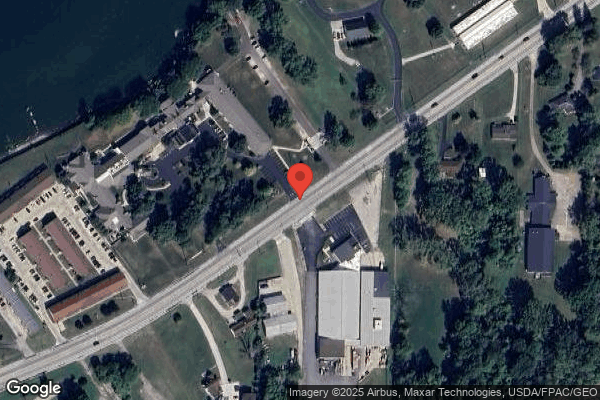

3756 W ERIE AVE, LORAIN, OH 44053 (440) 244-2019
For profit - Corporation 110 Beds SPRENGER HEALTH CARE SYSTEMS Data: November 2025 1 Immediate Jeopardy citation
Trust Grade
23/100
#592 of 913 in OH
Last Inspection: November 2022

Over 2 years since last inspection. Current conditions may differ from available data.

Overview

Anchor Lodge Nursing Home Inc in Lorain, Ohio has received an F trust grade, indicating significant concerns about the facility's operations and care quality. Ranking #592 out of 913 in Ohio places it in the bottom half, and it is #18 out of 20 in Lorain County, suggesting limited local options that are better. The facility is showing improvement, with issues decreasing from seven in 2023 to one in 2024, but it still faces challenges. Staffing is rated at 2 out of 5 stars, with a turnover rate of 51%, which is average compared to the state. However, the nursing home has incurred fines totaling $37,585, which is alarming and higher than many other Ohio facilities. Specific incidents of concern include a critical finding where a resident was not safely secured in a wheelchair during bus transport, leading to a potentially life-threatening situation. Additionally, serious medication errors occurred, including a resident receiving an incorrect dosage of chemotherapy, which resulted in significant harm. While there are improvements in reducing overall issues, these serious lapses in care highlight the need for families to carefully consider the risks involved.

Trust Score
F
23/100
In Ohio
#592/913
Bottom 36%
Safety Record
High Risk
Review needed
Inspections
Getting Better
7 → 1 violations
Staff Stability
⚠ Watch
51% turnover. Above average. Higher turnover means staff may not know residents' routines.
Penalties
○ Average
$37,585 in fines. Higher than 56% of Ohio facilities. Some compliance issues.
Skilled Nurses
○ Average
Each resident gets 33 minutes of Registered Nurse (RN) attention daily — about average for Ohio. RNs are the most trained staff who monitor for health changes.
Violations
⚠ Watch
43 deficiencies on record. Higher than average. Multiple issues found across inspections.
★★☆☆☆
2.0
Overall Rating
★★☆☆☆
2.0
Staff Levels
★★★☆☆
3.0
Care Quality
★★☆☆☆
2.0
Inspection Score
Stable
2023: 7 issues
2024: 1 issues

The Good

  • Licensed Facility · Meets state certification requirements
  • No fines on record

This facility meets basic licensing requirements.

The Bad

2-Star Overall Rating

Below Ohio average (3.2)

Below average - review inspection findings carefully

Staff Turnover: 51%

Near Ohio avg (46%)

Higher turnover may affect care consistency

Federal Fines: $37,585

Above median ($33,413)

Moderate penalties - review what triggered them

Chain: SPRENGER HEALTH CARE SYSTEMS

Part of a multi-facility chain

Ask about local staffing decisions and management

The Ugly 43 deficiencies on record

1 life-threatening 2 actual harm
Mar 2024 1 deficiency 1 IJ
CRITICAL (J) 📢 Someone Reported This

A family member, employee, or ombudsman was alarmed enough to file a formal complaint

Immediate Jeopardy (IJ) - the most serious Medicare violation

Accident Prevention (Tag F0689)

Someone could have died · This affected 1 resident

**NOTE- TERMS IN BRACKETS HAVE BEEN EDITED TO PROTECT CONFIDENTIALITY** Based on observations, medical record review, review of the incident log, review of facility in-services records, review of a pe...

Read full inspector narrative →
**NOTE- TERMS IN BRACKETS HAVE BEEN EDITED TO PROTECT CONFIDENTIALITY** Based on observations, medical record review, review of the incident log, review of facility in-services records, review of a personnel file, review of the safety inspection bus checklist, review of witness statements and the facility ' s internal investigation, review of policies, review of the emergency medical transportation report, review of hospital records, review of the monthly maintenance logs, interview with the medical director, and resident and staff interviews, the facility failed to ensure a resident dependent on staff, was safely secured in the wheelchair with a seat belt during transportation in a facility bus when coming back from a physician visit. This resulted in Immediate Jeopardy when one resident (#91) was placed at potential risk for serious life-threatening harm and/or injuries, when Transport Driver #300 abruptly stopped the facility bus, causing Resident #91 to come out of her wheelchair and was propelled over two rows of seats and landing on floor, towards the front of the bus, sustaining a hematoma (a solid swelling area of clotted blood within the tissues) to the left side of her head. This affected one (#91) of three residents reviewed for use of assistive devices during transportation. The facility identified a total of 25 residents who utilize a wheelchair, the transport bus, and would be required to have the seat belt engaged. The facility census was 90. On 03/07/24 at 5:20 P.M., the Administrator #303 and Director of Nursing (DON) were informed that Immediate Jeopardy began on 01/31/24 at 3:00 P.M., when Resident #91 was done with her physician appointment and was to be transported back to the facility via the transportation bus, and Transport Driver #300 failed to safely secure Resident #91 and her wheelchair prior to leaving the physician ' s office. During the return trip to the facility, the driver made a sudden stop due to the car in front not using his turn signal. Resident #91 came out of her wheelchair; over two rows of seats and ended up on the floor towards the front of the bus. Resident #91 hit her head and had a visible bump on her head. Emergency (911) was called, the police arrived, and the resident was taken to the emergency room for evaluation and treatment. A Computed Tomography (CT) scan of the head revealed a left frontal scalp hematoma. The Immediate Jeopardy was removed on 02/01/24 when the facility implemented the following corrective actions: • On 01/31/24, at approximately 3:45 P.M., Transport Driver #300 had a sudden stop and Resident #91 fell during transportation. Transport Driver #300 notified Administrator #299 from the sister facility where the bus is stored, and where the transport drivers obtain the bus, for transports for both facilities. • On 01/31/24 at 3:49 P.M., Administrator #299 called 911 to seek emergency help. • On 01/31/24 at 3:53 P.M., Administrator #299 arrived on the scene of the accident, and the sheriff was present at this time. • On 01/31/24 at 3:59 P.M., 911 arrived, emergency treatment was provided, and Resident #91 was transported to the emergency room to be evaluated. • On 01/31/24 at 4:06 P.M., the facility was notified of the accident and Resident #91 ' s family was notified. • On 01/31/24 at 4:07 P.M., Transport Driver #300 was suspended, and the bus was inspected by Administrator #299 and the seatbelt was found to be in working order. • On 02/01/24 at 9:00 A.M., Administrator #299 completed re-education with all transport drivers. Education included bus safety with return demonstration competency. • On 02/03/24, Transport Driver #300 was provided termination paperwork effective 01/31/24. • On 03/07/24, the facility began daily safety inspections of the bus. If issues are identified with safety, the bus will not be driven until corrected. • On 03/07/24, in-servicing was completed by Registered Nurse (RN) Quality Assurance (QA) #304 of management staff on the policy and requirements of daily bus inspection. Management staff to complete a secondary audit of daily inspection to ensure safety protocols are followed prior to the resident leaving the facility to ensure resident safety. • On 03/07/24, daily audits Monday through Friday of the bus self-inspections will be performed by the Administrator or designee for four weeks and then randomly after for four months. • Beginning on 03/07/24, all results of the audits will be reviewed monthly by the Quality Assurance Performance Improvement (QAPI) committee and the Medical Director to ensure compliance. • On 03/11/24, review of two (#48 and #54) additional residents medical records who required assistive devices for transportation revealed no concerns. • On 03/12/24, between 2:32 P.M. to 2:40 P.M., interviews with Transport Driver #302 and #308, each stated they were in-serviced and educated on properly transporting residents and were followed on a live ride (return demonstration) by Transportation Coordinator # 306 about a month ago. Each stated one seat belt has been nonfunctional in bus #04. Transport Driver #301 stated the seatbelt was broken since he started two months ago. There are two spaces in the back of the bus to transport wheelchairs. The one is not operational and has a broken seatbelt. The broken one has had all of the seatbelts and hooks removed so that it cannot be accidentally used. Although the Immediate Jeopardy was removed on 02/01/24, the facility remains out of compliance at a Severity Level 2 (no actual harm with potential for more than minimal harm that is not Immediate Jeopardy) as the facility is still in the process of implementing their corrective action plan and monitoring to ensure on-going compliance. Findings include: Review of Resident #91's medical record revealed an admission date of 10/25/19 and a readmission date of 01/24/24. Resident #91 had diagnoses including cardiac pacemaker, absence of right leg above the knee, heart failure, chronic kidney disease, Type II diabetes, anxiety, and hyperkalemia. Review of the admission Minimum Data Set (MDS) assessment dated [DATE] revealed Resident #91 was cognitively intact, required supervision with eating and needed partial assistance to moderate assistance with transferring. Further review of the MDS revealed the resident had impairment on one side of the lower extremity and used a wheelchair. Review of the care plan dated 01/24/24, revealed Resident #91 had a self-care deficit with Activities of Daily Living (ADL). Interventions included the assistance of two staff for transfers and uses a wheelchair. Review of the incident accident log dated 01/02/24 through 03/04/24 revealed no evidence of an accident on 01/31/24 with Resident #91. Review of witness statement dated 01/31/24 at 3:43 P.M., by Transport Driver #300, revealed the resident was sitting in her wheelchair and he made a sudden stop because the car in front did not use a turning signal. Resident #91 fell forward out of the chair. Transport Driver #300 stopped the bus and called 911. Review of the written statement dated 01/31/24 at 3:44 P.M., by Administrator #299, of a sister facility, revealed she was notified by Transport Driver #300 that he made an abrupt stop in the vehicle and Resident #91 slid out of her wheelchair. The bus was stopped on the side of the road. Administrator #299 arrived on the scene. Resident #91 had a bump on the left side of her head, and it was bleeding. The resident was alert and oriented. Emergency 911 arrived and transported Resident #91 to the hospital. Review of the statement dated 01/31/24 provided by Administrator #299 and Transportation Coordinator #306 revealed each inspected the seatbelts on 01/31/24 and they were found to be in working condition. Interview on 03/11/24 at 2:30 P.M., with Administrator #303 revealed the transport drivers are to be completing daily safety inspections of the bus. The facility was unable to provide any evidence of a daily bus inspection being completed on 01/31/24. The Administrator stated the facility was not retaining any written daily checklist. Review of the emergency medical transport notes dated 01/31/24 revealed 911 was called at 3:52 P.M., and arrived at the scene at 4:06 P.M. Resident #91 was located inside the wheelchair bus sitting on the floor. The Transport Driver (#300) of the bus, stated the resident was sitting in her wheelchair and fell out and hit her head. The resident denied any loss of consciousness but was on blood thinners; patients only complaint was pain near the hematoma. The resident remained stable during transport to the emergency room. Resident #91 was transported to the emergency room at 4:16 P.M. Review of Nurses Notes dated 01/31/24 at 4:03 P.M., revealed the facility received a call from Administrator #299 (from a sister facility) stating that Resident #91 was on her way back to the facility in the corporation owned bus, when the driver had to make a sudden stop. The resident came out of her wheelchair and had a bump on the left side of her head. The bus driver had called 911 and first responders were arriving. Nurses Notes dated 01/31/24 at 4:25 P.M., documented the resident was taken by ambulance to the emergency department. Review of the emergency room note written on 01/31/24 at 4:25 P.M. by Physician #298, noted Resident #91 was in transport bus when the driver hit the brakes, she went flying and hit her head. It is unclear if she had a seatbelt on or if the seatbelt had broken. Resident #91 had swelling to the head and a headache. Further review of the physician notes revealed the patient could be discharged . The patient had a fall and a head injury. There was soft tissue swelling to the frontal region. The patient was educated about developing a black eye on the left secondary to the hematoma. Review of the emergency room note written on 01/31/24 at 4:58 P.M. by Registered Nurse (RN) #297, documented Resident #91 told her the driver hit the brakes hard and that the strap broke on the transfer bus. Resident #91 states this caused her to fly to the front of the bus. Review of the emergency room notes revealed the final Computed Tomography (CT) scan result showed no evidence of acute intracranial trauma. However, there was a midline left frontal scalp hematoma. Review of the hospital summary dated 01/31/24 revealed Resident #91 had a closed head injury and contusion of the face. Review of the witness statement dated 02/01/24 by Maintenance Director #301, revealed he was never made aware of any seatbelts missing or broken on bus #04 and it was the driver ' s responsibility to inform their supervisor and maintenance of any safety concerns. Maintenance Director #301 stated he was informed of headlights not functioning, coolant leaks, doors not closing properly, and the lift not working. The above items had been addressed in routine maintenance, prior to the incident on 01/31/24. Review of the Quality Assurance (QA) Incident Summary for 01/31/24, revealed during the investigation the driver stated that he believed the seatbelt may not be working properly. Directly after the incident occurred while police were present, Administrator #299 inspected the bus and discovered the seat belt was in good working condition. The driver confirmed that a seatbelt issue had not been reported prior. Maintenance Director #301confirmed that the seatbelt was in good working order. The conclusion of the incident stated Transport Driver #300 did not secure Resident #91 properly using the four-point restraint for the wheelchair and the shoulder lap belt as required. Transport Driver #300 was terminated from his employment. Interview on 03/07/24 at 1:42 P.M. with Administrator #299 revealed she received a call stating Resident #91 was injured in an accident. She arrived at the scene and both Resident #91 and Transport Driver #300 were upset. Emergency 911 and the police arrived on the scene. Administrator #299 stated the police did not take a report. Transport Driver #300 stated there was an issue with the seatbelt and he confirmed he was rushing. Administrator #299 stated Transport Driver #300 did not confirm or deny Resident #91 was secured by a shoulder/lap belt. An inspection of the seatbelt was conducted and found the seatbelt was functional. Administrator #299 stated Transport Driver #300 was a good employee and had no prior disciplinary action. Transport Driver #300 was suspended during the investigation and then terminated. Interview on 03/07/23 at 2:06 P.M. with Resident #91 revealed she remembered the accident. Resident #91 stated she was sitting in her wheelchair at the back of the bus. She did not remember the driver securing the shoulder and lap belt. The driver made a sudden stop, and she flew out of her wheelchair halfway up the bus. She stated she hit her head on the seat. Resident #91 stated she was taken to the emergency room. During an interview on 03/08/24 at 12:47 P.M. with Transport Driver #300 he stated he was transporting Resident #91 back to the facility. Resident #91 was strapped in her wheelchair, and he made a slight tap/stop, and the resident came out of her wheelchair and ended up in the third row of seats. Further questioning on how the wheelchair was secured revealed there were four straps on the floor that were attached to secure the wheelchair. There was a shoulder/lap belt attached to the side of the bus that was pulled over to secure the resident. The shoulder/belt attached to a latch that was attached to a floor strap. Transport Driver #300 stated the shoulder/lap belt latch was not functioning and Resident #91was not secured with shoulder/lap belt. Transport Driver #300 stated he had an alternate way of securing the resident with the footrest. However, Resident # 91 ' s chair did not have any footrests attached to her chair. Transport Driver #300 stated if he drove carefully and slowly the resident would be safe. Transport Driver #300 stated he never reported the broken latch to Maintenance Director #301. Transport Driver #300 did not want the bus to be out of service because he needed employment. Interview on 03/11/24 at 10:22 A.M. with Director of Maintenance (DOM) #301 stated bus #04 passed its yearly inspection in May by the State of Ohio Bureau of Motor Vehicles and he performs monthly inspections that include checking seat belts. Transport Drivers are responsible for checking the bus daily for safety, which includes the functioning of seatbelts. DOM #301 stated he checked the bus upon return from the accident and found the shoulder/lap belt to be functioning. Observation on 03/11/23 at 2:15 P.M. with Transport Driver #302 and Administrator #303 revealed the bus had three rows of seats with two seats on each side of the bus. There was a space in the back of the bus to secure two residents with wheelchairs. There were two shoulder/lap belts attached to the side of the bus. One for each wheelchair. The shoulder/lap belt on the passenger side was not functioning for a while. Each wheelchair has four attachments on the floor. The facility took out the four floor attachments to the floor on the broken seatbelt side. This was to ensure transporters would only be able to secure wheelchairs on the functioning seatbelt side. Interview with Transport Driver #302 stated the latch was broken and only one resident with a wheelchair is transported at a time. Review of Transport Driver #300 ' s personnel file revealed he was hired on 09/05/23 and received a five-day training in transporting residents. The transporter job description signed on 08/24/23 stated an essential job function is to transport residents to and from appointments in a manner conducive to resident safety. Review of the termination form dated 02/03/24, revealed a termination date effective 01/31/24. The reason listed stated a violation of company policy. Interview on 03/11/24 at 12:28 P.M. with Administrator #303 confirmed Transport Driver #300 was terminated for unsatisfactory work performance and violation of company policy. She was unable to provide additional information regarding Transport Driver #300. Interview on 03/11/24 at 1:31 P.M. with the Medical Director revealed he was notified of the incident with Resident #91and was involved in the Quality Assurance meeting and determined to avoid any future occurrence, he instructed to provide further education on transporting residents. Review of the monthly maintenance logs dated from 03/31/23 through 02/29/24 revealed monthly maintenance checks were completed. There was no documentation for a broken seatbelt on the bus. Review of the policy titled Bus/Maintenance Inspections, revised on 02/01/24, revealed transportation vehicles to be inspected by the Maintenance Director monthly. Any issues or concerns with inspection will be reported to the administration immediately. Review of the policy titled Securing Resident for Bus/Bus Transportation, revised on 02/01/24, revealed resident to be secured by the driver in wheelchair using bus system (a four-point tie-down system.) Seatbelt to be applied once the wheelchair is secured. Any issues or concerns with securing residents should be reported immediately and administration to be notified. This deficiency represents noncompliance investigated under Master Complaint Number OH00151205 and Complaint Number OH00151678.
Sept 2023 6 deficiencies
CONCERN (D) 📢 Someone Reported This

A family member, employee, or ombudsman was alarmed enough to file a formal complaint

Potential for Harm - no one hurt, but risky conditions existed

Transfer Notice (Tag F0623)

Could have caused harm · This affected 1 resident

**NOTE- TERMS IN BRACKETS HAVE BEEN EDITED TO PROTECT CONFIDENTIALITY** Based on medical record review, hospital record review, staff interview, hospital staff interview and policy review, the facilit...

Read full inspector narrative →
**NOTE- TERMS IN BRACKETS HAVE BEEN EDITED TO PROTECT CONFIDENTIALITY** Based on medical record review, hospital record review, staff interview, hospital staff interview and policy review, the facility failed to ensure a written discharge notice with the provisions of the discharge was provided to a resident who went to the hospital. This affected one (#37) out of three residents reviewed for transfer, discharge from the facility. The facility census was 86. Findings include: Review of Resident #37's medical record revealed an admission date of 09/02/23, with diagnoses including post-traumatic stress disorder (PTSD), schizophrenia and bipolar disorder. Resident #37 was discharged from the facility on 09/12/23, to the hospital where the resident remains. Review of Resident #37's admission Minimum Data Set (MDS) 3.0 assessment dated [DATE] revealed Resident #37's Brief Interview For Mental Status and mood were not assessed. Resident #37 received antipsychotic and antianxiety medication. Review of Resident #37's nursing progress notes dated 09/10/23 at 7:30 A.M., written by Registered Nurse (RN) #298 revealed Resident #37 came out of her room and was agitated due to not receiving scheduled clonazepam. RN #298 educated Resident #37 about needing her physician to re-evaluate Resident #37 for the medication. Resident #37 was cursing and screaming with verbal abusiveness. RN #298 tried to redirect Resident #37 back to her room. Resident #37 stated I need to go to the hospital because you are a bunch of (expletive word) idiots. RN #298 called a transportation company per resident request and arranged for Resident #37 to be transported via non-emergency to the local hospital. RN #298 contacted the hospital and provided a report to the hospital staff about Resident #37's increased aggressive behavior, verbal abuse, depression, and intermittent confusion. RN #298 stressed to the staff that Resident #37 needed a full psychiatric work up. Review of Resident #37's referral from the local hospital Behavioral Health Services Department dated 09/13/23 at 10:50 A.M., revealed Resident #37 was ready for discharge. The referral stated Resident #37 was receiving rehabilitation at a previous facility, was transported from the facility to the local hospital, and the facility gave her bed away. The referral further stated the facility did not currently have any long-term beds open. The referral type was Nursing Home/ICF and there were 18 recipients. Review of Resident #37's Behavioral Health Services progress notes dated 09/15/23 at 4:41 P.M., included Resident #37 wanted to return to the facility and was requesting a hearing with the facility. A request was sent to the State Agency to request a hearing. Interview on 09/18/23 at 2:15 P.M., of Quality Assurance/Registered Nurse (QA/RN) #296 and [NAME] President of Operations (VPO) #303 revealed there might not have been a discharge completed for Resident #37. VPO #303 stated Resident #37 was admitted short term to the rehabilitation unit. VPO #303 stated when Resident #37 was sent to the hospital, the hospital staff were told she could not come back to The facility long term because the facility did not have a long-term bed on the second-floor secured unit which was an appropriate unit for Resident #37. VPO #303 stated a 30-day discharge was not issued for Resident #37. VPO #303 indicated Corporate Case Manager (CCM) #301 spoke with hospital staff and told them Resident #37 was not appropriate for our facility. VPO #303 stated Resident #37 needed a behavioral unit, CCM #301 spoke to the Social Worker assigned to her case, there was no paperwork issued, and all conversations took place via the telephone. Interview on 09/19/23 at 9:20 A.M., of Licensed Professional Clinical Counselor (LPCC) #302 revealed Resident #37 originally was transferred to the hospital from The facility because she did not receive her clonazepam, which would explain her behaviors. LPCC #302 stated on 09/13/23 the hospital attempted to transfer Resident #37 back to The facility, but The facility would not take her back. LPCC #302 stated Corporate Case Manager (CCM) #301 told her The facility did not have an appropriate long-term bed for her. LPCC #302 stated CCM #301 told her Resident #37 was admitted on the skilled nursing unit, no longer required skilled nursing care, and The facility did not have a long-term care bed available for her. LPCC #302 stated CCM #301 told her Resident #37's care exceeded what they could provide, The facility was near the lake, and there was no bed available on the secured long term care nursing unit. LPCC #302 stated Resident #37 felt The facility discharged her inappropriately and should take her back. LPCC #302 stated Resident #37 was refusing to go to other facilities because they allowed smoking, and she needed a nonsmoking facility. Interview on 09/19/23 at 10:03 A.M., of Corporate Case Manager (CCM) #301 revealed she spoke with Licensed Professional Clinical Counselor (LPCC) #302 on 09/13/23. CCM #301 stated she told LPCC #302 she was worried about Resident #37's safety at the facility and was concerned because the facility was so close to the lake. CCM #301 stated Resident #37 was not exit seeking. CCM #301 stated she also told LPCC #302, the facility did not have an appropriate behavioral bed for Resident #37. CCM #301 stated Resident #37 did a lot of yelling, but she did not witness the yelling and did not know specifics of the situation. CCM #301 stated she did not send a Transfer and or Discharge notice or any other written notification to Resident #37 after her transfer to the hospital on [DATE]. CCM #301 stated the conversations she had with hospital staff were completed verbally over the telephone, and she sent nothing in writing to the hospital regarding Resident #37 not being accepted back to the facility to continue care after her hospital stay. Review of the facility policy titled Transfer Discharge Notice Protocol reviewed October 2018, revealed it was the policy of the facility to review the bed hold policy and the right to appeal. The Ombudsman contact information would be presented to the resident and or family at the time of discharge or transfer. Staff would complete the Transfer, Discharge Notice at the time of discharge or transfer. This notice would be signed by the resident (if able) at the time of discharge or transfer.
CONCERN (D) 📢 Someone Reported This

A family member, employee, or ombudsman was alarmed enough to file a formal complaint

Potential for Harm - no one hurt, but risky conditions existed

Safe Transfer (Tag F0626)

Could have caused harm · This affected 1 resident

**NOTE- TERMS IN BRACKETS HAVE BEEN EDITED TO PROTECT CONFIDENTIALITY** Based on medical record review, hospital record review, staff interview, hospital staff interview and policy review, the facilit...

Read full inspector narrative →
**NOTE- TERMS IN BRACKETS HAVE BEEN EDITED TO PROTECT CONFIDENTIALITY** Based on medical record review, hospital record review, staff interview, hospital staff interview and policy review, the facility failed to ensure a resident who went to the hospital and was not provided a discharge from the facility, was allowed to return to the facility. This affected one (#37) of three residents reviewed for transfer, discharge from the facility. The facility census was 86. Findings include: Review of Resident #37's medical record revealed an admission date of 09/02/23, with diagnoses including post-traumatic stress disorder (PTSD), schizophrenia and bipolar disorder. Resident #37 was discharged from the facility on 09/12/23 to the hospital where the resident remains. Review of Resident #37's admission Minimum Data Set (MDS) 3.0 assessment dated [DATE] revealed Resident #37's Brief Interview For Mental Status and mood were not assessed. Resident #37 received antipsychotic and antianxiety medication. Review of Resident #37's nursing progress notes dated 09/10/23 at 7:30 A.M., written by Registered Nurse (RN) #298 revealed Resident #37 came out of her room and was agitated due to not receiving scheduled clonazepam. RN #298 educated Resident #37 about needing her physician to re-evaluate Resident #37 for the medication. Resident #37 was cursing and screaming with verbal abusiveness. RN #298 tried to redirect Resident #37 back to her room. Resident #37 stated I need to go to the hospital because you are a bunch of (expletive word) idiots. RN #298 called a transportation company per resident request and arranged for Resident #37 to be transported via non-emergency to the local hospital. RN #298 contacted the hospital and provided a report to the hospital staff about Resident #37's increased aggressive behavior, verbal abuse, depression, and intermittent confusion. RN #298 stressed to the staff that Resident #37 needed a full psychiatric work up. Review of Resident #37's referral from the local hospital Behavioral Health Services Department dated 09/13/23 at 10:50 A.M., revealed Resident #37 was ready for discharge. The referral stated Resident #37 was receiving rehabilitation at a previous facility, was transported from the facility to the local hospital, and the facility gave her bed away. The referral further stated the facility did not currently have any long-term beds open. The referral type was Nursing Home/ICF and there were 18 recipients. Review of Resident #37's Behavioral Health Services progress notes dated 09/15/23 at 4:41 P.M., included Resident #37 wanted to return to the facility and was requesting a hearing with the facility. A request was sent to the State Agency to request a hearing. Interview on 09/18/23 at 2:15 P.M., of Quality Assurance/Registered Nurse (QA/RN) #296 and [NAME] President of Operations (VPO) #303 revealed there might not have been a discharge completed for Resident #37. VPO #303 stated Resident #37 was admitted short term to the rehabilitation unit. VPO #303 stated when Resident #37 was sent to the hospital, the hospital staff were told she could not come back to The facility long term because the facility did not have a long-term bed on the second-floor secured unit which was an appropriate unit for Resident #37. VPO #303 stated a 30-day discharge was not issued for Resident #37. VPO #303 indicated Corporate Case Manager (CCM) #301 spoke with hospital staff and told them Resident #37 was not appropriate for our facility. VPO #303 stated Resident #37 needed a behavioral unit, CCM #301 spoke to the Social Worker assigned to her case, there was no paperwork issued, and all conversations took place via the telephone. Interview on 09/19/23 at 9:20 A.M., of Licensed Professional Clinical Counselor (LPCC) #302 revealed Resident #37 originally was transferred to the hospital from the facility because she did not receive her clonazepam, which would explain her behaviors. LPCC #302 stated on 09/13/23 the hospital attempted to transfer Resident #37 back to the facility, but the facility would not take her back. LPCC #302 stated Corporate Case Manager (CCM) #301 told her the facility did not have an appropriate long-term bed for her. LPCC #302 stated CCM #301 told her Resident #37 was admitted on the skilled nursing unit, no longer required skilled nursing care, and the facility did not have a long-term care bed available for her. LPCC #302 stated CCM #301 told her Resident #37's care exceeded what they could provide, the facility was near the lake, and there was no bed available on the secured long term care nursing unit. LPCC #302 stated Resident #37 felt the facility discharged her inappropriately and should take her back. LPCC #302 stated Resident #37 was refusing to go to other facilities because they allowed smoking, and she needed a nonsmoking facility. Interview on 09/19/23 at 10:03 A.M., of Corporate Case Manager (CCM) #301 revealed she spoke with Licensed Professional Clinical Counselor (LPCC) #302 on 09/13/23. CCM #301 stated she told LPCC #302 she was worried about Resident #37's safety at the facility and was concerned because the facility was so close to the lake. CCM #301 stated Resident #37 was not exit seeking. CCM #301 stated she also told LPCC #302, the facility did not have an appropriate behavioral bed for Resident #37. CCM #301 stated Resident #37 did a lot of yelling, but she did not witness the yelling and did not know specifics of the situation. CCM #301 stated she did not send a Transfer and or Discharge notice or any other written notification to Resident #37 after her transfer to the hospital on [DATE]. CCM #301 stated the conversations she had with hospital staff were completed verbally over the telephone, and she sent nothing in writing to the hospital regarding Resident #37 not being accepted back to the facility to continue care after her hospital stay. Review of the policy titled Transfer Discharge Notice Protocol reviewed October 2018, revealed it was the policy of the facility to review the bed hold policy and the right to appeal. The Ombudsman contact information would be presented to the resident and or family at the time of discharge or transfer. Staff would complete the Transfer, Discharge Notice at the time of discharge or transfer. This notice would be signed by the resident (if able) at the time of discharge or transfer.
CONCERN (D) 📢 Someone Reported This

A family member, employee, or ombudsman was alarmed enough to file a formal complaint

Potential for Harm - no one hurt, but risky conditions existed

ADL Care (Tag F0677)

Could have caused harm · This affected 1 resident

**NOTE- TERMS IN BRACKETS HAVE BEEN EDITED TO PROTECT CONFIDENTIALITY** Based on observation, family interview, staff interview, hospice interview, medical record review and review of policy, the faci...

Read full inspector narrative →
**NOTE- TERMS IN BRACKETS HAVE BEEN EDITED TO PROTECT CONFIDENTIALITY** Based on observation, family interview, staff interview, hospice interview, medical record review and review of policy, the facility failed to ensure a resident, who was dependent on staff for incontinence care, was not being dressed in multiple incontinence products at one time, when staff place multiple incontinence liners inside the incontinence brief. This affected one (#27) of three residents reviewed for incontinence care. The facility census was 86. Findings include: Review of Resident #27's medical record revealed an admission date of 06/13/22, with diagnoses including chronic obstructive pulmonary disease, atrial fibrillation, and acute respiratory failure with hypoxia. Resident #27 was admitted to hospice services on 11/02/22. Review of Resident #27's physician orders dated 11/03/22 revealed check and change every two hours every shift. Review of Resident #27's hospice notes dated 03/28/23 through 06/20/23 revealed multiple notes stating Resident #27 was wearing an incontinence brief and two to three incontinence liners. Review of Resident #27's hospice notes dated 06/05/23 revealed Resident #27 was wearing and incontinence brief and four incontinence liners. The innermost incontinence liner was extremely saturated, and Resident #27's buttocks were red. Barrier cream was suggested. Review of Resident #27's hospice notes dated 07/06/23 revealed Resident #27 was wearing an incontinence brief and had three incontinence liners inside his brief. Hospice Aide (HA) #268 removed the three liners and replaced them with one liner. Review of Resident #27's hospice notes dated 07/17/23 revealed Resident #27 was wearing an incontinence brief and two liners. Hospice Nurse #269 wrote Resident #27's room smelled like urine. Review of Resident #27's hospice aide notes dated 07/19/23 revealed Resident #27 was wearing an incontinence brief and two incontinence liners inside his brief. Resident #27's shirt was wet with urine and the incontinence brief and liners were wet with urine. Review of Resident #27's hospice notes dated 07/20/23 and 07/24/23 revealed Resident #27 was wearing an incontinence brief and had two incontinence liners inside the brief. The incontinence brief and two liners were wet with urine. Review of Resident #27's hospice notes dated 07/27/23 revealed Resident #27 was wearing an incontinence brief and had three incontinence liners inside the brief. Review of Resident #27's hospice notes dated 08/03/23 revealed Resident #27 was wearing an incontinence brief and three incontinence liners were inside the brief. Review of Resident #27's hospice notes dated 08/07/23 revealed Resident #27 was wearing three incontinence liners. The notes did not specify if he had an incontinence brief on. Review of Resident #27's hospice progress notes dated 08/10/23 revealed Resident #27 was visited by Hospice Nurse (HN) #269 and Hospice Aide (HA) #268. Resident #27 was wearing an incontinence brief and four liners. Resident #27's incontinence brief and clothing were soaked with urine. Resident #27 was cleaned up and his clothing changed. Review of Resident #27's hospice notes dated 08/14/23 revealed Resident #27's incontinence brief and clothing were saturated with urine. HN #269 put a clean incontinence brief and clothing on Resident #27. Review of Resident #27's hospice progress notes dated 08/17/23 revealed Resident #27 was not wearing an incontinence brief but had two liners on. Hospice Aide (HA) #268 informed the facility nurse and aide that Resident #27 was not wearing an incontinence brief and had two liners on. HA #268 found two packs of incontinence briefs inside Resident #27's closet and put an incontinence brief and one liner on Resident #27. Review of Resident #27's Quarterly Minimum Data Set (MDS) 3.0 assessment dated [DATE] revealed Resident #27 had moderate cognitive impairment. Resident #27 required extensive assistance of two staff for bed mobility, total dependence of two staff for transfers, and extensive assistance of one staff member for toilet use. Resident #27 was always incontinent of urine and bowel. Interview on 09/07/23 at 5:12 P.M., with Family Member (FM) #292 revealed hospice visited Resident #27 around 08/08/23, FM #292 was not sure of the exact date. FM #292 stated it was about 2:00 P.M. and Hospice Nurse (HN) #269 found Resident #27 wearing a saturated incontinence brief plus three saturated incontinence liners, and another liner on the outside of the brief completely saturated. FM #292 indicated HN #269 asked an unidentified facility State Tested Nursing Assistant (STNA) not to put multiple incontinence liners on Resident #27 and the STNA stated night shift put the multiple liners on Resident #27. FM #292 stated she reported Resident #27 having an incontinence brief with multiple incontinence liners to the Director of Nursing (DON) and the Administrator. FM #292 stated the Administrator called her and took a report. FM #292 stated Resident #27 was often wearing an incontinence brief with multiple liners. Review of Resident #27's care plan revised 09/11/23 included Resident #27 had the potential for impaired skin integrity, urinary tract infection and impaired dignity related to incontinence, BPH (benign prostatic hyperplasia). Resident #27's skin integrity maintained, would be free of signs and symptoms of urinary tract infection, and no urinary complications. Interventions included to provide peri care when incontinent. Observation on 09/12/23 at 12:12 P.M., of State Tested Nursing Assistant (STNA) #232 revealed she was standing in Resident #27's room. STNA #232 stated she just finished providing incontinence care for Resident #27. STNA #232 held up a bag and stated she changed his incontinence brief and the brief had one liner inside it. STNA #232 stated she changed Resident #27 every two hours since she arrived to work at 6:00 A.M. and each time she put one incontinence brief and one liner on him. STNA #232 stated when she arrived for work today Resident #27 had two incontinence liners on the bed and he was not wearing an incontinence brief. STNA #232 stated other days she arrived for work and Resident #27 was wearing an incontinence brief with more than one liner. STNA #232 indicated she did not know why night shift put multiple liners inside his incontinence brief. Interview on 09/12/23 at 4:13 P.M. of the DON and Registered Nurse/Quality Assurance Nurse (RN/QA) #291 revealed residents who were incontinent should be checked and changed as needed every two hours, and it should be documented in the aide charting in the resident's electronic record. RN/QA #291 stated a resident should only be wearing one incontinence brief and could have one incontinence liner inside an incontinence brief or the resident's underwear depending on the resident preference. RN/QA #291 stated it was bad for a resident to have four incontinence liners and should not have two or three incontinence liners. RN/QA #291 stated a resident should only have one liner inside an incontinence brief or underwear. The DON stated she did not have a discussion with FM #292 regarding Resident #27 wearing multiple incontinence liners and Resident #27's brief and liners soaked with urine. Interview on 09/13/23 at 8:52 A.M., of Hospice Nurse (HN) #269 revealed Hospice Aide (HA) #268 discovered Resident #27 was wearing an incontinence brief with multiple incontinence liners during a visit months ago. HN #269 indicated since the first-time multiple liners were found both HN #269 and HA #268 discovered Resident #27 was wearing an incontinence brief with multiple liners many times. HN #269 stated Resident #27's hospice progress notes had documentation each time Resident #27 was found with an incontinence brief with multiple incontinence liners. HN #269 stated the liners were full size liners the size of an incontinence brief. HN #269 stated she talked to multiple facility staff regarding Resident #27 wearing an incontinence brief with multiple liners including the former DON, unidentified STNA's, and Unit Manager/Licensed Practical Nurse (UM/LPN) #225. HN #269 stated on 08/10/23 Resident #27 was wearing an incontinence brief with four liners inside his brief and one liner on the outside underneath him. HN #269 stated even after she spoke with the staff Resident #27 was found wearing an incontinence brief with multiple liners. Review of the policy titled Protocol Related to Assessment of Bowel and Bladder Incontinence revised October 2014 included a resident who was incontinent of bladder received appropriate treatment and services to prevent urinary tract infections and to restore as much normal bladder function as possible. If the continence assessment identified the resident was incontinent of bowel and or bladder, the facility would initiate appropriate interventions to help maintain dryness and the resident's right to dignity. This deficiency represents non-compliance investigated under Complaint Number OH00145575.
CONCERN (D) 📢 Someone Reported This

A family member, employee, or ombudsman was alarmed enough to file a formal complaint

Potential for Harm - no one hurt, but risky conditions existed

Deficiency F0742 (Tag F0742)

Could have caused harm · This affected 1 resident

**NOTE- TERMS IN BRACKETS HAVE BEEN EDITED TO PROTECT CONFIDENTIALITY** Based on record review, staff interview and review of the policy, the facility failed to ensure a resident with post-traumatic s...

Read full inspector narrative →
**NOTE- TERMS IN BRACKETS HAVE BEEN EDITED TO PROTECT CONFIDENTIALITY** Based on record review, staff interview and review of the policy, the facility failed to ensure a resident with post-traumatic stress disorder was provided scheduled psychotropic medication to maintain stable mental health. This affected one (#37) of four residents reviewed for medication administration. The facility census was 86. Findings include: Review of Resident #37's medical record revealed an admission date of 09/02/23, with diagnoses including post-traumatic stress disorder (PTSD), schizophrenia and bipolar disorder. Resident #37 was discharged from the facility on 09/12/23. Review of Resident #37's physician orders dated 09/02/23 revealed clonazepam oral tablet one milligram (mg), give one tablet by mouth three times a day for PTSD. Review of Resident #37's admission Minimum Data Set (MDS) 3.0 assessment dated [DATE] revealed Resident #37's Brief Interview For Mental Status and mood were not assessed. Resident #37 received antipsychotic and antianxiety medication. Review of Resident #37's care plan dated 09/05/23 included Resident #37 received psychotropic medication with potential for falls, injury potential for harmful side effects related to personality disorder, PTSD, schizophrenia, borderline personality disorder, bipolar disorder, depression, and anxiety. Resident #37's symptoms would be controlled, reduced with current medication with no adverse side effects to the resident. Interventions included to administer medication as ordered, monitor for side effects to the medication, provide notifications per facility protocol and follow up as ordered. Review of Resident #37's Medication Administration Record (MAR) dated 09/09/23 at bedtime revealed Resident #37's clonazepam one milligram (mg) tablet, ordered to be administered at bedtime was not given and to see nurse's notes. Review of Resident #37's nursing progress notes on 09/09/23 at bedtime revealed there was no documentation regarding why Resident #37's clonazepam was not administered. Further review on 09/10/23 at 4:57 A.M. written by Licensed Practical Nurse (LPN) #297 revealed pharmacy was to deliver clonazepam oral tablet one mg. Review of Resident #37's nursing progress notes dated 09/10/23 at 6:50 A.M. written by Registered Nurse (RN) #298 revealed RN #298 contacted the skilled care pharmacy and spoke to a pharmacist. RN #298 inquired about Resident #37's clonazepam which was ordered on 09/09/23 and was not delivered to the facility. The note stated the physician only wrote a prescription for seven days and the pharmacy needed a new prescription per the pharmacist. Resident #37 was aware. Review of Resident #37's nursing progress notes dated 09/10/23 at 7:30 A.M. and written by RN #298 revealed Resident #37 came out of her room and was agitated due to not receiving scheduled clonazepam. RN #298 educated Resident #37 about needing her physician to re-evaluate Resident #37 for the medication. Resident #37 was cursing and screaming with verbal abusiveness. RN #298 tried to redirect Resident #37 back to her room. Resident #37 stated I need to go to the hospital because you are a bunch of (expletive word) idiots,. RN #298 called a transportation company per resident request and arranged for Resident #37 to be transported via non-emergency to the local hospital. RN #298 contacted the hospital and provided a report to the hospital staff about Resident #37's increased aggressive behavior, verbal abuse, depression, and intermittent confusion. RN #298 stressed to the staff that Resident #37 needed a full psychiatric work up. Interview on 09/18/23 at 3:02 P.M., with the Director of Nursing (DON) and Quality Assurance/Registered Nurse (QA/RN) #296 revealed RN #298 was contacted regarding Resident #37's clonazepam. QA/RN #296 stated RN #298 told her she arrived for work on 09/10/23 at 6:00 A.M. and when she was preparing to administer Resident #37's medications she found Resident #37 did not have clonazepam in the medication cart. RN #298 called the pharmacy and was told Resident #37 needed a new prescription for the clonazepam. RN #298 told QA/RN #296 she was going to contact the physician about Resident #37's clonazepam, but never had the opportunity because Resident #37 started screaming and yelling at her and stating she wanted to be sent to the hospital. QA/RN #296 and the DON stated they did not know why Resident #37's clonazepam was not reordered before it was gone. QA/RN #296 stated RN #298 told her Licensed Practical Nurse (LPN) #297 called the pharmacy during the night shift on 09/09/23 and was told Resident #37's clonazepam would be arriving from pharmacy in the tote. QA/RN #296 stated she contacted the pharmacy and was told a fax was sent to the facility on [DATE] stating Resident #37 needed a new prescription for clonazepam. QA/RN #296 stated she did not have the fax and was not sure what happened to it. Review of the policy titled Medication Administration revised 07/2013 included it was the policy of the facility that medication was administered in a safe manner. Medications were administered to the right resident, the right dose, right time, right drug, right route, and right documentation. This deficiency represent the noncompliance investigated under Complaint Number OH00146248.
CONCERN (D) 📢 Someone Reported This

A family member, employee, or ombudsman was alarmed enough to file a formal complaint

Potential for Harm - no one hurt, but risky conditions existed

Medication Errors (Tag F0758)

Could have caused harm · This affected 1 resident

**NOTE- TERMS IN BRACKETS HAVE BEEN EDITED TO PROTECT CONFIDENTIALITY** Based on medical record review, staff interview, hospice interview and review of the policy, the facility failed to ensure psych...

Read full inspector narrative →
**NOTE- TERMS IN BRACKETS HAVE BEEN EDITED TO PROTECT CONFIDENTIALITY** Based on medical record review, staff interview, hospice interview and review of the policy, the facility failed to ensure psychotropic medication administration was accurately documented and failed to ensure non-pharmacological interventions were attempted prior to administration of an antianxiety medication. This affected one resident (#27) of three residents reviewed for medication administration. The facility census was 86. Findings include: Review of Resident #27's medical record revealed an admission date of 06/13/22, with diagnoses including chronic obstructive pulmonary disease, atrial fibrillation, and acute respiratory failure with hypoxia. Resident #27 was admitted to hospice services on 11/02/22. Review of Resident #27's physician orders dated 03/28/23 revealed Ativan oral tablet 0.5 mg (lorazepam), give one tablet by mouth every two hours as needed for anxiety until 09/28/23. Review of Resident #27's Medication Administration Record (MAR) revealed Resident #27 received Ativan 0.5 mg tablet by mouth on 08/07/23 at 11:30 P.M., on 08/08/23 at 7:42 P.M., on 08/12/23 at 1:30 P.M. and on 08/30/23 at 9:00 A.M. There was no documentation Resident #27 received two additional Ativan 0.5 mg tablets on 08/08/23 at 6:00 A.M. and 11:30 P.M. Review of Resident #27's Controlled Drug Record revealed Resident #27 received Ativan 0.5 mg tablet by mouth on 08/07/23 at 11:35 P.M., on 08/08/23 at 6:00 A.M., 7:45 P.M. and 11:30 P.M., on 08/12/23 at 1:30 P.M. and on 08/30/23 at 9:00 A.M. Review of Resident #27's MAR revealed the documentation of Ativan administration on 08/08/23 did not match the Controlled Drug Record. Review of Resident #27's nursing progress notes dated 08/07/23 through 08/30/23 revealed on 08/07/23 at 11:30 P.M. Resident #27 requested Ativan 0.5 mg and it was administered and effective. On 08/08/23 at 7:42 P.M. Resident #27 requested Ativan 0.5 mg and the Ativan was administered and ineffective and Resident #27 was still calling out after administration. On 08/12/23 at 1:30 P.M. Resident #27 had anxiety noted, it was administered and effective. On 08/30/23 at 9:00 A.M. Resident #27 had anxiety noted, Ativan was administered, and it was effective. On 08/08/23, there was no nursing progress note stating Resident #27 received Ativan at 6:00 A.M. and 11:30 P.M. Further review of Resident #27's nursing progress notes did not reveal non-pharmacological interventions were attempted prior to administering Ativan. On 08/08/23, there was no nursing progress note Resident #27's daughter was contacted due to the need to administer Ativan three times. It was very unusual for Resident #27 to need or request Ativan. Review of Resident #27's Quarterly Minimum Data Set (MDS) 3.0 assessment dated [DATE] revealed Resident #27 had moderate cognitive impairment. Resident #27 required extensive assistance of two staff for bed mobility, total dependence of two staff for transfers, and extensive assistance of one staff member for toilet use. Resident #27 received antianxiety medication. Review of Resident #27's care plan revised 09/11/23 included Resident #27 received psychotropic medication with the potential for falls, injury potential for harmful side effects. Resident #27's symptoms would be controlled or reduced with current medication with no adverse side effects to resident. Interventions included one to one visit as needed, involve family, refer to psychiatric services as needed; administer medications as ordered, monitor for side effects to the medication and provide notifications per facility protocol; give comfort measures, backrub as needed, offer reassurance, and provide quiet and darkness; document mood and behavior changes when occurred. Interview on 09/12/23 at 3:42 P.M., with Licensed Practical Nurse (LPN)'s #238 and #293, revealed if a resident was having symptoms of anxiety such as agitation, pacing, was argumentative, repeating themselves over and over they would talk to the resident, and see how they were feeling. LPN's #238 and #293 stated they would try non-pharmacological interventions like talking to the resident, re-direct, or try an activity prior to administration of an antianxiety medication. LPN #238 stated when documenting an as needed medication such as an antianxiety medication in the resident's electronic record a box popped up and must be addressed. LPN #238 stated when the box popped up non-pharmacological interventions should be documented along with other pertinent notes. These notes would also be able to be viewed in the nursing progress notes. Interview on 09/13/23 at 8:52 A.M., with Hospice Nurse (HN) #269 revealed Resident #27 hardly ever used Ativan but received three Ativan tablets on 08/08/23 and this was highly unusual for him. HN #269 revealed an unidentified nurse administered the Ativan and did not document behaviors or the reason Resident #27 received it. HN #269 stated Resident #27 typically refused medications and had to be talked into taking the medications if it was determined he needed them. Interview on 09/12/23 at 4:00 P.M., with the Director of Nursing and Registered Nurse/Quality Assurance Nurse #291 confirmed there were no non-pharmacological interventions documented in Resident #27's Medication Administration Record or nursing progress notes. Interview on 09/13/23 at 1:28 P.M., with Unit Manager/Licensed Practical Nurse #225 and the Administrator confirmed Resident #27 received three doses of Ativan on 08/08/23 and Resident #27's Medication Administration Record only had one dose documented and the Controlled Drug Record had three doses documented. The Administrator stated the matter would be investigated. Review of the policy titled Medication Administration revised 07/2013 included it was the policy of the facility that medication was administered in a safe manner. Medications were administered to the right resident, the right dose, right time, right drug, right route, and right documentation. This deficiency represents non-compliance investigated under Master Complaint Number OH00146248 and Complaint Number OH00145575.
CONCERN (F) 📢 Someone Reported This

A family member, employee, or ombudsman was alarmed enough to file a formal complaint

Potential for Harm - no one hurt, but risky conditions existed

Deficiency F0804 (Tag F0804)

Could have caused harm · This affected most or all residents

Based on observation, resident interview, staff interview, medical record review, resident council minutes review, and review of policy, the facility failed to ensure food was palatable related to tem...

Read full inspector narrative →
Based on observation, resident interview, staff interview, medical record review, resident council minutes review, and review of policy, the facility failed to ensure food was palatable related to temperature and taste. This had the potential to affect 86 of 86 residents residing in the facility. The facility census was 86. Findings include: 1. Review of Resident #16's medical record revealed an admission date of 06/29/23 and diagnoses included type two diabetes mellitus and Alzheimer's Disease with early onset. Review of Resident #16's physician orders dated 06/30/23 revealed liberalized consistent carbohydrate diet, regular texture. 2. Review of Resident #26's medical record revealed an admission date of 01/26/23 and diagnoses included metabolic encephalopathy, rhabdomyolysis (breakdown of muscle tissue that releases a damaging protein into the blood), and hypotension. Review of Resident #16's physician orders dated 04/21/23 revealed regular diet, regular texture. 3. Review of Resident #28's medical record revealed an admission date of 05/21/17 and diagnoses included hemiplegia and hemiparesis following cerebral infarction affecting the left non-dominant side, Parkinson's Disease and Bipolar disorder. Review of Resident #28's physician orders dated 06/05/23 revealed liberalized consistent carbohydrate diet, regular texture. Review of Resident Council Meeting Minutes dated 06/21/23 included meals were not always hot. Observation on 09/18/23 at 7:21 A.M., in the facility kitchen of Dietary Aide (DA) #265 and #267 revealed they were preparing meal trays for the residents via the tray line. Observation on 09/18/23 at 7:21 A.M., revealed the plate warmer had two areas for warming plates and plates were noted in each area. Further observation of the plate warmer revealed one of the plate warming areas had a light on and the second area's light was off. DA #265 took plates from the area with the light on until there were no more plates then moved the plates over from the area with the light off to the area with a light on. Observation on 09/18/23 at 7:40 A.M., of the plate warmer revealed there were no more plates available. DA #265 walked out of the kitchen and returned at 7:45 A.M. carrying uncovered plates in his hands. DA #265 proceeded to put the plates in the plate warmer area with the light on. DA #265 stated he had to go to the Assisted Living area of the facility for plates because the Nursing Home area had no more plates available. Observation on 09/18/23 at 7:51 A.M., revealed DA #267 took the last meal cart, including a test tray to the second-floor secured unit. Observation of the meal cart revealed it did not have sides or a door, and DA #267 placed a clear plastic bag over the cart before transporting it to the second-floor secured unit. Observation on 09/18/23 at 7:59 A.M., with [NAME] #271 revealed temperatures were taken of food on the test tray. [NAME] #271 took the temperature of scrambled eggs and an omelet and both temperatures were 80 degrees Fahrenheit (F). [NAME] #271 stated she wondered if the thermometer was working correctly. [NAME] #271 proceeded to take the temperature of oatmeal and the temperature registered 130 degrees F. Temperatures of toast was 82 degrees F, a sausage patty was 74 degrees F, and pureed toast was 120 degrees F. Milk in an individual serving carton had the temperature checked and was 50 degrees F. Palatability of the test tray revealed the eggs, omelet, sausage patty and toast were all cold to taste. The oatmeal and pureed toast were lukewarm to taste, and the milk was barely cool when tasted. [NAME] #271 stated the food should have been hotter. Interviews on 09/18/23 at 8:10 A.M., with Resident's #16, #26, and #28 revealed Resident #28 stated her food today was okay but was often cold and shook her head and made a face when asked how it tasted. Resident #26 stated her food was cold today, and once in a while her food was cold. Resident #16 stated her food today was a little cold. Interview on 09/18/23 at 8:12 A.M., with State Tested Nursing Assistant (STNA) #229 revealed the residents sometimes complained their food was cold. STNA #229 stated when she had complaints of cold food, she would use the microwave on the nursing unit to heat the food up. Interview on 09/18/23 at 9:39 A.M., with Dietary Supervisor (DS) #259 revealed one side of the plate warmer was not working, and it had not been working for about a week. DS #259 indicated the facility was waiting on a part before they could fix the plate warmer. DS #259 stated the area of the plate warmer not working was still used to store plates due to the area of the plate warmer that worked could not have plates stacked very high because the plates would fall over. DS #259 stated the plates were moved from the area of the plate warmer not working to the area working when there were no more plates in the side of the plate warmer that worked. DS #259 indicated plates were not usually borrowed from the Assisted Living area, but plates from 09/17/23 were still dirty, needed washed, and the staff did not want to give residents wet plates for breakfast. Interview on 09/18/23 at 11:11 A.M., with Resident #50 revealed the resident was the Resident Council President. Resident #50 stated she often received complaints of cold food from other residents in the facility. Interview on 09/18/23 at 12:20 P.M., with Quality Assurance/Registered Nurse (QA/RN) #296 and Maintenance Director (MD) #290 revealed there was no work order for the plate warmer and MD #290 was not aware one side of the plate warmer was not working. MD #290 stated he did not know how long only one area of the plate warmer was working. Review of the policy titled Tray Line Food Temperatures Policy revised 01/2021 included it was the policy of the facility to provide nutritious meals to all residents, served at appropriate temperatures to mitigate the risk for food borne pathogens. Food temperatures would be monitored and recorded daily prior to meal service. Any temperatures not within range was to be corrected prior to service or the item would not be served, and an appropriate substitution would be provided. This deficiency represent the noncompliance investigated under Complaint Number OH00146248.
May 2023 1 deficiency 1 Harm
SERIOUS (G) 📢 Someone Reported This

A family member, employee, or ombudsman was alarmed enough to file a formal complaint

Actual Harm - a resident was hurt due to facility failures

Deficiency F0760 (Tag F0760)

A resident was harmed · This affected 1 resident

**NOTE- TERMS IN BRACKETS HAVE BEEN EDITED TO PROTECT CONFIDENTIALITY** Based on medical record review, staff and resident interview, review of the hospital documentation, review of a facility medicat...

Read full inspector narrative →
**NOTE- TERMS IN BRACKETS HAVE BEEN EDITED TO PROTECT CONFIDENTIALITY** Based on medical record review, staff and resident interview, review of the hospital documentation, review of a facility medication incident report, review of an employee performance conference, review of the medication error log, and policy review, the facility failed to ensure physician orders were clarified and the correct dosage of chemotherapy medication was administered to Resident #10 to prevent a significant medication error. The facility also failed to ensure medications were administered as ordered to prevent significant medication errors for residents when medications were not administered as ordered on 05/14/23. This resulted in Actual Harm beginning on 04/25/23 when Resident #10 was ordered 150 milligrams of the chemotherapy medication, Erlotinib daily but received 900 milligrams. The medication was administered in error on 04/25/23, 04/26/23 and 04/27/23. Subsequently, Resident #10 developed an extensive skin rash, eye swelling with drainage and was sent to the emergency room on [DATE] for treatment. This affected eight residents (#01, #10, #21, #23, #29, #63, #83, and #95) of 14 residents reviewed for medication errors. The facility census was 91. Findings include: 1. Review of the medical record for Resident #10 revealed an admission date of 04/15/23. Diagnoses included type two diabetes mellitus, malignant neoplasm of the left kidney, malignant neoplasm of the bronchus and the lung, secondary malignant neoplasm of the brain, and hypertension. Review of the admission Minimum Data Set (MDS) 3.0 dated 04/22/23 revealed Resident #10 had impaired cognition. Review of a physician order dated 04/15/23 revealed Resident #10 was ordered Erlotinib 25 milligrams (mg), six tablets (for a total of 150 milligrams) by mouth in the morning for chemotherapy and a targeted cancer drug. Review of a nursing progress note dated 04/16/23 at 2:49 P.M. revealed the family provided the facility with the medication Erlotinib 150 mg tablets. The nurse placed the medication in the top drawer of the medication cart. Review of the physician orders 04/16/23 through 04/30/23 revealed there was no updated order for the Erlotinib 150 mg tablets to clarify the dosage change of the number of tablets. Review of the medication administration records (MAR) from 04/17/23 through 04/29/23 revealed staff documented Resident #10 received six tablets of the Erlotinib 25 mg. Review of the nursing progress notes dated 04/26/23 at 4:40 P.M. revealed Resident #10 had area of moisture retention noted to the groin area and the buttocks. A medicated powder was ordered for the area. Review of a nursing progress note dated 04/27/23 at 5:32 A.M. revealed the nurse found yeast areas under the resident's neck, breasts, abdominal folds, groin areas and buttocks all excoriated. The physician was notified. Review of a nursing progress note dated 04/30/23 at 11:20 P.M. revealed Resident #10 was confused, disoriented, and not easily redirected which was a significant change from baseline orientation. Resident #10 had areas of moisture retention with treatment in place of antifungal powder to areas. Upon entering the room, it was evident the resident's redness was increasing throughout most of the body with areas of peeling and flaking skin, dried blood was visible on two front teeth and heavy drainage was around both reddened eyes. The physician was notified and the resident was sent to the emergency room. Review of a hospital note dated 04/30/23 revealed the resident's principal problem was an adverse drug effect (extensive skin rash and eye swelling/exudate with blurry vision) suspected adverse effect of chemotherapy medication which may have been overdosed while patient was at skilled nursing facility prior to presentation to the emergency department (ED). The resident presented to the ED for a rash times two to three days. Rashes were present to the neck fold, the breast, the inguinal folds, and the perineum. Reported itching associated with the rash. Patient also reported purulent discharge to both eyes. The resident was treated with Benadryl (an antihistamine medication) and intravenous Solumedrol (a steroid medication). Review of a hospital ED note dated 04/30/23 at 11:30 P.M. revealed the patient was possibly receiving too much Tarceva (generic name Erlotinib) at the nursing home. The ED nurse spoke with Resident #10's daughter. The daughter stated, she thought the resident received 150 mg six tablets daily instead of once daily as it was ordered 25 mg-six tablets once daily when discharged to the nursing home. The daughter supplied the medication and stated the tablets were 150 mg and not 25 mg. The ED contacted the pharmacy and determined Resident #10 was last provided 30 tablets on 04/09/23 and due to have refill on 05/09/23. Per the daughter, the patient had been out (of the medication) since 04/27/23 which was why she was concerned she received too much. The ED nurse contacted the facility who was investigating the situation. The facility confirmed with the ED nurse Resident #10 had received an overdose of Tarceva. Review of a medication incident report dated 05/01/23 revealed on 04/25/23, 04/26/23, 04/27/23 the resident received the wrong dosage of the medication Erlotinib. Resident #10 was sent to the hospital for a change in condition. Per the hospital the resident was given too much medication. Orders were checked and verified, but noted the dose brought in by the daughter was not the same as the current order. The incorrect dose was given multiple days. As a result of the incident, the nurse received verbal counseling. Review of an employee performance conference dated 05/01/23 revealed Licensed Practical Nurse (LPN) #213 failed to accurately administer medications. LPN #213 administered medication to Resident #10 that was brought in from home. LPN #213 failed to reconcile the medication label to the MAR and administered the wrong dose of medication. Interview on 05/23/23 at 9:40 A.M. with the Quality Assurance Registered Nurse (QARN) #300 revealed resident #10's family brought the medication Erlotinib from home. The medication brought in was 150 mg and staff only needed to administer one tablet not six tablets. QARN #300 stated the hospital order stated to administer six of the 25 mg tablets. QARN #300 verified the order was not updated in the medication administration record. QARN #300 revealed all the nurses administered one tablet except one nurse, LPN #213 who administered six of the 150 mg tablets three days in row on 04/25/23, 04/26/23 and 04/27/23. QARN #300 revealed the nurse stated she gave six pills on each of these days. QARN #300 revealed Resident #10 was discharged from the hospital to a sister facility then later discharged home and was doing fine. Interview on 05/23/23 at 11:16 A.M., with LPN #213 revealed the MAR said to give six 25 mg tablets and the bottle brought from home was 150 mg tablets. LPN #213 stated I just saw the give six tablets and gave six tablets on three days and had not noticed the difference in the milligrams. LPN #213 revealed when the resident was sent to hospital, they were checking the order in the computer and it was brought to the nurses attention; family said the bottle was 150 mg the total dose in one tablet. LPN #213 verified she administered the resident 900 mg instead of 150 mg of the medication Erlotinib on 04/25/23, 04/26/23, and 04/27/23. 2. Review of the facility medication error report log revealed there was one medication error from 04/25/23 through 04/27/23 (for Resident #10) with an adverse outcome. The medication error report revealed there were 14 medication errors on 05/14/23, of which seven were significant medication errors. a. Review of the medical record for Resident #21 revealed an admission date of 04/06/23. Diagnoses included type two diabetes mellitus, and hemiplegia affecting right dominant side. Review of the admission MDS 3.0 dated 04/13/23 revealed Resident #21 had impaired cognition. Review of the physician orders dated 05/11/23 revealed Resident #21 was ordered Lantus subcutaneous solution 100 unit/milliliter (ml), inject 20 unit subcutaneously at bedtime for diabetes mellitus, Eliquis five milligrams (mg) by mouth every morning and at bedtime for cerebral infarct and metoprolol 12.5 mg by mouth every morning and bedtime for hypertension. Review of the MAR revealed the resident was not administered the Lantus, the bedtime dose of the Eliquis or the bedtime dose of the metoprolol on 05/14/23. b. Review of the medical record for Resident #29 revealed an admission dated 05/12/23. Diagnoses included end stage renal disease, multiple sclerosis, cirrhosis of liver, type two diabetes mellitus, and atrial fibrillation. Review of the admission MDS 3.0 dated 05/19/23 revealed Resident #29 had mild cognitive impairment. Review of the physician orders dated 05/12/23 for Insulin Glargine subcutaneous solution 100 unit/ml, inject 20 units subcutaneously at bedtime for type two diabetes mellitus and Apixaban 2.5 mg in the morning and at bedtime for hypertensive heart disease with heart failure. Review of the MAR revealed the Insulin Glargine and Apixaban were not administered at bedtime on 05/14/23. c. Review of the medical record for Resident #63 revealed an admission date of 05/01/23. Diagnoses included Subdural hemorrhage, chronic kidney disease stage three, and hypertension. Review of the admission MDS 3.0 dated 05/08/23 revealed Resident #63 had mild cognitive impairment. Review of a physician order dated 05/01/23 revealed Resident #63 was ordered Levetiracetam 500 mg, one tablet by mouth every morning and bedtime for seizures. Review of the MAR revealed Resident #63 was not administered the Levetiracetam on 05/14/23. d. Review of the medical record revealed Resident #01 had an admission date of 05/08/23. Diagnoses included type two diabetes mellitus and chronic kidney disease stage three. Review of the admission MDS 3.0 dated 05/15/23 revealed Resident #01 had intact cognition. Review of a physician order dated 05/11/23 revealed Resident #01 had an order for Lantus 100 unit/ml inject 15 unit subcutaneously at bedtime for diabetes mellitus. Review of the MAR revealed the medication was not administered on 05/14/23 at bedtime. e. Review of the medical record for Resident #83 revealed an admission date of 04/29/23. Diagnoses included type two diabetes mellitus and peripheral vascular disease. Review of the admission MDS 3.0 dated 05/06/23 revealed Resident #83 had intact cognition. Review of a physician order dated 05/11/23 revealed Resident #83 was ordered Lantus 100 unit/ml, inject 16 unit subcutaneously at bedtime for diabetes mellitus. Review of the MAR revealed the medication was not administered on 05/14/23. Interview on 05/24/23 at 11:38 A.M., Resident #83 revealed she had not received her bedtime medications on 05/14/23. f. Review of the medical record for Resident #23 revealed an admission date of 04/19/23. Diagnoses included type two diabetes mellitus, atrial fibrillation, chronic kidney disease, and hypertension. Review of the admission MDS 3.0 dated 04/26/23 revealed Resident #23 had impaired cognition. Review of a physician ordered dated 04/20/23 revealed Resident #23 was ordered Lantus 100 unit/ml, inject 40 unit subcutaneously at bedtime for diabetes mellitus. The resident was also ordered Apixaban five milligrams (mg) twice daily for atrial fibrillation. Review of the MAR revealed the resident was not administered the medication Lantus or the second dose of Apixaban on 05/14/23. g. Review of the medical record for Resident #95 revealed an admission date of 05/01/23. Diagnoses included type two diabetes mellitus, chronic kidney disease stage three and hypertension. Review of the admission MDS 3.0 dated 05/08/23 revealed Resident #95 had intact cognition. Review of a physician order dated 05/03/23 revealed Resident #95 was ordered Lantus 100 unit/ml, inject 100 units subcutaneously at bedtime for diabetes mellitus and on 05/08/23 the resident was ordered Humalog 100 unit/ml, inject 20 units subcutaneously three times a day, hold if blood sugar was less than 100 or if resident does not eat. Review of the MAR revealed the resident was not administered the Lantus or Humalog on 05/14/23. Interview on 05/24/23 at 9:38 A.M., with QARN #300 revealed the Director of Nursing (DON) was working on the rehabilitation unit on nightshift on 05/14/23. QARN #300 revealed the DON had not changed the assignment in the computer from day shift to night shift and had not verified she was in the current shift so the medications looked like they had been given. QARN #300 verified the night shift medications were not given for 14 residents which resulted in significant medication errors for Resident #21, #29, #63, #01, #83, #23, and #95 as noted above. QARN #300 revealed there were no adverse outcomes from the missed medications. QARN #300 further revealed the DON no longer worked at the facility. Review of facility policy titled Medication Administration Policy, dated 03/2022, revealed the facility would ensure medications were administered in a safe and sanitary manner. Licensed nurses would ensure the six medication rights were followed including right resident, right drug, right dose, right time, right route, and right documentation. This deficiency represents non-compliance investigated under Complaint Number OH00142477.
Nov 2022 17 deficiencies 1 Harm
SERIOUS (G)

Actual Harm - a resident was hurt due to facility failures

Deficiency F0692 (Tag F0692)

A resident was harmed · This affected 1 resident

**NOTE- TERMS IN BRACKETS HAVE BEEN EDITED TO PROTECT CONFIDENTIALITY** Based on medical record review, resident and staff interview, and review of facility policies, the facility failed to ensure wei...

Read full inspector narrative →
**NOTE- TERMS IN BRACKETS HAVE BEEN EDITED TO PROTECT CONFIDENTIALITY** Based on medical record review, resident and staff interview, and review of facility policies, the facility failed to ensure weights were obtained per physician order, and ongoing monitoring was provided for residents identified at nutritional risk and sustaining weight loss. This resulted in Actual Harm when Resident #66 experienced a severe weight loss of 10.8 % from 07/26/22 to 10/17/22. There was no evidence weekly weights were obtained per physician order or that subsequent monitoring or interventions were considered or implemented during this time. Additionally, the facility failed to ensure Resident #51's weekly weights were obtained per physician orders, which placed the resident at risk for more than minimal harm that did not result in actual harm to the resident. This affected two (#66 and #51) of three residents reviewed for nutrition. The facility census was 82. Findings include: 1. Review of Resident #66's medical record revealed an admission date of 03/01/22, with diagnoses including amyotrophic lateral sclerosis, protein-calorie malnutrition, and candidal stomatitis. Review of physician's orders identified a current order dated 03/01/22, for weekly weights for Resident #66 to be completed; regular diet with pureed consistency; and house supplement (four ounces) after meals. Review of the medical nutrition assessment dated [DATE], indicated Resident #66 was underweight and malnourished. Resident #66 was on a diet of pureed texture with the recommendation of fortified foods. The assessment indicated weight trends would be monitored. Resident #66 weighed 82.0 pounds at the time of the assessment. Review of the plan of care for at risk for malnutrition dated 06/27/22, revealed Resident #66 was malnourished and at risk for continued malnutrition due to diagnoses, history of significant weight changes, underweight body mass index, abdominal discomfort with refusal of as needed medications, need for mechanically altered diet texture, and overall poor acceptance of house supplement. Interventions included monitoring diet tolerance, monitoring weight per protocol, and providing diet as ordered. There was no mention of Resident #66 refusing to be weighed. Review of Resident #66's quarterly Minimum Data Set (MDS) assessment, dated 08/09/22, revealed the resident was alert and oriented with no cognitive deficits and required staff assistance for eating. The resident's weight was 88 pounds with no weight loss. Review of Resident #66's Minimum Data Set (MDS) assessments dated 03/08/22, 05/23/22, and 08/09/22, revealed the resident did not reject/refuse care. Review of the weight records for Resident #66 revealed there were no weekly weights documented per physician order for 03/08/22, 06/16/22, 07/07/22, 07/14/22, 08/03/22, 08/10/22, 08/17/22, 08/24/22, 08/31/22, 09/07/22, 09/14/22, 09/21/22, 09/28/22, 10/05/22, 10/12/22, and 10/24/22. On 07/26/22, her weight was 88 pounds. There were no weekly or monthly weights obtained or documented between 07/26/22 and 10/17/22. On 10/17/22, Resident #66's weight was recorded at 78.5 pounds. This represented a severe weight loss of 10.8% in three months' time. There was no weekly weight obtained on 10/24/22. On 11/01/22, Resident #66's weight was 84.0 pounds. Review of the meal intakes for 07/01/22 through 10/31/22 revealed the resident's meal intakes were documented as 50-75% and always required/had the assistance of one staff for eating. Further review of Resident #66's medical record including the weight record and progress notes revealed no indication the resident had refused to be weighed on 03/08/22, 06/16/22, 07/07/22, 07/14/22, 08/03/22, 08/10/22, 08/17/22, 08/24/22, 08/31/22, 09/07/22, 09/14/22, 09/21/22, 09/28/22, 10/05/22, 10/12/22, and 10/24/22. There was no evidence the dietitian was notified, the resident was assessed, or interventions were considered/implemented between 07/26/22 and 10/30/22. There was no assessment of Resident #66's severe weight loss on 10/17/22 until 14 days later (10/31/22). Review of the dietary progress note dated 10/31/22 indicated Resident #66 had triggered for significant weight loss following three months of the resident declining to be weighed. The resident's house supplement was increased to twice per day and the resident would continue to be monitored to attempt to maintain her weight. Additional review of the plan of care revealed it was updated on 10/31/22 and it indicated Resident #66 was at risk for harm/injury to self-related to refusing care and refusing to be weighed. Interventions included consulting the dietitian as needed. Interview on 10/31/22 at 1:26 P.M., with Resident #66 revealed she has never refused to be weighed and stated that she wasn't always hungry enough to drink the supplement and would save them sometimes for later. Interview on 11/01/22 at 12:10 P.M., with State Tested Nurse Aide (STNA) #552 revealed STNA #552 was regularly assigned to care for Resident #66. STNA #552 reported Resident #66 required staff assistance with eating and the aide assigned to care for Resident #66 was responsible for assisting Resident #66 with eating. Interview on 11/02/22 at 2:16 P.M., with STNA #552 revealed the staff member was responsible for obtaining the resident's weight. STNA #552 stated she believed Resident #66 was a monthly weight. STNA #552 also reported Resident #66 had only refused to be weighed on one occasion due to being extremely tired and not feeling well that day. Interview on 11/03/22 at 7:39 A.M., with Licensed Practical Nurse (LPN) #548 revealed the staff member was regularly assigned to care for Resident #66. LPN #548 reported STNAs were responsible for obtaining weights and if a resident refused to be weighed the STNA was responsible for reporting this to the nurse assigned to the resident. LPN #548 stated she was not aware of Resident #66 ever refusing to be weighed. LPN #548 reported upon noticing Resident #66's significant weight loss, she contacted the physician to have the resident's supplement increased from one time per day to twice per day. Interview on 11/03/22 at 10:48 A.M., with Dietitian #618 verified Resident #66 sustained severe weight loss between 07/26/22 and 10/17/22. Dietitian #618 verified weekly weights were not obtained/documented for 03/08/22, 06/16/22, 07/07/22, 07/14/22, 08/03/22, 08/10/22, 08/17/22, 08/24/22, 08/31/22, 09/07/22, 09/14/22, 09/21/22, 09/28/22, 10/05/22, 10/12/22, and 10/24/22, as ordered by the physician and said nursing staff were responsible for obtaining weights. Dietitian #618 indicated nursing staff reported the resident had refused those weights. Dietitian #618 verified if a resident refused to be weighed it should have been documented. Dietitian #618 reported if weekly weights had been obtained per physician order and he had noticed a downward trend, he likely would have ordered laboratory test and the additional supplement at that time. During the interview, Dietitian #618 reported he had approximately 415 residents across numerous facilities he was responsible for. Interview on 11/03/22 at approximately 1:40 P.M., with the Director of Nursing (DON) verified there was no additional documentation indicating the resident had refused to be weighed on 03/08/22, 06/16/22, 07/07/22, 07/14/22, 08/03/22, 08/10/22, 08/17/22, 08/24/22, 08/31/22, 09/07/22, 09/14/22, 09/21/22, 09/28/22, 10/05/22, 10/12/22, and 10/24/22. 2. Review of the medical record for Resident #51 revealed an admission date of 02/23/22. Diagnoses included chronic obstructive pulmonary disease (COPD), dysphagia, dementia, and history of ovarian cancer. Review of the physician orders for October 2022 revealed active orders for weekly weights with a start date of 07/28/22. Review of the resident's weights under weights and vitals revealed on 07/29/22, the resident weighed 127 pounds. There was no evidence of weekly or monthly weights were obtained in August 2022 and September 2022. The next weight listed was on 10/06/22 and the resident weighed 125 pounds. On 10/17/22, the resident weighed 119 pounds and on 10/26/22 the resident weighed 111 pounds which was the last weight entered. Review of the care plan dated 08/01/22 revealed Resident #51 was at risk for malnutrition related to diagnoses, need for mechanically altered diet texture related to diagnoses of dysphagia, at risk for weight fluctuation related to history of varying degrees of edema to both lower extremities, and Coumadin. Interventions included to monitor the resident's weight per protocol. Review of the nutrition progress note dated 09/12/22 at 9:04 A.M., revealed no recent weight times one and half months. Last known weight was 127 pounds on 07/29/22. Goal was for weight maintenance. There was no mention of addressing the lack of weights and not following the physician orders for weekly weights for Resident #51. Review of the quarterly Minimum Data Set (MDS) assessment dated [DATE] revealed the resident had impaired cognition, required supervision with set up help for eating, no weight was listed, weight changes were not assessed, and received a mechanically altered diet. Interview on 11/03/22 at 9:58 A.M. STNA #555 stated she had worked at the facility for three years and often cared for Resident #51. STNA #555 stated a list of residents for weights, whether it was for monthly or weekly, was put out for the aides to obtain the weights. STNA #555 stated after they obtain the weights the completed list was then given to the nurse to enter. STNA #555 stated Resident #51 had never refused to be weighed and that she did not know why the weights were not obtained during August 2022 and September 2022. Interview on 11/03/22 at 10:13 A.M. with LPN #548 verified Resident #51 had a physician order for weekly weights and that there were no weights for August 2022 and September 2022. LPN #548 stated the aides get the weights and write them down but don't always give them to the nurses. LPN #548 stated that may have been the issues, plus having a lot of agency staff. Interview on 11/03/22 at 10:49 A.M. with Registered Dietitian (RD) #618 verified Resident #51 was on weekly weights. RD #618 stated he didn't know why the weights were not being obtained per order and that was a question for nursing. RD #618 stated he had noticed Resident #51 had a weight loss trend but during October, nothing significant until the weight taken on 10/26/22. RD #618 stated he had asked for a reweigh last Thursday, 10/27/22. RD #618 stated he didn't know when the reweigh was done and that would be a question for nursing. RD #618 stated it was written on a piece of paper and just needed to be entered in the electronic medical record. RD #618 stated he had no expectation of when a reweigh needed to be obtained and that he had 415 residents that he has to take care of. Review of the policy titled Weight Change Policy, dated August 2019, revealed the facility would ensure weights were obtained as ordered and monitored appropriately. The policy further stated weekly weights would be obtained until weight is stable or until recommended otherwise. Review of the policy titled Nutrition Interventions Policy, revised July 2019, revealed the facility would ensure nutritional interventions would be implemented as recommended to ensure the best possible nutritional status of residents.
CONCERN (D)

Potential for Harm - no one hurt, but risky conditions existed

Deficiency F0561 (Tag F0561)

Could have caused harm · This affected 1 resident

Based on observations, medical record review, resident and staff interviews, the facility failed to provide the resident the choice of when to receive a shower. This affected one (#77) of three reside...

Read full inspector narrative →
Based on observations, medical record review, resident and staff interviews, the facility failed to provide the resident the choice of when to receive a shower. This affected one (#77) of three residents sampled for choices. The facility census was 82. Findings include: Review of Resident #77's medical record revealed an admission date of 02/28/15, with medical diagnoses including: multiple sclerosis, major depression, anxiety and spastic quadriplegia. Review of Resident #77's annual Minimum Data Set (MDS) assessment identified Resident #77 is alert and oriented and under section F, Resident #77 was asked: How important is it to you to choose between a tub bath, shower, bed bath, or sponge bath? The assessment identified her response was very Important. The Assessment confirmed Resident #77 is dependent on staff for all activities of daily living. Observation and interview on 10/31/22 at 10:07 A.M., with Resident #77, revealed the resident was asked if she had concerns regarding bathing/showers. Resident #77 stated she is scheduled for showers on Tuesdays and Fridays on the 2-10 P.M. shift. Resident #77 stated she likes the showers before dinner, so her hair dries before she goes to sleep. Resident #77 stated she often does not get a shower. She stated its been since 10/20/22, since she had a shower and her hair washed. Resident #77's hair did appear greasy and need of washing. Observation and interview on 11/02/22 at 9:39 A.M., with Resident #77, revealed the resident was asked if she receive a shower yesterday (Tuesday 11/01/22) and confirmed she had not. Resident #77's hair remained greasy in appearance. Resident #77 confirmed she needs her hair washed really bad. Resident #77 stated at this time she has not received a shower and hair washing since 10/20/22. Interview on 11/02/22 at 2:16 P.M., with Director of Nursing (DON) in the presence of Resident #77, revealed the DON identified residents are scheduled for showers by their room numbers. The DON provided shower sheets and she identified the sheets were completed by the nursing assistants. The DON confirmed none of the shower sheets list if a resident received a bed bath or a shower. Resident #77 confirmed to the DON that when agency staff are working she is not getting her showers and getting a bed bath instead. The DON was observed to tell Resident #77 she would see if the staff could get to her.
CONCERN (D)

Potential for Harm - no one hurt, but risky conditions existed

Deficiency F0578 (Tag F0578)

Could have caused harm · This affected 1 resident

**NOTE- TERMS IN BRACKETS HAVE BEEN EDITED TO PROTECT CONFIDENTIALITY** Based on medical record review, staff interview, and review of the facility policy, the facility failed to ensure accurate advan...

Read full inspector narrative →
**NOTE- TERMS IN BRACKETS HAVE BEEN EDITED TO PROTECT CONFIDENTIALITY** Based on medical record review, staff interview, and review of the facility policy, the facility failed to ensure accurate advanced directive information was present throughout the medical record. This affected two (#17 and #55) of five residents reviewed for advanced directives. The facility census was 82. Findings include: 1. Review of Resident #17's medical record revealed the resident was admitted to the facility on [DATE], with diagnoses including: heart disease, heart failure, dementia, altered mental status, chronic kidney disease, metabolic encephalopathy, acquired absence of other left and right toe(s), type II diabetes mellitus, insomnia, and malignant neoplasm of rectum. Review of Resident #17's quarterly Minimum Data Set (MDS) assessment, dated [DATE], revealed the resident was moderately cognitively impaired. Resident #17 required extensive assistance of two staff for bed mobility and transfers. Review of Resident #17's electronic medical record revealed Resident #17 was identified as having a Do Not Resuscitate Comfort Care (DNRCC) code status signifying cardiopulmonary resuscitative (CPR) measures were not to be conducted in case of cardiac or respiratory arrest. Review of Resident #17's paper medical record revealed the resident was a full code status, signifying all resuscitation procedures would be conducted in case of cardiac or respiratory arrest. Review of physician's orders located in Resident #17's paper medical record, identified an order dated [DATE] for DNRCC. Interview on [DATE] at 11:12 A.M. with Licensed Practical Nurse (LPN) #554 verified the inconsistent advanced directives. Interview on [DATE] at 9:30 A.M. with LPN #548 revealed when a nurse needed to see what a resident's code status was, they looked in either the paper or electronic medical records which should always match. 2. Review of Resident #55's medical record revealed the resident was admitted to the facility on [DATE], with diagnoses including: lymphedema, heart failure, and dementia. Review of Resident #55's quarterly Minimum Data Set (MDS) assessment, dated [DATE], revealed the resident was cognitively intact and required the extensive assistance of two staff for bed mobility and transfers. Review of the physician orders located in the electronic medical record for Resident #55 identified an order dated [DATE] for Do Not Resuscitate Comfort Care (DNRCC). Review of Resident #55's paper medical record revealed no code status form indicating what the resident's code status was. Review of the policy titled Advanced Directive Policy & Procedure, revised [DATE], revealed each resident's advanced directives would be documented accurately in the record to allow for accurate verification at the time when the directive would be implemented.
CONCERN (D)

Potential for Harm - no one hurt, but risky conditions existed

Notification of Changes (Tag F0580)

Could have caused harm · This affected 1 resident

**NOTE- TERMS IN BRACKETS HAVE BEEN EDITED TO PROTECT CONFIDENTIALITY** Based on medical record review, staff interview, and review of the policy, the facility failed to notify the physician when a re...

Read full inspector narrative →
**NOTE- TERMS IN BRACKETS HAVE BEEN EDITED TO PROTECT CONFIDENTIALITY** Based on medical record review, staff interview, and review of the policy, the facility failed to notify the physician when a resident sustained a severe weight loss. This affected one (#66) of three residents reviewed for notification. The facility census was 82. Findings include: Review of Resident #66's medical record revealed an admission date of 03/01/22, with diagnoses including: amyotrophic lateral sclerosis, protein-calorie malnutrition, and candidal stomatitis. Review of physician's orders identified a current order dated 03/01/22, for weekly weights for Resident #66 to be completed; regular diet with pureed consistency; and house supplement (four ounces) after meals. Review of the medical nutrition assessment dated [DATE], indicated Resident #66 was underweight and malnourished. Resident #66 was on a diet of pureed texture with the recommendation of fortified foods. The assessment indicated weight trends would be monitored. Resident #66 weighed 82.0 pounds at the time of the assessment. Review of the plan of care for at risk for malnutrition dated 06/27/22, revealed Resident #66 was malnourished and at risk for continued malnutrition due to diagnoses, history of significant weight changes, underweight body mass index, abdominal discomfort with refusal of as needed medications, need for mechanically altered diet texture, and overall poor acceptance of house supplement. Interventions included monitoring diet tolerance, monitoring weight per protocol, and providing diet as ordered. There was no mention of Resident #66 refusing to be weighed. Review of the weight record revealed Resident #66 weighed 88 pounds on 07/26/22. On 10/17/22, Resident #66's weight was recorded at 78.5 pounds, a significant weight loss of 9.5 pounds, which is a 10.8 % loss in three months. Further review of Resident #66's medical record including the weight record and progress notes revealed no indication the physician was notified of Resident #66's significant weight loss. Review of the dietary progress note dated 10/31/22 indicated Resident #66 had triggered for significant weight loss following three months of the resident declining to be weighed. The resident's house supplement was increased to twice per day and the resident would continue to be monitored to attempt to maintain her weight. The physician was not notified of Resident #66's weight loss. Interview on 11/03/22 at 10:48 A.M. with Dietitian #618 verified Resident #66 sustained severe weight loss between 07/26/22 and 10/17/22. Dietitian #618 reported nursing staff was responsible for reporting weight loss to the physician. Interview on 11/03/22 at approximately 1:40 P.M., with the Director of Nursing (DON) verified there was no documentation indicating the physician had been notified of Resident #66's significant weight loss. Review of the policy titled Weight Change Policy, dated August 2019, revealed the physician would be notified of significant weight losses and documentation of the notification would be noted in the resident's medical record.
CONCERN (D)

Potential for Harm - no one hurt, but risky conditions existed

Safe Environment (Tag F0584)

Could have caused harm · This affected 1 resident

4. Interview on 10/31/22 at 9:58 A.M., with Resident #45 revealed the housekeeping don't always clean their rooms. Observation of Resident #45's floor, at the time of the interview, revealed the floor...

Read full inspector narrative →
4. Interview on 10/31/22 at 9:58 A.M., with Resident #45 revealed the housekeeping don't always clean their rooms. Observation of Resident #45's floor, at the time of the interview, revealed the floor appear dirty and scuffed. Interview on 11/01/22 at 11:30 A.M., with Housekeeper (HSK) #524 verified the floor in Resident #45's floor appeared dirty and scuffed up. HSK #524 stated she had not been in the room yet today but prior had cleaned it the best she could including scrubbing it with force. HSK #524 stated that's just the way the floor was. 5. Observation on 10/31/22 at 10:01 A.M., of Resident #71 revealed the brown molding coming off wall and a piece of molding missing on the wall exposing the crumbly plaster across from the resident's bed. Also, the heater cover was hanging off the base board. Interview at this time, with Resident #71 stated she had asked few times about getting that fixed and no one did anything and the last time she had asked was a week ago. Interview on 10/31/22 at approximately 10:05 A.M., with Maintenance Assistant (MA) #531 verified the observation and stated he will get it fixed. Based on observations, resident and staff interviews, the facility failed to ensure the environment was maintained in a safe and clean manner. This affected five (#10, #45, #71, #74 and #76) of 82 resident's environment observed. The facility census was 82. Findings include: 1. Observations on 10/31/22 at 9:20 A.M., revealed the window blinds for Resident #10 were broken. Interview with Resident #10, at the time of the observation, revealed the blinds had been broken for at least two years. 2. Observations on 10/31/22 at 9:20 A.M., revealed the heater cover for Resident #74 was broken and lying on the floor. 3. Observations on 10/31/22 at 9:30 A.M., revealed three empty medication cups debris and party were observed behind the bed. The floor in Resident #76 room was observed to be sticky. Interview with Resident #76, at the time of the observation, stated the staff sweep the floor and leave, they do not mop. Interview on 11/01/22 at 11:30 A.M., with Housekeeper (HSK) #524 revealed the resident's rooms were cleaned daily and she had enough time in the day to get all her work done. HSK #524 stated she started with the residents' bathroom and then worked out of the room from there. HSK #524 stated if the resident's room had carpet she would vacuum and mopped if there were regular floors. Interview on 11/01/22 at 12:32 P.M., with the Quality Assurance Nurse #624 verified the findings and stated maintenance would be notified immediately.
CONCERN (D)

Potential for Harm - no one hurt, but risky conditions existed

Transfer Notice (Tag F0623)

Could have caused harm · This affected 1 resident

**NOTE- TERMS IN BRACKETS HAVE BEEN EDITED TO PROTECT CONFIDENTIALITY** 2. Review of Resident #36's medical record revealed an admission date of 08/13/22. The resident was transferred to the hospital ...

Read full inspector narrative →
**NOTE- TERMS IN BRACKETS HAVE BEEN EDITED TO PROTECT CONFIDENTIALITY** 2. Review of Resident #36's medical record revealed an admission date of 08/13/22. The resident was transferred to the hospital on [DATE]. Diagnoses included cerebral palsy, epilepsy, hypertension, anxiety, paraplegia, muscle weakness, and altered mental status. Review of Resident #36's progress notes revealed on 09/12/22, Resident #36 was sent to the hospital due to altered mental status. Review of Resident #36's transfer notice revealed the resident's emergency contact was verbally informed of Resident #36's transfer. The transfer notice was not signed by Resident #36 or their emergency contact. Interview on 11/02/22 at 3:30 P.M., with Care Coordinator #569 verified there was no evidence Resident #36 received written notice regarding the transfer. Based on record review and staff interviews, the facility failed to ensure residents and/or their representatives received written transfer notices when transferred to the hospital. This affected two (#81 and #36) of two residents reviewed for hospitalizations. The facility census was 82. Findings include: 1. Review of the medical record for Resident #81 revealed an admission date was 08/23/22, diagnoses included: dysphagia following a stroke, hemiplegia and hemiparesis following nontraumatic subarachnoid hemorrhage affecting right dominant side, dementia, and chronic obstructive pulmonary disease. Review of the progress note dated 09/13/22 at 4:53 A.M. revealed Resident #81 was transferred to the emergency department (ED). Review of the Transfer/Discharge notice dated 09/13/22 revealed reason to transfer and bed hold policy. Noted on the line for Resident/Representative revealed the resident's representative verbalized understanding and was reviewed by Nurse Clinical Coordinator (NCC) #546. Interview on 11/02/22 at 9:38 A.M., with NCC #546 revealed she had completed the transfer/discharge form and notified the resident's representative. NCC #546 stated then the form goes to Social Services (SS) #569 and put in a binder. Interview on 11/02/22 at 10:51 A.M., with SS #569 revealed nursing completes the transfer/discharge form and notifies the family. SS #569 stated the completed form then comes to her and she keeps them in binder. SS #569 stated then at the beginning of the month she scans them to herself and email them to the Ohio long term care Ombudsman. SS #569 stated they just review it with the family, and they can get the copy upon request. SS #569 stated nursing reviewed the transfer/discharge form with Resident #81's family. SS #569 then stated normally they get a copy usually nursing will give them a copy. Follow-up interview on 11/02/22 at 11:31 A.M., with NCC #546 stated she completed the form, notified the family, and gave it to social services. NCC #546 stated she was not sure what happens after that. NCC #546 stated she did not give a copy to Resident #81's family or to the resident. Follow up interview on 11/02/22 at 11:33 A.M., with SS #569, stated their process was to send out to the family or give to the resident if they are their own responsible party. SS #569 stated she sent Resident #81's representative the form and then stated she had given it to them when they came to get the resident's things. SS #569 stated she didn't have anything to show that the resident's representative was given a written copy.
CONCERN (D)

Potential for Harm - no one hurt, but risky conditions existed

Deficiency F0625 (Tag F0625)

Could have caused harm · This affected 1 resident

**NOTE- TERMS IN BRACKETS HAVE BEEN EDITED TO PROTECT CONFIDENTIALITY** 2. Review of Resident #36's medical record revealed an admission date of 08/13/22. The resident was transferred to the hospital ...

Read full inspector narrative →
**NOTE- TERMS IN BRACKETS HAVE BEEN EDITED TO PROTECT CONFIDENTIALITY** 2. Review of Resident #36's medical record revealed an admission date of 08/13/22. The resident was transferred to the hospital on [DATE]. Diagnoses included cerebral palsy, epilepsy, hypertension, anxiety, paraplegia, muscle weakness, and altered mental status. Review of Resident #36's progress notes revealed on 09/12/22, Resident #36 was sent to the hospital due to altered mental status. Review of Resident #36's bed hold notice revealed the resident's emergency contact was verbally informed of Resident #36's transfer. The bed hold notice was not signed by Resident #36 or their emergency contact. Interview on 11/02/22 at 3:30 P.M. with Care Coordinator #569 verified there was no evidence Resident #36 received written notice of the facility's bed hold policy. Based on record review and staff interview, the facility failed to ensure residents and/or their representatives received the bed hold notices in writing when transferred to the hospital. This affected two (#81 and #36) of two residents reviewed for hospitalizations. The facility census was 82. Findings include: 1. Review of the medical record for Resident #81 revealed an admission date was 08/23/22. diagnoses included dysphagia following a stroke, hemiplegia and hemiparesis following nontraumatic subarachnoid hemorrhage affecting right dominant side, dementia, and chronic obstructive pulmonary disease. Review of the progress note dated 09/13/22 at 4:53 A.M. revealed Resident #81 was transferred to the emergency department (ED). Review of the Transfer/Discharge notice dated 09/13/22 revealed reason to transfer and bed hold policy. Noted on the line for Resident/Representative revealed the resident's representative verbalized understanding and was reviewed by Nurse Clinical Coordinator (NCC) #546. Interview on 11/02/22 at 9:38 A.M., with NCC #546 revealed she had completed the transfer/discharge form with the bed hold policy and notified the resident's representative. NCC #546 stated then the form goes to Social Services (SS) #569 and put in a binder. Interview on 11/02/22 at 10:51 A.M., with SS #569 revealed nursing completes the transfer/discharge form with the bed hold policy and notifies the family. SS #569 stated the completed forms then comes to her and she keeps them in binder. SS #569 stated they just review it with the family, and they can get the copy upon request. SS #569 stated nursing reviewed the transfer/discharge form including the bed hold policy with Resident #81's family. SS #569 then stated normally they get a copy usually nursing will give them a copy. Follow-up interview on 11/02/22 at 11:31 A.M., with NCC #546 stated she completed the forms, notified the family, and gave it to social services. NCC #546 stated she was not sure what happens after that. NCC #546 stated she did not give a copy to Resident #81's family or to the resident. Follow up interview on 11/02/22 at 11:33 A.M., with SS #569, stated their process was to send out to the family or give to the resident if they are their own responsible party. SS #569 stated she sent Resident #81's representative the forms and then stated she had given it to them when they came to get the resident's things. SS #569 stated she didn't have anything to show that the resident's representative was given a written copy.
CONCERN (D)

Potential for Harm - no one hurt, but risky conditions existed

ADL Care (Tag F0677)

Could have caused harm · This affected 1 resident

**NOTE- TERMS IN BRACKETS HAVE BEEN EDITED TO PROTECT CONFIDENTIALITY** Based on observations, medical record review, policy review, resident and staff interviews, the facility failed to ensure a depe...

Read full inspector narrative →
**NOTE- TERMS IN BRACKETS HAVE BEEN EDITED TO PROTECT CONFIDENTIALITY** Based on observations, medical record review, policy review, resident and staff interviews, the facility failed to ensure a dependent resident was provided assistance with grooming. This affected one (#61) of four reviewed for activities of daily living (ADL). The facility census was 82. Findings include: Review of Resident #61's medical record revealed an admission date of 05/14/19, with diagnoses including: left above the knee amputation, congestive heart failure, high blood pressure and chronic obstructive pulmonary disease. Review of Resident #61's quarterly Minimum Data Set (MDS) assessment dated [DATE] identified Resident #61 had moderately impaired cognition and was totally dependant on staff for personal hygiene (shaving). Resident #61 did have a plan of care for ADLs, however nothing specific to his wishes/needs regarding shaving. Observation and interview on 10/31/22 at 1:40 P.M., with Resident #61 revealed the resident was observed with multiple days of facial hair. Resident #61 was asked if he liked having the facial hair and he identified he does not. Resident #61 confirmed he likes to be clean shaven daily. Resident #61 confirmed this was important to him. Observation and interview on 11/02/22 at 7:43 A.M., with Resident #61 revealed the resident remained unshaven at this time. Resident #61 again confirmed he wished to be shaved every day, which he identified is certainly not happening. Observation and interviews on 11/02/22 09:35 A.M., of Resident #61 with Licensed Practical Nurse (LPN) #603, revealed the resident remained unshaven. Resident #61 was asked about shaving and confirmed to LPN #603 that he likes to be clean shaven, every day. LPN #603 confirmed he has multiple days of facial hair growth and he would shave Resident #61. Observation and interview on 11/02/22 at 11:22 A.M.,of Resident #61 revealed the resident had a big smile on his face as he was clean shaven. Resident #61 wiped his hands across his checks and chin and stated dont I look so much better. Resident #61 stated thanks for your help I feel so much younger. Review of the policy tilted Activities of Daily Living dated October 2019 revealed licensed and certified staff to provide assistance to the residents for care that they are no longer able to provide on their own. We will encourage as much self care as the resident is able to perform and assist with the completion of tasks unable to complete. The policy listed grooming and identified all resident will be provided assistance in the following area as requested, needed and as indicated on the care plan.
CONCERN (D)

Potential for Harm - no one hurt, but risky conditions existed

Quality of Care (Tag F0684)

Could have caused harm · This affected 1 resident

Based on medical record review and staff interview, the facility failed to monitor and treat residents who had limited bowel movements. This affected two (#10 and #79) of five reviewed for bowel and b...

Read full inspector narrative →
Based on medical record review and staff interview, the facility failed to monitor and treat residents who had limited bowel movements. This affected two (#10 and #79) of five reviewed for bowel and bladder. The facility census was 82. Findings Include: 1. Review of medical record for Resident #10 revealed an admission date of 12/28/21. Diagnoses included Parkinson's Disease, unspecified dementia, bipolar disorder, and anxiety disorder. Review of the plan of care dated 01/10/22 revealed the resident had the potential for alteration in bowel elimination. Interventions included to assist with toileting as needed, record all stools, and report irregularities to the charge nurse. Review of the quarterly Minimum Data Set (MDS) assessment, dated 10/04/22, revealed the resident had intact cognition. The resident required extensive assistance for toileting. The resident was identified to be continent of bowel. Review of physician orders identified orders for bisacodyl suppository (12/28/21) 10 milligrams (mg) as needed for constipation if milk of magnesium is not effective. Notify the physician if no bowel movements occur in four days. Milk of magnesium 30 milliliters (ml) (12/28/21) as needed for constipation, notify physician if not bowel movement after four days. Review of the nurses notes and medication administration record (MAR) for October 2022 revealed staff did not administer medications to alleviate constipation. Review of bowel movements for October 2022 revealed Resident #10 had no bowel movement on 10/04/22 through 10/06/22, 10/16/22 through 10/20/22, and 10/22/22 through 11/01/22. Interview on 11/02/22 at 2:18 P.M., with Resident #10 stated he had four to five days without having a bowel movement. Resident #10 stated he never asked for medications to encourage bowel movements. 2. Review of medical record for Resident #79 revealed an admission date of 01/18/21. Diagnoses included: Alzheimer's Disease, unspecified dementia, and delusional disorder. Review of the plan of care dated 01/19/21 revealed the resident had the potential for alteration in bowel elimination, constipation. Interventions included to assist with toileting as needed, record all stools, and report irregularities to the charge nurse, and encourage fluid intake as appropriate. Review of the quarterly Minimum Data Set (MDS) assessment, dated 10/07/22, revealed the resident had intact cognition. The resident required supervision for toileting. The resident was identified to be occasionally incontinent of bowel. Review of physician orders identified orders for bisacodyl suppository (01/18/21) 10 mg as needed for constipation if milk of magnesium is not effective. Notify the physician if no bowel movements occur in four days. Milk of magnesium 30 milliliters (ml) (01/18/21) as needed for constipation, notify physician if not bowel movement after four days. Review of the nurses notes and medication administration record (MAR) for October 2022 revealed staff did not administer medications to alleviate constipation. Review of bowel movements for October 2022 revealed Resident #79 had no bowel movement on 10/03/22 through 10/09/22, and 10/27/22 through 10/29/22. Interview on 11/02/22 at 3:00 P.M., with Resident #79 stated her stomach hurts all the time, the medications don't work. Resident #79 was not fluent in English and was difficult to understand at times. Interview on 11/02/22 at 3:30 P.M., with the Quality Assurance Nurse #624 verified lack of documentation indicating lack of bowel movements for Resident #10 and #79.
CONCERN (D)

Potential for Harm - no one hurt, but risky conditions existed

Respiratory Care (Tag F0695)

Could have caused harm · This affected 1 resident

Based on observations, medical record review, review of policy, and staff interview, the facility failed to ensure measures were in place to change and date oxygen tubing and saline bottles for use wi...

Read full inspector narrative →
Based on observations, medical record review, review of policy, and staff interview, the facility failed to ensure measures were in place to change and date oxygen tubing and saline bottles for use with oxygen concentrators. This affected one (#337) of one resident reviewed for respiratory care. The facility census was 82. Findings include: Review of Resident #337's medical record revealed an admission date of 10/17/22, with admitting diagnoses which included chronic obstructive pulmonary disease, chronic respiratory failure with hypoxia, and primary pulmonary hypertension. Review of the care plan for a potential for altered respiratory status dated 10/18/22, revealed interventions of: assessment of respiratory status; assessment of breath sounds; position to facilitate breathing and comfort; administration of oxygen as ordered; provide assistance with using respiratory devices as ordered; teach cough and deep breathing; position to facilitate breathing and comfort; and administration of oxygen continuously. Review of the October 2022 physician orders on the electronic Treatment Administration Record (eTAR) and under the orders category in the Electronic Health Record included an order to change oxygen tuning every week. Observation on 10/31/22 at 10:26 A.M., of Resident #337, revealed the resident was observed laying supine in the bed. At the resident's bedside was an oxygen concentrator which had a bottle of saline for use with oxygen administration connected with tubing to the posterior side of the concentrator, and which was connected to tubing which terminated in a Nasal Cannula (NC) which was worn by the resident. The oxygen tubing and the bottle of saline were absent of dates indicating when the items were first utilized in the delivery of oxygen to the resident. Interview on 10/31/22 at 10:32 A.M., with Regional Nurse #626 confirmed the oxygen tubing and the bottle of saline for use with oxygen administration were absent of any type of writing to indicate when the items were first utilized in the delivery of oxygen to the resident. Observation on 11/01/22 at 3:21 P.M., revealed Resident #337 was observed laying supine in the bed, with the NC tubing positioned appropriately on the resident, and there was a bottle of saline attached to the concentrator. There was a piece of paper tape folded onto the NC tubing near the point of attachment on the concentrator, on which was written the date of 11/01/22. Observation on 11/03/22 at 8:48 A.M., revealed Resident #337 was observed laying supine in the bed, with respirations of a regular rate and depth. The oxygen tubing was observed with no change to the date from the previous observation. The bottle of saline attached to the oxygen concentrator was observed and did not have any writing to indicate the date on which the saline was opened or first utilized. Review of the policy titled Oxygen Therapy, dated July 2013, the described purpose of the policy was to safely administer instructions per physician orders. The policy does not address cleaning of oxygen equipment or dating tubing or water concentrators.
CONCERN (D)

Potential for Harm - no one hurt, but risky conditions existed

Deficiency F0745 (Tag F0745)

Could have caused harm · This affected 1 resident

Based on medical record review, resident and staff interviews, the facility failed to ensure medical transportation was set up for a resident to attend a physician appointments. This affected one (#77...

Read full inspector narrative →
Based on medical record review, resident and staff interviews, the facility failed to ensure medical transportation was set up for a resident to attend a physician appointments. This affected one (#77) of two residents reviewed for transportation. The facility census was 82. Findings include: Review of Resident #77's medical record identified admission to the facility occurred on 02/28/15, with medical diagnoses including: multiple sclerosis, major depression, anxiety and spastic quadriplegia. Review of Resident #77's annual Minimum Data Set (MDS) assessment identified Resident #77 is alert and oriented. The record identified Resident #77 had a suprapubic urinary catheter. Interview on 10/31/22 at 10:15 A.M., with Resident #77 confirmed she had an appointment with an outside urology physician today; however no transportation was set up, so the appointment was missed. Further interview confirmed Resident #77 additionally had an appointment on 09/30/22 with a Urologist that was missed for lack of transportation. Resident #77 identified the appointment was for bladder spasms and urine leaking issues from her catheter. Interview on 11/03/22 at 9:38 A.M., with the Administrator confirmed Resident #77 did miss her Urology physician appointments on 09/30/22 and 10/31/22 for lack of transportation. The interview confirmed Resident #77 required a stretcher transportation and the facility has had issues with the transportation company.
CONCERN (D)

Potential for Harm - no one hurt, but risky conditions existed

Drug Regimen Review (Tag F0756)

Could have caused harm · This affected 1 resident

Based on medical record review, laboratory review and staff interview, the facility failed to ensure a pharmacy recommendation for laboratory test to monitor medications was completed. This affected o...

Read full inspector narrative →
Based on medical record review, laboratory review and staff interview, the facility failed to ensure a pharmacy recommendation for laboratory test to monitor medications was completed. This affected one (#18) of five residents reviewed for unnecessary medications. The facility census was 82. Findings include: Review of Resident #18's medical record revealed an admission date of 10/14/15. Resident #18 had diagnoses including: bipolar disorder, morbid obesity, anxiety, major depression, stroke, chronic pan and diabetes. Resident #18's medication regime included the anti-psychotic medication Seroquel 25 milligram (mg) at bedtime and 12.5 mg twice a day. Review of Resident #18's pharmacy review and physician recommendation form dated 03/11/22, revealed the facility pharmacist recommended: It is recommended for a patient taking anti-psychotic medication to receive a LFT (liver function test) every 6 months. The recommendation identified this is over due for Resident #18. The physician responded with Agree on 03/23/22. Review of laboratory testing for Resident #18, dated 03/24/22 and 08/30/22, identified an ALT (alanine transaminase) was completed. Review of the facility laboratory testing identified LFT (liver function testing) included 8 components: Total Protein, Albumin, A/G ratio, Alkaline Phos, AST, ALT, Total Bilirubin and Direct bilirubin. Interview on 11/04/22 at 9:48 A.M., with the Director of Nursing confirmed one component of the recommended LFT was completed on 03/24/22 and 08/30/22, following the pharmacy recommendation; however the other seven components were noted not completed as requested by the pharmacist and approved by the physician.
CONCERN (D)

Potential for Harm - no one hurt, but risky conditions existed

Deficiency F0760 (Tag F0760)

Could have caused harm · This affected 1 resident

Based on medical record review, observations, Humalog Kwickpen procedure review and staff interview the facility failed to ensure a resident was free from significant medication error as evident by no...

Read full inspector narrative →
Based on medical record review, observations, Humalog Kwickpen procedure review and staff interview the facility failed to ensure a resident was free from significant medication error as evident by not priming the insulin pen-injector before administration. This affected one (#70) of eight residents observed for medication administration. The facility census was 82. Findings include: Review of medical record for Resident #70 revealed an admission date of 07/30/22. Diagnoses included major depressive disorder and type 1 diabetes mellitus without complications. Review of physician order dated 10/06/22 revealed Resident #70 receives Humalog solution per sliding scale. Observation on 11/02/22 at 8:00 A.M., of Licensed Practical Nurse (LPN) #603, revealed the nurse grabbed the pen-injector, turned the dial to two units and administered the insulin. Interview immediately after the observation, with LPN #603 revealed the nurse had limited knowledge related to priming the pen-injector before administering insulin. LPN #603 verified the pen was not primed prior to administration. Review of Humalog KwickPen procedures via www.med.umich.edu revealed to prime the pen, staff were to select a dose of two units, take off the outer and inner needle cap, point the pen upward before tapping insulin to move air bubbles to the top, then press the button all the way in to make sure insulin comes out of the needle.
CONCERN (D)

Potential for Harm - no one hurt, but risky conditions existed

Deficiency F0806 (Tag F0806)

Could have caused harm · This affected 1 resident

**NOTE- TERMS IN BRACKETS HAVE BEEN EDITED TO PROTECT CONFIDENTIALITY** Based on record review, observation, and staff interview, the facility failed to ensure meals provided to a resident accommodate...

Read full inspector narrative →
**NOTE- TERMS IN BRACKETS HAVE BEEN EDITED TO PROTECT CONFIDENTIALITY** Based on record review, observation, and staff interview, the facility failed to ensure meals provided to a resident accommodated the resident's allergies and preferences. This affected one (#66) of three residents reviewed for nutrition. The facility census was 82. Findings include: Review of Resident #66's medical record revealed the resident was admitted to the facility on [DATE]. Diagnoses included amyotrophic lateral sclerosis, protein-calorie malnutrition, and candidal stomatitis. Resident #66 was a full code. Review of Resident #66's quarterly Minimum Data Set (MDS) assessment, dated 08/09/22, revealed the resident was alert and oriented with no cognitive deficits. The assessment indicated Resident #66 required staff assistance for eating. Review of Resident #66's diet history and food preference list dated 03/02/22 indicated food allergies/intolerance's and dislikes included strawberries. Review of the resident's meal ticket indicated NO STRAWBERRY. Observation on 11/01/22 at 11:33 A.M., revealed Resident #66 received strawberry yogurt on her lunch meal tray. Interview with Resident #66, at the time of the observation, revealed the resident was allergic to strawberries and often received food items that weren't in accordance with her allergies and/or preferences. Interview with State Tested Nurse Aide (STNA) #552, at the time of the observation, verified Resident #66 received strawberry yogurt and was not supposed to due to an allergy.
CONCERN (D)

Potential for Harm - no one hurt, but risky conditions existed

Infection Control (Tag F0880)

Could have caused harm · This affected 1 resident

Based on record review, observations and staff interview, the facility failed to administer medications in a sanitary manner. This affected two (#34 and #59) of eight residents observed for medication...

Read full inspector narrative →
Based on record review, observations and staff interview, the facility failed to administer medications in a sanitary manner. This affected two (#34 and #59) of eight residents observed for medication administration. The facility census was 82. Findings include: Review of medical record for Resident #34 revealed an admission date of 08/18/22. Diagnoses included adult failure to thrive, encounter for palliative care, and chronic kidney disease. Review of medical record for Resident #59 revealed an admission date of 09/09/22. Diagnoses included unspecified sequelae of cerebral infarction and chronic kidney disease. Observations on 11/02/22 from 8:21 A.M. to 8:32 A.M., revealed Licensed Practical Nurse (LPN) #603 administering medications for Resident #34 and #59. LPN# 603 was observed to put a glove on the right hand which was used to open medication bottles and pop medications into the gloved hand for each resident. Interview on 11/02/22 at 8:36 A.M., with LPN #603 verified that he used the gloved hand to open bottles and then pop medications into the same gloved hand for both residents.
CONCERN (E)

Potential for Harm - no one hurt, but risky conditions existed

Resident Rights (Tag F0550)

Could have caused harm · This affected multiple residents

**NOTE- TERMS IN BRACKETS HAVE BEEN EDITED TO PROTECT CONFIDENTIALITY** 3. Review of Resident #66's medical record revealed the resident was admitted to the facility on [DATE]. Diagnoses included amyo...

Read full inspector narrative →
**NOTE- TERMS IN BRACKETS HAVE BEEN EDITED TO PROTECT CONFIDENTIALITY** 3. Review of Resident #66's medical record revealed the resident was admitted to the facility on [DATE]. Diagnoses included amyotrophic lateral sclerosis, protein-calorie malnutrition, and candidal stomatitis. Resident #66 was a full code. Observation on 11/01/22, from 11:44 A.M. through 12:09 P.M., revealed Resident #66 was sitting up in a wheelchair and State Tested Nurse Aide (STNA) #552 was standing while feeding Resident #66 the lunch meal. Interview on 11/01/22 at 12:10 P.M., with STNA #552 verified the staff member was standing while feeding Resident #66 who was seated in her wheelchair. STNA #552 reported she always stood while feeding Resident #66 in her room. Based on observations, medical record review, policy review, resident and staff interviews, the facility failed to ensure residents were served meals in a dignified manner. This affected seven (#7, #10, #11, #21, #33, #64, and #66) of 82 residents observed for dining. The facility census was 82. Findings include: 1. Review of the medical record for resident #11 revealed an initial admission date of 07/15/15. Diagnoses cerebrovascular disease, encounter for palliative care, unspecified protein-calorie malnutrition, vascular dementia, adult failure to thrive, and anxiety disorder. Review of the quarterly Minimal Data Set (MDS) assessment dated [DATE] revealed the resident had impaired cognition and required extensive assistance of one staff for eating. Observation on 10/31/22 at 11:34 A.M., of State Tested Nurse Aide (STNA) #592 standing next to Resident #11 feeding her lunch. Interview on 10/31/22 at 11:37 A.M., with STNA #592 verified the observation and stated he should be sitting while feeding the resident. 2. Observation on 10/31/22 at 11:23 A.M., of residents on the second floor dining area revealed Resident #10 with no meal tray sitting at a table with Residents #17 and #46, who both had received their meals. In addition, Resident #7 was observed with no meal tray sitting at a table with Resident #42 who had received his meal. Observation on 10/31/22 11:41 A.M., revealed Residents #10 and #7 receive their meals. Interview at this time, with Resident #10, revealed meals come up on the cart based on the resident's room, if the resident chooses to eat in the dining area, the resident would have to wait for the cart that their tray was on. Interview on 10/31/22 at 11:51 A.M., with State Tested Nurse Aide (STNA) #567 verified the observation and stated give or take most of the residents in the dining area usually ate in the dining area. STNA #567 stated meals on the meal carts were set up by the order of resident's room except the residents who required to be fed meals were on the last cart. Interview on 11/02/22 at 12:20 P.M., with Dining Services Director (DSD) #511, stated she had asked the aides to let her know who the residents were that ate in the dining area, so she can put them all on one cart. DSD #511 stated the residents should be served table to table, but it was an easy fix. 4. Observation on 10/31/22 at 11:49 A.M., revealed Resident #70 was observed eating her meal while Resident #33 had not received her meal tray. The residents were interviewed at that time and stated their meal trays always come at different times. The residents stated there are four of them that eat in the dinning room at the same table. Observation on 11/02/22 at 11:47 A.M., revealed Resident #70 was eating her lunch and was sitting at a table with Resident #21, Resident #33 and Resident #64. Interviews occurred with all four residents at the time of the observation. The residents stated they always eat together for lunch and dinner. The residents stated Resident #70 always gets her meal tray first and is usually finished with her meal before Resident #21, Resident #33 and Resident #64 receive theirs. The residents all stated it would be very nice to get served at the same time so they can enjoy the meals together. Observation and interview on 11/02/22 at 11:53 A.M., with Care Coordinator #569 A.M., confirmed Resident #70 is the only resident who received her meal at a table with three other residents (Resident #21, Resident #33 and Resident #64). The interview confirmed Resident #70 is just about finished with her meal and the other residents have not received theirs. The interview confirmed residents should be served meals at the same time, whenever possible. Review of the policy titled Meal Service Policy dated January 2021, revealed he policy of the facility was to ensure that all residents are treated with dignity and respect at all times. The facility is committed to providing the resident with a positive dining experience at the extent possible. All residents seated at the same table will be served at the same time, prior to serving others at other tables.
CONCERN (E)

Potential for Harm - no one hurt, but risky conditions existed

Menu Adequacy (Tag F0803)

Could have caused harm · This affected multiple residents

Based on observation, record review, and staff interviews, the facility failed to ensure proper serving for the mechanical soft meat was served. This affected two residents (#22 and #56) but had the p...

Read full inspector narrative →
Based on observation, record review, and staff interviews, the facility failed to ensure proper serving for the mechanical soft meat was served. This affected two residents (#22 and #56) but had the potential to affect all 19 residents (#1, #7, #11, #16, #22, #29, #35, #42, #43, #51, #56, #57, #59, #65, #67, #71, #73, #74, and #358) that received the mechanical soft diet. The facility census was 82. Findings include: Observation on 11/02/22 at 11:14 A.M. and 11:16 A.M., revealed Dietary [NAME] (DC) #513 prepare two mechanical soft meal trays using the gray handled, number eight scoop (four ounces) for the mechanical soft country fried steak. The first meal cart was completed and left out the kitchen at 11:19 A.M. Review of the menu spreadsheet revealed for the mechanical soft meat scoop size was a number six scoop (five and one third ounces). Review of the facility identified list of residents who received mechanical soft diets revealed 19 residents (#1, #7, #11, #16, #22, #29, #35, #42, #43, #51, #56, #57, #59, #65, #67, #71, #73, #74, and #358). Interview on 11/02/22 at 11:21 A.M., with DC #513, verified the mechanical soft meat scoop size per the spreadsheet was the number six scoop and verified she used the number eight scoop and was the wrong scoop size. Interview on 11/02/22 at 12:32 P.M., with Dining Services Director (DSD) #511 stated the residents on the first cart that received the mechanical soft diet included Residents #22 and #56.
Oct 2019 6 deficiencies
CONCERN (D)

Potential for Harm - no one hurt, but risky conditions existed

Deficiency F0578 (Tag F0578)

Could have caused harm · This affected 1 resident

**NOTE- TERMS IN BRACKETS HAVE BEEN EDITED TO PROTECT CONFIDENTIALITY** 2. Medical record review revealed Resident #89 admitted to the facility on [DATE]. Review of the resident's quarterly Minimum Da...

Read full inspector narrative →
**NOTE- TERMS IN BRACKETS HAVE BEEN EDITED TO PROTECT CONFIDENTIALITY** 2. Medical record review revealed Resident #89 admitted to the facility on [DATE]. Review of the resident's quarterly Minimum Data Set assessment, dated [DATE], reveled the resident was cognitively intact. Review of Resident #89's physician orders revealed an order dated [DATE] revealed the resident's advanced directive wishes were to be a Full Code which meant the resident wished to have all life saving measures taken, if needed, including cardiopulmonary resuscitation (CPR). Review of the resident's electronic health record revealed the same. Review of the resident's paper chart that was kept at the nurse's station, revealed a section titled, Advanced Directive. Located in this section of the chart was an Advanced Directive form, signed by a physician, which revealed the resident's advanced directive wishes were to be be a Do Not Resuscitate Comfort Care (DNR-CC) which meant no life saving measures, including CPR, would be attempted if the resident went into cardiac and/or respiratory arrest. Interview on [DATE] at 2:34 P.M. with the Director of Nursing (DON) revealed the resident's advance directive wishes were to be consistent throughout the medical record to ensure the resident's wishes were honored. The DON verified Resident #70's advanced directive wishes were not consistent throughout her medical record. Interview on [DATE] at 10:09 A.M. with Licensed Practical Nurse (LPN) #200 revealed when the need arose, he would refer to either the electronic health record, or the resident's paper chart, to obtain the resident's advanced directive wish to determine if life saving measures including CPR would be performed. LPN #200 confirmed Resident #89's advanced directive wish in the electronic health record was listed as Full Code indicating CPR would be performed and in the resident's paper chart as DNR-CC which meant CPR would not be performed. Review of a facility policy titled, Advanced Directive, dated [DATE], revealed the facility would ask each resident on admission of their advanced directive wish. Further review revealed those wishes were to be placed in the resident's medical record and a copy placed in the resident's chart. Review of the facilities full code identification policy, dated [DATE], revealed the purpose was to assure all residents are immediately identified as requiring resuscitative measures at the time of arrest. The protocol identified the code status options will be reviewed with resident/designee at admission and minimally quarterly at the plan of care meetings. Residents who desire to be a Full Code status will be identified as such by a yellow wrist band. The band will be placed on the resident's left wrist unless medically contraindicated. The rationale behind wearing the band will be explained at time of placement. Based on observations, medical record review, review of facility advanced directives policies and staff interviews, the facility failed to accurately identify code status the residents. This affected two (#72 and #89) of 27 residents reviewed for advance directives. The facility census was 92. Findings include: 1. Review of Resident #72's medical record revealed an admission to the facility occurred on [DATE]. Diagnoses included sepsis, pressure ulcers, dementia and prior hip fracture. Review of the physician orders revealed Resident #72 was a Full Code at that time (wishes for resuscitative measures to be preformed), in the event of a cardiac arrest. Review of the medical record revealed on [DATE], Resident #72's advanced directives were changed to Do Not Resuscitate (DNR). Observation of Resident #72 on [DATE] at 7:28 A.M. revealed the resident was sitting in a specialized wheelchair. Resident #72 had a yellow arm band located on her left wrist. Interview with the Director of Nursing (DON) on [DATE] at 7:32 A.M. confirmed Resident #72's left wrist had the yellow band, which indicated the resident was a Full Code status. The interview further confirmed Resident #72's family had changed the code status to DNR on [DATE] and the yellow band had not been removed as it should have been on [DATE].
CONCERN (D)

Potential for Harm - no one hurt, but risky conditions existed

ADL Care (Tag F0677)

Could have caused harm · This affected 1 resident

Based on medical record review, observation, resident and staff interview and review of facility policy, the facility failed to ensure residents who required staff assistance with activities of daily ...

Read full inspector narrative →
Based on medical record review, observation, resident and staff interview and review of facility policy, the facility failed to ensure residents who required staff assistance with activities of daily living (ADL) received adequate care. This affected one (Resident #86) of three residents reviewed for ADLs. The facility census was 92. Findings Include: Medical record review of Resident #86 revealed an admission date of 05/17/19. Diagnoses included hypertension, anemia, and acute embolism and thrombosis of unspecified deep veins of lower extremity. Review of the quarterly Minimum Data Set (MDS) assessment, dated 10/04/19, revealed the resident had intact cognition. The resident was extensive assistance of one for dressing and personal hygiene. Observation on 10/28/19 at 10:04 A.M., of Resident #86 revealed the resident had long thick facial hair on the chin and long fingernails with brown debris under the nail. Interview on 10/29/19 at 11:08 A.M. with Resident #86 revealed the staff were supposed to clean up the facial hair on her chin and her finger nails were much longer than she wanted them. The resident stated they do need to be cleaned and trimmed. Interview on 10/29/19 at 11:12 A.M., with License Practical Nurse (LPN) #209 reports she was aware of Resident #86's facial hair and long dirty finer nails and has asked staff to trim and clean the nails and remove the facial hair on the chin. LPN #209 verified the facial hair and the long fingernails with brown debris under the nail. Review of the facility's undated policy titled ADL's revealed license and certified staff to provide assistance to the residents for care that they no longer able to perform on their own. We will encourage as much self care as the resident is able to perform and assist with the completion of the tasks unable to complete.
CONCERN (D)

Potential for Harm - no one hurt, but risky conditions existed

Pressure Ulcer Prevention (Tag F0686)

Could have caused harm · This affected 1 resident

Based on observation, medical record review and staff interview, the facility failed to implement pressure relieving devices in a timely manner for a resident identified to have new skin breakdown. Th...

Read full inspector narrative →
Based on observation, medical record review and staff interview, the facility failed to implement pressure relieving devices in a timely manner for a resident identified to have new skin breakdown. This affected one (Resident #299) of four residents reviewed for pressure ulcers. The facility identified nine residents who had pressure ulcers. The facility census was 92. Findings include: Review of Resident #299's medical record identified admission to the facility occurred on 10/09/19 with medical diagnoses including a fall with fracture, advanced dementia, history of prostate cancer and anemia. Review of the resident's progress notes, dated 10/20/19, revealed Resident #299 was discovered to have a deep tissue injury on the coccyx. The progress note, dated 10/20/19 at 6:15 P.M., revealed a new intervention was to place a low air loss mattress as a preventative measure. Review of a written plan of care for Resident #299 revealed a low air loss mattress was to be in place Observation of Resident #299 was conducted on 10/28/19 at 11:01 A.M. Resident #299 was noted to be laying in bed. Resident #299 did not have an alternating air mattress in place at that time. Subsequent observation of Resident #299 on 10/29/19 at 9:15 A.M. revealed an air mattress was now located on the bed. Interview with admission Director #300 on 10/30/19 at 10:40 A.M. reported she was the person whom orders any medical equipment, including air mattresses. The interview identified the facility rents all their air mattresses from a company. The interview confirmed Resident #299's air mattress was not ordered until 10/28/19, when she was notified he needed one. The interview confirmed she is typically notified, by email when an order comes in and she is not sure why there was a delay with Resident #299's order.
CONCERN (D)

Potential for Harm - no one hurt, but risky conditions existed

Deficiency F0698 (Tag F0698)

Could have caused harm · This affected 1 resident

**NOTE- TERMS IN BRACKETS HAVE BEEN EDITED TO PROTECT CONFIDENTIALITY** Based on medical record review, review of the facility and dialysis transfer agreement and staff interview, the facility failed ...

Read full inspector narrative →
**NOTE- TERMS IN BRACKETS HAVE BEEN EDITED TO PROTECT CONFIDENTIALITY** Based on medical record review, review of the facility and dialysis transfer agreement and staff interview, the facility failed to ensure ongoing communications occurred between the facility and the dialysis provider. This affected one (Resident #51) of one resident reviewed for dialysis. The facility identified three residents receiving dialysis services. The facility census was 92. Findings include: Medical record review revealed Resident #51 admitted to the facility on [DATE]. Diagnoses included renal disease with dependence on hemodialysis. Further review revealed Resident #51 received dialysis services three times a week on Tuesdays, Thursdays and Saturdays. Review of the facility's Intra-Facility Communication Form revealed the facility was to provide the dialysis provider residents current mental status, vital signs, medications given the day of treatment, diet order, fluid limit, meal intake over the past week, lung sounds, dialysis access dressing condition, assessment of the access site, if signs of infection were present and any pertinent comments or recent and/or impending surgeries for the resident. Review of Resident #51's Intra-Facility Communication Forms for 10/2019, revealed the facility failed to provide the requested information listed on the form to the dialysis center. Further review of a form dated 10/05/19 and 10/10/19 revealed only the resident's vital signs, meal intake, dressing status and whether signs of infection were present was provided. A form dated 10/17/19 and 10/19/19 revealed only the resident's resident's vital signs, dressing status and whether signs of infection were present was provided. A form dated 10/22/19 and 10/26/19 revealed only the resident's vital signs were provided and a form dated 10/08/19 and 10/12/19 revealed the facility provided none of the requested information to the dialysis center. Interview on 10/29/19 at 2:54 P.M. with Licensed Practical Nurse #200 revealed nursing staff were supposed to fill out a new Intra-Facility Communication Form each time a resident went to a dialysis appointment and the form was sent with the resident to their appointment. The dialysis center was supposed to fill out their required portion of the form, pertaining to the resident's condition during the dialysis treatment, and returned the form with the resident at the end of the appointment. LPN #200 verified Resident #51's communication forms for 10/2019 were not completed with all the requested information. Review of an agreement between the facility and dialysis center titled, Nursing Home Dialysis Transfer Agreement, dated 12/19/13, revealed the dialysis center would provide to the facility information on aspects of the management of a designated resident's care related to the provision of dialysis services. Further review revealed the facility was to ensure all appropriate information accompanied all residents at each transfer for dialysis treatments. Appropriate information was supposed to include the resident's name, address, date of birth , social security number, name and telephone number of the resident's next of kin, insurance information, appropriate medical records including a history of the resident's illness and any laboratory and/or x-ray findings, treatment's currently provided including medications and any changes in the resident's condition (physical or mental), changes in medications, diet, and/or fluid intake. The facility was also to provide with each visit, any advance directive executed by the resident and any other information that would have facilitated adequate coordination of care.
CONCERN (D)

Potential for Harm - no one hurt, but risky conditions existed

Infection Control (Tag F0880)

Could have caused harm · This affected 1 resident

Based on observation, staff interview and facility policy review, the facility failed to serve meal trays in a sanitary manor. This had the potential to affect Resident #57 who received a lunch hall t...

Read full inspector narrative →
Based on observation, staff interview and facility policy review, the facility failed to serve meal trays in a sanitary manor. This had the potential to affect Resident #57 who received a lunch hall tray on the 100 hall. The facility census was 92. Findings include: Observation on 10/28/19 at 11:34 A.M., revealed State Tested Nursing Assistant (STNA) #228 took Resident #89's hall tray into her room. STNA #228 then proceeded to obtain assistance from another staff member to move the resident up in bed. STNA #228 put on gloves and assisted to remove the resident's covers, grabbed the incontinence pad, that was under the resident, and assisted to move her up in bed. STNA #228 was then observed to go into the resident's bathroom, remove her gloves and throw them away. STNA #228 then left the resident's room and proceeded to the dietary cart, in the hallway, and grab another lunch tray and delivered the tray to Resident #57. STNA #228 was not observed to wash her hands after she removed her gloves or before leaving Resident #89's room. Interview on 10/28/19 at 11:39 A.M. with STNA #228 confirmed Resident #89 was incontinent of both bowel and bladder. STNA #228 further revealed the staff were supposed to wash their hands after contact with residents and when removing their gloves. STNA #228 stated she forgot to wash her hands before leaving Resident #89's room and prior to delivering Resident #57's lunch tray. Review of the facility's policy titled, Handwashing, most recent revision date 11/18/19, revealed to reduce the potential for spread of unknown pathogens, staff were supposed to wash their hands before and after physical contact with reach resident and before and after using personal protective equipment, including gloves.
MINOR (C)

Minor Issue - procedural, no safety impact

Staffing Information (Tag F0732)

Minor procedural issue · This affected most or all residents

Based on observation, review of posted staffing information and staff interview, the facility failed to ensure posted staffing information contained all required elements and posted prominently in the...

Read full inspector narrative →
Based on observation, review of posted staffing information and staff interview, the facility failed to ensure posted staffing information contained all required elements and posted prominently in the facility. This had the potential to affect all 92 residents residing in the facility. Findings Include: Observation during the annual survey of the facility on 10/28/19 to 10/30/19 at 8:34 A.M., revealed staffing information was not posted prominently for residents and visitors to review. The posted daily staffing information was located at the receptionist area laying on the counter and was absent of the facility's daily resident census. Interview on 10/30/19 at 8:34 A.M., with License Practical Nurse (LPN) #200 and #204 revealed there were no daily staffing information posted in view and did not know where they were posted. Interview on 10/30/19 at 9:06 A.M. with the Administrator revealed the daily postings were kept at the receptionist area and were not posted at the entrance way or anywhere else in the facility. Observation on 10/30/19 at 9:06 A.M., of the daily posting was laying on the shelve of the reception desk and without the facility census number. This was verified with the Administrator.
Sept 2018 12 deficiencies
CONCERN (D)

Potential for Harm - no one hurt, but risky conditions existed

Notification of Changes (Tag F0580)

Could have caused harm · This affected 1 resident

**NOTE- TERMS IN BRACKETS HAVE BEEN EDITED TO PROTECT CONFIDENTIALITY** Based on medical record review, resident interview, staff interview, and facility policy review, the facility failed to ensure n...

Read full inspector narrative →
**NOTE- TERMS IN BRACKETS HAVE BEEN EDITED TO PROTECT CONFIDENTIALITY** Based on medical record review, resident interview, staff interview, and facility policy review, the facility failed to ensure notification to a physician for one resident (#9) of 25 reviewed for notification. The facility census was 101. Findings include: Medical record review revealed Resident #9 was admitted to the facility on [DATE] with diagnoses including anemia, chronic kidney disease and constipation. Resident #9 was noted to be alert, oriented, and required extensive assistance of staff member for toilet use. Review of the resident's plan of care for constipation revealed the resident had a goal of having a bowel movement, at least every three days. The resident was noted to be ordered a stool softener (Colace), twice a day. Review of Resident #9's bowel records revealed the resident had no bowel movements from 09/13/18 through 09/18/18 (five days). There was no indication any interventions or notification to the physician was made. Interview with Resident #9 on 09/17/18 10:50 A.M., revealed she had not had a bowel movement in the past four days. Resident #9 further revealed nursing staff had not given her anything for the constipation, except for her daily ordered Colace. Interview with the Director of Nursing (DON) on 09/19/18 at 1:07 P.M., confirmed the nursing staff should be evaluating resident bowel movements, and providing bowel protocol. The DON further confirmed Resident #9's physician was not notified, and should have been. Review of the facility policy titled, Bowel Protocol, dated 05/2014, revealed resident bowel movements would be monitored by nursing daily. The policy further revealed if a resident did not have a bowel movement in three days, they would receive Milk of Magnesia (MOM), if no results from the MOM, administer Bisacodyl 10 milligrams (mg) suppository; if no results from Bisacodyl, administer a Fleet enema, if no bowel movement occurs in four days, the nurse would notify the attending physician, and/or, Certified Nurse Practitioner (CNP).
CONCERN (D)

Potential for Harm - no one hurt, but risky conditions existed

Transfer Notice (Tag F0623)

Could have caused harm · This affected 1 resident

**NOTE- TERMS IN BRACKETS HAVE BEEN EDITED TO PROTECT CONFIDENTIALITY** Based on medical record review, and staff interview, the facility failed to provide written notification of the date and reason ...

Read full inspector narrative →
**NOTE- TERMS IN BRACKETS HAVE BEEN EDITED TO PROTECT CONFIDENTIALITY** Based on medical record review, and staff interview, the facility failed to provide written notification of the date and reason for transfer/discharge to a resident's representative. This affected one resident (#56) of two reviewed for hospitalization. The facility census was 101. Findings include 1. Review of the medical record revealed Resident #56 had an admission date of 11/14/17. Diagnoses included chronic kidney disease, type two diabetes mellitus, cerebral infarction, acute kidney failure, hypertension and hydronephrosis. Review of the Minimum Data Set (MDS) quarterly assessment dated [DATE] revealed Resident #56 had mild cognitive impairment. Review of a nursing progress note dated 05/25/18 at 5:56 P.M., revealed Resident #56 was admitted to the hospital for acute kidney failure. Review of a transfer discharge notice dated 05/25/18 revealed no evidence Resident #56's representative was provided written notification of the transfer/discharge to the hospital. Interview on 09/19/18 at 3:16 P.M., with the Director of Nursing (DON) confirmed Resident #56's representative was not provided written notification of the transfer/discharge to the hospital.
CONCERN (D)

Potential for Harm - no one hurt, but risky conditions existed

Comprehensive Assessments (Tag F0636)

Could have caused harm · This affected 1 resident

**NOTE- TERMS IN BRACKETS HAVE BEEN EDITED TO PROTECT CONFIDENTIALITY** Based on medical record review, and staff interview, the facility failed to ensure residents comprehensive assessments were accu...

Read full inspector narrative →
**NOTE- TERMS IN BRACKETS HAVE BEEN EDITED TO PROTECT CONFIDENTIALITY** Based on medical record review, and staff interview, the facility failed to ensure residents comprehensive assessments were accurate. This affected one resident (#43) of 25 residents reviewed for MDS accuracy. The facility census was 101. Findings include: Medical record review revealed Resident #43 was admitted to the facility on [DATE]. Diagnoses included post traumatic stress disorder, major depressive disorder, bi-polar disorder, and hypertension. Review of the resident's Preadmission Screening and Resident Review (PASRR) assessment, dated 06/27/18, revealed the resident was determined to have serious mental illness. Review of the comprehensive admission MDS assessment dated [DATE], revealed the facility assessed the resident to not have a serious mental illness. Interview on 09/20/18 at 11:33 A.M., with Registered Nurse (RN) #200 verified Resident #43's comprehensive MDS assessment, dated 07/17/18, assessed the resident to not be considered to have serious mental illness, as determined by the PASRR assessment. RN #200 verified the resident's MDS was incorrect, and should have reflected the residents serious mental illness.
CONCERN (D)

Potential for Harm - no one hurt, but risky conditions existed

Assessment Accuracy (Tag F0641)

Could have caused harm · This affected 1 resident

Based on medical record review, review of a quarterly Minimum Data Set (MDS) Assessment, review of nursing progress notes, and staff interview, the facility failed to ensure a quarterly MDS assessment...

Read full inspector narrative →
Based on medical record review, review of a quarterly Minimum Data Set (MDS) Assessment, review of nursing progress notes, and staff interview, the facility failed to ensure a quarterly MDS assessment was accurate. This affected one (#56) of 25 residents reviewed for MDS assessment accuracy. The facility census was 101. Findings include: Review of the medical record revealed Resident #56 had an admission date of 11/14/17. Diagnoses included chronic kidney disease, type two diabetes mellitus, cerebral infarction, acute kidney failure, hypertension and hydronephrosis. Review of a nursing progress note dated 06/18/18 at 1:08 P.M., revealed Resident #56 had refused her shower. Further review of the nursing progress note revealed Resident #56 was approached by several staff members, and continued to refuse the shower. Review of the MDS quarterly assessment, section E0800, dated 06/21/18 revealed Resident #56 had exhibited zero behaviors in rejection of care. Interview on 09/20/18 at 9:53 A.M., with the Registered Nurse (RN) #200 revealed the quarterly MDS assessment, section E0800, dated 06/21/18 was inaccurate. Further interview with the RN #200 revealed the rejection of care behaviors was not reflected on the assessment.
CONCERN (D)

Potential for Harm - no one hurt, but risky conditions existed

Deficiency F0657 (Tag F0657)

Could have caused harm · This affected 1 resident

**NOTE- TERMS IN BRACKETS HAVE BEEN EDITED TO PROTECT CONFIDENTIALITY** Based on medical record reviews, resident interview, staff interview, and review of a facility policy, the facility failed to pr...

Read full inspector narrative →
**NOTE- TERMS IN BRACKETS HAVE BEEN EDITED TO PROTECT CONFIDENTIALITY** Based on medical record reviews, resident interview, staff interview, and review of a facility policy, the facility failed to provide residents, and/or the resident's family, the opportunity to be involved in the development of their plan of care. This affected two residents (#17 and #43) of three reviewed for care planning. The facility census was 101. Findings include: 1. Medical record review revealed Resident #17 was admitted to the facility on [DATE]. Diagnoses included dementia with behavioral disturbances, major depressive disorder, and hypertension. Further review revealed no evidence the facility provided the resident with a care conference meeting. Interview on 09/17/17 at 10:39 A.M., revealed Resident #17 was not able to recall attending a care conference meeting. 2. Medical record review revealed Resident #43 was admitted to the facility on [DATE]. Diagnosis included post traumatic stress disorder, major depressive disorder, bi-polar disorder, and hypertension. Further review revealed no evidence the facility provided the resident with a care conference meeting could be found. Interview on 09/17/17 at 10:39 A.M., Resident #43 revealed he/she did not know what a care conference meeting was, and never attended one. Interview on 09/19/18 at 3:09 P.M., with Social Service director (SS) #220 revealed residents were supposed to be provided an initial care conference meeting within 14 days of their admission and then quarterly. SS #220 verified no care conference meeting had been scheduled for Resident #17 or Resident #43. Review of a facility policy titled, Interdisciplinary Care Plan Process, most recent revision date 11/2016, revealed all residents care conference meetings were to be scheduled in accordance with state and federal guidelines. Further review revealed all residents and family/responsible parties would be invited to the meeting to review the resident's plan of care.
CONCERN (D)

Potential for Harm - no one hurt, but risky conditions existed

ADL Care (Tag F0677)

Could have caused harm · This affected 1 resident

**NOTE- TERMS IN BRACKETS HAVE BEEN EDITED TO PROTECT CONFIDENTIALITY** Based on medical record review, observation, and staff interview, the facility failed to ensure grooming care was provided. This...

Read full inspector narrative →
**NOTE- TERMS IN BRACKETS HAVE BEEN EDITED TO PROTECT CONFIDENTIALITY** Based on medical record review, observation, and staff interview, the facility failed to ensure grooming care was provided. This affected one (#19) of two residents reviewed for activities of daily living (ADLs). The facility census was 101. Findings include: Review of the medical record revealed Resident #19 was admitted to the facility on [DATE]. Diagnoses included Alzheimer's disease, type two diabetes mellitus, osteoarthritis, atrial fibrillation, heart failure, dementia, depressive disorder, anxiety and hypertensive chronic kidney disease, low back pain and urinary incontinence. Review of Resident #19's plan of care initiated 04/11/16 revealed the resident was at risk for a self-care deficit related to impaired mobility, Alzheimer's disease, osteoarthritis and back pain. Further review of the plan of care revealed staff would assist Resident #19 with ADLs, as needed. Review of the Minimum Data Set (MDS) quarterly assessment dated [DATE] revealed Resident #19 had impaired cognition. Further review of the quarterly assessment revealed Resident #19 required the physical assistance of one staff member for bathing and personal hygiene. Observation on 09/18/18 at 8:29 A.M., revealed Resident #19 had long facial hairs present on her chin. On 09/19/18 at 4:29 P.M., revealed the long facial hairs remained on the chin of Resident #19. Interview on 09/18/18 at 4:29 P.M., with Licensed Practical Nurse (LPN) #18 verified Resident #19 had long facial hairs on her chin. LPN #18 revealed the nursing assistants were responsible for removing Resident #19's facial hair.
CONCERN (D)

Potential for Harm - no one hurt, but risky conditions existed

Quality of Care (Tag F0684)

Could have caused harm · This affected 1 resident

**NOTE- TERMS IN BRACKETS HAVE BEEN EDITED TO PROTECT CONFIDENTIALITY** Based on medical record reviews, resident interviews, staff interviews, and facility policy review, the facility failed to ensur...

Read full inspector narrative →
**NOTE- TERMS IN BRACKETS HAVE BEEN EDITED TO PROTECT CONFIDENTIALITY** Based on medical record reviews, resident interviews, staff interviews, and facility policy review, the facility failed to ensure adequate care of one resident whom went five days without a bowel movement. The facility also failed to ensure one resident had their wound dressing changed as ordered. This affected two residents (#9 and #23) of 25 reviewed for adequate care and services. The facility census was 101. Findings include: 1. Medical record review revealed Resident #9 was admitted to the facility on [DATE] with diagnoses including anemia, chronic kidney disease and constipation. The resident was noted to be alert, oriented, and required extensive assistance of staff members for toilet use. Review of Resident #9's plan of care for constipation revealed the resident had a goal of having a bowel movement, at least every three days. The resident was noted to have an order for a stool softener (Colace) twice a day. Review of Resident #9's bowel records revealed the resident had no bowel movements from 09/13/18 through 09/18/18 (five days). Interview with Resident #9 on 09/17/18 at 10:50 A.M., revealed she had not had a bowel movement in the past four days. Resident #9 further revealed the facility nursing staff had not given her anything for the constipation, except for her daily Colace. Interview on 09/19/18 at 1:07 P.M., with the Director of Nursing (DON) confirmed the nursing staff should be evaluating resident bowel movements and providing the facility's bowel protocol. Review of the facility policy titled, Bowel Protocol, dated 05/2014 revealed, resident bowel movements would be monitored by nursing daily. The policy identified a resident that did not have a bowel movement in three days would receive Milk of Magnesia (MOM), if no results from MOM, administer Bisacodyl 10 milligrams (mg) suppository, if no results from Bisacodyl, administer a Fleet enema, if no bowel movement occurs in four days, the nurse will notify the attending physician, and/or Certified Nurse Practitioner (CNP). 2. Medical record review revealed Resident #23 was admitted to the facility on [DATE] with diagnoses including osteomyelitis (bone infection) to the right and left ankles. The resident was noted to be cognitively intact. Further review of the medical record revealed Resident #23 had gangrene of the feet. Physician's orders revealed an order for a wound dressings to both feet, to be changed daily. Interview and observation with Resident #23 on 09/17/18 at 2:20 P.M., revealed he had concerns he was not getting his dressings changed to his feet, as ordered. Observation of the dressings on both of the resident's feed revealed the date of the last dressing change was dated 09/15/18, with a nurse initials. Observation of Resident #23's dressings on both feet was completed on 09/17/18 at 2:44 P.M., with another surveyor, confirmed the dressing was dated 09/15/18. Interview with Licensed Practical Nurse (LPN) #20 on 09/19/18 at 9:29 A.M., confirmed she worked on 09/16/18 and had a total of 13 resident's dressings to change, and she was not sure what happened for Resident #23.
CONCERN (D)

Potential for Harm - no one hurt, but risky conditions existed

Pharmacy Services (Tag F0755)

Could have caused harm · This affected 1 resident

Based on medication administration observation, staff interviews, and facility policy review, the facility failed to ensure nursing staff observed the ingestion of medications by residents. This affec...

Read full inspector narrative →
Based on medication administration observation, staff interviews, and facility policy review, the facility failed to ensure nursing staff observed the ingestion of medications by residents. This affected two residents (#86 and #6) of six observed for medication administration. The facility was 101. Findings include: Observation of medication administration on 09/18/18 at 7:40 A.M., revealed Registered Nurse (RN) #90 was observed leaving Resident #86's room, walking down the hallway, and around the corner to the medication cart. RN #90 obtained a medication pain patch from the medication cart and returned to Resident #86's room. Upon entering Resident #86's room a cupful of medications was sitting on the bedside stand. RN #90 revealed she knew she was not supposed to leave medications for the residents, however she had forgotten the resident's pain patch. Continued observation of medication administration on 09/18/18 at 7:47 A.M., with RN #90 revealed the RN obtained seven pills for Resident #6 and was observed to walk into his room. RN #90 placed the cup of pills on Resident #6's over the bed table and told the resident, here are your pill, and immediately walked out of the room. Interview with RN #90 at the time of the observation confirmed she did not observe Resident #6 take the medications, and just left them in his room. The RN further confirmed Resident #86, or #9 were not ordered to self administer medications. Review of the facilities policy titled, Medication Administration, dated 07/2013 revealed, do not leave pills with a resident who is not ordered, and care planned to self administer medications.
CONCERN (D)

Potential for Harm - no one hurt, but risky conditions existed

Safe Environment (Tag F0921)

Could have caused harm · This affected 1 resident

Based on observations, staff interview, and review of facility policy, the facility failed to maintain a resident room in good repair. This affected one resident (#53) of 32 resident rooms observed. T...

Read full inspector narrative →
Based on observations, staff interview, and review of facility policy, the facility failed to maintain a resident room in good repair. This affected one resident (#53) of 32 resident rooms observed. The facility census was 101. Findings include: Observations on 09/17/18 at 10:23 A.M., of Resident #53's room revealed multiple yellowish color stains were present on the window shade. Further observations revealed a buildup of debris at the base of the wall behind the bed. Continued observations revealed large scrapes in the drywall, at the head of the bed. Interview on 09/17/18 at 10:25 A.M., with Licensed Practical Nurse (LPN) #18 verified the window covering was stained. LPN #18 verified the buildup of debris at the base of the wall behind the bed. The LPN verified the drywall at the head of the bed was in disrepair. Interview on 09/20/18 at 9:48 A.M., with the Director of Environmental Services (DES) #230 revealed resident rooms should be inspected once a week for needed repairs. Review of the undated Cleaning of Resident Rooms, policy revealed residents rooms should be swept daily. The policy did not address daily mopping or reporting needed room repairs.
CONCERN (E)

Potential for Harm - no one hurt, but risky conditions existed

Deficiency F0804 (Tag F0804)

Could have caused harm · This affected multiple residents

Based on observation, staff interview, and facility policy review, the facility failed to ensure steam table temperatures were at appropriate levels for the dinner meal. This had the potential to affe...

Read full inspector narrative →
Based on observation, staff interview, and facility policy review, the facility failed to ensure steam table temperatures were at appropriate levels for the dinner meal. This had the potential to affect 27 residents (#46, #159, #154, #93, #48, #157, #43, #153, #74, #54, #7, #35, #150, #158, #65, #17, #62, #33, #52, #71, #4, #38, #13, #2, #20, #12, and #65) of 30 who received food from the first floor dining hall. The facility census was 101. Findings include: Observation with [NAME] #213 on 09/18/18 at 4:51 P.M., revealed the temperature of the soup was 128 degrees Fahrenheit (F). At 5:33 P.M., after all residents were served, a test tray was sampled and the temperature of vegetable was 124 degrees (F). Interview with [NAME] #213 on 09/18/18 at 5:33 P.M., revealed hot temperature foods served from steam table should be at 135 degrees (F) or higher. Review of the facility policy titled, Food Temperatures on Trayline, (undated) revealed Hot foods must be at 135 degrees (F), or more to be held on the trayline. Meats and other hazardous foods must be cooked to appropriate temperatures, and held at no less than 135 degrees (F) during service.
CONCERN (E)

Potential for Harm - no one hurt, but risky conditions existed

Food Safety (Tag F0812)

Could have caused harm · This affected multiple residents

Based on observations, staff interview, and review of facility policy, the facility failed to ensure staff were wearing facial covering to ensure proper sanitation and food handling. This had the pote...

Read full inspector narrative →
Based on observations, staff interview, and review of facility policy, the facility failed to ensure staff were wearing facial covering to ensure proper sanitation and food handling. This had the potential to affect 100 of 101 residents who consumed food from the kitchen. Resident #85 was identified by the facility as receiving nothing by mouth (NPO) Findings include: Observation on 09/17/18 at 11:12 A.M., revealed one male dietary staff member with facial hair standing over open food in the kitchen plating food. Another male dietary staff member with facial hair was observed to be standing over open food trays, preparing trays for the lunch meal. Observation on 09/17/18 at 12:00 P.M., of the lunch meal in first floor dining rooms revealed two male dietary staff with facial hair were plating, and serving open food to residents without facial hair coverings. Interview with Dietary Manager #212 on 09/17/18 at 12:13 P.M., confirmed male dietary staff were plating, and serving food with no beard coverings in place. Review of facility policy titled, Nutrition and Foodservice, dated 2018 revealed hairnets, headbands, caps, beard coverings, or other effective hair restraints must be worn to keep hair from food and food contact surfaces.
CONCERN (E)

Potential for Harm - no one hurt, but risky conditions existed

Deficiency F0919 (Tag F0919)

Could have caused harm · This affected multiple residents

Based on review of nursing progress notes, observations, review of a service work order, staff interview, resident interviews, and facility policy review, the facility failed to ensure their call ligh...

Read full inspector narrative →
Based on review of nursing progress notes, observations, review of a service work order, staff interview, resident interviews, and facility policy review, the facility failed to ensure their call light system was timely repaired. Additionally, the facility failed to provide documentation staff and residents were properly educated regarding the malfunctioning call system and the temporary use of secondary metal call bells. This affected 17 residents (#14, #15, #18, #19, #27, #32, #42, #53, #56, #57, #61, #63, #70, #73, #88, #91, #196) identified by the facility as capable of using a call light. The facility census was 101. Findings include: Review of nursing progress notes for 17 residents (#14, #15, #18, #19, #27, #32, #42, #53, #56, #57, #61, #63, #70, #73, #88, #91, #196) identified by the facility with malfunctioning call lights revealed no documentation the residents were notified the call light system was not functioning properly. Further review of the nursing progress notes revealed no documentation the residents were educated regarding the manual use of a metal call bell. Review of a service work order dated 09/17/18 revealed the facility requested repair service for the call light system on 09/11/18. Further review of the work order revealed the service company repaired a dome light controller for the call light system on 09/17/18. Observation on 09/17/18 at 10:36 A.M., revealed the call light was not working in the room of Resident #53. Further observation revealed a metal call bell was on the bedside table. Interview at the time of the observation with Resident #53 confirmed the call light was not working and he needed to hit the metal call bell for help. Interview on 09/17/18 at 11:09 A.M., with Licensed Practical Nurse (LPN) #12 revealed the call lights had not been lighting up since last 09/13/18 or 09/14/18. LPN #12 revealed if the call light was activated it would still alert the nursing aides on their pagers. LPN #12 revealed the metal call bells were just a secondary source for the residents to use. Observation on 09/17/18 at 12:18 P.M. revealed Resident #91's call light did not light up outside his room. Interview with Resident #91 at the time of the observation confirmed the call light system was not working. Resident #91 revealed he needed to manually ring the metal call bell on his bedside table if he needed assistance. Observation on 09/17/18 at 1:05 P.M., revealed Resident #18's call light did not light up outside her room when activated. Further observation revealed the call light was hanging on the wall, and was not with in the resident's reach. Resident #18 had a metal call bell on her bedside table. Interview with Resident #18 at the time of the observation revealed the call lights were not working. Resident #18 revealed she was supposed to ding the metal call bell for help, however no one hears when she dings the bell. Resident #18 revealed the call light had not worked for a week or two. Resident #18 further revealed someone from maintenance told her the call lights would not be fixed until October. Resident #18 revealed she was not instructed she could use both the call light and the metal call bell. Interview on 09/17/18 at 1:15 P.M., with State Tested Nursing Assistant (STNA) # 58 verified Resident #18's call light was hanging up on the wall, not within reach of the resident. STNA #58 revealed the call lights did not work all the time, and that was why everyone had a metal call bell. STNA # 58 revealed she was unaware when the call light system would be repaired. Observation on 09/17/18 at 1:48 P.M., revealed the call light in Resident #32's room did not light up outside her room. Further observation revealed Resident #32 had a metal call bell on her bed side table. Interview at the time of the observation with Resident #32 revealed the call lights were not working, and she needed to use the metal call bell. Resident #32 revealed staff would answer the metal call bell when they heard it, however they did not always hear it ring. Interview on 09/17/18 at 3:53 P.M., with the Administrator revealed the call system was being fixed today and should be working now. The Administrator revealed the residents were given two options of either pushing their call light or dinging the metal bell. The Administrator revealed activated call lights would not light up but would still notify the nursing assistants. Interview on 09/18/18 at 11:53 A.M., with the Director of Nursing (DON) revealed the Assistant Director of Nursing (ADON) #98 educated the residents on the use of their call lights, and use of the metal call bells. Further interview with the DON revealed perhaps some of the residents did not understand the instructions. Interview on 09/19/18 at 8:37 A.M., with the Assistant Director of Nursing (ADON) #98 revealed she passed the metal call bells out to the residents on the east side of the second floor on 09/11/18. ADON #98 revealed if the resident was in the room, she told the resident what the metal call bell was for. ADON #98 revealed she talked to the nurses and nursing aides, and told them the call light domes were not lighting up, and to go over it again with the residents. ADON #98 could not recall which staff she instructed. ADON #98 revealed she did not document any education provided to the residents, or staff, regarding the metal call bells. ADON #98 revealed she told the residents to use both the bell and the call light, however was unable to remember which residents she talked to. Observation on 09/19/18 at 8:42 A.M., with the ADON #98 during a demonstration test revealed a metal call bell could not be heard at the nurse's station when used in the room of the resident farthest from the nursing station, with the door closed. Interview on 09/19/18 at 9:51 A.M., with the Director of Environmental Services (DES) #230 revealed he notified a service company on 09/11/18 the call light domes were not lighting up. DES #230 revealed the service company had to order a needed part to fix the call light system. DES #230 revealed on 09/12/18 he contacted the service company again, and asked them to expedite the part order. DES #230 revealed the call lights activated the nursing aide's pagers, however would not light up outside the residents' rooms. DES #230 revealed the call lights were repaired on 09/17/18. Review of an undated policy titled, Fixed equipment malfunction or system becomes inoperative, revealed maintenance should contract the appropriate contractor for immediate repairs.
Understanding Severity Codes (click to expand)
Life-Threatening (Immediate Jeopardy)
J - Isolated K - Pattern L - Widespread
Actual Harm
G - Isolated H - Pattern I - Widespread
Potential for Harm
D - Isolated E - Pattern F - Widespread
No Harm (Minor)
A - Isolated B - Pattern C - Widespread

Questions to Ask on Your Visit

  • "What changes have you made since the serious inspection findings?"
  • "Can I speak with families of current residents?"
  • "What's your RN coverage like on weekends and overnight?"

Our Honest Assessment

Strengths
  • • Licensed and certified facility. Meets minimum state requirements.
Concerns
  • • Multiple safety concerns identified: 1 life-threatening violation(s), 2 harm violation(s), $37,585 in fines. Review inspection reports carefully.
  • • 43 deficiencies on record, including 1 critical (life-threatening) violation. These warrant careful review before choosing this facility.
  • • $37,585 in fines. Higher than 94% of Ohio facilities, suggesting repeated compliance issues.
  • • Grade F (23/100). Below average facility with significant concerns.
Bottom line: Trust Score of 23/100 indicates significant concerns. Thoroughly evaluate alternatives.

About This Facility

What is Anchor Lodge Inc's CMS Rating?

CMS assigns ANCHOR LODGE NURSING HOME INC an overall rating of 2 out of 5 stars, which is considered below average nationally. Within Ohio, this rating places the facility higher than 0% of the state's 100 nursing homes. A rating at this level reflects concerns identified through health inspections, staffing assessments, or quality measures that families should carefully consider.
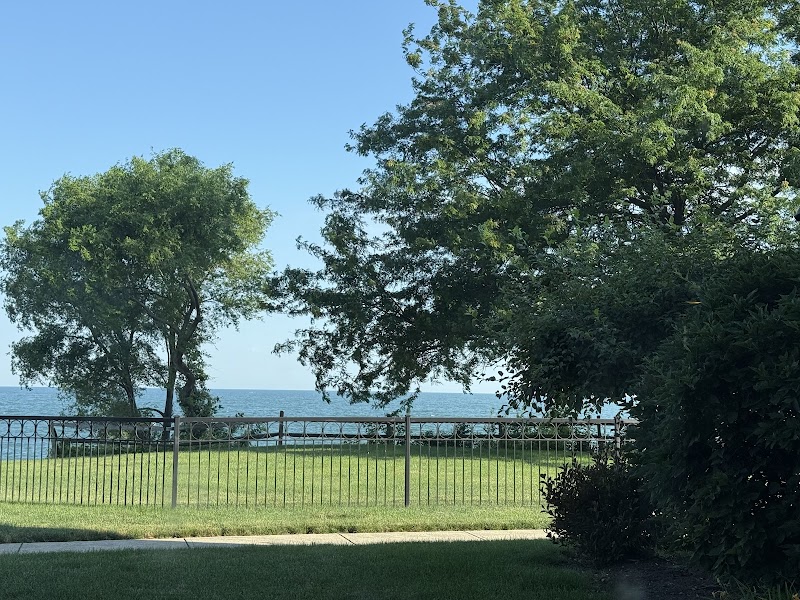
How is Anchor Lodge Inc Staffed?

CMS rates ANCHOR LODGE NURSING HOME INC's staffing level at 2 out of 5 stars, which is below average compared to other nursing homes. Staff turnover is 51%, compared to the Ohio average of 46%. RN turnover specifically is 58%, which is notably high. RNs provide skilled clinical oversight, so turnover in this role can affect medical care quality.

What Have Inspectors Found at Anchor Lodge Inc?

State health inspectors documented 43 deficiencies at ANCHOR LODGE NURSING HOME INC during 2018 to 2024. These included: 1 Immediate Jeopardy (the most serious level, indicating potential for serious harm or death), 2 that caused actual resident harm, 39 with potential for harm, and 1 minor or isolated issues. Immediate Jeopardy findings are rare and represent the most serious regulatory concerns. They require immediate corrective action.
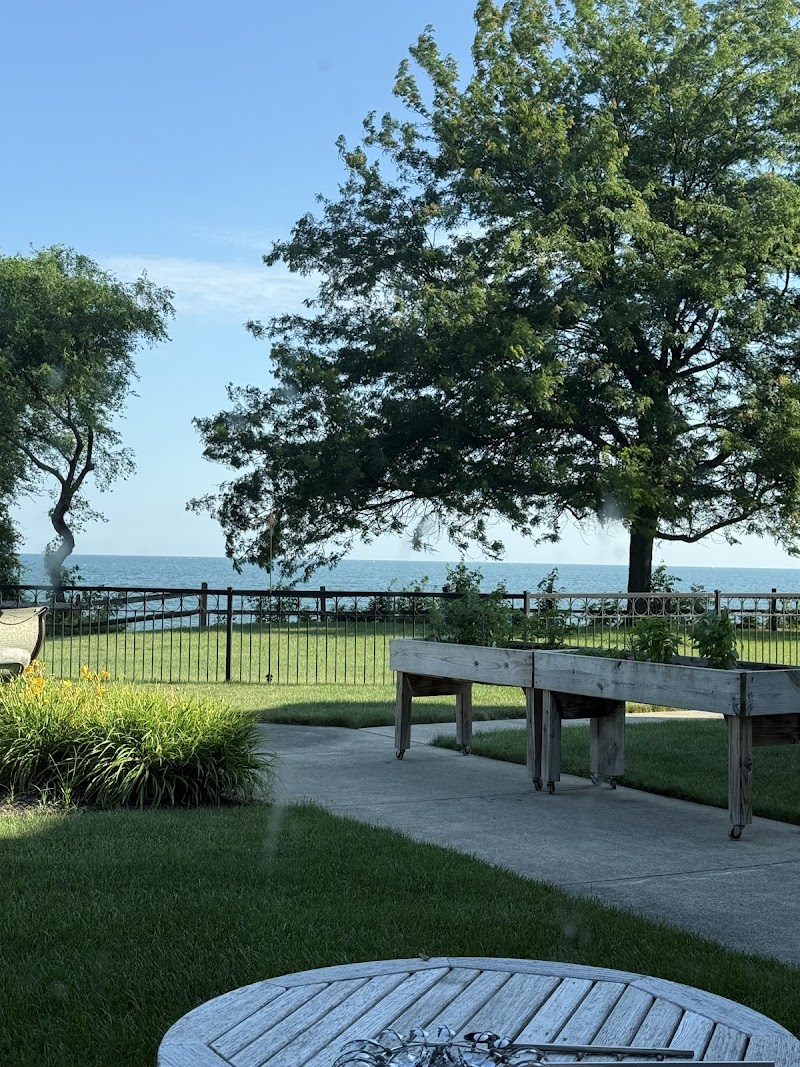
Who Owns and Operates Anchor Lodge Inc?

ANCHOR LODGE NURSING HOME INC is owned by a for-profit company. For-profit facilities operate as businesses with obligations to shareholders or private owners. The facility is operated by SPRENGER HEALTH CARE SYSTEMS, a chain that manages multiple nursing homes. With 110 certified beds and approximately 93 residents (about 85% occupancy), it is a mid-sized facility located in LORAIN, Ohio.

How Does Anchor Lodge Inc Compare to Other Ohio Nursing Homes?

Compared to the 100 nursing homes in Ohio, ANCHOR LODGE NURSING HOME INC's overall rating (2 stars) is below the state average of 3.2, staff turnover (51%) is near the state average of 46%, and health inspection rating (2 stars) is below the national benchmark.

What Should Families Ask When Visiting Anchor Lodge Inc?

Based on this facility's data, families visiting should ask: "What changes have been made since the serious inspection findings, and how are you preventing similar issues?" "Can you walk me through typical staffing levels on day, evening, and night shifts?" "Can I visit during a mealtime to observe dining assistance and food quality?" "How do you handle medical emergencies, and what is your hospital transfer rate?" These questions are particularly relevant given the facility's Immediate Jeopardy citations and the below-average staffing rating.

Is Anchor Lodge Inc Safe?

Based on CMS inspection data, ANCHOR LODGE NURSING HOME INC has documented safety concerns. Inspectors have issued 1 Immediate Jeopardy citation (the most serious violation level indicating risk of serious injury or death). The facility has a 2-star overall rating and ranks #100 of 100 nursing homes in Ohio. Families considering this facility should ask detailed questions about what corrective actions have been taken since these incidents.

Do Nurses at Anchor Lodge Inc Stick Around?

ANCHOR LODGE NURSING HOME INC has a staff turnover rate of 51%, which is 5 percentage points above the Ohio average of 46%. Moderate turnover is common in nursing homes, but families should still ask about staff tenure and how the facility maintains care continuity when employees leave.

Was Anchor Lodge Inc Ever Fined?

ANCHOR LODGE NURSING HOME INC has been fined $37,585 across 2 penalty actions. The Ohio average is $33,455. While any fine indicates a compliance issue, fines under $50,000 are relatively common and typically reflect isolated problems that were subsequently corrected. Families should ask what specific issues led to these fines and confirm they've been resolved.

Is Anchor Lodge Inc on Any Federal Watch List?

ANCHOR LODGE NURSING HOME INC is not on any federal watch list. The most significant is the Special Focus Facility (SFF) program, which identifies the bottom 1% of nursing homes nationally based on persistent, serious quality problems. Not being on this list means the facility has avoided the pattern of deficiencies that triggers enhanced federal oversight. This is a positive indicator, though families should still review the facility's inspection history directly.