AUTUMN AEGIS NURSING HOME
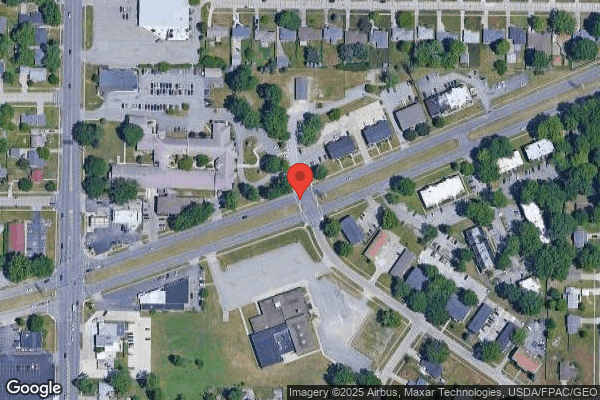

1130 TOWER BLVD, LORAIN, OH 44052 (440) 282-6768
For profit - Limited Liability company 99 Beds SPRENGER HEALTH CARE SYSTEMS Data: November 2025
Trust Grade
60/100
#406 of 913 in OH
Last Inspection: May 2024

Within standard 12-15 month inspection cycle. Federal law requires annual inspections.

Overview

Autumn Aegis Nursing Home has a Trust Grade of C+, indicating it is decent and slightly above average compared to other facilities. It ranks #406 out of 913 in Ohio, placing it in the top half, but it is #15 out of 20 in Lorain County, meaning there are fewer local options that are better. Unfortunately, the facility is worsening, with the number of reported issues increasing from 4 in 2022 to 10 in 2024. Staffing is a positive aspect, with a turnover rate of 30%, which is well below the Ohio average of 49%, suggesting that staff are experienced and familiar with the residents. While there have been no fines, recent inspections revealed significant concerns, such as unclean environments with stained carpets and dead bugs in light fixtures, and failures to conduct required care conferences and notify residents about their financial status concerning Medicaid limits. These issues indicate that while there are strengths in staffing, there are substantial areas needing improvement.

Trust Score
C+
60/100
In Ohio
#406/913
Top 44%
Safety Record
Low Risk
No red flags
Inspections
Getting Worse
4 → 10 violations
Staff Stability
○ Average
30% turnover. Near Ohio's 48% average. Typical for the industry.
Penalties
✓ Good
No fines on record. Clean compliance history, better than most Ohio facilities.
Skilled Nurses
○ Average
Each resident gets 33 minutes of Registered Nurse (RN) attention daily — about average for Ohio. RNs are the most trained staff who monitor for health changes.
Violations
⚠ Watch
21 deficiencies on record. Higher than average. Multiple issues found across inspections.
★★★☆☆
3.0
Overall Rating
★★★☆☆
3.0
Staff Levels
★★★★☆
4.0
Care Quality
★★★☆☆
3.0
Inspection Score
Stable
2022: 4 issues
2024: 10 issues

The Good

  • 4-Star Quality Measures · Strong clinical quality outcomes
  • Full Sprinkler Coverage · Fire safety systems throughout facility
  • No fines on record
  • Staff turnover below average (30%)

    18 points below Ohio average of 48%

Facility shows strength in quality measures, fire safety.

The Bad

3-Star Overall Rating

Near Ohio average (3.2)

Meets federal standards, typical of most facilities

Staff Turnover: 30%

16pts below Ohio avg (46%)

Typical for the industry

Chain: SPRENGER HEALTH CARE SYSTEMS

Part of a multi-facility chain

Ask about local staffing decisions and management

The Ugly 21 deficiencies on record

May 2024 10 deficiencies
CONCERN (D)

Potential for Harm - no one hurt, but risky conditions existed

Deficiency F0657 (Tag F0657)

Could have caused harm · This affected 1 resident

**NOTE- TERMS IN BRACKETS HAVE BEEN EDITED TO PROTECT CONFIDENTIALITY** Based on medical record review, resident and staff interview, and policy review, the facility failed to ensure resident care pla...

Read full inspector narrative →
**NOTE- TERMS IN BRACKETS HAVE BEEN EDITED TO PROTECT CONFIDENTIALITY** Based on medical record review, resident and staff interview, and policy review, the facility failed to ensure resident care plans were updated to reflect individualized and necessary components of their care. This affected two (#47 and #64) of 22 residents reviewed for care planning. The facility census was 86. Findings include: 1. Review of the medical record for Resident #47 revealed an admission date of [DATE]. Medical diagnoses included neuralgia and neuritis, anxiety, and depression. Review of the Minimum Data Set (MDS) 3.0 annual assessment, dated [DATE], revealed Resident #47 was assessed as cognitively intact. Resident #47 was recorded as having intact hearing with no hearing device used and was not recorded as having any behaviors or rejection of care. Review of Resident #47's care plan for hearing, initiated on [DATE], revealed a focus of potential for altered communication related to hearing loss. Goals included the hearing deficit would not interfere with communication with others. Interventions listed included to make referrals as needed, speak clearly, minimize environmental noise, and validate understanding as needed. The plan of care did not include a hearing appliance used. Review of Resident #47's interdisciplinary progress notes revealed notes dated [DATE] at 3:59 P.M., [DATE] at 3:22 P.M., and [DATE] at 8:00 A.M. referencing Resident #47 was hard of hearing and used a hearing appliance. Review of Resident #47's audiology progress notes included an outside audiology note dated [DATE] stating that a hearing evaluation was completed and resident needed hearing aids. An audiology note from a visiting provider, dated [DATE], revealed Resident #47 had bilateral sensorineural hearing loss, received care from an outside audiologist, and was in the process of getting hearing aids. Review of Resident #47's previous appointments revealed she had an appointment with an outside provider on [DATE] to pick up her hearing aids. An interview on [DATE] at 10:12 A.M. with Resident #47 revealed she was hard of hearing and required the use of hearing aids. Resident #47 stated she had only three percent hearing in her left ear and 43 percent hearing in her right ear. Resident #47 stated she wore bilateral hearing aids but they picked up a lot of background noise which was frustrating. The resident stated her hearing aid batteries recently died and she was waiting on Maintenance Director (MD) #210 to purchase her new hearing aids. A subsequent interview on [DATE] at 11:09 AM with Resident #47 verified she received new hearing aide batteries but since had lost one of her hearing aids. Resident #47 stated she reported it to her nurse. An interview on [DATE] at 1:41 P.M. with Licensed Practical Nurse (LPN) #140 revealed she was familiar with Resident #47 and knew she was hard of hearing and wore hearing aids in bilateral ears. An interview on [DATE] at 2:44 P.M. with MDS Coordinator #144 confirmed Resident #47 had a plan of care in place for impaired hearing that did not include the use of hearing aids which pre-dated her employment with the facility, and verified she did not realize the resident had hearing aids. MDS Coordinator #144 verified part of her role included reviewing documentation including progress notes, and visits with outside providers, to accurately complete assessments and care plans. 2. Review of the medical record for Resident #64 revealed an admission date of [DATE]. Medical diagnoses included cerebral infarction, moderate protein-calorie malnutrition, chronic obstructive pulmonary disease (COPD), and type II diabetes with neuropathy. Resident #64 was hospitalized from [DATE] to [DATE] for sepsis (bloodstream infection). Resident #64 was admitted to hospice care on [DATE]. Review of Resident #64's MDS 3.0 significant change in status assessment, dated [DATE], identified the resident to have a severe cognitive impairment. The resident was identified to be on hospice care with a terminal prognosis and a life expectancy of six months or less. Review of Resident #64's facility care plan revealed a focus of a potential for decline in condition, grief, anxiety, terminal restlessness, and agitation. The plan of care revealed the resident previously received hospice services which discontinued on [DATE], and did not identify the resident was actively receiving hospice care. Interview on [DATE] at 1:42 P.M. with LPN #140 confirmed Resident #64 had been under hospice care for months with a local hospice provider. An interview on [DATE] at 9:41 A.M. with the Director of Nursing (DON) verified Resident #64's facility-initiated plan of care did not identify Resident #64 was currently receiving hospice services. The DON verified the plan of care needed to be updated. Review of the policy titled, Interdisciplinary Care Plan Process, revised 04/2022, revealed it is the facility's policy to ensure immediate and ongoing actual or potential problems, needs and strengths of all residents are addressed through the interdisciplinary care plan meeting. Care plans are to be updated and reviewed on an ongoing basis, and at the minimum, on admission, quarterly, annually, and with a significant change in status. When updating the care plan review all physician's orders, progress notes, ancillary notes, laboratory values, and reports. A comprehensive review must be completed on all admission, annual, and significant change assessments.
CONCERN (D)

Potential for Harm - no one hurt, but risky conditions existed

Pressure Ulcer Prevention (Tag F0686)

Could have caused harm · This affected 1 resident

**NOTE- TERMS IN BRACKETS HAVE BEEN EDITED TO PROTECT CONFIDENTIALITY** Based on observation, staff interview, medical record review, review of an air mattress operation manual, and policy review, the...

Read full inspector narrative →
**NOTE- TERMS IN BRACKETS HAVE BEEN EDITED TO PROTECT CONFIDENTIALITY** Based on observation, staff interview, medical record review, review of an air mattress operation manual, and policy review, the facility failed to ensure interventions were in place to treat existing pressure ulcers and prevent new pressure ulcers from developing as ordered. This affected one (#64) of two residents reviewed for pressure ulcers. The facility census was 86. Findings include: Review of the medical record for Resident #64 revealed an admission date of 08/05/21. Medical diagnoses included cerebral infarction, moderate protein-calorie malnutrition, chronic obstructive pulmonary disease (COPD), and type II diabetes with neuropathy. Resident #64 was hospitalized from [DATE] to 02/06/24 for sepsis (bloodstream infection). Resident #64 was admitted to hospice care on 02/16/24. Resident #64's current weight was documented as 116 pounds (lbs) on 04/05/24. Review of Resident #64's Minimum Data Set (MDS) 3.0 significant change in status assessment, dated 02/25/24, identified the resident to have a severe cognitive impairment. Resident #64 was not identified to have any behaviors or rejection of care. Resident #64 was identified to have an impairment to both sides of her lower extremities and was coded as being completely dependent on staff for all activities of daily living, mobility, and transfers. Resident #64 was identified to be at risk for developing pressure ulcers and had four unhealed pressure ulcers. The resident was identified to be on hospice with a terminal prognosis and a life expectancy of six months or less. Review of Resident #64's care plan, dated as initiated on 02/21/23 and revised on 04/29/24, revealed the resident was identified as having the potential for skin integrity impairment. The care plan noted Resident #64 had a history of an unstageable pressure ulcer (full thickness pressure ulcer where the true depth of the wound cannot be determined due to the presence of dead tissue) and a diabetic ulcer both of which were healed. The care plan did not identify any active, current skin integrity issues. The preventative skin care plan included an intervention for Resident #64 to wear bilateral Prevalon boots (soft boots used for offloading pressure from the feet) while in bed and for a low air loss mattress to the resident's bed. Resident #64's care plan was noted to have been revised twice on 04/29/24 by Wound Nurse #104. The first revision added there was a pressure injury to bilateral feet to the care plan focus description. The second revision, also completed by Wound Nurse #104, included the addition that resident frequently kicks off Prevalon boots. Review of Resident #64's re-admission nursing assessment, dated 02/06/24, revealed the resident was identified to have pressure ulcers to her bilateral feet and right gluteal fold upon her return from the hospital to the facility. The resident's Braden scale assessment (for predicting pressuring ulcer risk), dated 02/06/24, revealed the resident was at high risk for developing pressure injuries. Review of Resident #64's physician's orders revealed an order dated 02/07/24 for bilateral Prevalon boots to be worn at all times, and may remove the boots for hygiene and to assess skin integrity with each application and removal. Resident #64 also had an order dated 02/07/24 to have a low air loss mattress to the bed. An observation on 04/29/24 at 10:05 A.M. of Resident #64 revealed her lying in bed covered with a white sheet and the resident's legs appeared to be curled underneath her. An air mattress was noted in place to Resident #64's bed, with the control box hanging on the end of the bed's footboard. The air mattress had various controls which included one to select the weight of the resident. The air mattress was set for a patient weight of 250 lbs. Two Prevalon boots were observed lying on top of Resident #64's sheet at the foot of the bed. An interview on 04/29/24 at 10:10 A.M. with Restorative Nurse #117 verified Resident #64's Prevalon boots were not on. Restorative Nurse #117 stated Resident #64 does not like the Prevalon boots. A subsequent observation on 04/29/24 at 11:48 A.M. revealed Resident #64 remained in bed covered by a sheet. The resident was not wearing her bilateral Prevalon boots, as the boots were again observed lying on top of the covers at the foot of the bed unchanged from the prior observation. The air mattress remained at the setting for a 250 lbs. resident. An interview on 04/29/24 at 12:07 P.M. with State Tested Nurse Aide (STNA) #134 revealed she was fairly new to working at the facility but familiar with Resident #64's care. STNA #134 verified the resident had heel boots she was supposed to wear because the resident had wounds on both of her feet. STNA #134 stated she was recently told by an unnamed staff member that Resident #64 could kick the Prevalon boots off, but she had never seen it herself. STNA #134 verified Resident #64 required total care and assistance for all activities of daily living and had contractures to her bilateral lower extremities. An interview on 04/29/24 at 12:13 P.M. with the Director of Nursing (DON) verified Resident #64's air mattress settings were incorrect and should not be set at 250 lbs. as that was more than twice of Resident #64's body weight. The DON additionally verified the heel boots lying on top of Resident #64's covers and stated they should be in place. The DON stated she would check with the wound nurse to correct the air mattress settings as she was unaware of how to change the settings. Subsequent observations of Resident #64 lying in bed on 04/30/24 at 8:01 A.M., 10:51 A.M., and 2:36 P.M. revealed the resident remained lying in bed and had her bilateral Prevalon boots in place. During each observation Resident #64 appeared comfortable, and free from non-verbal signs of pain. There were no observations of Resident #64 moving or attempting to move her bilateral legs. An interview on 04/30/24 at 2:46 P.M. with STNA #118 revealed she cared for Resident #64 at the facility for many years and was very familiar with her care needs. STNA #118 verified Resident #64 has bilateral leg contractures and her legs stayed in a bent, curled up position. STNA #118 stated Resident #64 was unable to bear any weight or make any spontaneous or purposeful movement due to her contractures. STNA #118 verified she never saw the resident kick her leg and stated the resident would be unable to do so. STNA #118 confirmed Resident #64 was totally dependent on staff for all activities of daily living and transfers. An observation on 05/01/24 at 8:57 A.M. revealed Resident #64's weekly wound assessment and wound care was completed with Wound Nurse #104, Registered Nurse (RN) Assistant Director of Nursing (ADON) #124 and Certified Nurse Practitioner (CNP) #222 present in the room. Resident #64 was in bed and appropriately positioned by staff for the procedure. Resident #64 had had her bilateral Prevalon boots in place, which were removed by Wound Nurse #104 and RN ADON #124. Resident #64's legs appeared significantly bent and stiff as Wound Nurse #104 and RN ADON #124 removed her Prevalon boots. An interview with CNP #222 at the time of the observation confirmed Resident #64 had significant contractures to her bilateral lower extremities, which was how she got the pressure injuries to her bilateral feet. CNP #222 verified Resident #64's significant contractures and stated the resident was not capable of kicking her legs nor making even slight extensions of her bilateral legs to attempt to relieve pressure off her feet. A follow up interview on 05/01/24 at 9:18 A.M. with Wound Nurse #104 verified Resident #64 had contractures and verified she added that the resident kicks her legs to the care plan on 04/29/24. Wound Nurse #104 stated upon Resident #64's hospital return in February 2024 the resident was able to move easier. Wound Nurse #104 stated she added the addition to the care plan to reflect how the resident used to be upon her hospital return, but it did not reflect Resident #64's current functional abilities. Review of the air mattress operator's manual, copyrighted in 2016, revealed the air mattress contained weight setting buttons that can be used to adjust the pressure of the inflated cells based on the patient's weight. As the weight setting increases, the pressure level indicator lights light up green with each added level of pressure. Review of the policy, Wound Prevention and Management Policy, revised 10/2022, revealed all residents will have a comprehensive skin assessment to identify current skin breakdown and identify pressure ulcer risk factors. An appropriate treatment will be implemented for any existing skin breakdown. A care plan will be initiated and updated as necessary until the area is resolved. A preventative plan of care and interventions will be initiated for any residents determined to be at risk to reduce the possibility of further breakdown.
CONCERN (D)

Potential for Harm - no one hurt, but risky conditions existed

Accident Prevention (Tag F0689)

Could have caused harm · This affected 1 resident

**NOTE- TERMS IN BRACKETS HAVE BEEN EDITED TO PROTECT CONFIDENTIALITY** Based on medical record review, review of a list of residents who smoke, resident and staff interview, and review of a facility ...

Read full inspector narrative →
**NOTE- TERMS IN BRACKETS HAVE BEEN EDITED TO PROTECT CONFIDENTIALITY** Based on medical record review, review of a list of residents who smoke, resident and staff interview, and review of a facility policy, the facility failed to complete smoking assessments as required. This affected one (#25) of three residents reviewed for smoking. The facility census was 86. Findings include: Record review for Resident #25 revealed an admission date of 09/19/22. Diagnoses included type two diabetes mellitus, bipolar disorder, benign prostatic hyperplasia, and cognitive communication deficit. Review of the quarterly Minimum Data Set (MDS) assessment dated [DATE] revealed Resident #25 was cognitively intact, had impairment on one side of the lower extremities, and required assistance with activities of daily living. Review of the care plan for Resident #25 dated 08/09/23 revealed Resident #25 had potential for injury and was a chronic smoker. Interventions included to secure cigarettes and lighter at the nurses station and complete a smoking assessment quarterly and with significant change. Review of Resident #25's medical record revealed two smoking assessments were completed since admission with the first assessment dated [DATE] and the second assessment dated [DATE]. Further review revealed both assessments indicated Resident #25 was a smoker and was not at risk for injury related to smoking. Review of the list of residents who smoke in the facility provided to the survey team identified Resident #25 as a resident who smoked. Interview on 04/30/24 at 2:52 P.M. with MDS Nurse #144 revealed Restorative Nurse #117 completed smoking assessments for residents. Interview on 04/30/24 at 2:55 P.M. with Restorative Nurse #117 stated she did not complete the resident smoking assessments, and it was Social Service Director (SSD) #163 who completed the smoking assessments. Interview on 04/30/24 at 2:58 P.M. with SSD #163 stated she never did smoking assessments for residents and did not know who did them. Interview on 04/30/24 at 2:59 P.M. with the Director of Nursing (DON) revealed the admitting nurse completed each new resident's smoking assessment then SSD #163 completed each assessment after that. The DON revealed she was not sure how frequently smoking assessments should be done. The DON verified Resident #25's last smoking assessment was completed 03/12/23 and was not completed quarterly. Interview on 05/01/24 at 4:26 P.M. with Resident #25 revealed he had to temporarily ceased smoking on 03/30/24 until after his upcoming surgery in May 2024 per the surgeon's request. Resident #25 revealed after the surgery he may go back to smoking again. Review of the policy titled, Smoking, revised April 2019, revealed to provide an environment that allows residents to safely utilize tobacco products and other smoking devices in non smoke-free campuses, smoking assessment will be completed upon admission and with significant changes. If resident is found to be a smoker, smoking assessments will be completed quarterly.
CONCERN (D)

Potential for Harm - no one hurt, but risky conditions existed

Dental Services (Tag F0791)

Could have caused harm · This affected 1 resident

**NOTE- TERMS IN BRACKETS HAVE BEEN EDITED TO PROTECT CONFIDENTIALITY** Based on observation, resident and staff interview, and medical record review, the facility failed to offer and provide dental s...

Read full inspector narrative →
**NOTE- TERMS IN BRACKETS HAVE BEEN EDITED TO PROTECT CONFIDENTIALITY** Based on observation, resident and staff interview, and medical record review, the facility failed to offer and provide dental services for residents with dentures. This affected one (#36) of three residents reviewed for ancillary services. The facility census was 86. Findings include: Record review for Resident #36 revealed an admission date of 03/08/23. Diagnoses included type two diabetes mellitus and adult failure to thrive. Review of the annual Minimum Data Set (MDS) assessment dated [DATE] for Resident #36 revealed the resident was assessed as severely cognitively impaired. Further review revealed Resident #36 was assessed with no broken or loosely fitting full or partial dentures, and Resident #36 had natural teeth. Interview on 04/29/24 at 10:35 A.M. with Resident #36 revealed his upper dentures were lost. Observation at the time of the interview revealed Resident #36 had natural teeth to the lower gums and was edentulous to the upper gums. Interview on 04/30/24 at 1:04 P.M. with Social Service Director (SSD) #163 revealed residents dental services were arranged by the Receptionist #195. Interview on 04/30/24 at 3:51 P.M. with Receptionist #195 confirmed she scheduled ancillary services for residents. Receptionist #195 revealed when a resident was newly admitted she would send the resident's name and referral to the dentist. Receptionist #195 stated the dentist visited the facility every three months and rotated residents and saw each resident every six months and as needed. Receptionist #195 confirmed she did not see where Resident #36 had been seen by the dentist but would check with the dentist. Interview on 04/30/24 at 4:15 P.M. with Licensed Practical Nurse (LPN) #140 revealed she was unsure if Resident # 36 had dentures when he was admitted and was not aware of any missing dentures. Interview on 04/30/24 at 4:16 P.M. with Receptionist #195 revealed Resident #36 was never put on the dental list and never had the dental consent signed, and confirmed Resident #36 was never seen by the dentist while at the facility. Receptionist #195 revealed she was not sure how Resident #36 was missed for the consent and dental service, and confirmed Resident #36 did not refuse the service. Interview on 04/30/24 at 5:28 P.M. with State Tested Nurse Aide (STNA) #211 revealed Resident #36 had upper dentures in his drawer and he did not like them because they hurt his mouth as they were too big since he lost weight. STNA #211 stated the resident had not been wearing the dentures for the previous two months and he would ask to try them frequently, but would take them out because they did not fit correctly. STNA #211 revealed she told one of the nurses about two month ago when Resident #36 complained for the first time. Observation with STNA #211 during the observation revealed an upper denture placed in a denture cup in Resident #36's top drawer of his night stand.
CONCERN (E)

Potential for Harm - no one hurt, but risky conditions existed

Deficiency F0553 (Tag F0553)

Could have caused harm · This affected multiple residents

**NOTE- TERMS IN BRACKETS HAVE BEEN EDITED TO PROTECT CONFIDENTIALITY** Based on medical record review, review of a care conference audit tool, resident and resident representative interview, staff in...

Read full inspector narrative →
**NOTE- TERMS IN BRACKETS HAVE BEEN EDITED TO PROTECT CONFIDENTIALITY** Based on medical record review, review of a care conference audit tool, resident and resident representative interview, staff interview, and review of a facility policy, the facility failed to conducted care conferences quarterly and with a significant change in condition as required. This affected five (#25, #32, #36, #62, and #64) of six residents reviewed for care planning meetings. The facility census was 86. Findings include: 1. Record review for Resident #32 revealed an admission date of 02/11/22. Diagnoses included sequelae of cerebral infarction, chronic obstructive pulmonary disease (COPD), viral hepatitis C, major depressive disorder, dysphagia, speech and language deficits, muscle weakness, and anxiety disorder. Review of the annual Minimum Data Set (MDS) assessment for Resident #32 dated 01/25/24 revealed Resident #32 was cognitively intact. Resident #32 had impairment to one side of the upper extremity and both sides to the lower extremities. Resident #32 used a wheelchair for mobility and was dependent for transfers to and from bed. Resident #32 required assistance with activities of daily living. Review of the plan of care meetings held for Resident #32 revealed a plan of care meeting was held on 07/31/23. The next plan of care meeting was held 03/13/24. Interview on 04/29/24 at 12:52 P.M. with Resident #32 revealed she did not attend her plan of care meetings and stated she was not invited. Interview on 04/30/24 at 12:28 P.M. with Social Service Director (SSD) #163 confirmed the social services department scheduled and initiated the resident plan of care meetings. SSD #163 revealed plan of care meetings should be held upon admission and quarterly. SSD #163 reviewed Resident #32's plan of care meetings and confirmed Resident #32's quarterly plan of care meetings were not held in October 2023 or January 2024. Interview on 05/01/24 at 2:00 P.M. with Resident #32's Representative revealed she was not always able to get to the facility daily, but she would like to participate in each plan of care meeting even if it was on the telephone. Resident #32's Representative revealed she was not invited each quarter to participate and was never offered to participate in a plan of care meeting on the telephone. 2. Record review for Resident #62 revealed an admission date of 01/18/23. Diagnoses included chronic obstructive pulmonary disease, type two diabetes mellitus, atherosclerotic heart disease, atrial fibrillation, anemia and obstructive sleep apnea. Review of the annual MDS assessment dated [DATE] for Resident #62 revealed Resident #62 was cognitively intact. Resident #62 had medically complex conditions, impairment on both sides of the upper and lower extremities, and required assistance with all activities of daily living. Review of the plan of care meetings held for Resident #62 from 03/01/23 through 02/01/24 revealed the plan of care meetings were held on 03/30/23 and 02/01/24. Record review revealed no further care plan meetings were held between 03/01/23 through 02/01/24. Interview on 05/01/24 at 2:36 P.M. with SSD #163 verified there were no plan of care meetings held for Resident #62 after 03/30/23 through 02/01/24. Interview on 05/01/24 at 4:26 P.M. with Resident #62 revealed he was unaware of attending any care plan meetings. 3. Record review for Resident #36 revealed an admission date of 03/08/23. Diagnoses included type two diabetes mellitus and adult failure to thrive. Review of the annual MDS assessment dated [DATE] for Resident #36 revealed the resident was severely cognitively impaired. Resident #36 had impairment to one side of the upper extremity and both sides of the lower extremities and required assistance with all activities of daily living. Record review of the plan of care meetings for Resident #36 from 01/01/23 through 05/01/24 revealed no plan of care meetings were held from 01/01/23 through 08/14/23 and from 10/13/23 through 03/13/24. Interview on 05/01/24 at 2:40 P.M. with SSD #163 confirmed Resident #36 did not have a plan of care meeting for March 2023, June 2023, and December 2023 documented. 4. Record review for Resident #25 revealed an admission date of 09/19/22. Diagnoses included type two diabetes mellitus, bipolar disorder, benign prostatic hyperplasia and cognitive communication deficit. Review of the quarterly MDS assessment dated [DATE] revealed Resident #25 was cognitively intact. Resident #25 had impairment on one side of the lower extremities and required assistance with activities of daily living. Record review of the plan of care meetings for Resident #25 revealed no plan of care meeting was held from 03/10/23 through 09/18/23. Interview on 05/01/24 at 2:41 P.M. with SSD #163 confirmed Resident #25 did not have a plan of care meeting documented for 03/10/23 through 09/18/23. Interview on 05/01/24 at 4:14 P.M. with Administrator confirmed the plan of care meetings were documented in the medical records. Interview on 05/01/24 at 4:26 PM with Resident #25 revealed he was unaware of attending any care plan meetings. 5. Review of the medical record for Resident #64 revealed an admission date of 08/05/21. Medical diagnoses included cerebral infarction, moderate protein-calorie malnutrition, chronic obstructive pulmonary disease, and type II diabetes with neuropathy. Resident #64 was hospitalized from [DATE] to 02/06/24 for sepsis (bloodstream infection). Resident #64 was admitted to hospice care on 02/16/24. Resident #64 had previously elected for hospice care from 03/23/23 to 06/16/23. Review of Resident #64's MDS significant change in status assessment, dated 02/25/24, identified the resident had severe cognitive impairment. Resident #64 was not identified to have any behaviors or rejection of care. Resident #64 was identified to have an impairment to both sides of her lower extremities and was coded as being completely dependent on staff for all activities of daily living, mobility, and transfers. Resident #64 was identified to be at risk for developing pressure ulcers and had four unhealed pressure ulcers. The resident was identified to be on hospice with a terminal prognosis and a life expectancy of six months or less. A performance improvement action plan for plan of care meetings, dated 01/02/24, was provided by the Administrator during the survey. Review of the action plan identified all residents should have care plan meetings within the first week of admission and at least quarterly thereafter. Current documentation of care plan meetings were noted as reviewed for all residents, with a tracking log attached with a list of each resident who was reviewed, when their last plan of care meeting was held, and when the next one was due. Review of the attached tracking log revealed Resident #64 was missing from the audit log. Review of the plan of care meetings for Resident #64 revealed care plan meetings were held on 02/24/23, 10/10/23, 11/21/23, and 12/28/23. An interview on 05/01/24 at 2:44 P.M. with MDS Coordinator #144 revealed the Resident #64's significant change in status assessment was prompted by the resident's hospice election on 02/16/24. An interview on 05/02/24 at 1:19 P.M. with the Administrator verified Resident #64 was not present on the care conference audit tool. The Administrator verified all residents should be on the tracking tool as it was a full building, ongoing audit. The Administrator stated she was unsure what had happened, but Resident #64 should not have been missed. The Administrator verified the last care conference for Resident #64 was held on 12/28/23 and confirmed she had no care conference between 12/28/24 and 05/02/24, including around the time Resident #64 elected for hospice care. An interview with a family member of Resident #64 on 05/02/24 at 1:33 P.M. stated most of the time the facility keep her informed of Resident #64's care. The family member indicated she had not been invited to a plan of care meeting since the resident first initiated hospice in March of 2023. Record review of the facility policy titled, Plan of Care Meetings Policy, dated April 2022, revealed it is the policy of the facility to engage the resident and the resident representative in the plan of care for our residents. Plan of care meetings are held following admission and at least quarterly or with any significant change in condition.
CONCERN (E)

Potential for Harm - no one hurt, but risky conditions existed

Deficiency F0569 (Tag F0569)

Could have caused harm · This affected multiple residents

Based on review of banking records and staff interview, the facility failed to notify residents when their resident funds accounts were within $200.00 of the Medicaid resource limit as required. This ...

Read full inspector narrative →
Based on review of banking records and staff interview, the facility failed to notify residents when their resident funds accounts were within $200.00 of the Medicaid resource limit as required. This affected four (#12, #60, #65, and #79) of five residents reviewed for personal funds. The facility census was 86. Findings include: 1. Review of the banking records for Resident #12 revealed a current balance of $6,595.42 and was over the Medicaid resource limit of $2,000.00 as of 02/12/24. Further review of the banking records for Resident #12 on 05/02/24 revealed no notification of spend down was provided to the resident as required. 2. Review of the banking records for Resident #60 revealed a current balance of $6,061.71 and was over the Medicaid resource limit of $2,000.00 as of 01/03/23. Further review of the banking records for Resident #60 on 05/02/24 revealed no notification of spend down was provided to the resident as required. 3. Review of the banking records for Resident #65 revealed a current balance of $2,404.86 and was over the Medicaid resource limit of $2,000.00 as of 02/02/24. Further review of the banking records for Resident #65 on 05/02/24 revealed no notification of spend down was provided to the resident as required. 4. Review of the banking records for Resident #79 revealed a current balance of $12,850.52 and was over the Medicaid resource limit of $2,000.00 as of 02/12/24. Further review of the banking records for Resident #79 on 05/02/24 revealed no notification of spend down was provided to the resident as required. Interview with Administrative Assistant (AA) #195 on 05/02/24 at 1:47 P.M. confirmed and verified no spend down letters or notifications were provided to Resident #12, Resident #60, Resident #65, or Resident #79 or their responsible parties as required.
CONCERN (E)

Potential for Harm - no one hurt, but risky conditions existed

Assessment Accuracy (Tag F0641)

Could have caused harm · This affected multiple residents

**NOTE- TERMS IN BRACKETS HAVE BEEN EDITED TO PROTECT CONFIDENTIALITY** Based on medical record review, resident and staff interview, and review of the Resident Assessment Instrument (RAI) manual, th...

Read full inspector narrative →
**NOTE- TERMS IN BRACKETS HAVE BEEN EDITED TO PROTECT CONFIDENTIALITY** Based on medical record review, resident and staff interview, and review of the Resident Assessment Instrument (RAI) manual, the facility failed to code resident Minimum Data Set (MDS) assessments accurately. This affected five (#53, #60, #78, #47, and #64) 18 sampled residents reviewed for accuracy of MDS assessments. The facility census was 86. Findings Include: 1. Review of the medical record revealed Resident #53 was admitted to the facility on [DATE] with diagnoses that included unspecified intellectual disabilities, seizures, and unspecified delirium. Review of the Pre-admission Screening and Resident Review (PASRR) Level Two evaluation from the state department of developmental disabilities dated [DATE] revealed Resident #53 had a level two developmental disability. Review of section A of the Minimum Data Set (MDS) 3.0 assessment dated [DATE] revealed the facility answered no to the question, Is the resident currently considered by the state level II PASRR process to have serious mental illness and/or intellectual disability or a related condition? 2. Review of the medical record revealed Resident #60 was admitted to the facility on [DATE] with diagnoses that included paranoid schizophrenia, bipolar disorder, and anxiety disorder. Review of the PASRR Level Two evaluation from the state department of mental health dated [DATE] revealed Resident #60 had a level two mental illness. Review of section A of the MDS 3.0 assessment dated [DATE] revealed the facility answered no to the question, Is the resident currently considered by the state level II PASRR process to have serious mental illness and/or intellectual disability or a related condition? 3. Review of the medical record revealed Resident #78 was admitted to the facility on [DATE] with diagnoses that included major depressive disorder, psychosis, and disorientation. Review of the PASRR Level Two evaluation from the state department of mental health dated [DATE] revealed Resident #78 had a level two mental illness. Review of section A of the MDS 3.0 assessment dated [DATE] revealed the facility answered no to the question, Is the resident currently considered by the state level II PASRR process to have serious mental illness and/or intellectual disability or a related condition? Interview with Social Service Designee (SSD) #162 verified the PASRR Level Two statuses of Resident #53, Resident #60, and Resident #78 were coded incorrectly on each resident's MDS assessment in an interview on [DATE] at 2:30 P.M. 4. Review of the medical record for Resident #47 revealed an admission date of [DATE]. Medical diagnoses included neuralgia and neuritis, anxiety, and depression. Review of the MDS 3.0 annual assessment, dated [DATE], revealed Resident #47 was cognitively intact with a Brief Interview for Mental Status (BIMS) score of 15, indicating the resident was cognitively intact. Resident #47 was recorded as having intact hearing with no hearing device used and was not recorded as having any behaviors or rejection of care. Review of Resident #47's care plan for hearing, initiated on [DATE], revealed a focus of potential for altered communication related to hearing loss. Goals included the hearing deficit would not interfere with communication with others. Interventions listed included to make referrals as needed, speak clearly, minimize environmental noise, and validate understanding as needed. The plan of care did not include a hearing appliance used. Review of Resident #47's interdisciplinary progress notes revealed notes dated [DATE] at 3:59 P.M., [DATE] at 3:22 P.M., and [DATE] at 8:00 A.M. referencing Resident #47 was hard of hearing and used a hearing appliance. Review of Resident #47's audiology progress notes included an outside audiology note dated [DATE] indicating a hearing evaluation was completed and the resident needed hearing aids. An audiology note from a visiting provider, dated [DATE], revealed Resident #47 had bilateral sensorineural hearing loss, received care from an outside audiologist, and was in the process of getting hearing aids. Review of Resident #47's previous appointments revealed the resident had an appointment with an outside provider on [DATE] to pick up her hearing aids. An interview on [DATE] at 10:12 A.M. with Resident #47 revealed she was hard of hearing and required the use of hearing aids. Resident #47 stated she had only three percent hearing in her left ear and 43 percent hearing in her right ear. During conversation, the resident was observed to turn her head, providing direct access to her right ear. Resident #47 stated she wore bilateral hearing aids but they picked up a lot of background noise which was frustrating. The resident stated her hearing aid batteries recently died and she was waiting on Maintenance Director (MD) #210 to purchase her new hearing aids. A subsequent interview on [DATE] at 11:09 AM with Resident #47 verified she received new hearing aid batteries but since had lost one of her hearing aids. Resident #47 stated she reported it to her nurse. An interview on [DATE] at 1:41 P.M. with Licensed Practical Nurse (LPN) #140 revealed she was familiar with Resident #47 and knew she was hard of hearing and wore hearing aids in bilateral ears. LPN #140 verified she heard about the resident's missing hearing aid and reported it to Social Services Director (SSD) #163. An interview on [DATE] at 2:23 P.M. with SSD #163 confirmed she was informed of Resident #47's missing hearing aid. SSD #163 stated the resident was mobile in her motorized wheelchair, went outside when it was nice out, and the hearing appliance could have been lost anywhere. An interview on [DATE] at 2:44 P.M. with MDS Coordinator #144 revealed she coded Resident #47's MDS assessment as hearing intact with no device used as she believed the resident to be faking her hearing loss. MDS Coordinator #144 stated she interacted with the resident on various occasions and did not notice the resident having any difficulty hearing nor did she see a hearing appliance used. MDS Coordinator #144 confirmed Resident #47 had a plan of care in place for impaired hearing which pre-dated her employment with the facility, which did not include the resident having hearing aids. MDS Coordinator #144 verified part of her role included reviewing documentation including progress notes, and visits with outside providers, to accurately complete assessments and care plans. MDS Coordinator #144 verified hearing impairment and hearing appliance should have been marked on the resident's MDS assessment and included in her care plan. Review of the RAI manual, dated [DATE], revealed the steps for assessment for hearing included prior to beginning the hearing assessment, ask the resident if they own a hearing aid or other hearing appliance and, if so, whether it is used at the nursing home. The instructions additionally included to check the medical record for evidence that the resident had a hearing appliance in place when hearing ability was recorded. Ask staff and significant others whether the resident was using a hearing appliance when they observed the resident's hearing ability. 5. Review of the medical record for Resident #64 revealed an admission date of [DATE]. Medical diagnoses included cerebral infarction, moderate protein-calorie malnutrition, chronic obstructive pulmonary disease, and type II diabetes with neuropathy. Resident #64 was hospitalized from [DATE] to [DATE] for sepsis (bloodstream infection). Resident #64 was admitted to hospice care on [DATE]. Resident #64's current weight was documented as 116 pounds (lbs) on [DATE]. Review of Resident #64's MDS 3.0 significant change in status assessment, dated [DATE], identified the resident to have severe cognitive impairment. Resident #64 was not identified to have any behaviors or rejection of care. Resident #64 was identified to have an impairment to both sides of her lower extremities and was coded as being completely dependent on staff for all activities of daily living, mobility, and transfers. Resident #64 was identified to be at risk for developing pressure ulcers and had four unhealed pressure ulcers including one stage three pressure ulcer (a full thickness wound involving damage into the subcutaneous tissue) and three stage four pressure ulcers (a full thickness wound with exposed muscle, tendon, or bone). The resident was identified to be on hospice with a terminal prognosis and a life expectancy of six months or less. Review of Resident #64's wound assessment documentation, dated [DATE], revealed the resident had four unhealed pressure ulcers including an unstageable area (full thickness pressure injury where the true depth of the wound cannot be determined due to the presence of dead tissue) to the left plantar foot by the great toe, an unstageable area to the right lateral foot near the fifth toe, an unstageable area to the right medial heel, and an unstageable area to the left gluteal fold. Each of the wounds was recorded as being unstageable due to slough or eschar (dead tissue). An interview on [DATE] at 4:08 P.M. with MDS Coordinator #144 verified Resident #64's MDS assessment related to wounds was coded incorrectly. MDS Coordinator #144 stated she referenced the wrong documentation when completing the original MDS assessment. MDS Coordinator #144 stated she has modified the assessment with the correct information. Review of the RAI manual, dated [DATE], revealed pressure ulcer stages should be coded in terms of what is assessed during the seven-day look-back period of the assessment.
CONCERN (F)

Potential for Harm - no one hurt, but risky conditions existed

Safe Environment (Tag F0921)

Could have caused harm · This affected most or all residents

Based on observation and staff interview, the facility failed to maintain a clean, sanitary, and safe environment. This had the potential to affect all 86 residents. The facility census was 86. Findi...

Read full inspector narrative →
Based on observation and staff interview, the facility failed to maintain a clean, sanitary, and safe environment. This had the potential to affect all 86 residents. The facility census was 86. Findings Include: Observation of the facility environment on 05/02/24 between 9:30 A.M. and 10:00 A.M., with Maintenance Director (MD) #210, revealed the carpeting throughout common areas, hallways, and resident rooms showed significant instances of large stains. Further observation of the common areas of the facility revealed the handrails in the common hallways were observed to be discolored and rough to the touch in numerous areas. There were numerous instances of dead bugs noted in light fixtures throughout the facility including in resident dining areas. There were numerous water-stained ceiling tiles noted around the 100 hall nurse's station. Observation of resident rooms on 05/02/24 between 9:30 A.M. and 10:00 A.M., during the environmental tour with MD #201, revealed the privacy curtains in the rooms of Resident #1, Resident #22, Resident #26, Resident #27, Resident #50, Resident #70, Resident #73, Resident #79, and Resident #90 were significantly stained with various unknown substances. The bathroom doors in Resident #9, Resident #25, Resident #46, Resident #51, Resident #67, and Resident #87's rooms were noticeably scuffed and scrapped. The air vent in Resident #61's bathroom was coated in dust. Resident #51 was observed laying in bed covered by a white blanket with noticeable yellow staining. The sliding closet door in Resident #33 and Resident #84's room was missing a handle. The floor in Resident #11's room was noticeable dirty. The base of the tube feeding pole in Resident #64's room was also noted dried residual tube feeding supplement on other unknown substances encrusted on the pole. Interview with MD #210 verified the findings and observations from the environmental tour on 05/02/24 between 9:30 A.M. and 10:00 A.M. and the time of discovery.
MINOR (C)

Minor Issue - procedural, no safety impact

Deficiency F0575 (Tag F0575)

Minor procedural issue · This affected most or all residents

**NOTE- TERMS IN BRACKETS HAVE BEEN EDITED TO PROTECT CONFIDENTIALITY** Based on observation and staff interview, the facility failed to ensure required information was posted and updated as required....

Read full inspector narrative →
**NOTE- TERMS IN BRACKETS HAVE BEEN EDITED TO PROTECT CONFIDENTIALITY** Based on observation and staff interview, the facility failed to ensure required information was posted and updated as required. This affected all 86 residents residing in the facility. The facility census was 86. Findings include: Observation on 05/01/24 at 3:30 P.M. of the common area located adjacent to the 100 hall, revealed a facility document titled Resident Advocate Contact Information in a picture frame hanging on the wall. Review of the document revealed outdated long-term ombudsman contact information with no information regarding the Medicaid fraud unit, Adult Protective Services, or information informing residents and/or families on how to file a complaint with the Ohio Department of Health (ODH). Interview on 05/02/24 at 9:47 A.M. with Ombudsman Program Director (OPD) #902 revealed the posted ombudsman information was approximately [AGE] years old. Interview on 05/02/24 at 3:30 P.M. with the Administrator confirmed and verified the above findings.
MINOR (C)

Minor Issue - procedural, no safety impact

Deficiency F0577 (Tag F0577)

Minor procedural issue · This affected most or all residents

Based on observation, review of survey history, and staff interview, the facility failed to make reports of complaint investigations during the three pervious years readily available as required. This...

Read full inspector narrative →
Based on observation, review of survey history, and staff interview, the facility failed to make reports of complaint investigations during the three pervious years readily available as required. This had the potential to affect all 86 residents currently residing in the facility. The facility census was 86. Findings Include: Observation on 04/30/24 at 8:00 A.M. of the facility's main entrance and common area revealed no readily available survey book. The survey book was located by a state surveyor in a closed drawer of a nightstand, not publicly visible, near the front entrance with no recent surveys observed. Review of previous survey activity for the facility revealed the Ohio Department of Health conducted complaint investigation surveys on 05/04/22, 09/12/22, 12/09/22, 01/05/23, 02/17/23, 05/08/23, 09/28/23, and 03/01/24. The results of these surveys were not present in the survey book at the time of observation on 04/30/24. An interview with the Administrator on 04/30/24 at 4:22 P.M. confirmed and verified the above findings.
Feb 2022 4 deficiencies
CONCERN (D)

Potential for Harm - no one hurt, but risky conditions existed

Deficiency F0553 (Tag F0553)

Could have caused harm · This affected 1 resident

**NOTE- TERMS IN BRACKETS HAVE BEEN EDITED TO PROTECT CONFIDENTIALITY** Based on medical record review, resident and staff interview and review of facility policy, the facility failed to ensure reside...

Read full inspector narrative →
**NOTE- TERMS IN BRACKETS HAVE BEEN EDITED TO PROTECT CONFIDENTIALITY** Based on medical record review, resident and staff interview and review of facility policy, the facility failed to ensure residents were given the opportunity to participate in the care planning process. This affected three (#61, #57, #46) of 22 residents reviewed for care planning. The facility census was 74. Findings include 1. Review of the medical record revealed Resident #46 had an admission date of 09/26/14. Diagnoses included type two diabetes mellitus, peripheral vascular disease, hypertension, and adjustment disorder. Review of the quarterly Minimum Data Set (MDS) assessment dated [DATE] revealed the resident had intact cognition Review of the resident's plan of care assessment notes revealed the resident's was last invited to participate in a care conference meeting on 05/07/21. Interview on 02/07/22 at 2:23 P.M., with Resident #46 revealed he had not had been invited to a care conference in almost a year. 2. Review of the medical record revealed Resident #57 had an admission date of 09/18/19. Diagnoses included quadriplegia, depressive disorder, chronic obstructive pulmonary disease, and osteoarthritis. Review of the quarterly MDS assessment dated [DATE] revealed the resident had intact cognition. Review of care plan meeting assessments revealed the resident last attended a care conference meeting on 05/07/21. Interview on 02/07/22 at 3:00 P.M., Resident #57 revealed he had not been invited to participate in a care conference meeting recently. 3. Review of the medical record revealed Resident #61 had an admission date of 10/06/21. Diagnoses included cerebral infarction, diabetes mellitus, chronic obstructive pulmonary disease, chronic pain syndrome, hypertension, and rheumatoid arthritis. Review of the quarterly MDS assessment dated [DATE] revealed the resident had intact cognition. Review of the resident's assessments revealed the resident's last plan of care meeting was on 10/13/21. Interview on 02/07/22 at 10:25 A.M., Resident #61 could not recall participating in any recent care plan meetings. Interview on 02/08/22 at 12:51 P.M., with Social Worker (SW) #256 revealed care conference were held upon admission and quarterly. SW #256 revealed the resident care plans were updated quarterly but he had been trying to catch up on the care plan meetings. Review of the facility policy Advanced Care Planning, dated 01/2015 revealed within 21 days from admission and/or on a quarterly basis, the resident and/or power of attorney/Guardian would attend a care conference to review the care plan and current physician orders. Any request for changes would be reviewed at that time.
CONCERN (D)

Potential for Harm - no one hurt, but risky conditions existed

Quality of Care (Tag F0684)

Could have caused harm · This affected 1 resident

Based on observation, record review, and resident and staff interview, the facility failed to ensure physician's orders were in place prior to implementing dressing changes. This affected one (#64) ou...

Read full inspector narrative →
Based on observation, record review, and resident and staff interview, the facility failed to ensure physician's orders were in place prior to implementing dressing changes. This affected one (#64) out of two residents reviewed for dressing changes. The facility census was 74. Findings include: Review of the medical record for Resident #64 revealed an admission date of 03/29/18. Diagnoses included depression, dementia, and hypertension. Review of the quarterly Minimum Data Set (MDS) assessment, dated 01/18/22, revealed the resident had intact cognition. The resident required limited assistance of one staff for bed mobility, transfers, and toileting. Review of the nurse's notes dated 02/04/22 at 9:55 A.M., revealed the resident sustained a fall on 02/04/22 and scraped her right inner forearm resulting in two skin tears. Review of the safety assessment, dated 02/04/22, revealed the resident sustained two skin tears to her right inner forearm and the areas were cleaned with normal saline, patted dry, and a dry sterile dressing was applied and secured with tape. Review of physician orders for February 2022 revealed no orders regarding dressing changes. Observation on 02/08/22 at 8:29 A.M., of Resident #64 revealed an undated dressing was in place on the resident's lower right arm. Interview on 02/08/22 at 8:30 A.M., with Resident #64 revealed the resident had recently sustained a fall and the dressing was applied due to the resident scraping her arm. Interview on 02/08/22 at 8:31 A.M., with Licensed Practical Nurse (LPN) #233 verified there was no physician order in place regarding the dressing on Resident #64's arm. Interview on 02/10/22 at 2:47 P.M., with the Administrator verified there was no facility policy requiring a physician order for dressing changes.
CONCERN (E)

Potential for Harm - no one hurt, but risky conditions existed

Menu Adequacy (Tag F0803)

Could have caused harm · This affected multiple residents

Based on observation, record review, policy review and staff interview, the facility failed to ensure proper portion sizes were served to residents that received pureed consistency meal items. This ha...

Read full inspector narrative →
Based on observation, record review, policy review and staff interview, the facility failed to ensure proper portion sizes were served to residents that received pureed consistency meal items. This had the potential to affect 13 (#7, #11, #18, #20, #34, #38, #39, #40, #42, #43, #318, #319, and #320) of 13 residents, who were prescribed a pureed diet. The facility census was 74. Findings include: Observation of tray line on 02/09/22 from 4:30 P.M. through 5:14 P.M., revealed that Dietary [NAME] #266 served pureed battered fish with one number (#) 10 scoop instead of two #8 scoops, served mashed potatoes with one #12 scoop instead of one #8 scoop, and served pureed cabbage with one #16 scoop instead of one #8 scoop, as indicated on the spreadsheet. Review of the dinner meal spreadsheet for 02/09/22 revealed that pureed battered fish should be served using two #8 scoops, mashed potatoes should be served using one #8 scoop, and pureed cabbage should be served using one #8 scoop. Interview on 02/09/22 at 4:43 P.M., with Dietary Manager #273 verified at time of observation that Dietary [NAME] #266 should have been using correct serving equipment. Review of facility policy titled Pureed/Mech Soft Guidelines, not dated, revealed pureed diets were specified on the spreadsheet with items/portioning to be served for that diet.
CONCERN (E)

Potential for Harm - no one hurt, but risky conditions existed

Deficiency F0805 (Tag F0805)

Could have caused harm · This affected multiple residents

Based on observation, staff interview and policy review, the facility failed to serve pureed foods at a smooth consistency for safe swallowing. This had the potential to affect 13 (#7, #11, #18, #20, ...

Read full inspector narrative →
Based on observation, staff interview and policy review, the facility failed to serve pureed foods at a smooth consistency for safe swallowing. This had the potential to affect 13 (#7, #11, #18, #20, #34, #38, #39, #40, #42, #43, #318, #319, and #320) of 13 residents, who were prescribed a pureed diet. The facility census was 74. Findings include: Observation on 02/09/22 at 9:00 A.M., of the lunch meal revealed that the pureed bologna and cheese and pureed tater tots had small chunks on the surface and did not appear smooth. The pureed bologna and cheese and tater tots were tasted by the surveyor. The mixtures were not smooth and not of proper consistency. Interview with Dietary [NAME] #265, at the time of the observation, verified the consistency of the pureed bologna and cheese and pureed tater tots. The pureed bologna and cheese and pureed tater tots were at proper consistency at 9:28 A.M. Review of resident diet list revealed residents (#7, #11, #18, #20, #34, #38, #39, #40, #42, #43, #318, #319, and #320) who were prescribed a pureed diet. Review of facility policy titled Pureed/Mech Soft Guidelines, not dated, revealed pureed diets would receive all food pureed until smooth.
Apr 2019 7 deficiencies
CONCERN (D)

Potential for Harm - no one hurt, but risky conditions existed

Resident Rights (Tag F0550)

Could have caused harm · This affected 1 resident

**NOTE- TERMS IN BRACKETS HAVE BEEN EDITED TO PROTECT CONFIDENTIALITY** Based on record review, observations, staff interview, and review of a facility policy, the facility failed to treat residents i...

Read full inspector narrative →
**NOTE- TERMS IN BRACKETS HAVE BEEN EDITED TO PROTECT CONFIDENTIALITY** Based on record review, observations, staff interview, and review of a facility policy, the facility failed to treat residents in a dignified manor when urinary catheter drainage bags were not being covered. This affected two (#291 and #26) of two residents reviewed for dignity. The facility identified 10 residents with urinary catheters. The facility census was 90. Findings include: 1. Medical record review revealed Resident #291 was admitted to the facility on [DATE]. Diagnoses included chronic kidney disease, neuromuscular dysfunction of the bladder, and use of an indwelling urinary catheter. Review of the comprehensive Minimum Data Set (MDS) assessment dated [DATE], revealed the resident was cognitively intact. Review of the resident's April 2019 physician orders, revealed staff were to cover the resident's urinary catheter bag every shift. Review of the residents plan of care dated 03/29/19, revealed the resident had an indwelling urinary catheter. Interventions included staff were to keep the urinary drainage bag covered. Observation on 04/15/19 at 11:50 A.M., revealed Resident #291 was sitting in his room on the side of his bed. A walker was sitting near the resident and the resident's urinary catheter drainage bag was observed to be hanging off of the walker. The catheter bag was not covered and urine was visible inside the bag. Further observation on 04/16//19 at 3:03 P.M., revealed the resident sitting on the side of his bed talking with visitors. The resident's catheter bag was again observed to be hanging from the walker with urine visible and not covered. Interview on 04/16/19 at 3:13 P.M., with the Administrator, revealed all residents who required an indwelling urinary catheter were to be issued a privacy cover for the urinary catheter drainage bag. The Administrator verified the resident's urinary catheter drainage bag was not covered. Interview with Resident #291 at the same time, revealed he was never issued a privacy cover for his urinary catheter drainage bag. Review of a facility policy titled, Catheter Care, dated 12/2013, revealed staff were to provide care for urinary catheters per physician orders. 2. The Resident Council group meeting was held on 04/17/19 at 3:00 P.M. Five residents attended the meeting including Resident #26. Observation of the resident revealed she had a foley catheter in place to drain urine due to a neurogenic bladder Resident #26 had a leg bag in place to collect the urine. The bag was visible from under her shorts and did not have a privacy bag in place to cover the leg bag. Interview with State Tested Nursing Assistant (STNA) #139 on 04/17/19 at 4:15 P.M., verified the above finding.
CONCERN (D)

Potential for Harm - no one hurt, but risky conditions existed

Pressure Ulcer Prevention (Tag F0686)

Could have caused harm · This affected 1 resident

**NOTE- TERMS IN BRACKETS HAVE BEEN EDITED TO PROTECT CONFIDENTIALITY** Based on observation, medical record review and staff interview, the facility failed to implement pressure relieving devices for...

Read full inspector narrative →
**NOTE- TERMS IN BRACKETS HAVE BEEN EDITED TO PROTECT CONFIDENTIALITY** Based on observation, medical record review and staff interview, the facility failed to implement pressure relieving devices for a resident with a pressure sore. This affected one (#84) of two resident reviewed for pressure sores. The facility census was 90. Findings include: Review of the medical record for Resident #84 revealed an admission date of 01/016/19. Diagnoses included Stage III pressure ulcer of the right heel, diabetes, congestive heart failure, chronic kidney disease, left leg amputation and fractured femur. Review of admission note dated 01/06/19, revealed Resident #84 was admitted on antibiotics and had a pressure wound to the right heel with chronic osteomyelitis. Review of the culture result faxed to the facility on [DATE], for a specimen obtained on 01/04/19 from Resident #84's right heel, revealed a heavy growth of Methicillin-resistant Staphylococcus aureus (MRSA). A subsequent order was noted for a laboratory result on 04/02/19 and 04/03/19. Review of the physician visit summary dated 04/09/19, revealed the resident was to maintain a blood sugar below 150 for optimal healing and was to have strict offloading of the right heel, no ambulation, and was to wear a Prafo boot at night. Interview on 04/16/19 at 7:15 A.M. with Licensed Practical Nurse #130, revealed she had left the room of Resident #84 a while ago, having completed his dressing change and going on to the next resident. Observation on 04/16/19 at 7:17 A.M. with Licensed Practical Nurse #130, revealed Resident #84 was lying in bed with his right foot placed so the heel was in the center of a pillow on his bed. An observation of the dressing and skin surrounding his heel wound was made during which LPN #130, picked up the leg of Resident #84 and then placed it back down with the heel fitting into the indentation it had made previously in the pillow. While discussing interventions to promote healing during the observation, LPN #130 stated the resident's heel was to be offloaded and no heel boot or splint was used in bed, just a pillow. Interview on 04/16/19 at 7:30 A.M. with LPN #130, revealed Resident #84's foot was not off loaded upon entry to the room, nor after LPN #130 repositioned his leg then washed her hands preparing to leave the room. Interview on 04/16/19 at 8:54 A.M., revealed Resident #84 stated he had not been using a boot when in bed and had a pillow usually under his heel like he had earlier that morning. Interview on 04/16/19 at 10:13 A.M. with Registered Nurse (RN) #194, confirmed the resident was recommended to wear a Prafo boot at night, to have strict offloading of the heel and the recommendations had not been implemented or discussed with the primary physician or physician assistant for a change in orders.
CONCERN (D)

Potential for Harm - no one hurt, but risky conditions existed

Deficiency F0692 (Tag F0692)

Could have caused harm · This affected 1 resident

Based on medical record review and staff interview, the facility failed to clarify fluid restriction orders for one resident. This affected one (#84) of two resident reviewed for fluid restrictions. T...

Read full inspector narrative →
Based on medical record review and staff interview, the facility failed to clarify fluid restriction orders for one resident. This affected one (#84) of two resident reviewed for fluid restrictions. The facility census was 90. Findings include: Review of the medical record for Resident #84 revealed an admission date of 01/016/19. Diagnoses included Stage III pressure ulcer of the right heel, diabetes, congestive heart failure, chronic kidney disease, left leg amputation and fractured femur. Review of the nephrologist recommendations revealed a fluid restriction to 1500 milliliters per day divided between dietary tray service and nursing. An physician order was written for fluid restriction to 1500 milliliters per day dated 03/26/19. Review of physician orders dated 04/02/19 and 04/03/19, indicated to encourage fluids from the resident's primary care physician assistant without any other specifications and then were discontinued from the Medication Administration Record without an order on 04/07/19. Review of an order dated 04/16/19, increased the dosage of Torsemide (diuretic) the resident was receiving. Interview on 04/16/19 at 10:13 A.M. with Registered Nurse (RN) #194, stated she thought that sometimes the resident was not compliant with fluid restrictions and had some edema. RN #194 also stated she was not aware of any policy for encouraging fluids, confirmed that encouraging fluids to her meant going in and offering fluids every couple of hours but there was no set amount and intake would not be recorded. She stated would just discontinue the order after five days without notifying the physician. RN #194 confirmed on 04/02/19, 04/03/29, 04/04/19, 04/05/19 and 04/06/19, there was no documentation in the progress notes related to the amount of fluid and notes were void of mention of encouraging fluids; and acceptance of fluids documented on 04/02/19, 04/03/19 and 04/05/19, there had been no documented clarification of the two potentially contradictory orders. Interview on 04/16/19 at 4:32 P.M. with Dietician #211, revealed the resident was at risk for fluid shifts due to kidney disease and use of diuretics. She noted the resident had a recent weight gain and was thought to be fluid. Interview with the Director of Nursing (DON) on 04/18/19 at 8:10 A.M., revealed the facility did not have a policy for encouraging fluids but would look at the physician's orders for specifics orders.
CONCERN (D)

Potential for Harm - no one hurt, but risky conditions existed

Medication Errors (Tag F0758)

Could have caused harm · This affected 1 resident

**NOTE- TERMS IN BRACKETS HAVE BEEN EDITED TO PROTECT CONFIDENTIALITY** Based on record review and staff interview, the facility failed to ensure one resident had a indication for use prior to adminis...

Read full inspector narrative →
**NOTE- TERMS IN BRACKETS HAVE BEEN EDITED TO PROTECT CONFIDENTIALITY** Based on record review and staff interview, the facility failed to ensure one resident had a indication for use prior to administering an as needed antipsychotic medication. This affected one (#72) of five residents reviewed for unnecessary medication. The facility census was 90. Findings Include: Review of the record for Resident #72 revealed the resident was admitted to the facility on [DATE]. Diagnoses included dementia with behavioral disturbance, difficulty talking after having a stroke, heart disease, and glaucoma. Review of the comprehensive 30 day Minimum Data Set (MDS) assessment dated [DATE], revealed the resident was severely cognitively impaired, required extensive assistance for personal care, and received an as needed antipsychotic medication two of the seven day assessment period. Review of the medication administration record (MAR) revealed on 03/01/19, the physician ordered Seroquel (an antipsychotic medication) 25 milligrams (mg) to be taken orally every morning though 03/19/19. The order was then changed to give Seroquel 25 mg once a day as needed for psychosis for 14 days. The medication was administered on 03/25/19 at 8:00 P.M., 03/26/19 at 8:29 P.M., and 03/31/19 at 8:00 P.M. by Licensed Practical Nurse (LPN) #157. Review of the nurses' notes revealed there was no documentation regarding what behaviors Resident #72 was exhibiting which required the administration of Seroquel. Review of the physician orders revealed the Seroquel was re-ordered on 04/01/19, for another 14 days and would be reviewed by the psychiatrist to determine if continued use of the medication was appropriate. Review of the MAR for April 2019, revealed the as needed Seroquel was administered on 04/04/19 at 11:01 P.M. and again on 04/14/19 at 8:00 P.M., with both doses being administered by LPN #157. Review of the nurses' notes revealed there was no documentation regarding the behaviors Resident #72 exhibited requiring the administration of Seroquel. Review of the MAR for March and April 2019, revealed the as needed dose of Seroquel was administered five times with all doses administered by LPN #157. Review of the psychiatrist progress notes dated 03/18/19, revealed Resident #72 had exhibited no behaviors and would plan on discontinuing the Seroquel as needed dose after 14 days if the medication had not been administered. Review of the behavior notes from admission through the completion of the survey process on 04/18/19, revealed no adverse behaviors exhibited by Resident #72. Interview with Social Services Designee (SSD) #180 on 04/16/19 at 5:15 P.M., revealed Resident #72 has had no behaviors since admission that she was aware of. SSD #180 said the resident has greatly improved since he was admitted . If Resident #72 had exhibited behaviors, they would be reported and discussed in their morning meeting. Interview with the Director of Nursing (DON) on 04/17/19 at 4:45 P.M., revealed she was unaware there was no documentation regarding why the five doses of the as needed Seroquel were administered. The DON confirmed any resident exhibiting adverse behaviors was discussed during the facility's morning meeting where everything was reviewed regarding the previous day. The DON confirmed there should be documentation regarding the resident's behaviors and what interventions were implemented prior to administering the medication.
CONCERN (D)

Potential for Harm - no one hurt, but risky conditions existed

Infection Control (Tag F0880)

Could have caused harm · This affected 1 resident

**NOTE- TERMS IN BRACKETS HAVE BEEN EDITED TO PROTECT CONFIDENTIALITY** Based on record review, observations, staff interview and review of a facility policy, the facility failed to ensure staff perfo...

Read full inspector narrative →
**NOTE- TERMS IN BRACKETS HAVE BEEN EDITED TO PROTECT CONFIDENTIALITY** Based on record review, observations, staff interview and review of a facility policy, the facility failed to ensure staff performed appropriate hand hygiene while performing a dressing change. This affected one resident (#58) of two resident's reviewed for pressure ulcers. The facility census was 90. Findings include: Review of Resident #58's record revealed the resident was admitted to the facility on [DATE]. Diagnoses included Alzheimer's disease, diabetes mellitus Type Two, and unstageable pressure ulcer on the right buttock. Review of the quarterly Minim Data Set assessment dated [DATE], revealed the resident's cognition was severely impaired. Observation on 04/18/19 at 9:03 A.M. of Resident #58's dressing change, revealed Licensed Practical Nurse (LPN) #130 gathered needed supplies and entered Resident #58's room. LPN #130 washed her hands and donned a clean pair of gloves and removed a soiled dressing from the resident's right buttock. LPN #130 then cleansed the wound and used her index finger of her right hand to feel the inside of the wound. LPN #130 removed her gloves and put on a clean pair and proceeded to packed the resident's wound with the ordered dressing. She then covered the wound with a foam dressing, took off her gloves, and dated the dressing. LPN #130 washed her hands after dating the dressing. Interview on 04/18/19 at 9:11 A.M. with LPN #130, revealed staff were to wash their hands every time they removed dirty gloves and after providing care to residents. LPN #130 verified she removed dirty gloves, after providing care for Resident #58's wound, and did not wash her hands. LPN #130 further verified she did not wash her hands before donning a clean pair of cloves and packing the resident's wound with a clean dressing. Interview on 04/18/19 at 10:09 A.M. with Registered Nurse (RN) #194, who identified herself as the facility's infection control nurse, revealed staff were to wash their hands every time they provided care for residents and when they removed a pair of gloves. Review of a facility policy titled, Guidelines for Dressing Changes, most recent revision date 05/2014, revealed staff were to wash or decontaminate hands with an approved hand sanitizer, apply clean gloves, remove the old dressing and put it in a trash bag, wash their hands, apply clean gloves, cleanse the wound, apply the ordered treatment, remove their gloves, date the dressing, and then wash their hands.
CONCERN (E)

Potential for Harm - no one hurt, but risky conditions existed

Assessment Accuracy (Tag F0641)

Could have caused harm · This affected multiple residents

**NOTE- TERMS IN BRACKETS HAVE BEEN EDITED TO PROTECT CONFIDENTIALITY** Based on record review and staff interview, the facility failed to ensure the Minimum Data Set (MDS) assessments were accurate t...

Read full inspector narrative →
**NOTE- TERMS IN BRACKETS HAVE BEEN EDITED TO PROTECT CONFIDENTIALITY** Based on record review and staff interview, the facility failed to ensure the Minimum Data Set (MDS) assessments were accurate to reflect the residents condition regarding infections, injections and insulin, the discharge disposition and the level of assistance required for transfers. This affected four (#84, 190.90, and #39) of 23 records reviewed for assessments. Findings include: 1. Review of the medical record for Resident #84 revealed an admission date of 01/16/19. Diagnoses included Stage III pressure ulcer of the right heel, diabetes, congestive heart failure, chronic kidney disease and fractured femur. Review of admission note dated 01/06/19, revealed Resident #84 was admitted on antibiotics and had a wound to the right heel. Review of the culture result faxed to the facility on [DATE] for a specimen obtained on 01/04/19 from Resident #84's right heel, revealed heavy growth of Methicillin Resistant Staphylococcus Aureus (MRSA), which was also resistant to several other antibiotics. Review of the MDS assessments for Resident #84, revealed assessments were completed with reference dates of 01/13/19, 01/20/19, 02/02/19, 02/15/19, 03/12/19 and 03/24/19. Interview on 04/17/19 at 10:13 A.M. with Registered Nurse (RN) #194, revealed Resident #84 had been admitted with MRSA in his wound, was on antibiotics and the infection had not cleared. RN #194 stated Resident #84 was on antibiotics without a stop date because he continued to see an infectious disease specialist and had another appointment scheduled. Review of the Infection Control logs for January 2019, February 2019 and March 2019, revealed Resident #84 was listed as having infections with an X marked in the columns labeled, Skin/Cellulite and Eye. The March log listed No Stop Date under the column titled date infection resolved. Interviews on 04/17/19 at 12:54 P.M. and on 04/18/19 at 12:30 P.M. with Registered Nurse (RN) #125, verified she had not coded the wound infection present in the right heel of Resident #84 in section I or on section M on any of the MDS's she had completed for Resident #84 and would correct the assessments. 2. Review of the medical record for Resident #190 revealed the resident had an admission date of 03/27/19. Diagnoses included Stage 5 chronic kidney disease, diabetes mellitus, chronic heart failure, fractured right shoulder and osteoporosis. Review of the physicians orders revealed the resident was to receive insulin routinely before meals each day. Review of the Medication Administration Records for March 2019 and April 2019, revealed Resident #190 received at least one insulin injection on each day from 03/28/19 through 04/03/19. Review of the initial MDS for Resident #190 dated 4/03/19, revealed injections had been coded as administered on only five days during the assessment reference period and insulin had been coded as administered on only five days during the assessment reference period. Interview on 04/17/19 at 12:54 P.M. with RN #125, revealed she confirmed the resident had received seven injections during the assessment period and received insulin on seven days during the assessment period and the MDS should have been coded as seven for injections and insulin. The resident was discharged on 02/12/19. 3. Review of the medical record for Resident #90 revealed an admission date of 01/21/19. Diagnoses included venereal warts, heart failure, pulmonary edema, severe obesity, and sleep apnea. Review of the medical record revealed a social service progress note dated 02/12/19, indicating Resident #90 had been discharged home with a home health service referral completed. Review of the discharge summary revealed Resident #90 had been instructed in and understood wound care needed at home but could not perform the wound care upon discharge to home. Review of the discharge MDS dated [DATE], revealed the assessment had been coded that the resident had been discharged to an acute care hospital. Interview with RN #125 revealed the discharge MDS had been coded for discharge to an acute care hospital in error and should have have been coded for discharge to home on the assessment. 4. Review of the medical record for Resident #39 revealed an admission date of 02/15/18. Diagnoses included diabetes, neurogenic bladder, hypertension, anemia, dementia and kidney disease. Review of the medical record revealed the resident required a mechanical lift for all transfers. Review of the quarterly MDS dated [DATE], revealed the assessment had been coded that the resident required extensive assistance for transfers, indicating he was able to assist in his transfers. The resident was coded under section I as having dementia and being quadriplegic. Interview on 04/17/19 at 12:56 P.M. with RN #125, revealed she stated the 02/12/19 MDS for Resident #39 should have been coded totally dependent as the resident did not participate in transfers and required a mechanical lift and with two assists. )
CONCERN (E)

Potential for Harm - no one hurt, but risky conditions existed

Deficiency F0761 (Tag F0761)

Could have caused harm · This affected multiple residents

Based on observations, review of the manufacturers recommendation and staff interview, the facility failed to store medications in the original packaging provided by the manufacturer or pharmacy and a...

Read full inspector narrative →
Based on observations, review of the manufacturers recommendation and staff interview, the facility failed to store medications in the original packaging provided by the manufacturer or pharmacy and according to the manufacturer's directions. This had the potential to affect 15 (#24, #39, #40, #48, #66, #80, #85, #86, #188, #189, #190, #191, #290, #291, and #292) residents who had been admitted to the facility in the previous 30 days. The facility census was 90. Findings include: Observations on 04/17/19 at 7:39 A.M. of the 200 cart with Licensed Practical Nurse (LPN) #193, revealed one round peach tablet, one round yellow tablet and one round white tablet loose in the drawer of the cart. Interview with LPN #193 verified the tablets were not in the packaging from the pharmacy and could not identify the medications. Observations on 04/17/19 at 10:15 A.M. of the medication storage room on the 200 hall, revealed the refrigerator contained an open, undated vial of Tuberculin purified protein derivative with a small amount of solution in the vial. The vial and box contained no date the vial was opened. This was verified with LPN #193 at the time of the observation. Review of the manufacture's information pamphlet revealed the vial could be stored in a refrigerator for up to 30 days after opening. Interview with the Director of Nursing on 04/17/19 at approximately 11:00 A.M., identified there were 15 (#24, #39, #40, #48, #66, #80, #85, #86, #188, #189, #190, #191, #290, #291, and #292) residents who had been admitted to the facility in the previous 30 days
Understanding Severity Codes (click to expand)
Life-Threatening (Immediate Jeopardy)
J - Isolated K - Pattern L - Widespread
Actual Harm
G - Isolated H - Pattern I - Widespread
Potential for Harm
D - Isolated E - Pattern F - Widespread
No Harm (Minor)
A - Isolated B - Pattern C - Widespread

Questions to Ask on Your Visit

  • "Can I speak with families of current residents?"
  • "What's your RN coverage like on weekends and overnight?"

Our Honest Assessment

Strengths
  • • No major safety red flags. No abuse findings, life-threatening violations, or SFF status.
  • • No fines on record. Clean compliance history, better than most Ohio facilities.
  • • 30% turnover. Below Ohio's 48% average. Good staff retention means consistent care.
Concerns
  • • 21 deficiencies on record. Higher than average. Multiple issues found across inspections.
Bottom line: Mixed indicators with Trust Score of 60/100. Visit in person and ask pointed questions.

About This Facility

What is Autumn Aegis's CMS Rating?

CMS assigns AUTUMN AEGIS NURSING HOME an overall rating of 3 out of 5 stars, which is considered average nationally. Within Ohio, this rating places the facility higher than 0% of the state's 100 nursing homes. This mid-range rating indicates the facility meets federal standards but may have areas for improvement.

How is Autumn Aegis Staffed?

CMS rates AUTUMN AEGIS NURSING HOME's staffing level at 3 out of 5 stars, which is average compared to other nursing homes. Staff turnover is 30%, compared to the Ohio average of 46%. This relatively stable workforce can support continuity of care.

What Have Inspectors Found at Autumn Aegis?

State health inspectors documented 21 deficiencies at AUTUMN AEGIS NURSING HOME during 2019 to 2024. These included: 19 with potential for harm and 2 minor or isolated issues.
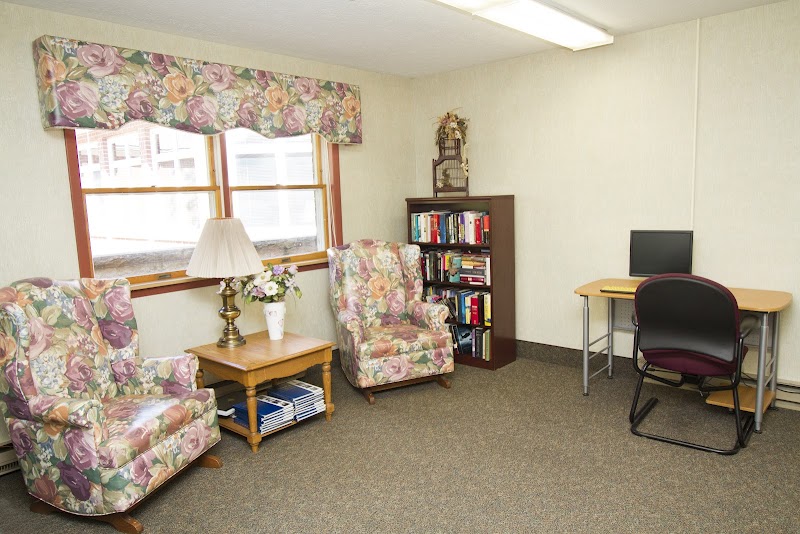
Who Owns and Operates Autumn Aegis?

AUTUMN AEGIS NURSING HOME is owned by a for-profit company. For-profit facilities operate as businesses with obligations to shareholders or private owners. The facility is operated by SPRENGER HEALTH CARE SYSTEMS, a chain that manages multiple nursing homes. With 99 certified beds and approximately 81 residents (about 82% occupancy), it is a smaller facility located in LORAIN, Ohio.
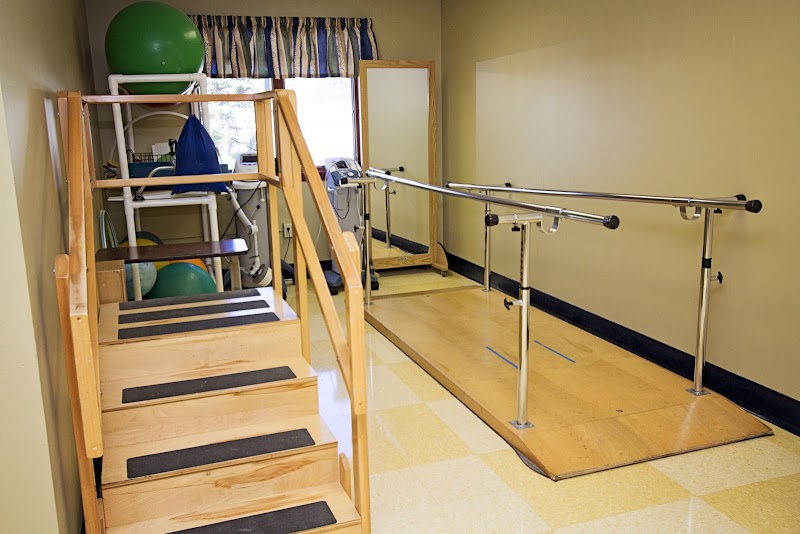
How Does Autumn Aegis Compare to Other Ohio Nursing Homes?

Compared to the 100 nursing homes in Ohio, AUTUMN AEGIS NURSING HOME's overall rating (3 stars) is below the state average of 3.2, staff turnover (30%) is significantly lower than the state average of 46%, and health inspection rating (3 stars) is at the national benchmark.

What Should Families Ask When Visiting Autumn Aegis?

Based on this facility's data, families visiting should ask: "Can I visit during a mealtime to observe dining assistance and food quality?" "How do you handle medical emergencies, and what is your hospital transfer rate?" "Can I speak with family members of current residents about their experience?"

Is Autumn Aegis Safe?

Based on CMS inspection data, AUTUMN AEGIS NURSING HOME has a clean safety record: no substantiated abuse findings (meaning no confirmed cases of resident harm), no Immediate Jeopardy citations (the most serious violation level indicating risk of serious injury or death), and is not on the Special Focus Facility watch list (a federal program monitoring the lowest-performing 1% of nursing homes). The facility has a 3-star overall rating and ranks #100 of 100 nursing homes in Ohio. While no facility is perfect, families should still ask about staff-to-resident ratios and recent inspection results during their visit.

Do Nurses at Autumn Aegis Stick Around?

AUTUMN AEGIS NURSING HOME has a staff turnover rate of 30%, which is about average for Ohio nursing homes (state average: 46%). Moderate turnover is common in nursing homes, but families should still ask about staff tenure and how the facility maintains care continuity when employees leave.

Was Autumn Aegis Ever Fined?

AUTUMN AEGIS NURSING HOME has no federal fines on record. CMS issues fines when nursing homes fail to meet care standards or don't correct problems found during inspections. The absence of fines suggests the facility has either maintained compliance or corrected any issues before penalties were assessed. This is a positive indicator, though families should still review recent inspection reports for the full picture.

Is Autumn Aegis on Any Federal Watch List?

AUTUMN AEGIS NURSING HOME is not on any federal watch list. The most significant is the Special Focus Facility (SFF) program, which identifies the bottom 1% of nursing homes nationally based on persistent, serious quality problems. Not being on this list means the facility has avoided the pattern of deficiencies that triggers enhanced federal oversight. This is a positive indicator, though families should still review the facility's inspection history directly.