OAK HILLS NURSING CENTER
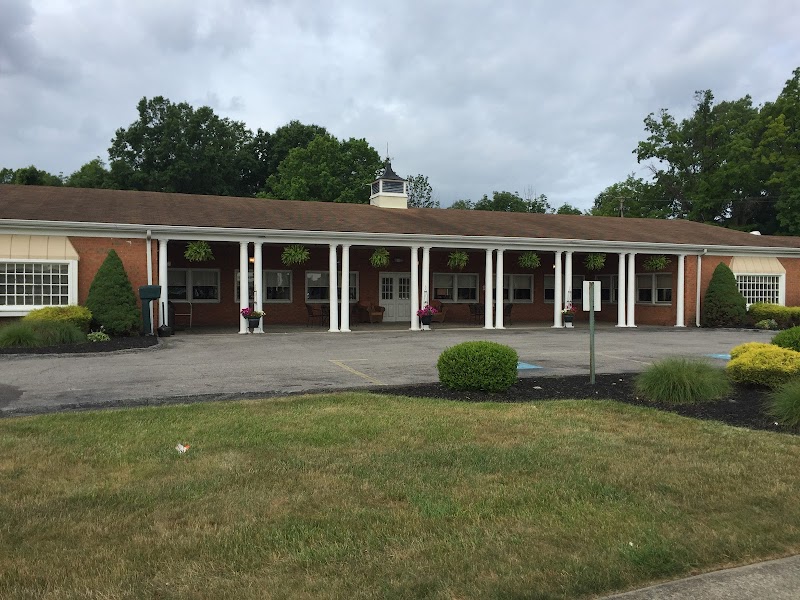
3650 BEAVERCREST DRIVE, LORAIN, OH 44053 (440) 282-9171
For profit - Corporation 80 Beds EMBASSY HEALTHCARE Data: November 2025
Trust Grade
68/100
#309 of 913 in OH
Last Inspection: August 2022

Over 2 years since last inspection. Current conditions may differ from available data.

Overview

Oak Hills Nursing Center in Lorain, Ohio has a Trust Grade of C+, which means it is considered decent and slightly above average compared to other facilities. It ranks #309 out of 913 in the state, placing it in the top half of Ohio nursing homes, and #11 out of 20 in Lorain County, indicating that only a few local options are better. The facility's performance has been stable, with the same number of issues reported in both 2024 and 2025. While staffing is a weakness with a rating of 2 out of 5 and a turnover rate of 41%, which is below the state average, it still reflects a need for improvement. There have been some concerning incidents, including a failure to properly maintain the outdoor smoking area, leaving cigarette butts scattered and receptacles overflowing, and inadequate access to personal protective equipment (PPE) for staff, which could pose risks to residents' health.

Trust Score
C+
68/100
In Ohio
#309/913
Top 33%
Safety Record
Low Risk
No red flags
Inspections
Holding Steady
2 → 2 violations
Staff Stability
○ Average
41% turnover. Near Ohio's 48% average. Typical for the industry.
Penalties
✓ Good
$3,174 in fines. Lower than most Ohio facilities. Relatively clean record.
Skilled Nurses
⚠ Watch
Each resident gets only 25 minutes of Registered Nurse (RN) attention daily — below average for Ohio. Fewer RN minutes means fewer trained eyes watching for problems.
Violations
⚠ Watch
27 deficiencies on record. Higher than average. Multiple issues found across inspections.
★★★★☆
4.0
Overall Rating
★★☆☆☆
2.0
Staff Levels
★★★★★
5.0
Care Quality
★★★☆☆
3.0
Inspection Score
Stable
2024: 2 issues
2025: 2 issues

The Good

  • 5-Star Quality Measures · Strong clinical quality outcomes
  • Full Sprinkler Coverage · Fire safety systems throughout facility
  • No fines on record
  • Staff turnover below average (41%)

    7 points below Ohio average of 48%

Facility shows strength in quality measures, fire safety.

The Bad

Staff Turnover: 41%

Near Ohio avg (46%)

Typical for the industry

Federal Fines: $3,174

Below median ($33,413)

Minor penalties assessed

Chain: EMBASSY HEALTHCARE

Part of a multi-facility chain

Ask about local staffing decisions and management

The Ugly 27 deficiencies on record

Jun 2025 1 deficiency
CONCERN (E) 📢 Someone Reported This

A family member, employee, or ombudsman was alarmed enough to file a formal complaint

Potential for Harm - no one hurt, but risky conditions existed

Safe Environment (Tag F0921)

Could have caused harm · This affected multiple residents

Based on observation, staff interviews and resident interviews the facility failed to ensure the facility was maintained in good repair. This affected six (#1, #7, #19, #41, #52 and #56) of nine resid...

Read full inspector narrative →
Based on observation, staff interviews and resident interviews the facility failed to ensure the facility was maintained in good repair. This affected six (#1, #7, #19, #41, #52 and #56) of nine residents reviewed for environment. The facility census was 59. Findings included: 1. Observation on 06/03/25 at 8:18 A.M. of Resident #7's room revealed the wall to the right of the air conditioning unit had an unknown black substance and the drywall was crumbling. Additionally, there were brown stains on the wall above the air conditioning unit. Interview on 06/05/25 at 10:22 A.M. with Director of Maintenance (DOM) #428 verified the wall around the air conditioning was crumbling and a black mold-like substance was present. DOM #428 confirmed the brown stains on the wall above the air conditioning unit and stated the brown stains were the result of a water leak. 2. Observation on 06/02/25 at 9:19 A.M. of Resident #52's bathroom revealed four tiles on the wall were missing and the sink was pulled away from the wall by approximately 1.5 inches. Interview on 06/05/25 at 10:18 A.M. with DOM #428 verified the missing wall tiles and the sink was pulling away from the wall in Resident #52's bathroom. 3. Observation on 06/02/25 at 10:00 A.M. of Resident #19's room revealed deep gouges in the wall and the base molding was coming off the wall near the bathroom door. Interview on 06/05/25 at 10:36 A.M. with DOM #428 verified the deep gouges in the wall and the base molding was coming off the wall near the bathroom. DOM #428 stated it needed to be repaired. 4. Observation on 06/02/25 at 10:30 A.M. of Resident #41's room revealed an area approximately four by four feet in size of a glue-like substance on the wall behind the bed. Interview on 06/05/25 at 10:32 A.M. with DOM #428 revealed there used to be a plastic protective board on the wall behind Resident #41's bed, but the resident pulled it off the wall. DOM #428 verified he was aware the plastic board had been removed and further confirmed the adhesive had not been cleaned up. 5. Observation on 06/02/25 at 10:50 A.M. of Resident #1's room revealed deep gouges in the wall and the base molding was coming off the wall by the bathroom door. Interview on 06/05/25 at 10:44 A.M. with DOM #428 verified the wall had deep gouges and the base molding was coming off the wall. 6. Observation on 06/02/25 at 11:38 A.M. of Resident #56's room revealed the rubber base molding by the bathroom door was coming off, with an unknown black substance, and the drywall was crumbling. Inside the bathroom, there was one missing wall tile with an unknown black substance on the wall. Interview on 06/05/25 at 10:15 A.M. with DOM #428 verified the base molding was coming off the wall, missing tile and the bathroom, and confirmed the black substance was mold. Review of the facility policy titled, Preventative Maintenance Program dated 03/01/25, revealed a preventative maintenance program would be developed and implemented to ensure the provision of a safe, functional, sanitary and comfortable environment for residents, staff and the public. This deficiency represents non-compliance investigated under Complaint Number OH00164448.
Apr 2025 1 deficiency
CONCERN (F) 📢 Someone Reported This

A family member, employee, or ombudsman was alarmed enough to file a formal complaint

Potential for Harm - no one hurt, but risky conditions existed

Smoking Policies (Tag F0926)

Could have caused harm · This affected most or all residents

Based on observation, interview, and policy review, the facility failed to implement their resident smoking policy related to the outside smoking area. This had the potential to affect Residents #4, #...

Read full inspector narrative →
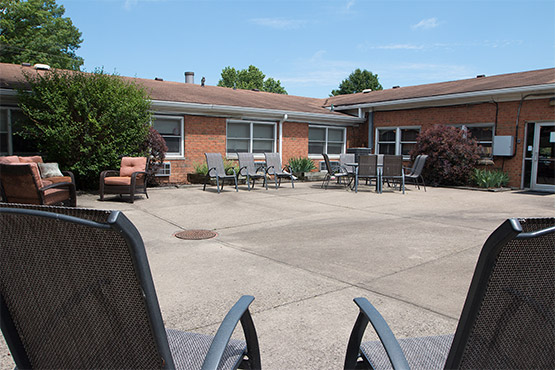
Based on observation, interview, and policy review, the facility failed to implement their resident smoking policy related to the outside smoking area. This had the potential to affect Residents #4, #8, #12, #13, #17, #21, #25, #27, #29, #30, #32, #34, #35, #36, #40, #41, #42, #46, #54, #56 and all facility residents. The facility census was 58. Findings Include: Observation of the outside smoking area on 04/05/25 at 1:30 P.M. with the Administrator revealed approximately 75 to 100 cigarette butts on the ground. Multiple piles of leaves were also noted on the ground with cigarette buts intertwined in the piles of leaves. Additionally six cigarette receptacles made of combustible plastic were observed in the area and were all approximately 75% or more full. A seventh receptacle container made out of a plastic bucket from a local big box home improvement store was also used as a cigarette receptacle and was over ninety percent filled to the top with cigarette butts. In total approximately three to four hundred cigarettes butts were present in the area on the ground and in the receptacle containers. Interview with the Administrator verified the findings at the time of observation. The facility identified twenty residents (Residents #4, #8, #12, #13, #17, #21, #25, #27, #29, #30, #32, #34, #35, #36, #40, #41, #42, #46, #54, and #56) who actively smoked. Review of the policy Resident Smoking dated 01/16/25 revealed It is the policy of this facility to provide a safe and healthy environment for residents, visitors, and employees, including safety as related to smoking. Safety protections apply to smoking and non smoking residents. Additionally the policy noted Safety measures for the designated smoking area will include, but not limited to: Provision of ashtrays made of noncombustible material and safe design.
Dec 2024 1 deficiency
CONCERN (D) 📢 Someone Reported This

A family member, employee, or ombudsman was alarmed enough to file a formal complaint

Potential for Harm - no one hurt, but risky conditions existed

Medication Errors (Tag F0758)

Could have caused harm · This affected 1 resident

**NOTE- TERMS IN BRACKETS HAVE BEEN EDITED TO PROTECT CONFIDENTIALITY** Based on medical record review and staff interview, the facility failed to ensure as needed (PRN) psychotropic medications were ...

Read full inspector narrative →
**NOTE- TERMS IN BRACKETS HAVE BEEN EDITED TO PROTECT CONFIDENTIALITY** Based on medical record review and staff interview, the facility failed to ensure as needed (PRN) psychotropic medications were monitored by a physician and had a stop date after 14 days of use. This affected one (#1) of three sampled residents reviewed for unnecessary medications. The facility census was 58. Findings include: Review of the medical record revealed Resident #1 was admitted to the facility on [DATE]. Diagnoses included Parkinson's disease, anxiety, and insomnia. Review of the quarterly Minimum Data Set assessment dated [DATE] identified the resident as cognitively impaired. Review of Resident #1's prescribed medications list for 10/01/24 through 11/24/24 identified an order dated 10/16/24 for Ativan (anti-anxiety) oral tablet 0.5 milligrams every eight hours as needed for anxiety. The Ativan was active as of 11/25/24. An interview on 11/25/24 at 3:20 P.M. with the Director of Nursing verified the Ativan was ordered to be given as needed beginning on 10/16/24 and did not have a stop date. This deficiency represents non-compliance investigated under Complaint Number OH00159442.
Jul 2024 1 deficiency
CONCERN (D) 📢 Someone Reported This

A family member, employee, or ombudsman was alarmed enough to file a formal complaint

Potential for Harm - no one hurt, but risky conditions existed

Deficiency F0569 (Tag F0569)

Could have caused harm · This affected 1 resident

**NOTE- TERMS IN BRACKETS HAVE BEEN EDITED TO PROTECT CONFIDENTIALITY** Based on medical record review, review of census records, review of financial records, and staff interview, the facility failed ...

Read full inspector narrative →
**NOTE- TERMS IN BRACKETS HAVE BEEN EDITED TO PROTECT CONFIDENTIALITY** Based on medical record review, review of census records, review of financial records, and staff interview, the facility failed to ensure a final accounting and disbursal of funds was completed timely following a resident death. This affected one (#1) of four residents reviewed for funds disbursement upon death or discharge. The facility census was 59. Findings Include: Review of Resident #1's medical record revealed the resident was admitted to the facility on [DATE] with diagnoses that included chronic kidney disease, dementia, and altered mental status. Review of the most recent Minimum Data Set (MDS) assessment dated [DATE] revealed Resident #1 was severely cognitively impaired and required extensive assistance for his activities of daily living. Further review of the medical record revealed Resident #1 expired at the facility on [DATE]. Review of census records for Resident #1 revealed he was admitted under private pay with Medicare as secondary insurance. Review of financial records revealed Resident #1's responsible party wrote a check for $8,005.44 (one month's private pay rate) on [DATE] for the upcoming month's care and services for Resident #1. Review of a detailed accounting statement for Resident #1 revealed Resident #1 had a credit of $7,115.04 upon his death at the facility on [DATE]. Further review of business office records revealed a check in the amount of $7,115.04 was sent to Resident #1's responsible party on [DATE]. Interview with Regional Business Office Manager (RBOM) #100 on [DATE] revealed the facility was waiting on potential Medicare coverage for some of Resident #1's stay at the facility. RBOM #100 stated a formal denial of payment from Medicare was received on [DATE]. There was no evidence of communication between the facility's billing department and Resident #1's responsible party regarding the status of Resident #1's refund. RBOM #100 verified Resident #1's refund was sent out on [DATE] which was outside the requirement for final disbursement of funds upon death or discharge within 30 days. This deficiency represents non-compliance investigated under Complaint Number OH00154348.
Aug 2022 2 deficiencies
CONCERN (E)

Potential for Harm - no one hurt, but risky conditions existed

Safe Environment (Tag F0921)

Could have caused harm · This affected multiple residents

Based on observations, resident and staff interviews, the facility failed to maintain an environment that was clean and in good repair in the vending area leading to the smoke area. The facility also ...

Read full inspector narrative →
Based on observations, resident and staff interviews, the facility failed to maintain an environment that was clean and in good repair in the vending area leading to the smoke area. The facility also failed to ensure the wall near Resident #31's bed was in good repair. This directly affected one resident and had the potential to affect an undetermined number of residents that may utilize the vending machine areas. The facility census was 65. Findings include: Observation on 08/02/22 at 8:44 A.M., of the wall around the air conditioner (AC) unit near Resident #31's bed revealed it was in disrepair. Interview at this time, Resident #31 stated it had been that way for a long time. Observation and interview on 08/02/22 at 1:38 P.M., with Director of Maintenance (DM) #470 of Resident #31's wall around the AC unit verified the wall was in disrepair and further observation revealed a wire coming out wall on the lower right side. Observation 08/03/22 at 3:26 P.M., with Housekeeping Director (HD) #479 of the vending machine area that leads to the outside smoke area, revealed several dead bugs on the light fixture above, dead bugs on the curtains, and the black carpet in front of the doorway was dirty. Interview at this time, with HD #479 verified the observation. Observation on 08/04/22 at 8:00 A.M., with HD #479 of the vending area that leads to the smoke area revealed the dead bugs were cleaned off the light fixture and curtain except the top portion of curtain there were still dead bugs. Also observed the wall to the left were two areas near the molding where the plaster was crumbling with holes. Near this wall were three Hoyer lifts and an old looking, dusty buffer. Interview at this time, with HD #479 verified the observation and stated he had to get permission to throw out the buffer and would inform DM #470 of the holes in the wall.
CONCERN (F)

Potential for Harm - no one hurt, but risky conditions existed

Infection Control (Tag F0880)

Could have caused harm · This affected most or all residents

Based on observations, staff interviews, medical record reviews, and policy review, the facility failed to ensure supplies necessary for proper personal protective equipment (PPE) usage were readily a...

Read full inspector narrative →
Based on observations, staff interviews, medical record reviews, and policy review, the facility failed to ensure supplies necessary for proper personal protective equipment (PPE) usage were readily accessible and signage for specified PPE needs were posted. This affected two (#213 and #217) of two residents reviewed for transmission-based precautions. The facility also failed to ensure staff properly wore PPE while in patient care areas throughout the facility. This directly affected one (#17) resident observed with the potential to affect all residents. The facility census was 65. Findings include 1. Interview on 08/01/22 at 10:49 A.M., with Licensed Practical Nurse (LPN) #434 indicated only Resident #213 was on transmission-based precautions (TBP). LPN #434 indicated there are usually bins for PPE or a door hanger and signs indicating type of precautions. LPN #434 verified when looking down hallway towards Resident #213's room and no PPE bin or signage was observed. Observation on 08/01/22 at 10:56 A.M., revealed LPN #434 placing bins for PPE and Transmission Based Precautions (TBP) signage for Resident #213 and Resident #217. Review of the medical record for Resident #213 revealed admission date of 07/22/22 and order for isolation for 14 days related to non-vaccinated. The order was set to expire on 08/05/22. Review of the medical record confirmed no evidence of COVID-19 vaccination. Review of the medical record for Resident #217 revealed admission date of 07/25/22 and order for isolation for 14 days related to non-vaccinated. The order was set to expire on 08/07/22. Review of the medical record confirmed no evidence of COVID-19 vaccination. Interview on 08/01/22 at 10:56 A.M., with LPN #434 and Director of Nursing (DON) revealed Resident #213 and #217 should be on TBP for new admission with unvaccinated COVID-19 status. DON verified there was no signage to indicate TBP status and Resident #213 and #217's rooms lacked readily available PPE. Interview on 08/01/22 at 11:24 A.M., with Assistant Director of Nursing/Infection Preventionist (ADON/IP) revealed all of nursing staff are responsible for putting TBP into place when a resident is admitted . ADON/IP indicated Resident #213 and #217 were to be on TBP related to new admissions not COVID-19 vaccinated. ADON/IP indicated she was unaware of the lack of PPE and signage for TBP was not posted. Review of facility policy, Isolation Precautions, dated 05/27/22 revealed when TBP isolation was implemented an isolation cart would be used for supplies. The policy indicated the cart would be kept stocked with supplies used to minimize risk for cross-contamination and a sign placed on resident door indicating type of precautions and personal protective equipment required. 2. Observation on 08/03/22 at approximately 2:50 P.M., of Receptionist #438 standing behind the receptionist desk with her mask pull down exposing her nose and mouth. Observations of Resident #17 at this time, revealed the resident was sitting in her wheelchair on the other side of the receptionist desk. Interview on 08/03/22 at 2:53 P.M., with Receptionist #438 verified the observation. 3. Observation on 08/04/22 at approximately 10:15 A.M., of the Director of Maintenance (DM) #470 sitting at the nurses' station with his face mask pulled down exposing his nose and mouth and observed two sets of glasses on top of his head. Another unidentified staff was observed standing next to DM #470 taking his blood pressure and Resident #17 was sitting in her wheelchair next to the nursing station. Interview at the time of the observation with DM #470 verified the observation and pulled up his mask.
Aug 2019 9 deficiencies
CONCERN (D)

Potential for Harm - no one hurt, but risky conditions existed

Deficiency F0561 (Tag F0561)

Could have caused harm · This affected 1 resident

Based on medical record review, observation, review of bathing schedules, review of bathing documentation, staff interview and facility policy review, the facility failed to ensure a resident's choice...

Read full inspector narrative →
Based on medical record review, observation, review of bathing schedules, review of bathing documentation, staff interview and facility policy review, the facility failed to ensure a resident's choice of bathing. This affected one (#260) of two residents reviewed for choices. The facility census was 60. Findings include Medical record review revealed Resident #260 had an admission date of 07/31/19. Diagnoses included hemiplegia and hemiparesis following cerebral infarction affecting left non-dominant side, morbid obesity, chronic obstructive pulmonary disease and depressive disorder. Review of the North and South Hall Shower Schedule revealed Resident #260 was scheduled for showers on second shift on Sundays and Thursdays. Further review of the shower schedules revealed for the nurses and nursing assistants to document shower refusals. Review of the shower sheets revealed there were no documented shower/tub bath/bed bath sheets for Resident #260 until 08/14/19. Further review of the bathing sheet revealed no documentation of the type of bathing Resident #260 had received. Review of Resident #260's nurses' notes from admission till 08/14/19 revealed no documentation the resident had refused any showers. Observations on 08/12/19 at 10:49 A.M. revealed Resident #260's hair was oily in appearance and not combed. Interview at the time of the observation with Resident #260 revealed she had not received a shower since she had been admitted to the facility. Resident #260 revealed she had received bed baths but she preferred showers. Observations on 08/13/19 at 3:23 P.M. and on 08/14/19 at 8:59 A.M. revealed Resident #260's hair remained unwashed. Interview with the resident at the time of the observations revealed she had not received a shower and needed her hair washed. Interview on 08/14/19 at 1:43 P.M. with the Assistant Director of Nursing (ADON) #201 verified there was no shower documentation for Resident #260 from 07/31/19 through 08/13/19. Interview on 08/15/19 at 9:37 A.M. with Activities Directors (AD) #405 revealed it was very important to the resident to choose her type of bathing. Review of the policy, Resident Care, last revised 06/2018 revealed residents would be bathed or assisted to shower per their preference.
CONCERN (D)

Potential for Harm - no one hurt, but risky conditions existed

Comprehensive Assessments (Tag F0636)

Could have caused harm · This affected 1 resident

**NOTE- TERMS IN BRACKETS HAVE BEEN EDITED TO PROTECT CONFIDENTIALITY** Based on medical record review, review of a determination summary reports from the Ohio Bureau of Pre-admission Level two Screen...

Read full inspector narrative →
**NOTE- TERMS IN BRACKETS HAVE BEEN EDITED TO PROTECT CONFIDENTIALITY** Based on medical record review, review of a determination summary reports from the Ohio Bureau of Pre-admission Level two Screening and Resident Review (PASRR), and staff interview, the facility failed to assess a resident with a serious mental illness accurately. This affected one resident (#46) of two reviewed for PASRR. The facility census was 60. Findings included: Medical record review revealed Resident #46 admitted to the facility on [DATE]. Diagnoses included bipolar disorder, major depressive disorder, and alcohol abuse. Review of the comprehensive Minimum Data Sets (MDS) assessment dated [DATE], section A1500, revealed the facility assessed Resident #46 as not having serious mental illness and or intellectual disabilities as determined by PASRR level two screening. Review of the PASRR Level two screening determination summary, dated 04/15/18, revealed Resident #46 was determined to have serious mental illness. Interview on 08/15/19 at 10:13 A.M., Licensed Practical Nurse (LPN) #205 revealed she was responsible for completing resident's MDS assessments. LPN #205 confirmed section A1500 of the resident's comprehensive MDS assessment, dated 07/15/19, was coded wrong and did not reflect the resident's PASRR determination of serious mental illness.
CONCERN (D)

Potential for Harm - no one hurt, but risky conditions existed

Deficiency F0637 (Tag F0637)

Could have caused harm · This affected 1 resident

Based on medical record review, review of the quarterly Minimum Data Set (MDS) assessments and staff interviews, the facility failed to ensure a comprehensive assessment was completed after a signific...

Read full inspector narrative →
Based on medical record review, review of the quarterly Minimum Data Set (MDS) assessments and staff interviews, the facility failed to ensure a comprehensive assessment was completed after a significant change in functional ability for activities of daily living. This affected one (#2) of three residents reviewed for activities of daily living (ADLs). The facility census was 60. Findings include Medical record review revealed Resident #2 had an admission date of 03/15/19. Diagnoses included cerebrovascular disease and dementia. Review of the quarterly MDS functional assessment completed 04/17/19 revealed Resident #2 required the extensive assistance of two staff members for bed mobility, transfers, dressing and toilet use. The resident also required the extensive assistance of one staff member for personal hygiene. Review of the quarterly MDS functional assessment completed 07/18/19 revealed Resident #2 was independent (no help or staff oversight at any time) with bed mobility, transfers, dressing, eating, toilet use, personal hygiene, and locomotion on and off the unit. Interview on 08/14/19 at 12:47 P.M. with the MDS Coordinator #205 revealed she had not completed the comprehensive significant change assessment within two weeks of the residents noted improvement in functional abilities. Further interview with the MDS Coordinator #205 reveled she followed the guidelines in the Resident Assessment Instrument (RAI) manual to complete resident assessments. Interview on 08/15/19 at 1:57 P.M. with the Director of Nursing (DON) revealed the facility misunderstood the RAI manual regarding late loss ADL changes.
CONCERN (D)

Potential for Harm - no one hurt, but risky conditions existed

Assessment Accuracy (Tag F0641)

Could have caused harm · This affected 1 resident

**NOTE- TERMS IN BRACKETS HAVE BEEN EDITED TO PROTECT CONFIDENTIALITY** Based on medical record review and staff interview, the facility failed to ensure quarterly Minimum Data Sets (MDS) assessments ...

Read full inspector narrative →
**NOTE- TERMS IN BRACKETS HAVE BEEN EDITED TO PROTECT CONFIDENTIALITY** Based on medical record review and staff interview, the facility failed to ensure quarterly Minimum Data Sets (MDS) assessments were accurate. This affected one resident (#57) of nineteen residents reviewed during the annual survey. The facility census was 60. Findings include: Medical record review revealed Resident #57 admitted to the facility on [DATE]. Diagnoses included peripheral vascular disease, muscle wasting and atrophy, and hypertension. Review of the resident's quarterly MDS assessments, dated 07/13/19 and 07/17/19, section M1030, revealed the resident did not have any vascular wounds coded on either MDS assessment. Review of a Skin Grid, dated 07/12/19, revealed the resident had a new vascular wound on his left toe that measured 3 centimeters (cm) long by 3 cm wide by 0.1 cm deep. Interview on 08/14/19 11:54 A.M., Licensed Practical Nurse (LPN) #205 revealed she was responsible for completing resident's MDS assessments. LPN #205 confirmed on 07/12/19, Resident #57 was diagnosed with a vascular ulcer on his left toe. LPN #205 further confirmed the resident's quarterly MDS assessments, dated 07/13/19 and 07/17/19, section M1030, was inaccurate and did not reflect the resident's current condition to include the vascular ulcer on his left toe.
CONCERN (D)

Potential for Harm - no one hurt, but risky conditions existed

Deficiency F0688 (Tag F0688)

Could have caused harm · This affected 1 resident

**NOTE- TERMS IN BRACKETS HAVE BEEN EDITED TO PROTECT CONFIDENTIALITY** Based on medical record review, observation, staff and resident interviews, and facility policy review, the facility failed to e...

Read full inspector narrative →
**NOTE- TERMS IN BRACKETS HAVE BEEN EDITED TO PROTECT CONFIDENTIALITY** Based on medical record review, observation, staff and resident interviews, and facility policy review, the facility failed to ensure physical therapy recommendations for restorative ambulation were completed. This directly affected one (#2) of one resident reviewed for activities of daily living (ADL). The facility identified five residents (#2, #4, #10, #18, #58) as receiving restorative services. The facility census was 60. Findings include Medical record review revealed Resident #2 had an admission date of 03/15/19. Diagnoses included cerebrovascular disease and dementia. Review of the quarterly Minimum Data Set (MDS) assessment dated [DATE] revealed Resident #2 had mild cognitive impairment. Further review of the MDS functional assessment revealed the resident was walked in her room and corridor one to two times. Continued review of the MDS mobility assessment revealed the resident used a wheelchair and no walker in the look back period. Review of a physical therapy Discharge summary dated [DATE] revealed discharge recommendations for ambulation and active range of motion in the restorative nursing program to maintain current level of performance and in order to prevent decline. Review of the plan of care last revised on 07/10/19 revealed staff were to ambulate the resident with a walker to and from the dining room for meals 15 to 30 minutes per day, six to seven days per week. Review of the restorative look back report from 07/30/19 through 08/12/19 revealed no documentation the resident was ambulated 15 to 30 minutes daily for six to seven days per week. Further review of the nurse's notes dated 07/30/19 through 08/10/19 revealed no documentation the resident had refused restorative services. Interview on 08/13/19 at 3:33 P.M. with State Tested Nursing Assistant (STNA) #117 revealed Resident #2 could walk short distances with a stand by assist. STNA #117 was not aware of Resident #2 using a walker. Interview on 08/14/19 at 9:01 A.M. with STNA #106 revealed Resident #2 used to have a walker. Interview on 08/14/19 at 9:07 A.M. with Licensed Practical Nurse (LPN) #200 revealed she had not seen Resident #2 use a walker. LPN #200 revealed the resident used her wheel chair to get around the facility. Interview on 08/14/19 at 8:55 A.M. with Physical Therapy Assistant (PTA) #160 revealed Resident #2 could ambulate with a walker with staff. PTA #160 revealed Resident #2 was not safe to use walker independently. Interview on 08/14/19 at 2:56 P.M., the Director of Nursing (DON) verified there was no documentation Resident #2 was ambulated with her walker six to seven days week. Interview on 08/14/19 at 4:05 P.M. with Resident #2 revealed staff had not walked her with her walker. Resident #2 was not aware where staff were keeping her walker. Interview on 08/15/19 at 9:07 A.M. with the Director of Nursing (DON) revealed there were five residents (#2, #4, #10, #18, #58) who received restorative care. Review of the policy Restorative Nursing Services, last revised 08/2018 revealed a restorative nursing program assists residents to achieve and maintain their optimal functional level consistent with their capabilities, goals and preferences. Restorative goals are individualized and outlined the resident's plan of care. Restorative goals support and assist residents to develop, maintain and strengthen their physiological and psychological resources.
CONCERN (D)

Potential for Harm - no one hurt, but risky conditions existed

Medical Records (Tag F0842)

Could have caused harm · This affected 1 resident

**NOTE- TERMS IN BRACKETS HAVE BEEN EDITED TO PROTECT CONFIDENTIALITY** Based on medical record review and staff interview, the facility failed to ensure resident's medications and treatments were doc...

Read full inspector narrative →
**NOTE- TERMS IN BRACKETS HAVE BEEN EDITED TO PROTECT CONFIDENTIALITY** Based on medical record review and staff interview, the facility failed to ensure resident's medications and treatments were documented in the medical record. This affected two resident (#51 and #261) of six residents reviewed for medications and treatments. The facility census was 60. Findings include: 1. Medical record review revealed Resident #51 was admitted to the facility on [DATE]. Diagnoses included Alzheimer's disease, vascular dementia with behavioral disturbances, impulse disorder and major depressive disorder. Review of the comprehensive Minimum Data Sets (MDS) dated [DATE] revealed the resident's cognition was moderately impaired. Review of the most recent plan of care revealed Resident #51 had been observed displaying sexual behavior in inappropriate locations. Interventions included to limit at risk situation, provide alternative activities, redirect from entering resident rooms without permission, and allow the resident to express need for companionship. Review of the resident's psychiatric hospital discharge orders, dated 06/27/19, revealed the resident was to continue to take Tagamet 200 milligrams (mg) twice a day for inappropriate sexual behaviors when he admitted to the facility. Review of the resident's admission orders, dated 07/12/19, revealed the resident was ordered Tagamet 200 mg twice a day. Review of the resident's Medication Administration Record (MAR) for 08/2019 revealed the resident was ordered to receive Tagamet 200 mg at 9:00 A.M. and 9:00 P.M. Further review revealed no documented evidence the resident received and/or refused the medication at 9:00 A.M. on 08/01/19, 08/07/19, 08/08/19, 08/10/19, 08/11/19, 08/12/19, and 08/13/19 or at 9:00 P.M. on 08/11/19, 08/12/19, and 08/13/19. Interview on 08/14/19 at 3:08 P.M., the Director of Nursing (DON) confirmed the resident was ordered to continue to take Tagamet 200 mg twice a day while a resident at the facility. The DON further confirmed there was no documented evidence the resident was administered and/or refused this medication at 9:00 A.M. on 08/01/19, 08/07/19, 08/08/19, 08/10/19, 08/11/19, 08/12/19, and 08/13/19 or at 9:00 P.M. on 08/11/19, 08/12/19, and 08/13/19. 2. Review of Resident #261's medical record revealed an admission date of 07/13/19. Diagnoses included congestive heart failure, morbid obesity, diabetes type 2, left lower leg fracture, cellulitis, and obstructive sleep apnea. Review of Resident #261's admission MDS dated [DATE] revealed the resident had a high cognitive function. All activities of daily living required total dependence except eating. The resident was noted to be at risk for skin break down but had no pressure ulcers but did require surgical wound care. Review of Resident #261's most recent Care Plan revealed the resident had potential for alteration in skin integrity and required protective/preventative skin care maintenance related to decreased mobility, morbid obesity, poor hygiene, diabetes mellitus and Foley catheter use. Review of Resident #261's medical record revealed a physician's order dated 08/01/19 revealed to apply ET mix cream (antifungal) to excoriated areas every shift and as needed. Review of Resident #261's MAR dated August 2019 revealed no evidence the ET mix cream was applied on 08/11/19, 08/12/19 and 08/13/19 on the day shift and on 08/06/19, 08/09/19, 08/10/19, 08/11/19, 08/12/19 and 08/13/19 on the afternoon shift. Review of Resident #261's medical record revealed a physician's order dated 08/01/19 to apply Baza cream (antifungal) to buttocks twice daily. Review of Resident #261's MAR revealed no evidence the Baza Cream was applied on 08/01/19, 08/02/19, 08/06/19, 08/09/10, 08/10/19/ 08/11/19, 08/12/19, 08/13/19 on the afternoon shift and on 08/10/19 during the day shift. Interview with the DON on 08/13/19 at 3:22 P.M. revealed Resident #261's ointments were completed but the nursing staff failed to sign the task as completed on the MAR. Interview with Licensed Practical Nurse (LPN) #200 on 08/13/19 at 4:01 P.M. revealed the LPN cared for Resident #261 and stated the State Tested Nursing Aides (STNAs) applied the Baza cream to the buttocks twice daily and the ET mix to excoriated areas. LPN #200 verified the nursing staff failed to sign the MAR that it was completed. Interview with STNA's #114 and #149 on 08/13/19 at 4:04 P.M. revealed the aides did not apply the Baza cream nor the ET mix to the resident because they were physician prescribed. The STNA's revealed the nursing staff were to complete the care.
CONCERN (D)

Potential for Harm - no one hurt, but risky conditions existed

Infection Control (Tag F0880)

Could have caused harm · This affected 1 resident

Based on medical record review, observation, staff interview and review of facility policy, the facility failed to implement infection prevention and control practices during the administration of ins...

Read full inspector narrative →
Based on medical record review, observation, staff interview and review of facility policy, the facility failed to implement infection prevention and control practices during the administration of insulin. This directly affected one (#40) of four residents observed for medication administration. The facility identified 14 residents (#4, #19, #21, #22, #28, #40, #41, #44, #48, #49, #53, #56, #261, #262) who received insulin. The facility census was 60. Findings include Medical record review revealed Resident #40 had an admission date of 08/14/19. Diagnoses included, diabetes mellitus, hypertension, and cerebral infarction. Review of the 08/2019 monthly physician orders revealed the resident was ordered Admelog (100 units/milliliter) four units subcutaneously three times a day with meals. Observation on 08/13/19 at 8:10 A.M. during medication administration revealed Licensed Practical Nurse (LPN) #200 administered a subcutaneous injection of insulin to Resident #40 without wearing gloves. Interview on 08/13/19 at 8:13 A.M. with LPN #200 revealed she forgot to wear gloves during the administration of insulin to Resident #40. Interview on 08/14/19 at 9:01 with the Director of Nursing (DON) revealed nurses were required to wear gloves during insulin administration. The DON identified 14 residents (#4, #19, #21, #22, #28, #40, #41, #44, #48, #49, #53, #56, #261, #262) who required insulin administration. Review of the policy for Medication Administration, effective 06/21/17 revealed licensed nurses were required to wear gloves during the administration of injectable medications.
CONCERN (E)

Potential for Harm - no one hurt, but risky conditions existed

Safe Environment (Tag F0584)

Could have caused harm · This affected multiple residents

**NOTE- TERMS IN BRACKETS HAVE BEEN EDITED TO PROTECT CONFIDENTIALITY** Based on observation, staff interview and review of facility policy the facility failed to ensure housekeeping and maintenance s...

Read full inspector narrative →
**NOTE- TERMS IN BRACKETS HAVE BEEN EDITED TO PROTECT CONFIDENTIALITY** Based on observation, staff interview and review of facility policy the facility failed to ensure housekeeping and maintenance services were provided to maintain a clean environment. This affected six Residents (#12, #16, #28, #36, #50, #260) of 22 sampled residents. The facility census was 60. Findings include: Observation on 08/14/19 at 12:05 P.M. revealed Resident #16's room (room [ROOM NUMBER]) had plastic baseboard hanging loose from the wall. The area measured approximately 12 inches. The bathroom tile around the toilet was also observed as stained with a dark substance. This encircled the entire base of the toilet base. Observation on 08/14/19 at 12:06 P.M. revealed Resident #50's room (room [ROOM NUMBER]) had a large window next to the resident's bed. The area between the outer window glass and screen was covered with spider webs and dead insects. Observation on 08/14/19 at 12:07 P.M. revealed Resident #260's room (room [ROOM NUMBER]) had a large section of damaged drywall on the right side of the room. The section measured approximately 2 feet by 6 inches. In addition, the area had five round holes approximately 1 inch in circumference above the damaged section of drywall. Observation on 08/14/19 at 12:09 P.M. revealed Resident #36's room (room [ROOM NUMBER]) had a section of baseboard in the bathroom that was peeling from the wall. In addition, the toilet base caulk was noted to be dirty and was rust colored. Observation on 08/14/19 at 12:10 P.M. revealed Resident #12's room (room [ROOM NUMBER]) toilet had dark discoloration in the toilet bowl. Observation on 08/14/19 at 12:11 P.M. of Resident #28's room (room [ROOM NUMBER]) revealed the sink was clogged and the water would not run freely down the drain. In addition, the toilet seat was loose and moved freely when the weight was applied to the toilet seat. Interview with Maintenance Director #167 on 08/14/19 at 1:08 P.M. confirmed the rooms mentioned above were in need of repair. Interview with Housekeeping Manager #146 on 08/14/19 at 3:10 P.M. revealed the window in Resident #50's room was cleaned by housekeeping on the inside, but the facility had failed to clean the outside area. Housekeeping Director #146 confirmed the window was in need of cleaning. Review of the facility policy titled Quality of Life - Homelike Environment revealed the facility staff and management shall maximize, to the extent possible, the characteristics of the facility that reflect a personalized homelike setting.
CONCERN (E)

Potential for Harm - no one hurt, but risky conditions existed

Food Safety (Tag F0812)

Could have caused harm · This affected multiple residents

Based on observation, staff interview and review of a facility policy, the facility failed to remove expired food items from the kitchen. This had the potential to affect all residents who resided in ...

Read full inspector narrative →
Based on observation, staff interview and review of a facility policy, the facility failed to remove expired food items from the kitchen. This had the potential to affect all residents who resided in the facility except three (#1, #37, #311) residents identified by the facility who did not receive meals from the kitchen. The facility census was 60. Findings include: Observation of the kitchen on 08/12/19 at 9:35 A.M. revealed two loafs of Nickels white bread with a use by date of 07/23/19 and a third loaf dated 08/10/19. The bread in one of the two packages dated 07/23/19 was observed to be approximately 80% covered with a green substance. A package of 12 hotdog buns dated 08/10/19, one with with three hotdog buns dated 08/10/19, one with eight hotdog buns dated 08/06/19, and a package of 12 hamburger buns dated 08/10/19 were also observed. Interview on 08/12/19 at 9:50 A.M., Dietary Manger (DM) #401 revealed it was the facility policy to not use bread after the printed date on the package regardless to whether is was an expiration date or a use by date. The date printed on the package was considered the expiration date. DM #401 confirmed there were two loafs of Nickels white bread with a use by date of 07/23/19 and a third loaf dated 08/10/19, a package of 12 hotdog buns dated 08/10/19, one with with three hotdog buns dated 08/10/19, one with eight hotdog buns dated 08/06/19, and a package of 12 hamburger buns dated 08/10/19. DM #401 confirmed the white bread in one of the two packages dated 07/23/19 was covered approximately 80% with a green substances. DM #401 stated the substance was mold and she was concerned the expired bread was on shelves mixed with fresh bread. Review of a facility policy titled, Food Storage (Dry, Refrigerated, and Frozen), dated 2016, revealed the facility was to store food using appropriate methods to ensure the highest level of food safety. Staff were to rotate products so the oldest were used first and staff were supposed to be instructed to use products with the earliest expiration date before those with a later date. Further review revealed staff were to discard food that was passed the expiration date.
Jul 2018 12 deficiencies
CONCERN (D)

Potential for Harm - no one hurt, but risky conditions existed

Abuse Prevention Policies (Tag F0607)

Could have caused harm · This affected 1 resident

**NOTE- TERMS IN BRACKETS HAVE BEEN EDITED TO PROTECT CONFIDENTIALITY** Based on medical record review, staff interviews, and review of facility policy, the facility failed to implement their abuse po...

Read full inspector narrative →
**NOTE- TERMS IN BRACKETS HAVE BEEN EDITED TO PROTECT CONFIDENTIALITY** Based on medical record review, staff interviews, and review of facility policy, the facility failed to implement their abuse policy when the facility failed to timely report an allegation of verbal abuse between two (#45 and #54) residents reviewed for abuse. The facility census was 64. Findings include: Medical record review revealed Resident #45 was admitted to the facility on [DATE]. Diagnoses included psychoactive substance abuse, osteomyelitis of the right ankle, and Diabetes. Medical record review revealed Resident #54 was admitted to the facility on [DATE]. Diagnoses included hypertension, Diabetes, and depression. Interview on 07/01/18, at 3:29 P.M., with the Director of Nursing (DON) revealed an incident occurred on 06/29/18 between Resident #45 and Resident #54. The DON revealed the two residents were arguing in the parking lot. The residents then came into the facility and continued loudly arguing and using vulgar language. Staff overheard Resident #54 say he/she was going to call and have a nephew bring a gun into the facility. The DON revealed the residents were separated and the local police department was notified of the a threat to bring a gun into the facility. The DON verified she did not submit a self-reported incident (SRI) to report the incident to the Ohio Department of Health (ODH). Interview on 07/01/18, at 3:37 P.M., the Administrator verified a SRI for verbal abuse was not submitted for the incident between the two residents, and should have been. Review of a facility policy titled, Freedom From Abuse, Misappropriation, Involuntary Seclusion, Neglect and Exploitation, with a revision date of 11/2016, revealed verbal abuse was defined as the use of oral, written, or gestured language that included disparaging and derogatory terms. Examples of verbal abuse included threat of harm and saying things to frighten a resident. Further review revealed a thorough investigation would be conducted by the facility administrator, DON, and/or designee. The administrator was to conduct a review and ensure reporting to the proper authorities occurred. Reporting was to occur, to the appropriate state authorities, immediately (as soon as possible but not later than two hours after an allegation is made is abuse or serious bodily injury occurred and no later than 24 hours if the allegation did not involve abuse and did not result in serious bodily injury).
CONCERN (D)

Potential for Harm - no one hurt, but risky conditions existed

Report Alleged Abuse (Tag F0609)

Could have caused harm · This affected 1 resident

**NOTE- TERMS IN BRACKETS HAVE BEEN EDITED TO PROTECT CONFIDENTIALITY** Based on medical record review, staff interviews, and review of facility policy, the facility failed to timely report an allegat...

Read full inspector narrative →
**NOTE- TERMS IN BRACKETS HAVE BEEN EDITED TO PROTECT CONFIDENTIALITY** Based on medical record review, staff interviews, and review of facility policy, the facility failed to timely report an allegation of verbal abuse between two (#45 and #54) of two residents reviewed for abuse. The facility census was 64. Findings include: Medical record review revealed Resident #45 was admitted to the facility on [DATE]. Diagnoses included psychoactive substance abuse, osteomyelitis of the right ankle, and Diabetes. Medical record review revealed Resident #54 was admitted to the facility on [DATE]. Diagnoses included hypertension, Diabetes, and depression. Interview on 07/01/18, at 3:29 P.M., with the Director of Nursing (DON) revealed an incident occurred on 06/29/18 between Resident #45 and Resident #54. The DON revealed the two residents were arguing in the parking lot. The residents then came into the facility and continued loudly arguing and using vulgar language. Staff overheard Resident #54 say he/she was going to call and have a nephew bring a gun into the facility. The DON revealed the residents were separated and the local police department was notified of the a threat to bring a gun into the facility. The DON verified she did not submit a self-reported incident (SRI) to report the incident to the Ohio Department of Health (ODH). Interview on 07/01/18, at 3:37 P.M., the Administrator verified a SRI for verbal abuse was not submitted for the incident between the two residents, and should have been. Review of a facility policy titled, Freedom From Abuse, Misappropriation, Involuntary Seclusion, Neglect and Exploitation, with a revision date of 11/2016, revealed verbal abuse was defined as the use of oral, written, or gestured language that included disparaging and derogatory terms. Examples of verbal abuse included threat of harm and saying things to frighten a resident. Further review revealed a thorough investigation would be conducted by the facility administrator, DON, and/or designee. The administrator was to conduct a review and ensure reporting to the proper authorities occurred. Reporting was to occur, to the appropriate state authorities, immediately (as soon as possible but not later than two hours after an allegation is made is abuse or serious bodily injury occurred and no later than 24 hours if the allegation did not involve abuse and did not result in serious bodily injury).
CONCERN (D)

Potential for Harm - no one hurt, but risky conditions existed

Transfer Notice (Tag F0623)

Could have caused harm · This affected 1 resident

**NOTE- TERMS IN BRACKETS HAVE BEEN EDITED TO PROTECT CONFIDENTIALITY** Based on review of medical record, and staff interviews, the facility failed to provide written notification of transfer/dischar...

Read full inspector narrative →
**NOTE- TERMS IN BRACKETS HAVE BEEN EDITED TO PROTECT CONFIDENTIALITY** Based on review of medical record, and staff interviews, the facility failed to provide written notification of transfer/discharge to the hospital. This affected one (#53) of one resident reviewed for hospitalization. The facility census was 64. Findings include: Medical record review revealed Resident #53 was admitted to the facility on [DATE]. Diagnoses included chronic kidney disease stage four, contracture of right lower leg, dysphagia, sepsis, peripheral vascular disease, stage IV pressure ulcer, and chronic obstructive pulmonary disease. Review of a nursing progress dated 06/22/18, revealed Resident #53 was admitted to the hospital. Review of the nursing progress notes dated 06/22/18 through 06/24/18, revealed no documentation the facility provided written notification regarding the reason for transfer/discharge to the hospital to the resident, or the resident's representative. Interview on 07/03/18 at 8:39 A.M., with the Social Services Designee (SSD) #60 revealed she had not provided written notification to the resident or sponsor. Interview on 07/03/18 at 9:45 A.M., with the Administrator revealed the family of Resident #60 was notified of bed hold days, however was not provided written notice of the reason for transfer/discharge to the hospital.
CONCERN (D)

Potential for Harm - no one hurt, but risky conditions existed

Deficiency F0657 (Tag F0657)

Could have caused harm · This affected 1 resident

**NOTE- TERMS IN BRACKETS HAVE BEEN EDITED TO PROTECT CONFIDENTIALITY** Based on medical record review and staff interview, the facility failed to ensure contact precautions were care planned to preve...

Read full inspector narrative →
**NOTE- TERMS IN BRACKETS HAVE BEEN EDITED TO PROTECT CONFIDENTIALITY** Based on medical record review and staff interview, the facility failed to ensure contact precautions were care planned to prevent the spread of infection. The facility further failed to ensure non-pharmacological interventions were care planned for as needed medications. This affected two (#40 and #48) of 23 residents reviewed for care plans. The facility census was 64. Findings include: 1. Medical record review revealed Resident #40 was admitted to the facility on [DATE]. Diagnoses included, peripheral vascular disease, hypertension, Diabetes type two, and depression. Review of the quarterly Minimum Data Sets (MDS) assessment, dated 05/02/18, revealed the resident was cognitively intact. Review of Resident #40's laboratory results revealed a urine sample was collected on 05/09/18. On 05/11/18, culture results revealed the resident had a urinary tract infection (UTI). The infecting organism was extended-spectrum beta-lactamase (ESBL) (infection spread by direct contact with an infected person's bodily fluids). Further review revealed placing the resident on contact precautions was indicated. Review of a physician order, dated 05/11/18, revealed Resident #40 was ordered the antibiotic Macrobid, for seven days, for treatment of a UTI. Review of a physician progress note, dated 06/29/18, revealed the resident was to continue with contact isolation precautions until a new urine culture showed clearance of the ESBL UTI. Review of Resident #40's care plan, revealed on 05/11/18, a plan of care was initiated for the resident due to a UTI. The plan of care did not include contact precautions needed related to ESBL. The plan of care was resolved on 05/22/18. No other care plan was initiated for the resident related to contact precautions. Interview on 07/03/18, at 10:40 A.M., the Director of Nursing (DON) verified the plan of care initiated, on 05/11/18, for Resident #40 did not include contact precautions needed to be followed for the resident due to ESBL. The DON verified the contact precautions needed should have been included in the residents plan of care. 2. Medical record review revealed Resident #48 was admitted to the facility on [DATE]. Diagnoses included cirrhosis, hypertension, depression and anxiety. Review of a physician order dated 06/12/18 revealed Resident #48 was ordered Xanax 0.25 milligrams, every four hours as needed (PRN) for anxiety. Review of Resident #48's care plan revealed the plan of care was not updated to include what non-pharmacological interventions should be attempted prior to the administration of the PRN Xanax. Interview on 07/03/18 at 2:32 P.M., with MDS Nurse #209 revealed the care plan had not been updated.
CONCERN (D)

Potential for Harm - no one hurt, but risky conditions existed

Deficiency F0698 (Tag F0698)

Could have caused harm · This affected 1 resident

**NOTE- TERMS IN BRACKETS HAVE BEEN EDITED TO PROTECT CONFIDENTIALITY** Based on medical record review, staff interview, and review of a facility policy, the facility failed to ensure timely communica...

Read full inspector narrative →
**NOTE- TERMS IN BRACKETS HAVE BEEN EDITED TO PROTECT CONFIDENTIALITY** Based on medical record review, staff interview, and review of a facility policy, the facility failed to ensure timely communication occurred between the facility and a dialysis center. This affected one (#43) of one resident reviewed for dialysis. The facility identified two resident who were receiving dialysis services. The facility census was 64. Findings include: Medical record review revealed Resident #43 was admitted to the facility on [DATE]. Diagnoses included kidney failure with dependence on hemodialysis, diabetes, and Parkinson's disease. Review of the quarterly Minimum Data Sets (MDS) assessment, dated 05/11/18, revealed the residents cognition was severely impaired. Further review revealed the resident received dialysis services every Monday, Wednesday, and Friday. Review of the dialysis communication forms revealed communication between the facility and the dialysis center occurred on 05/06/18 and 06/06/18. No other dialysis communication forms were found in Resident #43's medical record. Interview on 07/02/18, at 3:50 P.M., Licensed Practical Nurse (LPN) #202 revealed staff filled out a dialysis communication form each dialysis day and sent the form with the resident to dialysis. LPN #202 revealed he/she did not always receive the form back from dialysis. LPN #202 revealed facility policy was to call the dialysis center if the form was not returned, however did not always do so. Interview on 07/02/18, at 4:04 P.M., with the Director of Nursing (DON) revealed the facility was to fill out the top portion of the dialysis communication form and send the form with the resident to dialysis. The dialysis center then filled out the bottom portion. Any concerns, or new orders were documented by the dialysis center, on the bottom of the form. The DON further revealed if the form was not returned, staff were to call the dialysis center and request the form to be faxed to the facility. The DON verified the residents medical record only contained two dialysis communication forms (05/06/18 and 06/06/18). The resident had 33 dialysis treatments since his/her admission. Review of a facility policy titled, Dialysis Care, dated 08/01/2015, revealed there must be a source of communication between the facility and the dialysis unit with each visit. Staff were to utilize the Dialysis Communication Form. Further review revealed the nurse was to review the communication form, when the resident returned from dialysis, for any new orders.
CONCERN (D)

Potential for Harm - no one hurt, but risky conditions existed

Pharmacy Services (Tag F0755)

Could have caused harm · This affected 1 resident

**NOTE- TERMS IN BRACKETS HAVE BEEN EDITED TO PROTECT CONFIDENTIALITY** Based on medical record review, review of controlled substance records, staff interview, and facility policy review, the facilit...

Read full inspector narrative →
**NOTE- TERMS IN BRACKETS HAVE BEEN EDITED TO PROTECT CONFIDENTIALITY** Based on medical record review, review of controlled substance records, staff interview, and facility policy review, the facility failed to ensure accurate documentation of administered anti-anxiety medication. This affected one (#48) of five residents reviewed for medications. The facility census was 64. Findings include: Medical record review revealed Resident #48 was admitted to the facility on [DATE]. Diagnoses included cirrhosis, hypertension, depression and anxiety. Review of a physician order dated 06/12/18 revealed Resident #48 was ordered Xanax (anti-anxiety) 0.25 milligrams, every four hours, as needed (PRN), for anxiety. Review of the controlled substance records (CSR) and medication administration record (MAR) from 06/13/18 through 07/02/18, revealed 14 doses of Xanax were signed out on the CSR, however were not documented on the MAR. Interview on 07/03/18 at 07/03/18 8:10 A.M., with the Director of Nursing (DON) verified 14 doses of Xanax were not documented as administered on the MAR. Review of the Medication Administration policy, dated 06/21/17, revealed nurses should document medication administration with initials on the medication administration record immediately after administering medication to each resident.
CONCERN (D)

Potential for Harm - no one hurt, but risky conditions existed

Medication Errors (Tag F0758)

Could have caused harm · This affected 1 resident

**NOTE- TERMS IN BRACKETS HAVE BEEN EDITED TO PROTECT CONFIDENTIALITY** Based on record reviews, staff interviews,and facility policy review, the facility failed to provide a rationale for the continu...

Read full inspector narrative →
**NOTE- TERMS IN BRACKETS HAVE BEEN EDITED TO PROTECT CONFIDENTIALITY** Based on record reviews, staff interviews,and facility policy review, the facility failed to provide a rationale for the continued use of an anti-anxiety medication for one (#48) of five residents reviewed for unnecessary medications. The facility census was 64. Findings include: Medical record review revealed Resident #48 was admitted to the facility on [DATE]. Diagnoses included cirrhosis, hypertension, depression and anxiety. Review of a physician order dated 06/12/18 revealed Resident #48 was ordered Xanax (anti-anxiety) 0.25 milligrams, every four hours, as needed (PRN) for anxiety. Further review of Resident #48's medical record revealed no evidence of a clinical justification to continue the PRN Xanax past the initial 14 days. Review of the controlled substance records and medication administration records from 06/13/18 through 07/02/18 revealed Resident #48 received 59 doses of the PRN Xanax. Interview on 07/03/18 at 11:26 A.M., with the Director of Nursing (DON) revealed there was no new physician order to continue the PRN Xanax past the original 14 day order, dated 06/12/18. Review of an undated Nursing Policy, revealed PRN orders for psychotropic drugs were limited to 14 days, except if the attending physician, or prescribing practitioner believed it was appropriate for the PRN order to be extended beyond 14 days, a rationale would be documented in the resident's medical record indicating the duration for the PRN order.
CONCERN (D)

Potential for Harm - no one hurt, but risky conditions existed

Deficiency F0925 (Tag F0925)

Could have caused harm · This affected 1 resident

Based on observation, staff interview, resident interview, review of pest control service records, and review of the pest control policy, the facility failed to effectively eliminate ants. This affect...

Read full inspector narrative →
Based on observation, staff interview, resident interview, review of pest control service records, and review of the pest control policy, the facility failed to effectively eliminate ants. This affected two (#5 and #36) of 64 residents observed for room conditions. The facility census was 64. Findings include: Observation on 07/01/18 at 9:35 A.M., in the room of Resident #5 and Resident #36 revealed two separate ant mounds were found on the floor along the base of the wall by the air conditioner. Interview at the time of the observation with with Licensed Practical Nurse (LPN) #201 verified the presence of the ants in the shared room of Resident #5 and Resident #36. Interview on 07/01/18 at 9:45 A.M., with Resident #36 revealed the ants in his room had been there for a while. Resident #36 revealed the facility had sprayed the ants once, however was unsure of the exact date. Interview on 07/03/18 at 11:32 A.M., with the Director of Maintenance (DOM) #62 revealed he was unaware of ants in the room of Resident #5 and Resident #36. DOM #62 revealed the room was never sprayed unless housekeeping sprayed the ants. Review of the pest control service records dated 05/04/18 and 06/04/18, revealed six resident rooms had been treated for ants, however the room of Resident #5 and Resident #36 had not been treated for ants. Review of the pest control policy, last revised 04/2014, revealed the facility would make every attempt to ensure the facility was free of pests and rodents by maintaining an effective pest control program to eradicate and contain common household pests. Further review of the pest control policy revealed all staff were responsible for notifying the Director of Maintenance or Administrator of a pest sighting.
CONCERN (E)

Potential for Harm - no one hurt, but risky conditions existed

Safe Environment (Tag F0584)

Could have caused harm · This affected multiple residents

Based on observations, staff, and resident interviews, and review of the daily cleaning schedule, the facility failed to ensure resident toilets and linens were clean. This affected 14 (#2, #5, #21, #...

Read full inspector narrative →
Based on observations, staff, and resident interviews, and review of the daily cleaning schedule, the facility failed to ensure resident toilets and linens were clean. This affected 14 (#2, #5, #21, #29, #32, #34, #36, #38, #42, #43, #54, #56, #58, #61) of 64 residents observed for room conditions. Additionally, the facility failed to ensure floor tiles in the south shower room were maintained in good repair. This had the potential to affect 28 (#2, #6, #8, #10, #12, #15, #17, #20, #29, #31, #32, #35, #38, #40, #42, #43, #46, #48, #50, #51, #54, #58, #59, #60, #61, #62, #64, #216) residents identified by the facility as using the south shower room. Findings include: 1. Observations on 07/01/18 from 9:31 A.M., through 10:28 A.M., in the rooms of Resident #29, #2, #58, #43, #42, #61, #32, #38 and #54 revealed the toilets were stained with a debris build up around the bases of the toilets. Interview on 07/01/18 at 10:28 A.M., and 10:40 A.M., with Licensed Practical Nurse (LPN) #200 confirmed the toilets were stained with a debris build up around the bases of the toilets. Interview on 07/03/18 at 10:36 A.M., with the Housekeeping Account Manager #64 confirmed the toilets were stained and the stains could not be removed. Review of the Daily Patient Room Cleaning policy revealed toilets and floors should be cleaned daily. 2. Observations on 07/02/18 at 10:58 A.M., in the room of Resident #21, #34 and #56 revealed the privacy curtain had large yellow and brown stains. Further observations revealed debris and crumbs on the bed linen. Interview on 07/01/18 at 9:46 A.M., with Resident #34 revealed the privacy curtain had been stained and he had not seen anyone wash the privacy curtain. Interview on 07/02/18 at 10:58 A.M., with the Director of Nursing (DON) confirmed the Resident's privacy curtain was stained, and had unclean bed linen. 3. Observation on 07/02/18 at 11:07 A.M. in the room of Resident #5 and Resident #36 revealed a stained blanket on a made bed. Interview on 07/02/18 at 11:07 A.M., with the DON confirmed the blanket was stained. The DON revealed staff should remove and report stained bedding to the laundry department. Interview on 07/02/18 at 12:45 P.M., with the Administrator revealed rooms were deep cleaned once a month. Review of the Daily Patient Room Cleaning policy revealed cubicle privacy curtains were checked upon resident discharge. 4. Observation on 07/01/18 at 10:08 A.M., in the south shower room revealed the drain in the shower room had cracked and missing tile, with a buildup of dark colored scum. Interview on 07/01/18 at 10:08 A.M., with LPN #200 verified the cracked and missing tile in the shower room. The facility identified the south shower room was used by 28 residents (#2, #6, #8, #10, #12, #15, #17, #20, #29, #31, #32, #35, #38, #40, #42, #43, #46, #48, #50, #51, #54, #58, #59, #60, #61, #62, #64, #216).
CONCERN (E)

Potential for Harm - no one hurt, but risky conditions existed

Accident Prevention (Tag F0689)

Could have caused harm · This affected multiple residents

Based on observations, staff interviews, and review of facility policy, the facility failed to secure hazardous chemicals on the south shower room. This had the potential to affected 19 (#2, #5, #11, ...

Read full inspector narrative →
Based on observations, staff interviews, and review of facility policy, the facility failed to secure hazardous chemicals on the south shower room. This had the potential to affected 19 (#2, #5, #11, #15, #16, #17, #21, #23, #26, #36, #40, #43, #47, #49, #56, #58, #61, #215, #216) residents who were independently ambulatory, and cognitively impaired, as identified by the facility. The facility census was 64. Findings include: Observation on 07/01/18 at 10:08 A.M., of the south shower room on the 100 hallway revealed a Lysol container and a spray bottle without a label, containing a pink liquid, in an unlocked cabinet. Interview on 07/01/18 at 10:08 A.M. with License Practical Nurse (LPN) #200 verified the cleaning products Lysol and spray bottle with a pink liquid was stored in the unlocked cabinet, in the south shower room. Review of facility policy titled Chemical Storage, dated 05/2016, revealed it was the policy of the facility to reduce the risk to residents from chemicals by limiting access to chemicals whenever possible. Chemicals would be considered any substance that may be poisonous or cause a serious negative reaction if ingested.
CONCERN (E)

Potential for Harm - no one hurt, but risky conditions existed

Safe Environment (Tag F0921)

Could have caused harm · This affected multiple residents

Based on observation and staff interviews, the facility failed to ensure facility doors, walls, and windows were maintained in good repair. This affected ten (#5, #19, #26, #29, #36, #41, #43, #48, #5...

Read full inspector narrative →
Based on observation and staff interviews, the facility failed to ensure facility doors, walls, and windows were maintained in good repair. This affected ten (#5, #19, #26, #29, #36, #41, #43, #48, #53, #54) of 64 residents observed for room conditions. The facility census was 64. Findings include 1. Observations on 07/01/18 at 9:30 A.M., in the room of Resident #5 and Resident #36 revealed the bathroom door was splintered and gouged. Interview at the time of the observation with Licensed Practical Nurse (LPN) #201 verified the bathroom door had not been repaired. Observations on 07/01/18 from 9:31 A.M., to 9:53 A.M., in the rooms of Resident #29 and Resident #43 revealed there were holes in the bathroom doors. Interview at the time of the observation with LPN #200 verified the holes in the bathroom doors. Observation on 07/01/18 at 10:30 A.M., in the room of Resident #54 revealed the bathroom door was splintered and missing panel pieces. Interview at the time of the observation with LPN #200 verified the splintered and missing door panels. 2. Observation on 07/01/18 at 9:30 A.M. in the room of Resident #5 and Resident #36 revealed a hole in the wall with crumbling drywall by the bathroom door. Interview at the time of the observation with LPN #201 verified the wall with a hole and crumbling drywall. Observation on 07/01/18 at 9:31 A.M., in the room of Resident #29 revealed the wall by the bathroom door was crumbling. Interview at the time of the observation with LPN #200 verified the crumbling wall by the bathroom door. 3. Observations on 07/01/18 at 9:30 A.M., in the room of Resident #5 and Resident #36 revealed the paint on the window frame was chipped and peeling. Interview at the time of the observation with LPN #201 verified the peeling paint on the window frame. Observations on 07/01/18 from 9:47 A.M., through 9:54 A.M., in the rooms of Resident #19, #48, #53, #41 and #26 revealed the paint on the window frames was chipped and peeling. Interview at the time of the observation with LPN #203 verified the peeling paint on the window frames.
CONCERN (F)

Potential for Harm - no one hurt, but risky conditions existed

Infection Control (Tag F0880)

Could have caused harm · This affected most or all residents

**NOTE- TERMS IN BRACKETS HAVE BEEN EDITED TO PROTECT CONFIDENTIALITY** Based on medical record review, observations, resident interview, staff interview, and review of a facility policy, the facility...

Read full inspector narrative →
**NOTE- TERMS IN BRACKETS HAVE BEEN EDITED TO PROTECT CONFIDENTIALITY** Based on medical record review, observations, resident interview, staff interview, and review of a facility policy, the facility failed to ensure ordered contact precautions were implemented. The facility further failed to ensure staff wore gloves when taking a resident's blood sugar, failed to store bath basins, bed pans, plungers, nebulizer masks, oxygen cannulas in a sanitary manor, timely remove soiled briefs from resident bathrooms, and clean a bed side commode collection bucket. This had the potential to affect all 64 residents residing in the facility. The facility census was 64. Findings include: 1. Medical record review revealed Resident #40 was admitted to the facility on [DATE]. Diagnoses included, peripheral vascular disease, hypertension, diabetes type two, and depression. Review of the quarterly Minimum Data Sets (MDS) assessment, dated 05/02/18, revealed the resident was cognitively intact. Review of Resident #40's laboratory results revealed a urine sample was collected on 05/09/18. On 05/11/18, culture results revealed the resident had a urinary tract infection (UTI). The infecting organism was extended-spectrum beta-lactamase (ESBL) (infection spread by direct contact with an infected person's bodily fluids). Further review revealed placing the resident on contact precautions was indicated. Review of physician progress noted, dated 06/29/18, revealed the resident was to continue with contact isolation precautions until a new urine culture showed clearance of the ESBL UTI. Observation made on 07/01/18, at 9:30 A.M., revealed no indications Resident #40 was on contact precautions. No cart with personal protective equipment (PPE) was noted outside, or near the residents door, nor was there any sign indicating staff and visitors were to see the nurse prior to entering the resident's room. Interview on 07/02/18, at 4:50 P.M., Licensed Practical Nurse (LPN) #201 revealed Resident #40 was placed on contact isolation on 05/11/18 due to ESBL/UTI and was removed from contact precautions when the antibiotic was completed. LPN #201 verified the resident was supposed to be kept on contact isolation precautions until a urine culture showed clearance of the infection. Review of a facility policy titled, Contact Precautions, dated 08/2015, revealed the facility would use contact precautions in addition to standard precautions for residents known or suspected to have serious illnesses easily transmitted by direct resident contact or contact with the resident's environment. Observation on 07/02/18, at 4:52 P.M., revealed Registered Nurse (RN) #300 was in the process of checking Resident #40's blood sugar who was on contact isolation precautions. RN #300 was not wearing gloves. Interview on 07/02/18, at 4:53 P.M., RN #300 revealed staff were supposed to wear gloves when checking a resident's blood sugar, and she did not do so. Review of a facility police titled, Use of Glucometer to Obtain a Blood Glucose (Sugar), revised 03/2015, revealed staff were to wash their hands and apply clean gloves. 2. Observation on 07/01/18, at 9:31 A.M., of a bathroom in room [ROOM NUMBER], revealed a used incontinence brief in a trash can. A strong urine odor was noted. A tour on 07/01/18, at 10:40 A.M., LPN #200 verified there was a used incontinence brief in a trash can in the bathroom of room [ROOM NUMBER]. LPN #200 revealed staff were to bag and remove used incontinence briefs immediately after assisting residents with incontinence care. LPN #200 verified there was a strong urine odor present. Observations on 07/01/18, at 10:04 A.M., revealed an un-bagged plunger sitting on the floor, under a sink, in a bathroom in room [ROOM NUMBER]. Observations on 07/01/18, at 10:22 A.M., revealed an un-bagged bedpan laying on the floor, behind a toilet, in a bathroom in room [ROOM NUMBER]. A tour on 07/01/18, at 10:40 A.M., with LPN #200 verified there was an un-bagged plunger on the floor of a bathroom in room [ROOM NUMBER]. She further verified there was an un-bagged bedpan laying on the floor, behind a toilet, in the bathroom in room [ROOM NUMBER]. LPN #200 revealed bedpan's and plungers were to be placed in a plastic bags for sanitary storage. Observation on 07/02/18, at 10:52 A.M., revealed an un-bagged bath-basin on the floor of a bathroom in room [ROOM NUMBER]. The Director of Nursing (DON) verified there was an un-bagged bath-basin on the floor of a bathroom in room [ROOM NUMBER] at the time of the observation. 3. Medical record review revealed Resident #21 was admitted to the facility on [DATE]. Diagnoses included depression, dementia, Parkinson's disease, diabetes mellitus type two. Review of a physician order dated 05/03/17 revealed Resident #21 was ordered two liters, per minute of oxygen, via nasal cannula, as needed, for shortness of breath. Review of a physician order dated 08/17/17, revealed Resident #21 was ordered one vial of albuterol 0.083 percent, via nebulizer, every four hours, as needed, for shortness of breath. Observation on 07/01/18 at 9:47 A.M., revealed the oxygen nasal cannula belonging to Resident #21 was on the floor, next to his bed. Further observation revealed a nebulizer mask on the bed side table was not covered. There were no observations of oxygen equipment bags in the room. Interview at the time of the observation with LPN #200 verified the nasal cannula was on the floor, and the nebulizer aerosol mask was not covered, or in a bag. Review of the Policy and Procedure for Oxygen/Aerosol Tubing, dated 01/2011, revealed to have a bag on the oxygen concentrator to store the nasal cannula when not in use. Further policy review revealed for the aerosol machine to have a bag on the machine to store mask when not in use. 6. Observation on 07/01/18 at 10:08 A.M., revealed a bedside commode collection bucket with used toilet paper was sitting on the floor, in the corner of the south shower room. Interview at the time of the observation with LPN #200 verified a bedside commode bucket was left in the south shower room, and was not clean. The facility identified there were 28 Residents (#2, #6, #8, #10, #12, #15, #17, #20, #29, #31, #32, #35, #38, #40, #42, #43, #46, #48, #50, #51, #54, #58, #59, #60, #61, #62, #64, #216) who used the south shower room.
Understanding Severity Codes (click to expand)
Life-Threatening (Immediate Jeopardy)
J - Isolated K - Pattern L - Widespread
Actual Harm
G - Isolated H - Pattern I - Widespread
Potential for Harm
D - Isolated E - Pattern F - Widespread
No Harm (Minor)
A - Isolated B - Pattern C - Widespread

Questions to Ask on Your Visit

  • "Can I speak with families of current residents?"
  • "What's your RN coverage like on weekends and overnight?"

Our Honest Assessment

Strengths
  • • No major safety red flags. No abuse findings, life-threatening violations, or SFF status.
  • • $3,174 in fines. Lower than most Ohio facilities. Relatively clean record.
  • • 41% turnover. Below Ohio's 48% average. Good staff retention means consistent care.
Concerns
  • • 27 deficiencies on record. Higher than average. Multiple issues found across inspections.
Bottom line: Mixed indicators with Trust Score of 68/100. Visit in person and ask pointed questions.

About This Facility

What is Oak Hills Nursing Center's CMS Rating?

CMS assigns OAK HILLS NURSING CENTER an overall rating of 4 out of 5 stars, which is considered above average nationally. Within Ohio, this rating places the facility higher than 99% of the state's 100 nursing homes. This rating reflects solid performance across the metrics CMS uses to evaluate nursing home quality.
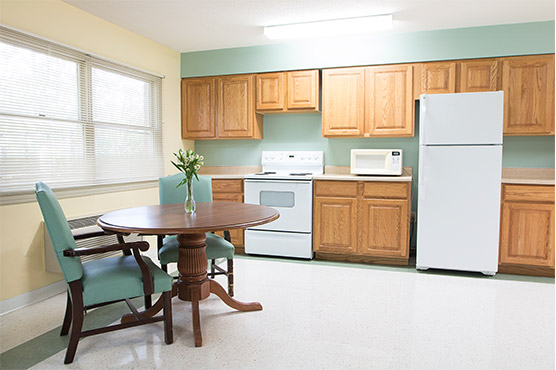
How is Oak Hills Nursing Center Staffed?

CMS rates OAK HILLS NURSING CENTER's staffing level at 2 out of 5 stars, which is below average compared to other nursing homes. Staff turnover is 41%, compared to the Ohio average of 46%. This relatively stable workforce can support continuity of care. RN turnover specifically is 73%, which is notably high. RNs provide skilled clinical oversight, so turnover in this role can affect medical care quality.

What Have Inspectors Found at Oak Hills Nursing Center?

State health inspectors documented 27 deficiencies at OAK HILLS NURSING CENTER during 2018 to 2025. These included: 27 with potential for harm.
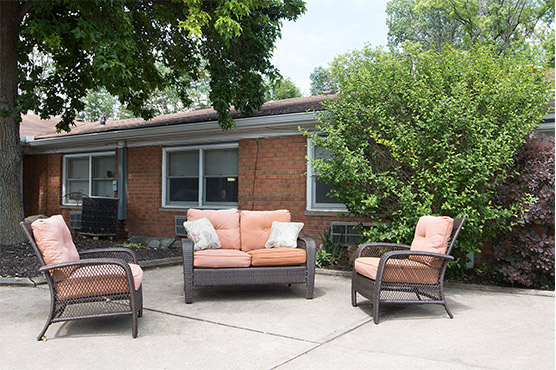
Who Owns and Operates Oak Hills Nursing Center?

OAK HILLS NURSING CENTER is owned by a for-profit company. For-profit facilities operate as businesses with obligations to shareholders or private owners. The facility is operated by EMBASSY HEALTHCARE, a chain that manages multiple nursing homes. With 80 certified beds and approximately 62 residents (about 78% occupancy), it is a smaller facility located in LORAIN, Ohio.
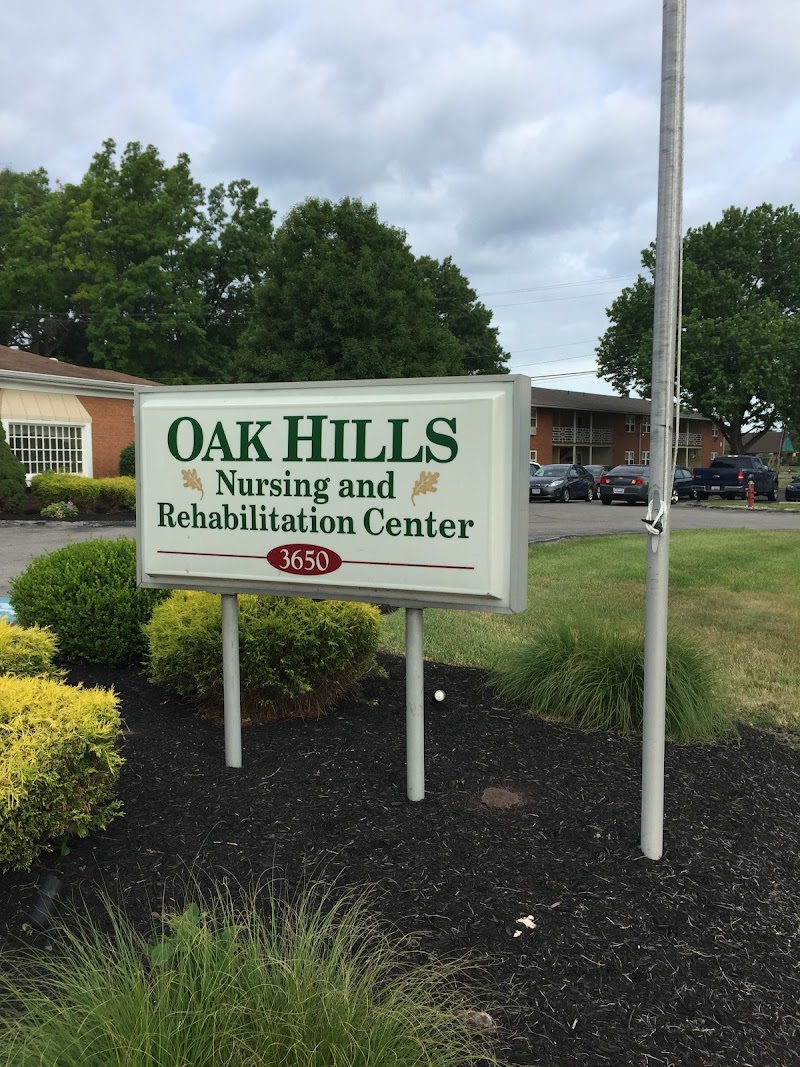
How Does Oak Hills Nursing Center Compare to Other Ohio Nursing Homes?

Compared to the 100 nursing homes in Ohio, OAK HILLS NURSING CENTER's overall rating (4 stars) is above the state average of 3.2, staff turnover (41%) is near the state average of 46%, and health inspection rating (3 stars) is at the national benchmark.

What Should Families Ask When Visiting Oak Hills Nursing Center?

Based on this facility's data, families visiting should ask: "Can you walk me through typical staffing levels on day, evening, and night shifts?" "Can I visit during a mealtime to observe dining assistance and food quality?" "How do you handle medical emergencies, and what is your hospital transfer rate?" "Can I speak with family members of current residents about their experience?" These questions are particularly relevant given the below-average staffing rating.

Is Oak Hills Nursing Center Safe?

Based on CMS inspection data, OAK HILLS NURSING CENTER has a clean safety record: no substantiated abuse findings (meaning no confirmed cases of resident harm), no Immediate Jeopardy citations (the most serious violation level indicating risk of serious injury or death), and is not on the Special Focus Facility watch list (a federal program monitoring the lowest-performing 1% of nursing homes). The facility has a 4-star overall rating and ranks #1 of 100 nursing homes in Ohio. While no facility is perfect, families should still ask about staff-to-resident ratios and recent inspection results during their visit.

Do Nurses at Oak Hills Nursing Center Stick Around?

OAK HILLS NURSING CENTER has a staff turnover rate of 41%, which is about average for Ohio nursing homes (state average: 46%). Moderate turnover is common in nursing homes, but families should still ask about staff tenure and how the facility maintains care continuity when employees leave.

Was Oak Hills Nursing Center Ever Fined?

OAK HILLS NURSING CENTER has been fined $3,174 across 1 penalty action. This is below the Ohio average of $33,111. While any fine indicates a compliance issue, fines under $50,000 are relatively common and typically reflect isolated problems that were subsequently corrected. Families should ask what specific issues led to these fines and confirm they've been resolved.

Is Oak Hills Nursing Center on Any Federal Watch List?

OAK HILLS NURSING CENTER is not on any federal watch list. The most significant is the Special Focus Facility (SFF) program, which identifies the bottom 1% of nursing homes nationally based on persistent, serious quality problems. Not being on this list means the facility has avoided the pattern of deficiencies that triggers enhanced federal oversight. This is a positive indicator, though families should still review the facility's inspection history directly.