ALTERCARE OF LOUISVILLE CTR FOR REHAB & NSG CARE
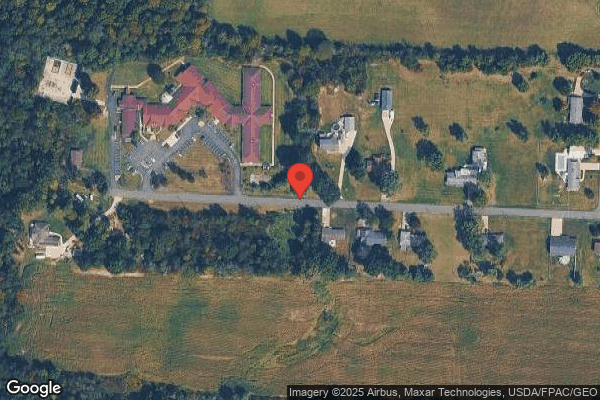
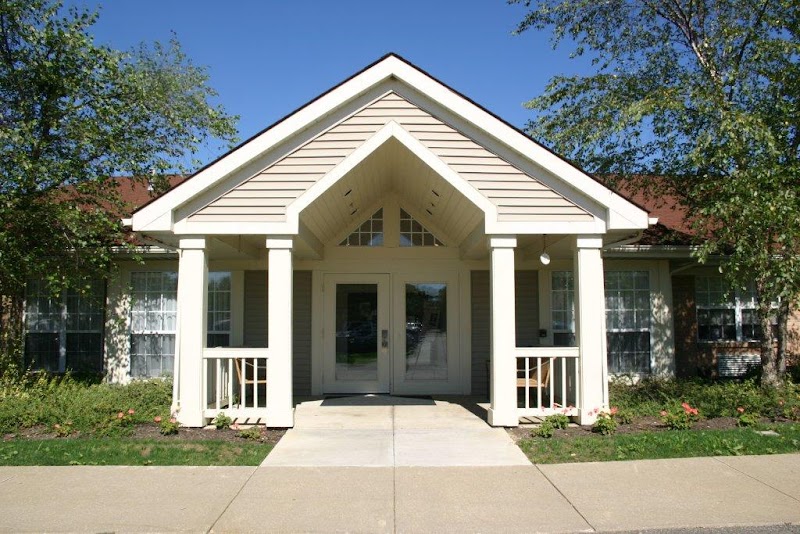
7187 ST FRANCIS STREET, NE, LOUISVILLE, OH 44641 (330) 875-4224
For profit - Corporation 95 Beds ALTERCARE Data: November 2025
Trust Grade
50/100
#390 of 913 in OH
Last Inspection: December 2022

Over 2 years since last inspection. Current conditions may differ from available data.

Overview

Altercare of Louisville Center for Rehab & Nursing Care has received a Trust Grade of C, indicating average performance among nursing homes, placing it in the middle of the pack. It ranks #390 out of 913 facilities in Ohio, meaning it is in the top half, and #15 out of 33 in Stark County, showing only a few local options are better. Unfortunately, the facility's trend is worsening, with the number of issues increasing from 2 in 2024 to 4 in 2025. Staffing is a concern, rated at only 1 out of 5 stars with a turnover rate of 57%, which is near the state average. However, there are no fines on record, which is a positive sign, and the facility has more RN coverage than many others in the state, ensuring better oversight. Specific incidents of concern include a serious failure to assist a resident during a transfer, resulting in an injury, and issues with kitchen cleanliness that affected nearly all residents. Additionally, the facility did not complete necessary smoking assessments for residents who smoke, which is a procedural oversight. While there are strengths, such as no fines and good RN coverage, families should be aware of these weaknesses when considering this nursing home for their loved ones.

Trust Score
C
50/100
In Ohio
#390/913
Top 42%
Safety Record
Moderate
Needs review
Inspections
Getting Worse
2 → 4 violations
Staff Stability
⚠ Watch
57% turnover. Above average. Higher turnover means staff may not know residents' routines.
Penalties
✓ Good
No fines on record. Clean compliance history, better than most Ohio facilities.
Skilled Nurses
○ Average
Each resident gets 31 minutes of Registered Nurse (RN) attention daily — about average for Ohio. RNs are the most trained staff who monitor for health changes.
Violations
⚠ Watch
31 deficiencies on record. Higher than average. Multiple issues found across inspections.
★★★☆☆
3.0
Overall Rating
★☆☆☆☆
1.0
Staff Levels
★★★★★
5.0
Care Quality
★★★☆☆
3.0
Inspection Score
Stable
2024: 2 issues
2025: 4 issues

The Good

  • 5-Star Quality Measures · Strong clinical quality outcomes
  • Full Sprinkler Coverage · Fire safety systems throughout facility
  • No fines on record

Facility shows strength in quality measures, fire safety.

The Bad

3-Star Overall Rating

Near Ohio average (3.2)

Meets federal standards, typical of most facilities

Staff Turnover: 57%

11pts above Ohio avg (46%)

Frequent staff changes - ask about care continuity

Chain: ALTERCARE

Part of a multi-facility chain

Ask about local staffing decisions and management

Staff turnover is elevated (57%)

9 points above Ohio average of 48%

The Ugly 31 deficiencies on record

1 actual harm
Jul 2025 3 deficiencies
CONCERN (D) 📢 Someone Reported This

A family member, employee, or ombudsman was alarmed enough to file a formal complaint

Potential for Harm - no one hurt, but risky conditions existed

Quality of Care (Tag F0684)

Could have caused harm · This affected 1 resident

**NOTE- TERMS IN BRACKETS HAVE BEEN EDITED TO PROTECT CONFIDENTIALITY** Based on observation, record review, interview and review of facility policy, the facility failed to ensure a physician order wa...

Read full inspector narrative →
**NOTE- TERMS IN BRACKETS HAVE BEEN EDITED TO PROTECT CONFIDENTIALITY** Based on observation, record review, interview and review of facility policy, the facility failed to ensure a physician order was obtained for Resident #7's right lower arm skin tear. This affected one resident (#7) of one resident reviewed for general skin conditions. The facility census was 77.Findings include: Review of Resident #7’s medical record revealed the resident was admitted on [DATE] and readmitted on [DATE] with diagnoses including hemiplegia, aphasia and chronic systolic congestive heart failure. Review of Resident #7’s care plan for skin care revealed an intervention dated 04/15/25 to perform treatments as per the physician orders. Review of Resident #7’s Minimum Data Set (MDS) 3.0 assessment dated [DATE] revealed the resident exhibited moderate cognitive impairment. Review of Resident #7’s Wound Information form dated 07/07/25 revealed the resident had a right lower arm skin tear which measured one centimeter (cm) length by 0.8 cm width. Review of Resident #7’s Wound Information form dated 07/21/25 at 7:33 P.M. revealed the resident had a right lower arm skin tear first identified on 07/02/25 at 10:28 P.M. which measured 1.2 cm length by 1.2 cm width. Review of Resident #7’s physician orders for July 2025 revealed no treatment orders for the resident’s right lower arm skin tear. Observation on 07/21/25 at 9:07 A.M. revealed Resident #7 was lying in bed and had a dressing on the right arm. The dressing was dated 07/19/25. An interview on 07/21/25 at 9:18 A.M. with Certified Nursing Assistant (CNA) #223 verified Resident #7 had a dressing on the right arm dated 07/19/25. An interview on 07/22/25 at 2:59 P.M. with the Director of Nursing (DON) revealed Resident #7 did not have an active physician order for treatment to the skin tear on the right arm. A follow-up interview on 07/22/25 at 4:30 P.M. with the DON revealed a treatment plan was obtained on 07/02/25 for Resident #7 to receive treatment to the right lower arm skin tear including cleanse the right forearm with normal saline, pat dry, and cover with a clean dressing every other day. The DON verified it had not been written as a physician order. Review of the Clean Technique Wound Care policy updated 05/01/25 revealed it was the facility policy to provide wound care to residents using professional standards of practice.
CONCERN (D) 📢 Someone Reported This

A family member, employee, or ombudsman was alarmed enough to file a formal complaint

Potential for Harm - no one hurt, but risky conditions existed

Pressure Ulcer Prevention (Tag F0686)

Could have caused harm · This affected 1 resident

**NOTE- TERMS IN BRACKETS HAVE BEEN EDITED TO PROTECT CONFIDENTIALITY** Based on observation, record review, interview and review of facility policy, the facility failed to ensure Resident #5's left l...

Read full inspector narrative →
**NOTE- TERMS IN BRACKETS HAVE BEEN EDITED TO PROTECT CONFIDENTIALITY** Based on observation, record review, interview and review of facility policy, the facility failed to ensure Resident #5's left lower leg/foot dressing was administered as ordered. This affected one resident (Resident #5) of three residents reviewed for pressure ulcers/injury. The facility census was 77.Findings include:Review of Resident #5's medical record revealed the resident was originally admitted on [DATE] and readmitted on [DATE] with diagnoses including end stage renal disease, cellulitis of the right and left lower limbs and chronic pain.Review of Resident #5's Pressure Ulcer Care Plan revealed an intervention dated 01/29/25 to perform current treatment as ordered and observe treatment for effectiveness.Review of Resident #5's Quarterly Minimum Data Set (MDS) 3.0 assessment dated [DATE] revealed the resident exhibited intact cognition.Review of Resident #5's physician orders revealed an order dated 07/17/25 to flush the left medial ankle and posterior Achilles with normal saline, pat dry, pack with iodoform and cover with a dry dressing daily; an order dated 07/17/25 to apply betadine wet to dry to bilateral heels once a day; an order dated 07/22/25 to cleanse the left heel and right heel with normal saline, pat dry, apply xeroform gauze into the wound, cover with an abdominal dressing, wrap with kerlix and secure with tape once a day.Review of Resident #5's medication administration record (MAR) and treatment administration record (TAR) from 07/01/25 to 07/22/25 revealed on 07/20/25 Licensed Practical Nurse (LPN) #213 documented the wound care was on hold and wound rounds were the next day and on 07/21/25 the betadine was unavailable to be administered to the resident's right and left heel per the physician's order.Review of Resident #5's progress notes from 07/01/25 to 07/22/25 did not reveal evidence that the resident's left medial ankle and posterior Achilles wound care were on hold by the physician.An observation including interview was conducted on 07/21/25 at 2:56 P.M. with Physical Therapist (PT) #293 of Resident #5's left foot and ankle's dressing that was observed with a date mark of 07/19/25. PT #293 verified Resident #5's left foot and ankle dressing was dated 07/19/25. An observation on 07/22/25 at 3:45 P.M. with the Director of Nursing (DON) of wound care treatment for Resident #5 revealed the nurse removed the dressing to Resident #5's right heel, removed her gloves, washed her hands, put on gloves, cleaned the right heel with normal saline, removed gloves, washed hands, put on gloves, applied xeroform non-stick dressing, an abdominal dressing and kerlix to the right heel. Betadine was not applied to the right heel.An observation on 07/22/25 at 4:00 P.M. with the DON of wound care treatment for Resident #5 revealed the nurse removed the dressing to Resident #5's left heel, removed her gloves, washed her hands, put on gloves, cleansed the left heel with normal saline, removed her gloves, washed her hands, put on gloves, placed a xeroform non-stick dressing, an abdominal dressing and kerlix to the left foot. Betadine was not applied to the left heel.An observation on 07/23/25 from 10:35 A.M. to 10:42 A.M. with the DON of the treatment administration cart and treatment storage rooms did not reveal evidence of betadine in the facility.An interview on 07/23/25 at 10:42 A.M. with the DON revealed she had called the Nurse Practitioner (NP) to change the order for Resident #5 to have betadine applied to bilateral heels once a day because the facility ran out of betadine. The DON confirmed Resident #5 had not received wound care treatment as ordered. Review of the Pressure Injuries: Assessment, Prevention and Treatment policy updated 05/01/25 revealed the facility should identify the residents at risk for developing pressure injuries, implement interventions to prevent the development of pressure injuries and provide care for existing pressure injuries. This deficiency represents non-compliance investigated under Complaint Number OH00167333 (1373385).
CONCERN (D) 📢 Someone Reported This

A family member, employee, or ombudsman was alarmed enough to file a formal complaint

Potential for Harm - no one hurt, but risky conditions existed

Pharmacy Services (Tag F0755)

Could have caused harm · This affected 1 resident

**NOTE- TERMS IN BRACKETS HAVE BEEN EDITED TO PROTECT CONFIDENTIALITY** Based on record review and interview, the facility did not ensure Resident #81 was administered medication according to physicia...

Read full inspector narrative →
**NOTE- TERMS IN BRACKETS HAVE BEEN EDITED TO PROTECT CONFIDENTIALITY** Based on record review and interview, the facility did not ensure Resident #81 was administered medication according to physician orders. The affected one resident (#81) of five residents reviewed for medication administration. The facility census was 77.Findings include: Review of the medical record revealed Resident #81 was admitted to the facility on [DATE]. Diagnoses included type two diabetes mellitus. Resident #81 discharged from the facility on 04/09/25.Review of the admission Minimum Data Set 3.0 assessment dated [DATE] revealed Resident #81 had intact cognition, had lower extremity impairment on one side, required substantial assistance with turning in bed, urinary continence was not rated, and he was frequently incontinent of bowels. Resident #81 was at risk of developing pressure injuries however he was not admitted with any unhealed pressure injuries. Review of the physician orders revealed Resident #81 had an order for Mounjaro (diabetic medication)15 milligrams subcutaneous one a week on Monday dated 02/26/25 and discontinued on 03/24/25 (changed to Tuesday on 03/24/25 so they could give him the injection after it came in from the pharmacy)Review of the March 2025 Medication Administration Record (MAR) revealed Resident #81 was not administered his once weekly Mounjaro on 03/03/25, 03/17/25, and 03/24/25. The comment section of the MAR indicated on 03/03/35 the medication was discontinued, on 03/17/25 it was on hold, and on 03/24/25 it was on hold. Resident #81 was administered the medication on 03/10/25. Review of the pharmacy delivery sheet dated 02/27/25 revealed Resident #81 received one 15 milligram injection of Mounjaro.Review of the pharmacy delivery sheet dated 03/25/25 revealed Resident #81 received four-15 milligram injections of Mounjaro.An interview on 07/23/25 at 10:45 A.M with Regional Nurse #292 revealed on 03/03/25 the nurse working had inadvertently put in the comment section of the MAR that the Mounjaro for Resident #81 was discontinued because she had discontinued his Lantus insulin and she wrote that in error for his Mounjaro. RN #292 verified the nurse never administered the Mounjaro on 03/03/25. RN #292 stated Resident #81 was given one dose of the Mounjaro on 03/10/25 which had been delivered on 02/26/25 however, the pharmacy had not sent any more doses and no one in management was aware the facility had not received any more doses from the pharmacy and Resident #81 had missed several doses until 03/24/25 when they reached out to the pharmacy and had them deliver the medication and it was administered the next day. RN #292 stated the facility had not realized pharmacy had not sent it. RN #292 stated Resident #81 had not received the 03/17/25 and 03/24/25 dose because it was not available from the pharmacy and it was then given on 03/25/25.
Feb 2025 1 deficiency
CONCERN (D) 📢 Someone Reported This

A family member, employee, or ombudsman was alarmed enough to file a formal complaint

Potential for Harm - no one hurt, but risky conditions existed

Pharmacy Services (Tag F0755)

Could have caused harm · This affected 1 resident

**NOTE- TERMS IN BRACKETS HAVE BEEN EDITED TO PROTECT CONFIDENTIALITY** Based on medical record review, resident interview, and staff interview, the facility failed to ensure Resident #29's pain medic...

Read full inspector narrative →
**NOTE- TERMS IN BRACKETS HAVE BEEN EDITED TO PROTECT CONFIDENTIALITY** Based on medical record review, resident interview, and staff interview, the facility failed to ensure Resident #29's pain medication was reordered timely. This affected one resident (#29) out of three (Resident #18, Resident #29, and Resident #54) reviewed for medication administration. The facility census was 64. Findings include: Review of the medical record for Resident #29 revealed an admission date of 01/24/25. Diagnoses included malignant neoplasm of head, face and neck, malignant neoplasm of tongue, dysphagia, oropharyngeal phase, and gastrostomy status. Review of the Minimum Data Set assessment dated [DATE] revealed Resident #29 was mildly impaired with a Brief Interview for Mental Status (BIMS) of 12. Review of Resident #29's February 2025 physicians orders revealed an order for Gabapentin 12 milliliters (ml) to equal 600 milligrams (mg) to be administered orally twice daily. Review of Resident #29's Medication Administration Record revealed the resident did not receive his Gabapentin 600 mg on 02/10/25 for the scheduled dose from 1:00 P.M. to 2:30 P.M. or on 02/11/25 from 6:30 A.M. to 10:30 A.M. The reason/comment section for the missed medication dates showed the rational as not administered, on hold, awaiting pharmacy. Review of Resident #29's nurse progress notes from 02/10/25 through 02/11/25 revealed no evidence where the physician was made aware of the missed doses of pain medication. Interview on 02/26/25 at 3:25 P.M. the Director of Nursing verified Resident #29's Gabapentin was not reordered timely by the facility nurses resulting in the resident missing two doses of his pain medication. Interview on 02/27/25 at 9:07 A.M. with Resident #29 revealed the facility did not always order his pain medication timely. He reported he had to wait for the pharmacy to bring in his medication and had also missed doses because the facility had not ordered the medications timely. This deficiency represents non-compliance investigated under Complaint OH00162436.
Aug 2024 2 deficiencies
CONCERN (D) 📢 Someone Reported This

A family member, employee, or ombudsman was alarmed enough to file a formal complaint

Potential for Harm - no one hurt, but risky conditions existed

Free from Abuse/Neglect (Tag F0600)

Could have caused harm · This affected 1 resident

**NOTE- TERMS IN BRACKETS HAVE BEEN EDITED TO PROTECT CONFIDENTIALITY** THE FOLLOWING DEFICIENCY REPRESENTS AN INCIDENT OF PAST NONCOMPLIANCE THAT WAS SUBSEQUENTLY CORRECTED PRIOR TO THIS SURVEY. Base...

Read full inspector narrative →
**NOTE- TERMS IN BRACKETS HAVE BEEN EDITED TO PROTECT CONFIDENTIALITY** THE FOLLOWING DEFICIENCY REPRESENTS AN INCIDENT OF PAST NONCOMPLIANCE THAT WAS SUBSEQUENTLY CORRECTED PRIOR TO THIS SURVEY. Based on record review, self-reported incident review (SRI), interview, and facility policy review the facility failed to ensure Resident #21 was free from staff-to-resident physical abuse. This finding affected one resident (#21) of five residents reviewed for Abuse, Neglect and Misappropriation of Resident Property. The facility census was 70. Findings include: Review of Resident #21's medical record revealed the resident was admitted to the facility on [DATE] with diagnoses including vascular dementia, muscle weakness and need for assistance with personal care. Review of Resident #21's Minimum Data Set (MDS) 3.0 assessment dated [DATE] revealed the resident exhibited severe cognitive impairment. Review of physical abuse SRI Tracking #244568 dated 02/26/24 revealed Resident #21 became behavioral when State Tested Nursing Assistant (STNA) #833 and STNA #904 attempted to provide care to the resident on 02/24/24 at approximately 10:30 P.M. Resident #21 ended up biting down on STNA #904's forearm and drew blood. STNA #904 reacted by slapping Resident #21 which caused him to release her forearm. The allegation was unsubstantiated. Review of Resident #21's Illustration of Documentation and Measurements of Skin Areas form dated 02/24/24 at 10:40 P.M. revealed the resident had a red area (handprint) on the right side of the face. Review of Resident #21's Event Statement Form dated 02/26/24 authored by the Administrator revealed she interviewed STNA #904 over the phone. The statement indicated STNA #833 and STNA #904 went into the resident's room around 10:00 P.M. on 02/24/24. The resident was transferred using a Hoyer mechanical lift from the wheelchair to the bed. He was fine and did not seem agitated. After the transfer, the staff started taking off his pants to provide care at which point he became agitated. The staff told him exactly what was happening and he started hitting and kicking the staff. STNA #904 rolled him towards her so that peri care could be completed for a bowel movement when the resident lifted his head and bit into the STNA #904's right forearm very hard until it drew blood. Resident #21 eventually released STNA #904's arm, and the nurse was notified. STNA #904 stated she did not slap the resident, but he must have been lying on one side of his cheek which must have caused some redness. Review of Resident #21's undated witness statement authored by STNA #833 indicated both STNA #833 and STNA #904 went into Resident #21's room to lay the resident down for incontinence care. He was becoming irritated with the transfer and became combative while doing peri care. He was hitting and kicking and ended up biting STNA #904's arm. As Resident #21 bit her, STNA #904 slapped the resident on the cheek. After she did it, STNA #904 stated it was a reflex. The peri care was completed, and STNA #833 notified the nurse. Interview on 08/20/24 at 1:20 P.M. with the Administrator indicated STNA #904 hit Resident #21 as a reaction to the resident biting down on her arm. The Administrator confirmed the red mark went away quickly. She confirmed education and audits were completed following the incident. Review of the Abuse, Neglect and Misappropriation Policy, dated 2016, indicated it was the facility's policy to investigate allegations, suspicions and incidents of Abuse, Neglect and Misappropriation of Resident Property. Facility staff should immediately report all allegations to the Administrator and State in accordance with the procedures. As a result of the incident, the facility took the following actions to correct the deficient practice as of 02/27/24: • On 02/24/24 at approximately 10:38 P.M. (immediately following the incident), STNA #904's (agency staff) shift had ended. She left the building, and the agency STNA was not allowed to return. • On 02/24/24 at approximately 10:39 P.M., STNA #833 immediately reported Resident #21's alleged abuse to Licensed Practical Nurse (LPN) #871. • On 02/24/24 at 10:40 P.M., LPN #871 assessed Resident #21 for injuries following the witnessed event. A reddened hand mark was identified on the right side of the resident's face. No blood was observed, and the skin was not broken. • On 02/24/24 (unknown time), STNA #833's written incident statement was obtained by the Director of Nursing (DON). • On 02/24/24 at 11:00 P.M., the DON interviewed Certified Medication Aide (CMA) #868 and LPN #871 regarding Resident #21's alleged abuse allegation. Negative findings were not identified. • On 02/24/24 from 11:40 P.M. to 11:47 P.M., the DON completed skin assessments of Residents #703, #704, #705. Negative findings were not identified. • On 02/24/24 at 11:45 P.M., a second skin assessment was completed for Resident #21 by the DON, and no marks were noted on the resident's skin, and no new areas were observed. • On 02/26/24 (unknown time), the DON and Administrator contacted STNA #904 (specified perpetrator) to obtain a witness statement. • On 02/27/24 at varied times, the Administrator interviewed Residents #4, #11, #44, #701 and #702 for abuse, dignity, and respect. Negative findings were not identified. • The Assistant Director of Nursing (ADON) #839 and the Administrator conducted audits on 02/27/24, 03/01/24, 03/04/24, 03/07/24, 03/13/24, 03/15/24, 03/18/24, 03/21/23. Negative findings were not identified. • On 02/27/24, the DON completed staff education for all registered nurses (RNs), LPNs, and STNAs. • Review of the Abuse, Neglect and Misappropriation policy, dated 2016, and no changes were made. This deficiency is an incidental finding identified during the complaint investigation.
CONCERN (D) 📢 Someone Reported This

A family member, employee, or ombudsman was alarmed enough to file a formal complaint

Potential for Harm - no one hurt, but risky conditions existed

Incontinence Care (Tag F0690)

Could have caused harm · This affected 1 resident

**NOTE- TERMS IN BRACKETS HAVE BEEN EDITED TO PROTECT CONFIDENTIALITY** Based on observation, record review, interview, and facility policy review the facility failed to ensure Resident #46 was provid...

Read full inspector narrative →
**NOTE- TERMS IN BRACKETS HAVE BEEN EDITED TO PROTECT CONFIDENTIALITY** Based on observation, record review, interview, and facility policy review the facility failed to ensure Resident #46 was provided timely incontinence care. This finding affected one resident (#46) of three residents reviewed for incontinence care. The facility census was 70. Findings include: Review of Resident #46's medical record revealed the resident was admitted to the facility on [DATE] with diagnoses including Alzheimer's disease with early onset, altered mental status, and adult failure to thrive. Review of Resident #46's Minimum Data Set (MDS) 3.0 assessment dated [DATE] revealed the resident exhibited severe cognitive impairment and was always incontinent of bowel and bladder Review of Resident #46's physician orders revealed an order dated 05/14/21 for miconazole powder (antifungal powder) twice daily and an order dated 05/19/21 for zinc oxide 20% (cream used to treat or prevent skin irritation) twice daily to affected areas. Review of Resident #46's physician's orders revealed an order dated 05/01/24 which indicated the resident was dependent to shower/bathe and upper body dressing, and dependent on eating, oral hygiene, and toileting hygiene. Review of Resident #46's physician's orders revealed an order dated 05/01/24 which indicated the resident was dependent on a Hoyer mechanical lift, was incontinent of bowel and bladder, dependent to roll left and right and dependent on lower body dressing and putting on and taking off footwear. Interview on 08/19/24 at 6:25 A.M. with State Tested Nursing Assistant (STNA) #801 revealed she provided morning care to Resident #46 and then had Licensed Practical Nurse (LPN) #804 assist her in transferring the resident from the bed to a Broda (reclining) chair using a Hoyer mechanical lift. She denied concerns. She stated Resident #46 was assisted out of bed prior to 6:00 A.M. Interview on 08/19/24 at 6:27 A.M. with LPN #804 confirmed she assisted STNA #801 with Resident #46's transfer from the bed to a Broda chair using the Hoyer mechanical lift. She denied concerns with timely incontinence care. Observation on 08/19/24 at 6:52 A.M. revealed Resident #46 was in the common television lounge with other resident's watching television. She appeared clean and no odors were evident. The resident was not interviewable. Observation on 08/19/24 at 8:00 A.M. revealed staff removed Resident #46 from the television lounge and took her down to the main dining room for the breakfast meal which consisted of scrambled eggs, cheerios, bacon, juice, milk, and toast. Observations on 08/19/24 at 8:14 A.M. revealed Resident #46 was assisted with the breakfast meal. Observation on 08/19/24 at 9:08 A.M. revealed Resident #46 was placed back into the television lounge and was sitting in front of the television in her modified Broda chair following the breakfast meal. Observation on 08/19/24 at 9:25 A.M. revealed STNAs #809 and #810 removed Resident #46 from the common lounge, took her into her room, used the Hoyer mechanical lift and transferred the resident from the Broda chair to the bed. Incontinence care was provided at this time. The skin on the resident's coccyx and sacrum was intact. No fungal infections were observed on the resident's perineum. The resident's bilateral heels appeared intact. Observation on 08/19/24 at 9:38 A.M. revealed Resident #46's husband was sitting in the common television lounge waiting on the resident to return to the lounge. He stated he usually arrives in the building around 9:30 A.M. daily and sometimes the resident would have scrambled eggs on her clothing and one time she was slumped over the chair. He stated his niece installed a camera in the resident's room. Observation on 08/19/24 at 9:40 A.M. revealed staff returned Resident #46 to the television lounge where the resident's husband was waiting. Observation on 08/19/24 at 10:41 A.M. revealed Resident #46's husband was observed to leave the building. Observation on 08/19/24 at 10:42 A.M. revealed Resident #46 was in the television lounge sitting in the Broda chair watching television. Observation on 08/19/24 at 11:56 A.M. revealed Resident #46 was taken into the dining room for the lunch meal. Telephone interview on 08/19/24 at 1:31 P.M. with Resident #46's niece revealed the family had concerns with showers, nail care, one staff member transferring the resident using the Hoyer mechanical lift or two staff members in the room and one of them not helping with the transfer. She also had concerns with the resident having a touch pad for a call light. She stated she brought up the concern on 07/24/24 and again on 08/14/24. She stated she paid for the installation of the surveillance camera and felt someone with a hat removed the SanDisk (SD) card from the camera. She indicated she was able to view live feed from the surveillance camera, but the camera did not save video surveillance, so she had to use her personal phone to take screen shots or tape the live feed with her personal phone. She indicated she observed Resident #46 was being provided incontinence care during the conversation at approximately 2:00 P.M. with two staff assistance. The telephone call lasted 48 minutes. Interview on 08/19/24 at 2:21 P.M. with STNA #810 confirmed the resident was provided incontinence care at 2:00 P.M. and placed in bed for a nap. Further interview confirmed from 6:30 A.M. to 2:00 P.M., Resident #46 was provided incontinence care at 9:30 A.M. and again at 2:00 P.M. She confirmed Resident #46 was a check and change and was to be provided care every two hours. She indicated the resident's husband was in to visit and then lunch occurred which was why the resident was not provided incontinence care check and changes every two hours. Review of the undated Routine Resident Checks policy indicated it was the facility's policy that routine resident checks shall be made to assure that the resident's safety and well-being were maintained. To ensure the safety and well-being of the residents, a resident check would be made at least every two (2) hours throughout each 24-hour shift by nursing service personnel. Review of the Dressing and Undressing the Resident policy, dated 08/2010, indicated the purpose of the procedure was to assist the resident as necessary with dressing and undressing and to promote cleanliness. This deficiency represents non-compliance investigated under Complaint Number OH00156416.
Nov 2023 1 deficiency
CONCERN (E) 📢 Someone Reported This

A family member, employee, or ombudsman was alarmed enough to file a formal complaint

Potential for Harm - no one hurt, but risky conditions existed

Smoking Policies (Tag F0926)

Could have caused harm · This affected multiple residents

**NOTE- TERMS IN BRACKETS HAVE BEEN EDITED TO PROTECT CONFIDENTIALITY** Based on observation, record review, staff interview, and review of the facility policy the facility failed to ensure smoking as...

Read full inspector narrative →
**NOTE- TERMS IN BRACKETS HAVE BEEN EDITED TO PROTECT CONFIDENTIALITY** Based on observation, record review, staff interview, and review of the facility policy the facility failed to ensure smoking assessments were completed with a quarterly according to the facility's smoking policy. This affected three residents (#10, #25, and #29) of three residents reviewed for smoking. The facility identified six residents (#10, #25, #26, #29, #36, and #37) who smoked at the facility. The facility census was 65. Findings include: 1. Review of the medical record revealed Resident #10 was admitted to the facility on [DATE] with diagnoses including sepsis, acute kidney failure, chronic obstructive pulmonary disease, and personal history of nicotine dependence. Review of the Minimum Data Set (MDS) 3.0 assessment dated [DATE] revealed Resident #10 was cognitively intact. Further review of Resident #10's medical record revealed that smoking assessments were not done quarterly. Smoking assessments were completed on 12/13/22 and then another smoking assessment was completed on 11/16/23 after an incident with another smoker (Resident #29). 2. Review of the medical record revealed Resident #25 was admitted to the facility on [DATE] with diagnoses including major depressive disorder, acute respiratory failure with hypoxia, chronic obstructive pulmonary disease, and tobacco use. Review of the MDS 3.0 assessment dated [DATE] revealed Resident #25 was cognitively intact. Further review of Resident #25's medical record revealed that smoking assessments were not completed quarterly. Smoking assessments were completed on 12/13/22 and then another smoking assessment was completed on 11/16/23 after an incident with another smoker (Resident #29). 3. Review of the medical record revealed Resident #29 was admitted to the facility on [DATE] with diagnoses including major depressive disorder, acute respiratory failure with hypoxia, chronic obstructive pulmonary disease, and tobacco use. Review of the MDS 3.0 assessment dated [DATE] revealed Resident #29 was cognitively intact. Interview on 11/29/23 at 11:04 A.M. with MDS Nurse #210 verified that quarterly smoking assessments were not completed for Residents #10, #25, and #29. Review of the undated facility policy titled, Resident Smoking Policy revealed that licensed nursing staff or designee will conduct a smoking assessment on residents wishing to smoke, upon admission, readmission, with a significant change in condition, and at minimum quarterly. This deficiency represents non-compliance investigated under Self-Reported Incident, Control Number OH00148659.
Nov 2023 2 deficiencies 1 Harm
SERIOUS (G) 📢 Someone Reported This

A family member, employee, or ombudsman was alarmed enough to file a formal complaint

Actual Harm - a resident was hurt due to facility failures

Accident Prevention (Tag F0689)

A resident was harmed · This affected 1 resident

**NOTE- TERMS IN BRACKETS HAVE BEEN EDITED TO PROTECT CONFIDENTIALITY** Based on closed record review and interview, the facility failed to provide adequate assistance to Resident #63, who had cogniti...

Read full inspector narrative →
**NOTE- TERMS IN BRACKETS HAVE BEEN EDITED TO PROTECT CONFIDENTIALITY** Based on closed record review and interview, the facility failed to provide adequate assistance to Resident #63, who had cognitive impairment and required two staff to transfer using a mechanical (Hoyer) lift to prevent an injury. Actual Harm occurred on 10/06/23 when State Tested Nursing Assistant (STNA) #804 failed to ensure a second staff member was present (as care planned) to reposition and then transfer Resident #63 from her wheelchair to bed using a Hoyer lift. At the time of the transfer, STNA #804 identified the Hoyer lift pad was not properly under the resident and instead of obtaining a second staff member to properly reposition the resident, required the resident to push up and scoot herself in the wheelchair. The resident complained of pain to her arm during this time. STNA #804 proceeded to transfer the resident (without a second staff person present) to bed using the Hoyer lift. On 10/07/23 the resident requested an x-ray due to continued pain to her arm. The resident was diagnosed with an acute proximal humeral fracture requiring medical intervention. This affected one resident (#63) of three residents reviewed for accidents and hazards. The facility census was 62. Findings include: Review of the closed medical record revealed Resident #63 was admitted on [DATE]. Resident #63 had diagnoses including bipolar disorder, pain in the left shoulder, and obsessive-compulsive disorder. Review of Resident #63's activities of daily living (ADL) care plan dated 04/26/22 revealed the resident required a Hoyer lift transfer with the assistance of two staff members. Review of Resident #63's Minimum Data Set (MDS) 3.0 assessment dated [DATE] revealed the resident exhibited moderate cognitive impairment. Review of a witness statement form authored by STNA #804 dated 10/06/23 at 9:30 P.M. indicated she went into the resident's room on 10/06/23 at 7:15 P.M. for bedtime care. Resident #63 was in the wheelchair and the Hoyer lift pad was not underneath the resident properly. STNA #804 had Resident #63 put her hands on the armrest of the wheelchair and push up to scoot back in her chair. STNA #804 pulled the Hoyer lift pad down. The resident said ouch and the STNA told her that if it hurt, they should not continue. STNA #804 proceeded to hook up the Hoyer lift to the Hoyer lift pad that was underneath the resident and put her in bed. When Resident #63 was up in the air, she complained of left arm pain, and she was placed in bed. STNA #804 called for the nurse. Resident #63's progress notes dated 10/06/23 had no documented evidence the resident was assessed and monitored when the resident complained of left arm pain during the resident's nighttime care and subsequent transfer using a Hoyer lift to transfer the resident from the wheelchair into the bed. Review of Resident #63's progress notes dated 10/07/23 at 9:47 A.M. indicated the resident stated she wanted an x-ray done on her left arm due to pain. The Nurse Practitioner (NP) was notified and a new order for an x-ray was obtained due to pain. Review of Resident #63's x-ray of the left shoulder dated 10/07/23 revealed a moderately displaced proximal humeral fracture. An old impacted humeral neck fracture and humeral head fracture was also seen. Gleno-humeral and AC joint space loss and spurring were noted. The impression was an acute proximal humeral fracture. Review of Resident #63's progress note dated 10/07/23 at 11:57 A.M. indicated the NP was updated on the x-ray results and a new order was obtained to send the resident to the emergency room (ER) for evaluation and treatment was obtained. The Power-of-Attorney (POA) and Director of Nursing (DON) were made aware. Review of Resident #63's hospital documentation dated 10/07/23 indicated the resident had a non-comminuted obliquely oriented fracture of the midshaft of the humerus. There was approximately 2.0 centimeters (cm) of lateral displacement of the midshaft fracture and a moderate amount of soft tissue edema was present in the upper extremity. The care instructions from the hospital indicated to wear the left arm sling as instructed and follow-up with the orthopedic department within the next few days. Take Percocet (opioid pain medication) as needed for pain. Review of Resident #63's progress note dated 10/07/23 at 5:20 P.M. indicated the resident returned to the ER and was assisted into bed with the call light in reach. New orders were obtained and implemented. Review of Resident #63's progress note dated 10/09/23 at 5:00 P.M. indicated the resident returned from an appointment with orders for a computerized tomography scan or CAT scan (a series of cross-sectional x-ray images of the body). Review of Resident #63's progress note dated 10/19/23 at 9:06 A.M. indicated a follow-up x-ray was completed of the resident's left arm. Review of Resident #63's progress note dated 10/20/23 at 1:50 P.M. indicated the resident had an appointment with the surgery center. Review of Resident #63's progress note dated 10/23/23 at 11:10 A.M. revealed the resident would be kept overnight after the procedure. However, the resident did not return to the facility and was transferred to another facility. Interview on 11/06/23 at 2:40 P.M. with Registered Nurse (RN) Assistant Director of Nursing (ADON) #802 indicated she reported to the Ombudsman that Resident #63 was pulled back in her wheelchair by the Hoyer lift sling by STNA #804. Interview on 11/06/23 at 2:51 P.M. with the Administrator indicated Resident #63's transfer using the Hoyer lift occurred on 10/06/23 and the resident complained of pain on 10/07/23. Telephone interview on 11/06/23 at 2:54 P.M. with STNA #806 with the Administrator, RN ADON #802, and RN Regional #809 in attendance revealed she worked with STNA #804 on 10/06/23 from 2:00 P.M. to 10:00 P.M. and was not in the room when STNA #804 transferred Resident #63 from the wheelchair to the bed using a Hoyer lift. STNA #806 indicated there were only two STNAs working on that unit along with the nurse, and STNA #804 transferred Resident #63 by herself using the Hoyer lift. STNA #806 stated STNA #804 reported that something was wrong with Resident #63's arm and Licensed Practical Nurse (LPN) Agency #808 was obtained to assess the resident. Telephone interview on 11/06/23 at 3:05 P.M. with STNA #804 with the Administrator, RN ADON #802, and RN Regional #809 in attendance revealed she went into Resident #63's room to put the resident to bed, and the Hoyer lift pad was not under the resident's thighs properly. STNA #804 indicated she had Resident #63 put her hands on the arms of the wheelchair and scoot backwards. STNA #804 indicated at that point Resident #63 said ouch. She stated she asked the resident if she would like to continue and then proceeded to using the Hoyer lift to transfer Resident #63 from the wheelchair to the bed. STNA #804 stated when she laid Resident #63 down in the bed, the resident started complaining of pain in her left shoulder and arm. STNA #804 confirmed the incident occurred on 10/06/23 around 8:45 P.M. to 9:00 P.M. and confirmed she transferred Resident #63 using the Hoyer mechanical lift by herself because she could not find another staff member to assist her even though the transfer required a two-person assist using the Hoyer lift. Interview on 11/07/23 at 9:40 A.M. with RN Regional #809, RN ADON #802, the Administrator, and the DON (team) stated Resident #63 was high risk for skin breakdown and they could not leave the resident for a long period of time in the wheelchair. The team also stated the resident would have needed to be transferred back to the bed regardless of the resident's transfer status, and one staff member transferred the resident. RN Regional #809 confirmed Resident #63 complained of pain prior to the actual transfer when she stated ouch and the team stated they felt the resident's left arm fracture occurred when the resident pushed herself back in the wheelchair. RN Regional #809 also confirmed Resident #63's medical record did not have evidence the resident was assessed after her complaints of pain on 10/06/23. Interview on 11/07/23 at 10:17 A.M. with the DON indicated she worked on the floor and provided care to Resident #63 on 10/06/23 from 10:00 P.M. to 2:00 A.M. and she did a pain scale for the resident who reported a pain scale of two out of ten. She confirmed she did not conduct a physical assessment of Resident #63 during this timeframe. Review of the undated Invacare Manual/Electric Portable Patient Lift manufacturer guidelines stated although Invacare recommended two assistants be used for all lifting preparation, transferring from, and transferring to procedures, the equipment would permit proper operation by one assistant. Review of the undated Safe Lifting and Movement of Residents policy indicated the staffing for all shifts would include sufficient numbers of staff members who had been trained in the use of mechanical lifting devices. Mechanical lifts should be operated per the manufacturer guidelines. This deficiency represents non-compliance investigated under Complaint Number OH00147346.
CONCERN (D) 📢 Someone Reported This

A family member, employee, or ombudsman was alarmed enough to file a formal complaint

Potential for Harm - no one hurt, but risky conditions existed

Notification of Changes (Tag F0580)

Could have caused harm · This affected 1 resident

**NOTE- TERMS IN BRACKETS HAVE BEEN EDITED TO PROTECT CONFIDENTIALITY** Based on closed record review and interview, the facility failed to timely notify Resident #63's family representative and physi...

Read full inspector narrative →
**NOTE- TERMS IN BRACKETS HAVE BEEN EDITED TO PROTECT CONFIDENTIALITY** Based on closed record review and interview, the facility failed to timely notify Resident #63's family representative and physician of the resident's complaints of pain in the left arm. This finding affected one resident (#63) of three residents reviewed for notification. Findings include: Review of Resident #63's closed medical record revealed the resident was admitted on [DATE] with diagnoses including bipolar disorder, pain in the left shoulder, and obsessive-compulsive disorder. Review of Resident #63's Activities of Daily Living (ADL) care plan dated 04/26/22 revealed the resident required a Hoyer (mechanical) lift transfer with the assistance of two staff members. Review of Resident #63's Minimum Data Set (MDS) 3.0 assessment dated [DATE] revealed the resident exhibited moderate cognitive impairment. Review of Resident #63's State Tested Nursing Assistant (STNA) Witness Statement form authored by STNA #804 dated 10/06/23 at 9:30 P.M. indicated the STNA went into the resident's room on 10/06/23 at 7:15 P.M. for bedtime care. Resident #63 was in the wheelchair and the Hoyer lift pad was not positioned underneath the resident properly. The STNA had the resident put her hands on the armrest of the wheelchair and push up to scoot back in her chair. The STNA pulled the Hoyer lift pad down. The resident said ouch and the STNA told her that if it hurt, they should not continue. The STNA proceeded to hook up the Hoyer lift to the Hoyer lift pad that was underneath the resident and put her into bed without the assistance of a second staff member. When Resident #63 was up in the air, she complained of left arm pain, and she was placed in bed. The STNA went to get a nurse due to the resident's complaint of pain. Resident #63's progress notes dated 10/06/23 had no documented evidence the resident was assessed and monitored when the resident complained of left arm pain during the resident's nighttime care and subsequent transfer using a Hoyer lift to transfer the resident from the wheelchair into the bed. Review of Resident #63's progress notes dated 10/07/23 at 9:47 A.M. indicated the resident stated she wanted an x-ray of her left arm due to pain. An assessment was completed, and the range-of-motion (ROM) was within normal limits (WNL). No edema or redness was noted on the left arm. The Nurse Practitioner (NP) was notified, and a new order for an x-ray was obtained due to pain. Review of Resident #63's x-ray of the left shoulder dated 10/07/23 revealed a moderately displaced proximal humeral fracture. An old impacted humeral neck fracture and humeral head fracture was also seen. Gleno-humeral and AC joint space loss and spurring were noted. The impression was an acute proximal humeral fracture. Review of Resident #63's progress note dated 10/07/23 at 11:57 A.M. indicated the NP was updated on the x-ray results, and a new order to send the resident to the emergency room (ER) for evaluation and treatment was obtained. The Power-of-Attorney (POA) and Director of Nursing (DON) were notified. Interview on 11/06/23 at 2:51 P.M. with the Administrator indicated Resident #63's transfer using the Hoyer lift occurred on 10/06/23, but the resident did not complain of pain until 10/07/23. Telephone interview on 11/06/23 at 3:05 P.M. of STNA #804 with the Administrator, Registered Nurse (RN) Assistant Director of Nursing (ADON) #802, and RN Regional #809 in attendance revealed she went into Resident #63's room to put the resident to bed, and the Hoyer lift pad was not positioned under the resident's thighs properly. STNA #804 indicated she had Resident #63 put her hands on the arms of the wheelchair and scoot backwards. STNA #804 indicated at that point Resident #63 said ouch. She stated she asked the resident if she would like to continue and then proceeded using the Hoyer lift to transfer Resident #63 from the wheelchair to the bed. STNA #804 stated when she laid Resident #63 down in the bed, the resident started complaining of pain in her shoulder. STNA #804 confirmed the incident occurred on 10/06/23 around 8:45 P.M. to 9:00 P.M. and confirmed she transferred Resident #63 using the Hoyer lift by herself because she could not find another staff member to assist her even though the transfer required a two-person assist. Interview on 11/07/23 at 9:40 A.M. with RN Regional #809 confirmed Resident #63's medical record had no documented evidence the family and/or physician were notified of the resident's complaints of pain during a Hoyer lift transfer. Review of the undated Notification of Change policy, revised 09/23, indicated it was the facility's policy to ensure the resident's attending physician and the resident's authorized representative or interested family member were notified of changes in the resident's physical, mental, or psychosocial status. This deficiency is an incidental finding discovered during the course of the complaint investigation.
Nov 2023 1 deficiency
CONCERN (D) 📢 Someone Reported This

A family member, employee, or ombudsman was alarmed enough to file a formal complaint

Potential for Harm - no one hurt, but risky conditions existed

Deficiency F0697 (Tag F0697)

Could have caused harm · This affected 1 resident

**NOTE- TERMS IN BRACKETS HAVE BEEN EDITED TO PROTECT CONFIDENTIALITY** Based on observation, record review, and interview, the facility failed to ensure Resident #40's lidocaine pain patch was admini...

Read full inspector narrative →
**NOTE- TERMS IN BRACKETS HAVE BEEN EDITED TO PROTECT CONFIDENTIALITY** Based on observation, record review, and interview, the facility failed to ensure Resident #40's lidocaine pain patch was administered as ordered. This finding affected one resident (#40) of six residents reviewed for medication administration. Findings include: Review of Resident #40's medical record revealed the resident was readmitted to the facility on [DATE] with diagnoses including malignant neoplasm of the colon, partial intestinal obstruction, and neutropenia. Review of Resident #40's Minimum Data Set (MDS) 3.0 assessment dated [DATE] indicated she exhibited intact cognition. Review of Resident #40's physician orders revealed an order dated 09/07/23 to administer the lidocaine adhesive pain patch 5% (percent) to the lower back once per day from 6:00 P.M. to 10:30 P.M. Review of Resident #40's medication administration records (MAR) from 11/01/23 to 11/04/23 revealed Registered Nurse (RN) Assistant Director of Nursing (ADON) #807 documented on the MAR that she administered the lidocaine pain patch as ordered. Observation on 11/04/23 at 9:30 A.M. with the RN Director of Nursing (DON) of Resident #40's back revealed the lidocaine pain patch was not in place. Interview on 11/04/23 at 9:32 A.M. of Resident #40 with the RN DON present revealed the nurse did not offer the lidocaine pain patch for the pain in her back and shoulders. Interview on 11/04/23 at 9:35 A.M. with the RN DON confirmed Resident #40's lidocaine pain patch was supposed to be administered at bedtime, was signed off as administered and was not actually on the resident's back or shoulders. Review of the Medication Administration General Guidelines policy, revised 01/18, indicated the MAR was always employed during medication administration. This deficiency represents non-compliance investigated under Complaint Number OH00147684.
Oct 2023 2 deficiencies
CONCERN (D) 📢 Someone Reported This

A family member, employee, or ombudsman was alarmed enough to file a formal complaint

Potential for Harm - no one hurt, but risky conditions existed

Deficiency F0694 (Tag F0694)

Could have caused harm · This affected 1 resident

Based on medical record review and staff interview, the facility failed to ensure central catheter access lines were removed in a timely manner, as ordered by the physician. This affected one (Residen...

Read full inspector narrative →
Based on medical record review and staff interview, the facility failed to ensure central catheter access lines were removed in a timely manner, as ordered by the physician. This affected one (Resident #70) of three residents reviewed for central catheter access lines. The facility census was 72. Findings include: Review of Resident #70's closed medical record revealed an admission date of 08/29/23 with diagnoses that included urinary tract infection (UTI), diabetes mellitus and congestive heart failure. Review of hospital discharge records and facility admission records revealed the use of Invanz (antibiotic) one gram daily by Peripherally Inserted Central Catheter (PICC) until 09/04/23 for UTI treatment. Review of the Medication Administration Record (MAR) revealed special instructions for the Invanz which indicated PICC line to be removed after Invanz treatment completed. Additional review of the physician's orders revealed orders to discontinue and remove Resident #70's PICC line on 09/08/23, 09/11/23 and 09/12/23. Review of the nurses' notes indicated the PICC line was removed on 09/15/23, 11 days after orders initially indicated removal on 09/04/23. Interview with Registered Nurse (RN) #85 on 10/03/23 at 1:10 P.M. verified Resident #70's PICC line was removed on 09/15/23 and not removed as ordered by the physician on 09/04/23, 09/08/23, 09/11/23 and 09/12/23. This deficiency represents non-compliance investigated under Complaint Number OH00146578.
CONCERN (D) 📢 Someone Reported This

A family member, employee, or ombudsman was alarmed enough to file a formal complaint

Potential for Harm - no one hurt, but risky conditions existed

Deficiency F0757 (Tag F0757)

Could have caused harm · This affected 1 resident

Based on medical record review and staff interview, the facility failed to ensure laboratory testing was completed as ordered by the physician to monitor for medication side effects. This affected one...

Read full inspector narrative →
Based on medical record review and staff interview, the facility failed to ensure laboratory testing was completed as ordered by the physician to monitor for medication side effects. This affected one (Resident #70) of three residents reviewed for laboratory testing. The facility census was 72. Findings include: Review of Resident #70's closed medical record revealed an admission date of 08/29/23 with diagnoses that included urinary tract infection (UTI), diabetes mellitus and congestive heart failure. Review of the physician orders revealed an order to monitor the resident for worsening heart failure every shift dated 08/29/23; torsemide (diuretic) 10 milligrams (mg) daily and weigh every Monday, Wednesday and Friday dated 09/11/23. Review of Resident #70's physician and Advanced Practitioner Nurse (APN) progress notes revealed on 09/12/23 the resident was evaluated due to increasing edema and diuretic use. A Basic Metabolic Profile (BMP) was ordered on 09/12/23 to be obtained on 09/14/23. An APN progress note on 09/18/23 indicated the BMP was not obtained as ordered for 09/14/23. The APN re-ordered by BMP to be completed on 09/19/23. On 09/19/23 Resident #70 was evaluated by the physician who indicated the BMP ordered for 09/19/23 was not obtained and was re-ordered for 09/20/23. The BMP was completed as ordered on 09/20/23. On 10/03/23 at 2:40 P.M., an interview with the Administrator and Director of Nursing verified BMP testing for Resident #70 was not completed as ordered on 09/14/23 and 09/19/23. This deficiency represents non-compliance investigated under Complaint Number OH00146578.
Dec 2022 11 deficiencies
CONCERN (D)

Potential for Harm - no one hurt, but risky conditions existed

Investigate Abuse (Tag F0610)

Could have caused harm · This affected 1 resident

**NOTE- TERMS IN BRACKETS HAVE BEEN EDITED TO PROTECT CONFIDENTIALITY** Based on record review, review of facility reported incident (FRI) investigation, review of the controlled drug receipt form, in...

Read full inspector narrative →
**NOTE- TERMS IN BRACKETS HAVE BEEN EDITED TO PROTECT CONFIDENTIALITY** Based on record review, review of facility reported incident (FRI) investigation, review of the controlled drug receipt form, interview, and policy review the facility failed to ensure a thorough investigation was completed and documented for misappropriation of narcotics. This affected one (Resident #52) of one resident reviewed for abuse. Findings include: Resident #53 was admitted to the facility on [DATE] with diagnoses including pain in throat, malignant neoplasm of tonsillar pillar, unspecified malignant neoplasm of lymph nodes of head, face, and neck, malignant neoplasm of pharynx, acute post procedural pain, neoplasm related pain, and oral mucositis due to radiation. Review of the FRI (225260) investigation dated 08/12/22 revealed Resident #53's liquid Morphine had been misappropriated. The liquid Morphine was measured with medication cups to clarify count. The measurement showed that medication was under by 12.5 milliliters (ml). All four staff members that had access to the Morphine in the last 48 hours denied misappropriation and drug tests were negative. There was no evidence of the control sheet or Medication Administration Records (MAR) in the investigation folder. Review of the Morphine controlled drug receipt form dated 08/03/22 revealed on 08/03/22 240 ml of Morphine 10 milligrams (mg) per 5 ml was received and signed in by one nurse. The directions were to administer 2.5 ml by mouth every four hours as needed for pain. On 08/11/22 there was 202.5 ml remaining in the bottle. On 08/12/22 a note was made that medication was reconciled and there was 176 ml. The Morphine was discontinued on 08/17/22 with 146.5 ml remaining. Review of the controlled substance destruction record dated 08/19/22 revealed Resident #53's Morphine in the amount of 146.5 ml was destroyed by two nurses. On 12/13/22 reconciliation of the Resident MAR dated 12/13/22 and the Morphine controlled drug receipt form dated 08/03/22 revealed there was discrepancies that were not identified during the original investigation completed in August. There was two administrations one on 08/05/22 and one on 08/09/22 that were not documented on the Morphine control sheet. Both missed documentations on the control sheet were from the same nurse. The new amount remaining was 197.5 ml on 08/11/22 including the two undocumented doses and 176 ml was reconciled on 08/12/22 indicating there was 21.5 ml misappropriated. Interview on 12/12/22 at 4:00 P.M., with the Director of Nursing (DON) and Administrator revealed the night nurse on 08/11/22 was doing reconciliation with the day shift nurse the morning of 08/12/22 and noticed a 21.5 ml discrepancy in Resident #53's liquid Morphine. The pharmacy sent the Morphine in a 240 ml brown bottle, and it was hard to read. The nurse wrote 176 on the narcotic controlled drug receipt form when reconciled because that was the amount it appeared to be when looking through the bottle even though there was 188 ml when the medication was poured out for reconciliation. The Administrator reported herself and the DON were off during the incident and covering staff told the nurses to document the amount it appeared to be when looking at the bottle (176 ml) instead of the actual amount (188 ml) reconciled. It was originally reported there was 21.5 ml of Morphine missing, however there was only 12.5 ml. The Administrator reported there was no evidence 188 ml was measured out on 08/12/22, however she could have the nurse write a statement or she could be interviewed. Interview on 12/13/22 at 9:19 A.M. and 11:48 A.M., with the Administrator revealed she reconciled the MAR with the Narcotic sheet last night and confirmed there was two doses (08/09/22 and 08/09/22) not documented on the narcotic control sheet that was not originally noted on the initial investigation on 08/12/22. The two missed documented doses on the controlled drug receipt form would change the amount originally reported misappropriated. There would have been 9.5 ml misappropriated instead of the 12.5 ml as they originally reported during the investigation if there was 188 ml remaining during the reconciliation. The Administrator confirmed the Morphine destruction sheet was inaccurate as well do the correct amount reconciled of 188 ml was not documented on the control sheet. Review of facility's policy titled Abuse, Mistreatment, Neglect, Misappropriation of Resident Property, and Exploitation dated 2016 revealed misappropriation was the deliberate misplacement, exploitation, or wrongful temporary or permanent use of a resident's belongings or money without the resident's consent. The person investigating the incident should generally take the following actions: if no direct witnesses, then the interviews may be expanded. Obtain all medical reports and review the resident's records. Evidence of the investigation should be documented.
CONCERN (D)

Potential for Harm - no one hurt, but risky conditions existed

PASARR Coordination (Tag F0644)

Could have caused harm · This affected 1 resident

**NOTE- TERMS IN BRACKETS HAVE BEEN EDITED TO PROTECT CONFIDENTIALITY** 3. Review of the medical record for Resident #32 revealed an admission date of 08/24/21 with diagnoses including major depressiv...

Read full inspector narrative →
**NOTE- TERMS IN BRACKETS HAVE BEEN EDITED TO PROTECT CONFIDENTIALITY** 3. Review of the medical record for Resident #32 revealed an admission date of 08/24/21 with diagnoses including major depressive disorder, anxiety, post traumatic stress disorder, and schizoaffective disorder. Further review of the medical record revealed a diagnosis of bipolar disorder was added 02/2022. Review of the Pre-admission Screening and Resident Review (PASARR) assessments completed for Resident #32 revealed there was no PASARR completed following the new diagnosis of bipolar disorder. A PASARR was not completed until 12/12/22 to address the new medical diagnosis. On 12/13/22 at 9:18 A.M., interview with the Administrator verified the PASARR was not completed timely following a new medical diagnosis. Based on record review, interview and facility policy review the facility failed to ensure Pre-admission Screening and Resident Review (PASARR) documentation was updated when resident diagnoses changed. This affected three residents (#23, #24, and #32) of three residents reviewed for PASARR. Findings include: 1. Record review revealed Resident #23 was admitted to the facility on [DATE] with diagnoses including bipolar II. The following diagnoses were added after admission: hallucination on 02/28/20, bipolar on 02/28/20, major depressive disorder, recurrent severe without psychotic features, on 04/06/20, schizoaffective disorder bipolar type on 04/06/20, schizoaffective disorder, depressive type on 04/09/20, anxiety disorder on 08/26/20, bipolar on 05/06/21, major depressive disorder on 06/03/21, and obsessive-compulsive behavior on 05/26/22. Review of Resident #23's PASARR dated 11/25/15 revealed the resident had mood disorder and bipolar. There was no evidence of the determination. The PASARR was completed for a sister facility in a different city. Review of Resident #23's annual Minimum Data Set (MDS) assessment dated [DATE] revealed the resident was not considered by the state level II PASARR process to have serious mental illness or related condition. Interview on 12/13/22 at 9:18 A.M. and 10/04/22 A.M., with the Administrator confirmed the last PASARR completed was 11/25/15 and there was no evidence of the determination and there was no evidence a new PASARR was completed when a new diagnosis was added. The Administrator provided a copy of the new PASARR submitted; however, it was incorrect as well and did not include all diagnoses. Resident #23 was referred for level II review. The Administrator reported she had staff re-submit the PASARR again with the correct diagnoses and staff was provided education. 2. Record review revealed Resident #24 was admitted to the facility on [DATE] with diagnoses including schizoaffective disorder, bipolar type. The following diagnoses were added after admission: delusional disorder on 03/26/20, bipolar disorder, in partial remission, most recent episode depression on 04/30/20, restlessness and agitation on 12/07/20, Schizophrenia 06/29/21, Review of Resident #24's PASARR dated 09/17/17 revealed the resident had Schizophrenia. There was no evidence of the determination. Review of Resident #24's annual MDS assessment dated [DATE] revealed the resident was not considered by the state level II PASARR process to have serious mental illness or related condition. Interview on 12/13/22 at 9:18 A.M. and 10:04 A.M., with the Administrator confirmed the last PASARR completed was 09/17/17 and there was no evidence of the determination and there was no evidence a new PASARR was completed when a new diagnosis was added. The Administrator provided a copy of the new PASARR submitted; however, it was incorrect as well and did not include bipolar diagnosis. Resident #24 was referred for level II review. The Administrator reported she had staff re-submit the PASARR again with the correct diagnoses and staff was provided education. Review of the facility's policy and procedure titled PASARR dated 03/2018 revealed a resident with a newly evident or possible serious mental disorder or related condition would have a new PASARR completed as soon as identified. If a resident transferred from another facility staff would obtain the PASARR and review the results from the transferring facility.
CONCERN (D)

Potential for Harm - no one hurt, but risky conditions existed

Deficiency F0657 (Tag F0657)

Could have caused harm · This affected 1 resident

Based on record review and interview, the facility failed to ensure smoking care plans were updated in a timely manner. This affected three (Residents #22, #41, and #43) of six residents reviewed for ...

Read full inspector narrative →
Based on record review and interview, the facility failed to ensure smoking care plans were updated in a timely manner. This affected three (Residents #22, #41, and #43) of six residents reviewed for smoking. The census was 67. Findings include: 1. Review of the medical record for Resident #22 revealed an admission date of 11/02/18 with diagnoses including schizoaffective disorder, major depressive disorder, acute and chronic respiratory failure with hypoxia, and nicotine dependence. Review of the physician's orders for December 2022 identified no orders pertaining to smoking. Review of the care plan revised 10/13/22 at 2:35 P.M. revealed Resident #22 was unable to smoke without supervision due to needing assistance from staff for mobility and lack of coordination. Interventions included all smoking materials would be locked up in a designated location when not in use, any burns or injuries would be reported immediately to the nurse for evaluation, physical assistance by staff would be offered to ensure resident safety, resident and resident's representatives would be responsible to leave smoking materials at the resident's nursing station, resident must follow the facility smoking policy and adhere to safety rules, resident would be re-assessed quarterly or with an identified significant change, resident would have supervision by facility designated person throughout smoking period, and resident would smoke in facility designated areas. Review of the Smoking Risk Observation 4.5, dated 11/07/22, revealed Resident #22 was a safe smoker, was able to understand and comply with facility smoking policy, and was educated on the dangers and health complications of smoking. Review of the care plan revised 12/13/22 at 10:56 A.M. revealed Resident #22 was unable to smoke without supervision due to facility policy with a new intervention dated 11/07/22 indicating resident observed to be safe lighting own cigarette. On 12/13/22 at 5:17 P.M., interview with the Administrator stated the intervention for Resident #22 for lighting his own cigarettes was dated 11/07/22 because that was when the smoking assessment was completed, and she verified the intervention was not added to the care plan until 12/13/22. 2. Review of the medical record for Resident #41 revealed an admission date of 05/07/21 with diagnoses including chronic obstructive pulmonary disease, schizoaffective disorder, and nicotine dependence. Review of the Smoking Risk Observation 4.5, dated 11/07/22, revealed Resident #41 had a moderate problem of inappropriately providing smoking materials to others. The assessment indicated Resident #41 was able to understand and comply with facility smoking policy. Review of the care plan revised 12/01/22 at 4:46 P.M. revealed Resident #41 was unable to smoke without supervision due to reduced mobility. Interventions included all smoking materials would be locked up in a designated location when not in use, any burns or injuries would be reported immediately to the nurse for evaluation, physical assistance by staff would be offered to ensure resident safety, resident and resident's representatives would be responsible to leave smoking materials at the resident's nursing station, resident must follow the facility smoking policy and adhere to safety rules, resident would be re-assessed quarterly or with an identified significant change, resident would have supervision by facility designated person throughout smoking period, and resident would smoke in facility designated areas. Review of the care plan revised on 12/13/22 at 11:08 A.M. revealed Resident #41 was unable to smoke without supervision due to facility policy with a new intervention dated 11/07/22 indicating resident observed to be safe lighting own cigarette. On 12/13/22 at 5:17 P.M., interview with the Administrator stated the intervention for Resident #41 for lighting his own cigarettes was dated 11/07/22 because that was when the smoking assessment was completed, and she verified the intervention was not added to the care plan until 12/13/22. 3. Review of the medical record for Resident #43 revealed an admission date of 09/15/22 with diagnoses including acute respiratory failure with hypoxia, muscle weakness, and alcohol dependence with withdrawal delirium. Review of the Smoking Risk Observation 4.5, dated 11/07/22, revealed Resident #43 was able to understand and comply with facility smoking policy. Review of the care plan revised 11/07/22 at 1:24 P.M. revealed Resident #43 was unable to smoke without supervision due to reduced mobility. Interventions included all smoking materials would be locked up in a designated location when not in use, any burns or injuries would be reported immediately to the nurse for evaluation, physical assistance by staff would be offered to ensure resident safety, resident and resident's representatives would be responsible to leave smoking materials at the resident's nursing station, resident must follow the facility smoking policy and adhere to safety rules, resident would be re-assessed quarterly or with an identified significant change, resident would have supervision by facility designated person throughout smoking period, and resident would smoke in facility designated areas. Review of the physician's orders for December 2022 identified an order for supervised smoking (initiated 09/15/22). Review of the care plan revised on 12/13/22 at 11:12 A.M. revealed Resident #43 was unable to smoke without supervision due to facility policy with a new intervention dated 11/07/22 indicating resident observed to be safe lighting own cigarette. On 12/13/22 at 5:17 P.M., interview with the Administrator stated the intervention for Resident #43 for lighting his own cigarettes was dated 11/07/22 because that was when the smoking assessment was completed, and she verified the intervention was not added to the care plan until 12/13/22.
CONCERN (D)

Potential for Harm - no one hurt, but risky conditions existed

Deficiency F0676 (Tag F0676)

Could have caused harm · This affected 1 resident

**NOTE- TERMS IN BRACKETS HAVE BEEN EDITED TO PROTECT CONFIDENTIALITY** Based on medical record review, observation, and interview the facility failed to ensure Resident #23 received assistance with p...

Read full inspector narrative →
**NOTE- TERMS IN BRACKETS HAVE BEEN EDITED TO PROTECT CONFIDENTIALITY** Based on medical record review, observation, and interview the facility failed to ensure Resident #23 received assistance with placement of hearing aids and changing hearing aid batteries. This affected one (Resident #23) of one resident reviewed for hearing. Findings include: 1. Record review revealed Resident #23 was admitted to the facility on [DATE] with diagnoses including need for assistance with personal care, polyneuropathy, muscle weakness, reduced mobility, cognitive communication deficit, and age-related physical debility. Review of Resident #23's plan of care for hearing loss dated 12/05/18 revealed the resident had potential for alteration in communication related to wearing bilateral hearing aids. Staff intervention included to report any change/decline in communication ability. Review of an audiology note dated 05/04/22 revealed the facility would store Resident #23's hearing aids and help with insertion, removal, and batteries. Resident #23 had bilateral sensorineural hearing loss. The left hearing aid was taken for repair and would be sent back. Hearing aid check in six to nine months. Would be seen 12/30/22. Review of Resident #23's quarterly Minimum Data Set (MDS) dated [DATE] revealed the resident had adequate hearing with devices. Interview and observation on 12/12/22 at 3:02 P.M., with Resident #23 revealed the resident was hard of hearing. The resident reported she had asked staff a long time ago for batteries and still had not received the batteries. The resident reported she had lost almost all her hearing in her right ear. The resident was not wearing hearing aids during the interview. Interview and observation on 12/13/22 at 2:37 P.M., with Resident #23 with Registered Nurse (RN) #881 revealed the resident's hearing aids where in a box on her bedside table and a set of batteries were noted in the box. The resident reported she had the hearing aids, but she did not know she had batteries in the box. RN #881 placed the batteries in the hearing aids; however, they did not work. RN #881 reported the state tested nurse aides should be assisting the resident with putting the hearing aids in her ears. Interview on 12/14/22 at 7:05 A.M., with the Administrator revealed the batteries that RN #881 had put in the hearing aides were the wrong batteries. The facility had the correct batteries and replaced the batteries and the resident's hearing aides were now working. Interview on 12/14/22 at 7:34 A.M., with Resident #23 revealed she was unable to put hearing aids in place or change the batteries herself. The resident did not have hearing aids in at time of observation. She was lying in bed with the head of the bed elevated and the light on waiting for breakfast. Resident had difficulty hearing the surveyor.
CONCERN (D)

Potential for Harm - no one hurt, but risky conditions existed

Quality of Care (Tag F0684)

Could have caused harm · This affected 1 resident

**NOTE- TERMS IN BRACKETS HAVE BEEN EDITED TO PROTECT CONFIDENTIALITY** Based on medical record review, interview, and policy review revealed the facility failed to ensure duplicate treatments were no...

Read full inspector narrative →
**NOTE- TERMS IN BRACKETS HAVE BEEN EDITED TO PROTECT CONFIDENTIALITY** Based on medical record review, interview, and policy review revealed the facility failed to ensure duplicate treatments were not applied to the same area. This affected one (Resident #34) of one resident reviewed for skin conditions. Finding include: Record review revealed Resident #34 was admitted to the facility on [DATE] with diagnoses including moisture associated skin damage (MASD), spinal stenosis, diabetes with diabetic neuropathy, and excoriation disorder. Interview on 12/13/22 at 9:10 A.M., with Resident #34's daughter revealed the resident complained her buttocks hurt. The staff kept the area covered and applied ointment. The daughter indicated her mother had been in bed 24 hours a day since they almost lost her recently. Observation on 12/14/22 at 10:31 A.M., of Resident #34's buttocks with Registered Nurse (RN) #864 whom was also the wound nurse, and the Director of Nursing (DON) revealed the area was difficult to view due to the resident had cream on the coccyx area. The skin appeared scaly on the right buttocks and there was a round pea size area on the coccyx that appeared it may have been opened but was not able to visualize due to the cream. Resident #34 reported the area was painful. Review of Resident #34's treatment administration record (TAR) dated October 2022 to December 2022 revealed staff had applied triad wound paste (coating that facilitates healing and debridement) to the coccyx twice daily and chamosyn (skin barrier) treatment to the coccyx twice a day from 10/18/22 to 12/13/22. The triad wound paste was to be discontinued on 12/05/22. Interview on 12/14/22 at 1:07 P.M., with the DON and RN #864 revealed the area on the coccyx had resolved on 11/14/22 and had just reappeared today. The DON reported the chamosyn cream should have been discontinued on 10/18/22 when the treatment was changed to the triad wound dressing. The DON confirmed Resident #34 was receiving both treatments (triad and chamosyn) to the coccyx from 10/18/22 to 12/13/22 and it should have only been the triad wound dressing from 10/18/22 to 12/05/22 and then from 12/05/22 to present it should have only been the chamosyn cream. Review of skin abrasion/skin tear policy undated revealed it was the facility policy to provide guidelines for prevention and treatment of abrasions/skin tears. Verify there was a physician order for treatment, review the resident's care plan, current orders, and diagnoses to determine the resident's needs.
CONCERN (D)

Potential for Harm - no one hurt, but risky conditions existed

Deficiency F0692 (Tag F0692)

Could have caused harm · This affected 1 resident

**NOTE- TERMS IN BRACKETS HAVE BEEN EDITED TO PROTECT CONFIDENTIALITY** Based on record review, observation, interviews, and policy review the facility failed to follow Resident #34's dietary orders f...

Read full inspector narrative →
**NOTE- TERMS IN BRACKETS HAVE BEEN EDITED TO PROTECT CONFIDENTIALITY** Based on record review, observation, interviews, and policy review the facility failed to follow Resident #34's dietary orders for supplements, ensure the resident was encouraged to get up to eat, and substitutes were offered if less then 50 percent of meal was consumed. This affected one (Resident #34) of three residents reviewed for nutrition. Findings include: Record Review revealed Resident #34 was admitted to the facility on [DATE] with diagnoses including abnormal weight loss, failure to thrive, dehydration, spinal stenosis, muscle weakness, needs assistance with personal care, lack of coordination, cognitive communication deficit, diabetes, dehydration, age-related physical debility, and dysphagia (difficulty swallowing). Review of Resident #34's plan of care for activities of daily living (ADL), dietary, and non-compliance revealed to offer resident verbal cues if needed for chewing and swallowing, or to finish eating. Help with feeding if needed. Offer and encourage substitute if intakes were less than 50 percent. The resident declined to get out of bed for meals. Review of Resident #34's weights revealed on 09/01/22 the resident's weight was 162 pounds. Review of Resident #34's quarterly nutrition assessment dated [DATE] revealed Resident #34 did not trigger for significant weight loss. Meal intakes varied from 1-75 percent. Resident #34 was on Remeron (used to stimulate appetite), received diabetic health shake four ounces twice daily, which was accepted per the medication administration records (MAR). Recommendation indicated increasing supplement to three times daily and add to weekly weights for closer monitoring. Review of Resident #34's plan of care for nutrition revealed on 12/01/22 no sugar added health shakes were increased to three times daily. Review of Resident #34's physician orders dated December 2022 revealed obtain weekly weight starting 12/02/22, protein snack at bedtime, Remeron, on 12/02/22 the four ounce diabetic health shake was increased to three times a day. The orders indicated Resident #34 ate independently and was extensive assist of two for bed mobility. Further review of Resident #34's weights revealed on 12/08/22 the resident's weight was 147.6 pounds which indicated an 8.89 pound weight loss in three months. Review of Resident #34 dietary note dated 12/12/22 revealed Resident #34 triggered for significant weight loss in three months. Intakes varied from 50 percent to below. The note indicated supplements were just increased to three times daily with 50/50 acceptance. Observation of Resident #34 on 12/12/22 at 8:39 A.M. revealed Resident #34 was asleep in bed and a covered breakfast tray was on the bedside table. Observation at 8:45 A.M. revealed the nurse taking Resident #34's medication into the room at 8:45 A.M. accompanied by Registered Nurse (RN) #864. RN #864 reported she did not know if Resident #34 required assistance. Observation at 8:52 A.M. revealed staff delivered Resident #34 a new hot breakfast tray. Review of physician order dated 12/13/22 revealed encourage Resident #34 to get up for all meals. Interview on 12/13/22 at 9:14 A.M., with Resident 34's daughter revealed her mother had a decline and they almost lost her recently. The daughter reported her mother could use more help with meals. Observation on 12/14/22 from 8:44 A.M. to 9:00 A.M., revealed Resident #34 was asleep in bed. The bed was flat, and a covered breakfast tray was on the bedside table in the room alongside the bed. No staff entered room to assist Resident #34. Upon entering Resident #34's room at 9:00 A.M., Resident #34 responded yes when asked if she wanted to eat breakfast. Resident #34 could not recall if someone had tried to awake her for breakfast. The surveyor activated the call light for assistance. State Tested Nurse Aide (STNA) #874 answered the call light. STNA #874 did not know who delivered the breakfast tray. STNA #874 reported Resident #34 was supposed to receive a beverage brought in by the daughter at each meal. STNA #874 removed a protein drink for the mini refrigerator in the room. STNA #874 was observed to set up Resident #34's breakfast tray. Review of Resident #34's medication administration records (MAR) dated October 10/24/22 to 12/13/22 revealed documentation Resident #34 was receiving diabetic health shakes twice daily from 10/24/22 to present. There was no evidence of the amount given or amount consumed. The MAR indicated Resident #34 was also receiving four ounces of a no sugar added health shake three times a day from 12/02/22 to present. The intakes for December 2022 indicated 10 refusals, 16 intakes of 100 percent, one intake of 50 percent, and two intakes of 25 percent. There was no documentation regarding the protein shake Resident #34's daughter was providing for each meal (as indicated by STNA #874). Review of meal intakes from 11/14/22 to 12/14/22 revealed Resident #34 ate between 00-25 percent and 50-75 percent. Most snacks were documented as none. There was no documentation regarding offering alternative when resident ate less than 50 percent of meals. Interview on 12/14/22 at 1:52 P.M., with the Director of Nursing (DON) revealed the diabetic health shakes were originally order twice a day on 10/24/22 and should have been discontinued on 12/02/22 when the order was changed to four ounces of no sugar added health shakes three times daily. The DON verified there was no documentation in regard to how much of the diabetic health shake was given when the order was twice daily. Staff signed off it was given/offered, not the amount consumed. The DON indicated the night time (HS) protein snack was entered incorrectly and should have been entered as the protein shake the family was bringing in. Resident #34 was not supposed to receive the protein shakes the family was providing three times a day as STNA #874 had indicated, they were to be provided as the HS snack. The computer program did not allow staff to document refusal of the HS snack so they documented none. The DON said the dietitian was at the facility on Monday and reviewed Resident #34's medical record and did not notice the resident was receiving the health shake twice a day and the no added sugar health shake three times a day. The DON confirmed there was no documented evidence the staff offered a substitute when Resident #34 at less than percent. Review of the facility's undated policy and procedure Nutrition/Unplanned Weight Loss revealed the physician and staff would monitor the nutritional status, response to interventions, and possible complications of such interventions of individuals with impaired nutritional status.
CONCERN (D)

Potential for Harm - no one hurt, but risky conditions existed

Drug Regimen Review (Tag F0756)

Could have caused harm · This affected 1 resident

**NOTE- TERMS IN BRACKETS HAVE BEEN EDITED TO PROTECT CONFIDENTIALITY** Based on record review and interview, the facility failed to ensure pharmacy recommendations were addressed timely. This affecte...

Read full inspector narrative →
**NOTE- TERMS IN BRACKETS HAVE BEEN EDITED TO PROTECT CONFIDENTIALITY** Based on record review and interview, the facility failed to ensure pharmacy recommendations were addressed timely. This affected three (#9, #23, and #32) of four residents reviewed. The census was 67. Findings include: 1. Review of the medical record for Resident #9 revealed an admission date of 03/25/22 with diagnoses including acute respiratory failure, chronic obstructive pulmonary disease, acute kidney failure, and hallucinations. Review of the physician's orders for Resident #9 identified an order for Trazodone 50 milligrams (mg) once a day as needed (PRN) initiated 06/28/22 with no scheduled end date. Review of the pharmacy monthly medication review dated 08/08/22 revealed the PRN use of Trazodone should be limited to 14 days. The recommendation was not addressed by the prescribing practitioner until 09/06/22, 29 days later. Review of the physician's orders for Resident #9 identified the order for Trazodone 50 milligrams (mg) once a day PRN was discontinued on 09/06/22. On 12/14/22 at 5:03 P.M., interview with the Director of Nursing (DON) and Corporate Registered Nurse (RN) #900 verified the pharmacy recommendation was addressed once month after it was received. They explained psychiatric services addressed pharmacy recommendations for psychotropic medications during their monthly visit. The DON stated the attending physician did not address the recommendation sooner because it was a recommendation for an extension of a PRN medication order and not urgent. On 12/15/22 at 9:46 A.M., interview with Certified Nurse Practitioner (CNP) #905 confirmed the pharmacy recommendation was addressed one month after it was received because psychiatric services monitored the use of psychotropic medications. On 12/15/22 at 11:47 A.M., interview with the DON and Corporate RN #900 stated they did not fax pharmacy recommendations to psychiatric services when they were received, they delivered the recommendations when psychiatric service practitioners were in the building. 2. Review of the medical record for Resident #32 revealed an admission date of 08/24/21 with diagnoses including major depressive disorder, anxiety, post traumatic stress disorder, schizoaffective disorder, and bipolar disorder. Review of the pharmacy monthly medication review dated 03/23/22 revealed a recommendation for a gradual dose reduction for psychotropic medications. This recommendation was not addressed by the prescribing practitioner until 04/21/22, 29 days later. Review of the pharmacy monthly medication review dated 07/05/22 revealed a recommendation for a gradual dose reduction for psychotropic medications. This recommendation was not addressed by the prescribing practitioner until 08/11/22, 37 days later. On 12/14/22 at 5:03 P.M., interview with the Director of Nursing (DON) and Corporate Registered Nurse (RN) #900 revealed the pharmacy recommendations were addressed once month after they were received because psychiatric services addressed pharmacy recommendations for psychotropic medications during their monthly visit. On 12/15/22 at 9:46 A.M., interview with Certified Nurse Practitioner (CNP) #905 confirmed the pharmacy recommendations were addressed one month after they were received because psychiatric services monitored the use of psychotropic medications. On 12/15/22 at 11:47 A.M., interview with the DON and Corporate RN #900 stated they did not fax pharmacy recommendations to psychiatric services when they were received, they just delivered the recommendations when psychiatric service practitioners were in the building. 3. Record review revealed Resident #23 was admitted to the facility on [DATE] with diagnoses including bipolar II. The following diagnoses were added after admission: hallucination on 02/28/20, bipolar on 02/28/20, major depressive disorder, recurrent severe without psychotic features, on 04/06/20, schizoaffective disorder bipolar type on 04/06/20, schizoaffective disorder, depressive type on 04/09/20, anxiety disorder on 08/26/20, bipolar on 05/06/21, major depressive disorder on 06/03/21, and obsessive-compulsive behavior on 05/26/22. Review of Resident #23's monthly pharmacy reviews dated 01/2022 to 11/2022 revealed the pharmacist made recommendation for gradual dose reductions (GDR) 01/2022 and 05/04/22. Review of the printed pharmacy recommendation dated 02/09/22 revealed on 01/2022 the pharmacist made recommendation for GDR due to the resident had been on Buspar 7.5 milligrams (mg) twice daily since 04/2021 and Duloxetine 30 mg daily since 07/2021. The pharmacy recommendation was not addressed by the physician until 03/10/22. Review of the printed pharmacy recommendation dated 05/04/22 revealed the pharmacist made recommendation for GDR on Buspar 7.5 mg twice daily, Duloxetine 30 mg daily, and Abilify 2.5 mg daily. The pharmacy recommendation was not addressed by the physician until 06/17/22. Interview on 12/15/22 at 11:46 AM with the Director of Nursing (DON) revealed the attending physician referred psych pharmacy reviews to the psych doctors to review. The Psych provider addressed the pharmacy review when he/she sees the resident on their next scheduled visit. Psych visited weekly but only saw a few residents at a time and did not address the pharmacy recommendation until it was the resident's scheduled day. The facility did not fax the pharmacy recommendation to psych to address before the next visit. Interview on 12/15/22 at 1:02 P.M. with the DON and Registered Nurse (RN) #900 revealed they believed addressing pharmacy recommendation at the next visit was timely, even if was 30 days or more. The DON and RN #900 verified the pharmacist had 72 hours to provide the DON with the recommendation. Both confirmed the pharmacy recommendation for January 2022 was printed on 02/09/22 and not addressed until 03/10/22 and the 05/04/22 pharmacy recommendation was not printed until 05/19/22 and not addressed 06/17/22. Review of the facility's policy titled Consultant Pharmacist Reports dated 05/2020 revealed the monthly pharmacy findings were communicated within 72 hours to the DON or designee and were made readily retrievable. The prescriber and or Medial Director would be notified by the facility nursing staff and action taken noted on the form. Any electronic communication of patient specific data must be encrypted and facilitated in a HIPPA complaint manner. Review of the facility's policy titled Medication monitoring and management dated 05/2020 revealed during the first year in which a resident was admitted on a psychopharmological medication (other than an antipsychotic or a sedative hypnotic), or after the facility had initiated such medication, the facility attempted a GDR during the least two separate quarters (with at least one month between the attempts), unless clinically contraindicated. After the first year, a tapering would be attempted annually, unless clinically contraindicated. The GDR was considered clinically contraindicated if: Target symptoms returned or worsened after the most recent attempt at a GDR and the prescriber was to document the clinical rational for why any additional attempted dose reduction would likely impair the resident's function, increase distressed behavior, or cause the psychiatric instability by exacerbating an underlying medical or psychiatric disorder.
CONCERN (D)

Potential for Harm - no one hurt, but risky conditions existed

Medication Errors (Tag F0758)

Could have caused harm · This affected 1 resident

**NOTE- TERMS IN BRACKETS HAVE BEEN EDITED TO PROTECT CONFIDENTIALITY** Based on record review and interview, the facility failed to ensure Resident #9's order for as needed Trazodone was re-assessed ...

Read full inspector narrative →
**NOTE- TERMS IN BRACKETS HAVE BEEN EDITED TO PROTECT CONFIDENTIALITY** Based on record review and interview, the facility failed to ensure Resident #9's order for as needed Trazodone was re-assessed within the required 14-day time frame, Resident #23 had a gradual dose reduction attempted or evidence of a clinical indication why it was not attempted, and Resident #56 had a clinical indication for the continued use of Seroquel. This affected three of five residents reviewed for unnecessary medication. The census was 67. Findings include: 1. Review of the medical record for Resident #9 revealed an admission date of 03/25/22 with diagnoses including acute respiratory failure, chronic obstructive pulmonary disease, acute kidney failure, and hallucinations. Review of the physician's orders for Resident #9 identified an order for Trazodone 50 milligrams (mg) once a day as needed (PRN) initiated 06/28/22 with no scheduled end date. The order was discontinued on 09/06/22. Review of the progress notes for June 2022 through September 2022 revealed no evidence that the continued use of Trazodone PRN was re-assessed every 14 days or documentation of a clinical rationale for extended use beyond 14 days. On 12/15/22 at 9:46 A.M., interview with Certified Nurse Practitioner (CNP) #905 verified the PRN order for Trazodone was not re-assessed every 14 days and she was unable to provide documentation of a clinical rationale for extended use beyond 14 days. On 12/15/22 at 1:08 P.M., interview with Corporate Registered Nurse (RN) #900 verified there was no documentation of a clinical rationale for extended use of Trazodone PRN beyond 14 days. 3. Review of Resident #56's medical record revealed admission date of 09/18/22 and diagnoses included dementia, restlessness and agitation, delirium (sundowning), and psychotic disorder with delusions. Review of Medicare Minimum Data Set (MDS) admission assessment dated [DATE] revealed Resident #56 had impaired cognition. Resident #56 had no behaviors and reported trouble concentrating on two to six days of review period. Resident #56 was noted to receive antipsychotic medications on a routine basis. Review of the care plan dated 10/01/22 revealed Resident #56 had behavioral symptoms of wandering, agitation, and restlessness. Interventions included allow resident right to refuse care, praise for appropriate behaviors, encourage resident to accept assistance, notify physician of new or escalated behaviors, encourage family and resident involvement in care, psychiatry consult as needed, and administer medications as ordered. Review of the physician's order dated 12/08/22 revealed Resident #56 was ordered 12.5 milligrams (mg) Seroquel once per day. Review of medication administration record (MAR) from October 2022 to December 2022 revealed Resident #56 had gradual dose reduction on 11/15/22 from 25 mg of Seroquel to 12.5 mg Seroquel daily. The MAR revealed on 12/08/22 Seroquel was discontinued then reordered at 12.5 mg daily. Review of the Psychiatry Initial Consult dated 10/05/22 revealed Resident #56 was seen for dementia and insomnia. Resident #56 was reported to have occasional outbursts with screaming and yelling and had history of wandering off. There were no reported behaviors since admission. Psychiatry indicated if behaviors remained stable consider for dose reduction. Review of progress note dated 11/15/22 revealed physician saw Resident #56 and gave order to decrease Seroquel dose to 12.5 mg daily. Family was made aware of change. Review of Psychiatry Progress Note dated 12/08/22 revealed Resident #56 was noted to be confused but there was no reported or observed agitation, depression, or paranoia. Staff reported no behaviors and denied hallucinations. Resident #56 was noted to be stable since transferring to facility. Psychiatrist noted Resident #56 continued Seroquel daily and indicated given stability in mood and high-risk nature of medication to discontinue. Review of progress notes from September 2022 to December 2022 revealed no reported behaviors. Review of behavior documentation from November 2022 to December 2022 revealed no reported behaviors. Review of follow up Psychiatry Progress Note dated 12/09/22 revealed Resident #56's family disagreed with discontinuation of Seroquel. Psychiatry Nurse Practitioner reinstated Seroquel per family request despite no reported behaviors or outbursts. Observations of Resident #56 throughout the annual survey from 12/12/22 to 12/15/22 revealed no concerns with behaviors. Resident #56 was noted to come out of room and spend time with others in common areas. Resident #56 was noted to be quiet and calm during interactions. No noted restlessness, agitation, or wandering. Interview on 12/14/22 at 3:01 P.M. with he Director of Nursing (DON) revealed Resident #56's Seroquel was reinstated per family wishes. Interview on 12/15/22 at 9:50 AM with the DON confirmed Resident #56 was deemed stable by psychiatry services and medication was discontinued. The DON confirmed the family wanted Resident #56 to stay on antipsychotic medication despite stability, so the facility kept the medication in place. Review of Food and Drug Administration (FDA) prescribing information for Seroquel revealed the medication was not approved for elderly patients with dementia-related psychosis. Indications for use of Seroquel included Schizophrenia, Bipolar I disorder with manic episodes, and bipolar disorder with depressive episodes. 2. Record review revealed Resident #23 was admitted to the facility on [DATE] with diagnoses including bipolar II. The following diagnoses were added after admission: hallucination on 02/28/20, bipolar on 02/28/20, major depressive disorder, recurrent severe without psychotic features, on 04/06/20, schizoaffective disorder bipolar type on 04/06/20, schizoaffective disorder, depressive type on 04/09/20, anxiety disorder on 08/26/20, bipolar on 05/06/21, major depressive disorder on 06/03/21, and obsessive-compulsive behavior on 05/26/22. Review of Resident #23's monthly pharmacy reviews dated 01/2022 to 11/2022 revealed the pharmacist made recommendation for gradual dose reductions (GDR) 01/2022, 05/04/22, and 09/05/22. Review of the printed pharmacy recommendation dated 02/09/22 revealed on 01/2022 the pharmacist made recommendation for GDR due to the resident had been on Buspar 7.5 milligrams (mg) twice daily since 04/2021 and Duloxetine 30 mg daily since 07/2021. The pharmacy recommendation was declined on 03/10/22 with a note to see progress note. Review of the printed pharmacy recommendation dated 05/04/22 revealed the pharmacist made recommendation for GDR on Buspar 7.5 mg twice daily, Duloxetine 30 mg daily, and Abilify 2.5 mg daily. The pharmacy recommendation was declined on 06/17/22 with a box checked with a standard note stating no change at this time. GDR contraindicated because tapering would not achieve the desired therapeutic effects and the current dose was necessary to maintain or improve the resident's function, well-being, safety, and quality of life. Review of the printed pharmacy recommendation dated 09/05/22 revealed the pharmacist made recommendation for GDR on Buspar 7.5 mg twice daily, Duloxetine 30 mg daily, and Abilify 2.5 mg daily. The pharmacy recommendation was declined on 06/17/22 with a box checked with a standard note stating no change at this time. GDR contraindicated because tapering would not achieve the desired therapeutic effects and the current dose was necessary to maintain or improve the resident's function, well-being, safety, and quality of life. Review of the psych progress note dated 03/10/22 revealed the nurse practitioner (NP) refused GDR due to the resident did not wish to have a dose reduction. Review of psych note dated 06/17/22 revealed the resident was not sleeping due to staff were waking her up for incontinence care. The NP declined GDR due to the resident had continued issues. Review of psych note dated 09/29/22 revealed GDR contraindicated because tapering would not achieve the desired therapeutic and current dose was necessary to maintain or improve the resident's function, wellbeing, safety, pain, and quality of life. The resident reported periods of depression. Review of psych noted 10/20/22 revealed the resident mood was stable, denied increase anxiety, and was still having trouble sleeping because she could not fall back to sleep after staff awakened her for incontinence care. Review of the Minimum Data Set assessment dated 10/04/ 22 revealed the resident had no behaviors, rejection of care or wandering. The resident reported 7-11 days of little interest or pleasure doing things, hopeless, having trouble falling or staying asleep, and has trouble concentrating on things. She had 12-14 days of feeling tired or having little energy. The resident denied feeling bad about self or thoughts that she would be better off dead or hurting self. Review of Resident #23's progress dated 09/14/22 to 12/15/22 revealed on 09/22/22 there was a behavior meeting, and no increased behaviors were noted. On 10/25/22 the resident was noted to have increased confusion and was discussed with daughter. On 11/02/22 and 11/30/22 behavior meeting were held but no notes were documented. Review of behavior documents dated 11/15/22 and 12/15/22 revealed no evidence Resident #23 had exhibited behaviors. Interview on 12/15/22 at 1:02 P.M. with the Director of Nursing (DON) and Registered Nurse (RN) #900 revealed they were not able to provide supporting clinical rational why the GDRs were not attempted on 03/10/22, 06/17/22, or 09/29/22. The DON and RN #900 verified resident wishes and incontinence issues were not appropriate rational to decline GDR. The resident had not had any documented behaviors to support not attempting a trial GDR. Review of the facility's policy titled Consultant Pharmacist Reports dated 05/2020 revealed the monthly pharmacy findings were communicated within 72 hours to the DON or designee and were made readily retrievable. The prescriber and or Medical Director would be notified by the facility nursing staff and action taken noted on the form. Any electronic communication of patient specific data must be encrypted and facilitated in a HIPPA complaint manner. Review of the facility's policy titled Medication monitoring and management dated 05/2020 revealed during the first year in which a resident was admitted on a psychopharmological medication (other than an antipsychotic or a sedative hypnotic), or after the facility had initiated such medication, the facility attempted a GDR during the least two separate quarters (with at least one month between the attempts), unless clinically contraindicated. After the first year, a tapering would be attempted annually, unless clinically contraindicated. The GDR was considered clinically contraindicated if: Target symptoms returned or worsened after the most recent attempt at a GDR and the prescriber documented the clinical rational for why any additional attempted dose reduction would likely impair the resident's function, increase distressed behavior, or cause the psychiatric instability by exacerbating an underlying medial or psychiatric disorder. The continued use was in accordance with relevant current standard of practice and the prescriber documented the clinical rational for why any additional attempted dose reductions would likely impair the resident's function, increase distress behavior, or cause psychiatric instability by exacerbating and underlying medical or psychiatric disorder.
CONCERN (D)

Potential for Harm - no one hurt, but risky conditions existed

Dental Services (Tag F0791)

Could have caused harm · This affected 1 resident

**NOTE- TERMS IN BRACKETS HAVE BEEN EDITED TO PROTECT CONFIDENTIALITY** Based on record review, observation, interview, and policy review the facility failed to ensure residents received timely dental...

Read full inspector narrative →
**NOTE- TERMS IN BRACKETS HAVE BEEN EDITED TO PROTECT CONFIDENTIALITY** Based on record review, observation, interview, and policy review the facility failed to ensure residents received timely dental services. This affected two residents (#12 and #34) of four residents reviewed for dental. Findings include: Record review revealed Resident #12 was admitted to the facility on [DATE] with diagnoses including Parkinson's disease, dysphagia, muscle weakness, and respiratory failure. Review of Resident #12's dental consent dated 10/03/18 revealed the resident consented to see the dentist. Review of Residents #12's dental care plan dated 10/08/19 revealed the resident was at risk for oral complication related to full upper and lower dentures. If resident stopped using dentures assess why resident did not wear and contact dentist if needed. Review of Resident #12's dental note dated 03/17/22 revealed the dental note was not legible. The dentist office sent a clarification email dated 12/15/22 to clarify the note said the resident's lower dentures were adjusted, adhesive would be only means of retention for full lower dentures. Review of Resident #12's quarterly Minimum Data Set (MDS) dated [DATE] revealed the resident had no issues with broken or loose fitting full or partial dentures. Interview on 12/12/22 at 3:11 P.M., with Resident #12 revealed when she wore her bottom dentures, she bit the inside of her jaw. The resident reported her bottom dentures were in a cup in her bathroom. Interview and observation on 12/13/22 at 4:06 P.M., revealed the resident's bottom dentures were still in a cup in her bathroom. The resident reported again that she had not been wearing them because they cut the inside of her jaw. Interview and observation on 12/14/22 at 8:41 A.M., with State Tested Nurse Aide (STNA) #874 revealed Resident #12 was eating breakfast and her bottom teeth were still in the cup in her bathroom. STNA #874 reported she tried to get the resident to put her bottom dentures in this morning, however she refused. STNA #874 reported she did not know why the resident would not wear the dentures. STNA #874 reported the refusal to the nurse. 2. Record review revealed Resident #34 was admitted to the facility on [DATE] with diagnoses including needs assistance with personal care, age-related physical debility, and gastro-esophageal reflux. Review of Resident #34's dental consent dated 05/16/22 revealed the resident signed consent to see the dentist. Review of Resident #34's annual MDS assessment dated [DATE] revealed the resident had obvious or likely cavities or broken teeth. Review of Resident #34's plan of care revealed no evidence of a dental plan of care. The Activity of daily Living (ADL) plan of care indicated to consult dental as needed. Review of Resident #34's progress note dated 10/19/22 revealed the resident's loose tooth fell out. Resident ate her oatmeal for breakfast with no problems. Review of Resident #34's quarterly MDS dated [DATE] revealed the resident had no difficulty chewing. Interview on 12/13/22 at 9:05 A.M., with Resident #34's daughter revealed she was not sure if her mom had been a dentist, but her teeth were in bad shape. Interview and observation on 12/13/22 at 2:41 P.M., of Resident #34's teeth revealed the resident's teeth were in poor condition. They were discolored, decayed, and some missing. The resident reported her teeth were falling out. Interview and observation of Resident #34 on 12/14/22 at 10:13 A.M., with the Director of Nursing (DON) revealed the resident's teeth were in poor shape and had several missing teeth. The resident reported she did not eat much this morning because it was hard to chew with her teeth. The resident denied pain. Interview on 12/14/22 at 11:21 A.M., with the Administrator revealed the facility was still looking for Resident #34's dental consent. The Administrator confirmed the resident had not seen the dentist but was put on the scheduled to be seen next time. Review of ancillary service policy dated 07/17 revealed the social service department would ensure any resident's need for any ancillary services was met to maintain a full continuum of medical care and services and would assist and/or oversee the referral. Individual ancillary services consents forms would be obtained upon resident's admission to the facility or prior to referral to any ancillary service.
CONCERN (E)

Potential for Harm - no one hurt, but risky conditions existed

Accident Prevention (Tag F0689)

Could have caused harm · This affected multiple residents

**NOTE- TERMS IN BRACKETS HAVE BEEN EDITED TO PROTECT CONFIDENTIALITY** 2. Review of the medical record for Resident #22 revealed an admission date of 11/02/18 with diagnoses including schizoaffective...

Read full inspector narrative →
**NOTE- TERMS IN BRACKETS HAVE BEEN EDITED TO PROTECT CONFIDENTIALITY** 2. Review of the medical record for Resident #22 revealed an admission date of 11/02/18 with diagnoses including schizoaffective disorder, major depressive disorder, acute and chronic respiratory failure with hypoxia, and nicotine dependence. Review of the Smoking Risk Observation 4.5, dated 11/07/22, revealed Resident #22 was able to understand and comply with facility smoking policy. Review of the care plan revised 10/13/22 at 2:35 P.M. revealed Resident #22 was unable to smoke without supervision due to needing assistance from staff for mobility and lack of coordination. Interventions included all smoking materials would be locked up in a designated location when not in use, any burns or injuries would be reported immediately to the nurse for evaluation, physical assistance by staff would be offered to ensure resident safety, resident and resident's representatives would be responsible to leave smoking materials at the resident's nursing station, resident must follow the facility smoking policy and adhere to safety rules, resident would be re-assessed quarterly or with an identified significant change, resident would have supervision by facility designated person throughout smoking period, and resident would smoke in facility designated areas. Review of the physician's orders for December 2022 identified no orders pertaining to smoking. On 12/12/22 at 1:37 P.M., observation of resident smoking area revealed Resident #22 had a lit cigarette before facility staff had offered him a lighter. Interview at the time of observation with Receptionist #840 verified this observation. Receptionist #840 stated some residents kept their lighters, but she was unable to state who those residents were. On 12/12/22 at 4:39 P.M., interview with the Administrator stated there were three residents who were independent smokers (Residents #22, #41, and #43) and they were allowed to light their own cigarettes. The Administrator confirmed they were not allowed to keep their smoking materials per facility policy. Review of facility policy titled Resident Smoking Policy, dated 12/2017, revealed all residents would be supervised by facility staff for smoking. The policy also indicated all smoking materials including lighters, matches, and cigarettes would not be retained by residents and would be maintained in the designated area accessible only by staff. 3. Review of the medical record for Resident #29 revealed an admission date of 08/17/18 with diagnoses including hemiplegia and hemiparesis affecting left non-dominant side, cerebral infarction, epilepsy, polyneuropathy, and nicotine dependence. Review of the Smoking Risk Observation 4.5, dated 11/07/22, revealed Resident #29 had a moderate problem of inappropriately providing smoking materials to others. The assessment indicated Resident #29 was able to understand and comply with facility smoking policy. Review of the physician's orders for December 2022 identified an order for supervised smoking (initiated 09/24/18). Review of the care plan revised 12/12/22 at 11:27 A.M. revealed Resident #29 was unable to smoke without supervision due to hemiplegia, weakness, and need for assistance with activities of daily living (ADLs). Interventions included all smoking materials would be locked up in a designated location when not in use, any burns or injuries would be reported immediately to the nurse for evaluation, physical assistance by staff would be offered to ensure resident safety, resident and resident's representatives would be responsible to leave smoking materials at the resident's nursing station, resident must follow the facility smoking policy and adhere to safety rules, resident would be re-assessed quarterly or with an identified significant change, resident would have supervision by facility designated person throughout smoking period, and resident would smoke in facility designated areas. On 12/12/22 at 1:37 P.M., observation of resident smoking area revealed Resident #29 had a lit cigarette before facility staff had offered her a lighter. Interview at the time of observation with Receptionist #840 verified this observation. Receptionist #840 stated some residents kept their lighters, but she was unable to state who those residents were. On 12/12/22 at 4:39 P.M., interview with the Administrator stated there were three residents who were independent smokers (Residents #22, #41, and #43) and they were allowed to light their own cigarettes. The Administrator confirmed they were not allowed to keep their smoking materials per facility policy. Review of facility policy titled Resident Smoking Policy, dated 12/2017, revealed all residents would be supervised by facility staff for smoking. The policy also indicated all smoking materials including lighters, matches, and cigarettes would not be retained by residents and would be maintained in the designated area accessible only by staff. 4. Review of the medical record for Resident #37 revealed an admission date of 09/27/22 with diagnoses including chronic neuropathy, muscle weakness, chronic obstructive pulmonary disease, and type two diabetes mellitus. Review of the physician's orders for December 2022 identified an order for supervised smoking (initiated 09/27/22). Review of the Smoking Risk Observation 4.5, dated 12/02/22, revealed Resident #37 was able to understand and comply with facility smoking policy. Review of the care plan revised 12/12/22 at 10:00 A.M. revealed Resident #37 was unable to smoke without supervision due to hemiplegia, weakness, and need for assistance with activities of daily living (ADLs). Interventions included all smoking materials would be locked up in a designated location when not in use, any burns or injuries would be reported immediately to the nurse for evaluation, physical assistance by staff would be offered to ensure resident safety, resident and resident's representatives would be responsible to leave smoking materials at the resident's nursing station, resident must follow the facility smoking policy and adhere to safety rules, resident would be re-assessed quarterly or with an identified significant change, resident would have supervision by facility designated person throughout smoking period, and resident would smoke in facility designated areas. On 12/12/22 at 1:37 P.M., observation of resident smoking area revealed Resident #37 had a lit cigarette before facility staff had offered him a lighter. Interview at the time of observation with Receptionist #840 verified this observation. Receptionist #840 stated some residents kept their lighters, but she was unable to state who those residents were. On 12/12/22 at 4:39 P.M., interview with the Administrator stated there were three residents who were independent smokers (Residents #22, #41, and #43) and they were allowed to light their own cigarettes. The Administrator confirmed they were not allowed to keep their smoking materials per facility policy. Review of facility policy titled Resident Smoking Policy, dated 12/2017, revealed all residents would be supervised by facility staff for smoking. The policy also indicated all smoking materials including lighters, matches, and cigarettes would not be retained by residents and would be maintained in the designated area accessible only by staff. 5. Review of the medical record for Resident #41 revealed an admission date of 05/07/21 with diagnoses including chronic obstructive pulmonary disease, schizoaffective disorder, and nicotine dependence. Review of the Smoking Risk Observation 4.5, dated 11/07/22, revealed Resident #41 had a moderate problem of inappropriately providing smoking materials to others. The assessment indicated Resident #41 was able to understand and comply with facility smoking policy. Review of the care plan revised 12/01/22 at 4:46 P.M. revealed Resident #41 was unable to smoke without supervision due to reduced mobility. Interventions included all smoking materials would be locked up in a designated location when not in use, any burns or injuries would be reported immediately to the nurse for evaluation, physical assistance by staff would be offered to ensure resident safety, resident and resident's representatives would be responsible to leave smoking materials at the resident's nursing station, resident must follow the facility smoking policy and adhere to safety rules, resident would be re-assessed quarterly or with an identified significant change, resident would have supervision by facility designated person throughout smoking period, and resident would smoke in facility designated areas. On 12/12/22 at 1:37 P.M., observation of resident smoking area revealed Resident #41 had a lit cigarette before facility staff had offered him a lighter. Interview at the time of observation with Receptionist #840 verified this observation. Receptionist #840 stated some residents kept their lighters, but she was unable to state who those residents were. On 12/12/22 at 4:39 P.M., interview with the Administrator stated there were three residents who were independent smokers (Residents #22, #41, and #43) and they were allowed to light their own cigarettes. The Administrator confirmed they were not allowed to keep their smoking materials per facility policy. Review of facility policy titled Resident Smoking Policy, dated 12/2017, revealed all residents would be supervised by facility staff for smoking. The policy also indicated all smoking materials including lighters, matches, and cigarettes would not be retained by residents and would be maintained in the designated area accessible only by staff. 6. Review of the medical record for Resident #43 revealed an admission date of 09/15/22 with diagnoses including acute respiratory failure with hypoxia, muscle weakness, and alcohol dependence with withdrawal delirium. Review of the Smoking Risk Observation 4.5, dated 11/07/22, revealed Resident #43 was able to understand and comply with facility smoking policy. Review of the care plan revised 11/07/22 at 1:24 P.M. revealed Resident #43 was unable to smoke without supervision due to facility policy. Interventions included all smoking materials would be locked up in a designated location when not in use, any burns or injuries would be reported immediately to the nurse for evaluation, physical assistance by staff would be offered to ensure resident safety, resident and resident's representatives would be responsible to leave smoking materials at the resident's nursing station, resident must follow the facility smoking policy and adhere to safety rules, resident would be re-assessed quarterly or with an identified significant change, resident would have supervision by facility designated person throughout smoking period, and resident would smoke in facility designated areas. Review of the physician's orders for December 2022 identified an order for supervised smoking (initiated 09/15/22). On 12/12/22 at 1:30 P.M., observation of the activities room revealed a plastic bag containing cigarettes was laying on the table. Interview at time of observation with Resident #55, who was sitting next to the cigarettes, stated the cigarettes belonged to Resident #43. On 12/12/22 at 1:34 P.M., observation of Receptionist #840 distributing smoking materials and she was unable to locate Resident #43's cigarettes in the box designated for storage of smoking materials. Resident #43 then handed her the plastic bag of cigarettes that was sitting on the table. Interview at time of observation with Receptionist #840 verified Resident #43's cigarettes were not stored in the designated storage box. On 12/12/22 at 4:39 P.M., interview with the Administrator stated there were three residents who were independent smokers (Residents #22, #41, and #43) and they were allowed to light their own cigarettes. The Administrator confirmed they were not allowed to keep their smoking materials per facility policy. Review of facility policy titled Resident Smoking Policy, dated 12/2017, revealed all residents would be supervised by facility staff for smoking. The policy also indicated all smoking materials including lighters, matches, and cigarettes would not be retained by residents and would be maintained in the designated area accessible only by staff. 7. Review of the medical record for Resident #52 revealed an admission date of 02/21/22 with diagnoses including acute respiratory failure with hypoxia, muscle weakness, chronic obstructive pulmonary disease, and muscle spasm. Review of the Smoking Risk Observation 4.5, dated 10/28/22, revealed Resident #52 was able to understand and comply with facility smoking policy. Review of the care plan revised 11/08/22 at 2:20 P.M. revealed Resident #52 was unable to smoke without supervision due to facility policy. Interventions included all smoking materials would be locked up in a designated location when not in use, any burns or injuries would be reported immediately to the nurse for evaluation, physical assistance by staff would be offered to ensure resident safety, resident and resident's representatives would be responsible to leave smoking materials at the resident's nursing station, resident must follow the facility smoking policy and adhere to safety rules, resident would be re-assessed quarterly or with an identified significant change, resident would have supervision by facility designated person throughout smoking period, and resident would smoke in facility designated areas. On 12/12/22 at 1:37 P.M., observation of resident smoking area revealed Resident #52 had a lit cigarette before facility staff had offered her a lighter. Interview at the time of observation with Receptionist #840 verified this observation. Receptionist #840 stated some residents kept their lighters, but she was unable to state who those residents were. On 12/12/22 at 4:39 P.M., interview with the Administrator stated there were three residents who were independent smokers (Residents #22, #41, and #43) and they were allowed to light their own cigarettes. The Administrator confirmed they were not allowed to keep their smoking materials per facility policy. Review of facility policy titled Resident Smoking Policy, dated 12/2017, revealed all residents would be supervised by facility staff for smoking. The policy also indicated all smoking materials including lighters, matches, and cigarettes would not be retained by residents and would be maintained in the designated area accessible only by staff. Based on medical record review, review of facility investigation, observation, interview, and policy review the facility failed to ensure a resident was safely transferred with a mechanical lift and resident smoking materials were stored in a secure area. This affected one (Resident #23) of three residents reviewed for falls and six (#22, #29, #37, #41, #43, and #52) of six residents reviewed for smoking. Findings include: 1. Record review revealed Resident #23 was admitted to the facility on [DATE] with diagnoses including laceration with foreign body of the scalp, muscle weakness, other reduced mobility, intervertebral disc degeneration of the lumbar region, chronic pain, stiffness and pain of left knee, difficulty walking, lack of coordination, dizziness, osteoarthritis of knee, needs assistance with personal care, abnormalities of gait and mobility, artificial right knee joint, and age related physical debility. Review of Resident #23's activity of daily living (ADL) plan of care dated 12/05/18 revealed on 04/26/22 the plan of care was updated to reflect the resident was a Hoyer (mechanical) lift with two assists for transfers. Review of Resident #23's annual Minimum Data Set (MDS) assessment dated [DATE] revealed the resident had total dependence of two for transfers. Review of Resident #23's progress notes dated 09/10/22 revealed while the resident was being transferred from the bed to the wheelchair by a Hoyer lift, the overhead piece struck the resident in the right side of the head while coming down. There was heavy bleeding, pressure was applied, and ambulance was called. The bleeding was controlled and stopped before the emergency medical service arrived. Resident was transferred to the emergency room. Review of Resident #23's physician progress note dated 09/12/22 indicated the resident was being transferred from bed to wheelchair via Hoyer lift and she was hit in the head by overhead piece of the Hoyer when she was being lowered. Nursing reported heavy bleeding and pressure was applied. Review of the facility's investigation revealed Resident #23 reported she hit her head on the Hoyer bar when being transferred back to bed. The bar came forward and hit her in the head. Review of staff statements revealed State Tested Nurse Aide (STNA) #825 reported the resident was in the wheelchair and the Hoyer hit the top of her head. STNA #805 reported when spotting the resident in the Hoyer lift the resident leaned her head forward and hit her head on the bar. Review of the emergency room (ER) visit note dated 09/10/22 revealed the ER note was faxed to the facility on [DATE]. The note indicated Resident #23 was being moved with a Hoyer lift and apparently, she was struck with the apparatus on the higher left to the right side of her head. Resident #23 reported she was in her bed and was placed in the Hoyer lift and was in transitioning to the edge of the bed, when the next thing she knew she was on the ground and had struck her head believing to have cut her head along the Hoyer lift. Resident #23 had a shallow three-centimeter (cm) laceration that did not require staples or sutures. The resident's diagnoses included head contusions. Review of the staff education on Hoyer lift dated 09/14/22 revealed eleven STNAs attended the in-services. The facility provided a letter authored by the Physical Therapist (PT) stating on 09/14/22 she provided staff education and competency testing on Hoyer lifts with staff. Interview on 12/12/22 at 2:57 P.M., with Resident #23 reported she did not know what happened but the Hoyer lift fell on her and it hurt really bad. Interview on 12/13/22 at 2:37 P.M., with Resident #23 revealed again she could not really remember what happed with the Hoyer lift but she was afraid to use it, but it was the only way for staff to transfer her. Interview on 12/14/22 at 8:28 A.M., with the Administrator revealed Resident #23 was transferred with battery operated Hoyer lift from her bed to her wheelchair. Resident #23 was in the wheelchair and when the staff released one strap and the aide did not have control of the bar it swung around a hit Resident #23 in the head causing a laceration. Staff were educated by the PT on the Hoyer lift and competencies were performed.
MINOR (C)

Minor Issue - procedural, no safety impact

Staffing Information (Tag F0732)

Minor procedural issue · This affected most or all residents

Base on observation and interview the facility failed to ensure staffing levels were posted daily as required. This had the potential to affect all residents. The facility census was 67. Findings inc...

Read full inspector narrative →
Base on observation and interview the facility failed to ensure staffing levels were posted daily as required. This had the potential to affect all residents. The facility census was 67. Findings include: Observation on 12/12/22 at 8:23 A.M. revealed in the glass information case near the facility lobby was the facility daily posted staffing sheet dated 12/09/22. Interview on 12/12/22 at 8:27 A.M. with admission Coordinator #836 revealed the receptionist was responsible for posting the daily staffing information. Admissions Coordinator #836 confirmed the posting was for 12/09/22 and had not been updated for 12/10/22, 12/11/22, or 12/12/22.
Jan 2020 3 deficiencies
CONCERN (D)

Potential for Harm - no one hurt, but risky conditions existed

Medical Records (Tag F0842)

Could have caused harm · This affected 1 resident

**NOTE- TERMS IN BRACKETS HAVE BEEN EDITED TO PROTECT CONFIDENTIALITY** Based on record review, observation and interview, the facility failed to ensure an accurate assessment of resident's signs/symp...

Read full inspector narrative →
**NOTE- TERMS IN BRACKETS HAVE BEEN EDITED TO PROTECT CONFIDENTIALITY** Based on record review, observation and interview, the facility failed to ensure an accurate assessment of resident's signs/symptoms of possible infection was documented. This affected two residents (Resident #50 and Resident #79) of three residents reviewed for infection. The facility census was 77. Findings include: 1. Resident #79 was admitted to the facility on [DATE]. Her admitting diagnoses included ischemic cardiomyopathy, atrial fibrillation, pressure ulcer of left heel, stage II (partial thickness skin loss), anxiety disorder and major depressive disorder. Review of this resident's Minimum Data Set (MDS) 3.0 assessment dated [DATE] revealed the resident was alert and oriented with no cognitive impairment. Functionally, the resident required extensive assistance of two people for most activities of daily living, including toilet use and personal hygiene. Observation by a surveyor on 01/02/2020 at 10:47 A.M. of Resident #79 revealed the resident's left eye was red, watery and crusted with dry discharge on the eyelid. The resident informed the surveyor that her eye was itchy and she did tell the nurse. Review of nursing documentation from 01/01/2020 to 01/02/2020 revealed no documentation or information indicating the nurse assessed the resident's eye when she complained of it bothering her. Interview with the Director of Nursing (DON) on 01/02/2020 revealed the nurse did not document in the medical record that she assessed the resident's left eye or her complaints of her eye itching. 2. Resident #50 was admitted to the facility on [DATE]. Her admitting diagnoses included malignant neoplasm of unspecified part, pain in right hip, type II diabetes and neuromuscular dysfunction of the bladder. The resident was admitted to the facility with a urinary catheter in place due to the diagnosis of neurogenic bladder. Review of the MDS 3.0 assessment dated [DATE] revealed the resident was cognitively intact. She required supervision of one staff member for most activities of daily living, including mobility, toilet use and personal hygiene. Her bowel and bladder assessment of this MDS also indicated the resident did have an indwelling urinary catheter. Review of this resident's nursing progress notes dated 12/29/19 at 10:41 A.M. revealed the resident stated she had been having some vaginal spotting during the night and the previous two nights. She voiced concern the indwelling catheter was causing her to bleed. Further review of the progress notes revealed no documentation of the nursing assessment of the resident's vaginal bleeding, the color of the drainage, pain related to the bleeding, proper placement of Foley catheter and/ or if the bleeding was actually from the vagina or from the urinary catheter insertion site. Interview with the resident on 01/02/2020 at 8:00 A.M. revealed she was very upset. She stated her catheter had been leaking all over, and she was having a lot of lower abdominal pain from the catheter. She stated she did tell the night shift nurse about it, but he did not come in and check the catheter or assess her pain. Review of the nursing progress notes from 01/01/2020 to 01/02/2020 revealed no documentation of this resident's concerns or that the night shift nurse assessed the resident for pain and/ or the proper placement of the urinary catheter. Interview with Licensed Practical Nurse (LPN) #28 on 01/02/2020 at 8:30 A.M. revealed she did assess the resident for her concerns that morning, and she did find the urinary catheter balloon was partly deflated and the urinary catheter was coming out of the resident's bladder. She stated she did observe any bloody type of drainage from the resident's vaginal area or from the urinary meatus. Interview with the DON on 01/02/2020 at 3:16 P.M. revealed the resident was complaining of pain and discomfort for the urinary catheter. He verified the nurse from day shift on 12/29/19 and the nurse from night shift on 01/02/2020 did not document the resident was assessed and evaluated for her complaints of pain, vaginal bleeding and/or urinary catheter placement.
CONCERN (E)

Potential for Harm - no one hurt, but risky conditions existed

Safe Environment (Tag F0921)

Could have caused harm · This affected multiple residents

**NOTE- TERMS IN BRACKETS HAVE BEEN EDITED TO PROTECT CONFIDENTIALITY** Based on observation, record review and staff interview, the facility failed to maintain a clean and sanitary environment. This ...

Read full inspector narrative →
**NOTE- TERMS IN BRACKETS HAVE BEEN EDITED TO PROTECT CONFIDENTIALITY** Based on observation, record review and staff interview, the facility failed to maintain a clean and sanitary environment. This had the potential to affect all 77 residents residing in the facility. Findings include: Observations of the facility on 01/02/2020 from 10:15 A.M. through 12:30 P.M. and 01/03/2020 from 6:19 A.M. through 1:45 P.M. the following was observed: • Observation of the ceiling in Resident #280's room revealed what appeared to be a water stain. This observation was verified by State Tested Nursing Assistant (STNA) #52 on 01/02/2020 at 11:32 A.M. • Observations in Resident #283's room revealed food crumbs, a Styrofoam cup and bed controls on the floor. This observation was verified by STNA #64 on 01/02/2020 at 11:28 A.M. • Observation of Resident #313's room revealed a lunch tray and a dinner tray with tray tickets dated 01/01/2020 were in the room. This observation was verified by Licensed Practical Nurse (LPN) #38 on 01/02/2020 at 12:30 P.M. • Observation on 01/03/2020 at 6:19 A.M. revealed a chair in the dining room had dried food on it. This was verified by STNA #14 at the time of the observation. An environmental tour on 01/03/2020 from 1:13 P.M. through 1:45 P.M. with the Administrator revealed the dining room chair still had dried food on it, room [ROOM NUMBER] had dried liquid on the wall, room [ROOM NUMBER] had food crumbs on the floor, an alcohol wipe package on the floor, dirty gloves on the bathroom floor and dirty gloves in front of the doorway of the room. Review of undated housekeeping duties revealed rooms and common areas should be kept clean.
CONCERN (F)

Potential for Harm - no one hurt, but risky conditions existed

Food Safety (Tag F0812)

Could have caused harm · This affected most or all residents

Based on observation, interview and policy review, the facility failed to ensure the kitchen was maintained in a clean and sanitary manner. This affected 76 of 77 residents who received meals from the...

Read full inspector narrative →
Based on observation, interview and policy review, the facility failed to ensure the kitchen was maintained in a clean and sanitary manner. This affected 76 of 77 residents who received meals from the dietary department. Resident #5 was NPO (nothing by mouth) and did not receive meals prepared by dietary staff. The facility census was 77. Findings: A tour of the kitchen was conducted on 01/02/2020 from 8:10 A.M. through 8:20 A.M. and revealed the stove had grease drippings on the side, there were portioned pears and an opened bag of cut-up fruit that were not labeled and dated in the walk-in refrigerator. The walk-in freezer had ice build-up, and there was ice on opened boxes of pizza and sheet cakes. This was verified by [NAME] #4 at the time of observation. A revisit to the kitchen on 01/02/2020 at 2:35 P.M. with Regional Dietary Manager #65 revealed the microwave was dirty. Review of the undated kitchen sanitation policy revealed that the food and nutrition department will be maintained in a clean and sanitary manner.
Nov 2018 5 deficiencies
CONCERN (D)

Potential for Harm - no one hurt, but risky conditions existed

Deficiency F0676 (Tag F0676)

Could have caused harm · This affected 1 resident

**NOTE- TERMS IN BRACKETS HAVE BEEN EDITED TO PROTECT CONFIDENTIALITY** Based on observation, record review and interview the facility failed to ensure a restorative ambulation walk to dine program wa...

Read full inspector narrative →
**NOTE- TERMS IN BRACKETS HAVE BEEN EDITED TO PROTECT CONFIDENTIALITY** Based on observation, record review and interview the facility failed to ensure a restorative ambulation walk to dine program was implemented as recommended for Resident #8. This affected one resident (Resident #8) of seven residents identified by the facility as currently receiving restorative services. Findings include: Review of Resident #8's medical record revealed an admission date of 08/02/18 with diagnoses including diabetes mellitus, bipolar disorder and depression. Review of physical therapy notes from 08/08/18 to 09/13/18 revealed staff were preparing Resident #8 for a walk to dine program and a long-term goal for physical therapy was indicated as providing training to nursing staff for this walk to dine program. Notes further indicated Resident #8 and staff were instructed on this restorative ambulation program on 09/13/18. A physical therapy Discharge summary dated [DATE] revealed Resident #8 was to participate in a restorative nursing program for ambulation with rollator (wheeled) walker multiple times daily. A nursing communication from the therapy department dated 09/13/18 revealed Resident #8 was to ambulate one or more times daily with a rollator (wheeled) walker. Review of a quarterly Minimum Data Set (MDS) 3.0 assessment dated [DATE] revealed the resident was cognitively intact, had no lower extremity impairment, required extensive assistance for locomotion on the unit and was receiving occupational therapy and physical therapy. Review of a care plan for rehabilitation potential dated 11/27/18 revealed no information regarding what supports Resident #8 required for ambulation. On 11/26/18, 11/27/18 and 11/28/18 Resident #8 was not observed to be participating in a walk to dine program. Interview with Resident #8 on 11/26/18 at 3:10 P.M. revealed she did not receive range of motion (ROM) exercises since her therapy ended in September 2018. Resident #8 complained her left knee was often tight. A follow-up interview conducted with Resident #8 on 11/29/18 at 11:46 A.M. revealed staff had walked with her to the dining room for lunch, but she could not recall the last time staff had done this prior as it has been so long. Interview with the Director of Nursing (DON) on 11/27/18 at 4:27 P.M. verified there was no restorative programming in place for Resident #8, including a walk to dine program. Interviews with Licensed Practical Nurse (LPN) #106 and LPN #107 on 11/28/18 at 2:41 P.M. verified there was no restorative programming or ROM exercises in place for Resident #8. Interview with the Rehabilitation Manager #103 on 11/29/18 at 9:08 A.M. verified Resident #8 had been discharged from therapy on 09/13/18 to a restorative walk to dine program. Rehabilitation Manager #103 explained once therapy had ended and a restorative program had been recommended, therapy was no longer involved with the resident. Interview on 11/29/18 at 11:58 A.M. with State Tested Nursing Assistant (STNA) #109 revealed she cared for Resident #8 and was unsure if Resident #8 had a walk to dine program.
CONCERN (D)

Potential for Harm - no one hurt, but risky conditions existed

Deficiency F0692 (Tag F0692)

Could have caused harm · This affected 1 resident

**NOTE- TERMS IN BRACKETS HAVE BEEN EDITED TO PROTECT CONFIDENTIALITY** Based on observation, record review and interview the facility failed to ensure Resident #61, who required staff assistance with...

Read full inspector narrative →
**NOTE- TERMS IN BRACKETS HAVE BEEN EDITED TO PROTECT CONFIDENTIALITY** Based on observation, record review and interview the facility failed to ensure Resident #61, who required staff assistance with meals and exhibited weight loss received adequate and timely assistance with meals to maintain stable nutrition parameters. This affected one resident (Resident #61) of three residents reviewed for nutrition. Findings include: Review of Resident #61's medical record revealed an admission date of 01/06/14 with diagnoses including dysphagia (difficulty swallowing), diabetes mellitus, dementia and history of mental and behavioral disorders. Review of a care plan for activities of daily living (ADLs) dated 01/17/14 revealed staff were to encourage Resident #61 at meals as needed and the resident was able to feed herself. Review of the ADL Tasks (document staff referred to that listed care needs for the resident) dated 06/24/18 revealed Resident #61 required set-up assistance at meals and required cueing and assistance at times. Review of nursing notes revealed no indication of what level of assistance Resident #61 required at meals nor any mention of any concerns in relation to Resident #61's intake. Review of Resident #61's dietary progress notes revealed the following: On 07/08/18, Resident #61 had a significant weight loss in one month down to 155 pounds and her weight decrease could not be explained. On 07/18/18, Resident #61 was back up to her usual body weight of 162.6 pounds. On 08/19/18, Resident #61 had a significant weight gain in one month with her weight of 164 pounds. On 10/01/18, Resident #61 was stable with her weight of 164 pounds. On 11/14/18 Resident #61 had a significant weight loss in one month down to 155 pounds, had fluctuating weights and was not receptive to assistance at meals. On 11/18/18 Resident #61 did not respond to encouragement at meals. On 11/26/18 Resident #61 declined health shakes and nutritious juice (nutrition supplements) so a frozen treat (nutrition supplement) at lunch daily was added to her diet orders. Review of a nutrition care plan dated 10/01/18 revealed Resident #61 was a nutrition risk due to a diagnosis of dementia and history of variable weights and intakes. Interventions included supplements per physician's orders and offer and provide meal substitute of equal nutritive value if intake is less than 50% at the meal. The care plan stated Resident #61 fed herself and was not receptive to assistance but no further interventions were available. Review of Resident #61's quarterly Minimum Data Set (MDS) 3.0 assessment dated [DATE] revealed the resident was severely cognitively impaired, had mood indicators including poor appetite and required supervision with eating with set-up assistance from staff. Observation of the dinner meal on 11/27/18 at 6:13 P.M. revealed Resident #61 had not consumed any of her salad and had eaten 50% of her chocolate cream pie. Observation of the breakfast meal on 11/28/18 starting at 9:09 A.M. revealed Resident #61 was asleep at the table. One staff present was taking a resident to the bathroom and one staff member was passing out beverages. At 9:14 A.M. Resident #61's sandwich had not been touched. No staff interacted with Resident #61 until 9:23 A.M. when State Tested Nursing Assistant (STNA) #100 came over to her, remarked that Resident #61 was tired, told her to put her feet up in her wheelchair and took her to see the dentist. Resident #61's sandwich remained untouched and no attempts to help Resident #61 eat were observed. Observation of the lunch meal on 11/28/18 starting at 12:38 P.M. revealed Resident #61 seated at the table with her head down. The resident's table was served beverages at 12:46 P.M. and was served food at 1:02 P.M.; no staff interacted with Resident #61 during this time. At 1:09 P.M., Resident #61's table was served dessert and cookies were placed at her place setting. Her sandwich along with eight ounces of milk and eight ounces of chocolate milk remained untouched. After inquiring about Resident #61's intake with Registered Nurse (RN) #101 at 1:12 P.M., STNA #110 went over to talk to Resident #61 and she began eating cookies. STNA #110 checked on the resident at 1:21 P.M. and Resident #61 ate 50% of her sandwich by the time RN #101 had taken her out of the dining room at 1:26 P.M. during the fire drill. Interview on 11/28/18 at 1:12 P.M. with RN #101 verified Resident #61 had not been cued or assisted prior to the surveyor inquiring about the resident's intake. Interview on 11/28/18 at 3:18 P.M. and on 11/29/18 at 11:28 A.M. with Licensed Dietitian (LD) #102 revealed she could not explain Resident #61's increases and decreases in weight. LD #102 reported she watched meals occasionally but relied on staff-reported intakes for her assessments. LD #102 stated perhaps Resident #61 could dine in the assisted dining room. LD #102 also stated she did not include in the nutritional care plan the types of assistance residents required at meals as that was a nursing concern. Interview on 11/29/18 at 8:46 A.M. with the Director of Nursing (DON) revealed Resident #61 should have been prompted by staff when she was not eating at meals. Interview on 11/29/18 at 10:38 A.M. with STNA #104 revealed she cared for Resident #61 often and meal alternatives were to be offered to the resident if she was not eating. STNA #104 shared she didn't think Resident #61 required cueing at meals. Interview on 11/29/18 at 10:42 A.M. with STNA #105 revealed she had cared for Resident #61 at times. Resident #61 was between a supervision and a limited assistance level at meals and required coaxing and often had to be offered alternatives at meals when she wasn't eating. Phone interview on 11/29/18 at 12:43 P.M. with STNA #100 revealed she had assisted Resident #61 on 11/28/18 and had made the breakfast sausages into a sandwich for the resident since she liked finger foods. STNA #100 verified she did not offer Resident #61 an alternative and did not know what level of assistance Resident #61 required at meals but knew the resident required some encouragement.
CONCERN (D)

Potential for Harm - no one hurt, but risky conditions existed

Deficiency F0698 (Tag F0698)

Could have caused harm · This affected 1 resident

**NOTE- TERMS IN BRACKETS HAVE BEEN EDITED TO PROTECT CONFIDENTIALITY** Based on observation, record review and interview the facility failed to provide consistent monitoring of Resident #68's hemodia...

Read full inspector narrative →
**NOTE- TERMS IN BRACKETS HAVE BEEN EDITED TO PROTECT CONFIDENTIALITY** Based on observation, record review and interview the facility failed to provide consistent monitoring of Resident #68's hemodialysis access site and communication with the dialysis center. This affected one resident (Resident #68) of one resident in the facility requiring hemodialysis treatments. Findings include: Review of Resident #68's medical record revealed the resident was admitted to the facility on [DATE] with diagnoses including end-stage renal disease, fluid overload, and chronic respiratory failure. Record review revealed Resident #68 had a physician order for dialysis Monday, Wednesday and Friday. The order included special instructions to complete the pre and post dialysis observations once a day on Monday, Wednesday and Friday. The resident's care plan for hemodialysis, initiated 04/23/18 included interventions to assess fistula, auscultate for bruit and thrill, and note any pain, redness, swelling, or bleeding at the dialysis access site and report to the physician and dialysis center. Review of the Resident #68's pre hemodialysis observations revealed an assessment was completed prior to dialysis on 09/07/18, 09/12/18, 09/21/18, 09/24/18, 11/06/18, 11/09/18, 11/18/18, 11/20/18, 11/28/18. Post hemodialysis observations were completed on 09/07/18, 09/12/18, 09/21/18, 10/22/18, 11/06/18, 11/07/18, 11/09/18, 11/18/18, and 11/20/18. Review of the progress notes, medication administration records, and treatment administration records revealed no evidence other than the pre and post hemodialysis observations that Resident #68's AV (arteriovenous) fistula was monitored for bruit and thrill, signs of infection, or bleeding. An AV fistula is an abnormal connection between the artery and vein which can be surgically created for hemodialysis access. The quarterly Minimum Data Set (MDS) 3.0 assessment, dated 11/13/18 indicated the resident was cognitively intact and received dialysis On 11/28/18 at 7:40 A.M., an observation accompanied by Registered Nurse (RN) #100 revealed Resident #68 had an AV fistula to his right arm. The site was not covered by a dressing and was noted to be without redness, swelling, or drainage. RN #100 indicated the shunt was new. During an interview on 11/28/18 at 9:31 A.M., RN #100 indicated on dialysis days she assesses Resident #68 then completes a pre hemodialysis observation in the computer. She then prints out the assessment and sends it with the resident to the dialysis center. It was the facility's method of communicating with the dialysis center. The assessment included a weight, vital signs, and checking for bruit and thrill through the AV fistula, signs of infection, and drainage. When the resident returned from dialysis, she completed a post dialysis assessment. Resident #68 usually leaves for the dialysis center around 9:00 A.M. and returns around 4:00 P.M. RN #100 reviewed the pre and post hemodialysis observations in the computerized record then confirmed there was no evidence the nurses consistently completed the hemodialysis observations prior to and following dialysis. During an interview on 11/28/18 at 10:15 A.M., RN #100 reviewed Resident #68's record then agreed there was no evidence the AV fistula was assessed for bruit and thrill, signs of infection, or bleeding on the 6:00 P.M. to 6:00 A.M. shift, on non-dialysis day, or on dialysis days with the exception of the days pre and post hemodialysis observations were completed.
CONCERN (D)

Potential for Harm - no one hurt, but risky conditions existed

Deficiency F0757 (Tag F0757)

Could have caused harm · This affected 1 resident

**NOTE- TERMS IN BRACKETS HAVE BEEN EDITED TO PROTECT CONFIDENTIALITY** Based on record review and interview the facility failed to ensure physician ordered parameters for a blood pressure medication ...

Read full inspector narrative →
**NOTE- TERMS IN BRACKETS HAVE BEEN EDITED TO PROTECT CONFIDENTIALITY** Based on record review and interview the facility failed to ensure physician ordered parameters for a blood pressure medication were followed to ensure the medication was necessary and being administered as ordered for Resident #60. This affected one resident (Resident #60) of five residents reviewed for unnecessary medication use. Findings include: Review of Resident #60's medical record revealed the resident was admitted to the facility on [DATE] with diagnoses including hypertension and diabetes. The resident had a physician order dated 08/23/18 for Metoprolol tartrate (Lopressor) 25 milligrams (mg) two times a day for hypertension, hold for systolic blood pressure less than 110. On 10/02/18, the physician decreased Metoprolol tartrate to 12.5 mg two times a day, hold for systolic blood pressure less than 110. Review of Resident #60's medication administration record revealed the morning dose (scheduled between 6:30 A.M. and 10:30 A.M.) of Metoprolol tartrate was administered on 11/01/18, 11/06/18, 11/08/18, 11/10/18, 11/12/18, and 11/20/18 when the systolic blood pressure was below 110. On 11/01/18, the resident's blood pressure was 104/48, on 11/06/18- 106/56, on 11/08/18- 108/80, on 11/10/18-100/59, on 11/12/18- 98/56, and on 11/20/18- 108/50. During an interview on 11/28/18 at 2:46 P.M., RN #100 confirmed the Metoprolol tartrate was administered as noted above when the resident's systolic blood pressure was below the specified parameters. On 11/29/18 at 2:00 P.M., the director of nursing indicated the Metoprolol tartrate dosage was lowered on 10/01/18 due to Resident #60 blood pressure was low.
CONCERN (D)

Potential for Harm - no one hurt, but risky conditions existed

Menu Adequacy (Tag F0803)

Could have caused harm · This affected 1 resident

Based on observation, record review and interview the facility failed to honor Resident #29's meal/food preferences. This affected one resident (Resident #29) of 16 residents interviewed related to nu...

Read full inspector narrative →
Based on observation, record review and interview the facility failed to honor Resident #29's meal/food preferences. This affected one resident (Resident #29) of 16 residents interviewed related to nutrition. Findings include: Review of Resident #29's medical record revealed an admission date of 07/09/18 with diagnoses including depression, anxiety, migraines, and post traumatic stress disorder. A dietary note dated 11/11/18 at 11:53 A.M. revealed Resident #29 was on a regular diet. The note indicated Resident #29 reported numerous food issues, stating a number of foods aggravated her condition and nerves and she was nauseated at times. Resident #29 reported some lactose intolerance to milk and ice cream. A complete list was provided to the dietary department and substitutions would be provided as they were available. Review of a food preference form, updated 11/11/18, revealed items listed under food dislikes included orange juice, mashed potatoes, tomato products, coffee, ice cream and milk. The form indicated for breakfast, Resident #29 preferred apple juice and water to drink. On 11/26/18 at 2:55 P.M., Resident #29 stated she had food allergies and was unable to eat/drink multiple items but the items such as tomatoes, milk, orange juice and grape juice continued to be sent to her on her tray. On 11/28/18 at 8:35 A.M., State Tested Nursing Assistant (STNA) #111 was observed delivering breakfast trays. STNA #111 verified Resident #29 had milk on her tray but did not have water. It was not until it was brought to her attention milk was listed as a dislike that the milk was removed from the tray.
Understanding Severity Codes (click to expand)
Life-Threatening (Immediate Jeopardy)
J - Isolated K - Pattern L - Widespread
Actual Harm
G - Isolated H - Pattern I - Widespread
Potential for Harm
D - Isolated E - Pattern F - Widespread
No Harm (Minor)
A - Isolated B - Pattern C - Widespread

Questions to Ask on Your Visit

  • "Why is there high staff turnover? How do you retain staff?"
  • "Can I speak with families of current residents?"
  • "What's your RN coverage like on weekends and overnight?"

Our Honest Assessment

Strengths
  • • No fines on record. Clean compliance history, better than most Ohio facilities.
Concerns
  • • 31 deficiencies on record, including 1 serious (caused harm) violation. Ask about corrective actions taken.
  • • Grade C (50/100). Below average facility with significant concerns.
  • • 57% turnover. Above average. Higher turnover means staff may not know residents' routines.
Bottom line: Mixed indicators with Trust Score of 50/100. Visit in person and ask pointed questions.

About This Facility

What is Altercare Of Louisville Ctr For Rehab & Nsg Care's CMS Rating?

CMS assigns ALTERCARE OF LOUISVILLE CTR FOR REHAB & NSG CARE an overall rating of 3 out of 5 stars, which is considered average nationally. Within Ohio, this rating places the facility higher than 0% of the state's 100 nursing homes. This mid-range rating indicates the facility meets federal standards but may have areas for improvement.

How is Altercare Of Louisville Ctr For Rehab & Nsg Care Staffed?

CMS rates ALTERCARE OF LOUISVILLE CTR FOR REHAB & NSG CARE's staffing level at 1 out of 5 stars, which is much below average compared to other nursing homes. Staff turnover is 57%, which is 11 percentage points above the Ohio average of 46%. High turnover can affect care consistency as new staff learn residents' individual needs.

What Have Inspectors Found at Altercare Of Louisville Ctr For Rehab & Nsg Care?

State health inspectors documented 31 deficiencies at ALTERCARE OF LOUISVILLE CTR FOR REHAB & NSG CARE during 2018 to 2025. These included: 1 that caused actual resident harm, 29 with potential for harm, and 1 minor or isolated issues. Deficiencies causing actual harm indicate documented cases where residents experienced negative health consequences.
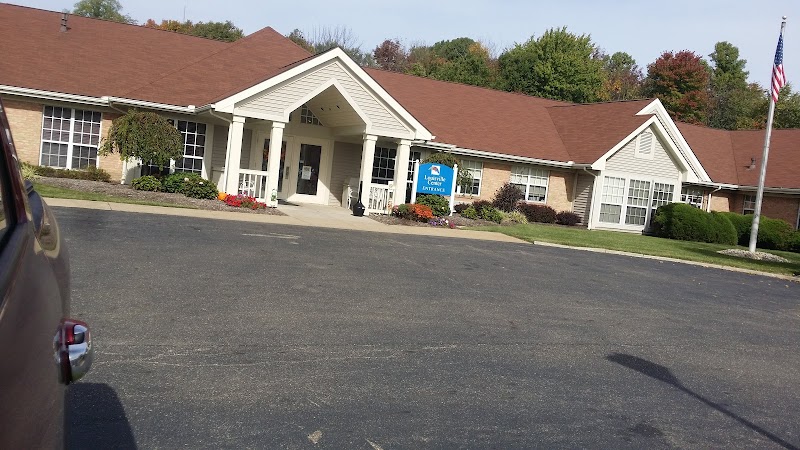
Who Owns and Operates Altercare Of Louisville Ctr For Rehab & Nsg Care?

ALTERCARE OF LOUISVILLE CTR FOR REHAB & NSG CARE is owned by a for-profit company. For-profit facilities operate as businesses with obligations to shareholders or private owners. The facility is operated by ALTERCARE, a chain that manages multiple nursing homes. With 95 certified beds and approximately 67 residents (about 71% occupancy), it is a smaller facility located in LOUISVILLE, Ohio.

How Does Altercare Of Louisville Ctr For Rehab & Nsg Care Compare to Other Ohio Nursing Homes?

Compared to the 100 nursing homes in Ohio, ALTERCARE OF LOUISVILLE CTR FOR REHAB & NSG CARE's overall rating (3 stars) is below the state average of 3.2, staff turnover (57%) is significantly higher than the state average of 46%, and health inspection rating (3 stars) is at the national benchmark.

What Should Families Ask When Visiting Altercare Of Louisville Ctr For Rehab & Nsg Care?

Based on this facility's data, families visiting should ask: "How do you ensure continuity of care given staff turnover, and what is your staff retention strategy?" "Can you walk me through typical staffing levels on day, evening, and night shifts?" "Can I visit during a mealtime to observe dining assistance and food quality?" "How do you handle medical emergencies, and what is your hospital transfer rate?" These questions are particularly relevant given the facility's high staff turnover rate and the below-average staffing rating.

Is Altercare Of Louisville Ctr For Rehab & Nsg Care Safe?

Based on CMS inspection data, ALTERCARE OF LOUISVILLE CTR FOR REHAB & NSG CARE has a clean safety record: no substantiated abuse findings (meaning no confirmed cases of resident harm), no Immediate Jeopardy citations (the most serious violation level indicating risk of serious injury or death), and is not on the Special Focus Facility watch list (a federal program monitoring the lowest-performing 1% of nursing homes). The facility has a 3-star overall rating and ranks #100 of 100 nursing homes in Ohio. While no facility is perfect, families should still ask about staff-to-resident ratios and recent inspection results during their visit.

Do Nurses at Altercare Of Louisville Ctr For Rehab & Nsg Care Stick Around?

Staff turnover at ALTERCARE OF LOUISVILLE CTR FOR REHAB & NSG CARE is high. At 57%, the facility is 11 percentage points above the Ohio average of 46%. High turnover means new staff may not know residents' individual needs, medications, or preferences. It can also be disorienting for residents, especially those with dementia who rely on familiar faces. Families should ask: What is causing the turnover? What retention programs are in place? How do you ensure care continuity during staff transitions?

Was Altercare Of Louisville Ctr For Rehab & Nsg Care Ever Fined?

ALTERCARE OF LOUISVILLE CTR FOR REHAB & NSG CARE has no federal fines on record. CMS issues fines when nursing homes fail to meet care standards or don't correct problems found during inspections. The absence of fines suggests the facility has either maintained compliance or corrected any issues before penalties were assessed. This is a positive indicator, though families should still review recent inspection reports for the full picture.

Is Altercare Of Louisville Ctr For Rehab & Nsg Care on Any Federal Watch List?

ALTERCARE OF LOUISVILLE CTR FOR REHAB & NSG CARE is not on any federal watch list. The most significant is the Special Focus Facility (SFF) program, which identifies the bottom 1% of nursing homes nationally based on persistent, serious quality problems. Not being on this list means the facility has avoided the pattern of deficiencies that triggers enhanced federal oversight. This is a positive indicator, though families should still review the facility's inspection history directly.