GREEN MEADOWS SKILLED NURSING AND REHAB
7770 COLUMBUS ROAD NE, LOUISVILLE, OH 44641 (330) 875-1456
For profit - Limited Liability company 110 Beds Independent Data: November 2025
Trust Grade
50/100
#473 of 913 in OH
Last Inspection: February 2025

Within standard 12-15 month inspection cycle. Federal law requires annual inspections.

Overview

Green Meadows Skilled Nursing and Rehab has a Trust Grade of C, indicating that it is average and sits in the middle of the pack among nursing homes. It ranks #473 out of 913 facilities in Ohio, placing it in the bottom half, and #18 out of 33 in Stark County, meaning there are only a few better local options. The facility is currently worsening, with issues increasing significantly from 2 in 2024 to 19 in 2025. Staffing is rated 2 out of 5 stars, which is below average, with a turnover rate of 54%, slightly above the state average, suggesting that staff may not remain long enough to build strong relationships with residents. The facility has concerning fines of $28,763, higher than 76% of facilities in Ohio, which may indicate ongoing compliance problems. Additionally, RN coverage is average, so while there is some oversight, it may not be as strong as in other facilities. Specific incidents of concern include a failure to assess a resident’s acute health changes, leading to multiple falls and a subsequent hospitalization for a urinary tract infection, and a lack of quality assurance meetings, which could affect all residents. Though there are strengths, such as the facility's quality measures rated at 5 out of 5 stars, the weaknesses highlighted by these issues warrant careful consideration from families researching care options.

Trust Score
C
50/100
In Ohio
#473/913
Bottom 49%
Safety Record
Moderate
Needs review
Inspections
Getting Worse
2 → 19 violations
Staff Stability
⚠ Watch
54% turnover. Above average. Higher turnover means staff may not know residents' routines.
Penalties
✓ Good
$28,763 in fines. Lower than most Ohio facilities. Relatively clean record.
Skilled Nurses
○ Average
Each resident gets 36 minutes of Registered Nurse (RN) attention daily — about average for Ohio. RNs are the most trained staff who monitor for health changes.
Violations
⚠ Watch
47 deficiencies on record. Higher than average. Multiple issues found across inspections.
★★★☆☆
3.0
Overall Rating
★★☆☆☆
2.0
Staff Levels
★★★★★
5.0
Care Quality
★★☆☆☆
2.0
Inspection Score
Stable
2024: 2 issues
2025: 19 issues

The Good

  • 5-Star Quality Measures · Strong clinical quality outcomes
  • Full Sprinkler Coverage · Fire safety systems throughout facility
  • No fines on record

Facility shows strength in quality measures, fire safety.

The Bad

3-Star Overall Rating

Near Ohio average (3.2)

Meets federal standards, typical of most facilities

Staff Turnover: 54%

Near Ohio avg (46%)

Higher turnover may affect care consistency

Federal Fines: $28,763

Below median ($33,413)

Moderate penalties - review what triggered them

The Ugly 47 deficiencies on record

1 actual harm
Feb 2025 19 deficiencies
CONCERN (D)

Potential for Harm - no one hurt, but risky conditions existed

Deficiency F0604 (Tag F0604)

Could have caused harm · This affected 1 resident

**NOTE- TERMS IN BRACKETS HAVE BEEN EDITED TO PROTECT CONFIDENTIALITY** Based on review of the closed medical record, review of facility investigation, interview and review of the facility policy the ...

Read full inspector narrative →
**NOTE- TERMS IN BRACKETS HAVE BEEN EDITED TO PROTECT CONFIDENTIALITY** Based on review of the closed medical record, review of facility investigation, interview and review of the facility policy the facility failed to ensure Resident #82 was free from physical restraints. This affected one resident ( Resident #82) of three reviewed for accidents. Findings included: Review of the closed medical record revealed Resident #82 was admitted to the facility on [DATE]. Diagnoses included metabolic encephalopathy, respiratory failure, iron deficiency anemia, kidney disease, non-ST elevation myocardial infarction, diabetes, pulmonary edema, diabetic neuropathy, hypertension, glaucoma, hyperlipidemia, insomnia, and anxiety disorder. Review of the plan of care dated 11/21/24 with a revision dated of 02/06/25 revealed Resident #82 was at risk for falls related to incontinence, decreased strength and endurance, history of falls, need for activity of daily living assistance, poor balance, and unsteady gait. Interventions included bed alarm, bariatric bed, clear pathways, educate resident and family to call for assistance before transferring, environmental intervention, food and fluids within reach, bed in the lowest position, left chair remote in the pocket to discourage resident from adjusting (approved by the wife), call light within reach, maintain needed items within reach, mat ot the floor beside the bed when occupied, mattress to the open side of the bed, and bolsters to bed to define perimeters. Review of the Five-Day Medicare Minimum Data Set assessment dated [DATE] revealed Resident #82 had intact cognition. He required substantial/maximum assistance for turning and transfers. Physical Therapy Notes dated 01/17/25 revealed Resident #82 was a fall risk. He was legally blind and was weight bearing for only transfers due to bilateral heel ulcers and left toe gangrene. He actively participated with bed mobility. Review of the progress note dated 01/18/25 at 1:00 P.M. revealed staff was passing by the room of Resident #82 and his lift chair was in the high position. Resident #82 was sitting on the floor in front of the chair with the controller in his hand. His range of motion was within normal limits and he denied pain. The staff used a Hoyer lift to put him back to bed. His power of attorney was notified and requested he be sent to the emergency room for a mental status change. Review of the fall occurrence note dated 01/18/25 at 1:06 P.M. revealed Resident #82 was sitting on the floor in front of his lift chair with the recliner in the high position and the controller was in his right hand. The resident stated he did not know what he was doing. The new intervention was to place the lift chair remote in the pocket to discourage him from adjusting. Further review of the medical record revealed no documentation of a restraint assessment for taking the lift chair remote from Resident #82 for a fall intervention. On 02/10/25 at 11:40 A.M. an interview with the Director of Nursing revealed Resident #81's behaviors varied from day to day. She stated he had delusions and tremors on some days and would be able to have a conversation with him other days. She stated they tried several interventions with him, like bringing him out to the nurses station but he would get upset and want to go back to his room. She stated his wife could normally get him to calm down by talking to him but there were days he would not even talk to her. He stated he was able to move himself in the bed and he had therapy services the whole time he was at the facility. She stated he had a lift chair per the wife's request and they did not have any other recliners. She verified they took the remote away for him as an intervention due to he used it to position himself straight up and down in the recliner and he slid to the floor because he did not have the strength to keep himself in the recliner. She stated they would put the remote control in the side pocket on the side of the chair. She stated she did not believe it was a restraint but an interventions to keep him safe from falling out. She stated he was always in the recliner and hardly ever got into his bed. Review of the facility policy titled, Use of Restraints, dated 09/21 revealed restraints would not be used for the safety and well being of the residents and only after other alternatives had been tried unsuccessfully. Residents would only be used to treat the resident's medical conditions and never for disciple or staff convenience or for the preventions of falls. A physical restraint was defined as any manual method, physical, or mechanical device, material or equipment attached or adjacent to the resident's body that the individual cannot remove easily, which restricts freedom of movement or restraints normal access to one's body.
CONCERN (D) 📢 Someone Reported This

A family member, employee, or ombudsman was alarmed enough to file a formal complaint

Potential for Harm - no one hurt, but risky conditions existed

Investigate Abuse (Tag F0610)

Could have caused harm · This affected 1 resident

**NOTE- TERMS IN BRACKETS HAVE BEEN EDITED TO PROTECT CONFIDENTIALITY** Based on review of a Self Reported Incident (SRI) with the facility's investigation, policy review, medical record review, and i...

Read full inspector narrative →
**NOTE- TERMS IN BRACKETS HAVE BEEN EDITED TO PROTECT CONFIDENTIALITY** Based on review of a Self Reported Incident (SRI) with the facility's investigation, policy review, medical record review, and interview, the facility failed to ensure protection of a resident during an investigation of emotional/verbal abuse and the facility failed to ensure a thorough investigation was completed into allegations of verbal/emotional abuse. This affected one (Resident #188) of two residents reviewed for abuse. Findings include: Review of Resident #188's closed medical record revealed diagnoses including systemic lupus erythematosus (lupus that affects multiple organs and systems), osteomyelitis (infection of the bone) of the left ankle and foot, right sided weakness following a stroke, stage four kidney disease and heart disease. An admission Minimum Data Set (MDS) dated [DATE] indicated Resident #188 was able to make himself understood, was able to understand others, was cognitively intact, and exhibited no behavioral symptoms. A nursing note dated 09/25/24 at 4:50 A.M. indicated a phlebotomist reported Resident #188 was aggressive with her when attempting to draw blood. The phlebotomist reported Resident #188 requested she use a butterfly needle and she explained he did not need a butterfly needle. Resident #188 yelled at the phlebotomist and used explicit language. The note indicated Registered Nurse (RN) #439 attempted to discuss the importance of lab tests and Resident #188 responded he did not need to have the laboratory tests done. Review of SRI #252856 revealed on 10/11/24 at approximately 7:00 A.M. a state survey agency surveyor reported Resident #188 alleged verbal abuse, telling the surveyor a nurse (later identified as RN #439) told him to stop being a cry baby. The report indicated the nurse was not in the facility at the time of the allegation. Registered Nurse (RN) #439 was contacted and immediately suspended pending investigation. Review of the facility's investigation revealed a typed statement signed by the Director of Nursing (DON) which indicated RN #439 was interviewed on 10/11/24 and stated on 09/25/24 Resident #188 could be heard yelling profanities down the hallway. Upon entering the room, Resident #188 was yelling at the phlebotomist to get out of his room and stating the phlebotomist was not going to touch him. Resident #188 proceeded to yell and be verbally aggressive with RN #439 when attempting to redirect and calm him. RN #439 stated she left the room after ensuring Resident #188 was safe. RN #439 denied calling Resident #188 a cry baby or speaking disrespectfully to him. Review of time punches and schedules revealed RN #439 worked night shift on 10/11/24, 10/12/24, and 10/13/24. Review of typed statements dated 10/16/24 indicated Certified Nursing Assistant (CNA) #356 and CNA #398 were interviewed because they worked the shift RN #439 identified during her interview. Both statements revealed they had not witnessed RN #439 call Resident #188 a cry baby or be verbally abusive to him. The final report of the facility's investigation was dated 10/16/24. On 02/06/25 at 3:28 P.M., RN #439 stated she was interviewed regarding anything unusual that occurred with Resident #188 and she reported Resident #188 refused to have his blood drawn for laboratory tests and he got belligerent with her. RN #439 stated she was also trying to obtain vital signs for dialysis. RN #439 stated she was encouraging Resident #188 to have the blood drawn and Resident #188 got upset and kicked her out of his room. A couple weeks later after Resident #188 filed a complaint was when management counseled her not to argue with residents and she was told not to interact with Resident #188. RN #439 stated she believed Resident #188 might have misinterpreted something that was said. RN #439 stated she reported the incident to the Director of Nursing (DON) right after the situation occurred. RN #439 denied she was suspended or missed any work but was counseled before her shift started. On 02/10/25 at 9:59 A.M., the Administrator stated after the allegation was reported on 10/11/24 the DON spoke to Resident #188 and he denied abuse although no statement was written regarding an interview being conducted. The Administrator verified RN #439 was permitted to work on 10/11/24, 10/12/24 and 10/13/24 while she waited for the certified nursing assistants to call back and provide witness statements. Review of the facility's Abuse Investigation and Reporting policy (dated September 2021) revealed the Administrator would suspend immediately any employee who had been accused of resident abuse, pending the outcome of the investigation. b. During the entrance conference held with the Administrator and Director of Nursing (DON) on 02/03/25 the facility's investigation into the allegation was requested. Review of the facility investigation information provided revealed a copy of the SRI, a copy of Resident #188's face sheet, a print out of nursing notes on 09/25/24 at 12:15 A. M, 12:34 A. M, and 4:50 A. M, a printed statement for an interview of RN #439 signed by the DON and 13 forms indicated residents were interviewed to ask if they knew who RN #439 was and if they had any issues with her. There was no documented interview of Resident #188 or other staff who could have potentially been a witness or the phlebotomist. On 02/05/25 at 1:55 P.M., the Administrator stated she had attempted to call Laboratory representative #503 so she could interview the phlebotomist but never got a response. The Administrator verified she had documented no attempts to contact the lab and could not provide any dates or times. On 02/05/25 at 2:07 P.M., a message was left for Laboratory Representative #503 requesting a return call. A return call was received at 3:26 P.M. Laboratory Representative #503 reported the phlebotomist who visited the facility to draw labs on 09/25/24 no longer worked for the lab but was a mandated reported and she was not aware of any reports of abuse against the facility. However, she would not get the reports directly. On 02/05/25 at 4:45 P.M. the DON was interviewed regarding the lack of interviews of any additional staff who may have been potential witness to abuse being interviewed. The DON stated she spoke with the Administrator who stated she needed time to search through other SRIs to determine if staff interviews might have been placed in the wrong folder. On 02/05/25 at 5:13 P.M., the DON provided undated papers she stated were sign in sheets for education done after the incident was reported and typed statements indicating Certified Nursing Assistants (CNAs) #356 and #398 were interviewed. Neither of the CNA interviews were signed. On 02/05/25 at 5:17 P.M., the Administrator stated she took CNA #356 and CNA #398's statements over the phone. The Administrator stated she generally spoke to staff and wrote their statements out for them because some staff did not write well. The Administrator verified the statements were not reviewed by staff or signed by them to verify accuracy. On 02/06/25 at 9:45 A.M., the Administrator verified there was no documentation of an interview with Resident #188 being conducted but stated she knew the DON had spoken to Resident #188. On 02/06/25 at 12:46 P.M., CNA #356 reported Resident #188 and RN #439 got into it at various times, one time regarding medication. Resident #188 could be very stern. CNA #356 denied anybody had ever questioned her about Resident #188 or RN #439. CNA #356 denied any knowledge of abuse. On 02/06/25 at 12:58 P.M., the DON stated after receiving the allegation of abuse, she went and spoke with Resident #188. When asked if he had problems with RN #439, Resident #188 responded no black person was going to draw his blood and RN #439 was telling him he just needed to let the phlebotomist draw his blood. On 02/10/25 at 9:07 A.M., the Administrator verified the lack of documentation of an interview with Resident #188 made it difficult to verify the incident occurred at the time of the phlebotomist blood draw or if it was an entirely separate incident in which a staff member called Resident #188 a cry baby. The Administrator verified she had not had staff review/sign their statements and did not interview any additional staff to determine if they had any additional information. Review of the facility's Abuse Investigation and Reporting policy (dated September 2021) indicated all reports of resident abuse or mistreatment should be promptly reported to local, state and federal agencies and thoroughly investigated by facility management. If an incident or suspected incident of resident abuse, mistreatment, neglect or injury of unknown source was reported, the Administrator would assign the investigation to an appropriate individual. The policy indicated the individual conducting the investigation would, at a minimum, interview any witness to the incident, interview the resident, and interview staff members on all shifts who had contact with the resident during the period of the alleged incident. Witness reports would be obtained in writing. Either the witness would write his/her statement and sign and date it, or the investigator might obtain a statement, read it back to the member and have him/her sign and date it. This deficiency represents non-compliance investigated under Complaint Number OH00161264.
CONCERN (D)

Potential for Harm - no one hurt, but risky conditions existed

Deficiency F0637 (Tag F0637)

Could have caused harm · This affected 1 resident

**NOTE- TERMS IN BRACKETS HAVE BEEN EDITED TO PROTECT CONFIDENTIALITY** Based on review of the medical record and interview with the staff the facility failed to ensure a Significant Change assessment...

Read full inspector narrative →
**NOTE- TERMS IN BRACKETS HAVE BEEN EDITED TO PROTECT CONFIDENTIALITY** Based on review of the medical record and interview with the staff the facility failed to ensure a Significant Change assessment was completed for Resident #2 after initiating hospice services. This affected one resident (Resident #2) of 26 residents reviewed for comprehensive assessments. Findings included: Review of the medical record revealed Resident #2 was admitted to the facility on [DATE]. Diagnoses included cerebral infarction, protein-calorie malnutrition, history of falling, kidney disease, vitamin D deficiency, hypothyroidism, hypertension, atherosclerotic heart disease, hyperlipidemia, osteoarthritis, hypotension, depression, anxiety disorder, heart failure, anemia, and edema. Review of the February 2025 physician's orders revealed Resident #2 had an order for hospice dated 01/12/25. Further review of the medical record revealed there was no evidence of a Significant Change Minimum Data Set assessment completed within 14-days of receiving hospice services for Resident #2. On 02/10/25 at 10:08 A.M. an interview with the Director of Nursing confirmed there was no significant change Minimum Data Set assessment completed within 14-day of hospice initiation for Resident #2.
CONCERN (D)

Potential for Harm - no one hurt, but risky conditions existed

Assessment Accuracy (Tag F0641)

Could have caused harm · This affected 1 resident

**NOTE- TERMS IN BRACKETS HAVE BEEN EDITED TO PROTECT CONFIDENTIALITY** Based on review of the medical record and interview with the staff the facility failed to ensure the comprehensive assessment ac...

Read full inspector narrative →
**NOTE- TERMS IN BRACKETS HAVE BEEN EDITED TO PROTECT CONFIDENTIALITY** Based on review of the medical record and interview with the staff the facility failed to ensure the comprehensive assessment accurately reflected a pressure ulcer for Resident #82 and correct hearing status and anti-anxiety medication use for Resident #44. This affected two residents ( Resident #44 and #82) of 26 residents reviewed for comprehensive assessments. Findings included: 1. Review of the medical record revealed Resident #82 was admitted to the facility on [DATE]. Diagnoses included metabolic encephalopathy, respiratory failure, iron deficiency anemia, kidney disease, non-ST elevation myocardial infarction, diabetes, pulmonary edema, diabetic neuropathy, hypertension, glaucoma, hyperlipidemia, insomnia, and anxiety disorder. Review of the wound evaluation note dated 11/21/24 at 2:14 P.M. revealed Resident # 82 was admitted with a Stage III pressure ulcer to the sacrum. Review of the admission Minimum Data Set (MDS) assessment dated [DATE] revealed Resident #82 did not have a pressure ulcer. Review of the Discharge Medicare MDS assessment dated [DATE] revealed Resident #82 did not have a pressure ulcer. On 02/06/25 at 3:20 P.M. an interview with the Director of Nursing confirmed the admission Minimum Data Set (MDS) assessment dated [DATE] and the Discharge MDS assessment dated [DATE] were coded incorrectly indicating Resident #82 did not have a pressure ulcer despite having a pressure ulcer present on admission and discharge. 2. Review of the medical record for Resident #44 revealed the resident was admitted to the facility on [DATE]. Medical diagnoses included recurrent major depressive disorder, anxiety disorder, mild neurocognitive disorder due to known physiological condition with behavioral disturbance, and end stage renal disease. Review of an audiology consult note dated 03/06/24 revealed Resident #44 was referred by the facility due to decreased hearing. The audiology note stated Resident #44's right ear had profound hearing loss and the left ear had moderately severe high frequency sensorineural hearing loss (a type of hearing loss that occurs due to inner ear damage or auditory nerve issues). Review of Resident #44's physician's orders identified orders for Ativan (lorazepam) 0.5 milligram (mg) one tablet by mouth in the morning every Monday, Wednesday, and Friday, for anxiety/agitation related to anxiety disorder (ordered 10/23/24). Review of Resident #44's medication administration record (MAR) revealed Ativan was administered on 12/18/24, 12/20/24, and 12/23/24, Review of the Minimum Data Set (MDS) 3.0 assessment, dated 12/23/24, indicated Resident #44 did not receive any anti-anxiety medication and hearing was assessed as adequate. Interview on 02/03/25 10:34 A.M. with Resident #44 stated they were having increased hearing difficulties. Interview on 02/06/25 at 3:22 P.M. with the Director of Nursing (DON) verified Resident #44's MDS assessment did not accurately reflect the resident taking an anti-anxiety medication or reflect the resident's hearing loss that was indicated on the audiology notes.
CONCERN (D)

Potential for Harm - no one hurt, but risky conditions existed

Comprehensive Care Plan (Tag F0656)

Could have caused harm · This affected 1 resident

**NOTE- TERMS IN BRACKETS HAVE BEEN EDITED TO PROTECT CONFIDENTIALITY** 2. Review of Resident #71's medical record revealed diagnoses including cerebral infarction, type two diabetes mellitus, depress...

Read full inspector narrative →
**NOTE- TERMS IN BRACKETS HAVE BEEN EDITED TO PROTECT CONFIDENTIALITY** 2. Review of Resident #71's medical record revealed diagnoses including cerebral infarction, type two diabetes mellitus, depression, migraine, hypertension, hyperlipidemia, hypothyroidism, anxiety disorder, delusional disorder, osteoporosis, and constipation. A quarterly Minimum Data Set (MDS) assessment dated [DATE] indicated Resident #71 was cognitively intact and able to make herself understood. Review of physician orders revealed the following medications for constipation and/or diarrhea were ordered: -miralax 17 grams every 24 hours as needed for constipation with a start date of 06/04/24. The January 2025 Medication Administration Record (MAR) revealed one dose was administered on 01/18/25. -milk of magnesia 30 milliliters every 24 hours as needed for constipation at bedtime if no bowel movement in three consecutive days with a start date of 09/27/24. The January 2025 MAR revealed one dose was administered on 01/14/25 which was ineffective. -bisacodyl laxative suppository 10 milligrams (mg) every 24 hours as needed for constipation at bedtime if no bowel movement after Milk of Magnesia was administered with a start date of 05/30/24 -mineral oil enema 118 milliliters (ml) every 24 hours as needed for constipation every day if no bowel movement after receiving a suppository. If no bowel movement within one hour of receiving the enema notify the physician. The start date was 05/30/24. - imodium A-D two tablets every six hours as needed for diarrhea with two caplets administered after the first loose stool, one caplet after each subsequent loose stool but no more than four caplets in 24 hours with a start date of 01/08/25. The January 2025 MAR revealed one dose was administered on 01/08/25. The February 2025 MAR revealed one dose was administered on 02/01/25 and on 02/02/25. No care plan was located regarding constipation. On 02/03/25 at 1:49 P.M., Resident #71 reported she had problems with constipation and sometimes went four to six days before she was able to have a bowel movement . Resident #71 stated this was not a new problem. While at home she used a little round pill. On 02/06/25 at 7:53 A.M., Certified Nursing Assistant (CNA) #436 stated Resident #71 required assistance to stand and pivot as she did not have use of one side of her body. Resident #71 also required assistance with toileting and was able to wipe herself. However, staff had to finish cleaning her. Resident #71 complained diarrhea at times and would ask for medicine to help her bowels move then Resident #71's daughter would request she be given medication for diarrhea. On 02/10/25 at 10:15 A.M., the Director of Nursing (DON) verified although Resident #71 had complaints of constipation and diarrhea, there was no care plan addressing gastrointestinal concerns (constipation and/or diarrhea). Based on record review and interview, the facility failed to develop a comprehensive care plan to include hearing loss and monitoring the correct dialysis access for Resident #44, constipation and diarrhea for Resident #71, and oxygen use for Resident #67. This affected three residents (#44, #67, and #71) of 26 resident records reviewed. The facility census was 89. Findings include: 1. Review of the medical record for Resident #67 revealed an admission date of 05/24/24 with diagnoses including pulmonary embolism, heart failure, hypertension, and type two diabetes mellitus. Review of the physician's orders for February 2025 identified no orders for oxygen use or maintenance of oxygen equipment. Review of Resident #67's care plan, last reviewed 12/10/24, revealed there was no plan of care for oxygen use. On 02/03/25 at 11:04 A.M., observation of Resident #67 revealed he was receiving oxygen via nasal cannula. On 02/03/25 at 11:06 A.M., interview with Licensed Practical Nurse (LPN) #384 confirmed Resident #67 was receiving oxygen. On 02/04/25 at 10:46 A.M., observation of Resident #67 revealed he was receiving oxygen via nasal cannula. On 02/10/25 at 11:12 A.M., interview with the Director of Nursing (DON) confirmed there were no orders or care plan for oxygen use for Resident #67. 3. Review of Resident's #44 medical record revealed the resident was admitted to the facility on [DATE]. Medical diagnoses included recurrent major depressive disorder, anxiety disorder, mild neurocognitive disorder due to known physiological condition with behavioral disturbance, and end stage renal disease. Review of the audiology notes revealed Resident #44 had impacted (hard) ear wax removal from the right ear on 08/10/23, impacted ear wax removal from both ears on 10/16/23, profound hearing loss in the right ear on 03/26/24, and moderately severe high frequency sensorineural hearing loss (a type of hearing loss that occurs due to inner ear damage or auditory nerve issues) in the left ear on 03/26/24. Review of Resident #44's care plan, last reviewed on 01/09/25, revealed no focus areas, goals, or interventions for hearing loss or reversible hearing loss. Further review of the care plan revealed a goal for monitoring a dialysis catheter port for signs and symptoms of infection and there was no goal for monitoring the left upper arm fistula (a type of dialysis access which is a surgical joining of a vein and an artery). Review of the dialysis communication report dated 02/02/25 indicated Resident #44 had a left upper arm fistula that was the dialysis access site in use. Interview on 02/03/25 10:34 A.M. with Resident #44 stated they were having increased hearing difficulties. During the interview, the resident frequently was unable to hear questions and needed multiple questions repeated due to not being able to hear the questions. Interview on 02/05/25 at 3:21 P.M. with the Director of Nursing (DON) verified Resident #44's hearing impairment wasn't addressed in the comprehensive care plan. The DON confirmed Resident #44's care plan indicated the resident had a dialysis catheter and did not include monitoring the left upper arm fistula for signs and symptoms of infection. Interview on 02/06/25 at 3:29 P.M. with the DON verified Resident #44 had a left upper arm fistula and did not have a dialysis catheter. Interview on 02/10/25 at 10:44 A.M. with Assistant Director of Nursing #336 confirmed the audiology notes indicated Resident #44 had profound hearing loss and multiple procedures for impacted ear wax removal.
CONCERN (D) 📢 Someone Reported This

A family member, employee, or ombudsman was alarmed enough to file a formal complaint

Potential for Harm - no one hurt, but risky conditions existed

Accident Prevention (Tag F0689)

Could have caused harm · This affected 1 resident

Based on observations, interviews, record review, and facility policy review, the facility failed to ensure Resident #55's doorway was free from potential fall hazards. This affected one (#55) residen...

Read full inspector narrative →
Based on observations, interviews, record review, and facility policy review, the facility failed to ensure Resident #55's doorway was free from potential fall hazards. This affected one (#55) resident of three residents reviewed for accidents. The facility census was 89. Findings include: Review of medical record for Resident #55 revealed an admission date of 06/15/23. Diagnoses included Alzheimer's disease, chronic obstructive pulmonary disease (COPD), unspecified dementia, malignant neoplasm of bladder (bladder cancer), benign prostatic hyperplasia (BPH) with lower urinary tract symptoms (enlarged prostate), and major depressive disorder. The resident was at moderate risk of falling. Review of Resident #55's quarterly Material Data Set (MDS) assessment revealed the resident was severely impaired cognitively; exhibited inattention behavior, which was continuously present and did not fluctuate; rejected care daily; used a walker and could walk up to 150 feet with supervision or touch assistance from staff; and had no falls since prior assessment. Further review of Resident #55's medical record revealed a psychiatric note, dated 12/03/24, which indicated the resident was in his room most of the time, but he would come out to walk with his walker at times. Review of Resident #55's care plan, initiated on 06/20/23, revealed the resident was at risk for falls related to incontinence at times, COPD, BPH, depression, would forget to ring the call light, and had an unsteady gait with a goal to minimize risk for falls/minimize injuries related to falls through next review. Interventions included implement preventative fall interventions/devices. Observation on 02/03/25 at 10:09 A.M. revealed a yellow square plastic basin sitting on the floor of the hallway with a wet floor sign sitting next to the basin, which was blocking part of Resident #55's doorway. The basin appeared to be collecting water from a ceiling leak. Interview on 02/03/25 at 12:32 P.M. with Responsible Party of Resident #55 revealed the last time she visited the resident about two weeks ago, there was a basin on the floor collecting water outside his room. Observation on 02/04/25 at 11:04 A.M. revealed the yellow plastic basin remained on the hallway floor with a caution wet floor sign observed sitting to the left of the sign right outside Resident #55's door. Interview on 02/04/25 at 11:31 A.M. with Licensed Practical Nurse (LPN) #347 revealed the basin had been there for a couple months and confirmed Resident #55 would come out of his room with his rollator and the basin on the floor outside of Resident #55's room was a fall hazard, but no residents had tripped on it. Interview on 02/04/25 at 2:17 P.M. with Certified Nursing Assistant (CNA) #433 revealed the drip pan had been there for months. She stated Resident #55 used a rollator and would have to maneuver the rollator around the yellow basin to leave his room. Observation on 02/05/25 at 11:31 A.M. revealed the yellow basin and the wet floor sign had been removed from the hallway floor outside Resident #55's doorway. Interview at the time of observation with Resident #55 revealed he was unsure how long the yellow basin and wet floor sign had been outside his room. He stated he was able to leave his room by maneuvering his rollator around the sign and basin, which had been sitting on the hallway floor just outside his room. Observations on 02/05/24 during an environmental tour from 1:35 P.M. to 1:47 P.M. with Maintenance Supervisor (MS) #373 revealed the yellow basin and wet floor sign had been removed from the hallway outside Resident #55's room. Interview at the time of observation with MS #373 confirmed the yellow basin and wet floor sign had been removed that morning since the ceiling was no longer leaking. He stated the roof above the hallway outside Resident #55's room had sprung a small leak, which he thought he had fixed but the leak continued. He stated he never called a roofer to come in and fix the leak and stated the leak had been going on and off for about a month or two. Review of facility policy Falls, dated September 2021, revealed the staff would identify interventions to reduce the risk of falls. This deficiency represents non-compliance investigated under Complaint Number OH00161264.
CONCERN (D) 📢 Someone Reported This

A family member, employee, or ombudsman was alarmed enough to file a formal complaint

Potential for Harm - no one hurt, but risky conditions existed

Deficiency F0692 (Tag F0692)

Could have caused harm · This affected 1 resident

Based on observation, interviews, record review, manufacturer's instructions, and facility policy review, the facility failed to ensure Resident #42 received nectar thick liquids as ordered. This affe...

Read full inspector narrative →
Based on observation, interviews, record review, manufacturer's instructions, and facility policy review, the facility failed to ensure Resident #42 received nectar thick liquids as ordered. This affected one resident (#42); however, it had the potential to affect seven residents (#1, #30, #35, #42, #43, #50, #63) the facility identified as being on a thickened liquids. The facility census was 89. Findings include: Review of medical chart for Resident #42 revealed an admission date of 07/26/23. Diagnoses included altered mental status, oropharyngeal dysphagia (difficulty swallowing), dementia, schizophrenia (a mental health condition which may result in a mix of hallucinations, delusions, disorganized thinking and behavior), and legal blindness. Review of speech therapy evaluation and plan of treatment for Resident #42, signed 05/15/24, revealed the resident had been referred to speech therapy due to coughing/choking during oral intake, pneumonia, prolonged mastication with solids, and signs/symptoms of dysphagia. Clinical bedside assessment of swallowing revealed Resident #42 coughed one time on thin liquids and swallowing status was normal for mildly thick liquids. Review of care plan, created on 05/15/24, revealed Resident #42 was at altered nutritional status related to dementia and schizophrenia. Interventions included provide meals/snacks/fluids based on resident preferences and physician orders. Review of Resident #42's physician orders revealed an order dated 06/24/24 for regular diet, mechanical soft texture, nectar thick consistency diet. Review of speech therapy discharge summary for Resident #42, signed 06/28/24, revealed the resident had received speech therapy services from 05/15/24 to 06/28/24 and it was recommended the resident receive minced and moist diet consistency and slightly thick liquids (nectar thick). Review of Resident #42's quarterly Minimum Data Set (MDS) assessment, dated 11/15/24, revealed the resident was severely impaired cognitively, exhibited inattention and disorganized thinking behavior continuously which did not fluctuate, required supervision or touch assistance from staff for eating, and was on a mechanically altered diet. Review of Hormel Thick and Easy factory instructions printed on the canister revealed to achieve a mildly thick (nectar consistency) for eight ounces of coffee, two tablespoons and one and a half teaspoons of the product should be added to the liquid. Staff should then stir with a spoon or fork for approximately 15 to 30 seconds and allow one to four minutes for the beverage to reach desired thickness. Observation on 02/03/25 at 11:29 A.M. revealed the coffee on Resident #42's lunch's meal tray was not nectar thick consistency, it was too thin. Certified Nursing Assistant #368 confirmed she had added one and a half tablespoons of thickener to Resident #42's eight ounce mug of coffee and after reading the manufacturer's thickening chart on the canister, she confirmed she hadn't added enough thickening product to the coffee to achieve nectar consistency and then proceeded to add additional thickener to the coffee to achieve the appropriate nectar consistency. Interview on 02/04/25 at 10:21 A.M. with Speech Language Pathologist (SLP) #445 revealed the staff would need to follow the directions on the back of the Hormel Thick and Easy container for mildly thick liquids to achieve a nectar thick consistency. She indicated if the liquids were not thick enough for a resident requiring nectar thick liquids, the resident could develop potential signs and symptoms of pharyngeal dysphagia. Interview on 02/04/25 at 11:26 A.M. with Certified Nursing Assistant (CNA) #390 revealed she also had been adding one and a half tablespoons of the thickening powder to a mug of coffee to achieve nectar thick consistency. Interview on 02/04/25 at 4:44 P.M. with Licensed Practical Nurse (LPN) #347 revealed Resident #42 was on nectar thick liquids. Most of the nectar liquids came from the kitchen prethickened; however, the staff on the floor had to thicken the coffee. After reviewing the Hormel Thick and Easy thickener mixing chart on 02/06/25 at 11:46 A.M. with SLP #444, the speech therapist stated for an eight-ounce cup of coffee, two tablespoons and one and a half teaspoons of the thickener powder would be needed to achieve nectar consistency. She confirmed using one and a half tablespoons of thickener for eight ounces of coffee would achieve a liquid consistency too thin to be considered nectar thick. Review of facility policy Therapeutic Diets, dated 09/01/21, revealed mechanically altered diets, as well as diets modified for medical or nutritional needs, would be considered therapeutic diets, and the facility would ensure each resident received the diet as ordered. This deficiency represents non-compliance investigated under Complaint Number OH00161651.
CONCERN (D)

Potential for Harm - no one hurt, but risky conditions existed

Respiratory Care (Tag F0695)

Could have caused harm · This affected 1 resident

**NOTE- TERMS IN BRACKETS HAVE BEEN EDITED TO PROTECT CONFIDENTIALITY** 2. Review of the medical record revealed Resident #2 was admitted to the facility on [DATE]. Diagnoses included cerebral infarct...

Read full inspector narrative →
**NOTE- TERMS IN BRACKETS HAVE BEEN EDITED TO PROTECT CONFIDENTIALITY** 2. Review of the medical record revealed Resident #2 was admitted to the facility on [DATE]. Diagnoses included cerebral infarction, protein-calorie malnutrition, history of falling, kidney disease, vitamin D deficiency, hypothyroidism, hypertension, atherosclerotic heart disease, hyperlipidemia, osteoarthritis, hypotension, depression, anxiety disorder, heart failure, anemia, and edema. Observation on 02/03/35 at 10;20 A.M. revealed the portable oxygen tank nasal cannula was hanging on the back of the wheelchair for Resident #2 not in a protective bag. On 02/03/25 at 10:30 A.M. an interview with the Director of Nursing verified the portable oxygen tank nasal cannula was hanging on the back of the wheelchair for Resident #2 not in a protective bag. Based on observation, record review, and interview, the facility failed to ensure Resident #67 had physician's orders for oxygen use, oxygen tubing was dated at the time it was changed, and administration of oxygen was documented in the medical record at the time of each administration and Resident #2's oxygen cannula was stored properly. This affected two residents (#2 and #67) of three residents reviewed for respiratory care. The facility census was 89. Findings include: 1. Review of the medical record for Resident #67 revealed an admission date of 05/24/24 with diagnoses including pulmonary embolism, heart failure, hypertension, and type two diabetes mellitus. Review of Resident #67's care plan, last reviewed 12/10/24, revealed there was no plan of care for oxygen use. Review of the physician's orders for February 2025 identified no orders for oxygen use or maintenance of oxygen equipment. Review of the medication administration record, vital signs, assessments, and progress notes for February 2025 revealed there was no documentation for the administration of oxygen via nasal cannula on 02/03/25 and 02/04/25. On 02/03/25 at 11:04 A.M., observation of Resident #67 revealed he was receiving oxygen via nasal cannula and the oxygen tubing was not dated. On 02/03/25 at 11:06 A.M., interview with Licensed Practical Nurse (LPN) #384 confirmed Resident #67 was receiving oxygen and there was no date on the oxygen tubing to indicate when it was changed. On 02/04/25 at 10:46 A.M., observation of Resident #67 revealed he was receiving oxygen via nasal cannula. On 02/10/25 at 11:12 A.M., interview with the Director of Nursing (DON) confirmed there were no orders or care plan for oxygen use for Resident #67. Review of the facility's policy for oxygen administration, dated 09/2021, revealed the need for oxygen would be determined by a physician's order.
CONCERN (D)

Potential for Harm - no one hurt, but risky conditions existed

Deficiency F0698 (Tag F0698)

Could have caused harm · This affected 1 resident

Based on record review, review of the facility's dialysis contract, and interview, the facility failed to monitor vital signs and weights before and after dialysis for Residents #52 and #239, and fail...

Read full inspector narrative →
Based on record review, review of the facility's dialysis contract, and interview, the facility failed to monitor vital signs and weights before and after dialysis for Residents #52 and #239, and failed to maintain adequate communication with the outside dialysis center for Resident #239. This affected two residents (#52 and #239) of three reviewed for dialysis. The facility census was 89. Findings include: 1. Review of the medical record for Resident #52 revealed an admission date of 01/17/24 with diagnoses including end-stage renal disease, type two diabetes mellitus, dependence on renal dialysis, and heart failure. Review of the physician's orders for February 2025 identified orders for hemodialysis three times weekly on Monday, Wednesday and Friday at the in-facility dialysis center. Review of the dialysis communication reports for Resident #52 revealed pre-dialysis vital signs were not documented on 03/20/24, there was no dialysis communication form for 04/08/24, post-dialysis vital signs were not documented on 04/19/24, pre-dialysis weight and post-dialysis weight were not documented on 04/26/24, pre-dialysis vital signs were not documented on 06/10/24, pre-dialysis vital signs were not documented on 08/14/24, pre-dialysis vital signs were not documented on 08/28/24, pre-dialysis vital signs were not documented on 09/25/24, pre-dialysis vital signs were not documented on 10/28/24, and pre-dialysis vital signs were not documented on 12/24/24. Review of the vital signs recorded in the electronic health record revealed the following: - On 03/20/24, there was no documented oxygen saturation level, pulse, respiration rate, temperature, or weight. - On 04/08/24, there was no documented oxygen saturation level, pulse, respiration rate, temperature, weight, or pre-dialysis blood pressure. - On 04/19/24, there was no documented oxygen saturation level, pulse, respiration rate, temperature, or weight. - On 04/26/24, there was no documented weight. - On 06/10/24, there was no documented oxygen saturation level, pulse, respiration rate, temperature, weight, or blood pressure. - On 08/14/24, there was no documented oxygen saturation level, pulse, respiration rate, temperature, weight, or blood pressure. - On 08/28/24, there was no documented oxygen saturation level, pulse, respiration rate, temperature, weight, or blood pressure. - On 09/25/24, there was no documented oxygen saturation level, pulse, respiration rate, temperature, weight, or blood pressure. - On 10/28/24, there was no documented oxygen saturation level, pulse, respiration rate, temperature, weight, or blood pressure. - On 12/24/24, there was no documented oxygen saturation level, pulse, respiration rate, temperature, weight, or blood pressure. On 02/05/25 at 9:04 A.M., interview with the Director of Nursing (DON) verified vital signs were not documented on every dialysis day for Resident #52. Review of the facility's dialysis services and coordination agreement, dated 09/01/22, revealed facility staff were required to provide a dialysis communications form upon bringing residents to the dialysis center. Facility staff were required to list the resident's most recent vital signs, current weight, mental status, any change in condition since the previous dialysis treatment, and new medications. 2. Review of the medical record for Resident #239 revealed an admission date of 01/13/25 with diagnoses including end-stage renal disease, type two diabetes mellitus, dependence on renal dialysis, and hypertension. Review of the physician's orders for February 2025 identified orders for dialysis every Tuesday, Thursday and Saturday and to obtain vital signs prior to and upon return from dialysis. Review of the dialysis communication forms revealed there was pre-dialysis weight or post-dialysis vitals recorded on 01/14/25, and there were no communication forms between the facility and the outside dialysis center on 01/18/25, 01/21/25, 01/23/25, 01/25/25, 01/28/25, and 01/30/25. Review of the vital signs recorded in the electronic health record revealed the following: - On 01/18/25, there was no documented pre-dialysis oxygen saturation level, pulse, respiration rate, temperature, weight, or blood pressure. - On 01/21/25, there was no documented pre-dialysis weight. - On 01/23/25, there was no documented pre-dialysis or post-dialysis weight. - On 01/25/25, there was no documented pre-dialysis or post-dialysis weight, and no documented post-dialysis oxygen saturation level, pulse, respiration rate, temperature, weight, or blood pressure. - On 01/28/25, there was no documented pre-dialysis oxygen saturation level, pulse, respiration rate, temperature, weight, or blood pressure, and no documented post-dialysis weight. - On 01/30/25, there was no documented pre-dialysis or post-dialysis blood pressure or weight, and there was no documented post-dialysis oxygen saturation level, pulse, respiration rate, or temperature. Review of the progress notes for January 2025 and February 2025 revealed two progress notes, dated 02/04/25 at 8:35 A.M. and 02/04/25 at 9:26 A.M., that the dialysis center was notified Resident #239 was being transferred to the hospital and would not be attending dialysis that date. There was no other documented communication between the facility and the dialysis center. On 02/05/25 at 3:55 P.M., interview with the Director of Nursing (DON) stated Resident #239's dialysis center did not always send the dialysis communication forms back to the facility. On 02/05/25 at 4:40 P.M., interview with the DON verified the facility did not have dialysis communication forms for Resident #239 for all dialysis days. On 02/06/25 at 9:56 A.M., interview with Dialysis Administrative Assistant #520 stated dialysis communication forms were not always sent with residents to dialysis and even if they were, they were not always completed by dialysis staff after each dialysis treatment.
CONCERN (D) 📢 Someone Reported This

A family member, employee, or ombudsman was alarmed enough to file a formal complaint

Potential for Harm - no one hurt, but risky conditions existed

Deficiency F0757 (Tag F0757)

Could have caused harm · This affected 1 resident

**NOTE- TERMS IN BRACKETS HAVE BEEN EDITED TO PROTECT CONFIDENTIALITY** Based on record review, interviews, and facility policy review, the facility failed to ensure narcotic pain medications were pro...

Read full inspector narrative →
**NOTE- TERMS IN BRACKETS HAVE BEEN EDITED TO PROTECT CONFIDENTIALITY** Based on record review, interviews, and facility policy review, the facility failed to ensure narcotic pain medications were provided according to physician orders and non-pharmacologic pain relief interventions were encouraged prior to medication administration. This affected one resident (#14) of five residents reviewed for unnecessary medications. The facility census was 89. Findings include: Review of medical record for Resident #14 revealed an admission date of 10/27/20. Diagnoses included end stage renal disease (ESRD) with dependence on dialysis, muscle weakness, spondylolisthesis of thoracolumbar region( a condition where a vertebra slips out of alignment and presses on the vertebra below it which can put pressure on nerves around spine and cause back pain), osteoarthritis (a condition where the protective cartilage that cushions the end of bone wears down over time which can cause pain) of right knee, hydronephrosis with renal and ureteral calculous obstruction ( a condition where urine builds up in a kidney stone due to a blockage), generalized osteoarthritis, and chronic gout ( a form of arthritis characterized by sudden, severe attacks of pain, swelling, redness and tenderness in one or more joints). Review of care plan initiated on 10/23/22 revealed Resident #14 had a potential for pain related to end stage renal disease with dialysis status. Interventions included administering medications per physician orders. Review of Resident #14's modification of annual Minimum Data Set (MDS), dated [DATE], revealed the resident was cognitively intact, and during the assessment reference period had not received routine pain medications but had received non pharmacological interventions and as needed pain medications and had occasional pain level of five, which had affected her sleep and day to day activities. Review of Resident #14's physician orders revealed an order dated 12/24/24 for hydrocodone-acetaminophen tablet 5-325 milligram (mg), give one tablet every six hours as needed for a pain level between five and ten, with ten being the worst pain possible. Review of Resident #14's January 2025 Medication Administration Record (MAR) revealed the resident had received one tablet of hydrocodone-acetaminophen 5-325 mg for a pain level less than five on the following days : on 01/04/25 at 8:56 P.M. for a pain level of three, on 01/05/25 at 7:04 P.M. for a pain level of zero, on 01/06/25 at 8:33 P.M. for a pain level of three, on 01/08/25 at 4:37 A.M. for a pain level of three and again at 8:49 P.M. for a pain level of three, on 1/09/24 at 9:47 P.M. for a pain level of four, on 01/11/25 at 7:42 P.M. for a pain level of zero, on 01/12/25 at 7:38 P.M. for a pain level of zero, on 01/13/25 at 6:43 P.M. for a pain level of three, on 01/14/25 at 8:25 P.M. for a pain level of three, on 01/17/25 at 7:47 P.M. for a pain level of two, on 01/18/25 at 8:43 P.M. for a pain level of three, on 01/20/25 at 6:52 A.M. for a pain level of three and again at 8:39 P.M. for a pain level of three, and on 01/21/25 at 7:37 P.M. for a pain level of three. An interview on 02/10/25 at 8:15 A.M. with the Director of Nursing (DON) revealed Resident #14 was to receive one tablet hydrocodone-acetaminophen 5-325 mg when the resident was experiencing pain levels between five and ten scale. After reviewing the January 2025 MAR for Resident #14, the DON confirmed hydrocodone-acetaminophen 5-325 mg had been given to Resident #14 with pain levels less than five and stated she shouldn't have been given hydrocodone-acetaminophen 5-325 mg with pain levels less than five. The DON verified the nurse is to try non-pharmacologic interventions for pain and document those interventions tried in the progress notes or on the MAR. The DON confirmed there was no evidence to support the interventions were tried/offerred. Review of facility policy Pain Assessment and Management, dated September 2021, revealed pain management includes effectively recognizing the presence of pain, developing and implementing approaches to pain management, identifying and using specific strategies for different levels of pain. The nurses were to implement the medication regimen as ordered. Review of facility policy Administering Medications, undated, revealed medications must be administered in accordance with the orders. This deficiency represents non-compliance investigated under Complaint Number OH00161651.
CONCERN (D)

Potential for Harm - no one hurt, but risky conditions existed

Deficiency F0761 (Tag F0761)

Could have caused harm · This affected 1 resident

Based on observations, review of the medical record and interview with staff the facility failed to ensure multi-dose insulin pens were dated as to when they were first accessed. This affected three r...

Read full inspector narrative →
Based on observations, review of the medical record and interview with staff the facility failed to ensure multi-dose insulin pens were dated as to when they were first accessed. This affected three residents (Resident #11,#25 and #242) of 24 residents prescribed insulin. Findings included: 1. Observation of medication administration with Licensed Practical Nurse (LPN) #385 on 02/05/25 at 7:45 A.M. revealed a humulin 70/30 multi-dose Kwikpen for Resident # 242 and a Lantus multi-dose SoloStat pen for Resident #25 that were not dated as to when they were first accessed. On 02/05/25 at 7:50 A.M. an interview with LPN #385 verified the multi-dose insulin pens were not dated as to when the insulin were first accessed. 2. Observations of medication administration with LPN #384 on 02/05/25 at 8:05 A.M. revealed a Novolin 70/30 multi-dose FlexPen for Resident #11 was not dated as to when it was first accessed. On 02/05/25 at 8:15 A.M. an interview with LPN #384 verified there was no dated as to when the multi-dose insulin pen was first accessed. Review of the undated facility policy titled, Administering Medications, revealed medications should be administered in a safe and timely manner and as prescribed. The expiration or beyond use date on the medication label must be checked prior to administration. When using a multi-dose container the date opened should be recorded on the container.
CONCERN (D)

Potential for Harm - no one hurt, but risky conditions existed

Deficiency F0773 (Tag F0773)

Could have caused harm · This affected 1 resident

**NOTE- TERMS IN BRACKETS HAVE BEEN EDITED TO PROTECT CONFIDENTIALITY** Based on medical record review and interview, the facility failed to ensure a physician order was written prior to obtaining a l...

Read full inspector narrative →
**NOTE- TERMS IN BRACKETS HAVE BEEN EDITED TO PROTECT CONFIDENTIALITY** Based on medical record review and interview, the facility failed to ensure a physician order was written prior to obtaining a laboratory test. This affected one (Resident #71) of five residents reviewed for medication use. Findings include: Review of Resident #71's medical record revealed diagnoses including type two diabetes mellitus and stroke. A quarterly Minimum Data Set (MDS) assessment dated [DATE] revealed Resident #71 was usually able to understand others and was cognitively intact. Review of Resident #71's physician orders revealed medication orders for the management of the diabetes mellitus. On 09/28/24 an order was written for metformin Extended Release 1000 milligrams (mg) twice a day. An order dated 12/18/24 was written for insulin NPH isophane and regular suspension pen 70/30 with a concentration of 100 units per milliliter. Ten units were ordered every day. A pharmacy recommendation dated 07/26/24 revealed a request for monitoring HgbA1c (laboratory test that measured the average amount of sugar in one's blood over the last two to three months) every three months. A HgbA1c level was obtained on 10/10/24. Additional HgbA1c results were obtained on 11/21/24 and 12/03/24. On 02/05/25 at 3:53 P.M., the Director of Nursing (DON) was interviewed regarding why HgbA1c levels were obtained in October, November and December 2024. The DON stated Resident #71 saw multiple doctors and sometimes they gathered lab tests outside the office and sent them or order the lab tests so they were available at the time of the visit. On 02/10/25 at 11:05 A.M., the DON verified she had been unable to locate an order for the HgbA1c obtained in December 2024.
CONCERN (D)

Potential for Harm - no one hurt, but risky conditions existed

Medical Records (Tag F0842)

Could have caused harm · This affected 1 resident

**NOTE- TERMS IN BRACKETS HAVE BEEN EDITED TO PROTECT CONFIDENTIALITY** 2. On 02/03/25 at 1:49 P.M., Resident #71 reported she had problems with constipation and sometimes went four to six days before...

Read full inspector narrative →
**NOTE- TERMS IN BRACKETS HAVE BEEN EDITED TO PROTECT CONFIDENTIALITY** 2. On 02/03/25 at 1:49 P.M., Resident #71 reported she had problems with constipation and sometimes went four to six days before she was able to have a bowel movement . Resident #71 stated this was not a new problem. While at home she used a little round pill. Review of Resident #71's medical record revealed diagnoses including cerebral infarction, type two diabetes mellitus, depression, migraine, hypertension, hyperlipidemia, hypothyroidism, anxiety disorder, delusional disorder, osteoporosis, and constipation. A quarterly Minimum Data Set (MDS) assessment dated [DATE] indicated Resident #71 was cognitively intact and able to make herself understood. During review of bowel movement records from 01/07/25 to 02/05/25 with the Director of Nursing (DON) on 02/10/25 at 10:09 A.M., the DON verified although there were periods of time greater than three days (01/08/25-01/12/25) when there was no evidence of Resident #71 having a bowel movement, the records were incomplete as there was one shift on 01/08/25, 01/10/25 and 01/11/25 with no documentation. Based on observation, record review and interview, the facility failed to ensure medical records were complete and accurate for Residents #3, #44, and #71. This affected three (#3, #44, and #71) of 26 resident records reviewed. The facility census was 89. Findings include: 1. Review of the medical record for Resident #3 revealed an admission date of 09/17/02 with diagnoses including quadriplegia, personal history of traumatic brain injury, contracture of the right knee, contracture of the left knee, calcification and ossification of muscle, contracture of the right foot, contracture of the left foot, and chronic pain due to trauma. Review of the comprehensive care plan for activities of daily living (ADLs), initiated 10/21/22, revealed Resident #3 had an ADL self-care deficit related to quadriplegia. Interventions included mechanical lift for transfers. Review of therapy screenings dated 01/22/24, 07/15/24, and 12/12/24 revealed Resident #3 was dependent on staff for ADLs and was unable to perform any transfer or walking activities. Review of the quarterly Minimum Data Set (MDS) assessment, dated 11/09/24, indicated Resident #3 was cognitively intact and was dependent on staff for all ADLs including transfers and bathing. Review of the nurse aide task documentation indicated Resident #3 independently performed a chair/bed to chair transfer on 01/25/25 and 02/02/25, and independently performed bathing on 01/15/25, 01/17/25, and 01/20/25. On 02/04/25 at 3:44 P.M., interview with the Director of Nursing (DON) verified the above nurse aide tasks were inaccurately documented as completed independently for Resident #3. 3. Review of Resident #44's medical record revealed the resident was admitted to the facility on [DATE]. Medical diagnoses included recurrent major depressive disorder, anxiety disorder, mild neurocognitive disorder due to known physiological condition with behavioral disturbance, and end stage renal disease. Review of Resident #44's physician's orders identified orders for Tramadol (pain reliever) 50 milligram (mg) tablet every six hours as needed for pain with instructions to attempt and document non-pharmacological interventions (ordered 07/05/24), and Tylenol (pain reliever) 325 mg two tablets by mouth every six hours as needed for pain with instructions to attempt and document non-pharmacological interventions (ordered 01/18/25). Review of Resident #44's medication administration record (MAR) revealed Tramadol was administered on 01/12/25, 01/19/25, 01/27/25, 01/30/25, 02/03/25, and 02/05/25, and Tylenol was administered on 02/03/25. The MAR documentation did not specify what non-pharmacological interventions were attempted prior to administration of pain medications. Review of Resident #44's progress notes revealed there was no documentation of the specific non-pharmacological interventions that were attempted prior to administration of pain medications. Interview on 02/05/25 at 1:44 P.M. with Licensed Practical Nurse (LPN) #384 and Assistant Director of Nursing (ADON) #336 stated the non-pharmacological interventions attempted for pain management should be documented in the progress notes. Interview on 02/05/25 at 2:37 P.M. with ADON #336 verified that specific non-pharmacological interventions attempted were not documented in the progress notes linked to pain medication administration.
CONCERN (E) 📢 Someone Reported This

A family member, employee, or ombudsman was alarmed enough to file a formal complaint

Potential for Harm - no one hurt, but risky conditions existed

Safe Environment (Tag F0584)

Could have caused harm · This affected multiple residents

Based on observations, interviews, record reviews, and facility policy, the facility failed to ensure the E wing (memory care unit) was homelike by having a basin on the hallway floor outside of Resid...

Read full inspector narrative →
Based on observations, interviews, record reviews, and facility policy, the facility failed to ensure the E wing (memory care unit) was homelike by having a basin on the hallway floor outside of Resident #55's room to collect water from a ceiling leak for an extended period of time and by having walls in disrepair in 9 resident's (#24, #35, #54, #62, #63, #76, #78, #335, and #336) rooms. This affected 10 residents (#24, #35, #54, #55, #62, #63, #76, #78, #335, and #336) out of 26 residents who resided on the E wing (memory care unit). Findings include: 1. Review of medical record for Resident #55 revealed an admission date of 06/15/23. Diagnoses included Alzheimer's disease, chronic obstructive pulmonary disease (COPD), unspecified dementia, malignant neoplasm of bladder (bladder cancer), benign prostatic hyperplasia (BPH) with lower urinary tract symptoms (enlarged prostate), and major depressive disorder. The resident was at moderate risk of falling. Review of Resident #55's quarterly Material Data Set (MDS) assessment revealed the resident was severely impaired cognitively; exhibited inattention behavior, which was continuously present and did not fluctuate; rejected care daily; used a walker and could walk up to 150 feet with supervision or touch assistance from staff; and had no falls since prior assessment. Observation on 02/03/25 at 10:09 A.M. revealed a yellow square plastic basin sitting on the floor of the hallway with a wet floor sign sitting next to the basin, which was blocking part of Resident #55's doorway. The basin appeared to be collecting water from a ceiling leak. Interview on 02/03/25 at 12:32 P.M. with Responsible Party of Resident #55 revealed the last time she visited the resident about two weeks ago, there was a basin on the floor collecting water outside his room. Observation on 02/04/25 at 11:04 A.M. revealed the yellow plastic basin remained on the hallway floor with a caution wet floor sign observed sitting to the left of the sign right outside Resident #55's door. Interview on 02/04/25 at 2:17 P.M. with Certified Nursing Assistant (CNA) #433 revealed the drip pan had been there for months and having a basin collecting water from a ceiling leak was not homelike. Interview on 02/04/25 at 11:31 A.M. with Licensed Practical Nurse (LPN) #347 revealed the basin had been there for a couple months. Observation on 02/05/25 at 11:31 A.M. revealed the yellow basin and the wet floor sign had been removed from the hallway floor outside Resident #55's doorway. Interview at the time of observation with Resident #55 revealed he was unsure how long the yellow basin and wet floor sign had been outside his room. He stated at his home he wouldn't have had a bucket collecting water from a leak in the ceiling for a long time. Observations on 02/05/24 during an environmental tour from 1:35 P.M. to 1:47 P.M. with Maintenance Supervisor (MS) #373 and the Administrator revealed the yellow basin and wet floor sign had been removed from the hallway outside Resident #55's room. Interview at the time of observation with MS #373 confirmed the yellow basin and wet floor sign had been removed that morning since the ceiling was no longer leaking. He stated the roof above the hallway outside Resident #55's room had sprung a small leak, which he thought he had fixed but the leak continued. He stated he never called a roofer to come in and fix the leak and the leak had been going on and off for about a month or two. He confirmed having a basin collecting water from a leak in the ceiling for an extended period was not homelike. 2. Interview on 02/05/24 at 1:00 P.M. with family of Resident #336 revealed the gouges behind the bed and the condition of the wall was not homelike, and they wouldn't have had a wall like that at home. Environmental tour on 02/05/24 from 1:35 P.M. to 1:47 P.M. with Maintenance Supervisor #373 and Administrator revealed the following concerns on the E wing (the memory care unit): -On the right wall directly behind Resident #76's headboard was one circular softball sized black mark and 14 black linear marks varying in width from pencil thin to approximately one inch wide and approximately one to three inches long, and three linear gouge marks which caused the paint to be removed. -On the right wall directly behind Resident #35's headboard were 10 black pencil thin linear lines, approximately two feet long, and a large area, approximately two feet wide and one feet long, with many linear gouge marks, which caused areas of the paint to be removed. -On the left wall directly behind Resident #78's headboard and to the right of the headboard were 21 gouged areas varying from pencil thin to one half inch wide and one inch long, which caused areas of paint to be removed -On the right wall behind Resident #24's headboard and two feet on each side of the headboard was extensive damage to the wall with multiple gouged marks, which caused paint to be removed or peeled back, and multiple black linear marks. -On the left wall directly behind Resident #336's headboard were many gauge marks approximately one inch wide by four inches long, which caused areas of paint on the wall to be removed or peeled back -On the right wall to the right side of Resident #62's headboard were four circular quarter sized indentations in a line from the floor to halfway up the wall, and there was an abundance of linear gauge marks directly behind the headboard and behind the bedside table to the left of the headboard, which caused areas of the paint to be removed. -On the left wall directly behind and to the right of Resident #335's headboard was a large area with multiple gouged areas in the wall which had removed some of the paint. -On the right wall directly behind Resident #54's headboard were many gouged marks, which had caused the paint to be removed. -On the left wall directly behind Resident #63's headboard were many black linear marks and gouge marks in the wall which had removed or peeled back the paint. Interview on 02/05/24 with MS #373 during an environmental tour from 1:35 P.M. to 1:47 P.M. confirmed the areas of concern and stated maintenance didn't tour the facility for concerns and was only made aware of maintenance concerns through TELS (a platform used by maintenance staff for work orders). He stated he was responsible for many items in the facility, and it was hard to get everything done. Review of facility policy Resident Rights, revised September 2022, revealed a resident has a right to a dignified existence. This deficiency represents non-compliance investigated under Complaint Number OH00161856.
CONCERN (E)

Potential for Harm - no one hurt, but risky conditions existed

Deficiency F0730 (Tag F0730)

Could have caused harm · This affected multiple residents

Based on review of employee files and staff interviews, the facility failed to consistently complete staff evaluations for two Certified Nursing Assistants (CNA). This was identified in two personnel ...

Read full inspector narrative →
Based on review of employee files and staff interviews, the facility failed to consistently complete staff evaluations for two Certified Nursing Assistants (CNA). This was identified in two personnel files (CNA #367 and #370) out of five employee files reviewed and had the potential to affect all residents except the 26 residents (#12, #17, #18, #20, #24, #29, #30, #35, #42, #45, #48, #49, #53, #54, #55, #59, #61, #62, #63, #66 #76, #78, #79, #335, #336, #337) on the E wing where CNA #367 and #370 had not worked. Findings include: 1. An interview on 02/05/25 at 11:48 A.M. with CNA #367 revealed she was not receiving evaluations on a consistent basis. Review of CNA #367's employee file revealed a hire date of 11/09/22. There was no 90 day or yearly evaluation for 2023. There was a yearly evaluation dated 11/14/24. Interview on 02/10/25 at 9:05 A.M. and again at 10:42 A.M. with Human Resources (HR) /Personnel Manager #316 confirmed the only evaluation in Resident #367's employee file was dated 11/14/24, and she should have had a 90 day and a yearly evaluation in 2023. HR/Personnel #316 was not sure why the evaluations had been missed. 2. Reveiw of CNA #370 revealed a hire date of 10/07/24. There was no 90-day evaluation in her employee file. Interview on 02/10/25 at 10:42 A.M. with Human Resources (HR) /Personnel #316 confirmed a 90 evaluation had not been completed for CNA #370 and HR/Personnel #316 was not sure why it had been missed.
CONCERN (F)

Potential for Harm - no one hurt, but risky conditions existed

Deficiency F0868 (Tag F0868)

Could have caused harm · This affected most or all residents

Based on review of Quality Assurance (QA) committee meeting attendance sheets, policy review and interview, the facility failed to ensure a QA meeting was held the first quarter of 2024. This had the ...

Read full inspector narrative →
Based on review of Quality Assurance (QA) committee meeting attendance sheets, policy review and interview, the facility failed to ensure a QA meeting was held the first quarter of 2024. This had the potential to affect all 89 residents. Findings include: Upon entrance with the Administrator and Director of Nursing (DON), sign in sheets for quality assurance meetings held in the year 2024 were requested. There were no attendance sheets provided for a meeting in the first quarter of 2024. Review of the Quality Assessment and Assurance policy (dated September 2021) revealed the committee shall meet at least quarterly to identify quality assessment and assurance issues, and to develop and implement or oversee implementation of, appropriate plans for identified quality deficiencies. On 02/10/25 at 2:40 P.M., the DON verified there was no documentation/attendance sheets which revealed a QA meeting was held the first quarter of 2024. On 02/10/25 at 3:13 P.M., the Administrator verified she had no evidence a QA meeting was held the first quarter of 2024. The records before she was employed were not available to her.
CONCERN (F)

Potential for Harm - no one hurt, but risky conditions existed

Infection Control (Tag F0880)

Could have caused harm · This affected most or all residents

**NOTE- TERMS IN BRACKETS HAVE BEEN EDITED TO PROTECT CONFIDENTIALITY** 5. During the onsite survey, the following information was obtained: a.Review of Resident #187's medical record revealed an admi...

Read full inspector narrative →
**NOTE- TERMS IN BRACKETS HAVE BEEN EDITED TO PROTECT CONFIDENTIALITY** 5. During the onsite survey, the following information was obtained: a.Review of Resident #187's medical record revealed an admission date of 01/19/25. Diagnoses included chronic obstructive pulmonary disease, chronic pain syndrome, heart disease, obstructive sleep apnea, and orthopedic aftercare. A nursing note dated 01/27/25 at 6:41 P.M. indicated the nurse received a call from Resident #187's daughter stating Resident #187 told her she had a cough and was coughing up yellow sputum. The nurse advised Resident #187's daughter that the resident did not present with a cough throughout the day as she had been there since 5:45 A.M. and Resident #187 had not complained of respiratory concerns. Resident #187's daughter became very argumentative and belligerent, demanding Resident #187 be sent to the emergency room for evaluation. The assistant director of nursing and certified nurse practitioner were notified of Resident #187's daughter's demands. A change in condition nursing note dated 01/27/25 at 6:55 P.M. indicated family was demanding Resident #187 be sent to the hospital. Resident #187's temperature was 97.7, respirations were 18, and blood pressure was 155/78. Oxygen saturation levels were 92% on room air. A nursing note dated 01/28/25 at 3:08 A.M. revealed Resident #187 returned from the hospital with a diagnosis of influenza A. On 02/03/25 at 10:49 A.M., Resident #187 was observed with isolation signs on her door. Certified Nursing Assistant (CNA) #367 reported Resident #187 was on isolation due to influenza A. b. On 02/03/25 at 10:48 A.M., Resident #186 was observed lying in bed with a basin at the foot of the bed. Resident #186 stated she was recovering from the flu and that was the first morning she had not vomited. Review of Resident #186's medical record revealed diagnoses including traumatic subdural hemorrhage, displaced fracture of the first cervical vertebra, multiple fractures of ribs on the right side, gastro-esophageal reflux disease, generalized anxiety disorder, fibromyalgia, and mild cognitive impairment. An admission Minimum Data Set (MDS) assessment dated [DATE] indicated Resident #186 was cognitively intact. A nursing note dated 02/01/25 at 3:30 P.M. indicated Resident #186's family reported to the nurse that Resident #186 voiced her stomach was upset, then had an emesis. Resident #186 verified she had an emesis but denied headache, chest pain, and shortness of breath. Mylanta was administered and Resident #186 was encouraged to rest. A nursing note dated 02/01/25 at 5:08 P.M. indicated staff reported Resident #186 had another large emesis. Resident #186 reported an upset stomach and Resident #186 had another extra large emesis in front of the nurse which was yellow bile in color. Resident #186 also complained of a headache from all this throwing up. Resident #186 refused dinner and was encouraged to increase fluid intake. A nursing note dated 02/02/25 at 12:21 P.M. indicated Resident #186 refused both breakfast and lunch. Resident #186 had two additional emesis and complained of a queasy stomach. An electronic Medication Administration Record (eMAR) note dated 02/02/25 at 7:26 P.M. revealed senna-plus was held due to diarrhea. A nursing note dated 02/03/25 at 12:41 A.M. revealed a COVID test was negative. c. On 02/03/25 at 1:10 P.M., Resident #71 stated she was starting to feel a little better, stating she had been having flu symptoms. Review of Resident #71's medical record revealed diagnoses including cerebral infarction, type two diabetes mellitus, difficulty swallowing, migraine, and anxiety disorder. A quarterly MDS dated [DATE] revealed Resident #71 was cognitively intact. A nursing note dated 02/01/25 at 5:44 P.M. indicated Resident #71 had an emesis shortly after receiving her dinner tray. Resident #71 reported she opened her dinner tray and smelled it causing her stomach to become upset. Resident #71 had a large emesis and refused the rest of her dinner tray. Resident #71 requested to return to bed due to not feeling well. An eMAR note dated 02/01/25 at 8:53 A.M. indicated imodium was administered for loose stools. A nursing note dated 02/01/25 at 11:53 P.M. indicated Resident #71's temperature was 97.5. Resident #71 had a liquid emesis and three bowel movements of diarrhea. Imodium was administered on as necessary basis. An eMAR note dated 02/02/25 at 4:02 A.M. revealed the imodium had been ineffective. A nursing note dated 02/02/25 at 12:17 P.M. revealed Resident #71 had refused breakfast and lunch and had a small emesis. Resident #71 complained of an upset stomach. An eMAR note dated 02/02/25 at 7:42 P.M. indicated imodium was administered for loose stools. An eMAR note dated 02/03/25 at 2:49 A.M. indicated the imodium was effective. d. On 02/03/25 at 10:39 A.M., Resident #69 was observed in bed holding a basin in her hands. Upon hearing a knock on the door, Resident #69 stated not to enter because she had the flu. Review of Resident #69's medical record revealed diagnoses including heart failure, anxiety disorder, and depression. No documentation of flu-like or virus symptoms were recorded. A quarterly MDS dated [DATE] indicated Resident #69 was cognitively intact. On 02/03/25 At 10:44 A.M., the Director of Nursing (DON) stated Resident #69 did not have flu but was on hospice and it was routine for her to complain in the mornings then be fine the remainder of the day. e. On 02/03/25 at 10:55 A.M., Resident #73 stated she had the flu for two days. Review of Resident #73's medical record revealed diagnoses of cerebral infarction, hypertension, anxiety disorder, epilepsy, gastro-esophageal reflux disease and trouble swallowing. A quarterly MDS dated [DATE] revealed Resident #73 was cognitively intact. Review of progress notes on 02/02/25 indicated Resident #73 had diarrhea and vomiting requiring her to be changed eight times, complained of a headache and feeling sick to her stomach. The February 2025 MAR revealed imodium AD was administered on 02/03/25 at 3:14 A.M. for loose stools. f. On 02/03/25 at 10:51 A.M., Resident #23 was observed lying in bed with the head of her bed raised. Resident #23 stated she was vomiting that morning and felt chilled. Review of Resident #23's medical record revealed diagnoses including non-pressure chronic ulcer of the right foot, cerebral infarction, acute pulmonary edema, type two diabetes mellitus, chronic respiratory failure, chronic obstructive pulmonary disease, morbid obesity, asthma, heart disease and dependence on renal dialysis. A modification of a quarterly MDS dated [DATE] indicated Resident #23 was cognitively intact. Nursing notes on 02/03/24 revealed general complaints about not feeling well. Resident #23 was sent to the hospital from the wound care center on 02/04/25 and diagnosed with cellulitis. On 02/03/25 after resident interviews between 10:33 A.M. and 1:10 P.M. revealed multiple residents reported flu symptoms and were not noticed in isolation, the Director of Nursing (DON) was interviewed and stated the residents mentioned were a group of friends who talk and convince one another of ailments. The DON denied any of the residents had flu except Resident #187. On 02/23/25 at 10:57 A.M., Certified Nursing Assistant (CNA) #367 stated she had noticed an increase of residents with flu-like symptoms with abnormal vomiting and diarrhea and complaints of overall not feeling well. On 02/06/25 (time withheld to aid in maintaining confidentiality) a certified nursing assistant who requested anonymity stated she had noticed multiple residents on B hall had flu-like symptoms and it continued to spread. CNA #436 stated she did not believe the facility was testing symptomatic residents. On 02/06/25 at 11:00 A.M., the DON indicated although multiple residents had emesis, diarrhea and other symptoms from 01/27/25 to 02/02/25, Resident #71 had a history of nausea, vomiting and diarrhea. Resident #23 frequently complained of not feeling well and skipped appointments and treatment due to such so it was not a new onset illness. No explanation was provided as to the reason multiple residents had issues with similar symptoms within a day or two of one another other than the facility had an ill population. The DON stated she did not suspect an infectious outbreak because no residents had an elevated temperature. Lastly, the DON shared no tracking or increased precautions were needed. 4. Observation of medication administration on 02/05/25 at 12:35 P.M. revealed Licensed Practical Nurse (LPN) #347 did not clean the rubber seal/needle access prior to placing the needle on the humolog KwikPen for Resident #35. On 02/05/25 at 12:40 P.M. an interview with LPN #347 verfied she had not cleaned the rubber seal/needle access prior to placing the needle on the humolog KwikPen for Resident #35. Based on record reviews, observations, interviews, facility policy review, and review of Centers for Disease Control (CDC) Guidelines, the facility failed to ensure a comprehensive infection control program was maintained to ensure the health and safety of all residents in the facility including timely notification of the local health department (LHD) regarding positive cases of Coronavirus (COVID-19), failed to have a procedure in place to address staff illness, failed to ensure a comprehensive water maintenance program was continuously implemented, failed to clean the rubber stopper of a multi-use insulin pen and failed to track and trend potential outbreak illness in the facility. This affected Resident #23, #35, #69, #71, #73, #186, #187 and #235 but had the potential to affect all 89 residents residing in the facility. Findings include: 1.Review of the medical record for Resident #235 revealed an admission date of 01/26/25 with diagnoses including type II diabetes, end stage renal disease, cellulitis of right lower limb, dependence on renal dialysis, and hypertension (HTN), Review of the physician orders for January 2025 revealed an order for droplet precautions. Review of the minimal data system (MDS) quarterly assessment dated [DATE] revealed Resident #235 had intact cognition. Review of the progress note dated 01/25/25 11:42 .M. revealed Resident #235 tested positive for COVID on 01/26/25 per facility protocol. Review of the e-mail dated 02/04/25 from the DON to the LHD revealed the DON notified the health department of Resident #235 testing positive for COVID-19. Interview on 02/06/25 at 10:30 A.M. via phone with Registered Nurse (RN) #500 and RN #501 (from the LHD) revealed COVID cases are to be reported by the end of the next business day to the LHD. RN #500 and RN #501 confirmed they didn't receive notification of the COVID-19 case until 02/04/25 via email from the facility. Further interview revealed they received the email nine days after confirmation and the facility is a little behind in reporting to them. Interview on 02/10/25 at 8:54 A.M. with the Director of Nursing (DON) revealed the facility to report new COVID-19 cases as soon as possible to the health department. The DON confirmed the email dated 02/04/25 was the facility reporting the COVID-19 case to the LHD. The DON stated she called the LHD and reported the case to them but she was unable to provide evidence of the call made. 2.Interview on 02/06/25 at 9:30 A.M. with the Administrator revealed a management staff had been up all night vomiting and the Administrator was unsure if the staff person would be in Interview on 02/06/25 at 9:39 A.M. with the Administrator revealed she did not feel comfortable speaking regarding symptoms in which a staff member is to stay home. The Administrator reported if staff vomited all night she would encourage them to stay home for 24 hours. The Administrator verified there was no facility policy regarding staff illness. Interview on 02/06/25 at 10:30 A.M. via phone with RN #500 and RN #501 revealed best practice for sick staff is to stay home for at least 24 hours and free of symptoms. Both RN #500 and #501 stated the facility should follow their employee illness policy but this was the first time they had heard of a provider not having a policy or procedure regarding staff illness. Interview on 02/06/25 at 11:30 A.M. with Staffing Scheduler #440 revealed staff vomiting all night would not be permitted to work and would be sent home and would need to remain home for 48 hours before returning to work. Interview on 02/06/25 at 2:13 P.M. with the Assistant Director of Nursing (ADON) #336 revealed she would not permit a staff member to work if they vomited the night but the facility did not have an employee illness policy and procedure so the facility would follow the CDC guidelines which is 48 hours after symptoms are relieved. Review of the Center for Disease Control (CDC) guidelines for sick employees revealed all employees should stay home if they are sick until at least 24 hours, both are true: their symptoms are getting better overall, and they have not had a fever* (temperature of 100 degrees Fahrenheit or 37.8 degrees Celsius or higher) and are not using fever-reducing medication. There was no policy for staff illness. 3. Review of the facility water management program revealed the facility did not have water management logs for 2023. Interview on 02/10/25 at 8:54 A.M. with Maintenance Director #373 revealed he had no water management logs for the year 2023. Maintenance Director #373 reported they are to be done throughout the week, but he did not complete them in 2023.
MINOR (B)

Minor Issue - procedural, no safety impact

Deficiency F0625 (Tag F0625)

Minor procedural issue · This affected multiple residents

**NOTE- TERMS IN BRACKETS HAVE BEEN EDITED TO PROTECT CONFIDENTIALITY** Based on review of the medical record, review of the facility bed hold notices and interview with staff the facility failed to e...

Read full inspector narrative →
**NOTE- TERMS IN BRACKETS HAVE BEEN EDITED TO PROTECT CONFIDENTIALITY** Based on review of the medical record, review of the facility bed hold notices and interview with staff the facility failed to ensure bedhold notices were given to Resident #52 and #82 before a hospital transfer. This affected two residents ( Resident #52 and #82) of three reviewed for hospitalization. Findings included: 1. Review of the medical record revealed Resident #82 was admitted to the facility on [DATE]. Diagnoses included metabolic encephalopathy, respiratory failure, iron deficiency anemia, kidney disease, non-ST elevation myocardial infarction, diabetes, pulmonary edema, diabetic neuropathy, hypertension, glaucoma, hyperlipidemia, insomnia, and anxiety disorder. Further review of the medical record revealed Resident #82 was discharged to the hospital on [DATE], 01/06/25, 01/18/25, and 01/31/25 with no evidence of a bedhold notice was given to the resident or his legal representative. On 02/06/25 at 2:20 P.M. an interview with Business Office Manager #387 revealed Resident #82 was never given a bedhold notice because he was not Medicaid. She stated she only gave bed hold notices to Medicaid residents. On 02/10/25 at 2:30 P.M. an interview with Family Member # 502 revealed she did not remember receiving a bedhold notice any time he was sent out to the hospital. 2. Review of the medical record for Resident #52 revealed an admission date of 01/17/24 with diagnoses including end-stage renal disease, type two diabetes mellitus, dependence on renal dialysis, and heart failure. Resident #52 was transferred to the hospital on [DATE]. Review of the transfer notice documentation for 11/20/24 revealed there was no evidence that a bed hold notice was provided to Resident #52. On 02/06/25 at 2:45 P.M., an interview with Business Office Manager (BOM) #387 verified Resident #52 did not receive a bed hold notice at the time of transfer on 11/20/24. Review of the facility's policy for bed holds, dated 09/2021, indicated the facility would provide a copy of the bed hold policy to the resident and immediate family member or legal representative before and when a resident was transferred for hospitalization or therapeutic leave.
MINOR (C)

Minor Issue - procedural, no safety impact

QAPI Program (Tag F0867)

Minor procedural issue · This affected most or all residents

Based on policy review and interview, the facility failed to establish comprehensive written policies and procedures related to the Quality Assurance (QA) process. This had the potential to affect all...

Read full inspector narrative →
Based on policy review and interview, the facility failed to establish comprehensive written policies and procedures related to the Quality Assurance (QA) process. This had the potential to affect all 89 residents. Findings include: Review of the Quality Assessment and Assurance policy (dated September 2021) revealed the committee would consist of the Administrator, the Director of Nursing Services, a physician designated by the facility and other facility staff members. The committee shall be responsible for identifying issues needing action that affect quality of care and services provided to residents. The committee shall meet at least quarterly to identify quality assessment and assurance issues, and to develop and implement or oversee implementation of, appropriate plans for identified quality deficiencies. The facility would expand and develop the Quality Assurance (QA) Committee to meet the requirement of the Quality Assurance and Quality Improvement Committee. Issues of quality concerns that rise to a level that demonstrated a lapse in the facility standards or has the potential to fall below those standards may be processed through the Quality Assurance team, which may include the development of a corrective plan to be monitored over time. The Quality Assessment and Assurance policy was missing information including the role/participation of the Infection Control Preventionist (ICP). The policy did not address procedures for feedback, data collection system and monitoring, including adverse event monitoring. The policy lacked information regarding how actions taken to ensure performance improvement would be evaluated and tracked to ensure the improvements were realized and sustained. On 02/10/25 at 2:40 P.M., the Director of Nursing verified the facility did not have any additional policies regarding QA. The policy which was provided from September 2021 was a corporate policy. On 02/10/25 at 3:06 P.M., the Administrator verified the Quality Assessment and Assurance policy did not address the role/participation of the ICP in the QA process and verified the facility's policy did not contain required information.
Oct 2024 1 deficiency
CONCERN (D) 📢 Someone Reported This

A family member, employee, or ombudsman was alarmed enough to file a formal complaint

Potential for Harm - no one hurt, but risky conditions existed

Deficiency F0602 (Tag F0602)

Could have caused harm · This affected 1 resident

**NOTE- TERMS IN BRACKETS HAVE BEEN EDITED TO PROTECT CONFIDENTIALITY** THE FOLLOWING DEFICIENCY REPRESENTS AN INCIDENT OF PAST NONCOMPLIANCE THAT WAS SUBSEQUENTLY CORRECTED PRIOR TO THIS SURVEY. Base...

Read full inspector narrative →
**NOTE- TERMS IN BRACKETS HAVE BEEN EDITED TO PROTECT CONFIDENTIALITY** THE FOLLOWING DEFICIENCY REPRESENTS AN INCIDENT OF PAST NONCOMPLIANCE THAT WAS SUBSEQUENTLY CORRECTED PRIOR TO THIS SURVEY. Based on record review, self-reported incident (SRI) review and interview, the facility failed to ensure medications were not misappropriated. This finding affected two (Residents #20 and #28) of three residents reviewed for medication administration. Findings include: Review of Resident #20's medical record revealed the resident was admitted on [DATE] with diagnoses including chronic pulmonary edema, disorganized schizophrenia and chronic respiratory failure with hypercapnia. Review of Resident #20's physician orders revealed an order dated 02/20/24 for oxycodone oral tablet (narcotic) 5 milligrams (mg) give one tablet by mouth every six hours as needed for pain. Review of Resident #28's medical record revealed the resident was admitted on [DATE] with diagnoses including end stage renal disease, diabetes and chronic gout. Review of Resident #28's physician orders revealed an order dated 02/27/24 for Hydrocodone-acetaminophen (Norco) oral tablet (narcotic) 5-325 mg give one tablet by mouth every six hours as needed for pain. Review of the Misappropriation SRI Tracking #245560 dated 03/24/24 revealed Licensed Practical Nurse (LPN) #826 noticed a missing narcotic card and reported to the concern to the nurse supervisor. On 03/24/24 at approximately 11:00 P.M., LPN #964 contacted the Director of Nursing (DON) to report that she diverted the narcotic card in question. A SRI was submitted to State agency on 03/24/24 at 12:30 A.M.; the police and the Medical Director were notified. An interview was conducted by Criminal Investigator #965 of LPN #964 who admitted to a total of 55 diverted oxycodone narcotic pain medications from Resident #20 and one Norco narcotic pain medication from Resident #28. The SRI was substantiated. Review of the Stark Common Pleas court document dated 05/23/24 revealed a written Plea of Guilty by LPN #964 and the nurse was ordered a period of rehabilitation not to exceed three years under the supervision of the probation department. Interview on 10/11/24 at 6:53 A.M. with the DON indicated the facility immediately terminated LPN #964, called the police and pressed charges against the nurse. The DON also indicated the Ohio Board of Nursing was contacted to investigate the nurse. The DON stated audits and interviews were completed as well as new procedures to prevent misappropriation of narcotics from reoccurring. The DON confirmed LPN #964 diverted 55 oxycodone narcotic pain tablets from Resident #20 and one Hydrocodone-acetaminophen narcotic pain tablet from Resident #28 prior to termination. Review of the Abuse Prevention Program policy dated 09/21 revealed the residents have the right to be from from abuse, neglect, misappropriation of resident property and exploitation. As a result of the incident, the facility took the following actions to correct the deficient practice as of 03/25/24: • LPN #964 clocked out on 03/23/24 at 3:48 P.M. A narcotic count for the B-wing was competed on 03/23/24 at 3:00 P.M. with RN #844 and the narcotic counts were accurate. • On 03/23/24 at approximately 10:00 P.M., LPN #826 came into the facility for her shift from 11:00 P.M. to 7:00 A.M. She counted the narcotics on the B-wing with RN #844 and the narcotic counts appeared accurate. As she was doing the count, she realized that Resident #20 should have had a partial oxycodone 5 mg tablet card because she worked two days prior and the narcotic card was missing (could not determine how many narcotic pain tablets were missing because of the missing narcotic flow record). • On 03/23/24 at 10:45 P.M., LPN #826 contacted LPN Wound Nurse #966 of possible missing narcotics from B-wing medication cart. LPN Wound Nurse #966 arrived in the facility on 03/23/24 at 11:00 P.M. and noticed the discrepancy in the control log and a partial card of oxycodone 5 mg was missing for Resident #20. • LPN #964 contacted the DON via telephone on 03/23/24 at 11:00 P.M. that she had diverted narcotics by taking Resident #20's partial card of oxycodone 5 mg and the correlating narcotic flow record when she left from her shift on 03/23/24 at 3:48 P.M. (she was at home). The DON asked LPN #964 to immediately return the narcotics and the flow record and the nurse stated she destroyed the narcotic flow record and consumed the oxycodone. • LPN Wound Nurse #966 contacted the DON on 03/23/24 at approximately 11:04 P.M. for possible narcotic diversion. • LPN Wound Nurse #966 started immediate education on 03/23/24 at 11:15 P.M. of abuse, neglect, controlled substance policy and five resident rights policy with staff members including LPNs #826, #952, #960 and RN #968. • On 03/23/24 at 11:46 A.M., LPN Wound Nurse #966 notified the Medical Director of misappropriation of narcotics. • On 03/24/24 at 12:00 A.M., LPN Wound Nurse #977 removed all narcotic flow records from the floors to decrease the risk of staff manipulating the narcotic records and began auditing these records. • LPN Wound Nurse #977 called the police who arrived in the facility on 03/24/24 at 12:25 A.M. The police interviewed the staff and then went to LPN #964's house to interview the nurse. • On 03/24/24 at 12:33 A.M. LPN Wound Nurse #966 interviewed Resident #20 and no negative findings were identified. The pain assessment was completed with a pain scale of zero (zero was no pain and 10 was the worst pain). • On 03/24/24 from 2:00 A.M. to 3:40 A.M., LPN #826 interviewed all residents on the affected wing (B-wing) for pain scales and medication administration. Negative findings were not identified. • On 03/24/24 at 1:00 A.M., LPN Wound Nurse #966 began audits on resident records for residents who reside all other units (except B-wing since previously done) to determine if misappropriation occurred. Negative findings were not identified. • On 03/24/24 at 6:00 A.M., the DON revised the Sign-In for Narcotics procedure/guidelines from one staff to two staff required to sign and document when narcotics were delivered to the building. • The DON, LPN Wound Nurse #966 and RN ADON #967 began educating all other nurses from 03/24/24 at 6:00 A.M. to 03/25/24 around 7:00 P.M. on the five rights, medication misappropriation, policy and procedure for narcotic sign ins (changed way sign in narcotics from pharmacy) • On 03/25/24 from 7:00 A.M. to 10:00 A.M., LPN Wound Nurse #966 interviewed the affected wing (B-wing) a second time for pain and medication administration and no concerns were identified. • On 03/25/24 from 11:00 A.M. to 2:00 P.M., all residents on the other units were interviewed by Social Service Designee (SSD) #851 for pain and medication administration. Negative findings were not identified. • The DON, LPN Wound Nurse #966 and RN ADON #967 completed education from 03/24/24 at 6:00 A.M. to 03/25/24 at 7:00 P.M. for STNAs and nurses on misappropriation and abuse policy. • On 03/25/24, the DON contacted pharmacy to ensure each narcotic delivered to the facility had a matching narcotic flow record; a limit of 30 narcotic medications were to be delivered for each resident; and pharmacy was required to send a daily report to the DON's email for each dispensed narcotic from the previous day. • On 03/27/24, Criminal Investigator #965 arrived in the facility, and conducted an interview via telephone with LPN #964 (with the DON in attendance) who then admitted to diversion of Resident #26 Norco tablet (one Norco). She confirmed she took a total of 55 oxycodone tablets from Resident #20 and one Norco narcotic tablet from Resident #26. • The DON completed ongoing audits staring on for two times a month for four weeks starting 03/27/24 then monthly times two and as needed as indicated. The audits completed were to assess resident records for two signatures obtained at delivery for controlled substances, two signatures noted for entry or removal of narcotic cards, shift to shift count of narcotic counts audited and electronic health record matched controlled substance forms. • Quality Assurance Performance Improvement (QAPI) meeting was held with the Medical Director was completed on 03/25/24 at 3:00 P.M. to discuss medication administration, changes in narcotic deliveries and changes in procedure for delivery of narcotics. This deficiency represents past non-compliance investigated under Complaint Number OH00156035.
Mar 2024 1 deficiency
CONCERN (D) 📢 Someone Reported This

A family member, employee, or ombudsman was alarmed enough to file a formal complaint

Potential for Harm - no one hurt, but risky conditions existed

Accident Prevention (Tag F0689)

Could have caused harm · This affected 1 resident

THE FOLLOWING DEFICIENCY REPRESENTS AN INCIDENT OF PAST NON-COMPLIANCE THAT WAS SUBSEQUENTLY CORRECTED PRIOR TO THIS SURVEY. Based on observation, interview, record review, and facility investigation ...

Read full inspector narrative →
THE FOLLOWING DEFICIENCY REPRESENTS AN INCIDENT OF PAST NON-COMPLIANCE THAT WAS SUBSEQUENTLY CORRECTED PRIOR TO THIS SURVEY. Based on observation, interview, record review, and facility investigation review the facility failed to prevent Resident #18 from exiting the facility unsupervised. This affected one resident (Resident #18) of three residents reviewed for accidents. The facility census was 102. Finding include: Review of the medical record for Resident #18 revealed an admission date on 12/05/23. Diagnoses included dementia severe with other behavioral disturbance, Alzheimer's Disease, anxiety disorder, and a need for assistance with personal care. Review of Resident #18's admission Minimum Data Set (MDS) Assessment, dated 12/11/23, revealed the resident had severe cognitive impairment, did not have any behaviors and had no impairments to his upper and lower extremities. The assessment indicated the resident was independently able to sit, stand, and use the restroom. The resident required supervision or touch assistance for walking 10 feet in a room, corridor, or smaller space. Review of Resident #18's progress note dated 01/06/24 revealed the resident had increased exit seeking behaviors at doors. He was redirectable mostly. The resident was having slight agitation towards staff when attempting to redirect but he calmed down quickly. The resident believes he is going home. The facility offered one on one conversation, increased monitoring and offered snacks. No other further concerns currently. Review of Resident #18's elopement evaluation dated 01/08/24 revealed the resident was high risk for elopement due to capability of leaving the facility, the resident is not oriented times three, the resident wanders in the facility, the resident exhibits exit seeking behavior, and the resident has a previous history of attempted elopements. Review of Resident #18's Care plan dated 01/09/24 revealed the resident was a risk for elopement related to exit seeking behavior. Interventions included to calmly redirect and divert the resident's attention, distract resident when wandering and is insistent on leaving the facility by offering pleasant diversion, structured activities, food, conversation, television, books, promptly check when alarm systems goes off to ensure the resident is safe and remains in the facility, and refer to psychiatrist or behavior specialist as needed. Review of the facility investigation dated 02/03/24 revealed on 02/03/24 door alarms started going off on the locked memory care unit (Unit E) and Licensed Practical Nurse (LPN) #100 started checking the doors and windows, the State Tested Nursing Assistants (STNA) came out of a room and started checking the doors and looking out the doors and windows. STNA #101 went outside while LPN #100 and the STNA #103 started checking all the resident rooms. The immediate action taken was that the resident was brought back in by the midnight nurse (LPN #102). The resident was assessed without injury, vitals were stable, notifications were made, and a new elopement evaluation was completed on the resident. The resident stayed close by the STNAs or nurse until shift change. The investigation revealed while conducting the door audits it was found a bad Maglock (an electrified locking device that uses low-voltage power to keep an entrance secure) power supply on the right-hand breezeway door on the memory care unit. The power supply was replaced, and all other doors were tested. The investigation indicated the resident was missing for approximately five to ten minutes. Review of the Maintenance record revealed the memory care Maglock were assessed on 02/02/24 and passed the inspection. Review of State Tested Nursing Assistant (STNA) #101 witness statement dated 02/03/24 revealed she last saw Resident #18 on 02/03/24 at 10:15 P.M. near the nurse's station, She and another STNA were both in resident rooms providing peri-care when the alarm sounded. STNA #101 reported she responded to the door first and did not see anyone outside. She reported she notified the nurse and went outside while the other two staff members completed a head count. She stated she went as far as the side road and did not see anyone. She came back inside to get a flashlight to go back outside when LPN #102 (midnight nurse) came inside with the Resident #18. The STNA indicated from the time the alarm went off to the time the Resident #18 returned was about five to ten minutes. She stated that the nurse did call another wing for assistance. The other units completed a head count. The STNA reported that when the resident returned, he was smiling and was in no distress. STNA #101 stated he may have thought he was going to work due to the fact when he returned, he was talking about selling things which was his previous occupation. Review of LPN #100 witness statement revealed Resident #18 was last seen in the hallway with both STNAs (that were) working on the unit. She heard the alarms go off and the door was checked. One STNA went outside to search. She and the other STNA completed a head count and started searching on the unit for the resident. She reported everyone responded right away. The nurse notified another unit of the situation, as this was happening. The oncoming nurse (LPN #102) came walking onto the unit with the resident. She reported the resident was missing from around 10:15 P.M./10:20 P.M. to 10:25 P.M./10:30 P.M. An assessment was completed on the resident, the Power of Attorney and physician on call were also notified. Review of LPN #102's witness statement revealed she saw Resident #18 in the back parking lot when driving in for her oncoming shift. The resident was not in any distress or harm. She immediately took the resident back to his unit and then went to clock in. Her clock in time was 10:38 P.M. Review of STNA #103's witness statement revealed the alarm went off around 10:25 P.M. and LPN #102 brought Resident #18 back to the unit at 10:30 P. M. The last time she saw the resident was prior to her going to care for another resident. The resident was walking up the hallway and then the alarms in the breezeway were going off. STNA #101 responded first, from another resident's room and she went outside to search. She and the nurse started a head count and were searching from room to room when Resident #18 was returned to the unit by LPN #102. Observation on 03//06/24 throughout the day revealed the resident walked independently with staff standing close by. Facility staff encouraged him to participate in activities and frequently interacted with him. The resident appeared confused and was unable to complete an interview. Phone interview on 03/06/24 at 3:53 P.M. Maintenance Director #104 revealed the doors in the memory care unit have a Maglock power supply that powers into the facility. He reported he tests the door weekly and just tested them on 02/02/24. He reported the power supply must have gone out at some point after his test on 02/02/24. This left the Maglock not working but did not affect the alarm. The next morning (02/04/24), he came in and replaced a new power supply on the Maglock and he has been checking them three times a week since then. No other issues with any of the other doors had been identified. Further interview revealed they (the Maglock) don't go bad for a year or two but that one just happened to go bad. He stated the doors are checked regularly and when they find they are bad, they replace them. Interview on 03/06/24 at 10:30 A.M. with Interim Administrator #105 revealed on 02/03/24 at around 10:20 P.M. the side front door started alarming on the facility's locked memory care unit. The unit was staffed with two STNAs and one nurse. STNA #101 responded to the alarm first, went outside, but could not see anyone. The nurse (LPN #100) was notified and began completing a head count and room search with STNA #103. STNA #101 came back inside to find a flashlight and, at this time, LPN #102 walked back onto the unit with Resident #18. This was around 10:25 P.M. or 10:30 P.M. LPN #102 stated the resident was found in the employee parking lot. He is independent, had shoes on, pants on, and a shirt. The resident was assessed, and no injuries were noted. The residents' wife and physician were notified. The resident's Psychiatrist was notified the next morning; The resident was placed on a one on one until he was assessed by this psychiatrist. The facility assessed the doors and found that the power supply to the Maglock was not functioning, and it was replaced right away on 02/04/24. Review of the facility's Elopement Protocol and Procedures revised 09/13/22 revealed, upon determining a resident cannot be located a headcount will be conducted, the clinical supervisor or designee will notify the Administrator, the highest ranking staff member becomes the Team Leader and coordinates the search. If the resident is not located on premises the team leader will direct with staff to conduct and external search. The deficient practice was corrected on 02/25/24 when the facility implemented the following corrective actions: 1. All facility employees received Elopement education. 2. All staff working the memory care were interviewed and witness statements were collected on 02/03/24. 3. Facility staff conducted audits three times a day of the facility's doors which had Maglocks to ensure they were functioning properly starting 02/04/24. 4. Resident #18's elopement evaluation was updated (remained a high risk) on 02/03/24. 5. The Maintenance Director was educated to ensure all exterior alarms with Maglocks are checked weekly for function per manufacturers guidelines on 02/04/24. 6. Resident #18 was assessed by the psychiatrist on 02/04/23. 7. On 02/25/34 the facility conducted Elopement Drills on all units for all shifts. This violation represents non-compliance investigated under Complaint Number OH00151693.
Dec 2023 3 deficiencies 1 Harm
SERIOUS (G) 📢 Someone Reported This

A family member, employee, or ombudsman was alarmed enough to file a formal complaint

Actual Harm - a resident was hurt due to facility failures

Quality of Care (Tag F0684)

A resident was harmed · This affected 1 resident

**NOTE- TERMS IN BRACKETS HAVE BEEN EDITED TO PROTECT CONFIDENTIALITY** Based on review of resident photographs, facility fall log review, resident medical record review, facility policy review and st...

Read full inspector narrative →
**NOTE- TERMS IN BRACKETS HAVE BEEN EDITED TO PROTECT CONFIDENTIALITY** Based on review of resident photographs, facility fall log review, resident medical record review, facility policy review and staff interview, the facility failed to appropriately identify and assess an acute change in Resident #98's condition (including altered mental status/and increased falls) to provide timely medical intervention/treatment for the resident. This affected one resident (#98) of three residents reviewed for falls. The facility census was 98. Actual harm occurred on 11/29/23 when Resident #98, who experienced an acute change in condition including three falls within an hour (between 8:00 A.M. and 9:00 A.M.), was not comprehensively assessed or provided timely medical evaluation/intervention. On 11/29/23 at approximately 2:42 P.M., following a fourth fall on this date, Resident #98 was transferred to the local emergency department for evaluation where she was assessed to have an elevated temperature of 103.1 degrees Fahrenheit (F) and was admitted for treatment of a urinary tract infection. The resident was hospitalized until 12/07/23. Findings include: Review of Resident #98's closed medical record revealed an admission date of 02/18/19 with diagnoses that included chronic obstructive pulmonary disease and hypertension. The resident was transferred to the hospital on [DATE] and did not return to the facility. Review of an Activity of Daily Living (ADL) self care performance deficit care plan dated 09/29/22 revealed the resident transferred with supervision assistance and used a walker for ambulation and transfer. Review of Resident #98's Minimum Data Set (MDS) 3.0 annual assessment with a reference date of 11/04/23 indicated the resident had an independent cognition level, used a walker for ambulation, required independent to limited staff assistance with mobility, was independent for transfers, was at risk for falls and had no falls since the previous assessment. Review of the resident's nursing progress notes revealed the first nursing progress note completed on 11/29/23 was an entry dated 11/29/23 at 9:45 A.M. as a late entry note. The note included the following: This nurse arrived on the unit at nurses request that resident be transferred to a psychiatric hospital for evaluation due to falls. Staff reported two unwitnessed falls this morning. The resident was noted to have purple discoloration to the right fourth knuckle and forearm and light purple scattered petechiae to her face. The note revealed the resident denied pain and had active range of motion/typical strength at that time. The note revealed the Psych 360 Nurse Practitioner would be in the facility tomorrow to evaluate the resident. Review of the facility fall and accident log for the last 30 days (11/12/23-12/12/23) revealed Resident #98 sustained four falls on 11/29/23. The resident, who had been assessed previously to have independent cognition, required limited assistance with transfers and no recent history of falls, sustained three falls within an hour (8:00 A.M., 8:30 A.M. and 8:50 A.M.) with noted increase in confusion during this time period. A fall investigation, completed on 12/01/23 by the Director of Nursing (DON) revealed on 11/29/23 at 8:00 A.M. Resident #98 experienced an unwitnessed fall in her bathroom. Staff indicated the resident was not using her rollator walker to assist with ambulation. Staff assisted the resident back to her bed with walker and reminded the resident to use the walker for ambulation. State Tested Nurse Aide (STNA) reported bruising noted to resident's right hand knuckles, right arm and right side of face. There was no evidence of any additional comprehensive assessment being completed, including vital signs or changes in the resident medical/mental condition or status following this fall. Neither the physician or resident's family were notified of this fall. A fall investigation, completed on 12/01/23 by the DON revealed on 11/29/23 at 8:30 A.M. Resident #98 experienced an unwitnessed fall in her room near her doorway. Staff members were ambulating through the hallway picking up breakfast trays when the STNA observed the resident laying on her right side on the floor. Resident #98's oxygen concentrator was nearby and unplugged from the wall. [NAME] remained near the bed. STNA reports she notified nurse who assessed the resident. Resident assisted to bed in lowest position and oxygen reapplied. The investigation identified the root cause of fall was weakness, impaired gait, ambulating without assistance with lack of required oxygen therapy as a contributing factor. There was no evidence of any additional comprehensive assessment being completed, including vital signs or changes in the resident medical/mental condition or status following this fall or additional information related to the resident's weakness or impaired gait. Neither the physician or resident's family were notified of this fall. A fall investigation, completed on 12/01/23 by the DON revealed on 11/29/23 at 8:50 A.M. Resident #98 sustained an unwitnessed fall in her room at the bedside. The STNA ambulated past the resident's room and found her on the floor next to bed rolling back and forth. The STNA alerted the resident's nurse. The resident was unable to offer insight in cause of fall. STNA and nurse assisted resident into wheelchair with Dycem seating surface and anti-tippers then positioned resident in hallway next to nurse's station for supervision. The root cause analysis indicated the resident had poor safety awareness with increased confusion noted at this time. There was no evidence of any additional comprehensive assessment being completed, including vital signs or changes in the resident medical/mental condition or status following this fall or additional information related to the resident's increased confusion at that time. Neither the physician or resident's family were notified of this fall. Record review revealed no nursing progress notes were documented between the note on 11/29/23 at 9:45 A.M. and the note on 11/29/23 at 3:02 P.M. The nursing progress note, dated 11/29/23 at 3:02 P.M. revealed the resident was found on the floor in her bathroom by an STNA after she had taken in her breakfast tray. When asked what happened the resident stared blankly at staff. Ten minutes later the resident was observed by the STNA attempting to sit on the floor and roll around, back and forth in front of her bed. When asked what happened at that time she was breathing with pursed lips with a moan on exhale and wouldn't answer any of staff's questions. Physician notified but did not return call. The note revealed the DON was notified and had refused to let this nurse send resident out to emergency room for observation and follow-up, stating there is nothing wrong with the resident that she needs to be sent out for. The resident was brought to the hallway in a wheelchair to be monitored by floor nursing staff. The resident continued to try to stand up and ambulate without assistance or rollator walker. A short while later, during lunch, staff had found her with her left leg around the wheelchair break handle and she was laying in the seat of the wheelchair holding on to the backrest. Staff assisted the resident to stand and sit in the wheelchair. Resident refused her lunch tray. Just as shift had changed at roughly 2:42 P.M., when on-coming nurse turned onto the hallway, the resident stood without assistance and fell forward onto her face. She hit her face on the floor and had a very large lump with purple bruising. The resident's forehead also had some small red dots that resembled petechiae. The resident's left dorsal hand had a large purple bruise as well as her left forearm showed purple bruising. The physician was called with no response. The afternoon shift nurse assessed the resident. The note revealed DON notified and still refusing to send resident out but with persistence from this nurse DON than said to send her out and that she was done arguing with this nurse. 911 called. The nursing progress note also included the resident had shown some behaviors prior to these events. Regular floor staff noticed behaviors that had seemed to become worse over a short period of time that was observed after a medication dosage was decreased. Floor staff had asked that the resident's medication be reviewed and tailored to address her specific needs due to a decline in mood and behaviors starting. The DON and Assistant Director of Nursing (ADON) didn't think the resident would benefit from a review and nothing else had been said by them about it. The nursing progress note revealed the nurse completing the note asked multiple times this shift for one on one assistance and was denied by DON and ADON. Review of a facility fall investigation revealed Resident #98 sustained a fourth fall on 11/29/23 at 3:00 P.M. The fall investigation, completed by the DON on 12/01/23 revealed Resident #98 experienced a fall in the hallway that resulted in bruising to her face when she rose from her wheelchair to ambulate without assistance and fell forward striking her face on the floor. An STNA reported she heard a noise followed by the nurse calling for help and came out of a resident's room to observe the resident on the floor on her abdomen. The STNA assisted other staff to position the resident back in her wheelchair and immediately noted bruising over the resident's left eye and bleeding from her left wrist. The STNA then observed the nurse notify the DON and call 911 for transfer to the emergency room for evaluation. Root cause of fall was altered cognition related to acute illness and intervention was evaluation in emergency room. The nursing notes revealed no evidence of comprehensive resident assessment including assessment of vital signs, cognition and overall status after each of the the first three falls (11/29/23 at 8:00 A.M., 8:30 A.M., and 8:50 A.M.). After the fourth fall (11/29/23 at 3:00 P.M.), Resident #98 was assessed for injury with blood pressure, heart rate and respiration rate assessed with pulse of 121 beats per minute, respirations of 24 breaths per minute and blood pressure of 129/91 mmHg (millimeters of mercury). There was no evidence the vital sign assessment included obtaining the resident's body temperature. The last temperature recorded for the resident was on 11/26/23 at 9:55 A.M. with temperature of 97.4 F. A nursing note on 11/29/23 at 9:20 P.M. indicated Resident #98 was still at the hospital and had (an elevated) temperature of 103.1 degrees F. An additional nursing note on 11/29/23 at 11:50 P.M., indicated Resident #98 was admitted to the hospital with admission diagnoses that included altered mental status, urinary tract infection and status post fall. Review of photographs, taken of Resident #98 on 11/29/23 at the hospital, provided by the resident's representative revealed numerous bruises to the resident's bilateral eyes, forehead, right elbow, left elbow and forearm and right hand. All bruises were red to purple in color and new in appearance. Review of hospital emergency room evaluation and admission records revealed Resident #98 was admitted to the hospital from [DATE] to 12/07/23 with admission diagnoses that included mechanical falls, urinary tract infection, concussion and extracranial scalp hematoma. Hospital stay was complicated with respiratory failure and urinary retention. admission history and physical identified bruising and swelling around both eyes. Urinalysis identified a large amount of bacteria growth in the resident's urine. Temperature was assessed as being 103.1 degrees F. The resident did not return to the facility following this hospitalization. On 12/12/23 at 11:55 A.M. interview with the Director of Nursing revealed on 11/29/23 nursing staff failed to completely assess Resident #98 following falls including assessment with vital signs and temperature. The DON further verified Resident #98 was admitted to the hospital with a UTI and altered mental status which was a probable cause of the falls on 11/29/23. The surveyor requested to review the facility's post fall assessment policy. On 12/19/23 at 10:30 A.M. the DON reported no post fall assessment policy was found. Review of the facility undated policy Change in Resident's Condition or Status revealed the nurse would notify the resident's attending physician or physician on call when there has been a(an) accident or incident involving the resident. The nurse would record in the resident's medical record information relative to changes in the resident medical/mental condition or status. This deficiency represents non-compliance investigated under Complaint Number OH00148864.
CONCERN (D) 📢 Someone Reported This

A family member, employee, or ombudsman was alarmed enough to file a formal complaint

Potential for Harm - no one hurt, but risky conditions existed

Notification of Changes (Tag F0580)

Could have caused harm · This affected 1 resident

**NOTE- TERMS IN BRACKETS HAVE BEEN EDITED TO PROTECT CONFIDENTIALITY** THE FOLLOWING DEFICIENCY REPRESENTS AN INCIDENT OF PAST NON-COMPLIANCE THAT WAS SUBSEQUENTLY CORRECTED PRIOR TO THIS SURVEY. Bas...

Read full inspector narrative →
**NOTE- TERMS IN BRACKETS HAVE BEEN EDITED TO PROTECT CONFIDENTIALITY** THE FOLLOWING DEFICIENCY REPRESENTS AN INCIDENT OF PAST NON-COMPLIANCE THAT WAS SUBSEQUENTLY CORRECTED PRIOR TO THIS SURVEY. Based on review of the facility fall log, resident medical record and staff interview, the facility failed to ensure Resident #98's physician and family were timely notified of a change in resident condition including falls and hospital transfer. This affected one resident (#98) of three residents reviewed for falls. The facility census was 98. Findings include: Review of the facility fall and accident log for the last 30 days (11/12/23- 12/12/23) revealed Resident #98 had four falls on 11/29/23. Review of Resident #98's closed medical record revealed an admission date of 02/18/19 with diagnoses that included chronic obstructive pulmonary disease and hypertension. Resident #98 was transferred to the hospital on [DATE] and did not return to the facility. Review of the resident's nursing progress notes revealed the first nursing progress note completed on 11/29/23 was an entry dated 11/29/23 at 9:45 A.M. as a late entry note. The note included the following: This nurse arrived on the unit at nurses request that resident be transferred to a psychiatric hospital for evaluation due to falls. Staff reported two unwitnessed falls this morning. The resident was noted to have purple discoloration to the right fourth knuckle and forearm and light purple scattered petechiae to her face. The note revealed the resident denied pain and had active range of motion/typical strength at that time. The note revealed the Psych 360 Nurse Practitioner would be in the facility tomorrow to evaluate the resident. The note failed to contain any evidence the physician and/or resident's family were notified of these falls. The next nursing progress note, dated 11/29/23 at 3:02 P.M. revealed the resident was found on the floor in her bathroom by an STNA after she had taken in her breakfast tray. When asked what happened the resident stared blankly at staff. Ten minutes later the resident was observed by the STNA attempting to sit on the floor and roll around, back and forth in front of her bed. When asked what happened at that time she was breathing with pursed lips with a moan on exhale and wouldn't answer any of staff's questions. This note indicated the physician was notified but did not return call. The resident was brought to the hallway in a wheelchair to be monitored by floor nursing staff. The resident continued to try to stand up and ambulate without assistance or rollator walker. A short while later, during lunch, staff had found her with her left leg around the wheelchair break handle and she was laying in the seat of the wheelchair holding on to the backrest. Staff assisted the resident to stand and sit in the wheelchair. Resident refused her lunch tray. Just as shift had changed at roughly 2:42 P.M., when on-coming nurse turned onto the hallway, the resident stood without assistance and fell forward onto her face. She hit her face on the floor and had a very large lump with purple bruising. The resident's forehead also had some small red dots that resembled petechiae. The resident's left dorsal hand had a large purple bruise as well as her left forearm showed purple bruising. The physician was called with no response. The afternoon shift nurse assessed the resident. 911 called. Review of the facility fall investigations for Resident #98 revealed four falls on 11/29/23: The first fall occurred at 8:00 A.M. with no evidence physician or family notification was completed. The second fall occurred at 8:30 A.M. with no evidence physician or family notification was completed. The third fall occurred at 8:50 A.M. with no evidence physician or family notification was completed. The resident sustained a fourth fall at 3:00 P.M., there was no evidence the resident's family was notified timely following this fall. After the fourth fall, Resident #98 was sent to the local hospital for evaluation. No evidence of family notification of emergency transfer was found. On 12/12/23 at 11:55 A.M. interview with the Director of Nursing verified on 11/29/23 nursing staff failed to notify and document family and physician notification related to Resident #98's falls and hospital transfer. The deficiency was corrected on 12/01/23 after the facility implemented the following corrective actions: • On 11/29/23 Resident #98 was assessed by nursing staff and sent to the hospital for evaluation. • On 11/29/23 Resident #98's physician was notified of the change in condition and transfer to the hospital. • On 12/06/23 floor nurse Licensed Practical Nurse (LPN) #113 for Resident #98 on 11/29/23 was terminated. Last day working in the facility for LPN #113 was 11/29/23. • On 12/01/23 DON conducted an audit of all resident falls in the past 30 days to ensure the family and physician were notified. Negative findings were corrected immediately. • On 12/01/23 all licensed nursing staff were educated on notification of physician by the DON. • On 12/01/23 an ad hoc Quality Assessment and Performance Improvement (QAPI) meeting was held to review the facility identified concerns related to notification. • Beginning 12/01/23 weekly for four weeks, the DON or designee would audit four falls to ensure the family and physician were notified. The audits would be submitted weekly to the QAPI committee for tracking, trending and recommendations. • The surveyor review of an additional two resident records with identified falls (between 11/30/23 and 12/20/23) with no additional concerns identified related to physician and family notification . This deficiency represents non-compliance investigated under Complaint Number OH00148864.
CONCERN (D) 📢 Someone Reported This

A family member, employee, or ombudsman was alarmed enough to file a formal complaint

Potential for Harm - no one hurt, but risky conditions existed

Accident Prevention (Tag F0689)

Could have caused harm · This affected 1 resident

**NOTE- TERMS IN BRACKETS HAVE BEEN EDITED TO PROTECT CONFIDENTIALITY** THE FOLLOWING DEFICIENCY REPRESENTS AN INCIDENT OF PAST NON-COMPLIANCE THAT WAS SUBSEQUENTLY CORRECTED PRIOR TO THIS SURVEY. Bas...

Read full inspector narrative →
**NOTE- TERMS IN BRACKETS HAVE BEEN EDITED TO PROTECT CONFIDENTIALITY** THE FOLLOWING DEFICIENCY REPRESENTS AN INCIDENT OF PAST NON-COMPLIANCE THAT WAS SUBSEQUENTLY CORRECTED PRIOR TO THIS SURVEY. Based on review of facility fall log, review of resident photographs, medical record review and staff interview, the facility failed to implement comprehensive, individualized and effective interventions to decrease the risk of falls for Resident #98. This affected one resident (#98) of three residents reviewed for falls. The facility census was 98. Findings include: Review of Resident #98's closed medical record revealed an admission date of 02/18/19 with diagnoses that included chronic obstructive pulmonary disease and hypertension. The resident was transferred to the hospital on [DATE] and did not return to the facility. Review of Resident #98's care plan dated 09/29/22 revealed the resident was at risk for falls related to decreased strength and endurance and history falls. Fall prevention interventions included walker within reach, call light within reach, keep bed in lowest position, non-skid footwear, education on calling for assistance before transferring, education on oxygen tubing tripping hazard, education on ambulation and transfer techniques and reinforce need to use call light and walker when getting out of bed and wait for assistance. The resident also had an activity of daily living (ADL) self care performance deficit care plan dated 09/29/22 that indicated the resident transferred with (staff) supervision assistance and used a walker for ambulation and transfer. Review of Resident #89's Minimum Data Set (MDS) 3.0 annual assessment with a reference date of 11/04/23 indicated the resident had an independent cognition level, used a walker for ambulation, required independent to limited staff assistance with mobility, was independent with transfers, was at risk for falls and had no falls since the previous assessment. Review of the resident's nursing progress notes revealed the first nursing progress note completed on 11/29/23 was an entry dated 11/29/23 at 9:45 A.M. as a late entry note. The note included the following: This nurse arrived on the unit at nurses request that resident be transferred to a psychiatric hospital for evaluation due to falls. Staff reported two unwitnessed falls this morning. The resident was noted to have purple discoloration to the right fourth knuckle and forearm and light purple scattered petechiae to her face. The note revealed the resident denied pain and had active range of motion/typical strength at that time. The note revealed the Psych 360 Nurse Practitioner would be in the facility tomorrow to evaluate the resident. Review of the facility fall and accident log for the last 30 days (11/12/23-12/12/23) revealed Resident #98 sustained four falls on 11/29/23. The resident, who had been assessed previously to have independent cognition, required limited assistance with transfers and no recent history of falls, sustained three falls within an hour (8:00 A.M., 8:30 A.M. and 8:50 A.M.) with noted increase in confusion during this time period. Review of the facility fall investigations for Resident #98 revealed four falls on 11/29/23: The resident sustained the first fall at 8:00 A.M. Review of the fall investigation completed on 12/01/23 by the Director of Nursing (DON) revealed Resident #98 experienced an unwitnessed fall in her bathroom. Staff indicated the resident was not using her rollator walker to assist with ambulation. Staff assisted resident back to her bed with walker and reminded the resident to use walker for ambulation. State Tested Nurse Aide (STNA) reported bruising noted to right hand knuckles, right arm and right side of face. The facility root cause of the fall was determined to be weakness and impaired gait along with ambulating without aid of rollator walker. The investigation revealed a new intervention to encourage resident to use call light for assistance. However, this intervention had already been implemented per the plan of care dated 09/29/22. The resident sustained the second fall at 8:30 A.M. Review of the fall investigation completed on 12/01/23 by the DON revealed Resident #98 experienced an unwitnessed fall in her room near her doorway. Staff members were ambulating through the hallway picking up breakfast trays when the STNA observed the resident laying on her right side on the floor. Resident #98's oxygen concentrator was nearby and unplugged from the wall. The resident's walker remained near the bed. STNA reported she notified nurse who assessed the resident. Resident assisted to bed in lowest position and oxygen reapplied. The investigation revealed an intervention to again remind resident to not get up without staff assistance. The facility root cause of the fall was noted to be resident weakness, impaired gait, ambulating without assistance with lack of required oxygen therapy as a contributing factor. A new intervention of education to the resident to not get up without staff assistance. However, this was not a new intervention and had already been implemented per the plan of care dated 09/29/22. The resident sustained the third fall at 8:50 A.M. Review of the fall investigation completed on 12/01/23 by the DON revealed Resident #98 experienced an unwitnessed fall in her room at the bedside. STNA ambulated past the resident's room and found her on the floor next to bed rolling back and forth. STNA alerted the resident's nurse. Resident was unable to offer insight related to the cause of the fall. STNA and nurse assisted resident into wheelchair with Dycem seating surface and anti-tippers then positioned resident in hallway next to nurse's station for supervision. The facility root cause analysis included the resident had poor safety awareness with increased confusion noted at this time. A new intervention to place a Dycem (non-slip material to seat of wheelchair) and anti-tippers were added. The nursing progress note, dated 11/29/23 at 3:02 P.M. revealed the resident was found on the floor in her bathroom by an STNA after she had taken in her breakfast tray. When asked what happened the resident stared blankly at staff. Ten minutes later the resident was observed by the STNA attempting to sit on the floor and roll around, back and forth in front of her bed. When asked what happened at that time she was breathing with pursed lips with a moan on exhale and wouldn't answer any of staff's questions. Physician notified but did not return call. The note revealed the DON was notified and had refused to let this nurse send resident out to emergency room for observation and follow-up, stating there is nothing wrong with the resident that she needs to be sent out for. The resident was brought to the hallway in a wheelchair to be monitored by floor nursing staff. The resident continued to try to stand up and ambulate without assistance or rollator walker. A short while later, during lunch, staff had found her with her left leg around the wheelchair break handle and she was laying in the seat of the wheelchair holding on to the backrest. Staff assisted the resident to stand and sit in the wheelchair. Resident refused her lunch tray. Just as shift had changed at roughly 2:42 P.M., when on-coming nurse turned onto the hallway, the resident stood without assistance and fell forward onto her face. She hit her face on the floor and had a very large lump with purple bruising. The resident's forehead also had some small red dots that resembled petechiae. The resident's left dorsal hand had a large purple bruise as well as her left forearm showed purple bruising. The physician was called with no response. The afternoon shift nurse assessed the resident. The note revealed DON notified and still refusing to send resident out but with persistence from this nurse DON than said to send her out and that she was done arguing with this nurse. 911 called. The nursing progress note also included the resident had shown some behaviors prior to these events. Regular floor staff noticed behaviors that had seemed to become worse over a short period of time that was observed after a medication dosage was decreased. Floor staff had asked that the resident's medication be reviewed and tailored to address her specific needs due to a decline in mood and behaviors starting. The DON and Assistant Director of Nursing (ADON) didn't think the resident would benefit from a review and nothing else had been said by them about it. The nursing progress note revealed the nurse completing the note asked multiple times this shift for one on one assistance and was denied by DON and ADON. Review of photographs, taken of Resident #98 on 11/29/23 at the hospital, provided by the resident's representative revealed numerous bruises to the resident's bilateral eyes, forehead, right elbow, left elbow and forearm and right hand. All bruises were red to purple in color and new in appearance. On 12/12/23 at 11:55 A.M. interview with the Director of Nursing (DON) verified on 11/29/23 nursing staff failed to adequately document falls in the resident's nursing notes and failed to complete a comprehensive assessment following the falls beginning on 11/29/23 at 8:00 A.M. to ensure comprehensive, individualized and effective interventions were in place to prevent the additional falls the resident sustained on this date. On 12/19/23 at 12:25 P.M. interview with the DON revealed she assessed Resident #98 on 11/29/23 per the floor nurse's request due to the resident having behaviors following the three falls she had sustained earlier in the day. The DON revealed the resident had bruising to her arms and right hand as a result of the falls but denied knowledge of any other injury. A follow-up interview with the DON on 12/19/23 at 1:25 P.M. revealed she completed the fall investigations two days after the fall. The DON verified the floor nurse did not initiate or begin any type of fall incident. The DON verified the new interventions she documented were interventions put into place at the time of the incident including reminding to use call light ad reminding to ask for assistance, which were already care planned as fall interventions for the resident. The deficiency was corrected on 12/01/23 after the facility implemented the following corrective actions: • On 11/29/23 Resident #98 was assessed by nursing staff and sent to the hospital for evaluation. • On 11/29/23 Resident #98's physician was notified of the change in condition and transfer to the hospital. • On 12/06/23 floor nurse Licensed Practical Nurse (LPN) #113 for Resident #98 on 11/29/23 was terminated. Last day working in the facility for LPN #113 was 11/29/23. • On 12/01/23 the DON conducted an audit of all resident falls in the past 30 days to ensure that neurochecks were completed for unwitnessed falls or when the resident hit their head, a thorough assessment was performed post fall, an investigation was completed with appropriate interventions applied, and the family and physician were notified. Negative findings were corrected immediately. • On 12/01/23 all licensed nursing staff were educated on Falls Best Practice and notification of physician by the DON. • On 12/01/23 an ad hoc Quality Assessment and Performance Improvement (QAPI) meeting was to review the concerns identified by the facility. • Beginning 12/01/23 weekly for four weeks, the DON or designee would audit four falls to ensure that neurochecks were completed for unwitnessed calls or when the resident hit head, a thoroughly assessment was performed post fall, an investigation was completed with appropriate interventions applied, and the family and physician were notified. The audits would be submitted weekly to the QAPI committee for tracking, trending and recommendations. • The surveyor reviewed an additional two resident records with identified falls that occurred between 11/30/23 and 12/20/23 with no additional concerns. This deficiency represents non-compliance investigated under Complaint Number OH00148864.
Sept 2023 3 deficiencies
CONCERN (D) 📢 Someone Reported This

A family member, employee, or ombudsman was alarmed enough to file a formal complaint

Potential for Harm - no one hurt, but risky conditions existed

Medication Errors (Tag F0758)

Could have caused harm · This affected 1 resident

**NOTE- TERMS IN BRACKETS HAVE BEEN EDITED TO PROTECT CONFIDENTIALITY** Based on staff interview, record review, and pharmacy dispensing records the facility failed to implement a gradual dose reducti...

Read full inspector narrative →
**NOTE- TERMS IN BRACKETS HAVE BEEN EDITED TO PROTECT CONFIDENTIALITY** Based on staff interview, record review, and pharmacy dispensing records the facility failed to implement a gradual dose reduction for psychotropic anxiety medication as ordered. This affected one resident (Resident #84) of six residents reviewed for controlled substance usage. The facility census was 102. Findings Include: Medical review revealed Resident #84 was admitted to the facility on [DATE] with diagnoses including schizoaffective disorder, dementia without behavioral disturbance, arthritis, autistic disorder, bipolar disorder, anxiety, and glaucoma. Review of the physician's orders for Resident #84 revealed an order dated 08/09/21 for Ativan (a psychotropic anti-anxiety medication) 0.5 milligrams (mg) orally every evening at bedtime. On 08/07/23 an order was written to decrease the dosage to 0.25 mg every evening at bedtime. Review of the August 2023 Medication Administration Record (MAR) for Resident #84 revealed the Ativan 0.25 mg dosage was administered at bedtime from 08/07/23 through the end of the month. Review of the September 2023 MAR also indicated Resident #84 received the Ativan through 09/12/23. Review of the pharmacy dispensing records for Licensed Practical Nurse (LPN) #220 and LPN #221 from 08/01/23 through 09/11/23 revealed both nurses pulled Ativan 0.5 mg from the facility's medication dispensing machine for Resident #84. Review of the narcotic sign out sheet for Resident #84's Ativan 0.5 mg revealed only three times during that time period was 0.25 mg wasted and the correct dose administered. Interview with the Director of Nursing on 09/12/23 at 12:10 P.M. confirmed the nurses providing care to Resident #84 had administered the incorrect dose of Ativan from 08/07/23 through the present. The pharmacy had not been notified the psychiatric provider had decreased Resident #84's dose of Ativan to 0.25 mg orally at bedtime. Only three times in that time span was the correct dose administered. This deficiency represents non-compliance investigated under Complaint Number OH00145822.
CONCERN (E) 📢 Someone Reported This

A family member, employee, or ombudsman was alarmed enough to file a formal complaint

Potential for Harm - no one hurt, but risky conditions existed

Assessment Accuracy (Tag F0641)

Could have caused harm · This affected multiple residents

**NOTE- TERMS IN BRACKETS HAVE BEEN EDITED TO PROTECT CONFIDENTIALITY** Based on record review and staff interview the facility failed to ensure the comprehensive Minimum Data Set (MDS) 3.0 assessment...

Read full inspector narrative →
**NOTE- TERMS IN BRACKETS HAVE BEEN EDITED TO PROTECT CONFIDENTIALITY** Based on record review and staff interview the facility failed to ensure the comprehensive Minimum Data Set (MDS) 3.0 assessments were completed accurately. This affected five residents (Residents #10, #29, #34, #40, and #61) of six residents reviewed for pain and anxiety medication usage. The facility census was 102. Findings Include: 1. Medical record review revealed Resident #10 was admitted to the facility on [DATE] with diagnoses of acute respiratory failure, cardiogenic shock, diabetes, heart disease, and partial paralysis of the left side after a stroke. Review of the physician's orders for Resident #10 revealed an order dated 08/31/23 for Oxycodone (a narcotic pan medication) 5 milligrams (mg) every eight hours as needed for pain. Attempt and document non-pharmacological interventions dated 08/31/23. Review of the comprehensive 5-day MDS assessment for Resident #10, dated 09/08/23, section J Health Conditions revealed the pain assessment section was not completed. Interview with the Director of Nursing (DON) on 09/11/23 at 11:50 A.M. revealed MDS #205 was new to the facility and confirmed the pain assessment of the Health Conditions section was not completed. 2. Medical record review revealed Resident #29 was admitted to the facility on [DATE] with diagnoses including congestive heart failure, end stage renal disease, diabetes, hypertension, a stroke, gout, and arthritis. Review of the physician's orders for Resident #29 revealed an order dated 06/23/23 for Hydrocodone-Acetaminophen 5-325 mg (a narcotic pain medication) every six hours as needed for pain. Attempt and document non-pharmacological interventions. Review of the comprehensive quarterly MDS assessment for Resident #29, dated 07/26/23, section J Health Conditions revealed the pain assessment section was not completed. Interview with the DON on 09/11/23 at 11:50 A.M. revealed MDS #205 was new to the facility and confirmed the pain assessment of the Health Conditions section was not completed. 3. Medical record review revealed Resident #34 was admitted to the facility on [DATE] with diagnoses including a stroke, diabetes, a cardiac pacemaker, a history of falls. Review of the physician's orders for Resident #34 revealed an order dated 10/31/22 for Lyrica 75 mg (a controlled substance used to treat pain) every 12 hours routinely for pain. Attempt and document non-pharmacological interventions. Review of the comprehensive quarterly MDS assessment for Resident #34, dated 06/28/23, section J Health Conditions revealed the pain assessment section was not completed. Interview with the DON on 09/11/23 at 11:50 A.M. revealed MDS #205 was new to the facility and did not complete the pain assessment of the Health Conditions section. 4. Medical record review revealed Resident #40 was admitted to the facility on [DATE] with diagnoses including atrial fibrillation, chronic obstructive pulmonary disease, and acute kidney failure. Review of the physician's orders for Resident #40 revealed an order dated 08/14/23 for Oxycodone 5 mg every four hours as needed for pain. Attempt and document non-pharmacological interventions. Review of the comprehensive quarterly MDS assessment for Resident #40, dated 07/13/23, section J Health Conditions revealed the pain assessment section was not completed. Interview with the DON on 09/11/23 at 11:50 A.M. revealed MDS #205 was new to the facility and did not complete the pain assessment of the Health Conditions section. 5. Medical record review revealed Resident #61 was admitted to the facility on [DATE] with diagnoses including chronic obstructive pulmonary disease, diabetes, congestive heart failure, and end stage renal disease. Review of the physician's orders for Resident #61 revealed an order dated 06/27/23 for Oxycodone 5 mg every eight hours as needed for pain. Attempt and document non-pharmacological interventions. Review of the comprehensive quarterly MDS assessment for Resident #61, dated 08/14/23, section J Health Conditions revealed the pain assessment section was not completed. Interview with the DON on 09/11/23 at 11:50 A.M. revealed MDS #205 was new to the facility and did not complete the pain assessment of the Health Conditions section. This deficiency represents non-compliance investigated under Complaint Number OH00145822.
CONCERN (E) 📢 Someone Reported This

A family member, employee, or ombudsman was alarmed enough to file a formal complaint

Potential for Harm - no one hurt, but risky conditions existed

Medical Records (Tag F0842)

Could have caused harm · This affected multiple residents

**NOTE- TERMS IN BRACKETS HAVE BEEN EDITED TO PROTECT CONFIDENTIALITY** Based on record review, staff interview, and staff education, the facility failed to document why as needed pain medications wer...

Read full inspector narrative →
**NOTE- TERMS IN BRACKETS HAVE BEEN EDITED TO PROTECT CONFIDENTIALITY** Based on record review, staff interview, and staff education, the facility failed to document why as needed pain medications were being administered and what non-pharmacological interventions were attempted prior to administering pain medication. This affected six residents (Residents #10, #29, #45, #61, #65 and #97) of six residents reviewed for pain medication documentation. The facility census was 102. Findings Include: 1. Medical record review revealed Resident #10 was admitted to the facility on [DATE] with diagnoses of acute respiratory failure, cardiogenic shock, diabetes, heart disease, and partial paralysis of the left side after a stroke. Review of the physician's orders for Resident #10 revealed an order dated 08/31/23 for Oxycodone (a narcotic pan medication) 5 milligrams (mg) every eight hours as needed for pain and to attempt and document non-pharmacological interventions. Review of the Medication Administration Record (MAR) for Resident #10 for August and September 2023 revealed the prompts for pain location and non-pharmacological interventions attempted were not answered. Review of the progress notes for Resident #10 in July and August 2023 revealed no documentation regarding pain or non-pharmacological interventions attempted. Interview with the Director of Nursing (DON) on 09/06/23 at 9:40 A.M. revealed one of the first things she did after starting the job this past June was provide education to the nurses on medication documentation and posted the information in the narcotics book as a reminder. Interview with the DON on 09/12/23 at 1:14 P.M. confirmed nurses were not documenting pain location and non-pharmacological interventions attempted prior to administering pain medicine. 2. Medical record review revealed Resident #29 was admitted to the facility on [DATE] with diagnoses including congestive heart failure, end stage renal disease, diabetes, hypertension, a stroke, gout, and arthritis. Review of the physician's orders for Resident # 29 revealed an order dated 06/23/23 for Hydrocodone-Acetaminophen 5-325 mg (a narcotic pain medication) every six hours as needed for pain and to attempt and document non-pharmacological interventions. Review of the MAR for Resident #29 for August and September 2023 revealed the prompts for pain location and non-pharmacological interventions attempted were not answered. Review of the progress notes for Resident #29 in August and September 2023 revealed no documentation regarding pain or non-pharmacological interventions attempted. Interview with the DON on 09/06/23 at 9:40 A.M. revealed one of the first things she did after starting the job this past June was provide education to the nurses on medication documentation and posted the information in the narcotics book as a reminder. Interview with the DON on 09/12/23 at 1:14 P.M. confirmed nurses were not documenting pain location and non-pharmacological interventions attempted prior to administering pain medicine. 3. Medical record review revealed Resident #45 was admitted to the facility on [DATE] with diagnoses including end stage renal dialysis, injury to the right quadriceps muscle, fascia, and tendon, hypothyroidism, and diabetes. Review of the physician's orders for Resident #45 revealed an order dated 06/23/23 for Hydrocodone-Acetaminophen 5-325 mg every six hours as needed for pain and to attempt and document non-pharmacological interventions. Review of the MAR for Resident #45 for July and August 2023 revealed the prompts for pain location and non-pharmacological interventions attempted were not answered. Review of the progress notes for Resident #45 in July and August 2023 revealed no documentation regarding pain or non-pharmacological interventions attempted. Interview with the DON on 09/06/23 at 9:40 A.M. revealed one of the first things she did after starting the job this past June was provide education to the nurses on medication documentation and posted the information in the narcotics book as a reminder. Interview with the DON on 09/12/23 at 1:14 P.M. confirmed nurses were not documenting pain location and non-pharmacological interventions attempted prior to administering pain medicine. 4. Medical record review revealed Resident #61 was admitted to the facility on [DATE] with diagnoses including chronic obstructive pulmonary disease, diabetes, congestive heart failure, and end stage renal disease. Review of the physician's orders for Resident #61 revealed an order dated 06/27/23 for Oxycodone 5 mg every eight hours as needed for pain. Attempt and document non-pharmacological interventions. Review of the MAR for Resident #61 for August and September 2023 revealed the prompts for pain location and non-pharmacological interventions attempted were not answered. Review of the progress notes for Resident #61 in August and September 2023 revealed no documentation regarding pain or non-pharmacological interventions attempted. Interview with the DON on 09/06/23 at 9:40 A.M. revealed one of the first things she did after starting the job this past June was provide education to the nurses on medication documentation and posted the information in the narcotics book as a reminder. Interview with the DON on 09/12/23 at 1:14 P.M. confirmed nurses were not documenting pain location and non-pharmacological interventions attempted prior to administering pain medicine. 5. Medical record review revealed Resident #65 was admitted to the facility on [DATE] with diagnoses including arthritis, artificial right hip joint, gout, hypertension, and anxiety. Review of the physician's orders for Resident #65 revealed an order dated 06/27/23 for Oxycodone 5 mg every six hours as needed for pain and to attempt and document non-pharmacological interventions. Review of the MAR for Resident #65 for July, August and September 2023 revealed the prompts for pain location and non-pharmacological interventions attempted were not answered. Review of the progress notes for Resident #65 in July, August and September 2023 revealed no documentation regarding pain or non-pharmacological interventions attempted. Interview with the DON on 09/06/23 at 9:40 A.M. revealed one of the first things she did after starting the job this past June was provide education to the nurses on medication documentation and posted the information in the narcotics book as a reminder. Interview with the DON on 09/12/23 at 1:14 P.M. confirmed nurses were not documenting pain location and non-pharmacological interventions attempted prior to administering pain medicine. 6. Medical record review revealed Resident #97 was admitted to the facility on [DATE] with diagnoses including congestive heart failure, hypothyroidism, diabetes, depression, anxiety, chronic pain, osteoarthritis, end stage renal failure dependent on renal dialysis, and chronic obstructive pulmonary disease. Review of the physician's orders for Resident #97 revealed an order dated 08/28/23 for Oxycodone-Acetaminophen 5-325 mg (a narcotic pain medication) every six hours as needed for pain and to attempt and document non-pharmacological interventions. Review of the MAR for Resident #65 for July, August and September 2023 revealed the prompts for pain location and non-pharmacological interventions attempted were not answered. Review of the progress notes for Resident #65 in July, August and September 2023 revealed no documentation regarding pain or non-pharmacological interventions attempted. Interview with the DON on 09/06/23 at 9:40 A.M. revealed one of the first things she did after starting the job this past June was provide education to the nurses on medication documentation and posted the information in the narcotics book as a reminder. Interview with the DON on 09/12/23 at 1:14 P.M. confirmed nurses were not documenting pain location and non-pharmacological interventions attempted prior to administering pain medicine. Review of the undated education in-service revealed for as needed medications staff were to answer the prompts regarding pain level, location, and non-pharmacological interventions attempted. This deficiency represents non-compliance investigated under Complaint Number OH00145822.
Aug 2023 1 deficiency
CONCERN (D) 📢 Someone Reported This

A family member, employee, or ombudsman was alarmed enough to file a formal complaint

Potential for Harm - no one hurt, but risky conditions existed

Accident Prevention (Tag F0689)

Could have caused harm · This affected 1 resident

**NOTE- TERMS IN BRACKETS HAVE BEEN EDITED TO PROTECT CONFIDENTIALITY** Based on record review and interview, the facility failed to ensure fall prevention interventions were in place as ordered for R...

Read full inspector narrative →
**NOTE- TERMS IN BRACKETS HAVE BEEN EDITED TO PROTECT CONFIDENTIALITY** Based on record review and interview, the facility failed to ensure fall prevention interventions were in place as ordered for Resident #12. This affected one resident (#12) of three residents reviewed for falls. The facility census was 99. Findings include: Review of the medical record for Resident #12 revealed an admission date of 07/03/23. Diagnoses included right side paralysis, hypertension, dementia, depression and anxiety. Review of the plan of care dated 07/03/23 revealed Resident #12 was at risk for falls due to a history of falls at home and cognitive impairment. Interventions included ensuring the call light was in reach, mats to the floor on both sides of the bed and ensuring needed items were within reach. Review of the fall risk assessment dated [DATE] revealed Resident #12 was at high risk for falls. Review of the comprehensive Minimum Data Set (MDS) 3.0 assessment dated [DATE] revealed Resident #12 was moderately cognitively impaired. Resident #12 required limited assistance from one person for bed mobility, dressing, toilet use, and personal hygiene and supervision of one person for eating. Review of the fall note dated 07/06/23 timed 1:21 A.M. revealed the nurse was walking past Resident #12's room and found him sitting on the floor on his left hip with both knees bent and his feet pulled back by his buttocks. Resident #12 was not wearing pants or an incontinence brief. Wet pants were observed approximately three feet away from Resident #12 and a wet incontinence brief was in the bathroom. Resident #12 was wearing non skin socks. Resident #12 told the nurse he was trying get a new pair of pants out of his closet. Resident #12 was assessed and no injuries were noted. A sign was placed in Resident #12's room as reminder to call for help, and Resident #12 was given a urinal. Review of the Interdisciplinary team (IDT) fall review dated 07/06/23 timed 10:16 A.M. revealed Resident #12 had an unwitnessed fall in his room without injury. Resident #12 reported to staff he was trying to get to the bathroom when he became incontinent and tried to get to his closet for clean pants, losing his balance and falling. The call light was in reach but not activated. A urinal was provided to assist with incontinence at night. Review of the fall note dated 07/21/23 timed 2:51 P.M. revealed Resident #12 was found on the floor next to the bed on his right side with his right arm behind his body. Resident #12 could not explain what happened. Resident #12 was assessed and no injuries were noted. An intervention of an alarm to the bed was put in place. Review of the IDT fall review dated 07/21/23 at 3:03 P.M. revealed Resident #12 experienced a fall from the bed without injury. Resident #12 was lying on the floor next to his bed on his right side. The call light was in reach but not activated. All previous interventions were said to have been in place. Resident #12 was assisted into bed in the lowest position with the call light in reach and bed alarm applied. Mats were placed to both sides of the bed. Observation on 08/07/23 at 10:03 A.M. revealed Resident #12 was in his bathroom. The call light was observed to be in reach and floor mats were folded and propped against the television stand across from Resident #12's bed. Interview at the time of the observation with Licensed Practical Nurse (LPN) #204 confirmed the mats were not at the bedside. LPN #204 confirmed no urinal was at the bedside and she had no knowledge of a bed alarm, nor did she observe one at the time of the interview. Interview on 08/07/23 at 11:52 A.M. with the Director of Nursing (DON) revealed at the time of the fall on 07/21/23, the nurse implemented the bed alarm as an immediate intervention, but the IDT team did not implement it as an ongoing intervention. She confirmed a urinal and mats by the bedside should have been in place. Review of the facility policy titled Falls, undated, revealed effective interventions would remain in place to minimize the risk of falls. This deficiency represents non-compliance investigated under Complaint Number OH00145075.
Mar 2023 1 deficiency
CONCERN (D) 📢 Someone Reported This

A family member, employee, or ombudsman was alarmed enough to file a formal complaint

Potential for Harm - no one hurt, but risky conditions existed

Deficiency F0660 (Tag F0660)

Could have caused harm · This affected 1 resident

**NOTE- TERMS IN BRACKETS HAVE BEEN EDITED TO PROTECT CONFIDENTIALITY** Based on record review and interview, the facility failed to establish home health services for Resident #405 to ensure a safe a...

Read full inspector narrative →
**NOTE- TERMS IN BRACKETS HAVE BEEN EDITED TO PROTECT CONFIDENTIALITY** Based on record review and interview, the facility failed to establish home health services for Resident #405 to ensure a safe and orderly discharge. This affected one resident (Resident #405) of three reviewed for discharge planning. Findings include: Medical record review for Resident #405 revealed an admission date of 01/20/23 and a discharge date of 02/15/23. Diagnoses included but were not limited to type II diabetes mellitus, absence of right leg below knee, local infection of the skin and subcutaneous tissue, end stage renal disease, congestive heart failure, protein-calorie malnutrition, major depressive disorder, anxiety disorder, dependence upon renal dialysis. Review of 02/15/23 discharge Minimum Data Set (MDS) 3.0 for Resident #405 revealed a Brief Interview of Mental Status (BIMS) score of 15 which indicated the resident was cognitively intact. Review of activities of daily living (ADLs) revealed resident required extensive assistance for bed mobility, limited assistance for transfer, dressing, toileting, and personal hygiene. Resident #405 was noted to have received occupational and physical therapy from 01/22/23 to 02/14/23. Resident #405 was noted to plan to return to the community. Review of 01/31/23 care conference plan for Resident #405 revealed she desired to discharge home. Resident #405's record review revealed no progress notes between 02/01/23 and 02/15/23 discussing discharge options for home health care. Review of 02/14/23 Discharge Plan of Care for Resident #405 revealed she was being discharged home with an appointment with her primary care physician on 02/17/23. A home health care agency was scheduled for physical, occupational therapy, speech therapy, and a wound vac was ordered for the resident at home. Medications for Resident #405 were called in to a local pharmacy. Review of the 02/14/23 Occupational Therapy discharge summary for Resident #405 revealed she required home health services following discharge. Review of the 02/14/23 Physical Therapy discharge summary for Resident #405 revealed recommendations for home health physical therapy following discharge. Review of the physician order dated 02/15/23 revealed an order for Resident #405 to discharge home. Review of email correspondence between Social Worker (SW) #102 and Resident #405's insurance agency revealed multiple attempts to acquire home health services for Resident #405, but SW #102 was unsuccessful until after the discharge date . Correspondence dates ranged from 02/13/23 to 03/07/23. Review of 02/15/23 nursing progress note revealed Resident #405 was discharged home with family. Review of the 02/22/22 social service progress note revealed Resident #405 was informed on 02/16/23 that the home health agency was unable to provide services. Interview on 03/10/23 at 10:50 A.M. with Rehab Manager #103 revealed Resident #405 had reached her physical and occupational therapy goals on 02/14/23 to return home with home health care. Interview on 03/10/23 at 11:34 P.M. with the Administrator revealed she was aware of concerns related to Resident #405's discharge due to the home health agency not responding to initial request for service prior to discharge. The Administrator was told by former SW #102 home health care was set up prior to discharge and became aware of Resident #405 having issues with establishing home health care after she was discharged . Phone interview on 03/10/23 at 1:15 P.M. with former SW #102 revealed she was made aware of Resident #405's desire to discharge on [DATE]. SW #102 stated she faxed the information to the home health agency on 02/13/23. SW #102 stated she was not aware of any issues until 02/15/23 when the home health agency stated Resident #405 was out of network and they were unable to provide services. Interview on 03/10/23 at 2:10 P.M. with Home Health Agency Agent #104 revealed the first fax the agency received for Resident #405 was on 02/15/23 at 9:45 A.M. Following receipt of the fax, she contacted the facility to tell them they were unable to provide services for Resident #405. Interview on 03/10/23 at 3:30 P.M. with the Administrator and the Director of Nursing confirmed they were unable to provide any further information related to the establishment of home health care services prior to discharge for Resident #405. Review of October 2022 facility policy called; Discharge Summary and Plan revealed if a resident indicates interest in returning to the community, they will be referred to local agencies and support services than can assist in accommodating the resident's post-discharge preferences. This deficiency represents non-compliance investigated under Complaint Number OH00140618.
Oct 2022 12 deficiencies
CONCERN (D)

Potential for Harm - no one hurt, but risky conditions existed

Resident Rights (Tag F0550)

Could have caused harm · This affected 1 resident

Based on facility self reported incident review, resident interview, medical record review and staff interview. The facility failed to ensure residents were treated with dignity and respect by staff m...

Read full inspector narrative →
Based on facility self reported incident review, resident interview, medical record review and staff interview. The facility failed to ensure residents were treated with dignity and respect by staff members. This affected three (Residents #50, #52 and #230) of three residents reviewed for staff treatment. The facility census was 93. Findings include: Review of facility self reported incident (SRI) #227326 created and reported on 09/27/22 indicated State Tested Nurse Aide (STNA) #104 had reported to administrative staff, STNA #214 was rude and inappropriate with Resident #230. STNA #104 indicated STNA #214 was rude and inappropriate towards Resident #230 by telling the resident she would not respond to verbal calls for assistance, and she would only respond to call light use. Further review of the SRI revealed facility staff interviewed Resident #230 and other residents in the facility which found Residents #50 and #52 also had concerns related to rude and inappropriate treatment by STNA #214. Interview with Resident #230 on 10/04/22 at 12:55 P.M. indicated a staff member was very rude and mean when talking to her a few weeks ago. States STNA #214 was mean and rude when telling her to not verbally request staff assistance to instead use her call light. Interview with Resident #50 on 10/04/22 at 1:05 P.M. indicated a staff member was very rude and mean when talking to her a few weeks ago. Resident #50 stated STNA #214 told her she did not want to have to turn her in bed because she would throw her back out. Interview with Resident #52 on 10/04/22 at 1:10 P.M. indicated a staff member was very rude and mean when talking to him a few weeks ago during care provided. Resident #52 indicated STNA #214 was hurrying him to use the bathroom when she was providing toileting assistance. Review of Resident #230's medical record revealed an admission date of 09/23/22. Further review of the medical record including the Minimum Data Set (MDS) admission assessment with a reference date of 09/30/22 indicated an independent cognition level. Review of Resident #50's medical record revealed an admission date of 02/27/22. Further review of the medical record and the MDS annual assessment with a reference date of 07/21/22 revealed an independent cognition level. Review of Resident #52's medical record revealed an admission date of 04/08/21. Further review of the medical record and the MDS quarterly assessment with a reference date of 07/14/22 revealed an independent cognition level. Interview with Licensed Practical Nurse (LPN) #192 on 10/04/22 at 2:25 P.M. indicated STNA #214 had a bad attitude. LPN #192 denied any type of abuse, just poor customer service skills. Phone interview with STNA #214 was attempted on 10/05/22 at 1:15 P.M. and 2:45 P.M. but was unsuccessful. Interview with the facility Administrator on 10/04/22 at 1:40 P.M. verified STNA #214 failed to treat residents with respect and dignity and had a poor attitude when providing resident care. The Administrator indicated that STNA #214 was terminated due to poor customer service skills. This deficiency substantiates Complaint Number OH00136312.
CONCERN (D)

Potential for Harm - no one hurt, but risky conditions existed

Deficiency F0602 (Tag F0602)

Could have caused harm · This affected 1 resident

Based on medical record review, electronic narcotic dispense records, policy review, schedule review and staff interview, the facility failed to ensure narcotic medications were dispensed appropriatel...

Read full inspector narrative →
Based on medical record review, electronic narcotic dispense records, policy review, schedule review and staff interview, the facility failed to ensure narcotic medications were dispensed appropriately and not misappropriated by staff members. This affected two (Residents #15 and #31) of six residents reviewed for medications. The facility census was 93. Findings include: 1. Review of Resident #15's medical record revealed an admission date of 12/24/20 with admission diagnoses that included cerebrovascular accident with hemiplegia and hemiparesis, congestive heart failure and osteoarthritis. Review of physician's orders indicated the use of oxycodone/acetaminophen (narcotic analgesic pain medication) 5/325 milligrams (mg) every six hours as needed. Review of the electronic narcotic dispense records revealed on 09/06/22 at 5:38 P.M. and 09/24/22 at 3:54 P.M. the Director of Nursing withdrew the above narcotic medications from the Alixa electronic medication dispensing machine (electronic machine which stores narcotics and other medications for staff retrieval and disbursement to residents as indicated). Review of the Medication Administration Record (MAR) revealed no evidence the narcotic medications were administered by the Director of Nursing or any other facility staff member after removed from the Alixa machine. 2. Review of Resident #31's medical record revealed an admission date of 09/19/18 with admission diagnoses that included multiple sclerosis, diabetes mellitus and dysphagia. Review of the physician's orders revealed the use of oxycodone/acetaminophen 5/325 mg two tablets every six hours as needed. Review of the Alixa narcotic dispensing records revealed the above medication removed by the Director of Nursing on 09/09/22 at 6:31 P.M., 09/12/22 at 5:07 P.M., 09/14/22 6:06 P.M. and 09/18/22 at 4:43 P.M. Review of the MAR revealed no evidence the medication was administered after removed from the Alixa machine by the Director of Nursing. Review of the facility staffing schedule for the days identified found Licensed Practical Nurse (LPN) #103 working on the hallway with Resident #31 on all days identified for Resident #31. LPN #166 was found to be working on the hallway for Resident # 15. Phone interview with LPN #103 on 10/06/22 at 11:50 A.M. revealed she did not permit other staff members to pull any of her narcotic medications from the Alixa machine. She pulled and dispensed her own narcotic medications. Phone interview with LPN #166 was also attempted but was unsuccessful. Interview with the Director of Nursing on 10/06/22 at 10:30 A.M. verified she had removed the narcotic medications from the Alixa machine and also verified there was no evidence of medications administered after the medications were removed from the Alixa machine. The Director of Nursing denied misappropriation of resident medications. Review of the facility Abuse Prohibition policy with a revision date of November 2017 indicated, The health care center's management prohibited neglect, mental or physical abuse, including mental abuse associated with the unauthorized or authorized use of photographs and recording that are used in a manner to demean or humiliate a resident including, but not limited to photographs and recordings uploaded to social media, involuntary seclusion and misappropriation of resident's property and/or funds. This deficiency substantiates Complaint Number OH00136312.
CONCERN (D)

Potential for Harm - no one hurt, but risky conditions existed

Transfer Notice (Tag F0623)

Could have caused harm · This affected 1 resident

**NOTE- TERMS IN BRACKETS HAVE BEEN EDITED TO PROTECT CONFIDENTIALITY** Based on interview and record review, the facility failed to notify the resident and resident's representative in writing of the...

Read full inspector narrative →
**NOTE- TERMS IN BRACKETS HAVE BEEN EDITED TO PROTECT CONFIDENTIALITY** Based on interview and record review, the facility failed to notify the resident and resident's representative in writing of the reason for transfer/discharge to the hospital and send a copy of the notice to the Long-Term Care Ombudsman. This affected one of two residents (#81) reviewed for hospitalization. Findings include: Review of the medical record revealed Resident #81 was admitted to the facility on [DATE] with diagnoses including respiratory failure. Review of the progress note dated 08/02/22 at 4:08 A. M, revealed Resident #81 had a sudden change in condition and was sent to the hospital for hypoxia, sepsis and hypothermia. On 08/10/22 at 7:00 A. M. he again had a change in condition and was sent to the hospital. There was no evidence in the record the resident/representative were notified of the transfer and the reason for the move in writing nor a copy of the notice sent to the Long-Term Care Ombudsman. Interview with the Director of Nursing on 10/05/22 at 1:45 P.M. indicated the facility had changes in the business office and social services and the notices were never sent.
CONCERN (D)

Potential for Harm - no one hurt, but risky conditions existed

Deficiency F0625 (Tag F0625)

Could have caused harm · This affected 1 resident

**NOTE- TERMS IN BRACKETS HAVE BEEN EDITED TO PROTECT CONFIDENTIALITY** Based on interview and record review, the facility failed to notify the resident and/or the resident's representative of the fac...

Read full inspector narrative →
**NOTE- TERMS IN BRACKETS HAVE BEEN EDITED TO PROTECT CONFIDENTIALITY** Based on interview and record review, the facility failed to notify the resident and/or the resident's representative of the facility policy for bed hold, including reserve bed payment. This affected two residents reviewed for hospitalization (#35 and #81) of 93 residents in the facility. Findings include: Review of the medical record revealed Resident #81 was admitted to the facility on [DATE] with diagnoses including respiratory failure. Review of the progress note dated 08/22/22 at 4:08 P.M. indicated Resident #81 had a sudden change in condition and was sent to the hospital where he was diagnosed with hypoxia, sepsis and hypothermia. He was sent to the hospital again on 08/10/22 at 7:00 A.M. for a change in condition for respiratory issues. There was no evidence the resident/representative were notified of bed hold days remaining. Interview with the Director of Nursing on 10/05/22 at 1:45 P.M. indicated between staffing changes with the business office and social services, bed hold notes were never sent. Interview with Social Worker #116 on 10/05/22 at 2:27 P.M. verified no bed hold notice was provided. 2. Review of Resident #35's medical record revealed diagnoses including chronic obstructive pulmonary disease and end stage renal failure. Review of the progress note dated 09/30/22 at 2:38 P.M. indicated Resident #35 wanted to go to the hospital for abdominal pain. A voicemail was left for Resident #35's emergency contact. The Resident acute change in condition assessment dated [DATE] indicated Resident #35 had abdominal pain which started on 09/24/22 and loose stools. Resident #35 was diagnosed with abdominal pain and clostridium difficile. There was no evidence a bed hold notice was provided. Interview with Social Worker #116 on 10/05/22 at 2:27 P.M. verified no bed hold notice was provided.
CONCERN (D)

Potential for Harm - no one hurt, but risky conditions existed

Deficiency F0646 (Tag F0646)

Could have caused harm · This affected 1 resident

**NOTE- TERMS IN BRACKETS HAVE BEEN EDITED TO PROTECT CONFIDENTIALITY** 2. Review of the medical record revealed Resident #64 was admitted to the facility on [DATE]. Diagnoses included quadriplegia, p...

Read full inspector narrative →
**NOTE- TERMS IN BRACKETS HAVE BEEN EDITED TO PROTECT CONFIDENTIALITY** 2. Review of the medical record revealed Resident #64 was admitted to the facility on [DATE]. Diagnoses included quadriplegia, personal history of traumatic brain injury, type II diabetes mellitus without complications, schizophrenia, major depressive disorder, and anxiety disorder. Review of the quarterly Minimum Data Set (MDS) assessment, dated 07/01/02 for Resident #64, revealed the resident had intact cognition. Review of the 03/18/16 Preadmission Screening Tool revealed Resident #64 was not applicable. Review of Resident #64's medical records revealed a diagnosis of schizoaffective disorder was added on 10/12/16 and a diagnosis of schizophrenia was added on 01/01/18 and no evidence was found in the medical records of a significant change PASRR form being submitted to the state mental health agency to decide if Resident #64 needed level II services. Interview on 10/05/22 at 2:29 P.M. with Social Worker #116 confirmed there was no PASRR completed. Based on medical record review and staff interview, the facility failed to ensure pre-admission screening and resident review was resubmitted after a significant change with new updated mental illness diagnosis. This affected two (Resident #31 and #64) of two residents reviewed for pre-admission screening and resident review. The facility census was 93. Findings include: 1. Review of Resident #31's medical record revealed an admission date of 09/19/18 with admission diagnosis that included multiple sclerosis. Review of the Pre-admission Screening and Resident Review (PASRR) revealed PASRR completed on 07/16/18 which indicated no evidence of serious mental illness. Further review of the medical record revealed on 12/08/21 a new diagnosis of schizoaffective disorder was added by the physician. Interview with Licensed Social Worker (LSW) #116 on 10/05/22 at 9:50 A.M. verified a PASRR was not resubmitted for review after a new serious mental illness diagnosis was added for Resident #31.
CONCERN (D)

Potential for Harm - no one hurt, but risky conditions existed

ADL Care (Tag F0677)

Could have caused harm · This affected 1 resident

Based on resident interview, observation, medical record review and staff interview, the facility failed to ensure residents dependent upon staff assistance with meals were provided assistance as indi...

Read full inspector narrative →
Based on resident interview, observation, medical record review and staff interview, the facility failed to ensure residents dependent upon staff assistance with meals were provided assistance as indicated. This affected one (Resident #31) of three residents reviewed for assistance. The facility census was 93. Findings include: Interview with Resident #31 on 10/03/22 at 9:30 A.M. revealed staff members did not assist him with meals. Observation of Resident #31 for the lunch meals on 10/03/22, 10/04/22 and 10/05/22 revealed no evidence of staff assistance with meals. Resident #31 was independently feeding himself while having significant hand and arm tremors resulting in difficulty eating and a large amount of food debris on the chest of the resident. Review of Resident #31's medical record revealed an admission date of 09/19/18 with admission diagnosis that included multiple sclerosis. Further review of the medical record including the quarterly Minimum Data Set (MDS) 3.0 assessment with a reference date of 08/16/22 indicated Resident #31 had an independent cognition level and required assistance of one staff member for eating meals. Review of Resident #31's care plan revealed a Self Care Deficit care plan related to multiple sclerosis. Interventions included one assist by a staff member with meals. Observation and interview with the Director of Nursing on 10/05/22 at 12:15 P.M. verified no evidence of staff assistance provided during the lunch meal.
CONCERN (D)

Potential for Harm - no one hurt, but risky conditions existed

Deficiency F0692 (Tag F0692)

Could have caused harm · This affected 1 resident

**NOTE- TERMS IN BRACKETS HAVE BEEN EDITED TO PROTECT CONFIDENTIALITY** Based on observation, interview and record review, the facility failed to reassess and implement interventions for Resident #8's...

Read full inspector narrative →
**NOTE- TERMS IN BRACKETS HAVE BEEN EDITED TO PROTECT CONFIDENTIALITY** Based on observation, interview and record review, the facility failed to reassess and implement interventions for Resident #8's nutritional status following an identification of poor intake resulting in a significant weight loss. This affected one resident (#8) out of three residents (#40 and #284) reviewed for nutrition. Findings include: Review of the medical record revealed Resident #8 was admitted to the facility on [DATE] with diagnoses including respiratory failure, diabetes with neuropathy, hypothyroidism, dementia, reflux, major depressive disorder, hyperlipidemia, pneumonia, sepsis, esophagitis, esophageal obstruction and schizophrenia. Review of the admission comprehensive assessment dated [DATE] indicated Resident #8 was severely cognitively impaired and required the extensive assistance of one person for eating. Review of Resident #8's plan of care related to altered nutrition indicated to monitor/report swallowing issues, monitor meal intake percentages, periodically obtain weight, and provide feeding/dining assistance. Review of Resident #8's weights revealed the following: On 09/03/22 - 145 pounds (lbs), On 09/07/22 - 143 lbs, On 09/15/22 - 144 lbs, On 09/22/22 - 139.9 lbs, and On 09/29/22 - 137 lbs indicating a significant weight loss of 5.52% in 26 days. Review of the physician's orders indicated Resident #8 was placed on fortified foods on 09/24/22 and on 09/27/22 her diet was downgraded to puree consistency per speech therapy. On 09/29/22 at 11:56 A.M. Food Service Supervisor (FSS) #185 noted Resident #8 was reviewed during a risk meeting. FSS #185 noted Resident #8 was showing a weight decline since her admission and her meal intakes declined to 0-25 percent over the past week or so. FSS #185 noted Resident #8 required assistance from nursing staff for eating. FSS #185 indicated the registered dietitian requested a re-weight. Review of the medical record lacked indication Resident #8 was re-weighed. The lunch meal was observed on the secured dementia unit on 10/03/22 beginning at 11:21 A.M. when the food cart arrived on the unit. At 11:32 A.M. there were nine residents in the dining room. Each resident was provided a meal on disposable plates including Resident #8. At 12:10 P.M., Resident #8 was looking straight ahead making no attempt to feed herself. Staff attempted to feed Resident #8 but she preferred liquids and ate less than 25 percent. Interview with Resident #8's family on 10/03/22 at 1:10 P.M. indicated they visited Resident #8 two to three times per week. They visited yesterday and had concerns she was not being fed and would not feed herself. They noticed other residents were not provided assistance with eating and this was not the first time. They indicated one resident asked them to feed her. The dinner meal was observed on 10/03/22 beginning at 4:29 P.M. At 4:38 P.M. a meal was given to Resident #8. Licensed Practical Nurse #157 indicated Resident #8 usually fed herself, but she would assist her because she was making no attempt to eat. Again, Resident #8 very little. Review of meal intake records indicated on 10/03/22 for breakfast and lunch Resident #8 ate between 51-75 percent and she refused dinner. Observation on 10/04/22 at 11:30 A.M. revealed Resident #8 was provided a lunch meal and was encouraged but would not eat. Review of meal intake records indicated on 10/04/22 for breakfast and dinner Resident #8 ate between 51-75 percent and lunch was between 76-100 percent. Observation on 10/05/22 at 11:38 A.M. revealed Resident #8 was provided a lunch meal. State Tested Nurse Aide (STNA) #172 encouraged Resident #8 to eat but she would not and stared straight ahead. Resident #8 would accept fluids and was provided three cups of fluid. STNA #172 asked Resident #8 to slow down so she would not get filled up. STNA #174 asked Resident #8 if she wanted a bite of food and Resident #8 would say no so a bite was not attempted. STNA #174 said she could not force Resident #8, but other staff had been observed to put food to her mouth and she would take a bite. Review of the meal intake records indicated on 10/05/22 Resident #8 refused breakfast and ate 0-25 percent at lunch. On 10/06/22 at 7:30 A.M. Resident #8 was in bed asleep. STNAs #174 and #201 were asked how Resident #8 did for breakfast. Both reported Resident #8 did not eat breakfast because she preferred to sleep. Resident #8's weight was requested. On 10/06/22 at 9:07 A.M. STNA #201 weighed Resident #8 and reported her current weight was 131.3 lbs. This indicated further weight loss. A significant weight loss of 9.66 percent since her admission to the facility. Interview with Registered Dietitian (RD) Consultant #212 on 10/06/22 at 9:40 A.M. indicated she was aware Resident #8 had an esophageal stricture, was assessed by speech therapy, her diet downgraded and fortified foods were put into place. She was informed on 09/29/22 Food Service Supervisor #185 noted her meal intake had declined to 0-25 percent in the past week, required assistance in feeding from nursing staff and requested a re-weight. There was no evidence the reweigh was completed. RD #212 was informed her weight was requested due to the observations of feeding and intake marked did not match the observations. On 10/06/22 her weight was 131.1 lbs. indicating a 9.66% loss since her admission. RD #212 indicated she would complete a comprehensive assessment and put interventions and possibly referrals in place.
CONCERN (D)

Potential for Harm - no one hurt, but risky conditions existed

Pharmacy Services (Tag F0755)

Could have caused harm · This affected 1 resident

**NOTE- TERMS IN BRACKETS HAVE BEEN EDITED TO PROTECT CONFIDENTIALITY** Based on medical record review, policy review, review of pharmacy delivery records, and interview, the facility failed to ensure...

Read full inspector narrative →
**NOTE- TERMS IN BRACKETS HAVE BEEN EDITED TO PROTECT CONFIDENTIALITY** Based on medical record review, policy review, review of pharmacy delivery records, and interview, the facility failed to ensure ordered medications were available for administration. This affected one (Resident #181) of five residents reviewed for medication use and one additional resident (Resident #185) who addressed a concern during initial review. Findings include: 1. On 10/03/22 at 11:20 A.M., Resident #185 stated she was concerned she had not received her thyroid medication for three days. Review of Resident #185's medical record revealed an admission date of 09/18/22. Diagnoses included hypothyroidism. Review of the September 2022 Medication Administration Record (MAR) revealed an order for [NAME] thyroid tablet 90 milligrams (mg) to be administered once every other day starting 09/20/22 and an order for [NAME] thyroid 60 mg to be administered once every other day starting 09/21/22. Review of a pharmacy packing slip dated 09/18/22 revealed four of each of the [NAME] thyroid doses were delivered to the facility. Further review of the September 2022 MAR revealed five doses of the [NAME] thyroid 60 mg was administered and six doses of the [NAME] thyroid 90 mg was administered. Review of the October 2022 MAR indicated coding to see nurse notes for the administration of [NAME] thyroid 60 mg scheduled 10/01/22 and 10/03/22. Coding for the administration of [NAME] thyroid 90 mg scheduled 10/02/22 indicated to see nurse notes. There were no notes regarding the [NAME] thyroid. On 10/04/22 at 2:32 P.M., observations of the facility's medication dispensing machine with the Director of Nursing (DON) revealed the [NAME] thyroid was not available. During review of pharmacy delivery records with the DON on 10/05/22 at 8:30 A.M., the DON verified the pharmacy had only delivered four doses of each of the thyroid pills on 09/18/22 and the medication was not available in the facility's medication dispensing machine. The DON was unable to explain the rationale behind the MAR indicating the [NAME] thyroid was administered with greater frequency than the medication made available by pharmacy. On 10/05/22 at 9:04 A.M., Licensed Practical Nurse (LPN) #133 stated nurses had kept calling the pharmacy about the medication because Resident #185 was very upset about it not being available. Review of the facility's Medication Ordering and Receiving From Pharmacy policy (revised August 2014) indicated if medications were not automatically refilled by the pharmacy, medications should be reordered five days in advance of need to assure an adequate supply was on hand. On 10/06/22 at 11:25 A.M., Pharmacy Representative #213 verified only four doses of the [NAME] thyroid 60 mg and four doses of the [NAME] thyroid 90 mg were sent to the facility on [DATE], indicating those doses would not have been sufficient to administer the ordered medications through the end of September. Pharmacy Representative #213 stated he had no record of the [NAME] thyroid 60 mg and 90 mg being reordered until a phone call was received about the 60 mg dose on 10/03/22 and the 90 mg dose on 10/04/22. 2. Review of Resident #181's medical record revealed diagnoses including anxiety disorder, depression, diverticulosis and gastroesophageal reflux disease. The admission nursing assessment indicated Resident #181 arrived 09/30/22 at 11:42 P.M. Medications ordered upon admission included celexa (antidepressant) 40 mg every morning and aciphex (reduces gastric acid secretion) 20 mg every day. Review of the October 2022 MAR revealed notes on 10/01/22 at 1:00 P.M. which indicated the celexa was ordered and the facility was awaiting delivery, 10/02/22 at 10:16 A.M. which indicated the celexa was pending delivery and 10/04/22 at 7:51 A.M. which indicated the celexa was not available. The October 2022 MAR revealed notes on 10/01/22 at 1:00 P.M. and 10/04/22 at 7:51 A.M. which indicated the aciphex was not available for administration. On 10/04/22 at 1:40 P.M., LPN #100 stated she obtained the celexa from the facility's automated dispensing machine on 10/03/22. On 10/04/22 at 1:43 P.M., LPN #190 verified she had not administered the celexa or aciphex to Resident #81 because it was not available. On 10/04/22 at 2:32 P.M., the DON stated if a medication was not available staff could check the automated medication dispensary machine to determine if medication was available in it and pull the medication from the machine. If not, they could notify pharmacy and have medication drop shipped within four hours. Observations of the machine with the DON revealed celexa was one of the medications available. Aciphex was not available in the machine. On 10/05/22 at 8:30 A.M., the DON stated she contacted pharmacy about the aciphex and was told the order was diverted to house stock but the information was not communicated to the facility and the aciphex was not available in the medication dispensing machine. The aciphex was not delivered to the facility by pharmacy. Review of the facility's Medication Ordering and Receiving From Pharmacy policy (revised August 2014) indicated when calling, faxing, or sending medication orders for a newly admitted resident electronically, the facility needed to indicate whether a new supply of medication was needed from the pharmacy. On 10/06/22 at 11:25 A.M., Pharmacy Representative #213 stated the celexa and aciphex had been marked for profile only when the orders were sent so the pharmacy did not deliver the medications. The aciphex was sent on 10/04/22 after clarification with the facility. If the orders had been coded correctly the medications could have been expected the afternoon following admission unless they were ordered stat and could have been delivered sooner. This deficiency substantiates Complaint Number OH00136312.
CONCERN (E)

Potential for Harm - no one hurt, but risky conditions existed

Deficiency F0679 (Tag F0679)

Could have caused harm · This affected multiple residents

**NOTE- TERMS IN BRACKETS HAVE BEEN EDITED TO PROTECT CONFIDENTIALITY** Based on observations, interviews, record and activity calendar review, the facility failed to provide an ongoing activities pro...

Read full inspector narrative →
**NOTE- TERMS IN BRACKETS HAVE BEEN EDITED TO PROTECT CONFIDENTIALITY** Based on observations, interviews, record and activity calendar review, the facility failed to provide an ongoing activities program for the residents on the secured dementia unit to improve boredom, loneliness and frustration that could result in distress or agitation. This affected three of three residents (#8, #63, and #73) reviewed for activities with the potential to affect all 23 residents on the secured dementia unit in a facility of 93 residents. Findings include: Observations on the secured dementia unit on 10/03/22 at 9:50 A.M. revealed eight residents asleep in the dining room. At 10:23 A.M. the same eight residents were in the dining room with nothing going on. Interview with Licensed Practical Nurse (LPN) #153 and State Tested Nurse Aide (STNA) #146 reported activity staff did not come onto the unit a lot. Meal service began at 11:21 A.M. and continued through 12:35 P.M. Activity Aide (AA) #167 arrived on the unit with a beach ball at 12:28 P.M. but residents were in the middle of meal service, and she left the unit. At 3:27 P.M. AA #167 was observed rolling a beach ball across the table in the dining room to one resident (#30). The dinner meal service began at 4:06 P.M. Interview with Resident #8's family on 10/03/22 at 1:10 P.M. indicated they visited two to three times per week and there were no activities going on but indicated activities met with them to find out Resident #8's interests. Observation on 10/04/22 revealed the lunch meal service began at 10:59 A.M. At 11:30 A.M. meal service continued. At 1:24 P.M. residents were seated in the same spot where they ate lunch and AA #167 had four of the residents engaged in a craft activity with music playing. Observation on 10/05/22 at 9:49 A.M. revealed AA #167 arrived on unit with an activity cart and left the unit at 10:21 A.M. Review of the medical record revealed Resident #8 was admitted to the facility on [DATE] with diagnoses including dementia and schizophrenia. Review of the admission comprehensive assessment dated [DATE] indicated Resident #8 was severely cognitively impaired. The daily preferences that were very important to her included choice in clothing, taking care of her things, choice in the type of bath, to have snacks between meals, choose bedtime, to have family involved in decisions about her care. Her activity preferences that were very important were books, newspapers, magazines to read, listen to music that she liked, to be around animals, keep up with the news, do things with groups of people, to do her favorite activities, go outside and get fresh air, participate in religious services or practices. She required the extensive assistance of one person for eating, the extensive assistance of two persons for toilet use and personal hygiene. Review of the plan of care related to altered activities patterns pursuits related to dementia indicated Resident #8's current level of activity would be maintained, would express satisfaction with the type of activities and the level of activity involvement when asked through the next review. Interventions included allow to make choices about preferred activities, encourage participation in activities, enjoys family visits, television and listening to country music, and encourage to attend and participate in programs. Review of the activity participation records since Resident #8's admission revealed for September 2022 she participated daily in current events/coffee, family visits, reading/writing/mail, sensory stimulation, social visits, talking/conversation, walking/wheeling outside. She participated in resident-to-resident interaction and watching television/radio 26 times. She watched one movie, attended two music/entertainment and two party/socials. Review of the one-to-one visits indicated on 09/03/22 she was welcomed to the facility, given a little friend, and asked questions. On 09/13/22 she enjoyed the petting zoo with her family liking the little goats and the brown cow and on 09/20/22 she came off the unit and enjoyed the country singer. Review of the four days in October 2022 activity participation record indicated she went to the beauty shop one time and daily participated in current events/coffee, games/cards/trivia, music/entertainment, resident to resident interaction, reading/writing/mail, sensory stimulation, walking wheeling outside and watching TV and radio and one exercise/sports. Resident #8 was observed at various times from 10/03/22 through 10/06/22 and had not participated in all the activities that were documented. Review of the medical record revealed Resident #63 was admitted to the facility on [DATE] with diagnoses including Parkinson's disease, adult failure to thrive, transient cerebral ischemic attack, cerebral infarction due to occlusion or stenosis of cerebral artery, Alzheimer's disease, bipolar disorder depressed moderate, major depressive disorder, anxiety disorder, dementia with behavioral disturbance, and psychotic disorder with delusions due to known physiological condition. Review of the annual comprehensive assessment dated [DATE] indicated Resident #63 was independent in daily decision-making ability. It was very important to have books/newspapers/magazines to read, music that he liked, pets, keeping up with the news, with groups of people, going outside and, religious practices. Review of the activity assessment dated [DATE] indicated he preferred large group, small group, family, individual, community/outings, own room, day/activities room, inside facility/off unit, outside facility activities. Present activity interests were table games, religious activities, group exercises, word games, checkers, and music programs. He was motivated and willing to try. He was most happy when he saw his family, he wished to be healthy again and the reason he was here was because he needed assistance. Review of the plan of care indicated Resident #63 was placed on the secured dementia unit as a therapeutic environment for his dementia. A plan of care initiated on 09/29/22 indicated he was at risk for altered activity pattern/pursuits related to dementia. The goal was to express satisfaction with the type of activities and level of activity involvement when asked through the next review. The interventions were to allow him to choose preferred activity pursuits, encourage to accept redirection into group activities to increase socialization, monitor impact of medical problems on activity participation and provide periodic friendly visits for increased socialization. Review of the activity participation records indicated in August 2022 Resident #63 had four one-to-one visits. Watched television/movies, spiritual services, reading/being read to, socializing/reminiscing, sensory/activities daily. He received communion once on 08/25/22. The one-to-one visit on 08/04/22 indicated his favorite color was blue, he liked pizza and loved to go outside. On 08/11/22 he said he was having a good day. He was provided ice for his water and helped to change the channel on his television. On 08/18/22 he was provided a beverage because he was thirsty and noted he said he used to do a lot of activities until he got sick so he could not enjoy them as much. It was noted activity staff would love to see him participate in more activities. The September 2022 activity participation records indicated he participated in current events/coffee, sensory stimulation, talking/conversation and watching television/radio daily. He participated in arts and crafts once. He had 16 family visits. He watched movies 28 times, attended two parties, and had one pet visit. He received 21 social visits, he was wheeled outside four times. The one-to-one visit dated 09/08/22 indicated he wanted to lay back down but was told he should wait because lunch was coming soon. It was explained to him the importance of getting out of bed. On 09/15/22 he was ready for lunch and asked if the activity staff would be feeding him. He was told no but someone would feed him shortly. On 09/22/22 he was yelling and said he was okay and did not know why he was yelling. He was told if he needed something not yell because they were always there. Review of the October 2022 activity participation records for four days revealed he had one family visit, four resident to resident interactions, four reading/writing/mail, four sensory stimulation, four talking/conversation and four watching television and radio. He was observed to stay in his room from 10/03/22 to 10/05/22. The activities documented did not occur. On 10/03/22 he was either yelling help or activating his call light with high frequency. Review of the medical record revealed Resident #73 was admitted to the facility on [DATE] with diagnoses including dementia with behavioral disturbance, asthma, diabetes, chronic obstructive pulmonary disease, peripheral vascular disease, polyneuropathy, major depressive disorder recurrent severe with psychotic symptoms, idiopathic peripheral autonomic neuropathy, prostate cancer, obesity, hypertensive retinopathy, schizoaffective disorder, bipolar disorder, psychosis, chronic ischemic heart disease, edema, vitamin deficiency, insomnia, intellectual disabilities, atherosclerotic heart disease, hypertension, end stage renal disease, lymphedema, major depressive disorder severe with psychotic features and hyperlipidemia. Review of the annual comprehensive assessment dated [DATE] indicated Resident #73 was severely cognitively impaired. He displayed no behaviors. The activity preferences that were very important included listening to music, doing things with groups of people, going outside, and getting fresh air. Resident #73 had functional limitation in range of motion of the upper and lower extremities. He did not receive therapy services or restorative services during the assessment period. Review of the activity assessment dated [DATE] revealed Resident #73 enjoyed large groups, small groups, individual, own room and day/activity room activities. Present interests included paint/draw/color, table games, religious activities, group exercises, word games and music programs. His attitude toward life and activities in general were motivated. He liked to paint pictures when able, listen to jazz/Motown music, watch football on television, socialize with others, food programs, liked to listen to his CD player and liked to people watch. He was most happy when he was with people and if he could do anything he wanted it would be paint pictures. Review of the care plan initiated on 08/22/2 indicated Resident #73 was at risk for altered activity pattern/pursuits related to dementia and impaired mobility. The goal indicated he would accept/interact with others during one-to-one visits. The interventions included allowing him to make decisions about preferred activity pursuits, encourage participation in small groups to promote a sense of ease/belonging and to decrease the potential for anxiety, provide escort to/from activity programs as needed and provide periodic friendly visit for increased socialization. Review of the activity participation records for August 2022 indicated Resident #73 participated daily in television/movies, reading/being read to, socializing/reminiscing, sensory activities, and cognitive activities. The one-to-one activity provided on 08/03/22 indicated he was asked if he liked the professional football team, he nodded and smiled. He kept his eyes open. On 08/06/22 he said he was okay. The activity aide told him she missed him and he looked at the football poster on the wall. On 08/10/22 he was asked if he was excited about football, he shook his head and smiled really big. On 08/17/22 he was in the dining room and an old television show was on the television. Someone on the television said a funny joke and he laughed. He was asked it that was funny and he nodded his head. On 08/20/22 he was looking at his meal while being talked to. He shook his head when asked if he was hungry. On 08/24/22 he was read the daily chronicle and seemed to like it. He opened his eyes and mumbled while it was being read. Review of the September 2022 activity participation records revealed daily he participated in sensory stimulation, and social visits. He watched television/radio for 29 days. He attended current events/coffee 28 times, movies 19 times, pets six times, resident-to-resident interaction 20 times, reading/writing/mail four times. The one-to-one visit dated 09/03/22 indicated he was read the daily chronicle and looked when it was being read. On 09/07/22 read to him and he opened his eyes when he his name was said, he smiled and giggled a little. On 09/10/22 activity aide fed him his lunch, spent extra time with him and read him the daily chronicle. On 09/13/22 did a craft with him. Held up option and he nodded which colors and stickers he liked. On 09/17/22 he looked when his name was called. He was told the football team won and he looked at the poster on the wall. On 09/24/22 the activity aide fed him his lunch. He was told she enjoyed feeding and talking to him. On 09/28/22 he was asked if he wanted a show turned on for him, he nodded yes and was laughing at the show. Review of the participation records for the first four days of October 2022 indicated he participated in two current events/coffee, two music/entertainment, four resident-to-resident interactions, four sensory stimulation, four social visits, one spiritual/religious and four television/radio. He had a one-to-one visit on 10/01/22 he just opened and closed his eyes. He was not talking or moving his head when spoke to. Observations revealed Resident #73 seated in a custom wheelchair with his head cocked to the right or lying-in bed. No meaningful activities were observed to be provided to him as indicated on the participation records. On 10/05/22 at 3:21 A.M. he expired in the facility. Interview with Activity Director (AD) #182 on 10/05/22 at 9:36 A.M. indicated she had one full time and one part time activity aide. She reported AA #167 was going on to become a State Tested Nursing Aide (STNA). She was informed the activities were not provided as scheduled and the documentation did not accurately reflect the actual activities provided and were not based on their individual assessments. She was also informed the residents who did get out of their room stayed in the dining room all day. There were two other common areas that were not utilized to offer a change in scenery. Observation on 10/06/22 at 10:06 A.M. revealed AD #182 on the secured dementia unit provided a ring toss activity in the dining room. AD #182 reported AA #137 began her STNA training today. Review of the posted activity calendar indicated on 10/03/22 at 9:30 A.M. was table chatter, 10:00 A.M. story time, 12:00 P.M. country melodies, 2:00 P.M. I Love [NAME], 3:00 P.M. one to one visit, 3:30 P.M. dinner table chatter, 4:00 P.M. soft music and 6:00 P.M. evening snacks. On 10/04/22 at 9:30 A.M. table chatter, 10:00 A.M. balloon toss, 12:00 P.M. easy listening, 1:30 P.M. national taco day craft, 4:00 P.M. soft must and relax, and 6:00 P.M. evening Bingo. On 10/05/22 at 9:30 A.M. was table chatter, 10:00 A.M. pretty dazzle nails, 12:00 P.M. easy listening, 2:00 P.M. wagon train, 3:00 P.M. one to one visit, and 4:00 P.M. soft music. On 10/06/22 at 9:30 A.M. was cookies and milk, 10:00 A.M. communion, 10:30 A.M. residents' council, 12:00 P.M. easy listening, 2:00 P.M. wagon train, 4:00 P.M. soft music and relax, and 6:00 P.M. evening bowling.
CONCERN (E)

Potential for Harm - no one hurt, but risky conditions existed

Deficiency F0741 (Tag F0741)

Could have caused harm · This affected multiple residents

Based on observations, interviews, review of activity calendars, review of staffing patterns and review of the facility assessment, the facility failed to have sufficient quantity of staff to provide ...

Read full inspector narrative →
Based on observations, interviews, review of activity calendars, review of staffing patterns and review of the facility assessment, the facility failed to have sufficient quantity of staff to provide the necessary behavioral health, psychosocial and dementia care to residents with consideration of the number, acuity, and diagnoses of the residents. This affected all 23 residents (#7, #8, #14, #26, #30, #34, #40, #41, #44, #48, #55, #59, #61, #62, #63, #68, #69, #70, #73, #74, #75, #130, and #131) on the secured dementia unit out of 93 residents. Findings include: Observations on the secured dementia unit on 10/03/22 at 9:50 A.M. revealed eight residents asleep in the dining room. The remainder of the residents were in their rooms for the entire day. The posted activities were not being delivered. There was one Licensed Practical Nurse (LPN) #153 and one State Tested Nurse Aide (STNA) #146 for 23 residents. LPN #153 and STNA #146 were observed physically running to respond to alarms sounding and call lights. Interview with LPN #153 and STNA #146 on 10/03/22 at 10:30 A.M. reported it was very difficult when there was only one STNA on the unit. Many of the residents required assistance of two staff, needed fed and, reminded not to rise unattended. They verified activity staff were not on the unit very much to keep the residents engaged. Observation on 10/03/22 at 11:21 A.M. revealed the meal cart arrived on the secured dementia unit. There were nine residents in the dining room. At 11:46 A.M. there were 11 meal trays yet to be served. Activity Aide #156 was on the unit helping pass trays and encouraging residents to eat. LPN #153 sat to feed to two residents in the dining room as she was verbally cueing other residents to eat. Resident #40 received his tray at 11:55 A.M. The tray sat on his over bed table. At 11:55 A.M. all the trays were still not passed to the residents. At 12:10 P.M. Resident #8, #34, #73, and #74, seated in the dining room, all needed extensive assistance in eating the meal. At 12:18 P.M. Resident #34 and at 12:22 P.M. Resident #26 received their trays. During this same time Resident #30's chair alarm kept sounding and the staff stopped what they were doing to check on her. At 12:24 P.M. Resident #40 had yet to be fed. At 12:27 P.M. STNA #157 arrived and began to collect food trays. LPN #153 sat to feed Resident #40. Activity Aide #167 arrived on the unit at 12:28 P.M. with a beach ball but residents were in the lunch process. She left the unit at 12:34 P.M. Resident #14's food was untouched. In general there was a lot of plate waste. STNA #157 was on the unit until 2:30 P.M. when she was told by management to work on a different unit. Interview with Resident #8's family on 10/03/22 at 1:10 P.M. indicated the family visited two to three times per week. During yesterday's visit the family had concerns she was not being fed. The family noted several other residents needed fed, were not provided the assistance and this was not the first time. Resident #8 had been found by the family to not be cleaned properly after a bowel movement and they had also found her completely soiled to the point she needed to be bathed. The family noted the residents just sat in the dining room without staff present and no activities. Observation on 10/03/22 at 3:27 P.M. revealed Activity Aide #167 rolling a beach ball to one resident (#30). None of the activities on the activity calendar were provided on 10/03/22. There were no observations of staff utilizing techniques including music, art, massage, aromatherapy or reminiscing or relocating residents to an alternate room that was available so they would have a change in scenery. Observation on 10/03/22 at 4:06 P.M. revealed STNAs #159 and #209 passing room trays. Only half of the residents were served. There were seven residents in the dining room and one STNA, STNA #209 feeding Resident #59 who was fretting. STNA #159 was observed in a room feeding a resident and Resident #34's daughter was assisting Resident #34 to eat. At 4:29 P.M. STNA #159 brought the cart from the dining room to the end of the short hall. At 4:35 P.M. STNA #209 prepared to feed Resident #40. At 4:38 P.M. STNA #209 determined Resident #73 was not sent a meal tray and left the unit to obtain a meal tray. LPN #157 sat to feed Resident #8. At 4:45 P.M. Residents #70, #75, and #130 had yet to receive their meal trays. At 4:47 P.M. STNA #159 returned with a meal tray and went feed Resident #73. At 5:06 P.M. STNA #157 went to feed Resident #70. At 5:04 P.M. Resident #130 finally received her meal, a little over an hour after it was brought to the unit. At 5:11 P.M. Resident #130's meal sat in front of her, and she made to attempt to eat and received no help as the STNAs began to collect meal trays. Interview with LPN #153 on 10/04/22 at 10:59 A.M. reported yesterday's meals were such a disaster she had to inform the administrator more staff were needed on the unit who understood dementia residents. Review of the STNA assignment sheet revealed nine resident's had alarming devices to prevent falls, Residents #30, #44, #48, #59, #68, #69, #70, #73, and #74. Seven residents were identified as requiring a mechanical lift and two staff for transfers, Residents #40, 61, #63, #70, #73, #74, and #75. Review of the as worked staffing for the secured dementia unit since 09/03/22 revealed there were 22 shifts with one aide and one nurse on the first and second shifts and not for full shifts. Interview with STNA/scheduler #202 on 10/04/22 at 9:00 A.M. indicated she scheduled staff by census and used agency staff to supplement. She indicated the overall goal was to have two staff per shift per wing but she could not control call offs. She verified the secured dementia unit was one of the heaviest care halls because they had residents that roamed and they would be provided two aides before the other units. Interviews with LPN #157 and STNAs #172, #201, and #211 between 10/04/22 and 10/05/22 at various times all reported the secured dementia unit was difficult because of the number of residents who needed fed, were at risk for falls or used a mechanical lift to transfer. Review of the facility assessment tool dated 09/14/22 indicated the average daily census was 88-95 residents. The staffing plan was built to ensure sufficient staff to meet the needs of the residents at any given time and fluctuated based on the census and acuity levels impact staffing needs.
CONCERN (E)

Potential for Harm - no one hurt, but risky conditions existed

Infection Control (Tag F0880)

Could have caused harm · This affected multiple residents

Based on observation, medical record review, interview, and review of product information, the facility failed to properly disinfect equipment being removed from a resident's room who had a diagnosis ...

Read full inspector narrative →
Based on observation, medical record review, interview, and review of product information, the facility failed to properly disinfect equipment being removed from a resident's room who had a diagnosis of clostridium difficile. This had the potential to affect eight residents (#18, #19, #28, #80, #184, #186, #230, and #280) of 93 residents. Findings include: Review of Resident #35's medical record revealed she was in isolation for clostridium difficile. On 10/03/22 at 11:02 A.M. two staff were observed donning personal protective equipment and entering Resident #35's room. At 11:04 A.M., an unidentified staff member pushed a mechanical lift into the hallway and wiped it down with a ReadyKleen wipe. At 11:05 A.M. State Tested Nurse Aide (STNA) #172 exited the room pushing a reclining dialysis chair into the hall. After changing her mask and performing hand hygiene, STNA #172 returned and stated she had to disinfect the chair using ReadyKleen wipes. Review of the label for the ReadyKleen wipes did not indicate it was effective against clostridium difficile. Interview on 10/03/22 at 3:02 P.M. with the Director of Nursing verified the ReadyKleen wipes were not effective against clostridium difficile, stating she had provided the correct wipes and had the equipment recleaned. Review of the manufacturer information for Dermarite ReadyKleen wipes did not reveal it was effective against clostridium difficile. The facility identified seven additional residents (#18, #28, #80, #184, #186, #230, and #280) who could potentially use the dialysis chair and one additional resident who could potentially use the mechanical lift (#19).
CONCERN (F)

Potential for Harm - no one hurt, but risky conditions existed

Abuse Prevention Policies (Tag F0607)

Could have caused harm · This affected most or all residents

Based on interview and review of personnel files, the facility failed to ensure employees did not have a finding entered into the State of Ohio Nurse Aide Registry. This had the potential to affect al...

Read full inspector narrative →
Based on interview and review of personnel files, the facility failed to ensure employees did not have a finding entered into the State of Ohio Nurse Aide Registry. This had the potential to affect all 93 residents residing in the facility. Findings include: Review of personnel files revealed Licensed Social Worker #116 hired on 08/03/22, Business Office Manager #176 hired on 06/02/22, Licensed Practical Nurse (LPN) #183 hired on 04/03/17, LPN #186 hired on 05/20/22, Housekeeper (HSK) #137 hired on 06/10/22, HSK #169 hired on 08/26/20 and Registered Nurse #112 hired on 01/10/17 lacked evidence they were checked through the State of Ohio Nurse Aide Registry to determine if they had a finding of abuse, neglect, exploitation, mistreatment of residents or their property. Interview with Human Resource/Personnel Manager #192 on 10/06/22 at 11:30 A.M. verified there was no evidence in the personnel file provided but indicated the administrator handled that portion. The records were requested. On 10/06/22 at 3:52 P.M. the facility provided evidence they used a computer system that searched data bases throughout the United States. The form had a banner across the top with each state listed. For Ohio, Medicaid was listed. There was no evidence the staff were checked against the State of Ohio Nurse Aide Registry. Review of the abuse prohibition policy and procedure revised in November 2017 indicated screening was mandated for all employees and would not proceed with hiring any professional that had been found guilty or had an active disciplinary action against them by a state licensing agency.
Oct 2019 6 deficiencies
CONCERN (D)

Potential for Harm - no one hurt, but risky conditions existed

Deficiency F0676 (Tag F0676)

Could have caused harm · This affected 1 resident

**NOTE- TERMS IN BRACKETS HAVE BEEN EDITED TO PROTECT CONFIDENTIALITY** Based on interview and record review the facility failed to timely implement the restorative nursing programs (RNP) for Resident...

Read full inspector narrative →
**NOTE- TERMS IN BRACKETS HAVE BEEN EDITED TO PROTECT CONFIDENTIALITY** Based on interview and record review the facility failed to timely implement the restorative nursing programs (RNP) for Resident #81. This affected one of two residents reviewed for RNP. Findings include: Record review revealed Resident #81 was admitted to the facility on [DATE] with diagnoses which included cerebral infarct and muscle weakness. Review of the quarterly minimum data set (MDS) 3.0 assessment dated [DATE] revealed the resident needed extensive assistance with activities of daily living (ADL). Review of the physical therapy and occupational discharge summaries revealed the resident was discharged from skilled therapy on 09/12/19 and was to receive a RNP to maintain and/or improve her ADL. Review of the restorative rehabilitation program recommendation revealed it was not signed as completed until 09/23/19 and indicated the program start date was 09/25/19 for transfers and range of motion. The recommendation was signed by Physical therapy assistant (PTA) #12. On 10/03/19 at 7:40 A.M., interview with PTA #12 revealed the goal was to initiate RNPs within the week of being discharged from skilled therapies and verified this resident's programs were not initiated timely in error which could cause a decline in the resident's baseline from skilled therapy discharge.
CONCERN (D)

Potential for Harm - no one hurt, but risky conditions existed

Quality of Care (Tag F0684)

Could have caused harm · This affected 1 resident

**NOTE- TERMS IN BRACKETS HAVE BEEN EDITED TO PROTECT CONFIDENTIALITY** Based on observation, medical record review, resident interview, family interview, facility policy review and staff interview, t...

Read full inspector narrative →
**NOTE- TERMS IN BRACKETS HAVE BEEN EDITED TO PROTECT CONFIDENTIALITY** Based on observation, medical record review, resident interview, family interview, facility policy review and staff interview, the facility failed to timely identify, assess and document resident wounds. This affected two (Resident #77 and #63) of three residents reviewed for non-pressure skin conditions. The facility also failed to provide appropriate care and services for constipation for one (Resident #24) of five residents reviewed for medications. The facility census was 84. Findings include: 1. Observation of Resident #77 on 09/30/19 at 3:24 P.M. revealed a scabbed area to the right shin below the knee. The wound appeared nearly a week old. Resident #77 was also observed attempting to remove a bandage and wrap that had been applied to the wound. Interview with Resident #77's husband at the time of observation revealed the wound had been present for about a week. Review of Resident #77's medical record revealed an admission date of 08/26/19 with diagnoses that included fracture of the right humerus and melanoma of scalp. Review of the physician's orders revealed no evidence of wound care orders for the right lower extremity and for facility staff to complete weekly skin assessments for any new skin issues or concerns. Review of the weekly skin assessments revealed skin assessments completed on 09/02/19, 09/09/19, 09/16/19, 09/23/19 and 09/30/19 which revealed no evidence of any new skin issues or concerns including anything to the right lower extremity. Further review of the medical record including nurses' notes and non-pressure weekly skin assessments found no evidence of any wound to the right lower extremity. Interview with Registered Nurse (RN) #10 on 10/02/19 at 2:20 P.M., verified staff did not report or document any skin issues for Resident #77 and she was not aware of the concern until 10/01/19 when the surveyor asked about assessments of the area. RN #10 further verified the resident had a scabbed abrasion to the right shin. 2. Interview with Resident #63 on 09/30/19 at 2:48 P.M. revealed she had a wound to her butt for the last week. Resident #63 stated she informed a nurse of the area several days ago. Review of Resident #63's medical record revealed an admission date of 09/13/19 with diagnoses that included end stage renal disease with hemodialysis, diabetes mellitus and multiple sclerosis. Review of Resident #63's admission Minimum Data Set (MDS) 3.0 assessment with a reference date of 09/20/19 revealed Resident #63 had an independent cognition level. Review of the physician's orders revealed no evidence of wound care to the resident's buttocks and for the facility staff to complete weekly skin assessments for any new skin issues or concerns. Review of the weekly skin assessments completed on 09/18/19 and 09/25/19 revealed no evidence of any new skin issues or concerns to the resident's buttocks. Further review of the medical record including nurses' notes and non-pressure weekly skin assessments found no evidence of any wound to the buttocks of Resident #63. Interview with Registered Nurse (RN) #10 on 10/02/19 at 2:20 P.M., verified staff did not report or document any skin issues for Resident #63 and she was not aware of the concern until 10/01/19 when the surveyor asked about assessments of the area. RN #10 further verified the resident had a small open area caused from moisture associated dermatitis to the coccyx. 3. Record review revealed Resident #24 was admitted to the facility on [DATE] with diagnoses which included end stage renal disease requiring hemodialysis and a fluid restriction and constipation. Review of the admission minimum data set (MDS) 3.0 assessment dated [DATE] revealed the resident needed extensive assistance of two or more staff for toileting and was frequently incontinent of bowel. Review of the current physician orders revealed the resident routinely received Amitiza, Colace and Lactulose since admission for constipation. The resident also had as needed orders for Lactulose, Miralax powder and Bisacodyl suppository for constipation. The resident was on a 1000 cubic centimeter (cc) fluid restriction daily. Review of the current care plan for constipation revealed the goal was for the resident to have normal bowel movements (BMs) every third day. The interventions included to follow the bowel protocol and monitor bowel sounds. There were no dietary interventions. Review of the initial dietary nutritional assessment dated [DATE] and a progress noted dated 07/15/19 revealed no evidence of addressing the resident's constipation. Review of the bowel movement (BM) records for July 2019 revealed the resident had a BM on the evening shift of 07/12/19 and not another BM until the afternoon shift on 07/18/19. There was no evidence of implementing the BM protocol or providing any of the as needed constipation medications. Further review of the July 2019 BM records revealed the resident had a BM on the evening of 07/18/19 and not again until the afternoon of 07/24/19. There was no evidence of implementing the BM protocol or providing any of the as needed constipation medications. Further review of the July 2019 BM records revealed the resident had a BM on the evening of 07/25/19 and not again until the morning of 07/31/19. There was no evidence of implementing the BM protocol or providing any of the as needed constipation medications. Review of the nursing notes from July 2019 did not indicate the resident was assessed for bowel sounds or offered as needed medications for alleviation of constipation. Review of the quarterly dietary nutritional assessment dated [DATE] and progress note dated 08/22/19 revealed there was no evidence of addressing the resident's constipation. Review of the BM records for August 2019 revealed the resident had a BM in the morning of 08/02/19 and not again until the night of 08/06/19. There was no evidence of implementing the BM protocol or providing any of the as needed constipation medications. Further review revealed the resident had a BM on the morning of 08/09/19 and not again until the evening of 08/19/19. There was no evidence of implementing the BM protocol or providing any of the as needed constipation medications. Further review revealed the resident had a BM on morning of 08/24/19 and not again until the afternoon of 08/28/19. There was no evidence of implementing the BM protocol or providing any of the as needed constipation medications. Review of the nursing notes from August 2019 did not indicate the resident was assessed for bowel sounds or offered as needed medications for alleviation of constipation. On 10/02/19 at 4:20 P.M., interview with Licensed Practical Nurse (LPN) #12 verified the resident had a diagnoses of constipation and review of the July and August 2019 bowel records revealed the facility did not implement the bowel protocol or offer as needed medications to alleviate constipation as planned. LPN #12 verified the bowel protocol was supposed to be initiated if the resident did not have a BM after 72 hours. On 10/03/19 at 11:05 A.M., interview with the Director of Nursing (DON) verified the above concerns. On 10/03/19 at 11:20 A.M., interview with Registered Dietitian (RD) #13 revealed she was aware the resident was admitted with a diagnosis of constipation and had not interviewed or discussed with the resident food choices to assist with alleviating constipation. RD #13 verified there was no interdisciplinary team discussion involving the resident regarding alternative ways to assist in alleviating constipation. Review of the bowel management and treatment protocol, revised 04/03/18, revealed it was in place to achieve control of bowel evacuation on a routine basis as indicated with assisted every two to three days to avoid constipation and prevent skin irritation. If constipation was a concern assess for contributing factors, the dietitian would obtain a diet history and a care plan would be developed. Unless a resident had specific orders, if no BM for three consecutive days the following protocol would be initiated starting with assessing bowel sounds and administering 30 cc's of milk of magnesium (MOM). On the next shift, again assess for bowel sounds and if no BM on the prior shift administer a suppository. On the next shift (the third consecutive shift) without a BM check for bowel sounds and administer an enema. If no BM within one hour of the enema notify the physician.
CONCERN (D)

Potential for Harm - no one hurt, but risky conditions existed

Accident Prevention (Tag F0689)

Could have caused harm · This affected 1 resident

**NOTE- TERMS IN BRACKETS HAVE BEEN EDITED TO PROTECT CONFIDENTIALITY** Based on medical record review, policy review, and interview, the facility failed to ensure a fall intervention was in place for...

Read full inspector narrative →
**NOTE- TERMS IN BRACKETS HAVE BEEN EDITED TO PROTECT CONFIDENTIALITY** Based on medical record review, policy review, and interview, the facility failed to ensure a fall intervention was in place for Resident #12. This affected one (Resident #12) of three residents reviewed for falls. Findings include: Medical record review revealed Resident #12 was admitted to the facility on [DATE] with diagnoses including Alzheimer's disease, dizziness, and history of falls. Review of the resident's Fall Risk Assessment, dated 08/20/19, revealed the resident was at a risk for falls, indicated by a score of 20. Review of Resident #12's Care Plan revealed fall interventions, initiated on 05/23/19, for non-skid footwear and to follow the facility fall protocol. Review of Resident #12's Minimum Data Set (MDS) 3.0 Assessment, dated 08/14/19, revealed the resident required extensive, one-person assistance for transfers in her room. Review of Resident #12's nursing progress note, dated 09/18/19 at 6:11 A.M., revealed the resident was found lying on the floor, on her left side, during morning rounds. Bruising was noted to the resident's left elbow. Gripper socks were placed on the resident and she was assisted to the bathroom and educated to call for assistance. Review of Resident #12's Fall Incident Investigation, dated 09/18/19, revealed that a fall with minor injury, occurred on 09/18/19 at 6:03 A.M. The Fall Investigation revealed Resident #12 was found on the floor of her room, by a State-Tested Nursing Assistant (STNA), with the immediate intervention for gripper socks to be worn. Review of the facility's policy, Fall Management, dated October 2017, revealed the facility would identify each resident who was at risk for falls and would implement interventions to manage falls. During interview on 10/03/19 at 1:08 P.M., the Director of Nursing (DON) reviewed the Fall Incident Investigation, dated 09/18/19, and confirmed Resident #12 should have been wearing her gripper socks per the facility's fall protocol.
CONCERN (D)

Potential for Harm - no one hurt, but risky conditions existed

Incontinence Care (Tag F0690)

Could have caused harm · This affected 1 resident

**NOTE- TERMS IN BRACKETS HAVE BEEN EDITED TO PROTECT CONFIDENTIALITY** Based on interview and record review the facility failed to ensure a comprehensive and individualized bladder program was in pla...

Read full inspector narrative →
**NOTE- TERMS IN BRACKETS HAVE BEEN EDITED TO PROTECT CONFIDENTIALITY** Based on interview and record review the facility failed to ensure a comprehensive and individualized bladder program was in place to ensure Resident #81 remained as continent as possible. This affected one of one resident reviewed for bladder incontinence. This facility identified 36 residents on the restorative scheduled toileting program. Findings include: Record review revealed Resident #81 was admitted to the facility on [DATE] with diagnoses which included overactive bladder, urinary incontinence and difficulty walking. Review of the quarterly minimum data set (MDS) 3.0 assessment dated [DATE] revealed the resident was cognitively intact but needed extensive assistance of at least two staff for transfers and toileting and one staff for hygiene. The resident was not steady moving on or off the toilet but was stabilized with staff assistance. The resident used a walker or a wheelchair for mobility. The resident was on a toileting program but was frequently incontinent of bladder. Review of the current functional urinary incontinence care plan, initiated 10/04/16, revealed the goal was to prevent skin breakdown. Interventions included provide incontinence care with rounds every shift and restorative scheduled toileting program upon rising, before and after meals, at bedtime and as needed. Review of the resident's current physician orders revealed to check for incontinence frequently and provide care as needed. Provide a restorative scheduled toileting program upon rising, before and after meals, at bedtime and as needed which was initiated 10/13/16. The resident needed one person to assist with transfers. Review of the July and August 2019 state tested nurse aid (STNA) documentation related to the restorative toileting revealed toileting was documented once per shift (or three times a day). Further review of the documentation for bladder elimination revealed the resident was usually incontinent daily. Review of the bladder elimination pattern evaluation record dated 08/09/19, 08/10/19 and 08/11/19 revealed each hour of the day (24 hour period) was listed for each day but staff only documented once every few hours and indicated the resident was always incontinent. Based on the lack of information collected it was not possible to determine how long the resident remained dry or if there was a voiding pattern. Review of the bladder assessment completed 08/15/19 revealed the resident was frequently incontinent of bladder, had frequent urinary tract infections (UTI) and needed assistance of two staff for toileting. The plan was to continue the restorative scheduled toileting program to decrease incontinence episodes, maintain skin integrity and preserve dignity due to the resident's frequent incontinence. Review of the September 2019 STNA documentation related to the restorative toileting revealed toileting was documented once per shift (or three times a day). Further review of the documentation for bladder elimination revealed the resident was usually incontinent daily. Review of the bladder elimination pattern evaluation record dated 09/05/19 through 09/11/19 revealed each hour of the day (24 hour period) was listed for each day but staff only documented once every few hours and indicated the resident was mostly incontinent. Based on the lack of information collected it was not possible to determine how long the resident remained dry and if there was a voiding pattern. Review of the bladder assessment completed 09/25/19 revealed the resident was frequently incontinent of bladder, had frequent UTI's and needed assistance of two staff for toileting. The plan was to continue the restorative scheduled toileting program to decrease incontinent episodes, maintain skin integrity and preserve dignity due to the resident's frequent incontinence. On 10/01/19 at 4:25 P.M., interview with STNA #15 revealed the resident was usually incontinent but was still taken to the toilet in the morning, before and after meals and at bed time. On 10/01/19 at 4:38 P.M., interview with STNA #16 revealed the resident was usually incontinent but still taken to the toilet in the morning, before and after meals and at bed time. On 10/02/19 at 10:00 A.M., interview with Resident #81 revealed the staff did not usually take her to the toilet but changed her when incontinent. She indicated at times she could tell when she had to urinate and would attempt to take herself to the toilet. On 10/02/19 at 12:20 P.M., interview with Registered Nurse (RN) #17 revealed the floor STNAs completed the restorative programs including the restorative toileting. All residents who were on the restorative toileting program were to be taken to the toilet in the morning, before and after meals and at night time. If a resident was not on the restorative toileting program they were either a check and change or toileted themselves independently. RN #17 verified Resident #81 was frequently incontinent according to the documentation and was on a scheduled toileting plan. No other interventions had been implemented in an attempt to reduce the resident's incontinence episodes. RN #17 verified the goal of a restorative toileting program was to establish a pattern and to restore as much bladder function as possible, Resident #81 was not able to toilet herself and needed staff assistance, and no changes had been made to the resident's toileting program since initiated on 10/13/16. On 10/02/19 at 12:40 P.M., interview with STNA #18 revealed Resident #81 was always incontinent in the morning and she was changed while in bed but at other times they took her to the toilet and/or she attempted to toilet herself. STNA #18 stated if she did not see the resident in her room she checked to see if she attempted to transfer to the toilet independently. STNA #18 stated all residents on a toileting program were to be taken to the toilet in the morning, before and after meals and at night. On 10/02/19 at 12:45 P.M., interview with STNA #19 revealed she offered to take Resident #81 to the toilet but the resident liked to take herself on occasion but was usually incontinent. On 10/03/19 at 11:10 A.M., interview with Licensed Practical Nurse (LPN) #12 and RN #17 verified the above concerns. Review of the bladder and bowel tracking/urinary assessment policy, revised October 2017, revealed it was used to identify a pattern of incontinence and establish an appropriate program by the nurse completing a three day tracker on admission, quarterly and with significant change. Upon completion of the tracking an incontinence assessment would be completed with a corresponding care plan for which an appropriate toileting program would be implemented.
CONCERN (D)

Potential for Harm - no one hurt, but risky conditions existed

Antibiotic Stewardship (Tag F0881)

Could have caused harm · This affected 1 resident

**NOTE- TERMS IN BRACKETS HAVE BEEN EDITED TO PROTECT CONFIDENTIALITY** Based on interview and record review the facility failed to ensure the antibiotic stewardship program was implemented for Reside...

Read full inspector narrative →
**NOTE- TERMS IN BRACKETS HAVE BEEN EDITED TO PROTECT CONFIDENTIALITY** Based on interview and record review the facility failed to ensure the antibiotic stewardship program was implemented for Resident #81, who received an antibiotic (ATB) for an urinary tract infection (UTI) that did not meet the McGreer criteria the facility used for ATB stewardship. This affected one of one resident reviewed for ATB use. The facility had five residents receiving antibiotics. Findings include: Record review revealed Resident #81 was admitted to the facility on [DATE] with diagnoses which included urinary incontinence and history of UTI's. The resident was re-admitted from the hospital on [DATE] on antibiotics for a UTI. Review of the resident's current care plans revealed no care plan for recurrent UTI's. Review of the nursing notes dated 09/15/19 through 09/18/19 revealed there were no signs or symptoms to suggest the resident may have had a UTI requiring antibiotics. Review of the urinalysis dated 09/18/19 revealed the resident had bacteria in her urine which was sensitive to Ciprofloxacin. Review of the physician order dated 09/21/19 revealed an order for Ciprofloxacin 250 milligrams (mg) for five days. Review of the medication administrator record (MAR) revealed the resident received the ATB as ordered. Review of the McGeer infection criteria assessment dated [DATE] revealed a resident needed to meet three of the five criteria in order to consider the use of an ATB. Resident #81 did not meet the five criteria. Under the comment section it stated the resident had a history of recurrent UTI's and current UTI was possibly colonized due to no signs or symptoms of UTI yet the resident was started on an ATB. On 10/03/19 at 11:15 A.M., interview with Registered Nurse (RN) #10 and the Director of Nursing (DON) verified the doctor sometimes did a follow up urinalysis to see if an infection was gone. The test was positive for bacteria and the doctor ordered an ATB on 09/21/19. RN #10 verified the McGreer assessment was completed two days after the ATB was started and there was no evidence of discussion with the doctor about the facility's ATB stewardship program regarding the use of the ATB. Review of the antibiotic stewardship review and surveillance of ATB use and outcomes policy, revised December 2016, revealed the program was in place to monitor the use of ATB. When a culture and sensitivity (C&S) was ordered the results and the current clinical situation would be communicated to the physician to determine if ATB therapy should be administered. The data would be collected and documented on the facility approved tracking form. The data would be used to guide decisions for improvement of individual resident ATB prescribing practices. The review would identify specific situations that were not consistent with the appropriate use of ATB. At the conclusion of the review the physician would be notified of the findings. The infection preventionist would audit and the DON would provide feedback to the physician on ATB prescribing practices and the healthcare practitioners would be provided educational resources about ATB resistance and opportunities for improvement of ATB use.
CONCERN (E)

Potential for Harm - no one hurt, but risky conditions existed

Infection Control (Tag F0880)

Could have caused harm · This affected multiple residents

Based on observation, policy review, manufacturer guidelines review, and interview, the facility failed to properly sanitize a glucometer. This had the potential to affect five of five residents (Resi...

Read full inspector narrative →
Based on observation, policy review, manufacturer guidelines review, and interview, the facility failed to properly sanitize a glucometer. This had the potential to affect five of five residents (Residents #42, #51, #72, #73, #79) who were ordered glucometer testing on the East Hallway of the facility. Facility census was 84. Findings include: Observation on 10/02/19 at 11:11 A.M. revealed Licensed Practical Nurse (LPN) #11 performing an ordered, routine blood glucose test for Resident #42 on the East hall. Following the procedure, LPN #11 returned to the medication cart and removed a Sani-Cloth bleach wipe from a container and began wiping the glucometer for approximately 30 seconds. She then placed the glucometer in the top drawer of the medication cart. During interview at this time, LPN #11 revealed she usually wiped the entire glucometer for 30 seconds to one minute, however, she was not sure of the specific contact time required by the Sani-Cloth manufacturer for proper sanitization. Review of the manufacturer guidelines for the Sani-Cloth bleach wipes revealed the following directions: unfold a clean wipe and thoroughly wet surface. Treated surface must remain visibly wet for two minutes. Use additional wipes if needed to assure continuous two minute wet contact time. During interview on 10/02/19 at 11:20 A.M., the Director of Nursing (DON) confirmed the process of wiping a glucometer for 30 seconds did not meet the manufacturer guidelines for sanitization. Review of the facility's policy, Cleaning and Disinfecting of Equipment, dated July 2018, revealed the licensed nurse would clean the outside of the blood glucose meter with an approved product and suggested cleaning technique after each use for individual resident care. The policy indicated to please see manufacturer guidelines for recommendations.
Understanding Severity Codes (click to expand)
Life-Threatening (Immediate Jeopardy)
J - Isolated K - Pattern L - Widespread
Actual Harm
G - Isolated H - Pattern I - Widespread
Potential for Harm
D - Isolated E - Pattern F - Widespread
No Harm (Minor)
A - Isolated B - Pattern C - Widespread

Questions to Ask on Your Visit

  • "Can I speak with families of current residents?"
  • "What's your RN coverage like on weekends and overnight?"

Our Honest Assessment

Strengths
  • • Licensed and certified facility. Meets minimum state requirements.
Concerns
  • • 47 deficiencies on record, including 1 serious (caused harm) violation. Ask about corrective actions taken.
  • • $28,763 in fines. Higher than 94% of Ohio facilities, suggesting repeated compliance issues.
  • • Grade C (50/100). Below average facility with significant concerns.
Bottom line: Mixed indicators with Trust Score of 50/100. Visit in person and ask pointed questions.

About This Facility

What is Green Meadows Skilled Nursing And Rehab's CMS Rating?

CMS assigns GREEN MEADOWS SKILLED NURSING AND REHAB an overall rating of 3 out of 5 stars, which is considered average nationally. Within Ohio, this rating places the facility higher than 0% of the state's 100 nursing homes. This mid-range rating indicates the facility meets federal standards but may have areas for improvement.
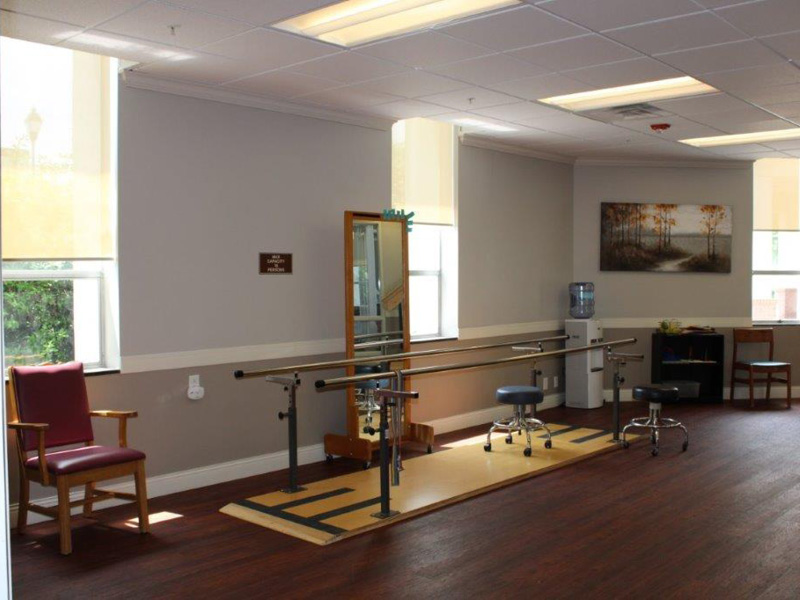
How is Green Meadows Skilled Nursing And Rehab Staffed?

CMS rates GREEN MEADOWS SKILLED NURSING AND REHAB's staffing level at 2 out of 5 stars, which is below average compared to other nursing homes. Staff turnover is 54%, compared to the Ohio average of 46%.

What Have Inspectors Found at Green Meadows Skilled Nursing And Rehab?

State health inspectors documented 47 deficiencies at GREEN MEADOWS SKILLED NURSING AND REHAB during 2019 to 2025. These included: 1 that caused actual resident harm, 44 with potential for harm, and 2 minor or isolated issues. Deficiencies causing actual harm indicate documented cases where residents experienced negative health consequences.
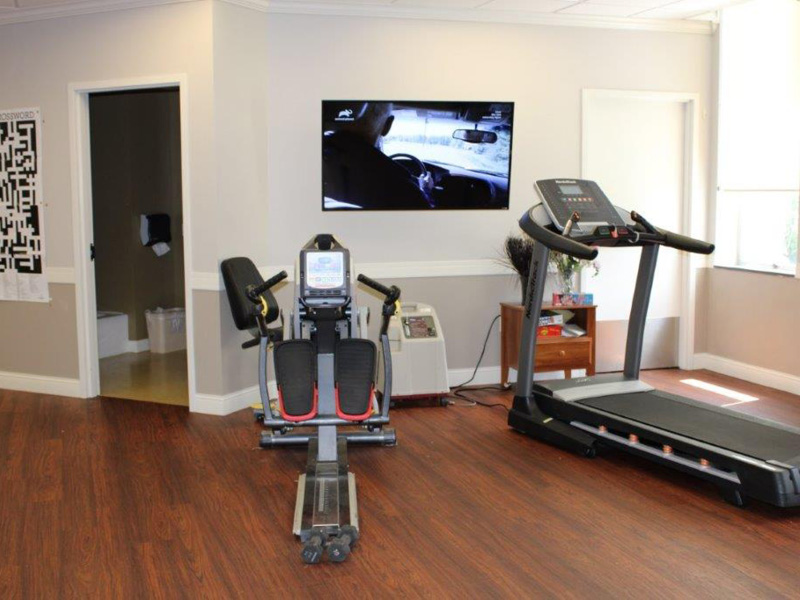
Who Owns and Operates Green Meadows Skilled Nursing And Rehab?

GREEN MEADOWS SKILLED NURSING AND REHAB is owned by a for-profit company. For-profit facilities operate as businesses with obligations to shareholders or private owners. The facility operates independently rather than as part of a larger chain. With 110 certified beds and approximately 89 residents (about 81% occupancy), it is a mid-sized facility located in LOUISVILLE, Ohio.
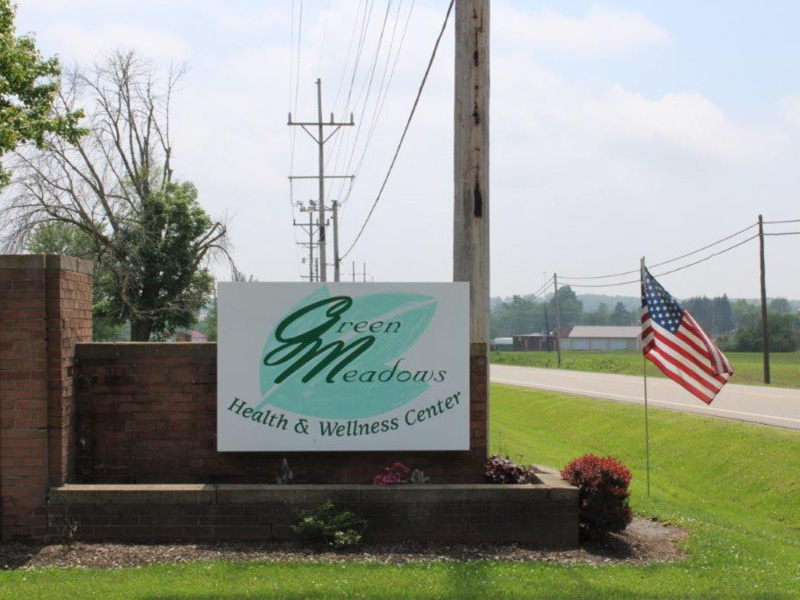
How Does Green Meadows Skilled Nursing And Rehab Compare to Other Ohio Nursing Homes?

Compared to the 100 nursing homes in Ohio, GREEN MEADOWS SKILLED NURSING AND REHAB's overall rating (3 stars) is below the state average of 3.2, staff turnover (54%) is near the state average of 46%, and health inspection rating (2 stars) is below the national benchmark.

What Should Families Ask When Visiting Green Meadows Skilled Nursing And Rehab?

Based on this facility's data, families visiting should ask: "Can you walk me through typical staffing levels on day, evening, and night shifts?" "Can I visit during a mealtime to observe dining assistance and food quality?" "How do you handle medical emergencies, and what is your hospital transfer rate?" "Can I speak with family members of current residents about their experience?" These questions are particularly relevant given the below-average staffing rating.

Is Green Meadows Skilled Nursing And Rehab Safe?

Based on CMS inspection data, GREEN MEADOWS SKILLED NURSING AND REHAB has a clean safety record: no substantiated abuse findings (meaning no confirmed cases of resident harm), no Immediate Jeopardy citations (the most serious violation level indicating risk of serious injury or death), and is not on the Special Focus Facility watch list (a federal program monitoring the lowest-performing 1% of nursing homes). The facility has a 3-star overall rating and ranks #100 of 100 nursing homes in Ohio. While no facility is perfect, families should still ask about staff-to-resident ratios and recent inspection results during their visit.

Do Nurses at Green Meadows Skilled Nursing And Rehab Stick Around?

GREEN MEADOWS SKILLED NURSING AND REHAB has a staff turnover rate of 54%, which is 7 percentage points above the Ohio average of 46%. Moderate turnover is common in nursing homes, but families should still ask about staff tenure and how the facility maintains care continuity when employees leave.

Was Green Meadows Skilled Nursing And Rehab Ever Fined?

GREEN MEADOWS SKILLED NURSING AND REHAB has been fined $28,763 across 1 penalty action. This is below the Ohio average of $33,366. While any fine indicates a compliance issue, fines under $50,000 are relatively common and typically reflect isolated problems that were subsequently corrected. Families should ask what specific issues led to these fines and confirm they've been resolved.

Is Green Meadows Skilled Nursing And Rehab on Any Federal Watch List?

GREEN MEADOWS SKILLED NURSING AND REHAB is not on any federal watch list. The most significant is the Special Focus Facility (SFF) program, which identifies the bottom 1% of nursing homes nationally based on persistent, serious quality problems. Not being on this list means the facility has avoided the pattern of deficiencies that triggers enhanced federal oversight. This is a positive indicator, though families should still review the facility's inspection history directly.