SAINT JOSEPH CARE CENTER
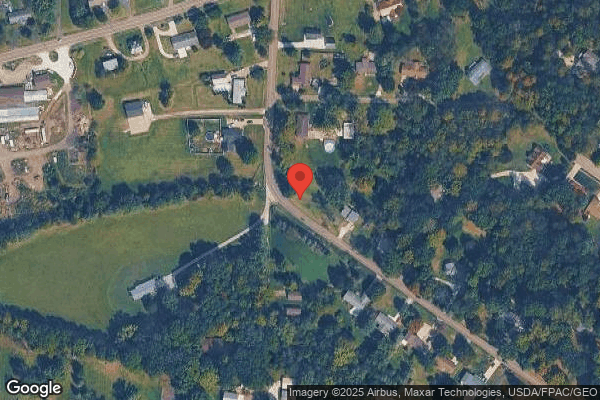
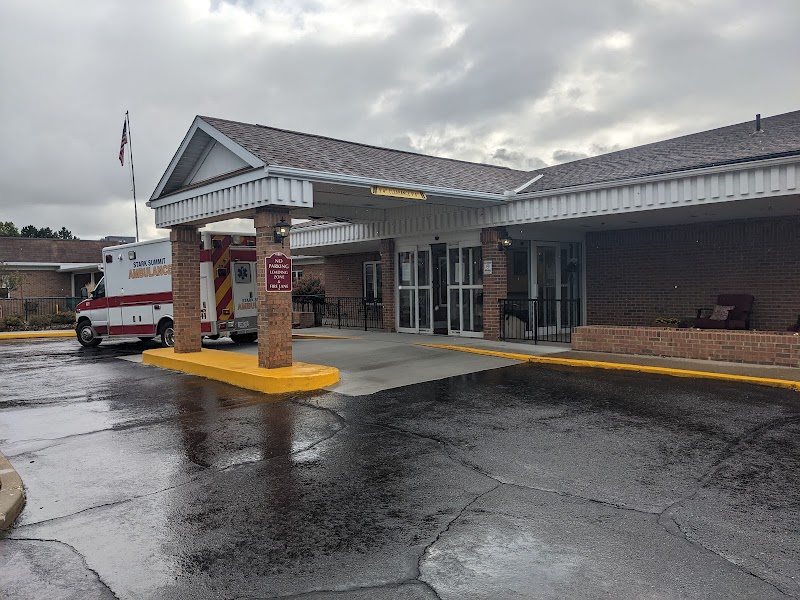
2308 RENO DRIVE NE, LOUISVILLE, OH 44641 (330) 875-5562
Non profit - Church related 60 Beds Independent Data: November 2025
Trust Grade
50/100
#769 of 913 in OH
Last Inspection: March 2024

Within standard 12-15 month inspection cycle. Federal law requires annual inspections.

Overview

Saint Joseph Care Center in Louisville, Ohio has a Trust Grade of C, meaning it is average and in the middle of the pack among nursing homes. It ranks #769 out of 913 facilities in Ohio, placing it in the bottom half, and #31 out of 33 facilities in Stark County, indicating that there are only a couple of local options that might be better. The facility is improving, having reduced issues from 12 in 2024 to just 1 in 2025, but it still has significant weaknesses. Staffing is rated poorly at 1 out of 5 stars, with a turnover rate of 54%, suggesting instability among caregivers. While the facility has not incurred any fines, there have been serious incidents, such as a resident suffering a fractured arm and facial injuries due to inadequate fall risk interventions, highlighting concerns about resident safety and care quality. Other issues include expired food items in the kitchen and a lack of infection surveillance, which could affect the health of all residents.

Trust Score
C
50/100
In Ohio
#769/913
Bottom 16%
Safety Record
Moderate
Needs review
Inspections
Getting Better
12 → 1 violations
Staff Stability
⚠ Watch
54% turnover. Above average. Higher turnover means staff may not know residents' routines.
Penalties
✓ Good
No fines on record. Clean compliance history, better than most Ohio facilities.
Skilled Nurses
○ Average
Each resident gets 36 minutes of Registered Nurse (RN) attention daily — about average for Ohio. RNs are the most trained staff who monitor for health changes.
Violations
⚠ Watch
18 deficiencies on record. Higher than average. Multiple issues found across inspections.
★★☆☆☆
2.0
Overall Rating
★☆☆☆☆
1.0
Staff Levels
★★★★☆
4.0
Care Quality
★★★☆☆
3.0
Inspection Score
Stable
2024: 12 issues
2025: 1 issues

The Good

  • 4-Star Quality Measures · Strong clinical quality outcomes
  • Full Sprinkler Coverage · Fire safety systems throughout facility
  • No fines on record

Facility shows strength in quality measures, fire safety.

The Bad

2-Star Overall Rating

Below Ohio average (3.2)

Below average - review inspection findings carefully

Staff Turnover: 54%

Near Ohio avg (46%)

Higher turnover may affect care consistency

The Ugly 18 deficiencies on record

1 actual harm
Apr 2025 1 deficiency 1 Harm
SERIOUS (G) 📢 Someone Reported This

A family member, employee, or ombudsman was alarmed enough to file a formal complaint

Actual Harm - a resident was hurt due to facility failures

Accident Prevention (Tag F0689)

A resident was harmed · This affected 1 resident

**NOTE- TERMS IN BRACKETS HAVE BEEN EDITED TO PROTECT CONFIDENTIALITY** Based on closed record review, review of a facility fall investigation, interviews and review of the facility policies, the faci...

Read full inspector narrative →
**NOTE- TERMS IN BRACKETS HAVE BEEN EDITED TO PROTECT CONFIDENTIALITY** Based on closed record review, review of a facility fall investigation, interviews and review of the facility policies, the facility failed to ensure adequate, individualized and effective fall risk interventions were in place to prevent a fall with injury for Resident #60, a resident at risk for falls. This affected one resident (#60) of three residents reviewed for falls. The facility census was 51. Actual Harm occurred on 03/10/25 when Resident #60 sustained an unwitnessed fall out of bed resulting in a fractured left arm, a laceration to the right side of her forehead, and a bruise to her right cheek. Prior to the incident, the resident had been having behaviors which staff identified as terminal agitation. The facility failed to ensure adequate, individualized and effective fall risk interventions were in place prior to the fall with injury to meet the resident's total care and safety needs. Findings include: Review of the closed medical record for Resident #60 revealed an admission date of 11/25/20 and a discharge date of 03/14/25. Resident #60 had diagnoses including atrial fibrillation, anxiety disorder, morbid obesity, and acute kidney failure. Review of a fall risk assessment dated [DATE] (completed on admission), revealed Resident #60 was assessed to be at high risk for falls. However, no additional fall risk assessments were completed until 03/11/25, following a fall with injury that occurred on 03/10/25. (At the time of the assessment on 03/11/25, Resident #60 was assessed to be at high risk for falls). Review of the initial care plan dated 11/25/20 revealed Resident #60 was at risk for falls. Interventions (also dated 11/25/20) included completing fall risk assessments and providing ongoing review for the resident's safety needs. NO new updates or fall related focus areas were identified after this time. Review of the physician's orders revealed Resident #60 was admitted to hospice services on 01/28/25. Review of the medication administration record revealed Resident #60 had an order for Morphine sulfate (opioid pain medication) one milliliter every four hours for pain. She also had an order for Ativan (antianxiety medication) one tablet by mouth every four hours for anxiety and restlessness. Review of the significant change Minimum Data Set (MDS) assessment dated [DATE] revealed Resident #60 had intact cognition. The assessment revealed Resident #60 required moderate to extensive (staff) assistance for all activities of daily living. Resident #60 was always incontinent of urine and occasionally incontinent of bowel. Resident #60 was identified as a fall risk due to taking anti-anxiety medications daily during the seven-day assessment reference period. Review of a nursing progress note dated 03/10/25 at 5:47 A.M. revealed Resident #60's daughter put the call light on and was stating her mother was trying to take her clothes off and get out of bed. Resident #60 was asking about her grandmother. The note revealed the nurse educated Resident #60's daughter about terminal agitation, and the nurse was going to administer a dose of Ativan, but Resident #60 calmed down. Record review revealed no new safety or fall risk interventions were implemented or considered at this time. Review of a nursing progress note dated 03/10/25 at 9:41 P.M. revealed Resident #60's daughter walked into the resident's room and ran out screaming stating her mother was on the floor. The nurse entered the room, Resident #60's bed was in a high position, and she (the resident) was lying on the ground on her stomach with her head, shoulders, and arms under the bed. A small amount of blood was visualized on the floor next to Resident #60. Vital signs were assessed, and Resident #60 was reporting pain in her left arm and head. The hospice agency was notified, and an x-ray of the left shoulder was ordered. Emergency responders assisted to help Resident #60 back into bed. At the time of the incident, the resident's family made the decision not to send the resident to the emergency room. Review of the left shoulder x-ray dated 03/11/25 for Resident #60 revealed an acute displaced fracture of the left humorous metaphysis. Review of a facility unwitnessed fall investigation dated 03/10/25 revealed Resident #60's family (daughter) walked into her room and ran out stating her mother was on the floor. Resident #60 was found on the floor lying on her stomach with head shoulders and arms under the bed. Resident #60's bed was in a high position. A small amount of blood was on the floor next to the resident. Initial assessment of Resident #60 revealed she was oriented to person, situation, and place. Her predisposing factors included she had periods of confusion, was incontinent, a recent change in cognition, weakness, gait imbalance, and impaired memory. Review of a witness statement from Certified Nursing Assistant (CNA) #499, (no longer employed at the facility), revealed she changed Resident #60 a little after 8:00 P.M. (on 03/10/25) that day. Resident #60 was still urinating, so she informed her she would return. CNA #499 then went back to change her again, and she put the bed in the lowest position and put the resident's bed remote in the drawer of her bedside table. CNA #499 then went to care for other residents until she heard the nurse calling for her. (However, Resident #60's sister was in the room on 03/10/25 from 7:00 P.M. to 8:40 P.M. and stated no staff came into the room while she was visiting). Resident #60 was lying on the floor and due to her position, it was difficult to assess her. Resident #60's family was very upset with CNA #499, so the nurse had her stay in the hallway with her. Review of a statement from Nurse Manager #505 revealed she arrived on the unit on 03/10/25 at 9:57 P.M. Two nurses were in Resident #60's room attempting to assess her. The nurses informed her that the emergency medical services team was in route. Nurse Manager #505 then notified the hospice agency and the Director of Nursing (DON). Blood was coming from Resident #60 on the right side of her forehead and after the area was cleaned, a small laceration was discovered that eventually stopped bleeding. Resident #60's right cheek had some bruising as well, and she was complaining of left shoulder pain. Resident #60's family agreed to not send the resident out but an order for a left shoulder x-ray was obtained and neurological checks were instituted. Interview on 04/17/25 at 9:40 A.M. with the Administrator revealed the facility had investigated Resident #60's fall. She reported prior to the fall, the aide had left Resident #60's bed in the lowest position (she was unsure of the time this occurred) and put the bed remote (used to raise and lower the bed) in the bedside drawer, which was a hospice recommendation. The Administrator revealed Resident #60 unfortunately experienced end of life psychosis and raised her bed because she preferred it that way and fell out. She reported the resident's daughter did find Resident #60 on the ground. The Administrator also revealed Resident #60 had some behaviors of removing all of her clothing and trying to walk. Resident #60 was not left alone after she was found on the ground and a staff member, and the daughter were present with her the whole time she was on the ground. Interview on 04/17/25 at 10:25 A.M. with the Director of Nursing (DON) confirmed there was only ever a fall risk assessment for Resident #60 on admission in the year 2020, and the facility never re-assessed the resident until 03/11/25 after she fell. She confirmed the family did not want to send the resident to the hospital, but she did receive an x-ray in the facility of her left shoulder, which showed a left humerus fracture (as a result of the fall). During the interview, the DON also confirmed Resident #60's fall prevention care interventions had not been updated since the resident's admission on [DATE] as noted above even though the resident was at risk for falls and demonstrated behaviors that increased her fall risk and safety needs prior to the fall with fracture that occurred on 03/10/25. A telephone interview on 04/17/25 at 11:18 A.M. with Resident #60's daughter revealed the resident's sister was the person who found the resident lying on the floor all bloody on 03/10/25. She reported her sister immediately called her, and she was at the facility within five minutes. Resident #60's daughter reported her mother had behaviors of trying to get out of bed and remove her clothing for a couple of nights prior to the incident, and at that time, hospice staff made a recommendation to keep the resident's bed in the lowest position. When she arrived at the facility, she reported that her mother was lying on her belly on the right side of the bed. There was blood all over the floor and the wall. She reported that the bedside table where the bed remote was placed in an open drawer was also on the right side of the bed next to Resident #60's head. Resident #60 had suffered a laceration to her head, and her daughter reported the next day her right eye was swollen shut. Resident #60's daughter also confirmed Resident #60 suffered a right shoulder and arm fracture due to the fall, but the family chose not to send the resident to the emergency room because her mother was terminal and not doing well. Resident #60's daughter reported they (the whole family) already knew the resident was nearing the end of her life but voiced concerns the resident had to suffer so much (as a result of the fall/fracture) before she passed away. A telephone interview on 04/17/25 at 3:65 P.M. with Resident #60's sister revealed she was at the facility on 03/10/25 from approximately 7:00 P.M. until 8:40 P.M. when she left. She reported during this visit, Resident #60 was in and out of consciousness, but was sleeping when she left. Resident #60's sister reported that no staff member came into the room during her visit on this date/time. She also reported the resident's bed was also raised in a high position when she was visiting which she stated surprised her because the (hospice) staff had left handwritten notes next to the resident's bed stating to leave the bed in the lowest position. Resident #60's sister reported she did not question staff about her bed being in the highest position because she was so distraught watching her sister go in and out of consciousness. Resident #60's sister reported she could not confirm where the bed remote was because she did not pay attention to that. Resident #60's sister reported after she left at 8:40 P.M., she did return to the facility at which time Resident #60 was lying on the ground on her stomach on the right side of the bed complaining about her left shoulder and had a cut and bruises to the right side of her face. A telephone interview on 04/21/25 at 8:45 A.M. with Licensed Practical Nurse (LPN) #506 revealed she was the nurse on duty on 03/10/25, the night Resident #60 fell. She reported she was two doors down passing medications to other residents when she saw Resident #60's family enter the resident's room. The resident's family then came out screaming the resident was on the floor. She reported Resident #60 was lying on her stomach half under the bed and half outside the bed. LPN #506 reported that when she went to assess Resident #60, the resident screamed, I fell and don't touch me, my arm is broken. LPN #506 confirmed the bed remote was on the floor next to Resident #60 at that time. LPN #506 reported she did not know how the bed ended up in the highest position but stated Resident #60 preferred it that way, but since Resident #60 was at the end of life and not always with it, staff decided to keep the bed in the lowest position. Review of the visitor sign-in logs from 03/10/25 revealed that Resident #60's sister signed in at 7:00 P.M. and signed out at 8:40 P.M. Review of the facility policy Falls and Fall Risk, Managing, revised March 2018, revealed based on previous evaluations and current data, the staff would identify interventions related to the resident's specific risks and causes to try to prevent the resident from falling and to try to minimize complications from falling. Resident conditions that might contribute to the risk of falls include delirium and other cognitive impairment and medication side effects of medication. The staff with the input of the attending physician, would implement a resident-centered fall prevention plan to reduce the specific risk factors of falls for each resident at risk or with a history of falls. This deficiency represents noncompliance investigated under Master Complaint Number OH00164791 and Complaint Number OH00164470.
Aug 2024 1 deficiency
CONCERN (D) 📢 Someone Reported This

A family member, employee, or ombudsman was alarmed enough to file a formal complaint

Potential for Harm - no one hurt, but risky conditions existed

Quality of Care (Tag F0684)

Could have caused harm · This affected 1 resident

**NOTE- TERMS IN BRACKETS HAVE BEEN EDITED TO PROTECT CONFIDENTIALITY** Based on review of the medical record, review of the call light audit reports, and interview with the staff the facility failed ...

Read full inspector narrative →
**NOTE- TERMS IN BRACKETS HAVE BEEN EDITED TO PROTECT CONFIDENTIALITY** Based on review of the medical record, review of the call light audit reports, and interview with the staff the facility failed to answer call lights timely for Resident #10 and #58. This affected two residents (Resident #10 and #58) of three residents reviewed for call light response times. The facility census was 57. Findings included: 1. Review of the medical record revealed Resident #58 was admitted to the facility on [DATE] . Diagnoses included urinary tract infection, sepsis, weakness, and cognitive communication deficit. She was discharged to home on [DATE]. Review of the admission Minimum Data Set (MDS) 3.0 assessment dated [DATE] revealed Resident #58 had moderately impaired cognition. She needed some help with self-care and required substantial assistance with toilet transfers. Review of the call light audit report revealed Resident #58 had a call light activated for 48 minutes on 05/26/24 at 8:58 A.M. and a call light that was activated for 42 minutes on 05/28/24. On 08/22/24 at 9:42 A.M. an interview with Family Member #300 revealed her mother's call light was on for over 40 minutes a couple times and that was unacceptable. She stated she told the Administrator about it. 2. Review of the medical record revealed Resident #10 was admitted to the facility on [DATE]. Diagnoses included multiple sclerosis, neurological dysfunction of the bladder, diabetes, kidney disease, congenital dilatation of the esophagus and arthritis. Review of the admission MDS assessment dated [DATE] revealed Resident #10 had intact cognition. Review of the call light audit record revealed on 08/19/24 Resident #10 had her call light activated for 56 minutes. On 08/22/24 at 9:25 A.M. an interview with Resident #10 revealed turnaround time was terrible because this week she had to wait 45 minutes to an hour to get her call light answered more than one time. She stated it was in the morning. She stated she usually got up in the chair to eat breakfast but they had not gotten her up yet so she turned her call light on. She stated after about 20 minutes they brought her breakfast tray in and set in over on the table where she could not reach it and it was another 35 to 40 minutes before they finally came in to get her up in the chair. She stated her breakfast was cold by then. She stated it happened two more time that day. She stated she understands 10 to 15 minutes but 45 minutes to an hour was ridiculous amount of time to wait until her call light was answered by staff. On 08/22/24 at 11:55 A.M. an interview with the Director of Nursing (DON) confirmed the long call light for Resident #10 and #58 on the call light audit report. She stated she would look into why they were so long. This deficiency represents non-compliance investigated under Complaint Number OH00155664.
Mar 2024 6 deficiencies
CONCERN (D)

Potential for Harm - no one hurt, but risky conditions existed

Medication Errors (Tag F0758)

Could have caused harm · This affected 1 resident

**NOTE- TERMS IN BRACKETS HAVE BEEN EDITED TO PROTECT CONFIDENTIALITY** Based on record review, interview, and facility policy review the facility failed to ensure monitoring for medication effects an...

Read full inspector narrative →
**NOTE- TERMS IN BRACKETS HAVE BEEN EDITED TO PROTECT CONFIDENTIALITY** Based on record review, interview, and facility policy review the facility failed to ensure monitoring for medication effects and potential adverse consequences was completed for residents who were receiving psychotropic medications. This affected two residents (#37 and #39) out of five residents reviewed for unnecessary medications. The facility census was 51 residents. Findings Include: 1. Review of Resident #37's medical record revealed an admission date of 11/20/22 and diagnoses including hyperkalemia, obesity, moderate protein-calorie malnutrition, and cognitive communication deficit. Review of Resident #37's annual Minimum Data Set (MDS) 3.0 assessment dated [DATE] revealed Resident #37 had moderate cognitive impairment and received antianxiety and antidepressant medications. Review of Resident #37's current physician's orders revealed an order dated 03/27/23 for mirtazapine tablet 15 milligrams (mg) give one tablet by mouth at bedtime for increase appetite and an order dated 07/19/23 for Vistaril oral capsule 25 mg give one capsule by mouth every dayshift for anxiousness, give one dose 30 minutes before dressing change. There were no orders for staff to monitor for side effects for these medications. Continued review of Resident #37's medical record including Medication Administration Records (MARs), Treatment Administration Records (TARs), and the plan of care revealed no evidence of monitoring for side effects related to her antianxiety and antidepressant medications. Interview on 03/13/24 at 10:12 A.M. with the Director of Nursing (DON) confirmed the lack of medication monitoring relative to Resident #37's antianxiety and antidepressant medications. 2. Review of Resident #39's medical record revealed an admission date of 02/05/24 and diagnoses including Alzheimer's disease, depression, cognitive communication deficit, chronic kidney disease, and hypertension. Review of Resident #39's admission/5-day MDS 3.0 assessment dated [DATE] revealed Resident #39 was cognitively impaired and received antipsychotic, antianxiety, and antidepressant medications. Review of Resident #39's current physician's orders revealed an order dated 02/05/24 for citalopram hydrobromide oral tablet 10 mg give two tablet by mouth one time a day for depression; an order dated 02/05/24 for lorazepam oral tablet 0.5 mg give one tablet every four hours as needed for anxiety; an order dated 02/05/24 for Risperdal oral tablet 0.5 mg give one tablet by mouth at bedtime due to psychosis; and an order dated 02/18/24 for Ativan oral tablet 0.5 mg by mouth at bedtime for anxiety/agitation. There were no orders for staff to monitor for side effects for these medications. Continued review of Resident #39's medical record including MARs, TARs and the plan of care revealed no evidence of monitoring for side effects related to her antianxiety, antipsychotic, and antidepressant medications. Interview on 03/12/24 at 4:30 P.M. with the DON confirmed the lack of medication monitoring relative to Resident #39's antianxiety, antipsychotic, and antidepressant medications. Review of the facility policy, Psychotropic Medication Use, dated July 2022, revealed residents receiving psychotropic medications are monitored for adverse consequences including anticholinergics effects, cardiovascular effects, metabolic effects, neurologic effects, and psychosocial effects.
CONCERN (D)

Potential for Harm - no one hurt, but risky conditions existed

Antibiotic Stewardship (Tag F0881)

Could have caused harm · This affected 1 resident

Based on interview, record review, and policy review the facility failed to obtain an ordered culture and sensitivity prior to starting antibiotic therapy for Resident #23. This affected one resident ...

Read full inspector narrative →
Based on interview, record review, and policy review the facility failed to obtain an ordered culture and sensitivity prior to starting antibiotic therapy for Resident #23. This affected one resident (#23) out of five residents reviewed for antibiotic stewardship. The facility census was 51. Findings Include: Review of the medical record for Resident #23 revealed an admission date of 09/18/20. Diagnoses include Parkinson's disease, fibromyalgia, and hypertension. Review of Resident #23's nursing note dated 12/12/23 at 9:46 A.M. revealed the physician saw the resident on rounds. The resident complained of constipation and abdominal discomfort due to constipation. The physician examined the resident's abdomen and bowel sounds. The resident complained of burning with urination. A urinalysis, lab, and antibiotic were ordered. Review of Resident #23's physician orders revealed an order dated 12/13/23 to straight catheter for urinalysis and culture and sensitive for dysuria and abdominal discomfort. Also noted was an order on 12/13/23 for the resident to start Cefdinir 300 milligrams (mg) (an antibiotic) with directions to take the medication two times a day for infection/dysuria until 12/29/23. Review of Resident #23 Medication Administration Record revealed she received Cefdinir 300 mg from 12/13/23 through 12/29/23. Review of Resident #23 December 2023 lab work revealed the facility did not obtain Resident #23's ordered urinalysis with a culture and sensitivity. Review of the facility Infection Screening Evaluation, dated 12/12/23, revealed the resident did not meet McGeer's criteria for Urinary Tract Infection. Interview on 03/12/24 at 9:40 A.M. the Director of Nursing confirmed the facility missed the order to complete Resident #23's urinalysis with a culture and sensitivity. She stated the facility did not follow correct antibiotic stewardship practices by administering Resident #23 Cefdinir 300 mg twice daily and she did not meet McGeers criteria for a urinary tract infection. Review of the facility policy, Surveillance for infections, revised 09/2017, revealed nursing staff will monitor residents for signs and symptoms that may suggest infection. When an infection or colonization with epidemiologically important organisms is suspected cultures may be sent, if appropriate, to contracted laboratory for identification or confirmation. Cultures will be further screened for sensitive to antimicrobial medications to help determine treatment options.
CONCERN (E)

Potential for Harm - no one hurt, but risky conditions existed

Comprehensive Care Plan (Tag F0656)

Could have caused harm · This affected multiple residents

**NOTE- TERMS IN BRACKETS HAVE BEEN EDITED TO PROTECT CONFIDENTIALITY** Based on interview and record review the facility failed to initiate care plans for hospice care and medication monitoring. This...

Read full inspector narrative →
**NOTE- TERMS IN BRACKETS HAVE BEEN EDITED TO PROTECT CONFIDENTIALITY** Based on interview and record review the facility failed to initiate care plans for hospice care and medication monitoring. This affected six residents (#7, #14, #17, #23, #37 and #39) out of 18 residents reviewed for care planning. The facility census was 51. Findings Include: 1. Review of the medical record for Resident #17 revealed an admission date of 05/30/2023. Diagnoses included respiratory failure, chronic kidney disease, Multiple Sclerosis, and localized swelling. Review of Resident #17's admission Minimum Data Set (MDS) assessment dated [DATE] revealed Resident #17 was cognitively intact, was dependent for mobility, and received anticoagulant medication. Review of Resident #17's March 2024 physician orders revealed an order dated 06/23/23 for Eliquis (anticoagulant or blood thinning medication) with directions to give 2.5 milligrams (mg) by mouth two times a day for blood clots. Review of Resident #17's care plan dated 12/27/23 revealed no evidence that the resident was receiving anticoagulant medication. Interview on 03/11/24 at 4:34 P.M. the facility's Director of Nursing (DON) confirmed the facility had not developed a care plan for the use of Resident #17's anticoagulant medication. 2. Review of the medical record for Resident #23 revealed an admission date of 09/18/20. Diagnoses included Parkinson's disease, fibromyalgia, atrial fibrillation, and hypertension. Review of Resident #23's quarterly MDS assessment dated [DATE] revealed the resident was moderately impaired, had heart failure, and received anticoagulant medication. Review of Resident #23's March 2024 physician orders revealed an order Eliquis Tablet 2.5 MG with directions to give 0.5 tablet by mouth two times a day for atrial fibrillation. Review of Resident #23's Care Plan dated 01/24/24 revealed no evidence that the resident was receiving anticoagulant medication. Interview on 03/11/24 at 4:34 P.M. the facility's DON confirmed the facility was not monitoring for side effects related to Resident #23's anticoagulant medication. 3. Review of Resident #14's medical record revealed the resident was admitted to the facility on [DATE] with diagnoses including acute chronic respiratory failure, upper respiratory failure, emphysema, chronic obstructive pulmonary disease, anxiety, vertebra fracture, and dysphagia. Review of Resident #14's physician orders dated 01/24/24 revealed admission to hospice services for emphysema. Review of Resident #14's care plan revealed no focus areas, goals, or interventions for the hospice care and services. On 03/12/24 at 12:44 P.M. an interview with MDS Licensed Practical Nurse #265 confirmed Resident #14's care plan did not reflect the new hospice order. No goals or interventions were documented in the plan of care. 4. Review of Resident #7's medical record revealed an admission date of 02/26/22 with diagnoses including Crohn's disease, mild cognitive impairment, venous insufficiency, hypertension, hyperlipidemia, and personal history of other venous thrombosis and embolism. Review of a quarterly MDS assessment dated [DATE] revealed Resident #7 had mild cognitive impairment and received an anticoagulant. Review of Resident #7's March 2024 physician's orders revealed an order dated 02/15/23 for Xarelto oral tablet 20 mg daily for deep vein thrombosis (DVT). Review of Resident #7's plan of care revealed no evidence Resident #7 received an anticoagulant. Interview on 03/12/24 at 11:00 A.M. with the DON verified there was no care plan in place for Resident #7's anticoagulant. 5. Review of Resident #37's medical record revealed an admission date of 11/20/22 with diagnoses including hyperkalemia, obesity, moderate protein-calorie malnutrition, and cognitive communication deficit. Review of Resident #37's annual MDS assessment dated [DATE] revealed Resident #37 had moderate cognitive impairment and received antianxiety and antidepressant medications. Review of Resident #37's current physician's orders revealed an order dated 03/27/23 for mirtazapine tablet 15 milligrams (mg) give one tablet by mouth at bedtime for increase appetite and an order dated 07/19/23 for Vistaril oral capsule 25 mg give one capsule by mouth every dayshift for anxiousness, give one dose 30 minutes before dressing change. Review of Resident #37's plan of care revealed no evidence Resident #37 received antianxiety and antidepressant medications. Interview on 03/13/24 at 10:12 A.M. with the DON verified there was no care plan in place for Resident #37's antianxiety and antidepressant medications. 6. Review of Resident #39's medical record revealed an admission date of 02/05/24 with diagnoses including Alzheimer's disease, depression, cognitive communication deficit, chronic kidney disease, and hypertension. Review of Resident #39's admission/5-day MDS assessment dated [DATE] revealed Resident #39 was cognitively impaired and received antipsychotic, antianxiety, and antidepressant medications. Review of Resident #39's current physician's orders revealed an order dated 02/05/24 for citalopram hydrobromide oral tablet 10 mg give two tablet by mouth one time a day for depression; an order dated 02/05/24 for lorazepam oral tablet 0.5 mg give one tablet every four hours as needed for anxiety; an order dated 02/05/24 for Risperdal oral tablet 0.5 mg give one tablet by mouth at bedtime due to psychosis; and an order dated 02/18/24 for Ativan oral tablet 0.5 mg by mouth at bedtime for anxiety/agitation. Continued review of Resident #39's plan of care revealed no evidence Resident #39 received antianxiety, antipsychotic, and antidepressant medications. Interview on 03/12/24 at 4:30 P.M. with the DON verified there was no care plan in place for Resident #39's antianxiety, antipsychotic, and antidepressant medications.
CONCERN (E)

Potential for Harm - no one hurt, but risky conditions existed

Deficiency F0757 (Tag F0757)

Could have caused harm · This affected multiple residents

**NOTE- TERMS IN BRACKETS HAVE BEEN EDITED TO PROTECT CONFIDENTIALITY** Based on interview, record review, and policy review the facility failed to monitor residents using anticoagulant medications. T...

Read full inspector narrative →
**NOTE- TERMS IN BRACKETS HAVE BEEN EDITED TO PROTECT CONFIDENTIALITY** Based on interview, record review, and policy review the facility failed to monitor residents using anticoagulant medications. This affected three residents (#7, #17 and #23) out of seven residents reviewed for medications. The facility census was 51. Findings Include: 1. Review of the medical record for Resident #17 revealed an admission date of 05/30/2023. Diagnoses included respiratory failure, chronic kidney disease, Multiple Sclerosis, and localized swelling. Review of Resident #17's admission Minimum Data Set assessment dated [DATE] revealed the resident was cognitively intact, was dependent for mobility, and received anticoagulant medication. Review of the Resident #17's March 2023 physician orders revealed an order dated 06/23/23 for Eliquis (anticoagulant or blood thinning medication) with directions to give 2.5 milligrams (mg) by mouth two times a day for blood clots. Continued review revealed the facility had no orders in place to monitor the resident for side effects related to her high-risk medication. Continued review of the resident medical record including Point of Care system for state tested nursing aides and the residents care plan revealed the facility did not have any evidence of monitoring for the resident's anticoagulant medication. Interview on 03/11/24 at 4:34 P.M. the facility's Director of Nursing (DON) confirmed the facility was not monitoring for side effects related to Resident #17's anticoagulant medication. 2. Review of the medical record for Resident #23 revealed an admission date of 09/18/20. Diagnoses included Parkinson's disease, fibromyalgia, atrial fibrillation, and hypertension. Review of Resident #23's quarterly MDS assessment dated [DATE] revealed the resident was moderately impaired, had heart failure, and received anticoagulant medication. Review of Resident #23's March 2024 physician orders revealed an order Eliquis Tablet (anticoagulant) 2.5 mg with directions to give 0.5 tablet by mouth two times a day for atrial fibrillation. Continued review revealed the facility had no orders in place to monitor the resident for side effects related to her high-risk medication. Continued review of the resident medical record including Point of Care system for state tested nursing aides and the residents care plan revealed the facility did not have any evidence of monitoring for the resident's anticoagulant medication. Interview on 03/11/24 at 4:34 P.M. the facility's DON confirmed the facility was not monitoring for side effects related to Resident #23's anticoagulant medication. 3. Review of Resident #7's medical record revealed an admission date of 02/26/22 with diagnoses including Crohn's disease, mild cognitive impairment, venous insufficiency, hypertension, hyperlipidemia, and personal history of other venous thrombosis and embolism. Review of a quarterly MDS assessment dated [DATE] revealed Resident #7 had mild cognitive impairment and received an anticoagulant. Review of Resident #7's March 2024 physician's orders revealed an order dated 02/15/23 for Xarelto oral tablet 20 mg daily for deep vein thrombosis (DVT). There was no order for staff to monitor for side effects of this anticoagulant medication. Continued review of Resident #7s medical record including Medication Administration Records (MARs), Treatment Administration Records (TARs) and the plan of care revealed no evidence of monitoring for side effects related to Resident #7s anticoagulant. Interview on 03/12/24 at 7:55 A.M with Licensed Practical Nurse (LPN) #263 revealed for anticoagulants she would monitor for bruising or bleeding. When asked where documentation was to be done for this monitoring, LPN #263 acknowledged there was not an order on the TAR for staff to document this and was unaware of any other location where this information could be documented. Interview on 03/12/24 at 10:35 A.M. with LPN #266 revealed she would look for cuts and bruises and if a resident was bleeding to get the bleeding under control for a resident receiving an anticoagulant. When asked where monitoring documentation was placed, LPN #266 stated a progress note could be made but there was not a routine location for the monitoring to be signed off, such as on the TAR. Interview on 03/12/24 at 10:44 A.M. with State Tested Nursing Assistant (STNA) #270 revealed they had some skin documentation in the point of care system and but nothing routine to prompt checking for bruising and bleeding. STNA #270 showed the surveyor during the interview the point of care interface which was the same for all residents for skin observation and staff could select scratch, discoloration, red area, skin tear, open area, resident not available, and resident refuse. STNA #270 indicated if there was a bruise they had to report this information to the nurse. Interview on 03/12/24 at 11:00 A.M. with the DON verified there was no monitoring in place for Resident #7's anticoagulant. Review of the facility policy, Anticoagulation-Clinical Protocol, dated November 2018, revealed the staff and physician will monitor for possible complications in individuals who are being anticoagulated and will manage related problems. If an individual on anticoagulation therapy shows signs of excessive bruising, hematuria, hemoptysis, or other evidence of bleeding the nurse will discuss the situation with the physician before giving the next scheduled dose of anticoagulant.
CONCERN (E)

Potential for Harm - no one hurt, but risky conditions existed

Infection Control (Tag F0880)

Could have caused harm · This affected multiple residents

**NOTE- TERMS IN BRACKETS HAVE BEEN EDITED TO PROTECT CONFIDENTIALITY** Based on observation, interview, record review, and policy reviewed the facility failed to ensure staff wore appropriate Persona...

Read full inspector narrative →
**NOTE- TERMS IN BRACKETS HAVE BEEN EDITED TO PROTECT CONFIDENTIALITY** Based on observation, interview, record review, and policy reviewed the facility failed to ensure staff wore appropriate Personal Protective Equipment (PPE) into Resident #36's Enhanced Barrier Precautions (EBP) room and completed appropriate hand washing during incontinence care for Resident #36. This affected one resident (#36) out of three residents reviewed for transmission-based precautions. This had the potential to affect all ten residents (#5, #20, #36, #7, #37, #4, #9, #1, #103, and #29) on the 500-hall where Resident #36 resided. The facility census was 51. Findings Include: Review of the medical record for Resident #36 revealed an admission date of 02/05/24. Diagnoses included hydronephrosis with renal and ureteral calculous obstruction, urinary tract infection, and Multiple Sclerosis. Review of Resident #36's admission Minimum Data Set assessment dated [DATE] revealed the resident was cognitively intact, required substantial maximum assistance for toileting. Review of Resident #36 physician order dated 03/10/24 revealed an order for the resident to be on EBP every shift for extended-spectrum beta-lactamases (ESBL) for urinary tract infection (UTI). Observation on 03/12/24 at 1:32 P.M. revealed a sign on Resident #36's door indicating the resident was on EBP with instructions that everyone must clean hands including before entering and when leaving the room. Providers and staff must also wear gloves and a gown for the following high contact resident care activities which include dressing, bathing, transferring, changing linens, providing hygiene, and changing briefs, or assisting with toileting. At this time State Tested Nursing Aide (STNA) #283 and STNA # 271 walked into Resident #36's room without applying a gown. The staff members washed their hands, gathered supplies, and applied gloves. STNA #283 transferred Resident #36 from her recliner chair to her bed using a Hoyer (mechanical) lift. She then repositioned her on the bed. STNA #283 removed the resident's pants and brief, she used a washcloth with water and soap to clean the resident's perineal area, clean water, and a washcloth to rinse the area, and another clean washcloth to dry the area. STNA #283 and STNA #271 positioned the resident on her right side and cleansed her buttocks with soap and water, rinsed with clean water, and then dried her buttocks with a clean washcloth. STNA #283 grabbed a bottle of incontinence cream, squeezed it into her gloved hand and used her hand to apply the cream on the resident's buttocks. She then moved the resident to her back and applied the remaining cream on the resident's perineal area with the same gloved hand. She attached the brief, pulled up the resident's pants and used the remote to transfer the resident back to her recliner before removing her gloves and washing her hands. STNA #283 and STNA #271 completed the incontinence care without donning gowns as indicated on the signage outside of the residents' rooms. Interview on 03/12/24 at 1:45 P.M. STNA #283 revealed she did not complete any hand washing or change her gloves from the start of Resident 36's incontinence care until the resident was seated back in her recliner. She also stated she did not know that she was required to follow the sign on the outside of Resident #36's door because she knew the resident did not have a clotridiodes difficile (C. Diff) infection. Interview on 03/12/24 at 2:15 P.M. the Director of Nursing confirmed Resident #36 is on EBP and all staff who were providing direct care were required to wear a gown and gloves. Review of the undated facility policy Hand Washing/Hand hygiene revealed indications for hand hygiene included after contact with blood, body fluids, or contaminated surfaces, before moving from work on a soiled body site to a clean body site on the same resident. Review of the undated Enhanced Barrier Precautions policy revealed EBP is used as an infection prevention and control intervention to reduce the spread of multi-drug residence organism's tor residents. EBP employs targeted gown and glove use during high contact resident care activities when contact precautions do not otherwise apply. Gloves and gowns are applied prior to performing the high contact resident care activities. Examples of high contact resident care activities requiring the use of gown and gloves for EBP include dressing, bathing, transferring, providing hygiene, changing briefs, or assisting with toileting. EBP are indicated for resident infected or colonized with ESBL producing enterobacterales. This deficiency is an example of continued noncompliance from the survey completed on 03/04/24.
CONCERN (F)

Potential for Harm - no one hurt, but risky conditions existed

Food Safety (Tag F0812)

Could have caused harm · This affected most or all residents

Based on observation, interview, and policy review the facility failed to ensure foods were labeled, dated, and discarded when expired. This had the potential to affect all 51 residents in the facilit...

Read full inspector narrative →
Based on observation, interview, and policy review the facility failed to ensure foods were labeled, dated, and discarded when expired. This had the potential to affect all 51 residents in the facility. Findings Include: Observation of the main kitchen and resident refrigerators on 03/10/24 starting at 8:59 A.M. with Dietary Manager (DM) #235 revealed the following areas of concern: • In the dry storage area in the main kitchen, there was an expired case of tortillas dated December 2023. • In the juice and supplement cooler in the main kitchen, there were multiple containers of yogurt and juice that were out of date. • On the Division One unit, there were two containers of takeout food without a date or name. • On the Rehab unit, there was takeout with Resident #26's name and a date of 02/22/24. There was also an undated container of takeout with a resident name that was no longer in the facility as of 03/10/24. Interviews with DM #235 verified the out-of-date foods at the time of observation. DM #235 stated resident food was to have a date and resident name and was to be discarded three days after the date listed on the item. DM #235 stated dietary staff would go through the refrigerators once a week to discard out-of-date food but indicated this process was not documented anywhere. Review of an undated policy and procedure manual revealed leftover food should be stored in covered containers or wrapped carefully and securely and clearly labeled and dated before being refrigerated. Leftover food must be used within seven days or discarded as per the 2022 Federal Food Code. All foods should be covered, labeled, and dated. All foods will be checked to assure that foods will be consumed by their use by dates or discarded. Review of the policy, Food Brought in By Family/Visitors, revised March 2022, revealed food brought by family/visitors that is left with the resident to consume later is labeled and stored in a manner that is clearly distinguishable from facility-prepared food. Containers are labeled with the resident's name, the item, and the use by date. Nursing staff will discard perishable foods on or before the use by date. The nursing or food service staff will discard any foods prepared for the resident that show obvious signs of potential foodborne danger (for example past due package dates).
Mar 2024 5 deficiencies
CONCERN (D) 📢 Someone Reported This

A family member, employee, or ombudsman was alarmed enough to file a formal complaint

Potential for Harm - no one hurt, but risky conditions existed

Notification of Changes (Tag F0580)

Could have caused harm · This affected 1 resident

Based on a review of the medical record and interview with staff the facility to failed to ensure the resident representative for Resident #1 was notified of a new antibiotic treatment for a wound inf...

Read full inspector narrative →
Based on a review of the medical record and interview with staff the facility to failed to ensure the resident representative for Resident #1 was notified of a new antibiotic treatment for a wound infection for Resident #1. This affected one resident (Resident #1) of 15 residents reviewed for change of condition. The facility census was 51. Findings included: Review of the medical record for Resident #1 revealed an admission date of 10/19/23 with diagnoses including respiratory failure, non-Hodgkin's lymphoma, cognitive communication deficit, muscle weakness, moderate protein-calorie malnutrition, COVID-19, chronic kidney disease, aortic valve stenosis, and atrial fibrillation. Review of the documentation by the wound nurse, dated 02/12/24, revealed Resident #1 had an unstageable pressure injury to the thoracic spine measuring 3.2 centimeters (cm) in length by 2.5 cm in width by undetermined depth. The wound bed was covered in 70 percent slough (yellow/white accumulation of dead cells in a wound). An oral antibiotic (medication used to treat bacterial infections) was ordered due to suspected wound infection as evidenced by erythema (redness) and fluctuance (trapped fluid in the tissues). Review of the physician's orders dated 02/14/24 revealed Resident #1 had an order for Cipro (antibiotic) 750 milligrams (mg) once daily until 02/24/24 for a wound infection. Review of the February Medication Administration Record (MAR) revealed the first dose of Cipro (antibiotic) 750 milligrams was started on 02/14/24 for Resident #1. Review of the progress notes from 02/12/24 through 02/15/24 revealed no documentation the resident representative was notified of Resident #1 starting on an antibiotic for a wound infection. On 02/20/24 at 2:50 P.M. an interview with the Director of Nursing verified there was no evidence in the medical record the resident representative for Resident #1 was notified she started on an antibiotic for her wound infection. This deficiency represents non-compliance identified during the investigation of Complaint Number OH00151177.
CONCERN (D) 📢 Someone Reported This

A family member, employee, or ombudsman was alarmed enough to file a formal complaint

Potential for Harm - no one hurt, but risky conditions existed

Abuse Prevention Policies (Tag F0607)

Could have caused harm · This affected 1 resident

**NOTE- TERMS IN BRACKETS HAVE BEEN EDITED TO PROTECT CONFIDENTIALITY** Based on record review, review of facility policy and interviews, the facility did not ensure the Abuse, Mistreatment, Neglect, ...

Read full inspector narrative →
**NOTE- TERMS IN BRACKETS HAVE BEEN EDITED TO PROTECT CONFIDENTIALITY** Based on record review, review of facility policy and interviews, the facility did not ensure the Abuse, Mistreatment, Neglect, Exploitation and Misappropriation of Resident Property policy was implemented to ensure timely reporting of alleged resident mistreatment to the Administrator, timely reporting of the allegation to the Ohio Department of Health (ODH) and thorough investigation of the incident. This affected three residents (Resident #23, #32 and #41) of eleven residents reviewed for abuse. The facility census was 51. Findings include: 1. Record review was conducted for Resident #41 who was admitted to the facility on [DATE] with diagnoses including muscle weakness, cognitive communication deficit, heart failure and diabetes mellitus type two. Review of the Minimum Data Set (MDS) 3.0 assessment dated [DATE] revealed Resident #41 had intact cognition, no behaviors, required extensive assistance by two staff for bed mobility and transfers, extensive assistance by one staff for toileting and set up help only for eating. Review of the plan of care, dated initiated 05/25/23, revealed no findings related to abuse. 2. Record review was conducted for Resident #23 who was admitted to the facility on [DATE] with diagnoses including need for assistance with personal care, major depressive disorder and generalized muscle weakness. Review of the MDS 3.0 assessment dated [DATE] revealed Resident #23 had impaired cognition, no behaviors, required extensive assistance of one staff for bed mobility and toileting, one person physical assist for eating and extensive assistance of two staff for transfers. Review of the plan of care, date initiated 07/18/19, revealed no findings related to abuse. 3. Record review was conducted for Resident #32 who was admitted to the facility on [DATE] with diagnosis including multiple sclerosis and quadriplegia. Review of the MDS 3.0 assessment dated [DATE] revealed intact cognition, no behaviors, and total dependence on staff for all activities of daily living. Review of the plan of care, date initiated 04/10/18, revealed no findings related to abuse. Review of an email communication sent to the Administrator, dated 11/09/23, timed 11:36 A.M. and authored by the Director of Nursing (DON) revealed on 11/03/23 in the evening, the DON (who at the time of the email was working in the position of Unit Manager and not yet the DON) was asked by STNA #159 to speak to Resident #41 and Resident #32 because Resident #41 and #32 needed to tell her something. Resident #41 told the DON State Tested Nursing Assistant (STNA) #208 was a bully, mean and would tell her things like you break my back and STNA #208 was rude and mean when she spoke to Resident #41. Resident #41 was hesitant to speak to the DON about this because she was afraid it would get back to the person that she told on, and it would get worse. The DON asked if STNA #208 physically harmed her, and Resident #41 stated no it's the way she talks to me, and I wish I didn't have to have any help when she is here. The DON then went to Resident #32's room and stated it was the same conversation regarding STNA #208 being rude and talking mean to her. The DON told Resident #32 she would be talking to someone about her concerns. Interview was conducted on 02/22/24 at 11:05 A.M. with the DON who verified on 11/03/23 she identified staff to resident treatment concerns involving care provided to Residents #41 and #32 from STNA #208 and thought she had sent the Administrator an email about it. The DON explained she was having problems with the email, so it did not actually get sent to the Administrator until 11/09/23 which she did not realize until questioned by the Administrator on 11/09/23. The DON was unable to recall if she notified Administratror by phone or what. Interview was conducted on 02/22/24 at 10:34 A.M. with the Administrator who revealed she did not recall getting a call from the DON regarding concerns of staff to resident mistreatment reported by Resident #41 and Resident #32 to the DON on 11/03/23. The Administrator verified she was not notified until 11/09/23. The Administrator indicated it was not until 11/16/23 that an allegation of abuse was made by the daughter of Resident #23 via email which involved STNA #208. The Administrator began an investigation into the allegation but did not report it as a self-reported incident to the Ohio Department of Health. The Administrator was unable to give a reason as to why no self-reported incident (SRI) was initiated. The Administrator stated after interviewing Resident #41 and #32 she terminated employment of STNA #208 on 11/16/24 via telephone due to numerous complaints of STNA #208 being rude, mean, cursing and yelling when residents ask for help. Review of the facility policy titled Abuse, Mistreatment, Neglect, Exploitation and Misappropriation of Resident Property, date revised 10/2022, stated facility staff should immediately report all such allegations of inappropriate treatment of a resident to the Administrator and to the Ohio Department of Health (ODH) in accordance with the procedures in the policy. The Administrator or designee shall notify ODH as soon as possible but no later than 24 hours from the time the incident/allegation was made known by the staff member. This deficiency represents non-compliance identified during the investigation of Complaint Number OH00151177.
CONCERN (D) 📢 Someone Reported This

A family member, employee, or ombudsman was alarmed enough to file a formal complaint

Potential for Harm - no one hurt, but risky conditions existed

Report Alleged Abuse (Tag F0609)

Could have caused harm · This affected 1 resident

**NOTE- TERMS IN BRACKETS HAVE BEEN EDITED TO PROTECT CONFIDENTIALITY** Based on record review, review of facility policy and interviews, the facility did not ensure an allegation of resident mistreat...

Read full inspector narrative →
**NOTE- TERMS IN BRACKETS HAVE BEEN EDITED TO PROTECT CONFIDENTIALITY** Based on record review, review of facility policy and interviews, the facility did not ensure an allegation of resident mistreatment was immediately reported to the Administrator and was timely reported to the Ohio Department of Health (ODH). This affected one resident (Resident #23) of eleven residents reviewed for abuse. The facility census was 51. Findings include: Record review was conducted for Resident #23 who was admitted to the facility on [DATE] with diagnoses including need for assistance with personal care, major depressive disorder and generalized muscle weakness. Review of the MDS 3.0 assessment dated [DATE] revealed Resident #23 had impaired cognition, no behaviors, required extensive assistance of one staff for bed mobility and toileting, one person physical assist for eating and extensive assistance of two staff for transfers. Review of the plan of care, date initiated 07/18/19, revealed no findings related to abuse. Review of a typed letter from the family member of Resident #23, dated 11/16/23, and addressed to the facility Administrator, the Director of Social Services, and the DON, revealed an allegation of staff to resident abuse involving State Tested Nursing Assistant (STNA) #208. The letter stated STNA #208 was neglectful and verbally and emotionally abusive to Resident #23. The letter stated STNA #208 would yell statements at the resident such as you're bothering me, what do you want and when Resident #23 requested help toileting, STNA #208 would say you don't need help, you can go by yourself. Review of the facility document titled Record of Warning or Disciplinary Action, dated 11/16/23, revealed STNA #208 was terminated from her employment at the facility on 11/16/23 via telephone for unsatisfactory job performance. The explanation was numerous complaints of STNA #208 being rude, mean, cursing, yelling at residents who ask for help. Interview was conducted on 02/22/24 at 2:32 P.M. with the family member of Resident #23 who indicated she did not want Resident #23 to know anything about the letter sent to the facility about STNA #208. The family member also did not want the surveyor to interview Resident #23 so no verification from the resident on whether she felt STNA #208 had been abusive to her was obtained. Interview was conducted on 02/22/24 at 10:34 A.M. with the Administrator who revealed it was not until 11/16/23 that an allegation of abuse was made by the daughter of Resident #23 via email which involved STNA #208. The Administrator began an investigation into the allegation, verified resident mistreatment occurred by STNA #208, but did not report it as a self-reported incident to the Ohio Department of Health. The Administrator was unable to give a reason as to why no self-reported incident (SRI) was initiated. The Administrator stated after obtaining resident interviews as part of her investigation, she decided to terminate employment of STNA #208 on 11/16/24 via telephone due to numerous complaints of STNA #208 being rude, mean, cursing and yelling when residents ask for help. Review of the facility policy titled Abuse, Mistreatment, Neglect, Exploitation and Misappropriation of Resident Property, date revised 10/2022, stated facility staff should immediately report all such allegations of inappropriate treatment of a resident to the Administrator and to the Ohio Department of Health (ODH) in accordance with the procedures in the policy. The Administrator or designee shall notify ODH as soon as possible but no later than 24 hours from the time the incident/allegation was made known by the staff member. This deficiency represents non-compliance identified during the investigation of Complaint Number OH00151177.
CONCERN (E) 📢 Someone Reported This

A family member, employee, or ombudsman was alarmed enough to file a formal complaint

Potential for Harm - no one hurt, but risky conditions existed

Pressure Ulcer Prevention (Tag F0686)

Could have caused harm · This affected multiple residents

**NOTE- TERMS IN BRACKETS HAVE BEEN EDITED TO PROTECT CONFIDENTIALITY** Based on record reviews and interviews, the facility failed to ensure timely initiation of wound treatment orders and thorough a...

Read full inspector narrative →
**NOTE- TERMS IN BRACKETS HAVE BEEN EDITED TO PROTECT CONFIDENTIALITY** Based on record reviews and interviews, the facility failed to ensure timely initiation of wound treatment orders and thorough admission skin assessments for Resident #7, #8, #10, and #13 and failed to ensure a weekly wound assessment was completed for Resident #1 who had existing wounds. This affected five residents ( Resident #1, #7, #8, #10 and #13) of 15 residents reviewed for wounds. The facility census was 51. Finding included: 1. Review of the medical record revealed Resident #7 was admitted to the facility on [DATE]. Diagnoses included bacterial pneumonia, acute respiratory failure, urinary tract infection, cognitive communication deficit, polyneuropathy, anxiety disorder, major depressive disorder, chronic obstructive pulmonary disease, atherosclerotic heart disease, chronic constructive pericarditis, hypertension, cervicalgia and dorsalgia. Resident #7 was sent out to the hospital on [DATE]. Review of the admission Minimum Data Set (MDS) 3.0 assessment dated [DATE] revealed Resident #7 had intact cognition. Review of the admission Nursing Evaluation V2 document, dated 01/25/24, revealed Resident #7 was admitted to the facility with a Stage two pressure wound to the coccyx. There was no description of the wound or the surrounding tissue and no measurement was obtained of the Stage two wound. A right hip abrasion was also noted on this evaluation. Review of the Skin/Wound note dated 01/26/24 at 12:25 P.M. revealed the nurse attempted to perform a head-to-toe assessment. Resident #7 was eating and visiting with her family so she requested to defer at that time. It was noted follow up would be with the Wound Nurse Practitioner (NP) to assess the wounds for Resident #7. Review of the wound care evaluation by the wound physician, dated 01/29/24, revealed Resident #7 had an unstageable (full-thickness pressure injury with the base obscured by slough or eschar) pressure wound to her coccyx from admission measuring 1.8 centimeters (cm) by 1.4 cm by undetermined (UTD) depth. The wound had 10 percent slough covering the wound base. She had a Stage two pressure wound to the right lateral ankle which was present on admission. It was a shallow open area which measured 0.5 cm by 1.1 cm by 0.1 cm depth. The wound bed was composed of pink moist tissue. She had a stage two pressure area to the left elbow. It was a shallow open area which measured 0.8 cm by 1.1 cm by 0.1 cm depth. The wound bed was composed of pink moist tissue. Subsequent evaluations were completed on 02/05/24, and on 02/12/24 the evaluation indicated the wounds were improving/healing. Review of the physician's orders revealed no wound treatment orders were obtained until 01/29/24 for the left elbow, right ankle, and coccyx wounds for Resident #7. Review of the January 2024 Treatment Administration Record (TARS) revealed there was no documentation of treatments being done to the coccyx until 01/31/24 or the left elbow and right ankle until 02/01/34. On 02/21/24 at 12:37 P.M. an interview with the Director of Nursing (DON) verified there was not a thorough skin assessment completed on admission and there were no treatment orders obtained until 01/29/24 for Resident #7. 2. Review of the medical record revealed Resident #1 was admitted to the facility on [DATE]. Diagnoses included respiratory failure, non-Hodgkin's lymphoma, cognitive communication deficit, muscle weakness, moderate protein-calorie malnutrition, COVID-19, chronic kidney disease, aortic valve stenosis, and atrial fibrillation. Review of the Skin/Wound progress note dated 01/05/24 revealed Resident #1 had an unstageable pressure injury noted to the thoracic spine which measured 1.2 cm by 1.3 cm by UTD. The wound bed had a 40 percent adherent yellow slough canopy which obscured the wound bed. Review of wound nurse documentation dated 01/08/24 revealed she had assessed Resident #1 however she did not do an assessment of the thoracic spine pressure area at this visit. Further review of the medical record revealed there was no wound assessment documented for 10 days from 01/05/24 to 01/15/24 for the wound on the thoracic spine. Review of the wound nurse documentation dated 01/15/24 revealed Resident #1 had an unstageable pressure injury to the thoracic spine measuring 1.1 cm in length by 1.3 cm in width by UTD. The wound bed was covered in five percent slough. On 02/20/24 at 2:50 P.M. an interview with the DON verified there was no documentation of a wound assessment for 10 days from 01/05/24 to 01/15/24 for Resident #1. She stated the wound nurse NP had visited on 01/08/24 but had not documented on her thoracic spine wound. 3. Review of the medical record revealed Resident #8 was admitted to the facility on [DATE]. Diagnoses included sepsis, urinary tract infection, extended spectrum beta lactamase resistant, meningitis, atrial fibrillation, restless leg syndrome, hypertension, and pulmonary emboli. Review of the physician's orders revealed Resident #8 had treatment orders for skin preparation to the right buttock, cover with calcium alginate and cover with a foam dressing every day and apply zinc oxide to the left buttock every shift dated 01/19/24. Review of the physician's orders revealed Resident #8 had an order for zinc oxide to the left gluteal fold dated 01/20/24. Further review of the medical record revealed Resident#8 was sent out to the hospital on [DATE] and readmitted [DATE]. Review of the admission assessment dated [DATE] revealed Resident #8 had no skin issues. Review of the January 2024 MARS and Treatment Administration Records (TARS) revealed there was no documentation of a skin treatment for Resident #8. Review of the admission MDS 3.0 assessment dated [DATE] revealed Resident #8 had moderately impaired cognition. Review of the wound nurse documentation dated 02/05/24 revealed Resident #8 had an unstageable pressure area to the right buttock which was present on admission. The wound measured 2.0 cm by 2.9 cm by UTD with 15 percent slough. The left buttock area was healed. On 02/20/24 at 11:50 A.M. an interview with Family Member #500 revealed Resident #8 has had a pressure ulcer to his bottom since he was in the hospital and was admitted to the facility with them. She stated she was not really sure when they started treatment to his bottom at the facility. An interview with Resident #8 at this time revealed he was admitted with the sore to his bottom but he does not remember if they were doing a treatment to his bottom or not but they were almost healed now. On 02/22/24 at 11:05 A.M. an interview with the DON revealed she could not find any documentation of a pressure ulcer to the right or left buttocks of Resident #8 or a treatment in place until 01/29/24 if he did have them on admission. She verified there was not a thorough skin assessment completed on 01/26/24. 4. Review of the medical record revealed Resident #10 was admitted to the facility on [DATE]. Diagnoses of sepsis, urinary tract infection, influenza, acute respiratory failure, cerebral infarction, and multiple sclerosis. He was discharged to the hospital on [DATE] and readmitted on [DATE]. Review of the admission assessment dated [DATE] revealed Resident #10 was admitted to the facility with areas of skin impairment to the right buttock, left buttock, and right ankle with no measurements. Review of the February 2024 TARS revealed no treatments for Resident #10 until 02/06/24. Review of the wound notes dated 02/05/24 revealed Resident #10 had an unstageable wound to the left buttock which was present upon admission. The wound measured 11.6 cm by 8.4 cm by UTD and had 15 percent slough with a DTI noted at the wound base. It had moderate drainage. He had a DTI to the right buttock with no measurement and this wound was healed now. He had an unstageable wound to the left ischium which measured 1.4 cm by 1.9 cm by undetermined depth. It had moderate amount of drainage. He had a DTI to the right ankle which was present upon admission which measured 0.9 cm by 1.4 cm by UTD depth. Review of the physician's orders revealed no treatment to the right buttock, left buttock, and right ankle from admission on [DATE] to 02/06/24. On 02/06/24 he was ordered skin preparation to the peri-wound, apply medical grade honey pack loosely with calcium alginate and cover with a foam dressing to the left buttock and left ischium at bedtime, apply skin preparation to the peri-wound, paint eschar with betadine and leave open to air to the right ankle at bedtime, and apply zinc oxide to the right buttock at bedtime. Review of the admission MDS dated [DATE] revealed Resident#10 had intact cognition. On 02/20/24 at 1:00 P.M. an interview with Resident #10 revealed he had admitted with a sore bottom. He stated he knows it was a couple days before they started doing any treatments to it but he does not remember how many. He stated it was healing now. He stated he was not having any real pain. On 02/22/24 at 2:25 P.M. an interview with the DON verified Resident #10 was admitted with pressure areas on 02/02/24 however no treatment orders were obtained until 02/05/24 when the Wound NP visited. She also verified there was not a thorough assessment completed on admission to reflect wound measurements. She stated the charge nurse could call the physician and receive orders for wound treatments so they did not have to wait for the Wound NP to visit. 5. Review of the medial record revealed Resident #13 was admitted to the facility on [DATE]. Diagnoses included diabetes, cardiac defibrillator, cardiomyopathy, history of falling, atrial fibrillation, moderate protein-calorie malnutrition, chronic kidney disease, hypertension, anemia, and melanoma of the skin. There was no MDS information submitted at this time to review. Review of the admission assessment dated [DATE] revealed Resident #13 had a partial thickness loss of dermis presenting as a shallow open ulcer with a red, pink center wound bed on the coccyx. The wound nurse was aware of his skin issues. There were no measurements. Review of the physician's orders revealed no treatment orders were obtained until 02/14/24 for application of Silva gel and cover with bordered gauze daily to the left lateral ankle, apply skin prep and offload heel when in bed daily to the right heel deep tissue injury. Review of the February TARS revealed no documentation of treatments being done for Resident#13 until 02//14/24. On 02/22/24 at 3:24 P.M. an interview with the DON verified there was not a thorough admission skin assessment completed on Resident#13 and there were not orders for wound treatments until 02/14/24. Review of the facility policy Prevention of Pressure Injuries, dated April 2020, indicated residents should be assessed on admission (within eight hours) for any exisiting risk for pressure injury. Repeat the risk assessment weekly and with any change of condition. Conduct a comprehensive skin assessment upon (or soon after) admission, and skin should be inspected daily with personal care and when performing activities of daily living. Evaluate, report and document changes in skin. This deficiency represents non-compliance identified during the investigation of Complaint Number OH00151177.
CONCERN (F) 📢 Someone Reported This

A family member, employee, or ombudsman was alarmed enough to file a formal complaint

Potential for Harm - no one hurt, but risky conditions existed

Infection Control (Tag F0880)

Could have caused harm · This affected most or all residents

Based on review of the infection control logs, review of facility policy and interviews with staff, the facility failed to maintain proper surveillance of all infections in the facility. This had the ...

Read full inspector narrative →
Based on review of the infection control logs, review of facility policy and interviews with staff, the facility failed to maintain proper surveillance of all infections in the facility. This had the potential to affect all 51 residents in the facility. Findings include: Review of the infection control log from 11/20/23 to 02/20/24 revealed no documentation of infections from 01/01/24 to 02/20/24. On 02/20/24 at 11:51 A.M. an interview with the Administrator revealed they facility did not have any surveillance of infections documented for January and February 2024 due to the infection control nurse, who just quit her job at the facility the prior week, had not been doing them. On 02/26/24 at 12:27 P.M. an interview with Registered Nurse # 210 revealed she had been the facility's infection control nurse, however, she was never trained to do the infection control log so she never created them for January and February 2024. She stated she had asked several times to be shown how to do the logs but was never shown how to do them. Review of the facility policy titled, Surveillance for Infection, dated 09/17, revealed the infection preventionist would conduct ongoing surveillance for healthcare-associated infections and other epidemiologically significant infections that have substantial impact on potential resident outcome and that may require transmission-based precautions and other preventative interventions. This deficiency represents non-compliance identified during the investigation of Complaint Number OH00151177.
Aug 2023 1 deficiency
CONCERN (D) 📢 Someone Reported This

A family member, employee, or ombudsman was alarmed enough to file a formal complaint

Potential for Harm - no one hurt, but risky conditions existed

Pharmacy Services (Tag F0755)

Could have caused harm · This affected 1 resident

**NOTE- TERMS IN BRACKETS HAVE BEEN EDITED TO PROTECT CONFIDENTIALITY** Based on medical record review and staff interview, the facility failed to ensure narcotic pain medication was available in a ti...

Read full inspector narrative →
**NOTE- TERMS IN BRACKETS HAVE BEEN EDITED TO PROTECT CONFIDENTIALITY** Based on medical record review and staff interview, the facility failed to ensure narcotic pain medication was available in a timely manner following admission to the facility. This affected one resident (Resident #53) of three residents reviewed for admission medication availability. The facility census was 52. Findings include: Review of Resident #53's closed medical record revealed an admission date of 07/27/23 with diagnoses that included left femur fracture with repair and hypertension. Further review of the medical record revealed a physician's order upon admission on [DATE] at 4:17 P.M. which initiated the use of oxycodone (opioid narcotic analgesic) 5 milligrams (mg) every six hours as needed (prn). Review of the 07/27/23 Pain Assessment, listed on the Medication Administration Record, revealed from 7:00 P.M. to 7:00 A.M. the resident had a pain rating of three on a numerical scale of 0-10 (zero being no pain and 10 being the worst pain). There was no evidence of the time the resident was assessed for pain or any documentation related to intervention, if any. Review of the Medication Administration Record (MAR) revealed no evidence of the oxycodone was administered until 07/28/23 at 12:04 P.M., nearly 20 hours after the physician's order was entered. According to the MAR, the resident's pain rating was a 10 on a 0-10 pain scale on 07/28/23 at 12:04 P.M. when she was medicated with the as needed oxycodone dose. Further review of the medical record found no documentation regarding the oxycodone availability or contact of physician and pharmacy to advise of medication not available. Interview with Licensed Practical Nurse (LPN) #65 on 08/10/23 at 8:37 A.M. revealed she was the nurse who admitted Resident #53 to the facility. She indicated Resident #53 was admitted at approximately 3:00 to 4:00 P.M. from her (Resident #53) residence. The resident had a week earlier discharged home from a hospital after surgery and changed her mind about needing skilled nursing care and therapy. Resident #53 did not have a prescription for the oxycodone as the resident had filled the prescription when she discharged from the hospital to home. LPN #65 stated she contacted the nurse practitioner who told her to contact the physician as he wanted to handle all narcotic orders. LPN #65 contacted the physician at approximately 4:15 P.M., advised him of the need for a prescription for Resident #53's oxycodone. He provided her the order for oxycodone at this time. LPN #65 faxed the controlled medication order to the physician and pharmacy at this time. Further interview revealed LPN #65 never heard back from the physician or pharmacy and LPN #65 left the facility at approximately 7:30 P.M LPN #65 verified she failed to document in the medical record contacting the physician and no availability of the oxycodone. Interview with the Director of Nursing on 08/10/23 at 11:00 A.M. verified Resident #53's oxycodone was not obtained in a timely manner and the resident did not receive the narcotic pain medication until 07/28/23 at 12:04 P.M., nearly 20 hours after admission. Additional interview with the Director of Nursing on 08/10/23 at 1:30 P.M. revealed the physician did not call the pharmacy to order the oxycodone until 07/28/23 at 10:00 A.M., nearly 18 hours after informed by LPN #65 of the need for the prescription. This deficiency represents non-compliance investigated under Complaint Number OH00145190.
Mar 2022 4 deficiencies
CONCERN (D)

Potential for Harm - no one hurt, but risky conditions existed

Deficiency F0676 (Tag F0676)

Could have caused harm · This affected 1 resident

**NOTE- TERMS IN BRACKETS HAVE BEEN EDITED TO PROTECT CONFIDENTIALITY** Based on medical record review and staff interview the facility failed to provide restorative nursing services for Resident #4, ...

Read full inspector narrative →
**NOTE- TERMS IN BRACKETS HAVE BEEN EDITED TO PROTECT CONFIDENTIALITY** Based on medical record review and staff interview the facility failed to provide restorative nursing services for Resident #4, #14, and #33 per therapy recommendation and as care planned. This affected three residents (Resident #4, #14, and #33) of five reviewed for activities of daily living. Findings include: 1. Review of the medical record revealed Resident #14 was admitted to the facility on [DATE]. Diagnoses included Alzheimer's disease major depressive disorder, dementia dysphagia, cognitive communication deficit, lack of coordination, muscle weakness, difficulty walking, unsteady on feet, hypertension, and need for assistance with care. Review of Resident #14's Restorative Nursing Recommendations from therapy dated 03/05/21 revealed Physical Therapy recommended an ambulation program with contact guard assistance with a front wheeled walker and the wheelchair to follow for 180 feet for Resident #14. Review of the plan of care dated 03/10/21 revealed Resident #14 had impaired self-ambulation related to dementia. Interventions included to walk the resident 180 feet using a front wheeled walker with standby assistance and wheelchair to follow six to seven days a week with the goal duration of 15 minutes as the resident tolerated, if the resident declines program offer again at a later time that shift, wear non-slip footwear when up, praise for efforts and success, reassess quarterly, and watch for fatigue and provide rest periods as needed. Review of the quarterly Minimum Data Set 3.0 assessment dated [DATE] revealed Resident #14 had severely impaired cognition, required extensive assistance for bed mobility, transfers, dressing, toilet use and personal hygiene. Review of the January 2022 tasks revealed Resident #14 was to ambulate 180 feet using a front wheeled walker with standby assist and wheelchair to follow six to seven days a week with a goal duration of 15 minutes as the resident tolerated. The documentation indicated Resident #14 had restorative ambulation on 01/01/22, 01/02/22, 01/20/22, 01/25/22, 01/29/22, 01/30/22, and 03/31/22. Review of the February 2022 tasks revealed Resident #14 was to ambulate 180 feet using a front wheeled walker with standby assist and wheelchair to follow six to seven days a week with a goal duration of 15 minutes as the resident tolerated. The documentation indicated Resident #14 had restorative ambulation on 02/01/22, 02/07/22, 02/10/22, 02/12/22, 02/13/22, 02/15/22, 02/16/22, 02/17/22, 02/21/22, 02/22/22, 02/23/22, 02/27/22 and 02/28/22. Review of the March 2022 tasks revealed Resident #14 was to ambulate 180 feet using a front wheeled walker with standby assist and wheelchair to follow six to seven days a week with a goal duration of 15 minutes as the resident tolerated. The documentation indicated Resident #14 had restorative ambulation on 03/01/22, 03/02/22, 03/03/22, 03/05/22, 03/06/22, 03/07/22, 03/08/22, 03/10/22, 03/13/22, 03/15/22, 03/20/22, 03/21/22, 03/23/22, 03/24/22, and 03/29/22. Review of the nursing assistance [NAME] report dated 03/03/22 revealed the floor staff was to assist Resident #14 with ambulating 180 feet using a front wheeled walker with standby assist and wheelchair to follow six to seven days a week with a goal duration of 15 minutes as the resident tolerated. Interview on 03/30/22 at 10:30 A.M. with Certified Occupational Therapy Assistant (COTA) #88 indicated if therapy had any recommendation, they would write them on a Restorative Nursing Recommendation sheet and put them in the mailbox of Nurse #39. Interview on 03/30/22 at 1:03 P.M. Licensed Practical Nurse (LPN) #39 indicated therapy would place any recommendations in her mailbox, she would look at them to see if they needed any modifications or the staff needed educated. She stated the facility did not have restorative aides anymore and the nursing assistants were to pick up the restorative programs. She stated she would notify the nursing assistance if there were any new programs, and they were to document in point of care when completed. She stated she would take a task out of point of care if the resident start on therapy. Interview on 03/30/22 at 2:15 P.M. Registered Nurse (RN) #112 indicated he could not find documentation Resident #14 had refused restorative ambulation or was too ill to perform her restorative program. He verified Resident #14 had not received restorative ambulation six to seven times a week as recommended by therapy services in January, February, and March 2022. Review of the facility policy titled, Restorative Nursing Services, dated 07/2017 revealed the residents would receive restorative nursing care as needed to help promote optimal safety and independence. 2. Resident #33 was admitted on [DATE] with diagnoses including multiple sclerosis (MS), obesity, type II diabetes, quadriplegia, heart failure, contracture of left thigh, pain in both legs and left hip, and a fracture of right femur. Resident #33's Quarterly MDS 3.0 assessment of 03/04/22 revealed the resident was cognitively intact and required total dependence of two for ADLs. Resident #33's care plan of 01/18/22 revealed a care area for impaired functional range of motion related to MS with interventions for restorative services performed by floor staff of two sets of 15 repetition's of bilateral upper extremities through all planes six to seven days a week for a goal duration of 15 minutes a day. Review of Resident #33's 06/11/21 Restorative Nursing Recommendations revealed a recommendation for two sets of 15 repetitions of bilateral upper extremities through all planes six to seven days a week for a goal duration of 15 minutes a day Review of the the Documentation Survey Report v 2 for Resident #33 from 01/01/22 to 03/25/22 revealed the resident did not receive restorative services as recommended from 01/13/22 through 01/19/22, 01/21/22 through 01/23/22, 02/01/22, 02/03/22, 02/04/22, 02/07/22, 02/19/22, 02/20/22, 03/01/22, 03/03/22, 03/04/22, 03/19/22, 03/20/22, 03/23/22 and 03/25/22. Interview on 03/30/22 10:26 A.M. with State Tested Nursing Assistant (STNA) #56 revealed she had not provided restorative services for Resident #33 as recommended. She said often times range of motion consisted of assisting residents with moving their limbs in the process of dressing/undressing. Interview on 03/30/22 at 10:30 A.M. with COTA #88 indicated if therapy had any recommendation for restorative services, they would write them on a Restorative Nursing Recommendation sheet and put it them in the mailbox of Nurse #39. Interview on 03/30/22 01:03 PM with LPN #39 revealed the facility used to have restorative aides but now the floor staff provided the restorative services. The STNAs were informed when there was a new restorative program and provided education on how to do the program if needed. The STNAs could see the program in [NAME] (care needs per resident) and the program was added to the care plan when active and canceled or placed on hold when the resident was in therapy. Resident #33 recently began therapy, so her programs were on hold as of 03/30/22. Interview on 03/30/22 at 1:50 P.M. with LPN #39 verified the 06/11/22 restorative nursing recommendation was added to Resident #33's care plan and per the Documentation Survey Reports for 01/10/22 to 03/25/22, the resident did not receive restorative services per the recommendation. Interview on 03/31/22 at 8:39 A.M. with Resident #31 revealed she was not receiving restorative services as recommended. She verified she was now receiving physical, occupational and speech therapy. Review of the facility policy titled, Restorative Nursing Services, dated 07/2017, revealed the residents would receive restorative nursing care as needed to help promote optimal safety and independence. 3. Review of the medical record for Resident #4 revealed an admission date of 09/18/20 with diagnoses that include hypertension, muscle weakness, and fibromyalgia. Review of the quarterly MDS assessment dated [DATE], revealed Resident #4 had a cognitive impairment and required extensive assistance with two person physical assistance for bed mobility. Review of the Restorative Nursing Recommendations dated 02/04/22 revealed after Resident #4 discharged from therapy services it was recommended that she receive bilateral upper extremity active range of motion (AROM) including two sets of 10 reps. Review of Resident #4's medical record revealed no evidence Resident #4 received the recommended restorative nursing program. Observation on 03/28/22 at 4:55 P.M. of Resident #4 in bed revealed she was lying in her bed with her bed elevated and her hands on top of the covers. Interview on 03/28/22 at 4:55 P.M. with Resident #4 revealed she was no longer in therapy and does not receive restorative range of motion on her upper extremities. Resident #4 stated she sometimes gets pain in her arms, neck, shoulders, and would like to receive therapy services again. Interview on 03/29/22 at 10:33 A.M. with State Tested Nursing Assistant (STNA) #56 who stated she frequently works with Resident #4, revealed she does not complete an AROM program with Resident #4. Interview on 03/29/22 at 11:57 A.M. with Therapy Manager #88 revealed Resident #4 was discharged from Physical Therapy with a recommendation for AROM to the residents bilateral upper extremities including two sets of 10 reps. She continued the therapy department recommends a restorative program then they give the recommendations to the MDS nurse who then puts it into place. Interview on 03/29/22 at 12:20 P.M. with LPN #39 revealed Resident #4's recommendation for restorative programming was missed and it would be added to her plan of care.
CONCERN (D)

Potential for Harm - no one hurt, but risky conditions existed

ADL Care (Tag F0677)

Could have caused harm · This affected 1 resident

**NOTE- TERMS IN BRACKETS HAVE BEEN EDITED TO PROTECT CONFIDENTIALITY** Based on interviews and record review, the facility failed to ensure showers were provided a minimum of twice a week for Residen...

Read full inspector narrative →
**NOTE- TERMS IN BRACKETS HAVE BEEN EDITED TO PROTECT CONFIDENTIALITY** Based on interviews and record review, the facility failed to ensure showers were provided a minimum of twice a week for Resident #31 and #33, and nails were cleaned and trimmed for Resident # 14. This affected three residents (Resident #14, Resident #31, and Resident #33) of three residents reviewed for activities of daily living (ADL). Findings include: 1. Resident #31 was admitted on [DATE] with diagnoses including Parkinson's disease, major depressive disorder (MDD) and cognitive communication deficit. Resident #31's quarterly Minimum Data Summary (MDS) 3.0 of 03/01/22 revealed the resident was cognitively intact, totally dependent for bathing, and extensive assist of two for other ADLs. Review of the care plan for 11/23/21 revealed a care area for an ADL self-care performance deficit with an intervention for bathing/showering of total dependence of one staff for showering twice a week and as necessary. Review of the shower log from 01/01/22 to 03/26/22 for Resident #31 revealed the resident was scheduled for showers on Mondays and Wednesdays and received no showers for the periods from 01/22/22 through 02/07/22, and from 02/22/22 to 02/28/22, with no refusals documented during those periods. Interview on 03/31/22 at 8:39 A.M. with Resident #31 revealed she was not always getting her showers and was not given any reason by staff or the opportunity to shower during the next shift or next day. She would have to wait for her next scheduled day. Interview on 03/31/22 08:50 A.M. with State Tested Nursing Assistant (STNA) #76 verified Resident #31 did not always receive two showers a week, depending on how many staff were working, but she made sure all residents received at least one shower a week. Review of the February 2018 facility policy, titled Bath, Shower/Tub, revealed any refusals to bathe/shower should be documented and the supervisor notified. 2. Resident #33 was admitted on [DATE] with diagnoses including multiple sclerosis, MDD, obesity and quadriplegia. Resident #33's Quarterly MDS 3.0 assessment of 03/04/22 revealed the resident was cognitively intact and required total dependence of two for ADLs. Resident #33's care plan of 01/18/22 revealed a care area for self-care performance deficit with an intervention of total dependence of two for showering/bathing twice a week and as needed. Review of the shower log from 01/01/22 to 03/26/22 for Resident #33 revealed the resident was scheduled for showers on Tuesdays and Thursdays and received no showers for the periods of 01/28/22 to 02/07/22. There were no refusals documented for this period. Interview on 03/28/22 at 09:16 A.M. with Resident #33 revealed she does not always receive two showers a week, sometimes she only gets one. Interview on 03/30/22 at 10:26 A.M. with STNA # 56 verified residents did not always receive two showers a week, depending on staff availability. Review of the February 2018 facility policy, titled Bath, Shower/Tub, revealed any refusals to bathe/shower should be documented and the supervisor notified. 3. Review of the medical record revealed Resident #14 was admitted to the facility on [DATE]. Diagnoses included Alzheimer's disease major depressive disorder, dementia dysphagia, cognitive communication deficit, lack of coordination, muscle weakness, difficulty walking, unsteady on feet, hypertension, and need for assistance with care. Review of plan of care revised on 01/21/21 revealed Resident #14 was at risk for total dependence for self-care tasks due to Alzheimer's progression. Interventions included to provide equipment to aid activities of daily living (ADL) completion, turn and reposition routine rounds, anticipate and meet needs, encourage the resident to do as much for herself as able, set up for care tasks and cue, and one assist for transfers. Review of the quarterly Minimum Data Set 3.0 assessment dated [DATE] revealed Resident #14 had severely impaired cognition, required extensive assistance for bed mobility, transfers, dressing, toilet use and personal hygiene. Observation on 03/28/22 at 11:30 A.M. and 1:30 P.M., revealed Resident #14 had long, jagged dirty fingernails on both her hands. Interview on 03/29/22 at 4:38 P.M. Director of Nursing verified Resident #14's fingernails were long, jagged and dirty. She stated there was no documentation of having her nails trimmed or documentation of her refusing to have them trimmed. She also stated at 5:00 P.M. the activities department indicated Resident #14 did not get her nails trimmed in activities. Review of the facility policy titled, Care of Fingernails/ Toenails, dated 02/2018, revealed the purpose of the procedure was to clean the nail bed, to keep nails trimmed and to prevent infections. Nail care included daily cleaning and regular trimming.
CONCERN (D)

Potential for Harm - no one hurt, but risky conditions existed

Medical Records (Tag F0842)

Could have caused harm · This affected 1 resident

**NOTE- TERMS IN BRACKETS HAVE BEEN EDITED TO PROTECT CONFIDENTIALITY** Based on review of the medical record, facility Self-Reported Incident (SRI) review, staff interview, and Ohio Revised Code revi...

Read full inspector narrative →
**NOTE- TERMS IN BRACKETS HAVE BEEN EDITED TO PROTECT CONFIDENTIALITY** Based on review of the medical record, facility Self-Reported Incident (SRI) review, staff interview, and Ohio Revised Code review, the facility failed to ensure the admissions coordinator had not signed a cognitively impaired resident's signature and initials on her Durable Power of Attorney for Healthcare. This affected one resident (Resident #242) of one reviewed for falsification of records. Findings include: Review of the medical record revealed Resident #242 was admitted on [DATE] with the diagnoses of hemiplegia following cerebrovascular disease affecting the left side, dementia, major depressive disorder, anxiety disorder, encephalopathy, low back pain, left hand contracture, epilepsy, schizoaffective disorder, cerebral infarction, peripheral vascular disease, cognitive communication deficit, disorders of the brain, dysphagia, chronic pain syndrome, aneurysm, and vascular dementia. The resident expired on [DATE]. Review of the State of Ohio Health Care Power of Attorney form dated [DATE], revealed Admissions #101 had initialed and sign the name of Resident #242 on the document and spelled the resident's name incorrectly. Review of the quarterly Minimum Data Set 3.0 assessment dated [DATE], revealed Resident #242 had severely impaired cognition. Review of the facility Self-Reported Incident (SRI) dated [DATE], revealed the assistant administrator was researching pre-paid funeral arrangements for Resident #242. The assistant administrator noticed that the Durable Power of Attorney (DPOAHC) for Healthcare had incorrectly spelled the name of Resident #242 and used the incorrect initials. The assistant administrator looked further to see the initials were incorrect and, being familiar with Resident #242's signature noted the signature was dissimilar. The assistant administrator notified the Administrator. Administrator reviewed the document and it appeared admission #101 may have signed the name of Resident #242 then as Notary. The initial and signature resembled Admissions #101's handwriting. The Administrator met with admission #101 and asked her about the document. admission #101 stated she filled-out the form and signed it because the resident was unable to initial or sign. Administrator asked if Resident #242 was aware of the contents of the form and admission #101 stated the resident's son, Family Member #110, was aware because he was in the room and the other son and daughter were on the phone. Administrator read and pointed to the Durable Power of Attorney for Healthcare and the Notary section. admission #101 was silent. When Administrator asked about the initials, admission #101 stated that she took the hand of Resident #242 and guided her in writing the initials. Initials that were, in fact, incorrect. Administrator asked admission #101 if she understood it was falsification of a resident's record and legal document, she said no. admission #101 was relieved of her duties. admission #101 stated she disagreed and that she should not be separated from employment because of this action because she didn't know that she could not write someone's initials or sign their name. Administrator stated that she was a Notary, and admission #101 was silent. Administrator reached out to the son of Resident #242, the person listed as the DPOAHC, Family Member #110 on [DATE] to discuss the DPOAHC that his mother, Resident #242 had in her file. Family Member #110 stated that he remembered admission #101 had spoken with him about his mother and she was not able to make decisions due to her condition. He stated at the time, his mother had a severe kidney infection and was loopy beyond belief. He stated his mother was not coherent. He had his brother and sister on the phone and was in his mother's room with admission #101. Family Member #110 stated him, and his siblings had agreed he should make the healthcare decisions for their mother. Family Member #110 was local, and his brother and sister live in the south. Family Member #110 stated the three of them were on the same page when it came to their mother's healthcare. He said his mother could not make decisions and the family was good with his decisions. Family Member #110 stated admission #101 told them if they did not have this document in place, his mom would become a ward of the state and someone else would make the decisions for her healthcare. Family Member #110 stated this concerned the family so they decided they should have the document and he should be the decision maker. Family Member #110 stated admission #101 took his mother's hand and initialed the document then admission #101 signed his mother's name. Family Member #110 asked if they get an attorney to have another document signed since their mom's health was failing and she was on hospice. Administrator stated the document was not necessary, and the facility would continue to contact him as the primary contact and his sister as the secondary contact. Review of the Notary Complaint form with an attached letter from the Administrator dated [DATE] revealed the facility had submitted a complaint against the former admissions coordinator (admission #101). Review of the email dated [DATE] from the Office of the Ohio Secretary of State revealed the facility's complaint had been assigned to the case from the Ohio Notary Advisory Board. Interview on [DATE] at 9:17 A.M. with Administrator indicated they were not able to get a statement from Admissions #101 because she was angry and did not believe she had done anything wrong. She verified the facility could not allow her to continue to work when she was signing the resident's names on documents, so the facility terminated her. Review of the Ohio Revised Code 147.141 revealed the notary public must not notarize a signature on a document if it appears the person was mentally incapable of understanding the nature and effect of the document at the time of notarization.
CONCERN (F)

Potential for Harm - no one hurt, but risky conditions existed

Food Safety (Tag F0812)

Could have caused harm · This affected most or all residents

Based on observation and interview, the facility failed to ensure the dishwasher was functioning in accordance with sanitation requirements. This had the potential to affected all 43 residents who con...

Read full inspector narrative →
Based on observation and interview, the facility failed to ensure the dishwasher was functioning in accordance with sanitation requirements. This had the potential to affected all 43 residents who consumed food or drink from the kitchen. Findings include: On 03/28/22 at 7:30 A.M., observation of the dishwasher revealed the temperature gauge was showing a final rinse temperature of 154 degrees Fahrenheit (F). The label on the dishwasher indicated the minimum final rinse temperature should have been 180 degrees F. Further observation of the kitchen revealed a three compartment sink with chemical sanitizer solution was available for use. Interview at the time of observation, Dietary Manager #68 verified the dishwasher temperature gauge was not functioning properly and a three compartment sink with chemical sanitizer solution was available in the kitchen. On 03/28/22 at 8:25 A.M., observation of the dishwasher revealed the temperature gauge was showing a final rinse temperature of 150 degrees F. Dietary Manager #68 verified the dishwasher temperature gauge reading at the time of the observation. Interview at the time of observation, Dietary Manager #68 stated temperature test strips were used several times each day to ensure the dishwasher was reaching a minimum temperature of 180 degrees F. On 03/29/22 at 4:31 P.M., observation of the dishwasher revealed the temperature gauge was showing a final rinse temperature of 170 degrees F. Dietary Manager #68 verified the dishwasher temperature gauge reading at the time of the observation. On 03/29/22 at 5:40 P.M., observation of the dishwasher revealed the temperature gauge was showing a final rinse temperature of 165 degrees F. Dietary Manager #68 verified the dishwasher temperature gauge reading at the time of the observation. On 03/30/22 at 1:21 P.M., interview with Dietary Manager #68 stated the dishwasher temperature gauge was still indicating the final rinse was less than 180 degrees F. On 03/31/22 at 11:25 A.M., interview with Dietary Manager #68 revealed the dishwasher temperature gauge was still indicating the final rinse was less than 180 degrees F and she was unsure when the replacement parts for the dishwasher would be available.
Understanding Severity Codes (click to expand)
Life-Threatening (Immediate Jeopardy)
J - Isolated K - Pattern L - Widespread
Actual Harm
G - Isolated H - Pattern I - Widespread
Potential for Harm
D - Isolated E - Pattern F - Widespread
No Harm (Minor)
A - Isolated B - Pattern C - Widespread

Questions to Ask on Your Visit

  • "Can I speak with families of current residents?"
  • "What's your RN coverage like on weekends and overnight?"

Our Honest Assessment

Strengths
  • • No fines on record. Clean compliance history, better than most Ohio facilities.
Concerns
  • • 18 deficiencies on record, including 1 serious (caused harm) violation. Ask about corrective actions taken.
  • • Grade C (50/100). Below average facility with significant concerns.
Bottom line: Mixed indicators with Trust Score of 50/100. Visit in person and ask pointed questions.

About This Facility

What is Saint Joseph's CMS Rating?

CMS assigns SAINT JOSEPH CARE CENTER an overall rating of 2 out of 5 stars, which is considered below average nationally. Within Ohio, this rating places the facility higher than 0% of the state's 100 nursing homes. A rating at this level reflects concerns identified through health inspections, staffing assessments, or quality measures that families should carefully consider.

How is Saint Joseph Staffed?

CMS rates SAINT JOSEPH CARE CENTER's staffing level at 1 out of 5 stars, which is much below average compared to other nursing homes. Staff turnover is 54%, compared to the Ohio average of 46%.

What Have Inspectors Found at Saint Joseph?

State health inspectors documented 18 deficiencies at SAINT JOSEPH CARE CENTER during 2022 to 2025. These included: 1 that caused actual resident harm and 17 with potential for harm. Deficiencies causing actual harm indicate documented cases where residents experienced negative health consequences.

Who Owns and Operates Saint Joseph?

SAINT JOSEPH CARE CENTER is owned by a non-profit organization. Non-profit facilities reinvest revenue into operations rather than distributing to shareholders. The facility operates independently rather than as part of a larger chain. With 60 certified beds and approximately 51 residents (about 85% occupancy), it is a smaller facility located in LOUISVILLE, Ohio.

How Does Saint Joseph Compare to Other Ohio Nursing Homes?

Compared to the 100 nursing homes in Ohio, SAINT JOSEPH CARE CENTER's overall rating (2 stars) is below the state average of 3.2, staff turnover (54%) is near the state average of 46%, and health inspection rating (3 stars) is at the national benchmark.

What Should Families Ask When Visiting Saint Joseph?

Based on this facility's data, families visiting should ask: "Can you walk me through typical staffing levels on day, evening, and night shifts?" "Can I visit during a mealtime to observe dining assistance and food quality?" "How do you handle medical emergencies, and what is your hospital transfer rate?" "Can I speak with family members of current residents about their experience?" These questions are particularly relevant given the below-average staffing rating.

Is Saint Joseph Safe?

Based on CMS inspection data, SAINT JOSEPH CARE CENTER has a clean safety record: no substantiated abuse findings (meaning no confirmed cases of resident harm), no Immediate Jeopardy citations (the most serious violation level indicating risk of serious injury or death), and is not on the Special Focus Facility watch list (a federal program monitoring the lowest-performing 1% of nursing homes). The facility has a 2-star overall rating and ranks #100 of 100 nursing homes in Ohio. While no facility is perfect, families should still ask about staff-to-resident ratios and recent inspection results during their visit.

Do Nurses at Saint Joseph Stick Around?

SAINT JOSEPH CARE CENTER has a staff turnover rate of 54%, which is 8 percentage points above the Ohio average of 46%. Moderate turnover is common in nursing homes, but families should still ask about staff tenure and how the facility maintains care continuity when employees leave.

Was Saint Joseph Ever Fined?

SAINT JOSEPH CARE CENTER has no federal fines on record. CMS issues fines when nursing homes fail to meet care standards or don't correct problems found during inspections. The absence of fines suggests the facility has either maintained compliance or corrected any issues before penalties were assessed. This is a positive indicator, though families should still review recent inspection reports for the full picture.

Is Saint Joseph on Any Federal Watch List?

SAINT JOSEPH CARE CENTER is not on any federal watch list. The most significant is the Special Focus Facility (SFF) program, which identifies the bottom 1% of nursing homes nationally based on persistent, serious quality problems. Not being on this list means the facility has avoided the pattern of deficiencies that triggers enhanced federal oversight. This is a positive indicator, though families should still review the facility's inspection history directly.