LODGE NURSING & REHAB CENTER
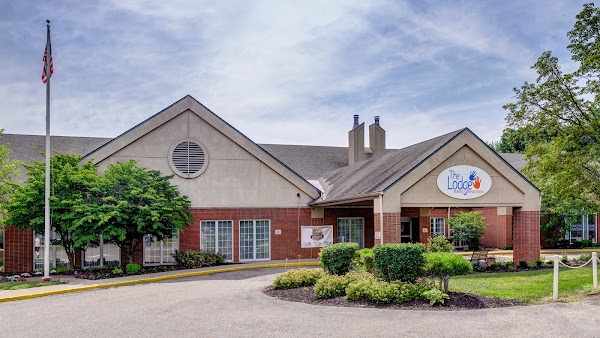
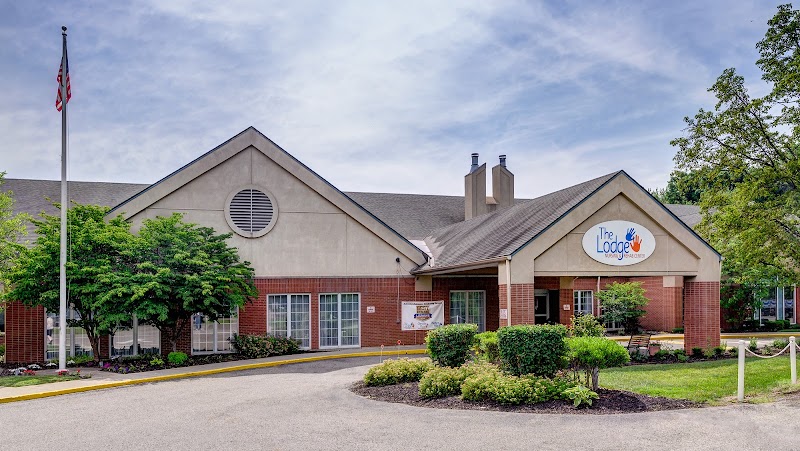
9370 UNION CEMETERY ROAD, LOVELAND, OH 45140 (513) 677-4900
For profit - Corporation 120 Beds CARING PLACE HEALTHCARE GROUP Data: November 2025
Trust Grade
78/100
#106 of 913 in OH
Last Inspection: May 2024

Within standard 12-15 month inspection cycle. Federal law requires annual inspections.

Overview

Lodge Nursing & Rehab Center in Loveland, Ohio, has a Trust Grade of B, indicating it is a good choice, though not at the top of its class. It ranks #106 out of 913 facilities in Ohio, placing it in the top half, and #5 out of 15 in Clermont County, meaning only four local options are better. The facility is improving, with a reduction in issues from 14 in 2021 to just 3 in 2024. Staffing is average, rated at 3 out of 5 stars, with a turnover rate of 44%, which is slightly better than the Ohio average. However, the facility has been fined $15,924, which is concerning as it suggests there may be compliance issues. There have been specific incidents that families should consider. For example, staff failed to properly document meal intakes for several residents, which could lead to nutritional concerns. Additionally, there was a serious lapse in privacy when a medication list was left unsecured on a computer, compromising a resident's private health information. On a positive note, there are no critical or serious issues noted, and the facility has been recognized for excellent quality measures. Overall, while there are areas needing improvement, Lodge Nursing & Rehab Center has many strengths to offer residents.

Trust Score
B
78/100
In Ohio
#106/913
Top 11%
Safety Record
Low Risk
No red flags
Inspections
Getting Better
14 → 3 violations
Staff Stability
○ Average
44% turnover. Near Ohio's 48% average. Typical for the industry.
Penalties
○ Average
$15,924 in fines. Higher than 51% of Ohio facilities. Some compliance issues.
Skilled Nurses
○ Average
Each resident gets 34 minutes of Registered Nurse (RN) attention daily — about average for Ohio. RNs are the most trained staff who monitor for health changes.
Violations
⚠ Watch
22 deficiencies on record. Higher than average. Multiple issues found across inspections.
★★★★★
5.0
Overall Rating
★★★☆☆
3.0
Staff Levels
★★★★★
5.0
Care Quality
★★★★☆
4.0
Inspection Score
Stable
2021: 14 issues
2024: 3 issues

The Good

  • 5-Star Quality Measures · Strong clinical quality outcomes
  • Full Sprinkler Coverage · Fire safety systems throughout facility
  • No fines on record
  • Staff turnover below average (44%)

    4 points below Ohio average of 48%

Facility shows strength in quality measures, fire safety.

The Bad

Staff Turnover: 44%

Near Ohio avg (46%)

Typical for the industry

Federal Fines: $15,924

Below median ($33,413)

Minor penalties assessed

Chain: CARING PLACE HEALTHCARE GROUP

Part of a multi-facility chain

Ask about local staffing decisions and management

The Ugly 22 deficiencies on record

Sept 2024 1 deficiency
CONCERN (D) 📢 Someone Reported This

A family member, employee, or ombudsman was alarmed enough to file a formal complaint

Potential for Harm - no one hurt, but risky conditions existed

Accident Prevention (Tag F0689)

Could have caused harm · This affected 1 resident

**NOTE- TERMS IN BRACKETS HAVE BEEN EDITED TO PROTECT CONFIDENTIALITY** Based on record review, interview, review of a facility Self-Reported Incident (SRI) and facility policy review, the facility fa...

Read full inspector narrative →
**NOTE- TERMS IN BRACKETS HAVE BEEN EDITED TO PROTECT CONFIDENTIALITY** Based on record review, interview, review of a facility Self-Reported Incident (SRI) and facility policy review, the facility failed to thoroughly investigate a resident's fall and failed to implement new fall interventions to prevent future falls. This affected one (#42) out of three Residents reviewed. The facility census was 102. Findings include: Review of the medical record for Resident #42 revealed the resident was admitted to the facility on [DATE]. Diagnoses included dementia, anxiety, diabetes mellitus, atrial fibrillation, and hypotension. Review of the fall care plan for Resident #42 dated 02/10/24, revealed the resident was at risk for falls related to dementia, impaired safety awareness, resistance to care at times, fear of falling, and fluctuations of assistance with transfers and toileting assistance. The fall care plan revealed no new interventions to prevent additional falls after the resident's fall on 08/29/24. Review of the facility's incident log from 07/01/24 through 09/24/24 revealed Resident #42 had no documented incidents related to a fall on 08/29/24 during a staff transfer. Review of a nurse's progress note for Resident #42 dated 08/29/24 at 10:29 A.M., authored by Licensed Practical Nurse (LPN) #201 revealed the resident had large skin tears to right wrist, forearm, and a small tear on her right elbow and bruising. Per the night shift State Tested Nurse Aide (STNA), the resident was combative with care. The night STNA stated she and the resident fell to the ground during a transfer. No other bruises or abrasions were found besides the skin tears. The resident was assessed and complained of back pain. A new treatment order was put in place for skin tears and the supervisor, the Director of Nursing (DON) and the Assistant DON (ADON) were made aware. Review of the facility's SRI created 08/29/24 at 11:43 A.M., revealed Resident #42 had an injury of unknown source. Resident #42 was noted to have three skin tears to her left upper extremity. The resident was unable to recall or verbalize what happened. Resident #42 remained at baseline and had no recollection as to how she obtained the skin tears to her left upper extremity due to cognition. Resident #42 was assessed by a nurse and had no further injuries and denied pain. The summary indicated Resident #42 had three skin tears to the left upper extremity. The resident as assessed by a nurse and bandages were removed and a treatment order was put in place. The physician and families were notified, and calls were placed to the staff working the previous shift. On 09/03/24 at 8:42 A.M., the facility completed the SRI and indicated abuse, and neglect was not suspected due to evidence being inconclusive. The investigation determined Resident #42 had fallen during a transfer earlier that morning with a STNA in the room and the incident was reported to the nurse on duty. Education was provided to the staff on abuse and areas of unknown origin and reporting of falls. Review of a Wound Nurse Practitioner (WNP) note for Resident #42 dated 09/03/24 revealed the resident presented with multiple abrasions on her left forearm. A treatment plan included Xeroform gauze with abdominal (ABD) pad and Kerlix applied to the abrasions of the left forearm daily. The note revealed no documentation related to a fall the resident sustained on 08/29/24. Review of the witness statement by STNA #326 dated 08/29/24 and narrated by the DON, revealed STNA #326 was caring for Resident #42 on 08/29/24 around 11:00 A.M. and reported everything to the agency nurse assigned to Resident #42. STNA #326 indicated the agency nurse assessed the resident and bandaged the skin tears. STNA #326 stated during her morning care, Resident #42 began to struggle against her and knocked her and the resident off balance, causing them to fall and the resident fell on top of her. STNA #326 stated Resident #42 hit her arm on the frame of the closet door which caused several skin tears. STNA #326 yelled for help and the nurse came to assist her and assess the resident. Review of the witness statement by LPN #325 dated 08/29/24 and narrated by the DON, revealed she was notified by an STNA that another STNA and the resident had fallen and needed assistance. LPN #325 stated she assessed Resident #42 and dressed her skin tears. When DON questioned LPN #325 about why an incident was not reported and why she didn't create a nurse's note, LPN #325 stated she did not know she needed to do these things. Review of Resident #42's most recent Minimum Data Set (MDS) assessment dated [DATE] revealed the resident was cognitively impaired. The resident was dependent on staff for transfers. Interview with Agency LPN # 325 on 09/20/24 at 8:13 A.M., revealed she was the nurse on duty on 08/29/24. LPN #325 stated STNA # 326 reported to her that she lowered Resident #42 to the ground and Resident #42 came down on top of STNA #326's stomach. LPN #325 stated she never considered the incident a fall because she was informed that Resident #42 never hit the floor. LPN #325 verified Resident #42 had skin tears and she bandaged the skin tears. LPN #325 stated she told the nurse supervisor who signed her timecard as she was leaving the facility. LPN #325 verified she did not notify the physician or the family because she was not aware she needed to. Interview with Assistant Director of Nursing (ADON) #200 on 09/24/24 at 4:46 P.M., verified Resident #42 had a fall during a staff transfer on 08/29/24. ADON #200 verified the facility failed to thoroughly investigate Resident #42's fall because the facility was not immediately aware of a fall until after they started the injury of unknown origin investigation. ADON #200 stated he was completing morning rounds on 08/29/24 and noticed Resident #42's had skin tears on her arm. ADON #200 stated he questioned the information that agency STNA #326 provided to him about Resident #42 being combative due to the information not being correct because Resident #42 never had a history of being combative and never displayed that type of behavior. ADON #200 stated he could not provide any related information about why the fall was not investigated. ADON #200 stated that after a resident falls, the facility will meet as a team to discuss care plans, complete a risk management report, and discuss new interventions. ADON #200 verified the facility failed to meet as a team and discuss Resident #42's fall and failed to implement any new interventions to prevent future falls for Resident #42. ADON #200 stated the investigation was more focused on an unknown injury. Review of a facility document titled, Fall Prevention and Training for Elderly Residents, undated, revealed keeping the resident safe and sound was the top priority. The facility utilizes risk assessment tools, environmental factors, medication management and assistive devices for elements to prevent falls. The facility will identify fall risk, implement and evaluate interventions utilized to aid the prevention of falls, and revise them as necessary. Review of the facility policy titled, Fall Management, dated 01/2001, revealed each resident's risk factors and environmental hazards will be evaluated with a resident's comprehensive plan of care developed along with interventions monitored for effectiveness. The facility will follow and complete the following steps: assess the resident, complete a post-fall assessment, notify physician and family, review the residents plan of care and update, document all assessments and actions, and obtain witness statements in the case of injury. This deficiency represents non-compliance investigated under Complaint Number OH00157672.
May 2024 1 deficiency
CONCERN (D) 📢 Someone Reported This

A family member, employee, or ombudsman was alarmed enough to file a formal complaint

Potential for Harm - no one hurt, but risky conditions existed

Pharmacy Services (Tag F0755)

Could have caused harm · This affected 1 resident

**NOTE- TERMS IN BRACKETS HAVE BEEN EDITED TO PROTECT CONFIDENTIALITY** Based on observations, staff interviews, record review, and policy review, the facility failed to ensure narcotics were accurate...

Read full inspector narrative →
**NOTE- TERMS IN BRACKETS HAVE BEEN EDITED TO PROTECT CONFIDENTIALITY** Based on observations, staff interviews, record review, and policy review, the facility failed to ensure narcotics were accurately reconciled. This affected two (Residents #64 and #404) of 19 residents with narcotics medications stored on the Shelter Hall and East Hall odd-side medication carts. The facility census was 105. Findings include: 1. Review of the medical record revealed Resident #64 was admitted to the facility on [DATE]. Diagnoses included cerebral infarction, severe vascular dementia with anxiety, type II diabetes mellitus, and other chronic pain. Review of the Minimum Data Set (MDS) assessment completed on 03/07/24 revealed Resident #64 had severely impaired cognition, had no behaviors, did not wander, and did not reject care. Review of the physician orders dated 01/04/2024 revealed an order for Morphine sulfate 20 milligrams (mg) per (/) milliliter (ml) solution give 0.25 ml (five mg) under tongue every four hours as needed for pain or shortness of breath. Review of the Controlled Drug Record revealed Resident #64 received 0.25 ml of morphine sulfate 100 mg per five ml (20 mg/ml) solution on 04/21/24 and had 28 ml remaining in the bottle. Observation on 05/15/24 at 11:22 A.M. revealed Morphine sulfate solution for Resident # 64 held an immeasurable amount of medication between 24 ml and 28 ml marks on the bottle. During interviews conducted on 05/15/24 from 11:27 A.M. to 11:43 A.M., Licensed Practical Nurse (LPN) #207 and the Director of Nursing (DON) each verified Resident #64's bottle of morphine sulfate measured below the 28 ml mark. LPN #207 stated nurses completed narcotic counts at the beginning of every shift, and she did not notice the discrepancy that morning. 2. Review of the medical record revealed Resident #404 was admitted to the facility on [DATE]. Diagnoses included senile degeneration of the brain, dementia without behavioral disturbance, and other chronic pain. Review of the admission Minimum Data Set (MDS) assessment completed 04/22/24 revealed Resident #404 had moderately impaired cognition, had no behaviors, did not wander, and did not reject care. Resident #404 was on Hospice. Review of the physician orders dated 05/03/24 revealed an order for Lorazepam Intensol Concentrate two milligrams (mg) per (/) milliliter (ml) to give 0.25 ml sublingually twice daily for anxiety. Review of the Controlled Drug Record revealed Resident #404 received a 0.25 ml dose of Lorazepam Intensol two mg/ml on 05/15/24 at 9:06 A.M. and had 21 ml remaining in the bottle. Observation on 05/15/24 at 11:54 A.M. revealed Lorazepam Intensol two mg /ml solution for Resident #404 measured at the 20 ml marking. During interviews conducted on 05/15/24 from 11:55 A.M. to 12:05 P.M., the Director of Nursing (DON), Licensed Practical Nurse (LPN) #204, and LPN #198 each verified Resident #404's bottle of Lorazepam Intensol two mg/ml measured at the 20 ml line and should have measured above the 20 ml line. Review of the facility policy titled Controlled Substances, Drug Count, dated 04/2021, revealed two licensed nurses counted and verified the narcotics counts for each individual at the change of shift. If the count was incorrect, the nurse on duty did not leave until the count was correct or the reason for the discrepancy was identified. This deficiency represents noncompliance investigated under Complaint Number OH00153147.
Mar 2024 1 deficiency
CONCERN (E) 📢 Someone Reported This

A family member, employee, or ombudsman was alarmed enough to file a formal complaint

Potential for Harm - no one hurt, but risky conditions existed

Medical Records (Tag F0842)

Could have caused harm · This affected multiple residents

Based on medical record review, staff interview, and review of facility policy, the facility failed to ensure record of meal intakes were consistently documented. This affected four (Residents #1, #3,...

Read full inspector narrative →
Based on medical record review, staff interview, and review of facility policy, the facility failed to ensure record of meal intakes were consistently documented. This affected four (Residents #1, #3, #36, and #92) of five residents reviewed for meal consumption. The facility census was 104. Findings include: 1. Review of the medical record for Resident #1 revealed an admission date of 12/05/23 with diagnoses including need for assistance with personal care and nutritional deficiency. Review of the quarterly Minimum Data Set (MDS) assessment for Resident #1 dated 02/04/24 revealed the resident had intact cognition. Review of the care plan for Resident #1 dated 12/13/23 revealed the resident had nutritional problems and was at risk for malnutrition related to inadequate meal intake. Interventions included to monitor intake and record every meal. Review of the meal intake records for Resident #1 from 02/27/24 through 03/26/24 revealed there were no intakes documented for the following dates: 02/28/24, 02/29/24, 03/08/24, 03/09/24, and 03/10/24. There were only two meal intake documented on the following dates: 02/27/24, 02/28/24, 03/02/24, 03/03/24, 03/06/24, 03/07/24, 03/13/24, 03/16/24, 03/17/24, 03/18/24, 03/21/24, 03/24/24, and 03/25/24. There was only one meal intake documented on 03/11/24 and 03/22/24. 2. Review of the medical record for Resident #3 revealed and admission date of 01/26/24 with diagnoses including nutritional deficiency and adult failure to thrive. Review of the quarterly MDS assessment for Resident #dated 03/12/24 revealed the resident had intact cognition. Review of the care plan for Resident #3 revised 02/01/24 revealed the resident had a nutritional problem or potential risk for malnutrition. Interventions included to monitor intake and to record every meal. Review of the meal intake records for Resident #3 from 02/27/24 through 03/26/24 revealed there were no meal intakes documented for the following dates: 02/28/24, 02/29/24, 03/01/24, 03/04/24, 03/05/24, 03/10/24, and 03/25/24. There were only two meal intakes documented on the following dates: 02/27/24, 03/06/24, 03/07/24, 03/13/24, 03/18/24, 03/21/24, 03/22/24, 03/23/24, 03/24/24. 3. Review of the medical record for Resident #36 revealed an admission date of 08/24/19 with diagnoses including anemia, moderate protein-calorie malnutrition, and dementia. Review of the quarterly MDS assessment for Resident #36 dated 03/02/24 revealed the resident had mildly impaired cognition. Review of the care plan for Resident #36 revised 03/08/24 revealed the resident had increased nutritional needs. Interventions included to monitor intake and to record every meal. Review of the meal intake records for Resident #36 from 02/27/24 through 03/26/24 revealed no meal intakes documented for the following dates: 02/28/24, 02/29/24, 03/08/24, 03/09/24, 03/10/24, and 03/22/24. There were only two meal intakes documented for the following dates: 02/27/24, 03/02/24, 03/03/24, 03/06/24, 03/07/24, 03/11/24,03/13/24, 03/16/24, 03/17/24, 03/18/24, and 03/25/24. There was only one meal intake documented for the following dates: 03/19/24, 03/21/24, 03/25/24. 4. Review of the medical record for Resident #92 revealed an admission date of 11/09/21 with diagnoses including quadriplegia, hypertension, and anxiety disorder. Review of the quarterly MDS assessment for Resident #92 dated 01/16/24 revealed the resident was assessed to have impaired memory upon staff interview. Review of the care plan for Resident #92 revised 10/20/23 revealed the resident had a nutrition problem and a potential risk of malnutrition. Interventions included to monitor intake and to record every meal. Review of the meal intake records for Resident #92 from 02/27/24 through 03/26/24 revealed were no meal intakes documented for the following dates: 02/28/24, 03/08/24, 03/09/24, 03/10/24, 03/11/24, 03/16/24, 03/21/24, and 03/24/24. There were only two meal intakes documented for the following dates: 02/27/24, 02/29/24, 03/02/24, 03/06/24, 03/07/24, 03/13/24, 03/17/24, 03/18/24, 03/23/24. There was only one meal intake documented for the following dates: 03/03/24, 03/19/24, 03/22/24, 03/25/24. Interview on 03/27/24 at 10:38 A.M. with State Tested Nursing Assistant (STNA) #100 on confirmed the percentage of meals consumed by residents should be documented in the residents' medical record for every meal. STNA #100 confirmed there was not always time to document every meal. Interview on 03/27/24 at 10:55 A.M. with the Director of Nursing (DON) confirmed the facility staff should consistently document resident meal intakes. The DON confirmed the facility had not consistently documented meal intakes for Residents #1, #3, #36, and #92 from 02/27/24 to 03/26/24. Interview on 03/07/24 at 2:27 P.M. with the Assistant Director of Nursing (ADON) confirmed Resident #36's family member had requested the amount of meal the resident had consumed and the ADON was unable to provide the amount due to it not being documented in the resident's medical record. Review of the facility policy titled Diet/Meal Consumption reviewed 01/26/21 revealed any resident at risk for unintended weight loss should have their meal intake recorded. This deficiency represents noncompliance investigated under Complaint Number OH00152031.
Apr 2021 14 deficiencies
CONCERN (D)

Potential for Harm - no one hurt, but risky conditions existed

Deficiency F0578 (Tag F0578)

Could have caused harm · This affected 1 resident

Based on record review and staff interview the facility failed to ensure resident's medical record accurately reflected the resident's advanced directive for a selected code status. This affected one ...

Read full inspector narrative →
Based on record review and staff interview the facility failed to ensure resident's medical record accurately reflected the resident's advanced directive for a selected code status. This affected one (#8) of one residents reviewed for advanced directives. The census was 86. Findings include: Review of the medical record for Resident #8 revealed an admission date of 06/05/18 with a diagnosis of multiple sclerosis. Review of the April 2021 physician orders for Resident #8 revealed resident's code status was listed as Do Not Resuscitate Comfort Care (DNRCC)-Arrest. Review of the online dashboard in the electronic medical record for Resident #8 revealed resident's code status was listed as DNRCC-Arrest Review of the care plan for Resident #8 dated 06/07/18 revealed resident's advanced directive was for her code status to be DNRCC-Arrest. Interventions included: advanced directives should be kept on the resident's chart and updated quarterly and as needed. Review of the state of Ohio DNR form dated 06/06/18 for Resident #8 under the advanced directive tab on the resident's chart signed by the physician and resident's representative revealed resident was to be a DNRCC. The box on the form for DNRCC-Arrest was not checked. Interview on 04/20/21 at 3:59 P.M. with Social Worker (SW) #19 confirmed Resident #8's orders, care plan, and electronic record list her code status as DNRCC-Arrest and advanced directive form in the chart signed by the physician indicated the resident was to be a DNRCC. SW #19 confirmed the DNRCC-Arrest box on the form in the resident's chart was not checked and there were no other advanced directive forms on the resident's chart.
CONCERN (D)

Potential for Harm - no one hurt, but risky conditions existed

Notification of Changes (Tag F0580)

Could have caused harm · This affected 1 resident

**NOTE- TERMS IN BRACKETS HAVE BEEN EDITED TO PROTECT CONFIDENTIALITY** 2. Review of the medical record for Resident #241 revealed an admission date of 04/09/21. Diagnoses included, but not limited to...

Read full inspector narrative →
**NOTE- TERMS IN BRACKETS HAVE BEEN EDITED TO PROTECT CONFIDENTIALITY** 2. Review of the medical record for Resident #241 revealed an admission date of 04/09/21. Diagnoses included, but not limited to, congested heart failure (CHF), hypertension (HTN), Alzheimer's disease, dementia, acute kidney failure, nutritional deficiency, and diabetes mellitus. Review of the most recently completed MDS assessment dated [DATE] revealed Resident #241 was cognitively intact, had no behaviors, did not reject care, did not wander, was one person assist and required extensive and limited ADL's. Review of baseline plan of care for Resident #241 dated 04/09/21 revealed resident had CHF and was to be weighed as ordered. Review of physician orders for Resident #241 dated 04/09/21 revealed the resident was ordered to be weighed daily in morning before breakfast and physician was to be notified for weight gain greater than three pounds in 24 hours or five pounds in one week related to CHF. Physician orders also revealed no documented orders or new interventions for five-pound weight gain from 04/10/21 through 04/12/21. Review of weights reveled resident weighed 97 pounds on admission on [DATE] and 102 pounds at the next recorded weight on 04/12/21. Nurses notes also revealed no documented evidence the physician or advanced provider was notified when resident had a five-pound weight gain from 04/10/21 to 04/12/21. Interview with Director of Nursing (DON) on 04/22/21 at 2:50 P.M. verified there was no documented evidence Residents #241's physician was not notified of a weight gain of five pounds from 04/10/21 to 04/12/21. Review of a facility policy titled Weight Changes dated 01/25/21 revealed changes in weight will be monitored, addressed and communicated to the physician without detriment to the resident. The policy indicated when weight changes were indicated, physician was to be notified. Based on record review, staff interview, and review of the facility policy, the facility failed to notify resident physician of elevated resident blood sugar. This affected one (#3) of seven residents reviewed for unnecessary medications. Additionally, the facility failed failed to ensure the facility physician or advanced provider was notified when a resident had a weight gain of five pounds. This affected one (#241) of three residents reviewed. Facility census was 86. Findings include: 1. Review of the medical record for Resident #3 revealed an admission date of 11/16/18 with a diagnosis of diabetes mellitus. Review of the Minimum Data Set (MDS) assessment for Resident #3 dated 04/02/21 revealed resident was cognitively impaired and required extensive assistance of two staff with activities of daily living (ADL's). Review of the care plan for Resident #3 dated 11/16/18 revealed the resident had diabetes mellitus and received insulin and was at risk for hyper/hypoglycemic episodes and secondary complications related to the disease process or potential for adverse effects related to medication usage. Interventions included the following: diabetes medication as ordered by doctor, monitor/document for side effects and effectiveness, fasting serum blood sugar as ordered by the doctor. Review of the March 2021 monthly physician orders for Resident #3 revealed an order for routine Novolog insulin four units to be given subcutaneously at 12:30 P.M., routine Levemir insulin to be given at 9:00 P.M. and to check the residents blood sugar (BS) at 6:00 A.M. and 9:00 P.M. daily and call physician if blood sugar is less than 60 or greater than 350. Review of the March 2021 Medication Administration Record (MAR) for Resident #3 revealed the following the resident's blood sugar exceeded 350 on the following dates and times: 03/03/21 at 9:00 P.M. -BS of 364; 03/05/21 at 9:00 P.M. -BS of 368; 03/15/21 at 9:00 P.M. -BS of 369; and 03/18/21 at 9:00 P.M.-BS of 387. Review of the March 2021 MAR for Resident #3 revealed no blood sugar was recorded on 03/12/21 at 6:00 A.M. on 03/18/21 at 6:00 A.M. Review of the nurse progress notes for Resident #3 dated 03/03/21 through 03/18/21 revealed the notes contained no documentation regarding a call to the physician regarding blood sugars over 350 for Resident #3. The notes contained no documentation regarding a rationale for no blood sugar recorded for 03/12/21 and 03/18/21 at 6:00 A.M. Interview on 04/22/21 at 2:30 P.M. with the Director of Nursing (DON) confirmed Resident #3's record did not reflect physician notification of blood sugars over 350 nor did they reflect an explanation for no blood sugar obtained on 03/12/21 and 03/18/21. Review of the facility policy titled Change of Resident Condition dated 01/2021 revealed the facility staff would notify the resident's attending physician of a change in condition and the nurse would document notification of changes in the medical record.
CONCERN (D)

Potential for Harm - no one hurt, but risky conditions existed

Transfer Notice (Tag F0623)

Could have caused harm · This affected 1 resident

**NOTE- TERMS IN BRACKETS HAVE BEEN EDITED TO PROTECT CONFIDENTIALITY** Based on medical record review and staff interview, the facility failed to send a copy of the transfer or discharge notice to th...

Read full inspector narrative →
**NOTE- TERMS IN BRACKETS HAVE BEEN EDITED TO PROTECT CONFIDENTIALITY** Based on medical record review and staff interview, the facility failed to send a copy of the transfer or discharge notice to the Ombudsman for a resident that discharged to the hospital. This affected one (#73) out of three residents reviewed for hospitalizations. The facility census was 86. Findings include: Record review of Resident #73's chart revealed resident was admitted to the facility on [DATE] with the following diagnoses; encephalopathy, unspecified fracture of lower end of left radius initial encounter for closed fracture, Alzheimer's disease, unspecified dementia with behavioral disturbance, essential hypertension, generalized anxiety disorder, irritable bowel syndrome without diarrhea, and nutritional deficiency. Review of Resident #73's quarterly Minimum Data Sets (MDS) assessment dated [DATE] revealed resident to be severely cognitively impaired and required limited assistance with bed mobility, dressing, toileting, and personal hygiene. Resident #73 also required supervision with transfers and eating. Review of Resident #73's progress note dated 03/30/21 revealed Resident #73 was discharged to the hospital on [DATE] after having a fall with wrist pain. Further review of Resident's progress note dated 03/30/21 revealed Resident #73 readmitted to the facility on from the hospital on this date. Review of Resident #73's notice of transfer or discharge date d 03/30/21 revealed Resident #73's resident representative was notified of Resident #73's discharge from the facility on 03/30/21. There was no documentation that the Ombudsman was notified or was sent a copy of Resident #73's transfer or discharge notice for his 03/30/21 hospitalization. Review of Resident #73's progress note dated 04/07/21 revealed Resident was transferred to the hospital on [DATE]. Further review of Resident #73's progress note dated 04/09/21 revealed Resident #73 returned to the facility from the hospital on [DATE]. Review of Resident #73's notice of transfer or discharge date d 04/07/21 revealed Resident #73's resident representative was notified of Resident #73's discharge from the facility on 04/07/21. There was no documentation that the Ombudsman was notified or was sent a copy of Resident #73's transfer or discharge notice for his 04/07/21 hospitalization. Interview with the Administrator on 04/21/21 at 12:57 P.M. revealed the Administrator last notified the Ombudsman of transfers and discharges from the facility on 02/16/21. The Administrator confirmed the Ombudsman was not notified of Resident #73's discharge/transfer to the hospital on [DATE] and 04/07/21.
CONCERN (D)

Potential for Harm - no one hurt, but risky conditions existed

Quality of Care (Tag F0684)

Could have caused harm · This affected 1 resident

**NOTE- TERMS IN BRACKETS HAVE BEEN EDITED TO PROTECT CONFIDENTIALITY** Based on record review, staff interview and review of facility policy, the facility failed to ensure residents were weighed acco...

Read full inspector narrative →
**NOTE- TERMS IN BRACKETS HAVE BEEN EDITED TO PROTECT CONFIDENTIALITY** Based on record review, staff interview and review of facility policy, the facility failed to ensure residents were weighed according to physician orders. This affected two (#1 and #241) of the three residents reviewed. Facility census was 86. Findings include: 1. Review of the medical record for Resident #1 revealed an admission date of 03/30/21. Diagnoses included, but not limited to, congestive heart failure (CHF), hypertension (HTN), Atrial fibrillation, osteoarthritis, aortic stenosis, and spondylosis. Review of the most recently completed Minimum Data Set (MDS) assessment dated [DATE] revealed Resident #1 was cognitively intact, had no behaviors, did not reject care, did not wander, was one person assist and required extensive and limited assistance with activities of daily livings (ADL's). Review of physician orders for Resident #1 dated 03/30/21 revealed resident was ordered to be weighed daily in morning before breakfast and physician was to be notified for weight gain greater than three pounds in 24 hours or five pounds in one week. Review of nurse's progress notes for Resident #1 from 03/30/21 through 04/20/21 revealed no documented evidence resident refused to be weighed or other documented reasons why resident was not weighed as ordered. Review of the plan of care for Resident #1 dated 03/31/21 revealed resident had potential for nutritional problem related to CHF and medications (Lasix) may cause weight fluctuations. Interventions included weigh resident as ordered. Review of weights for Resident #1 revealed no documented evidence resident was weighed on 04/05/21, 04/10/12, 04/11/21, 04/15/21, and 04/17/21. Review of weights from 03/21/21 through 04/19/21 revealed resident weighed 110 pounds on admission, and 106 pounds on 04/19/21. Review of April 2021 medication administration record (MAR) for Resident #1, revealed no documented evidence resident was weighed on 04/05/21, 04/10/12, 04/11/21, 04/15/21, and 04/17/21. Review of Registered Dietician (RD) notes for Resident #1 dated 04/07/21 revealed resident was on regular diet, underweight, and had weight fluctuations due to CHF and diuretics. Notes indicated the RD's plan included resident to be weighed as ordered. 2. Review of the medical record for Resident #241 revealed an admission date of 04/09/21. Diagnoses included, but not limited to, CHF, HTN, Alzheimer's disease, dementia, acute kidney failure, nutritional deficiency, and diabetes mellitus. Review of the most recently completed MDS assessment dated [DATE] revealed Resident #241 was cognitively intact, had no behaviors, did not reject care, did not wander, was one person assist and required extensive and limited ADL's. Review of baseline plan of care for Resident #241 dated 04/09/21 revealed resident had CHF and was to be weighed as ordered. Review of physician orders for Resident #241 dated 04/09/21 revealed the resident was ordered to be weighed daily in morning before breakfast and physician was to be notified for weight gain greater than three pounds in 24 hours or five pounds in one week related to CHF. Review of nurse's progress notes for Resident #241 from 04/09/21 through 04/22/21 revealed no documented evidence resident refused to be weighed or other indications why resident was not weighed as ordered. Review of weights for Resident #241 revealed no documented evidence resident was weighed on 04/10/21, 04/11/21, 04/14/21, 04/15/21, 04/17/21, 04/18/21, 04/19/21, and 04/20/21. Review of April 2021 MAR for Resident #241 revealed no documented evidence resident was weighed on 04/10/21, 04/11/21, 04/14/21, 04/15/21, 04/17/21, 04/18/21, 04/19/21, and 04/20/21. Review of RD notes for Resident #241 dated 04/12/21 revealed resident was on regular diet, underweight and had daily weights due to CHF. RD notes indicated resident would be weighed daily as ordered. Interview with Director of Nursing (DON) on 04/22/21 at 2:50 P.M. verified there was no documented evidence Residents #1 and #241 were weighed in accordance with the physician orders on the dates noted. Review of a facility policy titled Weight Changes dated 01/25/21 revealed changes in weight will be monitored, addressed and communicated to the physician without detriment to the resident.
CONCERN (D)

Potential for Harm - no one hurt, but risky conditions existed

Deficiency F0688 (Tag F0688)

Could have caused harm · This affected 1 resident

Based on medical record review, observation and resident and staff interview the facility failed to ensure residents wore splints as ordered by the physician to treat contractures. This affected one (...

Read full inspector narrative →
Based on medical record review, observation and resident and staff interview the facility failed to ensure residents wore splints as ordered by the physician to treat contractures. This affected one (#25) of three residents reviewed for limited range of motion. The census was 86. Findings include: Review of the medical record for Resident #25 revealed an admission date of 08/25/19 with diagnoses including cerebral infarction and hemiplegia. Review of the Minimum Data Set (MDS) assessment for Resident #25 dated 02/03/21 revealed resident was cognitively intact, required extensive assistance of two staff with activities of daily living (ADL's) and had contractures to her upper extremities. Review of the care plan for Resident #25 dated 02/09/21 revealed resident had an ADL self-care performance deficit due to cerebrovascular accident (CVA) with left hemiparesis, limited ROM, muscle weakness, and left hand contracture. Interventions included resident was to wear a palmar grip splint in left hand at all times except for hygiene and bathing. Review of the care plan for Resident #25 dated 02/05/21 revealed resident had a behavior problem and behaviors included refusal to wear left hand splint at times. Interventions included the following: explain all procedures before starting and allow the resident an appropriate amount of time to adjust to changes and upon resistance to care reapproach after appropriate amount of time. Review of the occupational therapy (OT) note for Resident #25 dated 02/01/21 revealed resident tolerated wearing of left hand splint Review of the occupational therapy (OT) note for Resident #25 dated 02/02/21 revealed resident was compliant in wearing splint to her left hand Review of the occupational therapy (OT) note for Resident #25 dated 02/03/21 revealed resident told therapist she planned to wear her left hand splint for 24 hours every day to prevent further contracture to her hand, but therapist recommended resident remove splint for hygiene and bathing and resident agreed. Review of the occupational therapy note for Resident #25 dated 02/17/21 revealed therapist donned resident's left hand splint and educated resident to ask for staff assistance with donning splint if they did not offer to don splint. Review of the occupational therapy (OT) discharge summary for Resident #25 dated 02/19/21 revealed Resident #25 was wearing her left hand splint consistently and the therapy discharge recommendations were always for resident to wear the left hand splint except for hygiene and bathing. Review of the April 2021 physician's orders for Resident #25 always revealed an order dated 12/18/20 for resident to wear a palmar grip splint to the left hand except for hygiene and bathing. Review of the April 2021 Treatment Administration Record (TAR) for Resident #25 revealed it contained no documentation regarding splint to resident's left hand. Observation on 04/19/21 at 8:47 A.M. of Resident #25 revealed resident's left hand was contracted and there was no splint or device in place. Resident was feeding herself breakfast with her right hand. Interview on 04/19/21 at 8:48 A.M. with Resident #25 confirmed her left hand was contracted related to a prior stroke. Resident #25 further confirmed she was supposed to wear a left hand splint at all times except for bathing Resident #25 confirmed she was not able to don the splint without assistance and no one had offered to place her splint on. Observation on 04/19/21 at 1:30 P.M. of Resident #25 revealed resident in the hallway in her wheelchair and was not wearing her hand splint. Interview on 04/19/21 at 1:30 P.M. with Licensed Practical Nurse (LPN) #104 confirmed Resident #25 was not wearing her splint. LPN #104 further confirmed the resident was supposed to wear the splint at all times to prevent further contracture to the left hand, but the facility did not have a written record of splint application Interview on 04/21/21 at 12:39 P.M. with Occupational Therapist (OT) #114 confirmed Resident #25 was discharged from therapy on 02/19/21 with recommendations to wear a left hand palmar grip splint at all times except for bathing and hygiene to prevent further contracture to her left upper extremity. OT #114 confirmed Resident #25 could not don the splint independently. Observation on 04/21/21 at 1:30 P.M. of Resident #25 revealed resident was in her room watching television and did not have her splint on. Interview on 04/21/21 at 1:30 P.M. with Resident #25 confirmed she did not have her splint on, and no one had offered to put the splint on her. Observation on 04/21/21 at 4:27 P.M. of Resident #25 revealed resident was wearing her left hand splint. Interview on 04/21/21 at 4:28 P.M. with State Tested Nursing Assistant (STNA) #40 confirmed she had placed Resident #25's splint on her left hand a couple hours prior to the interview on 04/21/21. STNA #40 confirmed the facility did not have a record of splint application for Resident #25. STNA #40 further confirmed Resident #25 was supposed to wear the splint at all times removing only for showering. Interview on 04/22/21 at 2:30 P.M. with the Director of Nursing (DON) confirmed Resident #25's medical record contained no documentation regarding donning and doffing of splint to left hand and/or regarding resident refusals of splint.
CONCERN (D)

Potential for Harm - no one hurt, but risky conditions existed

Accident Prevention (Tag F0689)

Could have caused harm · This affected 1 resident

**NOTE- TERMS IN BRACKETS HAVE BEEN EDITED TO PROTECT CONFIDENTIALITY** Based on medical record review, observation, staff interview and policy review, the facility failed to ensure fall interventions...

Read full inspector narrative →
**NOTE- TERMS IN BRACKETS HAVE BEEN EDITED TO PROTECT CONFIDENTIALITY** Based on medical record review, observation, staff interview and policy review, the facility failed to ensure fall interventions were in place in accordance with a resident's fall care plan. This affected one (#73) out of 19 residents reviewed for care planning. The facility census was 86. Findings include: Record review of Resident #73's chart revealed resident was admitted to the facility on [DATE] with the following diagnoses; encephalopathy, unspecified fracture of lower end of left radius initial encounter for closed fracture, Alzheimer's disease, unspecified dementia with behavioral disturbance, essential hypertension, generalized anxiety disorder, irritable bowel syndrome without diarrhea, and nutritional deficiency. Review of Resident #73's quarterly Minimum Data Sets (MDS) assessment dated [DATE] revealed resident to be severely cognitively impaired and required limited assistance with bed mobility, dressing, toileting, and personal hygiene. Resident #73 also required supervision with transfers and eating. Review of Resident #73's fall care plan dated 04/20/21 revealed resident was to have fall mats to both sides of the bed to reduce the risk of injury. Observation of the facility on 04/20/21 at 11:59 A.M. revealed Resident #73 was lying in a low bed with no fall mats to the side of the bed. Interview with the Director of Nursing (DON) on 04/20/21 at 11:59 A.M. verified Resident #73 was lying in bed with no fall mats to the side of the bed. The DON also verified Resident #73 was ordered to have fall mats to the side of his bed. The DON also verified Resident #73 care plan stated Resident #73 was to have fall mats to the side of his bed. The DON reported that Resident #73 had the fall mats to the side of his bed as intervention prior to 04/20/21 but the care plan and orders were all removed from the electronic record. Review of the undated facility's comprehensive care plans policy revealed it was the policy of the facility to develop and implement a comprehensive person centered care plan for each resident. Review of the facility's fall management policy dated January 2021 revealed each resident will be assessment for the risks of falling and will receive care and services in accordance with the level of risk to minimize the likelihood of falls.
CONCERN (D)

Potential for Harm - no one hurt, but risky conditions existed

Deficiency F0694 (Tag F0694)

Could have caused harm · This affected 1 resident

**NOTE- TERMS IN BRACKETS HAVE BEEN EDITED TO PROTECT CONFIDENTIALITY** Based on medical record review, staff interviews, review of facility policy, review of Licensed Practical Nurse (LPN) job descri...

Read full inspector narrative →
**NOTE- TERMS IN BRACKETS HAVE BEEN EDITED TO PROTECT CONFIDENTIALITY** Based on medical record review, staff interviews, review of facility policy, review of Licensed Practical Nurse (LPN) job description and review of online resources from Ohio Board of Nursing, the facility failed to ensure resident received ordered intravenous (IV) medications and accommodating IV flushes via peripherally inserted central catheter (PICC). Additionally, the facility also failed to ensure an LPN was appropriately licensed to administer IV medications when she recorded medications administered through a PICC line. This also affected one (#61) out of one residents reviewed for IV medications. The facility identified only one resident in the facility on IV medications. Facility census was 86. Findings include: Review of the medical record for Resident #61, revealed an admission date of 03/22/21. Diagnoses include osteomyelitis of vertebra, multiple sclerosis (MS), pressure ulcer of sacral region, hypothyroidism, depressive disorders, colostomy, anxiety, flaccid neuropathic bladder, osteoporosis, and muscle weakness. Review of the most recently completed Minimum Data Set (MDS) assessment dated [DATE] revealed Resident #61 was cognitively intact, had no behaviors, did not reject care, did not wander, was two person assist, dependent or required extensive assistance with activities of daily livings (ADL's). Section-O (special treatments, procedures, and Programs) revealed Resident #61 received intravenous (IV) medications. Review of physician orders for Resident #61 dated 03/22/21 revealed resident was ordered Sodium Chloride (Normal Saline) (NS) flush solution 0.9 percent; five milliliters (mL) via IV every eight hours (6:00 A.M., 2:00 P.M. and 10:00 P.M.) for PICC line maintenance via the saline administration saline heparin (SASH) method. Physician orders dated 03/22/21 revealed the resident was ordered Heparin (anticoagulant medication) flush solution ten units/mL; administer two mL via PICC line every eight hours (6:00 A.M., 2:00 P.M. and 10:00 P.M.) for PICC maintenance via SASH method. Physician orders dated 03/22/21 revealed resident was ordered Meropenem Solution (antibiotic) one gram (gm) IV via PICC every eight hours (6:00 A.M., 2:00 P.M. and 10:00 P.M.) for cellulitis related to osteomyelitis of vertebra, sacral and sacrococcygeal region. Review of the plan of care for Resident #61 dated 03/23/21 revealed resident had compromised skin integrity due to sacral osteomyelitis and received IV antibiotics. Interventions included administer medications as ordered. Review of March 2021 Medication administration records (MAR) for Resident #61 revealed no documented evidence resident received ordered Meropenem on 03/23/21 at 10:00 P.M. March 2021 MAR also revealed no documented evidence resident received ordered Sodium Chloride and Heparin PICC line flushes on 03/30/21 at 10:00 P.M. Review of April 2021 MAR for Resident #61 revealed no documented evidence resident received ordered Meropenem Solution IV medication on 04/12/21, 04/13/21 and 04/15/21 at 6:00 A.M. and 04/19/21 at 10:00 P.M. MAR also revealed no documented evidence resident received ordered Sodium Chloride 0.9 percent flush on 04/11/21, 04/12/21, 04/13/21 and 04/15/21 at 6:00 A.M. and 04/19/21 at 10:00 P.M. Review of he April 2021 MAR also revealed no documented evidence resident received Heparin flushes on 04/11/21, 04/12/21, 04/13/21 and 04/15/21 at 6:00 A.M., and 04/19/21 at 10:00 P.M. Further review of April 2021 MAR revealed LPN #87 documented she administered Meropenem Solution IV via PICC on 04/05/21, 04/06/21, 04/07/21, 04/08/21 at 6:00 A.M. and 04/04/21 04/05/21, 04/07/21 and 04/14/21 at 10:00 P.M. Review of the April 2021 MAR also revealed LPN #87 documented she administered Sodium Chloride 0.9 and Heparin flushes via IV PICC line on 04/05/21, 04/06/21, 04/07/21, 04/08/21 at 6:00 A.M., and 04/04/21 04/05/21, 04/07/21 and 04/14/21 at 10:00 P.M. Review of nurse's progress notes for Resident #61 from 03/22/21 through 04/15/21 revealed no documented evidence the resident refused IV antibiotics and PICC line flushes or other reasons why resident missed her ordered antibiotic medications and PICC line flushes on the above dates and times. Nurses progress notes also revealed no documented evidence any additional staff member(s) administered IV medications on the dates listed above. Interview with Director of Nursing (DON) on 04/22/21 at 3:00 P.M. verified Resident #61's MAR revealed no documented evidence Resident #61 received ordered Meropenem Solution IV medication, Sodium Chloride and Heparin flushes on the dates and times recorded above. DON also verified LPN #87 documented she administered IV medications and IV flushes to Resident # 61 on the dates and times recorded above. DON further verified LPN #87 did not have a certification attached to her LPN license which permitted her to administer IV medications. Interview with LPN #87 on 04/22/21 at 4:01 P.M. verified her LPN license did not contain a certification for administering IV medications. LPN #87 further stated she did not administer the IV medications to Resident #61. LPN #87 stated she may have seen the doses were open on the electronic medical records (EMR) and clicked on them to close out the doses. LPN #87 stated she did not know who administered the IV medications and/or if the medications were administered when she documented they were given. Review of job description for LPN #87 dated 09/05/17 revealed staff nurses were responsible for providing total quality care to all residents in a professional and timely manner while meeting quality nursing practice standards and the standards of state and federal regulatory agencies. Review of online resources Ohio elicense Ohio Professional license at https://elicense.ohio.gov/oh_verifylicense revealed LPN #87 had an active, unrestricted LPN license for medications with no certifications for IV medications. Review of a facility policy titled Catheter Insertion and Care dated 12/01/13 revealed midline and central line IV catheters will be flushes to maintain patency; to prevent mixing of compatible medications and solutions; and to ensure entire dose of solution or medication is administered into the venous system. Policy also revealed under general guidelines, indicated staff were to consult State Nurse Practice Act for Registered Nurse (RN)/LPN scope of practice and functions. Review of 02/05/20 facility policy titled Medication Administration revealed medications will be administered in a safe and effective manner.
CONCERN (D)

Potential for Harm - no one hurt, but risky conditions existed

Drug Regimen Review (Tag F0756)

Could have caused harm · This affected 1 resident

Based on medical record review, staff interview, and review of medication information from Medscape, the facility failed to timely respond to and implement pharmacist drug regimen recommendations. Thi...

Read full inspector narrative →
Based on medical record review, staff interview, and review of medication information from Medscape, the facility failed to timely respond to and implement pharmacist drug regimen recommendations. This affected one (#3) of seven residents reviewed for unnecessary medications. The census was 86. Findings include: Review of the medical record for Resident #3 revealed an admission date of 11/16/18 with a diagnosis of diabetes mellitus. Review of the Minimum Data Set (MDS) assessment for Resident #3 dated 04/02/21 revealed resident was cognitively impaired and required extensive assistance of two staff with activities of daily living (ADL's). Review of the physician orders for Resident #3 revealed an order dated 10/20/20 for hydroxyzine three times daily routinely for itching. Review of the pharmacist recommendation dated 03/15/21 revealed the pharmacist noted resident had been receiving hydroxyzine routinely three times daily for itching since October 2020 and the medication was not recommended for use in the elderly. Further review of the recommendation revealed the medication should be discontinued or the dosage reduced. Review of the recommendation revealed on 03/20/21 the physician had noted agreement with the pharmacist recommendation and wrote to discontinue hydroxyzine. Review of the March 2021 Medication Administration Record (MAR) for Resident #3 revealed the resident received hydroxyzine three times daily in March 2021. Review of the April 2021 MAR for Resident #3 on 04/21/21 revealed the resident received hydroxyzine three times daily in April 2021. Interview on 04/21/21 at 5:00 P.M. with the Director of Nursing (DON) confirmed the facility had not implemented and acted on the pharmacist's recommendation and the attending physician's order to discontinue hydroxyzine for Resident #3. Review of medication information from Medscape revealed hydroxyzine may cause over sedation and confusion in the elderly and prescriber should start on lower doses and monitor closely and avoid use with elderly patients.
CONCERN (D)

Potential for Harm - no one hurt, but risky conditions existed

Deficiency F0760 (Tag F0760)

Could have caused harm · This affected 1 resident

Based on record review, staff interview, review of facility policy and review of medication information from Medscape, the facility discontinued a residents blood pressure medication without a physici...

Read full inspector narrative →
Based on record review, staff interview, review of facility policy and review of medication information from Medscape, the facility discontinued a residents blood pressure medication without a physician's order to do so resulting in a significant medication error . This affected one (#3) of seven residents reviewed for unnecessary medications. The census was 86. Findings include: Review of the medical record for Resident #3 revealed an admission date of 11/16/18 with a diagnosis of diabetes mellitus. Review of the Minimum Data Set (MDS) assessment for Resident #3 dated 04/02/21 revealed resident was cognitively impaired and required extensive assistance of two staff with activities of daily living (ADL's). Review of the care plan for Resident #3 dated 09/19/19 revealed resident was at risk for complications associated with cardiovascular status due to disease processes including congestive heart failure, hypertension, and atrial fibrillation. Interventions included the following: administer medications per physician order, coordinate care as needed with physician or pharmacy for medication review as needed, consult with cardiologist if clinically indicated. Review of the physician orders for Resident #3 revealed an order dated 10/20/20 for hydroxyzine three times daily routinely for itching and an order dated for hydralazine twice daily for hypertension (high blood pressure). Review of the pharmacist recommendation dated 03/15/21 revealed the pharmacist noted resident had been receiving hydroxyzine routinely three times daily for itching since October 2020 and the medication was not recommended for use in the elderly. Further review of the recommendation revealed the medication should be discontinued or the dosage reduced. Review of the recommendation revealed on 03/20/21 the physician had noted agreement with the pharmacist recommendation and wrote to discontinue hydroxyzine. Review of the March 2021 physician orders for Resident #3 revealed an order to discontinue hydralazine. Review of the nurse progress note for Resident #3 dated 03/21/21 revealed nurse informed the resident his hydralazine had been discontinued per physician order. Review of the March 2021 Medication Administration Record (MAR) for Resident #3 revealed resident received hydralazine twice daily until 03/20/21, but it was discontinued on 03/20/21. Resident #3 did not receive the physician ordered hydralazine from the date of it being discontinued on 03/20/21 through the time of the survey dated 04/21/21. Interview on 04/21/21 at 5:00 P.M. with the Director of Nursing (DON) confirmed the consultant pharmacist had recommended Resident #3's hydroxyzine be reduced or discontinued, and the attending physician wrote an order dated 03/20/21 to discontinue the hydroxyzine. DON confirmed the nurse discontinued hydralazine instead of the hydroxyzine for Resident #3 on 03/20/21 in error. Review of the facility policy titled Medication Administration dated 02/05/21 revealed residents would receive medications in a safe and effective manner. Review of medication information from Medscape at https://reference.medscape.com/drug/apresoline-hydralazine-342400 revealed hydralazine is used to treat severe essential hypertension, chronic hypertension, hypertensive crisis and congested heart failure. Hydralazine is used with or without other medications to treat high blood pressure. Lowering high blood pressure helps prevent strokes, heart attacks, and kidney problems. Hydralazine is called a vasodilator. It works by relaxing blood vessels so blood can flow through the body more easily. Follow your doctor's instructions carefully. Use this medication regularly to get the most benefit from it. To help you remember, take it at the same times each day. Keep taking this medication even if you feel well. Most people with high blood pressure do not feel sick. It may take up to several weeks before you get the full benefit of this drug. Do not stop taking this medication without consulting your doctor. Some conditions may become worse when the drug is suddenly stopped. Your dose may need to be gradually decreased.
CONCERN (D)

Potential for Harm - no one hurt, but risky conditions existed

Deficiency F0761 (Tag F0761)

Could have caused harm · This affected 1 resident

Based on medical record review, observations, staff interview, and review of the facility policy, the facility failed to discard expired medications and failed to ensure medication carts were free of ...

Read full inspector narrative →
Based on medical record review, observations, staff interview, and review of the facility policy, the facility failed to discard expired medications and failed to ensure medication carts were free of loose unidentified pills in the drawers of the carts. This had the potential to affect the following 17 (#8, #14, #19, #23, #24, #28, #29, #43, #48, #59, #55, #59, #60, #69, #70, #79 and #192) residents who received medication from the Shelter Unit Odd Cart and the following 13 (#1, #61, #232, #233, #234, #235, #236, #237, #238, #239, #240, #241 and #242) residents who received medications from the East Odd Cart. In addition, the facility failed to store controlled substance medication under double lock. This had the potential to affect Resident #74. The census was 86. Findings include: 1. Observation on 04/20/21 at 9:42 A.M. with Registered Nurse (RN) #107 of the refrigerated medication storage in Shelter Unit medication room revealed an expired vial of pneumonia vaccine dated 09/26/20 for Resident #69. Interview on 04/20/21 at 9:42 A.M. with RN #107 confirmed the pneumonia vaccine for Resident #69 was expired and should have been discarded. 2. Observation on 04/20/21 at 9:55 A.M. of the Shelter Unit Odd Cart with RN #107 revealed the cart contained two loose unidentified pills, a red tablet, and a white tablet in the top drawer of the medication cart. Further observation revealed a vial of Levemir insulin for Resident #79 opened on 03/03/21; a box of house stock Bisacodyl laxatives suppositories with an expiration dated of November 2020; a bottle of house stock Calcium carbonate antacid tablets with an expiration date of March 2021; and a bottle of house stock oyster shell with an expiration date of February 2021. Interview on 04/20/21 at 9:58 A.M. with RN #107 confirmed the loose unidentified pills should be discarded. RN #107 confirmed once insulin has been opened it should be discarded in 28 days. RN #107 confirmed the expired Bisacodyl suppositories, calcium carbonate tabs, and oyster shell calcium tablets should be discarded once expired. The facility identified 17 (#8, #14, #19, #23, #24, #28, #29, #43, #48, #59, #55, #59, #60, #69, #70, #79 and #192) residents who received medication from the Shelter Unit Odd Cart. 3. Observation on 04/20/21 at 11:46 A.M. of the East Hall Odd Cart with Licensed Practical Nurse (LPN) #88 revealed the cart contained a loose unidentified white capsule in the top drawer of the medication cart. Further observation revealed a bottle of house stock aspirin with an expiration date of February 2021; a bottle of house stock allergy medication with an expiration date of June 2020; and a bottle of house stock oyster shell calcium with an expiration date of February 2021. Interview on 04/20/21 at 11:50 A.M. with LPN #88 confirmed the loose unidentified pill should be discarded. LPN #88 confirmed the expired aspirin, oyster shell calcium tablets, and allergy medication should be discarded once expired. The facility identified 13 (#1, #61, #232, #233, #234, #235, #236, #237, #238, #239, #240, #241 and #242) residents who received medications from the East Odd Cart. Review of the facility policy titled Medication Storage dated 02/25/20 revealed outdated medications or those without secure closures or labeling should be discarded. 4. Review of the medical record for Resident #74 revealed an admission date of 06/13/20 and a diagnosis of Alzheimer's Disease Review of the April 2021 physician orders for Resident #74 revealed an order for Ativan intensol liquid as needed. Observation on 04/20/21 at 9:41 A.M. with RN #107 revealed Resident #74's Ativan intensol liquid was stored in the locked medication room in an unlocked refrigerator. Further observation revealed the Ativan was stored in an unattached plastic box with a numbered plastic breakaway lock that could be easily removed. The box was able to be opened and a gap of approximately one inch was observed through which the medication could possibly be removed and returned without disturbing the breakaway plastic lock. Interview on 04/20/21 at 9:41 A.M. with RN #107 confirmed Resident #74's Ativan was stored in a locked medication room in an unlocked refrigerator in an unattached plastic box with a numbered plastic breakaway lock that could easily be removed. RN #107 further confirmed the box was able to be opened with a gap of approximately one inch through which the Ativan could be possibly be removed and returned without disturbing the breakaway plastic lock particularly if a nurse had small and/or slender hands. Review of the facility policy titled Controlled Substance Storage dated August 2014 revealed controlled substance medications must be stored under a double lock system. Further review of the policy revealed controlled substance medications stored in a refrigerator should be stored in locked box in the refrigerator and the box should be attached to the inside of the refrigerator.
CONCERN (E)

Potential for Harm - no one hurt, but risky conditions existed

Deficiency F0583 (Tag F0583)

Could have caused harm · This affected multiple residents

**NOTE- TERMS IN BRACKETS HAVE BEEN EDITED TO PROTECT CONFIDENTIALITY** 3. During observation of 300 hall on 04/20/21 at 12:10 P.M. revealed a computer affixed to the 300 Hall medication cart which di...

Read full inspector narrative →
**NOTE- TERMS IN BRACKETS HAVE BEEN EDITED TO PROTECT CONFIDENTIALITY** 3. During observation of 300 hall on 04/20/21 at 12:10 P.M. revealed a computer affixed to the 300 Hall medication cart which displayed an active medications list for Resident #233 and no staff members present in the area. Further observation at 12:13 P.M. revealed a visitor for Resident #240 walked in the immediate area where Resident #233's private health information was being displayed on the computer. Interview with Licensed Practical Nurse (LPN) #88 on 04/20/21 at 12:21 P.M. verified she left the medication list displayed for Resident #233 unsecured on the computer and verified a visitor walked by her computer where private health information was displayed. LPN #88 stated she forgot to close the screen when she administered medications. Based on medical record review, observations, staff interview and policy review, the facility failed to provide privacy to residents while in their rooms regarding the use of a video monitoring device and the facility failed to ensure private medical information was secured and kept confidential. This affected four (#3, #72, #74 and #233) out of four residents reviewed for privacy. The facility census was 86. Findings include: 1. Record review of Resident #72's chart revealed resident was admitted to the facility on [DATE] with the following diagnoses; major depressive disorder, respiratory disorders in diseases classified elsewhere, chronic respiratory failure with hypoxia, hypertension, unspecified dementia without behavioral disturbance, gastro esophageal reflux disease without esophagitis, overactive bladder, heart failure, other chronic pain and hypertensive retinopathy. Review of Resident #72's quarterly Minimum Data Sets (MDS) assessment dated [DATE] revealed resident to be cognitively intact and required extensive assistance with bed mobility, transfers, dressing, toileting, personal hygiene and eating. Review of Resident #72's fall care plan dated 12/16/20 revealed resident would have video monitoring in his room. Review of Resident #72's chart revealed no written consents for continuous video monitoring in his chart. Review of Resident #72's progress note dated 04/06/21 revealed resident was found sitting on the floor mat with his back against his bed in his room. The resident continues to be monitored with a camera was the intervention for his fall. Resident #72's resident representative was notified. Review of Resident #72's physician orders revealed there to be no order for video monitoring. Observation of Resident #72's room on 04/21/21 at 2:06 P.M. revealed Resident #72 had a camera monitor in his room that provided continuous video footage to a monitor at the nurses station. Interview with the Director of Nursing (DON) on 04/21/21 at 2:06 P.M. verified Resident #72 had a camera monitor in his room that provided continuous video footage to a monitor at the nurses station. Interview with the Administrator on 04/21/21 at 3:11 P.M. verified the facility did not have a policy on using continuous video in resident rooms. The Administrator also verified Resident #72 and Resident #72's representative did not sign consents for there to be continuous video in his rooms. The Administrator stated Resident #72's representative was notified of continuous video being used as a fall intervention on 04/06/20. 2. Record review of Resident #74's chart revealed resident was admitted to the facility on [DATE] with the following diagnoses; Alzheimer's disease, dementia in other diseases classified elsewhere with behavioral disturbance, type two diabetes mellitus without complications, anxiety disorder, major depressive disorder, hypertension and glaucoma. Review of Resident #74's quarterly MDS assessment dated [DATE] revealed resident to be severely cognitively impaired and required extensive assistance with bed mobility, transfers, dressing, toileting, and personal hygiene. Resident also required limited assistance with eating. Review of Resident #74's fall care plan dated 02/09/21 revealed resident would have video monitoring in her room. Review of Resident #74's chart revealed no written consents for continuous video monitoring in his chart. Review of Resident #74's progress note dated 02/09/21 revealed Resident #74 was found lying on the right side of the floor in her room. The intervention for the fall was to have a video monitor in Resident #74's room at all times. Resident #74's representative was notified. Review of Resident #74's physician orders revealed Resident #74 was to have video monitoring at all times in her room on 02/10/21. Observation of Resident #74's room on 04/21/21 at 2:06 P.M. revealed Resident #74 had a camera monitor in her room that provided continuous video footage to a monitor at the nurses station. Interview with the DON on 04/21/21 at 2:06 P.M. verified Resident #74 had a camera monitor in her room that provided continuous video footage to a monitor at the nurses station. Interview with the Administrator on 04/21/21 at 3:11 P.M. verified the facility did not have a policy on using continuous video in resident rooms. The Administrator also verified Resident #74 and Resident #74's representative did not sign consents for there to be continuous video in her room. The Administrator stated Resident #74's representative was notified of continuous video being used as a fall intervention on 02/09/21. 4. Review of the medical record for Resident #3 revealed an admission date of 11/16/18 with a diagnosis of diabetes mellitus. Review of the MDS assessment for Resident #3 dated 04/02/21 revealed resident was cognitively impaired and required extensive assistance of two staff with activities of daily living (ADL's). Observation on 04/21/21 at 1:59 P.M. revealed the electronic medical record (EMR) for Resident #3 was left open on top the the 200 hall medication cart with private health information visible. Interview on 04/21/21 at 2:04 P.M. with Licensed Practical Nurse (LPN) #94 confirmed she had left Resident #3's EMR open on top of the 200 hall medication cart with private health information visible. Review of a facility policy titled Confidentiality dated 02/28/20 revealed the facility honored the resident's rights to secure and confidential personal and medical records.
CONCERN (E)

Potential for Harm - no one hurt, but risky conditions existed

Pharmacy Services (Tag F0755)

Could have caused harm · This affected multiple residents

Based on record review, observation, staff interview, and review of the facility policy, the facility failed to document a count/reconciliation of controlled substances each shift. This had the potent...

Read full inspector narrative →
Based on record review, observation, staff interview, and review of the facility policy, the facility failed to document a count/reconciliation of controlled substances each shift. This had the potential to affect ten (#14, #23, #29, #48, #50, #55, #59, #69, #79 and #195) residents with controlled substance medications stored on the Shelter Unit Odd Cart. The census was 86. Findings include: Review of the controlled substance shift to shift count on 04/20/21 at 8:55 A.M. with Registered Nurse (RN) #107 revealed neither the off going nurse nor the oncoming nurse had signed the count for 04/20/21 at 7:00 A.M. for the Shelter Unit Odd Cart. Further review revealed there were 10 (#14, #23, #29, #48, #50, #55, #59, #69, #79 and #195) residents with controlled substances medications stored on the Shelter Unit Odd Cart. Interview on 04/20/21 at 9:09 A.M. with RN #107 confirmed the off going nurse had not signed the count for 04/20/21 at 7:00 A.M. and she had not signed the count at the beginning of her shift on 04/20/21. Interview on 04/22/21 at 2:34 P.M. with the Director of Nursing (DON) confirmed nurses were supposed to count and sign the controlled substance count sheet whenever the keys to the medication cart changed hands. Review of the facility policy titled Controlled Substance Storage dated August 2014 revealed at shift change or when keys are transferred a physical inventory of all controlled substances is conducted by two licensed nurses and is documented.
CONCERN (E)

Potential for Harm - no one hurt, but risky conditions existed

Infection Control (Tag F0880)

Could have caused harm · This affected multiple residents

2. During observation of wound care/dressing change on 04/21/21 at 1:58 P.M., for Resident #233 who was in transmission-based precautions (TBP) due to new admission/coronavirus (COIVD-19) quarantined ...

Read full inspector narrative →
2. During observation of wound care/dressing change on 04/21/21 at 1:58 P.M., for Resident #233 who was in transmission-based precautions (TBP) due to new admission/coronavirus (COIVD-19) quarantined revealed LPN #06 arrived at residents' rooms with a N95 mask and a face shield in place. LPN #06 donned a new disposable protective gown before she entered resident's rooms and had no surgical mask covering her N95 mask. Further observation revealed LPN #06 completed the dressing change, washed her hands in the resident's bathroom then doffed her contaminated protective gown and exited the residents' room at 2:10 P.M. Further observation revealed LPN #06 did not clean her face shield or change the N95 masks after she exited Resident #233 's room. Further Observation revealed LPN #06 had a small bedside table with her computer, various paper documents and wound supplies for wound care which she used to roll around between residents' rooms. Observation revealed LPN #06 continued to touch her face shield and her N95 mask to reposition it on her face. Continued observations revealed LPN #06 would place the face shield on top of her head where the nose pieces rested on her forehead to talk to surveyor and /or doff the face shield completely and place it on the bedside table. LPN #06 was observed to do this several times while talking with the surveyor. Further observation revealed LPN #06 donned her face shield, pushed the bedside table to Resident #196's room, knocked on door, used handle to open residents' doors and asked Resident and the visitor a question. LPN #06 used the door handle to close residents' door and pushed the bedside table to the main hallway near the phone. Observation revealed LPN #06 continued to touch her N95 mask to reposition it and her face shield, then she completely doffed the face shield and placed it on the bedside table to make a phone call. Further observation revealed LPN #06 finished the phone call, donned the face shield, repositioned her N95 mask and pushed the bedside table to Resident #245 room. Continued observation revealed LPN #06 knocked on door, used door handle to enter residents' room and interviewed the resident. During interview with the resident, LPN #06 was observed to place her left hand on resident's footboard, continued to wear the contaminated face shield and the same N95 mask when she provided care to Resident #233. Observation revealed LPN #06 exited resident #245's room and went to the main nurse's desk where she was observed to touch the main counter and other items. Interview with LPN #06 on 04/21/21 at 2:25 P.M. verified Resident #233 was in quarantine due to a new admission when she completed wound care. LPN #06 also verified she washed her hands then removed her contaminated gown after she provided direct care to a resident in quarantine. LPN #06 also verified the numerous breaks in infection control after she exited Resident #233's room. LPN #06 verified she should have washed her hands after she removed the contaminated gown but forgot the sequence. LPN #06 also verified she was not aware she should have either changed her N95 mask or wore a surgical mask over top of the N95 between residents. LPN #06 also stated she was also not aware she needed to clean her face shield after she provided direct care to a quarantined resident. Review of the CDC website titled Interim Infection Prevention and Control Recommendations for Healthcare Personnel During the Coronavirus Disease 2029 (COVID-19) Pandemic (https://www.cdc.gov/coronavirus/2019-ncov/hcp/infection-control-recommendations.html), updated 12/14/20, revealed HCP should perform hand hygiene before and after all patient contact, contact with potentially infectious material, and before putting on and after removing PPE, including gloves. Hand hygiene after removing PPE is particularly important to remove any pathogens that might have been transferred to bare hands during the removal process. Guidelines indicated HCP staff shall put on clean, non-sterile gloves upon entry into the patient room or care area, remove and discard gloves before leaving the residents room and immediately perform hand hygiene. Guidelines indicated HCP shall put on a clean isolation gown upon into the resident room or area and remove and discard the gown in a dedicated container for waste before leaving the resident's room. Review of Centers for Medicare and Medicaid Services (CMS) memo titled COVID-19 Long-Term Care Facility Guidance., dated 04/02/20, revealed all nursing homes shall ensure they are complying with all CMS and CDC guidance related to infection control. Review of 02/28/20 facility policy titled Hand Hygiene revealed hand hygiene practices should be used consistently to minimize the risk of spreading and/or acquiring infections. Based on record review, observation, staff interview, review of online resources, and policy review the facility failed to ensure staff performed proper hand hygiene during medication administration. This affected one resident (#240) of seven residents observed for medication administration. In addition the facility failed to ensure a nurse completed appropriate infection control techniques after she provided direct care to a resident in transmission based precautions/quarantined for COVID-19. This affected two residents (#196 and #245) of 24 reviewed for infection control. The facility census was 86. Findings include: Review of the medical record for Resident #240 revealed an admission date of 04/06/21 with a diagnosis of diabetes mellitus. Review of the April 2021 physician orders for Resident #240 revealed an order for a blood sugar check and for an oral medication, midodrine (a medication to help low blood pressure) at noon. Observation of the medication administration on 04/20/21 at 11:37 A.M. for Resident #240 per Licensed Practical Nurse (LPN) #88 revealed the nurse donned gloves prior to checking the resident's blood sugar. Nurse obtained a drop of blood from the resident's finger using a lancet and placed the blood onto the glucose test strip. Immediately after checking the blood sugar LPN #88 removed her gloves and administered oral medication midodrine without performing hand hygiene prior to oral medication administration. Interview on 04/20/21 at 11:39 A.M., with LPN #88 confirmed she removed her gloves after checking Resident #240's blood sugar, had not performed hand hygiene and then directly administered oral medication to the resident. Review of the facility policy titled Hand Hygiene dated February 2021 revealed hand hygiene practices should be used consistently to minimize the risk of spreading and/or acquiring infections and hand hygiene should be performed after removing gloves and after contact with inanimate objects in the resident's room or environment.
CONCERN (F)

Potential for Harm - no one hurt, but risky conditions existed

Safe Environment (Tag F0921)

Could have caused harm · This affected most or all residents

Based on observation and staff interview, the facility failed to ensure the main laundry room dryers were free of lint build up. This had the potential to affect all residents who reside in the facili...

Read full inspector narrative →
Based on observation and staff interview, the facility failed to ensure the main laundry room dryers were free of lint build up. This had the potential to affect all residents who reside in the facility. Facility census was 86. Findings included: During observation of the laundry room on 04/22/21 at 2:33 P.M. with Maintenance Director # 78 revealed dryer #01 (far right) had a large build-up of lint in the front of the dryer where the lint trap was located. Observation revealed a large build-up of lint on top of the lint screen mechanisms, bottom of the drum and lint twisted around to the electric wires. Further observation revealed Dryer #03 (far left) had a hole in the dryer lint screen, a build-up of lint within the lint trap device and large build-up of lint within the vents leading out of the dryer. During interview with Maintenance Director #78 on 04/22/21 at 243 P.M. verified the lint build up in the dryers (#01 and #03) . Maintenance Director #78 stated he was responsible for the back of the dryers and Laundry staff was responsible for the front of the dryers where the lint traps were located. Maintenance Director #78 stated the facility had no log where they had checked or cleaned the front of the dryers where the lint trap was located. Interview with Laundry Staff #77 on 04/22/21 at 2:46 P.M. indicated laundry staff was able to clean off the lint from the screen by hand however they had no way to remove the lint off of the top of the lint trapping mechanism or off the electric wires. Laundry Staff #77 stated the facility had no log where they cheeked or cleaned the front of the dryers. Interview with the Director of Nursing (DON) on 04/22/21 at 3:00 P.M. indicated the facility had no policy for cleaning the lint areas of the dryers.
Jan 2019 5 deficiencies
CONCERN (D)

Potential for Harm - no one hurt, but risky conditions existed

Quality of Care (Tag F0684)

Could have caused harm · This affected 1 resident

**NOTE- TERMS IN BRACKETS HAVE BEEN EDITED TO PROTECT CONFIDENTIALITY** Based on observation, interview, and medical record review the facility failed to ensure edema was treated as ordered. This affe...

Read full inspector narrative →
**NOTE- TERMS IN BRACKETS HAVE BEEN EDITED TO PROTECT CONFIDENTIALITY** Based on observation, interview, and medical record review the facility failed to ensure edema was treated as ordered. This affected one (Resident #90) of two residents reviewed for edema. The facility census was 107. Findings include: Medical record review revealed Resident #90 was admitted to the facility on [DATE] with diagnoses including congestive heart failure, edema, diabetes, peripheral vascular disease, and chronic respiratory failure. Review of the 14 day minimum data set (MDS) assessment dated [DATE] revealed intact cognitive skills for daily decision making. Extensive assistance was required with bed mobility, transfers, toileting, personal hygiene, and supervision was required with eating. A wheelchair was utilized for mobility. Review of physician order dated 01/04/19 revealed Torsemide 100 milligrams (mg), a diuretic used to treat edema, give half a tablet by mouth once daily for congestive heart failure and Metolazone, a diuretic, 5 (milligrams) mg by mouth every 24 hours as needed for daily weight above 203 pounds. Review of physician order dated 01/17/19 revealed Torsemide was increased to 100 mg by mouth daily for congestive heart failure. Review of Medication Administration Record (MAR) for January 2019 revealed Metolazone 5 mg was administered on 01/21/19, 01/22/19, 01/26/19, 01/28/19, and 01/29/19. Review of weights and vital summary revealed Resident #90 had weights obtained on 01/04/19, 01/06/19, and no further weights were obtained until 01/20/19. On 01/21/19, Resident #90's weight was 207.4 pounds, on 01/22/19 weight was 206.3 pounds, on 01/23/19 weight was recorded as 252.8 pounds, on 01/24/19 weight was 252.7 pounds, on 01/26/19 weight was 206.2 pounds, 01/28/19 weight was 205.8 pounds, and on 01/29/19 weight was 206.6 pounds. Observation on 01/28/19 at 3:04 P.M. revealed Resident #90 had edema to both ankles. Resident #90 reported medications had been adjusted to treat edema. Interview on 01/31/19 at 2:09 P.M. with the Director of Nursing (DON) confirmed weights were not obtained daily, in order to determine the need for administration of Metolazone for edema, and there wasn't any documented reweigh or medication administration on 01/23/19 and 01/24/19 when weights were recorded in excess of 203 pounds.
CONCERN (D)

Potential for Harm - no one hurt, but risky conditions existed

Medication Errors (Tag F0758)

Could have caused harm · This affected 1 resident

**NOTE- TERMS IN BRACKETS HAVE BEEN EDITED TO PROTECT CONFIDENTIALITY** 2. Review of Resident #66's medical record revealed an admission date of 03/01/18 with diagnoses including generalized anxiety d...

Read full inspector narrative →
**NOTE- TERMS IN BRACKETS HAVE BEEN EDITED TO PROTECT CONFIDENTIALITY** 2. Review of Resident #66's medical record revealed an admission date of 03/01/18 with diagnoses including generalized anxiety disorder, major depressive disorder, dementia with behavioral disturbances, unspecified psychosis, metabolic encephalopathy, altered mental status and muscle weakness. Review of the quarterly MDS assessment dated [DATE], revealed Resident #66 was cognitively impaired, required limited to extensive assistance for activities of daily living and required supervision for eating. Review of physician's orders dated 10/04/18, revealed Lorazepam (anxiety medication) 0.5 milligrams (mg) every 12 hours as needed (PRN) for anxiety. Further review of the Lorazepam order revealed there was no duration of use given. The PRN Lorazepam end date was documented as indefinite. Review of psychiatric note dated 12/05/18, revealed Resident #66 remained on PRN Lorazepam. The psychiatric note did not provide a stop date for the PRN Lorazepam. Review of plan of care dated 12/17/18, revealed resident was to have non-pharmacological interventions before giving PRN medications. Review of psychiatric note dated 01/02/19, revealed Resident #66 remained on PRN Lorazepam. The psychiatric note did not provide a stop date for the PRN Lorazepam. Review of the Medication Administration Record (MAR) for January 2019, revealed Resident #66 received 15 doses of PRN Ativan. Resident #66 received a dose of the PRN Lorazepam on 01/01/19, 01/03/19, 01/04/19, 01/06/19, 01/07/19, 01/13/19, 01/15/19, 01/16/19, 01/19/19, 01/24/19, 01/27/19, 01/28/19, 01/29/19 and two doses on 01/11/19. Review of the progress notes for Resident #66, revealed only one note dated 01/03/19, which indicated non-pharmacological interventions were completed before giving PRN Lorazepam. Interview with the DON on 01/30/19 at 3:05 P.M., verified Resident #66 was currently receiving Lorazepam 0.5 mg PRN for anxiety. DON also verified PRN Lorazepam was not limited to 14 days and did not have a stop date. The DON also reported the facility does not have a policy regarding PRN medications requiring end dates. Based on record review and staff interview, the facility failed to ensure residents with as needed psychotropic medications were limited to 14 days or had a stop date. The facility also failed to ensure non-pharmaceutical interventions were attempted prior to giving as needed pharmaceutical interventions. This affected two (Resident #66 and Resident #76) of six residents reviewed for unnecessary medications. The facility census was 107. Findings include: 1. Review of Resident #76's chart revealed the resident was admitted to the facility on [DATE] with diagnoses including Alzheimer's disease, type two diabetes without complications, unspecified glaucoma, mixed hyperlipidemia, major depressive disorder, muscle weakness and repeated falls. Review of psychiatric note dated 05/02/18 revealed Resident #76 remained on an ordered as needed Ativan. The psychiatric note did not provide a stop date for the as needed Ativan. Review of psychiatric note dated 06/29/18 revealed Resident #76 remained on as needed Ativan. The psychiatric note did not provide a stop date for the as needed Ativan. Review of psychiatric note dated 10/03/18 revealed Resident #76 remained on as needed Ativan. The psychiatric note did not provide a stop date for the as needed Ativan. Review of psychiatric note dated 01/02/19 revealed Resident #76 remained on as needed Ativan. The psychiatric note did not provide a stop date for the as needed Ativan. Review of Resident #76's quarterly Minimum Data Sets (MDS) assessment dated [DATE] revealed the resident to have severe cognitive impairment and required extensive assistance with transfers, bed mobility, dressing, eating, toileting and personal hygiene. Review of Resident #76's physicians orders revealed the resident was ordered Ativan Solution inject 0.5 milligrams (mg) intramuscularly every six hours as needed (PRN) for agitation and anxiety if unable to give it by mouth on 04/21/18. Resident #76's order for Ativan Solution inject 0.5 mg intramuscularly every six hours PRN for agitation and anxiety did not have an end date. The resident also had an order dated 07/06/19 for Lorazepam Intensol Concentrate give 0.5 mg by mouth every four hours PRN for anxiety and agitation. Resident #76's order for Lorazepam Intensol Concentrate give 0.5 mg by mouth every four hours PRN for anxiety and agitation did not have an end date. Review of Resident #76's Medication Administration Record (MAR) from 12/01/18 to 12/31/18 revealed resident received her Lorazepam Intensol Concentrate 0.5 every four hours for anxiety and agitation on 12/11/18. Resident #76 did not receive her Ativan Solution inject 0.5 mg intramuscularly every six hours PRN for agitation and anxiety if unable to give it by mouth from 12/01/18 to 12/31/18. Review of Resident #76's MAR from 01/01/19 to 01/29/19 revealed the resident did not receive Lorazepam Intensol Concentrate give 0.5 mg by mouth every four hours PRN for anxiety and agitation or her Ativan Solution inject 0.5 mg intramuscularly every six hours PRN for agitation and anxiety if unable to give it by mouth from 01/01/19 to 01/29/19. Interview with the Director of Nursing (DON) on 01/30/19 at 2:51 P.M., verified Resident #76's Lorazepam Intensol Concentrate 0.5 mgs by mouth every four hours PRN for anxiety and agitation and Ativan Solution inject 0.5 mg intramuscularly every six hours PRN for agitation and anxiety were not limited to 14 days and did not have a stop date. The DON also reported the facility does not have a policy regarding as needed medications requiring end dates.
CONCERN (D)

Potential for Harm - no one hurt, but risky conditions existed

Deficiency F0761 (Tag F0761)

Could have caused harm · This affected 1 resident

**NOTE- TERMS IN BRACKETS HAVE BEEN EDITED TO PROTECT CONFIDENTIALITY** Based on record review, observation and staff interview, the facility failed to ensure a resident's medications were given and s...

Read full inspector narrative →
**NOTE- TERMS IN BRACKETS HAVE BEEN EDITED TO PROTECT CONFIDENTIALITY** Based on record review, observation and staff interview, the facility failed to ensure a resident's medications were given and stored in a secured manner. The facility also failed to store suppositories that required refrigeration in a proper manner. This affected one (Resident #27) of 32 residents reviewed during the initial sample for medications being stored securely. This also affected one (Resident #62) of 36 residents reviewed that received medications stored on the medication cart where the suppositories that required refrigeration were not properly stored. The facility census was 107. Findings include: 1. Record review of Resident #27's medical record revealed the resident was admitted to the facility on [DATE] with the following diagnoses; unspecified cirrhosis of liver, esophageal varices without bleeding, essential hypertension, hyperthyroidism, muscle weakness, obstructive and reflux uropathy, insomnia, obesity and retention of urine. Review of Resident #27's quarterly Minimum Data Sets (MDS) assessment dated [DATE] revealed the resident was cognitively intact and required extensive assistance with bed mobility, dressing, toileting and personal hygiene. Resident #27 also required supervision and was not reported to have any occurrence of transfers on the 01/21/19 MDS. Observation of Resident #27 in her room on 01/28/19 at 10:10 A.M., revealed the resident was lying in bed with a cup of six pills, a cup of water and a note pad on her bedside table. No staff were present in the room at the time of the observation. Interview with Registered Nurse (RN) #101 on 01/28/19 at 10:10 A.M., verified Resident #27 was in her room with a cup of six pills. RN #101 confirmed staff were not present in Resident #27's room. Interview with Licensed Practical Nurse (LPN) #104 verified the six medication in Resident #27's cup to be Pantoprazole Sodium tablet delayed release 40 milligrams (mg), Amlodipine Besylate 5 mg, Cholecalciferol tablet 1000 units, Losartan Potassium tablet 100 mg, Senokot tablet 8.6-50 mg and Metoprolol Tartrate tablet 100 mg. Review of Resident #27's chart revealed resident had a medication self-administration assessment initiated and completed on 1/28/19 at 10:53 A.M. The assessment reported Resident #27 was able to self-administer medications. Further review of Resident #27's chart revealed resident did not have any medication self-administration assessments completed prior to 01/28/19 at 10:53 A.M. Review of Resident #27's care plan revealed resident did not have a care plan for the self-administration of medications. Interview with the Director of Nursing (DON) on 01/30/19 at 2:51 P.M. verified Resident #27 did not have a medication self-administration assessment initiated or completed prior to 01/28/19. The DON also reported Resident #27 did not have a care plan for self-administering medications. Review of the facility's undated Medication Self Administration policy revealed residents may self-administer medications if competent. The nurse would complete a self-administration assessment to demonstrate the resident's ability. 2. Record review for Resident #62 revealed an admission date of 08/29/18 and a re-admission date of 01/11/19. Diagnoses included congestive heart failure, severe sepsis with septic shock, venous insufficiency, atrial fibrillation, hypertension, and gastro-esophageal reflux disease. Review of the significant change Minimum Data Set (MDS) dated [DATE] revealed Resident #62 had moderate cognitive impairment. Review of Resident #62's physician orders revealed an order written 09/22/18 with and end date of 12/05/18 for Promethazine HCL Tablet give 25 milligrams (mg) by mouth every six hours as needed for Nausea and Vomiting, may administer rectally as needed. Observation of medication storage review on 01/30/19 at 7:33 A.M., with Licensed Practical Nurse (LPN) #117 revealed the medication cart on the East unit for the front odd rooms contained one package of 11 foiled wrapped, 25 mg promethazine (medication used for nausea and vomiting) suppositories, in a plastic bag with a blue sticker that stated do not freeze, keep in refrigerator with an order date 09/22/18. Interview on 01/30/19 at 7:33 A.M., with LPN #117 verified the suppositories were to be refrigerated and not in the medication cart. Review of a facility policy dated August 2014 revealed under the section titled Temperature section C. Medications requiring refrigeration are kept in a refrigerator at a temperature between 36 degrees Fahrenheit and 46 degrees Fahrenheit with a thermometer to allow temperature monitoring.
CONCERN (D)

Potential for Harm - no one hurt, but risky conditions existed

Medical Records (Tag F0842)

Could have caused harm · This affected 1 resident

**NOTE- TERMS IN BRACKETS HAVE BEEN EDITED TO PROTECT CONFIDENTIALITY** Based on record review and staff interview, the facility failed to ensure a resident's code status was accurately documented in ...

Read full inspector narrative →
**NOTE- TERMS IN BRACKETS HAVE BEEN EDITED TO PROTECT CONFIDENTIALITY** Based on record review and staff interview, the facility failed to ensure a resident's code status was accurately documented in physician progress notes. This affected one (Resident #38) of two residents reviewed for advanced directives. The facility census was 107. Findings include: Record review of Resident #38's record revealed the resident was admitted to the facility on [DATE] with the following diagnoses; essential hypertension, venous insufficiency, long term use of insulin, vascular dementia without behavioral disturbance, mixed hyperlipidemia, history of transient ischemic attack and cerebral infarction without residual deficits, allergic rhinitis, hearing loss, obstructive sleep apnea, gout, muscle weakness, difficulty in walking, major depressive disorder and displaced fracture of posterior wall of left acetabulum. Review of Medical Doctor (MD) #300's progress note dated 11/20/18 revealed Resident #38 to be a do not resuscitate (DNR). Review of Resident #38's progress note dated 11/25/18 revealed the resident's representative wished for him to be a full code. Review of Resident #38's physician's orders revealed resident was ordered to be a full code on 11/25/18. Review of Resident #38's care plan revealed resident's code status was added to the care plan on 11/26/18. The care plan indicated the resident was a full code. Review of Resident #38's admission Minimum Data Sets (MDS) assessment dated [DATE] revealed the resident was severely cognitively impaired and required extensive assistance with bed mobility, transfers, dressing and personal hygiene. Resident #38 was also reported to be independent with eating and required total dependence with toileting. Review of MD #300's progress note dated 01/21/19 revealed Resident #38 to be a do not resuscitate (DNR). Interview with the Director of Nursing (DON) on 01/30/19 at 10:13 A.M. verified MD #300 had incorrectly documented Resident #38's code status as a DNR on the 11/20/18 and 01/21/19 progress notes. The DON confirmed Resident #38 was a full code at the facility. Review of the facility's undated Advanced Directives policy revealed the facility will notify the attending physician or nurse practitioner of advanced directives so that the appropriate orders can be documented in the resident's medical record.
CONCERN (E)

Potential for Harm - no one hurt, but risky conditions existed

Food Safety (Tag F0812)

Could have caused harm · This affected multiple residents

Based on observation and staff interview, the facility failed to ensure food and drink items in the nourishment refrigerators were maintained in a manner to prevent and protect food against contaminat...

Read full inspector narrative →
Based on observation and staff interview, the facility failed to ensure food and drink items in the nourishment refrigerators were maintained in a manner to prevent and protect food against contamination and spoilage. This affected 66 (Resident #2, #3, #4, #5, #6, #7, #10, #11, #12, #13, #14, #15, #16, #18, #19, #20, #21, #22, #23, #24, #25, #26, #28, #29, #30, #31, #32, #33, #34, #35, #36, #37, #39, #40, #42, #44, #45, #46, #48, #53, #55, #56, #57, #58, #59, #60, #64, #66, #69, #70, #71, #72, #73, #76, #77, #78, #79, #80, #83, #84, #86, #95, #96, #99, #351 and Resident #352) who reside on the unit that utilizes the nourishment refrigerators of 107 residents residing at the facility. The facility census was 107. Findings include: Observation of the nourishment refrigerator on the central unit on 01/30/19 at 12:29 P.M., revealed there to be eight honey consistency orange juices with use by date on 11/2018 and one honey consistency orange juice with a use by date of 12/2018. Interview with Licensed Practical Nurse (LPN) #106 on 01/30/19 at 12:29 P.M., verified there to be eight honey consistency orange juices with use by date on 11/2018 and one honey consistency orange juice with a use by date of 12/2018 in the nourishment refrigerator on the central unit. Observation of the nourishment refrigerator on the central unit on 01/30/19 at 4:43 P.M., revealed there to be a brown frozen substance spattered on the inside of the freezer. Interview with Licensed Practical Nurse (LPN) #106 on 01/30/19 at 4:43 P.M., verified there to be a brown frozen substance spattered on the inside of the freezer of the nourishment refrigerator on the central unit. Observation of the nourishment refrigerator on the shelter point unit on 01/31/19 at 7:57 A.M., revealed there to be an undated and unlabeled lemonade that was half consumed and an undated and unlabeled water in a reusable bottle. The refrigerator also contained a brown substance in the bottom of the refrigerator. Observation of the nourishment freezer on the shelter point unit revealed there to be an undated and unlabeled frozen grape flavored bottle of soda that was opened and half consumed, a undated and unlabeled open frozen snack cake that was half consumed with no cover, an unlabeled and undated magic cup with a spoon in bag and an unlabeled and undated open ice cream bar that was half consumed and uncovered in the freezer. The freezer also a frozen yellow substance on the edge of the freezer. Interview with State Tested Nurse Aide (STNA) #60 on 01/31/19 at 7:57 A.M., verified there to be an undated and unlabeled lemonade that was half consumed and an undated and unlabeled water in a reusable bottle in the 300 unit nourishment refrigerator and an undated and unlabeled frozen grape flavored bottle of soda that was opened and half consumed, a undated and unlabeled open frozen snack cake that was half consumed with no cover, an unlabeled and undated magic cup with a spoon in bag and an unlabeled and undated open ice cream bar that was half consumed and uncovered in the freezer in the shelter point unit nourishment unit freezer. STNA #60 also confirmed there to be a brown substance in the bottom of the refrigerator and a yellow frozen substance on the edge of the freezer in the shelter point unit. Review of an undated list of residents that received no food by mouth (NPO) revealed Resident #49 to be the only resident on the central unit that was NPO. There were no residents residing on the shelter point unit that were NPO. Review of an undated list of residents that received honey consistency liquids on the central unit revealed Resident #47 and Resident #71 to receive honey thickened liquids on the central unit. The facility identified 66 residents (#2, #3, #4, #5, #6, #7, #10, #11, #12, #13, #14, #15, #16, #18, #19, #20, #21, #22, #23, #24, #25, #26, #28, #29, #30, #31, #32, #33, #34, #35, #36, #37, #39, #40, #42, #44, #45, #46, #48, #53, #55, #56, #57, #58, #59, #60, #64, #66, #69, #70, #71, #72, #73, #76, #77, #78, #79, #80, #83, #84, #86, #95, #96, #99, #351 and Resident #352) who reside on the unit that utilizes the nourishment refrigerators. Review of the undated food storage refrigerators on nursing units policies revealed outdated items are to be removed while stocking the refrigerators. The policy also stated refrigerators will be cleaned as needed.
Understanding Severity Codes (click to expand)
Life-Threatening (Immediate Jeopardy)
J - Isolated K - Pattern L - Widespread
Actual Harm
G - Isolated H - Pattern I - Widespread
Potential for Harm
D - Isolated E - Pattern F - Widespread
No Harm (Minor)
A - Isolated B - Pattern C - Widespread

Questions to Ask on Your Visit

  • "Can I speak with families of current residents?"
  • "What's your RN coverage like on weekends and overnight?"

Our Honest Assessment

Strengths
  • • No major safety red flags. No abuse findings, life-threatening violations, or SFF status.
  • • 44% turnover. Below Ohio's 48% average. Good staff retention means consistent care.
Concerns
  • • 22 deficiencies on record. Higher than average. Multiple issues found across inspections.
  • • $15,924 in fines. Above average for Ohio. Some compliance problems on record.
Bottom line: Generally positive indicators. Standard due diligence and a personal visit recommended.

About This Facility

What is Lodge Nursing & Rehab Center's CMS Rating?

CMS assigns LODGE NURSING & REHAB CENTER an overall rating of 5 out of 5 stars, which is considered much above average nationally. Within Ohio, this rating places the facility higher than 99% of the state's 100 nursing homes. This rating reflects solid performance across the metrics CMS uses to evaluate nursing home quality.

How is Lodge Nursing & Rehab Center Staffed?

CMS rates LODGE NURSING & REHAB CENTER's staffing level at 3 out of 5 stars, which is average compared to other nursing homes. Staff turnover is 44%, compared to the Ohio average of 46%. This relatively stable workforce can support continuity of care.

What Have Inspectors Found at Lodge Nursing & Rehab Center?

State health inspectors documented 22 deficiencies at LODGE NURSING & REHAB CENTER during 2019 to 2024. These included: 22 with potential for harm.

Who Owns and Operates Lodge Nursing & Rehab Center?

LODGE NURSING & REHAB CENTER is owned by a for-profit company. For-profit facilities operate as businesses with obligations to shareholders or private owners. The facility is operated by CARING PLACE HEALTHCARE GROUP, a chain that manages multiple nursing homes. With 120 certified beds and approximately 104 residents (about 87% occupancy), it is a mid-sized facility located in LOVELAND, Ohio.

How Does Lodge Nursing & Rehab Center Compare to Other Ohio Nursing Homes?

Compared to the 100 nursing homes in Ohio, LODGE NURSING & REHAB CENTER's overall rating (5 stars) is above the state average of 3.2, staff turnover (44%) is near the state average of 46%, and health inspection rating (4 stars) is above the national benchmark.

What Should Families Ask When Visiting Lodge Nursing & Rehab Center?

Based on this facility's data, families visiting should ask: "Can I visit during a mealtime to observe dining assistance and food quality?" "How do you handle medical emergencies, and what is your hospital transfer rate?" "Can I speak with family members of current residents about their experience?"

Is Lodge Nursing & Rehab Center Safe?

Based on CMS inspection data, LODGE NURSING & REHAB CENTER has a clean safety record: no substantiated abuse findings (meaning no confirmed cases of resident harm), no Immediate Jeopardy citations (the most serious violation level indicating risk of serious injury or death), and is not on the Special Focus Facility watch list (a federal program monitoring the lowest-performing 1% of nursing homes). The facility has a 5-star overall rating and ranks #1 of 100 nursing homes in Ohio. While no facility is perfect, families should still ask about staff-to-resident ratios and recent inspection results during their visit.

Do Nurses at Lodge Nursing & Rehab Center Stick Around?

LODGE NURSING & REHAB CENTER has a staff turnover rate of 44%, which is about average for Ohio nursing homes (state average: 46%). Moderate turnover is common in nursing homes, but families should still ask about staff tenure and how the facility maintains care continuity when employees leave.

Was Lodge Nursing & Rehab Center Ever Fined?

LODGE NURSING & REHAB CENTER has been fined $15,924 across 1 penalty action. This is below the Ohio average of $33,238. While any fine indicates a compliance issue, fines under $50,000 are relatively common and typically reflect isolated problems that were subsequently corrected. Families should ask what specific issues led to these fines and confirm they've been resolved.

Is Lodge Nursing & Rehab Center on Any Federal Watch List?

LODGE NURSING & REHAB CENTER is not on any federal watch list. The most significant is the Special Focus Facility (SFF) program, which identifies the bottom 1% of nursing homes nationally based on persistent, serious quality problems. Not being on this list means the facility has avoided the pattern of deficiencies that triggers enhanced federal oversight. This is a positive indicator, though families should still review the facility's inspection history directly.