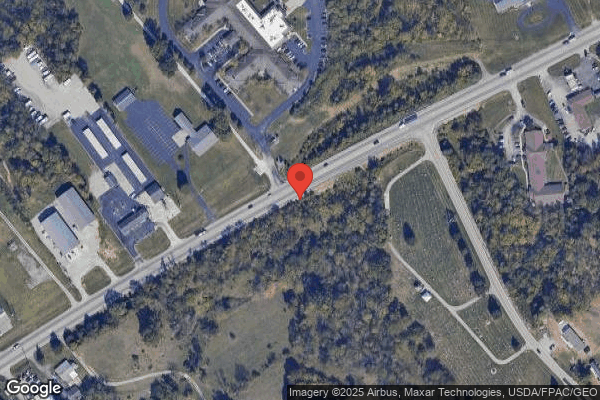
VENETIAN GARDENS

1650 STATE ROUTE 28, LOVELAND, OH 45140 (513) 722-0700
For profit - Corporation 99 Beds FOUNDATIONS HEALTH SOLUTIONS Data: November 2025
Trust Grade
90/100
#188 of 913 in OH
Last Inspection: January 2025

Within standard 12-15 month inspection cycle. Federal law requires annual inspections.

Overview

Venetian Gardens in Loveland, Ohio, has an excellent Trust Grade of A, indicating it is highly recommended and performing well compared to other facilities. It ranks #188 out of 913 facilities in Ohio, placing it in the top half, and #8 out of 15 in Clermont County, meaning there are only a few local options that are better. The facility is improving, having reduced issues from four in 2019 to just one in 2025, although it still has a below-average staffing rating of 2 out of 5 stars with a 39% turnover rate. While it has not incurred any fines, which is a positive sign, there have been concerns regarding the misappropriation of residents' funds and failure to ensure hot water was maintained at a safe temperature, which could potentially affect resident safety. Overall, while Venetian Gardens has many strengths, such as its excellent health inspection score and a good trend in improving issues, families should be aware of the staffing challenges and specific incidents of concern.

Trust Score
A
90/100
In Ohio
#188/913
Top 20%
Safety Record
Low Risk
No red flags
Inspections
Getting Better
4 → 1 violations
Staff Stability
○ Average
39% turnover. Near Ohio's 48% average. Typical for the industry.
Penalties
✓ Good
No fines on record. Clean compliance history, better than most Ohio facilities.
Skilled Nurses
○ Average
Each resident gets 30 minutes of Registered Nurse (RN) attention daily — about average for Ohio. RNs are the most trained staff who monitor for health changes.
Violations
✓ Good
Only 5 deficiencies on record. Cleaner than most facilities. Minor issues only.
★★★★★
5.0
Overall Rating
★★☆☆☆
2.0
Staff Levels
★★★★☆
4.0
Care Quality
★★★★★
5.0
Inspection Score
Stable
2019: 4 issues
2025: 1 issues

The Good

  • 4-Star Quality Measures · Strong clinical quality outcomes
  • Full Sprinkler Coverage · Fire safety systems throughout facility
  • No fines on record
  • Staff turnover below average (39%)

    9 points below Ohio average of 48%

Facility shows strength in quality measures, fire safety.

The Bad

Staff Turnover: 39%

Near Ohio avg (46%)

Typical for the industry

Chain: FOUNDATIONS HEALTH SOLUTIONS

Part of a multi-facility chain

Ask about local staffing decisions and management

The Ugly 5 deficiencies on record

Aug 2025 1 deficiency
CONCERN (E) 📢 Someone Reported This

A family member, employee, or ombudsman was alarmed enough to file a formal complaint

Potential for Harm - no one hurt, but risky conditions existed

Deficiency F0602 (Tag F0602)

Could have caused harm · This affected multiple residents

**NOTE- TERMS IN BRACKETS HAVE BEEN EDITED TO PROTECT CONFIDENTIALITY** Based on medical record review, review of resident banking records, review of facility investigative reports, review of facility...

Read full inspector narrative →
**NOTE- TERMS IN BRACKETS HAVE BEEN EDITED TO PROTECT CONFIDENTIALITY** Based on medical record review, review of resident banking records, review of facility investigative reports, review of facility Self-Reported Incidents (SRIs), resident interview, staff interview, police interview, and review of facility policy, the facility failed to ensure residents were free from misappropriation. This affected five (Residents #4, #5, #55, #65 and #67 of five residents reviewed for misappropriation. The facility census was 93. Findings include: Review of the medical record for Resident #55 revealed the resident was admitted to the facility on [DATE]. Diagnoses included chronic obstructive pulmonary disease (COPD) and chronic respiratory failure with hypoxia. Review of a facility SRI (261001) created on 05/29/25 for an allegation of Misappropriation discovered on 05/28/25. The corporate staff alleged multiple incidences of misappropriation by Former Business Office Manager (BOM) #10, who was terminated for attendance issues on 05/01/25. Subsequently, a temporary BOM identified accounting irregularities with the resident accounts, which triggered additional audits. On 05/28/25, the Administrator received communication from the corporate Accounts Receivable (AR) office advising that multiple resident accounts were suspected to be compromised; therefore, a comprehensive investigation was initiated to review all resident accounts. The AR team identified 50 former and/or current residents with accounting irregularities suspicious of misappropriation. The audit indicated the former BOM #10 had manipulated accounting software applications (e.g., changing payable to), then printed checks made out to Petty Cash, signed the administrator's name, and cashed. Upon interview with the administrative staff, there were no eyewitnesses to the alleged misappropriation. Interview with the residents and staff revealed no related allegations of misappropriation. The corporate Director of AR validated that none of the 50 residents identified had an interruption in treatment, services, room or board (i.e., all bills were paid) due to the alleged misappropriation. The Director of Nursing (DON) and designees reviewed all residents' quality of care, personal funds accounts, medications, care plans, billing, etc. and found no evidence of harm or unmet needs as a result of the allegation. There was reasonable evidence to substantiate the former BOM #10 misappropriated funds. The facility substantiated the allegation of misappropriation which was verified by evidence and completed the SRI on 06/04/25. Review of the Minimum Data Set (MDS) Quarterly assessment dated [DATE] revealed Resident #55 had intact cognition.Review of the personnel file for former BOM #10 on 08/19/25 at 1:00 P.M. with the Regional BOM (RBOM) #905, revealed a hire date 08/29/11. The appropriate references were completed, and a Bureau of Criminal Investigation (BCI) background check was completed on 08/30/25 which returned with no criminal history. Former BOM #10 was terminated on 05/05/25 for falsification of personal documents related to a medical leave of absence, and attendance issues which dated prior to 08/26/24. Interview 08/19/25 at 1:08 P.M. with RBOM #905 who stated that former BOM #10 was hired in 2011, and the misappropriation started in October/November 2021. RBOM #905 stated former BOM #10 manually manipulated the residents RFMS Withdrawal Documents and Statements Report which then affected the facility's accounts receivable report. On 05/28/25 an audit of the facility's RFMS was initiated by the regional and corporate personnel, and it was discovered that the former BOM #10 created an excessive amount of checks made out to Petty Cash. RBOM #905 stated as an example, on 04/23/25, Resident #55 provided former BOM #10 with a check for $7,000.00 to open a RFMS account to be used for facility room and board (Medicaid spend-down) and for personal items. On 04/23/25, former BOM #10 then generated a check from RFMS written out to Petty Cash for $7,000.00, cashed the check, and kept the cash. Former BOM #10 then manually manipulated Resident #55's Resident Statement to show the check for $7,000.00 never existed. When the funds were to be transferred to pay for the resident's room and board, former BOM #10 would manually manipulate RFMS documents to have it appear that the money was transferred and paid to the facility. RBOM #905 stated Former BOM #10 was also manipulating the names of legitimate resident vendors (such as paying the resident's phone bill, online orders, funeral homes, etc.) on the checks to Petty Cash. However, in the RFMS system, the original vendor's name stayed the same in the system. RBOM #905 stated originally, former BOM #10 started all of this by misappropriating smaller amounts of money and the last amount misappropriated totaled $12,000.00. The audit determined the misappropriation started in October/November 2021 and total amount of money misappropriated totaled $219,721.21, which consisted of $93,639.21 being owed to the facility for resident care and services, and $126,082.00 was owed to the residents. RBOM #905 stated when the misappropriation was discovered on 05/28/25, the facility created an SRI, and a comprehensive investigation was initiated which included notification to the local police department. RBOM #905 stated the facility substantiated the SRI for misappropriation, and the local police department's investigation was ongoing. RBOM #905 stated the company also audited all their other facilities and found no similar concerns. RBOM #905 stated an audit of all resident accounts dating back to October/November 2021 was initiated and the residents affected by the actions of former BOM #10 were refunded the amount misappropriated. RBOM #905 stated on 08/06/25, the facility met with local police department detective assigned to the case to demonstrate how former BOM #10 manipulated the RFMS account to misappropriate the money. RBOM #905 stated once this manipulation was identified, the company worked with the creator of the RFMS software to disable capabilities for the BOMs to change names on checks, void checks, and change vendors. RBOM #905 stated those functions can now only be completed by a RBOM or corporate personnel. RBOM #905 verified there were no residents denied Medicaid services, and the audit results revealed no documented evidence that residents who requested monies were ever denied. Review of the facility's deposit record on 08/19/25 at 1:12 P.M. with RBOM #905, revealed on 06/17/25, a total of $219,272.71 was deposited into the RFMS accounts of 50 residents identified by the facility audit as having funds misappropriated by the former BOM #10. This was paid to the facility in form of check from the parent organization payable to the facility. Review of RFMS accounts for Residents #55, #65 and #67 on 08/19/25 at 1:20 P.M. with RBOM #905, revealed Resident #55's RFMS account had $7,000.00 returned on 06/27/25; Resident #65's RFMS account had $6,667 returned on 06/17/25; and Resident #67's RFMS account had $2,090.00 returned on 06/17/25. These dollar amounts correlated directly to the Deposit Record dated 06/17/25. RBOM #905 stated the three accounts were directly related to the misappropriation by former BOM #10. Interview on 08/19/25 at 1:42 P.M. with the Administrator, revealed notification was made to all residents and/or the representatives affected by the misappropriation. The Administrator revealed 50 residents were affected by this incident and verified that all 50 residents' RFMS accounts had been reimbursed for the monies identified as being misappropriated. Interviews on 08/19/25 between 3:40 P.M. and 4:00 P.M. with Residents #55, #65 and #67, revealed no knowledge of any misappropriation. Interview via phone on 08/20/25 at 4:10 P.M. with Detective #900, revealed the investigation into the misappropriation had been completed and the results were sent to the Prosecutor's office for review and that subpoena's will be issued. The Detective stated the facility provided good information in his investigation and a good explanation of how the RFMS system functioned. Review of the policy titled, Abuse, Neglect, Exploitation and Misappropriation of Resident Property revealed it is the facility's policy to investigate all alleged violations involving Abuse, Neglect, Exploitation, Mistreatment of a resident, or Misappropriation of Resident Property, including Injuries of Unknown Source. Additionally, the facility should immediately report all such allegations to the Administrator and to the Ohio Department of Health. In cases where a crime is suspected, staff should also report the same to local law enforcement. Misappropriation of Resident Property is defined as the deliberate misplacement, exploitation, or wrongful temporary or permanent use of a resident's belongings or money without the resident's consent. The deficient practice was corrected on 06/17/25, when the facility implemented the following corrective actions: On 05/01/25, former BOM #10 was terminated related to a progressive discipline pattern secondary to attendance issues. On 05/28/25, a temporary BOM identified accounting irregularities with numerous residents' RFMS accounts dating back to October/November 2021. An SRI was created, and a comprehensive investigation was initiated which included notification to the local police department. The facility substantiated the SRI on 06/04/25 for misappropriation, and the local police department investigation is ongoing. On 05/28/25, an audit of all resident accounts was initiated by the regional and corporate personnel and found that former BOM #10 created an excessive amount of checks made out to petty cash. The audit determined the misappropriation of 50 resident's RFMS accounts started in October/November 2021 and total amount of money misappropriated totaled $219,721.21, which consisted of $93,639.21 being owed to the facility for resident care and services, and $126,082.00 owed to the residents. The former BOM #10 manipulated the accounting software applications, made checks out to Petty Cash, signed the Administrator's name and cashed the checks. The audit revealed no residents were denied Medicaid services, and no evidence that residents who requested monies were ever denied. On 05/28/25, the company initiated additional audits for all other facility's RFMS accounts and found no similar concerns. On 05/28/25, the DON and designees initiated an audit of all residents' quality of care, personal funds accounts, medications, care plans, billing, and found no documented harm or unmet needs. On 05/28/25, all staff and residents were interviewed and no concerns regarding misappropriation were identified. On 06/04/25, An ad hoc Quality Assurance and Performance Improvement (QAPI) meeting was held, to include the Medical Director, to review applicable policies, the investigation results and to create an internal comprehensive QAPI plan. On 06/04/25, The Corporate Human Resources staff provided education to the Administration on the Personal Needs Accounting Policy followed by all staff being educated on the Abuse, Neglect and Misappropriation policy and procedure. On 06/04/25, the affected residents and families were notified and noted they would be reimbursed once the final amount owed was determined. On 06/04/25, the corporate office worked with the creator of the RMFS software to disable the capabilities for the BOMs to change names on checks, void checks and change vendors. These functions now can only be completed by the RBOM or corporate personnel. On 06/04/25, the corporate audit process was changed so that every vendor transaction was audited, compared to the old process where there was a random sample of certain transactions audited. On 06/04/25, in addition to corporate audits, the facility conducted an audit of Personal Needs Accounts for four weeks and as directed by the QAPI committee. No further issues were discovered. On 06/17/25, all misappropriated money was returned to the residents' accounts. On 08/06/25, the facility met with local police department detective assigned to the case to demonstrate how former BOM #10 manipulated the RFMS to misappropriate the monies.This deficiency represents non-compliance investigated under Complaint Number OH00166340 (1364331).
Sept 2019 4 deficiencies
CONCERN (D)

Potential for Harm - no one hurt, but risky conditions existed

Report Alleged Abuse (Tag F0609)

Could have caused harm · This affected 1 resident

**NOTE- TERMS IN BRACKETS HAVE BEEN EDITED TO PROTECT CONFIDENTIALITY** Based on record review, resident and staff interviews and review of facility policy, the facility failed to ensure allegations o...

Read full inspector narrative →
**NOTE- TERMS IN BRACKETS HAVE BEEN EDITED TO PROTECT CONFIDENTIALITY** Based on record review, resident and staff interviews and review of facility policy, the facility failed to ensure allegations of misappropriation of missing money were reported to the State Survey Agency within 24 hours after the allegation was discovered. This affected one (Resident #83) of one resident reviewed for personal property. The facility census was 92. Findings include: Record review revealed Resident #83 was admitted to the facility on [DATE]. Medical diagnoses included cerebrovascular disease, frontal lobe and executive function deficit, depression and anxiety. Review of Resident #83's quarterly Minimum Data Set (MDS) assessment, dated 08/13/19, revealed the resident was cognitively intact. Review of Resident #83's resident funds statement from January 2019 through March 2019 revealed withdrawals on 01/07/19 in the amount of $700 and another on 01/16/19 in the amount of $500. Interview with Resident #83 on 09/09/19 at 10:18 A.M. revealed the resident had withdrawn money several months ago, to purchase a new tablet. Resident #83 stated she had withdrawn $400 to purchase the tablet and that money had been missing. Resident #83 stated she had informed the director of the facility and the director had asked if she wanted to call the police but since she didn't know when the money went missing or who took it she declined to call the police. Resident #83 stated the facility did nothing about her money. Interview on 09/10/19 at 2:26 P.M. with Licensed Practical Nurse (LPN) #19 who stated she recalled the incident which involved the missing money of Resident #83 but not the particular details. Interview on 09/10/19 at 3:42 P.M. with the Director of Nursing (DON) who stated she was unaware of Resident #83 having any missing money. The DON stated for missing items, there was a theft / missing items report that was filled out with social services. The DON stated for items that had been reported as misappropriated and/or stolen the facility would file a Self-Reported Incident (SRI). Follow up interview on 09/11/19 at 9:53 A.M. with Resident #83 to clarify whom she first reported the incident to and the resident revealed she had first reported the incident to LPN #19. Then the Licensed Nursing Home Administrator (LNHA) then came to talk to Resident #83 and asked if she wanted to call the police. Resident #83 declined to call the police. Interview on 09/11/19 at 1:02 P.M. with the LNHA who stated on 01/21/19 it was reported to LPN #19 by Resident #83 that she had $400 missing. The LNHA stated when the resident spoke to him, Resident #83 stated it was $300 that was missing. LNHA stated he did not complete an SRI for several reasons. One reason was because the amounts reported were conflicting. The LNHA stated the resident had a history of making false allegations, the police weren't called and the resident's son had visited and the resident had admitted to giving her son some money but the facility had no way to verify how much that was. Interview on 09/11/19 at 4:23 P.M. with Resident #83 who stated she had not given her son any money as reported by the LNHA related to the missing money. Review of the facility's policy titled Abuse, Neglect, Exploitation & Misappropriation of Resident Property, dated 11/21/16 revealed in response to allegations of abuse, neglect, exploitation or mistreatment, the facility must: Ensure that all alleged violations of abuse, neglect, exploitation or mistreatment, including injuries of unknown source and misappropriation of resident property, are reported immediately, but not later than two hours after the allegation is made, if the events that cause the allegation involve abuse or result in serious bodily injury, or not later than 24 hours if the advents that cause the allegation do not involve abuse and do not result in serious bodily injury, to the Administrator or designee of the facility and to other officials, including the State Survey Agency, in accordance with the State Law.
CONCERN (D)

Potential for Harm - no one hurt, but risky conditions existed

Transfer Notice (Tag F0623)

Could have caused harm · This affected 1 resident

**NOTE- TERMS IN BRACKETS HAVE BEEN EDITED TO PROTECT CONFIDENTIALITY** 2. Review of Resident #346's medical record revealed being admitted on [DATE] with diagnosis including cholecystitis. Resident #...

Read full inspector narrative →
**NOTE- TERMS IN BRACKETS HAVE BEEN EDITED TO PROTECT CONFIDENTIALITY** 2. Review of Resident #346's medical record revealed being admitted on [DATE] with diagnosis including cholecystitis. Resident #346 was discharged to the hospital on [DATE] at 4:45 A.M. Review of Resident #346's progress note, dated 09/05/19, revealed the resident was transferred to the hospital on [DATE] at 4:45 A.M. via emergency medical transportation. There was no evidence the resident or the resident's representative was notified in writing of the reason the resident was transferred to the hospital. Interview on 09/10/19 at 4:42 P.M. with Social Services (SS) #8 confirmed the facility does not mail the transfer/discharge notices to the resident's representative. Interview with the Director of Nursing (DON) on 09/10/19 at 3:50 P.M. confirmed the facility did not have a procedure to send transfer/discharge notices to the resident's representative. Based on staff interview and record review, the facility failed to ensure residents and resident representatives were notified in writing of reasons for a transfer to the hospital. This affected two (#54 and #346) of five residents reviewed for hospitalization. The facility census was 92. Findings include: 1. Medical record review for Resident #54 revealed the resident was admitted to the facility on [DATE]. Diagnoses included cerebral infarction, diabetes, neuromuscular dysfunction of the bladder, chronic kidneys disease, peripheral vascular disease, adult failure to thrive, and schizoaffective disorder. Review of the annual Minimum Data Set (MDS) assessment, dated 07/15/19, revealed the resident had severely impaired cognitive skills for daily decision making. Review of nursing progress note dated 07/06/19 at 8:40 P.M. revealed Resident #54 was transported to the hospital. Review of progress note dated 07/07/19 at 4:12 A.M. revealed Resident #54 was admitted to the hospital with a diagnoses of gallstones and a urinary tract infection. The returned to the facility on [DATE]. Further medical record review revealed there was no record of Resident #54 or the resident's representative being notified in writing of the reason for the resident's hospitalization. Interview on 09/12/19 at 11:56 A.M. with the Director of Nursing (DON) confirmed the resident and resident representative were not notified in writing of reasons for transfer to the hospital on [DATE].
CONCERN (D)

Potential for Harm - no one hurt, but risky conditions existed

Deficiency F0760 (Tag F0760)

Could have caused harm · This affected 1 resident

Based on observation, staff interview, record review, and review of manufacturer drug administration instructions, the facility failed to ensure insulin was administered correctly via a KwikPen. This ...

Read full inspector narrative →
Based on observation, staff interview, record review, and review of manufacturer drug administration instructions, the facility failed to ensure insulin was administered correctly via a KwikPen. This affected one (Resident #83) of three residents observed for medication administration. The facility identified seven residents prescribed insulin via a pen on the 400 unit. The facility census was 91. Findings include: Medical record review revealed Resident #83 had a physician order dated 04/23/19 for Basaglar KwikPen inject 32 units subcutaneous daily. Observation on 09/11/19 at 7:31 A.M. revealed Registered Nurse (RN) #32 administered Basaglar Kwikpen insulin 32 units subcutaneous in the left abdomen. RN #32 did not prime the pen when preparing the medication, prior to administration. Interview on 09/11/19 at 9:44 A.M. with RN #32 reported she had never primed an insulin pen and didn't have any knowledge of need to prime insulin pens. Review of Basaglar KwikPen instruction for use revealed prime the pen before each injection. Priming means removing the air from the needle and cartridge than may collect during normal use. It is important to prime the pen before each infection so it will work correctly. If the pen is not primed before each injection, too much or too little insulin may be administered.
CONCERN (E)

Potential for Harm - no one hurt, but risky conditions existed

Accident Prevention (Tag F0689)

Could have caused harm · This affected multiple residents

**NOTE- TERMS IN BRACKETS HAVE BEEN EDITED TO PROTECT CONFIDENTIALITY** Based on observation and staff interview, the facility failed to ensure hot water was maintained at a safe temperature. This aff...

Read full inspector narrative →
**NOTE- TERMS IN BRACKETS HAVE BEEN EDITED TO PROTECT CONFIDENTIALITY** Based on observation and staff interview, the facility failed to ensure hot water was maintained at a safe temperature. This affected seven (#14, #15, #16, #27, #43, #51 and #62) of nine residents reviewed for accidents and had the potential to affect 11 residents identified by the facility as cognitively impaired and independently mobile. The facility census was 92. Findings include: 1. Medical record review revealed Resident #14 was admitted to the facility on [DATE] with the diagnosis of Alzheimer's disease. Review of the quarterly Minimum Data Set (MDS) assessment, dated 06/11/19, revealed the resident had severely impaired cognitive skills for daily decision making and extensive assistance was required with bed mobility, transfers, eating, toileting, and personal hygiene. A wheelchair was utilized for mobility. Review of the quarterly dementia unit assessment, dated 08/15/19, revealed Resident #14 was confused to time and place, had poor safety awareness, impaired decision making skills, and had delusional thoughts and beliefs. Continued placement to the dementia unit was recommended for poor safety awareness and impaired decision making skills. Observation on 09/09/19 at 3:15 P.M. of the hot water in Resident #14's bathroom sink revealed visible steam and inability to hold hand under water due to hot temperature. Subsequent observation on 09/10/19 at 11:48 A.M. of the hot water in Resident #14's bathroom sink with Maintenance (MTN) #14 revealed a temperature of 127 degrees Fahrenheit (F), obtained by MTN #14. Observation on 09/10/19 at 3:15 P.M. revealed Resident #14 independently propelling self in wheelchair throughout the secure dementia unit. 2. Medical record review revealed Resident #15 was admitted to the facility on [DATE] with diagnosis including Alzheimer's disease. Review of the quarterly MDS assessment, dated 06/01/19, revealed the resident had severely impaired cognitive skills for daily decision making, extensive assistance was required with bed mobility, transfers, toileting, personal hygiene, limited assistance was required with eating, and no mobility devices were required with locomotion. Review of quarterly dementia unit assessment, dated 07/18/19, revealed Resident #15 was at risk for elopement related to impaired cognition and being unaware of safety needs. Observation on 09/09/19 at 3:28 P.M. revealed the water in Resident #15's bathroom sink was hot to the touch. Subsequent observation on 09/09/19 at 3:32 P.M. with MTN #14 whom measured the hot water temperature in Resident #15's sink revealed a temperature of 126 degrees F. Observation on 09/09/19 at 3:49 P.M. revealed Resident #15 was ambulating independently without any assistive devices throughout the halls on the secure dementia unit. 3. Medical record review revealed Resident #16 was admitted to the facility on [DATE] with diagnosis of dementia with behavioral disturbance. Review of the quarterly MDS assessment, dated 06/02/19, revealed the resident had moderately impaired cognitive skills for daily decision making, limited assistance was required with bed mobility, transfers, and toileting, supervision was required with eating, and personal hygiene, and Resident #16 did not required any assistive devices with locomotion. Review of the quarterly dementia unit assessment, dated 08/28/19, revealed Resident #16 was unhappy with dementia unit placement and denied cognitive deficits. Resident #16 talked frequently about wanting to go home and continued placement was recommended due to being an elopement risks. Observation on 09/09/19 at 3:37 P.M. of Resident #16's bathroom sink with MTN #14 revealed a water temperature of 127 degrees F, obtained by MTN #14. Interview with MTN #14, at the time of the observation, reported there was one circulating pump so all the hot water temperatures would be consistent as Resident #16's room was furthest away from the hot water source. Interview on 09/12/19 at 9:59 A.M. with Licensed Practical Nurse (LPN) #71 reported Resident #16 ambulated and utilized the bathroom independently. 4. Medical record review revealed Resident #27 was admitted to the facility on [DATE] with diagnosis of dementia with behavioral disturbance. Review of the quarterly MDS assessment, dated 06/20/19, revealed the resident had moderately impaired cognitive skills for daily decision making. She required extensive assistance was needed with bed mobility, transfers, and toileting. Resident #27 was totally dependent upon staff for personal hygiene and a walker and wheelchair were utilized for mobility. Review of quarterly dementia unit assessment, dated 08/22/19, revealed Resident #27 displayed exit seeking behaviors and had poor safety awareness. Continued placement on the secured unit was recommended due to confusion and disorientation to time and place. Observation on 09/09/19 at 3:39 P.M. of Resident #27's sink with MTN #14 revealed a water temperature of 124 degrees F, obtained by MTN #14. Observation on 09/10/19 at 3:24 P.M. revealed Resident #27 independently propelling self throughout the secure dementia unit, attempting to exit unit activating door alarms. 5. Medical record review revealed Resident #43 was admitted to the facility on [DATE] with diagnosis of Alzheimer's disease. Review of the quarterly MDS assessment, dated 07/09/19, revealed the resident had severely impaired cognitive skills for daily decision making and extensive assistance was required with bed mobility, transfers, toileting, and personal hygiene. Resident #43 ambulated without any assistive devices. Review of the quarterly dementia unit assessment, dated 07/03/19, revealed Resident #43 wandered with exit seeking, verbal and physical aggressive behaviors. Continued placement on the memory care unit was recommended due to confusion, disorientation, impaired safety awareness and exit seeking behaviors. Observation on 09/09/19 at 3:34 P.M. of Resident #43's bathroom sink water with MTN #14 revealed a hot water temperature of 126 degrees F, obtained by MTN #14. Observation on 09/10/19 at 5:31 P.M. revealed Resident #43 was ambulating throughout the unit independently without any assistive devices. 6. Medical record review revealed Resident #51 was admitted to the facility on [DATE] with diagnosis of vascular dementia with behavioral disturbance. Review of the quarterly MDS assessment, dated 07/12/19, revealed the resident had severely impaired cognitive skills for daily decision making, limited assistance was required with bed mobility, transfers, toileting, and extensive assistance was required with personal hygiene. A walker and wheelchair were utilized for mobility. Review of the quarterly dementia unit assessment, dated 08/22/19, revealed Resident #51 was confused to time and place with impaired safety awareness. Continued placement to the memory care unit was required due to impaired decision making. Observation on 09/09/19 at 3:15 P.M. of Resident #51's bathroom sink revealed steam visible from hot water and inability to keep hand under water due to hot temperature. Subsequent observation on 09/09/19 at 11:48 A.M. of the hot water in Resident #51's bathroom sink with Maintenance (MTN) #14 revealed a temperature of 127 degrees Fahrenheit (F), obtained by MTN #14. Observation on 09/10/19 at 6:05 P.M. revealed Resident #51 ambulating independently with a rolling walker. 7. Medical record review revealed Resident #62 was admitted to the facility on [DATE] with a diagnosis of Alzheimer's disease. Review of the quarterly MDS assessment, dated 07/20/19, revealed the resident had severely impaired cognitive skills for daily decision making, extensive assistance was required with bed mobility and personal hygiene, and limited assistance was required with transfers and toileting. No mobility devices were needed for mobility. Review of the quarterly dementia unit assessment, dated 07/25/19, revealed Resident #62 was confused to time, place and exhibited exit seeking behaviors. Continued placement to the memory care unit was recommended due to impaired cognition and poor safety awareness. Observation on 09/09/19 at 3:39 P.M. of Resident #62's sink with MTN #14 revealed a hot water temperature of 124 degrees F, obtained by MTN #14. Interview with MTN #14, at the time of the observation, reported water temperatures varied dependent upon how much water was being utilized and was in circulation. Interview on 09/12/19 at 10:00 A.M. with LPN #71 reported Resident #62 ambulated independently without assistive devices.
Understanding Severity Codes (click to expand)
Life-Threatening (Immediate Jeopardy)
J - Isolated K - Pattern L - Widespread
Actual Harm
G - Isolated H - Pattern I - Widespread
Potential for Harm
D - Isolated E - Pattern F - Widespread
No Harm (Minor)
A - Isolated B - Pattern C - Widespread

Questions to Ask on Your Visit

  • "Can I speak with families of current residents?"
  • "What's your RN coverage like on weekends and overnight?"

Our Honest Assessment

Strengths
  • • Grade A (90/100). Above average facility, better than most options in Ohio.
  • • No major safety red flags. No abuse findings, life-threatening violations, or SFF status.
  • • No fines on record. Clean compliance history, better than most Ohio facilities.
  • • Only 5 deficiencies on record. Cleaner than most facilities. Minor issues only.
Concerns
  • • No significant concerns identified. This facility shows no red flags across CMS ratings, staff turnover, or federal penalties.
Bottom line: Generally positive indicators. Standard due diligence and a personal visit recommended.

About This Facility

What is Venetian Gardens's CMS Rating?

CMS assigns VENETIAN GARDENS an overall rating of 5 out of 5 stars, which is considered much above average nationally. Within Ohio, this rating places the facility higher than 99% of the state's 100 nursing homes. This rating reflects solid performance across the metrics CMS uses to evaluate nursing home quality.

How is Venetian Gardens Staffed?

CMS rates VENETIAN GARDENS's staffing level at 2 out of 5 stars, which is below average compared to other nursing homes. Staff turnover is 39%, compared to the Ohio average of 46%. This relatively stable workforce can support continuity of care.

What Have Inspectors Found at Venetian Gardens?

State health inspectors documented 5 deficiencies at VENETIAN GARDENS during 2019 to 2025. These included: 5 with potential for harm.

Who Owns and Operates Venetian Gardens?

VENETIAN GARDENS is owned by a for-profit company. For-profit facilities operate as businesses with obligations to shareholders or private owners. The facility is operated by FOUNDATIONS HEALTH SOLUTIONS, a chain that manages multiple nursing homes. With 99 certified beds and approximately 88 residents (about 89% occupancy), it is a smaller facility located in LOVELAND, Ohio.

How Does Venetian Gardens Compare to Other Ohio Nursing Homes?

Compared to the 100 nursing homes in Ohio, VENETIAN GARDENS's overall rating (5 stars) is above the state average of 3.2, staff turnover (39%) is near the state average of 46%, and health inspection rating (5 stars) is much above the national benchmark.

What Should Families Ask When Visiting Venetian Gardens?

Based on this facility's data, families visiting should ask: "Can you walk me through typical staffing levels on day, evening, and night shifts?" "Can I visit during a mealtime to observe dining assistance and food quality?" "How do you handle medical emergencies, and what is your hospital transfer rate?" "Can I speak with family members of current residents about their experience?" These questions are particularly relevant given the below-average staffing rating.

Is Venetian Gardens Safe?

Based on CMS inspection data, VENETIAN GARDENS has a clean safety record: no substantiated abuse findings (meaning no confirmed cases of resident harm), no Immediate Jeopardy citations (the most serious violation level indicating risk of serious injury or death), and is not on the Special Focus Facility watch list (a federal program monitoring the lowest-performing 1% of nursing homes). The facility has a 5-star overall rating and ranks #1 of 100 nursing homes in Ohio. While no facility is perfect, families should still ask about staff-to-resident ratios and recent inspection results during their visit.

Do Nurses at Venetian Gardens Stick Around?

VENETIAN GARDENS has a staff turnover rate of 39%, which is about average for Ohio nursing homes (state average: 46%). Moderate turnover is common in nursing homes, but families should still ask about staff tenure and how the facility maintains care continuity when employees leave.

Was Venetian Gardens Ever Fined?

VENETIAN GARDENS has no federal fines on record. CMS issues fines when nursing homes fail to meet care standards or don't correct problems found during inspections. The absence of fines suggests the facility has either maintained compliance or corrected any issues before penalties were assessed. This is a positive indicator, though families should still review recent inspection reports for the full picture.

Is Venetian Gardens on Any Federal Watch List?

VENETIAN GARDENS is not on any federal watch list. The most significant is the Special Focus Facility (SFF) program, which identifies the bottom 1% of nursing homes nationally based on persistent, serious quality problems. Not being on this list means the facility has avoided the pattern of deficiencies that triggers enhanced federal oversight. This is a positive indicator, though families should still review the facility's inspection history directly.