EDGEWOOD MANOR OF LUCASVILLE I
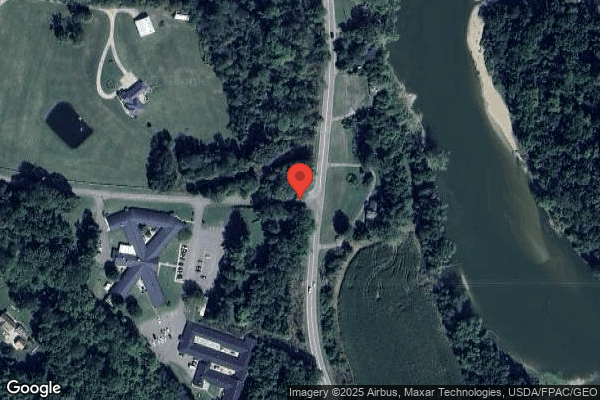

10098 BIG BEAR CREEK RD, LUCASVILLE, OH 45648 (740) 259-5536
For profit - Limited Liability company 96 Beds AOM HEALTHCARE Data: November 2025
Trust Grade
53/100
#665 of 913 in OH
Last Inspection: May 2024

Within standard 12-15 month inspection cycle. Federal law requires annual inspections.

Overview

Edgewood Manor of Lucasville I has a Trust Grade of C, indicating it is average compared to other nursing homes. It ranks #665 out of 913 facilities in Ohio, placing it in the bottom half, and #10 out of 11 in Scioto County, meaning there is only one local option that is better. The facility shows an improving trend, reducing issues from 11 in 2022 to 5 in 2024, and it has good staff turnover at 27%, which is below the state average. However, it has concerning RN coverage, being lower than 91% of state facilities, which may limit nursing oversight. Specific incidents at the home include staff not using proper personal protective equipment, putting residents at risk for infection, and delays in addressing pharmacy recommendations for medication changes, which could affect the health of residents. While there are strengths in staff stability and a lack of fines, families should weigh these against the facility's weaknesses.

Trust Score
C
53/100
In Ohio
#665/913
Bottom 28%
Safety Record
Low Risk
No red flags
Inspections
Getting Better
11 → 5 violations
Staff Stability
✓ Good
27% annual turnover. Excellent stability, 21 points below Ohio's 48% average. Staff who stay learn residents' needs.
Penalties
✓ Good
No fines on record. Clean compliance history, better than most Ohio facilities.
Skilled Nurses
⚠ Watch
Each resident gets only 18 minutes of Registered Nurse (RN) attention daily — below average for Ohio. Fewer RN minutes means fewer trained eyes watching for problems.
Violations
⚠ Watch
23 deficiencies on record. Higher than average. Multiple issues found across inspections.
★★☆☆☆
2.0
Overall Rating
★★★☆☆
3.0
Staff Levels
★☆☆☆☆
1.0
Care Quality
★★★☆☆
3.0
Inspection Score
Stable
2022: 11 issues
2024: 5 issues

The Good

  • Low Staff Turnover (27%) · Staff stability means consistent care
  • Full Sprinkler Coverage · Fire safety systems throughout facility
  • No fines on record
  • Staff turnover is low (27%)

    21 points below Ohio average of 48%

Facility shows strength in staff retention, fire safety.

The Bad

2-Star Overall Rating

Below Ohio average (3.2)

Below average - review inspection findings carefully

Chain: AOM HEALTHCARE

Part of a multi-facility chain

Ask about local staffing decisions and management

The Ugly 23 deficiencies on record

May 2024 5 deficiencies
CONCERN (D)

Potential for Harm - no one hurt, but risky conditions existed

Pressure Ulcer Prevention (Tag F0686)

Could have caused harm · This affected 1 resident

Based on medical record review, observation, staff interview, and review of the facility policy, the facility failed to ensure interventions to prevent skin breakdown were implemented as appropriate. ...

Read full inspector narrative →
Based on medical record review, observation, staff interview, and review of the facility policy, the facility failed to ensure interventions to prevent skin breakdown were implemented as appropriate. This affected one (Resident #45) of four residents reviewed for pressure ulcers. The facility census was 90. Findings include: Review of the medical record for Resident #45 revealed an admission date of 02/14/20 with diagnoses including spina bifida, dementia with behavioral disturbance, and contractures of the left and right hand. Review of the active physician's orders for Resident #45 revealed an order dated 01/03/23 for staff to apply bilateral palm shields with finger separators which should be removed for range of motion and hygiene. Review of the active physician's orders for Resident #45 revealed an order dated 01/12/23 for Prevalon boots to bilateral lower extremities at all times. Review of the quarterly Minimum Data Set (MDS) assessment for Resident #45 dated 03/19/23 revealed the resident was cognitively impaired and had limitation in functional range of motion to the left and right upper extremities and was at risk the development of pressure ulcers. Review of the care plan for Resident #45 revised 07/14/23 revealed the resident had the potential for injury. Interventions included to utilize palm shields to bilateral hands with finger separators daily and to remove at night for range of motion and hygiene. Review of the care plan for Resident #45 revised11/02/23 revealed the resident was at risk for impairment to skin integrity. Interventions included to provide Prevalon boots as ordered. Observation on 05/05/24 at 11:38 A.M. revealed Resident #45 was lying in bed sleeping. There were no palm shields with finger separators in place to the resident's hands or Prevalon boots in place on the resident's feet. Observation on 05/06/24 at 10:15 A.M. revealed Resident #45 was lying in bed sleeping. There were no palm shields with finger separators in place to the resident's hands or Prevalon boots in place on the resident's feet. Observation on 05/06/24 at 2:30 P.M. revealed Resident #45 was lying in bed sleeping. No palm shields with finger separators were in place on the resident's hands. Licensed Practical Nurse (LPN) #405 opened Resident #45's bed side drawer to reveal several palm shields were being stored inside the drawer. Interview with on 05/06/24 at 2:30 P.M. with LPN #405 confirmed Resident #45 did not have palm shields with finger separators placed on the resident's hands and confirmed the palm shields were being stored in the resident's drawer. Observation on 05/07/24 at 10:30 A.M. revealed Resident #45 was lying in bed sleeping and did not have Prevalon boots in place to the feet as ordered. Observation on 05/07/24 at 4:05 P.M. revealed Resident #45 was lying in bed and did not have Prevalon boots in place to the feet as ordered. Interview on 05/07/24 at 4:05 P.M. with State Tested Nursing Assistant (STNA) #305 confirmed Resident #45 did not have Prevalon boots in place to the feet. STNA #305 stated he was unsure as to whether the resident should be wearing Prevalon boots. Review of the facility policy titled Pressure Ulcers/Skin Breakdown revised April 2018 revealed the physician would order pertinent wound treatments including pressure reduction devices.
CONCERN (D)

Potential for Harm - no one hurt, but risky conditions existed

Deficiency F0697 (Tag F0697)

Could have caused harm · This affected 1 resident

Based on medical record review, observation, resident interview, staff interview, and review of facility policy, the facility failed to timely assess, treat and report increased pain to the physician....

Read full inspector narrative →
Based on medical record review, observation, resident interview, staff interview, and review of facility policy, the facility failed to timely assess, treat and report increased pain to the physician. This affected one (Resident #65) of one residents reviewed for pain. The facility census was 90 residents. Findings include: Review of the medical record for Resident #65 revealed an admission date of 10/25/22 with diagnoses including unspecified severe protein calorie malnutrition, bipolar disorder, chronic pain, peripheral vascular disease, carpal tunnel syndrome of left and right upper extremities, polyneuropathy, post-traumatic stress disorder (PTSD) and history of alcohol, cannabis, and opioid abuse. Review of the plan of care for Resident #65 initiated on 11/11/22 and revised on 02/16/24 revealed the resident had the potential for pain related to opioid abuse with opioid induced mood disorder, chronic obstructive pulmonary disease (COPD), polyneuropathy, severe carpal tunnel bilateral upper extremities, neuropathy to bilateral lower extremities and peripheral vascular disorder. Interventions included the following: administer pain medication per orders, anticipate the resident's need for pain relief and respond immediately to any complaints of pain, encourage and assist to elevate extremities, evaluate the effectiveness of pain interventions every shift and as needed, review for alleviating of symptoms, dosing schedules and resident's satisfaction with results, notify physician if interventions were unsuccessful. Review of the quarterly Minimum Data Set (MDS) assessment for Resident #65 dated 04/09/24 revealed the resident was cognitively intact and dependent on staff assistance with activities of daily living (ADLs.) Review of the monthly physician's orders for Resident #65 dated May 2024 revealed an order dated 04/17/24 for Norco 7.5 milligrams (mg) by mouth routinely four times daily and orders dated 05/04/24 to admit to hospice care and give morphine sulfate 0.25 milliliters (ml) by mouth every four hours as needed for pain, an order dated 05/06/24 to increase morphine sulfate to 0.05 ml. by mouth every four hours as needed for pain. Review of the Medication Administration Record (MAR) for Resident #65 dated May 2024 revealed the resident received Norco four times daily as ordered from 05/01/24 to 05/06/24. Resident #65 received as needed morphine sulfate 0.25 ml on the following dates and times: on 05/05/24 at 2:00 P.M. with pain rated 7 of 10 on a scale of 1 to 10 with 10 being the worst pain, on 05/05/24 at 7:00 P.M. for pain rated 9 of 10, on 05/05/24 11:00 P.M. with pain rated 9 of 10, on 05/06/24 at 3:00 A.M. with pain rated 9 of 10, and 05/06/24 at 7:00 A.M. with pain rated 9 of 10. Further review of the MAR for Resident #65 dated May 2024 revealed the resident received morphine sulfate 0.5 ml on the following dates and times: 05/06/24 at 11:05 A.M. with pain rated at 5 of 10, 05/06/24 at 10:00 P.M. with pain rated 5 of 10. Review of the nursing progress notes for Resident #65 dated 04/09/24 through 05/06/24 revealed there was no documentation related to increased pain, notifying the physician or NP, and no documentation of behaviors related to pain and/or nonpharmacological interventions offered for pain. Observation on 05/05/24 at 10:53 A.M. revealed Resident #65 was up in geri chair in the common area and was crying. Interview on 05/05/24 at 10:53 A.M. of Resident #65 confirmed she was having pain. Interview on 05/05/24 at 10:54 A.M. with Stated Tested Nursing Assistant (STNA) #318 confirmed Resident #65 was crying and was having pain. STNA #318 stated it was not time yet for the resident's pain medication. STNA #318 did not inform the nurse of Resident #65's pain. Interview on 05/05/24 at 11:15 A.M. with Licensed Practical Nurse (LPN) #413 confirmed she was going to get Resident #65's pain medication, even though it was not due until 12:00 P.M. LPN confirmed she had not notified Resident #65's physician of the resident's pain which had been increasing over the past couple of months. LPN #413 administered Resident #65's routine dose of Norco pain medication but did not assess the resident's pain level or offer non-pharmacological interventions. Observation on 05/06/24 at 9:45 A.M. of Resident #65 revealed the resident was up in her geri chair in the main sitting area and was crying. An STNA approached Resident #65 and offered to reposition Resident #65 and told her it was not time for her medication. The STNA told Resident #65 she would let the nurse know the resident was having pain. Observation on 05/06/24 at 10:25 A.M. of Resident #65 the resident remained up in geri chair in sitting area by the nurses' station and was continuing to cry out in pain. Interview on 05/06/24 at 11:00 A.M. with LPN #413 confirmed Resident #65's pain medication was not due again until 11:00 A.M. LPN #413 stated she had called hospice about increasing Resident #65's morphine sulfate. At no time did LPN #413 address Resident #65, assess her for increased pain, or offer nonpharmacological interventions. Observation on 05/06/24 at 12:45 P.M. revealed Resident #65 was lying in bed, moaning and crying out in pain. Interview on 05/07/24 at 1:11 P.M. with LPN #407 confirmed if a resident complained of pain the nurse would assess the pain, try nonpharmacological interventions, and check to see if resident had an order for as needed pain medication. If the pain was not controlled, the LPN stated she would notify the physician and inform physician of the problem. Interview on 05/07/24 at 1:19 P.M. with LPN #413 confirmed Resident #65 had complaints of pain two to three times per day on her shift. Resident #65 had pain upon admission on ce in a while. The pain had increased and changed in the last few months. Interview on 05/07/24 at 1:45 P.M. with STNA #309 confirmed Resident #65 had complaints of pain frequently which had increased over the last couple of months. STNA #309 stated Resident #65 had behaviors including yelling out in pain which should be documented by the nurses. Interview 05/07/24 at 2:00 P.M. with Nurse Practitioner (NP)#4 confirmed Resident #65's pain was not well controlled, and the expectation was for the nurse to notify him or the physician about the changes in pain, increased pain or new pain. Review of the facility policy titled Pain Assessment and Management dated March 2020 revealed staff should identify pain in the resident and should develop interventions that were consistent with the resident's goals and needs and that address the underlying causes of pain. The pain management program was based on a facility-wide commitment to appropriate assessment and treatment of pain, based on professional standards of practice, the comprehensive care plan and the resident's choices related to pain management. Pain management was a multidisciplinary care process that included the following: assessing the potential for pain, recognizing the presence of pain, identifying the characteristics of pain, addressing the underlying causes of the pain, developing and implementing approaches to pain management, monitoring for the effectiveness of interventions and modifying approaches as necessary. Comprehensive pain assessments were conducted upon admission, quarterly, whenever there was a significant change in condition and when there was onset of new pain or worsening of existing pain. Acute pain or significant worsening of chronic pain should be assessed every 30 to 60 minutes after the onset and reassessed as indicated until relief was obtained.
CONCERN (D)

Potential for Harm - no one hurt, but risky conditions existed

Deficiency F0757 (Tag F0757)

Could have caused harm · This affected 1 resident

Based on medical record review and staff interview the facility failed to ensure appropriate indications for prescribing antibiotic medications to residents. This affected three (Residents #28, #50 an...

Read full inspector narrative →
Based on medical record review and staff interview the facility failed to ensure appropriate indications for prescribing antibiotic medications to residents. This affected three (Residents #28, #50 and #62) of three residents reviewed for antibiotic stewardship. The facility census was 90 residents. Findings include: Review of the medical record for Resident #28 revealed an admission date of 06/06/19 with diagnoses including Parkinson's disease, atrial fibrillation, bilateral osteoarthritis of hip, chronic kidney disease, hemiplegia and hemiparesis following cerebral infarction affecting left non dominant side, bladder neck obstruction, benign prostatic hyperplasia with lower urinary tract symptoms and chronic obstructive pulmonary disorder. Review of the Medication Administration Record (MAR) for Resident #28 dated December 2023 revealed an order dated 12/23/23 for Bactrim (an antibiotic) by mouth once daily for a urinary tract infection (UTI) with a stop date of 12/28/24. Review of the nursing progress note for Resident #28 dated 12/23/23 timed at 6:53 P.M. revealed the resident had new or worsening incontinence and was urinating more frequently. The recommendation per the physician was to dip test the resident's urine and start Bactrim for five days. Review of the infection report form for Resident #28 dated 12/23/23 revealed the resident had acute dysuria, suprapubic pain, new or marked incontinence and increase in urgency. Staff did a dip test of Resident #28's urine and it was positive for leukocytes. Infection Preventionist (IP) #333 documented Resident #28 did not meet surveillance criteria. The facility did not do a urinalysis or culture and sensitivity to ensure the correct medication was administered. Interview 05/09/24 at 10:03 A.M. with IP #333 confirmed Resident #28 received an antibiotic without appropriate indication. IP #333 stated Resident #28 should have had a urinalysis and culture and sensitivity. 2. Review of the medical record for Resident #62 revealed an admission date of 03/28/22 with diagnoses including paraplegia, mood disorder, generalized edema, hyperlipidemia, peripheral vascular disorder, anxiety disorder and depression. Review of the MAR for Resident #62 dated October 2023 revealed the resident received Macrobid (an antibiotic) by mouth twice daily for five days for a UTI. Macrobid was started on 10/17/23 and end date was 10/22/23. Review of a progress note for Resident #62 dated 10/17/23 timed at 12:00 AM per Nurse Practitioner (NP) #4 revealed nursing staff reported the resident was exhibiting confusion which was consistent with a UTI for the resident. NP # 4 ordered Macrobid by mouth two times daily for five days. The NP did not order any diagnostic testing. Review of the infection report form for Resident #62 dated 10/17/23 revealed the resident had acute dysuria, suprapubic pain, altered mental status, and new or marked incontinence. IP #333 documented Resident #62 did not meet surveillance criteria. The facility did not do a urinalysis or culture and sensitivity to ensure the correct medication was administered. Interview 05/09/24 at 10:03 A.M. with IP #333 confirmed Resident #62 received an antibiotic without appropriate indication. RN #333 stated Resident #62 should have had a urinalysis and culture and sensitivity. 3. Review of the medical record for Resident #50 revealed an admission date of 07/15/23 with diagnoses including schizophrenia, generalized anxiety disorder, hypertension, osteoarthritis and diabetes mellitus type two. Review of the MAR for Resident #50 dated December 2023 revealed Resident #50 received Bactrim by mouth every 12 hours for UTI for seven days. The start date was 12/07/23 and end dated was 12/14/23. Review of progress note dated 12/07/23 timed at 11:59 P.M. per NP #4 revealed Resident #50 exhibited acute dysuria or pain, new or marked increase in urgency. Resident #50 was started on Bactrim by mouth every 12 hours UTI for seven days. Review of the infection report form for Resident #50 dated 12/07/23 revealed resident had acute dysuria, suprapubic pain, new or marked incontinence and increase in urgency. Staff did a dip test of Resident #50's urine and it was positive for nitrates. IP #333 documented Resident #50 did not meet surveillance criteria. The facility did not do a urinalysis or culture and sensitivity to ensure the correct medication was administered. Interview 05/09/24 at 10:03 A.M. with IP #333 confirmed Resident #50 received an antibiotic without appropriate indication. IP #333 stated Resident #50 should have had an urinalysis and culture and sensitivity.
CONCERN (E)

Potential for Harm - no one hurt, but risky conditions existed

Drug Regimen Review (Tag F0756)

Could have caused harm · This affected multiple residents

**NOTE- TERMS IN BRACKETS HAVE BEEN EDITED TO PROTECT CONFIDENTIALITY** Based on medical record review, staff interview, and review of the facility policy, the facility failed to ensure pharmacy recom...

Read full inspector narrative →
**NOTE- TERMS IN BRACKETS HAVE BEEN EDITED TO PROTECT CONFIDENTIALITY** Based on medical record review, staff interview, and review of the facility policy, the facility failed to ensure pharmacy recommendations were addressed by the physician in a timely manner. This affected four (Residents #32, #43, #77, and #78) of five residents reviewed for unnecessary medications. The facility census was 90 residents. Findings include: 1. Review of the medical record for Resident #43 revealed an admission date of 01/16/20 with diagnoses including end stage renal disease, hypertension, and unspecified psychosis. Review of the quarterly Minimum Data Set (MDS) assessment for Resident #43 dated 03/11/24 revealed the resident had intact cognition. Review of the pharmacy recommendation for Resident #43 dated 09/18/23 revealed a recommendation for a gradual dose reduction of Lexapro (an antidepressant.) The recommendation was signed and dated as being reviewed by the physician on 10/23/23 which was 35 days after the recommendation was made. Interview on 05/08/24 at 10:00 A.M. with Regional Director of Clinical Operations (RCDO) #500 confirmed the facility failed to ensure Resident #43's pharmacy recommendation dated 09/18/23 was addressed by the physician in a timely manner. RDCO #500 confirmed pharmacy recommendations were to be addressed by the physician no later than 30 days after they were made in accordance with facility policy. 2. Review of the medical record for Resident #78 revealed the resident was admitted to the facility on [DATE] with diagnoses including psychosis, dementia with other behavioral disturbances, and insomnia. Review of the pharmacy recommendation for Resident #78 dated 02/13/24 revealed recommendations for a gradual dose reduction of melatonin (a sleep supplement.) The recommendation was signed and dated as being reviewed on 04/01/24, 48 days after the recommendation was made. Review of the quarterly MDS assessment for Resident #78 dated 03/18/24 revealed the resident was cognitively impaired. Interview with RCDO #500 on 05/08/24 at 10:00 A.M. confirmed the facility failed to ensure the physician addressed Resident #78's pharmacy recommendation dated 02/13/24 in a timely manner. 4. Review of the medical record for Resident #32 revealed an admission date of 12/30/19 with diagnoses including fracture of unspecified right femur, hypertension, chronic obstructive pulmonary disorder, depression and anxiety. Review of the pharmacy recommendation for Resident #32 dated 02/13/24 revealed a recommendation to reevaluate the medicinal need of Dexilant for gastrointestinal disorder. The physician reviewed and signed the recommendation on 04/01/24 over 30 days after the recommendation was made. Review of the quarterly MDS assessment for Resident #32 dated 03/11/24 revealed the resident was cognitively impaired. Review of the pharmacy recommendation for Resident #32 dated 02/13/24 revealed a recommendation to reevaluate the medicinal need of Dexilant for gastrointestinal disorder. The physician reviewed and signed the recommendation on 04/01/24 over 30 days after the recommendation was made. Interview on 05/08/24 at 10:00 A.M. with RCDO #500 confirmed the facility did not ensure the physician addressed Resident #32's pharmacy recommendation dated 02/13/24 in a timely manner. Review of the facility policy titled Medication Regimen Review Policy undated revealed the attending physician or designee should ideally respond to the facility within seven to 14 days of the pharmacist's recommendation date, but no longer than the next regularly scheduled physician visit (30 days). 3. Review of the medical record for Resident #77 revealed an admission date of 09/08/23 with diagnoses including protein-calorie malnutrition, Parkinson's disease, chronic lymphocytic leukemia, traumatic compartment syndrome, emphysema, anemia, and metabolic encephalopathy. Review of pharmacy recommendation for Resident #77 dated 02/13/24 revealed a recommendation was made for a gradual dose reduction of Gabapentin. The recommendation was signed and dated as being reviewed by the physician on 03/27/24, over 30 days after the recommendation was made. Review of the MDS assessment for Resident #77 dated 03/12/24 revealed the resident was mildly cognitively impaired. Interview on 05/08/24 at 10:00 A.M. with RDCO #500 confirmed the facility failed to ensure the physician addressed Resident #77's pharmacy recommendation dated 02/13/24 in a timely manner.
CONCERN (F)

Potential for Harm - no one hurt, but risky conditions existed

Infection Control (Tag F0880)

Could have caused harm · This affected most or all residents

Based on observation, staff interview and review of the facility policy the facility failed to implement enhanced barrier precautions (EBP) for residents when appropriate. This affected 11 facility-id...

Read full inspector narrative →
Based on observation, staff interview and review of the facility policy the facility failed to implement enhanced barrier precautions (EBP) for residents when appropriate. This affected 11 facility-identified (Residents #13, #23, #29, #39, #43, #54, #60, #70, #77, #92, #337) who were appropriate for EBP and had to potential to affect all of the residents residing in the facility. The facility census was 90. Findings include: Observations on from 05/05/24, 05/06/24, 05/07/24, 05/08/24 and 05/09/24 revealed there were no rooms with signage indicating residents were on EBP. The facility identified 11 residents with a higher risk of infections who were appropriate for EBP: five residents with indwelling Foley catheters (Residents #13, #29, #60, #92, #337), one with a dialysis port (Resident #43), three residents with draining wounds that required a dressing (Residents #13, #39, #60) , two residents with ostomies (Residents #43, #60), five residents with enteral feeding tubes (Residents #23, #43, #54, #70, #77). Interview on 05/08/24 at 10:35 A.M. with State Tested Nursing Assistant (STNA) #309 confirmed there were residents with wounds and Foley catheters on her hall. STNA #309 stated she did not know what EBP were and had not received any education on them. Interview on 05/09/24 at 10:30 A.M. with Activity Director (AD) #411 confirmed she did not know what EBP were and had not received any education on them. Interview on 05/09/24 at 10:35 A.M. with Infection Preventionist (IP) #333 confined the facility had not implemented EBP. IP #333 stated she knew about EBP but had been waiting on instructions from the corporate office to proceed with implementation. Interview on 05/09/24 at 11:00 A.M. with Licensed Practical Nurse (LPN) #413 confirmed she provided care daily for residents with wounds, Foley catheters, feeding tubes and ostomies. LPN #413 stated she did not know what EBP were and had not received education on them. Review of the facility policy titled Enhanced Barrier Precautions undated revealed all staff would receive training on enhanced barrier precautions, training on high-risk activities and common organisms that required enhanced barrier precautions. An order for enhanced barrier precautions would be obtained for residents with wounds including chronic wounds such as pressure ulcers, diabetic foot ulcers, unhealed surgical wounds, and chronic venous stasis ulcers, and /or residents with indwelling medical devices such as central lines, urinary catheters, feeding tubes and tracheostomy/ventilator tubes even if the resident was not known to be infected or colonized with a multi drug resistant organism (MDRO). Staff should make gowns and gloves available immediately near or outside of the resident's room. Staff should also use face protection if performing activity with risk of splash or spray such as wound irrigation or tracheostomy care. EBP should also be implemented for an any resident with an identified MDRO infection.
Jul 2022 11 deficiencies
CONCERN (D)

Potential for Harm - no one hurt, but risky conditions existed

Resident Rights (Tag F0550)

Could have caused harm · This affected 1 resident

**NOTE- TERMS IN BRACKETS HAVE BEEN EDITED TO PROTECT CONFIDENTIALITY** Based on observation, medical record review, and staff interview the facility failed to ensure one resident's (Resident #132) in...

Read full inspector narrative →
**NOTE- TERMS IN BRACKETS HAVE BEEN EDITED TO PROTECT CONFIDENTIALITY** Based on observation, medical record review, and staff interview the facility failed to ensure one resident's (Resident #132) indwelling urinary catheter collection bag was covered. This affected one of three residents reviewed for dignity. The facility census was 82. Findings include: Review of Resident #132's medical record revealed an initial admission date of 06/13/22 with admitting diagnoses including congestive heart failure, pleural effusion, chronic kidney disease, neuropathy, constipation, atherosclerosis, pulmonary embolism, non-Hodgkin lymphoma, and neuromuscular dysfunction of the bladder. Review of the admission physician orders dated 06/13/22 revealed Resident #132 was admitted to the facility with an indwelling urinary catheter for neurogenic dysfunction of the bladder. Review of the resident's comprehensive Minimum Data Set (MDS) 3.0 assessment dated [DATE] revealed Resident #132 had clear speech, understood others, made himself understood and had no cognitive deficit as indicated by a Brief Interview for Mental Status (BIMS) score of 12. The assessment indicated the resident had an indwelling urinary catheter and was always incontinent of bowel. Review of the plan of care dated 06/13/22 revealed Resident #132 had an indwelling urinary catheter related to neurogenic dysfunction of the bladder. Interventions included change catheter per medical provider order and as needed, indwelling urinary catheter size 16 FR/10 milliliter (ml) balloon to continuous drain, provide privacy bag, observe/document for pain/discomfort due to catheter, observe/record/report to physician any signs/symptoms of urinary tract infection (UTI), provide catheter care every shift and as needed. On 06/26/22 at 02:55 P.M., observation of Resident #132's indwelling urinary catheter revealed the collection bag was without a privacy cover, and the urine was visible from the hallway. On 06/26/22 02:55 P.M., interview with State Tested Nursing Assistant (STNA) #110 verified the catheter collection bag was not covered with a dignity bag. She stated it should be covered, as it could be seen from the hallway.
CONCERN (D)

Potential for Harm - no one hurt, but risky conditions existed

ADL Care (Tag F0677)

Could have caused harm · This affected 1 resident

**NOTE- TERMS IN BRACKETS HAVE BEEN EDITED TO PROTECT CONFIDENTIALITY** Based on observations, interviews, and record reviews the facility failed to provide adequate assistance with activities of dail...

Read full inspector narrative →
**NOTE- TERMS IN BRACKETS HAVE BEEN EDITED TO PROTECT CONFIDENTIALITY** Based on observations, interviews, and record reviews the facility failed to provide adequate assistance with activities of daily living (ADL) to a resident who was dependent on staff for assistance. This affected one (Resident #5) of the six residents reviewed for ADL. The facility census was 82. Findings include: Record review for Resident #5 revealed the resident was admitted to the facility on [DATE] and had diagnoses including rheumatoid arthritis, hypertension, migraines, and muscle weakness. Review of the quarterly Minimum Data Set (MDS) 3.0 assessment dated [DATE] revealed Resident #5 had mildly impaired cognition evidenced by a Brief Interview for Mental Status (BIMS) assessment score of 08. This resident was assessed to be dependent upon two staff members for transfers and to require extensive assistance from two staff members for bed mobility, toileting, bed mobility, and personal hygiene. Observation on 06/26/22 at 11:03 A.M. revealed Resident #5 was lying in bed wearing a hospital gown. The resident was not observed to have eyeglasses on. Observation on 06/26/22 at 2:02 P.M. revealed Resident #5 continued to lie in bed wearing a hospital gown and did not have eyeglasses on. Observation on 06/27/22 at 10:30 A.M. revealed Resident #5 was lying in bed wearing a hospital gown and did not have eyeglasses on. Interview with Resident #5 on 06/27/22 at 10:30 A.M. revealed the resident wanted to get dressed in personal clothing and wanted to get up out of bed and required staff assistance to do so. Observation on 06/27/22 at 3:45 P.M. revealed Resident #5 remained in a hospital gown in bed and did not have eyeglasses on. Interview on 06/27/22 at 3:45 P.M. with Resident #5 revealed the resident continued to want to get dressed in personal clothing and get out of bed but was told by staff they did not have enough time to get the resident up. Observation on 06/28/22 at 10:50 A.M. revealed Resident #5 was lying in bed in a hospital gown and did not have eyeglasses on. Observation on 06/28/22 at 2:45 P.M. revealed Resident #5 was sitting up in a chair in the lobby and continued to wear a hospital gown. The resident was observed to have eyeglasses on. Interview with Resident #5 on 06/28/22 at 2:45 P.M. revealed the resident continued to prefer to be dressed in personal clothing rather than a hospital gown but was happy staff had the time to get her out of bed. Observation on 06/29/22 at 11:47 A.M. revealed Resident #5 was lying in bed in a hospital gown. The resident did not have eyeglasses on. Interview with Resident #5 on 06/29/22 at 11:47 A.M. revealed the resident wanted staff to assist the resident to get up out of bed and dressed in personal clothing. The resident stated it was very hard to see without eyeglasses which were in the top bedside drawer out of the resident's reach. Interview with State Tested Nursing Assistant (STNA) #107 and STNA #131 on 06/29/22 at 11:52 A.M. verified Resident #5 had a large amount of personal clothing in which to be dressed in and required assistance from two staff members to get out of bed and dressed. STNA #127 and STNA #131 stated the two were working on the unit Resident #5 resided on and planned to get the resident up and dressed after lunch as they had not had sufficient time to yet. Interview with the Director of Nursing (DON) on 06/29/22 at 12:04 P.M. revealed residents were assisted to get up and dressed according to their personal preference. The DON stated if a resident wanted up, staff should provide requested assistance within a reasonable time. Observation on 06/29/22 at 1:53 P.M. revealed Resident #5 continued to remain in bed wearing a hospital gown and did not have eyeglasses on. Interview and observation with STNA #107 on 06/29/22 at 1:55 P.M. verified Resident #5 remained in bed wearing a hospital gown. STNA #107 verified Resident #5's eyeglasses continued to be in the top drawer of the bedside table out of the resident's reach. STNA #107 stated staff were preparing to get the resident out of bed as they had not had the time until now.
CONCERN (D)

Potential for Harm - no one hurt, but risky conditions existed

Quality of Care (Tag F0684)

Could have caused harm · This affected 1 resident

**NOTE- TERMS IN BRACKETS HAVE BEEN EDITED TO PROTECT CONFIDENTIALITY** 2. Review of the medical record for Resident #57 revealed an admission date of 01/04/22 with diagnoses including chronic obstruc...

Read full inspector narrative →
**NOTE- TERMS IN BRACKETS HAVE BEEN EDITED TO PROTECT CONFIDENTIALITY** 2. Review of the medical record for Resident #57 revealed an admission date of 01/04/22 with diagnoses including chronic obstructive pulmonary disease, repeated falls, muscle weakness, gastro-esophageal reflux disease without esophagitis, heart failure, depression, chronic pain, and arthritis. Review of the quarterly MDS 3.0 assessment dated [DATE] revealed Resident #57 had intact cognition. Review of the physical physician's orders for May 2022 revealed written in were orders for Oscal and Vitamin D tablet to be given by mouth twice a day starting 03/22/22 and a multivitamin tablet to be given once a day starting 02/23/22. Review of the electronic medical record revealed no orders for Oscal and Vitamin D or a multivitamin. Review of the physical MAR for May 2022 revealed Oscal and Vitamin D and a multivitamin were given as ordered through 05/24/22. Review of the electronic MAR for 05/25/22 through 05/31/22 and 06/01/22 through 06/28/22 revealed no administration records for Oscal and Vitamin D or a multivitamin. Interview on 06/28/22 at 4:46 P.M. with Regional Nurse #950 confirmed the two orders were missed when they began using electronic medical records and Resident #57 had not been receiving them. Based on observations, interviews, record reviews, and review of facility policy, the facility failed to ensure appropriate administration of physician ordered medications. This affected two (Resident's #43 and #57) of the 82 residents who were administered their medications by facility staff. The facility census was 82. Findings include: 1. Record review for Resident #43 revealed this resident was admitted to the facility on [DATE] and had diagnoses including hemiplegia and hemiparalysis affecting the right dominant side, dysphagia (difficulty swallowing), muscle weakness, and cognitive communication deficit. Review of the quarterly Minimum Data Set (MDS) 3.0 assessment dated [DATE] revealed Resident #43 had mildly impaired cognition evidenced by a Brief Interview for Mental Status (BIMS) assessment score of 09. This resident was assessed to require extensive assistance from one staff member for transfers, bed mobility, toileting, and eating. Review of the Medication Administration Record (MAR) for 06/26/22 revealed all ordered 6:00 A.M. medications had been documented as being administered as ordered by the physician to Resident #43. Observation on 06/26/22 at 11:35 A.M. revealed Resident #43 was observed to be sitting up on the side of the bed. There was a clear, plastic medication cup located on the bedside table which was labeled with the resident's name and contained multiple, unpackaged pills. There were no facility staff observed to be in the room. Observation and interview with Licensed Practical Nurse (LPN) #139 on 06/26/22 at 11:37 A.M. verified there was a medication cup labeled with Resident #43's name located on the bedside table in Resident #43's room which contained multiple, unpackaged pills. LPN #139 stated she had not administered any medications to Resident #43 since arriving for her shift at 7:00 A.M. and believed the medication cup contained the residents 6:00 A.M. scheduled medications. LPN #139 verified the resident should have been observed to take all medications before the nurse left the room as the resident was not allowed to self-administer medications. LPN #139 then gathered the medication cup containing the unpackaged medications and exited the room. Review of the facility policy titled Administering Oral Medications, revised 10/2010, revealed staff were to remain with resident until all medications had been taken.
CONCERN (D)

Potential for Harm - no one hurt, but risky conditions existed

Accident Prevention (Tag F0689)

Could have caused harm · This affected 1 resident

**NOTE- TERMS IN BRACKETS HAVE BEEN EDITED TO PROTECT CONFIDENTIALITY** 2. Record review for Resident #60 revealed this resident was admitted to the facility on [DATE] with diagnoses including muscle ...

Read full inspector narrative →
**NOTE- TERMS IN BRACKETS HAVE BEEN EDITED TO PROTECT CONFIDENTIALITY** 2. Record review for Resident #60 revealed this resident was admitted to the facility on [DATE] with diagnoses including muscle weakness, unsteadiness on feet, and multiple falls. Review of the 5-day MDS 3.0 assessment dated [DATE] revealed Resident #60 had intact cognition evidenced by a BIMS assessment score of 15. This resident was assessed to require extensive assistance from two staff members for bed mobility, transfers, and toileting. Review of the care plan, implemented on 01/05/20, revealed Resident #60 had the potential for injury. Interventions included non-skid socks while in bed and a perimeter mattress. Review of the active physician's orders revealed an order for a low bed with floor mat and a perimeter mattress. Observation on 06/26/22 at 12:25 P.M. revealed Resident #60 was observed to be lying in bed with the right side of the bed against the wall. There was not a perimeter mattress observed to be on the bed and there also was not a fall mat located on the floor by the left side of the bed. Observation on 06/27/22 at 9:20 A.M. revealed Resident #60 was observed to be lying in bed with the right side of the bed against the wall. There was not a perimeter mattress observed to be on the bed and there also was not a fall mat located on the floor by the left side of the bed. Observation on 06/28/22 at 11:53 A.M. revealed Resident #60 was observed to be lying in bed with the right side of the bed against the wall. There was not a perimeter mattress observed to be on the bed and there also was not a fall mat located on the floor by the left side of the bed. Observation and interview with STNA #128 on 06/28/22 at 11:55 A.M. verified there was not a perimeter mattress located on the bed of Resident #60 and there also was not a fall mat on the floor by the left side of the bed. Observation and interview with Regional Nurse #950 on 06/28/22 at 12:51 P.M. verified there was not a fall mat or perimeter mattress in place for Resident #60 as ordered by the physician. Based on record review, observation, and interviews the facility failed to provide appropriate supervision and implement appropriate fall interventions for residents who were a fall risk. This affected two (Resident #133 and Resident #60) of two residents reviewed for falls. The facility census was 82. Findings include: 1. Review of Resident #133's medical record revealed an initial admission date of 04/28/17 with diagnoses including bipolar disorder, registered sex offender, benign prostatic hyperplasia, hemiplegia and hemiparesis, anxiety, depression, dementia, hyperlipidemia, cataracts, muscle weakness, dysphagia, skull fractures, traumatic subdural hemorrhage, anemia, and cerebral infarction. Review of the resident's comprehensive Minimum Data Set (MDS) 3.0 assessment dated [DATE] revealed Resident #133 was rarely/never understood as indicated by a Brief Interview for Mental Status (BIMS) score of 00. Review of nursing assessments and daily notes revealed Resident #133 was at risk for falls with his last fall in the facility dated on 05/20/22. This was documented as an unwitnessed fall. On assessment, Resident #133 sustained a hematoma to the forehead. All interventions were documented as being in place. On 05/21/22, Resident #133 was sent to the hospital for increased confusion. While in the hospital, Resident #133 sustained another fall, which resulted in him being transported to another hospital where an emergent left craniotomy was performed. Resident #133 returned to the facility on [DATE], with fall precautions in place including a helmet being in place at all times while out of bed. Resident #133 resides on the all-male secured unit (C Hall) that required supervision at all times. Observation of Resident #133 on 06/26/22 at 3:35 P.M. revealed this resident's head was hanging over the right side of the bed, approximately eight inches from the floor with the resident positioned crossways in the bed. Call light clipped on privacy curtain about two feet from the resident, and out of reach. The resident's feet were also hanging over the left side of the bed. This surveyor activated the call light system at 3:35 P.M. No staff response occurred. Observation of Resident #133 on 06/26/22 at 3:45 P.M. revealed resident remains in same position and has not moved as this surveyor remained in the room. Call light remained activated. No staff response observed. Observation of Resident #133 on 06/26/22 at 3:50 P.M. revealed Resident #133 remained in the same position with no visible injuries. Call light remained activated. No staff response observed. Observation of Resident #133 on 06/26/22 at 3:53 P.M. revealed a second surveyor was unable to find available staff members, and returned to the Resident #133's room at 3:53 P.M. with the Director of Nursing (DON). Resident #133's position had not changed, with no injuries sustained. The DON then left and returned with three staff members to reposition Resident #133 back in bed. The three staff members included Registered Nurse (RN) #200, Licensed Practical Nurse (LPN) #145, and State Tested Nursing Assistant (STNA) #123. Interview with the DON on 06/26/22 at 4:15 P.M. verified no staff members responded to the call light activated by the surveyor during an unsafe incident involving Resident #133, until eighteen minutes later. She verified this occurred due to surveyor intervention as one surveyor remained with the resident, while another alerted her. She stated there were four staff members assigned to C Hall at the time of the call light being activated, and no response was evident. Interview with LPN #145 on 06/26/22 at 4:30 P.M. verified he was not aware the call light for Resident #133 had been activated until the DON had alerted him. He verified no other staff had notified him that any call lights were on. Review of the facility call light policy on 06/27/22 at 8:00 A.M. revealed a revision date in October 2010. The policy stated in general guidelines, if some residents are not able to use their call light to be sure to check on these residents frequently. Additionally, the resident's call is to be answered as soon as possible. Observation of Resident #133 on 06/27/22 at 10:30 A.M. revealed this resident in bed with 1:1 sitter in place to monitor resident. Observation of Resident #133 on 06/28/22 at 09:30 A.M. revealed this resident in bed with 1:1 sitter in place to monitor resident. Observation of Resident #133 on 06/29/22 at 02:30 P.M. revealed this resident in bed with 1:1 sitter in place to monitor resident.
CONCERN (D)

Potential for Harm - no one hurt, but risky conditions existed

Respiratory Care (Tag F0695)

Could have caused harm · This affected 1 resident

**NOTE- TERMS IN BRACKETS HAVE BEEN EDITED TO PROTECT CONFIDENTIALITY** Based on observation, interview, medical record review, and policy review the facility failed to ensure oxygen tubing and humidi...

Read full inspector narrative →
**NOTE- TERMS IN BRACKETS HAVE BEEN EDITED TO PROTECT CONFIDENTIALITY** Based on observation, interview, medical record review, and policy review the facility failed to ensure oxygen tubing and humidifier bottles were labeled and dated for Resident's #34 and #69 and failed to ensure Resident #34's humidifier bottle was filled. This effected two (Resident's #34 and #69) of two residents reviewed for oxygen. The facility census was 82. Findings include: 1. Review of the medical record revealed Resident #34 admitted on [DATE] with diagnoses including chronic obstructive pulmonary disease, type two diabetes mellitus, other schizophrenia, hypertension, adult failure to thrive, shortness of breath, depression, unspecified protein-calorie malnutrition. Review of the comprehensive Minimum Data Set (MDS) 3.0 assessment dated [DATE] revealed Resident #34 had intact cognition. During the lookback period he used oxygen. Review of Resident #34's respiratory plan of care dated 04/28/22 the resident had an ineffective breathing pattern related to diagnosis of chronic obstructive pulmonary disease. His interventions included reassuring the resident to decrease anxiety, monitoring and reporting restlessness, agitation, confusion, and increased or decreased heart rate, arranging activities of daily living to allow adequate rest, increasing activity of daily living and activities as tolerated, monitoring respiratory rate, depth, and quality, provide oxygen as ordered and change tubing per facility protocol, elevate head of bed as ordered, and provide medication as ordered. Review of the physician order dated 04/20/22 revealed oxygen tubing and nasal cannula was to be changed weekly or sooner as needed. Review of the Medication Administration Record (MAR) and Treatment Administration Record (TAR) for June 2022 revealed no documented evidence of Resident #34's oxygen tubing or humidifier bottle being changed. Observation on 06/26/22 at 11:55 A.M. of Resident #34 revealed he had on a nasal cannula that was connected to an oxygen concentrator. Observation of the tubing revealed there was no date to indicate when it was changed. Additionally, observation of the humidifier bottle connected to the concentrator revealed it was empty and undated. Interview on 06/26/22 at 11:59 A.M. with Agency Registered Nurse #200 confirmed the observation. She reported oxygen tubing was to be changed weekly and then dated. She additionally reported the humidifier bottle should be dated and changed when empty. 2. Record review for Resident #69 revealed this resident was admitted to the facility on [DATE] with diagnoses including unspecified dementia without behavioral disturbance, chronic obstructive pulmonary disease, hypertension, weakness, unsteadiness on feet, lack of coordination, and difficulty walking. Review of the quarterly MDS 3.0 assessment, dated 05/23/22, revealed Resident #69 had moderately impaired cognition evidenced by a Brief Interview for Mental Status (BIMS) assessment score of 05. This resident was assessed to require extensive assistance from one staff member for bed mobility, transfers, toileting, and supervision with set-up help only for eating. Resident #69 was assessed to use oxygen while a resident of the facility. Review of the care plan dated 03/02/22 revealed Resident #69 had an ineffective breathing pattern. Interventions included keep call bell within easy reach, monitor and report restlessness and agitation, change oxygen tubing according to facility policy, oxygen as ordered, diet as ordered, observe during meals, monitor lab reports as ordered, monitor lung sounds as ordered, elevate head of bed as ordered by physician, pulse oximetry as ordered, and diet as ordered. Observation on 06/26/22 at 12:25 P.M. revealed Resident #69 was lying in bed with oxygen running being administered by nasal cannula. The oxygen tubing and water humidification bottle were not observed to be labeled or dated. Observation and interview with Licensed Practical Nurse (LPN) #139 on 06/26/22 at 12:35 P.M. verified the oxygen tubing and humidification bottle were not labeled with the date changed. Review of the policy titled Departmental (Respiratory Therapy) Prevention of Infection, dated November 2011, revealed distilled water should be used for humidification per facility protocol. The bottle should be marked with the date and initials upon opening and discarded after 24 hours. The oxygen cannula and tubing were to be changed every seven days or as needed.
CONCERN (D)

Potential for Harm - no one hurt, but risky conditions existed

Deficiency F0808 (Tag F0808)

Could have caused harm · This affected 1 resident

**NOTE- TERMS IN BRACKETS HAVE BEEN EDITED TO PROTECT CONFIDENTIALITY** Based on observation, interview, record review, and policy review the facility failed to provide Resident's #35, #54, and #132 t...

Read full inspector narrative →
**NOTE- TERMS IN BRACKETS HAVE BEEN EDITED TO PROTECT CONFIDENTIALITY** Based on observation, interview, record review, and policy review the facility failed to provide Resident's #35, #54, and #132 their diets as ordered. This affected three (Resident's #35, #54, and #132) of 81 residents who consumed food from the kitchen, the facility identified one (Resident #133) who consumed nothing by mouth. The facility census was 82. Findings include: 1. Review of the medical record revealed Resident #132 admitted on [DATE] with diagnoses including unspecified systolic heart failure, chronic kidney disease stage three, constipation, and atherosclerotic heart disease. Review of the comprehensive Minimum Data Set (MDS) 3.0 assessment dated [DATE] revealed Resident #132 had intact cognition. It was not indicated that he received a therapeutic diet. Review of the physician order dated 06/14/22 revealed Resident #132 was to receive a regular diet with regular texture. Observation on 06/28/22 from 11:00 A.M. to 12:25 P.M. of the lunch meal revealed Resident #132 was provided a two-gram sodium diet. Interview on 06/28/22 from 11:00 A.M. to 12:25 P.M. with [NAME] #801 and Dietary Aide #803 revealed the two-gram sodium diet was different than the regular diet. Residents on the two-gram diet were to receive glazed pork chop instead of ham. Review of the diet requisition form dated 06/13/22 revealed Resident #132 was to receive a cardiac diet. Review of the tray ticket for the lunch meal on 06/28/22 revealed Resident #132 received a two-gram sodium diet. Interview on 06/28/22 at 12:48 P.M. with Dietary Manager #800 confirmed the last diet requisition form she had received identified a cardiac diet which meant two-grams sodium diet for the kitchen. Interview on 06/29/22 at 1:59 P.M. with the Director of Nursing (DON) revealed Resident #132's diet changed to regular since 06/13/22 and the kitchen was not updated when it was determined Resident #132 could receive a regular diet. 2. Review of the medical record revealed Resident #35 admitted on [DATE] with diagnoses including atherosclerotic heart disease, chronic obstructive pulmonary disease, schizoaffective disorder, hypertension, dementia, and hypertension. Review of the quarterly MDS 3.0 assessment dated [DATE] revealed Resident #35 had intact cognition and was not on a therapeutic diet. Review of the physician order dated 06/08/22 revealed Resident #35 was to receive a regular diet with regular texture and fortified foods. Review of the nutrition evaluation dated 06/13/22 revealed the dietitian had recommended Resident #35's diet be switched from therapeutic lifestyle changes to regular. Observation on 06/28/22 from 11:00 A.M. to 12:25 P.M. of the lunch meal revealed Resident #35 received a therapeutic lifestyle changes diet. Interview on 06/28/22 from 11:00 A.M. to 12:25 P.M. with [NAME] #801 and Dietary Aide #803 revealed the therapeutic lifestyle change diet was different than the regular diet. Residents on this diet were to receive glazed pork chop instead of ham, which was what the regular diet called for. Review of the tray ticket for the lunch meal on 06/28/22 revealed Resident #35 received a therapeutic lifestyle change diet. Interview on 06/29/22 at 1:59 P.M. with the DON revealed Resident #35 was supposed to be on a regular diet and the kitchen had not been updated. 3. Review of the medical record for Resident #54 revealed an admission date of 10/21/16 with diagnoses including autistic disorder, unspecified psychosis, gastro-esophageal reflux disease, intellectual disabilities, and unspecified convulsions. Review of the quarterly MDS 3.0 assessment dated [DATE] revealed Resident #54 had severely impaired cognition. The resident was received a mechanically altered diet. Review of the physician order dated 05/13/22 revealed Resident #54 had an order for a regular diet with dysphagia advanced texture. Observation on 06/28/22 from 11:00 A.M. to 12:25 P.M. of the lunch meal revealed Resident #54 received a carbohydrate controlled and dysphagia advanced diet. Review of the tray ticket for Resident #54 revealed she received a carbohydrate-controlled dysphagia advanced diet. Interview on 06/28/22 at 12:48 P.M. with Dietary Manager #800 revealed she was unable to find a diet requisition form for Resident #54. Interview on 06/29/22 at 1:59 P.M. with the DON revealed they had been unable to determine where the kitchen got the carbohydrate-controlled diet from, Resident #54 was not supposed to receive a therapeutic diet. Review of the policy titled Interdepartmental Notification of Diet, dated October 2008, revealed when a new resident was admitted or a diet had been changed the nurse supervisor was to ensure the food services department received a written notice of the diet order.
CONCERN (D)

Potential for Harm - no one hurt, but risky conditions existed

Medical Records (Tag F0842)

Could have caused harm · This affected 1 resident

**NOTE- TERMS IN BRACKETS HAVE BEEN EDITED TO PROTECT CONFIDENTIALITY** Based on observation, interview, record review, and policy review the facility failed to keep an accurate electronic medical rec...

Read full inspector narrative →
**NOTE- TERMS IN BRACKETS HAVE BEEN EDITED TO PROTECT CONFIDENTIALITY** Based on observation, interview, record review, and policy review the facility failed to keep an accurate electronic medical record for Resident #23 and Resident #34. This affected two (Resident's #23 and #34) of 29 resident records reviewed. The facility census was 82. Findings include: 1. Observation on 06/28/22 from 11:00 A.M. to 12:25 P.M. of the lunch meal revealed Resident #34 was provided a regular diet. Review of the medical record revealed Resident #34 admitted on [DATE] with diagnoses including chronic obstructive pulmonary disease, type two diabetes mellitus, other schizophrenia, hypertension, adult failure to thrive, shortness of breath, depression, unspecified protein-calorie malnutrition. Review of the comprehensive Minimum Data Set (MDS) 3.0 assessment dated [DATE] revealed Resident #34 had intact cognition; he was on a therapeutic diet. Review of the physician order dated 04/25/22 revealed Resident #34's diet was to be liberalized from carbohydrate controlled to regular. Review of the electronic physician's order dated 05/15/22 revealed an order for a carbohydrate-controlled diet (CCD). Review of the diet requisition form dated 4/25/22 revealed diet was to be liberalized from CCD to regular this was signed by a registered nurse. Review of the tray ticket for the lunch meal on 06/28/22 revealed Resident #34 was to receive a regular diet. Interview on 06/28/22 at 12:48 P.M. with Dietary Manager #800 confirmed she was given the diet requisition form to liberalize Resident #34's diet and had followed it. Interview on 06/29/22 at 11:08 A.M. with the Director of Nursing (DON) confirmed Resident #34's diet should have been regular had not been entered correctly in the electronic medical record. 2. Observation on 06/28/22 at 12:35 P.M. revealed Resident #23 received a dysphagia advanced diet. This was confirmed by Social Services #165 at that time. Review of the medical record revealed Resident #23 admitted on [DATE] with diagnoses including Alzheimer's disease, dementia, dysphagia, type two diabetes mellitus, atherosclerotic heart disease, and hyperlipidemia. Review of the quarterly MDS 3.0 assessment dated [DATE] revealed Resident #23 had severely impaired cognition. She was not on a therapeutic or mechanically altered diet. Review of the physician order dated 04/21/22 revealed Resident #23 was ordered a regular diet with regular texture. Review of the tray ticket for the lunch meal on 06/28/22 revealed Resident #23 was to receive a dysphagia advanced diet. Review of the diet requisition form dated 03/21/22 revealed the speech language pathologist recommended a change to a dysphagia advanced diet. Interview on 06/28/22 at 12:48 P.M. with Dietary Manager #800 confirmed Resident #23 received a dysphagia advanced diet as the kitchen was told on 03/21/22. Interview on 06/29/22 at 11:08 A.M. with the DON confirmed Resident #23's diet was not correct in the electronic medical records, they were to receive a dysphagia advanced diet. Review of the policy titled Interdepartmental Notification of Diet, dated October 2008, revealed when a new resident was admitted or a diet had been changed the nurse supervisor was to ensure the food services department received a written notice of the diet order.
CONCERN (E)

Potential for Harm - no one hurt, but risky conditions existed

Deficiency F0692 (Tag F0692)

Could have caused harm · This affected multiple residents

**NOTE- TERMS IN BRACKETS HAVE BEEN EDITED TO PROTECT CONFIDENTIALITY** Based on observation, interview, and record review revealed the facility failed to provide therapeutic diet and supplements as o...

Read full inspector narrative →
**NOTE- TERMS IN BRACKETS HAVE BEEN EDITED TO PROTECT CONFIDENTIALITY** Based on observation, interview, and record review revealed the facility failed to provide therapeutic diet and supplements as ordered for Resident's #21, #34, #70, and #72. This affected four (Resident's #21, #34, #70, #72) of six residents reviewed for nutrition. The facility census was 82. Findings include: 1. Review of the medical record revealed Resident #34 admitted on [DATE] with diagnoses including chronic obstructive pulmonary disease, type two diabetes mellitus, other schizophrenia, hypertension, adult failure to thrive, shortness of breath, depression, and unspecified protein-calorie malnutrition. Review of the comprehensive Minimum Data Set (MDS) 3.0 assessment dated [DATE] revealed Resident #34 had intact cognition. Review of the plan of care dated 04/21/22 revealed Resident #34 had potential fluid imbalance and imbalanced nutrition related to disease processes, behavioral problems, poor dentition, and weight change prior to admission. Interventions included weighing monthly and as needed, inviting to activities, administering medications as ordered, obtaining and monitoring lab work as ordered, monitoring for signs of dehydration, providing food preferences, providing supplements as ordered, and providing diet as ordered. Review of the signed physician's order dated 04/25/22 revealed an order to add Pro-Stat (protein supplement) 30 milliliters (ml) twice a day. Review of the electronic physician's orders for 05/25/22 through 05/31/22 and June 2022 revealed no order for Pro-Stat. Review of the physical Medication Administration Record (MAR) for May 2022 revealed Resident #34 was offered Pro-Stat from 05/01/22 through 05/24/22. Review of the electronic MAR revealed no documentation for Pro-Stat for 05/25/22 through 05/31/22 and for 06/01/22 through 06/28/22. Interview on 06/29/22 at 10:55 A.M. with Regional Nurse #950 confirmed Resident #34 had not been receiving Pro-Stat. 2. Review of the medical record for Resident #70 revealed an admission date of 02/13/20 with diagnoses including hemiplegia and hemiparesis of no-dominant side, vascular dementia, major depression, and hypertension. Review of the quarterly MDS 3.0 assessment dated [DATE] revealed Resident #70 had intact cognition. He was not on any special diets and had no significant weight changes. Review of the physician order dated 05/24/22 revealed Resident #70 was to receive a regular diet with regular texture and fortified foods at meals. Observation on 06/28/22 from 11:00 A.M. to 12:25 P.M. of the lunch meal revealed Resident #70 did not receive fortified food. Interview on 06/28/22 from 11:00 A.M. to 12:25 P.M. with [NAME] #801 and Dietary Aide #803 revealed residents who were ordered fortified foods were receiving fortified pudding. Review of tray ticket for the lunch meal on 06/28/22 revealed no fortified foods were listed for Resident #70. Review of the diet requisition form dated 05/24/22, revealed the nurse completed a form indicating Resident #70 was to receive fortified foods with meals. Interview on 06/28/22 at 12:48 P.M. with Dietary Manager #800 confirmed Resident #70's tray ticket did not indicate he was to receive fortified foods and should have. 3. Review of the medical record for Resident #72 revealed an admission date of 11/09/18 with diagnoses including dementia, type two diabetes mellitus, hypertension, major depression, residual schizophrenia, and cognitive communication deficit. Review of the quarterly MDS 3.0 assessment dated [DATE] revealed Resident #72 had severely impaired cognition. She weighed 125 pounds and had gained weight on a physician-prescribed regimen. Review of the diet requisition form dated 09/21/21, revealed the nurse completed a form indicating Resident #72 was to receive fortified foods with meals. Observation on 06/28/22 from 11:00 A.M. to 12:25 P.M. of the lunch meal revealed Resident #72 did not receive fortified food. Interview on 06/28/22 from 11:00 A.M. to 12:25 P.M. with [NAME] #801 and Dietary Aide #803 revealed residents who were ordered fortified foods were receiving fortified pudding. Review of the tray ticket for the lunch meal on 06/28/22 revealed no fortified foods were listed for Resident #72. Interview on 06/29/22 at 11:23 A.M. with Dietary Manager #800 confirmed Resident #72 did not have fortified foods on their tray ticket. She reported the order for fortified food was received before she was hired, and she was unsure if Resident #72 ever received fortified foods. 4. Review of the medical record for Resident #21 revealed an admission date of 12/09/20 with diagnoses including schizophrenia, cognitive communication deficit, hypertension, major depressive disorder, schizoaffective disorder, and dysphagia. Review of the quarterly MDS 3.0 assessment dated [DATE] revealed Resident #21 had intact cognition. She was on a mechanically altered diet and had no significant weight changes. Review of the diet requisition form dated 12/09/20, revealed the nurse completed a form indicating Resident #21 was to receive fortified foods with lunch and dinner. Observation on 06/28/22 from 11:00 A.M. to 12:25 P.M. of the lunch meal revealed Resident #21 did not receive fortified food. Interview on 06/28/22 from 11:00 A.M. to 12:25 P.M. with [NAME] #801 and Dietary Aide #803 revealed residents who were ordered fortified foods were receiving fortified pudding. Review of the tray ticket for the lunch meal on 06/28/22 revealed no fortified foods were listed for Resident #21. Interview on 06/29/22 at 11:23 A.M. with Dietary Manager #800 confirmed Resident #21 did not have fortified foods on their tray ticket. She reported the order for fortified food was received before she was hired, and she was unsure if Resident #21 ever received fortified foods. Review of the undated policy Fortified Food Program revealed the goal of the fortified food program was to be able to provide a higher calorie and or higher protein food items to residents if the residents intake of regular food or beverages was not able to meet estimated nutritional needs.
CONCERN (E)

Potential for Harm - no one hurt, but risky conditions existed

Deficiency F0761 (Tag F0761)

Could have caused harm · This affected multiple residents

**NOTE- TERMS IN BRACKETS HAVE BEEN EDITED TO PROTECT CONFIDENTIALITY** Based on observations, interviews, record review, and review of facility policy, the facility failed to ensure safe storage of m...

Read full inspector narrative →
**NOTE- TERMS IN BRACKETS HAVE BEEN EDITED TO PROTECT CONFIDENTIALITY** Based on observations, interviews, record review, and review of facility policy, the facility failed to ensure safe storage of medicated creams. This had the potential to affect six (Resident's #8, #12, #30, #35, #65, and #232) who were identified by the facility as being cognitively impaired and ambulatory and resided on the unlocked E, R, and S halls of the facility. The facility census was 82. Findings include: Observation on 06/26/22 at 12:32 P.M. revealed there was an open tube of Nystatin 100,000 unit per gram medicated cream located on the bathroom sink in room [ROOM NUMBER] of the facility. The cream was not labeled with a resident's name, or the date opened. Observation and interview with Licensed Practical Nurse (LPN) #139 on 06/26/22 at 12:32 P.M. verified the tube of Nystatin Cream was lying on the sink in room [ROOM NUMBER] and was not labeled with a resident's name or the date it was opened. LPN #139 verified the tube of cream should not be left in resident's rooms and removed the cream from the room. Observation on 06/26/22 at 12:45 P.M. revealed there was an open tube of Nystatin 100,000 unit per gram medicated cream located on a resident's bedside table in room [ROOM NUMBER]. The cream was not labeled with a resident's name or the date opened. Observation and interview with State Tested Nursing Assistant (STNA) #119 on 06/26/22 at 12:45 P.M. verified the tube of Nystatin cream was open and lying on the bedside table in room [ROOM NUMBER]. STNA #119 removed the tube of cream from the room. Observation on 06/29/22 at 1:53 P.M. revealed there was an open tube of Nystatin 100,000 unit per gram cream located in the top drawer of the bedside table in room [ROOM NUMBER]. The tube of Nystatin Cream was located in a box which contained a prescription label which contained the warning Keep out of reach of children. Observation and interview with STNA #107 on 06/29/22 at 1:53 P.M. verified the tube of Nystatin Cream was open and located in a box which contained a prescription label and was in the top bedside drawer in room [ROOM NUMBER]. Review of the facility policy titled Storage of Medications, revised 04/2007, revealed drugs should be stored in an orderly manner in cabinets, drawers, carts, or automatic dispensing systems. Compartments containing drugs and biologicals should be locked when not in use, and trays or carts used to transport such items should not be left unattended if open or otherwise potentially available to others.
CONCERN (F)

Potential for Harm - no one hurt, but risky conditions existed

Infection Control (Tag F0880)

Could have caused harm · This affected most or all residents

**NOTE- TERMS IN BRACKETS HAVE BEEN EDITED TO PROTECT CONFIDENTIALITY** Based on record review, observation, employee interview, and facility policy review the facility failed to ensure staff wore app...

Read full inspector narrative →
**NOTE- TERMS IN BRACKETS HAVE BEEN EDITED TO PROTECT CONFIDENTIALITY** Based on record review, observation, employee interview, and facility policy review the facility failed to ensure staff wore appropriate personal protective equipment in resident areas to prevent the potential spread of COVID-19. This had the potential to affect all 82 residents residing in the facility. Findings Include: Observation on 06/26/22 at 9:00 A.M. Licensed Practical Nurse (LPN) #145 answered the front door of the facility and instructed the survey team who to speak to for direction. Observation on 06/26/22 at 9:02 A.M. Registered Nurse (RN) #200 was standing next to a medication cart without a mask, googles or face shield, and an unknown resident in a wheelchair was propelling away the medication cart. Interview on 06/26/22 at 9:03 A.M. with RN #200 verified she was not wearing a mask or googles. RN #200 stated she arrived at the facility at 7:45 A.M. and was administering medications to residents without appropriate PPE. Observation on 06/26/22 at 9:07 A.M. revealed LPN #139 sitting at the nurse's station with a face mask dangling from her left ear. Interview on 06/26/22 at 9:08 A.M. with LPN #139 verified she did not have her face mask on and was at the nurse's station. LPN #139 wore a face mask to administer medications to residents this morning. Interview on 06/26/22 at 12:45 P.M. with LPN #145 stated he was working on the men's lock down unit without a N-95 mask or surgical mask. LPN #145 stated he arrived at the facility at 7:00 A.M. and verified he did let the State Surveyors into the facility on [DATE] at 9:00 A.M. and did not have appropriate PPE on at that time or at the beginning of his shift. LPN #145 stated he should have been wearing a face mask. Observation on 06/27/22 at 10:45 A.M. revealed State Tested Nurse Aide (STNA) #120 had her goggles off and her N95 mask was at her chin while working in the women's lock down dining room. STNA #120's mouth and nose were exposed while sitting at a table across from Resident #25 who was in a wheelchair less than three feet away. STNA #120 was sitting at the table, with an open can of soda on the table within her reach. STNA #120 had her mask off but was not drinking. Interview on 06/27/22 at 10:45 A.M. with STNA #120 revealed she was sitting with Resident #25 and was having a drink which was why she did not have her mask on. STNA #120 stated she was allowed to have a drink with her. STNA #120 stated no supervisor gave her permission to drink while in resident care area. STNA #120 stated she had chronic obstructive pulmonary disease and was affected by wearing a N95 mask. Interview on 06/27/22 at 10:50 A.M. with LPN #132 that stated STNA #120 should have had her face mask and goggles on. LPN #132 stated she did not give STNA #120 permission to drink her soda while at the table with Resident #25. LPN #132 stated STNA #120 was one on one with Resident #25 as a fall precaution. Observation on 06/29/22 at 9:00 A.M. revealed two new COVID-19 quarantine rooms with signs up and PPE at the doors. Interview on 06/29/22 at 10:00 A.M. with the Director of Nursing (DON) revealed an employee tested positive for COVID-19 yesterday and all the residents in the facility were tested. Two residents (Resident's #61 and #76) tested positive for COVID-19. The DON also stated the roommates of both COVID-19 positive residents were quarantined as well. Review of the facility policy titled Personal Protective Equipment, revised January 2012, revealed a supply of personal protective equipment was maintained at each nurses' station. Employees who fail to use personal protective equipment when indicated may be disciplined in accordance with our facility's personnel policy. Review of the facility policy titled Personal Protective Equipment Face Masks, revised September 2010, revealed the guide was to use masks to prevent transmission of infectious agents through the air, to protect the wearer from inhaling droplets, and to prevent transmission of some infections that are spread by direct contact with mucous membranes. When the use of mask was indicated to wear; appropriate eyewear must also be worn.
MINOR (C)

Minor Issue - procedural, no safety impact

Safe Environment (Tag F0921)

Minor procedural issue · This affected most or all residents

Based on record review, observation, and interviews the facility failed to provide a safe and functional environment with many of the walls in disrepair following previous work completed on the floori...

Read full inspector narrative →
Based on record review, observation, and interviews the facility failed to provide a safe and functional environment with many of the walls in disrepair following previous work completed on the flooring throughout the building. This affected all residents residing in the facility. The facility census was 82. Findings include: Review of documents provided by the Administrator on 06/30/22 at 12:10 P.M. revealed flooring work was completed in March 2022, with all of the base boards not being installed. No other work was completed to either remove or replace wall carpeting which was in poor condition. Observation of the facility on 06/28/22 at 3:30 P.M. revealed each hall had newly laid flooring throughout the building but lacked a functional base board. With the exception of C hall, all other hallways have red carpeting that extends from the floor to the continuous handrail. This carpeting was flipped up or torn in many places, exposing the bare wall underneath. Observation of C hall on 06/28/22 at 03:56 P.M., the entire hall had the red wall carpet torn off with large areas of the wall unpainted and in poor repair. The wall below the handrails had large chunks of the wall missing as it had been ripped off when removing the red carpeting. Interview with State Tested Nursing Assistant (STNA) #123 on 06/29/22 at 10:20 A.M. revealed all of the walls had not been touched since the new flooring was completed. She stated the walls on C hall were ripped off approximately three months ago, and nothing else had been done. She stated none of the base boards had been installed. Interview with Resident #58 on 06/29/22 at 10:45 A.M. revealed the walls have been torn up for three to four months, ever since the flooring was installed. Resident #58 stated it was awful to look at. Interview with the Administrator on 06/30/22 at 12:15 P.M. verified none of the repairs had been made to the walls after the flooring was installed. He stated he had sent contracting bids to the corporate level and had not been issued an acceptance for any of the bids. The Administrator verified he was just waiting on approval to complete the work on the walls that was needed.
Dec 2019 7 deficiencies
CONCERN (D)

Potential for Harm - no one hurt, but risky conditions existed

Resident Rights (Tag F0550)

Could have caused harm · This affected 1 resident

Based on medical record review, observation, and interview, the facility failed to ensure a resident's urinal was emptied on a regular basis which resulted in urine saturated clothing. This affected o...

Read full inspector narrative →
Based on medical record review, observation, and interview, the facility failed to ensure a resident's urinal was emptied on a regular basis which resulted in urine saturated clothing. This affected one (Resident #76) of one resident reviewed for dignity. Findings include: Review of Resident #76's medical record revealed an admission date of 11/23/19 with the diagnoses of chronic atrial fibrillation, muscle weakness, difficult walking and chronic pain. Review of Resident #76's annual Minimum Data Set (MDS) 3.0 dated for 11/18/19 revealed resident with intact cognition, adequate hearing and vision and able to make self understood and able to understand others. Resident #76 required extensive assistance from two staff members for bed mobility, transfers, and toilet use and dressing. Resident #76 was frequently incontinent of urine. Review of physician orders for Resident #76 revealed an order dated for 06/11/19 for Furosemide (a diuretic to help treat urine retention) 40 milligrams (mg) tablet, by mouth twice a day for congestive heart failure. Interview on 12/18/19 at 10:50 A.M. with Resident #76 revealed his concern that staff were not emptying his urinal after he uses it to urinate in. Resident #76 revealed he is currently taking Furosemide 40 mg twice a day and this makes him have to urinate frequently and not able to wait long periods of time. Resident #76 revealed the staff knows he has to urinate frequently and when he request for them to ensure his urinal is empty so he can use it, they do not do this. Resident #76 claimed he would empty the urinal himself but he is not able to walk into the bathroom and his hand was weak and he had dropped the urinal in the past. Observation on 12/18/19 at 11:40 A.M. revealed Resident #76 sitting in his wheelchair in his room with his call light on. Resident #76's urinal was placed on the side of his trash can, filled to the top with urine. Licensed Practical Nurse (LPN) #256 was observed applying gloves and entering Resident #76's room when the resident pulled on the top of his sweat pants to reveal a large wet area. Resident #76 informed LPN #256 that he has asked many times for his urinal to be emptied because when he has to use the bathroom he has to go and he ends up spilling it all over his pants and this happens all the time. Interview on 12/18/19 at 11:45 A.M. with LPN #256 confirmed Resident #76's urinal was filled to the top of the urinal and resulted in resident trying to use the urinal and spilling it on himself. LPN #256 also confirmed Resident #76 is not able to empty the urinal himself nor is he able to change his urine saturated clothing without assistance.
CONCERN (D)

Potential for Harm - no one hurt, but risky conditions existed

Notification of Changes (Tag F0580)

Could have caused harm · This affected 1 resident

**NOTE- TERMS IN BRACKETS HAVE BEEN EDITED TO PROTECT CONFIDENTIALITY** Based on record review, staff interview and facility policy and procedure review, the facility failed to notify one resident's (...

Read full inspector narrative →
**NOTE- TERMS IN BRACKETS HAVE BEEN EDITED TO PROTECT CONFIDENTIALITY** Based on record review, staff interview and facility policy and procedure review, the facility failed to notify one resident's (Resident #132) primary care physician and family of bruising of an unknown origin. This affected one of 20 sampled residents. Findings Include: Review of Resident #132's medical record revealed an original admission date of 01/29/18 with the latest readmission of 03/05/19. The resident was discharged to an acute care hospital on [DATE]. Diagnoses included, dementia with behavioral disturbances, major depressive disorder with psychotic features, anxiety disorder and aphasia. Review of the resident's quarterly Minimum Data Set (MDS) 3.0 assessment dated [DATE] revealed the resident had unclear speech, rarely/never understood others, rarely/never made herself understood and had a severe cognitive deficit. Review of the mood and behavior revealed displayed indicators of depression, hallucinations, behaviors not directed towards others and rejected care. The resident was dependent on staff for all activities of daily living. The MDS indicated the resident had no skin issues. Review of the resident's weekly skin integrity review dated 11/28/19 revealed the resident was found to have edema to her left inner thigh with a fluid filled area. The resident was also found to have edema with slight discoloration (bruising) to the resident's left perineal area. Review of the resident's Treatment Administration Record (TAR) for November 2019 revealed an order to monitor the discoloration and edema to the resident's left inner thigh and left perineum. Review of the resident's medical record revealed no documented evidence the resident's primary care physician or the family were notified of the extensive bruising to the resident's left inner thigh or the left perineum. Interview on 12/18/19 at 4:05 P.M. interview with the Director of Nursing (DON) verified the resident's primary care physician and family were not notified of the bruising or edema to her left inner thigh and left perineum. Review of the facility's policy titled, Change in a Resident's Condition or Status, dated 2001 revealed the facility shall promptly notify the resident, his/her attending physician and representative of changes in the resident's medical/mental condition and/or status.
CONCERN (D)

Potential for Harm - no one hurt, but risky conditions existed

Quality of Care (Tag F0684)

Could have caused harm · This affected 1 resident

**NOTE- TERMS IN BRACKETS HAVE BEEN EDITED TO PROTECT CONFIDENTIALITY** Based on medical record review, observation, interview, and facility policy review the facility failed to monitor weekly blood p...

Read full inspector narrative →
**NOTE- TERMS IN BRACKETS HAVE BEEN EDITED TO PROTECT CONFIDENTIALITY** Based on medical record review, observation, interview, and facility policy review the facility failed to monitor weekly blood pressure as ordered and failed to change administration times of medication as recommended by the pharmacist. This affected one resident (Resident #76) out of five residents assessed for unnecessary medications. The facility census was 84. Findings include: Review of the medical record for Resident #76 revealed an admission date of 11/23/18 with diagnoses including but not limited to diabetes mellitus, chronic pain, peripheral vascular disease, orthostatic hypotension, congested heart failure, hypertension, coronary artery disease, and depression. Review of the annual minimum data set assessment dated [DATE] revealed Resident #76 had no cognitive deficits. Review of physician orders dated December 2019 revealed an order to check blood pressure every week on Sunday, and order for Midodrine ( medication used for orthostatic hypotension) three times a day at 9:00 A.M., 1:00 P.M., and at 9:00 P.M. Review of pharmacy recommendation dated 05/22/19 revealed Resident #76 takes Midodrine for treatment of orthostatic hypotension and it is recommended not to give after 6:00 P.M. due to a warning regarding supine hypertension. Recommendation was approved and night time administration of medication was to be changed from 9:00 P.M. to 6:00 P.M. on 06/04/19. Review of medication administration records dated June, July, August, September, October, November, and December 2019 revealed Midodrine was administered at 9:00 P.M. and not 6:00 P.M. Review of June 2019 MAR revealed blood pressure was taken on 06/02/19 and none for 06/09/19, 06/16/19, 06/23/19 and on 06/30/19. There was no other documentation of blood pressures being recorded in medical record for these dates. Review of November 2019 MAR revealed blood pressure was taken on 11/03/19 and none for 11/10/19, 11/17/19 and for 11/24/19. There was no other documentation of blood pressures being recorded in medical record for these dates. Review of December 2019 MAR revealed no weekly blood pressure taken yet. Review of care plan revealed Resident #76 has potential for alteration in perfusion related to congested heart failure, hypertension, and arrthymias and included interventions to obtain vital signs as ordered, medication as ordered, and monitor for signs and symptoms of hypo and hypertension. Interview was conducted on 12/17/19 at 5:24 P.M. with Licensed Practical Nurse #900 and she stated blood pressures are to be documented in the MAR's and if not there they will be documented in the nurses notes. Observation and interview was conducted on 12/18/19 at 10:54 A.M. with Resident #76 and he stated they do not take his blood pressure weekly. Interview was conducted on 12/18/19 at 11:31 A.M. with the Director of Nursing and she verified the missing weekly blood pressures as ordered and that the medication Midodrine was not changed from 9:00 P.M. to 6:00 P.M. as recommended by the pharmacist.
CONCERN (D)

Potential for Harm - no one hurt, but risky conditions existed

Incontinence Care (Tag F0690)

Could have caused harm · This affected 1 resident

**NOTE- TERMS IN BRACKETS HAVE BEEN EDITED TO PROTECT CONFIDENTIALITY** Based on observation, medical record review, interview, and facility policy review the facility failed to keep resident's cathet...

Read full inspector narrative →
**NOTE- TERMS IN BRACKETS HAVE BEEN EDITED TO PROTECT CONFIDENTIALITY** Based on observation, medical record review, interview, and facility policy review the facility failed to keep resident's catheters in proper position below the level of the bladder. This affected one resident (Resident #41) out of two residents reviewed with catheters. The facility census was 84. Findings include: Review of the medical record for Resident #41 revealed an admission date of 08/31/10 with diagnoses including but not limited to urinary retention, neurogenic bladder, depression, dementia, and spastic hemiplegia. Review of the annual Minimum Data Set (MDS) assessment dated [DATE] and the quarterly MDS dated [DATE] revealed Resident #41 had a urinary catheter. Review of physician orders dated December 2019 revealed Foley/urinary catheter to a closed drainage system for neurogenic bladder. Review of history and physical dated 02/10/19 revealed Resident #41 was being treated for a urinary tract infection and has an indwelling Foley catheter. Review of physician progress note dated 09/18/19 revealed Resident #41 has chronic urinary tract infections. Review of care plan revealed Resident #41 had altered bladder elimination related to neurogenic bladder with goals to not develop urinary tract infection and not experience any complications related to catheter. Observation was conducted on 12/15/19 at 11:15 A.M. and observed Resident #41 resting in a low bed with catheter bag resting on the floor above resident's waist, there was no dignity bag, no barrier in place , and drainage bag was resting flat on the floor and was above the level of the bladder. Interview was conducted on 12/15/19 at 11:15 A.M. with State Tested Nursing Assistant (STNA) #599 and she verified Resident #41's catheter bag was resting on floor and not in proper position. She stated usually it is secured to bed frame towards bottom of the bed. Interview was conducted on 12/15/19 at 11:23 A.M. with Licensed Practical Nurse (LPN) #966 and she verified Resident #41's catheter bag was resting on floor and was above the level of Resident #41's bladder. Review of facility's Emptying a Urinary Drainage Bag Policy dated October 2010 revealed to always attach the catheter drainage bag to bed frame, keep the drainage bag below the level of the bladder, and keep the drainage bag and tubing off the floor at all times.
CONCERN (D)

Potential for Harm - no one hurt, but risky conditions existed

Tube Feeding (Tag F0693)

Could have caused harm · This affected 1 resident

**NOTE- TERMS IN BRACKETS HAVE BEEN EDITED TO PROTECT CONFIDENTIALITY** Based on observation, medical record review, and interview the facility failed to provide ordered abdominal binder to possibly p...

Read full inspector narrative →
**NOTE- TERMS IN BRACKETS HAVE BEEN EDITED TO PROTECT CONFIDENTIALITY** Based on observation, medical record review, and interview the facility failed to provide ordered abdominal binder to possibly prevent complications from resident pulling out feeding tube. This affected one resident (Resident #74) out of one resident reviewed for tube feeding. The facility census was 84. Findings include: Review of the medical record for Resident #74 revealed an admission date of 04/02/19 with diagnoses including but not limited to traumatic brain injury, dysphagia, disruptive mood disorder, psychosis, and gastrostomy status. Review of admission minimum data set (MDS) assessment dated [DATE] and quarterly MDS dated [DATE] revealed cognitive deficits. Review of physician orders dated December 2019 revealed to wear abdominal binder at all times. Review of hospital Discharge summary dated [DATE] revealed Resident #74 had dysphagia and percutaneous endoscopic gastromy tube (Gtube) and underwent procedure on 09/26/19. It was recommended to keep an abdominal binder on at all times to ensure Gtube does not get pulled out. Review of facility's restraint evaluation dated 09/27/19 revealed Resident #74 uses an abdominal binder to maintain use of Gtube due to history of pulling it out and he is to have nothing by mouth and requires Gtube for all nutritional intake. He has agitation , is restless, and resists care. Observations was conducted on 12/16/19 at 9:16 A.M. and at 1:25 P.M. of Resident #74 resting in bed with tube feeding running as ordered and no abdominal binder on. Observation was conducted on 12/16/19 at 2:11 P.M. and at 4:33 P.M. of Resident #74 up in wheel chair and no abdominal binder in place. Observation was conducted on 12/17/19 at 9:39 A.M. and at 11:30 A.M. of Resident #74 and no abdominal binder in place. Interview was conducted on 12/17/19 at 11:34 A.M. with the Director of Nursing and she verified Resident #74 was not wearing his abdominal binder as ordered. She stated Resident #74 does not pull at his Gtube anymore and the binder was used to keep him from pulling it out.
CONCERN (D)

Potential for Harm - no one hurt, but risky conditions existed

Deficiency F0697 (Tag F0697)

Could have caused harm · This affected 1 resident

**NOTE- TERMS IN BRACKETS HAVE BEEN EDITED TO PROTECT CONFIDENTIALITY** Based on observation, medical record review, interview, and facility policy review the facility failed to monitor and assess for...

Read full inspector narrative →
**NOTE- TERMS IN BRACKETS HAVE BEEN EDITED TO PROTECT CONFIDENTIALITY** Based on observation, medical record review, interview, and facility policy review the facility failed to monitor and assess for resident's pain. This affected one resident (Resident #76) out of five residents assessed for pain and unnecessary medications. The facility census was 84. Findings include: Review of the medical record for Resident #76 revealed an admission date of 11/23/18 with diagnoses including but not limited to diabetes mellitus, chronic pain, peripheral vascular disease, orthostatic hypotension, congested heart failure, hypertension, coronary artery disease, and depression. Review of annual minimum data set assessment dated [DATE] revealed Resident #76 had no cognitive deficits, received scheduled and as needed pain medications and stated no pain during assessment. Review of physician orders dated December 2019 revealed an order for neurontin three times a day for neuropathy, tramadol four times a day for pain, and has an order for Tylenol every four hours as needed for pain. Review of June 2019 medication administration record (MAR) revealed Resident #76 had Tylenol four times on 06/13/19, 06/15/19, 06/16/19, and 06/19/19. There was no pain flow record and no documentation of any pain characteristics such as level and anatomical location of pain. Review of MAR dated October, November, and December 2019 revealed Resident #76 received no Tylenol. Review of shower sheet dated 12/17/19 revealed Resident #76 refused a shower due to his feet hurt too bad. Review of nurses notes and MAR revealed no interventions were given for Resident #76's pain on 12/17/19. Review of care plan revealed Resident #76 has alteration in pain and comfort related to neuropathy, peripheral vascular disease, and bilateral lower extremity edema, and complaints of pain with interventions including monitor and report to nurse any complaints of pain, monitor pain characteristics such as frequency, quality anatomical location, aggravating and alleviating factors, Observation and interview was conducted on 12/15/19 at 10:54 A.M. with Resident #76 he was sitting up in wheel chair and had edema to both lower extremities. He stated he hurts so bad at night to his legs that he cries and stated he has Tylenol but it does not work. Observation and interview was conducted on 12/18/19 at 10:42 A.M. with Resident #76 he was sitting up in wheel chair participating in activities and did not show any signs of pain. He stated that his legs cause him pain and the nurses are too busy to give him anything so he does not ask them. He stated he did not want to bother the nurses and denied that the nurses ask him if he is in any pain. He stated he sometimes sleeps in his chair because his pain is bad in his legs. Interview was conducted on 12/18/19 at 11:31 A.M. with the Director of Nursing and she stated they do pain assessments quarterly and he is up daily and does not show any signs of pain and that he was alert enough to say if he was in pain and he never has that she knew of. She stated they only fill out pain flow records and do pain assessment if a resident takes an as needed pain medication and not daily or every shift. She verified there was no pain flow record for June 2019 or any documentation of pain characteristics when he received four doses of Tylenol. Interview was conducted on 12/18/19 at 11:35 A.M. with LPN #256 and she stated Resident #76 has never asked her for anything for pain. Review of facility's Pain Policy dated June 2013 revealed the physician and staff will identify residents who have pain or who have risk for having pain. The nursing staff will assess each residents pain upon admission, at quarterly review, and whenever there is a significant change in condition. The staff will reassess the residents pain and related consequences at regular intervals; at least each shift for acute pain and at least weekly in stable chronic pain.
CONCERN (D)

Potential for Harm - no one hurt, but risky conditions existed

Infection Control (Tag F0880)

Could have caused harm · This affected 1 resident

**NOTE- TERMS IN BRACKETS HAVE BEEN EDITED TO PROTECT CONFIDENTIALITY** Based on observation, medical record review, interview, and facility policy review the facility failed to maintain infection con...

Read full inspector narrative →
**NOTE- TERMS IN BRACKETS HAVE BEEN EDITED TO PROTECT CONFIDENTIALITY** Based on observation, medical record review, interview, and facility policy review the facility failed to maintain infection control practices with residents having urinary catheters when a catheter bag was observed laying on the floor with no barrier. This affected one resident (Resident #41) out of two residents reviewed with catheters. The facility census was 84. Findings include: Review of the medical record for Resident #41 revealed an admission date of 08/31/10 with diagnoses including but not limited to urinary retention, neurogenic bladder, depression, dementia, and spastic hemiplegia. Review of the annual Minimum Data Set (MDS) assessment dated [DATE] and the quarterly MDS dated [DATE] revealed Resident #41 had a urinary catheter. Review of physician orders dated December 2019 revealed Foley/urinary catheter to a closed drainage system for neurogenic bladder. Review of history and physical dated 02/10/19 revealed Resident #41 was being treated for a urinary tract infection and has an indwelling Foley catheter. Review of physician progress note dated 09/18/19 revealed Resident #41 has chronic urinary tract infections. Review of care plan revealed Resident #41 had altered bladder elimination related to neurogenic bladder with goals to not develop urinary tract infection and not experience any complications related to catheter. Observation was conducted on 12/15/19 at 11:15 A.M. and observed Resident #41 resting in a low bed with catheter bag resting on the floor, there was no dignity bag, no barrier in place , and drainage bag was resting flat on the floor. Interview was conducted on 12/15/19 at 11:15 A.M. with State Tested Nursing Assistant (STNA) #599 and she verified Resident #41's catheter bag was resting on floor and stated his dignity bag was still on his chair. Interview was conducted on 12/15/19 at 11:23 A.M. with Licensed Practical Nurse (LPN) #966 and she verified Resident #41's catheter bag was resting on floor with no barrier in place. Review of facility's Emptying a Urinary Drainage Bag Policy dated October 2010 revealed to always attach the catheter drainage bag to bed frame, keep the drainage bag below the level of the bladder, and keep the drainage bag and tubing off the floor at all times.
Understanding Severity Codes (click to expand)
Life-Threatening (Immediate Jeopardy)
J - Isolated K - Pattern L - Widespread
Actual Harm
G - Isolated H - Pattern I - Widespread
Potential for Harm
D - Isolated E - Pattern F - Widespread
No Harm (Minor)
A - Isolated B - Pattern C - Widespread

Questions to Ask on Your Visit

  • "Can I speak with families of current residents?"
  • "What's your RN coverage like on weekends and overnight?"

Our Honest Assessment

Strengths
  • • No major safety red flags. No abuse findings, life-threatening violations, or SFF status.
  • • No fines on record. Clean compliance history, better than most Ohio facilities.
  • • 27% annual turnover. Excellent stability, 21 points below Ohio's 48% average. Staff who stay learn residents' needs.
Concerns
  • • 23 deficiencies on record. Higher than average. Multiple issues found across inspections.
  • • Grade C (53/100). Below average facility with significant concerns.
Bottom line: Mixed indicators with Trust Score of 53/100. Visit in person and ask pointed questions.

About This Facility

What is Edgewood Manor Of Lucasville I's CMS Rating?

CMS assigns EDGEWOOD MANOR OF LUCASVILLE I an overall rating of 2 out of 5 stars, which is considered below average nationally. Within Ohio, this rating places the facility higher than 0% of the state's 100 nursing homes. A rating at this level reflects concerns identified through health inspections, staffing assessments, or quality measures that families should carefully consider.
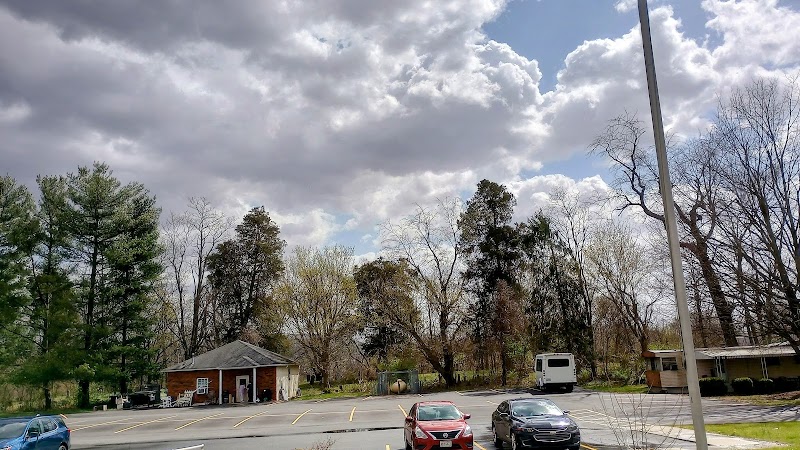
How is Edgewood Manor Of Lucasville I Staffed?

CMS rates EDGEWOOD MANOR OF LUCASVILLE I's staffing level at 3 out of 5 stars, which is average compared to other nursing homes. Staff turnover is 27%, compared to the Ohio average of 46%. This relatively stable workforce can support continuity of care.

What Have Inspectors Found at Edgewood Manor Of Lucasville I?

State health inspectors documented 23 deficiencies at EDGEWOOD MANOR OF LUCASVILLE I during 2019 to 2024. These included: 22 with potential for harm and 1 minor or isolated issues.

Who Owns and Operates Edgewood Manor Of Lucasville I?

EDGEWOOD MANOR OF LUCASVILLE I is owned by a for-profit company. For-profit facilities operate as businesses with obligations to shareholders or private owners. The facility is operated by AOM HEALTHCARE, a chain that manages multiple nursing homes. With 96 certified beds and approximately 84 residents (about 88% occupancy), it is a smaller facility located in LUCASVILLE, Ohio.

How Does Edgewood Manor Of Lucasville I Compare to Other Ohio Nursing Homes?

Compared to the 100 nursing homes in Ohio, EDGEWOOD MANOR OF LUCASVILLE I's overall rating (2 stars) is below the state average of 3.2, staff turnover (27%) is significantly lower than the state average of 46%, and health inspection rating (3 stars) is at the national benchmark.

What Should Families Ask When Visiting Edgewood Manor Of Lucasville I?

Based on this facility's data, families visiting should ask: "Can I visit during a mealtime to observe dining assistance and food quality?" "How do you handle medical emergencies, and what is your hospital transfer rate?" "Can I speak with family members of current residents about their experience?"

Is Edgewood Manor Of Lucasville I Safe?

Based on CMS inspection data, EDGEWOOD MANOR OF LUCASVILLE I has a clean safety record: no substantiated abuse findings (meaning no confirmed cases of resident harm), no Immediate Jeopardy citations (the most serious violation level indicating risk of serious injury or death), and is not on the Special Focus Facility watch list (a federal program monitoring the lowest-performing 1% of nursing homes). The facility has a 2-star overall rating and ranks #100 of 100 nursing homes in Ohio. While no facility is perfect, families should still ask about staff-to-resident ratios and recent inspection results during their visit.

Do Nurses at Edgewood Manor Of Lucasville I Stick Around?

Staff at EDGEWOOD MANOR OF LUCASVILLE I tend to stick around. With a turnover rate of 27%, the facility is 19 percentage points below the Ohio average of 46%. Low turnover is a positive sign. It means caregivers have time to learn each resident's needs, medications, and personal preferences. Consistent staff also notice subtle changes in a resident's condition more quickly. Registered Nurse turnover is also low at 29%, meaning experienced RNs are available to handle complex medical needs.

Was Edgewood Manor Of Lucasville I Ever Fined?

EDGEWOOD MANOR OF LUCASVILLE I has no federal fines on record. CMS issues fines when nursing homes fail to meet care standards or don't correct problems found during inspections. The absence of fines suggests the facility has either maintained compliance or corrected any issues before penalties were assessed. This is a positive indicator, though families should still review recent inspection reports for the full picture.

Is Edgewood Manor Of Lucasville I on Any Federal Watch List?

EDGEWOOD MANOR OF LUCASVILLE I is not on any federal watch list. The most significant is the Special Focus Facility (SFF) program, which identifies the bottom 1% of nursing homes nationally based on persistent, serious quality problems. Not being on this list means the facility has avoided the pattern of deficiencies that triggers enhanced federal oversight. This is a positive indicator, though families should still review the facility's inspection history directly.