EMBASSY OF LYNDHURST
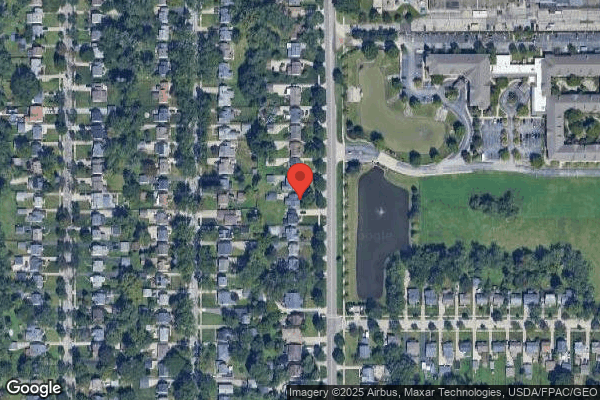

1575 BRAINARD RD, LYNDHURST, OH 44124 (440) 460-1000
For profit - Corporation 140 Beds EMBASSY HEALTHCARE Data: November 2025
Trust Grade
15/100
#670 of 913 in OH
Last Inspection: April 2025

Within standard 12-15 month inspection cycle. Federal law requires annual inspections.

Overview

Embassy of Lyndhurst has received a Trust Grade of F, indicating significant concerns about the quality of care provided. It ranks #670 out of 913 facilities in Ohio, placing it in the bottom half of the state, and #58 out of 92 in Cuyahoga County, meaning there are many better options nearby. The facility is currently improving, with the number of issues decreasing slightly from 24 in 2024 to 23 in 2025; however, they still have a concerning staffing turnover rate of 67%, which is much higher than the state average of 49%. Additionally, the facility has incurred $78,404 in fines, suggesting it has faced compliance problems more often than most facilities in Ohio. Specific incidents include a resident receiving end-of-life care who was left alone without hydration and in severe pain, as well as two separate incidents where residents fell and sustained serious injuries due to inadequate assistance during incontinence care. While the facility has some strong quality measures, the overall care environment raises red flags for families considering this home.

Trust Score
F
15/100
In Ohio
#670/913
Bottom 27%
Safety Record
High Risk
Review needed
Inspections
Getting Better
24 → 23 violations
Staff Stability
⚠ Watch
67% turnover. Above average. Higher turnover means staff may not know residents' routines.
Penalties
○ Average
$78,404 in fines. Higher than 66% of Ohio facilities. Some compliance issues.
Skilled Nurses
○ Average
Each resident gets 35 minutes of Registered Nurse (RN) attention daily — about average for Ohio. RNs are the most trained staff who monitor for health changes.
Violations
⚠ Watch
77 deficiencies on record. Higher than average. Multiple issues found across inspections.
★★☆☆☆
2.0
Overall Rating
★★☆☆☆
2.0
Staff Levels
★★★★★
5.0
Care Quality
★☆☆☆☆
1.0
Inspection Score
Stable
2024: 24 issues
2025: 23 issues

The Good

  • 5-Star Quality Measures · Strong clinical quality outcomes
  • Full Sprinkler Coverage · Fire safety systems throughout facility
  • No fines on record

Facility shows strength in quality measures, fire safety.

The Bad

2-Star Overall Rating

Below Ohio average (3.2)

Below average - review inspection findings carefully

Staff Turnover: 67%

21pts above Ohio avg (46%)

Frequent staff changes - ask about care continuity

Federal Fines: $78,404

Well above median ($33,413)

Moderate penalties - review what triggered them

Chain: EMBASSY HEALTHCARE

Part of a multi-facility chain

Ask about local staffing decisions and management

Staff turnover is elevated (67%)

19 points above Ohio average of 48%

The Ugly 77 deficiencies on record

4 actual harm
Apr 2025 22 deficiencies 1 Harm
SERIOUS (G) 📢 Someone Reported This

A family member, employee, or ombudsman was alarmed enough to file a formal complaint

Actual Harm - a resident was hurt due to facility failures

Quality of Care (Tag F0684)

A resident was harmed · This affected 1 resident

**NOTE- TERMS IN BRACKETS HAVE BEEN EDITED TO PROTECT CONFIDENTIALITY** Based on observation, interview, medical record review, review of hospice notes, and facility policy review, the facility failed...

Read full inspector narrative →
**NOTE- TERMS IN BRACKETS HAVE BEEN EDITED TO PROTECT CONFIDENTIALITY** Based on observation, interview, medical record review, review of hospice notes, and facility policy review, the facility failed to ensure care and services were provided to facilitate resident preference, comfort and hydration. Actual Harm occurred on 03/24/25 at 10:04 A.M. when Resident #58, a resident who was receiving end-of-life hospice care who staff believed was actively dying, was left alone behind a closed door, thirsty, in severe pain, and unable to call for assistance. Resident #58 was dependent on all aspects of care and unable to call for help, was denied hydration measures, and had minimal pain control for 2 days. This affected one resident (#58) of three residents reviewed for quality of care and treatment. The facility census was 81. Findings include Review of Resident #58's medical record revealed an admission date of 02/20/24. Medical diagnoses included amyotrophic lateral sclerosis (ALS) (a progressive disease that specifically affects motor neurons responsible for controlling muscle movement, leading to muscle weakness and paralysis), chronic pain syndrome, weakness, lack of coordination, and a need for assistance with personal care. Review of Resident #58's care plan dated 02/22/24 revealed the resident was at risk for altered nutrition/hydration status related to ALS. Interventions included administering medications as ordered, providing total assistance with meals and snacks, encouraging consumption of fluids provided, and monitoring for signs and symptoms of dehydration. An additional care plan focus dated 12/04/24 revealed the resident required hospice care due to end of life processes, with a terminal diagnosis of ALS. Listed interventions included administering medications for comfort prior to activity or care and to keep the resident comfortable to the extent possible. An additional care plan focus dated 02/21/25 revealed Resident #58 was receiving opioid pain medication for pain control. Interventions included administering medication as ordered, assessing pain type, location and characteristics before and after administration of as-needed pain medication, and encourage fluid intake. An additional intervention included to monitor symptoms of a potential overdose including constricted pupils, loss of consciousness, shallow breathing, respiratory depression, limp body, or pale, cold, or clammy skin. Review of the Hospice Skilled Nursing Communication note dated 01/16/25 revealed Resident #58 needed a blow call light (a call light that can be activated by blowing air into a small tube) due to a decreased range of motion to the resident's left hand. Review of Resident #58's Minimum Data Set (MDS) annual assessment dated [DATE] revealed the resident was cognitively intact. Resident #58 had impairment on both sides of the upper and lower extremities and was dependent on staff for all activities of daily living, including eating. Resident #58's daily preferences, including having snacks available between meals, were listed as very important to her. Resident #58 was noted to have anxiety and depression and received scheduled and as-needed (PRN) pain medication. Resident #58 was noted to receive hospice services and to have a disease that may result in a life expectancy of less than six months. Review of Resident #58's physician's orders revealed an order dated 02/27/25 which stated the resident was admitted to hospice services with a diagnosis of ALS. Review of Resident #58's physician's orders revealed on 03/22/25, all of Resident #58's routine scheduled medications, including Robaxin (a muscle relaxer used to treat painful muscle spasms) 750 milligram (mg) tablet twice daily, Morphine Sulfate Extended Release (ER) (an opioid analgesic used to treat severe pain) 30 mg every eight hours routinely, and Gabapentin (an anticonvulsant and pain adjunct commonly used to treat nerve pain) 900 mg four times daily routinely, were discontinued. Resident #58 had as-needed Morphine Sulfate 20 mg/milliliter (ml) 1 ml ordered as needed for pain related to ALS. There was no documented evidence of a physician order for Resident #58 to have nothing by mouth (NPO) or any orders related to limiting hydration. Review of the Hospice Skilled Nursing Communication note dated 03/22/25, completed by Hospice Registered Nurse (RN) #801, revealed to discontinue all medications, except comfort medications, as Resident #58 was actively transitioning (dying). Review of Resident #58's Medication Administration Record (MAR) for March 2025 reflected all routine medications, including scheduled Robaxin, Morphine Sulfate, and Gabapentin, had been discontinued on 03/22/25. The MAR noted only one as-needed dose of Morphine Sulfate 1 ml had been administered (on 03/23/25 at 6:30 P.M.) since the routine medications had been discontinued. The MAR recorded the effectiveness of the pain medication dose as a U, noting it was unknown if the medication had been effective to treat Resident #58's pain. Review of Resident #58's nursing progress notes revealed a note dated 03/23/25 at 8:01 P.M., authored by RN #323, which revealed Resident #58 remained more alert throughout the shift, discussed with staff and family members. The note stated Resident #58 was able to express her needs. Resident #58 had refused all meals but tolerated sips of fluid well. Observation on 03/24/25 at 10:04 A.M. revealed the door to Resident #58's room was closed. A sign was posted next to Resident #58's door which stated, please don't close my door unless asked. Upon knocking and opening the door, Resident #58 was observed lying in bed, with both of her arms positioned to her side, and her head lifted off the bed. Her eyes were wide as she looked towards the doorway. Resident #58 repeatedly mouthed the words help me, help me. Resident #58 was observed with tears in her eyes, was able to mouth words clearly, but had no sound projection. Resident #58 stated she was so thirsty and requested a drink. Resident #58's lips were very dry, and her lips stuck together as she mouthed her words. Three Styrofoam cups of water and a half-full bottle of soda was on the resident's bedside table. Resident #58 shared she was unable to move her arms or legs due to ALS. Resident #58 additionally stated that she was unable to use her call light to summon staff assistance, as she also could not move her hands. Further review revealed Resident #58 had a push-button call light next to her left hand. When asked, Resident #57 was unable to move her hand to activate the call light button. Resident #58 continued to mouth help me, help me, and the surveyor exited the room to summon staff assistance. Observation on 03/24/25 at 10:06 A.M. revealed Certified Nursing Assistant (CNA) #265 walked up the hall. CNA #265 was informed Resident #58 requested help and was thirsty. CNA #265 stated she is actively dying; she can't have anything to drink as she was ordered nothing by mouth (NPO). CNA #265 entered Resident #58's room and confirmed there were three cups of water and a half-full bottle of soda on the bedside table and confirmed the sign next to the door. CNA turned to leave Resident #58's room, who mouthed the words don't close, please don't close, referring to the door. CNA #265 confirmed the resident was unable to use her pushed button call light and walked away. The surveyor exited Resident #58's room to find the resident's assigned nurse. A few minutes later, CNA #265 again walked up the hall and stated Resident #58's nurse was on a break, but the Director of Nursing (DON) had stated she could give Resident #58 a drink. CNA #265 shared that her shift started at 7:00 A.M. and she had not yet been into Resident #58's room to provide care nor had she offered the resident anything as she was told Resident #58 was NPO. CNA #265 entered Resident #58's room, where Resident #58 stated she had not had anything to drink since the previous day. Resident #58 stated she had asked staff multiple times, but had been told no, she was not allowed to have anything to drink. Resident #58 additionally stated she had pain everywhere and rated her pain at a 10 on a scale of 1-10, with 10 being the worst pain she could imagine. Interview on 03/24/25 at 10:10 A.M. with RN #262 revealed she was Resident #58's primary nurse. RN #262 was informed Resident #58's pain level was a 10 and her pain was all over. RN #262 stated she had other tasks, including administering another resident's tube feeding, before she could provide any pain medication to Resident #58. Observation on 03/24/25 at 10:13 A.M. revealed RN #262 returned to the surveyor and stated she would address Resident #58's pain. RN #262 revealed Resident #58 was actively dying and was NPO status over the weekend because of her medical diagnosis. RN #262 stated hospice made the Resident #58 NPO status over the weekend as she had been lethargic and it was a bad weekend for the resident. RN #262 confirmed Resident #58 was alert and oriented and revealed she could have pain medications when needed. RN #262 approached the medication card to prepare the resident's dose of pain medication. Observation on 03/24/25 at 10:37 A.M. revealed Hospice RN #801 walked up the hall. Hospice RN #801 confirmed she was Resident #58's hospice nurse and stated the resident was actively transitioning. Hospice RN #801 confirmed she had visited Resident #58 on 03/22/25, at which time Resident #58 was comatose. Hospice RN #801 discontinued all of Resident #58's routine medications, including all routine pain medications, due to the resident's change in condition. Hospice RN #801 revealed there was never a written order for Resident #58 to be NPO. When asked if she had instructed the staff caring for Resident #58 to treat the resident as NPO, Hospice Nurse #801 repeated there was never a hospice-initiated order for Resident #58 to be NPO. Upon entering Resident #58's room, the door to the resident's room was again observed to be closed. Resident #58 remained in bed alone behind the closed door and unable to use her call light or make any purposeful movement. Further review of Resident #58's medical record revealed no evidence or documentation Resident #58's physician had been notified of Resident #58's decline on 03/22/25 or the staff withholding fluids. Interview on 04/01/25 at 2:43 P.M. with Resident #58 revealed she still had a push button call light she was unable to use. Resident #58 stated she had been receiving some fluids over the last few days and was thankful. Resident #58 stated hospice was still working on getting her a blow call light. During the interview, Resident #58's voice was noted to have sound projection and her voice sounded stronger than during prior interviews on 03/24/25. Interview on 04/02/25 at 11:49 A.M. with the Administrator confirmed she was aware Resident #58 needed a blow call light. The Administrator confirmed staff discussed it, but she did not remember the outcome. Interview on 04/02/25 at 12:35 P.M. with the DON confirmed there was no documentation that Resident #58's physician had been notified of Resident #58's change in condition or the withholding of fluids. The DON revealed the staff were only notifying the contracted hospice provider and stated the resident's physician should be notified with any change in condition, even when the resident was receiving hospice services. Review of the policy Hydration - Clinical Protocol revised September 2017 revealed the staff, with the physician's input, will identify and report to the physician individuals with signs and symptoms (for example, delirium, lethargy, increased thirst) or lab test results that may reflect fluid and electrolyte imbalance. The physician and staff will identify significant risks for subsequent fluid and electrolyte imbalance, to include, for example, individuals who are not eating or drinking well. The physician will manage significant fluid and electrolyte imbalance, and associated risks, appropriately and in a timely manner. The staff will provide supportive measures such as supplemental fluids where indicated. Review of the policy Pain - Clinical Protocol revised March 2018 revealed with input from the resident to the extent possible, the physician and staff will establish goals of pain treatment. The nursing staff assess each individual for pain upon admission to the facility, at quarterly review, whenever there is a significant change in condition, and when there is a new onset of pain or worsening of existing pain. The physician will order pharmacologic interventions to address the individual's pain. Review of the policy Change in Resident's Condition or Status revised February 2021 revealed the facility promptly notifies the resident's physician when there has been changes in the resident's medical/mental condition and/or status, or there is a need to alter the resident's medical treatment significantly. This deficiency represents non-compliance investigated under Complaint Numbers OH00163018 and OH00162481
CONCERN (D)

Potential for Harm - no one hurt, but risky conditions existed

Resident Rights (Tag F0550)

Could have caused harm · This affected 1 resident

Based on interview, record review, and facility policy review, the facility failed to ensure a resident's request to go to bed and receive timely care was respected and the resident was timely assiste...

Read full inspector narrative →
Based on interview, record review, and facility policy review, the facility failed to ensure a resident's request to go to bed and receive timely care was respected and the resident was timely assisted in a dignified manner. This affected one resident (#28) of three residents reviewed for dignity. The facility census was 81. Findings include: Review of the medical record for Resident #28 revealed an admission date of 01/21/21. Diagnoses included morbid (severe) obesity due to excess calories, lymphedema, major depressive disorder, generalized anxiety disorder, muscle weakness, and acquired absence of right leg below knee. Review of the Minimum Data Set (MDS) quarterly dated 01/28/25 revealed Resident #28 had intact cognition, was dependent on staff for transfers and toileting hygiene, was frequently incontinent of bladder, and always incontinent of bowel. Interview on 03/24/25 at 12:05 P.M. with Resident #28 revealed a few Fridays ago, he did not get put to bed due to short staffing on the night shift. Resident #28 stated by 5:00 A.M. (on 03/15/25) he still had not been put to bed and had a bowel movement. Resident #28 stated he turned on his call light multiple times, and was told by one aide that she needed to get the other aide because he required a hoyer (mechanical) lift for transfers. Resident #28 stated the aide came back and said that the other aide was on break and the resident would have to wait for assistance. Resident #28 stated when he had the bowel movement he was told by the aide again she had to find the second aide. Resident #28 stated no one came back and he didn't see anybody until the first shift arrived the following morning. Resident #28 stated Certified Nurse Aide (CNA) #256 was one of the four aides that had to clean him up and get him in bed. Resident #28 stated the night shift aide was from agency staffing. Resident #28 stated the incident was very demeaning. Review of Resident #28's progress notes was silent of documentation related to Resident #28 being left up in wheelchair and not being provided with incontinence care all night. Interview on 03/27/25 at 10:13 A.M. with CNA #256 verified Resident #28 was up all night and soiled when first shift arrived to work. CNA #256 stated two aides and two nurses were scheduled on the unit, but one of the aides could not be found for hours. CNA #256 stated she believed the incident occurred the morning of 03/08/25. CNA #256 stated she had arrived early to work at approximately 6:50 A.M. and Resident #28's call light was on. CNA #256 stated there were a few call lights on when she arrived. CNA #256 started when she got to Resident #28's room she saw him up in his power wheelchair and asked him if he had an appointment. CNA #256 stated he informed her that he had been up all night and had been trying to get into bed since 1:00 A.M. CNA #256 stated he informed her that he was told by the night staff that they would come back. CNA #256 stated Resident #28 was upset and appeared tired. CNA #256 stated Resident #28 usually went to be late. CNA #256 stated the resident requested his call light not be turned off until care was performed, as night staff kept turning off his call light. CNA #256 stated Resident #28 told her that around 1:00 A.M. he had a bowel movement and wanted to get into bed so they could change him. CNA #256 confirmed the resident did have a bowel movement, and recalled it looked like he had been sitting in it for a while at the time care was provided. CNA #256 stated she also observed the resident's urinal was full, and two cups were also full of urine. CNA #256 stated she knew those were his favorite cups. CNA #256 stated she had reported the incident to Registered Nurse (RN) #258 and believed the nurse reported it to someone. CNA #256 stated she was made aware the aide from agency was put on list to not return to the facility. Interviews on 03/27/25 at 11:33 A.M. and 1:11 P.M. with RN #258 via phone verified the incident regarding Resident #28 occurred and stated she was the dayshift nurse for Resident #28 that weekend. RN #258 stated she could not recall the date of the weekend or the day it occurred. RN #258 stated when she came in she went to his room and care was provided immediately. RN #258 stated she assessed him and gave him his morning medications and told him to get some rest. RN #258 stated she reported it to the manager on duty but could not remember who that was. RN #258 stated she was distraught about the incident and Resident #28 was upset but ready to go to bed. RN #258 stated all the aides helped, got him fresh sheets, and he was in bed by 7:15 A.M. RN #258 stated she did not get report from the night nurse until Resident #28 received care. RN #258 stated the night nurse was still there and she was aware of what happened, and she told the night nurse that was unacceptable. RN #258 stated the night nurse did not say what happened on nights and the resident never said to her he felt he was neglected or abused. RN #258 stated she checked on him throughout her shift. RN #258 stated she did not make a note or document in Resident #28's medical record the events of Resident #28's concern. Interviews on 03/27/25 at 12:02 P.M. and 2:41 P.M. with Human Resources Director (HRD) #240 revealed she was the manager on duty on duty the weekend of 03/15/25 to 03/16/25 and recalled being told by staff Resident #28 did not get to bed at the time he liked. HRD #240 stated the incident did not occur on the weekend of 03/08/25. HRD #240 stated the morning of 03/16/25 at 6:57 A.M. she was told by the unit manager that was on call that the agency aide did nothing all night and needed to be placed on the do not return list. HRD #240 stated when she arrived at the facility between 9:30 A.M. and 10:30 A.M., she observed nursing staff at the nurses' station upset and they made her aware of what had occurred. HRD #240 stated when she went to talk with Resident #28 he was sitting up in bed and he stated he was fine. HRD #240 stated she then started collecting statements from the staff regarding the incident. HRD #240 stated she had informed the Administrator and Nurse Manager (NM) #261 what she was told about Resident #28 being left in his chair and not being changed all night. HRD #240 provided written statements from some staff but stated she did not have a written statement from Resident #28 or RN #258. Interview on 03/27/25 at 12:54 P.M. with NM #261 revealed she was on call both days 03/15 and 03/16. NM #261 stated she was aware that Resident #261 did not get his shower that evening on 03/15/25. NM #261 stated she got a call from the weekend manager and called into the building on 03/16/25 to ensure they gave Resident #28 a shower. NM #261 stated she was not aware of him being left in his chair all night. NM #261 stated he stays up late by his choice, but he does go to bed. NM #261 stated she was not aware of any resident not being put into bed or concerns related to timely incontinence care not being provided for any residents Review of the handwritten statements provided revealed statement by HRD #240 dated 03/16/25 revealed she was the weekend manager on the weekend, 03/15/25 and 03/16/25. When she arrived on 03/16/25, she began her rounds of the building and when she stopped at the nursing station, RN #258 and CNAs #265, #258, #267, and an agency CNA #600, were all letting her know that Resident #28 was out of his bed and left up in his chair all night. CNA #253, the night aide from 03/15/25, was called and stated she put Resident #28 to bed both nights. She told her that she wasn't sure why she was being told this by staff and that and she looked more into this issue. She asked Resident #28 how he was doing, and he stated he was fine. She apologized to him for this happening and assured that they will not let this happen again. NM #261 made her aware that the agency aide needed to be on the do not return list for poor performance. She attempted to reach out the agency aide to obtain a statement but was unsuccessful in reaching her. Review of the handwritten statement dated 03/16/24 by agency CNA #600 revealed she was working day shift and upon arrival it was brought to their attention that their resident had been up in his chair all night and needed care. The manager on duty, HRD #240 was notified by staff, and the incident was quickly handled. The resident was properly taken care of and free from any additional problems. Review of the handwritten stated dated 03/16/25 by CNA #256 revealed when they arrived for day shift, Resident #28's call light was on, and she went to check on him because it was early. She found him in his chair, and he explained to her what happened and that he wanted to lay down. She then grabbed the nurse, and she reported it to the manager on duty. The statement stated this incident occurred on the morning of 03/16/25. Review of the handwritten statement by HRD #240 dated 03/16/25 revealed HRD #240 interviewed LPN #254 regarding Resident #28. LPN #254 stated that the aide was working on putting Resident #28 to bed. When she went to go check on him, Resident #28 said he was fine and continued to sleep in his chair and did not request to go into his bed. Review of the handwritten stated dated 03/17/25 by CNA #253 revealed on 03/15/25 and 03/16/25, when she was assigned to care for Resident #28, she put him in the bed on both nights. Interview on 03/27/25 at 2:59 P.M. with the Administrator stated the weekend manager for the weekend of 03/15/25 -03/16/25, HRD #240 had concerns about Resident #28 not being placed in bed. She told HRD #240 to get statements, investigate it, and follow-up with Resident #28 to make sure he was ok. The Administrator stated he was fine at that time after the incident had occurred. The Administrator stated HRD #240 gave her the statements and she talked to the staff making sure that they were putting residents to bed timely. The Administrator stated she talked to the one aide that worked that night but was not sure of her name. The Administrator stated she also contacted the night nurse, LPN #254, she basically seconded the resident was sleeping in his chair and said he was fine. The Administrator stated she did not give a time of when she checked on him, and then stated she was not able to give a time. The Administrator stated she did not follow up with Resident #28 and then stated he never brought the concern directly to her. The Administrator stated the aide told her via phone that she put him to be as he requested. The Administrator stated Resident #28 at that time was not alleging neglect, although he was upset, but she saw it as a customer service issue. The Administrator stated she had done a recent customer service but was not sure if it was in regard to this particular incident. The Administrator stated the agency aide was put on the do not return list but was not his aide at that time. Interview on 04/01/25 at 1:28 P.M. with CNA #253 via phone revealed on the weekend of 03/15/25 on the night shift there was an agency aide that worked that night, and she had the hall where Resident #28 resided. CNA #253 stated the agency aide left leaving her and the nurse on the floor and she needed help from nurse to do rounds. CNA #253 stated they didn't realize she had left until around 3:00 A.M. - 4:00 A.M. CNA #253 stated the nurse found the agency aide sitting in the lobby told her to get back on the floor, but she didn't. CNA #253 stated the agency aide sat out there until 7:00 AM. and then wanted the nurse to sign her out. CNA #253 stated the agency aide was reported and she had not seen her back. CNA #253 stated she did not recall or was not sure if Resident #28 was in bed that night of 0315/25 but stated every time she was assigned to him she always got in in bed. Interview on 04/01/25 at 2:22 P.M. with LPN #254 via phone stated she was new and had worked for the facility for one week at the time of the incident with Resident #28 on the weekend of 03/15/25-03/16/25. LPN #254 stated the agency aide said to her that got Resident #28 to bed and she left around 3:00 A.M. 04:00 A.M. LPN #254 stated she never went back there until she gave Resident #28 his morning medication, his tramadol and Synthroid, she believed maybe around 5:00 A.M.-6:00 A.M. LPN #254 stated Resident#28 was sleeping in his chair and she woke him up to give him his medications. LPN #254 stated she assumed he was one of those residents that slept in his chair, and he never said anything to her. LPN #254 stated the agency aide left after she told her she had put him to bed, but they had not realized she had left. LPN #254 stated the agency aide had left the building leaving one aide on the floor and she and the other nurse had to help that one aide with check and changes. LPN #254 stated to be honest she was not sure if Resident #28 had rung his call light that night. LPN #254 stated she did not know it was an issue until the morning shift came in freaking out. Review of the policy Resident Self Determination and Participation dated August 2022 revealed the facility respects and promotes the right of each resident to exercise his or her autonomy regarding what the resident considers to be important facets of his or her life. Each resident is allowed to choose activities and schedule health care, including daily routines such as sleeping and waking, and personal care needs, that are consistent with his or her interest, values, assessment and plans of care.
CONCERN (D)

Potential for Harm - no one hurt, but risky conditions existed

Deficiency F0557 (Tag F0557)

Could have caused harm · This affected 1 resident

**NOTE- TERMS IN BRACKETS HAVE BEEN EDITED TO PROTECT CONFIDENTIALITY** Based on observations, record review and interview, the facility failed to ensure residents had access to their personal propert...

Read full inspector narrative →
**NOTE- TERMS IN BRACKETS HAVE BEEN EDITED TO PROTECT CONFIDENTIALITY** Based on observations, record review and interview, the facility failed to ensure residents had access to their personal property in a timely manner. This affected one resident (#40) of one resident reviewed for personal property. The facility census was 81. Findings include: Review of the medical record for Resident #40 revealed an admission date of 01/20/25. Diagnoses included amyotrophic lateral sclerosis (ALS), chronic respiratory failure with hypoxia, chronic obstructive pulmonary disease (COPD), pulmonary hypertension due to lung diseases and hypoxia, moderate protein-calorie malnutrition, major depressive disorder, and anxiety disorder. Review of the care conference review dated 01/24/25 revealed Social Worker (SW) #234, Nurse Manager (NM) #261, rehab representative, and Resident #40 attended. Under the summarization of discussion of care plan revealed: care meeting schedule with the resident on 01/24/25. Resident #40 has no family or friends to attend the meeting. Social services went over services and code status. The unit manager went over medications and level of care. Therapy went over progress and goals. Resident #40 has no support system in place. Resident #40 stated that she needs her personal items from the prior nursing facility. Resident #40 has no concerns at this time. Social services will continue to support as needed. Review of the admission Minimum Data Set (MDS) assessment dated [DATE] revealed Resident #40 had intact cognition, had no behaviors, and was dependent on staff for all activities of daily living (ADL). Interview on 03/24/25 at 11:39 A.M. with Resident #40, stated she wanted to get dressed and up in her wheelchair. Observation of Resident #40 revealed she was lying in her bed in a hospital gown. There was no observed wheelchair. She stated all her clothes, and her wheelchair was still at her previous facility. Further observation of Resident #40's closet and room revealed no personal items or clothing. Interview on 03/27/25 8:23 A.M. with NM #261 revealed she was familiar with Resident #40 from a previous facility and stated she has clothes, several totes and an electric wheelchair. NM #261 stated Resident #40 did not have any family or friends that could bring her personal items to the facility, so she had volunteered to pick up her items. NM #261 stated she has a jeep but had to make time to go pick up the resident's property. NM #261 stated SW #234 had reached out to the facility that has her items, and they stated they will not bring them but would hold her items. NM #261 verified since Resident #40 has been at the facility she has not had any of her personal items due to her not having time to get them. NM #261 stated Resident #40 has not expressed to her that she wanted to get up out of bed. Interview on 03/27/25 at 9:41 A.M. with SW #234 stated it was not typically part of her responsibility to ensure residents had their personal items when they were admitted to the facility. SW #234 stated however, she did track down Resident #40's personal property at a facility prior to the last facility. SW #234 stated on two occasions Resident #40 mentioned to her about wanting her personal items earlier into her admission. SW #234 stated they were attempting to make arrangements to pick up her personal items, but there had been issues with the switching of management companies prior to getting new owners last week. Interviews on 04/01/25 at 9:59 A.M. and 12:44 P.M. with the Administrator stated there was no specific timeframe, but within days or a week, for them to pick up a resident's personal property from their previous facility if the resident did not have family to bring it. The Administrator stated Resident #40 had been to several facilities and they had to locate where her items were and believed on 03/27/25 they picked up her items. The Administrator stated it was a long time, but they did pick up the items. The Administrator verified it was documented in the care conference dated 01/24/25 that the resident said she wanted her personal items.
CONCERN (D)

Potential for Harm - no one hurt, but risky conditions existed

Deficiency F0558 (Tag F0558)

Could have caused harm · This affected 1 resident

**NOTE- TERMS IN BRACKETS HAVE BEEN EDITED TO PROTECT CONFIDENTIALITY** Based on record review, observation, interview and facility policy review, the facility failed to ensure the call lights were wi...

Read full inspector narrative →
**NOTE- TERMS IN BRACKETS HAVE BEEN EDITED TO PROTECT CONFIDENTIALITY** Based on record review, observation, interview and facility policy review, the facility failed to ensure the call lights were within reach for Resident #5 and #21. This affected two residents (#5 and #21) of three residents reviewed for call light use. The facility census was 81. Findings include: 1. Record review for Resident #21 revealed an admission date of 04/02/14. Diagnoses included functional quadriplegia, hemiplegia and hemiparesis, and encounter for attention to gastrostomy. Review of the quarterly Minimum Data Set (MDS) assessment dated [DATE] revealed Resident #21 was cognitively intact. Resident #21 had impairment on one side of the upper and lower extremities, was dependent on staff for activities of daily living (ADL), including bed mobility. Resident #21 had a feeding tube. Observation on 03/24/25 at 2:28 P.M. revealed Resident #21 was lying in bed. Resident #21 requested the surveyor assist her with turning and repositioning stating she was uncomfortable. Observation revealed Resident #21's call light was on the floor. Resident #21 verified she was unable to reach her call light, but she really needed turned. Observation and interview on 03/24/25 at 2:31 P.M. with Certified Nursing Assistant (CNA) #267 confirmed Resident #21's call light was out of reach and lying on the floor. 2. Review of the medical record for Resident #5 revealed an admission date of 01/29/25. Diagnoses included cerebrovascular disease, dementia, psychotic disturbance, mood disturbance and anxiety, and dysphagia (difficulty swallowing). Review of the MDS assessment dated [DATE] revealed Resident #5 had moderate cognitive impairment and was dependent on staff for personal hygiene and transfers. Observation on 03/24/25 at 11:05 A.M revealed Resident #5 was lying in bed and his left arm was constricted. The call light was wrapped around the right-side bed rail. Interview at this time with Resident #5 stated he was unable to reach his call light. Interview on 03/24/25 at 11:10 A.M. with Housekeeper #242 verified the call light was not within reach for Resident #5. Review of the facility policy titled Call system, Resident dated September 2022 stated each resident is provided with a means to call staff directly for assistance from his/her bed, from toileting, bathing facilities and from the floor. This deficiency represents non-compliance investigated under Complaint Number OH00163018.
CONCERN (D)

Potential for Harm - no one hurt, but risky conditions existed

Deficiency F0561 (Tag F0561)

Could have caused harm · This affected 1 resident

**NOTE- TERMS IN BRACKETS HAVE BEEN EDITED TO PROTECT CONFIDENTIALITY** Based on observation, interview, record review, and review of the facility policy, the facility failed to respect and promote re...

Read full inspector narrative →
**NOTE- TERMS IN BRACKETS HAVE BEEN EDITED TO PROTECT CONFIDENTIALITY** Based on observation, interview, record review, and review of the facility policy, the facility failed to respect and promote resident self-determination. This affected two resident (#9 and #60) of three residents reviewed for the ability for residents to choose important facets of their lives. The facility census was 81. Findings include: 1.Record review for Resident #9 revealed a readmission date of [DATE]. Diagnosis included paraplegia, incomplete, anxiety disorder, and weakness. Review of the quarterly Minimum Data Set (MDS) dated [DATE] for Resident #9 revealed Resident #9 was cognitively intact. Resident #9 had impairment on both sides of the lower extremities and used a wheelchair for mobility. Resident #9 required partial/moderate assistants for bed mobility and dependent for transfers to and from the wheelchair. Vision was adequate with corrective lenses. Review of the care plan for Resident #9 dated [DATE] revealed Resident #21 was at risk for impaired psychiatric/mood status related to diagnosis of depression and attention deficit hyperactivity disorder. Interventions included to provide a calm safe environment when patient is emotional or frustrated and allow time to voice feelings. Refer to social worker as needed if resident communicates the need to speak with someone. Review of the Resident Council minutes dated [DATE] signed by Administrator revealed under the area of Social Services, Residents would like the ancillary services to be posted in rooms. Interview on [DATE] at 2:13 P.M. with Resident #9 revealed he had asked the social worker at least 17 times to let him know when the ancillary services were coming into the facility. Resident #9 reported the social worker had refused and stated the information was posted. Resident #9 stated. he could not always get up there, and needed a second pair of glasses and he never knew when the anciallary services would be coming into the building. Resident #9 revealed he leaves the facility at times for different appointments that he schedules and would like to know in advance when the eye doctor, podiatrist, and dentist were coming so he can plan his schedule and plan to meet with them if needed. Resident #9 revealed he needed a second pair of glasses and wanted to make sure he did not miss the eye doctor's next visit. Interview on [DATE] at 10:51 A.M. with Licensed Social Worker (LSW) #234 confirmed she scheduled all the ancillary service (Podiatrist, Optometry, Dental) visits. LSW #234 confirmed these services are provided at the facility as scheduled by her and each resident had the right to receive the ancillary services. LSW #234 confirmed Resident #9 spoke with her and requested she post the ancillary visit dates. LSW #234 stated, I said they are posted everywhere, he said you need to put them in everyone's room, and I said I am not doing that. LSW #234 confirmed she had the ancillary services dates posted everywhere for residents to see when they are scheduled to visits. Observation [DATE] at 10:52 A.M. with LSW #234 during a walk through of the entire facility where residents resided, revealed the only posted ancillary services expected dates to visit were posted in the secured memory care unit and those were expired dates. LSW #234 revealed she had ancillary schedule for [DATE] completed for when they were coming but she must not of posted the new schedule yet. Interview on [DATE] at 10:59 AM with Administrator revealed any resident who requested a copy posted in their room of the ancillary service visit dates should have it posted in their room per their request. 2. Record review for Resident #60 revealed an admission date of [DATE]. Diagnosis included rhabdomyolysis, osteoarthritis, and muscle weakness. Review of the Medicare 5-day MDS assessment dated [DATE] revealed Resident #60 was cognitively intact. Resident #60 had impairment to one side of the upper extremity, was dependent for toileting and required partial/moderate assistants with shower/bathing. Review of the care plan dated [DATE] for Resident #60 revealed the resident is, dependent on staff for activities, cognitive stimulation, and social interaction related to physical limitations. Interventions included to honor resident's choices and preferences whenever possible. Review of Shower Schedule revealed showers/baths were completed on all three shifts (7:00 A.M. to 3:00 P.M., 3:00 P.M. to 11:00 P.M. and 11:00 P.M. to 7 :00 A.M.). The showers were scheduled per shift by room number. Record review revealed Resident #60's showers were to be completed on Mondays and Thursdays from 11:00 P.M. to 7:00 A.M. Record review of Resident #60's medical record revealed Resident #60's preferences/care plan were not completed to include the time of day she preferred her bath/showers. Interview on [DATE] at 3:53 P.M. with Resident #60 revealed the staff told her she was supposed to get her showers/baths on the night shift, 11:00 P.M. to 7:00 A.M.; Resident #60 revealed she felt that was crazy and revealed she was never asked when she wanted them, she was just told that was when she was scheduled to have them. Resident #60 revealed when the staff did come in, in the middle of the night and wake her up, she would tell them it's late so then they would say she refused. Resident #60 revealed she wasn't refusing her showers, she just did not want to have to get them in the middle of the night when she was sleeping. Review of the shower schedule and Resident choices with Administrator and Unit Manager RN #257 on [DATE] at 5:16 P.M. confirmed Resident #60 was scheduled to receive her showers on the 11:00 P.M. to 7:00 A.M. shift two days a week. Administrator and Unit Manager RN #257 confirmed the forms were not completed for Resident #60 on admission to determine her preferences for dates and times to receive showers/baths. Review of the facility policy titled, Resident Self Determination and Participation revised [DATE] revealed our facility respects and promotes the right of each resident to exorcize his or her autonomy regarding what the resident considers to be important facets of his or her life. Each resident is allowed to choose activities, and schedule health care and healthcare providers, that are consistent with his or her interest, values, assessments and plan of care, including daily routine such as sleeping and waking, exercise and bathing schedules. Residents are encouraged to interact with members of the community and participate in community activities inside and outside the community. Examples of accommodations that support community participation include scheduling treatments or therapy so they do nit interfere with activities or events and assisting the resident with planning.
CONCERN (D)

Potential for Harm - no one hurt, but risky conditions existed

Deficiency F0578 (Tag F0578)

Could have caused harm · This affected 1 resident

**NOTE- TERMS IN BRACKETS HAVE BEEN EDITED TO PROTECT CONFIDENTIALITY** Based on record review and interview, the facility failed to ensure a completed code status form was completed for Resident #40....

Read full inspector narrative →
**NOTE- TERMS IN BRACKETS HAVE BEEN EDITED TO PROTECT CONFIDENTIALITY** Based on record review and interview, the facility failed to ensure a completed code status form was completed for Resident #40. This affected one resident (#40) of one resident reviewed for advanced directives. The facility census was 81. Findings include: Review of the medical record for Resident #40 revealed an admission date of 01/20/25. Diagnoses included amyotrophic lateral sclerosis (ALS), chronic respiratory failure with hypoxia, chronic obstructive pulmonary disease (COPD), pulmonary hypertension due to lung diseases and hypoxia, moderate protein-calorie malnutrition, major depressive disorder, and anxiety disorder. Review of the physician orders for March 2025 revealed Do Not Resuscitate Comfort Care Arrest (DNRCC-A) with a start date of 01/23/25. Review of the admission Minimum Data Set (MDS) assessment dated [DATE] revealed Resident #40 had intact cognition, had no behaviors, and was dependent on staff for all activities of daily living (ADL). Interview on 03/25/25 at 2:19 P.M. with the Administrator verified the order for DNRCC-A was written, but the form was never completed. The Administrator stated she had the nurse practitioner come in today to do the form it and was uploaded into Resident #40's electronic medical record with today's date.
CONCERN (D)

Potential for Harm - no one hurt, but risky conditions existed

Notification of Changes (Tag F0580)

Could have caused harm · This affected 1 resident

Based on record review, interview and facility policy review, the facility failed to ensure notification of significant weight loss to the resident's physician and/or the resident representative. This...

Read full inspector narrative →
Based on record review, interview and facility policy review, the facility failed to ensure notification of significant weight loss to the resident's physician and/or the resident representative. This affected one resident (#45) of seven residents reviewed for nutrition and one resident (#35) of one resident reviewed for tube feeding. The facility census was 81. Findings include: 1. Review of the medical record for Resident #35 revealed an admission date of 05/03/17. Diagnoses included dementia, adult failure to thrive, dysphagia, Alzheimer's disease with early onset, gastrostomy status, and moderate protein-calorie malnutrition. Review of the weight history for Resident #35 revealed: • 02/03/25 weight was 134 pounds • 02/20/25 weight was 137 pounds • 02/27/25 weight was 130 pounds • 03/12/25 weight was 130.5 pounds Review of the progress note dated 03/06/25 at 10:07 A.M. revealed a nutrition noted stating Resident #35's weights were reviewed. Resident #35 showed a weight loss on the last weight after a previous weight gain. Resident #35 was on weekly weights to monitor, awaiting weekly weight to confirm weight loss. Resident #35 receives nothing by mouth (NPO) and receives all of nutrition via percutaneous endoscopic gastrostomy (PEG) tube (feeding tube). No new recommendations. Will follow up after weekly weight obtained. There was no documentation of notification to the physician/nurse practitioner or resident family/representative. Interviews on 03/27/25 at 1:59 P.M. and at 2:13 P.M. with Diet Technician (DT) #401 stated she would notify the residents' family of significant weight loss, and the nurse unit managers would notify the doctors. DT #401 stated she would document in the resident medical record that she had notified the resident's family. DT #401 stated she was not 100% positive that she notified Resident #35's family of the weight loss. DT #401 verified she did not document that she notified Resident #35's family. Interview on 03/27/25 at 3:53 P.M. with Nurse Practitioner (NP) #352 via phone stated she was not aware of Resident #35's weight loss, but if she was notified, she would have seen the resident and noted it. NP #352 stated Resident #35 had been stable medically based on her assessments. 2. Review of the medical record for Resident #45 revealed an admission dated of 10/11/24. Diagnoses included intraoperative cerebrovascular infarction, traumatic subdural hemorrhage with loss of consciousness, multiple fractures, gastrostomy, dysphagia, and moderate protein-calorie malnutrition. Review of the weight history for Resident #45 revealed: • 10/11/24 weight was 141 pounds • 10/24/24 weight was 138.2 pounds • 03/11/25 weight was 125 pounds • 03/21/25 weight was 125 pounds Review of the progress notes dated 03/13/25 at 1:33 P.M. revealed a nutrition note stating, spoke with the resident's mother about weight loss today. Resident #45 was unable to be weighed for a period of time per physician orders. Resident #45 will now be weighed weekly to monitor for ongoing trend. Will reevaluate tube feeding as needed. Resident #45 is also now receiving a regular mechanical soft diet with honey thick fluids and needs set up and limited assist at times. Resident #45 was discussed in the interdisciplinary meeting today. Will continue to monitor and follow up as needed. Review of the physician note dated 03/13/25 revealed no nursing concerns, no fevers or chills. There was no documentation of notification to the physician/nurse practitioner or resident family/representative. Interview on 03/27/25 at 5:11 P.M. with the Administrator after reviewing the progress notes and physician/nurse practitioner notes for Residents #35 and #45 verified there was no documentation of notification to the physician/nurse practitioner for Resident #45 and to the physician/nurse practitioner and resident representative for Resident #35 of their significant weight loss. Review of the facility policy Change in a Resident's Condition or Status, revised February 2021, revealed the facility promptly notifies the resident, his or her attending physician, and the resident representative of changes in the resident's medical/mental condition and/or status (e.g., changes in level of care, billing/payments, resident rights, etc.).
CONCERN (D)

Potential for Harm - no one hurt, but risky conditions existed

Deficiency F0582 (Tag F0582)

Could have caused harm · This affected 1 resident

**NOTE- TERMS IN BRACKETS HAVE BEEN EDITED TO PROTECT CONFIDENTIALITY** Based on review of Notice of Medicare Non-Coverage (NOMNC) letters and staff interview, the facility failed to provide residents...

Read full inspector narrative →
**NOTE- TERMS IN BRACKETS HAVE BEEN EDITED TO PROTECT CONFIDENTIALITY** Based on review of Notice of Medicare Non-Coverage (NOMNC) letters and staff interview, the facility failed to provide residents with the correct last covered day (LCD). This affected five (Resident #60, Resident #63, Resident #73, Resident #79, and Resident #80) of eleven residents reviewed for liability notices. The census was 81. Findings include: 1. Review of Resident #60's medical record revealed she was admitted to the facility on [DATE]. She was still a resident and had not been discharged . A NOMNC letter revealed skilled services ended on 02/15/25, the LCD. The medical record provided no evidence of Resident #60's next payor source starting on 02/16/25. 2. Review of Resident #63's medical record revealed she was admitted to the facility on [DATE]. She was still a resident and had not been discharged . A NOMNC letter revealed skilled services ended on 11/23/24, the LCD. The medical record provided no evidence of Resident #63's next payor source starting on 11/24/24. 3. Review of Resident #73's medical record revealed he was admitted to the facility on [DATE]. He was still a resident and had not been discharged . A NOMNC letter revealed skilled services ended on 03/21/25, the LCD. The medical record provided no evidence of Resident #73's next payor source starting on 03/22/25. 4. Review of Resident #79's medical record revealed he was admitted to the facility on [DATE] and was discharged on 02/04/25. A NOMNC letter revealed skilled services ended on 02/04/25, the LCD. The medical record provided no evidence of Resident #79's reason for leaving the facility on the LCD. 5. Review of Resident #80's medical record revealed he was admitted to the facility on [DATE] and was discharged on 01/10/25. A NOMNC letter revealed skilled services ended on 01/11/25. The medical record provided no evidence of Resident #80's reason for leaving the facility prior to the LCD. Interview on 03/25/25 at 3:00 P.M. with Licensed Social Worker (LSW) #234 confirmed the discrepancies noted about the last covered days (LCD) and there were no progress notes to explain a change in LCD or payor concerns
CONCERN (D) 📢 Someone Reported This

A family member, employee, or ombudsman was alarmed enough to file a formal complaint

Potential for Harm - no one hurt, but risky conditions existed

Safe Environment (Tag F0584)

Could have caused harm · This affected 1 resident

**NOTE- TERMS IN BRACKETS HAVE BEEN EDITED TO PROTECT CONFIDENTIALITY** Based on record reviews, observations and interviews, the facility failed to ensure a clean and sanitary environment for Residen...

Read full inspector narrative →
**NOTE- TERMS IN BRACKETS HAVE BEEN EDITED TO PROTECT CONFIDENTIALITY** Based on record reviews, observations and interviews, the facility failed to ensure a clean and sanitary environment for Resident #5 and a comfortable mattress in good repair for Resident #61. This affected two residents (#5 and #61) reviewed for a clean, sanitary, and homelike environment. The facility census was 81. Findings include: 1. Review of the medical record for Resident #61 revealed an admission date of 09/19/24. Diagnoses included quadriplegia, anxiety disorder, contracture right and left hand, reduced mobility, and muscle weakness. Review of the quarterly Minimum Data Set (MDS) assessment dated [DATE] revealed Resident #61 had intact cognition and required substantial/maximin assistance from staff for bed mobility and was dependent on staff for chair/bed to bed/chair transfers. Interview on 03/24/25 at 11:43 A.M. with Resident #61 stated her bed was uncomfortable, and it sunk in the middle. The resident stated she informed some the aides but did not know their names. Interviews on 03/27/25 at 10:13 A.M. and 04/01/25 at 10:23 A.M. with Certified Nurse Aides (CNAs) #256 and #277 stated the concern with Resident #61's mattress had been going on for about a month. CNA #256 stated Resident #261 complained that she could feel the rails. CNA #256 stated she informed Director of Maintenance (DOM) #266 directly about a month ago. CNA #277 stated she informed the nurse but could not recall the nurse she informed because it had been a while ago. Observation on 03/27/25 at 12:49 P.M. of Resident #61 sitting in a chair in her room next to her bed. At this time, Interview with Resident #61 revealed she was not comfortable in her chair, but they tried to make it comfortable by adding pillows. Resident #61 then pointed to her bed and stated, see. Observation of Resident #61's bed revealed it was made but there was a large dip in the middle of the mattress. Resident #61 stated it had been that way for about a month, and she could not remember who the aides were, but they were aware of the dip. Observation on 03/27/25 at 12:53 P.M. with Nurse Manager (NM) #261 of Resident #61's bed. At this time, Interview with NM #261 verified the large dip in mattress and stated she would get her a new mattress. NM #261 stated the mattress was a regular mattress not an air mattress. Observation on 03/27/25 at 1:00 P.M. of DOM #266 walking down the hall with a mattress in a plastic covering. Interview at this time with DOM #266 stated he was not sure if he was made aware of her needing a new mattress, and he would have to check the maintenance logs. Reviewed on maintenance logs dated 01/27/25 through 03/28/25 revealed no documented concerns related to Resident #61's mattress. Follow-up interview on 04/01/25 at 8:19 A.M. with DOM #266 verified there were no concerns on the maintenance logs related to Resident #61's mattress. DOM #266 stated 03/27/25 was the first time he was made aware of Resident #61 needing a new mattress. 2. Review of the medical record for Resident #5 revealed an admission date of 01/29/25. Diagnoses included cerebrovascular disease, dementia, psychotic disturbance, mood disturbance and anxiety, and dysphagia (difficulty swallowing). Review of the MDS assessment dated [DATE] revealed Resident #5 had moderate cognitive impairment and was dependent on staff for personal hygiene and transfers. Observation on 03/24/25 at 11:05 A.M, revealed Resident #5 was lying in bed. The resident had a floor mat to the right side of the bed. The mat was covered with a dried white substance. The carpeted next to the mat had large areas with a dried white substance. Interview 03/24/25 at 11:10 A.M. with Housekeeper #242 verified the dirty floor mat and spillage on the carpet. Housekeeper #242 stated she did not get to clean Resident #5 room today. This deficiency represents non-compliance investigated under Complaint Number OH00163018.
CONCERN (D)

Potential for Harm - no one hurt, but risky conditions existed

Deficiency F0657 (Tag F0657)

Could have caused harm · This affected 1 resident

**NOTE- TERMS IN BRACKETS HAVE BEEN EDITED TO PROTECT CONFIDENTIALITY** Based on record review, observation, interview, and review of the facility policy, the facility failed to ensure quarterly care ...

Read full inspector narrative →
**NOTE- TERMS IN BRACKETS HAVE BEEN EDITED TO PROTECT CONFIDENTIALITY** Based on record review, observation, interview, and review of the facility policy, the facility failed to ensure quarterly care plan meetings were offered/completed for Resident #13. This affected one resident (#13) of one resident reviewed for quarterly care plan timing. The facility census was 81. Findings include: Record review for Resident #13 revealed an admission date of 03/08/20. Diagnoses included cerebral infarction, neuromuscular dysfunction of the bladder, obstructive and reflux uropathy, resistant to multiple antimicrobial drugs, constipation, and muscle weakness. Review of the modification of quarterly Minimum Data Set (MDS) assessment dated [DATE] revealed Resident #13 was cognitively intact. Resident #13 had impairment on both sides of her lower extremities, required partial/moderate assistance with eating and was dependent on staff for toilet hygiene, bathing, bed mobility, and transfers, and required substantial/maximal assistance for personal hygiene. Resident #13 had an indwelling catheter and was always incontinent of bowel. Interview on 03/24/25 at 9:53 A.M. with Resident #13 revealed she was not offered a care plan meeting quarterly. Record review of Resident #13's medical record from 04/01/24 through 03/27/25 revealed no documentation of a care plan meeting completed or refusals of a care plan meeting. Interview on 03/25/25 at 4:06 P.M. with Licensed Social Worker (LSW) #234 revealed the latest in the day she could do a care plan meeting was 2:30 P.M.; LSW #234 revealed Resident #13's daughter wanted to do it later in the day. LSW #234 confirmed Resident #13 did not have a scheduled care plan meeting set at this time and confirmed she had not had a care plan meeting over the past seven months due to Resident #13 wanting to have it when her daughter could attend and that was past 2:30 P.M. LSW #234 revealed she was unsure about any care plan meetings Resident #13 had prior to that. LSW #234 revealed she did not document any attempts made to schedule a care plan meeting with Resident #13 or the responsible party. Interview on 03/27/25 at 12:01 P.M. with Resident #13's Responsible Party revealed Resident #13 was at the facility for five years and only had two care plan meetings in five years. Resident #13's Responsible Party revealed they did schedule one months ago, and then Resident #13 became ill. Resident #13 and the Responsible Party requested she attend the care plan meeting without Resident #13 because she was not feeling well, but the facility refused. The facility staff said the resident had to be there, and the facility canceled the meeting and never rescheduled it. Resident #13's daughter revealed, at times, she requested and was denied the meeting on the phone because it was hard for her to get to the facility. Interview on 03/27/25 at 12:25 P.M. with the Administrator revealed the Social Worker was to schedule quarterly care plan meetings with each resident. Expectations included doing care conferences on the phone, in the evenings if preferred, and the residents did not have to be present if they did not want to per the resident's choice. The Administrator verified Resident #13 had no documented evidence that a care plan meeting was offered over the past 12 months. Review of the facility policy titled, Resident Participation-Assessment/Care Plans, revised February 2021, revealed the resident and his or her legal guardian are encouraged to attend and participate in the resident's assessment and in the development of the resident's person-centered care plan. Facility staff support and encourage resident/representative participation in the care planning process by holding care plan meetings at times of day when the resident, representative and family members can attend. The Social Service Director/Designee is responsible for notifying the resident/representative.
CONCERN (D)

Potential for Harm - no one hurt, but risky conditions existed

Incontinence Care (Tag F0690)

Could have caused harm · This affected 1 resident

**NOTE- TERMS IN BRACKETS HAVE BEEN EDITED TO PROTECT CONFIDENTIALITY** Based on observation, interview, record review, and review of facility policy, the facility failed to obtain ordered laboratory ...

Read full inspector narrative →
**NOTE- TERMS IN BRACKETS HAVE BEEN EDITED TO PROTECT CONFIDENTIALITY** Based on observation, interview, record review, and review of facility policy, the facility failed to obtain ordered laboratory testing to identify a urinary tract infection and failed to provide proper care and treatment for an indwelling urinary catheter to prevent urinary tract infections (UTI). This affected one resident (Resident #13) of one resident reviewed for a foley catheter. In addition, the facility failed to timely initiate treatment for a UTI for Resident #42. This affected one resident (#42) of four residents reviewed for medications. The facility census was 81. Findings include: Record review for Resident #13 revealed an admission date of 03/08/20. Diagnosis included cerebral infarction, neuromuscular dysfunction of the bladder (a problem in which the resident lacks bladder control), obstructive and reflux uropathy (backup of urine into the unilateral or bilateral kidneys, depending on the location of the obstruction, this can lead to potential kidney damage), muscle wasting and atrophy, and muscle weakness. Review of the care plan dated 07/24/24 revealed Resident #13 had an indwelling urinary catheter size 22 French related to obstructive uropathy, neurogenic bladder and urinary retention. Interventions included changing the foley catheter per the physician orders, maintaining infection control, and maintaining the urinary drainage bag below the bladder level. Review of the Modification of the Quarterly Minimum Data Set (MDS) assessment dated [DATE] revealed Resident #13 was cognitively intact. Resident #13 had impairment on both sides of the lower extremities, was dependent on staff for toileting hygiene, and required substantial/maximal assistants for personal hygiene. Resident #13 had an indwelling catheter and was always incontinent of bowel. Review of the previous UA C&S results for Resident #13 from 07/03/24 through 04/01/25 revealed the resident had a history of recurrent UTIs and was diagnosed with and subsequently treated for UTIs on 07/14/24, 08/05/24, and 02/01/25. Review of the Certified Nurse Practitioner (CNP) note dated 03/13/25 at 8:04 A.M. revealed Resident #13's daughter stated the resident was confused and for the last two days, the resident had not been herself. The resident was noted to be back to her baseline at the time of the note. The note referenced the plan for the resident's care was for nursing staff to continue current care, monitor the resident closely, and obtain a urinalysis (UA) with a culture and sensitivity (C&S) and labs. Review of the CNP progress note dated 03/18/25 at 8:18 P.M. for Resident #13 reported urinary pain and the listed plan included discussing with nursing staff for administration of pyridium (a medication used to decrease urinary pain) and obtaining a UA C&S. Review of the progress note dated 03/20/25 at 6:57 A.M. authored by Licensed Practical Nurse (LPN) #254 for Resident #13 revealed the nurse and another unnamed nurse had attempted to change Resident #13's indwelling catheter but could not locate the proper sized catheter. A subsequent note timed 8:09 A.M. authored by Registered Nurse (RN) #301 revealed the resident's nurse practitioner had been contacted concerning the resident's urinary catheter and ordered the resident to be sent to the local emergency department. Review of the progress note dated 03/23/25 at 8:11 P.M. authored by RN #323 for Resident #13 revealed the resident returned from a local hospital on [DATE] at approximately 5:30 P.M. The resident had been hospitalized and treated for diagnoses of cystitis (bladder infection). Review of the hospital After Visit Summary from 03/20/25 through 03/23/25 for Resident #13 revealed the resident had been hospitalized for possible cystitis and UTI, and upon arrival had a malpositioned indwelling urinary catheter. The resident's urinary catheter was changed, and during the hospitalization she received intravenous antibiotics to treat her UTI. Review of the CNP progress note dated 03/24/25 at 1:19 P.M. authored by CNP #802 revealed Resident #13 returned from the local hospital on [DATE] where she had been treated for a UTI. The plan discussed with nursing staff stated to continue current care and to monitor the resident closely. Observation on 03/25/25 at 3:03 P.M. revealed Resident #13 was lying in bed. Resident #13's urinary catheter drainage bag was lying on the bed next to Resident #13's right leg. No staff were present in the room. The drainage bag was not positioned below the resident's bladder level. Observation and interview on 03/25/25 at 3:05 P.M. with RN #301 confirmed Resident #13 was lying in bed. Resident #13's urinary drainage bag remained positioned next to the resident's right leg, unchanged from the prior observation. RN #301 confirmed the urine was unable to flow freely by gravity due to the inappropriate placement of the urinary drainage bag. RN #301 revealed she had not been in Resident #13's room, so she dd not know why the bag was placed and left on the bed. Telephone interview on 03/26/25 at 11:09 A.M. with CNP #802 revealed the nursing staff never obtained the urine for the UA and C&S ordered on 03/13/25 or 03/18/25 for Resident #13, so she had the resident sent to the local emergency room for evaluation. The staff never explained to her why they did not obtain Resident #13's urinalysis per the orders. Resident #13 required the catheter due to a diagnosis of neurogenic bladder. CNP #802 revealed a urinary catheter drained the urine by gravity. CNP #802 stated urinary drainage bags must be kept below the bladder level for the urine to drain. If the urine cannot drain, urine could backflow and could grow bacteria and develop into a UTI. Observation in 03/27/25 at 11:43 A.M. revealed Resident #13 was seated in her tilt-back wheelchair in her room. The wheelchair was tilted back in a reclined position, and the urinary drainage bag was hanging on the armrest of the chair. The catheter bag was positioned above Resident #13's abdomen and above the bladder level. No staff were present in Resident #13's room. Observation and interview on 03/27/25 at 11:43 A.M. with LPN #304 verified Resident #13 seated in her tilt-back wheelchair in her room. The wheelchair was tilted back in a reclined position, and the urinary drainage bag was hanging on the armrest of the chair. The catheter bag was positioned above Resident #13's abdomen and above the bladder level. LPN #304 stated, I don't know how many times I have to tell them, thank you for telling me. LPN #304 confirmed she had found the catheter bag above Resident #13's bladder several times in the past. Review of the policy Supporting Activities of Daily Living (ADLs) dated March 2018 revealed appropriate care and services will be provided for residents who are unable to carry out ADLs independently, with the consent of the resident and in accordance with the plan of care. 2. Review of the medical record for Resident #42 revealed an admission date of 03/06/25. Diagnoses included sepsis, osteomyelitis, heart failure, dementia, and peripheral vascular disease. Review of the laboratory service report dated 03/06/25 at 10:11 A.M. revealed the urine culture resulted Escherichia coli and extended spectrum beta lactamase (ESBL) producing organism. The report revealed the organism was resistant to ciprofloxacin and sensitive to Macrobid. Review of the admitting medications reconciliation dated 03/06/25 revealed ciprofloxacin 250 milligram (mg) twice daily was crossed off not to be administered. Review of Resident #42's physician orders dated 03/06/25 at 6:13 P.M. revealed an order dated 03/08/25 for Macrobid 100 milligrams, an antibiotic, two times a day to treat urinary tract infection. Review of the nursing progress note dated 03/08/25 stated Macrobid oral capsule 100 mg by mouth two a day for Urinary tract infection (URI) was not available. Review of the starter kit replacement form dated 03/08/25 stated Macrobid 100 mg was pulled from the started kit to be administered. Moreover, there was no time stating the medication was pulled. Review of the Medication Administration Record (MAR) March 2025 revealed 03/08/25 Macrobid 100 mg was documented as not administered and to see nurses note. Macrobid 100 mg was administered 03/09/25 through 03/18/25. Review of the comprehensive Minimum Data Set 3.0 dated 03/12/25 revealed the resident had moderate cognitive impairment and was dependent on staff for toileting, transfers and ambulation. The assessment indicated the resident received an antibiotic and an antiplatelet. Interview on 03/31/25 at 10:09 at 12:05 P.M. with the Director of Nursing (DON) verified there was a delay in initiating treatment for Resident #42's UTI. The DON confirmed there was a lapse between when the urine culture resulted on 03/06/25 to when Resident #42 received her first dose of antibiotic therapy on 03/08/25.
CONCERN (D) 📢 Someone Reported This

A family member, employee, or ombudsman was alarmed enough to file a formal complaint

Potential for Harm - no one hurt, but risky conditions existed

Respiratory Care (Tag F0695)

Could have caused harm · This affected 1 resident

**NOTE- TERMS IN BRACKETS HAVE BEEN EDITED TO PROTECT CONFIDENTIALITY** Based on record review and interview, the facility failed to apply Resident #179's Automatic Positive Airway Pressure (auto-PAP)...

Read full inspector narrative →
**NOTE- TERMS IN BRACKETS HAVE BEEN EDITED TO PROTECT CONFIDENTIALITY** Based on record review and interview, the facility failed to apply Resident #179's Automatic Positive Airway Pressure (auto-PAP) machine as ordered. This affected one resident (#179) of four residents reviewed for respiratory care. The facility census was 81. Finding include: Review of Resident #179's medical record revealed an admission date of 06/14/22 with diagnoses including respiratory failure, chronic obstructive pulmonary disease (COPD), obesity, and emphysema. Resident #179 was discharged on 02/21/25. Review of the physicians order for February 2025 revealed an order for an auto-PAP (a respiratory machine worn while sleeping which provides positive airway pressure and automatically adjusts in response to measured airway resistance) to be applied every night and as needed for naps. Review of the Treatment Record (TAR) for February 2025 revealed the treatment was signed off on for evening on 02/19/25 and 02/20/25. Review of the nursing assessment dated [DATE] revealed Resident #179 was alert and orientated to person, place and time. The resident was recorded as independent with activities of daily living. Review of the progress note dated 02/11/25 at 11:00 P.M. revealed the Resident #179 had diminished lungs sounds and difficulty breathing. The Nurse Practitioner (NP) ordered to send Resident #179 to the emergency room (ER). A subsequent note dated 02/21/25 at 10:00 A.M. revealed Resident #179 was unresponsive and sent to the ER for further evaluation. Review of the hospital summary dated 02/13/25 revealed the resident had a history of severe COPD, chronic hypercapnic respiratory failure, history of pulmonary embolism, tracheobronchial malacia (a condition where to airway become soft and can collapse during breathing), and had numerous recent hospitalizations for respiratory failure. Review of a Self-Reported Incident (SRI) dated 02/21/25 revealed the facility self-reported an allegation of neglect. The facility Nurse Practitioner (NP) had reported that staff failed to follow treatment order for Resident #179's auto-PAP application. The witness statement for Licensed Practical Nurse (LPN) #351, recorded by the Administrator, stated LPN #351 was interviewed by telephone and was questioned regarding Resident #179's auto-PAP. LPN #351 stated she did not apply the auto-PAP at bedtime on 02/20/25. LPN #351 was unable to give any specific reason why the auto-PAP for Resident #179 was not applied per order other than she had forgotten to apply the resident's auto-PAP. The facility investigated the incident and concluded no neglect had occurred. Interview on 04/01/25 at 10:28 A.M. with Registered Nurse (RN) #321 revealed she was assigned to Resident #179 the morning of 02/21/25. The resident was up and eating breakfast when she administered her morning medications. Approximately 40 minutes later, RN #321 stated she received a call from Resident #179's daughter who stated she had video-called Resident #179 and stated the resident did not look good. RN #321 assessed Resident #179, who had difficulty breathing. RN #321 applied the resident's auto-PAP and called emergency medical services (EMS) to transfer the resident to the local emergency room (ER) for further treatment. RN #321 did not receive any report from the night nurse that the resident had not had her auto-PAP applied as ordered the night before. Interview on 04/01/25 at 11:24 A.M. with Nurse Practitioner (NP) #352 stated it was reported to her that Resident #179 did not receive her auto-PAP treatment on the night of 02/20/25, and she reported it to the Administrator. Resident #179 was very sick and had horrible lungs. The resident had an extensive medical history, multiple respiratory conditions, and was intubated multiple times prior to admitting to the facility. NP #352 stated not receiving auto-PAP on 02/20/25 had no correlation with the resident being sent to the hospital on [DATE]. Interview on 04/01/25 at 12:01 P.M. with the Administrator revealed the nurse verified the auto-PAP treatment was not applied overnight on 02/20/25. LPN #351 was an agency nurse was placed on 'do not return' status following the incident. This deficiency represents non-compliance investigated under Complaint Number OH00163179.
CONCERN (D)

Potential for Harm - no one hurt, but risky conditions existed

Drug Regimen Review (Tag F0756)

Could have caused harm · This affected 1 resident

Based on record review, interview, and review of facility policy, the facility failed to ensure pharmacy recommendations were addressed in a timely manner. This affected two residents (#10 and #28) of...

Read full inspector narrative →
Based on record review, interview, and review of facility policy, the facility failed to ensure pharmacy recommendations were addressed in a timely manner. This affected two residents (#10 and #28) of five residents reviewed for unnecessary medications and one resident (#42) of one resident reviewed for antibiotic use. The facility census was 81. Findings include: 1. Review of the medical record for Resident #10 revealed an admission date of 09/30/21. Diagnoses included vascular dementia and schizoaffective disorder. Review of the pharmacy progress notes revealed a pharmacy recommendation were made on 09/10/24 and 10/21/24. Review of the pharmacy recommendation dated 09/10/24 revealed federal regulation required a gradual dose reduction (GDR) attempt on psychotropic medication twice within the first year (in separate quarters) and then once annually thereafter, unless contraindicated. Cymbalta 60 milligrams (mg) twice daily was the listed medication for the recommendation. On the form, a handwritten X was written to indicate the dose reduction was clinically contraindicated. On the form, a handwritten X was written to indicate the resident's target symptoms returned or worsened after the most recent GDR attempt within the facility and a GDR attempt at this time is likely to impair the individual's function or cause psychiatric instability by exacerbating an underlying medical condition or psychiatric disorder. Printed in bold on the form was Please provide CMS Required patient specific rationale describing why a GDR attempt is likely to impair function or cause psychiatric instability in this specific resident. The recommendation was signed and dated 09/12/24. Noted on the bottom right corner of the recommendation was a statement the form was printed on 03/25/25. Interview on 03/31/25 at 2:02 P.M. with the Administrator revealed she was unable to locate the pharmacy recommendation for 10/21/24. Interview on 03/31/25 at 2:56 P.M. with the Director of Nursing (DON) verified there was no note in Resident #10's medical record documenting the rationale for the declination of a GDR for the Cymbalta. The DON also verified the recommendation was printed on 03/25/25 and signed with a date for 09/12/24. 2. Review of the medical record for Resident #28 revealed an admission date of 01/21/21. Diagnoses included morbid (severe) obesity due to excess calories, lymphedema, major depressive disorder, generalized anxiety disorder, muscle weakness, and acquired absence of right leg below knee. Review of the pharmacy recommendation dated 08/12/24 revealed federal regulation required a GDR attempt on psychotropic medication twice within the first year (in separate quarters) and then once annually thereafter, unless contraindicated. Cymbalta 60 milligrams (mg) twice daily was the listed medication for the recommendation. On the form, a handwritten X was written to indicate the dose reduction was clinically contraindicated. On the form, a handwritten X was written to indicate the resident's target symptoms returned or worsened after the most recent GDR attempt within the facility and a GDR attempt at this time is likely to impair the individual's function or cause psychiatric instability by exacerbating an underlying medical condition or psychiatric disorder. Printed in bold on the form was Please provide CMS Required patient specific rationale describing why a GDR attempt is likely to impair function or cause psychiatric instability in this specific resident. The recommendation was signed and dated 08/14/24. Noted on the bottom right corner of the recommendation was a statement the form was printed on 03/25/25. Review of the pharmacy recommendations dated 10/20/24, 12/05/24, and 01/05/25 all three forms recommended adding laboratory testing for Resident #28. The form recommended an A1C (also known as glycated hemoglobin; used to measure the average blood sugar level the the past three months) level, a fasting lipid panel (FLP), thyroid-stimulating hormone (TSH) level, and a vitamin D level to the next lab draw day. All three agreements were marked agreed and signed by the provider. Interview on 03/31/25 at 1:44 P.M. with the Director of Nursing (DON) verified there was no rationale in Resident #28's medical record for declining the GDR for the Cymbalta. The DON stated the recommendation was a reprint on 03/25/25 and was signed and dated 08/14/24. The DON verified the pharmacy recommendations dated 10/21/24, 12/05/24, and 01/05/25 were all repeated recommendations to add laboratory testing. The DON stated she was unable to locate any prior laboratory testing having been completed for Resident #28 until the labs were drawn on 01/14/25. Review of the policy Medication Regimen Reviews, revised May 2019 revealed a consultant pharmacist will medication regimen reviews (MRR) upon admission and at least monthly thereafter. The MRR involves a thorough review of the resident's medical record to prevent, identify, report, and resolve medication related problems and other irregularities. An irregularity refers to the use of medication that is inconsistent with accepted pharmaceutical services standards of practice; is not supported by medical evidence; and/or impedes or interferes with achieving the intended outcomes of pharmaceutical services. It may also include the use of medication without indication, without adequate monitoring, in excessive doses, and or in the presence of adverse consequences. If the physician does not provide a timely or adequate response, he/she contacts the Medical Director or the Administrator. The attending physician documents in the medical record that the irregularity has been reviewed and what (if any) action was taken to address it. 3. Review of the medical record for Resident #42 revealed an admission date of 03/06/25. Diagnoses included sepsis, osteomyelitis, heart failure, dementia, and peripheral vascular disease. Review of the comprehensive Minimum Data Set 3.0 dated 03/12/25 revealed the resident had moderate cognitive impairment and was dependent on staff for toileting, transfers and ambulation. The assessment indicated the resident received and antibiotic and antiplatelet. Review of Resident #42's physician orders revealed an order dated 03/08/25 for Macrobid 100 milligrams (mg), an antibiotic, administered two times a day to treat urinary tract infection (UTI). Review of progress note dated 03/08/25 at 6:30 P.M. revealed a new order was placed for Macrobid 100 mg to be administered twice daily for a duration of ten days to treat a UTI. The note stated the order was outside of the recommended dose or frequency. The dose failed a general dose range check, and the drug's dose should be adjusted based on renal function. The note concluded by noting manual screening was required. Additional review of Resident #42's progress notes revealed no evidence the resident's Macrobid dose had been reviewed or clarified with the resident's physician. Review of the Medication Administration Record (MAR) March 2025 revealed Macrobid 100 mg was administered twice daily as ordered from 03/09/25 through 03/18/25. Interview with the Director of Nursing (DON) on 03/25/25 confirmed the order was not addressed by the physician for proper dosing. Review of the facility policy titled Administering Medications revised April 2019 states if a dosage is believed to be inappropriate or excessive for a resident, Or a mediation has been identified as having potential adverse consequences for the resident or is suspected of being associated with adverse consequences, the person administering the medication will contact the prescriber.
CONCERN (D) 📢 Someone Reported This

A family member, employee, or ombudsman was alarmed enough to file a formal complaint

Potential for Harm - no one hurt, but risky conditions existed

Medical Records (Tag F0842)

Could have caused harm · This affected 1 resident

Based on record review and interview the facility failed to ensure accurate documentation in the medical record. This affected two residents (Resident #42 and #179) of two residents reviewed for accur...

Read full inspector narrative →
Based on record review and interview the facility failed to ensure accurate documentation in the medical record. This affected two residents (Resident #42 and #179) of two residents reviewed for accuracy of medical records. The facility census was 81. Findings include: 1. Review of Resident #179's medical record revealed an admission date of 06/14/22 with diagnoses including Respiratory failure, chronic obstructive pulmonary disease (COPD), obesity, and emphysema. Resident #179 was discharged on 02/21/25. Review of the physicians order for February 2025 revealed an order for an auto-pap (auto-adjusted positive airway pressure) to apply as needed for naps and every night. Review of the Treatment Record (TAR) for February 2025 revealed the treatment was signed off on for evening on 02/19/25 and 02/20/25. Review of Self-Reported Incident (SRI) 257446 dated 02/21/25 revealed the Nurse Practitioner (NP) reported that staff failed to follow treatment order for Resident #179 auto-pap. The witness statement for Licensed Practical Nurse (LPN) #351 taken by the Administrator per phone stated the LPN #351 was questioned regarding the auto-pap stated she did not apply the auto-pap at bedtime on 02/20/25. LPN #351 was unable to give any specific reason why the auto-pap was not administered. Interview on 04/01/25 at 12:01 P.M. with the Administrator stated the nurse verified the auto-pap treatment was not applied on 02/20/25. LPN #351 was an agency nurse; the incident was reported to the agency and the nurse was put on a do not return status. The Administrator stated she did not know why LPN #351 signed off the treatment as administered. 2. Review of the medical record for Resident #42 revealed an admittance date of 03/06/25. Diagnoses included sepsis, osteomyelitis, heart failure, dementia, and peripheral vascular disease. Review of the comprehensive Minimum Data Set 3.0 dated 03/12/25 revealed the resident had moderate cognitive impairment and was dependent on staff for toileting, transfers and ambulation. The assessment indicated the resident received an antibiotic and antiplatelet. Review of Resident #42's physician orders dated 03/06/25 at 6:13 P.M. revealed an order dated 03/08/25 for Macrobid 100 milligrams, an antibiotic, administered two times a day to treat urinary tract infection. Review of the nursing progress note dated 03/08/25 stated Macrobid oral capsule 100 mg by mouth two a day for Urinary tract infection (URI) was not available. Review of the starter kit replacement form dated 03/08/25 stated Macrobid 100 mg was pulled from the starter kit to be administered but there was no time stating the medication was pulled. Review of the Medication Administration Record (MAR) March 2025 revealed Macrobid 100 mg was documented as not administered and to see nurses note. Interview on 03/31/25 10:50 A.M. with the Director of Nursing (DON) verified the antibiotic was pulled from the starter kit, however, there was no signature of the nurse pulling the medication or time the medication was pulled. The DON stated that the nurse should document in the progress note that the medication was administered. Interview at this time with Registered Nurse (RN) #257, the unit manager, stated the nurse told her that she did not have to document the medication she administered. Review of the policy titled Administering Medication dated April 2019 stated the individual administering the medication records in the resident's record the date and time the medication was administered.
CONCERN (E) 📢 Someone Reported This

A family member, employee, or ombudsman was alarmed enough to file a formal complaint

Potential for Harm - no one hurt, but risky conditions existed

ADL Care (Tag F0677)

Could have caused harm · This affected multiple residents

**NOTE- TERMS IN BRACKETS HAVE BEEN EDITED TO PROTECT CONFIDENTIALITY** Based on observation, interview, record review, and review of the facility policy, the facility failed to provide hygiene and gr...

Read full inspector narrative →
**NOTE- TERMS IN BRACKETS HAVE BEEN EDITED TO PROTECT CONFIDENTIALITY** Based on observation, interview, record review, and review of the facility policy, the facility failed to provide hygiene and grooming as scheduled and as needed for three residents (#13, #28, and #60) of three residents reviewed for hygiene. The facility census was 81. Findings include: 1.Record review for Resident #13 revealed an admission date of 03/08/20. Diagnosis included cerebral infarction, muscle wasting and atrophy, and muscle weakness. Review of the Modification of the quarterly Minimum Data Set (MDS) dated [DATE] revealed Resident #13 was cognitively intact. Resident #13 had impairment on both sides of the lower extremities, dependent for toileting hygiene, bathing, and substantial/maximal assistants for personal hygiene. Review of the care plan for Resident #13 dated 07/24/24 revealed Resident #13 had an activity of daily living (ADL) self-care performance deficit. Resident #13 requires assistance with ADLs. Interventions included to assist with activities of daily living (i.e.: dressing, grooming, personal hygiene, toileting, bed mobility, transfers, bathing, locomotion, oral care, etc.) and adjust level of assistance and support as needed every shift. Bathing: Check nail length and trim and clean on bath day and as necessary. Record review of the Shower Schedule revealed Resident #13's showers/baths were scheduled on Mondays and Thursdays 7:00 A.M. to 3:00 P.M. Observation on 03/24/25 at 9:55 A.M. revealed Resident #13 was lying in bed. Resident #13's fingernails were long, uneven and embedded with a thick dark substance. Resident #13 revealed she was not getting her showers routinely as scheduled. Observation on 03/25/25 at 3:16 P.M. with Certified Nursing Assistant (CNA) #278 confirmed Resident #13's fingernails were long, uneven and embedded with a thick dark substance. CNA #278 walked away (without offering to assist with nail care) after observing and confirming Resident #13's fingernails. Observation on 03/26/25 at 8:33 A.M. revealed Resident #13 was lying in bed. Resident #13's fingernails were long, uneven and embedded with a thick dark substance. Resident #13 revealed the staff did not offer or assist with cleaning or trimming her nails and went on to say she would like it if they did. Observation on 03/26/25 at 8:38 A.M. with CNA #267 revealed nail care was done on shower days and as needed. CNA #267 confirmed Resident #13's nails continued to be long, uneven and embedded with a thick dark substance. CNA #267 walked away (without offering to assist with nail care) after observing and confirming Resident #13's fingernails. Observation on 03/26/25 at 8:58 A.M. revealed Resident #13 was sitting up in bed feeding herself breakfast. Resident #13's nails continued to be long, uneven and embedded with a thick dark substance. Review of the shower/tub bath/bed bath sheets from 01/01/25 through 03/26/25 revealed there was no bath sheet to confirm Resident #13 received or was offered a shower or bed bath on 01/02/25, 01/16/25, 01/20/25, 01/23/25, 01/27/25, 01/30/25, 02/13/25, 02/20/25, 02/24/25, 02/27/25/03/03/25, 03/06/25, 03/10/25, 03/13/25, 03/17/25, or 03/24/25. Interview on 03/26/25 at 2:41 P.M. with the Administrator confirmed there were no other shower sheets completed for Resident #13. Administrator confirmed when the shower or bath was completed, the shower sheet was also completed to confirm the shower was done. 2. Record review for Resident #60 revealed an admission date of 12/24/24. Diagnosis included rhabdomyolysis, osteoarthritis, and muscle weakness. Review of the Medicare 5-day MDS assessment dated [DATE] revealed Resident #60 was cognitively intact. Resident #60 had impairment to one side of the upper extremity, was dependent for toileting and required partial/moderate assistants with shower/bathing. Review of the care plan dated 01/14/25 for Resident #60 revealed Resident #60 required staff assistance with activities of daily living related to weakness, impaired mobility, fall, rhabdomyolysis, obesity, and multiple comorbidities. Interventions included to assist with activities of daily living (i.e.: dressing, grooming, personal hygiene, toileting, bed mobility, transfers, bathing, locomotion, oral care, etc.) and adjust level of assistance and support to assist with one to two staff as needed every shift. Review of Shower Schedule for Resident #60 revealed showers were to be completed on Mondays and Thursdays from 11:00 P.M. to 7:00 A.M. Interview on 03/24/25 at 3:53 P.M. with Resident #60 revealed she was not getting baths like she was supposed to. The staff told her she was supposed to get her showers/baths on the night shift, 11:00 P.M. to 7:00 A.M. Resident #60 revealed she felt that was crazy. Usually staff would not even offer her a bath/shower but when they did come in the middle of the night and wake her up, she would tell them it's late so then they would say she refused. Resident #60 revealed she wasn't refusing her showers, she just did not want to have to get them in the middle of the night when she was sleeping. Review of the shower sheets for Resident #60 from 01/31/25 through 03/26/25 revealed on 01/31/25 and 03/04/25 Resident #60 refused her bath. There was no bath sheet to confirm Resident #60 received or was offered a shower or bed bath on 02/07/25, 02/17/25, 02/20/25, 02/24/25, 03/06/25, 03/10/25, 03/17/25, 03/20/25, and 03/24/25. Interview on 03/26/25 at 2:41 P.M. with the Administrator confirmed there were no other shower sheets completed for Resident #60. Administrator confirmed when the shower or bath was completed, the shower sheet was also completed to confirm the shower was done. Review of the shower sheets/record with Administrator and Unit Manager RN #257 on 03/26/25 at 5:16 P.M. confirmed the shower sheets were not completed to confirm showers were completed as scheduled for Resident #13 and #60. Unit Manager RN #257 revealed if the shower sheets were not completed, that meant the shower/bath was not offered or completed. The shower records would also indicate if the bath/shower was refused. Unit Manager RN #257 revealed she shared her concerns in the past with the previous Director of Nursing (DON) that the showers were not completed as scheduled. Administrator confirmed she was also aware of concerns with Residents showers/baths not completed and the previous DON was working on it. Interview on 03/27/25 at 1:25 P.M. with LPN #304 confirmed there were times residents showers were not being offered or completed and revealed it was because at times there was just not enough time. Interview on 03/27/25 at 3:18 P.M. with CNA #306 stated, Its not that there is not enough time to complete tasks, it's some staff just don't manage their time to do it (showers) so some showers don't get done. Interview on 03/27/25 at 3:24 P.M. with CNA #256 revealed the facility used a lot of agency staff and they just don't do showers. CNA #256 stated, we all know the showers are supposed to get done but agency, they just do what they want., they'll say we did not know we were supposed to do showers even though facility staff would tell them about the facility shower book and schedule. 3. Review of the medical record for Resident #28 revealed an admission date of 01/21/21. Diagnoses included morbid (severe) obesity due to excess calories, lymphedema, major depressive disorder, generalized anxiety disorder, muscle weakness, and acquired absence of right leg below knee. Review of the Minimum Data Set (MDS) quarterly dated 01/28/25 revealed Resident #28 had intact cognition, was dependent on staff for transfers and toileting hygiene, was frequently incontinent of bladder, and always incontinent of bowel. Interview on 03/24/25 at 12:05 P.M. with Resident #28 revealed a few Fridays ago, he did not get put to bed due to short staffing on the night shift. Resident #28 stated by 5:00 A.M. (on 03/15/25) he still had not been put to bed and had a bowel movement. Resident #28 stated he turned on his call light multiple times, and was told by one aide that she needed to get the other aide because he required a hoyer (mechanical) lift for transfers. Resident #28 stated the aide came back and said that the other aide was on break and the resident would have to wait for assistance. Resident #28 stated when he had the bowel movement he was told by the aide again she had to find the second aide. Resident #28 stated no one came back and he didn't see anybody until the first shift arrived the following morning. Resident #28 stated Certified Nurse Aide (CNA) #256 was one of the four aides that had to clean him up and get him in bed. Resident #28 stated the night shift aide was from agency staffing. Resident #28 stated the incident was very demeaning. Review of Resident #28's progress notes was silent of documentation related to Resident #28 being left up in wheelchair and not being provided with incontinence care all night. Interview on 03/27/25 at 10:13 A.M. with CNA #256 verified Resident #28 was up all night and soiled when first shift arrived to work. CNA #256 stated two aides and two nurses were scheduled on the unit, but one of the aides could not be found for hours. CNA #256 stated she believed the incident occurred the morning of 03/08/25. CNA #256 stated she had arrived early to work at approximately 6:50 A.M. and Resident #28's call light was on. CNA #256 stated there were a few call lights on when she arrived. CNA #256 started when she got to Resident #28's room she saw him up in his power wheelchair and asked him if he had an appointment. CNA #256 stated he informed her that he had been up all night and had been trying to get into bed since 1:00 A.M. CNA #256 stated he informed her that he was told by the night staff that they would come back. CNA #256 stated Resident #28 was upset and appeared tired. CNA #256 stated Resident #28 usually went to be late. CNA #256 stated the resident requested his call light not be turned off until care was performed, as night staff kept turning off his call light. CNA #256 stated Resident #28 told her that around 1:00 A.M. he had a bowel movement and wanted to get into bed so they could change him. CNA #256 confirmed the resident did have a bowel movement, and recalled it looked like he had been sitting in it for a while at the time care was provided. CNA #256 stated she also observed the resident's urinal was full, and two cups were also full of urine. CNA #256 stated she knew those were his favorite cups. CNA #256 stated she had reported the incident to Registered Nurse (RN) #258 and believed the nurse reported it to someone. CNA #256 stated she was made aware the aide from agency was put on list to not return to the facility. Interviews on 03/27/25 at 11:33 A.M. and 1:11 P.M. with RN #258 via phone verified the incident regarding Resident #28 occurred and stated she was the dayshift nurse for Resident #28 that weekend. RN #258 stated she could not recall the date of the weekend or the day it occurred. RN #258 stated when she came in she went to his room and care was provided immediately. RN #258 stated she assessed him and gave him his morning medications and told him to get some rest. RN #258 stated she reported it to the manager on duty but could not remember who that was. RN #258 stated she was distraught about the incident and Resident #28 was upset but ready to go to bed. RN #258 stated all the aides helped, got him fresh sheets, and he was in bed by 7:15 A.M. RN #258 stated she did not get report from the night nurse until Resident #28 received care. RN #258 stated the night nurse was still there and she was aware of what happened, and she told the night nurse that was unacceptable. RN #258 stated the night nurse did not say what happened on nights and the resident never said to her he felt he was neglected or abused. RN #258 stated she checked on him throughout her shift. RN #258 stated she did not make a note or document in Resident #28's medical record the events of Resident #28's concern. Review of the facility policy titled, Supporting Activities of Daily Living (ADLs) revised March 2018 revealed Residents who are unable to carry out activities of daily living independently will receive the services necessary to maintain good nutrition, grooming and personal and oral hygiene. This deficiency represents non-compliance investigated under Complaint Number OH00163010 and OH00161974.
CONCERN (E) 📢 Someone Reported This

A family member, employee, or ombudsman was alarmed enough to file a formal complaint

Potential for Harm - no one hurt, but risky conditions existed

Deficiency F0806 (Tag F0806)

Could have caused harm · This affected multiple residents

**NOTE- TERMS IN BRACKETS HAVE BEEN EDITED TO PROTECT CONFIDENTIALITY** Based on observation, interview, and record review, the facility failed to ensure residents received meals compatible with their...

Read full inspector narrative →
**NOTE- TERMS IN BRACKETS HAVE BEEN EDITED TO PROTECT CONFIDENTIALITY** Based on observation, interview, and record review, the facility failed to ensure residents received meals compatible with their likes and dislikes. This affected one resident (Resident #22) and had the potential to affect 76 of 81 residents receiving food from the kitchen as five residents (Resident #17, #35, #44, #52, and #62) received nothing by mouth (NPO). The facility census was 81. Findings include: Record review for Resident #22 revealed an admission date of 09/02/16. Diagnosis included chronic kidney disease, gout, and type two diabetes mellitus. Review of the Annual Minimum Data Set (MDS) dated [DATE] revealed Resident #22 was cognitively intact. Resident #22's preferences were very important to him. Review of the care plan dated 03/06/25 revealed Resident (#22) is at risk for altered nutritional status related to: Diuretic use, abnormal labs, obesity, therapeutic diet needs, edema and weight changes. Interventions included to provide meals / snacks / fluids based on resident food preferences and physician orders. Review of the physician orders dated 06/04/24 revealed Resident #22's diet order was a two gram low sodium diet, regular texture, regular consistency low sodium diet; double protein/meat portions for nutrition. Review of the facility list of resident diets revealed Resident #17, #35, #44, #52, and #62 received nothing by mouth. Observation on 03/27/25 at 1:19 P.M. of the lunch meal revealed Resident #22 was served corn for his portion of vegetables. Resident #22 did not eat any of his corn. Resident #22 stated, They gave me corn, I told them over and over I don't like corn. Interview on 03/27/25 at 2:26 P.M. with Dietary Tech (DT) #401 confirmed Resident #22 received corn for his vegetable serving at lunch. DT #401 revealed food likes and dislikes were not updated in the new system they recently started. The ordered type and texture was available, but no likes or dislikes were available for any residents. Interview on 03/27/25 at 3:06 P.M. with Dietary Manager (DM) #211 revealed on 03/19/25 the previous contract company removed their software that included the residents food likes and dislikes. The system they had would automatically replace a residents dislikes with an alternate item of equal nutritional value that the resident liked. Since the company took the software on 03/19/25, the facility no longer had the information to include any of the residents food likes and dislikes. DM #211 revealed she had no way to retrieve the information other than to ask the residents again. DM #211 revealed she planned to start that next week.
CONCERN (E)

Potential for Harm - no one hurt, but risky conditions existed

Deficiency F0883 (Tag F0883)

Could have caused harm · This affected multiple residents

**NOTE- TERMS IN BRACKETS HAVE BEEN EDITED TO PROTECT CONFIDENTIALITY** Based on record review, interview, and review of the facility policy, the facility failed to offer the flu and or pneumonia vacc...

Read full inspector narrative →
**NOTE- TERMS IN BRACKETS HAVE BEEN EDITED TO PROTECT CONFIDENTIALITY** Based on record review, interview, and review of the facility policy, the facility failed to offer the flu and or pneumonia vaccine for all residents. This affected four residents (Resident #9, #10, #13, and #21) of five residents reviewed for immunizations. The facility census was 81. Findings include: 1. Record review for Resident #21 revealed an admission date of 04/02/14. Diagnosis included functional quadriplegia, hemiplegia and hemiparesis, and encounter for attention to gastrostomy. Review of the quarterly Minimum Data Set (MDS) dated [DATE] revealed Resident #21 was cognitively intact. Review of the immunization record for Resident #21 revealed the flu nor the pneumonia vaccine was neither offered nor refused for 2024 or 2025. Record review revealed no contraindication to the flu or pneumococcal vaccine. Interview and record review on 03/31/25 at 1:05 P.M. with Director of Nursing (DON) confirmed the flu nor the pneumococcal vaccine was neither offered nor refused for 2024 or 2025 for Resident #21. Interview on 04/01/25 at 11:15 A.M. with Resident #21 confirmed she was not offered the flu or the pneumococcal vaccine for 2024 or 2025. 2. Record review for Resident #9 revealed a readmission date of 03/13/23. Diagnosis included paraplegia, incomplete, anxiety disorder, and weakness. Review of the quarterly MDS dated [DATE] for Resident #9 revealed Resident #9 was cognitively intact. Review of the immunization record for Resident #9 revealed the pneumococcal vaccine was not offered nor refused for 2024 or 2025. The record did not indicate the last time the pneumococcal vaccine was received. Interview and record review on 03/31/25 at 1:06 P.M. with DON confirmed the pneumococcal vaccine was not offered nor refused for 2024 or 2025 for Resident #9. Interview on 04/01/25 at 11:20 A.M. with Resident #9 confirmed he was not offered the pneumococcal vaccine for 2024 or 2025. 3. Record review for Resident #13 revealed an admission date of 03/08/20. Diagnosis included cerebral infarction, muscle wasting and atrophy, and muscle weakness. Review of the Modification of the quarterly MDS dated [DATE] revealed Resident #13 was cognitively intact. Review of the immunization record for Resident #13 revealed the pneumococcal vaccine was not offered nor refused for 2024 or 2025. The record did not indicate the last time the pneumococcal vaccine was received. Interview and record review on 03/31/25 at 1:07 P.M. with DON confirmed the pneumococcal vaccine was not offered nor refused for 2024 or 2025 for Resident #13. Interview on 03/31/25 at 3:05 P.M. with Resident #13 revealed she was not offered the pneumococcal vaccine for 2024 or 2025. 4. Record review for Resident #10 revealed an admission date of 09/30/21. Diagnosis included dysphagia, gastrostomy status, and vascular dementia. Review of the quarterly MDS dated [DATE] revealed Resident #10 was severely cognitively impaired. Review of the immunization record for Resident #10 revealed the flu nor the pneumonia vaccine was neither offered nor refused for 2024 or 2025. The record did not indicate the last time the pneumococcal vaccine was received. Record review revealed no contraindication to the flu or pneumococcal vaccine. Interview and record review on 03/31/25 at 2:18 P.M. with DON confirmed the flu nor the pneumococcal vaccine was neither offered nor refused for 2024 or 2025 for Resident #10. Review of the facility policy titled, Pneumococcal Vaccine revised October 2019 revealed all residents will be offered pneumococcal vaccines to aid in preventing pneumonia/pneumococcal infections. Review of the facility policy titled, Influenza Vaccine revised March 2022 revealed all residents and employees who have no medical contraindications to the vaccine will be offered the influenza vaccine annually to encourage and promote the benefits associated with vaccination against influenza.
CONCERN (F) 📢 Someone Reported This

A family member, employee, or ombudsman was alarmed enough to file a formal complaint

Potential for Harm - no one hurt, but risky conditions existed

Food Safety (Tag F0812)

Could have caused harm · This affected most or all residents

Based on observations, interviews, and review of the facility policy and procedures the facility failed to ensure proper storage of food items and failed to maintain a clean and sanitary kitchen and n...

Read full inspector narrative →
Based on observations, interviews, and review of the facility policy and procedures the facility failed to ensure proper storage of food items and failed to maintain a clean and sanitary kitchen and nursing unit refrigerators. This had the potential to affect 76 of 81 residents in the facility as five residents (Resident #17, #35, #44, #52, and #62) received nothing by mouth. The facility census was 81. Findings include: 1. Observation during the initial tour of the kitchen on 03/24/25 from 9:50 A.M. to 10:30 A.M. revealed observation of the walk-in freezer #2 with several boxes of frozen food stored on the floor of the freezer. Dairy walk-in cooler #3 had an opened box of hard boiled eggs in clear plastic bags with one of the clear plastic bags opened and undated, and a clear container with cooked fish with the lid opened. The prep table with the Robocoup had several dried, beige, food splatters and what looked like shredded cheese pieces on table next to the Robocoup. A moderate amount of various food crumbs were observed on bottom shelf of the prep table on the large white plastic tray that had a container labeled salt, a large clear container also had a moderate amount of various food crumbs in it. In the container was a large bottle of imitation vanilla, lemon juice, cooking wine, and corn starch. The oven across of this area was heavily stained and appeared dated. [NAME] #402 stated at this time it was not used due to not working and waiting on a part and stated stains will not come out. Observation of the steamer and the tilt skillet also had various greased on food crumbs. Observation of the fryer, grill, and the cart the grill sat on had a moderate amount of grease on food crumbs. The juice machine observed sitting on a cart that had a large amount of standing water with a moderate amount of various dried juice splashes on the juice machine, the wall on the side and wall behind down to the floor also had various dried splatter. Observation of the dry storage area revealed several boxes of food supply on the floor, some opened, two large containers of onion powder on the floor between the boxes. A clear scoop was stored inside a large white container of sugar. The floor under each rack had various debris including package of cracker, toothpicks, white powder, etc. Interview on 03/24/25 between 9:50 A.M. and 10:30 A.M. with Dietary Manager (DM) #211 confirmed the above findings. DM #211 stated they had a delivery this past Friday and had been trying to get it put away among transitioning to a new company. 2. Observation on 03/25/25 from 4:27 P.M. to 4:37 P.M. during the tour of the nursing unit refrigerators with Diet Technician (DT) #401 revealed on the Reflections memory care unit refrigerator revealed it was heavily soiled with various, dried, sticky spills some red and some cream in color, and strands of hair on the shelf of the inside door. A disposable container of food was observed not labeled or dated. Observation of the first floor CRU nursing unit fridge revealed it was full of various lunch bags, a pizza box, and a paper plate with pizza slices covered by a napkin no label or date. The refrigerator was heavily soiled, there was a large spillage/substance on the bottom of fridge with a folk sitting in it and a large grocery bag with items in it. The freezer portion revealed three empty plastic cups with two of them stacked together, various dried food splatter, an empty plastic bag stuck to bottom in a sticky substance. There was no nursing unit refrigerator on the second floor. Interview on 03/25/25 between 4:27 P.M. to 4:37 P.M. with DT #211 verified the above findings. DT #211 stated both refrigerators contained both staff and resident foods. DT #211 stated the problem was between nursing and housekeeping neither knew who responsibility it was to clean the refrigerators. Review of the diet type report revealed five residents (Resident #17, #35, #44, #52, and #62) who received nothing by mouth. Reviewed policy Sanitation, revised November 2022 revealed the food service area is maintained in a clean and sanitary manner.
CONCERN (F)

Potential for Harm - no one hurt, but risky conditions existed

Deficiency F0838 (Tag F0838)

Could have caused harm · This affected most or all residents

Based on review of facility documentation and interview with the Administrator, the facility failed to provide a complete and detailed Facility Assessment. This had the potential to affect all 81 resi...

Read full inspector narrative →
Based on review of facility documentation and interview with the Administrator, the facility failed to provide a complete and detailed Facility Assessment. This had the potential to affect all 81 residents residing in the facility. Findings include: Review of the Enhanced Facility Assessment, reviewed and updated on 10/01/24 by the Administrator revealed the facility assessment did not identify all the personnel involved in the writing and approval process of the plan, the average census was not accurate, the average number of residents admitted and discharged in a day were not accurate, it did not include common diagnoses the facility admits, what kind of services or care offered, or details regarding staffing levels on each shift. Interview on 03/31/25 at 1:32 P.M. with the Administrator revealed she understood and agreed with the above discrepancies.
CONCERN (F) 📢 Someone Reported This

A family member, employee, or ombudsman was alarmed enough to file a formal complaint

Potential for Harm - no one hurt, but risky conditions existed

Infection Control (Tag F0880)

Could have caused harm · This affected most or all residents

**NOTE- TERMS IN BRACKETS HAVE BEEN EDITED TO PROTECT CONFIDENTIALITY** Based on observation, interview and record review, the facility failed to implement an effective infection control program to in...

Read full inspector narrative →
**NOTE- TERMS IN BRACKETS HAVE BEEN EDITED TO PROTECT CONFIDENTIALITY** Based on observation, interview and record review, the facility failed to implement an effective infection control program to include proper use of personal protective equipment for enhanced barrier precautions, hand hygiene, handling of incontinence care supplies, and respiratory equipment storage. This affected Resident #9, #10, #21, #42, #49, and #58 with the potential to affect all 81 residents in the facility. Findings Include: 1. Record review for Resident #21 revealed an admission date of 04/02/14. Diagnosis included functional quadriplegia, hemiplegia and hemiparesis, and encounter for attention to gastrostomy. Review of the quarterly Minimum Data Set (MDS) dated [DATE] revealed Resident #21 was cognitively intact. Resident #21 had impairment on one side of the upper and lower extremities, was dependent for activities of daily living including bed mobility. Resident #21 had a feeding tube. Review of the care plan for Resident #21 dated 10/08/24 revealed a care plan for enhanced barrier precautions (EBP) infection prevention related to peg tube: use gown and gloves for high-contact resident care including dressing, bathing, showering, transfers, hygiene care, changing linens, changing briefs, assisting with toileting, dressing changes, and care of any device for residents with the following(s): trachs, central lines, tube feeding, catheters and/or wounds. Interventions included apply EBP. Record review of the physician orders for Resident #21 dated 11/16/24 revealed EBP: Use gown and gloves for high-contact resident care including dressing, bathing, showering, transfers, hygiene care, changing linens, changing briefs, assisting with toileting, dressing changes, and care of any device for residents with the following(s): trachs, central lines, tube feeding, catheters and/or wounds. Observation on 03/24/25 at 2:28 P.M. revealed Resident #21 had an EBP sign near her entrance door. PPE was located near the sign. Observation of Certified Nursing Assistant (CNA) #267 turn and reposition Resident #21 from her back to her side while in bed revealed CNA #267 did not don any personal protective equipment (PPE) prior to providing hands on care for Resident #21. CNA #267 verified Resident #21 had a feeding tube intact. After completing care, CNA #267 confirmed she did not wear any PPE while providing hands on care for Resident #21 and revealed Resident #21 was not on EBP. Interview on 03/24/25 at 3:00 P.M. with Director of Nursing (DON) confirmed Resident #21 was on EBP. 2. Record review for Resident #10 revealed an admission date of 09/30/21. Diagnosis included dysphagia, gastrostomy status, and vascular dementia. Review of the quarterly MDS dated [DATE] revealed Resident #10 was severely cognitively impaired. Resident #10 was dependent for toileting hygiene and personal hygiene. Resident #10 was always incontinent of bowel and bladder. Resident #10 had a feeding tube. Review of the care plan for Resident #10 dated 09/23/24 revealed EBP Infection Prevention related to peg tube and Contact Isolation for CRE in urine. EBP: Use gown and gloves for high-contact resident care including dressing, bathing, showering, transfers, hygiene care, changing linens, changing briefs, assisting with toileting, dressing changes, and care of any device for residents with the following(s): trach, central lines, tube feeding, catheters and/or wounds. Review of the physician orders for Resident #10 revealed an order dated 03/04/24 for contact isolation for CRE in urine every shift precaution for infinity. Observation on 03/25/25 at 4:26 P.M. of CNA #274 provide incontinence care for Resident #10 revealed CNA #274 donned PPE and entered Resident #10's room. Resident #10 was lying in bed. CNA #274 placed her gloved hand inside the front of Resident #10's brief and revealed she was wet and needed changed. CNA #274 then left Resident #10's room with the isolation gown and gloves on, went to the first linen cart, lifted the cover, looked at the surveyor and removed her gloves, looked inside the cart then replaced the cover. CNA #274 walked down the hall to the second linen cart, removed wash cloths then returned to Resident #10's room with the isolation gown still on and the soiled gloves in her hand. CNA #274 confirmed she left Resident #10's room with soiled gloves and a gown on and touched two clean linen carts with her soiled hands. 3. Record review for Resident #40 revealed an admission date of 01/20/25. Diagnosis included amyotrophic lateral sclerosis, protein calorie malnutrition, and muscle weakness. Review of the admission MDS dated [DATE] revealed Resident #40 was cognitively intact. Resident #40 had impairment on both sides of the upper and lower extremities and was dependent for all activities of daily living, Resident #40 was always incontinent of bowel and bladder and Resident #40 had a feeding tube. Review of the care plan for Resident #40 dated 01/21/25 revealed a care plan for EBP: use gown and gloves for high-contact resident care including dressing, bathing, showering, transfers, hygiene care, changing linens, changing briefs, assisting with toileting, dressing changes, and care of any device for residents with the following(s): trachs, central lines, tube feeding, catheters and/or wounds. Interventions included apply EBP. Review of the physician orders for Resident #40 revealed an order dated 03/24/25 for EBP: Use gown and gloves for high-contact resident care including dressing, bathing, showering, transfers, hygiene care, changing linens, changing briefs, assisting with toileting, dressing changes, and care of any device for residents with the following(s): trachs, central lines, tube feeding, catheters and/or wounds. Observation on 03/25/25 at 10:07 A.M. revealed after CNA #451 disposed of soiled linen in the soiled utility room (removed from Resident #10's room), CNA #451 left the soiled utility room, removed her gloves (did not wash her hands) and revealed she was going to change Resident #40. CNA #451 entered Resident #40's room, did not don PPE or wash her hands, spoke with Resident #40 then revealed she needed to get clean linen. CNA #451 left the room, did not wash her hands, went to the linen cart and obtained clean washcloths and towels. CNA #451 returned to Resident #40's room, did not wash her hands or don PPE. CNA #451 confirmed Resident #40 had a feeding tube that was infusing. CNA #451 then went to the bathroom that was shared by Resident #40 and #61. Observation revealed two uncovered wash basins sitting directly on the floor side by side next to the toilet. Observation revealed there was no name or room number on either basin. CNA #451 put on gloves and picked up the wash basin sitting on the floor closest to the toilet. CNA #451 partially filled the basin with water (did not rinse or wash the basin) and sat the basin on Resident #40's bed side table. CNA #451 did not don a gown. CNA #451 then removed Resident #40's brief. Resident #40 had a large bowel movement. A small trash can was sitting next to Resident #40's bed with no trash bag in it. CNA #451 removed Resident #40's soiled brief and placed it in a disposable bag. CNA #451 then provided incontinence care for Resident #40 using the basin of water and multiple wash cloths. CNA #451 disposed of the multiple wash clothes that were soiled with stool in the trash can that had no bag in it. CNA #451 then went to Resident #40's closet, opened the closet door with the same soiled gloves on and obtained a brief and placed the brief on Resident #40. CNA #451 revealed Resident #40's oxygen tubing displaced during care. CNA #451 placed the nasal cannula back in Resident #40's nares and placed the tubing behind her ears. CNA #451 then moved the hair from Resident #40's forehead and face with the same gloves on used to provide incontinent care. CNA #451 confirmed Resident #40's sheet and pad under her were soiled with urine. CNA #451 then went back to Resident #40's closet (with the same gloves on) rummaged in the closet and revealed she did not have what she needed in the closet. CNA #451 then went to the roommate (Resident #61) closet, rummaged in the closet with the same gloves on and revealed she also did not have what she needed. CNA #451 then took off her gloves and grabbed the bag with the soiled brief. CNA #451 did not wash her hands, she exited the room with soiled brief and took it to the soiled linen room. CNA #451 then removed a sheet, gown, and pad from the clean linen cart that was stocked with linen and gowns and handed the supplies to CNA #249. CNA #451 then obtained a disposable trash bag. Both CNA'S returned to Resident #40's room. CNA #451 put on gloves (no gown) and bagged the soiled washcloths and towels that were in the trash can. CNA #451 did not clean the can and still never washed her hands or used hand sanitizer. CNA #249 handed CNA #451 an isolation gown to don. CNA #451 donned the gown but did not tie any of the ties and did not place the gown over her shoulders. CNA #451 and #249 then changed Resident #40's soiled sheets and bed pad and dressed Resident #40. During care CNA #451 isolation gown had fallen down to her mid chest and the sleeves of the gown was down to the elbows. CNA #249 removed her gown and gloves and left the room. CNA #249 did not wash her hands or use hand sanitizer prior to leaving the room. CNA #451 then emptied the basin of water used to wash Resident #40 in the bathroom sink, rinsed the inside of the basin once with plain water and placed the wet basin on top of the other basin on the floor in the bathroom, uncovered. CNA #451 revealed each resident (Resident #40 and #61) had their own wash basin and confirmed neither basin was marked or had any way to identify which basin belonged to which resident. CNA #451 then removed the isolation gown and gloves, did not wash her hands, then exited the room and took the bag with the soiled washcloths to the linen room. CNA #451 then exited the linen room without washing her hands or using hand sanitizer. CNA #451 confirmed she never washed her hands or used hand sanitizer after providing incontinence care for Resident #10 or before, during or after providing incontinence care for Resident #40 and confirmed she never used an isolation gown during incontinence care for Resident #40. After CNA #451 confirmed she never washed her hands or used hand sanitizer at all while providing care, CNA #451 walked away during the interview to answer Resident #10's call light without washing her hands or using hand sanitizer. Interview on 03/25/25 at 10:35 A.M. with CNA #249 confirmed she never washed her hands or used hand sanitizer after providing care or prior to leaving Resident #40's room. Interview on 03/25/25 at 1:46 P.M. with the Director of Nursing (DON) revealed when a resident was on EBP/Contact isolation, staff were to don gloves and a gown when providing any hands on care. Staff were required to wash their hands prior to leaving the resident room and were not to wear gloves in the halls. Wash basins were to be cleaned with soap and water after each use, bagged and labeled with the resident identifying information. Wash basins were not shared between residents nor stored on the floor. Review of the facility policy titled, Enhanced Barrier Precautions revised August 2022 revealed EBP are used as an infection prevention and control intervention to reduce the spread of multi drug resistant organisms (MRDO's) to residents. Gloves and gown are applied prior to performing the high contact resident care activity. Examples of high-contact resident care activities requiring the use of gowns and gloves for EPB's include dressing, bathing, showering, transferring, hygiene, changing linens, changing briefs or assisting with toileting, device care or use, or wound care. EBP's are indicated for residents with wounds and or indwelling medical devices regardless of MRDO colonization. EBP's remain in place for the duration of the residents stay or until the resolution of the wound or discontinuation of the indwelling medical device that places them at increased risk. Review of the facility policy titled, Handwashing/Hand Hygiene revised October 2023 revealed the facility considers hand hygiene the primary means to prevent the spread of healthcare-associated infections. Hand hygiene is indicated immediately before touching a resident; before performing an aseptic task; after contact with blood, body fluids, or contaminated surfaces; after touching a resident; after touching a residents environment; before moving from work on a soiled body site to a clean body site; and immediately after glove removal. 4. Review of the medical record for Resident #9 revealed an admittance date of 03/13/23 with diagnoses including spinal injury at T7 through T10, paraplegia, spinal stenosis, hypertension, depression, and heart failure. Review of Resident #9's physician orders for March 2025 revealed morning medications that included Allopurinol 100 milligram (mg), 0.6 mg Colchicine 0.6 mg. Furosemide 40 mg, multivitamin, potassium 20 milliequivalents (meq), vitamin B12, Vyvanse 40 mg, Flomax 0.4. and Gabapentin 800 mg. Observation on 03/26/25 at 7:57 A.M. of medication administration with Registered Nurse (RN) #310 revealed the nurse prepared Resident #9's morning medications and administered the medications. There was no hand sanitizer on the medication cart. RN #310 did not sanitize or wash hands prior to preparing medication Resident #9 medications or after administering the medications. Interview on 03/26/25 at 8:40 A.M. with RN #310 verified she did not sanitize or wash her hand prior to administering medication to Resident #9. 5. Review of the medical record for Resident #58 revealed an admittance date of 02/20/24. Diagnoses included amyotrophic lateral sclerosis, fibromyalgia, chronic pain, and depression and anxiety, Review of Resident #'58's physician orders for March 2025 revealed morning medications that included Omeprazole 40 mg, and Colace 100 mg. Observation on 03/26/57 at 8:30 A.M. of mediation administration with RN #310 revealed the nurse prepared Resident #58's morning medication and administering the medications. There was no hand sanitizer on the medication cart. RN #310 did not sanitize or wash hands prior to preparing medications or after leaving the room. Interview on 03/26/25 at 8:40 A.M. with RN #310 verified she did not sanitize or wash her hand prior to administering medication to Resident #58. Review of the policy titled Administering Medications, revised April 2019 revealed the staff follows established facility infection control procedures. Such as handwashing or using hand sanitizer antiseptic technique, gloves, and isolation precautions for administration of medication. 6. Review of the medical record for Resident #49 revealed an admittance date of 02/14/25. Diagnoses included heart failure, obesity, obstructive sleep apnea, renal dialysis, pulmonary hypertension, chronic obstructive pulmonary disease (COPD), and acute respiratory failure. Review of the Minimum Data set 3.0 dated 02/21/25 revealed the resident had intact cognition and was receiving oxygen therapy. Review of the physician orders for March 2015 revealed an order for bilevel positive airway pressure (BIPAP) with two liters of oxygen at bedtime for sleep apnea. Observation on 03/24/25 at 11:55 A.M. revealed Resident #49's mask to the BIPAP was laying on the floor. Interview with Resident #49 at this time stated that the aid came in to turn of her call light and knocked the mask off the nightstand. Interview on 03/24/25 at 12:00 P.M. with Registered Nurse #334 verified the mask was not stored in a sanitary manner and stated she would replace the mask for the BIPAP.
MINOR (B)

Minor Issue - procedural, no safety impact

Transfer Notice (Tag F0623)

Minor procedural issue · This affected multiple residents

**NOTE- TERMS IN BRACKETS HAVE BEEN EDITED TO PROTECT CONFIDENTIALITY** Based on record review, interview and review of the facility policy, the facility failed to ensure the resident, resident repres...

Read full inspector narrative →
**NOTE- TERMS IN BRACKETS HAVE BEEN EDITED TO PROTECT CONFIDENTIALITY** Based on record review, interview and review of the facility policy, the facility failed to ensure the resident, resident representative, and Ombudsman were notified in writing of the transfer to the hospital. This affected one resident, (Resident #41) of one resident reviewed for hospital transfers and had the potential to affect 11 additional residents (Residents #4, #64, #179, #186, #187, #188, #189, #190, #191, #192, and #193) identified by the facility as having a hospital transfer from 09/01/24 through 02/28/25. The facility census was 81. Findings include: Record review for Resident #41 revealed an admission date of 09/18/24. Resident #41 was transferred to the hospital on [DATE] to 10/13/24, 10/23/24 to 10/28/24, 12/03/24 to 12/09/24, 01/07/25 to 01/08/25, 01/21/25 to 01/27/25, and 02/11/25 to 02/19/25. Review of the contact list revealed Resident #41 had a Power of Attorney (POA) for care (Son). Review of the Significant Change Minimum Data Set (MDS) assessment dated [DATE] revealed Resident #41 was severely cognitively impaired. Review of Resident #41's medical record revealed no documentation that the resident, POA, or Ombudsman received written notification of any of the transfers to the hospital Resident #41 had since admission. Interview on 03/31/25 at 11:20 A.M. with Licensed Social Worker (LSW) #234 revealed she had not sent any letters to any residents or families (including Resident #41) regarding transfers to the hospital. LSW #234 revealed she only notified the Ombudsman every one to two months by sending a copy of the facility discharges which included where they were discharged to and on what date. Record review of LSW #234's confirmation to the Ombudsman of facility discharges with LSW #234 revealed on 03/10/25 LSW #234 sent the Ombudsman a list of the facility resident discharges from September 2024 through February 2024. LSW #234 revealed she started in the LSW position in September 2024 and that was why she did not go back any further when she sent the list to the Ombudsman. LSW #234 confirmed 03/10/25 was the first time the Ombudsman was notified of resident transfers/discharges since prior to September 2024. On 03/31/25 at 12:13 P.M. the Director of Nursing (DON) verified Resident #41's medical record had no evidence that the resident, POA, or Ombudsman received written notification of any of the transfers to the hospital Resident #41 had since admission. Review of the facility policy titled, Transfer or Discharge, Facility Initiated, revised October 2022, revealed once admitted to the facility, residents have the right to remain in the facility. Facility initiated transfers and discharges, when necessary, must be specific criteria and require resident/representative notification and orientation, and documentation as specified in this policy. Notice of transfer is provided to the residents and representatives as soon as practicable before the transfer and to the long-term care Ombudsman when practicable (e.g., in a monthly list of residents that includes all notice content requirements. When a resident is transferred or discharged from the facility, the following information is documented in the medical record to include that an appropriate notice was provided to the resident and/or legal representative.
MINOR (B)

Minor Issue - procedural, no safety impact

Deficiency F0625 (Tag F0625)

Minor procedural issue · This affected multiple residents

**NOTE- TERMS IN BRACKETS HAVE BEEN EDITED TO PROTECT CONFIDENTIALITY** Based on record reviews, interviews and review of the facility policy, the facility failed to ensure residents or the residents'...

Read full inspector narrative →
**NOTE- TERMS IN BRACKETS HAVE BEEN EDITED TO PROTECT CONFIDENTIALITY** Based on record reviews, interviews and review of the facility policy, the facility failed to ensure residents or the residents' representative was notified in writing of the facility bed hold policy at the time of transfer to the hospital or within 24 hours of transfer. This affected two residents (#41 and #179) of two residents reviewed for bed hold notifications prior to/after transfer to the hospital and had the potential to affect 11 additional residents (#4, #64, #179, #186, #187, #188, #189, #190, #191, #192, and #193) identified by the facility as having a hospital transfer from 09/01/24 through 02/28/25. The facility census was 81. Findings include: 1. Record review for Resident #41 revealed an admission date of 09/18/24. Resident #41 was transferred to the hospital on [DATE] to 10/13/24, 10/23/24 to 10/28/24, 12/03/24 to 12/09/24, 01/07/25 to 01/08/25, 01/21/25 to 01/27/25, and 02/11/25 to 02/19/25. Review of the contact list revealed Resident #41 had a Power of Attorney (POA)-care (Son). Review of the Significant Change Minimum Data Set (MDS) assessment dated [DATE] revealed Resident #41 was severely cognitively impaired. Review of Resident #41's medical record revealed no documentation that the resident or POA received written notification of the bed hold policy for any of the transfers to the hospital Resident #41 had since admission. Interview on 03/31/25 at 11:20 A.M. with Licensed Social Worker (LSW) #234 revealed she had not sent any bed holds to residents/representatives. Interview on 03/31/25 at 12:33 P.M. with Administrator confirmed bed hold policies were not given to residents/representatives before, during or after being transferred to the hospital during the review period of 09/01/24 through 03/30/25. 2. Review of Resident #179's medical record revealed an admission date of 06/14/22 with diagnoses including Respiratory failure, chronic obstructive pulmonary disease (COPD), obesity, and emphysema. Resident #179 was discharged on 02/21/25. Review of the admission assessment dated [DATE] revealed Resident #179 was alert and orientated to person, place, time and date. The resident was independent with activities of daily living (ADL). Review of the progress note dated 02/11/25 at 11:00 P.M. revealed Resident #179 had diminished lung sounds and difficulty breathing. The Nurse Practitioner (NP) ordered to send Resident #179 to the emergency room (ER). Review of the progress note dated 02/21/25 at 10:00 A.M. revealed Resident #179 was unresponsive and sent to the ER for further evaluation. Review of Resident #179 's electronic medical record revealed no evidence that Resident #179 was given a copy of the facility's bed hold policy before or immediately after her transfer to the hospital. Interview with the Administrator 04/01/25 03:12 P.M. verified that there were no bed holds notices provided to Resident #179. Review of the facility policy titled, Bed-Holds and Returns, revised October 2022, revealed all residents/representatives are provided information regarding the facility and state bed-hold policies, which address holding or reserving a residents bed during periods of absence (hospitalization or therapeutic leave). Residents, regardless of payer source, are provided with notification about these policies at least twice, including well in advance of any transfer (i.e. admission packet) and again at the time of transfer (or if the transfer was an emergency, within 24 hours).
Jan 2025 1 deficiency
CONCERN (E) 📢 Someone Reported This

A family member, employee, or ombudsman was alarmed enough to file a formal complaint

Potential for Harm - no one hurt, but risky conditions existed

Accident Prevention (Tag F0689)

Could have caused harm · This affected multiple residents

**NOTE- TERMS IN BRACKETS HAVE BEEN EDITED TO PROTECT CONFIDENTIALITY** Based on medical record review and staff interview the facility failed to ensure an environment free of accidents hazards when s...

Read full inspector narrative →
**NOTE- TERMS IN BRACKETS HAVE BEEN EDITED TO PROTECT CONFIDENTIALITY** Based on medical record review and staff interview the facility failed to ensure an environment free of accidents hazards when smoking materials were not secured to prevent Resident #1 from smoking in his room. This affected one (#1) of three residents reviewed with a diagnosis of dementia on the locked nursing unit and the 24 (#2, #3, #4, #5, #6, #7, #8, #9, #10, #11, #12, #13, #14, #15, #16, #17, #18, #19, #20, #21, #22, #23, #24 and #25)additional residents residing on the locked memory care nursing unit. Facility census was 72. Findings include: Clinical record review revealed Resident #1 was admitted on [DATE] with diagnoses including dementia with behaviors, high blood pressure, chronic obstructive pulmonary disease, anxiety, disorder of kidney and ureter, chronic viral hepatitis, malnutrition and traumatic brain injury. A review of Resident #1's Minimum Data Set assessment dated [DATE] indicated Resident #1's cognition was intact. A review of Resident #1's hospital record dated 12/16/24 indicated he had a past medical history including the above listed diagnoses and currently smoked one pack of cigarettes per day. The hospital documentation indicated Adult Protective Services (APS) was involved and had deemed Resident #1 unfit to live alone APS assumed guardianship of Resident #1 until a formal guardian was approved by the court system. APS recommended long term care and orders for transfer to an extended care facility were obtained. A review of Resident #1's admission documentation dated 12/19/24 indicated he refused to allow the staff to inspect the belongings he brought to the facility with him. There was no documentation in Resident #1's record of an inventory of his personal effects. Review of Resident #1's nursing progress note dated 01/12/25 indicated at approximately 4:30 P.M. an alarm sounded in Resident #1's room. The staff investigated the alarm and found Resident #1's room filled with smoke. Upon entering Resident #1's room there was smoke coming from Resident #1's wardrobe (furniture used to store clothing). When Resident #1's wardrobe was opened a jacket was found smoldering on the floor of the wardrobe. Certified Nursing Assistant (CNA) #75 picked up the jacket and placed the jacket in the sink in Resident #1's bathroom and doused the jacket with water which extinguished the fire. Smoke had entered the hallway on the nursing unit and the smoke alarm sounded in the nursing unit common area. All residents were checked for safety and evacuated to the common area in the nursing unit. Resident #1 refused to allow the nursing staff to assess him for injury and only stated he was upset and wanted to leave the facility. The nursing staff were able to calm Resident #1 and notified his daughter of the incident. The staff asked Resident #1 how the fire had started and he informed the staff he had lit a cigarette butt he had in his possession and after extinguishing the cigarette he had placed the cigarette butt in the pocket of his leather coat with his lighter. During an interview on 01/15/25 at 2:22 P.M. with Resident #1 he stated he had cigarette butt and a lighter in his possession and had the uncontrollable urge to smoke. Resident #1 state he smoked a few puffs of the cigarette butt and extinguished the cigarette butt and placed the cigarette butt in his leather coat pocket. Resident #1 then placed the leather coat in his wardrobe. Resident #1 verified the information in the above nursing progress note and stated he was aware the facility was a non-smoking facility. An interview with CNA #75 on 01/16/25 at 8:50 A.M. revealed Resident #1 had a diagnosis of dementia and was smoking a cigarette butt in his possession in his room. CNA #75 stated Resident #1 had mild cognitive impairment and was not consistent with the story he told regarding what had happened leading up to placing the hot cigarette butt in his leather jacket coat pocket. Resident #1 originally told CNA #75 he used matches to light his cigarette butt but then changed his story to the use of a lighter. Resident #1 told several different versions of the story regarding smoking in his room. CNA #75 stated he was unsure what to believe but stated Resident #1 was very upset and due to his diagnosis of dementia was unable to remember what had happened accurately. CNA #75 searched Resident #1's burned leather coat but found not smoking materials in the packets of the coat. An interview with the Administrator on 01/16/25 at 9:07 A.M. verified the above findings and stated Resident #1 knew the facility was a nonsmoking facility and agreed to his admission to the facility. The facility obtained an order for a nicotine patch for Resident #1 to curb his desire to smoke cigarettes. The Administrator stated Resident #1 was exit seeking and APS was involved with the determination to admit him to the locked memory care nursing unit at the facility. Resident #1 was homeless prior to his hospitalization and subsequent admission to the facility. Administrator stated Resident #1 had refused to allow the staff to inspect his clothing or belongings brought with him from the hospital upon admission to the facility. The facility policy titled Smoking Policy - Residents revised on June 2024 indicated the following: 1. Prior to, and upon admission, residents were to be informed of the facility smoking policy, including designated smoking areas, and the extent to which the facility could accommodate their smoking or non-smoking preferences. 2. Smoking was only permitted in designated resident smoking areas, which were located outside of the building. Electronic cigarettes were permitted in designated areas only. Smoking was not allowed inside the facility under any circumstances. 3. Oxygen use was prohibited in smoking areas. 4. Metal containers, with self-closing cover devices, were available in smoking areas. 5. Ashtrays were to be emptied only into designated receptacles. 6. Resident smoking status was evaluated upon admission. If a smoker, the evaluation included: a. current level of tobacco consumption; b. method of tobacco consumption (traditional cigarettes; electronic cigarettes; pipe, etc.); c. desire to quit smoking; and d. ability to smoke safely with or without supervision (per a completed Safe Smoking Evaluation). 7. The staff were to consult with the attending physician and the director of nursing services (DNS) to determine if safety restrictions needed to be placed on a resident's smoking privileges based on the Safe Smoking Evaluation. 8. A resident's ability to smoke safely was to be re-evaluated quarterly, upon a significant change (physical or cognitive) and as determined by the staff. 9. Any smoking-related privileges, restrictions, and concerns (for example, need for close monitoring) were to be noted on the care plan, and all personnel caring for the resident were to be alerted to the issues. 10. The facility could impose smoking restrictions on a resident at any time if it was determined that the resident could not smoke safely with the available levels of support and supervision. 11. Any resident with smoking privileges requiring monitoring would have the direct supervision of a staff member, family member, visitor or volunteer worker at all times while smoking. 12. Cigarettes, electronic-cigarettes, pipes, tobacco, and other smoking items would be kept at a designated area by the facility staff. Only disposable safety lighters were permitted. All other forms of lighters, including matches, were prohibited. 13. Residents were not permitted to give smoking items to other residents. 14. Residents without independent smoking privileges could not have or keep any smoking items, including cigarettes, tobacco, etc., except under direct supervision. 15. Staff members and volunteer workers were not permitted to purchase and/or provide any smoking items for residents. 16. The facility maintained the right to confiscate smoking items found in violation of their smoking policies. 17. Confiscated resident property was itemized and ultimately returned to the resident, or his or her legal representative. 18. The facility was a non-smoking campus. Review of the census provided by the facility dated 01/15/25 revealed Residents #1,#2, #3, #4, #5, #6, #7, #8, #9, #10, #11, #12, #13, #14, #15, #16, #17, #18, #19, #20, #21, #22, #23, #24 and #25 resided on the locked memory care unit. This deficiency represents non-compliance investigated under Complaint Number OH00161621.
Dec 2024 1 deficiency
CONCERN (D) 📢 Someone Reported This

A family member, employee, or ombudsman was alarmed enough to file a formal complaint

Potential for Harm - no one hurt, but risky conditions existed

Deficiency F0697 (Tag F0697)

Could have caused harm · This affected 1 resident

**NOTE- TERMS IN BRACKETS HAVE BEEN EDITED TO PROTECT CONFIDENTIALITY** Based on observation, interview, medical record review, and policy review, the facility failed to ensure Resident #17, who had c...

Read full inspector narrative →
**NOTE- TERMS IN BRACKETS HAVE BEEN EDITED TO PROTECT CONFIDENTIALITY** Based on observation, interview, medical record review, and policy review, the facility failed to ensure Resident #17, who had chronic pain syndrome and received routine and as needed medication to treat pain, was provided pain medication as requested to effectively manage her chronic pain. This affected one resident (#17) of three residents reviewed for pain management. The facility census was 66. Findings Include: Review of the medical record revealed Resident #17 was admitted to the facility on [DATE] with diagnoses including Amyotrophic Lateral Sclerosis (ALS), fibromyalgia, chronic pain syndrome, major depression disorder, anxiety disorder, and insomnia. Review of the physician's orders for Resident #17 revealed on 02/27/24 the resident was admitted to hospice for the diagnosis of ALS. She was receiving Ambien (a hypnotic medication for sleep) 10 milligrams (mg) between 11:30 P.M. and 12:30 A.M., Ativan (anti-anxiety medication) 0.5 mg every four hours as needed, Gabapentin (a medication used to treat nerve pain) 900 mg four times a day and Morphine Sulfate Concentrate (narcotic pain medication) 20 mg/milliliter (ml) 0.5 ml every two hours as needed for moderate pain or 1.0 ml every two hours for severe pain. The resident also received Kadian (an extended-release dose of Morphine) 20 mg three times a day for pain. Review of the quarterly Minimum Data Set (MDS) 3.0 assessment, dated 10/29/24, revealed Resident #17 was cognitively intact, was dependent on staff for all personal care, received scheduled pain medication and as-needed pain medication, had almost constant pain affecting her sleep and daily activities, rated the pain as a seven on a zero to 10 pain scale (zero indicating no pain and 10 as the worst pain), and received hospice services. Review of the care plan for Resident #17 revealed she had chronic pain related to disease process of ALS and receiving end-of-life care with hospice. Interventions included administer pain medication as ordered, control pain with use of opioid (narcotic) pain medication and rest, notify physician if interventions were unsuccessful or if current pain complaint was a significant change from past complaint of pain. Review of the Medication Administration Record (MAR) dated 11/01/24 through 11/30/24 for Resident #17 revealed her pain was to be monitored five times a day for pain management with a start date of 06/27/24. Further review of the MAR revealed the pain level was being assessed at 6:00 A.M., 10:00 A.M., 2:00 P.M. 6:00 P.M. and 10:00 P.M. For the date range of 11/20/24 to 11/24/24 Resident #17's pain level varied between zero to eight on most days (with 15 of 25 pain levels between five to eight and ten of 25 being zero to three) and on 11/25/24 at 6:00 P.M. her pain level was seven and at 10:00 P.M. her pain level was 10. Further review of the MAR for November 2024 revealed Resident #17 was compliant with taking her medications as ordered. On 11/25/24 at 2:00 P.M. Kadian was administered to Resident #17 and Gabapentin was administered at 6:00 P.M. Morphine Sulfate Concentrate one milliliter was given at 12:28 P.M. for a pain level of seven and documented as effective, and no further doses were provided on 11/25/24. The Kadian was due to be administered at 10:00 P.M. and was marked as given at 10:00 P.M. Review of the document titled On-Call Communication, dated 11/26/24, timed 12:25 A.M. and authored by Hospice Registered Nurse (HRN) #400 revealed HRN #400 documented received call from patient reporting that she is having extreme pain and that she has not been medicated all evening. Patient reporting that she has been asking for pain medication since 8:00 P.M. Call placed to facility with no answer. Call placed to patient and patient states her aide is with her now. Aide requested FN (floor nurse) (stated name of nurse who was Licensed Practical Nurse #334) to come to patient's room to talk with this writer about medications. FN heard in background and would not speak to this nurse. This nurse heard FN state she would get patient her routine medication now. Patient to receive Ambien, Gabapentin and Morphine. Instructed patient to call this nurse back if she does not get her medications. Patient verbalizes understanding. Review of the facility document titled Disciplinary Action Form, dated 11/26/24, revealed Licensed Practical Nurse (LPN) #334 received written disciplinary action by the Director of Nursing (DON) due to failure to complete assigned job duties. Interview with LPN #334 on 12/02/24 at 4:14 P.M. revealed she neither confirmed nor denied not giving Resident #17 the Morphine Sulfate Concentrate when the resident requested it as needed on 11/25/24. LPN #334 stated Resident #17 wanted her breakthrough medicine of Morphine Sulfate Concentrate to be given at the same time as she received her Kadian, Ambien, and Gabapentin, however, hospice indicated the resident could have the Morphine Sulfate Concentrate 30 minutes to one hour after receiving her Kadian. LPN #334 said Resident #17 was aware she could not take both morphine doses (referring to the Kadian and the Morphine Sulfate Concentrate) at the same time. LPN #334 stated the resident just wanted to take her medications the way she wants to, not as they were ordered. Interview with Resident #17 on 12/03/24 at 10:45 A.M. revealed on 11/25/24 the resident had requested her breakthrough pain medication of Morphine Sulfate Concentrate from LPN #334 starting at 8:00 P.M. but never received it until after midnight. Observation of Resident #17 revealed the resident was only able to move a few fingers on her left hand, the resident was totally dependent on staff for all her care needs. The resident was unable to reposition in bed without assistance. The resident then revealed scheduled doses of Kadian were given at 6:00 A.M., 2:00 P.M., and 10:00 P.M. She received her Gabapentin at 6:00 A.M., 12:00 P.M., 6:00 P.M. and 12:00 A.M. She stated she preferred to take her Ambien at midnight along with her Gabapentin and Kadian. The resident said she needed the breakthrough pain medication of Morphine Sulfate Concentrate to keep her pain controlled. The resident stated after requesting the Morphine at 8:00 P.M., by the time she finally received it (after midnight), she was in extreme pain. The resident stated she finally called the hospice provider around midnight and told her the facility would not administer her Morphine Sulfate Concentrate as ordered. The resident said LPN #334 would not speak to on-call Hospice Registered Nurse (HRN) #400. The resident said she also sent a text message to the Administrator about what was happening and showed this surveyor the message. Interview with the Administrator on 12/03/24 at 11:30 A.M. revealed (following this incident) the plan for Resident #17 was to not have LPN #334 provide care for her again. LPN #334 received disciplinary action on 11/26/24 for an incomplete assignment and lack of communication with management regarding on-shift occurrences. The Administrator verified this was related to not giving Resident #17 her as needed pain medication upon request. Telephone interview was conducted with HRN #400 on 12/03/24 at 3:57 P.M. HRN #400 revealed she was the on-call nurse for hospice the night of 11/25/24. On 11/26/24 at 12:25 A.M. HRN #400 said she received a call from Resident #17 who said she had been in horrible pain since 8:00 P.M. and had been asking for her breakthrough pain medication since then but had not received any. HRN #400 said she called the facility then, but no one answered. She then called the resident back who told her LPN #334 was at the door. HRN #400 told Resident #17 she wanted to speak with LPN #334. The hospice nurse was on speaker phone and heard LPN #334 refuse to speak with her. Resident #17 said she received the medication shortly thereafter. Interview with the Administrator and the DON on 12/03/24 at 4:10 P.M. revealed they were under the impression that the concerns of Resident #17 were that she wanted her breakthrough medication of Morphine Sulfate Concentrate at the same time as her routine dose Kadian. The DON was not aware Resident #17 had requested and not received her Morphine Sulfate Concentrate when she requested it on 11/25/24 at 8:00 P.M. Review of the facility undated policy titled Medication Administration, revealed medications were administered by licensed nurses in accordance with professional standards of practice and according to physician orders. This deficiency represents noncompliance investigated under Complaint Number OH00160337.
Oct 2024 2 deficiencies 1 Harm
SERIOUS (G) 📢 Someone Reported This

A family member, employee, or ombudsman was alarmed enough to file a formal complaint

Actual Harm - a resident was hurt due to facility failures

Accident Prevention (Tag F0689)

A resident was harmed · This affected 1 resident

**NOTE- TERMS IN BRACKETS HAVE BEEN EDITED TO PROTECT CONFIDENTIALITY** Based on record review, review of a facility fall investigation, review of staff disciplinary forms, review of a facility proced...

Read full inspector narrative →
**NOTE- TERMS IN BRACKETS HAVE BEEN EDITED TO PROTECT CONFIDENTIALITY** Based on record review, review of a facility fall investigation, review of staff disciplinary forms, review of a facility procedure and interview, the facility failed to provide adequate assistance to Resident #35 during incontinence care to prevent a fall with injury. This affected one resident (#35) of three residents reviewed for incontinence care. The facility census was 68. Actual harm occurred on 08/05/24 when Resident #35, who was severely cognitively impaired, required two staff assistance for bed mobility and was incontinent, sustained a fall out of bed when staff were providing incontinence care. At the time of the incident, the staff failed to maintain the resident's safety in bed. The resident exhibited pain to the left side of the head with swelling and bruising to the left cheek and eye and pain with range of motion to the left elbow. Resident #35 was transferred to the hospital and returned with a diagnosis of a head injury and multiple contusions. Findings include: Review of the medical record for Resident #35 revealed an admission date of 09/30/21 with diagnoses including diabetes mellitus type two, vascular dementia, epilepsy, gastrostomy status, and schizoaffective disorder. Review of the fall risk evaluation dated 03/04/24 revealed Resident #35 was at high risk for falls having had a history of falls, impaired cognition, dependence with continence, being confined to a chair and not able to attempt standing without physical help. Review of the care plan updated 07/01/24 revealed Resident #35 was incontinent and required total staff assistance with toileting and bed mobility. Review of the quarterly Minimum Data Set (MDS) assessment dated [DATE] revealed Resident #35 had severe cognitive impairment and required extensive assistance from two staff for toileting and bed mobility. The assessment revealed the resident was always incontinent of bowel and blader. Review of the nursing progress note dated 08/05/24 at 6:45 A.M. revealed Resident #35 was being changed and slid to the floor embraced by staff. Review of the nursing progress note dated 08/05/24 at 10:00 A.M. revealed Resident #35's left upper cheek had increased swelling and the resident complained of pain in the left arm and left lateral rib cage area. The nurse practitioner ordered the resident to be transferred to the hospital. Review of the nursing progress note dated 08/05/24 at 1:26 P.M. revealed Resident #35 had a fall and during morning medication administration complained of pain to the left arm and within two hours had a swollen left cheek with bruising. The resident subsequently was transferred to the hospital. Review of the nursing progress note dated 08/05/24 at 3:21 P.M. Resident #35 returned to the facility at 3:30 P.M. by ambulance. The resident was diagnosed with a facial contusion. Review of the hospital discharge information dated 08/05/24 revealed Resident #35 was diagnosed with a fall. Multiple imaging was completed to the brain, cervical spine, facial bone, left elbow, femur, hip, ribs and shoulder which resulted in an additional diagnosis of head injury with multiple contusions. Review of the facility fall investigation dated 08/05/24 revealed Resident #35 was being changed by Certified Nurse Aide (CNA) #207 and CNA #279 when the resident slid out of bed onto the floor while the staff tried to break the fall which resulted in swelling and pain to the left face and upper cheek area. A written witness statement from CNA #207 reported helping change Resident #35 when she slid out of bed, and CNA #279 helped stop the fall to the floor. A written witness statement from CNA #279 reported assisting the resident when she slid off the bed and trying to stop the fall as much as possible bracing the resident. Review of the nursing progress note dated 08/06/24 at 1:10 P.M. identified as a late entry revealed the interdisciplinary team reviewed Resident #35's fall, and it was noted the resident rolled out of bed while being assisted with toileting needs. A nursing assistant (unnamed) broke the fall. Resident #35 had swelling to the left side of the face and was sent to the hospital for evaluation. Grab bars to both sides of the bed were implemented (as a result of the incident). Review of the nurse practitioner progress note dated 08/06/24 revealed Resident #35 was examined due to being sent to the hospital on [DATE] following a fall from the bed with facial injury. Per the hospital, multiple imaging was completed, and the resident returned with no new orders and a diagnosis of facial contusion. Resident #35 had bruising and swelling to the left eye and cheek and cried out with range of motion to the left elbow. Review of disciplinary action forms dated 08/06/24 revealed CNA #207 and CNA #279 received a written warning for aggressive care due to Resident #35 being over-rolled to point where the resident was rolled off the bed. The performance improvement identified was to properly roll residents on their side during incontinence care. Review of the nursing progress notes from 08/06/24 through 08/16/24 revealed Resident #35's left cheek and eye orbit remained swollen and bruised with intermittent complaints of pain to the left side including the shoulder, elbow, and arm. Interview on 10/10/24 at 1:22 P.M. with Director of Nursing (DON) verified the above findings and indicated after the details of the incident were discussed with CNA #207 and CNA #279. The DON revealed it was understood that Resident #35 was over-rolled and fell onto the floor. The DON revealed the nursing assistants (CNAs) were at fault and caused the resident's fall to occur. Following the incident both CNAs received a reprimand followed by an in-service on incontinence care and repositioning. On 10/16/24 at 4:05 A.M. a telephone interview with CNA #207 revealed she remembered when Resident #35 fell, but the STNA denied being present during the incident and denied writing a witness statement or receiving disciplinary action as a result of the incident. During a follow-up interview on 10/16/24 at 9:18 A.M. with CNA #207, the STNA continued to state she had not been present nor was she providing care for Resident #35 at the time of the fall on 08/05/24. CNA #207 revealed CNA #230 had reported to her being involved with the incident along with CNA #201. On 10/16/24 at 9:39 A.M. a telephone interview with Licensed Practical Nurse (LPN) #264 revealed the LPN recalled the incident with Resident #35 on 08/05/24 stating the two nursing assistants present were CNA #201 and #230. The LPN revealed the CNA staff reported a fall occurred while they were changing the resident when they rolled her over, she moved about in bed causing her to slide out of the bed. On 10/16/24 at 9:45 A.M. a telephone interview with CNA #230 revealed she recalled Resident #35's fall on 08/05/24. At the time of the interview CNA #230 revealed she was providing care to Resident #35 at the time of the fall. CNA #230 stated CNA #201 was assisting with providing Resident #35 incontinence care. While rolling the resident over, CNA #230 stated she stepped away (from the resident) to grab a washcloth when Resident #35 started moving her legs and rolled over more. CNA #230 revealed they could not pull the resident back, and the resident fell out of the bed toward CNA #201 who did try to stop the fall but could not. Interview on 10/16/24 at 9:50 A.M. with the DON and Administrator verified the cause of Resident #35's fall remained consistent despite a discrepancy with which staff were actually present at the time of the incident. Review of the undated facility procedure, Turning Patients Over in Bed, revealed before turning a resident, position residents closest to the side of the bed to ensure they will not end up too far on the edge of the other side of the bed which increases the chance of falling off the bed. This deficiency represents non-compliance investigated under Complaint Number OH00157983.
CONCERN (E) 📢 Someone Reported This

A family member, employee, or ombudsman was alarmed enough to file a formal complaint

Potential for Harm - no one hurt, but risky conditions existed

Resident Rights (Tag F0550)

Could have caused harm · This affected multiple residents

**NOTE- TERMS IN BRACKETS HAVE BEEN EDITED TO PROTECT CONFIDENTIALITY** Based on observation, interview, record review, and facility policy review the facility failed to provide feeding assist for Res...

Read full inspector narrative →
**NOTE- TERMS IN BRACKETS HAVE BEEN EDITED TO PROTECT CONFIDENTIALITY** Based on observation, interview, record review, and facility policy review the facility failed to provide feeding assist for Residents #5 and #6 and personal care assist with a mechanical lift for Resident #35 in a dignified and respectful manner. This affected three residents (#5, #6 and #35) of three residents reviewed for dignity and respect. The facility census was 68. Findings include: 1. Review of the medical record for Resident #5 revealed an admission date of 04/26/16 with diagnoses including quadriplegia and anxiety disorder. Physician orders effective October 2024 indicated a regular diet, texture and consistency, and to give feeding assistance with all meals as needed. The quarterly Minimum Data Set (MDS) assessment dated [DATE] specified Resident #5 had no cognitive impairment and was dependent on one staff physical assist for eating. Review of the medical record for Resident #6 revealed an admission date of 02/20/24 with diagnoses including amyotrophic lateral sclerosis, chronic pain syndrome, anxiety disorder, and need for assistance with personal care. Physician orders effective October 2024 indicated a regular diet and texture and thin consistency, and to give feeding assistance with all meals as needed. The quarterly MDS assessment dated [DATE] specified Resident #6 had no cognitive impairment and required extensive one staff physical assist with eating. Observation on 10/09/24 at 12:45 P.M. revealed the lunch meal tray cart was delivered to hallway for Residents #5 and #6. Certified Nursing Assistant (CNA) #209 began delivering the meal trays at 12:52 P.M. Observation on 10/09/24 at 1:03 P.M. CNA #209 delivered Resident #6's meal tray to the room by placing it onto the bedside table adjacent to the bed and out of the resident's reach. CNA #209 left the room without setting up the meal tray, and then delivered Resident #5's meal tray to the room across the hallway. Resident #5 was sitting up in a high back electric wheelchair near the center of the room. CNA #209 placed the meal tray onto a nearby table out of the resident's reach and left the room without setting up the meal tray and continued to deliver meal trays to other residents down the hallway. Interview on 10/09/24 at 1:05 P.M. with Resident #5 complained the meal trays were frequently placed in the room out of reach and then the staff leave, then when the staff come back, they sometimes shovel food into my mouth so fast just to get it done. Observation at 10/09/24 at 1:06 P.M. of Licensed Practical Nurse (LPN) #265 who walked past the rooms of Residents #5 and #6 and did not provide meal tray set up or feeding assist. Observation on 10/09/24 at 1:09 P.M. of CNA #209 who entered Resident #5's room then set up the meal tray and began feeding the resident while standing next to the resident. Interview on 10/09/24 at 1:10 P.M. with Resident #6 complained about wanting to eat the meal nearby but no one had come for a long time to help. So, there was no choice but to wait. Observation on 10/09/24 at 1:11 P.M. an unknown staff member walked past Resident #5's room who was being assisted by CNA #209 to eat and offered to obtain a chair for CNA #209 to sit down. CNA #209 responded to the unknown staff member it was not needed because Resident #5 was done. CNA #209 gathered up the meal tray, left the room, walked past Resident #6's room which still had the untouched meal tray and placed Resident #5's tray onto the meal delivery cart. CNA #209 then began collecting used food trays from other residents nearby. Observation on 10/09/24 at 1:13 P.M. of Assistant Director of Nursing (ADON) #250 who entered Resident #6's room and talked with the resident. The meal tray remained untouched. Interview on 10/09/24 at 1:14 P.M. with CNA #209 verified the above observations with Residents #5 and #6, and then in reference to Resident #6 stated she did not help that resident because the resident did not want her in the room. CNA #209 continued to explain there was another aide assigned to that resident but denied knowing who it was. CNA #209 walked away from the interview and continued to collect used meal trays from other residents, while making no attempt to address Resident #6's need. Observation on 10/09/24 at 1:15 P.M. of ADON #250 who exited Resident #6's room with the meal tray still untouched. Interview at the time of the observation with ADON #250 stated a plan to return to the room, set up the meal and assist Resident #6 to eat. When questioned regarding CNA #209's report of not being able to help Resident #6, ADON #250 denied there were any concerns between Resident #6 and CNA #209, and it was expected that all nursing staff would help the residents. Review of the facility policy, Assistance with Meals, revised March 2022, revealed residents who could not feed themselves would be fed with attention to safety, comfort and dignity. 2. Review of the medical record for Resident #35 revealed an admission date of 09/30/21 with diagnoses including diabetes mellitus type two, vascular dementia, epilepsy, gastrostomy status, and schizoaffective disorder. Physician orders effective October 2024 indicated a mechanical lift for transfers. The quarterly MDS assessment dated [DATE] revealed Resident #35 had severe cognitive impairment. Observation on 10/10/24 at 1:45 P.M. while walking down the hallway past Resident #35's room revealed CNAs #209 and #236 moving Resident #35 toward the bed who was lifted from the wheelchair and encased in a mechanical lift sling. The door was not closed and there were no privacy curtains blocking the view. Upon seeing the surveyor, CNA #209 pushed the door hard enough for it to close on its own to remain with the mechanical lift which held Resident #35. Interview on 10/10/24 at 1:48 P.M. with CNA #209 after leaving Resident #35's room verified the observation and stated the door could either be closed or left open because there was nothing showing to require privacy for the resident. Interview on 10/10/24 at 1:52 P.M. with CNA #236 stated at first that CNA #209 had just entered the room and was just about to shut the door but when questioned as to why CNA #236 would initiate a mechanical lift transfer without the second staff member because Resident #35 was already lifted, CNA #236 corrected the statement to the door should have been shut while completing the transfer. This deficiency represents non-compliance investigated under Master Complaint Number OH00158439.
Jul 2024 4 deficiencies
CONCERN (D) 📢 Someone Reported This

A family member, employee, or ombudsman was alarmed enough to file a formal complaint

Potential for Harm - no one hurt, but risky conditions existed

Notification of Changes (Tag F0580)

Could have caused harm · This affected 1 resident

**NOTE- TERMS IN BRACKETS HAVE BEEN EDITED TO PROTECT CONFIDENTIALITY** Based on review of facilities self reported incidents (SRIs), medical record review, policy review, family interview, staff inte...

Read full inspector narrative →
**NOTE- TERMS IN BRACKETS HAVE BEEN EDITED TO PROTECT CONFIDENTIALITY** Based on review of facilities self reported incidents (SRIs), medical record review, policy review, family interview, staff interview, and facilities policy review, the facility failed to ensure residents responsible parties and medical practioners were notified of an instance of potential sexual abuse. This affected two (Residents #100 and #101) of three residents reviewed for notification of change. The facility census was 60. Findings Include: Resident #100 was admitted to the facility on [DATE] with diagnoses that included epilepsy, major depressive disorder, anxiety disorder and [NAME]-[NAME] syndrome. Review of the most recent quarterly Minimum Data Set (MDS) 3.0 assessment dated [DATE] revealed Resident #100 was moderately cognitively impaired and required extensive assistance of two staff persons for completing her activities of daily living (ADLs). Review of census records revealed Resident #100 was her own responsible party but relied on her mother to make all necessary medical and financial decisions. Resident #100 was discharged to another skilled nursing facility on 07/29/24. Resident #101 was admitted to the facility on [DATE] with diagnoses that included schizoaffective disorder, dementia and Alzheimer's disease. Review of the most recent MDS 3.0 assessment dated [DATE] revealed Resident #101 was cognitively intact and required supervision for completing his activities of daily living. Review of SRI #250039 dated 07/24/24 revealed on 07/23/24 at approximately 9:15 P.M., Registered Nurse Shift Supervisor (RNSS) #700 notified the Director of Nursing (DON) that Resident #101 was in Resident #100's room and possibly engaging inappropriate touching of Resident #100 breasts. RNSS #700 stated that State Tested Nursing Assistant (STNA) #500 alleged that she witnessed Resident #101 rubbing Resident #100's breasts. Interview with the mother of Resident #100 on 07/30/24 10:10 A.M. revealed she had not been notified of the events of the SRI and was only notified by a friend that is also an employee at the facility during a personal phone call that was not intended to be regarding her daughters care. Further review of the medical record for Residents #100 and #101 revealed no evidence any individual whether family or medical practioner had been notified of the potential sexual abuse between Residents #100 and #101. The DON verified no evidence was present that Resident #100 and #101's doctors or families/responsible parties were notified of the alleged sexual abuse incident between Residents #100 and #101 on 07/23/24 in an interview on 07/29/24 at 11:15 A.M Review of the facility policy entitled Abuse, Neglect, Exploitation or Misappropriation-Reporting and Investigating revealed The Administrator or the individual making the allegation immediately reports his or her suspicion to the following persons or agencies. A. The state licensing/certification agency responsible for surveying/licensing the facility B. The local/state ombudsman C. The resident representative D. Adult protective services (where state law provides jurisdiction in long-term care) E. Law enforcement officials F. The residents attending physician G. The facility medical director. Review of the facility policy dated 02/01/21 entitled Change in a Residents Condition or Status the facility will promptly notify the resident, his or her attending physician, and the resident resident representative of changes in the resident's medical/mental condition and/or status. This deficiency represents non-compliance investigated under Master Complaint Number OH00156168 and Complaint Number OH00156099.
CONCERN (D) 📢 Someone Reported This

A family member, employee, or ombudsman was alarmed enough to file a formal complaint

Potential for Harm - no one hurt, but risky conditions existed

Free from Abuse/Neglect (Tag F0600)

Could have caused harm · This affected 1 resident

**NOTE- TERMS IN BRACKETS HAVE BEEN EDITED TO PROTECT CONFIDENTIALITY** Based on review of self-reported incidents (SRIs), medical record review, policy review, police report review, family interview ...

Read full inspector narrative →
**NOTE- TERMS IN BRACKETS HAVE BEEN EDITED TO PROTECT CONFIDENTIALITY** Based on review of self-reported incidents (SRIs), medical record review, policy review, police report review, family interview and staff interview, the facility failed to ensure Resident #100 was free from sexual abuse. This affected one of three residents reviewed for abuse. The facility census was 60. Findings Include: Resident #100 was admitted to the facility on [DATE] with diagnoses that included epilepsy, major depressive disorder, anxiety disorder and [NAME]-[NAME] syndrome. Review of the most recent quarterly Minimum Data Set (MDS) 3.0 assessment dated [DATE] revealed Resident #100 was moderately cognitively impaired and required extensive assistance of two staff persons for completing her activities of daily living (ADLs). Resident #100 was discharged to another skilled nursing facility on 07/29/24 Review of the care plan dated 07/19/21 revealed Resident #100 has noted behaviors such as attention seeking, making false accusations of staff and others and rejection of care. The medical record also noted another care plan dated 07/23/24 which revealed Resident #100 has numerous communication deficits including making her self understood. Resident #101 was admitted to the facility on [DATE] with diagnoses that included schizoaffective disorder, dementia and Alzheimer's disease. Review of the most recent MDS 3.0 assessment dated [DATE] revealed Resident #101 was cognitively intact and required supervision for completing his activities of daily living. Review of self-reported incident (SRI) #250039 dated 07/24/24 revealed On 07/23/24 at approximately 9:15 P.M., Registered Nurse Shift Supervisor (RNSS) #700 notified the Director of Nursing that Resident #101 was in Resident #100's room and possible engaging inappropriate touching of Resident #100 breasts. RNSS #700 stated that State Tested Nursing Assistant (STNA) #500 alleged that she witnessed Resident #101 rubbing Resident #100's breast. Upon notification RNSS #700 immediately entered the room and received a statement from Resident #101 regarding the incident. Resident #101 stated he was in Resident #100's room giving Resident #100 her favorite candy, and Resident #100 had told numerous employees she liked Resident #101 and asked him to come into her room, and that Resident #101 was her friend. On 07/24/24, the mother of Resident #100 arrived at the facility alleging sexual assault took place during the incident. Resident #100's mother alleged that she received a phone call from an unnamed anonymous employee that Resident #100 was sexually assaulted at the facility by Resident #101. Resident #101 was immediately placed on 15-minute checks to monitor his behavior at the time of the allegation. The Administrator and Director of Nursing started an investigation immediately upon accusation of sexual abuse by Resident #100's mother. During the investigation STNA #500 continued to allege that she witnessed Resident #101 rubbing Resident #100's breast. STNA #500 further stated that Resident #102 was outside of Resident #100 door and witnessed the inappropriate touching. STNA #500 stated she immediately notified the RN Supervisor of her observations and continued to finish her work. No other observations were made and there were no other witnesses to the incident. Resident #100 was interviewed about the alleged incident by facility representatives Resident #100 was asked if Resident #101 touched her and she replied, Yes and that it felt good. Resident #101 restated that he was in her room to give her favorite candy which he knows is [NAME] Cups. He states, She is just my friend. Resident #101 then accused staffing of having a vendetta against him and that he would never hurt anybody. The facility concluded that while the action did happen it was its interpretation that the action was between two consenting adults and not of any abusive nature. Review of the police report and investigation initiated by Resident #100's mother on 07/24/24 revealed, STNA #500 stated to the officer she heard Resident #102 laughing very loudly in the hallway. STNA #500 located Resident #102 inside Resident #100's room and noted Resident #101 also in the room. STNA #500 observed Resident #101 near Resident #100's shoulders on the side of the bed closest to the door. Resident #102 was next to Resident #101, by Resident #100's knees on the same side of the bed. STNA #500 heard Resident #102 say, don't that feel good? STNA #500 stated the lights were off, so she walked over to the foot of Resident #100's bed and observed Resident #102's hospital gown was pulled down to her waist. Resident #100's bare chest was exposed, and Resident #101 was foundling Resident #100's left breast with her right hand. STNA #500 immediately removed Residents #101 and #102 from the room and notified the supervisor at the time. The officer completing the report referred the matter to the agency's detective bureau for investigation in a possible charge of gross sexual imposition (when a person engages in sexual contact with another individual against their will). Interview with Resident #100 on 07/29/24 at 7:45 A.M. revealed Resident #100 admitted that Resident #100 touched her breast as noted in the SRI. Resident #100 answered with a childish giggle and the word yes when asked if her breast were touched by Resident #101. Resident #100 again answered with a childish like giggle and the word yes when asked if she liked her breast being touched and if she felt safe at the facility. Other questions asked of Resident #100 that required answers beyond yes or no were answered with further child like giggles and no further in-depth though process. Interview with Registered Nurse (RN) #500 (Resident #100's nurse) on 07/29/24 at 8:11 A.M. revealed Resident #100 has poor safety awareness and is with it here and there. Interview with the mother of Resident #100 on 07/29/24 10:10 A.M. revealed Resident #100 suffered multiple brain aneurysms approximately seven years ago and has the mind, maturity and mental capacity of an eight-year-old child. Resident #100's mother further stated that she was moving Resident #100 from the facility due to her feeling unsafe for her daughters well being after the incident with Resident #101. Resident #101 left the facility at approximately 11:30 A.M. on 07/29/24 accompanied by her mother. Interview with the Administrator on 07/29/24 at 2:00 P.M. verified the events of the SRI. Review of the policy entitled Abuse, Neglect, Exploitation and Misappropriation Prevention Program dated 04/01/21 revealed Resident have the right to be free from abuse, neglect, misappropriation of resident property and exploitation This deficiency represents non-compliance investigated under Master Complaint Number OH00156168 and Complaint Number OH00156099.
CONCERN (D) 📢 Someone Reported This

A family member, employee, or ombudsman was alarmed enough to file a formal complaint

Potential for Harm - no one hurt, but risky conditions existed

Report Alleged Abuse (Tag F0609)

Could have caused harm · This affected 1 resident

**NOTE- TERMS IN BRACKETS HAVE BEEN EDITED TO PROTECT CONFIDENTIALITY** Based on record review,staff interview, and facility policy review, the facility failed to ensure it implemented its abuse polic...

Read full inspector narrative →
**NOTE- TERMS IN BRACKETS HAVE BEEN EDITED TO PROTECT CONFIDENTIALITY** Based on record review,staff interview, and facility policy review, the facility failed to ensure it implemented its abuse policy related to an incident of potential sexual abuse against Resident #100. This affected one (Resident #100) of three residents reviewed for abuse. This had the potential to affect all residents. The facility census was 60. Findings Include: Resident #100 was admitted to the facility on [DATE] with diagnoses that included epilepsy, major depressive disorder, anxiety disorder and [NAME]-[NAME] syndrome. Review of the most recent quarterly Minimum Data Set (MDS) 3.0 assessment dated [DATE] revealed Resident #100 was moderately cognitively impaired and required extensive assistance of two staff persons for completing her activities of daily living (ADLs). Review of census records revealed Resident #100 was her own responsible party but relied on her mother to make all necessary medical and financial decisions. Resident #100 was discharged to another skilled nursing facility on 07/29/24. Review of the care plan dated 07/19/21 revealed Resident #100 has noted behaviors such as attention seeking, making false accusations of staff and others and rejection of care. The medical record also noted another care plan dated 07/23/24 which revealed Resident #100 has numerous communication deficits including making her self understood. Review of self-reported incident (SRI) #250039 dated 07/24/24 revealed On 07/23/24 at approximately 9:15 P.M., Registered Nurse Shift Supervisor (RNSS) #700 notified the Director of Nursing (DON) that Resident #101 was in Resident #100's room and possible engaging inappropriate touching of Resident #100 breasts. RNSS #700 stated that State Tested Nursing Assistant (STNA) #500 alleged that she witnessed Resident #101 rubbing Resident #100's breast. Upon notification RNSS #700 immediately entered the room and received a statement from Resident #101 regarding the incident. Resident #101 stated he was in Resident #100's room giving Resident #100 her favorite candy, and Resident #100 had told numerous employees she liked Resident #101 and asked him to come into her room, and that Resident #101 was her friend. No other actions including protecting the resident or reporting the incident to local enforcement and the state agency were noted in the investigation file until on 07/24/24 when the mother of Resident #100 arrived at the facility alleging sexual assault took place during the incident. Resident #100's mother alleged that she received a phone call from an unnamed anonymous employee that Resident #100 was sexually assaulted at the facility by Resident #101. Upon receiving the allegation from Resident #100's mother the investigation began and was reported to the state agency. Law enforcement was contacted by the mother of Resident #100 and was present in the facility after the sexual assault allegation was lodged. Resident #101 was admitted to the facility on [DATE] with diagnoses that included schizoaffective disorder, dementia and Alzheimer's disease. Review of the most recent MDS 3.0 assessment dated [DATE] revealed Resident #101 was cognitively intact and required supervision for completing his activities of daily living. Interview with the Administrator and DON on 07/29/24 at 10:45 A.M. revealed the incident was not reported to the state agency or law enforcement until the formal allegation of sexual abuse was made by Resident #100's mother as the facility viewed the incident as a consensual act between to individuals who were their own responsible parties and could make their own decisions. Interview with Resident #100 on 07/29/24 at 7:45 A.M. revealed Resident #100 admitted that Resident #100 touched her breast as noted in the SRI. Resident #100 answered with a childish giggle and the word yes when asked if her breast were touched by Resident #101. Resident #100 again answered with a childish like giggle and the word yes when asked if she liked her breast being touched and if she felt safe at the facility. Other questions asked of Resident #100 that required answers beyond yes or no were answered with further child like giggles and no further in-depth though process. Interview with Registered Nurse (RN) #500 (Resident #100's nurse) on 07/29/24 at 8:11 A.M. revealed Resident #100 has poor safety awareness and is with it here and there. Interview with the mother of Resident #100 on 07/30/24 10:10 A.M. revealed Resident #100 suffered multiple brain aneurysms approximately seven years ago and has the mind, maturity and mental capacity of an eight-year-old child. Review of the facility policy entitled Abuse, Neglect, Exploitation or Misappropriation-Reporting and Investigating revealed The Administrator or the individual making the allegation immediately reports his or her suspicion to the following persons or agencies. A. The state licensing/certification agency responsible for surveying/licensing the facility B. The local/state ombudsman C. The resident representative D. Adult protective services (where state law provides jurisdiction in long-term care) E. Law enforcement officials F. The residents attending physician G. The facility medical director. The policy further noted Upon receiving any allegations of abuse, neglect, exploitation, misappropriation of resident property or injury of unknown source, the administrator is responsible for determining what actions if any are needed for the protection of residents. This deficiency represents non-compliance investigated under Master Complaint Number OH00156168 and Complaint Number OH00156099.
CONCERN (D) 📢 Someone Reported This

A family member, employee, or ombudsman was alarmed enough to file a formal complaint

Potential for Harm - no one hurt, but risky conditions existed

Medical Records (Tag F0842)

Could have caused harm · This affected 1 resident

**NOTE- TERMS IN BRACKETS HAVE BEEN EDITED TO PROTECT CONFIDENTIALITY** Based on review of facility self-reported incidents (SRIs) ,medical record review and staff interview the facility failed to ens...

Read full inspector narrative →
**NOTE- TERMS IN BRACKETS HAVE BEEN EDITED TO PROTECT CONFIDENTIALITY** Based on review of facility self-reported incidents (SRIs) ,medical record review and staff interview the facility failed to ensure a complete and accurate medical record for residents. This affected two (Residents #100 and #101) of three residents reviewed for accuracy of medical records. The facility census was 60. Findings Include: Resident #100 was admitted to the facility on [DATE] with diagnoses that included epilepsy, major depressive disorder, anxiety disorder and [NAME]-[NAME] syndrome. Review of the most recent quarterly Minimum Data Set (MDS) 3.0 assessment dated [DATE] revealed Resident #100 was moderately cognitively impaired and required extensive assistance of two staff persons for completing her activities of daily living (ADLs). Review of census records revealed Resident #100 was her own responsible party but relied on her mother to make all necessary medical and financial decisions. Resident #100 was discharged to another skilled nursing facility on 07/29/24. Resident #101 was admitted to the facility on [DATE] with diagnoses that included schizoaffective disorder, dementia and Alzheimer's disease. Review of the most recent MDS 3.0 assessment dated [DATE] revealed Resident #101 was cognitively intact and required supervision for completing his activities of daily living. Review of SRI #250039 dated 07/24/24 revealed on 07/23/24 at approximately 9:15 P.M., Registered Nurse Shift Supervisor (RNSS) #700 notified the Director of Nursing (DON) that Resident #101 was in Resident #100's room and possibly engaging inappropriate touching of Resident #100 breasts. RNSS #700 stated that State Tested Nursing Assistant (STNA) #500 alleged that she witnessed Resident #101 rubbing Resident #100's breast. Review of the medical records for Residents #100 and #101 revealed no information regarding the incident and any outcomes of the incident. Interview on 07/29/24 at 11:15 A.M. with the DON verified no documentation was present in the medical record regarding the alleged sexual abuse incident between Resident #100 and Resident #101.
Apr 2024 5 deficiencies
CONCERN (D) 📢 Someone Reported This

A family member, employee, or ombudsman was alarmed enough to file a formal complaint

Potential for Harm - no one hurt, but risky conditions existed

Report Alleged Abuse (Tag F0609)

Could have caused harm · This affected 1 resident

**NOTE- TERMS IN BRACKETS HAVE BEEN EDITED TO PROTECT CONFIDENTIALITY** Based on record review and interview, the facility failed to ensure an allegation of misappropriation of property was reported t...

Read full inspector narrative →
**NOTE- TERMS IN BRACKETS HAVE BEEN EDITED TO PROTECT CONFIDENTIALITY** Based on record review and interview, the facility failed to ensure an allegation of misappropriation of property was reported to the State agency. This affected one (Resident #6) of five residents reviewed for abuse and misappropriation. The facility census was 57. Findings include: Interview with Long Term Care Ombudsman #133 on 04/15/24 at 1:22 P.M. revealed she received a concern that Resident #6's lockbox containing roughly $35.00, a checkbook, and a bank card went missing from her room. The items were noted missing 03/31/24 and it was reported to a facility nurse on 04/01/24. The ombudsman sent an email regarding the issue to the Administrator on 04/06/24 and discussed it with her on 04/12/24. Interview with Resident #6 on 04/17/24 at 8:32 A.M. revealed her lock box containing between twenty and fifty dollars, a check book, and a bank card was taken out of her room. She was unsure how long it was missing. She reported it to management and no one addressed the situation. Record review of the Ohio Certification and Licensure Website revealed the facility did not report a misappropriation event involving Resident #6 from January to April 2024. Record review of Resident #6 revealed she was admitted to the facility on [DATE] and had diagnoses including major depressive disorder, epilepsy, and hemiplegia. Her Minimum Data Set assessment dated [DATE] revealed she had mild or no cognitive impairment. Review of her progress notes revealed no documentation of a missing lockbox. Interview with the Administrator on 04/18/24 at 11:24 A.M. revealed the facility was replacing the lockbox for Resident #6. The resident's power of attorney believed another family member stole it as they were the only two people with access to it. She confirmed the alleged theft was not reported to the State agency and that the situation was ongoing since before she began working for the facility. Record review of the facility's Abuse and Misappropriation policy dated 04/2021 revealed the facility was to investigate and report any allegations within required timeframes. This deficiency represents noncompliance investigated under OH00152455 and OH00152484.
CONCERN (E) 📢 Someone Reported This

A family member, employee, or ombudsman was alarmed enough to file a formal complaint

Potential for Harm - no one hurt, but risky conditions existed

Menu Adequacy (Tag F0803)

Could have caused harm · This affected multiple residents

**NOTE- TERMS IN BRACKETS HAVE BEEN EDITED TO PROTECT CONFIDENTIALITY** Based on observation, interview and review of the menu and spreadsheet, the facility failed to ensure foods were served in appro...

Read full inspector narrative →
**NOTE- TERMS IN BRACKETS HAVE BEEN EDITED TO PROTECT CONFIDENTIALITY** Based on observation, interview and review of the menu and spreadsheet, the facility failed to ensure foods were served in appropriate quantities. This affected 49 residents receiving food from the kitchen as four residents (#2, #7, #47, #54) were ordered nothing-by-mouth (NPO) and four additional residents (#12, #31, #43 and #56) were scheduled to receive a different entree at the meal as they were on a regular No Added Salt (NAS) diet. Facility census was 57. Findings include: Review of a menu for Week 1, Tuesday for lunch revealed a meal consisting of baked macaroni and cheese, tomatoes [NAME], rosemary dinner roll and fruit cocktail. An alternate was listed as marinated chicken thigh, green beans and mashed potatoes. Review of the diet guide sheet for Tuesday (Day 3) Lunch corresponding to 04/16/24 revealed for the entrée of macaroni and cheese, residents were to receive one cup (eight ounces) of baked macaroni and cheese on a regular, dysphagia advanced (mechanical), dysphagia mechanical and carbohydrate controlled (CCD) diets. Residents on a pureed diet were also to receive eight ounces of pureed baked macaroni and cheese. Residents on a two-gram sodium, CCD/two-gram sodium, CCD-Renal, Renal or TLC diet were to receive a meal of hamburger streak, brown gravy and buttered macaroni noodles. Observation of lunch service on 04/16/24 starting at 12:16 P.M. revealed [NAME] #141 took temperatures of the foods to be served. Tray service started at 12:21 P.M. [NAME] #141 was observed using a gray #8-scoop (serving four ounces) to serve the regular and pureed baked macaroni and cheese consistently throughout service. During an interview on 04/16/24 at 1:01 P.M. Dietary District Manager (DDM) #132 and Dietetic Technician Registered (DTR) #140 were made aware the #8-scoop of the regular and pureed macaroni and cheese did not follow the menu as written, as the four ounces served was only half of the amount residents were supposed to receive. Review of a diet list as of 04/15/24 revealed four residents (#2, #7, #47, #54) were ordered NPO and four additional residents (#12, #31, #43 and #56) were scheduled to receive a different entree at the meal as they were on a regular NAS diet. This deficiency represents non-compliance investigated under Complaint Number OH00152484 and Complaint Number OH00152455.
CONCERN (F) 📢 Someone Reported This

A family member, employee, or ombudsman was alarmed enough to file a formal complaint

Potential for Harm - no one hurt, but risky conditions existed

Food Safety (Tag F0812)

Could have caused harm · This affected most or all residents

Based on observation, interview and policy review, the facility failed to ensure a clean and sanitary kitchen environment including labeling and dating food, discarding expired food and appropriate mo...

Read full inspector narrative →
Based on observation, interview and policy review, the facility failed to ensure a clean and sanitary kitchen environment including labeling and dating food, discarding expired food and appropriate monitoring of the low-temperature dish machine. This had the potential to affect 53 residents receiving food from the kitchen as four residents (Residents #2, #7, #47 and #54) received nothing-by-mouth (NPO). Facility census was 57. Findings include: 1. Observation of the kitchen on 04/15/24 from 8:32 A.M. to 9:13 A.M. with District Dietary Manager (DDM) #132 revealed the following areas of concern: • In the walk-in cooler, there were packs of sliced cheese and turkey that lacked labels and dates. There was a loosely wrapped package of hard-boiled eggs that were not labeled or dated. There was an additional package of white cheese slices not dated and sausage that had an illegible date. There was a cut of pork wrapped in foil with writing on the foil indicating it was fully cooked but no date was on the foil. There was a package of corned beef that was opened and not dated. • In the walk-in freezer, there were bags of sausage crumbles and chicken patties that lacked dates. The floor of the walk-in freezer had debris and ice-build up. • In the walk in produce cooler, there was a container of cut cantaloupe that did not have a date and there was a container of pre-made salad mix with an illegible date. • The slicer had a bag over it and the surveyor requested the bag to be removed to better observe the slicer. Upon further inspection, the bottom face of the slicer blade had a ring of unidentifiable debris on it and did not appear clean. • In the dishroom, the temperature and sanitizer log was not complete. The dish machine was a low-temperature machine utilizing chlorine as a sanitizing agent, however, test strips for the chlorine sanitizer were unavailable for further testing. • In the dry stock room, nine loaves of bread were not dated and had blue mold on them. There was a high quantity of expired bread including one bag of hamburger buns dated 03/16/24, seven bags of buns dated 03/23/24, 12 bags of buns dated 04/08/24 and two bags of buns dated 04/13/24. There was an undated package of hot dog buns with blue mold and and expired pack of hot dog buns dated 04/06/24. Interviews with DDM #132 verified the above findings at the time of observation. DDM #132 verified foods were to be labeled and dated and discarded when out of date or not fit for consumption, such as with moldy bread. DDM #132 confirmed the slicer was not clean and verified the lack of test strips for the dish machine as well as the incomplete log. Review of the undated document, Sunday Cleaning Assignments, revealed staff were to deep clean the slicer, mixer and microwave. Review of the facility policy, Food Storage: Cold Foods, revised February 2023 revealed all foods will be stored wrapped or in covered containers, labeled and dated, and arranged in a manner to prevent cross-contamination. Review of the April 2024 dishmachine log on 04/16/24 revealed it was now filled out. Follow-up interview on 04/16/24 at 9:23 A.M. with DDM #132 confirmed the dishwasher log had been incomplete on 04/15/24 during tour with the surveyor but now had been filled out upon receipt on 04/16/24. DDM #132 could not identify which staff member(s) had filled out the log for further review. 2. Observation of the dish machine on 04/16/24 starting at 12:22 P.M. with DDM #132 revealed the facility had obtained chlorine test strips to test the level of the sanitizer in the low temperature machine. Strips were attempted to be tested with three different passes through the dish machine but the strip would only turn a very faint purple color indicating a very low concentration of the sanitizer. Interview on 04/16/24 at 12:32 P.M. with DDM #132 confirmed the sanitizer was not meeting the needed 50-100 parts per million (ppm) required for effective sanitation. DDM #132 stated he would now be calling Ecolab to come out and service the dish machine. Review of the facility policy, Warewashing, revised February 2023 revealed all dish machine water temperatures will be maintained in accordance with manufacturer recommendations for high temperature or low temperature machines. Temperature and/or sanitizer concentration logs will be completed as appropriate. This deficiency represents non-compliance investigated under Complaint Number OH00152455.
CONCERN (F) 📢 Someone Reported This

A family member, employee, or ombudsman was alarmed enough to file a formal complaint

Potential for Harm - no one hurt, but risky conditions existed

Garbage Disposal (Tag F0814)

Could have caused harm · This affected most or all residents

Based on observation, interview and facility policy review, the facility failed to ensure trash including biohazardous waste was collected and stored appropriately. This had the potential to affect al...

Read full inspector narrative →
Based on observation, interview and facility policy review, the facility failed to ensure trash including biohazardous waste was collected and stored appropriately. This had the potential to affect all 57 residents residing in the facility. Findings include: 1. Observation on 04/15/24 starting at 9:13 A.M. with District Dietary Manager (DDM) #132 revealed multiple dumpsters were placed in the parking lot area behind the facility. DDM #132 took the surveyor to the designated dietary dumpster which was open and had a pile of debris next to the dumpster including cut up onions, leaves and Christmas lights. There was a broken dresser, chair and couch near the dumpster. Observation continued to the right most point of the parking lot where snow plow markers, a box, trash and takeout were all outside of the dumpster. A wooden open gated area near this dumpster contained a red biohazard barrel and a bookshelf. Interview with DDM #132 at the time of observation verified the dumpster area was not reasonably clean and that the biohazardous waste should not have been in the parking lot. 2. A second observation on 04/15/24 starting at 9:29 A.M. with Director of Maintenance (DOM) #75 revealed there was additional debris to the left of the dietary dumpster including a large pile of mattresses and chairs. The biohazard barrel remained in the wooden open gated area in the right-most corner of the parking lot. DOM #75 then took the surveyor to the first-floor biohazard room on the Critical Recovery Unit (CRU). Upon opening the door, the room was full and overflowing with at least five red bags and a large box with a red bag. Interview with DOM #75 at the time of observation verified the dumpster area was not reasonably clean and shared the furniture to the left of the dietary dumpster was waste between the assisted living facility next door and this facility and had been there at least one month. DOM #75 indicated the right most dumpster was used by State Tested Nursing Assistants (STNAs) with trash from the trash rooms. DOM #75 confirmed the biohazardous waste barrel should not have been outside of the facility as there were designated areas in the facility for biohazardous waste. DOM #75 also confirmed the biohazard room was overly full and indicated the facility needed to get the biohazardous waste picked up. Review of the facility policy, Dispose of Garbage and Refuse, dated August 2017 revealed the Dining Services Director coordinates with the Director of Maintenance to ensure the area surrounding the exterior area of the dumpster is maintained in a manner free of rubbish or other debris. Review of the facility policy, Medical Waste Storage, dated 2001 revealed containers of medical waste will be stored in the following locations: designated biohazard rooms on the first and second floor. Medical wastes must be stored so that it is protected from animals and does not provide a food source for insects and rodents. Should our medical waste storage area become full or the maximum number of storage days be exceeded, the infection preventionist or designee will notify the appropriate personnel/agencies and request the waste be removed promptly. This deficiency represents non-compliance investigated under Complaint Number OH00152455.
CONCERN (F) 📢 Someone Reported This

A family member, employee, or ombudsman was alarmed enough to file a formal complaint

Potential for Harm - no one hurt, but risky conditions existed

Infection Control (Tag F0880)

Could have caused harm · This affected most or all residents

Based on observation, interview, record review and facility document review, the facility failed to ensure washing machines hit minimum required temperatures for hot water processing. These findings h...

Read full inspector narrative →
Based on observation, interview, record review and facility document review, the facility failed to ensure washing machines hit minimum required temperatures for hot water processing. These findings had the potential to affect all 57 residents within the facility. Findings include: Observation on 04/16/24 starting at 8:13 A.M. revealed the soiled linen laundry room contained three washers. The washers did not have a temperature gauge on them. No temperature logs were observed. On the wall there was a listing of different laundry cycles but this lacked temperature information. Laundry Aide (LA) #139 donned a gown and gloves then started to load linens into the washing machine, breaking open clear bags and putting the items in the drum of the washing machine. When the surveyor inquired about temperatures during the wash cycle, LA #139 placed a yellow plate thermometer into the wash and started the cycle. Interview on 04/16/24 at 7:45 A.M. with Housekeeping and Laundry Supervisor (HLS) #138 revealed the washing machine got to a temperature of 140 degrees Fahrenheit (F). HLS #138 was asked if this was the maximum temperature of the wash cycle and HLS #138 indicated he did not know. Interview on 04/16/24 at 7:59 A.M. with Director of Maintenance (DOM) #75 revealed the washer was supposed to reach 140 degrees F but he had seen up to 150 degrees F. DOM #75 indicated there had been a boiler issue about a month and a half ago but it was fixed. DOM #75 was asked for manufacturer's instructions for the washing machine at the time of the interview. Interview on 04/16/24 at 8:13 A.M. with LA #139 stated the laundry got really hot because steam comes off of it but could not quantify an actual temperature. Observation on 04/16/24 at 9:11 A.M. revealed the wash cycle was now complete. LA #139 donned gloves and placed the washed linens into a large yellow cart. LA #139 pulled out the yellow plate thermometer which read: maximum temperature, 150.6 degrees F and current temperature, 143.4 degrees F. LA #139 verified the maximum temperature on the sensor read 150.6 degrees F from the wash cycle at the time of the observation and stated the washing machine usually ran around 140 degrees F and this was the highest. LA #139 stated all of the washing machines ran at the same temperature. Interview on 04/16/24 at 3:03 P.M. with the Administrator revealed the facility did not check temperatures regarding the washing machines and had no further documentation to provide. Interview on 04/16/24 at 3:19 P.M. with Housekeeping and Laundry District Manager (HLDM) #137 indicated she thought maintenance staff checked hot water temperatures relative to the washing machines. A voicemail was left on 04/16/24 at 4:14 P.M. for Service Technician (ST) #142 inquiring about the washing machine temperatures and products used. A voicemail on 04/16/24 at 4:32 P.M. indicated laundry was hygienically clean and there were three or four rinses per cycle. No temperature information was provided regarding the washing machines. Interview on 04/16/24 at 4:33 P.M. with the Director of Nursing (DON), who was also the facility's infection preventionist, revealed there was no further documentation to provide regarding the washing machine and its minimum temperature during processing. During an interview on 04/18/24 at 4:46 P.M. Regional Clinical Director (RCD) #145 was made aware at of the time of the interview the facility had not furnished adequate evidence to show the washing machines were meeting or exceeding 160 degrees F for hot water processing as required. Review of the User's Guide for Frontload Washers by Alliance Laundry Systems, dated November 2017, revealed hot water was most effective for cleaning but did not state what temperature the machine would get to during a cycle. Review of a letter titled Ecolab Recommendations for Laundering Wash Temperature, dated 05/11/20 revealed if hot-water laundry cycles are used, wash with detergent in water at or above 160 degrees F or hotter for 25 or more minutes. This deficiency represents non-compliance investigated under Complaint Number OH00152455 and is an example of continued non-compliance from the survey dated 03/05/24.
Mar 2024 12 deficiencies
CONCERN (D) 📢 Someone Reported This

A family member, employee, or ombudsman was alarmed enough to file a formal complaint

Potential for Harm - no one hurt, but risky conditions existed

Deficiency F0557 (Tag F0557)

Could have caused harm · This affected 1 resident

**NOTE- TERMS IN BRACKETS HAVE BEEN EDITED TO PROTECT CONFIDENTIALITY** Based on observation, staff interview, and record review, the facility failed to ensure urinary catheter drainage bags were cove...

Read full inspector narrative →
**NOTE- TERMS IN BRACKETS HAVE BEEN EDITED TO PROTECT CONFIDENTIALITY** Based on observation, staff interview, and record review, the facility failed to ensure urinary catheter drainage bags were covered for privacy and did not eminate a strong odor of urine that could be smelled in the room and into the hallway and therefore traced to Resident #2's room. This affected one resident (#2) of one resident reviewed for urinary catheters. Findings include: Review of the medical record for Resident #2 revealed he was admitted to the facility on [DATE] with diagnoses including pneumonia, functional quadriplegia, and dementia. Review of the Minimum Data Set (MDS) 3.0 assessment dated [DATE], revealed Resident #2 had a Brief Mental Status (BIMS) score of 9 indicating cognitive impairment, and Resident #2 was dependent on staff for activities of daily living (ADLs), was incontinent of urine and bowel, and had an indwelling catheter in place. Review of the physician orders dated 02/07/24 revealed Resident #2 had orders in place for foley catheter care every shift, foley catheter bag cover every shift, and catheter to remain covered every shift for privacy. Review of the care plan dated 11/07/23 revealed no documented acknowledgement of foley catheter care. Review of the care plan history revealed Resident #2 had an updated care plan put in place on 02/29/24 which was twenty-three days after the order for an indwelling catheter was put in place. Observation and interview on 03/04/24 at 5:45 A.M. revealed Employee #806 was seen exiting Resident #2's room. Resident #2 was sleeping in bed and his urinary catheter bag was uncovered (no privacy cover) exposing a view from anyone entering the doorway of the room that the bag was full of urine, as it sat on the floor under his bed. The room had a strong odor of urine that could be smelled from the hallway. Interview with employee #905, who was seen entering and exiting the room at the time of the observation, confirmed and verified the above findings. Review of the facility document titled Routine Resident Checks revised July 2013, revealed the facility had a policy in place to complete routine checks that included entering the resident's room, determine if needs were being met, and if toileting assistance was needed. Review of the document revealed the facility did not implement the policy. This deficiency represents noncompliance identified during the investigation of Complaint Number OH00151352.
CONCERN (D) 📢 Someone Reported This

A family member, employee, or ombudsman was alarmed enough to file a formal complaint

Potential for Harm - no one hurt, but risky conditions existed

Deficiency F0657 (Tag F0657)

Could have caused harm · This affected 1 resident

**NOTE- TERMS IN BRACKETS HAVE BEEN EDITED TO PROTECT CONFIDENTIALITY** Based on record review, review of the facility policy and staff interview, the facility failed to ensure Resident #17's care pla...

Read full inspector narrative →
**NOTE- TERMS IN BRACKETS HAVE BEEN EDITED TO PROTECT CONFIDENTIALITY** Based on record review, review of the facility policy and staff interview, the facility failed to ensure Resident #17's care plan was revised to reflect accurate advanced directives ordered by the physician as decided by the resident representatives. This affected one resident (#17) of three residents reviewed for accurate care plans. The facility census was 61. Findings include: Review of the medical record for Resident #17 revealed an admission date of [DATE] with diagnoses including dementia, atherosclerotic heart disease, and gout. Review of the quarterly Minimum Data Set (MDS) assessment dated [DATE] revealed Resident #17 had cognition impairment. Review of the physician order dated [DATE] revealed an order to have a hospice consultation. Review of the physician order dated [DATE] revealed an order for Do-Not-Resuscitate Comfort Care (DNRCC). Review of the Do-Not-Resuscitate (DNR) order form dated [DATE] revealed Resident #17 had a DNRCC order in place to be effective immediately. Review of the progress note dated [DATE] at 3:17 P.M. revealed a care conference was held with Resident #17's family in regard to his decline. Review of the progress note revealed hospice was discussed and Resident #17's family opted for DNRCC. Review of the care plan dated [DATE] revealed Resident #17 had an advance directive of full code with interventions that included cardiopulmonary resuscitation (CPR) to be attempted during a cardiac arrest. A confidential interview on [DATE] at 5:45 P.M. with Employee #924 confirmed and verified Resident #17 designated advance directives were not accurately documented in the medical record. Review of the facility document titled Advance Directives revised [DATE], revealed the facility had a policy in place that the interdisciplinary team would be informed of changes and/or revocations so that appropriate changes could be made in the resident medical record and care plan. Review of the document revealed the facility did not implement the policy. This deficiency represents noncompliance identified during the investigation of Complaint Number OH00151352 and OH00150809.
CONCERN (D) 📢 Someone Reported This

A family member, employee, or ombudsman was alarmed enough to file a formal complaint

Potential for Harm - no one hurt, but risky conditions existed

Accident Prevention (Tag F0689)

Could have caused harm · This affected 1 resident

**NOTE- TERMS IN BRACKETS HAVE BEEN EDITED TO PROTECT CONFIDENTIALITY** Based on record review, observation and interview, the facility did not ensure Resident #14 was appropriately supervised by two ...

Read full inspector narrative →
**NOTE- TERMS IN BRACKETS HAVE BEEN EDITED TO PROTECT CONFIDENTIALITY** Based on record review, observation and interview, the facility did not ensure Resident #14 was appropriately supervised by two staff while being transferred using a mechanical lift. This affected one resident (#14) of three residents reviewed for hazard risks. The facility census was 61. Findings include: Review of the medical record for Resident #14 revealed an admission date of 10/21/22 with diagnoses including paraplegia, bipolar disorder, and morbid obesity. Review of the quarterly Minimum Data Set (MDS) 3.0 assessment dated [DATE] revealed Resident #14 had intact cognition and was dependent on staff for activities of daily living (ADLs). Review of the care plan dated 11/09/23 revealed Resident #14 had a self-care performance deficit related to paraplegia and was at risk for falls with interventions including assist with transfers as needed and assist of two for transferring via hoyer lift (mechanical lift). Interview on 03/04/24 at 5:25 A.M. with Employee #703 revealed there was one nurse and two aides to assist on night shift. Employee #703 revealed one aide was in the room assisting Resident #14 with a mechanical lift transfer. Observation and interview on 03/04/24 at 5:30 A.M. with State Tested Nursing Assistant (STNA) #806 revealed she exited Resident #14's room with the hoyer lift and placed it against the wall outside of the room. Resident #14 was seen exiting the room via an electronic wheelchair heading towards the nursing station and was alert with no signs of injury. Observation of Resident #14's room revealed no other staff member was present in the room. STNA #806 revealed she utilized the hoyer lift alone due to Resident #14 needing to be up for her appointment, and two staff were to be present and assist with the hoyer lift transfer for Resident #14. STNA #806 confirmed and verified the above findings at the time of the observation. Review of the facility document titled Using a Mechanical Lifting Machine revised July 2017, revealed the facility had a policy in place for safe lifting using a mechanical lifting device. Review of the policy revealed at least two nursing assistants were needed to safely move a resident with a mechanical lift. Review of the facility document revealed the facility did not implement the policy. This deficiency was issued due to noncompliance identified during the investigation of Complaint Number OH00151352.
CONCERN (D) 📢 Someone Reported This

A family member, employee, or ombudsman was alarmed enough to file a formal complaint

Potential for Harm - no one hurt, but risky conditions existed

Deficiency F0849 (Tag F0849)

Could have caused harm · This affected 1 resident

**NOTE- TERMS IN BRACKETS HAVE BEEN EDITED TO PROTECT CONFIDENTIALITY** Based on resident record review, family interview, staff interviews, and review of the facility hospice contract, the facility f...

Read full inspector narrative →
**NOTE- TERMS IN BRACKETS HAVE BEEN EDITED TO PROTECT CONFIDENTIALITY** Based on resident record review, family interview, staff interviews, and review of the facility hospice contract, the facility failed to ensure hospice services were implemented in a timely manner. This affected one resident (#43) of three residents reviewed for hospice services. The facility census was 61. Findings include: Review of the medical record for Resident #43 revealed an admission date of 02/02/24 with diagnoses including sepsis, urinary tract infection, severe protein-calorie malnutrition, and chronic kidney disease. Review of the admission Minimum Data Set (MDS) 3.0 assessment dated [DATE] revealed Resident #43 had a Brief Interview for Mental Status (BIMS) score of 6 indicating severe cognitive impairment, and Resident #43 required assistance from staff for activities of daily living (ADLs). Review of the progress note dated 02/07/24 at 1:51 P.M. revealed Resident #43 had a care conference that included the interdisciplinary team and family. Review of the progress note revealed Resident #43 required 24-hour care due to her ongoing medical needs, could not discharge home alone, and recommended her code status be changed due to her health and age. Review of the physician orders dated 02/14/24 revealed Resident #43 had an order in place to have a hospice consult. Further review of the medical record for Resident #43 revealed as of 02/28/24, hospice services had not been implemented, which was approximately 15 days after the initial consultation was ordered by the physician. A confidential interview on 02/27/24 at 10:45 A.M. with Employee #809 revealed Resident #43's family wanted hospice services to start due to her decline, but they had not been started yet. Employee #809 revealed the facility wanted to give her therapy, but the family did not want it to continue. Interview on 02/28/24 at 2:45 P.M. with Resident #43's family member revealed the facility, specifically the Director of Nursing (DON), was holding up the process in regard to Traditions Hospice services beginning. The family member revealed Resident #43, the family, and Traditions Hospice were on board, but the DON was prolonging her therapy instead of getting the hospice services started for Resident #43. The family member revealed Resident #43 was ninety-five years old, was in need of comfort care and was ready to move forward with hospice services after living a full life. A confidential interview on 03/01/24 at 8:59 A.M. with Employee #915 revealed Resident #43 family wanted hospice services to start but the process was prolonged. Review of the facility document titled Nursing Facility, Inpatient Respite, and General Inpatient Combined Contract revised November 2020, revealed the facility had an active and current contract and/or agreement in place with Traditions Hospice of [NAME] Heights as of 09/13/22. Review of the contract revealed the facility would be willing to make hospice services available to residents and implement the provisions of the agreement. Review of the contract revealed the facility did not implement the contract in regard to the allegation. Review of the facility document titled Hospice Program, revised July 2017, revealed the facility had a policy in place that hospice services were available to residents at the end of life. Review of the policy revealed the facility had an agreement in place with at least one Medicare-certified hospice to ensure residents who wished to participate in a hospice program may do so. Review of the document revealed the facility did not implement the policy in regard to the allegation. This deficiency represents non-compliance investigated under Master Complaint Number OH00151352.
CONCERN (D) 📢 Someone Reported This

A family member, employee, or ombudsman was alarmed enough to file a formal complaint

Potential for Harm - no one hurt, but risky conditions existed

Infection Control (Tag F0880)

Could have caused harm · This affected 1 resident

**NOTE- TERMS IN BRACKETS HAVE BEEN EDITED TO PROTECT CONFIDENTIALITY** Based on observation, staff interview, and record review, the facility failed to ensure the urinary cathetar drainage bag for Re...

Read full inspector narrative →
**NOTE- TERMS IN BRACKETS HAVE BEEN EDITED TO PROTECT CONFIDENTIALITY** Based on observation, staff interview, and record review, the facility failed to ensure the urinary cathetar drainage bag for Resident #2 was not sitting uncovered and directly on the floor exposing the bag to a source of contamination and potential infection. This affected one resident (#2) of one resident reviewed for urinary catheters. The facility census was 61. Findings include: Review of the medical record for Resident #2 revealed he was admitted to the facility on [DATE] with diagnoses that included pneumonia, functional quadriplegia, and dementia. Review of the Minimum Data Set (MDS) 3.0 assessment dated [DATE], revealed Resident #2 had a Brief Mental Status (BIMS) score of 9 indicating cognitive impairment, and Resident #2 was dependent on staff for activities of daily living (ADLs), was incontinent of urine and bowel, and had an indwelling catheter in place. Review of the physician orders dated 02/07/24 revealed Resident #2 had orders in place for foley catheter care every shift, foley catheter bag cover every shift, and catheter to remain covered every shift for privacy. Observation and interview on 03/04/24 at 5:45 A.M. revealed Employee #806 was seen exiting Resident #2's room. Resident #2 was sleeping in bed and his urinary catheter bag was full of urine and on the floor under his bed. Resident #2's urinary catheter bag was not covered with a privacy bag. The room had a strong odor of urine that could be smelled from the hallway. Interview with employee #905, who was seen entering and exiting the room at the time of the observation, confirmed and verified the above findings. Review of the facility document titled Routine Resident Checks revised July 2013, revealed the facility had a policy in place to complete routine checks that included entering the resident's room, determine if needs were being met, and if toileting assistance was needed. Review of the document revealed the facility did not implement the policy. This deficiency represents noncompliance identified during the investigation of Complaint Number OH00151352.
CONCERN (E) 📢 Someone Reported This

A family member, employee, or ombudsman was alarmed enough to file a formal complaint

Potential for Harm - no one hurt, but risky conditions existed

Safe Environment (Tag F0584)

Could have caused harm · This affected multiple residents

Based on observation, resident interviews, staff interviews, and facility policy review, the facility failed to maintain a safe, clean, comfortable and sanitary environment in resident rooms affecting...

Read full inspector narrative →
Based on observation, resident interviews, staff interviews, and facility policy review, the facility failed to maintain a safe, clean, comfortable and sanitary environment in resident rooms affecting 17 Residents (#16, #39, #55, #25, #44, #51, #21, #3, #4, #6, #8, #9, #49, #58, #17, #57 and #56), and failed to maintain the second floor shower room in a safe, clean and sanitary manner which had the potential to affect an additional 21 residents living on the second floor (#1, #2, #5, #7, #10, #11, #13, #14, #18, #19, #22, #23, #24, #27, #28, #29, #30, #33, #38, #40, and #48.). The facility census was 61. Findings include: Interview and observation on 02/27/24 at 10:24 A.M. with Resident #16 revealed she felt her room was dirty and it needed to be painted. Resident #16 revealed she was embarrassed to have visitors due to the uncleanliness of her room. Observation revealed the door to her bathroom had various spots with missing paint, the floors appeared dirty and not mopped, and all four walls of her room had multiple scruffs, smears, and unidentified drip spots. Observation on 02/27/24 at 10:50 A.M. of Residents #39 and #55 rooms revealed chipped paint and dirty walls. Observation and confidential interview on 02/27/24 at 11:03 A.M. with Employee #822 of Resident #25's room revealed a massive brown stain on the ceiling presenting as a prior water leak that had dried and stained the ceiling. Employee #822 revealed the stain had been there for a long time and there were no current water leaks. Interview and observation on 02/27/24 at 11:05 A.M. with Resident #44 revealed her room, shared with Resident #51, walls needed painted, and the carpet needed cleaning. Observation revealed the carpet located on the left and right side of Resident #51's bed had large, yellow crusted residue stains dried into the carpet. Observation revealed Resident #51 had an enteral tube feeding pump and intravenous pole positioned next to her bed. Interview and observation on 02/27/24 at 11:23 A.M. with Resident #21 revealed she was placed in her current room due to bed bugs in a prior room. Resident #21 revealed her previous room was being treated by an exterminator. Resident #21 revealed her current room, shared with Resident #45, television was dirty and dusty, and the floors and walls were dirty. Observation revealed the wall behind Resident #21 headboard had multiple dried stains of various colors, the baseboards around the room appeared dirty and stained and the floors appeared to have not been swept or mopped. Observation on 02/27/24 from 11:22 A.M. to 11:53 A.M. of Resident's #3, #4, #6, #8, #9, #49, #57, and #58 rooms revealed dirty floors with various dried spills that appeared to have not been swept or mopped. Tour of the facility on 02/27/24 from 12:26 P.M. to 12:45 P.M. with the Director of Nursing (DON) and Maintenance Director (MD) #604 confirmed and verified the above findings. Additionally, the following observations were confirmed by both the DON and MD #604 while on tour of the facility: Resident #17's room door was split with a large crack at the bottom and was separated at the base. Resident #57 and #58's room door had various scratches across the bottom. Resident #12 and subsequent rooms, placard display of room numbers revealed peeled and exposed paint. Resident #56's room walls and door were dirty. Observation and interview on 03/04/24 at 6:15 A.M. of the 2nd floor shower room adjacent to the common area revealed a door with multiple scratches and exposed paint blotches, a broken handle that was loose and unable to be locked. Employee #806 confirmed and verified the findings at the time of the observation. Review of the facility document titled Cleaning and Disinfection of Environmental Surfaces revised August 2019, revealed the facility had a policy in place that environmental surfaces would be cleaned and disinfected according to current the Center for Disease Control (CDC) recommendations for disinfection of healthcare facilities and the Occupational Safety and Health Administration (OSHA) bloodborne pathogens standard. Review of the policy revealed housekeeping surfaces (e.g., floors, tabletops) would be cleaned on a regular basis, when spills occurred, and when these surfaces were visibly soiled, environmental surfaces would be disinfected (or cleaned) on a regular basis (e.g., daily, three times per week) and when surfaces were visibly soiled, and walls, blinds, and window curtains in resident rooms would be cleaned when these surfaces were visibly contaminated or soiled. Review of the document revealed the facility did not implement the policy in regard to the allegation. This deficiency represents noncompliance investigated under Master Complaint Number OH00151352.
CONCERN (F) 📢 Someone Reported This

A family member, employee, or ombudsman was alarmed enough to file a formal complaint

Potential for Harm - no one hurt, but risky conditions existed

Abuse Prevention Policies (Tag F0607)

Could have caused harm · This affected most or all residents

Based on review of personnel files, review of facility policy and interviews with staff, the facility did not ensure all employees were checked against the nurse aide registry (NAR) and had evidence o...

Read full inspector narrative →
Based on review of personnel files, review of facility policy and interviews with staff, the facility did not ensure all employees were checked against the nurse aide registry (NAR) and had evidence of Bureau of Criminal Investigation (BCI) checks. This had the potential to affect all 61 residents residing in the facility. The facility census was 61. Findings Include: Review of employee personnel files revealed the following: Review of the personnel file for Dietary Manager (DM) #601, hire date of 01/02/24, revealed no evidence of a check against the nurse aide registry (NAR). Review of the online Ohio NAR for DM #601 revealed no findings for DM #601. Review of the personnel file for Employee #834, hired in December 2023 into the position of nurse, revealed no evidence of a criminal background check. Review of the facility Bureau of Criminal Investigation and Identification Log dated 02/02/24 through 02/29/24 revealed Employee #834 was not listed on the log. Interview on 03/04/24 at 2:15 P.M. with the Regional Director of Operations (RDO) #600 revealed the current company took over in January 2024 and at that time the facility had no Human Resources Director (HRD). RDO #600 revealed since the last HRD separated, there had been a big mess to fix regarding employee personnel files and the current HRD #701 was great at her job and was trying to fix concerns. RDO #600 confirmed and verified the above findings at the time of the interview. Review of the facility document titled Abuse, neglect, Exploitation and Misappropriation Prevention Program revised April 2021, revealed the facility had a policy in place to conduct employee background checks including but not limited to, the NAR. Review of the facility document revealed the facility did not implement the policy. This deficiency represents non-compliance investigated under Master Complaint Number OH00151352.
CONCERN (F) 📢 Someone Reported This

A family member, employee, or ombudsman was alarmed enough to file a formal complaint

Potential for Harm - no one hurt, but risky conditions existed

Deficiency F0679 (Tag F0679)

Could have caused harm · This affected most or all residents

Based on observations, resident interviews, staff interviews, review of the activity calendars and facility policy, the facility failed to ensure an adequate number and variety of therapeutic activiti...

Read full inspector narrative →
Based on observations, resident interviews, staff interviews, review of the activity calendars and facility policy, the facility failed to ensure an adequate number and variety of therapeutic activities were being provided to meet the needs and preferences of the residents. This had the potential to affect all 61 residents residing in the facility. The facility census was 61. Findings include: Observation on 02/27/24 at 9:39 A.M. of the first floor activities bulletin board revealed an empty display with no activity calendar posted. A confidential interview on 02/27/24 at 9:39 A.M. with Employee #813 revealed activities were offered, but there were no activities in the evenings or on the weekends. Interview on 02/27/24 at 9:49 A.M. with Resident #55 revealed the facility only offered bingo and painting. Resident #55 revealed there were no other activities offered. Interview on 02/27/24 at 10:01 A.M. with Resident #15 revealed she did not go to activities because all that facility offered was bingo and she did not like bingo. A confidential interview on 02/27/24 at 10:13 A.M. with Employee #823 revealed there was only one activity staff member, and they couldn't handle the load on their own. Employee #823 revealed the activity staff member tried to offer a variety of activities and switch it up, but there was nothing for the residents to do once the activity staff person left for the day. Interview and observation on 02/27/24 at 10:24 A.M. with Resident #16 revealed she was not sure what activities were offered and she was not provided with an activity calendar. Observation of Resident #16's room revealed no activity calendar in her room. Observation on 02/27/24 at 10:49 A.M. of the Reflections unit, revealed an empty display with no activities posted. Observation on 02/27/24 at 10:53 A.M. of the second floor unit revealed an empty display with no activities posted. A confidential interview on 02/27/24 at 10:53 A.M. with Employee #810 revealed there were no activities except keeping the television on all day. A confidential interview on 02/27/24 at 11:03 A.M. with Employee #822 revealed during the holidays, the activity department went big, but after that, no other activities had taken place, except bingo. Interview on 02/27/24 at 11:05 A.M. with Resident #44 revealed there were no activities offered that she enjoyed. A confidential interview on 02/27/24 at 11:15 A.M. with Employee #834 revealed there were no activities that she was aware of. Employee #834 revealed she had never seen any activities taking place. Interview on 02/27/24 at 11:54 A.M. with the Director of Nursing (DON) revealed the facility no longer had an activity director in place. The DON revealed the previous activity director recently put in her notice of separation and subsequently went on medical leave shortly after. The DON revealed there was one activity employee who worked whenever they needed her to, including on her off days. The DON revealed the activity employee worked five days a week, full time. A confidential interview on 02/27/24 at 12:12 P.M. with Employee #915 revealed she had not observed any activities taking place. Interview and observation on 02/27/24 at 12:26 P.M., during tour of the facility with the DON, revealed the facility did not post activity calendars. The DON revealed the activity department completed rounds and gave each resident activity calendars. Observation of the first and second floor activities bulletin boards revealed an empty display with no activities posted. The DON confirmed and verified the findings at the time of the observation. A confidential interview on 02/27/24 at 3:53 P.M. with Employee #816 revealed there was only one activity person, and no activities took place in the evenings. Employee #816 revealed the activity person only offered activities for the Reflection unit, which was a locked memory care unit. Interview on 02/28/24 at 4:13 P.M. with the DON revealed the previous activity director stopped working at the facility in January 2024 and no other person had been hired to fill that vacancy as of 02/28/24. The DON revealed there were no evening activities in place and that there would be some added to the March 2024 calendar. Review of the facility activity calendars, during interview with the DON on 02/28/24 at 4:13 P.M., revealed the December 2023 calendar had no activities in place after 2:00 P.M. on some days, and no activities in place after 4:00 P.M. on some days. The January 2024 calendar had daily activities listed with no times to indicate when they took place for residents to participate, and the February 2024 calendar had no activities in place after 2:00 P.M. Review of the calendar for February, dated 02/27/24 revealed a 10:00 A.M. movie, 11:00 A.M. color purple, and 2:00 P.M. Bingo. Observations from 2:00 P.M. to 3:30 P.M. revealed no Bingo taking place in the facility. The DON confirmed and verified the above at the time of the findings. Review of the facility document titled Activity Programs revised June 2018, revealed the facility had a policy in place to meet the interests of and support the physical, mental, and psychosocial well-being of each resident and scheduled activities would be posted on the resident bulletin board. Review of the document revealed the facility did not implement the policy in regard to the allegation. This deficiency represents non-compliance investigated under Complaint Number OH00150809.
CONCERN (F) 📢 Someone Reported This

A family member, employee, or ombudsman was alarmed enough to file a formal complaint

Potential for Harm - no one hurt, but risky conditions existed

Deficiency F0680 (Tag F0680)

Could have caused harm · This affected most or all residents

Based on personnel record review, staff interview and review of the facility activity director job description, the facility failed to ensure a qualified professional was in place to act as the activi...

Read full inspector narrative →
Based on personnel record review, staff interview and review of the facility activity director job description, the facility failed to ensure a qualified professional was in place to act as the activity director and direct the facility's activity program. This had the potential to affect all 61 residents residing in the facility. The facility census was 61. Findings include: Review of the personnel file for Activity Director (AD) #603 revealed a date of hire of 09/15/22 with no date of separation listed. Interview on 02/27/24 at 11:54 A.M. with the Director of Nursing (DON) revealed the facility no longer had an activity director in place. The DON revealed AD #603 recently put in her notice of separation and subsequently went on medical leave shortly after. The DON revealed there was one activity employee who worked whenever they needed her to, including on her off days. The DON revealed the activity employee worked five days a week, full time. Follow-up interview on 02/27/24 at 3:25 P.M. with the DON revealed AD #603's last day worked was approximately in December of 2023. A confidential interview on 02/27/24 at 3:53 P.M. with Employee #816 verified there was only one activity person, and no other persons had been hired for the position of Activity Director. Employee #816 revealed in order to qualify for the director position a college degree, class, and certification was required, and the one activity staff member working in the facility did not meet the qualifications. Email correspondence on 03/05/24 at 3:52 P.M. with the DON, Administrator, and the Regional Director of Operations (RDO) #600 revealed AD #603 date of separation was 12/27/23. Review of the facility document titled Job Description for an activity director, effective 05/22/17, revealed the facility would employ a qualified person who held a minimum two year degree, licensed by the state and eligible for certification as an activity professional, two years' experience within the last five years, with one year being in a health care setting, and a training course completed by the state. Review of the document revealed the facility failed to employ a qualified activity director. This deficiency represents noncompliance identified during the investigation of Complaint Number OH00151352.
CONCERN (F) 📢 Someone Reported This

A family member, employee, or ombudsman was alarmed enough to file a formal complaint

Potential for Harm - no one hurt, but risky conditions existed

Deficiency F0804 (Tag F0804)

Could have caused harm · This affected most or all residents

Based on observation of a test meal tray, resident interviews, staff interviews and facility policy review, the facility failed to serve hot, palatable, and visibly pleasing foods. This had the potent...

Read full inspector narrative →
Based on observation of a test meal tray, resident interviews, staff interviews and facility policy review, the facility failed to serve hot, palatable, and visibly pleasing foods. This had the potential to affect all residents, except Residents #2, #8, #11, #49, and #60, who were identified by the facility a consuming nothing by mouth (NPO). The facility census was 61. Findings include: Interview on 02/27/24 at 9:49 A.M. with Resident #55 revealed the facility's food was nasty with no alternatives, and the chicken patties were nasty. Interview on 02/27/24 at 10:01 A.M. with Resident #15 revealed the facility's food was nasty, can't eat it or stomach it. My brother orders food for me and has it delivered. The kitchen doesn't follow my preferences Interview on 02/27/24 at 10:24 A.M. with Resident #16 revealed the facility's food was nasty and she was not provided a menu to order alternatives. Interview on 02/27/24 at 11:05 A.M. with Resident #44 revealed the facility's food was served cold. A confidential interview on 02/27/24 at 11:15 A.M. with Employee #834 revealed residents complained about the facility's food being nasty all day. Interview on 02/27/24 at 11:23 A.M. with Resident #45 revealed the facility's food needed to be better. A confidential interview on 02/28/24 at 5:45 P.M. with Employee #924 revealed some residents reported nasty food on their meal trays. Interview on 02/29/24 at 8:40 A.M. with Resident #40 revealed the facility's food was institutionalized. Review of the concern logs dated from December 2023 to February 2024 revealed on 02/11/24 Resident #4 stated her food was always cold when she received it. Review of the facility menu for the week of 02/25/24 to 03/02/24 revealed the lunch meal for 02/29/24 consisted of tropical pork, white rice, oriental vegetable blend, dinner roll, and a cookie. Observation and interview on 02/29/24 at 12:57 P.M. revealed the last meal cart exited the kitchen. Observation revealed Resident #7 and Resident #19's meal trays and the test tray did not fit into the enclosed meal cart. Resident #7 and #19's meal trays were sat on top of the meal cart and the test tray was carried by hand by Dietary Manager (DM) #601. DM #601 revealed there was no more space on the meal cart for the trays. DM #601 confirmed and verified the above findings. Review of the test tray with DM #601 and Dietary Technician (DT) #605 on 02/29/24 at 1:20 P.M. revealed the tray consisted of a slice of tropical pork, oriental vegetables, and white rice. The pork measured an internal temperature of 109 degrees Fahrenheit (F), and the vegetables measured an internal temperature of 115 degrees F, and both did feel warm when taste tested by the surveyor. The rice measured an internal temperature of 135 degrees F and was warm. The pork was hard to cut and tough to chew and the rice grains were mashed together and formed a ball on the plate (similar to mashed potatoes). The pork, vegetables, and rice had little to no seasonings, was bland, and without flavor. DM #601 and DT #605 verified the findings of the test tray at the time of observation. Review of the facility document titled Food and Nutrition Services revised October 2017, revealed the facility had a policy in place to ensure the food appeared palatable and attractive, and served at a safe and appetizing temperature. Review of the documents revealed the facility did not implement the policy in regard to the allegation. This deficiency represents non-compliance investigated under Complaint Number OH00150809.
CONCERN (F) 📢 Someone Reported This

A family member, employee, or ombudsman was alarmed enough to file a formal complaint

Potential for Harm - no one hurt, but risky conditions existed

Social Worker (Tag F0850)

Could have caused harm · This affected most or all residents

Based on personnel record review, review of the job description for social services director and staff interview the facility failed to employ a full-time Licensed Social Worker (LSW). This had the po...

Read full inspector narrative →
Based on personnel record review, review of the job description for social services director and staff interview the facility failed to employ a full-time Licensed Social Worker (LSW). This had the potential to affect all residents residing in the facility. The facility census was 61. Findings include: Review of the personnel file for LSW #602 revealed a date of hire of 09/19/22 with no date of separation listed. Review of an email correspondence on 03/05/24 at 3:52 P.M. with the Director of Nursing (DON), Administrator, and Regional Director of Operations (RDO) #600 revealed LSW #602's date of separation was 02/15/24. Interview on 02/27/24 at 11:54 A.M. with the DON revealed the facility no longer had an LSW in place. The DON revealed LSW #602 was no longer employed at the facility and no other LSW was hired in her place. Interview on 02/28/24 at 3:16 P.M. with Human Resources Director (HRD) #701 revealed her date of hire was 02/05/24 and at that time the facility employed an LSW. HRD #701 revealed she was unsure of LSW #602 exact date of separation. Review of the facility document titled Job Description for a social services director, effective 05/22/17, revealed the facility would employ a qualified LSW by the state of Ohio. Review of the document revealed the facility failed to employ a qualified LSW. This deficiency represents noncompliance identified during the investigation of Complaint Number OH00150809.
CONCERN (F) 📢 Someone Reported This

A family member, employee, or ombudsman was alarmed enough to file a formal complaint

Potential for Harm - no one hurt, but risky conditions existed

Safe Environment (Tag F0921)

Could have caused harm · This affected most or all residents

Based on observation, staff interviews, and review of a police report, the facility failed to ensure all door locks in the facility kitchen properly worked to maintain a safe and secure environment at...

Read full inspector narrative →
Based on observation, staff interviews, and review of a police report, the facility failed to ensure all door locks in the facility kitchen properly worked to maintain a safe and secure environment at all times. This affected all 61 residents residing in the facility. The facility census was 61. Findings include: Review of a document titled City of Lyndhurst Police Department (CLPD) Call Summary Report, printed on 02/27/24, revealed on 01/26/24 at 6:57 P.M. the CLPD received a call regarding a suspicious person. Review of the report revealed several supervisors, who were not at the scene, had made calls and reported a suspicious person was running around with a mask and had exited the building prior to the officer's arrival. The officer checked the interior of the facility and left without further incident. Confidential interviews on 02/27/24 from 10:53 A.M. to 12:12 P.M. with Employee #810, #822, #834 and #915 revealed a door in the facility kitchen did not securely lock. Employee #915 revealed the facility was searched by police recently due to an incident involving an unknown, masked perpetrator who gained entry to the facility through a kitchen door and was seen running around the facility while wearing a face mask to conceal identity. No negative affects to the residents were reported at the time of the interviews. An observation and interview was conducted on 02/27/24 at 12:45 P.M. with Dietary Manager (DM) #601 and Maintenance Director (MD) #604 who revealed there were three doors to enter the kitchen from the outside. Observation of first door adjacent to office revealed if the door was kicked hard enough, it would open from the inside. Observation of a second door revealed it locked via a latch from the top and was utilized as a delivery door. The third door (trash door) locked from the inside. DM #601 revealed an unknown person entered the facility through the trash door around 6:00 P.M., ran through building and out the other kitchen door. DM #601 revealed none of the doors were locked at 6:00 P.M. when the unknown person entered then exited through the kitchen door. DM #601 revealed someone stuffed a plastic bag in the opening of the strike plate of the trash door lock which prevented it from locking and subsequently allowed entry by the unknown person. Observation of the trash door revealed a strike plate with a large opening with space to accommodate items placed inside, such as a plastic bag. Demonstration of the trash door revealed if an item was placed in the door lock, the door would not lock. DM #601 verified the above findings. Interview on 02/27/24 at 2:08 P.M. with the Director of Nursing (DON) revealed a man with a mask enter the facility through the kitchen door around the beginning of February and exited back through the back door in the kitchen. The DON revealed it happened while she was at home and she and the former Administrator #907 called the police. No negative affects to the residents were reported at the time of the interview with the DON. This deficiency represents non-compliance investigated under Complaint Number OH00150809.
Nov 2023 5 deficiencies
CONCERN (D)

Potential for Harm - no one hurt, but risky conditions existed

Deficiency F0578 (Tag F0578)

Could have caused harm · This affected 1 resident

**NOTE- TERMS IN BRACKETS HAVE BEEN EDITED TO PROTECT CONFIDENTIALITY** Based on record review and interview the facility failed to ensure accurate advance directives for Resident #35. This affected o...

Read full inspector narrative →
**NOTE- TERMS IN BRACKETS HAVE BEEN EDITED TO PROTECT CONFIDENTIALITY** Based on record review and interview the facility failed to ensure accurate advance directives for Resident #35. This affected one resident (#35) of two residents reviewed for advanced directives. The facility census was 60. Findings include: Review of Resident #35's medical record revealed an initial admission date of [DATE] from an acute. Diagnoses included acute congestive heart failure, type 2 diabetes mellitus, atrial fibrillation, osteoarthritis, hypertension, chronic kidney disease, hyperlipidemia, ulcerative colitis, dementia, depression, and anxiety. Review of the Resident #35's Quarterly Minimum Data Set (MDS) 3.0 assessment dated [DATE] revealed Resident #35 was able to verbalize her needs, understood others, made herself understood and had no apparent cognitive deficit. The assessment indicated a BIMS (Brief Interview of Mental Status) score of 15 out of 15. Review of the plan of care initiated on [DATE] revealed Resident #35 and her family had chosen a DNR (Do Not Resuscitate) status, which indicated CPR (Cardiopulmonary Resuscitation) will not be attempted during a cardiac arrest. Interventions indicated that if code status changes, code status will be posted in Resident's chart and physician's orders. Further review of physician order dated [DATE], revealed an order for Full Code status. Review of medical records revealed Full Code status. During interview on [DATE], DON (Director of Nursing) confirmed Resident #35's care plan had not been revised to reflect the change in code status.
CONCERN (D)

Potential for Harm - no one hurt, but risky conditions existed

Transfer Requirements (Tag F0622)

Could have caused harm · This affected 1 resident

**NOTE- TERMS IN BRACKETS HAVE BEEN EDITED TO PROTECT CONFIDENTIALITY** Based on record review and interview, the facility failed to provide the hospital with information on Resident #115's background...

Read full inspector narrative →
**NOTE- TERMS IN BRACKETS HAVE BEEN EDITED TO PROTECT CONFIDENTIALITY** Based on record review and interview, the facility failed to provide the hospital with information on Resident #115's background and current condition. This affected one resident (#115) of three residents reviewed for hospitalization. The facility census was 60. Findings include: Review of the medical record for Resident #115 revealed an admission date of 05/10/23 and a discharge date of 07/18/23. Diagnoses included hypertension, depression, schizophrenia, and seizures. Review of the comprehensive Minimum Data Set (MDS) assessment dated [DATE] revealed Resident #115 was not assessed for cognition. She required dependence of one person for toilet use, limited assistance of one person for dressing, and supervision of one person for bed mobility and hygiene. Review of the progress note dated 6/25/23 revealed Resident #115 had a seizure. The nurse practitioner was notified and ordered a transfer to the local emergency department (ED). 911 was called, and the resident was transferred by ambulance to the ED. Review of the medical record revealed no documented evidence the facility provided demographic or other relevant information regarding Resident #115's history or current condition. Interview on 11/22/23 at 12:49 P.M. with the Director of Nursing (DON) confirmed there was no documented evidence that a report was given to the hospital when the resident was transferred.
CONCERN (D)

Potential for Harm - no one hurt, but risky conditions existed

Comprehensive Assessments (Tag F0636)

Could have caused harm · This affected 1 resident

**NOTE- TERMS IN BRACKETS HAVE BEEN EDITED TO PROTECT CONFIDENTIALITY** Based on record review and interview, the facility failed to ensure Resident #115's care plan was updated to include accurate in...

Read full inspector narrative →
**NOTE- TERMS IN BRACKETS HAVE BEEN EDITED TO PROTECT CONFIDENTIALITY** Based on record review and interview, the facility failed to ensure Resident #115's care plan was updated to include accurate information. This affected one resident (#115) of three residents reviewed for care plans. The facility census was 60. Findings include: Review of the medical record for Resident #115 revealed an admission date of 05/10/23 and a discharge date of 07/18/23. Diagnoses included hypertension, depression, schizophrenia, and seizures. Review of the comprehensive Minimum Data Set (MDS) assessment dated [DATE] revealed Resident #115 was not assessed for cognition. She required dependence of one person for toilet use, limited assistance of one person for dressing, and supervision of one person for bed mobility and hygiene. Review of the care plan dated 05/11/23 revealed no evidence the Residents' seizure disorder was included in the care plan. Interview on 11/22/23 at 12:45 P.M. with the Director of Nursing (DON) confirmed Resident #115's seizure disorder was not addressed in the care plan.
CONCERN (D)

Potential for Harm - no one hurt, but risky conditions existed

Respiratory Care (Tag F0695)

Could have caused harm · This affected 1 resident

**NOTE- TERMS IN BRACKETS HAVE BEEN EDITED TO PROTECT CONFIDENTIALITY** Based on observation, record review, interview, and facility policy review the facility failed to ensure Resident #15's oxygen w...

Read full inspector narrative →
**NOTE- TERMS IN BRACKETS HAVE BEEN EDITED TO PROTECT CONFIDENTIALITY** Based on observation, record review, interview, and facility policy review the facility failed to ensure Resident #15's oxygen was administered as ordered. This affected one (#15) of three residents reviewed for physician's orders. The facility census was 60. Findings include: Review of the medical record for Resident #15 revealed an admission date of 02/16/23. Diagnoses included chronic obstructive pulmonary disease (COPD), diabetes, obesity, asthma, chronic respiratory failure with hypoxia, and anxiety. Review of the physician's orders for November 2023 revealed Resident #15 was to receive oxygen at two liters per minute continuously. Review of the quarterly Minimum Data Set (MDS) assessment dated [DATE] revealed Resident #15 was cognitively intact. She was totally dependent on staff for showers, required supervision of one person for bed mobility and eating, and supervision with touch assistance for oral hygiene and toileting. She received oxygen. Review of the care plan dated 09/08/23 revealed Resident #15 had the potential for complications due to COPD, asthma, and respiratory failure. Interventions included assessing for difficulty breathing, elevating the head of the bed to promote optimal air exchange, and giving oxygen as ordered by the physician. Observation and interview of Resident #15 on 11/20/23 at 12:43 P.M. revealed her oxygen was set between three and three and half liters. The resident revealed she believed it was set correctly. Observation and interview with Licensed Practical Nurse (LPN) #1089 on 11/21/23 at 10:19 A.M. revealed Resident #15 oxygen was set at three liters per minute. LPN #1089 confirmed the physician's order for Resident #15's oxygen was two liters per minute, and it was currently set at three liters per minute. She confirmed the setting was incorrect. Review of the facility policy titled Oxygen Administration, dated April 2023, revealed the physician's orders would be reviewed and verified prior to oxygen administration.
CONCERN (D)

Potential for Harm - no one hurt, but risky conditions existed

Medication Errors (Tag F0758)

Could have caused harm · This affected 1 resident

Based on record review and interview, the facility failed to ensure behaviors were monitored in conjunction with the use of psychotropic medications. This affected one resident (#49) of five residents...

Read full inspector narrative →
Based on record review and interview, the facility failed to ensure behaviors were monitored in conjunction with the use of psychotropic medications. This affected one resident (#49) of five residents reviewed for unnecessary medications. The facility census was 60. Findings include: Review of the medical record for Resident #49 revealed an admission date of 10/14/23. Diagnoses included Alzheimer's disease, anxiety, dementia, insomnia, and hypertension. Review of the comprehensive Minimum Data Set (MDS) assessment completed 10/21/23 revealed Resident #49 was cognitively intact. He was independent with oral care, toileting, and hygiene. Review of the physician's orders for November 2023 revealed an order for Seroquel (antipsychotic) 100 milligrams (mg) at bedtime for behaviors. Review of the Medication Administration Record (MAR) for November 2023 revealed no evidence behaviors were being tracked for the use of Seroquel. Interview on 11/21/23 at 3:50 P.M. with the Director of Nursing (DON) confirmed behaviors were not being tracked for the use of Seroquel for Resident #49.
Oct 2023 1 deficiency
CONCERN (F) 📢 Someone Reported This

A family member, employee, or ombudsman was alarmed enough to file a formal complaint

Potential for Harm - no one hurt, but risky conditions existed

Safe Environment (Tag F0921)

Could have caused harm · This affected most or all residents

Based on observation and interview, the facility failed to maintain a homelike physical environment. This had the potential to affect all residents residing in the facility. The facility census was 62...

Read full inspector narrative →
Based on observation and interview, the facility failed to maintain a homelike physical environment. This had the potential to affect all residents residing in the facility. The facility census was 62. Findings include: Observation on 10/11/23 at 2:38 P.M. revealed a sign on second floor shower room door to clean daily and deep clean on Mondays, Wednesdays, and Fridays. Interview on 10/11/23 at 5:21 P.M. with State Tested Nursing Assistant (STNA) #804 revealed the shower room on second floor was usually cleaned by STNAs on second shift. STNA #804 indicated they would get cleaning supplies from housekeeping. Interview on 10/12/23 at 6:35 A.M. with Housekeeping Director #810 revealed housekeeping staff cleaned shower rooms daily. Housekeeping Director #810 indicated they had one resident complaining of mold in shower rooms. Housekeeping Director #810 indicated their department does not address mold and the maintenance department would be responsible for mold. Housekeeping Director #810 indicated she posted the signs to let residents know the shower rooms were cleaned daily. Interview on 10/12/23 at 9:44 A.M. with Resident #45 revealed there was mold in the shower room. Resident #45 indicated when he had complained in the past all the staff did was caulk over the mold and the mold just returns. Observations on 10/12/23 from 10:10 A.M. to 10:14 A.M. with Administrator of the first and second floor shower rooms revealed unidentified dark black discoloration of caulk/grout lines in shower room floors. Findings were confirmed with Administrator at time of observation. Interview on 10/12/23 at 10:29 A.M. with Housekeeping Director #810 indicated they used a non-bleach cleaner for cleaning shower rooms. Housekeeping Director #810 indicated the grout/caulk had been scrubbed without success. Interview on 10/12/23 at 10:48 A.M. with Maintenance Assistant #813 indicated the facility had been evaluated by a company specializing in mold. Maintenance Assistant #813 indicated there had been no mold identified in shower rooms. Interview on 10/12/23 at 11:13 A.M. with Housekeeping Director #810 and Housekeepers #815 and #816 revealed the building/shower room were old and the shower likely needed regrouted. Housekeepers #815 and #816 demonstrated how the shower rooms were cleaned with bristle brush and chemical. This deficiency represents non-compliance investigated under Master Complaint Number OH00147203 and Complaint Number OH00146839.
Sept 2023 3 deficiencies 1 Harm
SERIOUS (G) 📢 Someone Reported This

A family member, employee, or ombudsman was alarmed enough to file a formal complaint

Actual Harm - a resident was hurt due to facility failures

Accident Prevention (Tag F0689)

A resident was harmed · This affected 1 resident

**NOTE- TERMS IN BRACKETS HAVE BEEN EDITED TO PROTECT CONFIDENTIALITY** Based on closed record review, review of a facility fall investigation, hospital record review, facility policy and procedure re...

Read full inspector narrative →
**NOTE- TERMS IN BRACKETS HAVE BEEN EDITED TO PROTECT CONFIDENTIALITY** Based on closed record review, review of a facility fall investigation, hospital record review, facility policy and procedure review and interviews, the facility failed to provide Resident #06 with necessary and an appropriate level of assistance with bed mobility during incontinence care resulting in the resident falling out of bed. In addition, the facility failed to thoroughly investigate the fall to determine the root cause to identify potential hazards to reduce and/or eliminate falls with major injury. Actual Harm occurred on 08/28/23 when State Tested Nursing Assistant (STNA) #400 was providing incontinence care to Resident #06 without the appropriate level of assistance, the resident rolled out of bed and fell to the floor. Following the incident, the resident was transported to the hospital and diagnosed with a right distal femur fracture which required surgical intervention. This affected one resident (#06) of three residents reviewed for falls. The facility census was 61. Findings include: Review of the closed medical record revealed Resident #06 was admitted to the facility on [DATE] with diagnoses including hypertension, diabetes, legal blindness, and hyperlipidemia. Resident #06 was discharged to the hospital on [DATE] and did not return to the facility. Review of the plan of care dated 12/17/22, revealed Resident #06 had potential risk for falls related to end stage renal disease with dialysis three times weekly, diabetes, hypotension, and gastro-esophageal reflux disease. Interventions included bed against wall, educating resident to use call light when attempting to sit on edge of bed, and low bed with mat as ordered. Review of the plan of care dated 01/02/23, revealed Resident #06 had an activities of daily living self-care performance deficit related to chronic kidney disease, impaired mobility, impaired vision, and variable fatigue level. Interventions included the resident was dependent with two staff-person assist with mechanical (Hoyer) lift. Review of the quarterly Minimum Data Set (MDS) 3.0 assessment dated [DATE], revealed Resident #06 was cognitively intact with no exhibited behaviors. The assessment revealed the resident required extensive assistance from two staff for bed mobility and transfers. Review of the physician's orders for August 2023 revealed the resident had an order for a Hoyer lift for transfers. Review of Resident #06's nursing progress note dated 08/28/23 and timed 6:49 A.M. revealed the resident rolled off bed to floor during check and change (incontinence care) at approximately 5:30 A.M. The resident reported pain rated a four out of ten to his right leg. There was no abrasion, edema, or open area observed on his right leg. The resident reported he hit his head on the bed rail and a lump on the rear right side of head was noticed. The resident denied head pain and vital signs were within normal limits. Review of Resident #06's nursing progress note dated 08/28/23 and timed 11:24 A.M. revealed the resident returned from dialysis, neurological checks were completed throughout dialysis, and the resident remained alert and oriented. A nurse practitioner through the resident's insurance program was assessing the resident at this time. Review of the Nurse Practitioner (NP) note, dated 08/28/23, revealed the resident was seen for follow-up after a fall from bed while receiving care the morning of 08/28/23. The resident reported he hit his right thigh on the floor and the posterior right side of his head on the bed rail. The resident now had a small scalp hematoma and right thigh hematoma. The resident's primary NP was contacted. The resident was on an anticoagulant medication and needed to have a computerized tomography (CT) scan completed. Both NPs agreed to send the resident to the emergency department for a CT scan. Review of Resident #06's nursing progress note dated 08/28/23 and timed 1:33 P.M. revealed the resident was sent to the hospital for a CT scan. The physician, family, and Assistant Director of Nursing (ADON) were notified. Review of the hospital documentation revealed the resident was admitted to the hospital on [DATE] with a right distal femur fracture. While in the hospital, the resident underwent intramedullary nailing (surgery to repair and stabilize a broken bone). Post-operation, the resident was stable and was discharged . Review of a witness statement from STNA #400, dated 08/28/23 revealed on 08/28/23 at approximately 5:30 A.M. STNA #400 went in to finish up Resident #06. STNA #400 went to roll Resident #06 and Resident #06 let go of the bed rail and rolled off the bed. Resident #06's legs hit the ground first, so he was in a sitting position when STNA #400 went around the bed. Resident #06 started to lay back, so STNA #400 lifted the bed and she and the nurse assisted with getting the resident back into the bed. Review of a witness statement from Licensed Practical Nurse (LPN) #390 dated 08/28/23 revealed the LPN observed the resident lying flat on his back on the floor next to his bed. The aide stated the resident rolled off his bed during incontinence care. The resident complained of pain rated a four out of 10 to his right leg. There was no redness, open area, or edema observed in the right leg. A lump on the right side of the resident's head was noticed. The resident denied any pain and vital signs were normal. Review of facility fall documentation, dated 08/31/23 revealed the resident stated he rolled off the bed while the aide was checking and changing him. The resident was educated on not rolling to the edge of the bed when repositioning himself. The fall documentation did not contain any information on completion of a root cause analysis. Interview on 09/22/23 at 12:47 P.M. with Resident #06's family member, revealed Resident #06 was at another nursing facility because he did not feel comfortable going back to the facility. Resident #06's family member reported Resident #06 fell out of bed during care, which resulted in a hip fracture which required surgery. Resident #06's family member reported he did not want to speculate on the specifics of what occurred, as he had received a couple of different stories from the facility, as well as Resident #06's recollection of the incident. Interview on 09/22/23 at 1:59 P.M. with LPN #390 verified she was the nurse working when Resident #06 fell from his bed during care on 08/28/23. LPN #390 reported on the morning of 08/28/23, STNA #400 yelled down the hallway for help. LPN #390 stated STNA #400 informed her that while she was changing Resident #06, she rolled him to his right side, and he rolled out of the bed. LPN #390 stated Resident #06 confirmed that was what happened at that time. LPN #390 reported STNA #400 was the only staff member in the room at the time the resident fell. LPN #390 verified the fall resulted in a hip fracture. Interview on 09/22/23 at 3:22 P.M. with STNA #400 verified she had provided care for Resident #06 the date he had a fall with injury. STNA #400 reported she was the only staff member in the room and was providing care to Resident #06. STNA #400 stated the resident rolled toward the window and she placed a brief underneath him. When Resident #06 rolled the other way, he fell off the bed and onto the floor. STNA #400 reported Resident #06 was legally blind and could not see where he was going when rolling. STNA #400 reported she could not grab the resident fast enough to keep him from falling. Interview on 09/22/23 at approximately 3:40 P.M. with the Assistant Director of Nursing (ADON) revealed there was no documented root cause analysis in an attempt to identify the cause of the fall. The ADON reported when a resident sustained a fall, a risk management form was completed, immediate interventions were put into place, and the clinical team discussed each fall to determine whether anything else would need to be implemented. The ADON also reported she was unaware Resident #06 required two staff members for bed mobility (per the Minimum Data Set (MDS) 3.0 assessment completed on 07/28/23). Interview on 09/22/23 at 5:02 P.M. with Regional MDS Coordinator #505, verified she completed the activities of daily living portion of the MDS assessment. Regional MDS Coordinator #505 reported she completed this while off-site, and relied on STNA charting, progress notes, skilled charting, and the resident's medical record to determine the need for staff assistance. Regional MDS Coordinator #505 verified Resident #06 required extensive assistance of two staff for bed mobility. Review of the facility policy titled Fall Risk Assessment F689, revised November 2017, revealed the facility would seek to identify and document risk factors for falls. The policy stated the interdisciplinary team would review the resident and resident's record including but not limited to environmental factors that may have contributed to falling such as lighting, layout and facility staffing, and would complete an evaluation in attempt to identify the root cause of a fall. This deficiency represents non-compliance investigated under Complaint Number OH00146327.
CONCERN (D) 📢 Someone Reported This

A family member, employee, or ombudsman was alarmed enough to file a formal complaint

Potential for Harm - no one hurt, but risky conditions existed

Incontinence Care (Tag F0690)

Could have caused harm · This affected 1 resident

**NOTE- TERMS IN BRACKETS HAVE BEEN EDITED TO PROTECT CONFIDENTIALITY** Based on observation, resident interview, staff interview, record review, and review of the facility policy, the facility failed...

Read full inspector narrative →
**NOTE- TERMS IN BRACKETS HAVE BEEN EDITED TO PROTECT CONFIDENTIALITY** Based on observation, resident interview, staff interview, record review, and review of the facility policy, the facility failed to ensure an indwelling urinary catheter was stabilized and maintained in a manner to prevent urinary tract infection (UTI). This affected one resident (#3) of one resident reviewed for an indwelling urinary catheter. The facility census was 61. Findings include: Review of the medical record revealed Resident #3 was admitted to the facility on [DATE]. Diagnoses included respiratory failure, kidney failure, end stage renal disease, reduced mobility, depression, anxiety, heart disease, and repeated falls. Review of the quarterly Minimum Data Set (MDS) 3.0 assessment, dated 07/31/23, revealed Resident #3 was cognitively intact. The resident required extensive assistance of one staff for bed mobility, and extensive assistance of two staff for transfers and personal hygiene. The resident had an indwelling catheter for urine, utilized oxygen, and received dialysis services. Review of current physician orders for September 2023, identified and order for Resident #3's Foley catheter to be changed monthly on the first and as needed. Review of Resident #3's current plan of care, revealed the resident had potential for complications related to use of Foley catheter. Interventions included assisting with Foley catheter as needed and observing for signs/symptoms of urinary tract infection. Observation on 09/23/23 at 9:34 A.M. revealed Resident #3 was lying in bed. The resident had oxygen tubing wrapped sporadically around and underneath of him. The resident's urinary catheter drainage bag was lying on top of his stomach. The tubing for the urinary catheter was all above the resident's body. Interview with Resident #3 at the time of observation revealed Resident #3 had went out to the hospital the night prior and returned to the facility prior to 7:00 A.M. The resident was assisted into bed and then no one came back to assist him. Resident #3 reported he was unable to move the urinary catheter drainage bag or tubing to where it needed to be without staff assistance. Observation and interview on 09/23/23 at approximately 9:40 A.M. with Licensed Practical Nurse (LPN) #217 verified the urinary catheter drainage bag was lying on the resident's stomach. LPN #217 reported the resident had went out to the hospital and the transporters had put the resident back into bed around 8:00 A.M. Review of the facility policy titled Indwelling Urinary Catheters F 690, revised June 2022, revealed under section titled Maintaining Unobstructed Urine Flow, The urinary drainage bag must be held or positioned lower than the bladder at all times to prevent the urine in the tubing and drainage bag from flowing back into the urinary bladder. This was an incidental finding discovered during the course of this complaint investigation.
CONCERN (D) 📢 Someone Reported This

A family member, employee, or ombudsman was alarmed enough to file a formal complaint

Potential for Harm - no one hurt, but risky conditions existed

Respiratory Care (Tag F0695)

Could have caused harm · This affected 1 resident

**NOTE- TERMS IN BRACKETS HAVE BEEN EDITED TO PROTECT CONFIDENTIALITY** Based on medical record review, observation, resident interview, staff interview, and review of the policy, the facility failed ...

Read full inspector narrative →
**NOTE- TERMS IN BRACKETS HAVE BEEN EDITED TO PROTECT CONFIDENTIALITY** Based on medical record review, observation, resident interview, staff interview, and review of the policy, the facility failed to ensure infection control was maintained for oxygen tubing, by storing nasal cannula's and tubing to prevent contamination and changing oxygen tubing as needed. In addition, the facility failed to ensure a physician's order was in place prior to administering oxygen. This affected one (#3) of one resident reviewed for oxygen. The facility census was 61. Findings include: Review of the medical record revealed Resident #3 was admitted to the facility on [DATE]. Diagnoses included respiratory failure, kidney failure, end stage renal disease, reduced mobility, depression, anxiety, heart disease, and repeated falls. Review of the quarterly Minimum Data Set (MDS) 3.0 assessment, dated 07/31/23, revealed Resident #3 was cognitively intact. The resident required extensive assistance of one staff for bed mobility, and extensive assistance of two staff for transfers and personal hygiene. The resident utilized oxygen. Review of current physician orders for September 2023, revealed there were no physician orders in place regarding oxygen. The most recent physician order for oxygen was an order for between two and four liters of oxygen via nasal cannula for comfort or complaints of shortness of breath. The order was discontinued on 08/15/23, while the resident was in the hospital. Review of Resident #3's current plan of care, dated 02/05/21, revealed the resident had potential for impaired cardiovascular status related to coronary artery disease and hypertension. Interventions included administering oxygen as needed. Review of Resident #3's vital sign record for September 2023, revealed the resident's oxygen saturation level was obtained while the resident was receiving oxygen via nasal cannula on 09/03/23, 09/04/23, 09/06/23, 09/07/23, 09/08/23, 09/09/23, 09/10/23, 09/11/23, 09/12/23, 09/13/23, 09/14/23, 09/20/23, and 09/21/23. Observation and interview on 09/23/23 at 9:34 A.M. revealed Resident #3 was lying in bed. The resident had oxygen tubing wrapped sporadically around and underneath of him. The oxygen tubing was not hooked up to the concentrator located in the room, and the resident was holding the nasal cannula portion in his hands. Interview with Resident #3 at the time of observation revealed Resident #3 had went out to the hospital the night prior and returned to the facility prior to 7:00 A.M. on 09/22/23. The resident was assisted into bed and then no one came back to assist him. Resident #3 reported he was supposed to be receiving continuous oxygen but was unable to hook it up himself. Resident #3 reported he was also unable to locate the end of the tubing due to it being wrapped around and underneath of him. During the interview, Resident #3 stated look at this, this is what they want you to put in your nose. Additional observation at the time of interview, revealed there was a dark-brownish buildup inside of each piece that was designed to go into one's nostrils. The tubing itself was dirty and had a brown tint to it. There was no date on the tubing. Observation and interview on 09/23/23 at approximately 9:40 A.M. with Licensed Practical Nurse (LPN) #217 revealed LPN #217 was entering the room with new oxygen tubing. LPN #217 reported she believed Resident #3 returned to the facility at approximately 8:00 A.M. and the transport provider does not assist with hooking oxygen back up. LPN #217 reported the resident utilized oxygen therapy as-needed prior to going to the hospital and was unsure of whether he was supposed to be receiving oxygen continuously at this time. LPN #217 verified Resident #3's oxygen tubing was soiled and dirty. LPN #217 was unsure of who was responsible for changing resident oxygen tubing, but she stated when she saw it was soiled and dirty like this, she would change it. During the interview, Resident #3 interjected, stating no one changes it and it will all be built up with black stuff all up in the tube and staff will see it and just keep going. Interview on 09/23/23 at 1:09 P.M. with Registered Nurse (RN) #221 revealed oxygen tubing was supposed to be changed by nurses working the night shift on Sunday nights. Nurses were to indicate when oxygen tubing was last changed by dating the tubing. RN #221 stated she just changes the tubing when it starts looking a little old to her. Review of the facility policy titled Oxygen Administration, dated June 2021, revealed the purpose of the procedure was to provide guidelines for safe oxygen administration. The policy instructed staff to verify there was a physician order for oxygen administration. The policy also instructed staff to document the date and time the procedure was performed, the rate of oxygen flow, route, and rationale, and the reason for as-needed administration. This was an incidental finding discovered during the course of this complaint investigation.
Jul 2023 1 deficiency
CONCERN (E) 📢 Someone Reported This

A family member, employee, or ombudsman was alarmed enough to file a formal complaint

Potential for Harm - no one hurt, but risky conditions existed

Deficiency F0558 (Tag F0558)

Could have caused harm · This affected multiple residents

Based on observation, interviews, record review, and facility policy review the facility failed to ensure all residents call lights were within easy reach and accessible. This affected six residents (...

Read full inspector narrative →
Based on observation, interviews, record review, and facility policy review the facility failed to ensure all residents call lights were within easy reach and accessible. This affected six residents (#3, #6, #13, #17, #20, #39) of 68 residents reviewed for call light placement. Findings include: 1. Review of the medical record for Resident #39 revealed an admission date of 07/24/22. Diagnoses includes hypertension, diabetes, seizures, and depression. Observation on 07/24/23 at 7:13 A.M. of Resident #39 revealed the resident was in bed, and the call light was coiled up under the bed, out of reach of resident. Interview on 07/24/23 at 7:18 A.M. with Licensed Social Worker (LSW) #302 verified Resident #39's call light was coiled on the floor under the bed and out of reach. 2. Review of the medical record for Resident #20 revealed an admission date of 07/24/20. Diagnoses included hypertension, end stage renal failure, and dementia. Observation on 07/24/23 at 7:20 A.M. of Resident #20 revealed the resident was in bed sleeping, and the call light was on the floor and out of reach for Resident #20. Interview on 07/24/23 at 7:22 A.M. with State Tested Nurses Assistance (STNA) #303 verified Resident #20's call light was on the floor and out of reach. 3. Review of the medical record for Resident #17 revealed an admission date of 06/10/20. Diagnoses included hypertension, depression, and malnutrition. Observation on 07/24/23 at 7:26 A.M. of Resident #17 revealed the call light was wrapped around the grab bar and hanging out of reach. Interview on 07/24/23 at 7:27 A.M. with LPN #301 verified Resident #17 could use the call light and it was out of reach. 4. Review of medical record for Resident #13 revealed an admission date of 07/22/22. Diagnoses included hemiplegia, cerebral vascular accident (CVA), and depression. Observation on 07/24/23 at 7:35 A.M. of Resident #13 revealed the call light was under the bed and out of reach for Resident #13. Interview on 07/24/23 at 7:41 A.M. with LPN #304 verified Resident 13's call light was under the bed and out of reach. 5. Review of the medical record for Resident #6 revealed an admission date of 02/11/22. Diagnoses included stroke, hypertension, anemia, anxiety, and depression. Observation and interview on 07/25/23 at 8:09 A.M. with Resident #6 stated the call light was out of reach and staff were always doing it. The call light was observed hanging from the grab bar lying on the floor, out of reach of Resident #6. Interview on 07/25/23 at 8:20 A.M. with LPN #307 verified Resident #6's call light was hanging off the bed, lying on the floor, and Resident #6 was unable to reach the call light if she needed it. 6. Review of the medical record for Resident #3 revealed an admission date of 05/09/23. Diagnoses included severe protein calorie malnutrition, hemiplegia, seizures, anxiety, and heart failure. Interview on 07/24/23 at 9:00 A.M. with Resident #3 stated he was thirsty, and his call light was out of reach. Resident #3 stated I can't reach it. Interview at this time with Licensed Practical Nurse (LPN) #301 verified Resident #3's call light was out of reach and on the floor. Review of the facility policy titled Answering Call Lights, dated 05/2023, revealed when a resident was in bed or confined to a chair, make sure the call light is within easy reach. This deficiency represents non-compliance investigated under Master Complaint Number OH00144752.
Jul 2023 6 deficiencies 1 Harm
SERIOUS (G) 📢 Someone Reported This

A family member, employee, or ombudsman was alarmed enough to file a formal complaint

Actual Harm - a resident was hurt due to facility failures

Pressure Ulcer Prevention (Tag F0686)

A resident was harmed · This affected 1 resident

Based on observation, record review, facility policy and procedure review and interview the facility failed to ensure timely assessments were completed, and adequate interventions were implemented to ...

Read full inspector narrative →
Based on observation, record review, facility policy and procedure review and interview the facility failed to ensure timely assessments were completed, and adequate interventions were implemented to prevent the development of Resident #16's pressure ulcer. Actual Harm occurred on 01/11/23 when Resident #16, who was paraplegic and required extensive assistance of two staff for activities of daily living (ADL) including bed mobility, and transfers was found to have a deep tissue pressure injury (localized areas of tissue necrosis that developed when soft tissue was compressed between bony prominence and external surface for long period of time) to her left lateral foot over the midfoot that was purple- gray in color and the center of the pressure ulcer contained black dry eschar (dead tissue). This affected one resident (Resident #16) of three residents reviewed for wound management. Findings included: Review of the medical record for Resident #16 revealed an admission date of 10/21/22 and diagnoses included paraplegia, person injured in motor- vehicle accident, morbid obesity, and bipolar disorder. Review of care plan dated 10/25/22 revealed Resident #16 had the potential for alteration in skin integrity as she required protective and preventative skin care maintenance related to decreased mobility. Interventions dated 10/25/22 included inspect for any reddened areas during daily care, pressure reducing mattress to bed, weekly skin assessments and notify wound nurse, physician, and family of any new areas. There was nothing in the care plan regarding floating heels and/or not having the heels/ feet not in contact with external surface for prolonged period of time. Review of weekly skin observations (per care plan) dated from 12/01/22 to 01/11/23 revealed Resident #16 had a skin observation completed on 12/02/22, 12/10/22, 12/18/22 but then did not have one completed until 01/08/23. She had one completed on 01/15/23 but then not again until 1/30/23. There was no evidence she refused her assessments. Review of Resident #16's Skin Observation dated 12/10/22 and completed by Licensed Practical Nurse (LPN) #610 revealed the resident's skin was intact. Review of Resident #16's Braden Score Evaluation dated 12/12/22 and completed by Assistant Director of Nursing (ADON)/ Registered Nurse (RN) #608 revealed Resident #16 was at low risk for developing pressure ulcers. She was occasionally moist, chairfast, very limited with her mobility, and had a potential problem with friction and shear. Review of Resident #16's Skin Observation dated 12/18/22 and completed by LPN #610 revealed skin was intact. Review of Resident #16's Skin Observation dated 01/08/23 and completed by LPN #611 revealed Resident #16 had a black spot to her left great toe. There were no measurements. There was no documentation regarding areas to her left heel and/or her left lateral midfoot. Review of nursing note dated 01/09/23 at 10:31 A.M. and completed by LPN #601 revealed she spoke with Resident #16 regarding care as the resident complained of bruising to her left heel and slight dark discoloration around big toe area. The note revealed she normally rested her foot on the leg rest of wheelchair with or without shoes for a long period of time. The note revealed the resident was paralyzed from the waist down and could not feel pain to her left heel. The left heel was purple in color and measured a length of six centimeter (cm) and width of 3.5 cm. She had no other open areas. The note revealed to pad and protect the area and she was educated on not resting her heel on the metal part of the leg rest. The nurse practitioner was notified and ordered an ultrasound to her bilateral extremities and an order for bilateral cushion boots. There was no documentation regarding a pressure area to her left lateral midfoot. Review of nursing notes dated 01/10/23 revealed there was no documentation regarding Resident #16 having a pressure ulcer to her left lateral midfoot. Review of progress note dated 01/11/23 and completed by Wound Physician #607 revealed Resident #16 had a deep tissue pressure ulcer that was acquired late December 2022 to her left medial heel that measured a length of four centimeters (cm), width of four cm and depth was unable to be determined. The wound was described to be ovoid-shaped, red- purple discoloration with thickened intact epidermis and the peri wound was dry and thick. The note revealed she also had a wound acquired late December 2022 that also was from pressure from her shoes and/ or wheelchair leg rests that measured a length of 11.5 cm, width of four cm and the depth was unable to be determined. The wound was described as irregular ovoid shaped purple- gray discolored epidermis with the center of the pressure ulcer containing black dry eschar over the midfoot. Review of Skin Grid Pressure dated 01/11/23 and completed by ADON/ RN #608 revealed Resident #16 had a facility acquired pressure ulcer to her left heel that measured a length of four cm, width of four cm and without any depth. The area was described as suspected deep tissue injury with a date of origin as 01/10/23. Review of Skin Grid Pressure dated 01/11/23 and completed by ADON/ RN #608 revealed Resident #16 had a facility acquired pressure ulcer to her left lateral foot with a date of origin as 01/10/23 and suspected as a deep tissue pressure injury. The area measured a length of 11.5 cm, width of four cm and had no depth. There was no other description of the wound. Record review revealed the plan of care interventions were implemented on 02/02/23 for bilateral lower heels/ feet cushion boots and to pad and protect heels. These interventions were not initiated until after the pressure ulcers had developed Review of quarterly Minimum Data Set (MDS) 3.0 assessment, dated 05/06/23 revealed Resident #16 had intact cognition. She required extensive assist of two staff with bed mobility and transfers. She was unable to ambulate. She was at risk for developing pressure ulcers and had one Stage IV (pressure ulcer with full thickness skin loss with extensive damage to the muscle, bone or supporting structures) pressure ulcer that was not present on admission. Review of progress note dated 06/21/23 and completed by Wound Physician #607 revealed Resident #16's ulcer to her left lateral midfoot bow was a Stage IV pressure ulcer that measured a length of 1.7, width of one and depth of 0.1 cm. The area was irregular ovoid- shaped full thickness wound with a base of 100 percent healthy granulated tissue. The left heel wound had resolved on 02/22/23. Review of Skin Grid Pressure dated 06/28/23 and completed by RN #609 revealed Resident #16 continued to have a pressure ulcer to her left lateral foot that was now staged as a Stage IV. The assessment revealed the wound measured a length of 1.5 cm, width of 0.9 and depth of 0.1 cm. There was no other description of the wound as under description, drainage, color, and odor was blank. Review of July 2023 physician orders revealed Resident #16 had an order to cleanse her left lateral foot with normal saline, dry heel and apply moistened normal saline collagen powder, top with silver calcium alginate and cover with dry dressing every Monday, Wednesday, Friday and as needed. She also had an order to apply foam pad every Monday, Wednesday, and Friday and as needed to her left heel. Interview on 07/03/23 at 7:57 A.M. with Resident #16 revealed she had two pressure ulcers on her left foot: one on her heel and one in the middle of her foot. She revealed she was a paraplegia and unable to see the bottom of her feet and feels the staff should have seen the wounds before the wounds got as bad as they did. She revealed the Wound Physician #607 had told her the pressure ulcer in the middle of her foot was quite large and was not doing well. She revealed she feels the nurses do not do her dressing changes as ordered as she goes days without the dressing being changed. Observation on 07/03/23 at 10:40 A.M. of wound care for Resident #16 completed by ADON/ RN#608 and LPN/ unit manager #614 assisting by holding Resident #16's foot revealed ADON/ RN #608 removed an undated dressing to her left lateral midfoot that contained no drainage. She described the wound to contain dark tissue in the center of the wound with maceration surrounding. She revealed the wound was classified as a Stage IV pressure ulcer and was facility acquired. She cleansed the wound and treatment was applied as ordered. Interview on 07/05/23 at 8:54 A.M., 12:41 P.M. and 1:20 P.M. with the Director of Nursing (DON) revealed Wound Physician #607 had stated in his progress note that Resident #16's pressure ulcers had developed late December 2022, but she revealed this was inaccurate as the origin of both pressure wounds was dated on the Skin grid Pressure as 01/10/23. She revealed the first measurements and assessment per the medical record of the pressure ulcer to her left lateral mid foot was though on 01/11/23 as that was when the actual date when it was found and she verified the wound measured a length of 11.5 cm, width of four cm and the depth was unable to be determined. She also verified the wound was found as an irregular ovoid shaped purple- gray discolored epidermis with the center of the pressure ulcer containing black dry eschar over the midfoot. She also verified the care plan for Resident #16 was to have weekly skin observations but on review of the skin observations sheets this had not been completed as she had one completed on 12/18/22 but then did not have one completed until 01/08/23 and she had one completed on 01/15/23 but then not again until 1/30/23. She also verified the care plan identified preventive measures to prevent pressure ulcers to her bilateral heels such as cushion boots to bilateral lower extremities and pad and protect heels were dated 02/02/23 after she had developed the pressure ulcers. She verified Resident #16 did not have any interventions prior to the development of her pressure ulcer to her left heel and left lateral mid foot such as to float her heels and/ or avoid contact of her heels with external surfaces, and heel protectors despite Resident #16 being a paraplegic and had impaired mobility. Review of facility guideline labeled, Prevention of Pressure Injuries Guidelines dated as last revised August 2022 revealed the purpose of the guideline was to provide information regarding the identification of pressure injury risk factors and prevention intervention for specific risk factors. The guideline revealed risk factors that increase susceptibility to developing a pressure injury included impaired/ decreased mobility. The guidelines included specific risk factors also included friction and shear and one intervention was to monitor shoes for proper fit and another risk factor of chair bound was to evaluate postural alignment, and change position every two hours. The guideline also included for immobility risk factors to float heels when in bed. This deficiency represents non-compliance investigated under Complaint Number OH00143801.
CONCERN (D) 📢 Someone Reported This

A family member, employee, or ombudsman was alarmed enough to file a formal complaint

Potential for Harm - no one hurt, but risky conditions existed

Resident Rights (Tag F0550)

Could have caused harm · This affected 1 resident

**NOTE- TERMS IN BRACKETS HAVE BEEN EDITED TO PROTECT CONFIDENTIALITY** Based on interview, observation, and record review, the facility did not ensure Resident #32's indwelling catheter (flexible tub...

Read full inspector narrative →
**NOTE- TERMS IN BRACKETS HAVE BEEN EDITED TO PROTECT CONFIDENTIALITY** Based on interview, observation, and record review, the facility did not ensure Resident #32's indwelling catheter (flexible tube that drains urine from the bladder) draining bag was maintained in a dignity pouch. This affected one resident (Resident #32) out of one resident (Resident #32) reviewed for privacy of their catheter drainage bag. Findings included: 1. Review of the medical record for Resident #32 revealed an admission date of 01/12/23 and diagnoses included quadriplegia, anxiety disorder, sleep apnea, and neuromuscular dysfunction of the bladder. Review of care plan dated 05/18/21 revealed Resident #32 had impaired genitourinary status related to need for suprapubic (surgically created connection between the bladder and skin to drain urine) catheter. Interventions included monitor and notify physician of signs and symptoms of dehydration, monitor and report changes in mental status, and report any signs of urinary retention. There was nothing in the care plan regarding ensuring his catheter drainage bag was covered with a dignity pouch for privacy. Review of quarterly Minimum Data Set (MDS) dated [DATE] revealed Resident #32 had intact cognition. He required total dependence of two staff with bed mobility, and extensive assist with transfers and toileting. He had an indwelling urinary catheter. Review of July 2023 Physician orders revealed Resident #32 had a Foley catheter to continuous drainage due to neuromuscular dysfunction of the bladder. Observation on 07/03/23 at 6:09 A.M. of Resident #32 revealed his catheter drainage bag was on the floor and there was no dignity pouch covering the bag. The drainage bag contained yellow urine was able to be seen from the hallway. Interview on 07/03/23 at 6:09 A.M. with Agency State Tested Nursing Assistant (STNA) #602 verified the urinary catheter bag was on the floor as well as the drainage bag did not have a dignity pouch covering it and that the catheter drainage bag could be seen from the hallway. Observation on 07/03/23 from 6:09 A.M. to 6:31 A.M. of catheter care revealed Agency STNA #602 and Agency STNA #603 completed his catheter care and hung his catheter drainage bag on the side of the bed which could be seen from the hallway after completion of his care. Interview with Agency STNA #602 verified she did not know where a dignity pouch was and/ or where to obtain one at as she stated both of them were from agency and were having difficulty finding supplies. Interview and observation on 07/05/23 at 8:20 A.M. of Resident #32 revealed he was lying in bed and his catheter drainage bag was hanging on the side of the bed without a dignity pouch covering. On observation the draining bag was able to be seen from the hallway and the bag was approximately one third full of yellow urine. Resident #32 was asked if it bothered him not having a dignity pouch and he stated, It would be nice to have a privacy bag, I guess. Interview on 07/05/23 at 8:21 A.M. with STNA #616 verified Resident #32 did not have a dignity pouch covering his catheter drainage bag and that it was hanging on the side of the bed visible from the hallway. Review of facility policy labeled, Indwelling Urinary Catheter dated May 2023 revealed to be sure the catheter tubing and drainage bag was kept off the floor and cover the urine bag to provide privacy. This deficiency represents non-compliance investigated under Complaint Number OH00143801.
CONCERN (D) 📢 Someone Reported This

A family member, employee, or ombudsman was alarmed enough to file a formal complaint

Potential for Harm - no one hurt, but risky conditions existed

Grievances (Tag F0585)

Could have caused harm · This affected 1 resident

**NOTE- TERMS IN BRACKETS HAVE BEEN EDITED TO PROTECT CONFIDENTIALITY** Based on interview, observation, and record review, the facility failed to ensure residents' grievances and/ or concerns brought...

Read full inspector narrative →
**NOTE- TERMS IN BRACKETS HAVE BEEN EDITED TO PROTECT CONFIDENTIALITY** Based on interview, observation, and record review, the facility failed to ensure residents' grievances and/ or concerns brought up in resident council were addressed. This affected two residents (Resident #32 and #41) out of six residents reviewed for grievances/ concerns. Findings included: 1. Review of the medical record revealed Resident #41's admission date was 07/26/21 and his diagnoses included diabetes, complete traumatic amputation at level between knee and ankle of left leg, and congestive heart failure. He had no podiatry and dental consults from 07/26/21 to 07/03/23 in his medical record. Review of physician order dated 07/26/21 revealed Resident #41 had an order that he may see a podiatrist, and dentist. Review of care plan dated 07/27/21 revealed Resident #41 had an activities of daily living (ADL) self-care performance deficit related to recent left below the knee ambulation. Intervention included allow time for resident to express his feelings regarding the need for assistance in ADL tasks, monitor for pain during ADL tasks, and report changes in ADL activities. There was nothing in the care plan regarding podiatry services. Review of care plan dated 07/27/21 revealed Resident #41 was at risk for altered nutritional status related to therapeutic diet, abnormal labs, and potential for weight variances. Interventions included provide meals, snacks, fluids based on resident food preferences and physician orders, double portions, and refer to ancillary services including dental as needed. Review of quarterly Minimum Data Set (MDS) dated [DATE] revealed Resident #41 had intact cognition. He was independent with bed mobility, and transfers. He required supervision with walking, toileting, and personal hygiene. He had no dental issues noted per the assessment. Review of Resident Council Meeting Minutes dated 04/11/23 revealed Resident #41 attended the Resident Council meeting and that under the section of social services it listed residents to add to the dental list and podiatrist list which included Resident #41 for both ancillary services. Interview and observation on 07/03/23 at 10:36 A.M. with Resident #41 revealed he had rotten teeth as his lower jaw hurt because of his teeth. He revealed he had asked several times to see a dentist including at a resident council meeting a few months ago but that he was still not seen by a dentist and had not been seen since he was admitted at the facility (07/26/21). Resident #41 also revealed he had an overgrown right great toenail that was curling underneath his great toe. He revealed at the same Resident Council meeting he requested to see a podiatrist as he had not seen a podiatrist also since he had been at the facility. He revealed they had said they were going to arrange but they never did and now his toenail was longer and hurt especially when he attempted to stand and/ or transfer as the toenail felt like it was digging into his skin. He revealed he was concerned as he already had one amputation on his left leg as he was diabetic and was worried the same thing would happen if he did not have proper care of his other foot. Resident #41 was sitting in his wheelchair and removed his sock to his right foot which revealed that his right great toenail was yellow, long and curling all the way around to the underside of his toe one third down underneath his right great toe. Interview on 07/03/23 at 10:42 A.M. with Licensed Practical Nurse (LPN)/ Unit Manager #614 revealed she was not aware he had requested to be seen by a dentist. She verified the above findings regarding his right great toenail and stated oh yes, he needs to see a podiatrist ASAP (as soon as possible) for an emergency visit as she stated his right great toenail was very long and curling underneath his toe. Interview on 07/03/23 at 1:01 P.M. with Licensed Social Worker (LSW) #613 revealed she had worked at the facility since September 2022. She revealed she had no documentation Resident #41 had seen a dentist or a podiatrist since his admission. She revealed she was not aware that Resident #41 had requested to be seen per a dentist and/ or podiatrist in the Resident Council meeting that was held on 04/11/23. She revealed she did not have a consent for Resident #41 to be seen per a dentist or a podiatrist as he was admitted prior to her starting at the facility and was unsure why a consent was not obtained. She verified she had never asked Resident #41 if he had wanted to see a dentist or a podiatrist since she had started. Interview on 07/03/23 at 2:21 P.M. with Activities Director #612 verified Resident #41 had requested to see the dentist and podiatrist in the Resident Council meeting dated 04/11/23. She revealed she remembered writing down the names of the residents that had requested to be seen and passing it along to LSW #613. She revealed she was unsure if it was in the morning meeting the next day, 04/12/23 and/ or in person sometime during that day but remembered forwarding the information. Interview on 07/05/23 at 8:54 A.M. with the Director of Nursing verified Resident #41 had never seen a dentist or podiatrist since his admission [DATE]. Interview on 07/05/23 at 10:08 A.M. with Nurse Practitioner #615 revealed she trimmed Resident #41's right great toenail. She verified the right great toenail was yellow, hard, and very long. She revealed his toenail was curling and wrapping all the way to the underside of his toe one third way down. She verified it had been a very long time since his toenails had been cut/ trimmed by the appearance of them. Review of facility policy labeled, Investigating Grievances/ Complaints dated May 2022 revealed the community staff would investigate all grievances and complaints filed with the facility. The policy revealed the administrator would designate one employee as the grievance officer responsible for receiving and tracking grievances through till their conclusion. Review of facility policy labeled; Routine Dental Care dated May 2022 revealed residents would receive routine dental care. The policy revealed the facilities routine dental care included but not limited to an initial evaluation of dental needs, consultation with dental consult and preventative care and treatment. Review of facility policy labeled, Vision, Hearing Foot Care dated November 2022 revealed residents would be provided the necessary care and services based upon their comprehensive care plan. The policy revealed under foot care the social worker would assist the resident in making an appointment with the podiatrist. 2. Review of the medical record for Resident #32 revealed an admission date of 01/12/23 and diagnose included quadriplegia, anxiety disorder, sleep apnea, and neuromuscular dysfunction of the bladder. Review of physician order dated 10/04/22 revealed Resident #32 had an order for Benadryl allergy 25 milligram (mg) tablet by mouth every 12 hours as needed for an antihistamine was discontinued. Review of quarterly Minimum Data Set (MDS) dated [DATE] revealed Resident #32 had intact cognition. Review of facility form labeled; Concern Form dated 05/10/23 revealed Resident #32 brought up a concern to the Administrator regarding why his Melatonin was reduced. The form revealed the administrator had talked with nursing and they advised he was not on Melatonin and noted the need to follow up with the resident to advise he has not been on Melatonin. The form revealed under the summary of the concern and if the concern was resolved was blank as well as resident notification of concern resolution was also blank. Review of July 2023 Physician Orders revealed Resident #32 did not have an as needed order for Benadryl or Melatonin. Interview on 07/05/23 at 8:16 A.M. with the Administrator revealed on 05/10/23 Resident #32 had brought up a grievance/ concern regarding his Melatonin to her. She verified that she had not followed up on the grievance as she revealed she had asked nursing about his Melatonin but had not gotten back to Resident #36 regarding his formal grievance that he had filed as well as ensured his grievance was resolved. Interview on 07/05/23 at 8:20 A.M. with Resident #32 revealed he had filed a concern/ grievance regarding his medication but that it was not Melatonin instead it was his Benadryl. He revealed they suddenly discontinued his Benadryl and had not informed him, and he was questioning why as he revealed he use the Benadryl as needed to assist in sleeping as well as it calmed his nerves. He revealed he had brought up his concerns that he wanted a medication to assist with his sleeping and/ or nerves but that they never got back to him. He revealed that is how this management is they do nothing with anything. Review of facility policy labeled, Investigating Grievances/ Complaints dated May 2022 revealed the community staff would investigate all grievances and complaints filed with the facility. The policy revealed the administrator would designate one employee as the grievance officer responsible for receiving and tracking grievances through till their conclusion. This deficiency represents non-compliance investigated under Complaint Number OH00143801.
CONCERN (D) 📢 Someone Reported This

A family member, employee, or ombudsman was alarmed enough to file a formal complaint

Potential for Harm - no one hurt, but risky conditions existed

Deficiency F0687 (Tag F0687)

Could have caused harm · This affected 1 resident

**NOTE- TERMS IN BRACKETS HAVE BEEN EDITED TO PROTECT CONFIDENTIALITY** Based on interview, observation, and record review the facility did not ensure Resident #41 was provided proper podiatry care an...

Read full inspector narrative →
**NOTE- TERMS IN BRACKETS HAVE BEEN EDITED TO PROTECT CONFIDENTIALITY** Based on interview, observation, and record review the facility did not ensure Resident #41 was provided proper podiatry care and services. This affected one resident (Resident#41) out of one resident reviewed for podiatry care and services. This had the potential to affect 69 residents residing at the facility. Findings included: Review of the medical record revealed Resident #41's admission date was 07/26/21 and his diagnoses included diabetes, complete traumatic amputation at level between knee and ankle of left leg, and congestive heart failure. He had no podiatry consults from 07/26/21 to 07/03/23 in his medical record. Review of physician order dated 07/26/21 revealed Resident #41 had an order that he may see a podiatrist. Review of care plan dated 07/27/01 revealed Resident #41 had an activities of daily living (ADL) self-care performance deficit related to recent left below the knee ambulation. Intervention included allow time for resident to express his feelings regarding the need for assistance in ADL tasks, monitor for pain during ADL tasks, and report changes in ADL activities. There was nothing in the care plan regarding podiatry services. Review of quarterly Minimum Data Set (MDS) dated [DATE] revealed Resident #41 had intact cognition. He was independent with bed mobility, and transfers. He required supervision with walking, toileting, and personal hygiene. Review of Resident Council Meeting Minutes dated 04/11/23 revealed Resident #41 attended the Resident Council meeting and that under the section of social services it listed residents to add to the podiatry list which included Resident #41. Interview and observation on 07/03/23 at 10:36 A.M. with Resident #41 revealed he had an overgrown right great toenail that was curling underneath his great toe. He revealed he attended resident council and a few meetings ago he had requested to see a podiatrist as he had not seen a podiatrist since he had been at the facility. He revealed they had said they were going to arrange but they never did and now his toenail was longer and hurt especially when he attempted to stand and/ or transfer as the toenail felt like it was digging into his skin. He revealed he was concerned as he already had one amputation of his left leg as he was diabetic and was worried the same thing could happen if he did not have proper care of his other foot. Resident #41 was sitting in his wheelchair and removed his sock to his right foot and showed this surveyor that his right great toenail was yellow, long and curling all the way around to the underside of his toe one third down underneath his right great toe. Interview on 07/03/23 at 10:42 A.M. with Licensed Practical Nurse (LPN)/ Unit Manager verified the above findings and stated oh yes, he needs to see a podiatrist ASAP (as soon as possible) for an emergency visit as she stated his right great toenail was very long and curling underneath his toe. Interview on 07/03/23 at 1:01 P.M. with Licensed Social Worker (LSW) #613 revealed she had worked at the facility since September 2022. She revealed she had no documentation Resident #41 had seen a podiatrist since his admission. She revealed she was not aware that Resident #41 had requested to be seen per a podiatrist in the Resident Council meeting that was held on 04/11/23. She revealed she did not have a consent for Resident #41 to be seen per the podiatrist as he was admitted prior to her starting at the facility and was unsure why a consent was not obtained. She verified she had never asked Resident #41 if he had wanted to see a podiatrist and obtain a consent to be seen since she had started. Interview on 07/03/23 at 2:21 P.M. with Activities Director #612 verified Resident #41 had requested to see the podiatrist in the Resident Council meeting dated 04/11/23. She revealed she remembered writing down the names of the residents that had requested to be seen and passing it along to LSW #613. She revealed she was unsure if it was in the morning meeting the next day, 04/12/23 and/ or in person sometime during that day but remembered forwarding the information. Interview on 07/05/23 at 8:54 A.M. with the Director of Nursing verified Resident #41 had never seen a podiatrist since his admission [DATE] and she had no documentation his toenails were ever cut/ trimmed. Interview on 07/05/23 at 10:08 A.M. with Nurse Practitioner #615 revealed she trimmed Resident #41's right great toenail. She verified the right great toenail was yellow, hard, and very long. She revealed his toenail was curling and wrapping all the way to the underside of his toe one third way down. She verified it had been a very long time since his toenail's had been cut/ trimmed by the appearance of them. Review of facility policy labeled, Vision, Hearing Foot Care dated November 2022 revealed residents would be provided the necessary care and services based upon their comprehensive care plan. The policy revealed under foot care the social worker would assist the resident in making an appointment with the podiatrist. This deficiency represents non-compliance investigated under Complaint Number OH00143801.
CONCERN (D) 📢 Someone Reported This

A family member, employee, or ombudsman was alarmed enough to file a formal complaint

Potential for Harm - no one hurt, but risky conditions existed

Dental Services (Tag F0791)

Could have caused harm · This affected 1 resident

**NOTE- TERMS IN BRACKETS HAVE BEEN EDITED TO PROTECT CONFIDENTIALITY** Based on interview, and record review the facility did not ensure Resident #41 was provided proper dental care and services. Thi...

Read full inspector narrative →
**NOTE- TERMS IN BRACKETS HAVE BEEN EDITED TO PROTECT CONFIDENTIALITY** Based on interview, and record review the facility did not ensure Resident #41 was provided proper dental care and services. This affected one resident (Resident#41) out of one resident reviewed for dental services. Findings included: Review of the medical record revealed Resident #41's admission date was 07/26/21 and his diagnoses included diabetes, complete traumatic amputation at level between knee and ankle of left leg, and congestive heart failure. He had no dental consults from 07/26/21 to 07/03/23 in his medical record. Review of physician order dated 07/26/21 revealed Resident #41 had an order that he may see a dentist. Review of care plan dated 07/27/21 revealed Resident #41 was at risk for altered nutritional status related to therapeutic diet, abnormal labs, and potential for weight variances. Interventions included provide meals, snacks, fluids based on resident food preferences and physician orders, double portions, and refer to ancillary services including dental as needed. Review of quarterly Minimum Data Set (MDS) dated [DATE] revealed Resident #41 had intact cognition. He was independent with bed mobility, and transfers. He required supervision with walking, toileting, and personal hygiene. He had no dental issues noted on the assessment. Review of Resident Council Meeting Minutes dated 04/11/23 revealed Resident #41 attended the Resident Council meeting and that under the section of social services it listed residents to add to the dental list which included Resident #41. Interview and observation on 07/03/23 at 10:36 A.M. with Resident #41 revealed he had rotten teeth as his lower jaw hurt because of his teeth. He revealed he had asked several times to see a dentist including at a Resident Council meeting a few months ago but that he was still not seen per a dentist. He revealed he had not been seen by a dentist since he was admitted at the facility (07/26/21). Interview on 07/03/23 at 1:01 P.M. with Licensed Social Worker (LSW) #613 revealed she had worked at the facility since September 2022. She revealed she had no documentation Resident #41 had seen a dentist since his admission. She revealed she was not aware that Resident #41 had requested to be seen per a dentist in the Resident Council meeting that was held on 04/11/23. She revealed she did not have a consent for Resident #41 to be seen per a dentist as he was admitted prior to her starting at the facility and was unsure why a consent was not obtained. She verified she had never asked Resident #41 if he had wanted to see a dentist since she started. Interview on 07/03/23 at 2:21 P.M. with Activities Director #612 verified Resident #41 had requested to see the dentist in the Resident Council meeting dated 04/11/23. She revealed she remembered writing down the names of the residents that had requested to be seen and passing it along to LSW #613. She revealed she was unsure if it was in the morning meeting the next day, 04/12/23 and/ or in person sometime during that day but remembered forwarding the information. Interview on 07/05/23 at 8:54 A.M. with the Director of Nursing verified Resident #41 had never seen a dentist since his admission [DATE]. Review of facility policy labeled; Routine Dental Care dated May 2022 revealed residents would receive routine dental care. The policy revealed the facilities routine dental care included but not limited to an initial evaluation of dental needs, consultation with dental consult and preventative care and treatment. This deficiency represents non-compliance investigated under Complaint Number OH00143801.
CONCERN (F) 📢 Someone Reported This

A family member, employee, or ombudsman was alarmed enough to file a formal complaint

Potential for Harm - no one hurt, but risky conditions existed

Food Safety (Tag F0812)

Could have caused harm · This affected most or all residents

Based on observation, interview, and record review, the facility failed to maintain a clean and sanitary kitchen area. This had the potential to affect all 65 residents receiving meals from the kitche...

Read full inspector narrative →
Based on observation, interview, and record review, the facility failed to maintain a clean and sanitary kitchen area. This had the potential to affect all 65 residents receiving meals from the kitchen. The facility identified five Residents (#4, #10, #28, #52 and #68) as nothing by mouth (NPO). The facility census was 69. Findings include: Observation on 06/29/23 at 9:00 A.M. of facility kitchen revealed significant grease build up was seen down the front and the doors of the oven. The deep fryer has dark grease which was unable to see through. There was significant old grease build up down sides and back splash guard of fryer. Observation revealed the grill flat top had dark brown, shiny, and thick grease built up. Observation of the range top revealed burnt on grease and food debris. The kitchen floor was sticky and had noted food debris under equipment and preparation tables. Observation of the dish machine revealed significant food debris under dish machine. Observed pooled liquid under conveyor of dish machine on the clean side. The liquid was brown in color and had food particles floating throughout. Interview on 06/29/23 at 9:11 A.M. verified findings with Dietary Manager #801. Review of facility Kitchen Area Daily Cleaning Schedule, undated, revealed the steamer, fryer, and skillet should be cleaned by the cook after each use, the cook should sweep and mop after each meal period and clean all counters after each use. Review of facility Deep Clean List, undated, revealed the Thursday evening aide was to mop whole kitchen. There was no evidence of a deep clean schedule for oven, deep fryer, grill flat top, and range top. Review of facility policy, Sanitation, dated October 2022, revealed all kitchen areas shall be kept clean, free from rubbish, and protected from pests. Utensils, counters, shelves, and equipment shall be kept clean and in good repair. Fixed equipment shall be scraped to remove food particle accumulation and washed according to manual or dishwashing procedures. Kitchen surfaces not in contact with food shall be cleaned on a regular schedule and frequently enough to prevent accumulation of grime. This deficiency represents non-compliance investigated under Complaint Number OH00143801.
Jun 2023 1 deficiency
CONCERN (D) 📢 Someone Reported This

A family member, employee, or ombudsman was alarmed enough to file a formal complaint

Potential for Harm - no one hurt, but risky conditions existed

Accident Prevention (Tag F0689)

Could have caused harm · This affected 1 resident

**NOTE- TERMS IN BRACKETS HAVE BEEN EDITED TO PROTECT CONFIDENTIALITY** Based on record review, observation and interviews, the facility failed to ensure care and services were provided to prevent the...

Read full inspector narrative →
**NOTE- TERMS IN BRACKETS HAVE BEEN EDITED TO PROTECT CONFIDENTIALITY** Based on record review, observation and interviews, the facility failed to ensure care and services were provided to prevent the elopement of Resident #43. This affected one resident (#43) of six residents reviewed for elopement and had the potential to affect all 24 residents (#15, #22, #23, #25, #28, #30, #34, #36, #37, #41, #42, #43, #47, #48, #51, #53, #57, #59, #63, #68, #69, #70, #71, and #74) on the secured Reflections unit. The facility census was 74. Findings include: Review of the medical record for the Resident #43 revealed an admission date of 03/07/19 with diagnoses including schizoaffective disorder, bipolar type, dementia, Alzheimer's disease, major depressive disorder, and peripheral vascular disease. Review of the quarterly Minimum Data Set (MDS) assessment dated [DATE] revealed Resident #43 had impaired cognition and was independent with ambulation. The assessment identified the resident to have behaviors of wandering. Review of the plan of care dated 04/14/23 revealed Resident #43 was at risk for elopement due to dementia and impaired cognition. Interventions included the resident would remain safe within facility unless accompanied by staff or other authorized persons, the facility would develop an activity program to divert attention and meet individual needs, the facility would discuss with resident and family risks of elopement and wandering, and if the resident was missing the facility would follow elopement protocol and notify the medical doctor and family immediately and document. If the resident was wandering in a potentially unsafe area or situation, redirect to safer area and observe/record/report to the physician risk factors for potential elopement. Review of the elopement risk assessment dated [DATE] revealed Resident #43 did not exhibit exit seeking behaviors and had no history of elopement. There were no subsequent elopement risk assessments completed until 06/06/23 and 06/12/23 both revealing Resident #43 was at high risk for elopement after eloping off the secured unit on 06/05/23 and 06/12/23. The resident had resided on the secured unit throughout the duration of the assessment periods. Review of the nurse's notes dated 06/05/23 to 06/12/23 revealed Resident #43 had eloped off the secured unit on 06/05/23 and again on 06/12/23. Review of the Self-Reported Incident, dated 06/05/23, revealed on 06/05/23 at approximately 7:37 P.M. the Administrator received a phone call from the Director of Nursing to advise Resident #43 was found in the front parking lot by a floor nurse and the elopement protocol was immediately started. All residents were accounted for in the facility. All security doors and door alarms were checked throughout the facility and found to be working properly. Interviews with staff indicated Resident #43 was last seen in her room at 6:15 P.M. and 6:45 P.M. by her caregiver. The same caregiver reported Resident #43 had been seen walking the hallways and following behind staff including the dining service cart and housekeeping. She was redirected by staff but continued to walk the hallways on the secured unit. Another caregiver reported seeing Resident #43 in the parking lot at approximately 7:00 P.M. to 7:05 P.M., was brought back in the building but turned right around and walked back out the front door. A nurse reporting to work found her on the sidewalk with the resident stating she was waiting for her daughter to pick her up. The nurse returned Resident #43 to the secured unit. Resident #43 was placed on one-to-one monitoring by staff until the physician gave orders to place a wander-guard on her. Upon testing the wander-guard system it was found to be faulty at two doors on the secured unit and the front door. Resident #43 remained on one-to-one supervision until the doors could be fixed and a door monitor was placed at those doors 24 hours a day until completion of repairs. The facility determined family and visitors of residents on the secured unit knew the code to get off the unit, so the facility changed the code, implemented protocol including only employees had the new code, any visitors had to stop at the front desk receptionist who would alert the secured unit staff of the visitors and staff would assist them on and off the secured unit. The Administrator called each family member to educate them on the new procedure and placed postings in the front lobby to alert all visitors of the procedure for visitation on the secured unit. Review of the elopement investigation dated 06/05/23 and timeline of events provided by the Administrator revealed on 06/05/23 between 6:30 P.M. and 6:45 P.M. a dietary employee was on the secured unit checking for tray cart to bring back to the kitchen. At 6:45 P.M. the facility receptionist saw Resident #43 walking back into the facility caring clothing and a vase. The receptionist took her back to the secured unit. At approximately 6:59 P.M. to 7:05 P.M. Resident #43 was seen in the parking lot by an STNA, was walked back into the facility, the STNA did not know Resident #43 was a resident so did not take her back to the secured unit. Resident #43 turned around and walked back out of the facility, was seen this time by a nurse reporting for duty who did know her, so the nurse returned Resident #43 to the secured unit. It was determined by the facility that Resident #43 followed staff off the secured unit, she was gone approximately 15 to 20 minutes and suffered no injuries. Review of the Self-Reported Incident, dated 06/12/23, revealed on 06/12/23 at approximately 8:19 P.M. Resident #43 was seen by staff coming back into the facility through the front doors. Resident #43 stated she was returning from work. Upon returning Resident #43 to her room, they found the window open, the screen pushed out and a chair pushed up to the window. Resident #43 was interviewed and said she took a screw out of the window and threw it away because it was dirty. Resident #43 was last seen ten minutes prior to the incident. It was determined Resident #43 was able to elope out her room window, her wander-guard bracelet was in place, but no alarms sounded since she went out the window. Review of the elopement investigation dated 06/12/23 revealed Receptionist #889 noted the SR #43 returning to the community through the front entrance at 8:19 P.M. Receptionist #889 stated she knew Resident #43 and escorted her back to the secure unit. Receptionist #889 contacted the nurse on the secured unit to assist in bringing the resident back to her room. Upon returning to her room on the secure unit, the care team found her bedroom window to be ajar, the screen was pushed out and her chair pushed up against the open window. The resident was noted to be seen at 6:50 P.M. by her caregiver who was giving her a shower and indicated the shower took at least 20 to 25 minutes. Other staff on the unit reported seeing Resident #43 ten minutes prior to the elopement. Interview on 06/06/23 at 10:03 A.M. with Housekeeper (HK) #150 verified Resident #43 eloped on 06/05/23 and he first became aware of this when he saw Resident #43 walking back into the facility carry a vase, flowers, and clothing. HK #150 re-directed Resident #43 back to her unit and alerted staff on the unit. Interview on 06/08/23 at 11:48 A.M. with the Administrator verified Resident #43 had eloped on 06/05/23 off the secured unit by following staff off the unit, was found in the front parking lot by staff who returned her to the secured unit. A physician order was obtained to place a wander-guard bracelet on Resident #43, and she was placed on one-to-one supervision until that order was given by the physician. Interview on 06/08/23 at 12:42 P.M. with Licensed Practical Nurse (LPN) #340 revealed Resident #43 was in the parking lot at approximately 7:00 P.M. on 06/05/23. LPN #340 stated she had re-directed Resident #43 back to the secure unit after she realized she had eloped. Interview on 06/12/23 at 11:06 P.M. with LPN #300 who had worked the secured unit on 06/12/23 verified Resident #43 had eloped out her room window on 06/12/23. Interview on 06/12/23 at 4:20 P.M. with STNA #210 verified she was assigned to the secure unit on 06/05/23 and was unaware Resident #43 had left the unit until she was returned by another staff member. STNA #210 said Resident #43 told her she was looking for her mother. Interview was conducted on 06/12/23 at 4:30 P.M. with the Administrator who verified Resident #43 had eloped out her room window. The Administrator indicated Resident #43 had her wander-guard on her but because she went out her room window the wander-guard system would not have alerted the staff via an alarm sound. The Administrator believed Resident #43 had removed a screw from her room window which allowed Resident #43 to open the window wide enough to push out the screen, move a chair up to the window and climb out. Interview and observation with the Director of Maintenance (DOM) #450 of the secured unit after the 06/12/23 elopement revealed the windows on that unit had no window block in place to stop the window from opening all the way. The only thing stopping the windows from fully opening were screws that appeared to be old and rusted. DOM #450 verified if the screws had been removed then a resident would be able to fully open the window. Interview with the Administrator on 06/15/23 at 9:55 A.M. revealed the facility had recently been bought by the current owners, she had only been the Administrator at the facility for six weeks and had not had time to fully identify all the physical environment needs there might be in the facility. The Administrator stated she looked at Resident #43's window after the elopement and the other windows on the unit and had DOM #450 replace all the screws in the windows due to age/looked rusty and install wooden sticks into the windowsills that would prevent the windows from opening to eliminate risk of elopements out the windows. The Administrator stated she believed Resident #43 removed the rusty screw from the window, was able to fully open the window, push out the screen and climb out the window using a chair on 06/12/23. She said Resident #43 was appropriately dressed in full clothing and shoes when she eloped on 06/05/23 and 06/12/23 and Resident #43 had suffered no injuries. Interview on 06/15/23 at 10:50 A.M. with Receptionist #889 verified Resident #43 had eloped on 06/12/23 and was seen walking back into the facility around 8:19 P.M. on 06/12/23. Receptionist #889 said when saw Resident #43's room upon her return to the secured unit after the elopement, the window was open, the screen pushed out and a chair pushed up under the window. Observation of Resident #43 on 06/15/23 at approximately 11:30 A.M. revealed her sitting with a staff person in the common area on the secured unit. Resident #43 was alert, disoriented to person, place and time and was unable to answer open ended and simple yes/no questions presented by the surveyors. She was observed to be picking up small beads with her fingers and stringing beads on a fine string demonstrating good finger manipulation ability with small objects. She was wearing a wander-guard bracelet. Interviews on 06/15/23 between 4:00 P.M. and 5:00 P.M. revealed STNAs #280 and #720 were assigned to work the secure unit on 06/12/23 at the time of Resident #43's elopement. Each STNA stated they were unaware Resident #43 had left the floor unsupervised and denied an alarm had sounded. Review of the undated facility policy titled Secure unit Guidelines revealed the facility strives to provide a safe environment for all residents with additional precautions and support for those residing on the secure unit. Review of the facility policy titled Elopements and Wandering Residents, dated 10/01/22, revealed adequate supervision will be provided to help prevent accidents or elopements. This deficiency represents non-compliance investigated under Complaint Numbers OH00143692, OH00143526 and OH00143521.
Dec 2022 3 deficiencies
CONCERN (D) 📢 Someone Reported This

A family member, employee, or ombudsman was alarmed enough to file a formal complaint

Potential for Harm - no one hurt, but risky conditions existed

Report Alleged Abuse (Tag F0609)

Could have caused harm · This affected 1 resident

**NOTE- TERMS IN BRACKETS HAVE BEEN EDITED TO PROTECT CONFIDENTIALITY** Based on interview and record review the facility failed to report Resident #71's allegation of misappropriation to the state ag...

Read full inspector narrative →
**NOTE- TERMS IN BRACKETS HAVE BEEN EDITED TO PROTECT CONFIDENTIALITY** Based on interview and record review the facility failed to report Resident #71's allegation of misappropriation to the state agency and/ or police department. This affected one resident (Resident #71) out of four residents (Residents #4, #61, #71, and #81) reviewed for misappropriation. The facility census was 81. Findings include: Review of the medical record for Resident #71 revealed an admission date of 01/28/19 with diagnoses including quadriplegia, anxiety disorder, muscle wasting and atrophy, and gastro-esophageal reflux disease. Review of nursing notes dated 10/01/22 to 12/12/22 revealed no documentation in Resident #71's medical record regarding his allegation of misappropriation. Review of self-reported incidents (SRI) dated from 10/01/22 to 12/12/22 revealed the facility had not reported any allegation regarding Resident #71's allegation of misappropriation. Review of quarterly Minimum Data Set (MDS) 3.0 assessment dated [DATE] revealed Resident #71 had intact cognition and no behaviors. He required total dependence of two staff with bed mobility and transfers. He was unable to ambulate. Review of the witness statement dated 11/04/22 and completed by Resident #71 revealed he had 100 dollars and that it was there on Monday, 10/31/22, and Tuesday, 11/01/22, before he had left his room. He revealed in the witness statement the money was in his pillowcase by his headboard the day of the Resident Council Meeting which was on 11/02/22. The statement revealed he spoke with State Tested Nursing Assistant (STNA) #800 on 11/03/22, and he stated he saw STNA #801 in his room on 11/02/22. Review of the witness statement dated 11/07/22 and completed by the Director of Nursing (DON) revealed STNA #800 was interviewed on 11/07/22 regarding Resident #71's concern. The statement revealed STNA #800 stated he did not see any staff member go into Resident #71's room during the Resident Council Meeting. The statement revealed there were staff present on the halls but not in Resident #71's room. The DON educated STNA #800 that if a staff was in any room that they were not assigned to let the leadership team know. Review of the facility investigation revealed on 11/07/22 STNA's #615, #616, #802, #803, and #804 were interviewed and they had no knowledge regarding any residents missing any items. The investigation revealed no documentation that STNA #801 was interviewed regarding the allegation as he was the staff member Resident #71 accused of being in his room and taking his money. Interview on 12/12/22 at 11:42 A.M. with Resident #71 revealed he had 100 dollars (one 100-hundred-dollar bill in a white envelope) missing that he kept at the end of his pillowcase by his headboard. He revealed he almost never left his room but decided on 11/01/22 to go to the Resident Council meeting and when he returned from the meeting, he discovered the money was missing. He revealed he reported he was missing money to the Administrator the next day. He revealed he heard from STNA #800 that STNA #801 was walking on his hallway by his room and that STNA #801 was not assigned on his floor, so he felt he should not have been on the hallway and potentially took his money. He revealed the Administrator retrieved a witness statement from him, but he felt the Administrator did nothing else to investigate his allegation of misappropriation as over a month later he had not heard anything further. He revealed he also felt the facility should have contacted the police to investigate especially regarding STNA #801 being on the hallway by his room at the same time his money came up missing. Interview on 12/12/22 at 1:18 P.M. and on 12/13/22 at 2:53 P.M. with the Administrator revealed usually when there was an allegation of misappropriation, they do interview more residents and staff regarding the missing item including the accused staff member. He verified the investigation included no documentation the accused STNA #801 was interviewed. He revealed after STNA #800 stated that he did not see STNA #801 in Resident #71's room they had stopped investigating further. He revealed they should have continued the investigation including interviewing more staff including STNA #801 and notified the police. He stated, I dropped the ball and should have filed an SRI for Resident #71 regarding his allegation of missing money as the Administrator stated, it was overlooked. He verified he had not had any further follow up with Resident #71. Review of the facility policy labeled, Abuse, Neglect Exploitation, and Misappropriation of Resident Property, dated October 2020, revealed misappropriation of resident property was the deliberate misplacement, exploitation, or wrongful temporary or permanent use of a resident's belongings or money without the resident's consent. The policy revealed the administrator would notify the state agency of all alleged violations including misappropriation of resident property no later than 24 hours from the time of the incident/ allegation was made. The policy revealed the investigation must be completed within five working days and the person investigating the incident should interview the resident, the accused, and all other witnesses. The policy revealed after completion of the investigation all evidence should be analyzed and the administrator would decide whether the allegation was substantiated. This deficiency represents non-compliance investigated under Complaint Number OH00138168.
CONCERN (D) 📢 Someone Reported This

A family member, employee, or ombudsman was alarmed enough to file a formal complaint

Potential for Harm - no one hurt, but risky conditions existed

Investigate Abuse (Tag F0610)

Could have caused harm · This affected 1 resident

**NOTE- TERMS IN BRACKETS HAVE BEEN EDITED TO PROTECT CONFIDENTIALITY** Based on interview and record review the facility failed to thoroughly investigate Resident #71's allegation of misappropriation...

Read full inspector narrative →
**NOTE- TERMS IN BRACKETS HAVE BEEN EDITED TO PROTECT CONFIDENTIALITY** Based on interview and record review the facility failed to thoroughly investigate Resident #71's allegation of misappropriation. This affected one resident (Resident #71) out of four residents (Resident's #4, #61, #71, and #81) reviewed for misappropriation. The facility census was 81. Findings include: Review of the medical record for Resident #71 revealed an admission date of 01/28/19 with diagnoses including quadriplegia, anxiety disorder, muscle wasting and atrophy, and gastro-esophageal reflux disease. Review of the nursing notes dated 10/01/22 to 12/12/22 revealed no documentation in Resident #71's medical record regarding his allegation of misappropriation. Review of the self-reported incidents (SRI) dated from 10/01/22 to 12/12/22 revealed the facility had not reported any allegation regarding Resident #71's allegation of misappropriation. Review of the quarterly Minimum Data Set (MDS) 3.0 assessment dated [DATE] revealed Resident #71 had intact cognition and no behaviors. He required total dependence of two staff with bed mobility and transfers. He was unable to ambulate. Review of the witness statement dated 11/04/22 and completed by Resident #71 revealed he had 100 dollars and that it was there on Monday, 10/31/22, and Tuesday, 11/01/22, before he had left his room. He revealed in the witness statement the money was in his pillowcase by his headboard the day of the Resident Council Meeting which was on 11/02/22. The statement revealed he spoke with State Tested Nursing Assistant (STNA) #800 on 11/03/22, and he stated he saw STNA #801 in his room on 11/02/22. Review of the witness statement dated 11/07/22 and completed by the Director of Nursing (DON) revealed STNA #800 was interviewed on 11/07/22 regarding Resident #71's concern. The statement revealed STNA #800 stated he did not see any staff member go into Resident #71's room during the Resident Council Meeting. The statement revealed there were staff present on the halls but not in Resident #71's room. The DON educated STNA #800 that if a staff was in any room that they were not assigned to let the leadership team know. Review of the facility investigation revealed on 11/07/22 Resident #20 was interviewed and was not missing any items. Review of undated resident interviews for two additional residents (Resident's #24 and #27) revealed they were not missing any items. Review of the facility investigation revealed on 11/07/22 STNA's #615, #616, #802, #803, and #804 were interviewed, and they had no knowledge regarding any residents missing any items. The investigation revealed no documented evidence that STNA #801 was interviewed regarding the allegation as he was the staff member Resident #71 accused of being in his room and taking his money. Interview on 12/12/22 at 11:42 A.M. with Resident #71 revealed he had 100 dollars (one 100-hundred-dollar bill in a white envelope) missing that he kept at the end of his pillowcase by his headboard. He revealed he almost never left his room but decided on 11/01/22 to go to the Resident Council meeting and when he returned from the meeting, he discovered the money was missing. He revealed he reported he was missing money to the Administrator the next day. He revealed he had heard from STNA #800 that STNA #801 was walking on his hallway by his room and that STNA #801 was not assigned on his hallway, so he felt he should not have on his hallway and potentially took his money. He revealed the Administrator retrieved a witness statement from him, but he felt the Administrator did nothing else to investigate his allegation of misappropriation as over a month later he had not heard anything further. He revealed he also felt the facility should have contacted the police to investigate especially regarding STNA #801 being on the hallway by his room at the same time his money came up missing. Interview on 12/12/22 at 1:18 P.M. and on 12/13/22 at 2:53 P.M. with the Administrator revealed usually when there was an allegation of misappropriation, they do interview more residents and staff regarding the missing item including the accused staff member. He verified in the investigation there was no documentation the accused STNA #801 was interviewed. He revealed after STNA #800 stated that he did not see STNA #801 in Resident #71's room they had stopped investigating further and should have continued investigating his allegation. He revealed they should have continued the investigation including interviewing more staff including STNA #801 and notifying the police. He stated, I dropped the ball and should have filed an SRI for Resident #71 regarding his allegation of missing money as the Administrator stated, it was overlooked. He verified he had not had any further follow up with Resident #71. Review of the facility policy labeled Abuse, Neglect Exploitation, and Misappropriation of Resident Property, dated October 2020, revealed misappropriation of resident property was the deliberate misplacement, exploitation, or wrongful temporary or permanent use of a resident's belongings or money without the resident's consent. The policy revealed the administrator would notify the state agency of all alleged violations including misappropriation of resident property no later than 24 hours from the time of the incident/ allegation was made. The policy revealed the investigation must be completed within five working days and the person investigating the incident should interview the resident, the accused, and all other witnesses. The policy revealed after completion of the investigation all evidence should be analyzed and the administrator would decide whether the allegation was substantiated. This deficiency represents non-compliance investigated under Complaint Number OH00138168.
CONCERN (D) 📢 Someone Reported This

A family member, employee, or ombudsman was alarmed enough to file a formal complaint

Potential for Harm - no one hurt, but risky conditions existed

Incontinence Care (Tag F0690)

Could have caused harm · This affected 1 resident

**NOTE- TERMS IN BRACKETS HAVE BEEN EDITED TO PROTECT CONFIDENTIALITY** Based on interview, observation, record review, and review of the facility policy the facility failed to ensure timely incontine...

Read full inspector narrative →
**NOTE- TERMS IN BRACKETS HAVE BEEN EDITED TO PROTECT CONFIDENTIALITY** Based on interview, observation, record review, and review of the facility policy the facility failed to ensure timely incontinence care was provided. This affected one (Resident #81) out of four residents (Residents #4, #5, #14, #81) reviewed for incontinence care. This had the potential to affect 46 residents who were identified as having incontinence (Residents #1, #3, #4, #5, #6, #9, #10, #11, #12, #13, #14, #16, #17, #20, #23, #26, #28, #30, #32, #35, #36, #38, #40, #43, #44, #48, #49, #53, #55, #60, #63, #65, #66, 67, #68, #69, #70, #71, #73, #74, #75, #78, #79, #80, #81, and #85). Findings include: Review of the medical record for Resident #81 revealed an admission date of 07/12/16 with diagnoses including hemiplegia and hemiparesis following cerebrovascular disease, muscle weakness and atrophy (body tissue wasting away), difficulty walking, and hypertension. Review of the Bowel and Bladder assessment dated [DATE] completed by Licensed Practical Nurse (LPN) #625 revealed Resident #81 was alert and oriented, never voided without incontinence and he was incontinent of stool daily. Review of the care plan dated 07/22/22 revealed Resident #81 had episodes of bladder and bowel incontinence related to left sided hemiplegia, and that he requested incontinence pads in his wheelchair seat. Interventions included assist resident with toileting needs, provide peri care after each incontinent episode, and provide a disposable incontinence product. Review of the care plan dated 09/01/22 revealed Resident #81 had behaviors related to non-compliance with changing soiled clothing. Interventions included approach the resident in a calm manner to avoid frustration, encourage the resident to participate in care, and monitor and document episodes of inappropriate behaviors. Review of the annual Minimum Data Set (MDS) 3.0 assessment dated [DATE] revealed Resident #81 had intact cognition. He required extensive assist of two staff with bed mobility and transfers. He was totally dependent of two staff with toileting and was unable to ambulate. He was always incontinent of bowel and bladder. Review of the nursing notes dated from 12/12/22 to 12/13/22 revealed no documented evidence of Resident #81 refusing incontinence care. Review of the task bar for bladder continence documentation from 12/12/22 through 12/13/22 revealed it was documented on 12/12/22 at 1:54 P.M. Resident #81 was incontinent. There was no other documentation Resident #81 was provided incontinence care and/ or that Resident #81 had refused care. Interview on 12/13/22 at 8:27 A.M. with Resident #81 revealed he does not lay down in his bed even at night and that he stays in his wheelchair. He revealed staff used the sit to stand device to assist him in standing and then provided incontinence care. He revealed the last time staff provided incontinence care was on 12/12/22 at approximately 7:00 P.M. (over 12 hours). He revealed he rang his call light to ask for assistance to be changed, but the aides always stated they would be back to assist but never come. He revealed he rang again, and the same thing happened. During the interview State Tested Nursing Assistant (STNA) #616 came into Resident #81 room to drop off his breakfast tray. Resident #81 stated to STNA #616 that he needed changed and STNA #611 stated, right now you know it is breakfast, I will be in to change you after breakfast. Resident #81 stated, ok and STNA #616 left the room. Resident #81 then stated to the surveyor, See, I ask, they always say they will be back and then never do and I never will get changed, I am soaked and full of [expletive] been that way all night. Observation on 12/13/22 at 8:53 A.M. revealed Resident #81 rang his call light. Observation on 12/13/22 at 9:08 A.M. revealed STNA #616 answered his call light (15 minutes response time) and Resident #81 asked again to be changed and provided incontinence care. STNA #616 assisted Resident #81 with the sit to stand lift to a standing position to provide incontinence care. Resident #81 stated to STNA #616 that he had not been changed since 12/12/22 at approximately 7:00 P.M. as the staff had refused to change him. Observation revealed dried bowel movement to his buttocks and his incontinence product was saturated with urine. Resident #81 revealed he had the bowel movement at on 12/12/22 at approximately 9:00 P.M. STNA #616 revealed to Resident #81 that if she had known he had not been changed for that prolonged of time she would not have made Resident #81 wait until after breakfast. Interview on 12/13/22 at 9:25 A.M. with STNA #616 stated she had never seen Resident #81 in the condition he was in and stated if Resident #81 stated he was not changed since 7:00 P.M. she felt he was accurate in his details. STNA #616 revealed the incontinence product was heavy and full of urine and verified he had dried bowel movement on his buttocks. She stated he had probably (if she had to estimate by how heavy the incontinence product was) urinated ten times. She revealed Resident #81 did not refuse care for her and always rang his light to let her know when he needed changed which was approximately two to three times a shift. Interview on 12/13/22 at 3:56 P.M. with the Director of Nursing (DON) revealed she had a recent staff meeting regarding providing incontinence care upon a resident request even if it was during mealtime as it was not appropriate to have a resident wait. She revealed that there was sufficient staff to meet the needs and staff should not have a resident wait for incontinence care to be completed after mealtime. She revealed incontinence care was to be completed every two hours and/ or upon request or need. Review of the facility policy labeled Perineal Care, dated 2020, revealed it was the practice of the facility to provide perineal care to all incontinent residents during routine bath and as needed to promote cleanliness and comfort to prevent infection and prevent skin breakdown. This deficiency represents non-compliance investigated under Master Complaint Number OH000013821 and Complaint Numbers OH00138168, OH00137284, and OH00137213.
Feb 2020 10 deficiencies
CONCERN (D)

Potential for Harm - no one hurt, but risky conditions existed

Deficiency F0557 (Tag F0557)

Could have caused harm · This affected 1 resident

**NOTE- TERMS IN BRACKETS HAVE BEEN EDITED TO PROTECT CONFIDENTIALITY** Based on record review, observation and interview the facility failed to ensure Resident #62 was treated with dignity/respect af...

Read full inspector narrative →
**NOTE- TERMS IN BRACKETS HAVE BEEN EDITED TO PROTECT CONFIDENTIALITY** Based on record review, observation and interview the facility failed to ensure Resident #62 was treated with dignity/respect after her morning meal. This affected one of two residents reviewed for dignity and respect. Findings include: Resident #62 was admitted to this facility on 05/03/17. Her admitting diagnoses included dementia with behavioral disturbance, hypertension, adult failure to thrive and restlessness and agitation. The Minimum Data Set assessment dated [DATE] revealed Resident #62 had severe cognitive impairment and she needed extensive assistance of two staff for bed mobility and toileting. She needed extensive assistance of one staff for dressing, transfers, and personal hygiene. For eating she needed limited assistance of one staff person to provide guided maneuvering of hands/arms. On 02/27/20 at 9:30 A.M., Resident #62's meal tray had been removed. There was spilled oatmeal laying on the table in front of her. The resident laid her hands on the table in the oatmeal and dozed off to sleep. At 9:35 A.M., she raised her hand then dozed off again and lowered her head until her forehead was resting on the table. Her head was now laying in the spilled oatmeal. At 9:48 A.M., Licensed Practical Nurse (LPN) #200 walked in the dining area to administer medication. She did not assist Resident #62 or try to reposition her. During this observation two state tested nursing assistants (STNAs), STNA #816 and STNA #817, were in and out of the dining area assisting other resident's. No one stopped assist Resident #62 to get cleaned off or to assist in repositioning her. At 10:00 A.M., STNA #816 was assisting another resident to sit at the table with Resident #62. She noticed Resident #62 asleep with her head on the table, resting in the spilled oatmeal. STNA #816 was observed to clean up the table and tell Resident #62 she was going to get the resident a pillow to rest her head on. She gave the resident a pillow to rest her head at the dining table, but she did not clean the oatmeal off of Resident #62's hand or forehead. Interview with STNA #816 at 10:30 A.M. on 02/27/20 verified Resident #62 had spilled oatmeal on the table and had been resting her hands and her forehead in the oatmeal. Resident #62 was left in the dining room, sleeping at the table with oatmeal on her hand and forehead until 11:58 A.M. when staff too her to be checked for toileting needs.
CONCERN (D)

Potential for Harm - no one hurt, but risky conditions existed

Deficiency F0582 (Tag F0582)

Could have caused harm · This affected 1 resident

Based on interview and record review, the facility failed to ensure Resident #34 received timely and appropriate notice of non-coverage when skilled Medicare services ended. This affected one of three...

Read full inspector narrative →
Based on interview and record review, the facility failed to ensure Resident #34 received timely and appropriate notice of non-coverage when skilled Medicare services ended. This affected one of three residents reviewed for beneficiary protection notification. Findings include: Review of Resident #34's Notice to Medicare Provider Non-coverage (NOMNC) form revealed he was discharged from Medicare skilled nursing coverage on 12/13/19. The resident signed that he received and understood the notice on 12/13/19. Resident #34 remained as a resident in the facility following the discharge from Medicare covered services. There was no evidence found to verify Resident #34 was issued a CMS-10055 form informing them of their financial liability for remaining in the facility after Medicare covered services ended. Interview with Licensed Social Worker #823 on 02/25/20 at 4:04 P.M. confirmed the above findings.
CONCERN (D)

Potential for Harm - no one hurt, but risky conditions existed

Assessment Accuracy (Tag F0641)

Could have caused harm · This affected 1 resident

**NOTE- TERMS IN BRACKETS HAVE BEEN EDITED TO PROTECT CONFIDENTIALITY** Based on record review and interview, the facility failed to ensure comprehensive assessments were accurate for Resident #45, Re...

Read full inspector narrative →
**NOTE- TERMS IN BRACKETS HAVE BEEN EDITED TO PROTECT CONFIDENTIALITY** Based on record review and interview, the facility failed to ensure comprehensive assessments were accurate for Resident #45, Resident #73 and Resident #140. This affected three of 35 residents reviewed for accurate assessments. Findings include: 1. Review of Resident #45's medical record revealed the resident was admitted to the facility on [DATE] with diagnoses including atrial fibrillation (irregular/rapid heartbeat), altered mental status and dementia with behavioral disturbance. Review of Resident #45's physician orders revealed an order dated 12/06/19 for Humalog (fast acting) insulin, inject six units subcutaneously, three times a day with meals for diabetes and an order dated 09/17/19 for Lantus (long acting) insulin, inject 25 units subcutaneously, every night shift for diabetes. Review of Resident #45's Minimum Data Set (MDS) 3.0 assessment dated [DATE] revealed the resident was received six doses of insulin in the review period. Review of Resident #45's medication administration records (MARS) from 12/21/19 to 12/27/19 confirmed the resident received insulin at least daily. Interview on 02/25/20 at 4:38 P.M. with Registered Nurse (RN) #811 confirmed Resident #45's MDS 3.0 assessment did not accurately reflect the correct amount of insulin administration. 2. Review of Resident #73's medical record revealed the resident was admitted to the facility on [DATE] with diagnoses including frontotemporal dementia, repeated falls and anxiety disorder. Review of Resident #73's MDS 3.0 assessment dated [DATE] indicated the resident had one fall without any injury and one fall with injury, except major. Review of Resident #73's fall investigation dated 01/16/20 at 8:47 A.M. indicated the resident sustained a fall with a laceration to the right eye. Interview on 02/25/20 at 4:39 P.M. with RN #811 confirmed Resident #73's MDS 3.0 assessment dated [DATE] did not accurately reflect the resident's falls. 3. Review of Resident #140's medical record revealed the resident was admitted to the facility on [DATE] with diagnoses including essential hypertension, shortness of breath and chronic kidney disease. Review of Resident #140's MDS 3.0 assessment dated [DATE] indicated the resident did not have any pressure ulcers. Review of Resident #140's wound evaluation dated 02/07/20 revealed the resident had a stage 4 pressure ulcer (an ulcer which extends down to the muscle and bone) measuring 3.5 cm (centimeters) long by 3.4 cm wide by 0.4 cm deep. Review of Resident #140's wound evaluation dated 02/07/20 indicated the resident had an unstageable pressure ulcer (ulcers covered with significant slough or eschar, dead or dying tissue, which prevents actual visualization and staging) to the left outer foot. This ulcer measured 1.0 cm long by 0.5 cm wide and no depth measurement was recorded. Interview on 02/27/20 at 10:57 A.M. with RN #811 confirmed Resident #140's MDS 3.0 assessment dated [DATE] did not accurately reflect these pressure ulcers.
CONCERN (D)

Potential for Harm - no one hurt, but risky conditions existed

ADL Care (Tag F0677)

Could have caused harm · This affected 1 resident

**NOTE- TERMS IN BRACKETS HAVE BEEN EDITED TO PROTECT CONFIDENTIALITY** Based on observation, interview and record review the facility failed to provide timely assistance for Resident #13 and Resident...

Read full inspector narrative →
**NOTE- TERMS IN BRACKETS HAVE BEEN EDITED TO PROTECT CONFIDENTIALITY** Based on observation, interview and record review the facility failed to provide timely assistance for Resident #13 and Resident #130, who were dependent on staff to eat meals. This affected two of two residents reviewed for Activities of Daily Living (ADL) assistance. The facility census was 141. Findings include: 1. Review of the medical record revealed Resident #13 was admitted to the facility on [DATE] with diagnoses including quadriplegia, peripheral vascular disease, gastroesophageal reflux disease and vitamin deficiency. The quarterly minimum data set (MDS) assessment dated [DATE] revealed a brief interview mental status (BIMS) score of 15 indicating the resident was cognitively intact. According to this assessment, Resident #13 was totally dependent with the assistance of one staff person for eating. Review of the nutrition assessment dated [DATE] revealed resident was on a regular diet. The resident had no significant weight change. Interview on 02/25/20 2:35 P.M. Resident #13 confirmed the food is always cold when he is assisted to eat. He said the meal delivery is usually late and the taste is terrible. Resident #13 further stated there is about 10 minutes or so between when he gets his tray and when staff can help feed him. He thinks that is the main issue with the taste and temperatures of his meals. Observations on 02/26/20 beginning at 8:35 A.M. revealed the meal cart for room delivery arrived at 8:56 A.M. The first room tray was delivered at 9:03 A.M. and the tray for Resident #13 was delivered at 9:16 A.M. State Tested Nursing Assistant (STNA) #820 arrived at Resident #13's room at 9:27 A.M. to assist him to eat his breakfast. STNA #820 reported she had to deliver the other room trays before she could come back to assist Resident #13 with eating his breakfast. The same day, an observation at 5:10 P.M. revealed the meal cart arrived at 5:22 P.M. The first room tray was delivered at 5:39 P.M. and the tray for Resident #13 was delivered at 5:41 P.M. STNA #821 arrived at his room at 5:57 P.M. to assist Resident #13 with eating his breakfast. STNA #821 also reported she had to deliver rest of the room trays before she was able to return and assist Resident #13 to eat his dinner. An interview was conducted on 02/26/20 at 2:42 P.M. with the Director of Nursing (DON) about meal service on the units. She stated the dining room trays arrive first and those are passed first. The second cart arrives and the STNA's and nurses complete the meal pass with drinks. An STNA then leaves with the meal cart to pass the room trays. When told of the observations at 8:35 A.M., she said she was unaware of the length of time being used to complete meal pass prior to staff returning to assist dependent residents. Observations on 02/27/20 at 8:55 A.M. revealed the cart holding the meal trays for room delivery had arrived at that time. The first room tray was delivered at 9:12 A.M. and the tray for Resident #13 was delivered at 9:15 A.M, however the STNA #820 did not return to his room to assist him to eat his breakfast until 10:07 A.M. to assist SR #1 with eating his breakfast. STNA #820 said she had to deliver the other meal trays to residents on the hall before she could come back and assist Resident #13. Resident #13 waiting approximately 52 minutes for staff assistance to eat breakfast. 2. Review of Resident #130's medical record revealed the resident was admitted to the facility on [DATE] with diagnoses including dementia with behavioral disturbance, muscle weakness and difficulty in walking. Review of Resident #130's MDS 3.0 assessment dated [DATE] revealed the resident exhibited severe cognitive impairment and required extensive assistance from one staff person to assist her with eating meals. Observation on 02/24/20 of the memory care unit revealed the first food cart was delivered to the unit at 11:42 A.M. The meal cart sat and no staff passed any meal trays. The second food cart was delivered to the unit at 11:49 A.M. The staff first passed beverages and then started delivering meal trays at 12:03 P.M., with the last meal delivered at 12:17 P.M. Once all the meal trays from both carts were passed then staff began assisting residents who needed help to eat. At that time, Registered Nurse (RN) #804 assisted Resident #130 with her lunch meal. A total of 28 minutes had elapsed from the time the second food cart was delivered and Resident #130, who was dependent on staff for eating, was assisted with her meal. This concern was reviewed with STNA #803 during interview on 02/26/20 at 12:06 P.M. STNA #803 verified they wait for both meal carts to be delivered to the unit before they start passing beverages and meals. And then they go back to provide assistance to residents who are unable to feed themselves. This deficiency substantiates Master Complaint Number OH00110156 and Complaint Number OH00110063.
CONCERN (D)

Potential for Harm - no one hurt, but risky conditions existed

Quality of Care (Tag F0684)

Could have caused harm · This affected 1 resident

**NOTE- TERMS IN BRACKETS HAVE BEEN EDITED TO PROTECT CONFIDENTIALITY** Based on observation, record review and interview, the facility failed to assess and monitor Resident #73's head laceration (cut...

Read full inspector narrative →
**NOTE- TERMS IN BRACKETS HAVE BEEN EDITED TO PROTECT CONFIDENTIALITY** Based on observation, record review and interview, the facility failed to assess and monitor Resident #73's head laceration (cut). This finding affected one (Resident #73) of three residents reviewed for accidents. Findings include: Review of Resident #73's medical record revealed the resident was admitted to the facility on [DATE] with diagnoses including dementia, major depressive disorder and repeated falls. Review of Resident #73's Fall Occurrence Evaluation dated 02/13/20 indicated the nurse was made aware the resident had a fall and hit his head. Upon assessment, the resident was noted with an open area to the back of his head with bloody red drainage. The resident was alert and in stable condition. Pressure was applied to the cut on Resident #73's head and he was transported to the hospital. He returned to the facility with staples used to close his head laceration. During interview on 02/24/20 at 9:33 A.M. with Resident #73's mother, she pointed out he had staples in the back of his head. She said the staff were not monitoring his head/staples and said the staples had not been removed. Review of Resident #73's medical record and progress notes from 02/13/20 to 02/25/20 did not reveal any documentation that the staples in the back of his head were assessed and/or monitored since his return from the hospital. Review of Resident #73's progress note dated 02/26/20 at 1:49 P.M. indicated the nurse contacted the nurse practitioner (NP) in regards to the staples in the back of Resident #73's head. Interview on 02/27/20 at 1:15 P.M. with the Director of Nursing (DON) confirmed she removed four staples from the back of Resident #73's head on 02/26/20. The DON verified the facility was unaware there were staples in the back of Resident #73's head and verified there was no documentation of any assessments and monitoring of the staples/head wound.
CONCERN (D)

Potential for Harm - no one hurt, but risky conditions existed

Pressure Ulcer Prevention (Tag F0686)

Could have caused harm · This affected 1 resident

**NOTE- TERMS IN BRACKETS HAVE BEEN EDITED TO PROTECT CONFIDENTIALITY** Based on record review and interview, the facility failed to ensure Resident #31's pressure wound care was completed as ordered ...

Read full inspector narrative →
**NOTE- TERMS IN BRACKETS HAVE BEEN EDITED TO PROTECT CONFIDENTIALITY** Based on record review and interview, the facility failed to ensure Resident #31's pressure wound care was completed as ordered by the physician. This finding affected one of four residents reviewed for pressure ulcers. Findings include: Review of Resident #31's medical record revealed the resident was admitted on [DATE] and re-admitted on [DATE] with diagnoses including end stage renal (kidney) disease with dialysis, hypotension (low blood pressure) and muscle weakness. Review of Resident #31's physician order dated 01/15/20 directed nursing staff to cleanse the right heel pressure ulcer with normal saline, pat dry, apply Santyl ointment (ointment with debriding properties), apply an adaptic dressing and cover with an abdominal dressing and Kerlix wrap daily and as needed. There was also a physician order dated 02/05/20 for nursing staff to cleanse the coccyx pressure ulcer wound with normal saline, pat dry, apply silver alginate (absorbent dressing to promote healing) and cover with a foam dressing daily and as needed. Review of Resident #31's medication administration records and treatment administration records from 02/01/20 to 02/27/20 did not reveal any evidence pressure ulcer wound care for the coccyx was completed on 02/09/20, 02/27/20 and 02/21/20. There was no evidence pressure ulcer wound care was completed for the right heel on 02/17/20, 02/21/20, 02/22/20 and 02/25/20. Interview on 02/25/20 at 3:30 P.M. with Resident #31 verified staff did not complete pressure ulcer wound care on her heel and coccyx every day as ordered by the physician. Interview on 02/27/20 at 8:30 A.M. with the Director of Nursing confirmed Resident #31's medication and treatment records revealed pressure ulcer wound care was not completed daily as ordered by the physician.
CONCERN (F)

Potential for Harm - no one hurt, but risky conditions existed

Deficiency F0725 (Tag F0725)

Could have caused harm · This affected most or all residents

**NOTE- TERMS IN BRACKETS HAVE BEEN EDITED TO PROTECT CONFIDENTIALITY** Based on observation, record review and interview, the facility did not ensure sufficient staff to meet the needs of all residen...

Read full inspector narrative →
**NOTE- TERMS IN BRACKETS HAVE BEEN EDITED TO PROTECT CONFIDENTIALITY** Based on observation, record review and interview, the facility did not ensure sufficient staff to meet the needs of all residents during dining. This finding affected nine residents (Residents #12, #13, #59, #62, #73, #112, #114, #130 and #146) and had the potential to affect all 140 residents currently residing in the facility. Findings include: 1. Review of the medical record revealed Resident #13 was admitted to the facility on [DATE] with diagnoses including quadriplegia, peripheral vascular disease, gastroesophageal reflux disease and vitamin deficiency. The quarterly minimum data set (MDS) assessment dated [DATE] revealed a brief interview mental status (BIMS) score of 15 indicating the resident was cognitively intact. According to this assessment, Resident #13 was totally dependent with the assistance of one staff person for eating. Review of the nutrition assessment dated [DATE] revealed resident was on a regular diet. The resident had no significant weight change. Interview on 02/25/20 2:35 P.M. Resident #13 confirmed the food is always cold when he is assisted to eat. He said the meal delivery is usually late and the taste is terrible. Resident #13 further stated there is about 10 minutes or so between when he gets his tray and when staff can help feed him. He thinks that is the main issue with the taste and temperatures of his meals. Observations on 02/26/20 beginning at 8:35 A.M. revealed the meal cart for room delivery arrived at 8:56 A.M. The first room tray was delivered at 9:03 A.M. and the tray for Resident #13 was delivered at 9:16 A.M. State Tested Nursing Assistant (STNA) #820 arrived at Resident #13's room at 9:27 A.M. to assist him to eat his breakfast. STNA #820 reported she had to deliver the other room trays before she could come back to assist Resident #13 with eating his breakfast. The same day, an observation at 5:10 P.M. revealed the meal cart arrived at 5:22 P.M. The first room tray was delivered at 5:39 P.M. and the tray for Resident #13 was delivered at 5:41 P.M. STNA #821 arrived at his room at 5:57 P.M. to assist Resident #13 with eating his breakfast. STNA #821 also reported she had to deliver rest of the room trays before she was able to return and assist Resident #13 to eat his dinner. An interview was conducted on 02/26/20 at 2:42 P.M. with the Director of Nursing (DON) about meal service on the units. She stated the dining room trays arrive first and those are passed first. The second cart arrives and the STNA's and nurses complete the meal pass with drinks. An STNA then leaves with the meal cart to pass the room trays. When told of the observations at 8:35 A.M., she said she was unaware of the length of time being used to complete meal pass prior to staff returning to assist dependent residents. Observations on 02/27/20 at 8:55 A.M. revealed the cart holding the meal trays for room delivery had arrived at that time. The first room tray was delivered at 9:12 A.M. and the tray for Resident #13 was delivered at 9:15 A.M, however the STNA #820 did not return to his room to assist him to eat his breakfast until 10:07 A.M. to assist SR #1 with eating his breakfast. STNA #820 said she had to deliver the other meal trays to residents on the hall before she could come back and assist Resident #13. Resident #13 waiting approximately 52 minutes for staff assistance to eat breakfast. 2. Review of Resident #130's medical record revealed the resident was admitted to the facility on [DATE] with diagnoses including dementia with behavioral disturbance, muscle weakness and difficulty in walking. Review of Resident #130's MDS 3.0 assessment dated [DATE] revealed the resident exhibited severe cognitive impairment and required extensive of one staff person to assist with eating meals. Observation on 02/24/20 of the memory care unit revealed the first food cart was delivered to the unit at 11:42 A.M. The meal cart sat and no staff passed any meal trays. The second food cart was delivered to the unit at 11:49 A.M. The staff first passed beverages and then started delivering meal trays at 12:03 P.M., with the last meal delivered at 12:17 P.M. Once all the meal trays from both carts were passed then staff began assisting residents who needed help to eat. At that time, Registered Nurse (RN) #804 assisted Resident #130 with her lunch meal. A total of 28 minutes had elapsed from the time the second food cart was delivered and Resident #130, who was dependent on staff for eating, was assisted with her meal. This concern was reviewed with STNA #803 during interview on 02/26/20 at 12:06 P.M. STNA #803 verified they wait for both meal carts to be delivered to the unit before they start passing beverages and meals. And then they go back to provide assistance to residents who are unable to feed themselves. 3. Interview on 02/24/20 at 9:22 A.M. with Resident #73's mother indicated her son was not getting showers because there was not enough staff 4. Interview on 02/24/20 at 9:39 A.M. with Resident #112 indicated she only received showers once per week and was scheduled for more. 5. Interview on 02/24/20 at 10:04 A.M. with Resident #114 indicated she had concerns with there not being enough staff and thus issues with timely call light response by the staff. 6. Interview on 02/24/20 at 10:15 A.M. with Resident #146 revealed concerns with the facility not having enough staffing and thus issues with timely incontinence care. 7. Interviews on 02/24/20 at 10:40 A.M. with Residents #59 and #12 confirmed there was not enough staff and thus there was a lack of timely call light response. 8. Interview on 02/24/20 at 11:20 A.M. with Licensed Practical Nurse (LPN) #808 indicated there was not enough staff in the facility to complete resident care timely including timely assistance with meals. 9. Interview on 02/25/20 at 6:53 P.M. with STNA #802 and STNA #803 revealed there was not enough staff and sometimes resident rounds, which should be at least every two hours, could not be completed. They also said showers were not completed timely. 10. Interview on 02/25/20 at 7:03 A.M. with LPN #805 indicated there were enough nurses but not enough STNAs to timely provide resident care like showers and meal assistance. 11. Interview on 02/25/20 at 7:09 A.M. with STNA #999 indicated staffing had been rough as there was not enough. 12. Interview on 02/26/20 at 10:47 A.M. with Resident #130's daughter indicated there was not enough staff on the memory care unit and her mother did not get timely assistance with meals or incontinence care. 13. Interview on 02/26/20 at 11:44 A.M. with Nurse Practitioner (NP) #809 confirmed meals were late. This was because there was not enough staff present in the facility to deliver them and assist residents to eat their meals in a timely manner and basic care mouth care was not being done consistently. 14. Interview on 02/26/20 at 1:52 P.M. with the Ombudsman revealed Resident #13 reported his care was not provided timely due to a lack of staffing, especially on the third shift. The Ombudsman also indicated Resident #146 reported concerns related to staffing, related to not receiving showers timely and not having call lights answered timely. The Ombudsman said she had visited the facility multiple times and had observed one STNA assigned per hall to provide resident care for all residents on the hall. She said she reported these concerns to the administrative staff but there had yet to be any resolution to these concerns. 15. Interview on 02/26/20 at 2:02 P.M. with Resident #146's sister indicated there was not enough staff to timely complete resident care for her sister including incontinence care. Resident #146's sister stated her sister had gone all day without being changed. 16. Interview on 02/26/20 at 2:13 PM. revealed Resident #146 had a family friend in the room. This friend and Resident #146 confirmed she was last changed for incontinence care at approximately 11:30 A.M. to 11:45 A.M. and had not been checked at any time from 12:00 P.M. to 2:15 P.M. to receive incontinence care. Interview on 02/26/20 at 3:20 P.M. with Resident #146 and her friend indicated staff had not come in and offered incontinence care. 17. Interview on 02/26/20 at 3:26 P.M. with Kitchen Manager #818 revealed the food was hot and at proper temperatures when it left the kitchen. He said he was very disappointed to see how long it takes the meals to be delivered once they arrived to the floors. Review of a test or sample meal tray on 02/27/20 at 10:03 A.M. with Kitchen Manager #818 was completed. After all room trays were served, the test tray food was tasted and temperatures of food items taken. The beginning temperature of the waffles was 175 degrees prior to meal service and at the time of the test tray, the waffle was 103 degrees. The sausage patty started at 187 degrees prior to meal service and when the test tray temperature was taken it was 97 degrees. The oatmeal started at 200 degrees prior to meal service and the test tray temperature for the oatmeal was 99 degrees. Each food item was tasted. They all tasted cold and were not appetizing. Kitchen Manager #818 verified the food temperatures were too low for palatability. He again indicated he was very disappointed to see how long it takes the meals to be delivered once on the floors and the difference in temperatures. 18. Interview on 02/26/20 at 4:24 P.M. with Resident #62's daughter indicated there was not enough staff for timely incontinence care and for assistance with meals. 19. Interview on 02/26/20 at 5:15 P.M. with Resident #13 revealed there was not enough staff to complete timely care and the nursing assistants had too much to do with showers, getting residents out of bed and assistance with meals. This deficiency substantiates Master Complaint Number OH00110156 and Complaint Number OH00110063.
CONCERN (F)

Potential for Harm - no one hurt, but risky conditions existed

Deficiency F0804 (Tag F0804)

Could have caused harm · This affected most or all residents

**NOTE- TERMS IN BRACKETS HAVE BEEN EDITED TO PROTECT CONFIDENTIALITY** Based on observation, record review, test tray, and interview the facility failed to serve food at appropriate and palatable tem...

Read full inspector narrative →
**NOTE- TERMS IN BRACKETS HAVE BEEN EDITED TO PROTECT CONFIDENTIALITY** Based on observation, record review, test tray, and interview the facility failed to serve food at appropriate and palatable temperatures and taste for Resident #13, #58, #73 and Resident #130. This affected four residents and had the potential to affect all 140 residents residing in the facility receiving meals/food from the kitchen. Findings include: 1. Review of the medical record revealed Resident #13 was admitted to the facility on [DATE] with diagnoses including quadriplegia, peripheral vascular disease, gastroesophageal reflux disease and vitamin deficiency. The quarterly minimum data set (MDS) assessment dated [DATE] revealed a brief interview mental status (BIMS) score of 15 indicating the resident was cognitively intact. According to this assessment, Resident #13 was totally dependent with the assistance of one staff person for eating. Review of the nutrition assessment dated [DATE] revealed resident was on a regular diet. The resident had no significant weight change. Interview on 02/25/20 2:35 P.M. Resident #13 confirmed the food is always cold when he is assisted to eat. He said the meal delivery is usually late and the taste is terrible. Resident #13 further stated there is about 10 minutes or so between when he gets his tray and when staff can help feed him. He thinks that is the main issue with the taste and temperatures of his meals. Observations on 02/26/20 beginning at 8:35 A.M. revealed the meal cart for room delivery arrived at 8:56 A.M. The first room tray was delivered at 9:03 A.M. and the tray for Resident #13 was delivered at 9:16 A.M. State Tested Nursing Assistant (STNA) #820 arrived at Resident #13's room at 9:27 A.M. to assist him to eat his breakfast. STNA #820 reported she had to deliver the other room trays before she could come back to assist Resident #13 with eating his breakfast. The same day, an observation at 5:10 P.M. revealed the meal cart arrived at 5:22 P.M. The first room tray was delivered at 5:39 P.M. and the tray for Resident #13 was delivered at 5:41 P.M. STNA #821 arrived at his room at 5:57 P.M. to assist Resident #13 with eating his breakfast. STNA #821 also reported she had to deliver rest of the room trays before she was able to return and assist Resident #13 to eat his dinner. An interview was conducted on 02/26/20 at 2:42 P.M. with the Director of Nursing (DON) about meal service on the units. She stated the dining room trays arrive first and those are passed first. The second cart arrives and the STNA's and nurses complete the meal pass with drinks. An STNA then leaves with the meal cart to pass the room trays. When told of the observations at 8:35 A.M., she said she was unaware of the length of time being used to complete meal pass prior to staff returning to assist dependent residents. Observations on 02/27/20 at 8:55 A.M. revealed the cart holding the meal trays for room delivery had arrived at that time. The first room tray was delivered at 9:12 A.M. and the tray for Resident #13 was delivered at 9:15 A.M, however the STNA #820 did not return to his room to assist him to eat his breakfast until 10:07 A.M. to assist SR #1 with eating his breakfast. STNA #820 said she had to deliver the other meal trays to residents on the hall before she could come back and assist Resident #13. Resident #13 waiting approximately 52 minutes for staff assistance to eat breakfast. 2. Review of Resident #130's medical record revealed the resident was admitted to the facility on [DATE] with diagnoses including dementia with behavioral disturbance, muscle weakness and difficulty in walking. Review of Resident #130's MDS 3.0 assessment dated [DATE] revealed the resident exhibited severe cognitive impairment and required extensive assistance from one staff person to assist her with eating meals. Observation on 02/24/20 of the memory care unit revealed the first food cart was delivered to the unit at 11:42 A.M. The meal cart sat and no staff passed any meal trays. The second food cart was delivered to the unit at 11:49 A.M. The staff first passed beverages and then started delivering meal trays at 12:03 P.M., with the last meal delivered at 12:17 P.M. Once all the meal trays from both carts were passed then staff began assisting residents who needed help to eat. At that time, Registered Nurse (RN) #804 assisted Resident #130 with her lunch meal. Due to her impaired cognition, Resident #130 could not be interviewed, However, a total of 28 minutes had elapsed from the time the second food cart was delivered and the time Resident #130, who was dependent on staff for eating, was assisted with her meal. This concern was reviewed with STNA #803 during interview on 02/26/20 at 12:06 P.M. STNA #803 verified they wait for both meal carts to be delivered to the unit before they start passing beverages and meals. And then they go back to provide assistance to residents who are unable to feed themselves. 3. Interview on 02/24/20 at 10:26 A.M. with Resident #58 revealed her food is not hot and said it always needed re-heated up by staff in the microwave. 4. Interview on 02/24/20 at 9:28 A.M. with Resident #73 revealed his meals are usually cold, not delivered on time and he cannot cut food because it ' s tough or hard. 5. A test tray was completed on 02/27/20 at 10:03 A.M., after all room trays were served. Prior to meal service, the temperature of the waffles was 175 degrees Fahrenheit (F) and at the time of the test tray, the waffle was 103 degrees F. The sausage patty was 187 degrees F prior to meal service and the test tray temperature revealed it was 97 degrees F. The oatmeal was 200 degrees F prior to meal service and the test tray temperature was 99 degrees F. Each food item was tasted and they all tasted cold and unappetizing. Interview on 02/27/20 at 10:03 A.M., with Kitchen Manager #818 verified the food temperatures were too low for palatability. He was very disappointed to see how long it took the meals to be delivered once they arrived on the floors and the temperature difference when residents actually received their meals. This deficiency substantiates Master Complaint Number OH00110156.
MINOR (C)

Minor Issue - procedural, no safety impact

Transfer Notice (Tag F0623)

Minor procedural issue · This affected most or all residents

**NOTE- TERMS IN BRACKETS HAVE BEEN EDITED TO PROTECT CONFIDENTIALITY** 4. Record review of Resident #1 was admitted on [DATE] with diagnoses including rectal/anal cancer, anemia, and sickle cell trai...

Read full inspector narrative →
**NOTE- TERMS IN BRACKETS HAVE BEEN EDITED TO PROTECT CONFIDENTIALITY** 4. Record review of Resident #1 was admitted on [DATE] with diagnoses including rectal/anal cancer, anemia, and sickle cell trait. He was transferred to the hospital on [DATE] for low hemoglobin and hematocrit levels (anemia)and possible sepsis (infection). There was no documentation or evidence found to indicate Resident #1 or his responsible party were informed of this discharge and reason in writing. Interview with BOM #810 on 02/25/20 at 3:55 P.M. verified the above findings. Based on record review and interview, the facility failed to ensure residents and/or the resident's representative were properly notified in writing when a resident was discharged to the hospital in an easily understandable language. This affected four residents (Resident #1, Resident #20, Resident #31, and Resident #146) out of four residents reviewed for hospitalization. Findings include: 1. Review of Resident #20's medical record revealed the resident was initially admitted to the facility on [DATE] and re-admitted to the facility on [DATE] with diagnoses including major depressive disorder, dementia without behavioral disturbance and pain. Review of Resident #20's progress note dated 12/05/19 at 9:04 P.M. indicated the resident was hospitalized . Review of Resident #20's progress note dated 12/17/19 at 3:30 P.M. indicated the resident was re-admitted from the hospital. There was no documentation found to indicate Resident #20 or their responsible party was notified of the hospital transfer and the reason for the transfer. Interview on 02/25/20 at 3:55 P.M. with Business Office Manager (BOM) #810 confirmed Resident #20 and/or the resident's representative were not notified in writing for the reason for the discharge in an easily understood language. 2. Review of Resident #31's medical record revealed the resident was admitted to the facility on [DATE] with diagnoses including respiratory failure, muscle weakness and insomnia. Review of Resident #31's progress note dated 01/17/20 at 10:30 P.M. indicated the resident was admitted to the hospital for pneumonia. Review of Resident #31's progress note dated 01/30/20 at 7:44 P.M. indicated the resident was re-admitted to the facility from the hospital. Interview on 02/25/20 at 3:55 P.M. with BOM #810 confirmed Resident #31 and/or the resident's representative were not notified in writing the reason for the discharge in an easily understandable language. 3. Review of Resident #146's medical record revealed the resident was admitted to the facility on [DATE] with diagnoses including dysphagia (difficulty swallowing, high blood pressure and spastic hemiplegic cerebral palsy. Review of Resident #146's progress note dated 01/18/20 at 4:55 P.M. indicated the resident was sent to the hospital for an evaluation. Review of Resident #146's progress note dated 01/23/20 at 1:52 P.M. indicated the resident was re-admitted to the facility from the hospital. Interview on 02/25/20 at 3:55 P.M. with BOM #810 confirmed Resident #146 and/or the resident's representative were not notified in writing the reason for the discharge in an easily understandable language.
MINOR (C)

Minor Issue - procedural, no safety impact

Deficiency F0625 (Tag F0625)

Minor procedural issue · This affected most or all residents

**NOTE- TERMS IN BRACKETS HAVE BEEN EDITED TO PROTECT CONFIDENTIALITY** 4. Record review revealed Resident #1 was admitted on [DATE] with diagnoses including rectal/anal cancer, anemia, and sickle cel...

Read full inspector narrative →
**NOTE- TERMS IN BRACKETS HAVE BEEN EDITED TO PROTECT CONFIDENTIALITY** 4. Record review revealed Resident #1 was admitted on [DATE] with diagnoses including rectal/anal cancer, anemia, and sickle cell trait. He was transferred to the hospital on [DATE] for low hemoglobin and hematocrit levels (anemia)and possible sepsis (infection). There was no evidence Resident #1 or his responsible parties were provided any information related to facility's bed hold policy or their rights thereof. Interview with Business Office Manager #810 on 02/25/20 at 3:55 P.M. verified the above findings. Based on record review and interview, the facility failed to ensure residents and/or the resident representatives were notified in writing of the facility bed hold policy. This finding affected four residents (Resident #1, Resident #20, Resident #31, and Resident #146) out of four residents reviewed for hospitalization. Findings include: 1. Review of Resident #20's medical record revealed the resident was initially admitted to the facility on [DATE] and readmitted to the facility on [DATE] with diagnoses including major depressive disorder, dementia without behavioral disturbance and pain. Review of Resident #20's progress note dated 12/05/19 at 9:04 P.M. indicated the resident was hospitalized . Review of Resident #20's progress note dated 12/17/19 at 3:30 P.M. indicated the resident was re-admitted from the hospital. There was no documentation found to indicate Resident #20 or their representative were notified of the bed hold policy. Interview on 02/25/20 at 3:55 P.M. with Business Office Manager (BOM) #810 confirmed Resident #20 and/or the resident's representative were not provided a written copy of the bed-hold policy upon transfer to the hospital or within twenty-four hours as appropriate. 2. Review of Resident #31's medical record revealed the resident was admitted to the facility on [DATE] with diagnoses including respiratory failure, muscle weakness and insomnia. Review of Resident #31's progress note dated 01/17/20 at 10:30 P.M. indicated the resident was admitted to the hospital for pneumonia. Review of Resident #31's progress note dated 01/30/20 at 7:44 P.M. indicated the resident was re-admitted to the facility from the hospital. There was no documentation found to indicate Resident #31 or their representative were notified of the bed hold policy. Interview on 02/25/20 at 3:55 P.M. with BOM #810 confirmed Resident #31 and/or the resident's representative were not notified provided a written copy of the bed hold policy upon transfer to the hospital or within twenty-four hours as appropriate. 3. Review of Resident #146's medical record revealed the resident was admitted to the facility on [DATE] with diagnoses including dysphagia (difficulty swallowing), high blood pressure and spastic hemiplegic cerebral palsy. Review of Resident #146's progress note dated 01/18/20 at 4:55 P.M. indicated the resident was sent to the hospital for an evaluation. Review of Resident #146's progress note dated 01/23/20 at 1:52 P.M. indicated the resident was re-admitted to the facility from the hospital. There was no documentation found to indicate Resident #146 or their representative were notified of the bed hold policy. Interview on 02/25/20 at 3:55 P.M. with BOM #810 confirmed Resident #146 and/or the resident's representative were not provided a written copy of the bed hold policy upon transfer to the hospital or within twenty-four hours as appropriate.
Understanding Severity Codes (click to expand)
Life-Threatening (Immediate Jeopardy)
J - Isolated K - Pattern L - Widespread
Actual Harm
G - Isolated H - Pattern I - Widespread
Potential for Harm
D - Isolated E - Pattern F - Widespread
No Harm (Minor)
A - Isolated B - Pattern C - Widespread

Questions to Ask on Your Visit

  • "Why is there high staff turnover? How do you retain staff?"
  • "Can I speak with families of current residents?"
  • "What's your RN coverage like on weekends and overnight?"

Our Honest Assessment

Strengths
  • • Licensed and certified facility. Meets minimum state requirements.
Concerns
  • • Multiple safety concerns identified: 4 harm violation(s), $78,404 in fines, Payment denial on record. Review inspection reports carefully.
  • • 77 deficiencies on record, including 4 serious (caused harm) violations. Ask about corrective actions taken.
  • • $78,404 in fines. Extremely high, among the most fined facilities in Ohio. Major compliance failures.
  • • Grade F (15/100). Below average facility with significant concerns.
Bottom line: Trust Score of 15/100 indicates significant concerns. Thoroughly evaluate alternatives.

About This Facility

What is Embassy Of Lyndhurst's CMS Rating?

CMS assigns EMBASSY OF LYNDHURST an overall rating of 2 out of 5 stars, which is considered below average nationally. Within Ohio, this rating places the facility higher than 0% of the state's 100 nursing homes. A rating at this level reflects concerns identified through health inspections, staffing assessments, or quality measures that families should carefully consider.
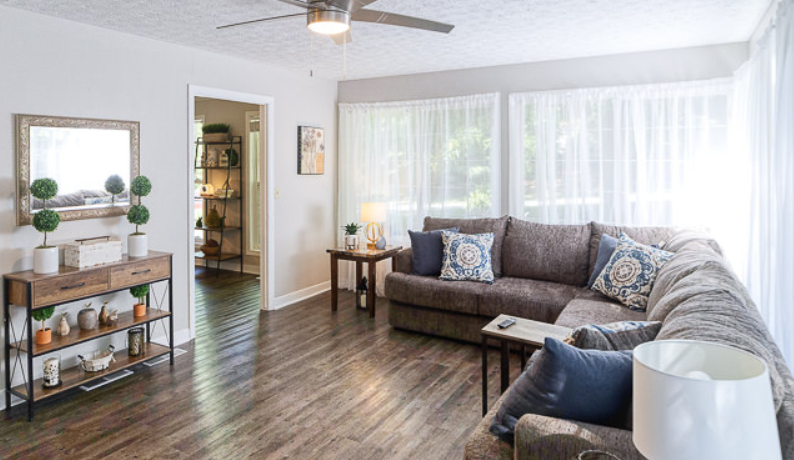
How is Embassy Of Lyndhurst Staffed?

CMS rates EMBASSY OF LYNDHURST's staffing level at 2 out of 5 stars, which is below average compared to other nursing homes. Staff turnover is 67%, which is 21 percentage points above the Ohio average of 46%. High turnover can affect care consistency as new staff learn residents' individual needs. RN turnover specifically is 73%, which is notably high. RNs provide skilled clinical oversight, so turnover in this role can affect medical care quality.

What Have Inspectors Found at Embassy Of Lyndhurst?

State health inspectors documented 77 deficiencies at EMBASSY OF LYNDHURST during 2020 to 2025. These included: 4 that caused actual resident harm, 69 with potential for harm, and 4 minor or isolated issues. Deficiencies causing actual harm indicate documented cases where residents experienced negative health consequences.
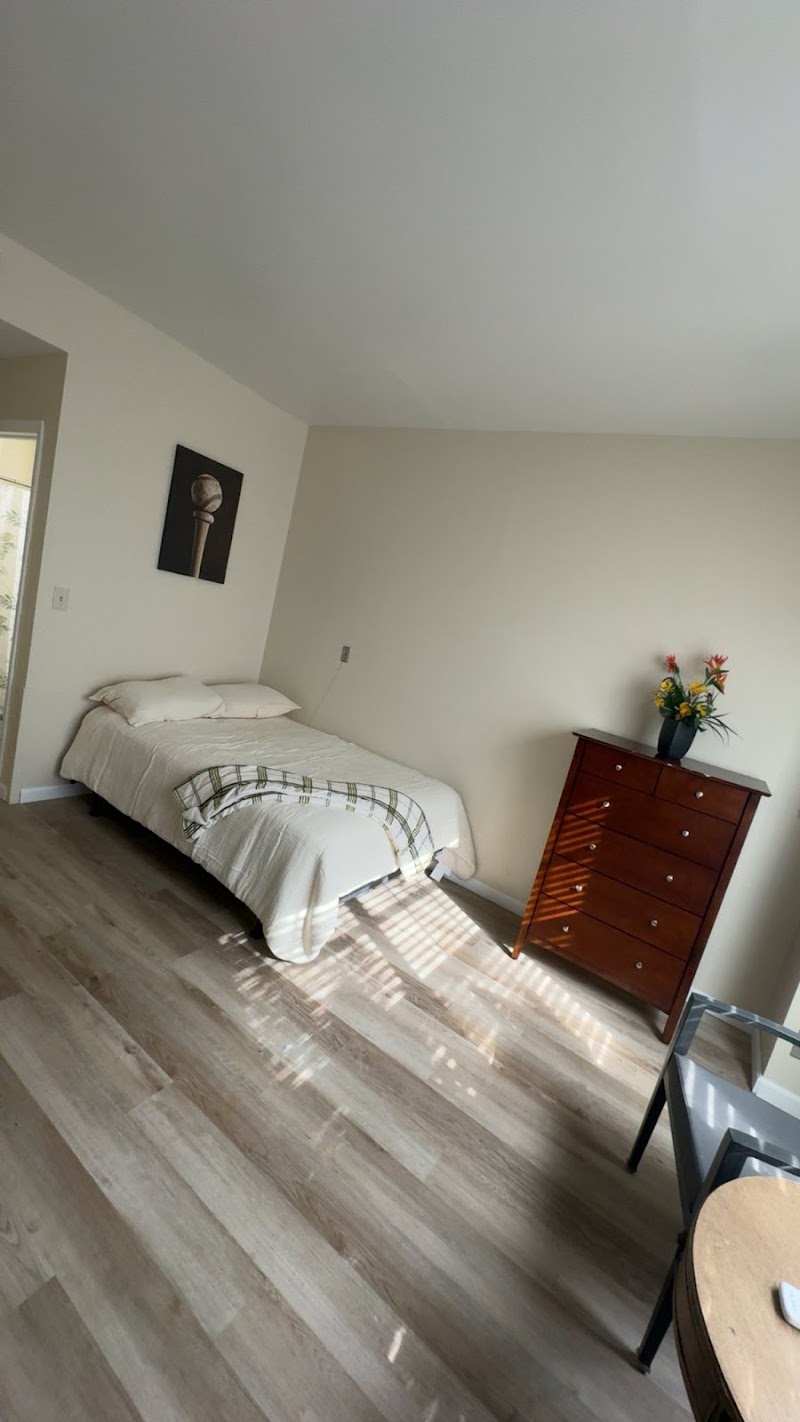
Who Owns and Operates Embassy Of Lyndhurst?

EMBASSY OF LYNDHURST is owned by a for-profit company. For-profit facilities operate as businesses with obligations to shareholders or private owners. The facility is operated by EMBASSY HEALTHCARE, a chain that manages multiple nursing homes. With 140 certified beds and approximately 78 residents (about 56% occupancy), it is a mid-sized facility located in LYNDHURST, Ohio.
How Does Embassy Of Lyndhurst Compare to Other Ohio Nursing Homes?

Compared to the 100 nursing homes in Ohio, EMBASSY OF LYNDHURST's overall rating (2 stars) is below the state average of 3.2, staff turnover (67%) is significantly higher than the state average of 46%, and health inspection rating (1 stars) is much below the national benchmark.

What Should Families Ask When Visiting Embassy Of Lyndhurst?

Based on this facility's data, families visiting should ask: "How do you ensure continuity of care given staff turnover, and what is your staff retention strategy?" "Can you walk me through typical staffing levels on day, evening, and night shifts?" "Can I visit during a mealtime to observe dining assistance and food quality?" "How do you handle medical emergencies, and what is your hospital transfer rate?" These questions are particularly relevant given the facility's high staff turnover rate and the below-average staffing rating.

Is Embassy Of Lyndhurst Safe?

Based on CMS inspection data, EMBASSY OF LYNDHURST has a clean safety record: no substantiated abuse findings (meaning no confirmed cases of resident harm), no Immediate Jeopardy citations (the most serious violation level indicating risk of serious injury or death), and is not on the Special Focus Facility watch list (a federal program monitoring the lowest-performing 1% of nursing homes). The facility has a 2-star overall rating and ranks #100 of 100 nursing homes in Ohio. While no facility is perfect, families should still ask about staff-to-resident ratios and recent inspection results during their visit.

Do Nurses at Embassy Of Lyndhurst Stick Around?

Staff turnover at EMBASSY OF LYNDHURST is high. At 67%, the facility is 21 percentage points above the Ohio average of 46%. Registered Nurse turnover is particularly concerning at 73%. RNs handle complex medical decisions and coordinate care — frequent RN changes can directly impact care quality. High turnover means new staff may not know residents' individual needs, medications, or preferences. It can also be disorienting for residents, especially those with dementia who rely on familiar faces. Families should ask: What is causing the turnover? What retention programs are in place? How do you ensure care continuity during staff transitions?

Was Embassy Of Lyndhurst Ever Fined?

EMBASSY OF LYNDHURST has been fined $78,404 across 2 penalty actions. This is above the Ohio average of $33,863. Fines in this range indicate compliance issues significant enough for CMS to impose meaningful financial consequences. Common causes include delayed correction of deficiencies, repeat violations, or care failures affecting resident safety. Families should ask facility leadership what changes have been made since these penalties.

Is Embassy Of Lyndhurst on Any Federal Watch List?

EMBASSY OF LYNDHURST is not on any federal watch list. The most significant is the Special Focus Facility (SFF) program, which identifies the bottom 1% of nursing homes nationally based on persistent, serious quality problems. Not being on this list means the facility has avoided the pattern of deficiencies that triggers enhanced federal oversight. This is a positive indicator, though families should still review the facility's inspection history directly.